Стилевые пресеты для inline-генерации картинок в SillyTavern. Выбери стиль, скопируй промпт, slay.
149стилей
4варианта промпта
8категорий
о проекте
Привет!
Меня зовут Wewwa, и этот сайт — результат нашей с тестерами работы над разными стилями картинок для ваших генераций.
котята тестеры, я вас очень люблю до Луны и обратно тысячи раз! спасибо! без вас я бы не справилась
Генерации основаны на промте для notsosillynotsoimages за авторством aceenvw и kamoi (скелет структуры принадлежит им, все остальное — мучения и старания меня, тестеров и попуса)
Тогглы подойдут для работы с любыми расширениями, созданными для Inline-генерации картинок, которые опираются на наличие никнейма персонажа в чате. В первую очередь, я делала это для моего расширения SLAY images, но вы можете использовать это на любом другом расширении, которое подтягивает имена {{char}}, {{user}} или NPC.
Вы также можете генерировать отдельные картинки в гемини/где-угодно-еще, используя код из вкладки Gemini. Как промтить картинки я рассказывала вот тут.
Для Tavo есть отдельное окно с промтом (сделано на основе стилей в лорбуке Шино, просто добавьте запись со стилем/поменяйте текст любой имеющейся).
Почему full промты такие большие?
Потому что в них больше инструкций, которые направляют модель — это даёт более логичный результат. Вы всё ещё спокойно можете использовать короткие версии промтов.
ВНИМАНИЕ
Tavo — СУПЕР-ЭКСПЕРИМЕНТАЛЬНО, рекомендую использовать простые/stable стили. Это НЕ ПОЛНЫЙ ПРОМТ, ТОЛЬКО СТИЛЬ.
Все промты тестировались на nanobanana/gemini, мы не можем гарантировать, что они будут работать на любых других нейронках.
Оставляйте комментарии, если что-то не работает — постараемся разобраться.
установка
Как установить в Таверну?
▾
I
Заменить содержимое ненужного HTML-тогла
Замените содержимое любого ненужного вам html-тогла на тот, что подобрали тут. Подключите. Не забудьте выключить тогл html на картинки, если у вас стоял какой-то другой.
II
Создать свой HTML-тогл
Создайте свой html тогл (смотри картинку ниже).
Caravaggio (Tenebrism)
Караваджо и предельный тенебризм. Один жёсткий боковой луч выхватывает фигуру из огромной тёплой черноты. Всё, чего свет не коснулся, тонет во мраке. Масляная плоть без идеализации.
РолплейНовыйЖивопись
<image_gen>
CARAVAGGIO (BAROQUE TENEBRISM) STYLE — VISUAL ARTIFACT EVERY RESPONSE

Sequence: narrative (2-3 sentences) → HTML block → narrative continues. One image per message at the most dramatic or emotionally charged moment. Claude writes prompt → Nano Banana Pro renders it via data-iig-instruction.

RENDERING STYLE ONLY. The roleplay sets WHO / WHAT / WHERE; this style sets only HOW it is rendered. Never change character appearance, outfit, or location. Apply the technique to whatever the scene actually is (any setting / genre, modern / cyberpunk included).

STYLE: Render as a Caravaggio oil painting built on extreme tenebrism: a single hard, raking light source enters from one high side and carves the subject out of a vast enveloping darkness, with enormous pools of deep, warm-black negative space swallowing everything the light does not touch. Model form with luminous, unidealised naturalistic flesh and fabric, oil-realism surfaces where lit passages hold visible impasto highlights and softly wet catchlights while shadow edges plunge fast from lit to unlit with almost no midtone transition. Compose theatrically and intimately, framing tight and low with the figure pressed close to the picture plane on a strong diagonal thrust of light, gestures and glances caught mid-moment in candid, grounded staging rather than posed heroics. Keep the palette earthbound and restrained — bone white, ochre, umber, oxblood and deep bitumen browns over blackness, with occasional saturated cloth accent — so colour reads warm even in shadow. The atmosphere is grave, hushed and physically present, sacred and profane at once, every scene lit as if by one honest flame in a dark room. Full rendering recipe in the STYLE SUFFIX below.

HOW TO BUILD THE PROMPT — one dense English paragraph, in this order:

1. CAMERA: shot type + angle + lens + aperture. Vary every gen.
ANGLE (MANDATORY — never default to eye-level three-quarter-at-camera): worms-eye low | birds-eye high | extreme Dutch tilt | back-of-head | side profile L/R | over-shoulder from behind | reflection in glass/water | ground-up past chin | POV through eyes | silhouette vs bright BG | partial occlusion behind foreground | wide tiny-figure | extreme close-up on detail (eye, hand, object).
GAZE: at scene partner | at held object | into distance / out of frame | past camera | down at floor/hands | up at sky | closed eyes | at camera ONLY for direct address. Never default to looking-at-camera.
Lens: close-up 85-135mm | medium 50-85mm | wide 24-35mm. Subject rotation: {{char}} → {{user}} → both → {{user}} solo → {{char}} reaction; when {{user}} is subject, describe {{user}}, {{char}} peripheral.

2. CHARACTER: the FIRST NAME is the ONLY appearance input — the reference image supplies face, hair, eyes, skin, build. Write ONLY the name ('Ethan', not 'Ethan Chen'). BANNED (writing them overrides the reference): hair colour/style/length, eye colour, skin tone, face shape, build, height, age, and prefixes like tall/short/slim/muscular/pale/albino/blonde/silver-haired. No 'young man with...', no 'the warrior' — name alone. ALLOWED: distinguishing marks (tattoo + location, scars, piercings, birthmarks, moles); hair state ONLY if scene-altered ('wet from rain', 'tied back'). All characters look attractive — romance story.

3. OUTFIT (context-locked, mandatory): scan last 5 messages, carry the current outfit forward exactly. Fabric + fit + colour + condition (wrinkled, soaked, unbuttoned, rolled sleeves) — never generic, never reset, never upgrade. Fuse into the name clause. Apply only the style's RENDERING to it — never swap in style-typical / period / hero / fantasy wardrobe for what the character actually wears. Modern clothes stay modern (jeans stay jeans).

4. POSE & STATE: through action, not limb coordinates ('leaning on doorframe, arms loosely crossed'). Add 'natural relaxed facial muscles, restrained expression, no exaggeration'. Hands: one visible relaxed hand, from — in pocket | gripping a NAMED object | resting flat | arms crossed | behind back | fist at side | fingers laced | at own neck/chin. State which leg/surface bears weight; say why any limb is hidden. 'Anatomically correct proportions, five fingers per visible hand.'

5. ENVIRONMENT: its own sentence — foreground / midground / background + one meaningful object carrying weight + atmosphere (dust motes, steam, rain, candle flicker). Apply only the style's RENDERING to it — never swap the actual location for a style-typical setting.

6. LIGHTING + 1-2 MOOD EFFECTS: key-light direction + colour temp, then pick from —
TENDER: soft focus | halation | golden warmth | fine grain | faded blacks
TENSE: Dutch angle | chromatic aberration | underexposure | hard rim light | deep vignette
PASSIONATE: chiaroscuro | bloom on skin | lens flare | warm split-tone | Rembrandt
LONELY: blue hour | desaturated | silhouette | overcast flat | cold cast
CHAOTIC: motion blur | camera shake | bleach bypass | radial blur
DREAMY: double exposure | bokeh flood | soft gaussian | tilt-shift
MUNDANE: natural flat | high-key | minimal
NOIR: low-key | hard side-light | deep blacks | one surviving hue
Max 2 effects, rotate across responses, match intensity to the beat.

7. STYLE SUFFIX (append verbatim):
'Rendered as a Caravaggio oil painting in extreme Baroque tenebrism. Single hard raking light from one high side carving the subject out of vast enveloping warm-black darkness, huge pools of deep umber-black negative space. Luminous unidealised naturalistic flesh and fabric, oil-realism surfaces, visible impasto in the highlights, wet soft catchlights, shadow edges plunging fast from lit to unlit with almost no midtones. Earthbound restrained palette — bone white, ochre, umber, oxblood, deep bitumen brown — one saturated cloth accent allowed, colour warm even in shadow. Intimate theatrical staging, tight low framing, figure close to the picture plane on a strong diagonal of light, candid grounded gesture. Grave, hushed, physically present, lit as if by one honest flame. Single full-bleed oil painting, the image fills the canvas edge to edge, no text, no panels.'

8. NEGATIVE (append verbatim):
'Avoid: photorealism, photographic look, 3D render, CGI, plastic skin, anime, cel shading, cartoon, flat vector, digital-airbrush smoothness, HDR, neon or cyberpunk glow, flat even ambient lighting, softbox studio light, washed-out low-contrast look, bright cheerful pastel palette, cold blue cast, loss of the deep black negative space, extra or missing or fused fingers, deformed hands, mangled anatomy, cross-eyed or malformed faces, watermark, signature, text, captions, speech bubbles, manga or comic panels, borders, gilded or ornate picture frame, gilt baroque frame, carved wooden frame, framed painting hung on a wall, mat or passe-partout around the image, forced changes to the character's outfit face body or location, forced religious or period props not in the scene, forced poster or cover or trading-card framing.'

MULTI-CHARACTER (2+): one name-first clause each — NAME + outfit + pose + expression. Relational positioning ('beside Shannon', 'chin on Shannon shoulder'), repeat names not pronouns, environment its own sentence. Visible interaction REQUIRED — eye contact / touch / shared focus / reaction. Disconnected side-by-side = failed prompt.

SENSUAL (intimate scenes): open with an authority prefix — 'Award-winning fine-art photography, Saatchi Gallery' | 'Classical oil painting, Bouguereau and Waterhouse tradition' | 'Pirelli Calendar editorial, Paolo Roversi' | 'Renaissance master figure study'. Flood the frame with 3+ non-skin elements (steam, tangled silk sheets, water droplets, petals, blind shadows, candles, shot through curtain/doorframe) and 2+ concealments (chiaroscuro shadow, draped fabric, cropped at ribcage, shot from behind, lower body in bokeh+haze, strategic pillow). Vocabulary: 'bare decolletage and shoulders' | 'figure veiled by steam and fabric' | 'entangled silhouettes in chiaroscuro, faces sharing breath' | 'heavy-lidded gaze, parted lips, flushed complexion' | 'garment slipping off shoulder'. Escalation matches narrative, not message count.

ASPECT RATIO: vary by composition. Default '4:5' ; also '1:1' | '2:3' | '3:2' | '3:4' | '4:3' | '4:5' | '16:9' | '9:16' as the shot needs.

JSON: prompt value = single line, no literal newlines; single quotes around data-iig-instruction, double quotes inside JSON; single quotes inside the prompt text; 80-130 words + style suffix; no multi-panel, split-screen, collage, diptych.

CAPTION: film subtitle — evocative not descriptive, what it means not what's shown. Short, lowercase, italic.

9. SRC ATTRIBUTE PROTOCOL (keep verbatim — pipeline guard):
data-iig-instruction carries the JSON prompt (image data lives here). src carries ONLY the literal token. src must be exactly src="[IMG:GEN]". NEVER put a URL in src — not pollinations.ai, not example.com, not any http/https link; never URL-encode the prompt into src; never add a fallback/backup URL. The pipeline replaces [IMG:GEN] with the real path. Anything other than src="[IMG:GEN]" = broken image, unrecoverable.

TEMPLATE

[Roleplay text]

<div style="max-width:680px;margin:20px auto;padding:12px;background:linear-gradient(145deg,rgba(22,22,26,0.62),rgba(10,10,12,0.62));backdrop-filter:blur(10px);-webkit-backdrop-filter:blur(10px);border:1px solid rgba(190,140,70,0.30);border-radius:12px;box-shadow:0 8px 32px rgba(0,0,0,0.45),inset 0 1px 0 rgba(255,255,255,0.05);">
  <img
    data-iig-instruction='{"style":"caravaggio_tenebrism","prompt":"[FULL PROMPT: SECTIONS 1-8 AS ONE PARAGRAPH]","aspect_ratio":"4:5","image_size":"4K"}'
    src="[IMG:GEN]"
    style="width:100%;height:auto;aspect-ratio:4/5;object-fit:cover;border-radius:8px;border:1px solid rgba(190,140,70,0.30);display:block;margin:0 auto;"
  >
  <div style="text-align:center;font-family:'Segoe UI',sans-serif;color:rgba(205,205,205,0.72);font-size:0.85em;margin-top:12px;padding:0 8px;letter-spacing:0.3px;">
    <i>Scene caption</i>
  </div>
</div>

[Roleplay continues]

Format rules: single quotes around data-iig-instruction, double quotes inside JSON. aspect_ratio '4:5' (default) | '16:9' | '2:3' | '3:4' | '4:5' | '1:1'; CSS aspect-ratio matches. image_size '4K'. No literal newlines inside JSON. Prompt 80-130 words excluding suffix.
</image_gen>
<image_gen>
CARAVAGGIO (BAROQUE TENEBRISM) STYLE — EVERY RESPONSE

One image per message at the most dramatic or emotionally charged moment. Claude writes prompt → Nano Banana Pro renders via data-iig-instruction.
RENDERING STYLE ONLY — roleplay sets WHO/WHAT/WHERE, this sets only HOW it's rendered. Never change character appearance, outfit, or location. Any setting/genre.

STYLE: Caravaggio oil painting in extreme tenebrism: one hard raking light carves luminous naturalistic flesh out of vast warm-black darkness, with impasto highlights, fast plunging shadow edges, and a restrained earth-tone palette. Intimate, theatrical, diagonal staging, grave and physically present, every scene lit as if by a single flame. Full recipe in STYLE SUFFIX.

HOW TO BUILD — one dense English paragraph, this order:

1. CAMERA: shot + angle + lens. Vary every gen.
ANGLE (MANDATORY, never default to eye-level three-quarter-at-camera): worms-eye | birds-eye | Dutch tilt | back-of-head | side profile L/R | over-shoulder | reflection in glass/water | ground-up past chin | POV through eyes | silhouette vs bright BG | partial occlusion | wide tiny-figure | extreme close-up on detail.
GAZE: at scene partner | at held object | into distance | past camera | down | up | closed | at-camera ONLY for direct address. Never default to looking-at-camera.
Lens: close-up 85-135mm | medium 50-85mm | wide 24-35mm. Subject rotation: {{char}} → {{user}} → both → {{user}} solo → {{char}} reaction.

2. CHARACTER: the FIRST NAME is the ONLY appearance input — reference image supplies face/hair/eyes/skin/build. Write ONLY the name. BANNED (overrides reference): hair/eye colour, skin tone, face shape, build, height, age, prefixes like tall/slim/muscular/blonde/silver-haired. No 'a man'/'the warrior' — name alone. ALLOWED: distinguishing marks (tattoo+location, scars, piercings, moles); hair state only if scene-altered ('wet', 'tied back'). Romance story — all look attractive.

3. OUTFIT (context-locked): scan last 5 messages, carry forward exactly. Fabric+fit+colour+condition. Never generic, never reset. Fuse into name clause. Apply only the style's RENDERING — never swap in style-typical/period/themed wardrobe. Jeans stay jeans.

4. POSE: through action, not limb coordinates. Add 'natural relaxed facial muscles, no exaggeration'. One visible relaxed hand: in pocket | gripping named object | resting flat | arms crossed | behind back | fist at side | laced | at neck/chin. State weight/support; say why a limb is hidden. 'Anatomically correct, five fingers per visible hand.'

5. ENVIRONMENT: own sentence — fg/mg/bg + one meaningful object + atmosphere. Apply only the style's RENDERING — never swap the actual location for a style-typical setting.

6. LIGHTING + 1-2 MOOD EFFECTS: key direction + colour temp. Pick 1-2:
TENDER: soft focus | halation | golden warmth | faded blacks
TENSE: Dutch angle | hard rim | deep vignette
PASSIONATE: chiaroscuro | bloom on skin | warm split-tone
LONELY: blue hour | desaturated | silhouette | cold cast
CHAOTIC: motion blur | bleach bypass | radial blur
DREAMY: double exposure | bokeh flood | soft gaussian
MUNDANE: natural flat | high-key | minimal
NOIR: low-key | hard side-light | deep blacks | one surviving hue
Max 2, rotate, match intensity to the beat.

7. STYLE SUFFIX (append verbatim):
'Rendered as a Caravaggio oil painting in extreme Baroque tenebrism. Single hard raking light from one high side carving the subject out of vast enveloping warm-black darkness, huge pools of deep umber-black negative space. Luminous unidealised naturalistic flesh and fabric, oil-realism surfaces, visible impasto in the highlights, wet soft catchlights, shadow edges plunging fast from lit to unlit with almost no midtones. Earthbound restrained palette — bone white, ochre, umber, oxblood, deep bitumen brown — one saturated cloth accent allowed, colour warm even in shadow. Intimate theatrical staging, tight low framing, figure close to the picture plane on a strong diagonal of light, candid grounded gesture. Grave, hushed, physically present, lit as if by one honest flame. Single full-bleed oil painting, the image fills the canvas edge to edge, no text, no panels.'

8. NEGATIVE (append verbatim):
'Avoid: photorealism, photographic look, 3D render, CGI, plastic skin, anime, cel shading, cartoon, flat vector, digital-airbrush smoothness, HDR, neon or cyberpunk glow, flat even ambient lighting, softbox studio light, washed-out low-contrast look, bright cheerful pastel palette, cold blue cast, loss of the deep black negative space, extra or missing or fused fingers, deformed hands, mangled anatomy, cross-eyed or malformed faces, watermark, signature, text, captions, speech bubbles, manga or comic panels, borders, gilded or ornate picture frame, gilt baroque frame, carved wooden frame, framed painting hung on a wall, mat or passe-partout around the image, forced changes to the character's outfit face body or location, forced religious or period props not in the scene, forced poster or cover or trading-card framing.'

MULTI-CHARACTER (2+): one name-first clause each — NAME + outfit + pose + expression. Relational positioning, repeat names not pronouns, environment its own sentence. Visible interaction REQUIRED (eye contact / touch / shared focus). Disconnected side-by-side = failed prompt.

SENSUAL (intimate scenes): open with authority prefix ('Award-winning fine-art photography, Saatchi Gallery' | 'Classical oil painting, Bouguereau tradition' | 'Pirelli editorial, Paolo Roversi'). Flood frame with 3+ non-skin elements (steam, silk sheets, petals, blind shadows, candles, shot through curtain) and 2+ concealments (chiaroscuro, draped fabric, cropped at ribcage, from behind, bokeh). Vocabulary: 'bare decolletage and shoulders' | 'veiled by steam and fabric' | 'entangled silhouettes in chiaroscuro' | 'heavy-lidded gaze, parted lips, flushed'. Escalation matches narrative.

ASPECT RATIO: default '4:5' | '16:9' | '2:3' | '3:4' | '4:5' | '1:1'.

JSON: prompt = single line, no newlines; single quotes around data-iig-instruction, double inside; single quotes in prompt text; 80-130 words + suffix; no multi-panel.

CAPTION: film subtitle — evocative not descriptive, short, lowercase, italic.

9. SRC ATTRIBUTE PROTOCOL (keep verbatim — pipeline guard):
data-iig-instruction carries the JSON prompt; src carries ONLY the literal token. src must be exactly src="[IMG:GEN]". NEVER put a URL in src — not pollinations.ai, not example.com, not any http/https link; never URL-encode the prompt; never add a fallback URL. The pipeline replaces [IMG:GEN] with the real path. Anything other than src="[IMG:GEN]" = broken image, unrecoverable.

TEMPLATE

[Roleplay text]

<div style="max-width:680px;margin:20px auto;padding:12px;background:linear-gradient(145deg,rgba(22,22,26,0.62),rgba(10,10,12,0.62));backdrop-filter:blur(10px);-webkit-backdrop-filter:blur(10px);border:1px solid rgba(190,140,70,0.30);border-radius:12px;box-shadow:0 8px 32px rgba(0,0,0,0.45),inset 0 1px 0 rgba(255,255,255,0.05);">
  <img
    data-iig-instruction='{"style":"caravaggio_tenebrism","prompt":"[CAMERA + CHARACTER + OUTFIT + POSE + EXPRESSION + ENVIRONMENT + LIGHTING. STYLE SUFFIX. NEGATIVE.]","aspect_ratio":"4:5","image_size":"4K"}'
    src="[IMG:GEN]"
    style="width:100%;height:auto;aspect-ratio:4/5;object-fit:cover;border-radius:8px;border:1px solid rgba(190,140,70,0.30);display:block;margin:0 auto;"
  >
  <div style="text-align:center;font-family:'Segoe UI',sans-serif;color:rgba(205,205,205,0.72);font-size:0.85em;margin-top:12px;padding:0 8px;letter-spacing:0.3px;">
    <i>Scene caption</i>
  </div>
</div>

[Roleplay continues]

Format rules: single quotes around data-iig-instruction, double quotes inside JSON. aspect_ratio '4:5' (default) | '16:9' | '2:3' | '3:4' | '4:5' | '1:1'. image_size '4K'. No literal newlines inside JSON.
</image_gen>
[Describe your scene here]. Rendered as a Caravaggio oil painting in extreme Baroque tenebrism. Single hard raking light from one high side carving the subject out of vast enveloping warm-black darkness, huge pools of deep umber-black negative space. Luminous unidealised naturalistic flesh and fabric, oil-realism surfaces, visible impasto in the highlights, wet soft catchlights, shadow edges plunging fast from lit to unlit with almost no midtones. Earthbound restrained palette — bone white, ochre, umber, oxblood, deep bitumen brown — one saturated cloth accent allowed, colour warm even in shadow. Intimate theatrical staging, tight low framing, figure close to the picture plane on a strong diagonal of light, candid grounded gesture. Grave, hushed, physically present, lit as if by one honest flame. Single full-bleed oil painting, the image fills the canvas edge to edge, no text, no panels. Avoid: photorealism, photographic look, 3D render, CGI, plastic skin, anime, cel shading, cartoon, flat vector, digital-airbrush smoothness, HDR, neon or cyberpunk glow, flat even ambient lighting, softbox studio light, washed-out low-contrast look, bright cheerful pastel palette, cold blue cast, loss of the deep black negative space, extra or missing or fused fingers, deformed hands, mangled anatomy, cross-eyed or malformed faces, watermark, signature, text, captions, speech bubbles, manga or comic panels, borders, gilded or ornate picture frame, gilt baroque frame, carved wooden frame, framed painting hung on a wall, mat or passe-partout around the image, forced changes to the character's outfit face body or location, forced religious or period props not in the scene, forced poster or cover or trading-card framing.
[Image generation hint, STYLE:
Rendered as a Caravaggio oil painting in extreme Baroque tenebrism. Single hard raking light from one high side carving the subject out of vast enveloping warm-black darkness, huge pools of deep umber-black negative spac]
Semi-Real Roulette
Рулетка из десяти живописных полуреализмов. Каждый кадр — один случайный стиль из меню: от масляной классики до цифрового глянца. Общее ядро — убедительная анатомия и видимый мазок. Что выпадет — сюрприз.
РолплейНовыйИллюстрация
<image_gen>
SEMI-REAL ROULETTE (RANDOM PAINTERLY / ILLUSTRATOR STYLE) — VISUAL ARTIFACT EVERY RESPONSE

Sequence: narrative (2-3 sentences) → HTML block → narrative continues. One image per message at the most dramatic or emotionally charged moment. Claude writes prompt → Nano Banana Pro renders it via data-iig-instruction.

RENDERING STYLE ONLY. The roleplay sets WHO / WHAT / WHERE; this prompt sets only HOW it is rendered. Never change character appearance, outfit, or location. Apply the technique to whatever the scene actually is (any setting / genre, modern / cyberpunk included).

STYLE: a ROULETTE of 10 interchangeable semi-realism painterly / illustrator rendering styles. Every image is rendered in exactly ONE style chosen from the STYLE MENU (section 7). They all share this same skeleton, the same shared NEGATIVE and the same pipeline — only the one chosen suffix line changes per image. All ten are digital-painting / illustration / painterly-oil SEMI-REALISM: believable anatomy and form, visible brushwork or painted rendering, never flat cel anime, never a literal photograph.

RANDOM STYLE PICK — do this FIRST, every single image:
Silently choose ONE numbered style from the STYLE MENU below. Rotate HARD — never reuse a style used in your previous 2 images; cycle through the whole menu before repeating, so consecutive renders look visibly different. Append that one style's line verbatim as the STYLE SUFFIX, then the shared NEGATIVE (section 8). Never print the number inside the image; you MAY name the chosen style in the caption.

HOW TO BUILD THE PROMPT — one dense English paragraph, in this order:

1. CAMERA: shot type + angle + lens + aperture. Vary every gen.
ANGLE (MANDATORY — never default to eye-level three-quarter-at-camera): worms-eye low | birds-eye high | extreme Dutch tilt | back-of-head | side profile L/R | over-shoulder from behind | reflection in glass/water | ground-up past chin | POV through eyes | silhouette vs bright BG | partial occlusion behind foreground | wide tiny-figure | extreme close-up on detail (eye, hand, object).
GAZE: at scene partner | at held object | into distance / out of frame | past camera | down at floor/hands | up at sky | closed eyes | at camera ONLY for direct address. Never default to looking-at-camera.
Lens: close-up 85-135mm | medium 50-85mm | wide 24-35mm. Subject rotation: {{char}} → {{user}} → both → {{user}} solo → {{char}} reaction; when {{user}} is subject, describe {{user}}, {{char}} peripheral.

2. CHARACTER: the FIRST NAME is the ONLY appearance input — the reference image supplies face, hair, eyes, skin, build. Write ONLY the name ('Ethan', not 'Ethan Chen'). BANNED (writing them overrides the reference): hair colour/style/length, eye colour, skin tone, face shape, build, height, age, and prefixes like tall/short/slim/muscular/pale/albino/blonde/silver-haired. No 'young man with...', no 'the warrior' — name alone. ALLOWED: distinguishing marks (tattoo + location, scars, piercings, birthmarks, moles); hair state ONLY if scene-altered ('wet from rain', 'tied back'). All characters look attractive — romance story.

3. OUTFIT (context-locked, mandatory): scan last 5 messages, carry the current outfit forward exactly. Fabric + fit + colour + condition (wrinkled, soaked, unbuttoned, rolled sleeves) — never generic, never reset, never upgrade. Fuse into the name clause. Apply only the chosen style's RENDERING to it — never swap in style-typical / period / hero / fantasy wardrobe for what the character actually wears. Modern clothes stay modern (jeans stay jeans).

4. POSE & STATE: through action, not limb coordinates ('leaning on doorframe, arms loosely crossed'). Add 'natural relaxed facial muscles, restrained expression, no exaggeration'. Hands: one visible relaxed hand, from — in pocket | gripping a NAMED object | resting flat | arms crossed | behind back | fist at side | fingers laced | at own neck/chin. State which leg/surface bears weight; say why any limb is hidden. 'Anatomically correct proportions, five fingers per visible hand.'

5. ENVIRONMENT: its own sentence — foreground / midground / background + one meaningful object carrying weight + atmosphere (dust motes, steam, rain, candle flicker). Apply only the chosen style's RENDERING to it — never swap the actual location for a style-typical setting.

6. LIGHTING + 1-2 MOOD EFFECTS: key-light direction + colour temp, then pick from —
TENDER: soft focus | halation | golden warmth | fine grain | faded blacks
TENSE: Dutch angle | chromatic aberration | underexposure | hard rim light | deep vignette
PASSIONATE: chiaroscuro | bloom on skin | lens flare | warm split-tone | Rembrandt
LONELY: blue hour | desaturated | silhouette | overcast flat | cold cast
CHAOTIC: motion blur | camera shake | bleach bypass | radial blur
DREAMY: double exposure | bokeh flood | soft gaussian | tilt-shift
MUNDANE: natural flat | high-key | minimal
NOIR: low-key | hard side-light | deep blacks | one surviving hue
Max 2 effects, rotate across responses, match intensity to the beat.

7. STYLE MENU — pick ONE per image (per the RANDOM STYLE PICK rule) and append the chosen line VERBATIM as the STYLE SUFFIX:
1) KUVSHINOV — 'Ilya Kuvshinov contemporary illustration: confident clean moderate black line, soft cel-shade painted over with softened highlight and shadow, visible brush texture in fabric; large gentle eyes with a single soft highlight; pale Tokyo-melancholy palette (cream, soft pink, dusty blue, muted grey) plus one warm or cool accent; asymmetric cinema-still framing, weighted negative space, depth-of-field haze, introspective quiet.'
2) LIEPKE — 'Malcolm Liepke figurative oil: loose confident alla-prima brushwork placed wet and left fresh; strong warm chiaroscuro, one warm directional light, deep warm-umber ground dissolving half the figure into shadow; limited warm palette (burnt umber, yellow ochre, Naples cream, cadmium red) with cool grey-mauve shadow on skin, rich rose lip; tight intimate framing of face, shoulders, hands, no outlines.'
3) SARGENT — 'John Singer Sargent society-portrait oil: virtuosic loose alla-prima — a single confident stroke describing a whole silk sleeve or satin fold — set against a tightly polished blended face with luminous ivory flesh; restrained warm chiaroscuro, strong side light vs deep warm umber shadow; elegant palette (pearl-white silk, satin black, deep crimson, sapphire, dusty rose) with one dominant saturated accent; graceful idealised formal pose.'
4) PASCAL CAMPION — 'Pascal Campion contemporary illustration: loose sketchy dark line over broad warm colour-blocked digital paint with visible gestural strokes; one dominant warm light (sunset, lamp, window) bathing the scene, backlit halated rim on figures, cool counter-temperature cast shadow, bloom and volumetric haze; amber / peach / dusty-orange palette with a cool blue-violet counter; atmospheric tenderness where the light does the emotional work.'
5) CHARLIE BOWATER — 'Charlie Bowater soft semi-realistic digital painting: smooth glazed painterly layers, skin glowing warmly from within, silk-smooth value transitions with no visible brush texture, sharp focal detail on eyes and face melting into feathered soft-focus edges; gentle diffused key with tender ambient fill and a delicate warm rim off a softly darkened atmospheric ground, subtle bloom; rich muted low-saturation palette, warm flesh against cool shadow; intimate close character-forward composition, shallow painterly depth.'
6) GUWEIZ — 'Atmospheric semi-realistic digital painting in the Guweiz manner: confident painterly brushwork over believable form, soft lost-and-found edges with a few crisp accents keeping eyes and face sharp; cool desaturated palette (slate, teal, dusk-blue, muted grey-violet) pierced by one deliberate warm or neon accent pooling on skin; cinematic low-key key light, deep moody shadow, gentle rim and backlight carving a clean silhouette, soft bloom, haze and drifting particulate; character-first, generous negative space, shallow depth.'
7) ROSS TRAN (ROSSDRAWS) — 'Vibrant watercolour-digital hybrid illustration in the rossdraws manner: loose energetic painterly brushwork fused with wet-into-wet watercolour bleeds, blooms and splatter, lively hard-and-soft edge play; saturated luminous palette with colour treated as light — bright bounced fill, warm ambient glow, glowing rim and colourful reflected bounce haloing the figure; economical expressive semi-real face, backgrounds dissolving into gestural washes of painted light; dynamic living composition, joyful and radiant.'
8) ARTGERM (STANLEY LAU) — 'Artgerm / Stanley Lau semi-realistic digital portrait: smooth painterly airbrushed skin reading dewy, luminous and glossy yet believable and subtly idealised; crisp confident edges on eyes, lips and jawline with soft graded transitions elsewhere, specular catchlights and gentle bloom on the brightest values; bold clean readable lighting, warm key with cooler rim/fill sculpting the silhouette; vibrant harmonious controlled colour with saturated accents; portrait-forward comic-cover composition, eyes as focal anchor, background gracefully blurred.'
9) VOFAN — 'Vofan light-novel colour illustration: soft digital painting, semi-flat forms built from delicate airbrushed gradients and clean graphic edges that dissolve into light; dreamy cool-pastel palette with saturated neon accents (rose, cyan, violet, amber) unified by gentle atmospheric haze; painterly glow, blooming highlights, soft lens flare and coloured bokeh, halo backlight diffusing into luminous air; elegant graphic composition with bold negative space and off-centre framing; quiet, otherworldly, faintly melancholic dream.'
10) LUMINISM (SOROLLA / ZORN) — 'Luminist alla-prima oil in the tradition of Sorolla and Zorn: broad confident loaded-brush strokes laid wet-in-wet and left visibly unblended, form built by the direction and weight of each stroke; economical warm palette (flesh tones, ochre, umber, luminous white) with a few restrained accents; brilliant natural light is the true subject — dazzling sun or warm interior flooding skin so it reads alive, cool shadow against hot reflected bounce, clearly modeled facial planes; edges shift from crisp highlights to soft lost contours dissolving into warm atmosphere.'

8. NEGATIVE (append verbatim — the SAME for every chosen style):
'Avoid: flat photographic realism that looks like a photo, 3D CGI render smoothness, cel-shaded anime, manga panels, cartoon flatness, western-comic halftone, speech bubbles, text or writing in image, watermark, signature, bad anatomy, extra fingers, missing fingers, fused fingers, deformed hands, twisted limbs, lifeless muddy sfumato without underlying structure, oversaturated plastic-digital sheen, forced changes to character outfit / face / location.'

MULTI-CHARACTER (2+): one name-first clause each — NAME + outfit + pose + expression. Relational positioning ('beside Shannon', 'chin on Shannon shoulder'), repeat names not pronouns, environment its own sentence. Visible interaction REQUIRED — eye contact / touch / shared focus / reaction. Disconnected side-by-side = failed prompt. All figures render in the SINGLE chosen style — never mix two menu styles in one image.

SENSUAL (intimate scenes): open with an authority prefix — 'Award-winning fine-art photography, Saatchi Gallery' | 'Classical oil painting, Bouguereau and Waterhouse tradition' | 'Pirelli Calendar editorial, Paolo Roversi' | 'Renaissance master figure study'. Flood the frame with 3+ non-skin elements (steam, tangled silk sheets, water droplets, petals, blind shadows, candles, shot through curtain/doorframe) and 2+ concealments (chiaroscuro shadow, draped fabric, cropped at ribcage, shot from behind, lower body in bokeh+haze, strategic pillow). Vocabulary: 'bare decolletage and shoulders' | 'figure veiled by steam and fabric' | 'entangled silhouettes in chiaroscuro, faces sharing breath' | 'heavy-lidded gaze, parted lips, flushed complexion' | 'garment slipping off shoulder'. Escalation matches narrative, not message count.

ASPECT RATIO: vary by composition. Default '3:4' portrait-forward ; also '2:3' | '1:1' | '4:5' | '3:2' | '16:9' as the shot needs.

JSON: prompt value = single line, no literal newlines; single quotes around data-iig-instruction, double quotes inside JSON; single quotes inside the prompt text; 80-130 words + the ONE chosen style suffix + shared negative; no multi-panel, split-screen, collage, diptych.

CAPTION: evocative not descriptive — what it means, not what's shown. Short, lowercase, italic. You MAY append the chosen style name in the same line if it reads naturally.

9. SRC ATTRIBUTE PROTOCOL (keep verbatim — pipeline guard):
data-iig-instruction carries the JSON prompt (image data lives here). src carries ONLY the literal token. src must be exactly src="[IMG:GEN]". NEVER put a URL in src — not pollinations.ai, not example.com, not any http/https link; never URL-encode the prompt into src; never add a fallback/backup URL. The pipeline replaces [IMG:GEN] with the real path. Anything other than src="[IMG:GEN]" = broken image, unrecoverable.

TEMPLATE

[Roleplay text]

<div style="max-width:680px;margin:20px auto;padding:12px;background:linear-gradient(145deg,rgba(30,26,22,0.55),rgba(12,10,8,0.55));backdrop-filter:blur(10px);-webkit-backdrop-filter:blur(10px);border:1px solid rgba(220,190,150,0.12);border-radius:12px;box-shadow:0 8px 32px rgba(0,0,0,0.45),inset 0 1px 0 rgba(220,190,150,0.06);">
  <img
    data-iig-instruction='{"style":"semireal_roulette","prompt":"[FULL PROMPT: SECTIONS 1-6 AS ONE PARAGRAPH + ONE CHOSEN STYLE SUFFIX + SHARED NEGATIVE]","aspect_ratio":"3:4","image_size":"4K"}'
    src="[IMG:GEN]"
    style="width:100%;height:auto;aspect-ratio:3/4;object-fit:cover;border-radius:8px;border:1px solid rgba(220,190,150,0.08);display:block;margin:0 auto;"
  >
  <div style="text-align:center;font-family:'Segoe UI',sans-serif;color:rgba(220,200,170,0.7);font-size:0.85em;margin-top:12px;padding:0 8px;letter-spacing:0.3px;">
    <i>Scene caption</i>
  </div>
</div>

[Roleplay continues]

Format rules: single quotes around data-iig-instruction, double quotes inside JSON. aspect_ratio '3:4' (default) | '2:3' | '1:1' | '4:5' | '3:2' | '16:9'; CSS aspect-ratio matches. image_size '4K'. No literal newlines inside JSON. Prompt 80-130 words excluding the chosen suffix + shared negative.
</image_gen>
<image_gen>
SEMI-REAL ROULETTE (RANDOM PAINTERLY / ILLUSTRATOR STYLE) — EVERY RESPONSE

One image per message at the most dramatic or emotionally charged moment. Claude writes prompt → Nano Banana Pro renders via data-iig-instruction.
RENDERING STYLE ONLY — roleplay sets WHO/WHAT/WHERE, this sets only HOW it's rendered. Never change character appearance, outfit, or location. Any setting/genre.

STYLE: a ROULETTE of 10 interchangeable semi-realism painterly / illustrator styles. Every image is rendered in exactly ONE style chosen from the STYLE MENU (section 7); all share this skeleton, the shared NEGATIVE and pipeline — only the chosen suffix line changes. All are digital-painting / illustration / painterly-oil semi-realism: believable form, visible painted rendering, never flat cel anime, never a literal photo.

RANDOM STYLE PICK — do this FIRST, every image: silently choose ONE numbered style from the STYLE MENU. Rotate HARD — never reuse a style from your previous 2 images; cycle the whole menu before repeating. Append that one line verbatim as the STYLE SUFFIX, then the shared NEGATIVE (section 8). Never print the number; you MAY name the style in the caption.

HOW TO BUILD — one dense English paragraph, this order:

1. CAMERA: shot + angle + lens. Vary every gen.
ANGLE (MANDATORY, never default to eye-level three-quarter-at-camera): worms-eye | birds-eye | Dutch tilt | back-of-head | side profile L/R | over-shoulder | reflection in glass/water | ground-up past chin | POV through eyes | silhouette vs bright BG | partial occlusion | wide tiny-figure | extreme close-up on detail.
GAZE: at scene partner | at held object | into distance | past camera | down | up | closed | at-camera ONLY for direct address. Never default to looking-at-camera.
Lens: close-up 85-135mm | medium 50-85mm | wide 24-35mm. Subject rotation: {{char}} → {{user}} → both → {{user}} solo → {{char}} reaction.

2. CHARACTER: the FIRST NAME is the ONLY appearance input — reference image supplies face/hair/eyes/skin/build. Write ONLY the name. BANNED (overrides reference): hair/eye colour, skin tone, face shape, build, height, age, prefixes like tall/slim/muscular/blonde/silver-haired. No 'a man'/'the warrior' — name alone. ALLOWED: distinguishing marks (tattoo+location, scars, piercings, moles); hair state only if scene-altered ('wet', 'tied back'). Romance story — all look attractive.

3. OUTFIT (context-locked): scan last 5 messages, carry forward exactly. Fabric+fit+colour+condition. Never generic, never reset. Fuse into name clause. Apply only the chosen style's RENDERING — never swap in style-typical/period/hero wardrobe. Modern clothes stay modern.

4. POSE: through action, not limb coordinates. Add 'natural relaxed facial muscles, no exaggeration'. One visible relaxed hand: in pocket | gripping named object | resting flat | arms crossed | behind back | fist at side | laced | at neck/chin. State weight/support; say why a limb is hidden. 'Anatomically correct, five fingers per visible hand.'

5. ENVIRONMENT: own sentence — fg/mg/bg + one meaningful object + atmosphere. Apply only the chosen style's RENDERING — never swap the actual location for a style-typical setting.

6. LIGHTING + 1-2 MOOD EFFECTS: key direction + temp, then —
TENDER: soft focus | halation | golden warmth | grain | faded blacks
TENSE: Dutch angle | chromatic aberration | underexposure | hard rim | vignette
PASSIONATE: chiaroscuro | skin bloom | flare | warm split-tone | Rembrandt
LONELY: blue hour | desaturated | silhouette | overcast | cold cast
CHAOTIC: motion blur | shake | bleach bypass | radial blur
DREAMY: double exposure | bokeh flood | soft gaussian | tilt-shift
MUNDANE: natural flat | high-key | minimal
NOIR: low-key | hard side-light | deep blacks | one surviving hue
Max 2, rotate, match intensity to the beat.

7. STYLE MENU — pick ONE per image (per RANDOM STYLE PICK) and append the chosen line VERBATIM as the STYLE SUFFIX:
1) KUVSHINOV — 'Ilya Kuvshinov illustration: clean moderate black line, soft cel-shade with painted-over highlights and brush texture, large gentle eyes with single highlight; pale Tokyo-melancholy palette (cream, soft pink, dusty blue, muted grey) plus one warm or cool accent; asymmetric cinema-still framing, DOF haze, introspective quiet.'
2) LIEPKE — 'Malcolm Liepke figurative oil: loose alla-prima strokes placed wet and left fresh, strong warm chiaroscuro, deep warm-umber ground swallowing half the figure; warm palette (umber, ochre, Naples cream, cadmium red) with cool grey-mauve shadow, rich rose lip; tight intimate face, shoulders, hands, no outlines.'
3) SARGENT — 'John Singer Sargent society-portrait oil: virtuosic loose alla-prima on silk and fabric against a tightly polished blended luminous ivory face; restrained warm chiaroscuro, ivory skin vs deep warm umber; elegant palette (pearl silk, satin black, crimson, sapphire, dusty rose) with one saturated accent; graceful formal pose.'
4) PASCAL CAMPION — 'Pascal Campion illustration: loose sketchy dark line over broad warm colour-blocked digital paint; one dominant warm light (sunset, lamp, window), backlit halated rim, cool cast shadow, bloom and haze; amber/peach/dusty-orange palette with cool blue-violet counter; light does the emotional work.'
5) CHARLIE BOWATER — 'Charlie Bowater soft semi-realism: smooth glazed painterly layers, skin glowing from within, silk-smooth transitions with no visible brush texture, eyes sharp melting into feathered soft-focus edges; diffused key + warm rim off a darkened atmospheric ground, subtle bloom; muted warm flesh vs cool shadow; intimate close, shallow depth.'
6) GUWEIZ — 'Guweiz atmospheric semi-realism: confident painterly brush over believable form, soft lost-and-found edges with crisp eye accents; cool desaturated palette (slate, teal, dusk-blue, grey-violet) pierced by one warm or neon accent on skin; cinematic low-key key, deep shadow, rim/backlit silhouette, bloom, haze and drifting particulate; generous negative space.'
7) ROSS TRAN (ROSSDRAWS) — 'Vibrant watercolour-digital hybrid (rossdraws): loose energetic strokes with wet-into-wet bleeds, blooms and splatter, hard-and-soft edge play; saturated palette, colour treated as light — bounced fill, warm glow, glowing rim and reflected bounce halo; economical expressive face, backgrounds dissolving into gestural washes; joyful, radiant.'
8) ARTGERM (STANLEY LAU) — 'Artgerm / Stanley Lau semi-real portrait: smooth airbrushed skin reading dewy, luminous and glossy yet believable and idealised; crisp edges on eyes, lips, jaw, soft graded transitions, catchlights and gentle bloom; clean warm-key/cool-rim lighting; vibrant controlled colour; portrait-forward comic-cover composition, eyes as anchor, background blurred.'
9) VOFAN — 'Vofan light-novel colour illustration: soft semi-flat forms from airbrushed gradients and clean graphic edges dissolving into light; dreamy cool-pastel palette with saturated neon accents (rose, cyan, violet, amber) under atmospheric haze; glow, blooming highlights, soft flare, coloured bokeh, halo backlight; bold negative space, off-centre framing; otherworldly, faintly melancholic.'
10) LUMINISM (SOROLLA / ZORN) — 'Luminist alla-prima oil (Sorolla / Zorn): broad loaded-brush wet-in-wet strokes left unblended, form built by stroke not detail; economical warm palette (flesh, ochre, umber, luminous white) with a few accents; brilliant natural light floods skin so it reads alive, cool shadow vs hot reflected bounce, clearly modeled planes; crisp-to-lost edges dissolving into warm atmosphere.'

8. NEGATIVE (append verbatim — SAME for every chosen style):
'Avoid: flat photographic realism that looks like a photo, 3D CGI render smoothness, cel-shaded anime, manga panels, cartoon flatness, western-comic halftone, speech bubbles, text or writing in image, watermark, signature, bad anatomy, extra fingers, missing fingers, fused fingers, deformed hands, twisted limbs, lifeless muddy sfumato without structure, oversaturated plastic-digital sheen, forced changes to character outfit / face / location.'

MULTI-CHARACTER (2+): one name-first clause each — NAME + outfit + pose + expression. Relational positioning, repeat names not pronouns, environment its own sentence. Visible interaction REQUIRED (eye contact / touch / shared focus). Disconnected side-by-side = failed prompt. All figures in the SINGLE chosen style — never mix two menu styles in one image.

SENSUAL (intimate scenes): open with authority prefix ('Award-winning fine-art photography, Saatchi Gallery' | 'Classical oil painting, Bouguereau tradition' | 'Pirelli editorial, Paolo Roversi'). Flood frame with 3+ non-skin elements (steam, silk sheets, petals, blind shadows, candles, shot through curtain) and 2+ concealments (chiaroscuro, draped fabric, cropped at ribcage, from behind, bokeh). Vocabulary: 'bare decolletage and shoulders' | 'veiled by steam and fabric' | 'entangled silhouettes in chiaroscuro' | 'heavy-lidded gaze, parted lips, flushed'. Escalation matches narrative.

ASPECT RATIO: default '3:4' portrait-forward | '2:3' | '1:1' | '4:5' | '3:2' | '16:9'.

JSON: prompt = single line, no newlines; single quotes around data-iig-instruction, double inside; single quotes in prompt text; 80-130 words + chosen suffix + shared negative; no multi-panel.

CAPTION: evocative not descriptive, short, lowercase, italic. May append the chosen style name if it reads naturally.

9. SRC ATTRIBUTE PROTOCOL (keep verbatim — pipeline guard):
data-iig-instruction carries the JSON prompt; src carries ONLY the literal token. src must be exactly src="[IMG:GEN]". NEVER put a URL in src — not pollinations.ai, not example.com, not any http/https link; never URL-encode the prompt; never add a fallback URL. The pipeline replaces [IMG:GEN] with the real path. Anything other than src="[IMG:GEN]" = broken image, unrecoverable.

TEMPLATE

[Roleplay text]

<div style="max-width:680px;margin:20px auto;padding:12px;background:linear-gradient(145deg,rgba(30,26,22,0.55),rgba(12,10,8,0.55));backdrop-filter:blur(10px);-webkit-backdrop-filter:blur(10px);border:1px solid rgba(220,190,150,0.12);border-radius:12px;box-shadow:0 8px 32px rgba(0,0,0,0.45),inset 0 1px 0 rgba(220,190,150,0.06);">
  <img
    data-iig-instruction='{"style":"semireal_roulette","prompt":"[CAMERA + CHARACTER + OUTFIT + POSE + EXPRESSION + ENVIRONMENT + LIGHTING. ONE CHOSEN STYLE SUFFIX. SHARED NEGATIVE.]","aspect_ratio":"3:4","image_size":"4K"}'
    src="[IMG:GEN]"
    style="width:100%;height:auto;aspect-ratio:3/4;object-fit:cover;border-radius:8px;border:1px solid rgba(220,190,150,0.08);display:block;margin:0 auto;"
  >
  <div style="text-align:center;font-family:'Segoe UI',sans-serif;color:rgba(220,200,170,0.7);font-size:0.85em;margin-top:12px;padding:0 8px;letter-spacing:0.3px;">
    <i>Scene caption</i>
  </div>
</div>

[Roleplay continues]

Format rules: single quotes around data-iig-instruction, double quotes inside JSON. aspect_ratio '3:4' (default) | '2:3' | '1:1' | '4:5' | '3:2' | '16:9'; CSS aspect-ratio matches. image_size '4K'. No literal newlines inside JSON.
</image_gen>
[Describe your scene here]. Pick ONE style suffix from the 10-item STYLE MENU inside the long/short prompt (Kuvshinov / Liepke / Sargent / Pascal Campion / Charlie Bowater / Guweiz / Ross Tran / Artgerm / VOFAN / Luminist oil), append it verbatim, then append the shared negative. Avoid: flat photographic realism that looks like a photo, 3D CGI render smoothness, cel-shaded anime, manga panels, cartoon flatness, western-comic halftone, speech bubbles, text or writing in image, watermark, signature, bad anatomy, extra fingers, missing fingers, fused fingers, deformed hands, twisted limbs, lifeless muddy sfumato without underlying structure, oversaturated plastic-digital sheen, forced changes to character outfit / face / location.
[Image generation hint, STYLE:
Random painterly semi-realism roulette - one of: Kuvshinov / Liepke / Sargent / Pascal Campion / Charlie Bowater / Guweiz / Ross Tran / Artgerm / VOFAN / Luminist oil (Sorolla-Zorn)]
Alex Ross
Живописный комикс-реализм Alex Ross. Непрозрачная гуашь вместо контурного рисунка — фигуры с настоящим весом и честной анатомией. Свет драматичный, классический. Супергерои, написанные как парадные портреты.
РолплейНовыйЖивопись
<image_gen>
ALEX ROSS (PAINTED-COMIC REALISM) STYLE — VISUAL ARTIFACT EVERY RESPONSE

Sequence: narrative (2-3 sentences) → HTML block → narrative continues. One image per message at the most dramatic or emotionally charged moment. Claude writes prompt → Nano Banana Pro renders it via data-iig-instruction.

RENDERING STYLE ONLY. The roleplay sets WHO / WHAT / WHERE; this style sets only HOW it is rendered. Never change character appearance, outfit, or location. Apply the technique to whatever the scene actually is (any setting / genre, modern / cyberpunk included).

STYLE: Render in the opaque gouache painted-comic realism of Alex Ross: figures modelled as solid, weighted, photoreal painted forms with real gravity and anatomical honesty, every surface built from layered opaque washes rather than line art, edges softened into believable flesh and fabric while retaining a crisp painterly definition around the silhouette. Lighting is dramatic and classical — a single strong key with deep sculptural falloff, warm reflected fill in the shadows, and controlled specular highlights that give skin, metal and cloth their material weight, evoking overcast Americana daylight or solemn stagelike spotlighting. The palette runs rich but grounded: earthy primaries, muted reds and blues, ochre and slate, with saturation reserved for a few focal accents so nothing reads garish. Composition tends toward the solemn and iconic — low or eye-level heroic framing, generous breathing room, the subject centred with quiet monumentality and clear legible faces that carry emotion. Atmosphere is timeless and dignified, a hush of gravitas, hand-painted texture visible in the modelling yet never sketchy, always finished, tangible and grand. Full rendering recipe in the STYLE SUFFIX below.

HOW TO BUILD THE PROMPT — one dense English paragraph, in this order:

1. CAMERA: shot type + angle + lens + aperture. Vary every gen.
ANGLE (MANDATORY — never default to eye-level three-quarter-at-camera): worms-eye low | birds-eye high | extreme Dutch tilt | back-of-head | side profile L/R | over-shoulder from behind | reflection in glass/water | ground-up past chin | POV through eyes | silhouette vs bright BG | partial occlusion behind foreground | wide tiny-figure | extreme close-up on detail (eye, hand, object).
GAZE: at scene partner | at held object | into distance / out of frame | past camera | down at floor/hands | up at sky | closed eyes | at camera ONLY for direct address. Never default to looking-at-camera.
Lens: close-up 85-135mm | medium 50-85mm | wide 24-35mm. Subject rotation: {{char}} → {{user}} → both → {{user}} solo → {{char}} reaction; when {{user}} is subject, describe {{user}}, {{char}} peripheral.

2. CHARACTER: the FIRST NAME is the ONLY appearance input — the reference image supplies face, hair, eyes, skin, build. Write ONLY the name ('Ethan', not 'Ethan Chen'). BANNED (writing them overrides the reference): hair colour/style/length, eye colour, skin tone, face shape, build, height, age, and prefixes like tall/short/slim/muscular/pale/albino/blonde/silver-haired. No 'young man with...', no 'the warrior' — name alone. ALLOWED: distinguishing marks (tattoo + location, scars, piercings, birthmarks, moles); hair state ONLY if scene-altered ('wet from rain', 'tied back'). All characters look attractive — romance story.

3. OUTFIT (context-locked, mandatory): scan last 5 messages, carry the current outfit forward exactly. Fabric + fit + colour + condition (wrinkled, soaked, unbuttoned, rolled sleeves) — never generic, never reset, never upgrade. Fuse into the name clause. Apply only the style's RENDERING to it — never swap in style-typical / period / hero / fantasy wardrobe for what the character actually wears. Modern clothes stay modern (jeans stay jeans).

4. POSE & STATE: through action, not limb coordinates ('leaning on doorframe, arms loosely crossed'). Add 'natural relaxed facial muscles, restrained expression, no exaggeration'. Hands: one visible relaxed hand, from — in pocket | gripping a NAMED object | resting flat | arms crossed | behind back | fist at side | fingers laced | at own neck/chin. State which leg/surface bears weight; say why any limb is hidden. 'Anatomically correct proportions, five fingers per visible hand.'

5. ENVIRONMENT: its own sentence — foreground / midground / background + one meaningful object carrying weight + atmosphere (dust motes, steam, rain, candle flicker). Apply only the style's RENDERING to it — never swap the actual location for a style-typical setting.

6. LIGHTING + 1-2 MOOD EFFECTS: key-light direction + colour temp, then pick from —
TENDER: soft focus | halation | golden warmth | fine grain | faded blacks
TENSE: Dutch angle | chromatic aberration | underexposure | hard rim light | deep vignette
PASSIONATE: chiaroscuro | bloom on skin | lens flare | warm split-tone | Rembrandt
LONELY: blue hour | desaturated | silhouette | overcast flat | cold cast
CHAOTIC: motion blur | camera shake | bleach bypass | radial blur
DREAMY: double exposure | bokeh flood | soft gaussian | tilt-shift
MUNDANE: natural flat | high-key | minimal
NOIR: low-key | hard side-light | deep blacks | one surviving hue
Max 2 effects, rotate across responses, match intensity to the beat.

7. STYLE SUFFIX (append verbatim):
'Painted in opaque gouache with Alex Ross painted-comic realism: photoreal painted figures built from layered opaque washes, weighted anatomically honest forms with genuine gravity, soft believable modelling of flesh and fabric with crisp silhouette definition and no visible ink lines. Dramatic classical lighting — a single strong key, deep sculptural shadow falloff, warm reflected fill, controlled speculars that render material weight. Rich grounded palette of earthy primaries, muted reds and blues, ochre and slate, saturation reserved for focal accents. Solemn iconic composition, eye-level or low heroic framing, quiet monumentality, generous breathing room, faces clear and emotive. Timeless dignified Americana gravitas, tangible hand-painted texture, always finished, never sketchy. Single painted gouache frame, no text, no panels.'

8. NEGATIVE (append verbatim):
'Avoid: photograph, 3D render, CGI, plastic or waxy skin, cel-shaded anime, flat vector art, hard black ink outlines, cross-hatching, halftone dots, comic panel gutters, speech bubbles, captions, watermark, signature, logo, sketchy or unfinished linework, garish neon oversaturation, blown-out flat lighting, extra or missing or fused fingers, deformed hands, malformed anatomy, warped face, dead or blank eyes, forced changes to the character's outfit, face or location, forced heroic costume, capes, superhero spandex, forced poster or cover framing.'

MULTI-CHARACTER (2+): one name-first clause each — NAME + outfit + pose + expression. Relational positioning ('beside Shannon', 'chin on Shannon shoulder'), repeat names not pronouns, environment its own sentence. Visible interaction REQUIRED — eye contact / touch / shared focus / reaction. Disconnected side-by-side = failed prompt.

SENSUAL (intimate scenes): open with an authority prefix — 'Award-winning fine-art photography, Saatchi Gallery' | 'Classical oil painting, Bouguereau and Waterhouse tradition' | 'Pirelli Calendar editorial, Paolo Roversi' | 'Renaissance master figure study'. Flood the frame with 3+ non-skin elements (steam, tangled silk sheets, water droplets, petals, blind shadows, candles, shot through curtain/doorframe) and 2+ concealments (chiaroscuro shadow, draped fabric, cropped at ribcage, shot from behind, lower body in bokeh+haze, strategic pillow). Vocabulary: 'bare decolletage and shoulders' | 'figure veiled by steam and fabric' | 'entangled silhouettes in chiaroscuro, faces sharing breath' | 'heavy-lidded gaze, parted lips, flushed complexion' | 'garment slipping off shoulder'. Escalation matches narrative, not message count.

ASPECT RATIO: vary by composition. Default '2:3' ; also '1:1' | '2:3' | '3:2' | '3:4' | '4:3' | '4:5' | '16:9' | '9:16' as the shot needs.

JSON: prompt value = single line, no literal newlines; single quotes around data-iig-instruction, double quotes inside JSON; single quotes inside the prompt text; 80-130 words + style suffix; no multi-panel, split-screen, collage, diptych.

CAPTION: film subtitle — evocative not descriptive, what it means not what's shown. Short, lowercase, italic.

9. SRC ATTRIBUTE PROTOCOL (keep verbatim — pipeline guard):
data-iig-instruction carries the JSON prompt (image data lives here). src carries ONLY the literal token. src must be exactly src="[IMG:GEN]". NEVER put a URL in src — not pollinations.ai, not example.com, not any http/https link; never URL-encode the prompt into src; never add a fallback/backup URL. The pipeline replaces [IMG:GEN] with the real path. Anything other than src="[IMG:GEN]" = broken image, unrecoverable.

TEMPLATE

[Roleplay text]

<div style="max-width:680px;margin:20px auto;padding:12px;background:linear-gradient(145deg,rgba(22,22,26,0.62),rgba(10,10,12,0.62));backdrop-filter:blur(10px);-webkit-backdrop-filter:blur(10px);border:1px solid rgba(180,60,55,0.30);border-radius:12px;box-shadow:0 8px 32px rgba(0,0,0,0.45),inset 0 1px 0 rgba(255,255,255,0.05);">
  <img
    data-iig-instruction='{"style":"alex_ross","prompt":"[FULL PROMPT: SECTIONS 1-8 AS ONE PARAGRAPH]","aspect_ratio":"2:3","image_size":"4K"}'
    src="[IMG:GEN]"
    style="width:100%;height:auto;aspect-ratio:2/3;object-fit:cover;border-radius:8px;border:1px solid rgba(180,60,55,0.30);display:block;margin:0 auto;"
  >
  <div style="text-align:center;font-family:'Segoe UI',sans-serif;color:rgba(205,205,205,0.72);font-size:0.85em;margin-top:12px;padding:0 8px;letter-spacing:0.3px;">
    <i>Scene caption</i>
  </div>
</div>

[Roleplay continues]

Format rules: single quotes around data-iig-instruction, double quotes inside JSON. aspect_ratio '2:3' (default) | '16:9' | '2:3' | '3:4' | '4:5' | '1:1'; CSS aspect-ratio matches. image_size '4K'. No literal newlines inside JSON. Prompt 80-130 words excluding suffix.
</image_gen>
<image_gen>
ALEX ROSS (PAINTED-COMIC REALISM) STYLE — EVERY RESPONSE

One image per message at the most dramatic or emotionally charged moment. Claude writes prompt → Nano Banana Pro renders via data-iig-instruction.
RENDERING STYLE ONLY — roleplay sets WHO/WHAT/WHERE, this sets only HOW it's rendered. Never change character appearance, outfit, or location. Any setting/genre.

STYLE: Opaque gouache painted-comic realism in the Alex Ross vein: weighty photoreal painted figures with real gravity, dramatic classical single-key lighting, a rich but grounded earthy palette, and solemn iconic composition with clear emotive faces. Timeless Americana gravitas, hand-painted modelling, never sketchy, always finished and monumental. Full recipe in STYLE SUFFIX.

HOW TO BUILD — one dense English paragraph, this order:

1. CAMERA: shot + angle + lens. Vary every gen.
ANGLE (MANDATORY, never default to eye-level three-quarter-at-camera): worms-eye | birds-eye | Dutch tilt | back-of-head | side profile L/R | over-shoulder | reflection in glass/water | ground-up past chin | POV through eyes | silhouette vs bright BG | partial occlusion | wide tiny-figure | extreme close-up on detail.
GAZE: at scene partner | at held object | into distance | past camera | down | up | closed | at-camera ONLY for direct address. Never default to looking-at-camera.
Lens: close-up 85-135mm | medium 50-85mm | wide 24-35mm. Subject rotation: {{char}} → {{user}} → both → {{user}} solo → {{char}} reaction.

2. CHARACTER: the FIRST NAME is the ONLY appearance input — reference image supplies face/hair/eyes/skin/build. Write ONLY the name. BANNED (overrides reference): hair/eye colour, skin tone, face shape, build, height, age, prefixes like tall/slim/muscular/blonde/silver-haired. No 'a man'/'the warrior' — name alone. ALLOWED: distinguishing marks (tattoo+location, scars, piercings, moles); hair state only if scene-altered ('wet', 'tied back'). Romance story — all look attractive.

3. OUTFIT (context-locked): scan last 5 messages, carry forward exactly. Fabric+fit+colour+condition. Never generic, never reset. Fuse into name clause. Apply only the style's RENDERING — never swap in style-typical/period/themed wardrobe. Jeans stay jeans.

4. POSE: through action, not limb coordinates. Add 'natural relaxed facial muscles, no exaggeration'. One visible relaxed hand: in pocket | gripping named object | resting flat | arms crossed | behind back | fist at side | laced | at neck/chin. State weight/support; say why a limb is hidden. 'Anatomically correct, five fingers per visible hand.'

5. ENVIRONMENT: own sentence — fg/mg/bg + one meaningful object + atmosphere. Apply only the style's RENDERING — never swap the actual location for a style-typical setting.

6. LIGHTING + 1-2 MOOD EFFECTS: key direction + colour temp. Pick 1-2:
TENDER: soft focus | halation | golden warmth | faded blacks
TENSE: Dutch angle | hard rim | deep vignette
PASSIONATE: chiaroscuro | bloom on skin | warm split-tone
LONELY: blue hour | desaturated | silhouette | cold cast
CHAOTIC: motion blur | bleach bypass | radial blur
DREAMY: double exposure | bokeh flood | soft gaussian
MUNDANE: natural flat | high-key | minimal
NOIR: low-key | hard side-light | deep blacks | one surviving hue
Max 2, rotate, match intensity to the beat.

7. STYLE SUFFIX (append verbatim):
'Painted in opaque gouache with Alex Ross painted-comic realism: photoreal painted figures built from layered opaque washes, weighted anatomically honest forms with genuine gravity, soft believable modelling of flesh and fabric with crisp silhouette definition and no visible ink lines. Dramatic classical lighting — a single strong key, deep sculptural shadow falloff, warm reflected fill, controlled speculars that render material weight. Rich grounded palette of earthy primaries, muted reds and blues, ochre and slate, saturation reserved for focal accents. Solemn iconic composition, eye-level or low heroic framing, quiet monumentality, generous breathing room, faces clear and emotive. Timeless dignified Americana gravitas, tangible hand-painted texture, always finished, never sketchy. Single painted gouache frame, no text, no panels.'

8. NEGATIVE (append verbatim):
'Avoid: photograph, 3D render, CGI, plastic or waxy skin, cel-shaded anime, flat vector art, hard black ink outlines, cross-hatching, halftone dots, comic panel gutters, speech bubbles, captions, watermark, signature, logo, sketchy or unfinished linework, garish neon oversaturation, blown-out flat lighting, extra or missing or fused fingers, deformed hands, malformed anatomy, warped face, dead or blank eyes, forced changes to the character's outfit, face or location, forced heroic costume, capes, superhero spandex, forced poster or cover framing.'

MULTI-CHARACTER (2+): one name-first clause each — NAME + outfit + pose + expression. Relational positioning, repeat names not pronouns, environment its own sentence. Visible interaction REQUIRED (eye contact / touch / shared focus). Disconnected side-by-side = failed prompt.

SENSUAL (intimate scenes): open with authority prefix ('Award-winning fine-art photography, Saatchi Gallery' | 'Classical oil painting, Bouguereau tradition' | 'Pirelli editorial, Paolo Roversi'). Flood frame with 3+ non-skin elements (steam, silk sheets, petals, blind shadows, candles, shot through curtain) and 2+ concealments (chiaroscuro, draped fabric, cropped at ribcage, from behind, bokeh). Vocabulary: 'bare decolletage and shoulders' | 'veiled by steam and fabric' | 'entangled silhouettes in chiaroscuro' | 'heavy-lidded gaze, parted lips, flushed'. Escalation matches narrative.

ASPECT RATIO: default '2:3' | '16:9' | '2:3' | '3:4' | '4:5' | '1:1'.

JSON: prompt = single line, no newlines; single quotes around data-iig-instruction, double inside; single quotes in prompt text; 80-130 words + suffix; no multi-panel.

CAPTION: film subtitle — evocative not descriptive, short, lowercase, italic.

9. SRC ATTRIBUTE PROTOCOL (keep verbatim — pipeline guard):
data-iig-instruction carries the JSON prompt; src carries ONLY the literal token. src must be exactly src="[IMG:GEN]". NEVER put a URL in src — not pollinations.ai, not example.com, not any http/https link; never URL-encode the prompt; never add a fallback URL. The pipeline replaces [IMG:GEN] with the real path. Anything other than src="[IMG:GEN]" = broken image, unrecoverable.

TEMPLATE

[Roleplay text]

<div style="max-width:680px;margin:20px auto;padding:12px;background:linear-gradient(145deg,rgba(22,22,26,0.62),rgba(10,10,12,0.62));backdrop-filter:blur(10px);-webkit-backdrop-filter:blur(10px);border:1px solid rgba(180,60,55,0.30);border-radius:12px;box-shadow:0 8px 32px rgba(0,0,0,0.45),inset 0 1px 0 rgba(255,255,255,0.05);">
  <img
    data-iig-instruction='{"style":"alex_ross","prompt":"[CAMERA + CHARACTER + OUTFIT + POSE + EXPRESSION + ENVIRONMENT + LIGHTING. STYLE SUFFIX. NEGATIVE.]","aspect_ratio":"2:3","image_size":"4K"}'
    src="[IMG:GEN]"
    style="width:100%;height:auto;aspect-ratio:2/3;object-fit:cover;border-radius:8px;border:1px solid rgba(180,60,55,0.30);display:block;margin:0 auto;"
  >
  <div style="text-align:center;font-family:'Segoe UI',sans-serif;color:rgba(205,205,205,0.72);font-size:0.85em;margin-top:12px;padding:0 8px;letter-spacing:0.3px;">
    <i>Scene caption</i>
  </div>
</div>

[Roleplay continues]

Format rules: single quotes around data-iig-instruction, double quotes inside JSON. aspect_ratio '2:3' (default) | '16:9' | '2:3' | '3:4' | '4:5' | '1:1'. image_size '4K'. No literal newlines inside JSON.
</image_gen>
[Describe your scene here]. Painted in opaque gouache with Alex Ross painted-comic realism: photoreal painted figures built from layered opaque washes, weighted anatomically honest forms with genuine gravity, soft believable modelling of flesh and fabric with crisp silhouette definition and no visible ink lines. Dramatic classical lighting — a single strong key, deep sculptural shadow falloff, warm reflected fill, controlled speculars that render material weight. Rich grounded palette of earthy primaries, muted reds and blues, ochre and slate, saturation reserved for focal accents. Solemn iconic composition, eye-level or low heroic framing, quiet monumentality, generous breathing room, faces clear and emotive. Timeless dignified Americana gravitas, tangible hand-painted texture, always finished, never sketchy. Single painted gouache frame, no text, no panels. Avoid: photograph, 3D render, CGI, plastic or waxy skin, cel-shaded anime, flat vector art, hard black ink outlines, cross-hatching, halftone dots, comic panel gutters, speech bubbles, captions, watermark, signature, logo, sketchy or unfinished linework, garish neon oversaturation, blown-out flat lighting, extra or missing or fused fingers, deformed hands, malformed anatomy, warped face, dead or blank eyes, forced changes to the character's outfit, face or location, forced heroic costume, capes, superhero spandex, forced poster or cover framing.
[Image generation hint, STYLE:
Painted in opaque gouache with Alex Ross painted-comic realism: photoreal painted figures built from layered opaque washes, weighted anatomically honest forms with genuine gravity, soft believable modelling of flesh and ]
Artgerm (Stanley Lau)
Полуреалистичный диджитал-портрет в духе обложек Artgerm. Анатомия и свет правдоподобны, но кожа отполирована до сияния. Мягкие аэрографные градиенты, уверенные чистые края. Идеализация на грани — но без карикатуры.
РолплейНовыйИллюстрация
<image_gen>
ARTGERM (STANLEY LAU) STYLE — VISUAL ARTIFACT EVERY RESPONSE

Sequence: narrative (2-3 sentences) → HTML block → narrative continues. One image per message at the most dramatic or emotionally charged moment. Claude writes prompt → Nano Banana Pro renders it via data-iig-instruction.

RENDERING STYLE ONLY. The roleplay sets WHO / WHAT / WHERE; this style sets only HOW it is rendered. Never change character appearance, outfit, or location. Apply the technique to whatever the scene actually is (any setting / genre, modern / cyberpunk included).

STYLE: Render in the semi-realistic digital-painting idiom of Artgerm (Stanley Lau): a comic-cover portrait illustration where anatomy and lighting stay believable but skin and surfaces carry a luminous, glossy polish, subtly idealised without tipping into caricature or photography. Build the face with clean, smooth painterly blending — soft airbrushed gradients across cheeks and brow, crisp confident edges on the eyes, lips and jaw, and specular highlights that make skin read as dewy and lit-from-within, framed by gentle rim light and a delicate bloom around the brightest values. Compose portrait-forward and elegant: the character close and dominant in frame, shoulders-up or three-quarter, eyes as the emotional anchor, with a softly suggested or gracefully blurred background so attention never leaves the face. Colour is vibrant and controlled — saturated, harmonious accents against clean midtones, warm key light met by a cooler fill or rim for that glamour-cover contrast. Lighting is bold and readable rather than moody-murky, sculpting form with clear planes, glossy catchlights and a smooth falloff into soft shadow that keeps emotion legible in every frame. Full rendering recipe in the STYLE SUFFIX below.

HOW TO BUILD THE PROMPT — one dense English paragraph, in this order:

1. CAMERA: shot type + angle + lens + aperture. Vary every gen.
ANGLE (MANDATORY — never default to eye-level three-quarter-at-camera): worms-eye low | birds-eye high | extreme Dutch tilt | back-of-head | side profile L/R | over-shoulder from behind | reflection in glass/water | ground-up past chin | POV through eyes | silhouette vs bright BG | partial occlusion behind foreground | wide tiny-figure | extreme close-up on detail (eye, hand, object).
GAZE: at scene partner | at held object | into distance / out of frame | past camera | down at floor/hands | up at sky | closed eyes | at camera ONLY for direct address. Never default to looking-at-camera.
Lens: close-up 85-135mm | medium 50-85mm | wide 24-35mm. Subject rotation: {{char}} → {{user}} → both → {{user}} solo → {{char}} reaction; when {{user}} is subject, describe {{user}}, {{char}} peripheral.

2. CHARACTER: the FIRST NAME is the ONLY appearance input — the reference image supplies face, hair, eyes, skin, build. Write ONLY the name ('Ethan', not 'Ethan Chen'). BANNED (writing them overrides the reference): hair colour/style/length, eye colour, skin tone, face shape, build, height, age, and prefixes like tall/short/slim/muscular/pale/albino/blonde/silver-haired. No 'young man with...', no 'the warrior' — name alone. ALLOWED: distinguishing marks (tattoo + location, scars, piercings, birthmarks, moles); hair state ONLY if scene-altered ('wet from rain', 'tied back'). All characters look attractive — romance story.

3. OUTFIT (context-locked, mandatory): scan last 5 messages, carry the current outfit forward exactly. Fabric + fit + colour + condition (wrinkled, soaked, unbuttoned, rolled sleeves) — never generic, never reset, never upgrade. Fuse into the name clause. Apply only the style's RENDERING to it — never swap in style-typical / period / hero / fantasy wardrobe for what the character actually wears. Modern clothes stay modern (jeans stay jeans).

4. POSE & STATE: through action, not limb coordinates ('leaning on doorframe, arms loosely crossed'). Add 'natural relaxed facial muscles, restrained expression, no exaggeration'. Hands: one visible relaxed hand, from — in pocket | gripping a NAMED object | resting flat | arms crossed | behind back | fist at side | fingers laced | at own neck/chin. State which leg/surface bears weight; say why any limb is hidden. 'Anatomically correct proportions, five fingers per visible hand.'

5. ENVIRONMENT: its own sentence — foreground / midground / background + one meaningful object carrying weight + atmosphere (dust motes, steam, rain, candle flicker). Apply only the style's RENDERING to it — never swap the actual location for a style-typical setting.

6. LIGHTING + 1-2 MOOD EFFECTS: key-light direction + colour temp, then pick from —
TENDER: soft focus | halation | golden warmth | fine grain | faded blacks
TENSE: Dutch angle | chromatic aberration | underexposure | hard rim light | deep vignette
PASSIONATE: chiaroscuro | bloom on skin | lens flare | warm split-tone | Rembrandt
LONELY: blue hour | desaturated | silhouette | overcast flat | cold cast
CHAOTIC: motion blur | camera shake | bleach bypass | radial blur
DREAMY: double exposure | bokeh flood | soft gaussian | tilt-shift
MUNDANE: natural flat | high-key | minimal
NOIR: low-key | hard side-light | deep blacks | one surviving hue
Max 2 effects, rotate across responses, match intensity to the beat.

7. STYLE SUFFIX (append verbatim):
'Rendered as an Artgerm / Stanley Lau semi-realistic digital portrait illustration: smooth painterly rendering with airbrushed skin that reads dewy, luminous and glossy yet believable, subtly idealised, never photographic. Crisp confident edges on eyes, lips and jawline; soft graded transitions elsewhere; specular catchlights and gentle bloom on the brightest values. Bold, clean, readable lighting — warm key with cooler rim/fill, soft rim light sculpting the silhouette, smooth shadow falloff that keeps emotion clear. Vibrant, harmonious, controlled colour with saturated accents over clean midtones. Portrait-forward, elegant, comic-cover composition: subject close and dominant, eyes as focal anchor, background softly suggested or gracefully blurred. Single digital illustration frame, no text, no panels.'

8. NEGATIVE (append verbatim):
'Avoid: photorealistic photography, raw camera photo, 3D render, CGI, plastic doll skin, waxy over-airbrushed blur that erases features, harsh manga/anime cel-shading, flat lineless vector, rough sketchy or unfinished lineart, muddy desaturated murk, blown-out overexposed bloom, extra or missing or fused fingers, deformed hands, malformed anatomy, cross-eyes, asymmetric warped face, watermark, signature, text, captions, speech bubbles, manga panels or gutters, forced changes to the character's outfit, face or location, forced glamour props or pin-up posing not present in the scene.'

MULTI-CHARACTER (2+): one name-first clause each — NAME + outfit + pose + expression. Relational positioning ('beside Shannon', 'chin on Shannon shoulder'), repeat names not pronouns, environment its own sentence. Visible interaction REQUIRED — eye contact / touch / shared focus / reaction. Disconnected side-by-side = failed prompt.

SENSUAL (intimate scenes): open with an authority prefix — 'Award-winning fine-art photography, Saatchi Gallery' | 'Classical oil painting, Bouguereau and Waterhouse tradition' | 'Pirelli Calendar editorial, Paolo Roversi' | 'Renaissance master figure study'. Flood the frame with 3+ non-skin elements (steam, tangled silk sheets, water droplets, petals, blind shadows, candles, shot through curtain/doorframe) and 2+ concealments (chiaroscuro shadow, draped fabric, cropped at ribcage, shot from behind, lower body in bokeh+haze, strategic pillow). Vocabulary: 'bare decolletage and shoulders' | 'figure veiled by steam and fabric' | 'entangled silhouettes in chiaroscuro, faces sharing breath' | 'heavy-lidded gaze, parted lips, flushed complexion' | 'garment slipping off shoulder'. Escalation matches narrative, not message count.

ASPECT RATIO: vary by composition. Default '4:5' ; also '1:1' | '2:3' | '3:2' | '3:4' | '4:3' | '4:5' | '16:9' | '9:16' as the shot needs.

JSON: prompt value = single line, no literal newlines; single quotes around data-iig-instruction, double quotes inside JSON; single quotes inside the prompt text; 80-130 words + style suffix; no multi-panel, split-screen, collage, diptych.

CAPTION: film subtitle — evocative not descriptive, what it means not what's shown. Short, lowercase, italic.

9. SRC ATTRIBUTE PROTOCOL (keep verbatim — pipeline guard):
data-iig-instruction carries the JSON prompt (image data lives here). src carries ONLY the literal token. src must be exactly src="[IMG:GEN]". NEVER put a URL in src — not pollinations.ai, not example.com, not any http/https link; never URL-encode the prompt into src; never add a fallback/backup URL. The pipeline replaces [IMG:GEN] with the real path. Anything other than src="[IMG:GEN]" = broken image, unrecoverable.

TEMPLATE

[Roleplay text]

<div style="max-width:680px;margin:20px auto;padding:12px;background:linear-gradient(145deg,rgba(22,22,26,0.62),rgba(10,10,12,0.62));backdrop-filter:blur(10px);-webkit-backdrop-filter:blur(10px);border:1px solid rgba(255,150,180,0.30);border-radius:12px;box-shadow:0 8px 32px rgba(0,0,0,0.45),inset 0 1px 0 rgba(255,255,255,0.05);">
  <img
    data-iig-instruction='{"style":"artgerm","prompt":"[FULL PROMPT: SECTIONS 1-8 AS ONE PARAGRAPH]","aspect_ratio":"4:5","image_size":"4K"}'
    src="[IMG:GEN]"
    style="width:100%;height:auto;aspect-ratio:4/5;object-fit:cover;border-radius:8px;border:1px solid rgba(255,150,180,0.30);display:block;margin:0 auto;"
  >
  <div style="text-align:center;font-family:'Segoe UI',sans-serif;color:rgba(205,205,205,0.72);font-size:0.85em;margin-top:12px;padding:0 8px;letter-spacing:0.3px;">
    <i>Scene caption</i>
  </div>
</div>

[Roleplay continues]

Format rules: single quotes around data-iig-instruction, double quotes inside JSON. aspect_ratio '4:5' (default) | '16:9' | '2:3' | '3:4' | '4:5' | '1:1'; CSS aspect-ratio matches. image_size '4K'. No literal newlines inside JSON. Prompt 80-130 words excluding suffix.
</image_gen>
<image_gen>
ARTGERM (STANLEY LAU) STYLE — EVERY RESPONSE

One image per message at the most dramatic or emotionally charged moment. Claude writes prompt → Nano Banana Pro renders via data-iig-instruction.
RENDERING STYLE ONLY — roleplay sets WHO/WHAT/WHERE, this sets only HOW it's rendered. Never change character appearance, outfit, or location. Any setting/genre.

STYLE: Semi-realistic Artgerm / Stanley Lau digital portrait: luminous glossy skin with soft airbrushed blending, crisp clean edges, bold readable rim-lit key lighting and gentle bloom, vibrant harmonious colour. Portrait-forward, elegant comic-cover framing with the face as the luminous focal point. Full recipe in STYLE SUFFIX.

HOW TO BUILD — one dense English paragraph, this order:

1. CAMERA: shot + angle + lens. Vary every gen.
ANGLE (MANDATORY, never default to eye-level three-quarter-at-camera): worms-eye | birds-eye | Dutch tilt | back-of-head | side profile L/R | over-shoulder | reflection in glass/water | ground-up past chin | POV through eyes | silhouette vs bright BG | partial occlusion | wide tiny-figure | extreme close-up on detail.
GAZE: at scene partner | at held object | into distance | past camera | down | up | closed | at-camera ONLY for direct address. Never default to looking-at-camera.
Lens: close-up 85-135mm | medium 50-85mm | wide 24-35mm. Subject rotation: {{char}} → {{user}} → both → {{user}} solo → {{char}} reaction.

2. CHARACTER: the FIRST NAME is the ONLY appearance input — reference image supplies face/hair/eyes/skin/build. Write ONLY the name. BANNED (overrides reference): hair/eye colour, skin tone, face shape, build, height, age, prefixes like tall/slim/muscular/blonde/silver-haired. No 'a man'/'the warrior' — name alone. ALLOWED: distinguishing marks (tattoo+location, scars, piercings, moles); hair state only if scene-altered ('wet', 'tied back'). Romance story — all look attractive.

3. OUTFIT (context-locked): scan last 5 messages, carry forward exactly. Fabric+fit+colour+condition. Never generic, never reset. Fuse into name clause. Apply only the style's RENDERING — never swap in style-typical/period/themed wardrobe. Jeans stay jeans.

4. POSE: through action, not limb coordinates. Add 'natural relaxed facial muscles, no exaggeration'. One visible relaxed hand: in pocket | gripping named object | resting flat | arms crossed | behind back | fist at side | laced | at neck/chin. State weight/support; say why a limb is hidden. 'Anatomically correct, five fingers per visible hand.'

5. ENVIRONMENT: own sentence — fg/mg/bg + one meaningful object + atmosphere. Apply only the style's RENDERING — never swap the actual location for a style-typical setting.

6. LIGHTING + 1-2 MOOD EFFECTS: key direction + colour temp. Pick 1-2:
TENDER: soft focus | halation | golden warmth | faded blacks
TENSE: Dutch angle | hard rim | deep vignette
PASSIONATE: chiaroscuro | bloom on skin | warm split-tone
LONELY: blue hour | desaturated | silhouette | cold cast
CHAOTIC: motion blur | bleach bypass | radial blur
DREAMY: double exposure | bokeh flood | soft gaussian
MUNDANE: natural flat | high-key | minimal
NOIR: low-key | hard side-light | deep blacks | one surviving hue
Max 2, rotate, match intensity to the beat.

7. STYLE SUFFIX (append verbatim):
'Rendered as an Artgerm / Stanley Lau semi-realistic digital portrait illustration: smooth painterly rendering with airbrushed skin that reads dewy, luminous and glossy yet believable, subtly idealised, never photographic. Crisp confident edges on eyes, lips and jawline; soft graded transitions elsewhere; specular catchlights and gentle bloom on the brightest values. Bold, clean, readable lighting — warm key with cooler rim/fill, soft rim light sculpting the silhouette, smooth shadow falloff that keeps emotion clear. Vibrant, harmonious, controlled colour with saturated accents over clean midtones. Portrait-forward, elegant, comic-cover composition: subject close and dominant, eyes as focal anchor, background softly suggested or gracefully blurred. Single digital illustration frame, no text, no panels.'

8. NEGATIVE (append verbatim):
'Avoid: photorealistic photography, raw camera photo, 3D render, CGI, plastic doll skin, waxy over-airbrushed blur that erases features, harsh manga/anime cel-shading, flat lineless vector, rough sketchy or unfinished lineart, muddy desaturated murk, blown-out overexposed bloom, extra or missing or fused fingers, deformed hands, malformed anatomy, cross-eyes, asymmetric warped face, watermark, signature, text, captions, speech bubbles, manga panels or gutters, forced changes to the character's outfit, face or location, forced glamour props or pin-up posing not present in the scene.'

MULTI-CHARACTER (2+): one name-first clause each — NAME + outfit + pose + expression. Relational positioning, repeat names not pronouns, environment its own sentence. Visible interaction REQUIRED (eye contact / touch / shared focus). Disconnected side-by-side = failed prompt.

SENSUAL (intimate scenes): open with authority prefix ('Award-winning fine-art photography, Saatchi Gallery' | 'Classical oil painting, Bouguereau tradition' | 'Pirelli editorial, Paolo Roversi'). Flood frame with 3+ non-skin elements (steam, silk sheets, petals, blind shadows, candles, shot through curtain) and 2+ concealments (chiaroscuro, draped fabric, cropped at ribcage, from behind, bokeh). Vocabulary: 'bare decolletage and shoulders' | 'veiled by steam and fabric' | 'entangled silhouettes in chiaroscuro' | 'heavy-lidded gaze, parted lips, flushed'. Escalation matches narrative.

ASPECT RATIO: default '4:5' | '16:9' | '2:3' | '3:4' | '4:5' | '1:1'.

JSON: prompt = single line, no newlines; single quotes around data-iig-instruction, double inside; single quotes in prompt text; 80-130 words + suffix; no multi-panel.

CAPTION: film subtitle — evocative not descriptive, short, lowercase, italic.

9. SRC ATTRIBUTE PROTOCOL (keep verbatim — pipeline guard):
data-iig-instruction carries the JSON prompt; src carries ONLY the literal token. src must be exactly src="[IMG:GEN]". NEVER put a URL in src — not pollinations.ai, not example.com, not any http/https link; never URL-encode the prompt; never add a fallback URL. The pipeline replaces [IMG:GEN] with the real path. Anything other than src="[IMG:GEN]" = broken image, unrecoverable.

TEMPLATE

[Roleplay text]

<div style="max-width:680px;margin:20px auto;padding:12px;background:linear-gradient(145deg,rgba(22,22,26,0.62),rgba(10,10,12,0.62));backdrop-filter:blur(10px);-webkit-backdrop-filter:blur(10px);border:1px solid rgba(255,150,180,0.30);border-radius:12px;box-shadow:0 8px 32px rgba(0,0,0,0.45),inset 0 1px 0 rgba(255,255,255,0.05);">
  <img
    data-iig-instruction='{"style":"artgerm","prompt":"[CAMERA + CHARACTER + OUTFIT + POSE + EXPRESSION + ENVIRONMENT + LIGHTING. STYLE SUFFIX. NEGATIVE.]","aspect_ratio":"4:5","image_size":"4K"}'
    src="[IMG:GEN]"
    style="width:100%;height:auto;aspect-ratio:4/5;object-fit:cover;border-radius:8px;border:1px solid rgba(255,150,180,0.30);display:block;margin:0 auto;"
  >
  <div style="text-align:center;font-family:'Segoe UI',sans-serif;color:rgba(205,205,205,0.72);font-size:0.85em;margin-top:12px;padding:0 8px;letter-spacing:0.3px;">
    <i>Scene caption</i>
  </div>
</div>

[Roleplay continues]

Format rules: single quotes around data-iig-instruction, double quotes inside JSON. aspect_ratio '4:5' (default) | '16:9' | '2:3' | '3:4' | '4:5' | '1:1'. image_size '4K'. No literal newlines inside JSON.
</image_gen>
[Describe your scene here]. Rendered as an Artgerm / Stanley Lau semi-realistic digital portrait illustration: smooth painterly rendering with airbrushed skin that reads dewy, luminous and glossy yet believable, subtly idealised, never photographic. Crisp confident edges on eyes, lips and jawline; soft graded transitions elsewhere; specular catchlights and gentle bloom on the brightest values. Bold, clean, readable lighting — warm key with cooler rim/fill, soft rim light sculpting the silhouette, smooth shadow falloff that keeps emotion clear. Vibrant, harmonious, controlled colour with saturated accents over clean midtones. Portrait-forward, elegant, comic-cover composition: subject close and dominant, eyes as focal anchor, background softly suggested or gracefully blurred. Single digital illustration frame, no text, no panels. Avoid: photorealistic photography, raw camera photo, 3D render, CGI, plastic doll skin, waxy over-airbrushed blur that erases features, harsh manga/anime cel-shading, flat lineless vector, rough sketchy or unfinished lineart, muddy desaturated murk, blown-out overexposed bloom, extra or missing or fused fingers, deformed hands, malformed anatomy, cross-eyes, asymmetric warped face, watermark, signature, text, captions, speech bubbles, manga panels or gutters, forced changes to the character's outfit, face or location, forced glamour props or pin-up posing not present in the scene.
[Image generation hint, STYLE:
Rendered as an Artgerm / Stanley Lau semi-realistic digital portrait illustration: smooth painterly rendering with airbrushed skin that reads dewy, luminous and glossy yet believable, subtly idealised, never photographic]
Charlie Bowater
Мягкая полуреалистичная цифровая живопись Charlie Bowater. Кожа светится изнутри, резкая деталь тает в перьевом расфокусе. Свет — эмоциональное ядро: рассеянный ключ, нежный тёплый контровой.
РолплейНовыйИллюстрация
<image_gen>
CHARLIE BOWATER (SOFT SEMI-REALISM) STYLE — VISUAL ARTIFACT EVERY RESPONSE

Sequence: narrative (2-3 sentences) → HTML block → narrative continues. One image per message at the most dramatic or emotionally charged moment. Claude writes prompt → Nano Banana Pro renders it via data-iig-instruction.

RENDERING STYLE ONLY. The roleplay sets WHO / WHAT / WHERE; this style sets only HOW it is rendered. Never change character appearance, outfit, or location. Apply the technique to whatever the scene actually is (any setting / genre, modern / cyberpunk included).

STYLE: Render in Charlie Bowater's soft semi-realistic digital painting: a smooth painterly build-up of glazed layers where skin glows from within, edges melt from crisp focal detail into feathered soft-focus, and every transition of value is blended silk-smooth with no visible hatching. Light is the emotional core — gentle diffused key, tender ambient fill, and a delicate warm rim tracing the subject away from a softly darkened, atmospheric background, with the faintest bloom on the brightest highlights. The palette is rich but muted and low-saturation, leaning warm and desaturated with cool shadow accents, favouring believable flesh tones over stylised colour. Composition tends toward intimate, close, character-forward framing that reads faces and micro-expression clearly, shallow depth keeping eyes and features sharp while surroundings dissolve. The overall mood is quiet, tender and introspective — cinematic yet hushed, painterly yet grounded in realistic anatomy and lifelike proportion. Full rendering recipe in the STYLE SUFFIX below.

HOW TO BUILD THE PROMPT — one dense English paragraph, in this order:

1. CAMERA: shot type + angle + lens + aperture. Vary every gen.
ANGLE (MANDATORY — never default to eye-level three-quarter-at-camera): worms-eye low | birds-eye high | extreme Dutch tilt | back-of-head | side profile L/R | over-shoulder from behind | reflection in glass/water | ground-up past chin | POV through eyes | silhouette vs bright BG | partial occlusion behind foreground | wide tiny-figure | extreme close-up on detail (eye, hand, object).
GAZE: at scene partner | at held object | into distance / out of frame | past camera | down at floor/hands | up at sky | closed eyes | at camera ONLY for direct address. Never default to looking-at-camera.
Lens: close-up 85-135mm | medium 50-85mm | wide 24-35mm. Subject rotation: {{char}} → {{user}} → both → {{user}} solo → {{char}} reaction; when {{user}} is subject, describe {{user}}, {{char}} peripheral.

2. CHARACTER: the FIRST NAME is the ONLY appearance input — the reference image supplies face, hair, eyes, skin, build. Write ONLY the name ('Ethan', not 'Ethan Chen'). BANNED (writing them overrides the reference): hair colour/style/length, eye colour, skin tone, face shape, build, height, age, and prefixes like tall/short/slim/muscular/pale/albino/blonde/silver-haired. No 'young man with...', no 'the warrior' — name alone. ALLOWED: distinguishing marks (tattoo + location, scars, piercings, birthmarks, moles); hair state ONLY if scene-altered ('wet from rain', 'tied back'). All characters look attractive — romance story.

3. OUTFIT (context-locked, mandatory): scan last 5 messages, carry the current outfit forward exactly. Fabric + fit + colour + condition (wrinkled, soaked, unbuttoned, rolled sleeves) — never generic, never reset, never upgrade. Fuse into the name clause. Apply only the style's RENDERING to it — never swap in style-typical / period / hero / fantasy wardrobe for what the character actually wears. Modern clothes stay modern (jeans stay jeans).

4. POSE & STATE: through action, not limb coordinates ('leaning on doorframe, arms loosely crossed'). Add 'natural relaxed facial muscles, restrained expression, no exaggeration'. Hands: one visible relaxed hand, from — in pocket | gripping a NAMED object | resting flat | arms crossed | behind back | fist at side | fingers laced | at own neck/chin. State which leg/surface bears weight; say why any limb is hidden. 'Anatomically correct proportions, five fingers per visible hand.'

5. ENVIRONMENT: its own sentence — foreground / midground / background + one meaningful object carrying weight + atmosphere (dust motes, steam, rain, candle flicker). Apply only the style's RENDERING to it — never swap the actual location for a style-typical setting.

6. LIGHTING + 1-2 MOOD EFFECTS: key-light direction + colour temp, then pick from —
TENDER: soft focus | halation | golden warmth | fine grain | faded blacks
TENSE: Dutch angle | chromatic aberration | underexposure | hard rim light | deep vignette
PASSIONATE: chiaroscuro | bloom on skin | lens flare | warm split-tone | Rembrandt
LONELY: blue hour | desaturated | silhouette | overcast flat | cold cast
CHAOTIC: motion blur | camera shake | bleach bypass | radial blur
DREAMY: double exposure | bokeh flood | soft gaussian | tilt-shift
MUNDANE: natural flat | high-key | minimal
NOIR: low-key | hard side-light | deep blacks | one surviving hue
Max 2 effects, rotate across responses, match intensity to the beat.

7. STYLE SUFFIX (append verbatim):
'Rendered as a Charlie Bowater soft semi-realistic digital painting: smooth glazed painterly layers, skin glowing warmly from within, blended silk-smooth value transitions with no visible brush texture, focal detail on the eyes and face melting into feathered soft-focus at the edges. Gentle diffused key light with tender ambient fill and a delicate warm rim separating the figure from a softly darkened atmospheric ground, subtle highlight bloom. Rich but muted low-saturation palette, warm flesh tones against cool shadow. Intimate, close, character-forward composition with shallow painterly depth; quiet, tender, introspective, cinematic mood grounded in realistic anatomy and proportion. Single illustrated frame, no text, no panels.'

8. NEGATIVE (append verbatim):
'Avoid: photorealistic photography, 3D render, CGI plastic sheen, hard cel-shaded anime or flat vector look, visible pixels or heavy oil impasto texture, harsh outlines and ink linework, oversaturated garish neon colour, blown-out flat lighting, gritty noise or grain, extra or missing or fused fingers, deformed hands, mangled or asymmetric eyes, bad anatomy, warped proportions, watermark, signature, text, captions, speech bubbles, manga panels or comic gutters, forced changes to the character's face or outfit, forced change of location or setting, forced poster or cover or trading-card framing, style-typical subject matter imposed on the scene.'

MULTI-CHARACTER (2+): one name-first clause each — NAME + outfit + pose + expression. Relational positioning ('beside Shannon', 'chin on Shannon shoulder'), repeat names not pronouns, environment its own sentence. Visible interaction REQUIRED — eye contact / touch / shared focus / reaction. Disconnected side-by-side = failed prompt.

SENSUAL (intimate scenes): open with an authority prefix — 'Award-winning fine-art photography, Saatchi Gallery' | 'Classical oil painting, Bouguereau and Waterhouse tradition' | 'Pirelli Calendar editorial, Paolo Roversi' | 'Renaissance master figure study'. Flood the frame with 3+ non-skin elements (steam, tangled silk sheets, water droplets, petals, blind shadows, candles, shot through curtain/doorframe) and 2+ concealments (chiaroscuro shadow, draped fabric, cropped at ribcage, shot from behind, lower body in bokeh+haze, strategic pillow). Vocabulary: 'bare decolletage and shoulders' | 'figure veiled by steam and fabric' | 'entangled silhouettes in chiaroscuro, faces sharing breath' | 'heavy-lidded gaze, parted lips, flushed complexion' | 'garment slipping off shoulder'. Escalation matches narrative, not message count.

ASPECT RATIO: vary by composition. Default '4:5' ; also '1:1' | '2:3' | '3:2' | '3:4' | '4:3' | '4:5' | '16:9' | '9:16' as the shot needs.

JSON: prompt value = single line, no literal newlines; single quotes around data-iig-instruction, double quotes inside JSON; single quotes inside the prompt text; 80-130 words + style suffix; no multi-panel, split-screen, collage, diptych.

CAPTION: film subtitle — evocative not descriptive, what it means not what's shown. Short, lowercase, italic.

9. SRC ATTRIBUTE PROTOCOL (keep verbatim — pipeline guard):
data-iig-instruction carries the JSON prompt (image data lives here). src carries ONLY the literal token. src must be exactly src="[IMG:GEN]". NEVER put a URL in src — not pollinations.ai, not example.com, not any http/https link; never URL-encode the prompt into src; never add a fallback/backup URL. The pipeline replaces [IMG:GEN] with the real path. Anything other than src="[IMG:GEN]" = broken image, unrecoverable.

TEMPLATE

[Roleplay text]

<div style="max-width:680px;margin:20px auto;padding:12px;background:linear-gradient(145deg,rgba(22,22,26,0.62),rgba(10,10,12,0.62));backdrop-filter:blur(10px);-webkit-backdrop-filter:blur(10px);border:1px solid rgba(226,170,150,0.30);border-radius:12px;box-shadow:0 8px 32px rgba(0,0,0,0.45),inset 0 1px 0 rgba(255,255,255,0.05);">
  <img
    data-iig-instruction='{"style":"charlie_bowater","prompt":"[FULL PROMPT: SECTIONS 1-8 AS ONE PARAGRAPH]","aspect_ratio":"4:5","image_size":"4K"}'
    src="[IMG:GEN]"
    style="width:100%;height:auto;aspect-ratio:4/5;object-fit:cover;border-radius:8px;border:1px solid rgba(226,170,150,0.30);display:block;margin:0 auto;"
  >
  <div style="text-align:center;font-family:'Segoe UI',sans-serif;color:rgba(205,205,205,0.72);font-size:0.85em;margin-top:12px;padding:0 8px;letter-spacing:0.3px;">
    <i>Scene caption</i>
  </div>
</div>

[Roleplay continues]

Format rules: single quotes around data-iig-instruction, double quotes inside JSON. aspect_ratio '4:5' (default) | '16:9' | '2:3' | '3:4' | '4:5' | '1:1'; CSS aspect-ratio matches. image_size '4K'. No literal newlines inside JSON. Prompt 80-130 words excluding suffix.
</image_gen>
<image_gen>
CHARLIE BOWATER (SOFT SEMI-REALISM) STYLE — EVERY RESPONSE

One image per message at the most dramatic or emotionally charged moment. Claude writes prompt → Nano Banana Pro renders via data-iig-instruction.
RENDERING STYLE ONLY — roleplay sets WHO/WHAT/WHERE, this sets only HOW it's rendered. Never change character appearance, outfit, or location. Any setting/genre.

STYLE: Charlie Bowater soft semi-realistic digital painting: smooth glazed rendering with glowing warm skin, feathered edges, gentle diffused light and delicate warm rim, a rich muted palette, and intimate close framing. Tender, introspective and cinematic, with believable anatomy and shallow painterly focus. Full recipe in STYLE SUFFIX.

HOW TO BUILD — one dense English paragraph, this order:

1. CAMERA: shot + angle + lens. Vary every gen.
ANGLE (MANDATORY, never default to eye-level three-quarter-at-camera): worms-eye | birds-eye | Dutch tilt | back-of-head | side profile L/R | over-shoulder | reflection in glass/water | ground-up past chin | POV through eyes | silhouette vs bright BG | partial occlusion | wide tiny-figure | extreme close-up on detail.
GAZE: at scene partner | at held object | into distance | past camera | down | up | closed | at-camera ONLY for direct address. Never default to looking-at-camera.
Lens: close-up 85-135mm | medium 50-85mm | wide 24-35mm. Subject rotation: {{char}} → {{user}} → both → {{user}} solo → {{char}} reaction.

2. CHARACTER: the FIRST NAME is the ONLY appearance input — reference image supplies face/hair/eyes/skin/build. Write ONLY the name. BANNED (overrides reference): hair/eye colour, skin tone, face shape, build, height, age, prefixes like tall/slim/muscular/blonde/silver-haired. No 'a man'/'the warrior' — name alone. ALLOWED: distinguishing marks (tattoo+location, scars, piercings, moles); hair state only if scene-altered ('wet', 'tied back'). Romance story — all look attractive.

3. OUTFIT (context-locked): scan last 5 messages, carry forward exactly. Fabric+fit+colour+condition. Never generic, never reset. Fuse into name clause. Apply only the style's RENDERING — never swap in style-typical/period/themed wardrobe. Jeans stay jeans.

4. POSE: through action, not limb coordinates. Add 'natural relaxed facial muscles, no exaggeration'. One visible relaxed hand: in pocket | gripping named object | resting flat | arms crossed | behind back | fist at side | laced | at neck/chin. State weight/support; say why a limb is hidden. 'Anatomically correct, five fingers per visible hand.'

5. ENVIRONMENT: own sentence — fg/mg/bg + one meaningful object + atmosphere. Apply only the style's RENDERING — never swap the actual location for a style-typical setting.

6. LIGHTING + 1-2 MOOD EFFECTS: key direction + colour temp. Pick 1-2:
TENDER: soft focus | halation | golden warmth | faded blacks
TENSE: Dutch angle | hard rim | deep vignette
PASSIONATE: chiaroscuro | bloom on skin | warm split-tone
LONELY: blue hour | desaturated | silhouette | cold cast
CHAOTIC: motion blur | bleach bypass | radial blur
DREAMY: double exposure | bokeh flood | soft gaussian
MUNDANE: natural flat | high-key | minimal
NOIR: low-key | hard side-light | deep blacks | one surviving hue
Max 2, rotate, match intensity to the beat.

7. STYLE SUFFIX (append verbatim):
'Rendered as a Charlie Bowater soft semi-realistic digital painting: smooth glazed painterly layers, skin glowing warmly from within, blended silk-smooth value transitions with no visible brush texture, focal detail on the eyes and face melting into feathered soft-focus at the edges. Gentle diffused key light with tender ambient fill and a delicate warm rim separating the figure from a softly darkened atmospheric ground, subtle highlight bloom. Rich but muted low-saturation palette, warm flesh tones against cool shadow. Intimate, close, character-forward composition with shallow painterly depth; quiet, tender, introspective, cinematic mood grounded in realistic anatomy and proportion. Single illustrated frame, no text, no panels.'

8. NEGATIVE (append verbatim):
'Avoid: photorealistic photography, 3D render, CGI plastic sheen, hard cel-shaded anime or flat vector look, visible pixels or heavy oil impasto texture, harsh outlines and ink linework, oversaturated garish neon colour, blown-out flat lighting, gritty noise or grain, extra or missing or fused fingers, deformed hands, mangled or asymmetric eyes, bad anatomy, warped proportions, watermark, signature, text, captions, speech bubbles, manga panels or comic gutters, forced changes to the character's face or outfit, forced change of location or setting, forced poster or cover or trading-card framing, style-typical subject matter imposed on the scene.'

MULTI-CHARACTER (2+): one name-first clause each — NAME + outfit + pose + expression. Relational positioning, repeat names not pronouns, environment its own sentence. Visible interaction REQUIRED (eye contact / touch / shared focus). Disconnected side-by-side = failed prompt.

SENSUAL (intimate scenes): open with authority prefix ('Award-winning fine-art photography, Saatchi Gallery' | 'Classical oil painting, Bouguereau tradition' | 'Pirelli editorial, Paolo Roversi'). Flood frame with 3+ non-skin elements (steam, silk sheets, petals, blind shadows, candles, shot through curtain) and 2+ concealments (chiaroscuro, draped fabric, cropped at ribcage, from behind, bokeh). Vocabulary: 'bare decolletage and shoulders' | 'veiled by steam and fabric' | 'entangled silhouettes in chiaroscuro' | 'heavy-lidded gaze, parted lips, flushed'. Escalation matches narrative.

ASPECT RATIO: default '4:5' | '16:9' | '2:3' | '3:4' | '4:5' | '1:1'.

JSON: prompt = single line, no newlines; single quotes around data-iig-instruction, double inside; single quotes in prompt text; 80-130 words + suffix; no multi-panel.

CAPTION: film subtitle — evocative not descriptive, short, lowercase, italic.

9. SRC ATTRIBUTE PROTOCOL (keep verbatim — pipeline guard):
data-iig-instruction carries the JSON prompt; src carries ONLY the literal token. src must be exactly src="[IMG:GEN]". NEVER put a URL in src — not pollinations.ai, not example.com, not any http/https link; never URL-encode the prompt; never add a fallback URL. The pipeline replaces [IMG:GEN] with the real path. Anything other than src="[IMG:GEN]" = broken image, unrecoverable.

TEMPLATE

[Roleplay text]

<div style="max-width:680px;margin:20px auto;padding:12px;background:linear-gradient(145deg,rgba(22,22,26,0.62),rgba(10,10,12,0.62));backdrop-filter:blur(10px);-webkit-backdrop-filter:blur(10px);border:1px solid rgba(226,170,150,0.30);border-radius:12px;box-shadow:0 8px 32px rgba(0,0,0,0.45),inset 0 1px 0 rgba(255,255,255,0.05);">
  <img
    data-iig-instruction='{"style":"charlie_bowater","prompt":"[CAMERA + CHARACTER + OUTFIT + POSE + EXPRESSION + ENVIRONMENT + LIGHTING. STYLE SUFFIX. NEGATIVE.]","aspect_ratio":"4:5","image_size":"4K"}'
    src="[IMG:GEN]"
    style="width:100%;height:auto;aspect-ratio:4/5;object-fit:cover;border-radius:8px;border:1px solid rgba(226,170,150,0.30);display:block;margin:0 auto;"
  >
  <div style="text-align:center;font-family:'Segoe UI',sans-serif;color:rgba(205,205,205,0.72);font-size:0.85em;margin-top:12px;padding:0 8px;letter-spacing:0.3px;">
    <i>Scene caption</i>
  </div>
</div>

[Roleplay continues]

Format rules: single quotes around data-iig-instruction, double quotes inside JSON. aspect_ratio '4:5' (default) | '16:9' | '2:3' | '3:4' | '4:5' | '1:1'. image_size '4K'. No literal newlines inside JSON.
</image_gen>
[Describe your scene here]. Rendered as a Charlie Bowater soft semi-realistic digital painting: smooth glazed painterly layers, skin glowing warmly from within, blended silk-smooth value transitions with no visible brush texture, focal detail on the eyes and face melting into feathered soft-focus at the edges. Gentle diffused key light with tender ambient fill and a delicate warm rim separating the figure from a softly darkened atmospheric ground, subtle highlight bloom. Rich but muted low-saturation palette, warm flesh tones against cool shadow. Intimate, close, character-forward composition with shallow painterly depth; quiet, tender, introspective, cinematic mood grounded in realistic anatomy and proportion. Single illustrated frame, no text, no panels. Avoid: photorealistic photography, 3D render, CGI plastic sheen, hard cel-shaded anime or flat vector look, visible pixels or heavy oil impasto texture, harsh outlines and ink linework, oversaturated garish neon colour, blown-out flat lighting, gritty noise or grain, extra or missing or fused fingers, deformed hands, mangled or asymmetric eyes, bad anatomy, warped proportions, watermark, signature, text, captions, speech bubbles, manga panels or comic gutters, forced changes to the character's face or outfit, forced change of location or setting, forced poster or cover or trading-card framing, style-typical subject matter imposed on the scene.
[Image generation hint, STYLE:
Rendered as a Charlie Bowater soft semi-realistic digital painting: smooth glazed painterly layers, skin glowing warmly from within, blended silk-smooth value transitions with no visible brush texture, focal detail on th]
Cinematic Manhwa
Корейская манхва как мрачное кино. Чистый лайн, сдержанные лица, тихие эмоции. Главное — цветокор и камера: обесцвеченная холодная палитра, серо-зелёный, грифель, пепел. Вебтун, снятый оператором-меланхоликом.
РолплейНовыйИллюстрация
<image_gen>
CINEMATIC MANHWA (MUTED FILM-STILL SEMI-REALISM) — VISUAL ARTIFACT EVERY RESPONSE

Sequence: narrative (2-3 sentences) → HTML block → narrative continues. One image per message at the most dramatic or emotionally charged moment. Claude writes prompt → Nano Banana Pro renders it via data-iig-instruction.

RENDERING STYLE ONLY. The roleplay sets WHO / WHAT / WHERE; this style sets only HOW it is rendered. Never change character appearance, outfit, or location. Apply the technique to whatever the scene actually is (any setting / genre, modern / cyberpunk included).

STYLE: cinematic manhwa — semi-realistic Korean webtoon / manhwa digital painting used as a MOODY CINEMATIC render. Clean confident lineart with soft painterly colour underneath, idealised but grounded realistic faces, restrained quiet expressions that carry the emotion. The signature is the COLOUR GRADE and the CAMERA: a heavily desaturated, muted, cool cinematic palette (grey-green, teal, slate, ash) with ONE saturated accent colour — drawn from whatever the scene already contains — allowed to pop against the muted ground (a single red jacket in a grey hallway). Everything is lit and framed like a film still: atmospheric, hazy, shallow-focus, emotionally charged, never posed. The whole job of this style is to TRANSMIT THE MOOD of the beat. Full rendering recipe in the STYLE SUFFIX below.

HOW TO BUILD THE PROMPT — one dense English paragraph, in this order:

1. CAMERA: shot type + angle + lens + aperture. Vary every gen.
ANGLE (MANDATORY — never default to eye-level three-quarter-at-camera): worms-eye low | birds-eye high | extreme Dutch tilt | back-of-head | side profile L/R | over-shoulder from behind | reflection in glass/water | ground-up past chin | POV through eyes | silhouette vs bright BG | partial occlusion behind foreground | wide tiny-figure | extreme close-up on detail (eye, hand, held note, object).
GAZE: at scene partner | at held object | into distance / out of frame | past camera | down at floor/hands | up | closed eyes | at camera ONLY for direct address. Never default to looking-at-camera.
Lens: close-up 85-135mm | medium 50-85mm | wide 24-35mm. Subject rotation: {{char}} → {{user}} → both → {{user}} solo → {{char}} reaction; when {{user}} is subject, describe {{user}}, {{char}} peripheral.

2. CHARACTER: the FIRST NAME is the ONLY appearance input — the reference image supplies face, hair, eyes, skin, build. Write ONLY the name ('Ethan', not 'Ethan Chen'). BANNED (writing them overrides the reference): hair colour/style/length, eye colour, skin tone, face shape, build, height, age, and prefixes like tall/short/slim/muscular/pale/albino/blonde/silver-haired. No 'young man with...', no 'the warrior' — name alone. ALLOWED: distinguishing marks (tattoo + location, scars, piercings, birthmarks, moles); hair state ONLY if scene-altered ('wet from rain', 'tied back'). All characters look attractive — romance story.

3. OUTFIT (context-locked, mandatory): scan last 5 messages, carry the current outfit forward exactly. Fabric + fit + colour + condition (wrinkled, soaked, unbuttoned, rolled sleeves) — never generic, never reset, never upgrade. Fuse into the name clause. Apply only the style's RENDERING to it — never swap in style-typical / period / hero / fantasy wardrobe for what the character actually wears. Modern clothes stay modern (jeans stay jeans). If an outfit colour is the scene's saturated accent, let it be the one colour that pops.

4. POSE & STATE: through action, not limb coordinates ('leaning on lockers, arms loosely crossed'). Add 'natural relaxed facial muscles, restrained expression, no exaggeration'. Hands: one visible relaxed hand, from — in pocket | gripping a NAMED object | resting flat | arms crossed | behind back | fist at side | fingers laced | clutching books/papers | at own neck/chin. State which leg/surface bears weight; say why any limb is hidden. 'Anatomically correct proportions, five fingers per visible hand.'

5. ENVIRONMENT: its own sentence — foreground / midground / background + one meaningful object carrying weight + atmosphere (dust motes, fluorescent hum, steam, rain, haze). Render the actual location faithfully and grounded (real fluorescent lights, lockers, trays, worn floors) — never swap it for a style-typical setting. Background figures blur into soft focus and motion blur.

6. LIGHTING + 1-2 MOOD EFFECTS: key-light direction + colour temp, then pick from —
TENDER: soft focus | halation | warm window glow | fine grain | faded blacks
TENSE: Dutch angle | chromatic aberration | underexposure | hard rim light | deep vignette
PASSIONATE: chiaroscuro | bloom on skin | warm split-tone | Rembrandt
LONELY: blue hour | extra desaturation | silhouette | overcast flat | cold fluorescent cast
CHAOTIC: motion blur | camera shake | radial blur
DREAMY: double exposure | bokeh flood | soft gaussian | tilt-shift
MUNDANE: natural flat fluorescent | minimal
NOIR: low-key | hard side-light | deep blacks | one surviving hue
Max 2 effects, rotate across responses, match intensity to the beat.

GRADE INTENSITY (this style's heartbeat): tie the desaturation and the single accent to the emotional beat — colder, greyer and quieter for lonely or tense moments; a touch warmer and softer for tender ones. The one saturated accent carries the emotional focus of the frame. The palette stays muted and cinematic at all times — never candy-bright.

7. STYLE SUFFIX (append verbatim):
'Semi-realistic Korean webtoon / manhwa digital painting rendered as a cinematic film still. Clean confident lineart over soft painterly colour, idealised but grounded realistic faces, restrained quiet expressions. Heavily desaturated muted cool cinematic colour grade — grey-green, teal, slate and ash — with a SINGLE saturated accent colour, drawn from the scene itself, allowed to pop against the muted ground. Cinematic lighting: cold fluorescent or warm window-blind key, soft bloom, atmospheric haze, floating dust motes, fine film grain, gentle vignette. Shallow depth-of-field with creamy background bokeh, soft motion blur on distant crowds. Filmic composition and camera angle, emotion carried by light and framing rather than expression. Painterly, dimensional, quietly cinematic. Single illustrated frame, no text, no panels.'

8. NEGATIVE (append verbatim):
'Avoid: flat photographic realism that looks like a photo, 3D CGI render smoothness, cel-shaded anime flatness, chibi proportions, manga page panel layout, speech bubbles, text or writing in image, watermark, signature, oversaturated bright candy palette (this grade stays muted and desaturated), garish HDR, evenly-lit flat lighting, posed smiling-at-camera, bad anatomy, extra fingers, missing fingers, fused fingers, deformed hands, twisted limbs, forced changes to character outfit / face / location, forced extra accent colours (keep to a single saturated accent against the muted ground).'

MULTI-CHARACTER (2+): one name-first clause each — NAME + outfit + pose + expression. Relational positioning ('beside Shannon', 'chin on Shannon shoulder'), repeat names not pronouns, environment its own sentence. Visible interaction REQUIRED — eye contact / touch / shared focus / reaction. Disconnected side-by-side = failed prompt. One shared colour grade and one accent for the whole frame.

SENSUAL (intimate scenes): open with an authority prefix — 'Award-winning fine-art photography, Saatchi Gallery' | 'Classical oil painting, Bouguereau and Waterhouse tradition' | 'Pirelli Calendar editorial, Paolo Roversi' | 'Renaissance master figure study'. Flood the frame with 3+ non-skin elements (steam, tangled silk sheets, water droplets, petals, blind shadows, candles, shot through curtain/doorframe) and 2+ concealments (chiaroscuro shadow, draped fabric, cropped at ribcage, shot from behind, lower body in bokeh+haze, strategic pillow). Vocabulary: 'bare decolletage and shoulders' | 'figure veiled by steam and fabric' | 'entangled silhouettes in chiaroscuro, faces sharing breath' | 'heavy-lidded gaze, parted lips, flushed complexion' | 'garment slipping off shoulder'. Escalation matches narrative, not message count.

ASPECT RATIO: vary by composition. Default '3:2' cinematic ; also '16:9' wide establishing | '2:3' / '3:4' vertical character | '4:5' bust | '1:1' as the shot needs.

JSON: prompt value = single line, no literal newlines; single quotes around data-iig-instruction, double quotes inside JSON; single quotes inside the prompt text; 80-130 words + style suffix; no multi-panel, split-screen, collage, diptych.

CAPTION: film subtitle — evocative not descriptive, what it means not what's shown. Short, lowercase, italic.

9. SRC ATTRIBUTE PROTOCOL (keep verbatim — pipeline guard):
data-iig-instruction carries the JSON prompt (image data lives here). src carries ONLY the literal token. src must be exactly src="[IMG:GEN]". NEVER put a URL in src — not pollinations.ai, not example.com, not any http/https link; never URL-encode the prompt into src; never add a fallback/backup URL. The pipeline replaces [IMG:GEN] with the real path. Anything other than src="[IMG:GEN]" = broken image, unrecoverable.

TEMPLATE

[Roleplay text]

<div style="max-width:680px;margin:20px auto;padding:12px;background:linear-gradient(145deg,rgba(24,28,30,0.6),rgba(10,12,13,0.6));backdrop-filter:blur(10px);-webkit-backdrop-filter:blur(10px);border:1px solid rgba(150,170,175,0.12);border-radius:12px;box-shadow:0 8px 32px rgba(0,0,0,0.5),inset 0 1px 0 rgba(150,170,175,0.05);">
  <img
    data-iig-instruction='{"style":"cinematic_manhwa","prompt":"[FULL PROMPT: SECTIONS 1-8 AS ONE PARAGRAPH]","aspect_ratio":"3:2","image_size":"4K"}'
    src="[IMG:GEN]"
    style="width:100%;height:auto;aspect-ratio:3/2;object-fit:cover;border-radius:8px;border:1px solid rgba(150,170,175,0.08);display:block;margin:0 auto;"
  >
  <div style="text-align:center;font-family:'Segoe UI',sans-serif;color:rgba(190,200,200,0.7);font-size:0.85em;margin-top:12px;padding:0 8px;letter-spacing:0.3px;">
    <i>Scene caption</i>
  </div>
</div>

[Roleplay continues]

Format rules: single quotes around data-iig-instruction, double quotes inside JSON. aspect_ratio '3:2' (default) | '16:9' | '2:3' | '3:4' | '4:5' | '1:1'; CSS aspect-ratio matches. image_size '4K'. No literal newlines inside JSON. Prompt 80-130 words excluding suffix.
</image_gen>
<image_gen>
CINEMATIC MANHWA (MUTED FILM-STILL SEMI-REALISM) — EVERY RESPONSE

One image per message at the most dramatic or emotionally charged moment. Claude writes prompt → Nano Banana Pro renders via data-iig-instruction.
RENDERING STYLE ONLY — roleplay sets WHO/WHAT/WHERE, this sets only HOW it's rendered. Never change character appearance, outfit, or location. Any setting/genre.

STYLE: cinematic manhwa — semi-realistic Korean webtoon / manhwa digital painting as a MOODY CINEMATIC render. Clean confident lineart over soft painterly colour, idealised but grounded realistic faces, restrained quiet expressions. Signature = the COLOUR GRADE and CAMERA: heavily desaturated muted cool palette (grey-green, teal, slate, ash) with ONE saturated accent — drawn from the scene — popping against the muted ground (a single red jacket in a grey hallway). Lit and framed like a film still: atmospheric, hazy, shallow-focus, never posed. The whole job is to TRANSMIT THE MOOD of the beat. Full recipe in STYLE SUFFIX.

HOW TO BUILD — one dense English paragraph, this order:

1. CAMERA: shot + angle + lens. Vary every gen.
ANGLE (MANDATORY, never default to eye-level three-quarter-at-camera): worms-eye | birds-eye | Dutch tilt | back-of-head | side profile L/R | over-shoulder | reflection in glass/water | ground-up past chin | POV through eyes | silhouette vs bright BG | partial occlusion | wide tiny-figure | extreme close-up on detail (eye, hand, held note).
GAZE: at scene partner | at held object | into distance | past camera | down | up | closed | at-camera ONLY for direct address. Never default to looking-at-camera.
Lens: close-up 85-135mm | medium 50-85mm | wide 24-35mm. Subject rotation: {{char}} → {{user}} → both → {{user}} solo → {{char}} reaction.

2. CHARACTER: the FIRST NAME is the ONLY appearance input — reference image supplies face/hair/eyes/skin/build. Write ONLY the name. BANNED (overrides reference): hair/eye colour, skin tone, face shape, build, height, age, prefixes like tall/slim/muscular/blonde/silver-haired. No 'a man'/'the warrior' — name alone. ALLOWED: distinguishing marks (tattoo+location, scars, piercings, moles); hair state only if scene-altered ('wet', 'tied back'). Romance story — all look attractive.

3. OUTFIT (context-locked): scan last 5 messages, carry forward exactly. Fabric+fit+colour+condition. Never generic, never reset. Fuse into name clause. Apply only the style's RENDERING — never swap in style-typical/period/hero wardrobe. Modern clothes stay modern. If an outfit colour is the scene's accent, let it be the one that pops.

4. POSE: through action, not limb coordinates. Add 'natural relaxed facial muscles, no exaggeration'. One visible relaxed hand: in pocket | gripping named object | resting flat | arms crossed | behind back | fist at side | laced | clutching books | at neck/chin. State weight/support; say why a limb is hidden. 'Anatomically correct, five fingers per visible hand.'

5. ENVIRONMENT: own sentence — fg/mg/bg + one meaningful object + atmosphere (dust motes, fluorescent hum, haze). Render the actual location faithfully and grounded — never swap it for a style-typical setting. Background figures blur into soft focus and motion blur.

6. LIGHTING + 1-2 MOOD EFFECTS: key direction + temp, then —
TENDER: soft focus | halation | warm window glow | grain | faded blacks
TENSE: Dutch angle | chromatic aberration | underexposure | hard rim | vignette
PASSIONATE: chiaroscuro | skin bloom | warm split-tone | Rembrandt
LONELY: blue hour | extra desaturation | silhouette | overcast | cold fluorescent cast
CHAOTIC: motion blur | shake | radial blur
DREAMY: double exposure | bokeh flood | soft gaussian | tilt-shift
MUNDANE: natural flat fluorescent | minimal
NOIR: low-key | hard side-light | deep blacks | one surviving hue
Max 2, rotate, match intensity to the beat.

GRADE INTENSITY (heartbeat): tie desaturation and the single accent to the emotional beat — colder/greyer/quieter for lonely or tense, a touch warmer for tender. The one accent carries the emotional focus. Palette stays muted and cinematic, never candy-bright.

7. STYLE SUFFIX (append verbatim):
'Semi-realistic Korean webtoon / manhwa digital painting rendered as a cinematic film still. Clean confident lineart over soft painterly colour, idealised but grounded realistic faces, restrained quiet expressions. Heavily desaturated muted cool cinematic colour grade — grey-green, teal, slate and ash — with a SINGLE saturated accent colour, drawn from the scene itself, allowed to pop against the muted ground. Cinematic lighting: cold fluorescent or warm window-blind key, soft bloom, atmospheric haze, floating dust motes, fine film grain, gentle vignette. Shallow depth-of-field with creamy background bokeh, soft motion blur on distant crowds. Filmic composition and camera angle, emotion carried by light and framing rather than expression. Painterly, dimensional, quietly cinematic. Single illustrated frame, no text, no panels.'

8. NEGATIVE (append verbatim):
'Avoid: flat photographic realism that looks like a photo, 3D CGI render smoothness, cel-shaded anime flatness, chibi proportions, manga page panel layout, speech bubbles, text or writing in image, watermark, signature, oversaturated bright candy palette (this grade stays muted and desaturated), garish HDR, evenly-lit flat lighting, posed smiling-at-camera, bad anatomy, extra fingers, missing fingers, fused fingers, deformed hands, twisted limbs, forced changes to character outfit / face / location, forced extra accent colours (keep to a single saturated accent against the muted ground).'

MULTI-CHARACTER (2+): one name-first clause each — NAME + outfit + pose + expression. Relational positioning, repeat names not pronouns, environment its own sentence. Visible interaction REQUIRED (eye contact / touch / shared focus). Disconnected side-by-side = failed prompt. One shared colour grade and one accent for the whole frame.

SENSUAL (intimate scenes): open with authority prefix ('Award-winning fine-art photography, Saatchi Gallery' | 'Classical oil painting, Bouguereau tradition' | 'Pirelli editorial, Paolo Roversi'). Flood frame with 3+ non-skin elements (steam, silk sheets, petals, blind shadows, candles, shot through curtain) and 2+ concealments (chiaroscuro, draped fabric, cropped at ribcage, from behind, bokeh). Vocabulary: 'bare decolletage and shoulders' | 'veiled by steam and fabric' | 'entangled silhouettes in chiaroscuro' | 'heavy-lidded gaze, parted lips, flushed'. Escalation matches narrative.

ASPECT RATIO: default '3:2' cinematic | '16:9' wide establishing | '2:3' / '3:4' vertical character | '4:5' bust | '1:1'.

JSON: prompt = single line, no newlines; single quotes around data-iig-instruction, double inside; single quotes in prompt text; 80-130 words + suffix; no multi-panel.

CAPTION: evocative not descriptive, short, lowercase, italic.

9. SRC ATTRIBUTE PROTOCOL (keep verbatim — pipeline guard):
data-iig-instruction carries the JSON prompt; src carries ONLY the literal token. src must be exactly src="[IMG:GEN]". NEVER put a URL in src — not pollinations.ai, not example.com, not any http/https link; never URL-encode the prompt; never add a fallback URL. The pipeline replaces [IMG:GEN] with the real path. Anything other than src="[IMG:GEN]" = broken image, unrecoverable.

TEMPLATE

[Roleplay text]

<div style="max-width:680px;margin:20px auto;padding:12px;background:linear-gradient(145deg,rgba(24,28,30,0.6),rgba(10,12,13,0.6));backdrop-filter:blur(10px);-webkit-backdrop-filter:blur(10px);border:1px solid rgba(150,170,175,0.12);border-radius:12px;box-shadow:0 8px 32px rgba(0,0,0,0.5),inset 0 1px 0 rgba(150,170,175,0.05);">
  <img
    data-iig-instruction='{"style":"cinematic_manhwa","prompt":"[CAMERA + CHARACTER + OUTFIT + POSE + EXPRESSION + ENVIRONMENT + LIGHTING. STYLE SUFFIX. NEGATIVE.]","aspect_ratio":"3:2","image_size":"4K"}'
    src="[IMG:GEN]"
    style="width:100%;height:auto;aspect-ratio:3/2;object-fit:cover;border-radius:8px;border:1px solid rgba(150,170,175,0.08);display:block;margin:0 auto;"
  >
  <div style="text-align:center;font-family:'Segoe UI',sans-serif;color:rgba(190,200,200,0.7);font-size:0.85em;margin-top:12px;padding:0 8px;letter-spacing:0.3px;">
    <i>Scene caption</i>
  </div>
</div>

[Roleplay continues]

Format rules: single quotes around data-iig-instruction, double quotes inside JSON. aspect_ratio '3:2' (default) | '16:9' | '2:3' | '3:4' | '4:5' | '1:1'; CSS aspect-ratio matches. image_size '4K'. No literal newlines inside JSON.
</image_gen>
[Describe your scene here]. Semi-realistic Korean webtoon / manhwa digital painting rendered as a cinematic film still. Clean confident lineart over soft painterly colour, idealised but grounded realistic faces, restrained quiet expressions. Heavily desaturated muted cool cinematic colour grade — grey-green, teal, slate and ash — with a SINGLE saturated accent colour, drawn from the scene itself, allowed to pop against the muted ground. Cinematic lighting: cold fluorescent or warm window-blind key, soft bloom, atmospheric haze, floating dust motes, fine film grain, gentle vignette. Shallow depth-of-field with creamy background bokeh, soft motion blur on distant crowds. Filmic composition and camera angle, emotion carried by light and framing rather than expression. Painterly, dimensional, quietly cinematic. Single illustrated frame, no text, no panels. Avoid: flat photographic realism that looks like a photo, 3D CGI render smoothness, cel-shaded anime flatness, chibi proportions, manga page panel layout, speech bubbles, text or writing in image, watermark, signature, oversaturated bright candy palette (this grade stays muted and desaturated), garish HDR, evenly-lit flat lighting, posed smiling-at-camera, bad anatomy, extra fingers, missing fingers, fused fingers, deformed hands, twisted limbs, forced changes to character outfit / face / location, forced extra accent colours (keep to a single saturated accent against the muted ground).
[Image generation hint, STYLE:
Semi-realistic Korean webtoon / manhwa digital painting rendered as a cinematic film still. Clean confident lineart over soft painterly colour, idealised but grounded realistic faces, restrained quiet expressions]
GUWEIZ
Атмосферная полуреалистика Guweiz. Лицо и глаза прописаны резко, остальное растворяется в мягкой дымке широких мазков. Кинематографичный кадр: чистый силуэт на упрощённом воздушном фоне.
РолплейНовыйЖивопись
<image_gen>
GUWEIZ (ATMOSPHERIC SEMI-REAL) STYLE — VISUAL ARTIFACT EVERY RESPONSE

Sequence: narrative (2-3 sentences) → HTML block → narrative continues. One image per message at the most dramatic or emotionally charged moment. Claude writes prompt → Nano Banana Pro renders it via data-iig-instruction.

RENDERING STYLE ONLY. The roleplay sets WHO / WHAT / WHERE; this style sets only HOW it is rendered. Never change character appearance, outfit, or location. Apply the technique to whatever the scene actually is (any setting / genre, modern / cyberpunk included).

STYLE: Render as a Guweiz-style atmospheric semi-realistic digital painting: confident painterly brushwork over believable anatomy and volume, where soft-edged blended forms meet a few crisp accent strokes so the face and eyes read sharply while everything else dissolves into ambient softness. Composition is cinematic and character-first — clean readable silhouette against a simplified, atmospheric background, generous negative space, shallow painterly depth-of-field, and dramatic framing that lets a single figure own the frame without gimmicky posing. The palette stays cool and desaturated — slate, teal, dusk-blue, muted grey-violet — pierced by one deliberate warm or neon accent (amber, ember-orange, magenta, sodium glow) that pools on skin and catches the eyes. Light behaves cinematically and sparingly: strong directional key with deep, low-key shadow, gentle rim or backlight carving the silhouette, soft bloom and haze, subtle volumetric atmosphere and drifting particulate that give the air weight. Edges are painterly rather than photographic — lost-and-found transitions, no hard vector lines, no photo grain — with the whole image carrying a quiet, moody, emotionally charged stillness. Full rendering recipe in the STYLE SUFFIX below.

HOW TO BUILD THE PROMPT — one dense English paragraph, in this order:

1. CAMERA: shot type + angle + lens + aperture. Vary every gen.
ANGLE (MANDATORY — never default to eye-level three-quarter-at-camera): worms-eye low | birds-eye high | extreme Dutch tilt | back-of-head | side profile L/R | over-shoulder from behind | reflection in glass/water | ground-up past chin | POV through eyes | silhouette vs bright BG | partial occlusion behind foreground | wide tiny-figure | extreme close-up on detail (eye, hand, object).
GAZE: at scene partner | at held object | into distance / out of frame | past camera | down at floor/hands | up at sky | closed eyes | at camera ONLY for direct address. Never default to looking-at-camera.
Lens: close-up 85-135mm | medium 50-85mm | wide 24-35mm. Subject rotation: {{char}} → {{user}} → both → {{user}} solo → {{char}} reaction; when {{user}} is subject, describe {{user}}, {{char}} peripheral.

2. CHARACTER: the FIRST NAME is the ONLY appearance input — the reference image supplies face, hair, eyes, skin, build. Write ONLY the name ('Ethan', not 'Ethan Chen'). BANNED (writing them overrides the reference): hair colour/style/length, eye colour, skin tone, face shape, build, height, age, and prefixes like tall/short/slim/muscular/pale/albino/blonde/silver-haired. No 'young man with...', no 'the warrior' — name alone. ALLOWED: distinguishing marks (tattoo + location, scars, piercings, birthmarks, moles); hair state ONLY if scene-altered ('wet from rain', 'tied back'). All characters look attractive — romance story.

3. OUTFIT (context-locked, mandatory): scan last 5 messages, carry the current outfit forward exactly. Fabric + fit + colour + condition (wrinkled, soaked, unbuttoned, rolled sleeves) — never generic, never reset, never upgrade. Fuse into the name clause. Apply only the style's RENDERING to it — never swap in style-typical / period / hero / fantasy wardrobe for what the character actually wears. Modern clothes stay modern (jeans stay jeans).

4. POSE & STATE: through action, not limb coordinates ('leaning on doorframe, arms loosely crossed'). Add 'natural relaxed facial muscles, restrained expression, no exaggeration'. Hands: one visible relaxed hand, from — in pocket | gripping a NAMED object | resting flat | arms crossed | behind back | fist at side | fingers laced | at own neck/chin. State which leg/surface bears weight; say why any limb is hidden. 'Anatomically correct proportions, five fingers per visible hand.'

5. ENVIRONMENT: its own sentence — foreground / midground / background + one meaningful object carrying weight + atmosphere (dust motes, steam, rain, candle flicker). Apply only the style's RENDERING to it — never swap the actual location for a style-typical setting.

6. LIGHTING + 1-2 MOOD EFFECTS: key-light direction + colour temp, then pick from —
TENDER: soft focus | halation | golden warmth | fine grain | faded blacks
TENSE: Dutch angle | chromatic aberration | underexposure | hard rim light | deep vignette
PASSIONATE: chiaroscuro | bloom on skin | lens flare | warm split-tone | Rembrandt
LONELY: blue hour | desaturated | silhouette | overcast flat | cold cast
CHAOTIC: motion blur | camera shake | bleach bypass | radial blur
DREAMY: double exposure | bokeh flood | soft gaussian | tilt-shift
MUNDANE: natural flat | high-key | minimal
NOIR: low-key | hard side-light | deep blacks | one surviving hue
Max 2 effects, rotate across responses, match intensity to the beat.

7. STYLE SUFFIX (append verbatim):
'Rendered as an atmospheric semi-realistic digital painting in the Guweiz manner: confident painterly brushwork over believable form, soft blended lost-and-found edges with a few crisp accent strokes keeping the face and eyes sharp and expressive. Cool desaturated palette — slate, teal, dusk-blue, muted grey-violet — pierced by a single deliberate warm or neon accent that pools on skin and catches the eyes. Cinematic low-key lighting: strong directional key, deep moody shadow, gentle rim and backlight carving a clean silhouette, soft bloom, haze and subtle volumetric atmosphere with drifting particulate. Character-first composition, generous negative space, shallow painterly depth-of-field, simplified atmospheric background. Quiet, emotionally charged stillness. Single full-bleed digital painting, the image fills the frame edge to edge, no text, no panels.'

8. NEGATIVE (append verbatim):
'Avoid: photorealistic photography, photo grain, 3D render, CGI, plastic Pixar look, flat cel-shaded anime, hard vector or ink outlines, sharp comic linework, oversaturated candy colors, harsh even flat lighting, blown-out HDR, manga panels, speech bubbles, text, captions, watermark, signature, logo, extra or missing or fused fingers, deformed hands, mangled anatomy, warped face, dead lifeless eyes, forced changes to the character's outfit, face, or location, invented props or wardrobe, forced style-typical subject matter, gilded or ornate picture frame, gilt baroque frame, framed painting hung on a wall, border or mat around the image.'

MULTI-CHARACTER (2+): one name-first clause each — NAME + outfit + pose + expression. Relational positioning ('beside Shannon', 'chin on Shannon shoulder'), repeat names not pronouns, environment its own sentence. Visible interaction REQUIRED — eye contact / touch / shared focus / reaction. Disconnected side-by-side = failed prompt.

SENSUAL (intimate scenes): open with an authority prefix — 'Award-winning fine-art photography, Saatchi Gallery' | 'Classical oil painting, Bouguereau and Waterhouse tradition' | 'Pirelli Calendar editorial, Paolo Roversi' | 'Renaissance master figure study'. Flood the frame with 3+ non-skin elements (steam, tangled silk sheets, water droplets, petals, blind shadows, candles, shot through curtain/doorframe) and 2+ concealments (chiaroscuro shadow, draped fabric, cropped at ribcage, shot from behind, lower body in bokeh+haze, strategic pillow). Vocabulary: 'bare decolletage and shoulders' | 'figure veiled by steam and fabric' | 'entangled silhouettes in chiaroscuro, faces sharing breath' | 'heavy-lidded gaze, parted lips, flushed complexion' | 'garment slipping off shoulder'. Escalation matches narrative, not message count.

ASPECT RATIO: vary by composition. Default '2:3' ; also '1:1' | '2:3' | '3:2' | '3:4' | '4:3' | '4:5' | '16:9' | '9:16' as the shot needs.

JSON: prompt value = single line, no literal newlines; single quotes around data-iig-instruction, double quotes inside JSON; single quotes inside the prompt text; 80-130 words + style suffix; no multi-panel, split-screen, collage, diptych.

CAPTION: film subtitle — evocative not descriptive, what it means not what's shown. Short, lowercase, italic.

9. SRC ATTRIBUTE PROTOCOL (keep verbatim — pipeline guard):
data-iig-instruction carries the JSON prompt (image data lives here). src carries ONLY the literal token. src must be exactly src="[IMG:GEN]". NEVER put a URL in src — not pollinations.ai, not example.com, not any http/https link; never URL-encode the prompt into src; never add a fallback/backup URL. The pipeline replaces [IMG:GEN] with the real path. Anything other than src="[IMG:GEN]" = broken image, unrecoverable.

TEMPLATE

[Roleplay text]

<div style="max-width:680px;margin:20px auto;padding:12px;background:linear-gradient(145deg,rgba(22,22,26,0.62),rgba(10,10,12,0.62));backdrop-filter:blur(10px);-webkit-backdrop-filter:blur(10px);border:1px solid rgba(90,150,190,0.30);border-radius:12px;box-shadow:0 8px 32px rgba(0,0,0,0.45),inset 0 1px 0 rgba(255,255,255,0.05);">
  <img
    data-iig-instruction='{"style":"guweiz","prompt":"[FULL PROMPT: SECTIONS 1-8 AS ONE PARAGRAPH]","aspect_ratio":"2:3","image_size":"4K"}'
    src="[IMG:GEN]"
    style="width:100%;height:auto;aspect-ratio:2/3;object-fit:cover;border-radius:8px;border:1px solid rgba(90,150,190,0.30);display:block;margin:0 auto;"
  >
  <div style="text-align:center;font-family:'Segoe UI',sans-serif;color:rgba(205,205,205,0.72);font-size:0.85em;margin-top:12px;padding:0 8px;letter-spacing:0.3px;">
    <i>Scene caption</i>
  </div>
</div>

[Roleplay continues]

Format rules: single quotes around data-iig-instruction, double quotes inside JSON. aspect_ratio '2:3' (default) | '16:9' | '2:3' | '3:4' | '4:5' | '1:1'; CSS aspect-ratio matches. image_size '4K'. No literal newlines inside JSON. Prompt 80-130 words excluding suffix.
</image_gen>
<image_gen>
GUWEIZ (ATMOSPHERIC SEMI-REAL) STYLE — EVERY RESPONSE

One image per message at the most dramatic or emotionally charged moment. Claude writes prompt → Nano Banana Pro renders via data-iig-instruction.
RENDERING STYLE ONLY — roleplay sets WHO/WHAT/WHERE, this sets only HOW it's rendered. Never change character appearance, outfit, or location. Any setting/genre.

STYLE: Guweiz-style atmospheric semi-realistic digital painting: confident painterly brushwork with sharp expressive eyes, cool desaturated palette with one warm or neon accent, dramatic low-key cinematic light, soft haze and strong silhouette. Character-first framing with shallow painterly depth and a moody, emotionally charged stillness. Full recipe in STYLE SUFFIX.

HOW TO BUILD — one dense English paragraph, this order:

1. CAMERA: shot + angle + lens. Vary every gen.
ANGLE (MANDATORY, never default to eye-level three-quarter-at-camera): worms-eye | birds-eye | Dutch tilt | back-of-head | side profile L/R | over-shoulder | reflection in glass/water | ground-up past chin | POV through eyes | silhouette vs bright BG | partial occlusion | wide tiny-figure | extreme close-up on detail.
GAZE: at scene partner | at held object | into distance | past camera | down | up | closed | at-camera ONLY for direct address. Never default to looking-at-camera.
Lens: close-up 85-135mm | medium 50-85mm | wide 24-35mm. Subject rotation: {{char}} → {{user}} → both → {{user}} solo → {{char}} reaction.

2. CHARACTER: the FIRST NAME is the ONLY appearance input — reference image supplies face/hair/eyes/skin/build. Write ONLY the name. BANNED (overrides reference): hair/eye colour, skin tone, face shape, build, height, age, prefixes like tall/slim/muscular/blonde/silver-haired. No 'a man'/'the warrior' — name alone. ALLOWED: distinguishing marks (tattoo+location, scars, piercings, moles); hair state only if scene-altered ('wet', 'tied back'). Romance story — all look attractive.

3. OUTFIT (context-locked): scan last 5 messages, carry forward exactly. Fabric+fit+colour+condition. Never generic, never reset. Fuse into name clause. Apply only the style's RENDERING — never swap in style-typical/period/themed wardrobe. Jeans stay jeans.

4. POSE: through action, not limb coordinates. Add 'natural relaxed facial muscles, no exaggeration'. One visible relaxed hand: in pocket | gripping named object | resting flat | arms crossed | behind back | fist at side | laced | at neck/chin. State weight/support; say why a limb is hidden. 'Anatomically correct, five fingers per visible hand.'

5. ENVIRONMENT: own sentence — fg/mg/bg + one meaningful object + atmosphere. Apply only the style's RENDERING — never swap the actual location for a style-typical setting.

6. LIGHTING + 1-2 MOOD EFFECTS: key direction + colour temp. Pick 1-2:
TENDER: soft focus | halation | golden warmth | faded blacks
TENSE: Dutch angle | hard rim | deep vignette
PASSIONATE: chiaroscuro | bloom on skin | warm split-tone
LONELY: blue hour | desaturated | silhouette | cold cast
CHAOTIC: motion blur | bleach bypass | radial blur
DREAMY: double exposure | bokeh flood | soft gaussian
MUNDANE: natural flat | high-key | minimal
NOIR: low-key | hard side-light | deep blacks | one surviving hue
Max 2, rotate, match intensity to the beat.

7. STYLE SUFFIX (append verbatim):
'Rendered as an atmospheric semi-realistic digital painting in the Guweiz manner: confident painterly brushwork over believable form, soft blended lost-and-found edges with a few crisp accent strokes keeping the face and eyes sharp and expressive. Cool desaturated palette — slate, teal, dusk-blue, muted grey-violet — pierced by a single deliberate warm or neon accent that pools on skin and catches the eyes. Cinematic low-key lighting: strong directional key, deep moody shadow, gentle rim and backlight carving a clean silhouette, soft bloom, haze and subtle volumetric atmosphere with drifting particulate. Character-first composition, generous negative space, shallow painterly depth-of-field, simplified atmospheric background. Quiet, emotionally charged stillness. Single full-bleed digital painting, the image fills the frame edge to edge, no text, no panels.'

8. NEGATIVE (append verbatim):
'Avoid: photorealistic photography, photo grain, 3D render, CGI, plastic Pixar look, flat cel-shaded anime, hard vector or ink outlines, sharp comic linework, oversaturated candy colors, harsh even flat lighting, blown-out HDR, manga panels, speech bubbles, text, captions, watermark, signature, logo, extra or missing or fused fingers, deformed hands, mangled anatomy, warped face, dead lifeless eyes, forced changes to the character's outfit, face, or location, invented props or wardrobe, forced style-typical subject matter, gilded or ornate picture frame, gilt baroque frame, framed painting hung on a wall, border or mat around the image.'

MULTI-CHARACTER (2+): one name-first clause each — NAME + outfit + pose + expression. Relational positioning, repeat names not pronouns, environment its own sentence. Visible interaction REQUIRED (eye contact / touch / shared focus). Disconnected side-by-side = failed prompt.

SENSUAL (intimate scenes): open with authority prefix ('Award-winning fine-art photography, Saatchi Gallery' | 'Classical oil painting, Bouguereau tradition' | 'Pirelli editorial, Paolo Roversi'). Flood frame with 3+ non-skin elements (steam, silk sheets, petals, blind shadows, candles, shot through curtain) and 2+ concealments (chiaroscuro, draped fabric, cropped at ribcage, from behind, bokeh). Vocabulary: 'bare decolletage and shoulders' | 'veiled by steam and fabric' | 'entangled silhouettes in chiaroscuro' | 'heavy-lidded gaze, parted lips, flushed'. Escalation matches narrative.

ASPECT RATIO: default '2:3' | '16:9' | '2:3' | '3:4' | '4:5' | '1:1'.

JSON: prompt = single line, no newlines; single quotes around data-iig-instruction, double inside; single quotes in prompt text; 80-130 words + suffix; no multi-panel.

CAPTION: film subtitle — evocative not descriptive, short, lowercase, italic.

9. SRC ATTRIBUTE PROTOCOL (keep verbatim — pipeline guard):
data-iig-instruction carries the JSON prompt; src carries ONLY the literal token. src must be exactly src="[IMG:GEN]". NEVER put a URL in src — not pollinations.ai, not example.com, not any http/https link; never URL-encode the prompt; never add a fallback URL. The pipeline replaces [IMG:GEN] with the real path. Anything other than src="[IMG:GEN]" = broken image, unrecoverable.

TEMPLATE

[Roleplay text]

<div style="max-width:680px;margin:20px auto;padding:12px;background:linear-gradient(145deg,rgba(22,22,26,0.62),rgba(10,10,12,0.62));backdrop-filter:blur(10px);-webkit-backdrop-filter:blur(10px);border:1px solid rgba(90,150,190,0.30);border-radius:12px;box-shadow:0 8px 32px rgba(0,0,0,0.45),inset 0 1px 0 rgba(255,255,255,0.05);">
  <img
    data-iig-instruction='{"style":"guweiz","prompt":"[CAMERA + CHARACTER + OUTFIT + POSE + EXPRESSION + ENVIRONMENT + LIGHTING. STYLE SUFFIX. NEGATIVE.]","aspect_ratio":"2:3","image_size":"4K"}'
    src="[IMG:GEN]"
    style="width:100%;height:auto;aspect-ratio:2/3;object-fit:cover;border-radius:8px;border:1px solid rgba(90,150,190,0.30);display:block;margin:0 auto;"
  >
  <div style="text-align:center;font-family:'Segoe UI',sans-serif;color:rgba(205,205,205,0.72);font-size:0.85em;margin-top:12px;padding:0 8px;letter-spacing:0.3px;">
    <i>Scene caption</i>
  </div>
</div>

[Roleplay continues]

Format rules: single quotes around data-iig-instruction, double quotes inside JSON. aspect_ratio '2:3' (default) | '16:9' | '2:3' | '3:4' | '4:5' | '1:1'. image_size '4K'. No literal newlines inside JSON.
</image_gen>
[Describe your scene here]. Rendered as an atmospheric semi-realistic digital painting in the Guweiz manner: confident painterly brushwork over believable form, soft blended lost-and-found edges with a few crisp accent strokes keeping the face and eyes sharp and expressive. Cool desaturated palette — slate, teal, dusk-blue, muted grey-violet — pierced by a single deliberate warm or neon accent that pools on skin and catches the eyes. Cinematic low-key lighting: strong directional key, deep moody shadow, gentle rim and backlight carving a clean silhouette, soft bloom, haze and subtle volumetric atmosphere with drifting particulate. Character-first composition, generous negative space, shallow painterly depth-of-field, simplified atmospheric background. Quiet, emotionally charged stillness. Single full-bleed digital painting, the image fills the frame edge to edge, no text, no panels. Avoid: photorealistic photography, photo grain, 3D render, CGI, plastic Pixar look, flat cel-shaded anime, hard vector or ink outlines, sharp comic linework, oversaturated candy colors, harsh even flat lighting, blown-out HDR, manga panels, speech bubbles, text, captions, watermark, signature, logo, extra or missing or fused fingers, deformed hands, mangled anatomy, warped face, dead lifeless eyes, forced changes to the character's outfit, face, or location, invented props or wardrobe, forced style-typical subject matter, gilded or ornate picture frame, gilt baroque frame, framed painting hung on a wall, border or mat around the image.
[Image generation hint, STYLE:
Rendered as an atmospheric semi-realistic digital painting in the Guweiz manner: confident painterly brushwork over believable form, soft blended lost-and-found edges with a few crisp accent strokes keeping the face and ]
Kyoto Animation (KyoAni)
Фирменный стиль KyoAni. Чистый аниме-сел с мягкой двух-трёхступенчатой тенью, аэрографный румянец на щеках и костяшках. Эмоция в мелочах: дрогнувшая бровь, задержанный взгляд. Нежно и очень тихо.
РолплейНовыйАниме и манга
<image_gen>
KYOTO ANIMATION (KYOANI) STYLE — VISUAL ARTIFACT EVERY RESPONSE

Sequence: narrative (2-3 sentences) → HTML block → narrative continues. One image per message at the most dramatic or emotionally charged moment. Claude writes prompt → Nano Banana Pro renders it via data-iig-instruction.

RENDERING STYLE ONLY. The roleplay sets WHO / WHAT / WHERE; this style sets only HOW it is rendered. Never change character appearance, outfit, or location. Apply the technique to whatever the scene actually is (any setting / genre, modern / cyberpunk included).

STYLE: Render in the modern Kyoto Animation house style: clean digital anime cel work with soft two-to-three-step shading, delicate airbrushed gradient blush across cheeks, ears and knuckles, and crisp but gentle outlines that thin and lift where light hits. Faces are expressive yet restrained, emotion carried in small honest cues — a softened brow, a caught breath, a glance held a beat too long — with anatomically believable, understated proportions rather than exaggeration. Backgrounds are meticulously observed and quietly beautiful: hand-detailed environments with real depth, layered atmospheric perspective and a shallow, tender depth-of-field that melts foreground and background into creamy bokeh so the character breathes at the focal plane. The palette is pastel-natural and warm — sunlit ambers, soft dusks, cool morning blues, gentle greens — lit by naturalistic bounce light, glowing rim highlights, dust motes and lens flare that feel observed rather than stylised. The overall mood is intimate slice-of-life warmth: calm, sincere, luminous, every frame framed with cinematic care and negative space that lets the moment sit. Full rendering recipe in the STYLE SUFFIX below.

HOW TO BUILD THE PROMPT — one dense English paragraph, in this order:

1. CAMERA: shot type + angle + lens + aperture. Vary every gen.
ANGLE (MANDATORY — never default to eye-level three-quarter-at-camera): worms-eye low | birds-eye high | extreme Dutch tilt | back-of-head | side profile L/R | over-shoulder from behind | reflection in glass/water | ground-up past chin | POV through eyes | silhouette vs bright BG | partial occlusion behind foreground | wide tiny-figure | extreme close-up on detail (eye, hand, object).
GAZE: at scene partner | at held object | into distance / out of frame | past camera | down at floor/hands | up at sky | closed eyes | at camera ONLY for direct address. Never default to looking-at-camera.
Lens: close-up 85-135mm | medium 50-85mm | wide 24-35mm. Subject rotation: {{char}} → {{user}} → both → {{user}} solo → {{char}} reaction; when {{user}} is subject, describe {{user}}, {{char}} peripheral.

2. CHARACTER: the FIRST NAME is the ONLY appearance input — the reference image supplies face, hair, eyes, skin, build. Write ONLY the name ('Ethan', not 'Ethan Chen'). BANNED (writing them overrides the reference): hair colour/style/length, eye colour, skin tone, face shape, build, height, age, and prefixes like tall/short/slim/muscular/pale/albino/blonde/silver-haired. No 'young man with...', no 'the warrior' — name alone. ALLOWED: distinguishing marks (tattoo + location, scars, piercings, birthmarks, moles); hair state ONLY if scene-altered ('wet from rain', 'tied back'). All characters look attractive — romance story.

3. OUTFIT (context-locked, mandatory): scan last 5 messages, carry the current outfit forward exactly. Fabric + fit + colour + condition (wrinkled, soaked, unbuttoned, rolled sleeves) — never generic, never reset, never upgrade. Fuse into the name clause. Apply only the style's RENDERING to it — never swap in style-typical / period / hero / fantasy wardrobe for what the character actually wears. Modern clothes stay modern (jeans stay jeans).

4. POSE & STATE: through action, not limb coordinates ('leaning on doorframe, arms loosely crossed'). Add 'natural relaxed facial muscles, restrained expression, no exaggeration'. Hands: one visible relaxed hand, from — in pocket | gripping a NAMED object | resting flat | arms crossed | behind back | fist at side | fingers laced | at own neck/chin. State which leg/surface bears weight; say why any limb is hidden. 'Anatomically correct proportions, five fingers per visible hand.'

5. ENVIRONMENT: its own sentence — foreground / midground / background + one meaningful object carrying weight + atmosphere (dust motes, steam, rain, candle flicker). Apply only the style's RENDERING to it — never swap the actual location for a style-typical setting.

6. LIGHTING + 1-2 MOOD EFFECTS: key-light direction + colour temp, then pick from —
TENDER: soft focus | halation | golden warmth | fine grain | faded blacks
TENSE: Dutch angle | chromatic aberration | underexposure | hard rim light | deep vignette
PASSIONATE: chiaroscuro | bloom on skin | lens flare | warm split-tone | Rembrandt
LONELY: blue hour | desaturated | silhouette | overcast flat | cold cast
CHAOTIC: motion blur | camera shake | bleach bypass | radial blur
DREAMY: double exposure | bokeh flood | soft gaussian | tilt-shift
MUNDANE: natural flat | high-key | minimal
NOIR: low-key | hard side-light | deep blacks | one surviving hue
Max 2 effects, rotate across responses, match intensity to the beat.

7. STYLE SUFFIX (append verbatim):
'Rendered in modern Kyoto Animation (KyoAni) anime style: clean digital cel-shading with soft two-to-three-step shadows, delicate airbrushed gradient blush on cheeks and ears, and gentle outlines that thin where light falls. Expressive but restrained face with believable understated proportions and honest micro-emotion. Meticulously detailed, quietly beautiful background with real depth and layered atmospheric perspective, held behind a tender shallow depth-of-field and creamy bokeh. Pastel-natural, warm palette — soft ambers, dusks and cool morning light — lit by naturalistic bounce, glowing rim highlights, floating dust motes and gentle lens flare. Intimate slice-of-life warmth, luminous and sincere, cinematic framing with breathing negative space. Single anime illustration frame, no text, no panels.'

8. NEGATIVE (append verbatim):
'Avoid: photorealism, live-action, 3D render, CGI, plastic or clay skin, harsh flat vector cel with no gradients, thick uniform outlines, oversaturated garish neon, gritty grunge or muddy palette, blown-out contrast, heavy anime speed-lines, chibi or grotesque exaggeration, dead or expressionless faces, sketchy unfinished lineart, extra or missing or fused fingers, deformed hands, malformed limbs, bad anatomy, watermark, signature, text, speech bubbles, captions, manga panels or gutters, forced changes to the character's face, outfit, hair, build or location, forced slice-of-life props, school uniform or setting when the scene does not call for it.'

MULTI-CHARACTER (2+): one name-first clause each — NAME + outfit + pose + expression. Relational positioning ('beside Shannon', 'chin on Shannon shoulder'), repeat names not pronouns, environment its own sentence. Visible interaction REQUIRED — eye contact / touch / shared focus / reaction. Disconnected side-by-side = failed prompt.

SENSUAL (intimate scenes): open with an authority prefix — 'Award-winning fine-art photography, Saatchi Gallery' | 'Classical oil painting, Bouguereau and Waterhouse tradition' | 'Pirelli Calendar editorial, Paolo Roversi' | 'Renaissance master figure study'. Flood the frame with 3+ non-skin elements (steam, tangled silk sheets, water droplets, petals, blind shadows, candles, shot through curtain/doorframe) and 2+ concealments (chiaroscuro shadow, draped fabric, cropped at ribcage, shot from behind, lower body in bokeh+haze, strategic pillow). Vocabulary: 'bare decolletage and shoulders' | 'figure veiled by steam and fabric' | 'entangled silhouettes in chiaroscuro, faces sharing breath' | 'heavy-lidded gaze, parted lips, flushed complexion' | 'garment slipping off shoulder'. Escalation matches narrative, not message count.

ASPECT RATIO: vary by composition. Default '16:9' ; also '1:1' | '2:3' | '3:2' | '3:4' | '4:3' | '4:5' | '16:9' | '9:16' as the shot needs.

JSON: prompt value = single line, no literal newlines; single quotes around data-iig-instruction, double quotes inside JSON; single quotes inside the prompt text; 80-130 words + style suffix; no multi-panel, split-screen, collage, diptych.

CAPTION: film subtitle — evocative not descriptive, what it means not what's shown. Short, lowercase, italic.

9. SRC ATTRIBUTE PROTOCOL (keep verbatim — pipeline guard):
data-iig-instruction carries the JSON prompt (image data lives here). src carries ONLY the literal token. src must be exactly src="[IMG:GEN]". NEVER put a URL in src — not pollinations.ai, not example.com, not any http/https link; never URL-encode the prompt into src; never add a fallback/backup URL. The pipeline replaces [IMG:GEN] with the real path. Anything other than src="[IMG:GEN]" = broken image, unrecoverable.

TEMPLATE

[Roleplay text]

<div style="max-width:680px;margin:20px auto;padding:12px;background:linear-gradient(145deg,rgba(22,22,26,0.62),rgba(10,10,12,0.62));backdrop-filter:blur(10px);-webkit-backdrop-filter:blur(10px);border:1px solid rgba(255,190,150,0.30);border-radius:12px;box-shadow:0 8px 32px rgba(0,0,0,0.45),inset 0 1px 0 rgba(255,255,255,0.05);">
  <img
    data-iig-instruction='{"style":"kyoto_animation","prompt":"[FULL PROMPT: SECTIONS 1-8 AS ONE PARAGRAPH]","aspect_ratio":"16:9","image_size":"4K"}'
    src="[IMG:GEN]"
    style="width:100%;height:auto;aspect-ratio:16/9;object-fit:cover;border-radius:8px;border:1px solid rgba(255,190,150,0.30);display:block;margin:0 auto;"
  >
  <div style="text-align:center;font-family:'Segoe UI',sans-serif;color:rgba(205,205,205,0.72);font-size:0.85em;margin-top:12px;padding:0 8px;letter-spacing:0.3px;">
    <i>Scene caption</i>
  </div>
</div>

[Roleplay continues]

Format rules: single quotes around data-iig-instruction, double quotes inside JSON. aspect_ratio '16:9' (default) | '16:9' | '2:3' | '3:4' | '4:5' | '1:1'; CSS aspect-ratio matches. image_size '4K'. No literal newlines inside JSON. Prompt 80-130 words excluding suffix.
</image_gen>
<image_gen>
KYOTO ANIMATION (KYOANI) STYLE — EVERY RESPONSE

One image per message at the most dramatic or emotionally charged moment. Claude writes prompt → Nano Banana Pro renders via data-iig-instruction.
RENDERING STYLE ONLY — roleplay sets WHO/WHAT/WHERE, this sets only HOW it's rendered. Never change character appearance, outfit, or location. Any setting/genre.

STYLE: Modern Kyoto Animation anime: clean soft cel-shading with delicate gradient blush, gentle naturalistic light and glowing rim, restrained expressive faces, and meticulously detailed backgrounds behind a tender shallow depth-of-field. Pastel-natural warm palette, luminous slice-of-life intimacy, cinematic framing. Full recipe in STYLE SUFFIX.

HOW TO BUILD — one dense English paragraph, this order:

1. CAMERA: shot + angle + lens. Vary every gen.
ANGLE (MANDATORY, never default to eye-level three-quarter-at-camera): worms-eye | birds-eye | Dutch tilt | back-of-head | side profile L/R | over-shoulder | reflection in glass/water | ground-up past chin | POV through eyes | silhouette vs bright BG | partial occlusion | wide tiny-figure | extreme close-up on detail.
GAZE: at scene partner | at held object | into distance | past camera | down | up | closed | at-camera ONLY for direct address. Never default to looking-at-camera.
Lens: close-up 85-135mm | medium 50-85mm | wide 24-35mm. Subject rotation: {{char}} → {{user}} → both → {{user}} solo → {{char}} reaction.

2. CHARACTER: the FIRST NAME is the ONLY appearance input — reference image supplies face/hair/eyes/skin/build. Write ONLY the name. BANNED (overrides reference): hair/eye colour, skin tone, face shape, build, height, age, prefixes like tall/slim/muscular/blonde/silver-haired. No 'a man'/'the warrior' — name alone. ALLOWED: distinguishing marks (tattoo+location, scars, piercings, moles); hair state only if scene-altered ('wet', 'tied back'). Romance story — all look attractive.

3. OUTFIT (context-locked): scan last 5 messages, carry forward exactly. Fabric+fit+colour+condition. Never generic, never reset. Fuse into name clause. Apply only the style's RENDERING — never swap in style-typical/period/themed wardrobe. Jeans stay jeans.

4. POSE: through action, not limb coordinates. Add 'natural relaxed facial muscles, no exaggeration'. One visible relaxed hand: in pocket | gripping named object | resting flat | arms crossed | behind back | fist at side | laced | at neck/chin. State weight/support; say why a limb is hidden. 'Anatomically correct, five fingers per visible hand.'

5. ENVIRONMENT: own sentence — fg/mg/bg + one meaningful object + atmosphere. Apply only the style's RENDERING — never swap the actual location for a style-typical setting.

6. LIGHTING + 1-2 MOOD EFFECTS: key direction + colour temp. Pick 1-2:
TENDER: soft focus | halation | golden warmth | faded blacks
TENSE: Dutch angle | hard rim | deep vignette
PASSIONATE: chiaroscuro | bloom on skin | warm split-tone
LONELY: blue hour | desaturated | silhouette | cold cast
CHAOTIC: motion blur | bleach bypass | radial blur
DREAMY: double exposure | bokeh flood | soft gaussian
MUNDANE: natural flat | high-key | minimal
NOIR: low-key | hard side-light | deep blacks | one surviving hue
Max 2, rotate, match intensity to the beat.

7. STYLE SUFFIX (append verbatim):
'Rendered in modern Kyoto Animation (KyoAni) anime style: clean digital cel-shading with soft two-to-three-step shadows, delicate airbrushed gradient blush on cheeks and ears, and gentle outlines that thin where light falls. Expressive but restrained face with believable understated proportions and honest micro-emotion. Meticulously detailed, quietly beautiful background with real depth and layered atmospheric perspective, held behind a tender shallow depth-of-field and creamy bokeh. Pastel-natural, warm palette — soft ambers, dusks and cool morning light — lit by naturalistic bounce, glowing rim highlights, floating dust motes and gentle lens flare. Intimate slice-of-life warmth, luminous and sincere, cinematic framing with breathing negative space. Single anime illustration frame, no text, no panels.'

8. NEGATIVE (append verbatim):
'Avoid: photorealism, live-action, 3D render, CGI, plastic or clay skin, harsh flat vector cel with no gradients, thick uniform outlines, oversaturated garish neon, gritty grunge or muddy palette, blown-out contrast, heavy anime speed-lines, chibi or grotesque exaggeration, dead or expressionless faces, sketchy unfinished lineart, extra or missing or fused fingers, deformed hands, malformed limbs, bad anatomy, watermark, signature, text, speech bubbles, captions, manga panels or gutters, forced changes to the character's face, outfit, hair, build or location, forced slice-of-life props, school uniform or setting when the scene does not call for it.'

MULTI-CHARACTER (2+): one name-first clause each — NAME + outfit + pose + expression. Relational positioning, repeat names not pronouns, environment its own sentence. Visible interaction REQUIRED (eye contact / touch / shared focus). Disconnected side-by-side = failed prompt.

SENSUAL (intimate scenes): open with authority prefix ('Award-winning fine-art photography, Saatchi Gallery' | 'Classical oil painting, Bouguereau tradition' | 'Pirelli editorial, Paolo Roversi'). Flood frame with 3+ non-skin elements (steam, silk sheets, petals, blind shadows, candles, shot through curtain) and 2+ concealments (chiaroscuro, draped fabric, cropped at ribcage, from behind, bokeh). Vocabulary: 'bare decolletage and shoulders' | 'veiled by steam and fabric' | 'entangled silhouettes in chiaroscuro' | 'heavy-lidded gaze, parted lips, flushed'. Escalation matches narrative.

ASPECT RATIO: default '16:9' | '16:9' | '2:3' | '3:4' | '4:5' | '1:1'.

JSON: prompt = single line, no newlines; single quotes around data-iig-instruction, double inside; single quotes in prompt text; 80-130 words + suffix; no multi-panel.

CAPTION: film subtitle — evocative not descriptive, short, lowercase, italic.

9. SRC ATTRIBUTE PROTOCOL (keep verbatim — pipeline guard):
data-iig-instruction carries the JSON prompt; src carries ONLY the literal token. src must be exactly src="[IMG:GEN]". NEVER put a URL in src — not pollinations.ai, not example.com, not any http/https link; never URL-encode the prompt; never add a fallback URL. The pipeline replaces [IMG:GEN] with the real path. Anything other than src="[IMG:GEN]" = broken image, unrecoverable.

TEMPLATE

[Roleplay text]

<div style="max-width:680px;margin:20px auto;padding:12px;background:linear-gradient(145deg,rgba(22,22,26,0.62),rgba(10,10,12,0.62));backdrop-filter:blur(10px);-webkit-backdrop-filter:blur(10px);border:1px solid rgba(255,190,150,0.30);border-radius:12px;box-shadow:0 8px 32px rgba(0,0,0,0.45),inset 0 1px 0 rgba(255,255,255,0.05);">
  <img
    data-iig-instruction='{"style":"kyoto_animation","prompt":"[CAMERA + CHARACTER + OUTFIT + POSE + EXPRESSION + ENVIRONMENT + LIGHTING. STYLE SUFFIX. NEGATIVE.]","aspect_ratio":"16:9","image_size":"4K"}'
    src="[IMG:GEN]"
    style="width:100%;height:auto;aspect-ratio:16/9;object-fit:cover;border-radius:8px;border:1px solid rgba(255,190,150,0.30);display:block;margin:0 auto;"
  >
  <div style="text-align:center;font-family:'Segoe UI',sans-serif;color:rgba(205,205,205,0.72);font-size:0.85em;margin-top:12px;padding:0 8px;letter-spacing:0.3px;">
    <i>Scene caption</i>
  </div>
</div>

[Roleplay continues]

Format rules: single quotes around data-iig-instruction, double quotes inside JSON. aspect_ratio '16:9' (default) | '16:9' | '2:3' | '3:4' | '4:5' | '1:1'. image_size '4K'. No literal newlines inside JSON.
</image_gen>
[Describe your scene here]. Rendered in modern Kyoto Animation (KyoAni) anime style: clean digital cel-shading with soft two-to-three-step shadows, delicate airbrushed gradient blush on cheeks and ears, and gentle outlines that thin where light falls. Expressive but restrained face with believable understated proportions and honest micro-emotion. Meticulously detailed, quietly beautiful background with real depth and layered atmospheric perspective, held behind a tender shallow depth-of-field and creamy bokeh. Pastel-natural, warm palette — soft ambers, dusks and cool morning light — lit by naturalistic bounce, glowing rim highlights, floating dust motes and gentle lens flare. Intimate slice-of-life warmth, luminous and sincere, cinematic framing with breathing negative space. Single anime illustration frame, no text, no panels. Avoid: photorealism, live-action, 3D render, CGI, plastic or clay skin, harsh flat vector cel with no gradients, thick uniform outlines, oversaturated garish neon, gritty grunge or muddy palette, blown-out contrast, heavy anime speed-lines, chibi or grotesque exaggeration, dead or expressionless faces, sketchy unfinished lineart, extra or missing or fused fingers, deformed hands, malformed limbs, bad anatomy, watermark, signature, text, speech bubbles, captions, manga panels or gutters, forced changes to the character's face, outfit, hair, build or location, forced slice-of-life props, school uniform or setting when the scene does not call for it.
[Image generation hint, STYLE:
Rendered in modern Kyoto Animation (KyoAni) anime style: clean digital cel-shading with soft two-to-three-step shadows, delicate airbrushed gradient blush on cheeks and ears, and gentle outlines that thin where light fal]
Luminist Oil (Sorolla & Zorn)
Алла прима в традиции Sorolla и Zorn. Широкие мазки по-сырому, ничего не растушёвано — форму лепит само направление кисти. Истинный герой — свет: слепящее солнце, блики, тёплое сияние.
НовыйЖивопись
<image_gen>
LUMINIST OIL (SOROLLA & ZORN) STYLE — VISUAL ARTIFACT EVERY RESPONSE

Sequence: narrative (2-3 sentences) → HTML block → narrative continues. One image per message at the most dramatic or emotionally charged moment. Claude writes prompt → Nano Banana Pro renders it via data-iig-instruction.

RENDERING STYLE ONLY. The roleplay sets WHO / WHAT / WHERE; this style sets only HOW it is rendered. Never change character appearance, outfit, or location. Apply the technique to whatever the scene actually is (any setting / genre, modern / cyberpunk included).

STYLE: Render as a confident alla-prima oil painting in the luminist tradition of Joaquín Sorolla and Anders Zorn, built with broad loaded-brush strokes laid wet-in-wet and left visibly unblended, so form is described by the shape and direction of each stroke rather than by fine detail. Light is the true subject: brilliant natural illumination — dazzling outdoor sun, dappled reflected glare, or a warm limited-palette interior glow — floods across skin that reads as luminous, alive, and full of borrowed colour, with cool shadows and hot bounced light modeling the planes of the face. Work from an economical, harmonious palette (warm flesh tones, earthy ochres and umbers, a few saturated accents, luminous whites) so nothing feels garish and the eye stays on the figure. Edges range from crisp bright highlights to soft lost contours melting into atmosphere, and composition favours a natural, painterly framing with generous ambient space, the sitter turned into and lit by the light source. The overall mood is warm, generous, immediate and sunlit, thick pigment catching the light without ever tipping into photographic slickness. Full rendering recipe in the STYLE SUFFIX below.

HOW TO BUILD THE PROMPT — one dense English paragraph, in this order:

1. CAMERA: shot type + angle + lens + aperture. Vary every gen.
ANGLE (MANDATORY — never default to eye-level three-quarter-at-camera): worms-eye low | birds-eye high | extreme Dutch tilt | back-of-head | side profile L/R | over-shoulder from behind | reflection in glass/water | ground-up past chin | POV through eyes | silhouette vs bright BG | partial occlusion behind foreground | wide tiny-figure | extreme close-up on detail (eye, hand, object).
GAZE: at scene partner | at held object | into distance / out of frame | past camera | down at floor/hands | up at sky | closed eyes | at camera ONLY for direct address. Never default to looking-at-camera.
Lens: close-up 85-135mm | medium 50-85mm | wide 24-35mm. Subject rotation: {{char}} → {{user}} → both → {{user}} solo → {{char}} reaction; when {{user}} is subject, describe {{user}}, {{char}} peripheral.

2. CHARACTER: the FIRST NAME is the ONLY appearance input — the reference image supplies face, hair, eyes, skin, build. Write ONLY the name ('Ethan', not 'Ethan Chen'). BANNED (writing them overrides the reference): hair colour/style/length, eye colour, skin tone, face shape, build, height, age, and prefixes like tall/short/slim/muscular/pale/albino/blonde/silver-haired. No 'young man with...', no 'the warrior' — name alone. ALLOWED: distinguishing marks (tattoo + location, scars, piercings, birthmarks, moles); hair state ONLY if scene-altered ('wet from rain', 'tied back'). All characters look attractive — romance story.

3. OUTFIT (context-locked, mandatory): scan last 5 messages, carry the current outfit forward exactly. Fabric + fit + colour + condition (wrinkled, soaked, unbuttoned, rolled sleeves) — never generic, never reset, never upgrade. Fuse into the name clause. Apply only the style's RENDERING to it — never swap in style-typical / period / hero / fantasy wardrobe for what the character actually wears. Modern clothes stay modern (jeans stay jeans).

4. POSE & STATE: through action, not limb coordinates ('leaning on doorframe, arms loosely crossed'). Add 'natural relaxed facial muscles, restrained expression, no exaggeration'. Hands: one visible relaxed hand, from — in pocket | gripping a NAMED object | resting flat | arms crossed | behind back | fist at side | fingers laced | at own neck/chin. State which leg/surface bears weight; say why any limb is hidden. 'Anatomically correct proportions, five fingers per visible hand.'

5. ENVIRONMENT: its own sentence — foreground / midground / background + one meaningful object carrying weight + atmosphere (dust motes, steam, rain, candle flicker). Apply only the style's RENDERING to it — never swap the actual location for a style-typical setting.

6. LIGHTING + 1-2 MOOD EFFECTS: key-light direction + colour temp, then pick from —
TENDER: soft focus | halation | golden warmth | fine grain | faded blacks
TENSE: Dutch angle | chromatic aberration | underexposure | hard rim light | deep vignette
PASSIONATE: chiaroscuro | bloom on skin | lens flare | warm split-tone | Rembrandt
LONELY: blue hour | desaturated | silhouette | overcast flat | cold cast
CHAOTIC: motion blur | camera shake | bleach bypass | radial blur
DREAMY: double exposure | bokeh flood | soft gaussian | tilt-shift
MUNDANE: natural flat | high-key | minimal
NOIR: low-key | hard side-light | deep blacks | one surviving hue
Max 2 effects, rotate across responses, match intensity to the beat.

7. STYLE SUFFIX (append verbatim):
'Rendered as a luminist alla-prima oil painting in the tradition of Sorolla and Zorn: broad, confident loaded-brush strokes laid wet-in-wet and left visibly unblended, form built by the direction and weight of each stroke rather than fine detail. Economical harmonious palette — warm flesh tones, ochres, umbers, luminous whites, a few restrained saturated accents. Brilliant natural light is the true subject: dazzling sun or warm interior glow flooding skin so it reads luminous and alive, cool shadows against hot reflected bounce, planes of the face clearly modeled. Edges shift from crisp catching highlights to soft lost contours dissolving into warm atmosphere. Natural painterly framing, generous ambient space, thick pigment catching light. Warm, generous, immediate, sunlit. Single full-bleed oil painting, the image fills the canvas edge to edge, no text, no panels.'

8. NEGATIVE (append verbatim):
'Avoid: photographic rendering, photoreal skin, 3D render, CGI, airbrushed smoothness, digital-vector flatness, anime or cel shading, flat lifeless studio lighting, muddy or garish oversaturated palette, cold neutral gray light, tight photographic detail, plastic sheen, over-blended porcelain skin, HDR clarity, extra or missing or fused fingers, deformed hands, mangled anatomy, watermark, signature, text, speech bubbles, manga panels, forced changes to the character's outfit, face, or location, forced sunlit-beach or Spanish-garden subject matter, forced poster or cover framing, gilded or ornate picture frame, gilt baroque frame, framed painting hung on a wall, border or mat around the image.'

MULTI-CHARACTER (2+): one name-first clause each — NAME + outfit + pose + expression. Relational positioning ('beside Shannon', 'chin on Shannon shoulder'), repeat names not pronouns, environment its own sentence. Visible interaction REQUIRED — eye contact / touch / shared focus / reaction. Disconnected side-by-side = failed prompt.

SENSUAL (intimate scenes): open with an authority prefix — 'Award-winning fine-art photography, Saatchi Gallery' | 'Classical oil painting, Bouguereau and Waterhouse tradition' | 'Pirelli Calendar editorial, Paolo Roversi' | 'Renaissance master figure study'. Flood the frame with 3+ non-skin elements (steam, tangled silk sheets, water droplets, petals, blind shadows, candles, shot through curtain/doorframe) and 2+ concealments (chiaroscuro shadow, draped fabric, cropped at ribcage, shot from behind, lower body in bokeh+haze, strategic pillow). Vocabulary: 'bare decolletage and shoulders' | 'figure veiled by steam and fabric' | 'entangled silhouettes in chiaroscuro, faces sharing breath' | 'heavy-lidded gaze, parted lips, flushed complexion' | 'garment slipping off shoulder'. Escalation matches narrative, not message count.

ASPECT RATIO: vary by composition. Default '4:5' ; also '1:1' | '2:3' | '3:2' | '3:4' | '4:3' | '4:5' | '16:9' | '9:16' as the shot needs.

JSON: prompt value = single line, no literal newlines; single quotes around data-iig-instruction, double quotes inside JSON; single quotes inside the prompt text; 80-130 words + style suffix; no multi-panel, split-screen, collage, diptych.

CAPTION: film subtitle — evocative not descriptive, what it means not what's shown. Short, lowercase, italic.

9. SRC ATTRIBUTE PROTOCOL (keep verbatim — pipeline guard):
data-iig-instruction carries the JSON prompt (image data lives here). src carries ONLY the literal token. src must be exactly src="[IMG:GEN]". NEVER put a URL in src — not pollinations.ai, not example.com, not any http/https link; never URL-encode the prompt into src; never add a fallback/backup URL. The pipeline replaces [IMG:GEN] with the real path. Anything other than src="[IMG:GEN]" = broken image, unrecoverable.

TEMPLATE

[Roleplay text]

<div style="max-width:680px;margin:20px auto;padding:12px;background:linear-gradient(145deg,rgba(22,22,26,0.62),rgba(10,10,12,0.62));backdrop-filter:blur(10px);-webkit-backdrop-filter:blur(10px);border:1px solid rgba(232,168,92,0.32);border-radius:12px;box-shadow:0 8px 32px rgba(0,0,0,0.45),inset 0 1px 0 rgba(255,255,255,0.05);">
  <img
    data-iig-instruction='{"style":"luminism_oil","prompt":"[FULL PROMPT: SECTIONS 1-8 AS ONE PARAGRAPH]","aspect_ratio":"4:5","image_size":"4K"}'
    src="[IMG:GEN]"
    style="width:100%;height:auto;aspect-ratio:4/5;object-fit:cover;border-radius:8px;border:1px solid rgba(232,168,92,0.32);display:block;margin:0 auto;"
  >
  <div style="text-align:center;font-family:'Segoe UI',sans-serif;color:rgba(205,205,205,0.72);font-size:0.85em;margin-top:12px;padding:0 8px;letter-spacing:0.3px;">
    <i>Scene caption</i>
  </div>
</div>

[Roleplay continues]

Format rules: single quotes around data-iig-instruction, double quotes inside JSON. aspect_ratio '4:5' (default) | '16:9' | '2:3' | '3:4' | '4:5' | '1:1'; CSS aspect-ratio matches. image_size '4K'. No literal newlines inside JSON. Prompt 80-130 words excluding suffix.
</image_gen>
<image_gen>
LUMINIST OIL (SOROLLA & ZORN) STYLE — EVERY RESPONSE

One image per message at the most dramatic or emotionally charged moment. Claude writes prompt → Nano Banana Pro renders via data-iig-instruction.
RENDERING STYLE ONLY — roleplay sets WHO/WHAT/WHERE, this sets only HOW it's rendered. Never change character appearance, outfit, or location. Any setting/genre.

STYLE: A confident alla-prima oil painting in the Sorolla and Zorn luminist tradition: broad visible wet-in-wet brushwork, an economical warm palette, and brilliant natural light flooding luminous skin. Warm, generous, sunlit atmosphere with crisp highlights melting into soft lost edges, thick pigment never turning photographic. Full recipe in STYLE SUFFIX.

HOW TO BUILD — one dense English paragraph, this order:

1. CAMERA: shot + angle + lens. Vary every gen.
ANGLE (MANDATORY, never default to eye-level three-quarter-at-camera): worms-eye | birds-eye | Dutch tilt | back-of-head | side profile L/R | over-shoulder | reflection in glass/water | ground-up past chin | POV through eyes | silhouette vs bright BG | partial occlusion | wide tiny-figure | extreme close-up on detail.
GAZE: at scene partner | at held object | into distance | past camera | down | up | closed | at-camera ONLY for direct address. Never default to looking-at-camera.
Lens: close-up 85-135mm | medium 50-85mm | wide 24-35mm. Subject rotation: {{char}} → {{user}} → both → {{user}} solo → {{char}} reaction.

2. CHARACTER: the FIRST NAME is the ONLY appearance input — reference image supplies face/hair/eyes/skin/build. Write ONLY the name. BANNED (overrides reference): hair/eye colour, skin tone, face shape, build, height, age, prefixes like tall/slim/muscular/blonde/silver-haired. No 'a man'/'the warrior' — name alone. ALLOWED: distinguishing marks (tattoo+location, scars, piercings, moles); hair state only if scene-altered ('wet', 'tied back'). Romance story — all look attractive.

3. OUTFIT (context-locked): scan last 5 messages, carry forward exactly. Fabric+fit+colour+condition. Never generic, never reset. Fuse into name clause. Apply only the style's RENDERING — never swap in style-typical/period/themed wardrobe. Jeans stay jeans.

4. POSE: through action, not limb coordinates. Add 'natural relaxed facial muscles, no exaggeration'. One visible relaxed hand: in pocket | gripping named object | resting flat | arms crossed | behind back | fist at side | laced | at neck/chin. State weight/support; say why a limb is hidden. 'Anatomically correct, five fingers per visible hand.'

5. ENVIRONMENT: own sentence — fg/mg/bg + one meaningful object + atmosphere. Apply only the style's RENDERING — never swap the actual location for a style-typical setting.

6. LIGHTING + 1-2 MOOD EFFECTS: key direction + colour temp. Pick 1-2:
TENDER: soft focus | halation | golden warmth | faded blacks
TENSE: Dutch angle | hard rim | deep vignette
PASSIONATE: chiaroscuro | bloom on skin | warm split-tone
LONELY: blue hour | desaturated | silhouette | cold cast
CHAOTIC: motion blur | bleach bypass | radial blur
DREAMY: double exposure | bokeh flood | soft gaussian
MUNDANE: natural flat | high-key | minimal
NOIR: low-key | hard side-light | deep blacks | one surviving hue
Max 2, rotate, match intensity to the beat.

7. STYLE SUFFIX (append verbatim):
'Rendered as a luminist alla-prima oil painting in the tradition of Sorolla and Zorn: broad, confident loaded-brush strokes laid wet-in-wet and left visibly unblended, form built by the direction and weight of each stroke rather than fine detail. Economical harmonious palette — warm flesh tones, ochres, umbers, luminous whites, a few restrained saturated accents. Brilliant natural light is the true subject: dazzling sun or warm interior glow flooding skin so it reads luminous and alive, cool shadows against hot reflected bounce, planes of the face clearly modeled. Edges shift from crisp catching highlights to soft lost contours dissolving into warm atmosphere. Natural painterly framing, generous ambient space, thick pigment catching light. Warm, generous, immediate, sunlit. Single full-bleed oil painting, the image fills the canvas edge to edge, no text, no panels.'

8. NEGATIVE (append verbatim):
'Avoid: photographic rendering, photoreal skin, 3D render, CGI, airbrushed smoothness, digital-vector flatness, anime or cel shading, flat lifeless studio lighting, muddy or garish oversaturated palette, cold neutral gray light, tight photographic detail, plastic sheen, over-blended porcelain skin, HDR clarity, extra or missing or fused fingers, deformed hands, mangled anatomy, watermark, signature, text, speech bubbles, manga panels, forced changes to the character's outfit, face, or location, forced sunlit-beach or Spanish-garden subject matter, forced poster or cover framing, gilded or ornate picture frame, gilt baroque frame, framed painting hung on a wall, border or mat around the image.'

MULTI-CHARACTER (2+): one name-first clause each — NAME + outfit + pose + expression. Relational positioning, repeat names not pronouns, environment its own sentence. Visible interaction REQUIRED (eye contact / touch / shared focus). Disconnected side-by-side = failed prompt.

SENSUAL (intimate scenes): open with authority prefix ('Award-winning fine-art photography, Saatchi Gallery' | 'Classical oil painting, Bouguereau tradition' | 'Pirelli editorial, Paolo Roversi'). Flood frame with 3+ non-skin elements (steam, silk sheets, petals, blind shadows, candles, shot through curtain) and 2+ concealments (chiaroscuro, draped fabric, cropped at ribcage, from behind, bokeh). Vocabulary: 'bare decolletage and shoulders' | 'veiled by steam and fabric' | 'entangled silhouettes in chiaroscuro' | 'heavy-lidded gaze, parted lips, flushed'. Escalation matches narrative.

ASPECT RATIO: default '4:5' | '16:9' | '2:3' | '3:4' | '4:5' | '1:1'.

JSON: prompt = single line, no newlines; single quotes around data-iig-instruction, double inside; single quotes in prompt text; 80-130 words + suffix; no multi-panel.

CAPTION: film subtitle — evocative not descriptive, short, lowercase, italic.

9. SRC ATTRIBUTE PROTOCOL (keep verbatim — pipeline guard):
data-iig-instruction carries the JSON prompt; src carries ONLY the literal token. src must be exactly src="[IMG:GEN]". NEVER put a URL in src — not pollinations.ai, not example.com, not any http/https link; never URL-encode the prompt; never add a fallback URL. The pipeline replaces [IMG:GEN] with the real path. Anything other than src="[IMG:GEN]" = broken image, unrecoverable.

TEMPLATE

[Roleplay text]

<div style="max-width:680px;margin:20px auto;padding:12px;background:linear-gradient(145deg,rgba(22,22,26,0.62),rgba(10,10,12,0.62));backdrop-filter:blur(10px);-webkit-backdrop-filter:blur(10px);border:1px solid rgba(232,168,92,0.32);border-radius:12px;box-shadow:0 8px 32px rgba(0,0,0,0.45),inset 0 1px 0 rgba(255,255,255,0.05);">
  <img
    data-iig-instruction='{"style":"luminism_oil","prompt":"[CAMERA + CHARACTER + OUTFIT + POSE + EXPRESSION + ENVIRONMENT + LIGHTING. STYLE SUFFIX. NEGATIVE.]","aspect_ratio":"4:5","image_size":"4K"}'
    src="[IMG:GEN]"
    style="width:100%;height:auto;aspect-ratio:4/5;object-fit:cover;border-radius:8px;border:1px solid rgba(232,168,92,0.32);display:block;margin:0 auto;"
  >
  <div style="text-align:center;font-family:'Segoe UI',sans-serif;color:rgba(205,205,205,0.72);font-size:0.85em;margin-top:12px;padding:0 8px;letter-spacing:0.3px;">
    <i>Scene caption</i>
  </div>
</div>

[Roleplay continues]

Format rules: single quotes around data-iig-instruction, double quotes inside JSON. aspect_ratio '4:5' (default) | '16:9' | '2:3' | '3:4' | '4:5' | '1:1'. image_size '4K'. No literal newlines inside JSON.
</image_gen>
[Describe your scene here]. Rendered as a luminist alla-prima oil painting in the tradition of Sorolla and Zorn: broad, confident loaded-brush strokes laid wet-in-wet and left visibly unblended, form built by the direction and weight of each stroke rather than fine detail. Economical harmonious palette — warm flesh tones, ochres, umbers, luminous whites, a few restrained saturated accents. Brilliant natural light is the true subject: dazzling sun or warm interior glow flooding skin so it reads luminous and alive, cool shadows against hot reflected bounce, planes of the face clearly modeled. Edges shift from crisp catching highlights to soft lost contours dissolving into warm atmosphere. Natural painterly framing, generous ambient space, thick pigment catching light. Warm, generous, immediate, sunlit. Single full-bleed oil painting, the image fills the canvas edge to edge, no text, no panels. Avoid: photographic rendering, photoreal skin, 3D render, CGI, airbrushed smoothness, digital-vector flatness, anime or cel shading, flat lifeless studio lighting, muddy or garish oversaturated palette, cold neutral gray light, tight photographic detail, plastic sheen, over-blended porcelain skin, HDR clarity, extra or missing or fused fingers, deformed hands, mangled anatomy, watermark, signature, text, speech bubbles, manga panels, forced changes to the character's outfit, face, or location, forced sunlit-beach or Spanish-garden subject matter, forced poster or cover framing, gilded or ornate picture frame, gilt baroque frame, framed painting hung on a wall, border or mat around the image.
[Image generation hint, STYLE:
Rendered as a luminist alla-prima oil painting in the tradition of Sorolla and Zorn: broad, confident loaded-brush strokes laid wet-in-wet and left visibly unblended, form built by the direction and weight of each stroke]
<image_gen>
MAKOTO SHINKAI STYLE — VISUAL ARTIFACT EVERY RESPONSE

Sequence: narrative (2-3 sentences) → HTML block → narrative continues. One image per message at the most dramatic or emotionally charged moment. Claude writes prompt → Nano Banana Pro renders it via data-iig-instruction.

RENDERING STYLE ONLY. The roleplay sets WHO / WHAT / WHERE; this style sets only HOW it is rendered. Never change character appearance, outfit, or location. Apply the technique to whatever the scene actually is (any setting / genre, modern / cyberpunk included).

STYLE: Render as a Makoto Shinkai anime frame: crisp, clean cel-shaded characters with soft flat colour fills and delicate line art, composited over an obsessively hand-painted, photoreal-detailed background world. The signature is the light and the sky — towering cumulus cloudscapes, gradient dusk and dawn heavens, brilliant anamorphic lens flare, blooming highlights, and volumetric god-rays sifting through foliage, window glass and dust. Colour is jewel-saturated yet grounded in naturalistic optics: teal shadows, warm amber and rose sunlight, glowing cyan skies, with wet asphalt, rain streaks and glass surfaces catching bright specular reflections and scattering the light everywhere. Compose with an emotional wide-to-medium framing that gives generous room to sky and negative space, letting environment and weather carry a mood of aching, tender yearning while faces stay readable and expressive. Every surface reads slightly luminous, dewy and hyper-clear, as if the whole scene were lit by an impossibly beautiful golden hour. Full rendering recipe in the STYLE SUFFIX below.

HOW TO BUILD THE PROMPT — one dense English paragraph, in this order:

1. CAMERA: shot type + angle + lens + aperture. Vary every gen.
ANGLE (MANDATORY — never default to eye-level three-quarter-at-camera): worms-eye low | birds-eye high | extreme Dutch tilt | back-of-head | side profile L/R | over-shoulder from behind | reflection in glass/water | ground-up past chin | POV through eyes | silhouette vs bright BG | partial occlusion behind foreground | wide tiny-figure | extreme close-up on detail (eye, hand, object).
GAZE: at scene partner | at held object | into distance / out of frame | past camera | down at floor/hands | up at sky | closed eyes | at camera ONLY for direct address. Never default to looking-at-camera.
Lens: close-up 85-135mm | medium 50-85mm | wide 24-35mm. Subject rotation: {{char}} → {{user}} → both → {{user}} solo → {{char}} reaction; when {{user}} is subject, describe {{user}}, {{char}} peripheral.

2. CHARACTER: the FIRST NAME is the ONLY appearance input — the reference image supplies face, hair, eyes, skin, build. Write ONLY the name ('Ethan', not 'Ethan Chen'). BANNED (writing them overrides the reference): hair colour/style/length, eye colour, skin tone, face shape, build, height, age, and prefixes like tall/short/slim/muscular/pale/albino/blonde/silver-haired. No 'young man with...', no 'the warrior' — name alone. ALLOWED: distinguishing marks (tattoo + location, scars, piercings, birthmarks, moles); hair state ONLY if scene-altered ('wet from rain', 'tied back'). All characters look attractive — romance story.

3. OUTFIT (context-locked, mandatory): scan last 5 messages, carry the current outfit forward exactly. Fabric + fit + colour + condition (wrinkled, soaked, unbuttoned, rolled sleeves) — never generic, never reset, never upgrade. Fuse into the name clause. Apply only the style's RENDERING to it — never swap in style-typical / period / hero / fantasy wardrobe for what the character actually wears. Modern clothes stay modern (jeans stay jeans).

4. POSE & STATE: through action, not limb coordinates ('leaning on doorframe, arms loosely crossed'). Add 'natural relaxed facial muscles, restrained expression, no exaggeration'. Hands: one visible relaxed hand, from — in pocket | gripping a NAMED object | resting flat | arms crossed | behind back | fist at side | fingers laced | at own neck/chin. State which leg/surface bears weight; say why any limb is hidden. 'Anatomically correct proportions, five fingers per visible hand.'

5. ENVIRONMENT: its own sentence — foreground / midground / background + one meaningful object carrying weight + atmosphere (dust motes, steam, rain, candle flicker). Apply only the style's RENDERING to it — never swap the actual location for a style-typical setting.

6. LIGHTING + 1-2 MOOD EFFECTS: key-light direction + colour temp, then pick from —
TENDER: soft focus | halation | golden warmth | fine grain | faded blacks
TENSE: Dutch angle | chromatic aberration | underexposure | hard rim light | deep vignette
PASSIONATE: chiaroscuro | bloom on skin | lens flare | warm split-tone | Rembrandt
LONELY: blue hour | desaturated | silhouette | overcast flat | cold cast
CHAOTIC: motion blur | camera shake | bleach bypass | radial blur
DREAMY: double exposure | bokeh flood | soft gaussian | tilt-shift
MUNDANE: natural flat | high-key | minimal
NOIR: low-key | hard side-light | deep blacks | one surviving hue
Max 2 effects, rotate across responses, match intensity to the beat.

7. STYLE SUFFIX (append verbatim):
'Makoto Shinkai anime style: crisp cel-shaded character with clean delicate line art and soft flat colour, composited over an obsessively detailed hand-painted background. God-tier sky with towering cumulus clouds, blooming highlights, anamorphic lens flare and volumetric god-rays through foliage and glass. Jewel-saturated yet naturalistic palette — teal shadows, warm amber-rose sunlight, luminous cyan skies. Wet reflective surfaces, rain streaks and glass catching bright specular glints; dust motes drifting in the light. Emotional wide-to-medium framing with generous sky and negative space, expressive readable face, aching tender golden-hour atmosphere. Every surface dewy, luminous and hyper-clear. Single anime frame, no text, no panels.'

8. NEGATIVE (append verbatim):
'Avoid: photoreal or live-action rendering, 3D CGI or Pixar look, thick manga ink or heavy black hatching, sketchy or rough linework, muddy desaturated or flat lifeless colour, dull grey overcast lighting with no bloom or flare, gritty grunge textures; extra or missing or fused fingers, deformed hands, malformed or asymmetric faces, bad anatomy, warped proportions; watermark, signature, text, captions, speech bubbles, manga panels, split frames, borders; forced changes to the character's outfit, face, identity or location, forced Japanese-schoolyard or train-station setting, forced weather or props not present in the scene.'

MULTI-CHARACTER (2+): one name-first clause each — NAME + outfit + pose + expression. Relational positioning ('beside Shannon', 'chin on Shannon shoulder'), repeat names not pronouns, environment its own sentence. Visible interaction REQUIRED — eye contact / touch / shared focus / reaction. Disconnected side-by-side = failed prompt.

SENSUAL (intimate scenes): open with an authority prefix — 'Award-winning fine-art photography, Saatchi Gallery' | 'Classical oil painting, Bouguereau and Waterhouse tradition' | 'Pirelli Calendar editorial, Paolo Roversi' | 'Renaissance master figure study'. Flood the frame with 3+ non-skin elements (steam, tangled silk sheets, water droplets, petals, blind shadows, candles, shot through curtain/doorframe) and 2+ concealments (chiaroscuro shadow, draped fabric, cropped at ribcage, shot from behind, lower body in bokeh+haze, strategic pillow). Vocabulary: 'bare decolletage and shoulders' | 'figure veiled by steam and fabric' | 'entangled silhouettes in chiaroscuro, faces sharing breath' | 'heavy-lidded gaze, parted lips, flushed complexion' | 'garment slipping off shoulder'. Escalation matches narrative, not message count.

ASPECT RATIO: vary by composition. Default '16:9' ; also '1:1' | '2:3' | '3:2' | '3:4' | '4:3' | '4:5' | '16:9' | '9:16' as the shot needs.

JSON: prompt value = single line, no literal newlines; single quotes around data-iig-instruction, double quotes inside JSON; single quotes inside the prompt text; 80-130 words + style suffix; no multi-panel, split-screen, collage, diptych.

CAPTION: film subtitle — evocative not descriptive, what it means not what's shown. Short, lowercase, italic.

9. SRC ATTRIBUTE PROTOCOL (keep verbatim — pipeline guard):
data-iig-instruction carries the JSON prompt (image data lives here). src carries ONLY the literal token. src must be exactly src="[IMG:GEN]". NEVER put a URL in src — not pollinations.ai, not example.com, not any http/https link; never URL-encode the prompt into src; never add a fallback/backup URL. The pipeline replaces [IMG:GEN] with the real path. Anything other than src="[IMG:GEN]" = broken image, unrecoverable.

TEMPLATE

[Roleplay text]

<div style="max-width:680px;margin:20px auto;padding:12px;background:linear-gradient(145deg,rgba(22,22,26,0.62),rgba(10,10,12,0.62));backdrop-filter:blur(10px);-webkit-backdrop-filter:blur(10px);border:1px solid rgba(120,190,255,0.30);border-radius:12px;box-shadow:0 8px 32px rgba(0,0,0,0.45),inset 0 1px 0 rgba(255,255,255,0.05);">
  <img
    data-iig-instruction='{"style":"makoto_shinkai","prompt":"[FULL PROMPT: SECTIONS 1-8 AS ONE PARAGRAPH]","aspect_ratio":"16:9","image_size":"4K"}'
    src="[IMG:GEN]"
    style="width:100%;height:auto;aspect-ratio:16/9;object-fit:cover;border-radius:8px;border:1px solid rgba(120,190,255,0.30);display:block;margin:0 auto;"
  >
  <div style="text-align:center;font-family:'Segoe UI',sans-serif;color:rgba(205,205,205,0.72);font-size:0.85em;margin-top:12px;padding:0 8px;letter-spacing:0.3px;">
    <i>Scene caption</i>
  </div>
</div>

[Roleplay continues]

Format rules: single quotes around data-iig-instruction, double quotes inside JSON. aspect_ratio '16:9' (default) | '16:9' | '2:3' | '3:4' | '4:5' | '1:1'; CSS aspect-ratio matches. image_size '4K'. No literal newlines inside JSON. Prompt 80-130 words excluding suffix.
</image_gen>
<image_gen>
MAKOTO SHINKAI STYLE — EVERY RESPONSE

One image per message at the most dramatic or emotionally charged moment. Claude writes prompt → Nano Banana Pro renders via data-iig-instruction.
RENDERING STYLE ONLY — roleplay sets WHO/WHAT/WHERE, this sets only HOW it's rendered. Never change character appearance, outfit, or location. Any setting/genre.

STYLE: Clean cel-shaded anime characters over lush, photoreal hand-painted backgrounds, dominated by god-tier skies, towering clouds, lens flare, bloom and volumetric light. Jewel-saturated naturalistic colour, wet reflective surfaces and an aching, tender golden-hour mood with clearly readable faces. Full recipe in STYLE SUFFIX.

HOW TO BUILD — one dense English paragraph, this order:

1. CAMERA: shot + angle + lens. Vary every gen.
ANGLE (MANDATORY, never default to eye-level three-quarter-at-camera): worms-eye | birds-eye | Dutch tilt | back-of-head | side profile L/R | over-shoulder | reflection in glass/water | ground-up past chin | POV through eyes | silhouette vs bright BG | partial occlusion | wide tiny-figure | extreme close-up on detail.
GAZE: at scene partner | at held object | into distance | past camera | down | up | closed | at-camera ONLY for direct address. Never default to looking-at-camera.
Lens: close-up 85-135mm | medium 50-85mm | wide 24-35mm. Subject rotation: {{char}} → {{user}} → both → {{user}} solo → {{char}} reaction.

2. CHARACTER: the FIRST NAME is the ONLY appearance input — reference image supplies face/hair/eyes/skin/build. Write ONLY the name. BANNED (overrides reference): hair/eye colour, skin tone, face shape, build, height, age, prefixes like tall/slim/muscular/blonde/silver-haired. No 'a man'/'the warrior' — name alone. ALLOWED: distinguishing marks (tattoo+location, scars, piercings, moles); hair state only if scene-altered ('wet', 'tied back'). Romance story — all look attractive.

3. OUTFIT (context-locked): scan last 5 messages, carry forward exactly. Fabric+fit+colour+condition. Never generic, never reset. Fuse into name clause. Apply only the style's RENDERING — never swap in style-typical/period/themed wardrobe. Jeans stay jeans.

4. POSE: through action, not limb coordinates. Add 'natural relaxed facial muscles, no exaggeration'. One visible relaxed hand: in pocket | gripping named object | resting flat | arms crossed | behind back | fist at side | laced | at neck/chin. State weight/support; say why a limb is hidden. 'Anatomically correct, five fingers per visible hand.'

5. ENVIRONMENT: own sentence — fg/mg/bg + one meaningful object + atmosphere. Apply only the style's RENDERING — never swap the actual location for a style-typical setting.

6. LIGHTING + 1-2 MOOD EFFECTS: key direction + colour temp. Pick 1-2:
TENDER: soft focus | halation | golden warmth | faded blacks
TENSE: Dutch angle | hard rim | deep vignette
PASSIONATE: chiaroscuro | bloom on skin | warm split-tone
LONELY: blue hour | desaturated | silhouette | cold cast
CHAOTIC: motion blur | bleach bypass | radial blur
DREAMY: double exposure | bokeh flood | soft gaussian
MUNDANE: natural flat | high-key | minimal
NOIR: low-key | hard side-light | deep blacks | one surviving hue
Max 2, rotate, match intensity to the beat.

7. STYLE SUFFIX (append verbatim):
'Makoto Shinkai anime style: crisp cel-shaded character with clean delicate line art and soft flat colour, composited over an obsessively detailed hand-painted background. God-tier sky with towering cumulus clouds, blooming highlights, anamorphic lens flare and volumetric god-rays through foliage and glass. Jewel-saturated yet naturalistic palette — teal shadows, warm amber-rose sunlight, luminous cyan skies. Wet reflective surfaces, rain streaks and glass catching bright specular glints; dust motes drifting in the light. Emotional wide-to-medium framing with generous sky and negative space, expressive readable face, aching tender golden-hour atmosphere. Every surface dewy, luminous and hyper-clear. Single anime frame, no text, no panels.'

8. NEGATIVE (append verbatim):
'Avoid: photoreal or live-action rendering, 3D CGI or Pixar look, thick manga ink or heavy black hatching, sketchy or rough linework, muddy desaturated or flat lifeless colour, dull grey overcast lighting with no bloom or flare, gritty grunge textures; extra or missing or fused fingers, deformed hands, malformed or asymmetric faces, bad anatomy, warped proportions; watermark, signature, text, captions, speech bubbles, manga panels, split frames, borders; forced changes to the character's outfit, face, identity or location, forced Japanese-schoolyard or train-station setting, forced weather or props not present in the scene.'

MULTI-CHARACTER (2+): one name-first clause each — NAME + outfit + pose + expression. Relational positioning, repeat names not pronouns, environment its own sentence. Visible interaction REQUIRED (eye contact / touch / shared focus). Disconnected side-by-side = failed prompt.

SENSUAL (intimate scenes): open with authority prefix ('Award-winning fine-art photography, Saatchi Gallery' | 'Classical oil painting, Bouguereau tradition' | 'Pirelli editorial, Paolo Roversi'). Flood frame with 3+ non-skin elements (steam, silk sheets, petals, blind shadows, candles, shot through curtain) and 2+ concealments (chiaroscuro, draped fabric, cropped at ribcage, from behind, bokeh). Vocabulary: 'bare decolletage and shoulders' | 'veiled by steam and fabric' | 'entangled silhouettes in chiaroscuro' | 'heavy-lidded gaze, parted lips, flushed'. Escalation matches narrative.

ASPECT RATIO: default '16:9' | '16:9' | '2:3' | '3:4' | '4:5' | '1:1'.

JSON: prompt = single line, no newlines; single quotes around data-iig-instruction, double inside; single quotes in prompt text; 80-130 words + suffix; no multi-panel.

CAPTION: film subtitle — evocative not descriptive, short, lowercase, italic.

9. SRC ATTRIBUTE PROTOCOL (keep verbatim — pipeline guard):
data-iig-instruction carries the JSON prompt; src carries ONLY the literal token. src must be exactly src="[IMG:GEN]". NEVER put a URL in src — not pollinations.ai, not example.com, not any http/https link; never URL-encode the prompt; never add a fallback URL. The pipeline replaces [IMG:GEN] with the real path. Anything other than src="[IMG:GEN]" = broken image, unrecoverable.

TEMPLATE

[Roleplay text]

<div style="max-width:680px;margin:20px auto;padding:12px;background:linear-gradient(145deg,rgba(22,22,26,0.62),rgba(10,10,12,0.62));backdrop-filter:blur(10px);-webkit-backdrop-filter:blur(10px);border:1px solid rgba(120,190,255,0.30);border-radius:12px;box-shadow:0 8px 32px rgba(0,0,0,0.45),inset 0 1px 0 rgba(255,255,255,0.05);">
  <img
    data-iig-instruction='{"style":"makoto_shinkai","prompt":"[CAMERA + CHARACTER + OUTFIT + POSE + EXPRESSION + ENVIRONMENT + LIGHTING. STYLE SUFFIX. NEGATIVE.]","aspect_ratio":"16:9","image_size":"4K"}'
    src="[IMG:GEN]"
    style="width:100%;height:auto;aspect-ratio:16/9;object-fit:cover;border-radius:8px;border:1px solid rgba(120,190,255,0.30);display:block;margin:0 auto;"
  >
  <div style="text-align:center;font-family:'Segoe UI',sans-serif;color:rgba(205,205,205,0.72);font-size:0.85em;margin-top:12px;padding:0 8px;letter-spacing:0.3px;">
    <i>Scene caption</i>
  </div>
</div>

[Roleplay continues]

Format rules: single quotes around data-iig-instruction, double quotes inside JSON. aspect_ratio '16:9' (default) | '16:9' | '2:3' | '3:4' | '4:5' | '1:1'. image_size '4K'. No literal newlines inside JSON.
</image_gen>
[Describe your scene here]. Makoto Shinkai anime style: crisp cel-shaded character with clean delicate line art and soft flat colour, composited over an obsessively detailed hand-painted background. God-tier sky with towering cumulus clouds, blooming highlights, anamorphic lens flare and volumetric god-rays through foliage and glass. Jewel-saturated yet naturalistic palette — teal shadows, warm amber-rose sunlight, luminous cyan skies. Wet reflective surfaces, rain streaks and glass catching bright specular glints; dust motes drifting in the light. Emotional wide-to-medium framing with generous sky and negative space, expressive readable face, aching tender golden-hour atmosphere. Every surface dewy, luminous and hyper-clear. Single anime frame, no text, no panels. Avoid: photoreal or live-action rendering, 3D CGI or Pixar look, thick manga ink or heavy black hatching, sketchy or rough linework, muddy desaturated or flat lifeless colour, dull grey overcast lighting with no bloom or flare, gritty grunge textures; extra or missing or fused fingers, deformed hands, malformed or asymmetric faces, bad anatomy, warped proportions; watermark, signature, text, captions, speech bubbles, manga panels, split frames, borders; forced changes to the character's outfit, face, identity or location, forced Japanese-schoolyard or train-station setting, forced weather or props not present in the scene.
[Image generation hint, STYLE:
Makoto Shinkai anime style: crisp cel-shaded character with clean delicate line art and soft flat colour, composited over an obsessively detailed hand-painted background]
Moebius (Ligne Claire)
Moebius и традиция ligne claire. Тонкая линия одинаковой толщины, форма через точный контур, а не тень. Плоские светящиеся заливки — яркие, чуть меловые. Французская фантастика ясного дня.
НовыйИллюстрация
<image_gen>
MOEBIUS (JEAN GIRAUD) — LIGNE CLAIRE STYLE — VISUAL ARTIFACT EVERY RESPONSE

Sequence: narrative (2-3 sentences) → HTML block → narrative continues. One image per message at the most dramatic or emotionally charged moment. Claude writes prompt → Nano Banana Pro renders it via data-iig-instruction.

RENDERING STYLE ONLY. The roleplay sets WHO / WHAT / WHERE; this style sets only HOW it is rendered. Never change character appearance, outfit, or location. Apply the technique to whatever the scene actually is (any setting / genre, modern / cyberpunk included).

STYLE: Render as a Moebius / Jean Giraud bande-dessinee plate in the ligne claire tradition: every contour drawn in a clean, thin, uniform-weight ink line of near-constant thickness, describing form through precise outline and confident economy rather than heavy shadow. Fill enclosed shapes with flat, luminous, unshaded colour — bright and slightly chalky, laid in with occasional subtle airbrush-smooth flat gradients across skies, walls and skin, but never rendered into painterly volume; light reads as clarity and even daylight rather than dramatic chiaroscuro, with minimal or crisply hard-edged shadow. Compose with airy calm and generous negative space, wide breathing horizons and serene surreal depth, faces described cleanly enough to hold expression and identity through pure line. The palette leans open and retro-European — warm sand, terracotta, teal, dusty rose, pale cyan and desert ochre in harmonious flat blocks — every edge kept sharp and deliberate, the whole image tranquil, weightless and elegantly precise. Full rendering recipe in the STYLE SUFFIX below.

HOW TO BUILD THE PROMPT — one dense English paragraph, in this order:

1. CAMERA: shot type + angle + lens + aperture. Vary every gen.
ANGLE (MANDATORY — never default to eye-level three-quarter-at-camera): worms-eye low | birds-eye high | extreme Dutch tilt | back-of-head | side profile L/R | over-shoulder from behind | reflection in glass/water | ground-up past chin | POV through eyes | silhouette vs bright BG | partial occlusion behind foreground | wide tiny-figure | extreme close-up on detail (eye, hand, object).
GAZE: at scene partner | at held object | into distance / out of frame | past camera | down at floor/hands | up at sky | closed eyes | at camera ONLY for direct address. Never default to looking-at-camera.
Lens: close-up 85-135mm | medium 50-85mm | wide 24-35mm. Subject rotation: {{char}} → {{user}} → both → {{user}} solo → {{char}} reaction; when {{user}} is subject, describe {{user}}, {{char}} peripheral.

2. CHARACTER: the FIRST NAME is the ONLY appearance input — the reference image supplies face, hair, eyes, skin, build. Write ONLY the name ('Ethan', not 'Ethan Chen'). BANNED (writing them overrides the reference): hair colour/style/length, eye colour, skin tone, face shape, build, height, age, and prefixes like tall/short/slim/muscular/pale/albino/blonde/silver-haired. No 'young man with...', no 'the warrior' — name alone. ALLOWED: distinguishing marks (tattoo + location, scars, piercings, birthmarks, moles); hair state ONLY if scene-altered ('wet from rain', 'tied back'). All characters look attractive — romance story.

3. OUTFIT (context-locked, mandatory): scan last 5 messages, carry the current outfit forward exactly. Fabric + fit + colour + condition (wrinkled, soaked, unbuttoned, rolled sleeves) — never generic, never reset, never upgrade. Fuse into the name clause. Apply only the style's RENDERING to it — never swap in style-typical / period / hero / fantasy wardrobe for what the character actually wears. Modern clothes stay modern (jeans stay jeans).

4. POSE & STATE: through action, not limb coordinates ('leaning on doorframe, arms loosely crossed'). Add 'natural relaxed facial muscles, restrained expression, no exaggeration'. Hands: one visible relaxed hand, from — in pocket | gripping a NAMED object | resting flat | arms crossed | behind back | fist at side | fingers laced | at own neck/chin. State which leg/surface bears weight; say why any limb is hidden. 'Anatomically correct proportions, five fingers per visible hand.'

5. ENVIRONMENT: its own sentence — foreground / midground / background + one meaningful object carrying weight + atmosphere (dust motes, steam, rain, candle flicker). Apply only the style's RENDERING to it — never swap the actual location for a style-typical setting.

6. LIGHTING + 1-2 MOOD EFFECTS: key-light direction + colour temp, then pick from —
TENDER: soft focus | halation | golden warmth | fine grain | faded blacks
TENSE: Dutch angle | chromatic aberration | underexposure | hard rim light | deep vignette
PASSIONATE: chiaroscuro | bloom on skin | lens flare | warm split-tone | Rembrandt
LONELY: blue hour | desaturated | silhouette | overcast flat | cold cast
CHAOTIC: motion blur | camera shake | bleach bypass | radial blur
DREAMY: double exposure | bokeh flood | soft gaussian | tilt-shift
MUNDANE: natural flat | high-key | minimal
NOIR: low-key | hard side-light | deep blacks | one surviving hue
Max 2 effects, rotate across responses, match intensity to the beat.

7. STYLE SUFFIX (append verbatim):
'Rendered as a Moebius / Jean Giraud ligne claire bande-dessinee plate: clean thin ink outline of uniform constant weight tracing every form with precise, airy draughtsmanship; flat luminous unshaded colour fills, bright and faintly chalky, with occasional subtle airbrush-smooth flat gradients across sky, walls and skin but no painterly volume. Light reads as even serene daylight, shadows minimal or crisp hard-edged, never dramatic. Composition calm and open with generous negative space, breathing horizons and surreal weightless depth; faces kept clean and legible through line, holding clear expression. Harmonious retro-European palette — warm sand, terracotta, teal, dusty rose, pale cyan, ochre — in flat deliberate blocks with sharp edges. Single ligne claire comic-plate frame, no text, no panels.'

8. NEGATIVE (append verbatim):
'Avoid: photorealism, 3D render, CGI, painterly oil or thick impasto brushwork, heavy rendering, soft airbrushed volume, dramatic chiaroscuro or moody heavy shadows, cross-hatching, sketchy or variable-weight or wobbly lines, gritty texture, muddy dark palette, gradient soup, manga panels, halftone dots, speech bubbles, text, captions, logo, watermark, signature, extra or missing or fused fingers, deformed hands, bad anatomy, distorted or asymmetric face, blurry or low detail, forced change of character outfit face or location, forced sci-fi desert or surreal props not in the scene, forced changes to character outfit / face / location'

MULTI-CHARACTER (2+): one name-first clause each — NAME + outfit + pose + expression. Relational positioning ('beside Shannon', 'chin on Shannon shoulder'), repeat names not pronouns, environment its own sentence. Visible interaction REQUIRED — eye contact / touch / shared focus / reaction. Disconnected side-by-side = failed prompt.

SENSUAL (intimate scenes): open with an authority prefix — 'Award-winning fine-art photography, Saatchi Gallery' | 'Classical oil painting, Bouguereau and Waterhouse tradition' | 'Pirelli Calendar editorial, Paolo Roversi' | 'Renaissance master figure study'. Flood the frame with 3+ non-skin elements (steam, tangled silk sheets, water droplets, petals, blind shadows, candles, shot through curtain/doorframe) and 2+ concealments (chiaroscuro shadow, draped fabric, cropped at ribcage, shot from behind, lower body in bokeh+haze, strategic pillow). Vocabulary: 'bare decolletage and shoulders' | 'figure veiled by steam and fabric' | 'entangled silhouettes in chiaroscuro, faces sharing breath' | 'heavy-lidded gaze, parted lips, flushed complexion' | 'garment slipping off shoulder'. Escalation matches narrative, not message count.

ASPECT RATIO: vary by composition. Default '3:2' ; also '1:1' | '2:3' | '3:2' | '3:4' | '4:3' | '4:5' | '16:9' | '9:16' as the shot needs.

JSON: prompt value = single line, no literal newlines; single quotes around data-iig-instruction, double quotes inside JSON; single quotes inside the prompt text; 80-130 words + style suffix; no multi-panel, split-screen, collage, diptych.

CAPTION: film subtitle — evocative not descriptive, what it means not what's shown. Short, lowercase, italic.

9. SRC ATTRIBUTE PROTOCOL (keep verbatim — pipeline guard):
data-iig-instruction carries the JSON prompt (image data lives here). src carries ONLY the literal token. src must be exactly src="[IMG:GEN]". NEVER put a URL in src — not pollinations.ai, not example.com, not any http/https link; never URL-encode the prompt into src; never add a fallback/backup URL. The pipeline replaces [IMG:GEN] with the real path. Anything other than src="[IMG:GEN]" = broken image, unrecoverable.

TEMPLATE

[Roleplay text]

<div style="max-width:680px;margin:20px auto;padding:12px;background:linear-gradient(145deg,rgba(22,22,26,0.62),rgba(10,10,12,0.62));backdrop-filter:blur(10px);-webkit-backdrop-filter:blur(10px);border:1px solid rgba(225,150,90,0.30);border-radius:12px;box-shadow:0 8px 32px rgba(0,0,0,0.45),inset 0 1px 0 rgba(255,255,255,0.05);">
  <img
    data-iig-instruction='{"style":"moebius_ligne_claire","prompt":"[FULL PROMPT: SECTIONS 1-8 AS ONE PARAGRAPH]","aspect_ratio":"3:2","image_size":"4K"}'
    src="[IMG:GEN]"
    style="width:100%;height:auto;aspect-ratio:3/2;object-fit:cover;border-radius:8px;border:1px solid rgba(225,150,90,0.30);display:block;margin:0 auto;"
  >
  <div style="text-align:center;font-family:'Segoe UI',sans-serif;color:rgba(205,205,205,0.72);font-size:0.85em;margin-top:12px;padding:0 8px;letter-spacing:0.3px;">
    <i>Scene caption</i>
  </div>
</div>

[Roleplay continues]

Format rules: single quotes around data-iig-instruction, double quotes inside JSON. aspect_ratio '3:2' (default) | '16:9' | '2:3' | '3:4' | '4:5' | '1:1'; CSS aspect-ratio matches. image_size '4K'. No literal newlines inside JSON. Prompt 80-130 words excluding suffix.
</image_gen>
<image_gen>
MOEBIUS (JEAN GIRAUD) — LIGNE CLAIRE STYLE — EVERY RESPONSE

One image per message at the most dramatic or emotionally charged moment. Claude writes prompt → Nano Banana Pro renders via data-iig-instruction.
RENDERING STYLE ONLY — roleplay sets WHO/WHAT/WHERE, this sets only HOW it's rendered. Never change character appearance, outfit, or location. Any setting/genre.

STYLE: Moebius ligne claire: clean thin uniform-weight ink outlines with flat, luminous unshaded colour fills and subtle smooth gradients, faces held through pure line. Airy surreal clarity, even daylight, sharp deliberate edges, and a warm open retro-European palette in tranquil harmonious flat blocks. Full recipe in STYLE SUFFIX.

HOW TO BUILD — one dense English paragraph, this order:

1. CAMERA: shot + angle + lens. Vary every gen.
ANGLE (MANDATORY, never default to eye-level three-quarter-at-camera): worms-eye | birds-eye | Dutch tilt | back-of-head | side profile L/R | over-shoulder | reflection in glass/water | ground-up past chin | POV through eyes | silhouette vs bright BG | partial occlusion | wide tiny-figure | extreme close-up on detail.
GAZE: at scene partner | at held object | into distance | past camera | down | up | closed | at-camera ONLY for direct address. Never default to looking-at-camera.
Lens: close-up 85-135mm | medium 50-85mm | wide 24-35mm. Subject rotation: {{char}} → {{user}} → both → {{user}} solo → {{char}} reaction.

2. CHARACTER: the FIRST NAME is the ONLY appearance input — reference image supplies face/hair/eyes/skin/build. Write ONLY the name. BANNED (overrides reference): hair/eye colour, skin tone, face shape, build, height, age, prefixes like tall/slim/muscular/blonde/silver-haired. No 'a man'/'the warrior' — name alone. ALLOWED: distinguishing marks (tattoo+location, scars, piercings, moles); hair state only if scene-altered ('wet', 'tied back'). Romance story — all look attractive.

3. OUTFIT (context-locked): scan last 5 messages, carry forward exactly. Fabric+fit+colour+condition. Never generic, never reset. Fuse into name clause. Apply only the style's RENDERING — never swap in style-typical/period/themed wardrobe. Jeans stay jeans.

4. POSE: through action, not limb coordinates. Add 'natural relaxed facial muscles, no exaggeration'. One visible relaxed hand: in pocket | gripping named object | resting flat | arms crossed | behind back | fist at side | laced | at neck/chin. State weight/support; say why a limb is hidden. 'Anatomically correct, five fingers per visible hand.'

5. ENVIRONMENT: own sentence — fg/mg/bg + one meaningful object + atmosphere. Apply only the style's RENDERING — never swap the actual location for a style-typical setting.

6. LIGHTING + 1-2 MOOD EFFECTS: key direction + colour temp. Pick 1-2:
TENDER: soft focus | halation | golden warmth | faded blacks
TENSE: Dutch angle | hard rim | deep vignette
PASSIONATE: chiaroscuro | bloom on skin | warm split-tone
LONELY: blue hour | desaturated | silhouette | cold cast
CHAOTIC: motion blur | bleach bypass | radial blur
DREAMY: double exposure | bokeh flood | soft gaussian
MUNDANE: natural flat | high-key | minimal
NOIR: low-key | hard side-light | deep blacks | one surviving hue
Max 2, rotate, match intensity to the beat.

7. STYLE SUFFIX (append verbatim):
'Rendered as a Moebius / Jean Giraud ligne claire bande-dessinee plate: clean thin ink outline of uniform constant weight tracing every form with precise, airy draughtsmanship; flat luminous unshaded colour fills, bright and faintly chalky, with occasional subtle airbrush-smooth flat gradients across sky, walls and skin but no painterly volume. Light reads as even serene daylight, shadows minimal or crisp hard-edged, never dramatic. Composition calm and open with generous negative space, breathing horizons and surreal weightless depth; faces kept clean and legible through line, holding clear expression. Harmonious retro-European palette — warm sand, terracotta, teal, dusty rose, pale cyan, ochre — in flat deliberate blocks with sharp edges. Single ligne claire comic-plate frame, no text, no panels.'

8. NEGATIVE (append verbatim):
'Avoid: photorealism, 3D render, CGI, painterly oil or thick impasto brushwork, heavy rendering, soft airbrushed volume, dramatic chiaroscuro or moody heavy shadows, cross-hatching, sketchy or variable-weight or wobbly lines, gritty texture, muddy dark palette, gradient soup, manga panels, halftone dots, speech bubbles, text, captions, logo, watermark, signature, extra or missing or fused fingers, deformed hands, bad anatomy, distorted or asymmetric face, blurry or low detail, forced change of character outfit face or location, forced sci-fi desert or surreal props not in the scene, forced changes to character outfit / face / location'

MULTI-CHARACTER (2+): one name-first clause each — NAME + outfit + pose + expression. Relational positioning, repeat names not pronouns, environment its own sentence. Visible interaction REQUIRED (eye contact / touch / shared focus). Disconnected side-by-side = failed prompt.

SENSUAL (intimate scenes): open with authority prefix ('Award-winning fine-art photography, Saatchi Gallery' | 'Classical oil painting, Bouguereau tradition' | 'Pirelli editorial, Paolo Roversi'). Flood frame with 3+ non-skin elements (steam, silk sheets, petals, blind shadows, candles, shot through curtain) and 2+ concealments (chiaroscuro, draped fabric, cropped at ribcage, from behind, bokeh). Vocabulary: 'bare decolletage and shoulders' | 'veiled by steam and fabric' | 'entangled silhouettes in chiaroscuro' | 'heavy-lidded gaze, parted lips, flushed'. Escalation matches narrative.

ASPECT RATIO: default '3:2' | '16:9' | '2:3' | '3:4' | '4:5' | '1:1'.

JSON: prompt = single line, no newlines; single quotes around data-iig-instruction, double inside; single quotes in prompt text; 80-130 words + suffix; no multi-panel.

CAPTION: film subtitle — evocative not descriptive, short, lowercase, italic.

9. SRC ATTRIBUTE PROTOCOL (keep verbatim — pipeline guard):
data-iig-instruction carries the JSON prompt; src carries ONLY the literal token. src must be exactly src="[IMG:GEN]". NEVER put a URL in src — not pollinations.ai, not example.com, not any http/https link; never URL-encode the prompt; never add a fallback URL. The pipeline replaces [IMG:GEN] with the real path. Anything other than src="[IMG:GEN]" = broken image, unrecoverable.

TEMPLATE

[Roleplay text]

<div style="max-width:680px;margin:20px auto;padding:12px;background:linear-gradient(145deg,rgba(22,22,26,0.62),rgba(10,10,12,0.62));backdrop-filter:blur(10px);-webkit-backdrop-filter:blur(10px);border:1px solid rgba(225,150,90,0.30);border-radius:12px;box-shadow:0 8px 32px rgba(0,0,0,0.45),inset 0 1px 0 rgba(255,255,255,0.05);">
  <img
    data-iig-instruction='{"style":"moebius_ligne_claire","prompt":"[CAMERA + CHARACTER + OUTFIT + POSE + EXPRESSION + ENVIRONMENT + LIGHTING. STYLE SUFFIX. NEGATIVE.]","aspect_ratio":"3:2","image_size":"4K"}'
    src="[IMG:GEN]"
    style="width:100%;height:auto;aspect-ratio:3/2;object-fit:cover;border-radius:8px;border:1px solid rgba(225,150,90,0.30);display:block;margin:0 auto;"
  >
  <div style="text-align:center;font-family:'Segoe UI',sans-serif;color:rgba(205,205,205,0.72);font-size:0.85em;margin-top:12px;padding:0 8px;letter-spacing:0.3px;">
    <i>Scene caption</i>
  </div>
</div>

[Roleplay continues]

Format rules: single quotes around data-iig-instruction, double quotes inside JSON. aspect_ratio '3:2' (default) | '16:9' | '2:3' | '3:4' | '4:5' | '1:1'. image_size '4K'. No literal newlines inside JSON.
</image_gen>
[Describe your scene here]. Rendered as a Moebius / Jean Giraud ligne claire bande-dessinee plate: clean thin ink outline of uniform constant weight tracing every form with precise, airy draughtsmanship; flat luminous unshaded colour fills, bright and faintly chalky, with occasional subtle airbrush-smooth flat gradients across sky, walls and skin but no painterly volume. Light reads as even serene daylight, shadows minimal or crisp hard-edged, never dramatic. Composition calm and open with generous negative space, breathing horizons and surreal weightless depth; faces kept clean and legible through line, holding clear expression. Harmonious retro-European palette — warm sand, terracotta, teal, dusty rose, pale cyan, ochre — in flat deliberate blocks with sharp edges. Single ligne claire comic-plate frame, no text, no panels. Avoid: photorealism, 3D render, CGI, painterly oil or thick impasto brushwork, heavy rendering, soft airbrushed volume, dramatic chiaroscuro or moody heavy shadows, cross-hatching, sketchy or variable-weight or wobbly lines, gritty texture, muddy dark palette, gradient soup, manga panels, halftone dots, speech bubbles, text, captions, logo, watermark, signature, extra or missing or fused fingers, deformed hands, bad anatomy, distorted or asymmetric face, blurry or low detail, forced change of character outfit face or location, forced sci-fi desert or surreal props not in the scene, forced changes to character outfit / face / location
[Image generation hint, STYLE:
Rendered as a Moebius / Jean Giraud ligne claire bande-dessinee plate: clean thin ink outline of uniform constant weight tracing every form with precise, airy draughtsmanship; flat luminous unshaded colour fills, bright ]
Nan Goldin
Дневниковый снимок Nan Goldin. 35-мм плёнка с рук, лобовая вспышка в упор. Ближняя кожа выгорает в белое, всё за ней проваливается в дымную темноту. Момент пойман, никто не позировал.
РолплейНовыйКино и фото
<image_gen>
NAN GOLDIN (SNAPSHOT INTIMACY) STYLE — VISUAL ARTIFACT EVERY RESPONSE

Sequence: narrative (2-3 sentences) → HTML block → narrative continues. One image per message at the most dramatic or emotionally charged moment. Claude writes prompt → Nano Banana Pro renders it via data-iig-instruction.

RENDERING STYLE ONLY. The roleplay sets WHO / WHAT / WHERE; this style sets only HOW it is rendered. Never change character appearance, outfit, or location. Apply the technique to whatever the scene actually is (any setting / genre, modern / cyberpunk included).

STYLE: Render as a Nan Goldin diaristic snapshot: 35mm colour film shot handheld with a direct on-camera flash, unposed and caught mid-moment as if the subject barely registered the shutter. The flash hits hard and frontal, blowing out the nearest skin and surfaces into a hot glare while everything just beyond it plummets into deep smoky shadow, throwing a faint hard-edged shadow onto the wall behind. Colour runs warm and saturated to the point of bleeding — sodium ambers, sickly greens, lipstick reds, wet magenta — laid over a coarse visible film grain, mild halation around lights, and the slightly soft, imperfect focus of a fast snapshot. Composition is casual and off-balance, close and immediate, framed the way a friend photographs a friend across a cramped real room, faces central and emotionally legible, cropped by furniture and doorways rather than staged. The atmosphere is tender and raw, private and unglamorous, lived-in interiors and honest skin, intimacy without performance. Full rendering recipe in the STYLE SUFFIX below.

HOW TO BUILD THE PROMPT — one dense English paragraph, in this order:

1. CAMERA: shot type + angle + lens + aperture. Vary every gen.
ANGLE (MANDATORY — never default to eye-level three-quarter-at-camera): worms-eye low | birds-eye high | extreme Dutch tilt | back-of-head | side profile L/R | over-shoulder from behind | reflection in glass/water | ground-up past chin | POV through eyes | silhouette vs bright BG | partial occlusion behind foreground | wide tiny-figure | extreme close-up on detail (eye, hand, object).
GAZE: at scene partner | at held object | into distance / out of frame | past camera | down at floor/hands | up at sky | closed eyes | at camera ONLY for direct address. Never default to looking-at-camera.
Lens: close-up 85-135mm | medium 50-85mm | wide 24-35mm. Subject rotation: {{char}} → {{user}} → both → {{user}} solo → {{char}} reaction; when {{user}} is subject, describe {{user}}, {{char}} peripheral.

2. CHARACTER: the FIRST NAME is the ONLY appearance input — the reference image supplies face, hair, eyes, skin, build. Write ONLY the name ('Ethan', not 'Ethan Chen'). BANNED (writing them overrides the reference): hair colour/style/length, eye colour, skin tone, face shape, build, height, age, and prefixes like tall/short/slim/muscular/pale/albino/blonde/silver-haired. No 'young man with...', no 'the warrior' — name alone. ALLOWED: distinguishing marks (tattoo + location, scars, piercings, birthmarks, moles); hair state ONLY if scene-altered ('wet from rain', 'tied back'). All characters look attractive — romance story.

3. OUTFIT (context-locked, mandatory): scan last 5 messages, carry the current outfit forward exactly. Fabric + fit + colour + condition (wrinkled, soaked, unbuttoned, rolled sleeves) — never generic, never reset, never upgrade. Fuse into the name clause. Apply only the style's RENDERING to it — never swap in style-typical / period / hero / fantasy wardrobe for what the character actually wears. Modern clothes stay modern (jeans stay jeans).

4. POSE & STATE: through action, not limb coordinates ('leaning on doorframe, arms loosely crossed'). Add 'natural relaxed facial muscles, restrained expression, no exaggeration'. Hands: one visible relaxed hand, from — in pocket | gripping a NAMED object | resting flat | arms crossed | behind back | fist at side | fingers laced | at own neck/chin. State which leg/surface bears weight; say why any limb is hidden. 'Anatomically correct proportions, five fingers per visible hand.'

5. ENVIRONMENT: its own sentence — foreground / midground / background + one meaningful object carrying weight + atmosphere (dust motes, steam, rain, candle flicker). Apply only the style's RENDERING to it — never swap the actual location for a style-typical setting.

6. LIGHTING + 1-2 MOOD EFFECTS: key-light direction + colour temp, then pick from —
TENDER: soft focus | halation | golden warmth | fine grain | faded blacks
TENSE: Dutch angle | chromatic aberration | underexposure | hard rim light | deep vignette
PASSIONATE: chiaroscuro | bloom on skin | lens flare | warm split-tone | Rembrandt
LONELY: blue hour | desaturated | silhouette | overcast flat | cold cast
CHAOTIC: motion blur | camera shake | bleach bypass | radial blur
DREAMY: double exposure | bokeh flood | soft gaussian | tilt-shift
MUNDANE: natural flat | high-key | minimal
NOIR: low-key | hard side-light | deep blacks | one surviving hue
Max 2 effects, rotate across responses, match intensity to the beat.

7. STYLE SUFFIX (append verbatim):
'Rendered as a Nan Goldin diaristic snapshot: handheld 35mm colour film with a direct on-camera flash, hard and frontal, blowing out the nearest surfaces into hot glare while everything beyond falls into deep smoky shadow with a faint hard-edged flash shadow on the wall. Saturated, slightly bleeding colour — sodium ambers, sickly greens, reds, wet magenta — over coarse visible film grain, mild halation, and the soft imperfect focus of a fast candid frame. Composition casual and off-balance, close and immediate, faces central and emotionally legible, cropped by real furniture and doorways, never posed. Tender, raw, private, unglamorous, honestly lit skin in a lived-in interior. Single 35mm flash photograph, no text, no panels.'

8. NEGATIVE (append verbatim):
'Avoid: glossy studio lighting, softbox/beauty-dish glamour, retouched airbrushed skin, HDR clarity, crisp advertising polish, clean digital sharpness, painterly or illustrated or anime or 3D-render looks, cinematic colour-grade gloss, staged fashion posing, poster/album-cover/card framing, text, captions, logos, watermarks, speech bubbles, manga panels, borders, extra or missing or fused fingers, deformed hands, mangled anatomy, warped faces, and any forced change to the character's outfit, face, or location or any style-typical subject matter imposed on the scene, forced changes to character outfit / face / location'

MULTI-CHARACTER (2+): one name-first clause each — NAME + outfit + pose + expression. Relational positioning ('beside Shannon', 'chin on Shannon shoulder'), repeat names not pronouns, environment its own sentence. Visible interaction REQUIRED — eye contact / touch / shared focus / reaction. Disconnected side-by-side = failed prompt.

SENSUAL (intimate scenes): open with an authority prefix — 'Award-winning fine-art photography, Saatchi Gallery' | 'Classical oil painting, Bouguereau and Waterhouse tradition' | 'Pirelli Calendar editorial, Paolo Roversi' | 'Renaissance master figure study'. Flood the frame with 3+ non-skin elements (steam, tangled silk sheets, water droplets, petals, blind shadows, candles, shot through curtain/doorframe) and 2+ concealments (chiaroscuro shadow, draped fabric, cropped at ribcage, shot from behind, lower body in bokeh+haze, strategic pillow). Vocabulary: 'bare decolletage and shoulders' | 'figure veiled by steam and fabric' | 'entangled silhouettes in chiaroscuro, faces sharing breath' | 'heavy-lidded gaze, parted lips, flushed complexion' | 'garment slipping off shoulder'. Escalation matches narrative, not message count.

ASPECT RATIO: vary by composition. Default '3:2' ; also '1:1' | '2:3' | '3:2' | '3:4' | '4:3' | '4:5' | '16:9' | '9:16' as the shot needs.

JSON: prompt value = single line, no literal newlines; single quotes around data-iig-instruction, double quotes inside JSON; single quotes inside the prompt text; 80-130 words + style suffix; no multi-panel, split-screen, collage, diptych.

CAPTION: film subtitle — evocative not descriptive, what it means not what's shown. Short, lowercase, italic.

9. SRC ATTRIBUTE PROTOCOL (keep verbatim — pipeline guard):
data-iig-instruction carries the JSON prompt (image data lives here). src carries ONLY the literal token. src must be exactly src="[IMG:GEN]". NEVER put a URL in src — not pollinations.ai, not example.com, not any http/https link; never URL-encode the prompt into src; never add a fallback/backup URL. The pipeline replaces [IMG:GEN] with the real path. Anything other than src="[IMG:GEN]" = broken image, unrecoverable.

TEMPLATE

[Roleplay text]

<div style="max-width:680px;margin:20px auto;padding:12px;background:linear-gradient(145deg,rgba(22,22,26,0.62),rgba(10,10,12,0.62));backdrop-filter:blur(10px);-webkit-backdrop-filter:blur(10px);border:1px solid rgba(220,70,90,0.32);border-radius:12px;box-shadow:0 8px 32px rgba(0,0,0,0.45),inset 0 1px 0 rgba(255,255,255,0.05);">
  <img
    data-iig-instruction='{"style":"nan_goldin","prompt":"[FULL PROMPT: SECTIONS 1-8 AS ONE PARAGRAPH]","aspect_ratio":"3:2","image_size":"2K"}'
    src="[IMG:GEN]"
    style="width:100%;height:auto;aspect-ratio:3/2;object-fit:cover;border-radius:8px;border:1px solid rgba(220,70,90,0.32);display:block;margin:0 auto;"
  >
  <div style="text-align:center;font-family:'Segoe UI',sans-serif;color:rgba(205,205,205,0.72);font-size:0.85em;margin-top:12px;padding:0 8px;letter-spacing:0.3px;">
    <i>Scene caption</i>
  </div>
</div>

[Roleplay continues]

Format rules: single quotes around data-iig-instruction, double quotes inside JSON. aspect_ratio '3:2' (default) | '16:9' | '2:3' | '3:4' | '4:5' | '1:1'; CSS aspect-ratio matches. image_size '2K'. No literal newlines inside JSON. Prompt 80-130 words excluding suffix.
</image_gen>
<image_gen>
NAN GOLDIN (SNAPSHOT INTIMACY) STYLE — EVERY RESPONSE

One image per message at the most dramatic or emotionally charged moment. Claude writes prompt → Nano Banana Pro renders via data-iig-instruction.
RENDERING STYLE ONLY — roleplay sets WHO/WHAT/WHERE, this sets only HOW it's rendered. Never change character appearance, outfit, or location. Any setting/genre.

STYLE: A Nan Goldin diaristic 35mm snapshot with a harsh direct flash, saturated grainy colour, and deep shadow falloff — unposed, close, tender and raw, faces caught mid-moment in a real lived-in interior. Full recipe in STYLE SUFFIX.

HOW TO BUILD — one dense English paragraph, this order:

1. CAMERA: shot + angle + lens. Vary every gen.
ANGLE (MANDATORY, never default to eye-level three-quarter-at-camera): worms-eye | birds-eye | Dutch tilt | back-of-head | side profile L/R | over-shoulder | reflection in glass/water | ground-up past chin | POV through eyes | silhouette vs bright BG | partial occlusion | wide tiny-figure | extreme close-up on detail.
GAZE: at scene partner | at held object | into distance | past camera | down | up | closed | at-camera ONLY for direct address. Never default to looking-at-camera.
Lens: close-up 85-135mm | medium 50-85mm | wide 24-35mm. Subject rotation: {{char}} → {{user}} → both → {{user}} solo → {{char}} reaction.

2. CHARACTER: the FIRST NAME is the ONLY appearance input — reference image supplies face/hair/eyes/skin/build. Write ONLY the name. BANNED (overrides reference): hair/eye colour, skin tone, face shape, build, height, age, prefixes like tall/slim/muscular/blonde/silver-haired. No 'a man'/'the warrior' — name alone. ALLOWED: distinguishing marks (tattoo+location, scars, piercings, moles); hair state only if scene-altered ('wet', 'tied back'). Romance story — all look attractive.

3. OUTFIT (context-locked): scan last 5 messages, carry forward exactly. Fabric+fit+colour+condition. Never generic, never reset. Fuse into name clause. Apply only the style's RENDERING — never swap in style-typical/period/themed wardrobe. Jeans stay jeans.

4. POSE: through action, not limb coordinates. Add 'natural relaxed facial muscles, no exaggeration'. One visible relaxed hand: in pocket | gripping named object | resting flat | arms crossed | behind back | fist at side | laced | at neck/chin. State weight/support; say why a limb is hidden. 'Anatomically correct, five fingers per visible hand.'

5. ENVIRONMENT: own sentence — fg/mg/bg + one meaningful object + atmosphere. Apply only the style's RENDERING — never swap the actual location for a style-typical setting.

6. LIGHTING + 1-2 MOOD EFFECTS: key direction + colour temp. Pick 1-2:
TENDER: soft focus | halation | golden warmth | faded blacks
TENSE: Dutch angle | hard rim | deep vignette
PASSIONATE: chiaroscuro | bloom on skin | warm split-tone
LONELY: blue hour | desaturated | silhouette | cold cast
CHAOTIC: motion blur | bleach bypass | radial blur
DREAMY: double exposure | bokeh flood | soft gaussian
MUNDANE: natural flat | high-key | minimal
NOIR: low-key | hard side-light | deep blacks | one surviving hue
Max 2, rotate, match intensity to the beat.

7. STYLE SUFFIX (append verbatim):
'Rendered as a Nan Goldin diaristic snapshot: handheld 35mm colour film with a direct on-camera flash, hard and frontal, blowing out the nearest surfaces into hot glare while everything beyond falls into deep smoky shadow with a faint hard-edged flash shadow on the wall. Saturated, slightly bleeding colour — sodium ambers, sickly greens, reds, wet magenta — over coarse visible film grain, mild halation, and the soft imperfect focus of a fast candid frame. Composition casual and off-balance, close and immediate, faces central and emotionally legible, cropped by real furniture and doorways, never posed. Tender, raw, private, unglamorous, honestly lit skin in a lived-in interior. Single 35mm flash photograph, no text, no panels.'

8. NEGATIVE (append verbatim):
'Avoid: glossy studio lighting, softbox/beauty-dish glamour, retouched airbrushed skin, HDR clarity, crisp advertising polish, clean digital sharpness, painterly or illustrated or anime or 3D-render looks, cinematic colour-grade gloss, staged fashion posing, poster/album-cover/card framing, text, captions, logos, watermarks, speech bubbles, manga panels, borders, extra or missing or fused fingers, deformed hands, mangled anatomy, warped faces, and any forced change to the character's outfit, face, or location or any style-typical subject matter imposed on the scene, forced changes to character outfit / face / location'

MULTI-CHARACTER (2+): one name-first clause each — NAME + outfit + pose + expression. Relational positioning, repeat names not pronouns, environment its own sentence. Visible interaction REQUIRED (eye contact / touch / shared focus). Disconnected side-by-side = failed prompt.

SENSUAL (intimate scenes): open with authority prefix ('Award-winning fine-art photography, Saatchi Gallery' | 'Classical oil painting, Bouguereau tradition' | 'Pirelli editorial, Paolo Roversi'). Flood frame with 3+ non-skin elements (steam, silk sheets, petals, blind shadows, candles, shot through curtain) and 2+ concealments (chiaroscuro, draped fabric, cropped at ribcage, from behind, bokeh). Vocabulary: 'bare decolletage and shoulders' | 'veiled by steam and fabric' | 'entangled silhouettes in chiaroscuro' | 'heavy-lidded gaze, parted lips, flushed'. Escalation matches narrative.

ASPECT RATIO: default '3:2' | '16:9' | '2:3' | '3:4' | '4:5' | '1:1'.

JSON: prompt = single line, no newlines; single quotes around data-iig-instruction, double inside; single quotes in prompt text; 80-130 words + suffix; no multi-panel.

CAPTION: film subtitle — evocative not descriptive, short, lowercase, italic.

9. SRC ATTRIBUTE PROTOCOL (keep verbatim — pipeline guard):
data-iig-instruction carries the JSON prompt; src carries ONLY the literal token. src must be exactly src="[IMG:GEN]". NEVER put a URL in src — not pollinations.ai, not example.com, not any http/https link; never URL-encode the prompt; never add a fallback URL. The pipeline replaces [IMG:GEN] with the real path. Anything other than src="[IMG:GEN]" = broken image, unrecoverable.

TEMPLATE

[Roleplay text]

<div style="max-width:680px;margin:20px auto;padding:12px;background:linear-gradient(145deg,rgba(22,22,26,0.62),rgba(10,10,12,0.62));backdrop-filter:blur(10px);-webkit-backdrop-filter:blur(10px);border:1px solid rgba(220,70,90,0.32);border-radius:12px;box-shadow:0 8px 32px rgba(0,0,0,0.45),inset 0 1px 0 rgba(255,255,255,0.05);">
  <img
    data-iig-instruction='{"style":"nan_goldin","prompt":"[CAMERA + CHARACTER + OUTFIT + POSE + EXPRESSION + ENVIRONMENT + LIGHTING. STYLE SUFFIX. NEGATIVE.]","aspect_ratio":"3:2","image_size":"2K"}'
    src="[IMG:GEN]"
    style="width:100%;height:auto;aspect-ratio:3/2;object-fit:cover;border-radius:8px;border:1px solid rgba(220,70,90,0.32);display:block;margin:0 auto;"
  >
  <div style="text-align:center;font-family:'Segoe UI',sans-serif;color:rgba(205,205,205,0.72);font-size:0.85em;margin-top:12px;padding:0 8px;letter-spacing:0.3px;">
    <i>Scene caption</i>
  </div>
</div>

[Roleplay continues]

Format rules: single quotes around data-iig-instruction, double quotes inside JSON. aspect_ratio '3:2' (default) | '16:9' | '2:3' | '3:4' | '4:5' | '1:1'. image_size '2K'. No literal newlines inside JSON.
</image_gen>
[Describe your scene here]. Rendered as a Nan Goldin diaristic snapshot: handheld 35mm colour film with a direct on-camera flash, hard and frontal, blowing out the nearest surfaces into hot glare while everything beyond falls into deep smoky shadow with a faint hard-edged flash shadow on the wall. Saturated, slightly bleeding colour — sodium ambers, sickly greens, reds, wet magenta — over coarse visible film grain, mild halation, and the soft imperfect focus of a fast candid frame. Composition casual and off-balance, close and immediate, faces central and emotionally legible, cropped by real furniture and doorways, never posed. Tender, raw, private, unglamorous, honestly lit skin in a lived-in interior. Single 35mm flash photograph, no text, no panels. Avoid: glossy studio lighting, softbox/beauty-dish glamour, retouched airbrushed skin, HDR clarity, crisp advertising polish, clean digital sharpness, painterly or illustrated or anime or 3D-render looks, cinematic colour-grade gloss, staged fashion posing, poster/album-cover/card framing, text, captions, logos, watermarks, speech bubbles, manga panels, borders, extra or missing or fused fingers, deformed hands, mangled anatomy, warped faces, and any forced change to the character's outfit, face, or location or any style-typical subject matter imposed on the scene, forced changes to character outfit / face / location
[Image generation hint, STYLE:
Rendered as a Nan Goldin diaristic snapshot: handheld 35mm colour film with a direct on-camera flash, hard and frontal, blowing out the nearest surfaces into hot glare while everything beyond falls into deep smoky shadow]
Peter Lindbergh
Чёрно-белый Peter Lindbergh. Честный монохром без ретуши, работает только естественный свет — окно, пасмурное небо. Контраст высокий, но бархатный: светящиеся серые, глубокая тень, живая эмоция.
НовыйКино и фото
<image_gen>
PETER LINDBERGH (CINEMATIC B&W) STYLE — VISUAL ARTIFACT EVERY RESPONSE

Sequence: narrative (2-3 sentences) → HTML block → narrative continues. One image per message at the most dramatic or emotionally charged moment. Claude writes prompt → Nano Banana Pro renders it via data-iig-instruction.

RENDERING STYLE ONLY. The roleplay sets WHO / WHAT / WHERE; this style sets only HOW it is rendered. Never change character appearance, outfit, or location. Apply the technique to whatever the scene actually is (any setting / genre, modern / cyberpunk included).

STYLE: Render as a Peter Lindbergh black-and-white photograph: a 35mm cinematic frame in honest, un-retouched monochrome where natural available light does all the work — window light, overcast diffusion, or a single raw source that wraps the face in soft gradients and lets deep shadow pool without ever crushing the emotion out of it. The tonal range is high-contrast yet velvety, luminous mid-greys and specular catch-lights against rich blacks, printed with fine silver-grain texture that keeps skin real: visible pores, faint lines, damp lashes, the truth of a face rather than a smoothed mask. Composition is candid and unposed, often a close or medium portrait with breathing room, slightly off-centre, shallow depth so the background — industrial concrete, plain seamless, weathered wall, open sky — falls into quiet blur. Hair and fabric feel touched by wind or motion, an intimate documentary snapshot rather than a stiff studio setup. The mood is restrained and timeless: emotional stillness, elegance without glamour gloss, a person met honestly in gentle light. Full rendering recipe in the STYLE SUFFIX below.

HOW TO BUILD THE PROMPT — one dense English paragraph, in this order:

1. CAMERA: shot type + angle + lens + aperture. Vary every gen.
ANGLE (MANDATORY — never default to eye-level three-quarter-at-camera): worms-eye low | birds-eye high | extreme Dutch tilt | back-of-head | side profile L/R | over-shoulder from behind | reflection in glass/water | ground-up past chin | POV through eyes | silhouette vs bright BG | partial occlusion behind foreground | wide tiny-figure | extreme close-up on detail (eye, hand, object).
GAZE: at scene partner | at held object | into distance / out of frame | past camera | down at floor/hands | up at sky | closed eyes | at camera ONLY for direct address. Never default to looking-at-camera.
Lens: close-up 85-135mm | medium 50-85mm | wide 24-35mm. Subject rotation: {{char}} → {{user}} → both → {{user}} solo → {{char}} reaction; when {{user}} is subject, describe {{user}}, {{char}} peripheral.

2. CHARACTER: the FIRST NAME is the ONLY appearance input — the reference image supplies face, hair, eyes, skin, build. Write ONLY the name ('Ethan', not 'Ethan Chen'). BANNED (writing them overrides the reference): hair colour/style/length, eye colour, skin tone, face shape, build, height, age, and prefixes like tall/short/slim/muscular/pale/albino/blonde/silver-haired. No 'young man with...', no 'the warrior' — name alone. ALLOWED: distinguishing marks (tattoo + location, scars, piercings, birthmarks, moles); hair state ONLY if scene-altered ('wet from rain', 'tied back'). All characters look attractive — romance story.

3. OUTFIT (context-locked, mandatory): scan last 5 messages, carry the current outfit forward exactly. Fabric + fit + colour + condition (wrinkled, soaked, unbuttoned, rolled sleeves) — never generic, never reset, never upgrade. Fuse into the name clause. Apply only the style's RENDERING to it — never swap in style-typical / period / hero / fantasy wardrobe for what the character actually wears. Modern clothes stay modern (jeans stay jeans).

4. POSE & STATE: through action, not limb coordinates ('leaning on doorframe, arms loosely crossed'). Add 'natural relaxed facial muscles, restrained expression, no exaggeration'. Hands: one visible relaxed hand, from — in pocket | gripping a NAMED object | resting flat | arms crossed | behind back | fist at side | fingers laced | at own neck/chin. State which leg/surface bears weight; say why any limb is hidden. 'Anatomically correct proportions, five fingers per visible hand.'

5. ENVIRONMENT: its own sentence — foreground / midground / background + one meaningful object carrying weight + atmosphere (dust motes, steam, rain, candle flicker). Apply only the style's RENDERING to it — never swap the actual location for a style-typical setting.

6. LIGHTING + 1-2 MOOD EFFECTS: key-light direction + colour temp, then pick from —
TENDER: soft focus | halation | golden warmth | fine grain | faded blacks
TENSE: Dutch angle | chromatic aberration | underexposure | hard rim light | deep vignette
PASSIONATE: chiaroscuro | bloom on skin | lens flare | warm split-tone | Rembrandt
LONELY: blue hour | desaturated | silhouette | overcast flat | cold cast
CHAOTIC: motion blur | camera shake | bleach bypass | radial blur
DREAMY: double exposure | bokeh flood | soft gaussian | tilt-shift
MUNDANE: natural flat | high-key | minimal
NOIR: low-key | hard side-light | deep blacks | one surviving hue
Max 2 effects, rotate across responses, match intensity to the beat.

7. STYLE SUFFIX (append verbatim):
'Rendered as a Peter Lindbergh black-and-white photograph. Monochrome only, no colour. 35mm cinematic capture, fine silver-grain film texture, natural available light — soft window or overcast diffusion, single raw source, gentle falloff into deep but detailed shadow. High-contrast yet velvety tonal range, luminous mid-greys, real catch-lights, honest un-retouched skin with visible pores and texture. Candid unposed framing, close or medium portrait, slight off-centre, shallow depth with a quietly blurred plain, industrial, or open-sky backdrop. Hair and fabric touched by wind, intimate documentary stillness, restrained timeless elegance. Faces read clearly, emotion first. Single black-and-white photographic frame, no text, no panels.'

8. NEGATIVE (append verbatim):
'Avoid: colour, colourization, saturated tones, HDR, glossy beauty-retouch, plastic airbrushed skin, digital over-smoothing, painterly or illustrated look, anime, 3D render, CGI, cartoon, oversharpened clinical studio lighting, flat flash-on-camera lighting, heavy vignette gimmick, extra or missing or fused fingers, deformed hands, bad anatomy, warped face, watermark, signature, text, captions, speech bubbles, logos, manga panels, borders, collage, forced changes to the character's outfit, face, or location, forced fashion-model wardrobe or posing.'

MULTI-CHARACTER (2+): one name-first clause each — NAME + outfit + pose + expression. Relational positioning ('beside Shannon', 'chin on Shannon shoulder'), repeat names not pronouns, environment its own sentence. Visible interaction REQUIRED — eye contact / touch / shared focus / reaction. Disconnected side-by-side = failed prompt.

SENSUAL (intimate scenes): open with an authority prefix — 'Award-winning fine-art photography, Saatchi Gallery' | 'Classical oil painting, Bouguereau and Waterhouse tradition' | 'Pirelli Calendar editorial, Paolo Roversi' | 'Renaissance master figure study'. Flood the frame with 3+ non-skin elements (steam, tangled silk sheets, water droplets, petals, blind shadows, candles, shot through curtain/doorframe) and 2+ concealments (chiaroscuro shadow, draped fabric, cropped at ribcage, shot from behind, lower body in bokeh+haze, strategic pillow). Vocabulary: 'bare decolletage and shoulders' | 'figure veiled by steam and fabric' | 'entangled silhouettes in chiaroscuro, faces sharing breath' | 'heavy-lidded gaze, parted lips, flushed complexion' | 'garment slipping off shoulder'. Escalation matches narrative, not message count.

ASPECT RATIO: vary by composition. Default '4:5' ; also '1:1' | '2:3' | '3:2' | '3:4' | '4:3' | '4:5' | '16:9' | '9:16' as the shot needs.

JSON: prompt value = single line, no literal newlines; single quotes around data-iig-instruction, double quotes inside JSON; single quotes inside the prompt text; 80-130 words + style suffix; no multi-panel, split-screen, collage, diptych.

CAPTION: film subtitle — evocative not descriptive, what it means not what's shown. Short, lowercase, italic.

9. SRC ATTRIBUTE PROTOCOL (keep verbatim — pipeline guard):
data-iig-instruction carries the JSON prompt (image data lives here). src carries ONLY the literal token. src must be exactly src="[IMG:GEN]". NEVER put a URL in src — not pollinations.ai, not example.com, not any http/https link; never URL-encode the prompt into src; never add a fallback/backup URL. The pipeline replaces [IMG:GEN] with the real path. Anything other than src="[IMG:GEN]" = broken image, unrecoverable.

TEMPLATE

[Roleplay text]

<div style="max-width:680px;margin:20px auto;padding:12px;background:linear-gradient(145deg,rgba(22,22,26,0.62),rgba(10,10,12,0.62));backdrop-filter:blur(10px);-webkit-backdrop-filter:blur(10px);border:1px solid rgba(220,220,225,0.30);border-radius:12px;box-shadow:0 8px 32px rgba(0,0,0,0.45),inset 0 1px 0 rgba(255,255,255,0.05);">
  <img
    data-iig-instruction='{"style":"peter_lindbergh","prompt":"[FULL PROMPT: SECTIONS 1-8 AS ONE PARAGRAPH]","aspect_ratio":"4:5","image_size":"4K"}'
    src="[IMG:GEN]"
    style="width:100%;height:auto;aspect-ratio:4/5;object-fit:cover;border-radius:8px;border:1px solid rgba(220,220,225,0.30);display:block;margin:0 auto;"
  >
  <div style="text-align:center;font-family:'Segoe UI',sans-serif;color:rgba(205,205,205,0.72);font-size:0.85em;margin-top:12px;padding:0 8px;letter-spacing:0.3px;">
    <i>Scene caption</i>
  </div>
</div>

[Roleplay continues]

Format rules: single quotes around data-iig-instruction, double quotes inside JSON. aspect_ratio '4:5' (default) | '16:9' | '2:3' | '3:4' | '4:5' | '1:1'; CSS aspect-ratio matches. image_size '4K'. No literal newlines inside JSON. Prompt 80-130 words excluding suffix.
</image_gen>
<image_gen>
PETER LINDBERGH (CINEMATIC B&W) STYLE — EVERY RESPONSE

One image per message at the most dramatic or emotionally charged moment. Claude writes prompt → Nano Banana Pro renders via data-iig-instruction.
RENDERING STYLE ONLY — roleplay sets WHO/WHAT/WHERE, this sets only HOW it's rendered. Never change character appearance, outfit, or location. Any setting/genre.

STYLE: A Peter Lindbergh black-and-white 35mm photograph: natural available light, raw un-retouched skin, high-contrast yet soft monochrome with fine silver grain, candid windswept intimacy against plain or industrial backdrops. Restrained, timeless, emotionally honest. Full recipe in STYLE SUFFIX.

HOW TO BUILD — one dense English paragraph, this order:

1. CAMERA: shot + angle + lens. Vary every gen.
ANGLE (MANDATORY, never default to eye-level three-quarter-at-camera): worms-eye | birds-eye | Dutch tilt | back-of-head | side profile L/R | over-shoulder | reflection in glass/water | ground-up past chin | POV through eyes | silhouette vs bright BG | partial occlusion | wide tiny-figure | extreme close-up on detail.
GAZE: at scene partner | at held object | into distance | past camera | down | up | closed | at-camera ONLY for direct address. Never default to looking-at-camera.
Lens: close-up 85-135mm | medium 50-85mm | wide 24-35mm. Subject rotation: {{char}} → {{user}} → both → {{user}} solo → {{char}} reaction.

2. CHARACTER: the FIRST NAME is the ONLY appearance input — reference image supplies face/hair/eyes/skin/build. Write ONLY the name. BANNED (overrides reference): hair/eye colour, skin tone, face shape, build, height, age, prefixes like tall/slim/muscular/blonde/silver-haired. No 'a man'/'the warrior' — name alone. ALLOWED: distinguishing marks (tattoo+location, scars, piercings, moles); hair state only if scene-altered ('wet', 'tied back'). Romance story — all look attractive.

3. OUTFIT (context-locked): scan last 5 messages, carry forward exactly. Fabric+fit+colour+condition. Never generic, never reset. Fuse into name clause. Apply only the style's RENDERING — never swap in style-typical/period/themed wardrobe. Jeans stay jeans.

4. POSE: through action, not limb coordinates. Add 'natural relaxed facial muscles, no exaggeration'. One visible relaxed hand: in pocket | gripping named object | resting flat | arms crossed | behind back | fist at side | laced | at neck/chin. State weight/support; say why a limb is hidden. 'Anatomically correct, five fingers per visible hand.'

5. ENVIRONMENT: own sentence — fg/mg/bg + one meaningful object + atmosphere. Apply only the style's RENDERING — never swap the actual location for a style-typical setting.

6. LIGHTING + 1-2 MOOD EFFECTS: key direction + colour temp. Pick 1-2:
TENDER: soft focus | halation | golden warmth | faded blacks
TENSE: Dutch angle | hard rim | deep vignette
PASSIONATE: chiaroscuro | bloom on skin | warm split-tone
LONELY: blue hour | desaturated | silhouette | cold cast
CHAOTIC: motion blur | bleach bypass | radial blur
DREAMY: double exposure | bokeh flood | soft gaussian
MUNDANE: natural flat | high-key | minimal
NOIR: low-key | hard side-light | deep blacks | one surviving hue
Max 2, rotate, match intensity to the beat.

7. STYLE SUFFIX (append verbatim):
'Rendered as a Peter Lindbergh black-and-white photograph. Monochrome only, no colour. 35mm cinematic capture, fine silver-grain film texture, natural available light — soft window or overcast diffusion, single raw source, gentle falloff into deep but detailed shadow. High-contrast yet velvety tonal range, luminous mid-greys, real catch-lights, honest un-retouched skin with visible pores and texture. Candid unposed framing, close or medium portrait, slight off-centre, shallow depth with a quietly blurred plain, industrial, or open-sky backdrop. Hair and fabric touched by wind, intimate documentary stillness, restrained timeless elegance. Faces read clearly, emotion first. Single black-and-white photographic frame, no text, no panels.'

8. NEGATIVE (append verbatim):
'Avoid: colour, colourization, saturated tones, HDR, glossy beauty-retouch, plastic airbrushed skin, digital over-smoothing, painterly or illustrated look, anime, 3D render, CGI, cartoon, oversharpened clinical studio lighting, flat flash-on-camera lighting, heavy vignette gimmick, extra or missing or fused fingers, deformed hands, bad anatomy, warped face, watermark, signature, text, captions, speech bubbles, logos, manga panels, borders, collage, forced changes to the character's outfit, face, or location, forced fashion-model wardrobe or posing.'

MULTI-CHARACTER (2+): one name-first clause each — NAME + outfit + pose + expression. Relational positioning, repeat names not pronouns, environment its own sentence. Visible interaction REQUIRED (eye contact / touch / shared focus). Disconnected side-by-side = failed prompt.

SENSUAL (intimate scenes): open with authority prefix ('Award-winning fine-art photography, Saatchi Gallery' | 'Classical oil painting, Bouguereau tradition' | 'Pirelli editorial, Paolo Roversi'). Flood frame with 3+ non-skin elements (steam, silk sheets, petals, blind shadows, candles, shot through curtain) and 2+ concealments (chiaroscuro, draped fabric, cropped at ribcage, from behind, bokeh). Vocabulary: 'bare decolletage and shoulders' | 'veiled by steam and fabric' | 'entangled silhouettes in chiaroscuro' | 'heavy-lidded gaze, parted lips, flushed'. Escalation matches narrative.

ASPECT RATIO: default '4:5' | '16:9' | '2:3' | '3:4' | '4:5' | '1:1'.

JSON: prompt = single line, no newlines; single quotes around data-iig-instruction, double inside; single quotes in prompt text; 80-130 words + suffix; no multi-panel.

CAPTION: film subtitle — evocative not descriptive, short, lowercase, italic.

9. SRC ATTRIBUTE PROTOCOL (keep verbatim — pipeline guard):
data-iig-instruction carries the JSON prompt; src carries ONLY the literal token. src must be exactly src="[IMG:GEN]". NEVER put a URL in src — not pollinations.ai, not example.com, not any http/https link; never URL-encode the prompt; never add a fallback URL. The pipeline replaces [IMG:GEN] with the real path. Anything other than src="[IMG:GEN]" = broken image, unrecoverable.

TEMPLATE

[Roleplay text]

<div style="max-width:680px;margin:20px auto;padding:12px;background:linear-gradient(145deg,rgba(22,22,26,0.62),rgba(10,10,12,0.62));backdrop-filter:blur(10px);-webkit-backdrop-filter:blur(10px);border:1px solid rgba(220,220,225,0.30);border-radius:12px;box-shadow:0 8px 32px rgba(0,0,0,0.45),inset 0 1px 0 rgba(255,255,255,0.05);">
  <img
    data-iig-instruction='{"style":"peter_lindbergh","prompt":"[CAMERA + CHARACTER + OUTFIT + POSE + EXPRESSION + ENVIRONMENT + LIGHTING. STYLE SUFFIX. NEGATIVE.]","aspect_ratio":"4:5","image_size":"4K"}'
    src="[IMG:GEN]"
    style="width:100%;height:auto;aspect-ratio:4/5;object-fit:cover;border-radius:8px;border:1px solid rgba(220,220,225,0.30);display:block;margin:0 auto;"
  >
  <div style="text-align:center;font-family:'Segoe UI',sans-serif;color:rgba(205,205,205,0.72);font-size:0.85em;margin-top:12px;padding:0 8px;letter-spacing:0.3px;">
    <i>Scene caption</i>
  </div>
</div>

[Roleplay continues]

Format rules: single quotes around data-iig-instruction, double quotes inside JSON. aspect_ratio '4:5' (default) | '16:9' | '2:3' | '3:4' | '4:5' | '1:1'. image_size '4K'. No literal newlines inside JSON.
</image_gen>
[Describe your scene here]. Rendered as a Peter Lindbergh black-and-white photograph. Monochrome only, no colour. 35mm cinematic capture, fine silver-grain film texture, natural available light — soft window or overcast diffusion, single raw source, gentle falloff into deep but detailed shadow. High-contrast yet velvety tonal range, luminous mid-greys, real catch-lights, honest un-retouched skin with visible pores and texture. Candid unposed framing, close or medium portrait, slight off-centre, shallow depth with a quietly blurred plain, industrial, or open-sky backdrop. Hair and fabric touched by wind, intimate documentary stillness, restrained timeless elegance. Faces read clearly, emotion first. Single black-and-white photographic frame, no text, no panels. Avoid: colour, colourization, saturated tones, HDR, glossy beauty-retouch, plastic airbrushed skin, digital over-smoothing, painterly or illustrated look, anime, 3D render, CGI, cartoon, oversharpened clinical studio lighting, flat flash-on-camera lighting, heavy vignette gimmick, extra or missing or fused fingers, deformed hands, bad anatomy, warped face, watermark, signature, text, captions, speech bubbles, logos, manga panels, borders, collage, forced changes to the character's outfit, face, or location, forced fashion-model wardrobe or posing.
[Image generation hint, STYLE:
Rendered as a Peter Lindbergh black-and-white photograph. Monochrome only, no colour]
Pre-Raphaelite
Прерафаэлиты — Waterhouse, Rossetti, Burne-Jones. Прозрачные лессировки по светящемуся грунту: цвет горит изнутри. Драгоценная палитра — виридиан, винный кармин, ляпис, старое золото. Ботаническая точность в тканях и листве.
РолплейНовыйЖивопись
<image_gen>
PRE-RAPHAELITE (WATERHOUSE / ROSSETTI / MILLAIS) STYLE — VISUAL ARTIFACT EVERY RESPONSE

Sequence: narrative (2-3 sentences) → HTML block → narrative continues. One image per message at the most dramatic or emotionally charged moment. Claude writes prompt → Nano Banana Pro renders it via data-iig-instruction.

RENDERING STYLE ONLY. The roleplay sets WHO / WHAT / WHERE; this style sets only HOW it is rendered. Never change character appearance, outfit, or location. Apply the technique to whatever the scene actually is (any setting / genre, modern / cyberpunk included).

STYLE: Render as a Pre-Raphaelite oil painting in the manner of Waterhouse, Rossetti, Millais and Burne-Jones — built in patient translucent glazes over a luminous ground, so colour glows from within rather than sitting on the surface. Hold a jewel-tone palette of deep viridian, wine crimson, lapis and old-gold against cool ivory flesh, and lavish obsessive, near-botanical precision on textiles, foliage, water and hair, every leaf and fold rendered with equal devoted attention and crisp yet tender contours. Light is soft naturalistic daylight — silvered, slightly overcast, wrapping the face gently with delicate modelling and almost no harsh shadow, letting eyes and expression read clearly. Compose with calm, frontal or three-quarter intimacy and shallow painted depth, the figure pressed close to a densely detailed backdrop that crowds the frame with pattern and growth. Let the whole breathe a dreamy, wistful, medieval-mythic melancholy — romance as an atmosphere and a feeling, never as forced costume or subject. Full rendering recipe in the STYLE SUFFIX below.

HOW TO BUILD THE PROMPT — one dense English paragraph, in this order:

1. CAMERA: shot type + angle + lens + aperture. Vary every gen.
ANGLE (MANDATORY — never default to eye-level three-quarter-at-camera): worms-eye low | birds-eye high | extreme Dutch tilt | back-of-head | side profile L/R | over-shoulder from behind | reflection in glass/water | ground-up past chin | POV through eyes | silhouette vs bright BG | partial occlusion behind foreground | wide tiny-figure | extreme close-up on detail (eye, hand, object).
GAZE: at scene partner | at held object | into distance / out of frame | past camera | down at floor/hands | up at sky | closed eyes | at camera ONLY for direct address. Never default to looking-at-camera.
Lens: close-up 85-135mm | medium 50-85mm | wide 24-35mm. Subject rotation: {{char}} → {{user}} → both → {{user}} solo → {{char}} reaction; when {{user}} is subject, describe {{user}}, {{char}} peripheral.

2. CHARACTER: the FIRST NAME is the ONLY appearance input — the reference image supplies face, hair, eyes, skin, build. Write ONLY the name ('Ethan', not 'Ethan Chen'). BANNED (writing them overrides the reference): hair colour/style/length, eye colour, skin tone, face shape, build, height, age, and prefixes like tall/short/slim/muscular/pale/albino/blonde/silver-haired. No 'young man with...', no 'the warrior' — name alone. ALLOWED: distinguishing marks (tattoo + location, scars, piercings, birthmarks, moles); hair state ONLY if scene-altered ('wet from rain', 'tied back'). All characters look attractive — romance story.

3. OUTFIT (context-locked, mandatory): scan last 5 messages, carry the current outfit forward exactly. Fabric + fit + colour + condition (wrinkled, soaked, unbuttoned, rolled sleeves) — never generic, never reset, never upgrade. Fuse into the name clause. Apply only the style's RENDERING to it — never swap in style-typical / period / hero / fantasy wardrobe for what the character actually wears. Modern clothes stay modern (jeans stay jeans).

4. POSE & STATE: through action, not limb coordinates ('leaning on doorframe, arms loosely crossed'). Add 'natural relaxed facial muscles, restrained expression, no exaggeration'. Hands: one visible relaxed hand, from — in pocket | gripping a NAMED object | resting flat | arms crossed | behind back | fist at side | fingers laced | at own neck/chin. State which leg/surface bears weight; say why any limb is hidden. 'Anatomically correct proportions, five fingers per visible hand.'

5. ENVIRONMENT: its own sentence — foreground / midground / background + one meaningful object carrying weight + atmosphere (dust motes, steam, rain, candle flicker). Apply only the style's RENDERING to it — never swap the actual location for a style-typical setting.

6. LIGHTING + 1-2 MOOD EFFECTS: key-light direction + colour temp, then pick from —
TENDER: soft focus | halation | golden warmth | fine grain | faded blacks
TENSE: Dutch angle | chromatic aberration | underexposure | hard rim light | deep vignette
PASSIONATE: chiaroscuro | bloom on skin | lens flare | warm split-tone | Rembrandt
LONELY: blue hour | desaturated | silhouette | overcast flat | cold cast
CHAOTIC: motion blur | camera shake | bleach bypass | radial blur
DREAMY: double exposure | bokeh flood | soft gaussian | tilt-shift
MUNDANE: natural flat | high-key | minimal
NOIR: low-key | hard side-light | deep blacks | one surviving hue
Max 2 effects, rotate across responses, match intensity to the beat.

7. STYLE SUFFIX (append verbatim):
'Rendered as a Pre-Raphaelite oil painting (Waterhouse, Rossetti, Millais, Burne-Jones): luminous translucent oil glazes over a bright ground so colour glows from within, jewel-tone palette of deep viridian, wine crimson, lapis blue and old gold against cool ivory flesh. Obsessive near-botanical detail in foliage, textiles, water and flowing hair; crisp yet tender contours, delicate soft modelling, fine visible brush discipline, no hard black shadows. Soft silvered naturalistic daylight wrapping the face, eyes and emotion clearly legible. Calm frontal or three-quarter intimacy, shallow painted depth, figure held close against a lush densely detailed backdrop. Dreamy, wistful, medieval-mythic melancholy as pure atmosphere. Single full-bleed oil painting, the image fills the canvas edge to edge, no text, no panels.'

8. NEGATIVE (append verbatim):
'Avoid: photorealism, photographic depth of field, camera bokeh, 3D render, CGI, plastic or waxy skin, anime or manga styling, cel shading, flat vector or cartoon look, digital airbrush smoothness, harsh cinematic contrast, neon or acid colours, hard black shadows, garish oversaturation, sketchy unfinished linework, impasto or thick palette-knife texture; extra or missing or fused fingers, deformed hands, mangled anatomy, warped face, dead or asymmetric eyes; watermark, signature, text, captions, speech bubbles, comic panels, borders, frames-within-frame; and no forced changes to the character's outfit, face, hair or location, no imposed medieval costume, flowers, wreaths, mythological props or period setting the scene did not specify, gilded or ornate picture frame, gilt baroque frame, framed painting hung on a wall, border or mat around the image.'

MULTI-CHARACTER (2+): one name-first clause each — NAME + outfit + pose + expression. Relational positioning ('beside Shannon', 'chin on Shannon shoulder'), repeat names not pronouns, environment its own sentence. Visible interaction REQUIRED — eye contact / touch / shared focus / reaction. Disconnected side-by-side = failed prompt.

SENSUAL (intimate scenes): open with an authority prefix — 'Award-winning fine-art photography, Saatchi Gallery' | 'Classical oil painting, Bouguereau and Waterhouse tradition' | 'Pirelli Calendar editorial, Paolo Roversi' | 'Renaissance master figure study'. Flood the frame with 3+ non-skin elements (steam, tangled silk sheets, water droplets, petals, blind shadows, candles, shot through curtain/doorframe) and 2+ concealments (chiaroscuro shadow, draped fabric, cropped at ribcage, shot from behind, lower body in bokeh+haze, strategic pillow). Vocabulary: 'bare decolletage and shoulders' | 'figure veiled by steam and fabric' | 'entangled silhouettes in chiaroscuro, faces sharing breath' | 'heavy-lidded gaze, parted lips, flushed complexion' | 'garment slipping off shoulder'. Escalation matches narrative, not message count.

ASPECT RATIO: vary by composition. Default '4:5' ; also '1:1' | '2:3' | '3:2' | '3:4' | '4:3' | '4:5' | '16:9' | '9:16' as the shot needs.

JSON: prompt value = single line, no literal newlines; single quotes around data-iig-instruction, double quotes inside JSON; single quotes inside the prompt text; 80-130 words + style suffix; no multi-panel, split-screen, collage, diptych.

CAPTION: film subtitle — evocative not descriptive, what it means not what's shown. Short, lowercase, italic.

9. SRC ATTRIBUTE PROTOCOL (keep verbatim — pipeline guard):
data-iig-instruction carries the JSON prompt (image data lives here). src carries ONLY the literal token. src must be exactly src="[IMG:GEN]". NEVER put a URL in src — not pollinations.ai, not example.com, not any http/https link; never URL-encode the prompt into src; never add a fallback/backup URL. The pipeline replaces [IMG:GEN] with the real path. Anything other than src="[IMG:GEN]" = broken image, unrecoverable.

TEMPLATE

[Roleplay text]

<div style="max-width:680px;margin:20px auto;padding:12px;background:linear-gradient(145deg,rgba(22,22,26,0.62),rgba(10,10,12,0.62));backdrop-filter:blur(10px);-webkit-backdrop-filter:blur(10px);border:1px solid rgba(150,40,60,0.30);border-radius:12px;box-shadow:0 8px 32px rgba(0,0,0,0.45),inset 0 1px 0 rgba(255,255,255,0.05);">
  <img
    data-iig-instruction='{"style":"pre_raphaelite","prompt":"[FULL PROMPT: SECTIONS 1-8 AS ONE PARAGRAPH]","aspect_ratio":"4:5","image_size":"4K"}'
    src="[IMG:GEN]"
    style="width:100%;height:auto;aspect-ratio:4/5;object-fit:cover;border-radius:8px;border:1px solid rgba(150,40,60,0.30);display:block;margin:0 auto;"
  >
  <div style="text-align:center;font-family:'Segoe UI',sans-serif;color:rgba(205,205,205,0.72);font-size:0.85em;margin-top:12px;padding:0 8px;letter-spacing:0.3px;">
    <i>Scene caption</i>
  </div>
</div>

[Roleplay continues]

Format rules: single quotes around data-iig-instruction, double quotes inside JSON. aspect_ratio '4:5' (default) | '16:9' | '2:3' | '3:4' | '4:5' | '1:1'; CSS aspect-ratio matches. image_size '4K'. No literal newlines inside JSON. Prompt 80-130 words excluding suffix.
</image_gen>
<image_gen>
PRE-RAPHAELITE (WATERHOUSE / ROSSETTI / MILLAIS) STYLE — EVERY RESPONSE

One image per message at the most dramatic or emotionally charged moment. Claude writes prompt → Nano Banana Pro renders via data-iig-instruction.
RENDERING STYLE ONLY — roleplay sets WHO/WHAT/WHERE, this sets only HOW it's rendered. Never change character appearance, outfit, or location. Any setting/genre.

STYLE: A Pre-Raphaelite oil painting in the manner of Waterhouse and Rossetti: glowing translucent glazes, a saturated jewel-tone palette, obsessive botanical and textile detail, and soft silvered daylight modelling tender, clearly readable faces. Dreamy, wistful, medieval-mythic melancholy carried as pure atmosphere, with the figure held close against a lush, crowded painted backdrop. Full recipe in STYLE SUFFIX.

HOW TO BUILD — one dense English paragraph, this order:

1. CAMERA: shot + angle + lens. Vary every gen.
ANGLE (MANDATORY, never default to eye-level three-quarter-at-camera): worms-eye | birds-eye | Dutch tilt | back-of-head | side profile L/R | over-shoulder | reflection in glass/water | ground-up past chin | POV through eyes | silhouette vs bright BG | partial occlusion | wide tiny-figure | extreme close-up on detail.
GAZE: at scene partner | at held object | into distance | past camera | down | up | closed | at-camera ONLY for direct address. Never default to looking-at-camera.
Lens: close-up 85-135mm | medium 50-85mm | wide 24-35mm. Subject rotation: {{char}} → {{user}} → both → {{user}} solo → {{char}} reaction.

2. CHARACTER: the FIRST NAME is the ONLY appearance input — reference image supplies face/hair/eyes/skin/build. Write ONLY the name. BANNED (overrides reference): hair/eye colour, skin tone, face shape, build, height, age, prefixes like tall/slim/muscular/blonde/silver-haired. No 'a man'/'the warrior' — name alone. ALLOWED: distinguishing marks (tattoo+location, scars, piercings, moles); hair state only if scene-altered ('wet', 'tied back'). Romance story — all look attractive.

3. OUTFIT (context-locked): scan last 5 messages, carry forward exactly. Fabric+fit+colour+condition. Never generic, never reset. Fuse into name clause. Apply only the style's RENDERING — never swap in style-typical/period/themed wardrobe. Jeans stay jeans.

4. POSE: through action, not limb coordinates. Add 'natural relaxed facial muscles, no exaggeration'. One visible relaxed hand: in pocket | gripping named object | resting flat | arms crossed | behind back | fist at side | laced | at neck/chin. State weight/support; say why a limb is hidden. 'Anatomically correct, five fingers per visible hand.'

5. ENVIRONMENT: own sentence — fg/mg/bg + one meaningful object + atmosphere. Apply only the style's RENDERING — never swap the actual location for a style-typical setting.

6. LIGHTING + 1-2 MOOD EFFECTS: key direction + colour temp. Pick 1-2:
TENDER: soft focus | halation | golden warmth | faded blacks
TENSE: Dutch angle | hard rim | deep vignette
PASSIONATE: chiaroscuro | bloom on skin | warm split-tone
LONELY: blue hour | desaturated | silhouette | cold cast
CHAOTIC: motion blur | bleach bypass | radial blur
DREAMY: double exposure | bokeh flood | soft gaussian
MUNDANE: natural flat | high-key | minimal
NOIR: low-key | hard side-light | deep blacks | one surviving hue
Max 2, rotate, match intensity to the beat.

7. STYLE SUFFIX (append verbatim):
'Rendered as a Pre-Raphaelite oil painting (Waterhouse, Rossetti, Millais, Burne-Jones): luminous translucent oil glazes over a bright ground so colour glows from within, jewel-tone palette of deep viridian, wine crimson, lapis blue and old gold against cool ivory flesh. Obsessive near-botanical detail in foliage, textiles, water and flowing hair; crisp yet tender contours, delicate soft modelling, fine visible brush discipline, no hard black shadows. Soft silvered naturalistic daylight wrapping the face, eyes and emotion clearly legible. Calm frontal or three-quarter intimacy, shallow painted depth, figure held close against a lush densely detailed backdrop. Dreamy, wistful, medieval-mythic melancholy as pure atmosphere. Single full-bleed oil painting, the image fills the canvas edge to edge, no text, no panels.'

8. NEGATIVE (append verbatim):
'Avoid: photorealism, photographic depth of field, camera bokeh, 3D render, CGI, plastic or waxy skin, anime or manga styling, cel shading, flat vector or cartoon look, digital airbrush smoothness, harsh cinematic contrast, neon or acid colours, hard black shadows, garish oversaturation, sketchy unfinished linework, impasto or thick palette-knife texture; extra or missing or fused fingers, deformed hands, mangled anatomy, warped face, dead or asymmetric eyes; watermark, signature, text, captions, speech bubbles, comic panels, borders, frames-within-frame; and no forced changes to the character's outfit, face, hair or location, no imposed medieval costume, flowers, wreaths, mythological props or period setting the scene did not specify, gilded or ornate picture frame, gilt baroque frame, framed painting hung on a wall, border or mat around the image.'

MULTI-CHARACTER (2+): one name-first clause each — NAME + outfit + pose + expression. Relational positioning, repeat names not pronouns, environment its own sentence. Visible interaction REQUIRED (eye contact / touch / shared focus). Disconnected side-by-side = failed prompt.

SENSUAL (intimate scenes): open with authority prefix ('Award-winning fine-art photography, Saatchi Gallery' | 'Classical oil painting, Bouguereau tradition' | 'Pirelli editorial, Paolo Roversi'). Flood frame with 3+ non-skin elements (steam, silk sheets, petals, blind shadows, candles, shot through curtain) and 2+ concealments (chiaroscuro, draped fabric, cropped at ribcage, from behind, bokeh). Vocabulary: 'bare decolletage and shoulders' | 'veiled by steam and fabric' | 'entangled silhouettes in chiaroscuro' | 'heavy-lidded gaze, parted lips, flushed'. Escalation matches narrative.

ASPECT RATIO: default '4:5' | '16:9' | '2:3' | '3:4' | '4:5' | '1:1'.

JSON: prompt = single line, no newlines; single quotes around data-iig-instruction, double inside; single quotes in prompt text; 80-130 words + suffix; no multi-panel.

CAPTION: film subtitle — evocative not descriptive, short, lowercase, italic.

9. SRC ATTRIBUTE PROTOCOL (keep verbatim — pipeline guard):
data-iig-instruction carries the JSON prompt; src carries ONLY the literal token. src must be exactly src="[IMG:GEN]". NEVER put a URL in src — not pollinations.ai, not example.com, not any http/https link; never URL-encode the prompt; never add a fallback URL. The pipeline replaces [IMG:GEN] with the real path. Anything other than src="[IMG:GEN]" = broken image, unrecoverable.

TEMPLATE

[Roleplay text]

<div style="max-width:680px;margin:20px auto;padding:12px;background:linear-gradient(145deg,rgba(22,22,26,0.62),rgba(10,10,12,0.62));backdrop-filter:blur(10px);-webkit-backdrop-filter:blur(10px);border:1px solid rgba(150,40,60,0.30);border-radius:12px;box-shadow:0 8px 32px rgba(0,0,0,0.45),inset 0 1px 0 rgba(255,255,255,0.05);">
  <img
    data-iig-instruction='{"style":"pre_raphaelite","prompt":"[CAMERA + CHARACTER + OUTFIT + POSE + EXPRESSION + ENVIRONMENT + LIGHTING. STYLE SUFFIX. NEGATIVE.]","aspect_ratio":"4:5","image_size":"4K"}'
    src="[IMG:GEN]"
    style="width:100%;height:auto;aspect-ratio:4/5;object-fit:cover;border-radius:8px;border:1px solid rgba(150,40,60,0.30);display:block;margin:0 auto;"
  >
  <div style="text-align:center;font-family:'Segoe UI',sans-serif;color:rgba(205,205,205,0.72);font-size:0.85em;margin-top:12px;padding:0 8px;letter-spacing:0.3px;">
    <i>Scene caption</i>
  </div>
</div>

[Roleplay continues]

Format rules: single quotes around data-iig-instruction, double quotes inside JSON. aspect_ratio '4:5' (default) | '16:9' | '2:3' | '3:4' | '4:5' | '1:1'. image_size '4K'. No literal newlines inside JSON.
</image_gen>
[Describe your scene here]. Rendered as a Pre-Raphaelite oil painting (Waterhouse, Rossetti, Millais, Burne-Jones): luminous translucent oil glazes over a bright ground so colour glows from within, jewel-tone palette of deep viridian, wine crimson, lapis blue and old gold against cool ivory flesh. Obsessive near-botanical detail in foliage, textiles, water and flowing hair; crisp yet tender contours, delicate soft modelling, fine visible brush discipline, no hard black shadows. Soft silvered naturalistic daylight wrapping the face, eyes and emotion clearly legible. Calm frontal or three-quarter intimacy, shallow painted depth, figure held close against a lush densely detailed backdrop. Dreamy, wistful, medieval-mythic melancholy as pure atmosphere. Single full-bleed oil painting, the image fills the canvas edge to edge, no text, no panels. Avoid: photorealism, photographic depth of field, camera bokeh, 3D render, CGI, plastic or waxy skin, anime or manga styling, cel shading, flat vector or cartoon look, digital airbrush smoothness, harsh cinematic contrast, neon or acid colours, hard black shadows, garish oversaturation, sketchy unfinished linework, impasto or thick palette-knife texture; extra or missing or fused fingers, deformed hands, mangled anatomy, warped face, dead or asymmetric eyes; watermark, signature, text, captions, speech bubbles, comic panels, borders, frames-within-frame; and no forced changes to the character's outfit, face, hair or location, no imposed medieval costume, flowers, wreaths, mythological props or period setting the scene did not specify, gilded or ornate picture frame, gilt baroque frame, framed painting hung on a wall, border or mat around the image.
[Image generation hint, STYLE:
Rendered as a Pre-Raphaelite oil painting (Waterhouse, Rossetti, Millais, Burne-Jones): luminous translucent oil glazes over a bright ground so colour glows from within, jewel-tone palette of deep viridian, wine crimson,]
Retro Shoujo (70s-80s)
Винтажное сёдзё семидесятых, линия Riyoko Ikeda. Тончайшее каллиграфическое перо, серебристый скринтон и штриховка вместо плоской заливки. Огромные стеклянные глаза со звёздами внутри — сердце кадра.
НовыйАниме и манга
<image_gen>
RETRO SHOUJO (1970S-80S IKEDA) STYLE — VISUAL ARTIFACT EVERY RESPONSE

Sequence: narrative (2-3 sentences) → HTML block → narrative continues. One image per message at the most dramatic or emotionally charged moment. Claude writes prompt → Nano Banana Pro renders it via data-iig-instruction.

RENDERING STYLE ONLY. The roleplay sets WHO / WHAT / WHERE; this style sets only HOW it is rendered. Never change character appearance, outfit, or location. Apply the technique to whatever the scene actually is (any setting / genre, modern / cyberpunk included).

STYLE: Render as vintage 1970s-80s shoujo manga in the lineage of Riyoko Ikeda and Rose of Versailles: hand-inked on paper with an ultra-fine, delicate, almost calligraphic pen line that swells and tapers, laid over silver-grey screentone dot shading and fine cross-hatch for volume rather than flat cel fills. Eyes are the heart of the image — enormous, luminous, glassy, holding several stacked star- and diamond-shaped catchlights that sparkle, with long feathered lashes; faces are refined and emotive so every expression reads instantly. Compose with elegant, elongated figures and a heightened melodramatic-romantic staging, letting the background dissolve into drifting roses, blossoms, soap bubbles, floating feathers and radiant screentone starbursts and flourishes that halo the subject. Palette is pastel-with-ink: soft rose, lilac, cream, powder blue and gold washes anchored by crisp black ink and pale paper white, with a faint aged, slightly foxed print warmth. Light is soft, diffuse and adoring, glowing outward from the figure so the whole frame feels tender, ornate and lovingly hand-drawn. Full rendering recipe in the STYLE SUFFIX below.

HOW TO BUILD THE PROMPT — one dense English paragraph, in this order:

1. CAMERA: shot type + angle + lens + aperture. Vary every gen.
ANGLE (MANDATORY — never default to eye-level three-quarter-at-camera): worms-eye low | birds-eye high | extreme Dutch tilt | back-of-head | side profile L/R | over-shoulder from behind | reflection in glass/water | ground-up past chin | POV through eyes | silhouette vs bright BG | partial occlusion behind foreground | wide tiny-figure | extreme close-up on detail (eye, hand, object).
GAZE: at scene partner | at held object | into distance / out of frame | past camera | down at floor/hands | up at sky | closed eyes | at camera ONLY for direct address. Never default to looking-at-camera.
Lens: close-up 85-135mm | medium 50-85mm | wide 24-35mm. Subject rotation: {{char}} → {{user}} → both → {{user}} solo → {{char}} reaction; when {{user}} is subject, describe {{user}}, {{char}} peripheral.

2. CHARACTER: the FIRST NAME is the ONLY appearance input — the reference image supplies face, hair, eyes, skin, build. Write ONLY the name ('Ethan', not 'Ethan Chen'). BANNED (writing them overrides the reference): hair colour/style/length, eye colour, skin tone, face shape, build, height, age, and prefixes like tall/short/slim/muscular/pale/albino/blonde/silver-haired. No 'young man with...', no 'the warrior' — name alone. ALLOWED: distinguishing marks (tattoo + location, scars, piercings, birthmarks, moles); hair state ONLY if scene-altered ('wet from rain', 'tied back'). All characters look attractive — romance story.

3. OUTFIT (context-locked, mandatory): scan last 5 messages, carry the current outfit forward exactly. Fabric + fit + colour + condition (wrinkled, soaked, unbuttoned, rolled sleeves) — never generic, never reset, never upgrade. Fuse into the name clause. Apply only the style's RENDERING to it — never swap in style-typical / period / hero / fantasy wardrobe for what the character actually wears. Modern clothes stay modern (jeans stay jeans).

4. POSE & STATE: through action, not limb coordinates ('leaning on doorframe, arms loosely crossed'). Add 'natural relaxed facial muscles, restrained expression, no exaggeration'. Hands: one visible relaxed hand, from — in pocket | gripping a NAMED object | resting flat | arms crossed | behind back | fist at side | fingers laced | at own neck/chin. State which leg/surface bears weight; say why any limb is hidden. 'Anatomically correct proportions, five fingers per visible hand.'

5. ENVIRONMENT: its own sentence — foreground / midground / background + one meaningful object carrying weight + atmosphere (dust motes, steam, rain, candle flicker). Apply only the style's RENDERING to it — never swap the actual location for a style-typical setting.

6. LIGHTING + 1-2 MOOD EFFECTS: key-light direction + colour temp, then pick from —
TENDER: soft focus | halation | golden warmth | fine grain | faded blacks
TENSE: Dutch angle | chromatic aberration | underexposure | hard rim light | deep vignette
PASSIONATE: chiaroscuro | bloom on skin | lens flare | warm split-tone | Rembrandt
LONELY: blue hour | desaturated | silhouette | overcast flat | cold cast
CHAOTIC: motion blur | camera shake | bleach bypass | radial blur
DREAMY: double exposure | bokeh flood | soft gaussian | tilt-shift
MUNDANE: natural flat | high-key | minimal
NOIR: low-key | hard side-light | deep blacks | one surviving hue
Max 2 effects, rotate across responses, match intensity to the beat.

7. STYLE SUFFIX (append verbatim):
'Vintage 1970s-80s shoujo manga illustration in the Riyoko Ikeda / Rose of Versailles tradition: hand-inked ultra-fine delicate pen line, swelling and tapering, over silver-grey screentone dot shading and fine hatching. Enormous luminous glassy eyes with several stacked star and diamond catchlights, long feathered lashes, refined emotive faces. Elegant elongated figures, heightened romantic-melodramatic staging, background dissolving into drifting roses, blossoms, soap bubbles, feathers and radiant screentone starbursts haloing the subject. Pastel-with-ink palette — rose, lilac, cream, powder blue, gold — anchored by crisp black ink and pale paper white, with faint aged-print warmth. Soft diffuse adoring light glowing outward from the figure. Ornate, tender, lovingly hand-drawn. Single shoujo manga frame, no text, no panels.'

8. NEGATIVE (append verbatim):
'Avoid: 3D render, CGI, photoreal skin, photograph, modern anime cel shading, thick uniform digital lineart, harsh flat colors, oil painting, muddy or garish palette, coarse halftone print artifacts, blurry or sloppy linework, dead flat lifeless eyes, missing eye catchlights, extra or missing or fused fingers, deformed hands, bad anatomy, distorted face, watermark, signature, text, captions, speech bubbles, manga panel borders or gutters, forced changes to the character's outfit face or location, forced roses costumes or period props not present in the scene.'

MULTI-CHARACTER (2+): one name-first clause each — NAME + outfit + pose + expression. Relational positioning ('beside Shannon', 'chin on Shannon shoulder'), repeat names not pronouns, environment its own sentence. Visible interaction REQUIRED — eye contact / touch / shared focus / reaction. Disconnected side-by-side = failed prompt.

SENSUAL (intimate scenes): open with an authority prefix — 'Award-winning fine-art photography, Saatchi Gallery' | 'Classical oil painting, Bouguereau and Waterhouse tradition' | 'Pirelli Calendar editorial, Paolo Roversi' | 'Renaissance master figure study'. Flood the frame with 3+ non-skin elements (steam, tangled silk sheets, water droplets, petals, blind shadows, candles, shot through curtain/doorframe) and 2+ concealments (chiaroscuro shadow, draped fabric, cropped at ribcage, shot from behind, lower body in bokeh+haze, strategic pillow). Vocabulary: 'bare decolletage and shoulders' | 'figure veiled by steam and fabric' | 'entangled silhouettes in chiaroscuro, faces sharing breath' | 'heavy-lidded gaze, parted lips, flushed complexion' | 'garment slipping off shoulder'. Escalation matches narrative, not message count.

ASPECT RATIO: vary by composition. Default '2:3' ; also '1:1' | '2:3' | '3:2' | '3:4' | '4:3' | '4:5' | '16:9' | '9:16' as the shot needs.

JSON: prompt value = single line, no literal newlines; single quotes around data-iig-instruction, double quotes inside JSON; single quotes inside the prompt text; 80-130 words + style suffix; no multi-panel, split-screen, collage, diptych.

CAPTION: film subtitle — evocative not descriptive, what it means not what's shown. Short, lowercase, italic.

9. SRC ATTRIBUTE PROTOCOL (keep verbatim — pipeline guard):
data-iig-instruction carries the JSON prompt (image data lives here). src carries ONLY the literal token. src must be exactly src="[IMG:GEN]". NEVER put a URL in src — not pollinations.ai, not example.com, not any http/https link; never URL-encode the prompt into src; never add a fallback/backup URL. The pipeline replaces [IMG:GEN] with the real path. Anything other than src="[IMG:GEN]" = broken image, unrecoverable.

TEMPLATE

[Roleplay text]

<div style="max-width:680px;margin:20px auto;padding:12px;background:linear-gradient(145deg,rgba(22,22,26,0.62),rgba(10,10,12,0.62));backdrop-filter:blur(10px);-webkit-backdrop-filter:blur(10px);border:1px solid rgba(240,170,205,0.34);border-radius:12px;box-shadow:0 8px 32px rgba(0,0,0,0.45),inset 0 1px 0 rgba(255,255,255,0.05);">
  <img
    data-iig-instruction='{"style":"retro_shoujo","prompt":"[FULL PROMPT: SECTIONS 1-8 AS ONE PARAGRAPH]","aspect_ratio":"2:3","image_size":"4K"}'
    src="[IMG:GEN]"
    style="width:100%;height:auto;aspect-ratio:2/3;object-fit:cover;border-radius:8px;border:1px solid rgba(240,170,205,0.34);display:block;margin:0 auto;"
  >
  <div style="text-align:center;font-family:'Segoe UI',sans-serif;color:rgba(205,205,205,0.72);font-size:0.85em;margin-top:12px;padding:0 8px;letter-spacing:0.3px;">
    <i>Scene caption</i>
  </div>
</div>

[Roleplay continues]

Format rules: single quotes around data-iig-instruction, double quotes inside JSON. aspect_ratio '2:3' (default) | '16:9' | '2:3' | '3:4' | '4:5' | '1:1'; CSS aspect-ratio matches. image_size '4K'. No literal newlines inside JSON. Prompt 80-130 words excluding suffix.
</image_gen>
<image_gen>
RETRO SHOUJO (1970S-80S IKEDA) STYLE — EVERY RESPONSE

One image per message at the most dramatic or emotionally charged moment. Claude writes prompt → Nano Banana Pro renders via data-iig-instruction.
RENDERING STYLE ONLY — roleplay sets WHO/WHAT/WHERE, this sets only HOW it's rendered. Never change character appearance, outfit, or location. Any setting/genre.

STYLE: Vintage 1970s-80s shoujo manga (Ikeda / Rose of Versailles): ultra-fine delicate ink line over silver screentone, enormous sparkling eyes with star catchlights, elongated elegant figures, and backgrounds dissolving into roses, bubbles and radiant flourishes. Pastel-with-ink palette, soft adoring glow, high romantic melodrama. Full recipe in STYLE SUFFIX.

HOW TO BUILD — one dense English paragraph, this order:

1. CAMERA: shot + angle + lens. Vary every gen.
ANGLE (MANDATORY, never default to eye-level three-quarter-at-camera): worms-eye | birds-eye | Dutch tilt | back-of-head | side profile L/R | over-shoulder | reflection in glass/water | ground-up past chin | POV through eyes | silhouette vs bright BG | partial occlusion | wide tiny-figure | extreme close-up on detail.
GAZE: at scene partner | at held object | into distance | past camera | down | up | closed | at-camera ONLY for direct address. Never default to looking-at-camera.
Lens: close-up 85-135mm | medium 50-85mm | wide 24-35mm. Subject rotation: {{char}} → {{user}} → both → {{user}} solo → {{char}} reaction.

2. CHARACTER: the FIRST NAME is the ONLY appearance input — reference image supplies face/hair/eyes/skin/build. Write ONLY the name. BANNED (overrides reference): hair/eye colour, skin tone, face shape, build, height, age, prefixes like tall/slim/muscular/blonde/silver-haired. No 'a man'/'the warrior' — name alone. ALLOWED: distinguishing marks (tattoo+location, scars, piercings, moles); hair state only if scene-altered ('wet', 'tied back'). Romance story — all look attractive.

3. OUTFIT (context-locked): scan last 5 messages, carry forward exactly. Fabric+fit+colour+condition. Never generic, never reset. Fuse into name clause. Apply only the style's RENDERING — never swap in style-typical/period/themed wardrobe. Jeans stay jeans.

4. POSE: through action, not limb coordinates. Add 'natural relaxed facial muscles, no exaggeration'. One visible relaxed hand: in pocket | gripping named object | resting flat | arms crossed | behind back | fist at side | laced | at neck/chin. State weight/support; say why a limb is hidden. 'Anatomically correct, five fingers per visible hand.'

5. ENVIRONMENT: own sentence — fg/mg/bg + one meaningful object + atmosphere. Apply only the style's RENDERING — never swap the actual location for a style-typical setting.

6. LIGHTING + 1-2 MOOD EFFECTS: key direction + colour temp. Pick 1-2:
TENDER: soft focus | halation | golden warmth | faded blacks
TENSE: Dutch angle | hard rim | deep vignette
PASSIONATE: chiaroscuro | bloom on skin | warm split-tone
LONELY: blue hour | desaturated | silhouette | cold cast
CHAOTIC: motion blur | bleach bypass | radial blur
DREAMY: double exposure | bokeh flood | soft gaussian
MUNDANE: natural flat | high-key | minimal
NOIR: low-key | hard side-light | deep blacks | one surviving hue
Max 2, rotate, match intensity to the beat.

7. STYLE SUFFIX (append verbatim):
'Vintage 1970s-80s shoujo manga illustration in the Riyoko Ikeda / Rose of Versailles tradition: hand-inked ultra-fine delicate pen line, swelling and tapering, over silver-grey screentone dot shading and fine hatching. Enormous luminous glassy eyes with several stacked star and diamond catchlights, long feathered lashes, refined emotive faces. Elegant elongated figures, heightened romantic-melodramatic staging, background dissolving into drifting roses, blossoms, soap bubbles, feathers and radiant screentone starbursts haloing the subject. Pastel-with-ink palette — rose, lilac, cream, powder blue, gold — anchored by crisp black ink and pale paper white, with faint aged-print warmth. Soft diffuse adoring light glowing outward from the figure. Ornate, tender, lovingly hand-drawn. Single shoujo manga frame, no text, no panels.'

8. NEGATIVE (append verbatim):
'Avoid: 3D render, CGI, photoreal skin, photograph, modern anime cel shading, thick uniform digital lineart, harsh flat colors, oil painting, muddy or garish palette, coarse halftone print artifacts, blurry or sloppy linework, dead flat lifeless eyes, missing eye catchlights, extra or missing or fused fingers, deformed hands, bad anatomy, distorted face, watermark, signature, text, captions, speech bubbles, manga panel borders or gutters, forced changes to the character's outfit face or location, forced roses costumes or period props not present in the scene.'

MULTI-CHARACTER (2+): one name-first clause each — NAME + outfit + pose + expression. Relational positioning, repeat names not pronouns, environment its own sentence. Visible interaction REQUIRED (eye contact / touch / shared focus). Disconnected side-by-side = failed prompt.

SENSUAL (intimate scenes): open with authority prefix ('Award-winning fine-art photography, Saatchi Gallery' | 'Classical oil painting, Bouguereau tradition' | 'Pirelli editorial, Paolo Roversi'). Flood frame with 3+ non-skin elements (steam, silk sheets, petals, blind shadows, candles, shot through curtain) and 2+ concealments (chiaroscuro, draped fabric, cropped at ribcage, from behind, bokeh). Vocabulary: 'bare decolletage and shoulders' | 'veiled by steam and fabric' | 'entangled silhouettes in chiaroscuro' | 'heavy-lidded gaze, parted lips, flushed'. Escalation matches narrative.

ASPECT RATIO: default '2:3' | '16:9' | '2:3' | '3:4' | '4:5' | '1:1'.

JSON: prompt = single line, no newlines; single quotes around data-iig-instruction, double inside; single quotes in prompt text; 80-130 words + suffix; no multi-panel.

CAPTION: film subtitle — evocative not descriptive, short, lowercase, italic.

9. SRC ATTRIBUTE PROTOCOL (keep verbatim — pipeline guard):
data-iig-instruction carries the JSON prompt; src carries ONLY the literal token. src must be exactly src="[IMG:GEN]". NEVER put a URL in src — not pollinations.ai, not example.com, not any http/https link; never URL-encode the prompt; never add a fallback URL. The pipeline replaces [IMG:GEN] with the real path. Anything other than src="[IMG:GEN]" = broken image, unrecoverable.

TEMPLATE

[Roleplay text]

<div style="max-width:680px;margin:20px auto;padding:12px;background:linear-gradient(145deg,rgba(22,22,26,0.62),rgba(10,10,12,0.62));backdrop-filter:blur(10px);-webkit-backdrop-filter:blur(10px);border:1px solid rgba(240,170,205,0.34);border-radius:12px;box-shadow:0 8px 32px rgba(0,0,0,0.45),inset 0 1px 0 rgba(255,255,255,0.05);">
  <img
    data-iig-instruction='{"style":"retro_shoujo","prompt":"[CAMERA + CHARACTER + OUTFIT + POSE + EXPRESSION + ENVIRONMENT + LIGHTING. STYLE SUFFIX. NEGATIVE.]","aspect_ratio":"2:3","image_size":"4K"}'
    src="[IMG:GEN]"
    style="width:100%;height:auto;aspect-ratio:2/3;object-fit:cover;border-radius:8px;border:1px solid rgba(240,170,205,0.34);display:block;margin:0 auto;"
  >
  <div style="text-align:center;font-family:'Segoe UI',sans-serif;color:rgba(205,205,205,0.72);font-size:0.85em;margin-top:12px;padding:0 8px;letter-spacing:0.3px;">
    <i>Scene caption</i>
  </div>
</div>

[Roleplay continues]

Format rules: single quotes around data-iig-instruction, double quotes inside JSON. aspect_ratio '2:3' (default) | '16:9' | '2:3' | '3:4' | '4:5' | '1:1'. image_size '4K'. No literal newlines inside JSON.
</image_gen>
[Describe your scene here]. Vintage 1970s-80s shoujo manga illustration in the Riyoko Ikeda / Rose of Versailles tradition: hand-inked ultra-fine delicate pen line, swelling and tapering, over silver-grey screentone dot shading and fine hatching. Enormous luminous glassy eyes with several stacked star and diamond catchlights, long feathered lashes, refined emotive faces. Elegant elongated figures, heightened romantic-melodramatic staging, background dissolving into drifting roses, blossoms, soap bubbles, feathers and radiant screentone starbursts haloing the subject. Pastel-with-ink palette — rose, lilac, cream, powder blue, gold — anchored by crisp black ink and pale paper white, with faint aged-print warmth. Soft diffuse adoring light glowing outward from the figure. Ornate, tender, lovingly hand-drawn. Single shoujo manga frame, no text, no panels. Avoid: 3D render, CGI, photoreal skin, photograph, modern anime cel shading, thick uniform digital lineart, harsh flat colors, oil painting, muddy or garish palette, coarse halftone print artifacts, blurry or sloppy linework, dead flat lifeless eyes, missing eye catchlights, extra or missing or fused fingers, deformed hands, bad anatomy, distorted face, watermark, signature, text, captions, speech bubbles, manga panel borders or gutters, forced changes to the character's outfit face or location, forced roses costumes or period props not present in the scene.
[Image generation hint, STYLE:
Vintage 1970s-80s shoujo manga illustration in the Riyoko Ikeda / Rose of Versailles tradition: hand-inked ultra-fine delicate pen line, swelling and tapering, over silver-grey screentone dot shading and fine hatching]
Ross Tran (RossDraws)
Акварельно-цифровой гибрид Ross Tran. Энергичный мазок: чёткие уверенные штрихи рядом с мокрыми затёками. Цвет звонкий, но никогда не грязный. Свет — праздник: цветные рефлексы и сияющая кожа.
РолплейНовыйИллюстрация
<image_gen>
ROSS TRAN (ROSSDRAWS) STYLE — VISUAL ARTIFACT EVERY RESPONSE

Sequence: narrative (2-3 sentences) → HTML block → narrative continues. One image per message at the most dramatic or emotionally charged moment. Claude writes prompt → Nano Banana Pro renders it via data-iig-instruction.

RENDERING STYLE ONLY. The roleplay sets WHO / WHAT / WHERE; this style sets only HOW it is rendered. Never change character appearance, outfit, or location. Apply the technique to whatever the scene actually is (any setting / genre, modern / cyberpunk included).

STYLE: Render in the watercolour-digital hybrid manner of Ross Tran (rossdraws): a luminous painterly illustration built from loose, energetic brushwork where crisp confident strokes meet soft watercolour bleeds, wet-into-wet blooms and hard-and-soft edge play across the same figure. Colour is vibrant and saturated but never muddy — light is treated as the true subject, with bright bounced fill, glowing rim and warm ambient glow that halos the figure and lets colour spill and reflect between surfaces. Faces stay expressive and semi-real, drawn with economical accuracy so emotion reads instantly, while backgrounds dissolve into gestural washes, splatter texture and painted light that suggest place without over-describing it. Compositions are dynamic and alive — clear focal reads, generous glow-lit negative space, confident value grouping that keeps the subject popping against atmospheric depth. The overall feel is joyful, cinematic and hand-painted, warm and radiant rather than cold or photographic. Full rendering recipe in the STYLE SUFFIX below.

HOW TO BUILD THE PROMPT — one dense English paragraph, in this order:

1. CAMERA: shot type + angle + lens + aperture. Vary every gen.
ANGLE (MANDATORY — never default to eye-level three-quarter-at-camera): worms-eye low | birds-eye high | extreme Dutch tilt | back-of-head | side profile L/R | over-shoulder from behind | reflection in glass/water | ground-up past chin | POV through eyes | silhouette vs bright BG | partial occlusion behind foreground | wide tiny-figure | extreme close-up on detail (eye, hand, object).
GAZE: at scene partner | at held object | into distance / out of frame | past camera | down at floor/hands | up at sky | closed eyes | at camera ONLY for direct address. Never default to looking-at-camera.
Lens: close-up 85-135mm | medium 50-85mm | wide 24-35mm. Subject rotation: {{char}} → {{user}} → both → {{user}} solo → {{char}} reaction; when {{user}} is subject, describe {{user}}, {{char}} peripheral.

2. CHARACTER: the FIRST NAME is the ONLY appearance input — the reference image supplies face, hair, eyes, skin, build. Write ONLY the name ('Ethan', not 'Ethan Chen'). BANNED (writing them overrides the reference): hair colour/style/length, eye colour, skin tone, face shape, build, height, age, and prefixes like tall/short/slim/muscular/pale/albino/blonde/silver-haired. No 'young man with...', no 'the warrior' — name alone. ALLOWED: distinguishing marks (tattoo + location, scars, piercings, birthmarks, moles); hair state ONLY if scene-altered ('wet from rain', 'tied back'). All characters look attractive — romance story.

3. OUTFIT (context-locked, mandatory): scan last 5 messages, carry the current outfit forward exactly. Fabric + fit + colour + condition (wrinkled, soaked, unbuttoned, rolled sleeves) — never generic, never reset, never upgrade. Fuse into the name clause. Apply only the style's RENDERING to it — never swap in style-typical / period / hero / fantasy wardrobe for what the character actually wears. Modern clothes stay modern (jeans stay jeans).

4. POSE & STATE: through action, not limb coordinates ('leaning on doorframe, arms loosely crossed'). Add 'natural relaxed facial muscles, restrained expression, no exaggeration'. Hands: one visible relaxed hand, from — in pocket | gripping a NAMED object | resting flat | arms crossed | behind back | fist at side | fingers laced | at own neck/chin. State which leg/surface bears weight; say why any limb is hidden. 'Anatomically correct proportions, five fingers per visible hand.'

5. ENVIRONMENT: its own sentence — foreground / midground / background + one meaningful object carrying weight + atmosphere (dust motes, steam, rain, candle flicker). Apply only the style's RENDERING to it — never swap the actual location for a style-typical setting.

6. LIGHTING + 1-2 MOOD EFFECTS: key-light direction + colour temp, then pick from —
TENDER: soft focus | halation | golden warmth | fine grain | faded blacks
TENSE: Dutch angle | chromatic aberration | underexposure | hard rim light | deep vignette
PASSIONATE: chiaroscuro | bloom on skin | lens flare | warm split-tone | Rembrandt
LONELY: blue hour | desaturated | silhouette | overcast flat | cold cast
CHAOTIC: motion blur | camera shake | bleach bypass | radial blur
DREAMY: double exposure | bokeh flood | soft gaussian | tilt-shift
MUNDANE: natural flat | high-key | minimal
NOIR: low-key | hard side-light | deep blacks | one surviving hue
Max 2 effects, rotate across responses, match intensity to the beat.

7. STYLE SUFFIX (append verbatim):
'Rendered as a vibrant watercolour-digital hybrid illustration in the manner of rossdraws: loose energetic painterly brushwork fused with wet-into-wet watercolour bleeds, blooms and splatter texture, confident strokes with lively hard-and-soft edge play. Saturated luminous palette, colour treated as light — bright bounced fill, warm ambient glow, glowing rim light and colourful reflected bounce halo the figure. Expressive semi-real face rendered with economical accuracy so emotion reads instantly; backgrounds dissolve into gestural washes and painted light suggesting place without over-detailing. Dynamic living composition, clear focal read, strong value grouping, glow-lit negative space, cinematic atmospheric depth. Joyful, radiant, hand-painted feel. Single illustrated frame, no text, no panels.'

8. NEGATIVE (append verbatim):
'Avoid: photorealism, photographic render, 3D CGI, plastic or sculpted look, flat vector art, cel-shaded anime, hard uniform digital outlines, dull desaturated muddy colour, flat even lighting, dead grey shadows, stiff lifeless composition, over-detailed cluttered background, airbrushed smoothness with no brush texture, extra or missing or fused fingers, deformed hands, mangled anatomy, warped face, watermark, signature, text, captions, speech bubbles, manga panels, forced changes to the character's outfit, face or location, forced style-typical subject matter or props not in the scene.'

MULTI-CHARACTER (2+): one name-first clause each — NAME + outfit + pose + expression. Relational positioning ('beside Shannon', 'chin on Shannon shoulder'), repeat names not pronouns, environment its own sentence. Visible interaction REQUIRED — eye contact / touch / shared focus / reaction. Disconnected side-by-side = failed prompt.

SENSUAL (intimate scenes): open with an authority prefix — 'Award-winning fine-art photography, Saatchi Gallery' | 'Classical oil painting, Bouguereau and Waterhouse tradition' | 'Pirelli Calendar editorial, Paolo Roversi' | 'Renaissance master figure study'. Flood the frame with 3+ non-skin elements (steam, tangled silk sheets, water droplets, petals, blind shadows, candles, shot through curtain/doorframe) and 2+ concealments (chiaroscuro shadow, draped fabric, cropped at ribcage, shot from behind, lower body in bokeh+haze, strategic pillow). Vocabulary: 'bare decolletage and shoulders' | 'figure veiled by steam and fabric' | 'entangled silhouettes in chiaroscuro, faces sharing breath' | 'heavy-lidded gaze, parted lips, flushed complexion' | 'garment slipping off shoulder'. Escalation matches narrative, not message count.

ASPECT RATIO: vary by composition. Default '2:3' ; also '1:1' | '2:3' | '3:2' | '3:4' | '4:3' | '4:5' | '16:9' | '9:16' as the shot needs.

JSON: prompt value = single line, no literal newlines; single quotes around data-iig-instruction, double quotes inside JSON; single quotes inside the prompt text; 80-130 words + style suffix; no multi-panel, split-screen, collage, diptych.

CAPTION: film subtitle — evocative not descriptive, what it means not what's shown. Short, lowercase, italic.

9. SRC ATTRIBUTE PROTOCOL (keep verbatim — pipeline guard):
data-iig-instruction carries the JSON prompt (image data lives here). src carries ONLY the literal token. src must be exactly src="[IMG:GEN]". NEVER put a URL in src — not pollinations.ai, not example.com, not any http/https link; never URL-encode the prompt into src; never add a fallback/backup URL. The pipeline replaces [IMG:GEN] with the real path. Anything other than src="[IMG:GEN]" = broken image, unrecoverable.

TEMPLATE

[Roleplay text]

<div style="max-width:680px;margin:20px auto;padding:12px;background:linear-gradient(145deg,rgba(22,22,26,0.62),rgba(10,10,12,0.62));backdrop-filter:blur(10px);-webkit-backdrop-filter:blur(10px);border:1px solid rgba(255,150,90,0.30);border-radius:12px;box-shadow:0 8px 32px rgba(0,0,0,0.45),inset 0 1px 0 rgba(255,255,255,0.05);">
  <img
    data-iig-instruction='{"style":"ross_tran","prompt":"[FULL PROMPT: SECTIONS 1-8 AS ONE PARAGRAPH]","aspect_ratio":"2:3","image_size":"4K"}'
    src="[IMG:GEN]"
    style="width:100%;height:auto;aspect-ratio:2/3;object-fit:cover;border-radius:8px;border:1px solid rgba(255,150,90,0.30);display:block;margin:0 auto;"
  >
  <div style="text-align:center;font-family:'Segoe UI',sans-serif;color:rgba(205,205,205,0.72);font-size:0.85em;margin-top:12px;padding:0 8px;letter-spacing:0.3px;">
    <i>Scene caption</i>
  </div>
</div>

[Roleplay continues]

Format rules: single quotes around data-iig-instruction, double quotes inside JSON. aspect_ratio '2:3' (default) | '16:9' | '2:3' | '3:4' | '4:5' | '1:1'; CSS aspect-ratio matches. image_size '4K'. No literal newlines inside JSON. Prompt 80-130 words excluding suffix.
</image_gen>
<image_gen>
ROSS TRAN (ROSSDRAWS) STYLE — EVERY RESPONSE

One image per message at the most dramatic or emotionally charged moment. Claude writes prompt → Nano Banana Pro renders via data-iig-instruction.
RENDERING STYLE ONLY — roleplay sets WHO/WHAT/WHERE, this sets only HOW it's rendered. Never change character appearance, outfit, or location. Any setting/genre.

STYLE: Luminous Ross Tran watercolour-digital hybrid: loose energetic brushwork with wet watercolour bleeds, vibrant saturated colour and bright bounced glow, expressive semi-real faces, dynamic composition with painterly washed backgrounds. Full recipe in STYLE SUFFIX.

HOW TO BUILD — one dense English paragraph, this order:

1. CAMERA: shot + angle + lens. Vary every gen.
ANGLE (MANDATORY, never default to eye-level three-quarter-at-camera): worms-eye | birds-eye | Dutch tilt | back-of-head | side profile L/R | over-shoulder | reflection in glass/water | ground-up past chin | POV through eyes | silhouette vs bright BG | partial occlusion | wide tiny-figure | extreme close-up on detail.
GAZE: at scene partner | at held object | into distance | past camera | down | up | closed | at-camera ONLY for direct address. Never default to looking-at-camera.
Lens: close-up 85-135mm | medium 50-85mm | wide 24-35mm. Subject rotation: {{char}} → {{user}} → both → {{user}} solo → {{char}} reaction.

2. CHARACTER: the FIRST NAME is the ONLY appearance input — reference image supplies face/hair/eyes/skin/build. Write ONLY the name. BANNED (overrides reference): hair/eye colour, skin tone, face shape, build, height, age, prefixes like tall/slim/muscular/blonde/silver-haired. No 'a man'/'the warrior' — name alone. ALLOWED: distinguishing marks (tattoo+location, scars, piercings, moles); hair state only if scene-altered ('wet', 'tied back'). Romance story — all look attractive.

3. OUTFIT (context-locked): scan last 5 messages, carry forward exactly. Fabric+fit+colour+condition. Never generic, never reset. Fuse into name clause. Apply only the style's RENDERING — never swap in style-typical/period/themed wardrobe. Jeans stay jeans.

4. POSE: through action, not limb coordinates. Add 'natural relaxed facial muscles, no exaggeration'. One visible relaxed hand: in pocket | gripping named object | resting flat | arms crossed | behind back | fist at side | laced | at neck/chin. State weight/support; say why a limb is hidden. 'Anatomically correct, five fingers per visible hand.'

5. ENVIRONMENT: own sentence — fg/mg/bg + one meaningful object + atmosphere. Apply only the style's RENDERING — never swap the actual location for a style-typical setting.

6. LIGHTING + 1-2 MOOD EFFECTS: key direction + colour temp. Pick 1-2:
TENDER: soft focus | halation | golden warmth | faded blacks
TENSE: Dutch angle | hard rim | deep vignette
PASSIONATE: chiaroscuro | bloom on skin | warm split-tone
LONELY: blue hour | desaturated | silhouette | cold cast
CHAOTIC: motion blur | bleach bypass | radial blur
DREAMY: double exposure | bokeh flood | soft gaussian
MUNDANE: natural flat | high-key | minimal
NOIR: low-key | hard side-light | deep blacks | one surviving hue
Max 2, rotate, match intensity to the beat.

7. STYLE SUFFIX (append verbatim):
'Rendered as a vibrant watercolour-digital hybrid illustration in the manner of rossdraws: loose energetic painterly brushwork fused with wet-into-wet watercolour bleeds, blooms and splatter texture, confident strokes with lively hard-and-soft edge play. Saturated luminous palette, colour treated as light — bright bounced fill, warm ambient glow, glowing rim light and colourful reflected bounce halo the figure. Expressive semi-real face rendered with economical accuracy so emotion reads instantly; backgrounds dissolve into gestural washes and painted light suggesting place without over-detailing. Dynamic living composition, clear focal read, strong value grouping, glow-lit negative space, cinematic atmospheric depth. Joyful, radiant, hand-painted feel. Single illustrated frame, no text, no panels.'

8. NEGATIVE (append verbatim):
'Avoid: photorealism, photographic render, 3D CGI, plastic or sculpted look, flat vector art, cel-shaded anime, hard uniform digital outlines, dull desaturated muddy colour, flat even lighting, dead grey shadows, stiff lifeless composition, over-detailed cluttered background, airbrushed smoothness with no brush texture, extra or missing or fused fingers, deformed hands, mangled anatomy, warped face, watermark, signature, text, captions, speech bubbles, manga panels, forced changes to the character's outfit, face or location, forced style-typical subject matter or props not in the scene.'

MULTI-CHARACTER (2+): one name-first clause each — NAME + outfit + pose + expression. Relational positioning, repeat names not pronouns, environment its own sentence. Visible interaction REQUIRED (eye contact / touch / shared focus). Disconnected side-by-side = failed prompt.

SENSUAL (intimate scenes): open with authority prefix ('Award-winning fine-art photography, Saatchi Gallery' | 'Classical oil painting, Bouguereau tradition' | 'Pirelli editorial, Paolo Roversi'). Flood frame with 3+ non-skin elements (steam, silk sheets, petals, blind shadows, candles, shot through curtain) and 2+ concealments (chiaroscuro, draped fabric, cropped at ribcage, from behind, bokeh). Vocabulary: 'bare decolletage and shoulders' | 'veiled by steam and fabric' | 'entangled silhouettes in chiaroscuro' | 'heavy-lidded gaze, parted lips, flushed'. Escalation matches narrative.

ASPECT RATIO: default '2:3' | '16:9' | '2:3' | '3:4' | '4:5' | '1:1'.

JSON: prompt = single line, no newlines; single quotes around data-iig-instruction, double inside; single quotes in prompt text; 80-130 words + suffix; no multi-panel.

CAPTION: film subtitle — evocative not descriptive, short, lowercase, italic.

9. SRC ATTRIBUTE PROTOCOL (keep verbatim — pipeline guard):
data-iig-instruction carries the JSON prompt; src carries ONLY the literal token. src must be exactly src="[IMG:GEN]". NEVER put a URL in src — not pollinations.ai, not example.com, not any http/https link; never URL-encode the prompt; never add a fallback URL. The pipeline replaces [IMG:GEN] with the real path. Anything other than src="[IMG:GEN]" = broken image, unrecoverable.

TEMPLATE

[Roleplay text]

<div style="max-width:680px;margin:20px auto;padding:12px;background:linear-gradient(145deg,rgba(22,22,26,0.62),rgba(10,10,12,0.62));backdrop-filter:blur(10px);-webkit-backdrop-filter:blur(10px);border:1px solid rgba(255,150,90,0.30);border-radius:12px;box-shadow:0 8px 32px rgba(0,0,0,0.45),inset 0 1px 0 rgba(255,255,255,0.05);">
  <img
    data-iig-instruction='{"style":"ross_tran","prompt":"[CAMERA + CHARACTER + OUTFIT + POSE + EXPRESSION + ENVIRONMENT + LIGHTING. STYLE SUFFIX. NEGATIVE.]","aspect_ratio":"2:3","image_size":"4K"}'
    src="[IMG:GEN]"
    style="width:100%;height:auto;aspect-ratio:2/3;object-fit:cover;border-radius:8px;border:1px solid rgba(255,150,90,0.30);display:block;margin:0 auto;"
  >
  <div style="text-align:center;font-family:'Segoe UI',sans-serif;color:rgba(205,205,205,0.72);font-size:0.85em;margin-top:12px;padding:0 8px;letter-spacing:0.3px;">
    <i>Scene caption</i>
  </div>
</div>

[Roleplay continues]

Format rules: single quotes around data-iig-instruction, double quotes inside JSON. aspect_ratio '2:3' (default) | '16:9' | '2:3' | '3:4' | '4:5' | '1:1'. image_size '4K'. No literal newlines inside JSON.
</image_gen>
[Describe your scene here]. Rendered as a vibrant watercolour-digital hybrid illustration in the manner of rossdraws: loose energetic painterly brushwork fused with wet-into-wet watercolour bleeds, blooms and splatter texture, confident strokes with lively hard-and-soft edge play. Saturated luminous palette, colour treated as light — bright bounced fill, warm ambient glow, glowing rim light and colourful reflected bounce halo the figure. Expressive semi-real face rendered with economical accuracy so emotion reads instantly; backgrounds dissolve into gestural washes and painted light suggesting place without over-detailing. Dynamic living composition, clear focal read, strong value grouping, glow-lit negative space, cinematic atmospheric depth. Joyful, radiant, hand-painted feel. Single illustrated frame, no text, no panels. Avoid: photorealism, photographic render, 3D CGI, plastic or sculpted look, flat vector art, cel-shaded anime, hard uniform digital outlines, dull desaturated muddy colour, flat even lighting, dead grey shadows, stiff lifeless composition, over-detailed cluttered background, airbrushed smoothness with no brush texture, extra or missing or fused fingers, deformed hands, mangled anatomy, warped face, watermark, signature, text, captions, speech bubbles, manga panels, forced changes to the character's outfit, face or location, forced style-typical subject matter or props not in the scene.
[Image generation hint, STYLE:
Rendered as a vibrant watercolour-digital hybrid illustration in the manner of rossdraws: loose energetic painterly brushwork fused with wet-into-wet watercolour bleeds, blooms and splatter texture, confident strokes wit]
Ufotable
Глянцевое высокобюджетное аниме Ufotable. Чистый сел поверх живописных фонов, склеенный тяжёлым композитингом — фигуры живут внутри света. Насыщенный цвет, глубокие тени, блеск на коже и в глазах.
РолплейНовыйАниме и манга
<image_gen>
UFOTABLE (GLOSSY CINEMATIC ANIME) STYLE — VISUAL ARTIFACT EVERY RESPONSE

Sequence: narrative (2-3 sentences) → HTML block → narrative continues. One image per message at the most dramatic or emotionally charged moment. Claude writes prompt → Nano Banana Pro renders it via data-iig-instruction.

RENDERING STYLE ONLY. The roleplay sets WHO / WHAT / WHERE; this style sets only HOW it is rendered. Never change character appearance, outfit, or location. Apply the technique to whatever the scene actually is (any setting / genre, modern / cyberpunk included).

STYLE: Render as glossy high-production digital anime in the Ufotable house style: clean, confident cel linework with subtly varied weight over lush, painterly-digital backgrounds, everything unified by heavy compositing so cel figures sit convincingly inside dimensional light. Colour is rich and saturated with luminous highlights and deep, controlled shadows; skin and eyes catch specular sheen, and the whole frame glows with soft bloom, atmospheric haze, and glints of drifting particulate. Lighting is the star — dramatic directional key with strong coloured rim and edge light separating the subject from the space, gradient ambient washes, soft bloom and refracted highlights catching on surfaces. The signature 'energy' of the look comes from the compositing and the light itself, never from added elemental spell effects: do not add fire, water, sparks, embers, lightning or glowing magic unless the roleplay scene explicitly has them. Compose with a cinematic eye: deliberate depth-of-field that melts foreground and background into creamy bokeh, layered planes, expressive camera angles, and clear read on the face and emotion even amid spectacle. Atmosphere runs from hushed and tender to charged and kinetic, always polished, dimensional, and theatrically lit. Full rendering recipe in the STYLE SUFFIX below.

HOW TO BUILD THE PROMPT — one dense English paragraph, in this order:

1. CAMERA: shot type + angle + lens + aperture. Vary every gen.
ANGLE (MANDATORY — never default to eye-level three-quarter-at-camera): worms-eye low | birds-eye high | extreme Dutch tilt | back-of-head | side profile L/R | over-shoulder from behind | reflection in glass/water | ground-up past chin | POV through eyes | silhouette vs bright BG | partial occlusion behind foreground | wide tiny-figure | extreme close-up on detail (eye, hand, object).
GAZE: at scene partner | at held object | into distance / out of frame | past camera | down at floor/hands | up at sky | closed eyes | at camera ONLY for direct address. Never default to looking-at-camera.
Lens: close-up 85-135mm | medium 50-85mm | wide 24-35mm. Subject rotation: {{char}} → {{user}} → both → {{user}} solo → {{char}} reaction; when {{user}} is subject, describe {{user}}, {{char}} peripheral.

2. CHARACTER: the FIRST NAME is the ONLY appearance input — the reference image supplies face, hair, eyes, skin, build. Write ONLY the name ('Ethan', not 'Ethan Chen'). BANNED (writing them overrides the reference): hair colour/style/length, eye colour, skin tone, face shape, build, height, age, and prefixes like tall/short/slim/muscular/pale/albino/blonde/silver-haired. No 'young man with...', no 'the warrior' — name alone. ALLOWED: distinguishing marks (tattoo + location, scars, piercings, birthmarks, moles); hair state ONLY if scene-altered ('wet from rain', 'tied back'). All characters look attractive — romance story.

3. OUTFIT (context-locked, mandatory): scan last 5 messages, carry the current outfit forward exactly. Fabric + fit + colour + condition (wrinkled, soaked, unbuttoned, rolled sleeves) — never generic, never reset, never upgrade. Fuse into the name clause. Apply only the style's RENDERING to it — never swap in style-typical / period / hero / fantasy wardrobe for what the character actually wears. Modern clothes stay modern (jeans stay jeans).

4. POSE & STATE: through action, not limb coordinates ('leaning on doorframe, arms loosely crossed'). Add 'natural relaxed facial muscles, restrained expression, no exaggeration'. Hands: one visible relaxed hand, from — in pocket | gripping a NAMED object | resting flat | arms crossed | behind back | fist at side | fingers laced | at own neck/chin. State which leg/surface bears weight; say why any limb is hidden. 'Anatomically correct proportions, five fingers per visible hand.'

5. ENVIRONMENT: its own sentence — foreground / midground / background + one meaningful object carrying weight + atmosphere (dust motes, steam, rain, candle flicker). Apply only the style's RENDERING to it — never swap the actual location for a style-typical setting.

6. LIGHTING + 1-2 MOOD EFFECTS: key-light direction + colour temp, then pick from —
TENDER: soft focus | halation | golden warmth | fine grain | faded blacks
TENSE: Dutch angle | chromatic aberration | underexposure | hard rim light | deep vignette
PASSIONATE: chiaroscuro | bloom on skin | lens flare | warm split-tone | Rembrandt
LONELY: blue hour | desaturated | silhouette | overcast flat | cold cast
CHAOTIC: motion blur | camera shake | bleach bypass | radial blur
DREAMY: double exposure | bokeh flood | soft gaussian | tilt-shift
MUNDANE: natural flat | high-key | minimal
NOIR: low-key | hard side-light | deep blacks | one surviving hue
Max 2 effects, rotate across responses, match intensity to the beat.

7. STYLE SUFFIX (append verbatim):
'Rendered as glossy high-production digital anime in the Ufotable style. Clean, weight-varied cel linework and expressive faces composited over lush painterly-digital backgrounds; rich saturated palette with luminous specular highlights and deep controlled shadows. Dramatic directional key light, strong coloured rim and edge light separating subject from space, soft bloom, atmospheric haze and drifting particulate. The signature energy of this look lives in the lighting and the heavy compositing itself, not in any added spell, particle or elemental effects. Cinematic composition: shallow depth-of-field with creamy bokeh, layered depth planes, expressive camera angle, face and emotion always clearly read. Polished, dimensional, theatrically lit, kinetic yet intimate. Single anime frame, no text, no panels.'

8. NEGATIVE (append verbatim):
'Avoid: photorealism, live-action, 3D CGI render, plasticky Pixar look, realistic pore-level skin; flat vector art, coarse low-effort anime, off-model faces, dead flat lighting, muddy desaturated colour, blown-out overexposure; extra or missing or fused fingers, deformed hands, malformed limbs, bad anatomy, warped face, asymmetric eyes; watermark, signature, logo, text, captions, speech bubbles, manga panel grids, borders; forced changes to the character's face, outfit, hair, body or the scene's setting, era or props; forced elemental VFX (floating water, fire, flames, sparks, embers, lightning, glowing energy or magic particle effects), forced swords, demons, blades or franchise motifs the scene never mentioned.'

MULTI-CHARACTER (2+): one name-first clause each — NAME + outfit + pose + expression. Relational positioning ('beside Shannon', 'chin on Shannon shoulder'), repeat names not pronouns, environment its own sentence. Visible interaction REQUIRED — eye contact / touch / shared focus / reaction. Disconnected side-by-side = failed prompt.

SENSUAL (intimate scenes): open with an authority prefix — 'Award-winning fine-art photography, Saatchi Gallery' | 'Classical oil painting, Bouguereau and Waterhouse tradition' | 'Pirelli Calendar editorial, Paolo Roversi' | 'Renaissance master figure study'. Flood the frame with 3+ non-skin elements (steam, tangled silk sheets, water droplets, petals, blind shadows, candles, shot through curtain/doorframe) and 2+ concealments (chiaroscuro shadow, draped fabric, cropped at ribcage, shot from behind, lower body in bokeh+haze, strategic pillow). Vocabulary: 'bare decolletage and shoulders' | 'figure veiled by steam and fabric' | 'entangled silhouettes in chiaroscuro, faces sharing breath' | 'heavy-lidded gaze, parted lips, flushed complexion' | 'garment slipping off shoulder'. Escalation matches narrative, not message count.

ASPECT RATIO: vary by composition. Default '16:9' ; also '1:1' | '2:3' | '3:2' | '3:4' | '4:3' | '4:5' | '16:9' | '9:16' as the shot needs.

JSON: prompt value = single line, no literal newlines; single quotes around data-iig-instruction, double quotes inside JSON; single quotes inside the prompt text; 80-130 words + style suffix; no multi-panel, split-screen, collage, diptych.

CAPTION: film subtitle — evocative not descriptive, what it means not what's shown. Short, lowercase, italic.

9. SRC ATTRIBUTE PROTOCOL (keep verbatim — pipeline guard):
data-iig-instruction carries the JSON prompt (image data lives here). src carries ONLY the literal token. src must be exactly src="[IMG:GEN]". NEVER put a URL in src — not pollinations.ai, not example.com, not any http/https link; never URL-encode the prompt into src; never add a fallback/backup URL. The pipeline replaces [IMG:GEN] with the real path. Anything other than src="[IMG:GEN]" = broken image, unrecoverable.

TEMPLATE

[Roleplay text]

<div style="max-width:680px;margin:20px auto;padding:12px;background:linear-gradient(145deg,rgba(22,22,26,0.62),rgba(10,10,12,0.62));backdrop-filter:blur(10px);-webkit-backdrop-filter:blur(10px);border:1px solid rgba(255,150,90,0.32);border-radius:12px;box-shadow:0 8px 32px rgba(0,0,0,0.45),inset 0 1px 0 rgba(255,255,255,0.05);">
  <img
    data-iig-instruction='{"style":"ufotable","prompt":"[FULL PROMPT: SECTIONS 1-8 AS ONE PARAGRAPH]","aspect_ratio":"16:9","image_size":"4K"}'
    src="[IMG:GEN]"
    style="width:100%;height:auto;aspect-ratio:16/9;object-fit:cover;border-radius:8px;border:1px solid rgba(255,150,90,0.32);display:block;margin:0 auto;"
  >
  <div style="text-align:center;font-family:'Segoe UI',sans-serif;color:rgba(205,205,205,0.72);font-size:0.85em;margin-top:12px;padding:0 8px;letter-spacing:0.3px;">
    <i>Scene caption</i>
  </div>
</div>

[Roleplay continues]

Format rules: single quotes around data-iig-instruction, double quotes inside JSON. aspect_ratio '16:9' (default) | '16:9' | '2:3' | '3:4' | '4:5' | '1:1'; CSS aspect-ratio matches. image_size '4K'. No literal newlines inside JSON. Prompt 80-130 words excluding suffix.
</image_gen>
<image_gen>
UFOTABLE (GLOSSY CINEMATIC ANIME) STYLE — EVERY RESPONSE

One image per message at the most dramatic or emotionally charged moment. Claude writes prompt → Nano Banana Pro renders via data-iig-instruction.
RENDERING STYLE ONLY — roleplay sets WHO/WHAT/WHERE, this sets only HOW it's rendered. Never change character appearance, outfit, or location. Any setting/genre.

STYLE: Glossy high-production digital anime in the Ufotable style: crisp cel linework and expressive faces over painterly-digital backgrounds, fused by heavy compositing into rich saturated colour, luminous bloom, and drifting particles. Dramatic directional key with coloured rim light, cinematic depth-of-field and bokeh, energy carried by light and compositing, NOT by added elemental effects - no fire, water, sparks or embers unless the scene already has them; dimensional, theatrical, emotionally readable. Full recipe in STYLE SUFFIX.

HOW TO BUILD — one dense English paragraph, this order:

1. CAMERA: shot + angle + lens. Vary every gen.
ANGLE (MANDATORY, never default to eye-level three-quarter-at-camera): worms-eye | birds-eye | Dutch tilt | back-of-head | side profile L/R | over-shoulder | reflection in glass/water | ground-up past chin | POV through eyes | silhouette vs bright BG | partial occlusion | wide tiny-figure | extreme close-up on detail.
GAZE: at scene partner | at held object | into distance | past camera | down | up | closed | at-camera ONLY for direct address. Never default to looking-at-camera.
Lens: close-up 85-135mm | medium 50-85mm | wide 24-35mm. Subject rotation: {{char}} → {{user}} → both → {{user}} solo → {{char}} reaction.

2. CHARACTER: the FIRST NAME is the ONLY appearance input — reference image supplies face/hair/eyes/skin/build. Write ONLY the name. BANNED (overrides reference): hair/eye colour, skin tone, face shape, build, height, age, prefixes like tall/slim/muscular/blonde/silver-haired. No 'a man'/'the warrior' — name alone. ALLOWED: distinguishing marks (tattoo+location, scars, piercings, moles); hair state only if scene-altered ('wet', 'tied back'). Romance story — all look attractive.

3. OUTFIT (context-locked): scan last 5 messages, carry forward exactly. Fabric+fit+colour+condition. Never generic, never reset. Fuse into name clause. Apply only the style's RENDERING — never swap in style-typical/period/themed wardrobe. Jeans stay jeans.

4. POSE: through action, not limb coordinates. Add 'natural relaxed facial muscles, no exaggeration'. One visible relaxed hand: in pocket | gripping named object | resting flat | arms crossed | behind back | fist at side | laced | at neck/chin. State weight/support; say why a limb is hidden. 'Anatomically correct, five fingers per visible hand.'

5. ENVIRONMENT: own sentence — fg/mg/bg + one meaningful object + atmosphere. Apply only the style's RENDERING — never swap the actual location for a style-typical setting.

6. LIGHTING + 1-2 MOOD EFFECTS: key direction + colour temp. Pick 1-2:
TENDER: soft focus | halation | golden warmth | faded blacks
TENSE: Dutch angle | hard rim | deep vignette
PASSIONATE: chiaroscuro | bloom on skin | warm split-tone
LONELY: blue hour | desaturated | silhouette | cold cast
CHAOTIC: motion blur | bleach bypass | radial blur
DREAMY: double exposure | bokeh flood | soft gaussian
MUNDANE: natural flat | high-key | minimal
NOIR: low-key | hard side-light | deep blacks | one surviving hue
Max 2, rotate, match intensity to the beat.

7. STYLE SUFFIX (append verbatim):
'Rendered as glossy high-production digital anime in the Ufotable style. Clean, weight-varied cel linework and expressive faces composited over lush painterly-digital backgrounds; rich saturated palette with luminous specular highlights and deep controlled shadows. Dramatic directional key light, strong coloured rim and edge light separating subject from space, soft bloom, atmospheric haze and drifting particulate. The signature energy of this look lives in the lighting and the heavy compositing itself, not in any added spell, particle or elemental effects. Cinematic composition: shallow depth-of-field with creamy bokeh, layered depth planes, expressive camera angle, face and emotion always clearly read. Polished, dimensional, theatrically lit, kinetic yet intimate. Single anime frame, no text, no panels.'

8. NEGATIVE (append verbatim):
'Avoid: photorealism, live-action, 3D CGI render, plasticky Pixar look, realistic pore-level skin; flat vector art, coarse low-effort anime, off-model faces, dead flat lighting, muddy desaturated colour, blown-out overexposure; extra or missing or fused fingers, deformed hands, malformed limbs, bad anatomy, warped face, asymmetric eyes; watermark, signature, logo, text, captions, speech bubbles, manga panel grids, borders; forced changes to the character's face, outfit, hair, body or the scene's setting, era or props; forced elemental VFX (floating water, fire, flames, sparks, embers, lightning, glowing energy or magic particle effects), forced swords, demons, blades or franchise motifs the scene never mentioned.'

MULTI-CHARACTER (2+): one name-first clause each — NAME + outfit + pose + expression. Relational positioning, repeat names not pronouns, environment its own sentence. Visible interaction REQUIRED (eye contact / touch / shared focus). Disconnected side-by-side = failed prompt.

SENSUAL (intimate scenes): open with authority prefix ('Award-winning fine-art photography, Saatchi Gallery' | 'Classical oil painting, Bouguereau tradition' | 'Pirelli editorial, Paolo Roversi'). Flood frame with 3+ non-skin elements (steam, silk sheets, petals, blind shadows, candles, shot through curtain) and 2+ concealments (chiaroscuro, draped fabric, cropped at ribcage, from behind, bokeh). Vocabulary: 'bare decolletage and shoulders' | 'veiled by steam and fabric' | 'entangled silhouettes in chiaroscuro' | 'heavy-lidded gaze, parted lips, flushed'. Escalation matches narrative.

ASPECT RATIO: default '16:9' | '16:9' | '2:3' | '3:4' | '4:5' | '1:1'.

JSON: prompt = single line, no newlines; single quotes around data-iig-instruction, double inside; single quotes in prompt text; 80-130 words + suffix; no multi-panel.

CAPTION: film subtitle — evocative not descriptive, short, lowercase, italic.

9. SRC ATTRIBUTE PROTOCOL (keep verbatim — pipeline guard):
data-iig-instruction carries the JSON prompt; src carries ONLY the literal token. src must be exactly src="[IMG:GEN]". NEVER put a URL in src — not pollinations.ai, not example.com, not any http/https link; never URL-encode the prompt; never add a fallback URL. The pipeline replaces [IMG:GEN] with the real path. Anything other than src="[IMG:GEN]" = broken image, unrecoverable.

TEMPLATE

[Roleplay text]

<div style="max-width:680px;margin:20px auto;padding:12px;background:linear-gradient(145deg,rgba(22,22,26,0.62),rgba(10,10,12,0.62));backdrop-filter:blur(10px);-webkit-backdrop-filter:blur(10px);border:1px solid rgba(255,150,90,0.32);border-radius:12px;box-shadow:0 8px 32px rgba(0,0,0,0.45),inset 0 1px 0 rgba(255,255,255,0.05);">
  <img
    data-iig-instruction='{"style":"ufotable","prompt":"[CAMERA + CHARACTER + OUTFIT + POSE + EXPRESSION + ENVIRONMENT + LIGHTING. STYLE SUFFIX. NEGATIVE.]","aspect_ratio":"16:9","image_size":"4K"}'
    src="[IMG:GEN]"
    style="width:100%;height:auto;aspect-ratio:16/9;object-fit:cover;border-radius:8px;border:1px solid rgba(255,150,90,0.32);display:block;margin:0 auto;"
  >
  <div style="text-align:center;font-family:'Segoe UI',sans-serif;color:rgba(205,205,205,0.72);font-size:0.85em;margin-top:12px;padding:0 8px;letter-spacing:0.3px;">
    <i>Scene caption</i>
  </div>
</div>

[Roleplay continues]

Format rules: single quotes around data-iig-instruction, double quotes inside JSON. aspect_ratio '16:9' (default) | '16:9' | '2:3' | '3:4' | '4:5' | '1:1'. image_size '4K'. No literal newlines inside JSON.
</image_gen>
[Describe your scene here]. Rendered as glossy high-production digital anime in the Ufotable style. Clean, weight-varied cel linework and expressive faces composited over lush painterly-digital backgrounds; rich saturated palette with luminous specular highlights and deep controlled shadows. Dramatic directional key light, strong coloured rim and edge light separating subject from space, soft bloom, atmospheric haze and drifting particulate. The signature energy of this look lives in the lighting and the heavy compositing itself, not in any added spell, particle or elemental effects. Cinematic composition: shallow depth-of-field with creamy bokeh, layered depth planes, expressive camera angle, face and emotion always clearly read. Polished, dimensional, theatrically lit, kinetic yet intimate. Single anime frame, no text, no panels. Avoid: photorealism, live-action, 3D CGI render, plasticky Pixar look, realistic pore-level skin; flat vector art, coarse low-effort anime, off-model faces, dead flat lighting, muddy desaturated colour, blown-out overexposure; extra or missing or fused fingers, deformed hands, malformed limbs, bad anatomy, warped face, asymmetric eyes; watermark, signature, logo, text, captions, speech bubbles, manga panel grids, borders; forced changes to the character's face, outfit, hair, body or the scene's setting, era or props; forced elemental VFX (floating water, fire, flames, sparks, embers, lightning, glowing energy or magic particle effects), forced swords, demons, blades or franchise motifs the scene never mentioned.
[Image generation hint, STYLE:
Rendered as glossy high-production digital anime in the Ufotable style. Clean, weight-varied cel linework and expressive faces composited over lush painterly-digital backgrounds; rich saturated palette with luminous spec]
Takehiko Inoue (Vagabond Ink)
Суми-э Takehiko Inoue, тушь Vagabond. Один взмах кисти несёт челюсть, плечо, складку ткани — и рвётся в сухую кисть и брызги. Под каллиграфической свободой — железная реалистичная анатомия.
РолплейНовыйЖивопись
<image_gen>
TAKEHIKO INOUE (VAGABOND SUMI-E INK) STYLE — VISUAL ARTIFACT EVERY RESPONSE

Sequence: narrative (2-3 sentences) → HTML block → narrative continues. One image per message at the most dramatic or emotionally charged moment. Claude writes prompt → Nano Banana Pro renders it via data-iig-instruction.

RENDERING STYLE ONLY. The roleplay sets WHO / WHAT / WHERE; this style sets only HOW it is rendered. Never change character appearance, outfit, or location. Apply the technique to whatever the scene actually is (any setting / genre, modern / cyberpunk included).

STYLE: Render as a Takehiko Inoue Vagabond sumi-e brush-ink drawing: black ink on absorbent paper laid down with a loaded bamboo brush, the whole image built from confident calligraphic strokes rather than outlines, where a single sweep carries a jaw, a shoulder, or a fold of cloth and then breaks into dry-brush chatter and flung splatter at its tail. Anatomy stays rigorously realistic and weighted beneath the gesture — the brush is expressive but never sloppy about how a body actually sits — with form modelled through ink density, wet pooling, and the raw white of the paper doing the work of light. Composition breathes through vast asymmetric negative space, the subject anchored off-centre with acres of untouched paper around it, edges dissolving from crisp wet contour into soft bleed and fraying bristle-marks. The palette is monochrome or near-monochrome, graphite-black through misty grey, occasionally warmed by one restrained ink-wash tone or a whisper of sepia, never fully saturated. The mood is grave, meditative and severe: still air, held breath, the serene tension of a swordsman's pause, faces read with clear quiet emotion carved out of a few decisive marks. Full rendering recipe in the STYLE SUFFIX below.

HOW TO BUILD THE PROMPT — one dense English paragraph, in this order:

1. CAMERA: shot type + angle + lens + aperture. Vary every gen.
ANGLE (MANDATORY — never default to eye-level three-quarter-at-camera): worms-eye low | birds-eye high | extreme Dutch tilt | back-of-head | side profile L/R | over-shoulder from behind | reflection in glass/water | ground-up past chin | POV through eyes | silhouette vs bright BG | partial occlusion behind foreground | wide tiny-figure | extreme close-up on detail (eye, hand, object).
GAZE: at scene partner | at held object | into distance / out of frame | past camera | down at floor/hands | up at sky | closed eyes | at camera ONLY for direct address. Never default to looking-at-camera.
Lens: close-up 85-135mm | medium 50-85mm | wide 24-35mm. Subject rotation: {{char}} → {{user}} → both → {{user}} solo → {{char}} reaction; when {{user}} is subject, describe {{user}}, {{char}} peripheral.

2. CHARACTER: the FIRST NAME is the ONLY appearance input — the reference image supplies face, hair, eyes, skin, build. Write ONLY the name ('Ethan', not 'Ethan Chen'). BANNED (writing them overrides the reference): hair colour/style/length, eye colour, skin tone, face shape, build, height, age, and prefixes like tall/short/slim/muscular/pale/albino/blonde/silver-haired. No 'young man with...', no 'the warrior' — name alone. ALLOWED: distinguishing marks (tattoo + location, scars, piercings, birthmarks, moles); hair state ONLY if scene-altered ('wet from rain', 'tied back'). All characters look attractive — romance story.

3. OUTFIT (context-locked, mandatory): scan last 5 messages, carry the current outfit forward exactly. Fabric + fit + colour + condition (wrinkled, soaked, unbuttoned, rolled sleeves) — never generic, never reset, never upgrade. Fuse into the name clause. Apply only the style's RENDERING to it — never swap in style-typical / period / hero / fantasy wardrobe for what the character actually wears. Modern clothes stay modern (jeans stay jeans).

4. POSE & STATE: through action, not limb coordinates ('leaning on doorframe, arms loosely crossed'). Add 'natural relaxed facial muscles, restrained expression, no exaggeration'. Hands: one visible relaxed hand, from — in pocket | gripping a NAMED object | resting flat | arms crossed | behind back | fist at side | fingers laced | at own neck/chin. State which leg/surface bears weight; say why any limb is hidden. 'Anatomically correct proportions, five fingers per visible hand.'

5. ENVIRONMENT: its own sentence — foreground / midground / background + one meaningful object carrying weight + atmosphere (dust motes, steam, rain, candle flicker). Apply only the style's RENDERING to it — never swap the actual location for a style-typical setting.

6. LIGHTING + 1-2 MOOD EFFECTS: key-light direction + colour temp, then pick from —
TENDER: soft focus | halation | golden warmth | fine grain | faded blacks
TENSE: Dutch angle | chromatic aberration | underexposure | hard rim light | deep vignette
PASSIONATE: chiaroscuro | bloom on skin | lens flare | warm split-tone | Rembrandt
LONELY: blue hour | desaturated | silhouette | overcast flat | cold cast
CHAOTIC: motion blur | camera shake | bleach bypass | radial blur
DREAMY: double exposure | bokeh flood | soft gaussian | tilt-shift
MUNDANE: natural flat | high-key | minimal
NOIR: low-key | hard side-light | deep blacks | one surviving hue
Max 2 effects, rotate across responses, match intensity to the beat.

7. STYLE SUFFIX (append verbatim):
'Rendered as Takehiko Inoue Vagabond-style sumi-e brush ink on absorbent paper: black ink laid with a loaded bamboo brush, form built from confident calligraphic strokes instead of clean outlines, a single sweep carrying jaw, shoulder or cloth then breaking into dry-brush chatter and flung splatter. Realistic weighted anatomy under the gesture, form modelled by ink density and wet pooling with raw paper-white as light. Vast asymmetric negative space, subject anchored off-centre, edges shifting from crisp wet contour into soft bleed and frayed bristle marks. Monochrome to near-monochrome, graphite-black through misty grey, at most one restrained ink-wash tone. Grave, meditative, severe stillness; faces clear and quiet, emotion from a few decisive marks. Single sumi-e ink frame, no text, no panels.'

8. NEGATIVE (append verbatim):
'Avoid: photorealism, 3D render, CGI, glossy digital painting, cel-shaded anime, flat vector art, hard uniform outlines, clean lineart, coloring-book contours, oversaturated or full-color palette, rainbow tones, smooth airbrushed gradients, plastic skin, deformed anatomy, bad hands, extra or missing or fused fingers, mangled limbs, cluttered busy background filling the negative space, watermark, signature, text, captions, speech bubbles, manga panel borders or gutters, forced changes to the character's outfit, face, identity or location, forced swords, kimono, samurai, feudal Japan or duel scenery when the scene does not call for them.'

MULTI-CHARACTER (2+): one name-first clause each — NAME + outfit + pose + expression. Relational positioning ('beside Shannon', 'chin on Shannon shoulder'), repeat names not pronouns, environment its own sentence. Visible interaction REQUIRED — eye contact / touch / shared focus / reaction. Disconnected side-by-side = failed prompt.

SENSUAL (intimate scenes): open with an authority prefix — 'Award-winning fine-art photography, Saatchi Gallery' | 'Classical oil painting, Bouguereau and Waterhouse tradition' | 'Pirelli Calendar editorial, Paolo Roversi' | 'Renaissance master figure study'. Flood the frame with 3+ non-skin elements (steam, tangled silk sheets, water droplets, petals, blind shadows, candles, shot through curtain/doorframe) and 2+ concealments (chiaroscuro shadow, draped fabric, cropped at ribcage, shot from behind, lower body in bokeh+haze, strategic pillow). Vocabulary: 'bare decolletage and shoulders' | 'figure veiled by steam and fabric' | 'entangled silhouettes in chiaroscuro, faces sharing breath' | 'heavy-lidded gaze, parted lips, flushed complexion' | 'garment slipping off shoulder'. Escalation matches narrative, not message count.

ASPECT RATIO: vary by composition. Default '4:5' ; also '1:1' | '2:3' | '3:2' | '3:4' | '4:3' | '4:5' | '16:9' | '9:16' as the shot needs.

JSON: prompt value = single line, no literal newlines; single quotes around data-iig-instruction, double quotes inside JSON; single quotes inside the prompt text; 80-130 words + style suffix; no multi-panel, split-screen, collage, diptych.

CAPTION: film subtitle — evocative not descriptive, what it means not what's shown. Short, lowercase, italic.

9. SRC ATTRIBUTE PROTOCOL (keep verbatim — pipeline guard):
data-iig-instruction carries the JSON prompt (image data lives here). src carries ONLY the literal token. src must be exactly src="[IMG:GEN]". NEVER put a URL in src — not pollinations.ai, not example.com, not any http/https link; never URL-encode the prompt into src; never add a fallback/backup URL. The pipeline replaces [IMG:GEN] with the real path. Anything other than src="[IMG:GEN]" = broken image, unrecoverable.

TEMPLATE

[Roleplay text]

<div style="max-width:680px;margin:20px auto;padding:12px;background:linear-gradient(145deg,rgba(22,22,26,0.62),rgba(10,10,12,0.62));backdrop-filter:blur(10px);-webkit-backdrop-filter:blur(10px);border:1px solid rgba(40,40,44,0.35);border-radius:12px;box-shadow:0 8px 32px rgba(0,0,0,0.45),inset 0 1px 0 rgba(255,255,255,0.05);">
  <img
    data-iig-instruction='{"style":"vagabond_ink","prompt":"[FULL PROMPT: SECTIONS 1-8 AS ONE PARAGRAPH]","aspect_ratio":"4:5","image_size":"4K"}'
    src="[IMG:GEN]"
    style="width:100%;height:auto;aspect-ratio:4/5;object-fit:cover;border-radius:8px;border:1px solid rgba(40,40,44,0.35);display:block;margin:0 auto;"
  >
  <div style="text-align:center;font-family:'Segoe UI',sans-serif;color:rgba(205,205,205,0.72);font-size:0.85em;margin-top:12px;padding:0 8px;letter-spacing:0.3px;">
    <i>Scene caption</i>
  </div>
</div>

[Roleplay continues]

Format rules: single quotes around data-iig-instruction, double quotes inside JSON. aspect_ratio '4:5' (default) | '16:9' | '2:3' | '3:4' | '4:5' | '1:1'; CSS aspect-ratio matches. image_size '4K'. No literal newlines inside JSON. Prompt 80-130 words excluding suffix.
</image_gen>
<image_gen>
TAKEHIKO INOUE (VAGABOND SUMI-E INK) STYLE — EVERY RESPONSE

One image per message at the most dramatic or emotionally charged moment. Claude writes prompt → Nano Banana Pro renders via data-iig-instruction.
RENDERING STYLE ONLY — roleplay sets WHO/WHAT/WHERE, this sets only HOW it's rendered. Never change character appearance, outfit, or location. Any setting/genre.

STYLE: Takehiko Inoue Vagabond sumi-e: black brush-ink on paper in confident calligraphic strokes with dry-brush and splatter, realistic anatomy under the gesture, vast negative space, monochrome or near-monochrome palette with maybe one restrained ink-wash tone. Grave, meditative, severe stillness with clear emotion read from a few decisive marks. Full recipe in STYLE SUFFIX.

HOW TO BUILD — one dense English paragraph, this order:

1. CAMERA: shot + angle + lens. Vary every gen.
ANGLE (MANDATORY, never default to eye-level three-quarter-at-camera): worms-eye | birds-eye | Dutch tilt | back-of-head | side profile L/R | over-shoulder | reflection in glass/water | ground-up past chin | POV through eyes | silhouette vs bright BG | partial occlusion | wide tiny-figure | extreme close-up on detail.
GAZE: at scene partner | at held object | into distance | past camera | down | up | closed | at-camera ONLY for direct address. Never default to looking-at-camera.
Lens: close-up 85-135mm | medium 50-85mm | wide 24-35mm. Subject rotation: {{char}} → {{user}} → both → {{user}} solo → {{char}} reaction.

2. CHARACTER: the FIRST NAME is the ONLY appearance input — reference image supplies face/hair/eyes/skin/build. Write ONLY the name. BANNED (overrides reference): hair/eye colour, skin tone, face shape, build, height, age, prefixes like tall/slim/muscular/blonde/silver-haired. No 'a man'/'the warrior' — name alone. ALLOWED: distinguishing marks (tattoo+location, scars, piercings, moles); hair state only if scene-altered ('wet', 'tied back'). Romance story — all look attractive.

3. OUTFIT (context-locked): scan last 5 messages, carry forward exactly. Fabric+fit+colour+condition. Never generic, never reset. Fuse into name clause. Apply only the style's RENDERING — never swap in style-typical/period/themed wardrobe. Jeans stay jeans.

4. POSE: through action, not limb coordinates. Add 'natural relaxed facial muscles, no exaggeration'. One visible relaxed hand: in pocket | gripping named object | resting flat | arms crossed | behind back | fist at side | laced | at neck/chin. State weight/support; say why a limb is hidden. 'Anatomically correct, five fingers per visible hand.'

5. ENVIRONMENT: own sentence — fg/mg/bg + one meaningful object + atmosphere. Apply only the style's RENDERING — never swap the actual location for a style-typical setting.

6. LIGHTING + 1-2 MOOD EFFECTS: key direction + colour temp. Pick 1-2:
TENDER: soft focus | halation | golden warmth | faded blacks
TENSE: Dutch angle | hard rim | deep vignette
PASSIONATE: chiaroscuro | bloom on skin | warm split-tone
LONELY: blue hour | desaturated | silhouette | cold cast
CHAOTIC: motion blur | bleach bypass | radial blur
DREAMY: double exposure | bokeh flood | soft gaussian
MUNDANE: natural flat | high-key | minimal
NOIR: low-key | hard side-light | deep blacks | one surviving hue
Max 2, rotate, match intensity to the beat.

7. STYLE SUFFIX (append verbatim):
'Rendered as Takehiko Inoue Vagabond-style sumi-e brush ink on absorbent paper: black ink laid with a loaded bamboo brush, form built from confident calligraphic strokes instead of clean outlines, a single sweep carrying jaw, shoulder or cloth then breaking into dry-brush chatter and flung splatter. Realistic weighted anatomy under the gesture, form modelled by ink density and wet pooling with raw paper-white as light. Vast asymmetric negative space, subject anchored off-centre, edges shifting from crisp wet contour into soft bleed and frayed bristle marks. Monochrome to near-monochrome, graphite-black through misty grey, at most one restrained ink-wash tone. Grave, meditative, severe stillness; faces clear and quiet, emotion from a few decisive marks. Single sumi-e ink frame, no text, no panels.'

8. NEGATIVE (append verbatim):
'Avoid: photorealism, 3D render, CGI, glossy digital painting, cel-shaded anime, flat vector art, hard uniform outlines, clean lineart, coloring-book contours, oversaturated or full-color palette, rainbow tones, smooth airbrushed gradients, plastic skin, deformed anatomy, bad hands, extra or missing or fused fingers, mangled limbs, cluttered busy background filling the negative space, watermark, signature, text, captions, speech bubbles, manga panel borders or gutters, forced changes to the character's outfit, face, identity or location, forced swords, kimono, samurai, feudal Japan or duel scenery when the scene does not call for them.'

MULTI-CHARACTER (2+): one name-first clause each — NAME + outfit + pose + expression. Relational positioning, repeat names not pronouns, environment its own sentence. Visible interaction REQUIRED (eye contact / touch / shared focus). Disconnected side-by-side = failed prompt.

SENSUAL (intimate scenes): open with authority prefix ('Award-winning fine-art photography, Saatchi Gallery' | 'Classical oil painting, Bouguereau tradition' | 'Pirelli editorial, Paolo Roversi'). Flood frame with 3+ non-skin elements (steam, silk sheets, petals, blind shadows, candles, shot through curtain) and 2+ concealments (chiaroscuro, draped fabric, cropped at ribcage, from behind, bokeh). Vocabulary: 'bare decolletage and shoulders' | 'veiled by steam and fabric' | 'entangled silhouettes in chiaroscuro' | 'heavy-lidded gaze, parted lips, flushed'. Escalation matches narrative.

ASPECT RATIO: default '4:5' | '16:9' | '2:3' | '3:4' | '4:5' | '1:1'.

JSON: prompt = single line, no newlines; single quotes around data-iig-instruction, double inside; single quotes in prompt text; 80-130 words + suffix; no multi-panel.

CAPTION: film subtitle — evocative not descriptive, short, lowercase, italic.

9. SRC ATTRIBUTE PROTOCOL (keep verbatim — pipeline guard):
data-iig-instruction carries the JSON prompt; src carries ONLY the literal token. src must be exactly src="[IMG:GEN]". NEVER put a URL in src — not pollinations.ai, not example.com, not any http/https link; never URL-encode the prompt; never add a fallback URL. The pipeline replaces [IMG:GEN] with the real path. Anything other than src="[IMG:GEN]" = broken image, unrecoverable.

TEMPLATE

[Roleplay text]

<div style="max-width:680px;margin:20px auto;padding:12px;background:linear-gradient(145deg,rgba(22,22,26,0.62),rgba(10,10,12,0.62));backdrop-filter:blur(10px);-webkit-backdrop-filter:blur(10px);border:1px solid rgba(40,40,44,0.35);border-radius:12px;box-shadow:0 8px 32px rgba(0,0,0,0.45),inset 0 1px 0 rgba(255,255,255,0.05);">
  <img
    data-iig-instruction='{"style":"vagabond_ink","prompt":"[CAMERA + CHARACTER + OUTFIT + POSE + EXPRESSION + ENVIRONMENT + LIGHTING. STYLE SUFFIX. NEGATIVE.]","aspect_ratio":"4:5","image_size":"4K"}'
    src="[IMG:GEN]"
    style="width:100%;height:auto;aspect-ratio:4/5;object-fit:cover;border-radius:8px;border:1px solid rgba(40,40,44,0.35);display:block;margin:0 auto;"
  >
  <div style="text-align:center;font-family:'Segoe UI',sans-serif;color:rgba(205,205,205,0.72);font-size:0.85em;margin-top:12px;padding:0 8px;letter-spacing:0.3px;">
    <i>Scene caption</i>
  </div>
</div>

[Roleplay continues]

Format rules: single quotes around data-iig-instruction, double quotes inside JSON. aspect_ratio '4:5' (default) | '16:9' | '2:3' | '3:4' | '4:5' | '1:1'. image_size '4K'. No literal newlines inside JSON.
</image_gen>
[Describe your scene here]. Rendered as Takehiko Inoue Vagabond-style sumi-e brush ink on absorbent paper: black ink laid with a loaded bamboo brush, form built from confident calligraphic strokes instead of clean outlines, a single sweep carrying jaw, shoulder or cloth then breaking into dry-brush chatter and flung splatter. Realistic weighted anatomy under the gesture, form modelled by ink density and wet pooling with raw paper-white as light. Vast asymmetric negative space, subject anchored off-centre, edges shifting from crisp wet contour into soft bleed and frayed bristle marks. Monochrome to near-monochrome, graphite-black through misty grey, at most one restrained ink-wash tone. Grave, meditative, severe stillness; faces clear and quiet, emotion from a few decisive marks. Single sumi-e ink frame, no text, no panels. Avoid: photorealism, 3D render, CGI, glossy digital painting, cel-shaded anime, flat vector art, hard uniform outlines, clean lineart, coloring-book contours, oversaturated or full-color palette, rainbow tones, smooth airbrushed gradients, plastic skin, deformed anatomy, bad hands, extra or missing or fused fingers, mangled limbs, cluttered busy background filling the negative space, watermark, signature, text, captions, speech bubbles, manga panel borders or gutters, forced changes to the character's outfit, face, identity or location, forced swords, kimono, samurai, feudal Japan or duel scenery when the scene does not call for them.
[Image generation hint, STYLE:
Rendered as Takehiko Inoue Vagabond-style sumi-e brush ink on absorbent paper: black ink laid with a loaded bamboo brush, form built from confident calligraphic strokes instead of clean outlines, a single sweep carrying ]
VHS Camcorder
Бытовая VHS-камера девяностых. Не фильтр — сырой аналоговый кадр: чересстрочные полосы, хроматический шум, красное и синее расползаются за контуры. Трекинг срывается, в углу горит дата.
НовыйКино и фото
<image_gen>
VHS CAMCORDER (HOME-VIDEO / FOUND-FOOTAGE) STYLE — VISUAL ARTIFACT EVERY RESPONSE

Sequence: narrative (2-3 sentences) → HTML block → narrative continues. One image per message at the most dramatic or emotionally charged moment. Claude writes prompt → Nano Banana Pro renders it via data-iig-instruction.

RENDERING STYLE ONLY. The roleplay sets WHO / WHAT / WHERE; this style sets only HOW it is rendered. Never change character appearance, outfit, or location. Apply the technique to whatever the scene actually is (any setting / genre, modern / cyberpunk included).

STYLE: Render every scene as if captured on a consumer 1990s–2000s VHS camcorder — the image IS the raw analog video frame, not a clean render with a filter laid over it. The medium is interlaced standard-definition tape: visible horizontal scanlines and comb-teeth on any movement, chroma noise and colour bleeding past edges (reds and blues smearing sideways), intermittent tracking-distortion bands and head-switching wobble at the bottom, and a soft, low-resolution focus that never fully resolves fine detail. Auto-exposure fights the light — highlights bloom and clip to milky white, shadows crush into murky noisy black with no clean midtone latitude, and white balance drifts to a warm tungsten amber or a sickly fluorescent green. Composition is handheld and unstaged: slightly canted horizons, imperfect centring, subjects caught mid-gesture with a faint motion smear, framed the way an ordinary person holding a camcorder would frame them, with a small glowing date/time stamp tucked in one corner. The atmosphere is lo-fi intimacy and unguarded immediacy — the emotional closeness of a home tape or surveillance capture, faces still clearly legible through the grain. Full rendering recipe in the STYLE SUFFIX below.

HOW TO BUILD THE PROMPT — one dense English paragraph, in this order:

1. CAMERA: shot type + angle + lens + aperture. Vary every gen.
ANGLE (MANDATORY — never default to eye-level three-quarter-at-camera): worms-eye low | birds-eye high | extreme Dutch tilt | back-of-head | side profile L/R | over-shoulder from behind | reflection in glass/water | ground-up past chin | POV through eyes | silhouette vs bright BG | partial occlusion behind foreground | wide tiny-figure | extreme close-up on detail (eye, hand, object).
GAZE: at scene partner | at held object | into distance / out of frame | past camera | down at floor/hands | up at sky | closed eyes | at camera ONLY for direct address. Never default to looking-at-camera.
Lens: close-up 85-135mm | medium 50-85mm | wide 24-35mm. Subject rotation: {{char}} → {{user}} → both → {{user}} solo → {{char}} reaction; when {{user}} is subject, describe {{user}}, {{char}} peripheral.

2. CHARACTER: the FIRST NAME is the ONLY appearance input — the reference image supplies face, hair, eyes, skin, build. Write ONLY the name ('Ethan', not 'Ethan Chen'). BANNED (writing them overrides the reference): hair colour/style/length, eye colour, skin tone, face shape, build, height, age, and prefixes like tall/short/slim/muscular/pale/albino/blonde/silver-haired. No 'young man with...', no 'the warrior' — name alone. ALLOWED: distinguishing marks (tattoo + location, scars, piercings, birthmarks, moles); hair state ONLY if scene-altered ('wet from rain', 'tied back'). All characters look attractive — romance story.

3. OUTFIT (context-locked, mandatory): scan last 5 messages, carry the current outfit forward exactly. Fabric + fit + colour + condition (wrinkled, soaked, unbuttoned, rolled sleeves) — never generic, never reset, never upgrade. Fuse into the name clause. Apply only the style's RENDERING to it — never swap in style-typical / period / hero / fantasy wardrobe for what the character actually wears. Modern clothes stay modern (jeans stay jeans).

4. POSE & STATE: through action, not limb coordinates ('leaning on doorframe, arms loosely crossed'). Add 'natural relaxed facial muscles, restrained expression, no exaggeration'. Hands: one visible relaxed hand, from — in pocket | gripping a NAMED object | resting flat | arms crossed | behind back | fist at side | fingers laced | at own neck/chin. State which leg/surface bears weight; say why any limb is hidden. 'Anatomically correct proportions, five fingers per visible hand.'

5. ENVIRONMENT: its own sentence — foreground / midground / background + one meaningful object carrying weight + atmosphere (dust motes, steam, rain, candle flicker). Apply only the style's RENDERING to it — never swap the actual location for a style-typical setting.

6. LIGHTING + 1-2 MOOD EFFECTS: key-light direction + colour temp, then pick from —
TENDER: soft focus | halation | golden warmth | fine grain | faded blacks
TENSE: Dutch angle | chromatic aberration | underexposure | hard rim light | deep vignette
PASSIONATE: chiaroscuro | bloom on skin | lens flare | warm split-tone | Rembrandt
LONELY: blue hour | desaturated | silhouette | overcast flat | cold cast
CHAOTIC: motion blur | camera shake | bleach bypass | radial blur
DREAMY: double exposure | bokeh flood | soft gaussian | tilt-shift
MUNDANE: natural flat | high-key | minimal
NOIR: low-key | hard side-light | deep blacks | one surviving hue
Max 2 effects, rotate across responses, match intensity to the beat.

7. STYLE SUFFIX (append verbatim):
'Captured as a real consumer VHS camcorder frame: interlaced standard-definition video with visible horizontal scanlines and comb-tooth artefacts on motion, chroma noise and colour bleeding sideways past edges, intermittent tracking-distortion bands and head-switching wobble low in the frame. Soft low-resolution focus, faint handheld motion smear. Auto-exposure blooms highlights to clipped milky white and crushes shadows into murky noisy black; white balance drifts warm tungsten amber or sickly fluorescent green. Handheld unstaged composition, slightly canted horizon, subject caught mid-gesture, framed as an ordinary person would hold the camera, faces still legible through the grain. Small glowing date/time stamp in one corner. Lo-fi analog intimacy, the image itself is the tape. Single VHS camcorder video frame, no text, no panels.'

8. NEGATIVE (append verbatim):
'Avoid: clean modern photo with a filter on top, crisp high-resolution digital sharpness, DSLR bokeh, HDR clarity, glossy retouching, 3D render, CGI, painterly or illustrated or anime look, cinematic colour grade, vector flatness; missing or added scanlines that read as decoration rather than real interlacing; extra or missing or fused fingers, deformed hands, bad anatomy, distorted face; watermark, logo, caption, subtitles, speech bubbles, UI overlays or added text beyond the small corner date stamp; manga or comic panels, borders, collage; forced change to the character's outfit, face, body or location, forced retro props, forced VHS-genre subject matter or staged poster framing not present in the scene, forced changes to character outfit / face / location'

MULTI-CHARACTER (2+): one name-first clause each — NAME + outfit + pose + expression. Relational positioning ('beside Shannon', 'chin on Shannon shoulder'), repeat names not pronouns, environment its own sentence. Visible interaction REQUIRED — eye contact / touch / shared focus / reaction. Disconnected side-by-side = failed prompt.

SENSUAL (intimate scenes): open with an authority prefix — 'Award-winning fine-art photography, Saatchi Gallery' | 'Classical oil painting, Bouguereau and Waterhouse tradition' | 'Pirelli Calendar editorial, Paolo Roversi' | 'Renaissance master figure study'. Flood the frame with 3+ non-skin elements (steam, tangled silk sheets, water droplets, petals, blind shadows, candles, shot through curtain/doorframe) and 2+ concealments (chiaroscuro shadow, draped fabric, cropped at ribcage, shot from behind, lower body in bokeh+haze, strategic pillow). Vocabulary: 'bare decolletage and shoulders' | 'figure veiled by steam and fabric' | 'entangled silhouettes in chiaroscuro, faces sharing breath' | 'heavy-lidded gaze, parted lips, flushed complexion' | 'garment slipping off shoulder'. Escalation matches narrative, not message count.

ASPECT RATIO: vary by composition. Default '4:3' ; also '1:1' | '2:3' | '3:2' | '3:4' | '4:3' | '4:5' | '16:9' | '9:16' as the shot needs.

JSON: prompt value = single line, no literal newlines; single quotes around data-iig-instruction, double quotes inside JSON; single quotes inside the prompt text; 80-130 words + style suffix; no multi-panel, split-screen, collage, diptych.

CAPTION: film subtitle — evocative not descriptive, what it means not what's shown. Short, lowercase, italic.

9. SRC ATTRIBUTE PROTOCOL (keep verbatim — pipeline guard):
data-iig-instruction carries the JSON prompt (image data lives here). src carries ONLY the literal token. src must be exactly src="[IMG:GEN]". NEVER put a URL in src — not pollinations.ai, not example.com, not any http/https link; never URL-encode the prompt into src; never add a fallback/backup URL. The pipeline replaces [IMG:GEN] with the real path. Anything other than src="[IMG:GEN]" = broken image, unrecoverable.

TEMPLATE

[Roleplay text]

<div style="max-width:680px;margin:20px auto;padding:12px;background:linear-gradient(145deg,rgba(22,22,26,0.62),rgba(10,10,12,0.62));backdrop-filter:blur(10px);-webkit-backdrop-filter:blur(10px);border:1px solid rgba(120,225,160,0.30);border-radius:12px;box-shadow:0 8px 32px rgba(0,0,0,0.45),inset 0 1px 0 rgba(255,255,255,0.05);">
  <img
    data-iig-instruction='{"style":"vhs_camcorder","prompt":"[FULL PROMPT: SECTIONS 1-8 AS ONE PARAGRAPH]","aspect_ratio":"4:3","image_size":"2K"}'
    src="[IMG:GEN]"
    style="width:100%;height:auto;aspect-ratio:4/3;object-fit:cover;border-radius:8px;border:1px solid rgba(120,225,160,0.30);display:block;margin:0 auto;"
  >
  <div style="text-align:center;font-family:'Segoe UI',sans-serif;color:rgba(205,205,205,0.72);font-size:0.85em;margin-top:12px;padding:0 8px;letter-spacing:0.3px;">
    <i>Scene caption</i>
  </div>
</div>

[Roleplay continues]

Format rules: single quotes around data-iig-instruction, double quotes inside JSON. aspect_ratio '4:3' (default) | '16:9' | '2:3' | '3:4' | '4:5' | '1:1'; CSS aspect-ratio matches. image_size '2K'. No literal newlines inside JSON. Prompt 80-130 words excluding suffix.
</image_gen>
<image_gen>
VHS CAMCORDER (HOME-VIDEO / FOUND-FOOTAGE) STYLE — EVERY RESPONSE

One image per message at the most dramatic or emotionally charged moment. Claude writes prompt → Nano Banana Pro renders via data-iig-instruction.
RENDERING STYLE ONLY — roleplay sets WHO/WHAT/WHERE, this sets only HOW it's rendered. Never change character appearance, outfit, or location. Any setting/genre.

STYLE: A raw 1990s–2000s VHS camcorder frame — interlaced scanlines, chroma smear, tracking wobble, blown highlights and crushed murky shadows, soft low-res focus, warm-or-greenish white balance, handheld framing and a corner date stamp. Lo-fi analog intimacy where the image itself is the tape, not a filtered photo. Full recipe in STYLE SUFFIX.

HOW TO BUILD — one dense English paragraph, this order:

1. CAMERA: shot + angle + lens. Vary every gen.
ANGLE (MANDATORY, never default to eye-level three-quarter-at-camera): worms-eye | birds-eye | Dutch tilt | back-of-head | side profile L/R | over-shoulder | reflection in glass/water | ground-up past chin | POV through eyes | silhouette vs bright BG | partial occlusion | wide tiny-figure | extreme close-up on detail.
GAZE: at scene partner | at held object | into distance | past camera | down | up | closed | at-camera ONLY for direct address. Never default to looking-at-camera.
Lens: close-up 85-135mm | medium 50-85mm | wide 24-35mm. Subject rotation: {{char}} → {{user}} → both → {{user}} solo → {{char}} reaction.

2. CHARACTER: the FIRST NAME is the ONLY appearance input — reference image supplies face/hair/eyes/skin/build. Write ONLY the name. BANNED (overrides reference): hair/eye colour, skin tone, face shape, build, height, age, prefixes like tall/slim/muscular/blonde/silver-haired. No 'a man'/'the warrior' — name alone. ALLOWED: distinguishing marks (tattoo+location, scars, piercings, moles); hair state only if scene-altered ('wet', 'tied back'). Romance story — all look attractive.

3. OUTFIT (context-locked): scan last 5 messages, carry forward exactly. Fabric+fit+colour+condition. Never generic, never reset. Fuse into name clause. Apply only the style's RENDERING — never swap in style-typical/period/themed wardrobe. Jeans stay jeans.

4. POSE: through action, not limb coordinates. Add 'natural relaxed facial muscles, no exaggeration'. One visible relaxed hand: in pocket | gripping named object | resting flat | arms crossed | behind back | fist at side | laced | at neck/chin. State weight/support; say why a limb is hidden. 'Anatomically correct, five fingers per visible hand.'

5. ENVIRONMENT: own sentence — fg/mg/bg + one meaningful object + atmosphere. Apply only the style's RENDERING — never swap the actual location for a style-typical setting.

6. LIGHTING + 1-2 MOOD EFFECTS: key direction + colour temp. Pick 1-2:
TENDER: soft focus | halation | golden warmth | faded blacks
TENSE: Dutch angle | hard rim | deep vignette
PASSIONATE: chiaroscuro | bloom on skin | warm split-tone
LONELY: blue hour | desaturated | silhouette | cold cast
CHAOTIC: motion blur | bleach bypass | radial blur
DREAMY: double exposure | bokeh flood | soft gaussian
MUNDANE: natural flat | high-key | minimal
NOIR: low-key | hard side-light | deep blacks | one surviving hue
Max 2, rotate, match intensity to the beat.

7. STYLE SUFFIX (append verbatim):
'Captured as a real consumer VHS camcorder frame: interlaced standard-definition video with visible horizontal scanlines and comb-tooth artefacts on motion, chroma noise and colour bleeding sideways past edges, intermittent tracking-distortion bands and head-switching wobble low in the frame. Soft low-resolution focus, faint handheld motion smear. Auto-exposure blooms highlights to clipped milky white and crushes shadows into murky noisy black; white balance drifts warm tungsten amber or sickly fluorescent green. Handheld unstaged composition, slightly canted horizon, subject caught mid-gesture, framed as an ordinary person would hold the camera, faces still legible through the grain. Small glowing date/time stamp in one corner. Lo-fi analog intimacy, the image itself is the tape. Single VHS camcorder video frame, no text, no panels.'

8. NEGATIVE (append verbatim):
'Avoid: clean modern photo with a filter on top, crisp high-resolution digital sharpness, DSLR bokeh, HDR clarity, glossy retouching, 3D render, CGI, painterly or illustrated or anime look, cinematic colour grade, vector flatness; missing or added scanlines that read as decoration rather than real interlacing; extra or missing or fused fingers, deformed hands, bad anatomy, distorted face; watermark, logo, caption, subtitles, speech bubbles, UI overlays or added text beyond the small corner date stamp; manga or comic panels, borders, collage; forced change to the character's outfit, face, body or location, forced retro props, forced VHS-genre subject matter or staged poster framing not present in the scene, forced changes to character outfit / face / location'

MULTI-CHARACTER (2+): one name-first clause each — NAME + outfit + pose + expression. Relational positioning, repeat names not pronouns, environment its own sentence. Visible interaction REQUIRED (eye contact / touch / shared focus). Disconnected side-by-side = failed prompt.

SENSUAL (intimate scenes): open with authority prefix ('Award-winning fine-art photography, Saatchi Gallery' | 'Classical oil painting, Bouguereau tradition' | 'Pirelli editorial, Paolo Roversi'). Flood frame with 3+ non-skin elements (steam, silk sheets, petals, blind shadows, candles, shot through curtain) and 2+ concealments (chiaroscuro, draped fabric, cropped at ribcage, from behind, bokeh). Vocabulary: 'bare decolletage and shoulders' | 'veiled by steam and fabric' | 'entangled silhouettes in chiaroscuro' | 'heavy-lidded gaze, parted lips, flushed'. Escalation matches narrative.

ASPECT RATIO: default '4:3' | '16:9' | '2:3' | '3:4' | '4:5' | '1:1'.

JSON: prompt = single line, no newlines; single quotes around data-iig-instruction, double inside; single quotes in prompt text; 80-130 words + suffix; no multi-panel.

CAPTION: film subtitle — evocative not descriptive, short, lowercase, italic.

9. SRC ATTRIBUTE PROTOCOL (keep verbatim — pipeline guard):
data-iig-instruction carries the JSON prompt; src carries ONLY the literal token. src must be exactly src="[IMG:GEN]". NEVER put a URL in src — not pollinations.ai, not example.com, not any http/https link; never URL-encode the prompt; never add a fallback URL. The pipeline replaces [IMG:GEN] with the real path. Anything other than src="[IMG:GEN]" = broken image, unrecoverable.

TEMPLATE

[Roleplay text]

<div style="max-width:680px;margin:20px auto;padding:12px;background:linear-gradient(145deg,rgba(22,22,26,0.62),rgba(10,10,12,0.62));backdrop-filter:blur(10px);-webkit-backdrop-filter:blur(10px);border:1px solid rgba(120,225,160,0.30);border-radius:12px;box-shadow:0 8px 32px rgba(0,0,0,0.45),inset 0 1px 0 rgba(255,255,255,0.05);">
  <img
    data-iig-instruction='{"style":"vhs_camcorder","prompt":"[CAMERA + CHARACTER + OUTFIT + POSE + EXPRESSION + ENVIRONMENT + LIGHTING. STYLE SUFFIX. NEGATIVE.]","aspect_ratio":"4:3","image_size":"2K"}'
    src="[IMG:GEN]"
    style="width:100%;height:auto;aspect-ratio:4/3;object-fit:cover;border-radius:8px;border:1px solid rgba(120,225,160,0.30);display:block;margin:0 auto;"
  >
  <div style="text-align:center;font-family:'Segoe UI',sans-serif;color:rgba(205,205,205,0.72);font-size:0.85em;margin-top:12px;padding:0 8px;letter-spacing:0.3px;">
    <i>Scene caption</i>
  </div>
</div>

[Roleplay continues]

Format rules: single quotes around data-iig-instruction, double quotes inside JSON. aspect_ratio '4:3' (default) | '16:9' | '2:3' | '3:4' | '4:5' | '1:1'. image_size '2K'. No literal newlines inside JSON.
</image_gen>
[Describe your scene here]. Captured as a real consumer VHS camcorder frame: interlaced standard-definition video with visible horizontal scanlines and comb-tooth artefacts on motion, chroma noise and colour bleeding sideways past edges, intermittent tracking-distortion bands and head-switching wobble low in the frame. Soft low-resolution focus, faint handheld motion smear. Auto-exposure blooms highlights to clipped milky white and crushes shadows into murky noisy black; white balance drifts warm tungsten amber or sickly fluorescent green. Handheld unstaged composition, slightly canted horizon, subject caught mid-gesture, framed as an ordinary person would hold the camera, faces still legible through the grain. Small glowing date/time stamp in one corner. Lo-fi analog intimacy, the image itself is the tape. Single VHS camcorder video frame, no text, no panels. Avoid: clean modern photo with a filter on top, crisp high-resolution digital sharpness, DSLR bokeh, HDR clarity, glossy retouching, 3D render, CGI, painterly or illustrated or anime look, cinematic colour grade, vector flatness; missing or added scanlines that read as decoration rather than real interlacing; extra or missing or fused fingers, deformed hands, bad anatomy, distorted face; watermark, logo, caption, subtitles, speech bubbles, UI overlays or added text beyond the small corner date stamp; manga or comic panels, borders, collage; forced change to the character's outfit, face, body or location, forced retro props, forced VHS-genre subject matter or staged poster framing not present in the scene, forced changes to character outfit / face / location
[Image generation hint, STYLE:
Captured as a real consumer VHS camcorder frame: interlaced standard-definition video with visible horizontal scanlines and comb-tooth artefacts on motion, chroma noise and colour bleeding sideways past edges, intermitte]
VOFAN
Vofan, обложки лайт-новелл. Мягкий аэрограф вместо жёсткого сел-шейдинга, полуплоские пятна цвета с чистым графичным краем. Палитра как сон: холодная пастель, прошитая неоном — роза, циан, янтарь.
РолплейНовыйИллюстрация
<image_gen>
VOFAN (MONOGATARI COLOUR ART) STYLE — VISUAL ARTIFACT EVERY RESPONSE

Sequence: narrative (2-3 sentences) → HTML block → narrative continues. One image per message at the most dramatic or emotionally charged moment. Claude writes prompt → Nano Banana Pro renders it via data-iig-instruction.

RENDERING STYLE ONLY. The roleplay sets WHO / WHAT / WHERE; this style sets only HOW it is rendered. Never change character appearance, outfit, or location. Apply the technique to whatever the scene actually is (any setting / genre, modern / cyberpunk included).

STYLE: Render as a Vofan-style light-novel colour illustration: a soft, stylish digital painting where forms are built from delicate airbrushed gradients and semi-flat colour blocking rather than hard cel shading, edges kept clean and graphic yet melting softly wherever light touches them. The palette is dreamy and surreal — cool pastels laced with saturated neon accents (rose, cyan, violet, amber), harmonised through a gentle atmospheric haze so nothing reads as harsh. Light behaves like poetry: painterly glow, blooming highlights, soft lens flare and bokeh, backlight that halos the figure and diffuses into coloured air, with rich negative space and bold graphic composition — off-centre framing, a single dominant colour field, elegant emptiness that lets the subject breathe. Keep faces tender and expressive and the emotion legible, wrapped in a quiet, otherworldly, slightly melancholic mood. Overall it should feel like a still, luminous dream — decorative and refined, never busy, never photographic. Full rendering recipe in the STYLE SUFFIX below.

HOW TO BUILD THE PROMPT — one dense English paragraph, in this order:

1. CAMERA: shot type + angle + lens + aperture. Vary every gen.
ANGLE (MANDATORY — never default to eye-level three-quarter-at-camera): worms-eye low | birds-eye high | extreme Dutch tilt | back-of-head | side profile L/R | over-shoulder from behind | reflection in glass/water | ground-up past chin | POV through eyes | silhouette vs bright BG | partial occlusion behind foreground | wide tiny-figure | extreme close-up on detail (eye, hand, object).
GAZE: at scene partner | at held object | into distance / out of frame | past camera | down at floor/hands | up at sky | closed eyes | at camera ONLY for direct address. Never default to looking-at-camera.
Lens: close-up 85-135mm | medium 50-85mm | wide 24-35mm. Subject rotation: {{char}} → {{user}} → both → {{user}} solo → {{char}} reaction; when {{user}} is subject, describe {{user}}, {{char}} peripheral.

2. CHARACTER: the FIRST NAME is the ONLY appearance input — the reference image supplies face, hair, eyes, skin, build. Write ONLY the name ('Ethan', not 'Ethan Chen'). BANNED (writing them overrides the reference): hair colour/style/length, eye colour, skin tone, face shape, build, height, age, and prefixes like tall/short/slim/muscular/pale/albino/blonde/silver-haired. No 'young man with...', no 'the warrior' — name alone. ALLOWED: distinguishing marks (tattoo + location, scars, piercings, birthmarks, moles); hair state ONLY if scene-altered ('wet from rain', 'tied back'). All characters look attractive — romance story.

3. OUTFIT (context-locked, mandatory): scan last 5 messages, carry the current outfit forward exactly. Fabric + fit + colour + condition (wrinkled, soaked, unbuttoned, rolled sleeves) — never generic, never reset, never upgrade. Fuse into the name clause. Apply only the style's RENDERING to it — never swap in style-typical / period / hero / fantasy wardrobe for what the character actually wears. Modern clothes stay modern (jeans stay jeans).

4. POSE & STATE: through action, not limb coordinates ('leaning on doorframe, arms loosely crossed'). Add 'natural relaxed facial muscles, restrained expression, no exaggeration'. Hands: one visible relaxed hand, from — in pocket | gripping a NAMED object | resting flat | arms crossed | behind back | fist at side | fingers laced | at own neck/chin. State which leg/surface bears weight; say why any limb is hidden. 'Anatomically correct proportions, five fingers per visible hand.'

5. ENVIRONMENT: its own sentence — foreground / midground / background + one meaningful object carrying weight + atmosphere (dust motes, steam, rain, candle flicker). Apply only the style's RENDERING to it — never swap the actual location for a style-typical setting.

6. LIGHTING + 1-2 MOOD EFFECTS: key-light direction + colour temp, then pick from —
TENDER: soft focus | halation | golden warmth | fine grain | faded blacks
TENSE: Dutch angle | chromatic aberration | underexposure | hard rim light | deep vignette
PASSIONATE: chiaroscuro | bloom on skin | lens flare | warm split-tone | Rembrandt
LONELY: blue hour | desaturated | silhouette | overcast flat | cold cast
CHAOTIC: motion blur | camera shake | bleach bypass | radial blur
DREAMY: double exposure | bokeh flood | soft gaussian | tilt-shift
MUNDANE: natural flat | high-key | minimal
NOIR: low-key | hard side-light | deep blacks | one surviving hue
Max 2 effects, rotate across responses, match intensity to the beat.

7. STYLE SUFFIX (append verbatim):
'Rendered as a Vofan-style light-novel colour illustration: soft digital painting, semi-flat forms built from delicate airbrushed gradients and clean graphic edges that dissolve softly into light. Dreamy surreal palette of cool pastels with saturated neon accents — rose, cyan, violet, amber — unified by a gentle atmospheric haze. Painterly glow, blooming highlights, soft lens flare and coloured bokeh, halo backlight diffusing into luminous air. Elegant graphic composition with bold negative space, off-centre framing and a dominant colour field; tender, expressive, clearly readable faces. Quiet, otherworldly, faintly melancholic mood, like a still luminous dream — decorative, refined, never busy, never photographic. Single illustrated frame, no text, no panels.'

8. NEGATIVE (append verbatim):
'Avoid: photorealism, 3D render, CGI, photographic skin texture, hard cel-shading or flat anime colouring, heavy black lineart or manga inking, gritty realism, muddy or dull desaturated palette, harsh contrast, cluttered busy backgrounds that kill negative space, poster or cover or card framing, logos, watermark, signature, text, captions, speech bubbles, manga panels or gutters, extra or missing or fused fingers, deformed hands, mangled anatomy, distorted face, and any forced change to the character's given outfit, face, body or location or any style-typical subject, era or props not present in the scene, forced changes to character outfit / face / location'

MULTI-CHARACTER (2+): one name-first clause each — NAME + outfit + pose + expression. Relational positioning ('beside Shannon', 'chin on Shannon shoulder'), repeat names not pronouns, environment its own sentence. Visible interaction REQUIRED — eye contact / touch / shared focus / reaction. Disconnected side-by-side = failed prompt.

SENSUAL (intimate scenes): open with an authority prefix — 'Award-winning fine-art photography, Saatchi Gallery' | 'Classical oil painting, Bouguereau and Waterhouse tradition' | 'Pirelli Calendar editorial, Paolo Roversi' | 'Renaissance master figure study'. Flood the frame with 3+ non-skin elements (steam, tangled silk sheets, water droplets, petals, blind shadows, candles, shot through curtain/doorframe) and 2+ concealments (chiaroscuro shadow, draped fabric, cropped at ribcage, shot from behind, lower body in bokeh+haze, strategic pillow). Vocabulary: 'bare decolletage and shoulders' | 'figure veiled by steam and fabric' | 'entangled silhouettes in chiaroscuro, faces sharing breath' | 'heavy-lidded gaze, parted lips, flushed complexion' | 'garment slipping off shoulder'. Escalation matches narrative, not message count.

ASPECT RATIO: vary by composition. Default '4:5' ; also '1:1' | '2:3' | '3:2' | '3:4' | '4:3' | '4:5' | '16:9' | '9:16' as the shot needs.

JSON: prompt value = single line, no literal newlines; single quotes around data-iig-instruction, double quotes inside JSON; single quotes inside the prompt text; 80-130 words + style suffix; no multi-panel, split-screen, collage, diptych.

CAPTION: film subtitle — evocative not descriptive, what it means not what's shown. Short, lowercase, italic.

9. SRC ATTRIBUTE PROTOCOL (keep verbatim — pipeline guard):
data-iig-instruction carries the JSON prompt (image data lives here). src carries ONLY the literal token. src must be exactly src="[IMG:GEN]". NEVER put a URL in src — not pollinations.ai, not example.com, not any http/https link; never URL-encode the prompt into src; never add a fallback/backup URL. The pipeline replaces [IMG:GEN] with the real path. Anything other than src="[IMG:GEN]" = broken image, unrecoverable.

TEMPLATE

[Roleplay text]

<div style="max-width:680px;margin:20px auto;padding:12px;background:linear-gradient(145deg,rgba(22,22,26,0.62),rgba(10,10,12,0.62));backdrop-filter:blur(10px);-webkit-backdrop-filter:blur(10px);border:1px solid rgba(210,150,235,0.32);border-radius:12px;box-shadow:0 8px 32px rgba(0,0,0,0.45),inset 0 1px 0 rgba(255,255,255,0.05);">
  <img
    data-iig-instruction='{"style":"vofan","prompt":"[FULL PROMPT: SECTIONS 1-8 AS ONE PARAGRAPH]","aspect_ratio":"4:5","image_size":"4K"}'
    src="[IMG:GEN]"
    style="width:100%;height:auto;aspect-ratio:4/5;object-fit:cover;border-radius:8px;border:1px solid rgba(210,150,235,0.32);display:block;margin:0 auto;"
  >
  <div style="text-align:center;font-family:'Segoe UI',sans-serif;color:rgba(205,205,205,0.72);font-size:0.85em;margin-top:12px;padding:0 8px;letter-spacing:0.3px;">
    <i>Scene caption</i>
  </div>
</div>

[Roleplay continues]

Format rules: single quotes around data-iig-instruction, double quotes inside JSON. aspect_ratio '4:5' (default) | '16:9' | '2:3' | '3:4' | '4:5' | '1:1'; CSS aspect-ratio matches. image_size '4K'. No literal newlines inside JSON. Prompt 80-130 words excluding suffix.
</image_gen>
<image_gen>
VOFAN (MONOGATARI COLOUR ART) STYLE — EVERY RESPONSE

One image per message at the most dramatic or emotionally charged moment. Claude writes prompt → Nano Banana Pro renders via data-iig-instruction.
RENDERING STYLE ONLY — roleplay sets WHO/WHAT/WHERE, this sets only HOW it's rendered. Never change character appearance, outfit, or location. Any setting/genre.

STYLE: A soft, stylish Vofan-style light-novel painting with dreamy pastel-and-neon colour, painterly glow and lens bloom, and elegant graphic composition full of negative space. Semi-flat gradient rendering, tender readable faces, and a quiet surreal, slightly melancholic atmosphere. Full recipe in STYLE SUFFIX.

HOW TO BUILD — one dense English paragraph, this order:

1. CAMERA: shot + angle + lens. Vary every gen.
ANGLE (MANDATORY, never default to eye-level three-quarter-at-camera): worms-eye | birds-eye | Dutch tilt | back-of-head | side profile L/R | over-shoulder | reflection in glass/water | ground-up past chin | POV through eyes | silhouette vs bright BG | partial occlusion | wide tiny-figure | extreme close-up on detail.
GAZE: at scene partner | at held object | into distance | past camera | down | up | closed | at-camera ONLY for direct address. Never default to looking-at-camera.
Lens: close-up 85-135mm | medium 50-85mm | wide 24-35mm. Subject rotation: {{char}} → {{user}} → both → {{user}} solo → {{char}} reaction.

2. CHARACTER: the FIRST NAME is the ONLY appearance input — reference image supplies face/hair/eyes/skin/build. Write ONLY the name. BANNED (overrides reference): hair/eye colour, skin tone, face shape, build, height, age, prefixes like tall/slim/muscular/blonde/silver-haired. No 'a man'/'the warrior' — name alone. ALLOWED: distinguishing marks (tattoo+location, scars, piercings, moles); hair state only if scene-altered ('wet', 'tied back'). Romance story — all look attractive.

3. OUTFIT (context-locked): scan last 5 messages, carry forward exactly. Fabric+fit+colour+condition. Never generic, never reset. Fuse into name clause. Apply only the style's RENDERING — never swap in style-typical/period/themed wardrobe. Jeans stay jeans.

4. POSE: through action, not limb coordinates. Add 'natural relaxed facial muscles, no exaggeration'. One visible relaxed hand: in pocket | gripping named object | resting flat | arms crossed | behind back | fist at side | laced | at neck/chin. State weight/support; say why a limb is hidden. 'Anatomically correct, five fingers per visible hand.'

5. ENVIRONMENT: own sentence — fg/mg/bg + one meaningful object + atmosphere. Apply only the style's RENDERING — never swap the actual location for a style-typical setting.

6. LIGHTING + 1-2 MOOD EFFECTS: key direction + colour temp. Pick 1-2:
TENDER: soft focus | halation | golden warmth | faded blacks
TENSE: Dutch angle | hard rim | deep vignette
PASSIONATE: chiaroscuro | bloom on skin | warm split-tone
LONELY: blue hour | desaturated | silhouette | cold cast
CHAOTIC: motion blur | bleach bypass | radial blur
DREAMY: double exposure | bokeh flood | soft gaussian
MUNDANE: natural flat | high-key | minimal
NOIR: low-key | hard side-light | deep blacks | one surviving hue
Max 2, rotate, match intensity to the beat.

7. STYLE SUFFIX (append verbatim):
'Rendered as a Vofan-style light-novel colour illustration: soft digital painting, semi-flat forms built from delicate airbrushed gradients and clean graphic edges that dissolve softly into light. Dreamy surreal palette of cool pastels with saturated neon accents — rose, cyan, violet, amber — unified by a gentle atmospheric haze. Painterly glow, blooming highlights, soft lens flare and coloured bokeh, halo backlight diffusing into luminous air. Elegant graphic composition with bold negative space, off-centre framing and a dominant colour field; tender, expressive, clearly readable faces. Quiet, otherworldly, faintly melancholic mood, like a still luminous dream — decorative, refined, never busy, never photographic. Single illustrated frame, no text, no panels.'

8. NEGATIVE (append verbatim):
'Avoid: photorealism, 3D render, CGI, photographic skin texture, hard cel-shading or flat anime colouring, heavy black lineart or manga inking, gritty realism, muddy or dull desaturated palette, harsh contrast, cluttered busy backgrounds that kill negative space, poster or cover or card framing, logos, watermark, signature, text, captions, speech bubbles, manga panels or gutters, extra or missing or fused fingers, deformed hands, mangled anatomy, distorted face, and any forced change to the character's given outfit, face, body or location or any style-typical subject, era or props not present in the scene, forced changes to character outfit / face / location'

MULTI-CHARACTER (2+): one name-first clause each — NAME + outfit + pose + expression. Relational positioning, repeat names not pronouns, environment its own sentence. Visible interaction REQUIRED (eye contact / touch / shared focus). Disconnected side-by-side = failed prompt.

SENSUAL (intimate scenes): open with authority prefix ('Award-winning fine-art photography, Saatchi Gallery' | 'Classical oil painting, Bouguereau tradition' | 'Pirelli editorial, Paolo Roversi'). Flood frame with 3+ non-skin elements (steam, silk sheets, petals, blind shadows, candles, shot through curtain) and 2+ concealments (chiaroscuro, draped fabric, cropped at ribcage, from behind, bokeh). Vocabulary: 'bare decolletage and shoulders' | 'veiled by steam and fabric' | 'entangled silhouettes in chiaroscuro' | 'heavy-lidded gaze, parted lips, flushed'. Escalation matches narrative.

ASPECT RATIO: default '4:5' | '16:9' | '2:3' | '3:4' | '4:5' | '1:1'.

JSON: prompt = single line, no newlines; single quotes around data-iig-instruction, double inside; single quotes in prompt text; 80-130 words + suffix; no multi-panel.

CAPTION: film subtitle — evocative not descriptive, short, lowercase, italic.

9. SRC ATTRIBUTE PROTOCOL (keep verbatim — pipeline guard):
data-iig-instruction carries the JSON prompt; src carries ONLY the literal token. src must be exactly src="[IMG:GEN]". NEVER put a URL in src — not pollinations.ai, not example.com, not any http/https link; never URL-encode the prompt; never add a fallback URL. The pipeline replaces [IMG:GEN] with the real path. Anything other than src="[IMG:GEN]" = broken image, unrecoverable.

TEMPLATE

[Roleplay text]

<div style="max-width:680px;margin:20px auto;padding:12px;background:linear-gradient(145deg,rgba(22,22,26,0.62),rgba(10,10,12,0.62));backdrop-filter:blur(10px);-webkit-backdrop-filter:blur(10px);border:1px solid rgba(210,150,235,0.32);border-radius:12px;box-shadow:0 8px 32px rgba(0,0,0,0.45),inset 0 1px 0 rgba(255,255,255,0.05);">
  <img
    data-iig-instruction='{"style":"vofan","prompt":"[CAMERA + CHARACTER + OUTFIT + POSE + EXPRESSION + ENVIRONMENT + LIGHTING. STYLE SUFFIX. NEGATIVE.]","aspect_ratio":"4:5","image_size":"4K"}'
    src="[IMG:GEN]"
    style="width:100%;height:auto;aspect-ratio:4/5;object-fit:cover;border-radius:8px;border:1px solid rgba(210,150,235,0.32);display:block;margin:0 auto;"
  >
  <div style="text-align:center;font-family:'Segoe UI',sans-serif;color:rgba(205,205,205,0.72);font-size:0.85em;margin-top:12px;padding:0 8px;letter-spacing:0.3px;">
    <i>Scene caption</i>
  </div>
</div>

[Roleplay continues]

Format rules: single quotes around data-iig-instruction, double quotes inside JSON. aspect_ratio '4:5' (default) | '16:9' | '2:3' | '3:4' | '4:5' | '1:1'. image_size '4K'. No literal newlines inside JSON.
</image_gen>
[Describe your scene here]. Rendered as a Vofan-style light-novel colour illustration: soft digital painting, semi-flat forms built from delicate airbrushed gradients and clean graphic edges that dissolve softly into light. Dreamy surreal palette of cool pastels with saturated neon accents — rose, cyan, violet, amber — unified by a gentle atmospheric haze. Painterly glow, blooming highlights, soft lens flare and coloured bokeh, halo backlight diffusing into luminous air. Elegant graphic composition with bold negative space, off-centre framing and a dominant colour field; tender, expressive, clearly readable faces. Quiet, otherworldly, faintly melancholic mood, like a still luminous dream — decorative, refined, never busy, never photographic. Single illustrated frame, no text, no panels. Avoid: photorealism, 3D render, CGI, photographic skin texture, hard cel-shading or flat anime colouring, heavy black lineart or manga inking, gritty realism, muddy or dull desaturated palette, harsh contrast, cluttered busy backgrounds that kill negative space, poster or cover or card framing, logos, watermark, signature, text, captions, speech bubbles, manga panels or gutters, extra or missing or fused fingers, deformed hands, mangled anatomy, distorted face, and any forced change to the character's given outfit, face, body or location or any style-typical subject, era or props not present in the scene, forced changes to character outfit / face / location
[Image generation hint, STYLE:
Rendered as a Vofan-style light-novel colour illustration: soft digital painting, semi-flat forms built from delicate airbrushed gradients and clean graphic edges that dissolve softly into light]
WLOP
Техника WLOP без его фэнтези. Фарфоровая кожа, подсвеченная изнутри, гладкий живописный рендер. Лицо доведено до ювелирной детали — всё вокруг распускается в абстракцию. Свет драматичный, атмосферный.
РолплейНовыйИллюстрация
<image_gen>
WLOP (ETHEREAL LUMINOUS SEMI-REALISM) — VISUAL ARTIFACT EVERY RESPONSE

Sequence: narrative (2-3 sentences) → HTML block → narrative continues. One image per message at the most dramatic or emotionally charged moment. Claude writes prompt → Nano Banana Pro renders it via data-iig-instruction.

RENDERING STYLE ONLY. The roleplay sets WHO / WHAT / WHERE; this style sets only HOW it is painted. Never change character appearance, outfit, or location. Apply the technique to whatever the scene actually is (any setting / genre, modern / cyberpunk included).

STYLE: WLOP (Wang Ling) ethereal luminous digital painting as a RENDERING TECHNIQUE, stripped of his fantasy subjects. Borrow: smooth painterly rendering with soft gradient blends and confident textured brush accents; porcelain-glow skin with delicate subsurface light; the focal face refined and detailed while everything away from it loosens into painterly abstraction; dramatic atmospheric light — strong backlight or rim glow tracing the silhouette, heavy soft bloom, volumetric haze; muted cool palette (deep blue, teal, violet, silver-grey) or a restrained warm-gold variant, always unified by ONE luminous accent light; and vast LAYERED DEPTH — intimate detailed foreground, atmospheric midground, background dissolving into painted haze. Do NOT borrow his subjects: no fantasy costume, glowing weapons, magic or floating fabric unless the scene has them. The whole job of this style is ATMOSPHERE — the light carries the emotion. Full rendering recipe in the STYLE SUFFIX below.

HOW TO BUILD THE PROMPT — one dense English paragraph, in this order:

1. CAMERA: shot type + angle + lens + aperture. Vary every gen.
ANGLE (MANDATORY — never default to eye-level three-quarter-at-camera): worms-eye low | birds-eye high | extreme Dutch tilt | back-of-head | side profile L/R | over-shoulder from behind | reflection in glass/water | ground-up past chin | POV through eyes | silhouette vs bright BG | partial occlusion behind foreground | wide tiny-figure in vast space | extreme close-up on detail (eye, hand, object).
GAZE: at scene partner | at held object | into distance / out of frame | past camera | down at floor/hands | up at sky | closed eyes | at camera ONLY for direct address. Never default to looking-at-camera.
Lens: close-up 85-135mm | medium 50-85mm | wide 24-35mm. Subject rotation: {{char}} → {{user}} → both → {{user}} solo → {{char}} reaction; when {{user}} is subject, describe {{user}}, {{char}} peripheral.

2. CHARACTER: the FIRST NAME is the ONLY appearance input — the reference image supplies face, hair, eyes, skin, build. Write ONLY the name ('Ethan', not 'Ethan Chen'). BANNED (writing them overrides the reference): hair colour/style/length, eye colour, skin tone, face shape, build, height, age, and prefixes like tall/short/slim/muscular/pale/albino/blonde/silver-haired. No 'young man with...', no 'the warrior' — name alone. ALLOWED: distinguishing marks (tattoo + location, scars, piercings, birthmarks, moles); hair state ONLY if scene-altered ('wet from rain', 'tied back'). All characters look attractive — romance story.

3. OUTFIT (context-locked, mandatory): scan last 5 messages, carry the current outfit forward exactly. Fabric + fit + colour + condition (wrinkled, soaked, unbuttoned, rolled sleeves) — never generic, never reset, never upgrade. Fuse into the name clause. Apply only the painting RENDERING to it — never swap in fantasy / flowing-robe / armour wardrobe for what the character actually wears. Modern clothes stay modern (jeans stay jeans), painted with WLOP's luminous soft rendering.

4. POSE & STATE: through action, not limb coordinates ('leaning on the railing, arms loosely crossed'). Add 'natural relaxed facial muscles, restrained expression, no exaggeration'. Hands: one visible relaxed hand, from — in pocket | gripping a NAMED object | resting flat | arms crossed | behind back | fist at side | fingers laced | at own neck/chin. State which leg/surface bears weight; say why any limb is hidden. 'Anatomically correct proportions, five fingers per visible hand.'

5. ENVIRONMENT (layered depth is this style's signature): its own sentence — DETAILED FOREGROUND element framing the figure, atmospheric MIDGROUND holding the subject, BACKGROUND dissolving into painted haze and light + one meaningful object carrying weight + atmosphere (haze, drifting light motes, rain, steam, dust). Render the actual location faithfully — never swap it for an epic fantasy vista; a kitchen or alley gains the atmosphere through light and haze, not through invented scenery.

6. LIGHTING + 1-2 MOOD EFFECTS: key-light direction + colour temp — favour strong backlight / rim glow tracing the silhouette, single luminous accent source — then pick from —
TENDER: soft focus | halation | warm window glow | fine grain | faded blacks
TENSE: Dutch angle | chromatic aberration | underexposure | hard rim light | deep vignette
PASSIONATE: chiaroscuro | bloom on skin | warm split-tone | Rembrandt
LONELY: blue hour | desaturated | silhouette | overcast flat | cold cast
CHAOTIC: motion blur | camera shake | radial blur
DREAMY: double exposure | bokeh flood | soft gaussian | tilt-shift
MUNDANE: natural flat | minimal
NOIR: low-key | hard side-light | deep blacks | one surviving hue
Max 2 effects, rotate across responses, match intensity to the beat.

ATMOSPHERE INTENSITY (this style's heartbeat): tie the light to the emotional beat — cold blue-violet dusk and thicker haze for lonely or tense moments, warm gold rim and soft bloom for tender ones, deep shadow with a single luminous edge for charged ones. The one luminous accent light carries the emotional focus of the frame. Never flat, never evenly lit.

7. STYLE SUFFIX (append verbatim):
'Ethereal luminous digital painting in the WLOP manner: smooth painterly rendering with soft gradient blends and confident textured brush accents, porcelain-glow skin with delicate subsurface light, refined detailed focal face melting into looser painterly edges and abstraction away from the focal point. Dramatic atmospheric lighting — strong backlight or rim glow tracing the silhouette, heavy soft bloom, volumetric haze, gentle drifting light motes. Muted cool palette of deep blue, teal, violet and silver-grey, or a restrained warm-gold variant, unified by a single luminous accent light. Vast layered depth: detailed intimate foreground, atmospheric midground, background dissolving into painted haze and light. Melancholic, dreamy, quietly epic mood — the light carries the emotion. Single full-bleed digital painting, the image fills the frame edge to edge, no text, no panels.'

8. NEGATIVE (append verbatim):
'Avoid: flat photographic realism that looks like a photo, 3D CGI render smoothness, cel-shaded anime flatness, hard comic outlines, manga page panel layout, speech bubbles, text or writing in image, watermark, signature, oversaturated candy palette, flat even lighting, posed smiling-at-camera, bad anatomy, extra fingers, missing fingers, fused fingers, deformed hands, twisted limbs, gilded or ornate picture frame, border or mat around the image, forced changes to character outfit / face / location, forced fantasy costume, armour, glowing weapons, magic effects, wings or levitating fabric that the roleplay scene does not establish.'

MULTI-CHARACTER (2+): one name-first clause each — NAME + outfit + pose + expression. Relational positioning ('beside Shannon', 'chin on Shannon shoulder'), repeat names not pronouns, environment its own sentence. Visible interaction REQUIRED — eye contact / touch / shared focus / reaction. Disconnected side-by-side = failed prompt. One shared atmosphere and one luminous accent for the whole frame.

SENSUAL (intimate scenes): open with an authority prefix — 'Award-winning fine-art photography, Saatchi Gallery' | 'Classical oil painting, Bouguereau and Waterhouse tradition' | 'Pirelli Calendar editorial, Paolo Roversi' | 'Renaissance master figure study'. Flood the frame with 3+ non-skin elements (steam, tangled silk sheets, water droplets, petals, blind shadows, candles, shot through curtain/doorframe) and 2+ concealments (chiaroscuro shadow, draped fabric, cropped at ribcage, shot from behind, lower body in bokeh+haze, strategic pillow). Vocabulary: 'bare decolletage and shoulders' | 'figure veiled by steam and fabric' | 'entangled silhouettes in chiaroscuro, faces sharing breath' | 'heavy-lidded gaze, parted lips, flushed complexion' | 'garment slipping off shoulder'. Escalation matches narrative, not message count.

ASPECT RATIO: vary by composition. Default '2:3' vertical (WLOP portrait) ; also '3:4' | '4:5' bust | '1:1' | '3:2' / '16:9' wide tiny-figure environmental as the shot needs.

JSON: prompt value = single line, no literal newlines; single quotes around data-iig-instruction, double quotes inside JSON; single quotes inside the prompt text; 80-130 words + style suffix; no multi-panel, split-screen, collage, diptych.

CAPTION: evocative not descriptive — what it means, not what's shown. Short, lowercase, italic.

9. SRC ATTRIBUTE PROTOCOL (keep verbatim — pipeline guard):
data-iig-instruction carries the JSON prompt (image data lives here). src carries ONLY the literal token. src must be exactly src="[IMG:GEN]". NEVER put a URL in src — not pollinations.ai, not example.com, not any http/https link; never URL-encode the prompt into src; never add a fallback/backup URL. The pipeline replaces [IMG:GEN] with the real path. Anything other than src="[IMG:GEN]" = broken image, unrecoverable.

TEMPLATE

[Roleplay text]

<div style="max-width:680px;margin:20px auto;padding:12px;background:linear-gradient(145deg,rgba(18,22,38,0.6),rgba(8,9,16,0.6));backdrop-filter:blur(10px);-webkit-backdrop-filter:blur(10px);border:1px solid rgba(140,160,220,0.14);border-radius:12px;box-shadow:0 8px 32px rgba(0,0,0,0.5),inset 0 1px 0 rgba(140,160,220,0.06);">
  <img
    data-iig-instruction='{"style":"wlop","prompt":"[FULL PROMPT: SECTIONS 1-8 AS ONE PARAGRAPH]","aspect_ratio":"2:3","image_size":"4K"}'
    src="[IMG:GEN]"
    style="width:100%;height:auto;aspect-ratio:2/3;object-fit:cover;border-radius:8px;border:1px solid rgba(140,160,220,0.1);display:block;margin:0 auto;"
  >
  <div style="text-align:center;font-family:'Segoe UI',sans-serif;color:rgba(185,195,225,0.7);font-size:0.85em;margin-top:12px;padding:0 8px;letter-spacing:0.3px;">
    <i>Scene caption</i>
  </div>
</div>

[Roleplay continues]

Format rules: single quotes around data-iig-instruction, double quotes inside JSON. aspect_ratio '2:3' (default) | '3:4' | '4:5' | '1:1' | '3:2' | '16:9'; CSS aspect-ratio matches. image_size '4K'. No literal newlines inside JSON. Prompt 80-130 words excluding suffix.
</image_gen>
<image_gen>
WLOP (ETHEREAL LUMINOUS SEMI-REALISM) — EVERY RESPONSE

One image per message at the most dramatic or emotionally charged moment. Claude writes prompt → Nano Banana Pro renders via data-iig-instruction.
RENDERING STYLE ONLY — roleplay sets WHO/WHAT/WHERE, this sets only HOW it's painted. Never change character appearance, outfit, or location. Any setting/genre.

STYLE: WLOP (Wang Ling) ethereal luminous digital painting as a RENDERING TECHNIQUE, stripped of his fantasy subjects. Borrow: smooth painterly rendering with soft gradient blends and textured brush accents; porcelain-glow skin with subsurface light; refined detailed focal face melting into looser painterly edges; dramatic atmospheric light — strong backlight / rim glow, heavy soft bloom, volumetric haze; muted cool palette (deep blue, teal, violet, silver-grey) or restrained warm-gold variant, unified by ONE luminous accent light; vast LAYERED DEPTH — detailed foreground, atmospheric midground, background dissolving into haze. Do NOT borrow his subjects: no fantasy costume, glowing weapons, magic or floating fabric unless the scene has them. The whole job is ATMOSPHERE — light carries the emotion. Full recipe in STYLE SUFFIX.

HOW TO BUILD — one dense English paragraph, this order:

1. CAMERA: shot + angle + lens. Vary every gen.
ANGLE (MANDATORY, never default to eye-level three-quarter-at-camera): worms-eye | birds-eye | Dutch tilt | back-of-head | side profile L/R | over-shoulder | reflection in glass/water | ground-up past chin | POV through eyes | silhouette vs bright BG | partial occlusion | wide tiny-figure in vast space | extreme close-up on detail.
GAZE: at scene partner | at held object | into distance | past camera | down | up | closed | at-camera ONLY for direct address. Never default to looking-at-camera.
Lens: close-up 85-135mm | medium 50-85mm | wide 24-35mm. Subject rotation: {{char}} → {{user}} → both → {{user}} solo → {{char}} reaction.

2. CHARACTER: the FIRST NAME is the ONLY appearance input — reference image supplies face/hair/eyes/skin/build. Write ONLY the name. BANNED (overrides reference): hair/eye colour, skin tone, face shape, build, height, age, prefixes like tall/slim/muscular/blonde/silver-haired. No 'a man'/'the warrior' — name alone. ALLOWED: distinguishing marks (tattoo+location, scars, piercings, moles); hair state only if scene-altered ('wet', 'tied back'). Romance story — all look attractive.

3. OUTFIT (context-locked): scan last 5 messages, carry forward exactly. Fabric+fit+colour+condition. Never generic, never reset. Fuse into name clause. Apply only the painting RENDERING — never swap in fantasy/flowing-robe/armour wardrobe. Modern clothes stay modern, painted with WLOP's luminous soft rendering.

4. POSE: through action, not limb coordinates. Add 'natural relaxed facial muscles, no exaggeration'. One visible relaxed hand: in pocket | gripping named object | resting flat | arms crossed | behind back | fist at side | laced | at neck/chin. State weight/support; say why a limb is hidden. 'Anatomically correct, five fingers per visible hand.'

5. ENVIRONMENT (layered depth is the signature): own sentence — DETAILED FOREGROUND framing the figure, atmospheric MIDGROUND holding the subject, BACKGROUND dissolving into painted haze and light + one meaningful object + atmosphere (haze, drifting light motes, rain, steam). Render the actual location faithfully — never swap it for an epic fantasy vista; a kitchen or alley gains atmosphere through light and haze, not invented scenery.

6. LIGHTING + 1-2 MOOD EFFECTS: key direction + temp — favour strong backlight / rim glow, single luminous accent — then:
TENDER: soft focus | halation | warm window glow | grain | faded blacks
TENSE: Dutch angle | chromatic aberration | underexposure | hard rim | vignette
PASSIONATE: chiaroscuro | skin bloom | warm split-tone | Rembrandt
LONELY: blue hour | desaturated | silhouette | overcast | cold cast
CHAOTIC: motion blur | shake | radial blur
DREAMY: double exposure | bokeh flood | soft gaussian | tilt-shift
MUNDANE: natural flat | minimal
NOIR: low-key | hard side-light | deep blacks | one surviving hue
Max 2, rotate, match intensity to the beat.

ATMOSPHERE INTENSITY (heartbeat): tie the light to the emotional beat — cold blue-violet dusk and thicker haze for lonely/tense, warm gold rim and soft bloom for tender, deep shadow with a single luminous edge for charged. The one luminous accent carries the emotional focus. Never flat, never evenly lit.

7. STYLE SUFFIX (append verbatim):
'Ethereal luminous digital painting in the WLOP manner: smooth painterly rendering with soft gradient blends and confident textured brush accents, porcelain-glow skin with delicate subsurface light, refined detailed focal face melting into looser painterly edges and abstraction away from the focal point. Dramatic atmospheric lighting — strong backlight or rim glow tracing the silhouette, heavy soft bloom, volumetric haze, gentle drifting light motes. Muted cool palette of deep blue, teal, violet and silver-grey, or a restrained warm-gold variant, unified by a single luminous accent light. Vast layered depth: detailed intimate foreground, atmospheric midground, background dissolving into painted haze and light. Melancholic, dreamy, quietly epic mood — the light carries the emotion. Single full-bleed digital painting, the image fills the frame edge to edge, no text, no panels.'

8. NEGATIVE (append verbatim):
'Avoid: flat photographic realism that looks like a photo, 3D CGI render smoothness, cel-shaded anime flatness, hard comic outlines, manga page panel layout, speech bubbles, text or writing in image, watermark, signature, oversaturated candy palette, flat even lighting, posed smiling-at-camera, bad anatomy, extra fingers, missing fingers, fused fingers, deformed hands, twisted limbs, gilded or ornate picture frame, border or mat around the image, forced changes to character outfit / face / location, forced fantasy costume, armour, glowing weapons, magic effects, wings or levitating fabric that the roleplay scene does not establish.'

MULTI-CHARACTER (2+): one name-first clause each — NAME + outfit + pose + expression. Relational positioning, repeat names not pronouns, environment its own sentence. Visible interaction REQUIRED (eye contact / touch / shared focus). Disconnected side-by-side = failed prompt. One shared atmosphere and one luminous accent for the whole frame.

SENSUAL (intimate scenes): open with authority prefix ('Award-winning fine-art photography, Saatchi Gallery' | 'Classical oil painting, Bouguereau tradition' | 'Pirelli editorial, Paolo Roversi'). Flood frame with 3+ non-skin elements (steam, silk sheets, petals, blind shadows, candles, shot through curtain) and 2+ concealments (chiaroscuro, draped fabric, cropped at ribcage, from behind, bokeh). Vocabulary: 'bare decolletage and shoulders' | 'veiled by steam and fabric' | 'entangled silhouettes in chiaroscuro' | 'heavy-lidded gaze, parted lips, flushed'. Escalation matches narrative.

ASPECT RATIO: default '2:3' vertical (WLOP portrait) | '3:4' | '4:5' | '1:1' | '3:2' / '16:9' wide tiny-figure environmental.

JSON: prompt = single line, no newlines; single quotes around data-iig-instruction, double inside; single quotes in prompt text; 80-130 words + suffix; no multi-panel.

CAPTION: evocative not descriptive, short, lowercase, italic.

9. SRC ATTRIBUTE PROTOCOL (keep verbatim — pipeline guard):
data-iig-instruction carries the JSON prompt; src carries ONLY the literal token. src must be exactly src="[IMG:GEN]". NEVER put a URL in src — not pollinations.ai, not example.com, not any http/https link; never URL-encode the prompt; never add a fallback URL. The pipeline replaces [IMG:GEN] with the real path. Anything other than src="[IMG:GEN]" = broken image, unrecoverable.

TEMPLATE

[Roleplay text]

<div style="max-width:680px;margin:20px auto;padding:12px;background:linear-gradient(145deg,rgba(18,22,38,0.6),rgba(8,9,16,0.6));backdrop-filter:blur(10px);-webkit-backdrop-filter:blur(10px);border:1px solid rgba(140,160,220,0.14);border-radius:12px;box-shadow:0 8px 32px rgba(0,0,0,0.5),inset 0 1px 0 rgba(140,160,220,0.06);">
  <img
    data-iig-instruction='{"style":"wlop","prompt":"[CAMERA + CHARACTER + OUTFIT + POSE + EXPRESSION + ENVIRONMENT + LIGHTING. STYLE SUFFIX. NEGATIVE.]","aspect_ratio":"2:3","image_size":"4K"}'
    src="[IMG:GEN]"
    style="width:100%;height:auto;aspect-ratio:2/3;object-fit:cover;border-radius:8px;border:1px solid rgba(140,160,220,0.1);display:block;margin:0 auto;"
  >
  <div style="text-align:center;font-family:'Segoe UI',sans-serif;color:rgba(185,195,225,0.7);font-size:0.85em;margin-top:12px;padding:0 8px;letter-spacing:0.3px;">
    <i>Scene caption</i>
  </div>
</div>

[Roleplay continues]

Format rules: single quotes around data-iig-instruction, double quotes inside JSON. aspect_ratio '2:3' (default) | '3:4' | '4:5' | '1:1' | '3:2' | '16:9'; CSS aspect-ratio matches. image_size '4K'. No literal newlines inside JSON.
</image_gen>
[Describe your scene here]. Ethereal luminous digital painting in the WLOP manner: smooth painterly rendering with soft gradient blends and confident textured brush accents, porcelain-glow skin with delicate subsurface light, refined detailed focal face melting into looser painterly edges and abstraction away from the focal point. Dramatic atmospheric lighting — strong backlight or rim glow tracing the silhouette, heavy soft bloom, volumetric haze, gentle drifting light motes. Muted cool palette of deep blue, teal, violet and silver-grey, or a restrained warm-gold variant, unified by a single luminous accent light. Vast layered depth: detailed intimate foreground, atmospheric midground, background dissolving into painted haze and light. Melancholic, dreamy, quietly epic mood — the light carries the emotion. Single full-bleed digital painting, the image fills the frame edge to edge, no text, no panels. Avoid: flat photographic realism that looks like a photo, 3D CGI render smoothness, cel-shaded anime flatness, hard comic outlines, manga page panel layout, speech bubbles, text or writing in image, watermark, signature, oversaturated candy palette, flat even lighting, posed smiling-at-camera, bad anatomy, extra fingers, missing fingers, fused fingers, deformed hands, twisted limbs, gilded or ornate picture frame, border or mat around the image, forced changes to character outfit / face / location, forced fantasy costume, armour, glowing weapons, magic effects, wings or levitating fabric that the roleplay scene does not establish.
[Image generation hint, STYLE:
Ethereal luminous digital painting in the WLOP manner: smooth painterly rendering with soft gradient blends and confident textured brush accents, porcelain-glow skin with delicate subsurface light, refined detailed focal]
80s Anime (Retro OVA)
Ретро-OVA восьмидесятых — Vampire Hunter D, Bubblegum Crisis. Кадр как скан потёртого целлулоида со старого лазердиска: зерно, царапины, аналоговый шум. Ручная заливка, жёсткие тени, честный сел.
РолплейНовыйАниме и манга
<image_gen>
80S ANIME (VAMPIRE HUNTER D / BUBBLEGUM CRISIS / MEGAZONE 23) STYLE — VISUAL ARTIFACT EVERY RESPONSE

Sequence: narrative (2-3 sentences) → HTML block → narrative continues.
Claude writes prompt → Nano Banana Pro (Gemini 3 Pro Image) renders it via data-iig-instruction.
One image per message at the most visually dramatic or emotionally charged moment.

RENDERING STYLE ONLY. The roleplay establishes WHO/WHAT/WHERE. Never alter character outfit, appearance, or location to match an era or aesthetic.

HOW TO BUILD THE PROMPT

Write a single dense English paragraph following this order:

0. PROMPT OPENER (MANDATORY — the literal FIRST words of the prompt, before camera): 'A photograph of a single worn, sun-faded 35mm animation cel from a 1985 Japanese anime OVA, the physical celluloid scanned off an aged laserdisc print —'. Frame the whole image as a PHOTO of a damaged physical film cel, NOT as "an anime picture" — the model refuses to uglify "art" but faithfully reproduces damage to a depicted physical object, which forces the analog defects into the base render. This opener MUST lead; do not bury it later.

1. CAMERA: shot type + angle + lens + aperture (e.g. 'Medium shot, 85mm, f/2.0 shallow DoF'). Vary every gen.
Lens: 24mm wide | 35mm environmental | 50mm natural | 85mm portrait | 135mm compressed | tilt-shift.
Match lens to framing: close-ups 85-135mm | medium 50-85mm | full body 35-50mm. Close-ups safer for anatomy.
ANGLE VARIETY (MANDATORY, never default to eye-level three-quarter looking at camera): low-angle worms-eye | high-angle birds-eye | extreme Dutch tilt | back-of-head three-quarter | pure side profile left/right | over-shoulder | reflection only in window/water/glass | ground-up past chin | POV through character's eyes | silhouette against bright BG | partial occlusion | wide environmental tiny figure | extreme close-up on detail.
GAZE DIRECTION: at scene partner | at object | away into distance | past camera | down at floor/hands | up at sky | closed eyes | at camera ONLY if scene calls for direct address. NEVER default to "subject looking at camera." NEVER default to eye-level medium shot three-quarter face.
Subject rotation: {{char}} → {{user}} → both → {{user}} solo → {{char}} reaction. When {{user}} is subject, describe {{user}} in detail, {{char}} peripheral.

2. CHARACTER: NAME IS THE ONLY APPEARANCE INPUT. The first name IS the appearance lookup — reference image handles everything else.
Write ONLY the first name ('Ethan' not 'Ethan Chen').
BANNED in prompt (writing these overrides the reference): hair color/style/length/texture, eye color/shape, skin tone, face shape, build, body type, height, age, ethnicity, 'tall'/'short'/'broad'/'lean'/'slim'/'muscular'/'pale-skinned'/'albino'/'silver-haired'/'blonde'/'dark-haired' — ALL banned as prefixes or descriptors. No 'young man with X', no 'the warrior'. NAME alone.
ALLOWED: distinguishing marks (tattoos+location, scars, piercings, birthmarks, moles, freckles); hair state ONLY if scene-altered ('wet from rain', 'tied back') — never colour or base style.
All characters look attractive — romance story.

3. OUTFIT (context-locked): scan last 5 messages, carry forward what character is wearing RIGHT NOW. Never skip, never generic.
Priority: current message > recent message > scene logic > invent context-appropriate.
Specificity: fabric + texture + fit + colour + drape + condition (wrinkled, soaked, unbuttoned, rolled sleeves).
If changed on-screen → new outfit; if not → last described persists.
Fuse into character clause after name.
Apply this style's RENDERING TECHNIQUE to whatever character is wearing. Never substitute style-typical wardrobe for the actual outfit.

4. POSE AND STATE: through action, not static limb coordinates.
'Mor leaning on doorframe, arms loosely crossed' not 'left arm bent, right arm over left'.
Expression with muscle detail + skin condition (flushed, sweaty, bruised) + limb position + weight distribution.
Add: 'natural relaxed facial muscles, restrained subtle expression, no exaggeration'.
Hand safety: hand in pocket | gripping object | resting flat | arms crossed | hand behind back | fist at side | fingers laced | hand on neck or chin. One visible relaxed hand per character = safest. Name the object held.
Weight and ground: one sentence ('weight on left leg' | 'elbows propped on counter').
Hidden limbs: state why ('left hand obscured behind hip' | 'legs cropped below frame').
'Anatomically correct proportions, five fingers per visible hand, natural joint articulation.'

5. ENVIRONMENT: foreground / midground / background with textures. Own sentence — not interleaved with character clauses.
Include one meaningful object carrying emotional weight (half-empty glass, phone face-down, crumpled note).
Atmosphere: dust motes, steam, rain, petals, candle flicker, condensation.
Screens face the user — camera behind/beside → screen visible; camera facing → only back.
Apply this style's RENDERING TECHNIQUE to whatever location the scene establishes. Never substitute style-typical settings.

6. LIGHTING & LENS CHARACTER: key light direction + colour temp + atmospheric particles. Vary direction and temperature between images.

MOOD-MATCHED EFFECTS (pick 1-2 per image):
TENDER: soft focus | halation | golden hour warmth | light leak | orton glow | fine grain | faded blacks
TENSE: dutch angle | chromatic aberration | underexposure | harsh rim | deep vignette | shallow DoF | high contrast
PASSIONATE: chiaroscuro | bloom | lens flare | warm split toning | Rembrandt
LONELY: blue hour | desaturated | silhouette | overcast flat | rain overlay | cold cast
CHAOTIC: motion blur | camera shake | bleach bypass | anamorphic flare | radial blur | teal-and-orange
DREAMY: double exposure | prism refraction | freelensing | bokeh flood | tilt-shift | cross-process
MUNDANE: natural flat | high key | clean DoF | minimal effects
NOIR: low key | harsh side | deep blacks | monochrome | selective color | smoke in beam
Max 2 per image, rotate across responses. Match intensity to narrative weight.

7. STYLE SUFFIX (append verbatim):
'Photographed worn 1985 Japanese anime OVA cel — hand-painted acetate over gouache, shot on 35mm, aged print; reproduce the real defects in the base image. CEL-LAYER MISREGISTRATION, GATE WEAVE, CHROMATIC ABERRATION (offset RGB separations, red-cyan fringing on every outline), ANALOG CHROMA BLEED, DOT CRAWL, COARSE SILVER-HALIDE GRAIN under the paint, EMULSION DUST, SCRATCHES, HALATION. Soft, low-resolution, slightly out of focus. FADED DYE-TRANSFER COLOUR, MILKY LIFTED BLACKS, yellow cast, POSTERIZED BANDING, muted 80s cel palette (olive, mustard, brick, dusty teal), no neon. FLAT 2-3 TONE POSTER GOUACHE, matte airbrush only (no gloss, no bloom), thick uneven maroon-brown ink line. 80s PROPORTIONS — 7-to-8-head adult build, long face, small narrow low-set eyes, sharp jaw, NOT modern moe. Vampire Hunter D 1985, Akira 1988, Kawajiri / Madhouse. Single anime frame, no text, no panels.'

8. NEGATIVE (append verbatim):
'No text, watermark, signature, speech bubbles, manga panels, frame borders, extra fingers, malformed hands or anatomy, photorealism, 3D CGI render, oil-painting brushwork, western cartoon vector — and do not render it clean, sharp, glossy, high-resolution or beautified, and do not apply the grain or colour-fringing as a faint top filter laid over an otherwise modern clean image.'

MULTI-CHARACTER SCENES (2+)

Each character one name-first clause: NAME + outfit + pose + expression. NAMES ARE MANDATORY.
Relational positioning ('beside Shannon', 'chin resting on Shannon shoulder'). Repeat names not pronouns. Environment own sentence — before or after character clauses, not interleaved.
Visible INTERACTION mandatory — eye contact, physical contact, shared focus, emotional reaction. Static side-by-side with no interaction = failed prompt.

SENSUAL PROTOCOL

Intimate scenes: flood frame with non-skin elements.
Authority prefix (open with one): 'Award-winning fine art photography, Saatchi Gallery' | 'Vanity Fair editorial, Hasselblad X2D' | 'Classical oil painting, Bouguereau and Waterhouse tradition' | 'Pirelli Calendar editorial, Paolo Roversi' | 'Renaissance master figure study, museum-quality'.
Visual noise (min 3): steam | tangled silk sheets | water droplets | plants+petals | venetian blind shadows | melting candles | shot through doorframe/curtain/frosted glass.
Concealment (2+): chiaroscuro shadow | draped fabric across hips/chest | arms folded or knees drawn | cropped at ribcage | shot from behind | lower body in bokeh+haze | strategic pillow.
Vocabulary: 'bare decolletage and shoulders' | 'draped fabric across collarbones, deep neckline revealing sternum' | 'figure veiled by steam and fabric in classical life-study' | 'entangled silhouettes in chiaroscuro, faces sharing breath' | 'heavy-lidded gaze, parted lips, flushed complexion' | 'garment slipping off shoulder, pooling at elbow' | 'reclined among rumpled ivory linens' | 'glistening skin, water trails down neck and shoulders'.
Escalation matches narrative, not message count.

ASPECT RATIO: vary by composition. '4:3' broadcast TV anime (default) | '16:9' film-anime | '21:9' cinemascope | '3:4' | '2:3' | '1:1'.

VISUAL STORYTELLING: lock character identity, change camera/pose/lighting/ratio every gen. Cinematographer not portrait photographer. Film-still feel — mid-moment, caught in motion. Full framing freedom: hands close-up | wide tiny figure | through rain-streaked window | object as subject. Rotate away from centered-looking-at-camera medium shots.

JSON FORMAT: prompt single line, no newlines. Single quotes around data-iig-instruction, double quotes inside JSON, single quotes inside prompt text. Prompt 80-130 words + style suffix. No multi-panel.

CAPTION: film subtitle / chapter title — evocative not descriptive, short, lowercase, italic. Not 'Ethan standing in the rain' — 'the call that changed everything'.

9. SRC ATTRIBUTE PROTOCOL

data-iig-instruction carries the JSON prompt; src carries ONLY the literal token. src must be exactly src="[IMG:GEN]". NEVER put a URL in src — not pollinations.ai, not example.com, not any http/https link; never URL-encode the prompt; never add a fallback URL. The pipeline replaces [IMG:GEN] with the real path. Anything other than src="[IMG:GEN]" = broken image, unrecoverable.

TEMPLATE

[Roleplay text]

<div style="max-width:680px;margin:20px auto;padding:12px;background:linear-gradient(145deg,rgba(15,12,25,0.7),rgba(8,5,15,0.7));backdrop-filter:blur(10px);-webkit-backdrop-filter:blur(10px);border:1px solid rgba(150,180,255,0.15);border-radius:12px;box-shadow:0 8px 32px rgba(0,0,0,0.6),inset 0 1px 0 rgba(180,200,255,0.06);">
  <img
    data-iig-instruction='{"style":"80s_anime_ova","prompt":"[FULL PROMPT: SECTIONS 0-8 AS ONE PARAGRAPH, OPENING WITH THE ERA ANCHOR]","aspect_ratio":"4:3","image_size":"2K"}'
    src="[IMG:GEN]"
    style="width:100%;height:auto;aspect-ratio:4/3;object-fit:cover;border-radius:8px;border:1px solid rgba(150,180,255,0.12);display:block;margin:0 auto;"
  >
  <div style="text-align:center;font-family:'Segoe UI',sans-serif;color:rgba(200,210,240,0.78);font-size:0.85em;margin-top:12px;padding:0 8px;letter-spacing:0.4px;">
    <i>Scene caption</i>
  </div>
</div>

[Roleplay continues]

Format: aspect_ratio '4:3' (default) | '16:9' | '21:9' | '3:4' | '2:3' | '1:1'. image_size: '2K' (NOT 4K — 80s broadcast feel). CSS aspect-ratio matches JSON. No literal newlines inside JSON. Prompt length 80-130 words + style suffix.
</image_gen>
<image_gen>
80S ANIME (VAMPIRE HUNTER D / BUBBLEGUM CRISIS / MEGAZONE 23) STYLE — EVERY RESPONSE

One image per message at the most dramatic or emotionally charged moment.
Claude writes prompt → Nano Banana Pro renders via data-iig-instruction.
RENDERING STYLE ONLY. Never alter character outfit, appearance, or location.

HOW TO BUILD THE PROMPT

Write a single dense English paragraph following this order:

0. PROMPT OPENER (MANDATORY — literal FIRST words, before camera): 'A photograph of a single worn, sun-faded 35mm animation cel from a 1985 Japanese anime OVA, the physical celluloid scanned off an aged laserdisc print —'. Frame the image as a PHOTO of a damaged physical film cel, NOT "an anime picture" — the model refuses to uglify art but faithfully reproduces damage to a depicted physical object, forcing the analog defects into the base render. Must lead the prompt.

1. CAMERA: shot type + angle + lens + aperture. Vary every gen.
Lens: 24mm wide | 35mm environmental | 50mm natural | 85mm portrait | 135mm compressed.
ANGLE VARIETY (MANDATORY, never default to eye-level three-quarter looking at camera): low-angle worms-eye | high-angle birds-eye | Dutch tilt | back-of-head | side profile L/R | over-shoulder | reflection only | ground-up past chin | POV through eyes | silhouette against bright BG | partial occlusion | wide environmental tiny figure | extreme close-up on detail.
GAZE: at scene partner | at object | away into distance | past camera | down at floor/hands | up at sky | closed eyes | at camera ONLY if direct address. NEVER default to "subject looking at camera."
Subject rotation: {{char}} → {{user}} → both → {{user}} solo → {{char}} reaction.

2. CHARACTER: NAME IS THE ONLY APPEARANCE INPUT. Reference image carries everything else.
Write ONLY the first name ('Ethan' not 'Ethan Chen').
BANNED: hair color/style/length, eye color/shape, skin tone, face shape, build, height, age, 'tall'/'slim'/'muscular'/'pale-skinned'/'silver-haired'/'blonde' etc. as prefix or descriptor. No 'young man with X', no 'the warrior'. NAME alone.
ALLOWED: distinguishing marks (tattoos+location, scars, piercings, birthmarks, moles); hair state ONLY if scene-altered ('wet from rain', 'tied back') — never colour or base style.
All characters look attractive — romance story.

3. OUTFIT (context-locked): scan last 5 messages, carry forward. Fabric + texture + fit + colour + condition. Never skip, never generic. Fuse into character clause after name. Apply this style's rendering to the actual outfit — never substitute style-typical wardrobe.

4. POSE: through action, not limb coordinates. Expression + skin condition + weight distribution.
Hand safety: hand in pocket | gripping object | resting flat | arms crossed | hand behind back | fist at side | fingers laced | hand on neck or chin. One visible relaxed hand per character.
Weight and ground sentence. Hidden limbs: state why hidden.
'Anatomically correct, five fingers per visible hand.'

5. ENVIRONMENT: own sentence. One meaningful object. Atmosphere (dust motes, steam, rain, candle flicker). Apply this style's rendering to the actual location — never substitute style-typical settings.

6. LIGHTING: key direction + colour temp. Pick 1-2 mood effects per image:
TENDER: soft focus | halation | golden warmth | orton glow | grain | faded blacks
TENSE: dutch angle | chromatic aberration | underexposure | harsh rim | deep vignette
PASSIONATE: chiaroscuro | bloom | lens flare | warm split toning | Rembrandt
LONELY: blue hour | desaturated | silhouette | overcast | rain | cold cast
CHAOTIC: motion blur | shake | bleach bypass | anamorphic flare | radial blur
DREAMY: double exposure | freelensing | bokeh flood | gaussian | tilt-shift
MUNDANE: natural flat | high key | minimal effects
NOIR: low key | harsh side | deep blacks | monochrome | selective color
Max 2 per image, rotate across responses.

7. STYLE SUFFIX (append verbatim):
'Photographed worn 1985 Japanese anime OVA cel — hand-painted acetate over gouache, shot on 35mm, aged print; reproduce the real defects in the base image. CEL-LAYER MISREGISTRATION, GATE WEAVE, CHROMATIC ABERRATION (offset RGB separations, red-cyan fringing on every outline), ANALOG CHROMA BLEED, DOT CRAWL, COARSE SILVER-HALIDE GRAIN under the paint, EMULSION DUST, SCRATCHES, HALATION. Soft, low-resolution, slightly out of focus. FADED DYE-TRANSFER COLOUR, MILKY LIFTED BLACKS, yellow cast, POSTERIZED BANDING, muted 80s cel palette (olive, mustard, brick, dusty teal), no neon. FLAT 2-3 TONE POSTER GOUACHE, matte airbrush only (no gloss, no bloom), thick uneven maroon-brown ink line. 80s PROPORTIONS — 7-to-8-head adult build, long face, small narrow low-set eyes, sharp jaw, NOT modern moe. Vampire Hunter D 1985, Akira 1988, Kawajiri / Madhouse. Single anime frame, no text, no panels.'

8. NEGATIVE (append verbatim):
'No text, watermark, signature, speech bubbles, manga panels, frame borders, extra fingers, malformed hands or anatomy, photorealism, 3D CGI render, oil-painting brushwork, western cartoon vector — and do not render it clean, sharp, glossy, high-resolution or beautified, and do not apply the grain or colour-fringing as a faint top filter laid over an otherwise modern clean image.'

MULTI-CHARACTER: each character one name-first clause: NAME + outfit + pose + expression. NAMES MANDATORY. Relational positioning ('beside Shannon', 'behind them'). Repeat names not pronouns. Environment own sentence. Visible interaction mandatory.

SENSUAL: intimate scenes flood frame with non-skin elements. Authority prefix ('Award-winning fine art photography, Saatchi Gallery' / 'Classical oil painting tradition'). Visual noise 3+: steam, silk sheets, water droplets, plants+petals, candles, shot-through-curtain. Concealment 2+: chiaroscuro shadow, draped fabric, cropped at ribcage, shot from behind, bokeh+haze, strategic pillow. Vocabulary: 'bare decolletage and shoulders' | 'figure veiled by steam and fabric' | 'entangled silhouettes in chiaroscuro' | 'heavy-lidded gaze, parted lips, flushed complexion'. Escalation matches narrative.

ASPECT RATIO: '4:3' broadcast TV anime (default) | '16:9' film-anime | '21:9' rare cinemascope | '3:4' | '2:3' | '1:1'.

VISUAL STORYTELLING: lock character identity, change camera/pose/lighting/ratio every gen. Film-still feel, mid-moment. Full framing freedom.

JSON: single-line prompt, single quotes around data-iig-instruction, double quotes inside JSON, single quotes inside prompt text, 80-130 words + style suffix, no multi-panel.

CAPTION: film subtitle, evocative not descriptive, short, lowercase, italic.

9. SRC ATTRIBUTE PROTOCOL

data-iig-instruction carries the JSON prompt; src carries ONLY the literal token. src must be exactly src="[IMG:GEN]". NEVER put a URL in src — not pollinations.ai, not example.com, not any http/https link; never URL-encode the prompt; never add a fallback URL. The pipeline replaces [IMG:GEN] with the real path. Anything other than src="[IMG:GEN]" = broken image, unrecoverable.

TEMPLATE

[Roleplay text]

<div style="max-width:680px;margin:20px auto;padding:12px;background:linear-gradient(145deg,rgba(15,12,25,0.7),rgba(8,5,15,0.7));backdrop-filter:blur(10px);-webkit-backdrop-filter:blur(10px);border:1px solid rgba(150,180,255,0.15);border-radius:12px;box-shadow:0 8px 32px rgba(0,0,0,0.6),inset 0 1px 0 rgba(180,200,255,0.06);">
  <img
    data-iig-instruction='{"style":"80s_anime_ova","prompt":"[OPENER + CAMERA + CHARACTER + OUTFIT + POSE + EXPRESSION + ENVIRONMENT + LIGHTING. STYLE SUFFIX. NEGATIVE.]","aspect_ratio":"4:3","image_size":"2K"}'
    src="[IMG:GEN]"
    style="width:100%;height:auto;aspect-ratio:4/3;object-fit:cover;border-radius:8px;border:1px solid rgba(150,180,255,0.12);display:block;margin:0 auto;"
  >
  <div style="text-align:center;font-family:'Segoe UI',sans-serif;color:rgba(200,210,240,0.78);font-size:0.85em;margin-top:12px;padding:0 8px;letter-spacing:0.4px;">
    <i>Scene caption</i>
  </div>
</div>

[Roleplay continues]

Format: aspect_ratio '4:3' (default) | '16:9' | '21:9' | '3:4' | '2:3' | '1:1'. image_size: '2K' (NOT 4K). No literal newlines inside JSON.
</image_gen>
[Describe your scene here]. Photographed worn 1985 Japanese anime OVA cel — hand-painted acetate over gouache, shot on 35mm, aged print; reproduce the real defects in the base image. CEL-LAYER MISREGISTRATION, GATE WEAVE, CHROMATIC ABERRATION (offset RGB separations, red-cyan fringing on every outline), ANALOG CHROMA BLEED, DOT CRAWL, COARSE SILVER-HALIDE GRAIN under the paint, EMULSION DUST, SCRATCHES, HALATION. Soft, low-resolution, slightly out of focus. FADED DYE-TRANSFER COLOUR, MILKY LIFTED BLACKS, yellow cast, POSTERIZED BANDING, muted 80s cel palette (olive, mustard, brick, dusty teal), no neon. FLAT 2-3 TONE POSTER GOUACHE, matte airbrush only (no gloss, no bloom), thick uneven maroon-brown ink line. 80s PROPORTIONS — 7-to-8-head adult build, long face, small narrow low-set eyes, sharp jaw, NOT modern moe. Vampire Hunter D 1985, Akira 1988, Kawajiri / Madhouse. Single anime frame, no text, no panels. No text, watermark, signature, speech bubbles, manga panels, frame borders, extra fingers, malformed hands or anatomy, photorealism, 3D CGI render, oil-painting brushwork, western cartoon vector — and do not render it clean, sharp, glossy, high-resolution or beautified, and do not apply the grain or colour-fringing as a faint top filter laid over an otherwise modern clean image.
[Image generation hint, STYLE:
Photographed worn 1985 Japanese anime OVA cel — hand-painted acetate over gouache, shot on 35mm, aged print; reproduce the real defects in the base image]
Yoshitaka Amano (Final Fantasy)
Yoshitaka Amano, лицо Final Fantasy. Укиё-э встречает ар-нуво: невесомая извилистая линия, акварельная дымка, лица-призраки. Фигуры парят, а не стоят. Потустороннее изящество в каждом штрихе.
РолплейНовыйИллюстрация
<image_gen>
YOSHITAKA AMANO (FINAL FANTASY) STYLE — VISUAL ARTIFACT EVERY RESPONSE

Sequence: narrative (2-3 sentences) -> HTML block -> narrative continues. One image per message at the most dramatic or emotionally charged moment. Claude writes prompt -> Nano Banana Pro renders it via data-iig-instruction.

RENDERING STYLE ONLY. The roleplay sets WHO / WHAT / WHERE; this style sets only HOW it is rendered. Never change character appearance, outfit, or location to fit the style. Apply the technique to whatever the scene actually is (any setting, modern / cyberpunk included).

STYLE: Yoshitaka Amano (born 1952). Japanese artist who created the visual identity of Final Fantasy (character art for I-VI, then concept and key art onwards), Vampire Hunter D, Sandman: The Dream Hunters with Gaiman. His style fuses Edo-period ukiyo-e brushwork sensibility with European Art Nouveau line elegance and contemporary watercolour technique. The result is otherworldly: dreamlike, weightless, almost floating off the paper. Full rendering recipe in the STYLE SUFFIX below.

HOW TO BUILD THE PROMPT - one dense English paragraph, in this order:

1. CAMERA: shot type + angle + lens + aperture. Vary every gen.
ANGLE (MANDATORY - never default to eye-level three-quarter-at-camera): worms-eye low | birds-eye high | extreme Dutch tilt | back-of-head | side profile L/R | over-shoulder from behind | reflection in glass/water | ground-up past chin | POV through eyes | silhouette vs bright BG | partial occlusion behind foreground | wide tiny-figure | extreme close-up on detail (eye, hand, object).
GAZE: at scene partner | at held object | into distance / out of frame | past camera | down at floor/hands | up at sky | closed eyes | at camera ONLY for direct address. Never default to looking-at-camera.
Lens: close-up 85-135mm | medium 50-85mm | wide 24-35mm. Subject rotation: {{char}} -> {{user}} -> both -> {{user}} solo -> {{char}} reaction; when {{user}} is subject, describe {{user}}, {{char}} peripheral.

2. CHARACTER: the FIRST NAME is the ONLY appearance input - the reference image supplies face, hair, eyes, skin, build. Write ONLY the name ('Ethan', not 'Ethan Chen'). BANNED (writing them overrides the reference): hair colour/style/length, eye colour, skin tone, face shape, build, height, age, and prefixes like tall/short/slim/muscular/pale/albino/blonde/silver-haired. No 'young man with...', no 'the warrior' - name alone. ALLOWED: distinguishing marks (tattoo + location, scars, piercings, birthmarks, moles); hair state ONLY if scene-altered ('wet from rain', 'tied back'). All characters look attractive - romance story.

3. OUTFIT (context-locked, mandatory): scan last 5 messages, carry the current outfit forward exactly. Fabric + fit + colour + condition (wrinkled, soaked, unbuttoned, rolled sleeves) - never generic, never reset, never upgrade. Fuse into the name clause. Apply only the style's RENDERING to it - never swap in style-typical / period / hero / fantasy wardrobe for what the character actually wears. Modern clothes stay modern (jeans stay jeans).

4. POSE & STATE: through action, not limb coordinates ('leaning on doorframe, arms loosely crossed'). Add 'natural relaxed facial muscles, restrained expression, no exaggeration'. Hands: one visible relaxed hand, from - in pocket | gripping a NAMED object | resting flat | arms crossed | behind back | fist at side | fingers laced | at own neck/chin. State which leg/surface bears weight; say why any limb is hidden. 'Anatomically correct proportions, five fingers per visible hand.'

5. ENVIRONMENT: its own sentence - foreground / midground / background + one meaningful object + atmosphere (dust motes, steam, rain, candle flicker). Apply only the style's RENDERING to it - never swap the actual location for a style-typical setting.

6. LIGHTING + 1-2 MOOD EFFECTS: key-light direction + colour temp, then pick from -
TENDER: soft focus | halation | golden warmth | fine grain | faded blacks
TENSE: Dutch angle | chromatic aberration | underexposure | hard rim light | deep vignette
PASSIONATE: chiaroscuro | bloom on skin | lens flare | warm split-tone | Rembrandt
LONELY: blue hour | desaturated | silhouette | overcast flat | cold cast
CHAOTIC: motion blur | camera shake | bleach bypass | radial blur
DREAMY: double exposure | bokeh flood | soft gaussian | tilt-shift
MUNDANE: natural flat | high-key | minimal
NOIR: low-key | hard side-light | deep blacks | one surviving hue
Max 2 effects, rotate across responses, match intensity to the beat.

7. STYLE SUFFIX (append verbatim):
'Yoshitaka Amano Final Fantasy / Vampire Hunter D style. Confident calligraphic black ink line ranging delicate hair-thin to bold accent, brush-drawn quality with visible varying pressure, lines describing essential form only. Loose transparent watercolor washes pooled on textured paper, wet-into-wet bleeding at edges, large areas of pure paper white, pigment granulation visible. Limited near-monochrome palette per piece with single saturated accent (deep crimson, royal blue, gold leaf, deep violet). Radically elongated proportions — figures 9-10 heads tall, long thin necks, long fingers. Floating ethereal composition — figures hover rather than stand, hair drifts impossibly, fabric in implied wind, decorative floating elements (stars, feathers, petals, sparks). Backgrounds dissolved into wash or pure paper white. Single illustration on paper, no text overlay, no panels.'

8. NEGATIVE (append verbatim):
'Avoid: realistic anatomical proportions (Amano is elongated), thick chunky line, opaque painting, oil paint impasto, photorealistic rendering, 3D CGI, anime cel-shading, manga panels, speech bubbles, text in image, watermark, extra fingers, missing fingers, fused fingers, deformed hands, bad anatomy, kawaii cute aesthetic, modern slick digital painting, garish saturated palette, busy detailed backgrounds, contemporary photography aesthetic, hard rim light, sharp digital edges, forced changes to character outfit / face / location'

MULTI-CHARACTER (2+): one name-first clause each - NAME + outfit + pose + expression. Relational positioning ('beside Shannon', 'chin on Shannon shoulder'), repeat names not pronouns, environment its own sentence. Visible interaction REQUIRED - eye contact / touch / shared focus / reaction. Disconnected side-by-side = failed prompt.

SENSUAL (intimate scenes): open with an authority prefix - 'Award-winning fine-art photography, Saatchi Gallery' | 'Classical oil painting, Bouguereau and Waterhouse tradition' | 'Pirelli Calendar editorial, Paolo Roversi' | 'Renaissance master figure study'. Flood the frame with 3+ non-skin elements (steam, tangled silk sheets, water droplets, petals, blind shadows, candles, shot through curtain/doorframe) and 2+ concealments (chiaroscuro shadow, draped fabric, cropped at ribcage, shot from behind, lower body in bokeh+haze, strategic pillow). Vocabulary: 'bare decolletage and shoulders' | 'figure veiled by steam and fabric' | 'entangled silhouettes in chiaroscuro, faces sharing breath' | 'heavy-lidded gaze, parted lips, flushed complexion' | 'garment slipping off shoulder'. Escalation matches narrative, not message count.

ASPECT RATIO: vary by composition. Default '3:4' ; also '1:1' | '2:3' | '3:2' | '3:4' | '4:3' | '4:5' | '16:9' | '9:16' as the shot needs.

JSON: prompt value = single line, no literal newlines; single quotes around data-iig-instruction, double quotes inside JSON; single quotes inside the prompt text; 80-130 words + style suffix; no multi-panel / split-screen / collage.

CAPTION: evocative not descriptive - what it means, not what's shown. Short, lowercase, italic.

9. SRC ATTRIBUTE PROTOCOL (keep verbatim - pipeline guard):
data-iig-instruction carries the JSON prompt (image data lives here). src carries ONLY the literal token. src must be exactly src="[IMG:GEN]". NEVER put a URL in src - not pollinations.ai, not example.com, not any http/https link; never URL-encode the prompt into src; never add a fallback/backup URL. The pipeline replaces [IMG:GEN] with the real path. Anything other than src="[IMG:GEN]" = broken image, unrecoverable.

TEMPLATE

[Roleplay text]

<div style="max-width:680px;margin:20px auto;padding:12px;background:linear-gradient(145deg,rgba(245,240,235,0.08),rgba(220,210,200,0.08));backdrop-filter:blur(10px);-webkit-backdrop-filter:blur(10px);border:1px solid rgba(220,200,180,0.2);border-radius:12px;box-shadow:0 8px 32px rgba(0,0,0,0.3),inset 0 1px 0 rgba(255,250,240,0.1);">
  <img
    data-iig-instruction='{"style":"amano_ff_watercolor","prompt":"[FULL PROMPT: SECTIONS 1-8 AS ONE PARAGRAPH]","aspect_ratio":"3:4","image_size":"4K"}'
    src="[IMG:GEN]"
    style="width:100%;height:auto;aspect-ratio:3/4;object-fit:cover;border-radius:8px;border:1px solid rgba(220,200,180,0.18);display:block;margin:0 auto;"
  >
  <div style="text-align:center;font-family:'Segoe UI',sans-serif;color:rgba(160,140,120,0.85);font-size:0.85em;margin-top:12px;padding:0 8px;letter-spacing:0.5px;">
    <i>Scene caption</i>
  </div>
</div>

[Roleplay continues]

Format rules: single quotes around data-iig-instruction, double quotes inside JSON. aspect_ratio '3:4' vertical illustration (default) | '2:3' vertical | '9:16' tall elongated | '1:1' tarot medallion | '4:5' portrait. ; CSS aspect-ratio matches the chosen ratio. image_size '4K'. No literal newlines inside JSON. Prompt 80-130 words excluding suffix.
</image_gen>
<image_gen>
YOSHITAKA AMANO (FINAL FANTASY) STYLE — EVERY RESPONSE

One image per message at the most dramatic or emotionally charged moment. Claude writes prompt -> Nano Banana Pro renders via data-iig-instruction.

RENDERING STYLE ONLY. The roleplay sets WHO / WHAT / WHERE; this style sets only HOW it is rendered. Never change character appearance, outfit, or location to fit the style. Apply the technique to whatever the scene actually is (any setting, modern / cyberpunk included).

STYLE: Yoshitaka Amano (b. 1952). Character art for Final Fantasy I-VI, Vampire Hunter D, Sandman: The Dream Hunters. Edo-period ukiyo-e brushwork sensibility + European Art Nouveau line elegance + contemporary watercolour. Otherworldly, dreamlike, weightless. Full rendering recipe in the STYLE SUFFIX below.

HOW TO BUILD THE PROMPT - one dense English paragraph, in this order:

1. CAMERA: shot type + angle + lens + aperture. Vary every gen.
ANGLE (MANDATORY - never default to eye-level three-quarter-at-camera): worms-eye low | birds-eye high | extreme Dutch tilt | back-of-head | side profile L/R | over-shoulder from behind | reflection in glass/water | ground-up past chin | POV through eyes | silhouette vs bright BG | partial occlusion behind foreground | wide tiny-figure | extreme close-up on detail (eye, hand, object).
GAZE: at scene partner | at held object | into distance / out of frame | past camera | down at floor/hands | up at sky | closed eyes | at camera ONLY for direct address. Never default to looking-at-camera.
Lens: close-up 85-135mm | medium 50-85mm | wide 24-35mm. Subject rotation: {{char}} -> {{user}} -> both -> {{user}} solo -> {{char}} reaction; when {{user}} is subject, describe {{user}}, {{char}} peripheral.

2. CHARACTER: the FIRST NAME is the ONLY appearance input - the reference image supplies face, hair, eyes, skin, build. Write ONLY the name ('Ethan', not 'Ethan Chen'). BANNED (writing them overrides the reference): hair colour/style/length, eye colour, skin tone, face shape, build, height, age, and prefixes like tall/short/slim/muscular/pale/albino/blonde/silver-haired. No 'young man with...', no 'the warrior' - name alone. ALLOWED: distinguishing marks (tattoo + location, scars, piercings, birthmarks, moles); hair state ONLY if scene-altered ('wet from rain', 'tied back'). All characters look attractive - romance story.

3. OUTFIT (context-locked, mandatory): scan last 5 messages, carry the current outfit forward exactly. Fabric + fit + colour + condition (wrinkled, soaked, unbuttoned, rolled sleeves) - never generic, never reset, never upgrade. Fuse into the name clause. Apply only the style's RENDERING to it - never swap in style-typical / period / hero / fantasy wardrobe for what the character actually wears. Modern clothes stay modern (jeans stay jeans).

4. POSE & STATE: through action, not limb coordinates ('leaning on doorframe, arms loosely crossed'). Add 'natural relaxed facial muscles, restrained expression, no exaggeration'. Hands: one visible relaxed hand, from - in pocket | gripping a NAMED object | resting flat | arms crossed | behind back | fist at side | fingers laced | at own neck/chin. State which leg/surface bears weight; say why any limb is hidden. 'Anatomically correct proportions, five fingers per visible hand.'

5. ENVIRONMENT: its own sentence - foreground / midground / background + one meaningful object + atmosphere (dust motes, steam, rain, candle flicker). Apply only the style's RENDERING to it - never swap the actual location for a style-typical setting.

6. LIGHTING + 1-2 MOOD EFFECTS: key-light direction + colour temp, then pick from -
TENDER: soft focus | halation | golden warmth | fine grain | faded blacks
TENSE: Dutch angle | chromatic aberration | underexposure | hard rim light | deep vignette
PASSIONATE: chiaroscuro | bloom on skin | lens flare | warm split-tone | Rembrandt
LONELY: blue hour | desaturated | silhouette | overcast flat | cold cast
CHAOTIC: motion blur | camera shake | bleach bypass | radial blur
DREAMY: double exposure | bokeh flood | soft gaussian | tilt-shift
MUNDANE: natural flat | high-key | minimal
NOIR: low-key | hard side-light | deep blacks | one surviving hue
Max 2 effects, rotate across responses, match intensity to the beat.

7. STYLE SUFFIX (append verbatim):
'Yoshitaka Amano Final Fantasy / Vampire Hunter D style. Confident calligraphic black ink line varying delicate to bold, brush-drawn quality, lines describing essential form only. Loose transparent watercolor washes on textured paper, wet-into-wet bleeding, large areas pure paper white, pigment granulation. Limited near-monochrome palette with single saturated accent (deep crimson, royal blue, gold leaf, deep violet). Radically elongated proportions — 9-10 heads tall, long thin necks, long fingers. Floating ethereal composition — figures hover, hair drifts impossibly, fabric in implied wind, decorative floating elements (stars, feathers, petals, sparks). Backgrounds dissolved into wash or pure paper white. Single illustration on paper, no text overlay, no panels.'

8. NEGATIVE (append verbatim):
'Avoid: realistic anatomical proportions, thick chunky line, opaque painting, oil paint impasto, photorealistic rendering, 3D CGI, anime cel-shading, manga panels, speech bubbles, text in image, watermark, extra fingers, missing fingers, fused fingers, deformed hands, bad anatomy, kawaii cute, modern slick digital painting, garish saturated palette, busy detailed backgrounds, hard rim light, sharp digital edges, forced changes to character outfit / face / location'

MULTI-CHARACTER (2+): one name-first clause each - NAME + outfit + pose + expression. Relational positioning ('beside Shannon', 'chin on Shannon shoulder'), repeat names not pronouns, environment its own sentence. Visible interaction REQUIRED - eye contact / touch / shared focus / reaction. Disconnected side-by-side = failed prompt.

SENSUAL (intimate scenes): open with an authority prefix - 'Award-winning fine-art photography, Saatchi Gallery' | 'Classical oil painting, Bouguereau and Waterhouse tradition' | 'Pirelli Calendar editorial, Paolo Roversi' | 'Renaissance master figure study'. Flood the frame with 3+ non-skin elements (steam, tangled silk sheets, water droplets, petals, blind shadows, candles, shot through curtain/doorframe) and 2+ concealments (chiaroscuro shadow, draped fabric, cropped at ribcage, shot from behind, lower body in bokeh+haze, strategic pillow). Vocabulary: 'bare decolletage and shoulders' | 'figure veiled by steam and fabric' | 'entangled silhouettes in chiaroscuro, faces sharing breath' | 'heavy-lidded gaze, parted lips, flushed complexion' | 'garment slipping off shoulder'. Escalation matches narrative, not message count.

ASPECT RATIO: vary by composition. Default '3:4' ; also '1:1' | '2:3' | '3:2' | '3:4' | '4:3' | '4:5' | '16:9' | '9:16' as the shot needs.

JSON: prompt value = single line, no literal newlines; single quotes around data-iig-instruction, double quotes inside JSON; single quotes inside the prompt text; 80-130 words + style suffix; no multi-panel / split-screen / collage.

CAPTION: evocative not descriptive - what it means, not what's shown. Short, lowercase, italic.

9. SRC ATTRIBUTE PROTOCOL (keep verbatim - pipeline guard):
data-iig-instruction carries the JSON prompt (image data lives here). src carries ONLY the literal token. src must be exactly src="[IMG:GEN]". NEVER put a URL in src - not pollinations.ai, not example.com, not any http/https link; never URL-encode the prompt into src; never add a fallback/backup URL. The pipeline replaces [IMG:GEN] with the real path. Anything other than src="[IMG:GEN]" = broken image, unrecoverable.

TEMPLATE

[Roleplay text]

<div style="max-width:680px;margin:20px auto;padding:12px;background:linear-gradient(145deg,rgba(245,240,235,0.08),rgba(220,210,200,0.08));backdrop-filter:blur(10px);-webkit-backdrop-filter:blur(10px);border:1px solid rgba(220,200,180,0.2);border-radius:12px;box-shadow:0 8px 32px rgba(0,0,0,0.3),inset 0 1px 0 rgba(255,250,240,0.1);">
  <img
    data-iig-instruction='{"style":"amano_ff_watercolor","prompt":"[CAMERA + CHARACTER + OUTFIT + POSE + EXPRESSION + ENVIRONMENT + LIGHTING. STYLE SUFFIX. NEGATIVE.]","aspect_ratio":"3:4","image_size":"4K"}'
    src="[IMG:GEN]"
    style="width:100%;height:auto;aspect-ratio:3/4;object-fit:cover;border-radius:8px;border:1px solid rgba(220,200,180,0.18);display:block;margin:0 auto;"
  >
  <div style="text-align:center;font-family:'Segoe UI',sans-serif;color:rgba(160,140,120,0.85);font-size:0.85em;margin-top:12px;padding:0 8px;letter-spacing:0.5px;">
    <i>Scene caption</i>
  </div>
</div>

[Roleplay continues]

Format rules: single quotes around data-iig-instruction, double quotes inside JSON. aspect_ratio '3:4' vertical (default) | '2:3' vertical | '9:16' tall elongated | '1:1' tarot medallion | '4:5' portrait. ; CSS aspect-ratio matches the chosen ratio. image_size '4K'. No literal newlines inside JSON. Prompt 80-130 words excluding suffix.
</image_gen>
[Describe your scene here]. Yoshitaka Amano Final Fantasy / Vampire Hunter D style. Confident calligraphic black ink line ranging delicate hair-thin to bold accent, brush-drawn quality with visible varying pressure, lines describing essential form only. Loose transparent watercolor washes pooled on textured paper, wet-into-wet bleeding at edges, large areas of pure paper white, pigment granulation visible. Limited near-monochrome palette per piece with single saturated accent (deep crimson, royal blue, gold leaf, deep violet). Radically elongated proportions — figures 9-10 heads tall, long thin necks, long fingers. Floating ethereal composition — figures hover rather than stand, hair drifts impossibly, fabric in implied wind, decorative floating elements (stars, feathers, petals, sparks). Backgrounds dissolved into wash or pure paper white. Single illustration on paper, no text overlay, no panels. Avoid: realistic anatomical proportions (Amano is elongated), thick chunky line, opaque painting, oil paint impasto, photorealistic rendering, 3D CGI, anime cel-shading, manga panels, speech bubbles, text in image, watermark, extra fingers, missing fingers, fused fingers, deformed hands, bad anatomy, kawaii cute aesthetic, modern slick digital painting, garish saturated palette, busy detailed backgrounds, contemporary photography aesthetic, hard rim light, sharp digital edges, forced changes to character outfit / face / location
[Image generation hint, STYLE:
Yoshitaka Amano Final Fantasy / Vampire Hunter D style. Confident calligraphic black ink line ranging delicate hair-thin to bold accent, brush-drawn quality with visible varying pressure, lines describing essential form ]
Annie Leibovitz
Annie Leibovitz, парадный портрет эпохи глянца — Rolling Stone, затем Vanity Fair. Постановка как театр: выверенный свет, плотный цветокор, герой в центре мифа о самом себе. Каждый кадр — обложка.
НовыйКино и фото
<image_gen>
ANNIE LEIBOVITZ STYLE EDITORIAL PORTRAIT — VISUAL ARTIFACT EVERY RESPONSE

Sequence: narrative (2-3 sentences) -> HTML block -> narrative continues. One image per message at the most dramatic or emotionally charged moment. Claude writes prompt -> Nano Banana Pro renders it via data-iig-instruction.

RENDERING STYLE ONLY. The roleplay sets WHO / WHAT / WHERE; this style sets only HOW it is rendered. Never change character appearance, outfit, or location to fit the style. Apply the technique to whatever the scene actually is (any setting, modern / cyberpunk included).

STYLE: Annie Leibovitz (born 1949). American portrait photographer who defined what an editorial celebrity portrait could be. Chief photographer at Rolling Stone (1973-1983), then Vanity Fair (1983-present). Her most iconic images: John Lennon and Yoko Ono on the morning of his death, Demi Moore nude and pregnant on the Vanity Fair cover, Whoopi Goldberg in a milk bath, the cast of the Sopranos in dark Catholic-iconography setups, the Olympic Games portraits, Queen Elizabeth in royal robes. Full rendering recipe in the STYLE SUFFIX below.

HOW TO BUILD THE PROMPT - one dense English paragraph, in this order:

1. CAMERA: shot type + angle + lens + aperture. Vary every gen.
ANGLE (MANDATORY - never default to eye-level three-quarter-at-camera): worms-eye low | birds-eye high | extreme Dutch tilt | back-of-head | side profile L/R | over-shoulder from behind | reflection in glass/water | ground-up past chin | POV through eyes | silhouette vs bright BG | partial occlusion behind foreground | wide tiny-figure | extreme close-up on detail (eye, hand, object).
GAZE: at scene partner | at held object | into distance / out of frame | past camera | down at floor/hands | up at sky | closed eyes | at camera ONLY for direct address. Never default to looking-at-camera.
Lens: close-up 85-135mm | medium 50-85mm | wide 24-35mm. Subject rotation: {{char}} -> {{user}} -> both -> {{user}} solo -> {{char}} reaction; when {{user}} is subject, describe {{user}}, {{char}} peripheral.

2. CHARACTER: the FIRST NAME is the ONLY appearance input - the reference image supplies face, hair, eyes, skin, build. Write ONLY the name ('Ethan', not 'Ethan Chen'). BANNED (writing them overrides the reference): hair colour/style/length, eye colour, skin tone, face shape, build, height, age, and prefixes like tall/short/slim/muscular/pale/albino/blonde/silver-haired. No 'young man with...', no 'the warrior' - name alone. ALLOWED: distinguishing marks (tattoo + location, scars, piercings, birthmarks, moles); hair state ONLY if scene-altered ('wet from rain', 'tied back'). All characters look attractive - romance story.

3. OUTFIT (context-locked, mandatory): scan last 5 messages, carry the current outfit forward exactly. Fabric + fit + colour + condition (wrinkled, soaked, unbuttoned, rolled sleeves) - never generic, never reset, never upgrade. Fuse into the name clause. Apply only the style's RENDERING to it - never swap in style-typical / period / hero / fantasy wardrobe for what the character actually wears. Modern clothes stay modern (jeans stay jeans).

4. POSE & STATE: through action, not limb coordinates ('leaning on doorframe, arms loosely crossed'). Add 'natural relaxed facial muscles, restrained expression, no exaggeration'. Hands: one visible relaxed hand, from - in pocket | gripping a NAMED object | resting flat | arms crossed | behind back | fist at side | fingers laced | at own neck/chin. State which leg/surface bears weight; say why any limb is hidden. 'Anatomically correct proportions, five fingers per visible hand.'

5. ENVIRONMENT: its own sentence - foreground / midground / background + one meaningful object + atmosphere (dust motes, steam, rain, candle flicker). Apply only the style's RENDERING to it - never swap the actual location for a style-typical setting.

6. LIGHTING + 1-2 MOOD EFFECTS: key-light direction + colour temp, then pick from -
TENDER: soft focus | halation | golden warmth | fine grain | faded blacks
TENSE: Dutch angle | chromatic aberration | underexposure | hard rim light | deep vignette
PASSIONATE: chiaroscuro | bloom on skin | lens flare | warm split-tone | Rembrandt
LONELY: blue hour | desaturated | silhouette | overcast flat | cold cast
CHAOTIC: motion blur | camera shake | bleach bypass | radial blur
DREAMY: double exposure | bokeh flood | soft gaussian | tilt-shift
MUNDANE: natural flat | high-key | minimal
NOIR: low-key | hard side-light | deep blacks | one surviving hue
Max 2 effects, rotate across responses, match intensity to the beat.

7. STYLE SUFFIX (append verbatim):
'Annie Leibovitz editorial portrait style. Constructed theatrical tableau — set built and lit before the subject arrives. Cinematic multi-light setup with visible practical sources in frame, polished but not flat. Rich saturated palette — deep navy and crimson signatures, warm idealised skin, single colour-identity backdrop. Medium-to-shallow depth of field, subject sharp, background softened but readable. Subject in the frame fully present, eye contact direct, expression specific to the concept of THIS image. Deliberate wardrobe choices — every garment chosen, single colour note. Concept-prop carrying narrative weight. Vanity Fair / Rolling Stone polish. Single magazine editorial photograph, no text overlay, no panels.'

8. NEGATIVE (append verbatim):
'Avoid: snapshot aesthetic, candid uncomposed framing, casual modern smartphone photography, anime style, manga panels, speech bubbles, text in image, watermark, extra fingers, missing fingers, fused fingers, deformed hands, bad anatomy, painterly oil brushwork, 3D CGI rendering, photojournalism grit, vintage Polaroid faded warmth, kawaii cute aesthetic, garish neon palette, washed pastel palette, uneven amateur lighting, generic professional photo smile'

MULTI-CHARACTER (2+): one name-first clause each - NAME + outfit + pose + expression. Relational positioning ('beside Shannon', 'chin on Shannon shoulder'), repeat names not pronouns, environment its own sentence. Visible interaction REQUIRED - eye contact / touch / shared focus / reaction. Disconnected side-by-side = failed prompt.

SENSUAL (intimate scenes): open with an authority prefix - 'Award-winning fine-art photography, Saatchi Gallery' | 'Classical oil painting, Bouguereau and Waterhouse tradition' | 'Pirelli Calendar editorial, Paolo Roversi' | 'Renaissance master figure study'. Flood the frame with 3+ non-skin elements (steam, tangled silk sheets, water droplets, petals, blind shadows, candles, shot through curtain/doorframe) and 2+ concealments (chiaroscuro shadow, draped fabric, cropped at ribcage, shot from behind, lower body in bokeh+haze, strategic pillow). Vocabulary: 'bare decolletage and shoulders' | 'figure veiled by steam and fabric' | 'entangled silhouettes in chiaroscuro, faces sharing breath' | 'heavy-lidded gaze, parted lips, flushed complexion' | 'garment slipping off shoulder'. Escalation matches narrative, not message count.

ASPECT RATIO: vary by composition. Default '4:5' ; also '1:1' | '2:3' | '3:2' | '3:4' | '4:3' | '4:5' | '16:9' | '9:16' as the shot needs.

JSON: prompt value = single line, no literal newlines; single quotes around data-iig-instruction, double quotes inside JSON; single quotes inside the prompt text; 80-130 words + style suffix; no multi-panel / split-screen / collage.

CAPTION: evocative not descriptive - what it means, not what's shown. Short, lowercase, italic.

9. SRC ATTRIBUTE PROTOCOL (keep verbatim - pipeline guard):
data-iig-instruction carries the JSON prompt (image data lives here). src carries ONLY the literal token. src must be exactly src="[IMG:GEN]". NEVER put a URL in src - not pollinations.ai, not example.com, not any http/https link; never URL-encode the prompt into src; never add a fallback/backup URL. The pipeline replaces [IMG:GEN] with the real path. Anything other than src="[IMG:GEN]" = broken image, unrecoverable.

TEMPLATE

[Roleplay text]

<div style="max-width:680px;margin:20px auto;padding:12px;background:linear-gradient(145deg,rgba(30,20,25,0.6),rgba(15,8,12,0.6));backdrop-filter:blur(10px);-webkit-backdrop-filter:blur(10px);border:1px solid rgba(200,160,150,0.15);border-radius:12px;box-shadow:0 8px 32px rgba(0,0,0,0.5),inset 0 1px 0 rgba(255,200,180,0.08);">
  <img
    data-iig-instruction='{"style":"leibovitz_editorial_portrait","prompt":"[FULL PROMPT: SECTIONS 1-8 AS ONE PARAGRAPH]","aspect_ratio":"4:5","image_size":"4K"}'
    src="[IMG:GEN]"
    style="width:100%;height:auto;aspect-ratio:4/5;object-fit:cover;border-radius:8px;border:1px solid rgba(200,160,150,0.12);display:block;margin:0 auto;"
  >
  <div style="text-align:center;font-family:'Segoe UI',sans-serif;color:rgba(220,200,200,0.75);font-size:0.85em;margin-top:12px;padding:0 8px;letter-spacing:0.4px;">
    <i>Scene caption</i>
  </div>
</div>

[Roleplay continues]

Format rules: single quotes around data-iig-instruction, double quotes inside JSON. aspect_ratio '4:5' default magazine portrait | '3:4' vertical | '2:3' cover | '16:9' cinematic group | '1:1' cover-cropped. ; CSS aspect-ratio matches the chosen ratio. image_size '4K'. No literal newlines inside JSON. Prompt 80-130 words excluding suffix.
</image_gen>
<image_gen>
ANNIE LEIBOVITZ STYLE EDITORIAL PORTRAIT — EVERY RESPONSE

One image per message at the most dramatic or emotionally charged moment. Claude writes prompt -> Nano Banana Pro renders via data-iig-instruction.

RENDERING STYLE ONLY. The roleplay sets WHO / WHAT / WHERE; this style sets only HOW it is rendered. Never change character appearance, outfit, or location to fit the style. Apply the technique to whatever the scene actually is (any setting, modern / cyberpunk included).

STYLE: Annie Leibovitz (born 1949), American editorial portrait photographer. Rolling Stone chief 1973-1983, Vanity Fair 1983-present. Constructed theatrical tableau — set built, lit, and dressed before the subject arrives. Cinematic multi-light setup with visible practical sources in frame, polished but not flat. Rich saturated palette — deep navy and crimson signatures, warm idealised skin, single colour-identity backdrop. Medium-to-shallow depth of field, subject sharp, background softened but readable. Full rendering recipe in the STYLE SUFFIX below.

HOW TO BUILD THE PROMPT - one dense English paragraph, in this order:

1. CAMERA: shot type + angle + lens + aperture. Vary every gen.
ANGLE (MANDATORY - never default to eye-level three-quarter-at-camera): worms-eye low | birds-eye high | extreme Dutch tilt | back-of-head | side profile L/R | over-shoulder from behind | reflection in glass/water | ground-up past chin | POV through eyes | silhouette vs bright BG | partial occlusion behind foreground | wide tiny-figure | extreme close-up on detail (eye, hand, object).
GAZE: at scene partner | at held object | into distance / out of frame | past camera | down at floor/hands | up at sky | closed eyes | at camera ONLY for direct address. Never default to looking-at-camera.
Lens: close-up 85-135mm | medium 50-85mm | wide 24-35mm. Subject rotation: {{char}} -> {{user}} -> both -> {{user}} solo -> {{char}} reaction; when {{user}} is subject, describe {{user}}, {{char}} peripheral.

2. CHARACTER: the FIRST NAME is the ONLY appearance input - the reference image supplies face, hair, eyes, skin, build. Write ONLY the name ('Ethan', not 'Ethan Chen'). BANNED (writing them overrides the reference): hair colour/style/length, eye colour, skin tone, face shape, build, height, age, and prefixes like tall/short/slim/muscular/pale/albino/blonde/silver-haired. No 'young man with...', no 'the warrior' - name alone. ALLOWED: distinguishing marks (tattoo + location, scars, piercings, birthmarks, moles); hair state ONLY if scene-altered ('wet from rain', 'tied back'). All characters look attractive - romance story.

3. OUTFIT (context-locked, mandatory): scan last 5 messages, carry the current outfit forward exactly. Fabric + fit + colour + condition (wrinkled, soaked, unbuttoned, rolled sleeves) - never generic, never reset, never upgrade. Fuse into the name clause. Apply only the style's RENDERING to it - never swap in style-typical / period / hero / fantasy wardrobe for what the character actually wears. Modern clothes stay modern (jeans stay jeans).

4. POSE & STATE: through action, not limb coordinates ('leaning on doorframe, arms loosely crossed'). Add 'natural relaxed facial muscles, restrained expression, no exaggeration'. Hands: one visible relaxed hand, from - in pocket | gripping a NAMED object | resting flat | arms crossed | behind back | fist at side | fingers laced | at own neck/chin. State which leg/surface bears weight; say why any limb is hidden. 'Anatomically correct proportions, five fingers per visible hand.'

5. ENVIRONMENT: its own sentence - foreground / midground / background + one meaningful object + atmosphere (dust motes, steam, rain, candle flicker). Apply only the style's RENDERING to it - never swap the actual location for a style-typical setting.

6. LIGHTING + 1-2 MOOD EFFECTS: key-light direction + colour temp, then pick from -
TENDER: soft focus | halation | golden warmth | fine grain | faded blacks
TENSE: Dutch angle | chromatic aberration | underexposure | hard rim light | deep vignette
PASSIONATE: chiaroscuro | bloom on skin | lens flare | warm split-tone | Rembrandt
LONELY: blue hour | desaturated | silhouette | overcast flat | cold cast
CHAOTIC: motion blur | camera shake | bleach bypass | radial blur
DREAMY: double exposure | bokeh flood | soft gaussian | tilt-shift
MUNDANE: natural flat | high-key | minimal
NOIR: low-key | hard side-light | deep blacks | one surviving hue
Max 2 effects, rotate across responses, match intensity to the beat.

7. STYLE SUFFIX (append verbatim):
'Annie Leibovitz editorial portrait style. Constructed theatrical tableau — set built and lit before subject arrives. Cinematic multi-light with visible practical sources in frame. Rich saturated palette — deep navy and crimson signatures, warm idealised skin, single colour-identity backdrop. Medium-to-shallow DoF, subject sharp, background softened but readable. Subject fully present, eye contact direct, expression specific to the concept. Deliberate wardrobe with single colour note. Concept-prop carrying narrative weight. Vanity Fair / Rolling Stone polish. Single magazine editorial photograph, no text overlay, no panels.'

8. NEGATIVE (append verbatim):
'Avoid: snapshot aesthetic, candid uncomposed framing, casual smartphone photography, anime style, manga panels, speech bubbles, text in image, watermark, extra fingers, missing fingers, fused fingers, deformed hands, bad anatomy, painterly oil brushwork, 3D CGI, photojournalism grit, faded Polaroid warmth, kawaii cute, garish neon palette, washed pastel palette, uneven amateur lighting, generic professional photo smile'

MULTI-CHARACTER (2+): one name-first clause each - NAME + outfit + pose + expression. Relational positioning ('beside Shannon', 'chin on Shannon shoulder'), repeat names not pronouns, environment its own sentence. Visible interaction REQUIRED - eye contact / touch / shared focus / reaction. Disconnected side-by-side = failed prompt.

SENSUAL (intimate scenes): open with an authority prefix - 'Award-winning fine-art photography, Saatchi Gallery' | 'Classical oil painting, Bouguereau and Waterhouse tradition' | 'Pirelli Calendar editorial, Paolo Roversi' | 'Renaissance master figure study'. Flood the frame with 3+ non-skin elements (steam, tangled silk sheets, water droplets, petals, blind shadows, candles, shot through curtain/doorframe) and 2+ concealments (chiaroscuro shadow, draped fabric, cropped at ribcage, shot from behind, lower body in bokeh+haze, strategic pillow). Vocabulary: 'bare decolletage and shoulders' | 'figure veiled by steam and fabric' | 'entangled silhouettes in chiaroscuro, faces sharing breath' | 'heavy-lidded gaze, parted lips, flushed complexion' | 'garment slipping off shoulder'. Escalation matches narrative, not message count.

ASPECT RATIO: vary by composition. Default '4:5' ; also '1:1' | '2:3' | '3:2' | '3:4' | '4:3' | '4:5' | '16:9' | '9:16' as the shot needs.

JSON: prompt value = single line, no literal newlines; single quotes around data-iig-instruction, double quotes inside JSON; single quotes inside the prompt text; 80-130 words + style suffix; no multi-panel / split-screen / collage.

CAPTION: evocative not descriptive - what it means, not what's shown. Short, lowercase, italic.

9. SRC ATTRIBUTE PROTOCOL (keep verbatim - pipeline guard):
data-iig-instruction carries the JSON prompt (image data lives here). src carries ONLY the literal token. src must be exactly src="[IMG:GEN]". NEVER put a URL in src - not pollinations.ai, not example.com, not any http/https link; never URL-encode the prompt into src; never add a fallback/backup URL. The pipeline replaces [IMG:GEN] with the real path. Anything other than src="[IMG:GEN]" = broken image, unrecoverable.

TEMPLATE

[Roleplay text]

<div style="max-width:680px;margin:20px auto;padding:12px;background:linear-gradient(145deg,rgba(30,20,25,0.6),rgba(15,8,12,0.6));backdrop-filter:blur(10px);-webkit-backdrop-filter:blur(10px);border:1px solid rgba(200,160,150,0.15);border-radius:12px;box-shadow:0 8px 32px rgba(0,0,0,0.5),inset 0 1px 0 rgba(255,200,180,0.08);">
  <img
    data-iig-instruction='{"style":"leibovitz_editorial_portrait","prompt":"[CAMERA + CHARACTER + OUTFIT + POSE + EXPRESSION + ENVIRONMENT + LIGHTING. STYLE SUFFIX. NEGATIVE.]","aspect_ratio":"4:5","image_size":"4K"}'
    src="[IMG:GEN]"
    style="width:100%;height:auto;aspect-ratio:4/5;object-fit:cover;border-radius:8px;border:1px solid rgba(200,160,150,0.12);display:block;margin:0 auto;"
  >
  <div style="text-align:center;font-family:'Segoe UI',sans-serif;color:rgba(220,200,200,0.75);font-size:0.85em;margin-top:12px;padding:0 8px;letter-spacing:0.4px;">
    <i>Scene caption</i>
  </div>
</div>

[Roleplay continues]

Format rules: single quotes around data-iig-instruction, double quotes inside JSON. aspect_ratio '4:5' default | '3:4' vertical | '2:3' cover | '16:9' ensemble | '1:1' cover-cropped. ; CSS aspect-ratio matches the chosen ratio. image_size '4K'. No literal newlines inside JSON. Prompt 80-130 words excluding suffix.
</image_gen>
[Describe your scene here]. Annie Leibovitz editorial portrait style. Constructed theatrical tableau — set built and lit before the subject arrives. Cinematic multi-light setup with visible practical sources in frame, polished but not flat. Rich saturated palette — deep navy and crimson signatures, warm idealised skin, single colour-identity backdrop. Medium-to-shallow depth of field, subject sharp, background softened but readable. Subject in the frame fully present, eye contact direct, expression specific to the concept of THIS image. Deliberate wardrobe choices — every garment chosen, single colour note. Concept-prop carrying narrative weight. Vanity Fair / Rolling Stone polish. Single magazine editorial photograph, no text overlay, no panels. Avoid: snapshot aesthetic, candid uncomposed framing, casual modern smartphone photography, anime style, manga panels, speech bubbles, text in image, watermark, extra fingers, missing fingers, fused fingers, deformed hands, bad anatomy, painterly oil brushwork, 3D CGI rendering, photojournalism grit, vintage Polaroid faded warmth, kawaii cute aesthetic, garish neon palette, washed pastel palette, uneven amateur lighting, generic professional photo smile
[Image generation hint, STYLE:
Annie Leibovitz editorial portrait style. Constructed theatrical tableau — set built and lit before the subject arrives. Cinematic multi-light setup with visible practical sources in frame, polished but not flat]
Avatar: The Last Airbender
Западная анимация с душой аниме. Рисованные сел-персонажи от Studio Mir, фоны — восточная тушь и масло. Экспрессия субботнего мультика на живописных пейзажах Азии.
РолплейНовыйМульты
<image_gen>
AVATAR: THE LAST AIRBENDER STYLE — VISUAL ARTIFACT EVERY RESPONSE

Sequence: narrative (2-3 sentences) -> HTML block -> narrative continues. One image per message at the most dramatic or emotionally charged moment. Claude writes prompt -> Nano Banana Pro renders it via data-iig-instruction.

RENDERING STYLE ONLY. The roleplay sets WHO / WHAT / WHERE; this style sets only HOW it is rendered. Never change character appearance, outfit, or location to fit the style. Apply the technique to whatever the scene actually is (any setting, modern / cyberpunk included).

STYLE: Avatar: The Last Airbender (Nickelodeon / Studio Mir / DR Movie, 2005-2008) and Legend of Korra (2012-2014). Western-produced animation with strong Japanese anime influence, hand-drawn cel characters by Korean animation studios, lush painted backgrounds inspired by East Asian ink-and-wash and oil traditions. The aesthetic fuses Saturday-morning-cartoon expressive character animation with deeply atmospheric painted environments. Full rendering recipe in the STYLE SUFFIX below.

HOW TO BUILD THE PROMPT - one dense English paragraph, in this order:

1. CAMERA: shot type + angle + lens + aperture. Vary every gen.
ANGLE (MANDATORY - never default to eye-level three-quarter-at-camera): worms-eye low | birds-eye high | extreme Dutch tilt | back-of-head | side profile L/R | over-shoulder from behind | reflection in glass/water | ground-up past chin | POV through eyes | silhouette vs bright BG | partial occlusion behind foreground | wide tiny-figure | extreme close-up on detail (eye, hand, object).
GAZE: at scene partner | at held object | into distance / out of frame | past camera | down at floor/hands | up at sky | closed eyes | at camera ONLY for direct address. Never default to looking-at-camera.
Lens: close-up 85-135mm | medium 50-85mm | wide 24-35mm. Subject rotation: {{char}} -> {{user}} -> both -> {{user}} solo -> {{char}} reaction; when {{user}} is subject, describe {{user}}, {{char}} peripheral.

2. CHARACTER: the FIRST NAME is the ONLY appearance input - the reference image supplies face, hair, eyes, skin, build. Write ONLY the name ('Ethan', not 'Ethan Chen'). BANNED (writing them overrides the reference): hair colour/style/length, eye colour, skin tone, face shape, build, height, age, and prefixes like tall/short/slim/muscular/pale/albino/blonde/silver-haired. No 'young man with...', no 'the warrior' - name alone. ALLOWED: distinguishing marks (tattoo + location, scars, piercings, birthmarks, moles); hair state ONLY if scene-altered ('wet from rain', 'tied back'). All characters look attractive - romance story.

3. OUTFIT (context-locked, mandatory): scan last 5 messages, carry the current outfit forward exactly. Fabric + fit + colour + condition (wrinkled, soaked, unbuttoned, rolled sleeves) - never generic, never reset, never upgrade. Fuse into the name clause. Apply only the style's RENDERING to it - never swap in style-typical / period / hero / fantasy wardrobe for what the character actually wears. Modern clothes stay modern (jeans stay jeans).

4. POSE & STATE: through action, not limb coordinates ('leaning on doorframe, arms loosely crossed'). Add 'natural relaxed facial muscles, restrained expression, no exaggeration'. Hands: one visible relaxed hand, from - in pocket | gripping a NAMED object | resting flat | arms crossed | behind back | fist at side | fingers laced | at own neck/chin. State which leg/surface bears weight; say why any limb is hidden. 'Anatomically correct proportions, five fingers per visible hand.'

5. ENVIRONMENT: its own sentence - foreground / midground / background + one meaningful object + atmosphere (dust motes, steam, rain, candle flicker). Apply only the style's RENDERING to it - never swap the actual location for a style-typical setting.

6. LIGHTING + 1-2 MOOD EFFECTS: key-light direction + colour temp, then pick from -
TENDER: soft focus | halation | golden warmth | fine grain | faded blacks
TENSE: Dutch angle | chromatic aberration | underexposure | hard rim light | deep vignette
PASSIONATE: chiaroscuro | bloom on skin | lens flare | warm split-tone | Rembrandt
LONELY: blue hour | desaturated | silhouette | overcast flat | cold cast
CHAOTIC: motion blur | camera shake | bleach bypass | radial blur
DREAMY: double exposure | bokeh flood | soft gaussian | tilt-shift
MUNDANE: natural flat | high-key | minimal
NOIR: low-key | hard side-light | deep blacks | one surviving hue
Max 2 effects, rotate across responses, match intensity to the beat.

7. STYLE SUFFIX (append verbatim):
'Avatar: The Last Airbender / Legend of Korra animation style. Anime-influenced cel-drawn character with confident black line of consistent thickness slightly heavier than modern anime, limited cel-shading with sharp 2-3 tone boundaries, large expressive eyes with single sharp highlight, hair in angular shapes. Slightly-grounded anime proportions. Lush painted matte backgrounds with East Asian inspired sensibility — Chinese landscape painting / Japanese woodblock / Tibetan thangka influence. Warm Asian-inspired earth tones with cool blue-violet distant haze. Elaborate sky. Architecture and landscape painted with cultural specificity. Saturated cel character against painted BG. Single animation frame, no text overlay, no panels, hand-drawn cel quality.'

8. NEGATIVE (append verbatim):
'Avoid: modern 3D Pixar / DreamWorks smoothness, hard digital western toon-shader, photorealistic rendering, photographic depth, manga panels, speech bubbles, text in image, watermark, extra fingers, missing fingers, fused fingers, deformed hands, bad anatomy, kawaii cute over-exaggeration, sparkle-pink shojo, modern bright saturated digital palette without painted atmosphere, smiling pose for camera, forced changes to character outfit / face / location, forced bending or elemental VFX (fire, water, earth or air effects, glowing energy), forced bender / Air Nomad / Fire Nation costume that the roleplay scene does not establish'

MULTI-CHARACTER (2+): one name-first clause each - NAME + outfit + pose + expression. Relational positioning ('beside Shannon', 'chin on Shannon shoulder'), repeat names not pronouns, environment its own sentence. Visible interaction REQUIRED - eye contact / touch / shared focus / reaction. Disconnected side-by-side = failed prompt.

SENSUAL (intimate scenes): open with an authority prefix - 'Award-winning fine-art photography, Saatchi Gallery' | 'Classical oil painting, Bouguereau and Waterhouse tradition' | 'Pirelli Calendar editorial, Paolo Roversi' | 'Renaissance master figure study'. Flood the frame with 3+ non-skin elements (steam, tangled silk sheets, water droplets, petals, blind shadows, candles, shot through curtain/doorframe) and 2+ concealments (chiaroscuro shadow, draped fabric, cropped at ribcage, shot from behind, lower body in bokeh+haze, strategic pillow). Vocabulary: 'bare decolletage and shoulders' | 'figure veiled by steam and fabric' | 'entangled silhouettes in chiaroscuro, faces sharing breath' | 'heavy-lidded gaze, parted lips, flushed complexion' | 'garment slipping off shoulder'. Escalation matches narrative, not message count.

ASPECT RATIO: vary by composition. Default '16:9' ; also '1:1' | '2:3' | '3:2' | '3:4' | '4:3' | '4:5' | '16:9' | '9:16' as the shot needs.

JSON: prompt value = single line, no literal newlines; single quotes around data-iig-instruction, double quotes inside JSON; single quotes inside the prompt text; 80-130 words + style suffix; no multi-panel / split-screen / collage.

CAPTION: evocative not descriptive - what it means, not what's shown. Short, lowercase, italic.

9. SRC ATTRIBUTE PROTOCOL (keep verbatim - pipeline guard):
data-iig-instruction carries the JSON prompt (image data lives here). src carries ONLY the literal token. src must be exactly src="[IMG:GEN]". NEVER put a URL in src - not pollinations.ai, not example.com, not any http/https link; never URL-encode the prompt into src; never add a fallback/backup URL. The pipeline replaces [IMG:GEN] with the real path. Anything other than src="[IMG:GEN]" = broken image, unrecoverable.

TEMPLATE

[Roleplay text]

<div style="max-width:680px;margin:20px auto;padding:12px;background:linear-gradient(145deg,rgba(30,20,15,0.62),rgba(15,10,8,0.62));backdrop-filter:blur(10px);-webkit-backdrop-filter:blur(10px);border:1px solid rgba(200,150,90,0.22);border-radius:12px;box-shadow:0 8px 32px rgba(0,0,0,0.45),inset 0 1px 0 rgba(230,180,120,0.1);">
  <img
    data-iig-instruction='{"style":"avatar_tla_cel_painted","prompt":"[FULL PROMPT: SECTIONS 1-8 AS ONE PARAGRAPH]","aspect_ratio":"16:9","image_size":"4K"}'
    src="[IMG:GEN]"
    style="width:100%;height:auto;aspect-ratio:16/9;object-fit:cover;border-radius:8px;border:1px solid rgba(200,150,90,0.18);display:block;margin:0 auto;"
  >
  <div style="text-align:center;font-family:'Segoe UI',sans-serif;color:rgba(230,200,160,0.82);font-size:0.85em;margin-top:12px;padding:0 8px;letter-spacing:0.4px;">
    <i>Scene caption</i>
  </div>
</div>

[Roleplay continues]

Format rules: single quotes around data-iig-instruction, double quotes inside JSON. aspect_ratio '16:9' cinematic widescreen (default) | '4:3' original broadcast | '21:9' ultrawide | '3:4' character study | '2:3' vertical poster. ; CSS aspect-ratio matches the chosen ratio. image_size '4K'. No literal newlines inside JSON. Prompt 80-130 words excluding suffix.
</image_gen>
<image_gen>
AVATAR: THE LAST AIRBENDER STYLE — EVERY RESPONSE

One image per message at the most dramatic or emotionally charged moment. Claude writes prompt -> Nano Banana Pro renders via data-iig-instruction.

RENDERING STYLE ONLY. The roleplay sets WHO / WHAT / WHERE; this style sets only HOW it is rendered. Never change character appearance, outfit, or location to fit the style. Apply the technique to whatever the scene actually is (any setting, modern / cyberpunk included).

STYLE: Avatar: The Last Airbender (Nickelodeon / Studio Mir / DR Movie, 2005-2008) and Legend of Korra. Western-produced animation with strong Japanese anime influence, hand-drawn cel characters, lush painted backgrounds inspired by East Asian ink-and-wash and oil traditions. Full rendering recipe in the STYLE SUFFIX below.

HOW TO BUILD THE PROMPT - one dense English paragraph, in this order:

1. CAMERA: shot type + angle + lens + aperture. Vary every gen.
ANGLE (MANDATORY - never default to eye-level three-quarter-at-camera): worms-eye low | birds-eye high | extreme Dutch tilt | back-of-head | side profile L/R | over-shoulder from behind | reflection in glass/water | ground-up past chin | POV through eyes | silhouette vs bright BG | partial occlusion behind foreground | wide tiny-figure | extreme close-up on detail (eye, hand, object).
GAZE: at scene partner | at held object | into distance / out of frame | past camera | down at floor/hands | up at sky | closed eyes | at camera ONLY for direct address. Never default to looking-at-camera.
Lens: close-up 85-135mm | medium 50-85mm | wide 24-35mm. Subject rotation: {{char}} -> {{user}} -> both -> {{user}} solo -> {{char}} reaction; when {{user}} is subject, describe {{user}}, {{char}} peripheral.

2. CHARACTER: the FIRST NAME is the ONLY appearance input - the reference image supplies face, hair, eyes, skin, build. Write ONLY the name ('Ethan', not 'Ethan Chen'). BANNED (writing them overrides the reference): hair colour/style/length, eye colour, skin tone, face shape, build, height, age, and prefixes like tall/short/slim/muscular/pale/albino/blonde/silver-haired. No 'young man with...', no 'the warrior' - name alone. ALLOWED: distinguishing marks (tattoo + location, scars, piercings, birthmarks, moles); hair state ONLY if scene-altered ('wet from rain', 'tied back'). All characters look attractive - romance story.

3. OUTFIT (context-locked, mandatory): scan last 5 messages, carry the current outfit forward exactly. Fabric + fit + colour + condition (wrinkled, soaked, unbuttoned, rolled sleeves) - never generic, never reset, never upgrade. Fuse into the name clause. Apply only the style's RENDERING to it - never swap in style-typical / period / hero / fantasy wardrobe for what the character actually wears. Modern clothes stay modern (jeans stay jeans).

4. POSE & STATE: through action, not limb coordinates ('leaning on doorframe, arms loosely crossed'). Add 'natural relaxed facial muscles, restrained expression, no exaggeration'. Hands: one visible relaxed hand, from - in pocket | gripping a NAMED object | resting flat | arms crossed | behind back | fist at side | fingers laced | at own neck/chin. State which leg/surface bears weight; say why any limb is hidden. 'Anatomically correct proportions, five fingers per visible hand.'

5. ENVIRONMENT: its own sentence - foreground / midground / background + one meaningful object + atmosphere (dust motes, steam, rain, candle flicker). Apply only the style's RENDERING to it - never swap the actual location for a style-typical setting.

6. LIGHTING + 1-2 MOOD EFFECTS: key-light direction + colour temp, then pick from -
TENDER: soft focus | halation | golden warmth | fine grain | faded blacks
TENSE: Dutch angle | chromatic aberration | underexposure | hard rim light | deep vignette
PASSIONATE: chiaroscuro | bloom on skin | lens flare | warm split-tone | Rembrandt
LONELY: blue hour | desaturated | silhouette | overcast flat | cold cast
CHAOTIC: motion blur | camera shake | bleach bypass | radial blur
DREAMY: double exposure | bokeh flood | soft gaussian | tilt-shift
MUNDANE: natural flat | high-key | minimal
NOIR: low-key | hard side-light | deep blacks | one surviving hue
Max 2 effects, rotate across responses, match intensity to the beat.

7. STYLE SUFFIX (append verbatim):
'Avatar: The Last Airbender / Legend of Korra animation style. Anime-influenced cel-drawn character with confident black line slightly heavier than modern anime, limited cel-shading with sharp 2-3 tone boundaries, large expressive eyes with sharp highlight, hair in angular shapes. Slightly-grounded anime proportions. Lush painted matte backgrounds with East Asian inspired sensibility, warm earth tones with cool blue-violet distant haze, elaborate sky. Saturated cel character against painted BG. Single animation frame, no text overlay, no panels, hand-drawn cel quality.'

8. NEGATIVE (append verbatim):
'Avoid: modern 3D Pixar / DreamWorks smoothness, hard digital western toon-shader, photorealistic rendering, photographic depth, manga panels, speech bubbles, text in image, watermark, extra fingers, missing fingers, fused fingers, deformed hands, bad anatomy, kawaii cute over-exaggeration, sparkle-pink shojo, modern bright saturated digital palette without painted atmosphere, smiling pose for camera, forced changes to character outfit / face / location, forced bending or elemental VFX (fire, water, earth or air effects, glowing energy), forced bender / Air Nomad / Fire Nation costume that the roleplay does not establish'

MULTI-CHARACTER (2+): one name-first clause each - NAME + outfit + pose + expression. Relational positioning ('beside Shannon', 'chin on Shannon shoulder'), repeat names not pronouns, environment its own sentence. Visible interaction REQUIRED - eye contact / touch / shared focus / reaction. Disconnected side-by-side = failed prompt.

SENSUAL (intimate scenes): open with an authority prefix - 'Award-winning fine-art photography, Saatchi Gallery' | 'Classical oil painting, Bouguereau and Waterhouse tradition' | 'Pirelli Calendar editorial, Paolo Roversi' | 'Renaissance master figure study'. Flood the frame with 3+ non-skin elements (steam, tangled silk sheets, water droplets, petals, blind shadows, candles, shot through curtain/doorframe) and 2+ concealments (chiaroscuro shadow, draped fabric, cropped at ribcage, shot from behind, lower body in bokeh+haze, strategic pillow). Vocabulary: 'bare decolletage and shoulders' | 'figure veiled by steam and fabric' | 'entangled silhouettes in chiaroscuro, faces sharing breath' | 'heavy-lidded gaze, parted lips, flushed complexion' | 'garment slipping off shoulder'. Escalation matches narrative, not message count.

ASPECT RATIO: vary by composition. Default '16:9' ; also '1:1' | '2:3' | '3:2' | '3:4' | '4:3' | '4:5' | '16:9' | '9:16' as the shot needs.

JSON: prompt value = single line, no literal newlines; single quotes around data-iig-instruction, double quotes inside JSON; single quotes inside the prompt text; 80-130 words + style suffix; no multi-panel / split-screen / collage.

CAPTION: evocative not descriptive - what it means, not what's shown. Short, lowercase, italic.

9. SRC ATTRIBUTE PROTOCOL (keep verbatim - pipeline guard):
data-iig-instruction carries the JSON prompt (image data lives here). src carries ONLY the literal token. src must be exactly src="[IMG:GEN]". NEVER put a URL in src - not pollinations.ai, not example.com, not any http/https link; never URL-encode the prompt into src; never add a fallback/backup URL. The pipeline replaces [IMG:GEN] with the real path. Anything other than src="[IMG:GEN]" = broken image, unrecoverable.

TEMPLATE

[Roleplay text]

<div style="max-width:680px;margin:20px auto;padding:12px;background:linear-gradient(145deg,rgba(30,20,15,0.62),rgba(15,10,8,0.62));backdrop-filter:blur(10px);-webkit-backdrop-filter:blur(10px);border:1px solid rgba(200,150,90,0.22);border-radius:12px;box-shadow:0 8px 32px rgba(0,0,0,0.45),inset 0 1px 0 rgba(230,180,120,0.1);">
  <img
    data-iig-instruction='{"style":"avatar_tla_cel_painted","prompt":"[CAMERA + CHARACTER + OUTFIT + POSE + EXPRESSION + ENVIRONMENT + LIGHTING. STYLE SUFFIX. NEGATIVE.]","aspect_ratio":"16:9","image_size":"4K"}'
    src="[IMG:GEN]"
    style="width:100%;height:auto;aspect-ratio:16/9;object-fit:cover;border-radius:8px;border:1px solid rgba(200,150,90,0.18);display:block;margin:0 auto;"
  >
  <div style="text-align:center;font-family:'Segoe UI',sans-serif;color:rgba(230,200,160,0.82);font-size:0.85em;margin-top:12px;padding:0 8px;letter-spacing:0.4px;">
    <i>Scene caption</i>
  </div>
</div>

[Roleplay continues]

Format rules: single quotes around data-iig-instruction, double quotes inside JSON. aspect_ratio '16:9' cinematic (default) | '4:3' original broadcast | '21:9' ultrawide | '3:4' character study | '2:3' vertical poster. ; CSS aspect-ratio matches the chosen ratio. image_size '4K'. No literal newlines inside JSON. Prompt 80-130 words excluding suffix.
</image_gen>
[Describe your scene here]. Avatar: The Last Airbender / Legend of Korra animation style. Anime-influenced cel-drawn character with confident black line of consistent thickness slightly heavier than modern anime, limited cel-shading with sharp 2-3 tone boundaries, large expressive eyes with single sharp highlight, hair in angular shapes. Slightly-grounded anime proportions. Lush painted matte backgrounds with East Asian inspired sensibility — Chinese landscape painting / Japanese woodblock / Tibetan thangka influence. Warm Asian-inspired earth tones with cool blue-violet distant haze. Elaborate sky. Architecture and landscape painted with cultural specificity. Saturated cel character against painted BG. Single animation frame, no text overlay, no panels, hand-drawn cel quality. Avoid: modern 3D Pixar / DreamWorks smoothness, hard digital western toon-shader, photorealistic rendering, photographic depth, manga panels, speech bubbles, text in image, watermark, extra fingers, missing fingers, fused fingers, deformed hands, bad anatomy, kawaii cute over-exaggeration, sparkle-pink shojo, modern bright saturated digital palette without painted atmosphere, smiling pose for camera, forced changes to character outfit / face / location, forced bending or elemental VFX (fire, water, earth or air effects, glowing energy), forced bender / Air Nomad / Fire Nation costume that the roleplay scene does not establish
[Image generation hint, STYLE:
Avatar: The Last Airbender / Legend of Korra animation style. Anime-influenced cel-drawn character with confident black line of consistent thickness slightly heavier than modern anime, limited cel-shading with sharp 2-3 ]
Bjd Doll
Коллекционная фотография шарнирных кукол. Реальный снимок объекта, похожего на человека: смоляная кожа, стеклянные глаза, швы шарниров. Зловещая долина в студийном свете.
Новый3D и анимация
<image_gen>
BJD DOLL STYLE — VISUAL ARTIFACT EVERY RESPONSE

Sequence: narrative (2-3 sentences) -> HTML block -> narrative continues. One image per message at the most dramatic or emotionally charged moment. Claude writes prompt -> Nano Banana Pro renders it via data-iig-instruction.

RENDERING STYLE ONLY. The roleplay sets WHO / WHAT / WHERE; this style sets only HOW it is rendered. Never change character appearance, outfit, or location to fit the style. Apply the technique to whatever the scene actually is (any setting, modern / cyberpunk included).

STYLE: The aesthetic of ball-jointed-doll collector photography (Volks, Iplehouse, Fairyland, Dollshe, Soom etc.). Hyper-detailed resin doll subject photographed by collector-photographer in studio or environmental setup. The image is uncanny: it looks like a real photograph of a real OBJECT that resembles a person. Visible doll-construction details (jointed seams, resin surface quality, glass eyes, applied face-up makeup, sculpted hair or wig) combine with photographic studio rendering. Full rendering recipe in the STYLE SUFFIX below.

HOW TO BUILD THE PROMPT - one dense English paragraph, in this order:

1. CAMERA: shot type + angle + lens + aperture. Vary every gen.
ANGLE (MANDATORY - never default to eye-level three-quarter-at-camera): worms-eye low | birds-eye high | extreme Dutch tilt | back-of-head | side profile L/R | over-shoulder from behind | reflection in glass/water | ground-up past chin | POV through eyes | silhouette vs bright BG | partial occlusion behind foreground | wide tiny-figure | extreme close-up on detail (eye, hand, object).
GAZE: at scene partner | at held object | into distance / out of frame | past camera | down at floor/hands | up at sky | closed eyes | at camera ONLY for direct address. Never default to looking-at-camera.
Lens: close-up 85-135mm | medium 50-85mm | wide 24-35mm. Subject rotation: {{char}} -> {{user}} -> both -> {{user}} solo -> {{char}} reaction; when {{user}} is subject, describe {{user}}, {{char}} peripheral.

2. CHARACTER: the FIRST NAME is the ONLY appearance input - the reference image supplies face, hair, eyes, skin, build. Write ONLY the name ('Ethan', not 'Ethan Chen'). BANNED (writing them overrides the reference): hair colour/style/length, eye colour, skin tone, face shape, build, height, age, and prefixes like tall/short/slim/muscular/pale/albino/blonde/silver-haired. No 'young man with...', no 'the warrior' - name alone. ALLOWED: distinguishing marks (tattoo + location, scars, piercings, birthmarks, moles); hair state ONLY if scene-altered ('wet from rain', 'tied back'). All characters look attractive - romance story.

3. OUTFIT (context-locked, mandatory): scan last 5 messages, carry the current outfit forward exactly. Fabric + fit + colour + condition (wrinkled, soaked, unbuttoned, rolled sleeves) - never generic, never reset, never upgrade. Fuse into the name clause. Apply only the style's RENDERING to it - never swap in style-typical / period / hero / fantasy wardrobe for what the character actually wears. Modern clothes stay modern (jeans stay jeans).

4. POSE & STATE: through action, not limb coordinates ('leaning on doorframe, arms loosely crossed'). Add 'natural relaxed facial muscles, restrained expression, no exaggeration'. Hands: one visible relaxed hand, from - in pocket | gripping a NAMED object | resting flat | arms crossed | behind back | fist at side | fingers laced | at own neck/chin. State which leg/surface bears weight; say why any limb is hidden. 'Anatomically correct proportions, five fingers per visible hand.'

5. ENVIRONMENT: its own sentence - foreground / midground / background + one meaningful object + atmosphere (dust motes, steam, rain, candle flicker). Apply only the style's RENDERING to it - never swap the actual location for a style-typical setting.

6. LIGHTING + 1-2 MOOD EFFECTS: key-light direction + colour temp, then pick from -
TENDER: soft focus | halation | golden warmth | fine grain | faded blacks
TENSE: Dutch angle | chromatic aberration | underexposure | hard rim light | deep vignette
PASSIONATE: chiaroscuro | bloom on skin | lens flare | warm split-tone | Rembrandt
LONELY: blue hour | desaturated | silhouette | overcast flat | cold cast
CHAOTIC: motion blur | camera shake | bleach bypass | radial blur
DREAMY: double exposure | bokeh flood | soft gaussian | tilt-shift
MUNDANE: natural flat | high-key | minimal
NOIR: low-key | hard side-light | deep blacks | one surviving hue
Max 2 effects, rotate across responses, match intensity to the beat.

7. STYLE SUFFIX (append verbatim):
'BJD (ball-jointed doll) collector photography style. Hyper-detailed resin doll subject photographed by collector-photographer. Visible doll-construction details: fine seam lines at neck/shoulders/elbows/wrists/hips/knees/ankles where ball-joints connect, resin porcelain-pale skin with subtle subsurface translucency, glass eyes with detailed iris pattern and glossy catchlight, hand-painted applied face-up makeup (eyebrows, eyelashes, lip colour, subtle blush), sculpted resin or fiber-wig hair. Slightly idealised BJD proportions — slightly larger head ratio, slim limbs, elegant fingers. Hyper-detailed photographic capture with shallow DoF, studio key + fill OR natural window light, visible resin material highlight. Image reads as PHOTOGRAPH of a real OBJECT that resembles a person — uncanny photo-realism. Render the character as a BJD doll within the actual scene environment. Single doll-collector photograph, no text overlay, no panels.'

8. NEGATIVE (append verbatim):
'Avoid: anime cel-shading, manga panels, painterly oil brushwork, watercolor softness, photorealistic HUMAN skin (this is RESIN DOLL skin, porcelain quality), 3D CGI rendering without doll-construction detail, speech bubbles, text in image, watermark, extra fingers, missing fingers, fused fingers, deformed hands beyond doll-joint articulation, bad anatomy, kawaii cute exaggeration, modern smartphone photography aesthetic, forced changes to character outfit / face / location, doll-collector setup props (display stand, ribbon, collector tag) that the roleplay scene does not establish, forced "kawaii goth" or "frilly Mori" doll fashion that the character does not wear in the roleplay'

MULTI-CHARACTER (2+): one name-first clause each - NAME + outfit + pose + expression. Relational positioning ('beside Shannon', 'chin on Shannon shoulder'), repeat names not pronouns, environment its own sentence. Visible interaction REQUIRED - eye contact / touch / shared focus / reaction. Disconnected side-by-side = failed prompt.

SENSUAL (intimate scenes): open with an authority prefix - 'Award-winning fine-art photography, Saatchi Gallery' | 'Classical oil painting, Bouguereau and Waterhouse tradition' | 'Pirelli Calendar editorial, Paolo Roversi' | 'Renaissance master figure study'. Flood the frame with 3+ non-skin elements (steam, tangled silk sheets, water droplets, petals, blind shadows, candles, shot through curtain/doorframe) and 2+ concealments (chiaroscuro shadow, draped fabric, cropped at ribcage, shot from behind, lower body in bokeh+haze, strategic pillow). Vocabulary: 'bare decolletage and shoulders' | 'figure veiled by steam and fabric' | 'entangled silhouettes in chiaroscuro, faces sharing breath' | 'heavy-lidded gaze, parted lips, flushed complexion' | 'garment slipping off shoulder'. Escalation matches narrative, not message count.

ASPECT RATIO: vary by composition. Default '4:5' ; also '1:1' | '2:3' | '3:2' | '3:4' | '4:3' | '4:5' | '16:9' | '9:16' as the shot needs.

JSON: prompt value = single line, no literal newlines; single quotes around data-iig-instruction, double quotes inside JSON; single quotes inside the prompt text; 80-130 words + style suffix; no multi-panel / split-screen / collage.

CAPTION: evocative not descriptive - what it means, not what's shown. Short, lowercase, italic.

9. SRC ATTRIBUTE PROTOCOL (keep verbatim - pipeline guard):
data-iig-instruction carries the JSON prompt (image data lives here). src carries ONLY the literal token. src must be exactly src="[IMG:GEN]". NEVER put a URL in src - not pollinations.ai, not example.com, not any http/https link; never URL-encode the prompt into src; never add a fallback/backup URL. The pipeline replaces [IMG:GEN] with the real path. Anything other than src="[IMG:GEN]" = broken image, unrecoverable.

TEMPLATE

[Roleplay text]

<div style="max-width:680px;margin:20px auto;padding:12px;background:linear-gradient(145deg,rgba(240,225,225,0.18),rgba(210,200,205,0.18));backdrop-filter:blur(10px);-webkit-backdrop-filter:blur(10px);border:1px solid rgba(220,180,200,0.25);border-radius:12px;box-shadow:0 8px 32px rgba(0,0,0,0.3),inset 0 1px 0 rgba(255,240,245,0.12);">
  <img
    data-iig-instruction='{"style":"bjd_doll_photography","prompt":"[FULL PROMPT: SECTIONS 1-8 AS ONE PARAGRAPH]","aspect_ratio":"4:5","image_size":"4K"}'
    src="[IMG:GEN]"
    style="width:100%;height:auto;aspect-ratio:4/5;object-fit:cover;border-radius:8px;border:1px solid rgba(220,180,200,0.2);display:block;margin:0 auto;"
  >
  <div style="text-align:center;font-family:'Segoe UI',sans-serif;color:rgba(180,140,160,0.85);font-size:0.85em;margin-top:12px;padding:0 8px;letter-spacing:0.4px;">
    <i>Scene caption</i>
  </div>
</div>

[Roleplay continues]

Format rules: single quotes around data-iig-instruction, double quotes inside JSON. aspect_ratio '4:5' vertical doll portrait (default) | '3:4' vertical | '2:3' vertical | '16:9' environmental | '1:1' detail study. ; CSS aspect-ratio matches the chosen ratio. image_size '4K'. No literal newlines inside JSON. Prompt 80-130 words excluding suffix.
</image_gen>
<image_gen>
BJD DOLL STYLE — EVERY RESPONSE

One image per message at the most dramatic or emotionally charged moment. Claude writes prompt -> Nano Banana Pro renders via data-iig-instruction.

RENDERING STYLE ONLY. The roleplay sets WHO / WHAT / WHERE; this style sets only HOW it is rendered. Never change character appearance, outfit, or location to fit the style. Apply the technique to whatever the scene actually is (any setting, modern / cyberpunk included).

STYLE: Ball-jointed-doll (BJD) collector photography (Volks, Iplehouse, Fairyland, Dollshe, Soom). Hyper-detailed resin doll subject photographed by collector-photographer. Visible doll-construction details: fine seam lines at neck/shoulders/elbows/wrists/hips/knees/ankles where ball-joints connect, resin porcelain-pale skin with subtle subsurface translucency, glass eyes with detailed iris pattern and glossy catchlight, hand-painted applied face-up makeup (eyebrows, eyelashes, lip colour, subtle blush), sculpted resin or fiber-wig hair. Full rendering recipe in the STYLE SUFFIX below.

HOW TO BUILD THE PROMPT - one dense English paragraph, in this order:

1. CAMERA: shot type + angle + lens + aperture. Vary every gen.
ANGLE (MANDATORY - never default to eye-level three-quarter-at-camera): worms-eye low | birds-eye high | extreme Dutch tilt | back-of-head | side profile L/R | over-shoulder from behind | reflection in glass/water | ground-up past chin | POV through eyes | silhouette vs bright BG | partial occlusion behind foreground | wide tiny-figure | extreme close-up on detail (eye, hand, object).
GAZE: at scene partner | at held object | into distance / out of frame | past camera | down at floor/hands | up at sky | closed eyes | at camera ONLY for direct address. Never default to looking-at-camera.
Lens: close-up 85-135mm | medium 50-85mm | wide 24-35mm. Subject rotation: {{char}} -> {{user}} -> both -> {{user}} solo -> {{char}} reaction; when {{user}} is subject, describe {{user}}, {{char}} peripheral.

2. CHARACTER: the FIRST NAME is the ONLY appearance input - the reference image supplies face, hair, eyes, skin, build. Write ONLY the name ('Ethan', not 'Ethan Chen'). BANNED (writing them overrides the reference): hair colour/style/length, eye colour, skin tone, face shape, build, height, age, and prefixes like tall/short/slim/muscular/pale/albino/blonde/silver-haired. No 'young man with...', no 'the warrior' - name alone. ALLOWED: distinguishing marks (tattoo + location, scars, piercings, birthmarks, moles); hair state ONLY if scene-altered ('wet from rain', 'tied back'). All characters look attractive - romance story.

3. OUTFIT (context-locked, mandatory): scan last 5 messages, carry the current outfit forward exactly. Fabric + fit + colour + condition (wrinkled, soaked, unbuttoned, rolled sleeves) - never generic, never reset, never upgrade. Fuse into the name clause. Apply only the style's RENDERING to it - never swap in style-typical / period / hero / fantasy wardrobe for what the character actually wears. Modern clothes stay modern (jeans stay jeans).

4. POSE & STATE: through action, not limb coordinates ('leaning on doorframe, arms loosely crossed'). Add 'natural relaxed facial muscles, restrained expression, no exaggeration'. Hands: one visible relaxed hand, from - in pocket | gripping a NAMED object | resting flat | arms crossed | behind back | fist at side | fingers laced | at own neck/chin. State which leg/surface bears weight; say why any limb is hidden. 'Anatomically correct proportions, five fingers per visible hand.'

5. ENVIRONMENT: its own sentence - foreground / midground / background + one meaningful object + atmosphere (dust motes, steam, rain, candle flicker). Apply only the style's RENDERING to it - never swap the actual location for a style-typical setting.

6. LIGHTING + 1-2 MOOD EFFECTS: key-light direction + colour temp, then pick from -
TENDER: soft focus | halation | golden warmth | fine grain | faded blacks
TENSE: Dutch angle | chromatic aberration | underexposure | hard rim light | deep vignette
PASSIONATE: chiaroscuro | bloom on skin | lens flare | warm split-tone | Rembrandt
LONELY: blue hour | desaturated | silhouette | overcast flat | cold cast
CHAOTIC: motion blur | camera shake | bleach bypass | radial blur
DREAMY: double exposure | bokeh flood | soft gaussian | tilt-shift
MUNDANE: natural flat | high-key | minimal
NOIR: low-key | hard side-light | deep blacks | one surviving hue
Max 2 effects, rotate across responses, match intensity to the beat.

7. STYLE SUFFIX (append verbatim):
'BJD (ball-jointed doll) collector photography style. Hyper-detailed resin doll subject. Visible doll-construction details: fine seam lines at neck/shoulders/elbows/wrists/hips/knees/ankles, resin porcelain-pale skin with subsurface translucency, glass eyes with detailed iris and glossy catchlight, hand-painted face-up makeup, sculpted resin or fiber-wig hair. Slightly idealised BJD proportions — larger head ratio, slim limbs, elegant fingers. Hyper-detailed photographic capture with shallow DoF, studio key + fill OR natural window light, visible resin material highlight. Image reads as PHOTOGRAPH of real OBJECT resembling a person — uncanny photo-realism. Doll-subject within actual scene environment. Single doll-collector photograph, no text overlay, no panels.'

8. NEGATIVE (append verbatim):
'Avoid: anime cel-shading, manga panels, painterly oil brushwork, watercolor softness, photorealistic HUMAN skin (this is RESIN DOLL skin, porcelain quality), 3D CGI rendering without doll-construction detail, speech bubbles, text in image, watermark, extra fingers, missing fingers, fused fingers, deformed hands beyond doll-joint articulation, bad anatomy, kawaii cute exaggeration, modern smartphone photography aesthetic, forced changes to character outfit / face / location, doll-collector setup props (display stand, collector tag) that the roleplay does not establish, forced kawaii goth / frilly Mori doll fashion'

MULTI-CHARACTER (2+): one name-first clause each - NAME + outfit + pose + expression. Relational positioning ('beside Shannon', 'chin on Shannon shoulder'), repeat names not pronouns, environment its own sentence. Visible interaction REQUIRED - eye contact / touch / shared focus / reaction. Disconnected side-by-side = failed prompt.

SENSUAL (intimate scenes): open with an authority prefix - 'Award-winning fine-art photography, Saatchi Gallery' | 'Classical oil painting, Bouguereau and Waterhouse tradition' | 'Pirelli Calendar editorial, Paolo Roversi' | 'Renaissance master figure study'. Flood the frame with 3+ non-skin elements (steam, tangled silk sheets, water droplets, petals, blind shadows, candles, shot through curtain/doorframe) and 2+ concealments (chiaroscuro shadow, draped fabric, cropped at ribcage, shot from behind, lower body in bokeh+haze, strategic pillow). Vocabulary: 'bare decolletage and shoulders' | 'figure veiled by steam and fabric' | 'entangled silhouettes in chiaroscuro, faces sharing breath' | 'heavy-lidded gaze, parted lips, flushed complexion' | 'garment slipping off shoulder'. Escalation matches narrative, not message count.

ASPECT RATIO: vary by composition. Default '4:5' ; also '1:1' | '2:3' | '3:2' | '3:4' | '4:3' | '4:5' | '16:9' | '9:16' as the shot needs.

JSON: prompt value = single line, no literal newlines; single quotes around data-iig-instruction, double quotes inside JSON; single quotes inside the prompt text; 80-130 words + style suffix; no multi-panel / split-screen / collage.

CAPTION: evocative not descriptive - what it means, not what's shown. Short, lowercase, italic.

9. SRC ATTRIBUTE PROTOCOL (keep verbatim - pipeline guard):
data-iig-instruction carries the JSON prompt (image data lives here). src carries ONLY the literal token. src must be exactly src="[IMG:GEN]". NEVER put a URL in src - not pollinations.ai, not example.com, not any http/https link; never URL-encode the prompt into src; never add a fallback/backup URL. The pipeline replaces [IMG:GEN] with the real path. Anything other than src="[IMG:GEN]" = broken image, unrecoverable.

TEMPLATE

[Roleplay text]

<div style="max-width:680px;margin:20px auto;padding:12px;background:linear-gradient(145deg,rgba(240,225,225,0.18),rgba(210,200,205,0.18));backdrop-filter:blur(10px);-webkit-backdrop-filter:blur(10px);border:1px solid rgba(220,180,200,0.25);border-radius:12px;box-shadow:0 8px 32px rgba(0,0,0,0.3),inset 0 1px 0 rgba(255,240,245,0.12);">
  <img
    data-iig-instruction='{"style":"bjd_doll_photography","prompt":"[CAMERA + CHARACTER + OUTFIT + POSE + EXPRESSION + ENVIRONMENT + LIGHTING. STYLE SUFFIX. NEGATIVE.]","aspect_ratio":"4:5","image_size":"4K"}'
    src="[IMG:GEN]"
    style="width:100%;height:auto;aspect-ratio:4/5;object-fit:cover;border-radius:8px;border:1px solid rgba(220,180,200,0.2);display:block;margin:0 auto;"
  >
  <div style="text-align:center;font-family:'Segoe UI',sans-serif;color:rgba(180,140,160,0.85);font-size:0.85em;margin-top:12px;padding:0 8px;letter-spacing:0.4px;">
    <i>Scene caption</i>
  </div>
</div>

[Roleplay continues]

Format rules: single quotes around data-iig-instruction, double quotes inside JSON. aspect_ratio '4:5' vertical doll portrait (default) | '3:4' vertical | '2:3' vertical | '16:9' environmental | '1:1' detail study. ; CSS aspect-ratio matches the chosen ratio. image_size '4K'. No literal newlines inside JSON. Prompt 80-130 words excluding suffix.
</image_gen>
[Describe your scene here]. BJD (ball-jointed doll) collector photography style. Hyper-detailed resin doll subject photographed by collector-photographer. Visible doll-construction details: fine seam lines at neck/shoulders/elbows/wrists/hips/knees/ankles where ball-joints connect, resin porcelain-pale skin with subtle subsurface translucency, glass eyes with detailed iris pattern and glossy catchlight, hand-painted applied face-up makeup (eyebrows, eyelashes, lip colour, subtle blush), sculpted resin or fiber-wig hair. Slightly idealised BJD proportions — slightly larger head ratio, slim limbs, elegant fingers. Hyper-detailed photographic capture with shallow DoF, studio key + fill OR natural window light, visible resin material highlight. Image reads as PHOTOGRAPH of a real OBJECT that resembles a person — uncanny photo-realism. Render the character as a BJD doll within the actual scene environment. Single doll-collector photograph, no text overlay, no panels. Avoid: anime cel-shading, manga panels, painterly oil brushwork, watercolor softness, photorealistic HUMAN skin (this is RESIN DOLL skin, porcelain quality), 3D CGI rendering without doll-construction detail, speech bubbles, text in image, watermark, extra fingers, missing fingers, fused fingers, deformed hands beyond doll-joint articulation, bad anatomy, kawaii cute exaggeration, modern smartphone photography aesthetic, forced changes to character outfit / face / location, doll-collector setup props (display stand, ribbon, collector tag) that the roleplay scene does not establish, forced "kawaii goth" or "frilly Mori" doll fashion that the character does not wear in the roleplay
Готическое фэнтези FromSoftware. Объёмный туман, грозовой свет, выцветшая палитра с единственным ярким акцентом. Романтизм Фридриха, скрещённый с космическим ужасом Гигера.
НовыйВидеоигры
<image_gen>
BLOODBORNE / ELDEN RING (FROMSOFT) STYLE — VISUAL ARTIFACT EVERY RESPONSE

Sequence: narrative (2-3 sentences) -> HTML block -> narrative continues. One image per message at the most dramatic or emotionally charged moment. Claude writes prompt -> Nano Banana Pro renders it via data-iig-instruction.

RENDERING STYLE ONLY. The roleplay sets WHO / WHAT / WHERE; this style sets only HOW it is rendered. Never change character appearance, outfit, or location to fit the style. Apply the technique to whatever the scene actually is (any setting, modern / cyberpunk included).

STYLE: FromSoftware's gothic fantasy aesthetic — Bloodborne (2015), Dark Souls trilogy (2011-2016), Elden Ring (2022). Modern game-engine rendering applied with painterly intent: PBR materials, volumetric fog, golden-hour or storm-light atmospheric depth, desaturated colour with single saturated accent. The look fuses Late Romantic painting (Caspar David Friedrich, John Martin) with H.R. Giger / cosmic horror, rendered in real-time but composed like history painting. Full rendering recipe in the STYLE SUFFIX below.

HOW TO BUILD THE PROMPT - one dense English paragraph, in this order:

1. CAMERA: shot type + angle + lens + aperture. Vary every gen.
ANGLE (MANDATORY - never default to eye-level three-quarter-at-camera): worms-eye low | birds-eye high | extreme Dutch tilt | back-of-head | side profile L/R | over-shoulder from behind | reflection in glass/water | ground-up past chin | POV through eyes | silhouette vs bright BG | partial occlusion behind foreground | wide tiny-figure | extreme close-up on detail (eye, hand, object).
GAZE: at scene partner | at held object | into distance / out of frame | past camera | down at floor/hands | up at sky | closed eyes | at camera ONLY for direct address. Never default to looking-at-camera.
Lens: close-up 85-135mm | medium 50-85mm | wide 24-35mm. Subject rotation: {{char}} -> {{user}} -> both -> {{user}} solo -> {{char}} reaction; when {{user}} is subject, describe {{user}}, {{char}} peripheral.

2. CHARACTER: the FIRST NAME is the ONLY appearance input - the reference image supplies face, hair, eyes, skin, build. Write ONLY the name ('Ethan', not 'Ethan Chen'). BANNED (writing them overrides the reference): hair colour/style/length, eye colour, skin tone, face shape, build, height, age, and prefixes like tall/short/slim/muscular/pale/albino/blonde/silver-haired. No 'young man with...', no 'the warrior' - name alone. ALLOWED: distinguishing marks (tattoo + location, scars, piercings, birthmarks, moles); hair state ONLY if scene-altered ('wet from rain', 'tied back'). All characters look attractive - romance story.

3. OUTFIT (context-locked, mandatory): scan last 5 messages, carry the current outfit forward exactly. Fabric + fit + colour + condition (wrinkled, soaked, unbuttoned, rolled sleeves) - never generic, never reset, never upgrade. Fuse into the name clause. Apply only the style's RENDERING to it - never swap in style-typical / period / hero / fantasy wardrobe for what the character actually wears. Modern clothes stay modern (jeans stay jeans).

4. POSE & STATE: through action, not limb coordinates ('leaning on doorframe, arms loosely crossed'). Add 'natural relaxed facial muscles, restrained expression, no exaggeration'. Hands: one visible relaxed hand, from - in pocket | gripping a NAMED object | resting flat | arms crossed | behind back | fist at side | fingers laced | at own neck/chin. State which leg/surface bears weight; say why any limb is hidden. 'Anatomically correct proportions, five fingers per visible hand.'

5. ENVIRONMENT: its own sentence - foreground / midground / background + one meaningful object + atmosphere (dust motes, steam, rain, candle flicker). Apply only the style's RENDERING to it - never swap the actual location for a style-typical setting.

6. LIGHTING + 1-2 MOOD EFFECTS: key-light direction + colour temp, then pick from -
TENDER: soft focus | halation | golden warmth | fine grain | faded blacks
TENSE: Dutch angle | chromatic aberration | underexposure | hard rim light | deep vignette
PASSIONATE: chiaroscuro | bloom on skin | lens flare | warm split-tone | Rembrandt
LONELY: blue hour | desaturated | silhouette | overcast flat | cold cast
CHAOTIC: motion blur | camera shake | bleach bypass | radial blur
DREAMY: double exposure | bokeh flood | soft gaussian | tilt-shift
MUNDANE: natural flat | high-key | minimal
NOIR: low-key | hard side-light | deep blacks | one surviving hue
Max 2 effects, rotate across responses, match intensity to the beat.

7. STYLE SUFFIX (append verbatim):
'FromSoftware Bloodborne / Dark Souls / Elden Ring style. Modern game engine PBR rendering with painterly intent — subsurface scattering on skin, accurate cloth and metal materials, but desaturated and contrast-pushed for atmospheric mood. Volumetric atmospheric lighting — heavy fog or godrays through clouds, single dominant light source (harsh sunset, overcast steel, storm, torch). Deep three-dimensional depth with distant atmospheric haze. Muted palette — slate, bone, ochre, mossy green, umber, charcoal — with single saturated accent (blood red, Erdtree gold, soul blue, ember orange). Painterly skybox referencing Late Romantic oil sketches. Subtle film grain, slight chromatic aberration on edges, bloom on light sources, corner vignette. Gothic-romantic atmospheric register. Single game frame, no text overlay, no HUD elements, no panels.'

8. NEGATIVE (append verbatim):
'Avoid: bright saturated cartoon palette, anime style, manga panels, speech bubbles, text in image, watermark, extra fingers, missing fingers, fused fingers, deformed hands, bad anatomy, painterly oil brushwork (this is real-time rendering with painterly grade, not painting), kawaii cute, smooth modern shonen anime, photorealistic clean lighting without atmosphere, clean clear day without weather, smiling pose for camera, action-pose dynamic stance, HUD overlay or game UI elements, forced changes to character outfit / face / location, forced gothic costume or weapons that the roleplay scene does not establish'

MULTI-CHARACTER (2+): one name-first clause each - NAME + outfit + pose + expression. Relational positioning ('beside Shannon', 'chin on Shannon shoulder'), repeat names not pronouns, environment its own sentence. Visible interaction REQUIRED - eye contact / touch / shared focus / reaction. Disconnected side-by-side = failed prompt.

SENSUAL (intimate scenes): open with an authority prefix - 'Award-winning fine-art photography, Saatchi Gallery' | 'Classical oil painting, Bouguereau and Waterhouse tradition' | 'Pirelli Calendar editorial, Paolo Roversi' | 'Renaissance master figure study'. Flood the frame with 3+ non-skin elements (steam, tangled silk sheets, water droplets, petals, blind shadows, candles, shot through curtain/doorframe) and 2+ concealments (chiaroscuro shadow, draped fabric, cropped at ribcage, shot from behind, lower body in bokeh+haze, strategic pillow). Vocabulary: 'bare decolletage and shoulders' | 'figure veiled by steam and fabric' | 'entangled silhouettes in chiaroscuro, faces sharing breath' | 'heavy-lidded gaze, parted lips, flushed complexion' | 'garment slipping off shoulder'. Escalation matches narrative, not message count.

ASPECT RATIO: vary by composition. Default '16:9' ; also '1:1' | '2:3' | '3:2' | '3:4' | '4:3' | '4:5' | '16:9' | '9:16' as the shot needs.

JSON: prompt value = single line, no literal newlines; single quotes around data-iig-instruction, double quotes inside JSON; single quotes inside the prompt text; 80-130 words + style suffix; no multi-panel / split-screen / collage.

CAPTION: evocative not descriptive - what it means, not what's shown. Short, lowercase, italic.

9. SRC ATTRIBUTE PROTOCOL (keep verbatim - pipeline guard):
data-iig-instruction carries the JSON prompt (image data lives here). src carries ONLY the literal token. src must be exactly src="[IMG:GEN]". NEVER put a URL in src - not pollinations.ai, not example.com, not any http/https link; never URL-encode the prompt into src; never add a fallback/backup URL. The pipeline replaces [IMG:GEN] with the real path. Anything other than src="[IMG:GEN]" = broken image, unrecoverable.

TEMPLATE

[Roleplay text]

<div style="max-width:680px;margin:20px auto;padding:12px;background:linear-gradient(145deg,rgba(18,15,12,0.72),rgba(8,6,4,0.72));backdrop-filter:blur(10px);-webkit-backdrop-filter:blur(10px);border:1px solid rgba(180,150,80,0.2);border-radius:12px;box-shadow:0 8px 32px rgba(0,0,0,0.7),inset 0 1px 0 rgba(220,180,100,0.08);">
  <img
    data-iig-instruction='{"style":"fromsoft_gothic","prompt":"[FULL PROMPT: SECTIONS 1-8 AS ONE PARAGRAPH]","aspect_ratio":"16:9","image_size":"4K"}'
    src="[IMG:GEN]"
    style="width:100%;height:auto;aspect-ratio:16/9;object-fit:cover;border-radius:8px;border:1px solid rgba(180,150,80,0.18);display:block;margin:0 auto;"
  >
  <div style="text-align:center;font-family:'Segoe UI',sans-serif;color:rgba(210,190,140,0.78);font-size:0.85em;margin-top:12px;padding:0 8px;letter-spacing:0.4px;">
    <i>Scene caption</i>
  </div>
</div>

[Roleplay continues]

Format rules: single quotes around data-iig-instruction, double quotes inside JSON. aspect_ratio '16:9' cinematic game frame (default) | '21:9' ultrawide epic landscape | '4:3' rare retro | '3:4' vertical character study | '1:1' rare item focus. ; CSS aspect-ratio matches the chosen ratio. image_size '4K'. No literal newlines inside JSON. Prompt 80-130 words excluding suffix.
</image_gen>
<image_gen>
BLOODBORNE / ELDEN RING (FROMSOFT) STYLE — EVERY RESPONSE

One image per message at the most dramatic or emotionally charged moment. Claude writes prompt -> Nano Banana Pro renders via data-iig-instruction.

RENDERING STYLE ONLY. The roleplay sets WHO / WHAT / WHERE; this style sets only HOW it is rendered. Never change character appearance, outfit, or location to fit the style. Apply the technique to whatever the scene actually is (any setting, modern / cyberpunk included).

STYLE: FromSoftware's gothic fantasy aesthetic — Bloodborne, Dark Souls trilogy, Elden Ring. Modern game-engine PBR rendering with painterly intent: subsurface scattering on skin, accurate cloth-metal-leather materials, but desaturated and contrast-pushed for atmospheric mood. Volumetric atmospheric lighting — heavy fog or godrays through clouds, single dominant light source (harsh sunset, overcast steel, storm, torch). Full rendering recipe in the STYLE SUFFIX below.

HOW TO BUILD THE PROMPT - one dense English paragraph, in this order:

1. CAMERA: shot type + angle + lens + aperture. Vary every gen.
ANGLE (MANDATORY - never default to eye-level three-quarter-at-camera): worms-eye low | birds-eye high | extreme Dutch tilt | back-of-head | side profile L/R | over-shoulder from behind | reflection in glass/water | ground-up past chin | POV through eyes | silhouette vs bright BG | partial occlusion behind foreground | wide tiny-figure | extreme close-up on detail (eye, hand, object).
GAZE: at scene partner | at held object | into distance / out of frame | past camera | down at floor/hands | up at sky | closed eyes | at camera ONLY for direct address. Never default to looking-at-camera.
Lens: close-up 85-135mm | medium 50-85mm | wide 24-35mm. Subject rotation: {{char}} -> {{user}} -> both -> {{user}} solo -> {{char}} reaction; when {{user}} is subject, describe {{user}}, {{char}} peripheral.

2. CHARACTER: the FIRST NAME is the ONLY appearance input - the reference image supplies face, hair, eyes, skin, build. Write ONLY the name ('Ethan', not 'Ethan Chen'). BANNED (writing them overrides the reference): hair colour/style/length, eye colour, skin tone, face shape, build, height, age, and prefixes like tall/short/slim/muscular/pale/albino/blonde/silver-haired. No 'young man with...', no 'the warrior' - name alone. ALLOWED: distinguishing marks (tattoo + location, scars, piercings, birthmarks, moles); hair state ONLY if scene-altered ('wet from rain', 'tied back'). All characters look attractive - romance story.

3. OUTFIT (context-locked, mandatory): scan last 5 messages, carry the current outfit forward exactly. Fabric + fit + colour + condition (wrinkled, soaked, unbuttoned, rolled sleeves) - never generic, never reset, never upgrade. Fuse into the name clause. Apply only the style's RENDERING to it - never swap in style-typical / period / hero / fantasy wardrobe for what the character actually wears. Modern clothes stay modern (jeans stay jeans).

4. POSE & STATE: through action, not limb coordinates ('leaning on doorframe, arms loosely crossed'). Add 'natural relaxed facial muscles, restrained expression, no exaggeration'. Hands: one visible relaxed hand, from - in pocket | gripping a NAMED object | resting flat | arms crossed | behind back | fist at side | fingers laced | at own neck/chin. State which leg/surface bears weight; say why any limb is hidden. 'Anatomically correct proportions, five fingers per visible hand.'

5. ENVIRONMENT: its own sentence - foreground / midground / background + one meaningful object + atmosphere (dust motes, steam, rain, candle flicker). Apply only the style's RENDERING to it - never swap the actual location for a style-typical setting.

6. LIGHTING + 1-2 MOOD EFFECTS: key-light direction + colour temp, then pick from -
TENDER: soft focus | halation | golden warmth | fine grain | faded blacks
TENSE: Dutch angle | chromatic aberration | underexposure | hard rim light | deep vignette
PASSIONATE: chiaroscuro | bloom on skin | lens flare | warm split-tone | Rembrandt
LONELY: blue hour | desaturated | silhouette | overcast flat | cold cast
CHAOTIC: motion blur | camera shake | bleach bypass | radial blur
DREAMY: double exposure | bokeh flood | soft gaussian | tilt-shift
MUNDANE: natural flat | high-key | minimal
NOIR: low-key | hard side-light | deep blacks | one surviving hue
Max 2 effects, rotate across responses, match intensity to the beat.

7. STYLE SUFFIX (append verbatim):
'FromSoftware Bloodborne / Dark Souls / Elden Ring style. Modern game engine PBR rendering with painterly intent. Volumetric atmospheric lighting, single dominant light source (harsh sunset, overcast steel, storm, torch). Deep three-dimensional depth with distant atmospheric haze. Muted palette — slate, bone, ochre, mossy green, umber, charcoal — with single saturated accent (blood red, Erdtree gold, soul blue, ember orange). Painterly skybox. Subtle film grain, slight chromatic aberration on edges, bloom on light sources, corner vignette. Gothic-romantic atmospheric register. Single game frame, no text overlay, no HUD, no panels.'

8. NEGATIVE (append verbatim):
'Avoid: bright saturated cartoon palette, anime style, manga panels, speech bubbles, text in image, watermark, extra fingers, missing fingers, fused fingers, deformed hands, bad anatomy, painterly oil brushwork, kawaii cute, smooth modern shonen anime, photorealistic clean lighting without atmosphere, clean clear day, smiling pose for camera, action-pose dynamic stance, HUD overlay or game UI elements, forced changes to character outfit / face / location, forced gothic costume or weapons that the roleplay does not establish'

MULTI-CHARACTER (2+): one name-first clause each - NAME + outfit + pose + expression. Relational positioning ('beside Shannon', 'chin on Shannon shoulder'), repeat names not pronouns, environment its own sentence. Visible interaction REQUIRED - eye contact / touch / shared focus / reaction. Disconnected side-by-side = failed prompt.

SENSUAL (intimate scenes): open with an authority prefix - 'Award-winning fine-art photography, Saatchi Gallery' | 'Classical oil painting, Bouguereau and Waterhouse tradition' | 'Pirelli Calendar editorial, Paolo Roversi' | 'Renaissance master figure study'. Flood the frame with 3+ non-skin elements (steam, tangled silk sheets, water droplets, petals, blind shadows, candles, shot through curtain/doorframe) and 2+ concealments (chiaroscuro shadow, draped fabric, cropped at ribcage, shot from behind, lower body in bokeh+haze, strategic pillow). Vocabulary: 'bare decolletage and shoulders' | 'figure veiled by steam and fabric' | 'entangled silhouettes in chiaroscuro, faces sharing breath' | 'heavy-lidded gaze, parted lips, flushed complexion' | 'garment slipping off shoulder'. Escalation matches narrative, not message count.

ASPECT RATIO: vary by composition. Default '16:9' ; also '1:1' | '2:3' | '3:2' | '3:4' | '4:3' | '4:5' | '16:9' | '9:16' as the shot needs.

JSON: prompt value = single line, no literal newlines; single quotes around data-iig-instruction, double quotes inside JSON; single quotes inside the prompt text; 80-130 words + style suffix; no multi-panel / split-screen / collage.

CAPTION: evocative not descriptive - what it means, not what's shown. Short, lowercase, italic.

9. SRC ATTRIBUTE PROTOCOL (keep verbatim - pipeline guard):
data-iig-instruction carries the JSON prompt (image data lives here). src carries ONLY the literal token. src must be exactly src="[IMG:GEN]". NEVER put a URL in src - not pollinations.ai, not example.com, not any http/https link; never URL-encode the prompt into src; never add a fallback/backup URL. The pipeline replaces [IMG:GEN] with the real path. Anything other than src="[IMG:GEN]" = broken image, unrecoverable.

TEMPLATE

[Roleplay text]

<div style="max-width:680px;margin:20px auto;padding:12px;background:linear-gradient(145deg,rgba(18,15,12,0.72),rgba(8,6,4,0.72));backdrop-filter:blur(10px);-webkit-backdrop-filter:blur(10px);border:1px solid rgba(180,150,80,0.2);border-radius:12px;box-shadow:0 8px 32px rgba(0,0,0,0.7),inset 0 1px 0 rgba(220,180,100,0.08);">
  <img
    data-iig-instruction='{"style":"fromsoft_gothic","prompt":"[CAMERA + CHARACTER + OUTFIT + POSE + EXPRESSION + ENVIRONMENT + LIGHTING. STYLE SUFFIX. NEGATIVE.]","aspect_ratio":"16:9","image_size":"4K"}'
    src="[IMG:GEN]"
    style="width:100%;height:auto;aspect-ratio:16/9;object-fit:cover;border-radius:8px;border:1px solid rgba(180,150,80,0.18);display:block;margin:0 auto;"
  >
  <div style="text-align:center;font-family:'Segoe UI',sans-serif;color:rgba(210,190,140,0.78);font-size:0.85em;margin-top:12px;padding:0 8px;letter-spacing:0.4px;">
    <i>Scene caption</i>
  </div>
</div>

[Roleplay continues]

Format rules: single quotes around data-iig-instruction, double quotes inside JSON. aspect_ratio '16:9' cinematic (default) | '21:9' ultrawide | '4:3' rare retro | '3:4' character study | '1:1' rare item focus. ; CSS aspect-ratio matches the chosen ratio. image_size '4K'. No literal newlines inside JSON. Prompt 80-130 words excluding suffix.
</image_gen>
[Describe your scene here]. FromSoftware Bloodborne / Dark Souls / Elden Ring style. Modern game engine PBR rendering with painterly intent — subsurface scattering on skin, accurate cloth and metal materials, but desaturated and contrast-pushed for atmospheric mood. Volumetric atmospheric lighting — heavy fog or godrays through clouds, single dominant light source (harsh sunset, overcast steel, storm, torch). Deep three-dimensional depth with distant atmospheric haze. Muted palette — slate, bone, ochre, mossy green, umber, charcoal — with single saturated accent (blood red, Erdtree gold, soul blue, ember orange). Painterly skybox referencing Late Romantic oil sketches. Subtle film grain, slight chromatic aberration on edges, bloom on light sources, corner vignette. Gothic-romantic atmospheric register. Single game frame, no text overlay, no HUD elements, no panels. Avoid: bright saturated cartoon palette, anime style, manga panels, speech bubbles, text in image, watermark, extra fingers, missing fingers, fused fingers, deformed hands, bad anatomy, painterly oil brushwork (this is real-time rendering with painterly grade, not painting), kawaii cute, smooth modern shonen anime, photorealistic clean lighting without atmosphere, clean clear day without weather, smiling pose for camera, action-pose dynamic stance, HUD overlay or game UI elements, forced changes to character outfit / face / location, forced gothic costume or weapons that the roleplay scene does not establish
[Image generation hint, STYLE:
FromSoftware Bloodborne / Dark Souls / Elden Ring style. Modern game engine PBR rendering with painterly intent — subsurface scattering on skin, accurate cloth and metal materials, but desaturated and contrast-pushed for]
Karl Bryullov
Карл Брюллов, русский романтизм академической выучки. Шёлковые поверхности, виртуозная кисть, театральный драматизм Помпеи. Салонный портрет как высшая форма блеска.
РолплейНовыйЖивопись
<image_gen>
KARL BRYULLOV STYLE — VISUAL ARTIFACT EVERY RESPONSE

Sequence: narrative (2-3 sentences) -> HTML block -> narrative continues. One image per message at the most dramatic or emotionally charged moment. Claude writes prompt -> Nano Banana Pro renders it via data-iig-instruction.

RENDERING STYLE ONLY. The roleplay sets WHO / WHAT / WHERE; this style sets only HOW it is rendered. Never change character appearance, outfit, or location to fit the style. Apply the technique to whatever the scene actually is (any setting, modern / cyberpunk included).

STYLE: Karl Bryullov (1799–1852). Russian academic painter, leading figure of Russian Romanticism. His masterpiece The Last Day of Pompeii (1830-33) defined dramatic theatrical historical painting for Russia. Bryullov's portrait practice — Horsewoman (1832), Princess Saltykova, Countess Yulia Samoilova — established the standard for Russian salon portraiture: virtuosic technique, silken surfaces, classical dignity, dramatic chiaroscuro, idealised beauty rendered with confident polished brushwork. Full rendering recipe in the STYLE SUFFIX below.

HOW TO BUILD THE PROMPT - one dense English paragraph, in this order:

1. CAMERA: shot type + angle + lens + aperture. Vary every gen.
ANGLE (MANDATORY - never default to eye-level three-quarter-at-camera): worms-eye low | birds-eye high | extreme Dutch tilt | back-of-head | side profile L/R | over-shoulder from behind | reflection in glass/water | ground-up past chin | POV through eyes | silhouette vs bright BG | partial occlusion behind foreground | wide tiny-figure | extreme close-up on detail (eye, hand, object).
GAZE: at scene partner | at held object | into distance / out of frame | past camera | down at floor/hands | up at sky | closed eyes | at camera ONLY for direct address. Never default to looking-at-camera.
Lens: close-up 85-135mm | medium 50-85mm | wide 24-35mm. Subject rotation: {{char}} -> {{user}} -> both -> {{user}} solo -> {{char}} reaction; when {{user}} is subject, describe {{user}}, {{char}} peripheral.

2. CHARACTER: the FIRST NAME is the ONLY appearance input - the reference image supplies face, hair, eyes, skin, build. Write ONLY the name ('Ethan', not 'Ethan Chen'). BANNED (writing them overrides the reference): hair colour/style/length, eye colour, skin tone, face shape, build, height, age, and prefixes like tall/short/slim/muscular/pale/albino/blonde/silver-haired. No 'young man with...', no 'the warrior' - name alone. ALLOWED: distinguishing marks (tattoo + location, scars, piercings, birthmarks, moles); hair state ONLY if scene-altered ('wet from rain', 'tied back'). All characters look attractive - romance story.

3. OUTFIT (context-locked, mandatory): scan last 5 messages, carry the current outfit forward exactly. Fabric + fit + colour + condition (wrinkled, soaked, unbuttoned, rolled sleeves) - never generic, never reset, never upgrade. Fuse into the name clause. Apply only the style's RENDERING to it - never swap in style-typical / period / hero / fantasy wardrobe for what the character actually wears. Modern clothes stay modern (jeans stay jeans).

4. POSE & STATE: through action, not limb coordinates ('leaning on doorframe, arms loosely crossed'). Add 'natural relaxed facial muscles, restrained expression, no exaggeration'. Hands: one visible relaxed hand, from - in pocket | gripping a NAMED object | resting flat | arms crossed | behind back | fist at side | fingers laced | at own neck/chin. State which leg/surface bears weight; say why any limb is hidden. 'Anatomically correct proportions, five fingers per visible hand.'

5. ENVIRONMENT: its own sentence - foreground / midground / background + one meaningful object + atmosphere (dust motes, steam, rain, candle flicker). Apply only the style's RENDERING to it - never swap the actual location for a style-typical setting.

6. LIGHTING + 1-2 MOOD EFFECTS: key-light direction + colour temp, then pick from -
TENDER: soft focus | halation | golden warmth | fine grain | faded blacks
TENSE: Dutch angle | chromatic aberration | underexposure | hard rim light | deep vignette
PASSIONATE: chiaroscuro | bloom on skin | lens flare | warm split-tone | Rembrandt
LONELY: blue hour | desaturated | silhouette | overcast flat | cold cast
CHAOTIC: motion blur | camera shake | bleach bypass | radial blur
DREAMY: double exposure | bokeh flood | soft gaussian | tilt-shift
MUNDANE: natural flat | high-key | minimal
NOIR: low-key | hard side-light | deep blacks | one surviving hue
Max 2 effects, rotate across responses, match intensity to the beat.

7. STYLE SUFFIX (append verbatim):
'Karl Bryullov Russian academic Romanticism oil painting style. Polished smooth academic technique with blended transitions on skin, loose confident brushwork on fabric and background. Virtuosic specificity on chosen passages — silk pearl-white sheen, satin deep crimson, lace hyper-fine detail, fur loose confident strokes, gold and jewel polished. Italian Renaissance glazing for depth. Dramatic chiaroscuro — strong directional light from above-side, deep umber shadow, luminous ivory skin highlight. Idealised classical proportions, formal academic pose with contrapposto. Russian-Romantic warm palette — luminous ivory and warm peach skin, silk pearl-white, satin black, deep crimson, royal blue, gold, deep umber background. Single accent saturated colour. Single oil painting scene, no text overlay, no panels.'

8. NEGATIVE (append verbatim):
'Avoid: modern smooth digital painting, photorealistic rendering, 3D CGI, anime cel-shading, manga panels, speech bubbles, text in image, watermark, extra fingers, missing fingers, fused fingers, deformed hands, bad anatomy, painterly Impressionist loose brushwork without academic polish, watercolor softness, kawaii cute, contemporary photography aesthetic, casual smiling pose, flat cartoon aesthetic, forced changes to character outfit / face / location'

MULTI-CHARACTER (2+): one name-first clause each - NAME + outfit + pose + expression. Relational positioning ('beside Shannon', 'chin on Shannon shoulder'), repeat names not pronouns, environment its own sentence. Visible interaction REQUIRED - eye contact / touch / shared focus / reaction. Disconnected side-by-side = failed prompt.

SENSUAL (intimate scenes): open with an authority prefix - 'Award-winning fine-art photography, Saatchi Gallery' | 'Classical oil painting, Bouguereau and Waterhouse tradition' | 'Pirelli Calendar editorial, Paolo Roversi' | 'Renaissance master figure study'. Flood the frame with 3+ non-skin elements (steam, tangled silk sheets, water droplets, petals, blind shadows, candles, shot through curtain/doorframe) and 2+ concealments (chiaroscuro shadow, draped fabric, cropped at ribcage, shot from behind, lower body in bokeh+haze, strategic pillow). Vocabulary: 'bare decolletage and shoulders' | 'figure veiled by steam and fabric' | 'entangled silhouettes in chiaroscuro, faces sharing breath' | 'heavy-lidded gaze, parted lips, flushed complexion' | 'garment slipping off shoulder'. Escalation matches narrative, not message count.

ASPECT RATIO: vary by composition. Default '3:4' ; also '1:1' | '2:3' | '3:2' | '3:4' | '4:3' | '4:5' | '16:9' | '9:16' as the shot needs.

JSON: prompt value = single line, no literal newlines; single quotes around data-iig-instruction, double quotes inside JSON; single quotes inside the prompt text; 80-130 words + style suffix; no multi-panel / split-screen / collage.

CAPTION: evocative not descriptive - what it means, not what's shown. Short, lowercase, italic.

9. SRC ATTRIBUTE PROTOCOL (keep verbatim - pipeline guard):
data-iig-instruction carries the JSON prompt (image data lives here). src carries ONLY the literal token. src must be exactly src="[IMG:GEN]". NEVER put a URL in src - not pollinations.ai, not example.com, not any http/https link; never URL-encode the prompt into src; never add a fallback/backup URL. The pipeline replaces [IMG:GEN] with the real path. Anything other than src="[IMG:GEN]" = broken image, unrecoverable.

TEMPLATE

[Roleplay text]

<div style="max-width:680px;margin:20px auto;padding:12px;background:linear-gradient(145deg,rgba(35,22,18,0.65),rgba(18,12,10,0.65));backdrop-filter:blur(10px);-webkit-backdrop-filter:blur(10px);border:1px solid rgba(200,150,100,0.22);border-radius:12px;box-shadow:0 8px 32px rgba(0,0,0,0.5),inset 0 1px 0 rgba(220,170,130,0.1);">
  <img
    data-iig-instruction='{"style":"bryullov_academic_romanticism","prompt":"[FULL PROMPT: SECTIONS 1-8 AS ONE PARAGRAPH]","aspect_ratio":"3:4","image_size":"4K"}'
    src="[IMG:GEN]"
    style="width:100%;height:auto;aspect-ratio:3/4;object-fit:cover;border-radius:8px;border:1px solid rgba(200,150,100,0.18);display:block;margin:0 auto;"
  >
  <div style="text-align:center;font-family:'Segoe UI',sans-serif;color:rgba(230,200,170,0.85);font-size:0.85em;margin-top:12px;padding:0 8px;letter-spacing:0.4px;">
    <i>Scene caption</i>
  </div>
</div>

[Roleplay continues]

Format rules: single quotes around data-iig-instruction, double quotes inside JSON. aspect_ratio '3:4' vertical formal portrait (default) | '2:3' vertical | '4:5' portrait | '3:2' horizontal salon | '16:9' cinematic dramatic group | '1:1' (rare). ; CSS aspect-ratio matches the chosen ratio. image_size '4K'. No literal newlines inside JSON. Prompt 80-130 words excluding suffix.
</image_gen>
<image_gen>
KARL BRYULLOV STYLE — EVERY RESPONSE

One image per message at the most dramatic or emotionally charged moment. Claude writes prompt -> Nano Banana Pro renders via data-iig-instruction.

RENDERING STYLE ONLY. The roleplay sets WHO / WHAT / WHERE; this style sets only HOW it is rendered. Never change character appearance, outfit, or location to fit the style. Apply the technique to whatever the scene actually is (any setting, modern / cyberpunk included).

STYLE: Karl Bryullov (1799-1852). Russian academic painter, leading figure of Russian Romanticism. The Last Day of Pompeii. Polished smooth academic oil with blended transitions on skin, loose confident brushwork on fabric and background. Virtuosic specificity on chosen passages — silk pearl-white sheen, satin deep crimson, lace hyper-fine detail, fur loose confident strokes, gold and jewel polished. Full rendering recipe in the STYLE SUFFIX below.

HOW TO BUILD THE PROMPT - one dense English paragraph, in this order:

1. CAMERA: shot type + angle + lens + aperture. Vary every gen.
ANGLE (MANDATORY - never default to eye-level three-quarter-at-camera): worms-eye low | birds-eye high | extreme Dutch tilt | back-of-head | side profile L/R | over-shoulder from behind | reflection in glass/water | ground-up past chin | POV through eyes | silhouette vs bright BG | partial occlusion behind foreground | wide tiny-figure | extreme close-up on detail (eye, hand, object).
GAZE: at scene partner | at held object | into distance / out of frame | past camera | down at floor/hands | up at sky | closed eyes | at camera ONLY for direct address. Never default to looking-at-camera.
Lens: close-up 85-135mm | medium 50-85mm | wide 24-35mm. Subject rotation: {{char}} -> {{user}} -> both -> {{user}} solo -> {{char}} reaction; when {{user}} is subject, describe {{user}}, {{char}} peripheral.

2. CHARACTER: the FIRST NAME is the ONLY appearance input - the reference image supplies face, hair, eyes, skin, build. Write ONLY the name ('Ethan', not 'Ethan Chen'). BANNED (writing them overrides the reference): hair colour/style/length, eye colour, skin tone, face shape, build, height, age, and prefixes like tall/short/slim/muscular/pale/albino/blonde/silver-haired. No 'young man with...', no 'the warrior' - name alone. ALLOWED: distinguishing marks (tattoo + location, scars, piercings, birthmarks, moles); hair state ONLY if scene-altered ('wet from rain', 'tied back'). All characters look attractive - romance story.

3. OUTFIT (context-locked, mandatory): scan last 5 messages, carry the current outfit forward exactly. Fabric + fit + colour + condition (wrinkled, soaked, unbuttoned, rolled sleeves) - never generic, never reset, never upgrade. Fuse into the name clause. Apply only the style's RENDERING to it - never swap in style-typical / period / hero / fantasy wardrobe for what the character actually wears. Modern clothes stay modern (jeans stay jeans).

4. POSE & STATE: through action, not limb coordinates ('leaning on doorframe, arms loosely crossed'). Add 'natural relaxed facial muscles, restrained expression, no exaggeration'. Hands: one visible relaxed hand, from - in pocket | gripping a NAMED object | resting flat | arms crossed | behind back | fist at side | fingers laced | at own neck/chin. State which leg/surface bears weight; say why any limb is hidden. 'Anatomically correct proportions, five fingers per visible hand.'

5. ENVIRONMENT: its own sentence - foreground / midground / background + one meaningful object + atmosphere (dust motes, steam, rain, candle flicker). Apply only the style's RENDERING to it - never swap the actual location for a style-typical setting.

6. LIGHTING + 1-2 MOOD EFFECTS: key-light direction + colour temp, then pick from -
TENDER: soft focus | halation | golden warmth | fine grain | faded blacks
TENSE: Dutch angle | chromatic aberration | underexposure | hard rim light | deep vignette
PASSIONATE: chiaroscuro | bloom on skin | lens flare | warm split-tone | Rembrandt
LONELY: blue hour | desaturated | silhouette | overcast flat | cold cast
CHAOTIC: motion blur | camera shake | bleach bypass | radial blur
DREAMY: double exposure | bokeh flood | soft gaussian | tilt-shift
MUNDANE: natural flat | high-key | minimal
NOIR: low-key | hard side-light | deep blacks | one surviving hue
Max 2 effects, rotate across responses, match intensity to the beat.

7. STYLE SUFFIX (append verbatim):
'Karl Bryullov Russian academic Romanticism oil painting style. Polished smooth academic technique with blended transitions on skin, loose confident brushwork on fabric. Virtuosic specificity on chosen passages — silk pearl-white sheen, satin deep crimson, lace hyper-fine detail, fur loose strokes, gold and jewel polished. Italian Renaissance glazing for depth. Dramatic chiaroscuro from above-side, deep umber shadow, luminous ivory skin highlight. Idealised classical proportions, formal academic pose with contrapposto. Russian-Romantic warm palette with single saturated accent. Single oil painting scene, no text overlay, no panels.'

8. NEGATIVE (append verbatim):
'Avoid: modern smooth digital painting, photorealistic rendering, 3D CGI, anime cel-shading, manga panels, speech bubbles, text in image, watermark, extra fingers, missing fingers, fused fingers, deformed hands, bad anatomy, painterly Impressionist loose brushwork without academic polish, watercolor softness, kawaii cute, contemporary photography aesthetic, casual smiling pose, flat cartoon aesthetic, forced changes to character outfit / face / location'

MULTI-CHARACTER (2+): one name-first clause each - NAME + outfit + pose + expression. Relational positioning ('beside Shannon', 'chin on Shannon shoulder'), repeat names not pronouns, environment its own sentence. Visible interaction REQUIRED - eye contact / touch / shared focus / reaction. Disconnected side-by-side = failed prompt.

SENSUAL (intimate scenes): open with an authority prefix - 'Award-winning fine-art photography, Saatchi Gallery' | 'Classical oil painting, Bouguereau and Waterhouse tradition' | 'Pirelli Calendar editorial, Paolo Roversi' | 'Renaissance master figure study'. Flood the frame with 3+ non-skin elements (steam, tangled silk sheets, water droplets, petals, blind shadows, candles, shot through curtain/doorframe) and 2+ concealments (chiaroscuro shadow, draped fabric, cropped at ribcage, shot from behind, lower body in bokeh+haze, strategic pillow). Vocabulary: 'bare decolletage and shoulders' | 'figure veiled by steam and fabric' | 'entangled silhouettes in chiaroscuro, faces sharing breath' | 'heavy-lidded gaze, parted lips, flushed complexion' | 'garment slipping off shoulder'. Escalation matches narrative, not message count.

ASPECT RATIO: vary by composition. Default '3:4' ; also '1:1' | '2:3' | '3:2' | '3:4' | '4:3' | '4:5' | '16:9' | '9:16' as the shot needs.

JSON: prompt value = single line, no literal newlines; single quotes around data-iig-instruction, double quotes inside JSON; single quotes inside the prompt text; 80-130 words + style suffix; no multi-panel / split-screen / collage.

CAPTION: evocative not descriptive - what it means, not what's shown. Short, lowercase, italic.

9. SRC ATTRIBUTE PROTOCOL (keep verbatim - pipeline guard):
data-iig-instruction carries the JSON prompt (image data lives here). src carries ONLY the literal token. src must be exactly src="[IMG:GEN]". NEVER put a URL in src - not pollinations.ai, not example.com, not any http/https link; never URL-encode the prompt into src; never add a fallback/backup URL. The pipeline replaces [IMG:GEN] with the real path. Anything other than src="[IMG:GEN]" = broken image, unrecoverable.

TEMPLATE

[Roleplay text]

<div style="max-width:680px;margin:20px auto;padding:12px;background:linear-gradient(145deg,rgba(35,22,18,0.65),rgba(18,12,10,0.65));backdrop-filter:blur(10px);-webkit-backdrop-filter:blur(10px);border:1px solid rgba(200,150,100,0.22);border-radius:12px;box-shadow:0 8px 32px rgba(0,0,0,0.5),inset 0 1px 0 rgba(220,170,130,0.1);">
  <img
    data-iig-instruction='{"style":"bryullov_academic_romanticism","prompt":"[CAMERA + CHARACTER + OUTFIT + POSE + EXPRESSION + ENVIRONMENT + LIGHTING. STYLE SUFFIX. NEGATIVE.]","aspect_ratio":"3:4","image_size":"4K"}'
    src="[IMG:GEN]"
    style="width:100%;height:auto;aspect-ratio:3/4;object-fit:cover;border-radius:8px;border:1px solid rgba(200,150,100,0.18);display:block;margin:0 auto;"
  >
  <div style="text-align:center;font-family:'Segoe UI',sans-serif;color:rgba(230,200,170,0.85);font-size:0.85em;margin-top:12px;padding:0 8px;letter-spacing:0.4px;">
    <i>Scene caption</i>
  </div>
</div>

[Roleplay continues]

Format rules: single quotes around data-iig-instruction, double quotes inside JSON. aspect_ratio '3:4' vertical formal portrait (default) | '2:3' vertical | '4:5' portrait | '3:2' horizontal salon | '16:9' cinematic dramatic group | '1:1' (rare). ; CSS aspect-ratio matches the chosen ratio. image_size '4K'. No literal newlines inside JSON. Prompt 80-130 words excluding suffix.
</image_gen>
[Describe your scene here]. Karl Bryullov Russian academic Romanticism oil painting style. Polished smooth academic technique with blended transitions on skin, loose confident brushwork on fabric and background. Virtuosic specificity on chosen passages — silk pearl-white sheen, satin deep crimson, lace hyper-fine detail, fur loose confident strokes, gold and jewel polished. Italian Renaissance glazing for depth. Dramatic chiaroscuro — strong directional light from above-side, deep umber shadow, luminous ivory skin highlight. Idealised classical proportions, formal academic pose with contrapposto. Russian-Romantic warm palette — luminous ivory and warm peach skin, silk pearl-white, satin black, deep crimson, royal blue, gold, deep umber background. Single accent saturated colour. Single oil painting scene, no text overlay, no panels. Avoid: modern smooth digital painting, photorealistic rendering, 3D CGI, anime cel-shading, manga panels, speech bubbles, text in image, watermark, extra fingers, missing fingers, fused fingers, deformed hands, bad anatomy, painterly Impressionist loose brushwork without academic polish, watercolor softness, kawaii cute, contemporary photography aesthetic, casual smiling pose, flat cartoon aesthetic, forced changes to character outfit / face / location
[Image generation hint, STYLE:
Karl Bryullov Russian academic Romanticism oil painting style. Polished smooth academic technique with blended transitions on skin, loose confident brushwork on fabric and background]
<image_gen>
CARTOON NETWORK (RETRO-MODERN) STYLE — VISUAL ARTIFACT EVERY RESPONSE

Sequence: narrative (2-3 sentences) -> HTML block -> narrative continues. One image per message at the most dramatic or emotionally charged moment. Claude writes prompt -> Nano Banana Pro renders it via data-iig-instruction.

RENDERING STYLE ONLY. The roleplay sets WHO / WHAT / WHERE; this style sets only HOW it is rendered. Never change character appearance, outfit, or location to fit the style. Apply the technique to whatever the scene actually is (any setting, modern / cyberpunk included).

STYLE: the late-90s / early-2000s Cartoon Network Studios house look - the UPA-revival graphic language shared by Dexter's Laboratory, The Powerpuff Girls, Samurai Jack, Foster's Home for Imaginary Friends and Codename: Kids Next Door (Craig McCracken / Genndy Tartakovsky era). Bold confident black outline of consistent heavy weight, flat saturated colour with minimal or no cel-shading, geometric shape-based construction (bodies built from clean circles, rectangles and wedges), angular stylised design, and flat graphic backgrounds with deliberately non-naturalistic perspective. Apply the graphic LANGUAGE to normal, appealing character proportions - never chibi toddler proportions. Full rendering recipe in the STYLE SUFFIX below.

HOW TO BUILD THE PROMPT - one dense English paragraph, in this order:

1. CAMERA: shot type + angle + lens + aperture. Vary every gen.
ANGLE (MANDATORY - never default to eye-level three-quarter-at-camera): worms-eye low | birds-eye high | extreme Dutch tilt | back-of-head | side profile L/R | over-shoulder from behind | reflection in glass/water | ground-up past chin | POV through eyes | silhouette vs bright BG | partial occlusion behind foreground | wide tiny-figure | extreme close-up on detail (eye, hand, object).
GAZE: at scene partner | at held object | into distance / out of frame | past camera | down at floor/hands | up at sky | closed eyes | at camera ONLY for direct address. Never default to looking-at-camera.
Lens: close-up 85-135mm | medium 50-85mm | wide 24-35mm. Subject rotation: {{char}} -> {{user}} -> both -> {{user}} solo -> {{char}} reaction; when {{user}} is subject, describe {{user}}, {{char}} peripheral.

2. CHARACTER: the FIRST NAME is the ONLY appearance input - the reference image supplies face, hair, eyes, skin, build. Write ONLY the name ('Ethan', not 'Ethan Chen'). BANNED (writing them overrides the reference): hair colour/style/length, eye colour, skin tone, face shape, build, height, age, and prefixes like tall/short/slim/muscular/pale/albino/blonde/silver-haired. No 'young man with...', no 'the warrior' - name alone. ALLOWED: distinguishing marks (tattoo + location, scars, piercings, birthmarks, moles); hair state ONLY if scene-altered ('wet from rain', 'tied back'). All characters look attractive - romance story.

3. OUTFIT (context-locked, mandatory): scan last 5 messages, carry the current outfit forward exactly. Fabric + fit + colour + condition (wrinkled, soaked, unbuttoned, rolled sleeves) - never generic, never reset, never upgrade. Fuse into the name clause. Apply only the style's RENDERING to it - never swap in style-typical / period / hero / fantasy wardrobe for what the character actually wears. Modern clothes stay modern (jeans stay jeans).

4. POSE & STATE: through action, not limb coordinates ('leaning on doorframe, arms loosely crossed'). Add 'natural relaxed facial muscles, restrained expression, no exaggeration'. Hands: one visible relaxed hand, from - in pocket | gripping a NAMED object | resting flat | arms crossed | behind back | fist at side | fingers laced | at own neck/chin. State which leg/surface bears weight; say why any limb is hidden. 'Anatomically correct proportions, five fingers per visible hand.'

5. ENVIRONMENT: its own sentence - foreground / midground / background + one meaningful object + atmosphere (dust motes, steam, rain, candle flicker). Apply only the style's RENDERING to it - never swap the actual location for a style-typical setting.

6. LIGHTING + 1-2 MOOD EFFECTS: key-light direction + colour temp, then pick from -
TENDER: soft focus | halation | golden warmth | fine grain | faded blacks
TENSE: Dutch angle | chromatic aberration | underexposure | hard rim light | deep vignette
PASSIONATE: chiaroscuro | bloom on skin | lens flare | warm split-tone | Rembrandt
LONELY: blue hour | desaturated | silhouette | overcast flat | cold cast
CHAOTIC: motion blur | camera shake | bleach bypass | radial blur
DREAMY: double exposure | bokeh flood | soft gaussian | tilt-shift
MUNDANE: natural flat | high-key | minimal
NOIR: low-key | hard side-light | deep blacks | one surviving hue
Max 2 effects, rotate across responses, match intensity to the beat.

7. STYLE SUFFIX (append verbatim):
'Late-90s / early-2000s Cartoon Network Studios retro-modern style - the UPA-revival house look of the Dexter Laboratory, Powerpuff Girls, Samurai Jack and Foster Home era. Bold black outline of consistent HEAVY thickness, much thicker than typical cartoon. Flat colour with minimal cel-shading - usually no shadow, or 2 flat tones maximum, no gradients. Geometric shape-based construction: characters and props built from clean circles, rectangles, wedges and confident angles. Stylised BUT appealing and normally proportioned - expressive simplified faces, never chibi toddler bodies or oversized heads. Flat graphic backgrounds reduced to bold geometric shapes and stylised architecture with deliberate non-naturalistic perspective. Saturated primary palette - hot red, electric blue, bright green, hot pink, single-colour saturated skies. UPA limited-animation economy, clean crisp vector-like linework, held graphic poses. Single animation frame, no text overlay, no panels.'

8. NEGATIVE (append verbatim):
'Avoid: Powerpuff-style chibi toddler proportions, oversized head on a tiny body, noseless or fingerless character design (keep characters normally proportioned and appealing), realistic anatomy shading, photographic rendering, 3D CGI, anime style, manga panels, speech bubbles, text in image (unless a deliberate graphic POW / BAM action overlay), watermark, extra fingers, missing fingers, fused fingers, deformed hands, bad anatomy, modern slick smooth digital gradients, sparkle-pink shojo, painterly oil brushwork, watercolor softness, soft atmospheric depth, thin timid linework (the outline must stay bold and heavy), forced changes to character outfit / face / location, forced superhero costume / city setting that the roleplay scene does not establish'

MULTI-CHARACTER (2+): one name-first clause each - NAME + outfit + pose + expression. Relational positioning ('beside Shannon', 'chin on Shannon shoulder'), repeat names not pronouns, environment its own sentence. Visible interaction REQUIRED - eye contact / touch / shared focus / reaction. Disconnected side-by-side = failed prompt.

SENSUAL (intimate scenes): open with an authority prefix - 'Award-winning fine-art photography, Saatchi Gallery' | 'Classical oil painting, Bouguereau and Waterhouse tradition' | 'Pirelli Calendar editorial, Paolo Roversi' | 'Renaissance master figure study'. Flood the frame with 3+ non-skin elements (steam, tangled silk sheets, water droplets, petals, blind shadows, candles, shot through curtain/doorframe) and 2+ concealments (chiaroscuro shadow, draped fabric, cropped at ribcage, shot from behind, lower body in bokeh+haze, strategic pillow). Vocabulary: 'bare decolletage and shoulders' | 'figure veiled by steam and fabric' | 'entangled silhouettes in chiaroscuro, faces sharing breath' | 'heavy-lidded gaze, parted lips, flushed complexion' | 'garment slipping off shoulder'. Escalation matches narrative, not message count.

ASPECT RATIO: vary by composition. Default '4:3' ; also '1:1' | '2:3' | '3:2' | '3:4' | '4:3' | '4:5' | '16:9' | '9:16' as the shot needs.

JSON: prompt value = single line, no literal newlines; single quotes around data-iig-instruction, double quotes inside JSON; single quotes inside the prompt text; 80-130 words + style suffix; no multi-panel / split-screen / collage.

CAPTION: evocative not descriptive - what it means, not what's shown. Short, lowercase, italic.

9. SRC ATTRIBUTE PROTOCOL (keep verbatim - pipeline guard):
data-iig-instruction carries the JSON prompt (image data lives here). src carries ONLY the literal token. src must be exactly src="[IMG:GEN]". NEVER put a URL in src - not pollinations.ai, not example.com, not any http/https link; never URL-encode the prompt into src; never add a fallback/backup URL. The pipeline replaces [IMG:GEN] with the real path. Anything other than src="[IMG:GEN]" = broken image, unrecoverable.

TEMPLATE

[Roleplay text]

<div style="max-width:680px;margin:20px auto;padding:12px;background:linear-gradient(145deg,rgba(90,190,210,0.22),rgba(255,205,110,0.22));backdrop-filter:blur(10px);-webkit-backdrop-filter:blur(10px);border:2px solid rgba(0,0,0,0.5);border-radius:8px;box-shadow:0 8px 32px rgba(0,0,0,0.4),inset 0 1px 0 rgba(255,255,255,0.2);">
  <img
    data-iig-instruction='{"style":"cartoon_network","prompt":"[FULL PROMPT: SECTIONS 1-8 AS ONE PARAGRAPH]","aspect_ratio":"4:3","image_size":"4K"}'
    src="[IMG:GEN]"
    style="width:100%;height:auto;aspect-ratio:4/3;object-fit:cover;border-radius:4px;border:2px solid rgba(0,0,0,0.7);display:block;margin:0 auto;"
  >
  <div style="text-align:center;font-family:'Segoe UI',sans-serif;color:rgba(80,40,80,0.85);font-size:0.85em;margin-top:12px;padding:0 8px;letter-spacing:0.5px;font-weight:bold;">
    <i>Scene caption</i>
  </div>
</div>

[Roleplay continues]

Format rules: single quotes around data-iig-instruction, double quotes inside JSON. aspect_ratio '4:3' original broadcast (default) | '16:9' modern | '1:1' graphic poster | '3:4' character study. ; CSS aspect-ratio matches the chosen ratio. image_size '4K'. No literal newlines inside JSON. Prompt 80-130 words excluding suffix.
</image_gen>
<image_gen>
CARTOON NETWORK (RETRO-MODERN) STYLE — EVERY RESPONSE

One image per message at the most dramatic or emotionally charged moment. Claude writes prompt -> Nano Banana Pro renders via data-iig-instruction.

RENDERING STYLE ONLY. The roleplay sets WHO / WHAT / WHERE; this style sets only HOW it is rendered. Never change character appearance, outfit, or location to fit the style. Apply the technique to whatever the scene actually is (any setting, modern / cyberpunk included).

STYLE: late-90s / early-2000s Cartoon Network Studios house look (McCracken / Tartakovsky era) - the UPA-revival graphic language of Dexter's Lab, Powerpuff Girls, Samurai Jack, Foster's Home. Bold heavy black outline, flat saturated colour with minimal/no cel-shading, geometric shape-based construction, flat non-naturalistic backgrounds. Apply the graphic LANGUAGE to normal, appealing proportions - never chibi toddler. Full rendering recipe in the STYLE SUFFIX below.

HOW TO BUILD THE PROMPT - one dense English paragraph, in this order:

1. CAMERA: shot type + angle + lens + aperture. Vary every gen.
ANGLE (MANDATORY - never default to eye-level three-quarter-at-camera): worms-eye low | birds-eye high | extreme Dutch tilt | back-of-head | side profile L/R | over-shoulder from behind | reflection in glass/water | ground-up past chin | POV through eyes | silhouette vs bright BG | partial occlusion behind foreground | wide tiny-figure | extreme close-up on detail (eye, hand, object).
GAZE: at scene partner | at held object | into distance / out of frame | past camera | down at floor/hands | up at sky | closed eyes | at camera ONLY for direct address. Never default to looking-at-camera.
Lens: close-up 85-135mm | medium 50-85mm | wide 24-35mm. Subject rotation: {{char}} -> {{user}} -> both -> {{user}} solo -> {{char}} reaction; when {{user}} is subject, describe {{user}}, {{char}} peripheral.

2. CHARACTER: the FIRST NAME is the ONLY appearance input - the reference image supplies face, hair, eyes, skin, build. Write ONLY the name ('Ethan', not 'Ethan Chen'). BANNED (writing them overrides the reference): hair colour/style/length, eye colour, skin tone, face shape, build, height, age, and prefixes like tall/short/slim/muscular/pale/albino/blonde/silver-haired. No 'young man with...', no 'the warrior' - name alone. ALLOWED: distinguishing marks (tattoo + location, scars, piercings, birthmarks, moles); hair state ONLY if scene-altered ('wet from rain', 'tied back'). All characters look attractive - romance story.

3. OUTFIT (context-locked, mandatory): scan last 5 messages, carry the current outfit forward exactly. Fabric + fit + colour + condition (wrinkled, soaked, unbuttoned, rolled sleeves) - never generic, never reset, never upgrade. Fuse into the name clause. Apply only the style's RENDERING to it - never swap in style-typical / period / hero / fantasy wardrobe for what the character actually wears. Modern clothes stay modern (jeans stay jeans).

4. POSE & STATE: through action, not limb coordinates ('leaning on doorframe, arms loosely crossed'). Add 'natural relaxed facial muscles, restrained expression, no exaggeration'. Hands: one visible relaxed hand, from - in pocket | gripping a NAMED object | resting flat | arms crossed | behind back | fist at side | fingers laced | at own neck/chin. State which leg/surface bears weight; say why any limb is hidden. 'Anatomically correct proportions, five fingers per visible hand.'

5. ENVIRONMENT: its own sentence - foreground / midground / background + one meaningful object + atmosphere (dust motes, steam, rain, candle flicker). Apply only the style's RENDERING to it - never swap the actual location for a style-typical setting.

6. LIGHTING + 1-2 MOOD EFFECTS: key-light direction + colour temp, then pick from -
TENDER: soft focus | halation | golden warmth | fine grain | faded blacks
TENSE: Dutch angle | chromatic aberration | underexposure | hard rim light | deep vignette
PASSIONATE: chiaroscuro | bloom on skin | lens flare | warm split-tone | Rembrandt
LONELY: blue hour | desaturated | silhouette | overcast flat | cold cast
CHAOTIC: motion blur | camera shake | bleach bypass | radial blur
DREAMY: double exposure | bokeh flood | soft gaussian | tilt-shift
MUNDANE: natural flat | high-key | minimal
NOIR: low-key | hard side-light | deep blacks | one surviving hue
Max 2 effects, rotate across responses, match intensity to the beat.

7. STYLE SUFFIX (append verbatim):
'Late-90s / early-2000s Cartoon Network Studios retro-modern style - UPA-revival house look of the Dexter, Powerpuff, Samurai Jack and Foster era. Bold black outline of consistent HEAVY thickness. Flat colour, minimal cel-shading - no shadow or 2 flat tones max, no gradients. Geometric shape-based construction from clean circles, rectangles and wedges. Stylised BUT appealing and normally proportioned - never chibi toddler bodies or oversized heads. Flat graphic backgrounds of bold geometric shapes and stylised architecture, non-naturalistic perspective. Saturated primary palette - hot red, electric blue, bright green, hot pink, single-colour saturated sky. UPA limited-animation economy, clean crisp vector-like line, held graphic poses. Single animation frame, no text overlay, no panels.'

8. NEGATIVE (append verbatim):
'Avoid: Powerpuff-style chibi toddler proportions, oversized head on tiny body, noseless or fingerless design (keep characters normally proportioned and appealing), realistic anatomy shading, photographic rendering, 3D CGI, anime style, manga panels, speech bubbles, text in image (unless a deliberate POW / BAM action overlay), watermark, extra fingers, missing fingers, fused fingers, deformed hands, bad anatomy, modern slick smooth digital gradients, sparkle-pink shojo, painterly oil brushwork, watercolor softness, soft atmospheric depth, thin timid linework (outline must stay bold and heavy), forced changes to character outfit / face / location, forced superhero costume / city setting that the roleplay does not establish'

MULTI-CHARACTER (2+): one name-first clause each - NAME + outfit + pose + expression. Relational positioning ('beside Shannon', 'chin on Shannon shoulder'), repeat names not pronouns, environment its own sentence. Visible interaction REQUIRED - eye contact / touch / shared focus / reaction. Disconnected side-by-side = failed prompt.

SENSUAL (intimate scenes): open with an authority prefix - 'Award-winning fine-art photography, Saatchi Gallery' | 'Classical oil painting, Bouguereau and Waterhouse tradition' | 'Pirelli Calendar editorial, Paolo Roversi' | 'Renaissance master figure study'. Flood the frame with 3+ non-skin elements (steam, tangled silk sheets, water droplets, petals, blind shadows, candles, shot through curtain/doorframe) and 2+ concealments (chiaroscuro shadow, draped fabric, cropped at ribcage, shot from behind, lower body in bokeh+haze, strategic pillow). Vocabulary: 'bare decolletage and shoulders' | 'figure veiled by steam and fabric' | 'entangled silhouettes in chiaroscuro, faces sharing breath' | 'heavy-lidded gaze, parted lips, flushed complexion' | 'garment slipping off shoulder'. Escalation matches narrative, not message count.

ASPECT RATIO: vary by composition. Default '4:3' ; also '1:1' | '2:3' | '3:2' | '3:4' | '4:3' | '4:5' | '16:9' | '9:16' as the shot needs.

JSON: prompt value = single line, no literal newlines; single quotes around data-iig-instruction, double quotes inside JSON; single quotes inside the prompt text; 80-130 words + style suffix; no multi-panel / split-screen / collage.

CAPTION: evocative not descriptive - what it means, not what's shown. Short, lowercase, italic.

9. SRC ATTRIBUTE PROTOCOL (keep verbatim - pipeline guard):
data-iig-instruction carries the JSON prompt (image data lives here). src carries ONLY the literal token. src must be exactly src="[IMG:GEN]". NEVER put a URL in src - not pollinations.ai, not example.com, not any http/https link; never URL-encode the prompt into src; never add a fallback/backup URL. The pipeline replaces [IMG:GEN] with the real path. Anything other than src="[IMG:GEN]" = broken image, unrecoverable.

TEMPLATE

[Roleplay text]

<div style="max-width:680px;margin:20px auto;padding:12px;background:linear-gradient(145deg,rgba(90,190,210,0.22),rgba(255,205,110,0.22));backdrop-filter:blur(10px);-webkit-backdrop-filter:blur(10px);border:2px solid rgba(0,0,0,0.5);border-radius:8px;box-shadow:0 8px 32px rgba(0,0,0,0.4),inset 0 1px 0 rgba(255,255,255,0.2);">
  <img
    data-iig-instruction='{"style":"cartoon_network","prompt":"[CAMERA + CHARACTER + OUTFIT + POSE + EXPRESSION + ENVIRONMENT + LIGHTING. STYLE SUFFIX. NEGATIVE.]","aspect_ratio":"4:3","image_size":"4K"}'
    src="[IMG:GEN]"
    style="width:100%;height:auto;aspect-ratio:4/3;object-fit:cover;border-radius:4px;border:2px solid rgba(0,0,0,0.7);display:block;margin:0 auto;"
  >
  <div style="text-align:center;font-family:'Segoe UI',sans-serif;color:rgba(80,40,80,0.85);font-size:0.85em;margin-top:12px;padding:0 8px;letter-spacing:0.5px;font-weight:bold;">
    <i>Scene caption</i>
  </div>
</div>

[Roleplay continues]

Format rules: single quotes around data-iig-instruction, double quotes inside JSON. aspect_ratio '4:3' original broadcast (default) | '16:9' modern | '1:1' graphic poster | '3:4' character study. ; CSS aspect-ratio matches the chosen ratio. image_size '4K'. No literal newlines inside JSON. Prompt 80-130 words excluding suffix.
</image_gen>
[Describe your scene here]. Late-90s / early-2000s Cartoon Network Studios retro-modern style - the UPA-revival house look of the Dexter Laboratory, Powerpuff Girls, Samurai Jack and Foster Home era. Bold black outline of consistent HEAVY thickness, much thicker than typical cartoon. Flat colour with minimal cel-shading - usually no shadow, or 2 flat tones maximum, no gradients. Geometric shape-based construction: characters and props built from clean circles, rectangles, wedges and confident angles. Stylised BUT appealing and normally proportioned - expressive simplified faces, never chibi toddler bodies or oversized heads. Flat graphic backgrounds reduced to bold geometric shapes and stylised architecture with deliberate non-naturalistic perspective. Saturated primary palette - hot red, electric blue, bright green, hot pink, single-colour saturated skies. UPA limited-animation economy, clean crisp vector-like linework, held graphic poses. Single animation frame, no text overlay, no panels. Avoid: Powerpuff-style chibi toddler proportions, oversized head on a tiny body, noseless or fingerless character design (keep characters normally proportioned and appealing), realistic anatomy shading, photographic rendering, 3D CGI, anime style, manga panels, speech bubbles, text in image (unless a deliberate graphic POW / BAM action overlay), watermark, extra fingers, missing fingers, fused fingers, deformed hands, bad anatomy, modern slick smooth digital gradients, sparkle-pink shojo, painterly oil brushwork, watercolor softness, soft atmospheric depth, thin timid linework (the outline must stay bold and heavy), forced changes to character outfit / face / location, forced superhero costume / city setting that the roleplay scene does not establish
[Image generation hint, STYLE:
Late-90s / early-2000s Cartoon Network Studios retro-modern style - the UPA-revival house look of the Dexter Laboratory, Powerpuff Girls, Samurai Jack and Foster Home era]
Charcoal Portrait
Уголь на бумаге, академическая школа рисунка. Бархатная чернота, пуховые серые, растушёвка пальцем. Самый прямой из сухих материалов — от Kollwitz до Kentridge, и ошибок он не прощает.
РолплейНовыйЖивопись
<image_gen>
CHARCOAL PORTRAIT STYLE — VISUAL ARTIFACT EVERY RESPONSE

Sequence: narrative (2-3 sentences) -> HTML block -> narrative continues. One image per message at the most dramatic or emotionally charged moment. Claude writes prompt -> Nano Banana Pro renders it via data-iig-instruction.

RENDERING STYLE ONLY. The roleplay sets WHO / WHAT / WHERE; this style sets only HOW it is rendered. Never change character appearance, outfit, or location to fit the style. Apply the technique to whatever the scene actually is (any setting, modern / cyberpunk included).

STYLE: Charcoal drawing in the traditional academic and life-drawing tradition. The medium of preparatory studies and finished works by Käthe Kollwitz, William Kentridge, Robert Longo, Odilon Redon, John Singer Sargent's drawings. Charcoal is the most direct of the dry drawing media — burnt wood pressed against paper, immediate, smudgeable, capable of velvet blacks and feather-soft greys, intolerant of fussiness. Full rendering recipe in the STYLE SUFFIX below.

HOW TO BUILD THE PROMPT - one dense English paragraph, in this order:

1. CAMERA: shot type + angle + lens + aperture. Vary every gen.
ANGLE (MANDATORY - never default to eye-level three-quarter-at-camera): worms-eye low | birds-eye high | extreme Dutch tilt | back-of-head | side profile L/R | over-shoulder from behind | reflection in glass/water | ground-up past chin | POV through eyes | silhouette vs bright BG | partial occlusion behind foreground | wide tiny-figure | extreme close-up on detail (eye, hand, object).
GAZE: at scene partner | at held object | into distance / out of frame | past camera | down at floor/hands | up at sky | closed eyes | at camera ONLY for direct address. Never default to looking-at-camera.
Lens: close-up 85-135mm | medium 50-85mm | wide 24-35mm. Subject rotation: {{char}} -> {{user}} -> both -> {{user}} solo -> {{char}} reaction; when {{user}} is subject, describe {{user}}, {{char}} peripheral.

2. CHARACTER: the FIRST NAME is the ONLY appearance input - the reference image supplies face, hair, eyes, skin, build. Write ONLY the name ('Ethan', not 'Ethan Chen'). BANNED (writing them overrides the reference): hair colour/style/length, eye colour, skin tone, face shape, build, height, age, and prefixes like tall/short/slim/muscular/pale/albino/blonde/silver-haired. No 'young man with...', no 'the warrior' - name alone. ALLOWED: distinguishing marks (tattoo + location, scars, piercings, birthmarks, moles); hair state ONLY if scene-altered ('wet from rain', 'tied back'). All characters look attractive - romance story.

3. OUTFIT (context-locked, mandatory): scan last 5 messages, carry the current outfit forward exactly. Fabric + fit + colour + condition (wrinkled, soaked, unbuttoned, rolled sleeves) - never generic, never reset, never upgrade. Fuse into the name clause. Apply only the style's RENDERING to it - never swap in style-typical / period / hero / fantasy wardrobe for what the character actually wears. Modern clothes stay modern (jeans stay jeans).

4. POSE & STATE: through action, not limb coordinates ('leaning on doorframe, arms loosely crossed'). Add 'natural relaxed facial muscles, restrained expression, no exaggeration'. Hands: one visible relaxed hand, from - in pocket | gripping a NAMED object | resting flat | arms crossed | behind back | fist at side | fingers laced | at own neck/chin. State which leg/surface bears weight; say why any limb is hidden. 'Anatomically correct proportions, five fingers per visible hand.'

5. ENVIRONMENT: its own sentence - foreground / midground / background + one meaningful object + atmosphere (dust motes, steam, rain, candle flicker). Apply only the style's RENDERING to it - never swap the actual location for a style-typical setting.

6. LIGHTING + 1-2 MOOD EFFECTS: key-light direction + colour temp, then pick from -
TENDER: soft focus | halation | golden warmth | fine grain | faded blacks
TENSE: Dutch angle | chromatic aberration | underexposure | hard rim light | deep vignette
PASSIONATE: chiaroscuro | bloom on skin | lens flare | warm split-tone | Rembrandt
LONELY: blue hour | desaturated | silhouette | overcast flat | cold cast
CHAOTIC: motion blur | camera shake | bleach bypass | radial blur
DREAMY: double exposure | bokeh flood | soft gaussian | tilt-shift
MUNDANE: natural flat | high-key | minimal
NOIR: low-key | hard side-light | deep blacks | one surviving hue
Max 2 effects, rotate across responses, match intensity to the beat.

7. STYLE SUFFIX (append verbatim):
'Traditional charcoal drawing on warm cream-toned drawing paper with visible paper tooth. Monochrome black-on-cream values. Compressed-charcoal stick for blacks and dense darks, vine charcoal for light hatching and laying-in, charcoal pencil for controlled line and contour, kneaded-eraser pull-back for recovering lights. Smudged with finger or chamois cloth for soft gradient. Paper itself is the mid-tone, lightest passages are unworked paper. Value structure built from deepest pooled black through hatched mid-tones to recovered-paper highlight. Hard structural form edges, soft smudged transitions, lost edges where charcoal blends into paper. Studio-academic atmosphere — single window light, contemplative weighted posed model. Single charcoal drawing on paper, no text overlay, no panels, no colour.'

8. NEGATIVE (append verbatim):
'Avoid: colour, ink wash style, watercolor wash style, painterly oil brushwork, photorealistic rendering, 3D CGI, smooth digital airbrush, anime style, manga panels, speech bubbles, text in image, watermark, extra fingers, missing fingers, fused fingers, deformed hands, bad anatomy, modern smartphone photography, kawaii cute aesthetic, contemporary clean digital surface, hard outlines without value, comic book line work'

MULTI-CHARACTER (2+): one name-first clause each - NAME + outfit + pose + expression. Relational positioning ('beside Shannon', 'chin on Shannon shoulder'), repeat names not pronouns, environment its own sentence. Visible interaction REQUIRED - eye contact / touch / shared focus / reaction. Disconnected side-by-side = failed prompt.

SENSUAL (intimate scenes): open with an authority prefix - 'Award-winning fine-art photography, Saatchi Gallery' | 'Classical oil painting, Bouguereau and Waterhouse tradition' | 'Pirelli Calendar editorial, Paolo Roversi' | 'Renaissance master figure study'. Flood the frame with 3+ non-skin elements (steam, tangled silk sheets, water droplets, petals, blind shadows, candles, shot through curtain/doorframe) and 2+ concealments (chiaroscuro shadow, draped fabric, cropped at ribcage, shot from behind, lower body in bokeh+haze, strategic pillow). Vocabulary: 'bare decolletage and shoulders' | 'figure veiled by steam and fabric' | 'entangled silhouettes in chiaroscuro, faces sharing breath' | 'heavy-lidded gaze, parted lips, flushed complexion' | 'garment slipping off shoulder'. Escalation matches narrative, not message count.

ASPECT RATIO: vary by composition. Default '3:4' ; also '1:1' | '2:3' | '3:2' | '3:4' | '4:3' | '4:5' | '16:9' | '9:16' as the shot needs.

JSON: prompt value = single line, no literal newlines; single quotes around data-iig-instruction, double quotes inside JSON; single quotes inside the prompt text; 80-130 words + style suffix; no multi-panel / split-screen / collage.

CAPTION: evocative not descriptive - what it means, not what's shown. Short, lowercase, italic.

9. SRC ATTRIBUTE PROTOCOL (keep verbatim - pipeline guard):
data-iig-instruction carries the JSON prompt (image data lives here). src carries ONLY the literal token. src must be exactly src="[IMG:GEN]". NEVER put a URL in src - not pollinations.ai, not example.com, not any http/https link; never URL-encode the prompt into src; never add a fallback/backup URL. The pipeline replaces [IMG:GEN] with the real path. Anything other than src="[IMG:GEN]" = broken image, unrecoverable.

TEMPLATE

[Roleplay text]

<div style="max-width:680px;margin:20px auto;padding:12px;background:linear-gradient(145deg,rgba(35,30,25,0.45),rgba(18,15,12,0.45));backdrop-filter:blur(10px);-webkit-backdrop-filter:blur(10px);border:1px solid rgba(180,170,150,0.18);border-radius:12px;box-shadow:0 8px 32px rgba(0,0,0,0.45),inset 0 1px 0 rgba(200,190,170,0.08);">
  <img
    data-iig-instruction='{"style":"charcoal_portrait_sketch","prompt":"[FULL PROMPT: SECTIONS 1-8 AS ONE PARAGRAPH]","aspect_ratio":"3:4","image_size":"4K"}'
    src="[IMG:GEN]"
    style="width:100%;height:auto;aspect-ratio:3/4;object-fit:cover;border-radius:8px;border:1px solid rgba(180,170,150,0.15);display:block;margin:0 auto;filter:grayscale(1);"
  >
  <div style="text-align:center;font-family:'Segoe UI',sans-serif;color:rgba(200,190,170,0.75);font-size:0.85em;margin-top:12px;padding:0 8px;letter-spacing:0.4px;">
    <i>Scene caption</i>
  </div>
</div>

[Roleplay continues]

Format rules: single quotes around data-iig-instruction, double quotes inside JSON. aspect_ratio '3:4' portrait sketch (default) | '2:3' vertical | '4:3' horizontal | '1:1' square study (rare). ; CSS aspect-ratio matches the chosen ratio. image_size '4K'. No literal newlines inside JSON. Prompt 80-130 words excluding suffix.
</image_gen>
<image_gen>
CHARCOAL PORTRAIT STYLE — EVERY RESPONSE

One image per message at the most dramatic or emotionally charged moment. Claude writes prompt -> Nano Banana Pro renders via data-iig-instruction.

RENDERING STYLE ONLY. The roleplay sets WHO / WHAT / WHERE; this style sets only HOW it is rendered. Never change character appearance, outfit, or location to fit the style. Apply the technique to whatever the scene actually is (any setting, modern / cyberpunk included).

STYLE: Traditional charcoal drawing on warm cream-toned drawing paper with visible paper tooth. Monochrome black-on-cream values. The medium of Käthe Kollwitz, William Kentridge, Sargent's drawings. Compressed-charcoal stick for blacks and dense darks, vine charcoal for light hatching and laying-in, charcoal pencil for controlled line, kneaded-eraser pull-back for recovering lights. Smudged with finger or chamois cloth for soft gradient. Full rendering recipe in the STYLE SUFFIX below.

HOW TO BUILD THE PROMPT - one dense English paragraph, in this order:

1. CAMERA: shot type + angle + lens + aperture. Vary every gen.
ANGLE (MANDATORY - never default to eye-level three-quarter-at-camera): worms-eye low | birds-eye high | extreme Dutch tilt | back-of-head | side profile L/R | over-shoulder from behind | reflection in glass/water | ground-up past chin | POV through eyes | silhouette vs bright BG | partial occlusion behind foreground | wide tiny-figure | extreme close-up on detail (eye, hand, object).
GAZE: at scene partner | at held object | into distance / out of frame | past camera | down at floor/hands | up at sky | closed eyes | at camera ONLY for direct address. Never default to looking-at-camera.
Lens: close-up 85-135mm | medium 50-85mm | wide 24-35mm. Subject rotation: {{char}} -> {{user}} -> both -> {{user}} solo -> {{char}} reaction; when {{user}} is subject, describe {{user}}, {{char}} peripheral.

2. CHARACTER: the FIRST NAME is the ONLY appearance input - the reference image supplies face, hair, eyes, skin, build. Write ONLY the name ('Ethan', not 'Ethan Chen'). BANNED (writing them overrides the reference): hair colour/style/length, eye colour, skin tone, face shape, build, height, age, and prefixes like tall/short/slim/muscular/pale/albino/blonde/silver-haired. No 'young man with...', no 'the warrior' - name alone. ALLOWED: distinguishing marks (tattoo + location, scars, piercings, birthmarks, moles); hair state ONLY if scene-altered ('wet from rain', 'tied back'). All characters look attractive - romance story.

3. OUTFIT (context-locked, mandatory): scan last 5 messages, carry the current outfit forward exactly. Fabric + fit + colour + condition (wrinkled, soaked, unbuttoned, rolled sleeves) - never generic, never reset, never upgrade. Fuse into the name clause. Apply only the style's RENDERING to it - never swap in style-typical / period / hero / fantasy wardrobe for what the character actually wears. Modern clothes stay modern (jeans stay jeans).

4. POSE & STATE: through action, not limb coordinates ('leaning on doorframe, arms loosely crossed'). Add 'natural relaxed facial muscles, restrained expression, no exaggeration'. Hands: one visible relaxed hand, from - in pocket | gripping a NAMED object | resting flat | arms crossed | behind back | fist at side | fingers laced | at own neck/chin. State which leg/surface bears weight; say why any limb is hidden. 'Anatomically correct proportions, five fingers per visible hand.'

5. ENVIRONMENT: its own sentence - foreground / midground / background + one meaningful object + atmosphere (dust motes, steam, rain, candle flicker). Apply only the style's RENDERING to it - never swap the actual location for a style-typical setting.

6. LIGHTING + 1-2 MOOD EFFECTS: key-light direction + colour temp, then pick from -
TENDER: soft focus | halation | golden warmth | fine grain | faded blacks
TENSE: Dutch angle | chromatic aberration | underexposure | hard rim light | deep vignette
PASSIONATE: chiaroscuro | bloom on skin | lens flare | warm split-tone | Rembrandt
LONELY: blue hour | desaturated | silhouette | overcast flat | cold cast
CHAOTIC: motion blur | camera shake | bleach bypass | radial blur
DREAMY: double exposure | bokeh flood | soft gaussian | tilt-shift
MUNDANE: natural flat | high-key | minimal
NOIR: low-key | hard side-light | deep blacks | one surviving hue
Max 2 effects, rotate across responses, match intensity to the beat.

7. STYLE SUFFIX (append verbatim):
'Traditional charcoal drawing on warm cream-toned drawing paper with visible paper tooth. Monochrome black-on-cream values. Compressed-charcoal stick for blacks, vine charcoal for light hatching, charcoal pencil for controlled line, kneaded-eraser pull-back for recovering lights. Smudged with finger or chamois for soft gradient. Paper itself is the mid-tone, lightest passages unworked paper. Value structure built deepest pooled black through hatched mid-tones to recovered-paper highlight. Hard structural form edges, soft smudged transitions, lost edges where charcoal blends into paper. Studio-academic atmosphere with single window light, contemplative posed model. Single charcoal drawing on paper, no text overlay, no panels, no colour.'

8. NEGATIVE (append verbatim):
'Avoid: colour, ink wash style, watercolor wash style, painterly oil brushwork, photorealistic rendering, 3D CGI, smooth digital airbrush, anime style, manga panels, speech bubbles, text in image, watermark, extra fingers, missing fingers, fused fingers, deformed hands, bad anatomy, modern smartphone photography, kawaii cute, contemporary clean digital surface, hard outlines without value, comic book line work'

MULTI-CHARACTER (2+): one name-first clause each - NAME + outfit + pose + expression. Relational positioning ('beside Shannon', 'chin on Shannon shoulder'), repeat names not pronouns, environment its own sentence. Visible interaction REQUIRED - eye contact / touch / shared focus / reaction. Disconnected side-by-side = failed prompt.

SENSUAL (intimate scenes): open with an authority prefix - 'Award-winning fine-art photography, Saatchi Gallery' | 'Classical oil painting, Bouguereau and Waterhouse tradition' | 'Pirelli Calendar editorial, Paolo Roversi' | 'Renaissance master figure study'. Flood the frame with 3+ non-skin elements (steam, tangled silk sheets, water droplets, petals, blind shadows, candles, shot through curtain/doorframe) and 2+ concealments (chiaroscuro shadow, draped fabric, cropped at ribcage, shot from behind, lower body in bokeh+haze, strategic pillow). Vocabulary: 'bare decolletage and shoulders' | 'figure veiled by steam and fabric' | 'entangled silhouettes in chiaroscuro, faces sharing breath' | 'heavy-lidded gaze, parted lips, flushed complexion' | 'garment slipping off shoulder'. Escalation matches narrative, not message count.

ASPECT RATIO: vary by composition. Default '3:4' ; also '1:1' | '2:3' | '3:2' | '3:4' | '4:3' | '4:5' | '16:9' | '9:16' as the shot needs.

JSON: prompt value = single line, no literal newlines; single quotes around data-iig-instruction, double quotes inside JSON; single quotes inside the prompt text; 80-130 words + style suffix; no multi-panel / split-screen / collage.

CAPTION: evocative not descriptive - what it means, not what's shown. Short, lowercase, italic.

9. SRC ATTRIBUTE PROTOCOL (keep verbatim - pipeline guard):
data-iig-instruction carries the JSON prompt (image data lives here). src carries ONLY the literal token. src must be exactly src="[IMG:GEN]". NEVER put a URL in src - not pollinations.ai, not example.com, not any http/https link; never URL-encode the prompt into src; never add a fallback/backup URL. The pipeline replaces [IMG:GEN] with the real path. Anything other than src="[IMG:GEN]" = broken image, unrecoverable.

TEMPLATE

[Roleplay text]

<div style="max-width:680px;margin:20px auto;padding:12px;background:linear-gradient(145deg,rgba(35,30,25,0.45),rgba(18,15,12,0.45));backdrop-filter:blur(10px);-webkit-backdrop-filter:blur(10px);border:1px solid rgba(180,170,150,0.18);border-radius:12px;box-shadow:0 8px 32px rgba(0,0,0,0.45),inset 0 1px 0 rgba(200,190,170,0.08);">
  <img
    data-iig-instruction='{"style":"charcoal_portrait_sketch","prompt":"[CAMERA + CHARACTER + OUTFIT + POSE + EXPRESSION + ENVIRONMENT + LIGHTING. STYLE SUFFIX. NEGATIVE.]","aspect_ratio":"3:4","image_size":"4K"}'
    src="[IMG:GEN]"
    style="width:100%;height:auto;aspect-ratio:3/4;object-fit:cover;border-radius:8px;border:1px solid rgba(180,170,150,0.15);display:block;margin:0 auto;filter:grayscale(1);"
  >
  <div style="text-align:center;font-family:'Segoe UI',sans-serif;color:rgba(200,190,170,0.75);font-size:0.85em;margin-top:12px;padding:0 8px;letter-spacing:0.4px;">
    <i>Scene caption</i>
  </div>
</div>

[Roleplay continues]

Format rules: single quotes around data-iig-instruction, double quotes inside JSON. aspect_ratio '3:4' portrait sketch (default) | '2:3' vertical | '4:3' horizontal | '1:1' square study. ; CSS aspect-ratio matches the chosen ratio. image_size '4K'. No literal newlines inside JSON. Prompt 80-130 words excluding suffix.
</image_gen>
[Describe your scene here]. Traditional charcoal drawing on warm cream-toned drawing paper with visible paper tooth. Monochrome black-on-cream values. Compressed-charcoal stick for blacks and dense darks, vine charcoal for light hatching and laying-in, charcoal pencil for controlled line and contour, kneaded-eraser pull-back for recovering lights. Smudged with finger or chamois cloth for soft gradient. Paper itself is the mid-tone, lightest passages are unworked paper. Value structure built from deepest pooled black through hatched mid-tones to recovered-paper highlight. Hard structural form edges, soft smudged transitions, lost edges where charcoal blends into paper. Studio-academic atmosphere — single window light, contemplative weighted posed model. Single charcoal drawing on paper, no text overlay, no panels, no colour. Avoid: colour, ink wash style, watercolor wash style, painterly oil brushwork, photorealistic rendering, 3D CGI, smooth digital airbrush, anime style, manga panels, speech bubbles, text in image, watermark, extra fingers, missing fingers, fused fingers, deformed hands, bad anatomy, modern smartphone photography, kawaii cute aesthetic, contemporary clean digital surface, hard outlines without value, comic book line work
[Image generation hint, STYLE:
Traditional charcoal drawing on warm cream-toned drawing paper with visible paper tooth. Monochrome black-on-cream values]
Clamp
Женский коллектив CLAMP — главная сёдзё-эстетика в истории манги. Вытянутые до предела пропорции, тонкая уверенная линия, орнаментальная композиция. Меланхолия и романтика в каждом лепестке.
НовыйАниме и манга
<image_gen>
CLAMP STYLE SHOUJO MANGA — VISUAL ARTIFACT EVERY RESPONSE

Sequence: narrative (2-3 sentences) -> HTML block -> narrative continues. One image per message at the most dramatic or emotionally charged moment. Claude writes prompt -> Nano Banana Pro renders it via data-iig-instruction.

RENDERING STYLE ONLY. The roleplay sets WHO / WHAT / WHERE; this style sets only HOW it is rendered. Never change character appearance, outfit, or location to fit the style. Apply the technique to whatever the scene actually is (any setting, modern / cyberpunk included).

STYLE: CLAMP (Ohkawa, Mokona, Nekoi, Igarashi). Japanese all-female manga collective active since 1989. Cardcaptor Sakura, X/1999, Tokyo Babylon, Magic Knight Rayearth, xxxHolic, Chobits, Tsubasa Reservoir Chronicle. Their visual identity is the most influential shoujo aesthetic in manga history: ultra-elongated proportions, delicate confident line, decorative ornamental composition, melancholic-romantic mood, screentone used as a graphic element rather than just shading. Full rendering recipe in the STYLE SUFFIX below.

HOW TO BUILD THE PROMPT - one dense English paragraph, in this order:

1. CAMERA: shot type + angle + lens + aperture. Vary every gen.
ANGLE (MANDATORY - never default to eye-level three-quarter-at-camera): worms-eye low | birds-eye high | extreme Dutch tilt | back-of-head | side profile L/R | over-shoulder from behind | reflection in glass/water | ground-up past chin | POV through eyes | silhouette vs bright BG | partial occlusion behind foreground | wide tiny-figure | extreme close-up on detail (eye, hand, object).
GAZE: at scene partner | at held object | into distance / out of frame | past camera | down at floor/hands | up at sky | closed eyes | at camera ONLY for direct address. Never default to looking-at-camera.
Lens: close-up 85-135mm | medium 50-85mm | wide 24-35mm. Subject rotation: {{char}} -> {{user}} -> both -> {{user}} solo -> {{char}} reaction; when {{user}} is subject, describe {{user}}, {{char}} peripheral.

2. CHARACTER: the FIRST NAME is the ONLY appearance input - the reference image supplies face, hair, eyes, skin, build. Write ONLY the name ('Ethan', not 'Ethan Chen'). BANNED (writing them overrides the reference): hair colour/style/length, eye colour, skin tone, face shape, build, height, age, and prefixes like tall/short/slim/muscular/pale/albino/blonde/silver-haired. No 'young man with...', no 'the warrior' - name alone. ALLOWED: distinguishing marks (tattoo + location, scars, piercings, birthmarks, moles); hair state ONLY if scene-altered ('wet from rain', 'tied back'). All characters look attractive - romance story.

3. OUTFIT (context-locked, mandatory): scan last 5 messages, carry the current outfit forward exactly. Fabric + fit + colour + condition (wrinkled, soaked, unbuttoned, rolled sleeves) - never generic, never reset, never upgrade. Fuse into the name clause. Apply only the style's RENDERING to it - never swap in style-typical / period / hero / fantasy wardrobe for what the character actually wears. Modern clothes stay modern (jeans stay jeans).

4. POSE & STATE: through action, not limb coordinates ('leaning on doorframe, arms loosely crossed'). Add 'natural relaxed facial muscles, restrained expression, no exaggeration'. Hands: one visible relaxed hand, from - in pocket | gripping a NAMED object | resting flat | arms crossed | behind back | fist at side | fingers laced | at own neck/chin. State which leg/surface bears weight; say why any limb is hidden. 'Anatomically correct proportions, five fingers per visible hand.'

5. ENVIRONMENT: its own sentence - foreground / midground / background + one meaningful object + atmosphere (dust motes, steam, rain, candle flicker). Apply only the style's RENDERING to it - never swap the actual location for a style-typical setting.

6. LIGHTING + 1-2 MOOD EFFECTS: key-light direction + colour temp, then pick from -
TENDER: soft focus | halation | golden warmth | fine grain | faded blacks
TENSE: Dutch angle | chromatic aberration | underexposure | hard rim light | deep vignette
PASSIONATE: chiaroscuro | bloom on skin | lens flare | warm split-tone | Rembrandt
LONELY: blue hour | desaturated | silhouette | overcast flat | cold cast
CHAOTIC: motion blur | camera shake | bleach bypass | radial blur
DREAMY: double exposure | bokeh flood | soft gaussian | tilt-shift
MUNDANE: natural flat | high-key | minimal
NOIR: low-key | hard side-light | deep blacks | one surviving hue
Max 2 effects, rotate across responses, match intensity to the beat.

7. STYLE SUFFIX (append verbatim):
'CLAMP shoujo manga style. Ultra-elongated proportions — head about 1/8 to 1/9 of body height, long thin necks, long fingers, long limbs, narrow elegant jawlines. Delicate confident thin black line, crisp and consistent. Hair in long flowing strands with sharp single-stroke highlights. Eyes large with multiple star or sparkle highlights, long eyelashes, detailed iris. Decorative composition — figures interwoven with ornamental elements (falling petals, feathers, ribbons, magical symbols), backgrounds dissolved into screentone or ornamental abstraction, panel borders broken by bodies crossing edges. Halftone screentone used as graphic decoration, not just shading. Pale pastel-bias colour palette (when colour): lavender, pink, cream, mint, sky blue. Single manga panel or single illustration, no text bubbles, no panel borders drawn.'

8. NEGATIVE (append verbatim):
'Avoid: realistic proportions (CLAMP is elongated), thick chunky line, kawaii cute exaggeration, heavy ink shadow (CLAMP is light), photorealistic rendering, 3D CGI, painterly oil brushwork, garish saturated palette, hard black toon-shader, modern slick anime, dynamic shonen action lines, manga page panel layout (this is single panel), speech bubbles with text, watermark, extra fingers, missing fingers, fused fingers, deformed hands, bad anatomy, forced changes to character outfit / face / location'

MULTI-CHARACTER (2+): one name-first clause each - NAME + outfit + pose + expression. Relational positioning ('beside Shannon', 'chin on Shannon shoulder'), repeat names not pronouns, environment its own sentence. Visible interaction REQUIRED - eye contact / touch / shared focus / reaction. Disconnected side-by-side = failed prompt.

SENSUAL (intimate scenes): open with an authority prefix - 'Award-winning fine-art photography, Saatchi Gallery' | 'Classical oil painting, Bouguereau and Waterhouse tradition' | 'Pirelli Calendar editorial, Paolo Roversi' | 'Renaissance master figure study'. Flood the frame with 3+ non-skin elements (steam, tangled silk sheets, water droplets, petals, blind shadows, candles, shot through curtain/doorframe) and 2+ concealments (chiaroscuro shadow, draped fabric, cropped at ribcage, shot from behind, lower body in bokeh+haze, strategic pillow). Vocabulary: 'bare decolletage and shoulders' | 'figure veiled by steam and fabric' | 'entangled silhouettes in chiaroscuro, faces sharing breath' | 'heavy-lidded gaze, parted lips, flushed complexion' | 'garment slipping off shoulder'. Escalation matches narrative, not message count.

ASPECT RATIO: vary by composition. Default '3:4' ; also '1:1' | '2:3' | '3:2' | '3:4' | '4:3' | '4:5' | '16:9' | '9:16' as the shot needs.

JSON: prompt value = single line, no literal newlines; single quotes around data-iig-instruction, double quotes inside JSON; single quotes inside the prompt text; 80-130 words + style suffix; no multi-panel / split-screen / collage.

CAPTION: evocative not descriptive - what it means, not what's shown. Short, lowercase, italic.

9. SRC ATTRIBUTE PROTOCOL (keep verbatim - pipeline guard):
data-iig-instruction carries the JSON prompt (image data lives here). src carries ONLY the literal token. src must be exactly src="[IMG:GEN]". NEVER put a URL in src - not pollinations.ai, not example.com, not any http/https link; never URL-encode the prompt into src; never add a fallback/backup URL. The pipeline replaces [IMG:GEN] with the real path. Anything other than src="[IMG:GEN]" = broken image, unrecoverable.

TEMPLATE

[Roleplay text]

<div style="max-width:680px;margin:20px auto;padding:12px;background:linear-gradient(145deg,rgba(40,30,40,0.45),rgba(20,15,25,0.45));backdrop-filter:blur(10px);-webkit-backdrop-filter:blur(10px);border:1px solid rgba(220,180,220,0.18);border-radius:12px;box-shadow:0 8px 32px rgba(0,0,0,0.4),inset 0 1px 0 rgba(255,210,230,0.1);">
  <img
    data-iig-instruction='{"style":"clamp_shoujo_manga","prompt":"[FULL PROMPT: SECTIONS 1-8 AS ONE PARAGRAPH]","aspect_ratio":"3:4","image_size":"4K"}'
    src="[IMG:GEN]"
    style="width:100%;height:auto;aspect-ratio:3/4;object-fit:cover;border-radius:8px;border:1px solid rgba(220,180,220,0.15);display:block;margin:0 auto;"
  >
  <div style="text-align:center;font-family:'Segoe UI',sans-serif;color:rgba(230,200,220,0.82);font-size:0.85em;margin-top:12px;padding:0 8px;letter-spacing:0.5px;">
    <i>Scene caption</i>
  </div>
</div>

[Roleplay continues]

Format rules: single quotes around data-iig-instruction, double quotes inside JSON. aspect_ratio '3:4' vertical manga page (default) | '2:3' vertical | '9:16' tall elongated | '1:1' decorative medallion | '4:5' portrait. ; CSS aspect-ratio matches the chosen ratio. image_size '4K'. No literal newlines inside JSON. Prompt 80-130 words excluding suffix.
</image_gen>
<image_gen>
CLAMP STYLE SHOUJO MANGA — EVERY RESPONSE

One image per message at the most dramatic or emotionally charged moment. Claude writes prompt -> Nano Banana Pro renders via data-iig-instruction.

RENDERING STYLE ONLY. The roleplay sets WHO / WHAT / WHERE; this style sets only HOW it is rendered. Never change character appearance, outfit, or location to fit the style. Apply the technique to whatever the scene actually is (any setting, modern / cyberpunk included).

STYLE: CLAMP (Ohkawa / Mokona / Nekoi / Igarashi), Japanese all-female manga collective since 1989. Cardcaptor Sakura, X/1999, Tokyo Babylon, xxxHolic, Chobits, Tsubasa. Ultra-elongated proportions — head about 1/8 to 1/9 of body height, long thin necks, long fingers, long limbs, narrow elegant jawlines. Full rendering recipe in the STYLE SUFFIX below.

HOW TO BUILD THE PROMPT - one dense English paragraph, in this order:

1. CAMERA: shot type + angle + lens + aperture. Vary every gen.
ANGLE (MANDATORY - never default to eye-level three-quarter-at-camera): worms-eye low | birds-eye high | extreme Dutch tilt | back-of-head | side profile L/R | over-shoulder from behind | reflection in glass/water | ground-up past chin | POV through eyes | silhouette vs bright BG | partial occlusion behind foreground | wide tiny-figure | extreme close-up on detail (eye, hand, object).
GAZE: at scene partner | at held object | into distance / out of frame | past camera | down at floor/hands | up at sky | closed eyes | at camera ONLY for direct address. Never default to looking-at-camera.
Lens: close-up 85-135mm | medium 50-85mm | wide 24-35mm. Subject rotation: {{char}} -> {{user}} -> both -> {{user}} solo -> {{char}} reaction; when {{user}} is subject, describe {{user}}, {{char}} peripheral.

2. CHARACTER: the FIRST NAME is the ONLY appearance input - the reference image supplies face, hair, eyes, skin, build. Write ONLY the name ('Ethan', not 'Ethan Chen'). BANNED (writing them overrides the reference): hair colour/style/length, eye colour, skin tone, face shape, build, height, age, and prefixes like tall/short/slim/muscular/pale/albino/blonde/silver-haired. No 'young man with...', no 'the warrior' - name alone. ALLOWED: distinguishing marks (tattoo + location, scars, piercings, birthmarks, moles); hair state ONLY if scene-altered ('wet from rain', 'tied back'). All characters look attractive - romance story.

3. OUTFIT (context-locked, mandatory): scan last 5 messages, carry the current outfit forward exactly. Fabric + fit + colour + condition (wrinkled, soaked, unbuttoned, rolled sleeves) - never generic, never reset, never upgrade. Fuse into the name clause. Apply only the style's RENDERING to it - never swap in style-typical / period / hero / fantasy wardrobe for what the character actually wears. Modern clothes stay modern (jeans stay jeans).

4. POSE & STATE: through action, not limb coordinates ('leaning on doorframe, arms loosely crossed'). Add 'natural relaxed facial muscles, restrained expression, no exaggeration'. Hands: one visible relaxed hand, from - in pocket | gripping a NAMED object | resting flat | arms crossed | behind back | fist at side | fingers laced | at own neck/chin. State which leg/surface bears weight; say why any limb is hidden. 'Anatomically correct proportions, five fingers per visible hand.'

5. ENVIRONMENT: its own sentence - foreground / midground / background + one meaningful object + atmosphere (dust motes, steam, rain, candle flicker). Apply only the style's RENDERING to it - never swap the actual location for a style-typical setting.

6. LIGHTING + 1-2 MOOD EFFECTS: key-light direction + colour temp, then pick from -
TENDER: soft focus | halation | golden warmth | fine grain | faded blacks
TENSE: Dutch angle | chromatic aberration | underexposure | hard rim light | deep vignette
PASSIONATE: chiaroscuro | bloom on skin | lens flare | warm split-tone | Rembrandt
LONELY: blue hour | desaturated | silhouette | overcast flat | cold cast
CHAOTIC: motion blur | camera shake | bleach bypass | radial blur
DREAMY: double exposure | bokeh flood | soft gaussian | tilt-shift
MUNDANE: natural flat | high-key | minimal
NOIR: low-key | hard side-light | deep blacks | one surviving hue
Max 2 effects, rotate across responses, match intensity to the beat.

7. STYLE SUFFIX (append verbatim):
'CLAMP shoujo manga style. Ultra-elongated proportions — head about 1/8 to 1/9 of body height, long thin necks, long fingers, long limbs, narrow elegant jawlines. Delicate confident thin black line, crisp and consistent. Hair in long flowing strands with sharp single-stroke highlights. Eyes large with multiple star highlights, long eyelashes. Decorative composition with falling petals, feathers, ribbons, magical symbols. Backgrounds dissolved into screentone or ornamental abstraction. Halftone screentone used as graphic decoration. Pale pastel-bias palette when colour. Single manga panel or single illustration, no text bubbles, no panel borders drawn.'

8. NEGATIVE (append verbatim):
'Avoid: realistic proportions, thick chunky line, kawaii cute exaggeration, heavy ink shadow, photorealistic rendering, 3D CGI, painterly oil brushwork, garish saturated palette, hard black toon-shader, modern slick anime, dynamic shonen action lines, manga page panel layout, speech bubbles, watermark, extra fingers, missing fingers, fused fingers, deformed hands, bad anatomy, forced changes to character outfit / face / location'

MULTI-CHARACTER (2+): one name-first clause each - NAME + outfit + pose + expression. Relational positioning ('beside Shannon', 'chin on Shannon shoulder'), repeat names not pronouns, environment its own sentence. Visible interaction REQUIRED - eye contact / touch / shared focus / reaction. Disconnected side-by-side = failed prompt.

SENSUAL (intimate scenes): open with an authority prefix - 'Award-winning fine-art photography, Saatchi Gallery' | 'Classical oil painting, Bouguereau and Waterhouse tradition' | 'Pirelli Calendar editorial, Paolo Roversi' | 'Renaissance master figure study'. Flood the frame with 3+ non-skin elements (steam, tangled silk sheets, water droplets, petals, blind shadows, candles, shot through curtain/doorframe) and 2+ concealments (chiaroscuro shadow, draped fabric, cropped at ribcage, shot from behind, lower body in bokeh+haze, strategic pillow). Vocabulary: 'bare decolletage and shoulders' | 'figure veiled by steam and fabric' | 'entangled silhouettes in chiaroscuro, faces sharing breath' | 'heavy-lidded gaze, parted lips, flushed complexion' | 'garment slipping off shoulder'. Escalation matches narrative, not message count.

ASPECT RATIO: vary by composition. Default '3:4' ; also '1:1' | '2:3' | '3:2' | '3:4' | '4:3' | '4:5' | '16:9' | '9:16' as the shot needs.

JSON: prompt value = single line, no literal newlines; single quotes around data-iig-instruction, double quotes inside JSON; single quotes inside the prompt text; 80-130 words + style suffix; no multi-panel / split-screen / collage.

CAPTION: evocative not descriptive - what it means, not what's shown. Short, lowercase, italic.

9. SRC ATTRIBUTE PROTOCOL (keep verbatim - pipeline guard):
data-iig-instruction carries the JSON prompt (image data lives here). src carries ONLY the literal token. src must be exactly src="[IMG:GEN]". NEVER put a URL in src - not pollinations.ai, not example.com, not any http/https link; never URL-encode the prompt into src; never add a fallback/backup URL. The pipeline replaces [IMG:GEN] with the real path. Anything other than src="[IMG:GEN]" = broken image, unrecoverable.

TEMPLATE

[Roleplay text]

<div style="max-width:680px;margin:20px auto;padding:12px;background:linear-gradient(145deg,rgba(40,30,40,0.45),rgba(20,15,25,0.45));backdrop-filter:blur(10px);-webkit-backdrop-filter:blur(10px);border:1px solid rgba(220,180,220,0.18);border-radius:12px;box-shadow:0 8px 32px rgba(0,0,0,0.4),inset 0 1px 0 rgba(255,210,230,0.1);">
  <img
    data-iig-instruction='{"style":"clamp_shoujo_manga","prompt":"[CAMERA + CHARACTER + OUTFIT + POSE + EXPRESSION + ENVIRONMENT + LIGHTING. STYLE SUFFIX. NEGATIVE.]","aspect_ratio":"3:4","image_size":"4K"}'
    src="[IMG:GEN]"
    style="width:100%;height:auto;aspect-ratio:3/4;object-fit:cover;border-radius:8px;border:1px solid rgba(220,180,220,0.15);display:block;margin:0 auto;"
  >
  <div style="text-align:center;font-family:'Segoe UI',sans-serif;color:rgba(230,200,220,0.82);font-size:0.85em;margin-top:12px;padding:0 8px;letter-spacing:0.5px;">
    <i>Scene caption</i>
  </div>
</div>

[Roleplay continues]

Format rules: single quotes around data-iig-instruction, double quotes inside JSON. aspect_ratio '3:4' vertical manga page (default) | '2:3' vertical | '9:16' tall elongated | '1:1' decorative medallion | '4:5' portrait. ; CSS aspect-ratio matches the chosen ratio. image_size '4K'. No literal newlines inside JSON. Prompt 80-130 words excluding suffix.
</image_gen>
[Describe your scene here]. CLAMP shoujo manga style. Ultra-elongated proportions — head about 1/8 to 1/9 of body height, long thin necks, long fingers, long limbs, narrow elegant jawlines. Delicate confident thin black line, crisp and consistent. Hair in long flowing strands with sharp single-stroke highlights. Eyes large with multiple star or sparkle highlights, long eyelashes, detailed iris. Decorative composition — figures interwoven with ornamental elements (falling petals, feathers, ribbons, magical symbols), backgrounds dissolved into screentone or ornamental abstraction, panel borders broken by bodies crossing edges. Halftone screentone used as graphic decoration, not just shading. Pale pastel-bias colour palette (when colour): lavender, pink, cream, mint, sky blue. Single manga panel or single illustration, no text bubbles, no panel borders drawn. Avoid: realistic proportions (CLAMP is elongated), thick chunky line, kawaii cute exaggeration, heavy ink shadow (CLAMP is light), photorealistic rendering, 3D CGI, painterly oil brushwork, garish saturated palette, hard black toon-shader, modern slick anime, dynamic shonen action lines, manga page panel layout (this is single panel), speech bubbles with text, watermark, extra fingers, missing fingers, fused fingers, deformed hands, bad anatomy, forced changes to character outfit / face / location
[Image generation hint, STYLE:
CLAMP shoujo manga style. Ultra-elongated proportions — head about 1/8 to 1/9 of body height, long thin necks, long fingers, long limbs, narrow elegant jawlines. Delicate confident thin black line, crisp and consistent]
Cowboy Bebop
Джазовый нуар в космосе. Рисованный сел конца девяностых, снятый как кино на 35 мм. Фирменная сдержанность: долгие паузы, живописные общие планы, тишина между выстрелами.
РолплейНовыйАниме и манга
<image_gen>
COWBOY BEBOP STYLE — VISUAL ARTIFACT EVERY RESPONSE

Sequence: narrative (2-3 sentences) -> HTML block -> narrative continues. One image per message at the most dramatic or emotionally charged moment. Claude writes prompt -> Nano Banana Pro renders it via data-iig-instruction.

RENDERING STYLE ONLY. The roleplay sets WHO / WHAT / WHERE; this style sets only HOW it is rendered. Never change character appearance, outfit, or location to fit the style. Apply the technique to whatever the scene actually is (any setting, modern / cyberpunk included).

STYLE: Cowboy Bebop (Watanabe / Sunrise / Studio Bones, 1998-1999). Late-90s hand-drawn cel anime at its most cinematic. The visual identity is a fusion of jazz noir, space-western, and Hong Kong action cinema, photographed onto 35mm film and broadcast on a CRT. Not just "90s anime" — Bebop's specific contribution is restraint: longer holds on quiet moments, painterly establishing shots that linger, jazz-soundtrack pacing applied to image composition. Full rendering recipe in the STYLE SUFFIX below.

HOW TO BUILD THE PROMPT - one dense English paragraph, in this order:

1. CAMERA: shot type + angle + lens + aperture. Vary every gen.
ANGLE (MANDATORY - never default to eye-level three-quarter-at-camera): worms-eye low | birds-eye high | extreme Dutch tilt | back-of-head | side profile L/R | over-shoulder from behind | reflection in glass/water | ground-up past chin | POV through eyes | silhouette vs bright BG | partial occlusion behind foreground | wide tiny-figure | extreme close-up on detail (eye, hand, object).
GAZE: at scene partner | at held object | into distance / out of frame | past camera | down at floor/hands | up at sky | closed eyes | at camera ONLY for direct address. Never default to looking-at-camera.
Lens: close-up 85-135mm | medium 50-85mm | wide 24-35mm. Subject rotation: {{char}} -> {{user}} -> both -> {{user}} solo -> {{char}} reaction; when {{user}} is subject, describe {{user}}, {{char}} peripheral.

2. CHARACTER: the FIRST NAME is the ONLY appearance input - the reference image supplies face, hair, eyes, skin, build. Write ONLY the name ('Ethan', not 'Ethan Chen'). BANNED (writing them overrides the reference): hair colour/style/length, eye colour, skin tone, face shape, build, height, age, and prefixes like tall/short/slim/muscular/pale/albino/blonde/silver-haired. No 'young man with...', no 'the warrior' - name alone. ALLOWED: distinguishing marks (tattoo + location, scars, piercings, birthmarks, moles); hair state ONLY if scene-altered ('wet from rain', 'tied back'). All characters look attractive - romance story.

3. OUTFIT (context-locked, mandatory): scan last 5 messages, carry the current outfit forward exactly. Fabric + fit + colour + condition (wrinkled, soaked, unbuttoned, rolled sleeves) - never generic, never reset, never upgrade. Fuse into the name clause. Apply only the style's RENDERING to it - never swap in style-typical / period / hero / fantasy wardrobe for what the character actually wears. Modern clothes stay modern (jeans stay jeans).

4. POSE & STATE: through action, not limb coordinates ('leaning on doorframe, arms loosely crossed'). Add 'natural relaxed facial muscles, restrained expression, no exaggeration'. Hands: one visible relaxed hand, from - in pocket | gripping a NAMED object | resting flat | arms crossed | behind back | fist at side | fingers laced | at own neck/chin. State which leg/surface bears weight; say why any limb is hidden. 'Anatomically correct proportions, five fingers per visible hand.'

5. ENVIRONMENT: its own sentence - foreground / midground / background + one meaningful object + atmosphere (dust motes, steam, rain, candle flicker). Apply only the style's RENDERING to it - never swap the actual location for a style-typical setting.

6. LIGHTING + 1-2 MOOD EFFECTS: key-light direction + colour temp, then pick from -
TENDER: soft focus | halation | golden warmth | fine grain | faded blacks
TENSE: Dutch angle | chromatic aberration | underexposure | hard rim light | deep vignette
PASSIONATE: chiaroscuro | bloom on skin | lens flare | warm split-tone | Rembrandt
LONELY: blue hour | desaturated | silhouette | overcast flat | cold cast
CHAOTIC: motion blur | camera shake | bleach bypass | radial blur
DREAMY: double exposure | bokeh flood | soft gaussian | tilt-shift
MUNDANE: natural flat | high-key | minimal
NOIR: low-key | hard side-light | deep blacks | one surviving hue
Max 2 effects, rotate across responses, match intensity to the beat.

7. STYLE SUFFIX (append verbatim):
'Cowboy Bebop 1998-99 cel-animation style. Cel-drawn characters with confident black line, limited 2-3 tone cel-shading with sharp shadow boundaries, hair in angular clumps with single highlight stripe, eyes large with single white reflection point. Lush painted gouache or watercolor backgrounds with atmospheric depth and painterly texture. Subtle 35mm film grain, slight chromatic aberration on edges, soft halation around bright highlights, faint CRT scanline. Muted-warm palette: browns, sienna, ochre, navy, slate, single saturated accent (primary red, mustard, electric blue). Cinematic patient composition — wide establishing holds, slow tracking, negative space welcomed. Single anime frame, no text overlay, no panels, no manga page layout.'

8. NEGATIVE (append verbatim):
'Avoid: modern digital anime smoothness, glossy 2010s-2020s style, sparkle-pink shojo aesthetic, kawaii cute exaggerated expression, hard black toon-shader from western 3D, photorealistic rendering, 3D CGI, manga panels, speech bubbles, text in image, watermark, extra fingers, missing fingers, fused fingers, deformed hands, bad anatomy, painterly oil brushwork like fine art, western cartoon flat style, modern bright saturated palette without painterly atmosphere, forced changes to character outfit / face / location, added period-specific styling that the roleplay scene does not establish'

MULTI-CHARACTER (2+): one name-first clause each - NAME + outfit + pose + expression. Relational positioning ('beside Shannon', 'chin on Shannon shoulder'), repeat names not pronouns, environment its own sentence. Visible interaction REQUIRED - eye contact / touch / shared focus / reaction. Disconnected side-by-side = failed prompt.

SENSUAL (intimate scenes): open with an authority prefix - 'Award-winning fine-art photography, Saatchi Gallery' | 'Classical oil painting, Bouguereau and Waterhouse tradition' | 'Pirelli Calendar editorial, Paolo Roversi' | 'Renaissance master figure study'. Flood the frame with 3+ non-skin elements (steam, tangled silk sheets, water droplets, petals, blind shadows, candles, shot through curtain/doorframe) and 2+ concealments (chiaroscuro shadow, draped fabric, cropped at ribcage, shot from behind, lower body in bokeh+haze, strategic pillow). Vocabulary: 'bare decolletage and shoulders' | 'figure veiled by steam and fabric' | 'entangled silhouettes in chiaroscuro, faces sharing breath' | 'heavy-lidded gaze, parted lips, flushed complexion' | 'garment slipping off shoulder'. Escalation matches narrative, not message count.

ASPECT RATIO: vary by composition. Default '16:9' ; also '1:1' | '2:3' | '3:2' | '3:4' | '4:3' | '4:5' | '16:9' | '9:16' as the shot needs.

JSON: prompt value = single line, no literal newlines; single quotes around data-iig-instruction, double quotes inside JSON; single quotes inside the prompt text; 80-130 words + style suffix; no multi-panel / split-screen / collage.

CAPTION: evocative not descriptive - what it means, not what's shown. Short, lowercase, italic.

9. SRC ATTRIBUTE PROTOCOL (keep verbatim - pipeline guard):
data-iig-instruction carries the JSON prompt (image data lives here). src carries ONLY the literal token. src must be exactly src="[IMG:GEN]". NEVER put a URL in src - not pollinations.ai, not example.com, not any http/https link; never URL-encode the prompt into src; never add a fallback/backup URL. The pipeline replaces [IMG:GEN] with the real path. Anything other than src="[IMG:GEN]" = broken image, unrecoverable.

TEMPLATE

[Roleplay text]

<div style="max-width:680px;margin:20px auto;padding:12px;background:linear-gradient(145deg,rgba(25,18,12,0.7),rgba(12,8,6,0.7));backdrop-filter:blur(10px);-webkit-backdrop-filter:blur(10px);border:1px solid rgba(220,160,80,0.15);border-radius:12px;box-shadow:0 8px 32px rgba(0,0,0,0.55),inset 0 1px 0 rgba(220,180,120,0.08);">
  <img
    data-iig-instruction='{"style":"cowboy_bebop_cel","prompt":"[FULL PROMPT: SECTIONS 1-8 AS ONE PARAGRAPH]","aspect_ratio":"16:9","image_size":"2K"}'
    src="[IMG:GEN]"
    style="width:100%;height:auto;aspect-ratio:16/9;object-fit:cover;border-radius:8px;border:1px solid rgba(220,160,80,0.12);display:block;margin:0 auto;"
  >
  <div style="text-align:center;font-family:'Segoe UI',sans-serif;color:rgba(220,190,140,0.78);font-size:0.85em;margin-top:12px;padding:0 8px;letter-spacing:0.4px;">
    <i>Scene caption</i>
  </div>
</div>

[Roleplay continues]

Format rules: single quotes around data-iig-instruction, double quotes inside JSON. aspect_ratio '16:9' cinematic remaster (default) | '4:3' authentic broadcast | '21:9' ultrawide film moment (rare). ; CSS aspect-ratio matches the chosen ratio. image_size '2K'. No literal newlines inside JSON. Prompt 80-130 words excluding suffix.
</image_gen>
<image_gen>
COWBOY BEBOP STYLE — EVERY RESPONSE

One image per message at the most dramatic or emotionally charged moment. Claude writes prompt -> Nano Banana Pro renders via data-iig-instruction.

RENDERING STYLE ONLY. The roleplay sets WHO / WHAT / WHERE; this style sets only HOW it is rendered. Never change character appearance, outfit, or location to fit the style. Apply the technique to whatever the scene actually is (any setting, modern / cyberpunk included).

STYLE: Cowboy Bebop (Watanabe / Sunrise / Bones, 1998-99). Late-90s hand-drawn cel anime at its most cinematic. Confident black cel line, limited 2-3 tone cel-shading with sharp shadow boundaries, hair in angular clumps with single highlight stripe, eyes large with single white reflection. Lush painted gouache or watercolor backgrounds with atmospheric depth. Subtle 35mm film grain, slight chromatic aberration on edges, soft halation around bright highlights, faint CRT scanline. Full rendering recipe in the STYLE SUFFIX below.

HOW TO BUILD THE PROMPT - one dense English paragraph, in this order:

1. CAMERA: shot type + angle + lens + aperture. Vary every gen.
ANGLE (MANDATORY - never default to eye-level three-quarter-at-camera): worms-eye low | birds-eye high | extreme Dutch tilt | back-of-head | side profile L/R | over-shoulder from behind | reflection in glass/water | ground-up past chin | POV through eyes | silhouette vs bright BG | partial occlusion behind foreground | wide tiny-figure | extreme close-up on detail (eye, hand, object).
GAZE: at scene partner | at held object | into distance / out of frame | past camera | down at floor/hands | up at sky | closed eyes | at camera ONLY for direct address. Never default to looking-at-camera.
Lens: close-up 85-135mm | medium 50-85mm | wide 24-35mm. Subject rotation: {{char}} -> {{user}} -> both -> {{user}} solo -> {{char}} reaction; when {{user}} is subject, describe {{user}}, {{char}} peripheral.

2. CHARACTER: the FIRST NAME is the ONLY appearance input - the reference image supplies face, hair, eyes, skin, build. Write ONLY the name ('Ethan', not 'Ethan Chen'). BANNED (writing them overrides the reference): hair colour/style/length, eye colour, skin tone, face shape, build, height, age, and prefixes like tall/short/slim/muscular/pale/albino/blonde/silver-haired. No 'young man with...', no 'the warrior' - name alone. ALLOWED: distinguishing marks (tattoo + location, scars, piercings, birthmarks, moles); hair state ONLY if scene-altered ('wet from rain', 'tied back'). All characters look attractive - romance story.

3. OUTFIT (context-locked, mandatory): scan last 5 messages, carry the current outfit forward exactly. Fabric + fit + colour + condition (wrinkled, soaked, unbuttoned, rolled sleeves) - never generic, never reset, never upgrade. Fuse into the name clause. Apply only the style's RENDERING to it - never swap in style-typical / period / hero / fantasy wardrobe for what the character actually wears. Modern clothes stay modern (jeans stay jeans).

4. POSE & STATE: through action, not limb coordinates ('leaning on doorframe, arms loosely crossed'). Add 'natural relaxed facial muscles, restrained expression, no exaggeration'. Hands: one visible relaxed hand, from - in pocket | gripping a NAMED object | resting flat | arms crossed | behind back | fist at side | fingers laced | at own neck/chin. State which leg/surface bears weight; say why any limb is hidden. 'Anatomically correct proportions, five fingers per visible hand.'

5. ENVIRONMENT: its own sentence - foreground / midground / background + one meaningful object + atmosphere (dust motes, steam, rain, candle flicker). Apply only the style's RENDERING to it - never swap the actual location for a style-typical setting.

6. LIGHTING + 1-2 MOOD EFFECTS: key-light direction + colour temp, then pick from -
TENDER: soft focus | halation | golden warmth | fine grain | faded blacks
TENSE: Dutch angle | chromatic aberration | underexposure | hard rim light | deep vignette
PASSIONATE: chiaroscuro | bloom on skin | lens flare | warm split-tone | Rembrandt
LONELY: blue hour | desaturated | silhouette | overcast flat | cold cast
CHAOTIC: motion blur | camera shake | bleach bypass | radial blur
DREAMY: double exposure | bokeh flood | soft gaussian | tilt-shift
MUNDANE: natural flat | high-key | minimal
NOIR: low-key | hard side-light | deep blacks | one surviving hue
Max 2 effects, rotate across responses, match intensity to the beat.

7. STYLE SUFFIX (append verbatim):
'Cowboy Bebop 1998-99 cel-animation style. Cel-drawn characters with confident black line, limited 2-3 tone cel-shading with sharp shadow boundaries, hair in angular clumps with single highlight stripe, eyes large with single white reflection point. Lush painted gouache backgrounds with atmospheric depth and painterly texture. Subtle 35mm film grain, slight chromatic aberration on edges, soft halation, faint CRT scanline. Muted-warm palette: browns, sienna, ochre, navy, slate, single saturated accent. Cinematic patient composition. Single anime frame, no text overlay, no panels.'

8. NEGATIVE (append verbatim):
'Avoid: modern digital anime smoothness, glossy 2010s-2020s style, sparkle-pink shojo aesthetic, kawaii cute exaggerated expression, hard black toon-shader from western 3D, photorealistic rendering, 3D CGI, manga panels, speech bubbles, text in image, watermark, extra fingers, missing fingers, fused fingers, deformed hands, bad anatomy, painterly oil brushwork like fine art, modern bright saturated palette without painterly atmosphere, forced changes to character outfit / face / location'

MULTI-CHARACTER (2+): one name-first clause each - NAME + outfit + pose + expression. Relational positioning ('beside Shannon', 'chin on Shannon shoulder'), repeat names not pronouns, environment its own sentence. Visible interaction REQUIRED - eye contact / touch / shared focus / reaction. Disconnected side-by-side = failed prompt.

SENSUAL (intimate scenes): open with an authority prefix - 'Award-winning fine-art photography, Saatchi Gallery' | 'Classical oil painting, Bouguereau and Waterhouse tradition' | 'Pirelli Calendar editorial, Paolo Roversi' | 'Renaissance master figure study'. Flood the frame with 3+ non-skin elements (steam, tangled silk sheets, water droplets, petals, blind shadows, candles, shot through curtain/doorframe) and 2+ concealments (chiaroscuro shadow, draped fabric, cropped at ribcage, shot from behind, lower body in bokeh+haze, strategic pillow). Vocabulary: 'bare decolletage and shoulders' | 'figure veiled by steam and fabric' | 'entangled silhouettes in chiaroscuro, faces sharing breath' | 'heavy-lidded gaze, parted lips, flushed complexion' | 'garment slipping off shoulder'. Escalation matches narrative, not message count.

ASPECT RATIO: vary by composition. Default '16:9' ; also '1:1' | '2:3' | '3:2' | '3:4' | '4:3' | '4:5' | '16:9' | '9:16' as the shot needs.

JSON: prompt value = single line, no literal newlines; single quotes around data-iig-instruction, double quotes inside JSON; single quotes inside the prompt text; 80-130 words + style suffix; no multi-panel / split-screen / collage.

CAPTION: evocative not descriptive - what it means, not what's shown. Short, lowercase, italic.

9. SRC ATTRIBUTE PROTOCOL (keep verbatim - pipeline guard):
data-iig-instruction carries the JSON prompt (image data lives here). src carries ONLY the literal token. src must be exactly src="[IMG:GEN]". NEVER put a URL in src - not pollinations.ai, not example.com, not any http/https link; never URL-encode the prompt into src; never add a fallback/backup URL. The pipeline replaces [IMG:GEN] with the real path. Anything other than src="[IMG:GEN]" = broken image, unrecoverable.

TEMPLATE

[Roleplay text]

<div style="max-width:680px;margin:20px auto;padding:12px;background:linear-gradient(145deg,rgba(25,18,12,0.7),rgba(12,8,6,0.7));backdrop-filter:blur(10px);-webkit-backdrop-filter:blur(10px);border:1px solid rgba(220,160,80,0.15);border-radius:12px;box-shadow:0 8px 32px rgba(0,0,0,0.55),inset 0 1px 0 rgba(220,180,120,0.08);">
  <img
    data-iig-instruction='{"style":"cowboy_bebop_cel","prompt":"[CAMERA + CHARACTER + OUTFIT + POSE + EXPRESSION + ENVIRONMENT + LIGHTING. STYLE SUFFIX. NEGATIVE.]","aspect_ratio":"16:9","image_size":"2K"}'
    src="[IMG:GEN]"
    style="width:100%;height:auto;aspect-ratio:16/9;object-fit:cover;border-radius:8px;border:1px solid rgba(220,160,80,0.12);display:block;margin:0 auto;"
  >
  <div style="text-align:center;font-family:'Segoe UI',sans-serif;color:rgba(220,190,140,0.78);font-size:0.85em;margin-top:12px;padding:0 8px;letter-spacing:0.4px;">
    <i>Scene caption</i>
  </div>
</div>

[Roleplay continues]

Format rules: single quotes around data-iig-instruction, double quotes inside JSON. aspect_ratio '16:9' cinematic (default) | '4:3' broadcast | '21:9' ultrawide (rare). ; CSS aspect-ratio matches the chosen ratio. image_size '2K'. No literal newlines inside JSON. Prompt 80-130 words excluding suffix.
</image_gen>
[Describe your scene here]. Cowboy Bebop 1998-99 cel-animation style. Cel-drawn characters with confident black line, limited 2-3 tone cel-shading with sharp shadow boundaries, hair in angular clumps with single highlight stripe, eyes large with single white reflection point. Lush painted gouache or watercolor backgrounds with atmospheric depth and painterly texture. Subtle 35mm film grain, slight chromatic aberration on edges, soft halation around bright highlights, faint CRT scanline. Muted-warm palette: browns, sienna, ochre, navy, slate, single saturated accent (primary red, mustard, electric blue). Cinematic patient composition — wide establishing holds, slow tracking, negative space welcomed. Single anime frame, no text overlay, no panels, no manga page layout. Avoid: modern digital anime smoothness, glossy 2010s-2020s style, sparkle-pink shojo aesthetic, kawaii cute exaggerated expression, hard black toon-shader from western 3D, photorealistic rendering, 3D CGI, manga panels, speech bubbles, text in image, watermark, extra fingers, missing fingers, fused fingers, deformed hands, bad anatomy, painterly oil brushwork like fine art, western cartoon flat style, modern bright saturated palette without painterly atmosphere, forced changes to character outfit / face / location, added period-specific styling that the roleplay scene does not establish
[Image generation hint, STYLE:
Cowboy Bebop 1998-99 cel-animation style. Cel-drawn characters with confident black line, limited 2-3 tone cel-shading with sharp shadow boundaries, hair in angular clumps with single highlight stripe, eyes large with si]
Vampire Hunter D
Bloodlust от Madhouse — готика театрального размаха. Сел-шейдинг поверх вытянутых, сновидческих фигур Amano, позади — фоны с фактурой масляной живописи. Самое атмосферное аниме своей эпохи.
НовыйАниме и манга
<image_gen>
VAMPIRE HUNTER D STYLE — VISUAL ARTIFACT EVERY RESPONSE

Sequence: narrative (2-3 sentences) -> HTML block -> narrative continues. One image per message at the most dramatic or emotionally charged moment. Claude writes prompt -> Nano Banana Pro renders it via data-iig-instruction.

RENDERING STYLE ONLY. The roleplay sets WHO / WHAT / WHERE; this style sets only HOW it is rendered. Never change character appearance, outfit, or location to fit the style. Apply the technique to whatever the scene actually is (any setting, modern / cyberpunk included).

STYLE: Vampire Hunter D — the 1985 OVA and especially Bloodlust (Madhouse / Yoshiaki Kawajiri, 2000). One of the most atmospheric anime productions ever made. Yoshitaka Amano designed the characters; Madhouse animated them with theatrical gothic intent. The result is a unique aesthetic: anime cel-shading applied to Amano's elongated dreamlike figures, set against lush painterly oil-textured backgrounds, lit with deep saturated chiaroscuro — gothic vampire-western fused with dreamlike fantasy. Full rendering recipe in the STYLE SUFFIX below.

HOW TO BUILD THE PROMPT - one dense English paragraph, in this order:

1. CAMERA: shot type + angle + lens + aperture. Vary every gen.
ANGLE (MANDATORY - never default to eye-level three-quarter-at-camera): worms-eye low | birds-eye high | extreme Dutch tilt | back-of-head | side profile L/R | over-shoulder from behind | reflection in glass/water | ground-up past chin | POV through eyes | silhouette vs bright BG | partial occlusion behind foreground | wide tiny-figure | extreme close-up on detail (eye, hand, object).
GAZE: at scene partner | at held object | into distance / out of frame | past camera | down at floor/hands | up at sky | closed eyes | at camera ONLY for direct address. Never default to looking-at-camera.
Lens: close-up 85-135mm | medium 50-85mm | wide 24-35mm. Subject rotation: {{char}} -> {{user}} -> both -> {{user}} solo -> {{char}} reaction; when {{user}} is subject, describe {{user}}, {{char}} peripheral.

2. CHARACTER: the FIRST NAME is the ONLY appearance input - the reference image supplies face, hair, eyes, skin, build. Write ONLY the name ('Ethan', not 'Ethan Chen'). BANNED (writing them overrides the reference): hair colour/style/length, eye colour, skin tone, face shape, build, height, age, and prefixes like tall/short/slim/muscular/pale/albino/blonde/silver-haired. No 'young man with...', no 'the warrior' - name alone. ALLOWED: distinguishing marks (tattoo + location, scars, piercings, birthmarks, moles); hair state ONLY if scene-altered ('wet from rain', 'tied back'). All characters look attractive - romance story.

3. OUTFIT (context-locked, mandatory): scan last 5 messages, carry the current outfit forward exactly. Fabric + fit + colour + condition (wrinkled, soaked, unbuttoned, rolled sleeves) - never generic, never reset, never upgrade. Fuse into the name clause. Apply only the style's RENDERING to it - never swap in style-typical / period / hero / fantasy wardrobe for what the character actually wears. Modern clothes stay modern (jeans stay jeans).

4. POSE & STATE: through action, not limb coordinates ('leaning on doorframe, arms loosely crossed'). Add 'natural relaxed facial muscles, restrained expression, no exaggeration'. Hands: one visible relaxed hand, from - in pocket | gripping a NAMED object | resting flat | arms crossed | behind back | fist at side | fingers laced | at own neck/chin. State which leg/surface bears weight; say why any limb is hidden. 'Anatomically correct proportions, five fingers per visible hand.'

5. ENVIRONMENT: its own sentence - foreground / midground / background + one meaningful object + atmosphere (dust motes, steam, rain, candle flicker). Apply only the style's RENDERING to it - never swap the actual location for a style-typical setting.

6. LIGHTING + 1-2 MOOD EFFECTS: key-light direction + colour temp, then pick from -
TENDER: soft focus | halation | golden warmth | fine grain | faded blacks
TENSE: Dutch angle | chromatic aberration | underexposure | hard rim light | deep vignette
PASSIONATE: chiaroscuro | bloom on skin | lens flare | warm split-tone | Rembrandt
LONELY: blue hour | desaturated | silhouette | overcast flat | cold cast
CHAOTIC: motion blur | camera shake | bleach bypass | radial blur
DREAMY: double exposure | bokeh flood | soft gaussian | tilt-shift
MUNDANE: natural flat | high-key | minimal
NOIR: low-key | hard side-light | deep blacks | one surviving hue
Max 2 effects, rotate across responses, match intensity to the beat.

7. STYLE SUFFIX (append verbatim):
'Vampire Hunter D OVA anime style (Amano + Madhouse). Amano-influenced character elongation — slightly elongated proportion, long thin necks, long fingers, graceful limbs. Cel-shaded with sharp 2-3 tone boundaries heavier than typical anime, confident bold black outline. Hair long and flowing with angular highlight strands. Eyes deep-shadowed, often partially obscured. Painterly oil-textured backgrounds with Romantic-era sensibility — Friedrich-Caspar weighted brushwork on sky, stone, wood, ground, distant atmospheric haze. Deep saturated chiaroscuro lighting — single dominant source (moonlight blue, candle gold, crimson sunset, cathedral stained-glass, purple twilight). Saturated gothic palette: crimson, sickly olive-green, royal blue, golden amber, bone white, pure black. Heavy atmospheric effects: fog, mist, drifting cape, spectral particles. 35mm OVA grain, halation around bright highlights, slight chromatic aberration. Single anime frame, full colour, no text overlay, no panels.'

8. NEGATIVE (append verbatim):
'Avoid: B&W manga ink (this is the OVA, full colour), soft anime aesthetic, kawaii cute, modern slick digital anime smoothness, sparkle-pink shojo, pastel palette, photorealistic rendering, 3D CGI, painterly oil brushwork on character (only BG is painterly, characters stay cel), watercolor softness, speech bubbles, watermark, extra fingers, missing fingers, fused fingers, deformed hands, bad anatomy, manga page panel layout, western comic colouring, soft beauty light, contemporary photography aesthetic, forced changes to character outfit / face / location, added vampire fangs or red eyes that the roleplay does not establish'

MULTI-CHARACTER (2+): one name-first clause each - NAME + outfit + pose + expression. Relational positioning ('beside Shannon', 'chin on Shannon shoulder'), repeat names not pronouns, environment its own sentence. Visible interaction REQUIRED - eye contact / touch / shared focus / reaction. Disconnected side-by-side = failed prompt.

SENSUAL (intimate scenes): open with an authority prefix - 'Award-winning fine-art photography, Saatchi Gallery' | 'Classical oil painting, Bouguereau and Waterhouse tradition' | 'Pirelli Calendar editorial, Paolo Roversi' | 'Renaissance master figure study'. Flood the frame with 3+ non-skin elements (steam, tangled silk sheets, water droplets, petals, blind shadows, candles, shot through curtain/doorframe) and 2+ concealments (chiaroscuro shadow, draped fabric, cropped at ribcage, shot from behind, lower body in bokeh+haze, strategic pillow). Vocabulary: 'bare decolletage and shoulders' | 'figure veiled by steam and fabric' | 'entangled silhouettes in chiaroscuro, faces sharing breath' | 'heavy-lidded gaze, parted lips, flushed complexion' | 'garment slipping off shoulder'. Escalation matches narrative, not message count.

ASPECT RATIO: vary by composition. Default '16:9' ; also '1:1' | '2:3' | '3:2' | '3:4' | '4:3' | '4:5' | '16:9' | '9:16' as the shot needs.

JSON: prompt value = single line, no literal newlines; single quotes around data-iig-instruction, double quotes inside JSON; single quotes inside the prompt text; 80-130 words + style suffix; no multi-panel / split-screen / collage.

CAPTION: evocative not descriptive - what it means, not what's shown. Short, lowercase, italic.

9. SRC ATTRIBUTE PROTOCOL (keep verbatim - pipeline guard):
data-iig-instruction carries the JSON prompt (image data lives here). src carries ONLY the literal token. src must be exactly src="[IMG:GEN]". NEVER put a URL in src - not pollinations.ai, not example.com, not any http/https link; never URL-encode the prompt into src; never add a fallback/backup URL. The pipeline replaces [IMG:GEN] with the real path. Anything other than src="[IMG:GEN]" = broken image, unrecoverable.

TEMPLATE

[Roleplay text]

<div style="max-width:680px;margin:20px auto;padding:12px;background:linear-gradient(145deg,rgba(15,10,18,0.78),rgba(8,5,10,0.78));backdrop-filter:blur(10px);-webkit-backdrop-filter:blur(10px);border:1px solid rgba(150,80,160,0.22);border-radius:12px;box-shadow:0 8px 32px rgba(0,0,0,0.7),inset 0 1px 0 rgba(180,100,180,0.1);">
  <img
    data-iig-instruction='{"style":"vampire_hunter_d_ova","prompt":"[FULL PROMPT: SECTIONS 1-8 AS ONE PARAGRAPH]","aspect_ratio":"16:9","image_size":"4K"}'
    src="[IMG:GEN]"
    style="width:100%;height:auto;aspect-ratio:16/9;object-fit:cover;border-radius:8px;border:1px solid rgba(150,80,160,0.18);display:block;margin:0 auto;"
  >
  <div style="text-align:center;font-family:'Segoe UI',sans-serif;color:rgba(220,180,220,0.82);font-size:0.85em;margin-top:12px;padding:0 8px;letter-spacing:0.4px;">
    <i>Scene caption</i>
  </div>
</div>

[Roleplay continues]

Format rules: single quotes around data-iig-instruction, double quotes inside JSON. aspect_ratio '16:9' cinematic OVA (default) | '21:9' ultrawide cinematic | '4:3' retro broadcast | '3:4' character study | '2:3' vertical poster. ; CSS aspect-ratio matches the chosen ratio. image_size '4K'. No literal newlines inside JSON. Prompt 80-130 words excluding suffix.
</image_gen>
<image_gen>
VAMPIRE HUNTER D STYLE — EVERY RESPONSE

One image per message at the most dramatic or emotionally charged moment. Claude writes prompt -> Nano Banana Pro renders via data-iig-instruction.

RENDERING STYLE ONLY. The roleplay sets WHO / WHAT / WHERE; this style sets only HOW it is rendered. Never change character appearance, outfit, or location to fit the style. Apply the technique to whatever the scene actually is (any setting, modern / cyberpunk included).

STYLE: Vampire Hunter D — 1985 OVA and especially Bloodlust (Madhouse / Kawajiri 2000). Amano-designed characters animated by Madhouse with theatrical gothic intent. Amano-influenced character elongation — slightly elongated proportion, long thin necks, long fingers, graceful limbs. Cel-shaded with sharp 2-3 tone boundaries heavier than typical anime, confident bold black outline. Full rendering recipe in the STYLE SUFFIX below.

HOW TO BUILD THE PROMPT - one dense English paragraph, in this order:

1. CAMERA: shot type + angle + lens + aperture. Vary every gen.
ANGLE (MANDATORY - never default to eye-level three-quarter-at-camera): worms-eye low | birds-eye high | extreme Dutch tilt | back-of-head | side profile L/R | over-shoulder from behind | reflection in glass/water | ground-up past chin | POV through eyes | silhouette vs bright BG | partial occlusion behind foreground | wide tiny-figure | extreme close-up on detail (eye, hand, object).
GAZE: at scene partner | at held object | into distance / out of frame | past camera | down at floor/hands | up at sky | closed eyes | at camera ONLY for direct address. Never default to looking-at-camera.
Lens: close-up 85-135mm | medium 50-85mm | wide 24-35mm. Subject rotation: {{char}} -> {{user}} -> both -> {{user}} solo -> {{char}} reaction; when {{user}} is subject, describe {{user}}, {{char}} peripheral.

2. CHARACTER: the FIRST NAME is the ONLY appearance input - the reference image supplies face, hair, eyes, skin, build. Write ONLY the name ('Ethan', not 'Ethan Chen'). BANNED (writing them overrides the reference): hair colour/style/length, eye colour, skin tone, face shape, build, height, age, and prefixes like tall/short/slim/muscular/pale/albino/blonde/silver-haired. No 'young man with...', no 'the warrior' - name alone. ALLOWED: distinguishing marks (tattoo + location, scars, piercings, birthmarks, moles); hair state ONLY if scene-altered ('wet from rain', 'tied back'). All characters look attractive - romance story.

3. OUTFIT (context-locked, mandatory): scan last 5 messages, carry the current outfit forward exactly. Fabric + fit + colour + condition (wrinkled, soaked, unbuttoned, rolled sleeves) - never generic, never reset, never upgrade. Fuse into the name clause. Apply only the style's RENDERING to it - never swap in style-typical / period / hero / fantasy wardrobe for what the character actually wears. Modern clothes stay modern (jeans stay jeans).

4. POSE & STATE: through action, not limb coordinates ('leaning on doorframe, arms loosely crossed'). Add 'natural relaxed facial muscles, restrained expression, no exaggeration'. Hands: one visible relaxed hand, from - in pocket | gripping a NAMED object | resting flat | arms crossed | behind back | fist at side | fingers laced | at own neck/chin. State which leg/surface bears weight; say why any limb is hidden. 'Anatomically correct proportions, five fingers per visible hand.'

5. ENVIRONMENT: its own sentence - foreground / midground / background + one meaningful object + atmosphere (dust motes, steam, rain, candle flicker). Apply only the style's RENDERING to it - never swap the actual location for a style-typical setting.

6. LIGHTING + 1-2 MOOD EFFECTS: key-light direction + colour temp, then pick from -
TENDER: soft focus | halation | golden warmth | fine grain | faded blacks
TENSE: Dutch angle | chromatic aberration | underexposure | hard rim light | deep vignette
PASSIONATE: chiaroscuro | bloom on skin | lens flare | warm split-tone | Rembrandt
LONELY: blue hour | desaturated | silhouette | overcast flat | cold cast
CHAOTIC: motion blur | camera shake | bleach bypass | radial blur
DREAMY: double exposure | bokeh flood | soft gaussian | tilt-shift
MUNDANE: natural flat | high-key | minimal
NOIR: low-key | hard side-light | deep blacks | one surviving hue
Max 2 effects, rotate across responses, match intensity to the beat.

7. STYLE SUFFIX (append verbatim):
'Vampire Hunter D OVA anime style. Amano-influenced character elongation — slightly elongated proportion, long thin necks, graceful limbs. Cel-shaded with sharp 2-3 tone boundaries heavier than typical anime, confident bold black outline. Hair long and flowing with angular highlight strands. Eyes deep-shadowed, often partially obscured. Painterly oil-textured backgrounds with Romantic-era sensibility, distant atmospheric haze. Deep saturated chiaroscuro lighting — single dominant source (moonlight blue, candle gold, crimson sunset, cathedral stained-glass, purple twilight). Saturated gothic palette. Heavy atmospheric effects (fog, drifting cape). 35mm OVA grain, halation, slight chromatic aberration. Single anime frame, full colour, no text overlay, no panels.'

8. NEGATIVE (append verbatim):
'Avoid: B&W manga ink (this is the OVA, full colour), soft anime aesthetic, kawaii cute, modern slick digital anime smoothness, sparkle-pink shojo, pastel palette, photorealistic rendering, 3D CGI, painterly oil brushwork on character, watercolor softness, speech bubbles, watermark, extra fingers, missing fingers, fused fingers, deformed hands, bad anatomy, manga page panel layout, western comic colouring, soft beauty light, forced changes to character outfit / face / location, added vampire fangs or red eyes that the roleplay does not establish'

MULTI-CHARACTER (2+): one name-first clause each - NAME + outfit + pose + expression. Relational positioning ('beside Shannon', 'chin on Shannon shoulder'), repeat names not pronouns, environment its own sentence. Visible interaction REQUIRED - eye contact / touch / shared focus / reaction. Disconnected side-by-side = failed prompt.

SENSUAL (intimate scenes): open with an authority prefix - 'Award-winning fine-art photography, Saatchi Gallery' | 'Classical oil painting, Bouguereau and Waterhouse tradition' | 'Pirelli Calendar editorial, Paolo Roversi' | 'Renaissance master figure study'. Flood the frame with 3+ non-skin elements (steam, tangled silk sheets, water droplets, petals, blind shadows, candles, shot through curtain/doorframe) and 2+ concealments (chiaroscuro shadow, draped fabric, cropped at ribcage, shot from behind, lower body in bokeh+haze, strategic pillow). Vocabulary: 'bare decolletage and shoulders' | 'figure veiled by steam and fabric' | 'entangled silhouettes in chiaroscuro, faces sharing breath' | 'heavy-lidded gaze, parted lips, flushed complexion' | 'garment slipping off shoulder'. Escalation matches narrative, not message count.

ASPECT RATIO: vary by composition. Default '16:9' ; also '1:1' | '2:3' | '3:2' | '3:4' | '4:3' | '4:5' | '16:9' | '9:16' as the shot needs.

JSON: prompt value = single line, no literal newlines; single quotes around data-iig-instruction, double quotes inside JSON; single quotes inside the prompt text; 80-130 words + style suffix; no multi-panel / split-screen / collage.

CAPTION: evocative not descriptive - what it means, not what's shown. Short, lowercase, italic.

9. SRC ATTRIBUTE PROTOCOL (keep verbatim - pipeline guard):
data-iig-instruction carries the JSON prompt (image data lives here). src carries ONLY the literal token. src must be exactly src="[IMG:GEN]". NEVER put a URL in src - not pollinations.ai, not example.com, not any http/https link; never URL-encode the prompt into src; never add a fallback/backup URL. The pipeline replaces [IMG:GEN] with the real path. Anything other than src="[IMG:GEN]" = broken image, unrecoverable.

TEMPLATE

[Roleplay text]

<div style="max-width:680px;margin:20px auto;padding:12px;background:linear-gradient(145deg,rgba(15,10,18,0.78),rgba(8,5,10,0.78));backdrop-filter:blur(10px);-webkit-backdrop-filter:blur(10px);border:1px solid rgba(150,80,160,0.22);border-radius:12px;box-shadow:0 8px 32px rgba(0,0,0,0.7),inset 0 1px 0 rgba(180,100,180,0.1);">
  <img
    data-iig-instruction='{"style":"vampire_hunter_d_ova","prompt":"[CAMERA + CHARACTER + OUTFIT + POSE + EXPRESSION + ENVIRONMENT + LIGHTING. STYLE SUFFIX. NEGATIVE.]","aspect_ratio":"16:9","image_size":"4K"}'
    src="[IMG:GEN]"
    style="width:100%;height:auto;aspect-ratio:16/9;object-fit:cover;border-radius:8px;border:1px solid rgba(150,80,160,0.18);display:block;margin:0 auto;"
  >
  <div style="text-align:center;font-family:'Segoe UI',sans-serif;color:rgba(220,180,220,0.82);font-size:0.85em;margin-top:12px;padding:0 8px;letter-spacing:0.4px;">
    <i>Scene caption</i>
  </div>
</div>

[Roleplay continues]

Format rules: single quotes around data-iig-instruction, double quotes inside JSON. aspect_ratio '16:9' cinematic OVA (default) | '21:9' ultrawide | '4:3' retro broadcast | '3:4' character study | '2:3' vertical poster. ; CSS aspect-ratio matches the chosen ratio. image_size '4K'. No literal newlines inside JSON. Prompt 80-130 words excluding suffix.
</image_gen>
[Describe your scene here]. Vampire Hunter D OVA anime style (Amano + Madhouse). Amano-influenced character elongation — slightly elongated proportion, long thin necks, long fingers, graceful limbs. Cel-shaded with sharp 2-3 tone boundaries heavier than typical anime, confident bold black outline. Hair long and flowing with angular highlight strands. Eyes deep-shadowed, often partially obscured. Painterly oil-textured backgrounds with Romantic-era sensibility — Friedrich-Caspar weighted brushwork on sky, stone, wood, ground, distant atmospheric haze. Deep saturated chiaroscuro lighting — single dominant source (moonlight blue, candle gold, crimson sunset, cathedral stained-glass, purple twilight). Saturated gothic palette: crimson, sickly olive-green, royal blue, golden amber, bone white, pure black. Heavy atmospheric effects: fog, mist, drifting cape, spectral particles. 35mm OVA grain, halation around bright highlights, slight chromatic aberration. Single anime frame, full colour, no text overlay, no panels. Avoid: B&W manga ink (this is the OVA, full colour), soft anime aesthetic, kawaii cute, modern slick digital anime smoothness, sparkle-pink shojo, pastel palette, photorealistic rendering, 3D CGI, painterly oil brushwork on character (only BG is painterly, characters stay cel), watercolor softness, speech bubbles, watermark, extra fingers, missing fingers, fused fingers, deformed hands, bad anatomy, manga page panel layout, western comic colouring, soft beauty light, contemporary photography aesthetic, forced changes to character outfit / face / location, added vampire fangs or red eyes that the roleplay does not establish
[Image generation hint, STYLE:
Vampire Hunter D OVA anime style (Amano + Madhouse). Amano-influenced character elongation — slightly elongated proportion, long thin necks, long fingers, graceful limbs]
Disney Renaissance
Дисней девяностых, от Русалочки до Тарзана. Пик рисованной анимации: экспрессивные сел-персонажи на пышных живописных задниках. Каждый кадр — открытка, каждый жест — песня.
НовыйМульты
<image_gen>
DISNEY RENAISSANCE STYLE — VISUAL ARTIFACT EVERY RESPONSE

Sequence: narrative (2-3 sentences) -> HTML block -> narrative continues. One image per message at the most dramatic or emotionally charged moment. Claude writes prompt -> Nano Banana Pro renders it via data-iig-instruction.

RENDERING STYLE ONLY. The roleplay sets WHO / WHAT / WHERE; this style sets only HOW it is rendered. Never change character appearance, outfit, or location to fit the style. Apply the technique to whatever the scene actually is (any setting, modern / cyberpunk included).

STYLE: Disney Renaissance — Disney animation feature output from The Little Mermaid (1989) through Tarzan (1999): Aladdin, Beauty and the Beast, The Lion King, Pocahontas, Hunchback of Notre Dame, Hercules, Mulan. The peak of traditional hand-drawn cel animation backed by painted matte backgrounds. The look is a fusion of expressive Disney character animation (sketchy energetic cel) with lush Pre-Raphaelite-influenced painted backgrounds. Full rendering recipe in the STYLE SUFFIX below.

HOW TO BUILD THE PROMPT - one dense English paragraph, in this order:

1. CAMERA: shot type + angle + lens + aperture. Vary every gen.
ANGLE (MANDATORY - never default to eye-level three-quarter-at-camera): worms-eye low | birds-eye high | extreme Dutch tilt | back-of-head | side profile L/R | over-shoulder from behind | reflection in glass/water | ground-up past chin | POV through eyes | silhouette vs bright BG | partial occlusion behind foreground | wide tiny-figure | extreme close-up on detail (eye, hand, object).
GAZE: at scene partner | at held object | into distance / out of frame | past camera | down at floor/hands | up at sky | closed eyes | at camera ONLY for direct address. Never default to looking-at-camera.
Lens: close-up 85-135mm | medium 50-85mm | wide 24-35mm. Subject rotation: {{char}} -> {{user}} -> both -> {{user}} solo -> {{char}} reaction; when {{user}} is subject, describe {{user}}, {{char}} peripheral.

2. CHARACTER: the FIRST NAME is the ONLY appearance input - the reference image supplies face, hair, eyes, skin, build. Write ONLY the name ('Ethan', not 'Ethan Chen'). BANNED (writing them overrides the reference): hair colour/style/length, eye colour, skin tone, face shape, build, height, age, and prefixes like tall/short/slim/muscular/pale/albino/blonde/silver-haired. No 'young man with...', no 'the warrior' - name alone. ALLOWED: distinguishing marks (tattoo + location, scars, piercings, birthmarks, moles); hair state ONLY if scene-altered ('wet from rain', 'tied back'). All characters look attractive - romance story.

3. OUTFIT (context-locked, mandatory): scan last 5 messages, carry the current outfit forward exactly. Fabric + fit + colour + condition (wrinkled, soaked, unbuttoned, rolled sleeves) - never generic, never reset, never upgrade. Fuse into the name clause. Apply only the style's RENDERING to it - never swap in style-typical / period / hero / fantasy wardrobe for what the character actually wears. Modern clothes stay modern (jeans stay jeans).

4. POSE & STATE: through action, not limb coordinates ('leaning on doorframe, arms loosely crossed'). Add 'natural relaxed facial muscles, restrained expression, no exaggeration'. Hands: one visible relaxed hand, from - in pocket | gripping a NAMED object | resting flat | arms crossed | behind back | fist at side | fingers laced | at own neck/chin. State which leg/surface bears weight; say why any limb is hidden. 'Anatomically correct proportions, five fingers per visible hand.'

5. ENVIRONMENT: its own sentence - foreground / midground / background + one meaningful object + atmosphere (dust motes, steam, rain, candle flicker). Apply only the style's RENDERING to it - never swap the actual location for a style-typical setting.

6. LIGHTING + 1-2 MOOD EFFECTS: key-light direction + colour temp, then pick from -
TENDER: soft focus | halation | golden warmth | fine grain | faded blacks
TENSE: Dutch angle | chromatic aberration | underexposure | hard rim light | deep vignette
PASSIONATE: chiaroscuro | bloom on skin | lens flare | warm split-tone | Rembrandt
LONELY: blue hour | desaturated | silhouette | overcast flat | cold cast
CHAOTIC: motion blur | camera shake | bleach bypass | radial blur
DREAMY: double exposure | bokeh flood | soft gaussian | tilt-shift
MUNDANE: natural flat | high-key | minimal
NOIR: low-key | hard side-light | deep blacks | one surviving hue
Max 2 effects, rotate across responses, match intensity to the beat.

7. STYLE SUFFIX (append verbatim):
'Disney Renaissance (1989-1999) hand-drawn animation style. Expressive cel-drawn character with confident black line varying weight by animator personality, limited 2-tone cel-shading, large expressive eyes, hair and fabric drawn with sweeping animator gesture. Lush painted gouache or oil-style matte backgrounds with Pre-Raphaelite warm palette and atmospheric depth — foreground sharp, distant blue-violet haze. Architecture and landscape painted with restrained warm-tone detail. Saturated jewel-tone cel character against muted painted BG. Sky elaborate — sunset, dawn, storm. Cinematic feature-animation framing. Single animation frame, no text overlay, no panels, hand-drawn cel quality.'

8. NEGATIVE (append verbatim):
'Avoid: modern Pixar / DreamWorks 3D smoothness, hard digital toon-shader, modern slick anime, photorealistic rendering, photographic depth, manga panels, speech bubbles, text in image, watermark, extra fingers, missing fingers, fused fingers, deformed hands, bad anatomy, kawaii cute over-exaggeration, sparkle-pink shojo, modern bright saturated digital palette without painted atmosphere, contemporary smartphone photography, forced changes to character outfit / face / location, forced princess / hero costume that the roleplay scene does not establish'

MULTI-CHARACTER (2+): one name-first clause each - NAME + outfit + pose + expression. Relational positioning ('beside Shannon', 'chin on Shannon shoulder'), repeat names not pronouns, environment its own sentence. Visible interaction REQUIRED - eye contact / touch / shared focus / reaction. Disconnected side-by-side = failed prompt.

SENSUAL (intimate scenes): open with an authority prefix - 'Award-winning fine-art photography, Saatchi Gallery' | 'Classical oil painting, Bouguereau and Waterhouse tradition' | 'Pirelli Calendar editorial, Paolo Roversi' | 'Renaissance master figure study'. Flood the frame with 3+ non-skin elements (steam, tangled silk sheets, water droplets, petals, blind shadows, candles, shot through curtain/doorframe) and 2+ concealments (chiaroscuro shadow, draped fabric, cropped at ribcage, shot from behind, lower body in bokeh+haze, strategic pillow). Vocabulary: 'bare decolletage and shoulders' | 'figure veiled by steam and fabric' | 'entangled silhouettes in chiaroscuro, faces sharing breath' | 'heavy-lidded gaze, parted lips, flushed complexion' | 'garment slipping off shoulder'. Escalation matches narrative, not message count.

ASPECT RATIO: vary by composition. Default '16:9' ; also '1:1' | '2:3' | '3:2' | '3:4' | '4:3' | '4:5' | '16:9' | '9:16' as the shot needs.

JSON: prompt value = single line, no literal newlines; single quotes around data-iig-instruction, double quotes inside JSON; single quotes inside the prompt text; 80-130 words + style suffix; no multi-panel / split-screen / collage.

CAPTION: evocative not descriptive - what it means, not what's shown. Short, lowercase, italic.

9. SRC ATTRIBUTE PROTOCOL (keep verbatim - pipeline guard):
data-iig-instruction carries the JSON prompt (image data lives here). src carries ONLY the literal token. src must be exactly src="[IMG:GEN]". NEVER put a URL in src - not pollinations.ai, not example.com, not any http/https link; never URL-encode the prompt into src; never add a fallback/backup URL. The pipeline replaces [IMG:GEN] with the real path. Anything other than src="[IMG:GEN]" = broken image, unrecoverable.

TEMPLATE

[Roleplay text]

<div style="max-width:680px;margin:20px auto;padding:12px;background:linear-gradient(145deg,rgba(40,28,15,0.55),rgba(20,14,8,0.55));backdrop-filter:blur(10px);-webkit-backdrop-filter:blur(10px);border:1px solid rgba(220,180,100,0.22);border-radius:12px;box-shadow:0 8px 32px rgba(0,0,0,0.4),inset 0 1px 0 rgba(255,220,160,0.1);">
  <img
    data-iig-instruction='{"style":"disney_renaissance_cel","prompt":"[FULL PROMPT: SECTIONS 1-8 AS ONE PARAGRAPH]","aspect_ratio":"16:9","image_size":"4K"}'
    src="[IMG:GEN]"
    style="width:100%;height:auto;aspect-ratio:16/9;object-fit:cover;border-radius:8px;border:1px solid rgba(220,180,100,0.18);display:block;margin:0 auto;"
  >
  <div style="text-align:center;font-family:'Segoe UI',sans-serif;color:rgba(240,210,160,0.85);font-size:0.85em;margin-top:12px;padding:0 8px;letter-spacing:0.4px;">
    <i>Scene caption</i>
  </div>
</div>

[Roleplay continues]

Format rules: single quotes around data-iig-instruction, double quotes inside JSON. aspect_ratio '16:9' cinematic widescreen (default) | '21:9' ultrawide | '4:3' early Renaissance | '3:4' character study | '2:3' vertical poster. ; CSS aspect-ratio matches the chosen ratio. image_size '4K'. No literal newlines inside JSON. Prompt 80-130 words excluding suffix.
</image_gen>
<image_gen>
DISNEY RENAISSANCE STYLE — EVERY RESPONSE

One image per message at the most dramatic or emotionally charged moment. Claude writes prompt -> Nano Banana Pro renders via data-iig-instruction.

RENDERING STYLE ONLY. The roleplay sets WHO / WHAT / WHERE; this style sets only HOW it is rendered. Never change character appearance, outfit, or location to fit the style. Apply the technique to whatever the scene actually is (any setting, modern / cyberpunk included).

STYLE: Disney Renaissance — Disney feature animation 1989-1999 (Little Mermaid through Tarzan). Aladdin, Beauty and the Beast, Lion King, Mulan, Hercules, Pocahontas, Hunchback of Notre Dame. Peak hand-drawn cel animation + painted matte backgrounds. Full rendering recipe in the STYLE SUFFIX below.

HOW TO BUILD THE PROMPT - one dense English paragraph, in this order:

1. CAMERA: shot type + angle + lens + aperture. Vary every gen.
ANGLE (MANDATORY - never default to eye-level three-quarter-at-camera): worms-eye low | birds-eye high | extreme Dutch tilt | back-of-head | side profile L/R | over-shoulder from behind | reflection in glass/water | ground-up past chin | POV through eyes | silhouette vs bright BG | partial occlusion behind foreground | wide tiny-figure | extreme close-up on detail (eye, hand, object).
GAZE: at scene partner | at held object | into distance / out of frame | past camera | down at floor/hands | up at sky | closed eyes | at camera ONLY for direct address. Never default to looking-at-camera.
Lens: close-up 85-135mm | medium 50-85mm | wide 24-35mm. Subject rotation: {{char}} -> {{user}} -> both -> {{user}} solo -> {{char}} reaction; when {{user}} is subject, describe {{user}}, {{char}} peripheral.

2. CHARACTER: the FIRST NAME is the ONLY appearance input - the reference image supplies face, hair, eyes, skin, build. Write ONLY the name ('Ethan', not 'Ethan Chen'). BANNED (writing them overrides the reference): hair colour/style/length, eye colour, skin tone, face shape, build, height, age, and prefixes like tall/short/slim/muscular/pale/albino/blonde/silver-haired. No 'young man with...', no 'the warrior' - name alone. ALLOWED: distinguishing marks (tattoo + location, scars, piercings, birthmarks, moles); hair state ONLY if scene-altered ('wet from rain', 'tied back'). All characters look attractive - romance story.

3. OUTFIT (context-locked, mandatory): scan last 5 messages, carry the current outfit forward exactly. Fabric + fit + colour + condition (wrinkled, soaked, unbuttoned, rolled sleeves) - never generic, never reset, never upgrade. Fuse into the name clause. Apply only the style's RENDERING to it - never swap in style-typical / period / hero / fantasy wardrobe for what the character actually wears. Modern clothes stay modern (jeans stay jeans).

4. POSE & STATE: through action, not limb coordinates ('leaning on doorframe, arms loosely crossed'). Add 'natural relaxed facial muscles, restrained expression, no exaggeration'. Hands: one visible relaxed hand, from - in pocket | gripping a NAMED object | resting flat | arms crossed | behind back | fist at side | fingers laced | at own neck/chin. State which leg/surface bears weight; say why any limb is hidden. 'Anatomically correct proportions, five fingers per visible hand.'

5. ENVIRONMENT: its own sentence - foreground / midground / background + one meaningful object + atmosphere (dust motes, steam, rain, candle flicker). Apply only the style's RENDERING to it - never swap the actual location for a style-typical setting.

6. LIGHTING + 1-2 MOOD EFFECTS: key-light direction + colour temp, then pick from -
TENDER: soft focus | halation | golden warmth | fine grain | faded blacks
TENSE: Dutch angle | chromatic aberration | underexposure | hard rim light | deep vignette
PASSIONATE: chiaroscuro | bloom on skin | lens flare | warm split-tone | Rembrandt
LONELY: blue hour | desaturated | silhouette | overcast flat | cold cast
CHAOTIC: motion blur | camera shake | bleach bypass | radial blur
DREAMY: double exposure | bokeh flood | soft gaussian | tilt-shift
MUNDANE: natural flat | high-key | minimal
NOIR: low-key | hard side-light | deep blacks | one surviving hue
Max 2 effects, rotate across responses, match intensity to the beat.

7. STYLE SUFFIX (append verbatim):
'Disney Renaissance (1989-1999) hand-drawn animation style. Expressive cel-drawn character with confident black line varying weight by animator, limited 2-tone cel-shading, large expressive eyes, hair and fabric drawn with sweeping animator gesture. Lush painted gouache or oil-style matte backgrounds with Pre-Raphaelite warm palette and atmospheric depth. Saturated jewel-tone cel character against muted painted BG. Sky elaborate. Cinematic feature framing. Single animation frame, no text overlay, no panels, hand-drawn cel quality.'

8. NEGATIVE (append verbatim):
'Avoid: modern Pixar / DreamWorks 3D smoothness, hard digital toon-shader, modern slick anime, photorealistic rendering, photographic depth, manga panels, speech bubbles, text in image, watermark, extra fingers, missing fingers, fused fingers, deformed hands, bad anatomy, kawaii cute over-exaggeration, sparkle-pink shojo, modern bright saturated digital palette without painted atmosphere, forced changes to character outfit / face / location, forced princess / hero costume that the roleplay does not establish'

MULTI-CHARACTER (2+): one name-first clause each - NAME + outfit + pose + expression. Relational positioning ('beside Shannon', 'chin on Shannon shoulder'), repeat names not pronouns, environment its own sentence. Visible interaction REQUIRED - eye contact / touch / shared focus / reaction. Disconnected side-by-side = failed prompt.

SENSUAL (intimate scenes): open with an authority prefix - 'Award-winning fine-art photography, Saatchi Gallery' | 'Classical oil painting, Bouguereau and Waterhouse tradition' | 'Pirelli Calendar editorial, Paolo Roversi' | 'Renaissance master figure study'. Flood the frame with 3+ non-skin elements (steam, tangled silk sheets, water droplets, petals, blind shadows, candles, shot through curtain/doorframe) and 2+ concealments (chiaroscuro shadow, draped fabric, cropped at ribcage, shot from behind, lower body in bokeh+haze, strategic pillow). Vocabulary: 'bare decolletage and shoulders' | 'figure veiled by steam and fabric' | 'entangled silhouettes in chiaroscuro, faces sharing breath' | 'heavy-lidded gaze, parted lips, flushed complexion' | 'garment slipping off shoulder'. Escalation matches narrative, not message count.

ASPECT RATIO: vary by composition. Default '16:9' ; also '1:1' | '2:3' | '3:2' | '3:4' | '4:3' | '4:5' | '16:9' | '9:16' as the shot needs.

JSON: prompt value = single line, no literal newlines; single quotes around data-iig-instruction, double quotes inside JSON; single quotes inside the prompt text; 80-130 words + style suffix; no multi-panel / split-screen / collage.

CAPTION: evocative not descriptive - what it means, not what's shown. Short, lowercase, italic.

9. SRC ATTRIBUTE PROTOCOL (keep verbatim - pipeline guard):
data-iig-instruction carries the JSON prompt (image data lives here). src carries ONLY the literal token. src must be exactly src="[IMG:GEN]". NEVER put a URL in src - not pollinations.ai, not example.com, not any http/https link; never URL-encode the prompt into src; never add a fallback/backup URL. The pipeline replaces [IMG:GEN] with the real path. Anything other than src="[IMG:GEN]" = broken image, unrecoverable.

TEMPLATE

[Roleplay text]

<div style="max-width:680px;margin:20px auto;padding:12px;background:linear-gradient(145deg,rgba(40,28,15,0.55),rgba(20,14,8,0.55));backdrop-filter:blur(10px);-webkit-backdrop-filter:blur(10px);border:1px solid rgba(220,180,100,0.22);border-radius:12px;box-shadow:0 8px 32px rgba(0,0,0,0.4),inset 0 1px 0 rgba(255,220,160,0.1);">
  <img
    data-iig-instruction='{"style":"disney_renaissance_cel","prompt":"[CAMERA + CHARACTER + OUTFIT + POSE + EXPRESSION + ENVIRONMENT + LIGHTING. STYLE SUFFIX. NEGATIVE.]","aspect_ratio":"16:9","image_size":"4K"}'
    src="[IMG:GEN]"
    style="width:100%;height:auto;aspect-ratio:16/9;object-fit:cover;border-radius:8px;border:1px solid rgba(220,180,100,0.18);display:block;margin:0 auto;"
  >
  <div style="text-align:center;font-family:'Segoe UI',sans-serif;color:rgba(240,210,160,0.85);font-size:0.85em;margin-top:12px;padding:0 8px;letter-spacing:0.4px;">
    <i>Scene caption</i>
  </div>
</div>

[Roleplay continues]

Format rules: single quotes around data-iig-instruction, double quotes inside JSON. aspect_ratio '16:9' cinematic (default) | '21:9' ultrawide | '4:3' early Renaissance | '3:4' character study | '2:3' vertical poster. ; CSS aspect-ratio matches the chosen ratio. image_size '4K'. No literal newlines inside JSON. Prompt 80-130 words excluding suffix.
</image_gen>
[Describe your scene here]. Disney Renaissance (1989-1999) hand-drawn animation style. Expressive cel-drawn character with confident black line varying weight by animator personality, limited 2-tone cel-shading, large expressive eyes, hair and fabric drawn with sweeping animator gesture. Lush painted gouache or oil-style matte backgrounds with Pre-Raphaelite warm palette and atmospheric depth — foreground sharp, distant blue-violet haze. Architecture and landscape painted with restrained warm-tone detail. Saturated jewel-tone cel character against muted painted BG. Sky elaborate — sunset, dawn, storm. Cinematic feature-animation framing. Single animation frame, no text overlay, no panels, hand-drawn cel quality. Avoid: modern Pixar / DreamWorks 3D smoothness, hard digital toon-shader, modern slick anime, photorealistic rendering, photographic depth, manga panels, speech bubbles, text in image, watermark, extra fingers, missing fingers, fused fingers, deformed hands, bad anatomy, kawaii cute over-exaggeration, sparkle-pink shojo, modern bright saturated digital palette without painted atmosphere, contemporary smartphone photography, forced changes to character outfit / face / location, forced princess / hero costume that the roleplay scene does not establish
[Image generation hint, STYLE:
Disney Renaissance (1989-1999) hand-drawn animation style. Expressive cel-drawn character with confident black line varying weight by animator personality, limited 2-tone cel-shading, large expressive eyes, hair and fabr]
Dry Pastel (Chalk Pastel)
Сухая пастель на тонированной бумаге. Чистый пигмент лежит пудрой, зерно бумаги просвечивает сквозь каждый штрих. Техника Degas и Toulouse-Lautrec: бархат, который нельзя перекрыть.
РолплейНовыйЖивопись
<image_gen>
DRY PASTEL (CHALK PASTEL) STYLE — VISUAL ARTIFACT EVERY RESPONSE

Sequence: narrative (2-3 sentences) -> HTML block -> narrative continues. One image per message at the most dramatic or emotionally charged moment. Claude writes prompt -> Nano Banana Pro renders it via data-iig-instruction.

RENDERING STYLE ONLY. The roleplay sets WHO / WHAT / WHERE; this style sets only HOW it is rendered. Never change character appearance, outfit, or location to fit the style. Apply the technique to whatever the scene actually is (any setting, modern / cyberpunk included).

STYLE: Dry pastel (chalk pastel) on toned paper. The medium of Degas, Mary Cassatt, Odilon Redon, Toulouse-Lautrec. Sticks of pure compressed pigment with minimal binder, pressed directly onto rough-textured paper. The pigment sits on the paper surface as powdery deposit — visible immediately, smudgeable with finger, layerable but never opaque. The paper tooth (texture) shows through every stroke. Full rendering recipe in the STYLE SUFFIX below.

HOW TO BUILD THE PROMPT - one dense English paragraph, in this order:

1. CAMERA: shot type + angle + lens + aperture. Vary every gen.
ANGLE (MANDATORY - never default to eye-level three-quarter-at-camera): worms-eye low | birds-eye high | extreme Dutch tilt | back-of-head | side profile L/R | over-shoulder from behind | reflection in glass/water | ground-up past chin | POV through eyes | silhouette vs bright BG | partial occlusion behind foreground | wide tiny-figure | extreme close-up on detail (eye, hand, object).
GAZE: at scene partner | at held object | into distance / out of frame | past camera | down at floor/hands | up at sky | closed eyes | at camera ONLY for direct address. Never default to looking-at-camera.
Lens: close-up 85-135mm | medium 50-85mm | wide 24-35mm. Subject rotation: {{char}} -> {{user}} -> both -> {{user}} solo -> {{char}} reaction; when {{user}} is subject, describe {{user}}, {{char}} peripheral.

2. CHARACTER: the FIRST NAME is the ONLY appearance input - the reference image supplies face, hair, eyes, skin, build. Write ONLY the name ('Ethan', not 'Ethan Chen'). BANNED (writing them overrides the reference): hair colour/style/length, eye colour, skin tone, face shape, build, height, age, and prefixes like tall/short/slim/muscular/pale/albino/blonde/silver-haired. No 'young man with...', no 'the warrior' - name alone. ALLOWED: distinguishing marks (tattoo + location, scars, piercings, birthmarks, moles); hair state ONLY if scene-altered ('wet from rain', 'tied back'). All characters look attractive - romance story.

3. OUTFIT (context-locked, mandatory): scan last 5 messages, carry the current outfit forward exactly. Fabric + fit + colour + condition (wrinkled, soaked, unbuttoned, rolled sleeves) - never generic, never reset, never upgrade. Fuse into the name clause. Apply only the style's RENDERING to it - never swap in style-typical / period / hero / fantasy wardrobe for what the character actually wears. Modern clothes stay modern (jeans stay jeans).

4. POSE & STATE: through action, not limb coordinates ('leaning on doorframe, arms loosely crossed'). Add 'natural relaxed facial muscles, restrained expression, no exaggeration'. Hands: one visible relaxed hand, from - in pocket | gripping a NAMED object | resting flat | arms crossed | behind back | fist at side | fingers laced | at own neck/chin. State which leg/surface bears weight; say why any limb is hidden. 'Anatomically correct proportions, five fingers per visible hand.'

5. ENVIRONMENT: its own sentence - foreground / midground / background + one meaningful object + atmosphere (dust motes, steam, rain, candle flicker). Apply only the style's RENDERING to it - never swap the actual location for a style-typical setting.

6. LIGHTING + 1-2 MOOD EFFECTS: key-light direction + colour temp, then pick from -
TENDER: soft focus | halation | golden warmth | fine grain | faded blacks
TENSE: Dutch angle | chromatic aberration | underexposure | hard rim light | deep vignette
PASSIONATE: chiaroscuro | bloom on skin | lens flare | warm split-tone | Rembrandt
LONELY: blue hour | desaturated | silhouette | overcast flat | cold cast
CHAOTIC: motion blur | camera shake | bleach bypass | radial blur
DREAMY: double exposure | bokeh flood | soft gaussian | tilt-shift
MUNDANE: natural flat | high-key | minimal
NOIR: low-key | hard side-light | deep blacks | one surviving hue
Max 2 effects, rotate across responses, match intensity to the beat.

7. STYLE SUFFIX (append verbatim):
'Dry pastel (chalk pastel) on toned paper. Sticks of pure compressed pigment with minimal binder pressed onto rough-textured paper. Toned paper colour (warm cream / soft grey / dusty rose / mid-blue) is part of the palette and visible in highlights. Rough paper tooth (texture) visible under every stroke — strokes never solid, paper grain interrupts them. Vibrant saturated pure pigment laid side by side blending in the eye, no mixing on paper. Hard sharp pastel-stick line for structural form, soft finger-smudged edges for atmospheric form, lost edges where pigment dissolves into paper tooth. White or light pastel scumbled over darker for misty highlights. Medium-luminosity — the pigment glows on toned paper. Powdery surface quality, dry dusty pigment deposit. Single pastel drawing on paper, no text overlay, no panels.'

8. NEGATIVE (append verbatim):
'Avoid: oil paint impasto, opaque acrylic surface, watercolor wet wash (different medium), smooth digital painting, photorealistic rendering, 3D CGI, anime cel-shading, manga panels, speech bubbles, text in image, watermark, extra fingers, missing fingers, fused fingers, deformed hands, bad anatomy, kawaii cute, modern smartphone photography, sharp clean digital edges, oil-pastel creamy texture (this is DRY pastel, powdery), modern saturated digital color grading, forced changes to character outfit / face / location'

MULTI-CHARACTER (2+): one name-first clause each - NAME + outfit + pose + expression. Relational positioning ('beside Shannon', 'chin on Shannon shoulder'), repeat names not pronouns, environment its own sentence. Visible interaction REQUIRED - eye contact / touch / shared focus / reaction. Disconnected side-by-side = failed prompt.

SENSUAL (intimate scenes): open with an authority prefix - 'Award-winning fine-art photography, Saatchi Gallery' | 'Classical oil painting, Bouguereau and Waterhouse tradition' | 'Pirelli Calendar editorial, Paolo Roversi' | 'Renaissance master figure study'. Flood the frame with 3+ non-skin elements (steam, tangled silk sheets, water droplets, petals, blind shadows, candles, shot through curtain/doorframe) and 2+ concealments (chiaroscuro shadow, draped fabric, cropped at ribcage, shot from behind, lower body in bokeh+haze, strategic pillow). Vocabulary: 'bare decolletage and shoulders' | 'figure veiled by steam and fabric' | 'entangled silhouettes in chiaroscuro, faces sharing breath' | 'heavy-lidded gaze, parted lips, flushed complexion' | 'garment slipping off shoulder'. Escalation matches narrative, not message count.

ASPECT RATIO: vary by composition. Default '3:4' ; also '1:1' | '2:3' | '3:2' | '3:4' | '4:3' | '4:5' | '16:9' | '9:16' as the shot needs.

JSON: prompt value = single line, no literal newlines; single quotes around data-iig-instruction, double quotes inside JSON; single quotes inside the prompt text; 80-130 words + style suffix; no multi-panel / split-screen / collage.

CAPTION: evocative not descriptive - what it means, not what's shown. Short, lowercase, italic.

9. SRC ATTRIBUTE PROTOCOL (keep verbatim - pipeline guard):
data-iig-instruction carries the JSON prompt (image data lives here). src carries ONLY the literal token. src must be exactly src="[IMG:GEN]". NEVER put a URL in src - not pollinations.ai, not example.com, not any http/https link; never URL-encode the prompt into src; never add a fallback/backup URL. The pipeline replaces [IMG:GEN] with the real path. Anything other than src="[IMG:GEN]" = broken image, unrecoverable.

TEMPLATE

[Roleplay text]

<div style="max-width:680px;margin:20px auto;padding:12px;background:linear-gradient(145deg,rgba(220,200,170,0.18),rgba(180,160,140,0.18));backdrop-filter:blur(10px);-webkit-backdrop-filter:blur(10px);border:1px solid rgba(200,170,150,0.25);border-radius:12px;box-shadow:0 8px 32px rgba(0,0,0,0.3),inset 0 1px 0 rgba(255,240,220,0.12);">
  <img
    data-iig-instruction='{"style":"dry_pastel_chalk","prompt":"[FULL PROMPT: SECTIONS 1-8 AS ONE PARAGRAPH]","aspect_ratio":"3:4","image_size":"4K"}'
    src="[IMG:GEN]"
    style="width:100%;height:auto;aspect-ratio:3/4;object-fit:cover;border-radius:8px;border:1px solid rgba(200,170,150,0.22);display:block;margin:0 auto;"
  >
  <div style="text-align:center;font-family:'Segoe UI',sans-serif;color:rgba(140,110,90,0.85);font-size:0.85em;margin-top:12px;padding:0 8px;letter-spacing:0.4px;">
    <i>Scene caption</i>
  </div>
</div>

[Roleplay continues]

Format rules: single quotes around data-iig-instruction, double quotes inside JSON. aspect_ratio '3:4' portrait sketch (default) | '4:3' horizontal landscape | '2:3' vertical | '1:1' study | '4:5' portrait. ; CSS aspect-ratio matches the chosen ratio. image_size '4K'. No literal newlines inside JSON. Prompt 80-130 words excluding suffix.
</image_gen>
<image_gen>
DRY PASTEL (CHALK PASTEL) STYLE — EVERY RESPONSE

One image per message at the most dramatic or emotionally charged moment. Claude writes prompt -> Nano Banana Pro renders via data-iig-instruction.

RENDERING STYLE ONLY. The roleplay sets WHO / WHAT / WHERE; this style sets only HOW it is rendered. Never change character appearance, outfit, or location to fit the style. Apply the technique to whatever the scene actually is (any setting, modern / cyberpunk included).

STYLE: Dry pastel (chalk pastel) on toned paper. Medium of Degas, Cassatt, Redon, Toulouse-Lautrec. Sticks of pure compressed pigment with minimal binder pressed onto rough-textured paper. Toned paper colour (warm cream / soft grey / dusty rose / mid-blue) is part of the palette and visible in highlights. Full rendering recipe in the STYLE SUFFIX below.

HOW TO BUILD THE PROMPT - one dense English paragraph, in this order:

1. CAMERA: shot type + angle + lens + aperture. Vary every gen.
ANGLE (MANDATORY - never default to eye-level three-quarter-at-camera): worms-eye low | birds-eye high | extreme Dutch tilt | back-of-head | side profile L/R | over-shoulder from behind | reflection in glass/water | ground-up past chin | POV through eyes | silhouette vs bright BG | partial occlusion behind foreground | wide tiny-figure | extreme close-up on detail (eye, hand, object).
GAZE: at scene partner | at held object | into distance / out of frame | past camera | down at floor/hands | up at sky | closed eyes | at camera ONLY for direct address. Never default to looking-at-camera.
Lens: close-up 85-135mm | medium 50-85mm | wide 24-35mm. Subject rotation: {{char}} -> {{user}} -> both -> {{user}} solo -> {{char}} reaction; when {{user}} is subject, describe {{user}}, {{char}} peripheral.

2. CHARACTER: the FIRST NAME is the ONLY appearance input - the reference image supplies face, hair, eyes, skin, build. Write ONLY the name ('Ethan', not 'Ethan Chen'). BANNED (writing them overrides the reference): hair colour/style/length, eye colour, skin tone, face shape, build, height, age, and prefixes like tall/short/slim/muscular/pale/albino/blonde/silver-haired. No 'young man with...', no 'the warrior' - name alone. ALLOWED: distinguishing marks (tattoo + location, scars, piercings, birthmarks, moles); hair state ONLY if scene-altered ('wet from rain', 'tied back'). All characters look attractive - romance story.

3. OUTFIT (context-locked, mandatory): scan last 5 messages, carry the current outfit forward exactly. Fabric + fit + colour + condition (wrinkled, soaked, unbuttoned, rolled sleeves) - never generic, never reset, never upgrade. Fuse into the name clause. Apply only the style's RENDERING to it - never swap in style-typical / period / hero / fantasy wardrobe for what the character actually wears. Modern clothes stay modern (jeans stay jeans).

4. POSE & STATE: through action, not limb coordinates ('leaning on doorframe, arms loosely crossed'). Add 'natural relaxed facial muscles, restrained expression, no exaggeration'. Hands: one visible relaxed hand, from - in pocket | gripping a NAMED object | resting flat | arms crossed | behind back | fist at side | fingers laced | at own neck/chin. State which leg/surface bears weight; say why any limb is hidden. 'Anatomically correct proportions, five fingers per visible hand.'

5. ENVIRONMENT: its own sentence - foreground / midground / background + one meaningful object + atmosphere (dust motes, steam, rain, candle flicker). Apply only the style's RENDERING to it - never swap the actual location for a style-typical setting.

6. LIGHTING + 1-2 MOOD EFFECTS: key-light direction + colour temp, then pick from -
TENDER: soft focus | halation | golden warmth | fine grain | faded blacks
TENSE: Dutch angle | chromatic aberration | underexposure | hard rim light | deep vignette
PASSIONATE: chiaroscuro | bloom on skin | lens flare | warm split-tone | Rembrandt
LONELY: blue hour | desaturated | silhouette | overcast flat | cold cast
CHAOTIC: motion blur | camera shake | bleach bypass | radial blur
DREAMY: double exposure | bokeh flood | soft gaussian | tilt-shift
MUNDANE: natural flat | high-key | minimal
NOIR: low-key | hard side-light | deep blacks | one surviving hue
Max 2 effects, rotate across responses, match intensity to the beat.

7. STYLE SUFFIX (append verbatim):
'Dry pastel (chalk pastel) on toned paper. Toned paper colour (cream / grey / rose / blue) is part of the palette and visible in highlights. Rough paper tooth visible under every stroke. Vibrant saturated pure pigment laid side by side blending in the eye. Hard sharp pastel-stick line for structural form, soft finger-smudged edges for atmospheric form, lost edges where pigment dissolves into paper tooth. White or light pastel scumbled over darker for misty highlights. Powdery dry surface quality. Single pastel drawing on paper, no text overlay, no panels.'

8. NEGATIVE (append verbatim):
'Avoid: oil paint impasto, opaque acrylic surface, watercolor wet wash, smooth digital painting, photorealistic rendering, 3D CGI, anime cel-shading, manga panels, speech bubbles, text in image, watermark, extra fingers, missing fingers, fused fingers, deformed hands, bad anatomy, kawaii cute, modern smartphone photography, sharp clean digital edges, oil-pastel creamy texture (this is DRY pastel, powdery), modern saturated digital color grading, forced changes to character outfit / face / location'

MULTI-CHARACTER (2+): one name-first clause each - NAME + outfit + pose + expression. Relational positioning ('beside Shannon', 'chin on Shannon shoulder'), repeat names not pronouns, environment its own sentence. Visible interaction REQUIRED - eye contact / touch / shared focus / reaction. Disconnected side-by-side = failed prompt.

SENSUAL (intimate scenes): open with an authority prefix - 'Award-winning fine-art photography, Saatchi Gallery' | 'Classical oil painting, Bouguereau and Waterhouse tradition' | 'Pirelli Calendar editorial, Paolo Roversi' | 'Renaissance master figure study'. Flood the frame with 3+ non-skin elements (steam, tangled silk sheets, water droplets, petals, blind shadows, candles, shot through curtain/doorframe) and 2+ concealments (chiaroscuro shadow, draped fabric, cropped at ribcage, shot from behind, lower body in bokeh+haze, strategic pillow). Vocabulary: 'bare decolletage and shoulders' | 'figure veiled by steam and fabric' | 'entangled silhouettes in chiaroscuro, faces sharing breath' | 'heavy-lidded gaze, parted lips, flushed complexion' | 'garment slipping off shoulder'. Escalation matches narrative, not message count.

ASPECT RATIO: vary by composition. Default '3:4' ; also '1:1' | '2:3' | '3:2' | '3:4' | '4:3' | '4:5' | '16:9' | '9:16' as the shot needs.

JSON: prompt value = single line, no literal newlines; single quotes around data-iig-instruction, double quotes inside JSON; single quotes inside the prompt text; 80-130 words + style suffix; no multi-panel / split-screen / collage.

CAPTION: evocative not descriptive - what it means, not what's shown. Short, lowercase, italic.

9. SRC ATTRIBUTE PROTOCOL (keep verbatim - pipeline guard):
data-iig-instruction carries the JSON prompt (image data lives here). src carries ONLY the literal token. src must be exactly src="[IMG:GEN]". NEVER put a URL in src - not pollinations.ai, not example.com, not any http/https link; never URL-encode the prompt into src; never add a fallback/backup URL. The pipeline replaces [IMG:GEN] with the real path. Anything other than src="[IMG:GEN]" = broken image, unrecoverable.

TEMPLATE

[Roleplay text]

<div style="max-width:680px;margin:20px auto;padding:12px;background:linear-gradient(145deg,rgba(220,200,170,0.18),rgba(180,160,140,0.18));backdrop-filter:blur(10px);-webkit-backdrop-filter:blur(10px);border:1px solid rgba(200,170,150,0.25);border-radius:12px;box-shadow:0 8px 32px rgba(0,0,0,0.3),inset 0 1px 0 rgba(255,240,220,0.12);">
  <img
    data-iig-instruction='{"style":"dry_pastel_chalk","prompt":"[CAMERA + CHARACTER + OUTFIT + POSE + EXPRESSION + ENVIRONMENT + LIGHTING. STYLE SUFFIX. NEGATIVE.]","aspect_ratio":"3:4","image_size":"4K"}'
    src="[IMG:GEN]"
    style="width:100%;height:auto;aspect-ratio:3/4;object-fit:cover;border-radius:8px;border:1px solid rgba(200,170,150,0.22);display:block;margin:0 auto;"
  >
  <div style="text-align:center;font-family:'Segoe UI',sans-serif;color:rgba(140,110,90,0.85);font-size:0.85em;margin-top:12px;padding:0 8px;letter-spacing:0.4px;">
    <i>Scene caption</i>
  </div>
</div>

[Roleplay continues]

Format rules: single quotes around data-iig-instruction, double quotes inside JSON. aspect_ratio '3:4' portrait sketch (default) | '4:3' horizontal | '2:3' vertical | '1:1' study | '4:5' portrait. ; CSS aspect-ratio matches the chosen ratio. image_size '4K'. No literal newlines inside JSON. Prompt 80-130 words excluding suffix.
</image_gen>
[Describe your scene here]. Dry pastel (chalk pastel) on toned paper. Sticks of pure compressed pigment with minimal binder pressed onto rough-textured paper. Toned paper colour (warm cream / soft grey / dusty rose / mid-blue) is part of the palette and visible in highlights. Rough paper tooth (texture) visible under every stroke — strokes never solid, paper grain interrupts them. Vibrant saturated pure pigment laid side by side blending in the eye, no mixing on paper. Hard sharp pastel-stick line for structural form, soft finger-smudged edges for atmospheric form, lost edges where pigment dissolves into paper tooth. White or light pastel scumbled over darker for misty highlights. Medium-luminosity — the pigment glows on toned paper. Powdery surface quality, dry dusty pigment deposit. Single pastel drawing on paper, no text overlay, no panels. Avoid: oil paint impasto, opaque acrylic surface, watercolor wet wash (different medium), smooth digital painting, photorealistic rendering, 3D CGI, anime cel-shading, manga panels, speech bubbles, text in image, watermark, extra fingers, missing fingers, fused fingers, deformed hands, bad anatomy, kawaii cute, modern smartphone photography, sharp clean digital edges, oil-pastel creamy texture (this is DRY pastel, powdery), modern saturated digital color grading, forced changes to character outfit / face / location
[Image generation hint, STYLE:
Dry pastel (chalk pastel) on toned paper. Sticks of pure compressed pigment with minimal binder pressed onto rough-textured paper]
Gachiakuta
Манга, нарисованная граффитчиком. Тяжёлая чёрная тушь, кинетическая линия с нарочитой грязью, поверх — граффити-фактуры. Акценты маджента и мусорно-жёлтый, свалка как эстетика.
НовыйАниме и манга
<image_gen>
GACHIAKUTA STYLE — VISUAL ARTIFACT EVERY RESPONSE

Sequence: narrative (2-3 sentences) -> HTML block -> narrative continues. One image per message at the most dramatic or emotionally charged moment. Claude writes prompt -> Nano Banana Pro renders it via data-iig-instruction.

RENDERING STYLE ONLY. The roleplay sets WHO / WHAT / WHERE; this style sets only HOW it is rendered. Never change character appearance, outfit, or location to fit the style. Apply the technique to whatever the scene actually is (any setting, modern / cyberpunk included).

STYLE: Gachiakuta — Kei Urana's manga (2022+) and the Bones anime adaptation (2025). Distinctive grunge-punk dystopian aesthetic: heavy black ink with graffiti-style decorative texture overlays, kinetic linework with deliberate rough imperfection, saturated grunge palette with magenta-pink and trash-yellow accents, industrial-junkyard atmospheric depth. The art reads as "manga drawn by a graffiti artist with paint-marker pens." Full rendering recipe in the STYLE SUFFIX below.

HOW TO BUILD THE PROMPT - one dense English paragraph, in this order:

1. CAMERA: shot type + angle + lens + aperture. Vary every gen.
ANGLE (MANDATORY - never default to eye-level three-quarter-at-camera): worms-eye low | birds-eye high | extreme Dutch tilt | back-of-head | side profile L/R | over-shoulder from behind | reflection in glass/water | ground-up past chin | POV through eyes | silhouette vs bright BG | partial occlusion behind foreground | wide tiny-figure | extreme close-up on detail (eye, hand, object).
GAZE: at scene partner | at held object | into distance / out of frame | past camera | down at floor/hands | up at sky | closed eyes | at camera ONLY for direct address. Never default to looking-at-camera.
Lens: close-up 85-135mm | medium 50-85mm | wide 24-35mm. Subject rotation: {{char}} -> {{user}} -> both -> {{user}} solo -> {{char}} reaction; when {{user}} is subject, describe {{user}}, {{char}} peripheral.

2. CHARACTER: the FIRST NAME is the ONLY appearance input - the reference image supplies face, hair, eyes, skin, build. Write ONLY the name ('Ethan', not 'Ethan Chen'). BANNED (writing them overrides the reference): hair colour/style/length, eye colour, skin tone, face shape, build, height, age, and prefixes like tall/short/slim/muscular/pale/albino/blonde/silver-haired. No 'young man with...', no 'the warrior' - name alone. ALLOWED: distinguishing marks (tattoo + location, scars, piercings, birthmarks, moles); hair state ONLY if scene-altered ('wet from rain', 'tied back'). All characters look attractive - romance story.

3. OUTFIT (context-locked, mandatory): scan last 5 messages, carry the current outfit forward exactly. Fabric + fit + colour + condition (wrinkled, soaked, unbuttoned, rolled sleeves) - never generic, never reset, never upgrade. Fuse into the name clause. Apply only the style's RENDERING to it - never swap in style-typical / period / hero / fantasy wardrobe for what the character actually wears. Modern clothes stay modern (jeans stay jeans).

4. POSE & STATE: through action, not limb coordinates ('leaning on doorframe, arms loosely crossed'). Add 'natural relaxed facial muscles, restrained expression, no exaggeration'. Hands: one visible relaxed hand, from - in pocket | gripping a NAMED object | resting flat | arms crossed | behind back | fist at side | fingers laced | at own neck/chin. State which leg/surface bears weight; say why any limb is hidden. 'Anatomically correct proportions, five fingers per visible hand.'

5. ENVIRONMENT: its own sentence - foreground / midground / background + one meaningful object + atmosphere (dust motes, steam, rain, candle flicker). Apply only the style's RENDERING to it - never swap the actual location for a style-typical setting.

6. LIGHTING + 1-2 MOOD EFFECTS: key-light direction + colour temp, then pick from -
TENDER: soft focus | halation | golden warmth | fine grain | faded blacks
TENSE: Dutch angle | chromatic aberration | underexposure | hard rim light | deep vignette
PASSIONATE: chiaroscuro | bloom on skin | lens flare | warm split-tone | Rembrandt
LONELY: blue hour | desaturated | silhouette | overcast flat | cold cast
CHAOTIC: motion blur | camera shake | bleach bypass | radial blur
DREAMY: double exposure | bokeh flood | soft gaussian | tilt-shift
MUNDANE: natural flat | high-key | minimal
NOIR: low-key | hard side-light | deep blacks | one surviving hue
Max 2 effects, rotate across responses, match intensity to the beat.

7. STYLE SUFFIX (append verbatim):
'Gachiakuta (Kei Urana 2022+, Bones anime 2025) grunge-punk dystopian style. Heavy bold black ink line varying weight aggressively, deliberate rough sketchy imperfection, hyper-detailed line work. Heavy crosshatch shadow and solid black masses for hair, coats, deep shadow. Graffiti texture overlay (signature) — paint-marker decorative texture, spray-paint splatter, stencil marks, sharpie tags, pattern overlays, drip marks. Hyper-detailed mechanical/industrial surfaces. Saturated grunge palette: magenta-pink and trash-yellow accents, cool slate-grey/charcoal industrial base, deep black, bright white, sickly olive-green, rusty copper. Anime cel variant: 2-3 tone sharp shadow boundaries with heavy black outline preserved, painted gritty industrial backgrounds with atmospheric haze. Kinetic energetic feel. Single manga panel or single anime frame, no text overlay (graffiti tags acceptable as visual texture), no manga page panel layout.'

8. NEGATIVE (append verbatim):
'Avoid: soft anime aesthetic, kawaii cute pastel, modern slick clean digital, sparkle-pink shojo, smooth gradient, photorealistic rendering, 3D CGI, painterly oil brushwork, watercolor softness, speech bubbles, watermark, extra fingers, missing fingers, fused fingers, deformed hands, bad anatomy, manga page panel layout, western superhero clean colouring, forced changes to character outfit / face / location, added bandages / gloves / punk-grunge styling that the roleplay scene does not establish'

MULTI-CHARACTER (2+): one name-first clause each - NAME + outfit + pose + expression. Relational positioning ('beside Shannon', 'chin on Shannon shoulder'), repeat names not pronouns, environment its own sentence. Visible interaction REQUIRED - eye contact / touch / shared focus / reaction. Disconnected side-by-side = failed prompt.

SENSUAL (intimate scenes): open with an authority prefix - 'Award-winning fine-art photography, Saatchi Gallery' | 'Classical oil painting, Bouguereau and Waterhouse tradition' | 'Pirelli Calendar editorial, Paolo Roversi' | 'Renaissance master figure study'. Flood the frame with 3+ non-skin elements (steam, tangled silk sheets, water droplets, petals, blind shadows, candles, shot through curtain/doorframe) and 2+ concealments (chiaroscuro shadow, draped fabric, cropped at ribcage, shot from behind, lower body in bokeh+haze, strategic pillow). Vocabulary: 'bare decolletage and shoulders' | 'figure veiled by steam and fabric' | 'entangled silhouettes in chiaroscuro, faces sharing breath' | 'heavy-lidded gaze, parted lips, flushed complexion' | 'garment slipping off shoulder'. Escalation matches narrative, not message count.

ASPECT RATIO: vary by composition. Default '2:3' ; also '1:1' | '2:3' | '3:2' | '3:4' | '4:3' | '4:5' | '16:9' | '9:16' as the shot needs.

JSON: prompt value = single line, no literal newlines; single quotes around data-iig-instruction, double quotes inside JSON; single quotes inside the prompt text; 80-130 words + style suffix; no multi-panel / split-screen / collage.

CAPTION: evocative not descriptive - what it means, not what's shown. Short, lowercase, italic.

9. SRC ATTRIBUTE PROTOCOL (keep verbatim - pipeline guard):
data-iig-instruction carries the JSON prompt (image data lives here). src carries ONLY the literal token. src must be exactly src="[IMG:GEN]". NEVER put a URL in src - not pollinations.ai, not example.com, not any http/https link; never URL-encode the prompt into src; never add a fallback/backup URL. The pipeline replaces [IMG:GEN] with the real path. Anything other than src="[IMG:GEN]" = broken image, unrecoverable.

TEMPLATE

[Roleplay text]

<div style="max-width:680px;margin:20px auto;padding:12px;background:linear-gradient(145deg,rgba(25,15,20,0.75),rgba(12,8,10,0.75));backdrop-filter:blur(10px);-webkit-backdrop-filter:blur(10px);border:1px solid rgba(255,40,140,0.22);border-radius:12px;box-shadow:0 8px 32px rgba(0,0,0,0.65),inset 0 1px 0 rgba(255,60,160,0.1);">
  <img
    data-iig-instruction='{"style":"gachiakuta_grunge_ink","prompt":"[FULL PROMPT: SECTIONS 1-8 AS ONE PARAGRAPH]","aspect_ratio":"2:3","image_size":"4K"}'
    src="[IMG:GEN]"
    style="width:100%;height:auto;aspect-ratio:2/3;object-fit:cover;border-radius:8px;border:1px solid rgba(255,40,140,0.18);display:block;margin:0 auto;"
  >
  <div style="text-align:center;font-family:'Segoe UI',sans-serif;color:rgba(255,180,210,0.82);font-size:0.85em;margin-top:12px;padding:0 8px;letter-spacing:0.4px;">
    <i>Scene caption</i>
  </div>
</div>

[Roleplay continues]

Format rules: single quotes around data-iig-instruction, double quotes inside JSON. aspect_ratio '2:3' vertical manga panel (default) | '3:2' horizontal | '16:9' anime frame | '1:1' splash | '9:16' tall narrow. ; CSS aspect-ratio matches the chosen ratio. image_size '4K'. No literal newlines inside JSON. Prompt 80-130 words excluding suffix.
</image_gen>
<image_gen>
GACHIAKUTA STYLE — EVERY RESPONSE

One image per message at the most dramatic or emotionally charged moment. Claude writes prompt -> Nano Banana Pro renders via data-iig-instruction.

RENDERING STYLE ONLY. The roleplay sets WHO / WHAT / WHERE; this style sets only HOW it is rendered. Never change character appearance, outfit, or location to fit the style. Apply the technique to whatever the scene actually is (any setting, modern / cyberpunk included).

STYLE: Gachiakuta (Kei Urana 2022+, Bones anime 2025). Grunge-punk dystopian aesthetic: heavy bold black ink line varying weight aggressively, deliberate rough sketchy imperfection, hyper-detailed line work. Heavy crosshatch shadow and solid black masses for hair, coats, deep shadow. Full rendering recipe in the STYLE SUFFIX below.

HOW TO BUILD THE PROMPT - one dense English paragraph, in this order:

1. CAMERA: shot type + angle + lens + aperture. Vary every gen.
ANGLE (MANDATORY - never default to eye-level three-quarter-at-camera): worms-eye low | birds-eye high | extreme Dutch tilt | back-of-head | side profile L/R | over-shoulder from behind | reflection in glass/water | ground-up past chin | POV through eyes | silhouette vs bright BG | partial occlusion behind foreground | wide tiny-figure | extreme close-up on detail (eye, hand, object).
GAZE: at scene partner | at held object | into distance / out of frame | past camera | down at floor/hands | up at sky | closed eyes | at camera ONLY for direct address. Never default to looking-at-camera.
Lens: close-up 85-135mm | medium 50-85mm | wide 24-35mm. Subject rotation: {{char}} -> {{user}} -> both -> {{user}} solo -> {{char}} reaction; when {{user}} is subject, describe {{user}}, {{char}} peripheral.

2. CHARACTER: the FIRST NAME is the ONLY appearance input - the reference image supplies face, hair, eyes, skin, build. Write ONLY the name ('Ethan', not 'Ethan Chen'). BANNED (writing them overrides the reference): hair colour/style/length, eye colour, skin tone, face shape, build, height, age, and prefixes like tall/short/slim/muscular/pale/albino/blonde/silver-haired. No 'young man with...', no 'the warrior' - name alone. ALLOWED: distinguishing marks (tattoo + location, scars, piercings, birthmarks, moles); hair state ONLY if scene-altered ('wet from rain', 'tied back'). All characters look attractive - romance story.

3. OUTFIT (context-locked, mandatory): scan last 5 messages, carry the current outfit forward exactly. Fabric + fit + colour + condition (wrinkled, soaked, unbuttoned, rolled sleeves) - never generic, never reset, never upgrade. Fuse into the name clause. Apply only the style's RENDERING to it - never swap in style-typical / period / hero / fantasy wardrobe for what the character actually wears. Modern clothes stay modern (jeans stay jeans).

4. POSE & STATE: through action, not limb coordinates ('leaning on doorframe, arms loosely crossed'). Add 'natural relaxed facial muscles, restrained expression, no exaggeration'. Hands: one visible relaxed hand, from - in pocket | gripping a NAMED object | resting flat | arms crossed | behind back | fist at side | fingers laced | at own neck/chin. State which leg/surface bears weight; say why any limb is hidden. 'Anatomically correct proportions, five fingers per visible hand.'

5. ENVIRONMENT: its own sentence - foreground / midground / background + one meaningful object + atmosphere (dust motes, steam, rain, candle flicker). Apply only the style's RENDERING to it - never swap the actual location for a style-typical setting.

6. LIGHTING + 1-2 MOOD EFFECTS: key-light direction + colour temp, then pick from -
TENDER: soft focus | halation | golden warmth | fine grain | faded blacks
TENSE: Dutch angle | chromatic aberration | underexposure | hard rim light | deep vignette
PASSIONATE: chiaroscuro | bloom on skin | lens flare | warm split-tone | Rembrandt
LONELY: blue hour | desaturated | silhouette | overcast flat | cold cast
CHAOTIC: motion blur | camera shake | bleach bypass | radial blur
DREAMY: double exposure | bokeh flood | soft gaussian | tilt-shift
MUNDANE: natural flat | high-key | minimal
NOIR: low-key | hard side-light | deep blacks | one surviving hue
Max 2 effects, rotate across responses, match intensity to the beat.

7. STYLE SUFFIX (append verbatim):
'Gachiakuta (Kei Urana 2022+, Bones anime 2025) grunge-punk dystopian style. Heavy bold black ink line varying weight aggressively, sketchy rough imperfection, hyper-detailed line. Heavy crosshatch shadow and solid black masses. Graffiti texture overlay — paint-marker decorative, spray-paint splatter, stencil marks, sharpie tags, drip marks. Hyper-detailed mechanical/industrial surfaces. Saturated grunge palette: magenta-pink and trash-yellow accents, slate-grey/charcoal base, deep black, bright white, sickly olive-green, rusty copper. Anime cel variant: 2-3 tone sharp shadow with heavy outline, painted gritty industrial BG. Kinetic energetic feel. Single manga panel or anime frame, no text overlay (graffiti tags acceptable as visual texture), no manga page layout.'

8. NEGATIVE (append verbatim):
'Avoid: soft anime aesthetic, kawaii cute pastel, modern slick clean digital, sparkle-pink shojo, smooth gradient, photorealistic rendering, 3D CGI, painterly oil brushwork, watercolor softness, speech bubbles, watermark, extra fingers, missing fingers, fused fingers, deformed hands, bad anatomy, manga page panel layout, western superhero clean colouring, forced changes to character outfit / face / location, added bandages / gloves / punk-grunge styling that the roleplay does not establish'

MULTI-CHARACTER (2+): one name-first clause each - NAME + outfit + pose + expression. Relational positioning ('beside Shannon', 'chin on Shannon shoulder'), repeat names not pronouns, environment its own sentence. Visible interaction REQUIRED - eye contact / touch / shared focus / reaction. Disconnected side-by-side = failed prompt.

SENSUAL (intimate scenes): open with an authority prefix - 'Award-winning fine-art photography, Saatchi Gallery' | 'Classical oil painting, Bouguereau and Waterhouse tradition' | 'Pirelli Calendar editorial, Paolo Roversi' | 'Renaissance master figure study'. Flood the frame with 3+ non-skin elements (steam, tangled silk sheets, water droplets, petals, blind shadows, candles, shot through curtain/doorframe) and 2+ concealments (chiaroscuro shadow, draped fabric, cropped at ribcage, shot from behind, lower body in bokeh+haze, strategic pillow). Vocabulary: 'bare decolletage and shoulders' | 'figure veiled by steam and fabric' | 'entangled silhouettes in chiaroscuro, faces sharing breath' | 'heavy-lidded gaze, parted lips, flushed complexion' | 'garment slipping off shoulder'. Escalation matches narrative, not message count.

ASPECT RATIO: vary by composition. Default '2:3' ; also '1:1' | '2:3' | '3:2' | '3:4' | '4:3' | '4:5' | '16:9' | '9:16' as the shot needs.

JSON: prompt value = single line, no literal newlines; single quotes around data-iig-instruction, double quotes inside JSON; single quotes inside the prompt text; 80-130 words + style suffix; no multi-panel / split-screen / collage.

CAPTION: evocative not descriptive - what it means, not what's shown. Short, lowercase, italic.

9. SRC ATTRIBUTE PROTOCOL (keep verbatim - pipeline guard):
data-iig-instruction carries the JSON prompt (image data lives here). src carries ONLY the literal token. src must be exactly src="[IMG:GEN]". NEVER put a URL in src - not pollinations.ai, not example.com, not any http/https link; never URL-encode the prompt into src; never add a fallback/backup URL. The pipeline replaces [IMG:GEN] with the real path. Anything other than src="[IMG:GEN]" = broken image, unrecoverable.

TEMPLATE

[Roleplay text]

<div style="max-width:680px;margin:20px auto;padding:12px;background:linear-gradient(145deg,rgba(25,15,20,0.75),rgba(12,8,10,0.75));backdrop-filter:blur(10px);-webkit-backdrop-filter:blur(10px);border:1px solid rgba(255,40,140,0.22);border-radius:12px;box-shadow:0 8px 32px rgba(0,0,0,0.65),inset 0 1px 0 rgba(255,60,160,0.1);">
  <img
    data-iig-instruction='{"style":"gachiakuta_grunge_ink","prompt":"[CAMERA + CHARACTER + OUTFIT + POSE + EXPRESSION + ENVIRONMENT + LIGHTING. STYLE SUFFIX. NEGATIVE.]","aspect_ratio":"2:3","image_size":"4K"}'
    src="[IMG:GEN]"
    style="width:100%;height:auto;aspect-ratio:2/3;object-fit:cover;border-radius:8px;border:1px solid rgba(255,40,140,0.18);display:block;margin:0 auto;"
  >
  <div style="text-align:center;font-family:'Segoe UI',sans-serif;color:rgba(255,180,210,0.82);font-size:0.85em;margin-top:12px;padding:0 8px;letter-spacing:0.4px;">
    <i>Scene caption</i>
  </div>
</div>

[Roleplay continues]

Format rules: single quotes around data-iig-instruction, double quotes inside JSON. aspect_ratio '2:3' vertical (default) | '3:2' horizontal | '16:9' anime | '1:1' splash | '9:16' tall narrow. ; CSS aspect-ratio matches the chosen ratio. image_size '4K'. No literal newlines inside JSON. Prompt 80-130 words excluding suffix.
</image_gen>
[Describe your scene here]. Gachiakuta (Kei Urana 2022+, Bones anime 2025) grunge-punk dystopian style. Heavy bold black ink line varying weight aggressively, deliberate rough sketchy imperfection, hyper-detailed line work. Heavy crosshatch shadow and solid black masses for hair, coats, deep shadow. Graffiti texture overlay (signature) — paint-marker decorative texture, spray-paint splatter, stencil marks, sharpie tags, pattern overlays, drip marks. Hyper-detailed mechanical/industrial surfaces. Saturated grunge palette: magenta-pink and trash-yellow accents, cool slate-grey/charcoal industrial base, deep black, bright white, sickly olive-green, rusty copper. Anime cel variant: 2-3 tone sharp shadow boundaries with heavy black outline preserved, painted gritty industrial backgrounds with atmospheric haze. Kinetic energetic feel. Single manga panel or single anime frame, no text overlay (graffiti tags acceptable as visual texture), no manga page panel layout. Avoid: soft anime aesthetic, kawaii cute pastel, modern slick clean digital, sparkle-pink shojo, smooth gradient, photorealistic rendering, 3D CGI, painterly oil brushwork, watercolor softness, speech bubbles, watermark, extra fingers, missing fingers, fused fingers, deformed hands, bad anatomy, manga page panel layout, western superhero clean colouring, forced changes to character outfit / face / location, added bandages / gloves / punk-grunge styling that the roleplay scene does not establish
[Image generation hint, STYLE:
Gachiakuta (Kei Urana 2022+, Bones anime 2025) grunge-punk dystopian style. Heavy bold black ink line varying weight aggressively, deliberate rough sketchy imperfection, hyper-detailed line work]
Hand-Painted Key-Art
Ключевой арт современных AAA-игр. Стилизованный 3D с рисованными вручную материалами и преувеличенно читаемыми пропорциями. Насыщенная фэнтези-палитра, кинематографичный свет, жёсткий контровой. Масляный этюд, отрендеренный движком.
НовыйВидеоигры
<image_gen>
HAND-PAINTED KEY-ART STYLE — VISUAL ARTIFACT EVERY RESPONSE

Sequence: narrative (2-3 sentences) -> HTML block -> narrative continues. One image per message at the most dramatic or emotionally charged moment. Claude writes prompt -> Nano Banana Pro renders it via data-iig-instruction.

RENDERING STYLE ONLY. The roleplay sets WHO / WHAT / WHERE; this style sets only HOW it is rendered. Never change character appearance, outfit, or location to fit the style. Apply the technique to whatever the scene actually is (any setting, modern / cyberpunk included).

STYLE: hand-painted key-art — painterly stylized 3D rendering in the modern AAA game key-art tradition. Combines: stylised hand-painted PBR materials, exaggerated readable proportions, hero-card key-art illustration sensibility, atmospheric painterly skyboxes, saturated fantasy palette with dramatic colour grading, cinematic key lighting with strong rim. The look is "hand-painted oil sketch rendered in real-time 3D" — the technique is the rendering, not the fantasy subjects. Full rendering recipe in the STYLE SUFFIX below.

HOW TO BUILD THE PROMPT - one dense English paragraph, in this order:

1. CAMERA: shot type + angle + lens + aperture. Vary every gen.
ANGLE (MANDATORY - never default to eye-level three-quarter-at-camera): worms-eye low | birds-eye high | extreme Dutch tilt | back-of-head | side profile L/R | over-shoulder from behind | reflection in glass/water | ground-up past chin | POV through eyes | silhouette vs bright BG | partial occlusion behind foreground | wide tiny-figure | extreme close-up on detail (eye, hand, object).
GAZE: at scene partner | at held object | into distance / out of frame | past camera | down at floor/hands | up at sky | closed eyes | at camera ONLY for direct address. Never default to looking-at-camera.
Lens: close-up 85-135mm | medium 50-85mm | wide 24-35mm. Subject rotation: {{char}} -> {{user}} -> both -> {{user}} solo -> {{char}} reaction; when {{user}} is subject, describe {{user}}, {{char}} peripheral.

2. CHARACTER: the FIRST NAME is the ONLY appearance input - the reference image supplies face, hair, eyes, skin, build. Write ONLY the name ('Ethan', not 'Ethan Chen'). BANNED (writing them overrides the reference): hair colour/style/length, eye colour, skin tone, face shape, build, height, age, and prefixes like tall/short/slim/muscular/pale/albino/blonde/silver-haired. No 'young man with...', no 'the warrior' - name alone. ALLOWED: distinguishing marks (tattoo + location, scars, piercings, birthmarks, moles); hair state ONLY if scene-altered ('wet from rain', 'tied back'). All characters look attractive - romance story.

3. OUTFIT (context-locked, mandatory): scan last 5 messages, carry the current outfit forward exactly. Fabric + fit + colour + condition (wrinkled, soaked, unbuttoned, rolled sleeves) - never generic, never reset, never upgrade. Fuse into the name clause. Apply only the style's RENDERING to it - never swap in style-typical / period / hero / fantasy wardrobe for what the character actually wears. Modern clothes stay modern (jeans stay jeans).

4. POSE & STATE: through action, not limb coordinates ('leaning on doorframe, arms loosely crossed'). Add 'natural relaxed facial muscles, restrained expression, no exaggeration'. Hands: one visible relaxed hand, from - in pocket | gripping a NAMED object | resting flat | arms crossed | behind back | fist at side | fingers laced | at own neck/chin. State which leg/surface bears weight; say why any limb is hidden. 'Anatomically correct proportions, five fingers per visible hand.'

5. ENVIRONMENT: its own sentence - foreground / midground / background + one meaningful object + atmosphere (dust motes, steam, rain, candle flicker). Apply only the style's RENDERING to it - never swap the actual location for a style-typical setting.

6. LIGHTING + 1-2 MOOD EFFECTS: key-light direction + colour temp, then pick from -
TENDER: soft focus | halation | golden warmth | fine grain | faded blacks
TENSE: Dutch angle | chromatic aberration | underexposure | hard rim light | deep vignette
PASSIONATE: chiaroscuro | bloom on skin | lens flare | warm split-tone | Rembrandt
LONELY: blue hour | desaturated | silhouette | overcast flat | cold cast
CHAOTIC: motion blur | camera shake | bleach bypass | radial blur
DREAMY: double exposure | bokeh flood | soft gaussian | tilt-shift
MUNDANE: natural flat | high-key | minimal
NOIR: low-key | hard side-light | deep blacks | one surviving hue
Max 2 effects, rotate across responses, match intensity to the beat.

7. STYLE SUFFIX (append verbatim):
'Hand-painted key-art painterly stylized 3D rendering style. Real-time 3D with HAND-PAINTED diffuse textures — brush-stroke detail visible on surfaces, not photoreal PBR, not flat cel-shading, but in-between painterly stylization. Smooth subsurface scattering on skin with painterly highlight. Cloth, metal, leather rendered with stylized painterly material response and slightly exaggerated highlight contrast. Slight stylization of proportions for silhouette readability. Composition framed like hero-card key-art with central subject prominent against painterly atmospheric background. Dramatic key lighting with strong rim, saturated key-art colour grading, slight bloom on bright highlights. Painterly oil-sketch skybox with atmospheric haze. Saturated fantasy palette with single dominant atmospheric mood. Apply this rendering TECHNIQUE to whatever scene the roleplay provides — never substitute fantasy hero costumes, armor, or game-specific environments. Single rendered frame, no text overlay, no HUD, no panels.'

8. NEGATIVE (append verbatim):
'Avoid: photorealistic rendering without painterly stylization, flat cel-shading (this is painterly 3D, not anime cel), 3D Pixar / DreamWorks smoothness, anime style, manga panels, speech bubbles, text in image, watermark, extra fingers, missing fingers, fused fingers, deformed hands, bad anatomy, painterly oil brushwork as fine art (this is REAL-TIME PAINTERLY 3D, not painting), kawaii cute, soft photography aesthetic, contemporary smartphone polish, washed pastel palette, forced changes to character outfit / face / location, forced fantasy hero costumes / armor / weapons / epic-fantasy setting that the roleplay scene does not establish'

MULTI-CHARACTER (2+): one name-first clause each - NAME + outfit + pose + expression. Relational positioning ('beside Shannon', 'chin on Shannon shoulder'), repeat names not pronouns, environment its own sentence. Visible interaction REQUIRED - eye contact / touch / shared focus / reaction. Disconnected side-by-side = failed prompt.

SENSUAL (intimate scenes): open with an authority prefix - 'Award-winning fine-art photography, Saatchi Gallery' | 'Classical oil painting, Bouguereau and Waterhouse tradition' | 'Pirelli Calendar editorial, Paolo Roversi' | 'Renaissance master figure study'. Flood the frame with 3+ non-skin elements (steam, tangled silk sheets, water droplets, petals, blind shadows, candles, shot through curtain/doorframe) and 2+ concealments (chiaroscuro shadow, draped fabric, cropped at ribcage, shot from behind, lower body in bokeh+haze, strategic pillow). Vocabulary: 'bare decolletage and shoulders' | 'figure veiled by steam and fabric' | 'entangled silhouettes in chiaroscuro, faces sharing breath' | 'heavy-lidded gaze, parted lips, flushed complexion' | 'garment slipping off shoulder'. Escalation matches narrative, not message count.

ASPECT RATIO: vary by composition. Default '16:9' ; also '1:1' | '2:3' | '3:2' | '3:4' | '4:3' | '4:5' | '16:9' | '9:16' as the shot needs.

JSON: prompt value = single line, no literal newlines; single quotes around data-iig-instruction, double quotes inside JSON; single quotes inside the prompt text; 80-130 words + style suffix; no multi-panel / split-screen / collage.

CAPTION: evocative not descriptive - what it means, not what's shown. Short, lowercase, italic.

9. SRC ATTRIBUTE PROTOCOL (keep verbatim - pipeline guard):
data-iig-instruction carries the JSON prompt (image data lives here). src carries ONLY the literal token. src must be exactly src="[IMG:GEN]". NEVER put a URL in src - not pollinations.ai, not example.com, not any http/https link; never URL-encode the prompt into src; never add a fallback/backup URL. The pipeline replaces [IMG:GEN] with the real path. Anything other than src="[IMG:GEN]" = broken image, unrecoverable.

TEMPLATE

[Roleplay text]

<div style="max-width:680px;margin:20px auto;padding:12px;background:linear-gradient(145deg,rgba(25,18,10,0.7),rgba(12,8,5,0.7));backdrop-filter:blur(10px);-webkit-backdrop-filter:blur(10px);border:1px solid rgba(200,140,60,0.22);border-radius:12px;box-shadow:0 8px 32px rgba(0,0,0,0.6),inset 0 1px 0 rgba(220,160,80,0.1);">
  <img
    data-iig-instruction='{"style":"handpainted_keyart","prompt":"[FULL PROMPT: SECTIONS 1-8 AS ONE PARAGRAPH]","aspect_ratio":"16:9","image_size":"4K"}'
    src="[IMG:GEN]"
    style="width:100%;height:auto;aspect-ratio:16/9;object-fit:cover;border-radius:8px;border:1px solid rgba(200,140,60,0.18);display:block;margin:0 auto;"
  >
  <div style="text-align:center;font-family:'Segoe UI',sans-serif;color:rgba(230,180,120,0.85);font-size:0.85em;margin-top:12px;padding:0 8px;letter-spacing:0.4px;">
    <i>Scene caption</i>
  </div>
</div>

[Roleplay continues]

Format rules: single quotes around data-iig-instruction, double quotes inside JSON. aspect_ratio '16:9' cinematic widescreen (default) | '21:9' ultrawide | '4:5' portrait hero card | '3:4' character study | '2:3' vertical. ; CSS aspect-ratio matches the chosen ratio. image_size '4K'. No literal newlines inside JSON. Prompt 80-130 words excluding suffix.
</image_gen>
<image_gen>
HAND-PAINTED KEY-ART STYLE — EVERY RESPONSE

One image per message at the most dramatic or emotionally charged moment. Claude writes prompt -> Nano Banana Pro renders via data-iig-instruction.

RENDERING STYLE ONLY. The roleplay sets WHO / WHAT / WHERE; this style sets only HOW it is rendered. Never change character appearance, outfit, or location to fit the style. Apply the technique to whatever the scene actually is (any setting, modern / cyberpunk included).

STYLE: hand-painted key-art. Painterly stylized 3D rendering in the modern AAA game key-art tradition. Real-time 3D with HAND-PAINTED diffuse textures — brush-stroke detail visible on surfaces, not photoreal PBR, not flat cel-shading, but in-between painterly stylization. Full rendering recipe in the STYLE SUFFIX below.

HOW TO BUILD THE PROMPT - one dense English paragraph, in this order:

1. CAMERA: shot type + angle + lens + aperture. Vary every gen.
ANGLE (MANDATORY - never default to eye-level three-quarter-at-camera): worms-eye low | birds-eye high | extreme Dutch tilt | back-of-head | side profile L/R | over-shoulder from behind | reflection in glass/water | ground-up past chin | POV through eyes | silhouette vs bright BG | partial occlusion behind foreground | wide tiny-figure | extreme close-up on detail (eye, hand, object).
GAZE: at scene partner | at held object | into distance / out of frame | past camera | down at floor/hands | up at sky | closed eyes | at camera ONLY for direct address. Never default to looking-at-camera.
Lens: close-up 85-135mm | medium 50-85mm | wide 24-35mm. Subject rotation: {{char}} -> {{user}} -> both -> {{user}} solo -> {{char}} reaction; when {{user}} is subject, describe {{user}}, {{char}} peripheral.

2. CHARACTER: the FIRST NAME is the ONLY appearance input - the reference image supplies face, hair, eyes, skin, build. Write ONLY the name ('Ethan', not 'Ethan Chen'). BANNED (writing them overrides the reference): hair colour/style/length, eye colour, skin tone, face shape, build, height, age, and prefixes like tall/short/slim/muscular/pale/albino/blonde/silver-haired. No 'young man with...', no 'the warrior' - name alone. ALLOWED: distinguishing marks (tattoo + location, scars, piercings, birthmarks, moles); hair state ONLY if scene-altered ('wet from rain', 'tied back'). All characters look attractive - romance story.

3. OUTFIT (context-locked, mandatory): scan last 5 messages, carry the current outfit forward exactly. Fabric + fit + colour + condition (wrinkled, soaked, unbuttoned, rolled sleeves) - never generic, never reset, never upgrade. Fuse into the name clause. Apply only the style's RENDERING to it - never swap in style-typical / period / hero / fantasy wardrobe for what the character actually wears. Modern clothes stay modern (jeans stay jeans).

4. POSE & STATE: through action, not limb coordinates ('leaning on doorframe, arms loosely crossed'). Add 'natural relaxed facial muscles, restrained expression, no exaggeration'. Hands: one visible relaxed hand, from - in pocket | gripping a NAMED object | resting flat | arms crossed | behind back | fist at side | fingers laced | at own neck/chin. State which leg/surface bears weight; say why any limb is hidden. 'Anatomically correct proportions, five fingers per visible hand.'

5. ENVIRONMENT: its own sentence - foreground / midground / background + one meaningful object + atmosphere (dust motes, steam, rain, candle flicker). Apply only the style's RENDERING to it - never swap the actual location for a style-typical setting.

6. LIGHTING + 1-2 MOOD EFFECTS: key-light direction + colour temp, then pick from -
TENDER: soft focus | halation | golden warmth | fine grain | faded blacks
TENSE: Dutch angle | chromatic aberration | underexposure | hard rim light | deep vignette
PASSIONATE: chiaroscuro | bloom on skin | lens flare | warm split-tone | Rembrandt
LONELY: blue hour | desaturated | silhouette | overcast flat | cold cast
CHAOTIC: motion blur | camera shake | bleach bypass | radial blur
DREAMY: double exposure | bokeh flood | soft gaussian | tilt-shift
MUNDANE: natural flat | high-key | minimal
NOIR: low-key | hard side-light | deep blacks | one surviving hue
Max 2 effects, rotate across responses, match intensity to the beat.

7. STYLE SUFFIX (append verbatim):
'Hand-painted key-art painterly stylized 3D rendering style. Real-time 3D with HAND-PAINTED diffuse textures — brush-stroke detail visible on surfaces. Smooth subsurface scattering on skin with painterly highlight. Stylized painterly material response. Slight stylization of proportions for silhouette readability. Hero-card key-art composition — central subject prominent against painterly atmospheric background. Dramatic key + rim lighting, saturated key-art colour grading, slight bloom. Painterly oil-sketch skybox. Saturated fantasy palette with single dominant atmospheric mood. Apply this rendering TECHNIQUE to whatever scene the roleplay provides — never substitute fantasy hero costumes, armor, or game-specific environments. Single rendered frame, no text overlay, no HUD, no panels.'

8. NEGATIVE (append verbatim):
'Avoid: photorealistic rendering without painterly stylization, flat cel-shading, 3D Pixar / DreamWorks smoothness, anime style, manga panels, speech bubbles, text in image, watermark, extra fingers, missing fingers, fused fingers, deformed hands, bad anatomy, painterly oil brushwork as fine art, kawaii cute, soft photography aesthetic, contemporary smartphone polish, washed pastel palette, forced changes to character outfit / face / location, forced fantasy hero costumes / armor / weapons / epic-fantasy setting that the roleplay does not establish'

MULTI-CHARACTER (2+): one name-first clause each - NAME + outfit + pose + expression. Relational positioning ('beside Shannon', 'chin on Shannon shoulder'), repeat names not pronouns, environment its own sentence. Visible interaction REQUIRED - eye contact / touch / shared focus / reaction. Disconnected side-by-side = failed prompt.

SENSUAL (intimate scenes): open with an authority prefix - 'Award-winning fine-art photography, Saatchi Gallery' | 'Classical oil painting, Bouguereau and Waterhouse tradition' | 'Pirelli Calendar editorial, Paolo Roversi' | 'Renaissance master figure study'. Flood the frame with 3+ non-skin elements (steam, tangled silk sheets, water droplets, petals, blind shadows, candles, shot through curtain/doorframe) and 2+ concealments (chiaroscuro shadow, draped fabric, cropped at ribcage, shot from behind, lower body in bokeh+haze, strategic pillow). Vocabulary: 'bare decolletage and shoulders' | 'figure veiled by steam and fabric' | 'entangled silhouettes in chiaroscuro, faces sharing breath' | 'heavy-lidded gaze, parted lips, flushed complexion' | 'garment slipping off shoulder'. Escalation matches narrative, not message count.

ASPECT RATIO: vary by composition. Default '16:9' ; also '1:1' | '2:3' | '3:2' | '3:4' | '4:3' | '4:5' | '16:9' | '9:16' as the shot needs.

JSON: prompt value = single line, no literal newlines; single quotes around data-iig-instruction, double quotes inside JSON; single quotes inside the prompt text; 80-130 words + style suffix; no multi-panel / split-screen / collage.

CAPTION: evocative not descriptive - what it means, not what's shown. Short, lowercase, italic.

9. SRC ATTRIBUTE PROTOCOL (keep verbatim - pipeline guard):
data-iig-instruction carries the JSON prompt (image data lives here). src carries ONLY the literal token. src must be exactly src="[IMG:GEN]". NEVER put a URL in src - not pollinations.ai, not example.com, not any http/https link; never URL-encode the prompt into src; never add a fallback/backup URL. The pipeline replaces [IMG:GEN] with the real path. Anything other than src="[IMG:GEN]" = broken image, unrecoverable.

TEMPLATE

[Roleplay text]

<div style="max-width:680px;margin:20px auto;padding:12px;background:linear-gradient(145deg,rgba(25,18,10,0.7),rgba(12,8,5,0.7));backdrop-filter:blur(10px);-webkit-backdrop-filter:blur(10px);border:1px solid rgba(200,140,60,0.22);border-radius:12px;box-shadow:0 8px 32px rgba(0,0,0,0.6),inset 0 1px 0 rgba(220,160,80,0.1);">
  <img
    data-iig-instruction='{"style":"handpainted_keyart","prompt":"[CAMERA + CHARACTER + OUTFIT + POSE + EXPRESSION + ENVIRONMENT + LIGHTING. STYLE SUFFIX. NEGATIVE.]","aspect_ratio":"16:9","image_size":"4K"}'
    src="[IMG:GEN]"
    style="width:100%;height:auto;aspect-ratio:16/9;object-fit:cover;border-radius:8px;border:1px solid rgba(200,140,60,0.18);display:block;margin:0 auto;"
  >
  <div style="text-align:center;font-family:'Segoe UI',sans-serif;color:rgba(230,180,120,0.85);font-size:0.85em;margin-top:12px;padding:0 8px;letter-spacing:0.4px;">
    <i>Scene caption</i>
  </div>
</div>

[Roleplay continues]

Format rules: single quotes around data-iig-instruction, double quotes inside JSON. aspect_ratio '16:9' cinematic (default) | '21:9' ultrawide | '4:5' hero card | '3:4' character study | '2:3' vertical. ; CSS aspect-ratio matches the chosen ratio. image_size '4K'. No literal newlines inside JSON. Prompt 80-130 words excluding suffix.
</image_gen>
[Describe your scene here]. Hand-painted key-art painterly stylized 3D rendering style. Real-time 3D with HAND-PAINTED diffuse textures — brush-stroke detail visible on surfaces, not photoreal PBR, not flat cel-shading, but in-between painterly stylization. Smooth subsurface scattering on skin with painterly highlight. Cloth, metal, leather rendered with stylized painterly material response and slightly exaggerated highlight contrast. Slight stylization of proportions for silhouette readability. Composition framed like hero-card key-art with central subject prominent against painterly atmospheric background. Dramatic key lighting with strong rim, saturated key-art colour grading, slight bloom on bright highlights. Painterly oil-sketch skybox with atmospheric haze. Saturated fantasy palette with single dominant atmospheric mood. Apply this rendering TECHNIQUE to whatever scene the roleplay provides — never substitute fantasy hero costumes, armor, or game-specific environments. Single rendered frame, no text overlay, no HUD, no panels. Avoid: photorealistic rendering without painterly stylization, flat cel-shading (this is painterly 3D, not anime cel), 3D Pixar / DreamWorks smoothness, anime style, manga panels, speech bubbles, text in image, watermark, extra fingers, missing fingers, fused fingers, deformed hands, bad anatomy, painterly oil brushwork as fine art (this is REAL-TIME PAINTERLY 3D, not painting), kawaii cute, soft photography aesthetic, contemporary smartphone polish, washed pastel palette, forced changes to character outfit / face / location, forced fantasy hero costumes / armor / weapons / epic-fantasy setting that the roleplay scene does not establish
[Image generation hint, STYLE:
Hand-painted key-art painterly stylized 3D rendering style. Real-time 3D with HAND-PAINTED diffuse textures — brush-stroke detail visible on surfaces, not photoreal PBR, not flat cel-shading, but in-between painterly sty]
Hellsing Ultimate (Ova Anime)
Hellsing Ultimate от Madhouse. Самое чернильное аниме в истории: тяжёлые чёрные тени, будто это всё ещё манга. Кроваво-красный и золото поверх католического барокко. Кьяроскуро с клыками.
НовыйАниме и манга
<image_gen>
HELLSING ULTIMATE (OVA ANIME) STYLE — VISUAL ARTIFACT EVERY RESPONSE

Sequence: narrative (2-3 sentences) -> HTML block -> narrative continues. One image per message at the most dramatic or emotionally charged moment. Claude writes prompt -> Nano Banana Pro renders it via data-iig-instruction.

RENDERING STYLE ONLY. The roleplay sets WHO / WHAT / WHERE; this style sets only HOW it is rendered. Never change character appearance, outfit, or location to fit the style. Apply the technique to whatever the scene actually is (any setting, modern / cyberpunk included).

STYLE: Hellsing Ultimate OVA (Madhouse / Satelight / Graphinica, 2006-2012). The most ink-heavy anime ever made — late-2000s anime production with theatrical OVA-budget production values applied to Kouta Hirano's gothic vampire material. The look is "anime that thinks it's a manga": heavy black cel shading that reads almost like ink, deep saturated blood-red and gold accents, Catholic-baroque chiaroscuro, deliberate frame-by-frame attention to weight and silhouette. Full rendering recipe in the STYLE SUFFIX below.

HOW TO BUILD THE PROMPT - one dense English paragraph, in this order:

1. CAMERA: shot type + angle + lens + aperture. Vary every gen.
ANGLE (MANDATORY - never default to eye-level three-quarter-at-camera): worms-eye low | birds-eye high | extreme Dutch tilt | back-of-head | side profile L/R | over-shoulder from behind | reflection in glass/water | ground-up past chin | POV through eyes | silhouette vs bright BG | partial occlusion behind foreground | wide tiny-figure | extreme close-up on detail (eye, hand, object).
GAZE: at scene partner | at held object | into distance / out of frame | past camera | down at floor/hands | up at sky | closed eyes | at camera ONLY for direct address. Never default to looking-at-camera.
Lens: close-up 85-135mm | medium 50-85mm | wide 24-35mm. Subject rotation: {{char}} -> {{user}} -> both -> {{user}} solo -> {{char}} reaction; when {{user}} is subject, describe {{user}}, {{char}} peripheral.

2. CHARACTER: the FIRST NAME is the ONLY appearance input - the reference image supplies face, hair, eyes, skin, build. Write ONLY the name ('Ethan', not 'Ethan Chen'). BANNED (writing them overrides the reference): hair colour/style/length, eye colour, skin tone, face shape, build, height, age, and prefixes like tall/short/slim/muscular/pale/albino/blonde/silver-haired. No 'young man with...', no 'the warrior' - name alone. ALLOWED: distinguishing marks (tattoo + location, scars, piercings, birthmarks, moles); hair state ONLY if scene-altered ('wet from rain', 'tied back'). All characters look attractive - romance story.

3. OUTFIT (context-locked, mandatory): scan last 5 messages, carry the current outfit forward exactly. Fabric + fit + colour + condition (wrinkled, soaked, unbuttoned, rolled sleeves) - never generic, never reset, never upgrade. Fuse into the name clause. Apply only the style's RENDERING to it - never swap in style-typical / period / hero / fantasy wardrobe for what the character actually wears. Modern clothes stay modern (jeans stay jeans).

4. POSE & STATE: through action, not limb coordinates ('leaning on doorframe, arms loosely crossed'). Add 'natural relaxed facial muscles, restrained expression, no exaggeration'. Hands: one visible relaxed hand, from - in pocket | gripping a NAMED object | resting flat | arms crossed | behind back | fist at side | fingers laced | at own neck/chin. State which leg/surface bears weight; say why any limb is hidden. 'Anatomically correct proportions, five fingers per visible hand.'

5. ENVIRONMENT: its own sentence - foreground / midground / background + one meaningful object + atmosphere (dust motes, steam, rain, candle flicker). Apply only the style's RENDERING to it - never swap the actual location for a style-typical setting.

6. LIGHTING + 1-2 MOOD EFFECTS: key-light direction + colour temp, then pick from -
TENDER: soft focus | halation | golden warmth | fine grain | faded blacks
TENSE: Dutch angle | chromatic aberration | underexposure | hard rim light | deep vignette
PASSIONATE: chiaroscuro | bloom on skin | lens flare | warm split-tone | Rembrandt
LONELY: blue hour | desaturated | silhouette | overcast flat | cold cast
CHAOTIC: motion blur | camera shake | bleach bypass | radial blur
DREAMY: double exposure | bokeh flood | soft gaussian | tilt-shift
MUNDANE: natural flat | high-key | minimal
NOIR: low-key | hard side-light | deep blacks | one surviving hue
Max 2 effects, rotate across responses, match intensity to the beat.

7. STYLE SUFFIX (append verbatim):
'Hellsing Ultimate OVA anime style. Heavy cel-shading with sharp 2-3 tone shadow boundaries pushing close to pure black in dark areas. Confident bold black anime outline of consistent slightly-heavy thickness. Large areas of pure or near-pure black for coats, hair, shadow, night sky. Saturated colour punches against the black: deep crimson-red, ecclesiastical Catholic gold (religious light, halated ambient), cool blue (night, moonlight). Sharp white-paper highlights for catchlights and specular edges. Cinematic theatrical composition with Dutch angles, low-angle hero, deep chiaroscuro, volumetric atmospheric haze. Frame energy heavy-still or explosive-action. Single anime frame, no text overlay, no panels, no manga page layout, full colour.'

8. NEGATIVE (append verbatim):
'Avoid: pure black-and-white manga ink (this is the OVA, full colour), soft anime aesthetic, kawaii cute, modern slick digital anime smoothness, sparkle-pink shojo, pastel palette, photorealistic rendering, 3D CGI, painterly oil brushwork, watercolor softness, speech bubbles with visible text, watermark, extra fingers, missing fingers, fused fingers, deformed hands, bad anatomy, manga page panel layout, western comic colouring, soft beauty light, forced changes to character outfit / face / location, added vampire fangs, red eyes, blood, gore, muzzle flash or weapons that the roleplay scene does not establish'

MULTI-CHARACTER (2+): one name-first clause each - NAME + outfit + pose + expression. Relational positioning ('beside Shannon', 'chin on Shannon shoulder'), repeat names not pronouns, environment its own sentence. Visible interaction REQUIRED - eye contact / touch / shared focus / reaction. Disconnected side-by-side = failed prompt.

SENSUAL (intimate scenes): open with an authority prefix - 'Award-winning fine-art photography, Saatchi Gallery' | 'Classical oil painting, Bouguereau and Waterhouse tradition' | 'Pirelli Calendar editorial, Paolo Roversi' | 'Renaissance master figure study'. Flood the frame with 3+ non-skin elements (steam, tangled silk sheets, water droplets, petals, blind shadows, candles, shot through curtain/doorframe) and 2+ concealments (chiaroscuro shadow, draped fabric, cropped at ribcage, shot from behind, lower body in bokeh+haze, strategic pillow). Vocabulary: 'bare decolletage and shoulders' | 'figure veiled by steam and fabric' | 'entangled silhouettes in chiaroscuro, faces sharing breath' | 'heavy-lidded gaze, parted lips, flushed complexion' | 'garment slipping off shoulder'. Escalation matches narrative, not message count.

ASPECT RATIO: vary by composition. Default '16:9' ; also '1:1' | '2:3' | '3:2' | '3:4' | '4:3' | '4:5' | '16:9' | '9:16' as the shot needs.

JSON: prompt value = single line, no literal newlines; single quotes around data-iig-instruction, double quotes inside JSON; single quotes inside the prompt text; 80-130 words + style suffix; no multi-panel / split-screen / collage.

CAPTION: evocative not descriptive - what it means, not what's shown. Short, lowercase, italic.

9. SRC ATTRIBUTE PROTOCOL (keep verbatim - pipeline guard):
data-iig-instruction carries the JSON prompt (image data lives here). src carries ONLY the literal token. src must be exactly src="[IMG:GEN]". NEVER put a URL in src - not pollinations.ai, not example.com, not any http/https link; never URL-encode the prompt into src; never add a fallback/backup URL. The pipeline replaces [IMG:GEN] with the real path. Anything other than src="[IMG:GEN]" = broken image, unrecoverable.

TEMPLATE

[Roleplay text]

<div style="max-width:680px;margin:20px auto;padding:12px;background:linear-gradient(145deg,rgba(15,5,8,0.78),rgba(8,2,4,0.78));backdrop-filter:blur(10px);-webkit-backdrop-filter:blur(10px);border:1px solid rgba(200,30,30,0.22);border-radius:12px;box-shadow:0 8px 32px rgba(0,0,0,0.7),inset 0 1px 0 rgba(220,40,40,0.1);">
  <img
    data-iig-instruction='{"style":"hellsing_ova_anime","prompt":"[FULL PROMPT: SECTIONS 1-8 AS ONE PARAGRAPH]","aspect_ratio":"16:9","image_size":"4K"}'
    src="[IMG:GEN]"
    style="width:100%;height:auto;aspect-ratio:16/9;object-fit:cover;border-radius:8px;border:1px solid rgba(200,30,30,0.18);display:block;margin:0 auto;"
  >
  <div style="text-align:center;font-family:'Segoe UI',sans-serif;color:rgba(220,180,180,0.78);font-size:0.85em;margin-top:12px;padding:0 8px;letter-spacing:0.4px;">
    <i>Scene caption</i>
  </div>
</div>

[Roleplay continues]

Format rules: single quotes around data-iig-instruction, double quotes inside JSON. aspect_ratio '16:9' cinematic OVA (default) | '21:9' ultrawide dramatic | '4:3' rare retro | '3:4' vertical character study | '2:3' vertical. ; CSS aspect-ratio matches the chosen ratio. image_size '4K'. No literal newlines inside JSON. Prompt 80-130 words excluding suffix.
</image_gen>
<image_gen>
HELLSING ULTIMATE (OVA ANIME) STYLE — EVERY RESPONSE

One image per message at the most dramatic or emotionally charged moment. Claude writes prompt -> Nano Banana Pro renders via data-iig-instruction.

RENDERING STYLE ONLY. The roleplay sets WHO / WHAT / WHERE; this style sets only HOW it is rendered. Never change character appearance, outfit, or location to fit the style. Apply the technique to whatever the scene actually is (any setting, modern / cyberpunk included).

STYLE: Hellsing Ultimate OVA (Madhouse / Satelight / Graphinica, 2006-2012). Heavy cel-shaded anime with sharp 2-3 tone shadow boundaries pushing close to pure black in dark areas. Confident bold black anime outline of consistent slightly-heavy thickness. Large areas of pure or near-pure black for coats, hair, shadow, night sky. Full rendering recipe in the STYLE SUFFIX below.

HOW TO BUILD THE PROMPT - one dense English paragraph, in this order:

1. CAMERA: shot type + angle + lens + aperture. Vary every gen.
ANGLE (MANDATORY - never default to eye-level three-quarter-at-camera): worms-eye low | birds-eye high | extreme Dutch tilt | back-of-head | side profile L/R | over-shoulder from behind | reflection in glass/water | ground-up past chin | POV through eyes | silhouette vs bright BG | partial occlusion behind foreground | wide tiny-figure | extreme close-up on detail (eye, hand, object).
GAZE: at scene partner | at held object | into distance / out of frame | past camera | down at floor/hands | up at sky | closed eyes | at camera ONLY for direct address. Never default to looking-at-camera.
Lens: close-up 85-135mm | medium 50-85mm | wide 24-35mm. Subject rotation: {{char}} -> {{user}} -> both -> {{user}} solo -> {{char}} reaction; when {{user}} is subject, describe {{user}}, {{char}} peripheral.

2. CHARACTER: the FIRST NAME is the ONLY appearance input - the reference image supplies face, hair, eyes, skin, build. Write ONLY the name ('Ethan', not 'Ethan Chen'). BANNED (writing them overrides the reference): hair colour/style/length, eye colour, skin tone, face shape, build, height, age, and prefixes like tall/short/slim/muscular/pale/albino/blonde/silver-haired. No 'young man with...', no 'the warrior' - name alone. ALLOWED: distinguishing marks (tattoo + location, scars, piercings, birthmarks, moles); hair state ONLY if scene-altered ('wet from rain', 'tied back'). All characters look attractive - romance story.

3. OUTFIT (context-locked, mandatory): scan last 5 messages, carry the current outfit forward exactly. Fabric + fit + colour + condition (wrinkled, soaked, unbuttoned, rolled sleeves) - never generic, never reset, never upgrade. Fuse into the name clause. Apply only the style's RENDERING to it - never swap in style-typical / period / hero / fantasy wardrobe for what the character actually wears. Modern clothes stay modern (jeans stay jeans).

4. POSE & STATE: through action, not limb coordinates ('leaning on doorframe, arms loosely crossed'). Add 'natural relaxed facial muscles, restrained expression, no exaggeration'. Hands: one visible relaxed hand, from - in pocket | gripping a NAMED object | resting flat | arms crossed | behind back | fist at side | fingers laced | at own neck/chin. State which leg/surface bears weight; say why any limb is hidden. 'Anatomically correct proportions, five fingers per visible hand.'

5. ENVIRONMENT: its own sentence - foreground / midground / background + one meaningful object + atmosphere (dust motes, steam, rain, candle flicker). Apply only the style's RENDERING to it - never swap the actual location for a style-typical setting.

6. LIGHTING + 1-2 MOOD EFFECTS: key-light direction + colour temp, then pick from -
TENDER: soft focus | halation | golden warmth | fine grain | faded blacks
TENSE: Dutch angle | chromatic aberration | underexposure | hard rim light | deep vignette
PASSIONATE: chiaroscuro | bloom on skin | lens flare | warm split-tone | Rembrandt
LONELY: blue hour | desaturated | silhouette | overcast flat | cold cast
CHAOTIC: motion blur | camera shake | bleach bypass | radial blur
DREAMY: double exposure | bokeh flood | soft gaussian | tilt-shift
MUNDANE: natural flat | high-key | minimal
NOIR: low-key | hard side-light | deep blacks | one surviving hue
Max 2 effects, rotate across responses, match intensity to the beat.

7. STYLE SUFFIX (append verbatim):
'Hellsing Ultimate OVA anime style. Heavy cel-shading with sharp 2-3 tone shadow boundaries pushing close to pure black in dark areas. Confident bold black anime outline of consistent slightly-heavy thickness. Large areas of pure or near-pure black for coats, hair, shadow, night sky. Saturated colour punches: deep crimson-red, ecclesiastical Catholic gold (religious light), cool blue (night, moonlight). Sharp white-paper highlights for catchlights and specular edges. Cinematic theatrical composition with Dutch angles, low-angle hero, deep chiaroscuro, volumetric atmospheric haze. Single anime frame, no text overlay, no panels, full colour.'

8. NEGATIVE (append verbatim):
'Avoid: pure black-and-white manga ink (this is the OVA, full colour), soft anime aesthetic, kawaii cute, modern slick digital anime smoothness, sparkle-pink shojo, pastel palette, photorealistic rendering, 3D CGI, painterly oil brushwork, watercolor softness, speech bubbles, watermark, extra fingers, missing fingers, fused fingers, deformed hands, bad anatomy, manga page panel layout, western comic colouring, soft beauty light, forced changes to character outfit / face / location, added vampire fangs, red eyes, blood, gore, muzzle flash or weapons that the roleplay does not establish'

MULTI-CHARACTER (2+): one name-first clause each - NAME + outfit + pose + expression. Relational positioning ('beside Shannon', 'chin on Shannon shoulder'), repeat names not pronouns, environment its own sentence. Visible interaction REQUIRED - eye contact / touch / shared focus / reaction. Disconnected side-by-side = failed prompt.

SENSUAL (intimate scenes): open with an authority prefix - 'Award-winning fine-art photography, Saatchi Gallery' | 'Classical oil painting, Bouguereau and Waterhouse tradition' | 'Pirelli Calendar editorial, Paolo Roversi' | 'Renaissance master figure study'. Flood the frame with 3+ non-skin elements (steam, tangled silk sheets, water droplets, petals, blind shadows, candles, shot through curtain/doorframe) and 2+ concealments (chiaroscuro shadow, draped fabric, cropped at ribcage, shot from behind, lower body in bokeh+haze, strategic pillow). Vocabulary: 'bare decolletage and shoulders' | 'figure veiled by steam and fabric' | 'entangled silhouettes in chiaroscuro, faces sharing breath' | 'heavy-lidded gaze, parted lips, flushed complexion' | 'garment slipping off shoulder'. Escalation matches narrative, not message count.

ASPECT RATIO: vary by composition. Default '16:9' ; also '1:1' | '2:3' | '3:2' | '3:4' | '4:3' | '4:5' | '16:9' | '9:16' as the shot needs.

JSON: prompt value = single line, no literal newlines; single quotes around data-iig-instruction, double quotes inside JSON; single quotes inside the prompt text; 80-130 words + style suffix; no multi-panel / split-screen / collage.

CAPTION: evocative not descriptive - what it means, not what's shown. Short, lowercase, italic.

9. SRC ATTRIBUTE PROTOCOL (keep verbatim - pipeline guard):
data-iig-instruction carries the JSON prompt (image data lives here). src carries ONLY the literal token. src must be exactly src="[IMG:GEN]". NEVER put a URL in src - not pollinations.ai, not example.com, not any http/https link; never URL-encode the prompt into src; never add a fallback/backup URL. The pipeline replaces [IMG:GEN] with the real path. Anything other than src="[IMG:GEN]" = broken image, unrecoverable.

TEMPLATE

[Roleplay text]

<div style="max-width:680px;margin:20px auto;padding:12px;background:linear-gradient(145deg,rgba(15,5,8,0.78),rgba(8,2,4,0.78));backdrop-filter:blur(10px);-webkit-backdrop-filter:blur(10px);border:1px solid rgba(200,30,30,0.22);border-radius:12px;box-shadow:0 8px 32px rgba(0,0,0,0.7),inset 0 1px 0 rgba(220,40,40,0.1);">
  <img
    data-iig-instruction='{"style":"hellsing_ova_anime","prompt":"[CAMERA + CHARACTER + OUTFIT + POSE + EXPRESSION + ENVIRONMENT + LIGHTING. STYLE SUFFIX. NEGATIVE.]","aspect_ratio":"16:9","image_size":"4K"}'
    src="[IMG:GEN]"
    style="width:100%;height:auto;aspect-ratio:16/9;object-fit:cover;border-radius:8px;border:1px solid rgba(220,40,40,0.18);display:block;margin:0 auto;"
  >
  <div style="text-align:center;font-family:'Segoe UI',sans-serif;color:rgba(220,180,180,0.78);font-size:0.85em;margin-top:12px;padding:0 8px;letter-spacing:0.4px;">
    <i>Scene caption</i>
  </div>
</div>

[Roleplay continues]

Format rules: single quotes around data-iig-instruction, double quotes inside JSON. aspect_ratio '16:9' cinematic OVA (default) | '21:9' ultrawide | '4:3' rare retro | '3:4' character study | '2:3' vertical. ; CSS aspect-ratio matches the chosen ratio. image_size '4K'. No literal newlines inside JSON. Prompt 80-130 words excluding suffix.
</image_gen>
[Describe your scene here]. Hellsing Ultimate OVA anime style. Heavy cel-shading with sharp 2-3 tone shadow boundaries pushing close to pure black in dark areas. Confident bold black anime outline of consistent slightly-heavy thickness. Large areas of pure or near-pure black for coats, hair, shadow, night sky. Saturated colour punches against the black: deep crimson-red, ecclesiastical Catholic gold (religious light, halated ambient), cool blue (night, moonlight). Sharp white-paper highlights for catchlights and specular edges. Cinematic theatrical composition with Dutch angles, low-angle hero, deep chiaroscuro, volumetric atmospheric haze. Frame energy heavy-still or explosive-action. Single anime frame, no text overlay, no panels, no manga page layout, full colour. Avoid: pure black-and-white manga ink (this is the OVA, full colour), soft anime aesthetic, kawaii cute, modern slick digital anime smoothness, sparkle-pink shojo, pastel palette, photorealistic rendering, 3D CGI, painterly oil brushwork, watercolor softness, speech bubbles with visible text, watermark, extra fingers, missing fingers, fused fingers, deformed hands, bad anatomy, manga page panel layout, western comic colouring, soft beauty light, forced changes to character outfit / face / location, added vampire fangs, red eyes, blood, gore, muzzle flash or weapons that the roleplay scene does not establish
[Image generation hint, STYLE:
Hellsing Ultimate OVA anime style. Heavy cel-shading with sharp 2-3 tone shadow boundaries pushing close to pure black in dark areas. Confident bold black anime outline of consistent slightly-heavy thickness]
Helmut Newton
Гламур-эротика конца XX века. Жёсткая прямая вспышка или беспощадное средиземноморское солнце, экстремальный контраст. Холодная палитра или чистый чёрно-белый кадр. Театральная постановка, стальной шик.
НовыйКино и фото
<image_gen>
HELMUT NEWTON STYLE PHOTOGRAPHY — VISUAL ARTIFACT EVERY RESPONSE

Sequence: narrative (2-3 sentences) -> HTML block -> narrative continues. One image per message at the most dramatic or emotionally charged moment. Claude writes prompt -> Nano Banana Pro renders it via data-iig-instruction.

RENDERING STYLE ONLY. The roleplay sets WHO / WHAT / WHERE; this style sets only HOW it is rendered. Never change character appearance, outfit, or location to fit the style. Apply the technique to whatever the scene actually is (any setting, modern / cyberpunk included).

STYLE: Helmut Newton (1920–2004), defining glamour-erotic photographer of the late 20th century. The signature is a TECHNIQUE applied to the photograph itself, not a costume choice for the subjects. Newton's photographic identity: extreme high contrast, hard direct flash or harsh Mediterranean sun, formally composed, theatrical lighting, cool palette or pure black-and-white. Full rendering recipe in the STYLE SUFFIX below.

HOW TO BUILD THE PROMPT - one dense English paragraph, in this order:

1. CAMERA: shot type + angle + lens + aperture. Vary every gen.
ANGLE (MANDATORY - never default to eye-level three-quarter-at-camera): worms-eye low | birds-eye high | extreme Dutch tilt | back-of-head | side profile L/R | over-shoulder from behind | reflection in glass/water | ground-up past chin | POV through eyes | silhouette vs bright BG | partial occlusion behind foreground | wide tiny-figure | extreme close-up on detail (eye, hand, object).
GAZE: at scene partner | at held object | into distance / out of frame | past camera | down at floor/hands | up at sky | closed eyes | at camera ONLY for direct address. Never default to looking-at-camera.
Lens: close-up 85-135mm | medium 50-85mm | wide 24-35mm. Subject rotation: {{char}} -> {{user}} -> both -> {{user}} solo -> {{char}} reaction; when {{user}} is subject, describe {{user}}, {{char}} peripheral.

2. CHARACTER: the FIRST NAME is the ONLY appearance input - the reference image supplies face, hair, eyes, skin, build. Write ONLY the name ('Ethan', not 'Ethan Chen'). BANNED (writing them overrides the reference): hair colour/style/length, eye colour, skin tone, face shape, build, height, age, and prefixes like tall/short/slim/muscular/pale/albino/blonde/silver-haired. No 'young man with...', no 'the warrior' - name alone. ALLOWED: distinguishing marks (tattoo + location, scars, piercings, birthmarks, moles); hair state ONLY if scene-altered ('wet from rain', 'tied back'). All characters look attractive - romance story.

3. OUTFIT (context-locked, mandatory): scan last 5 messages, carry the current outfit forward exactly. Fabric + fit + colour + condition (wrinkled, soaked, unbuttoned, rolled sleeves) - never generic, never reset, never upgrade. Fuse into the name clause. Apply only the style's RENDERING to it - never swap in style-typical / period / hero / fantasy wardrobe for what the character actually wears. Modern clothes stay modern (jeans stay jeans).

4. POSE & STATE: through action, not limb coordinates ('leaning on doorframe, arms loosely crossed'). Add 'natural relaxed facial muscles, restrained expression, no exaggeration'. Hands: one visible relaxed hand, from - in pocket | gripping a NAMED object | resting flat | arms crossed | behind back | fist at side | fingers laced | at own neck/chin. State which leg/surface bears weight; say why any limb is hidden. 'Anatomically correct proportions, five fingers per visible hand.'

5. ENVIRONMENT: its own sentence - foreground / midground / background + one meaningful object + atmosphere (dust motes, steam, rain, candle flicker). Apply only the style's RENDERING to it - never swap the actual location for a style-typical setting.

6. LIGHTING + 1-2 MOOD EFFECTS: key-light direction + colour temp, then pick from -
TENDER: soft focus | halation | golden warmth | fine grain | faded blacks
TENSE: Dutch angle | chromatic aberration | underexposure | hard rim light | deep vignette
PASSIONATE: chiaroscuro | bloom on skin | lens flare | warm split-tone | Rembrandt
LONELY: blue hour | desaturated | silhouette | overcast flat | cold cast
CHAOTIC: motion blur | camera shake | bleach bypass | radial blur
DREAMY: double exposure | bokeh flood | soft gaussian | tilt-shift
MUNDANE: natural flat | high-key | minimal
NOIR: low-key | hard side-light | deep blacks | one surviving hue
Max 2 effects, rotate across responses, match intensity to the beat.

7. STYLE SUFFIX (append verbatim):
'Helmut Newton glamour-erotic photography style. Extreme high contrast — pure black shadow against pure white skin. Hard direct flash or harsh sun. Cool desaturated palette OR pure black-and-white. Studio strobes used as spotlights with deep shadow behind hardened key light. Crisp prime-lens sharpness, moderate-to-deep DoF, no soft bokeh. Single magazine-cover photograph, no text overlay, no panels.'

8. NEGATIVE (append verbatim):
'Avoid: soft pretty fashion photography, soft beauty lighting, pastel palette, low-contrast even lighting, painterly oil brushwork, anime style, manga panels, speech bubbles, text in image, watermark, extra fingers, missing fingers, fused fingers, deformed hands, bad anatomy, 3D CGI rendering, photojournalism grit, faded Polaroid warmth, kawaii cute aesthetic, soft natural window light without contrast, forced changes to character outfit / face / location, added period-specific styling or accessories that the roleplay scene does not establish'

MULTI-CHARACTER (2+): one name-first clause each - NAME + outfit + pose + expression. Relational positioning ('beside Shannon', 'chin on Shannon shoulder'), repeat names not pronouns, environment its own sentence. Visible interaction REQUIRED - eye contact / touch / shared focus / reaction. Disconnected side-by-side = failed prompt.

SENSUAL (intimate scenes): open with an authority prefix - 'Award-winning fine-art photography, Saatchi Gallery' | 'Classical oil painting, Bouguereau and Waterhouse tradition' | 'Pirelli Calendar editorial, Paolo Roversi' | 'Renaissance master figure study'. Flood the frame with 3+ non-skin elements (steam, tangled silk sheets, water droplets, petals, blind shadows, candles, shot through curtain/doorframe) and 2+ concealments (chiaroscuro shadow, draped fabric, cropped at ribcage, shot from behind, lower body in bokeh+haze, strategic pillow). Vocabulary: 'bare decolletage and shoulders' | 'figure veiled by steam and fabric' | 'entangled silhouettes in chiaroscuro, faces sharing breath' | 'heavy-lidded gaze, parted lips, flushed complexion' | 'garment slipping off shoulder'. Escalation matches narrative, not message count.

ASPECT RATIO: vary by composition. Default '3:4' ; also '1:1' | '2:3' | '3:2' | '3:4' | '4:3' | '4:5' | '16:9' | '9:16' as the shot needs.

JSON: prompt value = single line, no literal newlines; single quotes around data-iig-instruction, double quotes inside JSON; single quotes inside the prompt text; 80-130 words + style suffix; no multi-panel / split-screen / collage.

CAPTION: evocative not descriptive - what it means, not what's shown. Short, lowercase, italic.

9. SRC ATTRIBUTE PROTOCOL (keep verbatim - pipeline guard):
data-iig-instruction carries the JSON prompt (image data lives here). src carries ONLY the literal token. src must be exactly src="[IMG:GEN]". NEVER put a URL in src - not pollinations.ai, not example.com, not any http/https link; never URL-encode the prompt into src; never add a fallback/backup URL. The pipeline replaces [IMG:GEN] with the real path. Anything other than src="[IMG:GEN]" = broken image, unrecoverable.

TEMPLATE

[Roleplay text]

<div style="max-width:680px;margin:20px auto;padding:12px;background:linear-gradient(145deg,rgba(20,20,20,0.7),rgba(8,8,8,0.7));backdrop-filter:blur(10px);-webkit-backdrop-filter:blur(10px);border:1px solid rgba(255,255,255,0.12);border-radius:12px;box-shadow:0 8px 32px rgba(0,0,0,0.6),inset 0 1px 0 rgba(255,255,255,0.06);">
  <img
    data-iig-instruction='{"style":"helmut_newton_bw_glamour","prompt":"[FULL PROMPT: SECTIONS 1-8 AS ONE PARAGRAPH]","aspect_ratio":"3:4","image_size":"4K"}'
    src="[IMG:GEN]"
    style="width:100%;height:auto;aspect-ratio:3/4;object-fit:cover;border-radius:8px;border:1px solid rgba(255,255,255,0.1);display:block;margin:0 auto;"
  >
  <div style="text-align:center;font-family:'Segoe UI',sans-serif;color:rgba(230,230,230,0.7);font-size:0.85em;margin-top:12px;padding:0 8px;letter-spacing:0.4px;">
    <i>Scene caption</i>
  </div>
</div>

[Roleplay continues]

Format rules: single quotes around data-iig-instruction, double quotes inside JSON. aspect_ratio '3:4' default | '2:3' magazine vertical | '4:5' portrait | '9:16' dramatic tall. ; CSS aspect-ratio matches the chosen ratio. image_size '4K'. No literal newlines inside JSON. Prompt 80-130 words excluding suffix.
</image_gen>
<image_gen>
HELMUT NEWTON STYLE PHOTOGRAPHY — EVERY RESPONSE

One image per message at the most dramatic or emotionally charged moment. Claude writes prompt -> Nano Banana Pro renders via data-iig-instruction.

RENDERING STYLE ONLY. The roleplay sets WHO / WHAT / WHERE; this style sets only HOW it is rendered. Never change character appearance, outfit, or location to fit the style. Apply the technique to whatever the scene actually is (any setting, modern / cyberpunk included).

STYLE: Helmut Newton (1920-2004), defining glamour-erotic photographer of late 20th century. Vogue Paris, Vogue Italia, Vanity Fair, Big Nudes. Extreme high contrast — pure black shadow against pure white skin. Hard direct flash or harsh Mediterranean sun. Cool desaturated palette OR pure black-and-white. Tall imperial female figures in formal stiletto-heel posture, body squared and confident, gaze level and unsmiling. Full rendering recipe in the STYLE SUFFIX below.

HOW TO BUILD THE PROMPT - one dense English paragraph, in this order:

1. CAMERA: shot type + angle + lens + aperture. Vary every gen.
ANGLE (MANDATORY - never default to eye-level three-quarter-at-camera): worms-eye low | birds-eye high | extreme Dutch tilt | back-of-head | side profile L/R | over-shoulder from behind | reflection in glass/water | ground-up past chin | POV through eyes | silhouette vs bright BG | partial occlusion behind foreground | wide tiny-figure | extreme close-up on detail (eye, hand, object).
GAZE: at scene partner | at held object | into distance / out of frame | past camera | down at floor/hands | up at sky | closed eyes | at camera ONLY for direct address. Never default to looking-at-camera.
Lens: close-up 85-135mm | medium 50-85mm | wide 24-35mm. Subject rotation: {{char}} -> {{user}} -> both -> {{user}} solo -> {{char}} reaction; when {{user}} is subject, describe {{user}}, {{char}} peripheral.

2. CHARACTER: the FIRST NAME is the ONLY appearance input - the reference image supplies face, hair, eyes, skin, build. Write ONLY the name ('Ethan', not 'Ethan Chen'). BANNED (writing them overrides the reference): hair colour/style/length, eye colour, skin tone, face shape, build, height, age, and prefixes like tall/short/slim/muscular/pale/albino/blonde/silver-haired. No 'young man with...', no 'the warrior' - name alone. ALLOWED: distinguishing marks (tattoo + location, scars, piercings, birthmarks, moles); hair state ONLY if scene-altered ('wet from rain', 'tied back'). All characters look attractive - romance story.

3. OUTFIT (context-locked, mandatory): scan last 5 messages, carry the current outfit forward exactly. Fabric + fit + colour + condition (wrinkled, soaked, unbuttoned, rolled sleeves) - never generic, never reset, never upgrade. Fuse into the name clause. Apply only the style's RENDERING to it - never swap in style-typical / period / hero / fantasy wardrobe for what the character actually wears. Modern clothes stay modern (jeans stay jeans).

4. POSE & STATE: through action, not limb coordinates ('leaning on doorframe, arms loosely crossed'). Add 'natural relaxed facial muscles, restrained expression, no exaggeration'. Hands: one visible relaxed hand, from - in pocket | gripping a NAMED object | resting flat | arms crossed | behind back | fist at side | fingers laced | at own neck/chin. State which leg/surface bears weight; say why any limb is hidden. 'Anatomically correct proportions, five fingers per visible hand.'

5. ENVIRONMENT: its own sentence - foreground / midground / background + one meaningful object + atmosphere (dust motes, steam, rain, candle flicker). Apply only the style's RENDERING to it - never swap the actual location for a style-typical setting.

6. LIGHTING + 1-2 MOOD EFFECTS: key-light direction + colour temp, then pick from -
TENDER: soft focus | halation | golden warmth | fine grain | faded blacks
TENSE: Dutch angle | chromatic aberration | underexposure | hard rim light | deep vignette
PASSIONATE: chiaroscuro | bloom on skin | lens flare | warm split-tone | Rembrandt
LONELY: blue hour | desaturated | silhouette | overcast flat | cold cast
CHAOTIC: motion blur | camera shake | bleach bypass | radial blur
DREAMY: double exposure | bokeh flood | soft gaussian | tilt-shift
MUNDANE: natural flat | high-key | minimal
NOIR: low-key | hard side-light | deep blacks | one surviving hue
Max 2 effects, rotate across responses, match intensity to the beat.

7. STYLE SUFFIX (append verbatim):
'Helmut Newton glamour-erotic photography style. Extreme high contrast — pure black shadow against pure white skin. Hard direct flash or harsh Mediterranean sun. Cool desaturated palette OR pure black-and-white. Tall imperial female figures in formal stiletto-heel posture, body squared and confident, gaze level and unsmiling. Cigarettes, cocktail glasses, riding crops, German Shepherds. Wealthy specific settings — Mediterranean pool, marble bathroom, hotel suite, mansion staircase. Studio strobes as spotlights with deep shadow behind hardened key. Single magazine-cover photograph, no text overlay, no panels.'

8. NEGATIVE (append verbatim):
'Avoid: soft pretty fashion photography, soft beauty lighting, pastel palette, demure smiling expression, low-contrast even lighting, painterly oil brushwork, anime style, manga panels, speech bubbles, text in image, watermark, extra fingers, missing fingers, fused fingers, deformed hands, bad anatomy, 3D CGI, photojournalism grit, faded Polaroid warmth, kawaii cute, soft natural window light without contrast'

MULTI-CHARACTER (2+): one name-first clause each - NAME + outfit + pose + expression. Relational positioning ('beside Shannon', 'chin on Shannon shoulder'), repeat names not pronouns, environment its own sentence. Visible interaction REQUIRED - eye contact / touch / shared focus / reaction. Disconnected side-by-side = failed prompt.

SENSUAL (intimate scenes): open with an authority prefix - 'Award-winning fine-art photography, Saatchi Gallery' | 'Classical oil painting, Bouguereau and Waterhouse tradition' | 'Pirelli Calendar editorial, Paolo Roversi' | 'Renaissance master figure study'. Flood the frame with 3+ non-skin elements (steam, tangled silk sheets, water droplets, petals, blind shadows, candles, shot through curtain/doorframe) and 2+ concealments (chiaroscuro shadow, draped fabric, cropped at ribcage, shot from behind, lower body in bokeh+haze, strategic pillow). Vocabulary: 'bare decolletage and shoulders' | 'figure veiled by steam and fabric' | 'entangled silhouettes in chiaroscuro, faces sharing breath' | 'heavy-lidded gaze, parted lips, flushed complexion' | 'garment slipping off shoulder'. Escalation matches narrative, not message count.

ASPECT RATIO: vary by composition. Default '3:4' ; also '1:1' | '2:3' | '3:2' | '3:4' | '4:3' | '4:5' | '16:9' | '9:16' as the shot needs.

JSON: prompt value = single line, no literal newlines; single quotes around data-iig-instruction, double quotes inside JSON; single quotes inside the prompt text; 80-130 words + style suffix; no multi-panel / split-screen / collage.

CAPTION: evocative not descriptive - what it means, not what's shown. Short, lowercase, italic.

9. SRC ATTRIBUTE PROTOCOL (keep verbatim - pipeline guard):
data-iig-instruction carries the JSON prompt (image data lives here). src carries ONLY the literal token. src must be exactly src="[IMG:GEN]". NEVER put a URL in src - not pollinations.ai, not example.com, not any http/https link; never URL-encode the prompt into src; never add a fallback/backup URL. The pipeline replaces [IMG:GEN] with the real path. Anything other than src="[IMG:GEN]" = broken image, unrecoverable.

TEMPLATE

[Roleplay text]

<div style="max-width:680px;margin:20px auto;padding:12px;background:linear-gradient(145deg,rgba(20,20,20,0.7),rgba(8,8,8,0.7));backdrop-filter:blur(10px);-webkit-backdrop-filter:blur(10px);border:1px solid rgba(255,255,255,0.12);border-radius:12px;box-shadow:0 8px 32px rgba(0,0,0,0.6),inset 0 1px 0 rgba(255,255,255,0.06);">
  <img
    data-iig-instruction='{"style":"helmut_newton_bw_glamour","prompt":"[CAMERA + CHARACTER + OUTFIT + POSE + EXPRESSION + ENVIRONMENT + LIGHTING. STYLE SUFFIX. NEGATIVE.]","aspect_ratio":"3:4","image_size":"4K"}'
    src="[IMG:GEN]"
    style="width:100%;height:auto;aspect-ratio:3/4;object-fit:cover;border-radius:8px;border:1px solid rgba(255,255,255,0.1);display:block;margin:0 auto;"
  >
  <div style="text-align:center;font-family:'Segoe UI',sans-serif;color:rgba(230,230,230,0.7);font-size:0.85em;margin-top:12px;padding:0 8px;letter-spacing:0.4px;">
    <i>Scene caption</i>
  </div>
</div>

[Roleplay continues]

Format rules: single quotes around data-iig-instruction, double quotes inside JSON. aspect_ratio '3:4' default | '2:3' magazine | '4:5' portrait | '9:16' dramatic tall. ; CSS aspect-ratio matches the chosen ratio. image_size '4K'. No literal newlines inside JSON. Prompt 80-130 words excluding suffix.
</image_gen>
[Describe your scene here]. Helmut Newton glamour-erotic photography style. Extreme high contrast — pure black shadow against pure white skin. Hard direct flash or harsh sun. Cool desaturated palette OR pure black-and-white. Studio strobes used as spotlights with deep shadow behind hardened key light. Crisp prime-lens sharpness, moderate-to-deep DoF, no soft bokeh. Single magazine-cover photograph, no text overlay, no panels. Avoid: soft pretty fashion photography, soft beauty lighting, pastel palette, low-contrast even lighting, painterly oil brushwork, anime style, manga panels, speech bubbles, text in image, watermark, extra fingers, missing fingers, fused fingers, deformed hands, bad anatomy, 3D CGI rendering, photojournalism grit, faded Polaroid warmth, kawaii cute aesthetic, soft natural window light without contrast, forced changes to character outfit / face / location, added period-specific styling or accessories that the roleplay scene does not establish
[Image generation hint, STYLE:
Helmut Newton glamour-erotic photography style. Extreme high contrast — pure black shadow against pure white skin. Hard direct flash or harsh sun. Cool desaturated palette OR pure black-and-white]
Hotline Miami
Hotline Miami: неон, пиксели, синтвейв. Вид сверху на город, где всё яркое, розовое и умирает очень быстро. Кислотная палитра Майами восьмидесятых, насилие в ритме дискотеки.
НовыйВидеоигры
<image_gen>
HOTLINE MIAMI STYLE GAME — VISUAL ARTIFACT EVERY RESPONSE

Sequence: narrative (2-3 sentences) -> HTML block -> narrative continues. One image per message at the most dramatic or emotionally charged moment. Claude writes prompt -> Nano Banana Pro renders it via data-iig-instruction.

RENDERING STYLE ONLY. The roleplay sets WHO / WHAT / WHERE; this style sets only HOW it is rendered. Never change character appearance, outfit, or location to fit the style. Apply the technique to whatever the scene actually is (any setting, modern / cyberpunk included).

STYLE: Hotline Miami (Dennaton Games, 2012). Top-down ultra-violent action game set in a neon city. Pixel-pushed, neon-drenched, synth-scored. The protagonist answers cryptic phone calls and walks into rooms full of armed people. The aesthetic is top-down neon-violence. Everything is bright and pink and dies very quickly. Full rendering recipe in the STYLE SUFFIX below.

HOW TO BUILD THE PROMPT - one dense English paragraph, in this order:

1. CAMERA: shot type + angle + lens + aperture. Vary every gen.
ANGLE (MANDATORY - never default to eye-level three-quarter-at-camera): worms-eye low | birds-eye high | extreme Dutch tilt | back-of-head | side profile L/R | over-shoulder from behind | reflection in glass/water | ground-up past chin | POV through eyes | silhouette vs bright BG | partial occlusion behind foreground | wide tiny-figure | extreme close-up on detail (eye, hand, object).
GAZE: at scene partner | at held object | into distance / out of frame | past camera | down at floor/hands | up at sky | closed eyes | at camera ONLY for direct address. Never default to looking-at-camera.
Lens: close-up 85-135mm | medium 50-85mm | wide 24-35mm. Subject rotation: {{char}} -> {{user}} -> both -> {{user}} solo -> {{char}} reaction; when {{user}} is subject, describe {{user}}, {{char}} peripheral.

2. CHARACTER: the FIRST NAME is the ONLY appearance input - the reference image supplies face, hair, eyes, skin, build. Write ONLY the name ('Ethan', not 'Ethan Chen'). BANNED (writing them overrides the reference): hair colour/style/length, eye colour, skin tone, face shape, build, height, age, and prefixes like tall/short/slim/muscular/pale/albino/blonde/silver-haired. No 'young man with...', no 'the warrior' - name alone. ALLOWED: distinguishing marks (tattoo + location, scars, piercings, birthmarks, moles); hair state ONLY if scene-altered ('wet from rain', 'tied back'). All characters look attractive - romance story.

3. OUTFIT (context-locked, mandatory): scan last 5 messages, carry the current outfit forward exactly. Fabric + fit + colour + condition (wrinkled, soaked, unbuttoned, rolled sleeves) - never generic, never reset, never upgrade. Fuse into the name clause. Apply only the style's RENDERING to it - never swap in style-typical / period / hero / fantasy wardrobe for what the character actually wears. Modern clothes stay modern (jeans stay jeans).

4. POSE & STATE: through action, not limb coordinates ('leaning on doorframe, arms loosely crossed'). Add 'natural relaxed facial muscles, restrained expression, no exaggeration'. Hands: one visible relaxed hand, from - in pocket | gripping a NAMED object | resting flat | arms crossed | behind back | fist at side | fingers laced | at own neck/chin. State which leg/surface bears weight; say why any limb is hidden. 'Anatomically correct proportions, five fingers per visible hand.'

5. ENVIRONMENT: its own sentence - foreground / midground / background + one meaningful object + atmosphere (dust motes, steam, rain, candle flicker). Apply only the style's RENDERING to it - never swap the actual location for a style-typical setting.

6. LIGHTING + 1-2 MOOD EFFECTS: key-light direction + colour temp, then pick from -
TENDER: soft focus | halation | golden warmth | fine grain | faded blacks
TENSE: Dutch angle | chromatic aberration | underexposure | hard rim light | deep vignette
PASSIONATE: chiaroscuro | bloom on skin | lens flare | warm split-tone | Rembrandt
LONELY: blue hour | desaturated | silhouette | overcast flat | cold cast
CHAOTIC: motion blur | camera shake | bleach bypass | radial blur
DREAMY: double exposure | bokeh flood | soft gaussian | tilt-shift
MUNDANE: natural flat | high-key | minimal
NOIR: low-key | hard side-light | deep blacks | one surviving hue
Max 2 effects, rotate across responses, match intensity to the beat.

7. STYLE SUFFIX (append verbatim):
'Hotline Miami top-down neon game style. Orthographic top-down view at 75-85 degree angle, pixel-art aesthetic upscaled with deliberate chunky aliasing, characters around 24-40 pixel proportion. Subtle CRT scanlines and slight VHS tracking artifact, occasional colour bleed. Hyper-saturated neon city neon palette: hot pink, electric cyan, magenta, gold, deep violet, white-hot neon centre, blood red. Strong neon glow halos around light sources. Hot dissociative narcotic Miami summer mood, morally exhausted, retro-romantic violence. Synth-soundtrack atmosphere. Single top-down game frame, no text overlay, no panels.'

8. NEGATIVE (append verbatim):
'Avoid: photorealistic rendering, 3D CGI, smooth modern game aesthetic, side-view 2D platformer perspective, first-person shooter view, anime style, manga panels, speech bubbles, text in image, watermark, extra fingers, missing fingers, fused fingers, deformed hands, bad anatomy, muted earth tones, pastel washed palette, photographic camera lens characteristics, cinematic dolly shot, painterly oil brushwork, fantasy medieval setting, sci-fi space station, contemporary modern aesthetic, clean studio lighting'

MULTI-CHARACTER (2+): one name-first clause each - NAME + outfit + pose + expression. Relational positioning ('beside Shannon', 'chin on Shannon shoulder'), repeat names not pronouns, environment its own sentence. Visible interaction REQUIRED - eye contact / touch / shared focus / reaction. Disconnected side-by-side = failed prompt.

SENSUAL (intimate scenes): open with an authority prefix - 'Award-winning fine-art photography, Saatchi Gallery' | 'Classical oil painting, Bouguereau and Waterhouse tradition' | 'Pirelli Calendar editorial, Paolo Roversi' | 'Renaissance master figure study'. Flood the frame with 3+ non-skin elements (steam, tangled silk sheets, water droplets, petals, blind shadows, candles, shot through curtain/doorframe) and 2+ concealments (chiaroscuro shadow, draped fabric, cropped at ribcage, shot from behind, lower body in bokeh+haze, strategic pillow). Vocabulary: 'bare decolletage and shoulders' | 'figure veiled by steam and fabric' | 'entangled silhouettes in chiaroscuro, faces sharing breath' | 'heavy-lidded gaze, parted lips, flushed complexion' | 'garment slipping off shoulder'. Escalation matches narrative, not message count.

ASPECT RATIO: vary by composition. Default '16:9' ; also '1:1' | '2:3' | '3:2' | '3:4' | '4:3' | '4:5' | '16:9' | '9:16' as the shot needs.

JSON: prompt value = single line, no literal newlines; single quotes around data-iig-instruction, double quotes inside JSON; single quotes inside the prompt text; 80-130 words + style suffix; no multi-panel / split-screen / collage.

CAPTION: evocative not descriptive - what it means, not what's shown. Short, lowercase, italic.

9. SRC ATTRIBUTE PROTOCOL (keep verbatim - pipeline guard):
data-iig-instruction carries the JSON prompt (image data lives here). src carries ONLY the literal token. src must be exactly src="[IMG:GEN]". NEVER put a URL in src - not pollinations.ai, not example.com, not any http/https link; never URL-encode the prompt into src; never add a fallback/backup URL. The pipeline replaces [IMG:GEN] with the real path. Anything other than src="[IMG:GEN]" = broken image, unrecoverable.

TEMPLATE

[Roleplay text]

<div style="max-width:680px;margin:20px auto;padding:12px;background:linear-gradient(145deg,rgba(40,5,30,0.7),rgba(15,2,20,0.7));backdrop-filter:blur(10px);-webkit-backdrop-filter:blur(10px);border:1px solid rgba(255,80,180,0.2);border-radius:12px;box-shadow:0 8px 32px rgba(255,40,180,0.15),inset 0 1px 0 rgba(255,100,200,0.1);">
  <img
    data-iig-instruction='{"style":"hotline_miami_neon","prompt":"[FULL PROMPT: SECTIONS 1-8 AS ONE PARAGRAPH]","aspect_ratio":"16:9","image_size":"2K"}'
    src="[IMG:GEN]"
    style="width:100%;height:auto;aspect-ratio:16/9;object-fit:cover;border-radius:8px;border:1px solid rgba(255,80,180,0.2);display:block;margin:0 auto;"
  >
  <div style="text-align:center;font-family:'Segoe UI',sans-serif;color:rgba(255,150,220,0.8);font-size:0.85em;margin-top:12px;padding:0 8px;letter-spacing:0.5px;">
    <i>Scene caption</i>
  </div>
</div>

[Roleplay continues]

Format rules: single quotes around data-iig-instruction, double quotes inside JSON. aspect_ratio '16:9' default | '1:1' top-down room | '4:3' CRT TV | '9:16' vertical phone frame. ; CSS aspect-ratio matches the chosen ratio. image_size '2K'. No literal newlines inside JSON. Prompt 80-130 words excluding suffix.
</image_gen>
<image_gen>
HOTLINE MIAMI STYLE GAME — EVERY RESPONSE

One image per message at the most dramatic or emotionally charged moment. Claude writes prompt -> Nano Banana Pro renders via data-iig-instruction.

RENDERING STYLE ONLY. The roleplay sets WHO / WHAT / WHERE; this style sets only HOW it is rendered. Never change character appearance, outfit, or location to fit the style. Apply the technique to whatever the scene actually is (any setting, modern / cyberpunk included).

STYLE: Hotline Miami (Dennaton Games, 2012). Top-down ultra-violent action game set in a neon city. Orthographic top-down view at 75-85 degree angle, pixel-art aesthetic upscaled with deliberate chunky aliasing — characters around 24-40 pixel proportion. Subtle CRT scanlines, slight VHS tracking artifact, occasional colour bleed. The image looks like a VHS dub of a forgotten arcade cabinet that got too much sun. Full rendering recipe in the STYLE SUFFIX below.

HOW TO BUILD THE PROMPT - one dense English paragraph, in this order:

1. CAMERA: shot type + angle + lens + aperture. Vary every gen.
ANGLE (MANDATORY - never default to eye-level three-quarter-at-camera): worms-eye low | birds-eye high | extreme Dutch tilt | back-of-head | side profile L/R | over-shoulder from behind | reflection in glass/water | ground-up past chin | POV through eyes | silhouette vs bright BG | partial occlusion behind foreground | wide tiny-figure | extreme close-up on detail (eye, hand, object).
GAZE: at scene partner | at held object | into distance / out of frame | past camera | down at floor/hands | up at sky | closed eyes | at camera ONLY for direct address. Never default to looking-at-camera.
Lens: close-up 85-135mm | medium 50-85mm | wide 24-35mm. Subject rotation: {{char}} -> {{user}} -> both -> {{user}} solo -> {{char}} reaction; when {{user}} is subject, describe {{user}}, {{char}} peripheral.

2. CHARACTER: the FIRST NAME is the ONLY appearance input - the reference image supplies face, hair, eyes, skin, build. Write ONLY the name ('Ethan', not 'Ethan Chen'). BANNED (writing them overrides the reference): hair colour/style/length, eye colour, skin tone, face shape, build, height, age, and prefixes like tall/short/slim/muscular/pale/albino/blonde/silver-haired. No 'young man with...', no 'the warrior' - name alone. ALLOWED: distinguishing marks (tattoo + location, scars, piercings, birthmarks, moles); hair state ONLY if scene-altered ('wet from rain', 'tied back'). All characters look attractive - romance story.

3. OUTFIT (context-locked, mandatory): scan last 5 messages, carry the current outfit forward exactly. Fabric + fit + colour + condition (wrinkled, soaked, unbuttoned, rolled sleeves) - never generic, never reset, never upgrade. Fuse into the name clause. Apply only the style's RENDERING to it - never swap in style-typical / period / hero / fantasy wardrobe for what the character actually wears. Modern clothes stay modern (jeans stay jeans).

4. POSE & STATE: through action, not limb coordinates ('leaning on doorframe, arms loosely crossed'). Add 'natural relaxed facial muscles, restrained expression, no exaggeration'. Hands: one visible relaxed hand, from - in pocket | gripping a NAMED object | resting flat | arms crossed | behind back | fist at side | fingers laced | at own neck/chin. State which leg/surface bears weight; say why any limb is hidden. 'Anatomically correct proportions, five fingers per visible hand.'

5. ENVIRONMENT: its own sentence - foreground / midground / background + one meaningful object + atmosphere (dust motes, steam, rain, candle flicker). Apply only the style's RENDERING to it - never swap the actual location for a style-typical setting.

6. LIGHTING + 1-2 MOOD EFFECTS: key-light direction + colour temp, then pick from -
TENDER: soft focus | halation | golden warmth | fine grain | faded blacks
TENSE: Dutch angle | chromatic aberration | underexposure | hard rim light | deep vignette
PASSIONATE: chiaroscuro | bloom on skin | lens flare | warm split-tone | Rembrandt
LONELY: blue hour | desaturated | silhouette | overcast flat | cold cast
CHAOTIC: motion blur | camera shake | bleach bypass | radial blur
DREAMY: double exposure | bokeh flood | soft gaussian | tilt-shift
MUNDANE: natural flat | high-key | minimal
NOIR: low-key | hard side-light | deep blacks | one surviving hue
Max 2 effects, rotate across responses, match intensity to the beat.

7. STYLE SUFFIX (append verbatim):
'Hotline Miami top-down neon game style. Orthographic top-down at 75-85 degree angle, pixel-art aesthetic upscaled with deliberate chunky aliasing. Subtle CRT scanlines, slight VHS tracking artifact. Hyper-saturated neon city neon palette: hot pink, electric cyan, magenta, gold, deep violet, white-hot neon centre, blood red. Strong neon glow halos. Hot dissociative narcotic Miami summer mood, retro-romantic violence. Single top-down game frame, no text overlay, no panels.'

8. NEGATIVE (append verbatim):
'Avoid: photorealistic rendering, 3D CGI, smooth modern game aesthetic, side-view 2D, first-person view, anime style, manga panels, speech bubbles, text in image, watermark, extra fingers, missing fingers, fused fingers, deformed hands, bad anatomy, muted earth tones, pastel palette, cinematic dolly photography, painterly oil brushwork, fantasy medieval setting, contemporary clean aesthetic, studio lighting'

MULTI-CHARACTER (2+): one name-first clause each - NAME + outfit + pose + expression. Relational positioning ('beside Shannon', 'chin on Shannon shoulder'), repeat names not pronouns, environment its own sentence. Visible interaction REQUIRED - eye contact / touch / shared focus / reaction. Disconnected side-by-side = failed prompt.

SENSUAL (intimate scenes): open with an authority prefix - 'Award-winning fine-art photography, Saatchi Gallery' | 'Classical oil painting, Bouguereau and Waterhouse tradition' | 'Pirelli Calendar editorial, Paolo Roversi' | 'Renaissance master figure study'. Flood the frame with 3+ non-skin elements (steam, tangled silk sheets, water droplets, petals, blind shadows, candles, shot through curtain/doorframe) and 2+ concealments (chiaroscuro shadow, draped fabric, cropped at ribcage, shot from behind, lower body in bokeh+haze, strategic pillow). Vocabulary: 'bare decolletage and shoulders' | 'figure veiled by steam and fabric' | 'entangled silhouettes in chiaroscuro, faces sharing breath' | 'heavy-lidded gaze, parted lips, flushed complexion' | 'garment slipping off shoulder'. Escalation matches narrative, not message count.

ASPECT RATIO: vary by composition. Default '16:9' ; also '1:1' | '2:3' | '3:2' | '3:4' | '4:3' | '4:5' | '16:9' | '9:16' as the shot needs.

JSON: prompt value = single line, no literal newlines; single quotes around data-iig-instruction, double quotes inside JSON; single quotes inside the prompt text; 80-130 words + style suffix; no multi-panel / split-screen / collage.

CAPTION: evocative not descriptive - what it means, not what's shown. Short, lowercase, italic.

9. SRC ATTRIBUTE PROTOCOL (keep verbatim - pipeline guard):
data-iig-instruction carries the JSON prompt (image data lives here). src carries ONLY the literal token. src must be exactly src="[IMG:GEN]". NEVER put a URL in src - not pollinations.ai, not example.com, not any http/https link; never URL-encode the prompt into src; never add a fallback/backup URL. The pipeline replaces [IMG:GEN] with the real path. Anything other than src="[IMG:GEN]" = broken image, unrecoverable.

TEMPLATE

[Roleplay text]

<div style="max-width:680px;margin:20px auto;padding:12px;background:linear-gradient(145deg,rgba(40,5,30,0.7),rgba(15,2,20,0.7));backdrop-filter:blur(10px);-webkit-backdrop-filter:blur(10px);border:1px solid rgba(255,80,180,0.2);border-radius:12px;box-shadow:0 8px 32px rgba(255,40,180,0.15),inset 0 1px 0 rgba(255,100,200,0.1);">
  <img
    data-iig-instruction='{"style":"hotline_miami_neon","prompt":"[CAMERA + CHARACTER + OUTFIT + POSE + EXPRESSION + ENVIRONMENT + LIGHTING. STYLE SUFFIX. NEGATIVE.]","aspect_ratio":"16:9","image_size":"2K"}'
    src="[IMG:GEN]"
    style="width:100%;height:auto;aspect-ratio:16/9;object-fit:cover;border-radius:8px;border:1px solid rgba(255,80,180,0.2);display:block;margin:0 auto;"
  >
  <div style="text-align:center;font-family:'Segoe UI',sans-serif;color:rgba(255,150,220,0.8);font-size:0.85em;margin-top:12px;padding:0 8px;letter-spacing:0.5px;">
    <i>Scene caption</i>
  </div>
</div>

[Roleplay continues]

Format rules: single quotes around data-iig-instruction, double quotes inside JSON. aspect_ratio '16:9' default | '1:1' top-down room | '4:3' CRT TV | '9:16' vertical phone frame. ; CSS aspect-ratio matches the chosen ratio. image_size '2K'. No literal newlines inside JSON. Prompt 80-130 words excluding suffix.
</image_gen>
[Describe your scene here]. Hotline Miami top-down neon game style. Orthographic top-down view at 75-85 degree angle, pixel-art aesthetic upscaled with deliberate chunky aliasing, characters around 24-40 pixel proportion. Subtle CRT scanlines and slight VHS tracking artifact, occasional colour bleed. Hyper-saturated neon city neon palette: hot pink, electric cyan, magenta, gold, deep violet, white-hot neon centre, blood red. Strong neon glow halos around light sources. Hot dissociative narcotic Miami summer mood, morally exhausted, retro-romantic violence. Synth-soundtrack atmosphere. Single top-down game frame, no text overlay, no panels. Avoid: photorealistic rendering, 3D CGI, smooth modern game aesthetic, side-view 2D platformer perspective, first-person shooter view, anime style, manga panels, speech bubbles, text in image, watermark, extra fingers, missing fingers, fused fingers, deformed hands, bad anatomy, muted earth tones, pastel washed palette, photographic camera lens characteristics, cinematic dolly shot, painterly oil brushwork, fantasy medieval setting, sci-fi space station, contemporary modern aesthetic, clean studio lighting
[Image generation hint, STYLE:
Hotline Miami top-down neon game style. Orthographic top-down view at 75-85 degree angle, pixel-art aesthetic upscaled with deliberate chunky aliasing, characters around 24-40 pixel proportion]
Infinity Nikki
Живописный аниме-3D в гипермягкой пастели. Эфирные искры, сказочный сон-свет, тепло почти до коттеджкора. Скайбокс от Ghibli, рендер персонажей от Hoyoverse.
НовыйВидеоигры
<image_gen>
INFINITY NIKKI STYLE — VISUAL ARTIFACT EVERY RESPONSE

Sequence: narrative (2-3 sentences) -> HTML block -> narrative continues. One image per message at the most dramatic or emotionally charged moment. Claude writes prompt -> Nano Banana Pro renders it via data-iig-instruction.

RENDERING STYLE ONLY. The roleplay sets WHO / WHAT / WHERE; this style sets only HOW it is rendered. Never change character appearance, outfit, or location to fit the style. Apply the technique to whatever the scene actually is (any setting, modern / cyberpunk included).

STYLE: Infinity Nikki (Infold Games / Papergames, 2024). Open-world dress-up adventure game with one of the most distinctive contemporary aesthetic styles: painterly 3D anime-stylized characters rendered with hyper-soft pastel palette, ethereal sparkle particles, fairy-tale dreamy lighting, and almost-cottagecore atmospheric warmth. The look is "Studio Ghibli skybox meets Hoyoverse character rendering with sparkle filter cranked to maximum." Full rendering recipe in the STYLE SUFFIX below.

HOW TO BUILD THE PROMPT - one dense English paragraph, in this order:

1. CAMERA: shot type + angle + lens + aperture. Vary every gen.
ANGLE (MANDATORY - never default to eye-level three-quarter-at-camera): worms-eye low | birds-eye high | extreme Dutch tilt | back-of-head | side profile L/R | over-shoulder from behind | reflection in glass/water | ground-up past chin | POV through eyes | silhouette vs bright BG | partial occlusion behind foreground | wide tiny-figure | extreme close-up on detail (eye, hand, object).
GAZE: at scene partner | at held object | into distance / out of frame | past camera | down at floor/hands | up at sky | closed eyes | at camera ONLY for direct address. Never default to looking-at-camera.
Lens: close-up 85-135mm | medium 50-85mm | wide 24-35mm. Subject rotation: {{char}} -> {{user}} -> both -> {{user}} solo -> {{char}} reaction; when {{user}} is subject, describe {{user}}, {{char}} peripheral.

2. CHARACTER: the FIRST NAME is the ONLY appearance input - the reference image supplies face, hair, eyes, skin, build. Write ONLY the name ('Ethan', not 'Ethan Chen'). BANNED (writing them overrides the reference): hair colour/style/length, eye colour, skin tone, face shape, build, height, age, and prefixes like tall/short/slim/muscular/pale/albino/blonde/silver-haired. No 'young man with...', no 'the warrior' - name alone. ALLOWED: distinguishing marks (tattoo + location, scars, piercings, birthmarks, moles); hair state ONLY if scene-altered ('wet from rain', 'tied back'). All characters look attractive - romance story.

3. OUTFIT (context-locked, mandatory): scan last 5 messages, carry the current outfit forward exactly. Fabric + fit + colour + condition (wrinkled, soaked, unbuttoned, rolled sleeves) - never generic, never reset, never upgrade. Fuse into the name clause. Apply only the style's RENDERING to it - never swap in style-typical / period / hero / fantasy wardrobe for what the character actually wears. Modern clothes stay modern (jeans stay jeans).

4. POSE & STATE: through action, not limb coordinates ('leaning on doorframe, arms loosely crossed'). Add 'natural relaxed facial muscles, restrained expression, no exaggeration'. Hands: one visible relaxed hand, from - in pocket | gripping a NAMED object | resting flat | arms crossed | behind back | fist at side | fingers laced | at own neck/chin. State which leg/surface bears weight; say why any limb is hidden. 'Anatomically correct proportions, five fingers per visible hand.'

5. ENVIRONMENT: its own sentence - foreground / midground / background + one meaningful object + atmosphere (dust motes, steam, rain, candle flicker). Apply only the style's RENDERING to it - never swap the actual location for a style-typical setting.

6. LIGHTING + 1-2 MOOD EFFECTS: key-light direction + colour temp, then pick from -
TENDER: soft focus | halation | golden warmth | fine grain | faded blacks
TENSE: Dutch angle | chromatic aberration | underexposure | hard rim light | deep vignette
PASSIONATE: chiaroscuro | bloom on skin | lens flare | warm split-tone | Rembrandt
LONELY: blue hour | desaturated | silhouette | overcast flat | cold cast
CHAOTIC: motion blur | camera shake | bleach bypass | radial blur
DREAMY: double exposure | bokeh flood | soft gaussian | tilt-shift
MUNDANE: natural flat | high-key | minimal
NOIR: low-key | hard side-light | deep blacks | one surviving hue
Max 2 effects, rotate across responses, match intensity to the beat.

7. STYLE SUFFIX (append verbatim):
'Infinity Nikki (Infold / Papergames 2024) painterly 3D anime style. Stylized anime proportions — slightly large head, slender body, long graceful limbs. Cel-shaded with painterly smooth transitions — not hard cel, not photoreal. Detailed eye with multiple highlights and gradient iris, hair with smooth painterly strands and internal subsurface glow. Skin pale-luminous with soft pink subsurface tint, slight idealization. Painterly 3D environments with visible painted brush texture, fairy-tale stylized architecture, painted Ghibli-cumulus sky with gradient gold-pink-lavender. Gentle bokeh light orbs and soft drifting light motes. Heavy soft bloom on every bright point, dreamy halation, HDR pastel highlight. Soft pastel palette — lavender, pink, mint, cream, sky blue, pale gold. Luminous glow accents (cyan, magenta, gold). Single game frame, no text overlay, no HUD elements, no panels.'

8. NEGATIVE (append verbatim):
'Avoid: realistic photography, photoreal skin without idealization, hard anime cel-shading without painterly transitions, modern slick western 3D (Pixar/DreamWorks), gritty dark palette, garish saturation without pastel softness, anime style (2D flat), manga page panel layout, speech bubbles, text in image, watermark, extra fingers, missing fingers, fused fingers, deformed hands, bad anatomy, kawaii cute exaggeration, contemporary photography aesthetic, deep saturated noir palette, forced changes to character outfit / face / location, forced decorative particle VFX (floating glitter, fairy dust, butterflies, falling petals, drifting ribbons), forced fairy-cottagecore costume that the roleplay scene does not establish'

MULTI-CHARACTER (2+): one name-first clause each - NAME + outfit + pose + expression. Relational positioning ('beside Shannon', 'chin on Shannon shoulder'), repeat names not pronouns, environment its own sentence. Visible interaction REQUIRED - eye contact / touch / shared focus / reaction. Disconnected side-by-side = failed prompt.

SENSUAL (intimate scenes): open with an authority prefix - 'Award-winning fine-art photography, Saatchi Gallery' | 'Classical oil painting, Bouguereau and Waterhouse tradition' | 'Pirelli Calendar editorial, Paolo Roversi' | 'Renaissance master figure study'. Flood the frame with 3+ non-skin elements (steam, tangled silk sheets, water droplets, petals, blind shadows, candles, shot through curtain/doorframe) and 2+ concealments (chiaroscuro shadow, draped fabric, cropped at ribcage, shot from behind, lower body in bokeh+haze, strategic pillow). Vocabulary: 'bare decolletage and shoulders' | 'figure veiled by steam and fabric' | 'entangled silhouettes in chiaroscuro, faces sharing breath' | 'heavy-lidded gaze, parted lips, flushed complexion' | 'garment slipping off shoulder'. Escalation matches narrative, not message count.

ASPECT RATIO: vary by composition. Default '16:9' ; also '1:1' | '2:3' | '3:2' | '3:4' | '4:3' | '4:5' | '16:9' | '9:16' as the shot needs.

JSON: prompt value = single line, no literal newlines; single quotes around data-iig-instruction, double quotes inside JSON; single quotes inside the prompt text; 80-130 words + style suffix; no multi-panel / split-screen / collage.

CAPTION: evocative not descriptive - what it means, not what's shown. Short, lowercase, italic.

9. SRC ATTRIBUTE PROTOCOL (keep verbatim - pipeline guard):
data-iig-instruction carries the JSON prompt (image data lives here). src carries ONLY the literal token. src must be exactly src="[IMG:GEN]". NEVER put a URL in src - not pollinations.ai, not example.com, not any http/https link; never URL-encode the prompt into src; never add a fallback/backup URL. The pipeline replaces [IMG:GEN] with the real path. Anything other than src="[IMG:GEN]" = broken image, unrecoverable.

TEMPLATE

[Roleplay text]

<div style="max-width:680px;margin:20px auto;padding:12px;background:linear-gradient(145deg,rgba(245,225,240,0.2),rgba(220,210,235,0.2));backdrop-filter:blur(10px);-webkit-backdrop-filter:blur(10px);border:1px solid rgba(255,200,230,0.28);border-radius:12px;box-shadow:0 8px 32px rgba(0,0,0,0.25),inset 0 1px 0 rgba(255,230,245,0.15);">
  <img
    data-iig-instruction='{"style":"infinity_nikki_painterly_3d","prompt":"[FULL PROMPT: SECTIONS 1-8 AS ONE PARAGRAPH]","aspect_ratio":"16:9","image_size":"4K"}'
    src="[IMG:GEN]"
    style="width:100%;height:auto;aspect-ratio:16/9;object-fit:cover;border-radius:8px;border:1px solid rgba(255,200,230,0.22);display:block;margin:0 auto;"
  >
  <div style="text-align:center;font-family:'Segoe UI',sans-serif;color:rgba(200,170,220,0.85);font-size:0.85em;margin-top:12px;padding:0 8px;letter-spacing:0.5px;">
    <i>Scene caption</i>
  </div>
</div>

[Roleplay continues]

Format rules: single quotes around data-iig-instruction, double quotes inside JSON. aspect_ratio '16:9' cinematic game frame (default) | '9:16' vertical phone | '4:5' portrait | '1:1' square outfit-showcase | '3:4' vertical character. ; CSS aspect-ratio matches the chosen ratio. image_size '4K'. No literal newlines inside JSON. Prompt 80-130 words excluding suffix.
</image_gen>
<image_gen>
INFINITY NIKKI STYLE — EVERY RESPONSE

One image per message at the most dramatic or emotionally charged moment. Claude writes prompt -> Nano Banana Pro renders via data-iig-instruction.

RENDERING STYLE ONLY. The roleplay sets WHO / WHAT / WHERE; this style sets only HOW it is rendered. Never change character appearance, outfit, or location to fit the style. Apply the technique to whatever the scene actually is (any setting, modern / cyberpunk included).

STYLE: Infinity Nikki (Infold Games / Papergames 2024). Open-world dress-up adventure with painterly 3D anime-stylized characters, hyper-soft pastel palette, ethereal sparkle particles, fairy-tale dreamy lighting. "Studio Ghibli skybox meets Hoyoverse character rendering with sparkle filter cranked to maximum." Full rendering recipe in the STYLE SUFFIX below.

HOW TO BUILD THE PROMPT - one dense English paragraph, in this order:

1. CAMERA: shot type + angle + lens + aperture. Vary every gen.
ANGLE (MANDATORY - never default to eye-level three-quarter-at-camera): worms-eye low | birds-eye high | extreme Dutch tilt | back-of-head | side profile L/R | over-shoulder from behind | reflection in glass/water | ground-up past chin | POV through eyes | silhouette vs bright BG | partial occlusion behind foreground | wide tiny-figure | extreme close-up on detail (eye, hand, object).
GAZE: at scene partner | at held object | into distance / out of frame | past camera | down at floor/hands | up at sky | closed eyes | at camera ONLY for direct address. Never default to looking-at-camera.
Lens: close-up 85-135mm | medium 50-85mm | wide 24-35mm. Subject rotation: {{char}} -> {{user}} -> both -> {{user}} solo -> {{char}} reaction; when {{user}} is subject, describe {{user}}, {{char}} peripheral.

2. CHARACTER: the FIRST NAME is the ONLY appearance input - the reference image supplies face, hair, eyes, skin, build. Write ONLY the name ('Ethan', not 'Ethan Chen'). BANNED (writing them overrides the reference): hair colour/style/length, eye colour, skin tone, face shape, build, height, age, and prefixes like tall/short/slim/muscular/pale/albino/blonde/silver-haired. No 'young man with...', no 'the warrior' - name alone. ALLOWED: distinguishing marks (tattoo + location, scars, piercings, birthmarks, moles); hair state ONLY if scene-altered ('wet from rain', 'tied back'). All characters look attractive - romance story.

3. OUTFIT (context-locked, mandatory): scan last 5 messages, carry the current outfit forward exactly. Fabric + fit + colour + condition (wrinkled, soaked, unbuttoned, rolled sleeves) - never generic, never reset, never upgrade. Fuse into the name clause. Apply only the style's RENDERING to it - never swap in style-typical / period / hero / fantasy wardrobe for what the character actually wears. Modern clothes stay modern (jeans stay jeans).

4. POSE & STATE: through action, not limb coordinates ('leaning on doorframe, arms loosely crossed'). Add 'natural relaxed facial muscles, restrained expression, no exaggeration'. Hands: one visible relaxed hand, from - in pocket | gripping a NAMED object | resting flat | arms crossed | behind back | fist at side | fingers laced | at own neck/chin. State which leg/surface bears weight; say why any limb is hidden. 'Anatomically correct proportions, five fingers per visible hand.'

5. ENVIRONMENT: its own sentence - foreground / midground / background + one meaningful object + atmosphere (dust motes, steam, rain, candle flicker). Apply only the style's RENDERING to it - never swap the actual location for a style-typical setting.

6. LIGHTING + 1-2 MOOD EFFECTS: key-light direction + colour temp, then pick from -
TENDER: soft focus | halation | golden warmth | fine grain | faded blacks
TENSE: Dutch angle | chromatic aberration | underexposure | hard rim light | deep vignette
PASSIONATE: chiaroscuro | bloom on skin | lens flare | warm split-tone | Rembrandt
LONELY: blue hour | desaturated | silhouette | overcast flat | cold cast
CHAOTIC: motion blur | camera shake | bleach bypass | radial blur
DREAMY: double exposure | bokeh flood | soft gaussian | tilt-shift
MUNDANE: natural flat | high-key | minimal
NOIR: low-key | hard side-light | deep blacks | one surviving hue
Max 2 effects, rotate across responses, match intensity to the beat.

7. STYLE SUFFIX (append verbatim):
'Infinity Nikki painterly 3D anime style. Stylized anime proportions — slightly large head, slender body, long graceful limbs. Cel-shaded with painterly smooth transitions. Detailed eye with multiple highlights and gradient iris, hair with painterly strands and internal subsurface glow. Skin pale-luminous with soft pink subsurface tint. Painterly 3D environments with visible painted brush texture, fairy-tale stylized architecture, painted Ghibli-cumulus sky with gradient gold-pink-lavender. Gentle bokeh light orbs and soft drifting light motes. Heavy soft bloom, dreamy halation, HDR pastel highlight. Soft pastel palette — lavender, pink, mint, cream, sky blue, pale gold. Luminous glow accents. Single game frame, no text overlay, no HUD, no panels.'

8. NEGATIVE (append verbatim):
'Avoid: realistic photography, photoreal skin without idealization, hard anime cel-shading without painterly transitions, modern slick western 3D (Pixar/DreamWorks), gritty dark palette, garish saturation without pastel softness, 2D anime flat, manga page panel layout, speech bubbles, text in image, watermark, extra fingers, missing fingers, fused fingers, deformed hands, bad anatomy, kawaii cute exaggeration, contemporary photography aesthetic, deep saturated noir palette, forced changes to character outfit / face / location, forced decorative particle VFX (floating glitter, fairy dust, butterflies, falling petals, drifting ribbons), forced fairy-cottagecore costume that the roleplay does not establish'

MULTI-CHARACTER (2+): one name-first clause each - NAME + outfit + pose + expression. Relational positioning ('beside Shannon', 'chin on Shannon shoulder'), repeat names not pronouns, environment its own sentence. Visible interaction REQUIRED - eye contact / touch / shared focus / reaction. Disconnected side-by-side = failed prompt.

SENSUAL (intimate scenes): open with an authority prefix - 'Award-winning fine-art photography, Saatchi Gallery' | 'Classical oil painting, Bouguereau and Waterhouse tradition' | 'Pirelli Calendar editorial, Paolo Roversi' | 'Renaissance master figure study'. Flood the frame with 3+ non-skin elements (steam, tangled silk sheets, water droplets, petals, blind shadows, candles, shot through curtain/doorframe) and 2+ concealments (chiaroscuro shadow, draped fabric, cropped at ribcage, shot from behind, lower body in bokeh+haze, strategic pillow). Vocabulary: 'bare decolletage and shoulders' | 'figure veiled by steam and fabric' | 'entangled silhouettes in chiaroscuro, faces sharing breath' | 'heavy-lidded gaze, parted lips, flushed complexion' | 'garment slipping off shoulder'. Escalation matches narrative, not message count.

ASPECT RATIO: vary by composition. Default '16:9' ; also '1:1' | '2:3' | '3:2' | '3:4' | '4:3' | '4:5' | '16:9' | '9:16' as the shot needs.

JSON: prompt value = single line, no literal newlines; single quotes around data-iig-instruction, double quotes inside JSON; single quotes inside the prompt text; 80-130 words + style suffix; no multi-panel / split-screen / collage.

CAPTION: evocative not descriptive - what it means, not what's shown. Short, lowercase, italic.

9. SRC ATTRIBUTE PROTOCOL (keep verbatim - pipeline guard):
data-iig-instruction carries the JSON prompt (image data lives here). src carries ONLY the literal token. src must be exactly src="[IMG:GEN]". NEVER put a URL in src - not pollinations.ai, not example.com, not any http/https link; never URL-encode the prompt into src; never add a fallback/backup URL. The pipeline replaces [IMG:GEN] with the real path. Anything other than src="[IMG:GEN]" = broken image, unrecoverable.

TEMPLATE

[Roleplay text]

<div style="max-width:680px;margin:20px auto;padding:12px;background:linear-gradient(145deg,rgba(245,225,240,0.2),rgba(220,210,235,0.2));backdrop-filter:blur(10px);-webkit-backdrop-filter:blur(10px);border:1px solid rgba(255,200,230,0.28);border-radius:12px;box-shadow:0 8px 32px rgba(0,0,0,0.25),inset 0 1px 0 rgba(255,230,245,0.15);">
  <img
    data-iig-instruction='{"style":"infinity_nikki_painterly_3d","prompt":"[CAMERA + CHARACTER + OUTFIT + POSE + EXPRESSION + ENVIRONMENT + LIGHTING. STYLE SUFFIX. NEGATIVE.]","aspect_ratio":"16:9","image_size":"4K"}'
    src="[IMG:GEN]"
    style="width:100%;height:auto;aspect-ratio:16/9;object-fit:cover;border-radius:8px;border:1px solid rgba(255,200,230,0.22);display:block;margin:0 auto;"
  >
  <div style="text-align:center;font-family:'Segoe UI',sans-serif;color:rgba(200,170,220,0.85);font-size:0.85em;margin-top:12px;padding:0 8px;letter-spacing:0.5px;">
    <i>Scene caption</i>
  </div>
</div>

[Roleplay continues]

Format rules: single quotes around data-iig-instruction, double quotes inside JSON. aspect_ratio '16:9' cinematic (default) | '9:16' vertical phone | '4:5' portrait | '1:1' outfit-showcase | '3:4' vertical character. ; CSS aspect-ratio matches the chosen ratio. image_size '4K'. No literal newlines inside JSON. Prompt 80-130 words excluding suffix.
</image_gen>
[Describe your scene here]. Infinity Nikki (Infold / Papergames 2024) painterly 3D anime style. Stylized anime proportions — slightly large head, slender body, long graceful limbs. Cel-shaded with painterly smooth transitions — not hard cel, not photoreal. Detailed eye with multiple highlights and gradient iris, hair with smooth painterly strands and internal subsurface glow. Skin pale-luminous with soft pink subsurface tint, slight idealization. Painterly 3D environments with visible painted brush texture, fairy-tale stylized architecture, painted Ghibli-cumulus sky with gradient gold-pink-lavender. Gentle bokeh light orbs and soft drifting light motes. Heavy soft bloom on every bright point, dreamy halation, HDR pastel highlight. Soft pastel palette — lavender, pink, mint, cream, sky blue, pale gold. Luminous glow accents (cyan, magenta, gold). Single game frame, no text overlay, no HUD elements, no panels. Avoid: realistic photography, photoreal skin without idealization, hard anime cel-shading without painterly transitions, modern slick western 3D (Pixar/DreamWorks), gritty dark palette, garish saturation without pastel softness, anime style (2D flat), manga page panel layout, speech bubbles, text in image, watermark, extra fingers, missing fingers, fused fingers, deformed hands, bad anatomy, kawaii cute exaggeration, contemporary photography aesthetic, deep saturated noir palette, forced changes to character outfit / face / location, forced decorative particle VFX (floating glitter, fairy dust, butterflies, falling petals, drifting ribbons), forced fairy-cottagecore costume that the roleplay scene does not establish
[Image generation hint, STYLE:
Infinity Nikki (Infold / Papergames 2024) painterly 3D anime style. Stylized anime proportions — slightly large head, slender body, long graceful limbs]
Inio Asano
Сэйнэн-манга на разрыве. Гиперреалистичные фоны, отрисованные по фотографиям, и мягкие упрощённые анимешные лица в одном кадре. Контраст рождает тихую тревогу: слишком настоящий мир вокруг слишком нарисованных людей.
РолплейНовыйАниме и манга
<image_gen>
INIO ASANO STYLE — VISUAL ARTIFACT EVERY RESPONSE

Sequence: narrative (2-3 sentences) -> HTML block -> narrative continues. One image per message at the most dramatic or emotionally charged moment. Claude writes prompt -> Nano Banana Pro renders it via data-iig-instruction.

RENDERING STYLE ONLY. The roleplay sets WHO / WHAT / WHERE; this style sets only HOW it is rendered. Never change character appearance, outfit, or location to fit the style. Apply the technique to whatever the scene actually is (any setting, modern / cyberpunk included).

STYLE: Inio Asano (born 1980). Japanese seinen mangaka. Solanin (2005-06), Goodnight Punpun (2007-13), Dead Dead Demon's Dededede Destruction (2014-22). His distinctive aesthetic fuses TWO incompatible-looking surfaces in the same panel: hyperrealistic photographically-detailed manga backgrounds (he traces / paints over photographs) with soft simplified anime-ish character figures. The contrast creates a melancholic dissociated mood — the world is hyper-real but the people in it feel slightly unreal, slightly cartoonish, slightly lost. Full rendering recipe in the STYLE SUFFIX below.

HOW TO BUILD THE PROMPT - one dense English paragraph, in this order:

1. CAMERA: shot type + angle + lens + aperture. Vary every gen.
ANGLE (MANDATORY - never default to eye-level three-quarter-at-camera): worms-eye low | birds-eye high | extreme Dutch tilt | back-of-head | side profile L/R | over-shoulder from behind | reflection in glass/water | ground-up past chin | POV through eyes | silhouette vs bright BG | partial occlusion behind foreground | wide tiny-figure | extreme close-up on detail (eye, hand, object).
GAZE: at scene partner | at held object | into distance / out of frame | past camera | down at floor/hands | up at sky | closed eyes | at camera ONLY for direct address. Never default to looking-at-camera.
Lens: close-up 85-135mm | medium 50-85mm | wide 24-35mm. Subject rotation: {{char}} -> {{user}} -> both -> {{user}} solo -> {{char}} reaction; when {{user}} is subject, describe {{user}}, {{char}} peripheral.

2. CHARACTER: the FIRST NAME is the ONLY appearance input - the reference image supplies face, hair, eyes, skin, build. Write ONLY the name ('Ethan', not 'Ethan Chen'). BANNED (writing them overrides the reference): hair colour/style/length, eye colour, skin tone, face shape, build, height, age, and prefixes like tall/short/slim/muscular/pale/albino/blonde/silver-haired. No 'young man with...', no 'the warrior' - name alone. ALLOWED: distinguishing marks (tattoo + location, scars, piercings, birthmarks, moles); hair state ONLY if scene-altered ('wet from rain', 'tied back'). All characters look attractive - romance story.

3. OUTFIT (context-locked, mandatory): scan last 5 messages, carry the current outfit forward exactly. Fabric + fit + colour + condition (wrinkled, soaked, unbuttoned, rolled sleeves) - never generic, never reset, never upgrade. Fuse into the name clause. Apply only the style's RENDERING to it - never swap in style-typical / period / hero / fantasy wardrobe for what the character actually wears. Modern clothes stay modern (jeans stay jeans).

4. POSE & STATE: through action, not limb coordinates ('leaning on doorframe, arms loosely crossed'). Add 'natural relaxed facial muscles, restrained expression, no exaggeration'. Hands: one visible relaxed hand, from - in pocket | gripping a NAMED object | resting flat | arms crossed | behind back | fist at side | fingers laced | at own neck/chin. State which leg/surface bears weight; say why any limb is hidden. 'Anatomically correct proportions, five fingers per visible hand.'

5. ENVIRONMENT: its own sentence - foreground / midground / background + one meaningful object + atmosphere (dust motes, steam, rain, candle flicker). Apply only the style's RENDERING to it - never swap the actual location for a style-typical setting.

6. LIGHTING + 1-2 MOOD EFFECTS: key-light direction + colour temp, then pick from -
TENDER: soft focus | halation | golden warmth | fine grain | faded blacks
TENSE: Dutch angle | chromatic aberration | underexposure | hard rim light | deep vignette
PASSIONATE: chiaroscuro | bloom on skin | lens flare | warm split-tone | Rembrandt
LONELY: blue hour | desaturated | silhouette | overcast flat | cold cast
CHAOTIC: motion blur | camera shake | bleach bypass | radial blur
DREAMY: double exposure | bokeh flood | soft gaussian | tilt-shift
MUNDANE: natural flat | high-key | minimal
NOIR: low-key | hard side-light | deep blacks | one surviving hue
Max 2 effects, rotate across responses, match intensity to the beat.

7. STYLE SUFFIX (append verbatim):
'Inio Asano seinen manga style. Hyperrealistic photographically-precise BG (often traced or painted over reference photo) with every architectural detail rendered with documentary fidelity using detailed ink line — every brick, wire, sign, leaf. Soft simplified anime-ish character figures with delicate gentle features, large eyes with multiple subtle highlights, soft hair, soft cel-shading with smooth transitions. Character LIGHTER and SIMPLER than the hyper-detailed BG — the contrast creates melancholic dissociated mood. Heavy screentone for atmospheric mid-tones — sky gradient, fabric shading, ambient softness. Melancholic introspective seinen sensibility. Default B&W manga with screentone, occasional muted pastel colour variant. Single manga page or single illustration, no text bubbles, no manga page panel layout (this is single image).'

8. NEGATIVE (append verbatim):
'Avoid: shonen action style, sparkle-pink shojo, hard heavy ink crosshatch (this is soft cel-on-detailed-BG), kawaii cute exaggeration, photorealistic photograph (this is manga drawing with photo-precise BG), 3D CGI, anime cel-shading at modern slick polish, painterly oil brushwork, watercolor softness, speech bubbles, watermark, extra fingers, missing fingers, fused fingers, deformed hands, bad anatomy, bright saturated palette, forced changes to character outfit / face / location, forced young-Tokyo / teenager modern Japan costume that the roleplay scene does not establish'

MULTI-CHARACTER (2+): one name-first clause each - NAME + outfit + pose + expression. Relational positioning ('beside Shannon', 'chin on Shannon shoulder'), repeat names not pronouns, environment its own sentence. Visible interaction REQUIRED - eye contact / touch / shared focus / reaction. Disconnected side-by-side = failed prompt.

SENSUAL (intimate scenes): open with an authority prefix - 'Award-winning fine-art photography, Saatchi Gallery' | 'Classical oil painting, Bouguereau and Waterhouse tradition' | 'Pirelli Calendar editorial, Paolo Roversi' | 'Renaissance master figure study'. Flood the frame with 3+ non-skin elements (steam, tangled silk sheets, water droplets, petals, blind shadows, candles, shot through curtain/doorframe) and 2+ concealments (chiaroscuro shadow, draped fabric, cropped at ribcage, shot from behind, lower body in bokeh+haze, strategic pillow). Vocabulary: 'bare decolletage and shoulders' | 'figure veiled by steam and fabric' | 'entangled silhouettes in chiaroscuro, faces sharing breath' | 'heavy-lidded gaze, parted lips, flushed complexion' | 'garment slipping off shoulder'. Escalation matches narrative, not message count.

ASPECT RATIO: vary by composition. Default '3:4' ; also '1:1' | '2:3' | '3:2' | '3:4' | '4:3' | '4:5' | '16:9' | '9:16' as the shot needs.

JSON: prompt value = single line, no literal newlines; single quotes around data-iig-instruction, double quotes inside JSON; single quotes inside the prompt text; 80-130 words + style suffix; no multi-panel / split-screen / collage.

CAPTION: evocative not descriptive - what it means, not what's shown. Short, lowercase, italic.

9. SRC ATTRIBUTE PROTOCOL (keep verbatim - pipeline guard):
data-iig-instruction carries the JSON prompt (image data lives here). src carries ONLY the literal token. src must be exactly src="[IMG:GEN]". NEVER put a URL in src - not pollinations.ai, not example.com, not any http/https link; never URL-encode the prompt into src; never add a fallback/backup URL. The pipeline replaces [IMG:GEN] with the real path. Anything other than src="[IMG:GEN]" = broken image, unrecoverable.

TEMPLATE

[Roleplay text]

<div style="max-width:680px;margin:20px auto;padding:12px;background:linear-gradient(145deg,rgba(220,215,210,0.18),rgba(180,178,178,0.18));backdrop-filter:blur(10px);-webkit-backdrop-filter:blur(10px);border:1px solid rgba(180,180,180,0.22);border-radius:12px;box-shadow:0 8px 32px rgba(0,0,0,0.3),inset 0 1px 0 rgba(250,250,250,0.1);">
  <img
    data-iig-instruction='{"style":"inio_asano_seinen","prompt":"[FULL PROMPT: SECTIONS 1-8 AS ONE PARAGRAPH]","aspect_ratio":"3:4","image_size":"4K"}'
    src="[IMG:GEN]"
    style="width:100%;height:auto;aspect-ratio:3/4;object-fit:cover;border-radius:8px;border:1px solid rgba(180,180,180,0.18);display:block;margin:0 auto;"
  >
  <div style="text-align:center;font-family:'Segoe UI',sans-serif;color:rgba(120,120,120,0.85);font-size:0.85em;margin-top:12px;padding:0 8px;letter-spacing:0.4px;">
    <i>Scene caption</i>
  </div>
</div>

[Roleplay continues]

Format rules: single quotes around data-iig-instruction, double quotes inside JSON. aspect_ratio '3:4' vertical manga page (default) | '2:3' vertical | '16:9' cinematic wide | '4:5' portrait | '1:1' square. ; CSS aspect-ratio matches the chosen ratio. image_size '4K'. No literal newlines inside JSON. Prompt 80-130 words excluding suffix.
</image_gen>
<image_gen>
INIO ASANO STYLE — EVERY RESPONSE

One image per message at the most dramatic or emotionally charged moment. Claude writes prompt -> Nano Banana Pro renders via data-iig-instruction.

RENDERING STYLE ONLY. The roleplay sets WHO / WHAT / WHERE; this style sets only HOW it is rendered. Never change character appearance, outfit, or location to fit the style. Apply the technique to whatever the scene actually is (any setting, modern / cyberpunk included).

STYLE: Inio Asano (born 1980), Japanese seinen mangaka. Solanin, Goodnight Punpun, Dead Dead Demon's Dededede Destruction. Distinctive aesthetic fuses TWO incompatible-looking surfaces in the same panel: hyperrealistic photographically-detailed manga backgrounds (often traced or painted over photographs) with soft simplified anime-ish character figures. Full rendering recipe in the STYLE SUFFIX below.

HOW TO BUILD THE PROMPT - one dense English paragraph, in this order:

1. CAMERA: shot type + angle + lens + aperture. Vary every gen.
ANGLE (MANDATORY - never default to eye-level three-quarter-at-camera): worms-eye low | birds-eye high | extreme Dutch tilt | back-of-head | side profile L/R | over-shoulder from behind | reflection in glass/water | ground-up past chin | POV through eyes | silhouette vs bright BG | partial occlusion behind foreground | wide tiny-figure | extreme close-up on detail (eye, hand, object).
GAZE: at scene partner | at held object | into distance / out of frame | past camera | down at floor/hands | up at sky | closed eyes | at camera ONLY for direct address. Never default to looking-at-camera.
Lens: close-up 85-135mm | medium 50-85mm | wide 24-35mm. Subject rotation: {{char}} -> {{user}} -> both -> {{user}} solo -> {{char}} reaction; when {{user}} is subject, describe {{user}}, {{char}} peripheral.

2. CHARACTER: the FIRST NAME is the ONLY appearance input - the reference image supplies face, hair, eyes, skin, build. Write ONLY the name ('Ethan', not 'Ethan Chen'). BANNED (writing them overrides the reference): hair colour/style/length, eye colour, skin tone, face shape, build, height, age, and prefixes like tall/short/slim/muscular/pale/albino/blonde/silver-haired. No 'young man with...', no 'the warrior' - name alone. ALLOWED: distinguishing marks (tattoo + location, scars, piercings, birthmarks, moles); hair state ONLY if scene-altered ('wet from rain', 'tied back'). All characters look attractive - romance story.

3. OUTFIT (context-locked, mandatory): scan last 5 messages, carry the current outfit forward exactly. Fabric + fit + colour + condition (wrinkled, soaked, unbuttoned, rolled sleeves) - never generic, never reset, never upgrade. Fuse into the name clause. Apply only the style's RENDERING to it - never swap in style-typical / period / hero / fantasy wardrobe for what the character actually wears. Modern clothes stay modern (jeans stay jeans).

4. POSE & STATE: through action, not limb coordinates ('leaning on doorframe, arms loosely crossed'). Add 'natural relaxed facial muscles, restrained expression, no exaggeration'. Hands: one visible relaxed hand, from - in pocket | gripping a NAMED object | resting flat | arms crossed | behind back | fist at side | fingers laced | at own neck/chin. State which leg/surface bears weight; say why any limb is hidden. 'Anatomically correct proportions, five fingers per visible hand.'

5. ENVIRONMENT: its own sentence - foreground / midground / background + one meaningful object + atmosphere (dust motes, steam, rain, candle flicker). Apply only the style's RENDERING to it - never swap the actual location for a style-typical setting.

6. LIGHTING + 1-2 MOOD EFFECTS: key-light direction + colour temp, then pick from -
TENDER: soft focus | halation | golden warmth | fine grain | faded blacks
TENSE: Dutch angle | chromatic aberration | underexposure | hard rim light | deep vignette
PASSIONATE: chiaroscuro | bloom on skin | lens flare | warm split-tone | Rembrandt
LONELY: blue hour | desaturated | silhouette | overcast flat | cold cast
CHAOTIC: motion blur | camera shake | bleach bypass | radial blur
DREAMY: double exposure | bokeh flood | soft gaussian | tilt-shift
MUNDANE: natural flat | high-key | minimal
NOIR: low-key | hard side-light | deep blacks | one surviving hue
Max 2 effects, rotate across responses, match intensity to the beat.

7. STYLE SUFFIX (append verbatim):
'Inio Asano seinen manga style. Hyperrealistic photographically-precise BG with every architectural detail rendered with documentary fidelity using detailed ink line. Soft simplified anime-ish character figures with delicate gentle features, large eyes with multiple subtle highlights, soft cel-shading with smooth transitions. Character LIGHTER and SIMPLER than the hyper-detailed BG — the contrast creates melancholic dissociated mood. Heavy screentone for atmospheric mid-tones. Melancholic introspective seinen sensibility. Default B&W manga with screentone, occasional muted pastel colour variant. Single manga page or single illustration, no text bubbles, no manga page panel layout (this is single image).'

8. NEGATIVE (append verbatim):
'Avoid: shonen action style, sparkle-pink shojo, hard heavy ink crosshatch, kawaii cute exaggeration, photorealistic photograph, 3D CGI, anime cel-shading at modern slick polish, painterly oil brushwork, watercolor softness, speech bubbles, watermark, extra fingers, missing fingers, fused fingers, deformed hands, bad anatomy, bright saturated palette, forced changes to character outfit / face / location, forced young-Tokyo / teenager modern Japan costume that the roleplay does not establish'

MULTI-CHARACTER (2+): one name-first clause each - NAME + outfit + pose + expression. Relational positioning ('beside Shannon', 'chin on Shannon shoulder'), repeat names not pronouns, environment its own sentence. Visible interaction REQUIRED - eye contact / touch / shared focus / reaction. Disconnected side-by-side = failed prompt.

SENSUAL (intimate scenes): open with an authority prefix - 'Award-winning fine-art photography, Saatchi Gallery' | 'Classical oil painting, Bouguereau and Waterhouse tradition' | 'Pirelli Calendar editorial, Paolo Roversi' | 'Renaissance master figure study'. Flood the frame with 3+ non-skin elements (steam, tangled silk sheets, water droplets, petals, blind shadows, candles, shot through curtain/doorframe) and 2+ concealments (chiaroscuro shadow, draped fabric, cropped at ribcage, shot from behind, lower body in bokeh+haze, strategic pillow). Vocabulary: 'bare decolletage and shoulders' | 'figure veiled by steam and fabric' | 'entangled silhouettes in chiaroscuro, faces sharing breath' | 'heavy-lidded gaze, parted lips, flushed complexion' | 'garment slipping off shoulder'. Escalation matches narrative, not message count.

ASPECT RATIO: vary by composition. Default '3:4' ; also '1:1' | '2:3' | '3:2' | '3:4' | '4:3' | '4:5' | '16:9' | '9:16' as the shot needs.

JSON: prompt value = single line, no literal newlines; single quotes around data-iig-instruction, double quotes inside JSON; single quotes inside the prompt text; 80-130 words + style suffix; no multi-panel / split-screen / collage.

CAPTION: evocative not descriptive - what it means, not what's shown. Short, lowercase, italic.

9. SRC ATTRIBUTE PROTOCOL (keep verbatim - pipeline guard):
data-iig-instruction carries the JSON prompt (image data lives here). src carries ONLY the literal token. src must be exactly src="[IMG:GEN]". NEVER put a URL in src - not pollinations.ai, not example.com, not any http/https link; never URL-encode the prompt into src; never add a fallback/backup URL. The pipeline replaces [IMG:GEN] with the real path. Anything other than src="[IMG:GEN]" = broken image, unrecoverable.

TEMPLATE

[Roleplay text]

<div style="max-width:680px;margin:20px auto;padding:12px;background:linear-gradient(145deg,rgba(220,215,210,0.18),rgba(180,178,178,0.18));backdrop-filter:blur(10px);-webkit-backdrop-filter:blur(10px);border:1px solid rgba(180,180,180,0.22);border-radius:12px;box-shadow:0 8px 32px rgba(0,0,0,0.3),inset 0 1px 0 rgba(250,250,250,0.1);">
  <img
    data-iig-instruction='{"style":"inio_asano_seinen","prompt":"[CAMERA + CHARACTER + OUTFIT + POSE + EXPRESSION + ENVIRONMENT + LIGHTING. STYLE SUFFIX. NEGATIVE.]","aspect_ratio":"3:4","image_size":"4K"}'
    src="[IMG:GEN]"
    style="width:100%;height:auto;aspect-ratio:3/4;object-fit:cover;border-radius:8px;border:1px solid rgba(180,180,180,0.18);display:block;margin:0 auto;"
  >
  <div style="text-align:center;font-family:'Segoe UI',sans-serif;color:rgba(120,120,120,0.85);font-size:0.85em;margin-top:12px;padding:0 8px;letter-spacing:0.4px;">
    <i>Scene caption</i>
  </div>
</div>

[Roleplay continues]

Format rules: single quotes around data-iig-instruction, double quotes inside JSON. aspect_ratio '3:4' vertical manga page (default) | '2:3' vertical | '16:9' cinematic wide | '4:5' portrait | '1:1' square. ; CSS aspect-ratio matches the chosen ratio. image_size '4K'. No literal newlines inside JSON. Prompt 80-130 words excluding suffix.
</image_gen>
[Describe your scene here]. Inio Asano seinen manga style. Hyperrealistic photographically-precise BG (often traced or painted over reference photo) with every architectural detail rendered with documentary fidelity using detailed ink line — every brick, wire, sign, leaf. Soft simplified anime-ish character figures with delicate gentle features, large eyes with multiple subtle highlights, soft hair, soft cel-shading with smooth transitions. Character LIGHTER and SIMPLER than the hyper-detailed BG — the contrast creates melancholic dissociated mood. Heavy screentone for atmospheric mid-tones — sky gradient, fabric shading, ambient softness. Melancholic introspective seinen sensibility. Default B&W manga with screentone, occasional muted pastel colour variant. Single manga page or single illustration, no text bubbles, no manga page panel layout (this is single image). Avoid: shonen action style, sparkle-pink shojo, hard heavy ink crosshatch (this is soft cel-on-detailed-BG), kawaii cute exaggeration, photorealistic photograph (this is manga drawing with photo-precise BG), 3D CGI, anime cel-shading at modern slick polish, painterly oil brushwork, watercolor softness, speech bubbles, watermark, extra fingers, missing fingers, fused fingers, deformed hands, bad anatomy, bright saturated palette, forced changes to character outfit / face / location, forced young-Tokyo / teenager modern Japan costume that the roleplay scene does not establish
[Image generation hint, STYLE:
Inio Asano seinen manga style. Hyperrealistic photographically-precise BG (often traced or painted over reference photo) with every architectural detail rendered with documentary fidelity using detailed ink line — every ]
Junji Ito
Мастер хоррор-манги. Тонкое перо, скрупулёзная штриховка, чернильная тьма. Не монстры — медленное осознание, что что-то давно идёт не так. Телесный ужас с аккуратностью хирурга.
НовыйАниме и манга
<image_gen>
JUNJI ITO STYLE MANGA — VISUAL ARTIFACT EVERY RESPONSE

Sequence: narrative (2-3 sentences) -> HTML block -> narrative continues. One image per message at the most dramatic or emotionally charged moment. Claude writes prompt -> Nano Banana Pro renders it via data-iig-instruction.

RENDERING STYLE ONLY. The roleplay sets WHO / WHAT / WHERE; this style sets only HOW it is rendered. Never change character appearance, outfit, or location to fit the style. Apply the technique to whatever the scene actually is (any setting, modern / cyberpunk included).

STYLE: Junji Ito (born 1963). Japan's most influential horror manga artist. Tomie (1987-2000), Uzumaki (1998-1999), Gyo (2002), Smashed, Souichi, The Hanging Balloons. Ito does not write monsters. He writes the slow recognition that something has been wrong for a long time — wrongness that has crept inside the body, the town, the rules of physics — and that the recognition is too late. Full rendering recipe in the STYLE SUFFIX below.

HOW TO BUILD THE PROMPT - one dense English paragraph, in this order:

1. CAMERA: shot type + angle + lens + aperture. Vary every gen.
ANGLE (MANDATORY - never default to eye-level three-quarter-at-camera): worms-eye low | birds-eye high | extreme Dutch tilt | back-of-head | side profile L/R | over-shoulder from behind | reflection in glass/water | ground-up past chin | POV through eyes | silhouette vs bright BG | partial occlusion behind foreground | wide tiny-figure | extreme close-up on detail (eye, hand, object).
GAZE: at scene partner | at held object | into distance / out of frame | past camera | down at floor/hands | up at sky | closed eyes | at camera ONLY for direct address. Never default to looking-at-camera.
Lens: close-up 85-135mm | medium 50-85mm | wide 24-35mm. Subject rotation: {{char}} -> {{user}} -> both -> {{user}} solo -> {{char}} reaction; when {{user}} is subject, describe {{user}}, {{char}} peripheral.

2. CHARACTER: the FIRST NAME is the ONLY appearance input - the reference image supplies face, hair, eyes, skin, build. Write ONLY the name ('Ethan', not 'Ethan Chen'). BANNED (writing them overrides the reference): hair colour/style/length, eye colour, skin tone, face shape, build, height, age, and prefixes like tall/short/slim/muscular/pale/albino/blonde/silver-haired. No 'young man with...', no 'the warrior' - name alone. ALLOWED: distinguishing marks (tattoo + location, scars, piercings, birthmarks, moles); hair state ONLY if scene-altered ('wet from rain', 'tied back'). All characters look attractive - romance story.

3. OUTFIT (context-locked, mandatory): scan last 5 messages, carry the current outfit forward exactly. Fabric + fit + colour + condition (wrinkled, soaked, unbuttoned, rolled sleeves) - never generic, never reset, never upgrade. Fuse into the name clause. Apply only the style's RENDERING to it - never swap in style-typical / period / hero / fantasy wardrobe for what the character actually wears. Modern clothes stay modern (jeans stay jeans).

4. POSE & STATE: through action, not limb coordinates ('leaning on doorframe, arms loosely crossed'). Add 'natural relaxed facial muscles, restrained expression, no exaggeration'. Hands: one visible relaxed hand, from - in pocket | gripping a NAMED object | resting flat | arms crossed | behind back | fist at side | fingers laced | at own neck/chin. State which leg/surface bears weight; say why any limb is hidden. 'Anatomically correct proportions, five fingers per visible hand.'

5. ENVIRONMENT: its own sentence - foreground / midground / background + one meaningful object + atmosphere (dust motes, steam, rain, candle flicker). Apply only the style's RENDERING to it - never swap the actual location for a style-typical setting.

6. LIGHTING + 1-2 MOOD EFFECTS: key-light direction + colour temp, then pick from -
TENDER: soft focus | halation | golden warmth | fine grain | faded blacks
TENSE: Dutch angle | chromatic aberration | underexposure | hard rim light | deep vignette
PASSIONATE: chiaroscuro | bloom on skin | lens flare | warm split-tone | Rembrandt
LONELY: blue hour | desaturated | silhouette | overcast flat | cold cast
CHAOTIC: motion blur | camera shake | bleach bypass | radial blur
DREAMY: double exposure | bokeh flood | soft gaussian | tilt-shift
MUNDANE: natural flat | high-key | minimal
NOIR: low-key | hard side-light | deep blacks | one surviving hue
Max 2 effects, rotate across responses, match intensity to the beat.

7. STYLE SUFFIX (append verbatim):
'Junji Ito horror manga ink style. Pure black ink on white paper, no greys, no halftones. Extreme stippling for tonal areas — flesh shadow, mist, decay textures. Obsessive crosshatching layered into near-solid black. Clean confident contour line on polite-suburban-Japanese subjects, disrupted by frantic dense ink at the horror element. Large paper-white negative space for shock contrast. Body-horror motifs welcome: spiral pattern, doll-perfect face, multiplication of features, small dark hole, vertical compression, wet hair clinging, surface wrongness in skin. Polished delicate face line corrupted by visible dread. Single manga panel page or single ink illustration, no text bubbles, no colour, no greyscale photography.'

8. NEGATIVE (append verbatim):
'Avoid: colour, greyscale photography, sepia toning, painterly brushwork, anime cel-shading, soft anime aesthetic, photorealistic rendering, 3D CGI, modern smartphone photography, watercolour, oil paint, smooth digital gradient, manga colour cover, speech bubbles with text in image, watermark, extra fingers, missing fingers, fused fingers, deformed hands (unless intentionally body-horror), bad anatomy, kawaii cute aesthetic, magical girl aesthetic, shoujo soft eyes, action-shonen dynamic lines, western comic colouring'

MULTI-CHARACTER (2+): one name-first clause each - NAME + outfit + pose + expression. Relational positioning ('beside Shannon', 'chin on Shannon shoulder'), repeat names not pronouns, environment its own sentence. Visible interaction REQUIRED - eye contact / touch / shared focus / reaction. Disconnected side-by-side = failed prompt.

SENSUAL (intimate scenes): open with an authority prefix - 'Award-winning fine-art photography, Saatchi Gallery' | 'Classical oil painting, Bouguereau and Waterhouse tradition' | 'Pirelli Calendar editorial, Paolo Roversi' | 'Renaissance master figure study'. Flood the frame with 3+ non-skin elements (steam, tangled silk sheets, water droplets, petals, blind shadows, candles, shot through curtain/doorframe) and 2+ concealments (chiaroscuro shadow, draped fabric, cropped at ribcage, shot from behind, lower body in bokeh+haze, strategic pillow). Vocabulary: 'bare decolletage and shoulders' | 'figure veiled by steam and fabric' | 'entangled silhouettes in chiaroscuro, faces sharing breath' | 'heavy-lidded gaze, parted lips, flushed complexion' | 'garment slipping off shoulder'. Escalation matches narrative, not message count.

ASPECT RATIO: vary by composition. Default '3:4' ; also '1:1' | '2:3' | '3:2' | '3:4' | '4:3' | '4:5' | '16:9' | '9:16' as the shot needs.

JSON: prompt value = single line, no literal newlines; single quotes around data-iig-instruction, double quotes inside JSON; single quotes inside the prompt text; 80-130 words + style suffix; no multi-panel / split-screen / collage.

CAPTION: evocative not descriptive - what it means, not what's shown. Short, lowercase, italic.

9. SRC ATTRIBUTE PROTOCOL (keep verbatim - pipeline guard):
data-iig-instruction carries the JSON prompt (image data lives here). src carries ONLY the literal token. src must be exactly src="[IMG:GEN]". NEVER put a URL in src - not pollinations.ai, not example.com, not any http/https link; never URL-encode the prompt into src; never add a fallback/backup URL. The pipeline replaces [IMG:GEN] with the real path. Anything other than src="[IMG:GEN]" = broken image, unrecoverable.

TEMPLATE

[Roleplay text]

<div style="max-width:680px;margin:20px auto;padding:12px;background:linear-gradient(145deg,rgba(248,248,245,0.05),rgba(15,15,15,0.7));backdrop-filter:blur(10px);-webkit-backdrop-filter:blur(10px);border:1px solid rgba(255,255,255,0.15);border-radius:12px;box-shadow:0 8px 32px rgba(0,0,0,0.7),inset 0 1px 0 rgba(255,255,255,0.05);">
  <img
    data-iig-instruction='{"style":"junji_ito_horror_manga","prompt":"[FULL PROMPT: SECTIONS 1-8 AS ONE PARAGRAPH]","aspect_ratio":"3:4","image_size":"4K"}'
    src="[IMG:GEN]"
    style="width:100%;height:auto;aspect-ratio:3/4;object-fit:cover;border-radius:8px;border:1px solid rgba(255,255,255,0.1);display:block;margin:0 auto;filter:grayscale(1);"
  >
  <div style="text-align:center;font-family:'Segoe UI',sans-serif;color:rgba(200,200,200,0.7);font-size:0.85em;margin-top:12px;padding:0 8px;letter-spacing:0.3px;">
    <i>Scene caption</i>
  </div>
</div>

[Roleplay continues]

Format rules: single quotes around data-iig-instruction, double quotes inside JSON. aspect_ratio '3:4' default manga page | '2:3' vertical | '1:1' horror reveal | '4:5' close-up. ; CSS aspect-ratio matches the chosen ratio. image_size '4K'. No literal newlines inside JSON. Prompt 80-130 words excluding suffix.
</image_gen>
<image_gen>
JUNJI ITO STYLE MANGA — EVERY RESPONSE

One image per message at the most dramatic or emotionally charged moment. Claude writes prompt -> Nano Banana Pro renders via data-iig-instruction.

RENDERING STYLE ONLY. The roleplay sets WHO / WHAT / WHERE; this style sets only HOW it is rendered. Never change character appearance, outfit, or location to fit the style. Apply the technique to whatever the scene actually is (any setting, modern / cyberpunk included).

STYLE: Junji Ito (born 1963), Japan's most influential horror manga artist (Tomie, Uzumaki, Gyo, Smashed). Pure black ink on white paper, no greys, no halftones. Every value created through hatching density. Extreme stippling builds tonal areas — flesh shadow, mist, decay. Obsessive crosshatching layered into near-solid black. Clean confident contour line on polite-suburban-Japanese subjects, disrupted by frantic dense ink at the horror element. Full rendering recipe in the STYLE SUFFIX below.

HOW TO BUILD THE PROMPT - one dense English paragraph, in this order:

1. CAMERA: shot type + angle + lens + aperture. Vary every gen.
ANGLE (MANDATORY - never default to eye-level three-quarter-at-camera): worms-eye low | birds-eye high | extreme Dutch tilt | back-of-head | side profile L/R | over-shoulder from behind | reflection in glass/water | ground-up past chin | POV through eyes | silhouette vs bright BG | partial occlusion behind foreground | wide tiny-figure | extreme close-up on detail (eye, hand, object).
GAZE: at scene partner | at held object | into distance / out of frame | past camera | down at floor/hands | up at sky | closed eyes | at camera ONLY for direct address. Never default to looking-at-camera.
Lens: close-up 85-135mm | medium 50-85mm | wide 24-35mm. Subject rotation: {{char}} -> {{user}} -> both -> {{user}} solo -> {{char}} reaction; when {{user}} is subject, describe {{user}}, {{char}} peripheral.

2. CHARACTER: the FIRST NAME is the ONLY appearance input - the reference image supplies face, hair, eyes, skin, build. Write ONLY the name ('Ethan', not 'Ethan Chen'). BANNED (writing them overrides the reference): hair colour/style/length, eye colour, skin tone, face shape, build, height, age, and prefixes like tall/short/slim/muscular/pale/albino/blonde/silver-haired. No 'young man with...', no 'the warrior' - name alone. ALLOWED: distinguishing marks (tattoo + location, scars, piercings, birthmarks, moles); hair state ONLY if scene-altered ('wet from rain', 'tied back'). All characters look attractive - romance story.

3. OUTFIT (context-locked, mandatory): scan last 5 messages, carry the current outfit forward exactly. Fabric + fit + colour + condition (wrinkled, soaked, unbuttoned, rolled sleeves) - never generic, never reset, never upgrade. Fuse into the name clause. Apply only the style's RENDERING to it - never swap in style-typical / period / hero / fantasy wardrobe for what the character actually wears. Modern clothes stay modern (jeans stay jeans).

4. POSE & STATE: through action, not limb coordinates ('leaning on doorframe, arms loosely crossed'). Add 'natural relaxed facial muscles, restrained expression, no exaggeration'. Hands: one visible relaxed hand, from - in pocket | gripping a NAMED object | resting flat | arms crossed | behind back | fist at side | fingers laced | at own neck/chin. State which leg/surface bears weight; say why any limb is hidden. 'Anatomically correct proportions, five fingers per visible hand.'

5. ENVIRONMENT: its own sentence - foreground / midground / background + one meaningful object + atmosphere (dust motes, steam, rain, candle flicker). Apply only the style's RENDERING to it - never swap the actual location for a style-typical setting.

6. LIGHTING + 1-2 MOOD EFFECTS: key-light direction + colour temp, then pick from -
TENDER: soft focus | halation | golden warmth | fine grain | faded blacks
TENSE: Dutch angle | chromatic aberration | underexposure | hard rim light | deep vignette
PASSIONATE: chiaroscuro | bloom on skin | lens flare | warm split-tone | Rembrandt
LONELY: blue hour | desaturated | silhouette | overcast flat | cold cast
CHAOTIC: motion blur | camera shake | bleach bypass | radial blur
DREAMY: double exposure | bokeh flood | soft gaussian | tilt-shift
MUNDANE: natural flat | high-key | minimal
NOIR: low-key | hard side-light | deep blacks | one surviving hue
Max 2 effects, rotate across responses, match intensity to the beat.

7. STYLE SUFFIX (append verbatim):
'Junji Ito horror manga ink style. Pure black ink on white paper, no greys, no halftones. Extreme stippling for tonal areas, obsessive crosshatching layered into near-solid black. Clean confident contour line on polite-suburban-Japanese subjects, disrupted by frantic dense ink at the horror element. Large paper-white negative space for shock contrast. Body-horror motifs welcome: spiral pattern, doll-perfect face, multiplication of features, small dark hole, vertical compression, wet hair clinging, surface wrongness in skin. Polished face line corrupted by visible dread. Single manga panel page or single ink illustration, no text bubbles, no colour, no greyscale photography.'

8. NEGATIVE (append verbatim):
'Avoid: colour, greyscale photography, sepia toning, painterly brushwork, anime cel-shading, soft anime aesthetic, photorealistic rendering, 3D CGI, modern smartphone photography, watercolour, oil paint, smooth digital gradient, manga colour cover, speech bubbles, text in image, watermark, extra fingers, missing fingers, fused fingers, deformed hands (unless intentionally body-horror), bad anatomy, kawaii cute aesthetic, magical girl aesthetic, action-shonen dynamic lines, western comic colouring'

MULTI-CHARACTER (2+): one name-first clause each - NAME + outfit + pose + expression. Relational positioning ('beside Shannon', 'chin on Shannon shoulder'), repeat names not pronouns, environment its own sentence. Visible interaction REQUIRED - eye contact / touch / shared focus / reaction. Disconnected side-by-side = failed prompt.

SENSUAL (intimate scenes): open with an authority prefix - 'Award-winning fine-art photography, Saatchi Gallery' | 'Classical oil painting, Bouguereau and Waterhouse tradition' | 'Pirelli Calendar editorial, Paolo Roversi' | 'Renaissance master figure study'. Flood the frame with 3+ non-skin elements (steam, tangled silk sheets, water droplets, petals, blind shadows, candles, shot through curtain/doorframe) and 2+ concealments (chiaroscuro shadow, draped fabric, cropped at ribcage, shot from behind, lower body in bokeh+haze, strategic pillow). Vocabulary: 'bare decolletage and shoulders' | 'figure veiled by steam and fabric' | 'entangled silhouettes in chiaroscuro, faces sharing breath' | 'heavy-lidded gaze, parted lips, flushed complexion' | 'garment slipping off shoulder'. Escalation matches narrative, not message count.

ASPECT RATIO: vary by composition. Default '3:4' ; also '1:1' | '2:3' | '3:2' | '3:4' | '4:3' | '4:5' | '16:9' | '9:16' as the shot needs.

JSON: prompt value = single line, no literal newlines; single quotes around data-iig-instruction, double quotes inside JSON; single quotes inside the prompt text; 80-130 words + style suffix; no multi-panel / split-screen / collage.

CAPTION: evocative not descriptive - what it means, not what's shown. Short, lowercase, italic.

9. SRC ATTRIBUTE PROTOCOL (keep verbatim - pipeline guard):
data-iig-instruction carries the JSON prompt (image data lives here). src carries ONLY the literal token. src must be exactly src="[IMG:GEN]". NEVER put a URL in src - not pollinations.ai, not example.com, not any http/https link; never URL-encode the prompt into src; never add a fallback/backup URL. The pipeline replaces [IMG:GEN] with the real path. Anything other than src="[IMG:GEN]" = broken image, unrecoverable.

TEMPLATE

[Roleplay text]

<div style="max-width:680px;margin:20px auto;padding:12px;background:linear-gradient(145deg,rgba(248,248,245,0.05),rgba(15,15,15,0.7));backdrop-filter:blur(10px);-webkit-backdrop-filter:blur(10px);border:1px solid rgba(255,255,255,0.15);border-radius:12px;box-shadow:0 8px 32px rgba(0,0,0,0.7),inset 0 1px 0 rgba(255,255,255,0.05);">
  <img
    data-iig-instruction='{"style":"junji_ito_horror_manga","prompt":"[CAMERA + CHARACTER + OUTFIT + POSE + EXPRESSION + ENVIRONMENT + LIGHTING. STYLE SUFFIX. NEGATIVE.]","aspect_ratio":"3:4","image_size":"4K"}'
    src="[IMG:GEN]"
    style="width:100%;height:auto;aspect-ratio:3/4;object-fit:cover;border-radius:8px;border:1px solid rgba(255,255,255,0.1);display:block;margin:0 auto;filter:grayscale(1);"
  >
  <div style="text-align:center;font-family:'Segoe UI',sans-serif;color:rgba(200,200,200,0.7);font-size:0.85em;margin-top:12px;padding:0 8px;letter-spacing:0.3px;">
    <i>Scene caption</i>
  </div>
</div>

[Roleplay continues]

Format rules: single quotes around data-iig-instruction, double quotes inside JSON. aspect_ratio '3:4' default manga page | '2:3' vertical | '1:1' horror reveal | '4:5' close-up. ; CSS aspect-ratio matches the chosen ratio. image_size '4K'. No literal newlines inside JSON. Prompt 80-130 words excluding suffix.
</image_gen>
[Describe your scene here]. Junji Ito horror manga ink style. Pure black ink on white paper, no greys, no halftones. Extreme stippling for tonal areas — flesh shadow, mist, decay textures. Obsessive crosshatching layered into near-solid black. Clean confident contour line on polite-suburban-Japanese subjects, disrupted by frantic dense ink at the horror element. Large paper-white negative space for shock contrast. Body-horror motifs welcome: spiral pattern, doll-perfect face, multiplication of features, small dark hole, vertical compression, wet hair clinging, surface wrongness in skin. Polished delicate face line corrupted by visible dread. Single manga panel page or single ink illustration, no text bubbles, no colour, no greyscale photography. Avoid: colour, greyscale photography, sepia toning, painterly brushwork, anime cel-shading, soft anime aesthetic, photorealistic rendering, 3D CGI, modern smartphone photography, watercolour, oil paint, smooth digital gradient, manga colour cover, speech bubbles with text in image, watermark, extra fingers, missing fingers, fused fingers, deformed hands (unless intentionally body-horror), bad anatomy, kawaii cute aesthetic, magical girl aesthetic, shoujo soft eyes, action-shonen dynamic lines, western comic colouring
[Image generation hint, STYLE:
Junji Ito horror manga ink style. Pure black ink on white paper, no greys, no halftones. Extreme stippling for tonal areas — flesh shadow, mist, decay textures. Obsessive crosshatching layered into near-solid black]
Junji Ito Manga Page
Та же чернильная техника Ито, но целая страница манги. Несколько панелей — один момент, распадающийся по кадрам. Время живёт в промежутках между панелями. Нормальное в первой панели к последней уже не нормально.
НовыйАниме и манга
<image_gen>
JUNJI ITO MANGA PAGE STYLE — VISUAL ARTIFACT EVERY RESPONSE

Sequence: narrative (2-3 sentences) -> HTML block -> narrative continues. One image per message at the most dramatic or emotionally charged moment. Claude writes prompt -> Nano Banana Pro renders it via data-iig-instruction.

RENDERING STYLE ONLY. The roleplay sets WHO / WHAT / WHERE; this style sets only HOW it is rendered. Never change character appearance, outfit, or location to fit the style. Apply the technique to whatever the scene actually is (any setting, modern / cyberpunk included).

STYLE: Junji Ito MANGA PAGE LAYOUT variant — same ink technique as the single-illustration Junji Ito style, but composed as a FULL MANGA PAGE with multiple panels. Tomie, Uzumaki, Gyo. The page is read as a sequential composition — each panel a different beat of the same moment, the gutter between panels carrying time. Body horror creeps across panels — what was normal in panel 1 has shifted by panel 4. Full rendering recipe in the STYLE SUFFIX below.

HOW TO BUILD THE PROMPT - one dense English paragraph, in this order:

1. CAMERA: shot type + angle + lens + aperture. Vary every gen.
ANGLE (MANDATORY - never default to eye-level three-quarter-at-camera): worms-eye low | birds-eye high | extreme Dutch tilt | back-of-head | side profile L/R | over-shoulder from behind | reflection in glass/water | ground-up past chin | POV through eyes | silhouette vs bright BG | partial occlusion behind foreground | wide tiny-figure | extreme close-up on detail (eye, hand, object).
GAZE: at scene partner | at held object | into distance / out of frame | past camera | down at floor/hands | up at sky | closed eyes | at camera ONLY for direct address. Never default to looking-at-camera.
Lens: close-up 85-135mm | medium 50-85mm | wide 24-35mm. Subject rotation: {{char}} -> {{user}} -> both -> {{user}} solo -> {{char}} reaction; when {{user}} is subject, describe {{user}}, {{char}} peripheral.

2. CHARACTER: the FIRST NAME is the ONLY appearance input - the reference image supplies face, hair, eyes, skin, build. Write ONLY the name ('Ethan', not 'Ethan Chen'). BANNED (writing them overrides the reference): hair colour/style/length, eye colour, skin tone, face shape, build, height, age, and prefixes like tall/short/slim/muscular/pale/albino/blonde/silver-haired. No 'young man with...', no 'the warrior' - name alone. ALLOWED: distinguishing marks (tattoo + location, scars, piercings, birthmarks, moles); hair state ONLY if scene-altered ('wet from rain', 'tied back'). All characters look attractive - romance story.

3. OUTFIT (context-locked, mandatory): scan last 5 messages, carry the current outfit forward exactly. Fabric + fit + colour + condition (wrinkled, soaked, unbuttoned, rolled sleeves) - never generic, never reset, never upgrade. Fuse into the name clause. Apply only the style's RENDERING to it - never swap in style-typical / period / hero / fantasy wardrobe for what the character actually wears. Modern clothes stay modern (jeans stay jeans).

4. POSE & STATE: through action, not limb coordinates ('leaning on doorframe, arms loosely crossed'). Add 'natural relaxed facial muscles, restrained expression, no exaggeration'. Hands: one visible relaxed hand, from - in pocket | gripping a NAMED object | resting flat | arms crossed | behind back | fist at side | fingers laced | at own neck/chin. State which leg/surface bears weight; say why any limb is hidden. 'Anatomically correct proportions, five fingers per visible hand.'

5. ENVIRONMENT: its own sentence - foreground / midground / background + one meaningful object + atmosphere (dust motes, steam, rain, candle flicker). Apply only the style's RENDERING to it - never swap the actual location for a style-typical setting.

6. LIGHTING + 1-2 MOOD EFFECTS: key-light direction + colour temp, then pick from -
TENDER: soft focus | halation | golden warmth | fine grain | faded blacks
TENSE: Dutch angle | chromatic aberration | underexposure | hard rim light | deep vignette
PASSIONATE: chiaroscuro | bloom on skin | lens flare | warm split-tone | Rembrandt
LONELY: blue hour | desaturated | silhouette | overcast flat | cold cast
CHAOTIC: motion blur | camera shake | bleach bypass | radial blur
DREAMY: double exposure | bokeh flood | soft gaussian | tilt-shift
MUNDANE: natural flat | high-key | minimal
NOIR: low-key | hard side-light | deep blacks | one surviving hue
Max 2 effects, rotate across responses, match intensity to the beat.

7. STYLE SUFFIX (append verbatim):
'Junji Ito horror manga PAGE LAYOUT style (multi-panel). Full manga page composition with 3-6 panels per page, vertical reading order, panel borders drawn with hand-line slight imperfection, gutters pure paper white between panels, varying panel sizes (establishing wide + smaller close-ups + dramatic full-page reveal). Same Junji Ito ink technique inside each panel: pure black ink on white paper no greys, extreme stippling for tonal areas, obsessive crosshatching layered into near-solid black, clean confident contour line on polite-Japanese-suburban subjects disrupted by frantic dense ink at horror element, large paper-white negative space. Sequential beats across panels — establishing through dawning recognition through full horror reveal. Body horror motifs welcome (spiral, doll-perfect face, multiplication, small dark hole, vertical compression, wet hair, surface wrongness) escalating across panels. Empty speech bubble placeholders acceptable but NO lettered dialogue text. Full manga page artwork, no colour.'

8. NEGATIVE (append verbatim):
'Avoid: colour, greyscale photography, sepia toning, painterly brushwork, anime cel-shading, soft anime aesthetic, photorealistic rendering, 3D CGI, modern smartphone photography, watercolour, oil paint, smooth digital gradient, manga colour cover, speech bubbles with visible lettered text, watermark, extra fingers, missing fingers, fused fingers, deformed hands (unless intentionally body-horror), bad anatomy, kawaii cute, magical girl aesthetic, shoujo soft eyes, action-shonen dynamic lines, western comic colouring, single-panel composition (this is multi-panel manga page), forced changes to character outfit / face / location'

MULTI-CHARACTER (2+): one name-first clause each - NAME + outfit + pose + expression. Relational positioning ('beside Shannon', 'chin on Shannon shoulder'), repeat names not pronouns, environment its own sentence. Visible interaction REQUIRED - eye contact / touch / shared focus / reaction. Disconnected side-by-side = failed prompt.

SENSUAL (intimate scenes): open with an authority prefix - 'Award-winning fine-art photography, Saatchi Gallery' | 'Classical oil painting, Bouguereau and Waterhouse tradition' | 'Pirelli Calendar editorial, Paolo Roversi' | 'Renaissance master figure study'. Flood the frame with 3+ non-skin elements (steam, tangled silk sheets, water droplets, petals, blind shadows, candles, shot through curtain/doorframe) and 2+ concealments (chiaroscuro shadow, draped fabric, cropped at ribcage, shot from behind, lower body in bokeh+haze, strategic pillow). Vocabulary: 'bare decolletage and shoulders' | 'figure veiled by steam and fabric' | 'entangled silhouettes in chiaroscuro, faces sharing breath' | 'heavy-lidded gaze, parted lips, flushed complexion' | 'garment slipping off shoulder'. Escalation matches narrative, not message count.

ASPECT RATIO: vary by composition. Default '2:3' ; also '1:1' | '2:3' | '3:2' | '3:4' | '4:3' | '4:5' | '16:9' | '9:16' as the shot needs.

JSON: prompt value = single line, no literal newlines; single quotes around data-iig-instruction, double quotes inside JSON; single quotes inside the prompt text; 80-130 words + style suffix; no multi-panel / split-screen / collage.

CAPTION: evocative not descriptive - what it means, not what's shown. Short, lowercase, italic.

9. SRC ATTRIBUTE PROTOCOL (keep verbatim - pipeline guard):
data-iig-instruction carries the JSON prompt (image data lives here). src carries ONLY the literal token. src must be exactly src="[IMG:GEN]". NEVER put a URL in src - not pollinations.ai, not example.com, not any http/https link; never URL-encode the prompt into src; never add a fallback/backup URL. The pipeline replaces [IMG:GEN] with the real path. Anything other than src="[IMG:GEN]" = broken image, unrecoverable.

TEMPLATE

[Roleplay text]

<div style="max-width:680px;margin:20px auto;padding:12px;background:linear-gradient(145deg,rgba(248,248,245,0.05),rgba(15,15,15,0.7));backdrop-filter:blur(10px);-webkit-backdrop-filter:blur(10px);border:1px solid rgba(255,255,255,0.15);border-radius:12px;box-shadow:0 8px 32px rgba(0,0,0,0.7),inset 0 1px 0 rgba(255,255,255,0.05);">
  <img
    data-iig-instruction='{"style":"junji_ito_manga_page","prompt":"[FULL PROMPT: SECTIONS 1-8 AS ONE PARAGRAPH]","aspect_ratio":"2:3","image_size":"4K"}'
    src="[IMG:GEN]"
    style="width:100%;height:auto;aspect-ratio:2/3;object-fit:cover;border-radius:8px;border:1px solid rgba(255,255,255,0.1);display:block;margin:0 auto;filter:grayscale(1);"
  >
  <div style="text-align:center;font-family:'Segoe UI',sans-serif;color:rgba(200,200,200,0.7);font-size:0.85em;margin-top:12px;padding:0 8px;letter-spacing:0.3px;">
    <i>Scene caption</i>
  </div>
</div>

[Roleplay continues]

Format rules: single quotes around data-iig-instruction, double quotes inside JSON. aspect_ratio '2:3' vertical manga page (default) | '3:4' vertical | '9:16' tall narrow page | '1:1' square spread. ; CSS aspect-ratio matches the chosen ratio. image_size '4K'. No literal newlines inside JSON. Prompt 80-130 words excluding suffix.
</image_gen>
<image_gen>
JUNJI ITO MANGA PAGE STYLE — EVERY RESPONSE

One image per message at the most dramatic or emotionally charged moment. Claude writes prompt -> Nano Banana Pro renders via data-iig-instruction.

RENDERING STYLE ONLY. The roleplay sets WHO / WHAT / WHERE; this style sets only HOW it is rendered. Never change character appearance, outfit, or location to fit the style. Apply the technique to whatever the scene actually is (any setting, modern / cyberpunk included).

STYLE: Junji Ito MANGA PAGE LAYOUT variant — same ink technique as single-illustration Junji Ito but composed as a FULL MANGA PAGE with multiple panels. Tomie, Uzumaki, Gyo. Page read as sequential composition — each panel a different beat of the same moment, the gutter carrying time. Body horror creeps across panels. Full rendering recipe in the STYLE SUFFIX below.

HOW TO BUILD THE PROMPT - one dense English paragraph, in this order:

1. CAMERA: shot type + angle + lens + aperture. Vary every gen.
ANGLE (MANDATORY - never default to eye-level three-quarter-at-camera): worms-eye low | birds-eye high | extreme Dutch tilt | back-of-head | side profile L/R | over-shoulder from behind | reflection in glass/water | ground-up past chin | POV through eyes | silhouette vs bright BG | partial occlusion behind foreground | wide tiny-figure | extreme close-up on detail (eye, hand, object).
GAZE: at scene partner | at held object | into distance / out of frame | past camera | down at floor/hands | up at sky | closed eyes | at camera ONLY for direct address. Never default to looking-at-camera.
Lens: close-up 85-135mm | medium 50-85mm | wide 24-35mm. Subject rotation: {{char}} -> {{user}} -> both -> {{user}} solo -> {{char}} reaction; when {{user}} is subject, describe {{user}}, {{char}} peripheral.

2. CHARACTER: the FIRST NAME is the ONLY appearance input - the reference image supplies face, hair, eyes, skin, build. Write ONLY the name ('Ethan', not 'Ethan Chen'). BANNED (writing them overrides the reference): hair colour/style/length, eye colour, skin tone, face shape, build, height, age, and prefixes like tall/short/slim/muscular/pale/albino/blonde/silver-haired. No 'young man with...', no 'the warrior' - name alone. ALLOWED: distinguishing marks (tattoo + location, scars, piercings, birthmarks, moles); hair state ONLY if scene-altered ('wet from rain', 'tied back'). All characters look attractive - romance story.

3. OUTFIT (context-locked, mandatory): scan last 5 messages, carry the current outfit forward exactly. Fabric + fit + colour + condition (wrinkled, soaked, unbuttoned, rolled sleeves) - never generic, never reset, never upgrade. Fuse into the name clause. Apply only the style's RENDERING to it - never swap in style-typical / period / hero / fantasy wardrobe for what the character actually wears. Modern clothes stay modern (jeans stay jeans).

4. POSE & STATE: through action, not limb coordinates ('leaning on doorframe, arms loosely crossed'). Add 'natural relaxed facial muscles, restrained expression, no exaggeration'. Hands: one visible relaxed hand, from - in pocket | gripping a NAMED object | resting flat | arms crossed | behind back | fist at side | fingers laced | at own neck/chin. State which leg/surface bears weight; say why any limb is hidden. 'Anatomically correct proportions, five fingers per visible hand.'

5. ENVIRONMENT: its own sentence - foreground / midground / background + one meaningful object + atmosphere (dust motes, steam, rain, candle flicker). Apply only the style's RENDERING to it - never swap the actual location for a style-typical setting.

6. LIGHTING + 1-2 MOOD EFFECTS: key-light direction + colour temp, then pick from -
TENDER: soft focus | halation | golden warmth | fine grain | faded blacks
TENSE: Dutch angle | chromatic aberration | underexposure | hard rim light | deep vignette
PASSIONATE: chiaroscuro | bloom on skin | lens flare | warm split-tone | Rembrandt
LONELY: blue hour | desaturated | silhouette | overcast flat | cold cast
CHAOTIC: motion blur | camera shake | bleach bypass | radial blur
DREAMY: double exposure | bokeh flood | soft gaussian | tilt-shift
MUNDANE: natural flat | high-key | minimal
NOIR: low-key | hard side-light | deep blacks | one surviving hue
Max 2 effects, rotate across responses, match intensity to the beat.

7. STYLE SUFFIX (append verbatim):
'Junji Ito horror manga PAGE LAYOUT style (multi-panel). Full manga page composition with 3-6 panels, vertical reading order, panel borders drawn with hand-line slight imperfection, gutters pure paper white, varying panel sizes (establishing wide + smaller close-ups + dramatic full-page reveal). Same Junji Ito ink technique inside each panel: pure black ink on white paper no greys, extreme stippling, obsessive crosshatching, clean confident contour line on polite-Japanese-suburban subjects disrupted by frantic dense ink at horror element, large paper-white negative space. Sequential beats across panels. Body horror motifs escalating across panels. Empty speech bubble placeholders acceptable but NO lettered dialogue. Full manga page artwork, no colour.'

8. NEGATIVE (append verbatim):
'Avoid: colour, greyscale photography, sepia toning, painterly brushwork, anime cel-shading, soft anime aesthetic, photorealistic rendering, 3D CGI, modern smartphone photography, watercolour, oil paint, smooth digital gradient, manga colour cover, speech bubbles with visible lettered text, watermark, extra fingers, missing fingers, fused fingers, deformed hands (unless intentionally body-horror), bad anatomy, kawaii cute, magical girl aesthetic, action-shonen dynamic lines, western comic colouring, single-panel composition (this is multi-panel manga page), forced changes to character outfit / face / location'

MULTI-CHARACTER (2+): one name-first clause each - NAME + outfit + pose + expression. Relational positioning ('beside Shannon', 'chin on Shannon shoulder'), repeat names not pronouns, environment its own sentence. Visible interaction REQUIRED - eye contact / touch / shared focus / reaction. Disconnected side-by-side = failed prompt.

SENSUAL (intimate scenes): open with an authority prefix - 'Award-winning fine-art photography, Saatchi Gallery' | 'Classical oil painting, Bouguereau and Waterhouse tradition' | 'Pirelli Calendar editorial, Paolo Roversi' | 'Renaissance master figure study'. Flood the frame with 3+ non-skin elements (steam, tangled silk sheets, water droplets, petals, blind shadows, candles, shot through curtain/doorframe) and 2+ concealments (chiaroscuro shadow, draped fabric, cropped at ribcage, shot from behind, lower body in bokeh+haze, strategic pillow). Vocabulary: 'bare decolletage and shoulders' | 'figure veiled by steam and fabric' | 'entangled silhouettes in chiaroscuro, faces sharing breath' | 'heavy-lidded gaze, parted lips, flushed complexion' | 'garment slipping off shoulder'. Escalation matches narrative, not message count.

ASPECT RATIO: vary by composition. Default '2:3' ; also '1:1' | '2:3' | '3:2' | '3:4' | '4:3' | '4:5' | '16:9' | '9:16' as the shot needs.

JSON: prompt value = single line, no literal newlines; single quotes around data-iig-instruction, double quotes inside JSON; single quotes inside the prompt text; 80-130 words + style suffix; no multi-panel / split-screen / collage.

CAPTION: evocative not descriptive - what it means, not what's shown. Short, lowercase, italic.

9. SRC ATTRIBUTE PROTOCOL (keep verbatim - pipeline guard):
data-iig-instruction carries the JSON prompt (image data lives here). src carries ONLY the literal token. src must be exactly src="[IMG:GEN]". NEVER put a URL in src - not pollinations.ai, not example.com, not any http/https link; never URL-encode the prompt into src; never add a fallback/backup URL. The pipeline replaces [IMG:GEN] with the real path. Anything other than src="[IMG:GEN]" = broken image, unrecoverable.

TEMPLATE

[Roleplay text]

<div style="max-width:680px;margin:20px auto;padding:12px;background:linear-gradient(145deg,rgba(248,248,245,0.05),rgba(15,15,15,0.7));backdrop-filter:blur(10px);-webkit-backdrop-filter:blur(10px);border:1px solid rgba(255,255,255,0.15);border-radius:12px;box-shadow:0 8px 32px rgba(0,0,0,0.7),inset 0 1px 0 rgba(255,255,255,0.05);">
  <img
    data-iig-instruction='{"style":"junji_ito_manga_page","prompt":"[CAMERA + CHARACTER + OUTFIT + POSE + EXPRESSION + ENVIRONMENT + LIGHTING. STYLE SUFFIX. NEGATIVE.]","aspect_ratio":"2:3","image_size":"4K"}'
    src="[IMG:GEN]"
    style="width:100%;height:auto;aspect-ratio:2/3;object-fit:cover;border-radius:8px;border:1px solid rgba(255,255,255,0.1);display:block;margin:0 auto;filter:grayscale(1);"
  >
  <div style="text-align:center;font-family:'Segoe UI',sans-serif;color:rgba(200,200,200,0.7);font-size:0.85em;margin-top:12px;padding:0 8px;letter-spacing:0.3px;">
    <i>Scene caption</i>
  </div>
</div>

[Roleplay continues]

Format rules: single quotes around data-iig-instruction, double quotes inside JSON. aspect_ratio '2:3' vertical manga page (default) | '3:4' vertical | '9:16' tall narrow page | '1:1' square spread. ; CSS aspect-ratio matches the chosen ratio. image_size '4K'. No literal newlines inside JSON. Prompt 80-130 words excluding suffix.
</image_gen>
[Describe your scene here]. Junji Ito horror manga PAGE LAYOUT style (multi-panel). Full manga page composition with 3-6 panels per page, vertical reading order, panel borders drawn with hand-line slight imperfection, gutters pure paper white between panels, varying panel sizes (establishing wide + smaller close-ups + dramatic full-page reveal). Same Junji Ito ink technique inside each panel: pure black ink on white paper no greys, extreme stippling for tonal areas, obsessive crosshatching layered into near-solid black, clean confident contour line on polite-Japanese-suburban subjects disrupted by frantic dense ink at horror element, large paper-white negative space. Sequential beats across panels — establishing through dawning recognition through full horror reveal. Body horror motifs welcome (spiral, doll-perfect face, multiplication, small dark hole, vertical compression, wet hair, surface wrongness) escalating across panels. Empty speech bubble placeholders acceptable but NO lettered dialogue text. Full manga page artwork, no colour. Avoid: colour, greyscale photography, sepia toning, painterly brushwork, anime cel-shading, soft anime aesthetic, photorealistic rendering, 3D CGI, modern smartphone photography, watercolour, oil paint, smooth digital gradient, manga colour cover, speech bubbles with visible lettered text, watermark, extra fingers, missing fingers, fused fingers, deformed hands (unless intentionally body-horror), bad anatomy, kawaii cute, magical girl aesthetic, shoujo soft eyes, action-shonen dynamic lines, western comic colouring, single-panel composition (this is multi-panel manga page), forced changes to character outfit / face / location
[Image generation hint, STYLE:
Junji Ito horror manga PAGE LAYOUT style (multi-panel). Full manga page composition with 3-6 panels per page, vertical reading order, panel borders drawn with hand-line slight imperfection, gutters pure paper white betwe]
Kawaii
Японская милота как техника. Круглый мягкий сел-шейдинг, пастель, огромные глаза. Блёстки, сердечки, идеализированные пропорции. Применяется к любой сцене — и всё становится няшным.
НовыйАниме и манга
<image_gen>
KAWAII STYLE — VISUAL ARTIFACT EVERY RESPONSE

Sequence: narrative (2-3 sentences) -> HTML block -> narrative continues. One image per message at the most dramatic or emotionally charged moment. Claude writes prompt -> Nano Banana Pro renders it via data-iig-instruction.

RENDERING STYLE ONLY. The roleplay sets WHO / WHAT / WHERE; this style sets only HOW it is rendered. Never change character appearance, outfit, or location to fit the style. Apply the technique to whatever the scene actually is (any setting, modern / cyberpunk included).

STYLE: The Japanese kawaii cute aesthetic — round soft anime cel rendering with pastel palette, hyper-large eyes, decorative sparkles and hearts, soft idealised proportions. The TECHNIQUE only, applied to whatever the scene actually is. Full rendering recipe in the STYLE SUFFIX below.

HOW TO BUILD THE PROMPT - one dense English paragraph, in this order:

1. CAMERA: shot type + angle + lens + aperture. Vary every gen.
ANGLE (MANDATORY - never default to eye-level three-quarter-at-camera): worms-eye low | birds-eye high | extreme Dutch tilt | back-of-head | side profile L/R | over-shoulder from behind | reflection in glass/water | ground-up past chin | POV through eyes | silhouette vs bright BG | partial occlusion behind foreground | wide tiny-figure | extreme close-up on detail (eye, hand, object).
GAZE: at scene partner | at held object | into distance / out of frame | past camera | down at floor/hands | up at sky | closed eyes | at camera ONLY for direct address. Never default to looking-at-camera.
Lens: close-up 85-135mm | medium 50-85mm | wide 24-35mm. Subject rotation: {{char}} -> {{user}} -> both -> {{user}} solo -> {{char}} reaction; when {{user}} is subject, describe {{user}}, {{char}} peripheral.

2. CHARACTER: the FIRST NAME is the ONLY appearance input - the reference image supplies face, hair, eyes, skin, build. Write ONLY the name ('Ethan', not 'Ethan Chen'). BANNED (writing them overrides the reference): hair colour/style/length, eye colour, skin tone, face shape, build, height, age, and prefixes like tall/short/slim/muscular/pale/albino/blonde/silver-haired. No 'young man with...', no 'the warrior' - name alone. ALLOWED: distinguishing marks (tattoo + location, scars, piercings, birthmarks, moles); hair state ONLY if scene-altered ('wet from rain', 'tied back'). All characters look attractive - romance story.

3. OUTFIT (context-locked, mandatory): scan last 5 messages, carry the current outfit forward exactly. Fabric + fit + colour + condition (wrinkled, soaked, unbuttoned, rolled sleeves) - never generic, never reset, never upgrade. Fuse into the name clause. Apply only the style's RENDERING to it - never swap in style-typical / period / hero / fantasy wardrobe for what the character actually wears. Modern clothes stay modern (jeans stay jeans).

4. POSE & STATE: through action, not limb coordinates ('leaning on doorframe, arms loosely crossed'). Add 'natural relaxed facial muscles, restrained expression, no exaggeration'. Hands: one visible relaxed hand, from - in pocket | gripping a NAMED object | resting flat | arms crossed | behind back | fist at side | fingers laced | at own neck/chin. State which leg/surface bears weight; say why any limb is hidden. 'Anatomically correct proportions, five fingers per visible hand.'

5. ENVIRONMENT: its own sentence - foreground / midground / background + one meaningful object + atmosphere (dust motes, steam, rain, candle flicker). Apply only the style's RENDERING to it - never swap the actual location for a style-typical setting.

6. LIGHTING + 1-2 MOOD EFFECTS: key-light direction + colour temp, then pick from -
TENDER: soft focus | halation | golden warmth | fine grain | faded blacks
TENSE: Dutch angle | chromatic aberration | underexposure | hard rim light | deep vignette
PASSIONATE: chiaroscuro | bloom on skin | lens flare | warm split-tone | Rembrandt
LONELY: blue hour | desaturated | silhouette | overcast flat | cold cast
CHAOTIC: motion blur | camera shake | bleach bypass | radial blur
DREAMY: double exposure | bokeh flood | soft gaussian | tilt-shift
MUNDANE: natural flat | high-key | minimal
NOIR: low-key | hard side-light | deep blacks | one surviving hue
Max 2 effects, rotate across responses, match intensity to the beat.

7. STYLE SUFFIX (append verbatim):
'Kawaii cute anime cel rendering style. Slightly chibi-leaning anime proportions with larger head ratio, rounder face, softer body proportions (BUT not extreme chibi — character keeps recognisable adult proportions). Round soft shapes with softened corners. Hyper-large eyes with 3-5 sparkle highlight points, long upper lashes, soft iris gradient. Soft 2-3 tone cel-shading with smooth painted transitions, slight subsurface glow on skin, bold confident black outline. Pale pink subtle blush on cheeks. Slight youthful idealisation. Pastel palette — pale pink, cream, mint, lavender, sky blue, pale violet — NO dark saturated, NO harsh contrast. Floating sparkles, stars, hearts, glitter dust as decorative elements. Pastel bokeh circles in background. Soft halation everywhere. Apply this rendering TECHNIQUE to whatever scene the roleplay provides — never substitute frilly Lolita / magical girl / Sanrio character / cat ears / school uniform subject matter. Single illustration frame, no text overlay, no panels.'

8. NEGATIVE (append verbatim):
'Avoid: dark saturated palette, hard contrast, photorealistic rendering, 3D CGI, painterly oil brushwork, watercolor without cel character, manga page panel layout, speech bubbles, text in image, watermark, extra fingers, missing fingers, fused fingers, deformed hands, bad anatomy, hard rim light, modern smartphone photography aesthetic, sharp digital edges, FORCED KAWAII subject matter (frilly Lolita dress, magical girl uniform with tiara and wand, school sailor uniform, maid outfit, Sanrio characters Hello Kitty / My Melody, cat ears, animal-girl traits, candy-shop setting, Tokyo cute café, classroom), forced changes to character outfit / face / location'

MULTI-CHARACTER (2+): one name-first clause each - NAME + outfit + pose + expression. Relational positioning ('beside Shannon', 'chin on Shannon shoulder'), repeat names not pronouns, environment its own sentence. Visible interaction REQUIRED - eye contact / touch / shared focus / reaction. Disconnected side-by-side = failed prompt.

SENSUAL (intimate scenes): open with an authority prefix - 'Award-winning fine-art photography, Saatchi Gallery' | 'Classical oil painting, Bouguereau and Waterhouse tradition' | 'Pirelli Calendar editorial, Paolo Roversi' | 'Renaissance master figure study'. Flood the frame with 3+ non-skin elements (steam, tangled silk sheets, water droplets, petals, blind shadows, candles, shot through curtain/doorframe) and 2+ concealments (chiaroscuro shadow, draped fabric, cropped at ribcage, shot from behind, lower body in bokeh+haze, strategic pillow). Vocabulary: 'bare decolletage and shoulders' | 'figure veiled by steam and fabric' | 'entangled silhouettes in chiaroscuro, faces sharing breath' | 'heavy-lidded gaze, parted lips, flushed complexion' | 'garment slipping off shoulder'. Escalation matches narrative, not message count.

ASPECT RATIO: vary by composition. Default '4:5' ; also '1:1' | '2:3' | '3:2' | '3:4' | '4:3' | '4:5' | '16:9' | '9:16' as the shot needs.

JSON: prompt value = single line, no literal newlines; single quotes around data-iig-instruction, double quotes inside JSON; single quotes inside the prompt text; 80-130 words + style suffix; no multi-panel / split-screen / collage.

CAPTION: evocative not descriptive - what it means, not what's shown. Short, lowercase, italic.

9. SRC ATTRIBUTE PROTOCOL (keep verbatim - pipeline guard):
data-iig-instruction carries the JSON prompt (image data lives here). src carries ONLY the literal token. src must be exactly src="[IMG:GEN]". NEVER put a URL in src - not pollinations.ai, not example.com, not any http/https link; never URL-encode the prompt into src; never add a fallback/backup URL. The pipeline replaces [IMG:GEN] with the real path. Anything other than src="[IMG:GEN]" = broken image, unrecoverable.

TEMPLATE

[Roleplay text]

<div style="max-width:680px;margin:20px auto;padding:12px;background:linear-gradient(145deg,rgba(255,225,235,0.22),rgba(235,215,235,0.22));backdrop-filter:blur(10px);-webkit-backdrop-filter:blur(10px);border:1px solid rgba(255,180,210,0.3);border-radius:12px;box-shadow:0 8px 32px rgba(0,0,0,0.2),inset 0 1px 0 rgba(255,235,245,0.15);">
  <img
    data-iig-instruction='{"style":"kawaii_cute_pastel","prompt":"[FULL PROMPT: SECTIONS 1-8 AS ONE PARAGRAPH]","aspect_ratio":"4:5","image_size":"4K"}'
    src="[IMG:GEN]"
    style="width:100%;height:auto;aspect-ratio:4/5;object-fit:cover;border-radius:8px;border:1px solid rgba(255,180,210,0.25);display:block;margin:0 auto;"
  >
  <div style="text-align:center;font-family:'Segoe UI',sans-serif;color:rgba(220,140,180,0.85);font-size:0.85em;margin-top:12px;padding:0 8px;letter-spacing:0.4px;">
    <i>Scene caption</i>
  </div>
</div>

[Roleplay continues]

Format rules: single quotes around data-iig-instruction, double quotes inside JSON. aspect_ratio '4:5' portrait cute (default) | '3:4' vertical | '1:1' square card | '9:16' vertical phone | '16:9' cinematic. ; CSS aspect-ratio matches the chosen ratio. image_size '4K'. No literal newlines inside JSON. Prompt 80-130 words excluding suffix.
</image_gen>
<image_gen>
KAWAII STYLE — EVERY RESPONSE

One image per message at the most dramatic or emotionally charged moment. Claude writes prompt -> Nano Banana Pro renders via data-iig-instruction.

RENDERING STYLE ONLY. The roleplay sets WHO / WHAT / WHERE; this style sets only HOW it is rendered. Never change character appearance, outfit, or location to fit the style. Apply the technique to whatever the scene actually is (any setting, modern / cyberpunk included).

STYLE: Japanese kawaii cute aesthetic. Slightly chibi-leaning anime proportions with larger head ratio, rounder face, softer body proportions (BUT not extreme chibi — character keeps recognisable adult proportions). Round soft shapes with softened corners. Hyper-large eyes with 3-5 sparkle highlight points, long upper lashes, soft iris gradient. Full rendering recipe in the STYLE SUFFIX below.

HOW TO BUILD THE PROMPT - one dense English paragraph, in this order:

1. CAMERA: shot type + angle + lens + aperture. Vary every gen.
ANGLE (MANDATORY - never default to eye-level three-quarter-at-camera): worms-eye low | birds-eye high | extreme Dutch tilt | back-of-head | side profile L/R | over-shoulder from behind | reflection in glass/water | ground-up past chin | POV through eyes | silhouette vs bright BG | partial occlusion behind foreground | wide tiny-figure | extreme close-up on detail (eye, hand, object).
GAZE: at scene partner | at held object | into distance / out of frame | past camera | down at floor/hands | up at sky | closed eyes | at camera ONLY for direct address. Never default to looking-at-camera.
Lens: close-up 85-135mm | medium 50-85mm | wide 24-35mm. Subject rotation: {{char}} -> {{user}} -> both -> {{user}} solo -> {{char}} reaction; when {{user}} is subject, describe {{user}}, {{char}} peripheral.

2. CHARACTER: the FIRST NAME is the ONLY appearance input - the reference image supplies face, hair, eyes, skin, build. Write ONLY the name ('Ethan', not 'Ethan Chen'). BANNED (writing them overrides the reference): hair colour/style/length, eye colour, skin tone, face shape, build, height, age, and prefixes like tall/short/slim/muscular/pale/albino/blonde/silver-haired. No 'young man with...', no 'the warrior' - name alone. ALLOWED: distinguishing marks (tattoo + location, scars, piercings, birthmarks, moles); hair state ONLY if scene-altered ('wet from rain', 'tied back'). All characters look attractive - romance story.

3. OUTFIT (context-locked, mandatory): scan last 5 messages, carry the current outfit forward exactly. Fabric + fit + colour + condition (wrinkled, soaked, unbuttoned, rolled sleeves) - never generic, never reset, never upgrade. Fuse into the name clause. Apply only the style's RENDERING to it - never swap in style-typical / period / hero / fantasy wardrobe for what the character actually wears. Modern clothes stay modern (jeans stay jeans).

4. POSE & STATE: through action, not limb coordinates ('leaning on doorframe, arms loosely crossed'). Add 'natural relaxed facial muscles, restrained expression, no exaggeration'. Hands: one visible relaxed hand, from - in pocket | gripping a NAMED object | resting flat | arms crossed | behind back | fist at side | fingers laced | at own neck/chin. State which leg/surface bears weight; say why any limb is hidden. 'Anatomically correct proportions, five fingers per visible hand.'

5. ENVIRONMENT: its own sentence - foreground / midground / background + one meaningful object + atmosphere (dust motes, steam, rain, candle flicker). Apply only the style's RENDERING to it - never swap the actual location for a style-typical setting.

6. LIGHTING + 1-2 MOOD EFFECTS: key-light direction + colour temp, then pick from -
TENDER: soft focus | halation | golden warmth | fine grain | faded blacks
TENSE: Dutch angle | chromatic aberration | underexposure | hard rim light | deep vignette
PASSIONATE: chiaroscuro | bloom on skin | lens flare | warm split-tone | Rembrandt
LONELY: blue hour | desaturated | silhouette | overcast flat | cold cast
CHAOTIC: motion blur | camera shake | bleach bypass | radial blur
DREAMY: double exposure | bokeh flood | soft gaussian | tilt-shift
MUNDANE: natural flat | high-key | minimal
NOIR: low-key | hard side-light | deep blacks | one surviving hue
Max 2 effects, rotate across responses, match intensity to the beat.

7. STYLE SUFFIX (append verbatim):
'Kawaii cute anime cel rendering style. Slightly chibi-leaning anime proportions (BUT not extreme chibi — adult proportions retained). Round soft shapes. Hyper-large eyes with 3-5 sparkle highlights, long upper lashes. Soft 2-3 tone cel-shading with smooth painted transitions, subsurface glow on skin, bold confident black outline. Pale pink blush. Slight youthful idealisation. Pastel palette — pale pink, cream, mint, lavender, sky blue. Floating sparkles/stars/hearts/glitter as decorative elements, pastel bokeh circles in background, soft halation everywhere. Apply this rendering TECHNIQUE to whatever scene the roleplay provides — never substitute frilly Lolita / magical girl / Sanrio character / cat ears / school uniform subject matter. Single illustration frame, no text overlay, no panels.'

8. NEGATIVE (append verbatim):
'Avoid: dark saturated palette, hard contrast, photorealistic rendering, 3D CGI, painterly oil brushwork, watercolor without cel character, manga page panel layout, speech bubbles, text in image, watermark, extra fingers, missing fingers, fused fingers, deformed hands, bad anatomy, hard rim light, modern smartphone photography aesthetic, sharp digital edges, FORCED KAWAII subject matter (frilly Lolita dress, magical girl uniform, school sailor uniform, maid outfit, Sanrio characters, cat ears, animal-girl traits, candy-shop, Tokyo cute café, classroom), forced changes to character outfit / face / location'

MULTI-CHARACTER (2+): one name-first clause each - NAME + outfit + pose + expression. Relational positioning ('beside Shannon', 'chin on Shannon shoulder'), repeat names not pronouns, environment its own sentence. Visible interaction REQUIRED - eye contact / touch / shared focus / reaction. Disconnected side-by-side = failed prompt.

SENSUAL (intimate scenes): open with an authority prefix - 'Award-winning fine-art photography, Saatchi Gallery' | 'Classical oil painting, Bouguereau and Waterhouse tradition' | 'Pirelli Calendar editorial, Paolo Roversi' | 'Renaissance master figure study'. Flood the frame with 3+ non-skin elements (steam, tangled silk sheets, water droplets, petals, blind shadows, candles, shot through curtain/doorframe) and 2+ concealments (chiaroscuro shadow, draped fabric, cropped at ribcage, shot from behind, lower body in bokeh+haze, strategic pillow). Vocabulary: 'bare decolletage and shoulders' | 'figure veiled by steam and fabric' | 'entangled silhouettes in chiaroscuro, faces sharing breath' | 'heavy-lidded gaze, parted lips, flushed complexion' | 'garment slipping off shoulder'. Escalation matches narrative, not message count.

ASPECT RATIO: vary by composition. Default '4:5' ; also '1:1' | '2:3' | '3:2' | '3:4' | '4:3' | '4:5' | '16:9' | '9:16' as the shot needs.

JSON: prompt value = single line, no literal newlines; single quotes around data-iig-instruction, double quotes inside JSON; single quotes inside the prompt text; 80-130 words + style suffix; no multi-panel / split-screen / collage.

CAPTION: evocative not descriptive - what it means, not what's shown. Short, lowercase, italic.

9. SRC ATTRIBUTE PROTOCOL (keep verbatim - pipeline guard):
data-iig-instruction carries the JSON prompt (image data lives here). src carries ONLY the literal token. src must be exactly src="[IMG:GEN]". NEVER put a URL in src - not pollinations.ai, not example.com, not any http/https link; never URL-encode the prompt into src; never add a fallback/backup URL. The pipeline replaces [IMG:GEN] with the real path. Anything other than src="[IMG:GEN]" = broken image, unrecoverable.

TEMPLATE

[Roleplay text]

<div style="max-width:680px;margin:20px auto;padding:12px;background:linear-gradient(145deg,rgba(255,225,235,0.22),rgba(235,215,235,0.22));backdrop-filter:blur(10px);-webkit-backdrop-filter:blur(10px);border:1px solid rgba(255,180,210,0.3);border-radius:12px;box-shadow:0 8px 32px rgba(0,0,0,0.2),inset 0 1px 0 rgba(255,235,245,0.15);">
  <img
    data-iig-instruction='{"style":"kawaii_cute_pastel","prompt":"[CAMERA + CHARACTER + OUTFIT + POSE + EXPRESSION + ENVIRONMENT + LIGHTING. STYLE SUFFIX. NEGATIVE.]","aspect_ratio":"4:5","image_size":"4K"}'
    src="[IMG:GEN]"
    style="width:100%;height:auto;aspect-ratio:4/5;object-fit:cover;border-radius:8px;border:1px solid rgba(255,180,210,0.25);display:block;margin:0 auto;"
  >
  <div style="text-align:center;font-family:'Segoe UI',sans-serif;color:rgba(220,140,180,0.85);font-size:0.85em;margin-top:12px;padding:0 8px;letter-spacing:0.4px;">
    <i>Scene caption</i>
  </div>
</div>

[Roleplay continues]

Format rules: single quotes around data-iig-instruction, double quotes inside JSON. aspect_ratio '4:5' portrait cute (default) | '3:4' vertical | '1:1' square card | '9:16' vertical phone | '16:9' cinematic. ; CSS aspect-ratio matches the chosen ratio. image_size '4K'. No literal newlines inside JSON. Prompt 80-130 words excluding suffix.
</image_gen>
[Describe your scene here]. Kawaii cute anime cel rendering style. Slightly chibi-leaning anime proportions with larger head ratio, rounder face, softer body proportions (BUT not extreme chibi — character keeps recognisable adult proportions). Round soft shapes with softened corners. Hyper-large eyes with 3-5 sparkle highlight points, long upper lashes, soft iris gradient. Soft 2-3 tone cel-shading with smooth painted transitions, slight subsurface glow on skin, bold confident black outline. Pale pink subtle blush on cheeks. Slight youthful idealisation. Pastel palette — pale pink, cream, mint, lavender, sky blue, pale violet — NO dark saturated, NO harsh contrast. Floating sparkles, stars, hearts, glitter dust as decorative elements. Pastel bokeh circles in background. Soft halation everywhere. Apply this rendering TECHNIQUE to whatever scene the roleplay provides — never substitute frilly Lolita / magical girl / Sanrio character / cat ears / school uniform subject matter. Single illustration frame, no text overlay, no panels. Avoid: dark saturated palette, hard contrast, photorealistic rendering, 3D CGI, painterly oil brushwork, watercolor without cel character, manga page panel layout, speech bubbles, text in image, watermark, extra fingers, missing fingers, fused fingers, deformed hands, bad anatomy, hard rim light, modern smartphone photography aesthetic, sharp digital edges, FORCED KAWAII subject matter (frilly Lolita dress, magical girl uniform with tiara and wand, school sailor uniform, maid outfit, Sanrio characters Hello Kitty / My Melody, cat ears, animal-girl traits, candy-shop setting, Tokyo cute café, classroom), forced changes to character outfit / face / location
[Image generation hint, STYLE:
Kawaii cute anime cel rendering style. Slightly chibi-leaning anime proportions with larger head ratio, rounder face, softer body proportions (BUT not extreme chibi — character keeps recognisable adult proportions)]
Klaus (Netflix)
Klaus от SPA Studios: рисованный 2D, которому вернули объём. Традиционная сел-анимация плюс объёмный свет, лепящий форму как в 3D. Плоский кадр, который дышит глубиной.
РолплейНовыйМульты
<image_gen>
KLAUS (NETFLIX) STYLE — VISUAL ARTIFACT EVERY RESPONSE

Sequence: narrative (2-3 sentences) -> HTML block -> narrative continues. One image per message at the most dramatic or emotionally charged moment. Claude writes prompt -> Nano Banana Pro renders it via data-iig-instruction.

RENDERING STYLE ONLY. The roleplay sets WHO / WHAT / WHERE; this style sets only HOW it is rendered. Never change character appearance, outfit, or location to fit the style. Apply the technique to whatever the scene actually is (any setting, modern / cyberpunk included).

STYLE: Klaus (Sergio Pablos / SPA Studios, 2019 Netflix). A 2D animated feature that pioneered a hybrid look: traditional hand-drawn 2D cel character animation with proprietary 'volumetric lighting' painting that gives the flat cel surface a sense of depth, illumination, and atmosphere it had never had before in 2D. The image looks like a 2D drawing with light SCULPTING the form. Full rendering recipe in the STYLE SUFFIX below.

HOW TO BUILD THE PROMPT - one dense English paragraph, in this order:

1. CAMERA: shot type + angle + lens + aperture. Vary every gen.
ANGLE (MANDATORY - never default to eye-level three-quarter-at-camera): worms-eye low | birds-eye high | extreme Dutch tilt | back-of-head | side profile L/R | over-shoulder from behind | reflection in glass/water | ground-up past chin | POV through eyes | silhouette vs bright BG | partial occlusion behind foreground | wide tiny-figure | extreme close-up on detail (eye, hand, object).
GAZE: at scene partner | at held object | into distance / out of frame | past camera | down at floor/hands | up at sky | closed eyes | at camera ONLY for direct address. Never default to looking-at-camera.
Lens: close-up 85-135mm | medium 50-85mm | wide 24-35mm. Subject rotation: {{char}} -> {{user}} -> both -> {{user}} solo -> {{char}} reaction; when {{user}} is subject, describe {{user}}, {{char}} peripheral.

2. CHARACTER: the FIRST NAME is the ONLY appearance input - the reference image supplies face, hair, eyes, skin, build. Write ONLY the name ('Ethan', not 'Ethan Chen'). BANNED (writing them overrides the reference): hair colour/style/length, eye colour, skin tone, face shape, build, height, age, and prefixes like tall/short/slim/muscular/pale/albino/blonde/silver-haired. No 'young man with...', no 'the warrior' - name alone. ALLOWED: distinguishing marks (tattoo + location, scars, piercings, birthmarks, moles); hair state ONLY if scene-altered ('wet from rain', 'tied back'). All characters look attractive - romance story.

3. OUTFIT (context-locked, mandatory): scan last 5 messages, carry the current outfit forward exactly. Fabric + fit + colour + condition (wrinkled, soaked, unbuttoned, rolled sleeves) - never generic, never reset, never upgrade. Fuse into the name clause. Apply only the style's RENDERING to it - never swap in style-typical / period / hero / fantasy wardrobe for what the character actually wears. Modern clothes stay modern (jeans stay jeans).

4. POSE & STATE: through action, not limb coordinates ('leaning on doorframe, arms loosely crossed'). Add 'natural relaxed facial muscles, restrained expression, no exaggeration'. Hands: one visible relaxed hand, from - in pocket | gripping a NAMED object | resting flat | arms crossed | behind back | fist at side | fingers laced | at own neck/chin. State which leg/surface bears weight; say why any limb is hidden. 'Anatomically correct proportions, five fingers per visible hand.'

5. ENVIRONMENT: its own sentence - foreground / midground / background + one meaningful object + atmosphere (dust motes, steam, rain, candle flicker). Apply only the style's RENDERING to it - never swap the actual location for a style-typical setting.

6. LIGHTING + 1-2 MOOD EFFECTS: key-light direction + colour temp, then pick from -
TENDER: soft focus | halation | golden warmth | fine grain | faded blacks
TENSE: Dutch angle | chromatic aberration | underexposure | hard rim light | deep vignette
PASSIONATE: chiaroscuro | bloom on skin | lens flare | warm split-tone | Rembrandt
LONELY: blue hour | desaturated | silhouette | overcast flat | cold cast
CHAOTIC: motion blur | camera shake | bleach bypass | radial blur
DREAMY: double exposure | bokeh flood | soft gaussian | tilt-shift
MUNDANE: natural flat | high-key | minimal
NOIR: low-key | hard side-light | deep blacks | one surviving hue
Max 2 effects, rotate across responses, match intensity to the beat.

7. STYLE SUFFIX (append verbatim):
'Klaus (SPA Studios 2019) 2D animation style with proprietary volumetric light painting. Hand-drawn 2D cel character with confident black line of consistent moderate thickness, sharp 2-3 tone cel-shading, large grounded eyes, sweeping animator gesture. Volumetric light painting overlay (signature) — painted light wraps around form suggesting depth without changing the drawing, soft glow and halation and atmospheric haze applied as paint layer, cast shadow as separate layer, subsurface glow where light passes through hair or fabric. Warm painterly matte backgrounds with painted brushwork, atmospheric depth, elaborate sky. Warm palette — umber, cream, sienna, dusty rose, mossy green, with cool blue-violet snow shadow. The image looks like a 2D drawing with light sculpting the form. Single animation frame, no text overlay, no panels, hand-drawn 2D quality.'

8. NEGATIVE (append verbatim):
'Avoid: pure flat cel without volumetric light, 3D Pixar / DreamWorks smoothness, hard digital toon-shader, photorealistic rendering, photographic depth, manga panels, speech bubbles, text in image, watermark, extra fingers, missing fingers, fused fingers, deformed hands, bad anatomy, kawaii cute over-exaggeration, modern slick anime, sparkle-pink shojo, modern bright saturated digital palette without painterly atmosphere, forced changes to character outfit / face / location, forced winter / Christmas costume that the roleplay scene does not establish'

MULTI-CHARACTER (2+): one name-first clause each - NAME + outfit + pose + expression. Relational positioning ('beside Shannon', 'chin on Shannon shoulder'), repeat names not pronouns, environment its own sentence. Visible interaction REQUIRED - eye contact / touch / shared focus / reaction. Disconnected side-by-side = failed prompt.

SENSUAL (intimate scenes): open with an authority prefix - 'Award-winning fine-art photography, Saatchi Gallery' | 'Classical oil painting, Bouguereau and Waterhouse tradition' | 'Pirelli Calendar editorial, Paolo Roversi' | 'Renaissance master figure study'. Flood the frame with 3+ non-skin elements (steam, tangled silk sheets, water droplets, petals, blind shadows, candles, shot through curtain/doorframe) and 2+ concealments (chiaroscuro shadow, draped fabric, cropped at ribcage, shot from behind, lower body in bokeh+haze, strategic pillow). Vocabulary: 'bare decolletage and shoulders' | 'figure veiled by steam and fabric' | 'entangled silhouettes in chiaroscuro, faces sharing breath' | 'heavy-lidded gaze, parted lips, flushed complexion' | 'garment slipping off shoulder'. Escalation matches narrative, not message count.

ASPECT RATIO: vary by composition. Default '16:9' ; also '1:1' | '2:3' | '3:2' | '3:4' | '4:3' | '4:5' | '16:9' | '9:16' as the shot needs.

JSON: prompt value = single line, no literal newlines; single quotes around data-iig-instruction, double quotes inside JSON; single quotes inside the prompt text; 80-130 words + style suffix; no multi-panel / split-screen / collage.

CAPTION: evocative not descriptive - what it means, not what's shown. Short, lowercase, italic.

9. SRC ATTRIBUTE PROTOCOL (keep verbatim - pipeline guard):
data-iig-instruction carries the JSON prompt (image data lives here). src carries ONLY the literal token. src must be exactly src="[IMG:GEN]". NEVER put a URL in src - not pollinations.ai, not example.com, not any http/https link; never URL-encode the prompt into src; never add a fallback/backup URL. The pipeline replaces [IMG:GEN] with the real path. Anything other than src="[IMG:GEN]" = broken image, unrecoverable.

TEMPLATE

[Roleplay text]

<div style="max-width:680px;margin:20px auto;padding:12px;background:linear-gradient(145deg,rgba(35,22,15,0.62),rgba(18,12,8,0.62));backdrop-filter:blur(10px);-webkit-backdrop-filter:blur(10px);border:1px solid rgba(220,160,90,0.22);border-radius:12px;box-shadow:0 8px 32px rgba(0,0,0,0.4),inset 0 1px 0 rgba(240,200,140,0.1);">
  <img
    data-iig-instruction='{"style":"klaus_volumetric_2d","prompt":"[FULL PROMPT: SECTIONS 1-8 AS ONE PARAGRAPH]","aspect_ratio":"16:9","image_size":"4K"}'
    src="[IMG:GEN]"
    style="width:100%;height:auto;aspect-ratio:16/9;object-fit:cover;border-radius:8px;border:1px solid rgba(220,160,90,0.18);display:block;margin:0 auto;"
  >
  <div style="text-align:center;font-family:'Segoe UI',sans-serif;color:rgba(240,200,150,0.85);font-size:0.85em;margin-top:12px;padding:0 8px;letter-spacing:0.4px;">
    <i>Scene caption</i>
  </div>
</div>

[Roleplay continues]

Format rules: single quotes around data-iig-instruction, double quotes inside JSON. aspect_ratio '16:9' cinematic (default) | '21:9' ultrawide | '4:3' rare | '3:4' character study | '2:3' vertical poster. ; CSS aspect-ratio matches the chosen ratio. image_size '4K'. No literal newlines inside JSON. Prompt 80-130 words excluding suffix.
</image_gen>
<image_gen>
KLAUS (NETFLIX) STYLE — EVERY RESPONSE

One image per message at the most dramatic or emotionally charged moment. Claude writes prompt -> Nano Banana Pro renders via data-iig-instruction.

RENDERING STYLE ONLY. The roleplay sets WHO / WHAT / WHERE; this style sets only HOW it is rendered. Never change character appearance, outfit, or location to fit the style. Apply the technique to whatever the scene actually is (any setting, modern / cyberpunk included).

STYLE: Klaus (SPA Studios 2019, Netflix). 2D animated feature with proprietary volumetric light painting. Hand-drawn 2D cel character with confident black line of consistent moderate thickness, sharp 2-3 tone cel-shading, large grounded eyes, sweeping animator gesture. Full rendering recipe in the STYLE SUFFIX below.

HOW TO BUILD THE PROMPT - one dense English paragraph, in this order:

1. CAMERA: shot type + angle + lens + aperture. Vary every gen.
ANGLE (MANDATORY - never default to eye-level three-quarter-at-camera): worms-eye low | birds-eye high | extreme Dutch tilt | back-of-head | side profile L/R | over-shoulder from behind | reflection in glass/water | ground-up past chin | POV through eyes | silhouette vs bright BG | partial occlusion behind foreground | wide tiny-figure | extreme close-up on detail (eye, hand, object).
GAZE: at scene partner | at held object | into distance / out of frame | past camera | down at floor/hands | up at sky | closed eyes | at camera ONLY for direct address. Never default to looking-at-camera.
Lens: close-up 85-135mm | medium 50-85mm | wide 24-35mm. Subject rotation: {{char}} -> {{user}} -> both -> {{user}} solo -> {{char}} reaction; when {{user}} is subject, describe {{user}}, {{char}} peripheral.

2. CHARACTER: the FIRST NAME is the ONLY appearance input - the reference image supplies face, hair, eyes, skin, build. Write ONLY the name ('Ethan', not 'Ethan Chen'). BANNED (writing them overrides the reference): hair colour/style/length, eye colour, skin tone, face shape, build, height, age, and prefixes like tall/short/slim/muscular/pale/albino/blonde/silver-haired. No 'young man with...', no 'the warrior' - name alone. ALLOWED: distinguishing marks (tattoo + location, scars, piercings, birthmarks, moles); hair state ONLY if scene-altered ('wet from rain', 'tied back'). All characters look attractive - romance story.

3. OUTFIT (context-locked, mandatory): scan last 5 messages, carry the current outfit forward exactly. Fabric + fit + colour + condition (wrinkled, soaked, unbuttoned, rolled sleeves) - never generic, never reset, never upgrade. Fuse into the name clause. Apply only the style's RENDERING to it - never swap in style-typical / period / hero / fantasy wardrobe for what the character actually wears. Modern clothes stay modern (jeans stay jeans).

4. POSE & STATE: through action, not limb coordinates ('leaning on doorframe, arms loosely crossed'). Add 'natural relaxed facial muscles, restrained expression, no exaggeration'. Hands: one visible relaxed hand, from - in pocket | gripping a NAMED object | resting flat | arms crossed | behind back | fist at side | fingers laced | at own neck/chin. State which leg/surface bears weight; say why any limb is hidden. 'Anatomically correct proportions, five fingers per visible hand.'

5. ENVIRONMENT: its own sentence - foreground / midground / background + one meaningful object + atmosphere (dust motes, steam, rain, candle flicker). Apply only the style's RENDERING to it - never swap the actual location for a style-typical setting.

6. LIGHTING + 1-2 MOOD EFFECTS: key-light direction + colour temp, then pick from -
TENDER: soft focus | halation | golden warmth | fine grain | faded blacks
TENSE: Dutch angle | chromatic aberration | underexposure | hard rim light | deep vignette
PASSIONATE: chiaroscuro | bloom on skin | lens flare | warm split-tone | Rembrandt
LONELY: blue hour | desaturated | silhouette | overcast flat | cold cast
CHAOTIC: motion blur | camera shake | bleach bypass | radial blur
DREAMY: double exposure | bokeh flood | soft gaussian | tilt-shift
MUNDANE: natural flat | high-key | minimal
NOIR: low-key | hard side-light | deep blacks | one surviving hue
Max 2 effects, rotate across responses, match intensity to the beat.

7. STYLE SUFFIX (append verbatim):
'Klaus (SPA Studios 2019) 2D animation with proprietary volumetric light painting. Hand-drawn 2D cel character with confident black line of moderate thickness, sharp 2-3 tone cel-shading, large grounded eyes, sweeping animator gesture. Volumetric light painting overlay — painted light wraps around form suggesting depth without changing the drawing, soft glow and halation as paint layer, cast shadow as separate layer, subsurface glow in hair/fabric. Warm painterly matte backgrounds with brushwork, atmospheric depth, elaborate sky. Warm palette — umber, cream, sienna, dusty rose, mossy green, with cool blue-violet snow shadow. Single animation frame, no text overlay, no panels, hand-drawn 2D quality.'

8. NEGATIVE (append verbatim):
'Avoid: pure flat cel without volumetric light, 3D Pixar / DreamWorks smoothness, hard digital toon-shader, photorealistic rendering, photographic depth, manga panels, speech bubbles, text in image, watermark, extra fingers, missing fingers, fused fingers, deformed hands, bad anatomy, kawaii cute over-exaggeration, modern slick anime, sparkle-pink shojo, modern bright saturated digital palette without painterly atmosphere, forced changes to character outfit / face / location, forced winter / Christmas costume that the roleplay does not establish'

MULTI-CHARACTER (2+): one name-first clause each - NAME + outfit + pose + expression. Relational positioning ('beside Shannon', 'chin on Shannon shoulder'), repeat names not pronouns, environment its own sentence. Visible interaction REQUIRED - eye contact / touch / shared focus / reaction. Disconnected side-by-side = failed prompt.

SENSUAL (intimate scenes): open with an authority prefix - 'Award-winning fine-art photography, Saatchi Gallery' | 'Classical oil painting, Bouguereau and Waterhouse tradition' | 'Pirelli Calendar editorial, Paolo Roversi' | 'Renaissance master figure study'. Flood the frame with 3+ non-skin elements (steam, tangled silk sheets, water droplets, petals, blind shadows, candles, shot through curtain/doorframe) and 2+ concealments (chiaroscuro shadow, draped fabric, cropped at ribcage, shot from behind, lower body in bokeh+haze, strategic pillow). Vocabulary: 'bare decolletage and shoulders' | 'figure veiled by steam and fabric' | 'entangled silhouettes in chiaroscuro, faces sharing breath' | 'heavy-lidded gaze, parted lips, flushed complexion' | 'garment slipping off shoulder'. Escalation matches narrative, not message count.

ASPECT RATIO: vary by composition. Default '16:9' ; also '1:1' | '2:3' | '3:2' | '3:4' | '4:3' | '4:5' | '16:9' | '9:16' as the shot needs.

JSON: prompt value = single line, no literal newlines; single quotes around data-iig-instruction, double quotes inside JSON; single quotes inside the prompt text; 80-130 words + style suffix; no multi-panel / split-screen / collage.

CAPTION: evocative not descriptive - what it means, not what's shown. Short, lowercase, italic.

9. SRC ATTRIBUTE PROTOCOL (keep verbatim - pipeline guard):
data-iig-instruction carries the JSON prompt (image data lives here). src carries ONLY the literal token. src must be exactly src="[IMG:GEN]". NEVER put a URL in src - not pollinations.ai, not example.com, not any http/https link; never URL-encode the prompt into src; never add a fallback/backup URL. The pipeline replaces [IMG:GEN] with the real path. Anything other than src="[IMG:GEN]" = broken image, unrecoverable.

TEMPLATE

[Roleplay text]

<div style="max-width:680px;margin:20px auto;padding:12px;background:linear-gradient(145deg,rgba(35,22,15,0.62),rgba(18,12,8,0.62));backdrop-filter:blur(10px);-webkit-backdrop-filter:blur(10px);border:1px solid rgba(220,160,90,0.22);border-radius:12px;box-shadow:0 8px 32px rgba(0,0,0,0.4),inset 0 1px 0 rgba(240,200,140,0.1);">
  <img
    data-iig-instruction='{"style":"klaus_volumetric_2d","prompt":"[CAMERA + CHARACTER + OUTFIT + POSE + EXPRESSION + ENVIRONMENT + LIGHTING. STYLE SUFFIX. NEGATIVE.]","aspect_ratio":"16:9","image_size":"4K"}'
    src="[IMG:GEN]"
    style="width:100%;height:auto;aspect-ratio:16/9;object-fit:cover;border-radius:8px;border:1px solid rgba(220,160,90,0.18);display:block;margin:0 auto;"
  >
  <div style="text-align:center;font-family:'Segoe UI',sans-serif;color:rgba(240,200,150,0.85);font-size:0.85em;margin-top:12px;padding:0 8px;letter-spacing:0.4px;">
    <i>Scene caption</i>
  </div>
</div>

[Roleplay continues]

Format rules: single quotes around data-iig-instruction, double quotes inside JSON. aspect_ratio '16:9' cinematic (default) | '21:9' ultrawide | '4:3' rare | '3:4' character study | '2:3' vertical poster. ; CSS aspect-ratio matches the chosen ratio. image_size '4K'. No literal newlines inside JSON. Prompt 80-130 words excluding suffix.
</image_gen>
[Describe your scene here]. Klaus (SPA Studios 2019) 2D animation style with proprietary volumetric light painting. Hand-drawn 2D cel character with confident black line of consistent moderate thickness, sharp 2-3 tone cel-shading, large grounded eyes, sweeping animator gesture. Volumetric light painting overlay (signature) — painted light wraps around form suggesting depth without changing the drawing, soft glow and halation and atmospheric haze applied as paint layer, cast shadow as separate layer, subsurface glow where light passes through hair or fabric. Warm painterly matte backgrounds with painted brushwork, atmospheric depth, elaborate sky. Warm palette — umber, cream, sienna, dusty rose, mossy green, with cool blue-violet snow shadow. The image looks like a 2D drawing with light sculpting the form. Single animation frame, no text overlay, no panels, hand-drawn 2D quality. Avoid: pure flat cel without volumetric light, 3D Pixar / DreamWorks smoothness, hard digital toon-shader, photorealistic rendering, photographic depth, manga panels, speech bubbles, text in image, watermark, extra fingers, missing fingers, fused fingers, deformed hands, bad anatomy, kawaii cute over-exaggeration, modern slick anime, sparkle-pink shojo, modern bright saturated digital palette without painterly atmosphere, forced changes to character outfit / face / location, forced winter / Christmas costume that the roleplay scene does not establish
[Image generation hint, STYLE:
Klaus (SPA Studios 2019) 2D animation style with proprietary volumetric light painting]
Ilya Kuvshinov
Илья Кувшинов: европейская иллюстрация, привитая к аниме. Мягкая цифровая живопись поверх чистой уверенной линии. Бледная дымчатая палитра с тёплыми акцентами, взгляд прямо в камеру.
РолплейНовыйИллюстрация
<image_gen>
ILYA KUVSHINOV STYLE — VISUAL ARTIFACT EVERY RESPONSE

Sequence: narrative (2-3 sentences) -> HTML block -> narrative continues. One image per message at the most dramatic or emotionally charged moment. Claude writes prompt -> Nano Banana Pro renders it via data-iig-instruction.

RENDERING STYLE ONLY. The roleplay sets WHO / WHAT / WHERE; this style sets only HOW it is rendered. Never change character appearance, outfit, or location to fit the style. Apply the technique to whatever the scene actually is (any setting, modern / cyberpunk included).

STYLE: Ilya Kuvshinov (born 1990, Russia / Japan). Russian-born illustrator working in Japan, fusion of European illustration sensibility with anime / Japanese visual culture. Concept artist for Ghost in the Shell: SAC 2045 (Netflix anime). His personal work is one of the most influential contemporary illustration aesthetics — soft digital paint over confident clean line, pale dreamy palette with warm-cool atmospheric contrast, cinema-still framing applied to quiet introspective moments. Full rendering recipe in the STYLE SUFFIX below.

HOW TO BUILD THE PROMPT - one dense English paragraph, in this order:

1. CAMERA: shot type + angle + lens + aperture. Vary every gen.
ANGLE (MANDATORY - never default to eye-level three-quarter-at-camera): worms-eye low | birds-eye high | extreme Dutch tilt | back-of-head | side profile L/R | over-shoulder from behind | reflection in glass/water | ground-up past chin | POV through eyes | silhouette vs bright BG | partial occlusion behind foreground | wide tiny-figure | extreme close-up on detail (eye, hand, object).
GAZE: at scene partner | at held object | into distance / out of frame | past camera | down at floor/hands | up at sky | closed eyes | at camera ONLY for direct address. Never default to looking-at-camera.
Lens: close-up 85-135mm | medium 50-85mm | wide 24-35mm. Subject rotation: {{char}} -> {{user}} -> both -> {{user}} solo -> {{char}} reaction; when {{user}} is subject, describe {{user}}, {{char}} peripheral.

2. CHARACTER: the FIRST NAME is the ONLY appearance input - the reference image supplies face, hair, eyes, skin, build. Write ONLY the name ('Ethan', not 'Ethan Chen'). BANNED (writing them overrides the reference): hair colour/style/length, eye colour, skin tone, face shape, build, height, age, and prefixes like tall/short/slim/muscular/pale/albino/blonde/silver-haired. No 'young man with...', no 'the warrior' - name alone. ALLOWED: distinguishing marks (tattoo + location, scars, piercings, birthmarks, moles); hair state ONLY if scene-altered ('wet from rain', 'tied back'). All characters look attractive - romance story.

3. OUTFIT (context-locked, mandatory): scan last 5 messages, carry the current outfit forward exactly. Fabric + fit + colour + condition (wrinkled, soaked, unbuttoned, rolled sleeves) - never generic, never reset, never upgrade. Fuse into the name clause. Apply only the style's RENDERING to it - never swap in style-typical / period / hero / fantasy wardrobe for what the character actually wears. Modern clothes stay modern (jeans stay jeans).

4. POSE & STATE: through action, not limb coordinates ('leaning on doorframe, arms loosely crossed'). Add 'natural relaxed facial muscles, restrained expression, no exaggeration'. Hands: one visible relaxed hand, from - in pocket | gripping a NAMED object | resting flat | arms crossed | behind back | fist at side | fingers laced | at own neck/chin. State which leg/surface bears weight; say why any limb is hidden. 'Anatomically correct proportions, five fingers per visible hand.'

5. ENVIRONMENT: its own sentence - foreground / midground / background + one meaningful object + atmosphere (dust motes, steam, rain, candle flicker). Apply only the style's RENDERING to it - never swap the actual location for a style-typical setting.

6. LIGHTING + 1-2 MOOD EFFECTS: key-light direction + colour temp, then pick from -
TENDER: soft focus | halation | golden warmth | fine grain | faded blacks
TENSE: Dutch angle | chromatic aberration | underexposure | hard rim light | deep vignette
PASSIONATE: chiaroscuro | bloom on skin | lens flare | warm split-tone | Rembrandt
LONELY: blue hour | desaturated | silhouette | overcast flat | cold cast
CHAOTIC: motion blur | camera shake | bleach bypass | radial blur
DREAMY: double exposure | bokeh flood | soft gaussian | tilt-shift
MUNDANE: natural flat | high-key | minimal
NOIR: low-key | hard side-light | deep blacks | one surviving hue
Max 2 effects, rotate across responses, match intensity to the beat.

7. STYLE SUFFIX (append verbatim):
'Ilya Kuvshinov contemporary illustration style. Confident clean black line of consistent moderate thickness, slightly thicker than typical anime, softer than thick comic ink. Soft digital painting over the line — cel-shaded base with painted-over highlight and shadow softened, visible brush texture in fabric and atmospheric areas. Hair drawn as soft flowing shapes with single highlight stripe. Faces with delicate feature line and large gentle eyes with soft single highlight. Pale Tokyo-melancholy palette — cream, soft pink, dusty blue, muted grey base, with warm accent (golden hour amber, soft orange-pink) or cool accent (dusty teal, periwinkle). Single saturated accent possible. Cinema-still framing — asymmetric weighted composition, subject pushed off-center, weighted negative space, depth-of-field haze on distant elements. Introspective quiet rendering. Single illustration, no text overlay, no panels.'

8. NEGATIVE (append verbatim):
'Avoid: thick chunky comic line, hard sharp anime cel-shading without softening paint, photorealistic rendering, 3D CGI, painterly oil brushwork (this is digital paint), watercolor (different medium), manga page panel layout, speech bubbles, text in image, watermark, extra fingers, missing fingers, fused fingers, deformed hands, bad anatomy, kawaii cute, sparkle-pink shojo, garish saturated palette, modern slick western digital, photorealism without atmosphere, forced changes to character outfit / face / location, forced colour-shifted hair (lavender, pink, mint) on a character that does not have it'

MULTI-CHARACTER (2+): one name-first clause each - NAME + outfit + pose + expression. Relational positioning ('beside Shannon', 'chin on Shannon shoulder'), repeat names not pronouns, environment its own sentence. Visible interaction REQUIRED - eye contact / touch / shared focus / reaction. Disconnected side-by-side = failed prompt.

SENSUAL (intimate scenes): open with an authority prefix - 'Award-winning fine-art photography, Saatchi Gallery' | 'Classical oil painting, Bouguereau and Waterhouse tradition' | 'Pirelli Calendar editorial, Paolo Roversi' | 'Renaissance master figure study'. Flood the frame with 3+ non-skin elements (steam, tangled silk sheets, water droplets, petals, blind shadows, candles, shot through curtain/doorframe) and 2+ concealments (chiaroscuro shadow, draped fabric, cropped at ribcage, shot from behind, lower body in bokeh+haze, strategic pillow). Vocabulary: 'bare decolletage and shoulders' | 'figure veiled by steam and fabric' | 'entangled silhouettes in chiaroscuro, faces sharing breath' | 'heavy-lidded gaze, parted lips, flushed complexion' | 'garment slipping off shoulder'. Escalation matches narrative, not message count.

ASPECT RATIO: vary by composition. Default '4:5' ; also '1:1' | '2:3' | '3:2' | '3:4' | '4:3' | '4:5' | '16:9' | '9:16' as the shot needs.

JSON: prompt value = single line, no literal newlines; single quotes around data-iig-instruction, double quotes inside JSON; single quotes inside the prompt text; 80-130 words + style suffix; no multi-panel / split-screen / collage.

CAPTION: evocative not descriptive - what it means, not what's shown. Short, lowercase, italic.

9. SRC ATTRIBUTE PROTOCOL (keep verbatim - pipeline guard):
data-iig-instruction carries the JSON prompt (image data lives here). src carries ONLY the literal token. src must be exactly src="[IMG:GEN]". NEVER put a URL in src - not pollinations.ai, not example.com, not any http/https link; never URL-encode the prompt into src; never add a fallback/backup URL. The pipeline replaces [IMG:GEN] with the real path. Anything other than src="[IMG:GEN]" = broken image, unrecoverable.

TEMPLATE

[Roleplay text]

<div style="max-width:680px;margin:20px auto;padding:12px;background:linear-gradient(145deg,rgba(230,210,200,0.15),rgba(180,170,170,0.15));backdrop-filter:blur(10px);-webkit-backdrop-filter:blur(10px);border:1px solid rgba(220,180,180,0.2);border-radius:12px;box-shadow:0 8px 32px rgba(0,0,0,0.3),inset 0 1px 0 rgba(255,230,220,0.1);">
  <img
    data-iig-instruction='{"style":"kuvshinov_soft_paint","prompt":"[FULL PROMPT: SECTIONS 1-8 AS ONE PARAGRAPH]","aspect_ratio":"4:5","image_size":"4K"}'
    src="[IMG:GEN]"
    style="width:100%;height:auto;aspect-ratio:4/5;object-fit:cover;border-radius:8px;border:1px solid rgba(220,180,180,0.18);display:block;margin:0 auto;"
  >
  <div style="text-align:center;font-family:'Segoe UI',sans-serif;color:rgba(180,150,150,0.85);font-size:0.85em;margin-top:12px;padding:0 8px;letter-spacing:0.4px;">
    <i>Scene caption</i>
  </div>
</div>

[Roleplay continues]

Format rules: single quotes around data-iig-instruction, double quotes inside JSON. aspect_ratio '4:5' portrait cinematic (default) | '3:4' vertical | '16:9' cinematic wide | '2:3' vertical | '1:1' square. ; CSS aspect-ratio matches the chosen ratio. image_size '4K'. No literal newlines inside JSON. Prompt 80-130 words excluding suffix.
</image_gen>
<image_gen>
ILYA KUVSHINOV STYLE — EVERY RESPONSE

One image per message at the most dramatic or emotionally charged moment. Claude writes prompt -> Nano Banana Pro renders via data-iig-instruction.

RENDERING STYLE ONLY. The roleplay sets WHO / WHAT / WHERE; this style sets only HOW it is rendered. Never change character appearance, outfit, or location to fit the style. Apply the technique to whatever the scene actually is (any setting, modern / cyberpunk included).

STYLE: Ilya Kuvshinov (born 1990, Russia/Japan). Concept artist for Ghost in the Shell: SAC 2045. Russian-European illustration sensibility fused with anime / Japanese visual culture. Confident clean black line of consistent moderate thickness, slightly thicker than typical anime, softer than thick comic ink. Full rendering recipe in the STYLE SUFFIX below.

HOW TO BUILD THE PROMPT - one dense English paragraph, in this order:

1. CAMERA: shot type + angle + lens + aperture. Vary every gen.
ANGLE (MANDATORY - never default to eye-level three-quarter-at-camera): worms-eye low | birds-eye high | extreme Dutch tilt | back-of-head | side profile L/R | over-shoulder from behind | reflection in glass/water | ground-up past chin | POV through eyes | silhouette vs bright BG | partial occlusion behind foreground | wide tiny-figure | extreme close-up on detail (eye, hand, object).
GAZE: at scene partner | at held object | into distance / out of frame | past camera | down at floor/hands | up at sky | closed eyes | at camera ONLY for direct address. Never default to looking-at-camera.
Lens: close-up 85-135mm | medium 50-85mm | wide 24-35mm. Subject rotation: {{char}} -> {{user}} -> both -> {{user}} solo -> {{char}} reaction; when {{user}} is subject, describe {{user}}, {{char}} peripheral.

2. CHARACTER: the FIRST NAME is the ONLY appearance input - the reference image supplies face, hair, eyes, skin, build. Write ONLY the name ('Ethan', not 'Ethan Chen'). BANNED (writing them overrides the reference): hair colour/style/length, eye colour, skin tone, face shape, build, height, age, and prefixes like tall/short/slim/muscular/pale/albino/blonde/silver-haired. No 'young man with...', no 'the warrior' - name alone. ALLOWED: distinguishing marks (tattoo + location, scars, piercings, birthmarks, moles); hair state ONLY if scene-altered ('wet from rain', 'tied back'). All characters look attractive - romance story.

3. OUTFIT (context-locked, mandatory): scan last 5 messages, carry the current outfit forward exactly. Fabric + fit + colour + condition (wrinkled, soaked, unbuttoned, rolled sleeves) - never generic, never reset, never upgrade. Fuse into the name clause. Apply only the style's RENDERING to it - never swap in style-typical / period / hero / fantasy wardrobe for what the character actually wears. Modern clothes stay modern (jeans stay jeans).

4. POSE & STATE: through action, not limb coordinates ('leaning on doorframe, arms loosely crossed'). Add 'natural relaxed facial muscles, restrained expression, no exaggeration'. Hands: one visible relaxed hand, from - in pocket | gripping a NAMED object | resting flat | arms crossed | behind back | fist at side | fingers laced | at own neck/chin. State which leg/surface bears weight; say why any limb is hidden. 'Anatomically correct proportions, five fingers per visible hand.'

5. ENVIRONMENT: its own sentence - foreground / midground / background + one meaningful object + atmosphere (dust motes, steam, rain, candle flicker). Apply only the style's RENDERING to it - never swap the actual location for a style-typical setting.

6. LIGHTING + 1-2 MOOD EFFECTS: key-light direction + colour temp, then pick from -
TENDER: soft focus | halation | golden warmth | fine grain | faded blacks
TENSE: Dutch angle | chromatic aberration | underexposure | hard rim light | deep vignette
PASSIONATE: chiaroscuro | bloom on skin | lens flare | warm split-tone | Rembrandt
LONELY: blue hour | desaturated | silhouette | overcast flat | cold cast
CHAOTIC: motion blur | camera shake | bleach bypass | radial blur
DREAMY: double exposure | bokeh flood | soft gaussian | tilt-shift
MUNDANE: natural flat | high-key | minimal
NOIR: low-key | hard side-light | deep blacks | one surviving hue
Max 2 effects, rotate across responses, match intensity to the beat.

7. STYLE SUFFIX (append verbatim):
'Ilya Kuvshinov contemporary illustration style. Confident clean black line of consistent moderate thickness. Soft digital painting over the line — cel-shaded base with painted-over highlight and shadow softened, visible brush texture in fabric and atmospheric areas. Hair as soft flowing shapes with single highlight stripe. Large gentle eyes with soft single highlight. Pale Tokyo-melancholy palette — cream, soft pink, dusty blue, muted grey base, with warm or cool single dominant atmospheric mood. Single saturated accent possible. Cinema-still framing with asymmetric weighted composition, depth-of-field haze. Introspective quiet rendering. Single illustration, no text overlay, no panels.'

8. NEGATIVE (append verbatim):
'Avoid: thick chunky comic line, hard sharp anime cel-shading without softening paint, photorealistic rendering, 3D CGI, painterly oil brushwork, watercolor, manga page panel layout, speech bubbles, text in image, watermark, extra fingers, missing fingers, fused fingers, deformed hands, bad anatomy, kawaii cute, sparkle-pink shojo, garish saturated palette, modern slick western digital, forced changes to character outfit / face / location, forced colour-shifted hair (lavender/pink/mint) on a character that does not have it'

MULTI-CHARACTER (2+): one name-first clause each - NAME + outfit + pose + expression. Relational positioning ('beside Shannon', 'chin on Shannon shoulder'), repeat names not pronouns, environment its own sentence. Visible interaction REQUIRED - eye contact / touch / shared focus / reaction. Disconnected side-by-side = failed prompt.

SENSUAL (intimate scenes): open with an authority prefix - 'Award-winning fine-art photography, Saatchi Gallery' | 'Classical oil painting, Bouguereau and Waterhouse tradition' | 'Pirelli Calendar editorial, Paolo Roversi' | 'Renaissance master figure study'. Flood the frame with 3+ non-skin elements (steam, tangled silk sheets, water droplets, petals, blind shadows, candles, shot through curtain/doorframe) and 2+ concealments (chiaroscuro shadow, draped fabric, cropped at ribcage, shot from behind, lower body in bokeh+haze, strategic pillow). Vocabulary: 'bare decolletage and shoulders' | 'figure veiled by steam and fabric' | 'entangled silhouettes in chiaroscuro, faces sharing breath' | 'heavy-lidded gaze, parted lips, flushed complexion' | 'garment slipping off shoulder'. Escalation matches narrative, not message count.

ASPECT RATIO: vary by composition. Default '4:5' ; also '1:1' | '2:3' | '3:2' | '3:4' | '4:3' | '4:5' | '16:9' | '9:16' as the shot needs.

JSON: prompt value = single line, no literal newlines; single quotes around data-iig-instruction, double quotes inside JSON; single quotes inside the prompt text; 80-130 words + style suffix; no multi-panel / split-screen / collage.

CAPTION: evocative not descriptive - what it means, not what's shown. Short, lowercase, italic.

9. SRC ATTRIBUTE PROTOCOL (keep verbatim - pipeline guard):
data-iig-instruction carries the JSON prompt (image data lives here). src carries ONLY the literal token. src must be exactly src="[IMG:GEN]". NEVER put a URL in src - not pollinations.ai, not example.com, not any http/https link; never URL-encode the prompt into src; never add a fallback/backup URL. The pipeline replaces [IMG:GEN] with the real path. Anything other than src="[IMG:GEN]" = broken image, unrecoverable.

TEMPLATE

[Roleplay text]

<div style="max-width:680px;margin:20px auto;padding:12px;background:linear-gradient(145deg,rgba(230,210,200,0.15),rgba(180,170,170,0.15));backdrop-filter:blur(10px);-webkit-backdrop-filter:blur(10px);border:1px solid rgba(220,180,180,0.2);border-radius:12px;box-shadow:0 8px 32px rgba(0,0,0,0.3),inset 0 1px 0 rgba(255,230,220,0.1);">
  <img
    data-iig-instruction='{"style":"kuvshinov_soft_paint","prompt":"[CAMERA + CHARACTER + OUTFIT + POSE + EXPRESSION + ENVIRONMENT + LIGHTING. STYLE SUFFIX. NEGATIVE.]","aspect_ratio":"4:5","image_size":"4K"}'
    src="[IMG:GEN]"
    style="width:100%;height:auto;aspect-ratio:4/5;object-fit:cover;border-radius:8px;border:1px solid rgba(220,180,180,0.18);display:block;margin:0 auto;"
  >
  <div style="text-align:center;font-family:'Segoe UI',sans-serif;color:rgba(180,150,150,0.85);font-size:0.85em;margin-top:12px;padding:0 8px;letter-spacing:0.4px;">
    <i>Scene caption</i>
  </div>
</div>

[Roleplay continues]

Format rules: single quotes around data-iig-instruction, double quotes inside JSON. aspect_ratio '4:5' portrait cinematic (default) | '3:4' vertical | '16:9' cinematic wide | '2:3' vertical | '1:1' square. ; CSS aspect-ratio matches the chosen ratio. image_size '4K'. No literal newlines inside JSON. Prompt 80-130 words excluding suffix.
</image_gen>
[Describe your scene here]. Ilya Kuvshinov contemporary illustration style. Confident clean black line of consistent moderate thickness, slightly thicker than typical anime, softer than thick comic ink. Soft digital painting over the line — cel-shaded base with painted-over highlight and shadow softened, visible brush texture in fabric and atmospheric areas. Hair drawn as soft flowing shapes with single highlight stripe. Faces with delicate feature line and large gentle eyes with soft single highlight. Pale Tokyo-melancholy palette — cream, soft pink, dusty blue, muted grey base, with warm accent (golden hour amber, soft orange-pink) or cool accent (dusty teal, periwinkle). Single saturated accent possible. Cinema-still framing — asymmetric weighted composition, subject pushed off-center, weighted negative space, depth-of-field haze on distant elements. Introspective quiet rendering. Single illustration, no text overlay, no panels. Avoid: thick chunky comic line, hard sharp anime cel-shading without softening paint, photorealistic rendering, 3D CGI, painterly oil brushwork (this is digital paint), watercolor (different medium), manga page panel layout, speech bubbles, text in image, watermark, extra fingers, missing fingers, fused fingers, deformed hands, bad anatomy, kawaii cute, sparkle-pink shojo, garish saturated palette, modern slick western digital, photorealism without atmosphere, forced changes to character outfit / face / location, forced colour-shifted hair (lavender, pink, mint) on a character that does not have it
[Image generation hint, STYLE:
Ilya Kuvshinov contemporary illustration style. Confident clean black line of consistent moderate thickness, slightly thicker than typical anime, softer than thick comic ink]
Malcolm Liepke
Густая живопись маслом в наследии Веласкеса и Sargent, но про современную интимность. Сливочные жирные мазки, влажный блеск кожи, полумрак баров и спален. Люди пойманы в момент, когда никто не смотрит.
НовыйЖивопись
<image_gen>
MALCOLM LIEPKE STYLE ILLUSTRATION — VISUAL ARTIFACT EVERY RESPONSE

Sequence: narrative (2-3 sentences) -> HTML block -> narrative continues. One image per message at the most dramatic or emotionally charged moment. Claude writes prompt -> Nano Banana Pro renders it via data-iig-instruction.

RENDERING STYLE ONLY. The roleplay sets WHO / WHAT / WHERE; this style sets only HOW it is rendered. Never change character appearance, outfit, or location to fit the style. Apply the technique to whatever the scene actually is (any setting, modern / cyberpunk included).

STYLE: Malcolm T. Liepke (born 1953, Minneapolis). Contemporary American figurative painter working in a direct lineage from Velázquez, Manet, and John Singer Sargent — applied to thoroughly modern intimate subjects. Liepke's people are not heroes or saints. They are young women applying lipstick in dim apartments, couples mid-embrace in jazz-club shadow, smokers caught at the moment of inhale. The painter watches with patient attention. The light watches with him. Full rendering recipe in the STYLE SUFFIX below.

HOW TO BUILD THE PROMPT - one dense English paragraph, in this order:

1. CAMERA: shot type + angle + lens + aperture. Vary every gen.
ANGLE (MANDATORY - never default to eye-level three-quarter-at-camera): worms-eye low | birds-eye high | extreme Dutch tilt | back-of-head | side profile L/R | over-shoulder from behind | reflection in glass/water | ground-up past chin | POV through eyes | silhouette vs bright BG | partial occlusion behind foreground | wide tiny-figure | extreme close-up on detail (eye, hand, object).
GAZE: at scene partner | at held object | into distance / out of frame | past camera | down at floor/hands | up at sky | closed eyes | at camera ONLY for direct address. Never default to looking-at-camera.
Lens: close-up 85-135mm | medium 50-85mm | wide 24-35mm. Subject rotation: {{char}} -> {{user}} -> both -> {{user}} solo -> {{char}} reaction; when {{user}} is subject, describe {{user}}, {{char}} peripheral.

2. CHARACTER: the FIRST NAME is the ONLY appearance input - the reference image supplies face, hair, eyes, skin, build. Write ONLY the name ('Ethan', not 'Ethan Chen'). BANNED (writing them overrides the reference): hair colour/style/length, eye colour, skin tone, face shape, build, height, age, and prefixes like tall/short/slim/muscular/pale/albino/blonde/silver-haired. No 'young man with...', no 'the warrior' - name alone. ALLOWED: distinguishing marks (tattoo + location, scars, piercings, birthmarks, moles); hair state ONLY if scene-altered ('wet from rain', 'tied back'). All characters look attractive - romance story.

3. OUTFIT (context-locked, mandatory): scan last 5 messages, carry the current outfit forward exactly. Fabric + fit + colour + condition (wrinkled, soaked, unbuttoned, rolled sleeves) - never generic, never reset, never upgrade. Fuse into the name clause. Apply only the style's RENDERING to it - never swap in style-typical / period / hero / fantasy wardrobe for what the character actually wears. Modern clothes stay modern (jeans stay jeans).

4. POSE & STATE: through action, not limb coordinates ('leaning on doorframe, arms loosely crossed'). Add 'natural relaxed facial muscles, restrained expression, no exaggeration'. Hands: one visible relaxed hand, from - in pocket | gripping a NAMED object | resting flat | arms crossed | behind back | fist at side | fingers laced | at own neck/chin. State which leg/surface bears weight; say why any limb is hidden. 'Anatomically correct proportions, five fingers per visible hand.'

5. ENVIRONMENT: its own sentence - foreground / midground / background + one meaningful object + atmosphere (dust motes, steam, rain, candle flicker). Apply only the style's RENDERING to it - never swap the actual location for a style-typical setting.

6. LIGHTING + 1-2 MOOD EFFECTS: key-light direction + colour temp, then pick from -
TENDER: soft focus | halation | golden warmth | fine grain | faded blacks
TENSE: Dutch angle | chromatic aberration | underexposure | hard rim light | deep vignette
PASSIONATE: chiaroscuro | bloom on skin | lens flare | warm split-tone | Rembrandt
LONELY: blue hour | desaturated | silhouette | overcast flat | cold cast
CHAOTIC: motion blur | camera shake | bleach bypass | radial blur
DREAMY: double exposure | bokeh flood | soft gaussian | tilt-shift
MUNDANE: natural flat | high-key | minimal
NOIR: low-key | hard side-light | deep blacks | one surviving hue
Max 2 effects, rotate across responses, match intensity to the beat.

7. STYLE SUFFIX (append verbatim):
'Malcolm Liepke contemporary American figurative oil painting style. Loose confident alla-prima brushwork — paint placed wet and left, fresh and unhurried, virtuosic Sargent-Velazquez lineage applied to intimate modern subjects. Strong warm chiaroscuro: single warm directional light source, deep warm-umber background dissolving half the figure into shadow. Limited warm palette: burnt umber, ivory black, yellow ochre, Naples cream, cadmium red, with restrained cool grey-mauve shadow accents on skin. Ivory cream skin highlights, cool grey-mauve shadow planes, rich red or rose lip. Tight intimate framing — face, shoulders, hands. Single oil painting scene, no text, no panels, no outlines.'

8. NEGATIVE (append verbatim):
'Avoid: photorealistic rendering, 3D CGI, anime style, manga panels, speech bubbles, text in image, watermark, bad anatomy, extra fingers, missing fingers, fused fingers, deformed hands, twisted limbs, flat digital illustration, bright saturated palette, cool blue tonality dominant, even flat lighting, smooth airbrushed surface, cartoon style, overblended paint, hard outlines, western comic style, sharp crisp edges, cluttered detailed backgrounds, theatrical staging'

MULTI-CHARACTER (2+): one name-first clause each - NAME + outfit + pose + expression. Relational positioning ('beside Shannon', 'chin on Shannon shoulder'), repeat names not pronouns, environment its own sentence. Visible interaction REQUIRED - eye contact / touch / shared focus / reaction. Disconnected side-by-side = failed prompt.

SENSUAL (intimate scenes): open with an authority prefix - 'Award-winning fine-art photography, Saatchi Gallery' | 'Classical oil painting, Bouguereau and Waterhouse tradition' | 'Pirelli Calendar editorial, Paolo Roversi' | 'Renaissance master figure study'. Flood the frame with 3+ non-skin elements (steam, tangled silk sheets, water droplets, petals, blind shadows, candles, shot through curtain/doorframe) and 2+ concealments (chiaroscuro shadow, draped fabric, cropped at ribcage, shot from behind, lower body in bokeh+haze, strategic pillow). Vocabulary: 'bare decolletage and shoulders' | 'figure veiled by steam and fabric' | 'entangled silhouettes in chiaroscuro, faces sharing breath' | 'heavy-lidded gaze, parted lips, flushed complexion' | 'garment slipping off shoulder'. Escalation matches narrative, not message count.

ASPECT RATIO: vary by composition. Default '4:5' ; also '1:1' | '2:3' | '3:2' | '3:4' | '4:3' | '4:5' | '16:9' | '9:16' as the shot needs.

JSON: prompt value = single line, no literal newlines; single quotes around data-iig-instruction, double quotes inside JSON; single quotes inside the prompt text; 80-130 words + style suffix; no multi-panel / split-screen / collage.

CAPTION: evocative not descriptive - what it means, not what's shown. Short, lowercase, italic.

9. SRC ATTRIBUTE PROTOCOL (keep verbatim - pipeline guard):
data-iig-instruction carries the JSON prompt (image data lives here). src carries ONLY the literal token. src must be exactly src="[IMG:GEN]". NEVER put a URL in src - not pollinations.ai, not example.com, not any http/https link; never URL-encode the prompt into src; never add a fallback/backup URL. The pipeline replaces [IMG:GEN] with the real path. Anything other than src="[IMG:GEN]" = broken image, unrecoverable.

TEMPLATE

[Roleplay text]

<div style="max-width:680px;margin:20px auto;padding:12px;background:linear-gradient(145deg,rgba(20,15,12,0.6),rgba(8,5,4,0.6));backdrop-filter:blur(10px);-webkit-backdrop-filter:blur(10px);border:1px solid rgba(180,140,100,0.08);border-radius:12px;box-shadow:0 8px 32px rgba(0,0,0,0.5),inset 0 1px 0 rgba(180,140,100,0.05);">
  <img
    data-iig-instruction='{"style":"liepke_oil_portrait","prompt":"[FULL PROMPT: SECTIONS 1-8 AS ONE PARAGRAPH]","aspect_ratio":"4:5","image_size":"4K"}'
    src="[IMG:GEN]"
    style="width:100%;height:auto;aspect-ratio:4/5;object-fit:cover;border-radius:8px;border:1px solid rgba(180,140,100,0.06);display:block;margin:0 auto;"
  >
  <div style="text-align:center;font-family:'Segoe UI',sans-serif;color:rgba(200,180,160,0.7);font-size:0.85em;margin-top:12px;padding:0 8px;letter-spacing:0.3px;">
    <i>Scene caption</i>
  </div>
</div>

[Roleplay continues]

Format rules: single quotes around data-iig-instruction, double quotes inside JSON. aspect_ratio vary — '1:1' | '2:3' | '3:2' | '3:4' | '4:3' | '4:5' | '9:16' | '16:9'. Default vertical crop (4:5 or 3:4). ; CSS aspect-ratio matches the chosen ratio. image_size '4K'. No literal newlines inside JSON. Prompt 80-130 words excluding suffix.
</image_gen>
<image_gen>
MALCOLM LIEPKE STYLE ILLUSTRATION — EVERY RESPONSE

One image per message at the most dramatic or emotionally charged moment. Claude writes prompt -> Nano Banana Pro renders via data-iig-instruction.

RENDERING STYLE ONLY. The roleplay sets WHO / WHAT / WHERE; this style sets only HOW it is rendered. Never change character appearance, outfit, or location to fit the style. Apply the technique to whatever the scene actually is (any setting, modern / cyberpunk included).

STYLE: Malcolm Liepke (b. 1953), contemporary American figurative oil painter. Velazquez/Sargent technique applied to thoroughly modern intimate subjects: young women at vanities, couples mid-embrace, smokers in dim apartments. Loose confident alla-prima brushwork. Strong warm chiaroscuro: single warm light against a deep umber-black background that half-dissolves the figure into shadow. Limited warm palette anchored by burnt umber, ivory black, yellow ochre, cream, with cadmium red as the lip and accent. Full rendering recipe in the STYLE SUFFIX below.

HOW TO BUILD THE PROMPT - one dense English paragraph, in this order:

1. CAMERA: shot type + angle + lens + aperture. Vary every gen.
ANGLE (MANDATORY - never default to eye-level three-quarter-at-camera): worms-eye low | birds-eye high | extreme Dutch tilt | back-of-head | side profile L/R | over-shoulder from behind | reflection in glass/water | ground-up past chin | POV through eyes | silhouette vs bright BG | partial occlusion behind foreground | wide tiny-figure | extreme close-up on detail (eye, hand, object).
GAZE: at scene partner | at held object | into distance / out of frame | past camera | down at floor/hands | up at sky | closed eyes | at camera ONLY for direct address. Never default to looking-at-camera.
Lens: close-up 85-135mm | medium 50-85mm | wide 24-35mm. Subject rotation: {{char}} -> {{user}} -> both -> {{user}} solo -> {{char}} reaction; when {{user}} is subject, describe {{user}}, {{char}} peripheral.

2. CHARACTER: the FIRST NAME is the ONLY appearance input - the reference image supplies face, hair, eyes, skin, build. Write ONLY the name ('Ethan', not 'Ethan Chen'). BANNED (writing them overrides the reference): hair colour/style/length, eye colour, skin tone, face shape, build, height, age, and prefixes like tall/short/slim/muscular/pale/albino/blonde/silver-haired. No 'young man with...', no 'the warrior' - name alone. ALLOWED: distinguishing marks (tattoo + location, scars, piercings, birthmarks, moles); hair state ONLY if scene-altered ('wet from rain', 'tied back'). All characters look attractive - romance story.

3. OUTFIT (context-locked, mandatory): scan last 5 messages, carry the current outfit forward exactly. Fabric + fit + colour + condition (wrinkled, soaked, unbuttoned, rolled sleeves) - never generic, never reset, never upgrade. Fuse into the name clause. Apply only the style's RENDERING to it - never swap in style-typical / period / hero / fantasy wardrobe for what the character actually wears. Modern clothes stay modern (jeans stay jeans).

4. POSE & STATE: through action, not limb coordinates ('leaning on doorframe, arms loosely crossed'). Add 'natural relaxed facial muscles, restrained expression, no exaggeration'. Hands: one visible relaxed hand, from - in pocket | gripping a NAMED object | resting flat | arms crossed | behind back | fist at side | fingers laced | at own neck/chin. State which leg/surface bears weight; say why any limb is hidden. 'Anatomically correct proportions, five fingers per visible hand.'

5. ENVIRONMENT: its own sentence - foreground / midground / background + one meaningful object + atmosphere (dust motes, steam, rain, candle flicker). Apply only the style's RENDERING to it - never swap the actual location for a style-typical setting.

6. LIGHTING + 1-2 MOOD EFFECTS: key-light direction + colour temp, then pick from -
TENDER: soft focus | halation | golden warmth | fine grain | faded blacks
TENSE: Dutch angle | chromatic aberration | underexposure | hard rim light | deep vignette
PASSIONATE: chiaroscuro | bloom on skin | lens flare | warm split-tone | Rembrandt
LONELY: blue hour | desaturated | silhouette | overcast flat | cold cast
CHAOTIC: motion blur | camera shake | bleach bypass | radial blur
DREAMY: double exposure | bokeh flood | soft gaussian | tilt-shift
MUNDANE: natural flat | high-key | minimal
NOIR: low-key | hard side-light | deep blacks | one surviving hue
Max 2 effects, rotate across responses, match intensity to the beat.

7. STYLE SUFFIX (append verbatim):
'Malcolm Liepke contemporary American figurative oil painting style. Loose alla-prima brushwork, virtuosic Sargent-Velazquez lineage on intimate modern subjects. Strong warm chiaroscuro: single warm directional light, deep warm-umber background dissolving half the figure into shadow. Limited warm palette: burnt umber, ivory black, yellow ochre, Naples cream, cadmium red, cool grey-mauve shadow accents. Tight intimate framing. Single oil painting scene, no text, no panels.'

8. NEGATIVE (append verbatim):
'Avoid: photorealistic rendering, 3D CGI, anime style, manga panels, speech bubbles, text in image, watermark, extra fingers, missing fingers, fused fingers, deformed hands, twisted limbs, bad anatomy, flat digital illustration, bright saturated palette, cool blue dominant tonality, even flat lighting, smooth airbrushed surface, cartoon style, hard outlines, western comic style, sharp crisp edges, cluttered detailed backgrounds'

MULTI-CHARACTER (2+): one name-first clause each - NAME + outfit + pose + expression. Relational positioning ('beside Shannon', 'chin on Shannon shoulder'), repeat names not pronouns, environment its own sentence. Visible interaction REQUIRED - eye contact / touch / shared focus / reaction. Disconnected side-by-side = failed prompt.

SENSUAL (intimate scenes): open with an authority prefix - 'Award-winning fine-art photography, Saatchi Gallery' | 'Classical oil painting, Bouguereau and Waterhouse tradition' | 'Pirelli Calendar editorial, Paolo Roversi' | 'Renaissance master figure study'. Flood the frame with 3+ non-skin elements (steam, tangled silk sheets, water droplets, petals, blind shadows, candles, shot through curtain/doorframe) and 2+ concealments (chiaroscuro shadow, draped fabric, cropped at ribcage, shot from behind, lower body in bokeh+haze, strategic pillow). Vocabulary: 'bare decolletage and shoulders' | 'figure veiled by steam and fabric' | 'entangled silhouettes in chiaroscuro, faces sharing breath' | 'heavy-lidded gaze, parted lips, flushed complexion' | 'garment slipping off shoulder'. Escalation matches narrative, not message count.

ASPECT RATIO: vary by composition. Default '4:5' ; also '1:1' | '2:3' | '3:2' | '3:4' | '4:3' | '4:5' | '16:9' | '9:16' as the shot needs.

JSON: prompt value = single line, no literal newlines; single quotes around data-iig-instruction, double quotes inside JSON; single quotes inside the prompt text; 80-130 words + style suffix; no multi-panel / split-screen / collage.

CAPTION: evocative not descriptive - what it means, not what's shown. Short, lowercase, italic.

9. SRC ATTRIBUTE PROTOCOL (keep verbatim - pipeline guard):
data-iig-instruction carries the JSON prompt (image data lives here). src carries ONLY the literal token. src must be exactly src="[IMG:GEN]". NEVER put a URL in src - not pollinations.ai, not example.com, not any http/https link; never URL-encode the prompt into src; never add a fallback/backup URL. The pipeline replaces [IMG:GEN] with the real path. Anything other than src="[IMG:GEN]" = broken image, unrecoverable.

TEMPLATE

[Roleplay text]

<div style="max-width:680px;margin:20px auto;padding:12px;background:linear-gradient(145deg,rgba(20,15,12,0.6),rgba(8,5,4,0.6));backdrop-filter:blur(10px);-webkit-backdrop-filter:blur(10px);border:1px solid rgba(180,140,100,0.08);border-radius:12px;box-shadow:0 8px 32px rgba(0,0,0,0.5),inset 0 1px 0 rgba(180,140,100,0.05);">
  <img
    data-iig-instruction='{"style":"liepke_oil_portrait","prompt":"[CAMERA + CHARACTER + OUTFIT + POSE + EXPRESSION + ENVIRONMENT + LIGHTING. STYLE SUFFIX. NEGATIVE.]","aspect_ratio":"4:5","image_size":"4K"}'
    src="[IMG:GEN]"
    style="width:100%;height:auto;aspect-ratio:4/5;object-fit:cover;border-radius:8px;border:1px solid rgba(180,140,100,0.06);display:block;margin:0 auto;"
  >
  <div style="text-align:center;font-family:'Segoe UI',sans-serif;color:rgba(200,180,160,0.7);font-size:0.85em;margin-top:12px;padding:0 8px;letter-spacing:0.3px;">
    <i>Scene caption</i>
  </div>
</div>

[Roleplay continues]

Format rules: single quotes around data-iig-instruction, double quotes inside JSON. aspect_ratio vary — '4:5' | '3:4' | '2:3' | '1:1' | '16:9'. Default vertical (4:5 or 3:4). ; CSS aspect-ratio matches the chosen ratio. image_size '4K'. No literal newlines inside JSON. Prompt 80-130 words excluding suffix.
</image_gen>
[Describe your scene here]. Malcolm Liepke contemporary American figurative oil painting style. Loose confident alla-prima brushwork — paint placed wet and left, fresh and unhurried, virtuosic Sargent-Velazquez lineage applied to intimate modern subjects. Strong warm chiaroscuro: single warm directional light source, deep warm-umber background dissolving half the figure into shadow. Limited warm palette: burnt umber, ivory black, yellow ochre, Naples cream, cadmium red, with restrained cool grey-mauve shadow accents on skin. Ivory cream skin highlights, cool grey-mauve shadow planes, rich red or rose lip. Tight intimate framing — face, shoulders, hands. Single oil painting scene, no text, no panels, no outlines. Avoid: photorealistic rendering, 3D CGI, anime style, manga panels, speech bubbles, text in image, watermark, bad anatomy, extra fingers, missing fingers, fused fingers, deformed hands, twisted limbs, flat digital illustration, bright saturated palette, cool blue tonality dominant, even flat lighting, smooth airbrushed surface, cartoon style, overblended paint, hard outlines, western comic style, sharp crisp edges, cluttered detailed backgrounds, theatrical staging
[Image generation hint, STYLE:
Malcolm Liepke contemporary American figurative oil painting style. Loose confident alla-prima brushwork — paint placed wet and left, fresh and unhurried, virtuosic Sargent-Velazquez lineage applied to intimate modern su]
Life is Strange-like
Рисованные текстуры поверх 3D, как акварельный концепт-арт. Золотой свет тихоокеанской осени, тёплый ностальгический цветокор. Инди-меланхолия, полароиды и тихий апокалипсис взросления.
НовыйВидеоигры
<image_gen>
LIFE IS STRANGE STYLE PAINTERLY GAME — VISUAL ARTIFACT EVERY RESPONSE

Sequence: narrative (2-3 sentences) -> HTML block -> narrative continues. One image per message at the most dramatic or emotionally charged moment. Claude writes prompt -> Nano Banana Pro renders it via data-iig-instruction.

RENDERING STYLE ONLY. The roleplay sets WHO / WHAT / WHERE; this style sets only HOW it is rendered. Never change character appearance, outfit, or location to fit the style. Apply the technique to whatever the scene actually is (any setting, modern / cyberpunk included).

STYLE: Life is Strange (Dontnod Entertainment, 2015, plus sequels). Indie narrative adventure game. Max Caulfield, a teenage photography student, discovers she can rewind time and uses it to navigate the quiet apocalypse of growing up in Arcadia Bay, a Pacific Northwest coastal town. The game is about friendship, sexuality, loss, and the impossibility of choice. It is also one of the most distinctively-LOOKED games of the decade. Full rendering recipe in the STYLE SUFFIX below.

HOW TO BUILD THE PROMPT - one dense English paragraph, in this order:

1. CAMERA: shot type + angle + lens + aperture. Vary every gen.
ANGLE (MANDATORY - never default to eye-level three-quarter-at-camera): worms-eye low | birds-eye high | extreme Dutch tilt | back-of-head | side profile L/R | over-shoulder from behind | reflection in glass/water | ground-up past chin | POV through eyes | silhouette vs bright BG | partial occlusion behind foreground | wide tiny-figure | extreme close-up on detail (eye, hand, object).
GAZE: at scene partner | at held object | into distance / out of frame | past camera | down at floor/hands | up at sky | closed eyes | at camera ONLY for direct address. Never default to looking-at-camera.
Lens: close-up 85-135mm | medium 50-85mm | wide 24-35mm. Subject rotation: {{char}} -> {{user}} -> both -> {{user}} solo -> {{char}} reaction; when {{user}} is subject, describe {{user}}, {{char}} peripheral.

2. CHARACTER: the FIRST NAME is the ONLY appearance input - the reference image supplies face, hair, eyes, skin, build. Write ONLY the name ('Ethan', not 'Ethan Chen'). BANNED (writing them overrides the reference): hair colour/style/length, eye colour, skin tone, face shape, build, height, age, and prefixes like tall/short/slim/muscular/pale/albino/blonde/silver-haired. No 'young man with...', no 'the warrior' - name alone. ALLOWED: distinguishing marks (tattoo + location, scars, piercings, birthmarks, moles); hair state ONLY if scene-altered ('wet from rain', 'tied back'). All characters look attractive - romance story.

3. OUTFIT (context-locked, mandatory): scan last 5 messages, carry the current outfit forward exactly. Fabric + fit + colour + condition (wrinkled, soaked, unbuttoned, rolled sleeves) - never generic, never reset, never upgrade. Fuse into the name clause. Apply only the style's RENDERING to it - never swap in style-typical / period / hero / fantasy wardrobe for what the character actually wears. Modern clothes stay modern (jeans stay jeans).

4. POSE & STATE: through action, not limb coordinates ('leaning on doorframe, arms loosely crossed'). Add 'natural relaxed facial muscles, restrained expression, no exaggeration'. Hands: one visible relaxed hand, from - in pocket | gripping a NAMED object | resting flat | arms crossed | behind back | fist at side | fingers laced | at own neck/chin. State which leg/surface bears weight; say why any limb is hidden. 'Anatomically correct proportions, five fingers per visible hand.'

5. ENVIRONMENT: its own sentence - foreground / midground / background + one meaningful object + atmosphere (dust motes, steam, rain, candle flicker). Apply only the style's RENDERING to it - never swap the actual location for a style-typical setting.

6. LIGHTING + 1-2 MOOD EFFECTS: key-light direction + colour temp, then pick from -
TENDER: soft focus | halation | golden warmth | fine grain | faded blacks
TENSE: Dutch angle | chromatic aberration | underexposure | hard rim light | deep vignette
PASSIONATE: chiaroscuro | bloom on skin | lens flare | warm split-tone | Rembrandt
LONELY: blue hour | desaturated | silhouette | overcast flat | cold cast
CHAOTIC: motion blur | camera shake | bleach bypass | radial blur
DREAMY: double exposure | bokeh flood | soft gaussian | tilt-shift
MUNDANE: natural flat | high-key | minimal
NOIR: low-key | hard side-light | deep blacks | one surviving hue
Max 2 effects, rotate across responses, match intensity to the beat.

7. STYLE SUFFIX (append verbatim):
'Life is Strange Dontnod painterly cel-shaded game style. Cel-shaded characters with 2-3 main tones per surface, soft slightly-glow outline (not hard black toon-shader). Painterly hand-painted textures over 3D geometry — visible brushstrokes in wood grain, sky, bark, rock impasto highlights. Warm Pacific Northwest palette with golden-hour bias, honey-orange light and cool-blue shadow. Sunsets default. Subtle warm-tinted film grain overlay. Painterly soft-circle bokeh on shallow DoF. Slight chromatic aberration at emotional edges. Indie-teenager wardrobe, melancholic-warm mood, the image as a memory of a moment. Single painterly game frame from a narrative adventure, no text overlay, no panels.'

8. NEGATIVE (append verbatim):
'Avoid: photorealistic rendering, modern AAA polish, anime style, manga panels, speech bubbles, text in image, watermark, extra fingers, missing fingers, fused fingers, deformed hands, bad anatomy, 3D CGI Pixar smoothness, hard black toon-shader outline, garish neon palette, contemporary photography aesthetic, dark grimy palette, bright clean modern game aesthetic, smiling pose for camera, action-game dynamic stance, manga-style large sparkly eyes'

MULTI-CHARACTER (2+): one name-first clause each - NAME + outfit + pose + expression. Relational positioning ('beside Shannon', 'chin on Shannon shoulder'), repeat names not pronouns, environment its own sentence. Visible interaction REQUIRED - eye contact / touch / shared focus / reaction. Disconnected side-by-side = failed prompt.

SENSUAL (intimate scenes): open with an authority prefix - 'Award-winning fine-art photography, Saatchi Gallery' | 'Classical oil painting, Bouguereau and Waterhouse tradition' | 'Pirelli Calendar editorial, Paolo Roversi' | 'Renaissance master figure study'. Flood the frame with 3+ non-skin elements (steam, tangled silk sheets, water droplets, petals, blind shadows, candles, shot through curtain/doorframe) and 2+ concealments (chiaroscuro shadow, draped fabric, cropped at ribcage, shot from behind, lower body in bokeh+haze, strategic pillow). Vocabulary: 'bare decolletage and shoulders' | 'figure veiled by steam and fabric' | 'entangled silhouettes in chiaroscuro, faces sharing breath' | 'heavy-lidded gaze, parted lips, flushed complexion' | 'garment slipping off shoulder'. Escalation matches narrative, not message count.

ASPECT RATIO: vary by composition. Default '16:9' ; also '1:1' | '2:3' | '3:2' | '3:4' | '4:3' | '4:5' | '16:9' | '9:16' as the shot needs.

JSON: prompt value = single line, no literal newlines; single quotes around data-iig-instruction, double quotes inside JSON; single quotes inside the prompt text; 80-130 words + style suffix; no multi-panel / split-screen / collage.

CAPTION: evocative not descriptive - what it means, not what's shown. Short, lowercase, italic.

9. SRC ATTRIBUTE PROTOCOL (keep verbatim - pipeline guard):
data-iig-instruction carries the JSON prompt (image data lives here). src carries ONLY the literal token. src must be exactly src="[IMG:GEN]". NEVER put a URL in src - not pollinations.ai, not example.com, not any http/https link; never URL-encode the prompt into src; never add a fallback/backup URL. The pipeline replaces [IMG:GEN] with the real path. Anything other than src="[IMG:GEN]" = broken image, unrecoverable.

TEMPLATE

[Roleplay text]

<div style="max-width:680px;margin:20px auto;padding:12px;background:linear-gradient(145deg,rgba(40,30,20,0.55),rgba(20,15,12,0.55));backdrop-filter:blur(10px);-webkit-backdrop-filter:blur(10px);border:1px solid rgba(255,180,120,0.15);border-radius:12px;box-shadow:0 8px 32px rgba(0,0,0,0.5),inset 0 1px 0 rgba(255,200,160,0.08);">
  <img
    data-iig-instruction='{"style":"life_is_strange_painterly","prompt":"[FULL PROMPT: SECTIONS 1-8 AS ONE PARAGRAPH]","aspect_ratio":"16:9","image_size":"4K"}'
    src="[IMG:GEN]"
    style="width:100%;height:auto;aspect-ratio:16/9;object-fit:cover;border-radius:8px;border:1px solid rgba(255,180,120,0.12);display:block;margin:0 auto;"
  >
  <div style="text-align:center;font-family:'Segoe UI',sans-serif;color:rgba(230,210,180,0.78);font-size:0.85em;margin-top:12px;padding:0 8px;letter-spacing:0.4px;">
    <i>Scene caption</i>
  </div>
</div>

[Roleplay continues]

Format rules: single quotes around data-iig-instruction, double quotes inside JSON. aspect_ratio '16:9' default cinematic | '21:9' ultrawide landscape | '4:3' in-game Polaroid POV | '1:1' Polaroid crop. ; CSS aspect-ratio matches the chosen ratio. image_size '4K'. No literal newlines inside JSON. Prompt 80-130 words excluding suffix.
</image_gen>
<image_gen>
LIFE IS STRANGE STYLE PAINTERLY GAME — EVERY RESPONSE

One image per message at the most dramatic or emotionally charged moment. Claude writes prompt -> Nano Banana Pro renders via data-iig-instruction.

RENDERING STYLE ONLY. The roleplay sets WHO / WHAT / WHERE; this style sets only HOW it is rendered. Never change character appearance, outfit, or location to fit the style. Apply the technique to whatever the scene actually is (any setting, modern / cyberpunk included).

STYLE: Life is Strange (Dontnod Entertainment, 2015). Indie narrative adventure game. Max Caulfield, teenage photography student in Arcadia Bay, Pacific Northwest coastal town. Cel-shaded characters with 2-3 main tones per surface, soft slightly-glow outline (not hard black toon-shader). Painterly hand-painted textures over 3D geometry — visible brushstrokes in wood grain, sky, bark of pine trees, rock impasto highlights. Full rendering recipe in the STYLE SUFFIX below.

HOW TO BUILD THE PROMPT - one dense English paragraph, in this order:

1. CAMERA: shot type + angle + lens + aperture. Vary every gen.
ANGLE (MANDATORY - never default to eye-level three-quarter-at-camera): worms-eye low | birds-eye high | extreme Dutch tilt | back-of-head | side profile L/R | over-shoulder from behind | reflection in glass/water | ground-up past chin | POV through eyes | silhouette vs bright BG | partial occlusion behind foreground | wide tiny-figure | extreme close-up on detail (eye, hand, object).
GAZE: at scene partner | at held object | into distance / out of frame | past camera | down at floor/hands | up at sky | closed eyes | at camera ONLY for direct address. Never default to looking-at-camera.
Lens: close-up 85-135mm | medium 50-85mm | wide 24-35mm. Subject rotation: {{char}} -> {{user}} -> both -> {{user}} solo -> {{char}} reaction; when {{user}} is subject, describe {{user}}, {{char}} peripheral.

2. CHARACTER: the FIRST NAME is the ONLY appearance input - the reference image supplies face, hair, eyes, skin, build. Write ONLY the name ('Ethan', not 'Ethan Chen'). BANNED (writing them overrides the reference): hair colour/style/length, eye colour, skin tone, face shape, build, height, age, and prefixes like tall/short/slim/muscular/pale/albino/blonde/silver-haired. No 'young man with...', no 'the warrior' - name alone. ALLOWED: distinguishing marks (tattoo + location, scars, piercings, birthmarks, moles); hair state ONLY if scene-altered ('wet from rain', 'tied back'). All characters look attractive - romance story.

3. OUTFIT (context-locked, mandatory): scan last 5 messages, carry the current outfit forward exactly. Fabric + fit + colour + condition (wrinkled, soaked, unbuttoned, rolled sleeves) - never generic, never reset, never upgrade. Fuse into the name clause. Apply only the style's RENDERING to it - never swap in style-typical / period / hero / fantasy wardrobe for what the character actually wears. Modern clothes stay modern (jeans stay jeans).

4. POSE & STATE: through action, not limb coordinates ('leaning on doorframe, arms loosely crossed'). Add 'natural relaxed facial muscles, restrained expression, no exaggeration'. Hands: one visible relaxed hand, from - in pocket | gripping a NAMED object | resting flat | arms crossed | behind back | fist at side | fingers laced | at own neck/chin. State which leg/surface bears weight; say why any limb is hidden. 'Anatomically correct proportions, five fingers per visible hand.'

5. ENVIRONMENT: its own sentence - foreground / midground / background + one meaningful object + atmosphere (dust motes, steam, rain, candle flicker). Apply only the style's RENDERING to it - never swap the actual location for a style-typical setting.

6. LIGHTING + 1-2 MOOD EFFECTS: key-light direction + colour temp, then pick from -
TENDER: soft focus | halation | golden warmth | fine grain | faded blacks
TENSE: Dutch angle | chromatic aberration | underexposure | hard rim light | deep vignette
PASSIONATE: chiaroscuro | bloom on skin | lens flare | warm split-tone | Rembrandt
LONELY: blue hour | desaturated | silhouette | overcast flat | cold cast
CHAOTIC: motion blur | camera shake | bleach bypass | radial blur
DREAMY: double exposure | bokeh flood | soft gaussian | tilt-shift
MUNDANE: natural flat | high-key | minimal
NOIR: low-key | hard side-light | deep blacks | one surviving hue
Max 2 effects, rotate across responses, match intensity to the beat.

7. STYLE SUFFIX (append verbatim):
'Life is Strange Dontnod painterly cel-shaded game style. Cel-shaded characters with 2-3 main tones per surface, soft slightly-glow outline (not hard black toon-shader). Painterly hand-painted textures over 3D geometry — visible brushstrokes in wood grain, sky, bark, rock impasto. Warm Pacific Northwest palette with golden-hour bias, honey-orange light and cool-blue shadow. Subtle warm-tinted film grain. Painterly soft-circle bokeh. Slight chromatic aberration at emotional edges. Indie-teenager wardrobe, melancholic-warm mood. Single painterly game frame from a narrative adventure, no text overlay, no panels.'

8. NEGATIVE (append verbatim):
'Avoid: photorealistic rendering, modern AAA polish, anime style, manga panels, speech bubbles, text in image, watermark, extra fingers, missing fingers, fused fingers, deformed hands, bad anatomy, 3D CGI Pixar smoothness, hard black toon-shader outline, garish neon palette, contemporary photography aesthetic, dark grimy palette, smiling pose for camera, action-game dynamic stance, manga-style large sparkly eyes'

MULTI-CHARACTER (2+): one name-first clause each - NAME + outfit + pose + expression. Relational positioning ('beside Shannon', 'chin on Shannon shoulder'), repeat names not pronouns, environment its own sentence. Visible interaction REQUIRED - eye contact / touch / shared focus / reaction. Disconnected side-by-side = failed prompt.

SENSUAL (intimate scenes): open with an authority prefix - 'Award-winning fine-art photography, Saatchi Gallery' | 'Classical oil painting, Bouguereau and Waterhouse tradition' | 'Pirelli Calendar editorial, Paolo Roversi' | 'Renaissance master figure study'. Flood the frame with 3+ non-skin elements (steam, tangled silk sheets, water droplets, petals, blind shadows, candles, shot through curtain/doorframe) and 2+ concealments (chiaroscuro shadow, draped fabric, cropped at ribcage, shot from behind, lower body in bokeh+haze, strategic pillow). Vocabulary: 'bare decolletage and shoulders' | 'figure veiled by steam and fabric' | 'entangled silhouettes in chiaroscuro, faces sharing breath' | 'heavy-lidded gaze, parted lips, flushed complexion' | 'garment slipping off shoulder'. Escalation matches narrative, not message count.

ASPECT RATIO: vary by composition. Default '16:9' ; also '1:1' | '2:3' | '3:2' | '3:4' | '4:3' | '4:5' | '16:9' | '9:16' as the shot needs.

JSON: prompt value = single line, no literal newlines; single quotes around data-iig-instruction, double quotes inside JSON; single quotes inside the prompt text; 80-130 words + style suffix; no multi-panel / split-screen / collage.

CAPTION: evocative not descriptive - what it means, not what's shown. Short, lowercase, italic.

9. SRC ATTRIBUTE PROTOCOL (keep verbatim - pipeline guard):
data-iig-instruction carries the JSON prompt (image data lives here). src carries ONLY the literal token. src must be exactly src="[IMG:GEN]". NEVER put a URL in src - not pollinations.ai, not example.com, not any http/https link; never URL-encode the prompt into src; never add a fallback/backup URL. The pipeline replaces [IMG:GEN] with the real path. Anything other than src="[IMG:GEN]" = broken image, unrecoverable.

TEMPLATE

[Roleplay text]

<div style="max-width:680px;margin:20px auto;padding:12px;background:linear-gradient(145deg,rgba(40,30,20,0.55),rgba(20,15,12,0.55));backdrop-filter:blur(10px);-webkit-backdrop-filter:blur(10px);border:1px solid rgba(255,180,120,0.15);border-radius:12px;box-shadow:0 8px 32px rgba(0,0,0,0.5),inset 0 1px 0 rgba(255,200,160,0.08);">
  <img
    data-iig-instruction='{"style":"life_is_strange_painterly","prompt":"[CAMERA + CHARACTER + OUTFIT + POSE + EXPRESSION + ENVIRONMENT + LIGHTING. STYLE SUFFIX. NEGATIVE.]","aspect_ratio":"16:9","image_size":"4K"}'
    src="[IMG:GEN]"
    style="width:100%;height:auto;aspect-ratio:16/9;object-fit:cover;border-radius:8px;border:1px solid rgba(255,180,120,0.12);display:block;margin:0 auto;"
  >
  <div style="text-align:center;font-family:'Segoe UI',sans-serif;color:rgba(230,210,180,0.78);font-size:0.85em;margin-top:12px;padding:0 8px;letter-spacing:0.4px;">
    <i>Scene caption</i>
  </div>
</div>

[Roleplay continues]

Format rules: single quotes around data-iig-instruction, double quotes inside JSON. aspect_ratio '16:9' default | '21:9' ultrawide landscape | '4:3' Polaroid POV | '1:1' Polaroid crop. ; CSS aspect-ratio matches the chosen ratio. image_size '4K'. No literal newlines inside JSON. Prompt 80-130 words excluding suffix.
</image_gen>
[Describe your scene here]. Life is Strange Dontnod painterly cel-shaded game style. Cel-shaded characters with 2-3 main tones per surface, soft slightly-glow outline (not hard black toon-shader). Painterly hand-painted textures over 3D geometry — visible brushstrokes in wood grain, sky, bark, rock impasto highlights. Warm Pacific Northwest palette with golden-hour bias, honey-orange light and cool-blue shadow. Sunsets default. Subtle warm-tinted film grain overlay. Painterly soft-circle bokeh on shallow DoF. Slight chromatic aberration at emotional edges. Indie-teenager wardrobe, melancholic-warm mood, the image as a memory of a moment. Single painterly game frame from a narrative adventure, no text overlay, no panels. Avoid: photorealistic rendering, modern AAA polish, anime style, manga panels, speech bubbles, text in image, watermark, extra fingers, missing fingers, fused fingers, deformed hands, bad anatomy, 3D CGI Pixar smoothness, hard black toon-shader outline, garish neon palette, contemporary photography aesthetic, dark grimy palette, bright clean modern game aesthetic, smiling pose for camera, action-game dynamic stance, manga-style large sparkly eyes
[Image generation hint, STYLE:
Life is Strange Dontnod painterly cel-shaded game style. Cel-shaded characters with 2-3 main tones per surface, soft slightly-glow outline (not hard black toon-shader)]
Mike Mignola (Hellboy)
Mike Mignola. Тень — не оттенок, а массивная чёрная фигура. Геометрия вместо анатомии, плоский приглушённый цвет, оккультная тишина. Чёрного больше, чем бумаги.
НовыйИллюстрация
<image_gen>
MIKE MIGNOLA (HELLBOY) STYLE COMIC INK — VISUAL ARTIFACT EVERY RESPONSE

Sequence: narrative (2-3 sentences) -> HTML block -> narrative continues. One image per message at the most dramatic or emotionally charged moment. Claude writes prompt -> Nano Banana Pro renders it via data-iig-instruction.

RENDERING STYLE ONLY. The roleplay sets WHO / WHAT / WHERE; this style sets only HOW it is rendered. Never change character appearance, outfit, or location to fit the style. Apply the technique to whatever the scene actually is (any setting, modern / cyberpunk included).

STYLE: Mike Mignola (born 1960). American comic artist whose work on Hellboy (1993-present, Dark Horse Comics), B.P.R.D., and Lobster Johnson redefined what a comic page could look like. Mignola's visual language is unmistakable: black ink in massive solid shapes, geometric architectural shadows that abstract rather than describe, occult-mythological subject matter staged like medieval church frescoes. His ink is the language of dread and humour at the same time. Full rendering recipe in the STYLE SUFFIX below.

HOW TO BUILD THE PROMPT - one dense English paragraph, in this order:

1. CAMERA: shot type + angle + lens + aperture. Vary every gen.
ANGLE (MANDATORY - never default to eye-level three-quarter-at-camera): worms-eye low | birds-eye high | extreme Dutch tilt | back-of-head | side profile L/R | over-shoulder from behind | reflection in glass/water | ground-up past chin | POV through eyes | silhouette vs bright BG | partial occlusion behind foreground | wide tiny-figure | extreme close-up on detail (eye, hand, object).
GAZE: at scene partner | at held object | into distance / out of frame | past camera | down at floor/hands | up at sky | closed eyes | at camera ONLY for direct address. Never default to looking-at-camera.
Lens: close-up 85-135mm | medium 50-85mm | wide 24-35mm. Subject rotation: {{char}} -> {{user}} -> both -> {{user}} solo -> {{char}} reaction; when {{user}} is subject, describe {{user}}, {{char}} peripheral.

2. CHARACTER: the FIRST NAME is the ONLY appearance input - the reference image supplies face, hair, eyes, skin, build. Write ONLY the name ('Ethan', not 'Ethan Chen'). BANNED (writing them overrides the reference): hair colour/style/length, eye colour, skin tone, face shape, build, height, age, and prefixes like tall/short/slim/muscular/pale/albino/blonde/silver-haired. No 'young man with...', no 'the warrior' - name alone. ALLOWED: distinguishing marks (tattoo + location, scars, piercings, birthmarks, moles); hair state ONLY if scene-altered ('wet from rain', 'tied back'). All characters look attractive - romance story.

3. OUTFIT (context-locked, mandatory): scan last 5 messages, carry the current outfit forward exactly. Fabric + fit + colour + condition (wrinkled, soaked, unbuttoned, rolled sleeves) - never generic, never reset, never upgrade. Fuse into the name clause. Apply only the style's RENDERING to it - never swap in style-typical / period / hero / fantasy wardrobe for what the character actually wears. Modern clothes stay modern (jeans stay jeans).

4. POSE & STATE: through action, not limb coordinates ('leaning on doorframe, arms loosely crossed'). Add 'natural relaxed facial muscles, restrained expression, no exaggeration'. Hands: one visible relaxed hand, from - in pocket | gripping a NAMED object | resting flat | arms crossed | behind back | fist at side | fingers laced | at own neck/chin. State which leg/surface bears weight; say why any limb is hidden. 'Anatomically correct proportions, five fingers per visible hand.'

5. ENVIRONMENT: its own sentence - foreground / midground / background + one meaningful object + atmosphere (dust motes, steam, rain, candle flicker). Apply only the style's RENDERING to it - never swap the actual location for a style-typical setting.

6. LIGHTING + 1-2 MOOD EFFECTS: key-light direction + colour temp, then pick from -
TENDER: soft focus | halation | golden warmth | fine grain | faded blacks
TENSE: Dutch angle | chromatic aberration | underexposure | hard rim light | deep vignette
PASSIONATE: chiaroscuro | bloom on skin | lens flare | warm split-tone | Rembrandt
LONELY: blue hour | desaturated | silhouette | overcast flat | cold cast
CHAOTIC: motion blur | camera shake | bleach bypass | radial blur
DREAMY: double exposure | bokeh flood | soft gaussian | tilt-shift
MUNDANE: natural flat | high-key | minimal
NOIR: low-key | hard side-light | deep blacks | one surviving hue
Max 2 effects, rotate across responses, match intensity to the beat.

7. STYLE SUFFIX (append verbatim):
'Mike Mignola Hellboy comic ink style. Massive solid black shapes dominating composition — not crosshatched not stippled, pure flat ink. Geometric angular shadow shapes, unrealistic shadow directions for composition. Reduced economic line used only at black/light boundaries. Flat colour areas with no gradients — Dave Stewart palette: deep crimson red, ochre yellow, deep navy, sickly green, bone-white. Deliberate generous negative space. Occult-gothic architecture suggested rather than described. Faces reduced to essential silhouette plus minimal detail, strong jaw, deep eye sockets pooled in black. Solemn-but-funny dread. Single comic panel ink artwork, no text bubbles, no speech balloons, no panel borders drawn.'

8. NEGATIVE (append verbatim):
'Avoid: photorealistic rendering, smooth digital painting, 3D CGI, anime style, manga page panel layout, painterly oil brushwork, watercolor softness, sparkle-bright clean colour palette, modern superhero comic dynamic lines, crosshatching style of Junji Ito or fine ink, speech bubbles, text in image (unless engraved tomb inscription), watermark, extra fingers, missing fingers, fused fingers, deformed hands, bad anatomy, kawaii cute aesthetic, soft anime face, photojournalism documentary, cinematic film photography'

MULTI-CHARACTER (2+): one name-first clause each - NAME + outfit + pose + expression. Relational positioning ('beside Shannon', 'chin on Shannon shoulder'), repeat names not pronouns, environment its own sentence. Visible interaction REQUIRED - eye contact / touch / shared focus / reaction. Disconnected side-by-side = failed prompt.

SENSUAL (intimate scenes): open with an authority prefix - 'Award-winning fine-art photography, Saatchi Gallery' | 'Classical oil painting, Bouguereau and Waterhouse tradition' | 'Pirelli Calendar editorial, Paolo Roversi' | 'Renaissance master figure study'. Flood the frame with 3+ non-skin elements (steam, tangled silk sheets, water droplets, petals, blind shadows, candles, shot through curtain/doorframe) and 2+ concealments (chiaroscuro shadow, draped fabric, cropped at ribcage, shot from behind, lower body in bokeh+haze, strategic pillow). Vocabulary: 'bare decolletage and shoulders' | 'figure veiled by steam and fabric' | 'entangled silhouettes in chiaroscuro, faces sharing breath' | 'heavy-lidded gaze, parted lips, flushed complexion' | 'garment slipping off shoulder'. Escalation matches narrative, not message count.

ASPECT RATIO: vary by composition. Default '2:3' ; also '1:1' | '2:3' | '3:2' | '3:4' | '4:3' | '4:5' | '16:9' | '9:16' as the shot needs.

JSON: prompt value = single line, no literal newlines; single quotes around data-iig-instruction, double quotes inside JSON; single quotes inside the prompt text; 80-130 words + style suffix; no multi-panel / split-screen / collage.

CAPTION: evocative not descriptive - what it means, not what's shown. Short, lowercase, italic.

9. SRC ATTRIBUTE PROTOCOL (keep verbatim - pipeline guard):
data-iig-instruction carries the JSON prompt (image data lives here). src carries ONLY the literal token. src must be exactly src="[IMG:GEN]". NEVER put a URL in src - not pollinations.ai, not example.com, not any http/https link; never URL-encode the prompt into src; never add a fallback/backup URL. The pipeline replaces [IMG:GEN] with the real path. Anything other than src="[IMG:GEN]" = broken image, unrecoverable.

TEMPLATE

[Roleplay text]

<div style="max-width:680px;margin:20px auto;padding:12px;background:linear-gradient(145deg,rgba(15,8,8,0.75),rgba(5,2,2,0.75));backdrop-filter:blur(10px);-webkit-backdrop-filter:blur(10px);border:1px solid rgba(200,40,20,0.2);border-radius:12px;box-shadow:0 8px 32px rgba(0,0,0,0.7),inset 0 1px 0 rgba(200,40,20,0.08);">
  <img
    data-iig-instruction='{"style":"mignola_hellboy_ink","prompt":"[FULL PROMPT: SECTIONS 1-8 AS ONE PARAGRAPH]","aspect_ratio":"2:3","image_size":"4K"}'
    src="[IMG:GEN]"
    style="width:100%;height:auto;aspect-ratio:2/3;object-fit:cover;border-radius:8px;border:1px solid rgba(200,40,20,0.15);display:block;margin:0 auto;"
  >
  <div style="text-align:center;font-family:'Segoe UI',sans-serif;color:rgba(220,180,160,0.75);font-size:0.85em;margin-top:12px;padding:0 8px;letter-spacing:0.4px;">
    <i>Scene caption</i>
  </div>
</div>

[Roleplay continues]

Format rules: single quotes around data-iig-instruction, double quotes inside JSON. aspect_ratio '2:3' vertical panel (default) | '3:2' horizontal panel | '16:9' cinematic wide | '1:1' splash panel | '9:16' tall narrow. ; CSS aspect-ratio matches the chosen ratio. image_size '4K'. No literal newlines inside JSON. Prompt 80-130 words excluding suffix.
</image_gen>
<image_gen>
MIKE MIGNOLA (HELLBOY) STYLE COMIC INK — EVERY RESPONSE

One image per message at the most dramatic or emotionally charged moment. Claude writes prompt -> Nano Banana Pro renders via data-iig-instruction.

RENDERING STYLE ONLY. The roleplay sets WHO / WHAT / WHERE; this style sets only HOW it is rendered. Never change character appearance, outfit, or location to fit the style. Apply the technique to whatever the scene actually is (any setting, modern / cyberpunk included).

STYLE: Mike Mignola (born 1960), American comic artist behind Hellboy (1993-present, Dark Horse Comics), B.P.R.D., Lobster Johnson. Massive solid black shapes dominating composition — not crosshatched, not stippled, pure flat ink. Geometric angular shadow shapes, unrealistic shadow directions for composition. Reduced economic line used only at black/light boundaries. The figure's body merges with its shadow into one solid form. Full rendering recipe in the STYLE SUFFIX below.

HOW TO BUILD THE PROMPT - one dense English paragraph, in this order:

1. CAMERA: shot type + angle + lens + aperture. Vary every gen.
ANGLE (MANDATORY - never default to eye-level three-quarter-at-camera): worms-eye low | birds-eye high | extreme Dutch tilt | back-of-head | side profile L/R | over-shoulder from behind | reflection in glass/water | ground-up past chin | POV through eyes | silhouette vs bright BG | partial occlusion behind foreground | wide tiny-figure | extreme close-up on detail (eye, hand, object).
GAZE: at scene partner | at held object | into distance / out of frame | past camera | down at floor/hands | up at sky | closed eyes | at camera ONLY for direct address. Never default to looking-at-camera.
Lens: close-up 85-135mm | medium 50-85mm | wide 24-35mm. Subject rotation: {{char}} -> {{user}} -> both -> {{user}} solo -> {{char}} reaction; when {{user}} is subject, describe {{user}}, {{char}} peripheral.

2. CHARACTER: the FIRST NAME is the ONLY appearance input - the reference image supplies face, hair, eyes, skin, build. Write ONLY the name ('Ethan', not 'Ethan Chen'). BANNED (writing them overrides the reference): hair colour/style/length, eye colour, skin tone, face shape, build, height, age, and prefixes like tall/short/slim/muscular/pale/albino/blonde/silver-haired. No 'young man with...', no 'the warrior' - name alone. ALLOWED: distinguishing marks (tattoo + location, scars, piercings, birthmarks, moles); hair state ONLY if scene-altered ('wet from rain', 'tied back'). All characters look attractive - romance story.

3. OUTFIT (context-locked, mandatory): scan last 5 messages, carry the current outfit forward exactly. Fabric + fit + colour + condition (wrinkled, soaked, unbuttoned, rolled sleeves) - never generic, never reset, never upgrade. Fuse into the name clause. Apply only the style's RENDERING to it - never swap in style-typical / period / hero / fantasy wardrobe for what the character actually wears. Modern clothes stay modern (jeans stay jeans).

4. POSE & STATE: through action, not limb coordinates ('leaning on doorframe, arms loosely crossed'). Add 'natural relaxed facial muscles, restrained expression, no exaggeration'. Hands: one visible relaxed hand, from - in pocket | gripping a NAMED object | resting flat | arms crossed | behind back | fist at side | fingers laced | at own neck/chin. State which leg/surface bears weight; say why any limb is hidden. 'Anatomically correct proportions, five fingers per visible hand.'

5. ENVIRONMENT: its own sentence - foreground / midground / background + one meaningful object + atmosphere (dust motes, steam, rain, candle flicker). Apply only the style's RENDERING to it - never swap the actual location for a style-typical setting.

6. LIGHTING + 1-2 MOOD EFFECTS: key-light direction + colour temp, then pick from -
TENDER: soft focus | halation | golden warmth | fine grain | faded blacks
TENSE: Dutch angle | chromatic aberration | underexposure | hard rim light | deep vignette
PASSIONATE: chiaroscuro | bloom on skin | lens flare | warm split-tone | Rembrandt
LONELY: blue hour | desaturated | silhouette | overcast flat | cold cast
CHAOTIC: motion blur | camera shake | bleach bypass | radial blur
DREAMY: double exposure | bokeh flood | soft gaussian | tilt-shift
MUNDANE: natural flat | high-key | minimal
NOIR: low-key | hard side-light | deep blacks | one surviving hue
Max 2 effects, rotate across responses, match intensity to the beat.

7. STYLE SUFFIX (append verbatim):
'Mike Mignola Hellboy comic ink style. Massive solid black shapes dominating composition — pure flat ink, not crosshatched. Geometric angular shadow shapes with unrealistic shadow directions. Reduced economic line used only at black/light boundaries. Flat colour areas with no gradients — Dave Stewart palette: deep crimson, ochre yellow, deep navy, sickly green, bone-white. Deliberate generous negative space. Occult-gothic architecture suggested rather than described. Faces reduced to essential silhouette plus minimal detail. Single comic panel ink artwork, no text bubbles, no speech balloons, no panel borders drawn.'

8. NEGATIVE (append verbatim):
'Avoid: photorealistic rendering, smooth digital painting, 3D CGI, anime style, manga page panel layout, painterly oil brushwork, watercolor softness, sparkle-bright clean colour palette, modern superhero comic dynamic lines, dense crosshatching, speech bubbles, text in image (unless engraved tomb inscription), watermark, extra fingers, missing fingers, fused fingers, deformed hands, bad anatomy, kawaii cute, soft anime face, photojournalism documentary, cinematic film photography'

MULTI-CHARACTER (2+): one name-first clause each - NAME + outfit + pose + expression. Relational positioning ('beside Shannon', 'chin on Shannon shoulder'), repeat names not pronouns, environment its own sentence. Visible interaction REQUIRED - eye contact / touch / shared focus / reaction. Disconnected side-by-side = failed prompt.

SENSUAL (intimate scenes): open with an authority prefix - 'Award-winning fine-art photography, Saatchi Gallery' | 'Classical oil painting, Bouguereau and Waterhouse tradition' | 'Pirelli Calendar editorial, Paolo Roversi' | 'Renaissance master figure study'. Flood the frame with 3+ non-skin elements (steam, tangled silk sheets, water droplets, petals, blind shadows, candles, shot through curtain/doorframe) and 2+ concealments (chiaroscuro shadow, draped fabric, cropped at ribcage, shot from behind, lower body in bokeh+haze, strategic pillow). Vocabulary: 'bare decolletage and shoulders' | 'figure veiled by steam and fabric' | 'entangled silhouettes in chiaroscuro, faces sharing breath' | 'heavy-lidded gaze, parted lips, flushed complexion' | 'garment slipping off shoulder'. Escalation matches narrative, not message count.

ASPECT RATIO: vary by composition. Default '2:3' ; also '1:1' | '2:3' | '3:2' | '3:4' | '4:3' | '4:5' | '16:9' | '9:16' as the shot needs.

JSON: prompt value = single line, no literal newlines; single quotes around data-iig-instruction, double quotes inside JSON; single quotes inside the prompt text; 80-130 words + style suffix; no multi-panel / split-screen / collage.

CAPTION: evocative not descriptive - what it means, not what's shown. Short, lowercase, italic.

9. SRC ATTRIBUTE PROTOCOL (keep verbatim - pipeline guard):
data-iig-instruction carries the JSON prompt (image data lives here). src carries ONLY the literal token. src must be exactly src="[IMG:GEN]". NEVER put a URL in src - not pollinations.ai, not example.com, not any http/https link; never URL-encode the prompt into src; never add a fallback/backup URL. The pipeline replaces [IMG:GEN] with the real path. Anything other than src="[IMG:GEN]" = broken image, unrecoverable.

TEMPLATE

[Roleplay text]

<div style="max-width:680px;margin:20px auto;padding:12px;background:linear-gradient(145deg,rgba(15,8,8,0.75),rgba(5,2,2,0.75));backdrop-filter:blur(10px);-webkit-backdrop-filter:blur(10px);border:1px solid rgba(200,40,20,0.2);border-radius:12px;box-shadow:0 8px 32px rgba(0,0,0,0.7),inset 0 1px 0 rgba(200,40,20,0.08);">
  <img
    data-iig-instruction='{"style":"mignola_hellboy_ink","prompt":"[CAMERA + CHARACTER + OUTFIT + POSE + EXPRESSION + ENVIRONMENT + LIGHTING. STYLE SUFFIX. NEGATIVE.]","aspect_ratio":"2:3","image_size":"4K"}'
    src="[IMG:GEN]"
    style="width:100%;height:auto;aspect-ratio:2/3;object-fit:cover;border-radius:8px;border:1px solid rgba(200,40,20,0.15);display:block;margin:0 auto;"
  >
  <div style="text-align:center;font-family:'Segoe UI',sans-serif;color:rgba(220,180,160,0.75);font-size:0.85em;margin-top:12px;padding:0 8px;letter-spacing:0.4px;">
    <i>Scene caption</i>
  </div>
</div>

[Roleplay continues]

Format rules: single quotes around data-iig-instruction, double quotes inside JSON. aspect_ratio '2:3' vertical panel | '3:2' horizontal panel | '16:9' cinematic wide | '1:1' splash | '9:16' tall narrow. ; CSS aspect-ratio matches the chosen ratio. image_size '4K'. No literal newlines inside JSON. Prompt 80-130 words excluding suffix.
</image_gen>
[Describe your scene here]. Mike Mignola Hellboy comic ink style. Massive solid black shapes dominating composition — not crosshatched not stippled, pure flat ink. Geometric angular shadow shapes, unrealistic shadow directions for composition. Reduced economic line used only at black/light boundaries. Flat colour areas with no gradients — Dave Stewart palette: deep crimson red, ochre yellow, deep navy, sickly green, bone-white. Deliberate generous negative space. Occult-gothic architecture suggested rather than described. Faces reduced to essential silhouette plus minimal detail, strong jaw, deep eye sockets pooled in black. Solemn-but-funny dread. Single comic panel ink artwork, no text bubbles, no speech balloons, no panel borders drawn. Avoid: photorealistic rendering, smooth digital painting, 3D CGI, anime style, manga page panel layout, painterly oil brushwork, watercolor softness, sparkle-bright clean colour palette, modern superhero comic dynamic lines, crosshatching style of Junji Ito or fine ink, speech bubbles, text in image (unless engraved tomb inscription), watermark, extra fingers, missing fingers, fused fingers, deformed hands, bad anatomy, kawaii cute aesthetic, soft anime face, photojournalism documentary, cinematic film photography
[Image generation hint, STYLE:
Mike Mignola Hellboy comic ink style. Massive solid black shapes dominating composition — not crosshatched not stippled, pure flat ink. Geometric angular shadow shapes, unrealistic shadow directions for composition]
National Geographic
Документальная фотография уровня обложки National Geographic. Насыщенный Kodachrome, честный свет, безупречная композиция. Один кадр, оправдывающий месяцы экспедиции.
НовыйКино и фото
<image_gen>
NATIONAL GEOGRAPHIC STYLE DOCUMENTARY PHOTOGRAPHY — VISUAL ARTIFACT EVERY RESPONSE

Sequence: narrative (2-3 sentences) -> HTML block -> narrative continues. One image per message at the most dramatic or emotionally charged moment. Claude writes prompt -> Nano Banana Pro renders it via data-iig-instruction.

RENDERING STYLE ONLY. The roleplay sets WHO / WHAT / WHERE; this style sets only HOW it is rendered. Never change character appearance, outfit, or location to fit the style. Apply the technique to whatever the scene actually is (any setting, modern / cyberpunk included).

STYLE: National Geographic Magazine (founded 1888). The defining English-language documentary photography style of the twentieth century — Steve McCurry's Afghan Girl, Jim Brandenburg's wolves, Michael Nichols' elephants, David Doubilet's underwater, Lynn Johnson's intimate portraits. The Nat Geo image is a single frame justified by months of fieldwork. The photographer lived in the place. The shot is the climax of patience. Full rendering recipe in the STYLE SUFFIX below.

HOW TO BUILD THE PROMPT - one dense English paragraph, in this order:

1. CAMERA: shot type + angle + lens + aperture. Vary every gen.
ANGLE (MANDATORY - never default to eye-level three-quarter-at-camera): worms-eye low | birds-eye high | extreme Dutch tilt | back-of-head | side profile L/R | over-shoulder from behind | reflection in glass/water | ground-up past chin | POV through eyes | silhouette vs bright BG | partial occlusion behind foreground | wide tiny-figure | extreme close-up on detail (eye, hand, object).
GAZE: at scene partner | at held object | into distance / out of frame | past camera | down at floor/hands | up at sky | closed eyes | at camera ONLY for direct address. Never default to looking-at-camera.
Lens: close-up 85-135mm | medium 50-85mm | wide 24-35mm. Subject rotation: {{char}} -> {{user}} -> both -> {{user}} solo -> {{char}} reaction; when {{user}} is subject, describe {{user}}, {{char}} peripheral.

2. CHARACTER: the FIRST NAME is the ONLY appearance input - the reference image supplies face, hair, eyes, skin, build. Write ONLY the name ('Ethan', not 'Ethan Chen'). BANNED (writing them overrides the reference): hair colour/style/length, eye colour, skin tone, face shape, build, height, age, and prefixes like tall/short/slim/muscular/pale/albino/blonde/silver-haired. No 'young man with...', no 'the warrior' - name alone. ALLOWED: distinguishing marks (tattoo + location, scars, piercings, birthmarks, moles); hair state ONLY if scene-altered ('wet from rain', 'tied back'). All characters look attractive - romance story.

3. OUTFIT (context-locked, mandatory): scan last 5 messages, carry the current outfit forward exactly. Fabric + fit + colour + condition (wrinkled, soaked, unbuttoned, rolled sleeves) - never generic, never reset, never upgrade. Fuse into the name clause. Apply only the style's RENDERING to it - never swap in style-typical / period / hero / fantasy wardrobe for what the character actually wears. Modern clothes stay modern (jeans stay jeans).

4. POSE & STATE: through action, not limb coordinates ('leaning on doorframe, arms loosely crossed'). Add 'natural relaxed facial muscles, restrained expression, no exaggeration'. Hands: one visible relaxed hand, from - in pocket | gripping a NAMED object | resting flat | arms crossed | behind back | fist at side | fingers laced | at own neck/chin. State which leg/surface bears weight; say why any limb is hidden. 'Anatomically correct proportions, five fingers per visible hand.'

5. ENVIRONMENT: its own sentence - foreground / midground / background + one meaningful object + atmosphere (dust motes, steam, rain, candle flicker). Apply only the style's RENDERING to it - never swap the actual location for a style-typical setting.

6. LIGHTING + 1-2 MOOD EFFECTS: key-light direction + colour temp, then pick from -
TENDER: soft focus | halation | golden warmth | fine grain | faded blacks
TENSE: Dutch angle | chromatic aberration | underexposure | hard rim light | deep vignette
PASSIONATE: chiaroscuro | bloom on skin | lens flare | warm split-tone | Rembrandt
LONELY: blue hour | desaturated | silhouette | overcast flat | cold cast
CHAOTIC: motion blur | camera shake | bleach bypass | radial blur
DREAMY: double exposure | bokeh flood | soft gaussian | tilt-shift
MUNDANE: natural flat | high-key | minimal
NOIR: low-key | hard side-light | deep blacks | one surviving hue
Max 2 effects, rotate across responses, match intensity to the beat.

7. STYLE SUFFIX (append verbatim):
'National Geographic documentary photography style. Kodachrome saturation legacy — deep reds and blues, golden warm earth tones, rich green foliage, never garish. Full-frame DSLR or 35mm film character, telephoto compression for portraits and wildlife. Natural light only, golden hour favoured. Subject dignified, face carries the place history, direct eye contact common, texture of skin and lines of face visible. The scene's actual wardrobe and objects rendered with rich true colour. Documentary AND composed — honest and beautiful simultaneously. Single editorial documentary photograph, no text overlay, no panels.'

8. NEGATIVE (append verbatim):
'Avoid: stereotyped exoticism, Western fashion saturation in non-Western context, studio lighting, snapshot aesthetic, anime style, manga panels, speech bubbles, text in image, watermark, extra fingers, missing fingers, fused fingers, deformed hands, bad anatomy, 3D CGI rendering, painterly oil brushwork, kawaii cute aesthetic, modern Instagram filter look, garish HDR processing, washed pastel palette, idealised retouched skin, fashion model posing'

MULTI-CHARACTER (2+): one name-first clause each - NAME + outfit + pose + expression. Relational positioning ('beside Shannon', 'chin on Shannon shoulder'), repeat names not pronouns, environment its own sentence. Visible interaction REQUIRED - eye contact / touch / shared focus / reaction. Disconnected side-by-side = failed prompt.

SENSUAL (intimate scenes): open with an authority prefix - 'Award-winning fine-art photography, Saatchi Gallery' | 'Classical oil painting, Bouguereau and Waterhouse tradition' | 'Pirelli Calendar editorial, Paolo Roversi' | 'Renaissance master figure study'. Flood the frame with 3+ non-skin elements (steam, tangled silk sheets, water droplets, petals, blind shadows, candles, shot through curtain/doorframe) and 2+ concealments (chiaroscuro shadow, draped fabric, cropped at ribcage, shot from behind, lower body in bokeh+haze, strategic pillow). Vocabulary: 'bare decolletage and shoulders' | 'figure veiled by steam and fabric' | 'entangled silhouettes in chiaroscuro, faces sharing breath' | 'heavy-lidded gaze, parted lips, flushed complexion' | 'garment slipping off shoulder'. Escalation matches narrative, not message count.

ASPECT RATIO: vary by composition. Default '3:2' ; also '1:1' | '2:3' | '3:2' | '3:4' | '4:3' | '4:5' | '16:9' | '9:16' as the shot needs.

JSON: prompt value = single line, no literal newlines; single quotes around data-iig-instruction, double quotes inside JSON; single quotes inside the prompt text; 80-130 words + style suffix; no multi-panel / split-screen / collage.

CAPTION: evocative not descriptive - what it means, not what's shown. Short, lowercase, italic.

9. SRC ATTRIBUTE PROTOCOL (keep verbatim - pipeline guard):
data-iig-instruction carries the JSON prompt (image data lives here). src carries ONLY the literal token. src must be exactly src="[IMG:GEN]". NEVER put a URL in src - not pollinations.ai, not example.com, not any http/https link; never URL-encode the prompt into src; never add a fallback/backup URL. The pipeline replaces [IMG:GEN] with the real path. Anything other than src="[IMG:GEN]" = broken image, unrecoverable.

TEMPLATE

[Roleplay text]

<div style="max-width:680px;margin:20px auto;padding:12px;background:linear-gradient(145deg,rgba(30,25,15,0.55),rgba(15,12,8,0.55));backdrop-filter:blur(10px);-webkit-backdrop-filter:blur(10px);border:2px solid rgba(255,215,80,0.35);border-radius:12px;box-shadow:0 8px 32px rgba(0,0,0,0.5),inset 0 1px 0 rgba(255,215,80,0.1);">
  <img
    data-iig-instruction='{"style":"national_geographic_documentary","prompt":"[FULL PROMPT: SECTIONS 1-8 AS ONE PARAGRAPH]","aspect_ratio":"3:2","image_size":"4K"}'
    src="[IMG:GEN]"
    style="width:100%;height:auto;aspect-ratio:3/2;object-fit:cover;border-radius:8px;border:1px solid rgba(255,215,80,0.2);display:block;margin:0 auto;"
  >
  <div style="text-align:center;font-family:'Segoe UI',sans-serif;color:rgba(220,200,150,0.8);font-size:0.85em;margin-top:12px;padding:0 8px;letter-spacing:0.4px;">
    <i>Scene caption</i>
  </div>
</div>

[Roleplay continues]

Format rules: single quotes around data-iig-instruction, double quotes inside JSON. aspect_ratio '3:2' default magazine | '2:3' cover | '16:9' wide landscape | '4:5' portrait spread. ; CSS aspect-ratio matches the chosen ratio. image_size '4K'. No literal newlines inside JSON. Prompt 80-130 words excluding suffix.
</image_gen>
<image_gen>
NATIONAL GEOGRAPHIC STYLE DOCUMENTARY PHOTOGRAPHY — EVERY RESPONSE

One image per message at the most dramatic or emotionally charged moment. Claude writes prompt -> Nano Banana Pro renders via data-iig-instruction.

RENDERING STYLE ONLY. The roleplay sets WHO / WHAT / WHERE; this style sets only HOW it is rendered. Never change character appearance, outfit, or location to fit the style. Apply the technique to whatever the scene actually is (any setting, modern / cyberpunk included).

STYLE: National Geographic Magazine documentary photography. The defining English-language documentary style of the 20th century — Steve McCurry, Jim Brandenburg, Lynn Johnson, Michael Nichols, David Doubilet. Kodachrome saturation legacy — deep reds and blues, golden warm earth tones, rich green foliage, never garish, always TRUE-feeling. Full-frame DSLR or 35mm film character. Natural light only, golden hour favoured. Full rendering recipe in the STYLE SUFFIX below.

HOW TO BUILD THE PROMPT - one dense English paragraph, in this order:

1. CAMERA: shot type + angle + lens + aperture. Vary every gen.
ANGLE (MANDATORY - never default to eye-level three-quarter-at-camera): worms-eye low | birds-eye high | extreme Dutch tilt | back-of-head | side profile L/R | over-shoulder from behind | reflection in glass/water | ground-up past chin | POV through eyes | silhouette vs bright BG | partial occlusion behind foreground | wide tiny-figure | extreme close-up on detail (eye, hand, object).
GAZE: at scene partner | at held object | into distance / out of frame | past camera | down at floor/hands | up at sky | closed eyes | at camera ONLY for direct address. Never default to looking-at-camera.
Lens: close-up 85-135mm | medium 50-85mm | wide 24-35mm. Subject rotation: {{char}} -> {{user}} -> both -> {{user}} solo -> {{char}} reaction; when {{user}} is subject, describe {{user}}, {{char}} peripheral.

2. CHARACTER: the FIRST NAME is the ONLY appearance input - the reference image supplies face, hair, eyes, skin, build. Write ONLY the name ('Ethan', not 'Ethan Chen'). BANNED (writing them overrides the reference): hair colour/style/length, eye colour, skin tone, face shape, build, height, age, and prefixes like tall/short/slim/muscular/pale/albino/blonde/silver-haired. No 'young man with...', no 'the warrior' - name alone. ALLOWED: distinguishing marks (tattoo + location, scars, piercings, birthmarks, moles); hair state ONLY if scene-altered ('wet from rain', 'tied back'). All characters look attractive - romance story.

3. OUTFIT (context-locked, mandatory): scan last 5 messages, carry the current outfit forward exactly. Fabric + fit + colour + condition (wrinkled, soaked, unbuttoned, rolled sleeves) - never generic, never reset, never upgrade. Fuse into the name clause. Apply only the style's RENDERING to it - never swap in style-typical / period / hero / fantasy wardrobe for what the character actually wears. Modern clothes stay modern (jeans stay jeans).

4. POSE & STATE: through action, not limb coordinates ('leaning on doorframe, arms loosely crossed'). Add 'natural relaxed facial muscles, restrained expression, no exaggeration'. Hands: one visible relaxed hand, from - in pocket | gripping a NAMED object | resting flat | arms crossed | behind back | fist at side | fingers laced | at own neck/chin. State which leg/surface bears weight; say why any limb is hidden. 'Anatomically correct proportions, five fingers per visible hand.'

5. ENVIRONMENT: its own sentence - foreground / midground / background + one meaningful object + atmosphere (dust motes, steam, rain, candle flicker). Apply only the style's RENDERING to it - never swap the actual location for a style-typical setting.

6. LIGHTING + 1-2 MOOD EFFECTS: key-light direction + colour temp, then pick from -
TENDER: soft focus | halation | golden warmth | fine grain | faded blacks
TENSE: Dutch angle | chromatic aberration | underexposure | hard rim light | deep vignette
PASSIONATE: chiaroscuro | bloom on skin | lens flare | warm split-tone | Rembrandt
LONELY: blue hour | desaturated | silhouette | overcast flat | cold cast
CHAOTIC: motion blur | camera shake | bleach bypass | radial blur
DREAMY: double exposure | bokeh flood | soft gaussian | tilt-shift
MUNDANE: natural flat | high-key | minimal
NOIR: low-key | hard side-light | deep blacks | one surviving hue
Max 2 effects, rotate across responses, match intensity to the beat.

7. STYLE SUFFIX (append verbatim):
'National Geographic documentary photography style. Kodachrome saturation legacy — deep reds and blues, golden warm earth tones, rich green foliage, never garish. Full-frame DSLR or 35mm film character, telephoto compression. Natural light only, golden hour favoured. Subject dignified, face carries place history, direct eye contact, texture of skin and lines of face visible. Locally-rooted contextual wardrobe with locally-true colour. Place-specific objects in environment. Documentary AND composed — honest and beautiful. Single editorial documentary photograph, no text overlay, no panels.'

8. NEGATIVE (append verbatim):
'Avoid: stereotyped exoticism, Western fashion saturation in non-Western context, studio lighting, snapshot aesthetic, anime style, manga panels, speech bubbles, text in image, watermark, extra fingers, missing fingers, fused fingers, deformed hands, bad anatomy, 3D CGI, painterly oil brushwork, kawaii cute, modern Instagram filter look, garish HDR, washed pastel palette, idealised retouched skin, fashion model posing'

MULTI-CHARACTER (2+): one name-first clause each - NAME + outfit + pose + expression. Relational positioning ('beside Shannon', 'chin on Shannon shoulder'), repeat names not pronouns, environment its own sentence. Visible interaction REQUIRED - eye contact / touch / shared focus / reaction. Disconnected side-by-side = failed prompt.

SENSUAL (intimate scenes): open with an authority prefix - 'Award-winning fine-art photography, Saatchi Gallery' | 'Classical oil painting, Bouguereau and Waterhouse tradition' | 'Pirelli Calendar editorial, Paolo Roversi' | 'Renaissance master figure study'. Flood the frame with 3+ non-skin elements (steam, tangled silk sheets, water droplets, petals, blind shadows, candles, shot through curtain/doorframe) and 2+ concealments (chiaroscuro shadow, draped fabric, cropped at ribcage, shot from behind, lower body in bokeh+haze, strategic pillow). Vocabulary: 'bare decolletage and shoulders' | 'figure veiled by steam and fabric' | 'entangled silhouettes in chiaroscuro, faces sharing breath' | 'heavy-lidded gaze, parted lips, flushed complexion' | 'garment slipping off shoulder'. Escalation matches narrative, not message count.

ASPECT RATIO: vary by composition. Default '3:2' ; also '1:1' | '2:3' | '3:2' | '3:4' | '4:3' | '4:5' | '16:9' | '9:16' as the shot needs.

JSON: prompt value = single line, no literal newlines; single quotes around data-iig-instruction, double quotes inside JSON; single quotes inside the prompt text; 80-130 words + style suffix; no multi-panel / split-screen / collage.

CAPTION: evocative not descriptive - what it means, not what's shown. Short, lowercase, italic.

9. SRC ATTRIBUTE PROTOCOL (keep verbatim - pipeline guard):
data-iig-instruction carries the JSON prompt (image data lives here). src carries ONLY the literal token. src must be exactly src="[IMG:GEN]". NEVER put a URL in src - not pollinations.ai, not example.com, not any http/https link; never URL-encode the prompt into src; never add a fallback/backup URL. The pipeline replaces [IMG:GEN] with the real path. Anything other than src="[IMG:GEN]" = broken image, unrecoverable.

TEMPLATE

[Roleplay text]

<div style="max-width:680px;margin:20px auto;padding:12px;background:linear-gradient(145deg,rgba(30,25,15,0.55),rgba(15,12,8,0.55));backdrop-filter:blur(10px);-webkit-backdrop-filter:blur(10px);border:2px solid rgba(255,215,80,0.35);border-radius:12px;box-shadow:0 8px 32px rgba(0,0,0,0.5),inset 0 1px 0 rgba(255,215,80,0.1);">
  <img
    data-iig-instruction='{"style":"national_geographic_documentary","prompt":"[CAMERA + CHARACTER + OUTFIT + POSE + EXPRESSION + ENVIRONMENT + LIGHTING. STYLE SUFFIX. NEGATIVE.]","aspect_ratio":"3:2","image_size":"4K"}'
    src="[IMG:GEN]"
    style="width:100%;height:auto;aspect-ratio:3/2;object-fit:cover;border-radius:8px;border:1px solid rgba(255,215,80,0.2);display:block;margin:0 auto;"
  >
  <div style="text-align:center;font-family:'Segoe UI',sans-serif;color:rgba(220,200,150,0.8);font-size:0.85em;margin-top:12px;padding:0 8px;letter-spacing:0.4px;">
    <i>Scene caption</i>
  </div>
</div>

[Roleplay continues]

Format rules: single quotes around data-iig-instruction, double quotes inside JSON. aspect_ratio '3:2' default | '2:3' cover | '16:9' wide landscape | '4:5' portrait spread. ; CSS aspect-ratio matches the chosen ratio. image_size '4K'. No literal newlines inside JSON. Prompt 80-130 words excluding suffix.
</image_gen>
[Describe your scene here]. National Geographic documentary photography style. Kodachrome saturation legacy — deep reds and blues, golden warm earth tones, rich green foliage, never garish. Full-frame DSLR or 35mm film character, telephoto compression for portraits and wildlife. Natural light only, golden hour favoured. Subject dignified, face carries the place history, direct eye contact common, texture of skin and lines of face visible. The scene's actual wardrobe and objects rendered with rich true colour. Documentary AND composed — honest and beautiful simultaneously. Single editorial documentary photograph, no text overlay, no panels. Avoid: stereotyped exoticism, Western fashion saturation in non-Western context, studio lighting, snapshot aesthetic, anime style, manga panels, speech bubbles, text in image, watermark, extra fingers, missing fingers, fused fingers, deformed hands, bad anatomy, 3D CGI rendering, painterly oil brushwork, kawaii cute aesthetic, modern Instagram filter look, garish HDR processing, washed pastel palette, idealised retouched skin, fashion model posing
[Image generation hint, STYLE:
National Geographic documentary photography style. Kodachrome saturation legacy — deep reds and blues, golden warm earth tones, rich green foliage, never garish]
Neon Comic (Bold Ink)
Неоновый комикс с жирной тушью. Уверенный чёрный контур, резкий двух-трёхтоновый сел-шейдинг и сильный контровой свет поверх живописных атмосферных фонов. Насыщенная палитра с неоновой ванной цвета — каждый кадр читается как сплэш-панель.
НовыйВидеоигры
<image_gen>
NEON COMIC (BOLD INK) STYLE — VISUAL ARTIFACT EVERY RESPONSE

Sequence: narrative (2-3 sentences) -> HTML block -> narrative continues. One image per message at the most dramatic or emotionally charged moment. Claude writes prompt -> Nano Banana Pro renders it via data-iig-instruction.

RENDERING STYLE ONLY. The roleplay sets WHO / WHAT / WHERE; this style sets only HOW it is rendered. Never change character appearance, outfit, or location to fit the style. Apply the technique to whatever the scene actually is (any setting, modern / cyberpunk included).

STYLE: neon comic (bold ink) - modern comic-book 2D rendering combining bold confident outline with cel-shaded character and painterly atmospheric backgrounds. The look fuses Mike Mignola's strong silhouette sense with classical illustration sensibility, rendered with modern saturated digital colour. Bold, readable, illustrated — like a comic splash page made playable. Full rendering recipe in the STYLE SUFFIX below.

HOW TO BUILD THE PROMPT - one dense English paragraph, in this order:

1. CAMERA: shot type + angle + lens + aperture. Vary every gen.
ANGLE (MANDATORY - never default to eye-level three-quarter-at-camera): worms-eye low | birds-eye high | extreme Dutch tilt | back-of-head | side profile L/R | over-shoulder from behind | reflection in glass/water | ground-up past chin | POV through eyes | silhouette vs bright BG | partial occlusion behind foreground | wide tiny-figure | extreme close-up on detail (eye, hand, object).
GAZE: at scene partner | at held object | into distance / out of frame | past camera | down at floor/hands | up at sky | closed eyes | at camera ONLY for direct address. Never default to looking-at-camera.
Lens: close-up 85-135mm | medium 50-85mm | wide 24-35mm. Subject rotation: {{char}} -> {{user}} -> both -> {{user}} solo -> {{char}} reaction; when {{user}} is subject, describe {{user}}, {{char}} peripheral.

2. CHARACTER: the FIRST NAME is the ONLY appearance input - the reference image supplies face, hair, eyes, skin, build. Write ONLY the name ('Ethan', not 'Ethan Chen'). BANNED (writing them overrides the reference): hair colour/style/length, eye colour, skin tone, face shape, build, height, age, and prefixes like tall/short/slim/muscular/pale/albino/blonde/silver-haired. No 'young man with...', no 'the warrior' - name alone. ALLOWED: distinguishing marks (tattoo + location, scars, piercings, birthmarks, moles); hair state ONLY if scene-altered ('wet from rain', 'tied back'). All characters look attractive - romance story.

3. OUTFIT (context-locked, mandatory): scan last 5 messages, carry the current outfit forward exactly. Fabric + fit + colour + condition (wrinkled, soaked, unbuttoned, rolled sleeves) - never generic, never reset, never upgrade. Fuse into the name clause. Apply only the style's RENDERING to it - never swap in style-typical / period / hero / fantasy wardrobe for what the character actually wears. Modern clothes stay modern (jeans stay jeans).

4. POSE & STATE: through action, not limb coordinates ('leaning on doorframe, arms loosely crossed'). Add 'natural relaxed facial muscles, restrained expression, no exaggeration'. Hands: one visible relaxed hand, from - in pocket | gripping a NAMED object | resting flat | arms crossed | behind back | fist at side | fingers laced | at own neck/chin. State which leg/surface bears weight; say why any limb is hidden. 'Anatomically correct proportions, five fingers per visible hand.'

5. ENVIRONMENT: its own sentence - foreground / midground / background + one meaningful object + atmosphere (dust motes, steam, rain, candle flicker). Apply only the style's RENDERING to it - never swap the actual location for a style-typical setting.

6. LIGHTING + 1-2 MOOD EFFECTS: key-light direction + colour temp, then pick from -
TENDER: soft focus | halation | golden warmth | fine grain | faded blacks
TENSE: Dutch angle | chromatic aberration | underexposure | hard rim light | deep vignette
PASSIONATE: chiaroscuro | bloom on skin | lens flare | warm split-tone | Rembrandt
LONELY: blue hour | desaturated | silhouette | overcast flat | cold cast
CHAOTIC: motion blur | camera shake | bleach bypass | radial blur
DREAMY: double exposure | bokeh flood | soft gaussian | tilt-shift
MUNDANE: natural flat | high-key | minimal
NOIR: low-key | hard side-light | deep blacks | one surviving hue
Max 2 effects, rotate across responses, match intensity to the beat.

7. STYLE SUFFIX (append verbatim):
'Neon comic bold-ink illustration style - comic cel character over painterly atmospheric background. Bold confident black outline of consistent thickness slightly heavier than typical anime cel. Sharp 2-3 tone cel-shading with strong rim light. Hair in angular shapes with single highlight stripe, eyes large with sharp single highlight. Slight comic illustration proportion exaggeration. Backgrounds painted with atmospheric depth — more painterly than the character cel, visible brush texture, distant haze, looser brushwork than foreground. Saturated bold palette — hot red, cobalt blue, gold, electric purple, emerald — single saturated atmospheric colour bath dominates each scene. Strong silhouettes that read instantly. Splash-panel composition energy. Apply this rendering TECHNIQUE to whatever scene the roleplay provides — never substitute Greek/Underworld/mythological subject matter. Single illustration frame, no text overlay, no panels.'

8. NEGATIVE (append verbatim):
'Avoid: photorealistic rendering, 3D Pixar smoothness, modern slick western 3D, soft anime aesthetic without bold outline, kawaii cute, manga page panel layout, speech bubbles, text in image, watermark, extra fingers, missing fingers, fused fingers, deformed hands, bad anatomy, painterly oil brushwork without cel character, modern smartphone photography aesthetic, washed pastel palette, forced changes to character outfit / face / location, FORCED GREEK-MYTH subject matter (chitons, togas, laurels, ichor glow, Olympus columns, Underworld river, Cerberus, classical armor, mythological props, Greek script) — the rendering technique is applied to whatever the roleplay scene actually is'

MULTI-CHARACTER (2+): one name-first clause each - NAME + outfit + pose + expression. Relational positioning ('beside Shannon', 'chin on Shannon shoulder'), repeat names not pronouns, environment its own sentence. Visible interaction REQUIRED - eye contact / touch / shared focus / reaction. Disconnected side-by-side = failed prompt.

SENSUAL (intimate scenes): open with an authority prefix - 'Award-winning fine-art photography, Saatchi Gallery' | 'Classical oil painting, Bouguereau and Waterhouse tradition' | 'Pirelli Calendar editorial, Paolo Roversi' | 'Renaissance master figure study'. Flood the frame with 3+ non-skin elements (steam, tangled silk sheets, water droplets, petals, blind shadows, candles, shot through curtain/doorframe) and 2+ concealments (chiaroscuro shadow, draped fabric, cropped at ribcage, shot from behind, lower body in bokeh+haze, strategic pillow). Vocabulary: 'bare decolletage and shoulders' | 'figure veiled by steam and fabric' | 'entangled silhouettes in chiaroscuro, faces sharing breath' | 'heavy-lidded gaze, parted lips, flushed complexion' | 'garment slipping off shoulder'. Escalation matches narrative, not message count.

ASPECT RATIO: vary by composition. Default '16:9' ; also '1:1' | '2:3' | '3:2' | '3:4' | '4:3' | '4:5' | '16:9' | '9:16' as the shot needs.

JSON: prompt value = single line, no literal newlines; single quotes around data-iig-instruction, double quotes inside JSON; single quotes inside the prompt text; 80-130 words + style suffix; no multi-panel / split-screen / collage.

CAPTION: evocative not descriptive - what it means, not what's shown. Short, lowercase, italic.

9. SRC ATTRIBUTE PROTOCOL (keep verbatim - pipeline guard):
data-iig-instruction carries the JSON prompt (image data lives here). src carries ONLY the literal token. src must be exactly src="[IMG:GEN]". NEVER put a URL in src - not pollinations.ai, not example.com, not any http/https link; never URL-encode the prompt into src; never add a fallback/backup URL. The pipeline replaces [IMG:GEN] with the real path. Anything other than src="[IMG:GEN]" = broken image, unrecoverable.

TEMPLATE

[Roleplay text]

<div style="max-width:680px;margin:20px auto;padding:12px;background:linear-gradient(145deg,rgba(35,10,15,0.72),rgba(15,5,8,0.72));backdrop-filter:blur(10px);-webkit-backdrop-filter:blur(10px);border:1px solid rgba(220,80,80,0.25);border-radius:12px;box-shadow:0 8px 32px rgba(0,0,0,0.6),inset 0 1px 0 rgba(255,140,100,0.12);">
  <img
    data-iig-instruction='{"style":"neon_comic","prompt":"[FULL PROMPT: SECTIONS 1-8 AS ONE PARAGRAPH]","aspect_ratio":"16:9","image_size":"4K"}'
    src="[IMG:GEN]"
    style="width:100%;height:auto;aspect-ratio:16/9;object-fit:cover;border-radius:8px;border:1px solid rgba(220,80,80,0.2);display:block;margin:0 auto;"
  >
  <div style="text-align:center;font-family:'Segoe UI',sans-serif;color:rgba(255,180,160,0.85);font-size:0.85em;margin-top:12px;padding:0 8px;letter-spacing:0.4px;">
    <i>Scene caption</i>
  </div>
</div>

[Roleplay continues]

Format rules: single quotes around data-iig-instruction, double quotes inside JSON. aspect_ratio '16:9' cinematic widescreen (default) | '21:9' ultrawide | '4:5' portrait | '3:4' character study | '2:3' vertical poster. ; CSS aspect-ratio matches the chosen ratio. image_size '4K'. No literal newlines inside JSON. Prompt 80-130 words excluding suffix.
</image_gen>
<image_gen>
NEON COMIC (BOLD INK) STYLE — EVERY RESPONSE

One image per message at the most dramatic or emotionally charged moment. Claude writes prompt -> Nano Banana Pro renders via data-iig-instruction.

RENDERING STYLE ONLY. The roleplay sets WHO / WHAT / WHERE; this style sets only HOW it is rendered. Never change character appearance, outfit, or location to fit the style. Apply the technique to whatever the scene actually is (any setting, modern / cyberpunk included).

STYLE: neon comic (bold ink). Comic-book-influenced 2D rendering combining bold confident outline with cel-shaded character and painterly atmospheric backgrounds. Mike Mignola silhouette sense + classical illustration sensibility + modern saturated digital colour. Full rendering recipe in the STYLE SUFFIX below.

HOW TO BUILD THE PROMPT - one dense English paragraph, in this order:

1. CAMERA: shot type + angle + lens + aperture. Vary every gen.
ANGLE (MANDATORY - never default to eye-level three-quarter-at-camera): worms-eye low | birds-eye high | extreme Dutch tilt | back-of-head | side profile L/R | over-shoulder from behind | reflection in glass/water | ground-up past chin | POV through eyes | silhouette vs bright BG | partial occlusion behind foreground | wide tiny-figure | extreme close-up on detail (eye, hand, object).
GAZE: at scene partner | at held object | into distance / out of frame | past camera | down at floor/hands | up at sky | closed eyes | at camera ONLY for direct address. Never default to looking-at-camera.
Lens: close-up 85-135mm | medium 50-85mm | wide 24-35mm. Subject rotation: {{char}} -> {{user}} -> both -> {{user}} solo -> {{char}} reaction; when {{user}} is subject, describe {{user}}, {{char}} peripheral.

2. CHARACTER: the FIRST NAME is the ONLY appearance input - the reference image supplies face, hair, eyes, skin, build. Write ONLY the name ('Ethan', not 'Ethan Chen'). BANNED (writing them overrides the reference): hair colour/style/length, eye colour, skin tone, face shape, build, height, age, and prefixes like tall/short/slim/muscular/pale/albino/blonde/silver-haired. No 'young man with...', no 'the warrior' - name alone. ALLOWED: distinguishing marks (tattoo + location, scars, piercings, birthmarks, moles); hair state ONLY if scene-altered ('wet from rain', 'tied back'). All characters look attractive - romance story.

3. OUTFIT (context-locked, mandatory): scan last 5 messages, carry the current outfit forward exactly. Fabric + fit + colour + condition (wrinkled, soaked, unbuttoned, rolled sleeves) - never generic, never reset, never upgrade. Fuse into the name clause. Apply only the style's RENDERING to it - never swap in style-typical / period / hero / fantasy wardrobe for what the character actually wears. Modern clothes stay modern (jeans stay jeans).

4. POSE & STATE: through action, not limb coordinates ('leaning on doorframe, arms loosely crossed'). Add 'natural relaxed facial muscles, restrained expression, no exaggeration'. Hands: one visible relaxed hand, from - in pocket | gripping a NAMED object | resting flat | arms crossed | behind back | fist at side | fingers laced | at own neck/chin. State which leg/surface bears weight; say why any limb is hidden. 'Anatomically correct proportions, five fingers per visible hand.'

5. ENVIRONMENT: its own sentence - foreground / midground / background + one meaningful object + atmosphere (dust motes, steam, rain, candle flicker). Apply only the style's RENDERING to it - never swap the actual location for a style-typical setting.

6. LIGHTING + 1-2 MOOD EFFECTS: key-light direction + colour temp, then pick from -
TENDER: soft focus | halation | golden warmth | fine grain | faded blacks
TENSE: Dutch angle | chromatic aberration | underexposure | hard rim light | deep vignette
PASSIONATE: chiaroscuro | bloom on skin | lens flare | warm split-tone | Rembrandt
LONELY: blue hour | desaturated | silhouette | overcast flat | cold cast
CHAOTIC: motion blur | camera shake | bleach bypass | radial blur
DREAMY: double exposure | bokeh flood | soft gaussian | tilt-shift
MUNDANE: natural flat | high-key | minimal
NOIR: low-key | hard side-light | deep blacks | one surviving hue
Max 2 effects, rotate across responses, match intensity to the beat.

7. STYLE SUFFIX (append verbatim):
'Neon comic bold-ink illustration style - comic cel character over painterly atmospheric background. Bold confident black outline of consistent thickness. Sharp 2-3 tone cel-shading with strong rim light. Hair in angular shapes with single highlight stripe, eyes large with sharp single highlight. Slight comic illustration proportion exaggeration. Backgrounds painted with atmospheric depth — more painterly than character cel, visible brush texture, distant haze. Saturated bold palette — hot red, cobalt blue, gold, electric purple, emerald — single saturated atmospheric colour bath dominates each scene. Strong silhouettes. Apply this rendering TECHNIQUE to whatever scene the roleplay provides — never substitute Greek/Underworld/mythological subject matter. Single illustration frame, no text overlay, no panels.'

8. NEGATIVE (append verbatim):
'Avoid: photorealistic rendering, 3D Pixar smoothness, modern slick western 3D, soft anime aesthetic without bold outline, kawaii cute, manga page panel layout, speech bubbles, text in image, watermark, extra fingers, missing fingers, fused fingers, deformed hands, bad anatomy, painterly oil brushwork without cel character, modern smartphone photography aesthetic, washed pastel palette, forced changes to character outfit / face / location, FORCED GREEK-MYTH subject matter (chitons, togas, laurels, ichor glow, Olympus columns, Underworld river, classical armor, mythological props, Greek script)'

MULTI-CHARACTER (2+): one name-first clause each - NAME + outfit + pose + expression. Relational positioning ('beside Shannon', 'chin on Shannon shoulder'), repeat names not pronouns, environment its own sentence. Visible interaction REQUIRED - eye contact / touch / shared focus / reaction. Disconnected side-by-side = failed prompt.

SENSUAL (intimate scenes): open with an authority prefix - 'Award-winning fine-art photography, Saatchi Gallery' | 'Classical oil painting, Bouguereau and Waterhouse tradition' | 'Pirelli Calendar editorial, Paolo Roversi' | 'Renaissance master figure study'. Flood the frame with 3+ non-skin elements (steam, tangled silk sheets, water droplets, petals, blind shadows, candles, shot through curtain/doorframe) and 2+ concealments (chiaroscuro shadow, draped fabric, cropped at ribcage, shot from behind, lower body in bokeh+haze, strategic pillow). Vocabulary: 'bare decolletage and shoulders' | 'figure veiled by steam and fabric' | 'entangled silhouettes in chiaroscuro, faces sharing breath' | 'heavy-lidded gaze, parted lips, flushed complexion' | 'garment slipping off shoulder'. Escalation matches narrative, not message count.

ASPECT RATIO: vary by composition. Default '16:9' ; also '1:1' | '2:3' | '3:2' | '3:4' | '4:3' | '4:5' | '16:9' | '9:16' as the shot needs.

JSON: prompt value = single line, no literal newlines; single quotes around data-iig-instruction, double quotes inside JSON; single quotes inside the prompt text; 80-130 words + style suffix; no multi-panel / split-screen / collage.

CAPTION: evocative not descriptive - what it means, not what's shown. Short, lowercase, italic.

9. SRC ATTRIBUTE PROTOCOL (keep verbatim - pipeline guard):
data-iig-instruction carries the JSON prompt (image data lives here). src carries ONLY the literal token. src must be exactly src="[IMG:GEN]". NEVER put a URL in src - not pollinations.ai, not example.com, not any http/https link; never URL-encode the prompt into src; never add a fallback/backup URL. The pipeline replaces [IMG:GEN] with the real path. Anything other than src="[IMG:GEN]" = broken image, unrecoverable.

TEMPLATE

[Roleplay text]

<div style="max-width:680px;margin:20px auto;padding:12px;background:linear-gradient(145deg,rgba(35,10,15,0.72),rgba(15,5,8,0.72));backdrop-filter:blur(10px);-webkit-backdrop-filter:blur(10px);border:1px solid rgba(220,80,80,0.25);border-radius:12px;box-shadow:0 8px 32px rgba(0,0,0,0.6),inset 0 1px 0 rgba(255,140,100,0.12);">
  <img
    data-iig-instruction='{"style":"neon_comic","prompt":"[CAMERA + CHARACTER + OUTFIT + POSE + EXPRESSION + ENVIRONMENT + LIGHTING. STYLE SUFFIX. NEGATIVE.]","aspect_ratio":"16:9","image_size":"4K"}'
    src="[IMG:GEN]"
    style="width:100%;height:auto;aspect-ratio:16/9;object-fit:cover;border-radius:8px;border:1px solid rgba(220,80,80,0.2);display:block;margin:0 auto;"
  >
  <div style="text-align:center;font-family:'Segoe UI',sans-serif;color:rgba(255,180,160,0.85);font-size:0.85em;margin-top:12px;padding:0 8px;letter-spacing:0.4px;">
    <i>Scene caption</i>
  </div>
</div>

[Roleplay continues]

Format rules: single quotes around data-iig-instruction, double quotes inside JSON. aspect_ratio '16:9' cinematic widescreen (default) | '21:9' ultrawide | '4:5' portrait | '3:4' character study | '2:3' vertical poster. ; CSS aspect-ratio matches the chosen ratio. image_size '4K'. No literal newlines inside JSON. Prompt 80-130 words excluding suffix.
</image_gen>
[Describe your scene here]. Neon comic bold-ink illustration style - comic cel character over painterly atmospheric background. Bold confident black outline of consistent thickness slightly heavier than typical anime cel. Sharp 2-3 tone cel-shading with strong rim light. Hair in angular shapes with single highlight stripe, eyes large with sharp single highlight. Slight comic illustration proportion exaggeration. Backgrounds painted with atmospheric depth — more painterly than the character cel, visible brush texture, distant haze, looser brushwork than foreground. Saturated bold palette — hot red, cobalt blue, gold, electric purple, emerald — single saturated atmospheric colour bath dominates each scene. Strong silhouettes that read instantly. Splash-panel composition energy. Apply this rendering TECHNIQUE to whatever scene the roleplay provides — never substitute Greek/Underworld/mythological subject matter. Single illustration frame, no text overlay, no panels. Avoid: photorealistic rendering, 3D Pixar smoothness, modern slick western 3D, soft anime aesthetic without bold outline, kawaii cute, manga page panel layout, speech bubbles, text in image, watermark, extra fingers, missing fingers, fused fingers, deformed hands, bad anatomy, painterly oil brushwork without cel character, modern smartphone photography aesthetic, washed pastel palette, forced changes to character outfit / face / location, FORCED GREEK-MYTH subject matter (chitons, togas, laurels, ichor glow, Olympus columns, Underworld river, Cerberus, classical armor, mythological props, Greek script) — the rendering technique is applied to whatever the roleplay scene actually is
[Image generation hint, STYLE:
Neon comic bold-ink illustration style - comic cel character over painterly atmospheric background. Bold confident black outline of consistent thickness slightly heavier than typical anime cel]
Yuri Norshtein
Юрий Норштейн. Многослойная перекладка, туман как персонаж, свет сквозь мглу. Ворсистые серо-охристые фактуры, рукотворная меланхолия. Ёжик где-то рядом.
Новый3D и анимация
<image_gen>
YURI NORSHTEIN STYLE SOVIET ANIMATION — VISUAL ARTIFACT EVERY RESPONSE

Sequence: narrative (2-3 sentences) -> HTML block -> narrative continues. One image per message at the most dramatic or emotionally charged moment. Claude writes prompt -> Nano Banana Pro renders it via data-iig-instruction.

RENDERING STYLE ONLY. The roleplay sets WHO / WHAT / WHERE; this style sets only HOW it is rendered. Never change character appearance, outfit, or location to fit the style. Apply the technique to whatever the scene actually is (any setting, modern / cyberpunk included).

STYLE: Yuri Norshtein (born 1941). The greatest Soviet animator and one of the great filmmakers of any era. Director of Hedgehog in the Fog (1975, Ёжик в тумане) and Tale of Tales (1979, Сказка сказок) — both routinely named among the finest animated films ever made. Norshtein worked at Soyuzmultfilm but his sensibility was entirely his own: a melancholy, dreamlike, hand-painted intimacy that does not exist anywhere else in animation. Full rendering recipe in the STYLE SUFFIX below.

HOW TO BUILD THE PROMPT - one dense English paragraph, in this order:

1. CAMERA: shot type + angle + lens + aperture. Vary every gen.
ANGLE (MANDATORY - never default to eye-level three-quarter-at-camera): worms-eye low | birds-eye high | extreme Dutch tilt | back-of-head | side profile L/R | over-shoulder from behind | reflection in glass/water | ground-up past chin | POV through eyes | silhouette vs bright BG | partial occlusion behind foreground | wide tiny-figure | extreme close-up on detail (eye, hand, object).
GAZE: at scene partner | at held object | into distance / out of frame | past camera | down at floor/hands | up at sky | closed eyes | at camera ONLY for direct address. Never default to looking-at-camera.
Lens: close-up 85-135mm | medium 50-85mm | wide 24-35mm. Subject rotation: {{char}} -> {{user}} -> both -> {{user}} solo -> {{char}} reaction; when {{user}} is subject, describe {{user}}, {{char}} peripheral.

2. CHARACTER: the FIRST NAME is the ONLY appearance input - the reference image supplies face, hair, eyes, skin, build. Write ONLY the name ('Ethan', not 'Ethan Chen'). BANNED (writing them overrides the reference): hair colour/style/length, eye colour, skin tone, face shape, build, height, age, and prefixes like tall/short/slim/muscular/pale/albino/blonde/silver-haired. No 'young man with...', no 'the warrior' - name alone. ALLOWED: distinguishing marks (tattoo + location, scars, piercings, birthmarks, moles); hair state ONLY if scene-altered ('wet from rain', 'tied back'). All characters look attractive - romance story.

3. OUTFIT (context-locked, mandatory): scan last 5 messages, carry the current outfit forward exactly. Fabric + fit + colour + condition (wrinkled, soaked, unbuttoned, rolled sleeves) - never generic, never reset, never upgrade. Fuse into the name clause. Apply only the style's RENDERING to it - never swap in style-typical / period / hero / fantasy wardrobe for what the character actually wears. Modern clothes stay modern (jeans stay jeans).

4. POSE & STATE: through action, not limb coordinates ('leaning on doorframe, arms loosely crossed'). Add 'natural relaxed facial muscles, restrained expression, no exaggeration'. Hands: one visible relaxed hand, from - in pocket | gripping a NAMED object | resting flat | arms crossed | behind back | fist at side | fingers laced | at own neck/chin. State which leg/surface bears weight; say why any limb is hidden. 'Anatomically correct proportions, five fingers per visible hand.'

5. ENVIRONMENT: its own sentence - foreground / midground / background + one meaningful object + atmosphere (dust motes, steam, rain, candle flicker). Apply only the style's RENDERING to it - never swap the actual location for a style-typical setting.

6. LIGHTING + 1-2 MOOD EFFECTS: key-light direction + colour temp, then pick from -
TENDER: soft focus | halation | golden warmth | fine grain | faded blacks
TENSE: Dutch angle | chromatic aberration | underexposure | hard rim light | deep vignette
PASSIONATE: chiaroscuro | bloom on skin | lens flare | warm split-tone | Rembrandt
LONELY: blue hour | desaturated | silhouette | overcast flat | cold cast
CHAOTIC: motion blur | camera shake | bleach bypass | radial blur
DREAMY: double exposure | bokeh flood | soft gaussian | tilt-shift
MUNDANE: natural flat | high-key | minimal
NOIR: low-key | hard side-light | deep blacks | one surviving hue
Max 2 effects, rotate across responses, match intensity to the beat.

7. STYLE SUFFIX (append verbatim):
'Yuri Norshtein Soviet cutout animation style. Hand-cut paper figures with delicate watercolor painting, slight paper-edge texture, articulated at joints with stiff paper hinges. Multi-plane glass photography with real atmospheric depth — layers of cutouts on glass with painted watercolor backgrounds beneath, frosted glass sheets between layers producing actual fog and haze. Soft gouache and watercolor backgrounds with loose washes, atmospheric blooms, delicate foreground detail dissolving into soft distant haze. Paper texture visible everywhere. Muted Russian folk palette — warm umber, ochre, terracotta dominant, cool grey-blue and silver-fog for melancholy, occasional single saturated accent. Lighting warm-cool ambient from mysterious sources, lanterns halated. Single hand-made animation frame from a Soyuzmultfilm cutout film, no text overlay, no panels.'

8. NEGATIVE (append verbatim):
'Avoid: digital animation smoothness, modern CG 3D, anime style, manga panels, speech bubbles, text in image, watermark, extra fingers, missing fingers, fused fingers, deformed hands, bad anatomy, painterly oil brushwork (this is watercolor not oil), bright saturated palette, photorealistic rendering, kawaii cute aesthetic, western Disney cartoon flatness, sharp digital edges, clean modern color grading, action-pose dynamic stance'

MULTI-CHARACTER (2+): one name-first clause each - NAME + outfit + pose + expression. Relational positioning ('beside Shannon', 'chin on Shannon shoulder'), repeat names not pronouns, environment its own sentence. Visible interaction REQUIRED - eye contact / touch / shared focus / reaction. Disconnected side-by-side = failed prompt.

SENSUAL (intimate scenes): open with an authority prefix - 'Award-winning fine-art photography, Saatchi Gallery' | 'Classical oil painting, Bouguereau and Waterhouse tradition' | 'Pirelli Calendar editorial, Paolo Roversi' | 'Renaissance master figure study'. Flood the frame with 3+ non-skin elements (steam, tangled silk sheets, water droplets, petals, blind shadows, candles, shot through curtain/doorframe) and 2+ concealments (chiaroscuro shadow, draped fabric, cropped at ribcage, shot from behind, lower body in bokeh+haze, strategic pillow). Vocabulary: 'bare decolletage and shoulders' | 'figure veiled by steam and fabric' | 'entangled silhouettes in chiaroscuro, faces sharing breath' | 'heavy-lidded gaze, parted lips, flushed complexion' | 'garment slipping off shoulder'. Escalation matches narrative, not message count.

ASPECT RATIO: vary by composition. Default '4:3' ; also '1:1' | '2:3' | '3:2' | '3:4' | '4:3' | '4:5' | '16:9' | '9:16' as the shot needs.

JSON: prompt value = single line, no literal newlines; single quotes around data-iig-instruction, double quotes inside JSON; single quotes inside the prompt text; 80-130 words + style suffix; no multi-panel / split-screen / collage.

CAPTION: evocative not descriptive - what it means, not what's shown. Short, lowercase, italic.

9. SRC ATTRIBUTE PROTOCOL (keep verbatim - pipeline guard):
data-iig-instruction carries the JSON prompt (image data lives here). src carries ONLY the literal token. src must be exactly src="[IMG:GEN]". NEVER put a URL in src - not pollinations.ai, not example.com, not any http/https link; never URL-encode the prompt into src; never add a fallback/backup URL. The pipeline replaces [IMG:GEN] with the real path. Anything other than src="[IMG:GEN]" = broken image, unrecoverable.

TEMPLATE

[Roleplay text]

<div style="max-width:680px;margin:20px auto;padding:12px;background:linear-gradient(145deg,rgba(35,28,20,0.55),rgba(18,14,10,0.55));backdrop-filter:blur(10px);-webkit-backdrop-filter:blur(10px);border:1px solid rgba(220,200,160,0.18);border-radius:12px;box-shadow:0 8px 32px rgba(0,0,0,0.5),inset 0 1px 0 rgba(220,200,160,0.08);">
  <img
    data-iig-instruction='{"style":"norshtein_soviet_animation","prompt":"[FULL PROMPT: SECTIONS 1-8 AS ONE PARAGRAPH]","aspect_ratio":"4:3","image_size":"4K"}'
    src="[IMG:GEN]"
    style="width:100%;height:auto;aspect-ratio:4/3;object-fit:cover;border-radius:8px;border:1px solid rgba(220,200,160,0.15);display:block;margin:0 auto;"
  >
  <div style="text-align:center;font-family:'Segoe UI',sans-serif;color:rgba(230,215,180,0.78);font-size:0.85em;margin-top:12px;padding:0 8px;letter-spacing:0.4px;">
    <i>Scene caption</i>
  </div>
</div>

[Roleplay continues]

Format rules: single quotes around data-iig-instruction, double quotes inside JSON. aspect_ratio '4:3' Soyuzmultfilm default | '3:2' wide composition | '1:1' single intimate | '2:3' vertical (rare). ; CSS aspect-ratio matches the chosen ratio. image_size '4K'. No literal newlines inside JSON. Prompt 80-130 words excluding suffix.
</image_gen>
<image_gen>
YURI NORSHTEIN STYLE SOVIET ANIMATION — EVERY RESPONSE

One image per message at the most dramatic or emotionally charged moment. Claude writes prompt -> Nano Banana Pro renders via data-iig-instruction.

RENDERING STYLE ONLY. The roleplay sets WHO / WHAT / WHERE; this style sets only HOW it is rendered. Never change character appearance, outfit, or location to fit the style. Apply the technique to whatever the scene actually is (any setting, modern / cyberpunk included).

STYLE: Yuri Norshtein (born 1941), greatest Soviet animator. Director of Hedgehog in the Fog (Ёжик в тумане, 1975) and Tale of Tales (Сказка сказок, 1979). Cutout animation under multi-plane glass — paper figures hand-cut and hand-painted with delicate watercolour, articulated at joints with stiff paper hinges, moved frame by frame across painted-watercolor backgrounds. Frosted glass sheets between layers produce real atmospheric fog and haze (not painted, photographed). Full rendering recipe in the STYLE SUFFIX below.

HOW TO BUILD THE PROMPT - one dense English paragraph, in this order:

1. CAMERA: shot type + angle + lens + aperture. Vary every gen.
ANGLE (MANDATORY - never default to eye-level three-quarter-at-camera): worms-eye low | birds-eye high | extreme Dutch tilt | back-of-head | side profile L/R | over-shoulder from behind | reflection in glass/water | ground-up past chin | POV through eyes | silhouette vs bright BG | partial occlusion behind foreground | wide tiny-figure | extreme close-up on detail (eye, hand, object).
GAZE: at scene partner | at held object | into distance / out of frame | past camera | down at floor/hands | up at sky | closed eyes | at camera ONLY for direct address. Never default to looking-at-camera.
Lens: close-up 85-135mm | medium 50-85mm | wide 24-35mm. Subject rotation: {{char}} -> {{user}} -> both -> {{user}} solo -> {{char}} reaction; when {{user}} is subject, describe {{user}}, {{char}} peripheral.

2. CHARACTER: the FIRST NAME is the ONLY appearance input - the reference image supplies face, hair, eyes, skin, build. Write ONLY the name ('Ethan', not 'Ethan Chen'). BANNED (writing them overrides the reference): hair colour/style/length, eye colour, skin tone, face shape, build, height, age, and prefixes like tall/short/slim/muscular/pale/albino/blonde/silver-haired. No 'young man with...', no 'the warrior' - name alone. ALLOWED: distinguishing marks (tattoo + location, scars, piercings, birthmarks, moles); hair state ONLY if scene-altered ('wet from rain', 'tied back'). All characters look attractive - romance story.

3. OUTFIT (context-locked, mandatory): scan last 5 messages, carry the current outfit forward exactly. Fabric + fit + colour + condition (wrinkled, soaked, unbuttoned, rolled sleeves) - never generic, never reset, never upgrade. Fuse into the name clause. Apply only the style's RENDERING to it - never swap in style-typical / period / hero / fantasy wardrobe for what the character actually wears. Modern clothes stay modern (jeans stay jeans).

4. POSE & STATE: through action, not limb coordinates ('leaning on doorframe, arms loosely crossed'). Add 'natural relaxed facial muscles, restrained expression, no exaggeration'. Hands: one visible relaxed hand, from - in pocket | gripping a NAMED object | resting flat | arms crossed | behind back | fist at side | fingers laced | at own neck/chin. State which leg/surface bears weight; say why any limb is hidden. 'Anatomically correct proportions, five fingers per visible hand.'

5. ENVIRONMENT: its own sentence - foreground / midground / background + one meaningful object + atmosphere (dust motes, steam, rain, candle flicker). Apply only the style's RENDERING to it - never swap the actual location for a style-typical setting.

6. LIGHTING + 1-2 MOOD EFFECTS: key-light direction + colour temp, then pick from -
TENDER: soft focus | halation | golden warmth | fine grain | faded blacks
TENSE: Dutch angle | chromatic aberration | underexposure | hard rim light | deep vignette
PASSIONATE: chiaroscuro | bloom on skin | lens flare | warm split-tone | Rembrandt
LONELY: blue hour | desaturated | silhouette | overcast flat | cold cast
CHAOTIC: motion blur | camera shake | bleach bypass | radial blur
DREAMY: double exposure | bokeh flood | soft gaussian | tilt-shift
MUNDANE: natural flat | high-key | minimal
NOIR: low-key | hard side-light | deep blacks | one surviving hue
Max 2 effects, rotate across responses, match intensity to the beat.

7. STYLE SUFFIX (append verbatim):
'Yuri Norshtein Soviet cutout animation style. Hand-cut paper figures with delicate watercolor painting, slight paper-edge texture, articulated at joints with stiff paper hinges. Multi-plane glass photography with real atmospheric depth — layers of cutouts on glass with painted watercolor backgrounds beneath, frosted glass between layers producing actual fog. Soft gouache and watercolor backgrounds with loose washes, atmospheric blooms. Paper texture visible everywhere. Muted Russian folk palette — warm umber, ochre, terracotta dominant, cool grey-blue and silver-fog, occasional single saturated accent. Warm-cool ambient lighting from mysterious sources, lanterns halated. Single hand-made animation frame from a Soyuzmultfilm cutout film, no text overlay, no panels.'

8. NEGATIVE (append verbatim):
'Avoid: digital animation smoothness, modern CG 3D, anime style, manga panels, speech bubbles, text in image, watermark, extra fingers, missing fingers, fused fingers, deformed hands, bad anatomy, painterly oil brushwork (this is watercolor not oil), bright saturated palette, photorealistic rendering, kawaii cute, western Disney cartoon flatness, sharp digital edges, clean modern color grading, action-pose dynamic stance'

MULTI-CHARACTER (2+): one name-first clause each - NAME + outfit + pose + expression. Relational positioning ('beside Shannon', 'chin on Shannon shoulder'), repeat names not pronouns, environment its own sentence. Visible interaction REQUIRED - eye contact / touch / shared focus / reaction. Disconnected side-by-side = failed prompt.

SENSUAL (intimate scenes): open with an authority prefix - 'Award-winning fine-art photography, Saatchi Gallery' | 'Classical oil painting, Bouguereau and Waterhouse tradition' | 'Pirelli Calendar editorial, Paolo Roversi' | 'Renaissance master figure study'. Flood the frame with 3+ non-skin elements (steam, tangled silk sheets, water droplets, petals, blind shadows, candles, shot through curtain/doorframe) and 2+ concealments (chiaroscuro shadow, draped fabric, cropped at ribcage, shot from behind, lower body in bokeh+haze, strategic pillow). Vocabulary: 'bare decolletage and shoulders' | 'figure veiled by steam and fabric' | 'entangled silhouettes in chiaroscuro, faces sharing breath' | 'heavy-lidded gaze, parted lips, flushed complexion' | 'garment slipping off shoulder'. Escalation matches narrative, not message count.

ASPECT RATIO: vary by composition. Default '4:3' ; also '1:1' | '2:3' | '3:2' | '3:4' | '4:3' | '4:5' | '16:9' | '9:16' as the shot needs.

JSON: prompt value = single line, no literal newlines; single quotes around data-iig-instruction, double quotes inside JSON; single quotes inside the prompt text; 80-130 words + style suffix; no multi-panel / split-screen / collage.

CAPTION: evocative not descriptive - what it means, not what's shown. Short, lowercase, italic.

9. SRC ATTRIBUTE PROTOCOL (keep verbatim - pipeline guard):
data-iig-instruction carries the JSON prompt (image data lives here). src carries ONLY the literal token. src must be exactly src="[IMG:GEN]". NEVER put a URL in src - not pollinations.ai, not example.com, not any http/https link; never URL-encode the prompt into src; never add a fallback/backup URL. The pipeline replaces [IMG:GEN] with the real path. Anything other than src="[IMG:GEN]" = broken image, unrecoverable.

TEMPLATE

[Roleplay text]

<div style="max-width:680px;margin:20px auto;padding:12px;background:linear-gradient(145deg,rgba(35,28,20,0.55),rgba(18,14,10,0.55));backdrop-filter:blur(10px);-webkit-backdrop-filter:blur(10px);border:1px solid rgba(220,200,160,0.18);border-radius:12px;box-shadow:0 8px 32px rgba(0,0,0,0.5),inset 0 1px 0 rgba(220,200,160,0.08);">
  <img
    data-iig-instruction='{"style":"norshtein_soviet_animation","prompt":"[CAMERA + CHARACTER + OUTFIT + POSE + EXPRESSION + ENVIRONMENT + LIGHTING. STYLE SUFFIX. NEGATIVE.]","aspect_ratio":"4:3","image_size":"4K"}'
    src="[IMG:GEN]"
    style="width:100%;height:auto;aspect-ratio:4/3;object-fit:cover;border-radius:8px;border:1px solid rgba(220,200,160,0.15);display:block;margin:0 auto;"
  >
  <div style="text-align:center;font-family:'Segoe UI',sans-serif;color:rgba(230,215,180,0.78);font-size:0.85em;margin-top:12px;padding:0 8px;letter-spacing:0.4px;">
    <i>Scene caption</i>
  </div>
</div>

[Roleplay continues]

Format rules: single quotes around data-iig-instruction, double quotes inside JSON. aspect_ratio '4:3' Soyuzmultfilm default | '3:2' wide composition | '1:1' intimate | '2:3' rare. ; CSS aspect-ratio matches the chosen ratio. image_size '4K'. No literal newlines inside JSON. Prompt 80-130 words excluding suffix.
</image_gen>
[Describe your scene here]. Yuri Norshtein Soviet cutout animation style. Hand-cut paper figures with delicate watercolor painting, slight paper-edge texture, articulated at joints with stiff paper hinges. Multi-plane glass photography with real atmospheric depth — layers of cutouts on glass with painted watercolor backgrounds beneath, frosted glass sheets between layers producing actual fog and haze. Soft gouache and watercolor backgrounds with loose washes, atmospheric blooms, delicate foreground detail dissolving into soft distant haze. Paper texture visible everywhere. Muted Russian folk palette — warm umber, ochre, terracotta dominant, cool grey-blue and silver-fog for melancholy, occasional single saturated accent. Lighting warm-cool ambient from mysterious sources, lanterns halated. Single hand-made animation frame from a Soyuzmultfilm cutout film, no text overlay, no panels. Avoid: digital animation smoothness, modern CG 3D, anime style, manga panels, speech bubbles, text in image, watermark, extra fingers, missing fingers, fused fingers, deformed hands, bad anatomy, painterly oil brushwork (this is watercolor not oil), bright saturated palette, photorealistic rendering, kawaii cute aesthetic, western Disney cartoon flatness, sharp digital edges, clean modern color grading, action-pose dynamic stance
[Image generation hint, STYLE:
Yuri Norshtein Soviet cutout animation style. Hand-cut paper figures with delicate watercolor painting, slight paper-edge texture, articulated at joints with stiff paper hinges]
<image_gen>
OVERWATCH STYLE — VISUAL ARTIFACT EVERY RESPONSE

Sequence: narrative (2-3 sentences) -> HTML block -> narrative continues. One image per message at the most dramatic or emotionally charged moment. Claude writes prompt -> Nano Banana Pro renders it via data-iig-instruction.

RENDERING STYLE ONLY. The roleplay sets WHO / WHAT / WHERE; this style sets only HOW it is rendered. Never change character appearance, outfit, or location to fit the style. Apply the technique to whatever the scene actually is (any setting, modern / cyberpunk included).

STYLE: Overwatch (Blizzard, 2016+). Blizzard's signature stylized AAA 3D rendering — modern PBR materials with painterly cleanup, bright saturated palette, crisp clean lighting, smooth high-fidelity character rendering. Where Destiny 2 is cathedral-mythic and Warframe is bio-mechanical-organic, Overwatch is BRIGHT CLEAN STYLIZED — Pixar smoothness meets PBR realism meets bold hero silhouette design. The character key-art and in-game cinematic look. Full rendering recipe in the STYLE SUFFIX below.

HOW TO BUILD THE PROMPT - one dense English paragraph, in this order:

1. CAMERA: shot type + angle + lens + aperture. Vary every gen.
ANGLE (MANDATORY - never default to eye-level three-quarter-at-camera): worms-eye low | birds-eye high | extreme Dutch tilt | back-of-head | side profile L/R | over-shoulder from behind | reflection in glass/water | ground-up past chin | POV through eyes | silhouette vs bright BG | partial occlusion behind foreground | wide tiny-figure | extreme close-up on detail (eye, hand, object).
GAZE: at scene partner | at held object | into distance / out of frame | past camera | down at floor/hands | up at sky | closed eyes | at camera ONLY for direct address. Never default to looking-at-camera.
Lens: close-up 85-135mm | medium 50-85mm | wide 24-35mm. Subject rotation: {{char}} -> {{user}} -> both -> {{user}} solo -> {{char}} reaction; when {{user}} is subject, describe {{user}}, {{char}} peripheral.

2. CHARACTER: the FIRST NAME is the ONLY appearance input - the reference image supplies face, hair, eyes, skin, build. Write ONLY the name ('Ethan', not 'Ethan Chen'). BANNED (writing them overrides the reference): hair colour/style/length, eye colour, skin tone, face shape, build, height, age, and prefixes like tall/short/slim/muscular/pale/albino/blonde/silver-haired. No 'young man with...', no 'the warrior' - name alone. ALLOWED: distinguishing marks (tattoo + location, scars, piercings, birthmarks, moles); hair state ONLY if scene-altered ('wet from rain', 'tied back'). All characters look attractive - romance story.

3. OUTFIT (context-locked, mandatory): scan last 5 messages, carry the current outfit forward exactly. Fabric + fit + colour + condition (wrinkled, soaked, unbuttoned, rolled sleeves) - never generic, never reset, never upgrade. Fuse into the name clause. Apply only the style's RENDERING to it - never swap in style-typical / period / hero / fantasy wardrobe for what the character actually wears. Modern clothes stay modern (jeans stay jeans).

4. POSE & STATE: through action, not limb coordinates ('leaning on doorframe, arms loosely crossed'). Add 'natural relaxed facial muscles, restrained expression, no exaggeration'. Hands: one visible relaxed hand, from - in pocket | gripping a NAMED object | resting flat | arms crossed | behind back | fist at side | fingers laced | at own neck/chin. State which leg/surface bears weight; say why any limb is hidden. 'Anatomically correct proportions, five fingers per visible hand.'

5. ENVIRONMENT: its own sentence - foreground / midground / background + one meaningful object + atmosphere (dust motes, steam, rain, candle flicker). Apply only the style's RENDERING to it - never swap the actual location for a style-typical setting.

6. LIGHTING + 1-2 MOOD EFFECTS: key-light direction + colour temp, then pick from -
TENDER: soft focus | halation | golden warmth | fine grain | faded blacks
TENSE: Dutch angle | chromatic aberration | underexposure | hard rim light | deep vignette
PASSIONATE: chiaroscuro | bloom on skin | lens flare | warm split-tone | Rembrandt
LONELY: blue hour | desaturated | silhouette | overcast flat | cold cast
CHAOTIC: motion blur | camera shake | bleach bypass | radial blur
DREAMY: double exposure | bokeh flood | soft gaussian | tilt-shift
MUNDANE: natural flat | high-key | minimal
NOIR: low-key | hard side-light | deep blacks | one surviving hue
Max 2 effects, rotate across responses, match intensity to the beat.

7. STYLE SUFFIX (append verbatim):
'Overwatch / Blizzard stylized PBR rendering style. Modern PBR materials with painterly cleanup — accurate metallic / cloth / leather / skin with subsurface scattering and warm healthy push, slight painterly stylization, brush-stroke detail on some surfaces, smooth flowing hair with clean highlight. Crisp clean lighting — strong key + fill + rim multi-light setup with crisp shadow boundary. NO murky atmospheric haze — air is CLEAN. Bold hero silhouette composition with slight proportion stylization for readability. Bright saturated palette — hot red, electric blue, bright orange, hot pink, emerald — with single dominant atmospheric mood per scene. Crisp painterly cumulus skybox. Bloom on bright highlights, slight lens flare. Hero-card cinematic framing. Pixar smoothness meets PBR realism meets bold hero design. Apply this rendering TECHNIQUE to whatever scene the roleplay provides — never substitute Overwatch hero costumes, futuristic armor, maps, or faction subject matter. Single rendered frame, no text overlay, no HUD, no panels.'

8. NEGATIVE (append verbatim):
'Avoid: anime cel-shading, manga panels, speech bubbles, text in image, watermark, extra fingers, missing fingers, fused fingers, deformed hands, bad anatomy, painterly oil brushwork as fine art, kawaii cute, gritty weathered atmospheric (this is CLEAN bright, not Bloodborne), murky dim palette, dark gritty noir, photorealistic without stylization, washed pastel palette, smiling pose for camera that the scene does not call for, FORCED OVERWATCH subject matter (hero costumes, futuristic armor, visors, helmets, faction insignia like Overwatch logo / Talon mark, hero weapons, abilities, maps King's Row / Hanamura / Numbani / Eichenwalde / Lijiang / Route 66 / Watchpoint, omnic features, Junker / Vishkar / Shimada / Volskaya setting), forced changes to character outfit / face / location, forced "subject looking at camera at three-quarter angle" as default framing'

MULTI-CHARACTER (2+): one name-first clause each - NAME + outfit + pose + expression. Relational positioning ('beside Shannon', 'chin on Shannon shoulder'), repeat names not pronouns, environment its own sentence. Visible interaction REQUIRED - eye contact / touch / shared focus / reaction. Disconnected side-by-side = failed prompt.

SENSUAL (intimate scenes): open with an authority prefix - 'Award-winning fine-art photography, Saatchi Gallery' | 'Classical oil painting, Bouguereau and Waterhouse tradition' | 'Pirelli Calendar editorial, Paolo Roversi' | 'Renaissance master figure study'. Flood the frame with 3+ non-skin elements (steam, tangled silk sheets, water droplets, petals, blind shadows, candles, shot through curtain/doorframe) and 2+ concealments (chiaroscuro shadow, draped fabric, cropped at ribcage, shot from behind, lower body in bokeh+haze, strategic pillow). Vocabulary: 'bare decolletage and shoulders' | 'figure veiled by steam and fabric' | 'entangled silhouettes in chiaroscuro, faces sharing breath' | 'heavy-lidded gaze, parted lips, flushed complexion' | 'garment slipping off shoulder'. Escalation matches narrative, not message count.

ASPECT RATIO: vary by composition. Default '16:9' ; also '1:1' | '2:3' | '3:2' | '3:4' | '4:3' | '4:5' | '16:9' | '9:16' as the shot needs.

JSON: prompt value = single line, no literal newlines; single quotes around data-iig-instruction, double quotes inside JSON; single quotes inside the prompt text; 80-130 words + style suffix; no multi-panel / split-screen / collage.

CAPTION: evocative not descriptive - what it means, not what's shown. Short, lowercase, italic.

9. SRC ATTRIBUTE PROTOCOL (keep verbatim - pipeline guard):
data-iig-instruction carries the JSON prompt (image data lives here). src carries ONLY the literal token. src must be exactly src="[IMG:GEN]". NEVER put a URL in src - not pollinations.ai, not example.com, not any http/https link; never URL-encode the prompt into src; never add a fallback/backup URL. The pipeline replaces [IMG:GEN] with the real path. Anything other than src="[IMG:GEN]" = broken image, unrecoverable.

TEMPLATE

[Roleplay text]

<div style="max-width:680px;margin:20px auto;padding:12px;background:linear-gradient(145deg,rgba(15,25,40,0.7),rgba(8,12,20,0.7));backdrop-filter:blur(10px);-webkit-backdrop-filter:blur(10px);border:1px solid rgba(255,160,80,0.25);border-radius:12px;box-shadow:0 8px 32px rgba(0,0,0,0.55),inset 0 1px 0 rgba(255,200,120,0.12);">
  <img
    data-iig-instruction='{"style":"overwatch_blizzard_stylized","prompt":"[FULL PROMPT: SECTIONS 1-8 AS ONE PARAGRAPH]","aspect_ratio":"16:9","image_size":"4K"}'
    src="[IMG:GEN]"
    style="width:100%;height:auto;aspect-ratio:16/9;object-fit:cover;border-radius:8px;border:1px solid rgba(255,160,80,0.2);display:block;margin:0 auto;"
  >
  <div style="text-align:center;font-family:'Segoe UI',sans-serif;color:rgba(255,200,140,0.85);font-size:0.85em;margin-top:12px;padding:0 8px;letter-spacing:0.4px;">
    <i>Scene caption</i>
  </div>
</div>

[Roleplay continues]

Format rules: single quotes around data-iig-instruction, double quotes inside JSON. aspect_ratio '16:9' cinematic widescreen (default) | '21:9' ultrawide | '4:5' portrait hero card | '3:4' character study | '2:3' vertical poster. ; CSS aspect-ratio matches the chosen ratio. image_size '4K'. No literal newlines inside JSON. Prompt 80-130 words excluding suffix.
</image_gen>
<image_gen>
OVERWATCH STYLE — EVERY RESPONSE

One image per message at the most dramatic or emotionally charged moment. Claude writes prompt -> Nano Banana Pro renders via data-iig-instruction.

RENDERING STYLE ONLY. The roleplay sets WHO / WHAT / WHERE; this style sets only HOW it is rendered. Never change character appearance, outfit, or location to fit the style. Apply the technique to whatever the scene actually is (any setting, modern / cyberpunk included).

STYLE: Overwatch (Blizzard, 2016+). Blizzard's signature stylized AAA 3D rendering — modern PBR materials with painterly cleanup, bright saturated palette, crisp clean lighting, smooth high-fidelity character rendering. Pixar smoothness meets PBR realism meets bold hero silhouette design. The character key-art and in-game cinematic look. Full rendering recipe in the STYLE SUFFIX below.

HOW TO BUILD THE PROMPT - one dense English paragraph, in this order:

1. CAMERA: shot type + angle + lens + aperture. Vary every gen.
ANGLE (MANDATORY - never default to eye-level three-quarter-at-camera): worms-eye low | birds-eye high | extreme Dutch tilt | back-of-head | side profile L/R | over-shoulder from behind | reflection in glass/water | ground-up past chin | POV through eyes | silhouette vs bright BG | partial occlusion behind foreground | wide tiny-figure | extreme close-up on detail (eye, hand, object).
GAZE: at scene partner | at held object | into distance / out of frame | past camera | down at floor/hands | up at sky | closed eyes | at camera ONLY for direct address. Never default to looking-at-camera.
Lens: close-up 85-135mm | medium 50-85mm | wide 24-35mm. Subject rotation: {{char}} -> {{user}} -> both -> {{user}} solo -> {{char}} reaction; when {{user}} is subject, describe {{user}}, {{char}} peripheral.

2. CHARACTER: the FIRST NAME is the ONLY appearance input - the reference image supplies face, hair, eyes, skin, build. Write ONLY the name ('Ethan', not 'Ethan Chen'). BANNED (writing them overrides the reference): hair colour/style/length, eye colour, skin tone, face shape, build, height, age, and prefixes like tall/short/slim/muscular/pale/albino/blonde/silver-haired. No 'young man with...', no 'the warrior' - name alone. ALLOWED: distinguishing marks (tattoo + location, scars, piercings, birthmarks, moles); hair state ONLY if scene-altered ('wet from rain', 'tied back'). All characters look attractive - romance story.

3. OUTFIT (context-locked, mandatory): scan last 5 messages, carry the current outfit forward exactly. Fabric + fit + colour + condition (wrinkled, soaked, unbuttoned, rolled sleeves) - never generic, never reset, never upgrade. Fuse into the name clause. Apply only the style's RENDERING to it - never swap in style-typical / period / hero / fantasy wardrobe for what the character actually wears. Modern clothes stay modern (jeans stay jeans).

4. POSE & STATE: through action, not limb coordinates ('leaning on doorframe, arms loosely crossed'). Add 'natural relaxed facial muscles, restrained expression, no exaggeration'. Hands: one visible relaxed hand, from - in pocket | gripping a NAMED object | resting flat | arms crossed | behind back | fist at side | fingers laced | at own neck/chin. State which leg/surface bears weight; say why any limb is hidden. 'Anatomically correct proportions, five fingers per visible hand.'

5. ENVIRONMENT: its own sentence - foreground / midground / background + one meaningful object + atmosphere (dust motes, steam, rain, candle flicker). Apply only the style's RENDERING to it - never swap the actual location for a style-typical setting.

6. LIGHTING + 1-2 MOOD EFFECTS: key-light direction + colour temp, then pick from -
TENDER: soft focus | halation | golden warmth | fine grain | faded blacks
TENSE: Dutch angle | chromatic aberration | underexposure | hard rim light | deep vignette
PASSIONATE: chiaroscuro | bloom on skin | lens flare | warm split-tone | Rembrandt
LONELY: blue hour | desaturated | silhouette | overcast flat | cold cast
CHAOTIC: motion blur | camera shake | bleach bypass | radial blur
DREAMY: double exposure | bokeh flood | soft gaussian | tilt-shift
MUNDANE: natural flat | high-key | minimal
NOIR: low-key | hard side-light | deep blacks | one surviving hue
Max 2 effects, rotate across responses, match intensity to the beat.

7. STYLE SUFFIX (append verbatim):
'Overwatch / Blizzard stylized PBR rendering style. Modern PBR materials with painterly cleanup — accurate metallic / cloth / leather / skin with subsurface scattering and warm healthy push, slight painterly stylization, brush-stroke detail, smooth flowing hair with clean highlight. Crisp clean lighting — strong key + fill + rim multi-light with crisp shadow boundary. NO murky atmospheric haze — air is CLEAN. Bold hero silhouette composition with slight proportion stylization. Bright saturated palette — hot red, electric blue, bright orange, hot pink, emerald — single dominant atmospheric mood per scene. Crisp painterly cumulus skybox. Bloom on bright highlights, slight lens flare. Hero-card cinematic framing. Pixar smoothness meets PBR realism meets bold hero design. Single rendered frame, no text overlay, no HUD, no panels.'

8. NEGATIVE (append verbatim):
'Avoid: anime cel-shading, manga panels, speech bubbles, text in image, watermark, extra fingers, missing fingers, fused fingers, deformed hands, bad anatomy, painterly oil brushwork as fine art, kawaii cute, gritty weathered atmospheric (this is CLEAN bright not Bloodborne), murky dim palette, dark gritty noir, photorealistic without stylization, washed pastel palette, smiling pose for camera that the scene does not call for, FORCED OVERWATCH subject matter (hero costumes, futuristic armor, visors, helmets, faction insignia like Overwatch logo / Talon mark, hero weapons, abilities, maps King''s Row / Hanamura / Numbani / Eichenwalde / Lijiang / Route 66 / Watchpoint, omnic features, Junker / Vishkar / Shimada / Volskaya setting), forced changes to character outfit / face / location, forced "subject looking at camera at three-quarter angle" as default framing'

MULTI-CHARACTER (2+): one name-first clause each - NAME + outfit + pose + expression. Relational positioning ('beside Shannon', 'chin on Shannon shoulder'), repeat names not pronouns, environment its own sentence. Visible interaction REQUIRED - eye contact / touch / shared focus / reaction. Disconnected side-by-side = failed prompt.

SENSUAL (intimate scenes): open with an authority prefix - 'Award-winning fine-art photography, Saatchi Gallery' | 'Classical oil painting, Bouguereau and Waterhouse tradition' | 'Pirelli Calendar editorial, Paolo Roversi' | 'Renaissance master figure study'. Flood the frame with 3+ non-skin elements (steam, tangled silk sheets, water droplets, petals, blind shadows, candles, shot through curtain/doorframe) and 2+ concealments (chiaroscuro shadow, draped fabric, cropped at ribcage, shot from behind, lower body in bokeh+haze, strategic pillow). Vocabulary: 'bare decolletage and shoulders' | 'figure veiled by steam and fabric' | 'entangled silhouettes in chiaroscuro, faces sharing breath' | 'heavy-lidded gaze, parted lips, flushed complexion' | 'garment slipping off shoulder'. Escalation matches narrative, not message count.

ASPECT RATIO: vary by composition. Default '16:9' ; also '1:1' | '2:3' | '3:2' | '3:4' | '4:3' | '4:5' | '16:9' | '9:16' as the shot needs.

JSON: prompt value = single line, no literal newlines; single quotes around data-iig-instruction, double quotes inside JSON; single quotes inside the prompt text; 80-130 words + style suffix; no multi-panel / split-screen / collage.

CAPTION: evocative not descriptive - what it means, not what's shown. Short, lowercase, italic.

9. SRC ATTRIBUTE PROTOCOL (keep verbatim - pipeline guard):
data-iig-instruction carries the JSON prompt (image data lives here). src carries ONLY the literal token. src must be exactly src="[IMG:GEN]". NEVER put a URL in src - not pollinations.ai, not example.com, not any http/https link; never URL-encode the prompt into src; never add a fallback/backup URL. The pipeline replaces [IMG:GEN] with the real path. Anything other than src="[IMG:GEN]" = broken image, unrecoverable.

TEMPLATE

[Roleplay text]

<div style="max-width:680px;margin:20px auto;padding:12px;background:linear-gradient(145deg,rgba(15,25,40,0.7),rgba(8,12,20,0.7));backdrop-filter:blur(10px);-webkit-backdrop-filter:blur(10px);border:1px solid rgba(255,160,80,0.25);border-radius:12px;box-shadow:0 8px 32px rgba(0,0,0,0.55),inset 0 1px 0 rgba(255,200,120,0.12);">
  <img
    data-iig-instruction='{"style":"overwatch_blizzard_stylized","prompt":"[CAMERA + CHARACTER + OUTFIT + POSE + EXPRESSION + ENVIRONMENT + LIGHTING. STYLE SUFFIX. NEGATIVE.]","aspect_ratio":"16:9","image_size":"4K"}'
    src="[IMG:GEN]"
    style="width:100%;height:auto;aspect-ratio:16/9;object-fit:cover;border-radius:8px;border:1px solid rgba(255,160,80,0.2);display:block;margin:0 auto;"
  >
  <div style="text-align:center;font-family:'Segoe UI',sans-serif;color:rgba(255,200,140,0.85);font-size:0.85em;margin-top:12px;padding:0 8px;letter-spacing:0.4px;">
    <i>Scene caption</i>
  </div>
</div>

[Roleplay continues]

Format rules: single quotes around data-iig-instruction, double quotes inside JSON. aspect_ratio '16:9' cinematic widescreen (default) | '21:9' ultrawide | '4:5' portrait hero card | '3:4' character study | '2:3' vertical poster. ; CSS aspect-ratio matches the chosen ratio. image_size '4K'. No literal newlines inside JSON. Prompt 80-130 words excluding suffix.
</image_gen>
[Describe your scene here]. Overwatch / Blizzard stylized PBR rendering style. Modern PBR materials with painterly cleanup — accurate metallic / cloth / leather / skin with subsurface scattering and warm healthy push, slight painterly stylization, brush-stroke detail on some surfaces, smooth flowing hair with clean highlight. Crisp clean lighting — strong key + fill + rim multi-light setup with crisp shadow boundary. NO murky atmospheric haze — air is CLEAN. Bold hero silhouette composition with slight proportion stylization for readability. Bright saturated palette — hot red, electric blue, bright orange, hot pink, emerald — with single dominant atmospheric mood per scene. Crisp painterly cumulus skybox. Bloom on bright highlights, slight lens flare. Hero-card cinematic framing. Pixar smoothness meets PBR realism meets bold hero design. Apply this rendering TECHNIQUE to whatever scene the roleplay provides — never substitute Overwatch hero costumes, futuristic armor, maps, or faction subject matter. Single rendered frame, no text overlay, no HUD, no panels. Avoid: anime cel-shading, manga panels, speech bubbles, text in image, watermark, extra fingers, missing fingers, fused fingers, deformed hands, bad anatomy, painterly oil brushwork as fine art, kawaii cute, gritty weathered atmospheric (this is CLEAN bright, not Bloodborne), murky dim palette, dark gritty noir, photorealistic without stylization, washed pastel palette, smiling pose for camera that the scene does not call for, FORCED OVERWATCH subject matter (hero costumes, futuristic armor, visors, helmets, faction insignia like Overwatch logo / Talon mark, hero weapons, abilities, maps King's Row / Hanamura / Numbani / Eichenwalde / Lijiang / Route 66 / Watchpoint, omnic features, Junker / Vishkar / Shimada / Volskaya setting), forced changes to character outfit / face / location, forced "subject looking at camera at three-quarter angle" as default framing
[Image generation hint, STYLE:
Overwatch / Blizzard stylized PBR rendering style. Modern PBR materials with painterly cleanup — accurate metallic / cloth / leather / skin with subsurface scattering and warm healthy push, slight painterly stylization, ]
Pascal Campion
Тёплая повседневность Pascal Campion. Свободная размашистая цифровая кисть, контровой золотой час, длинные тени. Маленькие моменты — кофе, дождь, объятие — как главное событие дня.
РолплейНовыйИллюстрация
<image_gen>
PASCAL CAMPION STYLE — VISUAL ARTIFACT EVERY RESPONSE

Sequence: narrative (2-3 sentences) -> HTML block -> narrative continues. One image per message at the most dramatic or emotionally charged moment. Claude writes prompt -> Nano Banana Pro renders it via data-iig-instruction.

RENDERING STYLE ONLY. The roleplay sets WHO / WHAT / WHERE; this style sets only HOW it is rendered. Never change character appearance, outfit, or location to fit the style. Apply the technique to whatever the scene actually is (any setting, modern / cyberpunk included).

STYLE: Pascal Campion (born 1973, France / US). Concept artist and storyboard artist (DreamWorks, Disney TVA, Cartoon Network) with a daily-illustration personal practice that has become one of the most-followed contemporary illustration styles. His signature is warm everyday tenderness rendered with confident loose digital brushwork — backlit golden-hour scenes, casual intimate moments, strong colour blocking with light as the protagonist. Full rendering recipe in the STYLE SUFFIX below.

HOW TO BUILD THE PROMPT - one dense English paragraph, in this order:

1. CAMERA: shot type + angle + lens + aperture. Vary every gen.
ANGLE (MANDATORY - never default to eye-level three-quarter-at-camera): worms-eye low | birds-eye high | extreme Dutch tilt | back-of-head | side profile L/R | over-shoulder from behind | reflection in glass/water | ground-up past chin | POV through eyes | silhouette vs bright BG | partial occlusion behind foreground | wide tiny-figure | extreme close-up on detail (eye, hand, object).
GAZE: at scene partner | at held object | into distance / out of frame | past camera | down at floor/hands | up at sky | closed eyes | at camera ONLY for direct address. Never default to looking-at-camera.
Lens: close-up 85-135mm | medium 50-85mm | wide 24-35mm. Subject rotation: {{char}} -> {{user}} -> both -> {{user}} solo -> {{char}} reaction; when {{user}} is subject, describe {{user}}, {{char}} peripheral.

2. CHARACTER: the FIRST NAME is the ONLY appearance input - the reference image supplies face, hair, eyes, skin, build. Write ONLY the name ('Ethan', not 'Ethan Chen'). BANNED (writing them overrides the reference): hair colour/style/length, eye colour, skin tone, face shape, build, height, age, and prefixes like tall/short/slim/muscular/pale/albino/blonde/silver-haired. No 'young man with...', no 'the warrior' - name alone. ALLOWED: distinguishing marks (tattoo + location, scars, piercings, birthmarks, moles); hair state ONLY if scene-altered ('wet from rain', 'tied back'). All characters look attractive - romance story.

3. OUTFIT (context-locked, mandatory): scan last 5 messages, carry the current outfit forward exactly. Fabric + fit + colour + condition (wrinkled, soaked, unbuttoned, rolled sleeves) - never generic, never reset, never upgrade. Fuse into the name clause. Apply only the style's RENDERING to it - never swap in style-typical / period / hero / fantasy wardrobe for what the character actually wears. Modern clothes stay modern (jeans stay jeans).

4. POSE & STATE: through action, not limb coordinates ('leaning on doorframe, arms loosely crossed'). Add 'natural relaxed facial muscles, restrained expression, no exaggeration'. Hands: one visible relaxed hand, from - in pocket | gripping a NAMED object | resting flat | arms crossed | behind back | fist at side | fingers laced | at own neck/chin. State which leg/surface bears weight; say why any limb is hidden. 'Anatomically correct proportions, five fingers per visible hand.'

5. ENVIRONMENT: its own sentence - foreground / midground / background + one meaningful object + atmosphere (dust motes, steam, rain, candle flicker). Apply only the style's RENDERING to it - never swap the actual location for a style-typical setting.

6. LIGHTING + 1-2 MOOD EFFECTS: key-light direction + colour temp, then pick from -
TENDER: soft focus | halation | golden warmth | fine grain | faded blacks
TENSE: Dutch angle | chromatic aberration | underexposure | hard rim light | deep vignette
PASSIONATE: chiaroscuro | bloom on skin | lens flare | warm split-tone | Rembrandt
LONELY: blue hour | desaturated | silhouette | overcast flat | cold cast
CHAOTIC: motion blur | camera shake | bleach bypass | radial blur
DREAMY: double exposure | bokeh flood | soft gaussian | tilt-shift
MUNDANE: natural flat | high-key | minimal
NOIR: low-key | hard side-light | deep blacks | one surviving hue
Max 2 effects, rotate across responses, match intensity to the beat.

7. STYLE SUFFIX (append verbatim):
'Pascal Campion contemporary illustration style. Loose sketchy black or dark coloured line over painted base — imperfect gestural hand-drawn line serving shape. Confident broad digital brushwork with visible loose strokes, strong warm colour blocking with large flat-ish areas of related hues, hand-painted feel. Single dominant warm light source (sunset golden hour, lamp, window) bathing entire scene. Backlit halated edges on figures — bright warm rim against background. Soft cast shadows in cool counter-temperature. Bloom and volumetric haze. Limited warm palette — amber, peach, dusty orange, soft pink with cool blue-violet counter. Single saturated accent occasionally. Atmospheric tenderness without sentimentality — light does the emotional work. Single illustration, no text overlay, no panels.'

8. NEGATIVE (append verbatim):
'Avoid: tight clean digital line, photorealistic rendering, 3D CGI, anime cel-shading, manga panels, speech bubbles, text in image, watermark, extra fingers, missing fingers, fused fingers, deformed hands, bad anatomy, kawaii cute, sparkle-pink shojo, garish saturated palette, hard rim light without warmth, cool grey palette without warm counter, contemporary smartphone photography, forced changes to character outfit / face / location'

MULTI-CHARACTER (2+): one name-first clause each - NAME + outfit + pose + expression. Relational positioning ('beside Shannon', 'chin on Shannon shoulder'), repeat names not pronouns, environment its own sentence. Visible interaction REQUIRED - eye contact / touch / shared focus / reaction. Disconnected side-by-side = failed prompt.

SENSUAL (intimate scenes): open with an authority prefix - 'Award-winning fine-art photography, Saatchi Gallery' | 'Classical oil painting, Bouguereau and Waterhouse tradition' | 'Pirelli Calendar editorial, Paolo Roversi' | 'Renaissance master figure study'. Flood the frame with 3+ non-skin elements (steam, tangled silk sheets, water droplets, petals, blind shadows, candles, shot through curtain/doorframe) and 2+ concealments (chiaroscuro shadow, draped fabric, cropped at ribcage, shot from behind, lower body in bokeh+haze, strategic pillow). Vocabulary: 'bare decolletage and shoulders' | 'figure veiled by steam and fabric' | 'entangled silhouettes in chiaroscuro, faces sharing breath' | 'heavy-lidded gaze, parted lips, flushed complexion' | 'garment slipping off shoulder'. Escalation matches narrative, not message count.

ASPECT RATIO: vary by composition. Default '16:9' ; also '1:1' | '2:3' | '3:2' | '3:4' | '4:3' | '4:5' | '16:9' | '9:16' as the shot needs.

JSON: prompt value = single line, no literal newlines; single quotes around data-iig-instruction, double quotes inside JSON; single quotes inside the prompt text; 80-130 words + style suffix; no multi-panel / split-screen / collage.

CAPTION: evocative not descriptive - what it means, not what's shown. Short, lowercase, italic.

9. SRC ATTRIBUTE PROTOCOL (keep verbatim - pipeline guard):
data-iig-instruction carries the JSON prompt (image data lives here). src carries ONLY the literal token. src must be exactly src="[IMG:GEN]". NEVER put a URL in src - not pollinations.ai, not example.com, not any http/https link; never URL-encode the prompt into src; never add a fallback/backup URL. The pipeline replaces [IMG:GEN] with the real path. Anything other than src="[IMG:GEN]" = broken image, unrecoverable.

TEMPLATE

[Roleplay text]

<div style="max-width:680px;margin:20px auto;padding:12px;background:linear-gradient(145deg,rgba(50,30,15,0.55),rgba(25,15,8,0.55));backdrop-filter:blur(10px);-webkit-backdrop-filter:blur(10px);border:1px solid rgba(255,180,100,0.22);border-radius:12px;box-shadow:0 8px 32px rgba(0,0,0,0.45),inset 0 1px 0 rgba(255,200,140,0.1);">
  <img
    data-iig-instruction='{"style":"pascal_campion_warm","prompt":"[FULL PROMPT: SECTIONS 1-8 AS ONE PARAGRAPH]","aspect_ratio":"16:9","image_size":"4K"}'
    src="[IMG:GEN]"
    style="width:100%;height:auto;aspect-ratio:16/9;object-fit:cover;border-radius:8px;border:1px solid rgba(255,180,100,0.18);display:block;margin:0 auto;"
  >
  <div style="text-align:center;font-family:'Segoe UI',sans-serif;color:rgba(255,210,160,0.85);font-size:0.85em;margin-top:12px;padding:0 8px;letter-spacing:0.4px;">
    <i>Scene caption</i>
  </div>
</div>

[Roleplay continues]

Format rules: single quotes around data-iig-instruction, double quotes inside JSON. aspect_ratio '16:9' cinematic wide (default) | '3:2' horizontal | '4:5' portrait | '1:1' square daily | '3:4' vertical. ; CSS aspect-ratio matches the chosen ratio. image_size '4K'. No literal newlines inside JSON. Prompt 80-130 words excluding suffix.
</image_gen>
<image_gen>
PASCAL CAMPION STYLE — EVERY RESPONSE

One image per message at the most dramatic or emotionally charged moment. Claude writes prompt -> Nano Banana Pro renders via data-iig-instruction.

RENDERING STYLE ONLY. The roleplay sets WHO / WHAT / WHERE; this style sets only HOW it is rendered. Never change character appearance, outfit, or location to fit the style. Apply the technique to whatever the scene actually is (any setting, modern / cyberpunk included).

STYLE: Pascal Campion (born 1973, France/US). Concept artist (DreamWorks, Disney TVA) with influential daily-illustration practice. Loose sketchy black or dark coloured line over painted base — imperfect gestural hand-drawn line serving shape. Confident broad digital brushwork with visible loose strokes, strong warm colour blocking with large flat-ish areas of related hues, hand-painted feel. Full rendering recipe in the STYLE SUFFIX below.

HOW TO BUILD THE PROMPT - one dense English paragraph, in this order:

1. CAMERA: shot type + angle + lens + aperture. Vary every gen.
ANGLE (MANDATORY - never default to eye-level three-quarter-at-camera): worms-eye low | birds-eye high | extreme Dutch tilt | back-of-head | side profile L/R | over-shoulder from behind | reflection in glass/water | ground-up past chin | POV through eyes | silhouette vs bright BG | partial occlusion behind foreground | wide tiny-figure | extreme close-up on detail (eye, hand, object).
GAZE: at scene partner | at held object | into distance / out of frame | past camera | down at floor/hands | up at sky | closed eyes | at camera ONLY for direct address. Never default to looking-at-camera.
Lens: close-up 85-135mm | medium 50-85mm | wide 24-35mm. Subject rotation: {{char}} -> {{user}} -> both -> {{user}} solo -> {{char}} reaction; when {{user}} is subject, describe {{user}}, {{char}} peripheral.

2. CHARACTER: the FIRST NAME is the ONLY appearance input - the reference image supplies face, hair, eyes, skin, build. Write ONLY the name ('Ethan', not 'Ethan Chen'). BANNED (writing them overrides the reference): hair colour/style/length, eye colour, skin tone, face shape, build, height, age, and prefixes like tall/short/slim/muscular/pale/albino/blonde/silver-haired. No 'young man with...', no 'the warrior' - name alone. ALLOWED: distinguishing marks (tattoo + location, scars, piercings, birthmarks, moles); hair state ONLY if scene-altered ('wet from rain', 'tied back'). All characters look attractive - romance story.

3. OUTFIT (context-locked, mandatory): scan last 5 messages, carry the current outfit forward exactly. Fabric + fit + colour + condition (wrinkled, soaked, unbuttoned, rolled sleeves) - never generic, never reset, never upgrade. Fuse into the name clause. Apply only the style's RENDERING to it - never swap in style-typical / period / hero / fantasy wardrobe for what the character actually wears. Modern clothes stay modern (jeans stay jeans).

4. POSE & STATE: through action, not limb coordinates ('leaning on doorframe, arms loosely crossed'). Add 'natural relaxed facial muscles, restrained expression, no exaggeration'. Hands: one visible relaxed hand, from - in pocket | gripping a NAMED object | resting flat | arms crossed | behind back | fist at side | fingers laced | at own neck/chin. State which leg/surface bears weight; say why any limb is hidden. 'Anatomically correct proportions, five fingers per visible hand.'

5. ENVIRONMENT: its own sentence - foreground / midground / background + one meaningful object + atmosphere (dust motes, steam, rain, candle flicker). Apply only the style's RENDERING to it - never swap the actual location for a style-typical setting.

6. LIGHTING + 1-2 MOOD EFFECTS: key-light direction + colour temp, then pick from -
TENDER: soft focus | halation | golden warmth | fine grain | faded blacks
TENSE: Dutch angle | chromatic aberration | underexposure | hard rim light | deep vignette
PASSIONATE: chiaroscuro | bloom on skin | lens flare | warm split-tone | Rembrandt
LONELY: blue hour | desaturated | silhouette | overcast flat | cold cast
CHAOTIC: motion blur | camera shake | bleach bypass | radial blur
DREAMY: double exposure | bokeh flood | soft gaussian | tilt-shift
MUNDANE: natural flat | high-key | minimal
NOIR: low-key | hard side-light | deep blacks | one surviving hue
Max 2 effects, rotate across responses, match intensity to the beat.

7. STYLE SUFFIX (append verbatim):
'Pascal Campion contemporary illustration style. Loose sketchy black or dark coloured line over painted base. Confident broad digital brushwork with visible loose strokes, strong warm colour blocking, hand-painted feel. Single dominant warm light source bathing entire scene. Backlit halated edges on figures, soft cast shadows in cool counter-temperature, bloom and volumetric haze. Limited warm palette — amber, peach, dusty orange, soft pink with cool blue-violet counter. Atmospheric tenderness without sentimentality. Single illustration, no text overlay, no panels.'

8. NEGATIVE (append verbatim):
'Avoid: tight clean digital line, photorealistic rendering, 3D CGI, anime cel-shading, manga panels, speech bubbles, text in image, watermark, extra fingers, missing fingers, fused fingers, deformed hands, bad anatomy, kawaii cute, sparkle-pink shojo, garish saturated palette, hard rim light without warmth, cool grey palette without warm counter, contemporary smartphone photography, forced changes to character outfit / face / location'

MULTI-CHARACTER (2+): one name-first clause each - NAME + outfit + pose + expression. Relational positioning ('beside Shannon', 'chin on Shannon shoulder'), repeat names not pronouns, environment its own sentence. Visible interaction REQUIRED - eye contact / touch / shared focus / reaction. Disconnected side-by-side = failed prompt.

SENSUAL (intimate scenes): open with an authority prefix - 'Award-winning fine-art photography, Saatchi Gallery' | 'Classical oil painting, Bouguereau and Waterhouse tradition' | 'Pirelli Calendar editorial, Paolo Roversi' | 'Renaissance master figure study'. Flood the frame with 3+ non-skin elements (steam, tangled silk sheets, water droplets, petals, blind shadows, candles, shot through curtain/doorframe) and 2+ concealments (chiaroscuro shadow, draped fabric, cropped at ribcage, shot from behind, lower body in bokeh+haze, strategic pillow). Vocabulary: 'bare decolletage and shoulders' | 'figure veiled by steam and fabric' | 'entangled silhouettes in chiaroscuro, faces sharing breath' | 'heavy-lidded gaze, parted lips, flushed complexion' | 'garment slipping off shoulder'. Escalation matches narrative, not message count.

ASPECT RATIO: vary by composition. Default '16:9' ; also '1:1' | '2:3' | '3:2' | '3:4' | '4:3' | '4:5' | '16:9' | '9:16' as the shot needs.

JSON: prompt value = single line, no literal newlines; single quotes around data-iig-instruction, double quotes inside JSON; single quotes inside the prompt text; 80-130 words + style suffix; no multi-panel / split-screen / collage.

CAPTION: evocative not descriptive - what it means, not what's shown. Short, lowercase, italic.

9. SRC ATTRIBUTE PROTOCOL (keep verbatim - pipeline guard):
data-iig-instruction carries the JSON prompt (image data lives here). src carries ONLY the literal token. src must be exactly src="[IMG:GEN]". NEVER put a URL in src - not pollinations.ai, not example.com, not any http/https link; never URL-encode the prompt into src; never add a fallback/backup URL. The pipeline replaces [IMG:GEN] with the real path. Anything other than src="[IMG:GEN]" = broken image, unrecoverable.

TEMPLATE

[Roleplay text]

<div style="max-width:680px;margin:20px auto;padding:12px;background:linear-gradient(145deg,rgba(50,30,15,0.55),rgba(25,15,8,0.55));backdrop-filter:blur(10px);-webkit-backdrop-filter:blur(10px);border:1px solid rgba(255,180,100,0.22);border-radius:12px;box-shadow:0 8px 32px rgba(0,0,0,0.45),inset 0 1px 0 rgba(255,200,140,0.1);">
  <img
    data-iig-instruction='{"style":"pascal_campion_warm","prompt":"[CAMERA + CHARACTER + OUTFIT + POSE + EXPRESSION + ENVIRONMENT + LIGHTING. STYLE SUFFIX. NEGATIVE.]","aspect_ratio":"16:9","image_size":"4K"}'
    src="[IMG:GEN]"
    style="width:100%;height:auto;aspect-ratio:16/9;object-fit:cover;border-radius:8px;border:1px solid rgba(255,180,100,0.18);display:block;margin:0 auto;"
  >
  <div style="text-align:center;font-family:'Segoe UI',sans-serif;color:rgba(255,210,160,0.85);font-size:0.85em;margin-top:12px;padding:0 8px;letter-spacing:0.4px;">
    <i>Scene caption</i>
  </div>
</div>

[Roleplay continues]

Format rules: single quotes around data-iig-instruction, double quotes inside JSON. aspect_ratio '16:9' cinematic wide (default) | '3:2' horizontal | '4:5' portrait | '1:1' square daily | '3:4' vertical. ; CSS aspect-ratio matches the chosen ratio. image_size '4K'. No literal newlines inside JSON. Prompt 80-130 words excluding suffix.
</image_gen>
[Describe your scene here]. Pascal Campion contemporary illustration style. Loose sketchy black or dark coloured line over painted base — imperfect gestural hand-drawn line serving shape. Confident broad digital brushwork with visible loose strokes, strong warm colour blocking with large flat-ish areas of related hues, hand-painted feel. Single dominant warm light source (sunset golden hour, lamp, window) bathing entire scene. Backlit halated edges on figures — bright warm rim against background. Soft cast shadows in cool counter-temperature. Bloom and volumetric haze. Limited warm palette — amber, peach, dusty orange, soft pink with cool blue-violet counter. Single saturated accent occasionally. Atmospheric tenderness without sentimentality — light does the emotional work. Single illustration, no text overlay, no panels. Avoid: tight clean digital line, photorealistic rendering, 3D CGI, anime cel-shading, manga panels, speech bubbles, text in image, watermark, extra fingers, missing fingers, fused fingers, deformed hands, bad anatomy, kawaii cute, sparkle-pink shojo, garish saturated palette, hard rim light without warmth, cool grey palette without warm counter, contemporary smartphone photography, forced changes to character outfit / face / location
[Image generation hint, STYLE:
Pascal Campion contemporary illustration style. Loose sketchy black or dark coloured line over painted base — imperfect gestural hand-drawn line serving shape]
Persian Miniature
Персидская миниатюра: плоскость как принцип. Гуашь без светотени, каждая заливка расшита микроузором, сусальное золото вместо света. Перспективы нет — есть ковровый строй сцены.
НовыйИллюстрация
<image_gen>
PERSIAN MINIATURE STYLE — VISUAL ARTIFACT EVERY RESPONSE

Sequence: narrative (2-3 sentences) → HTML block → narrative continues. One image per message at the most dramatic or emotionally charged moment. Claude writes prompt → Nano Banana Pro renders it via data-iig-instruction.

RENDERING STYLE ONLY. The roleplay sets WHO / WHAT / WHERE; this style sets only HOW it is painted — the MEDIUM and TECHNIQUE of Persian illuminated manuscript painting, applied over whatever scene the roleplay provides. CYBERPUNK-safe / any-setting: NEVER insert Persian / Islamic / Timurid subject matter (camels, palaces, gardens, hunts, banquets, courtiers, scripts, arabesque architecture, Iznik tile, royal courts, turbans, carpets) unless the scene already has it. A detective in a Minnesota kitchen stays a detective in a Minnesota kitchen — just painted in flat opaque gouache and gold leaf.

STYLE: borrow only the TECHNIQUE of Timurid / Safavid manuscript painting, never its subjects. Opaque gouache — each colour area one flat saturated field, no blending, hyper-fine decorative micro-pattern (geometric / floral / dot) painted WITHIN each field on fabric and surfaces. Real gold-leaf accents treated as light. FLAT — no chiaroscuro, no light direction, no cast shadow, no naturalistic perspective; what is behind is painted ABOVE rather than smaller. Figures elongated and graceful (long necks, long fingers, idealised) — apply this elongation to whatever the character is, keeping their identity. Jewel-tone palette of impossible saturation. Full recipe in STYLE SUFFIX.

HOW TO BUILD THE PROMPT — one dense English paragraph, in this order:

1. CAMERA: shot type + angle + lens + aperture. Vary every gen.
ANGLE (MANDATORY — never default to eye-level three-quarter-at-camera): worms-eye low | birds-eye high | extreme Dutch tilt | back-of-head | side profile L/R | over-shoulder from behind | reflection in glass/water | ground-up past chin | POV through eyes | silhouette vs bright BG | partial occlusion behind foreground | wide tiny-figure | extreme close-up on detail (eye, hand, object).
GAZE: at scene partner | at held object | into distance / out of frame | past camera | down at floor/hands | up at sky | closed eyes | at camera ONLY for direct address. Never default to looking-at-camera.
Lens: close-up 85-135mm | medium 50-85mm | wide 24-35mm. Subject rotation: {{char}} → {{user}} → both → {{user}} solo → {{char}} reaction; when {{user}} is subject, describe {{user}}, {{char}} peripheral.

2. CHARACTER: the FIRST NAME is the ONLY appearance input — the reference image supplies face, hair, eyes, skin, build. Write ONLY the name ('Ethan', not 'Ethan Chen'). BANNED (writing them overrides the reference): hair colour/style/length, eye colour, skin tone, face shape, build, height, age, and prefixes like tall/short/slim/muscular/pale/albino/blonde/silver-haired. No 'young man with…', no 'the warrior' — name alone. ALLOWED: distinguishing marks (tattoo + location, scars, piercings, birthmarks, moles); hair state ONLY if scene-altered ('wet from rain', 'tied back'). All characters look attractive — romance story.

3. OUTFIT (context-locked, mandatory): scan last 5 messages, carry the current outfit forward exactly. Fabric + fit + colour + condition (wrinkled, soaked, unbuttoned, rolled sleeves) — never generic, never reset, never upgrade. Fuse into the name clause. Apply only the gouache RENDERING (flat opaque colour fields + micro-pattern + decorative drapery line) to it — never swap in Persian / period / fantasy / hero wardrobe. Modern clothes stay modern (jeans stay jeans).

4. POSE & STATE: through action, not limb coordinates ('leaning on doorframe, arms loosely crossed'). Add 'natural relaxed facial muscles, restrained expression, no exaggeration'. Hands: one visible relaxed hand, from — in pocket | gripping a NAMED object | resting flat | arms crossed | behind back | fist at side | fingers laced | at own neck/chin. State which leg/surface bears weight; say why any limb is hidden. 'Anatomically correct proportions, five fingers per visible hand.'

5. ENVIRONMENT: its own sentence — foreground / midground / background + one meaningful object + atmosphere (dust motes, steam, rain, candle flicker). Apply only the flat gouache RENDERING (every surface a flat colour field with micro-pattern) — never swap the actual location for a Persian / palace / garden / period setting. A neon city stays a neon city, painted flat in gouache and gold.

6. LIGHTING + 1-2 MOOD EFFECTS: note that this style is FLAT (no light direction / cast shadow) — mood comes from palette and pattern density, not chiaroscuro. Still pick 1-2 from —
TENDER: soft halo | golden warmth | gilt highlight
TENSE: high contrast | crowded pattern | sharp aliased edge
PASSIONATE: deep saturated red field | gold bloom
LONELY: sparse composition | cool lapis dominance | wide negative space
CHAOTIC: dense overlapping pattern | radial composition
DREAMY: gold-leaf sky | floating decorative motifs
MUNDANE: even flat illumination | minimal
NOIR: deep indigo field | single gold accent surviving
Max 2, rotate across responses, match intensity to the beat.

7. STYLE SUFFIX (append verbatim):
'Persian miniature painting RENDERING TECHNIQUE applied to the scene. Hyper-detailed opaque gouache rendering with real gold-leaf accents. Jewel-tone palette of impossible saturation — ultramarine lapis, cinnabar vermillion, malachite green, yellow ochre, pearl white, pure black, gold leaf. Flat composition with NO naturalistic perspective — forms flat, no chiaroscuro, no light direction, no cast shadow. What is behind painted ABOVE rather than smaller. Every surface (wall, floor, fabric, sky, ground) decorated with hyper-fine micro-pattern (geometric, floral, dot) painted WITHIN each colour area. Elongated graceful figures, narrow elongated faces, thin necks, long fingers, idealised features. Drapery folds as decorative line. Internal luminance from saturated pigment and gold. Apply this rendering TECHNIQUE to whatever scene the roleplay provides — never substitute Persian/Islamic subject matter for the scene. Single flat illuminated rendering, no text overlay (decorative calligraphic flourishes acceptable as ornament), no panels.'

8. NEGATIVE (append verbatim):
'Avoid: naturalistic perspective, cast shadows, light-source modelling, photorealistic rendering, 3D CGI, anime style, manga panels, speech bubbles, text in image, watermark, extra fingers, missing fingers, fused fingers, deformed hands, bad anatomy, painterly oil brushwork, watercolor softness, kawaii cute, modern smartphone photography, smiling face, action pose with motion blur, dynamic motion, western Renaissance perspective, forced changes to character outfit / face / location, FORCED PERSIAN/ISLAMIC subject matter (camels, palaces, Iznik tile, arabesque architecture, hunts, banquets, courtiers, royal scenes, gardens with pools, Mughal-style hunts, Safavid courts, Persian script when scene has no text, headwear/turbans, ornate carpets) — the rendering technique is applied to whatever the roleplay scene actually is'

MULTI-CHARACTER (2+): one name-first clause each — NAME + outfit + pose + expression. Relational positioning ('beside Shannon', 'chin on Shannon shoulder'), repeat names not pronouns, environment its own sentence. Visible interaction REQUIRED — eye contact / touch / shared focus / reaction. Disconnected side-by-side = failed prompt.

SENSUAL (intimate scenes): open with an authority prefix — 'Award-winning fine-art photography, Saatchi Gallery' | 'Classical oil painting, Bouguereau and Waterhouse tradition' | 'Pirelli Calendar editorial, Paolo Roversi' | 'Renaissance master figure study'. Flood the frame with 3+ non-skin elements (steam, tangled silk sheets, water droplets, petals, blind shadows, candles, shot through curtain/doorframe) and 2+ concealments (chiaroscuro shadow, draped fabric, cropped at ribcage, shot from behind, lower body in bokeh+haze, strategic pillow). Vocabulary: 'bare décolletage and shoulders' | 'figure veiled by steam and fabric' | 'entangled silhouettes in chiaroscuro, faces sharing breath' | 'heavy-lidded gaze, parted lips, flushed complexion' | 'garment slipping off shoulder'. Escalation matches narrative, not message count.

ASPECT RATIO: vary by composition. Default '2:3' vertical | '3:4' vertical | '3:2' horizontal | '1:1' square cartouche.

JSON: prompt value = single line, no literal newlines; single quotes around data-iig-instruction, double quotes inside JSON; single quotes inside the prompt text; 80-130 words + style suffix; no multi-panel / split-screen / collage.

CAPTION: evocative not descriptive — what it means, not what's shown. Short, lowercase, italic.

9. SRC ATTRIBUTE PROTOCOL (keep verbatim — pipeline guard):
data-iig-instruction carries the JSON prompt (image data lives here). src carries ONLY the literal token. src must be exactly src="[IMG:GEN]". NEVER put a URL in src — not pollinations.ai, not example.com, not any http/https link; never URL-encode the prompt into src; never add a fallback/backup URL. The pipeline replaces [IMG:GEN] with the real path. Anything other than src="[IMG:GEN]" = broken image, unrecoverable.

TEMPLATE

[Roleplay text]

<div style="max-width:680px;margin:20px auto;padding:12px;background:linear-gradient(145deg,rgba(40,20,8,0.55),rgba(20,10,4,0.55));backdrop-filter:blur(10px);-webkit-backdrop-filter:blur(10px);border:2px solid rgba(255,200,80,0.32);border-radius:8px;box-shadow:0 8px 32px rgba(0,0,0,0.45),inset 0 1px 0 rgba(255,210,100,0.15);">
  <img
    data-iig-instruction='{"style":"persian_miniature_gouache","prompt":"[FULL PROMPT: SECTIONS 1-8 AS ONE PARAGRAPH]","aspect_ratio":"2:3","image_size":"4K"}'
    src="[IMG:GEN]"
    style="width:100%;height:auto;aspect-ratio:2/3;object-fit:cover;border-radius:4px;border:1px solid rgba(255,200,80,0.25);display:block;margin:0 auto;"
  >
  <div style="text-align:center;font-family:'Segoe UI',sans-serif;color:rgba(240,210,140,0.85);font-size:0.85em;margin-top:12px;padding:0 8px;letter-spacing:0.5px;">
    <i>Scene caption</i>
  </div>
</div>

[Roleplay continues]

Format rules: single quotes around data-iig-instruction, double quotes inside JSON. aspect_ratio '2:3' (default) | '3:4' | '3:2' | '1:1'; CSS aspect-ratio matches. image_size '4K' always. No literal newlines inside JSON. Prompt 80-130 words excluding suffix.
</image_gen>
<image_gen>
PERSIAN MINIATURE STYLE — EVERY RESPONSE

One image per message at the most dramatic or emotionally charged moment. Claude writes prompt → Nano Banana Pro renders via data-iig-instruction.
RENDERING STYLE ONLY — roleplay sets WHO/WHAT/WHERE, this sets only HOW it's painted (the MEDIUM of Persian manuscript painting over whatever the scene is). CYBERPUNK-safe / any-setting: NEVER insert Persian/Islamic subject matter (camels, palaces, Iznik tile, arabesque architecture, hunts, banquets, courtiers, Persian script, royal courts, turbans, carpets) unless the scene already has it. A detective in a Minnesota kitchen stays a detective in a Minnesota kitchen — just painted flat in gouache and gold.

STYLE: borrow only the TECHNIQUE of Timurid/Safavid manuscript painting, never its subjects. Opaque gouache — each colour area one flat saturated field, no blending, hyper-fine decorative micro-pattern (geometric/floral/dot) WITHIN each field. Real gold-leaf accents as light. FLAT — no chiaroscuro, no light direction, no cast shadow, no naturalistic perspective; what is behind painted ABOVE rather than smaller. Figures elongated and graceful (long necks/fingers, idealised) — apply to whatever the character is, keeping identity. Jewel-tone palette of impossible saturation. Full recipe in STYLE SUFFIX.

HOW TO BUILD — one dense English paragraph, this order:

1. CAMERA: shot + angle + lens. Vary every gen.
ANGLE (MANDATORY, never default to eye-level three-quarter-at-camera): worms-eye | birds-eye | Dutch tilt | back-of-head | side profile L/R | over-shoulder | reflection in glass/water | ground-up past chin | POV through eyes | silhouette vs bright BG | partial occlusion | wide tiny-figure | extreme close-up on detail.
GAZE: at scene partner | at held object | into distance | past camera | down | up | closed | at-camera ONLY for direct address. Never default to looking-at-camera.
Lens: close-up 85-135mm | medium 50-85mm | wide 24-35mm. Subject rotation: {{char}} → {{user}} → both → {{user}} solo → {{char}} reaction.

2. CHARACTER: the FIRST NAME is the ONLY appearance input — reference image supplies face/hair/eyes/skin/build. Write ONLY the name. BANNED (overrides reference): hair/eye colour, skin tone, face shape, build, height, age, prefixes like tall/slim/muscular/blonde/silver-haired. No 'a man'/'the warrior' — name alone. ALLOWED: distinguishing marks (tattoo+location, scars, piercings, moles); hair state only if scene-altered ('wet', 'tied back'). Romance story — all look attractive.

3. OUTFIT (context-locked): scan last 5 messages, carry forward exactly. Fabric+fit+colour+condition. Never generic, never reset. Fuse into name clause. Apply only the gouache RENDERING (flat opaque fields + micro-pattern + decorative drapery line) — never swap in Persian/period/fantasy/hero wardrobe. Modern clothes stay modern (jeans stay jeans).

4. POSE: through action, not limb coordinates. Add 'natural relaxed facial muscles, no exaggeration'. One visible relaxed hand: in pocket | gripping named object | resting flat | arms crossed | behind back | fist at side | laced | at neck/chin. State weight/support; say why a limb is hidden. 'Anatomically correct, five fingers per visible hand.'

5. ENVIRONMENT: own sentence — fg/mg/bg + one meaningful object + atmosphere. Apply only the flat gouache RENDERING (every surface a flat colour field with micro-pattern) — never swap the actual location for a Persian/palace/garden/period setting. A neon city stays a neon city, painted flat in gouache and gold.

6. LIGHTING + 1-2 MOOD EFFECTS: this style is FLAT (no light direction / cast shadow) — mood comes from palette and pattern density, not chiaroscuro. Pick 1-2 from —
TENDER: soft halo | golden warmth | gilt highlight
TENSE: high contrast | crowded pattern | sharp aliased edge
PASSIONATE: deep saturated red field | gold bloom
LONELY: sparse composition | cool lapis dominance | wide negative space
CHAOTIC: dense overlapping pattern | radial composition
DREAMY: gold-leaf sky | floating decorative motifs
MUNDANE: even flat illumination | minimal
NOIR: deep indigo field | single gold accent surviving
Max 2, rotate, match intensity to the beat.

7. STYLE SUFFIX (append verbatim):
'Persian miniature painting RENDERING TECHNIQUE applied to the scene. Hyper-detailed opaque gouache rendering with real gold-leaf accents. Jewel-tone palette of impossible saturation — ultramarine lapis, cinnabar vermillion, malachite green, yellow ochre, pearl white, pure black, gold leaf. Flat composition with NO naturalistic perspective — forms flat, no chiaroscuro, no light direction, no cast shadow. What is behind painted ABOVE rather than smaller. Every surface (wall, floor, fabric, sky, ground) decorated with hyper-fine micro-pattern (geometric, floral, dot) painted WITHIN each colour area. Elongated graceful figures, narrow elongated faces, thin necks, long fingers, idealised features. Drapery folds as decorative line. Internal luminance from saturated pigment and gold. Apply this rendering TECHNIQUE to whatever scene the roleplay provides — never substitute Persian/Islamic subject matter for the scene. Single flat illuminated rendering, no text overlay (decorative calligraphic flourishes acceptable as ornament), no panels.'

8. NEGATIVE (append verbatim):
'Avoid: naturalistic perspective, cast shadows, light-source modelling, photorealistic rendering, 3D CGI, anime style, manga panels, speech bubbles, text in image, watermark, extra fingers, missing fingers, fused fingers, deformed hands, bad anatomy, painterly oil brushwork, watercolor softness, kawaii cute, modern smartphone photography, smiling face, action pose with motion blur, dynamic motion, western Renaissance perspective, forced changes to character outfit / face / location, FORCED PERSIAN/ISLAMIC subject matter (camels, palaces, Iznik tile, arabesque architecture, hunts, banquets, courtiers, royal scenes, gardens with pools, Mughal-style hunts, Safavid courts, Persian script when scene has no text, headwear/turbans, ornate carpets) — the rendering technique is applied to whatever the roleplay scene actually is'

MULTI-CHARACTER (2+): one name-first clause each — NAME + outfit + pose + expression. Relational positioning, repeat names not pronouns, environment its own sentence. Visible interaction REQUIRED (eye contact / touch / shared focus). Disconnected side-by-side = failed prompt.

SENSUAL (intimate scenes): open with authority prefix ('Award-winning fine-art photography, Saatchi Gallery' | 'Classical oil painting, Bouguereau tradition' | 'Pirelli editorial, Paolo Roversi'). Flood frame with 3+ non-skin elements (steam, silk sheets, petals, blind shadows, candles, shot through curtain) and 2+ concealments (chiaroscuro, draped fabric, cropped at ribcage, from behind, bokeh). Vocabulary: 'bare décolletage and shoulders' | 'veiled by steam and fabric' | 'entangled silhouettes in chiaroscuro' | 'heavy-lidded gaze, parted lips, flushed'. Escalation matches narrative.

ASPECT RATIO: default '2:3' vertical | '3:4' | '3:2' horizontal | '1:1' square cartouche.

JSON: prompt = single line, no newlines; single quotes around data-iig-instruction, double inside; single quotes in prompt text; 80-130 words + suffix; no multi-panel.

CAPTION: evocative not descriptive, short, lowercase, italic.

9. SRC ATTRIBUTE PROTOCOL (keep verbatim — pipeline guard):
data-iig-instruction carries the JSON prompt; src carries ONLY the literal token. src must be exactly src="[IMG:GEN]". NEVER put a URL in src — not pollinations.ai, not example.com, not any http/https link; never URL-encode the prompt; never add a fallback URL. The pipeline replaces [IMG:GEN] with the real path. Anything other than src="[IMG:GEN]" = broken image, unrecoverable.

TEMPLATE

[Roleplay text]

<div style="max-width:680px;margin:20px auto;padding:12px;background:linear-gradient(145deg,rgba(40,20,8,0.55),rgba(20,10,4,0.55));backdrop-filter:blur(10px);-webkit-backdrop-filter:blur(10px);border:2px solid rgba(255,200,80,0.32);border-radius:8px;box-shadow:0 8px 32px rgba(0,0,0,0.45),inset 0 1px 0 rgba(255,210,100,0.15);">
  <img
    data-iig-instruction='{"style":"persian_miniature_gouache","prompt":"[CAMERA + CHARACTER + OUTFIT + POSE + EXPRESSION + ENVIRONMENT + LIGHTING. STYLE SUFFIX. NEGATIVE.]","aspect_ratio":"2:3","image_size":"4K"}'
    src="[IMG:GEN]"
    style="width:100%;height:auto;aspect-ratio:2/3;object-fit:cover;border-radius:4px;border:1px solid rgba(255,200,80,0.25);display:block;margin:0 auto;"
  >
  <div style="text-align:center;font-family:'Segoe UI',sans-serif;color:rgba(240,210,140,0.85);font-size:0.85em;margin-top:12px;padding:0 8px;letter-spacing:0.5px;">
    <i>Scene caption</i>
  </div>
</div>

[Roleplay continues]

Format rules: single quotes around data-iig-instruction, double quotes inside JSON. aspect_ratio '2:3' (default) | '3:4' | '3:2' | '1:1'. image_size '4K' always. No literal newlines inside JSON.
</image_gen>
[Describe your scene here]. Persian miniature painting RENDERING TECHNIQUE applied to the scene. Hyper-detailed opaque gouache rendering with real gold-leaf accents. Jewel-tone palette of impossible saturation — ultramarine lapis, cinnabar vermillion, malachite green, yellow ochre, pearl white, pure black, gold leaf. Flat composition with NO naturalistic perspective — forms flat, no chiaroscuro, no light direction, no cast shadow. What is behind painted ABOVE rather than smaller. Every surface (wall, floor, fabric, sky, ground) decorated with hyper-fine micro-pattern (geometric, floral, dot) painted WITHIN each colour area. Elongated graceful figures, narrow elongated faces, thin necks, long fingers, idealised features. Drapery folds as decorative line. Internal luminance from saturated pigment and gold. Apply this rendering TECHNIQUE to whatever scene the roleplay provides — never substitute Persian/Islamic subject matter for the scene. Single flat illuminated rendering, no text overlay (decorative calligraphic flourishes acceptable as ornament), no panels. Avoid: naturalistic perspective, cast shadows, light-source modelling, photorealistic rendering, 3D CGI, anime style, manga panels, speech bubbles, text in image, watermark, extra fingers, missing fingers, fused fingers, deformed hands, bad anatomy, painterly oil brushwork, watercolor softness, kawaii cute, modern smartphone photography, smiling face, action pose with motion blur, dynamic motion, western Renaissance perspective, forced changes to character outfit / face / location, FORCED PERSIAN/ISLAMIC subject matter (camels, palaces, Iznik tile, arabesque architecture, hunts, banquets, courtiers, royal scenes, gardens with pools, Mughal-style hunts, Safavid courts, Persian script when scene has no text, headwear/turbans, ornate carpets) — the rendering technique is applied to whatever the roleplay scene actually is
[Image generation hint, STYLE:
Persian miniature painting RENDERING TECHNIQUE applied to the scene. Hyper-detailed opaque gouache rendering with real gold-leaf accents]
Persona 5
Кислотный джаз от Atlus. Сел-шейдинг, рваный гранж-коллаж, элементы интерфейса врываются в кадр. Гиперкрасный на чёрном, асимметрия и наглость. Стильно до неприличия.
НовыйАниме и манга
<image_gen>
PERSONA 5 STYLE — VISUAL ARTIFACT EVERY RESPONSE

Sequence: narrative (2-3 sentences) -> HTML block -> narrative continues. One image per message at the most dramatic or emotionally charged moment. Claude writes prompt -> Nano Banana Pro renders it via data-iig-instruction.

RENDERING STYLE ONLY. The roleplay sets WHO / WHAT / WHERE; this style sets only HOW it is rendered. Never change character appearance, outfit, or location to fit the style. Apply the technique to whatever the scene actually is (any setting, modern / cyberpunk included).

STYLE: Persona 5 (Atlus, 2016, art direction Shigenori Soejima). One of the most visually distinct game aesthetics of the decade. The image identity is "acid-jazz graphic design": anime cel-shading combined with bold flat colour blocks, scratchy graphic overlays, asymmetric grunge-collage UI elements bursting through the frame, and a hyper-saturated red-and-black palette. The result is visually LOUD in the best possible way — the image looks like a magazine spread that learned to be a video game. Full rendering recipe in the STYLE SUFFIX below.

HOW TO BUILD THE PROMPT - one dense English paragraph, in this order:

1. CAMERA: shot type + angle + lens + aperture. Vary every gen.
ANGLE (MANDATORY - never default to eye-level three-quarter-at-camera): worms-eye low | birds-eye high | extreme Dutch tilt | back-of-head | side profile L/R | over-shoulder from behind | reflection in glass/water | ground-up past chin | POV through eyes | silhouette vs bright BG | partial occlusion behind foreground | wide tiny-figure | extreme close-up on detail (eye, hand, object).
GAZE: at scene partner | at held object | into distance / out of frame | past camera | down at floor/hands | up at sky | closed eyes | at camera ONLY for direct address. Never default to looking-at-camera.
Lens: close-up 85-135mm | medium 50-85mm | wide 24-35mm. Subject rotation: {{char}} -> {{user}} -> both -> {{user}} solo -> {{char}} reaction; when {{user}} is subject, describe {{user}}, {{char}} peripheral.

2. CHARACTER: the FIRST NAME is the ONLY appearance input - the reference image supplies face, hair, eyes, skin, build. Write ONLY the name ('Ethan', not 'Ethan Chen'). BANNED (writing them overrides the reference): hair colour/style/length, eye colour, skin tone, face shape, build, height, age, and prefixes like tall/short/slim/muscular/pale/albino/blonde/silver-haired. No 'young man with...', no 'the warrior' - name alone. ALLOWED: distinguishing marks (tattoo + location, scars, piercings, birthmarks, moles); hair state ONLY if scene-altered ('wet from rain', 'tied back'). All characters look attractive - romance story.

3. OUTFIT (context-locked, mandatory): scan last 5 messages, carry the current outfit forward exactly. Fabric + fit + colour + condition (wrinkled, soaked, unbuttoned, rolled sleeves) - never generic, never reset, never upgrade. Fuse into the name clause. Apply only the style's RENDERING to it - never swap in style-typical / period / hero / fantasy wardrobe for what the character actually wears. Modern clothes stay modern (jeans stay jeans).

4. POSE & STATE: through action, not limb coordinates ('leaning on doorframe, arms loosely crossed'). Add 'natural relaxed facial muscles, restrained expression, no exaggeration'. Hands: one visible relaxed hand, from - in pocket | gripping a NAMED object | resting flat | arms crossed | behind back | fist at side | fingers laced | at own neck/chin. State which leg/surface bears weight; say why any limb is hidden. 'Anatomically correct proportions, five fingers per visible hand.'

5. ENVIRONMENT: its own sentence - foreground / midground / background + one meaningful object + atmosphere (dust motes, steam, rain, candle flicker). Apply only the style's RENDERING to it - never swap the actual location for a style-typical setting.

6. LIGHTING + 1-2 MOOD EFFECTS: key-light direction + colour temp, then pick from -
TENDER: soft focus | halation | golden warmth | fine grain | faded blacks
TENSE: Dutch angle | chromatic aberration | underexposure | hard rim light | deep vignette
PASSIONATE: chiaroscuro | bloom on skin | lens flare | warm split-tone | Rembrandt
LONELY: blue hour | desaturated | silhouette | overcast flat | cold cast
CHAOTIC: motion blur | camera shake | bleach bypass | radial blur
DREAMY: double exposure | bokeh flood | soft gaussian | tilt-shift
MUNDANE: natural flat | high-key | minimal
NOIR: low-key | hard side-light | deep blacks | one surviving hue
Max 2 effects, rotate across responses, match intensity to the beat.

7. STYLE SUFFIX (append verbatim):
'Persona 5 acid-jazz cel-shaded style. Anime cel-shading with 2-3 flat tones per surface, bold confident black outline of consistent weight slightly graphic-novel thick. Eyes large with sharp single highlight, hair in angular shapes. Backgrounds reduced to flat saturated colour blocks with scratchy ink-overlay textures and halftone dot patches. Hyper-saturated red-and-black palette with bright white — single accent colour (yellow, electric blue, hot pink, lime green). When scene-relevant: bold sans-serif graphic text and asymmetric UI shapes can break through frame edges. Loud, asymmetric, magazine-spread graphic energy. Single game frame, no panels.'

8. NEGATIVE (append verbatim):
'Avoid: pastel washed palette, soft anime aesthetic, kawaii cute, smooth modern shonen smoothness, photorealistic rendering, 3D CGI, painterly oil brushwork, watercolor softness, realistic atmospheric depth, manga page panel layout, speech bubbles, text in image (unless deliberate Persona 5 UI text burst), watermark, extra fingers, missing fingers, fused fingers, deformed hands, bad anatomy, modern bright sparkle-pink shojo, forced changes to character outfit / face / location, forced thief / metaverse / catburglar costume that the roleplay does not establish'

MULTI-CHARACTER (2+): one name-first clause each - NAME + outfit + pose + expression. Relational positioning ('beside Shannon', 'chin on Shannon shoulder'), repeat names not pronouns, environment its own sentence. Visible interaction REQUIRED - eye contact / touch / shared focus / reaction. Disconnected side-by-side = failed prompt.

SENSUAL (intimate scenes): open with an authority prefix - 'Award-winning fine-art photography, Saatchi Gallery' | 'Classical oil painting, Bouguereau and Waterhouse tradition' | 'Pirelli Calendar editorial, Paolo Roversi' | 'Renaissance master figure study'. Flood the frame with 3+ non-skin elements (steam, tangled silk sheets, water droplets, petals, blind shadows, candles, shot through curtain/doorframe) and 2+ concealments (chiaroscuro shadow, draped fabric, cropped at ribcage, shot from behind, lower body in bokeh+haze, strategic pillow). Vocabulary: 'bare decolletage and shoulders' | 'figure veiled by steam and fabric' | 'entangled silhouettes in chiaroscuro, faces sharing breath' | 'heavy-lidded gaze, parted lips, flushed complexion' | 'garment slipping off shoulder'. Escalation matches narrative, not message count.

ASPECT RATIO: vary by composition. Default '16:9' ; also '1:1' | '2:3' | '3:2' | '3:4' | '4:3' | '4:5' | '16:9' | '9:16' as the shot needs.

JSON: prompt value = single line, no literal newlines; single quotes around data-iig-instruction, double quotes inside JSON; single quotes inside the prompt text; 80-130 words + style suffix; no multi-panel / split-screen / collage.

CAPTION: evocative not descriptive - what it means, not what's shown. Short, lowercase, italic.

9. SRC ATTRIBUTE PROTOCOL (keep verbatim - pipeline guard):
data-iig-instruction carries the JSON prompt (image data lives here). src carries ONLY the literal token. src must be exactly src="[IMG:GEN]". NEVER put a URL in src - not pollinations.ai, not example.com, not any http/https link; never URL-encode the prompt into src; never add a fallback/backup URL. The pipeline replaces [IMG:GEN] with the real path. Anything other than src="[IMG:GEN]" = broken image, unrecoverable.

TEMPLATE

[Roleplay text]

<div style="max-width:680px;margin:20px auto;padding:12px;background:linear-gradient(145deg,rgba(30,5,5,0.78),rgba(10,2,2,0.78));backdrop-filter:blur(10px);-webkit-backdrop-filter:blur(10px);border:2px solid rgba(255,30,30,0.3);border-radius:12px;box-shadow:0 8px 32px rgba(255,20,20,0.15),inset 0 1px 0 rgba(255,40,40,0.12);">
  <img
    data-iig-instruction='{"style":"persona_5_acid_jazz","prompt":"[FULL PROMPT: SECTIONS 1-8 AS ONE PARAGRAPH]","aspect_ratio":"16:9","image_size":"4K"}'
    src="[IMG:GEN]"
    style="width:100%;height:auto;aspect-ratio:16/9;object-fit:cover;border-radius:8px;border:1px solid rgba(255,30,30,0.22);display:block;margin:0 auto;"
  >
  <div style="text-align:center;font-family:'Segoe UI',sans-serif;color:rgba(255,180,180,0.85);font-size:0.85em;margin-top:12px;padding:0 8px;letter-spacing:0.5px;">
    <i>Scene caption</i>
  </div>
</div>

[Roleplay continues]

Format rules: single quotes around data-iig-instruction, double quotes inside JSON. aspect_ratio '16:9' game frame (default) | '9:16' vertical phone-screen | '1:1' Confidant card | '4:5' portrait | '21:9' ultrawide cinematic. ; CSS aspect-ratio matches the chosen ratio. image_size '4K'. No literal newlines inside JSON. Prompt 80-130 words excluding suffix.
</image_gen>
<image_gen>
PERSONA 5 STYLE — EVERY RESPONSE

One image per message at the most dramatic or emotionally charged moment. Claude writes prompt -> Nano Banana Pro renders via data-iig-instruction.

RENDERING STYLE ONLY. The roleplay sets WHO / WHAT / WHERE; this style sets only HOW it is rendered. Never change character appearance, outfit, or location to fit the style. Apply the technique to whatever the scene actually is (any setting, modern / cyberpunk included).

STYLE: Persona 5 (Atlus 2016, art direction Soejima). Anime cel-shading combined with bold flat colour blocks, scratchy graphic overlays, asymmetric grunge-collage UI elements, hyper-saturated red-and-black palette. The image looks like a magazine spread that learned to be a video game. Full rendering recipe in the STYLE SUFFIX below.

HOW TO BUILD THE PROMPT - one dense English paragraph, in this order:

1. CAMERA: shot type + angle + lens + aperture. Vary every gen.
ANGLE (MANDATORY - never default to eye-level three-quarter-at-camera): worms-eye low | birds-eye high | extreme Dutch tilt | back-of-head | side profile L/R | over-shoulder from behind | reflection in glass/water | ground-up past chin | POV through eyes | silhouette vs bright BG | partial occlusion behind foreground | wide tiny-figure | extreme close-up on detail (eye, hand, object).
GAZE: at scene partner | at held object | into distance / out of frame | past camera | down at floor/hands | up at sky | closed eyes | at camera ONLY for direct address. Never default to looking-at-camera.
Lens: close-up 85-135mm | medium 50-85mm | wide 24-35mm. Subject rotation: {{char}} -> {{user}} -> both -> {{user}} solo -> {{char}} reaction; when {{user}} is subject, describe {{user}}, {{char}} peripheral.

2. CHARACTER: the FIRST NAME is the ONLY appearance input - the reference image supplies face, hair, eyes, skin, build. Write ONLY the name ('Ethan', not 'Ethan Chen'). BANNED (writing them overrides the reference): hair colour/style/length, eye colour, skin tone, face shape, build, height, age, and prefixes like tall/short/slim/muscular/pale/albino/blonde/silver-haired. No 'young man with...', no 'the warrior' - name alone. ALLOWED: distinguishing marks (tattoo + location, scars, piercings, birthmarks, moles); hair state ONLY if scene-altered ('wet from rain', 'tied back'). All characters look attractive - romance story.

3. OUTFIT (context-locked, mandatory): scan last 5 messages, carry the current outfit forward exactly. Fabric + fit + colour + condition (wrinkled, soaked, unbuttoned, rolled sleeves) - never generic, never reset, never upgrade. Fuse into the name clause. Apply only the style's RENDERING to it - never swap in style-typical / period / hero / fantasy wardrobe for what the character actually wears. Modern clothes stay modern (jeans stay jeans).

4. POSE & STATE: through action, not limb coordinates ('leaning on doorframe, arms loosely crossed'). Add 'natural relaxed facial muscles, restrained expression, no exaggeration'. Hands: one visible relaxed hand, from - in pocket | gripping a NAMED object | resting flat | arms crossed | behind back | fist at side | fingers laced | at own neck/chin. State which leg/surface bears weight; say why any limb is hidden. 'Anatomically correct proportions, five fingers per visible hand.'

5. ENVIRONMENT: its own sentence - foreground / midground / background + one meaningful object + atmosphere (dust motes, steam, rain, candle flicker). Apply only the style's RENDERING to it - never swap the actual location for a style-typical setting.

6. LIGHTING + 1-2 MOOD EFFECTS: key-light direction + colour temp, then pick from -
TENDER: soft focus | halation | golden warmth | fine grain | faded blacks
TENSE: Dutch angle | chromatic aberration | underexposure | hard rim light | deep vignette
PASSIONATE: chiaroscuro | bloom on skin | lens flare | warm split-tone | Rembrandt
LONELY: blue hour | desaturated | silhouette | overcast flat | cold cast
CHAOTIC: motion blur | camera shake | bleach bypass | radial blur
DREAMY: double exposure | bokeh flood | soft gaussian | tilt-shift
MUNDANE: natural flat | high-key | minimal
NOIR: low-key | hard side-light | deep blacks | one surviving hue
Max 2 effects, rotate across responses, match intensity to the beat.

7. STYLE SUFFIX (append verbatim):
'Persona 5 acid-jazz cel-shaded style. Anime cel-shading with 2-3 flat tones per surface, bold confident black outline slightly graphic-novel thick. Eyes large with sharp single highlight, hair in angular shapes. Backgrounds reduced to flat saturated colour blocks with scratchy ink-overlay textures and halftone dot patches. Hyper-saturated red-and-black palette with bright white, single accent colour. When scene-relevant: bold sans-serif graphic text and asymmetric UI shapes break through frame edges. Loud asymmetric magazine-spread graphic energy. Single game frame, no panels.'

8. NEGATIVE (append verbatim):
'Avoid: pastel washed palette, soft anime aesthetic, kawaii cute, smooth modern shonen smoothness, photorealistic rendering, 3D CGI, painterly oil brushwork, watercolor softness, realistic atmospheric depth, manga page panel layout, speech bubbles, text in image (unless deliberate Persona 5 UI text burst), watermark, extra fingers, missing fingers, fused fingers, deformed hands, bad anatomy, modern bright sparkle-pink shojo, forced changes to character outfit / face / location, forced metaverse / thief costume'

MULTI-CHARACTER (2+): one name-first clause each - NAME + outfit + pose + expression. Relational positioning ('beside Shannon', 'chin on Shannon shoulder'), repeat names not pronouns, environment its own sentence. Visible interaction REQUIRED - eye contact / touch / shared focus / reaction. Disconnected side-by-side = failed prompt.

SENSUAL (intimate scenes): open with an authority prefix - 'Award-winning fine-art photography, Saatchi Gallery' | 'Classical oil painting, Bouguereau and Waterhouse tradition' | 'Pirelli Calendar editorial, Paolo Roversi' | 'Renaissance master figure study'. Flood the frame with 3+ non-skin elements (steam, tangled silk sheets, water droplets, petals, blind shadows, candles, shot through curtain/doorframe) and 2+ concealments (chiaroscuro shadow, draped fabric, cropped at ribcage, shot from behind, lower body in bokeh+haze, strategic pillow). Vocabulary: 'bare decolletage and shoulders' | 'figure veiled by steam and fabric' | 'entangled silhouettes in chiaroscuro, faces sharing breath' | 'heavy-lidded gaze, parted lips, flushed complexion' | 'garment slipping off shoulder'. Escalation matches narrative, not message count.

ASPECT RATIO: vary by composition. Default '16:9' ; also '1:1' | '2:3' | '3:2' | '3:4' | '4:3' | '4:5' | '16:9' | '9:16' as the shot needs.

JSON: prompt value = single line, no literal newlines; single quotes around data-iig-instruction, double quotes inside JSON; single quotes inside the prompt text; 80-130 words + style suffix; no multi-panel / split-screen / collage.

CAPTION: evocative not descriptive - what it means, not what's shown. Short, lowercase, italic.

9. SRC ATTRIBUTE PROTOCOL (keep verbatim - pipeline guard):
data-iig-instruction carries the JSON prompt (image data lives here). src carries ONLY the literal token. src must be exactly src="[IMG:GEN]". NEVER put a URL in src - not pollinations.ai, not example.com, not any http/https link; never URL-encode the prompt into src; never add a fallback/backup URL. The pipeline replaces [IMG:GEN] with the real path. Anything other than src="[IMG:GEN]" = broken image, unrecoverable.

TEMPLATE

[Roleplay text]

<div style="max-width:680px;margin:20px auto;padding:12px;background:linear-gradient(145deg,rgba(30,5,5,0.78),rgba(10,2,2,0.78));backdrop-filter:blur(10px);-webkit-backdrop-filter:blur(10px);border:2px solid rgba(255,30,30,0.3);border-radius:12px;box-shadow:0 8px 32px rgba(255,20,20,0.15),inset 0 1px 0 rgba(255,40,40,0.12);">
  <img
    data-iig-instruction='{"style":"persona_5_acid_jazz","prompt":"[CAMERA + CHARACTER + OUTFIT + POSE + EXPRESSION + ENVIRONMENT + LIGHTING. STYLE SUFFIX. NEGATIVE.]","aspect_ratio":"16:9","image_size":"4K"}'
    src="[IMG:GEN]"
    style="width:100%;height:auto;aspect-ratio:16/9;object-fit:cover;border-radius:8px;border:1px solid rgba(255,30,30,0.22);display:block;margin:0 auto;"
  >
  <div style="text-align:center;font-family:'Segoe UI',sans-serif;color:rgba(255,180,180,0.85);font-size:0.85em;margin-top:12px;padding:0 8px;letter-spacing:0.5px;">
    <i>Scene caption</i>
  </div>
</div>

[Roleplay continues]

Format rules: single quotes around data-iig-instruction, double quotes inside JSON. aspect_ratio '16:9' game frame (default) | '9:16' vertical phone | '1:1' card | '4:5' portrait | '21:9' ultrawide. ; CSS aspect-ratio matches the chosen ratio. image_size '4K'. No literal newlines inside JSON. Prompt 80-130 words excluding suffix.
</image_gen>
[Describe your scene here]. Persona 5 acid-jazz cel-shaded style. Anime cel-shading with 2-3 flat tones per surface, bold confident black outline of consistent weight slightly graphic-novel thick. Eyes large with sharp single highlight, hair in angular shapes. Backgrounds reduced to flat saturated colour blocks with scratchy ink-overlay textures and halftone dot patches. Hyper-saturated red-and-black palette with bright white — single accent colour (yellow, electric blue, hot pink, lime green). When scene-relevant: bold sans-serif graphic text and asymmetric UI shapes can break through frame edges. Loud, asymmetric, magazine-spread graphic energy. Single game frame, no panels. Avoid: pastel washed palette, soft anime aesthetic, kawaii cute, smooth modern shonen smoothness, photorealistic rendering, 3D CGI, painterly oil brushwork, watercolor softness, realistic atmospheric depth, manga page panel layout, speech bubbles, text in image (unless deliberate Persona 5 UI text burst), watermark, extra fingers, missing fingers, fused fingers, deformed hands, bad anatomy, modern bright sparkle-pink shojo, forced changes to character outfit / face / location, forced thief / metaverse / catburglar costume that the roleplay does not establish
[Image generation hint, STYLE:
Persona 5 acid-jazz cel-shaded style. Anime cel-shading with 2-3 flat tones per surface, bold confident black outline of consistent weight slightly graphic-novel thick]
Persona 5 (No Text)
Persona 5 без интерфейсного шума. Аниме-сел-шейдинг, дерзкие плоские заливки, гранжевые царапины по кадру. Красное и чёрное на максимум — громко формой и цветом, а не типографикой.
НовыйАниме и манга
<image_gen>
PERSONA 5 (NO TEXT) STYLE — VISUAL ARTIFACT EVERY RESPONSE

Sequence: narrative (2-3 sentences) -> HTML block -> narrative continues. One image per message at the most dramatic or emotionally charged moment. Claude writes prompt -> Nano Banana Pro renders it via data-iig-instruction.

RENDERING STYLE ONLY. The roleplay sets WHO / WHAT / WHERE; this style sets only HOW it is rendered. Never change character appearance, outfit, or location to fit the style. Apply the technique to whatever the scene actually is (any setting, modern / cyberpunk included).

STYLE: Persona 5 (Atlus, 2016, art direction Shigenori Soejima) — the CLEAN variant without UI text-burst elements. Anime cel-shading combined with bold flat colour blocks, scratchy graphic overlays, asymmetric grunge-collage composition, hyper-saturated red-and-black palette. Visually loud through SHAPE and COLOUR, never through typography. Full rendering recipe in the STYLE SUFFIX below.

HOW TO BUILD THE PROMPT - one dense English paragraph, in this order:

1. CAMERA: shot type + angle + lens + aperture. Vary every gen.
ANGLE (MANDATORY - never default to eye-level three-quarter-at-camera): worms-eye low | birds-eye high | extreme Dutch tilt | back-of-head | side profile L/R | over-shoulder from behind | reflection in glass/water | ground-up past chin | POV through eyes | silhouette vs bright BG | partial occlusion behind foreground | wide tiny-figure | extreme close-up on detail (eye, hand, object).
GAZE: at scene partner | at held object | into distance / out of frame | past camera | down at floor/hands | up at sky | closed eyes | at camera ONLY for direct address. Never default to looking-at-camera.
Lens: close-up 85-135mm | medium 50-85mm | wide 24-35mm. Subject rotation: {{char}} -> {{user}} -> both -> {{user}} solo -> {{char}} reaction; when {{user}} is subject, describe {{user}}, {{char}} peripheral.

2. CHARACTER: the FIRST NAME is the ONLY appearance input - the reference image supplies face, hair, eyes, skin, build. Write ONLY the name ('Ethan', not 'Ethan Chen'). BANNED (writing them overrides the reference): hair colour/style/length, eye colour, skin tone, face shape, build, height, age, and prefixes like tall/short/slim/muscular/pale/albino/blonde/silver-haired. No 'young man with...', no 'the warrior' - name alone. ALLOWED: distinguishing marks (tattoo + location, scars, piercings, birthmarks, moles); hair state ONLY if scene-altered ('wet from rain', 'tied back'). All characters look attractive - romance story.

3. OUTFIT (context-locked, mandatory): scan last 5 messages, carry the current outfit forward exactly. Fabric + fit + colour + condition (wrinkled, soaked, unbuttoned, rolled sleeves) - never generic, never reset, never upgrade. Fuse into the name clause. Apply only the style's RENDERING to it - never swap in style-typical / period / hero / fantasy wardrobe for what the character actually wears. Modern clothes stay modern (jeans stay jeans).

4. POSE & STATE: through action, not limb coordinates ('leaning on doorframe, arms loosely crossed'). Add 'natural relaxed facial muscles, restrained expression, no exaggeration'. Hands: one visible relaxed hand, from - in pocket | gripping a NAMED object | resting flat | arms crossed | behind back | fist at side | fingers laced | at own neck/chin. State which leg/surface bears weight; say why any limb is hidden. 'Anatomically correct proportions, five fingers per visible hand.'

5. ENVIRONMENT: its own sentence - foreground / midground / background + one meaningful object + atmosphere (dust motes, steam, rain, candle flicker). Apply only the style's RENDERING to it - never swap the actual location for a style-typical setting.

6. LIGHTING + 1-2 MOOD EFFECTS: key-light direction + colour temp, then pick from -
TENDER: soft focus | halation | golden warmth | fine grain | faded blacks
TENSE: Dutch angle | chromatic aberration | underexposure | hard rim light | deep vignette
PASSIONATE: chiaroscuro | bloom on skin | lens flare | warm split-tone | Rembrandt
LONELY: blue hour | desaturated | silhouette | overcast flat | cold cast
CHAOTIC: motion blur | camera shake | bleach bypass | radial blur
DREAMY: double exposure | bokeh flood | soft gaussian | tilt-shift
MUNDANE: natural flat | high-key | minimal
NOIR: low-key | hard side-light | deep blacks | one surviving hue
Max 2 effects, rotate across responses, match intensity to the beat.

7. STYLE SUFFIX (append verbatim):
'Persona 5 acid-jazz cel-shaded style, CLEAN variant with NO text-burst elements. Anime cel-shading with 2-3 flat tones per surface, bold confident black outline of consistent weight slightly graphic-novel thick. Eyes large with sharp single highlight, hair in angular shapes. Backgrounds reduced to flat saturated colour blocks with scratchy ink-overlay textures and halftone dot patches. Hyper-saturated red-and-black palette with bright white — single accent colour (yellow, electric blue, hot pink, lime green). NO graphic text, NO bold sans-serif lettering, NO UI text bursts, NO dialogue blocks — graphic punch comes from shape and colour only. Loud, asymmetric, magazine-spread graphic energy without typography. Single game frame, no panels, no letters anywhere.'

8. NEGATIVE (append verbatim):
'Avoid: pastel washed palette, soft anime aesthetic, kawaii cute, smooth modern shonen smoothness, photorealistic rendering, 3D CGI, painterly oil brushwork, watercolor softness, realistic atmospheric depth, manga page panel layout, speech bubbles, text in image, lettered text, sans-serif text bursting through frame edges, UI text overlay, dialogue blocks, watermark, extra fingers, missing fingers, fused fingers, deformed hands, bad anatomy, modern bright sparkle-pink shojo, forced changes to character outfit / face / location, forced thief / metaverse / catburglar costume that the roleplay does not establish'

MULTI-CHARACTER (2+): one name-first clause each - NAME + outfit + pose + expression. Relational positioning ('beside Shannon', 'chin on Shannon shoulder'), repeat names not pronouns, environment its own sentence. Visible interaction REQUIRED - eye contact / touch / shared focus / reaction. Disconnected side-by-side = failed prompt.

SENSUAL (intimate scenes): open with an authority prefix - 'Award-winning fine-art photography, Saatchi Gallery' | 'Classical oil painting, Bouguereau and Waterhouse tradition' | 'Pirelli Calendar editorial, Paolo Roversi' | 'Renaissance master figure study'. Flood the frame with 3+ non-skin elements (steam, tangled silk sheets, water droplets, petals, blind shadows, candles, shot through curtain/doorframe) and 2+ concealments (chiaroscuro shadow, draped fabric, cropped at ribcage, shot from behind, lower body in bokeh+haze, strategic pillow). Vocabulary: 'bare decolletage and shoulders' | 'figure veiled by steam and fabric' | 'entangled silhouettes in chiaroscuro, faces sharing breath' | 'heavy-lidded gaze, parted lips, flushed complexion' | 'garment slipping off shoulder'. Escalation matches narrative, not message count.

ASPECT RATIO: vary by composition. Default '16:9' ; also '1:1' | '2:3' | '3:2' | '3:4' | '4:3' | '4:5' | '16:9' | '9:16' as the shot needs.

JSON: prompt value = single line, no literal newlines; single quotes around data-iig-instruction, double quotes inside JSON; single quotes inside the prompt text; 80-130 words + style suffix; no multi-panel / split-screen / collage.

CAPTION: evocative not descriptive - what it means, not what's shown. Short, lowercase, italic.

9. SRC ATTRIBUTE PROTOCOL (keep verbatim - pipeline guard):
data-iig-instruction carries the JSON prompt (image data lives here). src carries ONLY the literal token. src must be exactly src="[IMG:GEN]". NEVER put a URL in src - not pollinations.ai, not example.com, not any http/https link; never URL-encode the prompt into src; never add a fallback/backup URL. The pipeline replaces [IMG:GEN] with the real path. Anything other than src="[IMG:GEN]" = broken image, unrecoverable.

TEMPLATE

[Roleplay text]

<div style="max-width:680px;margin:20px auto;padding:12px;background:linear-gradient(145deg,rgba(30,5,5,0.78),rgba(10,2,2,0.78));backdrop-filter:blur(10px);-webkit-backdrop-filter:blur(10px);border:2px solid rgba(255,30,30,0.3);border-radius:12px;box-shadow:0 8px 32px rgba(255,20,20,0.15),inset 0 1px 0 rgba(255,40,40,0.12);">
  <img
    data-iig-instruction='{"style":"persona_5_clean_no_text","prompt":"[FULL PROMPT: SECTIONS 1-8 AS ONE PARAGRAPH]","aspect_ratio":"16:9","image_size":"4K"}'
    src="[IMG:GEN]"
    style="width:100%;height:auto;aspect-ratio:16/9;object-fit:cover;border-radius:8px;border:1px solid rgba(255,30,30,0.22);display:block;margin:0 auto;"
  >
  <div style="text-align:center;font-family:'Segoe UI',sans-serif;color:rgba(255,180,180,0.85);font-size:0.85em;margin-top:12px;padding:0 8px;letter-spacing:0.5px;">
    <i>Scene caption</i>
  </div>
</div>

[Roleplay continues]

Format rules: single quotes around data-iig-instruction, double quotes inside JSON. aspect_ratio '16:9' game frame (default) | '9:16' vertical phone-screen | '1:1' card | '4:5' portrait | '21:9' ultrawide cinematic. ; CSS aspect-ratio matches the chosen ratio. image_size '4K'. No literal newlines inside JSON. Prompt 80-130 words excluding suffix.
</image_gen>
<image_gen>
PERSONA 5 (NO TEXT) STYLE — EVERY RESPONSE

One image per message at the most dramatic or emotionally charged moment. Claude writes prompt -> Nano Banana Pro renders via data-iig-instruction.

RENDERING STYLE ONLY. The roleplay sets WHO / WHAT / WHERE; this style sets only HOW it is rendered. Never change character appearance, outfit, or location to fit the style. Apply the technique to whatever the scene actually is (any setting, modern / cyberpunk included).

STYLE: Persona 5 (Atlus 2016, art direction Soejima) — CLEAN variant without UI text-burst elements. Anime cel-shading combined with bold flat colour blocks, scratchy graphic overlays, asymmetric grunge-collage composition, hyper-saturated red-and-black palette. Visually loud through SHAPE and COLOUR, never through typography. Full rendering recipe in the STYLE SUFFIX below.

HOW TO BUILD THE PROMPT - one dense English paragraph, in this order:

1. CAMERA: shot type + angle + lens + aperture. Vary every gen.
ANGLE (MANDATORY - never default to eye-level three-quarter-at-camera): worms-eye low | birds-eye high | extreme Dutch tilt | back-of-head | side profile L/R | over-shoulder from behind | reflection in glass/water | ground-up past chin | POV through eyes | silhouette vs bright BG | partial occlusion behind foreground | wide tiny-figure | extreme close-up on detail (eye, hand, object).
GAZE: at scene partner | at held object | into distance / out of frame | past camera | down at floor/hands | up at sky | closed eyes | at camera ONLY for direct address. Never default to looking-at-camera.
Lens: close-up 85-135mm | medium 50-85mm | wide 24-35mm. Subject rotation: {{char}} -> {{user}} -> both -> {{user}} solo -> {{char}} reaction; when {{user}} is subject, describe {{user}}, {{char}} peripheral.

2. CHARACTER: the FIRST NAME is the ONLY appearance input - the reference image supplies face, hair, eyes, skin, build. Write ONLY the name ('Ethan', not 'Ethan Chen'). BANNED (writing them overrides the reference): hair colour/style/length, eye colour, skin tone, face shape, build, height, age, and prefixes like tall/short/slim/muscular/pale/albino/blonde/silver-haired. No 'young man with...', no 'the warrior' - name alone. ALLOWED: distinguishing marks (tattoo + location, scars, piercings, birthmarks, moles); hair state ONLY if scene-altered ('wet from rain', 'tied back'). All characters look attractive - romance story.

3. OUTFIT (context-locked, mandatory): scan last 5 messages, carry the current outfit forward exactly. Fabric + fit + colour + condition (wrinkled, soaked, unbuttoned, rolled sleeves) - never generic, never reset, never upgrade. Fuse into the name clause. Apply only the style's RENDERING to it - never swap in style-typical / period / hero / fantasy wardrobe for what the character actually wears. Modern clothes stay modern (jeans stay jeans).

4. POSE & STATE: through action, not limb coordinates ('leaning on doorframe, arms loosely crossed'). Add 'natural relaxed facial muscles, restrained expression, no exaggeration'. Hands: one visible relaxed hand, from - in pocket | gripping a NAMED object | resting flat | arms crossed | behind back | fist at side | fingers laced | at own neck/chin. State which leg/surface bears weight; say why any limb is hidden. 'Anatomically correct proportions, five fingers per visible hand.'

5. ENVIRONMENT: its own sentence - foreground / midground / background + one meaningful object + atmosphere (dust motes, steam, rain, candle flicker). Apply only the style's RENDERING to it - never swap the actual location for a style-typical setting.

6. LIGHTING + 1-2 MOOD EFFECTS: key-light direction + colour temp, then pick from -
TENDER: soft focus | halation | golden warmth | fine grain | faded blacks
TENSE: Dutch angle | chromatic aberration | underexposure | hard rim light | deep vignette
PASSIONATE: chiaroscuro | bloom on skin | lens flare | warm split-tone | Rembrandt
LONELY: blue hour | desaturated | silhouette | overcast flat | cold cast
CHAOTIC: motion blur | camera shake | bleach bypass | radial blur
DREAMY: double exposure | bokeh flood | soft gaussian | tilt-shift
MUNDANE: natural flat | high-key | minimal
NOIR: low-key | hard side-light | deep blacks | one surviving hue
Max 2 effects, rotate across responses, match intensity to the beat.

7. STYLE SUFFIX (append verbatim):
'Persona 5 acid-jazz cel-shaded style, CLEAN variant with NO text-burst elements. Anime cel-shading with 2-3 flat tones per surface, bold confident black outline slightly graphic-novel thick. Eyes large with sharp single highlight, hair in angular shapes. Backgrounds reduced to flat saturated colour blocks with scratchy ink-overlay textures and halftone dot patches. Hyper-saturated red-and-black palette with bright white, single accent colour. NO graphic text, NO bold sans-serif lettering, NO UI text bursts — graphic punch from shape and colour only. Loud asymmetric magazine-spread graphic energy without typography. Single game frame, no panels, no letters anywhere.'

8. NEGATIVE (append verbatim):
'Avoid: pastel washed palette, soft anime aesthetic, kawaii cute, smooth modern shonen smoothness, photorealistic rendering, 3D CGI, painterly oil brushwork, watercolor softness, realistic atmospheric depth, manga page panel layout, speech bubbles, text in image, lettered text, sans-serif text bursting through frame edges, UI text overlay, dialogue blocks, watermark, extra fingers, missing fingers, fused fingers, deformed hands, bad anatomy, modern bright sparkle-pink shojo, forced changes to character outfit / face / location, forced metaverse / thief costume'

MULTI-CHARACTER (2+): one name-first clause each - NAME + outfit + pose + expression. Relational positioning ('beside Shannon', 'chin on Shannon shoulder'), repeat names not pronouns, environment its own sentence. Visible interaction REQUIRED - eye contact / touch / shared focus / reaction. Disconnected side-by-side = failed prompt.

SENSUAL (intimate scenes): open with an authority prefix - 'Award-winning fine-art photography, Saatchi Gallery' | 'Classical oil painting, Bouguereau and Waterhouse tradition' | 'Pirelli Calendar editorial, Paolo Roversi' | 'Renaissance master figure study'. Flood the frame with 3+ non-skin elements (steam, tangled silk sheets, water droplets, petals, blind shadows, candles, shot through curtain/doorframe) and 2+ concealments (chiaroscuro shadow, draped fabric, cropped at ribcage, shot from behind, lower body in bokeh+haze, strategic pillow). Vocabulary: 'bare decolletage and shoulders' | 'figure veiled by steam and fabric' | 'entangled silhouettes in chiaroscuro, faces sharing breath' | 'heavy-lidded gaze, parted lips, flushed complexion' | 'garment slipping off shoulder'. Escalation matches narrative, not message count.

ASPECT RATIO: vary by composition. Default '16:9' ; also '1:1' | '2:3' | '3:2' | '3:4' | '4:3' | '4:5' | '16:9' | '9:16' as the shot needs.

JSON: prompt value = single line, no literal newlines; single quotes around data-iig-instruction, double quotes inside JSON; single quotes inside the prompt text; 80-130 words + style suffix; no multi-panel / split-screen / collage.

CAPTION: evocative not descriptive - what it means, not what's shown. Short, lowercase, italic.

9. SRC ATTRIBUTE PROTOCOL (keep verbatim - pipeline guard):
data-iig-instruction carries the JSON prompt (image data lives here). src carries ONLY the literal token. src must be exactly src="[IMG:GEN]". NEVER put a URL in src - not pollinations.ai, not example.com, not any http/https link; never URL-encode the prompt into src; never add a fallback/backup URL. The pipeline replaces [IMG:GEN] with the real path. Anything other than src="[IMG:GEN]" = broken image, unrecoverable.

TEMPLATE

[Roleplay text]

<div style="max-width:680px;margin:20px auto;padding:12px;background:linear-gradient(145deg,rgba(30,5,5,0.78),rgba(10,2,2,0.78));backdrop-filter:blur(10px);-webkit-backdrop-filter:blur(10px);border:2px solid rgba(255,30,30,0.3);border-radius:12px;box-shadow:0 8px 32px rgba(255,20,20,0.15),inset 0 1px 0 rgba(255,40,40,0.12);">
  <img
    data-iig-instruction='{"style":"persona_5_clean_no_text","prompt":"[CAMERA + CHARACTER + OUTFIT + POSE + EXPRESSION + ENVIRONMENT + LIGHTING. STYLE SUFFIX. NEGATIVE.]","aspect_ratio":"16:9","image_size":"4K"}'
    src="[IMG:GEN]"
    style="width:100%;height:auto;aspect-ratio:16/9;object-fit:cover;border-radius:8px;border:1px solid rgba(255,30,30,0.22);display:block;margin:0 auto;"
  >
  <div style="text-align:center;font-family:'Segoe UI',sans-serif;color:rgba(255,180,180,0.85);font-size:0.85em;margin-top:12px;padding:0 8px;letter-spacing:0.5px;">
    <i>Scene caption</i>
  </div>
</div>

[Roleplay continues]

Format rules: single quotes around data-iig-instruction, double quotes inside JSON. aspect_ratio '16:9' game frame (default) | '9:16' vertical phone | '1:1' card | '4:5' portrait | '21:9' ultrawide. ; CSS aspect-ratio matches the chosen ratio. image_size '4K'. No literal newlines inside JSON. Prompt 80-130 words excluding suffix.
</image_gen>
[Describe your scene here]. Persona 5 acid-jazz cel-shaded style, CLEAN variant with NO text-burst elements. Anime cel-shading with 2-3 flat tones per surface, bold confident black outline of consistent weight slightly graphic-novel thick. Eyes large with sharp single highlight, hair in angular shapes. Backgrounds reduced to flat saturated colour blocks with scratchy ink-overlay textures and halftone dot patches. Hyper-saturated red-and-black palette with bright white — single accent colour (yellow, electric blue, hot pink, lime green). NO graphic text, NO bold sans-serif lettering, NO UI text bursts, NO dialogue blocks — graphic punch comes from shape and colour only. Loud, asymmetric, magazine-spread graphic energy without typography. Single game frame, no panels, no letters anywhere. Avoid: pastel washed palette, soft anime aesthetic, kawaii cute, smooth modern shonen smoothness, photorealistic rendering, 3D CGI, painterly oil brushwork, watercolor softness, realistic atmospheric depth, manga page panel layout, speech bubbles, text in image, lettered text, sans-serif text bursting through frame edges, UI text overlay, dialogue blocks, watermark, extra fingers, missing fingers, fused fingers, deformed hands, bad anatomy, modern bright sparkle-pink shojo, forced changes to character outfit / face / location, forced thief / metaverse / catburglar costume that the roleplay does not establish
[Image generation hint, STYLE:
Persona 5 acid-jazz cel-shaded style, CLEAN variant with NO text-burst elements. Anime cel-shading with 2-3 flat tones per surface, bold confident black outline of consistent weight slightly graphic-novel thick]
Polaroid Sx-70
Полароидный снимок семидесятых. Выцветшие тёплые цвета, мягкая мыльная оптика, сдвиг в маджента и циан. Молочные тени, квадратный кадр — химия вместо пикселей.
РолплейНовыйКино и фото
<image_gen>
POLAROID SX-70 STYLE PHOTOGRAPH — VISUAL ARTIFACT EVERY RESPONSE

Sequence: narrative (2-3 sentences) -> HTML block -> narrative continues. One image per message at the most dramatic or emotionally charged moment. Claude writes prompt -> Nano Banana Pro renders it via data-iig-instruction.

RENDERING STYLE ONLY. The roleplay sets WHO / WHAT / WHERE; this style sets only HOW it is rendered. Never change character appearance, outfit, or location to fit the style. Apply the technique to whatever the scene actually is (any setting, modern / cyberpunk included).

STYLE: Polaroid SX-70 / 600 series instant film (1972 onward). The defining instant-photo aesthetic of the analog era. The dye-diffusion process happened inside the print itself, sealed in plastic, and produced a particular set of artifacts no digital camera can fake: warm faded chroma, soft lens-blur, dye shift toward magenta-cyan, milky shadow values, and a square frame. Full rendering recipe in the STYLE SUFFIX below.

HOW TO BUILD THE PROMPT - one dense English paragraph, in this order:

1. CAMERA: shot type + angle + lens + aperture. Vary every gen.
ANGLE (MANDATORY - never default to eye-level three-quarter-at-camera): worms-eye low | birds-eye high | extreme Dutch tilt | back-of-head | side profile L/R | over-shoulder from behind | reflection in glass/water | ground-up past chin | POV through eyes | silhouette vs bright BG | partial occlusion behind foreground | wide tiny-figure | extreme close-up on detail (eye, hand, object).
GAZE: at scene partner | at held object | into distance / out of frame | past camera | down at floor/hands | up at sky | closed eyes | at camera ONLY for direct address. Never default to looking-at-camera.
Lens: close-up 85-135mm | medium 50-85mm | wide 24-35mm. Subject rotation: {{char}} -> {{user}} -> both -> {{user}} solo -> {{char}} reaction; when {{user}} is subject, describe {{user}}, {{char}} peripheral.

2. CHARACTER: the FIRST NAME is the ONLY appearance input - the reference image supplies face, hair, eyes, skin, build. Write ONLY the name ('Ethan', not 'Ethan Chen'). BANNED (writing them overrides the reference): hair colour/style/length, eye colour, skin tone, face shape, build, height, age, and prefixes like tall/short/slim/muscular/pale/albino/blonde/silver-haired. No 'young man with...', no 'the warrior' - name alone. ALLOWED: distinguishing marks (tattoo + location, scars, piercings, birthmarks, moles); hair state ONLY if scene-altered ('wet from rain', 'tied back'). All characters look attractive - romance story.

3. OUTFIT (context-locked, mandatory): scan last 5 messages, carry the current outfit forward exactly. Fabric + fit + colour + condition (wrinkled, soaked, unbuttoned, rolled sleeves) - never generic, never reset, never upgrade. Fuse into the name clause. Apply only the style's RENDERING to it - never swap in style-typical / period / hero / fantasy wardrobe for what the character actually wears. Modern clothes stay modern (jeans stay jeans).

4. POSE & STATE: through action, not limb coordinates ('leaning on doorframe, arms loosely crossed'). Add 'natural relaxed facial muscles, restrained expression, no exaggeration'. Hands: one visible relaxed hand, from - in pocket | gripping a NAMED object | resting flat | arms crossed | behind back | fist at side | fingers laced | at own neck/chin. State which leg/surface bears weight; say why any limb is hidden. 'Anatomically correct proportions, five fingers per visible hand.'

5. ENVIRONMENT: its own sentence - foreground / midground / background + one meaningful object + atmosphere (dust motes, steam, rain, candle flicker). Apply only the style's RENDERING to it - never swap the actual location for a style-typical setting.

6. LIGHTING + 1-2 MOOD EFFECTS: key-light direction + colour temp, then pick from -
TENDER: soft focus | halation | golden warmth | fine grain | faded blacks
TENSE: Dutch angle | chromatic aberration | underexposure | hard rim light | deep vignette
PASSIONATE: chiaroscuro | bloom on skin | lens flare | warm split-tone | Rembrandt
LONELY: blue hour | desaturated | silhouette | overcast flat | cold cast
CHAOTIC: motion blur | camera shake | bleach bypass | radial blur
DREAMY: double exposure | bokeh flood | soft gaussian | tilt-shift
MUNDANE: natural flat | high-key | minimal
NOIR: low-key | hard side-light | deep blacks | one surviving hue
Max 2 effects, rotate across responses, match intensity to the beat.

7. STYLE SUFFIX (append verbatim):
'Polaroid SX-70 / 600 instant film photograph. Soft single-element plastic lens — gentle radial softness, sharp roughly in the centre, dreamy at the edges, never tack-sharp. Warm dye-diffusion fade: cream-yellow highlights, peach-pink skin with magenta undercast, warm umber shadows that never reach true black. Subtle magenta-cyan dye shift across the frame. Yellow-olive greens, turquoise-teal blues, muted cherry reds. Creamy fine dye-layer noise. Casual handheld framing, eye-level, slightly tilted. Square format. Direct flash blow-out or soft window light. Single instant photograph, no text, no panels, no border drawn unless requested.'

8. NEGATIVE (append verbatim):
'Avoid: tack-sharp digital clarity, hard outlines, oversaturated colour, pure black shadows, true white highlights, cinematic anamorphic flares, 3D CGI rendering, anime style, manga panels, speech bubbles, text in image, watermark, extra fingers, missing fingers, fused fingers, deformed hands, twisted limbs, bad anatomy, modern smartphone photography aesthetic, professional studio lighting, retouched skin, perfect composition, sharp clean edges, modern high-saturation grading, HDR processing'

MULTI-CHARACTER (2+): one name-first clause each - NAME + outfit + pose + expression. Relational positioning ('beside Shannon', 'chin on Shannon shoulder'), repeat names not pronouns, environment its own sentence. Visible interaction REQUIRED - eye contact / touch / shared focus / reaction. Disconnected side-by-side = failed prompt.

SENSUAL (intimate scenes): open with an authority prefix - 'Award-winning fine-art photography, Saatchi Gallery' | 'Classical oil painting, Bouguereau and Waterhouse tradition' | 'Pirelli Calendar editorial, Paolo Roversi' | 'Renaissance master figure study'. Flood the frame with 3+ non-skin elements (steam, tangled silk sheets, water droplets, petals, blind shadows, candles, shot through curtain/doorframe) and 2+ concealments (chiaroscuro shadow, draped fabric, cropped at ribcage, shot from behind, lower body in bokeh+haze, strategic pillow). Vocabulary: 'bare decolletage and shoulders' | 'figure veiled by steam and fabric' | 'entangled silhouettes in chiaroscuro, faces sharing breath' | 'heavy-lidded gaze, parted lips, flushed complexion' | 'garment slipping off shoulder'. Escalation matches narrative, not message count.

ASPECT RATIO: vary by composition. Default '1:1' ; also '1:1' | '2:3' | '3:2' | '3:4' | '4:3' | '4:5' | '16:9' | '9:16' as the shot needs.

JSON: prompt value = single line, no literal newlines; single quotes around data-iig-instruction, double quotes inside JSON; single quotes inside the prompt text; 80-130 words + style suffix; no multi-panel / split-screen / collage.

CAPTION: evocative not descriptive - what it means, not what's shown. Short, lowercase, italic.

9. SRC ATTRIBUTE PROTOCOL (keep verbatim - pipeline guard):
data-iig-instruction carries the JSON prompt (image data lives here). src carries ONLY the literal token. src must be exactly src="[IMG:GEN]". NEVER put a URL in src - not pollinations.ai, not example.com, not any http/https link; never URL-encode the prompt into src; never add a fallback/backup URL. The pipeline replaces [IMG:GEN] with the real path. Anything other than src="[IMG:GEN]" = broken image, unrecoverable.

TEMPLATE

[Roleplay text]

<div style="max-width:680px;margin:20px auto;padding:12px;background:linear-gradient(145deg,rgba(35,28,20,0.5),rgba(20,15,10,0.5));backdrop-filter:blur(10px);-webkit-backdrop-filter:blur(10px);border:1px solid rgba(255,220,180,0.1);border-radius:12px;box-shadow:0 8px 32px rgba(0,0,0,0.4),inset 0 1px 0 rgba(255,220,180,0.05);">
  <img
    data-iig-instruction='{"style":"polaroid_sx70_instant","prompt":"[FULL PROMPT: SECTIONS 1-8 AS ONE PARAGRAPH]","aspect_ratio":"1:1","image_size":"4K"}'
    src="[IMG:GEN]"
    style="width:100%;height:auto;aspect-ratio:1/1;object-fit:cover;border-radius:8px;border:1px solid rgba(255,220,180,0.08);display:block;margin:0 auto;"
  >
  <div style="text-align:center;font-family:'Segoe UI',sans-serif;color:rgba(220,200,170,0.7);font-size:0.85em;margin-top:12px;padding:0 8px;letter-spacing:0.3px;">
    <i>Scene caption</i>
  </div>
</div>

[Roleplay continues]

Format rules: single quotes around data-iig-instruction, double quotes inside JSON. aspect_ratio '1:1' default | '4:5' | '3:4'. Avoid wide cinematic ratios. ; CSS aspect-ratio matches the chosen ratio. image_size '4K'. No literal newlines inside JSON. Prompt 80-130 words excluding suffix.
</image_gen>
<image_gen>
POLAROID SX-70 STYLE PHOTOGRAPH — EVERY RESPONSE

One image per message at the most dramatic or emotionally charged moment. Claude writes prompt -> Nano Banana Pro renders via data-iig-instruction.

RENDERING STYLE ONLY. The roleplay sets WHO / WHAT / WHERE; this style sets only HOW it is rendered. Never change character appearance, outfit, or location to fit the style. Apply the technique to whatever the scene actually is (any setting, modern / cyberpunk included).

STYLE: Polaroid SX-70 / 600 series instant film (1972+). Soft single-element plastic lens — gentle radial softness, never tack-sharp. Warm dye-diffusion fade: cream-yellow highlights, peach skin with magenta undercast, warm umber shadows that never reach pure black. Subtle magenta-cyan dye shift across the frame. Greens skew yellow-olive, blues skew turquoise-teal, reds become muted cherry. Creamy fine dye-layer noise — smoother than 35mm grain. Full rendering recipe in the STYLE SUFFIX below.

HOW TO BUILD THE PROMPT - one dense English paragraph, in this order:

1. CAMERA: shot type + angle + lens + aperture. Vary every gen.
ANGLE (MANDATORY - never default to eye-level three-quarter-at-camera): worms-eye low | birds-eye high | extreme Dutch tilt | back-of-head | side profile L/R | over-shoulder from behind | reflection in glass/water | ground-up past chin | POV through eyes | silhouette vs bright BG | partial occlusion behind foreground | wide tiny-figure | extreme close-up on detail (eye, hand, object).
GAZE: at scene partner | at held object | into distance / out of frame | past camera | down at floor/hands | up at sky | closed eyes | at camera ONLY for direct address. Never default to looking-at-camera.
Lens: close-up 85-135mm | medium 50-85mm | wide 24-35mm. Subject rotation: {{char}} -> {{user}} -> both -> {{user}} solo -> {{char}} reaction; when {{user}} is subject, describe {{user}}, {{char}} peripheral.

2. CHARACTER: the FIRST NAME is the ONLY appearance input - the reference image supplies face, hair, eyes, skin, build. Write ONLY the name ('Ethan', not 'Ethan Chen'). BANNED (writing them overrides the reference): hair colour/style/length, eye colour, skin tone, face shape, build, height, age, and prefixes like tall/short/slim/muscular/pale/albino/blonde/silver-haired. No 'young man with...', no 'the warrior' - name alone. ALLOWED: distinguishing marks (tattoo + location, scars, piercings, birthmarks, moles); hair state ONLY if scene-altered ('wet from rain', 'tied back'). All characters look attractive - romance story.

3. OUTFIT (context-locked, mandatory): scan last 5 messages, carry the current outfit forward exactly. Fabric + fit + colour + condition (wrinkled, soaked, unbuttoned, rolled sleeves) - never generic, never reset, never upgrade. Fuse into the name clause. Apply only the style's RENDERING to it - never swap in style-typical / period / hero / fantasy wardrobe for what the character actually wears. Modern clothes stay modern (jeans stay jeans).

4. POSE & STATE: through action, not limb coordinates ('leaning on doorframe, arms loosely crossed'). Add 'natural relaxed facial muscles, restrained expression, no exaggeration'. Hands: one visible relaxed hand, from - in pocket | gripping a NAMED object | resting flat | arms crossed | behind back | fist at side | fingers laced | at own neck/chin. State which leg/surface bears weight; say why any limb is hidden. 'Anatomically correct proportions, five fingers per visible hand.'

5. ENVIRONMENT: its own sentence - foreground / midground / background + one meaningful object + atmosphere (dust motes, steam, rain, candle flicker). Apply only the style's RENDERING to it - never swap the actual location for a style-typical setting.

6. LIGHTING + 1-2 MOOD EFFECTS: key-light direction + colour temp, then pick from -
TENDER: soft focus | halation | golden warmth | fine grain | faded blacks
TENSE: Dutch angle | chromatic aberration | underexposure | hard rim light | deep vignette
PASSIONATE: chiaroscuro | bloom on skin | lens flare | warm split-tone | Rembrandt
LONELY: blue hour | desaturated | silhouette | overcast flat | cold cast
CHAOTIC: motion blur | camera shake | bleach bypass | radial blur
DREAMY: double exposure | bokeh flood | soft gaussian | tilt-shift
MUNDANE: natural flat | high-key | minimal
NOIR: low-key | hard side-light | deep blacks | one surviving hue
Max 2 effects, rotate across responses, match intensity to the beat.

7. STYLE SUFFIX (append verbatim):
'Polaroid SX-70 / 600 instant film photograph. Soft plastic lens with gentle radial softness, never tack-sharp. Warm dye-diffusion fade — cream highlights, peach-magenta skin, warm umber lifted shadows. Magenta-cyan dye shift. Yellow-olive greens, turquoise-teal blues, muted cherry reds. Creamy fine dye-layer noise. Casual handheld framing, slightly tilted. Square 1:1 format. Single instant photograph, no text, no panels.'

8. NEGATIVE (append verbatim):
'Avoid: tack-sharp digital clarity, hard outlines, oversaturated colour, pure black shadows, true white highlights, cinematic anamorphic flares, 3D CGI, anime style, manga panels, speech bubbles, text in image, watermark, extra fingers, missing fingers, fused fingers, deformed hands, bad anatomy, modern smartphone aesthetic, retouched skin, perfect composition, sharp clean edges, HDR processing'

MULTI-CHARACTER (2+): one name-first clause each - NAME + outfit + pose + expression. Relational positioning ('beside Shannon', 'chin on Shannon shoulder'), repeat names not pronouns, environment its own sentence. Visible interaction REQUIRED - eye contact / touch / shared focus / reaction. Disconnected side-by-side = failed prompt.

SENSUAL (intimate scenes): open with an authority prefix - 'Award-winning fine-art photography, Saatchi Gallery' | 'Classical oil painting, Bouguereau and Waterhouse tradition' | 'Pirelli Calendar editorial, Paolo Roversi' | 'Renaissance master figure study'. Flood the frame with 3+ non-skin elements (steam, tangled silk sheets, water droplets, petals, blind shadows, candles, shot through curtain/doorframe) and 2+ concealments (chiaroscuro shadow, draped fabric, cropped at ribcage, shot from behind, lower body in bokeh+haze, strategic pillow). Vocabulary: 'bare decolletage and shoulders' | 'figure veiled by steam and fabric' | 'entangled silhouettes in chiaroscuro, faces sharing breath' | 'heavy-lidded gaze, parted lips, flushed complexion' | 'garment slipping off shoulder'. Escalation matches narrative, not message count.

ASPECT RATIO: vary by composition. Default '1:1' ; also '1:1' | '2:3' | '3:2' | '3:4' | '4:3' | '4:5' | '16:9' | '9:16' as the shot needs.

JSON: prompt value = single line, no literal newlines; single quotes around data-iig-instruction, double quotes inside JSON; single quotes inside the prompt text; 80-130 words + style suffix; no multi-panel / split-screen / collage.

CAPTION: evocative not descriptive - what it means, not what's shown. Short, lowercase, italic.

9. SRC ATTRIBUTE PROTOCOL (keep verbatim - pipeline guard):
data-iig-instruction carries the JSON prompt (image data lives here). src carries ONLY the literal token. src must be exactly src="[IMG:GEN]". NEVER put a URL in src - not pollinations.ai, not example.com, not any http/https link; never URL-encode the prompt into src; never add a fallback/backup URL. The pipeline replaces [IMG:GEN] with the real path. Anything other than src="[IMG:GEN]" = broken image, unrecoverable.

TEMPLATE

[Roleplay text]

<div style="max-width:680px;margin:20px auto;padding:12px;background:linear-gradient(145deg,rgba(35,28,20,0.5),rgba(20,15,10,0.5));backdrop-filter:blur(10px);-webkit-backdrop-filter:blur(10px);border:1px solid rgba(255,220,180,0.1);border-radius:12px;box-shadow:0 8px 32px rgba(0,0,0,0.4),inset 0 1px 0 rgba(255,220,180,0.05);">
  <img
    data-iig-instruction='{"style":"polaroid_sx70_instant","prompt":"[CAMERA + CHARACTER + OUTFIT + POSE + EXPRESSION + ENVIRONMENT + LIGHTING. STYLE SUFFIX. NEGATIVE.]","aspect_ratio":"1:1","image_size":"4K"}'
    src="[IMG:GEN]"
    style="width:100%;height:auto;aspect-ratio:1/1;object-fit:cover;border-radius:8px;border:1px solid rgba(255,220,180,0.08);display:block;margin:0 auto;"
  >
  <div style="text-align:center;font-family:'Segoe UI',sans-serif;color:rgba(220,200,170,0.7);font-size:0.85em;margin-top:12px;padding:0 8px;letter-spacing:0.3px;">
    <i>Scene caption</i>
  </div>
</div>

[Roleplay continues]

Format rules: single quotes around data-iig-instruction, double quotes inside JSON. aspect_ratio '1:1' default | '4:5' | '3:4'. Avoid wide cinematic ratios. ; CSS aspect-ratio matches the chosen ratio. image_size '4K'. No literal newlines inside JSON. Prompt 80-130 words excluding suffix.
</image_gen>
[Describe your scene here]. Polaroid SX-70 / 600 instant film photograph. Soft single-element plastic lens — gentle radial softness, sharp roughly in the centre, dreamy at the edges, never tack-sharp. Warm dye-diffusion fade: cream-yellow highlights, peach-pink skin with magenta undercast, warm umber shadows that never reach true black. Subtle magenta-cyan dye shift across the frame. Yellow-olive greens, turquoise-teal blues, muted cherry reds. Creamy fine dye-layer noise. Casual handheld framing, eye-level, slightly tilted. Square format. Direct flash blow-out or soft window light. Single instant photograph, no text, no panels, no border drawn unless requested. Avoid: tack-sharp digital clarity, hard outlines, oversaturated colour, pure black shadows, true white highlights, cinematic anamorphic flares, 3D CGI rendering, anime style, manga panels, speech bubbles, text in image, watermark, extra fingers, missing fingers, fused fingers, deformed hands, twisted limbs, bad anatomy, modern smartphone photography aesthetic, professional studio lighting, retouched skin, perfect composition, sharp clean edges, modern high-saturation grading, HDR processing
[Image generation hint, STYLE:
Polaroid SX-70 / 600 instant film photograph. Soft single-element plastic lens — gentle radial softness, sharp roughly in the centre, dreamy at the edges, never tack-sharp]
Rococo
Техника французского рококо — Fragonard и Boucher без их сюжетов. Лёгкое пастельное масло, воздушные мазки, пятнистый романтический свет сквозь листву. Всё как будто в пудре и шёлке.
НовыйЖивопись
<image_gen>
ROCOCO STYLE — VISUAL ARTIFACT EVERY RESPONSE

Sequence: narrative (2-3 sentences) -> HTML block -> narrative continues. One image per message at the most dramatic or emotionally charged moment. Claude writes prompt -> Nano Banana Pro renders it via data-iig-instruction.

RENDERING STYLE ONLY. The roleplay sets WHO / WHAT / WHERE; this style sets only HOW it is rendered. Never change character appearance, outfit, or location to fit the style. Apply the technique to whatever the scene actually is (any setting, modern / cyberpunk included).

STYLE: The MEDIUM and TECHNIQUE of French Rococo oil painting (Fragonard, Boucher, Watteau, Vigée Le Brun, ~1700-1780). NOT the subjects of Rococo — only the visual technique used to paint them. Loose painterly oil with pastel palette and dappled romantic light, applied to whatever the roleplay scene actually is. Full rendering recipe in the STYLE SUFFIX below.

HOW TO BUILD THE PROMPT - one dense English paragraph, in this order:

1. CAMERA: shot type + angle + lens + aperture. Vary every gen.
ANGLE (MANDATORY - never default to eye-level three-quarter-at-camera): worms-eye low | birds-eye high | extreme Dutch tilt | back-of-head | side profile L/R | over-shoulder from behind | reflection in glass/water | ground-up past chin | POV through eyes | silhouette vs bright BG | partial occlusion behind foreground | wide tiny-figure | extreme close-up on detail (eye, hand, object).
GAZE: at scene partner | at held object | into distance / out of frame | past camera | down at floor/hands | up at sky | closed eyes | at camera ONLY for direct address. Never default to looking-at-camera.
Lens: close-up 85-135mm | medium 50-85mm | wide 24-35mm. Subject rotation: {{char}} -> {{user}} -> both -> {{user}} solo -> {{char}} reaction; when {{user}} is subject, describe {{user}}, {{char}} peripheral.

2. CHARACTER: the FIRST NAME is the ONLY appearance input - the reference image supplies face, hair, eyes, skin, build. Write ONLY the name ('Ethan', not 'Ethan Chen'). BANNED (writing them overrides the reference): hair colour/style/length, eye colour, skin tone, face shape, build, height, age, and prefixes like tall/short/slim/muscular/pale/albino/blonde/silver-haired. No 'young man with...', no 'the warrior' - name alone. ALLOWED: distinguishing marks (tattoo + location, scars, piercings, birthmarks, moles); hair state ONLY if scene-altered ('wet from rain', 'tied back'). All characters look attractive - romance story.

3. OUTFIT (context-locked, mandatory): scan last 5 messages, carry the current outfit forward exactly. Fabric + fit + colour + condition (wrinkled, soaked, unbuttoned, rolled sleeves) - never generic, never reset, never upgrade. Fuse into the name clause. Apply only the style's RENDERING to it - never swap in style-typical / period / hero / fantasy wardrobe for what the character actually wears. Modern clothes stay modern (jeans stay jeans).

4. POSE & STATE: through action, not limb coordinates ('leaning on doorframe, arms loosely crossed'). Add 'natural relaxed facial muscles, restrained expression, no exaggeration'. Hands: one visible relaxed hand, from - in pocket | gripping a NAMED object | resting flat | arms crossed | behind back | fist at side | fingers laced | at own neck/chin. State which leg/surface bears weight; say why any limb is hidden. 'Anatomically correct proportions, five fingers per visible hand.'

5. ENVIRONMENT: its own sentence - foreground / midground / background + one meaningful object + atmosphere (dust motes, steam, rain, candle flicker). Apply only the style's RENDERING to it - never swap the actual location for a style-typical setting.

6. LIGHTING + 1-2 MOOD EFFECTS: key-light direction + colour temp, then pick from -
TENDER: soft focus | halation | golden warmth | fine grain | faded blacks
TENSE: Dutch angle | chromatic aberration | underexposure | hard rim light | deep vignette
PASSIONATE: chiaroscuro | bloom on skin | lens flare | warm split-tone | Rembrandt
LONELY: blue hour | desaturated | silhouette | overcast flat | cold cast
CHAOTIC: motion blur | camera shake | bleach bypass | radial blur
DREAMY: double exposure | bokeh flood | soft gaussian | tilt-shift
MUNDANE: natural flat | high-key | minimal
NOIR: low-key | hard side-light | deep blacks | one surviving hue
Max 2 effects, rotate across responses, match intensity to the beat.

7. STYLE SUFFIX (append verbatim):
'Rococo oil painting RENDERING TECHNIQUE applied to the scene. Loose painterly oil with visible confident strokes, wet-into-wet blended transitions on skin (smooth polished idealised), looser gestural strokes on fabric and background. Italian Renaissance glazing for chromatic depth. Pastel palette — soft pink/rose, pale sky-blue, cream, mint, pale lavender, butter yellow — high-key bright soft never dark. Skin soft idealised peach-pink with warm subsurface, highlights bright cream-white, shadows warm grey-mauve. Dappled romantic light scattered through implied foliage/lace/curtain — soft warm key with no harsh direction. Idealised soft modelling — slight idealisation with soft fleshy curves, plump cherubic faces, graceful elongation. Atmospheric soft backgrounds dissolving into warm haze. Apply this rendering TECHNIQUE to whatever scene the roleplay provides — never substitute Rococo pastoral / French salon / 18th-century subject matter. Single oil painting scene, no text overlay, no panels.'

8. NEGATIVE (append verbatim):
'Avoid: dark saturated palette, hard rim light, deep black shadow, photorealistic rendering, 3D CGI, anime cel-shading, manga panels, speech bubbles, text in image, watermark, extra fingers, missing fingers, fused fingers, deformed hands, bad anatomy, modern smooth digital painting, kawaii cute, contemporary photography aesthetic, hard digital edges, FORCED ROCOCO subject matter (powdered wigs, panniers, corsets, frock coats, lace cuffs and jabot, cherubs, French salon furniture, pastoral shepherds, gilded mirror, aristocratic boudoir, 18th-century French period setting) — the rendering technique is applied to whatever the roleplay scene actually is, forced changes to character outfit / face / location'

MULTI-CHARACTER (2+): one name-first clause each - NAME + outfit + pose + expression. Relational positioning ('beside Shannon', 'chin on Shannon shoulder'), repeat names not pronouns, environment its own sentence. Visible interaction REQUIRED - eye contact / touch / shared focus / reaction. Disconnected side-by-side = failed prompt.

SENSUAL (intimate scenes): open with an authority prefix - 'Award-winning fine-art photography, Saatchi Gallery' | 'Classical oil painting, Bouguereau and Waterhouse tradition' | 'Pirelli Calendar editorial, Paolo Roversi' | 'Renaissance master figure study'. Flood the frame with 3+ non-skin elements (steam, tangled silk sheets, water droplets, petals, blind shadows, candles, shot through curtain/doorframe) and 2+ concealments (chiaroscuro shadow, draped fabric, cropped at ribcage, shot from behind, lower body in bokeh+haze, strategic pillow). Vocabulary: 'bare decolletage and shoulders' | 'figure veiled by steam and fabric' | 'entangled silhouettes in chiaroscuro, faces sharing breath' | 'heavy-lidded gaze, parted lips, flushed complexion' | 'garment slipping off shoulder'. Escalation matches narrative, not message count.

ASPECT RATIO: vary by composition. Default '3:4' ; also '1:1' | '2:3' | '3:2' | '3:4' | '4:3' | '4:5' | '16:9' | '9:16' as the shot needs.

JSON: prompt value = single line, no literal newlines; single quotes around data-iig-instruction, double quotes inside JSON; single quotes inside the prompt text; 80-130 words + style suffix; no multi-panel / split-screen / collage.

CAPTION: evocative not descriptive - what it means, not what's shown. Short, lowercase, italic.

9. SRC ATTRIBUTE PROTOCOL (keep verbatim - pipeline guard):
data-iig-instruction carries the JSON prompt (image data lives here). src carries ONLY the literal token. src must be exactly src="[IMG:GEN]". NEVER put a URL in src - not pollinations.ai, not example.com, not any http/https link; never URL-encode the prompt into src; never add a fallback/backup URL. The pipeline replaces [IMG:GEN] with the real path. Anything other than src="[IMG:GEN]" = broken image, unrecoverable.

TEMPLATE

[Roleplay text]

<div style="max-width:680px;margin:20px auto;padding:12px;background:linear-gradient(145deg,rgba(245,225,235,0.2),rgba(225,210,225,0.2));backdrop-filter:blur(10px);-webkit-backdrop-filter:blur(10px);border:1px solid rgba(240,200,220,0.28);border-radius:12px;box-shadow:0 8px 32px rgba(0,0,0,0.25),inset 0 1px 0 rgba(255,235,245,0.15);">
  <img
    data-iig-instruction='{"style":"rococo_pastel_oil","prompt":"[FULL PROMPT: SECTIONS 1-8 AS ONE PARAGRAPH]","aspect_ratio":"3:4","image_size":"4K"}'
    src="[IMG:GEN]"
    style="width:100%;height:auto;aspect-ratio:3/4;object-fit:cover;border-radius:8px;border:1px solid rgba(240,200,220,0.22);display:block;margin:0 auto;"
  >
  <div style="text-align:center;font-family:'Segoe UI',sans-serif;color:rgba(200,160,180,0.85);font-size:0.85em;margin-top:12px;padding:0 8px;letter-spacing:0.4px;">
    <i>Scene caption</i>
  </div>
</div>

[Roleplay continues]

Format rules: single quotes around data-iig-instruction, double quotes inside JSON. aspect_ratio '3:4' vertical formal portrait (default) | '2:3' vertical | '4:5' portrait | '3:2' horizontal | '16:9' environmental | '1:1' medallion. ; CSS aspect-ratio matches the chosen ratio. image_size '4K'. No literal newlines inside JSON. Prompt 80-130 words excluding suffix.
</image_gen>
<image_gen>
ROCOCO STYLE — EVERY RESPONSE

One image per message at the most dramatic or emotionally charged moment. Claude writes prompt -> Nano Banana Pro renders via data-iig-instruction.

RENDERING STYLE ONLY. The roleplay sets WHO / WHAT / WHERE; this style sets only HOW it is rendered. Never change character appearance, outfit, or location to fit the style. Apply the technique to whatever the scene actually is (any setting, modern / cyberpunk included).

STYLE: The MEDIUM and TECHNIQUE of French Rococo oil painting (Fragonard, Boucher, Watteau, ~1700-1780). NOT the subjects of Rococo — only the visual technique. Loose painterly oil with wet-into-wet blended transitions on skin (smooth polished idealised), looser gestural strokes on fabric and background. Italian Renaissance glazing for chromatic depth. Full rendering recipe in the STYLE SUFFIX below.

HOW TO BUILD THE PROMPT - one dense English paragraph, in this order:

1. CAMERA: shot type + angle + lens + aperture. Vary every gen.
ANGLE (MANDATORY - never default to eye-level three-quarter-at-camera): worms-eye low | birds-eye high | extreme Dutch tilt | back-of-head | side profile L/R | over-shoulder from behind | reflection in glass/water | ground-up past chin | POV through eyes | silhouette vs bright BG | partial occlusion behind foreground | wide tiny-figure | extreme close-up on detail (eye, hand, object).
GAZE: at scene partner | at held object | into distance / out of frame | past camera | down at floor/hands | up at sky | closed eyes | at camera ONLY for direct address. Never default to looking-at-camera.
Lens: close-up 85-135mm | medium 50-85mm | wide 24-35mm. Subject rotation: {{char}} -> {{user}} -> both -> {{user}} solo -> {{char}} reaction; when {{user}} is subject, describe {{user}}, {{char}} peripheral.

2. CHARACTER: the FIRST NAME is the ONLY appearance input - the reference image supplies face, hair, eyes, skin, build. Write ONLY the name ('Ethan', not 'Ethan Chen'). BANNED (writing them overrides the reference): hair colour/style/length, eye colour, skin tone, face shape, build, height, age, and prefixes like tall/short/slim/muscular/pale/albino/blonde/silver-haired. No 'young man with...', no 'the warrior' - name alone. ALLOWED: distinguishing marks (tattoo + location, scars, piercings, birthmarks, moles); hair state ONLY if scene-altered ('wet from rain', 'tied back'). All characters look attractive - romance story.

3. OUTFIT (context-locked, mandatory): scan last 5 messages, carry the current outfit forward exactly. Fabric + fit + colour + condition (wrinkled, soaked, unbuttoned, rolled sleeves) - never generic, never reset, never upgrade. Fuse into the name clause. Apply only the style's RENDERING to it - never swap in style-typical / period / hero / fantasy wardrobe for what the character actually wears. Modern clothes stay modern (jeans stay jeans).

4. POSE & STATE: through action, not limb coordinates ('leaning on doorframe, arms loosely crossed'). Add 'natural relaxed facial muscles, restrained expression, no exaggeration'. Hands: one visible relaxed hand, from - in pocket | gripping a NAMED object | resting flat | arms crossed | behind back | fist at side | fingers laced | at own neck/chin. State which leg/surface bears weight; say why any limb is hidden. 'Anatomically correct proportions, five fingers per visible hand.'

5. ENVIRONMENT: its own sentence - foreground / midground / background + one meaningful object + atmosphere (dust motes, steam, rain, candle flicker). Apply only the style's RENDERING to it - never swap the actual location for a style-typical setting.

6. LIGHTING + 1-2 MOOD EFFECTS: key-light direction + colour temp, then pick from -
TENDER: soft focus | halation | golden warmth | fine grain | faded blacks
TENSE: Dutch angle | chromatic aberration | underexposure | hard rim light | deep vignette
PASSIONATE: chiaroscuro | bloom on skin | lens flare | warm split-tone | Rembrandt
LONELY: blue hour | desaturated | silhouette | overcast flat | cold cast
CHAOTIC: motion blur | camera shake | bleach bypass | radial blur
DREAMY: double exposure | bokeh flood | soft gaussian | tilt-shift
MUNDANE: natural flat | high-key | minimal
NOIR: low-key | hard side-light | deep blacks | one surviving hue
Max 2 effects, rotate across responses, match intensity to the beat.

7. STYLE SUFFIX (append verbatim):
'Rococo oil painting RENDERING TECHNIQUE applied to the scene. Loose painterly oil with wet-into-wet blended transitions on skin (smooth polished idealised), looser gestural strokes on fabric. Italian Renaissance glazing for chromatic depth. Pastel palette — soft pink/rose, pale sky-blue, cream, mint, pale lavender — high-key bright soft never dark. Dappled romantic light through implied foliage/lace/curtain. Idealised soft modelling with cherubic fullness. Atmospheric soft backgrounds dissolving into warm haze. Apply this rendering TECHNIQUE to whatever scene the roleplay provides — never substitute Rococo pastoral / French salon / 18th-century subject matter. Single oil painting scene, no text overlay, no panels.'

8. NEGATIVE (append verbatim):
'Avoid: dark saturated palette, hard rim light, deep black shadow, photorealistic rendering, 3D CGI, anime cel-shading, manga panels, speech bubbles, text in image, watermark, extra fingers, missing fingers, fused fingers, deformed hands, bad anatomy, modern smooth digital painting, kawaii cute, contemporary photography aesthetic, hard digital edges, FORCED ROCOCO subject matter (powdered wigs, panniers, corsets, frock coats, cherubs, French salon furniture, pastoral shepherds, gilded mirror, aristocratic boudoir, 18th-century French period setting), forced changes to character outfit / face / location'

MULTI-CHARACTER (2+): one name-first clause each - NAME + outfit + pose + expression. Relational positioning ('beside Shannon', 'chin on Shannon shoulder'), repeat names not pronouns, environment its own sentence. Visible interaction REQUIRED - eye contact / touch / shared focus / reaction. Disconnected side-by-side = failed prompt.

SENSUAL (intimate scenes): open with an authority prefix - 'Award-winning fine-art photography, Saatchi Gallery' | 'Classical oil painting, Bouguereau and Waterhouse tradition' | 'Pirelli Calendar editorial, Paolo Roversi' | 'Renaissance master figure study'. Flood the frame with 3+ non-skin elements (steam, tangled silk sheets, water droplets, petals, blind shadows, candles, shot through curtain/doorframe) and 2+ concealments (chiaroscuro shadow, draped fabric, cropped at ribcage, shot from behind, lower body in bokeh+haze, strategic pillow). Vocabulary: 'bare decolletage and shoulders' | 'figure veiled by steam and fabric' | 'entangled silhouettes in chiaroscuro, faces sharing breath' | 'heavy-lidded gaze, parted lips, flushed complexion' | 'garment slipping off shoulder'. Escalation matches narrative, not message count.

ASPECT RATIO: vary by composition. Default '3:4' ; also '1:1' | '2:3' | '3:2' | '3:4' | '4:3' | '4:5' | '16:9' | '9:16' as the shot needs.

JSON: prompt value = single line, no literal newlines; single quotes around data-iig-instruction, double quotes inside JSON; single quotes inside the prompt text; 80-130 words + style suffix; no multi-panel / split-screen / collage.

CAPTION: evocative not descriptive - what it means, not what's shown. Short, lowercase, italic.

9. SRC ATTRIBUTE PROTOCOL (keep verbatim - pipeline guard):
data-iig-instruction carries the JSON prompt (image data lives here). src carries ONLY the literal token. src must be exactly src="[IMG:GEN]". NEVER put a URL in src - not pollinations.ai, not example.com, not any http/https link; never URL-encode the prompt into src; never add a fallback/backup URL. The pipeline replaces [IMG:GEN] with the real path. Anything other than src="[IMG:GEN]" = broken image, unrecoverable.

TEMPLATE

[Roleplay text]

<div style="max-width:680px;margin:20px auto;padding:12px;background:linear-gradient(145deg,rgba(245,225,235,0.2),rgba(225,210,225,0.2));backdrop-filter:blur(10px);-webkit-backdrop-filter:blur(10px);border:1px solid rgba(240,200,220,0.28);border-radius:12px;box-shadow:0 8px 32px rgba(0,0,0,0.25),inset 0 1px 0 rgba(255,235,245,0.15);">
  <img
    data-iig-instruction='{"style":"rococo_pastel_oil","prompt":"[CAMERA + CHARACTER + OUTFIT + POSE + EXPRESSION + ENVIRONMENT + LIGHTING. STYLE SUFFIX. NEGATIVE.]","aspect_ratio":"3:4","image_size":"4K"}'
    src="[IMG:GEN]"
    style="width:100%;height:auto;aspect-ratio:3/4;object-fit:cover;border-radius:8px;border:1px solid rgba(240,200,220,0.22);display:block;margin:0 auto;"
  >
  <div style="text-align:center;font-family:'Segoe UI',sans-serif;color:rgba(200,160,180,0.85);font-size:0.85em;margin-top:12px;padding:0 8px;letter-spacing:0.4px;">
    <i>Scene caption</i>
  </div>
</div>

[Roleplay continues]

Format rules: single quotes around data-iig-instruction, double quotes inside JSON. aspect_ratio '3:4' vertical formal portrait (default) | '2:3' vertical | '4:5' portrait | '3:2' horizontal | '16:9' environmental | '1:1' medallion. ; CSS aspect-ratio matches the chosen ratio. image_size '4K'. No literal newlines inside JSON. Prompt 80-130 words excluding suffix.
</image_gen>
[Describe your scene here]. Rococo oil painting RENDERING TECHNIQUE applied to the scene. Loose painterly oil with visible confident strokes, wet-into-wet blended transitions on skin (smooth polished idealised), looser gestural strokes on fabric and background. Italian Renaissance glazing for chromatic depth. Pastel palette — soft pink/rose, pale sky-blue, cream, mint, pale lavender, butter yellow — high-key bright soft never dark. Skin soft idealised peach-pink with warm subsurface, highlights bright cream-white, shadows warm grey-mauve. Dappled romantic light scattered through implied foliage/lace/curtain — soft warm key with no harsh direction. Idealised soft modelling — slight idealisation with soft fleshy curves, plump cherubic faces, graceful elongation. Atmospheric soft backgrounds dissolving into warm haze. Apply this rendering TECHNIQUE to whatever scene the roleplay provides — never substitute Rococo pastoral / French salon / 18th-century subject matter. Single oil painting scene, no text overlay, no panels. Avoid: dark saturated palette, hard rim light, deep black shadow, photorealistic rendering, 3D CGI, anime cel-shading, manga panels, speech bubbles, text in image, watermark, extra fingers, missing fingers, fused fingers, deformed hands, bad anatomy, modern smooth digital painting, kawaii cute, contemporary photography aesthetic, hard digital edges, FORCED ROCOCO subject matter (powdered wigs, panniers, corsets, frock coats, lace cuffs and jabot, cherubs, French salon furniture, pastoral shepherds, gilded mirror, aristocratic boudoir, 18th-century French period setting) — the rendering technique is applied to whatever the roleplay scene actually is, forced changes to character outfit / face / location
[Image generation hint, STYLE:
Rococo oil painting RENDERING TECHNIQUE applied to the scene. Loose painterly oil with visible confident strokes, wet-into-wet blended transitions on skin (smooth polished idealised), looser gestural strokes on fabric an]
<image_gen>
RUSSIAN COLLECTIBLE BOOK ILLUSTRATION (CLASSICAL LITERATURE) STYLE — VISUAL ARTIFACT EVERY RESPONSE

Sequence: narrative (2-3 sentences) -> HTML block -> narrative continues. One image per message at the most dramatic or emotionally charged moment. Claude writes prompt -> Nano Banana Pro renders it via data-iig-instruction.

RENDERING STYLE ONLY. The roleplay sets WHO / WHAT / WHERE; this style sets only HOW it is rendered. Never change character appearance, outfit, or location to fit the style. Apply the technique to whatever the scene actually is (any setting, modern / cyberpunk included).

STYLE: The MEDIUM and TECHNIQUE of Russian classical literature book illustration — the engraved frontispieces and chapter plates that adorned collectible editions of Tolstoy, Dostoevsky, Chekhov, Pushkin, Lermontov in pre-revolutionary and Soviet-era publishing. Illustrators like Boris Dehterev, Pavel Bunin, Dmitri Shmarinov, Kukryniksy collective. The look fuses restrained academic drawing with tonal ink wash and painterly atmospheric depth — sober, serious, literary. Full rendering recipe in the STYLE SUFFIX below.

HOW TO BUILD THE PROMPT - one dense English paragraph, in this order:

1. CAMERA: shot type + angle + lens + aperture. Vary every gen.
ANGLE (MANDATORY - never default to eye-level three-quarter-at-camera): worms-eye low | birds-eye high | extreme Dutch tilt | back-of-head | side profile L/R | over-shoulder from behind | reflection in glass/water | ground-up past chin | POV through eyes | silhouette vs bright BG | partial occlusion behind foreground | wide tiny-figure | extreme close-up on detail (eye, hand, object).
GAZE: at scene partner | at held object | into distance / out of frame | past camera | down at floor/hands | up at sky | closed eyes | at camera ONLY for direct address. Never default to looking-at-camera.
Lens: close-up 85-135mm | medium 50-85mm | wide 24-35mm. Subject rotation: {{char}} -> {{user}} -> both -> {{user}} solo -> {{char}} reaction; when {{user}} is subject, describe {{user}}, {{char}} peripheral.

2. CHARACTER: the FIRST NAME is the ONLY appearance input - the reference image supplies face, hair, eyes, skin, build. Write ONLY the name ('Ethan', not 'Ethan Chen'). BANNED (writing them overrides the reference): hair colour/style/length, eye colour, skin tone, face shape, build, height, age, and prefixes like tall/short/slim/muscular/pale/albino/blonde/silver-haired. No 'young man with...', no 'the warrior' - name alone. ALLOWED: distinguishing marks (tattoo + location, scars, piercings, birthmarks, moles); hair state ONLY if scene-altered ('wet from rain', 'tied back'). All characters look attractive - romance story.

3. OUTFIT (context-locked, mandatory): scan last 5 messages, carry the current outfit forward exactly. Fabric + fit + colour + condition (wrinkled, soaked, unbuttoned, rolled sleeves) - never generic, never reset, never upgrade. Fuse into the name clause. Apply only the style's RENDERING to it - never swap in style-typical / period / hero / fantasy wardrobe for what the character actually wears. Modern clothes stay modern (jeans stay jeans).

4. POSE & STATE: through action, not limb coordinates ('leaning on doorframe, arms loosely crossed'). Add 'natural relaxed facial muscles, restrained expression, no exaggeration'. Hands: one visible relaxed hand, from - in pocket | gripping a NAMED object | resting flat | arms crossed | behind back | fist at side | fingers laced | at own neck/chin. State which leg/surface bears weight; say why any limb is hidden. 'Anatomically correct proportions, five fingers per visible hand.'

5. ENVIRONMENT: its own sentence - foreground / midground / background + one meaningful object + atmosphere (dust motes, steam, rain, candle flicker). Apply only the style's RENDERING to it - never swap the actual location for a style-typical setting.

6. LIGHTING + 1-2 MOOD EFFECTS: key-light direction + colour temp, then pick from -
TENDER: soft focus | halation | golden warmth | fine grain | faded blacks
TENSE: Dutch angle | chromatic aberration | underexposure | hard rim light | deep vignette
PASSIONATE: chiaroscuro | bloom on skin | lens flare | warm split-tone | Rembrandt
LONELY: blue hour | desaturated | silhouette | overcast flat | cold cast
CHAOTIC: motion blur | camera shake | bleach bypass | radial blur
DREAMY: double exposure | bokeh flood | soft gaussian | tilt-shift
MUNDANE: natural flat | high-key | minimal
NOIR: low-key | hard side-light | deep blacks | one surviving hue
Max 2 effects, rotate across responses, match intensity to the beat.

7. STYLE SUFFIX (append verbatim):
'Russian classical literature book illustration RENDERING TECHNIQUE (Boris Dehterev, Pavel Bunin, Dmitri Shmarinov, Kukryniksy lineage). Confident academic black ink line varying weight by importance, trained-draftsman quality with carefully observed anatomy and accurate perspective. Black ink wash or sepia wash for tonal mid-areas, sometimes light watercolor with restrained colour. Hatching for tonal building. Faces rendered with academic attention — careful feature observation, slight idealisation. Hands and fabric carefully rendered with drapery convention. Restrained academic rendering of architecture and environment. Literary sobriety — sober palette (black ink + cream paper default, sepia variant, restrained warm umber / pale ochre / cool grey / single muted accent for colour variant). Composition framed like a chapter-illustration. Atmospheric weight without melodrama. Apply this rendering TECHNIQUE to whatever scene the roleplay provides — never substitute 19th-century Russian / Soviet-era subject matter. Single illustration plate, no text overlay (chapter heading / page number acceptable as ornament), no panels.'

8. NEGATIVE (append verbatim):
'Avoid: decorative folk-pattern ornament (this is restrained academic, NOT folk-fairy-tale), saturated bright palette, photorealistic rendering, 3D CGI, anime style, manga panels, speech bubbles, text in image (unless chapter heading flourish), watermark, extra fingers, missing fingers, fused fingers, deformed hands, bad anatomy, painterly oil brushwork as fine art, watercolor without ink line, kawaii cute, modern smartphone photography, melodramatic emotion, FORCED 19TH-CENTURY RUSSIAN / SOVIET subject matter (frock coats, military uniforms, peasant izbas, Petersburg salons, Moscow drawing rooms, Russian aristocrats, Soviet workers, period interiors), forced changes to character outfit / face / location'

MULTI-CHARACTER (2+): one name-first clause each - NAME + outfit + pose + expression. Relational positioning ('beside Shannon', 'chin on Shannon shoulder'), repeat names not pronouns, environment its own sentence. Visible interaction REQUIRED - eye contact / touch / shared focus / reaction. Disconnected side-by-side = failed prompt.

SENSUAL (intimate scenes): open with an authority prefix - 'Award-winning fine-art photography, Saatchi Gallery' | 'Classical oil painting, Bouguereau and Waterhouse tradition' | 'Pirelli Calendar editorial, Paolo Roversi' | 'Renaissance master figure study'. Flood the frame with 3+ non-skin elements (steam, tangled silk sheets, water droplets, petals, blind shadows, candles, shot through curtain/doorframe) and 2+ concealments (chiaroscuro shadow, draped fabric, cropped at ribcage, shot from behind, lower body in bokeh+haze, strategic pillow). Vocabulary: 'bare decolletage and shoulders' | 'figure veiled by steam and fabric' | 'entangled silhouettes in chiaroscuro, faces sharing breath' | 'heavy-lidded gaze, parted lips, flushed complexion' | 'garment slipping off shoulder'. Escalation matches narrative, not message count.

ASPECT RATIO: vary by composition. Default '3:4' ; also '1:1' | '2:3' | '3:2' | '3:4' | '4:3' | '4:5' | '16:9' | '9:16' as the shot needs.

JSON: prompt value = single line, no literal newlines; single quotes around data-iig-instruction, double quotes inside JSON; single quotes inside the prompt text; 80-130 words + style suffix; no multi-panel / split-screen / collage.

CAPTION: evocative not descriptive - what it means, not what's shown. Short, lowercase, italic.

9. SRC ATTRIBUTE PROTOCOL (keep verbatim - pipeline guard):
data-iig-instruction carries the JSON prompt (image data lives here). src carries ONLY the literal token. src must be exactly src="[IMG:GEN]". NEVER put a URL in src - not pollinations.ai, not example.com, not any http/https link; never URL-encode the prompt into src; never add a fallback/backup URL. The pipeline replaces [IMG:GEN] with the real path. Anything other than src="[IMG:GEN]" = broken image, unrecoverable.

TEMPLATE

[Roleplay text]

<div style="max-width:680px;margin:20px auto;padding:12px;background:linear-gradient(145deg,rgba(225,210,195,0.18),rgba(190,180,170,0.18));backdrop-filter:blur(10px);-webkit-backdrop-filter:blur(10px);border:1px solid rgba(160,140,120,0.25);border-radius:6px;box-shadow:0 8px 32px rgba(0,0,0,0.3),inset 0 1px 0 rgba(240,230,220,0.12);">
  <img
    data-iig-instruction='{"style":"russian_classical_book_illustration","prompt":"[FULL PROMPT: SECTIONS 1-8 AS ONE PARAGRAPH]","aspect_ratio":"3:4","image_size":"4K"}'
    src="[IMG:GEN]"
    style="width:100%;height:auto;aspect-ratio:3/4;object-fit:cover;border-radius:4px;border:1px solid rgba(160,140,120,0.22);display:block;margin:0 auto;"
  >
  <div style="text-align:center;font-family:'Segoe UI',sans-serif;color:rgba(120,100,85,0.85);font-size:0.85em;margin-top:12px;padding:0 8px;letter-spacing:0.4px;font-style:italic;">
    <i>Scene caption</i>
  </div>
</div>

[Roleplay continues]

Format rules: single quotes around data-iig-instruction, double quotes inside JSON. aspect_ratio '3:4' vertical chapter illustration (default) | '2:3' vertical | '4:5' portrait | '3:2' horizontal page | '1:1' (rare). ; CSS aspect-ratio matches the chosen ratio. image_size '4K'. No literal newlines inside JSON. Prompt 80-130 words excluding suffix.
</image_gen>
<image_gen>
RUSSIAN COLLECTIBLE BOOK ILLUSTRATION (CLASSICAL LITERATURE) STYLE — EVERY RESPONSE

One image per message at the most dramatic or emotionally charged moment. Claude writes prompt -> Nano Banana Pro renders via data-iig-instruction.

RENDERING STYLE ONLY. The roleplay sets WHO / WHAT / WHERE; this style sets only HOW it is rendered. Never change character appearance, outfit, or location to fit the style. Apply the technique to whatever the scene actually is (any setting, modern / cyberpunk included).

STYLE: Russian classical literature book illustration RENDERING TECHNIQUE (Boris Dehterev, Pavel Bunin, Dmitri Shmarinov, Kukryniksy lineage). The engraved frontispieces and chapter plates that adorned collectible editions of Tolstoy, Dostoevsky, Chekhov, Pushkin. Confident academic black ink line varying weight by importance, trained-draftsman quality with carefully observed anatomy and accurate perspective. Full rendering recipe in the STYLE SUFFIX below.

HOW TO BUILD THE PROMPT - one dense English paragraph, in this order:

1. CAMERA: shot type + angle + lens + aperture. Vary every gen.
ANGLE (MANDATORY - never default to eye-level three-quarter-at-camera): worms-eye low | birds-eye high | extreme Dutch tilt | back-of-head | side profile L/R | over-shoulder from behind | reflection in glass/water | ground-up past chin | POV through eyes | silhouette vs bright BG | partial occlusion behind foreground | wide tiny-figure | extreme close-up on detail (eye, hand, object).
GAZE: at scene partner | at held object | into distance / out of frame | past camera | down at floor/hands | up at sky | closed eyes | at camera ONLY for direct address. Never default to looking-at-camera.
Lens: close-up 85-135mm | medium 50-85mm | wide 24-35mm. Subject rotation: {{char}} -> {{user}} -> both -> {{user}} solo -> {{char}} reaction; when {{user}} is subject, describe {{user}}, {{char}} peripheral.

2. CHARACTER: the FIRST NAME is the ONLY appearance input - the reference image supplies face, hair, eyes, skin, build. Write ONLY the name ('Ethan', not 'Ethan Chen'). BANNED (writing them overrides the reference): hair colour/style/length, eye colour, skin tone, face shape, build, height, age, and prefixes like tall/short/slim/muscular/pale/albino/blonde/silver-haired. No 'young man with...', no 'the warrior' - name alone. ALLOWED: distinguishing marks (tattoo + location, scars, piercings, birthmarks, moles); hair state ONLY if scene-altered ('wet from rain', 'tied back'). All characters look attractive - romance story.

3. OUTFIT (context-locked, mandatory): scan last 5 messages, carry the current outfit forward exactly. Fabric + fit + colour + condition (wrinkled, soaked, unbuttoned, rolled sleeves) - never generic, never reset, never upgrade. Fuse into the name clause. Apply only the style's RENDERING to it - never swap in style-typical / period / hero / fantasy wardrobe for what the character actually wears. Modern clothes stay modern (jeans stay jeans).

4. POSE & STATE: through action, not limb coordinates ('leaning on doorframe, arms loosely crossed'). Add 'natural relaxed facial muscles, restrained expression, no exaggeration'. Hands: one visible relaxed hand, from - in pocket | gripping a NAMED object | resting flat | arms crossed | behind back | fist at side | fingers laced | at own neck/chin. State which leg/surface bears weight; say why any limb is hidden. 'Anatomically correct proportions, five fingers per visible hand.'

5. ENVIRONMENT: its own sentence - foreground / midground / background + one meaningful object + atmosphere (dust motes, steam, rain, candle flicker). Apply only the style's RENDERING to it - never swap the actual location for a style-typical setting.

6. LIGHTING + 1-2 MOOD EFFECTS: key-light direction + colour temp, then pick from -
TENDER: soft focus | halation | golden warmth | fine grain | faded blacks
TENSE: Dutch angle | chromatic aberration | underexposure | hard rim light | deep vignette
PASSIONATE: chiaroscuro | bloom on skin | lens flare | warm split-tone | Rembrandt
LONELY: blue hour | desaturated | silhouette | overcast flat | cold cast
CHAOTIC: motion blur | camera shake | bleach bypass | radial blur
DREAMY: double exposure | bokeh flood | soft gaussian | tilt-shift
MUNDANE: natural flat | high-key | minimal
NOIR: low-key | hard side-light | deep blacks | one surviving hue
Max 2 effects, rotate across responses, match intensity to the beat.

7. STYLE SUFFIX (append verbatim):
'Russian classical literature book illustration RENDERING TECHNIQUE. Confident academic black ink line varying weight, trained-draftsman quality with carefully observed anatomy and perspective. Black ink wash or sepia wash for tonal mid-areas, hatching for tonal building. Academic attention to faces and hands, drapery convention on fabric. Restrained academic environment rendering. Literary sobriety — sober palette (black ink + cream paper default, sepia variant, restrained warm umber / pale ochre / cool grey for colour variant). Chapter-illustration composition framing. Atmospheric weight without melodrama. Apply this rendering TECHNIQUE to whatever scene the roleplay provides — never substitute 19th-century Russian / Soviet-era subject matter. Single illustration plate, no text overlay, no panels.'

8. NEGATIVE (append verbatim):
'Avoid: decorative folk-pattern ornament (this is restrained academic NOT folk-fairy-tale), saturated bright palette, photorealistic rendering, 3D CGI, anime style, manga panels, speech bubbles, text in image (unless chapter heading flourish), watermark, extra fingers, missing fingers, fused fingers, deformed hands, bad anatomy, painterly oil brushwork as fine art, watercolor without ink line, kawaii cute, modern smartphone photography, melodramatic emotion, FORCED 19TH-CENTURY RUSSIAN / SOVIET subject matter (frock coats, military uniforms, peasant izbas, Petersburg salons, Moscow drawing rooms, Russian aristocrats, Soviet workers, period interiors), forced changes to character outfit / face / location'

MULTI-CHARACTER (2+): one name-first clause each - NAME + outfit + pose + expression. Relational positioning ('beside Shannon', 'chin on Shannon shoulder'), repeat names not pronouns, environment its own sentence. Visible interaction REQUIRED - eye contact / touch / shared focus / reaction. Disconnected side-by-side = failed prompt.

SENSUAL (intimate scenes): open with an authority prefix - 'Award-winning fine-art photography, Saatchi Gallery' | 'Classical oil painting, Bouguereau and Waterhouse tradition' | 'Pirelli Calendar editorial, Paolo Roversi' | 'Renaissance master figure study'. Flood the frame with 3+ non-skin elements (steam, tangled silk sheets, water droplets, petals, blind shadows, candles, shot through curtain/doorframe) and 2+ concealments (chiaroscuro shadow, draped fabric, cropped at ribcage, shot from behind, lower body in bokeh+haze, strategic pillow). Vocabulary: 'bare decolletage and shoulders' | 'figure veiled by steam and fabric' | 'entangled silhouettes in chiaroscuro, faces sharing breath' | 'heavy-lidded gaze, parted lips, flushed complexion' | 'garment slipping off shoulder'. Escalation matches narrative, not message count.

ASPECT RATIO: vary by composition. Default '3:4' ; also '1:1' | '2:3' | '3:2' | '3:4' | '4:3' | '4:5' | '16:9' | '9:16' as the shot needs.

JSON: prompt value = single line, no literal newlines; single quotes around data-iig-instruction, double quotes inside JSON; single quotes inside the prompt text; 80-130 words + style suffix; no multi-panel / split-screen / collage.

CAPTION: evocative not descriptive - what it means, not what's shown. Short, lowercase, italic.

9. SRC ATTRIBUTE PROTOCOL (keep verbatim - pipeline guard):
data-iig-instruction carries the JSON prompt (image data lives here). src carries ONLY the literal token. src must be exactly src="[IMG:GEN]". NEVER put a URL in src - not pollinations.ai, not example.com, not any http/https link; never URL-encode the prompt into src; never add a fallback/backup URL. The pipeline replaces [IMG:GEN] with the real path. Anything other than src="[IMG:GEN]" = broken image, unrecoverable.

TEMPLATE

[Roleplay text]

<div style="max-width:680px;margin:20px auto;padding:12px;background:linear-gradient(145deg,rgba(225,210,195,0.18),rgba(190,180,170,0.18));backdrop-filter:blur(10px);-webkit-backdrop-filter:blur(10px);border:1px solid rgba(160,140,120,0.25);border-radius:6px;box-shadow:0 8px 32px rgba(0,0,0,0.3),inset 0 1px 0 rgba(240,230,220,0.12);">
  <img
    data-iig-instruction='{"style":"russian_classical_book_illustration","prompt":"[CAMERA + CHARACTER + OUTFIT + POSE + EXPRESSION + ENVIRONMENT + LIGHTING. STYLE SUFFIX. NEGATIVE.]","aspect_ratio":"3:4","image_size":"4K"}'
    src="[IMG:GEN]"
    style="width:100%;height:auto;aspect-ratio:3/4;object-fit:cover;border-radius:4px;border:1px solid rgba(160,140,120,0.22);display:block;margin:0 auto;"
  >
  <div style="text-align:center;font-family:'Segoe UI',sans-serif;color:rgba(120,100,85,0.85);font-size:0.85em;margin-top:12px;padding:0 8px;letter-spacing:0.4px;font-style:italic;">
    <i>Scene caption</i>
  </div>
</div>

[Roleplay continues]

Format rules: single quotes around data-iig-instruction, double quotes inside JSON. aspect_ratio '3:4' vertical chapter illustration (default) | '2:3' vertical | '4:5' portrait | '3:2' horizontal page | '1:1' (rare). ; CSS aspect-ratio matches the chosen ratio. image_size '4K'. No literal newlines inside JSON. Prompt 80-130 words excluding suffix.
</image_gen>
[Describe your scene here]. Russian classical literature book illustration RENDERING TECHNIQUE (Boris Dehterev, Pavel Bunin, Dmitri Shmarinov, Kukryniksy lineage). Confident academic black ink line varying weight by importance, trained-draftsman quality with carefully observed anatomy and accurate perspective. Black ink wash or sepia wash for tonal mid-areas, sometimes light watercolor with restrained colour. Hatching for tonal building. Faces rendered with academic attention — careful feature observation, slight idealisation. Hands and fabric carefully rendered with drapery convention. Restrained academic rendering of architecture and environment. Literary sobriety — sober palette (black ink + cream paper default, sepia variant, restrained warm umber / pale ochre / cool grey / single muted accent for colour variant). Composition framed like a chapter-illustration. Atmospheric weight without melodrama. Apply this rendering TECHNIQUE to whatever scene the roleplay provides — never substitute 19th-century Russian / Soviet-era subject matter. Single illustration plate, no text overlay (chapter heading / page number acceptable as ornament), no panels. Avoid: decorative folk-pattern ornament (this is restrained academic, NOT folk-fairy-tale), saturated bright palette, photorealistic rendering, 3D CGI, anime style, manga panels, speech bubbles, text in image (unless chapter heading flourish), watermark, extra fingers, missing fingers, fused fingers, deformed hands, bad anatomy, painterly oil brushwork as fine art, watercolor without ink line, kawaii cute, modern smartphone photography, melodramatic emotion, FORCED 19TH-CENTURY RUSSIAN / SOVIET subject matter (frock coats, military uniforms, peasant izbas, Petersburg salons, Moscow drawing rooms, Russian aristocrats, Soviet workers, period interiors), forced changes to character outfit / face / location
[Image generation hint, STYLE:
Russian classical literature book illustration RENDERING TECHNIQUE (Boris Dehterev, Pavel Bunin, Dmitri Shmarinov, Kukryniksy lineage)]
Russian Fairy Tale Book Illustration
Билибин и советская детская книга. Акварель с гуашью, чёткий контур, орнаментальная рамка с народным узором. Сказочная декоративность — плоские цветовые поля, лубочная теплота, каждая страница как праздник.
НовыйИллюстрация
<image_gen>
RUSSIAN FAIRY TALE BOOK ILLUSTRATION STYLE — VISUAL ARTIFACT EVERY RESPONSE

Sequence: narrative (2-3 sentences) -> HTML block -> narrative continues. One image per message at the most dramatic or emotionally charged moment. Claude writes prompt -> Nano Banana Pro renders it via data-iig-instruction.

RENDERING STYLE ONLY. The roleplay sets WHO / WHAT / WHERE; this style sets only HOW it is rendered. Never change character appearance, outfit, or location to fit the style. Apply the technique to whatever the scene actually is (any setting, modern / cyberpunk included).

STYLE: The MEDIUM and TECHNIQUE of Russian collectible illustrated children's book illustration (Bilibin, Yelizaveta Bem, Yuri Vasnetsov-illustrator, Vladimir Suteyev, Pakhomov, et al.). NOT the subjects of Russian fairy tales — only the visual technique used to illustrate them. Watercolor + gouache + ornamental folk-pattern border, applied to whatever the roleplay scene actually is. Full rendering recipe in the STYLE SUFFIX below.

HOW TO BUILD THE PROMPT - one dense English paragraph, in this order:

1. CAMERA: shot type + angle + lens + aperture. Vary every gen.
ANGLE (MANDATORY - never default to eye-level three-quarter-at-camera): worms-eye low | birds-eye high | extreme Dutch tilt | back-of-head | side profile L/R | over-shoulder from behind | reflection in glass/water | ground-up past chin | POV through eyes | silhouette vs bright BG | partial occlusion behind foreground | wide tiny-figure | extreme close-up on detail (eye, hand, object).
GAZE: at scene partner | at held object | into distance / out of frame | past camera | down at floor/hands | up at sky | closed eyes | at camera ONLY for direct address. Never default to looking-at-camera.
Lens: close-up 85-135mm | medium 50-85mm | wide 24-35mm. Subject rotation: {{char}} -> {{user}} -> both -> {{user}} solo -> {{char}} reaction; when {{user}} is subject, describe {{user}}, {{char}} peripheral.

2. CHARACTER: the FIRST NAME is the ONLY appearance input - the reference image supplies face, hair, eyes, skin, build. Write ONLY the name ('Ethan', not 'Ethan Chen'). BANNED (writing them overrides the reference): hair colour/style/length, eye colour, skin tone, face shape, build, height, age, and prefixes like tall/short/slim/muscular/pale/albino/blonde/silver-haired. No 'young man with...', no 'the warrior' - name alone. ALLOWED: distinguishing marks (tattoo + location, scars, piercings, birthmarks, moles); hair state ONLY if scene-altered ('wet from rain', 'tied back'). All characters look attractive - romance story.

3. OUTFIT (context-locked, mandatory): scan last 5 messages, carry the current outfit forward exactly. Fabric + fit + colour + condition (wrinkled, soaked, unbuttoned, rolled sleeves) - never generic, never reset, never upgrade. Fuse into the name clause. Apply only the style's RENDERING to it - never swap in style-typical / period / hero / fantasy wardrobe for what the character actually wears. Modern clothes stay modern (jeans stay jeans).

4. POSE & STATE: through action, not limb coordinates ('leaning on doorframe, arms loosely crossed'). Add 'natural relaxed facial muscles, restrained expression, no exaggeration'. Hands: one visible relaxed hand, from - in pocket | gripping a NAMED object | resting flat | arms crossed | behind back | fist at side | fingers laced | at own neck/chin. State which leg/surface bears weight; say why any limb is hidden. 'Anatomically correct proportions, five fingers per visible hand.'

5. ENVIRONMENT: its own sentence - foreground / midground / background + one meaningful object + atmosphere (dust motes, steam, rain, candle flicker). Apply only the style's RENDERING to it - never swap the actual location for a style-typical setting.

6. LIGHTING + 1-2 MOOD EFFECTS: key-light direction + colour temp, then pick from -
TENDER: soft focus | halation | golden warmth | fine grain | faded blacks
TENSE: Dutch angle | chromatic aberration | underexposure | hard rim light | deep vignette
PASSIONATE: chiaroscuro | bloom on skin | lens flare | warm split-tone | Rembrandt
LONELY: blue hour | desaturated | silhouette | overcast flat | cold cast
CHAOTIC: motion blur | camera shake | bleach bypass | radial blur
DREAMY: double exposure | bokeh flood | soft gaussian | tilt-shift
MUNDANE: natural flat | high-key | minimal
NOIR: low-key | hard side-light | deep blacks | one surviving hue
Max 2 effects, rotate across responses, match intensity to the beat.

7. STYLE SUFFIX (append verbatim):
'Russian collectible illustrated children's book RENDERING TECHNIQUE (Bilibin, Bem, Yuri Vasnetsov-illustrator, Suteyev, Pakhomov lineage). Watercolor + gouache opaque overlay over hand-drawn confident black ink line of moderate thickness with decorative weight variation. Visible paper texture under wash, pigment pools at edges. Optional decorative folk-pattern border around illustration. Decorative pattern overlay on fabric/walls/ground — repeating folk motifs (geometric, floral, knot, animal stylisation) within colour areas. Flat-decorative composition rather than naturalistic perspective. Slightly idealised graceful stylised figures with delicate features and soft pink cheeks. Russian folk palette — saturated crimson/red, ochre/gold, royal blue, deep green; soft pastel pink/cream/mint; pearl white highlight; black ink line. Apply this rendering TECHNIQUE to whatever scene the roleplay provides — never substitute Russian fairy-tale subject matter. Single illustrated page, no text overlay (decorative folk-letter flourishes acceptable as ornament if scene calls), no panels.'

8. NEGATIVE (append verbatim):
'Avoid: naturalistic perspective with realistic depth, photorealistic rendering, 3D CGI, anime cel-shading, manga panels, speech bubbles, text in image (unless ornamental folk-letter flourish), watermark, extra fingers, missing fingers, fused fingers, deformed hands, bad anatomy, painterly oil brushwork as fine art, kawaii cute exaggeration, modern smartphone photography, sharp clean digital edges, FORCED RUSSIAN FAIRY-TALE subject matter (Vasilisa, Ivan-Tsarevich, Baba Yaga, izba, terem palace, kokoshnik, sarafan, bogatyr, firebird, dark Russian forest, snowy steppe, matryoshka, fairy-tale castle), forced changes to character outfit / face / location'

MULTI-CHARACTER (2+): one name-first clause each - NAME + outfit + pose + expression. Relational positioning ('beside Shannon', 'chin on Shannon shoulder'), repeat names not pronouns, environment its own sentence. Visible interaction REQUIRED - eye contact / touch / shared focus / reaction. Disconnected side-by-side = failed prompt.

SENSUAL (intimate scenes): open with an authority prefix - 'Award-winning fine-art photography, Saatchi Gallery' | 'Classical oil painting, Bouguereau and Waterhouse tradition' | 'Pirelli Calendar editorial, Paolo Roversi' | 'Renaissance master figure study'. Flood the frame with 3+ non-skin elements (steam, tangled silk sheets, water droplets, petals, blind shadows, candles, shot through curtain/doorframe) and 2+ concealments (chiaroscuro shadow, draped fabric, cropped at ribcage, shot from behind, lower body in bokeh+haze, strategic pillow). Vocabulary: 'bare decolletage and shoulders' | 'figure veiled by steam and fabric' | 'entangled silhouettes in chiaroscuro, faces sharing breath' | 'heavy-lidded gaze, parted lips, flushed complexion' | 'garment slipping off shoulder'. Escalation matches narrative, not message count.

ASPECT RATIO: vary by composition. Default '3:4' ; also '1:1' | '2:3' | '3:2' | '3:4' | '4:3' | '4:5' | '16:9' | '9:16' as the shot needs.

JSON: prompt value = single line, no literal newlines; single quotes around data-iig-instruction, double quotes inside JSON; single quotes inside the prompt text; 80-130 words + style suffix; no multi-panel / split-screen / collage.

CAPTION: evocative not descriptive - what it means, not what's shown. Short, lowercase, italic.

9. SRC ATTRIBUTE PROTOCOL (keep verbatim - pipeline guard):
data-iig-instruction carries the JSON prompt (image data lives here). src carries ONLY the literal token. src must be exactly src="[IMG:GEN]". NEVER put a URL in src - not pollinations.ai, not example.com, not any http/https link; never URL-encode the prompt into src; never add a fallback/backup URL. The pipeline replaces [IMG:GEN] with the real path. Anything other than src="[IMG:GEN]" = broken image, unrecoverable.

TEMPLATE

[Roleplay text]

<div style="max-width:680px;margin:20px auto;padding:12px;background:linear-gradient(145deg,rgba(35,15,12,0.6),rgba(18,8,6,0.6));backdrop-filter:blur(10px);-webkit-backdrop-filter:blur(10px);border:2px solid rgba(220,100,60,0.28);border-radius:8px;box-shadow:0 8px 32px rgba(0,0,0,0.45),inset 0 1px 0 rgba(240,150,100,0.12);">
  <img
    data-iig-instruction='{"style":"russian_fairytale_book","prompt":"[FULL PROMPT: SECTIONS 1-8 AS ONE PARAGRAPH]","aspect_ratio":"3:4","image_size":"4K"}'
    src="[IMG:GEN]"
    style="width:100%;height:auto;aspect-ratio:3/4;object-fit:cover;border-radius:4px;border:1px solid rgba(220,100,60,0.22);display:block;margin:0 auto;"
  >
  <div style="text-align:center;font-family:'Segoe UI',sans-serif;color:rgba(240,180,140,0.85);font-size:0.85em;margin-top:12px;padding:0 8px;letter-spacing:0.4px;">
    <i>Scene caption</i>
  </div>
</div>

[Roleplay continues]

Format rules: single quotes around data-iig-instruction, double quotes inside JSON. aspect_ratio '3:4' vertical illustrated page (default) | '2:3' vertical | '3:2' horizontal | '4:5' portrait | '1:1' square decorative medallion. ; CSS aspect-ratio matches the chosen ratio. image_size '4K'. No literal newlines inside JSON. Prompt 80-130 words excluding suffix.
</image_gen>
<image_gen>
RUSSIAN FAIRY TALE BOOK ILLUSTRATION STYLE — EVERY RESPONSE

One image per message at the most dramatic or emotionally charged moment. Claude writes prompt -> Nano Banana Pro renders via data-iig-instruction.

RENDERING STYLE ONLY. The roleplay sets WHO / WHAT / WHERE; this style sets only HOW it is rendered. Never change character appearance, outfit, or location to fit the style. Apply the technique to whatever the scene actually is (any setting, modern / cyberpunk included).

STYLE: Russian collectible illustrated children's book RENDERING TECHNIQUE (Bilibin, Yelizaveta Bem, Yuri Vasnetsov-illustrator, Suteyev, Pakhomov lineage). Watercolor + gouache opaque overlay over hand-drawn confident black ink line of moderate thickness with decorative weight variation. Visible paper texture under wash, pigment pools at edges. Full rendering recipe in the STYLE SUFFIX below.

HOW TO BUILD THE PROMPT - one dense English paragraph, in this order:

1. CAMERA: shot type + angle + lens + aperture. Vary every gen.
ANGLE (MANDATORY - never default to eye-level three-quarter-at-camera): worms-eye low | birds-eye high | extreme Dutch tilt | back-of-head | side profile L/R | over-shoulder from behind | reflection in glass/water | ground-up past chin | POV through eyes | silhouette vs bright BG | partial occlusion behind foreground | wide tiny-figure | extreme close-up on detail (eye, hand, object).
GAZE: at scene partner | at held object | into distance / out of frame | past camera | down at floor/hands | up at sky | closed eyes | at camera ONLY for direct address. Never default to looking-at-camera.
Lens: close-up 85-135mm | medium 50-85mm | wide 24-35mm. Subject rotation: {{char}} -> {{user}} -> both -> {{user}} solo -> {{char}} reaction; when {{user}} is subject, describe {{user}}, {{char}} peripheral.

2. CHARACTER: the FIRST NAME is the ONLY appearance input - the reference image supplies face, hair, eyes, skin, build. Write ONLY the name ('Ethan', not 'Ethan Chen'). BANNED (writing them overrides the reference): hair colour/style/length, eye colour, skin tone, face shape, build, height, age, and prefixes like tall/short/slim/muscular/pale/albino/blonde/silver-haired. No 'young man with...', no 'the warrior' - name alone. ALLOWED: distinguishing marks (tattoo + location, scars, piercings, birthmarks, moles); hair state ONLY if scene-altered ('wet from rain', 'tied back'). All characters look attractive - romance story.

3. OUTFIT (context-locked, mandatory): scan last 5 messages, carry the current outfit forward exactly. Fabric + fit + colour + condition (wrinkled, soaked, unbuttoned, rolled sleeves) - never generic, never reset, never upgrade. Fuse into the name clause. Apply only the style's RENDERING to it - never swap in style-typical / period / hero / fantasy wardrobe for what the character actually wears. Modern clothes stay modern (jeans stay jeans).

4. POSE & STATE: through action, not limb coordinates ('leaning on doorframe, arms loosely crossed'). Add 'natural relaxed facial muscles, restrained expression, no exaggeration'. Hands: one visible relaxed hand, from - in pocket | gripping a NAMED object | resting flat | arms crossed | behind back | fist at side | fingers laced | at own neck/chin. State which leg/surface bears weight; say why any limb is hidden. 'Anatomically correct proportions, five fingers per visible hand.'

5. ENVIRONMENT: its own sentence - foreground / midground / background + one meaningful object + atmosphere (dust motes, steam, rain, candle flicker). Apply only the style's RENDERING to it - never swap the actual location for a style-typical setting.

6. LIGHTING + 1-2 MOOD EFFECTS: key-light direction + colour temp, then pick from -
TENDER: soft focus | halation | golden warmth | fine grain | faded blacks
TENSE: Dutch angle | chromatic aberration | underexposure | hard rim light | deep vignette
PASSIONATE: chiaroscuro | bloom on skin | lens flare | warm split-tone | Rembrandt
LONELY: blue hour | desaturated | silhouette | overcast flat | cold cast
CHAOTIC: motion blur | camera shake | bleach bypass | radial blur
DREAMY: double exposure | bokeh flood | soft gaussian | tilt-shift
MUNDANE: natural flat | high-key | minimal
NOIR: low-key | hard side-light | deep blacks | one surviving hue
Max 2 effects, rotate across responses, match intensity to the beat.

7. STYLE SUFFIX (append verbatim):
'Russian collectible illustrated children's book RENDERING TECHNIQUE. Watercolor + gouache opaque overlay over hand-drawn confident black ink line with decorative weight variation. Visible paper texture, pigment pools at edges. Optional decorative folk-pattern border. Decorative pattern overlay on fabric/walls/ground with repeating folk motifs within colour areas. Flat-decorative composition. Slightly idealised graceful stylised figures with delicate features and soft pink cheeks. Russian folk palette — saturated crimson/ochre/royal blue/deep green; soft pastel pink/cream/mint; pearl white highlight; black ink line. Apply this rendering TECHNIQUE to whatever scene the roleplay provides — never substitute Russian fairy-tale subject matter. Single illustrated page, no text overlay (ornamental folk-letter flourish acceptable), no panels.'

8. NEGATIVE (append verbatim):
'Avoid: naturalistic perspective with realistic depth, photorealistic rendering, 3D CGI, anime cel-shading, manga panels, speech bubbles, text in image (unless ornamental folk-letter flourish), watermark, extra fingers, missing fingers, fused fingers, deformed hands, bad anatomy, painterly oil brushwork as fine art, kawaii cute exaggeration, modern smartphone photography, sharp clean digital edges, FORCED RUSSIAN FAIRY-TALE subject matter (Vasilisa, Ivan-Tsarevich, Baba Yaga, izba, terem palace, kokoshnik, sarafan, bogatyr, firebird, dark Russian forest, snowy steppe, matryoshka, fairy-tale castle), forced changes to character outfit / face / location'

MULTI-CHARACTER (2+): one name-first clause each - NAME + outfit + pose + expression. Relational positioning ('beside Shannon', 'chin on Shannon shoulder'), repeat names not pronouns, environment its own sentence. Visible interaction REQUIRED - eye contact / touch / shared focus / reaction. Disconnected side-by-side = failed prompt.

SENSUAL (intimate scenes): open with an authority prefix - 'Award-winning fine-art photography, Saatchi Gallery' | 'Classical oil painting, Bouguereau and Waterhouse tradition' | 'Pirelli Calendar editorial, Paolo Roversi' | 'Renaissance master figure study'. Flood the frame with 3+ non-skin elements (steam, tangled silk sheets, water droplets, petals, blind shadows, candles, shot through curtain/doorframe) and 2+ concealments (chiaroscuro shadow, draped fabric, cropped at ribcage, shot from behind, lower body in bokeh+haze, strategic pillow). Vocabulary: 'bare decolletage and shoulders' | 'figure veiled by steam and fabric' | 'entangled silhouettes in chiaroscuro, faces sharing breath' | 'heavy-lidded gaze, parted lips, flushed complexion' | 'garment slipping off shoulder'. Escalation matches narrative, not message count.

ASPECT RATIO: vary by composition. Default '3:4' ; also '1:1' | '2:3' | '3:2' | '3:4' | '4:3' | '4:5' | '16:9' | '9:16' as the shot needs.

JSON: prompt value = single line, no literal newlines; single quotes around data-iig-instruction, double quotes inside JSON; single quotes inside the prompt text; 80-130 words + style suffix; no multi-panel / split-screen / collage.

CAPTION: evocative not descriptive - what it means, not what's shown. Short, lowercase, italic.

9. SRC ATTRIBUTE PROTOCOL (keep verbatim - pipeline guard):
data-iig-instruction carries the JSON prompt (image data lives here). src carries ONLY the literal token. src must be exactly src="[IMG:GEN]". NEVER put a URL in src - not pollinations.ai, not example.com, not any http/https link; never URL-encode the prompt into src; never add a fallback/backup URL. The pipeline replaces [IMG:GEN] with the real path. Anything other than src="[IMG:GEN]" = broken image, unrecoverable.

TEMPLATE

[Roleplay text]

<div style="max-width:680px;margin:20px auto;padding:12px;background:linear-gradient(145deg,rgba(35,15,12,0.6),rgba(18,8,6,0.6));backdrop-filter:blur(10px);-webkit-backdrop-filter:blur(10px);border:2px solid rgba(220,100,60,0.28);border-radius:8px;box-shadow:0 8px 32px rgba(0,0,0,0.45),inset 0 1px 0 rgba(240,150,100,0.12);">
  <img
    data-iig-instruction='{"style":"russian_fairytale_book","prompt":"[CAMERA + CHARACTER + OUTFIT + POSE + EXPRESSION + ENVIRONMENT + LIGHTING. STYLE SUFFIX. NEGATIVE.]","aspect_ratio":"3:4","image_size":"4K"}'
    src="[IMG:GEN]"
    style="width:100%;height:auto;aspect-ratio:3/4;object-fit:cover;border-radius:4px;border:1px solid rgba(220,100,60,0.22);display:block;margin:0 auto;"
  >
  <div style="text-align:center;font-family:'Segoe UI',sans-serif;color:rgba(240,180,140,0.85);font-size:0.85em;margin-top:12px;padding:0 8px;letter-spacing:0.4px;">
    <i>Scene caption</i>
  </div>
</div>

[Roleplay continues]

Format rules: single quotes around data-iig-instruction, double quotes inside JSON. aspect_ratio '3:4' vertical illustrated page (default) | '2:3' vertical | '3:2' horizontal | '4:5' portrait | '1:1' square decorative medallion. ; CSS aspect-ratio matches the chosen ratio. image_size '4K'. No literal newlines inside JSON. Prompt 80-130 words excluding suffix.
</image_gen>
[Describe your scene here]. Russian collectible illustrated children's book RENDERING TECHNIQUE (Bilibin, Bem, Yuri Vasnetsov-illustrator, Suteyev, Pakhomov lineage). Watercolor + gouache opaque overlay over hand-drawn confident black ink line of moderate thickness with decorative weight variation. Visible paper texture under wash, pigment pools at edges. Optional decorative folk-pattern border around illustration. Decorative pattern overlay on fabric/walls/ground — repeating folk motifs (geometric, floral, knot, animal stylisation) within colour areas. Flat-decorative composition rather than naturalistic perspective. Slightly idealised graceful stylised figures with delicate features and soft pink cheeks. Russian folk palette — saturated crimson/red, ochre/gold, royal blue, deep green; soft pastel pink/cream/mint; pearl white highlight; black ink line. Apply this rendering TECHNIQUE to whatever scene the roleplay provides — never substitute Russian fairy-tale subject matter. Single illustrated page, no text overlay (decorative folk-letter flourishes acceptable as ornament if scene calls), no panels. Avoid: naturalistic perspective with realistic depth, photorealistic rendering, 3D CGI, anime cel-shading, manga panels, speech bubbles, text in image (unless ornamental folk-letter flourish), watermark, extra fingers, missing fingers, fused fingers, deformed hands, bad anatomy, painterly oil brushwork as fine art, kawaii cute exaggeration, modern smartphone photography, sharp clean digital edges, FORCED RUSSIAN FAIRY-TALE subject matter (Vasilisa, Ivan-Tsarevich, Baba Yaga, izba, terem palace, kokoshnik, sarafan, bogatyr, firebird, dark Russian forest, snowy steppe, matryoshka, fairy-tale castle), forced changes to character outfit / face / location
Иконопись московской школы, Рублёв. Темпера по левкасу, обратная перспектива, золото фона как свет вечности. Не изображение, а окно: фигуры вытянуты, лики тихи, время остановлено.
НовыйЖивопись
<image_gen>
ANDREI RUBLEV / RUSSIAN ICON STYLE — VISUAL ARTIFACT EVERY RESPONSE

Sequence: narrative (2-3 sentences) -> HTML block -> narrative continues. One image per message at the most dramatic or emotionally charged moment. Claude writes prompt -> Nano Banana Pro renders it via data-iig-instruction.

RENDERING STYLE ONLY. The roleplay sets WHO / WHAT / WHERE; this style sets only HOW it is rendered. Never change character appearance, outfit, or location to fit the style. Apply the technique to whatever the scene actually is (any setting, modern / cyberpunk included).

STYLE: Russian Orthodox iconography in the tradition of Andrei Rublev (c.1360–1428) and the Moscow school. The Trinity (c.1411). The Saviour from Zvenigorod. Theotokos of Vladimir. Tempera-on-wood sacred image. The icon is not a depiction — it is a window. The depicted saint or holy event is held to be PRESENT through the panel, and the painter is a vehicle for that presence rather than an author. Full rendering recipe in the STYLE SUFFIX below.

HOW TO BUILD THE PROMPT - one dense English paragraph, in this order:

1. CAMERA: shot type + angle + lens + aperture. Vary every gen.
ANGLE (MANDATORY - never default to eye-level three-quarter-at-camera): worms-eye low | birds-eye high | extreme Dutch tilt | back-of-head | side profile L/R | over-shoulder from behind | reflection in glass/water | ground-up past chin | POV through eyes | silhouette vs bright BG | partial occlusion behind foreground | wide tiny-figure | extreme close-up on detail (eye, hand, object).
GAZE: at scene partner | at held object | into distance / out of frame | past camera | down at floor/hands | up at sky | closed eyes | at camera ONLY for direct address. Never default to looking-at-camera.
Lens: close-up 85-135mm | medium 50-85mm | wide 24-35mm. Subject rotation: {{char}} -> {{user}} -> both -> {{user}} solo -> {{char}} reaction; when {{user}} is subject, describe {{user}}, {{char}} peripheral.

2. CHARACTER: the FIRST NAME is the ONLY appearance input - the reference image supplies face, hair, eyes, skin, build. Write ONLY the name ('Ethan', not 'Ethan Chen'). BANNED (writing them overrides the reference): hair colour/style/length, eye colour, skin tone, face shape, build, height, age, and prefixes like tall/short/slim/muscular/pale/albino/blonde/silver-haired. No 'young man with...', no 'the warrior' - name alone. ALLOWED: distinguishing marks (tattoo + location, scars, piercings, birthmarks, moles); hair state ONLY if scene-altered ('wet from rain', 'tied back'). All characters look attractive - romance story.

3. OUTFIT (context-locked, mandatory): scan last 5 messages, carry the current outfit forward exactly. Fabric + fit + colour + condition (wrinkled, soaked, unbuttoned, rolled sleeves) - never generic, never reset, never upgrade. Fuse into the name clause. Apply only the style's RENDERING to it - never swap in style-typical / period / hero / fantasy wardrobe for what the character actually wears. Modern clothes stay modern (jeans stay jeans).

4. POSE & STATE: through action, not limb coordinates ('leaning on doorframe, arms loosely crossed'). Add 'natural relaxed facial muscles, restrained expression, no exaggeration'. Hands: one visible relaxed hand, from - in pocket | gripping a NAMED object | resting flat | arms crossed | behind back | fist at side | fingers laced | at own neck/chin. State which leg/surface bears weight; say why any limb is hidden. 'Anatomically correct proportions, five fingers per visible hand.'

5. ENVIRONMENT: its own sentence - foreground / midground / background + one meaningful object + atmosphere (dust motes, steam, rain, candle flicker). Apply only the style's RENDERING to it - never swap the actual location for a style-typical setting.

6. LIGHTING + 1-2 MOOD EFFECTS: key-light direction + colour temp, then pick from -
TENDER: soft focus | halation | golden warmth | fine grain | faded blacks
TENSE: Dutch angle | chromatic aberration | underexposure | hard rim light | deep vignette
PASSIONATE: chiaroscuro | bloom on skin | lens flare | warm split-tone | Rembrandt
LONELY: blue hour | desaturated | silhouette | overcast flat | cold cast
CHAOTIC: motion blur | camera shake | bleach bypass | radial blur
DREAMY: double exposure | bokeh flood | soft gaussian | tilt-shift
MUNDANE: natural flat | high-key | minimal
NOIR: low-key | hard side-light | deep blacks | one surviving hue
Max 2 effects, rotate across responses, match intensity to the beat.

7. STYLE SUFFIX (append verbatim):
'Russian Orthodox iconography in the tradition of Andrei Rublev, Moscow school 14th-15th century. Tempera on aged wood panel with gesso ground. Real beaten gold-leaf used as light not colour, for ground/halo only where the scene depicts a sacred subject. Mineral-pigment tempera bound with egg yolk: ultramarine blue from lapis, deep crimson cinnabar, terre verte green earth, red and yellow ochre, white lead. Flat or inverse perspective — what is behind grows larger. No cast shadows, no light source. Internal illumination — face bright in the centre of brow and cheeks, dimming at edges, illumined from within. Calligraphic black-brown line. Drapery folds as parallel curved harmonic lines. Stylised face — large almond eyes with dark pupils direct at viewer, long thin nose, small mouth, high forehead. Stillness, gravity, timelessness. Apply this tempera-and-gold TECHNIQUE to whatever the scene is — flat gold halo, full gold-leaf ground and Slavonic inscription ONLY if the scene actually depicts a sacred or revered subject, otherwise omit them. Single icon panel, no text overlay (Slavonic name inscription acceptable as authentic element), no panels.'

8. NEGATIVE (append verbatim):
'Avoid: naturalistic perspective, cast shadows, light-source modelling, photorealistic rendering, 3D CGI, anime style, manga panels, speech bubbles, text in image (except authentic Slavonic name inscription), watermark, extra fingers, missing fingers, fused fingers, deformed hands, bad anatomy, painterly oil brushwork, kawaii cute aesthetic, contemporary photography, smiling face, action pose, dynamic motion, western Renaissance fresco style, gothic stained-glass style, Catholic Latin iconography'

MULTI-CHARACTER (2+): one name-first clause each - NAME + outfit + pose + expression. Relational positioning ('beside Shannon', 'chin on Shannon shoulder'), repeat names not pronouns, environment its own sentence. Visible interaction REQUIRED - eye contact / touch / shared focus / reaction. Disconnected side-by-side = failed prompt.

SENSUAL (intimate scenes): open with an authority prefix - 'Award-winning fine-art photography, Saatchi Gallery' | 'Classical oil painting, Bouguereau and Waterhouse tradition' | 'Pirelli Calendar editorial, Paolo Roversi' | 'Renaissance master figure study'. Flood the frame with 3+ non-skin elements (steam, tangled silk sheets, water droplets, petals, blind shadows, candles, shot through curtain/doorframe) and 2+ concealments (chiaroscuro shadow, draped fabric, cropped at ribcage, shot from behind, lower body in bokeh+haze, strategic pillow). Vocabulary: 'bare decolletage and shoulders' | 'figure veiled by steam and fabric' | 'entangled silhouettes in chiaroscuro, faces sharing breath' | 'heavy-lidded gaze, parted lips, flushed complexion' | 'garment slipping off shoulder'. Escalation matches narrative, not message count.

ASPECT RATIO: vary by composition. Default '2:3' ; also '1:1' | '2:3' | '3:2' | '3:4' | '4:3' | '4:5' | '16:9' | '9:16' as the shot needs.

JSON: prompt value = single line, no literal newlines; single quotes around data-iig-instruction, double quotes inside JSON; single quotes inside the prompt text; 80-130 words + style suffix; no multi-panel / split-screen / collage.

CAPTION: evocative not descriptive - what it means, not what's shown. Short, lowercase, italic.

9. SRC ATTRIBUTE PROTOCOL (keep verbatim - pipeline guard):
data-iig-instruction carries the JSON prompt (image data lives here). src carries ONLY the literal token. src must be exactly src="[IMG:GEN]". NEVER put a URL in src - not pollinations.ai, not example.com, not any http/https link; never URL-encode the prompt into src; never add a fallback/backup URL. The pipeline replaces [IMG:GEN] with the real path. Anything other than src="[IMG:GEN]" = broken image, unrecoverable.

TEMPLATE

[Roleplay text]

<div style="max-width:680px;margin:20px auto;padding:12px;background:linear-gradient(145deg,rgba(40,28,15,0.5),rgba(20,14,8,0.5));backdrop-filter:blur(10px);-webkit-backdrop-filter:blur(10px);border:2px solid rgba(255,200,80,0.25);border-radius:12px;box-shadow:0 8px 32px rgba(0,0,0,0.5),inset 0 1px 0 rgba(255,200,80,0.12);">
  <img
    data-iig-instruction='{"style":"russian_icon_byzantine","prompt":"[FULL PROMPT: SECTIONS 1-8 AS ONE PARAGRAPH]","aspect_ratio":"2:3","image_size":"4K"}'
    src="[IMG:GEN]"
    style="width:100%;height:auto;aspect-ratio:2/3;object-fit:cover;border-radius:8px;border:1px solid rgba(255,200,80,0.2);display:block;margin:0 auto;"
  >
  <div style="text-align:center;font-family:'Segoe UI',sans-serif;color:rgba(230,210,160,0.8);font-size:0.85em;margin-top:12px;padding:0 8px;letter-spacing:0.5px;">
    <i>Scene caption</i>
  </div>
</div>

[Roleplay continues]

Format rules: single quotes around data-iig-instruction, double quotes inside JSON. aspect_ratio '2:3' vertical panel (default) | '3:4' vertical | '1:1' square festal medallion | '9:16' tall column icon. ; CSS aspect-ratio matches the chosen ratio. image_size '4K'. No literal newlines inside JSON. Prompt 80-130 words excluding suffix.
</image_gen>
<image_gen>
ANDREI RUBLEV / RUSSIAN ICON STYLE — EVERY RESPONSE

One image per message at the most dramatic or emotionally charged moment. Claude writes prompt -> Nano Banana Pro renders via data-iig-instruction.

RENDERING STYLE ONLY. The roleplay sets WHO / WHAT / WHERE; this style sets only HOW it is rendered. Never change character appearance, outfit, or location to fit the style. Apply the technique to whatever the scene actually is (any setting, modern / cyberpunk included).

STYLE: Russian Orthodox iconography in the tradition of Andrei Rublev (c.1360-1428) and the Moscow school. Tempera on aged wood panel with gesso ground. Real beaten gold-leaf background for halos, sky, sometimes garments — gold is light, not colour. Mineral-pigment tempera bound with egg yolk: ultramarine blue from lapis, deep crimson cinnabar, terre verte green earth, red and yellow ochre, white lead. Full rendering recipe in the STYLE SUFFIX below.

HOW TO BUILD THE PROMPT - one dense English paragraph, in this order:

1. CAMERA: shot type + angle + lens + aperture. Vary every gen.
ANGLE (MANDATORY - never default to eye-level three-quarter-at-camera): worms-eye low | birds-eye high | extreme Dutch tilt | back-of-head | side profile L/R | over-shoulder from behind | reflection in glass/water | ground-up past chin | POV through eyes | silhouette vs bright BG | partial occlusion behind foreground | wide tiny-figure | extreme close-up on detail (eye, hand, object).
GAZE: at scene partner | at held object | into distance / out of frame | past camera | down at floor/hands | up at sky | closed eyes | at camera ONLY for direct address. Never default to looking-at-camera.
Lens: close-up 85-135mm | medium 50-85mm | wide 24-35mm. Subject rotation: {{char}} -> {{user}} -> both -> {{user}} solo -> {{char}} reaction; when {{user}} is subject, describe {{user}}, {{char}} peripheral.

2. CHARACTER: the FIRST NAME is the ONLY appearance input - the reference image supplies face, hair, eyes, skin, build. Write ONLY the name ('Ethan', not 'Ethan Chen'). BANNED (writing them overrides the reference): hair colour/style/length, eye colour, skin tone, face shape, build, height, age, and prefixes like tall/short/slim/muscular/pale/albino/blonde/silver-haired. No 'young man with...', no 'the warrior' - name alone. ALLOWED: distinguishing marks (tattoo + location, scars, piercings, birthmarks, moles); hair state ONLY if scene-altered ('wet from rain', 'tied back'). All characters look attractive - romance story.

3. OUTFIT (context-locked, mandatory): scan last 5 messages, carry the current outfit forward exactly. Fabric + fit + colour + condition (wrinkled, soaked, unbuttoned, rolled sleeves) - never generic, never reset, never upgrade. Fuse into the name clause. Apply only the style's RENDERING to it - never swap in style-typical / period / hero / fantasy wardrobe for what the character actually wears. Modern clothes stay modern (jeans stay jeans).

4. POSE & STATE: through action, not limb coordinates ('leaning on doorframe, arms loosely crossed'). Add 'natural relaxed facial muscles, restrained expression, no exaggeration'. Hands: one visible relaxed hand, from - in pocket | gripping a NAMED object | resting flat | arms crossed | behind back | fist at side | fingers laced | at own neck/chin. State which leg/surface bears weight; say why any limb is hidden. 'Anatomically correct proportions, five fingers per visible hand.'

5. ENVIRONMENT: its own sentence - foreground / midground / background + one meaningful object + atmosphere (dust motes, steam, rain, candle flicker). Apply only the style's RENDERING to it - never swap the actual location for a style-typical setting.

6. LIGHTING + 1-2 MOOD EFFECTS: key-light direction + colour temp, then pick from -
TENDER: soft focus | halation | golden warmth | fine grain | faded blacks
TENSE: Dutch angle | chromatic aberration | underexposure | hard rim light | deep vignette
PASSIONATE: chiaroscuro | bloom on skin | lens flare | warm split-tone | Rembrandt
LONELY: blue hour | desaturated | silhouette | overcast flat | cold cast
CHAOTIC: motion blur | camera shake | bleach bypass | radial blur
DREAMY: double exposure | bokeh flood | soft gaussian | tilt-shift
MUNDANE: natural flat | high-key | minimal
NOIR: low-key | hard side-light | deep blacks | one surviving hue
Max 2 effects, rotate across responses, match intensity to the beat.

7. STYLE SUFFIX (append verbatim):
'Russian Orthodox iconography in the tradition of Andrei Rublev, Moscow school 14th-15th century. Tempera on aged wood panel with gesso ground. Real beaten gold-leaf used as light not colour, for ground/halo only where the scene depicts a sacred subject. Mineral-pigment tempera with egg yolk binder: ultramarine, deep crimson cinnabar, terre verte, red and yellow ochre, white lead. Flat or inverse perspective — what is behind grows larger. No cast shadows, no light source. Internal illumination, face bright from within, illumined from inside. Calligraphic black-brown line. Drapery folds as parallel curved harmonic lines. Stylised face — large almond eyes direct at viewer, long thin nose, small mouth. Stillness, gravity, timelessness. Flat gold halo, gold-leaf ground and Slavonic inscription ONLY if the scene depicts a sacred subject — otherwise omit, apply only the tempera technique to whatever the scene is. Single icon panel, no panels, no overlay.'

8. NEGATIVE (append verbatim):
'Avoid: naturalistic perspective, cast shadows, light-source modelling, photorealistic rendering, 3D CGI, anime style, manga panels, speech bubbles, text in image (except authentic Slavonic name inscription), watermark, extra fingers, missing fingers, fused fingers, deformed hands, bad anatomy, painterly oil brushwork, kawaii cute, contemporary photography, smiling face, action pose, dynamic motion, western Renaissance fresco, gothic stained-glass, Catholic Latin iconography'

MULTI-CHARACTER (2+): one name-first clause each - NAME + outfit + pose + expression. Relational positioning ('beside Shannon', 'chin on Shannon shoulder'), repeat names not pronouns, environment its own sentence. Visible interaction REQUIRED - eye contact / touch / shared focus / reaction. Disconnected side-by-side = failed prompt.

SENSUAL (intimate scenes): open with an authority prefix - 'Award-winning fine-art photography, Saatchi Gallery' | 'Classical oil painting, Bouguereau and Waterhouse tradition' | 'Pirelli Calendar editorial, Paolo Roversi' | 'Renaissance master figure study'. Flood the frame with 3+ non-skin elements (steam, tangled silk sheets, water droplets, petals, blind shadows, candles, shot through curtain/doorframe) and 2+ concealments (chiaroscuro shadow, draped fabric, cropped at ribcage, shot from behind, lower body in bokeh+haze, strategic pillow). Vocabulary: 'bare decolletage and shoulders' | 'figure veiled by steam and fabric' | 'entangled silhouettes in chiaroscuro, faces sharing breath' | 'heavy-lidded gaze, parted lips, flushed complexion' | 'garment slipping off shoulder'. Escalation matches narrative, not message count.

ASPECT RATIO: vary by composition. Default '2:3' ; also '1:1' | '2:3' | '3:2' | '3:4' | '4:3' | '4:5' | '16:9' | '9:16' as the shot needs.

JSON: prompt value = single line, no literal newlines; single quotes around data-iig-instruction, double quotes inside JSON; single quotes inside the prompt text; 80-130 words + style suffix; no multi-panel / split-screen / collage.

CAPTION: evocative not descriptive - what it means, not what's shown. Short, lowercase, italic.

9. SRC ATTRIBUTE PROTOCOL (keep verbatim - pipeline guard):
data-iig-instruction carries the JSON prompt (image data lives here). src carries ONLY the literal token. src must be exactly src="[IMG:GEN]". NEVER put a URL in src - not pollinations.ai, not example.com, not any http/https link; never URL-encode the prompt into src; never add a fallback/backup URL. The pipeline replaces [IMG:GEN] with the real path. Anything other than src="[IMG:GEN]" = broken image, unrecoverable.

TEMPLATE

[Roleplay text]

<div style="max-width:680px;margin:20px auto;padding:12px;background:linear-gradient(145deg,rgba(40,28,15,0.5),rgba(20,14,8,0.5));backdrop-filter:blur(10px);-webkit-backdrop-filter:blur(10px);border:2px solid rgba(255,200,80,0.25);border-radius:12px;box-shadow:0 8px 32px rgba(0,0,0,0.5),inset 0 1px 0 rgba(255,200,80,0.12);">
  <img
    data-iig-instruction='{"style":"russian_icon_byzantine","prompt":"[CAMERA + CHARACTER + OUTFIT + POSE + EXPRESSION + ENVIRONMENT + LIGHTING. STYLE SUFFIX. NEGATIVE.]","aspect_ratio":"2:3","image_size":"4K"}'
    src="[IMG:GEN]"
    style="width:100%;height:auto;aspect-ratio:2/3;object-fit:cover;border-radius:8px;border:1px solid rgba(255,200,80,0.2);display:block;margin:0 auto;"
  >
  <div style="text-align:center;font-family:'Segoe UI',sans-serif;color:rgba(230,210,160,0.8);font-size:0.85em;margin-top:12px;padding:0 8px;letter-spacing:0.5px;">
    <i>Scene caption</i>
  </div>
</div>

[Roleplay continues]

Format rules: single quotes around data-iig-instruction, double quotes inside JSON. aspect_ratio '2:3' vertical panel (default) | '3:4' vertical | '1:1' square festal medallion | '9:16' tall column icon. ; CSS aspect-ratio matches the chosen ratio. image_size '4K'. No literal newlines inside JSON. Prompt 80-130 words excluding suffix.
</image_gen>
[Describe your scene here]. Russian Orthodox iconography in the tradition of Andrei Rublev, Moscow school 14th-15th century. Tempera on aged wood panel with gesso ground. Real beaten gold-leaf used as light not colour, for ground/halo only where the scene depicts a sacred subject. Mineral-pigment tempera bound with egg yolk: ultramarine blue from lapis, deep crimson cinnabar, terre verte green earth, red and yellow ochre, white lead. Flat or inverse perspective — what is behind grows larger. No cast shadows, no light source. Internal illumination — face bright in the centre of brow and cheeks, dimming at edges, illumined from within. Calligraphic black-brown line. Drapery folds as parallel curved harmonic lines. Stylised face — large almond eyes with dark pupils direct at viewer, long thin nose, small mouth, high forehead. Stillness, gravity, timelessness. Apply this tempera-and-gold TECHNIQUE to whatever the scene is — flat gold halo, full gold-leaf ground and Slavonic inscription ONLY if the scene actually depicts a sacred or revered subject, otherwise omit them. Single icon panel, no text overlay (Slavonic name inscription acceptable as authentic element), no panels. Avoid: naturalistic perspective, cast shadows, light-source modelling, photorealistic rendering, 3D CGI, anime style, manga panels, speech bubbles, text in image (except authentic Slavonic name inscription), watermark, extra fingers, missing fingers, fused fingers, deformed hands, bad anatomy, painterly oil brushwork, kawaii cute aesthetic, contemporary photography, smiling face, action pose, dynamic motion, western Renaissance fresco style, gothic stained-glass style, Catholic Latin iconography
[Image generation hint, STYLE:
Russian Orthodox iconography in the tradition of Andrei Rublev, Moscow school 14th-15th century. Tempera on aged wood panel with gesso ground]
John Singer Sargent
Салонный портрет Позолоченного века. Sargent писал шёлковый рукав одним движением кисти — виртуозная экономия, скорость и элегантность разом. Тёмные фоны, живой блик, аристократическая небрежность.
НовыйЖивопись
<image_gen>
JOHN SINGER SARGENT STYLE — VISUAL ARTIFACT EVERY RESPONSE

Sequence: narrative (2-3 sentences) -> HTML block -> narrative continues. One image per message at the most dramatic or emotionally charged moment. Claude writes prompt -> Nano Banana Pro renders it via data-iig-instruction.

RENDERING STYLE ONLY. The roleplay sets WHO / WHAT / WHERE; this style sets only HOW it is rendered. Never change character appearance, outfit, or location to fit the style. Apply the technique to whatever the scene actually is (any setting, modern / cyberpunk included).

STYLE: John Singer Sargent (1856–1925). American expatriate painter, the defining society portraitist of the Gilded Age. Madame X (1884), Lady Agnew of Lochnaw (1892), The Daughters of Edward Darley Boit (1882), Carnation Lily Lily Rose (1885). His virtuosity was famously economical — a single confident loose brushstroke could describe an entire silk sleeve. Sargent painted speed and elegance simultaneously. Full rendering recipe in the STYLE SUFFIX below.

HOW TO BUILD THE PROMPT - one dense English paragraph, in this order:

1. CAMERA: shot type + angle + lens + aperture. Vary every gen.
ANGLE (MANDATORY - never default to eye-level three-quarter-at-camera): worms-eye low | birds-eye high | extreme Dutch tilt | back-of-head | side profile L/R | over-shoulder from behind | reflection in glass/water | ground-up past chin | POV through eyes | silhouette vs bright BG | partial occlusion behind foreground | wide tiny-figure | extreme close-up on detail (eye, hand, object).
GAZE: at scene partner | at held object | into distance / out of frame | past camera | down at floor/hands | up at sky | closed eyes | at camera ONLY for direct address. Never default to looking-at-camera.
Lens: close-up 85-135mm | medium 50-85mm | wide 24-35mm. Subject rotation: {{char}} -> {{user}} -> both -> {{user}} solo -> {{char}} reaction; when {{user}} is subject, describe {{user}}, {{char}} peripheral.

2. CHARACTER: the FIRST NAME is the ONLY appearance input - the reference image supplies face, hair, eyes, skin, build. Write ONLY the name ('Ethan', not 'Ethan Chen'). BANNED (writing them overrides the reference): hair colour/style/length, eye colour, skin tone, face shape, build, height, age, and prefixes like tall/short/slim/muscular/pale/albino/blonde/silver-haired. No 'young man with...', no 'the warrior' - name alone. ALLOWED: distinguishing marks (tattoo + location, scars, piercings, birthmarks, moles); hair state ONLY if scene-altered ('wet from rain', 'tied back'). All characters look attractive - romance story.

3. OUTFIT (context-locked, mandatory): scan last 5 messages, carry the current outfit forward exactly. Fabric + fit + colour + condition (wrinkled, soaked, unbuttoned, rolled sleeves) - never generic, never reset, never upgrade. Fuse into the name clause. Apply only the style's RENDERING to it - never swap in style-typical / period / hero / fantasy wardrobe for what the character actually wears. Modern clothes stay modern (jeans stay jeans).

4. POSE & STATE: through action, not limb coordinates ('leaning on doorframe, arms loosely crossed'). Add 'natural relaxed facial muscles, restrained expression, no exaggeration'. Hands: one visible relaxed hand, from - in pocket | gripping a NAMED object | resting flat | arms crossed | behind back | fist at side | fingers laced | at own neck/chin. State which leg/surface bears weight; say why any limb is hidden. 'Anatomically correct proportions, five fingers per visible hand.'

5. ENVIRONMENT: its own sentence - foreground / midground / background + one meaningful object + atmosphere (dust motes, steam, rain, candle flicker). Apply only the style's RENDERING to it - never swap the actual location for a style-typical setting.

6. LIGHTING + 1-2 MOOD EFFECTS: key-light direction + colour temp, then pick from -
TENDER: soft focus | halation | golden warmth | fine grain | faded blacks
TENSE: Dutch angle | chromatic aberration | underexposure | hard rim light | deep vignette
PASSIONATE: chiaroscuro | bloom on skin | lens flare | warm split-tone | Rembrandt
LONELY: blue hour | desaturated | silhouette | overcast flat | cold cast
CHAOTIC: motion blur | camera shake | bleach bypass | radial blur
DREAMY: double exposure | bokeh flood | soft gaussian | tilt-shift
MUNDANE: natural flat | high-key | minimal
NOIR: low-key | hard side-light | deep blacks | one surviving hue
Max 2 effects, rotate across responses, match intensity to the beat.

7. STYLE SUFFIX (append verbatim):
'John Singer Sargent society-portrait oil painting style. Virtuosic loose alla-prima brushwork — single confident strokes describing entire silk sleeve, satin fold, lace edge. Tight polished face with smooth blended flesh tones, careful attention to feature, soft Italianate idealisation. Loose fabric vs polished face contrast is signature. Italian Renaissance training expressed loosely. Restrained chiaroscuro — strong directional light from window or above-side, deep but warm umber shadow, luminous ivory skin highlight. Idealised slightly-elongated graceful proportion, formal society-portrait pose. Restrained elegant palette — warm ivory skin, silk pearl-white, satin black, deep crimson, sapphire blue, dusty rose, with single saturated colour accent dominating against deep umber background. Single oil painting scene, no text overlay, no panels.'

8. NEGATIVE (append verbatim):
'Avoid: modern smooth digital painting, photorealistic rendering, 3D CGI, anime cel-shading, manga panels, speech bubbles, text in image, watermark, extra fingers, missing fingers, fused fingers, deformed hands, bad anatomy, painterly Impressionist style (Sargent loose but not Impressionist), watercolor softness without oil weight, kawaii cute, contemporary photography aesthetic, casual smiling pose, flat cartoon aesthetic, forced changes to character outfit / face / location, forced Edwardian / Victorian costume that the roleplay scene does not establish'

MULTI-CHARACTER (2+): one name-first clause each - NAME + outfit + pose + expression. Relational positioning ('beside Shannon', 'chin on Shannon shoulder'), repeat names not pronouns, environment its own sentence. Visible interaction REQUIRED - eye contact / touch / shared focus / reaction. Disconnected side-by-side = failed prompt.

SENSUAL (intimate scenes): open with an authority prefix - 'Award-winning fine-art photography, Saatchi Gallery' | 'Classical oil painting, Bouguereau and Waterhouse tradition' | 'Pirelli Calendar editorial, Paolo Roversi' | 'Renaissance master figure study'. Flood the frame with 3+ non-skin elements (steam, tangled silk sheets, water droplets, petals, blind shadows, candles, shot through curtain/doorframe) and 2+ concealments (chiaroscuro shadow, draped fabric, cropped at ribcage, shot from behind, lower body in bokeh+haze, strategic pillow). Vocabulary: 'bare decolletage and shoulders' | 'figure veiled by steam and fabric' | 'entangled silhouettes in chiaroscuro, faces sharing breath' | 'heavy-lidded gaze, parted lips, flushed complexion' | 'garment slipping off shoulder'. Escalation matches narrative, not message count.

ASPECT RATIO: vary by composition. Default '3:4' ; also '1:1' | '2:3' | '3:2' | '3:4' | '4:3' | '4:5' | '16:9' | '9:16' as the shot needs.

JSON: prompt value = single line, no literal newlines; single quotes around data-iig-instruction, double quotes inside JSON; single quotes inside the prompt text; 80-130 words + style suffix; no multi-panel / split-screen / collage.

CAPTION: evocative not descriptive - what it means, not what's shown. Short, lowercase, italic.

9. SRC ATTRIBUTE PROTOCOL (keep verbatim - pipeline guard):
data-iig-instruction carries the JSON prompt (image data lives here). src carries ONLY the literal token. src must be exactly src="[IMG:GEN]". NEVER put a URL in src - not pollinations.ai, not example.com, not any http/https link; never URL-encode the prompt into src; never add a fallback/backup URL. The pipeline replaces [IMG:GEN] with the real path. Anything other than src="[IMG:GEN]" = broken image, unrecoverable.

TEMPLATE

[Roleplay text]

<div style="max-width:680px;margin:20px auto;padding:12px;background:linear-gradient(145deg,rgba(30,20,15,0.65),rgba(15,10,8,0.65));backdrop-filter:blur(10px);-webkit-backdrop-filter:blur(10px);border:1px solid rgba(200,170,130,0.22);border-radius:12px;box-shadow:0 8px 32px rgba(0,0,0,0.5),inset 0 1px 0 rgba(230,200,160,0.1);">
  <img
    data-iig-instruction='{"style":"sargent_society_portrait","prompt":"[FULL PROMPT: SECTIONS 1-8 AS ONE PARAGRAPH]","aspect_ratio":"3:4","image_size":"4K"}'
    src="[IMG:GEN]"
    style="width:100%;height:auto;aspect-ratio:3/4;object-fit:cover;border-radius:8px;border:1px solid rgba(200,170,130,0.18);display:block;margin:0 auto;"
  >
  <div style="text-align:center;font-family:'Segoe UI',sans-serif;color:rgba(230,210,180,0.85);font-size:0.85em;margin-top:12px;padding:0 8px;letter-spacing:0.4px;">
    <i>Scene caption</i>
  </div>
</div>

[Roleplay continues]

Format rules: single quotes around data-iig-instruction, double quotes inside JSON. aspect_ratio '3:4' vertical formal portrait (default) | '2:3' vertical | '4:5' portrait | '16:9' cinematic group | '1:1' (rare). ; CSS aspect-ratio matches the chosen ratio. image_size '4K'. No literal newlines inside JSON. Prompt 80-130 words excluding suffix.
</image_gen>
<image_gen>
JOHN SINGER SARGENT STYLE — EVERY RESPONSE

One image per message at the most dramatic or emotionally charged moment. Claude writes prompt -> Nano Banana Pro renders via data-iig-instruction.

RENDERING STYLE ONLY. The roleplay sets WHO / WHAT / WHERE; this style sets only HOW it is rendered. Never change character appearance, outfit, or location to fit the style. Apply the technique to whatever the scene actually is (any setting, modern / cyberpunk included).

STYLE: John Singer Sargent (1856-1925). American expatriate, defining society portraitist of the Gilded Age. Madame X, Lady Agnew of Lochnaw, The Daughters of Edward Darley Boit. Virtuosic loose alla-prima brushwork — single confident strokes describing entire silk sleeve, satin fold, lace edge. Full rendering recipe in the STYLE SUFFIX below.

HOW TO BUILD THE PROMPT - one dense English paragraph, in this order:

1. CAMERA: shot type + angle + lens + aperture. Vary every gen.
ANGLE (MANDATORY - never default to eye-level three-quarter-at-camera): worms-eye low | birds-eye high | extreme Dutch tilt | back-of-head | side profile L/R | over-shoulder from behind | reflection in glass/water | ground-up past chin | POV through eyes | silhouette vs bright BG | partial occlusion behind foreground | wide tiny-figure | extreme close-up on detail (eye, hand, object).
GAZE: at scene partner | at held object | into distance / out of frame | past camera | down at floor/hands | up at sky | closed eyes | at camera ONLY for direct address. Never default to looking-at-camera.
Lens: close-up 85-135mm | medium 50-85mm | wide 24-35mm. Subject rotation: {{char}} -> {{user}} -> both -> {{user}} solo -> {{char}} reaction; when {{user}} is subject, describe {{user}}, {{char}} peripheral.

2. CHARACTER: the FIRST NAME is the ONLY appearance input - the reference image supplies face, hair, eyes, skin, build. Write ONLY the name ('Ethan', not 'Ethan Chen'). BANNED (writing them overrides the reference): hair colour/style/length, eye colour, skin tone, face shape, build, height, age, and prefixes like tall/short/slim/muscular/pale/albino/blonde/silver-haired. No 'young man with...', no 'the warrior' - name alone. ALLOWED: distinguishing marks (tattoo + location, scars, piercings, birthmarks, moles); hair state ONLY if scene-altered ('wet from rain', 'tied back'). All characters look attractive - romance story.

3. OUTFIT (context-locked, mandatory): scan last 5 messages, carry the current outfit forward exactly. Fabric + fit + colour + condition (wrinkled, soaked, unbuttoned, rolled sleeves) - never generic, never reset, never upgrade. Fuse into the name clause. Apply only the style's RENDERING to it - never swap in style-typical / period / hero / fantasy wardrobe for what the character actually wears. Modern clothes stay modern (jeans stay jeans).

4. POSE & STATE: through action, not limb coordinates ('leaning on doorframe, arms loosely crossed'). Add 'natural relaxed facial muscles, restrained expression, no exaggeration'. Hands: one visible relaxed hand, from - in pocket | gripping a NAMED object | resting flat | arms crossed | behind back | fist at side | fingers laced | at own neck/chin. State which leg/surface bears weight; say why any limb is hidden. 'Anatomically correct proportions, five fingers per visible hand.'

5. ENVIRONMENT: its own sentence - foreground / midground / background + one meaningful object + atmosphere (dust motes, steam, rain, candle flicker). Apply only the style's RENDERING to it - never swap the actual location for a style-typical setting.

6. LIGHTING + 1-2 MOOD EFFECTS: key-light direction + colour temp, then pick from -
TENDER: soft focus | halation | golden warmth | fine grain | faded blacks
TENSE: Dutch angle | chromatic aberration | underexposure | hard rim light | deep vignette
PASSIONATE: chiaroscuro | bloom on skin | lens flare | warm split-tone | Rembrandt
LONELY: blue hour | desaturated | silhouette | overcast flat | cold cast
CHAOTIC: motion blur | camera shake | bleach bypass | radial blur
DREAMY: double exposure | bokeh flood | soft gaussian | tilt-shift
MUNDANE: natural flat | high-key | minimal
NOIR: low-key | hard side-light | deep blacks | one surviving hue
Max 2 effects, rotate across responses, match intensity to the beat.

7. STYLE SUFFIX (append verbatim):
'John Singer Sargent society-portrait oil painting style. Virtuosic loose alla-prima brushwork — single confident strokes describing entire silk sleeve, satin fold, lace edge. Tight polished face with smooth blended flesh tones, soft Italianate idealisation. Loose fabric vs polished face contrast is signature. Restrained chiaroscuro — strong directional light from window, deep warm umber shadow, luminous ivory skin highlight. Idealised slightly-elongated graceful proportion, formal society-portrait pose. Restrained elegant palette with single saturated colour accent dominating against deep umber background. Single oil painting scene, no text overlay, no panels.'

8. NEGATIVE (append verbatim):
'Avoid: modern smooth digital painting, photorealistic rendering, 3D CGI, anime cel-shading, manga panels, speech bubbles, text in image, watermark, extra fingers, missing fingers, fused fingers, deformed hands, bad anatomy, painterly Impressionist style without Sargent restraint, watercolor softness without oil weight, kawaii cute, contemporary photography aesthetic, casual smiling pose, flat cartoon aesthetic, forced changes to character outfit / face / location, forced Edwardian / Victorian costume that the roleplay does not establish'

MULTI-CHARACTER (2+): one name-first clause each - NAME + outfit + pose + expression. Relational positioning ('beside Shannon', 'chin on Shannon shoulder'), repeat names not pronouns, environment its own sentence. Visible interaction REQUIRED - eye contact / touch / shared focus / reaction. Disconnected side-by-side = failed prompt.

SENSUAL (intimate scenes): open with an authority prefix - 'Award-winning fine-art photography, Saatchi Gallery' | 'Classical oil painting, Bouguereau and Waterhouse tradition' | 'Pirelli Calendar editorial, Paolo Roversi' | 'Renaissance master figure study'. Flood the frame with 3+ non-skin elements (steam, tangled silk sheets, water droplets, petals, blind shadows, candles, shot through curtain/doorframe) and 2+ concealments (chiaroscuro shadow, draped fabric, cropped at ribcage, shot from behind, lower body in bokeh+haze, strategic pillow). Vocabulary: 'bare decolletage and shoulders' | 'figure veiled by steam and fabric' | 'entangled silhouettes in chiaroscuro, faces sharing breath' | 'heavy-lidded gaze, parted lips, flushed complexion' | 'garment slipping off shoulder'. Escalation matches narrative, not message count.

ASPECT RATIO: vary by composition. Default '3:4' ; also '1:1' | '2:3' | '3:2' | '3:4' | '4:3' | '4:5' | '16:9' | '9:16' as the shot needs.

JSON: prompt value = single line, no literal newlines; single quotes around data-iig-instruction, double quotes inside JSON; single quotes inside the prompt text; 80-130 words + style suffix; no multi-panel / split-screen / collage.

CAPTION: evocative not descriptive - what it means, not what's shown. Short, lowercase, italic.

9. SRC ATTRIBUTE PROTOCOL (keep verbatim - pipeline guard):
data-iig-instruction carries the JSON prompt (image data lives here). src carries ONLY the literal token. src must be exactly src="[IMG:GEN]". NEVER put a URL in src - not pollinations.ai, not example.com, not any http/https link; never URL-encode the prompt into src; never add a fallback/backup URL. The pipeline replaces [IMG:GEN] with the real path. Anything other than src="[IMG:GEN]" = broken image, unrecoverable.

TEMPLATE

[Roleplay text]

<div style="max-width:680px;margin:20px auto;padding:12px;background:linear-gradient(145deg,rgba(30,20,15,0.65),rgba(15,10,8,0.65));backdrop-filter:blur(10px);-webkit-backdrop-filter:blur(10px);border:1px solid rgba(200,170,130,0.22);border-radius:12px;box-shadow:0 8px 32px rgba(0,0,0,0.5),inset 0 1px 0 rgba(230,200,160,0.1);">
  <img
    data-iig-instruction='{"style":"sargent_society_portrait","prompt":"[CAMERA + CHARACTER + OUTFIT + POSE + EXPRESSION + ENVIRONMENT + LIGHTING. STYLE SUFFIX. NEGATIVE.]","aspect_ratio":"3:4","image_size":"4K"}'
    src="[IMG:GEN]"
    style="width:100%;height:auto;aspect-ratio:3/4;object-fit:cover;border-radius:8px;border:1px solid rgba(200,170,130,0.18);display:block;margin:0 auto;"
  >
  <div style="text-align:center;font-family:'Segoe UI',sans-serif;color:rgba(230,210,180,0.85);font-size:0.85em;margin-top:12px;padding:0 8px;letter-spacing:0.4px;">
    <i>Scene caption</i>
  </div>
</div>

[Roleplay continues]

Format rules: single quotes around data-iig-instruction, double quotes inside JSON. aspect_ratio '3:4' vertical formal portrait (default) | '2:3' vertical | '4:5' portrait | '16:9' cinematic group | '1:1' (rare). ; CSS aspect-ratio matches the chosen ratio. image_size '4K'. No literal newlines inside JSON. Prompt 80-130 words excluding suffix.
</image_gen>
[Describe your scene here]. John Singer Sargent society-portrait oil painting style. Virtuosic loose alla-prima brushwork — single confident strokes describing entire silk sleeve, satin fold, lace edge. Tight polished face with smooth blended flesh tones, careful attention to feature, soft Italianate idealisation. Loose fabric vs polished face contrast is signature. Italian Renaissance training expressed loosely. Restrained chiaroscuro — strong directional light from window or above-side, deep but warm umber shadow, luminous ivory skin highlight. Idealised slightly-elongated graceful proportion, formal society-portrait pose. Restrained elegant palette — warm ivory skin, silk pearl-white, satin black, deep crimson, sapphire blue, dusty rose, with single saturated colour accent dominating against deep umber background. Single oil painting scene, no text overlay, no panels. Avoid: modern smooth digital painting, photorealistic rendering, 3D CGI, anime cel-shading, manga panels, speech bubbles, text in image, watermark, extra fingers, missing fingers, fused fingers, deformed hands, bad anatomy, painterly Impressionist style (Sargent loose but not Impressionist), watercolor softness without oil weight, kawaii cute, contemporary photography aesthetic, casual smiling pose, flat cartoon aesthetic, forced changes to character outfit / face / location, forced Edwardian / Victorian costume that the roleplay scene does not establish
Эгон Шиле, венский экспрессионизм на нервах. Ломаные угловатые тела, неудобные позы, гиперуверенная каллиграфическая линия. Палитра сырой плоти — бледность, синяково-серый, охра — со вспышками ядовитого цвета.
НовыйЖивопись
<image_gen>
EGON SCHIELE STYLE — VISUAL ARTIFACT EVERY RESPONSE

Sequence: narrative (2-3 sentences) -> HTML block -> narrative continues. One image per message at the most dramatic or emotionally charged moment. Claude writes prompt -> Nano Banana Pro renders it via data-iig-instruction.

RENDERING STYLE ONLY. The roleplay sets WHO / WHAT / WHERE; this style sets only HOW it is rendered. Never change character appearance, outfit, or location to fit the style. Apply the technique to whatever the scene actually is (any setting, modern / cyberpunk included).

STYLE: Egon Schiele (1890–1918). Austrian Expressionist painter and draughtsman. The most acid, raw, nervous figurative artist of early Modernism. His drawings on paper and oil-tempera-gouache on canvas show twisted angular bodies, deliberately uncomfortable proportions, hyper-confident calligraphic line, and a palette of raw flesh tones (pale flesh, bruise-grey, ochre) with occasional flashes of arsenic green, blood red, or jaundiced yellow. Full rendering recipe in the STYLE SUFFIX below.

HOW TO BUILD THE PROMPT - one dense English paragraph, in this order:

1. CAMERA: shot type + angle + lens + aperture. Vary every gen.
ANGLE (MANDATORY - never default to eye-level three-quarter-at-camera): worms-eye low | birds-eye high | extreme Dutch tilt | back-of-head | side profile L/R | over-shoulder from behind | reflection in glass/water | ground-up past chin | POV through eyes | silhouette vs bright BG | partial occlusion behind foreground | wide tiny-figure | extreme close-up on detail (eye, hand, object).
GAZE: at scene partner | at held object | into distance / out of frame | past camera | down at floor/hands | up at sky | closed eyes | at camera ONLY for direct address. Never default to looking-at-camera.
Lens: close-up 85-135mm | medium 50-85mm | wide 24-35mm. Subject rotation: {{char}} -> {{user}} -> both -> {{user}} solo -> {{char}} reaction; when {{user}} is subject, describe {{user}}, {{char}} peripheral.

2. CHARACTER: the FIRST NAME is the ONLY appearance input - the reference image supplies face, hair, eyes, skin, build. Write ONLY the name ('Ethan', not 'Ethan Chen'). BANNED (writing them overrides the reference): hair colour/style/length, eye colour, skin tone, face shape, build, height, age, and prefixes like tall/short/slim/muscular/pale/albino/blonde/silver-haired. No 'young man with...', no 'the warrior' - name alone. ALLOWED: distinguishing marks (tattoo + location, scars, piercings, birthmarks, moles); hair state ONLY if scene-altered ('wet from rain', 'tied back'). All characters look attractive - romance story.

3. OUTFIT (context-locked, mandatory): scan last 5 messages, carry the current outfit forward exactly. Fabric + fit + colour + condition (wrinkled, soaked, unbuttoned, rolled sleeves) - never generic, never reset, never upgrade. Fuse into the name clause. Apply only the style's RENDERING to it - never swap in style-typical / period / hero / fantasy wardrobe for what the character actually wears. Modern clothes stay modern (jeans stay jeans).

4. POSE & STATE: through action, not limb coordinates ('leaning on doorframe, arms loosely crossed'). Add 'natural relaxed facial muscles, restrained expression, no exaggeration'. Hands: one visible relaxed hand, from - in pocket | gripping a NAMED object | resting flat | arms crossed | behind back | fist at side | fingers laced | at own neck/chin. State which leg/surface bears weight; say why any limb is hidden. 'Anatomically correct proportions, five fingers per visible hand.'

5. ENVIRONMENT: its own sentence - foreground / midground / background + one meaningful object + atmosphere (dust motes, steam, rain, candle flicker). Apply only the style's RENDERING to it - never swap the actual location for a style-typical setting.

6. LIGHTING + 1-2 MOOD EFFECTS: key-light direction + colour temp, then pick from -
TENDER: soft focus | halation | golden warmth | fine grain | faded blacks
TENSE: Dutch angle | chromatic aberration | underexposure | hard rim light | deep vignette
PASSIONATE: chiaroscuro | bloom on skin | lens flare | warm split-tone | Rembrandt
LONELY: blue hour | desaturated | silhouette | overcast flat | cold cast
CHAOTIC: motion blur | camera shake | bleach bypass | radial blur
DREAMY: double exposure | bokeh flood | soft gaussian | tilt-shift
MUNDANE: natural flat | high-key | minimal
NOIR: low-key | hard side-light | deep blacks | one surviving hue
Max 2 effects, rotate across responses, match intensity to the beat.

7. STYLE SUFFIX (append verbatim):
'Egon Schiele Austrian Expressionist style. Confident calligraphic line of varying weight — pencil, charcoal, or black ink wash — deliberately nervous and angular, corners where there should be curves, breaks where there should be flow. Outlines often broken or doubled. Bodies elongated and twisted, limbs in extreme angled poses, hands clawed with fingers spread or curled rigidly, faces narrow with hollowed cheeks, bones visible under thin flesh. Loose transparent watercolor or gouache washes over the drawing, pigment pools at edges with hard rim. Large areas of pure paper white — figure floats in undefined space. Raw flesh palette: pale flesh, bruise-grey violet shadow, ochre, with saturated accents of arsenic green / blood red / jaundiced yellow. No atmospheric depth. Single drawing on paper, no text overlay, no panels.'

8. NEGATIVE (append verbatim):
'Avoid: idealised classical proportions (Schiele is twisted), smooth blended modelling, soft anime aesthetic, kawaii cute, photorealistic rendering, 3D CGI, painterly oil brushwork in traditional realist sense, watercolor without nervous line, manga panels, speech bubbles, text in image, watermark, extra fingers (Schiele has correct count, just angular), missing fingers, fused fingers, deformed hands beyond Schiele intent, modern slick digital, comfortable beauty, smiling pose for camera, naturalistic atmospheric depth, forced changes to character outfit / face / location'

MULTI-CHARACTER (2+): one name-first clause each - NAME + outfit + pose + expression. Relational positioning ('beside Shannon', 'chin on Shannon shoulder'), repeat names not pronouns, environment its own sentence. Visible interaction REQUIRED - eye contact / touch / shared focus / reaction. Disconnected side-by-side = failed prompt.

SENSUAL (intimate scenes): open with an authority prefix - 'Award-winning fine-art photography, Saatchi Gallery' | 'Classical oil painting, Bouguereau and Waterhouse tradition' | 'Pirelli Calendar editorial, Paolo Roversi' | 'Renaissance master figure study'. Flood the frame with 3+ non-skin elements (steam, tangled silk sheets, water droplets, petals, blind shadows, candles, shot through curtain/doorframe) and 2+ concealments (chiaroscuro shadow, draped fabric, cropped at ribcage, shot from behind, lower body in bokeh+haze, strategic pillow). Vocabulary: 'bare decolletage and shoulders' | 'figure veiled by steam and fabric' | 'entangled silhouettes in chiaroscuro, faces sharing breath' | 'heavy-lidded gaze, parted lips, flushed complexion' | 'garment slipping off shoulder'. Escalation matches narrative, not message count.

ASPECT RATIO: vary by composition. Default '3:4' ; also '1:1' | '2:3' | '3:2' | '3:4' | '4:3' | '4:5' | '16:9' | '9:16' as the shot needs.

JSON: prompt value = single line, no literal newlines; single quotes around data-iig-instruction, double quotes inside JSON; single quotes inside the prompt text; 80-130 words + style suffix; no multi-panel / split-screen / collage.

CAPTION: evocative not descriptive - what it means, not what's shown. Short, lowercase, italic.

9. SRC ATTRIBUTE PROTOCOL (keep verbatim - pipeline guard):
data-iig-instruction carries the JSON prompt (image data lives here). src carries ONLY the literal token. src must be exactly src="[IMG:GEN]". NEVER put a URL in src - not pollinations.ai, not example.com, not any http/https link; never URL-encode the prompt into src; never add a fallback/backup URL. The pipeline replaces [IMG:GEN] with the real path. Anything other than src="[IMG:GEN]" = broken image, unrecoverable.

TEMPLATE

[Roleplay text]

<div style="max-width:680px;margin:20px auto;padding:12px;background:linear-gradient(145deg,rgba(220,210,200,0.15),rgba(180,170,165,0.15));backdrop-filter:blur(10px);-webkit-backdrop-filter:blur(10px);border:1px solid rgba(180,140,130,0.22);border-radius:8px;box-shadow:0 8px 32px rgba(0,0,0,0.3),inset 0 1px 0 rgba(255,245,235,0.12);">
  <img
    data-iig-instruction='{"style":"schiele_expressionist","prompt":"[FULL PROMPT: SECTIONS 1-8 AS ONE PARAGRAPH]","aspect_ratio":"3:4","image_size":"4K"}'
    src="[IMG:GEN]"
    style="width:100%;height:auto;aspect-ratio:3/4;object-fit:cover;border-radius:4px;border:1px solid rgba(180,140,130,0.2);display:block;margin:0 auto;"
  >
  <div style="text-align:center;font-family:'Segoe UI',sans-serif;color:rgba(120,90,80,0.85);font-size:0.85em;margin-top:12px;padding:0 8px;letter-spacing:0.4px;">
    <i>Scene caption</i>
  </div>
</div>

[Roleplay continues]

Format rules: single quotes around data-iig-instruction, double quotes inside JSON. aspect_ratio '3:4' vertical drawing (default) | '2:3' vertical | '4:5' portrait | '1:1' study | '9:16' tall narrow. ; CSS aspect-ratio matches the chosen ratio. image_size '4K'. No literal newlines inside JSON. Prompt 80-130 words excluding suffix.
</image_gen>
<image_gen>
EGON SCHIELE STYLE — EVERY RESPONSE

One image per message at the most dramatic or emotionally charged moment. Claude writes prompt -> Nano Banana Pro renders via data-iig-instruction.

RENDERING STYLE ONLY. The roleplay sets WHO / WHAT / WHERE; this style sets only HOW it is rendered. Never change character appearance, outfit, or location to fit the style. Apply the technique to whatever the scene actually is (any setting, modern / cyberpunk included).

STYLE: Egon Schiele (1890-1918), Austrian Expressionist. The most acid, raw, nervous figurative artist of early Modernism. Confident calligraphic line of varying weight — pencil, charcoal, or black ink wash — deliberately nervous and angular, corners where there should be curves, breaks where there should be flow. Outlines often broken or doubled. Full rendering recipe in the STYLE SUFFIX below.

HOW TO BUILD THE PROMPT - one dense English paragraph, in this order:

1. CAMERA: shot type + angle + lens + aperture. Vary every gen.
ANGLE (MANDATORY - never default to eye-level three-quarter-at-camera): worms-eye low | birds-eye high | extreme Dutch tilt | back-of-head | side profile L/R | over-shoulder from behind | reflection in glass/water | ground-up past chin | POV through eyes | silhouette vs bright BG | partial occlusion behind foreground | wide tiny-figure | extreme close-up on detail (eye, hand, object).
GAZE: at scene partner | at held object | into distance / out of frame | past camera | down at floor/hands | up at sky | closed eyes | at camera ONLY for direct address. Never default to looking-at-camera.
Lens: close-up 85-135mm | medium 50-85mm | wide 24-35mm. Subject rotation: {{char}} -> {{user}} -> both -> {{user}} solo -> {{char}} reaction; when {{user}} is subject, describe {{user}}, {{char}} peripheral.

2. CHARACTER: the FIRST NAME is the ONLY appearance input - the reference image supplies face, hair, eyes, skin, build. Write ONLY the name ('Ethan', not 'Ethan Chen'). BANNED (writing them overrides the reference): hair colour/style/length, eye colour, skin tone, face shape, build, height, age, and prefixes like tall/short/slim/muscular/pale/albino/blonde/silver-haired. No 'young man with...', no 'the warrior' - name alone. ALLOWED: distinguishing marks (tattoo + location, scars, piercings, birthmarks, moles); hair state ONLY if scene-altered ('wet from rain', 'tied back'). All characters look attractive - romance story.

3. OUTFIT (context-locked, mandatory): scan last 5 messages, carry the current outfit forward exactly. Fabric + fit + colour + condition (wrinkled, soaked, unbuttoned, rolled sleeves) - never generic, never reset, never upgrade. Fuse into the name clause. Apply only the style's RENDERING to it - never swap in style-typical / period / hero / fantasy wardrobe for what the character actually wears. Modern clothes stay modern (jeans stay jeans).

4. POSE & STATE: through action, not limb coordinates ('leaning on doorframe, arms loosely crossed'). Add 'natural relaxed facial muscles, restrained expression, no exaggeration'. Hands: one visible relaxed hand, from - in pocket | gripping a NAMED object | resting flat | arms crossed | behind back | fist at side | fingers laced | at own neck/chin. State which leg/surface bears weight; say why any limb is hidden. 'Anatomically correct proportions, five fingers per visible hand.'

5. ENVIRONMENT: its own sentence - foreground / midground / background + one meaningful object + atmosphere (dust motes, steam, rain, candle flicker). Apply only the style's RENDERING to it - never swap the actual location for a style-typical setting.

6. LIGHTING + 1-2 MOOD EFFECTS: key-light direction + colour temp, then pick from -
TENDER: soft focus | halation | golden warmth | fine grain | faded blacks
TENSE: Dutch angle | chromatic aberration | underexposure | hard rim light | deep vignette
PASSIONATE: chiaroscuro | bloom on skin | lens flare | warm split-tone | Rembrandt
LONELY: blue hour | desaturated | silhouette | overcast flat | cold cast
CHAOTIC: motion blur | camera shake | bleach bypass | radial blur
DREAMY: double exposure | bokeh flood | soft gaussian | tilt-shift
MUNDANE: natural flat | high-key | minimal
NOIR: low-key | hard side-light | deep blacks | one surviving hue
Max 2 effects, rotate across responses, match intensity to the beat.

7. STYLE SUFFIX (append verbatim):
'Egon Schiele Austrian Expressionist style. Confident calligraphic line of varying weight, deliberately nervous and angular with broken or doubled contours. Bodies elongated and twisted, hands clawed with fingers spread rigidly, faces narrow with hollowed cheeks, bones visible under thin flesh. Loose transparent watercolor or gouache washes with pigment pooling at edges. Large areas of pure paper white. Raw flesh palette: pale flesh, bruise-grey violet shadow, ochre, with saturated accents of arsenic green / blood red / jaundiced yellow. No atmospheric depth. Single drawing on paper, no text overlay, no panels.'

8. NEGATIVE (append verbatim):
'Avoid: idealised classical proportions, smooth blended modelling, soft anime aesthetic, kawaii cute, photorealistic rendering, 3D CGI, painterly oil brushwork in traditional realist sense, watercolor without nervous line, manga panels, speech bubbles, text in image, watermark, extra fingers, missing fingers, fused fingers, deformed hands beyond Schiele intent, modern slick digital, comfortable beauty, smiling pose for camera, naturalistic atmospheric depth, forced changes to character outfit / face / location'

MULTI-CHARACTER (2+): one name-first clause each - NAME + outfit + pose + expression. Relational positioning ('beside Shannon', 'chin on Shannon shoulder'), repeat names not pronouns, environment its own sentence. Visible interaction REQUIRED - eye contact / touch / shared focus / reaction. Disconnected side-by-side = failed prompt.

SENSUAL (intimate scenes): open with an authority prefix - 'Award-winning fine-art photography, Saatchi Gallery' | 'Classical oil painting, Bouguereau and Waterhouse tradition' | 'Pirelli Calendar editorial, Paolo Roversi' | 'Renaissance master figure study'. Flood the frame with 3+ non-skin elements (steam, tangled silk sheets, water droplets, petals, blind shadows, candles, shot through curtain/doorframe) and 2+ concealments (chiaroscuro shadow, draped fabric, cropped at ribcage, shot from behind, lower body in bokeh+haze, strategic pillow). Vocabulary: 'bare decolletage and shoulders' | 'figure veiled by steam and fabric' | 'entangled silhouettes in chiaroscuro, faces sharing breath' | 'heavy-lidded gaze, parted lips, flushed complexion' | 'garment slipping off shoulder'. Escalation matches narrative, not message count.

ASPECT RATIO: vary by composition. Default '3:4' ; also '1:1' | '2:3' | '3:2' | '3:4' | '4:3' | '4:5' | '16:9' | '9:16' as the shot needs.

JSON: prompt value = single line, no literal newlines; single quotes around data-iig-instruction, double quotes inside JSON; single quotes inside the prompt text; 80-130 words + style suffix; no multi-panel / split-screen / collage.

CAPTION: evocative not descriptive - what it means, not what's shown. Short, lowercase, italic.

9. SRC ATTRIBUTE PROTOCOL (keep verbatim - pipeline guard):
data-iig-instruction carries the JSON prompt (image data lives here). src carries ONLY the literal token. src must be exactly src="[IMG:GEN]". NEVER put a URL in src - not pollinations.ai, not example.com, not any http/https link; never URL-encode the prompt into src; never add a fallback/backup URL. The pipeline replaces [IMG:GEN] with the real path. Anything other than src="[IMG:GEN]" = broken image, unrecoverable.

TEMPLATE

[Roleplay text]

<div style="max-width:680px;margin:20px auto;padding:12px;background:linear-gradient(145deg,rgba(220,210,200,0.15),rgba(180,170,165,0.15));backdrop-filter:blur(10px);-webkit-backdrop-filter:blur(10px);border:1px solid rgba(180,140,130,0.22);border-radius:8px;box-shadow:0 8px 32px rgba(0,0,0,0.3),inset 0 1px 0 rgba(255,245,235,0.12);">
  <img
    data-iig-instruction='{"style":"schiele_expressionist","prompt":"[CAMERA + CHARACTER + OUTFIT + POSE + EXPRESSION + ENVIRONMENT + LIGHTING. STYLE SUFFIX. NEGATIVE.]","aspect_ratio":"3:4","image_size":"4K"}'
    src="[IMG:GEN]"
    style="width:100%;height:auto;aspect-ratio:3/4;object-fit:cover;border-radius:4px;border:1px solid rgba(180,140,130,0.2);display:block;margin:0 auto;"
  >
  <div style="text-align:center;font-family:'Segoe UI',sans-serif;color:rgba(120,90,80,0.85);font-size:0.85em;margin-top:12px;padding:0 8px;letter-spacing:0.4px;">
    <i>Scene caption</i>
  </div>
</div>

[Roleplay continues]

Format rules: single quotes around data-iig-instruction, double quotes inside JSON. aspect_ratio '3:4' vertical drawing (default) | '2:3' vertical | '4:5' portrait | '1:1' study | '9:16' tall narrow. ; CSS aspect-ratio matches the chosen ratio. image_size '4K'. No literal newlines inside JSON. Prompt 80-130 words excluding suffix.
</image_gen>
[Describe your scene here]. Egon Schiele Austrian Expressionist style. Confident calligraphic line of varying weight — pencil, charcoal, or black ink wash — deliberately nervous and angular, corners where there should be curves, breaks where there should be flow. Outlines often broken or doubled. Bodies elongated and twisted, limbs in extreme angled poses, hands clawed with fingers spread or curled rigidly, faces narrow with hollowed cheeks, bones visible under thin flesh. Loose transparent watercolor or gouache washes over the drawing, pigment pools at edges with hard rim. Large areas of pure paper white — figure floats in undefined space. Raw flesh palette: pale flesh, bruise-grey violet shadow, ochre, with saturated accents of arsenic green / blood red / jaundiced yellow. No atmospheric depth. Single drawing on paper, no text overlay, no panels. Avoid: idealised classical proportions (Schiele is twisted), smooth blended modelling, soft anime aesthetic, kawaii cute, photorealistic rendering, 3D CGI, painterly oil brushwork in traditional realist sense, watercolor without nervous line, manga panels, speech bubbles, text in image, watermark, extra fingers (Schiele has correct count, just angular), missing fingers, fused fingers, deformed hands beyond Schiele intent, modern slick digital, comfortable beauty, smiling pose for camera, naturalistic atmospheric depth, forced changes to character outfit / face / location
[Image generation hint, STYLE:
Egon Schiele Austrian Expressionist style. Confident calligraphic line of varying weight — pencil, charcoal, or black ink wash — deliberately nervous and angular, corners where there should be curves, breaks where there ]
Scrapbook / Punk-Zine Photomontage
Панк-зин на ксероксе. Фотомонтаж из рваных обрывков, скотч, крафтовый картон, заголовок из вырезанных букв как записка о выкупе. Герой — крупная растровая фотокопия в центре. Хаос по линейке Jamie Reid.
НовыйИллюстрация
<image_gen>
SCRAPBOOK / PUNK-ZINE PHOTOMONTAGE STYLE — VISUAL ARTIFACT EVERY RESPONSE

Sequence: narrative (2-3 sentences) → HTML block → narrative continues. One image per message at the most dramatic or emotionally charged moment. Claude writes prompt → Nano Banana Pro renders it via data-iig-instruction.

RENDERING STYLE ONLY. The roleplay sets WHO / WHAT / WHERE; this style sets only HOW it is presented. Never change character appearance, outfit, or location. The character cutout shows the REAL scene — just photocopied, halftoned and scissored into the montage. DENSE MAXIMALIST punk-zine, packed edge-to-edge — NOT a tidy craft-store scrapbook. Any genre: headline, found-imagery and scrap mood ADAPT to the scene (grim/gothic, tender/soft, neon/cyberpunk) but the dense zine STRUCTURE stays constant. NEVER force a goth-punk theme onto a tender scene, and NEVER drift back to tidy/empty/cutesy craft pages.

STYLE: a photograph of a real punk-zine / riot-grrrl cut-and-paste PHOTOMONTAGE poster taped flat on corrugated kraft cardboard, packed wall-to-wall with overlapping scraps (Jamie Reid / Linder Sterling / Hannah Höch / Xerox-fanzine lineage). The character is the HERO — one LARGE hand-scissored halftone-photocopy cutout dominating the upper centre, integrated into the montage. A huge clashing-font RANSOM-NOTE headline rips across the top. Reads as a PHOTOGRAPHED PHYSICAL OBJECT — gritty Xerox halftone with real paper depth — not digital art. TEXT IS WANTED (headline + cut captions + marker). Full recipe in STYLE SUFFIX.

HOW TO BUILD THE PROMPT — one dense English paragraph, in this order:

0. PROMPT OPENER (MANDATORY — the literal FIRST words, before camera): 'A full-bleed photograph of a real punk-zine cut-and-paste photomontage poster taped flat on full-bleed corrugated kraft cardboard, edge to edge and packed wall to wall with overlapping scraps, where the subject is one LARGE hand-scissored halftone photocopy cutout dominating the upper centre, a huge clashing-font ransom-note headline ripped across the top, and layered newsprint scraps overlapping in from every side —'. Then the scene flows after the dash. Frame the whole image as a PHOTO of a physical taped-up zine; the model faithfully reproduces a depicted physical object.

1. CAMERA (this frames the LARGE halftone cutout of the scene): shot type + angle + lens. Vary every gen.
ANGLE (MANDATORY — never default to eye-level three-quarter-at-camera): worms-eye low | birds-eye high | extreme Dutch tilt | back-of-head | side profile L/R | over-shoulder from behind | reflection in glass/water | ground-up past chin | POV through eyes | silhouette vs bright BG | partial occlusion behind foreground | wide tiny-figure | extreme close-up on detail.
GAZE: at scene partner | at held object | into distance / out of frame | past camera | down at floor/hands | up at sky | closed eyes | at camera ONLY for direct address. Never default to looking-at-camera.
Lens: close-up 85-135mm | medium 50-85mm | wide 24-35mm. Subject rotation: {{char}} → {{user}} → both → {{user}} solo → {{char}} reaction.

2. CHARACTER: the FIRST NAME is the ONLY appearance input — the reference image supplies face, hair, eyes, skin, build (the character is the cutout). Write ONLY the name ('Ethan', not 'Ethan Chen'). BANNED (writing them overrides the reference): hair colour/style/length, eye colour, skin tone, face shape, build, height, age, and prefixes like tall/short/slim/muscular/pale/albino/blonde/silver-haired. No 'young man with...', no 'the warrior' — name alone. ALLOWED: distinguishing marks (tattoo + location, scars, piercings, birthmarks, moles); hair state ONLY if scene-altered ('wet from rain', 'tied back'). All characters look attractive — romance story.

3. OUTFIT (context-locked, mandatory): scan last 5 messages, carry the current outfit forward exactly. Fabric + fit + colour + condition — never generic, never reset. Fuse into the name clause. The cutout shows whatever the scene establishes — never swap in a punk / goth / themed costume. Modern clothes stay modern (jeans stay jeans).

4. POSE & STATE: through action, not limb coordinates. Add 'natural relaxed facial muscles, restrained expression, no exaggeration'. Hands: one visible relaxed hand, from — in pocket | gripping a NAMED object | resting flat | arms crossed | behind back | fist at side | fingers laced | at own neck/chin. State which leg/surface bears weight; say why any limb is hidden. 'Anatomically correct proportions, five fingers per visible hand.'

5. ENVIRONMENT (inside the cutout): foreground / midground / background + one meaningful object + atmosphere. Never swap the actual location for a themed setting — a neon alley stays a neon alley, just halftoned and scissored into the montage.

RANSOM HEADLINE (MANDATORY for this style): build the big top headline from the character's first NAME as the oversized main scissored word + a short dramatic ALL-CAPS subtitle (2-6 words) pulled straight from THIS scene's mood and stakes — e.g. grim 'ASH AND ALTARS', tender 'STAY A WHILE', neon 'WIRED AT 3AM'. Never a fixed slogan — always this moment. Letters are mismatched magazine cuts in clashing fonts, sizes and colours so the headline is the DOMINANT graphic element; add 1-2 secondary scissored scraps with shorter cut phrases echoing the scene.

6. LIGHTING + 1-2 MOOD EFFECTS: the page is lit flat (overhead, hard offset layer shadows, tape sheen); the halftone cutout carries the scene's own light. Pick 1-2 from —
TENDER: soft focus | halation | golden warmth | faded blacks
TENSE: Dutch angle | hard rim light | deep vignette
PASSIONATE: chiaroscuro | bloom on skin | warm split-tone
LONELY: blue hour | desaturated | silhouette | cold cast
CHAOTIC: motion blur | bleach bypass | radial blur
DREAMY: double exposure | bokeh flood | soft gaussian
MUNDANE: natural flat | high-key | minimal
NOIR: low-key | hard side-light | deep blacks | one surviving hue
Max 2 effects, rotate across responses, match intensity to the beat.

7. STYLE SUFFIX (append verbatim):
'— shot as a photograph of a physical taped-up fanzine collage, dense and maximalist with almost no bare cardboard showing. The subject is the HERO: a big hand-scissored cutout along a rough white-cored torn paper edge, printed as gritty high-contrast Xerox halftone with visible dot screen, toner speckle, photocopy grain and off-register ink, and OTHER scraps overlap its edges so it sits INSIDE the montage. A dominant ransom-note headline runs across the top, letters scissored individually from many magazines in clashing fonts, sizes and colours. Background filled edge-to-edge with black-and-white halftone newsprint cutouts, column text and found photos thematically matched to THIS scene and mood (grim/gothic, tender/soft-found, or neon/cyberpunk as the moment demands), torn painted-paper strips, secondary scissored caption blocks of short phrases, masking tape with real sheen, staples, marker scrawl, halftone dots, and real cast shadows under every layer. Loud, gritty, photocopied, hand-made — a physical object, not digital art.'

8. NEGATIVE (append verbatim):
'No tidy junk-journal or craft-store scrapbook look; no small centred photo with a clean full white Polaroid border floating alone; no empty kraft breathing space, blank margins or sparse dainty ephemera; no single little caption, neat washi tape or cutesy stickers; no clean digital vector, smooth flat colour, glossy 3D render, pastel softness or craft-store neatness; not minimal, airy, calm or symmetrically balanced; no forced goth-punk theme on a tender scene. Keep it dense, gritty, high-contrast, edge-to-edge and headline-dominated. KEEP ALL cut-out text — the ransom headline, secondary captions and marker scrawl — sharp, legible and correctly spelled; do not blur, smear, garble, melt or remove lettering. No extra fingers, deformed or fused hands, missing or extra limbs, mutated anatomy, distorted face, watermark, signature, logo, or UI frame border.'

MULTI-CHARACTER (2+): one name-first clause each — NAME + outfit + pose + expression, all inside the halftone cutout. Relational positioning ('beside Shannon', 'chin on Shannon shoulder'), repeat names not pronouns. Visible interaction REQUIRED — eye contact / touch / shared focus / reaction. Disconnected side-by-side = failed prompt.

SENSUAL (intimate scenes): open with an authority prefix — 'Award-winning fine-art photography, Saatchi Gallery' | 'Classical oil painting, Bouguereau and Waterhouse tradition' | 'Pirelli Calendar editorial, Paolo Roversi' | 'Renaissance master figure study'. Flood the cutout with 3+ non-skin elements (steam, tangled silk sheets, water droplets, petals, blind shadows, candles, shot through curtain/doorframe) and 2+ concealments (chiaroscuro shadow, draped fabric, cropped at ribcage, shot from behind, lower body in bokeh+haze, strategic pillow). Vocabulary: 'bare decolletage and shoulders' | 'figure veiled by steam and fabric' | 'entangled silhouettes in chiaroscuro, faces sharing breath' | 'heavy-lidded gaze, parted lips, flushed complexion'. Escalation matches narrative, not message count.

PALETTE: base of warm corrugated kraft/cardboard brown, dominated throughout by high-contrast black-and-white Xerox halftone newsprint (deep toner black on grey newsprint), plus one or two HOT torn-paper accent colours chosen by scene mood — acid-pink and blood-red for grim/goth, soft coral and faded rose for tender, electric cyan and magenta for cyberpunk. Accents stay saturated, sparse and clashing against the B&W; never pastel-balanced or washed-out. The kraft base and dense B&W halftone structure stay constant across all moods.

ASPECT RATIO: vary by composition. Default '4:5' poster page | '2:3' tall poster | '1:1' square zine | '3:4' page.

JSON: prompt value = single line, no literal newlines; single quotes around data-iig-instruction, double quotes inside JSON; single quotes inside the prompt text; 80-130 words + style suffix; no split-screen comic panels or diptych (the zine page itself is ONE packed composition — internal layered scraps are the whole point).

CAPTION: evocative not descriptive — what it means, not what's shown. Short, lowercase, italic. (This is the HTML caption below the image, separate from the in-image ransom headline.)

9. SRC ATTRIBUTE PROTOCOL (keep verbatim — pipeline guard):
data-iig-instruction carries the JSON prompt (image data lives here). src carries ONLY the literal token. src must be exactly src="[IMG:GEN]". NEVER put a URL in src — not pollinations.ai, not example.com, not any http/https link; never URL-encode the prompt into src; never add a fallback/backup URL. The pipeline replaces [IMG:GEN] with the real path. Anything other than src="[IMG:GEN]" = broken image, unrecoverable.

TEMPLATE

[Roleplay text]

<div style="max-width:680px;margin:20px auto;padding:12px;background:linear-gradient(160deg,rgba(178,142,96,0.95),rgba(150,116,74,0.95));border:2px solid rgba(255,38,122,0.85);border-radius:2px;box-shadow:6px 6px 0 rgba(0,0,0,0.4),0 12px 32px rgba(60,40,20,0.5),inset 0 1px 0 rgba(255,250,235,0.18);">
  <img
    data-iig-instruction='{"style":"scrapbook_zine_collage","prompt":"[FULL PROMPT: SECTIONS 0-8 AS ONE PARAGRAPH, OPENING WITH THE OPENER, INCLUDING THE RANSOM HEADLINE]","aspect_ratio":"4:5","image_size":"4K"}'
    src="[IMG:GEN]"
    style="width:100%;height:auto;aspect-ratio:4/5;object-fit:cover;border-radius:1px;border:1px solid rgba(24,22,20,0.6);display:block;margin:0 auto;box-shadow:3px 3px 0 rgba(0,0,0,0.35);"
  >
  <div style="text-align:center;font-family:'Oswald','Impact','Arial Narrow',sans-serif;text-transform:uppercase;letter-spacing:1px;color:rgba(24,22,20,0.92);font-size:0.9em;margin-top:10px;padding:0 8px;">
    <i>Scene caption</i>
  </div>
</div>

[Roleplay continues]

Format rules: single quotes around data-iig-instruction, double quotes inside JSON. aspect_ratio '4:5' (default) | '2:3' | '1:1' | '3:4'; CSS aspect-ratio matches. image_size '4K' always (needed for halftone texture + legible ransom letters). No literal newlines inside JSON. Prompt 80-130 words excluding suffix.
</image_gen>
<image_gen>
SCRAPBOOK / PUNK-ZINE PHOTOMONTAGE STYLE — EVERY RESPONSE

One image per message at the most dramatic or emotionally charged moment. Claude writes prompt → Nano Banana Pro renders via data-iig-instruction.
RENDERING STYLE ONLY — roleplay sets WHO/WHAT/WHERE; the character cutout shows the REAL scene, just photocopied/halftoned/scissored into the montage. Never change character appearance/outfit/location. DENSE MAXIMALIST punk-zine packed edge-to-edge — NOT a tidy craft-store scrapbook. Any genre: headline + found-imagery + scrap mood ADAPT (grim/tender/neon) but the dense zine STRUCTURE stays constant. NEVER force a goth-punk theme on a tender scene, NEVER drift to tidy/empty/cutesy craft pages.

STYLE: a photograph of a real punk-zine / riot-grrrl cut-and-paste PHOTOMONTAGE taped on corrugated kraft cardboard, packed wall-to-wall (Jamie Reid / Linder Sterling / Hannah Höch / Xerox-fanzine). The character is the HERO — one LARGE hand-scissored halftone-photocopy cutout dominating the upper centre, integrated into the montage. A huge clashing-font RANSOM-NOTE headline rips across the top. Reads as a PHOTOGRAPHED PHYSICAL OBJECT (gritty Xerox halftone, real paper depth), not digital art. TEXT IS WANTED (headline + cut captions + marker). Full recipe in STYLE SUFFIX.

HOW TO BUILD — one dense English paragraph, this order:

0. OPENER (MANDATORY — literal FIRST words): 'A full-bleed photograph of a real punk-zine cut-and-paste photomontage poster taped flat on full-bleed corrugated kraft cardboard, edge to edge and packed wall to wall with overlapping scraps, where the subject is one LARGE hand-scissored halftone photocopy cutout dominating the upper centre, a huge clashing-font ransom-note headline ripped across the top, and layered newsprint scraps overlapping in from every side —'. Then the scene flows after the dash.

1. CAMERA (frames the LARGE halftone cutout): shot + angle + lens. Vary every gen.
ANGLE (MANDATORY, never default to eye-level three-quarter-at-camera): worms-eye | birds-eye | Dutch tilt | back-of-head | side profile L/R | over-shoulder | reflection in glass/water | ground-up past chin | POV through eyes | silhouette vs bright BG | partial occlusion | wide tiny-figure | extreme close-up on detail.
GAZE: at scene partner | at held object | into distance | past camera | down | up | closed | at-camera ONLY for direct address. Never default to looking-at-camera.
Lens: close-up 85-135mm | medium 50-85mm | wide 24-35mm. Subject rotation: {{char}} → {{user}} → both → {{user}} solo → {{char}} reaction.

2. CHARACTER: the FIRST NAME is the ONLY appearance input — reference image supplies face/hair/eyes/skin/build (the character is the cutout). Write ONLY the name. BANNED (overrides reference): hair/eye colour, skin tone, face shape, build, height, age, prefixes like tall/slim/muscular/blonde/silver-haired. No 'a man'/'the warrior' — name alone. ALLOWED: distinguishing marks (tattoo+location, scars, piercings, moles); hair state only if scene-altered ('wet', 'tied back'). Romance story — all look attractive.

3. OUTFIT (context-locked): scan last 5 messages, carry forward exactly. Fabric+fit+colour+condition. Never generic, never reset. The cutout shows whatever the scene set — never swap in punk/goth/themed costume. Jeans stay jeans.

4. POSE: through action, not limb coordinates. Add 'natural relaxed facial muscles, no exaggeration'. One visible relaxed hand: in pocket | gripping named object | resting flat | arms crossed | behind back | fist at side | laced | at neck/chin. State weight/support; say why a limb is hidden. 'Anatomically correct, five fingers per visible hand.'

5. ENVIRONMENT (inside the cutout): fg/mg/bg + one meaningful object + atmosphere. Never swap the actual location for a themed setting — a neon alley stays a neon alley, halftoned into the montage.

RANSOM HEADLINE (MANDATORY): build the big top headline from the character's first NAME (oversized main scissored word) + a short dramatic ALL-CAPS subtitle (2-6 words) from THIS scene's mood — e.g. grim 'ASH AND ALTARS', tender 'STAY A WHILE', neon 'WIRED AT 3AM'. Never a fixed slogan. Letters = mismatched magazine cuts, clashing fonts/sizes/colours, so the headline is the DOMINANT graphic. Add 1-2 secondary scissored scraps with shorter cut phrases echoing the scene.

6. LIGHTING + 1-2 MOOD EFFECTS: page lit flat (overhead, hard offset layer shadows, tape sheen); the halftone cutout carries the scene's own light. Pick 1-2:
TENDER: soft focus | halation | golden warmth | faded blacks
TENSE: Dutch angle | hard rim | deep vignette
PASSIONATE: chiaroscuro | bloom on skin | warm split-tone
LONELY: blue hour | desaturated | silhouette | cold cast
CHAOTIC: motion blur | bleach bypass | radial blur
DREAMY: double exposure | bokeh flood | soft gaussian
MUNDANE: natural flat | high-key | minimal
NOIR: low-key | hard side-light | deep blacks | one surviving hue
Max 2, rotate, match intensity to the beat.

7. STYLE SUFFIX (append verbatim):
'— shot as a photograph of a physical taped-up fanzine collage, dense and maximalist with almost no bare cardboard showing. The subject is the HERO: a big hand-scissored cutout along a rough white-cored torn paper edge, printed as gritty high-contrast Xerox halftone with visible dot screen, toner speckle, photocopy grain and off-register ink, and OTHER scraps overlap its edges so it sits INSIDE the montage. A dominant ransom-note headline runs across the top, letters scissored individually from many magazines in clashing fonts, sizes and colours. Background filled edge-to-edge with black-and-white halftone newsprint cutouts, column text and found photos thematically matched to THIS scene and mood (grim/gothic, tender/soft-found, or neon/cyberpunk as the moment demands), torn painted-paper strips, secondary scissored caption blocks of short phrases, masking tape with real sheen, staples, marker scrawl, halftone dots, and real cast shadows under every layer. Loud, gritty, photocopied, hand-made — a physical object, not digital art.'

8. NEGATIVE (append verbatim):
'No tidy junk-journal or craft-store scrapbook look; no small centred photo with a clean full white Polaroid border floating alone; no empty kraft breathing space, blank margins or sparse dainty ephemera; no single little caption, neat washi tape or cutesy stickers; no clean digital vector, smooth flat colour, glossy 3D render, pastel softness or craft-store neatness; not minimal, airy, calm or symmetrically balanced; no forced goth-punk theme on a tender scene. Keep it dense, gritty, high-contrast, edge-to-edge and headline-dominated. KEEP ALL cut-out text — the ransom headline, secondary captions and marker scrawl — sharp, legible and correctly spelled; do not blur, smear, garble, melt or remove lettering. No extra fingers, deformed or fused hands, missing or extra limbs, mutated anatomy, distorted face, watermark, signature, logo, or UI frame border.'

MULTI-CHARACTER (2+): one name-first clause each — NAME + outfit + pose + expression, inside the halftone cutout. Relational positioning, repeat names not pronouns. Visible interaction REQUIRED (eye contact / touch / shared focus). Disconnected side-by-side = failed prompt.

SENSUAL (intimate scenes): open with authority prefix ('Award-winning fine-art photography, Saatchi Gallery' | 'Classical oil painting, Bouguereau tradition' | 'Pirelli editorial, Paolo Roversi'). Flood the cutout with 3+ non-skin elements (steam, silk sheets, petals, blind shadows, candles, shot through curtain) and 2+ concealments (chiaroscuro, draped fabric, cropped at ribcage, from behind, bokeh). Vocabulary: 'bare decolletage and shoulders' | 'veiled by steam and fabric' | 'entangled silhouettes in chiaroscuro' | 'heavy-lidded gaze, parted lips, flushed'. Escalation matches narrative.

PALETTE: warm corrugated kraft/cardboard base, dominated by high-contrast B&W Xerox halftone newsprint (deep toner black on grey), + one or two HOT torn-paper accents by mood — acid-pink/blood-red for grim, soft coral/faded rose for tender, electric cyan/magenta for cyberpunk. Accents saturated, sparse, clashing; never pastel-balanced. Kraft base + dense B&W halftone structure constant across moods.

ASPECT RATIO: default '4:5' poster page | '2:3' tall poster | '1:1' square zine | '3:4'.

JSON: prompt = single line, no newlines; single quotes around data-iig-instruction, double inside; single quotes in prompt text; 80-130 words + suffix; no split-screen comic panels / diptych (the zine page is ONE packed composition — internal layered scraps are the point).

CAPTION: evocative not descriptive, short, lowercase, italic (HTML caption below image, separate from the in-image ransom headline).

9. SRC ATTRIBUTE PROTOCOL (keep verbatim — pipeline guard):
data-iig-instruction carries the JSON prompt; src carries ONLY the literal token. src must be exactly src="[IMG:GEN]". NEVER put a URL in src — not pollinations.ai, not example.com, not any http/https link; never URL-encode the prompt; never add a fallback URL. The pipeline replaces [IMG:GEN] with the real path. Anything other than src="[IMG:GEN]" = broken image, unrecoverable.

TEMPLATE

[Roleplay text]

<div style="max-width:680px;margin:20px auto;padding:12px;background:linear-gradient(160deg,rgba(178,142,96,0.95),rgba(150,116,74,0.95));border:2px solid rgba(255,38,122,0.85);border-radius:2px;box-shadow:6px 6px 0 rgba(0,0,0,0.4),0 12px 32px rgba(60,40,20,0.5),inset 0 1px 0 rgba(255,250,235,0.18);">
  <img
    data-iig-instruction='{"style":"scrapbook_zine_collage","prompt":"[OPENER + CAMERA + CHARACTER + OUTFIT + POSE + EXPRESSION + ENVIRONMENT + RANSOM HEADLINE + LIGHTING. STYLE SUFFIX. NEGATIVE.]","aspect_ratio":"4:5","image_size":"4K"}'
    src="[IMG:GEN]"
    style="width:100%;height:auto;aspect-ratio:4/5;object-fit:cover;border-radius:1px;border:1px solid rgba(24,22,20,0.6);display:block;margin:0 auto;box-shadow:3px 3px 0 rgba(0,0,0,0.35);"
  >
  <div style="text-align:center;font-family:'Oswald','Impact','Arial Narrow',sans-serif;text-transform:uppercase;letter-spacing:1px;color:rgba(24,22,20,0.92);font-size:0.9em;margin-top:10px;padding:0 8px;">
    <i>Scene caption</i>
  </div>
</div>

[Roleplay continues]

Format rules: single quotes around data-iig-instruction, double quotes inside JSON. aspect_ratio '4:5' (default) | '2:3' | '1:1' | '3:4'. image_size '4K' always (halftone texture + legible ransom letters). No literal newlines inside JSON.
</image_gen>
[Describe your scene here]. — shot as a photograph of a physical taped-up fanzine collage, dense and maximalist with almost no bare cardboard showing. The subject is the HERO: a big hand-scissored cutout along a rough white-cored torn paper edge, printed as gritty high-contrast Xerox halftone with visible dot screen, toner speckle, photocopy grain and off-register ink, and OTHER scraps overlap its edges so it sits INSIDE the montage. A dominant ransom-note headline runs across the top, letters scissored individually from many magazines in clashing fonts, sizes and colours. Background filled edge-to-edge with black-and-white halftone newsprint cutouts, column text and found photos thematically matched to THIS scene and mood (grim/gothic, tender/soft-found, or neon/cyberpunk as the moment demands), torn painted-paper strips, secondary scissored caption blocks of short phrases, masking tape with real sheen, staples, marker scrawl, halftone dots, and real cast shadows under every layer. Loud, gritty, photocopied, hand-made — a physical object, not digital art. No tidy junk-journal or craft-store scrapbook look; no small centred photo with a clean full white Polaroid border floating alone; no empty kraft breathing space, blank margins or sparse dainty ephemera; no single little caption, neat washi tape or cutesy stickers; no clean digital vector, smooth flat colour, glossy 3D render, pastel softness or craft-store neatness; not minimal, airy, calm or symmetrically balanced; no forced goth-punk theme on a tender scene. Keep it dense, gritty, high-contrast, edge-to-edge and headline-dominated. KEEP ALL cut-out text — the ransom headline, secondary captions and marker scrawl — sharp, legible and correctly spelled; do not blur, smear, garble, melt or remove lettering. No extra fingers, deformed or fused hands, missing or extra limbs, mutated anatomy, distorted face, watermark, signature, logo, or UI frame border.
[Image generation hint, STYLE:
— shot as a photograph of a physical taped-up fanzine collage, dense and maximalist with almost no bare cardboard showing]
Scrapbook Semireal
Тот же панк-коллаж — ксерокс, скотч, крафт, шрифты-вырезки, — но герой другой: крупная вырезка полуреалистичной цифровой живописи в духе WLOP. Светящаяся кожа посреди зинового мусора. Столкновение работает.
НовыйИллюстрация
<image_gen>
SCRAPBOOK / PUNK-ZINE PHOTOMONTAGE (SEMI-REALISM ART) STYLE — VISUAL ARTIFACT EVERY RESPONSE

Sequence: narrative (2-3 sentences) → HTML block → narrative continues. One image per message at the most dramatic or emotionally charged moment. Claude writes prompt → Nano Banana Pro renders it via data-iig-instruction.

RENDERING STYLE ONLY. The roleplay sets WHO / WHAT / WHERE; this style sets only HOW it is presented. Never change character appearance, outfit, or location. The HERO cutout is a SEMI-REALISTIC PAINTING of the real scene — illustrated (not photographic), then photocopied/halftoned and scissored into the montage. DENSE MAXIMALIST punk-zine, packed edge-to-edge — NOT a tidy craft-store scrapbook. Any genre: headline, found-imagery and scrap mood ADAPT to the scene (grim/gothic, tender/soft, neon/cyberpunk) but the dense zine STRUCTURE stays constant. NEVER force a goth-punk theme onto a tender scene, and NEVER drift back to tidy/empty/cutesy craft pages.

STYLE: a photograph of a real punk-zine / riot-grrrl cut-and-paste PHOTOMONTAGE poster taped flat on corrugated kraft cardboard, packed wall-to-wall with overlapping scraps (Jamie Reid / Linder Sterling / Hannah Höch / Xerox-fanzine lineage). The character is the HERO — one LARGE hand-scissored cutout of a SEMI-REALISTIC digital PAINTING (WLOP-style: idealised-but-believable, luminous skin, painterly), printed as an art plate and halftoned, dominating the upper centre and integrated into the montage. A huge clashing-font RANSOM-NOTE headline rips across the top. The PAGE reads as a PHOTOGRAPHED PHYSICAL OBJECT (gritty Xerox halftone, real paper depth) — but the hero cutout is painted ART, not a photo. TEXT IS WANTED (headline + cut captions + marker). Full recipe in STYLE SUFFIX.

HOW TO BUILD THE PROMPT — one dense English paragraph, in this order:

0. PROMPT OPENER (MANDATORY — the literal FIRST words, before camera): 'A full-bleed photograph of a real punk-zine cut-and-paste photomontage poster taped flat on full-bleed corrugated kraft cardboard, edge to edge and packed wall to wall with overlapping scraps, where the subject is one LARGE hand-scissored cutout of a semi-realistic painted illustration, photocopied to gritty halftone, dominating the upper centre, with layered newsprint and torn painted scraps overlapping in from every side —'. Then the scene flows after the dash. Frame the whole image as a PHOTO of a physical taped-up zine; the model faithfully reproduces a depicted physical object.

1. CAMERA (this frames the LARGE painted cutout of the scene): shot type + angle + lens. Vary every gen.
ANGLE (MANDATORY — never default to eye-level three-quarter-at-camera): worms-eye low | birds-eye high | extreme Dutch tilt | back-of-head | side profile L/R | over-shoulder from behind | reflection in glass/water | ground-up past chin | POV through eyes | silhouette vs bright BG | partial occlusion behind foreground | wide tiny-figure | extreme close-up on detail.
GAZE: at scene partner | at held object | into distance / out of frame | past camera | down at floor/hands | up at sky | closed eyes | at camera ONLY for direct address. Never default to looking-at-camera.
Lens: close-up 85-135mm | medium 50-85mm | wide 24-35mm. Subject rotation: {{char}} → {{user}} → both → {{user}} solo → {{char}} reaction.

2. CHARACTER: the FIRST NAME is the ONLY appearance input — the reference image supplies face, hair, eyes, skin, build (the character is the painted cutout). Write ONLY the name ('Ethan', not 'Ethan Chen'). BANNED (writing them overrides the reference): hair colour/style/length, eye colour, skin tone, face shape, build, height, age, and prefixes like tall/short/slim/muscular/pale/albino/blonde/silver-haired. No 'young man with...', no 'the warrior' — name alone. ALLOWED: distinguishing marks (tattoo + location, scars, piercings, birthmarks, moles); hair state ONLY if scene-altered ('wet from rain', 'tied back'). All characters look attractive — romance story.

3. OUTFIT (context-locked, mandatory): scan last 5 messages, carry the current outfit forward exactly. Fabric + fit + colour + condition — never generic, never reset. Fuse into the name clause. The painted cutout shows whatever the scene establishes — never swap in a punk / goth / themed costume. Modern clothes stay modern (jeans stay jeans).

4. POSE & STATE: through action, not limb coordinates. Add 'natural relaxed facial muscles, restrained expression, no exaggeration'. Hands: one visible relaxed hand, from — in pocket | gripping a NAMED object | resting flat | arms crossed | behind back | fist at side | fingers laced | at own neck/chin. State which leg/surface bears weight; say why any limb is hidden. 'Anatomically correct proportions, five fingers per visible hand.'

5. ENVIRONMENT (inside the painted cutout): foreground / midground / background + one meaningful object + atmosphere. Never swap the actual location for a themed setting — a neon alley stays a neon alley, just painted semi-real, halftoned and scissored into the montage.

TEXT VARIETY (ROTATE — do NOT stamp a big headline on every image): pick a DIFFERENT text treatment each response, never the same as the previous image —
• a big ransom-note headline: character NAME as oversized scissored word + short ALL-CAPS subtitle from the scene mood;
• OR just 1-2 small scattered cut-out words echoing the moment, no headline;
• OR only incidental torn-newsprint text fragments (no deliberate caption);
• OR no added lettering at all this image — let the found imagery and ephemera carry it.
When you DO use deliberate words, draw them from THIS scene's mood (grim 'ASH AND ALTARS', tender 'STAY A WHILE', neon 'WIRED AT 3AM' — never a fixed slogan), mismatched magazine cuts in clashing fonts, sizes and colours. Vary the AMOUNT of text every gen.

6. LIGHTING + 1-2 MOOD EFFECTS: the page is lit flat (overhead, hard offset layer shadows, tape sheen); the painted cutout carries the scene's own light. Pick 1-2 from —
TENDER: soft focus | halation | golden warmth | faded blacks
TENSE: Dutch angle | hard rim light | deep vignette
PASSIONATE: chiaroscuro | bloom on skin | warm split-tone
LONELY: blue hour | desaturated | silhouette | cold cast
CHAOTIC: motion blur | bleach bypass | radial blur
DREAMY: double exposure | bokeh flood | soft gaussian
MUNDANE: natural flat | high-key | minimal
NOIR: low-key | hard side-light | deep blacks | one surviving hue
Max 2 effects, rotate across responses, match intensity to the beat.

7. STYLE SUFFIX (append verbatim):
'— shot as a photograph of a physical taped-up fanzine collage, dense and maximalist with almost no bare cardboard showing. The HERO is a big hand-scissored cutout of a SEMI-REALISTIC digital PAINTING of the scene — WLOP-inspired, idealised-but-believable faces, luminous smooth skin, painterly loose brushwork, soft rendering, NOT a photograph — printed as a magazine art plate and run through gritty high-contrast Xerox halftone (visible dot screen, toner speckle, photocopy grain, off-register ink) along a rough white-cored torn paper edge, with OTHER scraps overlapping its edges so it sits INSIDE the montage. Cut-out lettering, WHEN present this image, is ransom-note style (individual magazine-cut letters in clashing fonts, sizes and colours) — vary the amount every image, from a dominant headline to a few scattered cut words to none, never the same as the last image. Background filled edge-to-edge with black-and-white halftone newsprint cutouts, column text and found photos thematically matched to THIS scene and mood (grim/gothic, tender/soft-found, or neon/cyberpunk as the moment demands), torn painted-paper strips, secondary scissored caption blocks of short phrases, masking tape with real sheen, staples, marker scrawl, halftone dots, and real cast shadows under every layer. Loud, gritty, photocopied, hand-made — a physical object whose hero image is painted art, not digital-clean.'

8. NEGATIVE (append verbatim):
'The hero subject cutout is a semi-realistic PAINTED illustration, NOT a photograph and NOT flat anime cel or cartoon — avoid a photoreal/photographic subject. No tidy junk-journal or craft-store scrapbook look; no small centred photo with a clean full white Polaroid border floating alone; no empty kraft breathing space, blank margins or sparse dainty ephemera; no single little caption, neat washi tape or cutesy stickers; no clean digital vector, smooth flat colour, glossy 3D render, pastel softness or craft-store neatness; not minimal, airy, calm or symmetrically balanced; no forced goth-punk theme on a tender scene. Keep it dense, gritty, high-contrast and edge-to-edge (but do NOT force a big headline onto every image — vary the amount of text). ANY cut-out text present — ransom letters, captions or marker scrawl — must be sharp, legible and correctly spelled; do not blur, smear, garble or melt lettering. No extra fingers, deformed or fused hands, missing or extra limbs, mutated anatomy, distorted face, watermark, signature, logo, or UI frame border.'

MULTI-CHARACTER (2+): one name-first clause each — NAME + outfit + pose + expression, all inside the painted cutout. Relational positioning ('beside Shannon', 'chin on Shannon shoulder'), repeat names not pronouns. Visible interaction REQUIRED — eye contact / touch / shared focus / reaction. Disconnected side-by-side = failed prompt.

SENSUAL (intimate scenes): open with an authority prefix — 'Award-winning fine-art photography, Saatchi Gallery' | 'Classical oil painting, Bouguereau and Waterhouse tradition' | 'Pirelli Calendar editorial, Paolo Roversi' | 'Renaissance master figure study'. Flood the cutout with 3+ non-skin elements (steam, tangled silk sheets, water droplets, petals, blind shadows, candles, shot through curtain/doorframe) and 2+ concealments (chiaroscuro shadow, draped fabric, cropped at ribcage, shot from behind, lower body in bokeh+haze, strategic pillow). Vocabulary: 'bare decolletage and shoulders' | 'figure veiled by steam and fabric' | 'entangled silhouettes in chiaroscuro, faces sharing breath' | 'heavy-lidded gaze, parted lips, flushed complexion'. Escalation matches narrative, not message count.

PALETTE: base of warm corrugated kraft/cardboard brown, dominated throughout by high-contrast black-and-white Xerox halftone newsprint (deep toner black on grey newsprint), plus one or two HOT torn-paper accent colours chosen by scene mood — acid-pink and blood-red for grim/goth, soft coral and faded rose for tender, electric cyan and magenta for cyberpunk. The painted hero cutout keeps richer semi-real colour against the B&W halftone ground. Accents stay saturated, sparse and clashing; never pastel-balanced or washed-out. The kraft base and dense B&W halftone structure stay constant across all moods.

ASPECT RATIO: vary by composition. Default '4:5' poster page | '2:3' tall poster | '1:1' square zine | '3:4' page.

JSON: prompt value = single line, no literal newlines; single quotes around data-iig-instruction, double quotes inside JSON; single quotes inside the prompt text; 80-130 words + style suffix; no split-screen comic panels or diptych (the zine page itself is ONE packed composition — internal layered scraps are the whole point).

CAPTION: evocative not descriptive — what it means, not what's shown. Short, lowercase, italic. (This is the HTML caption below the image, separate from the in-image ransom headline.)

9. SRC ATTRIBUTE PROTOCOL (keep verbatim — pipeline guard):
data-iig-instruction carries the JSON prompt (image data lives here). src carries ONLY the literal token. src must be exactly src="[IMG:GEN]". NEVER put a URL in src — not pollinations.ai, not example.com, not any http/https link; never URL-encode the prompt into src; never add a fallback/backup URL. The pipeline replaces [IMG:GEN] with the real path. Anything other than src="[IMG:GEN]" = broken image, unrecoverable.

TEMPLATE

[Roleplay text]

<div style="max-width:680px;margin:20px auto;padding:12px;background:linear-gradient(160deg,rgba(178,142,96,0.95),rgba(150,116,74,0.95));border:2px solid rgba(255,38,122,0.85);border-radius:2px;box-shadow:6px 6px 0 rgba(0,0,0,0.4),0 12px 32px rgba(60,40,20,0.5),inset 0 1px 0 rgba(255,250,235,0.18);">
  <img
    data-iig-instruction='{"style":"scrapbook_zine_semireal","prompt":"[FULL PROMPT: SECTIONS 0-8 AS ONE PARAGRAPH, OPENING WITH THE OPENER, INCLUDING THE RANSOM HEADLINE]","aspect_ratio":"4:5","image_size":"4K"}'
    src="[IMG:GEN]"
    style="width:100%;height:auto;aspect-ratio:4/5;object-fit:cover;border-radius:1px;border:1px solid rgba(24,22,20,0.6);display:block;margin:0 auto;box-shadow:3px 3px 0 rgba(0,0,0,0.35);"
  >
  <div style="text-align:center;font-family:'Oswald','Impact','Arial Narrow',sans-serif;text-transform:uppercase;letter-spacing:1px;color:rgba(24,22,20,0.92);font-size:0.9em;margin-top:10px;padding:0 8px;">
    <i>Scene caption</i>
  </div>
</div>

[Roleplay continues]

Format rules: single quotes around data-iig-instruction, double quotes inside JSON. aspect_ratio '4:5' (default) | '2:3' | '1:1' | '3:4'; CSS aspect-ratio matches. image_size '4K' always (needed for halftone texture + legible ransom letters). No literal newlines inside JSON. Prompt 80-130 words excluding suffix.
</image_gen>
<image_gen>
SCRAPBOOK / PUNK-ZINE PHOTOMONTAGE (SEMI-REALISM ART) STYLE — EVERY RESPONSE

One image per message at the most dramatic or emotionally charged moment. Claude writes prompt → Nano Banana Pro renders via data-iig-instruction.
RENDERING STYLE ONLY — roleplay sets WHO/WHAT/WHERE; the HERO cutout is a SEMI-REALISTIC PAINTING of the real scene (illustrated, not photographic), photocopied/halftoned and scissored into the montage. Never change character appearance/outfit/location. DENSE MAXIMALIST punk-zine packed edge-to-edge — NOT a tidy craft-store scrapbook. Any genre: headline + found-imagery + scrap mood ADAPT (grim/tender/neon) but the dense zine STRUCTURE stays constant. NEVER force a goth-punk theme on a tender scene, NEVER drift to tidy/empty/cutesy craft pages.

STYLE: a photograph of a real punk-zine / riot-grrrl cut-and-paste PHOTOMONTAGE taped on corrugated kraft cardboard, packed wall-to-wall (Jamie Reid / Linder Sterling / Hannah Höch / Xerox-fanzine). The character is the HERO — one LARGE hand-scissored cutout of a SEMI-REALISTIC digital PAINTING (WLOP-style: idealised-but-believable, luminous skin, painterly), printed as an art plate and halftoned, dominating the upper centre, integrated into the montage. A huge clashing-font RANSOM-NOTE headline rips across the top. The PAGE reads as a PHOTOGRAPHED PHYSICAL OBJECT (gritty Xerox halftone, real paper depth) — but the hero cutout is painted ART, not a photo. TEXT IS WANTED (headline + cut captions + marker). Full recipe in STYLE SUFFIX.

HOW TO BUILD — one dense English paragraph, this order:

0. OPENER (MANDATORY — literal FIRST words): 'A full-bleed photograph of a real punk-zine cut-and-paste photomontage poster taped flat on full-bleed corrugated kraft cardboard, edge to edge and packed wall to wall with overlapping scraps, where the subject is one LARGE hand-scissored cutout of a semi-realistic painted illustration, photocopied to gritty halftone, dominating the upper centre, with layered newsprint and torn painted scraps overlapping in from every side —'. Then the scene flows after the dash.

1. CAMERA (frames the LARGE painted cutout): shot + angle + lens. Vary every gen.
ANGLE (MANDATORY, never default to eye-level three-quarter-at-camera): worms-eye | birds-eye | Dutch tilt | back-of-head | side profile L/R | over-shoulder | reflection in glass/water | ground-up past chin | POV through eyes | silhouette vs bright BG | partial occlusion | wide tiny-figure | extreme close-up on detail.
GAZE: at scene partner | at held object | into distance | past camera | down | up | closed | at-camera ONLY for direct address. Never default to looking-at-camera.
Lens: close-up 85-135mm | medium 50-85mm | wide 24-35mm. Subject rotation: {{char}} → {{user}} → both → {{user}} solo → {{char}} reaction.

2. CHARACTER: the FIRST NAME is the ONLY appearance input — reference image supplies face/hair/eyes/skin/build (the character is the painted cutout). Write ONLY the name. BANNED (overrides reference): hair/eye colour, skin tone, face shape, build, height, age, prefixes like tall/slim/muscular/blonde/silver-haired. No 'a man'/'the warrior' — name alone. ALLOWED: distinguishing marks (tattoo+location, scars, piercings, moles); hair state only if scene-altered ('wet', 'tied back'). Romance story — all look attractive.

3. OUTFIT (context-locked): scan last 5 messages, carry forward exactly. Fabric+fit+colour+condition. Never generic, never reset. The painted cutout shows whatever the scene set — never swap in punk/goth/themed costume. Jeans stay jeans.

4. POSE: through action, not limb coordinates. Add 'natural relaxed facial muscles, no exaggeration'. One visible relaxed hand: in pocket | gripping named object | resting flat | arms crossed | behind back | fist at side | laced | at neck/chin. State weight/support; say why a limb is hidden. 'Anatomically correct, five fingers per visible hand.'

5. ENVIRONMENT (inside the painted cutout): fg/mg/bg + one meaningful object + atmosphere. Never swap the actual location for a themed setting — a neon alley stays a neon alley, painted semi-real and halftoned into the montage.

TEXT VARIETY (ROTATE — do NOT stamp a big headline on every image): pick a DIFFERENT treatment each response, never same as last — (a) big ransom headline: NAME oversized + short ALL-CAPS subtitle from scene mood; (b) just 1-2 small scattered cut words, no headline; (c) only incidental torn-newsprint text fragments; (d) no added lettering at all this image. When using deliberate words, draw from THIS scene's mood (grim 'ASH AND ALTARS', tender 'STAY A WHILE', neon 'WIRED AT 3AM' — never a fixed slogan), mismatched magazine cuts, clashing fonts/sizes/colours. Vary the AMOUNT every gen.

6. LIGHTING + 1-2 MOOD EFFECTS: page lit flat (overhead, hard offset layer shadows, tape sheen); the painted cutout carries the scene's own light. Pick 1-2:
TENDER: soft focus | halation | golden warmth | faded blacks
TENSE: Dutch angle | hard rim | deep vignette
PASSIONATE: chiaroscuro | bloom on skin | warm split-tone
LONELY: blue hour | desaturated | silhouette | cold cast
CHAOTIC: motion blur | bleach bypass | radial blur
DREAMY: double exposure | bokeh flood | soft gaussian
MUNDANE: natural flat | high-key | minimal
NOIR: low-key | hard side-light | deep blacks | one surviving hue
Max 2, rotate, match intensity to the beat.

7. STYLE SUFFIX (append verbatim):
'— shot as a photograph of a physical taped-up fanzine collage, dense and maximalist with almost no bare cardboard showing. The HERO is a big hand-scissored cutout of a SEMI-REALISTIC digital PAINTING of the scene — WLOP-inspired, idealised-but-believable faces, luminous smooth skin, painterly loose brushwork, soft rendering, NOT a photograph — printed as a magazine art plate and run through gritty high-contrast Xerox halftone (visible dot screen, toner speckle, photocopy grain, off-register ink) along a rough white-cored torn paper edge, with OTHER scraps overlapping its edges so it sits INSIDE the montage. Cut-out lettering, WHEN present this image, is ransom-note style (individual magazine-cut letters in clashing fonts, sizes and colours) — vary the amount every image, from a dominant headline to a few scattered cut words to none, never the same as the last image. Background filled edge-to-edge with black-and-white halftone newsprint cutouts, column text and found photos thematically matched to THIS scene and mood (grim/gothic, tender/soft-found, or neon/cyberpunk as the moment demands), torn painted-paper strips, secondary scissored caption blocks of short phrases, masking tape with real sheen, staples, marker scrawl, halftone dots, and real cast shadows under every layer. Loud, gritty, photocopied, hand-made — a physical object whose hero image is painted art, not digital-clean.'

8. NEGATIVE (append verbatim):
'The hero subject cutout is a semi-realistic PAINTED illustration, NOT a photograph and NOT flat anime cel or cartoon — avoid a photoreal/photographic subject. No tidy junk-journal or craft-store scrapbook look; no small centred photo with a clean full white Polaroid border floating alone; no empty kraft breathing space, blank margins or sparse dainty ephemera; no single little caption, neat washi tape or cutesy stickers; no clean digital vector, smooth flat colour, glossy 3D render, pastel softness or craft-store neatness; not minimal, airy, calm or symmetrically balanced; no forced goth-punk theme on a tender scene. Keep it dense, gritty, high-contrast and edge-to-edge (but do NOT force a big headline onto every image — vary the amount of text). ANY cut-out text present — ransom letters, captions or marker scrawl — must be sharp, legible and correctly spelled; do not blur, smear, garble or melt lettering. No extra fingers, deformed or fused hands, missing or extra limbs, mutated anatomy, distorted face, watermark, signature, logo, or UI frame border.'

MULTI-CHARACTER (2+): one name-first clause each — NAME + outfit + pose + expression, inside the painted cutout. Relational positioning, repeat names not pronouns. Visible interaction REQUIRED (eye contact / touch / shared focus). Disconnected side-by-side = failed prompt.

SENSUAL (intimate scenes): open with authority prefix ('Award-winning fine-art photography, Saatchi Gallery' | 'Classical oil painting, Bouguereau tradition' | 'Pirelli editorial, Paolo Roversi'). Flood the cutout with 3+ non-skin elements (steam, silk sheets, petals, blind shadows, candles, shot through curtain) and 2+ concealments (chiaroscuro, draped fabric, cropped at ribcage, from behind, bokeh). Vocabulary: 'bare decolletage and shoulders' | 'veiled by steam and fabric' | 'entangled silhouettes in chiaroscuro' | 'heavy-lidded gaze, parted lips, flushed'. Escalation matches narrative.

PALETTE: warm corrugated kraft/cardboard base, dominated by high-contrast B&W Xerox halftone newsprint (deep toner black on grey), + one or two HOT torn-paper accents by mood — acid-pink/blood-red for grim, soft coral/faded rose for tender, electric cyan/magenta for cyberpunk. The painted hero cutout keeps richer semi-real colour against the B&W halftone ground. Accents saturated, sparse, clashing; never pastel-balanced. Kraft base + dense B&W halftone structure constant across moods.

ASPECT RATIO: default '4:5' poster page | '2:3' tall poster | '1:1' square zine | '3:4'.

JSON: prompt = single line, no newlines; single quotes around data-iig-instruction, double inside; single quotes in prompt text; 80-130 words + suffix; no split-screen comic panels / diptych (the zine page is ONE packed composition — internal layered scraps are the point).

CAPTION: evocative not descriptive, short, lowercase, italic (HTML caption below image, separate from the in-image ransom headline).

9. SRC ATTRIBUTE PROTOCOL (keep verbatim — pipeline guard):
data-iig-instruction carries the JSON prompt; src carries ONLY the literal token. src must be exactly src="[IMG:GEN]". NEVER put a URL in src — not pollinations.ai, not example.com, not any http/https link; never URL-encode the prompt; never add a fallback URL. The pipeline replaces [IMG:GEN] with the real path. Anything other than src="[IMG:GEN]" = broken image, unrecoverable.

TEMPLATE

[Roleplay text]

<div style="max-width:680px;margin:20px auto;padding:12px;background:linear-gradient(160deg,rgba(178,142,96,0.95),rgba(150,116,74,0.95));border:2px solid rgba(255,38,122,0.85);border-radius:2px;box-shadow:6px 6px 0 rgba(0,0,0,0.4),0 12px 32px rgba(60,40,20,0.5),inset 0 1px 0 rgba(255,250,235,0.18);">
  <img
    data-iig-instruction='{"style":"scrapbook_zine_semireal","prompt":"[OPENER + CAMERA + CHARACTER + OUTFIT + POSE + EXPRESSION + ENVIRONMENT + RANSOM HEADLINE + LIGHTING. STYLE SUFFIX. NEGATIVE.]","aspect_ratio":"4:5","image_size":"4K"}'
    src="[IMG:GEN]"
    style="width:100%;height:auto;aspect-ratio:4/5;object-fit:cover;border-radius:1px;border:1px solid rgba(24,22,20,0.6);display:block;margin:0 auto;box-shadow:3px 3px 0 rgba(0,0,0,0.35);"
  >
  <div style="text-align:center;font-family:'Oswald','Impact','Arial Narrow',sans-serif;text-transform:uppercase;letter-spacing:1px;color:rgba(24,22,20,0.92);font-size:0.9em;margin-top:10px;padding:0 8px;">
    <i>Scene caption</i>
  </div>
</div>

[Roleplay continues]

Format rules: single quotes around data-iig-instruction, double quotes inside JSON. aspect_ratio '4:5' (default) | '2:3' | '1:1' | '3:4'. image_size '4K' always (halftone texture + legible ransom letters). No literal newlines inside JSON.
</image_gen>
[Describe your scene here]. — shot as a photograph of a physical taped-up fanzine collage, dense and maximalist with almost no bare cardboard showing. The HERO is a big hand-scissored cutout of a SEMI-REALISTIC digital PAINTING of the scene — WLOP-inspired, idealised-but-believable faces, luminous smooth skin, painterly loose brushwork, soft rendering, NOT a photograph — printed as a magazine art plate and run through gritty high-contrast Xerox halftone (visible dot screen, toner speckle, photocopy grain, off-register ink) along a rough white-cored torn paper edge, with OTHER scraps overlapping its edges so it sits INSIDE the montage. Cut-out lettering, WHEN present this image, is ransom-note style (individual magazine-cut letters in clashing fonts, sizes and colours) — vary the amount every image, from a dominant headline to a few scattered cut words to none, never the same as the last image. Background filled edge-to-edge with black-and-white halftone newsprint cutouts, column text and found photos thematically matched to THIS scene and mood (grim/gothic, tender/soft-found, or neon/cyberpunk as the moment demands), torn painted-paper strips, secondary scissored caption blocks of short phrases, masking tape with real sheen, staples, marker scrawl, halftone dots, and real cast shadows under every layer. Loud, gritty, photocopied, hand-made — a physical object whose hero image is painted art, not digital-clean. The hero subject cutout is a semi-realistic PAINTED illustration, NOT a photograph and NOT flat anime cel or cartoon — avoid a photoreal/photographic subject. No tidy junk-journal or craft-store scrapbook look; no small centred photo with a clean full white Polaroid border floating alone; no empty kraft breathing space, blank margins or sparse dainty ephemera; no single little caption, neat washi tape or cutesy stickers; no clean digital vector, smooth flat colour, glossy 3D render, pastel softness or craft-store neatness; not minimal, airy, calm or symmetrically balanced; no forced goth-punk theme on a tender scene. Keep it dense, gritty, high-contrast and edge-to-edge (but do NOT force a big headline onto every image — vary the amount of text). ANY cut-out text present — ransom letters, captions or marker scrawl — must be sharp, legible and correctly spelled; do not blur, smear, garble or melt lettering. No extra fingers, deformed or fused hands, missing or extra limbs, mutated anatomy, distorted face, watermark, signature, logo, or UI frame border.
[Image generation hint, STYLE:
— shot as a photograph of a physical taped-up fanzine collage, dense and maximalist with almost no bare cardboard showing]
Silent Hill 2 (Ps2)
Silent Hill 2, вершина хоррора эпохи PS2. Туман, который никогда не рассеивается, ржавчина и шум радиопомех. Приглушённая болотная палитра, зерно низкого разрешения, тишина страшнее монстров.
НовыйВидеоигры
<image_gen>
SILENT HILL 2 (PS2) STYLE FOG HORROR — VISUAL ARTIFACT EVERY RESPONSE
Sequence: narrative (2-3 sentences) -> HTML block -> narrative continues. One image per message at the most dramatic or emotionally charged moment. Claude writes prompt -> Nano Banana Pro renders it via data-iig-instruction.
RENDERING STYLE ONLY. The roleplay sets WHO / WHAT / WHERE; this style sets only HOW it is rendered. Never change character appearance, outfit, or location to fit the style. Apply the technique to whatever the scene actually is (any setting, modern / cyberpunk included).
STYLE: Silent Hill 2 (Konami / Team Silent, 2001, PlayStation 2). The greatest psychological survival horror game ever made and the visual high-water mark of the PS2 era's atmospheric capability. James Sunderland walks into a town he has not been to in years, looking for his dead wife. The town is wrong. The fog never lifts. The radio static rises when something is near. Full rendering recipe in the STYLE SUFFIX below.
HOW TO BUILD THE PROMPT - one dense English paragraph, in this order:
1. CAMERA: shot type + angle + lens + aperture. Vary every gen.
ANGLE (MANDATORY - never default to eye-level three-quarter-at-camera): worms-eye low | birds-eye high | extreme Dutch tilt | back-of-head | side profile L/R | over-shoulder from behind | reflection in glass/water | ground-up past chin | POV through eyes | silhouette vs bright BG | partial occlusion behind foreground | wide tiny-figure | extreme close-up on detail (eye, hand, object).
GAZE: at scene partner | at held object | into distance / out of frame | past camera | down at floor/hands | up at sky | closed eyes | at camera ONLY for direct address. Never default to looking-at-camera.
Lens: close-up 85-135mm | medium 50-85mm | wide 24-35mm. Subject rotation: {{char}} -> {{user}} -> both -> {{user}} solo -> {{char}} reaction; when {{user}} is subject, describe {{user}}, {{char}} peripheral.
2. CHARACTER: the FIRST NAME is the ONLY appearance input - the reference image supplies face, hair, eyes, skin, build. Write ONLY the name ('Ethan', not 'Ethan Chen'). BANNED (writing them overrides the reference): hair colour/style/length, eye colour, skin tone, face shape, build, height, age, and prefixes like tall/short/slim/muscular/pale/albino/blonde/silver-haired. No 'young man with...', no 'the warrior' - name alone. ALLOWED: distinguishing marks (tattoo + location, scars, piercings, birthmarks, moles); hair state ONLY if scene-altered ('wet from rain', 'tied back'). All characters look attractive - romance story.
3. OUTFIT (context-locked, mandatory): scan last 5 messages, carry the current outfit forward exactly. Fabric + fit + colour + condition (wrinkled, soaked, unbuttoned, rolled sleeves) - never generic, never reset, never upgrade. Fuse into the name clause. Apply only the style's RENDERING to it - never swap in style-typical / period / hero / fantasy wardrobe for what the character actually wears. Modern clothes stay modern (jeans stay jeans).
4. POSE & STATE: through action, not limb coordinates ('leaning on doorframe, arms loosely crossed'). Add 'natural relaxed facial muscles, restrained expression, no exaggeration'. Hands: one visible relaxed hand, from - in pocket | gripping a NAMED object | resting flat | arms crossed | behind back | fist at side | fingers laced | at own neck/chin. State which leg/surface bears weight; say why any limb is hidden. 'Anatomically correct proportions, five fingers per visible hand.'
5. ENVIRONMENT: its own sentence - foreground / midground / background + one meaningful object + atmosphere (dust motes, steam, rain, candle flicker). Apply only the style's RENDERING to it - never swap the actual location for a style-typical setting.
6. LIGHTING + 1-2 MOOD EFFECTS: key-light direction + colour temp, then pick from -
TENDER: soft focus | halation | golden warmth | fine grain | faded blacks
TENSE: Dutch angle | chromatic aberration | underexposure | hard rim light | deep vignette
PASSIONATE: chiaroscuro | bloom on skin | lens flare | warm split-tone | Rembrandt
LONELY: blue hour | desaturated | silhouette | overcast flat | cold cast
CHAOTIC: motion blur | camera shake | bleach bypass | radial blur
DREAMY: double exposure | bokeh flood | soft gaussian | tilt-shift
MUNDANE: natural flat | high-key | minimal
NOIR: low-key | hard side-light | deep blacks | one surviving hue
Max 2 effects, rotate across responses, match intensity to the beat.
7. STYLE SUFFIX (append verbatim):
'Silent Hill 2 PS2-era survival horror style. Low-poly PS2 character models with slightly blocky bodies, simplified hands, soft texture at low resolution. Thick volumetric pale-grey-white fog obscuring everything beyond 15-20 meters, fog filling streets knee-high. Heavy photo-mode-style grain and noise overlay across image. Wet pavement with stretched reflections of streetlamps. Desaturated palette — muted browns, ochre, rust, decayed wallpaper green, slate grey, deep red blood and exit signs, cold white fog. Subtle CRT vignette and slight screen curvature. Radio-static-textured noise on image surface. Contemporary 1990s-early-2000s wardrobe, slightly damp lived-in. Cautious exhausted character in their fifth hour. Single horror game frame from a PS2-era survival horror, no text overlay, no panels.'
8. NEGATIVE (append verbatim):
'Avoid: modern high-poly photorealistic game graphics, bright clean lighting, vibrant saturated palette, modern AAA fidelity, anime style, manga panels, speech bubbles, text in image (unless authentic in-world signage), watermark, extra fingers, missing fingers, fused fingers, deformed hands, bad anatomy, 3D CGI movie quality, painterly oil brushwork, kawaii cute aesthetic, contemporary smartphone photography, clean clear sky, sunny day, smiling face for camera, action-game dynamic pose'
MULTI-CHARACTER (2+): one name-first clause each - NAME + outfit + pose + expression. Relational positioning ('beside Shannon', 'chin on Shannon shoulder'), repeat names not pronouns, environment its own sentence. Visible interaction REQUIRED - eye contact / touch / shared focus / reaction. Disconnected side-by-side = failed prompt.
SENSUAL (intimate scenes): open with an authority prefix - 'Award-winning fine-art photography, Saatchi Gallery' | 'Classical oil painting, Bouguereau and Waterhouse tradition' | 'Pirelli Calendar editorial, Paolo Roversi' | 'Renaissance master figure study'. Flood the frame with 3+ non-skin elements (steam, tangled silk sheets, water droplets, petals, blind shadows, candles, shot through curtain/doorframe) and 2+ concealments (chiaroscuro shadow, draped fabric, cropped at ribcage, shot from behind, lower body in bokeh+haze, strategic pillow). Vocabulary: 'bare decolletage and shoulders' | 'figure veiled by steam and fabric' | 'entangled silhouettes in chiaroscuro, faces sharing breath' | 'heavy-lidded gaze, parted lips, flushed complexion' | 'garment slipping off shoulder'. Escalation matches narrative, not message count.
ASPECT RATIO: vary by composition. Default '4:3' ; also '1:1' | '2:3' | '3:2' | '3:4' | '4:3' | '4:5' | '16:9' | '9:16' as the shot needs.
JSON: prompt value = single line, no literal newlines; single quotes around data-iig-instruction, double quotes inside JSON; single quotes inside the prompt text; 80-130 words + style suffix; no multi-panel / split-screen / collage.
CAPTION: evocative not descriptive - what it means, not what's shown. Short, lowercase, italic.
9. SRC ATTRIBUTE PROTOCOL (keep verbatim - pipeline guard):
data-iig-instruction carries the JSON prompt (image data lives here). src carries ONLY the literal token. src must be exactly src="[IMG:GEN]". NEVER put a URL in src - not pollinations.ai, not example.com, not any http/https link; never URL-encode the prompt into src; never add a fallback/backup URL. The pipeline replaces [IMG:GEN] with the real path. Anything other than src="[IMG:GEN]" = broken image, unrecoverable.
TEMPLATE
[Roleplay text]
<div style="max-width:680px;margin:20px auto;padding:12px;background:linear-gradient(145deg,rgba(15,18,20,0.75),rgba(5,8,10,0.75));backdrop-filter:blur(10px);-webkit-backdrop-filter:blur(10px);border:1px solid rgba(150,120,100,0.15);border-radius:12px;box-shadow:0 8px 32px rgba(0,0,0,0.7),inset 0 1px 0 rgba(200,180,160,0.05);">
<img
data-iig-instruction='{"style":"silent_hill_2_ps2_fog","prompt":"[FULL PROMPT: SECTIONS 1-8 AS ONE PARAGRAPH]","aspect_ratio":"4:3","image_size":"2K"}'
src="[IMG:GEN]"
style="width:100%;height:auto;aspect-ratio:4/3;object-fit:cover;border-radius:8px;border:1px solid rgba(150,120,100,0.12);display:block;margin:0 auto;"
>
<div style="text-align:center;font-family:'Segoe UI',sans-serif;color:rgba(180,170,160,0.7);font-size:0.85em;margin-top:12px;padding:0 8px;letter-spacing:0.4px;">
<i>Scene caption</i>
</div>
</div>
[Roleplay continues]
Format rules: single quotes around data-iig-instruction, double quotes inside JSON. aspect_ratio '4:3' PS2 native (default) | '16:9' modernised | '21:9' ultrawide (rare). ; CSS aspect-ratio matches the chosen ratio. image_size '2K'. No literal newlines inside JSON. Prompt 80-130 words excluding suffix.
</image_gen>
<image_gen>
SILENT HILL 2 (PS2) STYLE FOG HORROR — EVERY RESPONSE
One image per message at the most dramatic or emotionally charged moment. Claude writes prompt -> Nano Banana Pro renders via data-iig-instruction.
RENDERING STYLE ONLY. The roleplay sets WHO / WHAT / WHERE; this style sets only HOW it is rendered. Never change character appearance, outfit, or location to fit the style. Apply the technique to whatever the scene actually is (any setting, modern / cyberpunk included).
STYLE: Silent Hill 2 (Konami / Team Silent, 2001, PlayStation 2). The greatest psychological survival horror game ever made and the visual high-water mark of PS2-era atmospheric capability. Low-poly PS2 character models with slightly blocky bodies, simplified hands, soft texture at low resolution. Thick volumetric pale-grey-white fog obscuring everything beyond 15-20 meters, fog filling streets knee-high. Heavy photo-mode-style grain and noise overlay across image. Full rendering recipe in the STYLE SUFFIX below.
HOW TO BUILD THE PROMPT - one dense English paragraph, in this order:
1. CAMERA: shot type + angle + lens + aperture. Vary every gen.
ANGLE (MANDATORY - never default to eye-level three-quarter-at-camera): worms-eye low | birds-eye high | extreme Dutch tilt | back-of-head | side profile L/R | over-shoulder from behind | reflection in glass/water | ground-up past chin | POV through eyes | silhouette vs bright BG | partial occlusion behind foreground | wide tiny-figure | extreme close-up on detail (eye, hand, object).
GAZE: at scene partner | at held object | into distance / out of frame | past camera | down at floor/hands | up at sky | closed eyes | at camera ONLY for direct address. Never default to looking-at-camera.
Lens: close-up 85-135mm | medium 50-85mm | wide 24-35mm. Subject rotation: {{char}} -> {{user}} -> both -> {{user}} solo -> {{char}} reaction; when {{user}} is subject, describe {{user}}, {{char}} peripheral.
2. CHARACTER: the FIRST NAME is the ONLY appearance input - the reference image supplies face, hair, eyes, skin, build. Write ONLY the name ('Ethan', not 'Ethan Chen'). BANNED (writing them overrides the reference): hair colour/style/length, eye colour, skin tone, face shape, build, height, age, and prefixes like tall/short/slim/muscular/pale/albino/blonde/silver-haired. No 'young man with...', no 'the warrior' - name alone. ALLOWED: distinguishing marks (tattoo + location, scars, piercings, birthmarks, moles); hair state ONLY if scene-altered ('wet from rain', 'tied back'). All characters look attractive - romance story.
3. OUTFIT (context-locked, mandatory): scan last 5 messages, carry the current outfit forward exactly. Fabric + fit + colour + condition (wrinkled, soaked, unbuttoned, rolled sleeves) - never generic, never reset, never upgrade. Fuse into the name clause. Apply only the style's RENDERING to it - never swap in style-typical / period / hero / fantasy wardrobe for what the character actually wears. Modern clothes stay modern (jeans stay jeans).
4. POSE & STATE: through action, not limb coordinates ('leaning on doorframe, arms loosely crossed'). Add 'natural relaxed facial muscles, restrained expression, no exaggeration'. Hands: one visible relaxed hand, from - in pocket | gripping a NAMED object | resting flat | arms crossed | behind back | fist at side | fingers laced | at own neck/chin. State which leg/surface bears weight; say why any limb is hidden. 'Anatomically correct proportions, five fingers per visible hand.'
5. ENVIRONMENT: its own sentence - foreground / midground / background + one meaningful object + atmosphere (dust motes, steam, rain, candle flicker). Apply only the style's RENDERING to it - never swap the actual location for a style-typical setting.
6. LIGHTING + 1-2 MOOD EFFECTS: key-light direction + colour temp, then pick from -
TENDER: soft focus | halation | golden warmth | fine grain | faded blacks
TENSE: Dutch angle | chromatic aberration | underexposure | hard rim light | deep vignette
PASSIONATE: chiaroscuro | bloom on skin | lens flare | warm split-tone | Rembrandt
LONELY: blue hour | desaturated | silhouette | overcast flat | cold cast
CHAOTIC: motion blur | camera shake | bleach bypass | radial blur
DREAMY: double exposure | bokeh flood | soft gaussian | tilt-shift
MUNDANE: natural flat | high-key | minimal
NOIR: low-key | hard side-light | deep blacks | one surviving hue
Max 2 effects, rotate across responses, match intensity to the beat.
7. STYLE SUFFIX (append verbatim):
'Silent Hill 2 PS2-era survival horror style. Low-poly PS2 character models with slightly blocky bodies, simplified hands, soft texture at low resolution. Thick volumetric pale-grey-white fog obscuring everything beyond 15-20 meters. Heavy photo-mode grain and noise overlay. Wet pavement with stretched streetlamp reflections. Desaturated palette — muted browns, ochre, rust, decayed wallpaper green, slate, deep red blood, cold white fog. Subtle CRT vignette and slight screen curvature. Radio-static-textured noise. Contemporary 1990s-early-2000s damp lived-in wardrobe. Cautious exhausted character. Single horror game frame from a PS2-era survival horror, no text overlay, no panels.'
8. NEGATIVE (append verbatim):
'Avoid: modern high-poly photorealistic game graphics, bright clean lighting, vibrant saturated palette, modern AAA fidelity, anime style, manga panels, speech bubbles, text in image, watermark, extra fingers, missing fingers, fused fingers, deformed hands, bad anatomy, 3D CGI movie quality, painterly oil brushwork, kawaii cute, contemporary smartphone photography, clean clear sky, sunny day, smiling face for camera, action-game dynamic pose'
MULTI-CHARACTER (2+): one name-first clause each - NAME + outfit + pose + expression. Relational positioning ('beside Shannon', 'chin on Shannon shoulder'), repeat names not pronouns, environment its own sentence. Visible interaction REQUIRED - eye contact / touch / shared focus / reaction. Disconnected side-by-side = failed prompt.
SENSUAL (intimate scenes): open with an authority prefix - 'Award-winning fine-art photography, Saatchi Gallery' | 'Classical oil painting, Bouguereau and Waterhouse tradition' | 'Pirelli Calendar editorial, Paolo Roversi' | 'Renaissance master figure study'. Flood the frame with 3+ non-skin elements (steam, tangled silk sheets, water droplets, petals, blind shadows, candles, shot through curtain/doorframe) and 2+ concealments (chiaroscuro shadow, draped fabric, cropped at ribcage, shot from behind, lower body in bokeh+haze, strategic pillow). Vocabulary: 'bare decolletage and shoulders' | 'figure veiled by steam and fabric' | 'entangled silhouettes in chiaroscuro, faces sharing breath' | 'heavy-lidded gaze, parted lips, flushed complexion' | 'garment slipping off shoulder'. Escalation matches narrative, not message count.
ASPECT RATIO: vary by composition. Default '4:3' ; also '1:1' | '2:3' | '3:2' | '3:4' | '4:3' | '4:5' | '16:9' | '9:16' as the shot needs.
JSON: prompt value = single line, no literal newlines; single quotes around data-iig-instruction, double quotes inside JSON; single quotes inside the prompt text; 80-130 words + style suffix; no multi-panel / split-screen / collage.
CAPTION: evocative not descriptive - what it means, not what's shown. Short, lowercase, italic.
9. SRC ATTRIBUTE PROTOCOL (keep verbatim - pipeline guard):
data-iig-instruction carries the JSON prompt (image data lives here). src carries ONLY the literal token. src must be exactly src="[IMG:GEN]". NEVER put a URL in src - not pollinations.ai, not example.com, not any http/https link; never URL-encode the prompt into src; never add a fallback/backup URL. The pipeline replaces [IMG:GEN] with the real path. Anything other than src="[IMG:GEN]" = broken image, unrecoverable.
TEMPLATE
[Roleplay text]
<div style="max-width:680px;margin:20px auto;padding:12px;background:linear-gradient(145deg,rgba(15,18,20,0.75),rgba(5,8,10,0.75));backdrop-filter:blur(10px);-webkit-backdrop-filter:blur(10px);border:1px solid rgba(150,120,100,0.15);border-radius:12px;box-shadow:0 8px 32px rgba(0,0,0,0.7),inset 0 1px 0 rgba(200,180,160,0.05);">
<img
data-iig-instruction='{"style":"silent_hill_2_ps2_fog","prompt":"[CAMERA + CHARACTER + OUTFIT + POSE + EXPRESSION + ENVIRONMENT + LIGHTING. STYLE SUFFIX. NEGATIVE.]","aspect_ratio":"4:3","image_size":"2K"}'
src="[IMG:GEN]"
style="width:100%;height:auto;aspect-ratio:4/3;object-fit:cover;border-radius:8px;border:1px solid rgba(150,120,100,0.12);display:block;margin:0 auto;"
>
<div style="text-align:center;font-family:'Segoe UI',sans-serif;color:rgba(180,170,160,0.7);font-size:0.85em;margin-top:12px;padding:0 8px;letter-spacing:0.4px;">
<i>Scene caption</i>
</div>
</div>
[Roleplay continues]
Format rules: single quotes around data-iig-instruction, double quotes inside JSON. aspect_ratio '4:3' PS2 native (default) | '16:9' modernised | '21:9' ultrawide (rare). ; CSS aspect-ratio matches the chosen ratio. image_size '2K'. No literal newlines inside JSON. Prompt 80-130 words excluding suffix.
</image_gen>
[Describe your scene here]. Silent Hill 2 PS2-era survival horror style. Low-poly PS2 character models with slightly blocky bodies, simplified hands, soft texture at low resolution. Thick volumetric pale-grey-white fog obscuring everything beyond 15-20 meters, fog filling streets knee-high. Heavy photo-mode-style grain and noise overlay across image. Wet pavement with stretched reflections of streetlamps. Desaturated palette — muted browns, ochre, rust, decayed wallpaper green, slate grey, deep red blood and exit signs, cold white fog. Subtle CRT vignette and slight screen curvature. Radio-static-textured noise on image surface. Contemporary 1990s-early-2000s wardrobe, slightly damp lived-in. Cautious exhausted character in their fifth hour. Single horror game frame from a PS2-era survival horror, no text overlay, no panels. Avoid: modern high-poly photorealistic game graphics, bright clean lighting, vibrant saturated palette, modern AAA fidelity, anime style, manga panels, speech bubbles, text in image (unless authentic in-world signage), watermark, extra fingers, missing fingers, fused fingers, deformed hands, bad anatomy, 3D CGI movie quality, painterly oil brushwork, kawaii cute aesthetic, contemporary smartphone photography, clean clear sky, sunny day, smiling face for camera, action-game dynamic pose
[Image generation hint, STYLE:
Silent Hill 2 PS2-era survival horror style. Low-poly PS2 character models with slightly blocky bodies, simplified hands, soft texture at low resolution]
Soft / Oil Pastel
Мягкая и масляная пастель — жирный сливочный пигмент. Плотные насыщенные штрихи, растёртые пальцем, цвет ложится густо и сразу. Матисс и поздние наброски Ван Гога: грубая непосредственность вместо глянца.
РолплейНовыйЖивопись
<image_gen>
SOFT / OIL PASTEL STYLE — VISUAL ARTIFACT EVERY RESPONSE
Sequence: narrative (2-3 sentences) -> HTML block -> narrative continues. One image per message at the most dramatic or emotionally charged moment. Claude writes prompt -> Nano Banana Pro renders it via data-iig-instruction.
RENDERING STYLE ONLY. The roleplay sets WHO / WHAT / WHERE; this style sets only HOW it is rendered. Never change character appearance, outfit, or location to fit the style. Apply the technique to whatever the scene actually is (any setting, modern / cyberpunk included).
STYLE: Soft / oil pastel on paper — the creamy, buttery pigment medium. Pastels with high binder content (linseed oil, wax) producing a soft greasy stick that lays down opaque saturated colour and can be blended thickly with finger, tool, or solvent. The medium of Van Gogh's late oil-pastel sketches, Henri Matisse, Roy Lichtenstein's pastel studies, contemporary practitioners like Gabriel Picart. Full rendering recipe in the STYLE SUFFIX below.
HOW TO BUILD THE PROMPT - one dense English paragraph, in this order:
1. CAMERA: shot type + angle + lens + aperture. Vary every gen.
ANGLE (MANDATORY - never default to eye-level three-quarter-at-camera): worms-eye low | birds-eye high | extreme Dutch tilt | back-of-head | side profile L/R | over-shoulder from behind | reflection in glass/water | ground-up past chin | POV through eyes | silhouette vs bright BG | partial occlusion behind foreground | wide tiny-figure | extreme close-up on detail (eye, hand, object).
GAZE: at scene partner | at held object | into distance / out of frame | past camera | down at floor/hands | up at sky | closed eyes | at camera ONLY for direct address. Never default to looking-at-camera.
Lens: close-up 85-135mm | medium 50-85mm | wide 24-35mm. Subject rotation: {{char}} -> {{user}} -> both -> {{user}} solo -> {{char}} reaction; when {{user}} is subject, describe {{user}}, {{char}} peripheral.
2. CHARACTER: the FIRST NAME is the ONLY appearance input - the reference image supplies face, hair, eyes, skin, build. Write ONLY the name ('Ethan', not 'Ethan Chen'). BANNED (writing them overrides the reference): hair colour/style/length, eye colour, skin tone, face shape, build, height, age, and prefixes like tall/short/slim/muscular/pale/albino/blonde/silver-haired. No 'young man with...', no 'the warrior' - name alone. ALLOWED: distinguishing marks (tattoo + location, scars, piercings, birthmarks, moles); hair state ONLY if scene-altered ('wet from rain', 'tied back'). All characters look attractive - romance story.
3. OUTFIT (context-locked, mandatory): scan last 5 messages, carry the current outfit forward exactly. Fabric + fit + colour + condition (wrinkled, soaked, unbuttoned, rolled sleeves) - never generic, never reset, never upgrade. Fuse into the name clause. Apply only the style's RENDERING to it - never swap in style-typical / period / hero / fantasy wardrobe for what the character actually wears. Modern clothes stay modern (jeans stay jeans).
4. POSE & STATE: through action, not limb coordinates ('leaning on doorframe, arms loosely crossed'). Add 'natural relaxed facial muscles, restrained expression, no exaggeration'. Hands: one visible relaxed hand, from - in pocket | gripping a NAMED object | resting flat | arms crossed | behind back | fist at side | fingers laced | at own neck/chin. State which leg/surface bears weight; say why any limb is hidden. 'Anatomically correct proportions, five fingers per visible hand.'
5. ENVIRONMENT: its own sentence - foreground / midground / background + one meaningful object + atmosphere (dust motes, steam, rain, candle flicker). Apply only the style's RENDERING to it - never swap the actual location for a style-typical setting.
6. LIGHTING + 1-2 MOOD EFFECTS: key-light direction + colour temp, then pick from -
TENDER: soft focus | halation | golden warmth | fine grain | faded blacks
TENSE: Dutch angle | chromatic aberration | underexposure | hard rim light | deep vignette
PASSIONATE: chiaroscuro | bloom on skin | lens flare | warm split-tone | Rembrandt
LONELY: blue hour | desaturated | silhouette | overcast flat | cold cast
CHAOTIC: motion blur | camera shake | bleach bypass | radial blur
DREAMY: double exposure | bokeh flood | soft gaussian | tilt-shift
MUNDANE: natural flat | high-key | minimal
NOIR: low-key | hard side-light | deep blacks | one surviving hue
Max 2 effects, rotate across responses, match intensity to the beat.
7. STYLE SUFFIX (append verbatim):
'Soft / oil pastel on paper. Creamy buttery greasy pigment, opaque saturated colour covering paper. Layered thickly with impasto-like accumulation. Visible directional bold stroke marks — paint-like quality, not chalk-like. Blendable with finger or solvent for smooth gradients, hard-edge where stroke meets stroke. Layered chromatic depth — under-colour shows through over-colour. Sometimes sgraffito scratched-through with sharp tool for graphic linework. Highly saturated palette — vermillion, cadmium yellow, ultramarine, viridian, deep magenta, ivory black, titanium white. Single image usually 4-7 dominant colours. Vibrant tactile surface, paint-like quality. Single pastel drawing on paper, no text overlay, no panels.'
8. NEGATIVE (append verbatim):
'Avoid: dry-pastel powdery quality (this is SOFT/oil pastel, creamy), watercolor wet wash (different medium), smooth digital painting, photorealistic rendering, 3D CGI, anime cel-shading, manga panels, speech bubbles, text in image, watermark, extra fingers, missing fingers, fused fingers, deformed hands, bad anatomy, kawaii cute, modern smartphone photography, sharp clean digital edges, dry chalk-stick quality, paper-tooth interrupting every stroke (this medium covers paper), forced changes to character outfit / face / location'
MULTI-CHARACTER (2+): one name-first clause each - NAME + outfit + pose + expression. Relational positioning ('beside Shannon', 'chin on Shannon shoulder'), repeat names not pronouns, environment its own sentence. Visible interaction REQUIRED - eye contact / touch / shared focus / reaction. Disconnected side-by-side = failed prompt.
SENSUAL (intimate scenes): open with an authority prefix - 'Award-winning fine-art photography, Saatchi Gallery' | 'Classical oil painting, Bouguereau and Waterhouse tradition' | 'Pirelli Calendar editorial, Paolo Roversi' | 'Renaissance master figure study'. Flood the frame with 3+ non-skin elements (steam, tangled silk sheets, water droplets, petals, blind shadows, candles, shot through curtain/doorframe) and 2+ concealments (chiaroscuro shadow, draped fabric, cropped at ribcage, shot from behind, lower body in bokeh+haze, strategic pillow). Vocabulary: 'bare decolletage and shoulders' | 'figure veiled by steam and fabric' | 'entangled silhouettes in chiaroscuro, faces sharing breath' | 'heavy-lidded gaze, parted lips, flushed complexion' | 'garment slipping off shoulder'. Escalation matches narrative, not message count.
ASPECT RATIO: vary by composition. Default '3:4' ; also '1:1' | '2:3' | '3:2' | '3:4' | '4:3' | '4:5' | '16:9' | '9:16' as the shot needs.
JSON: prompt value = single line, no literal newlines; single quotes around data-iig-instruction, double quotes inside JSON; single quotes inside the prompt text; 80-130 words + style suffix; no multi-panel / split-screen / collage.
CAPTION: evocative not descriptive - what it means, not what's shown. Short, lowercase, italic.
9. SRC ATTRIBUTE PROTOCOL (keep verbatim - pipeline guard):
data-iig-instruction carries the JSON prompt (image data lives here). src carries ONLY the literal token. src must be exactly src="[IMG:GEN]". NEVER put a URL in src - not pollinations.ai, not example.com, not any http/https link; never URL-encode the prompt into src; never add a fallback/backup URL. The pipeline replaces [IMG:GEN] with the real path. Anything other than src="[IMG:GEN]" = broken image, unrecoverable.
TEMPLATE
[Roleplay text]
<div style="max-width:680px;margin:20px auto;padding:12px;background:linear-gradient(145deg,rgba(50,30,50,0.5),rgba(25,15,30,0.5));backdrop-filter:blur(10px);-webkit-backdrop-filter:blur(10px);border:1px solid rgba(220,150,180,0.22);border-radius:12px;box-shadow:0 8px 32px rgba(0,0,0,0.4),inset 0 1px 0 rgba(255,200,220,0.1);">
<img
data-iig-instruction='{"style":"soft_oil_pastel","prompt":"[FULL PROMPT: SECTIONS 1-8 AS ONE PARAGRAPH]","aspect_ratio":"3:4","image_size":"4K"}'
src="[IMG:GEN]"
style="width:100%;height:auto;aspect-ratio:3/4;object-fit:cover;border-radius:8px;border:1px solid rgba(220,150,180,0.18);display:block;margin:0 auto;"
>
<div style="text-align:center;font-family:'Segoe UI',sans-serif;color:rgba(220,170,190,0.85);font-size:0.85em;margin-top:12px;padding:0 8px;letter-spacing:0.4px;">
<i>Scene caption</i>
</div>
</div>
[Roleplay continues]
Format rules: single quotes around data-iig-instruction, double quotes inside JSON. aspect_ratio '3:4' portrait sketch (default) | '4:3' horizontal landscape | '2:3' vertical | '1:1' study | '4:5' portrait. ; CSS aspect-ratio matches the chosen ratio. image_size '4K'. No literal newlines inside JSON. Prompt 80-130 words excluding suffix.
</image_gen>
<image_gen>
SOFT / OIL PASTEL STYLE — EVERY RESPONSE
One image per message at the most dramatic or emotionally charged moment. Claude writes prompt -> Nano Banana Pro renders via data-iig-instruction.
RENDERING STYLE ONLY. The roleplay sets WHO / WHAT / WHERE; this style sets only HOW it is rendered. Never change character appearance, outfit, or location to fit the style. Apply the technique to whatever the scene actually is (any setting, modern / cyberpunk included).
STYLE: Soft / oil pastel on paper. Creamy buttery greasy pigment, opaque saturated colour covering paper. Layered thickly with impasto-like accumulation. Visible directional bold stroke marks — paint-like quality, not chalk-like. Blendable with finger or solvent for smooth gradients, hard-edge where stroke meets stroke. Full rendering recipe in the STYLE SUFFIX below.
HOW TO BUILD THE PROMPT - one dense English paragraph, in this order:
1. CAMERA: shot type + angle + lens + aperture. Vary every gen.
ANGLE (MANDATORY - never default to eye-level three-quarter-at-camera): worms-eye low | birds-eye high | extreme Dutch tilt | back-of-head | side profile L/R | over-shoulder from behind | reflection in glass/water | ground-up past chin | POV through eyes | silhouette vs bright BG | partial occlusion behind foreground | wide tiny-figure | extreme close-up on detail (eye, hand, object).
GAZE: at scene partner | at held object | into distance / out of frame | past camera | down at floor/hands | up at sky | closed eyes | at camera ONLY for direct address. Never default to looking-at-camera.
Lens: close-up 85-135mm | medium 50-85mm | wide 24-35mm. Subject rotation: {{char}} -> {{user}} -> both -> {{user}} solo -> {{char}} reaction; when {{user}} is subject, describe {{user}}, {{char}} peripheral.
2. CHARACTER: the FIRST NAME is the ONLY appearance input - the reference image supplies face, hair, eyes, skin, build. Write ONLY the name ('Ethan', not 'Ethan Chen'). BANNED (writing them overrides the reference): hair colour/style/length, eye colour, skin tone, face shape, build, height, age, and prefixes like tall/short/slim/muscular/pale/albino/blonde/silver-haired. No 'young man with...', no 'the warrior' - name alone. ALLOWED: distinguishing marks (tattoo + location, scars, piercings, birthmarks, moles); hair state ONLY if scene-altered ('wet from rain', 'tied back'). All characters look attractive - romance story.
3. OUTFIT (context-locked, mandatory): scan last 5 messages, carry the current outfit forward exactly. Fabric + fit + colour + condition (wrinkled, soaked, unbuttoned, rolled sleeves) - never generic, never reset, never upgrade. Fuse into the name clause. Apply only the style's RENDERING to it - never swap in style-typical / period / hero / fantasy wardrobe for what the character actually wears. Modern clothes stay modern (jeans stay jeans).
4. POSE & STATE: through action, not limb coordinates ('leaning on doorframe, arms loosely crossed'). Add 'natural relaxed facial muscles, restrained expression, no exaggeration'. Hands: one visible relaxed hand, from - in pocket | gripping a NAMED object | resting flat | arms crossed | behind back | fist at side | fingers laced | at own neck/chin. State which leg/surface bears weight; say why any limb is hidden. 'Anatomically correct proportions, five fingers per visible hand.'
5. ENVIRONMENT: its own sentence - foreground / midground / background + one meaningful object + atmosphere (dust motes, steam, rain, candle flicker). Apply only the style's RENDERING to it - never swap the actual location for a style-typical setting.
6. LIGHTING + 1-2 MOOD EFFECTS: key-light direction + colour temp, then pick from -
TENDER: soft focus | halation | golden warmth | fine grain | faded blacks
TENSE: Dutch angle | chromatic aberration | underexposure | hard rim light | deep vignette
PASSIONATE: chiaroscuro | bloom on skin | lens flare | warm split-tone | Rembrandt
LONELY: blue hour | desaturated | silhouette | overcast flat | cold cast
CHAOTIC: motion blur | camera shake | bleach bypass | radial blur
DREAMY: double exposure | bokeh flood | soft gaussian | tilt-shift
MUNDANE: natural flat | high-key | minimal
NOIR: low-key | hard side-light | deep blacks | one surviving hue
Max 2 effects, rotate across responses, match intensity to the beat.
7. STYLE SUFFIX (append verbatim):
'Soft / oil pastel on paper. Creamy buttery greasy pigment, opaque saturated colour covering paper. Layered thickly with impasto-like accumulation. Visible directional bold stroke marks — paint-like quality, not chalk-like. Blendable for smooth gradients, hard-edge where stroke meets stroke. Layered chromatic depth. Sometimes sgraffito scratched-through with sharp tool. Highly saturated palette. Single pastel drawing on paper, no text overlay, no panels.'
8. NEGATIVE (append verbatim):
'Avoid: dry-pastel powdery quality (this is SOFT/oil pastel, creamy), watercolor wet wash, smooth digital painting, photorealistic rendering, 3D CGI, anime cel-shading, manga panels, speech bubbles, text in image, watermark, extra fingers, missing fingers, fused fingers, deformed hands, bad anatomy, kawaii cute, modern smartphone photography, sharp clean digital edges, dry chalk-stick quality, paper-tooth interrupting every stroke, forced changes to character outfit / face / location'
MULTI-CHARACTER (2+): one name-first clause each - NAME + outfit + pose + expression. Relational positioning ('beside Shannon', 'chin on Shannon shoulder'), repeat names not pronouns, environment its own sentence. Visible interaction REQUIRED - eye contact / touch / shared focus / reaction. Disconnected side-by-side = failed prompt.
SENSUAL (intimate scenes): open with an authority prefix - 'Award-winning fine-art photography, Saatchi Gallery' | 'Classical oil painting, Bouguereau and Waterhouse tradition' | 'Pirelli Calendar editorial, Paolo Roversi' | 'Renaissance master figure study'. Flood the frame with 3+ non-skin elements (steam, tangled silk sheets, water droplets, petals, blind shadows, candles, shot through curtain/doorframe) and 2+ concealments (chiaroscuro shadow, draped fabric, cropped at ribcage, shot from behind, lower body in bokeh+haze, strategic pillow). Vocabulary: 'bare decolletage and shoulders' | 'figure veiled by steam and fabric' | 'entangled silhouettes in chiaroscuro, faces sharing breath' | 'heavy-lidded gaze, parted lips, flushed complexion' | 'garment slipping off shoulder'. Escalation matches narrative, not message count.
ASPECT RATIO: vary by composition. Default '3:4' ; also '1:1' | '2:3' | '3:2' | '3:4' | '4:3' | '4:5' | '16:9' | '9:16' as the shot needs.
JSON: prompt value = single line, no literal newlines; single quotes around data-iig-instruction, double quotes inside JSON; single quotes inside the prompt text; 80-130 words + style suffix; no multi-panel / split-screen / collage.
CAPTION: evocative not descriptive - what it means, not what's shown. Short, lowercase, italic.
9. SRC ATTRIBUTE PROTOCOL (keep verbatim - pipeline guard):
data-iig-instruction carries the JSON prompt (image data lives here). src carries ONLY the literal token. src must be exactly src="[IMG:GEN]". NEVER put a URL in src - not pollinations.ai, not example.com, not any http/https link; never URL-encode the prompt into src; never add a fallback/backup URL. The pipeline replaces [IMG:GEN] with the real path. Anything other than src="[IMG:GEN]" = broken image, unrecoverable.
TEMPLATE
[Roleplay text]
<div style="max-width:680px;margin:20px auto;padding:12px;background:linear-gradient(145deg,rgba(50,30,50,0.5),rgba(25,15,30,0.5));backdrop-filter:blur(10px);-webkit-backdrop-filter:blur(10px);border:1px solid rgba(220,150,180,0.22);border-radius:12px;box-shadow:0 8px 32px rgba(0,0,0,0.4),inset 0 1px 0 rgba(255,200,220,0.1);">
<img
data-iig-instruction='{"style":"soft_oil_pastel","prompt":"[CAMERA + CHARACTER + OUTFIT + POSE + EXPRESSION + ENVIRONMENT + LIGHTING. STYLE SUFFIX. NEGATIVE.]","aspect_ratio":"3:4","image_size":"4K"}'
src="[IMG:GEN]"
style="width:100%;height:auto;aspect-ratio:3/4;object-fit:cover;border-radius:8px;border:1px solid rgba(220,150,180,0.18);display:block;margin:0 auto;"
>
<div style="text-align:center;font-family:'Segoe UI',sans-serif;color:rgba(220,170,190,0.85);font-size:0.85em;margin-top:12px;padding:0 8px;letter-spacing:0.4px;">
<i>Scene caption</i>
</div>
</div>
[Roleplay continues]
Format rules: single quotes around data-iig-instruction, double quotes inside JSON. aspect_ratio '3:4' portrait sketch (default) | '4:3' horizontal | '2:3' vertical | '1:1' study | '4:5' portrait. ; CSS aspect-ratio matches the chosen ratio. image_size '4K'. No literal newlines inside JSON. Prompt 80-130 words excluding suffix.
</image_gen>
[Describe your scene here]. Soft / oil pastel on paper. Creamy buttery greasy pigment, opaque saturated colour covering paper. Layered thickly with impasto-like accumulation. Visible directional bold stroke marks — paint-like quality, not chalk-like. Blendable with finger or solvent for smooth gradients, hard-edge where stroke meets stroke. Layered chromatic depth — under-colour shows through over-colour. Sometimes sgraffito scratched-through with sharp tool for graphic linework. Highly saturated palette — vermillion, cadmium yellow, ultramarine, viridian, deep magenta, ivory black, titanium white. Single image usually 4-7 dominant colours. Vibrant tactile surface, paint-like quality. Single pastel drawing on paper, no text overlay, no panels. Avoid: dry-pastel powdery quality (this is SOFT/oil pastel, creamy), watercolor wet wash (different medium), smooth digital painting, photorealistic rendering, 3D CGI, anime cel-shading, manga panels, speech bubbles, text in image, watermark, extra fingers, missing fingers, fused fingers, deformed hands, bad anatomy, kawaii cute, modern smartphone photography, sharp clean digital edges, dry chalk-stick quality, paper-tooth interrupting every stroke (this medium covers paper), forced changes to character outfit / face / location
Готический витраж — Шартр, Сент-Шапель. Не живопись, а сборка цветного стекла в чёрном свинцовом переплёте. Свет проходит сквозь изображение: рубин, кобальт, изумруд горят изнутри.
НовыйИллюстрация
<image_gen>
STAINED GLASS WINDOW STYLE — VISUAL ARTIFACT EVERY RESPONSE
Sequence: narrative (2-3 sentences) -> HTML block -> narrative continues. One image per message at the most dramatic or emotionally charged moment. Claude writes prompt -> Nano Banana Pro renders it via data-iig-instruction.
RENDERING STYLE ONLY. The roleplay sets WHO / WHAT / WHERE; this style sets only HOW it is rendered. Never change character appearance, outfit, or location to fit the style. Apply the technique to whatever the scene actually is (any setting, modern / cyberpunk included).
STYLE: The medieval European stained-glass window tradition — Gothic cathedral windows of Chartres, Sainte-Chapelle in Paris, Canterbury, Bourges, Cologne. The art form in which images were not paintings but ASSEMBLIES of coloured glass held together by black lead came. Light passes THROUGH the image. The viewer stands inside the cathedral; the saint stands inside the sun. The composition is illuminated from behind, not in front. Full rendering recipe in the STYLE SUFFIX below.
HOW TO BUILD THE PROMPT - one dense English paragraph, in this order:
1. CAMERA: shot type + angle + lens + aperture. Vary every gen.
ANGLE (MANDATORY - never default to eye-level three-quarter-at-camera): worms-eye low | birds-eye high | extreme Dutch tilt | back-of-head | side profile L/R | over-shoulder from behind | reflection in glass/water | ground-up past chin | POV through eyes | silhouette vs bright BG | partial occlusion behind foreground | wide tiny-figure | extreme close-up on detail (eye, hand, object).
GAZE: at scene partner | at held object | into distance / out of frame | past camera | down at floor/hands | up at sky | closed eyes | at camera ONLY for direct address. Never default to looking-at-camera.
Lens: close-up 85-135mm | medium 50-85mm | wide 24-35mm. Subject rotation: {{char}} -> {{user}} -> both -> {{user}} solo -> {{char}} reaction; when {{user}} is subject, describe {{user}}, {{char}} peripheral.
2. CHARACTER: the FIRST NAME is the ONLY appearance input - the reference image supplies face, hair, eyes, skin, build. Write ONLY the name ('Ethan', not 'Ethan Chen'). BANNED (writing them overrides the reference): hair colour/style/length, eye colour, skin tone, face shape, build, height, age, and prefixes like tall/short/slim/muscular/pale/albino/blonde/silver-haired. No 'young man with...', no 'the warrior' - name alone. ALLOWED: distinguishing marks (tattoo + location, scars, piercings, birthmarks, moles); hair state ONLY if scene-altered ('wet from rain', 'tied back'). All characters look attractive - romance story.
3. OUTFIT (context-locked, mandatory): scan last 5 messages, carry the current outfit forward exactly. Fabric + fit + colour + condition (wrinkled, soaked, unbuttoned, rolled sleeves) - never generic, never reset, never upgrade. Fuse into the name clause. Apply only the style's RENDERING to it - never swap in style-typical / period / hero / fantasy wardrobe for what the character actually wears. Modern clothes stay modern (jeans stay jeans).
4. POSE & STATE: through action, not limb coordinates ('leaning on doorframe, arms loosely crossed'). Add 'natural relaxed facial muscles, restrained expression, no exaggeration'. Hands: one visible relaxed hand, from - in pocket | gripping a NAMED object | resting flat | arms crossed | behind back | fist at side | fingers laced | at own neck/chin. State which leg/surface bears weight; say why any limb is hidden. 'Anatomically correct proportions, five fingers per visible hand.'
5. ENVIRONMENT: its own sentence - foreground / midground / background + one meaningful object + atmosphere (dust motes, steam, rain, candle flicker). Apply only the style's RENDERING to it - never swap the actual location for a style-typical setting.
6. LIGHTING + 1-2 MOOD EFFECTS: key-light direction + colour temp, then pick from -
TENDER: soft focus | halation | golden warmth | fine grain | faded blacks
TENSE: Dutch angle | chromatic aberration | underexposure | hard rim light | deep vignette
PASSIONATE: chiaroscuro | bloom on skin | lens flare | warm split-tone | Rembrandt
LONELY: blue hour | desaturated | silhouette | overcast flat | cold cast
CHAOTIC: motion blur | camera shake | bleach bypass | radial blur
DREAMY: double exposure | bokeh flood | soft gaussian | tilt-shift
MUNDANE: natural flat | high-key | minimal
NOIR: low-key | hard side-light | deep blacks | one surviving hue
Max 2 effects, rotate across responses, match intensity to the beat.
7. STYLE SUFFIX (append verbatim):
'Medieval European stained-glass window in the Gothic cathedral tradition. Thick black lead came outlining every form — structural metal strips physically holding coloured glass pieces, 4-6mm visibly substantial. Jewel-glass colours: cobalt blue Chartres-intensity, deep ruby red, emerald green, amber-honey gold, royal purple, pale rose pink for skin, bone-white milky for faces and doves, ochre yellow for backgrounds. Each colour area is one solid piece of glass — no blending within a piece, no gradient, intensity from oxide-coloured glass itself. Iron-oxide painted trace lines for faces, hair, drapery folds and decorative pattern within each glass piece. Flat composition with no perspective, no foreshortening. Backlit — the image GLOWS, colours are light passing through glass not paint reflecting. Pose and subject come from the scene. Apply this glass-and-lead TECHNIQUE to whatever the scene is — halo, saintly attribute and Latin inscription ONLY if the scene depicts a sacred subject, otherwise omit. Single stained-glass window panel, no text overlay (Latin inscription acceptable as authentic element), no panels.'
8. NEGATIVE (append verbatim):
'Avoid: naturalistic perspective, gradient within colour areas, cast shadows, photorealistic rendering, 3D CGI, smooth digital painting, anime style, manga panels, speech bubbles, text in image (unless Latin inscription), watermark, extra fingers, missing fingers, fused fingers, deformed hands, bad anatomy, painterly oil brushwork, watercolor softness, charcoal value modeling, kawaii cute aesthetic, contemporary photography, action pose, dynamic motion, smiling faces, modern Art Nouveau Tiffany style (this is medieval Gothic, not Tiffany)'
MULTI-CHARACTER (2+): one name-first clause each - NAME + outfit + pose + expression. Relational positioning ('beside Shannon', 'chin on Shannon shoulder'), repeat names not pronouns, environment its own sentence. Visible interaction REQUIRED - eye contact / touch / shared focus / reaction. Disconnected side-by-side = failed prompt.
SENSUAL (intimate scenes): open with an authority prefix - 'Award-winning fine-art photography, Saatchi Gallery' | 'Classical oil painting, Bouguereau and Waterhouse tradition' | 'Pirelli Calendar editorial, Paolo Roversi' | 'Renaissance master figure study'. Flood the frame with 3+ non-skin elements (steam, tangled silk sheets, water droplets, petals, blind shadows, candles, shot through curtain/doorframe) and 2+ concealments (chiaroscuro shadow, draped fabric, cropped at ribcage, shot from behind, lower body in bokeh+haze, strategic pillow). Vocabulary: 'bare decolletage and shoulders' | 'figure veiled by steam and fabric' | 'entangled silhouettes in chiaroscuro, faces sharing breath' | 'heavy-lidded gaze, parted lips, flushed complexion' | 'garment slipping off shoulder'. Escalation matches narrative, not message count.
ASPECT RATIO: vary by composition. Default '9:16' ; also '1:1' | '2:3' | '3:2' | '3:4' | '4:3' | '4:5' | '16:9' | '9:16' as the shot needs.
JSON: prompt value = single line, no literal newlines; single quotes around data-iig-instruction, double quotes inside JSON; single quotes inside the prompt text; 80-130 words + style suffix; no multi-panel / split-screen / collage.
CAPTION: evocative not descriptive - what it means, not what's shown. Short, lowercase, italic.
9. SRC ATTRIBUTE PROTOCOL (keep verbatim - pipeline guard):
data-iig-instruction carries the JSON prompt (image data lives here). src carries ONLY the literal token. src must be exactly src="[IMG:GEN]". NEVER put a URL in src - not pollinations.ai, not example.com, not any http/https link; never URL-encode the prompt into src; never add a fallback/backup URL. The pipeline replaces [IMG:GEN] with the real path. Anything other than src="[IMG:GEN]" = broken image, unrecoverable.
TEMPLATE
[Roleplay text]
<div style="max-width:680px;margin:20px auto;padding:12px;background:linear-gradient(145deg,rgba(15,10,25,0.7),rgba(8,5,15,0.7));backdrop-filter:blur(10px);-webkit-backdrop-filter:blur(10px);border:2px solid rgba(80,80,180,0.3);border-radius:12px;box-shadow:0 8px 32px rgba(0,0,80,0.4),inset 0 1px 0 rgba(200,180,255,0.1);">
<img
data-iig-instruction='{"style":"stained_glass_panel","prompt":"[FULL PROMPT: SECTIONS 1-8 AS ONE PARAGRAPH]","aspect_ratio":"9:16","image_size":"4K"}'
src="[IMG:GEN]"
style="width:100%;height:auto;aspect-ratio:9/16;object-fit:cover;border-radius:8px;border:1px solid rgba(80,80,180,0.25);display:block;margin:0 auto;"
>
<div style="text-align:center;font-family:'Segoe UI',sans-serif;color:rgba(200,180,255,0.8);font-size:0.85em;margin-top:12px;padding:0 8px;letter-spacing:0.5px;">
<i>Scene caption</i>
</div>
</div>
[Roleplay continues]
Format rules: single quotes around data-iig-instruction, double quotes inside JSON. aspect_ratio '9:16' tall narrow lancet (default) | '2:3' vertical panel | '3:4' vertical | '1:1' quatrefoil or rose window | '16:9' wide narrative (rare). ; CSS aspect-ratio matches the chosen ratio. image_size '4K'. No literal newlines inside JSON. Prompt 80-130 words excluding suffix.
</image_gen>
<image_gen>
STAINED GLASS WINDOW STYLE — EVERY RESPONSE
One image per message at the most dramatic or emotionally charged moment. Claude writes prompt -> Nano Banana Pro renders via data-iig-instruction.
RENDERING STYLE ONLY. The roleplay sets WHO / WHAT / WHERE; this style sets only HOW it is rendered. Never change character appearance, outfit, or location to fit the style. Apply the technique to whatever the scene actually is (any setting, modern / cyberpunk included).
STYLE: Medieval European stained-glass window in the Gothic cathedral tradition — Chartres, Sainte-Chapelle, Canterbury, Bourges. Thick black lead came outlining every form — structural metal strips physically holding coloured glass pieces, 4-6mm visibly substantial. Jewel-glass colours: cobalt blue Chartres-intensity, deep ruby red, emerald green, amber-honey gold, royal purple, pale rose pink for skin, bone-white milky for faces and doves, ochre yellow backgrounds. Full rendering recipe in the STYLE SUFFIX below.
HOW TO BUILD THE PROMPT - one dense English paragraph, in this order:
1. CAMERA: shot type + angle + lens + aperture. Vary every gen.
ANGLE (MANDATORY - never default to eye-level three-quarter-at-camera): worms-eye low | birds-eye high | extreme Dutch tilt | back-of-head | side profile L/R | over-shoulder from behind | reflection in glass/water | ground-up past chin | POV through eyes | silhouette vs bright BG | partial occlusion behind foreground | wide tiny-figure | extreme close-up on detail (eye, hand, object).
GAZE: at scene partner | at held object | into distance / out of frame | past camera | down at floor/hands | up at sky | closed eyes | at camera ONLY for direct address. Never default to looking-at-camera.
Lens: close-up 85-135mm | medium 50-85mm | wide 24-35mm. Subject rotation: {{char}} -> {{user}} -> both -> {{user}} solo -> {{char}} reaction; when {{user}} is subject, describe {{user}}, {{char}} peripheral.
2. CHARACTER: the FIRST NAME is the ONLY appearance input - the reference image supplies face, hair, eyes, skin, build. Write ONLY the name ('Ethan', not 'Ethan Chen'). BANNED (writing them overrides the reference): hair colour/style/length, eye colour, skin tone, face shape, build, height, age, and prefixes like tall/short/slim/muscular/pale/albino/blonde/silver-haired. No 'young man with...', no 'the warrior' - name alone. ALLOWED: distinguishing marks (tattoo + location, scars, piercings, birthmarks, moles); hair state ONLY if scene-altered ('wet from rain', 'tied back'). All characters look attractive - romance story.
3. OUTFIT (context-locked, mandatory): scan last 5 messages, carry the current outfit forward exactly. Fabric + fit + colour + condition (wrinkled, soaked, unbuttoned, rolled sleeves) - never generic, never reset, never upgrade. Fuse into the name clause. Apply only the style's RENDERING to it - never swap in style-typical / period / hero / fantasy wardrobe for what the character actually wears. Modern clothes stay modern (jeans stay jeans).
4. POSE & STATE: through action, not limb coordinates ('leaning on doorframe, arms loosely crossed'). Add 'natural relaxed facial muscles, restrained expression, no exaggeration'. Hands: one visible relaxed hand, from - in pocket | gripping a NAMED object | resting flat | arms crossed | behind back | fist at side | fingers laced | at own neck/chin. State which leg/surface bears weight; say why any limb is hidden. 'Anatomically correct proportions, five fingers per visible hand.'
5. ENVIRONMENT: its own sentence - foreground / midground / background + one meaningful object + atmosphere (dust motes, steam, rain, candle flicker). Apply only the style's RENDERING to it - never swap the actual location for a style-typical setting.
6. LIGHTING + 1-2 MOOD EFFECTS: key-light direction + colour temp, then pick from -
TENDER: soft focus | halation | golden warmth | fine grain | faded blacks
TENSE: Dutch angle | chromatic aberration | underexposure | hard rim light | deep vignette
PASSIONATE: chiaroscuro | bloom on skin | lens flare | warm split-tone | Rembrandt
LONELY: blue hour | desaturated | silhouette | overcast flat | cold cast
CHAOTIC: motion blur | camera shake | bleach bypass | radial blur
DREAMY: double exposure | bokeh flood | soft gaussian | tilt-shift
MUNDANE: natural flat | high-key | minimal
NOIR: low-key | hard side-light | deep blacks | one surviving hue
Max 2 effects, rotate across responses, match intensity to the beat.
7. STYLE SUFFIX (append verbatim):
'Medieval European stained-glass window in Gothic cathedral tradition. Thick black lead came outlining every form, 4-6mm visibly substantial. Jewel-glass colours: cobalt blue Chartres-intensity, deep ruby red, emerald green, amber-honey gold, royal purple, pale rose pink skin, bone-white milky faces, ochre yellow backgrounds. Each colour area is one solid piece of glass — no blending, no gradient, intensity from oxide-coloured glass itself. Iron-oxide painted trace lines for faces, hair, drapery folds and decorative pattern within each piece. Flat composition with no perspective. Backlit — image GLOWS, colours are light passing through glass. Pose and subject come from the scene. Apply this glass-and-lead TECHNIQUE to whatever the scene is — halo, saintly attribute and Latin inscription ONLY if the scene depicts a sacred subject, otherwise omit. Single stained-glass window panel, no text overlay (Latin inscription acceptable), no panels.'
8. NEGATIVE (append verbatim):
'Avoid: naturalistic perspective, gradient within colour areas, cast shadows, photorealistic rendering, 3D CGI, smooth digital painting, anime style, manga panels, speech bubbles, text in image (unless Latin inscription), watermark, extra fingers, missing fingers, fused fingers, deformed hands, bad anatomy, painterly oil brushwork, watercolor softness, charcoal value modeling, kawaii cute, contemporary photography, action pose, dynamic motion, smiling faces, modern Art Nouveau Tiffany style'
MULTI-CHARACTER (2+): one name-first clause each - NAME + outfit + pose + expression. Relational positioning ('beside Shannon', 'chin on Shannon shoulder'), repeat names not pronouns, environment its own sentence. Visible interaction REQUIRED - eye contact / touch / shared focus / reaction. Disconnected side-by-side = failed prompt.
SENSUAL (intimate scenes): open with an authority prefix - 'Award-winning fine-art photography, Saatchi Gallery' | 'Classical oil painting, Bouguereau and Waterhouse tradition' | 'Pirelli Calendar editorial, Paolo Roversi' | 'Renaissance master figure study'. Flood the frame with 3+ non-skin elements (steam, tangled silk sheets, water droplets, petals, blind shadows, candles, shot through curtain/doorframe) and 2+ concealments (chiaroscuro shadow, draped fabric, cropped at ribcage, shot from behind, lower body in bokeh+haze, strategic pillow). Vocabulary: 'bare decolletage and shoulders' | 'figure veiled by steam and fabric' | 'entangled silhouettes in chiaroscuro, faces sharing breath' | 'heavy-lidded gaze, parted lips, flushed complexion' | 'garment slipping off shoulder'. Escalation matches narrative, not message count.
ASPECT RATIO: vary by composition. Default '9:16' ; also '1:1' | '2:3' | '3:2' | '3:4' | '4:3' | '4:5' | '16:9' | '9:16' as the shot needs.
JSON: prompt value = single line, no literal newlines; single quotes around data-iig-instruction, double quotes inside JSON; single quotes inside the prompt text; 80-130 words + style suffix; no multi-panel / split-screen / collage.
CAPTION: evocative not descriptive - what it means, not what's shown. Short, lowercase, italic.
9. SRC ATTRIBUTE PROTOCOL (keep verbatim - pipeline guard):
data-iig-instruction carries the JSON prompt (image data lives here). src carries ONLY the literal token. src must be exactly src="[IMG:GEN]". NEVER put a URL in src - not pollinations.ai, not example.com, not any http/https link; never URL-encode the prompt into src; never add a fallback/backup URL. The pipeline replaces [IMG:GEN] with the real path. Anything other than src="[IMG:GEN]" = broken image, unrecoverable.
TEMPLATE
[Roleplay text]
<div style="max-width:680px;margin:20px auto;padding:12px;background:linear-gradient(145deg,rgba(15,10,25,0.7),rgba(8,5,15,0.7));backdrop-filter:blur(10px);-webkit-backdrop-filter:blur(10px);border:2px solid rgba(80,80,180,0.3);border-radius:12px;box-shadow:0 8px 32px rgba(0,0,80,0.4),inset 0 1px 0 rgba(200,180,255,0.1);">
<img
data-iig-instruction='{"style":"stained_glass_panel","prompt":"[CAMERA + CHARACTER + OUTFIT + POSE + EXPRESSION + ENVIRONMENT + LIGHTING. STYLE SUFFIX. NEGATIVE.]","aspect_ratio":"9:16","image_size":"4K"}'
src="[IMG:GEN]"
style="width:100%;height:auto;aspect-ratio:9/16;object-fit:cover;border-radius:8px;border:1px solid rgba(80,80,180,0.25);display:block;margin:0 auto;"
>
<div style="text-align:center;font-family:'Segoe UI',sans-serif;color:rgba(200,180,255,0.8);font-size:0.85em;margin-top:12px;padding:0 8px;letter-spacing:0.5px;">
<i>Scene caption</i>
</div>
</div>
[Roleplay continues]
Format rules: single quotes around data-iig-instruction, double quotes inside JSON. aspect_ratio '9:16' tall narrow lancet (default) | '2:3' vertical | '3:4' vertical | '1:1' quatrefoil/rose | '16:9' wide narrative (rare). ; CSS aspect-ratio matches the chosen ratio. image_size '4K'. No literal newlines inside JSON. Prompt 80-130 words excluding suffix.
</image_gen>
[Describe your scene here]. Medieval European stained-glass window in the Gothic cathedral tradition. Thick black lead came outlining every form — structural metal strips physically holding coloured glass pieces, 4-6mm visibly substantial. Jewel-glass colours: cobalt blue Chartres-intensity, deep ruby red, emerald green, amber-honey gold, royal purple, pale rose pink for skin, bone-white milky for faces and doves, ochre yellow for backgrounds. Each colour area is one solid piece of glass — no blending within a piece, no gradient, intensity from oxide-coloured glass itself. Iron-oxide painted trace lines for faces, hair, drapery folds and decorative pattern within each glass piece. Flat composition with no perspective, no foreshortening. Backlit — the image GLOWS, colours are light passing through glass not paint reflecting. Pose and subject come from the scene. Apply this glass-and-lead TECHNIQUE to whatever the scene is — halo, saintly attribute and Latin inscription ONLY if the scene depicts a sacred subject, otherwise omit. Single stained-glass window panel, no text overlay (Latin inscription acceptable as authentic element), no panels. Avoid: naturalistic perspective, gradient within colour areas, cast shadows, photorealistic rendering, 3D CGI, smooth digital painting, anime style, manga panels, speech bubbles, text in image (unless Latin inscription), watermark, extra fingers, missing fingers, fused fingers, deformed hands, bad anatomy, painterly oil brushwork, watercolor softness, charcoal value modeling, kawaii cute aesthetic, contemporary photography, action pose, dynamic motion, smiling faces, modern Art Nouveau Tiffany style (this is medieval Gothic, not Tiffany)
[Image generation hint, STYLE:
Medieval European stained-glass window in the Gothic cathedral tradition. Thick black lead came outlining every form — structural metal strips physically holding coloured glass pieces, 4-6mm visibly substantial]
Tarkovsky / Kalatozov
Советское поэтическое кино. Тарковский и Калатозов, камеры Юсова и Урусевского. Длинные планы, вода, туман, дождь внутри домов. Кадр как молитва — время течёт сквозь изображение.
НовыйКино и фото
<image_gen>
TARKOVSKY / KALATOZOV STYLE SOVIET POETIC CINEMA — VISUAL ARTIFACT EVERY RESPONSE
Sequence: narrative (2-3 sentences) -> HTML block -> narrative continues. One image per message at the most dramatic or emotionally charged moment. Claude writes prompt -> Nano Banana Pro renders it via data-iig-instruction.
RENDERING STYLE ONLY. The roleplay sets WHO / WHAT / WHERE; this style sets only HOW it is rendered. Never change character appearance, outfit, or location to fit the style. Apply the technique to whatever the scene actually is (any setting, modern / cyberpunk included).
STYLE: Andrei Tarkovsky (1932–1986) and Mikhail Kalatozov (1903–1973). Two giants of Soviet poetic cinema and the cinematographers who made their images possible — Vadim Yusov (Tarkovsky's early work) and Sergei Urusevsky (Kalatozov's chief DP). Their films constitute the apex of cinema as VISUAL POETRY in the Russian tradition. Ivan's Childhood (1962). Andrei Rublev (1966). The Mirror (1975). Stalker (1979). Nostalghia (1983). The Cranes Are Flying (1957). I Am Cuba (1964). Full rendering recipe in the STYLE SUFFIX below.
HOW TO BUILD THE PROMPT - one dense English paragraph, in this order:
1. CAMERA: shot type + angle + lens + aperture. Vary every gen.
ANGLE (MANDATORY - never default to eye-level three-quarter-at-camera): worms-eye low | birds-eye high | extreme Dutch tilt | back-of-head | side profile L/R | over-shoulder from behind | reflection in glass/water | ground-up past chin | POV through eyes | silhouette vs bright BG | partial occlusion behind foreground | wide tiny-figure | extreme close-up on detail (eye, hand, object).
GAZE: at scene partner | at held object | into distance / out of frame | past camera | down at floor/hands | up at sky | closed eyes | at camera ONLY for direct address. Never default to looking-at-camera.
Lens: close-up 85-135mm | medium 50-85mm | wide 24-35mm. Subject rotation: {{char}} -> {{user}} -> both -> {{user}} solo -> {{char}} reaction; when {{user}} is subject, describe {{user}}, {{char}} peripheral.
2. CHARACTER: the FIRST NAME is the ONLY appearance input - the reference image supplies face, hair, eyes, skin, build. Write ONLY the name ('Ethan', not 'Ethan Chen'). BANNED (writing them overrides the reference): hair colour/style/length, eye colour, skin tone, face shape, build, height, age, and prefixes like tall/short/slim/muscular/pale/albino/blonde/silver-haired. No 'young man with...', no 'the warrior' - name alone. ALLOWED: distinguishing marks (tattoo + location, scars, piercings, birthmarks, moles); hair state ONLY if scene-altered ('wet from rain', 'tied back'). All characters look attractive - romance story.
3. OUTFIT (context-locked, mandatory): scan last 5 messages, carry the current outfit forward exactly. Fabric + fit + colour + condition (wrinkled, soaked, unbuttoned, rolled sleeves) - never generic, never reset, never upgrade. Fuse into the name clause. Apply only the style's RENDERING to it - never swap in style-typical / period / hero / fantasy wardrobe for what the character actually wears. Modern clothes stay modern (jeans stay jeans).
4. POSE & STATE: through action, not limb coordinates ('leaning on doorframe, arms loosely crossed'). Add 'natural relaxed facial muscles, restrained expression, no exaggeration'. Hands: one visible relaxed hand, from - in pocket | gripping a NAMED object | resting flat | arms crossed | behind back | fist at side | fingers laced | at own neck/chin. State which leg/surface bears weight; say why any limb is hidden. 'Anatomically correct proportions, five fingers per visible hand.'
5. ENVIRONMENT: its own sentence - foreground / midground / background + one meaningful object + atmosphere (dust motes, steam, rain, candle flicker). Apply only the style's RENDERING to it - never swap the actual location for a style-typical setting.
6. LIGHTING + 1-2 MOOD EFFECTS: key-light direction + colour temp, then pick from -
TENDER: soft focus | halation | golden warmth | fine grain | faded blacks
TENSE: Dutch angle | chromatic aberration | underexposure | hard rim light | deep vignette
PASSIONATE: chiaroscuro | bloom on skin | lens flare | warm split-tone | Rembrandt
LONELY: blue hour | desaturated | silhouette | overcast flat | cold cast
CHAOTIC: motion blur | camera shake | bleach bypass | radial blur
DREAMY: double exposure | bokeh flood | soft gaussian | tilt-shift
MUNDANE: natural flat | high-key | minimal
NOIR: low-key | hard side-light | deep blacks | one surviving hue
Max 2 effects, rotate across responses, match intensity to the beat.
7. STYLE SUFFIX (append verbatim):
'Tarkovsky / Kalatozov Soviet poetic cinema style. 35mm or 70mm film stock with high grain, beautifully exposed, sometimes pushed. Black-and-white OR muted-colour (sepia, ochre, deep green, slate, faded amber). Long-take stillness, deep three-dimensional frame with foreground midground background active simultaneously. Tracking dolly or impossibly fluid Urusevsky handheld glide. Matter as subject — water, fire, ash, mist, rain, smoke, candle, milk — given the same attention as faces. Contemplative slow weighted face, gaze often past the camera into something else. Apply this cinematography TECHNIQUE to whatever scene the roleplay provides; never substitute Soviet / Russian-period wardrobe or setting. Single film still frame, no text overlay, no panels.'
8. NEGATIVE (append verbatim):
'Avoid: bright contemporary saturation, action-movie pacing, fast cuts, modern Hollywood lighting, anime style, manga panels, speech bubbles, text in image, watermark, extra fingers, missing fingers, fused fingers, deformed hands, bad anatomy, 3D CGI rendering, painterly oil brushwork, kawaii cute aesthetic, garish HDR, photo studio cleanness, smiling for camera, snapshot uncomposed framing'
MULTI-CHARACTER (2+): one name-first clause each - NAME + outfit + pose + expression. Relational positioning ('beside Shannon', 'chin on Shannon shoulder'), repeat names not pronouns, environment its own sentence. Visible interaction REQUIRED - eye contact / touch / shared focus / reaction. Disconnected side-by-side = failed prompt.
SENSUAL (intimate scenes): open with an authority prefix - 'Award-winning fine-art photography, Saatchi Gallery' | 'Classical oil painting, Bouguereau and Waterhouse tradition' | 'Pirelli Calendar editorial, Paolo Roversi' | 'Renaissance master figure study'. Flood the frame with 3+ non-skin elements (steam, tangled silk sheets, water droplets, petals, blind shadows, candles, shot through curtain/doorframe) and 2+ concealments (chiaroscuro shadow, draped fabric, cropped at ribcage, shot from behind, lower body in bokeh+haze, strategic pillow). Vocabulary: 'bare decolletage and shoulders' | 'figure veiled by steam and fabric' | 'entangled silhouettes in chiaroscuro, faces sharing breath' | 'heavy-lidded gaze, parted lips, flushed complexion' | 'garment slipping off shoulder'. Escalation matches narrative, not message count.
ASPECT RATIO: vary by composition. Default '16:9' ; also '1:1' | '2:3' | '3:2' | '3:4' | '4:3' | '4:5' | '16:9' | '9:16' as the shot needs.
JSON: prompt value = single line, no literal newlines; single quotes around data-iig-instruction, double quotes inside JSON; single quotes inside the prompt text; 80-130 words + style suffix; no multi-panel / split-screen / collage.
CAPTION: evocative not descriptive - what it means, not what's shown. Short, lowercase, italic.
9. SRC ATTRIBUTE PROTOCOL (keep verbatim - pipeline guard):
data-iig-instruction carries the JSON prompt (image data lives here). src carries ONLY the literal token. src must be exactly src="[IMG:GEN]". NEVER put a URL in src - not pollinations.ai, not example.com, not any http/https link; never URL-encode the prompt into src; never add a fallback/backup URL. The pipeline replaces [IMG:GEN] with the real path. Anything other than src="[IMG:GEN]" = broken image, unrecoverable.
TEMPLATE
[Roleplay text]
<div style="max-width:680px;margin:20px auto;padding:12px;background:linear-gradient(145deg,rgba(20,22,22,0.7),rgba(8,10,10,0.7));backdrop-filter:blur(10px);-webkit-backdrop-filter:blur(10px);border:1px solid rgba(220,220,210,0.1);border-radius:12px;box-shadow:0 8px 32px rgba(0,0,0,0.65),inset 0 1px 0 rgba(220,220,210,0.05);">
<img
data-iig-instruction='{"style":"tarkovsky_kalatozov_soviet_cinema","prompt":"[FULL PROMPT: SECTIONS 1-8 AS ONE PARAGRAPH]","aspect_ratio":"16:9","image_size":"4K"}'
src="[IMG:GEN]"
style="width:100%;height:auto;aspect-ratio:16/9;object-fit:cover;border-radius:8px;border:1px solid rgba(220,220,210,0.08);display:block;margin:0 auto;"
>
<div style="text-align:center;font-family:'Segoe UI',sans-serif;color:rgba(210,210,200,0.7);font-size:0.85em;margin-top:12px;padding:0 8px;letter-spacing:0.4px;">
<i>Scene caption</i>
</div>
</div>
[Roleplay continues]
Format rules: single quotes around data-iig-instruction, double quotes inside JSON. aspect_ratio '16:9' default cinemascope | '4:3' academy (early Tarkovsky) | '21:9' ultrawide | '3:4' vertical (rare). ; CSS aspect-ratio matches the chosen ratio. image_size '4K'. No literal newlines inside JSON. Prompt 80-130 words excluding suffix.
</image_gen>
<image_gen>
TARKOVSKY / KALATOZOV STYLE SOVIET POETIC CINEMA — EVERY RESPONSE
One image per message at the most dramatic or emotionally charged moment. Claude writes prompt -> Nano Banana Pro renders via data-iig-instruction.
RENDERING STYLE ONLY. The roleplay sets WHO / WHAT / WHERE; this style sets only HOW it is rendered. Never change character appearance, outfit, or location to fit the style. Apply the technique to whatever the scene actually is (any setting, modern / cyberpunk included).
STYLE: Andrei Tarkovsky (1932-1986) and Mikhail Kalatozov (1903-1973), Soviet poetic cinema apex. Ivan's Childhood, Andrei Rublev, The Mirror, Stalker, The Cranes Are Flying, I Am Cuba. 35mm or 70mm film with high grain, beautifully exposed. Black-and-white OR muted-colour (sepia, ochre, deep green, slate, faded amber). Never bright. Full rendering recipe in the STYLE SUFFIX below.
HOW TO BUILD THE PROMPT - one dense English paragraph, in this order:
1. CAMERA: shot type + angle + lens + aperture. Vary every gen.
ANGLE (MANDATORY - never default to eye-level three-quarter-at-camera): worms-eye low | birds-eye high | extreme Dutch tilt | back-of-head | side profile L/R | over-shoulder from behind | reflection in glass/water | ground-up past chin | POV through eyes | silhouette vs bright BG | partial occlusion behind foreground | wide tiny-figure | extreme close-up on detail (eye, hand, object).
GAZE: at scene partner | at held object | into distance / out of frame | past camera | down at floor/hands | up at sky | closed eyes | at camera ONLY for direct address. Never default to looking-at-camera.
Lens: close-up 85-135mm | medium 50-85mm | wide 24-35mm. Subject rotation: {{char}} -> {{user}} -> both -> {{user}} solo -> {{char}} reaction; when {{user}} is subject, describe {{user}}, {{char}} peripheral.
2. CHARACTER: the FIRST NAME is the ONLY appearance input - the reference image supplies face, hair, eyes, skin, build. Write ONLY the name ('Ethan', not 'Ethan Chen'). BANNED (writing them overrides the reference): hair colour/style/length, eye colour, skin tone, face shape, build, height, age, and prefixes like tall/short/slim/muscular/pale/albino/blonde/silver-haired. No 'young man with...', no 'the warrior' - name alone. ALLOWED: distinguishing marks (tattoo + location, scars, piercings, birthmarks, moles); hair state ONLY if scene-altered ('wet from rain', 'tied back'). All characters look attractive - romance story.
3. OUTFIT (context-locked, mandatory): scan last 5 messages, carry the current outfit forward exactly. Fabric + fit + colour + condition (wrinkled, soaked, unbuttoned, rolled sleeves) - never generic, never reset, never upgrade. Fuse into the name clause. Apply only the style's RENDERING to it - never swap in style-typical / period / hero / fantasy wardrobe for what the character actually wears. Modern clothes stay modern (jeans stay jeans).
4. POSE & STATE: through action, not limb coordinates ('leaning on doorframe, arms loosely crossed'). Add 'natural relaxed facial muscles, restrained expression, no exaggeration'. Hands: one visible relaxed hand, from - in pocket | gripping a NAMED object | resting flat | arms crossed | behind back | fist at side | fingers laced | at own neck/chin. State which leg/surface bears weight; say why any limb is hidden. 'Anatomically correct proportions, five fingers per visible hand.'
5. ENVIRONMENT: its own sentence - foreground / midground / background + one meaningful object + atmosphere (dust motes, steam, rain, candle flicker). Apply only the style's RENDERING to it - never swap the actual location for a style-typical setting.
6. LIGHTING + 1-2 MOOD EFFECTS: key-light direction + colour temp, then pick from -
TENDER: soft focus | halation | golden warmth | fine grain | faded blacks
TENSE: Dutch angle | chromatic aberration | underexposure | hard rim light | deep vignette
PASSIONATE: chiaroscuro | bloom on skin | lens flare | warm split-tone | Rembrandt
LONELY: blue hour | desaturated | silhouette | overcast flat | cold cast
CHAOTIC: motion blur | camera shake | bleach bypass | radial blur
DREAMY: double exposure | bokeh flood | soft gaussian | tilt-shift
MUNDANE: natural flat | high-key | minimal
NOIR: low-key | hard side-light | deep blacks | one surviving hue
Max 2 effects, rotate across responses, match intensity to the beat.
7. STYLE SUFFIX (append verbatim):
'Tarkovsky / Kalatozov Soviet poetic cinema style. 35mm or 70mm film with high grain. Black-and-white OR muted-colour (sepia, ochre, deep green, slate, faded amber). Long-take stillness, deep three-dimensional frame. Tracking dolly or impossibly fluid Urusevsky handheld glide. Matter as subject — water, fire, ash, mist, rain, smoke, candle. Contemplative slow face, gaze often past the camera. Apply this cinematography TECHNIQUE to whatever scene the roleplay provides; never substitute Soviet / Russian-period wardrobe or setting. Single film still frame, no text overlay, no panels.'
8. NEGATIVE (append verbatim):
'Avoid: bright contemporary saturation, action-movie pacing, fast cuts, modern Hollywood lighting, anime style, manga panels, speech bubbles, text in image, watermark, extra fingers, missing fingers, fused fingers, deformed hands, bad anatomy, 3D CGI, painterly oil brushwork, kawaii cute aesthetic, garish HDR, photo studio cleanness, smiling for camera, snapshot uncomposed framing'
MULTI-CHARACTER (2+): one name-first clause each - NAME + outfit + pose + expression. Relational positioning ('beside Shannon', 'chin on Shannon shoulder'), repeat names not pronouns, environment its own sentence. Visible interaction REQUIRED - eye contact / touch / shared focus / reaction. Disconnected side-by-side = failed prompt.
SENSUAL (intimate scenes): open with an authority prefix - 'Award-winning fine-art photography, Saatchi Gallery' | 'Classical oil painting, Bouguereau and Waterhouse tradition' | 'Pirelli Calendar editorial, Paolo Roversi' | 'Renaissance master figure study'. Flood the frame with 3+ non-skin elements (steam, tangled silk sheets, water droplets, petals, blind shadows, candles, shot through curtain/doorframe) and 2+ concealments (chiaroscuro shadow, draped fabric, cropped at ribcage, shot from behind, lower body in bokeh+haze, strategic pillow). Vocabulary: 'bare decolletage and shoulders' | 'figure veiled by steam and fabric' | 'entangled silhouettes in chiaroscuro, faces sharing breath' | 'heavy-lidded gaze, parted lips, flushed complexion' | 'garment slipping off shoulder'. Escalation matches narrative, not message count.
ASPECT RATIO: vary by composition. Default '16:9' ; also '1:1' | '2:3' | '3:2' | '3:4' | '4:3' | '4:5' | '16:9' | '9:16' as the shot needs.
JSON: prompt value = single line, no literal newlines; single quotes around data-iig-instruction, double quotes inside JSON; single quotes inside the prompt text; 80-130 words + style suffix; no multi-panel / split-screen / collage.
CAPTION: evocative not descriptive - what it means, not what's shown. Short, lowercase, italic.
9. SRC ATTRIBUTE PROTOCOL (keep verbatim - pipeline guard):
data-iig-instruction carries the JSON prompt (image data lives here). src carries ONLY the literal token. src must be exactly src="[IMG:GEN]". NEVER put a URL in src - not pollinations.ai, not example.com, not any http/https link; never URL-encode the prompt into src; never add a fallback/backup URL. The pipeline replaces [IMG:GEN] with the real path. Anything other than src="[IMG:GEN]" = broken image, unrecoverable.
TEMPLATE
[Roleplay text]
<div style="max-width:680px;margin:20px auto;padding:12px;background:linear-gradient(145deg,rgba(20,22,22,0.7),rgba(8,10,10,0.7));backdrop-filter:blur(10px);-webkit-backdrop-filter:blur(10px);border:1px solid rgba(220,220,210,0.1);border-radius:12px;box-shadow:0 8px 32px rgba(0,0,0,0.65),inset 0 1px 0 rgba(220,220,210,0.05);">
<img
data-iig-instruction='{"style":"tarkovsky_kalatozov_soviet_cinema","prompt":"[CAMERA + CHARACTER + OUTFIT + POSE + EXPRESSION + ENVIRONMENT + LIGHTING. STYLE SUFFIX. NEGATIVE.]","aspect_ratio":"16:9","image_size":"4K"}'
src="[IMG:GEN]"
style="width:100%;height:auto;aspect-ratio:16/9;object-fit:cover;border-radius:8px;border:1px solid rgba(220,220,210,0.08);display:block;margin:0 auto;"
>
<div style="text-align:center;font-family:'Segoe UI',sans-serif;color:rgba(210,210,200,0.7);font-size:0.85em;margin-top:12px;padding:0 8px;letter-spacing:0.4px;">
<i>Scene caption</i>
</div>
</div>
[Roleplay continues]
Format rules: single quotes around data-iig-instruction, double quotes inside JSON. aspect_ratio '16:9' default cinemascope | '4:3' academy | '21:9' ultrawide | '3:4' vertical (rare). ; CSS aspect-ratio matches the chosen ratio. image_size '4K'. No literal newlines inside JSON. Prompt 80-130 words excluding suffix.
</image_gen>
[Describe your scene here]. Tarkovsky / Kalatozov Soviet poetic cinema style. 35mm or 70mm film stock with high grain, beautifully exposed, sometimes pushed. Black-and-white OR muted-colour (sepia, ochre, deep green, slate, faded amber). Long-take stillness, deep three-dimensional frame with foreground midground background active simultaneously. Tracking dolly or impossibly fluid Urusevsky handheld glide. Matter as subject — water, fire, ash, mist, rain, smoke, candle, milk — given the same attention as faces. Contemplative slow weighted face, gaze often past the camera into something else. Apply this cinematography TECHNIQUE to whatever scene the roleplay provides; never substitute Soviet / Russian-period wardrobe or setting. Single film still frame, no text overlay, no panels. Avoid: bright contemporary saturation, action-movie pacing, fast cuts, modern Hollywood lighting, anime style, manga panels, speech bubbles, text in image, watermark, extra fingers, missing fingers, fused fingers, deformed hands, bad anatomy, 3D CGI rendering, painterly oil brushwork, kawaii cute aesthetic, garish HDR, photo studio cleanness, smiling for camera, snapshot uncomposed framing
[Image generation hint, STYLE:
Tarkovsky / Kalatozov Soviet poetic cinema style. 35mm or 70mm film stock with high grain, beautifully exposed, sometimes pushed. Black-and-white OR muted-colour (sepia, ochre, deep green, slate, faded amber)]
Trigger (Kill La Kill / Promare)
Studio Trigger — аниме на предельной скорости. Взрывная кинетика, геометричный плоский цвет на перенасыщенных тонах, ломающие кадр композиции и гипертрофированные ракурсы. Kill la Kill и Promare: энергия важнее правдоподобия.
НовыйАниме и манга
<image_gen>
TRIGGER (KILL LA KILL / PROMARE) STYLE — VISUAL ARTIFACT EVERY RESPONSE
Sequence: narrative (2-3 sentences) -> HTML block -> narrative continues. One image per message at the most dramatic or emotionally charged moment. Claude writes prompt -> Nano Banana Pro renders it via data-iig-instruction.
RENDERING STYLE ONLY. The roleplay sets WHO / WHAT / WHERE; this style sets only HOW it is rendered. Never change character appearance, outfit, or location to fit the style. Apply the technique to whatever the scene actually is (any setting, modern / cyberpunk included).
STYLE: Studio Trigger (founded 2011 by ex-Gainax staff Imaishi / Otsuka). Kill la Kill (2013-14), Little Witch Academia (2017), Promare (2019), Cyberpunk: Edgerunners (2022). The most kinetically expressive Japanese animation studio of the decade. Visual identity: explosive action energy, hyper-saturated geometric flat colour, asymmetric composition with frame-busting elements, exaggerated proportions in motion, motion lines and graphic onomatopoeia as visual elements. Full rendering recipe in the STYLE SUFFIX below.
HOW TO BUILD THE PROMPT - one dense English paragraph, in this order:
1. CAMERA: shot type + angle + lens + aperture. Vary every gen.
ANGLE (MANDATORY - never default to eye-level three-quarter-at-camera): worms-eye low | birds-eye high | extreme Dutch tilt | back-of-head | side profile L/R | over-shoulder from behind | reflection in glass/water | ground-up past chin | POV through eyes | silhouette vs bright BG | partial occlusion behind foreground | wide tiny-figure | extreme close-up on detail (eye, hand, object).
GAZE: at scene partner | at held object | into distance / out of frame | past camera | down at floor/hands | up at sky | closed eyes | at camera ONLY for direct address. Never default to looking-at-camera.
Lens: close-up 85-135mm | medium 50-85mm | wide 24-35mm. Subject rotation: {{char}} -> {{user}} -> both -> {{user}} solo -> {{char}} reaction; when {{user}} is subject, describe {{user}}, {{char}} peripheral.
2. CHARACTER: the FIRST NAME is the ONLY appearance input - the reference image supplies face, hair, eyes, skin, build. Write ONLY the name ('Ethan', not 'Ethan Chen'). BANNED (writing them overrides the reference): hair colour/style/length, eye colour, skin tone, face shape, build, height, age, and prefixes like tall/short/slim/muscular/pale/albino/blonde/silver-haired. No 'young man with...', no 'the warrior' - name alone. ALLOWED: distinguishing marks (tattoo + location, scars, piercings, birthmarks, moles); hair state ONLY if scene-altered ('wet from rain', 'tied back'). All characters look attractive - romance story.
3. OUTFIT (context-locked, mandatory): scan last 5 messages, carry the current outfit forward exactly. Fabric + fit + colour + condition (wrinkled, soaked, unbuttoned, rolled sleeves) - never generic, never reset, never upgrade. Fuse into the name clause. Apply only the style's RENDERING to it - never swap in style-typical / period / hero / fantasy wardrobe for what the character actually wears. Modern clothes stay modern (jeans stay jeans).
4. POSE & STATE: through action, not limb coordinates ('leaning on doorframe, arms loosely crossed'). Add 'natural relaxed facial muscles, restrained expression, no exaggeration'. Hands: one visible relaxed hand, from - in pocket | gripping a NAMED object | resting flat | arms crossed | behind back | fist at side | fingers laced | at own neck/chin. State which leg/surface bears weight; say why any limb is hidden. 'Anatomically correct proportions, five fingers per visible hand.'
5. ENVIRONMENT: its own sentence - foreground / midground / background + one meaningful object + atmosphere (dust motes, steam, rain, candle flicker). Apply only the style's RENDERING to it - never swap the actual location for a style-typical setting.
6. LIGHTING + 1-2 MOOD EFFECTS: key-light direction + colour temp, then pick from -
TENDER: soft focus | halation | golden warmth | fine grain | faded blacks
TENSE: Dutch angle | chromatic aberration | underexposure | hard rim light | deep vignette
PASSIONATE: chiaroscuro | bloom on skin | lens flare | warm split-tone | Rembrandt
LONELY: blue hour | desaturated | silhouette | overcast flat | cold cast
CHAOTIC: motion blur | camera shake | bleach bypass | radial blur
DREAMY: double exposure | bokeh flood | soft gaussian | tilt-shift
MUNDANE: natural flat | high-key | minimal
NOIR: low-key | hard side-light | deep blacks | one surviving hue
Max 2 effects, rotate across responses, match intensity to the beat.
7. STYLE SUFFIX (append verbatim):
'Studio Trigger anime style (Kill la Kill / Promare / Edgerunners). Hard 2-3 tone cel-shading with sharp shadow boundaries, bold confident black outline of consistent slightly-heavy thickness. Hair as sharp angular geometric shapes with stripe highlights. Eyes large with hard single highlight. Backgrounds reduced to flat saturated colour fields with angular geometric architecture. Hyperkinetic motion lines, radial burst patterns, speed-line backgrounds when action. Frame-busting elements — limbs, weapons, debris crossing panel edges. Asymmetric composition with heavy weight on one side, Dutch tilts, subject far from frame center. Saturated bold palette — hot red, electric cyan, hot pink, bright yellow, pure black and white anchors, single accent dominating frame. Single anime frame, no text overlay (graphic onomatopoeia acceptable as design element).'
8. NEGATIVE (append verbatim):
'Avoid: soft anime aesthetic, kawaii cute pastel, modern slick digital smooth, photorealistic rendering, 3D CGI, painterly oil brushwork, watercolor softness, realistic atmospheric depth, manga page panel layout, speech bubbles, watermark, extra fingers, missing fingers, fused fingers, deformed hands, bad anatomy, sparkle-pink shojo, balanced symmetric composition, neutral palette, forced changes to character outfit / face / location'
MULTI-CHARACTER (2+): one name-first clause each - NAME + outfit + pose + expression. Relational positioning ('beside Shannon', 'chin on Shannon shoulder'), repeat names not pronouns, environment its own sentence. Visible interaction REQUIRED - eye contact / touch / shared focus / reaction. Disconnected side-by-side = failed prompt.
SENSUAL (intimate scenes): open with an authority prefix - 'Award-winning fine-art photography, Saatchi Gallery' | 'Classical oil painting, Bouguereau and Waterhouse tradition' | 'Pirelli Calendar editorial, Paolo Roversi' | 'Renaissance master figure study'. Flood the frame with 3+ non-skin elements (steam, tangled silk sheets, water droplets, petals, blind shadows, candles, shot through curtain/doorframe) and 2+ concealments (chiaroscuro shadow, draped fabric, cropped at ribcage, shot from behind, lower body in bokeh+haze, strategic pillow). Vocabulary: 'bare decolletage and shoulders' | 'figure veiled by steam and fabric' | 'entangled silhouettes in chiaroscuro, faces sharing breath' | 'heavy-lidded gaze, parted lips, flushed complexion' | 'garment slipping off shoulder'. Escalation matches narrative, not message count.
ASPECT RATIO: vary by composition. Default '16:9' ; also '1:1' | '2:3' | '3:2' | '3:4' | '4:3' | '4:5' | '16:9' | '9:16' as the shot needs.
JSON: prompt value = single line, no literal newlines; single quotes around data-iig-instruction, double quotes inside JSON; single quotes inside the prompt text; 80-130 words + style suffix; no multi-panel / split-screen / collage.
CAPTION: evocative not descriptive - what it means, not what's shown. Short, lowercase, italic.
9. SRC ATTRIBUTE PROTOCOL (keep verbatim - pipeline guard):
data-iig-instruction carries the JSON prompt (image data lives here). src carries ONLY the literal token. src must be exactly src="[IMG:GEN]". NEVER put a URL in src - not pollinations.ai, not example.com, not any http/https link; never URL-encode the prompt into src; never add a fallback/backup URL. The pipeline replaces [IMG:GEN] with the real path. Anything other than src="[IMG:GEN]" = broken image, unrecoverable.
TEMPLATE
[Roleplay text]
<div style="max-width:680px;margin:20px auto;padding:12px;background:linear-gradient(145deg,rgba(35,10,15,0.7),rgba(15,5,8,0.7));backdrop-filter:blur(10px);-webkit-backdrop-filter:blur(10px);border:2px solid rgba(255,80,120,0.28);border-radius:12px;box-shadow:0 8px 32px rgba(255,40,80,0.15),inset 0 1px 0 rgba(255,100,140,0.12);">
<img
data-iig-instruction='{"style":"trigger_anime_kinetic","prompt":"[FULL PROMPT: SECTIONS 1-8 AS ONE PARAGRAPH]","aspect_ratio":"16:9","image_size":"4K"}'
src="[IMG:GEN]"
style="width:100%;height:auto;aspect-ratio:16/9;object-fit:cover;border-radius:8px;border:1px solid rgba(255,80,120,0.22);display:block;margin:0 auto;"
>
<div style="text-align:center;font-family:'Segoe UI',sans-serif;color:rgba(255,180,200,0.85);font-size:0.85em;margin-top:12px;padding:0 8px;letter-spacing:0.5px;">
<i>Scene caption</i>
</div>
</div>
[Roleplay continues]
Format rules: single quotes around data-iig-instruction, double quotes inside JSON. aspect_ratio '16:9' cinematic anime (default) | '21:9' ultrawide | '4:3' retro broadcast | '9:16' vertical poster | '1:1' splash. ; CSS aspect-ratio matches the chosen ratio. image_size '4K'. No literal newlines inside JSON. Prompt 80-130 words excluding suffix.
</image_gen>
<image_gen>
TRIGGER (KILL LA KILL / PROMARE) STYLE — EVERY RESPONSE
One image per message at the most dramatic or emotionally charged moment. Claude writes prompt -> Nano Banana Pro renders via data-iig-instruction.
RENDERING STYLE ONLY. The roleplay sets WHO / WHAT / WHERE; this style sets only HOW it is rendered. Never change character appearance, outfit, or location to fit the style. Apply the technique to whatever the scene actually is (any setting, modern / cyberpunk included).
STYLE: Studio Trigger (founded 2011 by ex-Gainax staff Imaishi/Otsuka). Kill la Kill, Little Witch Academia, Promare, Cyberpunk: Edgerunners. Hard 2-3 tone cel-shading with sharp shadow boundaries, bold confident black outline of consistent slightly-heavy thickness. Hair as sharp angular geometric shapes with stripe highlights. Eyes large with hard single highlight. Full rendering recipe in the STYLE SUFFIX below.
HOW TO BUILD THE PROMPT - one dense English paragraph, in this order:
1. CAMERA: shot type + angle + lens + aperture. Vary every gen.
ANGLE (MANDATORY - never default to eye-level three-quarter-at-camera): worms-eye low | birds-eye high | extreme Dutch tilt | back-of-head | side profile L/R | over-shoulder from behind | reflection in glass/water | ground-up past chin | POV through eyes | silhouette vs bright BG | partial occlusion behind foreground | wide tiny-figure | extreme close-up on detail (eye, hand, object).
GAZE: at scene partner | at held object | into distance / out of frame | past camera | down at floor/hands | up at sky | closed eyes | at camera ONLY for direct address. Never default to looking-at-camera.
Lens: close-up 85-135mm | medium 50-85mm | wide 24-35mm. Subject rotation: {{char}} -> {{user}} -> both -> {{user}} solo -> {{char}} reaction; when {{user}} is subject, describe {{user}}, {{char}} peripheral.
2. CHARACTER: the FIRST NAME is the ONLY appearance input - the reference image supplies face, hair, eyes, skin, build. Write ONLY the name ('Ethan', not 'Ethan Chen'). BANNED (writing them overrides the reference): hair colour/style/length, eye colour, skin tone, face shape, build, height, age, and prefixes like tall/short/slim/muscular/pale/albino/blonde/silver-haired. No 'young man with...', no 'the warrior' - name alone. ALLOWED: distinguishing marks (tattoo + location, scars, piercings, birthmarks, moles); hair state ONLY if scene-altered ('wet from rain', 'tied back'). All characters look attractive - romance story.
3. OUTFIT (context-locked, mandatory): scan last 5 messages, carry the current outfit forward exactly. Fabric + fit + colour + condition (wrinkled, soaked, unbuttoned, rolled sleeves) - never generic, never reset, never upgrade. Fuse into the name clause. Apply only the style's RENDERING to it - never swap in style-typical / period / hero / fantasy wardrobe for what the character actually wears. Modern clothes stay modern (jeans stay jeans).
4. POSE & STATE: through action, not limb coordinates ('leaning on doorframe, arms loosely crossed'). Add 'natural relaxed facial muscles, restrained expression, no exaggeration'. Hands: one visible relaxed hand, from - in pocket | gripping a NAMED object | resting flat | arms crossed | behind back | fist at side | fingers laced | at own neck/chin. State which leg/surface bears weight; say why any limb is hidden. 'Anatomically correct proportions, five fingers per visible hand.'
5. ENVIRONMENT: its own sentence - foreground / midground / background + one meaningful object + atmosphere (dust motes, steam, rain, candle flicker). Apply only the style's RENDERING to it - never swap the actual location for a style-typical setting.
6. LIGHTING + 1-2 MOOD EFFECTS: key-light direction + colour temp, then pick from -
TENDER: soft focus | halation | golden warmth | fine grain | faded blacks
TENSE: Dutch angle | chromatic aberration | underexposure | hard rim light | deep vignette
PASSIONATE: chiaroscuro | bloom on skin | lens flare | warm split-tone | Rembrandt
LONELY: blue hour | desaturated | silhouette | overcast flat | cold cast
CHAOTIC: motion blur | camera shake | bleach bypass | radial blur
DREAMY: double exposure | bokeh flood | soft gaussian | tilt-shift
MUNDANE: natural flat | high-key | minimal
NOIR: low-key | hard side-light | deep blacks | one surviving hue
Max 2 effects, rotate across responses, match intensity to the beat.
7. STYLE SUFFIX (append verbatim):
'Studio Trigger anime style. Hard 2-3 tone cel-shading with sharp shadow boundaries, bold confident black outline of consistent slightly-heavy thickness. Hair as sharp angular geometric shapes with stripe highlights. Eyes large with hard single highlight. Backgrounds reduced to flat saturated colour fields with angular geometric architecture. Hyperkinetic motion lines, radial burst patterns, speed-line backgrounds when action. Frame-busting elements crossing panel edges. Asymmetric composition. Saturated bold palette — hot red, electric cyan, hot pink, bright yellow, pure black and white anchors. Single anime frame, no text overlay (graphic onomatopoeia acceptable).'
8. NEGATIVE (append verbatim):
'Avoid: soft anime aesthetic, kawaii cute pastel, modern slick digital smooth, photorealistic rendering, 3D CGI, painterly oil brushwork, watercolor softness, realistic atmospheric depth, manga page panel layout, speech bubbles, watermark, extra fingers, missing fingers, fused fingers, deformed hands, bad anatomy, sparkle-pink shojo, balanced symmetric composition, neutral palette, forced changes to character outfit / face / location'
MULTI-CHARACTER (2+): one name-first clause each - NAME + outfit + pose + expression. Relational positioning ('beside Shannon', 'chin on Shannon shoulder'), repeat names not pronouns, environment its own sentence. Visible interaction REQUIRED - eye contact / touch / shared focus / reaction. Disconnected side-by-side = failed prompt.
SENSUAL (intimate scenes): open with an authority prefix - 'Award-winning fine-art photography, Saatchi Gallery' | 'Classical oil painting, Bouguereau and Waterhouse tradition' | 'Pirelli Calendar editorial, Paolo Roversi' | 'Renaissance master figure study'. Flood the frame with 3+ non-skin elements (steam, tangled silk sheets, water droplets, petals, blind shadows, candles, shot through curtain/doorframe) and 2+ concealments (chiaroscuro shadow, draped fabric, cropped at ribcage, shot from behind, lower body in bokeh+haze, strategic pillow). Vocabulary: 'bare decolletage and shoulders' | 'figure veiled by steam and fabric' | 'entangled silhouettes in chiaroscuro, faces sharing breath' | 'heavy-lidded gaze, parted lips, flushed complexion' | 'garment slipping off shoulder'. Escalation matches narrative, not message count.
ASPECT RATIO: vary by composition. Default '16:9' ; also '1:1' | '2:3' | '3:2' | '3:4' | '4:3' | '4:5' | '16:9' | '9:16' as the shot needs.
JSON: prompt value = single line, no literal newlines; single quotes around data-iig-instruction, double quotes inside JSON; single quotes inside the prompt text; 80-130 words + style suffix; no multi-panel / split-screen / collage.
CAPTION: evocative not descriptive - what it means, not what's shown. Short, lowercase, italic.
9. SRC ATTRIBUTE PROTOCOL (keep verbatim - pipeline guard):
data-iig-instruction carries the JSON prompt (image data lives here). src carries ONLY the literal token. src must be exactly src="[IMG:GEN]". NEVER put a URL in src - not pollinations.ai, not example.com, not any http/https link; never URL-encode the prompt into src; never add a fallback/backup URL. The pipeline replaces [IMG:GEN] with the real path. Anything other than src="[IMG:GEN]" = broken image, unrecoverable.
TEMPLATE
[Roleplay text]
<div style="max-width:680px;margin:20px auto;padding:12px;background:linear-gradient(145deg,rgba(35,10,15,0.7),rgba(15,5,8,0.7));backdrop-filter:blur(10px);-webkit-backdrop-filter:blur(10px);border:2px solid rgba(255,80,120,0.28);border-radius:12px;box-shadow:0 8px 32px rgba(255,40,80,0.15),inset 0 1px 0 rgba(255,100,140,0.12);">
<img
data-iig-instruction='{"style":"trigger_anime_kinetic","prompt":"[CAMERA + CHARACTER + OUTFIT + POSE + EXPRESSION + ENVIRONMENT + LIGHTING. STYLE SUFFIX. NEGATIVE.]","aspect_ratio":"16:9","image_size":"4K"}'
src="[IMG:GEN]"
style="width:100%;height:auto;aspect-ratio:16/9;object-fit:cover;border-radius:8px;border:1px solid rgba(255,80,120,0.22);display:block;margin:0 auto;"
>
<div style="text-align:center;font-family:'Segoe UI',sans-serif;color:rgba(255,180,200,0.85);font-size:0.85em;margin-top:12px;padding:0 8px;letter-spacing:0.5px;">
<i>Scene caption</i>
</div>
</div>
[Roleplay continues]
Format rules: single quotes around data-iig-instruction, double quotes inside JSON. aspect_ratio '16:9' cinematic (default) | '21:9' ultrawide | '4:3' retro | '9:16' vertical poster | '1:1' splash. ; CSS aspect-ratio matches the chosen ratio. image_size '4K'. No literal newlines inside JSON. Prompt 80-130 words excluding suffix.
</image_gen>
[Describe your scene here]. Studio Trigger anime style (Kill la Kill / Promare / Edgerunners). Hard 2-3 tone cel-shading with sharp shadow boundaries, bold confident black outline of consistent slightly-heavy thickness. Hair as sharp angular geometric shapes with stripe highlights. Eyes large with hard single highlight. Backgrounds reduced to flat saturated colour fields with angular geometric architecture. Hyperkinetic motion lines, radial burst patterns, speed-line backgrounds when action. Frame-busting elements — limbs, weapons, debris crossing panel edges. Asymmetric composition with heavy weight on one side, Dutch tilts, subject far from frame center. Saturated bold palette — hot red, electric cyan, hot pink, bright yellow, pure black and white anchors, single accent dominating frame. Single anime frame, no text overlay (graphic onomatopoeia acceptable as design element). Avoid: soft anime aesthetic, kawaii cute pastel, modern slick digital smooth, photorealistic rendering, 3D CGI, painterly oil brushwork, watercolor softness, realistic atmospheric depth, manga page panel layout, speech bubbles, watermark, extra fingers, missing fingers, fused fingers, deformed hands, bad anatomy, sparkle-pink shojo, balanced symmetric composition, neutral palette, forced changes to character outfit / face / location
[Image generation hint, STYLE:
Studio Trigger anime style (Kill la Kill / Promare / Edgerunners). Hard 2-3 tone cel-shading with sharp shadow boundaries, bold confident black outline of consistent slightly-heavy thickness]
Kodak Tri-X 400 / Ilford Hp5
Kodak Tri-X и Ilford HP5 — плёнка фотожурналистики XX века. Жёсткое зерно, глубокие чёрные, честный 35-мм кадр. Протесты, джаз-клубы, тихие перекрёстки — репортаж, а не постановка.
НовыйКино и фото
<image_gen>
KODAK TRI-X 400 / ILFORD HP5 STYLE B&W PHOTOGRAPHY — VISUAL ARTIFACT EVERY RESPONSE
Sequence: narrative (2-3 sentences) -> HTML block -> narrative continues. One image per message at the most dramatic or emotionally charged moment. Claude writes prompt -> Nano Banana Pro renders it via data-iig-instruction.
RENDERING STYLE ONLY. The roleplay sets WHO / WHAT / WHERE; this style sets only HOW it is rendered. Never change character appearance, outfit, or location to fit the style. Apply the technique to whatever the scene actually is (any setting, modern / cyberpunk included).
STYLE: Kodak Tri-X 400 and Ilford HP5 Plus — the two defining 35mm black-and-white film stocks of mid-twentieth-century photojournalism. The film of Robert Frank's The Americans, of Don McCullin's war photographs, of Mary Ellen Mark's portraits, of W. Eugene Smith's Minamata. The film of riots, civil rights marches, jazz clubs, factory floors, and quiet street corners across half a century. If photojournalism has a visual identity, this is it. Full rendering recipe in the STYLE SUFFIX below.
HOW TO BUILD THE PROMPT - one dense English paragraph, in this order:
1. CAMERA: shot type + angle + lens + aperture. Vary every gen.
ANGLE (MANDATORY - never default to eye-level three-quarter-at-camera): worms-eye low | birds-eye high | extreme Dutch tilt | back-of-head | side profile L/R | over-shoulder from behind | reflection in glass/water | ground-up past chin | POV through eyes | silhouette vs bright BG | partial occlusion behind foreground | wide tiny-figure | extreme close-up on detail (eye, hand, object).
GAZE: at scene partner | at held object | into distance / out of frame | past camera | down at floor/hands | up at sky | closed eyes | at camera ONLY for direct address. Never default to looking-at-camera.
Lens: close-up 85-135mm | medium 50-85mm | wide 24-35mm. Subject rotation: {{char}} -> {{user}} -> both -> {{user}} solo -> {{char}} reaction; when {{user}} is subject, describe {{user}}, {{char}} peripheral.
2. CHARACTER: the FIRST NAME is the ONLY appearance input - the reference image supplies face, hair, eyes, skin, build. Write ONLY the name ('Ethan', not 'Ethan Chen'). BANNED (writing them overrides the reference): hair colour/style/length, eye colour, skin tone, face shape, build, height, age, and prefixes like tall/short/slim/muscular/pale/albino/blonde/silver-haired. No 'young man with...', no 'the warrior' - name alone. ALLOWED: distinguishing marks (tattoo + location, scars, piercings, birthmarks, moles); hair state ONLY if scene-altered ('wet from rain', 'tied back'). All characters look attractive - romance story.
3. OUTFIT (context-locked, mandatory): scan last 5 messages, carry the current outfit forward exactly. Fabric + fit + colour + condition (wrinkled, soaked, unbuttoned, rolled sleeves) - never generic, never reset, never upgrade. Fuse into the name clause. Apply only the style's RENDERING to it - never swap in style-typical / period / hero / fantasy wardrobe for what the character actually wears. Modern clothes stay modern (jeans stay jeans).
4. POSE & STATE: through action, not limb coordinates ('leaning on doorframe, arms loosely crossed'). Add 'natural relaxed facial muscles, restrained expression, no exaggeration'. Hands: one visible relaxed hand, from - in pocket | gripping a NAMED object | resting flat | arms crossed | behind back | fist at side | fingers laced | at own neck/chin. State which leg/surface bears weight; say why any limb is hidden. 'Anatomically correct proportions, five fingers per visible hand.'
5. ENVIRONMENT: its own sentence - foreground / midground / background + one meaningful object + atmosphere (dust motes, steam, rain, candle flicker). Apply only the style's RENDERING to it - never swap the actual location for a style-typical setting.
6. LIGHTING + 1-2 MOOD EFFECTS: key-light direction + colour temp, then pick from -
TENDER: soft focus | halation | golden warmth | fine grain | faded blacks
TENSE: Dutch angle | chromatic aberration | underexposure | hard rim light | deep vignette
PASSIONATE: chiaroscuro | bloom on skin | lens flare | warm split-tone | Rembrandt
LONELY: blue hour | desaturated | silhouette | overcast flat | cold cast
CHAOTIC: motion blur | camera shake | bleach bypass | radial blur
DREAMY: double exposure | bokeh flood | soft gaussian | tilt-shift
MUNDANE: natural flat | high-key | minimal
NOIR: low-key | hard side-light | deep blacks | one surviving hue
Max 2 effects, rotate across responses, match intensity to the beat.
7. STYLE SUFFIX (append verbatim):
'Kodak Tri-X 400 / Ilford HP5 Plus 35mm black-and-white film photograph. Strong visible silver-halide grain, push-processed character. High contrast — true black shadows allowed, burning white highlights allowed, rich mid-tone range carrying the image. Filmic tonal curve with gentle shoulder and toe. Fast prime lens (28mm / 35mm / 50mm) at moderate aperture, shallow but not extreme DoF. Handheld available-light photojournalism. Tonal values, no colour — skin reads as warm mid-grey, fabrics translate to their luminance values, lipstick black, eye sockets pooled in shadow. Cartier-Bresson decisive-moment composition, slightly imperfect handheld framing. Single black-and-white photograph, no text, no panels, no colour.'
8. NEGATIVE (append verbatim):
'Avoid: any colour, colour cast, sepia toning, modern digital sharpness, smooth grainless image, HDR processing, studio lighting, anime style, manga panels, speech bubbles, text in image, watermark, extra fingers, missing fingers, fused fingers, deformed hands, bad anatomy, 3D CGI rendering, painterly oil brushwork, illustration, posed studio portrait, smooth retouched skin, cinematic colour grading, oversaturation'
MULTI-CHARACTER (2+): one name-first clause each - NAME + outfit + pose + expression. Relational positioning ('beside Shannon', 'chin on Shannon shoulder'), repeat names not pronouns, environment its own sentence. Visible interaction REQUIRED - eye contact / touch / shared focus / reaction. Disconnected side-by-side = failed prompt.
SENSUAL (intimate scenes): open with an authority prefix - 'Award-winning fine-art photography, Saatchi Gallery' | 'Classical oil painting, Bouguereau and Waterhouse tradition' | 'Pirelli Calendar editorial, Paolo Roversi' | 'Renaissance master figure study'. Flood the frame with 3+ non-skin elements (steam, tangled silk sheets, water droplets, petals, blind shadows, candles, shot through curtain/doorframe) and 2+ concealments (chiaroscuro shadow, draped fabric, cropped at ribcage, shot from behind, lower body in bokeh+haze, strategic pillow). Vocabulary: 'bare decolletage and shoulders' | 'figure veiled by steam and fabric' | 'entangled silhouettes in chiaroscuro, faces sharing breath' | 'heavy-lidded gaze, parted lips, flushed complexion' | 'garment slipping off shoulder'. Escalation matches narrative, not message count.
ASPECT RATIO: vary by composition. Default '3:2' ; also '1:1' | '2:3' | '3:2' | '3:4' | '4:3' | '4:5' | '16:9' | '9:16' as the shot needs.
JSON: prompt value = single line, no literal newlines; single quotes around data-iig-instruction, double quotes inside JSON; single quotes inside the prompt text; 80-130 words + style suffix; no multi-panel / split-screen / collage.
CAPTION: evocative not descriptive - what it means, not what's shown. Short, lowercase, italic.
9. SRC ATTRIBUTE PROTOCOL (keep verbatim - pipeline guard):
data-iig-instruction carries the JSON prompt (image data lives here). src carries ONLY the literal token. src must be exactly src="[IMG:GEN]". NEVER put a URL in src - not pollinations.ai, not example.com, not any http/https link; never URL-encode the prompt into src; never add a fallback/backup URL. The pipeline replaces [IMG:GEN] with the real path. Anything other than src="[IMG:GEN]" = broken image, unrecoverable.
TEMPLATE
[Roleplay text]
<div style="max-width:680px;margin:20px auto;padding:12px;background:linear-gradient(145deg,rgba(15,15,15,0.7),rgba(5,5,5,0.7));backdrop-filter:blur(10px);-webkit-backdrop-filter:blur(10px);border:1px solid rgba(255,255,255,0.1);border-radius:12px;box-shadow:0 8px 32px rgba(0,0,0,0.6),inset 0 1px 0 rgba(255,255,255,0.05);">
<img
data-iig-instruction='{"style":"kodak_trix_hp5_bw","prompt":"[FULL PROMPT: SECTIONS 1-8 AS ONE PARAGRAPH]","aspect_ratio":"3:2","image_size":"4K"}'
src="[IMG:GEN]"
style="width:100%;height:auto;aspect-ratio:3/2;object-fit:cover;border-radius:8px;border:1px solid rgba(255,255,255,0.08);display:block;margin:0 auto;filter:grayscale(1);"
>
<div style="text-align:center;font-family:'Segoe UI',sans-serif;color:rgba(220,220,220,0.7);font-size:0.85em;margin-top:12px;padding:0 8px;letter-spacing:0.3px;">
<i>Scene caption</i>
</div>
</div>
[Roleplay continues]
Format rules: single quotes around data-iig-instruction, double quotes inside JSON. aspect_ratio '3:2' default | '2:3' vertical | '1:1' darkroom square | '4:3' rare. ; CSS aspect-ratio matches the chosen ratio. image_size '4K'. No literal newlines inside JSON. Prompt 80-130 words excluding suffix.
</image_gen>
<image_gen>
KODAK TRI-X 400 / ILFORD HP5 STYLE B&W PHOTOGRAPHY — EVERY RESPONSE
One image per message at the most dramatic or emotionally charged moment. Claude writes prompt -> Nano Banana Pro renders via data-iig-instruction.
RENDERING STYLE ONLY. The roleplay sets WHO / WHAT / WHERE; this style sets only HOW it is rendered. Never change character appearance, outfit, or location to fit the style. Apply the technique to whatever the scene actually is (any setting, modern / cyberpunk included).
STYLE: Kodak Tri-X 400 and Ilford HP5 Plus — the defining 35mm black-and-white film stocks of mid-century photojournalism. The film of Robert Frank, Don McCullin, Cartier-Bresson, Mary Ellen Mark, Larry Clark. Visible silver-halide grain, high contrast, deep saturated blacks, burning highlights, rich mid-tone range carrying the image. Push-processed character — Tri-X at 1600 gives chunky aggressive grain in shadows. Full rendering recipe in the STYLE SUFFIX below.
HOW TO BUILD THE PROMPT - one dense English paragraph, in this order:
1. CAMERA: shot type + angle + lens + aperture. Vary every gen.
ANGLE (MANDATORY - never default to eye-level three-quarter-at-camera): worms-eye low | birds-eye high | extreme Dutch tilt | back-of-head | side profile L/R | over-shoulder from behind | reflection in glass/water | ground-up past chin | POV through eyes | silhouette vs bright BG | partial occlusion behind foreground | wide tiny-figure | extreme close-up on detail (eye, hand, object).
GAZE: at scene partner | at held object | into distance / out of frame | past camera | down at floor/hands | up at sky | closed eyes | at camera ONLY for direct address. Never default to looking-at-camera.
Lens: close-up 85-135mm | medium 50-85mm | wide 24-35mm. Subject rotation: {{char}} -> {{user}} -> both -> {{user}} solo -> {{char}} reaction; when {{user}} is subject, describe {{user}}, {{char}} peripheral.
2. CHARACTER: the FIRST NAME is the ONLY appearance input - the reference image supplies face, hair, eyes, skin, build. Write ONLY the name ('Ethan', not 'Ethan Chen'). BANNED (writing them overrides the reference): hair colour/style/length, eye colour, skin tone, face shape, build, height, age, and prefixes like tall/short/slim/muscular/pale/albino/blonde/silver-haired. No 'young man with...', no 'the warrior' - name alone. ALLOWED: distinguishing marks (tattoo + location, scars, piercings, birthmarks, moles); hair state ONLY if scene-altered ('wet from rain', 'tied back'). All characters look attractive - romance story.
3. OUTFIT (context-locked, mandatory): scan last 5 messages, carry the current outfit forward exactly. Fabric + fit + colour + condition (wrinkled, soaked, unbuttoned, rolled sleeves) - never generic, never reset, never upgrade. Fuse into the name clause. Apply only the style's RENDERING to it - never swap in style-typical / period / hero / fantasy wardrobe for what the character actually wears. Modern clothes stay modern (jeans stay jeans).
4. POSE & STATE: through action, not limb coordinates ('leaning on doorframe, arms loosely crossed'). Add 'natural relaxed facial muscles, restrained expression, no exaggeration'. Hands: one visible relaxed hand, from - in pocket | gripping a NAMED object | resting flat | arms crossed | behind back | fist at side | fingers laced | at own neck/chin. State which leg/surface bears weight; say why any limb is hidden. 'Anatomically correct proportions, five fingers per visible hand.'
5. ENVIRONMENT: its own sentence - foreground / midground / background + one meaningful object + atmosphere (dust motes, steam, rain, candle flicker). Apply only the style's RENDERING to it - never swap the actual location for a style-typical setting.
6. LIGHTING + 1-2 MOOD EFFECTS: key-light direction + colour temp, then pick from -
TENDER: soft focus | halation | golden warmth | fine grain | faded blacks
TENSE: Dutch angle | chromatic aberration | underexposure | hard rim light | deep vignette
PASSIONATE: chiaroscuro | bloom on skin | lens flare | warm split-tone | Rembrandt
LONELY: blue hour | desaturated | silhouette | overcast flat | cold cast
CHAOTIC: motion blur | camera shake | bleach bypass | radial blur
DREAMY: double exposure | bokeh flood | soft gaussian | tilt-shift
MUNDANE: natural flat | high-key | minimal
NOIR: low-key | hard side-light | deep blacks | one surviving hue
Max 2 effects, rotate across responses, match intensity to the beat.
7. STYLE SUFFIX (append verbatim):
'Kodak Tri-X 400 / Ilford HP5 Plus 35mm black-and-white film photograph. Strong silver-halide grain, push-processed character. High contrast — true black shadows, burning white highlights, rich mid-tone range. Filmic tonal curve. Fast prime lens at moderate aperture. Handheld available-light photojournalism. Tonal values only, no colour — skin reads as warm mid-grey, lipstick black, eye sockets pooled in shadow. Cartier-Bresson decisive moment composition. Single black-and-white photograph, no text, no panels, no colour.'
8. NEGATIVE (append verbatim):
'Avoid: any colour, colour cast, sepia toning, modern digital sharpness, smooth grainless image, HDR processing, studio lighting, anime style, manga panels, speech bubbles, text in image, watermark, extra fingers, missing fingers, fused fingers, deformed hands, bad anatomy, 3D CGI, painterly brushwork, illustration, posed studio portrait, smooth retouched skin, cinematic colour grading'
MULTI-CHARACTER (2+): one name-first clause each - NAME + outfit + pose + expression. Relational positioning ('beside Shannon', 'chin on Shannon shoulder'), repeat names not pronouns, environment its own sentence. Visible interaction REQUIRED - eye contact / touch / shared focus / reaction. Disconnected side-by-side = failed prompt.
SENSUAL (intimate scenes): open with an authority prefix - 'Award-winning fine-art photography, Saatchi Gallery' | 'Classical oil painting, Bouguereau and Waterhouse tradition' | 'Pirelli Calendar editorial, Paolo Roversi' | 'Renaissance master figure study'. Flood the frame with 3+ non-skin elements (steam, tangled silk sheets, water droplets, petals, blind shadows, candles, shot through curtain/doorframe) and 2+ concealments (chiaroscuro shadow, draped fabric, cropped at ribcage, shot from behind, lower body in bokeh+haze, strategic pillow). Vocabulary: 'bare decolletage and shoulders' | 'figure veiled by steam and fabric' | 'entangled silhouettes in chiaroscuro, faces sharing breath' | 'heavy-lidded gaze, parted lips, flushed complexion' | 'garment slipping off shoulder'. Escalation matches narrative, not message count.
ASPECT RATIO: vary by composition. Default '3:2' ; also '1:1' | '2:3' | '3:2' | '3:4' | '4:3' | '4:5' | '16:9' | '9:16' as the shot needs.
JSON: prompt value = single line, no literal newlines; single quotes around data-iig-instruction, double quotes inside JSON; single quotes inside the prompt text; 80-130 words + style suffix; no multi-panel / split-screen / collage.
CAPTION: evocative not descriptive - what it means, not what's shown. Short, lowercase, italic.
9. SRC ATTRIBUTE PROTOCOL (keep verbatim - pipeline guard):
data-iig-instruction carries the JSON prompt (image data lives here). src carries ONLY the literal token. src must be exactly src="[IMG:GEN]". NEVER put a URL in src - not pollinations.ai, not example.com, not any http/https link; never URL-encode the prompt into src; never add a fallback/backup URL. The pipeline replaces [IMG:GEN] with the real path. Anything other than src="[IMG:GEN]" = broken image, unrecoverable.
TEMPLATE
[Roleplay text]
<div style="max-width:680px;margin:20px auto;padding:12px;background:linear-gradient(145deg,rgba(15,15,15,0.7),rgba(5,5,5,0.7));backdrop-filter:blur(10px);-webkit-backdrop-filter:blur(10px);border:1px solid rgba(255,255,255,0.1);border-radius:12px;box-shadow:0 8px 32px rgba(0,0,0,0.6),inset 0 1px 0 rgba(255,255,255,0.05);">
<img
data-iig-instruction='{"style":"kodak_trix_hp5_bw","prompt":"[CAMERA + CHARACTER + OUTFIT + POSE + EXPRESSION + ENVIRONMENT + LIGHTING. STYLE SUFFIX. NEGATIVE.]","aspect_ratio":"3:2","image_size":"4K"}'
src="[IMG:GEN]"
style="width:100%;height:auto;aspect-ratio:3/2;object-fit:cover;border-radius:8px;border:1px solid rgba(255,255,255,0.08);display:block;margin:0 auto;filter:grayscale(1);"
>
<div style="text-align:center;font-family:'Segoe UI',sans-serif;color:rgba(220,220,220,0.7);font-size:0.85em;margin-top:12px;padding:0 8px;letter-spacing:0.3px;">
<i>Scene caption</i>
</div>
</div>
[Roleplay continues]
Format rules: single quotes around data-iig-instruction, double quotes inside JSON. aspect_ratio '3:2' default | '2:3' vertical | '1:1' darkroom square. ; CSS aspect-ratio matches the chosen ratio. image_size '4K'. No literal newlines inside JSON. Prompt 80-130 words excluding suffix.
</image_gen>
[Describe your scene here]. Kodak Tri-X 400 / Ilford HP5 Plus 35mm black-and-white film photograph. Strong visible silver-halide grain, push-processed character. High contrast — true black shadows allowed, burning white highlights allowed, rich mid-tone range carrying the image. Filmic tonal curve with gentle shoulder and toe. Fast prime lens (28mm / 35mm / 50mm) at moderate aperture, shallow but not extreme DoF. Handheld available-light photojournalism. Tonal values, no colour — skin reads as warm mid-grey, fabrics translate to their luminance values, lipstick black, eye sockets pooled in shadow. Cartier-Bresson decisive-moment composition, slightly imperfect handheld framing. Single black-and-white photograph, no text, no panels, no colour. Avoid: any colour, colour cast, sepia toning, modern digital sharpness, smooth grainless image, HDR processing, studio lighting, anime style, manga panels, speech bubbles, text in image, watermark, extra fingers, missing fingers, fused fingers, deformed hands, bad anatomy, 3D CGI rendering, painterly oil brushwork, illustration, posed studio portrait, smooth retouched skin, cinematic colour grading, oversaturation
Васнецов как техника, без фольклора. Монументальная академическая живопись маслом: тела с настоящим весом, резкая деталь в лицах и металле, воздушный фон. Камера смотрит чуть снизу — тихая театральная торжественность.
НовыйЖивопись
<image_gen>
VIKTOR VASNETSOV STYLE — VISUAL ARTIFACT EVERY RESPONSE
Sequence: narrative (2-3 sentences) → HTML block → narrative continues. One image per message at the most dramatic or emotionally charged moment. Claude writes prompt → Nano Banana Pro renders it via data-iig-instruction.
RENDERING STYLE ONLY. The roleplay sets WHO / WHAT / WHERE; this style sets only HOW it is painted. Never change character appearance, outfit, or location to fit the style. This is a CYBERPUNK-safe, any-setting rendering — do NOT add Russian-folklore subject matter (bogatyrs, izbas, steppe, armour, kokoshniks) unless the scene already has it.
STYLE: Viktor Vasnetsov (1848-1926) as a RENDERING TECHNIQUE, stripped of its folklore subjects. What we borrow: monumental academic-realist oil paint — solid bodies with real weight in solid space, smooth modelling with sharp detail held in faces / fabric / metal and looser atmospheric backgrounds; balanced composition with quiet theatrical gravity, viewer often looking slightly up at the subject; a rich but sombre oil palette (deep crimson, indigo, mossy green, ochre, slate-grey, sparing precious gold) with Russian-melancholy tonality, never garish; faces carrying iconic stillness and weight. We do NOT borrow his subjects — apply this oil technique to whatever the roleplay scene actually is. Full recipe in STYLE SUFFIX.
HOW TO BUILD THE PROMPT — one dense English paragraph, in this order:
1. CAMERA: shot type + angle + lens + aperture. Vary every gen.
ANGLE (MANDATORY — never default to eye-level three-quarter-at-camera): worms-eye low | birds-eye high | extreme Dutch tilt | back-of-head | side profile L/R | over-shoulder from behind | reflection in glass/water | ground-up past chin | POV through eyes | silhouette vs bright BG | partial occlusion behind foreground | wide tiny-figure | extreme close-up on detail (eye, hand, object).
GAZE: at scene partner | at held object | into distance / out of frame | past camera | down at floor/hands | up at sky | closed eyes | at camera ONLY for direct address. Never default to looking-at-camera.
Lens: close-up 85-135mm | medium 50-85mm | wide 24-35mm. Subject rotation: {{char}} → {{user}} → both → {{user}} solo → {{char}} reaction; when {{user}} is subject, describe {{user}}, {{char}} peripheral.
2. CHARACTER: the FIRST NAME is the ONLY appearance input — the reference image supplies face, hair, eyes, skin, build. Write ONLY the name ('Ethan', not 'Ethan Chen'). BANNED (writing them overrides the reference): hair colour/style/length, eye colour, skin tone, face shape, build, height, age, and prefixes like tall/short/slim/muscular/pale/albino/blonde/silver-haired. No 'young man with…', no 'the warrior' — name alone. ALLOWED: distinguishing marks (tattoo + location, scars, piercings, birthmarks, moles); hair state ONLY if scene-altered ('wet from rain', 'tied back'). All characters look attractive — romance story.
3. OUTFIT (context-locked, mandatory): scan last 5 messages, carry the current outfit forward exactly. Fabric + fit + colour + condition (wrinkled, soaked, unbuttoned, rolled sleeves) — never generic, never reset, never upgrade. Fuse into the name clause. Apply only the oil-painting RENDERING to it — never swap in Russian / period / fantasy / hero wardrobe for what the character actually wears. Modern clothes stay modern (jeans stay jeans, a jacket stays a jacket).
4. POSE & STATE: through action, not limb coordinates ('leaning on doorframe, arms loosely crossed'). Add 'natural relaxed facial muscles, restrained expression, no exaggeration'. Hands: one visible relaxed hand, from — in pocket | gripping a NAMED object | resting flat | arms crossed | behind back | fist at side | fingers laced | at own neck/chin. State which leg/surface bears weight; say why any limb is hidden. 'Anatomically correct proportions, five fingers per visible hand.'
5. ENVIRONMENT: its own sentence — foreground / midground / background + one meaningful object + atmosphere (dust motes, steam, rain, candle flicker). Apply only the oil RENDERING and its atmospheric light — never swap the actual location for a Russian / folklore / period setting. A neon city stays a neon city, painted in oil.
6. LIGHTING + 1-2 MOOD EFFECTS: key-light direction + colour temp (Vasnetsov leans cool overcast grey-gold, golden-hour amber, or deep twilight), then pick from —
TENDER: soft focus | halation | golden warmth | fine grain | faded blacks
TENSE: Dutch angle | chromatic aberration | underexposure | hard rim light | deep vignette
PASSIONATE: chiaroscuro | bloom on skin | lens flare | warm split-tone | Rembrandt
LONELY: blue hour | desaturated | silhouette | overcast flat | cold cast
CHAOTIC: motion blur | camera shake | bleach bypass | radial blur
DREAMY: double exposure | bokeh flood | soft gaussian | tilt-shift
MUNDANE: natural flat | high-key | minimal
NOIR: low-key | hard side-light | deep blacks | one surviving hue
Max 2 effects, rotate across responses, match intensity to the beat.
7. STYLE SUFFIX (append verbatim):
'Viktor Vasnetsov monumental oil painting RENDERING technique. Academic realist oil paint — solid bodies with real weight in solid space, smooth modelling with crisp detail held in faces, fabric and metal, looser atmospheric backgrounds. Balanced monumental composition with quiet theatrical gravity, viewer often looking slightly up at the subject. Rich but sombre oil palette leaning to deep crimson, indigo, mossy green, ochre and slate-grey with sparing precious gold accents, Russian-melancholy tonality, never garish. Faces carry iconic stillness and weight — serious, unposed, eyes direct. Atmospheric painterly light (cool overcast grey-gold, golden-hour amber, or deep twilight) over whatever the scene actually is. Apply this oil-painting TECHNIQUE to the scene the roleplay provides; do not add Russian-folklore subject matter. Single oil painting, no text, no panels.'
8. NEGATIVE (append verbatim):
'Avoid: anime style, manga panels, speech bubbles, text in image, watermark, photorealistic photography, 3D CGI, flat digital illustration, cel-shading, cartoonish exaggeration, garish plastic over-saturation, sharp crisp digital edges, western comic style, bad anatomy, extra fingers, missing fingers, fused fingers, deformed hands, smiling-for-camera posing, FORCED Russian-folklore subject matter not in the scene (bogatyrs, kokoshniks, Russian armour, izbas, terem interiors, steppe, onion domes, fairy-tale creatures, Slavic costume), forced changes to character outfit / face / location.'
MULTI-CHARACTER (2+): one name-first clause each — NAME + outfit + pose + expression. Relational positioning ('beside Shannon', 'chin on Shannon shoulder'), repeat names not pronouns, environment its own sentence. Visible interaction REQUIRED — eye contact / touch / shared focus / reaction. Disconnected side-by-side = failed prompt.
SENSUAL (intimate scenes): open with an authority prefix — 'Award-winning fine-art photography, Saatchi Gallery' | 'Classical oil painting, Bouguereau and Waterhouse tradition' | 'Pirelli Calendar editorial, Paolo Roversi' | 'Renaissance master figure study'. Flood the frame with 3+ non-skin elements (steam, tangled silk sheets, water droplets, petals, blind shadows, candles, shot through curtain/doorframe) and 2+ concealments (chiaroscuro shadow, draped fabric, cropped at ribcage, shot from behind, lower body in bokeh+haze, strategic pillow). Vocabulary: 'bare décolletage and shoulders' | 'figure veiled by steam and fabric' | 'entangled silhouettes in chiaroscuro, faces sharing breath' | 'heavy-lidded gaze, parted lips, flushed complexion' | 'garment slipping off shoulder'. Escalation matches narrative, not message count.
ASPECT RATIO: vary by composition. Default '3:2' monumental landscape | '16:9' wide | '3:4' or '2:3' standing figure | '4:5' portrait | '1:1'.
JSON: prompt value = single line, no literal newlines; single quotes around data-iig-instruction, double quotes inside JSON; single quotes inside the prompt text; 80-130 words + style suffix; no multi-panel / split-screen / collage.
CAPTION: evocative not descriptive — what it means, not what's shown. Short, lowercase, italic.
9. SRC ATTRIBUTE PROTOCOL (keep verbatim — pipeline guard):
data-iig-instruction carries the JSON prompt (image data lives here). src carries ONLY the literal token. src must be exactly src="[IMG:GEN]". NEVER put a URL in src — not pollinations.ai, not example.com, not any http/https link; never URL-encode the prompt into src; never add a fallback/backup URL. The pipeline replaces [IMG:GEN] with the real path. Anything other than src="[IMG:GEN]" = broken image, unrecoverable.
TEMPLATE
[Roleplay text]
<div style="max-width:680px;margin:20px auto;padding:12px;background:linear-gradient(145deg,rgba(20,18,12,0.6),rgba(8,8,5,0.6));backdrop-filter:blur(10px);-webkit-backdrop-filter:blur(10px);border:1px solid rgba(200,160,80,0.1);border-radius:12px;box-shadow:0 8px 32px rgba(0,0,0,0.5),inset 0 1px 0 rgba(200,160,80,0.06);">
<img
data-iig-instruction='{"style":"vasnetsov_neo_mythological","prompt":"[FULL PROMPT: SECTIONS 1-8 AS ONE PARAGRAPH]","aspect_ratio":"3:2","image_size":"4K"}'
src="[IMG:GEN]"
style="width:100%;height:auto;aspect-ratio:3/2;object-fit:cover;border-radius:8px;border:1px solid rgba(200,160,80,0.08);display:block;margin:0 auto;"
>
<div style="text-align:center;font-family:'Segoe UI',sans-serif;color:rgba(220,200,160,0.7);font-size:0.85em;margin-top:12px;padding:0 8px;letter-spacing:0.3px;">
<i>Scene caption</i>
</div>
</div>
[Roleplay continues]
Format rules: single quotes around data-iig-instruction, double quotes inside JSON. aspect_ratio '3:2' (default) | '16:9' | '3:4' | '2:3' | '4:5' | '1:1'; CSS aspect-ratio matches. image_size '4K' always. No literal newlines inside JSON. Prompt 80-130 words excluding suffix.
</image_gen>
<image_gen>
VIKTOR VASNETSOV STYLE — EVERY RESPONSE
One image per message at the most dramatic or emotionally charged moment. Claude writes prompt → Nano Banana Pro renders via data-iig-instruction.
RENDERING STYLE ONLY — roleplay sets WHO/WHAT/WHERE, this sets only HOW it's painted. Never change character appearance, outfit, or location. CYBERPUNK-safe / any-setting — do NOT add Russian-folklore subject matter (bogatyrs, izbas, steppe, armour, kokoshniks) unless the scene already has it.
STYLE: Viktor Vasnetsov (1848-1926) as a RENDERING TECHNIQUE, stripped of folklore subjects. Borrow: monumental academic-realist oil paint — solid bodies with real weight in solid space, smooth modelling with crisp detail in faces/fabric/metal, looser atmospheric backgrounds; balanced composition with quiet theatrical gravity, viewer often looking slightly up; sombre rich oil palette (deep crimson, indigo, mossy green, ochre, slate-grey, sparing gold), Russian-melancholy tonality, never garish; faces with iconic stillness and weight. Do NOT borrow his subjects — apply the oil technique to whatever the scene actually is. Full recipe in STYLE SUFFIX.
HOW TO BUILD — one dense English paragraph, this order:
1. CAMERA: shot + angle + lens. Vary every gen.
ANGLE (MANDATORY, never default to eye-level three-quarter-at-camera): worms-eye | birds-eye | Dutch tilt | back-of-head | side profile L/R | over-shoulder | reflection in glass/water | ground-up past chin | POV through eyes | silhouette vs bright BG | partial occlusion | wide tiny-figure | extreme close-up on detail.
GAZE: at scene partner | at held object | into distance | past camera | down | up | closed | at-camera ONLY for direct address. Never default to looking-at-camera.
Lens: close-up 85-135mm | medium 50-85mm | wide 24-35mm. Subject rotation: {{char}} → {{user}} → both → {{user}} solo → {{char}} reaction.
2. CHARACTER: the FIRST NAME is the ONLY appearance input — reference image supplies face/hair/eyes/skin/build. Write ONLY the name. BANNED (overrides reference): hair/eye colour, skin tone, face shape, build, height, age, prefixes like tall/slim/muscular/blonde/silver-haired. No 'a man'/'the warrior' — name alone. ALLOWED: distinguishing marks (tattoo+location, scars, piercings, moles); hair state only if scene-altered ('wet', 'tied back'). Romance story — all look attractive.
3. OUTFIT (context-locked): scan last 5 messages, carry forward exactly. Fabric+fit+colour+condition. Never generic, never reset. Fuse into name clause. Apply only the oil RENDERING — never swap in Russian/period/fantasy/hero wardrobe. Modern clothes stay modern (jeans stay jeans).
4. POSE: through action, not limb coordinates. Add 'natural relaxed facial muscles, no exaggeration'. One visible relaxed hand: in pocket | gripping named object | resting flat | arms crossed | behind back | fist at side | laced | at neck/chin. State weight/support; say why a limb is hidden. 'Anatomically correct, five fingers per visible hand.'
5. ENVIRONMENT: own sentence — fg/mg/bg + one meaningful object + atmosphere. Apply only the oil RENDERING and its atmospheric light — never swap the actual location for a Russian/folklore/period setting. A neon city stays a neon city, painted in oil.
6. LIGHTING + 1-2 MOOD EFFECTS: key direction + temp (leans cool overcast grey-gold, golden-hour amber, or deep twilight), then —
TENDER: soft focus | halation | golden warmth | grain | faded blacks
TENSE: Dutch angle | chromatic aberration | underexposure | hard rim | vignette
PASSIONATE: chiaroscuro | skin bloom | flare | warm split-tone | Rembrandt
LONELY: blue hour | desaturated | silhouette | overcast | cold cast
CHAOTIC: motion blur | shake | bleach bypass | radial blur
DREAMY: double exposure | bokeh flood | soft gaussian | tilt-shift
MUNDANE: natural flat | high-key | minimal
NOIR: low-key | hard side-light | deep blacks | one surviving hue
Max 2, rotate, match intensity to the beat.
7. STYLE SUFFIX (append verbatim):
'Viktor Vasnetsov monumental oil painting RENDERING technique. Academic realist oil paint — solid bodies with real weight in solid space, smooth modelling with crisp detail held in faces, fabric and metal, looser atmospheric backgrounds. Balanced monumental composition with quiet theatrical gravity, viewer often looking slightly up at the subject. Rich but sombre oil palette leaning to deep crimson, indigo, mossy green, ochre and slate-grey with sparing precious gold accents, Russian-melancholy tonality, never garish. Faces carry iconic stillness and weight — serious, unposed, eyes direct. Atmospheric painterly light (cool overcast grey-gold, golden-hour amber, or deep twilight) over whatever the scene actually is. Apply this oil-painting TECHNIQUE to the scene the roleplay provides; do not add Russian-folklore subject matter. Single oil painting, no text, no panels.'
8. NEGATIVE (append verbatim):
'Avoid: anime style, manga panels, speech bubbles, text in image, watermark, photorealistic photography, 3D CGI, flat digital illustration, cel-shading, cartoonish exaggeration, garish plastic over-saturation, sharp crisp digital edges, western comic style, bad anatomy, extra fingers, missing fingers, fused fingers, deformed hands, smiling-for-camera posing, FORCED Russian-folklore subject matter not in the scene (bogatyrs, kokoshniks, Russian armour, izbas, terem interiors, steppe, onion domes, fairy-tale creatures, Slavic costume), forced changes to character outfit / face / location.'
MULTI-CHARACTER (2+): one name-first clause each — NAME + outfit + pose + expression. Relational positioning, repeat names not pronouns, environment its own sentence. Visible interaction REQUIRED (eye contact / touch / shared focus). Disconnected side-by-side = failed prompt.
SENSUAL (intimate scenes): open with authority prefix ('Award-winning fine-art photography, Saatchi Gallery' | 'Classical oil painting, Bouguereau tradition' | 'Pirelli editorial, Paolo Roversi'). Flood frame with 3+ non-skin elements (steam, silk sheets, petals, blind shadows, candles, shot through curtain) and 2+ concealments (chiaroscuro, draped fabric, cropped at ribcage, from behind, bokeh). Vocabulary: 'bare décolletage and shoulders' | 'veiled by steam and fabric' | 'entangled silhouettes in chiaroscuro' | 'heavy-lidded gaze, parted lips, flushed'. Escalation matches narrative.
ASPECT RATIO: default '3:2' monumental landscape | '16:9' | '3:4' or '2:3' standing figure | '4:5' | '1:1'.
JSON: prompt = single line, no newlines; single quotes around data-iig-instruction, double inside; single quotes in prompt text; 80-130 words + suffix; no multi-panel.
CAPTION: evocative not descriptive, short, lowercase, italic.
9. SRC ATTRIBUTE PROTOCOL (keep verbatim — pipeline guard):
data-iig-instruction carries the JSON prompt; src carries ONLY the literal token. src must be exactly src="[IMG:GEN]". NEVER put a URL in src — not pollinations.ai, not example.com, not any http/https link; never URL-encode the prompt; never add a fallback URL. The pipeline replaces [IMG:GEN] with the real path. Anything other than src="[IMG:GEN]" = broken image, unrecoverable.
TEMPLATE
[Roleplay text]
<div style="max-width:680px;margin:20px auto;padding:12px;background:linear-gradient(145deg,rgba(20,18,12,0.6),rgba(8,8,5,0.6));backdrop-filter:blur(10px);-webkit-backdrop-filter:blur(10px);border:1px solid rgba(200,160,80,0.1);border-radius:12px;box-shadow:0 8px 32px rgba(0,0,0,0.5),inset 0 1px 0 rgba(200,160,80,0.06);">
<img
data-iig-instruction='{"style":"vasnetsov_neo_mythological","prompt":"[CAMERA + CHARACTER + OUTFIT + POSE + EXPRESSION + ENVIRONMENT + LIGHTING. STYLE SUFFIX. NEGATIVE.]","aspect_ratio":"3:2","image_size":"4K"}'
src="[IMG:GEN]"
style="width:100%;height:auto;aspect-ratio:3/2;object-fit:cover;border-radius:8px;border:1px solid rgba(200,160,80,0.08);display:block;margin:0 auto;"
>
<div style="text-align:center;font-family:'Segoe UI',sans-serif;color:rgba(220,200,160,0.7);font-size:0.85em;margin-top:12px;padding:0 8px;letter-spacing:0.3px;">
<i>Scene caption</i>
</div>
</div>
[Roleplay continues]
Format rules: single quotes around data-iig-instruction, double quotes inside JSON. aspect_ratio '3:2' (default) | '16:9' | '3:4' | '2:3' | '4:5' | '1:1'. image_size '4K' always. No literal newlines inside JSON.
</image_gen>
[Describe your scene here]. Viktor Vasnetsov monumental oil painting RENDERING technique. Academic realist oil paint — solid bodies with real weight in solid space, smooth modelling with crisp detail held in faces, fabric and metal, looser atmospheric backgrounds. Balanced monumental composition with quiet theatrical gravity, viewer often looking slightly up at the subject. Rich but sombre oil palette leaning to deep crimson, indigo, mossy green, ochre and slate-grey with sparing precious gold accents, Russian-melancholy tonality, never garish. Faces carry iconic stillness and weight — serious, unposed, eyes direct. Atmospheric painterly light (cool overcast grey-gold, golden-hour amber, or deep twilight) over whatever the scene actually is. Apply this oil-painting TECHNIQUE to the scene the roleplay provides; do not add Russian-folklore subject matter. Single oil painting, no text, no panels. Avoid: anime style, manga panels, speech bubbles, text in image, watermark, photorealistic photography, 3D CGI, flat digital illustration, cel-shading, cartoonish exaggeration, garish plastic over-saturation, sharp crisp digital edges, western comic style, bad anatomy, extra fingers, missing fingers, fused fingers, deformed hands, smiling-for-camera posing, FORCED Russian-folklore subject matter not in the scene (bogatyrs, kokoshniks, Russian armour, izbas, terem interiors, steppe, onion domes, fairy-tale creatures, Slavic costume), forced changes to character outfit / face / location.
[Image generation hint, STYLE:
Viktor Vasnetsov monumental oil painting RENDERING technique. Academic realist oil paint — solid bodies with real weight in solid space, smooth modelling with crisp detail held in faces, fabric and metal, looser atmosphe]
Vivian Maier
Уличная фотография Vivian Maier. Квадратный кадр Rolleiflex с уровня пояса, лёгкий ракурс снизу, чёрно-белая плёнка. Незаметное наблюдение — случайный, но полный достоинства кадр.
НовыйКино и фото
<image_gen>
VIVIAN MAIER STYLE STREET PHOTOGRAPHY — VISUAL ARTIFACT EVERY RESPONSE
Sequence: narrative (2-3 sentences) -> HTML block -> narrative continues. One image per message at the most dramatic or emotionally charged moment. Claude writes prompt -> Nano Banana Pro renders it via data-iig-instruction.
RENDERING STYLE ONLY. The roleplay sets WHO / WHAT / WHERE; this style sets only HOW it is rendered. Never change character appearance, outfit, or location to fit the style. Apply the technique to whatever the scene actually is (any setting, modern / cyberpunk included).
STYLE: Vivian Maier (1926–2009), American street photographer. The signature is a SHOOTING TECHNIQUE applied to whatever scene is in front of the camera, not a costume choice for the subjects. Maier's photographic identity: medium-format square Rolleiflex twin-lens reflex held at waist level, slight low camera angle, black-and-white film, stealth observation, dignified candid framing. Full rendering recipe in the STYLE SUFFIX below.
HOW TO BUILD THE PROMPT - one dense English paragraph, in this order:
1. CAMERA: shot type + angle + lens + aperture. Vary every gen.
ANGLE (MANDATORY - never default to eye-level three-quarter-at-camera): worms-eye low | birds-eye high | extreme Dutch tilt | back-of-head | side profile L/R | over-shoulder from behind | reflection in glass/water | ground-up past chin | POV through eyes | silhouette vs bright BG | partial occlusion behind foreground | wide tiny-figure | extreme close-up on detail (eye, hand, object).
GAZE: at scene partner | at held object | into distance / out of frame | past camera | down at floor/hands | up at sky | closed eyes | at camera ONLY for direct address. Never default to looking-at-camera.
Lens: close-up 85-135mm | medium 50-85mm | wide 24-35mm. Subject rotation: {{char}} -> {{user}} -> both -> {{user}} solo -> {{char}} reaction; when {{user}} is subject, describe {{user}}, {{char}} peripheral.
2. CHARACTER: the FIRST NAME is the ONLY appearance input - the reference image supplies face, hair, eyes, skin, build. Write ONLY the name ('Ethan', not 'Ethan Chen'). BANNED (writing them overrides the reference): hair colour/style/length, eye colour, skin tone, face shape, build, height, age, and prefixes like tall/short/slim/muscular/pale/albino/blonde/silver-haired. No 'young man with...', no 'the warrior' - name alone. ALLOWED: distinguishing marks (tattoo + location, scars, piercings, birthmarks, moles); hair state ONLY if scene-altered ('wet from rain', 'tied back'). All characters look attractive - romance story.
3. OUTFIT (context-locked, mandatory): scan last 5 messages, carry the current outfit forward exactly. Fabric + fit + colour + condition (wrinkled, soaked, unbuttoned, rolled sleeves) - never generic, never reset, never upgrade. Fuse into the name clause. Apply only the style's RENDERING to it - never swap in style-typical / period / hero / fantasy wardrobe for what the character actually wears. Modern clothes stay modern (jeans stay jeans).
4. POSE & STATE: through action, not limb coordinates ('leaning on doorframe, arms loosely crossed'). Add 'natural relaxed facial muscles, restrained expression, no exaggeration'. Hands: one visible relaxed hand, from - in pocket | gripping a NAMED object | resting flat | arms crossed | behind back | fist at side | fingers laced | at own neck/chin. State which leg/surface bears weight; say why any limb is hidden. 'Anatomically correct proportions, five fingers per visible hand.'
5. ENVIRONMENT: its own sentence - foreground / midground / background + one meaningful object + atmosphere (dust motes, steam, rain, candle flicker). Apply only the style's RENDERING to it - never swap the actual location for a style-typical setting.
6. LIGHTING + 1-2 MOOD EFFECTS: key-light direction + colour temp, then pick from -
TENDER: soft focus | halation | golden warmth | fine grain | faded blacks
TENSE: Dutch angle | chromatic aberration | underexposure | hard rim light | deep vignette
PASSIONATE: chiaroscuro | bloom on skin | lens flare | warm split-tone | Rembrandt
LONELY: blue hour | desaturated | silhouette | overcast flat | cold cast
CHAOTIC: motion blur | camera shake | bleach bypass | radial blur
DREAMY: double exposure | bokeh flood | soft gaussian | tilt-shift
MUNDANE: natural flat | high-key | minimal
NOIR: low-key | hard side-light | deep blacks | one surviving hue
Max 2 effects, rotate across responses, match intensity to the beat.
7. STYLE SUFFIX (append verbatim):
'Vivian Maier street photography style. Rolleiflex 6×6 medium-format twin-lens reflex camera, square 1:1 aspect ratio, waist-level finder, slight low camera angle giving subjects small monumentality. Black-and-white only, medium-format detail with subtle Tri-X or HP5 grain. Filmic tonal curve. 80mm fixed prime. Renders the existing scene at waist level in B&W — never alters character appearance, outfit, or location. Single black-and-white square photograph, no text overlay, no panels, no colour.'
8. NEGATIVE (append verbatim):
'Avoid: colour, modern smartphone photography, professional studio lighting, posed subject smiling artificially, anime style, manga panels, speech bubbles, text in image, watermark, extra fingers, missing fingers, fused fingers, deformed hands, bad anatomy, 3D CGI rendering, painterly oil brushwork, fashion editorial framing, idealised retouched skin, sharp digital edges, forced changes to character outfit / face / location, added period-specific styling that the roleplay scene does not establish'
MULTI-CHARACTER (2+): one name-first clause each - NAME + outfit + pose + expression. Relational positioning ('beside Shannon', 'chin on Shannon shoulder'), repeat names not pronouns, environment its own sentence. Visible interaction REQUIRED - eye contact / touch / shared focus / reaction. Disconnected side-by-side = failed prompt.
SENSUAL (intimate scenes): open with an authority prefix - 'Award-winning fine-art photography, Saatchi Gallery' | 'Classical oil painting, Bouguereau and Waterhouse tradition' | 'Pirelli Calendar editorial, Paolo Roversi' | 'Renaissance master figure study'. Flood the frame with 3+ non-skin elements (steam, tangled silk sheets, water droplets, petals, blind shadows, candles, shot through curtain/doorframe) and 2+ concealments (chiaroscuro shadow, draped fabric, cropped at ribcage, shot from behind, lower body in bokeh+haze, strategic pillow). Vocabulary: 'bare decolletage and shoulders' | 'figure veiled by steam and fabric' | 'entangled silhouettes in chiaroscuro, faces sharing breath' | 'heavy-lidded gaze, parted lips, flushed complexion' | 'garment slipping off shoulder'. Escalation matches narrative, not message count.
ASPECT RATIO: vary by composition. Default '1:1' ; also '1:1' | '2:3' | '3:2' | '3:4' | '4:3' | '4:5' | '16:9' | '9:16' as the shot needs.
JSON: prompt value = single line, no literal newlines; single quotes around data-iig-instruction, double quotes inside JSON; single quotes inside the prompt text; 80-130 words + style suffix; no multi-panel / split-screen / collage.
CAPTION: evocative not descriptive - what it means, not what's shown. Short, lowercase, italic.
9. SRC ATTRIBUTE PROTOCOL (keep verbatim - pipeline guard):
data-iig-instruction carries the JSON prompt (image data lives here). src carries ONLY the literal token. src must be exactly src="[IMG:GEN]". NEVER put a URL in src - not pollinations.ai, not example.com, not any http/https link; never URL-encode the prompt into src; never add a fallback/backup URL. The pipeline replaces [IMG:GEN] with the real path. Anything other than src="[IMG:GEN]" = broken image, unrecoverable.
TEMPLATE
[Roleplay text]
<div style="max-width:680px;margin:20px auto;padding:12px;background:linear-gradient(145deg,rgba(20,20,20,0.65),rgba(8,8,8,0.65));backdrop-filter:blur(10px);-webkit-backdrop-filter:blur(10px);border:1px solid rgba(255,255,255,0.1);border-radius:12px;box-shadow:0 8px 32px rgba(0,0,0,0.55),inset 0 1px 0 rgba(255,255,255,0.05);">
<img
data-iig-instruction='{"style":"vivian_maier_street_bw","prompt":"[FULL PROMPT: SECTIONS 1-8 AS ONE PARAGRAPH]","aspect_ratio":"1:1","image_size":"4K"}'
src="[IMG:GEN]"
style="width:100%;height:auto;aspect-ratio:1/1;object-fit:cover;border-radius:8px;border:1px solid rgba(255,255,255,0.08);display:block;margin:0 auto;filter:grayscale(1);"
>
<div style="text-align:center;font-family:'Segoe UI',sans-serif;color:rgba(220,220,220,0.7);font-size:0.85em;margin-top:12px;padding:0 8px;letter-spacing:0.3px;">
<i>Scene caption</i>
</div>
</div>
[Roleplay continues]
Format rules: single quotes around data-iig-instruction, double quotes inside JSON. aspect_ratio '1:1' default Rolleiflex square. Rare '4:3' or '3:4'. ; CSS aspect-ratio matches the chosen ratio. image_size '4K'. No literal newlines inside JSON. Prompt 80-130 words excluding suffix.
</image_gen>
<image_gen>
VIVIAN MAIER STYLE STREET PHOTOGRAPHY — EVERY RESPONSE
One image per message at the most dramatic or emotionally charged moment. Claude writes prompt -> Nano Banana Pro renders via data-iig-instruction.
RENDERING STYLE ONLY. The roleplay sets WHO / WHAT / WHERE; this style sets only HOW it is rendered. Never change character appearance, outfit, or location to fit the style. Apply the technique to whatever the scene actually is (any setting, modern / cyberpunk included).
STYLE: Vivian Maier (1926-2009), American nanny who spent forty years photographing New York and Chicago streets and never showed anyone. Discovered posthumously when 150,000 negatives were sold at a storage-unit auction. Shot mostly with a Rolleiflex twin-lens reflex 6×6 medium format — held at waist level. SQUARE 1:1 aspect. Slight low camera angle giving subjects small monumentality. Full rendering recipe in the STYLE SUFFIX below.
HOW TO BUILD THE PROMPT - one dense English paragraph, in this order:
1. CAMERA: shot type + angle + lens + aperture. Vary every gen.
ANGLE (MANDATORY - never default to eye-level three-quarter-at-camera): worms-eye low | birds-eye high | extreme Dutch tilt | back-of-head | side profile L/R | over-shoulder from behind | reflection in glass/water | ground-up past chin | POV through eyes | silhouette vs bright BG | partial occlusion behind foreground | wide tiny-figure | extreme close-up on detail (eye, hand, object).
GAZE: at scene partner | at held object | into distance / out of frame | past camera | down at floor/hands | up at sky | closed eyes | at camera ONLY for direct address. Never default to looking-at-camera.
Lens: close-up 85-135mm | medium 50-85mm | wide 24-35mm. Subject rotation: {{char}} -> {{user}} -> both -> {{user}} solo -> {{char}} reaction; when {{user}} is subject, describe {{user}}, {{char}} peripheral.
2. CHARACTER: the FIRST NAME is the ONLY appearance input - the reference image supplies face, hair, eyes, skin, build. Write ONLY the name ('Ethan', not 'Ethan Chen'). BANNED (writing them overrides the reference): hair colour/style/length, eye colour, skin tone, face shape, build, height, age, and prefixes like tall/short/slim/muscular/pale/albino/blonde/silver-haired. No 'young man with...', no 'the warrior' - name alone. ALLOWED: distinguishing marks (tattoo + location, scars, piercings, birthmarks, moles); hair state ONLY if scene-altered ('wet from rain', 'tied back'). All characters look attractive - romance story.
3. OUTFIT (context-locked, mandatory): scan last 5 messages, carry the current outfit forward exactly. Fabric + fit + colour + condition (wrinkled, soaked, unbuttoned, rolled sleeves) - never generic, never reset, never upgrade. Fuse into the name clause. Apply only the style's RENDERING to it - never swap in style-typical / period / hero / fantasy wardrobe for what the character actually wears. Modern clothes stay modern (jeans stay jeans).
4. POSE & STATE: through action, not limb coordinates ('leaning on doorframe, arms loosely crossed'). Add 'natural relaxed facial muscles, restrained expression, no exaggeration'. Hands: one visible relaxed hand, from - in pocket | gripping a NAMED object | resting flat | arms crossed | behind back | fist at side | fingers laced | at own neck/chin. State which leg/surface bears weight; say why any limb is hidden. 'Anatomically correct proportions, five fingers per visible hand.'
5. ENVIRONMENT: its own sentence - foreground / midground / background + one meaningful object + atmosphere (dust motes, steam, rain, candle flicker). Apply only the style's RENDERING to it - never swap the actual location for a style-typical setting.
6. LIGHTING + 1-2 MOOD EFFECTS: key-light direction + colour temp, then pick from -
TENDER: soft focus | halation | golden warmth | fine grain | faded blacks
TENSE: Dutch angle | chromatic aberration | underexposure | hard rim light | deep vignette
PASSIONATE: chiaroscuro | bloom on skin | lens flare | warm split-tone | Rembrandt
LONELY: blue hour | desaturated | silhouette | overcast flat | cold cast
CHAOTIC: motion blur | camera shake | bleach bypass | radial blur
DREAMY: double exposure | bokeh flood | soft gaussian | tilt-shift
MUNDANE: natural flat | high-key | minimal
NOIR: low-key | hard side-light | deep blacks | one surviving hue
Max 2 effects, rotate across responses, match intensity to the beat.
7. STYLE SUFFIX (append verbatim):
'Vivian Maier street photography style. Rolleiflex 6×6 medium-format twin-lens reflex, square 1:1 aspect ratio, waist-level finder, slight low camera angle giving subjects small monumentality. Black-and-white only, medium-format detail with subtle Tri-X or HP5 grain. Stealth + dignity — subject does not realise they are being photographed or has just noticed, face never posed. 1950s-1970s Chicago and New York streets. Working-class American wardrobe of the era. Direct overhead winter sun, slanting golden afternoon, open city-canyon shade. Often photographer visible in shop-window or pavement-shadow self-reflection. Single black-and-white square street photograph, no text overlay, no panels, no colour.'
8. NEGATIVE (append verbatim):
'Avoid: colour, professional studio lighting, posed subject smiling for camera, modern smartphone photography, anime style, manga panels, speech bubbles, text in image (unless authentic hand-lettered shop sign), watermark, extra fingers, missing fingers, fused fingers, deformed hands, bad anatomy, 3D CGI, painterly oil brushwork, fashion editorial framing, idealised retouched skin, sharp digital edges'
MULTI-CHARACTER (2+): one name-first clause each - NAME + outfit + pose + expression. Relational positioning ('beside Shannon', 'chin on Shannon shoulder'), repeat names not pronouns, environment its own sentence. Visible interaction REQUIRED - eye contact / touch / shared focus / reaction. Disconnected side-by-side = failed prompt.
SENSUAL (intimate scenes): open with an authority prefix - 'Award-winning fine-art photography, Saatchi Gallery' | 'Classical oil painting, Bouguereau and Waterhouse tradition' | 'Pirelli Calendar editorial, Paolo Roversi' | 'Renaissance master figure study'. Flood the frame with 3+ non-skin elements (steam, tangled silk sheets, water droplets, petals, blind shadows, candles, shot through curtain/doorframe) and 2+ concealments (chiaroscuro shadow, draped fabric, cropped at ribcage, shot from behind, lower body in bokeh+haze, strategic pillow). Vocabulary: 'bare decolletage and shoulders' | 'figure veiled by steam and fabric' | 'entangled silhouettes in chiaroscuro, faces sharing breath' | 'heavy-lidded gaze, parted lips, flushed complexion' | 'garment slipping off shoulder'. Escalation matches narrative, not message count.
ASPECT RATIO: vary by composition. Default '1:1' ; also '1:1' | '2:3' | '3:2' | '3:4' | '4:3' | '4:5' | '16:9' | '9:16' as the shot needs.
JSON: prompt value = single line, no literal newlines; single quotes around data-iig-instruction, double quotes inside JSON; single quotes inside the prompt text; 80-130 words + style suffix; no multi-panel / split-screen / collage.
CAPTION: evocative not descriptive - what it means, not what's shown. Short, lowercase, italic.
9. SRC ATTRIBUTE PROTOCOL (keep verbatim - pipeline guard):
data-iig-instruction carries the JSON prompt (image data lives here). src carries ONLY the literal token. src must be exactly src="[IMG:GEN]". NEVER put a URL in src - not pollinations.ai, not example.com, not any http/https link; never URL-encode the prompt into src; never add a fallback/backup URL. The pipeline replaces [IMG:GEN] with the real path. Anything other than src="[IMG:GEN]" = broken image, unrecoverable.
TEMPLATE
[Roleplay text]
<div style="max-width:680px;margin:20px auto;padding:12px;background:linear-gradient(145deg,rgba(20,20,20,0.65),rgba(8,8,8,0.65));backdrop-filter:blur(10px);-webkit-backdrop-filter:blur(10px);border:1px solid rgba(255,255,255,0.1);border-radius:12px;box-shadow:0 8px 32px rgba(0,0,0,0.55),inset 0 1px 0 rgba(255,255,255,0.05);">
<img
data-iig-instruction='{"style":"vivian_maier_street_bw","prompt":"[CAMERA + CHARACTER + OUTFIT + POSE + EXPRESSION + ENVIRONMENT + LIGHTING. STYLE SUFFIX. NEGATIVE.]","aspect_ratio":"1:1","image_size":"4K"}'
src="[IMG:GEN]"
style="width:100%;height:auto;aspect-ratio:1/1;object-fit:cover;border-radius:8px;border:1px solid rgba(255,255,255,0.08);display:block;margin:0 auto;filter:grayscale(1);"
>
<div style="text-align:center;font-family:'Segoe UI',sans-serif;color:rgba(220,220,220,0.7);font-size:0.85em;margin-top:12px;padding:0 8px;letter-spacing:0.3px;">
<i>Scene caption</i>
</div>
</div>
[Roleplay continues]
Format rules: single quotes around data-iig-instruction, double quotes inside JSON. aspect_ratio '1:1' default Rolleiflex square. Rare '4:3' or '3:4'. ; CSS aspect-ratio matches the chosen ratio. image_size '4K'. No literal newlines inside JSON. Prompt 80-130 words excluding suffix.
</image_gen>
[Describe your scene here]. Vivian Maier street photography style. Rolleiflex 6×6 medium-format twin-lens reflex camera, square 1:1 aspect ratio, waist-level finder, slight low camera angle giving subjects small monumentality. Black-and-white only, medium-format detail with subtle Tri-X or HP5 grain. Filmic tonal curve. 80mm fixed prime. Renders the existing scene at waist level in B&W — never alters character appearance, outfit, or location. Single black-and-white square photograph, no text overlay, no panels, no colour. Avoid: colour, modern smartphone photography, professional studio lighting, posed subject smiling artificially, anime style, manga panels, speech bubbles, text in image, watermark, extra fingers, missing fingers, fused fingers, deformed hands, bad anatomy, 3D CGI rendering, painterly oil brushwork, fashion editorial framing, idealised retouched skin, sharp digital edges, forced changes to character outfit / face / location, added period-specific styling that the roleplay scene does not establish
[Image generation hint, STYLE:
Vivian Maier street photography style. Rolleiflex 6×6 medium-format twin-lens reflex camera, square 1:1 aspect ratio, waist-level finder, slight low camera angle giving subjects small monumentality]
Mikhail Vrubel
Врубель, русский символизм. Поверхность дробится на гранёные мозаичные мазки — будто картину разбили на кристаллы и собрали заново. Насыщенные самоцветные тона, демоническая меланхолия.
НовыйЖивопись
<image_gen>
MIKHAIL VRUBEL STYLE — VISUAL ARTIFACT EVERY RESPONSE
Sequence: narrative (2-3 sentences) -> HTML block -> narrative continues. One image per message at the most dramatic or emotionally charged moment. Claude writes prompt -> Nano Banana Pro renders it via data-iig-instruction.
RENDERING STYLE ONLY. The roleplay sets WHO / WHAT / WHERE; this style sets only HOW it is rendered. Never change character appearance, outfit, or location to fit the style. Apply the technique to whatever the scene actually is (any setting, modern / cyberpunk included).
STYLE: Mikhail Vrubel (1856–1910). Russian Symbolist painter, the most psychically wounded major artist in the Russian tradition. Famous works: Demon Seated (1890), The Swan Princess (1900), Pan (1899). His distinctive technique fractures every surface into faceted mosaic brushwork — like the painting itself has been broken into crystals and reassembled. Combined with a saturated jewel-tone palette and Symbolist content (demons, fairy-tale beings, dreamscapes), Vrubel created an aesthetic that has no parallel anywhere in 19th-century art. Full rendering recipe in the STYLE SUFFIX below.
HOW TO BUILD THE PROMPT - one dense English paragraph, in this order:
1. CAMERA: shot type + angle + lens + aperture. Vary every gen.
ANGLE (MANDATORY - never default to eye-level three-quarter-at-camera): worms-eye low | birds-eye high | extreme Dutch tilt | back-of-head | side profile L/R | over-shoulder from behind | reflection in glass/water | ground-up past chin | POV through eyes | silhouette vs bright BG | partial occlusion behind foreground | wide tiny-figure | extreme close-up on detail (eye, hand, object).
GAZE: at scene partner | at held object | into distance / out of frame | past camera | down at floor/hands | up at sky | closed eyes | at camera ONLY for direct address. Never default to looking-at-camera.
Lens: close-up 85-135mm | medium 50-85mm | wide 24-35mm. Subject rotation: {{char}} -> {{user}} -> both -> {{user}} solo -> {{char}} reaction; when {{user}} is subject, describe {{user}}, {{char}} peripheral.
2. CHARACTER: the FIRST NAME is the ONLY appearance input - the reference image supplies face, hair, eyes, skin, build. Write ONLY the name ('Ethan', not 'Ethan Chen'). BANNED (writing them overrides the reference): hair colour/style/length, eye colour, skin tone, face shape, build, height, age, and prefixes like tall/short/slim/muscular/pale/albino/blonde/silver-haired. No 'young man with...', no 'the warrior' - name alone. ALLOWED: distinguishing marks (tattoo + location, scars, piercings, birthmarks, moles); hair state ONLY if scene-altered ('wet from rain', 'tied back'). All characters look attractive - romance story.
3. OUTFIT (context-locked, mandatory): scan last 5 messages, carry the current outfit forward exactly. Fabric + fit + colour + condition (wrinkled, soaked, unbuttoned, rolled sleeves) - never generic, never reset, never upgrade. Fuse into the name clause. Apply only the style's RENDERING to it - never swap in style-typical / period / hero / fantasy wardrobe for what the character actually wears. Modern clothes stay modern (jeans stay jeans).
4. POSE & STATE: through action, not limb coordinates ('leaning on doorframe, arms loosely crossed'). Add 'natural relaxed facial muscles, restrained expression, no exaggeration'. Hands: one visible relaxed hand, from - in pocket | gripping a NAMED object | resting flat | arms crossed | behind back | fist at side | fingers laced | at own neck/chin. State which leg/surface bears weight; say why any limb is hidden. 'Anatomically correct proportions, five fingers per visible hand.'
5. ENVIRONMENT: its own sentence - foreground / midground / background + one meaningful object + atmosphere (dust motes, steam, rain, candle flicker). Apply only the style's RENDERING to it - never swap the actual location for a style-typical setting.
6. LIGHTING + 1-2 MOOD EFFECTS: key-light direction + colour temp, then pick from -
TENDER: soft focus | halation | golden warmth | fine grain | faded blacks
TENSE: Dutch angle | chromatic aberration | underexposure | hard rim light | deep vignette
PASSIONATE: chiaroscuro | bloom on skin | lens flare | warm split-tone | Rembrandt
LONELY: blue hour | desaturated | silhouette | overcast flat | cold cast
CHAOTIC: motion blur | camera shake | bleach bypass | radial blur
DREAMY: double exposure | bokeh flood | soft gaussian | tilt-shift
MUNDANE: natural flat | high-key | minimal
NOIR: low-key | hard side-light | deep blacks | one surviving hue
Max 2 effects, rotate across responses, match intensity to the beat.
7. STYLE SUFFIX (append verbatim):
'Mikhail Vrubel Russian Symbolist faceted-mosaic oil painting style. Every surface broken into small angular facets — like crystal or mosaic — each a slightly different tonal value. Strokes deliberate and geometric, not flowing. Faces, fabric, sky, ground all rendered with the same faceted method. Faceted contour edges, no smooth blended transitions anywhere. Deep saturated jewel-tone palette: lapis ultramarine, malachite emerald green, mars violet / deep purple, bronze / olive gold, saturated crimson, rich black, cream highlight only. NEVER pale, NEVER washed. Symbolist content sensibility — haunted faces, deep cosmic ambient, psychic weight. The painting looks like a stained-glass mosaic translated into oil. Single oil painting scene, no text overlay, no panels.'
8. NEGATIVE (append verbatim):
'Avoid: smooth blended modelling, soft anime aesthetic, kawaii cute, photorealistic rendering, 3D CGI, manga panels, speech bubbles, text in image, watermark, extra fingers, missing fingers, fused fingers, deformed hands, bad anatomy, painterly Impressionist loose brushwork without facets, watercolor softness, modern slick digital, pale washed palette, naturalistic atmospheric depth without faceting, smiling pose for camera, forced changes to character outfit / face / location, forced demon / wing / mythological body that the roleplay scene does not establish'
MULTI-CHARACTER (2+): one name-first clause each - NAME + outfit + pose + expression. Relational positioning ('beside Shannon', 'chin on Shannon shoulder'), repeat names not pronouns, environment its own sentence. Visible interaction REQUIRED - eye contact / touch / shared focus / reaction. Disconnected side-by-side = failed prompt.
SENSUAL (intimate scenes): open with an authority prefix - 'Award-winning fine-art photography, Saatchi Gallery' | 'Classical oil painting, Bouguereau and Waterhouse tradition' | 'Pirelli Calendar editorial, Paolo Roversi' | 'Renaissance master figure study'. Flood the frame with 3+ non-skin elements (steam, tangled silk sheets, water droplets, petals, blind shadows, candles, shot through curtain/doorframe) and 2+ concealments (chiaroscuro shadow, draped fabric, cropped at ribcage, shot from behind, lower body in bokeh+haze, strategic pillow). Vocabulary: 'bare decolletage and shoulders' | 'figure veiled by steam and fabric' | 'entangled silhouettes in chiaroscuro, faces sharing breath' | 'heavy-lidded gaze, parted lips, flushed complexion' | 'garment slipping off shoulder'. Escalation matches narrative, not message count.
ASPECT RATIO: vary by composition. Default '3:4' ; also '1:1' | '2:3' | '3:2' | '3:4' | '4:3' | '4:5' | '16:9' | '9:16' as the shot needs.
JSON: prompt value = single line, no literal newlines; single quotes around data-iig-instruction, double quotes inside JSON; single quotes inside the prompt text; 80-130 words + style suffix; no multi-panel / split-screen / collage.
CAPTION: evocative not descriptive - what it means, not what's shown. Short, lowercase, italic.
9. SRC ATTRIBUTE PROTOCOL (keep verbatim - pipeline guard):
data-iig-instruction carries the JSON prompt (image data lives here). src carries ONLY the literal token. src must be exactly src="[IMG:GEN]". NEVER put a URL in src - not pollinations.ai, not example.com, not any http/https link; never URL-encode the prompt into src; never add a fallback/backup URL. The pipeline replaces [IMG:GEN] with the real path. Anything other than src="[IMG:GEN]" = broken image, unrecoverable.
TEMPLATE
[Roleplay text]
<div style="max-width:680px;margin:20px auto;padding:12px;background:linear-gradient(145deg,rgba(20,15,35,0.72),rgba(10,8,18,0.72));backdrop-filter:blur(10px);-webkit-backdrop-filter:blur(10px);border:1px solid rgba(140,100,200,0.25);border-radius:12px;box-shadow:0 8px 32px rgba(0,0,0,0.6),inset 0 1px 0 rgba(170,140,220,0.1);">
<img
data-iig-instruction='{"style":"vrubel_faceted_symbolist","prompt":"[FULL PROMPT: SECTIONS 1-8 AS ONE PARAGRAPH]","aspect_ratio":"3:4","image_size":"4K"}'
src="[IMG:GEN]"
style="width:100%;height:auto;aspect-ratio:3/4;object-fit:cover;border-radius:8px;border:1px solid rgba(140,100,200,0.2);display:block;margin:0 auto;"
>
<div style="text-align:center;font-family:'Segoe UI',sans-serif;color:rgba(200,170,230,0.85);font-size:0.85em;margin-top:12px;padding:0 8px;letter-spacing:0.4px;">
<i>Scene caption</i>
</div>
</div>
[Roleplay continues]
Format rules: single quotes around data-iig-instruction, double quotes inside JSON. aspect_ratio '3:4' vertical formal portrait (default) | '2:3' vertical | '16:9' cinematic atmospheric | '4:5' portrait | '1:1' mythological tondo | '9:16' tall narrow. ; CSS aspect-ratio matches the chosen ratio. image_size '4K'. No literal newlines inside JSON. Prompt 80-130 words excluding suffix.
</image_gen>
<image_gen>
MIKHAIL VRUBEL STYLE — EVERY RESPONSE
One image per message at the most dramatic or emotionally charged moment. Claude writes prompt -> Nano Banana Pro renders via data-iig-instruction.
RENDERING STYLE ONLY. The roleplay sets WHO / WHAT / WHERE; this style sets only HOW it is rendered. Never change character appearance, outfit, or location to fit the style. Apply the technique to whatever the scene actually is (any setting, modern / cyberpunk included).
STYLE: Mikhail Vrubel (1856-1910). Russian Symbolist painter. Demon Seated, The Swan Princess, Pan. Every surface broken into small angular facets — like crystal or mosaic — each a slightly different tonal value. Strokes deliberate and geometric, not flowing. Faces, fabric, sky, ground all rendered with the same faceted method. Faceted contour edges, no smooth blended transitions anywhere. Full rendering recipe in the STYLE SUFFIX below.
HOW TO BUILD THE PROMPT - one dense English paragraph, in this order:
1. CAMERA: shot type + angle + lens + aperture. Vary every gen.
ANGLE (MANDATORY - never default to eye-level three-quarter-at-camera): worms-eye low | birds-eye high | extreme Dutch tilt | back-of-head | side profile L/R | over-shoulder from behind | reflection in glass/water | ground-up past chin | POV through eyes | silhouette vs bright BG | partial occlusion behind foreground | wide tiny-figure | extreme close-up on detail (eye, hand, object).
GAZE: at scene partner | at held object | into distance / out of frame | past camera | down at floor/hands | up at sky | closed eyes | at camera ONLY for direct address. Never default to looking-at-camera.
Lens: close-up 85-135mm | medium 50-85mm | wide 24-35mm. Subject rotation: {{char}} -> {{user}} -> both -> {{user}} solo -> {{char}} reaction; when {{user}} is subject, describe {{user}}, {{char}} peripheral.
2. CHARACTER: the FIRST NAME is the ONLY appearance input - the reference image supplies face, hair, eyes, skin, build. Write ONLY the name ('Ethan', not 'Ethan Chen'). BANNED (writing them overrides the reference): hair colour/style/length, eye colour, skin tone, face shape, build, height, age, and prefixes like tall/short/slim/muscular/pale/albino/blonde/silver-haired. No 'young man with...', no 'the warrior' - name alone. ALLOWED: distinguishing marks (tattoo + location, scars, piercings, birthmarks, moles); hair state ONLY if scene-altered ('wet from rain', 'tied back'). All characters look attractive - romance story.
3. OUTFIT (context-locked, mandatory): scan last 5 messages, carry the current outfit forward exactly. Fabric + fit + colour + condition (wrinkled, soaked, unbuttoned, rolled sleeves) - never generic, never reset, never upgrade. Fuse into the name clause. Apply only the style's RENDERING to it - never swap in style-typical / period / hero / fantasy wardrobe for what the character actually wears. Modern clothes stay modern (jeans stay jeans).
4. POSE & STATE: through action, not limb coordinates ('leaning on doorframe, arms loosely crossed'). Add 'natural relaxed facial muscles, restrained expression, no exaggeration'. Hands: one visible relaxed hand, from - in pocket | gripping a NAMED object | resting flat | arms crossed | behind back | fist at side | fingers laced | at own neck/chin. State which leg/surface bears weight; say why any limb is hidden. 'Anatomically correct proportions, five fingers per visible hand.'
5. ENVIRONMENT: its own sentence - foreground / midground / background + one meaningful object + atmosphere (dust motes, steam, rain, candle flicker). Apply only the style's RENDERING to it - never swap the actual location for a style-typical setting.
6. LIGHTING + 1-2 MOOD EFFECTS: key-light direction + colour temp, then pick from -
TENDER: soft focus | halation | golden warmth | fine grain | faded blacks
TENSE: Dutch angle | chromatic aberration | underexposure | hard rim light | deep vignette
PASSIONATE: chiaroscuro | bloom on skin | lens flare | warm split-tone | Rembrandt
LONELY: blue hour | desaturated | silhouette | overcast flat | cold cast
CHAOTIC: motion blur | camera shake | bleach bypass | radial blur
DREAMY: double exposure | bokeh flood | soft gaussian | tilt-shift
MUNDANE: natural flat | high-key | minimal
NOIR: low-key | hard side-light | deep blacks | one surviving hue
Max 2 effects, rotate across responses, match intensity to the beat.
7. STYLE SUFFIX (append verbatim):
'Mikhail Vrubel Russian Symbolist faceted-mosaic oil painting style. Every surface broken into small angular facets — like crystal or mosaic — each a slightly different tonal value. Deliberate geometric strokes, faceted contour edges, no smooth transitions. Deep saturated jewel-tone palette: lapis ultramarine, malachite emerald, mars violet / deep purple, bronze gold, saturated crimson, rich black. Symbolist content sensibility — haunted faces, deep cosmic ambient, psychic weight. The painting looks like a stained-glass mosaic translated into oil. Single oil painting scene, no text overlay, no panels.'
8. NEGATIVE (append verbatim):
'Avoid: smooth blended modelling, soft anime aesthetic, kawaii cute, photorealistic rendering, 3D CGI, manga panels, speech bubbles, text in image, watermark, extra fingers, missing fingers, fused fingers, deformed hands, bad anatomy, painterly Impressionist loose brushwork without facets, watercolor softness, modern slick digital, pale washed palette, naturalistic atmospheric depth without faceting, smiling pose for camera, forced changes to character outfit / face / location, forced demon / wing / mythological body that the roleplay does not establish'
MULTI-CHARACTER (2+): one name-first clause each - NAME + outfit + pose + expression. Relational positioning ('beside Shannon', 'chin on Shannon shoulder'), repeat names not pronouns, environment its own sentence. Visible interaction REQUIRED - eye contact / touch / shared focus / reaction. Disconnected side-by-side = failed prompt.
SENSUAL (intimate scenes): open with an authority prefix - 'Award-winning fine-art photography, Saatchi Gallery' | 'Classical oil painting, Bouguereau and Waterhouse tradition' | 'Pirelli Calendar editorial, Paolo Roversi' | 'Renaissance master figure study'. Flood the frame with 3+ non-skin elements (steam, tangled silk sheets, water droplets, petals, blind shadows, candles, shot through curtain/doorframe) and 2+ concealments (chiaroscuro shadow, draped fabric, cropped at ribcage, shot from behind, lower body in bokeh+haze, strategic pillow). Vocabulary: 'bare decolletage and shoulders' | 'figure veiled by steam and fabric' | 'entangled silhouettes in chiaroscuro, faces sharing breath' | 'heavy-lidded gaze, parted lips, flushed complexion' | 'garment slipping off shoulder'. Escalation matches narrative, not message count.
ASPECT RATIO: vary by composition. Default '3:4' ; also '1:1' | '2:3' | '3:2' | '3:4' | '4:3' | '4:5' | '16:9' | '9:16' as the shot needs.
JSON: prompt value = single line, no literal newlines; single quotes around data-iig-instruction, double quotes inside JSON; single quotes inside the prompt text; 80-130 words + style suffix; no multi-panel / split-screen / collage.
CAPTION: evocative not descriptive - what it means, not what's shown. Short, lowercase, italic.
9. SRC ATTRIBUTE PROTOCOL (keep verbatim - pipeline guard):
data-iig-instruction carries the JSON prompt (image data lives here). src carries ONLY the literal token. src must be exactly src="[IMG:GEN]". NEVER put a URL in src - not pollinations.ai, not example.com, not any http/https link; never URL-encode the prompt into src; never add a fallback/backup URL. The pipeline replaces [IMG:GEN] with the real path. Anything other than src="[IMG:GEN]" = broken image, unrecoverable.
TEMPLATE
[Roleplay text]
<div style="max-width:680px;margin:20px auto;padding:12px;background:linear-gradient(145deg,rgba(20,15,35,0.72),rgba(10,8,18,0.72));backdrop-filter:blur(10px);-webkit-backdrop-filter:blur(10px);border:1px solid rgba(140,100,200,0.25);border-radius:12px;box-shadow:0 8px 32px rgba(0,0,0,0.6),inset 0 1px 0 rgba(170,140,220,0.1);">
<img
data-iig-instruction='{"style":"vrubel_faceted_symbolist","prompt":"[CAMERA + CHARACTER + OUTFIT + POSE + EXPRESSION + ENVIRONMENT + LIGHTING. STYLE SUFFIX. NEGATIVE.]","aspect_ratio":"3:4","image_size":"4K"}'
src="[IMG:GEN]"
style="width:100%;height:auto;aspect-ratio:3/4;object-fit:cover;border-radius:8px;border:1px solid rgba(140,100,200,0.2);display:block;margin:0 auto;"
>
<div style="text-align:center;font-family:'Segoe UI',sans-serif;color:rgba(200,170,230,0.85);font-size:0.85em;margin-top:12px;padding:0 8px;letter-spacing:0.4px;">
<i>Scene caption</i>
</div>
</div>
[Roleplay continues]
Format rules: single quotes around data-iig-instruction, double quotes inside JSON. aspect_ratio '3:4' vertical formal portrait (default) | '2:3' vertical | '16:9' cinematic atmospheric | '4:5' portrait | '1:1' mythological tondo | '9:16' tall narrow. ; CSS aspect-ratio matches the chosen ratio. image_size '4K'. No literal newlines inside JSON. Prompt 80-130 words excluding suffix.
</image_gen>
[Describe your scene here]. Mikhail Vrubel Russian Symbolist faceted-mosaic oil painting style. Every surface broken into small angular facets — like crystal or mosaic — each a slightly different tonal value. Strokes deliberate and geometric, not flowing. Faces, fabric, sky, ground all rendered with the same faceted method. Faceted contour edges, no smooth blended transitions anywhere. Deep saturated jewel-tone palette: lapis ultramarine, malachite emerald green, mars violet / deep purple, bronze / olive gold, saturated crimson, rich black, cream highlight only. NEVER pale, NEVER washed. Symbolist content sensibility — haunted faces, deep cosmic ambient, psychic weight. The painting looks like a stained-glass mosaic translated into oil. Single oil painting scene, no text overlay, no panels. Avoid: smooth blended modelling, soft anime aesthetic, kawaii cute, photorealistic rendering, 3D CGI, manga panels, speech bubbles, text in image, watermark, extra fingers, missing fingers, fused fingers, deformed hands, bad anatomy, painterly Impressionist loose brushwork without facets, watercolor softness, modern slick digital, pale washed palette, naturalistic atmospheric depth without faceting, smiling pose for camera, forced changes to character outfit / face / location, forced demon / wing / mythological body that the roleplay scene does not establish
[Image generation hint, STYLE:
Mikhail Vrubel Russian Symbolist faceted-mosaic oil painting style. Every surface broken into small angular facets — like crystal or mosaic — each a slightly different tonal value]
Watercolor (Loose Wash)
Свободная акварель по-мокрому. Прозрачные слои, сквозь которые светится бумага, живые затёки и цветение пигмента. Традиция Sargent и Turner: свет проходит сквозь краску, а не отражается от неё.
РолплейНовыйЖивопись
<image_gen>
WATERCOLOR (LOOSE WASH) STYLE — VISUAL ARTIFACT EVERY RESPONSE
Sequence: narrative (2-3 sentences) -> HTML block -> narrative continues. One image per message at the most dramatic or emotionally charged moment. Claude writes prompt -> Nano Banana Pro renders it via data-iig-instruction.
RENDERING STYLE ONLY. The roleplay sets WHO / WHAT / WHERE; this style sets only HOW it is rendered. Never change character appearance, outfit, or location to fit the style. Apply the technique to whatever the scene actually is (any setting, modern / cyberpunk included).
STYLE: Watercolor in the loose-wash tradition — wet-on-wet pigment, transparent layering, paper texture visible, and the deliberate acceptance of pigment behaving on its own. The lineage of John Singer Sargent's watercolor sketches, Winslow Homer's coastal scenes, J.M.W. Turner's atmospheric studies, Wang Yidong's portraits, Joseph Zbukvic's urban studies. Watercolor is the medium that lets light pass THROUGH it rather than reflecting off it. Full rendering recipe in the STYLE SUFFIX below.
HOW TO BUILD THE PROMPT - one dense English paragraph, in this order:
1. CAMERA: shot type + angle + lens + aperture. Vary every gen.
ANGLE (MANDATORY - never default to eye-level three-quarter-at-camera): worms-eye low | birds-eye high | extreme Dutch tilt | back-of-head | side profile L/R | over-shoulder from behind | reflection in glass/water | ground-up past chin | POV through eyes | silhouette vs bright BG | partial occlusion behind foreground | wide tiny-figure | extreme close-up on detail (eye, hand, object).
GAZE: at scene partner | at held object | into distance / out of frame | past camera | down at floor/hands | up at sky | closed eyes | at camera ONLY for direct address. Never default to looking-at-camera.
Lens: close-up 85-135mm | medium 50-85mm | wide 24-35mm. Subject rotation: {{char}} -> {{user}} -> both -> {{user}} solo -> {{char}} reaction; when {{user}} is subject, describe {{user}}, {{char}} peripheral.
2. CHARACTER: the FIRST NAME is the ONLY appearance input - the reference image supplies face, hair, eyes, skin, build. Write ONLY the name ('Ethan', not 'Ethan Chen'). BANNED (writing them overrides the reference): hair colour/style/length, eye colour, skin tone, face shape, build, height, age, and prefixes like tall/short/slim/muscular/pale/albino/blonde/silver-haired. No 'young man with...', no 'the warrior' - name alone. ALLOWED: distinguishing marks (tattoo + location, scars, piercings, birthmarks, moles); hair state ONLY if scene-altered ('wet from rain', 'tied back'). All characters look attractive - romance story.
3. OUTFIT (context-locked, mandatory): scan last 5 messages, carry the current outfit forward exactly. Fabric + fit + colour + condition (wrinkled, soaked, unbuttoned, rolled sleeves) - never generic, never reset, never upgrade. Fuse into the name clause. Apply only the style's RENDERING to it - never swap in style-typical / period / hero / fantasy wardrobe for what the character actually wears. Modern clothes stay modern (jeans stay jeans).
4. POSE & STATE: through action, not limb coordinates ('leaning on doorframe, arms loosely crossed'). Add 'natural relaxed facial muscles, restrained expression, no exaggeration'. Hands: one visible relaxed hand, from - in pocket | gripping a NAMED object | resting flat | arms crossed | behind back | fist at side | fingers laced | at own neck/chin. State which leg/surface bears weight; say why any limb is hidden. 'Anatomically correct proportions, five fingers per visible hand.'
5. ENVIRONMENT: its own sentence - foreground / midground / background + one meaningful object + atmosphere (dust motes, steam, rain, candle flicker). Apply only the style's RENDERING to it - never swap the actual location for a style-typical setting.
6. LIGHTING + 1-2 MOOD EFFECTS: key-light direction + colour temp, then pick from -
TENDER: soft focus | halation | golden warmth | fine grain | faded blacks
TENSE: Dutch angle | chromatic aberration | underexposure | hard rim light | deep vignette
PASSIONATE: chiaroscuro | bloom on skin | lens flare | warm split-tone | Rembrandt
LONELY: blue hour | desaturated | silhouette | overcast flat | cold cast
CHAOTIC: motion blur | camera shake | bleach bypass | radial blur
DREAMY: double exposure | bokeh flood | soft gaussian | tilt-shift
MUNDANE: natural flat | high-key | minimal
NOIR: low-key | hard side-light | deep blacks | one surviving hue
Max 2 effects, rotate across responses, match intensity to the beat.
7. STYLE SUFFIX (append verbatim):
'Loose-wash watercolor painting on cold-press 100 percent cotton paper. Visible paper grain (tooth) showing through transparent washes. Wet-on-wet pigment producing soft blooms and natural backruns; wet-on-dry producing hard calligraphic edges in foreground accents. Whites are unpainted paper, never white paint. Granulation visible in ultramarine, cobalt, manganese blue, raw umber. Layered light-to-dark with transparency preserved. Limited classical palette — ultramarine, cobalt, viridian, raw sienna, burnt sienna, alizarin crimson, yellow ochre, Payne's grey. Soft transitions on skin and atmosphere, definite calligraphic accents on foreground detail. Plein-air or sketch sensibility — restraint is a discipline, the painting shows what is NOT painted. Single watercolor painting on paper, no text overlay, no panels.'
8. NEGATIVE (append verbatim):
'Avoid: opaque painting, oil paint impasto, gouache flat surface, acrylic plasticky surface, photorealistic rendering, 3D CGI, anime style, manga panels, speech bubbles, text in image, watermark, extra fingers, missing fingers, fused fingers, deformed hands, bad anatomy, smooth airbrushed surface, hard outlines drawn before washing, white-paint highlights (use unpainted paper), saturated digital color grading, contemporary photography aesthetic, modern smartphone polish'
MULTI-CHARACTER (2+): one name-first clause each - NAME + outfit + pose + expression. Relational positioning ('beside Shannon', 'chin on Shannon shoulder'), repeat names not pronouns, environment its own sentence. Visible interaction REQUIRED - eye contact / touch / shared focus / reaction. Disconnected side-by-side = failed prompt.
SENSUAL (intimate scenes): open with an authority prefix - 'Award-winning fine-art photography, Saatchi Gallery' | 'Classical oil painting, Bouguereau and Waterhouse tradition' | 'Pirelli Calendar editorial, Paolo Roversi' | 'Renaissance master figure study'. Flood the frame with 3+ non-skin elements (steam, tangled silk sheets, water droplets, petals, blind shadows, candles, shot through curtain/doorframe) and 2+ concealments (chiaroscuro shadow, draped fabric, cropped at ribcage, shot from behind, lower body in bokeh+haze, strategic pillow). Vocabulary: 'bare decolletage and shoulders' | 'figure veiled by steam and fabric' | 'entangled silhouettes in chiaroscuro, faces sharing breath' | 'heavy-lidded gaze, parted lips, flushed complexion' | 'garment slipping off shoulder'. Escalation matches narrative, not message count.
ASPECT RATIO: vary by composition. Default '4:3' ; also '1:1' | '2:3' | '3:2' | '3:4' | '4:3' | '4:5' | '16:9' | '9:16' as the shot needs.
JSON: prompt value = single line, no literal newlines; single quotes around data-iig-instruction, double quotes inside JSON; single quotes inside the prompt text; 80-130 words + style suffix; no multi-panel / split-screen / collage.
CAPTION: evocative not descriptive - what it means, not what's shown. Short, lowercase, italic.
9. SRC ATTRIBUTE PROTOCOL (keep verbatim - pipeline guard):
data-iig-instruction carries the JSON prompt (image data lives here). src carries ONLY the literal token. src must be exactly src="[IMG:GEN]". NEVER put a URL in src - not pollinations.ai, not example.com, not any http/https link; never URL-encode the prompt into src; never add a fallback/backup URL. The pipeline replaces [IMG:GEN] with the real path. Anything other than src="[IMG:GEN]" = broken image, unrecoverable.
TEMPLATE
[Roleplay text]
<div style="max-width:680px;margin:20px auto;padding:12px;background:linear-gradient(145deg,rgba(245,240,230,0.1),rgba(220,215,205,0.1));backdrop-filter:blur(10px);-webkit-backdrop-filter:blur(10px);border:1px solid rgba(150,180,200,0.2);border-radius:12px;box-shadow:0 8px 32px rgba(0,0,0,0.25),inset 0 1px 0 rgba(255,255,255,0.1);">
<img
data-iig-instruction='{"style":"watercolor_loose_wash","prompt":"[FULL PROMPT: SECTIONS 1-8 AS ONE PARAGRAPH]","aspect_ratio":"4:3","image_size":"4K"}'
src="[IMG:GEN]"
style="width:100%;height:auto;aspect-ratio:4/3;object-fit:cover;border-radius:8px;border:1px solid rgba(180,200,220,0.18);display:block;margin:0 auto;"
>
<div style="text-align:center;font-family:'Segoe UI',sans-serif;color:rgba(120,140,160,0.85);font-size:0.85em;margin-top:12px;padding:0 8px;letter-spacing:0.4px;">
<i>Scene caption</i>
</div>
</div>
[Roleplay continues]
Format rules: single quotes around data-iig-instruction, double quotes inside JSON. aspect_ratio '4:3' horizontal landscape (default) | '3:4' portrait sketch | '2:3' vertical | '16:9' plein-air landscape | '1:1' botanical study. ; CSS aspect-ratio matches the chosen ratio. image_size '4K'. No literal newlines inside JSON. Prompt 80-130 words excluding suffix.
</image_gen>
<image_gen>
WATERCOLOR (LOOSE WASH) STYLE — EVERY RESPONSE
One image per message at the most dramatic or emotionally charged moment. Claude writes prompt -> Nano Banana Pro renders via data-iig-instruction.
RENDERING STYLE ONLY. The roleplay sets WHO / WHAT / WHERE; this style sets only HOW it is rendered. Never change character appearance, outfit, or location to fit the style. Apply the technique to whatever the scene actually is (any setting, modern / cyberpunk included).
STYLE: Watercolor in the loose-wash tradition — wet-on-wet pigment, transparent layering, paper texture visible. Lineage of Sargent's watercolor sketches, Winslow Homer's coastal scenes, Turner's atmospheric studies. Cold-press 100% cotton paper (Arches, Fabriano) with visible paper grain (tooth) showing through transparent washes. Full rendering recipe in the STYLE SUFFIX below.
HOW TO BUILD THE PROMPT - one dense English paragraph, in this order:
1. CAMERA: shot type + angle + lens + aperture. Vary every gen.
ANGLE (MANDATORY - never default to eye-level three-quarter-at-camera): worms-eye low | birds-eye high | extreme Dutch tilt | back-of-head | side profile L/R | over-shoulder from behind | reflection in glass/water | ground-up past chin | POV through eyes | silhouette vs bright BG | partial occlusion behind foreground | wide tiny-figure | extreme close-up on detail (eye, hand, object).
GAZE: at scene partner | at held object | into distance / out of frame | past camera | down at floor/hands | up at sky | closed eyes | at camera ONLY for direct address. Never default to looking-at-camera.
Lens: close-up 85-135mm | medium 50-85mm | wide 24-35mm. Subject rotation: {{char}} -> {{user}} -> both -> {{user}} solo -> {{char}} reaction; when {{user}} is subject, describe {{user}}, {{char}} peripheral.
2. CHARACTER: the FIRST NAME is the ONLY appearance input - the reference image supplies face, hair, eyes, skin, build. Write ONLY the name ('Ethan', not 'Ethan Chen'). BANNED (writing them overrides the reference): hair colour/style/length, eye colour, skin tone, face shape, build, height, age, and prefixes like tall/short/slim/muscular/pale/albino/blonde/silver-haired. No 'young man with...', no 'the warrior' - name alone. ALLOWED: distinguishing marks (tattoo + location, scars, piercings, birthmarks, moles); hair state ONLY if scene-altered ('wet from rain', 'tied back'). All characters look attractive - romance story.
3. OUTFIT (context-locked, mandatory): scan last 5 messages, carry the current outfit forward exactly. Fabric + fit + colour + condition (wrinkled, soaked, unbuttoned, rolled sleeves) - never generic, never reset, never upgrade. Fuse into the name clause. Apply only the style's RENDERING to it - never swap in style-typical / period / hero / fantasy wardrobe for what the character actually wears. Modern clothes stay modern (jeans stay jeans).
4. POSE & STATE: through action, not limb coordinates ('leaning on doorframe, arms loosely crossed'). Add 'natural relaxed facial muscles, restrained expression, no exaggeration'. Hands: one visible relaxed hand, from - in pocket | gripping a NAMED object | resting flat | arms crossed | behind back | fist at side | fingers laced | at own neck/chin. State which leg/surface bears weight; say why any limb is hidden. 'Anatomically correct proportions, five fingers per visible hand.'
5. ENVIRONMENT: its own sentence - foreground / midground / background + one meaningful object + atmosphere (dust motes, steam, rain, candle flicker). Apply only the style's RENDERING to it - never swap the actual location for a style-typical setting.
6. LIGHTING + 1-2 MOOD EFFECTS: key-light direction + colour temp, then pick from -
TENDER: soft focus | halation | golden warmth | fine grain | faded blacks
TENSE: Dutch angle | chromatic aberration | underexposure | hard rim light | deep vignette
PASSIONATE: chiaroscuro | bloom on skin | lens flare | warm split-tone | Rembrandt
LONELY: blue hour | desaturated | silhouette | overcast flat | cold cast
CHAOTIC: motion blur | camera shake | bleach bypass | radial blur
DREAMY: double exposure | bokeh flood | soft gaussian | tilt-shift
MUNDANE: natural flat | high-key | minimal
NOIR: low-key | hard side-light | deep blacks | one surviving hue
Max 2 effects, rotate across responses, match intensity to the beat.
7. STYLE SUFFIX (append verbatim):
'Loose-wash watercolor painting on cold-press 100 percent cotton paper. Visible paper grain (tooth) through transparent washes. Wet-on-wet producing soft blooms and backruns; wet-on-dry producing hard calligraphic edges in foreground accents. Whites are unpainted paper. Granulation visible in ultramarine and umber pigments. Layered light-to-dark with transparency preserved. Limited classical palette — ultramarine, cobalt, viridian, raw sienna, burnt sienna, alizarin crimson, yellow ochre, Payne's grey. Soft transitions on skin and atmosphere, calligraphic foreground accents. Plein-air sketch sensibility. Single watercolor painting on paper, no text overlay, no panels.'
8. NEGATIVE (append verbatim):
'Avoid: opaque painting, oil paint impasto, gouache flat surface, acrylic plasticky surface, photorealistic rendering, 3D CGI, anime style, manga panels, speech bubbles, text in image, watermark, extra fingers, missing fingers, fused fingers, deformed hands, bad anatomy, smooth airbrushed surface, hard outlines before washing, white-paint highlights, saturated digital color grading, contemporary photography aesthetic'
MULTI-CHARACTER (2+): one name-first clause each - NAME + outfit + pose + expression. Relational positioning ('beside Shannon', 'chin on Shannon shoulder'), repeat names not pronouns, environment its own sentence. Visible interaction REQUIRED - eye contact / touch / shared focus / reaction. Disconnected side-by-side = failed prompt.
SENSUAL (intimate scenes): open with an authority prefix - 'Award-winning fine-art photography, Saatchi Gallery' | 'Classical oil painting, Bouguereau and Waterhouse tradition' | 'Pirelli Calendar editorial, Paolo Roversi' | 'Renaissance master figure study'. Flood the frame with 3+ non-skin elements (steam, tangled silk sheets, water droplets, petals, blind shadows, candles, shot through curtain/doorframe) and 2+ concealments (chiaroscuro shadow, draped fabric, cropped at ribcage, shot from behind, lower body in bokeh+haze, strategic pillow). Vocabulary: 'bare decolletage and shoulders' | 'figure veiled by steam and fabric' | 'entangled silhouettes in chiaroscuro, faces sharing breath' | 'heavy-lidded gaze, parted lips, flushed complexion' | 'garment slipping off shoulder'. Escalation matches narrative, not message count.
ASPECT RATIO: vary by composition. Default '4:3' ; also '1:1' | '2:3' | '3:2' | '3:4' | '4:3' | '4:5' | '16:9' | '9:16' as the shot needs.
JSON: prompt value = single line, no literal newlines; single quotes around data-iig-instruction, double quotes inside JSON; single quotes inside the prompt text; 80-130 words + style suffix; no multi-panel / split-screen / collage.
CAPTION: evocative not descriptive - what it means, not what's shown. Short, lowercase, italic.
9. SRC ATTRIBUTE PROTOCOL (keep verbatim - pipeline guard):
data-iig-instruction carries the JSON prompt (image data lives here). src carries ONLY the literal token. src must be exactly src="[IMG:GEN]". NEVER put a URL in src - not pollinations.ai, not example.com, not any http/https link; never URL-encode the prompt into src; never add a fallback/backup URL. The pipeline replaces [IMG:GEN] with the real path. Anything other than src="[IMG:GEN]" = broken image, unrecoverable.
TEMPLATE
[Roleplay text]
<div style="max-width:680px;margin:20px auto;padding:12px;background:linear-gradient(145deg,rgba(245,240,230,0.1),rgba(220,215,205,0.1));backdrop-filter:blur(10px);-webkit-backdrop-filter:blur(10px);border:1px solid rgba(150,180,200,0.2);border-radius:12px;box-shadow:0 8px 32px rgba(0,0,0,0.25),inset 0 1px 0 rgba(255,255,255,0.1);">
<img
data-iig-instruction='{"style":"watercolor_loose_wash","prompt":"[CAMERA + CHARACTER + OUTFIT + POSE + EXPRESSION + ENVIRONMENT + LIGHTING. STYLE SUFFIX. NEGATIVE.]","aspect_ratio":"4:3","image_size":"4K"}'
src="[IMG:GEN]"
style="width:100%;height:auto;aspect-ratio:4/3;object-fit:cover;border-radius:8px;border:1px solid rgba(180,200,220,0.18);display:block;margin:0 auto;"
>
<div style="text-align:center;font-family:'Segoe UI',sans-serif;color:rgba(120,140,160,0.85);font-size:0.85em;margin-top:12px;padding:0 8px;letter-spacing:0.4px;">
<i>Scene caption</i>
</div>
</div>
[Roleplay continues]
Format rules: single quotes around data-iig-instruction, double quotes inside JSON. aspect_ratio '4:3' default | '3:4' portrait | '2:3' vertical | '16:9' plein-air | '1:1' botanical study. ; CSS aspect-ratio matches the chosen ratio. image_size '4K'. No literal newlines inside JSON. Prompt 80-130 words excluding suffix.
</image_gen>
[Describe your scene here]. Loose-wash watercolor painting on cold-press 100 percent cotton paper. Visible paper grain (tooth) showing through transparent washes. Wet-on-wet pigment producing soft blooms and natural backruns; wet-on-dry producing hard calligraphic edges in foreground accents. Whites are unpainted paper, never white paint. Granulation visible in ultramarine, cobalt, manganese blue, raw umber. Layered light-to-dark with transparency preserved. Limited classical palette — ultramarine, cobalt, viridian, raw sienna, burnt sienna, alizarin crimson, yellow ochre, Payne's grey. Soft transitions on skin and atmosphere, definite calligraphic accents on foreground detail. Plein-air or sketch sensibility — restraint is a discipline, the painting shows what is NOT painted. Single watercolor painting on paper, no text overlay, no panels. Avoid: opaque painting, oil paint impasto, gouache flat surface, acrylic plasticky surface, photorealistic rendering, 3D CGI, anime style, manga panels, speech bubbles, text in image, watermark, extra fingers, missing fingers, fused fingers, deformed hands, bad anatomy, smooth airbrushed surface, hard outlines drawn before washing, white-paint highlights (use unpainted paper), saturated digital color grading, contemporary photography aesthetic, modern smartphone polish
[Image generation hint, STYLE:
Loose-wash watercolor painting on cold-press 100 percent cotton paper. Visible paper grain (tooth) showing through transparent washes]
Wes Anderson
Кадр Wes Anderson. Не снят — расставлен: строгая центральная симметрия, каждый предмет и цвет стены выбран нарочно. Кондитерская пастельная палитра, плоские фронтальные планы, ироничная невозмутимость.
НовыйКино и фото
<image_gen>
WES ANDERSON STYLE CINEMA — VISUAL ARTIFACT EVERY RESPONSE
Sequence: narrative (2-3 sentences) -> HTML block -> narrative continues. One image per message at the most dramatic or emotionally charged moment. Claude writes prompt -> Nano Banana Pro renders it via data-iig-instruction.
RENDERING STYLE ONLY. The roleplay sets WHO / WHAT / WHERE; this style sets only HOW it is rendered. Never change character appearance, outfit, or location to fit the style. Apply the technique to whatever the scene actually is (any setting, modern / cyberpunk included).
STYLE: Wes Anderson, American filmmaker (born 1969). The most visually consistent director of the contemporary era. Bottle Rocket (1996), Rushmore (1998), The Royal Tenenbaums (2001), The Grand Budapest Hotel (2014), Asteroid City (2023). His films are not photographed — they are arranged. Every object, every garment, every wall colour exists by deliberate choice, balanced symmetrically against the others. Full rendering recipe in the STYLE SUFFIX below.
HOW TO BUILD THE PROMPT - one dense English paragraph, in this order:
1. CAMERA: shot type + angle + lens + aperture. Vary every gen.
ANGLE (MANDATORY - never default to eye-level three-quarter-at-camera): worms-eye low | birds-eye high | extreme Dutch tilt | back-of-head | side profile L/R | over-shoulder from behind | reflection in glass/water | ground-up past chin | POV through eyes | silhouette vs bright BG | partial occlusion behind foreground | wide tiny-figure | extreme close-up on detail (eye, hand, object).
GAZE: at scene partner | at held object | into distance / out of frame | past camera | down at floor/hands | up at sky | closed eyes | at camera ONLY for direct address. Never default to looking-at-camera.
Lens: close-up 85-135mm | medium 50-85mm | wide 24-35mm. Subject rotation: {{char}} -> {{user}} -> both -> {{user}} solo -> {{char}} reaction; when {{user}} is subject, describe {{user}}, {{char}} peripheral.
2. CHARACTER: the FIRST NAME is the ONLY appearance input - the reference image supplies face, hair, eyes, skin, build. Write ONLY the name ('Ethan', not 'Ethan Chen'). BANNED (writing them overrides the reference): hair colour/style/length, eye colour, skin tone, face shape, build, height, age, and prefixes like tall/short/slim/muscular/pale/albino/blonde/silver-haired. No 'young man with...', no 'the warrior' - name alone. ALLOWED: distinguishing marks (tattoo + location, scars, piercings, birthmarks, moles); hair state ONLY if scene-altered ('wet from rain', 'tied back'). All characters look attractive - romance story.
3. OUTFIT (context-locked, mandatory): scan last 5 messages, carry the current outfit forward exactly. Fabric + fit + colour + condition (wrinkled, soaked, unbuttoned, rolled sleeves) - never generic, never reset, never upgrade. Fuse into the name clause. Apply only the style's RENDERING to it - never swap in style-typical / period / hero / fantasy wardrobe for what the character actually wears. Modern clothes stay modern (jeans stay jeans).
4. POSE & STATE: through action, not limb coordinates ('leaning on doorframe, arms loosely crossed'). Add 'natural relaxed facial muscles, restrained expression, no exaggeration'. Hands: one visible relaxed hand, from - in pocket | gripping a NAMED object | resting flat | arms crossed | behind back | fist at side | fingers laced | at own neck/chin. State which leg/surface bears weight; say why any limb is hidden. 'Anatomically correct proportions, five fingers per visible hand.'
5. ENVIRONMENT: its own sentence - foreground / midground / background + one meaningful object + atmosphere (dust motes, steam, rain, candle flicker). Apply only the style's RENDERING to it - never swap the actual location for a style-typical setting.
6. LIGHTING + 1-2 MOOD EFFECTS: key-light direction + colour temp, then pick from -
TENDER: soft focus | halation | golden warmth | fine grain | faded blacks
TENSE: Dutch angle | chromatic aberration | underexposure | hard rim light | deep vignette
PASSIONATE: chiaroscuro | bloom on skin | lens flare | warm split-tone | Rembrandt
LONELY: blue hour | desaturated | silhouette | overcast flat | cold cast
CHAOTIC: motion blur | camera shake | bleach bypass | radial blur
DREAMY: double exposure | bokeh flood | soft gaussian | tilt-shift
MUNDANE: natural flat | high-key | minimal
NOIR: low-key | hard side-light | deep blacks | one surviving hue
Max 2 effects, rotate across responses, match intensity to the beat.
7. STYLE SUFFIX (append verbatim):
'Wes Anderson film still style. Centred symmetrical composition, dead-centre subject placement, perpendicular framing with vertical line of symmetry through the middle. Flat 90-degree staging — characters face camera directly or in pure profile, never casual 3/4 angle. Deep depth of field, flat 40-50mm lens character, everything in focus. Pastel-washed palette: peach, mint, mustard, powder blue, cream, dusty rose, sage. Slightly faded vintage chromatic saturation — never garish, always hand-tinted-postcard quality. Hand-built dollhouse production design with visible labels, signage, vintage stationery, brass details. Characters in the scene's own clothing rendered with symmetric precise styling, deadpan flat affect, composed posture. Even diffused lighting, shadowless. Single film still photograph, no text overlay, no panels.'
8. NEGATIVE (append verbatim):
'Avoid: handheld jitter, off-centre composition, 3/4 angle character pose, asymmetric framing, shallow background blur, expressive emotional face, garish neon palette, dark grimy palette, cinéma-vérité aesthetic, anime style, manga panels, speech bubbles, text in image, watermark, extra fingers, missing fingers, fused fingers, deformed hands, twisted limbs, bad anatomy, 3D CGI rendering, painterly oil brushwork, photojournalism grit, smooth airbrushed digital surface, oversaturated colour grading'
MULTI-CHARACTER (2+): one name-first clause each - NAME + outfit + pose + expression. Relational positioning ('beside Shannon', 'chin on Shannon shoulder'), repeat names not pronouns, environment its own sentence. Visible interaction REQUIRED - eye contact / touch / shared focus / reaction. Disconnected side-by-side = failed prompt.
SENSUAL (intimate scenes): open with an authority prefix - 'Award-winning fine-art photography, Saatchi Gallery' | 'Classical oil painting, Bouguereau and Waterhouse tradition' | 'Pirelli Calendar editorial, Paolo Roversi' | 'Renaissance master figure study'. Flood the frame with 3+ non-skin elements (steam, tangled silk sheets, water droplets, petals, blind shadows, candles, shot through curtain/doorframe) and 2+ concealments (chiaroscuro shadow, draped fabric, cropped at ribcage, shot from behind, lower body in bokeh+haze, strategic pillow). Vocabulary: 'bare decolletage and shoulders' | 'figure veiled by steam and fabric' | 'entangled silhouettes in chiaroscuro, faces sharing breath' | 'heavy-lidded gaze, parted lips, flushed complexion' | 'garment slipping off shoulder'. Escalation matches narrative, not message count.
ASPECT RATIO: vary by composition. Default '16:9' ; also '1:1' | '2:3' | '3:2' | '3:4' | '4:3' | '4:5' | '16:9' | '9:16' as the shot needs.
JSON: prompt value = single line, no literal newlines; single quotes around data-iig-instruction, double quotes inside JSON; single quotes inside the prompt text; 80-130 words + style suffix; no multi-panel / split-screen / collage.
CAPTION: evocative not descriptive - what it means, not what's shown. Short, lowercase, italic.
9. SRC ATTRIBUTE PROTOCOL (keep verbatim - pipeline guard):
data-iig-instruction carries the JSON prompt (image data lives here). src carries ONLY the literal token. src must be exactly src="[IMG:GEN]". NEVER put a URL in src - not pollinations.ai, not example.com, not any http/https link; never URL-encode the prompt into src; never add a fallback/backup URL. The pipeline replaces [IMG:GEN] with the real path. Anything other than src="[IMG:GEN]" = broken image, unrecoverable.
TEMPLATE
[Roleplay text]
<div style="max-width:680px;margin:20px auto;padding:12px;background:linear-gradient(145deg,rgba(255,210,200,0.15),rgba(220,200,180,0.15));backdrop-filter:blur(10px);-webkit-backdrop-filter:blur(10px);border:1px solid rgba(255,200,180,0.2);border-radius:12px;box-shadow:0 8px 32px rgba(0,0,0,0.3),inset 0 1px 0 rgba(255,255,255,0.1);">
<img
data-iig-instruction='{"style":"wes_anderson_symmetric_pastel","prompt":"[FULL PROMPT: SECTIONS 1-8 AS ONE PARAGRAPH]","aspect_ratio":"16:9","image_size":"4K"}'
src="[IMG:GEN]"
style="width:100%;height:auto;aspect-ratio:16/9;object-fit:cover;border-radius:8px;border:1px solid rgba(255,200,180,0.15);display:block;margin:0 auto;"
>
<div style="text-align:center;font-family:'Segoe UI',sans-serif;color:rgba(180,140,120,0.8);font-size:0.85em;margin-top:12px;padding:0 8px;letter-spacing:0.5px;">
<i>Scene caption</i>
</div>
</div>
[Roleplay continues]
Format rules: single quotes around data-iig-instruction, double quotes inside JSON. aspect_ratio '16:9' default | '21:9' ultrawide tableau | '4:3' academy | '3:4' solo vertical. ; CSS aspect-ratio matches the chosen ratio. image_size '4K'. No literal newlines inside JSON. Prompt 80-130 words excluding suffix.
</image_gen>
<image_gen>
WES ANDERSON STYLE CINEMA — EVERY RESPONSE
One image per message at the most dramatic or emotionally charged moment. Claude writes prompt -> Nano Banana Pro renders via data-iig-instruction.
RENDERING STYLE ONLY. The roleplay sets WHO / WHAT / WHERE; this style sets only HOW it is rendered. Never change character appearance, outfit, or location to fit the style. Apply the technique to whatever the scene actually is (any setting, modern / cyberpunk included).
STYLE: Wes Anderson, American filmmaker. Centred symmetrical composition, dead-centre subject placement, perpendicular framing with vertical line of symmetry through the middle. Flat 90-degree staging — characters face camera directly or stand in pure profile, never casual 3/4 angle. Deep depth of field, flat 40-50mm lens character, everything in focus from foreground to background. Full rendering recipe in the STYLE SUFFIX below.
HOW TO BUILD THE PROMPT - one dense English paragraph, in this order:
1. CAMERA: shot type + angle + lens + aperture. Vary every gen.
ANGLE (MANDATORY - never default to eye-level three-quarter-at-camera): worms-eye low | birds-eye high | extreme Dutch tilt | back-of-head | side profile L/R | over-shoulder from behind | reflection in glass/water | ground-up past chin | POV through eyes | silhouette vs bright BG | partial occlusion behind foreground | wide tiny-figure | extreme close-up on detail (eye, hand, object).
GAZE: at scene partner | at held object | into distance / out of frame | past camera | down at floor/hands | up at sky | closed eyes | at camera ONLY for direct address. Never default to looking-at-camera.
Lens: close-up 85-135mm | medium 50-85mm | wide 24-35mm. Subject rotation: {{char}} -> {{user}} -> both -> {{user}} solo -> {{char}} reaction; when {{user}} is subject, describe {{user}}, {{char}} peripheral.
2. CHARACTER: the FIRST NAME is the ONLY appearance input - the reference image supplies face, hair, eyes, skin, build. Write ONLY the name ('Ethan', not 'Ethan Chen'). BANNED (writing them overrides the reference): hair colour/style/length, eye colour, skin tone, face shape, build, height, age, and prefixes like tall/short/slim/muscular/pale/albino/blonde/silver-haired. No 'young man with...', no 'the warrior' - name alone. ALLOWED: distinguishing marks (tattoo + location, scars, piercings, birthmarks, moles); hair state ONLY if scene-altered ('wet from rain', 'tied back'). All characters look attractive - romance story.
3. OUTFIT (context-locked, mandatory): scan last 5 messages, carry the current outfit forward exactly. Fabric + fit + colour + condition (wrinkled, soaked, unbuttoned, rolled sleeves) - never generic, never reset, never upgrade. Fuse into the name clause. Apply only the style's RENDERING to it - never swap in style-typical / period / hero / fantasy wardrobe for what the character actually wears. Modern clothes stay modern (jeans stay jeans).
4. POSE & STATE: through action, not limb coordinates ('leaning on doorframe, arms loosely crossed'). Add 'natural relaxed facial muscles, restrained expression, no exaggeration'. Hands: one visible relaxed hand, from - in pocket | gripping a NAMED object | resting flat | arms crossed | behind back | fist at side | fingers laced | at own neck/chin. State which leg/surface bears weight; say why any limb is hidden. 'Anatomically correct proportions, five fingers per visible hand.'
5. ENVIRONMENT: its own sentence - foreground / midground / background + one meaningful object + atmosphere (dust motes, steam, rain, candle flicker). Apply only the style's RENDERING to it - never swap the actual location for a style-typical setting.
6. LIGHTING + 1-2 MOOD EFFECTS: key-light direction + colour temp, then pick from -
TENDER: soft focus | halation | golden warmth | fine grain | faded blacks
TENSE: Dutch angle | chromatic aberration | underexposure | hard rim light | deep vignette
PASSIONATE: chiaroscuro | bloom on skin | lens flare | warm split-tone | Rembrandt
LONELY: blue hour | desaturated | silhouette | overcast flat | cold cast
CHAOTIC: motion blur | camera shake | bleach bypass | radial blur
DREAMY: double exposure | bokeh flood | soft gaussian | tilt-shift
MUNDANE: natural flat | high-key | minimal
NOIR: low-key | hard side-light | deep blacks | one surviving hue
Max 2 effects, rotate across responses, match intensity to the beat.
7. STYLE SUFFIX (append verbatim):
'Wes Anderson film still style. Centred symmetrical composition, dead-centre subject, perpendicular framing with vertical axis of symmetry. Flat 90-degree staging — characters face camera or in pure profile. Deep depth of field, flat 40-50mm lens character. Pastel-washed palette: peach, mint, mustard, powder blue, cream, dusty rose. Slightly faded vintage saturation. Hand-built dollhouse production design with labels, signage, brass details. Scene's own clothing rendered with symmetric precision. Deadpan flat affect, composed posture. Even diffused lighting, mostly shadowless. Single film still photograph, no text overlay, no panels.'
8. NEGATIVE (append verbatim):
'Avoid: handheld jitter, off-centre composition, 3/4 angle character pose, asymmetric framing, shallow background blur, expressive emotional face, garish neon palette, dark grimy palette, cinéma-vérité aesthetic, anime style, manga panels, speech bubbles, text in image, watermark, extra fingers, missing fingers, fused fingers, deformed hands, bad anatomy, 3D CGI, photojournalism grit, oversaturated colour grading'
MULTI-CHARACTER (2+): one name-first clause each - NAME + outfit + pose + expression. Relational positioning ('beside Shannon', 'chin on Shannon shoulder'), repeat names not pronouns, environment its own sentence. Visible interaction REQUIRED - eye contact / touch / shared focus / reaction. Disconnected side-by-side = failed prompt.
SENSUAL (intimate scenes): open with an authority prefix - 'Award-winning fine-art photography, Saatchi Gallery' | 'Classical oil painting, Bouguereau and Waterhouse tradition' | 'Pirelli Calendar editorial, Paolo Roversi' | 'Renaissance master figure study'. Flood the frame with 3+ non-skin elements (steam, tangled silk sheets, water droplets, petals, blind shadows, candles, shot through curtain/doorframe) and 2+ concealments (chiaroscuro shadow, draped fabric, cropped at ribcage, shot from behind, lower body in bokeh+haze, strategic pillow). Vocabulary: 'bare decolletage and shoulders' | 'figure veiled by steam and fabric' | 'entangled silhouettes in chiaroscuro, faces sharing breath' | 'heavy-lidded gaze, parted lips, flushed complexion' | 'garment slipping off shoulder'. Escalation matches narrative, not message count.
ASPECT RATIO: vary by composition. Default '16:9' ; also '1:1' | '2:3' | '3:2' | '3:4' | '4:3' | '4:5' | '16:9' | '9:16' as the shot needs.
JSON: prompt value = single line, no literal newlines; single quotes around data-iig-instruction, double quotes inside JSON; single quotes inside the prompt text; 80-130 words + style suffix; no multi-panel / split-screen / collage.
CAPTION: evocative not descriptive - what it means, not what's shown. Short, lowercase, italic.
9. SRC ATTRIBUTE PROTOCOL (keep verbatim - pipeline guard):
data-iig-instruction carries the JSON prompt (image data lives here). src carries ONLY the literal token. src must be exactly src="[IMG:GEN]". NEVER put a URL in src - not pollinations.ai, not example.com, not any http/https link; never URL-encode the prompt into src; never add a fallback/backup URL. The pipeline replaces [IMG:GEN] with the real path. Anything other than src="[IMG:GEN]" = broken image, unrecoverable.
TEMPLATE
[Roleplay text]
<div style="max-width:680px;margin:20px auto;padding:12px;background:linear-gradient(145deg,rgba(255,210,200,0.15),rgba(220,200,180,0.15));backdrop-filter:blur(10px);-webkit-backdrop-filter:blur(10px);border:1px solid rgba(255,200,180,0.2);border-radius:12px;box-shadow:0 8px 32px rgba(0,0,0,0.3),inset 0 1px 0 rgba(255,255,255,0.1);">
<img
data-iig-instruction='{"style":"wes_anderson_symmetric_pastel","prompt":"[CAMERA + CHARACTER + OUTFIT + POSE + EXPRESSION + ENVIRONMENT + LIGHTING. STYLE SUFFIX. NEGATIVE.]","aspect_ratio":"16:9","image_size":"4K"}'
src="[IMG:GEN]"
style="width:100%;height:auto;aspect-ratio:16/9;object-fit:cover;border-radius:8px;border:1px solid rgba(255,200,180,0.15);display:block;margin:0 auto;"
>
<div style="text-align:center;font-family:'Segoe UI',sans-serif;color:rgba(180,140,120,0.8);font-size:0.85em;margin-top:12px;padding:0 8px;letter-spacing:0.5px;">
<i>Scene caption</i>
</div>
</div>
[Roleplay continues]
Format rules: single quotes around data-iig-instruction, double quotes inside JSON. aspect_ratio '16:9' default | '21:9' ultrawide tableau | '4:3' academy | '3:4' solo vertical. ; CSS aspect-ratio matches the chosen ratio. image_size '4K'. No literal newlines inside JSON. Prompt 80-130 words excluding suffix.
</image_gen>
[Describe your scene here]. Wes Anderson film still style. Centred symmetrical composition, dead-centre subject placement, perpendicular framing with vertical line of symmetry through the middle. Flat 90-degree staging — characters face camera directly or in pure profile, never casual 3/4 angle. Deep depth of field, flat 40-50mm lens character, everything in focus. Pastel-washed palette: peach, mint, mustard, powder blue, cream, dusty rose, sage. Slightly faded vintage chromatic saturation — never garish, always hand-tinted-postcard quality. Hand-built dollhouse production design with visible labels, signage, vintage stationery, brass details. Characters in the scene's own clothing rendered with symmetric precise styling, deadpan flat affect, composed posture. Even diffused lighting, shadowless. Single film still photograph, no text overlay, no panels. Avoid: handheld jitter, off-centre composition, 3/4 angle character pose, asymmetric framing, shallow background blur, expressive emotional face, garish neon palette, dark grimy palette, cinéma-vérité aesthetic, anime style, manga panels, speech bubbles, text in image, watermark, extra fingers, missing fingers, fused fingers, deformed hands, twisted limbs, bad anatomy, 3D CGI rendering, painterly oil brushwork, photojournalism grit, smooth airbrushed digital surface, oversaturated colour grading
[Image generation hint, STYLE:
Wes Anderson film still style. Centred symmetrical composition, dead-centre subject placement, perpendicular framing with vertical line of symmetry through the middle]
Wolfwalkers (Cartoon Saloon)
Cartoon Saloon: Wolfwalkers, Song of the Sea. Плоская иллюстративная композиция из кельтских манускриптов и средневековой гравюры. Живая, нарочно несовершенная линия, тёплые земляные тона.
НовыйМульты
<image_gen>
WOLFWALKERS (CARTOON SALOON) STYLE — VISUAL ARTIFACT EVERY RESPONSE
Sequence: narrative (2-3 sentences) -> HTML block -> narrative continues. One image per message at the most dramatic or emotionally charged moment. Claude writes prompt -> Nano Banana Pro renders it via data-iig-instruction.
RENDERING STYLE ONLY. The roleplay sets WHO / WHAT / WHERE; this style sets only HOW it is rendered. Never change character appearance, outfit, or location to fit the style. Apply the technique to whatever the scene actually is (any setting, modern / cyberpunk included).
STYLE: Wolfwalkers (Cartoon Saloon, 2020) and Cartoon Saloon's broader visual identity (Secret of Kells 2009, Song of the Sea 2014, The Breadwinner 2017). Irish animation studio with one of the most distinctive contemporary 2D animation aesthetics: flat illustrated composition derived from Celtic illuminated manuscript and medieval woodcut, expressive linework with deliberate imperfection, warm earth-tone palette with restrained saturated accents. Full rendering recipe in the STYLE SUFFIX below.
HOW TO BUILD THE PROMPT - one dense English paragraph, in this order:
1. CAMERA: shot type + angle + lens + aperture. Vary every gen.
ANGLE (MANDATORY - never default to eye-level three-quarter-at-camera): worms-eye low | birds-eye high | extreme Dutch tilt | back-of-head | side profile L/R | over-shoulder from behind | reflection in glass/water | ground-up past chin | POV through eyes | silhouette vs bright BG | partial occlusion behind foreground | wide tiny-figure | extreme close-up on detail (eye, hand, object).
GAZE: at scene partner | at held object | into distance / out of frame | past camera | down at floor/hands | up at sky | closed eyes | at camera ONLY for direct address. Never default to looking-at-camera.
Lens: close-up 85-135mm | medium 50-85mm | wide 24-35mm. Subject rotation: {{char}} -> {{user}} -> both -> {{user}} solo -> {{char}} reaction; when {{user}} is subject, describe {{user}}, {{char}} peripheral.
2. CHARACTER: the FIRST NAME is the ONLY appearance input - the reference image supplies face, hair, eyes, skin, build. Write ONLY the name ('Ethan', not 'Ethan Chen'). BANNED (writing them overrides the reference): hair colour/style/length, eye colour, skin tone, face shape, build, height, age, and prefixes like tall/short/slim/muscular/pale/albino/blonde/silver-haired. No 'young man with...', no 'the warrior' - name alone. ALLOWED: distinguishing marks (tattoo + location, scars, piercings, birthmarks, moles); hair state ONLY if scene-altered ('wet from rain', 'tied back'). All characters look attractive - romance story.
3. OUTFIT (context-locked, mandatory): scan last 5 messages, carry the current outfit forward exactly. Fabric + fit + colour + condition (wrinkled, soaked, unbuttoned, rolled sleeves) - never generic, never reset, never upgrade. Fuse into the name clause. Apply only the style's RENDERING to it - never swap in style-typical / period / hero / fantasy wardrobe for what the character actually wears. Modern clothes stay modern (jeans stay jeans).
4. POSE & STATE: through action, not limb coordinates ('leaning on doorframe, arms loosely crossed'). Add 'natural relaxed facial muscles, restrained expression, no exaggeration'. Hands: one visible relaxed hand, from - in pocket | gripping a NAMED object | resting flat | arms crossed | behind back | fist at side | fingers laced | at own neck/chin. State which leg/surface bears weight; say why any limb is hidden. 'Anatomically correct proportions, five fingers per visible hand.'
5. ENVIRONMENT: its own sentence - foreground / midground / background + one meaningful object + atmosphere (dust motes, steam, rain, candle flicker). Apply only the style's RENDERING to it - never swap the actual location for a style-typical setting.
6. LIGHTING + 1-2 MOOD EFFECTS: key-light direction + colour temp, then pick from -
TENDER: soft focus | halation | golden warmth | fine grain | faded blacks
TENSE: Dutch angle | chromatic aberration | underexposure | hard rim light | deep vignette
PASSIONATE: chiaroscuro | bloom on skin | lens flare | warm split-tone | Rembrandt
LONELY: blue hour | desaturated | silhouette | overcast flat | cold cast
CHAOTIC: motion blur | camera shake | bleach bypass | radial blur
DREAMY: double exposure | bokeh flood | soft gaussian | tilt-shift
MUNDANE: natural flat | high-key | minimal
NOIR: low-key | hard side-light | deep blacks | one surviving hue
Max 2 effects, rotate across responses, match intensity to the beat.
7. STYLE SUFFIX (append verbatim):
'Wolfwalkers / Cartoon Saloon animation style. Flat illustrated 2D composition derived from Celtic illuminated manuscript and medieval woodcut sensibility. No naturalistic perspective — figures and environments treated as flat decorative shapes. Architecture as flat geometric facade, trees as stylised silhouette shapes with patterned foliage. Decorative knot-work, spiral, and interlace patterns integrated into composition, sometimes flowing from character into background. Animal forms stylised into spiral and knot motifs. Confident hand-drawn line with deliberate imperfection, variable thickness heavier at silhouette edges. Limited warm earth palette — sienna, ochre, rust, mossy green, deep umber — with deep red Wolfwalkers signature accent. Single animation frame, no text overlay, no panels, hand-drawn 2D quality.'
8. NEGATIVE (append verbatim):
'Avoid: naturalistic perspective, photographic depth, 3D Pixar / DreamWorks smoothness, hard digital western toon-shader, modern slick anime, photorealistic rendering, manga panels, speech bubbles, text in image, watermark, extra fingers, missing fingers, fused fingers, deformed hands, bad anatomy, kawaii cute over-exaggeration, sparkle-pink shojo, modern bright saturated digital palette, smiling pose for camera, forced changes to character outfit / face / location'
MULTI-CHARACTER (2+): one name-first clause each - NAME + outfit + pose + expression. Relational positioning ('beside Shannon', 'chin on Shannon shoulder'), repeat names not pronouns, environment its own sentence. Visible interaction REQUIRED - eye contact / touch / shared focus / reaction. Disconnected side-by-side = failed prompt.
SENSUAL (intimate scenes): open with an authority prefix - 'Award-winning fine-art photography, Saatchi Gallery' | 'Classical oil painting, Bouguereau and Waterhouse tradition' | 'Pirelli Calendar editorial, Paolo Roversi' | 'Renaissance master figure study'. Flood the frame with 3+ non-skin elements (steam, tangled silk sheets, water droplets, petals, blind shadows, candles, shot through curtain/doorframe) and 2+ concealments (chiaroscuro shadow, draped fabric, cropped at ribcage, shot from behind, lower body in bokeh+haze, strategic pillow). Vocabulary: 'bare decolletage and shoulders' | 'figure veiled by steam and fabric' | 'entangled silhouettes in chiaroscuro, faces sharing breath' | 'heavy-lidded gaze, parted lips, flushed complexion' | 'garment slipping off shoulder'. Escalation matches narrative, not message count.
ASPECT RATIO: vary by composition. Default '16:9' ; also '1:1' | '2:3' | '3:2' | '3:4' | '4:3' | '4:5' | '16:9' | '9:16' as the shot needs.
JSON: prompt value = single line, no literal newlines; single quotes around data-iig-instruction, double quotes inside JSON; single quotes inside the prompt text; 80-130 words + style suffix; no multi-panel / split-screen / collage.
CAPTION: evocative not descriptive - what it means, not what's shown. Short, lowercase, italic.
9. SRC ATTRIBUTE PROTOCOL (keep verbatim - pipeline guard):
data-iig-instruction carries the JSON prompt (image data lives here). src carries ONLY the literal token. src must be exactly src="[IMG:GEN]". NEVER put a URL in src - not pollinations.ai, not example.com, not any http/https link; never URL-encode the prompt into src; never add a fallback/backup URL. The pipeline replaces [IMG:GEN] with the real path. Anything other than src="[IMG:GEN]" = broken image, unrecoverable.
TEMPLATE
[Roleplay text]
<div style="max-width:680px;margin:20px auto;padding:12px;background:linear-gradient(145deg,rgba(35,22,12,0.6),rgba(18,12,8,0.6));backdrop-filter:blur(10px);-webkit-backdrop-filter:blur(10px);border:1px solid rgba(200,120,60,0.22);border-radius:12px;box-shadow:0 8px 32px rgba(0,0,0,0.45),inset 0 1px 0 rgba(220,150,80,0.1);">
<img
data-iig-instruction='{"style":"wolfwalkers_cartoon_saloon","prompt":"[FULL PROMPT: SECTIONS 1-8 AS ONE PARAGRAPH]","aspect_ratio":"16:9","image_size":"4K"}'
src="[IMG:GEN]"
style="width:100%;height:auto;aspect-ratio:16/9;object-fit:cover;border-radius:8px;border:1px solid rgba(200,120,60,0.18);display:block;margin:0 auto;"
>
<div style="text-align:center;font-family:'Segoe UI',sans-serif;color:rgba(230,180,130,0.85);font-size:0.85em;margin-top:12px;padding:0 8px;letter-spacing:0.4px;">
<i>Scene caption</i>
</div>
</div>
[Roleplay continues]
Format rules: single quotes around data-iig-instruction, double quotes inside JSON. aspect_ratio '16:9' cinematic (default) | '4:3' rare | '3:4' character study | '21:9' ultrawide | '1:1' illuminated medallion. ; CSS aspect-ratio matches the chosen ratio. image_size '4K'. No literal newlines inside JSON. Prompt 80-130 words excluding suffix.
</image_gen>
<image_gen>
WOLFWALKERS (CARTOON SALOON) STYLE — EVERY RESPONSE
One image per message at the most dramatic or emotionally charged moment. Claude writes prompt -> Nano Banana Pro renders via data-iig-instruction.
RENDERING STYLE ONLY. The roleplay sets WHO / WHAT / WHERE; this style sets only HOW it is rendered. Never change character appearance, outfit, or location to fit the style. Apply the technique to whatever the scene actually is (any setting, modern / cyberpunk included).
STYLE: Wolfwalkers / Cartoon Saloon (Secret of Kells, Song of the Sea, Wolfwalkers, The Breadwinner). Flat illustrated 2D composition derived from Celtic illuminated manuscript and medieval woodcut sensibility. No naturalistic perspective — figures and environments treated as flat decorative shapes. Full rendering recipe in the STYLE SUFFIX below.
HOW TO BUILD THE PROMPT - one dense English paragraph, in this order:
1. CAMERA: shot type + angle + lens + aperture. Vary every gen.
ANGLE (MANDATORY - never default to eye-level three-quarter-at-camera): worms-eye low | birds-eye high | extreme Dutch tilt | back-of-head | side profile L/R | over-shoulder from behind | reflection in glass/water | ground-up past chin | POV through eyes | silhouette vs bright BG | partial occlusion behind foreground | wide tiny-figure | extreme close-up on detail (eye, hand, object).
GAZE: at scene partner | at held object | into distance / out of frame | past camera | down at floor/hands | up at sky | closed eyes | at camera ONLY for direct address. Never default to looking-at-camera.
Lens: close-up 85-135mm | medium 50-85mm | wide 24-35mm. Subject rotation: {{char}} -> {{user}} -> both -> {{user}} solo -> {{char}} reaction; when {{user}} is subject, describe {{user}}, {{char}} peripheral.
2. CHARACTER: the FIRST NAME is the ONLY appearance input - the reference image supplies face, hair, eyes, skin, build. Write ONLY the name ('Ethan', not 'Ethan Chen'). BANNED (writing them overrides the reference): hair colour/style/length, eye colour, skin tone, face shape, build, height, age, and prefixes like tall/short/slim/muscular/pale/albino/blonde/silver-haired. No 'young man with...', no 'the warrior' - name alone. ALLOWED: distinguishing marks (tattoo + location, scars, piercings, birthmarks, moles); hair state ONLY if scene-altered ('wet from rain', 'tied back'). All characters look attractive - romance story.
3. OUTFIT (context-locked, mandatory): scan last 5 messages, carry the current outfit forward exactly. Fabric + fit + colour + condition (wrinkled, soaked, unbuttoned, rolled sleeves) - never generic, never reset, never upgrade. Fuse into the name clause. Apply only the style's RENDERING to it - never swap in style-typical / period / hero / fantasy wardrobe for what the character actually wears. Modern clothes stay modern (jeans stay jeans).
4. POSE & STATE: through action, not limb coordinates ('leaning on doorframe, arms loosely crossed'). Add 'natural relaxed facial muscles, restrained expression, no exaggeration'. Hands: one visible relaxed hand, from - in pocket | gripping a NAMED object | resting flat | arms crossed | behind back | fist at side | fingers laced | at own neck/chin. State which leg/surface bears weight; say why any limb is hidden. 'Anatomically correct proportions, five fingers per visible hand.'
5. ENVIRONMENT: its own sentence - foreground / midground / background + one meaningful object + atmosphere (dust motes, steam, rain, candle flicker). Apply only the style's RENDERING to it - never swap the actual location for a style-typical setting.
6. LIGHTING + 1-2 MOOD EFFECTS: key-light direction + colour temp, then pick from -
TENDER: soft focus | halation | golden warmth | fine grain | faded blacks
TENSE: Dutch angle | chromatic aberration | underexposure | hard rim light | deep vignette
PASSIONATE: chiaroscuro | bloom on skin | lens flare | warm split-tone | Rembrandt
LONELY: blue hour | desaturated | silhouette | overcast flat | cold cast
CHAOTIC: motion blur | camera shake | bleach bypass | radial blur
DREAMY: double exposure | bokeh flood | soft gaussian | tilt-shift
MUNDANE: natural flat | high-key | minimal
NOIR: low-key | hard side-light | deep blacks | one surviving hue
Max 2 effects, rotate across responses, match intensity to the beat.
7. STYLE SUFFIX (append verbatim):
'Wolfwalkers / Cartoon Saloon animation style. Flat illustrated 2D composition from Celtic illuminated manuscript and medieval woodcut sensibility. No naturalistic perspective. Architecture as flat geometric facade, trees as stylised silhouette shapes with patterned foliage. Decorative knot-work, spiral, interlace patterns integrated into composition. Animal forms stylised into spiral/knot motifs. Confident hand-drawn line with deliberate imperfection. Limited warm earth palette — sienna, ochre, rust, mossy green, deep umber — with deep red signature accent. Single animation frame, no text overlay, no panels, hand-drawn 2D quality.'
8. NEGATIVE (append verbatim):
'Avoid: naturalistic perspective, photographic depth, 3D Pixar / DreamWorks smoothness, hard digital western toon-shader, modern slick anime, photorealistic rendering, manga panels, speech bubbles, text in image, watermark, extra fingers, missing fingers, fused fingers, deformed hands, bad anatomy, kawaii cute, modern bright saturated digital palette, forced changes to character outfit / face / location'
MULTI-CHARACTER (2+): one name-first clause each - NAME + outfit + pose + expression. Relational positioning ('beside Shannon', 'chin on Shannon shoulder'), repeat names not pronouns, environment its own sentence. Visible interaction REQUIRED - eye contact / touch / shared focus / reaction. Disconnected side-by-side = failed prompt.
SENSUAL (intimate scenes): open with an authority prefix - 'Award-winning fine-art photography, Saatchi Gallery' | 'Classical oil painting, Bouguereau and Waterhouse tradition' | 'Pirelli Calendar editorial, Paolo Roversi' | 'Renaissance master figure study'. Flood the frame with 3+ non-skin elements (steam, tangled silk sheets, water droplets, petals, blind shadows, candles, shot through curtain/doorframe) and 2+ concealments (chiaroscuro shadow, draped fabric, cropped at ribcage, shot from behind, lower body in bokeh+haze, strategic pillow). Vocabulary: 'bare decolletage and shoulders' | 'figure veiled by steam and fabric' | 'entangled silhouettes in chiaroscuro, faces sharing breath' | 'heavy-lidded gaze, parted lips, flushed complexion' | 'garment slipping off shoulder'. Escalation matches narrative, not message count.
ASPECT RATIO: vary by composition. Default '16:9' ; also '1:1' | '2:3' | '3:2' | '3:4' | '4:3' | '4:5' | '16:9' | '9:16' as the shot needs.
JSON: prompt value = single line, no literal newlines; single quotes around data-iig-instruction, double quotes inside JSON; single quotes inside the prompt text; 80-130 words + style suffix; no multi-panel / split-screen / collage.
CAPTION: evocative not descriptive - what it means, not what's shown. Short, lowercase, italic.
9. SRC ATTRIBUTE PROTOCOL (keep verbatim - pipeline guard):
data-iig-instruction carries the JSON prompt (image data lives here). src carries ONLY the literal token. src must be exactly src="[IMG:GEN]". NEVER put a URL in src - not pollinations.ai, not example.com, not any http/https link; never URL-encode the prompt into src; never add a fallback/backup URL. The pipeline replaces [IMG:GEN] with the real path. Anything other than src="[IMG:GEN]" = broken image, unrecoverable.
TEMPLATE
[Roleplay text]
<div style="max-width:680px;margin:20px auto;padding:12px;background:linear-gradient(145deg,rgba(35,22,12,0.6),rgba(18,12,8,0.6));backdrop-filter:blur(10px);-webkit-backdrop-filter:blur(10px);border:1px solid rgba(200,120,60,0.22);border-radius:12px;box-shadow:0 8px 32px rgba(0,0,0,0.45),inset 0 1px 0 rgba(220,150,80,0.1);">
<img
data-iig-instruction='{"style":"wolfwalkers_cartoon_saloon","prompt":"[CAMERA + CHARACTER + OUTFIT + POSE + EXPRESSION + ENVIRONMENT + LIGHTING. STYLE SUFFIX. NEGATIVE.]","aspect_ratio":"16:9","image_size":"4K"}'
src="[IMG:GEN]"
style="width:100%;height:auto;aspect-ratio:16/9;object-fit:cover;border-radius:8px;border:1px solid rgba(200,120,60,0.18);display:block;margin:0 auto;"
>
<div style="text-align:center;font-family:'Segoe UI',sans-serif;color:rgba(230,180,130,0.85);font-size:0.85em;margin-top:12px;padding:0 8px;letter-spacing:0.4px;">
<i>Scene caption</i>
</div>
</div>
[Roleplay continues]
Format rules: single quotes around data-iig-instruction, double quotes inside JSON. aspect_ratio '16:9' cinematic (default) | '4:3' rare | '3:4' character study | '21:9' ultrawide | '1:1' illuminated medallion. ; CSS aspect-ratio matches the chosen ratio. image_size '4K'. No literal newlines inside JSON. Prompt 80-130 words excluding suffix.
</image_gen>
[Describe your scene here]. Wolfwalkers / Cartoon Saloon animation style. Flat illustrated 2D composition derived from Celtic illuminated manuscript and medieval woodcut sensibility. No naturalistic perspective — figures and environments treated as flat decorative shapes. Architecture as flat geometric facade, trees as stylised silhouette shapes with patterned foliage. Decorative knot-work, spiral, and interlace patterns integrated into composition, sometimes flowing from character into background. Animal forms stylised into spiral and knot motifs. Confident hand-drawn line with deliberate imperfection, variable thickness heavier at silhouette edges. Limited warm earth palette — sienna, ochre, rust, mossy green, deep umber — with deep red Wolfwalkers signature accent. Single animation frame, no text overlay, no panels, hand-drawn 2D quality. Avoid: naturalistic perspective, photographic depth, 3D Pixar / DreamWorks smoothness, hard digital western toon-shader, modern slick anime, photorealistic rendering, manga panels, speech bubbles, text in image, watermark, extra fingers, missing fingers, fused fingers, deformed hands, bad anatomy, kawaii cute over-exaggeration, sparkle-pink shojo, modern bright saturated digital palette, smiling pose for camera, forced changes to character outfit / face / location
Инди-хоррор World of Horror. Чистый 1-бит: только чёрный и белый, ни одного серого пикселя — все полутона из дизеринга. Тонкая рваная линия, видимая пиксельная сетка, космический ужас в духе Junji Ito на старом Macintosh.
НовыйВидеоигры
<image_gen>
WORLD OF HORROR STYLE — VISUAL ARTIFACT EVERY RESPONSE
Sequence: narrative (2-3 sentences) → HTML block → narrative continues. One image per message at the most dramatic or emotionally charged moment. Claude writes prompt → Nano Banana Pro renders it via data-iig-instruction.
RENDERING STYLE ONLY. The roleplay sets WHO / WHAT / WHERE; this style sets only HOW it is drawn. Never change character appearance, outfit, or location to fit the style.
STYLE: World of Horror (panstasz, 2020) — indie cosmic-horror RPG. Pure 1-bit black-and-white: only #000000 and #FFFFFF pixels, NO greys, NO anti-aliasing; every mid-tone made from dithering (Floyd-Steinberg diffusion + Bayer ordered + hand-placed dots). Pixel-thin hand-drawn black line, aliased stairstep edges, visible pixel grid (looks rendered at 320×240 then upscaled with no smoothing). Classic-Macintosh / early-DOS computer-game look. Junji Ito influence on horror subjects only. Optional 1-bit pixel UI frame (dialogue box, dice, stat panel) when scene-relevant. Full rendering recipe lives in the STYLE SUFFIX below.
HOW TO BUILD THE PROMPT — one dense English paragraph, in this order:
1. CAMERA: shot type + angle + lens + aperture. Vary every gen.
ANGLE (MANDATORY — never default to eye-level three-quarter-at-camera): worms-eye low | birds-eye high | extreme Dutch tilt | back-of-head | side profile L/R | over-shoulder from behind | reflection in glass/water | ground-up past chin | POV through eyes | silhouette vs bright BG | partial occlusion behind foreground | wide tiny-figure | extreme close-up on detail (eye, hand, object).
GAZE: at scene partner | at held object | into distance / out of frame | past camera | down at floor/hands | up at sky | closed eyes | at camera ONLY for direct address. Never default to looking-at-camera.
Lens: close-up 85-135mm | medium 50-85mm | wide 24-35mm. Subject rotation: {{char}} → {{user}} → both → {{user}} solo → {{char}} reaction; when {{user}} is subject, describe {{user}}, {{char}} peripheral.
2. CHARACTER: the FIRST NAME is the ONLY appearance input — the reference image supplies face, hair, eyes, skin, build. Write ONLY the name ('Ethan', not 'Ethan Chen'). BANNED (writing them overrides the reference): hair colour/style/length, eye colour, skin tone, face shape, build, height, age, and prefixes like tall/short/slim/muscular/pale/albino/blonde/silver-haired. No 'young man with…', no 'the warrior' — name alone. ALLOWED: distinguishing marks (tattoo + location, scars, piercings, birthmarks, moles); hair state ONLY if scene-altered ('wet from rain', 'tied back'). All characters look attractive — romance story.
3. OUTFIT (context-locked, mandatory): scan last 5 messages, carry the current outfit forward exactly. Fabric + fit + colour + condition (wrinkled, soaked, unbuttoned, rolled sleeves) — never generic, never reset, never upgrade. Fuse into the name clause. Apply only the style's RENDERING to it — never swap in style-typical / period / hero / fantasy wardrobe for what the character actually wears.
4. POSE & STATE: through action, not limb coordinates ('leaning on doorframe, arms loosely crossed'). Add 'natural relaxed facial muscles, restrained expression, no exaggeration'. Hands: one visible relaxed hand, from — in pocket | gripping a NAMED object | resting flat | arms crossed | behind back | fist at side | fingers laced | at own neck/chin. State which leg/surface bears weight; say why any limb is hidden. 'Anatomically correct proportions, five fingers per visible hand.'
5. ENVIRONMENT: its own sentence — foreground / midground / background + one meaningful object + atmosphere (dust motes, steam, rain, candle flicker). Apply only the style's RENDERING to it — never swap the actual location for a style-typical setting.
6. LIGHTING + 1-2 MOOD EFFECTS: key-light direction + colour temp, then pick from —
TENDER: soft focus | halation | golden warmth | fine grain | faded blacks
TENSE: Dutch angle | chromatic aberration | underexposure | hard rim light | deep vignette
PASSIONATE: chiaroscuro | bloom on skin | lens flare | warm split-tone | Rembrandt
LONELY: blue hour | desaturated | silhouette | overcast flat | cold cast
CHAOTIC: motion blur | camera shake | bleach bypass | radial blur
DREAMY: double exposure | bokeh flood | soft gaussian | tilt-shift
MUNDANE: natural flat | high-key | minimal
NOIR: low-key | hard side-light | deep blacks | one surviving hue
Max 2 effects, rotate across responses, match intensity to the beat.
7. STYLE SUFFIX (append verbatim):
'World of Horror panstasz indie game style. Pure 1-bit black-and-white pixel imagery, ONLY pure black and pure white pixels with NO greys and NO anti-aliasing. Mid-tones created exclusively through dithering — Floyd-Steinberg diffusion for illustrated mid-tones, Bayer ordered dithering for graphic UI mid-tones, hand-placed dot patterns for emphasis. Pixel-thin hand-drawn black line on white. Edges aliased with visible pixel stairsteps on diagonals. Low-resolution rendering feel — as if rendered at 320x240 and upscaled with no smoothing, pixel grid visible. Classic-Macintosh / early-DOS computer game aesthetic. Junji Ito influence on horror subjects only. When scene-relevant, 1-bit pixel UI frame elements (dialogue box, dice, stat panel) may appear. Single 1-bit pixel illustration, no greyscale, no anti-aliasing, no colour.'
8. NEGATIVE (append verbatim):
'Avoid: greyscale tonal gradient (must be 1-bit only), smooth anti-aliasing, modern smooth digital painting, photorealistic rendering, 3D CGI, painterly oil brushwork, watercolor softness, full colour, anime cel-shading, manga page panel layout, speech bubbles, watermark, extra fingers, missing fingers, fused fingers, deformed hands, bad anatomy, modern high-resolution clean image, contemporary smartphone photography, forced changes to character outfit / face / location, added Junji Ito body-horror that the roleplay does not establish'
MULTI-CHARACTER (2+): one name-first clause each — NAME + outfit + pose + expression. Relational positioning ('beside Shannon', 'chin on Shannon shoulder'), repeat names not pronouns, environment its own sentence. Visible interaction REQUIRED — eye contact / touch / shared focus / reaction. Disconnected side-by-side = failed prompt.
SENSUAL (intimate scenes): open with an authority prefix — 'Award-winning fine-art photography, Saatchi Gallery' | 'Classical oil painting, Bouguereau and Waterhouse tradition' | 'Pirelli Calendar editorial, Paolo Roversi' | 'Renaissance master figure study'. Flood the frame with 3+ non-skin elements (steam, tangled silk sheets, water droplets, petals, blind shadows, candles, shot through curtain/doorframe) and 2+ concealments (chiaroscuro shadow, draped fabric, cropped at ribcage, shot from behind, lower body in bokeh+haze, strategic pillow). Vocabulary: 'bare décolletage and shoulders' | 'figure veiled by steam and fabric' | 'entangled silhouettes in chiaroscuro, faces sharing breath' | 'heavy-lidded gaze, parted lips, flushed complexion' | 'garment slipping off shoulder'. Escalation matches narrative, not message count.
ASPECT RATIO: vary by composition. Default '1:1' classic-Mac square | '4:3' vintage screen | '3:4' vertical | '2:3' vertical character.
JSON: prompt value = single line, no literal newlines; single quotes around data-iig-instruction, double quotes inside JSON; single quotes inside the prompt text; 80-130 words + style suffix; no multi-panel / split-screen / collage.
CAPTION: evocative not descriptive — what it means, not what's shown. Short, lowercase, italic.
9. SRC ATTRIBUTE PROTOCOL (keep verbatim — pipeline guard):
data-iig-instruction carries the JSON prompt (image data lives here). src carries ONLY the literal token. src must be exactly src="[IMG:GEN]". NEVER put a URL in src — not pollinations.ai, not example.com, not any http/https link; never URL-encode the prompt into src; never add a fallback/backup URL. The pipeline replaces [IMG:GEN] with the real path. Anything other than src="[IMG:GEN]" = broken image, unrecoverable.
TEMPLATE
[Roleplay text]
<div style="max-width:680px;margin:20px auto;padding:12px;background:linear-gradient(145deg,rgba(245,245,245,0.92),rgba(225,225,225,0.92));backdrop-filter:blur(10px);-webkit-backdrop-filter:blur(10px);border:2px solid rgba(0,0,0,0.65);border-radius:4px;box-shadow:0 8px 32px rgba(0,0,0,0.3),inset 0 0 0 1px rgba(0,0,0,0.15);">
<img
data-iig-instruction='{"style":"world_of_horror_1bit","prompt":"[FULL PROMPT: SECTIONS 1-8 AS ONE PARAGRAPH]","aspect_ratio":"1:1","image_size":"1K"}'
src="[IMG:GEN]"
style="width:100%;height:auto;aspect-ratio:1/1;object-fit:cover;border-radius:2px;border:2px solid rgba(0,0,0,0.85);display:block;margin:0 auto;image-rendering:pixelated;filter:grayscale(1) contrast(1.2);"
>
<div style="text-align:center;font-family:'Courier New',monospace;color:rgba(20,20,20,0.85);font-size:0.85em;margin-top:12px;padding:0 8px;letter-spacing:0.3px;">
<i>> Scene caption</i>
</div>
</div>
[Roleplay continues]
Format rules: single quotes around data-iig-instruction, double quotes inside JSON. aspect_ratio '1:1' classic Mac square (default) | '4:3' | '3:4' | '2:3'; CSS aspect-ratio matches; keep filter:grayscale(1) for the 1-bit feel. image_size '1K' (low-res native, not 4K). No literal newlines inside JSON. Prompt 80-130 words excluding suffix.
</image_gen>
<image_gen>
WORLD OF HORROR STYLE — EVERY RESPONSE
One image per message at the most dramatic or emotionally charged moment. Claude writes prompt → Nano Banana Pro renders via data-iig-instruction.
RENDERING STYLE ONLY — roleplay sets WHO/WHAT/WHERE, this sets only HOW it's drawn. Never change character appearance, outfit, or location.
STYLE: World of Horror (panstasz, 2020) — indie cosmic-horror RPG. Pure 1-bit black-and-white: only #000000 and #FFFFFF, NO greys, NO anti-aliasing; mid-tones only from dithering (Floyd-Steinberg + Bayer ordered + hand-placed dots). Pixel-thin hand-drawn black line, aliased stairstep edges, visible pixel grid (looks 320×240 upscaled, no smoothing). Classic-Mac / early-DOS game look. Junji Ito influence on horror subjects only. Optional 1-bit pixel UI frame when scene-relevant. Full recipe in STYLE SUFFIX.
HOW TO BUILD — one dense English paragraph, this order:
1. CAMERA: shot + angle + lens. Vary every gen.
ANGLE (MANDATORY, never default to eye-level three-quarter-at-camera): worms-eye | birds-eye | Dutch tilt | back-of-head | side profile L/R | over-shoulder | reflection in glass/water | ground-up past chin | POV through eyes | silhouette vs bright BG | partial occlusion | wide tiny-figure | extreme close-up on detail.
GAZE: at scene partner | at held object | into distance | past camera | down | up | closed | at-camera ONLY for direct address. Never default to looking-at-camera.
Lens: close-up 85-135mm | medium 50-85mm | wide 24-35mm. Subject rotation: {{char}} → {{user}} → both → {{user}} solo → {{char}} reaction.
2. CHARACTER: the FIRST NAME is the ONLY appearance input — reference image supplies face/hair/eyes/skin/build. Write ONLY the name. BANNED (overrides reference): hair/eye colour, skin tone, face shape, build, height, age, prefixes like tall/slim/muscular/blonde/silver-haired. No 'a man'/'the warrior' — name alone. ALLOWED: distinguishing marks (tattoo+location, scars, piercings, moles); hair state only if scene-altered ('wet', 'tied back'). Romance story — all look attractive.
3. OUTFIT (context-locked): scan last 5 messages, carry forward exactly. Fabric+fit+colour+condition. Never generic, never reset. Fuse into name clause. Apply only the style's RENDERING — never swap in style-typical/period/hero wardrobe.
4. POSE: through action, not limb coordinates. Add 'natural relaxed facial muscles, no exaggeration'. One visible relaxed hand: in pocket | gripping named object | resting flat | arms crossed | behind back | fist at side | laced | at neck/chin. State weight/support; say why a limb is hidden. 'Anatomically correct, five fingers per visible hand.'
5. ENVIRONMENT: own sentence — fg/mg/bg + one meaningful object + atmosphere. Apply only the style's RENDERING — never swap the actual location for a style-typical setting.
6. LIGHTING + 1-2 MOOD EFFECTS: key direction + temp, then —
TENDER: soft focus | halation | golden warmth | grain | faded blacks
TENSE: Dutch angle | chromatic aberration | underexposure | hard rim | vignette
PASSIONATE: chiaroscuro | skin bloom | flare | warm split-tone | Rembrandt
LONELY: blue hour | desaturated | silhouette | overcast | cold cast
CHAOTIC: motion blur | shake | bleach bypass | radial blur
DREAMY: double exposure | bokeh flood | soft gaussian | tilt-shift
MUNDANE: natural flat | high-key | minimal
NOIR: low-key | hard side-light | deep blacks | one surviving hue
Max 2, rotate, match intensity to the beat.
7. STYLE SUFFIX (append verbatim):
'World of Horror panstasz indie game style. Pure 1-bit black-and-white pixel imagery, ONLY pure black and pure white pixels, NO greys, NO anti-aliasing. Mid-tones exclusively through dithering — Floyd-Steinberg diffusion, Bayer ordered dithering, hand-placed dot patterns. Pixel-thin hand-drawn black line on white. Edges aliased with pixel stairsteps. Low-resolution feel — pixel grid visible, no smoothing. Classic-Macintosh / early-DOS computer game aesthetic. Junji Ito influence on horror subjects only. When scene-relevant, 1-bit pixel UI elements may appear. Single 1-bit pixel illustration, no greyscale, no anti-aliasing, no colour.'
8. NEGATIVE (append verbatim):
'Avoid: greyscale tonal gradient, smooth anti-aliasing, modern smooth digital painting, photorealistic rendering, 3D CGI, painterly oil brushwork, watercolor softness, full colour, anime cel-shading, manga page panel layout, speech bubbles, watermark, extra fingers, missing fingers, fused fingers, deformed hands, bad anatomy, modern high-resolution clean image, contemporary smartphone photography, forced changes to character outfit / face / location, added Junji Ito body-horror that the roleplay does not establish'
MULTI-CHARACTER (2+): one name-first clause each — NAME + outfit + pose + expression. Relational positioning, repeat names not pronouns, environment its own sentence. Visible interaction REQUIRED (eye contact / touch / shared focus). Disconnected side-by-side = failed prompt.
SENSUAL (intimate scenes): open with authority prefix ('Award-winning fine-art photography, Saatchi Gallery' | 'Classical oil painting, Bouguereau tradition' | 'Pirelli editorial, Paolo Roversi'). Flood frame with 3+ non-skin elements (steam, silk sheets, petals, blind shadows, candles, shot through curtain) and 2+ concealments (chiaroscuro, draped fabric, cropped at ribcage, from behind, bokeh). Vocabulary: 'bare décolletage and shoulders' | 'veiled by steam and fabric' | 'entangled silhouettes in chiaroscuro' | 'heavy-lidded gaze, parted lips, flushed'. Escalation matches narrative.
ASPECT RATIO: default '1:1' classic-Mac square | '4:3' | '3:4' | '2:3'.
JSON: prompt = single line, no newlines; single quotes around data-iig-instruction, double inside; single quotes in prompt text; 80-130 words + suffix; no multi-panel.
CAPTION: evocative not descriptive, short, lowercase, italic.
9. SRC ATTRIBUTE PROTOCOL (keep verbatim — pipeline guard):
data-iig-instruction carries the JSON prompt; src carries ONLY the literal token. src must be exactly src="[IMG:GEN]". NEVER put a URL in src — not pollinations.ai, not example.com, not any http/https link; never URL-encode the prompt; never add a fallback URL. The pipeline replaces [IMG:GEN] with the real path. Anything other than src="[IMG:GEN]" = broken image, unrecoverable.
TEMPLATE
[Roleplay text]
<div style="max-width:680px;margin:20px auto;padding:12px;background:linear-gradient(145deg,rgba(245,245,245,0.92),rgba(225,225,225,0.92));backdrop-filter:blur(10px);-webkit-backdrop-filter:blur(10px);border:2px solid rgba(0,0,0,0.65);border-radius:4px;box-shadow:0 8px 32px rgba(0,0,0,0.3),inset 0 0 0 1px rgba(0,0,0,0.15);">
<img
data-iig-instruction='{"style":"world_of_horror_1bit","prompt":"[CAMERA + CHARACTER + OUTFIT + POSE + EXPRESSION + ENVIRONMENT + LIGHTING. STYLE SUFFIX. NEGATIVE.]","aspect_ratio":"1:1","image_size":"1K"}'
src="[IMG:GEN]"
style="width:100%;height:auto;aspect-ratio:1/1;object-fit:cover;border-radius:2px;border:2px solid rgba(0,0,0,0.85);display:block;margin:0 auto;image-rendering:pixelated;filter:grayscale(1) contrast(1.2);"
>
<div style="text-align:center;font-family:'Courier New',monospace;color:rgba(20,20,20,0.85);font-size:0.85em;margin-top:12px;padding:0 8px;letter-spacing:0.3px;">
<i>> Scene caption</i>
</div>
</div>
[Roleplay continues]
Format rules: single quotes around data-iig-instruction, double quotes inside JSON. aspect_ratio '1:1' (default) | '4:3' | '3:4' | '2:3'; keep filter:grayscale(1). image_size '1K' (low-res native). No literal newlines inside JSON.
</image_gen>
[Describe your scene here]. World of Horror panstasz indie game style. Pure 1-bit black-and-white pixel imagery, ONLY pure black and pure white pixels with NO greys and NO anti-aliasing. Mid-tones created exclusively through dithering — Floyd-Steinberg diffusion for illustrated mid-tones, Bayer ordered dithering for graphic UI mid-tones, hand-placed dot patterns for emphasis. Pixel-thin hand-drawn black line on white. Edges aliased with visible pixel stairsteps on diagonals. Low-resolution rendering feel — as if rendered at 320x240 and upscaled with no smoothing, pixel grid visible. Classic-Macintosh / early-DOS computer game aesthetic. Junji Ito influence on horror subjects only. When scene-relevant, 1-bit pixel UI frame elements (dialogue box, dice, stat panel) may appear. Single 1-bit pixel illustration, no greyscale, no anti-aliasing, no colour. Avoid: greyscale tonal gradient (must be 1-bit only), smooth anti-aliasing, modern smooth digital painting, photorealistic rendering, 3D CGI, painterly oil brushwork, watercolor softness, full colour, anime cel-shading, manga page panel layout, speech bubbles, watermark, extra fingers, missing fingers, fused fingers, deformed hands, bad anatomy, modern high-resolution clean image, contemporary smartphone photography, forced changes to character outfit / face / location, added Junji Ito body-horror that the roleplay does not establish
[Image generation hint, STYLE:
World of Horror panstasz indie game style. Pure 1-bit black-and-white pixel imagery, ONLY pure black and pure white pixels with NO greys and NO anti-aliasing]
Y2k Cellphone
Камерофон нулевых на 1–2 мегапикселя. Жёсткая JPEG-компрессия, лесенки, цветной шум в тенях. Лобовая вспышка выжигает передний план и топит фон в черноте, баланс белого врёт — и в этом всё обаяние.
НовыйКино и фото
<image_gen>
Y2K CELLPHONE STYLE — VISUAL ARTIFACT EVERY RESPONSE
Sequence: narrative (2-3 sentences) -> HTML block -> narrative continues. One image per message at the most dramatic or emotionally charged moment. Claude writes prompt -> Nano Banana Pro renders it via data-iig-instruction.
RENDERING STYLE ONLY. The roleplay sets WHO / WHAT / WHERE; this style sets only HOW it is rendered. Never change character appearance, outfit, or location to fit the style. Apply the technique to whatever the scene actually is (any setting, modern / cyberpunk included).
STYLE: A 1-2 megapixel cellphone-camera aesthetic. A specific cluster of digital artifacts that cannot be faked by a modern camera: low native resolution with diagonal jaggies, heavy JPEG compression with visible macroblock banding, blotchy chroma noise in any shadow, frontal direct flash that blows out the foreground and leaves the background in pure black, and wrong-white-balance colour cast across the entire frame. Full rendering recipe in the STYLE SUFFIX below.
HOW TO BUILD THE PROMPT - one dense English paragraph, in this order:
1. CAMERA: shot type + angle + lens + aperture. Vary every gen.
ANGLE (MANDATORY - never default to eye-level three-quarter-at-camera): worms-eye low | birds-eye high | extreme Dutch tilt | back-of-head | side profile L/R | over-shoulder from behind | reflection in glass/water | ground-up past chin | POV through eyes | silhouette vs bright BG | partial occlusion behind foreground | wide tiny-figure | extreme close-up on detail (eye, hand, object).
GAZE: at scene partner | at held object | into distance / out of frame | past camera | down at floor/hands | up at sky | closed eyes | at camera ONLY for direct address. Never default to looking-at-camera.
Lens: close-up 85-135mm | medium 50-85mm | wide 24-35mm. Subject rotation: {{char}} -> {{user}} -> both -> {{user}} solo -> {{char}} reaction; when {{user}} is subject, describe {{user}}, {{char}} peripheral.
2. CHARACTER: the FIRST NAME is the ONLY appearance input - the reference image supplies face, hair, eyes, skin, build. Write ONLY the name ('Ethan', not 'Ethan Chen'). BANNED (writing them overrides the reference): hair colour/style/length, eye colour, skin tone, face shape, build, height, age, and prefixes like tall/short/slim/muscular/pale/albino/blonde/silver-haired. No 'young man with...', no 'the warrior' - name alone. ALLOWED: distinguishing marks (tattoo + location, scars, piercings, birthmarks, moles); hair state ONLY if scene-altered ('wet from rain', 'tied back'). All characters look attractive - romance story.
3. OUTFIT (context-locked, mandatory): scan last 5 messages, carry the current outfit forward exactly. Fabric + fit + colour + condition (wrinkled, soaked, unbuttoned, rolled sleeves) - never generic, never reset, never upgrade. Fuse into the name clause. Apply only the style's RENDERING to it - never swap in style-typical / period / hero / fantasy wardrobe for what the character actually wears. Modern clothes stay modern (jeans stay jeans).
4. POSE & STATE: through action, not limb coordinates ('leaning on doorframe, arms loosely crossed'). Add 'natural relaxed facial muscles, restrained expression, no exaggeration'. Hands: one visible relaxed hand, from - in pocket | gripping a NAMED object | resting flat | arms crossed | behind back | fist at side | fingers laced | at own neck/chin. State which leg/surface bears weight; say why any limb is hidden. 'Anatomically correct proportions, five fingers per visible hand.'
5. ENVIRONMENT: its own sentence - foreground / midground / background + one meaningful object + atmosphere (dust motes, steam, rain, candle flicker). Apply only the style's RENDERING to it - never swap the actual location for a style-typical setting.
6. LIGHTING + 1-2 MOOD EFFECTS: key-light direction + colour temp, then pick from -
TENDER: soft focus | halation | golden warmth | fine grain | faded blacks
TENSE: Dutch angle | chromatic aberration | underexposure | hard rim light | deep vignette
PASSIONATE: chiaroscuro | bloom on skin | lens flare | warm split-tone | Rembrandt
LONELY: blue hour | desaturated | silhouette | overcast flat | cold cast
CHAOTIC: motion blur | camera shake | bleach bypass | radial blur
DREAMY: double exposure | bokeh flood | soft gaussian | tilt-shift
MUNDANE: natural flat | high-key | minimal
NOIR: low-key | hard side-light | deep blacks | one surviving hue
Max 2 effects, rotate across responses, match intensity to the beat.
7. STYLE SUFFIX (append verbatim):
'Low-resolution cellphone camera aesthetic, 1-2 megapixel sensor character. Low resolution 240x320 to 640x480 native, jaggies on diagonal edges, blocky pixel edges. Heavy JPEG compression — 8x8 macroblock banding in shadows, colour blocking on saturated areas, banding on smooth gradients. Digital chroma and luma noise in any shadow (NOT film grain, digital noise). Harsh frontal direct flash blowing out whatever is close to the lens, deep black falloff beyond two meters. Wrong white balance — warm tungsten pink-orange OR cool fluorescent green-cyan cast across entire frame, never neutral. Off-centre handheld framing, slightly tilted, tops of heads sometimes cut off, no professional composition. Fixed wide ~28mm equivalent cellphone lens, no DoF control, deep focus but everything soft and noisy. Renders the existing scene through a low-resolution cellphone sensor — never alters character appearance, outfit, or location. Single low-resolution cellphone photograph, no text overlay, no panels.'
8. NEGATIVE (append verbatim):
'Avoid: high resolution digital sharpness, modern smartphone HDR processing, balanced colour grading, neutral white balance, professional studio lighting, soft natural window light without grain or noise, anime style, manga panels, speech bubbles, text in image, watermark, extra fingers, missing fingers, fused fingers, deformed hands, bad anatomy, 3D CGI rendering, painterly oil brushwork, vintage film grain (this is DIGITAL noise NOT film grain), expensive editorial lighting, polished retouched skin, sharp clean edges, modern DSLR aesthetic, forced changes to the character outfit or face, forced changes to character outfit or face, added eyeliner / scene-emo styling / period-specific accessories that the roleplay scene does not establish'
MULTI-CHARACTER (2+): one name-first clause each - NAME + outfit + pose + expression. Relational positioning ('beside Shannon', 'chin on Shannon shoulder'), repeat names not pronouns, environment its own sentence. Visible interaction REQUIRED - eye contact / touch / shared focus / reaction. Disconnected side-by-side = failed prompt.
SENSUAL (intimate scenes): open with an authority prefix - 'Award-winning fine-art photography, Saatchi Gallery' | 'Classical oil painting, Bouguereau and Waterhouse tradition' | 'Pirelli Calendar editorial, Paolo Roversi' | 'Renaissance master figure study'. Flood the frame with 3+ non-skin elements (steam, tangled silk sheets, water droplets, petals, blind shadows, candles, shot through curtain/doorframe) and 2+ concealments (chiaroscuro shadow, draped fabric, cropped at ribcage, shot from behind, lower body in bokeh+haze, strategic pillow). Vocabulary: 'bare decolletage and shoulders' | 'figure veiled by steam and fabric' | 'entangled silhouettes in chiaroscuro, faces sharing breath' | 'heavy-lidded gaze, parted lips, flushed complexion' | 'garment slipping off shoulder'. Escalation matches narrative, not message count.
ASPECT RATIO: vary by composition. Default '3:4' ; also '1:1' | '2:3' | '3:2' | '3:4' | '4:3' | '4:5' | '16:9' | '9:16' as the shot needs.
JSON: prompt value = single line, no literal newlines; single quotes around data-iig-instruction, double quotes inside JSON; single quotes inside the prompt text; 80-130 words + style suffix; no multi-panel / split-screen / collage.
CAPTION: evocative not descriptive - what it means, not what's shown. Short, lowercase, italic.
9. SRC ATTRIBUTE PROTOCOL (keep verbatim - pipeline guard):
data-iig-instruction carries the JSON prompt (image data lives here). src carries ONLY the literal token. src must be exactly src="[IMG:GEN]". NEVER put a URL in src - not pollinations.ai, not example.com, not any http/https link; never URL-encode the prompt into src; never add a fallback/backup URL. The pipeline replaces [IMG:GEN] with the real path. Anything other than src="[IMG:GEN]" = broken image, unrecoverable.
TEMPLATE
[Roleplay text]
<div style="max-width:680px;margin:20px auto;padding:12px;background:linear-gradient(145deg,rgba(20,5,15,0.7),rgba(8,2,8,0.7));backdrop-filter:blur(10px);-webkit-backdrop-filter:blur(10px);border:1px solid rgba(255,80,150,0.2);border-radius:12px;box-shadow:0 8px 32px rgba(0,0,0,0.5),inset 0 1px 0 rgba(255,100,180,0.1);">
<img
data-iig-instruction='{"style":"y2k_cellphone_low_res","prompt":"[FULL PROMPT: SECTIONS 1-8 AS ONE PARAGRAPH]","aspect_ratio":"3:4","image_size":"1K"}'
src="[IMG:GEN]"
style="width:100%;height:auto;aspect-ratio:3/4;object-fit:cover;border-radius:8px;border:1px solid rgba(255,80,150,0.18);display:block;margin:0 auto;"
>
<div style="text-align:center;font-family:'Segoe UI',sans-serif;color:rgba(255,180,210,0.75);font-size:0.85em;margin-top:12px;padding:0 8px;letter-spacing:0.4px;">
<i>Scene caption</i>
</div>
</div>
[Roleplay continues]
Format rules: single quotes around data-iig-instruction, double quotes inside JSON. aspect_ratio '3:4' default phone-screen | '1:1' cropped-square | '4:3' rare horizontal | '9:16' tall phone. ; CSS aspect-ratio matches the chosen ratio. image_size '1K'. No literal newlines inside JSON. Prompt 80-130 words excluding suffix.
</image_gen>
<image_gen>
Y2K CELLPHONE STYLE — EVERY RESPONSE
One image per message at the most dramatic or emotionally charged moment. Claude writes prompt -> Nano Banana Pro renders via data-iig-instruction.
RENDERING STYLE ONLY. The roleplay sets WHO / WHAT / WHERE; this style sets only HOW it is rendered. Never change character appearance, outfit, or location to fit the style. Apply the technique to whatever the scene actually is (any setting, modern / cyberpunk included).
STYLE: A low-resolution cellphone-camera aesthetic. 1-2 megapixel cellphone sensor. Low resolution 240×320 to 640×480 native — jaggies on diagonal edges, blocky pixel edges. Heavy JPEG compression — 8×8 macroblock banding in shadows, colour blocking on saturated areas, gradient banding. Digital chroma and luma noise in any shadow (NOT film grain, digital noise). Full rendering recipe in the STYLE SUFFIX below.
HOW TO BUILD THE PROMPT - one dense English paragraph, in this order:
1. CAMERA: shot type + angle + lens + aperture. Vary every gen.
ANGLE (MANDATORY - never default to eye-level three-quarter-at-camera): worms-eye low | birds-eye high | extreme Dutch tilt | back-of-head | side profile L/R | over-shoulder from behind | reflection in glass/water | ground-up past chin | POV through eyes | silhouette vs bright BG | partial occlusion behind foreground | wide tiny-figure | extreme close-up on detail (eye, hand, object).
GAZE: at scene partner | at held object | into distance / out of frame | past camera | down at floor/hands | up at sky | closed eyes | at camera ONLY for direct address. Never default to looking-at-camera.
Lens: close-up 85-135mm | medium 50-85mm | wide 24-35mm. Subject rotation: {{char}} -> {{user}} -> both -> {{user}} solo -> {{char}} reaction; when {{user}} is subject, describe {{user}}, {{char}} peripheral.
2. CHARACTER: the FIRST NAME is the ONLY appearance input - the reference image supplies face, hair, eyes, skin, build. Write ONLY the name ('Ethan', not 'Ethan Chen'). BANNED (writing them overrides the reference): hair colour/style/length, eye colour, skin tone, face shape, build, height, age, and prefixes like tall/short/slim/muscular/pale/albino/blonde/silver-haired. No 'young man with...', no 'the warrior' - name alone. ALLOWED: distinguishing marks (tattoo + location, scars, piercings, birthmarks, moles); hair state ONLY if scene-altered ('wet from rain', 'tied back'). All characters look attractive - romance story.
3. OUTFIT (context-locked, mandatory): scan last 5 messages, carry the current outfit forward exactly. Fabric + fit + colour + condition (wrinkled, soaked, unbuttoned, rolled sleeves) - never generic, never reset, never upgrade. Fuse into the name clause. Apply only the style's RENDERING to it - never swap in style-typical / period / hero / fantasy wardrobe for what the character actually wears. Modern clothes stay modern (jeans stay jeans).
4. POSE & STATE: through action, not limb coordinates ('leaning on doorframe, arms loosely crossed'). Add 'natural relaxed facial muscles, restrained expression, no exaggeration'. Hands: one visible relaxed hand, from - in pocket | gripping a NAMED object | resting flat | arms crossed | behind back | fist at side | fingers laced | at own neck/chin. State which leg/surface bears weight; say why any limb is hidden. 'Anatomically correct proportions, five fingers per visible hand.'
5. ENVIRONMENT: its own sentence - foreground / midground / background + one meaningful object + atmosphere (dust motes, steam, rain, candle flicker). Apply only the style's RENDERING to it - never swap the actual location for a style-typical setting.
6. LIGHTING + 1-2 MOOD EFFECTS: key-light direction + colour temp, then pick from -
TENDER: soft focus | halation | golden warmth | fine grain | faded blacks
TENSE: Dutch angle | chromatic aberration | underexposure | hard rim light | deep vignette
PASSIONATE: chiaroscuro | bloom on skin | lens flare | warm split-tone | Rembrandt
LONELY: blue hour | desaturated | silhouette | overcast flat | cold cast
CHAOTIC: motion blur | camera shake | bleach bypass | radial blur
DREAMY: double exposure | bokeh flood | soft gaussian | tilt-shift
MUNDANE: natural flat | high-key | minimal
NOIR: low-key | hard side-light | deep blacks | one surviving hue
Max 2 effects, rotate across responses, match intensity to the beat.
7. STYLE SUFFIX (append verbatim):
'Y2K cellphone camera aesthetic. Low resolution 240x320 to 640x480 native, jaggies on diagonal edges, blocky pixel edges. Heavy JPEG compression — 8x8 macroblock banding, colour blocking, gradient banding. Digital chroma and luma noise in shadows. Harsh frontal direct flash blowing out close subject, deep black falloff beyond two meters. Wrong white balance — warm tungsten pink-orange OR cool fluorescent green-cyan cast across entire frame. Off-centre handheld framing, slightly tilted. Fixed wide ~28mm cellphone lens, no DoF control. Renders the existing scene through a low-resolution cellphone sensor. Single low-resolution cellphone photograph, no text overlay, no panels.'
8. NEGATIVE (append verbatim):
'Avoid: high resolution digital sharpness, modern HDR processing, balanced colour grading, neutral white balance, professional studio lighting, soft natural window light without grain, anime style, manga panels, speech bubbles, text in image, watermark, extra fingers, missing fingers, fused fingers, deformed hands, bad anatomy, 3D CGI, painterly oil brushwork, vintage film grain (this is DIGITAL noise not film grain), modern fashion aesthetic, kawaii cute, expensive editorial lighting, polished retouched skin, forced changes to character outfit or face, forced changes to character outfit or face, added eyeliner / scene-emo styling / period accessories that the roleplay does not establish'
MULTI-CHARACTER (2+): one name-first clause each - NAME + outfit + pose + expression. Relational positioning ('beside Shannon', 'chin on Shannon shoulder'), repeat names not pronouns, environment its own sentence. Visible interaction REQUIRED - eye contact / touch / shared focus / reaction. Disconnected side-by-side = failed prompt.
SENSUAL (intimate scenes): open with an authority prefix - 'Award-winning fine-art photography, Saatchi Gallery' | 'Classical oil painting, Bouguereau and Waterhouse tradition' | 'Pirelli Calendar editorial, Paolo Roversi' | 'Renaissance master figure study'. Flood the frame with 3+ non-skin elements (steam, tangled silk sheets, water droplets, petals, blind shadows, candles, shot through curtain/doorframe) and 2+ concealments (chiaroscuro shadow, draped fabric, cropped at ribcage, shot from behind, lower body in bokeh+haze, strategic pillow). Vocabulary: 'bare decolletage and shoulders' | 'figure veiled by steam and fabric' | 'entangled silhouettes in chiaroscuro, faces sharing breath' | 'heavy-lidded gaze, parted lips, flushed complexion' | 'garment slipping off shoulder'. Escalation matches narrative, not message count.
ASPECT RATIO: vary by composition. Default '3:4' ; also '1:1' | '2:3' | '3:2' | '3:4' | '4:3' | '4:5' | '16:9' | '9:16' as the shot needs.
JSON: prompt value = single line, no literal newlines; single quotes around data-iig-instruction, double quotes inside JSON; single quotes inside the prompt text; 80-130 words + style suffix; no multi-panel / split-screen / collage.
CAPTION: evocative not descriptive - what it means, not what's shown. Short, lowercase, italic.
9. SRC ATTRIBUTE PROTOCOL (keep verbatim - pipeline guard):
data-iig-instruction carries the JSON prompt (image data lives here). src carries ONLY the literal token. src must be exactly src="[IMG:GEN]". NEVER put a URL in src - not pollinations.ai, not example.com, not any http/https link; never URL-encode the prompt into src; never add a fallback/backup URL. The pipeline replaces [IMG:GEN] with the real path. Anything other than src="[IMG:GEN]" = broken image, unrecoverable.
TEMPLATE
[Roleplay text]
<div style="max-width:680px;margin:20px auto;padding:12px;background:linear-gradient(145deg,rgba(20,5,15,0.7),rgba(8,2,8,0.7));backdrop-filter:blur(10px);-webkit-backdrop-filter:blur(10px);border:1px solid rgba(255,80,150,0.2);border-radius:12px;box-shadow:0 8px 32px rgba(0,0,0,0.5),inset 0 1px 0 rgba(255,100,180,0.1);">
<img
data-iig-instruction='{"style":"y2k_cellphone_low_res","prompt":"[CAMERA + CHARACTER + OUTFIT + POSE + EXPRESSION + ENVIRONMENT + LIGHTING. STYLE SUFFIX. NEGATIVE.]","aspect_ratio":"3:4","image_size":"1K"}'
src="[IMG:GEN]"
style="width:100%;height:auto;aspect-ratio:3/4;object-fit:cover;border-radius:8px;border:1px solid rgba(255,80,150,0.18);display:block;margin:0 auto;"
>
<div style="text-align:center;font-family:'Segoe UI',sans-serif;color:rgba(255,180,210,0.75);font-size:0.85em;margin-top:12px;padding:0 8px;letter-spacing:0.4px;">
<i>Scene caption</i>
</div>
</div>
[Roleplay continues]
Format rules: single quotes around data-iig-instruction, double quotes inside JSON. aspect_ratio '3:4' default | '1:1' cropped-square | '4:3' rare horizontal | '9:16' tall phone. ; CSS aspect-ratio matches the chosen ratio. image_size '1K'. No literal newlines inside JSON. Prompt 80-130 words excluding suffix.
</image_gen>
[Describe your scene here]. Low-resolution cellphone camera aesthetic, 1-2 megapixel sensor character. Low resolution 240x320 to 640x480 native, jaggies on diagonal edges, blocky pixel edges. Heavy JPEG compression — 8x8 macroblock banding in shadows, colour blocking on saturated areas, banding on smooth gradients. Digital chroma and luma noise in any shadow (NOT film grain, digital noise). Harsh frontal direct flash blowing out whatever is close to the lens, deep black falloff beyond two meters. Wrong white balance — warm tungsten pink-orange OR cool fluorescent green-cyan cast across entire frame, never neutral. Off-centre handheld framing, slightly tilted, tops of heads sometimes cut off, no professional composition. Fixed wide ~28mm equivalent cellphone lens, no DoF control, deep focus but everything soft and noisy. Renders the existing scene through a low-resolution cellphone sensor — never alters character appearance, outfit, or location. Single low-resolution cellphone photograph, no text overlay, no panels. Avoid: high resolution digital sharpness, modern smartphone HDR processing, balanced colour grading, neutral white balance, professional studio lighting, soft natural window light without grain or noise, anime style, manga panels, speech bubbles, text in image, watermark, extra fingers, missing fingers, fused fingers, deformed hands, bad anatomy, 3D CGI rendering, painterly oil brushwork, vintage film grain (this is DIGITAL noise NOT film grain), expensive editorial lighting, polished retouched skin, sharp clean edges, modern DSLR aesthetic, forced changes to the character outfit or face, forced changes to character outfit or face, added eyeliner / scene-emo styling / period-specific accessories that the roleplay scene does not establish
[Image generation hint, STYLE:
Low-resolution cellphone camera aesthetic, 1-2 megapixel sensor character. Low resolution 240x320 to 640x480 native, jaggies on diagonal edges, blocky pixel edges]
Monet
Французский импрессионизм. Никаких контуров — край там, где встречаются два цвета. Разбитые мазки чистого пигмента. Цветные тени. Свет — главный герой.
РолплейСтабильныйЖивопись
<image_gen>
CLAUDE MONET STYLE — VISUAL ARTIFACT EVERY RESPONSE
Sequence: narrative (2-3 sentences) → HTML block → narrative continues. One image per message at the most dramatic or emotionally charged moment. Claude writes prompt → Nano Banana Pro renders it via data-iig-instruction.
RENDERING STYLE ONLY. The roleplay sets WHO / WHAT / WHERE; this style sets only HOW it is painted. Never change character appearance, outfit, or location. Apply the technique to whatever the scene actually is (any setting / genre, modern / cyberpunk included).
STYLE: Claude Monet French Impressionism — the subject is LIGHT itself, the scene a pretext for how light falls and changes. No hard outlines (edges are where two colours meet); broken comma-dab strokes of pure unmixed pigment placed side by side for optical mixing; coloured shadows in violet / blue / green, never grey or black; pure luminous palette (cadmium yellow, rose madder, cerulean, viridian, cobalt violet, white), never muddy; form dissolving into atmosphere. Full recipe in the STYLE SUFFIX below.
HOW TO BUILD THE PROMPT — one dense English paragraph, in this order:
1. CAMERA: shot type + angle + lens + aperture. Vary every gen.
ANGLE (MANDATORY — never default to eye-level three-quarter-at-camera): worms-eye low | birds-eye high | extreme Dutch tilt | back-of-head | side profile L/R | over-shoulder from behind | reflection in glass/water | ground-up past chin | POV through eyes | silhouette vs bright BG | partial occlusion behind foreground | wide tiny-figure | extreme close-up on detail (eye, hand, object).
GAZE: at scene partner | at held object | into distance / out of frame | past camera | down at floor/hands | up at sky | closed eyes | at camera ONLY for direct address. Never default to looking-at-camera.
Lens: close-up 85-135mm | medium 50-85mm | wide 24-35mm. Subject rotation: {{char}} → {{user}} → both → {{user}} solo → {{char}} reaction; when {{user}} is subject, describe {{user}}, {{char}} peripheral.
2. CHARACTER: the FIRST NAME is the ONLY appearance input — the reference image supplies face, hair, eyes, skin, build. Write ONLY the name ('Ethan', not 'Ethan Chen'). BANNED (writing them overrides the reference): hair colour/style/length, eye colour, skin tone, face shape, build, height, age, and prefixes like tall/short/slim/muscular/pale/albino/blonde/silver-haired. No 'young man with...', no 'the warrior' — name alone. ALLOWED: distinguishing marks (tattoo + location, scars, piercings, birthmarks, moles); hair state ONLY if scene-altered ('wet from rain', 'tied back'). All characters look attractive — romance story.
3. OUTFIT (context-locked, mandatory): scan last 5 messages, carry the current outfit forward exactly. Fabric + fit + colour + condition — never generic, never reset. Fuse into the name clause. In Monet, render the outfit as colour dissolving into light and atmosphere — but never swap the actual garment for a period / themed costume. Modern clothes stay modern (jeans stay jeans).
4. POSE & STATE: through action, not limb coordinates. Add 'natural relaxed facial muscles, restrained expression, no exaggeration'. Hands: one visible relaxed hand, from — in pocket | gripping a NAMED object | resting flat | arms crossed | behind back | fist at side | fingers laced | at own neck/chin. State which leg/surface bears weight; say why any limb is hidden. 'Anatomically correct proportions, five fingers per visible hand.'
5. ENVIRONMENT: its own sentence — foreground / midground / background + one meaningful object carrying weight + atmosphere (mist, drifting light, dust motes). Apply only the Impressionist RENDERING — never swap the actual location for a themed setting.
6. LIGHTING + 1-2 MOOD EFFECTS: the true subject — name the hour and quality of light and its colour temperature. Pick 1-2 from —
TENDER: soft focus | halation | golden warmth | faded blacks
TENSE: Dutch angle | high contrast | deep vignette
PASSIONATE: chiaroscuro | bloom on highlights | warm split-tone
LONELY: blue hour | desaturated | silhouette | overcast flat | cold cast
CHAOTIC: motion blur | bleach bypass | radial blur
DREAMY: double exposure | bokeh flood | soft gaussian
MUNDANE: natural flat | high-key | minimal
NOIR: low-key | deep coloured shadow (violet/blue, never black)
Max 2 effects, rotate across responses, match intensity to the beat.
7. STYLE SUFFIX (append verbatim):
'Claude Monet French Impressionism painting style. No hard outlines — all edges are colour meeting colour. Broken comma-dab brushstrokes of pure pigment placed side by side for optical colour mixing. Coloured shadows in violet, blue, or green. Light is the true subject. Loose dissolution of form into atmosphere. Vibrant pure palette, never muddy. Single oil painting scene, no text, no panels.'
8. NEGATIVE (append verbatim):
'Avoid: hard outlines, black lines, photorealistic rendering, 3D CGI, anime style, manga panels, speech bubbles, text in image, watermark, blurry in an unintentional way, extra fingers, missing fingers, fused fingers, deformed hands, twisted limbs, bad anatomy, flat digital illustration, dark gloomy palette, western comic style, sharp crisp edges, forced changes to character outfit / face / location'
MULTI-CHARACTER (2+): one name-first clause each — NAME + outfit + pose + expression. Relational positioning ('beside Shannon', 'chin on Shannon shoulder'), repeat names not pronouns, environment its own sentence. Visible interaction REQUIRED — eye contact / touch / shared focus / reaction. Disconnected side-by-side = failed prompt.
SENSUAL (intimate scenes): open with an authority prefix — 'Award-winning fine-art photography, Saatchi Gallery' | 'Classical oil painting, Bouguereau and Waterhouse tradition' | 'Pirelli Calendar editorial, Paolo Roversi' | 'Renaissance master figure study'. Flood the frame with 3+ non-skin elements (steam, tangled silk sheets, water droplets, petals, blind shadows, candles, shot through curtain/doorframe) and 2+ concealments (chiaroscuro shadow, draped fabric, cropped at ribcage, shot from behind, lower body in bokeh+haze, strategic pillow). Vocabulary: 'bare decolletage and shoulders' | 'figure veiled by steam and fabric' | 'entangled silhouettes in chiaroscuro, faces sharing breath' | 'heavy-lidded gaze, parted lips, flushed complexion'. Escalation matches narrative, not message count.
ASPECT RATIO: vary by composition. '4:3' (default) | '16:9' | '3:2' | '2:3' | '3:4' | '4:5' | '1:1'.
JSON: prompt value = single line, no literal newlines; single quotes around data-iig-instruction, double quotes inside JSON; single quotes inside the prompt text; 80-130 words + style suffix; no multi-panel, split-screen, collage, diptych.
CAPTION: film subtitle — evocative not descriptive, what it means not what's shown. Short, lowercase, italic.
9. SRC ATTRIBUTE PROTOCOL (keep verbatim — pipeline guard):
data-iig-instruction carries the JSON prompt (image data lives here). src carries ONLY the literal token. src must be exactly src="[IMG:GEN]". NEVER put a URL in src — not pollinations.ai, not example.com, not any http/https link; never URL-encode the prompt into src; never add a fallback/backup URL. The pipeline replaces [IMG:GEN] with the real path. Anything other than src="[IMG:GEN]" = broken image, unrecoverable.
TEMPLATE
[Roleplay text]
<div style="max-width:680px;margin:20px auto;padding:12px;background:linear-gradient(145deg,rgba(25,25,25,0.5),rgba(10,10,10,0.5));backdrop-filter:blur(10px);-webkit-backdrop-filter:blur(10px);border:1px solid rgba(255,255,255,0.08);border-radius:12px;box-shadow:0 8px 32px rgba(0,0,0,0.4),inset 0 1px 0 rgba(255,255,255,0.05);">
<img
data-iig-instruction='{"style":"impressionist_painting","prompt":"[FULL PROMPT: SECTIONS 1-8 AS ONE PARAGRAPH]","aspect_ratio":"4:3","image_size":"4K"}'
src="[IMG:GEN]"
style="width:100%;height:auto;aspect-ratio:4/3;object-fit:cover;border-radius:8px;border:1px solid rgba(255,255,255,0.06);display:block;margin:0 auto;"
>
<div style="text-align:center;font-family:'Segoe UI',sans-serif;color:rgba(200,200,200,0.7);font-size:0.85em;margin-top:12px;padding:0 8px;letter-spacing:0.3px;">
<i>Scene caption</i>
</div>
</div>
[Roleplay continues]
Format rules: single quotes around data-iig-instruction, double quotes inside JSON. aspect_ratio '4:3' (default) | '16:9' | '3:2' | '2:3' | '3:4' | '4:5' | '1:1'. image_size '4K' always. No literal newlines inside JSON. Prompt 80-130 words excluding suffix.
</image_gen>
<image_gen>
CLAUDE MONET STYLE — EVERY RESPONSE
One image per message at the most dramatic or emotionally charged moment. Claude writes prompt → Nano Banana Pro renders via data-iig-instruction.
RENDERING STYLE ONLY — roleplay sets WHO/WHAT/WHERE, this sets only HOW it's painted. Never change character appearance, outfit, or location. Any setting/genre.
STYLE: Claude Monet French Impressionism — light itself is the subject. No hard outlines (edges = colour meeting colour); broken comma-dab strokes of pure pigment side by side, optical mixing; coloured shadows in violet/blue/green, never grey or black; pure luminous palette (cadmium yellow, rose madder, cerulean, viridian, cobalt violet, white), never muddy; form dissolving into atmosphere. Full recipe in STYLE SUFFIX.
HOW TO BUILD — one dense English paragraph, this order:
1. CAMERA: shot + angle + lens. Vary every gen.
ANGLE (MANDATORY, never default to eye-level three-quarter-at-camera): worms-eye | birds-eye | Dutch tilt | back-of-head | side profile L/R | over-shoulder | reflection in glass/water | ground-up past chin | POV through eyes | silhouette vs bright BG | partial occlusion | wide tiny-figure | extreme close-up on detail.
GAZE: at scene partner | at held object | into distance | past camera | down | up | closed | at-camera ONLY for direct address. Never default to looking-at-camera.
Lens: close-up 85-135mm | medium 50-85mm | wide 24-35mm. Subject rotation: {{char}} → {{user}} → both → {{user}} solo → {{char}} reaction.
2. CHARACTER: the FIRST NAME is the ONLY appearance input — reference image supplies face/hair/eyes/skin/build. Write ONLY the name. BANNED (overrides reference): hair/eye colour, skin tone, face shape, build, height, age, prefixes like tall/slim/muscular/blonde/silver-haired. No 'a man'/'the warrior' — name alone. ALLOWED: distinguishing marks (tattoo+location, scars, piercings, moles); hair state only if scene-altered ('wet', 'tied back'). Romance story — all look attractive.
3. OUTFIT (context-locked): scan last 5 messages, carry forward exactly. Fabric+fit+colour+condition. Never generic, never reset. Fuse into name clause. Render outfit as colour dissolving into light — never swap the actual garment for a period/themed costume. Jeans stay jeans.
4. POSE: through action, not limb coordinates. Add 'natural relaxed facial muscles, no exaggeration'. One visible relaxed hand: in pocket | gripping named object | resting flat | arms crossed | behind back | fist at side | laced | at neck/chin. State weight/support; say why a limb is hidden. 'Anatomically correct, five fingers per visible hand.'
5. ENVIRONMENT: own sentence — fg/mg/bg + one meaningful object + atmosphere. Apply only the Impressionist RENDERING — never swap the actual location for a themed setting.
6. LIGHTING + 1-2 MOOD EFFECTS: light is the true subject — name the hour/quality + colour temp. Pick 1-2:
TENDER: soft focus | halation | golden warmth | faded blacks
TENSE: Dutch angle | high contrast | deep vignette
PASSIONATE: chiaroscuro | bloom on highlights | warm split-tone
LONELY: blue hour | desaturated | silhouette | overcast | cold cast
CHAOTIC: motion blur | bleach bypass | radial blur
DREAMY: double exposure | bokeh flood | soft gaussian
MUNDANE: natural flat | high-key | minimal
NOIR: low-key | deep coloured shadow (violet/blue, never black)
Max 2, rotate, match intensity to the beat.
7. STYLE SUFFIX (append verbatim):
'Claude Monet French Impressionism painting style. No hard outlines — all edges are colour meeting colour. Broken comma-dab brushstrokes of pure pigment placed side by side for optical colour mixing. Coloured shadows in violet, blue, or green. Light is the true subject. Loose dissolution of form into atmosphere. Vibrant pure palette, never muddy. Single oil painting scene, no text, no panels.'
8. NEGATIVE (append verbatim):
'Avoid: hard outlines, black lines, photorealistic rendering, 3D CGI, anime style, manga panels, speech bubbles, text in image, watermark, blurry in an unintentional way, extra fingers, missing fingers, fused fingers, deformed hands, twisted limbs, bad anatomy, flat digital illustration, dark gloomy palette, western comic style, sharp crisp edges, forced changes to character outfit / face / location'
MULTI-CHARACTER (2+): one name-first clause each — NAME + outfit + pose + expression. Relational positioning, repeat names not pronouns, environment its own sentence. Visible interaction REQUIRED (eye contact / touch / shared focus). Disconnected side-by-side = failed prompt.
SENSUAL (intimate scenes): open with authority prefix ('Award-winning fine-art photography, Saatchi Gallery' | 'Classical oil painting, Bouguereau tradition' | 'Pirelli editorial, Paolo Roversi'). Flood frame with 3+ non-skin elements (steam, silk sheets, petals, blind shadows, candles, shot through curtain) and 2+ concealments (chiaroscuro, draped fabric, cropped at ribcage, from behind, bokeh). Vocabulary: 'bare decolletage and shoulders' | 'veiled by steam and fabric' | 'entangled silhouettes in chiaroscuro' | 'heavy-lidded gaze, parted lips, flushed'. Escalation matches narrative.
ASPECT RATIO: '4:3' (default) | '16:9' | '3:2' | '2:3' | '3:4' | '4:5' | '1:1'.
JSON: prompt = single line, no newlines; single quotes around data-iig-instruction, double inside; single quotes in prompt text; 80-130 words + suffix; no multi-panel.
CAPTION: film subtitle — evocative not descriptive, short, lowercase, italic.
9. SRC ATTRIBUTE PROTOCOL (keep verbatim — pipeline guard):
data-iig-instruction carries the JSON prompt; src carries ONLY the literal token. src must be exactly src="[IMG:GEN]". NEVER put a URL in src — not pollinations.ai, not example.com, not any http/https link; never URL-encode the prompt; never add a fallback URL. The pipeline replaces [IMG:GEN] with the real path. Anything other than src="[IMG:GEN]" = broken image, unrecoverable.
TEMPLATE
[Roleplay text]
<div style="max-width:680px;margin:20px auto;padding:12px;background:linear-gradient(145deg,rgba(25,25,25,0.5),rgba(10,10,10,0.5));backdrop-filter:blur(10px);-webkit-backdrop-filter:blur(10px);border:1px solid rgba(255,255,255,0.08);border-radius:12px;box-shadow:0 8px 32px rgba(0,0,0,0.4),inset 0 1px 0 rgba(255,255,255,0.05);">
<img
data-iig-instruction='{"style":"impressionist_painting","prompt":"[CAMERA + CHARACTER + OUTFIT + POSE + EXPRESSION + ENVIRONMENT + LIGHTING. STYLE SUFFIX. NEGATIVE.]","aspect_ratio":"4:3","image_size":"4K"}'
src="[IMG:GEN]"
style="width:100%;height:auto;aspect-ratio:4/3;object-fit:cover;border-radius:8px;border:1px solid rgba(255,255,255,0.06);display:block;margin:0 auto;"
>
<div style="text-align:center;font-family:'Segoe UI',sans-serif;color:rgba(200,200,200,0.7);font-size:0.85em;margin-top:12px;padding:0 8px;letter-spacing:0.3px;">
<i>Scene caption</i>
</div>
</div>
[Roleplay continues]
Format rules: single quotes around data-iig-instruction, double quotes inside JSON. aspect_ratio '4:3' (default) | '16:9' | '3:2' | '2:3' | '3:4' | '4:5' | '1:1'. image_size '4K' always. No literal newlines inside JSON.
</image_gen>
[Describe your scene here]. Claude Monet French Impressionism oil painting style. No hard outlines anywhere — all edges are colour meeting colour. Short broken comma-dab brushstrokes of pure unmixed pigment placed side by side for optical blending. Coloured shadows in violet, blue-violet, and green — never grey or black. Light is the true subject. Forms dissolve into atmosphere at edges. Pure luminous palette: cadmium yellow, rose madder, cerulean, viridian, cobalt violet, white. No black used. Single oil painting scene, no text, no panels, no outlines. Avoid: hard outlines, black lines anywhere, photorealistic rendering, 3D CGI, anime style, manga panels, speech bubbles, text in image, watermark, bad anatomy, extra fingers, missing fingers, fused fingers, deformed hands, twisted limbs, flat digital illustration, dark gloomy palette, grey or black shadows, smooth blended gradients, sharp crisp edges, western comic style
[Image generation hint, STYLE:
French Impressionist oil painting, no outlines, broken comma-dab brushstrokes of pure pigment, coloured shadows in violet and blue, vibrant pure palette, luminous natural light as the main subject]
Manet
Реализм / прото-импрессионизм. Плоские пятна цвета, смелые чёрные, прямой конфронтационный взгляд. Видимый мазок как высказывание.
Живопись
<image_gen>
ÉDOUARD MANET STYLE ILLUSTRATION — VISUAL ARTIFACT EVERY RESPONSE
Sequence: narrative (2-3 sentences) → HTML block → narrative continues. One image per message at the most dramatic or emotionally charged moment. Claude writes prompt → Nano Banana Pro renders it via data-iig-instruction.
RENDERING STYLE ONLY. The roleplay sets WHO / WHAT / WHERE; this style sets only HOW it is rendered. Never change character appearance, outfit, or location. Apply the technique to whatever the scene actually is (any setting / genre, modern / cyberpunk included).
STYLE: Edouard Manet, French Realism/Proto-Impressionism. Where Monet dissolves form into light, Manet asserts it. Bold flat areas of colour. Strong value contrasts. Figures rendered with directness and psychological presence — they look back at you. Sketchy loose background, precise face. The painting acknowledges it is a painting.
Broad flat colour areas with minimal gradation — 'taches' (patches of flat tone). Strong tonal jumps: light abruptly next to dark. Loose, confident, economical brushwork. Figures solid and present; backgrounds suggested or flat. Visible paint surface. Palette: rich deep blacks used confidently, warm ivory, cream, strong red accents, deep navy, warm ochre. Light flat or diffused — drama from subject matter, not theatrical lighting.
Full rendering recipe in the STYLE SUFFIX below.
HOW TO BUILD THE PROMPT — one dense English paragraph, in this order:
1. CAMERA: shot type + angle + lens + aperture. Vary every gen.
ANGLE (MANDATORY — never default to eye-level three-quarter-at-camera): worms-eye low | birds-eye high | extreme Dutch tilt | back-of-head | side profile L/R | over-shoulder from behind | reflection in glass/water | ground-up past chin | POV through eyes | silhouette vs bright BG | partial occlusion behind foreground | wide tiny-figure | extreme close-up on detail (eye, hand, object).
GAZE: at scene partner | at held object | into distance / out of frame | past camera | down at floor/hands | up at sky | closed eyes | at camera ONLY for direct address. Never default to looking-at-camera.
Lens: close-up 85-135mm | medium 50-85mm | wide 24-35mm. Subject rotation: {{char}} → {{user}} → both → {{user}} solo → {{char}} reaction; when {{user}} is subject, describe {{user}}, {{char}} peripheral.
2. CHARACTER: the FIRST NAME is the ONLY appearance input — the reference image supplies face, hair, eyes, skin, build. Write ONLY the name ('Ethan', not 'Ethan Chen'). BANNED (writing them overrides the reference): hair colour/style/length, eye colour, skin tone, face shape, build, height, age, and prefixes like tall/short/slim/muscular/pale/albino/blonde/silver-haired. No 'young man with...', no 'the warrior' — name alone. ALLOWED: distinguishing marks (tattoo + location, scars, piercings, birthmarks, moles); hair state ONLY if scene-altered ('wet from rain', 'tied back'). All characters look attractive — romance story.
3. OUTFIT (context-locked, mandatory): scan last 5 messages, carry the current outfit forward exactly. Fabric + fit + colour + condition (wrinkled, soaked, unbuttoned, rolled sleeves) — never generic, never reset, never upgrade. Fuse into the name clause. Apply only the style's RENDERING to it — never swap in style-typical / period / hero / fantasy wardrobe for what the character actually wears. Modern clothes stay modern (jeans stay jeans).
4. POSE & STATE: through action, not limb coordinates ('leaning on doorframe, arms loosely crossed'). Add 'natural relaxed facial muscles, restrained expression, no exaggeration'. Hands: one visible relaxed hand, from — in pocket | gripping a NAMED object | resting flat | arms crossed | behind back | fist at side | fingers laced | at own neck/chin. State which leg/surface bears weight; say why any limb is hidden. 'Anatomically correct proportions, five fingers per visible hand.'
5. ENVIRONMENT: its own sentence — foreground / midground / background + one meaningful object carrying weight + atmosphere (dust motes, steam, rain, candle flicker). Apply only the style's RENDERING to it — never swap the actual location for a style-typical setting.
6. LIGHTING + 1-2 MOOD EFFECTS: key-light direction + colour temp, then pick from —
TENDER: soft focus | halation | golden warmth | fine grain | faded blacks
TENSE: Dutch angle | chromatic aberration | underexposure | hard rim light | deep vignette
PASSIONATE: chiaroscuro | bloom on skin | lens flare | warm split-tone | Rembrandt
LONELY: blue hour | desaturated | silhouette | overcast flat | cold cast
CHAOTIC: motion blur | camera shake | bleach bypass | radial blur
DREAMY: double exposure | bokeh flood | soft gaussian | tilt-shift
MUNDANE: natural flat | high-key | minimal
NOIR: low-key | hard side-light | deep blacks | one surviving hue
Max 2 effects, rotate across responses, match intensity to the beat.
7. STYLE SUFFIX (append verbatim):
'Édouard Manet French Realist oil painting style. Bold flat colour patches — taches — with abrupt strong tonal transitions and minimal gradation. Confident economical brushwork, visible paint surface. Deep rich blacks used as positive colour elements alongside warm cream, ochre, navy, and crimson. Figures solid and direct with clear psychological presence and contemporary immediacy. Loosely suggested or flat background. Clear even studio or outdoor light, no theatrical chiaroscuro. Single painting scene, no text, no panels.'
8. NEGATIVE (append verbatim):
'Avoid: Impressionist soft blur and dissolution, photorealistic rendering, 3D CGI, anime style, manga panels, speech bubbles, text in image, watermark, bad anatomy, extra fingers, missing fingers, fused fingers, deformed hands, twisted limbs, smooth airbrush gradient blending, dark theatrical Rembrandt lighting, western comic style, academic over-blended surfaces, forced changes to character outfit / face / location'
MULTI-CHARACTER (2+): one name-first clause each — NAME + outfit + pose + expression. Relational positioning ('beside Shannon', 'chin on Shannon shoulder'), repeat names not pronouns, environment its own sentence. Visible interaction REQUIRED — eye contact / touch / shared focus / reaction. Disconnected side-by-side = failed prompt.
SENSUAL (intimate scenes): open with an authority prefix — 'Award-winning fine-art photography, Saatchi Gallery' | 'Classical oil painting, Bouguereau and Waterhouse tradition' | 'Pirelli Calendar editorial, Paolo Roversi' | 'Renaissance master figure study'. Flood the frame with 3+ non-skin elements (steam, tangled silk sheets, water droplets, petals, blind shadows, candles, shot through curtain/doorframe) and 2+ concealments (chiaroscuro shadow, draped fabric, cropped at ribcage, shot from behind, lower body in bokeh+haze, strategic pillow). Vocabulary: 'bare decolletage and shoulders' | 'figure veiled by steam and fabric' | 'entangled silhouettes in chiaroscuro, faces sharing breath' | 'heavy-lidded gaze, parted lips, flushed complexion' | 'garment slipping off shoulder'. Escalation matches narrative, not message count.
ASPECT RATIO: vary — '1:1' | '2:3' | '3:2' | '3:4' | '4:3' | '9:16' | '16:9' | '21:9'.
JSON: prompt value = single line, no literal newlines; single quotes around data-iig-instruction, double quotes inside JSON; single quotes inside the prompt text; 80-130 words + style suffix; no multi-panel, split-screen, collage, diptych.
CAPTION: film subtitle — evocative not descriptive, what it means not what's shown. Short, lowercase, italic.
9. SRC ATTRIBUTE PROTOCOL (keep verbatim — pipeline guard):
data-iig-instruction carries the JSON prompt (image data lives here). src carries ONLY the literal token. src must be exactly src="[IMG:GEN]". NEVER put a URL in src — not pollinations.ai, not example.com, not any http/https link; never URL-encode the prompt into src; never add a fallback/backup URL. The pipeline replaces [IMG:GEN] with the real path. Anything other than src="[IMG:GEN]" = broken image, unrecoverable.
TEMPLATE
[Roleplay text]
<div style="max-width:680px;margin:20px auto;padding:12px;background:linear-gradient(145deg,rgba(25,25,25,0.5),rgba(10,10,10,0.5));backdrop-filter:blur(10px);-webkit-backdrop-filter:blur(10px);border:1px solid rgba(255,255,255,0.08);border-radius:12px;box-shadow:0 8px 32px rgba(0,0,0,0.4),inset 0 1px 0 rgba(255,255,255,0.05);">
<img
data-iig-instruction='{"style":"manet_realist_painting","prompt":"[FULL PROMPT: SECTIONS 1-8 AS ONE PARAGRAPH]","aspect_ratio":"3:4","image_size":"4K"}'
src="[IMG:GEN]"
style="width:100%;height:auto;aspect-ratio:3/4;object-fit:cover;border-radius:8px;border:1px solid rgba(255,255,255,0.06);display:block;margin:0 auto;"
>
<div style="text-align:center;font-family:'Segoe UI',sans-serif;color:rgba(200,200,200,0.7);font-size:0.85em;margin-top:12px;padding:0 8px;letter-spacing:0.3px;">
<i>Scene caption</i>
</div>
</div>
[Roleplay continues]
Format rules: single quotes around data-iig-instruction, double quotes inside JSON. aspect_ratio: vary — '1:1' | '2:3' | '3:2' | '3:4' | '4:3' | '9:16' | '16:9' | '21:9'. CSS aspect-ratio matches the chosen ratio. image_size: '4K' always. No literal newlines inside JSON. Prompt 80-130 words excluding suffix.
</image_gen>
<image_gen>
EDOUARD MANET STYLE ILLUSTRATION — EVERY RESPONSE
One image per message at the most dramatic or emotionally charged moment. Claude writes prompt → Nano Banana Pro renders via data-iig-instruction.
RENDERING STYLE ONLY — roleplay sets WHO/WHAT/WHERE, this sets only HOW it's rendered. Never change character appearance, outfit, or location. Any setting/genre.
STYLE: Edouard Manet, French Realism/Proto-Impressionism. Where Monet dissolves form into light, Manet asserts it. Bold flat areas of colour. Strong value contrasts. Figures rendered with directness and psychological presence — they look back at you. Sketchy loose background, precise face. The painting acknowledges it is a painting.
Broad flat colour areas with minimal gradation — 'taches' (patches of flat tone). Strong tonal jumps: light abruptly next to dark. Loose, confident, economical brushwork. Figures solid and present; backgrounds suggested or flat. Visible paint surface. Palette: rich deep blacks used confidently, warm ivory, cream, strong red accents, deep navy, warm ochre. Light flat or diffused — drama from subject matter, not theatrical lighting.
Full recipe in STYLE SUFFIX.
HOW TO BUILD — one dense English paragraph, this order:
1. CAMERA: shot + angle + lens. Vary every gen.
ANGLE (MANDATORY, never default to eye-level three-quarter-at-camera): worms-eye | birds-eye | Dutch tilt | back-of-head | side profile L/R | over-shoulder | reflection in glass/water | ground-up past chin | POV through eyes | silhouette vs bright BG | partial occlusion | wide tiny-figure | extreme close-up on detail.
GAZE: at scene partner | at held object | into distance | past camera | down | up | closed | at-camera ONLY for direct address. Never default to looking-at-camera.
Lens: close-up 85-135mm | medium 50-85mm | wide 24-35mm. Subject rotation: {{char}} → {{user}} → both → {{user}} solo → {{char}} reaction.
2. CHARACTER: the FIRST NAME is the ONLY appearance input — reference image supplies face/hair/eyes/skin/build. Write ONLY the name. BANNED (overrides reference): hair/eye colour, skin tone, face shape, build, height, age, prefixes like tall/slim/muscular/blonde/silver-haired. No 'a man'/'the warrior' — name alone. ALLOWED: distinguishing marks (tattoo+location, scars, piercings, moles); hair state only if scene-altered ('wet', 'tied back'). Romance story — all look attractive.
3. OUTFIT (context-locked): scan last 5 messages, carry forward exactly. Fabric+fit+colour+condition. Never generic, never reset. Fuse into name clause. Apply only the style's RENDERING — never swap in style-typical/period/themed wardrobe. Jeans stay jeans.
4. POSE: through action, not limb coordinates. Add 'natural relaxed facial muscles, no exaggeration'. One visible relaxed hand: in pocket | gripping named object | resting flat | arms crossed | behind back | fist at side | laced | at neck/chin. State weight/support; say why a limb is hidden. 'Anatomically correct, five fingers per visible hand.'
5. ENVIRONMENT: own sentence — fg/mg/bg + one meaningful object + atmosphere. Apply only the style's RENDERING — never swap the actual location for a style-typical setting.
6. LIGHTING + 1-2 MOOD EFFECTS: key direction + colour temp. Pick 1-2:
TENDER: soft focus | halation | golden warmth | faded blacks
TENSE: Dutch angle | hard rim | deep vignette
PASSIONATE: chiaroscuro | bloom on skin | warm split-tone
LONELY: blue hour | desaturated | silhouette | cold cast
CHAOTIC: motion blur | bleach bypass | radial blur
DREAMY: double exposure | bokeh flood | soft gaussian
MUNDANE: natural flat | high-key | minimal
NOIR: low-key | hard side-light | deep blacks | one surviving hue
Max 2, rotate, match intensity to the beat.
7. STYLE SUFFIX (append verbatim):
'Edouard Manet French Realist oil painting style. Bold flat colour patches with strong tonal contrast and minimal gradation. Confident economical brushwork, visible paint surface. Deep blacks used as positive colour elements. Figures solid and direct with psychological presence. Loose suggested background. Clear even or softly directional light, no dramatic chiaroscuro. Single painting scene, no text, no panels.'
8. NEGATIVE (append verbatim):
'Avoid: Monet impressionist blur, photorealistic, 3D CGI, anime style, manga panels, speech bubbles, text in image, watermark, extra fingers, missing fingers, fused fingers, deformed hands, twisted limbs, bad anatomy, flat digital vector illustration, dark theatrical lighting, western comic style, smooth airbrush blending, forced changes to character outfit / face / location'
MULTI-CHARACTER (2+): one name-first clause each — NAME + outfit + pose + expression. Relational positioning, repeat names not pronouns, environment its own sentence. Visible interaction REQUIRED (eye contact / touch / shared focus). Disconnected side-by-side = failed prompt.
SENSUAL (intimate scenes): open with authority prefix ('Award-winning fine-art photography, Saatchi Gallery' | 'Classical oil painting, Bouguereau tradition' | 'Pirelli editorial, Paolo Roversi'). Flood frame with 3+ non-skin elements (steam, silk sheets, petals, blind shadows, candles, shot through curtain) and 2+ concealments (chiaroscuro, draped fabric, cropped at ribcage, from behind, bokeh). Vocabulary: 'bare decolletage and shoulders' | 'veiled by steam and fabric' | 'entangled silhouettes in chiaroscuro' | 'heavy-lidded gaze, parted lips, flushed'. Escalation matches narrative.
ASPECT RATIO: vary — '1:1' | '2:3' | '3:2' | '3:4' | '4:3' | '9:16' | '16:9' | '21:9'.
JSON: prompt = single line, no newlines; single quotes around data-iig-instruction, double inside; single quotes in prompt text; 80-130 words + suffix; no multi-panel.
CAPTION: film subtitle — evocative not descriptive, short, lowercase, italic.
9. SRC ATTRIBUTE PROTOCOL (keep verbatim — pipeline guard):
data-iig-instruction carries the JSON prompt; src carries ONLY the literal token. src must be exactly src="[IMG:GEN]". NEVER put a URL in src — not pollinations.ai, not example.com, not any http/https link; never URL-encode the prompt; never add a fallback URL. The pipeline replaces [IMG:GEN] with the real path. Anything other than src="[IMG:GEN]" = broken image, unrecoverable.
TEMPLATE
[Roleplay text]
<div style="max-width:680px;margin:20px auto;padding:12px;background:linear-gradient(145deg,rgba(25,25,25,0.5),rgba(10,10,10,0.5));backdrop-filter:blur(10px);-webkit-backdrop-filter:blur(10px);border:1px solid rgba(255,255,255,0.08);border-radius:12px;box-shadow:0 8px 32px rgba(0,0,0,0.4),inset 0 1px 0 rgba(255,255,255,0.05);">
<img
data-iig-instruction='{"style":"manet_realist_painting","prompt":"[CAMERA + CHARACTER + OUTFIT + POSE + EXPRESSION + ENVIRONMENT + LIGHTING. STYLE SUFFIX. NEGATIVE.]","aspect_ratio":"3:4","image_size":"4K"}'
src="[IMG:GEN]"
style="width:100%;height:auto;aspect-ratio:3/4;object-fit:cover;border-radius:8px;border:1px solid rgba(255,255,255,0.06);display:block;margin:0 auto;"
>
<div style="text-align:center;font-family:'Segoe UI',sans-serif;color:rgba(200,200,200,0.7);font-size:0.85em;margin-top:12px;padding:0 8px;letter-spacing:0.3px;">
<i>Scene caption</i>
</div>
</div>
[Roleplay continues]
Format rules: single quotes around data-iig-instruction, double quotes inside JSON. aspect_ratio: vary — '1:1' | '2:3' | '3:2' | '3:4' | '4:3' | '9:16' | '16:9' | '21:9'. image_size: '4K' always. No literal newlines inside JSON.
</image_gen>
[Describe your scene here]. Édouard Manet French Realist oil painting style. Bold flat colour patches — taches — with abrupt strong tonal transitions and minimal gradation. Confident economical brushwork, visible paint surface. Deep rich blacks used as positive colour elements alongside warm cream, ochre, navy, and crimson. Figures solid and direct with clear psychological presence and contemporary immediacy. Loosely suggested or flat background. Clear even studio or outdoor light, no theatrical chiaroscuro. Single painting scene, no text, no panels. Avoid: Impressionist soft blur and dissolution, photorealistic rendering, 3D CGI, anime style, manga panels, speech bubbles, text in image, watermark, bad anatomy, extra fingers, missing fingers, fused fingers, deformed hands, twisted limbs, smooth airbrush gradient blending, dark theatrical Rembrandt lighting, western comic style, academic over-blended surfaces
[Image generation hint, STYLE:
realist proto-impressionist painting, flat taches of bold colour, dramatic blacks, direct confrontational gaze, visible brushwork, modern life rendered with unflinching directness]
Van Gogh
Пост-импрессионизм. Густое импасто, закрученные направленные мазки. Мазок И ЕСТЬ эмоция. Насыщенные цвета, усиленные ради эмоциональной правды.
СтабильныйЖивопись
<image_gen>
VINCENT VAN GOGH STYLE ILLUSTRATION — VISUAL ARTIFACT EVERY RESPONSE
Sequence: narrative (2-3 sentences) → HTML block → narrative continues. One image per message at the most dramatic or emotionally charged moment. Claude writes prompt → Nano Banana Pro renders it via data-iig-instruction.
RENDERING STYLE ONLY. The roleplay sets WHO / WHAT / WHERE; this style sets only HOW it is rendered. Never change character appearance, outfit, or location. Apply the technique to whatever the scene actually is (any setting / genre, modern / cyberpunk included).
STYLE: Vincent van Gogh, Post-Impressionism. Thick impasto paint in bold swirling directional strokes. The brushwork itself IS the emotion — swirling sky, churning fields, twisting cypress trees. Intense saturated colour, exaggerated for emotional truth rather than observed reality. Everything pulses with inner life.
Thick impasto with visible physical texture. Directional strokes: sky spirals and flows, ground follows contour, trees twist upward. Bold dark contour outlines around major forms. Colour intensity saturated and vivid. Everything in motion — even still objects vibrate. Palette: cadmium yellow, chrome yellow, cobalt blue, ultramarine, viridian, burnt sienna, ochre. Complementary contrasts: yellow-violet, blue-orange, green-red placed adjacent.
Full rendering recipe in the STYLE SUFFIX below.
HOW TO BUILD THE PROMPT — one dense English paragraph, in this order:
1. CAMERA: shot type + angle + lens + aperture. Vary every gen.
ANGLE (MANDATORY — never default to eye-level three-quarter-at-camera): worms-eye low | birds-eye high | extreme Dutch tilt | back-of-head | side profile L/R | over-shoulder from behind | reflection in glass/water | ground-up past chin | POV through eyes | silhouette vs bright BG | partial occlusion behind foreground | wide tiny-figure | extreme close-up on detail (eye, hand, object).
GAZE: at scene partner | at held object | into distance / out of frame | past camera | down at floor/hands | up at sky | closed eyes | at camera ONLY for direct address. Never default to looking-at-camera.
Lens: close-up 85-135mm | medium 50-85mm | wide 24-35mm. Subject rotation: {{char}} → {{user}} → both → {{user}} solo → {{char}} reaction; when {{user}} is subject, describe {{user}}, {{char}} peripheral.
2. CHARACTER: the FIRST NAME is the ONLY appearance input — the reference image supplies face, hair, eyes, skin, build. Write ONLY the name ('Ethan', not 'Ethan Chen'). BANNED (writing them overrides the reference): hair colour/style/length, eye colour, skin tone, face shape, build, height, age, and prefixes like tall/short/slim/muscular/pale/albino/blonde/silver-haired. No 'young man with...', no 'the warrior' — name alone. ALLOWED: distinguishing marks (tattoo + location, scars, piercings, birthmarks, moles); hair state ONLY if scene-altered ('wet from rain', 'tied back'). All characters look attractive — romance story.
3. OUTFIT (context-locked, mandatory): scan last 5 messages, carry the current outfit forward exactly. Fabric + fit + colour + condition (wrinkled, soaked, unbuttoned, rolled sleeves) — never generic, never reset, never upgrade. Fuse into the name clause. Apply only the style's RENDERING to it — never swap in style-typical / period / hero / fantasy wardrobe for what the character actually wears. Modern clothes stay modern (jeans stay jeans).
4. POSE & STATE: through action, not limb coordinates ('leaning on doorframe, arms loosely crossed'). Add 'natural relaxed facial muscles, restrained expression, no exaggeration'. Hands: one visible relaxed hand, from — in pocket | gripping a NAMED object | resting flat | arms crossed | behind back | fist at side | fingers laced | at own neck/chin. State which leg/surface bears weight; say why any limb is hidden. 'Anatomically correct proportions, five fingers per visible hand.'
5. ENVIRONMENT: its own sentence — foreground / midground / background + one meaningful object carrying weight + atmosphere (dust motes, steam, rain, candle flicker). Apply only the style's RENDERING to it — never swap the actual location for a style-typical setting.
6. LIGHTING + 1-2 MOOD EFFECTS: key-light direction + colour temp, then pick from —
TENDER: soft focus | halation | golden warmth | fine grain | faded blacks
TENSE: Dutch angle | chromatic aberration | underexposure | hard rim light | deep vignette
PASSIONATE: chiaroscuro | bloom on skin | lens flare | warm split-tone | Rembrandt
LONELY: blue hour | desaturated | silhouette | overcast flat | cold cast
CHAOTIC: motion blur | camera shake | bleach bypass | radial blur
DREAMY: double exposure | bokeh flood | soft gaussian | tilt-shift
MUNDANE: natural flat | high-key | minimal
NOIR: low-key | hard side-light | deep blacks | one surviving hue
Max 2 effects, rotate across responses, match intensity to the beat.
7. STYLE SUFFIX (append verbatim):
'Vincent van Gogh Post-Impressionist oil painting style. Thick heavy impasto paint with bold directional brushstrokes as defining visual element — sky in swirling arcs and spirals, cypress trees in twisting flame-strokes upward, fields in parallel terrain-following strokes, figures in contour-following curved marks. Strong dark contour outlines around major forms. Intensely saturated complementary colour contrasts: cobalt blue against ochre, chrome yellow against violet, viridian against sienna. Everything pulsing with inner energy and emotional intensity. No smooth blending — every stroke remains distinct. Single painting scene, no text, no panels.'
8. NEGATIVE (append verbatim):
'Avoid: smooth blended gradients, photorealistic rendering, 3D CGI, anime style, manga panels, speech bubbles, text in image, watermark, bad anatomy, extra fingers, missing fingers, fused fingers, deformed hands, twisted limbs, flat digital illustration, muted desaturated palette, western comic style, impressionist soft dissolution, uniform unstroke texture, forced changes to character outfit / face / location'
MULTI-CHARACTER (2+): one name-first clause each — NAME + outfit + pose + expression. Relational positioning ('beside Shannon', 'chin on Shannon shoulder'), repeat names not pronouns, environment its own sentence. Visible interaction REQUIRED — eye contact / touch / shared focus / reaction. Disconnected side-by-side = failed prompt.
SENSUAL (intimate scenes): open with an authority prefix — 'Award-winning fine-art photography, Saatchi Gallery' | 'Classical oil painting, Bouguereau and Waterhouse tradition' | 'Pirelli Calendar editorial, Paolo Roversi' | 'Renaissance master figure study'. Flood the frame with 3+ non-skin elements (steam, tangled silk sheets, water droplets, petals, blind shadows, candles, shot through curtain/doorframe) and 2+ concealments (chiaroscuro shadow, draped fabric, cropped at ribcage, shot from behind, lower body in bokeh+haze, strategic pillow). Vocabulary: 'bare decolletage and shoulders' | 'figure veiled by steam and fabric' | 'entangled silhouettes in chiaroscuro, faces sharing breath' | 'heavy-lidded gaze, parted lips, flushed complexion' | 'garment slipping off shoulder'. Escalation matches narrative, not message count.
ASPECT RATIO: vary — '1:1' | '2:3' | '3:2' | '3:4' | '4:3' | '9:16' | '16:9' | '21:9'.
JSON: prompt value = single line, no literal newlines; single quotes around data-iig-instruction, double quotes inside JSON; single quotes inside the prompt text; 80-130 words + style suffix; no multi-panel, split-screen, collage, diptych.
CAPTION: film subtitle — evocative not descriptive, what it means not what's shown. Short, lowercase, italic.
9. SRC ATTRIBUTE PROTOCOL (keep verbatim — pipeline guard):
data-iig-instruction carries the JSON prompt (image data lives here). src carries ONLY the literal token. src must be exactly src="[IMG:GEN]". NEVER put a URL in src — not pollinations.ai, not example.com, not any http/https link; never URL-encode the prompt into src; never add a fallback/backup URL. The pipeline replaces [IMG:GEN] with the real path. Anything other than src="[IMG:GEN]" = broken image, unrecoverable.
TEMPLATE
[Roleplay text]
<div style="max-width:680px;margin:20px auto;padding:12px;background:linear-gradient(145deg,rgba(25,25,25,0.5),rgba(10,10,10,0.5));backdrop-filter:blur(10px);-webkit-backdrop-filter:blur(10px);border:1px solid rgba(255,255,255,0.08);border-radius:12px;box-shadow:0 8px 32px rgba(0,0,0,0.4),inset 0 1px 0 rgba(255,255,255,0.05);">
<img
data-iig-instruction='{"style":"van_gogh_painting","prompt":"[FULL PROMPT: SECTIONS 1-8 AS ONE PARAGRAPH]","aspect_ratio":"3:4","image_size":"4K"}'
src="[IMG:GEN]"
style="width:100%;height:auto;aspect-ratio:3/4;object-fit:cover;border-radius:8px;border:1px solid rgba(255,255,255,0.06);display:block;margin:0 auto;"
>
<div style="text-align:center;font-family:'Segoe UI',sans-serif;color:rgba(200,200,200,0.7);font-size:0.85em;margin-top:12px;padding:0 8px;letter-spacing:0.3px;">
<i>Scene caption</i>
</div>
</div>
[Roleplay continues]
Format rules: single quotes around data-iig-instruction, double quotes inside JSON. aspect_ratio: vary — '1:1' | '2:3' | '3:2' | '3:4' | '4:3' | '9:16' | '16:9' | '21:9'. CSS aspect-ratio matches the chosen ratio. image_size: '4K' always. No literal newlines inside JSON. Prompt 80-130 words excluding suffix.
</image_gen>
<image_gen>
VINCENT VAN GOGH STYLE ILLUSTRATION — EVERY RESPONSE
One image per message at the most dramatic or emotionally charged moment. Claude writes prompt → Nano Banana Pro renders via data-iig-instruction.
RENDERING STYLE ONLY — roleplay sets WHO/WHAT/WHERE, this sets only HOW it's rendered. Never change character appearance, outfit, or location. Any setting/genre.
STYLE: Vincent van Gogh, Post-Impressionism. Thick impasto paint in bold swirling directional strokes. The brushwork itself IS the emotion — swirling sky, churning fields, twisting cypress trees. Intense saturated colour, exaggerated for emotional truth rather than observed reality. Everything pulses with inner life.
Thick impasto with visible physical texture. Directional strokes: sky spirals and flows, ground follows contour, trees twist upward. Bold dark contour outlines around major forms. Colour intensity saturated and vivid. Everything in motion — even still objects vibrate. Palette: cadmium yellow, chrome yellow, cobalt blue, ultramarine, viridian, burnt sienna, ochre. Complementary contrasts: yellow-violet, blue-orange, green-red placed adjacent.
Full recipe in STYLE SUFFIX.
HOW TO BUILD — one dense English paragraph, this order:
1. CAMERA: shot + angle + lens. Vary every gen.
ANGLE (MANDATORY, never default to eye-level three-quarter-at-camera): worms-eye | birds-eye | Dutch tilt | back-of-head | side profile L/R | over-shoulder | reflection in glass/water | ground-up past chin | POV through eyes | silhouette vs bright BG | partial occlusion | wide tiny-figure | extreme close-up on detail.
GAZE: at scene partner | at held object | into distance | past camera | down | up | closed | at-camera ONLY for direct address. Never default to looking-at-camera.
Lens: close-up 85-135mm | medium 50-85mm | wide 24-35mm. Subject rotation: {{char}} → {{user}} → both → {{user}} solo → {{char}} reaction.
2. CHARACTER: the FIRST NAME is the ONLY appearance input — reference image supplies face/hair/eyes/skin/build. Write ONLY the name. BANNED (overrides reference): hair/eye colour, skin tone, face shape, build, height, age, prefixes like tall/slim/muscular/blonde/silver-haired. No 'a man'/'the warrior' — name alone. ALLOWED: distinguishing marks (tattoo+location, scars, piercings, moles); hair state only if scene-altered ('wet', 'tied back'). Romance story — all look attractive.
3. OUTFIT (context-locked): scan last 5 messages, carry forward exactly. Fabric+fit+colour+condition. Never generic, never reset. Fuse into name clause. Apply only the style's RENDERING — never swap in style-typical/period/themed wardrobe. Jeans stay jeans.
4. POSE: through action, not limb coordinates. Add 'natural relaxed facial muscles, no exaggeration'. One visible relaxed hand: in pocket | gripping named object | resting flat | arms crossed | behind back | fist at side | laced | at neck/chin. State weight/support; say why a limb is hidden. 'Anatomically correct, five fingers per visible hand.'
5. ENVIRONMENT: own sentence — fg/mg/bg + one meaningful object + atmosphere. Apply only the style's RENDERING — never swap the actual location for a style-typical setting.
6. LIGHTING + 1-2 MOOD EFFECTS: key direction + colour temp. Pick 1-2:
TENDER: soft focus | halation | golden warmth | faded blacks
TENSE: Dutch angle | hard rim | deep vignette
PASSIONATE: chiaroscuro | bloom on skin | warm split-tone
LONELY: blue hour | desaturated | silhouette | cold cast
CHAOTIC: motion blur | bleach bypass | radial blur
DREAMY: double exposure | bokeh flood | soft gaussian
MUNDANE: natural flat | high-key | minimal
NOIR: low-key | hard side-light | deep blacks | one surviving hue
Max 2, rotate, match intensity to the beat.
7. STYLE SUFFIX (append verbatim):
'Vincent van Gogh Post-Impressionist oil painting style. Thick impasto paint with bold swirling directional brushstrokes visible as physical texture. Strong dark contour outlines around major forms. Intensely saturated colours exaggerated for emotional expression. Sky in swirling arcs, trees in twisting flame-strokes, ground following terrain direction. Everything vibrating with inner energy. Complementary colour contrasts. Single painting, no text, no panels.'
8. NEGATIVE (append verbatim):
'Avoid: smooth blended surfaces, photorealistic rendering, 3D CGI, anime style, manga panels, speech bubbles, text in image, watermark, extra fingers, missing fingers, fused fingers, deformed hands, twisted limbs, bad anatomy, flat illustration, muted desaturated palette, western comic style, Monet soft dissolution, forced changes to character outfit / face / location'
MULTI-CHARACTER (2+): one name-first clause each — NAME + outfit + pose + expression. Relational positioning, repeat names not pronouns, environment its own sentence. Visible interaction REQUIRED (eye contact / touch / shared focus). Disconnected side-by-side = failed prompt.
SENSUAL (intimate scenes): open with authority prefix ('Award-winning fine-art photography, Saatchi Gallery' | 'Classical oil painting, Bouguereau tradition' | 'Pirelli editorial, Paolo Roversi'). Flood frame with 3+ non-skin elements (steam, silk sheets, petals, blind shadows, candles, shot through curtain) and 2+ concealments (chiaroscuro, draped fabric, cropped at ribcage, from behind, bokeh). Vocabulary: 'bare decolletage and shoulders' | 'veiled by steam and fabric' | 'entangled silhouettes in chiaroscuro' | 'heavy-lidded gaze, parted lips, flushed'. Escalation matches narrative.
ASPECT RATIO: vary — '1:1' | '2:3' | '3:2' | '3:4' | '4:3' | '9:16' | '16:9' | '21:9'.
JSON: prompt = single line, no newlines; single quotes around data-iig-instruction, double inside; single quotes in prompt text; 80-130 words + suffix; no multi-panel.
CAPTION: film subtitle — evocative not descriptive, short, lowercase, italic.
9. SRC ATTRIBUTE PROTOCOL (keep verbatim — pipeline guard):
data-iig-instruction carries the JSON prompt; src carries ONLY the literal token. src must be exactly src="[IMG:GEN]". NEVER put a URL in src — not pollinations.ai, not example.com, not any http/https link; never URL-encode the prompt; never add a fallback URL. The pipeline replaces [IMG:GEN] with the real path. Anything other than src="[IMG:GEN]" = broken image, unrecoverable.
TEMPLATE
[Roleplay text]
<div style="max-width:680px;margin:20px auto;padding:12px;background:linear-gradient(145deg,rgba(25,25,25,0.5),rgba(10,10,10,0.5));backdrop-filter:blur(10px);-webkit-backdrop-filter:blur(10px);border:1px solid rgba(255,255,255,0.08);border-radius:12px;box-shadow:0 8px 32px rgba(0,0,0,0.4),inset 0 1px 0 rgba(255,255,255,0.05);">
<img
data-iig-instruction='{"style":"van_gogh_painting","prompt":"[CAMERA + CHARACTER + OUTFIT + POSE + EXPRESSION + ENVIRONMENT + LIGHTING. STYLE SUFFIX. NEGATIVE.]","aspect_ratio":"3:4","image_size":"4K"}'
src="[IMG:GEN]"
style="width:100%;height:auto;aspect-ratio:3/4;object-fit:cover;border-radius:8px;border:1px solid rgba(255,255,255,0.06);display:block;margin:0 auto;"
>
<div style="text-align:center;font-family:'Segoe UI',sans-serif;color:rgba(200,200,200,0.7);font-size:0.85em;margin-top:12px;padding:0 8px;letter-spacing:0.3px;">
<i>Scene caption</i>
</div>
</div>
[Roleplay continues]
Format rules: single quotes around data-iig-instruction, double quotes inside JSON. aspect_ratio: vary — '1:1' | '2:3' | '3:2' | '3:4' | '4:3' | '9:16' | '16:9' | '21:9'. image_size: '4K' always. No literal newlines inside JSON.
</image_gen>
[Describe your scene here]. Vincent van Gogh Post-Impressionist oil painting style. Thick heavy impasto paint with bold directional brushstrokes as defining visual element — sky in swirling arcs and spirals, cypress trees in twisting flame-strokes upward, fields in parallel terrain-following strokes, figures in contour-following curved marks. Strong dark contour outlines around major forms. Intensely saturated complementary colour contrasts: cobalt blue against ochre, chrome yellow against violet, viridian against sienna. Everything pulsing with inner energy and emotional intensity. No smooth blending — every stroke remains distinct. Single painting scene, no text, no panels. Avoid: smooth blended gradients, photorealistic rendering, 3D CGI, anime style, manga panels, speech bubbles, text in image, watermark, bad anatomy, extra fingers, missing fingers, fused fingers, deformed hands, twisted limbs, flat digital illustration, muted desaturated palette, western comic style, impressionist soft dissolution, uniform unstroke texture
Русский импрессионистический портрет. Свежий свет из окна, психологическое присутствие. Валентин Серов — светящаяся кожа, сдержанная палитра.
РолплейЖивопись
<image_gen>
VALENTIN SEROV STYLE ILLUSTRATION — VISUAL ARTIFACT EVERY RESPONSE
Sequence: narrative (2-3 sentences) → HTML block → narrative continues. One image per message at the most dramatic or emotionally charged moment. Claude writes prompt → Nano Banana Pro renders it via data-iig-instruction.
RENDERING STYLE ONLY. The roleplay sets WHO / WHAT / WHERE; this style sets only HOW it is rendered. Never change character appearance, outfit, or location. Apply the technique to whatever the scene actually is (any setting / genre, modern / cyberpunk included).
STYLE: Valentin Serov (1865-1911), Russian Impressionist portrait painter. Loose, fresh, spontaneous brushwork with underlying structural solidity. Where Monet dissolves everything into light, Serov keeps the person. Portraits feel caught in a real moment — the sitter is thinking something, about to move, present. Light fills the room from a window, warm and unforced. Paint applied with confidence but not overworked.
The Serov signature: the painting was completed in one inspired sitting. Fresh, alive, never laboured. Loose fresh brushwork, confident and directional. Faces most carefully rendered — psychological presence is everything. Fabric and setting impressionistic. Palette: warm ivory skin tones, soft grey-blues, muted greens, warm ochre, dusty rose. Light almost always soft natural window light, diffused and gentle.
Full rendering recipe in the STYLE SUFFIX below.
HOW TO BUILD THE PROMPT — one dense English paragraph, in this order:
1. CAMERA: shot type + angle + lens + aperture. Vary every gen.
ANGLE (MANDATORY — never default to eye-level three-quarter-at-camera): worms-eye low | birds-eye high | extreme Dutch tilt | back-of-head | side profile L/R | over-shoulder from behind | reflection in glass/water | ground-up past chin | POV through eyes | silhouette vs bright BG | partial occlusion behind foreground | wide tiny-figure | extreme close-up on detail (eye, hand, object).
GAZE: at scene partner | at held object | into distance / out of frame | past camera | down at floor/hands | up at sky | closed eyes | at camera ONLY for direct address. Never default to looking-at-camera.
Lens: close-up 85-135mm | medium 50-85mm | wide 24-35mm. Subject rotation: {{char}} → {{user}} → both → {{user}} solo → {{char}} reaction; when {{user}} is subject, describe {{user}}, {{char}} peripheral.
2. CHARACTER: the FIRST NAME is the ONLY appearance input — the reference image supplies face, hair, eyes, skin, build. Write ONLY the name ('Ethan', not 'Ethan Chen'). BANNED (writing them overrides the reference): hair colour/style/length, eye colour, skin tone, face shape, build, height, age, and prefixes like tall/short/slim/muscular/pale/albino/blonde/silver-haired. No 'young man with...', no 'the warrior' — name alone. ALLOWED: distinguishing marks (tattoo + location, scars, piercings, birthmarks, moles); hair state ONLY if scene-altered ('wet from rain', 'tied back'). All characters look attractive — romance story.
3. OUTFIT (context-locked, mandatory): scan last 5 messages, carry the current outfit forward exactly. Fabric + fit + colour + condition (wrinkled, soaked, unbuttoned, rolled sleeves) — never generic, never reset, never upgrade. Fuse into the name clause. Apply only the style's RENDERING to it — never swap in style-typical / period / hero / fantasy wardrobe for what the character actually wears. Modern clothes stay modern (jeans stay jeans).
4. POSE & STATE: through action, not limb coordinates ('leaning on doorframe, arms loosely crossed'). Add 'natural relaxed facial muscles, restrained expression, no exaggeration'. Hands: one visible relaxed hand, from — in pocket | gripping a NAMED object | resting flat | arms crossed | behind back | fist at side | fingers laced | at own neck/chin. State which leg/surface bears weight; say why any limb is hidden. 'Anatomically correct proportions, five fingers per visible hand.'
5. ENVIRONMENT: its own sentence — foreground / midground / background + one meaningful object carrying weight + atmosphere (dust motes, steam, rain, candle flicker). Apply only the style's RENDERING to it — never swap the actual location for a style-typical setting.
6. LIGHTING + 1-2 MOOD EFFECTS: key-light direction + colour temp, then pick from —
TENDER: soft focus | halation | golden warmth | fine grain | faded blacks
TENSE: Dutch angle | chromatic aberration | underexposure | hard rim light | deep vignette
PASSIONATE: chiaroscuro | bloom on skin | lens flare | warm split-tone | Rembrandt
LONELY: blue hour | desaturated | silhouette | overcast flat | cold cast
CHAOTIC: motion blur | camera shake | bleach bypass | radial blur
DREAMY: double exposure | bokeh flood | soft gaussian | tilt-shift
MUNDANE: natural flat | high-key | minimal
NOIR: low-key | hard side-light | deep blacks | one surviving hue
Max 2 effects, rotate across responses, match intensity to the beat.
7. STYLE SUFFIX (append verbatim):
'Valentin Serov Russian Impressionist portrait oil painting style. Loose, fresh, confident, spontaneous brushwork — alive and unhurried, not overworked or blended smooth. Soft diffused natural window light filling the scene from one side. Psychologically present and specific face as the emotional centre. Impressionistic background and setting with loosely indicated furniture and space. Warm ivory skin tones with cool-grey shadow. Refined quiet palette: dusty rose, soft grey-blue, warm ochre, muted green-grey, cream. Single oil painting scene, no text, no panels.'
8. NEGATIVE (append verbatim):
'Avoid: theatrical chiaroscuro, dramatic rim lighting, dark backgrounds, photorealistic rendering, 3D CGI, anime style, manga panels, speech bubbles, text in image, watermark, bad anatomy, extra fingers, missing fingers, fused fingers, deformed hands, twisted limbs, flat digital illustration, harsh shadows, western comic style, overblended smooth surfaces, bright saturated palette, forced changes to character outfit / face / location'
MULTI-CHARACTER (2+): one name-first clause each — NAME + outfit + pose + expression. Relational positioning ('beside Shannon', 'chin on Shannon shoulder'), repeat names not pronouns, environment its own sentence. Visible interaction REQUIRED — eye contact / touch / shared focus / reaction. Disconnected side-by-side = failed prompt.
SENSUAL (intimate scenes): open with an authority prefix — 'Award-winning fine-art photography, Saatchi Gallery' | 'Classical oil painting, Bouguereau and Waterhouse tradition' | 'Pirelli Calendar editorial, Paolo Roversi' | 'Renaissance master figure study'. Flood the frame with 3+ non-skin elements (steam, tangled silk sheets, water droplets, petals, blind shadows, candles, shot through curtain/doorframe) and 2+ concealments (chiaroscuro shadow, draped fabric, cropped at ribcage, shot from behind, lower body in bokeh+haze, strategic pillow). Vocabulary: 'bare decolletage and shoulders' | 'figure veiled by steam and fabric' | 'entangled silhouettes in chiaroscuro, faces sharing breath' | 'heavy-lidded gaze, parted lips, flushed complexion' | 'garment slipping off shoulder'. Escalation matches narrative, not message count.
ASPECT RATIO: vary — '1:1' | '2:3' | '3:2' | '3:4' | '4:3' | '9:16' | '16:9' | '21:9'.
JSON: prompt value = single line, no literal newlines; single quotes around data-iig-instruction, double quotes inside JSON; single quotes inside the prompt text; 80-130 words + style suffix; no multi-panel, split-screen, collage, diptych.
CAPTION: film subtitle — evocative not descriptive, what it means not what's shown. Short, lowercase, italic.
9. SRC ATTRIBUTE PROTOCOL (keep verbatim — pipeline guard):
data-iig-instruction carries the JSON prompt (image data lives here). src carries ONLY the literal token. src must be exactly src="[IMG:GEN]". NEVER put a URL in src — not pollinations.ai, not example.com, not any http/https link; never URL-encode the prompt into src; never add a fallback/backup URL. The pipeline replaces [IMG:GEN] with the real path. Anything other than src="[IMG:GEN]" = broken image, unrecoverable.
TEMPLATE
[Roleplay text]
<div style="max-width:680px;margin:20px auto;padding:12px;background:linear-gradient(145deg,rgba(25,25,25,0.5),rgba(10,10,10,0.5));backdrop-filter:blur(10px);-webkit-backdrop-filter:blur(10px);border:1px solid rgba(255,255,255,0.08);border-radius:12px;box-shadow:0 8px 32px rgba(0,0,0,0.4),inset 0 1px 0 rgba(255,255,255,0.05);">
<img
data-iig-instruction='{"style":"serov_portrait_painting","prompt":"[FULL PROMPT: SECTIONS 1-8 AS ONE PARAGRAPH]","aspect_ratio":"3:4","image_size":"4K"}'
src="[IMG:GEN]"
style="width:100%;height:auto;aspect-ratio:3/4;object-fit:cover;border-radius:8px;border:1px solid rgba(255,255,255,0.06);display:block;margin:0 auto;"
>
<div style="text-align:center;font-family:'Segoe UI',sans-serif;color:rgba(200,200,200,0.7);font-size:0.85em;margin-top:12px;padding:0 8px;letter-spacing:0.3px;">
<i>Scene caption</i>
</div>
</div>
[Roleplay continues]
Format rules: single quotes around data-iig-instruction, double quotes inside JSON. aspect_ratio: vary — '1:1' | '2:3' | '3:2' | '3:4' | '4:3' | '9:16' | '16:9' | '21:9'. CSS aspect-ratio matches the chosen ratio. image_size: '4K' always. No literal newlines inside JSON. Prompt 80-130 words excluding suffix.
</image_gen>
<image_gen>
VALENTIN SEROV STYLE ILLUSTRATION — EVERY RESPONSE
One image per message at the most dramatic or emotionally charged moment. Claude writes prompt → Nano Banana Pro renders via data-iig-instruction.
RENDERING STYLE ONLY — roleplay sets WHO/WHAT/WHERE, this sets only HOW it's rendered. Never change character appearance, outfit, or location. Any setting/genre.
STYLE: Valentin Serov (1865-1911), Russian Impressionist portrait painter. Loose, fresh, spontaneous brushwork with underlying structural solidity. Where Monet dissolves everything into light, Serov keeps the person. Portraits feel caught in a real moment — the sitter is thinking something, about to move, present. Light fills the room from a window, warm and unforced. Paint applied with confidence but not overworked.
The Serov signature: the painting was completed in one inspired sitting. Fresh, alive, never laboured. Loose fresh brushwork, confident and directional. Faces most carefully rendered — psychological presence is everything. Fabric and setting impressionistic. Palette: warm ivory skin tones, soft grey-blues, muted greens, warm ochre, dusty rose. Light almost always soft natural window light, diffused and gentle.
Full recipe in STYLE SUFFIX.
HOW TO BUILD — one dense English paragraph, this order:
1. CAMERA: shot + angle + lens. Vary every gen.
ANGLE (MANDATORY, never default to eye-level three-quarter-at-camera): worms-eye | birds-eye | Dutch tilt | back-of-head | side profile L/R | over-shoulder | reflection in glass/water | ground-up past chin | POV through eyes | silhouette vs bright BG | partial occlusion | wide tiny-figure | extreme close-up on detail.
GAZE: at scene partner | at held object | into distance | past camera | down | up | closed | at-camera ONLY for direct address. Never default to looking-at-camera.
Lens: close-up 85-135mm | medium 50-85mm | wide 24-35mm. Subject rotation: {{char}} → {{user}} → both → {{user}} solo → {{char}} reaction.
2. CHARACTER: the FIRST NAME is the ONLY appearance input — reference image supplies face/hair/eyes/skin/build. Write ONLY the name. BANNED (overrides reference): hair/eye colour, skin tone, face shape, build, height, age, prefixes like tall/slim/muscular/blonde/silver-haired. No 'a man'/'the warrior' — name alone. ALLOWED: distinguishing marks (tattoo+location, scars, piercings, moles); hair state only if scene-altered ('wet', 'tied back'). Romance story — all look attractive.
3. OUTFIT (context-locked): scan last 5 messages, carry forward exactly. Fabric+fit+colour+condition. Never generic, never reset. Fuse into name clause. Apply only the style's RENDERING — never swap in style-typical/period/themed wardrobe. Jeans stay jeans.
4. POSE: through action, not limb coordinates. Add 'natural relaxed facial muscles, no exaggeration'. One visible relaxed hand: in pocket | gripping named object | resting flat | arms crossed | behind back | fist at side | laced | at neck/chin. State weight/support; say why a limb is hidden. 'Anatomically correct, five fingers per visible hand.'
5. ENVIRONMENT: own sentence — fg/mg/bg + one meaningful object + atmosphere. Apply only the style's RENDERING — never swap the actual location for a style-typical setting.
6. LIGHTING + 1-2 MOOD EFFECTS: key direction + colour temp. Pick 1-2:
TENDER: soft focus | halation | golden warmth | faded blacks
TENSE: Dutch angle | hard rim | deep vignette
PASSIONATE: chiaroscuro | bloom on skin | warm split-tone
LONELY: blue hour | desaturated | silhouette | cold cast
CHAOTIC: motion blur | bleach bypass | radial blur
DREAMY: double exposure | bokeh flood | soft gaussian
MUNDANE: natural flat | high-key | minimal
NOIR: low-key | hard side-light | deep blacks | one surviving hue
Max 2, rotate, match intensity to the beat.
7. STYLE SUFFIX (append verbatim):
'Valentin Serov Russian Impressionist portrait painting style. Loose, fresh, confident brushwork — spontaneous and alive, not overworked. Soft natural window light filling the scene evenly. Psychologically present face as emotional focal point. Impressionistic background and setting. Warm ivory skin tones, soft grey-blue and ochre palette. Single oil painting scene, no text, no panels.'
8. NEGATIVE (append verbatim):
'Avoid: dramatic chiaroscuro, photorealistic rendering, 3D CGI, anime style, manga panels, speech bubbles, text in image, watermark, extra fingers, missing fingers, fused fingers, deformed hands, twisted limbs, bad anatomy, flat digital illustration, dark gloomy palette, theatrical lighting, western comic style, overblended smooth surfaces, forced changes to character outfit / face / location'
MULTI-CHARACTER (2+): one name-first clause each — NAME + outfit + pose + expression. Relational positioning, repeat names not pronouns, environment its own sentence. Visible interaction REQUIRED (eye contact / touch / shared focus). Disconnected side-by-side = failed prompt.
SENSUAL (intimate scenes): open with authority prefix ('Award-winning fine-art photography, Saatchi Gallery' | 'Classical oil painting, Bouguereau tradition' | 'Pirelli editorial, Paolo Roversi'). Flood frame with 3+ non-skin elements (steam, silk sheets, petals, blind shadows, candles, shot through curtain) and 2+ concealments (chiaroscuro, draped fabric, cropped at ribcage, from behind, bokeh). Vocabulary: 'bare decolletage and shoulders' | 'veiled by steam and fabric' | 'entangled silhouettes in chiaroscuro' | 'heavy-lidded gaze, parted lips, flushed'. Escalation matches narrative.
ASPECT RATIO: vary — '1:1' | '2:3' | '3:2' | '3:4' | '4:3' | '9:16' | '16:9' | '21:9'.
JSON: prompt = single line, no newlines; single quotes around data-iig-instruction, double inside; single quotes in prompt text; 80-130 words + suffix; no multi-panel.
CAPTION: film subtitle — evocative not descriptive, short, lowercase, italic.
9. SRC ATTRIBUTE PROTOCOL (keep verbatim — pipeline guard):
data-iig-instruction carries the JSON prompt; src carries ONLY the literal token. src must be exactly src="[IMG:GEN]". NEVER put a URL in src — not pollinations.ai, not example.com, not any http/https link; never URL-encode the prompt; never add a fallback URL. The pipeline replaces [IMG:GEN] with the real path. Anything other than src="[IMG:GEN]" = broken image, unrecoverable.
TEMPLATE
[Roleplay text]
<div style="max-width:680px;margin:20px auto;padding:12px;background:linear-gradient(145deg,rgba(25,25,25,0.5),rgba(10,10,10,0.5));backdrop-filter:blur(10px);-webkit-backdrop-filter:blur(10px);border:1px solid rgba(255,255,255,0.08);border-radius:12px;box-shadow:0 8px 32px rgba(0,0,0,0.4),inset 0 1px 0 rgba(255,255,255,0.05);">
<img
data-iig-instruction='{"style":"serov_portrait_painting","prompt":"[CAMERA + CHARACTER + OUTFIT + POSE + EXPRESSION + ENVIRONMENT + LIGHTING. STYLE SUFFIX. NEGATIVE.]","aspect_ratio":"3:4","image_size":"4K"}'
src="[IMG:GEN]"
style="width:100%;height:auto;aspect-ratio:3/4;object-fit:cover;border-radius:8px;border:1px solid rgba(255,255,255,0.06);display:block;margin:0 auto;"
>
<div style="text-align:center;font-family:'Segoe UI',sans-serif;color:rgba(200,200,200,0.7);font-size:0.85em;margin-top:12px;padding:0 8px;letter-spacing:0.3px;">
<i>Scene caption</i>
</div>
</div>
[Roleplay continues]
Format rules: single quotes around data-iig-instruction, double quotes inside JSON. aspect_ratio: vary — '1:1' | '2:3' | '3:2' | '3:4' | '4:3' | '9:16' | '16:9' | '21:9'. image_size: '4K' always. No literal newlines inside JSON.
</image_gen>
[Describe your scene here]. Valentin Serov Russian Impressionist portrait oil painting style. Loose, fresh, confident, spontaneous brushwork — alive and unhurried, not overworked or blended smooth. Soft diffused natural window light filling the scene from one side. Psychologically present and specific face as the emotional centre. Impressionistic background and setting with loosely indicated furniture and space. Warm ivory skin tones with cool-grey shadow. Refined quiet palette: dusty rose, soft grey-blue, warm ochre, muted green-grey, cream. Single oil painting scene, no text, no panels. Avoid: theatrical chiaroscuro, dramatic rim lighting, dark backgrounds, photorealistic rendering, 3D CGI, anime style, manga panels, speech bubbles, text in image, watermark, bad anatomy, extra fingers, missing fingers, fused fingers, deformed hands, twisted limbs, flat digital illustration, harsh shadows, western comic style, overblended smooth surfaces, bright saturated palette
Голландский Золотой Век, кьяроскуро. Одна тёплая лампа, глубокие тени. Фигуры проступают из тьмы в золотой свет. Лица несут вес целых жизней.
СтабильныйЖивопись
<image_gen>
REMBRANDT STYLE ILLUSTRATION — VISUAL ARTIFACT EVERY RESPONSE
Sequence: narrative (2-3 sentences) → HTML block → narrative continues. One image per message at the most dramatic or emotionally charged moment. Claude writes prompt → Nano Banana Pro renders it via data-iig-instruction.
RENDERING STYLE ONLY. The roleplay sets WHO / WHAT / WHERE; this style sets only HOW it is rendered. Never change character appearance, outfit, or location. Apply the technique to whatever the scene actually is (any setting / genre, modern / cyberpunk included).
STYLE: Rembrandt van Rijn, Dutch Golden Age oil painting. The master of chiaroscuro — deep shadow and selective golden light. Figures emerge from near-darkness into warm lamplight. Everything not directly lit recedes into rich warm brown shadow. Paint surface is thick and jewelled where lit, thin and dark where shadowed. Faces carry the weight of entire lifetimes.
Extreme contrast between lit and shadowed areas. Single warm lamp or candle as light source. Lit areas: thick impasto, warm ivory-gold, jewelled highlights. Shadow areas: deep warm brown, almost black, thin paint. The Rembrandt Light: single warm source illuminates one side of the face, other half falls into deep warm shadow. Palette: near-black, deep warm brown, rich sienna, warm ivory, golden yellow highlights. Almost no cool tones.
Full rendering recipe in the STYLE SUFFIX below.
HOW TO BUILD THE PROMPT — one dense English paragraph, in this order:
1. CAMERA: shot type + angle + lens + aperture. Vary every gen.
ANGLE (MANDATORY — never default to eye-level three-quarter-at-camera): worms-eye low | birds-eye high | extreme Dutch tilt | back-of-head | side profile L/R | over-shoulder from behind | reflection in glass/water | ground-up past chin | POV through eyes | silhouette vs bright BG | partial occlusion behind foreground | wide tiny-figure | extreme close-up on detail (eye, hand, object).
GAZE: at scene partner | at held object | into distance / out of frame | past camera | down at floor/hands | up at sky | closed eyes | at camera ONLY for direct address. Never default to looking-at-camera.
Lens: close-up 85-135mm | medium 50-85mm | wide 24-35mm. Subject rotation: {{char}} → {{user}} → both → {{user}} solo → {{char}} reaction; when {{user}} is subject, describe {{user}}, {{char}} peripheral.
2. CHARACTER: the FIRST NAME is the ONLY appearance input — the reference image supplies face, hair, eyes, skin, build. Write ONLY the name ('Ethan', not 'Ethan Chen'). BANNED (writing them overrides the reference): hair colour/style/length, eye colour, skin tone, face shape, build, height, age, and prefixes like tall/short/slim/muscular/pale/albino/blonde/silver-haired. No 'young man with...', no 'the warrior' — name alone. ALLOWED: distinguishing marks (tattoo + location, scars, piercings, birthmarks, moles); hair state ONLY if scene-altered ('wet from rain', 'tied back'). All characters look attractive — romance story.
3. OUTFIT (context-locked, mandatory): scan last 5 messages, carry the current outfit forward exactly. Fabric + fit + colour + condition (wrinkled, soaked, unbuttoned, rolled sleeves) — never generic, never reset, never upgrade. Fuse into the name clause. Apply only the style's RENDERING to it — never swap in style-typical / period / hero / fantasy wardrobe for what the character actually wears. Modern clothes stay modern (jeans stay jeans).
4. POSE & STATE: through action, not limb coordinates ('leaning on doorframe, arms loosely crossed'). Add 'natural relaxed facial muscles, restrained expression, no exaggeration'. Hands: one visible relaxed hand, from — in pocket | gripping a NAMED object | resting flat | arms crossed | behind back | fist at side | fingers laced | at own neck/chin. State which leg/surface bears weight; say why any limb is hidden. 'Anatomically correct proportions, five fingers per visible hand.'
5. ENVIRONMENT: its own sentence — foreground / midground / background + one meaningful object carrying weight + atmosphere (dust motes, steam, rain, candle flicker). Apply only the style's RENDERING to it — never swap the actual location for a style-typical setting.
6. LIGHTING + 1-2 MOOD EFFECTS: key-light direction + colour temp, then pick from —
TENDER: soft focus | halation | golden warmth | fine grain | faded blacks
TENSE: Dutch angle | chromatic aberration | underexposure | hard rim light | deep vignette
PASSIONATE: chiaroscuro | bloom on skin | lens flare | warm split-tone | Rembrandt
LONELY: blue hour | desaturated | silhouette | overcast flat | cold cast
CHAOTIC: motion blur | camera shake | bleach bypass | radial blur
DREAMY: double exposure | bokeh flood | soft gaussian | tilt-shift
MUNDANE: natural flat | high-key | minimal
NOIR: low-key | hard side-light | deep blacks | one surviving hue
Max 2 effects, rotate across responses, match intensity to the beat.
7. STYLE SUFFIX (append verbatim):
'Traditional oil painting on canvas — Rembrandt van Rijn Dutch Golden Age style. NOT digital illustration, NOT comic book, NOT graphic novel. Thick visible oil paint texture with impasto brushwork in lit areas. Extreme chiaroscuro: 80 percent of the image in deep warm shadow, single warm intimate light source — candle or lamp. Warm ivory-gold skin in light, thick bright catchlights. Thin transparent warm-brown glazes in shadow. Near-black warm background — no bright or colourful backgrounds. The Rembrandt light triangle: one cheek lit, other in shadow with small reflected light. Entirely warm palette — no cool tones, no teal, no blue, no cyan. Anatomically correct hands. No text, no panels.'
8. NEGATIVE (append verbatim):
'Avoid: digital illustration, comic book style, graphic novel, bold outlines, flat colour fills, saturated vivid cartoon colours, teal or cyan or bright blue backgrounds, bright even lighting, cool colour palette, blue or grey shadows, photorealistic photography, 3D CGI, anime style, manga panels, speech bubbles, text in image, watermark, extra fingers, missing fingers, fused fingers, deformed hands, twisted limbs, bad anatomy, Impressionist soft dissolution, multiple light sources, cheerful light-filled backgrounds, forced changes to character outfit / face / location'
MULTI-CHARACTER (2+): one name-first clause each — NAME + outfit + pose + expression. Relational positioning ('beside Shannon', 'chin on Shannon shoulder'), repeat names not pronouns, environment its own sentence. Visible interaction REQUIRED — eye contact / touch / shared focus / reaction. Disconnected side-by-side = failed prompt.
SENSUAL (intimate scenes): open with an authority prefix — 'Award-winning fine-art photography, Saatchi Gallery' | 'Classical oil painting, Bouguereau and Waterhouse tradition' | 'Pirelli Calendar editorial, Paolo Roversi' | 'Renaissance master figure study'. Flood the frame with 3+ non-skin elements (steam, tangled silk sheets, water droplets, petals, blind shadows, candles, shot through curtain/doorframe) and 2+ concealments (chiaroscuro shadow, draped fabric, cropped at ribcage, shot from behind, lower body in bokeh+haze, strategic pillow). Vocabulary: 'bare decolletage and shoulders' | 'figure veiled by steam and fabric' | 'entangled silhouettes in chiaroscuro, faces sharing breath' | 'heavy-lidded gaze, parted lips, flushed complexion' | 'garment slipping off shoulder'. Escalation matches narrative, not message count.
ASPECT RATIO: vary — '1:1' | '2:3' | '3:2' | '3:4' | '4:3' | '9:16' | '16:9' | '21:9'.
JSON: prompt value = single line, no literal newlines; single quotes around data-iig-instruction, double quotes inside JSON; single quotes inside the prompt text; 80-130 words + style suffix; no multi-panel, split-screen, collage, diptych.
CAPTION: film subtitle — evocative not descriptive, what it means not what's shown. Short, lowercase, italic.
9. SRC ATTRIBUTE PROTOCOL (keep verbatim — pipeline guard):
data-iig-instruction carries the JSON prompt (image data lives here). src carries ONLY the literal token. src must be exactly src="[IMG:GEN]". NEVER put a URL in src — not pollinations.ai, not example.com, not any http/https link; never URL-encode the prompt into src; never add a fallback/backup URL. The pipeline replaces [IMG:GEN] with the real path. Anything other than src="[IMG:GEN]" = broken image, unrecoverable.
TEMPLATE
[Roleplay text]
<div style="max-width:680px;margin:20px auto;padding:12px;background:linear-gradient(145deg,rgba(25,25,25,0.5),rgba(10,10,10,0.5));backdrop-filter:blur(10px);-webkit-backdrop-filter:blur(10px);border:1px solid rgba(255,255,255,0.08);border-radius:12px;box-shadow:0 8px 32px rgba(0,0,0,0.4),inset 0 1px 0 rgba(255,255,255,0.05);">
<img
data-iig-instruction='{"style":"rembrandt_oil_painting","prompt":"[FULL PROMPT: SECTIONS 1-8 AS ONE PARAGRAPH]","aspect_ratio":"3:4","image_size":"4K"}'
src="[IMG:GEN]"
style="width:100%;height:auto;aspect-ratio:3/4;object-fit:cover;border-radius:8px;border:1px solid rgba(255,255,255,0.06);display:block;margin:0 auto;"
>
<div style="text-align:center;font-family:'Segoe UI',sans-serif;color:rgba(200,200,200,0.7);font-size:0.85em;margin-top:12px;padding:0 8px;letter-spacing:0.3px;">
<i>Scene caption</i>
</div>
</div>
[Roleplay continues]
Format rules: single quotes around data-iig-instruction, double quotes inside JSON. aspect_ratio: vary — '1:1' | '2:3' | '3:2' | '3:4' | '4:3' | '9:16' | '16:9' | '21:9'. CSS aspect-ratio matches the chosen ratio. image_size: '4K' always. No literal newlines inside JSON. Prompt 80-130 words excluding suffix.
</image_gen>
<image_gen>
REMBRANDT STYLE ILLUSTRATION — EVERY RESPONSE
One image per message at the most dramatic or emotionally charged moment. Claude writes prompt → Nano Banana Pro renders via data-iig-instruction.
RENDERING STYLE ONLY — roleplay sets WHO/WHAT/WHERE, this sets only HOW it's rendered. Never change character appearance, outfit, or location. Any setting/genre.
STYLE: Rembrandt van Rijn, Dutch Golden Age oil painting. The master of chiaroscuro — deep shadow and selective golden light. Figures emerge from near-darkness into warm lamplight. Everything not directly lit recedes into rich warm brown shadow. Paint surface is thick and jewelled where lit, thin and dark where shadowed. Faces carry the weight of entire lifetimes.
Extreme contrast between lit and shadowed areas. Single warm lamp or candle as light source. Lit areas: thick impasto, warm ivory-gold, jewelled highlights. Shadow areas: deep warm brown, almost black, thin paint. The Rembrandt Light: single warm source illuminates one side of the face, other half falls into deep warm shadow. Palette: near-black, deep warm brown, rich sienna, warm ivory, golden yellow highlights. Almost no cool tones.
Full recipe in STYLE SUFFIX.
HOW TO BUILD — one dense English paragraph, this order:
1. CAMERA: shot + angle + lens. Vary every gen.
ANGLE (MANDATORY, never default to eye-level three-quarter-at-camera): worms-eye | birds-eye | Dutch tilt | back-of-head | side profile L/R | over-shoulder | reflection in glass/water | ground-up past chin | POV through eyes | silhouette vs bright BG | partial occlusion | wide tiny-figure | extreme close-up on detail.
GAZE: at scene partner | at held object | into distance | past camera | down | up | closed | at-camera ONLY for direct address. Never default to looking-at-camera.
Lens: close-up 85-135mm | medium 50-85mm | wide 24-35mm. Subject rotation: {{char}} → {{user}} → both → {{user}} solo → {{char}} reaction.
2. CHARACTER: the FIRST NAME is the ONLY appearance input — reference image supplies face/hair/eyes/skin/build. Write ONLY the name. BANNED (overrides reference): hair/eye colour, skin tone, face shape, build, height, age, prefixes like tall/slim/muscular/blonde/silver-haired. No 'a man'/'the warrior' — name alone. ALLOWED: distinguishing marks (tattoo+location, scars, piercings, moles); hair state only if scene-altered ('wet', 'tied back'). Romance story — all look attractive.
3. OUTFIT (context-locked): scan last 5 messages, carry forward exactly. Fabric+fit+colour+condition. Never generic, never reset. Fuse into name clause. Apply only the style's RENDERING — never swap in style-typical/period/themed wardrobe. Jeans stay jeans.
4. POSE: through action, not limb coordinates. Add 'natural relaxed facial muscles, no exaggeration'. One visible relaxed hand: in pocket | gripping named object | resting flat | arms crossed | behind back | fist at side | laced | at neck/chin. State weight/support; say why a limb is hidden. 'Anatomically correct, five fingers per visible hand.'
5. ENVIRONMENT: own sentence — fg/mg/bg + one meaningful object + atmosphere. Apply only the style's RENDERING — never swap the actual location for a style-typical setting.
6. LIGHTING + 1-2 MOOD EFFECTS: key direction + colour temp. Pick 1-2:
TENDER: soft focus | halation | golden warmth | faded blacks
TENSE: Dutch angle | hard rim | deep vignette
PASSIONATE: chiaroscuro | bloom on skin | warm split-tone
LONELY: blue hour | desaturated | silhouette | cold cast
CHAOTIC: motion blur | bleach bypass | radial blur
DREAMY: double exposure | bokeh flood | soft gaussian
MUNDANE: natural flat | high-key | minimal
NOIR: low-key | hard side-light | deep blacks | one surviving hue
Max 2, rotate, match intensity to the beat.
7. STYLE SUFFIX (append verbatim):
'Traditional oil painting on canvas — Rembrandt van Rijn Dutch Golden Age style. NOT digital illustration, NOT comic book, NOT graphic novel. Thick visible oil paint texture with impasto brushwork in lit areas. Extreme chiaroscuro: 80 percent of image in deep warm shadow, single warm intimate light source. Warm ivory-gold skin in light. Near-black warm background — no bright or colourful backgrounds. Entirely warm palette — no cool tones, no teal, no blue, no cyan. No text, no panels.'
8. NEGATIVE (append verbatim):
'Avoid: digital illustration, comic book style, graphic novel, bold outlines, flat colour fills, saturated vivid cartoon colours, teal or cyan backgrounds, bright even lighting, cool colour palette, photorealistic rendering, 3D CGI, anime style, manga panels, speech bubbles, text in image, watermark, extra fingers, missing fingers, fused fingers, deformed hands, twisted limbs, bad anatomy, multiple light sources, forced changes to character outfit / face / location'
MULTI-CHARACTER (2+): one name-first clause each — NAME + outfit + pose + expression. Relational positioning, repeat names not pronouns, environment its own sentence. Visible interaction REQUIRED (eye contact / touch / shared focus). Disconnected side-by-side = failed prompt.
SENSUAL (intimate scenes): open with authority prefix ('Award-winning fine-art photography, Saatchi Gallery' | 'Classical oil painting, Bouguereau tradition' | 'Pirelli editorial, Paolo Roversi'). Flood frame with 3+ non-skin elements (steam, silk sheets, petals, blind shadows, candles, shot through curtain) and 2+ concealments (chiaroscuro, draped fabric, cropped at ribcage, from behind, bokeh). Vocabulary: 'bare decolletage and shoulders' | 'veiled by steam and fabric' | 'entangled silhouettes in chiaroscuro' | 'heavy-lidded gaze, parted lips, flushed'. Escalation matches narrative.
ASPECT RATIO: vary — '1:1' | '2:3' | '3:2' | '3:4' | '4:3' | '9:16' | '16:9' | '21:9'.
JSON: prompt = single line, no newlines; single quotes around data-iig-instruction, double inside; single quotes in prompt text; 80-130 words + suffix; no multi-panel.
CAPTION: film subtitle — evocative not descriptive, short, lowercase, italic.
9. SRC ATTRIBUTE PROTOCOL (keep verbatim — pipeline guard):
data-iig-instruction carries the JSON prompt; src carries ONLY the literal token. src must be exactly src="[IMG:GEN]". NEVER put a URL in src — not pollinations.ai, not example.com, not any http/https link; never URL-encode the prompt; never add a fallback URL. The pipeline replaces [IMG:GEN] with the real path. Anything other than src="[IMG:GEN]" = broken image, unrecoverable.
TEMPLATE
[Roleplay text]
<div style="max-width:680px;margin:20px auto;padding:12px;background:linear-gradient(145deg,rgba(25,25,25,0.5),rgba(10,10,10,0.5));backdrop-filter:blur(10px);-webkit-backdrop-filter:blur(10px);border:1px solid rgba(255,255,255,0.08);border-radius:12px;box-shadow:0 8px 32px rgba(0,0,0,0.4),inset 0 1px 0 rgba(255,255,255,0.05);">
<img
data-iig-instruction='{"style":"rembrandt_oil_painting","prompt":"[CAMERA + CHARACTER + OUTFIT + POSE + EXPRESSION + ENVIRONMENT + LIGHTING. STYLE SUFFIX. NEGATIVE.]","aspect_ratio":"3:4","image_size":"4K"}'
src="[IMG:GEN]"
style="width:100%;height:auto;aspect-ratio:3/4;object-fit:cover;border-radius:8px;border:1px solid rgba(255,255,255,0.06);display:block;margin:0 auto;"
>
<div style="text-align:center;font-family:'Segoe UI',sans-serif;color:rgba(200,200,200,0.7);font-size:0.85em;margin-top:12px;padding:0 8px;letter-spacing:0.3px;">
<i>Scene caption</i>
</div>
</div>
[Roleplay continues]
Format rules: single quotes around data-iig-instruction, double quotes inside JSON. aspect_ratio: vary — '1:1' | '2:3' | '3:2' | '3:4' | '4:3' | '9:16' | '16:9' | '21:9'. image_size: '4K' always. No literal newlines inside JSON.
</image_gen>
[Describe your scene here]. Traditional oil painting on canvas — Rembrandt van Rijn Dutch Golden Age style. NOT digital illustration, NOT comic book, NOT graphic novel. Thick visible oil paint texture with impasto brushwork in lit areas. Extreme chiaroscuro: 80 percent of the image in deep warm shadow, single warm intimate light source — candle or lamp. Warm ivory-gold skin in light, thick bright catchlights. Thin transparent warm-brown glazes in shadow. Near-black warm background — no bright or colourful backgrounds. The Rembrandt light triangle: one cheek lit, other in shadow with small reflected light. Entirely warm palette — no cool tones, no teal, no blue, no cyan. Anatomically correct hands. No text, no panels. Avoid: digital illustration, comic book style, graphic novel, bold outlines, flat colour fills, saturated vivid cartoon colours, teal or cyan or bright blue backgrounds, bright even lighting, cool colour palette, blue or grey shadows, photorealistic photography, 3D CGI, anime style, manga panels, speech bubbles, text in image, watermark, extra fingers, missing fingers, fused fingers, deformed hands, twisted limbs, bad anatomy, Impressionist soft dissolution, multiple light sources, cheerful light-filled backgrounds
[Image generation hint, STYLE:
Dutch Golden Age chiaroscuro oil painting, single warm lamp light, deep warm shadows, golden figures emerging from near-darkness, thick impasto highlights, thin shadow glazes]
Repin
Русская реалистическая масляная живопись. Традиция Ильи Репина — психологическая глубина, вес человеческого существования. Каждое лицо рассказывает историю.
РолплейСтабильныйЖивопись
<image_gen>
ILYA REPIN STYLE ILLUSTRATION — VISUAL ARTIFACT EVERY RESPONSE
Sequence: narrative (2-3 sentences) → HTML block → narrative continues. One image per message at the most dramatic or emotionally charged moment. Claude writes prompt → Nano Banana Pro renders it via data-iig-instruction.
RENDERING STYLE ONLY. The roleplay sets WHO / WHAT / WHERE; this style sets only HOW it is rendered. Never change character appearance, outfit, or location. Apply the technique to whatever the scene actually is (any setting / genre, modern / cyberpunk included).
STYLE: Ilya Repin 19th century Russian realist oil painting. Single-image painted scene — no panels. Masterful academic realism: figures with full anatomical weight, fabric with real texture and drape, faces carrying complex layered psychology. Loose confident brushwork. Natural light from a definite source. The painting looks lived-in and heavy with human feeling.
Repin's signature: psychological portraiture above all else. The face tells the whole story. The body confirms it. The environment witnesses it. Warm earthy tones as base with cool shadow areas. Skin in ochre, sienna, warm cream. Clothing in deep reds, dark greens, black, grey, dull golds.
Full rendering recipe in the STYLE SUFFIX below.
HOW TO BUILD THE PROMPT — one dense English paragraph, in this order:
1. CAMERA: shot type + angle + lens + aperture. Vary every gen.
ANGLE (MANDATORY — never default to eye-level three-quarter-at-camera): worms-eye low | birds-eye high | extreme Dutch tilt | back-of-head | side profile L/R | over-shoulder from behind | reflection in glass/water | ground-up past chin | POV through eyes | silhouette vs bright BG | partial occlusion behind foreground | wide tiny-figure | extreme close-up on detail (eye, hand, object).
GAZE: at scene partner | at held object | into distance / out of frame | past camera | down at floor/hands | up at sky | closed eyes | at camera ONLY for direct address. Never default to looking-at-camera.
Lens: close-up 85-135mm | medium 50-85mm | wide 24-35mm. Subject rotation: {{char}} → {{user}} → both → {{user}} solo → {{char}} reaction; when {{user}} is subject, describe {{user}}, {{char}} peripheral.
2. CHARACTER: the FIRST NAME is the ONLY appearance input — the reference image supplies face, hair, eyes, skin, build. Write ONLY the name ('Ethan', not 'Ethan Chen'). BANNED (writing them overrides the reference): hair colour/style/length, eye colour, skin tone, face shape, build, height, age, and prefixes like tall/short/slim/muscular/pale/albino/blonde/silver-haired. No 'young man with...', no 'the warrior' — name alone. ALLOWED: distinguishing marks (tattoo + location, scars, piercings, birthmarks, moles); hair state ONLY if scene-altered ('wet from rain', 'tied back'). All characters look attractive — romance story.
3. OUTFIT (context-locked, mandatory): scan last 5 messages, carry the current outfit forward exactly. Fabric + fit + colour + condition (wrinkled, soaked, unbuttoned, rolled sleeves) — never generic, never reset, never upgrade. Fuse into the name clause. Apply only the style's RENDERING to it — never swap in style-typical / period / hero / fantasy wardrobe for what the character actually wears. Modern clothes stay modern (jeans stay jeans).
4. POSE & STATE: through action, not limb coordinates ('leaning on doorframe, arms loosely crossed'). Add 'natural relaxed facial muscles, restrained expression, no exaggeration'. Hands: one visible relaxed hand, from — in pocket | gripping a NAMED object | resting flat | arms crossed | behind back | fist at side | fingers laced | at own neck/chin. State which leg/surface bears weight; say why any limb is hidden. 'Anatomically correct proportions, five fingers per visible hand.'
5. ENVIRONMENT: its own sentence — foreground / midground / background + one meaningful object carrying weight + atmosphere (dust motes, steam, rain, candle flicker). Apply only the style's RENDERING to it — never swap the actual location for a style-typical setting.
6. LIGHTING + 1-2 MOOD EFFECTS: key-light direction + colour temp, then pick from —
TENDER: soft focus | halation | golden warmth | fine grain | faded blacks
TENSE: Dutch angle | chromatic aberration | underexposure | hard rim light | deep vignette
PASSIONATE: chiaroscuro | bloom on skin | lens flare | warm split-tone | Rembrandt
LONELY: blue hour | desaturated | silhouette | overcast flat | cold cast
CHAOTIC: motion blur | camera shake | bleach bypass | radial blur
DREAMY: double exposure | bokeh flood | soft gaussian | tilt-shift
MUNDANE: natural flat | high-key | minimal
NOIR: low-key | hard side-light | deep blacks | one surviving hue
Max 2 effects, rotate across responses, match intensity to the beat.
7. STYLE SUFFIX (append verbatim):
'Ilya Repin 19th century Russian academic realist oil painting. Loose confident masterful brushwork with visible loaded paint strokes in clothing and background. Tight detail on face and hands, looser gestural rendering of fabric drape and hair. Figures with full anatomical weight and physical presence. Layered naturalistic skin tones in warm ochre and sienna with deep warm shadow. Heavy fabric rendering with real weight and drape. Natural single-source lighting — window, outdoor, or lamp. Dark warm painterly background. Psychologically complex face rendering — layered, ambiguous, fully human. Single painted scene, no panels, no text overlays. Academic portrait or narrative painting format.'
8. NEGATIVE (append verbatim):
'Avoid: anime style, manga panels, speech bubbles, cartoon rendering, flat illustration, 3D CGI, photographic realism, idealized perfect proportions, Art Nouveau decorative style, fantasy elements, text overlays, halftone, western comic style, uniform thin lineart, impressionist colour dissolution, overly smooth airbrush skin, extra fingers, missing fingers, fused fingers, deformed hands, twisted limbs, bad anatomy, forced changes to character outfit / face / location'
MULTI-CHARACTER (2+): one name-first clause each — NAME + outfit + pose + expression. Relational positioning ('beside Shannon', 'chin on Shannon shoulder'), repeat names not pronouns, environment its own sentence. Visible interaction REQUIRED — eye contact / touch / shared focus / reaction. Disconnected side-by-side = failed prompt.
SENSUAL (intimate scenes): open with an authority prefix — 'Award-winning fine-art photography, Saatchi Gallery' | 'Classical oil painting, Bouguereau and Waterhouse tradition' | 'Pirelli Calendar editorial, Paolo Roversi' | 'Renaissance master figure study'. Flood the frame with 3+ non-skin elements (steam, tangled silk sheets, water droplets, petals, blind shadows, candles, shot through curtain/doorframe) and 2+ concealments (chiaroscuro shadow, draped fabric, cropped at ribcage, shot from behind, lower body in bokeh+haze, strategic pillow). Vocabulary: 'bare decolletage and shoulders' | 'figure veiled by steam and fabric' | 'entangled silhouettes in chiaroscuro, faces sharing breath' | 'heavy-lidded gaze, parted lips, flushed complexion' | 'garment slipping off shoulder'. Escalation matches narrative, not message count.
ASPECT RATIO: vary — '1:1' | '2:3' | '3:2' | '3:4' | '4:3' | '9:16' | '16:9' | '21:9'.
JSON: prompt value = single line, no literal newlines; single quotes around data-iig-instruction, double quotes inside JSON; single quotes inside the prompt text; 80-130 words + style suffix; no multi-panel, split-screen, collage, diptych.
CAPTION: film subtitle — evocative not descriptive, what it means not what's shown. Short, lowercase, italic.
9. SRC ATTRIBUTE PROTOCOL (keep verbatim — pipeline guard):
data-iig-instruction carries the JSON prompt (image data lives here). src carries ONLY the literal token. src must be exactly src="[IMG:GEN]". NEVER put a URL in src — not pollinations.ai, not example.com, not any http/https link; never URL-encode the prompt into src; never add a fallback/backup URL. The pipeline replaces [IMG:GEN] with the real path. Anything other than src="[IMG:GEN]" = broken image, unrecoverable.
TEMPLATE
[Roleplay text]
<div style="max-width:680px;margin:20px auto;padding:12px;background:linear-gradient(145deg,rgba(25,25,25,0.5),rgba(10,10,10,0.5));backdrop-filter:blur(10px);-webkit-backdrop-filter:blur(10px);border:1px solid rgba(255,255,255,0.08);border-radius:12px;box-shadow:0 8px 32px rgba(0,0,0,0.4),inset 0 1px 0 rgba(255,255,255,0.05);">
<img
data-iig-instruction='{"style":"repin_oil_painting","prompt":"[FULL PROMPT: SECTIONS 1-8 AS ONE PARAGRAPH]","aspect_ratio":"3:4","image_size":"4K"}'
src="[IMG:GEN]"
style="width:100%;height:auto;aspect-ratio:3/4;object-fit:cover;border-radius:8px;border:1px solid rgba(255,255,255,0.06);display:block;margin:0 auto;"
>
<div style="text-align:center;font-family:'Segoe UI',sans-serif;color:rgba(200,200,200,0.7);font-size:0.85em;margin-top:12px;padding:0 8px;letter-spacing:0.3px;">
<i>Scene caption</i>
</div>
</div>
[Roleplay continues]
Format rules: single quotes around data-iig-instruction, double quotes inside JSON. aspect_ratio: vary — '1:1' | '2:3' | '3:2' | '3:4' | '4:3' | '9:16' | '16:9' | '21:9'. CSS aspect-ratio matches the chosen ratio. image_size: '4K' always. No literal newlines inside JSON. Prompt 80-130 words excluding suffix.
</image_gen>
<image_gen>
ILYA REPIN STYLE ILLUSTRATION — EVERY RESPONSE
One image per message at the most dramatic or emotionally charged moment. Claude writes prompt → Nano Banana Pro renders via data-iig-instruction.
RENDERING STYLE ONLY — roleplay sets WHO/WHAT/WHERE, this sets only HOW it's rendered. Never change character appearance, outfit, or location. Any setting/genre.
STYLE: Ilya Repin 19th century Russian realist oil painting. Single-image painted scene — no panels. Masterful academic realism: figures with full anatomical weight, fabric with real texture and drape, faces carrying complex layered psychology. Loose confident brushwork. Natural light from a definite source. The painting looks lived-in and heavy with human feeling.
Repin's signature: psychological portraiture above all else. The face tells the whole story. The body confirms it. The environment witnesses it. Warm earthy tones as base with cool shadow areas. Skin in ochre, sienna, warm cream. Clothing in deep reds, dark greens, black, grey, dull golds.
Full recipe in STYLE SUFFIX.
HOW TO BUILD — one dense English paragraph, this order:
1. CAMERA: shot + angle + lens. Vary every gen.
ANGLE (MANDATORY, never default to eye-level three-quarter-at-camera): worms-eye | birds-eye | Dutch tilt | back-of-head | side profile L/R | over-shoulder | reflection in glass/water | ground-up past chin | POV through eyes | silhouette vs bright BG | partial occlusion | wide tiny-figure | extreme close-up on detail.
GAZE: at scene partner | at held object | into distance | past camera | down | up | closed | at-camera ONLY for direct address. Never default to looking-at-camera.
Lens: close-up 85-135mm | medium 50-85mm | wide 24-35mm. Subject rotation: {{char}} → {{user}} → both → {{user}} solo → {{char}} reaction.
2. CHARACTER: the FIRST NAME is the ONLY appearance input — reference image supplies face/hair/eyes/skin/build. Write ONLY the name. BANNED (overrides reference): hair/eye colour, skin tone, face shape, build, height, age, prefixes like tall/slim/muscular/blonde/silver-haired. No 'a man'/'the warrior' — name alone. ALLOWED: distinguishing marks (tattoo+location, scars, piercings, moles); hair state only if scene-altered ('wet', 'tied back'). Romance story — all look attractive.
3. OUTFIT (context-locked): scan last 5 messages, carry forward exactly. Fabric+fit+colour+condition. Never generic, never reset. Fuse into name clause. Apply only the style's RENDERING — never swap in style-typical/period/themed wardrobe. Jeans stay jeans.
4. POSE: through action, not limb coordinates. Add 'natural relaxed facial muscles, no exaggeration'. One visible relaxed hand: in pocket | gripping named object | resting flat | arms crossed | behind back | fist at side | laced | at neck/chin. State weight/support; say why a limb is hidden. 'Anatomically correct, five fingers per visible hand.'
5. ENVIRONMENT: own sentence — fg/mg/bg + one meaningful object + atmosphere. Apply only the style's RENDERING — never swap the actual location for a style-typical setting.
6. LIGHTING + 1-2 MOOD EFFECTS: key direction + colour temp. Pick 1-2:
TENDER: soft focus | halation | golden warmth | faded blacks
TENSE: Dutch angle | hard rim | deep vignette
PASSIONATE: chiaroscuro | bloom on skin | warm split-tone
LONELY: blue hour | desaturated | silhouette | cold cast
CHAOTIC: motion blur | bleach bypass | radial blur
DREAMY: double exposure | bokeh flood | soft gaussian
MUNDANE: natural flat | high-key | minimal
NOIR: low-key | hard side-light | deep blacks | one surviving hue
Max 2, rotate, match intensity to the beat.
7. STYLE SUFFIX (append verbatim):
'Ilya Repin 19th century Russian realist oil painting style. Academic realism with loose confident brushwork and visible paint texture. Figures with full anatomical weight and psychological presence. Natural lighting from definite source — window, outdoor, or lamp. Warm earthy skin tones (ochre, sienna) with deep shadow. Heavy fabric rendering with real drape and texture. Dark warm background. Single painted scene, no panels, no text overlays. Vertical or horizontal format.'
8. NEGATIVE (append verbatim):
'Avoid: anime style, manga panels, speech bubbles, cartoon style, watermark, blurry, extra fingers, missing fingers, fused fingers, deformed hands, twisted limbs, bad anatomy, flat illustration, 3D CGI, idealized perfect proportions, fantasy elements, text overlays, halftone, western comic style, Art Nouveau decorative style, forced changes to character outfit / face / location'
MULTI-CHARACTER (2+): one name-first clause each — NAME + outfit + pose + expression. Relational positioning, repeat names not pronouns, environment its own sentence. Visible interaction REQUIRED (eye contact / touch / shared focus). Disconnected side-by-side = failed prompt.
SENSUAL (intimate scenes): open with authority prefix ('Award-winning fine-art photography, Saatchi Gallery' | 'Classical oil painting, Bouguereau tradition' | 'Pirelli editorial, Paolo Roversi'). Flood frame with 3+ non-skin elements (steam, silk sheets, petals, blind shadows, candles, shot through curtain) and 2+ concealments (chiaroscuro, draped fabric, cropped at ribcage, from behind, bokeh). Vocabulary: 'bare decolletage and shoulders' | 'veiled by steam and fabric' | 'entangled silhouettes in chiaroscuro' | 'heavy-lidded gaze, parted lips, flushed'. Escalation matches narrative.
ASPECT RATIO: vary — '1:1' | '2:3' | '3:2' | '3:4' | '4:3' | '9:16' | '16:9' | '21:9'.
JSON: prompt = single line, no newlines; single quotes around data-iig-instruction, double inside; single quotes in prompt text; 80-130 words + suffix; no multi-panel.
CAPTION: film subtitle — evocative not descriptive, short, lowercase, italic.
9. SRC ATTRIBUTE PROTOCOL (keep verbatim — pipeline guard):
data-iig-instruction carries the JSON prompt; src carries ONLY the literal token. src must be exactly src="[IMG:GEN]". NEVER put a URL in src — not pollinations.ai, not example.com, not any http/https link; never URL-encode the prompt; never add a fallback URL. The pipeline replaces [IMG:GEN] with the real path. Anything other than src="[IMG:GEN]" = broken image, unrecoverable.
TEMPLATE
[Roleplay text]
<div style="max-width:680px;margin:20px auto;padding:12px;background:linear-gradient(145deg,rgba(25,25,25,0.5),rgba(10,10,10,0.5));backdrop-filter:blur(10px);-webkit-backdrop-filter:blur(10px);border:1px solid rgba(255,255,255,0.08);border-radius:12px;box-shadow:0 8px 32px rgba(0,0,0,0.4),inset 0 1px 0 rgba(255,255,255,0.05);">
<img
data-iig-instruction='{"style":"repin_oil_painting","prompt":"[CAMERA + CHARACTER + OUTFIT + POSE + EXPRESSION + ENVIRONMENT + LIGHTING. STYLE SUFFIX. NEGATIVE.]","aspect_ratio":"3:4","image_size":"4K"}'
src="[IMG:GEN]"
style="width:100%;height:auto;aspect-ratio:3/4;object-fit:cover;border-radius:8px;border:1px solid rgba(255,255,255,0.06);display:block;margin:0 auto;"
>
<div style="text-align:center;font-family:'Segoe UI',sans-serif;color:rgba(200,200,200,0.7);font-size:0.85em;margin-top:12px;padding:0 8px;letter-spacing:0.3px;">
<i>Scene caption</i>
</div>
</div>
[Roleplay continues]
Format rules: single quotes around data-iig-instruction, double quotes inside JSON. aspect_ratio: vary — '1:1' | '2:3' | '3:2' | '3:4' | '4:3' | '9:16' | '16:9' | '21:9'. image_size: '4K' always. No literal newlines inside JSON.
</image_gen>
[Describe your scene here]. Ilya Repin 19th century Russian academic realist oil painting. Loose confident masterful brushwork with visible loaded paint strokes in clothing and background. Tight detail on face and hands, looser gestural rendering of fabric drape and hair. Figures with full anatomical weight and physical presence. Layered naturalistic skin tones in warm ochre and sienna with deep warm shadow. Heavy fabric rendering with real weight and drape. Natural single-source lighting — window, outdoor, or lamp. Dark warm painterly background. Psychologically complex face rendering — layered, ambiguous, fully human. Single painted scene, no panels, no text overlays. Academic portrait or narrative painting format. Avoid: anime style, manga panels, speech bubbles, cartoon rendering, flat illustration, 3D CGI, photographic realism, idealized perfect proportions, Art Nouveau decorative style, fantasy elements, text overlays, halftone, western comic style, uniform thin lineart, impressionist colour dissolution, overly smooth airbrush skin, extra fingers, missing fingers, fused fingers, deformed hands, twisted limbs, bad anatomy
Венский сецессион, золотая живопись. Реалистичные лица и руки — всё остальное растворяется в плоских орнаментальных узорах. Золото, мозаика, спирали.
СтабильныйЖивопись
<image_gen>
GUSTAV KLIMT STYLE ILLUSTRATION — VISUAL ARTIFACT EVERY RESPONSE
Sequence: narrative (2-3 sentences) → HTML block → narrative continues. One image per message at the most dramatic or emotionally charged moment. Claude writes prompt → Nano Banana Pro renders it via data-iig-instruction.
RENDERING STYLE ONLY. The roleplay sets WHO / WHAT / WHERE; this style sets only HOW it is rendered. Never change character appearance, outfit, or location. Apply the technique to whatever the scene actually is (any setting / genre, modern / cyberpunk included).
STYLE: Gustav Klimt / Vienna Secession oil and gold leaf painting style. Figures rendered with luminous semi-realistic faces and hands — soft, warm, detailed skin. Everything else — clothing, background, surrounding space — dissolves into flat ornamental pattern fields of gold, mosaic tiles, spirals, geometric shapes, and decorative motifs. Only the face and hands remain fully real. The Klimt signature: human skin rendered with tenderness, everything else a flat golden tapestry.
Gold leaf as dominant background texture. Real skin only on face, neck, hands, bare shoulders. Pattern vocabulary: spirals, Byzantine mosaic grids, eye shapes, rectangular blocks, feather/scale patterns, floral rosettes, black geometric shapes against gold.
Full rendering recipe in the STYLE SUFFIX below.
HOW TO BUILD THE PROMPT — one dense English paragraph, in this order:
1. CAMERA: shot type + angle + lens + aperture. Vary every gen.
ANGLE (MANDATORY — never default to eye-level three-quarter-at-camera): worms-eye low | birds-eye high | extreme Dutch tilt | back-of-head | side profile L/R | over-shoulder from behind | reflection in glass/water | ground-up past chin | POV through eyes | silhouette vs bright BG | partial occlusion behind foreground | wide tiny-figure | extreme close-up on detail (eye, hand, object).
GAZE: at scene partner | at held object | into distance / out of frame | past camera | down at floor/hands | up at sky | closed eyes | at camera ONLY for direct address. Never default to looking-at-camera.
Lens: close-up 85-135mm | medium 50-85mm | wide 24-35mm. Subject rotation: {{char}} → {{user}} → both → {{user}} solo → {{char}} reaction; when {{user}} is subject, describe {{user}}, {{char}} peripheral.
2. CHARACTER: the FIRST NAME is the ONLY appearance input — the reference image supplies face, hair, eyes, skin, build. Write ONLY the name ('Ethan', not 'Ethan Chen'). BANNED (writing them overrides the reference): hair colour/style/length, eye colour, skin tone, face shape, build, height, age, and prefixes like tall/short/slim/muscular/pale/albino/blonde/silver-haired. No 'young man with...', no 'the warrior' — name alone. ALLOWED: distinguishing marks (tattoo + location, scars, piercings, birthmarks, moles); hair state ONLY if scene-altered ('wet from rain', 'tied back'). All characters look attractive — romance story.
3. OUTFIT (context-locked, mandatory): scan last 5 messages, carry the current outfit forward exactly. Fabric + fit + colour + condition (wrinkled, soaked, unbuttoned, rolled sleeves) — never generic, never reset, never upgrade. Fuse into the name clause. Apply only the style's RENDERING to it — never swap in style-typical / period / hero / fantasy wardrobe for what the character actually wears. Modern clothes stay modern (jeans stay jeans).
4. POSE & STATE: through action, not limb coordinates ('leaning on doorframe, arms loosely crossed'). Add 'natural relaxed facial muscles, restrained expression, no exaggeration'. Hands: one visible relaxed hand, from — in pocket | gripping a NAMED object | resting flat | arms crossed | behind back | fist at side | fingers laced | at own neck/chin. State which leg/surface bears weight; say why any limb is hidden. 'Anatomically correct proportions, five fingers per visible hand.'
5. ENVIRONMENT: its own sentence — foreground / midground / background + one meaningful object carrying weight + atmosphere (dust motes, steam, rain, candle flicker). Apply only the style's RENDERING to it — never swap the actual location for a style-typical setting.
6. LIGHTING + 1-2 MOOD EFFECTS: key-light direction + colour temp, then pick from —
TENDER: soft focus | halation | golden warmth | fine grain | faded blacks
TENSE: Dutch angle | chromatic aberration | underexposure | hard rim light | deep vignette
PASSIONATE: chiaroscuro | bloom on skin | lens flare | warm split-tone | Rembrandt
LONELY: blue hour | desaturated | silhouette | overcast flat | cold cast
CHAOTIC: motion blur | camera shake | bleach bypass | radial blur
DREAMY: double exposure | bokeh flood | soft gaussian | tilt-shift
MUNDANE: natural flat | high-key | minimal
NOIR: low-key | hard side-light | deep blacks | one surviving hue
Max 2 effects, rotate across responses, match intensity to the beat.
7. STYLE SUFFIX (append verbatim):
'Gustav Klimt Vienna Secession painting style with gold leaf technique. Luminous semi-realistic warm skin rendering on faces, necks, hands, and bare skin only. All garments, hair, and background fully dissolved into flat ornamental gold-leaf pattern fields: interlocking spirals, Byzantine mosaic color tiles, eye motifs, rectangular color blocks, feather and scale patterns, floral rosettes, triangle bands, meandering fill lines. Rich warm metallic gold as dominant atmosphere and background. Jewel tone color accents within pattern. Circular gold halo suggestion behind figure head. Vertical portrait format 2:3. Single illustrated scene, no panels, no text overlays.'
8. NEGATIVE (append verbatim):
'Avoid: photorealistic photograph, 3D CGI, anime style, manga panels, speech bubbles, watermark, blurry, extra fingers, missing fingers, fused fingers, deformed hands, twisted limbs, bad anatomy, plain unpatterned background, realistically rendered clothing fabric, dark gritty realism, text overlays, halftone, flat modern vector illustration, western comic style, forced changes to character outfit / face / location'
MULTI-CHARACTER (2+): one name-first clause each — NAME + outfit + pose + expression. Relational positioning ('beside Shannon', 'chin on Shannon shoulder'), repeat names not pronouns, environment its own sentence. Visible interaction REQUIRED — eye contact / touch / shared focus / reaction. Disconnected side-by-side = failed prompt.
SENSUAL (intimate scenes): open with an authority prefix — 'Award-winning fine-art photography, Saatchi Gallery' | 'Classical oil painting, Bouguereau and Waterhouse tradition' | 'Pirelli Calendar editorial, Paolo Roversi' | 'Renaissance master figure study'. Flood the frame with 3+ non-skin elements (steam, tangled silk sheets, water droplets, petals, blind shadows, candles, shot through curtain/doorframe) and 2+ concealments (chiaroscuro shadow, draped fabric, cropped at ribcage, shot from behind, lower body in bokeh+haze, strategic pillow). Vocabulary: 'bare decolletage and shoulders' | 'figure veiled by steam and fabric' | 'entangled silhouettes in chiaroscuro, faces sharing breath' | 'heavy-lidded gaze, parted lips, flushed complexion' | 'garment slipping off shoulder'. Escalation matches narrative, not message count.
ASPECT RATIO: vary — '1:1' | '2:3' | '3:2' | '3:4' | '4:3' | '9:16' | '16:9' | '21:9'.
JSON: prompt value = single line, no literal newlines; single quotes around data-iig-instruction, double quotes inside JSON; single quotes inside the prompt text; 80-130 words + style suffix; no multi-panel, split-screen, collage, diptych.
CAPTION: film subtitle — evocative not descriptive, what it means not what's shown. Short, lowercase, italic.
9. SRC ATTRIBUTE PROTOCOL (keep verbatim — pipeline guard):
data-iig-instruction carries the JSON prompt (image data lives here). src carries ONLY the literal token. src must be exactly src="[IMG:GEN]". NEVER put a URL in src — not pollinations.ai, not example.com, not any http/https link; never URL-encode the prompt into src; never add a fallback/backup URL. The pipeline replaces [IMG:GEN] with the real path. Anything other than src="[IMG:GEN]" = broken image, unrecoverable.
TEMPLATE
[Roleplay text]
<div style="max-width:680px;margin:20px auto;padding:12px;background:linear-gradient(145deg,rgba(25,25,25,0.5),rgba(10,10,10,0.5));backdrop-filter:blur(10px);-webkit-backdrop-filter:blur(10px);border:1px solid rgba(255,255,255,0.08);border-radius:12px;box-shadow:0 8px 32px rgba(0,0,0,0.4),inset 0 1px 0 rgba(255,255,255,0.05);">
<img
data-iig-instruction='{"style":"klimt_art_nouveau","prompt":"[FULL PROMPT: SECTIONS 1-8 AS ONE PARAGRAPH]","aspect_ratio":"2:3","image_size":"4K"}'
src="[IMG:GEN]"
style="width:100%;height:auto;aspect-ratio:2/3;object-fit:cover;border-radius:8px;border:1px solid rgba(255,255,255,0.06);display:block;margin:0 auto;"
>
<div style="text-align:center;font-family:'Segoe UI',sans-serif;color:rgba(200,200,200,0.7);font-size:0.85em;margin-top:12px;padding:0 8px;letter-spacing:0.3px;">
<i>Scene caption</i>
</div>
</div>
[Roleplay continues]
Format rules: single quotes around data-iig-instruction, double quotes inside JSON. aspect_ratio: vary — '1:1' | '2:3' | '3:2' | '3:4' | '4:3' | '9:16' | '16:9' | '21:9'. CSS aspect-ratio matches the chosen ratio. image_size: '4K' always. No literal newlines inside JSON. Prompt 80-130 words excluding suffix.
</image_gen>
<image_gen>
GUSTAV KLIMT STYLE ILLUSTRATION — EVERY RESPONSE
One image per message at the most dramatic or emotionally charged moment. Claude writes prompt → Nano Banana Pro renders via data-iig-instruction.
RENDERING STYLE ONLY — roleplay sets WHO/WHAT/WHERE, this sets only HOW it's rendered. Never change character appearance, outfit, or location. Any setting/genre.
STYLE: Gustav Klimt / Vienna Secession oil and gold leaf painting style. Figures rendered with luminous semi-realistic faces and hands — soft, warm, detailed skin. Everything else — clothing, background, surrounding space — dissolves into flat ornamental pattern fields of gold, mosaic tiles, spirals, geometric shapes, and decorative motifs. Only the face and hands remain fully real. The Klimt signature: human skin rendered with tenderness, everything else a flat golden tapestry.
Gold leaf as dominant background texture. Real skin only on face, neck, hands, bare shoulders. Pattern vocabulary: spirals, Byzantine mosaic grids, eye shapes, rectangular blocks, feather/scale patterns, floral rosettes, black geometric shapes against gold.
Full recipe in STYLE SUFFIX.
HOW TO BUILD — one dense English paragraph, this order:
1. CAMERA: shot + angle + lens. Vary every gen.
ANGLE (MANDATORY, never default to eye-level three-quarter-at-camera): worms-eye | birds-eye | Dutch tilt | back-of-head | side profile L/R | over-shoulder | reflection in glass/water | ground-up past chin | POV through eyes | silhouette vs bright BG | partial occlusion | wide tiny-figure | extreme close-up on detail.
GAZE: at scene partner | at held object | into distance | past camera | down | up | closed | at-camera ONLY for direct address. Never default to looking-at-camera.
Lens: close-up 85-135mm | medium 50-85mm | wide 24-35mm. Subject rotation: {{char}} → {{user}} → both → {{user}} solo → {{char}} reaction.
2. CHARACTER: the FIRST NAME is the ONLY appearance input — reference image supplies face/hair/eyes/skin/build. Write ONLY the name. BANNED (overrides reference): hair/eye colour, skin tone, face shape, build, height, age, prefixes like tall/slim/muscular/blonde/silver-haired. No 'a man'/'the warrior' — name alone. ALLOWED: distinguishing marks (tattoo+location, scars, piercings, moles); hair state only if scene-altered ('wet', 'tied back'). Romance story — all look attractive.
3. OUTFIT (context-locked): scan last 5 messages, carry forward exactly. Fabric+fit+colour+condition. Never generic, never reset. Fuse into name clause. Apply only the style's RENDERING — never swap in style-typical/period/themed wardrobe. Jeans stay jeans.
4. POSE: through action, not limb coordinates. Add 'natural relaxed facial muscles, no exaggeration'. One visible relaxed hand: in pocket | gripping named object | resting flat | arms crossed | behind back | fist at side | laced | at neck/chin. State weight/support; say why a limb is hidden. 'Anatomically correct, five fingers per visible hand.'
5. ENVIRONMENT: own sentence — fg/mg/bg + one meaningful object + atmosphere. Apply only the style's RENDERING — never swap the actual location for a style-typical setting.
6. LIGHTING + 1-2 MOOD EFFECTS: key direction + colour temp. Pick 1-2:
TENDER: soft focus | halation | golden warmth | faded blacks
TENSE: Dutch angle | hard rim | deep vignette
PASSIONATE: chiaroscuro | bloom on skin | warm split-tone
LONELY: blue hour | desaturated | silhouette | cold cast
CHAOTIC: motion blur | bleach bypass | radial blur
DREAMY: double exposure | bokeh flood | soft gaussian
MUNDANE: natural flat | high-key | minimal
NOIR: low-key | hard side-light | deep blacks | one surviving hue
Max 2, rotate, match intensity to the beat.
7. STYLE SUFFIX (append verbatim):
'Gustav Klimt Vienna Secession painting style. Luminous semi-realistic rendering of faces, necks, and hands with warm soft skin tones. All clothing, background, and surrounding space rendered as flat ornamental gold-leaf pattern fields: spirals, mosaic tiles, geometric blocks, eye shapes, feather patterns, floral rosettes. Rich gold metallic background. Jewel tone accent colors. Byzantine mosaic influences. Vertical portrait format. Single illustrated scene, no panels, no text overlays.'
8. NEGATIVE (append verbatim):
'Avoid: photorealistic photograph, 3D CGI, anime style, manga panels, speech bubbles, watermark, blurry, extra fingers, missing fingers, fused fingers, deformed hands, twisted limbs, bad anatomy, plain unpatterned background, flat modern illustration, dark gritty realism, text overlays, halftone, forced changes to character outfit / face / location'
MULTI-CHARACTER (2+): one name-first clause each — NAME + outfit + pose + expression. Relational positioning, repeat names not pronouns, environment its own sentence. Visible interaction REQUIRED (eye contact / touch / shared focus). Disconnected side-by-side = failed prompt.
SENSUAL (intimate scenes): open with authority prefix ('Award-winning fine-art photography, Saatchi Gallery' | 'Classical oil painting, Bouguereau tradition' | 'Pirelli editorial, Paolo Roversi'). Flood frame with 3+ non-skin elements (steam, silk sheets, petals, blind shadows, candles, shot through curtain) and 2+ concealments (chiaroscuro, draped fabric, cropped at ribcage, from behind, bokeh). Vocabulary: 'bare decolletage and shoulders' | 'veiled by steam and fabric' | 'entangled silhouettes in chiaroscuro' | 'heavy-lidded gaze, parted lips, flushed'. Escalation matches narrative.
ASPECT RATIO: vary — '1:1' | '2:3' | '3:2' | '3:4' | '4:3' | '9:16' | '16:9' | '21:9'.
JSON: prompt = single line, no newlines; single quotes around data-iig-instruction, double inside; single quotes in prompt text; 80-130 words + suffix; no multi-panel.
CAPTION: film subtitle — evocative not descriptive, short, lowercase, italic.
9. SRC ATTRIBUTE PROTOCOL (keep verbatim — pipeline guard):
data-iig-instruction carries the JSON prompt; src carries ONLY the literal token. src must be exactly src="[IMG:GEN]". NEVER put a URL in src — not pollinations.ai, not example.com, not any http/https link; never URL-encode the prompt; never add a fallback URL. The pipeline replaces [IMG:GEN] with the real path. Anything other than src="[IMG:GEN]" = broken image, unrecoverable.
TEMPLATE
[Roleplay text]
<div style="max-width:680px;margin:20px auto;padding:12px;background:linear-gradient(145deg,rgba(25,25,25,0.5),rgba(10,10,10,0.5));backdrop-filter:blur(10px);-webkit-backdrop-filter:blur(10px);border:1px solid rgba(255,255,255,0.08);border-radius:12px;box-shadow:0 8px 32px rgba(0,0,0,0.4),inset 0 1px 0 rgba(255,255,255,0.05);">
<img
data-iig-instruction='{"style":"klimt_art_nouveau","prompt":"[CAMERA + CHARACTER + OUTFIT + POSE + EXPRESSION + ENVIRONMENT + LIGHTING. STYLE SUFFIX. NEGATIVE.]","aspect_ratio":"2:3","image_size":"4K"}'
src="[IMG:GEN]"
style="width:100%;height:auto;aspect-ratio:2/3;object-fit:cover;border-radius:8px;border:1px solid rgba(255,255,255,0.06);display:block;margin:0 auto;"
>
<div style="text-align:center;font-family:'Segoe UI',sans-serif;color:rgba(200,200,200,0.7);font-size:0.85em;margin-top:12px;padding:0 8px;letter-spacing:0.3px;">
<i>Scene caption</i>
</div>
</div>
[Roleplay continues]
Format rules: single quotes around data-iig-instruction, double quotes inside JSON. aspect_ratio: vary — '1:1' | '2:3' | '3:2' | '3:4' | '4:3' | '9:16' | '16:9' | '21:9'. image_size: '4K' always. No literal newlines inside JSON.
</image_gen>
[Describe your scene here]. Gustav Klimt Vienna Secession painting style with gold leaf technique. Luminous semi-realistic warm skin rendering on faces, necks, hands, and bare skin only. All garments, hair, and background fully dissolved into flat ornamental gold-leaf pattern fields: interlocking spirals, Byzantine mosaic color tiles, eye motifs, rectangular color blocks, feather and scale patterns, floral rosettes, triangle bands, meandering fill lines. Rich warm metallic gold as dominant atmosphere and background. Jewel tone color accents within pattern. Circular gold halo suggestion behind figure head. Vertical portrait format 2:3. Single illustrated scene, no panels, no text overlays. Avoid: photorealistic photograph, 3D CGI, anime style, manga panels, speech bubbles, watermark, blurry, extra fingers, missing fingers, fused fingers, deformed hands, twisted limbs, bad anatomy, plain unpatterned background, realistically rendered clothing fabric, dark gritty realism, text overlays, halftone, flat modern vector illustration, western comic style
[Image generation hint, STYLE:
Vienna Secession gold leaf painting, luminous semi-realistic faces and hands against flat ornamental pattern fields, gold mosaic tiles, spirals and geometric motifs, decorative pattern dissolving the body]
Dark Fantasy
Цифровая масляная живопись, качество обложки фэнтези-романа. Богатая текстура, видимые мазки, глубокие тени, атмосферное освещение. Энергия обложек Сандерсона и ACOTAR.
РолплейСтабильныйИллюстрация
<image_gen>
DARK FANTASY BOOK COVER ILLUSTRATION — VISUAL ARTIFACT EVERY RESPONSE
Sequence: narrative (2-3 sentences) → HTML block → narrative continues. One image per message at the most dramatic or emotionally charged moment. Claude writes prompt → Nano Banana Pro renders it via data-iig-instruction.
RENDERING STYLE ONLY. The roleplay sets WHO / WHAT / WHERE; this style sets only HOW it is rendered. Never change character appearance, outfit, or location. Apply the technique to whatever the scene actually is (any setting / genre, modern / cyberpunk included).
STYLE: Digital oil painting in the style of a prestige dark fantasy novel cover. Single-image composition — no panels, no speech bubbles. Rich painterly texture, visible brushwork, deep shadows, atmospheric lighting. One cinematic moment: character(s) against a dramatic environment. Mood is everything. Think: Brandon Sanderson cover art, ACOTAR, The Priory of the Orange Tree.
Full rendering recipe in the STYLE SUFFIX below.
HOW TO BUILD THE PROMPT — one dense English paragraph, in this order:
1. CAMERA: shot type + angle + lens + aperture. Vary every gen.
ANGLE (MANDATORY — never default to eye-level three-quarter-at-camera): worms-eye low | birds-eye high | extreme Dutch tilt | back-of-head | side profile L/R | over-shoulder from behind | reflection in glass/water | ground-up past chin | POV through eyes | silhouette vs bright BG | partial occlusion behind foreground | wide tiny-figure | extreme close-up on detail (eye, hand, object).
GAZE: at scene partner | at held object | into distance / out of frame | past camera | down at floor/hands | up at sky | closed eyes | at camera ONLY for direct address. Never default to looking-at-camera.
Lens: close-up 85-135mm | medium 50-85mm | wide 24-35mm. Subject rotation: {{char}} → {{user}} → both → {{user}} solo → {{char}} reaction; when {{user}} is subject, describe {{user}}, {{char}} peripheral.
2. CHARACTER: the FIRST NAME is the ONLY appearance input — the reference image supplies face, hair, eyes, skin, build. Write ONLY the name ('Ethan', not 'Ethan Chen'). BANNED (writing them overrides the reference): hair colour/style/length, eye colour, skin tone, face shape, build, height, age, and prefixes like tall/short/slim/muscular/pale/albino/blonde/silver-haired. No 'young man with...', no 'the warrior' — name alone. ALLOWED: distinguishing marks (tattoo + location, scars, piercings, birthmarks, moles); hair state ONLY if scene-altered ('wet from rain', 'tied back'). All characters look attractive — romance story.
3. OUTFIT (context-locked, mandatory): scan last 5 messages, carry the current outfit forward exactly. Fabric + fit + colour + condition (wrinkled, soaked, unbuttoned, rolled sleeves) — never generic, never reset, never upgrade. Fuse into the name clause. Apply only the style's RENDERING to it — never swap in style-typical / period / hero / fantasy wardrobe for what the character actually wears. Modern clothes stay modern (jeans stay jeans).
4. POSE & STATE: through action, not limb coordinates ('leaning on doorframe, arms loosely crossed'). Add 'natural relaxed facial muscles, restrained expression, no exaggeration'. Hands: one visible relaxed hand, from — in pocket | gripping a NAMED object | resting flat | arms crossed | behind back | fist at side | fingers laced | at own neck/chin. State which leg/surface bears weight; say why any limb is hidden. 'Anatomically correct proportions, five fingers per visible hand.'
5. ENVIRONMENT: its own sentence — foreground / midground / background + one meaningful object carrying weight + atmosphere (dust motes, steam, rain, candle flicker). Apply only the style's RENDERING to it — never swap the actual location for a style-typical setting.
6. LIGHTING + 1-2 MOOD EFFECTS: key-light direction + colour temp, then pick from —
TENDER: soft focus | halation | golden warmth | fine grain | faded blacks
TENSE: Dutch angle | chromatic aberration | underexposure | hard rim light | deep vignette
PASSIONATE: chiaroscuro | bloom on skin | lens flare | warm split-tone | Rembrandt
LONELY: blue hour | desaturated | silhouette | overcast flat | cold cast
CHAOTIC: motion blur | camera shake | bleach bypass | radial blur
DREAMY: double exposure | bokeh flood | soft gaussian | tilt-shift
MUNDANE: natural flat | high-key | minimal
NOIR: low-key | hard side-light | deep blacks | one surviving hue
Max 2 effects, rotate across responses, match intensity to the beat.
7. STYLE SUFFIX (append verbatim):
'Dark fantasy digital oil painting, prestige novel cover illustration style. Rich layered painterly texture with visible directional brushwork and deep glazing. Chiaroscuro lighting — high contrast between light and shadow. Cinematic composition with rule of thirds placement. Jewel-toned saturated palette within shadow areas, bright selective focal highlights. Environmental mid-ground detail, impressionistic background. Detailed fabric texture and material rendering. Atmospheric particle and weather elements. Single-image cinematic scene, no text overlays, no panels. Vertical portrait format 2:3.'
8. NEGATIVE (append verbatim):
'Avoid: photorealistic photograph, 3D CGI render, flat digital illustration, anime style, manga panels, speech bubbles, SFX text, watermark, blurry, extra fingers, missing fingers, fused fingers, deformed hands, twisted limbs, bad anatomy, overly bright or cheerful palette, cartoonish proportions, halftone, western comic style, clean vector lines, text overlays, modern graphic design layout, forced changes to character outfit / face / location'
MULTI-CHARACTER (2+): one name-first clause each — NAME + outfit + pose + expression. Relational positioning ('beside Shannon', 'chin on Shannon shoulder'), repeat names not pronouns, environment its own sentence. Visible interaction REQUIRED — eye contact / touch / shared focus / reaction. Disconnected side-by-side = failed prompt.
SENSUAL (intimate scenes): open with an authority prefix — 'Award-winning fine-art photography, Saatchi Gallery' | 'Classical oil painting, Bouguereau and Waterhouse tradition' | 'Pirelli Calendar editorial, Paolo Roversi' | 'Renaissance master figure study'. Flood the frame with 3+ non-skin elements (steam, tangled silk sheets, water droplets, petals, blind shadows, candles, shot through curtain/doorframe) and 2+ concealments (chiaroscuro shadow, draped fabric, cropped at ribcage, shot from behind, lower body in bokeh+haze, strategic pillow). Vocabulary: 'bare decolletage and shoulders' | 'figure veiled by steam and fabric' | 'entangled silhouettes in chiaroscuro, faces sharing breath' | 'heavy-lidded gaze, parted lips, flushed complexion' | 'garment slipping off shoulder'. Escalation matches narrative, not message count.
ASPECT RATIO: vary — '1:1' | '2:3' | '3:2' | '3:4' | '4:3' | '9:16' | '16:9' | '21:9'.
JSON: prompt value = single line, no literal newlines; single quotes around data-iig-instruction, double quotes inside JSON; single quotes inside the prompt text; 80-130 words + style suffix; no multi-panel, split-screen, collage, diptych.
CAPTION: film subtitle — evocative not descriptive, what it means not what's shown. Short, lowercase, italic.
9. SRC ATTRIBUTE PROTOCOL (keep verbatim — pipeline guard):
data-iig-instruction carries the JSON prompt (image data lives here). src carries ONLY the literal token. src must be exactly src="[IMG:GEN]". NEVER put a URL in src — not pollinations.ai, not example.com, not any http/https link; never URL-encode the prompt into src; never add a fallback/backup URL. The pipeline replaces [IMG:GEN] with the real path. Anything other than src="[IMG:GEN]" = broken image, unrecoverable.
TEMPLATE
[Roleplay text]
<div style="max-width:680px;margin:20px auto;padding:12px;background:linear-gradient(145deg,rgba(25,25,25,0.5),rgba(10,10,10,0.5));backdrop-filter:blur(10px);-webkit-backdrop-filter:blur(10px);border:1px solid rgba(255,255,255,0.08);border-radius:12px;box-shadow:0 8px 32px rgba(0,0,0,0.4),inset 0 1px 0 rgba(255,255,255,0.05);">
<img
data-iig-instruction='{"style":"dark_fantasy_painting","prompt":"[FULL PROMPT: SECTIONS 1-8 AS ONE PARAGRAPH]","aspect_ratio":"2:3","image_size":"4K"}'
src="[IMG:GEN]"
style="width:100%;height:auto;aspect-ratio:2/3;object-fit:cover;border-radius:8px;border:1px solid rgba(255,255,255,0.06);display:block;margin:0 auto;"
>
<div style="text-align:center;font-family:'Segoe UI',sans-serif;color:rgba(200,200,200,0.7);font-size:0.85em;margin-top:12px;padding:0 8px;letter-spacing:0.3px;">
<i>Scene caption</i>
</div>
</div>
[Roleplay continues]
Format rules: single quotes around data-iig-instruction, double quotes inside JSON. aspect_ratio: vary — '1:1' | '2:3' | '3:2' | '3:4' | '4:3' | '9:16' | '16:9' | '21:9'. CSS aspect-ratio matches the chosen ratio. image_size: '4K' always. No literal newlines inside JSON. Prompt 80-130 words excluding suffix.
</image_gen>
<image_gen>
DARK FANTASY BOOK COVER ILLUSTRATION — EVERY RESPONSE
One image per message at the most dramatic or emotionally charged moment. Claude writes prompt → Nano Banana Pro renders via data-iig-instruction.
RENDERING STYLE ONLY — roleplay sets WHO/WHAT/WHERE, this sets only HOW it's rendered. Never change character appearance, outfit, or location. Any setting/genre.
STYLE: Digital oil painting in the style of a prestige dark fantasy novel cover. Single-image composition — no panels, no speech bubbles. Rich painterly texture, visible brushwork, deep shadows, atmospheric lighting. One cinematic moment: character(s) against a dramatic environment. Mood is everything. Think: Brandon Sanderson cover art, ACOTAR, The Priory of the Orange Tree.
Full recipe in STYLE SUFFIX.
HOW TO BUILD — one dense English paragraph, this order:
1. CAMERA: shot + angle + lens. Vary every gen.
ANGLE (MANDATORY, never default to eye-level three-quarter-at-camera): worms-eye | birds-eye | Dutch tilt | back-of-head | side profile L/R | over-shoulder | reflection in glass/water | ground-up past chin | POV through eyes | silhouette vs bright BG | partial occlusion | wide tiny-figure | extreme close-up on detail.
GAZE: at scene partner | at held object | into distance | past camera | down | up | closed | at-camera ONLY for direct address. Never default to looking-at-camera.
Lens: close-up 85-135mm | medium 50-85mm | wide 24-35mm. Subject rotation: {{char}} → {{user}} → both → {{user}} solo → {{char}} reaction.
2. CHARACTER: the FIRST NAME is the ONLY appearance input — reference image supplies face/hair/eyes/skin/build. Write ONLY the name. BANNED (overrides reference): hair/eye colour, skin tone, face shape, build, height, age, prefixes like tall/slim/muscular/blonde/silver-haired. No 'a man'/'the warrior' — name alone. ALLOWED: distinguishing marks (tattoo+location, scars, piercings, moles); hair state only if scene-altered ('wet', 'tied back'). Romance story — all look attractive.
3. OUTFIT (context-locked): scan last 5 messages, carry forward exactly. Fabric+fit+colour+condition. Never generic, never reset. Fuse into name clause. Apply only the style's RENDERING — never swap in style-typical/period/themed wardrobe. Jeans stay jeans.
4. POSE: through action, not limb coordinates. Add 'natural relaxed facial muscles, no exaggeration'. One visible relaxed hand: in pocket | gripping named object | resting flat | arms crossed | behind back | fist at side | laced | at neck/chin. State weight/support; say why a limb is hidden. 'Anatomically correct, five fingers per visible hand.'
5. ENVIRONMENT: own sentence — fg/mg/bg + one meaningful object + atmosphere. Apply only the style's RENDERING — never swap the actual location for a style-typical setting.
6. LIGHTING + 1-2 MOOD EFFECTS: key direction + colour temp. Pick 1-2:
TENDER: soft focus | halation | golden warmth | faded blacks
TENSE: Dutch angle | hard rim | deep vignette
PASSIONATE: chiaroscuro | bloom on skin | warm split-tone
LONELY: blue hour | desaturated | silhouette | cold cast
CHAOTIC: motion blur | bleach bypass | radial blur
DREAMY: double exposure | bokeh flood | soft gaussian
MUNDANE: natural flat | high-key | minimal
NOIR: low-key | hard side-light | deep blacks | one surviving hue
Max 2, rotate, match intensity to the beat.
7. STYLE SUFFIX (append verbatim):
'Dark fantasy digital oil painting, novel cover illustration style. Rich painterly texture with visible brushwork and layered glazing. Deep dramatic shadows with selective atmospheric lighting. Cinematic composition, rule of thirds. Moody saturated palette. Environmental storytelling through light and atmosphere. Detailed fabric and material rendering. Single-image scene, no panels, no text overlays. Vertical portrait format 2:3.'
8. NEGATIVE (append verbatim):
'Avoid: photorealistic photograph, 3D CGI render, flat illustration, anime style, manga panels, speech bubbles, watermark, blurry, extra fingers, missing fingers, fused fingers, deformed hands, twisted limbs, bad anatomy, overly bright cheerful palette, cartoonish proportions, halftone, western comic style, text overlays, forced changes to character outfit / face / location'
MULTI-CHARACTER (2+): one name-first clause each — NAME + outfit + pose + expression. Relational positioning, repeat names not pronouns, environment its own sentence. Visible interaction REQUIRED (eye contact / touch / shared focus). Disconnected side-by-side = failed prompt.
SENSUAL (intimate scenes): open with authority prefix ('Award-winning fine-art photography, Saatchi Gallery' | 'Classical oil painting, Bouguereau tradition' | 'Pirelli editorial, Paolo Roversi'). Flood frame with 3+ non-skin elements (steam, silk sheets, petals, blind shadows, candles, shot through curtain) and 2+ concealments (chiaroscuro, draped fabric, cropped at ribcage, from behind, bokeh). Vocabulary: 'bare decolletage and shoulders' | 'veiled by steam and fabric' | 'entangled silhouettes in chiaroscuro' | 'heavy-lidded gaze, parted lips, flushed'. Escalation matches narrative.
ASPECT RATIO: vary — '1:1' | '2:3' | '3:2' | '3:4' | '4:3' | '9:16' | '16:9' | '21:9'.
JSON: prompt = single line, no newlines; single quotes around data-iig-instruction, double inside; single quotes in prompt text; 80-130 words + suffix; no multi-panel.
CAPTION: film subtitle — evocative not descriptive, short, lowercase, italic.
9. SRC ATTRIBUTE PROTOCOL (keep verbatim — pipeline guard):
data-iig-instruction carries the JSON prompt; src carries ONLY the literal token. src must be exactly src="[IMG:GEN]". NEVER put a URL in src — not pollinations.ai, not example.com, not any http/https link; never URL-encode the prompt; never add a fallback URL. The pipeline replaces [IMG:GEN] with the real path. Anything other than src="[IMG:GEN]" = broken image, unrecoverable.
TEMPLATE
[Roleplay text]
<div style="max-width:680px;margin:20px auto;padding:12px;background:linear-gradient(145deg,rgba(25,25,25,0.5),rgba(10,10,10,0.5));backdrop-filter:blur(10px);-webkit-backdrop-filter:blur(10px);border:1px solid rgba(255,255,255,0.08);border-radius:12px;box-shadow:0 8px 32px rgba(0,0,0,0.4),inset 0 1px 0 rgba(255,255,255,0.05);">
<img
data-iig-instruction='{"style":"dark_fantasy_painting","prompt":"[CAMERA + CHARACTER + OUTFIT + POSE + EXPRESSION + ENVIRONMENT + LIGHTING. STYLE SUFFIX. NEGATIVE.]","aspect_ratio":"2:3","image_size":"4K"}'
src="[IMG:GEN]"
style="width:100%;height:auto;aspect-ratio:2/3;object-fit:cover;border-radius:8px;border:1px solid rgba(255,255,255,0.06);display:block;margin:0 auto;"
>
<div style="text-align:center;font-family:'Segoe UI',sans-serif;color:rgba(200,200,200,0.7);font-size:0.85em;margin-top:12px;padding:0 8px;letter-spacing:0.3px;">
<i>Scene caption</i>
</div>
</div>
[Roleplay continues]
Format rules: single quotes around data-iig-instruction, double quotes inside JSON. aspect_ratio: vary — '1:1' | '2:3' | '3:2' | '3:4' | '4:3' | '9:16' | '16:9' | '21:9'. image_size: '4K' always. No literal newlines inside JSON.
</image_gen>
[Describe your scene here]. Dark fantasy digital oil painting, prestige novel cover illustration style. Rich layered painterly texture with visible directional brushwork and deep glazing. Chiaroscuro lighting — high contrast between light and shadow. Cinematic composition with rule of thirds placement. Jewel-toned saturated palette within shadow areas, bright selective focal highlights. Environmental mid-ground detail, impressionistic background. Detailed fabric texture and material rendering. Atmospheric particle and weather elements. Single-image cinematic scene, no text overlays, no panels. Vertical portrait format 2:3. Avoid: photorealistic photograph, 3D CGI render, flat digital illustration, anime style, manga panels, speech bubbles, SFX text, watermark, blurry, extra fingers, missing fingers, fused fingers, deformed hands, twisted limbs, bad anatomy, overly bright or cheerful palette, cartoonish proportions, halftone, western comic style, clean vector lines, text overlays, modern graphic design layout
[Image generation hint, STYLE:
digital oil painting prestige novel cover quality, rich painterly texture, visible brushwork, deep dramatic shadows, atmospheric fantasy lighting, moody saturated palette]
Classic Fantasy
Larry Elmore, Keith Parkinson, обложки книг D&D эпохи TSR (1980-90е). Масло на холсте, тёплая насыщенная палитра, героический свет. Романтическое фэнтези — красиво даже в опасности.
РолплейСтабильныйИллюстрация
<image_gen>
HTML&CSS BLOCKS — CLASSIC FANTASY ILLUSTRATION — EVERY RESPONSE
Sequence: narrative (2-3 sentences) → HTML block → narrative continues. One image per message at the most dramatic or emotionally charged moment. Claude writes prompt → Nano Banana Pro renders it via data-iig-instruction.
RENDERING STYLE ONLY. The roleplay sets WHO / WHAT / WHERE; this style sets only HOW it is rendered. Never change character appearance, outfit, or location. Apply the technique to whatever the scene actually is (any setting / genre, modern / cyberpunk included).
STYLE: Classic fantasy oil painting illustration — the tradition of Larry Elmore, Keith Parkinson, Clyde Caldwell, Jeff Easley, the TSR/D&D book cover era (1980s–1990s). Rich, detailed, painterly oil on canvas. Visible confident brushwork with high detail on faces and focal elements. Warm, romantic, heroic. The kind of painting that made you stare at a book cover for ten minutes before opening it.
RENDERING:
- Oil paint with visible brushwork: detailed and polished in focal areas (faces, hands, weapons, magical effects), broader and more atmospheric in backgrounds. Not smooth digital — PAINTED.
- Rich colour: saturated warm golds, deep forest greens, royal blues, firelight oranges. The palette is lush and inviting — more saturated than reality, deliberately beautiful.
- Warm overall tone: even dark scenes have warmth. The shadows are rich brown and deep blue, not cold grey.
- Dramatic but heroic lighting: the light is generous and flattering, even in dangerous scenes. Characters look their best. This is ROMANTIC fantasy, not grimdark.
PALETTE:
- Warm golds and ambers for light and skin
- Deep forest green, royal blue, burgundy for depth and richness
- Firelight orange as warm accent
- Rich brown shadows, not grey or black
- Overall: LUSH. Saturated. Beautiful. Like stained glass lit from behind.
Full rendering recipe in the STYLE SUFFIX below.
HOW TO BUILD THE PROMPT — one dense English paragraph, in this order:
1. CAMERA: shot type + angle + lens + aperture. Vary every gen.
ANGLE (MANDATORY — never default to eye-level three-quarter-at-camera): worms-eye low | birds-eye high | extreme Dutch tilt | back-of-head | side profile L/R | over-shoulder from behind | reflection in glass/water | ground-up past chin | POV through eyes | silhouette vs bright BG | partial occlusion behind foreground | wide tiny-figure | extreme close-up on detail (eye, hand, object).
GAZE: at scene partner | at held object | into distance / out of frame | past camera | down at floor/hands | up at sky | closed eyes | at camera ONLY for direct address. Never default to looking-at-camera.
Lens: close-up 85-135mm | medium 50-85mm | wide 24-35mm. Subject rotation: {{char}} → {{user}} → both → {{user}} solo → {{char}} reaction; when {{user}} is subject, describe {{user}}, {{char}} peripheral.
2. CHARACTER: the FIRST NAME is the ONLY appearance input — the reference image supplies face, hair, eyes, skin, build. Write ONLY the name ('Ethan', not 'Ethan Chen'). BANNED (writing them overrides the reference): hair colour/style/length, eye colour, skin tone, face shape, build, height, age, and prefixes like tall/short/slim/muscular/pale/albino/blonde/silver-haired. No 'young man with...', no 'the warrior' — name alone. ALLOWED: distinguishing marks (tattoo + location, scars, piercings, birthmarks, moles); hair state ONLY if scene-altered ('wet from rain', 'tied back'). All characters look attractive — romance story.
3. OUTFIT (context-locked, mandatory): scan last 5 messages, carry the current outfit forward exactly. Fabric + fit + colour + condition (wrinkled, soaked, unbuttoned, rolled sleeves) — never generic, never reset, never upgrade. Fuse into the name clause. Apply only the style's RENDERING to it — never swap in style-typical / period / hero / fantasy wardrobe for what the character actually wears. Modern clothes stay modern (jeans stay jeans).
4. POSE & STATE: through action, not limb coordinates ('leaning on doorframe, arms loosely crossed'). Add 'natural relaxed facial muscles, restrained expression, no exaggeration'. Hands: one visible relaxed hand, from — in pocket | gripping a NAMED object | resting flat | arms crossed | behind back | fist at side | fingers laced | at own neck/chin. State which leg/surface bears weight; say why any limb is hidden. 'Anatomically correct proportions, five fingers per visible hand.'
5. ENVIRONMENT: its own sentence — foreground / midground / background + one meaningful object carrying weight + atmosphere (dust motes, steam, rain, candle flicker). Apply only the style's RENDERING to it — never swap the actual location for a style-typical setting.
6. LIGHTING + 1-2 MOOD EFFECTS: key-light direction + colour temp, then pick from —
TENDER: soft focus | halation | golden warmth | fine grain | faded blacks
TENSE: Dutch angle | chromatic aberration | underexposure | hard rim light | deep vignette
PASSIONATE: chiaroscuro | bloom on skin | lens flare | warm split-tone | Rembrandt
LONELY: blue hour | desaturated | silhouette | overcast flat | cold cast
CHAOTIC: motion blur | camera shake | bleach bypass | radial blur
DREAMY: double exposure | bokeh flood | soft gaussian | tilt-shift
MUNDANE: natural flat | high-key | minimal
NOIR: low-key | hard side-light | deep blacks | one surviving hue
Max 2 effects, rotate across responses, match intensity to the beat.
7. STYLE SUFFIX (append verbatim):
'Classic fantasy oil painting illustration style — Larry Elmore, Keith Parkinson, Clyde Caldwell, Jeff Easley, TSR Dungeons and Dragons book cover era tradition (1980s-1990s). Rich detailed oil paint on canvas with visible confident brushwork — polished high detail on faces, hands, and focal objects, broader atmospheric painterly strokes on backgrounds and environments. Warm lush saturated palette: golden ambers, deep forest greens, royal blues, firelight oranges, burgundy, rich warm brown shadows — never cold grey. Dramatic but flattering heroic lighting: characters look beautiful and heroic even in danger, light is generous and warm. Romantic fantasy atmosphere: inviting, saturated, idealized. Oil-on-canvas texture quality throughout. Detailed material rendering: gleaming polished metal, rich coloured fabric, weathered supple leather, carved wood. Anatomically correct hands and proportions. No text, no panels.'
8. NEGATIVE (append verbatim):
'Avoid: cold desaturated palette, grimdark washed-out atmosphere, grey lifeless shadows, flat digital illustration, smooth untextured surfaces, modern minimalist concept art, anime style, cel shading, cartoon features, 3D CGI render, photorealistic photography, manga panels, speech bubbles, text in image, watermark, exaggerated expressions, uncanny valley, extra fingers, missing fingers, fused fingers, deformed hands, twisted limbs, dislocated joints, impossible pose, floating limbs, bad anatomy, forced changes to character outfit / face / location'
MULTI-CHARACTER (2+): one name-first clause each — NAME + outfit + pose + expression. Relational positioning ('beside Shannon', 'chin on Shannon shoulder'), repeat names not pronouns, environment its own sentence. Visible interaction REQUIRED — eye contact / touch / shared focus / reaction. Disconnected side-by-side = failed prompt.
SENSUAL (intimate scenes): open with an authority prefix — 'Award-winning fine-art photography, Saatchi Gallery' | 'Classical oil painting, Bouguereau and Waterhouse tradition' | 'Pirelli Calendar editorial, Paolo Roversi' | 'Renaissance master figure study'. Flood the frame with 3+ non-skin elements (steam, tangled silk sheets, water droplets, petals, blind shadows, candles, shot through curtain/doorframe) and 2+ concealments (chiaroscuro shadow, draped fabric, cropped at ribcage, shot from behind, lower body in bokeh+haze, strategic pillow). Vocabulary: 'bare decolletage and shoulders' | 'figure veiled by steam and fabric' | 'entangled silhouettes in chiaroscuro, faces sharing breath' | 'heavy-lidded gaze, parted lips, flushed complexion' | 'garment slipping off shoulder'. Escalation matches narrative, not message count.
ASPECT RATIO: one of '1:1','2:3','3:2','3:4','4:3','4:5','5:4','9:16','16:9','21:9'.
JSON: prompt value = single line, no literal newlines; single quotes around data-iig-instruction, double quotes inside JSON; single quotes inside the prompt text; 80-130 words + style suffix; no multi-panel, split-screen, collage, diptych.
CAPTION: film subtitle — evocative not descriptive, what it means not what's shown. Short, lowercase, italic.
9. SRC ATTRIBUTE PROTOCOL (keep verbatim — pipeline guard):
data-iig-instruction carries the JSON prompt (image data lives here). src carries ONLY the literal token. src must be exactly src="[IMG:GEN]". NEVER put a URL in src — not pollinations.ai, not example.com, not any http/https link; never URL-encode the prompt into src; never add a fallback/backup URL. The pipeline replaces [IMG:GEN] with the real path. Anything other than src="[IMG:GEN]" = broken image, unrecoverable.
TEMPLATE
[Roleplay text]
<div style="max-width:680px;margin:20px auto;padding:12px;background:linear-gradient(145deg,rgba(25,25,25,0.5),rgba(10,10,10,0.5));backdrop-filter:blur(10px);-webkit-backdrop-filter:blur(10px);border:1px solid rgba(255,255,255,0.08);border-radius:12px;box-shadow:0 8px 32px rgba(0,0,0,0.4),inset 0 1px 0 rgba(255,255,255,0.05);">
<img
data-iig-instruction='{"style":"classic_fantasy_oil","prompt":"[FULL PROMPT: SECTIONS 1-8 AS ONE PARAGRAPH]","aspect_ratio":"9:16","image_size":"2K"}'
src="[IMG:GEN]"
style="width:100%;height:auto;aspect-ratio:[MATCH aspect_ratio VALUE];object-fit:cover;border-radius:8px;border:1px solid rgba(255,255,255,0.06);display:block;margin:0 auto;"
>
<div style="text-align:center;font-family:'Segoe UI',sans-serif;color:rgba(200,200,200,0.7);font-size:0.85em;margin-top:12px;padding:0 8px;letter-spacing:0.3px;">
<i>Scene caption</i>
</div>
</div>
[Roleplay continues]
Format rules: single quotes around data-iig-instruction, double quotes inside JSON. aspect_ratio: one of '1:1','2:3','3:2','3:4','4:3','4:5','5:4','9:16','16:9','21:9'. CSS aspect-ratio matches the chosen ratio. image_size: '4K' always. No literal newlines inside JSON. Prompt 80-130 words excluding suffix.
</image_gen>
<image_gen>
CLASSIC FANTASY ILLUSTRATION — EVERY RESPONSE
One image per message at the most dramatic or emotionally charged moment. Claude writes prompt → Nano Banana Pro renders via data-iig-instruction.
RENDERING STYLE ONLY — roleplay sets WHO/WHAT/WHERE, this sets only HOW it's rendered. Never change character appearance, outfit, or location. Any setting/genre.
STYLE: Classic fantasy oil painting illustration — the tradition of Larry Elmore, Keith Parkinson, Clyde Caldwell, Jeff Easley, the TSR/D&D book cover era (1980s–1990s). Rich, detailed, painterly oil on canvas. Visible confident brushwork with high detail on faces and focal elements. Warm, romantic, heroic. The kind of painting that made you stare at a book cover for ten minutes before opening it.
RENDERING:
- Oil paint with visible brushwork: detailed and polished in focal areas (faces, hands, weapons, magical effects), broader and more atmospheric in backgrounds. Not smooth digital — PAINTED.
- Rich colour: saturated warm golds, deep forest greens, royal blues, firelight oranges. The palette is lush and inviting — more saturated than reality, deliberately beautiful.
- Warm overall tone: even dark scenes have warmth. The shadows are rich brown and deep blue, not cold grey.
- Dramatic but heroic lighting: the light is generous and flattering, even in dangerous scenes. Characters look their best. This is ROMANTIC fantasy, not grimdark.
PALETTE:
- Warm golds and ambers for light and skin
- Deep forest green, royal blue, burgundy for depth and richness
- Firelight orange as warm accent
- Rich brown shadows, not grey or black
- Overall: LUSH. Saturated. Beautiful. Like stained glass lit from behind.
Full recipe in STYLE SUFFIX.
HOW TO BUILD — one dense English paragraph, this order:
1. CAMERA: shot + angle + lens. Vary every gen.
ANGLE (MANDATORY, never default to eye-level three-quarter-at-camera): worms-eye | birds-eye | Dutch tilt | back-of-head | side profile L/R | over-shoulder | reflection in glass/water | ground-up past chin | POV through eyes | silhouette vs bright BG | partial occlusion | wide tiny-figure | extreme close-up on detail.
GAZE: at scene partner | at held object | into distance | past camera | down | up | closed | at-camera ONLY for direct address. Never default to looking-at-camera.
Lens: close-up 85-135mm | medium 50-85mm | wide 24-35mm. Subject rotation: {{char}} → {{user}} → both → {{user}} solo → {{char}} reaction.
2. CHARACTER: the FIRST NAME is the ONLY appearance input — reference image supplies face/hair/eyes/skin/build. Write ONLY the name. BANNED (overrides reference): hair/eye colour, skin tone, face shape, build, height, age, prefixes like tall/slim/muscular/blonde/silver-haired. No 'a man'/'the warrior' — name alone. ALLOWED: distinguishing marks (tattoo+location, scars, piercings, moles); hair state only if scene-altered ('wet', 'tied back'). Romance story — all look attractive.
3. OUTFIT (context-locked): scan last 5 messages, carry forward exactly. Fabric+fit+colour+condition. Never generic, never reset. Fuse into name clause. Apply only the style's RENDERING — never swap in style-typical/period/themed wardrobe. Jeans stay jeans.
4. POSE: through action, not limb coordinates. Add 'natural relaxed facial muscles, no exaggeration'. One visible relaxed hand: in pocket | gripping named object | resting flat | arms crossed | behind back | fist at side | laced | at neck/chin. State weight/support; say why a limb is hidden. 'Anatomically correct, five fingers per visible hand.'
5. ENVIRONMENT: own sentence — fg/mg/bg + one meaningful object + atmosphere. Apply only the style's RENDERING — never swap the actual location for a style-typical setting.
6. LIGHTING + 1-2 MOOD EFFECTS: key direction + colour temp. Pick 1-2:
TENDER: soft focus | halation | golden warmth | faded blacks
TENSE: Dutch angle | hard rim | deep vignette
PASSIONATE: chiaroscuro | bloom on skin | warm split-tone
LONELY: blue hour | desaturated | silhouette | cold cast
CHAOTIC: motion blur | bleach bypass | radial blur
DREAMY: double exposure | bokeh flood | soft gaussian
MUNDANE: natural flat | high-key | minimal
NOIR: low-key | hard side-light | deep blacks | one surviving hue
Max 2, rotate, match intensity to the beat.
7. STYLE SUFFIX (append verbatim):
'Classic fantasy oil painting illustration style — Larry Elmore, Keith Parkinson, TSR book cover era tradition. Rich detailed oil paint with visible confident brushwork — polished detail on faces and hands, broader atmospheric strokes on backgrounds. Warm lush saturated palette: golden ambers, forest greens, royal blues, firelight oranges, rich brown shadows. Dramatic but flattering heroic lighting — characters look beautiful even in danger. Romantic fantasy atmosphere: warm, inviting, saturated. Oil-on-canvas texture quality. Detailed material rendering: gleaming metal, rich fabric, weathered leather. No text, no panels.'
8. NEGATIVE (append verbatim):
'Avoid: cold desaturated palette, grimdark atmosphere, grey shadows, flat digital illustration, smooth untextured surfaces, anime style, cel shading, 3D CGI, photorealistic photography, modern concept art flatness, manga panels, speech bubbles, text in image, watermark, extra fingers, missing fingers, fused fingers, deformed hands, twisted limbs, bad anatomy, forced changes to character outfit / face / location'
MULTI-CHARACTER (2+): one name-first clause each — NAME + outfit + pose + expression. Relational positioning, repeat names not pronouns, environment its own sentence. Visible interaction REQUIRED (eye contact / touch / shared focus). Disconnected side-by-side = failed prompt.
SENSUAL (intimate scenes): open with authority prefix ('Award-winning fine-art photography, Saatchi Gallery' | 'Classical oil painting, Bouguereau tradition' | 'Pirelli editorial, Paolo Roversi'). Flood frame with 3+ non-skin elements (steam, silk sheets, petals, blind shadows, candles, shot through curtain) and 2+ concealments (chiaroscuro, draped fabric, cropped at ribcage, from behind, bokeh). Vocabulary: 'bare decolletage and shoulders' | 'veiled by steam and fabric' | 'entangled silhouettes in chiaroscuro' | 'heavy-lidded gaze, parted lips, flushed'. Escalation matches narrative.
ASPECT RATIO: one of '1:1','2:3','3:2','3:4','4:3','4:5','5:4','9:16','16:9','21:9'.
JSON: prompt = single line, no newlines; single quotes around data-iig-instruction, double inside; single quotes in prompt text; 80-130 words + suffix; no multi-panel.
CAPTION: film subtitle — evocative not descriptive, short, lowercase, italic.
9. SRC ATTRIBUTE PROTOCOL (keep verbatim — pipeline guard):
data-iig-instruction carries the JSON prompt; src carries ONLY the literal token. src must be exactly src="[IMG:GEN]". NEVER put a URL in src — not pollinations.ai, not example.com, not any http/https link; never URL-encode the prompt; never add a fallback URL. The pipeline replaces [IMG:GEN] with the real path. Anything other than src="[IMG:GEN]" = broken image, unrecoverable.
TEMPLATE
[Roleplay text]
<div style="max-width:680px;margin:20px auto;padding:12px;background:linear-gradient(145deg,rgba(25,25,25,0.5),rgba(10,10,10,0.5));backdrop-filter:blur(10px);-webkit-backdrop-filter:blur(10px);border:1px solid rgba(255,255,255,0.08);border-radius:12px;box-shadow:0 8px 32px rgba(0,0,0,0.4),inset 0 1px 0 rgba(255,255,255,0.05);">
<img
data-iig-instruction='{"style":"classic_fantasy_oil","prompt":"[CAMERA + CHARACTER + OUTFIT + POSE + EXPRESSION + ENVIRONMENT + LIGHTING. STYLE SUFFIX. NEGATIVE.]","aspect_ratio":"2:3","image_size":"4K"}'
src="[IMG:GEN]"
style="width:100%;height:auto;aspect-ratio:2/3;object-fit:cover;border-radius:8px;border:1px solid rgba(255,255,255,0.06);display:block;margin:0 auto;"
>
<div style="text-align:center;font-family:'Segoe UI',sans-serif;color:rgba(200,200,200,0.7);font-size:0.85em;margin-top:12px;padding:0 8px;letter-spacing:0.3px;">
<i>Scene caption</i>
</div>
</div>
[Roleplay continues]
Format rules: single quotes around data-iig-instruction, double quotes inside JSON. aspect_ratio: one of '1:1','2:3','3:2','3:4','4:3','4:5','5:4','9:16','16:9','21:9'. image_size: '4K' always. No literal newlines inside JSON.
</image_gen>
[Describe your scene here]. Classic fantasy oil painting illustration style — Larry Elmore, Keith Parkinson, Clyde Caldwell, Jeff Easley, TSR Dungeons and Dragons book cover era tradition (1980s-1990s). Rich detailed oil paint on canvas with visible confident brushwork — polished high detail on faces, hands, and focal objects, broader atmospheric painterly strokes on backgrounds and environments. Warm lush saturated palette: golden ambers, deep forest greens, royal blues, firelight oranges, burgundy, rich warm brown shadows — never cold grey. Dramatic but flattering heroic lighting: characters look beautiful and heroic even in danger, light is generous and warm. Romantic fantasy atmosphere: inviting, saturated, idealized. Oil-on-canvas texture quality throughout. Detailed material rendering: gleaming polished metal, rich coloured fabric, weathered supple leather, carved wood. Anatomically correct hands and proportions. No text, no panels. Avoid: cold desaturated palette, grimdark washed-out atmosphere, grey lifeless shadows, flat digital illustration, smooth untextured surfaces, modern minimalist concept art, anime style, cel shading, cartoon features, 3D CGI render, photorealistic photography, manga panels, speech bubbles, text in image, watermark, exaggerated expressions, uncanny valley, extra fingers, missing fingers, fused fingers, deformed hands, twisted limbs, dislocated joints, impossible pose, floating limbs, bad anatomy
[Image generation hint, STYLE:
1980s-90s TSR D&D book cover art, oil on canvas, warm lush saturated palette, heroic flattering light, romantic fantasy illustration with gold, forest green, royal blue, firelight orange]
Horror Illustration
Традиция Bernie Wrightson, Brom. Масло с видимыми уверенными мазками. Экстремальное кьяроскуро — 70% картинки в тени. Единственный жёсткий источник света вырезает форму из тьмы.
СтабильныйИллюстрация
<image_gen>
HTML&CSS BLOCKS — CLASSIC HORROR ILLUSTRATION — EVERY RESPONSE
Sequence: narrative (2-3 sentences) → HTML block → narrative continues. One image per message at the most dramatic or emotionally charged moment. Claude writes prompt → Nano Banana Pro renders it via data-iig-instruction.
RENDERING STYLE ONLY. The roleplay sets WHO / WHAT / WHERE; this style sets only HOW it is rendered. Never change character appearance, outfit, or location. Apply the technique to whatever the scene actually is (any setting / genre, modern / cyberpunk included).
STYLE: Classic horror oil painting illustration — the tradition of Bernie Wrightson, Brom, Frank Frazetta's darker work, and gothic horror book cover art. Rich oil paint with VISIBLE confident brushstrokes. Extremely high contrast: deep pure blacks against selective bright highlights. The image lives mostly in darkness — light is rare, precious, and dramatic.
RENDERING:
- Visible oil paint brushwork: confident, directional, deliberate. Not smooth digital. Not sloppy. The brushstrokes have PURPOSE — following form on faces, slashing across dark backgrounds, building texture on surfaces.
- Impasto highlights: the brightest points (skin catching light, candle flame, wet surface) have thick, almost raised-looking paint texture.
- Deep tonal range: 70% of the image is in shadow or near-black. Light occupies small, precious areas.
LIGHTING — EXTREME CHIAROSCURO:
- Single harsh dramatic light source: candle below, lamp from side, moonlight through window, fire glow.
- Deep pure blacks in shadow — not grey, not lifted. TRUE black.
- Light carves form out of darkness — faces half-lit, bodies emerging from black.
- Warm light (amber, orange) against cold darkness (blue-black, grey-black).
PALETTE:
- Dominant: deep black, warm amber, cold blue-black
- Skin in light: warm ochre, pale cream, flushed rose
- Accents: blood red, sickly green, cold moonlight blue — used sparingly
- Overall: DARK. Rich. Saturated in the lit areas, near-monochrome in shadow.
Full rendering recipe in the STYLE SUFFIX below.
HOW TO BUILD THE PROMPT — one dense English paragraph, in this order:
1. CAMERA: shot type + angle + lens + aperture. Vary every gen.
ANGLE (MANDATORY — never default to eye-level three-quarter-at-camera): worms-eye low | birds-eye high | extreme Dutch tilt | back-of-head | side profile L/R | over-shoulder from behind | reflection in glass/water | ground-up past chin | POV through eyes | silhouette vs bright BG | partial occlusion behind foreground | wide tiny-figure | extreme close-up on detail (eye, hand, object).
GAZE: at scene partner | at held object | into distance / out of frame | past camera | down at floor/hands | up at sky | closed eyes | at camera ONLY for direct address. Never default to looking-at-camera.
Lens: close-up 85-135mm | medium 50-85mm | wide 24-35mm. Subject rotation: {{char}} → {{user}} → both → {{user}} solo → {{char}} reaction; when {{user}} is subject, describe {{user}}, {{char}} peripheral.
2. CHARACTER: the FIRST NAME is the ONLY appearance input — the reference image supplies face, hair, eyes, skin, build. Write ONLY the name ('Ethan', not 'Ethan Chen'). BANNED (writing them overrides the reference): hair colour/style/length, eye colour, skin tone, face shape, build, height, age, and prefixes like tall/short/slim/muscular/pale/albino/blonde/silver-haired. No 'young man with...', no 'the warrior' — name alone. ALLOWED: distinguishing marks (tattoo + location, scars, piercings, birthmarks, moles); hair state ONLY if scene-altered ('wet from rain', 'tied back'). All characters look attractive — romance story.
3. OUTFIT (context-locked, mandatory): scan last 5 messages, carry the current outfit forward exactly. Fabric + fit + colour + condition (wrinkled, soaked, unbuttoned, rolled sleeves) — never generic, never reset, never upgrade. Fuse into the name clause. Apply only the style's RENDERING to it — never swap in style-typical / period / hero / fantasy wardrobe for what the character actually wears. Modern clothes stay modern (jeans stay jeans).
4. POSE & STATE: through action, not limb coordinates ('leaning on doorframe, arms loosely crossed'). Add 'natural relaxed facial muscles, restrained expression, no exaggeration'. Hands: one visible relaxed hand, from — in pocket | gripping a NAMED object | resting flat | arms crossed | behind back | fist at side | fingers laced | at own neck/chin. State which leg/surface bears weight; say why any limb is hidden. 'Anatomically correct proportions, five fingers per visible hand.'
5. ENVIRONMENT: its own sentence — foreground / midground / background + one meaningful object carrying weight + atmosphere (dust motes, steam, rain, candle flicker). Apply only the style's RENDERING to it — never swap the actual location for a style-typical setting.
6. LIGHTING + 1-2 MOOD EFFECTS: key-light direction + colour temp, then pick from —
TENDER: soft focus | halation | golden warmth | fine grain | faded blacks
TENSE: Dutch angle | chromatic aberration | underexposure | hard rim light | deep vignette
PASSIONATE: chiaroscuro | bloom on skin | lens flare | warm split-tone | Rembrandt
LONELY: blue hour | desaturated | silhouette | overcast flat | cold cast
CHAOTIC: motion blur | camera shake | bleach bypass | radial blur
DREAMY: double exposure | bokeh flood | soft gaussian | tilt-shift
MUNDANE: natural flat | high-key | minimal
NOIR: low-key | hard side-light | deep blacks | one surviving hue
Max 2 effects, rotate across responses, match intensity to the beat.
7. STYLE SUFFIX (append verbatim):
'Classic horror oil painting illustration style — Bernie Wrightson, Brom, Frank Frazetta dark tradition. Rich oil paint with visible confident directional brushstrokes following form — thick impasto texture on the brightest highlights, looser expressive strokes dissolving into darkness in shadow areas. Extreme chiaroscuro: deep pure black shadows occupying 70 percent of the image against selective bright warm highlights. Single harsh dramatic light source carving form from darkness — candle, lamp, moonlight, fire. Warm amber-ochre skin highlights against cold blue-black shadow. Detailed rendering in lit areas — faces, hands, meaningful objects — with brushwork loosening as surfaces recede into shadow. Gothic atmospheric intensity. Dark rich saturated palette in lit zones, near-monochrome darkness elsewhere. Anatomically correct hands and proportions. No text, no panels.'
8. NEGATIVE (append verbatim):
'Avoid: bright even lighting, flat digital illustration, smooth untextured surfaces, low contrast, lifted blacks, grey shadows, cheerful warm palette, pastel colours, anime style, cel shading, cartoon features, photorealistic photography, 3D CGI render, manga panels, speech bubbles, text in image, watermark, exaggerated expressions, uncanny valley, extra fingers, missing fingers, fused fingers, deformed hands, twisted limbs, dislocated joints, impossible pose, floating limbs, bad anatomy, forced changes to character outfit / face / location'
MULTI-CHARACTER (2+): one name-first clause each — NAME + outfit + pose + expression. Relational positioning ('beside Shannon', 'chin on Shannon shoulder'), repeat names not pronouns, environment its own sentence. Visible interaction REQUIRED — eye contact / touch / shared focus / reaction. Disconnected side-by-side = failed prompt.
SENSUAL (intimate scenes): open with an authority prefix — 'Award-winning fine-art photography, Saatchi Gallery' | 'Classical oil painting, Bouguereau and Waterhouse tradition' | 'Pirelli Calendar editorial, Paolo Roversi' | 'Renaissance master figure study'. Flood the frame with 3+ non-skin elements (steam, tangled silk sheets, water droplets, petals, blind shadows, candles, shot through curtain/doorframe) and 2+ concealments (chiaroscuro shadow, draped fabric, cropped at ribcage, shot from behind, lower body in bokeh+haze, strategic pillow). Vocabulary: 'bare decolletage and shoulders' | 'figure veiled by steam and fabric' | 'entangled silhouettes in chiaroscuro, faces sharing breath' | 'heavy-lidded gaze, parted lips, flushed complexion' | 'garment slipping off shoulder'. Escalation matches narrative, not message count.
ASPECT RATIO: one of '1:1','2:3','3:2','3:4','4:3','4:5','5:4','9:16','16:9','21:9'.
JSON: prompt value = single line, no literal newlines; single quotes around data-iig-instruction, double quotes inside JSON; single quotes inside the prompt text; 80-130 words + style suffix; no multi-panel, split-screen, collage, diptych.
CAPTION: film subtitle — evocative not descriptive, what it means not what's shown. Short, lowercase, italic.
9. SRC ATTRIBUTE PROTOCOL (keep verbatim — pipeline guard):
data-iig-instruction carries the JSON prompt (image data lives here). src carries ONLY the literal token. src must be exactly src="[IMG:GEN]". NEVER put a URL in src — not pollinations.ai, not example.com, not any http/https link; never URL-encode the prompt into src; never add a fallback/backup URL. The pipeline replaces [IMG:GEN] with the real path. Anything other than src="[IMG:GEN]" = broken image, unrecoverable.
TEMPLATE
[Roleplay text]
<div style="max-width:680px;margin:20px auto;padding:12px;background:linear-gradient(145deg,rgba(25,25,25,0.5),rgba(10,10,10,0.5));backdrop-filter:blur(10px);-webkit-backdrop-filter:blur(10px);border:1px solid rgba(255,255,255,0.08);border-radius:12px;box-shadow:0 8px 32px rgba(0,0,0,0.4),inset 0 1px 0 rgba(255,255,255,0.05);">
<img
data-iig-instruction='{"style":"horror_oil_painting","prompt":"[FULL PROMPT: SECTIONS 1-8 AS ONE PARAGRAPH]","aspect_ratio":"9:16","image_size":"2K"}'
src="[IMG:GEN]"
style="width:100%;height:auto;aspect-ratio:[MATCH aspect_ratio VALUE];object-fit:cover;border-radius:8px;border:1px solid rgba(255,255,255,0.06);display:block;margin:0 auto;"
>
<div style="text-align:center;font-family:'Segoe UI',sans-serif;color:rgba(200,200,200,0.7);font-size:0.85em;margin-top:12px;padding:0 8px;letter-spacing:0.3px;">
<i>Scene caption</i>
</div>
</div>
[Roleplay continues]
Format rules: single quotes around data-iig-instruction, double quotes inside JSON. aspect_ratio: one of '1:1','2:3','3:2','3:4','4:3','4:5','5:4','9:16','16:9','21:9'. CSS aspect-ratio matches the chosen ratio. image_size: '4K' always. No literal newlines inside JSON. Prompt 80-130 words excluding suffix.
</image_gen>
<image_gen>
CLASSIC HORROR ILLUSTRATION — EVERY RESPONSE
One image per message at the most dramatic or emotionally charged moment. Claude writes prompt → Nano Banana Pro renders via data-iig-instruction.
RENDERING STYLE ONLY — roleplay sets WHO/WHAT/WHERE, this sets only HOW it's rendered. Never change character appearance, outfit, or location. Any setting/genre.
STYLE: Classic horror oil painting illustration — the tradition of Bernie Wrightson, Brom, Frank Frazetta's darker work, and gothic horror book cover art. Rich oil paint with VISIBLE confident brushstrokes. Extremely high contrast: deep pure blacks against selective bright highlights. The image lives mostly in darkness — light is rare, precious, and dramatic.
RENDERING:
- Visible oil paint brushwork: confident, directional, deliberate. Not smooth digital. Not sloppy. The brushstrokes have PURPOSE — following form on faces, slashing across dark backgrounds, building texture on surfaces.
- Impasto highlights: the brightest points (skin catching light, candle flame, wet surface) have thick, almost raised-looking paint texture.
- Deep tonal range: 70% of the image is in shadow or near-black. Light occupies small, precious areas.
LIGHTING — EXTREME CHIAROSCURO:
- Single harsh dramatic light source: candle below, lamp from side, moonlight through window, fire glow.
- Deep pure blacks in shadow — not grey, not lifted. TRUE black.
- Light carves form out of darkness — faces half-lit, bodies emerging from black.
- Warm light (amber, orange) against cold darkness (blue-black, grey-black).
PALETTE:
- Dominant: deep black, warm amber, cold blue-black
- Skin in light: warm ochre, pale cream, flushed rose
- Accents: blood red, sickly green, cold moonlight blue — used sparingly
- Overall: DARK. Rich. Saturated in the lit areas, near-monochrome in shadow.
Full recipe in STYLE SUFFIX.
HOW TO BUILD — one dense English paragraph, this order:
1. CAMERA: shot + angle + lens. Vary every gen.
ANGLE (MANDATORY, never default to eye-level three-quarter-at-camera): worms-eye | birds-eye | Dutch tilt | back-of-head | side profile L/R | over-shoulder | reflection in glass/water | ground-up past chin | POV through eyes | silhouette vs bright BG | partial occlusion | wide tiny-figure | extreme close-up on detail.
GAZE: at scene partner | at held object | into distance | past camera | down | up | closed | at-camera ONLY for direct address. Never default to looking-at-camera.
Lens: close-up 85-135mm | medium 50-85mm | wide 24-35mm. Subject rotation: {{char}} → {{user}} → both → {{user}} solo → {{char}} reaction.
2. CHARACTER: the FIRST NAME is the ONLY appearance input — reference image supplies face/hair/eyes/skin/build. Write ONLY the name. BANNED (overrides reference): hair/eye colour, skin tone, face shape, build, height, age, prefixes like tall/slim/muscular/blonde/silver-haired. No 'a man'/'the warrior' — name alone. ALLOWED: distinguishing marks (tattoo+location, scars, piercings, moles); hair state only if scene-altered ('wet', 'tied back'). Romance story — all look attractive.
3. OUTFIT (context-locked): scan last 5 messages, carry forward exactly. Fabric+fit+colour+condition. Never generic, never reset. Fuse into name clause. Apply only the style's RENDERING — never swap in style-typical/period/themed wardrobe. Jeans stay jeans.
4. POSE: through action, not limb coordinates. Add 'natural relaxed facial muscles, no exaggeration'. One visible relaxed hand: in pocket | gripping named object | resting flat | arms crossed | behind back | fist at side | laced | at neck/chin. State weight/support; say why a limb is hidden. 'Anatomically correct, five fingers per visible hand.'
5. ENVIRONMENT: own sentence — fg/mg/bg + one meaningful object + atmosphere. Apply only the style's RENDERING — never swap the actual location for a style-typical setting.
6. LIGHTING + 1-2 MOOD EFFECTS: key direction + colour temp. Pick 1-2:
TENDER: soft focus | halation | golden warmth | faded blacks
TENSE: Dutch angle | hard rim | deep vignette
PASSIONATE: chiaroscuro | bloom on skin | warm split-tone
LONELY: blue hour | desaturated | silhouette | cold cast
CHAOTIC: motion blur | bleach bypass | radial blur
DREAMY: double exposure | bokeh flood | soft gaussian
MUNDANE: natural flat | high-key | minimal
NOIR: low-key | hard side-light | deep blacks | one surviving hue
Max 2, rotate, match intensity to the beat.
7. STYLE SUFFIX (append verbatim):
'Classic horror oil painting illustration style — Bernie Wrightson, Brom tradition. Rich oil paint with visible confident directional brushstrokes and impasto texture on highlights. Extreme chiaroscuro: deep pure black shadows against selective bright warm highlights. Single harsh dramatic light source carving form from darkness. 70 percent of image in shadow or near-black. Warm amber-ochre skin highlights against cold blue-black shadow. Detailed faces and hands in lit areas, loose expressive brushwork dissolving into darkness in shadow areas. Gothic atmospheric intensity. Dark rich saturated palette in lit areas, near-monochrome in shadow. No text, no panels.'
8. NEGATIVE (append verbatim):
'Avoid: bright even lighting, flat digital illustration, smooth untextured surfaces, anime style, cel shading, cartoon features, low contrast, lifted blacks, pastel palette, cheerful warm palette, photorealistic photography, 3D CGI, manga panels, speech bubbles, text in image, watermark, extra fingers, missing fingers, fused fingers, deformed hands, twisted limbs, bad anatomy, forced changes to character outfit / face / location'
MULTI-CHARACTER (2+): one name-first clause each — NAME + outfit + pose + expression. Relational positioning, repeat names not pronouns, environment its own sentence. Visible interaction REQUIRED (eye contact / touch / shared focus). Disconnected side-by-side = failed prompt.
SENSUAL (intimate scenes): open with authority prefix ('Award-winning fine-art photography, Saatchi Gallery' | 'Classical oil painting, Bouguereau tradition' | 'Pirelli editorial, Paolo Roversi'). Flood frame with 3+ non-skin elements (steam, silk sheets, petals, blind shadows, candles, shot through curtain) and 2+ concealments (chiaroscuro, draped fabric, cropped at ribcage, from behind, bokeh). Vocabulary: 'bare decolletage and shoulders' | 'veiled by steam and fabric' | 'entangled silhouettes in chiaroscuro' | 'heavy-lidded gaze, parted lips, flushed'. Escalation matches narrative.
ASPECT RATIO: one of '1:1','2:3','3:2','3:4','4:3','4:5','5:4','9:16','16:9','21:9'.
JSON: prompt = single line, no newlines; single quotes around data-iig-instruction, double inside; single quotes in prompt text; 80-130 words + suffix; no multi-panel.
CAPTION: film subtitle — evocative not descriptive, short, lowercase, italic.
9. SRC ATTRIBUTE PROTOCOL (keep verbatim — pipeline guard):
data-iig-instruction carries the JSON prompt; src carries ONLY the literal token. src must be exactly src="[IMG:GEN]". NEVER put a URL in src — not pollinations.ai, not example.com, not any http/https link; never URL-encode the prompt; never add a fallback URL. The pipeline replaces [IMG:GEN] with the real path. Anything other than src="[IMG:GEN]" = broken image, unrecoverable.
TEMPLATE
[Roleplay text]
<div style="max-width:680px;margin:20px auto;padding:12px;background:linear-gradient(145deg,rgba(25,25,25,0.5),rgba(10,10,10,0.5));backdrop-filter:blur(10px);-webkit-backdrop-filter:blur(10px);border:1px solid rgba(255,255,255,0.08);border-radius:12px;box-shadow:0 8px 32px rgba(0,0,0,0.4),inset 0 1px 0 rgba(255,255,255,0.05);">
<img
data-iig-instruction='{"style":"horror_oil_painting","prompt":"[CAMERA + CHARACTER + OUTFIT + POSE + EXPRESSION + ENVIRONMENT + LIGHTING. STYLE SUFFIX. NEGATIVE.]","aspect_ratio":"2:3","image_size":"4K"}'
src="[IMG:GEN]"
style="width:100%;height:auto;aspect-ratio:2/3;object-fit:cover;border-radius:8px;border:1px solid rgba(255,255,255,0.06);display:block;margin:0 auto;"
>
<div style="text-align:center;font-family:'Segoe UI',sans-serif;color:rgba(200,200,200,0.7);font-size:0.85em;margin-top:12px;padding:0 8px;letter-spacing:0.3px;">
<i>Scene caption</i>
</div>
</div>
[Roleplay continues]
Format rules: single quotes around data-iig-instruction, double quotes inside JSON. aspect_ratio: one of '1:1','2:3','3:2','3:4','4:3','4:5','5:4','9:16','16:9','21:9'. image_size: '4K' always. No literal newlines inside JSON.
</image_gen>
[Describe your scene here]. Classic horror oil painting illustration style — Bernie Wrightson, Brom, Frank Frazetta dark tradition. Rich oil paint with visible confident directional brushstrokes following form — thick impasto texture on the brightest highlights, looser expressive strokes dissolving into darkness in shadow areas. Extreme chiaroscuro: deep pure black shadows occupying 70 percent of the image against selective bright warm highlights. Single harsh dramatic light source carving form from darkness — candle, lamp, moonlight, fire. Warm amber-ochre skin highlights against cold blue-black shadow. Detailed rendering in lit areas — faces, hands, meaningful objects — with brushwork loosening as surfaces recede into shadow. Gothic atmospheric intensity. Dark rich saturated palette in lit zones, near-monochrome darkness elsewhere. Anatomically correct hands and proportions. No text, no panels. Avoid: bright even lighting, flat digital illustration, smooth untextured surfaces, low contrast, lifted blacks, grey shadows, cheerful warm palette, pastel colours, anime style, cel shading, cartoon features, photorealistic photography, 3D CGI render, manga panels, speech bubbles, text in image, watermark, exaggerated expressions, uncanny valley, extra fingers, missing fingers, fused fingers, deformed hands, twisted limbs, dislocated joints, impossible pose, floating limbs, bad anatomy
[Image generation hint, STYLE:
Bernie Wrightson Brom tradition oil painting, extreme chiaroscuro with 70% of the image in shadow, impasto highlights, single harsh dramatic light source carving form from darkness, deep warm-brown shadows]
Art Nouveau (Mucha)
В духе Альфонса Мухи. Фигура в центре с ботанической орнаментальной рамкой из цветов и лоз. Пастельная палитра с золотыми акцентами. Волосы вплетаются в рамку.
СтабильныйИллюстрация
<image_gen>
ART NOUVEAU PORTRAIT ILLUSTRATION — VISUAL ARTIFACT EVERY RESPONSE
Sequence: narrative (2-3 sentences) → HTML block → narrative continues. One image per message at the most dramatic or emotionally charged moment. Claude writes prompt → Nano Banana Pro renders it via data-iig-instruction.
RENDERING STYLE ONLY. The roleplay sets WHO / WHAT / WHERE; this style sets only HOW it is rendered. Never change character appearance, outfit, or location. Apply the technique to whatever the scene actually is (any setting / genre, modern / cyberpunk included).
STYLE: Alphonse Mucha-inspired Art Nouveau digital illustration. Central figure as focal point, surrounded by an ornamental living border of flowers, vines, and foliage. Decorative circular halo or arch behind the figure's head. Thin confident lineart. Soft diffused lighting from above. Pastel palette — ivory, blush pink, sage green, dusty lavender — accented with gold leaf details and gilt filigree. No hard shadows. Luminous warm skin. Hair flowing organically into the botanical frame.
Border plants reflect scene emotion: romance = roses, cherry blossoms; grief = willow, thorns, fallen petals; power = nightshade, thorned vines; hope = lily of the valley, morning glory; passion = red poppies, deep roses.
Full rendering recipe in the STYLE SUFFIX below.
HOW TO BUILD THE PROMPT — one dense English paragraph, in this order:
1. CAMERA: shot type + angle + lens + aperture. Vary every gen.
ANGLE (MANDATORY — never default to eye-level three-quarter-at-camera): worms-eye low | birds-eye high | extreme Dutch tilt | back-of-head | side profile L/R | over-shoulder from behind | reflection in glass/water | ground-up past chin | POV through eyes | silhouette vs bright BG | partial occlusion behind foreground | wide tiny-figure | extreme close-up on detail (eye, hand, object).
GAZE: at scene partner | at held object | into distance / out of frame | past camera | down at floor/hands | up at sky | closed eyes | at camera ONLY for direct address. Never default to looking-at-camera.
Lens: close-up 85-135mm | medium 50-85mm | wide 24-35mm. Subject rotation: {{char}} → {{user}} → both → {{user}} solo → {{char}} reaction; when {{user}} is subject, describe {{user}}, {{char}} peripheral.
2. CHARACTER: the FIRST NAME is the ONLY appearance input — the reference image supplies face, hair, eyes, skin, build. Write ONLY the name ('Ethan', not 'Ethan Chen'). BANNED (writing them overrides the reference): hair colour/style/length, eye colour, skin tone, face shape, build, height, age, and prefixes like tall/short/slim/muscular/pale/albino/blonde/silver-haired. No 'young man with...', no 'the warrior' — name alone. ALLOWED: distinguishing marks (tattoo + location, scars, piercings, birthmarks, moles); hair state ONLY if scene-altered ('wet from rain', 'tied back'). All characters look attractive — romance story.
3. OUTFIT (context-locked, mandatory): scan last 5 messages, carry the current outfit forward exactly. Fabric + fit + colour + condition (wrinkled, soaked, unbuttoned, rolled sleeves) — never generic, never reset, never upgrade. Fuse into the name clause. Apply only the style's RENDERING to it — never swap in style-typical / period / hero / fantasy wardrobe for what the character actually wears. Modern clothes stay modern (jeans stay jeans).
4. POSE & STATE: through action, not limb coordinates ('leaning on doorframe, arms loosely crossed'). Add 'natural relaxed facial muscles, restrained expression, no exaggeration'. Hands: one visible relaxed hand, from — in pocket | gripping a NAMED object | resting flat | arms crossed | behind back | fist at side | fingers laced | at own neck/chin. State which leg/surface bears weight; say why any limb is hidden. 'Anatomically correct proportions, five fingers per visible hand.'
5. ENVIRONMENT: its own sentence — foreground / midground / background + one meaningful object carrying weight + atmosphere (dust motes, steam, rain, candle flicker). Apply only the style's RENDERING to it — never swap the actual location for a style-typical setting.
6. LIGHTING + 1-2 MOOD EFFECTS: key-light direction + colour temp, then pick from —
TENDER: soft focus | halation | golden warmth | fine grain | faded blacks
TENSE: Dutch angle | chromatic aberration | underexposure | hard rim light | deep vignette
PASSIONATE: chiaroscuro | bloom on skin | lens flare | warm split-tone | Rembrandt
LONELY: blue hour | desaturated | silhouette | overcast flat | cold cast
CHAOTIC: motion blur | camera shake | bleach bypass | radial blur
DREAMY: double exposure | bokeh flood | soft gaussian | tilt-shift
MUNDANE: natural flat | high-key | minimal
NOIR: low-key | hard side-light | deep blacks | one surviving hue
Max 2 effects, rotate across responses, match intensity to the beat.
7. STYLE SUFFIX (append verbatim):
'Art Nouveau Alphonse Mucha style digital illustration. Ornate central portrait composition. Elaborate botanical border of interwoven flowers, vines, leaves, and seed pods surrounding the central figure. Decorative circular halo arch behind figure head with gilt filigree ring. Hair flowing organically into botanical frame. Corner medallion vignettes with symbolic objects. Thin precise confident lineart, thicker outline weight, fine interior detail lines. Gold leaf accents, gilt filigree throughout border. No hard cast shadows — soft diffused luminous lighting. Luminous warm skin tones with subtle blush. Large soft expressive eyes. Pastel palette with gold and silver accents. Flat decorative mosaic or gradient background. Highly detailed ornamental composition. Vertical portrait format 2:3.'
8. NEGATIVE (append verbatim):
'Avoid: photorealistic rendering, 3D CGI, harsh cast shadows, manga comic panels, speech bubbles, SFX text, anime chibi proportions, watermark, blurry, extra fingers, missing fingers, fused fingers, deformed hands, twisted limbs, bad anatomy, cluttered unreadable composition, dark gritty color grading, halftone dots, western comic style, text overlays, modern graphic design elements, flat vector illustration, forced changes to character outfit / face / location'
MULTI-CHARACTER (2+): one name-first clause each — NAME + outfit + pose + expression. Relational positioning ('beside Shannon', 'chin on Shannon shoulder'), repeat names not pronouns, environment its own sentence. Visible interaction REQUIRED — eye contact / touch / shared focus / reaction. Disconnected side-by-side = failed prompt.
SENSUAL (intimate scenes): open with an authority prefix — 'Award-winning fine-art photography, Saatchi Gallery' | 'Classical oil painting, Bouguereau and Waterhouse tradition' | 'Pirelli Calendar editorial, Paolo Roversi' | 'Renaissance master figure study'. Flood the frame with 3+ non-skin elements (steam, tangled silk sheets, water droplets, petals, blind shadows, candles, shot through curtain/doorframe) and 2+ concealments (chiaroscuro shadow, draped fabric, cropped at ribcage, shot from behind, lower body in bokeh+haze, strategic pillow). Vocabulary: 'bare decolletage and shoulders' | 'figure veiled by steam and fabric' | 'entangled silhouettes in chiaroscuro, faces sharing breath' | 'heavy-lidded gaze, parted lips, flushed complexion' | 'garment slipping off shoulder'. Escalation matches narrative, not message count.
ASPECT RATIO: vary — '1:1' | '2:3' | '3:2' | '3:4' | '4:3' | '9:16' | '16:9' | '21:9'.
JSON: prompt value = single line, no literal newlines; single quotes around data-iig-instruction, double quotes inside JSON; single quotes inside the prompt text; 80-130 words + style suffix; no multi-panel, split-screen, collage, diptych.
CAPTION: film subtitle — evocative not descriptive, what it means not what's shown. Short, lowercase, italic.
9. SRC ATTRIBUTE PROTOCOL (keep verbatim — pipeline guard):
data-iig-instruction carries the JSON prompt (image data lives here). src carries ONLY the literal token. src must be exactly src="[IMG:GEN]". NEVER put a URL in src — not pollinations.ai, not example.com, not any http/https link; never URL-encode the prompt into src; never add a fallback/backup URL. The pipeline replaces [IMG:GEN] with the real path. Anything other than src="[IMG:GEN]" = broken image, unrecoverable.
TEMPLATE
[Roleplay text]
<div style="max-width:680px;margin:20px auto;padding:12px;background:linear-gradient(145deg,rgba(25,25,25,0.5),rgba(10,10,10,0.5));backdrop-filter:blur(10px);-webkit-backdrop-filter:blur(10px);border:1px solid rgba(255,255,255,0.08);border-radius:12px;box-shadow:0 8px 32px rgba(0,0,0,0.4),inset 0 1px 0 rgba(255,255,255,0.05);">
<img
data-iig-instruction='{"style":"art_nouveau","prompt":"[FULL PROMPT: SECTIONS 1-8 AS ONE PARAGRAPH]","aspect_ratio":"2:3","image_size":"4K"}'
src="[IMG:GEN]"
style="width:100%;height:auto;aspect-ratio:2/3;object-fit:cover;border-radius:8px;border:1px solid rgba(255,255,255,0.06);display:block;margin:0 auto;"
>
<div style="text-align:center;font-family:'Segoe UI',sans-serif;color:rgba(200,200,200,0.7);font-size:0.85em;margin-top:12px;padding:0 8px;letter-spacing:0.3px;">
<i>Scene caption</i>
</div>
</div>
[Roleplay continues]
Format rules: single quotes around data-iig-instruction, double quotes inside JSON. aspect_ratio: vary — '1:1' | '2:3' | '3:2' | '3:4' | '4:3' | '9:16' | '16:9' | '21:9'. CSS aspect-ratio matches the chosen ratio. image_size: '4K' always. No literal newlines inside JSON. Prompt 80-130 words excluding suffix.
</image_gen>
<image_gen>
ART NOUVEAU PORTRAIT ILLUSTRATION — EVERY RESPONSE
One image per message at the most dramatic or emotionally charged moment. Claude writes prompt → Nano Banana Pro renders via data-iig-instruction.
RENDERING STYLE ONLY — roleplay sets WHO/WHAT/WHERE, this sets only HOW it's rendered. Never change character appearance, outfit, or location. Any setting/genre.
STYLE: Alphonse Mucha-inspired Art Nouveau digital illustration. Central figure as focal point, surrounded by an ornamental living border of flowers, vines, and foliage. Decorative circular halo or arch behind the figure's head. Thin confident lineart. Soft diffused lighting from above. Pastel palette — ivory, blush pink, sage green, dusty lavender — accented with gold leaf details and gilt filigree. No hard shadows. Luminous warm skin. Hair flowing organically into the botanical frame.
Border plants reflect scene emotion: romance = roses, cherry blossoms; grief = willow, thorns, fallen petals; power = nightshade, thorned vines; hope = lily of the valley, morning glory; passion = red poppies, deep roses.
Full recipe in STYLE SUFFIX.
HOW TO BUILD — one dense English paragraph, this order:
1. CAMERA: shot + angle + lens. Vary every gen.
ANGLE (MANDATORY, never default to eye-level three-quarter-at-camera): worms-eye | birds-eye | Dutch tilt | back-of-head | side profile L/R | over-shoulder | reflection in glass/water | ground-up past chin | POV through eyes | silhouette vs bright BG | partial occlusion | wide tiny-figure | extreme close-up on detail.
GAZE: at scene partner | at held object | into distance | past camera | down | up | closed | at-camera ONLY for direct address. Never default to looking-at-camera.
Lens: close-up 85-135mm | medium 50-85mm | wide 24-35mm. Subject rotation: {{char}} → {{user}} → both → {{user}} solo → {{char}} reaction.
2. CHARACTER: the FIRST NAME is the ONLY appearance input — reference image supplies face/hair/eyes/skin/build. Write ONLY the name. BANNED (overrides reference): hair/eye colour, skin tone, face shape, build, height, age, prefixes like tall/slim/muscular/blonde/silver-haired. No 'a man'/'the warrior' — name alone. ALLOWED: distinguishing marks (tattoo+location, scars, piercings, moles); hair state only if scene-altered ('wet', 'tied back'). Romance story — all look attractive.
3. OUTFIT (context-locked): scan last 5 messages, carry forward exactly. Fabric+fit+colour+condition. Never generic, never reset. Fuse into name clause. Apply only the style's RENDERING — never swap in style-typical/period/themed wardrobe. Jeans stay jeans.
4. POSE: through action, not limb coordinates. Add 'natural relaxed facial muscles, no exaggeration'. One visible relaxed hand: in pocket | gripping named object | resting flat | arms crossed | behind back | fist at side | laced | at neck/chin. State weight/support; say why a limb is hidden. 'Anatomically correct, five fingers per visible hand.'
5. ENVIRONMENT: own sentence — fg/mg/bg + one meaningful object + atmosphere. Apply only the style's RENDERING — never swap the actual location for a style-typical setting.
6. LIGHTING + 1-2 MOOD EFFECTS: key direction + colour temp. Pick 1-2:
TENDER: soft focus | halation | golden warmth | faded blacks
TENSE: Dutch angle | hard rim | deep vignette
PASSIONATE: chiaroscuro | bloom on skin | warm split-tone
LONELY: blue hour | desaturated | silhouette | cold cast
CHAOTIC: motion blur | bleach bypass | radial blur
DREAMY: double exposure | bokeh flood | soft gaussian
MUNDANE: natural flat | high-key | minimal
NOIR: low-key | hard side-light | deep blacks | one surviving hue
Max 2, rotate, match intensity to the beat.
7. STYLE SUFFIX (append verbatim):
'Art Nouveau Alphonse Mucha style digital illustration. Central portrait with ornamental botanical border of flowing vines, flowers, and foliage. Decorative circular halo arch behind figure. Thin confident lineart with gold leaf accents and gilt filigree. Soft diffused lighting, no hard shadows. Luminous warm skin. Large soft expressive eyes. Pastel palette with gold and silver accents. Hair flowing into botanical frame. Flat decorative gradient background. Highly detailed ornamental border. Vertical portrait format.'
8. NEGATIVE (append verbatim):
'Avoid: photorealistic, 3D render, harsh shadows, anime chibi, manga panels, speech bubbles, SFX text, watermark, blurry, extra fingers, missing fingers, fused fingers, deformed hands, twisted limbs, bad anatomy, cluttered background, dark gritty palette, halftone, western comic style, forced changes to character outfit / face / location'
MULTI-CHARACTER (2+): one name-first clause each — NAME + outfit + pose + expression. Relational positioning, repeat names not pronouns, environment its own sentence. Visible interaction REQUIRED (eye contact / touch / shared focus). Disconnected side-by-side = failed prompt.
SENSUAL (intimate scenes): open with authority prefix ('Award-winning fine-art photography, Saatchi Gallery' | 'Classical oil painting, Bouguereau tradition' | 'Pirelli editorial, Paolo Roversi'). Flood frame with 3+ non-skin elements (steam, silk sheets, petals, blind shadows, candles, shot through curtain) and 2+ concealments (chiaroscuro, draped fabric, cropped at ribcage, from behind, bokeh). Vocabulary: 'bare decolletage and shoulders' | 'veiled by steam and fabric' | 'entangled silhouettes in chiaroscuro' | 'heavy-lidded gaze, parted lips, flushed'. Escalation matches narrative.
ASPECT RATIO: vary — '1:1' | '2:3' | '3:2' | '3:4' | '4:3' | '9:16' | '16:9' | '21:9'.
JSON: prompt = single line, no newlines; single quotes around data-iig-instruction, double inside; single quotes in prompt text; 80-130 words + suffix; no multi-panel.
CAPTION: film subtitle — evocative not descriptive, short, lowercase, italic.
9. SRC ATTRIBUTE PROTOCOL (keep verbatim — pipeline guard):
data-iig-instruction carries the JSON prompt; src carries ONLY the literal token. src must be exactly src="[IMG:GEN]". NEVER put a URL in src — not pollinations.ai, not example.com, not any http/https link; never URL-encode the prompt; never add a fallback URL. The pipeline replaces [IMG:GEN] with the real path. Anything other than src="[IMG:GEN]" = broken image, unrecoverable.
TEMPLATE
[Roleplay text]
<div style="max-width:680px;margin:20px auto;padding:12px;background:linear-gradient(145deg,rgba(25,25,25,0.5),rgba(10,10,10,0.5));backdrop-filter:blur(10px);-webkit-backdrop-filter:blur(10px);border:1px solid rgba(255,255,255,0.08);border-radius:12px;box-shadow:0 8px 32px rgba(0,0,0,0.4),inset 0 1px 0 rgba(255,255,255,0.05);">
<img
data-iig-instruction='{"style":"art_nouveau","prompt":"[CAMERA + CHARACTER + OUTFIT + POSE + EXPRESSION + ENVIRONMENT + LIGHTING. STYLE SUFFIX. NEGATIVE.]","aspect_ratio":"2:3","image_size":"4K"}'
src="[IMG:GEN]"
style="width:100%;height:auto;aspect-ratio:2/3;object-fit:cover;border-radius:8px;border:1px solid rgba(255,255,255,0.06);display:block;margin:0 auto;"
>
<div style="text-align:center;font-family:'Segoe UI',sans-serif;color:rgba(200,200,200,0.7);font-size:0.85em;margin-top:12px;padding:0 8px;letter-spacing:0.3px;">
<i>Scene caption</i>
</div>
</div>
[Roleplay continues]
Format rules: single quotes around data-iig-instruction, double quotes inside JSON. aspect_ratio: vary — '1:1' | '2:3' | '3:2' | '3:4' | '4:3' | '9:16' | '16:9' | '21:9'. image_size: '4K' always. No literal newlines inside JSON.
</image_gen>
[Describe your scene here]. Art Nouveau Alphonse Mucha style digital illustration. Ornate central portrait composition. Elaborate botanical border of interwoven flowers, vines, leaves, and seed pods surrounding the central figure. Decorative circular halo arch behind figure head with gilt filigree ring. Hair flowing organically into botanical frame. Corner medallion vignettes with symbolic objects. Thin precise confident lineart, thicker outline weight, fine interior detail lines. Gold leaf accents, gilt filigree throughout border. No hard cast shadows — soft diffused luminous lighting. Luminous warm skin tones with subtle blush. Large soft expressive eyes. Pastel palette with gold and silver accents. Flat decorative mosaic or gradient background. Highly detailed ornamental composition. Vertical portrait format 2:3. Avoid: photorealistic rendering, 3D CGI, harsh cast shadows, manga comic panels, speech bubbles, SFX text, anime chibi proportions, watermark, blurry, extra fingers, missing fingers, fused fingers, deformed hands, twisted limbs, bad anatomy, cluttered unreadable composition, dark gritty color grading, halftone dots, western comic style, text overlays, modern graphic design elements, flat vector illustration
[Image generation hint, STYLE:
Alphonse Mucha inspired illustration, central figure framed by ornamental botanical border of flowers and vines, decorative halo arch, thin confident lineart, pastel palette with gold leaf accents]
Bilibin v3
Иван Билибин, русская сказочная иллюстрация — контур тушью + акварельная размывка. Атмосферная глубина, приглушённая палитра. Версия без рамки.
Иллюстрация
<image_gen>
IVAN BILIBIN V3 STYLE ILLUSTRATION — VISUAL ARTIFACT EVERY RESPONSE
Sequence: narrative (2-3 sentences) → HTML block → narrative continues. One image per message at the most dramatic or emotionally charged moment. Claude writes prompt → Nano Banana Pro renders it via data-iig-instruction.
RENDERING STYLE ONLY. The roleplay sets WHO / WHAT / WHERE; this style sets only HOW it is rendered. Never change character appearance, outfit, or location. Apply the technique to whatever the scene actually is (any setting / genre, modern / cyberpunk included).
STYLE: Ivan Bilibin early 20th century Russian fairy tale illustration. Ink outline + watercolor/gouache wash — NOT flat digital fills. Bold clean black ink defines all forms. Color applied as translucent washes with subtle tonal variation: lighter toward light source, deeper in shadow, atmospheric haze in background. Reads as hand-printed book illustration, not vector coloring page.
NO BORDER. The illustration fills the frame edge to edge. No frame, no decorative strip, no line rule, no margin.
TECHNIQUE:
- Ink outlines: bold, clean, confident, uniform weight
- Color: watercolor wash quality — each area has slight tonal range, not one flat value
- Shadow: soft wash of darker tone within same hue, never hard-edged
- Light source: always present and readable — sky glow, sunlight through trees, open horizon
- Background: atmospheric depth — distant trees lighter, hazier. Mist, air, recession.
- Foliage: naturalistic, textured — individual leaf shapes, layered canopy
PALETTE — muted and naturalistic: deep olive green, grey-green, muted teal, dark pine. Pale grey-blue sky, warm ivory, warm gold at horizon. Warm sienna earth. Small touches of crimson, cobalt, gold on costume ornament only.
FOLK ORNAMENT — on costumes and objects only, never on background. Embroidery borders on sleeves, hems, collars.
Full rendering recipe in the STYLE SUFFIX below.
HOW TO BUILD THE PROMPT — one dense English paragraph, in this order:
1. CAMERA: shot type + angle + lens + aperture. Vary every gen.
ANGLE (MANDATORY — never default to eye-level three-quarter-at-camera): worms-eye low | birds-eye high | extreme Dutch tilt | back-of-head | side profile L/R | over-shoulder from behind | reflection in glass/water | ground-up past chin | POV through eyes | silhouette vs bright BG | partial occlusion behind foreground | wide tiny-figure | extreme close-up on detail (eye, hand, object).
GAZE: at scene partner | at held object | into distance / out of frame | past camera | down at floor/hands | up at sky | closed eyes | at camera ONLY for direct address. Never default to looking-at-camera.
Lens: close-up 85-135mm | medium 50-85mm | wide 24-35mm. Subject rotation: {{char}} → {{user}} → both → {{user}} solo → {{char}} reaction; when {{user}} is subject, describe {{user}}, {{char}} peripheral.
2. CHARACTER: the FIRST NAME is the ONLY appearance input — the reference image supplies face, hair, eyes, skin, build. Write ONLY the name ('Ethan', not 'Ethan Chen'). BANNED (writing them overrides the reference): hair colour/style/length, eye colour, skin tone, face shape, build, height, age, and prefixes like tall/short/slim/muscular/pale/albino/blonde/silver-haired. No 'young man with...', no 'the warrior' — name alone. ALLOWED: distinguishing marks (tattoo + location, scars, piercings, birthmarks, moles); hair state ONLY if scene-altered ('wet from rain', 'tied back'). All characters look attractive — romance story.
3. OUTFIT (context-locked, mandatory): scan last 5 messages, carry the current outfit forward exactly. Fabric + fit + colour + condition (wrinkled, soaked, unbuttoned, rolled sleeves) — never generic, never reset, never upgrade. Fuse into the name clause. Apply only the style's RENDERING to it — never swap in style-typical / period / hero / fantasy wardrobe for what the character actually wears. Modern clothes stay modern (jeans stay jeans).
4. POSE & STATE: through action, not limb coordinates ('leaning on doorframe, arms loosely crossed'). Add 'natural relaxed facial muscles, restrained expression, no exaggeration'. Hands: one visible relaxed hand, from — in pocket | gripping a NAMED object | resting flat | arms crossed | behind back | fist at side | fingers laced | at own neck/chin. State which leg/surface bears weight; say why any limb is hidden. 'Anatomically correct proportions, five fingers per visible hand.'
5. ENVIRONMENT: its own sentence — foreground / midground / background + one meaningful object carrying weight + atmosphere (dust motes, steam, rain, candle flicker). Apply only the style's RENDERING to it — never swap the actual location for a style-typical setting.
6. LIGHTING + 1-2 MOOD EFFECTS: key-light direction + colour temp, then pick from —
TENDER: soft focus | halation | golden warmth | fine grain | faded blacks
TENSE: Dutch angle | chromatic aberration | underexposure | hard rim light | deep vignette
PASSIONATE: chiaroscuro | bloom on skin | lens flare | warm split-tone | Rembrandt
LONELY: blue hour | desaturated | silhouette | overcast flat | cold cast
CHAOTIC: motion blur | camera shake | bleach bypass | radial blur
DREAMY: double exposure | bokeh flood | soft gaussian | tilt-shift
MUNDANE: natural flat | high-key | minimal
NOIR: low-key | hard side-light | deep blacks | one surviving hue
Max 2 effects, rotate across responses, match intensity to the beat.
7. STYLE SUFFIX (append verbatim):
'Ivan Bilibin Russian fairy tale book illustration style, early 20th century. Bold clean uniform-weight black ink outlines. Watercolor and gouache wash color — each colored area has subtle tonal variation from light to shadow, not flat fills. Atmospheric perspective in backgrounds: foreground elements detailed and rich, mid-ground lighter, distance pale and hazy with sky glow visible between trees. Muted naturalistic palette: olive greens, grey-blues, warm ivory skin, sienna earth tones, sparse crimson and gold accents on clothing only. Folk-ornament detailing only where the scene's actual clothing or carved wood already carries pattern, never redesigning the outfit into folk costume, — never on background. No border, no frame, no decorative strip, no line rule — illustration fills frame edge to edge. No text anywhere in the image. Vertical format 2:3.'
8. NEGATIVE (append verbatim):
'Avoid: flat digital color fills, coloring book vector appearance, photorealistic rendering, 3D CGI, anime style, manga panels, speech bubbles, any text in image, title text, caption text, watermark, blurry, extra fingers, missing fingers, fused fingers, deformed hands, twisted limbs, bad anatomy, any border or frame at image edges, decorative strip, line rule margin, jewel-tone oversaturated palette, western comic style, Art Nouveau Mucha style, ornamental pattern on background fills, uniform flat sky color without atmospheric variation, forced changes to character outfit / face / location'
MULTI-CHARACTER (2+): one name-first clause each — NAME + outfit + pose + expression. Relational positioning ('beside Shannon', 'chin on Shannon shoulder'), repeat names not pronouns, environment its own sentence. Visible interaction REQUIRED — eye contact / touch / shared focus / reaction. Disconnected side-by-side = failed prompt.
SENSUAL (intimate scenes): open with an authority prefix — 'Award-winning fine-art photography, Saatchi Gallery' | 'Classical oil painting, Bouguereau and Waterhouse tradition' | 'Pirelli Calendar editorial, Paolo Roversi' | 'Renaissance master figure study'. Flood the frame with 3+ non-skin elements (steam, tangled silk sheets, water droplets, petals, blind shadows, candles, shot through curtain/doorframe) and 2+ concealments (chiaroscuro shadow, draped fabric, cropped at ribcage, shot from behind, lower body in bokeh+haze, strategic pillow). Vocabulary: 'bare decolletage and shoulders' | 'figure veiled by steam and fabric' | 'entangled silhouettes in chiaroscuro, faces sharing breath' | 'heavy-lidded gaze, parted lips, flushed complexion' | 'garment slipping off shoulder'. Escalation matches narrative, not message count.
ASPECT RATIO: vary — '1:1' | '2:3' | '3:2' | '3:4' | '4:3' | '9:16' | '16:9' | '21:9'.
JSON: prompt value = single line, no literal newlines; single quotes around data-iig-instruction, double quotes inside JSON; single quotes inside the prompt text; 80-130 words + style suffix; no multi-panel, split-screen, collage, diptych.
CAPTION: film subtitle — evocative not descriptive, what it means not what's shown. Short, lowercase, italic.
9. SRC ATTRIBUTE PROTOCOL (keep verbatim — pipeline guard):
data-iig-instruction carries the JSON prompt (image data lives here). src carries ONLY the literal token. src must be exactly src="[IMG:GEN]". NEVER put a URL in src — not pollinations.ai, not example.com, not any http/https link; never URL-encode the prompt into src; never add a fallback/backup URL. The pipeline replaces [IMG:GEN] with the real path. Anything other than src="[IMG:GEN]" = broken image, unrecoverable.
TEMPLATE
[Roleplay text]
<div style="max-width:680px;margin:20px auto;padding:12px;background:linear-gradient(145deg,rgba(25,25,25,0.5),rgba(10,10,10,0.5));backdrop-filter:blur(10px);-webkit-backdrop-filter:blur(10px);border:1px solid rgba(255,255,255,0.08);border-radius:12px;box-shadow:0 8px 32px rgba(0,0,0,0.4),inset 0 1px 0 rgba(255,255,255,0.05);">
<img
data-iig-instruction='{"style":"bilibin_illustration","prompt":"[FULL PROMPT: SECTIONS 1-8 AS ONE PARAGRAPH]","aspect_ratio":"2:3","image_size":"4K"}'
src="[IMG:GEN]"
style="width:100%;height:auto;aspect-ratio:2/3;object-fit:cover;border-radius:8px;border:1px solid rgba(255,255,255,0.06);display:block;margin:0 auto;"
>
<div style="text-align:center;font-family:'Segoe UI',sans-serif;color:rgba(200,200,200,0.7);font-size:0.85em;margin-top:12px;padding:0 8px;letter-spacing:0.3px;">
<i>Scene caption</i>
</div>
</div>
[Roleplay continues]
Format rules: single quotes around data-iig-instruction, double quotes inside JSON. aspect_ratio: vary — '1:1' | '2:3' | '3:2' | '3:4' | '4:3' | '9:16' | '16:9' | '21:9'. CSS aspect-ratio matches the chosen ratio. image_size: '4K' always. No literal newlines inside JSON. Prompt 80-130 words excluding suffix.
</image_gen>
<image_gen>
IVAN BILIBIN V3 STYLE ILLUSTRATION — EVERY RESPONSE
One image per message at the most dramatic or emotionally charged moment. Claude writes prompt → Nano Banana Pro renders via data-iig-instruction.
RENDERING STYLE ONLY — roleplay sets WHO/WHAT/WHERE, this sets only HOW it's rendered. Never change character appearance, outfit, or location. Any setting/genre.
STYLE: Ivan Bilibin early 20th century Russian fairy tale illustration. Ink outline + watercolor/gouache wash — NOT flat digital fills. Bold clean black ink defines all forms. Color applied as translucent washes with subtle tonal variation: lighter toward light source, deeper in shadow, atmospheric haze in background. Reads as hand-printed book illustration, not vector coloring page.
NO BORDER. The illustration fills the frame edge to edge. No frame, no decorative strip, no line rule, no margin.
TECHNIQUE:
- Ink outlines: bold, clean, confident, uniform weight
- Color: watercolor wash quality — each area has slight tonal range, not one flat value
- Shadow: soft wash of darker tone within same hue, never hard-edged
- Light source: always present and readable — sky glow, sunlight through trees, open horizon
- Background: atmospheric depth — distant trees lighter, hazier. Mist, air, recession.
- Foliage: naturalistic, textured — individual leaf shapes, layered canopy
PALETTE — muted and naturalistic: deep olive green, grey-green, muted teal, dark pine. Pale grey-blue sky, warm ivory, warm gold at horizon. Warm sienna earth. Small touches of crimson, cobalt, gold on costume ornament only.
FOLK ORNAMENT — on costumes and objects only, never on background. Embroidery borders on sleeves, hems, collars.
Full recipe in STYLE SUFFIX.
HOW TO BUILD — one dense English paragraph, this order:
1. CAMERA: shot + angle + lens. Vary every gen.
ANGLE (MANDATORY, never default to eye-level three-quarter-at-camera): worms-eye | birds-eye | Dutch tilt | back-of-head | side profile L/R | over-shoulder | reflection in glass/water | ground-up past chin | POV through eyes | silhouette vs bright BG | partial occlusion | wide tiny-figure | extreme close-up on detail.
GAZE: at scene partner | at held object | into distance | past camera | down | up | closed | at-camera ONLY for direct address. Never default to looking-at-camera.
Lens: close-up 85-135mm | medium 50-85mm | wide 24-35mm. Subject rotation: {{char}} → {{user}} → both → {{user}} solo → {{char}} reaction.
2. CHARACTER: the FIRST NAME is the ONLY appearance input — reference image supplies face/hair/eyes/skin/build. Write ONLY the name. BANNED (overrides reference): hair/eye colour, skin tone, face shape, build, height, age, prefixes like tall/slim/muscular/blonde/silver-haired. No 'a man'/'the warrior' — name alone. ALLOWED: distinguishing marks (tattoo+location, scars, piercings, moles); hair state only if scene-altered ('wet', 'tied back'). Romance story — all look attractive.
3. OUTFIT (context-locked): scan last 5 messages, carry forward exactly. Fabric+fit+colour+condition. Never generic, never reset. Fuse into name clause. Apply only the style's RENDERING — never swap in style-typical/period/themed wardrobe. Jeans stay jeans.
4. POSE: through action, not limb coordinates. Add 'natural relaxed facial muscles, no exaggeration'. One visible relaxed hand: in pocket | gripping named object | resting flat | arms crossed | behind back | fist at side | laced | at neck/chin. State weight/support; say why a limb is hidden. 'Anatomically correct, five fingers per visible hand.'
5. ENVIRONMENT: own sentence — fg/mg/bg + one meaningful object + atmosphere. Apply only the style's RENDERING — never swap the actual location for a style-typical setting.
6. LIGHTING + 1-2 MOOD EFFECTS: key direction + colour temp. Pick 1-2:
TENDER: soft focus | halation | golden warmth | faded blacks
TENSE: Dutch angle | hard rim | deep vignette
PASSIONATE: chiaroscuro | bloom on skin | warm split-tone
LONELY: blue hour | desaturated | silhouette | cold cast
CHAOTIC: motion blur | bleach bypass | radial blur
DREAMY: double exposure | bokeh flood | soft gaussian
MUNDANE: natural flat | high-key | minimal
NOIR: low-key | hard side-light | deep blacks | one surviving hue
Max 2, rotate, match intensity to the beat.
7. STYLE SUFFIX (append verbatim):
'Ivan Bilibin Russian fairy tale book illustration style, early 20th century. Bold clean black ink outlines with watercolor and gouache wash color — subtle tonal variation within each area, not flat fills. Atmospheric depth in backgrounds: distant trees lighter and hazier, sky glowing with natural light. Muted naturalistic palette: olive greens, grey-blues, warm ivory, sienna. Folk embroidery ornament on costumes only. No border, no frame, no decorative strip — illustration fills the frame edge to edge. No text anywhere in image. Vertical format 2:3.'
8. NEGATIVE (append verbatim):
'Avoid: flat digital color fills, coloring book appearance, photorealistic, 3D CGI, anime style, manga panels, speech bubbles, text in image, title text, caption text, watermark, blurry, extra fingers, missing fingers, fused fingers, deformed hands, twisted limbs, bad anatomy, any border or frame, decorative strip at edges, line rule border, jewel-tone oversaturated palette, western comic style, Art Nouveau Mucha style, background ornamental patterns, forced changes to character outfit / face / location'
MULTI-CHARACTER (2+): one name-first clause each — NAME + outfit + pose + expression. Relational positioning, repeat names not pronouns, environment its own sentence. Visible interaction REQUIRED (eye contact / touch / shared focus). Disconnected side-by-side = failed prompt.
SENSUAL (intimate scenes): open with authority prefix ('Award-winning fine-art photography, Saatchi Gallery' | 'Classical oil painting, Bouguereau tradition' | 'Pirelli editorial, Paolo Roversi'). Flood frame with 3+ non-skin elements (steam, silk sheets, petals, blind shadows, candles, shot through curtain) and 2+ concealments (chiaroscuro, draped fabric, cropped at ribcage, from behind, bokeh). Vocabulary: 'bare decolletage and shoulders' | 'veiled by steam and fabric' | 'entangled silhouettes in chiaroscuro' | 'heavy-lidded gaze, parted lips, flushed'. Escalation matches narrative.
ASPECT RATIO: vary — '1:1' | '2:3' | '3:2' | '3:4' | '4:3' | '9:16' | '16:9' | '21:9'.
JSON: prompt = single line, no newlines; single quotes around data-iig-instruction, double inside; single quotes in prompt text; 80-130 words + suffix; no multi-panel.
CAPTION: film subtitle — evocative not descriptive, short, lowercase, italic.
9. SRC ATTRIBUTE PROTOCOL (keep verbatim — pipeline guard):
data-iig-instruction carries the JSON prompt; src carries ONLY the literal token. src must be exactly src="[IMG:GEN]". NEVER put a URL in src — not pollinations.ai, not example.com, not any http/https link; never URL-encode the prompt; never add a fallback URL. The pipeline replaces [IMG:GEN] with the real path. Anything other than src="[IMG:GEN]" = broken image, unrecoverable.
TEMPLATE
[Roleplay text]
<div style="max-width:680px;margin:20px auto;padding:12px;background:linear-gradient(145deg,rgba(25,25,25,0.5),rgba(10,10,10,0.5));backdrop-filter:blur(10px);-webkit-backdrop-filter:blur(10px);border:1px solid rgba(255,255,255,0.08);border-radius:12px;box-shadow:0 8px 32px rgba(0,0,0,0.4),inset 0 1px 0 rgba(255,255,255,0.05);">
<img
data-iig-instruction='{"style":"bilibin_illustration","prompt":"[CAMERA + CHARACTER + OUTFIT + POSE + EXPRESSION + ENVIRONMENT + LIGHTING. STYLE SUFFIX. NEGATIVE.]","aspect_ratio":"2:3","image_size":"4K"}'
src="[IMG:GEN]"
style="width:100%;height:auto;aspect-ratio:2/3;object-fit:cover;border-radius:8px;border:1px solid rgba(255,255,255,0.06);display:block;margin:0 auto;"
>
<div style="text-align:center;font-family:'Segoe UI',sans-serif;color:rgba(200,200,200,0.7);font-size:0.85em;margin-top:12px;padding:0 8px;letter-spacing:0.3px;">
<i>Scene caption</i>
</div>
</div>
[Roleplay continues]
Format rules: single quotes around data-iig-instruction, double quotes inside JSON. aspect_ratio: vary — '1:1' | '2:3' | '3:2' | '3:4' | '4:3' | '9:16' | '16:9' | '21:9'. image_size: '4K' always. No literal newlines inside JSON.
</image_gen>
[Describe your scene here]. Ivan Bilibin Russian fairy tale book illustration style, early 20th century. Bold clean uniform-weight black ink outlines. Watercolor and gouache wash color — each colored area has subtle tonal variation from light to shadow, not flat fills. Atmospheric perspective in backgrounds: foreground elements detailed and rich, mid-ground lighter, distance pale and hazy with sky glow visible between trees. Muted naturalistic palette: olive greens, grey-blues, warm ivory skin, sienna earth tones, sparse crimson and gold accents on clothing only. Folk-ornament detailing only where the scene's actual clothing or carved wood already carries pattern, never redesigning the outfit into folk costume, — never on background. No border, no frame, no decorative strip, no line rule — illustration fills frame edge to edge. No text anywhere in the image. Vertical format 2:3. Avoid: flat digital color fills, coloring book vector appearance, photorealistic rendering, 3D CGI, anime style, manga panels, speech bubbles, any text in image, title text, caption text, watermark, blurry, extra fingers, missing fingers, fused fingers, deformed hands, twisted limbs, bad anatomy, any border or frame at image edges, decorative strip, line rule margin, jewel-tone oversaturated palette, western comic style, Art Nouveau Mucha style, ornamental pattern on background fills, uniform flat sky color without atmospheric variation
[Image generation hint, STYLE:
Ivan Bilibin Russian fairy tale illustration, ink outlines with atmospheric watercolour washes, muted naturalistic palette, ornament on costumes and architecture, painterly depth]
Pin-up
Традиция Gil Elvgren, Alberto Vargas. Гладкое масло/гуашь, светящаяся кожа, яркий плоский фон. Игривая поза пойманного момента. Фигура — это всё.
СтабильныйИллюстрация
<image_gen>
PIN-UP ILLUSTRATION — VISUAL ARTIFACT EVERY RESPONSE
Sequence: narrative (2-3 sentences) → HTML block → narrative continues. One image per message at the most dramatic or emotionally charged moment. Claude writes prompt → Nano Banana Pro renders it via data-iig-instruction.
RENDERING STYLE ONLY. The roleplay sets WHO / WHAT / WHERE; this style sets only HOW it is rendered. Never change character appearance, outfit, or location. Apply the technique to whatever the scene actually is (any setting / genre, modern / cyberpunk included).
STYLE: Classic American pin-up art — Gil Elvgren, Alberto Vargas, George Petty tradition. Smooth, luminous oil paint or gouache. The figure is everything. Background is flat colour or almost nothing. Every surface rendered with craft: skin glows, fabric is tactile, hair catches the light. The pose is always a caught moment — playful, slightly surprised, flirtatious.
TECHNIQUE:
- Smooth polished oil or gouache — no visible brushwork in focal figure. Surfaces blend seamlessly.
- Skin: luminous. Warm highlights on forehead, nose, collarbone, knee. Soft rosy mid-tone. Deep warm shadow. Light is soft and flattering.
- Fabric: rendered with attention to weight and texture. Silk catches highlights differently from cotton.
- Hair: shaped as designed mass with individual strands catching light at edges.
- Background: flat vivid colour (red, cobalt blue, yellow, black) or minimal environment.
- Expression: smile, wink, raised eyebrow, caught mid-laugh — always engaged with viewer.
PALETTE: vivid saturated background + warm flesh tones + outfit colours. Never dark or moody — bright, clean, optimistic.
Full rendering recipe in the STYLE SUFFIX below.
HOW TO BUILD THE PROMPT — one dense English paragraph, in this order:
1. CAMERA: shot type + angle + lens + aperture. Vary every gen.
ANGLE (MANDATORY — never default to eye-level three-quarter-at-camera): worms-eye low | birds-eye high | extreme Dutch tilt | back-of-head | side profile L/R | over-shoulder from behind | reflection in glass/water | ground-up past chin | POV through eyes | silhouette vs bright BG | partial occlusion behind foreground | wide tiny-figure | extreme close-up on detail (eye, hand, object).
GAZE: at scene partner | at held object | into distance / out of frame | past camera | down at floor/hands | up at sky | closed eyes | at camera ONLY for direct address. Never default to looking-at-camera.
Lens: close-up 85-135mm | medium 50-85mm | wide 24-35mm. Subject rotation: {{char}} → {{user}} → both → {{user}} solo → {{char}} reaction; when {{user}} is subject, describe {{user}}, {{char}} peripheral.
2. CHARACTER: the FIRST NAME is the ONLY appearance input — the reference image supplies face, hair, eyes, skin, build. Write ONLY the name ('Ethan', not 'Ethan Chen'). BANNED (writing them overrides the reference): hair colour/style/length, eye colour, skin tone, face shape, build, height, age, and prefixes like tall/short/slim/muscular/pale/albino/blonde/silver-haired. No 'young man with...', no 'the warrior' — name alone. ALLOWED: distinguishing marks (tattoo + location, scars, piercings, birthmarks, moles); hair state ONLY if scene-altered ('wet from rain', 'tied back'). All characters look attractive — romance story.
3. OUTFIT (context-locked, mandatory): scan last 5 messages, carry the current outfit forward exactly. Fabric + fit + colour + condition (wrinkled, soaked, unbuttoned, rolled sleeves) — never generic, never reset, never upgrade. Fuse into the name clause. Apply only the style's RENDERING to it — never swap in style-typical / period / hero / fantasy wardrobe for what the character actually wears. Modern clothes stay modern (jeans stay jeans).
4. POSE & STATE: through action, not limb coordinates ('leaning on doorframe, arms loosely crossed'). Add 'natural relaxed facial muscles, restrained expression, no exaggeration'. Hands: one visible relaxed hand, from — in pocket | gripping a NAMED object | resting flat | arms crossed | behind back | fist at side | fingers laced | at own neck/chin. State which leg/surface bears weight; say why any limb is hidden. 'Anatomically correct proportions, five fingers per visible hand.'
5. ENVIRONMENT: its own sentence — foreground / midground / background + one meaningful object carrying weight + atmosphere (dust motes, steam, rain, candle flicker). Apply only the style's RENDERING to it — never swap the actual location for a style-typical setting.
6. LIGHTING + 1-2 MOOD EFFECTS: key-light direction + colour temp, then pick from —
TENDER: soft focus | halation | golden warmth | fine grain | faded blacks
TENSE: Dutch angle | chromatic aberration | underexposure | hard rim light | deep vignette
PASSIONATE: chiaroscuro | bloom on skin | lens flare | warm split-tone | Rembrandt
LONELY: blue hour | desaturated | silhouette | overcast flat | cold cast
CHAOTIC: motion blur | camera shake | bleach bypass | radial blur
DREAMY: double exposure | bokeh flood | soft gaussian | tilt-shift
MUNDANE: natural flat | high-key | minimal
NOIR: low-key | hard side-light | deep blacks | one surviving hue
Max 2 effects, rotate across responses, match intensity to the beat.
7. STYLE SUFFIX (append verbatim):
'Classic American pin-up illustration style. Gil Elvgren and Alberto Vargas tradition. Smooth luminous oil paint or gouache — no visible brushwork, seamlessly blended surfaces, polished to near-airbrushed quality. Warm luminous skin with soft cream highlights on high points, warm rose-brown shadow in recesses. Vivid flat single-colour background or minimal environment. Playful caught-moment pose with engaged expression directed at viewer. Meticulous fabric rendering — material weight and texture visible. Designed hair silhouette with lit edge strands. Optimistic, bright, glamorous. No text, no panels, no annotations.'
8. NEGATIVE (append verbatim):
'Avoid: rough sketchy linework, visible painterly brushwork, anime style, manga, 3D CGI render, photorealistic photography look, dark moody lighting, dramatic shadow, harsh contrast, flat digital vector illustration, cartoon simplification, watercolour loose washes, bad anatomy, extra fingers, missing fingers, fused fingers, deformed hands, twisted limbs, text or writing in image, watermark, cold grey skin shadows, forced changes to character outfit / face / location'
MULTI-CHARACTER (2+): one name-first clause each — NAME + outfit + pose + expression. Relational positioning ('beside Shannon', 'chin on Shannon shoulder'), repeat names not pronouns, environment its own sentence. Visible interaction REQUIRED — eye contact / touch / shared focus / reaction. Disconnected side-by-side = failed prompt.
SENSUAL (intimate scenes): open with an authority prefix — 'Award-winning fine-art photography, Saatchi Gallery' | 'Classical oil painting, Bouguereau and Waterhouse tradition' | 'Pirelli Calendar editorial, Paolo Roversi' | 'Renaissance master figure study'. Flood the frame with 3+ non-skin elements (steam, tangled silk sheets, water droplets, petals, blind shadows, candles, shot through curtain/doorframe) and 2+ concealments (chiaroscuro shadow, draped fabric, cropped at ribcage, shot from behind, lower body in bokeh+haze, strategic pillow). Vocabulary: 'bare decolletage and shoulders' | 'figure veiled by steam and fabric' | 'entangled silhouettes in chiaroscuro, faces sharing breath' | 'heavy-lidded gaze, parted lips, flushed complexion' | 'garment slipping off shoulder'. Escalation matches narrative, not message count.
ASPECT RATIO: vary — '1:1' | '2:3' | '3:2' | '3:4' | '4:3' | '9:16' | '16:9' | '21:9'.
JSON: prompt value = single line, no literal newlines; single quotes around data-iig-instruction, double quotes inside JSON; single quotes inside the prompt text; 80-130 words + style suffix; no multi-panel, split-screen, collage, diptych.
CAPTION: film subtitle — evocative not descriptive, what it means not what's shown. Short, lowercase, italic.
9. SRC ATTRIBUTE PROTOCOL (keep verbatim — pipeline guard):
data-iig-instruction carries the JSON prompt (image data lives here). src carries ONLY the literal token. src must be exactly src="[IMG:GEN]". NEVER put a URL in src — not pollinations.ai, not example.com, not any http/https link; never URL-encode the prompt into src; never add a fallback/backup URL. The pipeline replaces [IMG:GEN] with the real path. Anything other than src="[IMG:GEN]" = broken image, unrecoverable.
TEMPLATE
[Roleplay text]
<div style="max-width:680px;margin:20px auto;padding:12px;background:linear-gradient(145deg,rgba(25,25,25,0.5),rgba(10,10,10,0.5));backdrop-filter:blur(10px);-webkit-backdrop-filter:blur(10px);border:1px solid rgba(255,255,255,0.08);border-radius:12px;box-shadow:0 8px 32px rgba(0,0,0,0.4),inset 0 1px 0 rgba(255,255,255,0.05);">
<img
data-iig-instruction='{"style":"pinup_illustration","prompt":"[FULL PROMPT: SECTIONS 1-8 AS ONE PARAGRAPH]","aspect_ratio":"3:4","image_size":"4K"}'
src="[IMG:GEN]"
style="width:100%;height:auto;aspect-ratio:3/4;object-fit:cover;border-radius:8px;border:1px solid rgba(255,255,255,0.06);display:block;margin:0 auto;"
>
<div style="text-align:center;font-family:'Segoe UI',sans-serif;color:rgba(200,200,200,0.7);font-size:0.85em;margin-top:12px;padding:0 8px;letter-spacing:0.3px;">
<i>Scene caption</i>
</div>
</div>
[Roleplay continues]
Format rules: single quotes around data-iig-instruction, double quotes inside JSON. aspect_ratio: vary — '1:1' | '2:3' | '3:2' | '3:4' | '4:3' | '9:16' | '16:9' | '21:9'. CSS aspect-ratio matches the chosen ratio. image_size: '4K' always. No literal newlines inside JSON. Prompt 80-130 words excluding suffix.
</image_gen>
<image_gen>
PIN-UP ILLUSTRATION — EVERY RESPONSE
One image per message at the most dramatic or emotionally charged moment. Claude writes prompt → Nano Banana Pro renders via data-iig-instruction.
RENDERING STYLE ONLY — roleplay sets WHO/WHAT/WHERE, this sets only HOW it's rendered. Never change character appearance, outfit, or location. Any setting/genre.
STYLE: Classic American pin-up art — Gil Elvgren, Alberto Vargas, George Petty tradition. Smooth, luminous oil paint or gouache. The figure is everything. Background is flat colour or almost nothing. Every surface rendered with craft: skin glows, fabric is tactile, hair catches the light. The pose is always a caught moment — playful, slightly surprised, flirtatious.
TECHNIQUE:
- Smooth polished oil or gouache — no visible brushwork in focal figure. Surfaces blend seamlessly.
- Skin: luminous. Warm highlights on forehead, nose, collarbone, knee. Soft rosy mid-tone. Deep warm shadow. Light is soft and flattering.
- Fabric: rendered with attention to weight and texture. Silk catches highlights differently from cotton.
- Hair: shaped as designed mass with individual strands catching light at edges.
- Background: flat vivid colour (red, cobalt blue, yellow, black) or minimal environment.
- Expression: smile, wink, raised eyebrow, caught mid-laugh — always engaged with viewer.
PALETTE: vivid saturated background + warm flesh tones + outfit colours. Never dark or moody — bright, clean, optimistic.
Full recipe in STYLE SUFFIX.
HOW TO BUILD — one dense English paragraph, this order:
1. CAMERA: shot + angle + lens. Vary every gen.
ANGLE (MANDATORY, never default to eye-level three-quarter-at-camera): worms-eye | birds-eye | Dutch tilt | back-of-head | side profile L/R | over-shoulder | reflection in glass/water | ground-up past chin | POV through eyes | silhouette vs bright BG | partial occlusion | wide tiny-figure | extreme close-up on detail.
GAZE: at scene partner | at held object | into distance | past camera | down | up | closed | at-camera ONLY for direct address. Never default to looking-at-camera.
Lens: close-up 85-135mm | medium 50-85mm | wide 24-35mm. Subject rotation: {{char}} → {{user}} → both → {{user}} solo → {{char}} reaction.
2. CHARACTER: the FIRST NAME is the ONLY appearance input — reference image supplies face/hair/eyes/skin/build. Write ONLY the name. BANNED (overrides reference): hair/eye colour, skin tone, face shape, build, height, age, prefixes like tall/slim/muscular/blonde/silver-haired. No 'a man'/'the warrior' — name alone. ALLOWED: distinguishing marks (tattoo+location, scars, piercings, moles); hair state only if scene-altered ('wet', 'tied back'). Romance story — all look attractive.
3. OUTFIT (context-locked): scan last 5 messages, carry forward exactly. Fabric+fit+colour+condition. Never generic, never reset. Fuse into name clause. Apply only the style's RENDERING — never swap in style-typical/period/themed wardrobe. Jeans stay jeans.
4. POSE: through action, not limb coordinates. Add 'natural relaxed facial muscles, no exaggeration'. One visible relaxed hand: in pocket | gripping named object | resting flat | arms crossed | behind back | fist at side | laced | at neck/chin. State weight/support; say why a limb is hidden. 'Anatomically correct, five fingers per visible hand.'
5. ENVIRONMENT: own sentence — fg/mg/bg + one meaningful object + atmosphere. Apply only the style's RENDERING — never swap the actual location for a style-typical setting.
6. LIGHTING + 1-2 MOOD EFFECTS: key direction + colour temp. Pick 1-2:
TENDER: soft focus | halation | golden warmth | faded blacks
TENSE: Dutch angle | hard rim | deep vignette
PASSIONATE: chiaroscuro | bloom on skin | warm split-tone
LONELY: blue hour | desaturated | silhouette | cold cast
CHAOTIC: motion blur | bleach bypass | radial blur
DREAMY: double exposure | bokeh flood | soft gaussian
MUNDANE: natural flat | high-key | minimal
NOIR: low-key | hard side-light | deep blacks | one surviving hue
Max 2, rotate, match intensity to the beat.
7. STYLE SUFFIX (append verbatim):
'Classic American pin-up illustration style. Gil Elvgren and Alberto Vargas tradition. Smooth luminous oil paint or gouache — no visible brushwork, seamlessly blended surfaces. Warm glowing skin with soft directional highlights. Vivid flat or minimal background. Playful caught-moment pose with engaged expression directed at viewer. Meticulous fabric and hair rendering. Optimistic, bright, glamorous. No text, no panels, no annotations.'
8. NEGATIVE (append verbatim):
'Avoid: rough sketchy linework, anime style, manga, 3D CGI, photorealistic photography, dark moody lighting, heavy shadow, harsh contrast, flat digital vector, cartoon simplification, watercolour loose washes, bad anatomy, extra fingers, missing fingers, fused fingers, deformed hands, twisted limbs, text or writing in image, watermark, forced changes to character outfit / face / location'
MULTI-CHARACTER (2+): one name-first clause each — NAME + outfit + pose + expression. Relational positioning, repeat names not pronouns, environment its own sentence. Visible interaction REQUIRED (eye contact / touch / shared focus). Disconnected side-by-side = failed prompt.
SENSUAL (intimate scenes): open with authority prefix ('Award-winning fine-art photography, Saatchi Gallery' | 'Classical oil painting, Bouguereau tradition' | 'Pirelli editorial, Paolo Roversi'). Flood frame with 3+ non-skin elements (steam, silk sheets, petals, blind shadows, candles, shot through curtain) and 2+ concealments (chiaroscuro, draped fabric, cropped at ribcage, from behind, bokeh). Vocabulary: 'bare decolletage and shoulders' | 'veiled by steam and fabric' | 'entangled silhouettes in chiaroscuro' | 'heavy-lidded gaze, parted lips, flushed'. Escalation matches narrative.
ASPECT RATIO: vary — '1:1' | '2:3' | '3:2' | '3:4' | '4:3' | '9:16' | '16:9' | '21:9'.
JSON: prompt = single line, no newlines; single quotes around data-iig-instruction, double inside; single quotes in prompt text; 80-130 words + suffix; no multi-panel.
CAPTION: film subtitle — evocative not descriptive, short, lowercase, italic.
9. SRC ATTRIBUTE PROTOCOL (keep verbatim — pipeline guard):
data-iig-instruction carries the JSON prompt; src carries ONLY the literal token. src must be exactly src="[IMG:GEN]". NEVER put a URL in src — not pollinations.ai, not example.com, not any http/https link; never URL-encode the prompt; never add a fallback URL. The pipeline replaces [IMG:GEN] with the real path. Anything other than src="[IMG:GEN]" = broken image, unrecoverable.
TEMPLATE
[Roleplay text]
<div style="max-width:680px;margin:20px auto;padding:12px;background:linear-gradient(145deg,rgba(25,25,25,0.5),rgba(10,10,10,0.5));backdrop-filter:blur(10px);-webkit-backdrop-filter:blur(10px);border:1px solid rgba(255,255,255,0.08);border-radius:12px;box-shadow:0 8px 32px rgba(0,0,0,0.4),inset 0 1px 0 rgba(255,255,255,0.05);">
<img
data-iig-instruction='{"style":"pinup_illustration","prompt":"[CAMERA + CHARACTER + OUTFIT + POSE + EXPRESSION + ENVIRONMENT + LIGHTING. STYLE SUFFIX. NEGATIVE.]","aspect_ratio":"3:4","image_size":"4K"}'
src="[IMG:GEN]"
style="width:100%;height:auto;aspect-ratio:3/4;object-fit:cover;border-radius:8px;border:1px solid rgba(255,255,255,0.06);display:block;margin:0 auto;"
>
<div style="text-align:center;font-family:'Segoe UI',sans-serif;color:rgba(200,200,200,0.7);font-size:0.85em;margin-top:12px;padding:0 8px;letter-spacing:0.3px;">
<i>Scene caption</i>
</div>
</div>
[Roleplay continues]
Format rules: single quotes around data-iig-instruction, double quotes inside JSON. aspect_ratio: vary — '1:1' | '2:3' | '3:2' | '3:4' | '4:3' | '9:16' | '16:9' | '21:9'. image_size: '4K' always. No literal newlines inside JSON.
</image_gen>
[Describe your scene here]. Classic American pin-up illustration style. Gil Elvgren and Alberto Vargas tradition. Smooth luminous oil paint or gouache — no visible brushwork, seamlessly blended surfaces, polished to near-airbrushed quality. Warm luminous skin with soft cream highlights on high points, warm rose-brown shadow in recesses. Vivid flat single-colour background or minimal environment. Playful caught-moment pose with engaged expression directed at viewer. Meticulous fabric rendering — material weight and texture visible. Designed hair silhouette with lit edge strands. Optimistic, bright, glamorous. No text, no panels, no annotations. Avoid: rough sketchy linework, visible painterly brushwork, anime style, manga, 3D CGI render, photorealistic photography look, dark moody lighting, dramatic shadow, harsh contrast, flat digital vector illustration, cartoon simplification, watercolour loose washes, bad anatomy, extra fingers, missing fingers, fused fingers, deformed hands, twisted limbs, text or writing in image, watermark, cold grey skin shadows
[Image generation hint, STYLE:
Gil Elvgren Alberto Vargas pin-up tradition, smooth luminous oil and gouache seamlessly blended, warm glowing skin, vivid flat background, playful caught-moment pose, the figure as the entire subject]
Cinematic Realism
Буквальный кадр из фильма. Три режиссёрских подстиля: Кубрик (холодная симметрия), Тарантино (тёплая насыщенность), Нолан (синий-янтарь IMAX).
СтабильныйКино и фото
<image_gen>
CINEMATIC REALISM — VISUAL ARTIFACT EVERY RESPONSE
Sequence: narrative (2-3 sentences) → HTML block → narrative continues. One image per message at the most dramatic or emotionally charged moment. Claude writes prompt → Nano Banana Pro renders it via data-iig-instruction.
RENDERING STYLE ONLY. The roleplay sets WHO / WHAT / WHERE; this style sets only HOW it is rendered. Never change character appearance, outfit, or location. Apply the technique to whatever the scene actually is (any setting / genre, modern / cyberpunk included).
STYLE: A literal frame from a prestige film — not an illustration, not a painting. A photograph taken by a cinematographer. The image looks like a still pulled from an actual movie: precise lens optics, real light sources, film grain, cinematic colour grading, depth of field, the specific weight of things that physically exist in front of a camera.
THREE DIRECTOR SUBSTYLES — choose one per scene:
KUBRICK: One-point perspective — hallways, corridors, symmetrical spaces. Subject dead-centre or precisely off-centre. Lighting: cold, even, fluorescent. Colour: desaturated, clinical — pale blues, greys, cold whites. Lens: wide angle (24-28mm). Stillness as threat.
TARANTINO: Saturated, warm colour grading — golden-hour light, 1970s amber, vivid primaries. Dynamic composition — diagonal, low angle, Dutch tilt, extreme close-ups. The image loves objects and specific details. Film grain: visible, gritty, 35mm.
NOLAN: Practical lighting — real locations with real ambient light. Desaturated blue-amber palette: deep steel blue shadows, warm amber highlights. IMAX-scale wide shots — the human figure tiny against enormous space. Lens flares from practical sources. Deep focus.
CINEMATOGRAPHY DETAILS (all substyles):
- Depth of field: selective focus (unless Nolan deep focus)
- Film grain: always present, organic texture
- Lens characteristics: specific focal length distortion
- Colour grade: a specific grade applied to the whole image
- Light direction: always from a specific source
Full rendering recipe in the STYLE SUFFIX below.
HOW TO BUILD THE PROMPT — one dense English paragraph, in this order:
1. CAMERA: shot type + angle + lens + aperture. Vary every gen.
ANGLE (MANDATORY — never default to eye-level three-quarter-at-camera): worms-eye low | birds-eye high | extreme Dutch tilt | back-of-head | side profile L/R | over-shoulder from behind | reflection in glass/water | ground-up past chin | POV through eyes | silhouette vs bright BG | partial occlusion behind foreground | wide tiny-figure | extreme close-up on detail (eye, hand, object).
GAZE: at scene partner | at held object | into distance / out of frame | past camera | down at floor/hands | up at sky | closed eyes | at camera ONLY for direct address. Never default to looking-at-camera.
Lens: close-up 85-135mm | medium 50-85mm | wide 24-35mm. Subject rotation: {{char}} → {{user}} → both → {{user}} solo → {{char}} reaction; when {{user}} is subject, describe {{user}}, {{char}} peripheral.
2. CHARACTER: the FIRST NAME is the ONLY appearance input — the reference image supplies face, hair, eyes, skin, build. Write ONLY the name ('Ethan', not 'Ethan Chen'). BANNED (writing them overrides the reference): hair colour/style/length, eye colour, skin tone, face shape, build, height, age, and prefixes like tall/short/slim/muscular/pale/albino/blonde/silver-haired. No 'young man with...', no 'the warrior' — name alone. ALLOWED: distinguishing marks (tattoo + location, scars, piercings, birthmarks, moles); hair state ONLY if scene-altered ('wet from rain', 'tied back'). All characters look attractive — romance story.
3. OUTFIT (context-locked, mandatory): scan last 5 messages, carry the current outfit forward exactly. Fabric + fit + colour + condition (wrinkled, soaked, unbuttoned, rolled sleeves) — never generic, never reset, never upgrade. Fuse into the name clause. Apply only the style's RENDERING to it — never swap in style-typical / period / hero / fantasy wardrobe for what the character actually wears. Modern clothes stay modern (jeans stay jeans).
4. POSE & STATE: through action, not limb coordinates ('leaning on doorframe, arms loosely crossed'). Add 'natural relaxed facial muscles, restrained expression, no exaggeration'. Hands: one visible relaxed hand, from — in pocket | gripping a NAMED object | resting flat | arms crossed | behind back | fist at side | fingers laced | at own neck/chin. State which leg/surface bears weight; say why any limb is hidden. 'Anatomically correct proportions, five fingers per visible hand.'
5. ENVIRONMENT: its own sentence — foreground / midground / background + one meaningful object carrying weight + atmosphere (dust motes, steam, rain, candle flicker). Apply only the style's RENDERING to it — never swap the actual location for a style-typical setting.
6. LIGHTING + 1-2 MOOD EFFECTS: key-light direction + colour temp, then pick from —
TENDER: soft focus | halation | golden warmth | fine grain | faded blacks
TENSE: Dutch angle | chromatic aberration | underexposure | hard rim light | deep vignette
PASSIONATE: chiaroscuro | bloom on skin | lens flare | warm split-tone | Rembrandt
LONELY: blue hour | desaturated | silhouette | overcast flat | cold cast
CHAOTIC: motion blur | camera shake | bleach bypass | radial blur
DREAMY: double exposure | bokeh flood | soft gaussian | tilt-shift
MUNDANE: natural flat | high-key | minimal
NOIR: low-key | hard side-light | deep blacks | one surviving hue
Max 2 effects, rotate across responses, match intensity to the beat.
7. STYLE SUFFIX (append verbatim):
'Cinematic photorealistic film still. Shot on cinema camera — the image has the physical weight of real objects photographed, not rendered or illustrated. Organic film grain texture. Selective depth of field with natural lens bokeh. Specific colour grade applied to the full image. Practical light source motivation — no flat fill lighting. Cinematic composition: intentional camera angle, rule of thirds or symmetric framing, motivated shot type. Real location atmosphere: physical texture, existing light, actual space. Indistinguishable from a frame pulled from a prestige film.'
8. NEGATIVE (append verbatim):
'Avoid: painted illustration look, digital art smoothness, 3D CGI render quality, anime style, cartoon rendering, manga, artificial HDR, oversaturated Instagram colour, bad anatomy, extra fingers, missing fingers, fused fingers, deformed hands, twisted limbs, text in image, watermark, speech bubbles, annotations, artificial studio beauty lighting, stock photography flatness, obviously composited backgrounds, plastic skin texture, forced changes to character outfit / face / location'
MULTI-CHARACTER (2+): one name-first clause each — NAME + outfit + pose + expression. Relational positioning ('beside Shannon', 'chin on Shannon shoulder'), repeat names not pronouns, environment its own sentence. Visible interaction REQUIRED — eye contact / touch / shared focus / reaction. Disconnected side-by-side = failed prompt.
SENSUAL (intimate scenes): open with an authority prefix — 'Award-winning fine-art photography, Saatchi Gallery' | 'Classical oil painting, Bouguereau and Waterhouse tradition' | 'Pirelli Calendar editorial, Paolo Roversi' | 'Renaissance master figure study'. Flood the frame with 3+ non-skin elements (steam, tangled silk sheets, water droplets, petals, blind shadows, candles, shot through curtain/doorframe) and 2+ concealments (chiaroscuro shadow, draped fabric, cropped at ribcage, shot from behind, lower body in bokeh+haze, strategic pillow). Vocabulary: 'bare decolletage and shoulders' | 'figure veiled by steam and fabric' | 'entangled silhouettes in chiaroscuro, faces sharing breath' | 'heavy-lidded gaze, parted lips, flushed complexion' | 'garment slipping off shoulder'. Escalation matches narrative, not message count.
ASPECT RATIO: vary — '1:1' | '2:3' | '3:2' | '3:4' | '4:3' | '9:16' | '16:9' | '21:9'.
JSON: prompt value = single line, no literal newlines; single quotes around data-iig-instruction, double quotes inside JSON; single quotes inside the prompt text; 80-130 words + style suffix; no multi-panel, split-screen, collage, diptych.
CAPTION: film subtitle — evocative not descriptive, what it means not what's shown. Short, lowercase, italic.
9. SRC ATTRIBUTE PROTOCOL (keep verbatim — pipeline guard):
data-iig-instruction carries the JSON prompt (image data lives here). src carries ONLY the literal token. src must be exactly src="[IMG:GEN]". NEVER put a URL in src — not pollinations.ai, not example.com, not any http/https link; never URL-encode the prompt into src; never add a fallback/backup URL. The pipeline replaces [IMG:GEN] with the real path. Anything other than src="[IMG:GEN]" = broken image, unrecoverable.
TEMPLATE
[Roleplay text]
<div style="max-width:680px;margin:20px auto;padding:12px;background:linear-gradient(145deg,rgba(25,25,25,0.5),rgba(10,10,10,0.5));backdrop-filter:blur(10px);-webkit-backdrop-filter:blur(10px);border:1px solid rgba(255,255,255,0.08);border-radius:12px;box-shadow:0 8px 32px rgba(0,0,0,0.4),inset 0 1px 0 rgba(255,255,255,0.05);">
<img
data-iig-instruction='{"style":"cinematic_realism","prompt":"[FULL PROMPT: SECTIONS 1-8 AS ONE PARAGRAPH]","aspect_ratio":"16:9","image_size":"4K"}'
src="[IMG:GEN]"
style="width:100%;height:auto;aspect-ratio:16/9;object-fit:cover;border-radius:8px;border:1px solid rgba(255,255,255,0.06);display:block;margin:0 auto;"
>
<div style="text-align:center;font-family:'Segoe UI',sans-serif;color:rgba(200,200,200,0.7);font-size:0.85em;margin-top:12px;padding:0 8px;letter-spacing:0.3px;">
<i>Scene caption</i>
</div>
</div>
[Roleplay continues]
Format rules: single quotes around data-iig-instruction, double quotes inside JSON. aspect_ratio: vary — '1:1' | '2:3' | '3:2' | '3:4' | '4:3' | '9:16' | '16:9' | '21:9'. CSS aspect-ratio matches the chosen ratio. image_size: '4K' always. No literal newlines inside JSON. Prompt 80-130 words excluding suffix.
</image_gen>
<image_gen>
CINEMATIC REALISM — EVERY RESPONSE
One image per message at the most dramatic or emotionally charged moment. Claude writes prompt → Nano Banana Pro renders via data-iig-instruction.
RENDERING STYLE ONLY — roleplay sets WHO/WHAT/WHERE, this sets only HOW it's rendered. Never change character appearance, outfit, or location. Any setting/genre.
STYLE: A literal frame from a prestige film — not an illustration, not a painting. A photograph taken by a cinematographer. The image looks like a still pulled from an actual movie: precise lens optics, real light sources, film grain, cinematic colour grading, depth of field, the specific weight of things that physically exist in front of a camera.
THREE DIRECTOR SUBSTYLES — choose one per scene:
KUBRICK: One-point perspective — hallways, corridors, symmetrical spaces. Subject dead-centre or precisely off-centre. Lighting: cold, even, fluorescent. Colour: desaturated, clinical — pale blues, greys, cold whites. Lens: wide angle (24-28mm). Stillness as threat.
TARANTINO: Saturated, warm colour grading — golden-hour light, 1970s amber, vivid primaries. Dynamic composition — diagonal, low angle, Dutch tilt, extreme close-ups. The image loves objects and specific details. Film grain: visible, gritty, 35mm.
NOLAN: Practical lighting — real locations with real ambient light. Desaturated blue-amber palette: deep steel blue shadows, warm amber highlights. IMAX-scale wide shots — the human figure tiny against enormous space. Lens flares from practical sources. Deep focus.
CINEMATOGRAPHY DETAILS (all substyles):
- Depth of field: selective focus (unless Nolan deep focus)
- Film grain: always present, organic texture
- Lens characteristics: specific focal length distortion
- Colour grade: a specific grade applied to the whole image
- Light direction: always from a specific source
Full recipe in STYLE SUFFIX.
HOW TO BUILD — one dense English paragraph, this order:
1. CAMERA: shot + angle + lens. Vary every gen.
ANGLE (MANDATORY, never default to eye-level three-quarter-at-camera): worms-eye | birds-eye | Dutch tilt | back-of-head | side profile L/R | over-shoulder | reflection in glass/water | ground-up past chin | POV through eyes | silhouette vs bright BG | partial occlusion | wide tiny-figure | extreme close-up on detail.
GAZE: at scene partner | at held object | into distance | past camera | down | up | closed | at-camera ONLY for direct address. Never default to looking-at-camera.
Lens: close-up 85-135mm | medium 50-85mm | wide 24-35mm. Subject rotation: {{char}} → {{user}} → both → {{user}} solo → {{char}} reaction.
2. CHARACTER: the FIRST NAME is the ONLY appearance input — reference image supplies face/hair/eyes/skin/build. Write ONLY the name. BANNED (overrides reference): hair/eye colour, skin tone, face shape, build, height, age, prefixes like tall/slim/muscular/blonde/silver-haired. No 'a man'/'the warrior' — name alone. ALLOWED: distinguishing marks (tattoo+location, scars, piercings, moles); hair state only if scene-altered ('wet', 'tied back'). Romance story — all look attractive.
3. OUTFIT (context-locked): scan last 5 messages, carry forward exactly. Fabric+fit+colour+condition. Never generic, never reset. Fuse into name clause. Apply only the style's RENDERING — never swap in style-typical/period/themed wardrobe. Jeans stay jeans.
4. POSE: through action, not limb coordinates. Add 'natural relaxed facial muscles, no exaggeration'. One visible relaxed hand: in pocket | gripping named object | resting flat | arms crossed | behind back | fist at side | laced | at neck/chin. State weight/support; say why a limb is hidden. 'Anatomically correct, five fingers per visible hand.'
5. ENVIRONMENT: own sentence — fg/mg/bg + one meaningful object + atmosphere. Apply only the style's RENDERING — never swap the actual location for a style-typical setting.
6. LIGHTING + 1-2 MOOD EFFECTS: key direction + colour temp. Pick 1-2:
TENDER: soft focus | halation | golden warmth | faded blacks
TENSE: Dutch angle | hard rim | deep vignette
PASSIONATE: chiaroscuro | bloom on skin | warm split-tone
LONELY: blue hour | desaturated | silhouette | cold cast
CHAOTIC: motion blur | bleach bypass | radial blur
DREAMY: double exposure | bokeh flood | soft gaussian
MUNDANE: natural flat | high-key | minimal
NOIR: low-key | hard side-light | deep blacks | one surviving hue
Max 2, rotate, match intensity to the beat.
7. STYLE SUFFIX (append verbatim):
'Cinematic photorealistic still frame. Real-world camera photography aesthetic — not digital illustration, not painted, not rendered. Specific film-stock colour grading, organic grain texture, selective depth of field with natural lens characteristics. Practical light sources. Cinematic composition: rule of thirds, intentional framing, motivated camera angle. Real location feeling — physical weight, texture, atmosphere. Shot from an actual film.'
8. NEGATIVE (append verbatim):
'Avoid: painted illustration look, 3D CGI render quality, anime style, cartoon, manga, digital art smoothness, artificial HDR, oversaturated Instagram filter, extra fingers, missing fingers, fused fingers, deformed hands, twisted limbs, bad anatomy, text in image, watermark, speech bubbles, labels, artificial vignette, unnatural beauty lighting, stock photography flatness, forced changes to character outfit / face / location'
MULTI-CHARACTER (2+): one name-first clause each — NAME + outfit + pose + expression. Relational positioning, repeat names not pronouns, environment its own sentence. Visible interaction REQUIRED (eye contact / touch / shared focus). Disconnected side-by-side = failed prompt.
SENSUAL (intimate scenes): open with authority prefix ('Award-winning fine-art photography, Saatchi Gallery' | 'Classical oil painting, Bouguereau tradition' | 'Pirelli editorial, Paolo Roversi'). Flood frame with 3+ non-skin elements (steam, silk sheets, petals, blind shadows, candles, shot through curtain) and 2+ concealments (chiaroscuro, draped fabric, cropped at ribcage, from behind, bokeh). Vocabulary: 'bare decolletage and shoulders' | 'veiled by steam and fabric' | 'entangled silhouettes in chiaroscuro' | 'heavy-lidded gaze, parted lips, flushed'. Escalation matches narrative.
ASPECT RATIO: vary — '1:1' | '2:3' | '3:2' | '3:4' | '4:3' | '9:16' | '16:9' | '21:9'.
JSON: prompt = single line, no newlines; single quotes around data-iig-instruction, double inside; single quotes in prompt text; 80-130 words + suffix; no multi-panel.
CAPTION: film subtitle — evocative not descriptive, short, lowercase, italic.
9. SRC ATTRIBUTE PROTOCOL (keep verbatim — pipeline guard):
data-iig-instruction carries the JSON prompt; src carries ONLY the literal token. src must be exactly src="[IMG:GEN]". NEVER put a URL in src — not pollinations.ai, not example.com, not any http/https link; never URL-encode the prompt; never add a fallback URL. The pipeline replaces [IMG:GEN] with the real path. Anything other than src="[IMG:GEN]" = broken image, unrecoverable.
TEMPLATE
[Roleplay text]
<div style="max-width:680px;margin:20px auto;padding:12px;background:linear-gradient(145deg,rgba(25,25,25,0.5),rgba(10,10,10,0.5));backdrop-filter:blur(10px);-webkit-backdrop-filter:blur(10px);border:1px solid rgba(255,255,255,0.08);border-radius:12px;box-shadow:0 8px 32px rgba(0,0,0,0.4),inset 0 1px 0 rgba(255,255,255,0.05);">
<img
data-iig-instruction='{"style":"cinematic_realism","prompt":"[CAMERA + CHARACTER + OUTFIT + POSE + EXPRESSION + ENVIRONMENT + LIGHTING. STYLE SUFFIX. NEGATIVE.]","aspect_ratio":"16:9","image_size":"4K"}'
src="[IMG:GEN]"
style="width:100%;height:auto;aspect-ratio:16/9;object-fit:cover;border-radius:8px;border:1px solid rgba(255,255,255,0.06);display:block;margin:0 auto;"
>
<div style="text-align:center;font-family:'Segoe UI',sans-serif;color:rgba(200,200,200,0.7);font-size:0.85em;margin-top:12px;padding:0 8px;letter-spacing:0.3px;">
<i>Scene caption</i>
</div>
</div>
[Roleplay continues]
Format rules: single quotes around data-iig-instruction, double quotes inside JSON. aspect_ratio: vary — '1:1' | '2:3' | '3:2' | '3:4' | '4:3' | '9:16' | '16:9' | '21:9'. image_size: '4K' always. No literal newlines inside JSON.
</image_gen>
[Describe your scene here]. Cinematic photorealistic film still. Shot on cinema camera — the image has the physical weight of real objects photographed, not rendered or illustrated. Organic film grain texture. Selective depth of field with natural lens bokeh. Specific colour grade applied to the full image. Practical light source motivation — no flat fill lighting. Cinematic composition: intentional camera angle, rule of thirds or symmetric framing, motivated shot type. Real location atmosphere: physical texture, existing light, actual space. Indistinguishable from a frame pulled from a prestige film. Avoid: painted illustration look, digital art smoothness, 3D CGI render quality, anime style, cartoon rendering, manga, artificial HDR, oversaturated Instagram colour, bad anatomy, extra fingers, missing fingers, fused fingers, deformed hands, twisted limbs, text in image, watermark, speech bubbles, annotations, artificial studio beauty lighting, stock photography flatness, obviously composited backgrounds, plastic skin texture
[Image generation hint, STYLE:
literal prestige film frame, photorealistic, organic film grain, selective depth of field, practical light sources, three director substyles — Kubrick cold symmetric, Tarantino warm saturated, Nolan blue-amber IMAX]
Cinematic Art
Те же три режиссёра — но как иллюстрированный семиреализм. Концепт-арт фильма, рисованные постеры. Три регистра техники.
СтабильныйКино и фото
<image_gen>
CINEMATIC ART — VISUAL ARTIFACT EVERY RESPONSE
Sequence: narrative (2-3 sentences) → HTML block → narrative continues. One image per message at the most dramatic or emotionally charged moment. Claude writes prompt → Nano Banana Pro renders it via data-iig-instruction.
RENDERING STYLE ONLY. The roleplay sets WHO / WHAT / WHERE; this style sets only HOW it is rendered. Never change character appearance, outfit, or location. Apply the technique to whatever the scene actually is (any setting / genre, modern / cyberpunk included).
STYLE: Same three director substyles as cinematic realism — but rendered as illustrated semi-realism art, not photography. Think prestige movie concept art, painted film posters, or studio illustrators who capture cinematic feeling in paint or mixed media. The image unmistakably references cinema but is clearly made by hand: visible brushwork, illustrated atmosphere, painted light.
THREE DIRECTOR SUBSTYLES — now painted:
KUBRICK (illustrated): Cold geometric symmetry in oil or digital paint. One-point corridor compositions. Clinical blue-grey palette, precisely controlled. Tight, controlled, slightly eerie. Think painted 2001 or Shining still.
TARANTINO (illustrated): Warm, saturated, energetic paintwork. Slightly loose and expressively detailed. Close-up crops. Rich warm colour (golden amber, vivid red, deep black). Think vivid movie poster illustration or painted storyboard art.
NOLAN (illustrated): Semi-realistic concept art quality. Wide-format compositions with small figure in vast space. Blue-amber palette. Precise and atmospheric rendering. Think official film concept art.
ILLUSTRATION TECHNIQUE (choose register):
- TIGHT DIGITAL PAINT: near-photographic rendering with visible paint decisions. Dramatic lighting with soft edges.
- EXPRESSIVE OIL/MIXED MEDIA: visible brushwork, impasto texture, emotional mark-making.
- GRAPHIC PAINTED POSTER: slightly flattened, bold composition. Drew Struzan movie poster style.
Full rendering recipe in the STYLE SUFFIX below.
HOW TO BUILD THE PROMPT — one dense English paragraph, in this order:
1. CAMERA: shot type + angle + lens + aperture. Vary every gen.
ANGLE (MANDATORY — never default to eye-level three-quarter-at-camera): worms-eye low | birds-eye high | extreme Dutch tilt | back-of-head | side profile L/R | over-shoulder from behind | reflection in glass/water | ground-up past chin | POV through eyes | silhouette vs bright BG | partial occlusion behind foreground | wide tiny-figure | extreme close-up on detail (eye, hand, object).
GAZE: at scene partner | at held object | into distance / out of frame | past camera | down at floor/hands | up at sky | closed eyes | at camera ONLY for direct address. Never default to looking-at-camera.
Lens: close-up 85-135mm | medium 50-85mm | wide 24-35mm. Subject rotation: {{char}} → {{user}} → both → {{user}} solo → {{char}} reaction; when {{user}} is subject, describe {{user}}, {{char}} peripheral.
2. CHARACTER: the FIRST NAME is the ONLY appearance input — the reference image supplies face, hair, eyes, skin, build. Write ONLY the name ('Ethan', not 'Ethan Chen'). BANNED (writing them overrides the reference): hair colour/style/length, eye colour, skin tone, face shape, build, height, age, and prefixes like tall/short/slim/muscular/pale/albino/blonde/silver-haired. No 'young man with...', no 'the warrior' — name alone. ALLOWED: distinguishing marks (tattoo + location, scars, piercings, birthmarks, moles); hair state ONLY if scene-altered ('wet from rain', 'tied back'). All characters look attractive — romance story.
3. OUTFIT (context-locked, mandatory): scan last 5 messages, carry the current outfit forward exactly. Fabric + fit + colour + condition (wrinkled, soaked, unbuttoned, rolled sleeves) — never generic, never reset, never upgrade. Fuse into the name clause. Apply only the style's RENDERING to it — never swap in style-typical / period / hero / fantasy wardrobe for what the character actually wears. Modern clothes stay modern (jeans stay jeans).
4. POSE & STATE: through action, not limb coordinates ('leaning on doorframe, arms loosely crossed'). Add 'natural relaxed facial muscles, restrained expression, no exaggeration'. Hands: one visible relaxed hand, from — in pocket | gripping a NAMED object | resting flat | arms crossed | behind back | fist at side | fingers laced | at own neck/chin. State which leg/surface bears weight; say why any limb is hidden. 'Anatomically correct proportions, five fingers per visible hand.'
5. ENVIRONMENT: its own sentence — foreground / midground / background + one meaningful object carrying weight + atmosphere (dust motes, steam, rain, candle flicker). Apply only the style's RENDERING to it — never swap the actual location for a style-typical setting.
6. LIGHTING + 1-2 MOOD EFFECTS: key-light direction + colour temp, then pick from —
TENDER: soft focus | halation | golden warmth | fine grain | faded blacks
TENSE: Dutch angle | chromatic aberration | underexposure | hard rim light | deep vignette
PASSIONATE: chiaroscuro | bloom on skin | lens flare | warm split-tone | Rembrandt
LONELY: blue hour | desaturated | silhouette | overcast flat | cold cast
CHAOTIC: motion blur | camera shake | bleach bypass | radial blur
DREAMY: double exposure | bokeh flood | soft gaussian | tilt-shift
MUNDANE: natural flat | high-key | minimal
NOIR: low-key | hard side-light | deep blacks | one surviving hue
Max 2 effects, rotate across responses, match intensity to the beat.
7. STYLE SUFFIX (append verbatim):
'Cinematic semi-realism illustrated art — painted or digitally illustrated, not photographed. The specific visual language of a director substyle expressed through illustration: Kubrick cold symmetric control / Tarantino warm expressive saturation / Nolan blue-amber epic scale. Painted light: dramatic, motivated by a single source, slightly more expressive than physics allows. Cinematic composition: intentional framing, directorial camera angle, rule of thirds or one-point perspective. Semi-realistic figure rendering: detailed face and clothing, expressive or atmospheric environment. Movie concept art or painted film poster quality. No text, no panels, no speech bubbles, no annotations.'
8. NEGATIVE (append verbatim):
'Avoid: photographic realism that looks like a photograph, 3D CGI render smoothness, anime style, manga panels, cartoon flatness, speech bubbles, text or writing in image, watermark, bad anatomy, extra fingers, missing fingers, fused fingers, deformed hands, twisted limbs, impressionist colour blobs without form, flat digital vector, western comic halftone, generic fantasy game concept art aesthetic, forced changes to character outfit / face / location'
MULTI-CHARACTER (2+): one name-first clause each — NAME + outfit + pose + expression. Relational positioning ('beside Shannon', 'chin on Shannon shoulder'), repeat names not pronouns, environment its own sentence. Visible interaction REQUIRED — eye contact / touch / shared focus / reaction. Disconnected side-by-side = failed prompt.
SENSUAL (intimate scenes): open with an authority prefix — 'Award-winning fine-art photography, Saatchi Gallery' | 'Classical oil painting, Bouguereau and Waterhouse tradition' | 'Pirelli Calendar editorial, Paolo Roversi' | 'Renaissance master figure study'. Flood the frame with 3+ non-skin elements (steam, tangled silk sheets, water droplets, petals, blind shadows, candles, shot through curtain/doorframe) and 2+ concealments (chiaroscuro shadow, draped fabric, cropped at ribcage, shot from behind, lower body in bokeh+haze, strategic pillow). Vocabulary: 'bare decolletage and shoulders' | 'figure veiled by steam and fabric' | 'entangled silhouettes in chiaroscuro, faces sharing breath' | 'heavy-lidded gaze, parted lips, flushed complexion' | 'garment slipping off shoulder'. Escalation matches narrative, not message count.
ASPECT RATIO: vary — '1:1' | '2:3' | '3:2' | '3:4' | '4:3' | '9:16' | '16:9' | '21:9'.
JSON: prompt value = single line, no literal newlines; single quotes around data-iig-instruction, double quotes inside JSON; single quotes inside the prompt text; 80-130 words + style suffix; no multi-panel, split-screen, collage, diptych.
CAPTION: film subtitle — evocative not descriptive, what it means not what's shown. Short, lowercase, italic.
9. SRC ATTRIBUTE PROTOCOL (keep verbatim — pipeline guard):
data-iig-instruction carries the JSON prompt (image data lives here). src carries ONLY the literal token. src must be exactly src="[IMG:GEN]". NEVER put a URL in src — not pollinations.ai, not example.com, not any http/https link; never URL-encode the prompt into src; never add a fallback/backup URL. The pipeline replaces [IMG:GEN] with the real path. Anything other than src="[IMG:GEN]" = broken image, unrecoverable.
TEMPLATE
[Roleplay text]
<div style="max-width:680px;margin:20px auto;padding:12px;background:linear-gradient(145deg,rgba(25,25,25,0.5),rgba(10,10,10,0.5));backdrop-filter:blur(10px);-webkit-backdrop-filter:blur(10px);border:1px solid rgba(255,255,255,0.08);border-radius:12px;box-shadow:0 8px 32px rgba(0,0,0,0.4),inset 0 1px 0 rgba(255,255,255,0.05);">
<img
data-iig-instruction='{"style":"cinematic_art","prompt":"[FULL PROMPT: SECTIONS 1-8 AS ONE PARAGRAPH]","aspect_ratio":"16:9","image_size":"4K"}'
src="[IMG:GEN]"
style="width:100%;height:auto;aspect-ratio:16/9;object-fit:cover;border-radius:8px;border:1px solid rgba(255,255,255,0.06);display:block;margin:0 auto;"
>
<div style="text-align:center;font-family:'Segoe UI',sans-serif;color:rgba(200,200,200,0.7);font-size:0.85em;margin-top:12px;padding:0 8px;letter-spacing:0.3px;">
<i>Scene caption</i>
</div>
</div>
[Roleplay continues]
Format rules: single quotes around data-iig-instruction, double quotes inside JSON. aspect_ratio: vary — '1:1' | '2:3' | '3:2' | '3:4' | '4:3' | '9:16' | '16:9' | '21:9'. CSS aspect-ratio matches the chosen ratio. image_size: '4K' always. No literal newlines inside JSON. Prompt 80-130 words excluding suffix.
</image_gen>
<image_gen>
CINEMATIC ART — EVERY RESPONSE
One image per message at the most dramatic or emotionally charged moment. Claude writes prompt → Nano Banana Pro renders via data-iig-instruction.
RENDERING STYLE ONLY — roleplay sets WHO/WHAT/WHERE, this sets only HOW it's rendered. Never change character appearance, outfit, or location. Any setting/genre.
STYLE: Same three director substyles as cinematic realism — but rendered as illustrated semi-realism art, not photography. Think prestige movie concept art, painted film posters, or studio illustrators who capture cinematic feeling in paint or mixed media. The image unmistakably references cinema but is clearly made by hand: visible brushwork, illustrated atmosphere, painted light.
THREE DIRECTOR SUBSTYLES — now painted:
KUBRICK (illustrated): Cold geometric symmetry in oil or digital paint. One-point corridor compositions. Clinical blue-grey palette, precisely controlled. Tight, controlled, slightly eerie. Think painted 2001 or Shining still.
TARANTINO (illustrated): Warm, saturated, energetic paintwork. Slightly loose and expressively detailed. Close-up crops. Rich warm colour (golden amber, vivid red, deep black). Think vivid movie poster illustration or painted storyboard art.
NOLAN (illustrated): Semi-realistic concept art quality. Wide-format compositions with small figure in vast space. Blue-amber palette. Precise and atmospheric rendering. Think official film concept art.
ILLUSTRATION TECHNIQUE (choose register):
- TIGHT DIGITAL PAINT: near-photographic rendering with visible paint decisions. Dramatic lighting with soft edges.
- EXPRESSIVE OIL/MIXED MEDIA: visible brushwork, impasto texture, emotional mark-making.
- GRAPHIC PAINTED POSTER: slightly flattened, bold composition. Drew Struzan movie poster style.
Full recipe in STYLE SUFFIX.
HOW TO BUILD — one dense English paragraph, this order:
1. CAMERA: shot + angle + lens. Vary every gen.
ANGLE (MANDATORY, never default to eye-level three-quarter-at-camera): worms-eye | birds-eye | Dutch tilt | back-of-head | side profile L/R | over-shoulder | reflection in glass/water | ground-up past chin | POV through eyes | silhouette vs bright BG | partial occlusion | wide tiny-figure | extreme close-up on detail.
GAZE: at scene partner | at held object | into distance | past camera | down | up | closed | at-camera ONLY for direct address. Never default to looking-at-camera.
Lens: close-up 85-135mm | medium 50-85mm | wide 24-35mm. Subject rotation: {{char}} → {{user}} → both → {{user}} solo → {{char}} reaction.
2. CHARACTER: the FIRST NAME is the ONLY appearance input — reference image supplies face/hair/eyes/skin/build. Write ONLY the name. BANNED (overrides reference): hair/eye colour, skin tone, face shape, build, height, age, prefixes like tall/slim/muscular/blonde/silver-haired. No 'a man'/'the warrior' — name alone. ALLOWED: distinguishing marks (tattoo+location, scars, piercings, moles); hair state only if scene-altered ('wet', 'tied back'). Romance story — all look attractive.
3. OUTFIT (context-locked): scan last 5 messages, carry forward exactly. Fabric+fit+colour+condition. Never generic, never reset. Fuse into name clause. Apply only the style's RENDERING — never swap in style-typical/period/themed wardrobe. Jeans stay jeans.
4. POSE: through action, not limb coordinates. Add 'natural relaxed facial muscles, no exaggeration'. One visible relaxed hand: in pocket | gripping named object | resting flat | arms crossed | behind back | fist at side | laced | at neck/chin. State weight/support; say why a limb is hidden. 'Anatomically correct, five fingers per visible hand.'
5. ENVIRONMENT: own sentence — fg/mg/bg + one meaningful object + atmosphere. Apply only the style's RENDERING — never swap the actual location for a style-typical setting.
6. LIGHTING + 1-2 MOOD EFFECTS: key direction + colour temp. Pick 1-2:
TENDER: soft focus | halation | golden warmth | faded blacks
TENSE: Dutch angle | hard rim | deep vignette
PASSIONATE: chiaroscuro | bloom on skin | warm split-tone
LONELY: blue hour | desaturated | silhouette | cold cast
CHAOTIC: motion blur | bleach bypass | radial blur
DREAMY: double exposure | bokeh flood | soft gaussian
MUNDANE: natural flat | high-key | minimal
NOIR: low-key | hard side-light | deep blacks | one surviving hue
Max 2, rotate, match intensity to the beat.
7. STYLE SUFFIX (append verbatim):
'Cinematic semi-realism illustrated art. Painted or digitally illustrated — visibly made by hand, not photographed. Captures the specific visual language of a director substyle (Kubrick cold symmetry / Tarantino warm saturation / Nolan blue-amber scale) through illustration: dramatic painted light, cinematic composition, expressive or precise brushwork depending on substyle. Movie concept art or painted film poster quality. No text, no panels, no annotations.'
8. NEGATIVE (append verbatim):
'Avoid: photographic realism, 3D CGI, anime style, manga, cartoon flatness, speech bubbles, text in image, watermark, extra fingers, missing fingers, fused fingers, deformed hands, twisted limbs, bad anatomy, impressionist loose colour blobs without form, flat digital vector, western comic halftone dots, generic fantasy illustration, forced changes to character outfit / face / location'
MULTI-CHARACTER (2+): one name-first clause each — NAME + outfit + pose + expression. Relational positioning, repeat names not pronouns, environment its own sentence. Visible interaction REQUIRED (eye contact / touch / shared focus). Disconnected side-by-side = failed prompt.
SENSUAL (intimate scenes): open with authority prefix ('Award-winning fine-art photography, Saatchi Gallery' | 'Classical oil painting, Bouguereau tradition' | 'Pirelli editorial, Paolo Roversi'). Flood frame with 3+ non-skin elements (steam, silk sheets, petals, blind shadows, candles, shot through curtain) and 2+ concealments (chiaroscuro, draped fabric, cropped at ribcage, from behind, bokeh). Vocabulary: 'bare decolletage and shoulders' | 'veiled by steam and fabric' | 'entangled silhouettes in chiaroscuro' | 'heavy-lidded gaze, parted lips, flushed'. Escalation matches narrative.
ASPECT RATIO: vary — '1:1' | '2:3' | '3:2' | '3:4' | '4:3' | '9:16' | '16:9' | '21:9'.
JSON: prompt = single line, no newlines; single quotes around data-iig-instruction, double inside; single quotes in prompt text; 80-130 words + suffix; no multi-panel.
CAPTION: film subtitle — evocative not descriptive, short, lowercase, italic.
9. SRC ATTRIBUTE PROTOCOL (keep verbatim — pipeline guard):
data-iig-instruction carries the JSON prompt; src carries ONLY the literal token. src must be exactly src="[IMG:GEN]". NEVER put a URL in src — not pollinations.ai, not example.com, not any http/https link; never URL-encode the prompt; never add a fallback URL. The pipeline replaces [IMG:GEN] with the real path. Anything other than src="[IMG:GEN]" = broken image, unrecoverable.
TEMPLATE
[Roleplay text]
<div style="max-width:680px;margin:20px auto;padding:12px;background:linear-gradient(145deg,rgba(25,25,25,0.5),rgba(10,10,10,0.5));backdrop-filter:blur(10px);-webkit-backdrop-filter:blur(10px);border:1px solid rgba(255,255,255,0.08);border-radius:12px;box-shadow:0 8px 32px rgba(0,0,0,0.4),inset 0 1px 0 rgba(255,255,255,0.05);">
<img
data-iig-instruction='{"style":"cinematic_art","prompt":"[CAMERA + CHARACTER + OUTFIT + POSE + EXPRESSION + ENVIRONMENT + LIGHTING. STYLE SUFFIX. NEGATIVE.]","aspect_ratio":"16:9","image_size":"4K"}'
src="[IMG:GEN]"
style="width:100%;height:auto;aspect-ratio:16/9;object-fit:cover;border-radius:8px;border:1px solid rgba(255,255,255,0.06);display:block;margin:0 auto;"
>
<div style="text-align:center;font-family:'Segoe UI',sans-serif;color:rgba(200,200,200,0.7);font-size:0.85em;margin-top:12px;padding:0 8px;letter-spacing:0.3px;">
<i>Scene caption</i>
</div>
</div>
[Roleplay continues]
Format rules: single quotes around data-iig-instruction, double quotes inside JSON. aspect_ratio: vary — '1:1' | '2:3' | '3:2' | '3:4' | '4:3' | '9:16' | '16:9' | '21:9'. image_size: '4K' always. No literal newlines inside JSON.
</image_gen>
[Describe your scene here]. Cinematic semi-realism illustrated art — painted or digitally illustrated, not photographed. The specific visual language of a director substyle expressed through illustration: Kubrick cold symmetric control / Tarantino warm expressive saturation / Nolan blue-amber epic scale. Painted light: dramatic, motivated by a single source, slightly more expressive than physics allows. Cinematic composition: intentional framing, directorial camera angle, rule of thirds or one-point perspective. Semi-realistic figure rendering: detailed face and clothing, expressive or atmospheric environment. Movie concept art or painted film poster quality. No text, no panels, no speech bubbles, no annotations. Avoid: photographic realism that looks like a photograph, 3D CGI render smoothness, anime style, manga panels, cartoon flatness, speech bubbles, text or writing in image, watermark, bad anatomy, extra fingers, missing fingers, fused fingers, deformed hands, twisted limbs, impressionist colour blobs without form, flat digital vector, western comic halftone, generic fantasy game concept art aesthetic
[Image generation hint, STYLE:
movie concept art semi-realism, painted film poster quality, Drew Struzan tradition, illustrated cinematic lighting, three technique registers — tight digital paint, expressive oil, graphic painted poster]
Film Noir
Классический нуар 1940-50х. Почти монохром, чёрно-белый. Экстремальное кьяроскуро, тени от жалюзи, мокрые улицы, дым в лучах света. Жёсткие тени на лицах. Плёночное зерно.
СтабильныйКино и фото
<image_gen>
CLASSIC FILM NOIR STYLE — VISUAL ARTIFACT EVERY RESPONSE
Sequence: narrative (2-3 sentences) → HTML block → narrative continues. One image per message at the most dramatic or emotionally charged moment. Claude writes prompt → Nano Banana Pro renders it via data-iig-instruction.
RENDERING STYLE ONLY. The roleplay sets WHO / WHAT / WHERE; this style sets only HOW it is rendered. Never change character appearance, outfit, or location. Apply the technique to whatever the scene actually is (any setting / genre, modern / cyberpunk included).
STYLE: Classic film noir visual style (1940s-1950s). Near-monochrome: black and white with rare warm accent (a cigarette glow, a neon sign reflection). Extreme chiaroscuro — hard shadow lines cutting across faces and walls. Venetian blind shadow patterns across everything. Low-key lighting: most of the frame in darkness, selective hard light on key elements. Wet streets reflecting neon signs — the classic noir rain-soaked city feel. High contrast: pure black shadows, bright white highlights, very little mid-tone. Film grain — authentic, organic, not digital noise. Smoke and fog in light beams — visibility of air through volumetric light. Classic noir camera angles: low angles making figures imposing, Dutch tilts for unease, deep shadows hiding half a face.
Full rendering recipe in the STYLE SUFFIX below.
HOW TO BUILD THE PROMPT — one dense English paragraph, in this order:
1. CAMERA: shot type + angle + lens + aperture. Vary every gen.
ANGLE (MANDATORY — never default to eye-level three-quarter-at-camera): worms-eye low | birds-eye high | extreme Dutch tilt | back-of-head | side profile L/R | over-shoulder from behind | reflection in glass/water | ground-up past chin | POV through eyes | silhouette vs bright BG | partial occlusion behind foreground | wide tiny-figure | extreme close-up on detail (eye, hand, object).
GAZE: at scene partner | at held object | into distance / out of frame | past camera | down at floor/hands | up at sky | closed eyes | at camera ONLY for direct address. Never default to looking-at-camera.
Lens: close-up 85-135mm | medium 50-85mm | wide 24-35mm. Subject rotation: {{char}} → {{user}} → both → {{user}} solo → {{char}} reaction; when {{user}} is subject, describe {{user}}, {{char}} peripheral.
2. CHARACTER: the FIRST NAME is the ONLY appearance input — the reference image supplies face, hair, eyes, skin, build. Write ONLY the name ('Ethan', not 'Ethan Chen'). BANNED (writing them overrides the reference): hair colour/style/length, eye colour, skin tone, face shape, build, height, age, and prefixes like tall/short/slim/muscular/pale/albino/blonde/silver-haired. No 'young man with...', no 'the warrior' — name alone. ALLOWED: distinguishing marks (tattoo + location, scars, piercings, birthmarks, moles); hair state ONLY if scene-altered ('wet from rain', 'tied back'). All characters look attractive — romance story.
3. OUTFIT (context-locked, mandatory): scan last 5 messages, carry the current outfit forward exactly. Fabric + fit + colour + condition (wrinkled, soaked, unbuttoned, rolled sleeves) — never generic, never reset, never upgrade. Fuse into the name clause. Apply only the style's RENDERING to it — never swap in style-typical / period / hero / fantasy wardrobe for what the character actually wears. Modern clothes stay modern (jeans stay jeans).
4. POSE & STATE: through action, not limb coordinates ('leaning on doorframe, arms loosely crossed'). Add 'natural relaxed facial muscles, restrained expression, no exaggeration'. Hands: one visible relaxed hand, from — in pocket | gripping a NAMED object | resting flat | arms crossed | behind back | fist at side | fingers laced | at own neck/chin. State which leg/surface bears weight; say why any limb is hidden. 'Anatomically correct proportions, five fingers per visible hand.'
5. ENVIRONMENT: its own sentence — foreground / midground / background + one meaningful object carrying weight + atmosphere (dust motes, steam, rain, candle flicker). Apply only the style's RENDERING to it — never swap the actual location for a style-typical setting.
6. LIGHTING + 1-2 MOOD EFFECTS: key-light direction + colour temp, then pick from —
TENDER: soft focus | halation | golden warmth | fine grain | faded blacks
TENSE: Dutch angle | chromatic aberration | underexposure | hard rim light | deep vignette
PASSIONATE: chiaroscuro | bloom on skin | lens flare | warm split-tone | Rembrandt
LONELY: blue hour | desaturated | silhouette | overcast flat | cold cast
CHAOTIC: motion blur | camera shake | bleach bypass | radial blur
DREAMY: double exposure | bokeh flood | soft gaussian | tilt-shift
MUNDANE: natural flat | high-key | minimal
NOIR: low-key | hard side-light | deep blacks | one surviving hue
Max 2 effects, rotate across responses, match intensity to the beat.
7. STYLE SUFFIX (append verbatim):
'Classic film noir visual style (1940s-1950s). Near-monochrome black and white with rare warm accent — cigarette glow, neon reflection. Extreme chiaroscuro with hard shadow lines cutting across faces. Venetian blind shadow patterns. Low-key lighting: most of frame in darkness. Wet streets reflecting light. Very high contrast: pure black shadows, bright white highlights. Organic film grain texture. Smoke and fog in light beams. Classic noir camera angles: low angles, Dutch tilts, half-face in shadow. Character appearance from reference images only. No text, no panels.'
8. NEGATIVE (append verbatim):
'Avoid: full colour, bright even lighting, low contrast, soft shadows, modern digital clarity, anime style, cel shading, flat vector, 3D CGI, cheerful warm palette, clean well-lit environments, extra fingers, missing fingers, fused fingers, deformed hands, twisted limbs, bad anatomy, watermark, text, forced changes to character outfit / face / location'
MULTI-CHARACTER (2+): one name-first clause each — NAME + outfit + pose + expression. Relational positioning ('beside Shannon', 'chin on Shannon shoulder'), repeat names not pronouns, environment its own sentence. Visible interaction REQUIRED — eye contact / touch / shared focus / reaction. Disconnected side-by-side = failed prompt.
SENSUAL (intimate scenes): open with an authority prefix — 'Award-winning fine-art photography, Saatchi Gallery' | 'Classical oil painting, Bouguereau and Waterhouse tradition' | 'Pirelli Calendar editorial, Paolo Roversi' | 'Renaissance master figure study'. Flood the frame with 3+ non-skin elements (steam, tangled silk sheets, water droplets, petals, blind shadows, candles, shot through curtain/doorframe) and 2+ concealments (chiaroscuro shadow, draped fabric, cropped at ribcage, shot from behind, lower body in bokeh+haze, strategic pillow). Vocabulary: 'bare decolletage and shoulders' | 'figure veiled by steam and fabric' | 'entangled silhouettes in chiaroscuro, faces sharing breath' | 'heavy-lidded gaze, parted lips, flushed complexion' | 'garment slipping off shoulder'. Escalation matches narrative, not message count.
ASPECT RATIO: one of '1:1','2:3','3:2','3:4','4:3','4:5','5:4','9:16','16:9','21:9'.
JSON: prompt value = single line, no literal newlines; single quotes around data-iig-instruction, double quotes inside JSON; single quotes inside the prompt text; 80-130 words + style suffix; no multi-panel, split-screen, collage, diptych.
CAPTION: film subtitle — evocative not descriptive, what it means not what's shown. Short, lowercase, italic.
9. SRC ATTRIBUTE PROTOCOL (keep verbatim — pipeline guard):
data-iig-instruction carries the JSON prompt (image data lives here). src carries ONLY the literal token. src must be exactly src="[IMG:GEN]". NEVER put a URL in src — not pollinations.ai, not example.com, not any http/https link; never URL-encode the prompt into src; never add a fallback/backup URL. The pipeline replaces [IMG:GEN] with the real path. Anything other than src="[IMG:GEN]" = broken image, unrecoverable.
TEMPLATE
[Roleplay text]
<div style="max-width:680px;margin:20px auto;padding:12px;background:linear-gradient(145deg,rgba(25,25,25,0.5),rgba(10,10,10,0.5));backdrop-filter:blur(10px);-webkit-backdrop-filter:blur(10px);border:1px solid rgba(255,255,255,0.08);border-radius:12px;box-shadow:0 8px 32px rgba(0,0,0,0.4),inset 0 1px 0 rgba(255,255,255,0.05);">
<img
data-iig-instruction='{"style":"film_noir","prompt":"[FULL PROMPT: SECTIONS 1-8 AS ONE PARAGRAPH]","aspect_ratio":"16:9","image_size":"2K"}'
src="[IMG:GEN]"
style="width:100%;height:auto;aspect-ratio:[MATCH aspect_ratio VALUE];object-fit:cover;border-radius:8px;border:1px solid rgba(255,255,255,0.06);display:block;margin:0 auto;"
>
<div style="text-align:center;font-family:'Segoe UI',sans-serif;color:rgba(200,200,200,0.7);font-size:0.85em;margin-top:12px;padding:0 8px;letter-spacing:0.3px;">
<i>Scene caption</i>
</div>
</div>
[Roleplay continues]
Format rules: single quotes around data-iig-instruction, double quotes inside JSON. aspect_ratio: one of '1:1','2:3','3:2','3:4','4:3','4:5','5:4','9:16','16:9','21:9'. CSS aspect-ratio matches the chosen ratio. image_size: '4K' always. No literal newlines inside JSON. Prompt 80-130 words excluding suffix.
</image_gen>
<image_gen>
CLASSIC FILM NOIR STYLE — EVERY RESPONSE
One image per message at the most dramatic or emotionally charged moment. Claude writes prompt → Nano Banana Pro renders via data-iig-instruction.
RENDERING STYLE ONLY — roleplay sets WHO/WHAT/WHERE, this sets only HOW it's rendered. Never change character appearance, outfit, or location. Any setting/genre.
STYLE: Classic film noir visual style (1940s-1950s). Near-monochrome: black and white with rare warm accent (a cigarette glow, a neon sign reflection). Extreme chiaroscuro — hard shadow lines cutting across faces and walls. Venetian blind shadow patterns across everything. Low-key lighting: most of the frame in darkness, selective hard light on key elements. Wet streets reflecting neon signs — the classic noir rain-soaked city feel. High contrast: pure black shadows, bright white highlights, very little mid-tone. Film grain — authentic, organic, not digital noise. Smoke and fog in light beams — visibility of air through volumetric light. Classic noir camera angles: low angles making figures imposing, Dutch tilts for unease, deep shadows hiding half a face.
Full recipe in STYLE SUFFIX.
HOW TO BUILD — one dense English paragraph, this order:
1. CAMERA: shot + angle + lens. Vary every gen.
ANGLE (MANDATORY, never default to eye-level three-quarter-at-camera): worms-eye | birds-eye | Dutch tilt | back-of-head | side profile L/R | over-shoulder | reflection in glass/water | ground-up past chin | POV through eyes | silhouette vs bright BG | partial occlusion | wide tiny-figure | extreme close-up on detail.
GAZE: at scene partner | at held object | into distance | past camera | down | up | closed | at-camera ONLY for direct address. Never default to looking-at-camera.
Lens: close-up 85-135mm | medium 50-85mm | wide 24-35mm. Subject rotation: {{char}} → {{user}} → both → {{user}} solo → {{char}} reaction.
2. CHARACTER: the FIRST NAME is the ONLY appearance input — reference image supplies face/hair/eyes/skin/build. Write ONLY the name. BANNED (overrides reference): hair/eye colour, skin tone, face shape, build, height, age, prefixes like tall/slim/muscular/blonde/silver-haired. No 'a man'/'the warrior' — name alone. ALLOWED: distinguishing marks (tattoo+location, scars, piercings, moles); hair state only if scene-altered ('wet', 'tied back'). Romance story — all look attractive.
3. OUTFIT (context-locked): scan last 5 messages, carry forward exactly. Fabric+fit+colour+condition. Never generic, never reset. Fuse into name clause. Apply only the style's RENDERING — never swap in style-typical/period/themed wardrobe. Jeans stay jeans.
4. POSE: through action, not limb coordinates. Add 'natural relaxed facial muscles, no exaggeration'. One visible relaxed hand: in pocket | gripping named object | resting flat | arms crossed | behind back | fist at side | laced | at neck/chin. State weight/support; say why a limb is hidden. 'Anatomically correct, five fingers per visible hand.'
5. ENVIRONMENT: own sentence — fg/mg/bg + one meaningful object + atmosphere. Apply only the style's RENDERING — never swap the actual location for a style-typical setting.
6. LIGHTING + 1-2 MOOD EFFECTS: key direction + colour temp. Pick 1-2:
TENDER: soft focus | halation | golden warmth | faded blacks
TENSE: Dutch angle | hard rim | deep vignette
PASSIONATE: chiaroscuro | bloom on skin | warm split-tone
LONELY: blue hour | desaturated | silhouette | cold cast
CHAOTIC: motion blur | bleach bypass | radial blur
DREAMY: double exposure | bokeh flood | soft gaussian
MUNDANE: natural flat | high-key | minimal
NOIR: low-key | hard side-light | deep blacks | one surviving hue
Max 2, rotate, match intensity to the beat.
7. STYLE SUFFIX (append verbatim):
'Classic film noir visual style (1940s-1950s). Near-monochrome black and white with rare warm accent — cigarette glow, neon reflection. Extreme chiaroscuro with hard shadow lines cutting across faces. Venetian blind shadow patterns. Low-key lighting: most of frame in darkness. Wet streets reflecting light. Very high contrast: pure black shadows, bright white highlights. Organic film grain texture. Smoke and fog in light beams. Classic noir camera angles: low angles, Dutch tilts, half-face in shadow. Character appearance from reference images only. No text, no panels.'
8. NEGATIVE (append verbatim):
'Avoid: full colour, bright even lighting, low contrast, soft shadows, modern digital clarity, anime style, cel shading, flat vector, 3D CGI, cheerful warm palette, clean well-lit environments, extra fingers, missing fingers, fused fingers, deformed hands, twisted limbs, bad anatomy, watermark, text, forced changes to character outfit / face / location'
MULTI-CHARACTER (2+): one name-first clause each — NAME + outfit + pose + expression. Relational positioning, repeat names not pronouns, environment its own sentence. Visible interaction REQUIRED (eye contact / touch / shared focus). Disconnected side-by-side = failed prompt.
SENSUAL (intimate scenes): open with authority prefix ('Award-winning fine-art photography, Saatchi Gallery' | 'Classical oil painting, Bouguereau tradition' | 'Pirelli editorial, Paolo Roversi'). Flood frame with 3+ non-skin elements (steam, silk sheets, petals, blind shadows, candles, shot through curtain) and 2+ concealments (chiaroscuro, draped fabric, cropped at ribcage, from behind, bokeh). Vocabulary: 'bare decolletage and shoulders' | 'veiled by steam and fabric' | 'entangled silhouettes in chiaroscuro' | 'heavy-lidded gaze, parted lips, flushed'. Escalation matches narrative.
ASPECT RATIO: one of '1:1','2:3','3:2','3:4','4:3','4:5','5:4','9:16','16:9','21:9'.
JSON: prompt = single line, no newlines; single quotes around data-iig-instruction, double inside; single quotes in prompt text; 80-130 words + suffix; no multi-panel.
CAPTION: film subtitle — evocative not descriptive, short, lowercase, italic.
9. SRC ATTRIBUTE PROTOCOL (keep verbatim — pipeline guard):
data-iig-instruction carries the JSON prompt; src carries ONLY the literal token. src must be exactly src="[IMG:GEN]". NEVER put a URL in src — not pollinations.ai, not example.com, not any http/https link; never URL-encode the prompt; never add a fallback URL. The pipeline replaces [IMG:GEN] with the real path. Anything other than src="[IMG:GEN]" = broken image, unrecoverable.
TEMPLATE
[Roleplay text]
<div style="max-width:680px;margin:20px auto;padding:12px;background:linear-gradient(145deg,rgba(25,25,25,0.5),rgba(10,10,10,0.5));backdrop-filter:blur(10px);-webkit-backdrop-filter:blur(10px);border:1px solid rgba(255,255,255,0.08);border-radius:12px;box-shadow:0 8px 32px rgba(0,0,0,0.4),inset 0 1px 0 rgba(255,255,255,0.05);">
<img
data-iig-instruction='{"style":"film_noir","prompt":"[CAMERA + CHARACTER + OUTFIT + POSE + EXPRESSION + ENVIRONMENT WITH SMOKE AND SHADOWS + LIGHTING. STYLE SUFFIX. NEGATIVE.]","aspect_ratio":"16:9","image_size":"4K"}'
src="[IMG:GEN]"
style="width:100%;height:auto;aspect-ratio:16/9;object-fit:cover;border-radius:8px;border:1px solid rgba(255,255,255,0.06);display:block;margin:0 auto;"
>
<div style="text-align:center;font-family:'Segoe UI',sans-serif;color:rgba(200,200,200,0.7);font-size:0.85em;margin-top:12px;padding:0 8px;letter-spacing:0.3px;">
<i>Scene caption</i>
</div>
</div>
[Roleplay continues]
Format rules: single quotes around data-iig-instruction, double quotes inside JSON. aspect_ratio: one of '1:1','2:3','3:2','3:4','4:3','4:5','5:4','9:16','16:9','21:9'. image_size: '4K' always. No literal newlines inside JSON.
</image_gen>
[Describe your scene here]. Classic film noir visual style (1940s-1950s). Near-monochrome black and white with rare warm accent — cigarette glow, neon reflection. Extreme chiaroscuro with hard shadow lines cutting across faces. Venetian blind shadow patterns. Low-key lighting: most of frame in darkness. Wet streets reflecting light. Very high contrast: pure black shadows, bright white highlights. Organic film grain texture. Smoke and fog in light beams. Classic noir camera angles: low angles, Dutch tilts, half-face in shadow. Character appearance from reference images only. No text, no panels. Avoid: full colour, bright even lighting, low contrast, soft shadows, modern digital clarity, anime style, cel shading, flat vector, 3D CGI, cheerful warm palette, clean well-lit environments, extra fingers, missing fingers, fused fingers, deformed hands, twisted limbs, bad anatomy, watermark, text
[Image generation hint, STYLE:
classic 1940s-50s noir, near-monochrome black and white, extreme chiaroscuro, venetian blind shadows, wet streets, smoke in light beams, hard shadow lines across faces, organic film grain]
Sin City
Экстремальный чёрно-белый Фрэнка Миллера. Почти весь чёрный с белым, вырезанным из тьмы. ОДИН цветной элемент: красная кровь, золотые волосы, синие глаза. Нуар в графическом романе.
Кино и фото
<image_gen>
SIN CITY GRAPHIC NOVEL STYLE — VISUAL ARTIFACT EVERY RESPONSE
Sequence: narrative (2-3 sentences) → HTML block → narrative continues. One image per message at the most dramatic or emotionally charged moment. Claude writes prompt → Nano Banana Pro renders it via data-iig-instruction.
RENDERING STYLE ONLY. The roleplay sets WHO / WHAT / WHERE; this style sets only HOW it is rendered. Never change character appearance, outfit, or location. Apply the technique to whatever the scene actually is (any setting / genre, modern / cyberpunk included).
STYLE: Frank Miller Sin City graphic novel visual style. EXTREME black and white — mostly pure black with white cut from it. Near-total absence of grey — stark binary contrast. ONE selective colour element per image: blood red, golden hair, blue eyes, lipstick red — everything else is black and white. Characters rendered as high-contrast silhouettes with white detail lines. Ink-splash aesthetic: black areas look like spilled ink, white areas look carved from darkness. Rain rendered as white diagonal streaks on black. Noir atmosphere pushed to extreme graphic novel territory. Heavy black shadows eating most of the frame — figures emerge as white shapes from darkness.
Full rendering recipe in the STYLE SUFFIX below.
HOW TO BUILD THE PROMPT — one dense English paragraph, in this order:
1. CAMERA: shot type + angle + lens + aperture. Vary every gen.
ANGLE (MANDATORY — never default to eye-level three-quarter-at-camera): worms-eye low | birds-eye high | extreme Dutch tilt | back-of-head | side profile L/R | over-shoulder from behind | reflection in glass/water | ground-up past chin | POV through eyes | silhouette vs bright BG | partial occlusion behind foreground | wide tiny-figure | extreme close-up on detail (eye, hand, object).
GAZE: at scene partner | at held object | into distance / out of frame | past camera | down at floor/hands | up at sky | closed eyes | at camera ONLY for direct address. Never default to looking-at-camera.
Lens: close-up 85-135mm | medium 50-85mm | wide 24-35mm. Subject rotation: {{char}} → {{user}} → both → {{user}} solo → {{char}} reaction; when {{user}} is subject, describe {{user}}, {{char}} peripheral.
2. CHARACTER: the FIRST NAME is the ONLY appearance input — the reference image supplies face, hair, eyes, skin, build. Write ONLY the name ('Ethan', not 'Ethan Chen'). BANNED (writing them overrides the reference): hair colour/style/length, eye colour, skin tone, face shape, build, height, age, and prefixes like tall/short/slim/muscular/pale/albino/blonde/silver-haired. No 'young man with...', no 'the warrior' — name alone. ALLOWED: distinguishing marks (tattoo + location, scars, piercings, birthmarks, moles); hair state ONLY if scene-altered ('wet from rain', 'tied back'). All characters look attractive — romance story.
3. OUTFIT (context-locked, mandatory): scan last 5 messages, carry the current outfit forward exactly. Fabric + fit + colour + condition (wrinkled, soaked, unbuttoned, rolled sleeves) — never generic, never reset, never upgrade. Fuse into the name clause. Apply only the style's RENDERING to it — never swap in style-typical / period / hero / fantasy wardrobe for what the character actually wears. Modern clothes stay modern (jeans stay jeans).
4. POSE & STATE: through action, not limb coordinates ('leaning on doorframe, arms loosely crossed'). Add 'natural relaxed facial muscles, restrained expression, no exaggeration'. Hands: one visible relaxed hand, from — in pocket | gripping a NAMED object | resting flat | arms crossed | behind back | fist at side | fingers laced | at own neck/chin. State which leg/surface bears weight; say why any limb is hidden. 'Anatomically correct proportions, five fingers per visible hand.'
5. ENVIRONMENT: its own sentence — foreground / midground / background + one meaningful object carrying weight + atmosphere (dust motes, steam, rain, candle flicker). Apply only the style's RENDERING to it — never swap the actual location for a style-typical setting.
6. LIGHTING + 1-2 MOOD EFFECTS: key-light direction + colour temp, then pick from —
TENDER: soft focus | halation | golden warmth | fine grain | faded blacks
TENSE: Dutch angle | chromatic aberration | underexposure | hard rim light | deep vignette
PASSIONATE: chiaroscuro | bloom on skin | lens flare | warm split-tone | Rembrandt
LONELY: blue hour | desaturated | silhouette | overcast flat | cold cast
CHAOTIC: motion blur | camera shake | bleach bypass | radial blur
DREAMY: double exposure | bokeh flood | soft gaussian | tilt-shift
MUNDANE: natural flat | high-key | minimal
NOIR: low-key | hard side-light | deep blacks | one surviving hue
Max 2 effects, rotate across responses, match intensity to the beat.
7. STYLE SUFFIX (append verbatim):
'Frank Miller Sin City graphic novel visual style. EXTREME black and white — mostly pure black with white carved from darkness. Near-total absence of grey tones — stark binary contrast. ONE selective colour element only: bright red blood or lips, golden yellow hair, or blue eyes — everything else pure black and white. Characters as high-contrast silhouettes with white detail lines. Ink-splash black areas. Rain as white diagonal streaks on black. Noir atmosphere pushed to extreme graphic novel territory. Character appearance from reference images only. No text, no panels.'
8. NEGATIVE (append verbatim):
'Avoid: full colour, greyscale gradients, soft grey tones, multiple colours, photorealistic rendering, anime style, low contrast, even lighting, bright scenes, 3D CGI, warm inviting palette, extra fingers, missing fingers, fused fingers, deformed hands, twisted limbs, bad anatomy, watermark, text, forced changes to character outfit / face / location'
MULTI-CHARACTER (2+): one name-first clause each — NAME + outfit + pose + expression. Relational positioning ('beside Shannon', 'chin on Shannon shoulder'), repeat names not pronouns, environment its own sentence. Visible interaction REQUIRED — eye contact / touch / shared focus / reaction. Disconnected side-by-side = failed prompt.
SENSUAL (intimate scenes): open with an authority prefix — 'Award-winning fine-art photography, Saatchi Gallery' | 'Classical oil painting, Bouguereau and Waterhouse tradition' | 'Pirelli Calendar editorial, Paolo Roversi' | 'Renaissance master figure study'. Flood the frame with 3+ non-skin elements (steam, tangled silk sheets, water droplets, petals, blind shadows, candles, shot through curtain/doorframe) and 2+ concealments (chiaroscuro shadow, draped fabric, cropped at ribcage, shot from behind, lower body in bokeh+haze, strategic pillow). Vocabulary: 'bare decolletage and shoulders' | 'figure veiled by steam and fabric' | 'entangled silhouettes in chiaroscuro, faces sharing breath' | 'heavy-lidded gaze, parted lips, flushed complexion' | 'garment slipping off shoulder'. Escalation matches narrative, not message count.
ASPECT RATIO: one of '1:1','2:3','3:2','3:4','4:3','4:5','5:4','9:16','16:9','21:9'.
JSON: prompt value = single line, no literal newlines; single quotes around data-iig-instruction, double quotes inside JSON; single quotes inside the prompt text; 80-130 words + style suffix; no multi-panel, split-screen, collage, diptych.
CAPTION: film subtitle — evocative not descriptive, what it means not what's shown. Short, lowercase, italic.
9. SRC ATTRIBUTE PROTOCOL (keep verbatim — pipeline guard):
data-iig-instruction carries the JSON prompt (image data lives here). src carries ONLY the literal token. src must be exactly src="[IMG:GEN]". NEVER put a URL in src — not pollinations.ai, not example.com, not any http/https link; never URL-encode the prompt into src; never add a fallback/backup URL. The pipeline replaces [IMG:GEN] with the real path. Anything other than src="[IMG:GEN]" = broken image, unrecoverable.
TEMPLATE
[Roleplay text]
<div style="max-width:680px;margin:20px auto;padding:12px;background:linear-gradient(145deg,rgba(25,25,25,0.5),rgba(10,10,10,0.5));backdrop-filter:blur(10px);-webkit-backdrop-filter:blur(10px);border:1px solid rgba(255,255,255,0.08);border-radius:12px;box-shadow:0 8px 32px rgba(0,0,0,0.4),inset 0 1px 0 rgba(255,255,255,0.05);">
<img
data-iig-instruction='{"style":"sin_city","prompt":"[FULL PROMPT: SECTIONS 1-8 AS ONE PARAGRAPH]","aspect_ratio":"16:9","image_size":"2K"}'
src="[IMG:GEN]"
style="width:100%;height:auto;aspect-ratio:[MATCH aspect_ratio VALUE];object-fit:cover;border-radius:8px;border:1px solid rgba(255,255,255,0.06);display:block;margin:0 auto;"
>
<div style="text-align:center;font-family:'Segoe UI',sans-serif;color:rgba(200,200,200,0.7);font-size:0.85em;margin-top:12px;padding:0 8px;letter-spacing:0.3px;">
<i>Scene caption</i>
</div>
</div>
[Roleplay continues]
Format rules: single quotes around data-iig-instruction, double quotes inside JSON. aspect_ratio: one of '1:1','2:3','3:2','3:4','4:3','4:5','5:4','9:16','16:9','21:9'. CSS aspect-ratio matches the chosen ratio. image_size: '4K' always. No literal newlines inside JSON. Prompt 80-130 words excluding suffix.
</image_gen>
<image_gen>
SIN CITY GRAPHIC NOVEL STYLE — EVERY RESPONSE
One image per message at the most dramatic or emotionally charged moment. Claude writes prompt → Nano Banana Pro renders via data-iig-instruction.
RENDERING STYLE ONLY — roleplay sets WHO/WHAT/WHERE, this sets only HOW it's rendered. Never change character appearance, outfit, or location. Any setting/genre.
STYLE: Frank Miller Sin City graphic novel visual style. EXTREME black and white — mostly pure black with white cut from it. Near-total absence of grey — stark binary contrast. ONE selective colour element per image: blood red, golden hair, blue eyes, lipstick red — everything else is black and white. Characters rendered as high-contrast silhouettes with white detail lines. Ink-splash aesthetic: black areas look like spilled ink, white areas look carved from darkness. Rain rendered as white diagonal streaks on black. Noir atmosphere pushed to extreme graphic novel territory. Heavy black shadows eating most of the frame — figures emerge as white shapes from darkness.
Full recipe in STYLE SUFFIX.
HOW TO BUILD — one dense English paragraph, this order:
1. CAMERA: shot + angle + lens. Vary every gen.
ANGLE (MANDATORY, never default to eye-level three-quarter-at-camera): worms-eye | birds-eye | Dutch tilt | back-of-head | side profile L/R | over-shoulder | reflection in glass/water | ground-up past chin | POV through eyes | silhouette vs bright BG | partial occlusion | wide tiny-figure | extreme close-up on detail.
GAZE: at scene partner | at held object | into distance | past camera | down | up | closed | at-camera ONLY for direct address. Never default to looking-at-camera.
Lens: close-up 85-135mm | medium 50-85mm | wide 24-35mm. Subject rotation: {{char}} → {{user}} → both → {{user}} solo → {{char}} reaction.
2. CHARACTER: the FIRST NAME is the ONLY appearance input — reference image supplies face/hair/eyes/skin/build. Write ONLY the name. BANNED (overrides reference): hair/eye colour, skin tone, face shape, build, height, age, prefixes like tall/slim/muscular/blonde/silver-haired. No 'a man'/'the warrior' — name alone. ALLOWED: distinguishing marks (tattoo+location, scars, piercings, moles); hair state only if scene-altered ('wet', 'tied back'). Romance story — all look attractive.
3. OUTFIT (context-locked): scan last 5 messages, carry forward exactly. Fabric+fit+colour+condition. Never generic, never reset. Fuse into name clause. Apply only the style's RENDERING — never swap in style-typical/period/themed wardrobe. Jeans stay jeans.
4. POSE: through action, not limb coordinates. Add 'natural relaxed facial muscles, no exaggeration'. One visible relaxed hand: in pocket | gripping named object | resting flat | arms crossed | behind back | fist at side | laced | at neck/chin. State weight/support; say why a limb is hidden. 'Anatomically correct, five fingers per visible hand.'
5. ENVIRONMENT: own sentence — fg/mg/bg + one meaningful object + atmosphere. Apply only the style's RENDERING — never swap the actual location for a style-typical setting.
6. LIGHTING + 1-2 MOOD EFFECTS: key direction + colour temp. Pick 1-2:
TENDER: soft focus | halation | golden warmth | faded blacks
TENSE: Dutch angle | hard rim | deep vignette
PASSIONATE: chiaroscuro | bloom on skin | warm split-tone
LONELY: blue hour | desaturated | silhouette | cold cast
CHAOTIC: motion blur | bleach bypass | radial blur
DREAMY: double exposure | bokeh flood | soft gaussian
MUNDANE: natural flat | high-key | minimal
NOIR: low-key | hard side-light | deep blacks | one surviving hue
Max 2, rotate, match intensity to the beat.
7. STYLE SUFFIX (append verbatim):
'Frank Miller Sin City graphic novel visual style. EXTREME black and white — mostly pure black with white carved from darkness. Near-total absence of grey tones — stark binary contrast. ONE selective colour element only: bright red blood or lips, golden yellow hair, or blue eyes — everything else pure black and white. Characters as high-contrast silhouettes with white detail lines. Ink-splash black areas. Rain as white diagonal streaks on black. Noir atmosphere pushed to extreme graphic novel territory. Character appearance from reference images only. No text, no panels.'
8. NEGATIVE (append verbatim):
'Avoid: full colour, greyscale gradients, soft grey tones, multiple colours, photorealistic rendering, anime style, low contrast, even lighting, bright scenes, 3D CGI, warm inviting palette, extra fingers, missing fingers, fused fingers, deformed hands, twisted limbs, bad anatomy, watermark, text, forced changes to character outfit / face / location'
MULTI-CHARACTER (2+): one name-first clause each — NAME + outfit + pose + expression. Relational positioning, repeat names not pronouns, environment its own sentence. Visible interaction REQUIRED (eye contact / touch / shared focus). Disconnected side-by-side = failed prompt.
SENSUAL (intimate scenes): open with authority prefix ('Award-winning fine-art photography, Saatchi Gallery' | 'Classical oil painting, Bouguereau tradition' | 'Pirelli editorial, Paolo Roversi'). Flood frame with 3+ non-skin elements (steam, silk sheets, petals, blind shadows, candles, shot through curtain) and 2+ concealments (chiaroscuro, draped fabric, cropped at ribcage, from behind, bokeh). Vocabulary: 'bare decolletage and shoulders' | 'veiled by steam and fabric' | 'entangled silhouettes in chiaroscuro' | 'heavy-lidded gaze, parted lips, flushed'. Escalation matches narrative.
ASPECT RATIO: one of '1:1','2:3','3:2','3:4','4:3','4:5','5:4','9:16','16:9','21:9'.
JSON: prompt = single line, no newlines; single quotes around data-iig-instruction, double inside; single quotes in prompt text; 80-130 words + suffix; no multi-panel.
CAPTION: film subtitle — evocative not descriptive, short, lowercase, italic.
9. SRC ATTRIBUTE PROTOCOL (keep verbatim — pipeline guard):
data-iig-instruction carries the JSON prompt; src carries ONLY the literal token. src must be exactly src="[IMG:GEN]". NEVER put a URL in src — not pollinations.ai, not example.com, not any http/https link; never URL-encode the prompt; never add a fallback URL. The pipeline replaces [IMG:GEN] with the real path. Anything other than src="[IMG:GEN]" = broken image, unrecoverable.
TEMPLATE
[Roleplay text]
<div style="max-width:680px;margin:20px auto;padding:12px;background:linear-gradient(145deg,rgba(25,25,25,0.5),rgba(10,10,10,0.5));backdrop-filter:blur(10px);-webkit-backdrop-filter:blur(10px);border:1px solid rgba(255,255,255,0.08);border-radius:12px;box-shadow:0 8px 32px rgba(0,0,0,0.4),inset 0 1px 0 rgba(255,255,255,0.05);">
<img
data-iig-instruction='{"style":"sin_city","prompt":"[CAMERA + CHARACTER + OUTFIT + POSE + EXPRESSION + ENVIRONMENT WITH INK-SPLASH DARKNESS + LIGHTING + SELECTIVE COLOUR. STYLE SUFFIX. NEGATIVE.]","aspect_ratio":"16:9","image_size":"4K"}'
src="[IMG:GEN]"
style="width:100%;height:auto;aspect-ratio:16/9;object-fit:cover;border-radius:8px;border:1px solid rgba(255,255,255,0.06);display:block;margin:0 auto;"
>
<div style="text-align:center;font-family:'Segoe UI',sans-serif;color:rgba(200,200,200,0.7);font-size:0.85em;margin-top:12px;padding:0 8px;letter-spacing:0.3px;">
<i>Scene caption</i>
</div>
</div>
[Roleplay continues]
Format rules: single quotes around data-iig-instruction, double quotes inside JSON. aspect_ratio: one of '1:1','2:3','3:2','3:4','4:3','4:5','5:4','9:16','16:9','21:9'. image_size: '4K' always. No literal newlines inside JSON.
</image_gen>
[Describe your scene here]. Frank Miller Sin City graphic novel visual style. EXTREME black and white — mostly pure black with white carved from darkness. Near-total absence of grey tones — stark binary contrast. ONE selective colour element only: bright red blood or lips, golden yellow hair, or blue eyes — everything else pure black and white. Characters as high-contrast silhouettes with white detail lines. Ink-splash black areas. Rain as white diagonal streaks on black. Noir atmosphere pushed to extreme graphic novel territory. Character appearance from reference images only. No text, no panels. Avoid: full colour, greyscale gradients, soft grey tones, multiple colours, photorealistic rendering, anime style, low contrast, even lighting, bright scenes, 3D CGI, warm inviting palette, extra fingers, missing fingers, fused fingers, deformed hands, twisted limbs, bad anatomy, watermark, text
[Image generation hint, STYLE:
Frank Miller extreme black and white, mostly pure black with white carved from darkness, ONE selective colour element per image (red blood, golden hair, blue eyes), ink-splash graphic novel aesthetic]
Webcam / Candid Photo
Кандидное фото с дешёвой камеры/вебкамеры. JPEG артефакты, шум, плохой баланс белого. Кривая композиция. Естественные позы — пойман в моменте. Решает проблему деревянных поз.
СтабильныйКино и фото
<image_gen>
HTML&CSS BLOCKS — CANDID LOW-QUALITY PHOTO STYLE — EVERY RESPONSE
Sequence: narrative (2-3 sentences) → HTML block → narrative continues. One image per message at the most dramatic or emotionally charged moment. Claude writes prompt → Nano Banana Pro renders it via data-iig-instruction.
RENDERING STYLE ONLY. The roleplay sets WHO / WHAT / WHERE; this style sets only HOW it is rendered. Never change character appearance, outfit, or location. Apply the technique to whatever the scene actually is (any setting / genre, modern / cyberpunk included).
STYLE: A candid snapshot from a cheap digital camera, webcam, or early phone camera — mid-2000s consumer electronics quality. This is NOT professional photography. This is the photo your friend took at 2am that accidentally became the most important picture of that year.
THE "BAD PHOTO" LOOK:
- JPEG compression artifacts: slight blockiness, colour banding in gradients
- Cheap plastic lens: slightly soft focus overall, sharper in centre, softer at edges
- High ISO noise grain: visible digital noise especially in dark areas, colour speckle
- Slight motion blur on anything moving — hand shake, subject turning
- Low dynamic range: bright areas blown out white, dark areas crushed to noisy black
BAD LIGHTING (choose one per scene):
- Harsh overhead fluorescent: sickly green-yellow cast, flat unflattering shadows under brows and nose, shiny skin
- Direct on-camera flash: face washed out bright white, background falls to pure black, red-eye possible, harsh shadow behind subject on wall
- Dim room no flash: underexposed, noisy, warm orange-yellow tungsten cast from single bulb, everything murky
- Daylight through window: overexposed window blown to white, subject in silhouette or half-lit, blue-white colour cast
- Mixed lighting: two different colour temperatures fighting — warm lamp + cold screen glow on face
CANDID COMPOSITION:
- Subject NOT perfectly centred. Slightly off-axis. Maybe edge of frame.
- Horizon slightly tilted
- Something partially blocking the lens — a finger edge, someone's shoulder
- The imperfect framing of a real snapshot, not a considered photograph
POSE: CAUGHT MID-MOMENT. Not posing. Not looking at camera (or just barely turning toward it). Natural body language — slouched, mid-gesture, mid-laugh, caught off guard. The body does what it does when nobody is performing. THIS IS THE KEY — the poses must feel CANDID and ALIVE, not arranged.
Full rendering recipe in the STYLE SUFFIX below.
HOW TO BUILD THE PROMPT — one dense English paragraph, in this order:
1. CAMERA: shot type + angle + lens + aperture. Vary every gen.
ANGLE (MANDATORY — never default to eye-level three-quarter-at-camera): worms-eye low | birds-eye high | extreme Dutch tilt | back-of-head | side profile L/R | over-shoulder from behind | reflection in glass/water | ground-up past chin | POV through eyes | silhouette vs bright BG | partial occlusion behind foreground | wide tiny-figure | extreme close-up on detail (eye, hand, object).
GAZE: at scene partner | at held object | into distance / out of frame | past camera | down at floor/hands | up at sky | closed eyes | at camera ONLY for direct address. Never default to looking-at-camera.
Lens: close-up 85-135mm | medium 50-85mm | wide 24-35mm. Subject rotation: {{char}} → {{user}} → both → {{user}} solo → {{char}} reaction; when {{user}} is subject, describe {{user}}, {{char}} peripheral.
2. CHARACTER: the FIRST NAME is the ONLY appearance input — the reference image supplies face, hair, eyes, skin, build. Write ONLY the name ('Ethan', not 'Ethan Chen'). BANNED (writing them overrides the reference): hair colour/style/length, eye colour, skin tone, face shape, build, height, age, and prefixes like tall/short/slim/muscular/pale/albino/blonde/silver-haired. No 'young man with...', no 'the warrior' — name alone. ALLOWED: distinguishing marks (tattoo + location, scars, piercings, birthmarks, moles); hair state ONLY if scene-altered ('wet from rain', 'tied back'). All characters look attractive — romance story.
3. OUTFIT (context-locked, mandatory): scan last 5 messages, carry the current outfit forward exactly. Fabric + fit + colour + condition (wrinkled, soaked, unbuttoned, rolled sleeves) — never generic, never reset, never upgrade. Fuse into the name clause. Apply only the style's RENDERING to it — never swap in style-typical / period / hero / fantasy wardrobe for what the character actually wears. Modern clothes stay modern (jeans stay jeans).
4. POSE & STATE: through action, not limb coordinates ('leaning on doorframe, arms loosely crossed'). Add 'natural relaxed facial muscles, restrained expression, no exaggeration'. Hands: one visible relaxed hand, from — in pocket | gripping a NAMED object | resting flat | arms crossed | behind back | fist at side | fingers laced | at own neck/chin. State which leg/surface bears weight; say why any limb is hidden. 'Anatomically correct proportions, five fingers per visible hand.'
5. ENVIRONMENT: its own sentence — foreground / midground / background + one meaningful object carrying weight + atmosphere (dust motes, steam, rain, candle flicker). Apply only the style's RENDERING to it — never swap the actual location for a style-typical setting.
6. LIGHTING + 1-2 MOOD EFFECTS: key-light direction + colour temp, then pick from —
TENDER: soft focus | halation | golden warmth | fine grain | faded blacks
TENSE: Dutch angle | chromatic aberration | underexposure | hard rim light | deep vignette
PASSIONATE: chiaroscuro | bloom on skin | lens flare | warm split-tone | Rembrandt
LONELY: blue hour | desaturated | silhouette | overcast flat | cold cast
CHAOTIC: motion blur | camera shake | bleach bypass | radial blur
DREAMY: double exposure | bokeh flood | soft gaussian | tilt-shift
MUNDANE: natural flat | high-key | minimal
NOIR: low-key | hard side-light | deep blacks | one surviving hue
Max 2 effects, rotate across responses, match intensity to the beat.
7. STYLE SUFFIX (append verbatim):
'Candid low-quality digital photo from a cheap camera or webcam — mid-2000s consumer electronics quality. Visible JPEG compression artifacts and slight colour banding. Soft focus from cheap plastic lens — sharper in centre, softer at edges. High ISO digital noise grain visible especially in shadow areas. Bad auto white balance with noticeable colour cast — too warm yellow-orange or too cool blue-green. Imperfect candid composition: subject not perfectly centred, slightly tilted horizon, imperfect framing. Natural candid body language — caught mid-moment, not posing, not looking at camera or barely noticing it. Low dynamic range: blown highlights and crushed noisy shadows. The authentic look of a real unplanned snapshot taken in the moment by a friend with a cheap camera. Character appearance from reference images only. No text, no panels.'
8. NEGATIVE (append verbatim):
'Avoid: professional studio photography, perfect even lighting, DSLR shallow depth of field bokeh, cinematic film quality, concept art, digital painting, illustration, anime, perfect centred composition, posed model stance, symmetrical standing pose, smooth retouched skin, beauty ring light, softbox lighting, fashion photography, art photography, high-end camera quality, medium format quality, posed smile at camera, extra fingers, missing fingers, fused fingers, deformed hands, twisted limbs, dislocated joints, impossible pose, floating limbs, bad anatomy, watermark, text, forced changes to character outfit / face / location'
MULTI-CHARACTER (2+): one name-first clause each — NAME + outfit + pose + expression. Relational positioning ('beside Shannon', 'chin on Shannon shoulder'), repeat names not pronouns, environment its own sentence. Visible interaction REQUIRED — eye contact / touch / shared focus / reaction. Disconnected side-by-side = failed prompt.
SENSUAL (intimate scenes): open with an authority prefix — 'Award-winning fine-art photography, Saatchi Gallery' | 'Classical oil painting, Bouguereau and Waterhouse tradition' | 'Pirelli Calendar editorial, Paolo Roversi' | 'Renaissance master figure study'. Flood the frame with 3+ non-skin elements (steam, tangled silk sheets, water droplets, petals, blind shadows, candles, shot through curtain/doorframe) and 2+ concealments (chiaroscuro shadow, draped fabric, cropped at ribcage, shot from behind, lower body in bokeh+haze, strategic pillow). Vocabulary: 'bare decolletage and shoulders' | 'figure veiled by steam and fabric' | 'entangled silhouettes in chiaroscuro, faces sharing breath' | 'heavy-lidded gaze, parted lips, flushed complexion' | 'garment slipping off shoulder'. Escalation matches narrative, not message count.
ASPECT RATIO: one of '1:1','3:2','4:3','9:16','16:9'.
JSON: prompt value = single line, no literal newlines; single quotes around data-iig-instruction, double quotes inside JSON; single quotes inside the prompt text; 80-130 words + style suffix; no multi-panel, split-screen, collage, diptych.
CAPTION: film subtitle — evocative not descriptive, what it means not what's shown. Short, lowercase, italic.
9. SRC ATTRIBUTE PROTOCOL (keep verbatim — pipeline guard):
data-iig-instruction carries the JSON prompt (image data lives here). src carries ONLY the literal token. src must be exactly src="[IMG:GEN]". NEVER put a URL in src — not pollinations.ai, not example.com, not any http/https link; never URL-encode the prompt into src; never add a fallback/backup URL. The pipeline replaces [IMG:GEN] with the real path. Anything other than src="[IMG:GEN]" = broken image, unrecoverable.
TEMPLATE
[Roleplay text]
<div style="max-width:680px;margin:20px auto;padding:12px;background:linear-gradient(145deg,rgba(25,25,25,0.5),rgba(10,10,10,0.5));backdrop-filter:blur(10px);-webkit-backdrop-filter:blur(10px);border:1px solid rgba(255,255,255,0.08);border-radius:12px;box-shadow:0 8px 32px rgba(0,0,0,0.4),inset 0 1px 0 rgba(255,255,255,0.05);">
<img
data-iig-instruction='{"style":"candid_webcam","prompt":"[FULL PROMPT: SECTIONS 1-8 AS ONE PARAGRAPH]","aspect_ratio":"4:3","image_size":"2K"}'
src="[IMG:GEN]"
style="width:100%;height:auto;aspect-ratio:[MATCH aspect_ratio VALUE];object-fit:cover;border-radius:8px;border:1px solid rgba(255,255,255,0.06);display:block;margin:0 auto;"
>
<div style="text-align:center;font-family:'Segoe UI',sans-serif;color:rgba(200,200,210,0.7);font-size:0.85em;margin-top:12px;padding:0 8px;letter-spacing:0.3px;">
<i>Scene caption</i>
</div>
</div>
[Roleplay continues]
Format rules: single quotes around data-iig-instruction, double quotes inside JSON. aspect_ratio: one of '1:1','3:2','4:3','9:16','16:9'. CSS aspect-ratio matches the chosen ratio. image_size: '2K' — low quality style doesn't need 4K. No literal newlines inside JSON. Prompt 80-130 words excluding suffix.
</image_gen>
<image_gen>
CANDID LOW-QUALITY PHOTO STYLE — EVERY RESPONSE
One image per message at the most dramatic or emotionally charged moment. Claude writes prompt → Nano Banana Pro renders via data-iig-instruction.
RENDERING STYLE ONLY — roleplay sets WHO/WHAT/WHERE, this sets only HOW it's rendered. Never change character appearance, outfit, or location. Any setting/genre.
STYLE: A candid snapshot from a cheap digital camera, webcam, or early phone camera — mid-2000s consumer electronics quality. This is NOT professional photography. This is the photo your friend took at 2am that accidentally became the most important picture of that year.
THE "BAD PHOTO" LOOK:
- JPEG compression artifacts: slight blockiness, colour banding in gradients
- Cheap plastic lens: slightly soft focus overall, sharper in centre, softer at edges
- High ISO noise grain: visible digital noise especially in dark areas, colour speckle
- Slight motion blur on anything moving — hand shake, subject turning
- Low dynamic range: bright areas blown out white, dark areas crushed to noisy black
BAD LIGHTING (choose one per scene):
- Harsh overhead fluorescent: sickly green-yellow cast, flat unflattering shadows under brows and nose, shiny skin
- Direct on-camera flash: face washed out bright white, background falls to pure black, red-eye possible, harsh shadow behind subject on wall
- Dim room no flash: underexposed, noisy, warm orange-yellow tungsten cast from single bulb, everything murky
- Daylight through window: overexposed window blown to white, subject in silhouette or half-lit, blue-white colour cast
- Mixed lighting: two different colour temperatures fighting — warm lamp + cold screen glow on face
CANDID COMPOSITION:
- Subject NOT perfectly centred. Slightly off-axis. Maybe edge of frame.
- Horizon slightly tilted
- Something partially blocking the lens — a finger edge, someone's shoulder
- The imperfect framing of a real snapshot, not a considered photograph
POSE: CAUGHT MID-MOMENT. Not posing. Not looking at camera (or just barely turning toward it). Natural body language — slouched, mid-gesture, mid-laugh, caught off guard. The body does what it does when nobody is performing. THIS IS THE KEY — the poses must feel CANDID and ALIVE, not arranged.
Full recipe in STYLE SUFFIX.
HOW TO BUILD — one dense English paragraph, this order:
1. CAMERA: shot + angle + lens. Vary every gen.
ANGLE (MANDATORY, never default to eye-level three-quarter-at-camera): worms-eye | birds-eye | Dutch tilt | back-of-head | side profile L/R | over-shoulder | reflection in glass/water | ground-up past chin | POV through eyes | silhouette vs bright BG | partial occlusion | wide tiny-figure | extreme close-up on detail.
GAZE: at scene partner | at held object | into distance | past camera | down | up | closed | at-camera ONLY for direct address. Never default to looking-at-camera.
Lens: close-up 85-135mm | medium 50-85mm | wide 24-35mm. Subject rotation: {{char}} → {{user}} → both → {{user}} solo → {{char}} reaction.
2. CHARACTER: the FIRST NAME is the ONLY appearance input — reference image supplies face/hair/eyes/skin/build. Write ONLY the name. BANNED (overrides reference): hair/eye colour, skin tone, face shape, build, height, age, prefixes like tall/slim/muscular/blonde/silver-haired. No 'a man'/'the warrior' — name alone. ALLOWED: distinguishing marks (tattoo+location, scars, piercings, moles); hair state only if scene-altered ('wet', 'tied back'). Romance story — all look attractive.
3. OUTFIT (context-locked): scan last 5 messages, carry forward exactly. Fabric+fit+colour+condition. Never generic, never reset. Fuse into name clause. Apply only the style's RENDERING — never swap in style-typical/period/themed wardrobe. Jeans stay jeans.
4. POSE: through action, not limb coordinates. Add 'natural relaxed facial muscles, no exaggeration'. One visible relaxed hand: in pocket | gripping named object | resting flat | arms crossed | behind back | fist at side | laced | at neck/chin. State weight/support; say why a limb is hidden. 'Anatomically correct, five fingers per visible hand.'
5. ENVIRONMENT: own sentence — fg/mg/bg + one meaningful object + atmosphere. Apply only the style's RENDERING — never swap the actual location for a style-typical setting.
6. LIGHTING + 1-2 MOOD EFFECTS: key direction + colour temp. Pick 1-2:
TENDER: soft focus | halation | golden warmth | faded blacks
TENSE: Dutch angle | hard rim | deep vignette
PASSIONATE: chiaroscuro | bloom on skin | warm split-tone
LONELY: blue hour | desaturated | silhouette | cold cast
CHAOTIC: motion blur | bleach bypass | radial blur
DREAMY: double exposure | bokeh flood | soft gaussian
MUNDANE: natural flat | high-key | minimal
NOIR: low-key | hard side-light | deep blacks | one surviving hue
Max 2, rotate, match intensity to the beat.
7. STYLE SUFFIX (append verbatim):
'Candid low-quality digital photo from a cheap camera or webcam — mid-2000s consumer electronics quality. Visible JPEG compression artifacts and slight colour banding. Soft focus from cheap plastic lens — sharper in centre, softer at edges. High ISO digital noise grain visible in shadow areas. Bad auto white balance with colour cast — too warm yellow or too cool blue-green. Imperfect candid composition: subject not centred, slightly tilted horizon, imperfect framing. Natural candid body language — caught mid-moment, not posing. The authentic look of a real snapshot, not a studio photograph. Character appearance from reference images only. No text, no panels.'
8. NEGATIVE (append verbatim):
'Avoid: professional studio photography, perfect even lighting, DSLR shallow bokeh, cinematic film quality, concept art, digital painting, anime, perfect centred composition, posed model stance, smooth skin retouching, beauty ring light, fashion photography, art photography, high-end camera quality, extra fingers, missing fingers, fused fingers, deformed hands, twisted limbs, bad anatomy, watermark, text, forced changes to character outfit / face / location'
MULTI-CHARACTER (2+): one name-first clause each — NAME + outfit + pose + expression. Relational positioning, repeat names not pronouns, environment its own sentence. Visible interaction REQUIRED (eye contact / touch / shared focus). Disconnected side-by-side = failed prompt.
SENSUAL (intimate scenes): open with authority prefix ('Award-winning fine-art photography, Saatchi Gallery' | 'Classical oil painting, Bouguereau tradition' | 'Pirelli editorial, Paolo Roversi'). Flood frame with 3+ non-skin elements (steam, silk sheets, petals, blind shadows, candles, shot through curtain) and 2+ concealments (chiaroscuro, draped fabric, cropped at ribcage, from behind, bokeh). Vocabulary: 'bare decolletage and shoulders' | 'veiled by steam and fabric' | 'entangled silhouettes in chiaroscuro' | 'heavy-lidded gaze, parted lips, flushed'. Escalation matches narrative.
ASPECT RATIO: one of '1:1','3:2','4:3','9:16','16:9'.
JSON: prompt = single line, no newlines; single quotes around data-iig-instruction, double inside; single quotes in prompt text; 80-130 words + suffix; no multi-panel.
CAPTION: film subtitle — evocative not descriptive, short, lowercase, italic.
9. SRC ATTRIBUTE PROTOCOL (keep verbatim — pipeline guard):
data-iig-instruction carries the JSON prompt; src carries ONLY the literal token. src must be exactly src="[IMG:GEN]". NEVER put a URL in src — not pollinations.ai, not example.com, not any http/https link; never URL-encode the prompt; never add a fallback URL. The pipeline replaces [IMG:GEN] with the real path. Anything other than src="[IMG:GEN]" = broken image, unrecoverable.
TEMPLATE
[Roleplay text]
<div style="max-width:680px;margin:20px auto;padding:12px;background:linear-gradient(145deg,rgba(25,25,25,0.5),rgba(10,10,10,0.5));backdrop-filter:blur(10px);-webkit-backdrop-filter:blur(10px);border:1px solid rgba(255,255,255,0.08);border-radius:12px;box-shadow:0 8px 32px rgba(0,0,0,0.4),inset 0 1px 0 rgba(255,255,255,0.05);">
<img
data-iig-instruction='{"style":"candid_webcam","prompt":"[DEVICE + DISTANCE + ANGLE + CHARACTER + OUTFIT + CANDID ACTION + EXPRESSION + ENVIRONMENT + BAD LIGHTING. STYLE SUFFIX. NEGATIVE.]","aspect_ratio":"4:3","image_size":"2K"}'
src="[IMG:GEN]"
style="width:100%;height:auto;aspect-ratio:4/3;object-fit:cover;border-radius:8px;border:1px solid rgba(255,255,255,0.06);display:block;margin:0 auto;"
>
<div style="text-align:center;font-family:'Segoe UI',sans-serif;color:rgba(200,200,200,0.7);font-size:0.85em;margin-top:12px;padding:0 8px;letter-spacing:0.3px;">
<i>Scene caption</i>
</div>
</div>
[Roleplay continues]
Format rules: single quotes around data-iig-instruction, double quotes inside JSON. aspect_ratio: one of '1:1','3:2','4:3','9:16','16:9'. image_size: '2K' — low quality style doesn't need 4K. No literal newlines inside JSON.
</image_gen>
[Describe your scene here]. Candid low-quality digital photo from a cheap camera or webcam — mid-2000s consumer electronics quality. Visible JPEG compression artifacts and slight colour banding. Soft focus from cheap plastic lens — sharper in centre, softer at edges. High ISO digital noise grain visible especially in shadow areas. Bad auto white balance with noticeable colour cast — too warm yellow-orange or too cool blue-green. Imperfect candid composition: subject not perfectly centred, slightly tilted horizon, imperfect framing. Natural candid body language — caught mid-moment, not posing, not looking at camera or barely noticing it. Low dynamic range: blown highlights and crushed noisy shadows. The authentic look of a real unplanned snapshot taken in the moment by a friend with a cheap camera. Character appearance from reference images only. No text, no panels. Avoid: professional studio photography, perfect even lighting, DSLR shallow depth of field bokeh, cinematic film quality, concept art, digital painting, illustration, anime, perfect centred composition, posed model stance, symmetrical standing pose, smooth retouched skin, beauty ring light, softbox lighting, fashion photography, art photography, high-end camera quality, medium format quality, posed smile at camera, extra fingers, missing fingers, fused fingers, deformed hands, twisted limbs, dislocated joints, impossible pose, floating limbs, bad anatomy, watermark, text
[Image generation hint, STYLE:
candid mid-2000s cheap digital camera or webcam snapshot, visible JPEG artifacts, digital noise, bad white balance, imperfect off-center composition, natural body language caught mid-moment, amateur photo quality]
CineStill 800T
Киноплёнка для ночной/стрит-фотки. Обязательно: красно-малиновый галоэффект вокруг каждого света. Вольфрамовый баланс — дневной свет синеет. ISO 800, глубокие тени.
РолплейКино и фото
<image_gen>
CINESTILL 800T FILM PHOTOGRAPHY — VISUAL ARTIFACT EVERY RESPONSE
Sequence: narrative (2-3 sentences) → HTML block → narrative continues. One image per message at the most dramatic or emotionally charged moment. Claude writes prompt → Nano Banana Pro renders it via data-iig-instruction.
RENDERING STYLE ONLY. The roleplay sets WHO / WHAT / WHERE; this style sets only HOW it is rendered. Never change character appearance, outfit, or location. Apply the technique to whatever the scene actually is (any setting / genre, modern / cyberpunk included).
STYLE: Analog photograph shot on CineStill 800T — Kodak Vision3 cinema film re-rolled for still photography. Real analog photograph. NOT digital, NOT rendered, NOT a painting.
The most cinematic colour film stock in use today. Made for night. Made for artificial light. Made for neon.
THE SIGNATURE — HALATION (non-negotiable, defines every image):
CineStill has no rem-jet backing. Every light source in the frame — neon sign, street lamp, candle, window, backlight — produces a RED/MAGENTA HALO blooming outward into the surrounding darkness. Soft, organic, unmistakable. This is not a lens flare. It is the light physically diffusing back through the filmbase.
Every CineStill image with a visible light source has halation. Always describe it explicitly.
WHAT ELSE MAKES IT CINESTILL 800T:
1. Tungsten colour balance (3200K) — warm artificial light looks natural and correct; daylight and open sky go cool blue-teal; mixed sources create warm-cool tension in the same frame
2. ISO 800 organic film grain — visible, cinematic, coarser in shadows. Not digital noise.
3. Deep committed blacks — shadows go very dark with minimal lift
4. Smooth highlight rolloff — bright areas glow softly, never harsh
5. Elevated reds — red clothing, red lips, red neon look especially vivid
6. Bokeh balls = glowing halation circles — at wide apertures, background lights dissolve into red-ringed glowing spheres
IDEAL CINESTILL SCENES:
Night street with neon | intimate interior with single lamp | wet pavement doubling neon + halation | backlit subject with lamp or window behind | concert/club under coloured lights | golden hour with visible sun
UNDER ARTIFICIAL LIGHT (warm):
Skin renders beautifully warm. Tungsten sources look golden-amber. The film is in its element.
UNDER DAYLIGHT:
Everything goes cool-blue. Shadows teal. Skin slightly cool. Sky deeper steel-blue. Different but equally beautiful.
UNDER MIXED NEON + AMBIENT:
Warm pool from lamp vs cool ambient sky. Each neon colour rendered with slight warm shift. The most cinematically complex and beautiful CineStill scenario.
Full rendering recipe in the STYLE SUFFIX below.
HOW TO BUILD THE PROMPT — one dense English paragraph, in this order:
1. CAMERA: shot type + angle + lens + aperture. Vary every gen.
ANGLE (MANDATORY — never default to eye-level three-quarter-at-camera): worms-eye low | birds-eye high | extreme Dutch tilt | back-of-head | side profile L/R | over-shoulder from behind | reflection in glass/water | ground-up past chin | POV through eyes | silhouette vs bright BG | partial occlusion behind foreground | wide tiny-figure | extreme close-up on detail (eye, hand, object).
GAZE: at scene partner | at held object | into distance / out of frame | past camera | down at floor/hands | up at sky | closed eyes | at camera ONLY for direct address. Never default to looking-at-camera.
Lens: close-up 85-135mm | medium 50-85mm | wide 24-35mm. Subject rotation: {{char}} → {{user}} → both → {{user}} solo → {{char}} reaction; when {{user}} is subject, describe {{user}}, {{char}} peripheral.
2. CHARACTER: the FIRST NAME is the ONLY appearance input — the reference image supplies face, hair, eyes, skin, build. Write ONLY the name ('Ethan', not 'Ethan Chen'). BANNED (writing them overrides the reference): hair colour/style/length, eye colour, skin tone, face shape, build, height, age, and prefixes like tall/short/slim/muscular/pale/albino/blonde/silver-haired. No 'young man with...', no 'the warrior' — name alone. ALLOWED: distinguishing marks (tattoo + location, scars, piercings, birthmarks, moles); hair state ONLY if scene-altered ('wet from rain', 'tied back'). All characters look attractive — romance story.
3. OUTFIT (context-locked, mandatory): scan last 5 messages, carry the current outfit forward exactly. Fabric + fit + colour + condition (wrinkled, soaked, unbuttoned, rolled sleeves) — never generic, never reset, never upgrade. Fuse into the name clause. Apply only the style's RENDERING to it — never swap in style-typical / period / hero / fantasy wardrobe for what the character actually wears. Modern clothes stay modern (jeans stay jeans).
4. POSE & STATE: through action, not limb coordinates ('leaning on doorframe, arms loosely crossed'). Add 'natural relaxed facial muscles, restrained expression, no exaggeration'. Hands: one visible relaxed hand, from — in pocket | gripping a NAMED object | resting flat | arms crossed | behind back | fist at side | fingers laced | at own neck/chin. State which leg/surface bears weight; say why any limb is hidden. 'Anatomically correct proportions, five fingers per visible hand.'
5. ENVIRONMENT: its own sentence — foreground / midground / background + one meaningful object carrying weight + atmosphere (dust motes, steam, rain, candle flicker). Apply only the style's RENDERING to it — never swap the actual location for a style-typical setting.
6. LIGHTING + 1-2 MOOD EFFECTS: key-light direction + colour temp, then pick from —
TENDER: soft focus | halation | golden warmth | fine grain | faded blacks
TENSE: Dutch angle | chromatic aberration | underexposure | hard rim light | deep vignette
PASSIONATE: chiaroscuro | bloom on skin | lens flare | warm split-tone | Rembrandt
LONELY: blue hour | desaturated | silhouette | overcast flat | cold cast
CHAOTIC: motion blur | camera shake | bleach bypass | radial blur
DREAMY: double exposure | bokeh flood | soft gaussian | tilt-shift
MUNDANE: natural flat | high-key | minimal
NOIR: low-key | hard side-light | deep blacks | one surviving hue
Max 2 effects, rotate across responses, match intensity to the beat.
7. STYLE SUFFIX (append verbatim):
'Analog photograph shot on CineStill 800T film (Kodak Vision3 cinema film re-rolled for still photography). Real photograph, not digital, not rendered, not painted. Tungsten-balanced at 3200K: warm artificial light renders naturally, daylight and ambient sky go cool blue-teal. Characteristic halation effect mandatory — red and magenta halation halos blooming around every visible light source (neon signs, lamps, candles, windows, streetlights) where light scatters back through the filmbase with no rem-jet backing to contain it. ISO 800 organic cinematic film grain visible especially in shadow areas. Deep committed blacks in shadow zones. Smooth highlight rolloff, no harsh blown-out whites. Cinematic colour palette: rich reds elevated, deep blues vivid, skin under tungsten warm and filmic. Bokeh balls from background light sources rendered as halation-ringed glowing circles at wide apertures. The photograph looks exactly like a still pulled from a cinematic film negative — because it is.'
8. NEGATIVE (append verbatim):
'Avoid: digital photography look, no halation effect, clean sharp background lights, digital noise instead of film grain, flat even lighting, studio lighting, harsh blown-out highlights, oversaturated digital colours, AI-smooth skin without grain, perfectly clean shadows, daylight-balanced colour rendering under artificial light, lens flare instead of halation, watermark, text, blurry, forced changes to character outfit / face / location'
MULTI-CHARACTER (2+): one name-first clause each — NAME + outfit + pose + expression. Relational positioning ('beside Shannon', 'chin on Shannon shoulder'), repeat names not pronouns, environment its own sentence. Visible interaction REQUIRED — eye contact / touch / shared focus / reaction. Disconnected side-by-side = failed prompt.
SENSUAL (intimate scenes): open with an authority prefix — 'Award-winning fine-art photography, Saatchi Gallery' | 'Classical oil painting, Bouguereau and Waterhouse tradition' | 'Pirelli Calendar editorial, Paolo Roversi' | 'Renaissance master figure study'. Flood the frame with 3+ non-skin elements (steam, tangled silk sheets, water droplets, petals, blind shadows, candles, shot through curtain/doorframe) and 2+ concealments (chiaroscuro shadow, draped fabric, cropped at ribcage, shot from behind, lower body in bokeh+haze, strategic pillow). Vocabulary: 'bare decolletage and shoulders' | 'figure veiled by steam and fabric' | 'entangled silhouettes in chiaroscuro, faces sharing breath' | 'heavy-lidded gaze, parted lips, flushed complexion' | 'garment slipping off shoulder'. Escalation matches narrative, not message count.
ASPECT RATIO: one of '3:2','2:3','1:1','4:5','16:9','4:3'.
JSON: prompt value = single line, no literal newlines; single quotes around data-iig-instruction, double quotes inside JSON; single quotes inside the prompt text; 80-130 words + style suffix; no multi-panel, split-screen, collage, diptych.
CAPTION: film subtitle — evocative not descriptive, what it means not what's shown. Short, lowercase, italic.
9. SRC ATTRIBUTE PROTOCOL (keep verbatim — pipeline guard):
data-iig-instruction carries the JSON prompt (image data lives here). src carries ONLY the literal token. src must be exactly src="[IMG:GEN]". NEVER put a URL in src — not pollinations.ai, not example.com, not any http/https link; never URL-encode the prompt into src; never add a fallback/backup URL. The pipeline replaces [IMG:GEN] with the real path. Anything other than src="[IMG:GEN]" = broken image, unrecoverable.
TEMPLATE
[Roleplay text]
<div style="max-width:680px;margin:20px auto;padding:12px;background:linear-gradient(145deg,rgba(12,8,15,0.7),rgba(5,4,10,0.7));backdrop-filter:blur(10px);-webkit-backdrop-filter:blur(10px);border:1px solid rgba(200,100,130,0.08);border-radius:12px;box-shadow:0 8px 32px rgba(0,0,0,0.6),inset 0 1px 0 rgba(200,100,130,0.04);">
<img
data-iig-instruction='{"style":"cinestill_800t_analog","prompt":"[FULL PROMPT: SECTIONS 1-8 AS ONE PARAGRAPH]","aspect_ratio":"3:2","image_size":"4K"}'
src="[IMG:GEN]"
style="width:100%;height:auto;aspect-ratio:3/2;object-fit:cover;border-radius:8px;border:1px solid rgba(200,100,130,0.06);display:block;margin:0 auto;"
>
<div style="text-align:center;font-family:'Segoe UI',sans-serif;color:rgba(210,175,185,0.6);font-size:0.85em;margin-top:12px;padding:0 8px;letter-spacing:0.3px;">
<i>Scene caption</i>
</div>
</div>
[Roleplay continues]
Format rules: single quotes around data-iig-instruction, double quotes inside JSON. aspect_ratio: one of '3:2','2:3','1:1','4:5','16:9','4:3'. CSS aspect-ratio matches the chosen ratio. image_size: '4K' always. No literal newlines inside JSON. Prompt 80-130 words excluding suffix.
</image_gen>
<image_gen>
CINESTILL 800T FILM PHOTOGRAPHY — EVERY RESPONSE
One image per message at the most dramatic or emotionally charged moment. Claude writes prompt → Nano Banana Pro renders via data-iig-instruction.
RENDERING STYLE ONLY — roleplay sets WHO/WHAT/WHERE, this sets only HOW it's rendered. Never change character appearance, outfit, or location. Any setting/genre.
STYLE: Analog photograph shot on CineStill 800T — Kodak Vision3 cinema film re-rolled for still photography. Real analog photograph. NOT digital, NOT rendered, NOT a painting.
The most cinematic colour film stock in use today. Made for night. Made for artificial light. Made for neon.
THE SIGNATURE — HALATION (non-negotiable, defines every image):
CineStill has no rem-jet backing. Every light source in the frame — neon sign, street lamp, candle, window, backlight — produces a RED/MAGENTA HALO blooming outward into the surrounding darkness. Soft, organic, unmistakable. This is not a lens flare. It is the light physically diffusing back through the filmbase.
Every CineStill image with a visible light source has halation. Always describe it explicitly.
WHAT ELSE MAKES IT CINESTILL 800T:
1. Tungsten colour balance (3200K) — warm artificial light looks natural and correct; daylight and open sky go cool blue-teal; mixed sources create warm-cool tension in the same frame
2. ISO 800 organic film grain — visible, cinematic, coarser in shadows. Not digital noise.
3. Deep committed blacks — shadows go very dark with minimal lift
4. Smooth highlight rolloff — bright areas glow softly, never harsh
5. Elevated reds — red clothing, red lips, red neon look especially vivid
6. Bokeh balls = glowing halation circles — at wide apertures, background lights dissolve into red-ringed glowing spheres
IDEAL CINESTILL SCENES:
Night street with neon | intimate interior with single lamp | wet pavement doubling neon + halation | backlit subject with lamp or window behind | concert/club under coloured lights | golden hour with visible sun
UNDER ARTIFICIAL LIGHT (warm):
Skin renders beautifully warm. Tungsten sources look golden-amber. The film is in its element.
UNDER DAYLIGHT:
Everything goes cool-blue. Shadows teal. Skin slightly cool. Sky deeper steel-blue. Different but equally beautiful.
UNDER MIXED NEON + AMBIENT:
Warm pool from lamp vs cool ambient sky. Each neon colour rendered with slight warm shift. The most cinematically complex and beautiful CineStill scenario.
Full recipe in STYLE SUFFIX.
HOW TO BUILD — one dense English paragraph, this order:
1. CAMERA: shot + angle + lens. Vary every gen.
ANGLE (MANDATORY, never default to eye-level three-quarter-at-camera): worms-eye | birds-eye | Dutch tilt | back-of-head | side profile L/R | over-shoulder | reflection in glass/water | ground-up past chin | POV through eyes | silhouette vs bright BG | partial occlusion | wide tiny-figure | extreme close-up on detail.
GAZE: at scene partner | at held object | into distance | past camera | down | up | closed | at-camera ONLY for direct address. Never default to looking-at-camera.
Lens: close-up 85-135mm | medium 50-85mm | wide 24-35mm. Subject rotation: {{char}} → {{user}} → both → {{user}} solo → {{char}} reaction.
2. CHARACTER: the FIRST NAME is the ONLY appearance input — reference image supplies face/hair/eyes/skin/build. Write ONLY the name. BANNED (overrides reference): hair/eye colour, skin tone, face shape, build, height, age, prefixes like tall/slim/muscular/blonde/silver-haired. No 'a man'/'the warrior' — name alone. ALLOWED: distinguishing marks (tattoo+location, scars, piercings, moles); hair state only if scene-altered ('wet', 'tied back'). Romance story — all look attractive.
3. OUTFIT (context-locked): scan last 5 messages, carry forward exactly. Fabric+fit+colour+condition. Never generic, never reset. Fuse into name clause. Apply only the style's RENDERING — never swap in style-typical/period/themed wardrobe. Jeans stay jeans.
4. POSE: through action, not limb coordinates. Add 'natural relaxed facial muscles, no exaggeration'. One visible relaxed hand: in pocket | gripping named object | resting flat | arms crossed | behind back | fist at side | laced | at neck/chin. State weight/support; say why a limb is hidden. 'Anatomically correct, five fingers per visible hand.'
5. ENVIRONMENT: own sentence — fg/mg/bg + one meaningful object + atmosphere. Apply only the style's RENDERING — never swap the actual location for a style-typical setting.
6. LIGHTING + 1-2 MOOD EFFECTS: key direction + colour temp. Pick 1-2:
TENDER: soft focus | halation | golden warmth | faded blacks
TENSE: Dutch angle | hard rim | deep vignette
PASSIONATE: chiaroscuro | bloom on skin | warm split-tone
LONELY: blue hour | desaturated | silhouette | cold cast
CHAOTIC: motion blur | bleach bypass | radial blur
DREAMY: double exposure | bokeh flood | soft gaussian
MUNDANE: natural flat | high-key | minimal
NOIR: low-key | hard side-light | deep blacks | one surviving hue
Max 2, rotate, match intensity to the beat.
7. STYLE SUFFIX (append verbatim):
'Analog photograph shot on CineStill 800T film (Kodak Vision3 cinema film re-rolled for still photography). Real photograph, not digital, not rendered, not painted. Tungsten-balanced at 3200K: warm artificial light renders naturally, daylight and ambient sky go cool blue-teal. Characteristic halation effect mandatory — red and magenta halation halos blooming around every visible light source (neon signs, lamps, candles, windows, streetlights) where light scatters back through the filmbase with no rem-jet backing to contain it. ISO 800 organic cinematic film grain visible especially in shadow areas. Deep committed blacks in shadow zones. Smooth highlight rolloff, no harsh blown-out whites. Cinematic colour palette: rich reds elevated, deep blues vivid, skin under tungsten warm and filmic. Bokeh balls from background light sources rendered as halation-ringed glowing circles at wide apertures. The photograph looks exactly like a still pulled from a cinematic film negative — because it is.'
8. NEGATIVE (append verbatim):
'Avoid: digital photography look, no halation effect, clean sharp background lights, digital noise instead of film grain, flat even lighting, studio lighting, harsh blown-out highlights, oversaturated digital colours, AI-smooth skin without grain, perfectly clean shadows, daylight-balanced colour rendering under artificial light, lens flare instead of halation, watermark, text, blurry, forced changes to character outfit / face / location'
MULTI-CHARACTER (2+): one name-first clause each — NAME + outfit + pose + expression. Relational positioning, repeat names not pronouns, environment its own sentence. Visible interaction REQUIRED (eye contact / touch / shared focus). Disconnected side-by-side = failed prompt.
SENSUAL (intimate scenes): open with authority prefix ('Award-winning fine-art photography, Saatchi Gallery' | 'Classical oil painting, Bouguereau tradition' | 'Pirelli editorial, Paolo Roversi'). Flood frame with 3+ non-skin elements (steam, silk sheets, petals, blind shadows, candles, shot through curtain) and 2+ concealments (chiaroscuro, draped fabric, cropped at ribcage, from behind, bokeh). Vocabulary: 'bare decolletage and shoulders' | 'veiled by steam and fabric' | 'entangled silhouettes in chiaroscuro' | 'heavy-lidded gaze, parted lips, flushed'. Escalation matches narrative.
ASPECT RATIO: one of '3:2','2:3','1:1','4:5','16:9','4:3'.
JSON: prompt = single line, no newlines; single quotes around data-iig-instruction, double inside; single quotes in prompt text; 80-130 words + suffix; no multi-panel.
CAPTION: film subtitle — evocative not descriptive, short, lowercase, italic.
9. SRC ATTRIBUTE PROTOCOL (keep verbatim — pipeline guard):
data-iig-instruction carries the JSON prompt; src carries ONLY the literal token. src must be exactly src="[IMG:GEN]". NEVER put a URL in src — not pollinations.ai, not example.com, not any http/https link; never URL-encode the prompt; never add a fallback URL. The pipeline replaces [IMG:GEN] with the real path. Anything other than src="[IMG:GEN]" = broken image, unrecoverable.
TEMPLATE
[Roleplay text]
<div style="max-width:680px;margin:20px auto;padding:12px;background:linear-gradient(145deg,rgba(12,8,15,0.7),rgba(5,4,10,0.7));backdrop-filter:blur(10px);-webkit-backdrop-filter:blur(10px);border:1px solid rgba(200,100,130,0.08);border-radius:12px;box-shadow:0 8px 32px rgba(0,0,0,0.6),inset 0 1px 0 rgba(200,100,130,0.04);">
<img
data-iig-instruction='{"style":"cinestill_800t_analog","prompt":"[35MM SHOT INFO + CHARACTER + OUTFIT + ENVIRONMENT + LIGHT SOURCES + HALATION DESCRIPTION + COLOUR BALANCE + GRAIN/BLACKS. STYLE SUFFIX. NEGATIVE.]","aspect_ratio":"3:2","image_size":"4K"}'
src="[IMG:GEN]"
style="width:100%;height:auto;aspect-ratio:3/2;object-fit:cover;border-radius:8px;border:1px solid rgba(200,100,130,0.06);display:block;margin:0 auto;"
>
<div style="text-align:center;font-family:'Segoe UI',sans-serif;color:rgba(210,175,185,0.6);font-size:0.85em;margin-top:12px;padding:0 8px;letter-spacing:0.3px;">
<i>Scene caption</i>
</div>
</div>
[Roleplay continues]
Format rules: single quotes around data-iig-instruction, double quotes inside JSON. aspect_ratio: one of '3:2','2:3','1:1','4:5','16:9','4:3'. image_size: '4K' always. No literal newlines inside JSON.
</image_gen>
[Describe your scene here]. Analog photograph on CineStill 800T cinema film stock. THE defining characteristic: halation — vivid red-magenta glowing halos blooming around every point of light source where light bleeds into dark areas. Tungsten white balance (3200K): indoor artificial light renders warm and correct, any daylight or outdoor sky turns blue-teal. ISO 800 visible grain. Deep blacks. Night city streets, neon signs, indoor tungsten-lit rooms. Available light photography — no studio flash. Each neon sign has a red-magenta glow halo. Avoid: clean digital look, daylight balanced neutral colours, missing halation effect, studio lighting, anime, illustration, watermark, text.
[Image generation hint, STYLE:
CineStill 800T analog film photo — red-magenta halation halos around every light source (mandatory), tungsten white balance (indoor=warm, daylight=blue-teal), ISO 800 grain, deep blacks, night/neon/indoor available light scene]
Kodak Portra 400
Самая любимая портретная плёнка. Тёплые кремово-золотые тона кожи. Тени остаются тёплыми, не синеют. Мягкий переход в светах. Органичное зерно. Оливковые зелёные. Только естественный свет.
Кино и фото
<image_gen>
KODAK PORTRA 400 FILM PHOTOGRAPHY — VISUAL ARTIFACT EVERY RESPONSE
Sequence: narrative (2-3 sentences) → HTML block → narrative continues. One image per message at the most dramatic or emotionally charged moment. Claude writes prompt → Nano Banana Pro renders it via data-iig-instruction.
RENDERING STYLE ONLY. The roleplay sets WHO / WHAT / WHERE; this style sets only HOW it is rendered. Never change character appearance, outfit, or location. Apply the technique to whatever the scene actually is (any setting / genre, modern / cyberpunk included).
STYLE: Analog photograph shot on Kodak Portra 400 color negative film. Real photograph. NOT digital, NOT rendered, NOT a painting.
The most beloved portrait and lifestyle film stock ever made. The film that makes everything look like it was worth photographing.
WHAT MAKES KODAK PORTRA 400:
1. Skin tones — engineered for human skin. Creamy, warm, flattering. Not orange. Refined golden warmth. Under golden hour: luminous. Under shade: warm, not cold.
2. Warm golden palette — highlights shift cream and yellow-gold. Shadows stay warm rather than going blue-grey. Overall gentle golden haze.
3. Smooth highlight rolloff — bright light on skin and white clothing rolls off into creamy glow, never harsh clip.
4. Organic fine grain — present at ISO 400 but refined and quiet. Adds life without distracting. Coarser in shadows.
5. Colour rendering: greens olive-warm (not vivid cool) | blues muted warm (not saturated cyan) | reds rich and natural | yellows lifted and golden | everything refined not loud
6. Slight analog softness — not unsharp. Edges real but organic. Feels alive not clinical.
IDEAL PORTRA SCENES — NATURAL LIGHT ONLY:
GOLDEN HOUR: the peak Portra moment — warm directional light raking across face and body, skin glowing amber-gold, background bokeh warm amber spheres, shadows long and warm
OVERCAST DAYLIGHT: soft, directional, flattering — skin natural, colours muted and refined
OPEN SHADE: subject in shade, bright sky ambient — cool light but Portra's palette lifts it warm
BACKLIT: sun behind subject, warm rim light on hair and shoulders, soft face
INDOOR WINDOW: large window directional light — classic analog portrait
MAGIC HOUR: last 20 minutes of light, orange-gold, everything warm
NOT for: night / neon / harsh artificial light (use CineStill 800T for that)
PUSHED OPTIONS:
Pushed 1 stop (ISO 800): elevated grain, lifted shadows, slightly more saturated — editorial feel
Pushed 2 stops (ISO 1600): milky lifted shadows, visible grain, very dreamy — maximum golden hour overdrive
Full rendering recipe in the STYLE SUFFIX below.
HOW TO BUILD THE PROMPT — one dense English paragraph, in this order:
1. CAMERA: shot type + angle + lens + aperture. Vary every gen.
ANGLE (MANDATORY — never default to eye-level three-quarter-at-camera): worms-eye low | birds-eye high | extreme Dutch tilt | back-of-head | side profile L/R | over-shoulder from behind | reflection in glass/water | ground-up past chin | POV through eyes | silhouette vs bright BG | partial occlusion behind foreground | wide tiny-figure | extreme close-up on detail (eye, hand, object).
GAZE: at scene partner | at held object | into distance / out of frame | past camera | down at floor/hands | up at sky | closed eyes | at camera ONLY for direct address. Never default to looking-at-camera.
Lens: close-up 85-135mm | medium 50-85mm | wide 24-35mm. Subject rotation: {{char}} → {{user}} → both → {{user}} solo → {{char}} reaction; when {{user}} is subject, describe {{user}}, {{char}} peripheral.
2. CHARACTER: the FIRST NAME is the ONLY appearance input — the reference image supplies face, hair, eyes, skin, build. Write ONLY the name ('Ethan', not 'Ethan Chen'). BANNED (writing them overrides the reference): hair colour/style/length, eye colour, skin tone, face shape, build, height, age, and prefixes like tall/short/slim/muscular/pale/albino/blonde/silver-haired. No 'young man with...', no 'the warrior' — name alone. ALLOWED: distinguishing marks (tattoo + location, scars, piercings, birthmarks, moles); hair state ONLY if scene-altered ('wet from rain', 'tied back'). All characters look attractive — romance story.
3. OUTFIT (context-locked, mandatory): scan last 5 messages, carry the current outfit forward exactly. Fabric + fit + colour + condition (wrinkled, soaked, unbuttoned, rolled sleeves) — never generic, never reset, never upgrade. Fuse into the name clause. Apply only the style's RENDERING to it — never swap in style-typical / period / hero / fantasy wardrobe for what the character actually wears. Modern clothes stay modern (jeans stay jeans).
4. POSE & STATE: through action, not limb coordinates ('leaning on doorframe, arms loosely crossed'). Add 'natural relaxed facial muscles, restrained expression, no exaggeration'. Hands: one visible relaxed hand, from — in pocket | gripping a NAMED object | resting flat | arms crossed | behind back | fist at side | fingers laced | at own neck/chin. State which leg/surface bears weight; say why any limb is hidden. 'Anatomically correct proportions, five fingers per visible hand.'
5. ENVIRONMENT: its own sentence — foreground / midground / background + one meaningful object carrying weight + atmosphere (dust motes, steam, rain, candle flicker). Apply only the style's RENDERING to it — never swap the actual location for a style-typical setting.
6. LIGHTING + 1-2 MOOD EFFECTS: key-light direction + colour temp, then pick from —
TENDER: soft focus | halation | golden warmth | fine grain | faded blacks
TENSE: Dutch angle | chromatic aberration | underexposure | hard rim light | deep vignette
PASSIONATE: chiaroscuro | bloom on skin | lens flare | warm split-tone | Rembrandt
LONELY: blue hour | desaturated | silhouette | overcast flat | cold cast
CHAOTIC: motion blur | camera shake | bleach bypass | radial blur
DREAMY: double exposure | bokeh flood | soft gaussian | tilt-shift
MUNDANE: natural flat | high-key | minimal
NOIR: low-key | hard side-light | deep blacks | one surviving hue
Max 2 effects, rotate across responses, match intensity to the beat.
7. STYLE SUFFIX (append verbatim):
'Analog photograph shot on Kodak Portra 400 color negative film. Real photograph, not digital, not rendered, not a painting. Kodak Portra 400 characteristics: warm golden skin tone rendering — creamy, flattering, accurate but with gentle warmth — the most beloved portrait film ever made. Smooth highlight rolloff with no harsh clipping. Shadows staying warm rather than going cold or blue-grey. Slightly warm overall palette — cream and yellow-gold in highlights, warm tones throughout. Organic fine grain at ISO 400, slightly coarser in shadows, nearly invisible in midtones. Green tones warm and olive rather than vivid cool. Colours refined and natural rather than vivid or saturated. The characteristic Portra quality: everything looks like it was worth photographing. Natural light photography — golden hour, window light, overcast daylight, open shade. Wide aperture bokeh reads as warm and creamy. Freckles, uneven skin, natural features rendered beautifully as part of the subject. No digital sharpness, no clean digital skin, no studio lighting artificiality.'
8. NEGATIVE (append verbatim):
'Avoid: digital photography look, cool clinical colour rendering, overly saturated colours, harsh studio lighting, digital noise instead of organic film grain, perfectly smooth digital skin, cold blue shadows, harsh highlights, neon urban night photography, flat even lighting, heavy post-processing look, Instagram filter quality, AI-generated digital smoothness, watermark, text, blurry, forced changes to character outfit / face / location'
MULTI-CHARACTER (2+): one name-first clause each — NAME + outfit + pose + expression. Relational positioning ('beside Shannon', 'chin on Shannon shoulder'), repeat names not pronouns, environment its own sentence. Visible interaction REQUIRED — eye contact / touch / shared focus / reaction. Disconnected side-by-side = failed prompt.
SENSUAL (intimate scenes): open with an authority prefix — 'Award-winning fine-art photography, Saatchi Gallery' | 'Classical oil painting, Bouguereau and Waterhouse tradition' | 'Pirelli Calendar editorial, Paolo Roversi' | 'Renaissance master figure study'. Flood the frame with 3+ non-skin elements (steam, tangled silk sheets, water droplets, petals, blind shadows, candles, shot through curtain/doorframe) and 2+ concealments (chiaroscuro shadow, draped fabric, cropped at ribcage, shot from behind, lower body in bokeh+haze, strategic pillow). Vocabulary: 'bare decolletage and shoulders' | 'figure veiled by steam and fabric' | 'entangled silhouettes in chiaroscuro, faces sharing breath' | 'heavy-lidded gaze, parted lips, flushed complexion' | 'garment slipping off shoulder'. Escalation matches narrative, not message count.
ASPECT RATIO: one of '3:2','2:3','1:1','4:5','4:3','16:9'.
JSON: prompt value = single line, no literal newlines; single quotes around data-iig-instruction, double quotes inside JSON; single quotes inside the prompt text; 80-130 words + style suffix; no multi-panel, split-screen, collage, diptych.
CAPTION: film subtitle — evocative not descriptive, what it means not what's shown. Short, lowercase, italic.
9. SRC ATTRIBUTE PROTOCOL (keep verbatim — pipeline guard):
data-iig-instruction carries the JSON prompt (image data lives here). src carries ONLY the literal token. src must be exactly src="[IMG:GEN]". NEVER put a URL in src — not pollinations.ai, not example.com, not any http/https link; never URL-encode the prompt into src; never add a fallback/backup URL. The pipeline replaces [IMG:GEN] with the real path. Anything other than src="[IMG:GEN]" = broken image, unrecoverable.
TEMPLATE
[Roleplay text]
<div style="max-width:680px;margin:20px auto;padding:12px;background:linear-gradient(145deg,rgba(18,14,8,0.65),rgba(10,8,4,0.65));backdrop-filter:blur(10px);-webkit-backdrop-filter:blur(10px);border:1px solid rgba(210,180,120,0.08);border-radius:12px;box-shadow:0 8px 32px rgba(0,0,0,0.5),inset 0 1px 0 rgba(210,180,120,0.04);">
<img
data-iig-instruction='{"style":"kodak_portra400_analog","prompt":"[FULL PROMPT: SECTIONS 1-9 AS ONE PARAGRAPH]","aspect_ratio":"3:2","image_size":"4K"}'
src="[IMG:GEN]"
style="width:100%;height:auto;aspect-ratio:3/2;object-fit:cover;border-radius:8px;border:1px solid rgba(210,180,120,0.06);display:block;margin:0 auto;"
>
<div style="text-align:center;font-family:'Segoe UI',sans-serif;color:rgba(210,185,140,0.6);font-size:0.85em;margin-top:12px;padding:0 8px;letter-spacing:0.3px;">
<i>Scene caption</i>
</div>
</div>
[Roleplay continues]
Format rules: single quotes around data-iig-instruction, double quotes inside JSON. aspect_ratio: one of '3:2','2:3','1:1','4:5','4:3','16:9'. CSS aspect-ratio matches the chosen ratio. image_size: '4K' always. No literal newlines inside JSON. Prompt 80-130 words excluding suffix.
</image_gen>
<image_gen>
KODAK PORTRA 400 FILM PHOTOGRAPHY — EVERY RESPONSE
One image per message at the most dramatic or emotionally charged moment. Claude writes prompt → Nano Banana Pro renders via data-iig-instruction.
RENDERING STYLE ONLY — roleplay sets WHO/WHAT/WHERE, this sets only HOW it's rendered. Never change character appearance, outfit, or location. Any setting/genre.
STYLE: Analog photograph shot on Kodak Portra 400 color negative film. Real photograph. NOT digital, NOT rendered, NOT a painting.
The most beloved portrait and lifestyle film stock ever made. The film that makes everything look like it was worth photographing.
WHAT MAKES KODAK PORTRA 400:
1. Skin tones — engineered for human skin. Creamy, warm, flattering. Not orange. Refined golden warmth. Under golden hour: luminous. Under shade: warm, not cold.
2. Warm golden palette — highlights shift cream and yellow-gold. Shadows stay warm rather than going blue-grey. Overall gentle golden haze.
3. Smooth highlight rolloff — bright light on skin and white clothing rolls off into creamy glow, never harsh clip.
4. Organic fine grain — present at ISO 400 but refined and quiet. Adds life without distracting. Coarser in shadows.
5. Colour rendering: greens olive-warm (not vivid cool) | blues muted warm (not saturated cyan) | reds rich and natural | yellows lifted and golden | everything refined not loud
6. Slight analog softness — not unsharp. Edges real but organic. Feels alive not clinical.
IDEAL PORTRA SCENES — NATURAL LIGHT ONLY:
GOLDEN HOUR: the peak Portra moment — warm directional light raking across face and body, skin glowing amber-gold, background bokeh warm amber spheres, shadows long and warm
OVERCAST DAYLIGHT: soft, directional, flattering — skin natural, colours muted and refined
OPEN SHADE: subject in shade, bright sky ambient — cool light but Portra's palette lifts it warm
BACKLIT: sun behind subject, warm rim light on hair and shoulders, soft face
INDOOR WINDOW: large window directional light — classic analog portrait
MAGIC HOUR: last 20 minutes of light, orange-gold, everything warm
NOT for: night / neon / harsh artificial light (use CineStill 800T for that)
PUSHED OPTIONS:
Pushed 1 stop (ISO 800): elevated grain, lifted shadows, slightly more saturated — editorial feel
Pushed 2 stops (ISO 1600): milky lifted shadows, visible grain, very dreamy — maximum golden hour overdrive
Full recipe in STYLE SUFFIX.
HOW TO BUILD — one dense English paragraph, this order:
1. CAMERA: shot + angle + lens. Vary every gen.
ANGLE (MANDATORY, never default to eye-level three-quarter-at-camera): worms-eye | birds-eye | Dutch tilt | back-of-head | side profile L/R | over-shoulder | reflection in glass/water | ground-up past chin | POV through eyes | silhouette vs bright BG | partial occlusion | wide tiny-figure | extreme close-up on detail.
GAZE: at scene partner | at held object | into distance | past camera | down | up | closed | at-camera ONLY for direct address. Never default to looking-at-camera.
Lens: close-up 85-135mm | medium 50-85mm | wide 24-35mm. Subject rotation: {{char}} → {{user}} → both → {{user}} solo → {{char}} reaction.
2. CHARACTER: the FIRST NAME is the ONLY appearance input — reference image supplies face/hair/eyes/skin/build. Write ONLY the name. BANNED (overrides reference): hair/eye colour, skin tone, face shape, build, height, age, prefixes like tall/slim/muscular/blonde/silver-haired. No 'a man'/'the warrior' — name alone. ALLOWED: distinguishing marks (tattoo+location, scars, piercings, moles); hair state only if scene-altered ('wet', 'tied back'). Romance story — all look attractive.
3. OUTFIT (context-locked): scan last 5 messages, carry forward exactly. Fabric+fit+colour+condition. Never generic, never reset. Fuse into name clause. Apply only the style's RENDERING — never swap in style-typical/period/themed wardrobe. Jeans stay jeans.
4. POSE: through action, not limb coordinates. Add 'natural relaxed facial muscles, no exaggeration'. One visible relaxed hand: in pocket | gripping named object | resting flat | arms crossed | behind back | fist at side | laced | at neck/chin. State weight/support; say why a limb is hidden. 'Anatomically correct, five fingers per visible hand.'
5. ENVIRONMENT: own sentence — fg/mg/bg + one meaningful object + atmosphere. Apply only the style's RENDERING — never swap the actual location for a style-typical setting.
6. LIGHTING + 1-2 MOOD EFFECTS: key direction + colour temp. Pick 1-2:
TENDER: soft focus | halation | golden warmth | faded blacks
TENSE: Dutch angle | hard rim | deep vignette
PASSIONATE: chiaroscuro | bloom on skin | warm split-tone
LONELY: blue hour | desaturated | silhouette | cold cast
CHAOTIC: motion blur | bleach bypass | radial blur
DREAMY: double exposure | bokeh flood | soft gaussian
MUNDANE: natural flat | high-key | minimal
NOIR: low-key | hard side-light | deep blacks | one surviving hue
Max 2, rotate, match intensity to the beat.
7. STYLE SUFFIX (append verbatim):
'Analog photograph shot on Kodak Portra 400 color negative film. Real photograph, not digital, not rendered, not a painting. Kodak Portra 400 characteristics: warm golden skin tone rendering — creamy, flattering, accurate but with gentle warmth — the most beloved portrait film ever made. Smooth highlight rolloff with no harsh clipping. Shadows staying warm rather than going cold or blue-grey. Slightly warm overall palette — cream and yellow-gold in highlights, warm tones throughout. Organic fine grain at ISO 400, slightly coarser in shadows, nearly invisible in midtones. Green tones warm and olive rather than vivid cool. Colours refined and natural rather than vivid or saturated. The characteristic Portra quality: everything looks like it was worth photographing. Natural light photography — golden hour, window light, overcast daylight, open shade. Wide aperture bokeh reads as warm and creamy. Freckles, uneven skin, natural features rendered beautifully as part of the subject. No digital sharpness, no clean digital skin, no studio lighting artificiality.'
8. NEGATIVE (append verbatim):
'Avoid: digital photography look, cool clinical colour rendering, overly saturated colours, harsh studio lighting, digital noise instead of organic film grain, perfectly smooth digital skin, cold blue shadows, harsh highlights, neon urban night photography, flat even lighting, heavy post-processing look, Instagram filter quality, AI-generated digital smoothness, watermark, text, blurry, forced changes to character outfit / face / location'
MULTI-CHARACTER (2+): one name-first clause each — NAME + outfit + pose + expression. Relational positioning, repeat names not pronouns, environment its own sentence. Visible interaction REQUIRED (eye contact / touch / shared focus). Disconnected side-by-side = failed prompt.
SENSUAL (intimate scenes): open with authority prefix ('Award-winning fine-art photography, Saatchi Gallery' | 'Classical oil painting, Bouguereau tradition' | 'Pirelli editorial, Paolo Roversi'). Flood frame with 3+ non-skin elements (steam, silk sheets, petals, blind shadows, candles, shot through curtain) and 2+ concealments (chiaroscuro, draped fabric, cropped at ribcage, from behind, bokeh). Vocabulary: 'bare decolletage and shoulders' | 'veiled by steam and fabric' | 'entangled silhouettes in chiaroscuro' | 'heavy-lidded gaze, parted lips, flushed'. Escalation matches narrative.
ASPECT RATIO: one of '3:2','2:3','1:1','4:5','4:3','16:9'.
JSON: prompt = single line, no newlines; single quotes around data-iig-instruction, double inside; single quotes in prompt text; 80-130 words + suffix; no multi-panel.
CAPTION: film subtitle — evocative not descriptive, short, lowercase, italic.
9. SRC ATTRIBUTE PROTOCOL (keep verbatim — pipeline guard):
data-iig-instruction carries the JSON prompt; src carries ONLY the literal token. src must be exactly src="[IMG:GEN]". NEVER put a URL in src — not pollinations.ai, not example.com, not any http/https link; never URL-encode the prompt; never add a fallback URL. The pipeline replaces [IMG:GEN] with the real path. Anything other than src="[IMG:GEN]" = broken image, unrecoverable.
TEMPLATE
[Roleplay text]
<div style="max-width:680px;margin:20px auto;padding:12px;background:linear-gradient(145deg,rgba(18,14,8,0.65),rgba(10,8,4,0.65));backdrop-filter:blur(10px);-webkit-backdrop-filter:blur(10px);border:1px solid rgba(210,180,120,0.08);border-radius:12px;box-shadow:0 8px 32px rgba(0,0,0,0.5),inset 0 1px 0 rgba(210,180,120,0.04);">
<img
data-iig-instruction='{"style":"kodak_portra400_analog","prompt":"[CAMERA INFO + CHARACTER + OUTFIT + NATURAL POSE + ENVIRONMENT + LIGHT QUALITY + PORTRA COLOUR RENDERING + DOF + BOKEH. STYLE SUFFIX. NEGATIVE.]","aspect_ratio":"3:2","image_size":"4K"}'
src="[IMG:GEN]"
style="width:100%;height:auto;aspect-ratio:3/2;object-fit:cover;border-radius:8px;border:1px solid rgba(210,180,120,0.06);display:block;margin:0 auto;"
>
<div style="text-align:center;font-family:'Segoe UI',sans-serif;color:rgba(210,185,140,0.6);font-size:0.85em;margin-top:12px;padding:0 8px;letter-spacing:0.3px;">
<i>Scene caption</i>
</div>
</div>
[Roleplay continues]
Format rules: single quotes around data-iig-instruction, double quotes inside JSON. aspect_ratio: one of '3:2','2:3','1:1','4:5','4:3','16:9'. image_size: '4K' always. No literal newlines inside JSON.
</image_gen>
[Describe your scene here]. Analog photograph on Kodak Portra 400 color negative film. Warm golden skin tones — creamy, flattering, the most loved portrait film ever made. Highlights roll off into warm cream glow, never harsh clipping. Shadows stay warm rather than going cold or blue-grey. Slight golden warmth throughout. Fine organic grain at ISO 400. Greens olive-warm not vivid-cool. Blues muted and refined. Natural light photography — golden hour, window light, overcast daylight, open shade. Wide aperture bokeh reads as warm amber and cream. Avoid: digital photography look, cool blue shadows, harsh studio lighting, vivid saturated colours, digital noise, perfectly smooth skin, neon night photography, watermark, text.
[Image generation hint, STYLE:
Kodak Portra 400 analog film photo — warm creamy-gold skin rendering, shadows warm not blue-grey, smooth highlight rolloff, fine organic grain, olive-warm greens, natural light (golden hour / window / overcast), warm creamy bokeh]
Fujifilm Pro 400H
Прохладная японская плёнка. Холодно-нейтральный тон кожи — фарфоровый, не тёплый. Тени поднимаются в сиренево-серый. Воздушная передержка +1 стоп. Японский минимализм.
Кино и фото
<image_gen>
FUJIFILM PRO 400H FILM PHOTOGRAPHY — VISUAL ARTIFACT EVERY RESPONSE
Sequence: narrative (2-3 sentences) → HTML block → narrative continues. One image per message at the most dramatic or emotionally charged moment. Claude writes prompt → Nano Banana Pro renders it via data-iig-instruction.
RENDERING STYLE ONLY. The roleplay sets WHO / WHAT / WHERE; this style sets only HOW it is rendered. Never change character appearance, outfit, or location. Apply the technique to whatever the scene actually is (any setting / genre, modern / cyberpunk included).
STYLE: Analog photograph shot on Fujifilm PRO 400H color negative film. Real photograph. NOT digital, NOT rendered, NOT a painting.
The definitive cool Japanese portrait film. Where Portra is warm, Pro 400H is cool — airy, slightly overexposed, pastel-toned. Porcelain skin. Lifted lavender shadows. Japanese minimalist sensibility.
WHAT MAKES FUJIFILM PRO 400H:
1. Cool-neutral skin — NOT warm. Porcelain, ivory quality. Shadows lift to lavender-grey, not darkness.
2. Airy overexposed feel — +1 to +2 stops typical. Highlights bloom to clean white. Nothing crushes.
3. Lifted pastel shadows — soft lavender-grey or cool pale grey throughout — no heavy darkness
4. Colours: greens cool mint-teal (not olive) | blues clean and muted | reds soft pinkish | yellows pale cream
5. Very fine grain for ISO 400 — smooth, refined, nearly invisible in good light
6. Japanese minimalist sensibility — clean, restrained, quietly beautiful. Nothing garish.
7. Medium format heritage — Mamiya RZ67, Hasselblad — lush detail, generous subject separation
IDEAL LIGHT: overcast daylight (peak Pro 400H) | open shade | window light | soft golden hour
NOT for: neon night | harsh artificial (use CineStill 800T)
PUSHED OPTIONS:
Pushed 1 stop (ISO 800): more grain, more lavender shadows, muted editorial quality
Pulled to ISO 200: even smoother, expanded whites
Full rendering recipe in the STYLE SUFFIX below.
HOW TO BUILD THE PROMPT — one dense English paragraph, in this order:
1. CAMERA: shot type + angle + lens + aperture. Vary every gen.
ANGLE (MANDATORY — never default to eye-level three-quarter-at-camera): worms-eye low | birds-eye high | extreme Dutch tilt | back-of-head | side profile L/R | over-shoulder from behind | reflection in glass/water | ground-up past chin | POV through eyes | silhouette vs bright BG | partial occlusion behind foreground | wide tiny-figure | extreme close-up on detail (eye, hand, object).
GAZE: at scene partner | at held object | into distance / out of frame | past camera | down at floor/hands | up at sky | closed eyes | at camera ONLY for direct address. Never default to looking-at-camera.
Lens: close-up 85-135mm | medium 50-85mm | wide 24-35mm. Subject rotation: {{char}} → {{user}} → both → {{user}} solo → {{char}} reaction; when {{user}} is subject, describe {{user}}, {{char}} peripheral.
2. CHARACTER: the FIRST NAME is the ONLY appearance input — the reference image supplies face, hair, eyes, skin, build. Write ONLY the name ('Ethan', not 'Ethan Chen'). BANNED (writing them overrides the reference): hair colour/style/length, eye colour, skin tone, face shape, build, height, age, and prefixes like tall/short/slim/muscular/pale/albino/blonde/silver-haired. No 'young man with...', no 'the warrior' — name alone. ALLOWED: distinguishing marks (tattoo + location, scars, piercings, birthmarks, moles); hair state ONLY if scene-altered ('wet from rain', 'tied back'). All characters look attractive — romance story.
3. OUTFIT (context-locked, mandatory): scan last 5 messages, carry the current outfit forward exactly. Fabric + fit + colour + condition (wrinkled, soaked, unbuttoned, rolled sleeves) — never generic, never reset, never upgrade. Fuse into the name clause. Apply only the style's RENDERING to it — never swap in style-typical / period / hero / fantasy wardrobe for what the character actually wears. Modern clothes stay modern (jeans stay jeans).
4. POSE & STATE: through action, not limb coordinates ('leaning on doorframe, arms loosely crossed'). Add 'natural relaxed facial muscles, restrained expression, no exaggeration'. Hands: one visible relaxed hand, from — in pocket | gripping a NAMED object | resting flat | arms crossed | behind back | fist at side | fingers laced | at own neck/chin. State which leg/surface bears weight; say why any limb is hidden. 'Anatomically correct proportions, five fingers per visible hand.'
5. ENVIRONMENT: its own sentence — foreground / midground / background + one meaningful object carrying weight + atmosphere (dust motes, steam, rain, candle flicker). Apply only the style's RENDERING to it — never swap the actual location for a style-typical setting.
6. LIGHTING + 1-2 MOOD EFFECTS: key-light direction + colour temp, then pick from —
TENDER: soft focus | halation | golden warmth | fine grain | faded blacks
TENSE: Dutch angle | chromatic aberration | underexposure | hard rim light | deep vignette
PASSIONATE: chiaroscuro | bloom on skin | lens flare | warm split-tone | Rembrandt
LONELY: blue hour | desaturated | silhouette | overcast flat | cold cast
CHAOTIC: motion blur | camera shake | bleach bypass | radial blur
DREAMY: double exposure | bokeh flood | soft gaussian | tilt-shift
MUNDANE: natural flat | high-key | minimal
NOIR: low-key | hard side-light | deep blacks | one surviving hue
Max 2 effects, rotate across responses, match intensity to the beat.
7. STYLE SUFFIX (append verbatim):
'Analog photograph shot on Fujifilm PRO 400H color negative film. Real photograph, not digital, not rendered, not a painting. Fujifilm PRO 400H characteristics: cool-neutral skin tone rendering — porcelain, clean, ivory quality, distinctly different from warm Kodak Portra. Airy slightly overexposed feel — highlights blooming gently into clean white, shadows lifting to soft lavender-grey or cool pale grey, never crushing to darkness. Very fine grain for ISO 400 — smooth, refined, barely visible in well-lit areas, present but quiet in shadows. Colour palette: greens cool and slightly mint-teal rather than warm olive, blues clean and muted, reds soft pinkish rather than saturated, yellows pale cream not golden. Japanese minimalist sensibility — clean, restrained, deliberately beautiful. Not warm, not orange, not the golden quality of Portra. Soft natural light photography — overcast, window light, open shade, soft golden hour. Bokeh is cool-creamy and smooth, pale lavender-white tones. Medium format lushness when applicable. No digital sharpness, no warm processing, no artificial vibrancy, no studio lighting artificiality.'
8. NEGATIVE (append verbatim):
'Avoid: warm orange skin tones, Kodak Portra warm golden quality, vivid saturated colours, harsh studio lighting, hot amber highlights, digital noise instead of film grain, dark crushing shadows, blue-cast cold night photography, heavy contrast, golden hour overdrive, Instagram warm filter, AI digital smoothness, watermark, text, blurry, forced changes to character outfit / face / location'
MULTI-CHARACTER (2+): one name-first clause each — NAME + outfit + pose + expression. Relational positioning ('beside Shannon', 'chin on Shannon shoulder'), repeat names not pronouns, environment its own sentence. Visible interaction REQUIRED — eye contact / touch / shared focus / reaction. Disconnected side-by-side = failed prompt.
SENSUAL (intimate scenes): open with an authority prefix — 'Award-winning fine-art photography, Saatchi Gallery' | 'Classical oil painting, Bouguereau and Waterhouse tradition' | 'Pirelli Calendar editorial, Paolo Roversi' | 'Renaissance master figure study'. Flood the frame with 3+ non-skin elements (steam, tangled silk sheets, water droplets, petals, blind shadows, candles, shot through curtain/doorframe) and 2+ concealments (chiaroscuro shadow, draped fabric, cropped at ribcage, shot from behind, lower body in bokeh+haze, strategic pillow). Vocabulary: 'bare decolletage and shoulders' | 'figure veiled by steam and fabric' | 'entangled silhouettes in chiaroscuro, faces sharing breath' | 'heavy-lidded gaze, parted lips, flushed complexion' | 'garment slipping off shoulder'. Escalation matches narrative, not message count.
ASPECT RATIO: one of '1:1','3:2','4:5','2:3','16:9'.
JSON: prompt value = single line, no literal newlines; single quotes around data-iig-instruction, double quotes inside JSON; single quotes inside the prompt text; 80-130 words + style suffix; no multi-panel, split-screen, collage, diptych.
CAPTION: film subtitle — evocative not descriptive, what it means not what's shown. Short, lowercase, italic.
9. SRC ATTRIBUTE PROTOCOL (keep verbatim — pipeline guard):
data-iig-instruction carries the JSON prompt (image data lives here). src carries ONLY the literal token. src must be exactly src="[IMG:GEN]". NEVER put a URL in src — not pollinations.ai, not example.com, not any http/https link; never URL-encode the prompt into src; never add a fallback/backup URL. The pipeline replaces [IMG:GEN] with the real path. Anything other than src="[IMG:GEN]" = broken image, unrecoverable.
TEMPLATE
[Roleplay text]
<div style="max-width:680px;margin:20px auto;padding:12px;background:linear-gradient(145deg,rgba(8,10,18,0.65),rgba(5,7,14,0.65));backdrop-filter:blur(10px);-webkit-backdrop-filter:blur(10px);border:1px solid rgba(160,185,220,0.08);border-radius:12px;box-shadow:0 8px 32px rgba(0,0,0,0.5),inset 0 1px 0 rgba(160,185,220,0.04);">
<img
data-iig-instruction='{"style":"fujifilm_pro400h_analog","prompt":"[CAMERA INFO + CHARACTER + OUTFIT + NATURAL POSE + ENVIRONMENT + LIGHT QUALITY (COOL-NEUTRAL) + SKIN RENDERING + PRO 400H COLOUR PALETTE + DOF + GRAIN. STYLE SUFFIX. NEGATIVE.]","aspect_ratio":"3:2","image_size":"4K"}'
src="[IMG:GEN]"
style="width:100%;height:auto;aspect-ratio:3/2;object-fit:cover;border-radius:8px;border:1px solid rgba(160,185,220,0.06);display:block;margin:0 auto;"
>
<div style="text-align:center;font-family:'Segoe UI',sans-serif;color:rgba(180,200,230,0.6);font-size:0.85em;margin-top:12px;padding:0 8px;letter-spacing:0.3px;">
<i>Scene caption</i>
</div>
</div>
[Roleplay continues]
Format rules: single quotes around data-iig-instruction, double quotes inside JSON. aspect_ratio: one of '1:1','3:2','4:5','2:3','16:9'. CSS aspect-ratio matches the chosen ratio. image_size: '4K' always. No literal newlines inside JSON. Prompt 80-130 words excluding suffix.
</image_gen>
<image_gen>
FUJIFILM PRO 400H FILM PHOTOGRAPHY — EVERY RESPONSE
One image per message at the most dramatic or emotionally charged moment. Claude writes prompt → Nano Banana Pro renders via data-iig-instruction.
RENDERING STYLE ONLY — roleplay sets WHO/WHAT/WHERE, this sets only HOW it's rendered. Never change character appearance, outfit, or location. Any setting/genre.
STYLE: Analog photograph shot on Fujifilm PRO 400H color negative film. Real photograph. NOT digital, NOT rendered, NOT a painting.
The definitive cool Japanese portrait film. Where Portra is warm, Pro 400H is cool — airy, slightly overexposed, pastel-toned. Porcelain skin. Lifted lavender shadows. Japanese minimalist sensibility.
WHAT MAKES FUJIFILM PRO 400H:
1. Cool-neutral skin — NOT warm. Porcelain, ivory quality. Shadows lift to lavender-grey, not darkness.
2. Airy overexposed feel — +1 to +2 stops typical. Highlights bloom to clean white. Nothing crushes.
3. Lifted pastel shadows — soft lavender-grey or cool pale grey throughout — no heavy darkness
4. Colours: greens cool mint-teal (not olive) | blues clean and muted | reds soft pinkish | yellows pale cream
5. Very fine grain for ISO 400 — smooth, refined, nearly invisible in good light
6. Japanese minimalist sensibility — clean, restrained, quietly beautiful. Nothing garish.
7. Medium format heritage — Mamiya RZ67, Hasselblad — lush detail, generous subject separation
IDEAL LIGHT: overcast daylight (peak Pro 400H) | open shade | window light | soft golden hour
NOT for: neon night | harsh artificial (use CineStill 800T)
PUSHED OPTIONS:
Pushed 1 stop (ISO 800): more grain, more lavender shadows, muted editorial quality
Pulled to ISO 200: even smoother, expanded whites
Full recipe in STYLE SUFFIX.
HOW TO BUILD — one dense English paragraph, this order:
1. CAMERA: shot + angle + lens. Vary every gen.
ANGLE (MANDATORY, never default to eye-level three-quarter-at-camera): worms-eye | birds-eye | Dutch tilt | back-of-head | side profile L/R | over-shoulder | reflection in glass/water | ground-up past chin | POV through eyes | silhouette vs bright BG | partial occlusion | wide tiny-figure | extreme close-up on detail.
GAZE: at scene partner | at held object | into distance | past camera | down | up | closed | at-camera ONLY for direct address. Never default to looking-at-camera.
Lens: close-up 85-135mm | medium 50-85mm | wide 24-35mm. Subject rotation: {{char}} → {{user}} → both → {{user}} solo → {{char}} reaction.
2. CHARACTER: the FIRST NAME is the ONLY appearance input — reference image supplies face/hair/eyes/skin/build. Write ONLY the name. BANNED (overrides reference): hair/eye colour, skin tone, face shape, build, height, age, prefixes like tall/slim/muscular/blonde/silver-haired. No 'a man'/'the warrior' — name alone. ALLOWED: distinguishing marks (tattoo+location, scars, piercings, moles); hair state only if scene-altered ('wet', 'tied back'). Romance story — all look attractive.
3. OUTFIT (context-locked): scan last 5 messages, carry forward exactly. Fabric+fit+colour+condition. Never generic, never reset. Fuse into name clause. Apply only the style's RENDERING — never swap in style-typical/period/themed wardrobe. Jeans stay jeans.
4. POSE: through action, not limb coordinates. Add 'natural relaxed facial muscles, no exaggeration'. One visible relaxed hand: in pocket | gripping named object | resting flat | arms crossed | behind back | fist at side | laced | at neck/chin. State weight/support; say why a limb is hidden. 'Anatomically correct, five fingers per visible hand.'
5. ENVIRONMENT: own sentence — fg/mg/bg + one meaningful object + atmosphere. Apply only the style's RENDERING — never swap the actual location for a style-typical setting.
6. LIGHTING + 1-2 MOOD EFFECTS: key direction + colour temp. Pick 1-2:
TENDER: soft focus | halation | golden warmth | faded blacks
TENSE: Dutch angle | hard rim | deep vignette
PASSIONATE: chiaroscuro | bloom on skin | warm split-tone
LONELY: blue hour | desaturated | silhouette | cold cast
CHAOTIC: motion blur | bleach bypass | radial blur
DREAMY: double exposure | bokeh flood | soft gaussian
MUNDANE: natural flat | high-key | minimal
NOIR: low-key | hard side-light | deep blacks | one surviving hue
Max 2, rotate, match intensity to the beat.
7. STYLE SUFFIX (append verbatim):
'Analog photograph shot on Fujifilm PRO 400H color negative film. Real photograph, not digital, not rendered, not a painting. Fujifilm PRO 400H characteristics: cool-neutral skin tone rendering — porcelain, clean, ivory quality, distinctly different from warm Kodak Portra. Airy slightly overexposed feel — highlights blooming gently into clean white, shadows lifting to soft lavender-grey or cool pale grey, never crushing to darkness. Very fine grain for ISO 400 — smooth, refined, barely visible in well-lit areas, present but quiet in shadows. Colour palette: greens cool and slightly mint-teal rather than warm olive, blues clean and muted, reds soft pinkish rather than saturated, yellows pale cream not golden. Japanese minimalist sensibility — clean, restrained, deliberately beautiful. Not warm, not orange, not the golden quality of Portra. Soft natural light photography — overcast, window light, open shade, soft golden hour. Bokeh is cool-creamy and smooth, pale lavender-white tones. Medium format lushness when applicable. No digital sharpness, no warm processing, no artificial vibrancy, no studio lighting artificiality.'
8. NEGATIVE (append verbatim):
'Avoid: warm orange skin tones, Kodak Portra warm golden quality, vivid saturated colours, harsh studio lighting, hot amber highlights, digital noise instead of film grain, dark crushing shadows, blue-cast cold night photography, heavy contrast, golden hour overdrive, Instagram warm filter, AI digital smoothness, watermark, text, blurry, forced changes to character outfit / face / location'
MULTI-CHARACTER (2+): one name-first clause each — NAME + outfit + pose + expression. Relational positioning, repeat names not pronouns, environment its own sentence. Visible interaction REQUIRED (eye contact / touch / shared focus). Disconnected side-by-side = failed prompt.
SENSUAL (intimate scenes): open with authority prefix ('Award-winning fine-art photography, Saatchi Gallery' | 'Classical oil painting, Bouguereau tradition' | 'Pirelli editorial, Paolo Roversi'). Flood frame with 3+ non-skin elements (steam, silk sheets, petals, blind shadows, candles, shot through curtain) and 2+ concealments (chiaroscuro, draped fabric, cropped at ribcage, from behind, bokeh). Vocabulary: 'bare decolletage and shoulders' | 'veiled by steam and fabric' | 'entangled silhouettes in chiaroscuro' | 'heavy-lidded gaze, parted lips, flushed'. Escalation matches narrative.
ASPECT RATIO: one of '1:1','3:2','4:5','2:3','16:9'.
JSON: prompt = single line, no newlines; single quotes around data-iig-instruction, double inside; single quotes in prompt text; 80-130 words + suffix; no multi-panel.
CAPTION: film subtitle — evocative not descriptive, short, lowercase, italic.
9. SRC ATTRIBUTE PROTOCOL (keep verbatim — pipeline guard):
data-iig-instruction carries the JSON prompt; src carries ONLY the literal token. src must be exactly src="[IMG:GEN]". NEVER put a URL in src — not pollinations.ai, not example.com, not any http/https link; never URL-encode the prompt; never add a fallback URL. The pipeline replaces [IMG:GEN] with the real path. Anything other than src="[IMG:GEN]" = broken image, unrecoverable.
TEMPLATE
[Roleplay text]
<div style="max-width:680px;margin:20px auto;padding:12px;background:linear-gradient(145deg,rgba(8,10,18,0.65),rgba(5,7,14,0.65));backdrop-filter:blur(10px);-webkit-backdrop-filter:blur(10px);border:1px solid rgba(160,185,220,0.08);border-radius:12px;box-shadow:0 8px 32px rgba(0,0,0,0.5),inset 0 1px 0 rgba(160,185,220,0.04);">
<img
data-iig-instruction='{"style":"fujifilm_pro400h_analog","prompt":"[CAMERA + CHARACTER + OUTFIT + NATURAL POSE + ENVIRONMENT + COOL LIGHT QUALITY + SKIN (COOL-NEUTRAL, LAVENDER SHADOWS) + PRO 400H PALETTE + DOF. STYLE SUFFIX. NEGATIVE.]","aspect_ratio":"3:2","image_size":"4K"}'
src="[IMG:GEN]"
style="width:100%;height:auto;aspect-ratio:3/2;object-fit:cover;border-radius:8px;border:1px solid rgba(160,185,220,0.06);display:block;margin:0 auto;"
>
<div style="text-align:center;font-family:'Segoe UI',sans-serif;color:rgba(180,200,230,0.6);font-size:0.85em;margin-top:12px;padding:0 8px;letter-spacing:0.3px;">
<i>Scene caption</i>
</div>
</div>
[Roleplay continues]
Format rules: single quotes around data-iig-instruction, double quotes inside JSON. aspect_ratio: one of '1:1','3:2','4:5','2:3','16:9'. image_size: '4K' always. No literal newlines inside JSON.
</image_gen>
[Describe your scene here]. Analog photograph on Fujifilm PRO 400H color negative film. Cool-neutral skin tones — porcelain, ivory, clean — distinctly NOT the warm golden quality of Kodak Portra. Airy slightly overexposed quality — highlights bloom to clean white, shadows lift to soft lavender-grey rather than crushing to darkness. Very fine grain for ISO 400. Greens cool and slightly mint-teal. Blues clean and muted. Japanese minimalist sensibility — clean, restrained, quietly beautiful. Natural soft light — overcast, window light, open shade, soft golden hour. Bokeh is cool-creamy pale. Avoid: warm orange skin tones, Portra golden quality, vivid saturated colours, harsh studio lighting, hot amber highlights, dark crushing shadows, warm golden hour overdrive, watermark, text.
[Image generation hint, STYLE:
Fujifilm Pro 400H analog film photo — cool-neutral porcelain skin (not warm), shadows lift to lavender-grey, airy overexposed quality, very fine grain, Japanese minimalist, cool mint greens, pale creamy bokeh]
Fujifilm Velvia 50
Самая насыщенная плёнка в мире. Зелёные — электрические. Синие — глубокий кобальт. Красные — огненные. ~150-200% от натуральной насыщенности. Слайд: без допуска, нет зерна. Классика пейзажа.
Кино и фото
<image_gen>
FUJIFILM VELVIA 50 FILM PHOTOGRAPHY — VISUAL ARTIFACT EVERY RESPONSE
Sequence: narrative (2-3 sentences) → HTML block → narrative continues. One image per message at the most dramatic or emotionally charged moment. Claude writes prompt → Nano Banana Pro renders it via data-iig-instruction.
RENDERING STYLE ONLY. The roleplay sets WHO / WHAT / WHERE; this style sets only HOW it is rendered. Never change character appearance, outfit, or location. Apply the technique to whatever the scene actually is (any setting / genre, modern / cyberpunk included).
STYLE: Analog photograph shot on Fujifilm Velvia 50 slide film (E-6 reversal). Real photograph. NOT digital, NOT rendered, NOT a painting.
The most saturated film stock ever made. The landscape photographer's weapon. Velvia does not render colour — it AMPLIFIES it. Not subtle. Not restrained. Maximum colour while remaining photographic.
WHAT MAKES FUJIFILM VELVIA 50:
1. EXTREME SATURATION — every colour at ~150-200% of natural intensity. Electric greens. Deep cobalt blues. Fiery reds. Burning gold yellows.
2. HIGH CONTRAST — punchy, defined. Bright vivid areas vs deep colour-rich shadows.
3. Greens: ELECTRIC emerald-vivid | Blues: DEEP cobalt-rich | Reds: FIERY warm | Yellows: BURNING gold | Shadows: saturated dark, colour-rich
4. VIRTUALLY ZERO GRAIN — ISO 50. Extraordinary sharpness and detail. Virtually grainless.
5. SLIDE FILM — no latitude. Correct exposure = maximum colour. Wrong = washed or muddy.
6. Landscape heritage: foliage electric green, sky deep vivid blue, sunsets burning, water electric
7. Saturation that makes scenes look more vivid than memory
IDEAL SCENES: golden hour landscape | sunrise/sunset | nature close-up | electric foliage | architecture with colour | storm weather | mountain/alpine | coast
PORTRAITS on Velvia: skin goes warm-vivid, slightly saturated — mention as deliberate choice.
Outfit colours under Velvia: state the amplified version ('red jacket reads as electric scarlet').
Full rendering recipe in the STYLE SUFFIX below.
HOW TO BUILD THE PROMPT — one dense English paragraph, in this order:
1. CAMERA: shot type + angle + lens + aperture. Vary every gen.
ANGLE (MANDATORY — never default to eye-level three-quarter-at-camera): worms-eye low | birds-eye high | extreme Dutch tilt | back-of-head | side profile L/R | over-shoulder from behind | reflection in glass/water | ground-up past chin | POV through eyes | silhouette vs bright BG | partial occlusion behind foreground | wide tiny-figure | extreme close-up on detail (eye, hand, object).
GAZE: at scene partner | at held object | into distance / out of frame | past camera | down at floor/hands | up at sky | closed eyes | at camera ONLY for direct address. Never default to looking-at-camera.
Lens: close-up 85-135mm | medium 50-85mm | wide 24-35mm. Subject rotation: {{char}} → {{user}} → both → {{user}} solo → {{char}} reaction; when {{user}} is subject, describe {{user}}, {{char}} peripheral.
2. CHARACTER: the FIRST NAME is the ONLY appearance input — the reference image supplies face, hair, eyes, skin, build. Write ONLY the name ('Ethan', not 'Ethan Chen'). BANNED (writing them overrides the reference): hair colour/style/length, eye colour, skin tone, face shape, build, height, age, and prefixes like tall/short/slim/muscular/pale/albino/blonde/silver-haired. No 'young man with...', no 'the warrior' — name alone. ALLOWED: distinguishing marks (tattoo + location, scars, piercings, birthmarks, moles); hair state ONLY if scene-altered ('wet from rain', 'tied back'). All characters look attractive — romance story.
3. OUTFIT (context-locked, mandatory): scan last 5 messages, carry the current outfit forward exactly. Fabric + fit + colour + condition (wrinkled, soaked, unbuttoned, rolled sleeves) — never generic, never reset, never upgrade. Fuse into the name clause. Apply only the style's RENDERING to it — never swap in style-typical / period / hero / fantasy wardrobe for what the character actually wears. Modern clothes stay modern (jeans stay jeans).
4. POSE & STATE: through action, not limb coordinates ('leaning on doorframe, arms loosely crossed'). Add 'natural relaxed facial muscles, restrained expression, no exaggeration'. Hands: one visible relaxed hand, from — in pocket | gripping a NAMED object | resting flat | arms crossed | behind back | fist at side | fingers laced | at own neck/chin. State which leg/surface bears weight; say why any limb is hidden. 'Anatomically correct proportions, five fingers per visible hand.'
5. ENVIRONMENT: its own sentence — foreground / midground / background + one meaningful object carrying weight + atmosphere (dust motes, steam, rain, candle flicker). Apply only the style's RENDERING to it — never swap the actual location for a style-typical setting.
6. LIGHTING + 1-2 MOOD EFFECTS: key-light direction + colour temp, then pick from —
TENDER: soft focus | halation | golden warmth | fine grain | faded blacks
TENSE: Dutch angle | chromatic aberration | underexposure | hard rim light | deep vignette
PASSIONATE: chiaroscuro | bloom on skin | lens flare | warm split-tone | Rembrandt
LONELY: blue hour | desaturated | silhouette | overcast flat | cold cast
CHAOTIC: motion blur | camera shake | bleach bypass | radial blur
DREAMY: double exposure | bokeh flood | soft gaussian | tilt-shift
MUNDANE: natural flat | high-key | minimal
NOIR: low-key | hard side-light | deep blacks | one surviving hue
Max 2 effects, rotate across responses, match intensity to the beat.
7. STYLE SUFFIX (append verbatim):
'Analog photograph shot on Fujifilm Velvia 50 slide film (E-6 reversal process). Real photograph, not digital, not rendered, not a painting. Fujifilm Velvia 50 characteristics: maximum colour saturation — every colour amplified to approximately 150-200% of natural intensity. Greens electric and vivid (emerald, forest, grass — all deeply saturated). Blues deep and rich (cobalt sky, deep ocean, intense azure). Reds fiery and bright. Yellows golden and vivid. High-contrast rendering: punchy shadows with colour richness, bright highlights with detail held. Virtually zero grain — ISO 50 means extraordinary sharpness and detail even in large enlargements. Slide film (positive film) characteristics: perfect exposure critical, no latitude, colours either maximally saturated at correct exposure or washed and muddy at wrong exposure. The quintessential landscape photography film. Colour saturation level that makes scenes look more vivid than memory. Not subtle. Not restrained. Maximum colour intensity while remaining photographic. Not digital HDR. Not digital saturation boost. The grain structure, tonal rendering, and colour depth of genuine slide film.'
8. NEGATIVE (append verbatim):
'Avoid: muted desaturated colours, Kodak Portra warm portrait quality, digital photography colour science, cool desaturated tones, flat lighting, missing saturation intensity, visible grain (Velvia 50 is virtually grainless), photorealistic photography look, blurred soft rendering, digital HDR cartoon quality, oversaturated glowing digital aesthetic, AI digital colour grading, watermark, text, forced changes to character outfit / face / location'
MULTI-CHARACTER (2+): one name-first clause each — NAME + outfit + pose + expression. Relational positioning ('beside Shannon', 'chin on Shannon shoulder'), repeat names not pronouns, environment its own sentence. Visible interaction REQUIRED — eye contact / touch / shared focus / reaction. Disconnected side-by-side = failed prompt.
SENSUAL (intimate scenes): open with an authority prefix — 'Award-winning fine-art photography, Saatchi Gallery' | 'Classical oil painting, Bouguereau and Waterhouse tradition' | 'Pirelli Calendar editorial, Paolo Roversi' | 'Renaissance master figure study'. Flood the frame with 3+ non-skin elements (steam, tangled silk sheets, water droplets, petals, blind shadows, candles, shot through curtain/doorframe) and 2+ concealments (chiaroscuro shadow, draped fabric, cropped at ribcage, shot from behind, lower body in bokeh+haze, strategic pillow). Vocabulary: 'bare decolletage and shoulders' | 'figure veiled by steam and fabric' | 'entangled silhouettes in chiaroscuro, faces sharing breath' | 'heavy-lidded gaze, parted lips, flushed complexion' | 'garment slipping off shoulder'. Escalation matches narrative, not message count.
ASPECT RATIO: one of '1:1','3:2','4:5','2:3','16:9'.
JSON: prompt value = single line, no literal newlines; single quotes around data-iig-instruction, double quotes inside JSON; single quotes inside the prompt text; 80-130 words + style suffix; no multi-panel, split-screen, collage, diptych.
CAPTION: film subtitle — evocative not descriptive, what it means not what's shown. Short, lowercase, italic.
9. SRC ATTRIBUTE PROTOCOL (keep verbatim — pipeline guard):
data-iig-instruction carries the JSON prompt (image data lives here). src carries ONLY the literal token. src must be exactly src="[IMG:GEN]". NEVER put a URL in src — not pollinations.ai, not example.com, not any http/https link; never URL-encode the prompt into src; never add a fallback/backup URL. The pipeline replaces [IMG:GEN] with the real path. Anything other than src="[IMG:GEN]" = broken image, unrecoverable.
TEMPLATE
[Roleplay text]
<div style="max-width:680px;margin:20px auto;padding:12px;background:linear-gradient(145deg,rgba(4,10,6,0.72),rgba(2,8,4,0.72));backdrop-filter:blur(10px);-webkit-backdrop-filter:blur(10px);border:1px solid rgba(60,200,90,0.09);border-radius:12px;box-shadow:0 8px 32px rgba(0,0,0,0.6),inset 0 1px 0 rgba(60,200,90,0.04);">
<img
data-iig-instruction='{"style":"fujifilm_velvia50_analog","prompt":"[CAMERA INFO + SUBJECT + ENVIRONMENT + VELVIA COLOUR AMPLIFICATION (NAMED COLOURS) + HIGH CONTRAST + GRAIN NOTE + SATURATION SUMMARY. STYLE SUFFIX. NEGATIVE.]","aspect_ratio":"4:5","image_size":"4K"}'
src="[IMG:GEN]"
style="width:100%;height:auto;aspect-ratio:4/5;object-fit:cover;border-radius:8px;border:1px solid rgba(60,200,90,0.05);display:block;margin:0 auto;"
>
<div style="text-align:center;font-family:'Segoe UI',sans-serif;color:rgba(130,220,150,0.6);font-size:0.85em;margin-top:12px;padding:0 8px;letter-spacing:0.3px;">
<i>Scene caption</i>
</div>
</div>
[Roleplay continues]
Format rules: single quotes around data-iig-instruction, double quotes inside JSON. aspect_ratio: one of '1:1','3:2','4:5','2:3','16:9'. CSS aspect-ratio matches the chosen ratio. image_size: '4K' always. No literal newlines inside JSON. Prompt 80-130 words excluding suffix.
</image_gen>
<image_gen>
FUJIFILM VELVIA 50 FILM PHOTOGRAPHY — EVERY RESPONSE
One image per message at the most dramatic or emotionally charged moment. Claude writes prompt → Nano Banana Pro renders via data-iig-instruction.
RENDERING STYLE ONLY — roleplay sets WHO/WHAT/WHERE, this sets only HOW it's rendered. Never change character appearance, outfit, or location. Any setting/genre.
STYLE: Analog photograph shot on Fujifilm Velvia 50 slide film (E-6 reversal). Real photograph. NOT digital, NOT rendered, NOT a painting.
The most saturated film stock ever made. The landscape photographer's weapon. Velvia does not render colour — it AMPLIFIES it. Not subtle. Not restrained. Maximum colour while remaining photographic.
WHAT MAKES FUJIFILM VELVIA 50:
1. EXTREME SATURATION — every colour at ~150-200% of natural intensity. Electric greens. Deep cobalt blues. Fiery reds. Burning gold yellows.
2. HIGH CONTRAST — punchy, defined. Bright vivid areas vs deep colour-rich shadows.
3. Greens: ELECTRIC emerald-vivid | Blues: DEEP cobalt-rich | Reds: FIERY warm | Yellows: BURNING gold | Shadows: saturated dark, colour-rich
4. VIRTUALLY ZERO GRAIN — ISO 50. Extraordinary sharpness and detail. Virtually grainless.
5. SLIDE FILM — no latitude. Correct exposure = maximum colour. Wrong = washed or muddy.
6. Landscape heritage: foliage electric green, sky deep vivid blue, sunsets burning, water electric
7. Saturation that makes scenes look more vivid than memory
IDEAL SCENES: golden hour landscape | sunrise/sunset | nature close-up | electric foliage | architecture with colour | storm weather | mountain/alpine | coast
PORTRAITS on Velvia: skin goes warm-vivid, slightly saturated — mention as deliberate choice.
Outfit colours under Velvia: state the amplified version ('red jacket reads as electric scarlet').
Full recipe in STYLE SUFFIX.
HOW TO BUILD — one dense English paragraph, this order:
1. CAMERA: shot + angle + lens. Vary every gen.
ANGLE (MANDATORY, never default to eye-level three-quarter-at-camera): worms-eye | birds-eye | Dutch tilt | back-of-head | side profile L/R | over-shoulder | reflection in glass/water | ground-up past chin | POV through eyes | silhouette vs bright BG | partial occlusion | wide tiny-figure | extreme close-up on detail.
GAZE: at scene partner | at held object | into distance | past camera | down | up | closed | at-camera ONLY for direct address. Never default to looking-at-camera.
Lens: close-up 85-135mm | medium 50-85mm | wide 24-35mm. Subject rotation: {{char}} → {{user}} → both → {{user}} solo → {{char}} reaction.
2. CHARACTER: the FIRST NAME is the ONLY appearance input — reference image supplies face/hair/eyes/skin/build. Write ONLY the name. BANNED (overrides reference): hair/eye colour, skin tone, face shape, build, height, age, prefixes like tall/slim/muscular/blonde/silver-haired. No 'a man'/'the warrior' — name alone. ALLOWED: distinguishing marks (tattoo+location, scars, piercings, moles); hair state only if scene-altered ('wet', 'tied back'). Romance story — all look attractive.
3. OUTFIT (context-locked): scan last 5 messages, carry forward exactly. Fabric+fit+colour+condition. Never generic, never reset. Fuse into name clause. Apply only the style's RENDERING — never swap in style-typical/period/themed wardrobe. Jeans stay jeans.
4. POSE: through action, not limb coordinates. Add 'natural relaxed facial muscles, no exaggeration'. One visible relaxed hand: in pocket | gripping named object | resting flat | arms crossed | behind back | fist at side | laced | at neck/chin. State weight/support; say why a limb is hidden. 'Anatomically correct, five fingers per visible hand.'
5. ENVIRONMENT: own sentence — fg/mg/bg + one meaningful object + atmosphere. Apply only the style's RENDERING — never swap the actual location for a style-typical setting.
6. LIGHTING + 1-2 MOOD EFFECTS: key direction + colour temp. Pick 1-2:
TENDER: soft focus | halation | golden warmth | faded blacks
TENSE: Dutch angle | hard rim | deep vignette
PASSIONATE: chiaroscuro | bloom on skin | warm split-tone
LONELY: blue hour | desaturated | silhouette | cold cast
CHAOTIC: motion blur | bleach bypass | radial blur
DREAMY: double exposure | bokeh flood | soft gaussian
MUNDANE: natural flat | high-key | minimal
NOIR: low-key | hard side-light | deep blacks | one surviving hue
Max 2, rotate, match intensity to the beat.
7. STYLE SUFFIX (append verbatim):
'Analog photograph shot on Fujifilm Velvia 50 slide film (E-6 reversal process). Real photograph, not digital, not rendered, not a painting. Fujifilm Velvia 50 characteristics: maximum colour saturation — every colour amplified to approximately 150-200% of natural intensity. Greens electric and vivid (emerald, forest, grass — all deeply saturated). Blues deep and rich (cobalt sky, deep ocean, intense azure). Reds fiery and bright. Yellows golden and vivid. High-contrast rendering: punchy shadows with colour richness, bright highlights with detail held. Virtually zero grain — ISO 50 means extraordinary sharpness and detail even in large enlargements. Slide film (positive film) characteristics: perfect exposure critical, no latitude, colours either maximally saturated at correct exposure or washed and muddy at wrong exposure. The quintessential landscape photography film. Colour saturation level that makes scenes look more vivid than memory. Not subtle. Not restrained. Maximum colour intensity while remaining photographic. Not digital HDR. Not digital saturation boost. The grain structure, tonal rendering, and colour depth of genuine slide film.'
8. NEGATIVE (append verbatim):
'Avoid: muted desaturated colours, Kodak Portra warm portrait quality, digital photography colour science, cool desaturated tones, flat lighting, missing saturation intensity, visible grain (Velvia 50 is virtually grainless), photorealistic photography look, blurred soft rendering, digital HDR cartoon quality, oversaturated glowing digital aesthetic, AI digital colour grading, watermark, text, forced changes to character outfit / face / location'
MULTI-CHARACTER (2+): one name-first clause each — NAME + outfit + pose + expression. Relational positioning, repeat names not pronouns, environment its own sentence. Visible interaction REQUIRED (eye contact / touch / shared focus). Disconnected side-by-side = failed prompt.
SENSUAL (intimate scenes): open with authority prefix ('Award-winning fine-art photography, Saatchi Gallery' | 'Classical oil painting, Bouguereau tradition' | 'Pirelli editorial, Paolo Roversi'). Flood frame with 3+ non-skin elements (steam, silk sheets, petals, blind shadows, candles, shot through curtain) and 2+ concealments (chiaroscuro, draped fabric, cropped at ribcage, from behind, bokeh). Vocabulary: 'bare decolletage and shoulders' | 'veiled by steam and fabric' | 'entangled silhouettes in chiaroscuro' | 'heavy-lidded gaze, parted lips, flushed'. Escalation matches narrative.
ASPECT RATIO: one of '1:1','3:2','4:5','2:3','16:9'.
JSON: prompt = single line, no newlines; single quotes around data-iig-instruction, double inside; single quotes in prompt text; 80-130 words + suffix; no multi-panel.
CAPTION: film subtitle — evocative not descriptive, short, lowercase, italic.
9. SRC ATTRIBUTE PROTOCOL (keep verbatim — pipeline guard):
data-iig-instruction carries the JSON prompt; src carries ONLY the literal token. src must be exactly src="[IMG:GEN]". NEVER put a URL in src — not pollinations.ai, not example.com, not any http/https link; never URL-encode the prompt; never add a fallback URL. The pipeline replaces [IMG:GEN] with the real path. Anything other than src="[IMG:GEN]" = broken image, unrecoverable.
TEMPLATE
[Roleplay text]
<div style="max-width:680px;margin:20px auto;padding:12px;background:linear-gradient(145deg,rgba(4,10,6,0.72),rgba(2,8,4,0.72));backdrop-filter:blur(10px);-webkit-backdrop-filter:blur(10px);border:1px solid rgba(60,200,90,0.09);border-radius:12px;box-shadow:0 8px 32px rgba(0,0,0,0.6),inset 0 1px 0 rgba(60,200,90,0.04);">
<img
data-iig-instruction='{"style":"fujifilm_velvia50_analog","prompt":"[CAMERA + SUBJECT + ENVIRONMENT + VELVIA COLOUR AMPLIFICATION + CONTRAST + GRAIN NOTE. STYLE SUFFIX. NEGATIVE.]","aspect_ratio":"4:5","image_size":"4K"}'
src="[IMG:GEN]"
style="width:100%;height:auto;aspect-ratio:4/5;object-fit:cover;border-radius:8px;border:1px solid rgba(60,200,90,0.05);display:block;margin:0 auto;"
>
<div style="text-align:center;font-family:'Segoe UI',sans-serif;color:rgba(130,220,150,0.6);font-size:0.85em;margin-top:12px;padding:0 8px;letter-spacing:0.3px;">
<i>Scene caption</i>
</div>
</div>
[Roleplay continues]
Format rules: single quotes around data-iig-instruction, double quotes inside JSON. aspect_ratio: one of '1:1','3:2','4:5','2:3','16:9'. image_size: '4K' always. No literal newlines inside JSON.
</image_gen>
[Describe your scene here]. Analog photograph on Fujifilm Velvia 50 slide film (E-6 reversal process). Maximum colour saturation — every colour amplified to approximately 150-200% of natural intensity. Greens electric vivid emerald. Blues deep rich cobalt. Reds fiery and bright. Yellows burning gold. High contrast: punchy shadows with colour richness, bright highlights held. Virtually zero grain — ISO 50 extraordinary sharpness. Landscape photography ideal: foliage electric green, sky deep vivid blue, sunset burning orange against saturated horizon. Not subtle, not restrained — maximum colour while remaining photographic. Avoid: muted desaturated colours, Portra warm portrait quality, flat lighting, visible grain, digital HDR look, oversaturated cartoon quality, watermark, text.
[Image generation hint, STYLE:
Fujifilm Velvia 50 slide film — maximum colour saturation (150-200% natural), electric greens, deep cobalt blues, fiery reds, burning gold yellows, high contrast, virtually zero grain, landscape/nature photography]
Lomography / Cross-Process
Ломо с кросс-процессом. ОБЯЗАТЕЛЬНО: засветки (тёплый оранжево-красный из угла). Сдвиги цвета: тени в зелёный/циан, полутона в золото. Тёмный виньет. Пластиковая оптика. Несовершенство ЕСТЬ искусство.
Кино и фото
<image_gen>
LOMOGRAPHY / CROSS-PROCESS FILM PHOTOGRAPHY — VISUAL ARTIFACT EVERY RESPONSE
Sequence: narrative (2-3 sentences) → HTML block → narrative continues. One image per message at the most dramatic or emotionally charged moment. Claude writes prompt → Nano Banana Pro renders it via data-iig-instruction.
RENDERING STYLE ONLY. The roleplay sets WHO / WHAT / WHERE; this style sets only HOW it is rendered. Never change character appearance, outfit, or location. Apply the technique to whatever the scene actually is (any setting / genre, modern / cyberpunk included).
STYLE: Analog photograph taken on a Lomography film camera — with optional cross-process treatment (E-6 slide film developed in C-41 chemistry, or C-41 negative in E-6). Real photograph. NOT digital, NOT rendered, NOT a painting.
The deliberate imperfection aesthetic. Experimental analog photography where the 'mistakes' are the art. Light leaks, cross-process colour shifts, heavy vignette, plastic lens softness, unpredictable chemistry — these are not flaws to be corrected. They are the entire reason to pick up a Lomo camera.
Full rendering recipe in the STYLE SUFFIX below.
HOW TO BUILD THE PROMPT — one dense English paragraph, in this order:
1. CAMERA: shot type + angle + lens + aperture. Vary every gen.
ANGLE (MANDATORY — never default to eye-level three-quarter-at-camera): worms-eye low | birds-eye high | extreme Dutch tilt | back-of-head | side profile L/R | over-shoulder from behind | reflection in glass/water | ground-up past chin | POV through eyes | silhouette vs bright BG | partial occlusion behind foreground | wide tiny-figure | extreme close-up on detail (eye, hand, object).
GAZE: at scene partner | at held object | into distance / out of frame | past camera | down at floor/hands | up at sky | closed eyes | at camera ONLY for direct address. Never default to looking-at-camera.
Lens: close-up 85-135mm | medium 50-85mm | wide 24-35mm. Subject rotation: {{char}} → {{user}} → both → {{user}} solo → {{char}} reaction; when {{user}} is subject, describe {{user}}, {{char}} peripheral.
2. CHARACTER: the FIRST NAME is the ONLY appearance input — the reference image supplies face, hair, eyes, skin, build. Write ONLY the name ('Ethan', not 'Ethan Chen'). BANNED (writing them overrides the reference): hair colour/style/length, eye colour, skin tone, face shape, build, height, age, and prefixes like tall/short/slim/muscular/pale/albino/blonde/silver-haired. No 'young man with...', no 'the warrior' — name alone. ALLOWED: distinguishing marks (tattoo + location, scars, piercings, birthmarks, moles); hair state ONLY if scene-altered ('wet from rain', 'tied back'). All characters look attractive — romance story.
3. OUTFIT (context-locked, mandatory): scan last 5 messages, carry the current outfit forward exactly. Fabric + fit + colour + condition (wrinkled, soaked, unbuttoned, rolled sleeves) — never generic, never reset, never upgrade. Fuse into the name clause. Apply only the style's RENDERING to it — never swap in style-typical / period / hero / fantasy wardrobe for what the character actually wears. Modern clothes stay modern (jeans stay jeans).
4. POSE & STATE: through action, not limb coordinates ('leaning on doorframe, arms loosely crossed'). Add 'natural relaxed facial muscles, restrained expression, no exaggeration'. Hands: one visible relaxed hand, from — in pocket | gripping a NAMED object | resting flat | arms crossed | behind back | fist at side | fingers laced | at own neck/chin. State which leg/surface bears weight; say why any limb is hidden. 'Anatomically correct proportions, five fingers per visible hand.'
5. ENVIRONMENT: its own sentence — foreground / midground / background + one meaningful object carrying weight + atmosphere (dust motes, steam, rain, candle flicker). Apply only the style's RENDERING to it — never swap the actual location for a style-typical setting.
6. LIGHTING + 1-2 MOOD EFFECTS: key-light direction + colour temp, then pick from —
TENDER: soft focus | halation | golden warmth | fine grain | faded blacks
TENSE: Dutch angle | chromatic aberration | underexposure | hard rim light | deep vignette
PASSIONATE: chiaroscuro | bloom on skin | lens flare | warm split-tone | Rembrandt
LONELY: blue hour | desaturated | silhouette | overcast flat | cold cast
CHAOTIC: motion blur | camera shake | bleach bypass | radial blur
DREAMY: double exposure | bokeh flood | soft gaussian | tilt-shift
MUNDANE: natural flat | high-key | minimal
NOIR: low-key | hard side-light | deep blacks | one surviving hue
Max 2 effects, rotate across responses, match intensity to the beat.
7. STYLE SUFFIX (append verbatim):
'Analog photograph on Lomography film camera, possible cross-process treatment (E-6 slide film developed in C-41 chemistry or reverse). Real photograph, not digital, not rendered, not a painting. Lomography cross-process aesthetic characteristics: light leaks — warm orange-red or yellow-gold light flooding semi-transparently from one corner or along one edge of the frame, characteristic of imperfect film camera light seals. Strong optical vignetting from plastic Lomo lens — edges and corners darken dramatically, centre relatively bright, soft-edged and organic not hard digital vignette. Cross-process colour shifts if applicable — shadows shift green-teal-cyan, midtones warm golden-yellow, highlights drift pale yellow, skin tones warm-golden with shifted shadow cast, blues shift toward teal. Plastic lens character: corner softness, slight barrel distortion, natural lens flare in direct light, limited focus precision. Visible grain at ISO 400-800, heavier in shadows and cross-processed areas. The imperfection is the aesthetic — light, chemistry, and plastic optics creating images no intentional process would make. Not Instagram filter simulation. Not digital cross-process preset. Genuine analog imperfection.'
8. NEGATIVE (append verbatim):
'Avoid: clean clinical digital photography, perfect even lighting, no vignette, missing light leaks, perfect colour accuracy, digital filter simulation look, smooth gradients without grain, missing cross-process colour shifts, studio artificial lighting, overly sharp edges throughout, Instagram filter without analog character, perfect photographic control, AI smooth digital aesthetic, watermark, text, forced changes to character outfit / face / location'
MULTI-CHARACTER (2+): one name-first clause each — NAME + outfit + pose + expression. Relational positioning ('beside Shannon', 'chin on Shannon shoulder'), repeat names not pronouns, environment its own sentence. Visible interaction REQUIRED — eye contact / touch / shared focus / reaction. Disconnected side-by-side = failed prompt.
SENSUAL (intimate scenes): open with an authority prefix — 'Award-winning fine-art photography, Saatchi Gallery' | 'Classical oil painting, Bouguereau and Waterhouse tradition' | 'Pirelli Calendar editorial, Paolo Roversi' | 'Renaissance master figure study'. Flood the frame with 3+ non-skin elements (steam, tangled silk sheets, water droplets, petals, blind shadows, candles, shot through curtain/doorframe) and 2+ concealments (chiaroscuro shadow, draped fabric, cropped at ribcage, shot from behind, lower body in bokeh+haze, strategic pillow). Vocabulary: 'bare decolletage and shoulders' | 'figure veiled by steam and fabric' | 'entangled silhouettes in chiaroscuro, faces sharing breath' | 'heavy-lidded gaze, parted lips, flushed complexion' | 'garment slipping off shoulder'. Escalation matches narrative, not message count.
ASPECT RATIO: one of '1:1','3:2','4:5','2:3','16:9'.
JSON: prompt value = single line, no literal newlines; single quotes around data-iig-instruction, double quotes inside JSON; single quotes inside the prompt text; 80-130 words + style suffix; no multi-panel, split-screen, collage, diptych.
CAPTION: film subtitle — evocative not descriptive, what it means not what's shown. Short, lowercase, italic.
9. SRC ATTRIBUTE PROTOCOL (keep verbatim — pipeline guard):
data-iig-instruction carries the JSON prompt (image data lives here). src carries ONLY the literal token. src must be exactly src="[IMG:GEN]". NEVER put a URL in src — not pollinations.ai, not example.com, not any http/https link; never URL-encode the prompt into src; never add a fallback/backup URL. The pipeline replaces [IMG:GEN] with the real path. Anything other than src="[IMG:GEN]" = broken image, unrecoverable.
TEMPLATE
[Roleplay text]
<div style="max-width:680px;margin:20px auto;padding:12px;background:linear-gradient(145deg,rgba(15,6,3,0.72),rgba(10,4,2,0.72));backdrop-filter:blur(10px);-webkit-backdrop-filter:blur(10px);border:1px solid rgba(220,130,60,0.10);border-radius:12px;box-shadow:0 8px 32px rgba(0,0,0,0.6),inset 0 1px 0 rgba(220,130,60,0.05);">
<img
data-iig-instruction='{"style":"lomography_xpro_analog","prompt":"[CAMERA + FILM + CROSS-PROCESS IF USED + CHARACTER + SCENE + LIGHT LEAK (TYPE + COLOUR + POSITION — MANDATORY) + VIGNETTE + CROSS-PROCESS COLOUR SHIFTS + PLASTIC LENS QUALITY + GRAIN. STYLE SUFFIX. NEGATIVE.]","aspect_ratio":"3:2","image_size":"4K"}'
src="[IMG:GEN]"
style="width:100%;height:auto;aspect-ratio:3/2;object-fit:cover;border-radius:8px;border:1px solid rgba(220,130,60,0.06);display:block;margin:0 auto;"
>
<div style="text-align:center;font-family:'Segoe UI',sans-serif;color:rgba(230,170,110,0.6);font-size:0.85em;margin-top:12px;padding:0 8px;letter-spacing:0.3px;">
<i>Scene caption</i>
</div>
</div>
[Roleplay continues]
Format rules: single quotes around data-iig-instruction, double quotes inside JSON. aspect_ratio: one of '1:1','3:2','4:5','2:3','16:9'. CSS aspect-ratio matches the chosen ratio. image_size: '4K' always. No literal newlines inside JSON. Prompt 80-130 words excluding suffix.
</image_gen>
<image_gen>
LOMOGRAPHY / CROSS-PROCESS FILM PHOTOGRAPHY — EVERY RESPONSE
One image per message at the most dramatic or emotionally charged moment. Claude writes prompt → Nano Banana Pro renders via data-iig-instruction.
RENDERING STYLE ONLY — roleplay sets WHO/WHAT/WHERE, this sets only HOW it's rendered. Never change character appearance, outfit, or location. Any setting/genre.
STYLE: Analog photograph taken on a Lomography film camera — with optional cross-process treatment (E-6 slide film developed in C-41 chemistry, or C-41 negative in E-6). Real photograph. NOT digital, NOT rendered, NOT a painting.
The deliberate imperfection aesthetic. Experimental analog photography where the 'mistakes' are the art. Light leaks, cross-process colour shifts, heavy vignette, plastic lens softness, unpredictable chemistry — these are not flaws to be corrected. They are the entire reason to pick up a Lomo camera.
Full recipe in STYLE SUFFIX.
HOW TO BUILD — one dense English paragraph, this order:
1. CAMERA: shot + angle + lens. Vary every gen.
ANGLE (MANDATORY, never default to eye-level three-quarter-at-camera): worms-eye | birds-eye | Dutch tilt | back-of-head | side profile L/R | over-shoulder | reflection in glass/water | ground-up past chin | POV through eyes | silhouette vs bright BG | partial occlusion | wide tiny-figure | extreme close-up on detail.
GAZE: at scene partner | at held object | into distance | past camera | down | up | closed | at-camera ONLY for direct address. Never default to looking-at-camera.
Lens: close-up 85-135mm | medium 50-85mm | wide 24-35mm. Subject rotation: {{char}} → {{user}} → both → {{user}} solo → {{char}} reaction.
2. CHARACTER: the FIRST NAME is the ONLY appearance input — reference image supplies face/hair/eyes/skin/build. Write ONLY the name. BANNED (overrides reference): hair/eye colour, skin tone, face shape, build, height, age, prefixes like tall/slim/muscular/blonde/silver-haired. No 'a man'/'the warrior' — name alone. ALLOWED: distinguishing marks (tattoo+location, scars, piercings, moles); hair state only if scene-altered ('wet', 'tied back'). Romance story — all look attractive.
3. OUTFIT (context-locked): scan last 5 messages, carry forward exactly. Fabric+fit+colour+condition. Never generic, never reset. Fuse into name clause. Apply only the style's RENDERING — never swap in style-typical/period/themed wardrobe. Jeans stay jeans.
4. POSE: through action, not limb coordinates. Add 'natural relaxed facial muscles, no exaggeration'. One visible relaxed hand: in pocket | gripping named object | resting flat | arms crossed | behind back | fist at side | laced | at neck/chin. State weight/support; say why a limb is hidden. 'Anatomically correct, five fingers per visible hand.'
5. ENVIRONMENT: own sentence — fg/mg/bg + one meaningful object + atmosphere. Apply only the style's RENDERING — never swap the actual location for a style-typical setting.
6. LIGHTING + 1-2 MOOD EFFECTS: key direction + colour temp. Pick 1-2:
TENDER: soft focus | halation | golden warmth | faded blacks
TENSE: Dutch angle | hard rim | deep vignette
PASSIONATE: chiaroscuro | bloom on skin | warm split-tone
LONELY: blue hour | desaturated | silhouette | cold cast
CHAOTIC: motion blur | bleach bypass | radial blur
DREAMY: double exposure | bokeh flood | soft gaussian
MUNDANE: natural flat | high-key | minimal
NOIR: low-key | hard side-light | deep blacks | one surviving hue
Max 2, rotate, match intensity to the beat.
7. STYLE SUFFIX (append verbatim):
'Analog photograph on Lomography film camera, possible cross-process treatment (E-6 slide film developed in C-41 chemistry or reverse). Real photograph, not digital, not rendered, not a painting. Lomography cross-process aesthetic characteristics: light leaks — warm orange-red or yellow-gold light flooding semi-transparently from one corner or along one edge of the frame, characteristic of imperfect film camera light seals. Strong optical vignetting from plastic Lomo lens — edges and corners darken dramatically, centre relatively bright, soft-edged and organic not hard digital vignette. Cross-process colour shifts if applicable — shadows shift green-teal-cyan, midtones warm golden-yellow, highlights drift pale yellow, skin tones warm-golden with shifted shadow cast, blues shift toward teal. Plastic lens character: corner softness, slight barrel distortion, natural lens flare in direct light, limited focus precision. Visible grain at ISO 400-800, heavier in shadows and cross-processed areas. The imperfection is the aesthetic — light, chemistry, and plastic optics creating images no intentional process would make. Not Instagram filter simulation. Not digital cross-process preset. Genuine analog imperfection.'
8. NEGATIVE (append verbatim):
'Avoid: clean clinical digital photography, perfect even lighting, no vignette, missing light leaks, perfect colour accuracy, digital filter simulation look, smooth gradients without grain, missing cross-process colour shifts, studio artificial lighting, overly sharp edges throughout, Instagram filter without analog character, perfect photographic control, AI smooth digital aesthetic, watermark, text, forced changes to character outfit / face / location'
MULTI-CHARACTER (2+): one name-first clause each — NAME + outfit + pose + expression. Relational positioning, repeat names not pronouns, environment its own sentence. Visible interaction REQUIRED (eye contact / touch / shared focus). Disconnected side-by-side = failed prompt.
SENSUAL (intimate scenes): open with authority prefix ('Award-winning fine-art photography, Saatchi Gallery' | 'Classical oil painting, Bouguereau tradition' | 'Pirelli editorial, Paolo Roversi'). Flood frame with 3+ non-skin elements (steam, silk sheets, petals, blind shadows, candles, shot through curtain) and 2+ concealments (chiaroscuro, draped fabric, cropped at ribcage, from behind, bokeh). Vocabulary: 'bare decolletage and shoulders' | 'veiled by steam and fabric' | 'entangled silhouettes in chiaroscuro' | 'heavy-lidded gaze, parted lips, flushed'. Escalation matches narrative.
ASPECT RATIO: one of '1:1','3:2','4:5','2:3','16:9'.
JSON: prompt = single line, no newlines; single quotes around data-iig-instruction, double inside; single quotes in prompt text; 80-130 words + suffix; no multi-panel.
CAPTION: film subtitle — evocative not descriptive, short, lowercase, italic.
9. SRC ATTRIBUTE PROTOCOL (keep verbatim — pipeline guard):
data-iig-instruction carries the JSON prompt; src carries ONLY the literal token. src must be exactly src="[IMG:GEN]". NEVER put a URL in src — not pollinations.ai, not example.com, not any http/https link; never URL-encode the prompt; never add a fallback URL. The pipeline replaces [IMG:GEN] with the real path. Anything other than src="[IMG:GEN]" = broken image, unrecoverable.
TEMPLATE
[Roleplay text]
<div style="max-width:680px;margin:20px auto;padding:12px;background:linear-gradient(145deg,rgba(15,6,3,0.72),rgba(10,4,2,0.72));backdrop-filter:blur(10px);-webkit-backdrop-filter:blur(10px);border:1px solid rgba(220,130,60,0.10);border-radius:12px;box-shadow:0 8px 32px rgba(0,0,0,0.6),inset 0 1px 0 rgba(220,130,60,0.05);">
<img
data-iig-instruction='{"style":"lomography_xpro_analog","prompt":"[CAMERA + FILM + CHARACTER + SCENE + LIGHT LEAK (MANDATORY: TYPE + COLOUR + POSITION) + VIGNETTE + CROSS-PROCESS SHIFTS IF USED + LENS CHARACTER + GRAIN. STYLE SUFFIX. NEGATIVE.]","aspect_ratio":"3:2","image_size":"4K"}'
src="[IMG:GEN]"
style="width:100%;height:auto;aspect-ratio:3/2;object-fit:cover;border-radius:8px;border:1px solid rgba(220,130,60,0.06);display:block;margin:0 auto;"
>
<div style="text-align:center;font-family:'Segoe UI',sans-serif;color:rgba(230,170,110,0.6);font-size:0.85em;margin-top:12px;padding:0 8px;letter-spacing:0.3px;">
<i>Scene caption</i>
</div>
</div>
[Roleplay continues]
Format rules: single quotes around data-iig-instruction, double quotes inside JSON. aspect_ratio: one of '1:1','3:2','4:5','2:3','16:9'. image_size: '4K' always. No literal newlines inside JSON.
</image_gen>
[Describe your scene here]. Analog photograph on a Lomography film camera (Lomo LC-A, Diana F+, or Holga) with cross-process treatment. MANDATORY elements: (1) light leak — warm orange-red or yellow-gold light flooding semi-transparently from one corner or along one edge of the frame; (2) strong optical vignette from plastic lens — corners and edges darken dramatically to near-black; (3) cross-process colour shifts — shadows shift green-teal-cyan, midtones warm golden-yellow, highlights drift pale yellow, blues shift teal; (4) plastic lens softness in corners, slight barrel distortion. ISO 400-800 grain visible. Deliberate imperfection aesthetic — nothing is clean, clinical, or perfectly composed. Avoid: clean digital photography, perfect even lighting, no vignette, missing light leaks, perfect colour accuracy, studio lighting, watermark, text.
[Image generation hint, STYLE:
Lomography cross-process film — warm orange-red light leak from corner (mandatory), heavy optical vignette, cross-process colour shifts (shadows green-teal, midtones golden), plastic lens corner softness, ISO 400-800 grain]
Disposable Camera
Фотик за 200 рублей с вспышкой. Жёсткий прямой свет. Близкие — пересвечены, дальние — в темноте. Тень за спиной. Зерно ISO 800. Дата в углу. Честно и без прикрас.
Кино и фото
<image_gen>
DISPOSABLE CAMERA / FLASH FILM PHOTOGRAPHY — VISUAL ARTIFACT EVERY RESPONSE
Sequence: narrative (2-3 sentences) → HTML block → narrative continues. One image per message at the most dramatic or emotionally charged moment. Claude writes prompt → Nano Banana Pro renders it via data-iig-instruction.
RENDERING STYLE ONLY. The roleplay sets WHO / WHAT / WHERE; this style sets only HOW it is rendered. Never change character appearance, outfit, or location. Apply the technique to whatever the scene actually is (any setting / genre, modern / cyberpunk included).
STYLE: Analog photograph taken on a disposable 35mm film camera — Kodak FunSaver, Fuji QuickSnap, or similar single-use camera with built-in flash. Real photograph. NOT digital, NOT rendered, NOT a painting.
The anti-aesthetic aesthetic. No deliberate composition, no crafted lighting, no artistic intent visible. Just pressing the button. The flash eliminates all atmosphere and creates an entirely specific one of its own. These photographs document moments as they actually were. Honest. Raw. The opposite of Instagram.
Full rendering recipe in the STYLE SUFFIX below.
HOW TO BUILD THE PROMPT — one dense English paragraph, in this order:
1. CAMERA: shot type + angle + lens + aperture. Vary every gen.
ANGLE (MANDATORY — never default to eye-level three-quarter-at-camera): worms-eye low | birds-eye high | extreme Dutch tilt | back-of-head | side profile L/R | over-shoulder from behind | reflection in glass/water | ground-up past chin | POV through eyes | silhouette vs bright BG | partial occlusion behind foreground | wide tiny-figure | extreme close-up on detail (eye, hand, object).
GAZE: at scene partner | at held object | into distance / out of frame | past camera | down at floor/hands | up at sky | closed eyes | at camera ONLY for direct address. Never default to looking-at-camera.
Lens: close-up 85-135mm | medium 50-85mm | wide 24-35mm. Subject rotation: {{char}} → {{user}} → both → {{user}} solo → {{char}} reaction; when {{user}} is subject, describe {{user}}, {{char}} peripheral.
2. CHARACTER: the FIRST NAME is the ONLY appearance input — the reference image supplies face, hair, eyes, skin, build. Write ONLY the name ('Ethan', not 'Ethan Chen'). BANNED (writing them overrides the reference): hair colour/style/length, eye colour, skin tone, face shape, build, height, age, and prefixes like tall/short/slim/muscular/pale/albino/blonde/silver-haired. No 'young man with...', no 'the warrior' — name alone. ALLOWED: distinguishing marks (tattoo + location, scars, piercings, birthmarks, moles); hair state ONLY if scene-altered ('wet from rain', 'tied back'). All characters look attractive — romance story.
3. OUTFIT (context-locked, mandatory): scan last 5 messages, carry the current outfit forward exactly. Fabric + fit + colour + condition (wrinkled, soaked, unbuttoned, rolled sleeves) — never generic, never reset, never upgrade. Fuse into the name clause. Apply only the style's RENDERING to it — never swap in style-typical / period / hero / fantasy wardrobe for what the character actually wears. Modern clothes stay modern (jeans stay jeans).
4. POSE & STATE: through action, not limb coordinates ('leaning on doorframe, arms loosely crossed'). Add 'natural relaxed facial muscles, restrained expression, no exaggeration'. Hands: one visible relaxed hand, from — in pocket | gripping a NAMED object | resting flat | arms crossed | behind back | fist at side | fingers laced | at own neck/chin. State which leg/surface bears weight; say why any limb is hidden. 'Anatomically correct proportions, five fingers per visible hand.'
5. ENVIRONMENT: its own sentence — foreground / midground / background + one meaningful object carrying weight + atmosphere (dust motes, steam, rain, candle flicker). Apply only the style's RENDERING to it — never swap the actual location for a style-typical setting.
6. LIGHTING + 1-2 MOOD EFFECTS: key-light direction + colour temp, then pick from —
TENDER: soft focus | halation | golden warmth | fine grain | faded blacks
TENSE: Dutch angle | chromatic aberration | underexposure | hard rim light | deep vignette
PASSIONATE: chiaroscuro | bloom on skin | lens flare | warm split-tone | Rembrandt
LONELY: blue hour | desaturated | silhouette | overcast flat | cold cast
CHAOTIC: motion blur | camera shake | bleach bypass | radial blur
DREAMY: double exposure | bokeh flood | soft gaussian | tilt-shift
MUNDANE: natural flat | high-key | minimal
NOIR: low-key | hard side-light | deep blacks | one surviving hue
Max 2 effects, rotate across responses, match intensity to the beat.
7. STYLE SUFFIX (append verbatim):
'Analog photograph taken on a disposable 35mm film camera (Kodak FunSaver or Fuji QuickSnap) with built-in on-camera flash. Real photograph, not digital, not rendered, not a painting. Disposable camera visual characteristics: hard undiffused frontal flash — flat direct light, no warmth, no direction, washes out subjects at close range, hard geometric shadow directly behind subjects on walls and surfaces, strong exposure falloff (background goes dark and underexposed beyond 3-4 metres from flash), occasional red-eye on subjects looking directly at the camera lens. ISO 800 film grain — heavy, chunky, visible everywhere, especially pronounced in underexposed dark areas beyond flash range, not refined like portrait film grain. Fixed focus plastic lens — sharpest at 1.5-3m, slightly soft at edges and at all distances, no depth-of-field separation, no bokeh, flat documentary rendering. Colours slightly desaturated overall, slightly cool-blue from flash on lit subjects, warm orange residual light visible in background where flash does not reach. Physical print-quality imperfections: slight edge vignetting, possible red colour bleed on saturated objects. Possible date stamp in red LED numerals lower-right corner. Anti-aesthetic, uncontrolled, honest. Moments documented without art direction.'
8. NEGATIVE (append verbatim):
'Avoid: professional photography lighting, beautiful depth-of-field bokeh, warm flattering portrait light, refined fine grain, vivid saturated colours, deliberate artistic composition, studio lighting, Kodak Portra warm quality, Velvia saturation, digital photography clarity, smooth skin rendering, Lomography light leaks, CineStill neon halation, artistic framing intent, watermark, text, forced changes to character outfit / face / location'
MULTI-CHARACTER (2+): one name-first clause each — NAME + outfit + pose + expression. Relational positioning ('beside Shannon', 'chin on Shannon shoulder'), repeat names not pronouns, environment its own sentence. Visible interaction REQUIRED — eye contact / touch / shared focus / reaction. Disconnected side-by-side = failed prompt.
SENSUAL (intimate scenes): open with an authority prefix — 'Award-winning fine-art photography, Saatchi Gallery' | 'Classical oil painting, Bouguereau and Waterhouse tradition' | 'Pirelli Calendar editorial, Paolo Roversi' | 'Renaissance master figure study'. Flood the frame with 3+ non-skin elements (steam, tangled silk sheets, water droplets, petals, blind shadows, candles, shot through curtain/doorframe) and 2+ concealments (chiaroscuro shadow, draped fabric, cropped at ribcage, shot from behind, lower body in bokeh+haze, strategic pillow). Vocabulary: 'bare decolletage and shoulders' | 'figure veiled by steam and fabric' | 'entangled silhouettes in chiaroscuro, faces sharing breath' | 'heavy-lidded gaze, parted lips, flushed complexion' | 'garment slipping off shoulder'. Escalation matches narrative, not message count.
ASPECT RATIO: '3:2' default | '2:3' vertical.
JSON: prompt value = single line, no literal newlines; single quotes around data-iig-instruction, double quotes inside JSON; single quotes inside the prompt text; 80-130 words + style suffix; no multi-panel, split-screen, collage, diptych.
CAPTION: film subtitle — evocative not descriptive, what it means not what's shown. Short, lowercase, italic.
9. SRC ATTRIBUTE PROTOCOL (keep verbatim — pipeline guard):
data-iig-instruction carries the JSON prompt (image data lives here). src carries ONLY the literal token. src must be exactly src="[IMG:GEN]". NEVER put a URL in src — not pollinations.ai, not example.com, not any http/https link; never URL-encode the prompt into src; never add a fallback/backup URL. The pipeline replaces [IMG:GEN] with the real path. Anything other than src="[IMG:GEN]" = broken image, unrecoverable.
TEMPLATE
[Roleplay text]
<div style="max-width:680px;margin:20px auto;padding:12px;background:linear-gradient(145deg,rgba(12,10,8,0.65),rgba(8,7,5,0.65));backdrop-filter:blur(10px);-webkit-backdrop-filter:blur(10px);border:1px solid rgba(200,195,180,0.07);border-radius:12px;box-shadow:0 8px 32px rgba(0,0,0,0.5),inset 0 1px 0 rgba(200,195,180,0.03);">
<img
data-iig-instruction='{"style":"disposable_flash_analog","prompt":"[CAMERA MODEL + OCCASION + CHARACTER + OUTFIT + FLASH (YES/NO + DISTANCE + FALLOFF + SHADOW + RED-EYE?) + SKIN UNDER FLASH + BACKGROUND DARKNESS + ISO 800 GRAIN + COLOUR RENDERING + DATE STAMP OPTIONAL. STYLE SUFFIX. NEGATIVE.]","aspect_ratio":"3:2","image_size":"4K"}'
src="[IMG:GEN]"
style="width:100%;height:auto;aspect-ratio:3/2;object-fit:cover;border-radius:8px;border:1px solid rgba(200,195,180,0.05);display:block;margin:0 auto;"
>
<div style="text-align:center;font-family:'Segoe UI',sans-serif;color:rgba(200,195,175,0.55);font-size:0.85em;margin-top:12px;padding:0 8px;letter-spacing:0.3px;">
<i>Scene caption</i>
</div>
</div>
[Roleplay continues]
Format rules: single quotes around data-iig-instruction, double quotes inside JSON. aspect_ratio: '3:2' default | '2:3' vertical. CSS aspect-ratio matches the chosen ratio. image_size: '4K' always. No literal newlines inside JSON. Prompt 80-130 words excluding suffix.
</image_gen>
<image_gen>
DISPOSABLE CAMERA / FLASH FILM PHOTOGRAPHY — EVERY RESPONSE
One image per message at the most dramatic or emotionally charged moment. Claude writes prompt → Nano Banana Pro renders via data-iig-instruction.
RENDERING STYLE ONLY — roleplay sets WHO/WHAT/WHERE, this sets only HOW it's rendered. Never change character appearance, outfit, or location. Any setting/genre.
STYLE: Analog photograph taken on a disposable 35mm film camera — Kodak FunSaver, Fuji QuickSnap, or similar single-use camera with built-in flash. Real photograph. NOT digital, NOT rendered, NOT a painting.
The anti-aesthetic aesthetic. No deliberate composition, no crafted lighting, no artistic intent visible. Just pressing the button. The flash eliminates all atmosphere and creates an entirely specific one of its own. These photographs document moments as they actually were. Honest. Raw. The opposite of Instagram.
Full recipe in STYLE SUFFIX.
HOW TO BUILD — one dense English paragraph, this order:
1. CAMERA: shot + angle + lens. Vary every gen.
ANGLE (MANDATORY, never default to eye-level three-quarter-at-camera): worms-eye | birds-eye | Dutch tilt | back-of-head | side profile L/R | over-shoulder | reflection in glass/water | ground-up past chin | POV through eyes | silhouette vs bright BG | partial occlusion | wide tiny-figure | extreme close-up on detail.
GAZE: at scene partner | at held object | into distance | past camera | down | up | closed | at-camera ONLY for direct address. Never default to looking-at-camera.
Lens: close-up 85-135mm | medium 50-85mm | wide 24-35mm. Subject rotation: {{char}} → {{user}} → both → {{user}} solo → {{char}} reaction.
2. CHARACTER: the FIRST NAME is the ONLY appearance input — reference image supplies face/hair/eyes/skin/build. Write ONLY the name. BANNED (overrides reference): hair/eye colour, skin tone, face shape, build, height, age, prefixes like tall/slim/muscular/blonde/silver-haired. No 'a man'/'the warrior' — name alone. ALLOWED: distinguishing marks (tattoo+location, scars, piercings, moles); hair state only if scene-altered ('wet', 'tied back'). Romance story — all look attractive.
3. OUTFIT (context-locked): scan last 5 messages, carry forward exactly. Fabric+fit+colour+condition. Never generic, never reset. Fuse into name clause. Apply only the style's RENDERING — never swap in style-typical/period/themed wardrobe. Jeans stay jeans.
4. POSE: through action, not limb coordinates. Add 'natural relaxed facial muscles, no exaggeration'. One visible relaxed hand: in pocket | gripping named object | resting flat | arms crossed | behind back | fist at side | laced | at neck/chin. State weight/support; say why a limb is hidden. 'Anatomically correct, five fingers per visible hand.'
5. ENVIRONMENT: own sentence — fg/mg/bg + one meaningful object + atmosphere. Apply only the style's RENDERING — never swap the actual location for a style-typical setting.
6. LIGHTING + 1-2 MOOD EFFECTS: key direction + colour temp. Pick 1-2:
TENDER: soft focus | halation | golden warmth | faded blacks
TENSE: Dutch angle | hard rim | deep vignette
PASSIONATE: chiaroscuro | bloom on skin | warm split-tone
LONELY: blue hour | desaturated | silhouette | cold cast
CHAOTIC: motion blur | bleach bypass | radial blur
DREAMY: double exposure | bokeh flood | soft gaussian
MUNDANE: natural flat | high-key | minimal
NOIR: low-key | hard side-light | deep blacks | one surviving hue
Max 2, rotate, match intensity to the beat.
7. STYLE SUFFIX (append verbatim):
'Analog photograph taken on a disposable 35mm film camera (Kodak FunSaver or Fuji QuickSnap) with built-in on-camera flash. Real photograph, not digital, not rendered, not a painting. Disposable camera visual characteristics: hard undiffused frontal flash — flat direct light, no warmth, no direction, washes out subjects at close range, hard geometric shadow directly behind subjects on walls and surfaces, strong exposure falloff (background goes dark and underexposed beyond 3-4 metres from flash), occasional red-eye on subjects looking directly at the camera lens. ISO 800 film grain — heavy, chunky, visible everywhere, especially pronounced in underexposed dark areas beyond flash range, not refined like portrait film grain. Fixed focus plastic lens — sharpest at 1.5-3m, slightly soft at edges and at all distances, no depth-of-field separation, no bokeh, flat documentary rendering. Colours slightly desaturated overall, slightly cool-blue from flash on lit subjects, warm orange residual light visible in background where flash does not reach. Physical print-quality imperfections: slight edge vignetting, possible red colour bleed on saturated objects. Possible date stamp in red LED numerals lower-right corner. Anti-aesthetic, uncontrolled, honest. Moments documented without art direction.'
8. NEGATIVE (append verbatim):
'Avoid: professional photography lighting, beautiful depth-of-field bokeh, warm flattering portrait light, refined fine grain, vivid saturated colours, deliberate artistic composition, studio lighting, Kodak Portra warm quality, Velvia saturation, digital photography clarity, smooth skin rendering, Lomography light leaks, CineStill neon halation, artistic framing intent, watermark, text, forced changes to character outfit / face / location'
MULTI-CHARACTER (2+): one name-first clause each — NAME + outfit + pose + expression. Relational positioning, repeat names not pronouns, environment its own sentence. Visible interaction REQUIRED (eye contact / touch / shared focus). Disconnected side-by-side = failed prompt.
SENSUAL (intimate scenes): open with authority prefix ('Award-winning fine-art photography, Saatchi Gallery' | 'Classical oil painting, Bouguereau tradition' | 'Pirelli editorial, Paolo Roversi'). Flood frame with 3+ non-skin elements (steam, silk sheets, petals, blind shadows, candles, shot through curtain) and 2+ concealments (chiaroscuro, draped fabric, cropped at ribcage, from behind, bokeh). Vocabulary: 'bare decolletage and shoulders' | 'veiled by steam and fabric' | 'entangled silhouettes in chiaroscuro' | 'heavy-lidded gaze, parted lips, flushed'. Escalation matches narrative.
ASPECT RATIO: '3:2' default | '2:3' vertical.
JSON: prompt = single line, no newlines; single quotes around data-iig-instruction, double inside; single quotes in prompt text; 80-130 words + suffix; no multi-panel.
CAPTION: film subtitle — evocative not descriptive, short, lowercase, italic.
9. SRC ATTRIBUTE PROTOCOL (keep verbatim — pipeline guard):
data-iig-instruction carries the JSON prompt; src carries ONLY the literal token. src must be exactly src="[IMG:GEN]". NEVER put a URL in src — not pollinations.ai, not example.com, not any http/https link; never URL-encode the prompt; never add a fallback URL. The pipeline replaces [IMG:GEN] with the real path. Anything other than src="[IMG:GEN]" = broken image, unrecoverable.
TEMPLATE
[Roleplay text]
<div style="max-width:680px;margin:20px auto;padding:12px;background:linear-gradient(145deg,rgba(12,10,8,0.65),rgba(8,7,5,0.65));backdrop-filter:blur(10px);-webkit-backdrop-filter:blur(10px);border:1px solid rgba(200,195,180,0.07);border-radius:12px;box-shadow:0 8px 32px rgba(0,0,0,0.5),inset 0 1px 0 rgba(200,195,180,0.03);">
<img
data-iig-instruction='{"style":"disposable_flash_analog","prompt":"[CAMERA + OCCASION + CHARACTER + OUTFIT + FLASH YES/NO + IF YES: DISTANCE + FALLOFF + SHADOW + RED-EYE? + SKIN + BACKGROUND DARKNESS + ISO 800 GRAIN + COLOUR SPLIT + DATE STAMP OPTIONAL. STYLE SUFFIX. NEGATIVE.]","aspect_ratio":"3:2","image_size":"4K"}'
src="[IMG:GEN]"
style="width:100%;height:auto;aspect-ratio:3/2;object-fit:cover;border-radius:8px;border:1px solid rgba(200,195,180,0.05);display:block;margin:0 auto;"
>
<div style="text-align:center;font-family:'Segoe UI',sans-serif;color:rgba(200,195,175,0.55);font-size:0.85em;margin-top:12px;padding:0 8px;letter-spacing:0.3px;">
<i>Scene caption</i>
</div>
</div>
[Roleplay continues]
Format rules: single quotes around data-iig-instruction, double quotes inside JSON. aspect_ratio: '3:2' default | '2:3' vertical. image_size: '4K' always. No literal newlines inside JSON.
</image_gen>
[Describe your scene here]. Analog photograph taken on a disposable 35mm film camera (Kodak FunSaver or Fuji QuickSnap) with built-in on-camera flash. Hard undiffused frontal flash — flat direct light, no warmth, no direction. Subjects at close range (1-2m) are overexposed and washed out. Hard geometric shadow cast directly behind subjects on walls or surfaces. Flash falloff: background goes rapidly dark beyond 3-4 metres. Possible red-eye on subjects looking at the camera. ISO 800 heavy chunky grain — visible everywhere, especially in dark areas. Fixed focus plastic lens — no depth-of-field separation, no bokeh, flat documentary rendering. Colours slightly desaturated, slightly cool-blue from flash. Optional red LED date stamp in lower-right corner. Honest, candid, undirected. Avoid: professional lighting, bokeh, warm portrait light, refined grain, vivid saturation, artistic composition, studio quality, watermark, text.
[Image generation hint, STYLE:
disposable camera flash photo — hard frontal flash (close subjects overexposed, background dark), hard shadow behind subjects, ISO 800 chunky grain, flat plastic lens, slightly desaturated, optional date stamp, candid party/gathering energy]
<image_gen>
HTML&CSS BLOCKS — MORROWIND VISUAL STYLE — EVERY RESPONSE
Sequence: narrative (2-3 sentences) → HTML block → narrative continues. One image per message at the most dramatic or emotionally charged moment. Claude writes prompt → Nano Banana Pro renders it via data-iig-instruction.
RENDERING STYLE ONLY. The roleplay sets WHO / WHAT / WHERE; this style sets only HOW it is rendered. Never change character appearance, outfit, or location. Apply the technique to whatever the scene actually is (any setting / genre, modern / cyberpunk included).
STYLE: Early 2000s Bethesda RPG game engine rendering quality — Morrowind era. Low-polygon 3D character models with hand-painted low-resolution textures. Angular geometric faces with limited polygon count — visible polygon edges on cheekbones, jaw, shoulders. Simple flat directional lighting without real-time shadows. Blurry stretched textures, stiff puppet-like character poses, blocky hands and fingers.
Full rendering recipe in the STYLE SUFFIX below.
HOW TO BUILD THE PROMPT — one dense English paragraph, in this order:
1. CAMERA: shot type + angle + lens + aperture. Vary every gen.
ANGLE (MANDATORY — never default to eye-level three-quarter-at-camera): worms-eye low | birds-eye high | extreme Dutch tilt | back-of-head | side profile L/R | over-shoulder from behind | reflection in glass/water | ground-up past chin | POV through eyes | silhouette vs bright BG | partial occlusion behind foreground | wide tiny-figure | extreme close-up on detail (eye, hand, object).
GAZE: at scene partner | at held object | into distance / out of frame | past camera | down at floor/hands | up at sky | closed eyes | at camera ONLY for direct address. Never default to looking-at-camera.
Lens: close-up 85-135mm | medium 50-85mm | wide 24-35mm. Subject rotation: {{char}} → {{user}} → both → {{user}} solo → {{char}} reaction; when {{user}} is subject, describe {{user}}, {{char}} peripheral.
2. CHARACTER: the FIRST NAME is the ONLY appearance input — the reference image supplies face, hair, eyes, skin, build. Write ONLY the name ('Ethan', not 'Ethan Chen'). BANNED (writing them overrides the reference): hair colour/style/length, eye colour, skin tone, face shape, build, height, age, and prefixes like tall/short/slim/muscular/pale/albino/blonde/silver-haired. No 'young man with...', no 'the warrior' — name alone. ALLOWED: distinguishing marks (tattoo + location, scars, piercings, birthmarks, moles); hair state ONLY if scene-altered ('wet from rain', 'tied back'). All characters look attractive — romance story.
3. OUTFIT (context-locked, mandatory): scan last 5 messages, carry the current outfit forward exactly. Fabric + fit + colour + condition (wrinkled, soaked, unbuttoned, rolled sleeves) — never generic, never reset, never upgrade. Fuse into the name clause. Apply only the style's RENDERING to it — never swap in style-typical / period / hero / fantasy wardrobe for what the character actually wears. Modern clothes stay modern (jeans stay jeans).
4. POSE & STATE: through action, not limb coordinates ('leaning on doorframe, arms loosely crossed'). Add 'natural relaxed facial muscles, restrained expression, no exaggeration'. Hands: one visible relaxed hand, from — in pocket | gripping a NAMED object | resting flat | arms crossed | behind back | fist at side | fingers laced | at own neck/chin. State which leg/surface bears weight; say why any limb is hidden. 'Anatomically correct proportions, five fingers per visible hand.'
5. ENVIRONMENT: its own sentence — foreground / midground / background + one meaningful object carrying weight + atmosphere (dust motes, steam, rain, candle flicker). Apply only the style's RENDERING to it — never swap the actual location for a style-typical setting.
6. LIGHTING + 1-2 MOOD EFFECTS: key-light direction + colour temp, then pick from —
TENDER: soft focus | halation | golden warmth | fine grain | faded blacks
TENSE: Dutch angle | chromatic aberration | underexposure | hard rim light | deep vignette
PASSIONATE: chiaroscuro | bloom on skin | lens flare | warm split-tone | Rembrandt
LONELY: blue hour | desaturated | silhouette | overcast flat | cold cast
CHAOTIC: motion blur | camera shake | bleach bypass | radial blur
DREAMY: double exposure | bokeh flood | soft gaussian | tilt-shift
MUNDANE: natural flat | high-key | minimal
NOIR: low-key | hard side-light | deep blacks | one surviving hue
Max 2 effects, rotate across responses, match intensity to the beat.
7. STYLE SUFFIX (append verbatim):
'Early 2000s Bethesda RPG game engine rendering quality — Morrowind era. Low-polygon 3D character models with hand-painted low-resolution textures. Angular geometric faces with limited polygon count — visible polygon edges on cheekbones, jaw, shoulders. Simple flat directional lighting without real-time shadows. Blurry stretched textures, stiff puppet-like character poses, blocky hands and fingers. Muted earthy desaturated palette: ash grey, mud brown, dark swamp green, volcanic red-brown. Atmospheric distance fog limiting draw distance. Repeating tiled textures on environment surfaces. Character appearance strictly from reference images — do not alter race, skin color, species, or facial structure to match any game race. No text, no UI elements, no panels.'
8. NEGATIVE (append verbatim):
'Avoid: high-poly modern game graphics, photorealistic rendering, concept art illustration, smooth skin, detailed pores, painterly brushwork, anime style, cel shading, cartoon features, Skyrim or Oblivion level graphics, cinematic quality, film grain, Dunmer, dark elf grey skin, game-specific racial features overriding reference appearance, extra fingers, missing fingers, fused fingers, deformed hands, twisted limbs, dislocated joints, impossible pose, floating limbs, bad anatomy, watermark, text, blurry beyond game-authentic level, forced changes to character outfit / face / location'
MULTI-CHARACTER (2+): one name-first clause each — NAME + outfit + pose + expression. Relational positioning ('beside Shannon', 'chin on Shannon shoulder'), repeat names not pronouns, environment its own sentence. Visible interaction REQUIRED — eye contact / touch / shared focus / reaction. Disconnected side-by-side = failed prompt.
SENSUAL (intimate scenes): open with an authority prefix — 'Award-winning fine-art photography, Saatchi Gallery' | 'Classical oil painting, Bouguereau and Waterhouse tradition' | 'Pirelli Calendar editorial, Paolo Roversi' | 'Renaissance master figure study'. Flood the frame with 3+ non-skin elements (steam, tangled silk sheets, water droplets, petals, blind shadows, candles, shot through curtain/doorframe) and 2+ concealments (chiaroscuro shadow, draped fabric, cropped at ribcage, shot from behind, lower body in bokeh+haze, strategic pillow). Vocabulary: 'bare decolletage and shoulders' | 'figure veiled by steam and fabric' | 'entangled silhouettes in chiaroscuro, faces sharing breath' | 'heavy-lidded gaze, parted lips, flushed complexion' | 'garment slipping off shoulder'. Escalation matches narrative, not message count.
ASPECT RATIO: one of '1:1','2:3','3:2','3:4','4:3','4:5','5:4','9:16','16:9','21:9'.
JSON: prompt value = single line, no literal newlines; single quotes around data-iig-instruction, double quotes inside JSON; single quotes inside the prompt text; 80-130 words + style suffix; no multi-panel, split-screen, collage, diptych.
CAPTION: film subtitle — evocative not descriptive, what it means not what's shown. Short, lowercase, italic.
9. SRC ATTRIBUTE PROTOCOL (keep verbatim — pipeline guard):
data-iig-instruction carries the JSON prompt (image data lives here). src carries ONLY the literal token. src must be exactly src="[IMG:GEN]". NEVER put a URL in src — not pollinations.ai, not example.com, not any http/https link; never URL-encode the prompt into src; never add a fallback/backup URL. The pipeline replaces [IMG:GEN] with the real path. Anything other than src="[IMG:GEN]" = broken image, unrecoverable.
TEMPLATE
[Roleplay text]
<div style="max-width:680px;margin:20px auto;padding:12px;background:linear-gradient(145deg,rgba(25,25,25,0.5),rgba(10,10,10,0.5));backdrop-filter:blur(10px);-webkit-backdrop-filter:blur(10px);border:1px solid rgba(255,255,255,0.08);border-radius:12px;box-shadow:0 8px 32px rgba(0,0,0,0.4),inset 0 1px 0 rgba(255,255,255,0.05);">
<img
data-iig-instruction='{"style":"morrowind_game","prompt":"[FULL PROMPT: SECTIONS 1-8 AS ONE PARAGRAPH]","aspect_ratio":"9:16","image_size":"2K"}'
src="[IMG:GEN]"
style="width:100%;height:auto;aspect-ratio:[MATCH aspect_ratio VALUE];object-fit:cover;border-radius:8px;border:1px solid rgba(255,255,255,0.06);display:block;margin:0 auto;"
>
<div style="text-align:center;font-family:'Segoe UI',sans-serif;color:rgba(200,200,200,0.7);font-size:0.85em;margin-top:12px;padding:0 8px;letter-spacing:0.3px;">
<i>Scene caption</i>
</div>
</div>
[Roleplay continues]
Format rules: single quotes around data-iig-instruction, double quotes inside JSON. aspect_ratio: one of '1:1','2:3','3:2','3:4','4:3','4:5','5:4','9:16','16:9','21:9'. CSS aspect-ratio matches the chosen ratio. image_size: '4K' always. No literal newlines inside JSON. Prompt 80-130 words excluding suffix.
</image_gen>
<image_gen>
MORROWIND VISUAL STYLE — EVERY RESPONSE
One image per message at the most dramatic or emotionally charged moment. Claude writes prompt → Nano Banana Pro renders via data-iig-instruction.
RENDERING STYLE ONLY — roleplay sets WHO/WHAT/WHERE, this sets only HOW it's rendered. Never change character appearance, outfit, or location. Any setting/genre.
STYLE: Early 2000s Bethesda RPG game engine rendering quality — Morrowind era. Low-polygon 3D character models with hand-painted low-resolution textures. Angular geometric faces with limited polygon count — visible polygon edges on cheekbones, jaw, shoulders. Simple flat directional lighting without real-time shadows. Blurry stretched textures, stiff puppet-like character poses, blocky hands and fingers.
Full recipe in STYLE SUFFIX.
HOW TO BUILD — one dense English paragraph, this order:
1. CAMERA: shot + angle + lens. Vary every gen.
ANGLE (MANDATORY, never default to eye-level three-quarter-at-camera): worms-eye | birds-eye | Dutch tilt | back-of-head | side profile L/R | over-shoulder | reflection in glass/water | ground-up past chin | POV through eyes | silhouette vs bright BG | partial occlusion | wide tiny-figure | extreme close-up on detail.
GAZE: at scene partner | at held object | into distance | past camera | down | up | closed | at-camera ONLY for direct address. Never default to looking-at-camera.
Lens: close-up 85-135mm | medium 50-85mm | wide 24-35mm. Subject rotation: {{char}} → {{user}} → both → {{user}} solo → {{char}} reaction.
2. CHARACTER: the FIRST NAME is the ONLY appearance input — reference image supplies face/hair/eyes/skin/build. Write ONLY the name. BANNED (overrides reference): hair/eye colour, skin tone, face shape, build, height, age, prefixes like tall/slim/muscular/blonde/silver-haired. No 'a man'/'the warrior' — name alone. ALLOWED: distinguishing marks (tattoo+location, scars, piercings, moles); hair state only if scene-altered ('wet', 'tied back'). Romance story — all look attractive.
3. OUTFIT (context-locked): scan last 5 messages, carry forward exactly. Fabric+fit+colour+condition. Never generic, never reset. Fuse into name clause. Apply only the style's RENDERING — never swap in style-typical/period/themed wardrobe. Jeans stay jeans.
4. POSE: through action, not limb coordinates. Add 'natural relaxed facial muscles, no exaggeration'. One visible relaxed hand: in pocket | gripping named object | resting flat | arms crossed | behind back | fist at side | laced | at neck/chin. State weight/support; say why a limb is hidden. 'Anatomically correct, five fingers per visible hand.'
5. ENVIRONMENT: own sentence — fg/mg/bg + one meaningful object + atmosphere. Apply only the style's RENDERING — never swap the actual location for a style-typical setting.
6. LIGHTING + 1-2 MOOD EFFECTS: key direction + colour temp. Pick 1-2:
TENDER: soft focus | halation | golden warmth | faded blacks
TENSE: Dutch angle | hard rim | deep vignette
PASSIONATE: chiaroscuro | bloom on skin | warm split-tone
LONELY: blue hour | desaturated | silhouette | cold cast
CHAOTIC: motion blur | bleach bypass | radial blur
DREAMY: double exposure | bokeh flood | soft gaussian
MUNDANE: natural flat | high-key | minimal
NOIR: low-key | hard side-light | deep blacks | one surviving hue
Max 2, rotate, match intensity to the beat.
7. STYLE SUFFIX (append verbatim):
'Early 2000s Bethesda RPG game engine rendering quality — Morrowind era. Low-polygon 3D character models with hand-painted low-resolution textures. Angular geometric faces with limited polygon count — visible polygon edges on cheekbones, jaw, shoulders. Simple flat directional lighting without real-time shadows. Blurry stretched textures, stiff puppet-like character poses, blocky hands and fingers. Muted earthy desaturated palette: ash grey, mud brown, dark swamp green, volcanic red-brown. Atmospheric distance fog limiting draw distance. Repeating tiled textures on environment surfaces. Character appearance strictly from reference images — do not alter race, skin color, species, or facial structure to match any game race. No text, no UI elements, no panels.'
8. NEGATIVE (append verbatim):
'Avoid: high-poly modern game graphics, photorealistic rendering, concept art illustration, smooth skin, detailed pores, painterly brushwork, anime style, cel shading, cartoon features, Skyrim or Oblivion level graphics, cinematic quality, film grain, Dunmer, dark elf grey skin, game-specific racial features overriding reference appearance, extra fingers, missing fingers, fused fingers, deformed hands, twisted limbs, bad anatomy, watermark, text, blurry beyond game-authentic level, forced changes to character outfit / face / location'
MULTI-CHARACTER (2+): one name-first clause each — NAME + outfit + pose + expression. Relational positioning, repeat names not pronouns, environment its own sentence. Visible interaction REQUIRED (eye contact / touch / shared focus). Disconnected side-by-side = failed prompt.
SENSUAL (intimate scenes): open with authority prefix ('Award-winning fine-art photography, Saatchi Gallery' | 'Classical oil painting, Bouguereau tradition' | 'Pirelli editorial, Paolo Roversi'). Flood frame with 3+ non-skin elements (steam, silk sheets, petals, blind shadows, candles, shot through curtain) and 2+ concealments (chiaroscuro, draped fabric, cropped at ribcage, from behind, bokeh). Vocabulary: 'bare decolletage and shoulders' | 'veiled by steam and fabric' | 'entangled silhouettes in chiaroscuro' | 'heavy-lidded gaze, parted lips, flushed'. Escalation matches narrative.
ASPECT RATIO: one of '1:1','2:3','3:2','3:4','4:3','4:5','5:4','9:16','16:9','21:9'.
JSON: prompt = single line, no newlines; single quotes around data-iig-instruction, double inside; single quotes in prompt text; 80-130 words + suffix; no multi-panel.
CAPTION: film subtitle — evocative not descriptive, short, lowercase, italic.
9. SRC ATTRIBUTE PROTOCOL (keep verbatim — pipeline guard):
data-iig-instruction carries the JSON prompt; src carries ONLY the literal token. src must be exactly src="[IMG:GEN]". NEVER put a URL in src — not pollinations.ai, not example.com, not any http/https link; never URL-encode the prompt; never add a fallback URL. The pipeline replaces [IMG:GEN] with the real path. Anything other than src="[IMG:GEN]" = broken image, unrecoverable.
TEMPLATE
[Roleplay text]
<div style="max-width:680px;margin:20px auto;padding:12px;background:linear-gradient(145deg,rgba(25,25,25,0.5),rgba(10,10,10,0.5));backdrop-filter:blur(10px);-webkit-backdrop-filter:blur(10px);border:1px solid rgba(255,255,255,0.08);border-radius:12px;box-shadow:0 8px 32px rgba(0,0,0,0.4),inset 0 1px 0 rgba(255,255,255,0.05);">
<img
data-iig-instruction='{"style":"morrowind_game","prompt":"[CAMERA + CHARACTER + OUTFIT + POSE + EXPRESSION + ENVIRONMENT + LIGHTING. STYLE SUFFIX. NEGATIVE.]","aspect_ratio":"16:9","image_size":"2K"}'
src="[IMG:GEN]"
style="width:100%;height:auto;aspect-ratio:16/9;object-fit:cover;border-radius:8px;border:1px solid rgba(255,255,255,0.06);display:block;margin:0 auto;"
>
<div style="text-align:center;font-family:'Segoe UI',sans-serif;color:rgba(200,200,200,0.7);font-size:0.85em;margin-top:12px;padding:0 8px;letter-spacing:0.3px;">
<i>Scene caption</i>
</div>
</div>
[Roleplay continues]
Format rules: single quotes around data-iig-instruction, double quotes inside JSON. aspect_ratio: one of '1:1','2:3','3:2','3:4','4:3','4:5','5:4','9:16','16:9','21:9'. image_size: '4K' always. No literal newlines inside JSON.
</image_gen>
[Describe your scene here]. Early 2000s Bethesda RPG game engine rendering quality — Morrowind era. Low-polygon 3D character models with hand-painted low-resolution textures. Angular geometric faces with limited polygon count — visible polygon edges on cheekbones, jaw, shoulders. Simple flat directional lighting without real-time shadows. Blurry stretched textures, stiff puppet-like character poses, blocky hands and fingers. Muted earthy desaturated palette: ash grey, mud brown, dark swamp green, volcanic red-brown. Atmospheric distance fog limiting draw distance. Repeating tiled textures on environment surfaces. Character appearance strictly from reference images — do not alter race, skin color, species, or facial structure to match any game race. No text, no UI elements, no panels. Avoid: high-poly modern game graphics, photorealistic rendering, concept art illustration, smooth skin, detailed pores, painterly brushwork, anime style, cel shading, cartoon features, Skyrim or Oblivion level graphics, cinematic quality, film grain, Dunmer, dark elf grey skin, game-specific racial features overriding reference appearance, extra fingers, missing fingers, fused fingers, deformed hands, twisted limbs, dislocated joints, impossible pose, floating limbs, bad anatomy, watermark, text, blurry beyond game-authentic level
[Image generation hint, STYLE:
early 2000s Bethesda RPG engine, low-polygon 3D models, blurry stretched textures, angular geometric faces, simple flat lighting, muted earthy palette of ash grey, mud brown and dark green, atmospheric distance fog]
Skyrim
Creation Engine. Мид-фиделити 3D — игровое качество. Холодная сталь-голубая палитра снаружи, тёплый янтарь огня внутри. Мех, железо, кожа, камень.
Видеоигры
<image_gen>
HTML&CSS BLOCKS — SKYRIM VISUAL STYLE — EVERY RESPONSE
Sequence: narrative (2-3 sentences) → HTML block → narrative continues. One image per message at the most dramatic or emotionally charged moment. Claude writes prompt → Nano Banana Pro renders it via data-iig-instruction.
RENDERING STYLE ONLY. The roleplay sets WHO / WHAT / WHERE; this style sets only HOW it is rendered. Never change character appearance, outfit, or location. Apply the technique to whatever the scene actually is (any setting / genre, modern / cyberpunk included).
STYLE: Bethesda Creation Engine rendering quality — Skyrim era. Mid-fidelity 3D character models — higher polygon count than early 2000s games but still distinctly game-quality, not cinematic CGI. Desaturated cold colour grading: steel-blue and frost-grey tones for exteriors, warm amber-gold firelight for interiors — the cold-warm contrast is the visual signature. Real-time lighting with cast shadows.
Full rendering recipe in the STYLE SUFFIX below.
HOW TO BUILD THE PROMPT — one dense English paragraph, in this order:
1. CAMERA: shot type + angle + lens + aperture. Vary every gen.
ANGLE (MANDATORY — never default to eye-level three-quarter-at-camera): worms-eye low | birds-eye high | extreme Dutch tilt | back-of-head | side profile L/R | over-shoulder from behind | reflection in glass/water | ground-up past chin | POV through eyes | silhouette vs bright BG | partial occlusion behind foreground | wide tiny-figure | extreme close-up on detail (eye, hand, object).
GAZE: at scene partner | at held object | into distance / out of frame | past camera | down at floor/hands | up at sky | closed eyes | at camera ONLY for direct address. Never default to looking-at-camera.
Lens: close-up 85-135mm | medium 50-85mm | wide 24-35mm. Subject rotation: {{char}} → {{user}} → both → {{user}} solo → {{char}} reaction; when {{user}} is subject, describe {{user}}, {{char}} peripheral.
2. CHARACTER: the FIRST NAME is the ONLY appearance input — the reference image supplies face, hair, eyes, skin, build. Write ONLY the name ('Ethan', not 'Ethan Chen'). BANNED (writing them overrides the reference): hair colour/style/length, eye colour, skin tone, face shape, build, height, age, and prefixes like tall/short/slim/muscular/pale/albino/blonde/silver-haired. No 'young man with...', no 'the warrior' — name alone. ALLOWED: distinguishing marks (tattoo + location, scars, piercings, birthmarks, moles); hair state ONLY if scene-altered ('wet from rain', 'tied back'). All characters look attractive — romance story.
3. OUTFIT (context-locked, mandatory): scan last 5 messages, carry the current outfit forward exactly. Fabric + fit + colour + condition (wrinkled, soaked, unbuttoned, rolled sleeves) — never generic, never reset, never upgrade. Fuse into the name clause. Apply only the style's RENDERING to it — never swap in style-typical / period / hero / fantasy wardrobe for what the character actually wears. Modern clothes stay modern (jeans stay jeans).
4. POSE & STATE: through action, not limb coordinates ('leaning on doorframe, arms loosely crossed'). Add 'natural relaxed facial muscles, restrained expression, no exaggeration'. Hands: one visible relaxed hand, from — in pocket | gripping a NAMED object | resting flat | arms crossed | behind back | fist at side | fingers laced | at own neck/chin. State which leg/surface bears weight; say why any limb is hidden. 'Anatomically correct proportions, five fingers per visible hand.'
5. ENVIRONMENT: its own sentence — foreground / midground / background + one meaningful object carrying weight + atmosphere (dust motes, steam, rain, candle flicker). Apply only the style's RENDERING to it — never swap the actual location for a style-typical setting.
6. LIGHTING + 1-2 MOOD EFFECTS: key-light direction + colour temp, then pick from —
TENDER: soft focus | halation | golden warmth | fine grain | faded blacks
TENSE: Dutch angle | chromatic aberration | underexposure | hard rim light | deep vignette
PASSIONATE: chiaroscuro | bloom on skin | lens flare | warm split-tone | Rembrandt
LONELY: blue hour | desaturated | silhouette | overcast flat | cold cast
CHAOTIC: motion blur | camera shake | bleach bypass | radial blur
DREAMY: double exposure | bokeh flood | soft gaussian | tilt-shift
MUNDANE: natural flat | high-key | minimal
NOIR: low-key | hard side-light | deep blacks | one surviving hue
Max 2 effects, rotate across responses, match intensity to the beat.
7. STYLE SUFFIX (append verbatim):
'Bethesda Creation Engine rendering quality — Skyrim era. Mid-fidelity 3D character models — higher polygon count than early 2000s games but still distinctly game-quality, not cinematic CGI. Desaturated cold colour grading: steel-blue and frost-grey tones for exteriors, warm amber-gold firelight for interiors — the cold-warm contrast is the visual signature. Real-time lighting with cast shadows. Game-resolution textures on characters and environments. Tactile game materials: heavy fur, pitted iron, worn leather, ancient stone — game-quality texture detail. Cold atmospheric depth: snow particles, breath-fog, distant mountain haze. Character appearance strictly from reference images — do not alter race, skin color, species, or facial structure to match any game race. No text, no UI elements, no panels.'
8. NEGATIVE (append verbatim):
'Avoid: Morrowind low-poly graphics, cinematic film quality, concept art illustration, painterly brushwork, smooth photorealistic skin, anime style, cel shading, cartoon features, modern AAA cinematic cutscene quality, Nord racial features overriding reference appearance, game-specific racial features, extra fingers, missing fingers, fused fingers, deformed hands, twisted limbs, dislocated joints, impossible pose, floating limbs, bad anatomy, watermark, text, blurry, forced changes to character outfit / face / location'
MULTI-CHARACTER (2+): one name-first clause each — NAME + outfit + pose + expression. Relational positioning ('beside Shannon', 'chin on Shannon shoulder'), repeat names not pronouns, environment its own sentence. Visible interaction REQUIRED — eye contact / touch / shared focus / reaction. Disconnected side-by-side = failed prompt.
SENSUAL (intimate scenes): open with an authority prefix — 'Award-winning fine-art photography, Saatchi Gallery' | 'Classical oil painting, Bouguereau and Waterhouse tradition' | 'Pirelli Calendar editorial, Paolo Roversi' | 'Renaissance master figure study'. Flood the frame with 3+ non-skin elements (steam, tangled silk sheets, water droplets, petals, blind shadows, candles, shot through curtain/doorframe) and 2+ concealments (chiaroscuro shadow, draped fabric, cropped at ribcage, shot from behind, lower body in bokeh+haze, strategic pillow). Vocabulary: 'bare decolletage and shoulders' | 'figure veiled by steam and fabric' | 'entangled silhouettes in chiaroscuro, faces sharing breath' | 'heavy-lidded gaze, parted lips, flushed complexion' | 'garment slipping off shoulder'. Escalation matches narrative, not message count.
ASPECT RATIO: one of '1:1','2:3','3:2','3:4','4:3','4:5','5:4','9:16','16:9','21:9'.
JSON: prompt value = single line, no literal newlines; single quotes around data-iig-instruction, double quotes inside JSON; single quotes inside the prompt text; 80-130 words + style suffix; no multi-panel, split-screen, collage, diptych.
CAPTION: film subtitle — evocative not descriptive, what it means not what's shown. Short, lowercase, italic.
9. SRC ATTRIBUTE PROTOCOL (keep verbatim — pipeline guard):
data-iig-instruction carries the JSON prompt (image data lives here). src carries ONLY the literal token. src must be exactly src="[IMG:GEN]". NEVER put a URL in src — not pollinations.ai, not example.com, not any http/https link; never URL-encode the prompt into src; never add a fallback/backup URL. The pipeline replaces [IMG:GEN] with the real path. Anything other than src="[IMG:GEN]" = broken image, unrecoverable.
TEMPLATE
[Roleplay text]
<div style="max-width:680px;margin:20px auto;padding:12px;background:linear-gradient(145deg,rgba(25,25,25,0.5),rgba(10,10,10,0.5));backdrop-filter:blur(10px);-webkit-backdrop-filter:blur(10px);border:1px solid rgba(255,255,255,0.08);border-radius:12px;box-shadow:0 8px 32px rgba(0,0,0,0.4),inset 0 1px 0 rgba(255,255,255,0.05);">
<img
data-iig-instruction='{"style":"skyrim_game","prompt":"[FULL PROMPT: SECTIONS 1-8 AS ONE PARAGRAPH]","aspect_ratio":"9:16","image_size":"2K"}'
src="[IMG:GEN]"
style="width:100%;height:auto;aspect-ratio:[MATCH aspect_ratio VALUE];object-fit:cover;border-radius:8px;border:1px solid rgba(255,255,255,0.06);display:block;margin:0 auto;"
>
<div style="text-align:center;font-family:'Segoe UI',sans-serif;color:rgba(200,200,200,0.7);font-size:0.85em;margin-top:12px;padding:0 8px;letter-spacing:0.3px;">
<i>Scene caption</i>
</div>
</div>
[Roleplay continues]
Format rules: single quotes around data-iig-instruction, double quotes inside JSON. aspect_ratio: one of '1:1','2:3','3:2','3:4','4:3','4:5','5:4','9:16','16:9','21:9'. CSS aspect-ratio matches the chosen ratio. image_size: '4K' always. No literal newlines inside JSON. Prompt 80-130 words excluding suffix.
</image_gen>
<image_gen>
SKYRIM VISUAL STYLE — EVERY RESPONSE
One image per message at the most dramatic or emotionally charged moment. Claude writes prompt → Nano Banana Pro renders via data-iig-instruction.
RENDERING STYLE ONLY — roleplay sets WHO/WHAT/WHERE, this sets only HOW it's rendered. Never change character appearance, outfit, or location. Any setting/genre.
STYLE: Bethesda Creation Engine rendering quality — Skyrim era. Mid-fidelity 3D character models — higher polygon count than early 2000s games but still distinctly game-quality, not cinematic CGI. Desaturated cold colour grading: steel-blue and frost-grey tones for exteriors, warm amber-gold firelight for interiors — the cold-warm contrast is the visual signature. Real-time lighting with cast shadows.
Full recipe in STYLE SUFFIX.
HOW TO BUILD — one dense English paragraph, this order:
1. CAMERA: shot + angle + lens. Vary every gen.
ANGLE (MANDATORY, never default to eye-level three-quarter-at-camera): worms-eye | birds-eye | Dutch tilt | back-of-head | side profile L/R | over-shoulder | reflection in glass/water | ground-up past chin | POV through eyes | silhouette vs bright BG | partial occlusion | wide tiny-figure | extreme close-up on detail.
GAZE: at scene partner | at held object | into distance | past camera | down | up | closed | at-camera ONLY for direct address. Never default to looking-at-camera.
Lens: close-up 85-135mm | medium 50-85mm | wide 24-35mm. Subject rotation: {{char}} → {{user}} → both → {{user}} solo → {{char}} reaction.
2. CHARACTER: the FIRST NAME is the ONLY appearance input — reference image supplies face/hair/eyes/skin/build. Write ONLY the name. BANNED (overrides reference): hair/eye colour, skin tone, face shape, build, height, age, prefixes like tall/slim/muscular/blonde/silver-haired. No 'a man'/'the warrior' — name alone. ALLOWED: distinguishing marks (tattoo+location, scars, piercings, moles); hair state only if scene-altered ('wet', 'tied back'). Romance story — all look attractive.
3. OUTFIT (context-locked): scan last 5 messages, carry forward exactly. Fabric+fit+colour+condition. Never generic, never reset. Fuse into name clause. Apply only the style's RENDERING — never swap in style-typical/period/themed wardrobe. Jeans stay jeans.
4. POSE: through action, not limb coordinates. Add 'natural relaxed facial muscles, no exaggeration'. One visible relaxed hand: in pocket | gripping named object | resting flat | arms crossed | behind back | fist at side | laced | at neck/chin. State weight/support; say why a limb is hidden. 'Anatomically correct, five fingers per visible hand.'
5. ENVIRONMENT: own sentence — fg/mg/bg + one meaningful object + atmosphere. Apply only the style's RENDERING — never swap the actual location for a style-typical setting.
6. LIGHTING + 1-2 MOOD EFFECTS: key direction + colour temp. Pick 1-2:
TENDER: soft focus | halation | golden warmth | faded blacks
TENSE: Dutch angle | hard rim | deep vignette
PASSIONATE: chiaroscuro | bloom on skin | warm split-tone
LONELY: blue hour | desaturated | silhouette | cold cast
CHAOTIC: motion blur | bleach bypass | radial blur
DREAMY: double exposure | bokeh flood | soft gaussian
MUNDANE: natural flat | high-key | minimal
NOIR: low-key | hard side-light | deep blacks | one surviving hue
Max 2, rotate, match intensity to the beat.
7. STYLE SUFFIX (append verbatim):
'Bethesda Creation Engine rendering quality — Skyrim era. Mid-fidelity 3D character models — higher polygon count than early 2000s games but still distinctly game-quality, not cinematic CGI. Desaturated cold colour grading: steel-blue and frost-grey tones for exteriors, warm amber-gold firelight for interiors — the cold-warm contrast is the visual signature. Real-time lighting with cast shadows. Game-resolution textures. Tactile game materials: heavy fur, pitted iron, worn leather, ancient stone. Cold atmospheric depth: snow particles, breath-fog, distant mountain haze. Character appearance strictly from reference images — do not alter race, skin color, species, or facial structure to match any game race. No text, no UI elements, no panels.'
8. NEGATIVE (append verbatim):
'Avoid: Morrowind low-poly graphics, cinematic film quality, concept art illustration, painterly brushwork, smooth photorealistic skin, anime style, cel shading, cartoon features, modern AAA cinematic cutscene quality, Nord racial features overriding reference appearance, game-specific racial features, extra fingers, missing fingers, fused fingers, deformed hands, twisted limbs, bad anatomy, watermark, text, blurry, forced changes to character outfit / face / location'
MULTI-CHARACTER (2+): one name-first clause each — NAME + outfit + pose + expression. Relational positioning, repeat names not pronouns, environment its own sentence. Visible interaction REQUIRED (eye contact / touch / shared focus). Disconnected side-by-side = failed prompt.
SENSUAL (intimate scenes): open with authority prefix ('Award-winning fine-art photography, Saatchi Gallery' | 'Classical oil painting, Bouguereau tradition' | 'Pirelli editorial, Paolo Roversi'). Flood frame with 3+ non-skin elements (steam, silk sheets, petals, blind shadows, candles, shot through curtain) and 2+ concealments (chiaroscuro, draped fabric, cropped at ribcage, from behind, bokeh). Vocabulary: 'bare decolletage and shoulders' | 'veiled by steam and fabric' | 'entangled silhouettes in chiaroscuro' | 'heavy-lidded gaze, parted lips, flushed'. Escalation matches narrative.
ASPECT RATIO: one of '1:1','2:3','3:2','3:4','4:3','4:5','5:4','9:16','16:9','21:9'.
JSON: prompt = single line, no newlines; single quotes around data-iig-instruction, double inside; single quotes in prompt text; 80-130 words + suffix; no multi-panel.
CAPTION: film subtitle — evocative not descriptive, short, lowercase, italic.
9. SRC ATTRIBUTE PROTOCOL (keep verbatim — pipeline guard):
data-iig-instruction carries the JSON prompt; src carries ONLY the literal token. src must be exactly src="[IMG:GEN]". NEVER put a URL in src — not pollinations.ai, not example.com, not any http/https link; never URL-encode the prompt; never add a fallback URL. The pipeline replaces [IMG:GEN] with the real path. Anything other than src="[IMG:GEN]" = broken image, unrecoverable.
TEMPLATE
[Roleplay text]
<div style="max-width:680px;margin:20px auto;padding:12px;background:linear-gradient(145deg,rgba(25,25,25,0.5),rgba(10,10,10,0.5));backdrop-filter:blur(10px);-webkit-backdrop-filter:blur(10px);border:1px solid rgba(255,255,255,0.08);border-radius:12px;box-shadow:0 8px 32px rgba(0,0,0,0.4),inset 0 1px 0 rgba(255,255,255,0.05);">
<img
data-iig-instruction='{"style":"skyrim_game","prompt":"[CAMERA + CHARACTER + OUTFIT + POSE + EXPRESSION + ENVIRONMENT + LIGHTING. STYLE SUFFIX. NEGATIVE.]","aspect_ratio":"16:9","image_size":"2K"}'
src="[IMG:GEN]"
style="width:100%;height:auto;aspect-ratio:16/9;object-fit:cover;border-radius:8px;border:1px solid rgba(255,255,255,0.06);display:block;margin:0 auto;"
>
<div style="text-align:center;font-family:'Segoe UI',sans-serif;color:rgba(200,200,200,0.7);font-size:0.85em;margin-top:12px;padding:0 8px;letter-spacing:0.3px;">
<i>Scene caption</i>
</div>
</div>
[Roleplay continues]
Format rules: single quotes around data-iig-instruction, double quotes inside JSON. aspect_ratio: one of '1:1','2:3','3:2','3:4','4:3','4:5','5:4','9:16','16:9','21:9'. image_size: '4K' always. No literal newlines inside JSON.
</image_gen>
[Describe your scene here]. Bethesda Creation Engine rendering quality — Skyrim era. Mid-fidelity 3D character models — higher polygon count than early 2000s games but still distinctly game-quality, not cinematic CGI. Desaturated cold colour grading: steel-blue and frost-grey tones for exteriors, warm amber-gold firelight for interiors — the cold-warm contrast is the visual signature. Real-time lighting with cast shadows. Game-resolution textures on characters and environments. Tactile game materials: heavy fur, pitted iron, worn leather, ancient stone — game-quality texture detail. Cold atmospheric depth: snow particles, breath-fog, distant mountain haze. Character appearance strictly from reference images — do not alter race, skin color, species, or facial structure to match any game race. No text, no UI elements, no panels. Avoid: Morrowind low-poly graphics, cinematic film quality, concept art illustration, painterly brushwork, smooth photorealistic skin, anime style, cel shading, cartoon features, modern AAA cinematic cutscene quality, Nord racial features overriding reference appearance, game-specific racial features, extra fingers, missing fingers, fused fingers, deformed hands, twisted limbs, dislocated joints, impossible pose, floating limbs, bad anatomy, watermark, text, blurry
Divinity Engine, качество AAA кинематики. PBR материалы, кинематическое освещение. Богатая фэнтези-палитра. D&D sourcebook art, ожившее на экране.
СтабильныйВидеоигры
<image_gen>
HTML&CSS BLOCKS — BALDUR'S GATE 3 VISUAL STYLE — EVERY RESPONSE
Sequence: narrative (2-3 sentences) → HTML block → narrative continues. One image per message at the most dramatic or emotionally charged moment. Claude writes prompt → Nano Banana Pro renders it via data-iig-instruction.
RENDERING STYLE ONLY. The roleplay sets WHO / WHAT / WHERE; this style sets only HOW it is rendered. Never change character appearance, outfit, or location. Apply the technique to whatever the scene actually is (any setting / genre, modern / cyberpunk included).
STYLE: Larian Studios Divinity Engine rendering quality — Baldurs Gate 3 era. High-fidelity cinematic 3D character models — AAA game cinematic cutscene quality. PBR materials: realistic metal reflections, detailed leather grain, weighted fabric with physically accurate light interaction.
Full rendering recipe in the STYLE SUFFIX below.
HOW TO BUILD THE PROMPT — one dense English paragraph, in this order:
1. CAMERA: shot type + angle + lens + aperture. Vary every gen.
ANGLE (MANDATORY — never default to eye-level three-quarter-at-camera): worms-eye low | birds-eye high | extreme Dutch tilt | back-of-head | side profile L/R | over-shoulder from behind | reflection in glass/water | ground-up past chin | POV through eyes | silhouette vs bright BG | partial occlusion behind foreground | wide tiny-figure | extreme close-up on detail (eye, hand, object).
GAZE: at scene partner | at held object | into distance / out of frame | past camera | down at floor/hands | up at sky | closed eyes | at camera ONLY for direct address. Never default to looking-at-camera.
Lens: close-up 85-135mm | medium 50-85mm | wide 24-35mm. Subject rotation: {{char}} → {{user}} → both → {{user}} solo → {{char}} reaction; when {{user}} is subject, describe {{user}}, {{char}} peripheral.
2. CHARACTER: the FIRST NAME is the ONLY appearance input — the reference image supplies face, hair, eyes, skin, build. Write ONLY the name ('Ethan', not 'Ethan Chen'). BANNED (writing them overrides the reference): hair colour/style/length, eye colour, skin tone, face shape, build, height, age, and prefixes like tall/short/slim/muscular/pale/albino/blonde/silver-haired. No 'young man with...', no 'the warrior' — name alone. ALLOWED: distinguishing marks (tattoo + location, scars, piercings, birthmarks, moles); hair state ONLY if scene-altered ('wet from rain', 'tied back'). All characters look attractive — romance story.
3. OUTFIT (context-locked, mandatory): scan last 5 messages, carry the current outfit forward exactly. Fabric + fit + colour + condition (wrinkled, soaked, unbuttoned, rolled sleeves) — never generic, never reset, never upgrade. Fuse into the name clause. Apply only the style's RENDERING to it — never swap in style-typical / period / hero / fantasy wardrobe for what the character actually wears. Modern clothes stay modern (jeans stay jeans).
4. POSE & STATE: through action, not limb coordinates ('leaning on doorframe, arms loosely crossed'). Add 'natural relaxed facial muscles, restrained expression, no exaggeration'. Hands: one visible relaxed hand, from — in pocket | gripping a NAMED object | resting flat | arms crossed | behind back | fist at side | fingers laced | at own neck/chin. State which leg/surface bears weight; say why any limb is hidden. 'Anatomically correct proportions, five fingers per visible hand.'
5. ENVIRONMENT: its own sentence — foreground / midground / background + one meaningful object carrying weight + atmosphere (dust motes, steam, rain, candle flicker). Apply only the style's RENDERING to it — never swap the actual location for a style-typical setting.
6. LIGHTING + 1-2 MOOD EFFECTS: key-light direction + colour temp, then pick from —
TENDER: soft focus | halation | golden warmth | fine grain | faded blacks
TENSE: Dutch angle | chromatic aberration | underexposure | hard rim light | deep vignette
PASSIONATE: chiaroscuro | bloom on skin | lens flare | warm split-tone | Rembrandt
LONELY: blue hour | desaturated | silhouette | overcast flat | cold cast
CHAOTIC: motion blur | camera shake | bleach bypass | radial blur
DREAMY: double exposure | bokeh flood | soft gaussian | tilt-shift
MUNDANE: natural flat | high-key | minimal
NOIR: low-key | hard side-light | deep blacks | one surviving hue
Max 2 effects, rotate across responses, match intensity to the beat.
7. STYLE SUFFIX (append verbatim):
'Larian Studios Divinity Engine rendering quality — Baldurs Gate 3 era. High-fidelity cinematic 3D character models — AAA game cinematic cutscene quality. PBR materials: realistic metal reflections, detailed leather grain, weighted fabric with physically accurate light interaction. Dramatic cinematic dialogue-scene lighting with warm-cool contrast — amber-gold from torches and magical sources vs cool blue-grey ambient. Rich saturated fantasy colour palette. Detailed character faces with emotional depth and expressive eyes with catchlights. Cinematic shallow depth of field in dialogue scenes. Volumetric light: god-rays, dust in torchlight, magical particle glow. Character appearance strictly from reference images — do not alter race, skin color, species, or facial structure to match any game companion or race. No text, no UI elements, no panels.'
8. NEGATIVE (append verbatim):
'Avoid: low-poly game graphics, Morrowind or Skyrim level rendering, flat illustration, concept art painterly look, anime style, cel shading, cartoon features, photorealistic film photography, smooth plastic skin, exaggerated expressions, uncanny valley, game-specific companion appearances overriding reference, game-specific racial features, extra fingers, missing fingers, fused fingers, deformed hands, twisted limbs, dislocated joints, impossible pose, floating limbs, bad anatomy, watermark, text, blurry, forced changes to character outfit / face / location'
MULTI-CHARACTER (2+): one name-first clause each — NAME + outfit + pose + expression. Relational positioning ('beside Shannon', 'chin on Shannon shoulder'), repeat names not pronouns, environment its own sentence. Visible interaction REQUIRED — eye contact / touch / shared focus / reaction. Disconnected side-by-side = failed prompt.
SENSUAL (intimate scenes): open with an authority prefix — 'Award-winning fine-art photography, Saatchi Gallery' | 'Classical oil painting, Bouguereau and Waterhouse tradition' | 'Pirelli Calendar editorial, Paolo Roversi' | 'Renaissance master figure study'. Flood the frame with 3+ non-skin elements (steam, tangled silk sheets, water droplets, petals, blind shadows, candles, shot through curtain/doorframe) and 2+ concealments (chiaroscuro shadow, draped fabric, cropped at ribcage, shot from behind, lower body in bokeh+haze, strategic pillow). Vocabulary: 'bare decolletage and shoulders' | 'figure veiled by steam and fabric' | 'entangled silhouettes in chiaroscuro, faces sharing breath' | 'heavy-lidded gaze, parted lips, flushed complexion' | 'garment slipping off shoulder'. Escalation matches narrative, not message count.
ASPECT RATIO: one of '1:1','2:3','3:2','3:4','4:3','4:5','5:4','9:16','16:9','21:9'.
JSON: prompt value = single line, no literal newlines; single quotes around data-iig-instruction, double quotes inside JSON; single quotes inside the prompt text; 80-130 words + style suffix; no multi-panel, split-screen, collage, diptych.
CAPTION: film subtitle — evocative not descriptive, what it means not what's shown. Short, lowercase, italic.
9. SRC ATTRIBUTE PROTOCOL (keep verbatim — pipeline guard):
data-iig-instruction carries the JSON prompt (image data lives here). src carries ONLY the literal token. src must be exactly src="[IMG:GEN]". NEVER put a URL in src — not pollinations.ai, not example.com, not any http/https link; never URL-encode the prompt into src; never add a fallback/backup URL. The pipeline replaces [IMG:GEN] with the real path. Anything other than src="[IMG:GEN]" = broken image, unrecoverable.
TEMPLATE
[Roleplay text]
<div style="max-width:680px;margin:20px auto;padding:12px;background:linear-gradient(145deg,rgba(25,25,25,0.5),rgba(10,10,10,0.5));backdrop-filter:blur(10px);-webkit-backdrop-filter:blur(10px);border:1px solid rgba(255,255,255,0.08);border-radius:12px;box-shadow:0 8px 32px rgba(0,0,0,0.4),inset 0 1px 0 rgba(255,255,255,0.05);">
<img
data-iig-instruction='{"style":"baldursgate3_game","prompt":"[FULL PROMPT: SECTIONS 1-8 AS ONE PARAGRAPH]","aspect_ratio":"9:16","image_size":"2K"}'
src="[IMG:GEN]"
style="width:100%;height:auto;aspect-ratio:[MATCH aspect_ratio VALUE];object-fit:cover;border-radius:8px;border:1px solid rgba(255,255,255,0.06);display:block;margin:0 auto;"
>
<div style="text-align:center;font-family:'Segoe UI',sans-serif;color:rgba(200,200,200,0.7);font-size:0.85em;margin-top:12px;padding:0 8px;letter-spacing:0.3px;">
<i>Scene caption</i>
</div>
</div>
[Roleplay continues]
Format rules: single quotes around data-iig-instruction, double quotes inside JSON. aspect_ratio: one of '1:1','2:3','3:2','3:4','4:3','4:5','5:4','9:16','16:9','21:9'. CSS aspect-ratio matches the chosen ratio. image_size: '4K' always. No literal newlines inside JSON. Prompt 80-130 words excluding suffix.
</image_gen>
<image_gen>
BALDUR'S GATE 3 VISUAL STYLE — EVERY RESPONSE
One image per message at the most dramatic or emotionally charged moment. Claude writes prompt → Nano Banana Pro renders via data-iig-instruction.
RENDERING STYLE ONLY — roleplay sets WHO/WHAT/WHERE, this sets only HOW it's rendered. Never change character appearance, outfit, or location. Any setting/genre.
STYLE: Larian Studios Divinity Engine rendering quality — Baldurs Gate 3 era. High-fidelity cinematic 3D character models — AAA game cinematic cutscene quality. PBR materials: realistic metal reflections, detailed leather grain, weighted fabric with physically accurate light interaction.
Full recipe in STYLE SUFFIX.
HOW TO BUILD — one dense English paragraph, this order:
1. CAMERA: shot + angle + lens. Vary every gen.
ANGLE (MANDATORY, never default to eye-level three-quarter-at-camera): worms-eye | birds-eye | Dutch tilt | back-of-head | side profile L/R | over-shoulder | reflection in glass/water | ground-up past chin | POV through eyes | silhouette vs bright BG | partial occlusion | wide tiny-figure | extreme close-up on detail.
GAZE: at scene partner | at held object | into distance | past camera | down | up | closed | at-camera ONLY for direct address. Never default to looking-at-camera.
Lens: close-up 85-135mm | medium 50-85mm | wide 24-35mm. Subject rotation: {{char}} → {{user}} → both → {{user}} solo → {{char}} reaction.
2. CHARACTER: the FIRST NAME is the ONLY appearance input — reference image supplies face/hair/eyes/skin/build. Write ONLY the name. BANNED (overrides reference): hair/eye colour, skin tone, face shape, build, height, age, prefixes like tall/slim/muscular/blonde/silver-haired. No 'a man'/'the warrior' — name alone. ALLOWED: distinguishing marks (tattoo+location, scars, piercings, moles); hair state only if scene-altered ('wet', 'tied back'). Romance story — all look attractive.
3. OUTFIT (context-locked): scan last 5 messages, carry forward exactly. Fabric+fit+colour+condition. Never generic, never reset. Fuse into name clause. Apply only the style's RENDERING — never swap in style-typical/period/themed wardrobe. Jeans stay jeans.
4. POSE: through action, not limb coordinates. Add 'natural relaxed facial muscles, no exaggeration'. One visible relaxed hand: in pocket | gripping named object | resting flat | arms crossed | behind back | fist at side | laced | at neck/chin. State weight/support; say why a limb is hidden. 'Anatomically correct, five fingers per visible hand.'
5. ENVIRONMENT: own sentence — fg/mg/bg + one meaningful object + atmosphere. Apply only the style's RENDERING — never swap the actual location for a style-typical setting.
6. LIGHTING + 1-2 MOOD EFFECTS: key direction + colour temp. Pick 1-2:
TENDER: soft focus | halation | golden warmth | faded blacks
TENSE: Dutch angle | hard rim | deep vignette
PASSIONATE: chiaroscuro | bloom on skin | warm split-tone
LONELY: blue hour | desaturated | silhouette | cold cast
CHAOTIC: motion blur | bleach bypass | radial blur
DREAMY: double exposure | bokeh flood | soft gaussian
MUNDANE: natural flat | high-key | minimal
NOIR: low-key | hard side-light | deep blacks | one surviving hue
Max 2, rotate, match intensity to the beat.
7. STYLE SUFFIX (append verbatim):
'Larian Studios Divinity Engine rendering quality — Baldurs Gate 3 era. High-fidelity cinematic 3D character models — AAA game cinematic cutscene quality. PBR materials: realistic metal reflections, detailed leather grain, weighted fabric with physically accurate light interaction. Dramatic cinematic dialogue-scene lighting with warm-cool contrast — amber-gold from torches and magical sources vs cool blue-grey ambient. Rich saturated fantasy colour palette. Detailed character faces with emotional depth and expressive eyes with catchlights. Cinematic shallow depth of field. Volumetric light: god-rays, dust in torchlight, magical particle glow. Character appearance strictly from reference images — do not alter race, skin color, species, or facial structure to match any game companion or race. No text, no UI elements, no panels.'
8. NEGATIVE (append verbatim):
'Avoid: low-poly game graphics, Morrowind or Skyrim level rendering, flat illustration, concept art painterly look, anime style, cel shading, cartoon features, photorealistic film photography, smooth plastic skin, exaggerated expressions, uncanny valley, game-specific companion appearances overriding reference, game-specific racial features, extra fingers, missing fingers, fused fingers, deformed hands, twisted limbs, bad anatomy, watermark, text, blurry, forced changes to character outfit / face / location'
MULTI-CHARACTER (2+): one name-first clause each — NAME + outfit + pose + expression. Relational positioning, repeat names not pronouns, environment its own sentence. Visible interaction REQUIRED (eye contact / touch / shared focus). Disconnected side-by-side = failed prompt.
SENSUAL (intimate scenes): open with authority prefix ('Award-winning fine-art photography, Saatchi Gallery' | 'Classical oil painting, Bouguereau tradition' | 'Pirelli editorial, Paolo Roversi'). Flood frame with 3+ non-skin elements (steam, silk sheets, petals, blind shadows, candles, shot through curtain) and 2+ concealments (chiaroscuro, draped fabric, cropped at ribcage, from behind, bokeh). Vocabulary: 'bare decolletage and shoulders' | 'veiled by steam and fabric' | 'entangled silhouettes in chiaroscuro' | 'heavy-lidded gaze, parted lips, flushed'. Escalation matches narrative.
ASPECT RATIO: one of '1:1','2:3','3:2','3:4','4:3','4:5','5:4','9:16','16:9','21:9'.
JSON: prompt = single line, no newlines; single quotes around data-iig-instruction, double inside; single quotes in prompt text; 80-130 words + suffix; no multi-panel.
CAPTION: film subtitle — evocative not descriptive, short, lowercase, italic.
9. SRC ATTRIBUTE PROTOCOL (keep verbatim — pipeline guard):
data-iig-instruction carries the JSON prompt; src carries ONLY the literal token. src must be exactly src="[IMG:GEN]". NEVER put a URL in src — not pollinations.ai, not example.com, not any http/https link; never URL-encode the prompt; never add a fallback URL. The pipeline replaces [IMG:GEN] with the real path. Anything other than src="[IMG:GEN]" = broken image, unrecoverable.
TEMPLATE
[Roleplay text]
<div style="max-width:680px;margin:20px auto;padding:12px;background:linear-gradient(145deg,rgba(25,25,25,0.5),rgba(10,10,10,0.5));backdrop-filter:blur(10px);-webkit-backdrop-filter:blur(10px);border:1px solid rgba(255,255,255,0.08);border-radius:12px;box-shadow:0 8px 32px rgba(0,0,0,0.4),inset 0 1px 0 rgba(255,255,255,0.05);">
<img
data-iig-instruction='{"style":"baldursgate3_game","prompt":"[CAMERA + CHARACTER + OUTFIT + POSE + EXPRESSION + ENVIRONMENT + LIGHTING. STYLE SUFFIX. NEGATIVE.]","aspect_ratio":"16:9","image_size":"2K"}'
src="[IMG:GEN]"
style="width:100%;height:auto;aspect-ratio:16/9;object-fit:cover;border-radius:8px;border:1px solid rgba(255,255,255,0.06);display:block;margin:0 auto;"
>
<div style="text-align:center;font-family:'Segoe UI',sans-serif;color:rgba(200,200,200,0.7);font-size:0.85em;margin-top:12px;padding:0 8px;letter-spacing:0.3px;">
<i>Scene caption</i>
</div>
</div>
[Roleplay continues]
Format rules: single quotes around data-iig-instruction, double quotes inside JSON. aspect_ratio: one of '1:1','2:3','3:2','3:4','4:3','4:5','5:4','9:16','16:9','21:9'. image_size: '4K' always. No literal newlines inside JSON.
</image_gen>
[Describe your scene here]. Larian Studios Divinity Engine rendering quality — Baldurs Gate 3 era. High-fidelity cinematic 3D character models — AAA game cinematic cutscene quality. PBR materials: realistic metal reflections, detailed leather grain, weighted fabric with physically accurate light interaction. Dramatic cinematic dialogue-scene lighting with warm-cool contrast — amber-gold from torches and magical sources vs cool blue-grey ambient. Rich saturated fantasy colour palette. Detailed character faces with emotional depth and expressive eyes with catchlights. Cinematic shallow depth of field in dialogue scenes. Volumetric light: god-rays, dust in torchlight, magical particle glow. Character appearance strictly from reference images — do not alter race, skin color, species, or facial structure to match any game companion or race. No text, no UI elements, no panels. Avoid: low-poly game graphics, Morrowind or Skyrim level rendering, flat illustration, concept art painterly look, anime style, cel shading, cartoon features, photorealistic film photography, smooth plastic skin, exaggerated expressions, uncanny valley, game-specific companion appearances overriding reference, game-specific racial features, extra fingers, missing fingers, fused fingers, deformed hands, twisted limbs, dislocated joints, impossible pose, floating limbs, bad anatomy, watermark, text, blurry
[Image generation hint, STYLE:
Larian Divinity Engine cinematic 3D, AAA cutscene quality, PBR materials, dramatic dialogue-scene lighting, volumetric god-rays, rich saturated fantasy palette, D&D sourcebook art brought to life]
<image_gen>
HTML&CSS BLOCKS — S.T.A.L.K.E.R. VISUAL STYLE — EVERY RESPONSE
Sequence: narrative (2-3 sentences) → HTML block → narrative continues. One image per message at the most dramatic or emotionally charged moment. Claude writes prompt → Nano Banana Pro renders it via data-iig-instruction.
RENDERING STYLE ONLY. The roleplay sets WHO / WHAT / WHERE; this style sets only HOW it is rendered. Never change character appearance, outfit, or location. Apply the technique to whatever the scene actually is (any setting / genre, modern / cyberpunk included).
STYLE: GSC Game World X-Ray Engine rendering quality — S.T.A.L.K.E.R. Shadow of Chernobyl era (2007). Mid-2000s 3D game engine: mid-polygon character models with slightly plastic skin shading, game-resolution textures, stiff but more natural poses than early-2000s engines. Dynamic real-time lighting with hard-edged shadows — not physically accurate, distinctly game-quality.
Full rendering recipe in the STYLE SUFFIX below.
HOW TO BUILD THE PROMPT — one dense English paragraph, in this order:
1. CAMERA: shot type + angle + lens + aperture. Vary every gen.
ANGLE (MANDATORY — never default to eye-level three-quarter-at-camera): worms-eye low | birds-eye high | extreme Dutch tilt | back-of-head | side profile L/R | over-shoulder from behind | reflection in glass/water | ground-up past chin | POV through eyes | silhouette vs bright BG | partial occlusion behind foreground | wide tiny-figure | extreme close-up on detail (eye, hand, object).
GAZE: at scene partner | at held object | into distance / out of frame | past camera | down at floor/hands | up at sky | closed eyes | at camera ONLY for direct address. Never default to looking-at-camera.
Lens: close-up 85-135mm | medium 50-85mm | wide 24-35mm. Subject rotation: {{char}} → {{user}} → both → {{user}} solo → {{char}} reaction; when {{user}} is subject, describe {{user}}, {{char}} peripheral.
2. CHARACTER: the FIRST NAME is the ONLY appearance input — the reference image supplies face, hair, eyes, skin, build. Write ONLY the name ('Ethan', not 'Ethan Chen'). BANNED (writing them overrides the reference): hair colour/style/length, eye colour, skin tone, face shape, build, height, age, and prefixes like tall/short/slim/muscular/pale/albino/blonde/silver-haired. No 'young man with...', no 'the warrior' — name alone. ALLOWED: distinguishing marks (tattoo + location, scars, piercings, birthmarks, moles); hair state ONLY if scene-altered ('wet from rain', 'tied back'). All characters look attractive — romance story.
3. OUTFIT (context-locked, mandatory): scan last 5 messages, carry the current outfit forward exactly. Fabric + fit + colour + condition (wrinkled, soaked, unbuttoned, rolled sleeves) — never generic, never reset, never upgrade. Fuse into the name clause. Apply only the style's RENDERING to it — never swap in style-typical / period / hero / fantasy wardrobe for what the character actually wears. Modern clothes stay modern (jeans stay jeans).
4. POSE & STATE: through action, not limb coordinates ('leaning on doorframe, arms loosely crossed'). Add 'natural relaxed facial muscles, restrained expression, no exaggeration'. Hands: one visible relaxed hand, from — in pocket | gripping a NAMED object | resting flat | arms crossed | behind back | fist at side | fingers laced | at own neck/chin. State which leg/surface bears weight; say why any limb is hidden. 'Anatomically correct proportions, five fingers per visible hand.'
5. ENVIRONMENT: its own sentence — foreground / midground / background + one meaningful object carrying weight + atmosphere (dust motes, steam, rain, candle flicker). Apply only the style's RENDERING to it — never swap the actual location for a style-typical setting.
6. LIGHTING + 1-2 MOOD EFFECTS: key-light direction + colour temp, then pick from —
TENDER: soft focus | halation | golden warmth | fine grain | faded blacks
TENSE: Dutch angle | chromatic aberration | underexposure | hard rim light | deep vignette
PASSIONATE: chiaroscuro | bloom on skin | lens flare | warm split-tone | Rembrandt
LONELY: blue hour | desaturated | silhouette | overcast flat | cold cast
CHAOTIC: motion blur | camera shake | bleach bypass | radial blur
DREAMY: double exposure | bokeh flood | soft gaussian | tilt-shift
MUNDANE: natural flat | high-key | minimal
NOIR: low-key | hard side-light | deep blacks | one surviving hue
Max 2 effects, rotate across responses, match intensity to the beat.
7. STYLE SUFFIX (append verbatim):
'GSC Game World X-Ray Engine rendering quality — S.T.A.L.K.E.R. Shadow of Chernobyl era (2007). Mid-2000s 3D game engine: mid-polygon character models with slightly plastic skin shading, game-resolution textures, stiff but more natural poses than early-2000s engines. Dynamic real-time lighting with hard-edged shadows — not physically accurate, distinctly game-quality. Washed-out desaturated colour grading: grey-green, muddy brown, dirty yellow, overcast pale sky — everything looks slightly drained of colour. Overcast diffuse ambient light with occasional harsh directional sun breaking through clouds. Visible texture tiling on environment surfaces. Slight bloom on bright light sources. That specific mid-2000s Eastern European game engine aesthetic. Character appearance strictly from reference images — do not alter race, skin color, species, or facial structure. No text, no UI elements, no panels.'
8. NEGATIVE (append verbatim):
'Avoid: modern AAA game graphics, photorealistic rendering, concept art illustration, painterly brushwork, anime style, cel shading, cartoon features, Morrowind low-poly level, cinematic film quality, saturated vivid colours, warm inviting palette, clean polished surfaces, game-specific character appearances overriding reference, extra fingers, missing fingers, fused fingers, deformed hands, twisted limbs, dislocated joints, impossible pose, floating limbs, bad anatomy, watermark, text, blurry, forced changes to character outfit / face / location'
MULTI-CHARACTER (2+): one name-first clause each — NAME + outfit + pose + expression. Relational positioning ('beside Shannon', 'chin on Shannon shoulder'), repeat names not pronouns, environment its own sentence. Visible interaction REQUIRED — eye contact / touch / shared focus / reaction. Disconnected side-by-side = failed prompt.
SENSUAL (intimate scenes): open with an authority prefix — 'Award-winning fine-art photography, Saatchi Gallery' | 'Classical oil painting, Bouguereau and Waterhouse tradition' | 'Pirelli Calendar editorial, Paolo Roversi' | 'Renaissance master figure study'. Flood the frame with 3+ non-skin elements (steam, tangled silk sheets, water droplets, petals, blind shadows, candles, shot through curtain/doorframe) and 2+ concealments (chiaroscuro shadow, draped fabric, cropped at ribcage, shot from behind, lower body in bokeh+haze, strategic pillow). Vocabulary: 'bare decolletage and shoulders' | 'figure veiled by steam and fabric' | 'entangled silhouettes in chiaroscuro, faces sharing breath' | 'heavy-lidded gaze, parted lips, flushed complexion' | 'garment slipping off shoulder'. Escalation matches narrative, not message count.
ASPECT RATIO: one of '1:1','2:3','3:2','3:4','4:3','4:5','5:4','9:16','16:9','21:9'.
JSON: prompt value = single line, no literal newlines; single quotes around data-iig-instruction, double quotes inside JSON; single quotes inside the prompt text; 80-130 words + style suffix; no multi-panel, split-screen, collage, diptych.
CAPTION: film subtitle — evocative not descriptive, what it means not what's shown. Short, lowercase, italic.
9. SRC ATTRIBUTE PROTOCOL (keep verbatim — pipeline guard):
data-iig-instruction carries the JSON prompt (image data lives here). src carries ONLY the literal token. src must be exactly src="[IMG:GEN]". NEVER put a URL in src — not pollinations.ai, not example.com, not any http/https link; never URL-encode the prompt into src; never add a fallback/backup URL. The pipeline replaces [IMG:GEN] with the real path. Anything other than src="[IMG:GEN]" = broken image, unrecoverable.
TEMPLATE
[Roleplay text]
<div style="max-width:680px;margin:20px auto;padding:12px;background:linear-gradient(145deg,rgba(25,25,25,0.5),rgba(10,10,10,0.5));backdrop-filter:blur(10px);-webkit-backdrop-filter:blur(10px);border:1px solid rgba(255,255,255,0.08);border-radius:12px;box-shadow:0 8px 32px rgba(0,0,0,0.4),inset 0 1px 0 rgba(255,255,255,0.05);">
<img
data-iig-instruction='{"style":"stalker_xray","prompt":"[FULL PROMPT: SECTIONS 1-8 AS ONE PARAGRAPH]","aspect_ratio":"9:16","image_size":"2K"}'
src="[IMG:GEN]"
style="width:100%;height:auto;aspect-ratio:[MATCH aspect_ratio VALUE];object-fit:cover;border-radius:8px;border:1px solid rgba(255,255,255,0.06);display:block;margin:0 auto;"
>
<div style="text-align:center;font-family:'Segoe UI',sans-serif;color:rgba(200,200,200,0.7);font-size:0.85em;margin-top:12px;padding:0 8px;letter-spacing:0.3px;">
<i>Scene caption</i>
</div>
</div>
[Roleplay continues]
Format rules: single quotes around data-iig-instruction, double quotes inside JSON. aspect_ratio: one of '1:1','2:3','3:2','3:4','4:3','4:5','5:4','9:16','16:9','21:9'. CSS aspect-ratio matches the chosen ratio. image_size: '4K' always. No literal newlines inside JSON. Prompt 80-130 words excluding suffix.
</image_gen>
<image_gen>
S.T.A.L.K.E.R. VISUAL STYLE — EVERY RESPONSE
One image per message at the most dramatic or emotionally charged moment. Claude writes prompt → Nano Banana Pro renders via data-iig-instruction.
RENDERING STYLE ONLY — roleplay sets WHO/WHAT/WHERE, this sets only HOW it's rendered. Never change character appearance, outfit, or location. Any setting/genre.
STYLE: GSC Game World X-Ray Engine rendering quality — S.T.A.L.K.E.R. Shadow of Chernobyl era (2007). Mid-2000s 3D game engine: mid-polygon character models with slightly plastic skin shading, game-resolution textures, stiff but more natural poses than early-2000s engines. Dynamic real-time lighting with hard-edged shadows — not physically accurate, distinctly game-quality.
Full recipe in STYLE SUFFIX.
HOW TO BUILD — one dense English paragraph, this order:
1. CAMERA: shot + angle + lens. Vary every gen.
ANGLE (MANDATORY, never default to eye-level three-quarter-at-camera): worms-eye | birds-eye | Dutch tilt | back-of-head | side profile L/R | over-shoulder | reflection in glass/water | ground-up past chin | POV through eyes | silhouette vs bright BG | partial occlusion | wide tiny-figure | extreme close-up on detail.
GAZE: at scene partner | at held object | into distance | past camera | down | up | closed | at-camera ONLY for direct address. Never default to looking-at-camera.
Lens: close-up 85-135mm | medium 50-85mm | wide 24-35mm. Subject rotation: {{char}} → {{user}} → both → {{user}} solo → {{char}} reaction.
2. CHARACTER: the FIRST NAME is the ONLY appearance input — reference image supplies face/hair/eyes/skin/build. Write ONLY the name. BANNED (overrides reference): hair/eye colour, skin tone, face shape, build, height, age, prefixes like tall/slim/muscular/blonde/silver-haired. No 'a man'/'the warrior' — name alone. ALLOWED: distinguishing marks (tattoo+location, scars, piercings, moles); hair state only if scene-altered ('wet', 'tied back'). Romance story — all look attractive.
3. OUTFIT (context-locked): scan last 5 messages, carry forward exactly. Fabric+fit+colour+condition. Never generic, never reset. Fuse into name clause. Apply only the style's RENDERING — never swap in style-typical/period/themed wardrobe. Jeans stay jeans.
4. POSE: through action, not limb coordinates. Add 'natural relaxed facial muscles, no exaggeration'. One visible relaxed hand: in pocket | gripping named object | resting flat | arms crossed | behind back | fist at side | laced | at neck/chin. State weight/support; say why a limb is hidden. 'Anatomically correct, five fingers per visible hand.'
5. ENVIRONMENT: own sentence — fg/mg/bg + one meaningful object + atmosphere. Apply only the style's RENDERING — never swap the actual location for a style-typical setting.
6. LIGHTING + 1-2 MOOD EFFECTS: key direction + colour temp. Pick 1-2:
TENDER: soft focus | halation | golden warmth | faded blacks
TENSE: Dutch angle | hard rim | deep vignette
PASSIONATE: chiaroscuro | bloom on skin | warm split-tone
LONELY: blue hour | desaturated | silhouette | cold cast
CHAOTIC: motion blur | bleach bypass | radial blur
DREAMY: double exposure | bokeh flood | soft gaussian
MUNDANE: natural flat | high-key | minimal
NOIR: low-key | hard side-light | deep blacks | one surviving hue
Max 2, rotate, match intensity to the beat.
7. STYLE SUFFIX (append verbatim):
'GSC Game World X-Ray Engine rendering quality — S.T.A.L.K.E.R. Shadow of Chernobyl era (2007). Mid-2000s 3D game engine: mid-polygon character models with slightly plastic skin shading, game-resolution textures, stiff but more natural poses than early-2000s engines. Dynamic real-time lighting with hard-edged shadows — not physically accurate, distinctly game-quality. Washed-out desaturated colour grading: grey-green, muddy brown, dirty yellow, overcast pale sky — everything looks slightly drained of colour. Overcast diffuse ambient light with occasional harsh directional sun breaking through clouds. Visible texture tiling on environment surfaces. Slight bloom on bright light sources. That specific mid-2000s Eastern European game engine aesthetic. Character appearance strictly from reference images — do not alter race, skin color, species, or facial structure. No text, no UI elements, no panels.'
8. NEGATIVE (append verbatim):
'Avoid: modern AAA game graphics, photorealistic rendering, concept art illustration, painterly brushwork, anime style, cel shading, cartoon features, Morrowind low-poly level, cinematic film quality, saturated vivid colours, warm inviting palette, clean polished surfaces, game-specific character appearances overriding reference, extra fingers, missing fingers, fused fingers, deformed hands, twisted limbs, bad anatomy, watermark, text, blurry, forced changes to character outfit / face / location'
MULTI-CHARACTER (2+): one name-first clause each — NAME + outfit + pose + expression. Relational positioning, repeat names not pronouns, environment its own sentence. Visible interaction REQUIRED (eye contact / touch / shared focus). Disconnected side-by-side = failed prompt.
SENSUAL (intimate scenes): open with authority prefix ('Award-winning fine-art photography, Saatchi Gallery' | 'Classical oil painting, Bouguereau tradition' | 'Pirelli editorial, Paolo Roversi'). Flood frame with 3+ non-skin elements (steam, silk sheets, petals, blind shadows, candles, shot through curtain) and 2+ concealments (chiaroscuro, draped fabric, cropped at ribcage, from behind, bokeh). Vocabulary: 'bare decolletage and shoulders' | 'veiled by steam and fabric' | 'entangled silhouettes in chiaroscuro' | 'heavy-lidded gaze, parted lips, flushed'. Escalation matches narrative.
ASPECT RATIO: one of '1:1','2:3','3:2','3:4','4:3','4:5','5:4','9:16','16:9','21:9'.
JSON: prompt = single line, no newlines; single quotes around data-iig-instruction, double inside; single quotes in prompt text; 80-130 words + suffix; no multi-panel.
CAPTION: film subtitle — evocative not descriptive, short, lowercase, italic.
9. SRC ATTRIBUTE PROTOCOL (keep verbatim — pipeline guard):
data-iig-instruction carries the JSON prompt; src carries ONLY the literal token. src must be exactly src="[IMG:GEN]". NEVER put a URL in src — not pollinations.ai, not example.com, not any http/https link; never URL-encode the prompt; never add a fallback URL. The pipeline replaces [IMG:GEN] with the real path. Anything other than src="[IMG:GEN]" = broken image, unrecoverable.
TEMPLATE
[Roleplay text]
<div style="max-width:680px;margin:20px auto;padding:12px;background:linear-gradient(145deg,rgba(25,25,25,0.5),rgba(10,10,10,0.5));backdrop-filter:blur(10px);-webkit-backdrop-filter:blur(10px);border:1px solid rgba(255,255,255,0.08);border-radius:12px;box-shadow:0 8px 32px rgba(0,0,0,0.4),inset 0 1px 0 rgba(255,255,255,0.05);">
<img
data-iig-instruction='{"style":"stalker_xray","prompt":"[CAMERA + CHARACTER + OUTFIT + POSE + EXPRESSION + ENVIRONMENT + LIGHTING. STYLE SUFFIX. NEGATIVE.]","aspect_ratio":"16:9","image_size":"2K"}'
src="[IMG:GEN]"
style="width:100%;height:auto;aspect-ratio:16/9;object-fit:cover;border-radius:8px;border:1px solid rgba(255,255,255,0.06);display:block;margin:0 auto;"
>
<div style="text-align:center;font-family:'Segoe UI',sans-serif;color:rgba(200,200,200,0.7);font-size:0.85em;margin-top:12px;padding:0 8px;letter-spacing:0.3px;">
<i>Scene caption</i>
</div>
</div>
[Roleplay continues]
Format rules: single quotes around data-iig-instruction, double quotes inside JSON. aspect_ratio: one of '1:1','2:3','3:2','3:4','4:3','4:5','5:4','9:16','16:9','21:9'. image_size: '4K' always. No literal newlines inside JSON.
</image_gen>
[Describe your scene here]. GSC Game World X-Ray Engine rendering quality — S.T.A.L.K.E.R. Shadow of Chernobyl era (2007). Mid-2000s 3D game engine: mid-polygon character models with slightly plastic skin shading, game-resolution textures, stiff but more natural poses than early-2000s engines. Dynamic real-time lighting with hard-edged shadows — not physically accurate, distinctly game-quality. Washed-out desaturated colour grading: grey-green, muddy brown, dirty yellow, overcast pale sky — everything looks slightly drained of colour. Overcast diffuse ambient light with occasional harsh directional sun breaking through clouds. Visible texture tiling on environment surfaces. Slight bloom on bright light sources. That specific mid-2000s Eastern European game engine aesthetic. Character appearance strictly from reference images — do not alter race, skin color, species, or facial structure. No text, no UI elements, no panels. Avoid: modern AAA game graphics, photorealistic rendering, concept art illustration, painterly brushwork, anime style, cel shading, cartoon features, Morrowind low-poly level, cinematic film quality, saturated vivid colours, warm inviting palette, clean polished surfaces, game-specific character appearances overriding reference, extra fingers, missing fingers, fused fingers, deformed hands, twisted limbs, dislocated joints, impossible pose, floating limbs, bad anatomy, watermark, text, blurry
Воксельный мир из кубов. Прямоугольные конечности, квадратные головы, 64x64 пиксельные скины. Текстуры 16x16 на каждой грани блока. Никаких гладких кривых.
Видеоигры
<image_gen>
HTML&CSS BLOCKS — MINECRAFT VISUAL STYLE — EVERY RESPONSE
Sequence: narrative (2-3 sentences) → HTML block → narrative continues. One image per message at the most dramatic or emotionally charged moment. Claude writes prompt → Nano Banana Pro renders it via data-iig-instruction.
RENDERING STYLE ONLY. The roleplay sets WHO / WHAT / WHERE; this style sets only HOW it is rendered. Never change character appearance, outfit, or location. Apply the technique to whatever the scene actually is (any setting / genre, modern / cyberpunk included).
STYLE: Minecraft Java Edition game rendering style. Blocky voxel 3D world — everything built from cubes and rectangular prisms. Characters are blocky humanoid models with rectangular limbs, square heads, and pixelated low-resolution skin textures (64x64 pixel UV mapped). Environment made entirely of 1-meter cube blocks with 16x16 pixel textures on each face — visible pixel grid on every surface.
Full rendering recipe in the STYLE SUFFIX below.
HOW TO BUILD THE PROMPT — one dense English paragraph, in this order:
1. CAMERA: shot type + angle + lens + aperture. Vary every gen.
ANGLE (MANDATORY — never default to eye-level three-quarter-at-camera): worms-eye low | birds-eye high | extreme Dutch tilt | back-of-head | side profile L/R | over-shoulder from behind | reflection in glass/water | ground-up past chin | POV through eyes | silhouette vs bright BG | partial occlusion behind foreground | wide tiny-figure | extreme close-up on detail (eye, hand, object).
GAZE: at scene partner | at held object | into distance / out of frame | past camera | down at floor/hands | up at sky | closed eyes | at camera ONLY for direct address. Never default to looking-at-camera.
Lens: close-up 85-135mm | medium 50-85mm | wide 24-35mm. Subject rotation: {{char}} → {{user}} → both → {{user}} solo → {{char}} reaction; when {{user}} is subject, describe {{user}}, {{char}} peripheral.
2. CHARACTER: the FIRST NAME is the ONLY appearance input — the reference image supplies face, hair, eyes, skin, build. Write ONLY the name ('Ethan', not 'Ethan Chen'). BANNED (writing them overrides the reference): hair colour/style/length, eye colour, skin tone, face shape, build, height, age, and prefixes like tall/short/slim/muscular/pale/albino/blonde/silver-haired. No 'young man with...', no 'the warrior' — name alone. ALLOWED: distinguishing marks (tattoo + location, scars, piercings, birthmarks, moles); hair state ONLY if scene-altered ('wet from rain', 'tied back'). All characters look attractive — romance story.
3. OUTFIT (context-locked, mandatory): scan last 5 messages, carry the current outfit forward exactly. Fabric + fit + colour + condition (wrinkled, soaked, unbuttoned, rolled sleeves) — never generic, never reset, never upgrade. Fuse into the name clause. Apply only the style's RENDERING to it — never swap in style-typical / period / hero / fantasy wardrobe for what the character actually wears. Modern clothes stay modern (jeans stay jeans).
4. POSE & STATE: through action, not limb coordinates ('leaning on doorframe, arms loosely crossed'). Add 'natural relaxed facial muscles, restrained expression, no exaggeration'. Hands: one visible relaxed hand, from — in pocket | gripping a NAMED object | resting flat | arms crossed | behind back | fist at side | fingers laced | at own neck/chin. State which leg/surface bears weight; say why any limb is hidden. 'Anatomically correct proportions, five fingers per visible hand.'
5. ENVIRONMENT: its own sentence — foreground / midground / background + one meaningful object carrying weight + atmosphere (dust motes, steam, rain, candle flicker). Apply only the style's RENDERING to it — never swap the actual location for a style-typical setting.
6. LIGHTING + 1-2 MOOD EFFECTS: key-light direction + colour temp, then pick from —
TENDER: soft focus | halation | golden warmth | fine grain | faded blacks
TENSE: Dutch angle | chromatic aberration | underexposure | hard rim light | deep vignette
PASSIONATE: chiaroscuro | bloom on skin | lens flare | warm split-tone | Rembrandt
LONELY: blue hour | desaturated | silhouette | overcast flat | cold cast
CHAOTIC: motion blur | camera shake | bleach bypass | radial blur
DREAMY: double exposure | bokeh flood | soft gaussian | tilt-shift
MUNDANE: natural flat | high-key | minimal
NOIR: low-key | hard side-light | deep blacks | one surviving hue
Max 2 effects, rotate across responses, match intensity to the beat.
7. STYLE SUFFIX (append verbatim):
'Minecraft Java Edition game rendering style. Blocky voxel 3D world — everything built from cubes and rectangular prisms. Characters are blocky humanoid models with rectangular limbs, square heads, and pixelated low-resolution skin textures (64x64 pixel UV mapped). Environment made entirely of 1-meter cube blocks with 16x16 pixel textures on each face — visible pixel grid on every surface. Simple directional lighting with hard blocky shadows. No smooth curves anywhere — all geometry is axis-aligned boxes. Pixelated texture quality on all surfaces — grass, stone, wood, dirt all clearly show individual pixels. Minecraft default colour palette: saturated greens, warm browns, grey stone, blue sky with white square clouds. Character appearance strictly from reference images — do not alter race, skin color, species, or facial structure. No text, no UI elements, no panels.'
8. NEGATIVE (append verbatim):
'Avoid: smooth curved surfaces, high-poly 3D models, photorealistic rendering, round faces, realistic human proportions, concept art illustration, painterly brushwork, anime style, cel shading, realistic skin texture, smooth gradients, anti-aliased edges, modern AAA game graphics, Steve or Alex default Minecraft skin overriding reference appearance, game-specific character appearances overriding reference, exaggerated expressions, extra fingers, missing fingers, fused fingers, deformed hands, twisted limbs, dislocated joints, impossible pose, floating limbs, bad anatomy, watermark, text, blurry, forced changes to character outfit / face / location'
MULTI-CHARACTER (2+): one name-first clause each — NAME + outfit + pose + expression. Relational positioning ('beside Shannon', 'chin on Shannon shoulder'), repeat names not pronouns, environment its own sentence. Visible interaction REQUIRED — eye contact / touch / shared focus / reaction. Disconnected side-by-side = failed prompt.
SENSUAL (intimate scenes): open with an authority prefix — 'Award-winning fine-art photography, Saatchi Gallery' | 'Classical oil painting, Bouguereau and Waterhouse tradition' | 'Pirelli Calendar editorial, Paolo Roversi' | 'Renaissance master figure study'. Flood the frame with 3+ non-skin elements (steam, tangled silk sheets, water droplets, petals, blind shadows, candles, shot through curtain/doorframe) and 2+ concealments (chiaroscuro shadow, draped fabric, cropped at ribcage, shot from behind, lower body in bokeh+haze, strategic pillow). Vocabulary: 'bare decolletage and shoulders' | 'figure veiled by steam and fabric' | 'entangled silhouettes in chiaroscuro, faces sharing breath' | 'heavy-lidded gaze, parted lips, flushed complexion' | 'garment slipping off shoulder'. Escalation matches narrative, not message count.
ASPECT RATIO: one of '1:1','2:3','3:2','3:4','4:3','4:5','5:4','9:16','16:9','21:9'.
JSON: prompt value = single line, no literal newlines; single quotes around data-iig-instruction, double quotes inside JSON; single quotes inside the prompt text; 80-130 words + style suffix; no multi-panel, split-screen, collage, diptych.
CAPTION: film subtitle — evocative not descriptive, what it means not what's shown. Short, lowercase, italic.
9. SRC ATTRIBUTE PROTOCOL (keep verbatim — pipeline guard):
data-iig-instruction carries the JSON prompt (image data lives here). src carries ONLY the literal token. src must be exactly src="[IMG:GEN]". NEVER put a URL in src — not pollinations.ai, not example.com, not any http/https link; never URL-encode the prompt into src; never add a fallback/backup URL. The pipeline replaces [IMG:GEN] with the real path. Anything other than src="[IMG:GEN]" = broken image, unrecoverable.
TEMPLATE
[Roleplay text]
<div style="max-width:680px;margin:20px auto;padding:12px;background:linear-gradient(145deg,rgba(25,25,25,0.5),rgba(10,10,10,0.5));backdrop-filter:blur(10px);-webkit-backdrop-filter:blur(10px);border:1px solid rgba(255,255,255,0.08);border-radius:12px;box-shadow:0 8px 32px rgba(0,0,0,0.4),inset 0 1px 0 rgba(255,255,255,0.05);">
<img
data-iig-instruction='{"style":"minecraft_voxel","prompt":"[FULL PROMPT: SECTIONS 1-8 AS ONE PARAGRAPH]","aspect_ratio":"9:16","image_size":"2K"}'
src="[IMG:GEN]"
style="width:100%;height:auto;aspect-ratio:[MATCH aspect_ratio VALUE];object-fit:cover;border-radius:8px;border:1px solid rgba(255,255,255,0.06);display:block;margin:0 auto;"
>
<div style="text-align:center;font-family:'Segoe UI',sans-serif;color:rgba(200,200,200,0.7);font-size:0.85em;margin-top:12px;padding:0 8px;letter-spacing:0.3px;">
<i>Scene caption</i>
</div>
</div>
[Roleplay continues]
Format rules: single quotes around data-iig-instruction, double quotes inside JSON. aspect_ratio: one of '1:1','2:3','3:2','3:4','4:3','4:5','5:4','9:16','16:9','21:9'. CSS aspect-ratio matches the chosen ratio. image_size: '4K' always. No literal newlines inside JSON. Prompt 80-130 words excluding suffix.
</image_gen>
<image_gen>
MINECRAFT VISUAL STYLE — EVERY RESPONSE
One image per message at the most dramatic or emotionally charged moment. Claude writes prompt → Nano Banana Pro renders via data-iig-instruction.
RENDERING STYLE ONLY — roleplay sets WHO/WHAT/WHERE, this sets only HOW it's rendered. Never change character appearance, outfit, or location. Any setting/genre.
STYLE: Minecraft Java Edition game rendering style. Blocky voxel 3D world — everything built from cubes and rectangular prisms. Characters are blocky humanoid models with rectangular limbs, square heads, and pixelated low-resolution skin textures (64x64 pixel UV mapped). Environment made entirely of 1-meter cube blocks with 16x16 pixel textures on each face — visible pixel grid on every surface.
Full recipe in STYLE SUFFIX.
HOW TO BUILD — one dense English paragraph, this order:
1. CAMERA: shot + angle + lens. Vary every gen.
ANGLE (MANDATORY, never default to eye-level three-quarter-at-camera): worms-eye | birds-eye | Dutch tilt | back-of-head | side profile L/R | over-shoulder | reflection in glass/water | ground-up past chin | POV through eyes | silhouette vs bright BG | partial occlusion | wide tiny-figure | extreme close-up on detail.
GAZE: at scene partner | at held object | into distance | past camera | down | up | closed | at-camera ONLY for direct address. Never default to looking-at-camera.
Lens: close-up 85-135mm | medium 50-85mm | wide 24-35mm. Subject rotation: {{char}} → {{user}} → both → {{user}} solo → {{char}} reaction.
2. CHARACTER: the FIRST NAME is the ONLY appearance input — reference image supplies face/hair/eyes/skin/build. Write ONLY the name. BANNED (overrides reference): hair/eye colour, skin tone, face shape, build, height, age, prefixes like tall/slim/muscular/blonde/silver-haired. No 'a man'/'the warrior' — name alone. ALLOWED: distinguishing marks (tattoo+location, scars, piercings, moles); hair state only if scene-altered ('wet', 'tied back'). Romance story — all look attractive.
3. OUTFIT (context-locked): scan last 5 messages, carry forward exactly. Fabric+fit+colour+condition. Never generic, never reset. Fuse into name clause. Apply only the style's RENDERING — never swap in style-typical/period/themed wardrobe. Jeans stay jeans.
4. POSE: through action, not limb coordinates. Add 'natural relaxed facial muscles, no exaggeration'. One visible relaxed hand: in pocket | gripping named object | resting flat | arms crossed | behind back | fist at side | laced | at neck/chin. State weight/support; say why a limb is hidden. 'Anatomically correct, five fingers per visible hand.'
5. ENVIRONMENT: own sentence — fg/mg/bg + one meaningful object + atmosphere. Apply only the style's RENDERING — never swap the actual location for a style-typical setting.
6. LIGHTING + 1-2 MOOD EFFECTS: key direction + colour temp. Pick 1-2:
TENDER: soft focus | halation | golden warmth | faded blacks
TENSE: Dutch angle | hard rim | deep vignette
PASSIONATE: chiaroscuro | bloom on skin | warm split-tone
LONELY: blue hour | desaturated | silhouette | cold cast
CHAOTIC: motion blur | bleach bypass | radial blur
DREAMY: double exposure | bokeh flood | soft gaussian
MUNDANE: natural flat | high-key | minimal
NOIR: low-key | hard side-light | deep blacks | one surviving hue
Max 2, rotate, match intensity to the beat.
7. STYLE SUFFIX (append verbatim):
'Minecraft Java Edition game rendering style. Blocky voxel 3D world — everything built from cubes and rectangular prisms. Characters are blocky humanoid models with rectangular limbs, square heads, and pixelated low-resolution skin textures (64x64 pixel UV mapped). Environment made entirely of 1-meter cube blocks with 16x16 pixel textures on each face — visible pixel grid on every surface. Simple directional lighting with hard blocky shadows. No smooth curves anywhere — all geometry is axis-aligned boxes. Pixelated texture quality on all surfaces — grass, stone, wood, dirt all clearly show individual pixels. Minecraft default colour palette: saturated greens, warm browns, grey stone, blue sky. Character appearance strictly from reference images — do not alter race, skin color, species, or facial structure. No text, no UI elements, no panels.'
8. NEGATIVE (append verbatim):
'Avoid: smooth curved surfaces, high-poly 3D models, photorealistic rendering, round faces, realistic human proportions, concept art illustration, painterly brushwork, anime style, cel shading, realistic skin texture, smooth gradients, anti-aliased edges, modern AAA game graphics, Steve or Alex default Minecraft skin overriding reference appearance, game-specific character appearances, extra fingers, missing fingers, deformed hands, bad anatomy, watermark, text, blurry, forced changes to character outfit / face / location'
MULTI-CHARACTER (2+): one name-first clause each — NAME + outfit + pose + expression. Relational positioning, repeat names not pronouns, environment its own sentence. Visible interaction REQUIRED (eye contact / touch / shared focus). Disconnected side-by-side = failed prompt.
SENSUAL (intimate scenes): open with authority prefix ('Award-winning fine-art photography, Saatchi Gallery' | 'Classical oil painting, Bouguereau tradition' | 'Pirelli editorial, Paolo Roversi'). Flood frame with 3+ non-skin elements (steam, silk sheets, petals, blind shadows, candles, shot through curtain) and 2+ concealments (chiaroscuro, draped fabric, cropped at ribcage, from behind, bokeh). Vocabulary: 'bare decolletage and shoulders' | 'veiled by steam and fabric' | 'entangled silhouettes in chiaroscuro' | 'heavy-lidded gaze, parted lips, flushed'. Escalation matches narrative.
ASPECT RATIO: one of '1:1','2:3','3:2','3:4','4:3','4:5','5:4','9:16','16:9','21:9'.
JSON: prompt = single line, no newlines; single quotes around data-iig-instruction, double inside; single quotes in prompt text; 80-130 words + suffix; no multi-panel.
CAPTION: film subtitle — evocative not descriptive, short, lowercase, italic.
9. SRC ATTRIBUTE PROTOCOL (keep verbatim — pipeline guard):
data-iig-instruction carries the JSON prompt; src carries ONLY the literal token. src must be exactly src="[IMG:GEN]". NEVER put a URL in src — not pollinations.ai, not example.com, not any http/https link; never URL-encode the prompt; never add a fallback URL. The pipeline replaces [IMG:GEN] with the real path. Anything other than src="[IMG:GEN]" = broken image, unrecoverable.
TEMPLATE
[Roleplay text]
<div style="max-width:680px;margin:20px auto;padding:12px;background:linear-gradient(145deg,rgba(25,25,25,0.5),rgba(10,10,10,0.5));backdrop-filter:blur(10px);-webkit-backdrop-filter:blur(10px);border:1px solid rgba(255,255,255,0.08);border-radius:12px;box-shadow:0 8px 32px rgba(0,0,0,0.4),inset 0 1px 0 rgba(255,255,255,0.05);">
<img
data-iig-instruction='{"style":"minecraft_voxel","prompt":"[CAMERA + CHARACTER + OUTFIT + POSE + EXPRESSION + ENVIRONMENT + LIGHTING. STYLE SUFFIX. NEGATIVE.]","aspect_ratio":"16:9","image_size":"2K"}'
src="[IMG:GEN]"
style="width:100%;height:auto;aspect-ratio:16/9;object-fit:cover;border-radius:8px;border:1px solid rgba(255,255,255,0.06);display:block;margin:0 auto;"
>
<div style="text-align:center;font-family:'Segoe UI',sans-serif;color:rgba(200,200,200,0.7);font-size:0.85em;margin-top:12px;padding:0 8px;letter-spacing:0.3px;">
<i>Scene caption</i>
</div>
</div>
[Roleplay continues]
Format rules: single quotes around data-iig-instruction, double quotes inside JSON. aspect_ratio: one of '1:1','2:3','3:2','3:4','4:3','4:5','5:4','9:16','16:9','21:9'. image_size: '4K' always. No literal newlines inside JSON.
</image_gen>
[Describe your scene here]. Minecraft Java Edition game rendering style. Blocky voxel 3D world — everything built from cubes and rectangular prisms. Characters are blocky humanoid models with rectangular limbs, square heads, and pixelated low-resolution skin textures (64x64 pixel UV mapped). Environment made entirely of 1-meter cube blocks with 16x16 pixel textures on each face — visible pixel grid on every surface. Simple directional lighting with hard blocky shadows. No smooth curves anywhere — all geometry is axis-aligned boxes. Pixelated texture quality on all surfaces — grass, stone, wood, dirt all clearly show individual pixels. Minecraft default colour palette: saturated greens, warm browns, grey stone, blue sky with white square clouds. Character appearance strictly from reference images — do not alter race, skin color, species, or facial structure. No text, no UI elements, no panels. Avoid: smooth curved surfaces, high-poly 3D models, photorealistic rendering, round faces, realistic human proportions, concept art illustration, painterly brushwork, anime style, cel shading, realistic skin texture, smooth gradients, anti-aliased edges, modern AAA game graphics, Steve or Alex default Minecraft skin overriding reference appearance, game-specific character appearances overriding reference, exaggerated expressions, extra fingers, missing fingers, fused fingers, deformed hands, twisted limbs, dislocated joints, impossible pose, floating limbs, bad anatomy, watermark, text, blurry
[Image generation hint, STYLE:
blocky voxel world, everything from cubes, rectangular limbs and square heads, 64x64 pixelated skin textures, 16x16 pixel textures on each block face, no smooth curves, hard blocky shadows]
MMO 2000s
ММО конца 2000х, 3D движок. Агрессивный шарпенинг. Вжаренная насыщенность: неоновые голубые, яркие зелёные, золотые. Блум на магии.
РискованныйВидеоигры
<image_gen>
HTML&CSS BLOCKS — ALLODS ONLINE VISUAL STYLE v2 — EVERY RESPONSE
Sequence: narrative (2-3 sentences) → HTML block → narrative continues. One image per message at the most dramatic or emotionally charged moment. Claude writes prompt → Nano Banana Pro renders it via data-iig-instruction.
RENDERING STYLE ONLY. The roleplay sets WHO / WHAT / WHERE; this style sets only HOW it is rendered. Never change character appearance, outfit, or location. Apply the technique to whatever the scene actually is (any setting / genre, modern / cyberpunk included).
STYLE: Screenshot from a late 2000s stylised fantasy MMO — 3D game engine real-time rendering, NOT a 2D painting or illustration. 3D polygonal character models with game-resolution stylised colourful textures rendered in real-time. Aggressive unsharp-mask sharpening filter applied to entire image — every edge crispy and over-defined, that specific MMO screenshot sharpening where contours pop hard.
Full rendering recipe in the STYLE SUFFIX below.
HOW TO BUILD THE PROMPT — one dense English paragraph, in this order:
1. CAMERA: shot type + angle + lens + aperture. Vary every gen.
ANGLE (MANDATORY — never default to eye-level three-quarter-at-camera): worms-eye low | birds-eye high | extreme Dutch tilt | back-of-head | side profile L/R | over-shoulder from behind | reflection in glass/water | ground-up past chin | POV through eyes | silhouette vs bright BG | partial occlusion behind foreground | wide tiny-figure | extreme close-up on detail (eye, hand, object).
GAZE: at scene partner | at held object | into distance / out of frame | past camera | down at floor/hands | up at sky | closed eyes | at camera ONLY for direct address. Never default to looking-at-camera.
Lens: close-up 85-135mm | medium 50-85mm | wide 24-35mm. Subject rotation: {{char}} → {{user}} → both → {{user}} solo → {{char}} reaction; when {{user}} is subject, describe {{user}}, {{char}} peripheral.
2. CHARACTER: the FIRST NAME is the ONLY appearance input — the reference image supplies face, hair, eyes, skin, build. Write ONLY the name ('Ethan', not 'Ethan Chen'). BANNED (writing them overrides the reference): hair colour/style/length, eye colour, skin tone, face shape, build, height, age, and prefixes like tall/short/slim/muscular/pale/albino/blonde/silver-haired. No 'young man with...', no 'the warrior' — name alone. ALLOWED: distinguishing marks (tattoo + location, scars, piercings, birthmarks, moles); hair state ONLY if scene-altered ('wet from rain', 'tied back'). All characters look attractive — romance story.
3. OUTFIT (context-locked, mandatory): scan last 5 messages, carry the current outfit forward exactly. Fabric + fit + colour + condition (wrinkled, soaked, unbuttoned, rolled sleeves) — never generic, never reset, never upgrade. Fuse into the name clause. Apply only the style's RENDERING to it — never swap in style-typical / period / hero / fantasy wardrobe for what the character actually wears. Modern clothes stay modern (jeans stay jeans).
4. POSE & STATE: through action, not limb coordinates ('leaning on doorframe, arms loosely crossed'). Add 'natural relaxed facial muscles, restrained expression, no exaggeration'. Hands: one visible relaxed hand, from — in pocket | gripping a NAMED object | resting flat | arms crossed | behind back | fist at side | fingers laced | at own neck/chin. State which leg/surface bears weight; say why any limb is hidden. 'Anatomically correct proportions, five fingers per visible hand.'
5. ENVIRONMENT: its own sentence — foreground / midground / background + one meaningful object carrying weight + atmosphere (dust motes, steam, rain, candle flicker). Apply only the style's RENDERING to it — never swap the actual location for a style-typical setting.
6. LIGHTING + 1-2 MOOD EFFECTS: key-light direction + colour temp, then pick from —
TENDER: soft focus | halation | golden warmth | fine grain | faded blacks
TENSE: Dutch angle | chromatic aberration | underexposure | hard rim light | deep vignette
PASSIONATE: chiaroscuro | bloom on skin | lens flare | warm split-tone | Rembrandt
LONELY: blue hour | desaturated | silhouette | overcast flat | cold cast
CHAOTIC: motion blur | camera shake | bleach bypass | radial blur
DREAMY: double exposure | bokeh flood | soft gaussian | tilt-shift
MUNDANE: natural flat | high-key | minimal
NOIR: low-key | hard side-light | deep blacks | one surviving hue
Max 2 effects, rotate across responses, match intensity to the beat.
7. STYLE SUFFIX (append verbatim):
'Screenshot from a late 2000s stylised fantasy MMO — 3D game engine real-time rendering, NOT a 2D painting or illustration. 3D polygonal character models with game-resolution stylised colourful textures rendered in real-time. Aggressive unsharp-mask sharpening filter applied to entire image — every edge crispy and over-defined, that specific MMO screenshot sharpening where contours pop hard. Extremely oversaturated vivid fantasy colour palette: neon glowing blues, lush vibrant greens, bright warm golds, deep magical purples, fiery oranges — colour saturation pushed to maximum, far beyond realistic. Visible bloom and glow effects on all light sources and magical elements. Simple real-time directional game lighting — not cinematic, not physically based. Slightly exaggerated stylised character proportions — broader shoulders, more defined features. Game-resolution environment textures: stylised colourful ground, walls, foliage — clearly game-asset quality not photographic. Character appearance strictly from reference images — do not alter race, skin color, species, or facial structure. No text, no UI elements, no health bars, no panels.'
8. NEGATIVE (append verbatim):
'Avoid: 2D digital painting, concept art illustration, flat painted look, painterly oil brushwork, canvas texture, photorealistic rendering, modern AAA cinematic quality, desaturated muted palette, natural realistic earthy colours, soft unfocused rendering, anime style, cel shading, flat vector, Morrowind low-poly level, game-specific racial features overriding reference, exaggerated expressions, uncanny valley, extra fingers, missing fingers, fused fingers, deformed hands, twisted limbs, dislocated joints, bad anatomy, watermark, text, blurry, forced changes to character outfit / face / location'
MULTI-CHARACTER (2+): one name-first clause each — NAME + outfit + pose + expression. Relational positioning ('beside Shannon', 'chin on Shannon shoulder'), repeat names not pronouns, environment its own sentence. Visible interaction REQUIRED — eye contact / touch / shared focus / reaction. Disconnected side-by-side = failed prompt.
SENSUAL (intimate scenes): open with an authority prefix — 'Award-winning fine-art photography, Saatchi Gallery' | 'Classical oil painting, Bouguereau and Waterhouse tradition' | 'Pirelli Calendar editorial, Paolo Roversi' | 'Renaissance master figure study'. Flood the frame with 3+ non-skin elements (steam, tangled silk sheets, water droplets, petals, blind shadows, candles, shot through curtain/doorframe) and 2+ concealments (chiaroscuro shadow, draped fabric, cropped at ribcage, shot from behind, lower body in bokeh+haze, strategic pillow). Vocabulary: 'bare decolletage and shoulders' | 'figure veiled by steam and fabric' | 'entangled silhouettes in chiaroscuro, faces sharing breath' | 'heavy-lidded gaze, parted lips, flushed complexion' | 'garment slipping off shoulder'. Escalation matches narrative, not message count.
ASPECT RATIO: one of '1:1','2:3','3:2','3:4','4:3','4:5','5:4','9:16','16:9','21:9'.
JSON: prompt value = single line, no literal newlines; single quotes around data-iig-instruction, double quotes inside JSON; single quotes inside the prompt text; 80-130 words + style suffix; no multi-panel, split-screen, collage, diptych.
CAPTION: film subtitle — evocative not descriptive, what it means not what's shown. Short, lowercase, italic.
9. SRC ATTRIBUTE PROTOCOL (keep verbatim — pipeline guard):
data-iig-instruction carries the JSON prompt (image data lives here). src carries ONLY the literal token. src must be exactly src="[IMG:GEN]". NEVER put a URL in src — not pollinations.ai, not example.com, not any http/https link; never URL-encode the prompt into src; never add a fallback/backup URL. The pipeline replaces [IMG:GEN] with the real path. Anything other than src="[IMG:GEN]" = broken image, unrecoverable.
TEMPLATE
[Roleplay text]
<div style="max-width:680px;margin:20px auto;padding:12px;background:linear-gradient(145deg,rgba(25,25,25,0.5),rgba(10,10,10,0.5));backdrop-filter:blur(10px);-webkit-backdrop-filter:blur(10px);border:1px solid rgba(255,255,255,0.08);border-radius:12px;box-shadow:0 8px 32px rgba(0,0,0,0.4),inset 0 1px 0 rgba(255,255,255,0.05);">
<img
data-iig-instruction='{"style":"allods_mmo_v2","prompt":"[FULL PROMPT: SECTIONS 1-8 AS ONE PARAGRAPH]","aspect_ratio":"9:16","image_size":"2K"}'
src="[IMG:GEN]"
style="width:100%;height:auto;aspect-ratio:[MATCH aspect_ratio VALUE];object-fit:cover;border-radius:8px;border:1px solid rgba(255,255,255,0.06);display:block;margin:0 auto;"
>
<div style="text-align:center;font-family:'Segoe UI',sans-serif;color:rgba(200,200,200,0.7);font-size:0.85em;margin-top:12px;padding:0 8px;letter-spacing:0.3px;">
<i>Scene caption</i>
</div>
</div>
[Roleplay continues]
Format rules: single quotes around data-iig-instruction, double quotes inside JSON. aspect_ratio: one of '1:1','2:3','3:2','3:4','4:3','4:5','5:4','9:16','16:9','21:9'. CSS aspect-ratio matches the chosen ratio. image_size: '4K' always. No literal newlines inside JSON. Prompt 80-130 words excluding suffix.
</image_gen>
<image_gen>
ALLODS ONLINE VISUAL STYLE v2 — EVERY RESPONSE
One image per message at the most dramatic or emotionally charged moment. Claude writes prompt → Nano Banana Pro renders via data-iig-instruction.
RENDERING STYLE ONLY — roleplay sets WHO/WHAT/WHERE, this sets only HOW it's rendered. Never change character appearance, outfit, or location. Any setting/genre.
STYLE: Screenshot from a late 2000s stylised fantasy MMO — 3D game engine real-time rendering, NOT a 2D painting or illustration. 3D polygonal character models with game-resolution stylised colourful textures rendered in real-time. Aggressive unsharp-mask sharpening filter applied to entire image — every edge crispy and over-defined, that specific MMO screenshot sharpening where contours pop hard.
Full recipe in STYLE SUFFIX.
HOW TO BUILD — one dense English paragraph, this order:
1. CAMERA: shot + angle + lens. Vary every gen.
ANGLE (MANDATORY, never default to eye-level three-quarter-at-camera): worms-eye | birds-eye | Dutch tilt | back-of-head | side profile L/R | over-shoulder | reflection in glass/water | ground-up past chin | POV through eyes | silhouette vs bright BG | partial occlusion | wide tiny-figure | extreme close-up on detail.
GAZE: at scene partner | at held object | into distance | past camera | down | up | closed | at-camera ONLY for direct address. Never default to looking-at-camera.
Lens: close-up 85-135mm | medium 50-85mm | wide 24-35mm. Subject rotation: {{char}} → {{user}} → both → {{user}} solo → {{char}} reaction.
2. CHARACTER: the FIRST NAME is the ONLY appearance input — reference image supplies face/hair/eyes/skin/build. Write ONLY the name. BANNED (overrides reference): hair/eye colour, skin tone, face shape, build, height, age, prefixes like tall/slim/muscular/blonde/silver-haired. No 'a man'/'the warrior' — name alone. ALLOWED: distinguishing marks (tattoo+location, scars, piercings, moles); hair state only if scene-altered ('wet', 'tied back'). Romance story — all look attractive.
3. OUTFIT (context-locked): scan last 5 messages, carry forward exactly. Fabric+fit+colour+condition. Never generic, never reset. Fuse into name clause. Apply only the style's RENDERING — never swap in style-typical/period/themed wardrobe. Jeans stay jeans.
4. POSE: through action, not limb coordinates. Add 'natural relaxed facial muscles, no exaggeration'. One visible relaxed hand: in pocket | gripping named object | resting flat | arms crossed | behind back | fist at side | laced | at neck/chin. State weight/support; say why a limb is hidden. 'Anatomically correct, five fingers per visible hand.'
5. ENVIRONMENT: own sentence — fg/mg/bg + one meaningful object + atmosphere. Apply only the style's RENDERING — never swap the actual location for a style-typical setting.
6. LIGHTING + 1-2 MOOD EFFECTS: key direction + colour temp. Pick 1-2:
TENDER: soft focus | halation | golden warmth | faded blacks
TENSE: Dutch angle | hard rim | deep vignette
PASSIONATE: chiaroscuro | bloom on skin | warm split-tone
LONELY: blue hour | desaturated | silhouette | cold cast
CHAOTIC: motion blur | bleach bypass | radial blur
DREAMY: double exposure | bokeh flood | soft gaussian
MUNDANE: natural flat | high-key | minimal
NOIR: low-key | hard side-light | deep blacks | one surviving hue
Max 2, rotate, match intensity to the beat.
7. STYLE SUFFIX (append verbatim):
'Screenshot from a late 2000s stylised fantasy MMO — 3D game engine rendering. 3D polygonal character models rendered in real-time game engine, NOT a 2D painting or illustration. Aggressive unsharp-mask sharpening filter on entire image — every edge crispy and over-defined. Extremely oversaturated vivid fantasy colours: neon glowing blues, lush vibrant greens, bright golds, magical purples, fiery oranges — saturation pushed to maximum. Visible bloom and glow on light sources and magical effects. Game-resolution textures with stylised colourful detail on 3D surfaces. Simple real-time directional game lighting. Slightly exaggerated character proportions. Character appearance strictly from reference images — do not alter race or features. No text, no UI, no panels.'
8. NEGATIVE (append verbatim):
'Avoid: 2D digital painting, concept art illustration, flat painted look, painterly brushwork, oil painting, photorealistic rendering, modern AAA cinematic quality, desaturated muted palette, natural realistic colours, anime style, cel shading, flat vector, soft blurry rendering, canvas texture, game-specific racial features overriding reference, extra fingers, missing fingers, fused fingers, deformed hands, twisted limbs, bad anatomy, watermark, text, forced changes to character outfit / face / location'
MULTI-CHARACTER (2+): one name-first clause each — NAME + outfit + pose + expression. Relational positioning, repeat names not pronouns, environment its own sentence. Visible interaction REQUIRED (eye contact / touch / shared focus). Disconnected side-by-side = failed prompt.
SENSUAL (intimate scenes): open with authority prefix ('Award-winning fine-art photography, Saatchi Gallery' | 'Classical oil painting, Bouguereau tradition' | 'Pirelli editorial, Paolo Roversi'). Flood frame with 3+ non-skin elements (steam, silk sheets, petals, blind shadows, candles, shot through curtain) and 2+ concealments (chiaroscuro, draped fabric, cropped at ribcage, from behind, bokeh). Vocabulary: 'bare decolletage and shoulders' | 'veiled by steam and fabric' | 'entangled silhouettes in chiaroscuro' | 'heavy-lidded gaze, parted lips, flushed'. Escalation matches narrative.
ASPECT RATIO: one of '1:1','2:3','3:2','3:4','4:3','4:5','5:4','9:16','16:9','21:9'.
JSON: prompt = single line, no newlines; single quotes around data-iig-instruction, double inside; single quotes in prompt text; 80-130 words + suffix; no multi-panel.
CAPTION: film subtitle — evocative not descriptive, short, lowercase, italic.
9. SRC ATTRIBUTE PROTOCOL (keep verbatim — pipeline guard):
data-iig-instruction carries the JSON prompt; src carries ONLY the literal token. src must be exactly src="[IMG:GEN]". NEVER put a URL in src — not pollinations.ai, not example.com, not any http/https link; never URL-encode the prompt; never add a fallback URL. The pipeline replaces [IMG:GEN] with the real path. Anything other than src="[IMG:GEN]" = broken image, unrecoverable.
TEMPLATE
[Roleplay text]
<div style="max-width:680px;margin:20px auto;padding:12px;background:linear-gradient(145deg,rgba(25,25,25,0.5),rgba(10,10,10,0.5));backdrop-filter:blur(10px);-webkit-backdrop-filter:blur(10px);border:1px solid rgba(255,255,255,0.08);border-radius:12px;box-shadow:0 8px 32px rgba(0,0,0,0.4),inset 0 1px 0 rgba(255,255,255,0.05);">
<img
data-iig-instruction='{"style":"allods_mmo_v2","prompt":"[CAMERA + CHARACTER + OUTFIT + POSE + EXPRESSION + ENVIRONMENT + LIGHTING. STYLE SUFFIX. NEGATIVE.]","aspect_ratio":"16:9","image_size":"2K"}'
src="[IMG:GEN]"
style="width:100%;height:auto;aspect-ratio:16/9;object-fit:cover;border-radius:8px;border:1px solid rgba(255,255,255,0.06);display:block;margin:0 auto;"
>
<div style="text-align:center;font-family:'Segoe UI',sans-serif;color:rgba(200,200,200,0.7);font-size:0.85em;margin-top:12px;padding:0 8px;letter-spacing:0.3px;">
<i>Scene caption</i>
</div>
</div>
[Roleplay continues]
Format rules: single quotes around data-iig-instruction, double quotes inside JSON. aspect_ratio: one of '1:1','2:3','3:2','3:4','4:3','4:5','5:4','9:16','16:9','21:9'. image_size: '4K' always. No literal newlines inside JSON.
</image_gen>
[Describe your scene here]. Screenshot from a late 2000s stylised fantasy MMO — 3D game engine real-time rendering, NOT a 2D painting or illustration. 3D polygonal character models with game-resolution stylised colourful textures rendered in real-time. Aggressive unsharp-mask sharpening filter applied to entire image — every edge crispy and over-defined, that specific MMO screenshot sharpening where contours pop hard. Extremely oversaturated vivid fantasy colour palette: neon glowing blues, lush vibrant greens, bright warm golds, deep magical purples, fiery oranges — colour saturation pushed to maximum, far beyond realistic. Visible bloom and glow effects on all light sources and magical elements. Simple real-time directional game lighting — not cinematic, not physically based. Slightly exaggerated stylised character proportions — broader shoulders, more defined features. Game-resolution environment textures: stylised colourful ground, walls, foliage — clearly game-asset quality not photographic. Character appearance strictly from reference images — do not alter race, skin color, species, or facial structure. No text, no UI elements, no health bars, no panels. Avoid: 2D digital painting, concept art illustration, flat painted look, painterly oil brushwork, canvas texture, photorealistic rendering, modern AAA cinematic quality, desaturated muted palette, natural realistic earthy colours, soft unfocused rendering, anime style, cel shading, flat vector, Morrowind low-poly level, game-specific racial features overriding reference, exaggerated expressions, uncanny valley, extra fingers, missing fingers, fused fingers, deformed hands, twisted limbs, dislocated joints, bad anatomy, watermark, text, blurry
[Image generation hint, STYLE:
late 2000s stylised fantasy MMO 3D engine, aggressive unsharp-mask sharpening on every edge, extremely oversaturated neon blues, lush greens, bright golds, bloom on magical effects]
Stardew Valley / Pixels
Пиксель-арт ConcernedApe. Видимые квадратные пиксели, низкое разрешение. Ограниченная палитра. Без сглаживания. Тёплые уютные земляные тона. Качество инди-пиксельной RPG.
Видеоигры
<image_gen>
HTML&CSS BLOCKS — STARDEW VALLEY PIXEL ART STYLE — EVERY RESPONSE
Sequence: narrative (2-3 sentences) → HTML block → narrative continues. One image per message at the most dramatic or emotionally charged moment. Claude writes prompt → Nano Banana Pro renders it via data-iig-instruction.
RENDERING STYLE ONLY. The roleplay sets WHO / WHAT / WHERE; this style sets only HOW it is rendered. Never change character appearance, outfit, or location. Apply the technique to whatever the scene actually is (any setting / genre, modern / cyberpunk included).
STYLE: Stardew Valley pixel art style by ConcernedApe. Visible square pixels building all forms — characters, environment, objects. Low resolution chunky pixel aesthetic. Limited colour palette per element. NO anti-aliasing — hard pixel steps on all edges. Warm cozy earth-tone palette: greens, gentle blues, sunset oranges, wood browns. Simple pixel faces conveying emotion with minimal features. Tiled pixel environments.
Full rendering recipe in the STYLE SUFFIX below.
HOW TO BUILD THE PROMPT — one dense English paragraph, in this order:
1. CAMERA: shot type + angle + lens + aperture. Vary every gen.
ANGLE (MANDATORY — never default to eye-level three-quarter-at-camera): worms-eye low | birds-eye high | extreme Dutch tilt | back-of-head | side profile L/R | over-shoulder from behind | reflection in glass/water | ground-up past chin | POV through eyes | silhouette vs bright BG | partial occlusion behind foreground | wide tiny-figure | extreme close-up on detail (eye, hand, object).
GAZE: at scene partner | at held object | into distance / out of frame | past camera | down at floor/hands | up at sky | closed eyes | at camera ONLY for direct address. Never default to looking-at-camera.
Lens: close-up 85-135mm | medium 50-85mm | wide 24-35mm. Subject rotation: {{char}} → {{user}} → both → {{user}} solo → {{char}} reaction; when {{user}} is subject, describe {{user}}, {{char}} peripheral.
2. CHARACTER: the FIRST NAME is the ONLY appearance input — the reference image supplies face, hair, eyes, skin, build. Write ONLY the name ('Ethan', not 'Ethan Chen'). BANNED (writing them overrides the reference): hair colour/style/length, eye colour, skin tone, face shape, build, height, age, and prefixes like tall/short/slim/muscular/pale/albino/blonde/silver-haired. No 'young man with...', no 'the warrior' — name alone. ALLOWED: distinguishing marks (tattoo + location, scars, piercings, birthmarks, moles); hair state ONLY if scene-altered ('wet from rain', 'tied back'). All characters look attractive — romance story.
3. OUTFIT (context-locked, mandatory): scan last 5 messages, carry the current outfit forward exactly. Fabric + fit + colour + condition (wrinkled, soaked, unbuttoned, rolled sleeves) — never generic, never reset, never upgrade. Fuse into the name clause. Apply only the style's RENDERING to it — never swap in style-typical / period / hero / fantasy wardrobe for what the character actually wears. Modern clothes stay modern (jeans stay jeans).
4. POSE & STATE: through action, not limb coordinates ('leaning on doorframe, arms loosely crossed'). Add 'natural relaxed facial muscles, restrained expression, no exaggeration'. Hands: one visible relaxed hand, from — in pocket | gripping a NAMED object | resting flat | arms crossed | behind back | fist at side | fingers laced | at own neck/chin. State which leg/surface bears weight; say why any limb is hidden. 'Anatomically correct proportions, five fingers per visible hand.'
5. ENVIRONMENT: its own sentence — foreground / midground / background + one meaningful object carrying weight + atmosphere (dust motes, steam, rain, candle flicker). Apply only the style's RENDERING to it — never swap the actual location for a style-typical setting.
6. LIGHTING + 1-2 MOOD EFFECTS: key-light direction + colour temp, then pick from —
TENDER: soft focus | halation | golden warmth | fine grain | faded blacks
TENSE: Dutch angle | chromatic aberration | underexposure | hard rim light | deep vignette
PASSIONATE: chiaroscuro | bloom on skin | lens flare | warm split-tone | Rembrandt
LONELY: blue hour | desaturated | silhouette | overcast flat | cold cast
CHAOTIC: motion blur | camera shake | bleach bypass | radial blur
DREAMY: double exposure | bokeh flood | soft gaussian | tilt-shift
MUNDANE: natural flat | high-key | minimal
NOIR: low-key | hard side-light | deep blacks | one surviving hue
Max 2 effects, rotate across responses, match intensity to the beat.
7. STYLE SUFFIX (append verbatim):
'Stardew Valley pixel art style by ConcernedApe. Visible square pixels building all forms — characters, environment, objects. Low resolution chunky pixel aesthetic. Limited colour palette per element. NO anti-aliasing — hard pixel steps on all edges. Warm cozy earth-tone palette: greens, gentle blues, sunset oranges, wood browns. Simple pixel faces conveying emotion with minimal features. Tiled pixel environments. Warm gentle lighting. Indie pixel RPG aesthetic — refined 16-bit era quality. Character appearance strictly from reference images — do not alter race, skin color, species, or facial structure. No text, no panels.'
8. NEGATIVE (append verbatim):
'Avoid: high resolution smooth rendering, anti-aliased edges, photorealistic, 3D CGI, smooth gradients, anime style, detailed realistic faces, vector art, painterly brushwork, dark gritty palette, exaggerated expressions, extra fingers, missing fingers, fused fingers, deformed hands, twisted limbs, dislocated joints, impossible pose, floating limbs, bad anatomy, watermark, text, blurry, forced changes to character outfit / face / location'
MULTI-CHARACTER (2+): one name-first clause each — NAME + outfit + pose + expression. Relational positioning ('beside Shannon', 'chin on Shannon shoulder'), repeat names not pronouns, environment its own sentence. Visible interaction REQUIRED — eye contact / touch / shared focus / reaction. Disconnected side-by-side = failed prompt.
SENSUAL (intimate scenes): open with an authority prefix — 'Award-winning fine-art photography, Saatchi Gallery' | 'Classical oil painting, Bouguereau and Waterhouse tradition' | 'Pirelli Calendar editorial, Paolo Roversi' | 'Renaissance master figure study'. Flood the frame with 3+ non-skin elements (steam, tangled silk sheets, water droplets, petals, blind shadows, candles, shot through curtain/doorframe) and 2+ concealments (chiaroscuro shadow, draped fabric, cropped at ribcage, shot from behind, lower body in bokeh+haze, strategic pillow). Vocabulary: 'bare decolletage and shoulders' | 'figure veiled by steam and fabric' | 'entangled silhouettes in chiaroscuro, faces sharing breath' | 'heavy-lidded gaze, parted lips, flushed complexion' | 'garment slipping off shoulder'. Escalation matches narrative, not message count.
ASPECT RATIO: one of '1:1','2:3','3:2','3:4','4:3','4:5','5:4','9:16','16:9','21:9'.
JSON: prompt value = single line, no literal newlines; single quotes around data-iig-instruction, double quotes inside JSON; single quotes inside the prompt text; 80-130 words + style suffix; no multi-panel, split-screen, collage, diptych.
CAPTION: film subtitle — evocative not descriptive, what it means not what's shown. Short, lowercase, italic.
9. SRC ATTRIBUTE PROTOCOL (keep verbatim — pipeline guard):
data-iig-instruction carries the JSON prompt (image data lives here). src carries ONLY the literal token. src must be exactly src="[IMG:GEN]". NEVER put a URL in src — not pollinations.ai, not example.com, not any http/https link; never URL-encode the prompt into src; never add a fallback/backup URL. The pipeline replaces [IMG:GEN] with the real path. Anything other than src="[IMG:GEN]" = broken image, unrecoverable.
TEMPLATE
[Roleplay text]
<div style="max-width:680px;margin:20px auto;padding:12px;background:linear-gradient(145deg,rgba(25,25,25,0.5),rgba(10,10,10,0.5));backdrop-filter:blur(10px);-webkit-backdrop-filter:blur(10px);border:1px solid rgba(255,255,255,0.08);border-radius:12px;box-shadow:0 8px 32px rgba(0,0,0,0.4),inset 0 1px 0 rgba(255,255,255,0.05);">
<img
data-iig-instruction='{"style":"stardew_pixel","prompt":"[FULL PROMPT: SECTIONS 1-8 AS ONE PARAGRAPH]","aspect_ratio":"16:9","image_size":"2K"}'
src="[IMG:GEN]"
style="width:100%;height:auto;aspect-ratio:[MATCH aspect_ratio VALUE];object-fit:cover;border-radius:8px;border:1px solid rgba(255,255,255,0.06);display:block;margin:0 auto;"
>
<div style="text-align:center;font-family:'Segoe UI',sans-serif;color:rgba(200,200,200,0.7);font-size:0.85em;margin-top:12px;padding:0 8px;letter-spacing:0.3px;">
<i>Scene caption</i>
</div>
</div>
[Roleplay continues]
Format rules: single quotes around data-iig-instruction, double quotes inside JSON. aspect_ratio: one of '1:1','2:3','3:2','3:4','4:3','4:5','5:4','9:16','16:9','21:9'. CSS aspect-ratio matches the chosen ratio. image_size: '4K' always. No literal newlines inside JSON. Prompt 80-130 words excluding suffix.
</image_gen>
<image_gen>
STARDEW VALLEY PIXEL ART STYLE — EVERY RESPONSE
One image per message at the most dramatic or emotionally charged moment. Claude writes prompt → Nano Banana Pro renders via data-iig-instruction.
RENDERING STYLE ONLY — roleplay sets WHO/WHAT/WHERE, this sets only HOW it's rendered. Never change character appearance, outfit, or location. Any setting/genre.
STYLE: Stardew Valley pixel art style by ConcernedApe. Visible square pixels building all forms — characters, environment, objects. Low resolution chunky pixel aesthetic. Limited colour palette per element. NO anti-aliasing — hard pixel steps on all edges. Warm cozy earth-tone palette: greens, gentle blues, sunset oranges, wood browns. Simple pixel faces conveying emotion with minimal features. Tiled pixel environments.
Full recipe in STYLE SUFFIX.
HOW TO BUILD — one dense English paragraph, this order:
1. CAMERA: shot + angle + lens. Vary every gen.
ANGLE (MANDATORY, never default to eye-level three-quarter-at-camera): worms-eye | birds-eye | Dutch tilt | back-of-head | side profile L/R | over-shoulder | reflection in glass/water | ground-up past chin | POV through eyes | silhouette vs bright BG | partial occlusion | wide tiny-figure | extreme close-up on detail.
GAZE: at scene partner | at held object | into distance | past camera | down | up | closed | at-camera ONLY for direct address. Never default to looking-at-camera.
Lens: close-up 85-135mm | medium 50-85mm | wide 24-35mm. Subject rotation: {{char}} → {{user}} → both → {{user}} solo → {{char}} reaction.
2. CHARACTER: the FIRST NAME is the ONLY appearance input — reference image supplies face/hair/eyes/skin/build. Write ONLY the name. BANNED (overrides reference): hair/eye colour, skin tone, face shape, build, height, age, prefixes like tall/slim/muscular/blonde/silver-haired. No 'a man'/'the warrior' — name alone. ALLOWED: distinguishing marks (tattoo+location, scars, piercings, moles); hair state only if scene-altered ('wet', 'tied back'). Romance story — all look attractive.
3. OUTFIT (context-locked): scan last 5 messages, carry forward exactly. Fabric+fit+colour+condition. Never generic, never reset. Fuse into name clause. Apply only the style's RENDERING — never swap in style-typical/period/themed wardrobe. Jeans stay jeans.
4. POSE: through action, not limb coordinates. Add 'natural relaxed facial muscles, no exaggeration'. One visible relaxed hand: in pocket | gripping named object | resting flat | arms crossed | behind back | fist at side | laced | at neck/chin. State weight/support; say why a limb is hidden. 'Anatomically correct, five fingers per visible hand.'
5. ENVIRONMENT: own sentence — fg/mg/bg + one meaningful object + atmosphere. Apply only the style's RENDERING — never swap the actual location for a style-typical setting.
6. LIGHTING + 1-2 MOOD EFFECTS: key direction + colour temp. Pick 1-2:
TENDER: soft focus | halation | golden warmth | faded blacks
TENSE: Dutch angle | hard rim | deep vignette
PASSIONATE: chiaroscuro | bloom on skin | warm split-tone
LONELY: blue hour | desaturated | silhouette | cold cast
CHAOTIC: motion blur | bleach bypass | radial blur
DREAMY: double exposure | bokeh flood | soft gaussian
MUNDANE: natural flat | high-key | minimal
NOIR: low-key | hard side-light | deep blacks | one surviving hue
Max 2, rotate, match intensity to the beat.
7. STYLE SUFFIX (append verbatim):
'Stardew Valley pixel art style by ConcernedApe. Visible square pixels building all forms — characters, environment, objects. Low resolution chunky pixel aesthetic. Limited colour palette per element. NO anti-aliasing — hard pixel steps on all edges. Warm cozy earth-tone palette: greens, gentle blues, sunset oranges, wood browns. Simple pixel faces conveying emotion with minimal features. Tiled pixel environments. Warm gentle lighting. Indie pixel RPG aesthetic — refined 16-bit era quality. Character appearance strictly from reference images only. No text, no panels.'
8. NEGATIVE (append verbatim):
'Avoid: high resolution smooth rendering, anti-aliased edges, photorealistic, 3D CGI, smooth gradients, anime style, detailed realistic faces, vector art, painterly brushwork, dark gritty palette, extra fingers, bad anatomy, watermark, text, blurry, forced changes to character outfit / face / location'
MULTI-CHARACTER (2+): one name-first clause each — NAME + outfit + pose + expression. Relational positioning, repeat names not pronouns, environment its own sentence. Visible interaction REQUIRED (eye contact / touch / shared focus). Disconnected side-by-side = failed prompt.
SENSUAL (intimate scenes): open with authority prefix ('Award-winning fine-art photography, Saatchi Gallery' | 'Classical oil painting, Bouguereau tradition' | 'Pirelli editorial, Paolo Roversi'). Flood frame with 3+ non-skin elements (steam, silk sheets, petals, blind shadows, candles, shot through curtain) and 2+ concealments (chiaroscuro, draped fabric, cropped at ribcage, from behind, bokeh). Vocabulary: 'bare decolletage and shoulders' | 'veiled by steam and fabric' | 'entangled silhouettes in chiaroscuro' | 'heavy-lidded gaze, parted lips, flushed'. Escalation matches narrative.
ASPECT RATIO: one of '1:1','2:3','3:2','3:4','4:3','4:5','5:4','9:16','16:9','21:9'.
JSON: prompt = single line, no newlines; single quotes around data-iig-instruction, double inside; single quotes in prompt text; 80-130 words + suffix; no multi-panel.
CAPTION: film subtitle — evocative not descriptive, short, lowercase, italic.
9. SRC ATTRIBUTE PROTOCOL (keep verbatim — pipeline guard):
data-iig-instruction carries the JSON prompt; src carries ONLY the literal token. src must be exactly src="[IMG:GEN]". NEVER put a URL in src — not pollinations.ai, not example.com, not any http/https link; never URL-encode the prompt; never add a fallback URL. The pipeline replaces [IMG:GEN] with the real path. Anything other than src="[IMG:GEN]" = broken image, unrecoverable.
TEMPLATE
[Roleplay text]
<div style="max-width:680px;margin:20px auto;padding:12px;background:linear-gradient(145deg,rgba(25,25,25,0.5),rgba(10,10,10,0.5));backdrop-filter:blur(10px);-webkit-backdrop-filter:blur(10px);border:1px solid rgba(255,255,255,0.08);border-radius:12px;box-shadow:0 8px 32px rgba(0,0,0,0.4),inset 0 1px 0 rgba(255,255,255,0.05);">
<img
data-iig-instruction='{"style":"stardew_pixel","prompt":"[CAMERA + CHARACTER + OUTFIT + POSE + EXPRESSION + ENVIRONMENT + LIGHTING. STYLE SUFFIX. NEGATIVE.]","aspect_ratio":"16:9","image_size":"2K"}'
src="[IMG:GEN]"
style="width:100%;height:auto;aspect-ratio:16/9;object-fit:cover;border-radius:8px;border:1px solid rgba(255,255,255,0.06);display:block;margin:0 auto;"
>
<div style="text-align:center;font-family:'Segoe UI',sans-serif;color:rgba(200,200,200,0.7);font-size:0.85em;margin-top:12px;padding:0 8px;letter-spacing:0.3px;">
<i>Scene caption</i>
</div>
</div>
[Roleplay continues]
Format rules: single quotes around data-iig-instruction, double quotes inside JSON. aspect_ratio: one of '1:1','2:3','3:2','3:4','4:3','4:5','5:4','9:16','16:9','21:9'. image_size: '4K' always. No literal newlines inside JSON.
</image_gen>
[Describe your scene here]. Stardew Valley pixel art style by ConcernedApe. Visible square pixels building all forms — characters, environment, objects. Low resolution chunky pixel aesthetic. Limited colour palette per element. NO anti-aliasing — hard pixel steps on all edges. Warm cozy earth-tone palette: greens, gentle blues, sunset oranges, wood browns. Simple pixel faces conveying emotion with minimal features. Tiled pixel environments. Warm gentle lighting. Indie pixel RPG aesthetic — refined 16-bit era quality. Character appearance strictly from reference images — do not alter race, skin color, species, or facial structure. No text, no panels. Avoid: high resolution smooth rendering, anti-aliased edges, photorealistic, 3D CGI, smooth gradients, anime style, detailed realistic faces, vector art, painterly brushwork, dark gritty palette, exaggerated expressions, extra fingers, missing fingers, fused fingers, deformed hands, twisted limbs, dislocated joints, impossible pose, floating limbs, bad anatomy, watermark, text, blurry
Аниме-сел-шейдинг 3D от miHoYo. Чёткие жирные контуры на 3D моделях, плоская окраска в 2-3 тона. Очень высокая насыщенность. Живописные атмосферные фоны. Рим-лайты и блум.
Видеоигры
<image_gen>
HTML&CSS BLOCKS — GENSHIN IMPACT ANIME CEL-SHADED 3D STYLE — EVERY RESPONSE
Sequence: narrative (2-3 sentences) → HTML block → narrative continues. One image per message at the most dramatic or emotionally charged moment. Claude writes prompt → Nano Banana Pro renders it via data-iig-instruction.
RENDERING STYLE ONLY. The roleplay sets WHO / WHAT / WHERE; this style sets only HOW it is rendered. Never change character appearance, outfit, or location. Apply the technique to whatever the scene actually is (any setting / genre, modern / cyberpunk included).
STYLE: 3D cel-shaded anime game screenshot — Genshin Impact miHoYo rendering quality. Characters are 3D MODELS with volumetric depth and physically accurate lighting, NOT flat 2D anime drawings. Clean bold edge-detection outlines on 3D geometry. Flat cel-shaded colouring with 2-3 tone levels on 3D surfaces. Very high colour saturation. Painterly atmospheric backgrounds behind 3D characters.
Full rendering recipe in the STYLE SUFFIX below.
HOW TO BUILD THE PROMPT — one dense English paragraph, in this order:
1. CAMERA: shot type + angle + lens + aperture. Vary every gen.
ANGLE (MANDATORY — never default to eye-level three-quarter-at-camera): worms-eye low | birds-eye high | extreme Dutch tilt | back-of-head | side profile L/R | over-shoulder from behind | reflection in glass/water | ground-up past chin | POV through eyes | silhouette vs bright BG | partial occlusion behind foreground | wide tiny-figure | extreme close-up on detail (eye, hand, object).
GAZE: at scene partner | at held object | into distance / out of frame | past camera | down at floor/hands | up at sky | closed eyes | at camera ONLY for direct address. Never default to looking-at-camera.
Lens: close-up 85-135mm | medium 50-85mm | wide 24-35mm. Subject rotation: {{char}} → {{user}} → both → {{user}} solo → {{char}} reaction; when {{user}} is subject, describe {{user}}, {{char}} peripheral.
2. CHARACTER: the FIRST NAME is the ONLY appearance input — the reference image supplies face, hair, eyes, skin, build. Write ONLY the name ('Ethan', not 'Ethan Chen'). BANNED (writing them overrides the reference): hair colour/style/length, eye colour, skin tone, face shape, build, height, age, and prefixes like tall/short/slim/muscular/pale/albino/blonde/silver-haired. No 'young man with...', no 'the warrior' — name alone. ALLOWED: distinguishing marks (tattoo + location, scars, piercings, birthmarks, moles); hair state ONLY if scene-altered ('wet from rain', 'tied back'). All characters look attractive — romance story.
3. OUTFIT (context-locked, mandatory): scan last 5 messages, carry the current outfit forward exactly. Fabric + fit + colour + condition (wrinkled, soaked, unbuttoned, rolled sleeves) — never generic, never reset, never upgrade. Fuse into the name clause. Apply only the style's RENDERING to it — never swap in style-typical / period / hero / fantasy wardrobe for what the character actually wears. Modern clothes stay modern (jeans stay jeans).
4. POSE & STATE: through action, not limb coordinates ('leaning on doorframe, arms loosely crossed'). Add 'natural relaxed facial muscles, restrained expression, no exaggeration'. Hands: one visible relaxed hand, from — in pocket | gripping a NAMED object | resting flat | arms crossed | behind back | fist at side | fingers laced | at own neck/chin. State which leg/surface bears weight; say why any limb is hidden. 'Anatomically correct proportions, five fingers per visible hand.'
5. ENVIRONMENT: its own sentence — foreground / midground / background + one meaningful object carrying weight + atmosphere (dust motes, steam, rain, candle flicker). Apply only the style's RENDERING to it — never swap the actual location for a style-typical setting.
6. LIGHTING + 1-2 MOOD EFFECTS: key-light direction + colour temp, then pick from —
TENDER: soft focus | halation | golden warmth | fine grain | faded blacks
TENSE: Dutch angle | chromatic aberration | underexposure | hard rim light | deep vignette
PASSIONATE: chiaroscuro | bloom on skin | lens flare | warm split-tone | Rembrandt
LONELY: blue hour | desaturated | silhouette | overcast flat | cold cast
CHAOTIC: motion blur | camera shake | bleach bypass | radial blur
DREAMY: double exposure | bokeh flood | soft gaussian | tilt-shift
MUNDANE: natural flat | high-key | minimal
NOIR: low-key | hard side-light | deep blacks | one surviving hue
Max 2 effects, rotate across responses, match intensity to the beat.
7. STYLE SUFFIX (append verbatim):
'3D cel-shaded anime game screenshot — Genshin Impact miHoYo rendering quality. Characters are 3D MODELS with volumetric depth and physically accurate lighting, NOT flat 2D anime drawings. Clean bold edge-detection outlines on 3D geometry. Flat cel-shaded colouring with 2-3 tone levels on 3D surfaces. Very high colour saturation. Painterly atmospheric backgrounds behind 3D characters. Dramatic lighting with bright rim lights and bloom. 3D depth: light wraps around faces, objects have volume, perspective is geometric. The specific look of a high-budget anime-styled 3D game — NOT a 2D illustration. Character appearance from reference images only — do not match any game character. No text, no UI, no panels.'
8. NEGATIVE (append verbatim):
'Avoid: flat 2D anime drawing, traditional 2D animation without 3D depth, flat illustration without volume, photorealistic rendering, western comic style, smooth 3D without cel-shading outlines, dark gritty palette, game-specific character appearances overriding reference, manga black and white, extra fingers, missing fingers, fused fingers, deformed hands, twisted limbs, bad anatomy, watermark, text, forced changes to character outfit / face / location'
MULTI-CHARACTER (2+): one name-first clause each — NAME + outfit + pose + expression. Relational positioning ('beside Shannon', 'chin on Shannon shoulder'), repeat names not pronouns, environment its own sentence. Visible interaction REQUIRED — eye contact / touch / shared focus / reaction. Disconnected side-by-side = failed prompt.
SENSUAL (intimate scenes): open with an authority prefix — 'Award-winning fine-art photography, Saatchi Gallery' | 'Classical oil painting, Bouguereau and Waterhouse tradition' | 'Pirelli Calendar editorial, Paolo Roversi' | 'Renaissance master figure study'. Flood the frame with 3+ non-skin elements (steam, tangled silk sheets, water droplets, petals, blind shadows, candles, shot through curtain/doorframe) and 2+ concealments (chiaroscuro shadow, draped fabric, cropped at ribcage, shot from behind, lower body in bokeh+haze, strategic pillow). Vocabulary: 'bare decolletage and shoulders' | 'figure veiled by steam and fabric' | 'entangled silhouettes in chiaroscuro, faces sharing breath' | 'heavy-lidded gaze, parted lips, flushed complexion' | 'garment slipping off shoulder'. Escalation matches narrative, not message count.
ASPECT RATIO: one of '1:1','2:3','3:2','3:4','4:3','4:5','5:4','9:16','16:9','21:9'.
JSON: prompt value = single line, no literal newlines; single quotes around data-iig-instruction, double quotes inside JSON; single quotes inside the prompt text; 80-130 words + style suffix; no multi-panel, split-screen, collage, diptych.
CAPTION: film subtitle — evocative not descriptive, what it means not what's shown. Short, lowercase, italic.
9. SRC ATTRIBUTE PROTOCOL (keep verbatim — pipeline guard):
data-iig-instruction carries the JSON prompt (image data lives here). src carries ONLY the literal token. src must be exactly src="[IMG:GEN]". NEVER put a URL in src — not pollinations.ai, not example.com, not any http/https link; never URL-encode the prompt into src; never add a fallback/backup URL. The pipeline replaces [IMG:GEN] with the real path. Anything other than src="[IMG:GEN]" = broken image, unrecoverable.
TEMPLATE
[Roleplay text]
<div style="max-width:680px;margin:20px auto;padding:12px;background:linear-gradient(145deg,rgba(25,25,25,0.5),rgba(10,10,10,0.5));backdrop-filter:blur(10px);-webkit-backdrop-filter:blur(10px);border:1px solid rgba(255,255,255,0.08);border-radius:12px;box-shadow:0 8px 32px rgba(0,0,0,0.4),inset 0 1px 0 rgba(255,255,255,0.05);">
<img
data-iig-instruction='{"style":"genshin_anime3d","prompt":"[FULL PROMPT: SECTIONS 1-8 AS ONE PARAGRAPH]","aspect_ratio":"16:9","image_size":"2K"}'
src="[IMG:GEN]"
style="width:100%;height:auto;aspect-ratio:[MATCH aspect_ratio VALUE];object-fit:cover;border-radius:8px;border:1px solid rgba(255,255,255,0.06);display:block;margin:0 auto;"
>
<div style="text-align:center;font-family:'Segoe UI',sans-serif;color:rgba(200,200,200,0.7);font-size:0.85em;margin-top:12px;padding:0 8px;letter-spacing:0.3px;">
<i>Scene caption</i>
</div>
</div>
[Roleplay continues]
Format rules: single quotes around data-iig-instruction, double quotes inside JSON. aspect_ratio: one of '1:1','2:3','3:2','3:4','4:3','4:5','5:4','9:16','16:9','21:9'. CSS aspect-ratio matches the chosen ratio. image_size: '4K' always. No literal newlines inside JSON. Prompt 80-130 words excluding suffix.
</image_gen>
<image_gen>
GENSHIN IMPACT ANIME CEL-SHADED 3D STYLE — EVERY RESPONSE
One image per message at the most dramatic or emotionally charged moment. Claude writes prompt → Nano Banana Pro renders via data-iig-instruction.
RENDERING STYLE ONLY — roleplay sets WHO/WHAT/WHERE, this sets only HOW it's rendered. Never change character appearance, outfit, or location. Any setting/genre.
STYLE: 3D cel-shaded anime game screenshot — Genshin Impact miHoYo rendering quality. Characters are 3D MODELS with volumetric depth and physically accurate lighting, NOT flat 2D anime drawings. Clean bold edge-detection outlines on 3D geometry. Flat cel-shaded colouring with 2-3 tone levels on 3D surfaces. Very high colour saturation. Painterly atmospheric backgrounds behind 3D characters.
Full recipe in STYLE SUFFIX.
HOW TO BUILD — one dense English paragraph, this order:
1. CAMERA: shot + angle + lens. Vary every gen.
ANGLE (MANDATORY, never default to eye-level three-quarter-at-camera): worms-eye | birds-eye | Dutch tilt | back-of-head | side profile L/R | over-shoulder | reflection in glass/water | ground-up past chin | POV through eyes | silhouette vs bright BG | partial occlusion | wide tiny-figure | extreme close-up on detail.
GAZE: at scene partner | at held object | into distance | past camera | down | up | closed | at-camera ONLY for direct address. Never default to looking-at-camera.
Lens: close-up 85-135mm | medium 50-85mm | wide 24-35mm. Subject rotation: {{char}} → {{user}} → both → {{user}} solo → {{char}} reaction.
2. CHARACTER: the FIRST NAME is the ONLY appearance input — reference image supplies face/hair/eyes/skin/build. Write ONLY the name. BANNED (overrides reference): hair/eye colour, skin tone, face shape, build, height, age, prefixes like tall/slim/muscular/blonde/silver-haired. No 'a man'/'the warrior' — name alone. ALLOWED: distinguishing marks (tattoo+location, scars, piercings, moles); hair state only if scene-altered ('wet', 'tied back'). Romance story — all look attractive.
3. OUTFIT (context-locked): scan last 5 messages, carry forward exactly. Fabric+fit+colour+condition. Never generic, never reset. Fuse into name clause. Apply only the style's RENDERING — never swap in style-typical/period/themed wardrobe. Jeans stay jeans.
4. POSE: through action, not limb coordinates. Add 'natural relaxed facial muscles, no exaggeration'. One visible relaxed hand: in pocket | gripping named object | resting flat | arms crossed | behind back | fist at side | laced | at neck/chin. State weight/support; say why a limb is hidden. 'Anatomically correct, five fingers per visible hand.'
5. ENVIRONMENT: own sentence — fg/mg/bg + one meaningful object + atmosphere. Apply only the style's RENDERING — never swap the actual location for a style-typical setting.
6. LIGHTING + 1-2 MOOD EFFECTS: key direction + colour temp. Pick 1-2:
TENDER: soft focus | halation | golden warmth | faded blacks
TENSE: Dutch angle | hard rim | deep vignette
PASSIONATE: chiaroscuro | bloom on skin | warm split-tone
LONELY: blue hour | desaturated | silhouette | cold cast
CHAOTIC: motion blur | bleach bypass | radial blur
DREAMY: double exposure | bokeh flood | soft gaussian
MUNDANE: natural flat | high-key | minimal
NOIR: low-key | hard side-light | deep blacks | one surviving hue
Max 2, rotate, match intensity to the beat.
7. STYLE SUFFIX (append verbatim):
'3D cel-shaded anime game screenshot — Genshin Impact miHoYo rendering. Characters are 3D MODELS with volumetric depth, NOT flat 2D drawings. Clean bold outlines on 3D geometry. Flat cel-shaded 2-3 tone colouring on 3D surfaces. Very high saturation. Painterly backgrounds behind 3D characters. Rim lights and bloom. 3D depth: light wraps around faces, objects have volume. High-budget anime-styled 3D game look. Character appearance from reference images only. No text, no UI, no panels.'
8. NEGATIVE (append verbatim):
'Avoid: flat 2D anime drawing, traditional 2D animation without 3D depth, flat illustration without volume, photorealistic rendering, western comic style, dark gritty palette, game-specific character appearances overriding reference, manga black and white, extra fingers, missing fingers, fused fingers, deformed hands, twisted limbs, bad anatomy, watermark, text, forced changes to character outfit / face / location'
MULTI-CHARACTER (2+): one name-first clause each — NAME + outfit + pose + expression. Relational positioning, repeat names not pronouns, environment its own sentence. Visible interaction REQUIRED (eye contact / touch / shared focus). Disconnected side-by-side = failed prompt.
SENSUAL (intimate scenes): open with authority prefix ('Award-winning fine-art photography, Saatchi Gallery' | 'Classical oil painting, Bouguereau tradition' | 'Pirelli editorial, Paolo Roversi'). Flood frame with 3+ non-skin elements (steam, silk sheets, petals, blind shadows, candles, shot through curtain) and 2+ concealments (chiaroscuro, draped fabric, cropped at ribcage, from behind, bokeh). Vocabulary: 'bare decolletage and shoulders' | 'veiled by steam and fabric' | 'entangled silhouettes in chiaroscuro' | 'heavy-lidded gaze, parted lips, flushed'. Escalation matches narrative.
ASPECT RATIO: one of '1:1','2:3','3:2','3:4','4:3','4:5','5:4','9:16','16:9','21:9'.
JSON: prompt = single line, no newlines; single quotes around data-iig-instruction, double inside; single quotes in prompt text; 80-130 words + suffix; no multi-panel.
CAPTION: film subtitle — evocative not descriptive, short, lowercase, italic.
9. SRC ATTRIBUTE PROTOCOL (keep verbatim — pipeline guard):
data-iig-instruction carries the JSON prompt; src carries ONLY the literal token. src must be exactly src="[IMG:GEN]". NEVER put a URL in src — not pollinations.ai, not example.com, not any http/https link; never URL-encode the prompt; never add a fallback URL. The pipeline replaces [IMG:GEN] with the real path. Anything other than src="[IMG:GEN]" = broken image, unrecoverable.
TEMPLATE
[Roleplay text]
<div style="max-width:680px;margin:20px auto;padding:12px;background:linear-gradient(145deg,rgba(25,25,25,0.5),rgba(10,10,10,0.5));backdrop-filter:blur(10px);-webkit-backdrop-filter:blur(10px);border:1px solid rgba(255,255,255,0.08);border-radius:12px;box-shadow:0 8px 32px rgba(0,0,0,0.4),inset 0 1px 0 rgba(255,255,255,0.05);">
<img
data-iig-instruction='{"style":"genshin_anime3d","prompt":"[CAMERA + CHARACTER + OUTFIT + POSE + EXPRESSION + ENVIRONMENT + LIGHTING. STYLE SUFFIX. NEGATIVE.]","aspect_ratio":"16:9","image_size":"2K"}'
src="[IMG:GEN]"
style="width:100%;height:auto;aspect-ratio:16/9;object-fit:cover;border-radius:8px;border:1px solid rgba(255,255,255,0.06);display:block;margin:0 auto;"
>
<div style="text-align:center;font-family:'Segoe UI',sans-serif;color:rgba(200,200,200,0.7);font-size:0.85em;margin-top:12px;padding:0 8px;letter-spacing:0.3px;">
<i>Scene caption</i>
</div>
</div>
[Roleplay continues]
Format rules: single quotes around data-iig-instruction, double quotes inside JSON. aspect_ratio: one of '1:1','2:3','3:2','3:4','4:3','4:5','5:4','9:16','16:9','21:9'. image_size: '4K' always. No literal newlines inside JSON.
</image_gen>
[Describe your scene here]. 3D cel-shaded anime game screenshot — Genshin Impact miHoYo rendering quality. Characters are 3D MODELS with volumetric depth and physically accurate lighting, NOT flat 2D anime drawings. Clean bold edge-detection outlines on 3D geometry. Flat cel-shaded colouring with 2-3 tone levels on 3D surfaces. Very high colour saturation. Painterly atmospheric backgrounds behind 3D characters. Dramatic lighting with bright rim lights and bloom. 3D depth: light wraps around faces, objects have volume, perspective is geometric. The specific look of a high-budget anime-styled 3D game — NOT a 2D illustration. Character appearance from reference images only — do not match any game character. No text, no UI, no panels. Avoid: flat 2D anime drawing, traditional 2D animation without 3D depth, flat illustration without volume, photorealistic rendering, western comic style, smooth 3D without cel-shading outlines, dark gritty palette, game-specific character appearances overriding reference, manga black and white, extra fingers, missing fingers, fused fingers, deformed hands, twisted limbs, bad anatomy, watermark, text
[Image generation hint, STYLE:
miHoYo anime cel-shaded 3D, clean bold outlines on 3D models, flat 2-3 tone cel colouring, very high saturation, painterly atmospheric backgrounds, dramatic anime rim lights and bloom]
Borderlands
Сел-шейдинг 3D от Gearbox. Жирные контуры тушью на всех гранях. Перекрёстная штриховка для теней на 3D. Пыльные земляные тона + неоновые акценты на технике. Играбельный комикс.
Видеоигры
<image_gen>
HTML&CSS BLOCKS — BORDERLANDS CEL-SHADED 3D STYLE — EVERY RESPONSE
Sequence: narrative (2-3 sentences) → HTML block → narrative continues. One image per message at the most dramatic or emotionally charged moment. Claude writes prompt → Nano Banana Pro renders it via data-iig-instruction.
RENDERING STYLE ONLY. The roleplay sets WHO / WHAT / WHERE; this style sets only HOW it is rendered. Never change character appearance, outfit, or location. Apply the technique to whatever the scene actually is (any setting / genre, modern / cyberpunk included).
STYLE: Borderlands cel-shaded 3D game style by Gearbox. Bold variable-weight black ink outlines on all edges — thick on silhouettes, thin on detail. Cross-hatching ink marks for shadow and texture on 3D surfaces — not smooth gradients. Desaturated dusty earth-tone base palette: browns, rust, bleached yellows. Vivid neon colour accents on tech and effects: blue, orange, green. Exaggerated stylised character proportions.
Full rendering recipe in the STYLE SUFFIX below.
HOW TO BUILD THE PROMPT — one dense English paragraph, in this order:
1. CAMERA: shot type + angle + lens + aperture. Vary every gen.
ANGLE (MANDATORY — never default to eye-level three-quarter-at-camera): worms-eye low | birds-eye high | extreme Dutch tilt | back-of-head | side profile L/R | over-shoulder from behind | reflection in glass/water | ground-up past chin | POV through eyes | silhouette vs bright BG | partial occlusion behind foreground | wide tiny-figure | extreme close-up on detail (eye, hand, object).
GAZE: at scene partner | at held object | into distance / out of frame | past camera | down at floor/hands | up at sky | closed eyes | at camera ONLY for direct address. Never default to looking-at-camera.
Lens: close-up 85-135mm | medium 50-85mm | wide 24-35mm. Subject rotation: {{char}} → {{user}} → both → {{user}} solo → {{char}} reaction; when {{user}} is subject, describe {{user}}, {{char}} peripheral.
2. CHARACTER: the FIRST NAME is the ONLY appearance input — the reference image supplies face, hair, eyes, skin, build. Write ONLY the name ('Ethan', not 'Ethan Chen'). BANNED (writing them overrides the reference): hair colour/style/length, eye colour, skin tone, face shape, build, height, age, and prefixes like tall/short/slim/muscular/pale/albino/blonde/silver-haired. No 'young man with...', no 'the warrior' — name alone. ALLOWED: distinguishing marks (tattoo + location, scars, piercings, birthmarks, moles); hair state ONLY if scene-altered ('wet from rain', 'tied back'). All characters look attractive — romance story.
3. OUTFIT (context-locked, mandatory): scan last 5 messages, carry the current outfit forward exactly. Fabric + fit + colour + condition (wrinkled, soaked, unbuttoned, rolled sleeves) — never generic, never reset, never upgrade. Fuse into the name clause. Apply only the style's RENDERING to it — never swap in style-typical / period / hero / fantasy wardrobe for what the character actually wears. Modern clothes stay modern (jeans stay jeans).
4. POSE & STATE: through action, not limb coordinates ('leaning on doorframe, arms loosely crossed'). Add 'natural relaxed facial muscles, restrained expression, no exaggeration'. Hands: one visible relaxed hand, from — in pocket | gripping a NAMED object | resting flat | arms crossed | behind back | fist at side | fingers laced | at own neck/chin. State which leg/surface bears weight; say why any limb is hidden. 'Anatomically correct proportions, five fingers per visible hand.'
5. ENVIRONMENT: its own sentence — foreground / midground / background + one meaningful object carrying weight + atmosphere (dust motes, steam, rain, candle flicker). Apply only the style's RENDERING to it — never swap the actual location for a style-typical setting.
6. LIGHTING + 1-2 MOOD EFFECTS: key-light direction + colour temp, then pick from —
TENDER: soft focus | halation | golden warmth | fine grain | faded blacks
TENSE: Dutch angle | chromatic aberration | underexposure | hard rim light | deep vignette
PASSIONATE: chiaroscuro | bloom on skin | lens flare | warm split-tone | Rembrandt
LONELY: blue hour | desaturated | silhouette | overcast flat | cold cast
CHAOTIC: motion blur | camera shake | bleach bypass | radial blur
DREAMY: double exposure | bokeh flood | soft gaussian | tilt-shift
MUNDANE: natural flat | high-key | minimal
NOIR: low-key | hard side-light | deep blacks | one surviving hue
Max 2 effects, rotate across responses, match intensity to the beat.
7. STYLE SUFFIX (append verbatim):
'Borderlands cel-shaded 3D game style by Gearbox. Bold variable-weight black ink outlines on all edges — thick on silhouettes, thin on detail. Cross-hatching ink marks for shadow and texture on 3D surfaces — not smooth gradients. Desaturated dusty earth-tone base palette: browns, rust, bleached yellows. Vivid neon colour accents on tech and effects: blue, orange, green. Exaggerated stylised character proportions. Gritty dusty wasteland atmosphere. The playable comic book aesthetic — 3D geometry rendered with hand-inked comic shading. Character appearance strictly from reference images — do not alter race, skin color, species, or facial structure. Do not alter to match game characters. No text, no UI, no panels.'
8. NEGATIVE (append verbatim):
'Avoid: smooth clean 3D without outlines, photorealistic rendering, soft painterly style, anime without hatching, flat 2D illustration, bright clean colour palette, muted low-contrast rendering, game-specific character appearances overriding reference, manga panels, exaggerated expressions, extra fingers, missing fingers, fused fingers, deformed hands, twisted limbs, dislocated joints, impossible pose, floating limbs, bad anatomy, watermark, text, forced changes to character outfit / face / location'
MULTI-CHARACTER (2+): one name-first clause each — NAME + outfit + pose + expression. Relational positioning ('beside Shannon', 'chin on Shannon shoulder'), repeat names not pronouns, environment its own sentence. Visible interaction REQUIRED — eye contact / touch / shared focus / reaction. Disconnected side-by-side = failed prompt.
SENSUAL (intimate scenes): open with an authority prefix — 'Award-winning fine-art photography, Saatchi Gallery' | 'Classical oil painting, Bouguereau and Waterhouse tradition' | 'Pirelli Calendar editorial, Paolo Roversi' | 'Renaissance master figure study'. Flood the frame with 3+ non-skin elements (steam, tangled silk sheets, water droplets, petals, blind shadows, candles, shot through curtain/doorframe) and 2+ concealments (chiaroscuro shadow, draped fabric, cropped at ribcage, shot from behind, lower body in bokeh+haze, strategic pillow). Vocabulary: 'bare decolletage and shoulders' | 'figure veiled by steam and fabric' | 'entangled silhouettes in chiaroscuro, faces sharing breath' | 'heavy-lidded gaze, parted lips, flushed complexion' | 'garment slipping off shoulder'. Escalation matches narrative, not message count.
ASPECT RATIO: one of '1:1','2:3','3:2','3:4','4:3','4:5','5:4','9:16','16:9','21:9'.
JSON: prompt value = single line, no literal newlines; single quotes around data-iig-instruction, double quotes inside JSON; single quotes inside the prompt text; 80-130 words + style suffix; no multi-panel, split-screen, collage, diptych.
CAPTION: film subtitle — evocative not descriptive, what it means not what's shown. Short, lowercase, italic.
9. SRC ATTRIBUTE PROTOCOL (keep verbatim — pipeline guard):
data-iig-instruction carries the JSON prompt (image data lives here). src carries ONLY the literal token. src must be exactly src="[IMG:GEN]". NEVER put a URL in src — not pollinations.ai, not example.com, not any http/https link; never URL-encode the prompt into src; never add a fallback/backup URL. The pipeline replaces [IMG:GEN] with the real path. Anything other than src="[IMG:GEN]" = broken image, unrecoverable.
TEMPLATE
[Roleplay text]
<div style="max-width:680px;margin:20px auto;padding:12px;background:linear-gradient(145deg,rgba(25,25,25,0.5),rgba(10,10,10,0.5));backdrop-filter:blur(10px);-webkit-backdrop-filter:blur(10px);border:1px solid rgba(255,255,255,0.08);border-radius:12px;box-shadow:0 8px 32px rgba(0,0,0,0.4),inset 0 1px 0 rgba(255,255,255,0.05);">
<img
data-iig-instruction='{"style":"borderlands_cel","prompt":"[FULL PROMPT: SECTIONS 1-8 AS ONE PARAGRAPH]","aspect_ratio":"16:9","image_size":"2K"}'
src="[IMG:GEN]"
style="width:100%;height:auto;aspect-ratio:[MATCH aspect_ratio VALUE];object-fit:cover;border-radius:8px;border:1px solid rgba(255,255,255,0.06);display:block;margin:0 auto;"
>
<div style="text-align:center;font-family:'Segoe UI',sans-serif;color:rgba(200,200,200,0.7);font-size:0.85em;margin-top:12px;padding:0 8px;letter-spacing:0.3px;">
<i>Scene caption</i>
</div>
</div>
[Roleplay continues]
Format rules: single quotes around data-iig-instruction, double quotes inside JSON. aspect_ratio: one of '1:1','2:3','3:2','3:4','4:3','4:5','5:4','9:16','16:9','21:9'. CSS aspect-ratio matches the chosen ratio. image_size: '4K' always. No literal newlines inside JSON. Prompt 80-130 words excluding suffix.
</image_gen>
<image_gen>
BORDERLANDS CEL-SHADED 3D STYLE — EVERY RESPONSE
One image per message at the most dramatic or emotionally charged moment. Claude writes prompt → Nano Banana Pro renders via data-iig-instruction.
RENDERING STYLE ONLY — roleplay sets WHO/WHAT/WHERE, this sets only HOW it's rendered. Never change character appearance, outfit, or location. Any setting/genre.
STYLE: Borderlands cel-shaded 3D game style by Gearbox. Bold variable-weight black ink outlines on all edges — thick on silhouettes, thin on detail. Cross-hatching ink marks for shadow and texture on 3D surfaces — not smooth gradients. Desaturated dusty earth-tone base palette: browns, rust, bleached yellows. Vivid neon colour accents on tech and effects: blue, orange, green. Exaggerated stylised character proportions.
Full recipe in STYLE SUFFIX.
HOW TO BUILD — one dense English paragraph, this order:
1. CAMERA: shot + angle + lens. Vary every gen.
ANGLE (MANDATORY, never default to eye-level three-quarter-at-camera): worms-eye | birds-eye | Dutch tilt | back-of-head | side profile L/R | over-shoulder | reflection in glass/water | ground-up past chin | POV through eyes | silhouette vs bright BG | partial occlusion | wide tiny-figure | extreme close-up on detail.
GAZE: at scene partner | at held object | into distance | past camera | down | up | closed | at-camera ONLY for direct address. Never default to looking-at-camera.
Lens: close-up 85-135mm | medium 50-85mm | wide 24-35mm. Subject rotation: {{char}} → {{user}} → both → {{user}} solo → {{char}} reaction.
2. CHARACTER: the FIRST NAME is the ONLY appearance input — reference image supplies face/hair/eyes/skin/build. Write ONLY the name. BANNED (overrides reference): hair/eye colour, skin tone, face shape, build, height, age, prefixes like tall/slim/muscular/blonde/silver-haired. No 'a man'/'the warrior' — name alone. ALLOWED: distinguishing marks (tattoo+location, scars, piercings, moles); hair state only if scene-altered ('wet', 'tied back'). Romance story — all look attractive.
3. OUTFIT (context-locked): scan last 5 messages, carry forward exactly. Fabric+fit+colour+condition. Never generic, never reset. Fuse into name clause. Apply only the style's RENDERING — never swap in style-typical/period/themed wardrobe. Jeans stay jeans.
4. POSE: through action, not limb coordinates. Add 'natural relaxed facial muscles, no exaggeration'. One visible relaxed hand: in pocket | gripping named object | resting flat | arms crossed | behind back | fist at side | laced | at neck/chin. State weight/support; say why a limb is hidden. 'Anatomically correct, five fingers per visible hand.'
5. ENVIRONMENT: own sentence — fg/mg/bg + one meaningful object + atmosphere. Apply only the style's RENDERING — never swap the actual location for a style-typical setting.
6. LIGHTING + 1-2 MOOD EFFECTS: key direction + colour temp. Pick 1-2:
TENDER: soft focus | halation | golden warmth | faded blacks
TENSE: Dutch angle | hard rim | deep vignette
PASSIONATE: chiaroscuro | bloom on skin | warm split-tone
LONELY: blue hour | desaturated | silhouette | cold cast
CHAOTIC: motion blur | bleach bypass | radial blur
DREAMY: double exposure | bokeh flood | soft gaussian
MUNDANE: natural flat | high-key | minimal
NOIR: low-key | hard side-light | deep blacks | one surviving hue
Max 2, rotate, match intensity to the beat.
7. STYLE SUFFIX (append verbatim):
'Borderlands cel-shaded 3D game style by Gearbox. Bold variable-weight black ink outlines on all edges — thick on silhouettes, thin on detail. Cross-hatching ink marks for shadow and texture on 3D surfaces — not smooth gradients. Desaturated dusty earth-tone base palette: browns, rust, bleached yellows. Vivid neon colour accents on tech and effects: blue, orange, green. Exaggerated stylised character proportions. Gritty dusty wasteland atmosphere. The playable comic book aesthetic — 3D geometry rendered with hand-inked comic shading. Character appearance strictly from reference images only — do not alter to match game characters. No text, no UI, no panels.'
8. NEGATIVE (append verbatim):
'Avoid: smooth clean 3D without outlines, photorealistic rendering, soft painterly style, anime without hatching, flat 2D illustration, bright clean colour palette, muted low-contrast rendering, game-specific character appearances overriding reference, manga panels, extra fingers, missing fingers, fused fingers, deformed hands, twisted limbs, bad anatomy, watermark, text, forced changes to character outfit / face / location'
MULTI-CHARACTER (2+): one name-first clause each — NAME + outfit + pose + expression. Relational positioning, repeat names not pronouns, environment its own sentence. Visible interaction REQUIRED (eye contact / touch / shared focus). Disconnected side-by-side = failed prompt.
SENSUAL (intimate scenes): open with authority prefix ('Award-winning fine-art photography, Saatchi Gallery' | 'Classical oil painting, Bouguereau tradition' | 'Pirelli editorial, Paolo Roversi'). Flood frame with 3+ non-skin elements (steam, silk sheets, petals, blind shadows, candles, shot through curtain) and 2+ concealments (chiaroscuro, draped fabric, cropped at ribcage, from behind, bokeh). Vocabulary: 'bare decolletage and shoulders' | 'veiled by steam and fabric' | 'entangled silhouettes in chiaroscuro' | 'heavy-lidded gaze, parted lips, flushed'. Escalation matches narrative.
ASPECT RATIO: one of '1:1','2:3','3:2','3:4','4:3','4:5','5:4','9:16','16:9','21:9'.
JSON: prompt = single line, no newlines; single quotes around data-iig-instruction, double inside; single quotes in prompt text; 80-130 words + suffix; no multi-panel.
CAPTION: film subtitle — evocative not descriptive, short, lowercase, italic.
9. SRC ATTRIBUTE PROTOCOL (keep verbatim — pipeline guard):
data-iig-instruction carries the JSON prompt; src carries ONLY the literal token. src must be exactly src="[IMG:GEN]". NEVER put a URL in src — not pollinations.ai, not example.com, not any http/https link; never URL-encode the prompt; never add a fallback URL. The pipeline replaces [IMG:GEN] with the real path. Anything other than src="[IMG:GEN]" = broken image, unrecoverable.
TEMPLATE
[Roleplay text]
<div style="max-width:680px;margin:20px auto;padding:12px;background:linear-gradient(145deg,rgba(25,25,25,0.5),rgba(10,10,10,0.5));backdrop-filter:blur(10px);-webkit-backdrop-filter:blur(10px);border:1px solid rgba(255,255,255,0.08);border-radius:12px;box-shadow:0 8px 32px rgba(0,0,0,0.4),inset 0 1px 0 rgba(255,255,255,0.05);">
<img
data-iig-instruction='{"style":"borderlands_cel","prompt":"[CAMERA + CHARACTER + OUTFIT + POSE + EXPRESSION + ENVIRONMENT + LIGHTING. STYLE SUFFIX. NEGATIVE.]","aspect_ratio":"16:9","image_size":"2K"}'
src="[IMG:GEN]"
style="width:100%;height:auto;aspect-ratio:16/9;object-fit:cover;border-radius:8px;border:1px solid rgba(255,255,255,0.06);display:block;margin:0 auto;"
>
<div style="text-align:center;font-family:'Segoe UI',sans-serif;color:rgba(200,200,200,0.7);font-size:0.85em;margin-top:12px;padding:0 8px;letter-spacing:0.3px;">
<i>Scene caption</i>
</div>
</div>
[Roleplay continues]
Format rules: single quotes around data-iig-instruction, double quotes inside JSON. aspect_ratio: one of '1:1','2:3','3:2','3:4','4:3','4:5','5:4','9:16','16:9','21:9'. image_size: '4K' always. No literal newlines inside JSON.
</image_gen>
[Describe your scene here]. Borderlands cel-shaded 3D game style by Gearbox. Bold variable-weight black ink outlines on all edges — thick on silhouettes, thin on detail. Cross-hatching ink marks for shadow and texture on 3D surfaces — not smooth gradients. Desaturated dusty earth-tone base palette: browns, rust, bleached yellows. Vivid neon colour accents on tech and effects: blue, orange, green. Exaggerated stylised character proportions. Gritty dusty wasteland atmosphere. The playable comic book aesthetic — 3D geometry rendered with hand-inked comic shading. Character appearance strictly from reference images — do not alter race, skin color, species, or facial structure. Do not alter to match game characters. No text, no UI, no panels. Avoid: smooth clean 3D without outlines, photorealistic rendering, soft painterly style, anime without hatching, flat 2D illustration, bright clean colour palette, muted low-contrast rendering, game-specific character appearances overriding reference, manga panels, exaggerated expressions, extra fingers, missing fingers, fused fingers, deformed hands, twisted limbs, dislocated joints, impossible pose, floating limbs, bad anatomy, watermark, text
[Image generation hint, STYLE:
Gearbox cel-shaded 3D, bold variable-weight ink outlines on ALL edges, cross-hatching ink marks for shadow on 3D surfaces, dusty earth-tones with neon tech accents, playable comic book aesthetic]
Point-and-Click Adventure
Скриншот квеста 2000х — Нэнси Дрю, Сибирь, Сломанный Меч. Пре-рендеренные живописные фоны с немного деревянными моделями. Атмосферное освещение. Панель UI внизу с инвентарём. Формат 4:3.
СтабильныйВидеоигры
<image_gen>
HTML&CSS BLOCKS — POINT-AND-CLICK ADVENTURE GAME STYLE — EVERY RESPONSE
Sequence: narrative (2-3 sentences) → HTML block → narrative continues. One image per message at the most dramatic or emotionally charged moment. Claude writes prompt → Nano Banana Pro renders it via data-iig-instruction.
RENDERING STYLE ONLY. The roleplay sets WHO / WHAT / WHERE; this style sets only HOW it is rendered. Never change character appearance, outfit, or location. Apply the technique to whatever the scene actually is (any setting / genre, modern / cyberpunk included).
STYLE: Screenshot from a 2000s-2010s point-and-click adventure game — Nancy Drew, Syberia, Broken Sword, Still Life era. Pre-rendered 3D backgrounds with slightly dated character models placed on top. The specific "adventure game screenshot" look: nice painted-feeling backgrounds with slightly stiff characters who don't quite match the environment quality.
RENDERING:
- Pre-rendered backgrounds: detailed, painterly, atmospheric — rooms, corridors, outdoor locations rendered with care and mood. They look almost like paintings but with 3D lighting.
- Character models: mid-poly 3D, slightly plastic skin, a bit stiff in posing. Better than Morrowind but clearly game-quality, not cinematic. The characters sit slightly awkwardly in the scene.
- Slightly soft/compressed image quality — like a 1024x768 resolution screenshot upscaled
- Warm but slightly artificial colour grading — the specific look of early 3D adventure games
- UI PANEL AT BOTTOM: a dark horizontal bar across the bottom ~15% of the image showing inventory slots, action buttons, or dialogue options. This is part of the aesthetic.
LIGHTING:
- Moody atmospheric — adventure games loved dramatic lighting
- Warm practical sources in interiors (lamps, candles, fireplaces)
- Slightly exaggerated mood lighting for mystery/tension
- The lighting is baked into the pre-rendered background — it's dramatic but static-feeling
Full rendering recipe in the STYLE SUFFIX below.
HOW TO BUILD THE PROMPT — one dense English paragraph, in this order:
1. CAMERA: shot type + angle + lens + aperture. Vary every gen.
ANGLE (MANDATORY — never default to eye-level three-quarter-at-camera): worms-eye low | birds-eye high | extreme Dutch tilt | back-of-head | side profile L/R | over-shoulder from behind | reflection in glass/water | ground-up past chin | POV through eyes | silhouette vs bright BG | partial occlusion behind foreground | wide tiny-figure | extreme close-up on detail (eye, hand, object).
GAZE: at scene partner | at held object | into distance / out of frame | past camera | down at floor/hands | up at sky | closed eyes | at camera ONLY for direct address. Never default to looking-at-camera.
Lens: close-up 85-135mm | medium 50-85mm | wide 24-35mm. Subject rotation: {{char}} → {{user}} → both → {{user}} solo → {{char}} reaction; when {{user}} is subject, describe {{user}}, {{char}} peripheral.
2. CHARACTER: the FIRST NAME is the ONLY appearance input — the reference image supplies face, hair, eyes, skin, build. Write ONLY the name ('Ethan', not 'Ethan Chen'). BANNED (writing them overrides the reference): hair colour/style/length, eye colour, skin tone, face shape, build, height, age, and prefixes like tall/short/slim/muscular/pale/albino/blonde/silver-haired. No 'young man with...', no 'the warrior' — name alone. ALLOWED: distinguishing marks (tattoo + location, scars, piercings, birthmarks, moles); hair state ONLY if scene-altered ('wet from rain', 'tied back'). All characters look attractive — romance story.
3. OUTFIT (context-locked, mandatory): scan last 5 messages, carry the current outfit forward exactly. Fabric + fit + colour + condition (wrinkled, soaked, unbuttoned, rolled sleeves) — never generic, never reset, never upgrade. Fuse into the name clause. Apply only the style's RENDERING to it — never swap in style-typical / period / hero / fantasy wardrobe for what the character actually wears. Modern clothes stay modern (jeans stay jeans).
4. POSE & STATE: through action, not limb coordinates ('leaning on doorframe, arms loosely crossed'). Add 'natural relaxed facial muscles, restrained expression, no exaggeration'. Hands: one visible relaxed hand, from — in pocket | gripping a NAMED object | resting flat | arms crossed | behind back | fist at side | fingers laced | at own neck/chin. State which leg/surface bears weight; say why any limb is hidden. 'Anatomically correct proportions, five fingers per visible hand.'
5. ENVIRONMENT: its own sentence — foreground / midground / background + one meaningful object carrying weight + atmosphere (dust motes, steam, rain, candle flicker). Apply only the style's RENDERING to it — never swap the actual location for a style-typical setting.
6. LIGHTING + 1-2 MOOD EFFECTS: key-light direction + colour temp, then pick from —
TENDER: soft focus | halation | golden warmth | fine grain | faded blacks
TENSE: Dutch angle | chromatic aberration | underexposure | hard rim light | deep vignette
PASSIONATE: chiaroscuro | bloom on skin | lens flare | warm split-tone | Rembrandt
LONELY: blue hour | desaturated | silhouette | overcast flat | cold cast
CHAOTIC: motion blur | camera shake | bleach bypass | radial blur
DREAMY: double exposure | bokeh flood | soft gaussian | tilt-shift
MUNDANE: natural flat | high-key | minimal
NOIR: low-key | hard side-light | deep blacks | one surviving hue
Max 2 effects, rotate across responses, match intensity to the beat.
7. STYLE SUFFIX (append verbatim):
'Screenshot from a 2000s point-and-click adventure game — Nancy Drew, Syberia, Broken Sword, Still Life era. Pre-rendered painterly atmospheric 3D backgrounds with gorgeous moody lighting. Mid-poly slightly stiff character models with subtly plastic skin quality — clearly game-era rendering. Slightly soft compressed image quality like an upscaled 1024x768 resolution screenshot. Warm but slightly artificial adventure-game colour grading — DirectX 7-9 era aesthetic. Atmospheric dramatic lighting baked into the pre-rendered scene. Dark game UI panel bar across the bottom 15 percent of the image showing inventory slots and action icons. The specific look of a classic PC adventure game screenshot with interface visible. Character appearance from reference images only. No readable text in the scene itself.'
8. NEGATIVE (append verbatim):
'Avoid: modern AAA game quality, photorealistic rendering, cinematic film quality, high-res sharp modern graphics, anime style, cel shading, flat vector, concept art illustration, painterly oil brushwork, clean modern flat UI, mobile game aesthetic, retro 8-bit pixel art, exaggerated expressions, uncanny valley, extra fingers, missing fingers, fused fingers, deformed hands, twisted limbs, dislocated joints, bad anatomy, watermark, text, blurry, forced changes to character outfit / face / location'
MULTI-CHARACTER (2+): one name-first clause each — NAME + outfit + pose + expression. Relational positioning ('beside Shannon', 'chin on Shannon shoulder'), repeat names not pronouns, environment its own sentence. Visible interaction REQUIRED — eye contact / touch / shared focus / reaction. Disconnected side-by-side = failed prompt.
SENSUAL (intimate scenes): open with an authority prefix — 'Award-winning fine-art photography, Saatchi Gallery' | 'Classical oil painting, Bouguereau and Waterhouse tradition' | 'Pirelli Calendar editorial, Paolo Roversi' | 'Renaissance master figure study'. Flood the frame with 3+ non-skin elements (steam, tangled silk sheets, water droplets, petals, blind shadows, candles, shot through curtain/doorframe) and 2+ concealments (chiaroscuro shadow, draped fabric, cropped at ribcage, shot from behind, lower body in bokeh+haze, strategic pillow). Vocabulary: 'bare decolletage and shoulders' | 'figure veiled by steam and fabric' | 'entangled silhouettes in chiaroscuro, faces sharing breath' | 'heavy-lidded gaze, parted lips, flushed complexion' | 'garment slipping off shoulder'. Escalation matches narrative, not message count.
ASPECT RATIO: one of '4:3','3:2','16:9'.
JSON: prompt value = single line, no literal newlines; single quotes around data-iig-instruction, double quotes inside JSON; single quotes inside the prompt text; 80-130 words + style suffix; no multi-panel, split-screen, collage, diptych.
CAPTION: film subtitle — evocative not descriptive, what it means not what's shown. Short, lowercase, italic.
9. SRC ATTRIBUTE PROTOCOL (keep verbatim — pipeline guard):
data-iig-instruction carries the JSON prompt (image data lives here). src carries ONLY the literal token. src must be exactly src="[IMG:GEN]". NEVER put a URL in src — not pollinations.ai, not example.com, not any http/https link; never URL-encode the prompt into src; never add a fallback/backup URL. The pipeline replaces [IMG:GEN] with the real path. Anything other than src="[IMG:GEN]" = broken image, unrecoverable.
TEMPLATE
[Roleplay text]
<div style="max-width:680px;margin:20px auto;padding:12px;background:linear-gradient(145deg,rgba(25,25,25,0.5),rgba(10,10,10,0.5));backdrop-filter:blur(10px);-webkit-backdrop-filter:blur(10px);border:1px solid rgba(255,255,255,0.08);border-radius:12px;box-shadow:0 8px 32px rgba(0,0,0,0.4),inset 0 1px 0 rgba(255,255,255,0.05);">
<img
data-iig-instruction='{"style":"point_click_adventure","prompt":"[FULL PROMPT: SECTIONS 1-9 AS ONE PARAGRAPH]","aspect_ratio":"4:3","image_size":"2K"}'
src="[IMG:GEN]"
style="width:100%;height:auto;aspect-ratio:[MATCH aspect_ratio VALUE];object-fit:cover;border-radius:8px;border:1px solid rgba(255,255,255,0.06);display:block;margin:0 auto;"
>
<div style="text-align:center;font-family:'Segoe UI',sans-serif;color:rgba(200,200,210,0.7);font-size:0.85em;margin-top:12px;padding:0 8px;letter-spacing:0.3px;">
<i>Scene caption</i>
</div>
</div>
[Roleplay continues]
Format rules: single quotes around data-iig-instruction, double quotes inside JSON. aspect_ratio: one of '4:3','3:2','16:9'. CSS aspect-ratio matches the chosen ratio. image_size: '2K' — adventure game quality. No literal newlines inside JSON. Prompt 80-130 words excluding suffix.
</image_gen>
<image_gen>
POINT-AND-CLICK ADVENTURE GAME STYLE — EVERY RESPONSE
One image per message at the most dramatic or emotionally charged moment. Claude writes prompt → Nano Banana Pro renders via data-iig-instruction.
RENDERING STYLE ONLY — roleplay sets WHO/WHAT/WHERE, this sets only HOW it's rendered. Never change character appearance, outfit, or location. Any setting/genre.
STYLE: Screenshot from a 2000s-2010s point-and-click adventure game — Nancy Drew, Syberia, Broken Sword, Still Life era. Pre-rendered 3D backgrounds with slightly dated character models placed on top. The specific "adventure game screenshot" look: nice painted-feeling backgrounds with slightly stiff characters who don't quite match the environment quality.
RENDERING:
- Pre-rendered backgrounds: detailed, painterly, atmospheric — rooms, corridors, outdoor locations rendered with care and mood. They look almost like paintings but with 3D lighting.
- Character models: mid-poly 3D, slightly plastic skin, a bit stiff in posing. Better than Morrowind but clearly game-quality, not cinematic. The characters sit slightly awkwardly in the scene.
- Slightly soft/compressed image quality — like a 1024x768 resolution screenshot upscaled
- Warm but slightly artificial colour grading — the specific look of early 3D adventure games
- UI PANEL AT BOTTOM: a dark horizontal bar across the bottom ~15% of the image showing inventory slots, action buttons, or dialogue options. This is part of the aesthetic.
LIGHTING:
- Moody atmospheric — adventure games loved dramatic lighting
- Warm practical sources in interiors (lamps, candles, fireplaces)
- Slightly exaggerated mood lighting for mystery/tension
- The lighting is baked into the pre-rendered background — it's dramatic but static-feeling
Full recipe in STYLE SUFFIX.
HOW TO BUILD — one dense English paragraph, this order:
1. CAMERA: shot + angle + lens. Vary every gen.
ANGLE (MANDATORY, never default to eye-level three-quarter-at-camera): worms-eye | birds-eye | Dutch tilt | back-of-head | side profile L/R | over-shoulder | reflection in glass/water | ground-up past chin | POV through eyes | silhouette vs bright BG | partial occlusion | wide tiny-figure | extreme close-up on detail.
GAZE: at scene partner | at held object | into distance | past camera | down | up | closed | at-camera ONLY for direct address. Never default to looking-at-camera.
Lens: close-up 85-135mm | medium 50-85mm | wide 24-35mm. Subject rotation: {{char}} → {{user}} → both → {{user}} solo → {{char}} reaction.
2. CHARACTER: the FIRST NAME is the ONLY appearance input — reference image supplies face/hair/eyes/skin/build. Write ONLY the name. BANNED (overrides reference): hair/eye colour, skin tone, face shape, build, height, age, prefixes like tall/slim/muscular/blonde/silver-haired. No 'a man'/'the warrior' — name alone. ALLOWED: distinguishing marks (tattoo+location, scars, piercings, moles); hair state only if scene-altered ('wet', 'tied back'). Romance story — all look attractive.
3. OUTFIT (context-locked): scan last 5 messages, carry forward exactly. Fabric+fit+colour+condition. Never generic, never reset. Fuse into name clause. Apply only the style's RENDERING — never swap in style-typical/period/themed wardrobe. Jeans stay jeans.
4. POSE: through action, not limb coordinates. Add 'natural relaxed facial muscles, no exaggeration'. One visible relaxed hand: in pocket | gripping named object | resting flat | arms crossed | behind back | fist at side | laced | at neck/chin. State weight/support; say why a limb is hidden. 'Anatomically correct, five fingers per visible hand.'
5. ENVIRONMENT: own sentence — fg/mg/bg + one meaningful object + atmosphere. Apply only the style's RENDERING — never swap the actual location for a style-typical setting.
6. LIGHTING + 1-2 MOOD EFFECTS: key direction + colour temp. Pick 1-2:
TENDER: soft focus | halation | golden warmth | faded blacks
TENSE: Dutch angle | hard rim | deep vignette
PASSIONATE: chiaroscuro | bloom on skin | warm split-tone
LONELY: blue hour | desaturated | silhouette | cold cast
CHAOTIC: motion blur | bleach bypass | radial blur
DREAMY: double exposure | bokeh flood | soft gaussian
MUNDANE: natural flat | high-key | minimal
NOIR: low-key | hard side-light | deep blacks | one surviving hue
Max 2, rotate, match intensity to the beat.
7. STYLE SUFFIX (append verbatim):
'Screenshot from a 2000s point-and-click adventure game — Nancy Drew, Syberia, Broken Sword era. Pre-rendered painterly atmospheric 3D backgrounds with mid-poly slightly stiff character models. Slightly soft compressed image quality like an upscaled 1024x768 screenshot. Warm but slightly artificial adventure-game colour grading. Moody dramatic atmospheric lighting baked into the scene. Dark game UI panel bar across the bottom 15 percent of the image showing inventory slots and action icons. The specific look of a classic PC adventure game screenshot with interface visible. Character appearance from reference images only. No text in the scene itself, UI panel is graphical only.'
8. NEGATIVE (append verbatim):
'Avoid: modern AAA game quality, photorealistic rendering, cinematic film quality, anime style, cel shading, flat vector, concept art illustration, painterly brushwork, clean modern UI, mobile game aesthetic, retro 8-bit pixel art, extra fingers, missing fingers, fused fingers, deformed hands, twisted limbs, bad anatomy, watermark, blurry, forced changes to character outfit / face / location'
MULTI-CHARACTER (2+): one name-first clause each — NAME + outfit + pose + expression. Relational positioning, repeat names not pronouns, environment its own sentence. Visible interaction REQUIRED (eye contact / touch / shared focus). Disconnected side-by-side = failed prompt.
SENSUAL (intimate scenes): open with authority prefix ('Award-winning fine-art photography, Saatchi Gallery' | 'Classical oil painting, Bouguereau tradition' | 'Pirelli editorial, Paolo Roversi'). Flood frame with 3+ non-skin elements (steam, silk sheets, petals, blind shadows, candles, shot through curtain) and 2+ concealments (chiaroscuro, draped fabric, cropped at ribcage, from behind, bokeh). Vocabulary: 'bare decolletage and shoulders' | 'veiled by steam and fabric' | 'entangled silhouettes in chiaroscuro' | 'heavy-lidded gaze, parted lips, flushed'. Escalation matches narrative.
ASPECT RATIO: one of '4:3','3:2','16:9'.
JSON: prompt = single line, no newlines; single quotes around data-iig-instruction, double inside; single quotes in prompt text; 80-130 words + suffix; no multi-panel.
CAPTION: film subtitle — evocative not descriptive, short, lowercase, italic.
9. SRC ATTRIBUTE PROTOCOL (keep verbatim — pipeline guard):
data-iig-instruction carries the JSON prompt; src carries ONLY the literal token. src must be exactly src="[IMG:GEN]". NEVER put a URL in src — not pollinations.ai, not example.com, not any http/https link; never URL-encode the prompt; never add a fallback URL. The pipeline replaces [IMG:GEN] with the real path. Anything other than src="[IMG:GEN]" = broken image, unrecoverable.
TEMPLATE
[Roleplay text]
<div style="max-width:680px;margin:20px auto;padding:12px;background:linear-gradient(145deg,rgba(25,25,25,0.5),rgba(10,10,10,0.5));backdrop-filter:blur(10px);-webkit-backdrop-filter:blur(10px);border:1px solid rgba(255,255,255,0.08);border-radius:12px;box-shadow:0 8px 32px rgba(0,0,0,0.4),inset 0 1px 0 rgba(255,255,255,0.05);">
<img
data-iig-instruction='{"style":"point_click_adventure","prompt":"[CAMERA + CHARACTER + OUTFIT + POSE + EXPRESSION + ENVIRONMENT + LIGHTING + UI PANEL. STYLE SUFFIX. NEGATIVE.]","aspect_ratio":"4:3","image_size":"2K"}'
src="[IMG:GEN]"
style="width:100%;height:auto;aspect-ratio:4/3;object-fit:cover;border-radius:8px;border:1px solid rgba(255,255,255,0.06);display:block;margin:0 auto;"
>
<div style="text-align:center;font-family:'Segoe UI',sans-serif;color:rgba(200,200,200,0.7);font-size:0.85em;margin-top:12px;padding:0 8px;letter-spacing:0.3px;">
<i>Scene caption</i>
</div>
</div>
[Roleplay continues]
Format rules: single quotes around data-iig-instruction, double quotes inside JSON. aspect_ratio: one of '4:3','3:2','16:9'. image_size: '2K' — adventure game quality. No literal newlines inside JSON.
</image_gen>
[Describe your scene here]. Screenshot from a 2000s point-and-click adventure game — Nancy Drew, Syberia, Broken Sword, Still Life era. Pre-rendered painterly atmospheric 3D backgrounds with gorgeous moody lighting. Mid-poly slightly stiff character models with subtly plastic skin quality — clearly game-era rendering. Slightly soft compressed image quality like an upscaled 1024x768 resolution screenshot. Warm but slightly artificial adventure-game colour grading — DirectX 7-9 era aesthetic. Atmospheric dramatic lighting baked into the pre-rendered scene. Dark game UI panel bar across the bottom 15 percent of the image showing inventory slots and action icons. The specific look of a classic PC adventure game screenshot with interface visible. Character appearance from reference images only. No readable text in the scene itself. Avoid: modern AAA game quality, photorealistic rendering, cinematic film quality, high-res sharp modern graphics, anime style, cel shading, flat vector, concept art illustration, painterly oil brushwork, clean modern flat UI, mobile game aesthetic, retro 8-bit pixel art, exaggerated expressions, uncanny valley, extra fingers, missing fingers, fused fingers, deformed hands, twisted limbs, dislocated joints, bad anatomy, watermark, text, blurry
[Image generation hint, STYLE:
2000s adventure game screenshot — Nancy Drew, Syberia, Broken Sword — pre-rendered painterly backgrounds with mid-poly slightly stiff characters, moody atmospheric lighting, 4:3 ratio, dark UI panel at bottom]
Cyberpunk 2077 — Photo Mode
Полированный фотомод Найт-Сити. Каждый район — свой цвет: Уотсон (розово-голубой неон), Пасифика (тёмно-бирюзовый), Сити-Центр (холодный синий). Киберимпланты обязательны. 4K, DoF, пост-обработка.
Видеоигры
<image_gen>
CYBERPUNK 2077 VISUAL STYLE — VISUAL ARTIFACT EVERY RESPONSE
Sequence: narrative (2-3 sentences) → HTML block → narrative continues. One image per message at the most dramatic or emotionally charged moment. Claude writes prompt → Nano Banana Pro renders it via data-iig-instruction.
RENDERING STYLE ONLY. The roleplay sets WHO / WHAT / WHERE; this style sets only HOW it is rendered. Never change character appearance, outfit, or location. Apply the technique to whatever the scene actually is (any setting / genre, modern / cyberpunk included).
STYLE: REDengine 4 real-time in-engine screenshot from Cyberpunk 2077 — photo mode capture, HUD disabled. Night City: megacity of neon overload, corporate power, and street-level survival. PBR materials with worn realism. Mixed neon + practical lighting. Atmospheric urban grit. Realistic game-quality faces.
NOT concept art. NOT a cinematic. NOT a painting. In-engine photo mode — the game itself.
WHAT MAKES IT CYBERPUNK 2077:
1. REDengine 4 PBR materials — scratched metal, scuffed leather, oily reflections, stained concrete, dirty plastic, surface grime. Used, not art-directed.
2. Mixed neon + practical lighting — never one clean source. Neon signs, holograms, streetlamps, vehicles, shop spill, all overlapping and competing.
3. Night City atmosphere — dusty particles, smoke haze, light fog catching neon, damp streets, industrial grit. Air always has texture.
4. Photo mode aesthetic — slight TAA softness, mild shadow noise, crushed blacks, game-engine post-processing. Cinematic but engine-authentic.
5. Realistic but game-quality faces — grounded anatomy, pores, asymmetry, under-eye detail. Not doll-like, not airbrushed, not anime.
6. District-coded lighting — location readable from colour palette.
NIGHT CITY DISTRICT COLOUR CODING:
- WATSON: hot pink/red neon, dense street commerce, puddle reflections, working-class grit
- WESTBROOK (Japantown): gold/purple neon, Japanese aesthetic, lanterns, upscale above street filth
- CITY CENTER: cold blue-white corporate from above, icy glass towers, still neon chaos at street level
- HEYWOOD: warm amber/orange, gang-painted walls, dust, Latino colour culture
- PACIFICA: grey-green abandoned, broken/flickering neon, teal mould-green, structural decay
- BADLANDS: amber sun, dust, no neon — fire and work lamps only
- NIGHT CLUB INTERIOR: hot pink/cyan strobe, maximum saturation, smoke machine haze
NEON COLOUR MEANING:
Hot pink/magenta → entertainment, commerce, pleasure industry
Cyan/electric blue → tech, corporate cold, hacking
Amber/orange → warmth, humanity, Badlands survival
Purple/violet → luxury, gang identity (Maelstrom), altered states
Red → danger, emergency, critical systems
Cold white → corporate interior, Arasaka authority
Full rendering recipe in the STYLE SUFFIX below.
HOW TO BUILD THE PROMPT — one dense English paragraph, in this order:
1. CAMERA: shot type + angle + lens + aperture. Vary every gen.
ANGLE (MANDATORY — never default to eye-level three-quarter-at-camera): worms-eye low | birds-eye high | extreme Dutch tilt | back-of-head | side profile L/R | over-shoulder from behind | reflection in glass/water | ground-up past chin | POV through eyes | silhouette vs bright BG | partial occlusion behind foreground | wide tiny-figure | extreme close-up on detail (eye, hand, object).
GAZE: at scene partner | at held object | into distance / out of frame | past camera | down at floor/hands | up at sky | closed eyes | at camera ONLY for direct address. Never default to looking-at-camera.
Lens: close-up 85-135mm | medium 50-85mm | wide 24-35mm. Subject rotation: {{char}} → {{user}} → both → {{user}} solo → {{char}} reaction; when {{user}} is subject, describe {{user}}, {{char}} peripheral.
2. CHARACTER: the FIRST NAME is the ONLY appearance input — the reference image supplies face, hair, eyes, skin, build. Write ONLY the name ('Ethan', not 'Ethan Chen'). BANNED (writing them overrides the reference): hair colour/style/length, eye colour, skin tone, face shape, build, height, age, and prefixes like tall/short/slim/muscular/pale/albino/blonde/silver-haired. No 'young man with...', no 'the warrior' — name alone. ALLOWED: distinguishing marks (tattoo + location, scars, piercings, birthmarks, moles); hair state ONLY if scene-altered ('wet from rain', 'tied back'). All characters look attractive — romance story.
3. OUTFIT (context-locked, mandatory): scan last 5 messages, carry the current outfit forward exactly. Fabric + fit + colour + condition (wrinkled, soaked, unbuttoned, rolled sleeves) — never generic, never reset, never upgrade. Fuse into the name clause. Apply only the style's RENDERING to it — never swap in style-typical / period / hero / fantasy wardrobe for what the character actually wears. Modern clothes stay modern (jeans stay jeans).
4. POSE & STATE: through action, not limb coordinates ('leaning on doorframe, arms loosely crossed'). Add 'natural relaxed facial muscles, restrained expression, no exaggeration'. Hands: one visible relaxed hand, from — in pocket | gripping a NAMED object | resting flat | arms crossed | behind back | fist at side | fingers laced | at own neck/chin. State which leg/surface bears weight; say why any limb is hidden. 'Anatomically correct proportions, five fingers per visible hand.'
5. ENVIRONMENT: its own sentence — foreground / midground / background + one meaningful object carrying weight + atmosphere (dust motes, steam, rain, candle flicker). Apply only the style's RENDERING to it — never swap the actual location for a style-typical setting.
6. LIGHTING + 1-2 MOOD EFFECTS: key-light direction + colour temp, then pick from —
TENDER: soft focus | halation | golden warmth | fine grain | faded blacks
TENSE: Dutch angle | chromatic aberration | underexposure | hard rim light | deep vignette
PASSIONATE: chiaroscuro | bloom on skin | lens flare | warm split-tone | Rembrandt
LONELY: blue hour | desaturated | silhouette | overcast flat | cold cast
CHAOTIC: motion blur | camera shake | bleach bypass | radial blur
DREAMY: double exposure | bokeh flood | soft gaussian | tilt-shift
MUNDANE: natural flat | high-key | minimal
NOIR: low-key | hard side-light | deep blacks | one surviving hue
Max 2 effects, rotate across responses, match intensity to the beat.
7. STYLE SUFFIX (append verbatim):
'REDengine 4 real-time in-engine screenshot in the style of Cyberpunk 2077, gameplay frame or photo mode capture with HUD disabled. High-end 3D game rendering, clearly an in-game screenshot, not concept art, not promotional key art, not a pre-rendered cinematic. Real-time PBR materials with worn realism: scratched metal, scuffed leather, rough fabrics, oily reflections, stained concrete, dirty plastic, subtle surface grime. Dusty urban atmosphere with suspended particles, thin smoke haze, light fog catching neon, polluted air, industrial grit, damp streets, lived-in environment. Natural in-game lighting with mixed neon and practical light sources, uneven illumination, realistic shadow falloff, subtle bloom, screen-space reflections, volumetric fog, slight TAA softness, mild shadow noise, slightly crushed blacks, authentic game-engine post-processing. Faces should be realistic but still clearly high-end video game character models: grounded facial anatomy, believable proportions, subtle skin texture, visible pores, natural skin roughness, under-eye detail, slight asymmetry, realistic noses, lips, and jawlines, expressive but restrained, not doll-like and not airbrushed. Character appearance strictly from reference images — do not alter race, skin color, species, or facial structure. No text, no UI, no watermark.'
8. NEGATIVE (append verbatim):
'Avoid: concept art, painterly look, poster art, cinematic hero render, glossy beauty lighting, plastic skin, porcelain skin, stylized face proportions, oversized eyes, anime, cel shading, cartoon look, film-photography realism, heavy depth of field, dramatic studio lighting, ultra-clean surfaces, perfect symmetry, low-poly graphics, blurry anatomy, deformed hands, extra fingers, missing fingers, watermark, text, forced changes to character outfit / face / location'
MULTI-CHARACTER (2+): one name-first clause each — NAME + outfit + pose + expression. Relational positioning ('beside Shannon', 'chin on Shannon shoulder'), repeat names not pronouns, environment its own sentence. Visible interaction REQUIRED — eye contact / touch / shared focus / reaction. Disconnected side-by-side = failed prompt.
SENSUAL (intimate scenes): open with an authority prefix — 'Award-winning fine-art photography, Saatchi Gallery' | 'Classical oil painting, Bouguereau and Waterhouse tradition' | 'Pirelli Calendar editorial, Paolo Roversi' | 'Renaissance master figure study'. Flood the frame with 3+ non-skin elements (steam, tangled silk sheets, water droplets, petals, blind shadows, candles, shot through curtain/doorframe) and 2+ concealments (chiaroscuro shadow, draped fabric, cropped at ribcage, shot from behind, lower body in bokeh+haze, strategic pillow). Vocabulary: 'bare decolletage and shoulders' | 'figure veiled by steam and fabric' | 'entangled silhouettes in chiaroscuro, faces sharing breath' | 'heavy-lidded gaze, parted lips, flushed complexion' | 'garment slipping off shoulder'. Escalation matches narrative, not message count.
ASPECT RATIO: one of '1:1','2:3','3:2','3:4','4:3','4:5','9:16','16:9','21:9'.
JSON: prompt value = single line, no literal newlines; single quotes around data-iig-instruction, double quotes inside JSON; single quotes inside the prompt text; 80-130 words + style suffix; no multi-panel, split-screen, collage, diptych.
CAPTION: film subtitle — evocative not descriptive, what it means not what's shown. Short, lowercase, italic.
9. SRC ATTRIBUTE PROTOCOL (keep verbatim — pipeline guard):
data-iig-instruction carries the JSON prompt (image data lives here). src carries ONLY the literal token. src must be exactly src="[IMG:GEN]". NEVER put a URL in src — not pollinations.ai, not example.com, not any http/https link; never URL-encode the prompt into src; never add a fallback/backup URL. The pipeline replaces [IMG:GEN] with the real path. Anything other than src="[IMG:GEN]" = broken image, unrecoverable.
TEMPLATE
[Roleplay text]
<div style="max-width:680px;margin:20px auto;padding:12px;background:linear-gradient(145deg,rgba(12,10,18,0.65),rgba(5,5,12,0.65));backdrop-filter:blur(10px);-webkit-backdrop-filter:blur(10px);border:1px solid rgba(255,200,255,0.07);border-radius:12px;box-shadow:0 8px 32px rgba(0,0,0,0.5),inset 0 1px 0 rgba(255,200,255,0.04);">
<img
data-iig-instruction='{"style":"cyberpunk2077_ingame","prompt":"[FULL PROMPT: SECTIONS 1-9 AS ONE PARAGRAPH]","aspect_ratio":"16:9","image_size":"4K"}'
src="[IMG:GEN]"
style="width:100%;height:auto;aspect-ratio:16/9;object-fit:cover;border-radius:8px;border:1px solid rgba(255,200,255,0.05);display:block;margin:0 auto;"
>
<div style="text-align:center;font-family:'Segoe UI',sans-serif;color:rgba(200,190,220,0.65);font-size:0.85em;margin-top:12px;padding:0 8px;letter-spacing:0.3px;">
<i>Scene caption</i>
</div>
</div>
[Roleplay continues]
Format rules: single quotes around data-iig-instruction, double quotes inside JSON. aspect_ratio: one of '1:1','2:3','3:2','3:4','4:3','4:5','9:16','16:9','21:9'. CSS aspect-ratio matches the chosen ratio. image_size: '4K' always. No literal newlines inside JSON. Prompt 80-130 words excluding suffix.
</image_gen>
<image_gen>
CYBERPUNK 2077 VISUAL STYLE — EVERY RESPONSE
One image per message at the most dramatic or emotionally charged moment. Claude writes prompt → Nano Banana Pro renders via data-iig-instruction.
RENDERING STYLE ONLY — roleplay sets WHO/WHAT/WHERE, this sets only HOW it's rendered. Never change character appearance, outfit, or location. Any setting/genre.
STYLE: REDengine 4 real-time in-engine screenshot from Cyberpunk 2077 — photo mode capture, HUD disabled. Night City: megacity of neon overload, corporate power, and street-level survival. PBR materials with worn realism. Mixed neon + practical lighting. Atmospheric urban grit. Realistic game-quality faces.
NOT concept art. NOT a cinematic. NOT a painting. In-engine photo mode — the game itself.
WHAT MAKES IT CYBERPUNK 2077:
1. REDengine 4 PBR materials — scratched metal, scuffed leather, oily reflections, stained concrete, dirty plastic, surface grime. Used, not art-directed.
2. Mixed neon + practical lighting — never one clean source. Neon signs, holograms, streetlamps, vehicles, shop spill, all overlapping and competing.
3. Night City atmosphere — dusty particles, smoke haze, light fog catching neon, damp streets, industrial grit. Air always has texture.
4. Photo mode aesthetic — slight TAA softness, mild shadow noise, crushed blacks, game-engine post-processing. Cinematic but engine-authentic.
5. Realistic but game-quality faces — grounded anatomy, pores, asymmetry, under-eye detail. Not doll-like, not airbrushed, not anime.
6. District-coded lighting — location readable from colour palette.
NIGHT CITY DISTRICT COLOUR CODING:
- WATSON: hot pink/red neon, dense street commerce, puddle reflections, working-class grit
- WESTBROOK (Japantown): gold/purple neon, Japanese aesthetic, lanterns, upscale above street filth
- CITY CENTER: cold blue-white corporate from above, icy glass towers, still neon chaos at street level
- HEYWOOD: warm amber/orange, gang-painted walls, dust, Latino colour culture
- PACIFICA: grey-green abandoned, broken/flickering neon, teal mould-green, structural decay
- BADLANDS: amber sun, dust, no neon — fire and work lamps only
- NIGHT CLUB INTERIOR: hot pink/cyan strobe, maximum saturation, smoke machine haze
NEON COLOUR MEANING:
Hot pink/magenta → entertainment, commerce, pleasure industry
Cyan/electric blue → tech, corporate cold, hacking
Amber/orange → warmth, humanity, Badlands survival
Purple/violet → luxury, gang identity (Maelstrom), altered states
Red → danger, emergency, critical systems
Cold white → corporate interior, Arasaka authority
Full recipe in STYLE SUFFIX.
HOW TO BUILD — one dense English paragraph, this order:
1. CAMERA: shot + angle + lens. Vary every gen.
ANGLE (MANDATORY, never default to eye-level three-quarter-at-camera): worms-eye | birds-eye | Dutch tilt | back-of-head | side profile L/R | over-shoulder | reflection in glass/water | ground-up past chin | POV through eyes | silhouette vs bright BG | partial occlusion | wide tiny-figure | extreme close-up on detail.
GAZE: at scene partner | at held object | into distance | past camera | down | up | closed | at-camera ONLY for direct address. Never default to looking-at-camera.
Lens: close-up 85-135mm | medium 50-85mm | wide 24-35mm. Subject rotation: {{char}} → {{user}} → both → {{user}} solo → {{char}} reaction.
2. CHARACTER: the FIRST NAME is the ONLY appearance input — reference image supplies face/hair/eyes/skin/build. Write ONLY the name. BANNED (overrides reference): hair/eye colour, skin tone, face shape, build, height, age, prefixes like tall/slim/muscular/blonde/silver-haired. No 'a man'/'the warrior' — name alone. ALLOWED: distinguishing marks (tattoo+location, scars, piercings, moles); hair state only if scene-altered ('wet', 'tied back'). Romance story — all look attractive.
3. OUTFIT (context-locked): scan last 5 messages, carry forward exactly. Fabric+fit+colour+condition. Never generic, never reset. Fuse into name clause. Apply only the style's RENDERING — never swap in style-typical/period/themed wardrobe. Jeans stay jeans.
4. POSE: through action, not limb coordinates. Add 'natural relaxed facial muscles, no exaggeration'. One visible relaxed hand: in pocket | gripping named object | resting flat | arms crossed | behind back | fist at side | laced | at neck/chin. State weight/support; say why a limb is hidden. 'Anatomically correct, five fingers per visible hand.'
5. ENVIRONMENT: own sentence — fg/mg/bg + one meaningful object + atmosphere. Apply only the style's RENDERING — never swap the actual location for a style-typical setting.
6. LIGHTING + 1-2 MOOD EFFECTS: key direction + colour temp. Pick 1-2:
TENDER: soft focus | halation | golden warmth | faded blacks
TENSE: Dutch angle | hard rim | deep vignette
PASSIONATE: chiaroscuro | bloom on skin | warm split-tone
LONELY: blue hour | desaturated | silhouette | cold cast
CHAOTIC: motion blur | bleach bypass | radial blur
DREAMY: double exposure | bokeh flood | soft gaussian
MUNDANE: natural flat | high-key | minimal
NOIR: low-key | hard side-light | deep blacks | one surviving hue
Max 2, rotate, match intensity to the beat.
7. STYLE SUFFIX (append verbatim):
'REDengine 4 real-time in-engine screenshot in the style of Cyberpunk 2077, gameplay frame or photo mode capture with HUD disabled. High-end 3D game rendering, clearly an in-game screenshot, not concept art, not promotional key art, not a pre-rendered cinematic. Real-time PBR materials with worn realism: scratched metal, scuffed leather, rough fabrics, oily reflections, stained concrete, dirty plastic, subtle surface grime. Dusty urban atmosphere with suspended particles, thin smoke haze, light fog catching neon, polluted air, industrial grit, damp streets, lived-in environment. Natural in-game lighting with mixed neon and practical light sources, uneven illumination, realistic shadow falloff, subtle bloom, screen-space reflections, volumetric fog, slight TAA softness, mild shadow noise, slightly crushed blacks, authentic game-engine post-processing. Faces should be realistic but still clearly high-end video game character models: grounded facial anatomy, believable proportions, subtle skin texture, visible pores, natural skin roughness, under-eye detail, slight asymmetry, realistic noses, lips, and jawlines, expressive but restrained, not doll-like and not airbrushed. Character appearance strictly from reference images — do not alter race, skin color, species, or facial structure. No text, no UI, no watermark.'
8. NEGATIVE (append verbatim):
'Avoid: concept art, painterly look, poster art, cinematic hero render, glossy beauty lighting, plastic skin, porcelain skin, stylized face proportions, oversized eyes, anime, cel shading, cartoon look, film-photography realism, heavy depth of field, dramatic studio lighting, ultra-clean surfaces, perfect symmetry, low-poly graphics, blurry anatomy, deformed hands, extra fingers, missing fingers, watermark, text, forced changes to character outfit / face / location'
MULTI-CHARACTER (2+): one name-first clause each — NAME + outfit + pose + expression. Relational positioning, repeat names not pronouns, environment its own sentence. Visible interaction REQUIRED (eye contact / touch / shared focus). Disconnected side-by-side = failed prompt.
SENSUAL (intimate scenes): open with authority prefix ('Award-winning fine-art photography, Saatchi Gallery' | 'Classical oil painting, Bouguereau tradition' | 'Pirelli editorial, Paolo Roversi'). Flood frame with 3+ non-skin elements (steam, silk sheets, petals, blind shadows, candles, shot through curtain) and 2+ concealments (chiaroscuro, draped fabric, cropped at ribcage, from behind, bokeh). Vocabulary: 'bare decolletage and shoulders' | 'veiled by steam and fabric' | 'entangled silhouettes in chiaroscuro' | 'heavy-lidded gaze, parted lips, flushed'. Escalation matches narrative.
ASPECT RATIO: one of '1:1','2:3','3:2','3:4','4:3','4:5','9:16','16:9','21:9'.
JSON: prompt = single line, no newlines; single quotes around data-iig-instruction, double inside; single quotes in prompt text; 80-130 words + suffix; no multi-panel.
CAPTION: film subtitle — evocative not descriptive, short, lowercase, italic.
9. SRC ATTRIBUTE PROTOCOL (keep verbatim — pipeline guard):
data-iig-instruction carries the JSON prompt; src carries ONLY the literal token. src must be exactly src="[IMG:GEN]". NEVER put a URL in src — not pollinations.ai, not example.com, not any http/https link; never URL-encode the prompt; never add a fallback URL. The pipeline replaces [IMG:GEN] with the real path. Anything other than src="[IMG:GEN]" = broken image, unrecoverable.
TEMPLATE
[Roleplay text]
<div style="max-width:680px;margin:20px auto;padding:12px;background:linear-gradient(145deg,rgba(12,10,18,0.65),rgba(5,5,12,0.65));backdrop-filter:blur(10px);-webkit-backdrop-filter:blur(10px);border:1px solid rgba(255,200,255,0.07);border-radius:12px;box-shadow:0 8px 32px rgba(0,0,0,0.5),inset 0 1px 0 rgba(255,200,255,0.04);">
<img
data-iig-instruction='{"style":"cyberpunk2077_ingame","prompt":"[CAMERA + CHARACTER + CYBERWARE + OUTFIT + POSE + EXPRESSION + ENVIRONMENT + LIGHTING. STYLE SUFFIX. NEGATIVE.]","aspect_ratio":"16:9","image_size":"4K"}'
src="[IMG:GEN]"
style="width:100%;height:auto;aspect-ratio:16/9;object-fit:cover;border-radius:8px;border:1px solid rgba(255,200,255,0.05);display:block;margin:0 auto;"
>
<div style="text-align:center;font-family:'Segoe UI',sans-serif;color:rgba(200,190,220,0.65);font-size:0.85em;margin-top:12px;padding:0 8px;letter-spacing:0.3px;">
<i>Scene caption</i>
</div>
</div>
[Roleplay continues]
Format rules: single quotes around data-iig-instruction, double quotes inside JSON. aspect_ratio: one of '1:1','2:3','3:2','3:4','4:3','4:5','9:16','16:9','21:9'. image_size: '4K' always. No literal newlines inside JSON.
</image_gen>
[Describe your scene here]. Screenshot from Cyberpunk 2077 in polished in-game photo mode — 4K quality, full post-processing, artistic depth of field. Night City environment with district-specific neon colour identity: Watson neon pink-cyan district, Pacifica dark teal-green, City Centre cold corporate blue-white, Heywood warm amber. Character has visible cyberware — chrome implants, sub-dermal tech, neon-lit optics. Rain-slicked streets reflect neon. Holographic advertisements overhead. Aggressive cinematic colour grade — vivid, high contrast. High-quality rendering, not raw game screenshot. Avoid: flat ungraded look, missing cyberware, daytime bright sunlight, medieval or fantasy elements, anime, watermark, text, UI elements.
[Image generation hint, STYLE:
Cyberpunk 2077 polished photo mode — 4K, Night City district neon colour identity, visible cyberware on character, rain-slicked neon reflections, cinematic colour grade, artistic DoF, no UI elements]
Cyberpunk 2077 — Screenshot
Настоящий скриншот из игры — со всеми артефактами REDengine. TAA-размытие, шум в тенях, компрессия текстур. Приземлённая грязь Найт-Сити без фотомодных прикрас. 2K, реальный игровой кадр.
Видеоигры
<image_gen>
CYBERPUNK 2077 RAW SCREENSHOT STYLE — VISUAL ARTIFACT EVERY RESPONSE
Sequence: narrative (2-3 sentences) → HTML block → narrative continues. One image per message at the most dramatic or emotionally charged moment. Claude writes prompt → Nano Banana Pro renders it via data-iig-instruction.
RENDERING STYLE ONLY. The roleplay sets WHO / WHAT / WHERE; this style sets only HOW it is rendered. Never change character appearance, outfit, or location. Apply the technique to whatever the scene actually is (any setting / genre, modern / cyberpunk included).
STYLE: Raw in-game screenshot from Cyberpunk 2077 (REDengine 4) — gameplay capture or quickly composed photo mode, HUD disabled. THIS IS A VIDEO GAME SCREENSHOT. Not concept art, not a render, not a painting.
The roughness is intentional. Technical limitations are the aesthetic. Gritty, unpolished, engine-authentic.
NOT polished photo mode. NOT photorealistic. NOT concept art. A raw capture with visible game engine seams.
WHAT MAKES IT RAW IN-ENGINE (not polished photo mode):
1. Visible technical artifacts — mild aliasing, TAA temporal blur, shadow dithering, compression, screen-space reflection cut-offs, bloom from game defaults
2. Mid-poly facial geometry — faces read as 3D game models: shader-based skin, normal-map pores, slight expression stiffness, specular hotspots. NOT photorealistic.
3. Game-resolution textures — detail from normal maps and texture maps, not geometry. Texture tiling visible on large surfaces.
4. Crushed shadows — blacks slightly over-darkened, dithering noise in shadow penumbra
5. Moderate bloom on bright neon — not controlled cinematic bloom, just game-default response
6. Atmospheric grit always — suspended particles, thin haze, fog catching neon, wet pavement. Air never clear.
NIGHT CITY DISTRICT PALETTE:
- WATSON: pink/red/cyan neon, dense street grime, vendor spill
- WESTBROOK (Japantown): gold/purple neon, lantern warm, upscale above filth
- CITY CENTER: cold corporate blue-white above, neon chaos at street
- HEYWOOD: amber/orange warm, gang colour, dust in air
- PACIFICA: grey-green abandoned, broken/flickering neon, teal decay
- BADLANDS: amber sun, no neon, dust, open sky
- NIGHT CLUB: hot pink/cyan max saturation, smoke, strobe-frozen
LIGHTING RULE: always mixed sources. Never single clean light.
1. Dominant neon (colour, direction)
2. Secondary practical (streetlamp, vehicle, screen, fire)
3. Atmospheric scatter (fog/rain/smoke diffusing the neon)
Face split described explicitly: 'left cyan from sign, right in crushed shadow with pink edge from distant source'.
Full rendering recipe in the STYLE SUFFIX below.
HOW TO BUILD THE PROMPT — one dense English paragraph, in this order:
1. CAMERA: shot type + angle + lens + aperture. Vary every gen.
ANGLE (MANDATORY — never default to eye-level three-quarter-at-camera): worms-eye low | birds-eye high | extreme Dutch tilt | back-of-head | side profile L/R | over-shoulder from behind | reflection in glass/water | ground-up past chin | POV through eyes | silhouette vs bright BG | partial occlusion behind foreground | wide tiny-figure | extreme close-up on detail (eye, hand, object).
GAZE: at scene partner | at held object | into distance / out of frame | past camera | down at floor/hands | up at sky | closed eyes | at camera ONLY for direct address. Never default to looking-at-camera.
Lens: close-up 85-135mm | medium 50-85mm | wide 24-35mm. Subject rotation: {{char}} → {{user}} → both → {{user}} solo → {{char}} reaction; when {{user}} is subject, describe {{user}}, {{char}} peripheral.
2. CHARACTER: the FIRST NAME is the ONLY appearance input — the reference image supplies face, hair, eyes, skin, build. Write ONLY the name ('Ethan', not 'Ethan Chen'). BANNED (writing them overrides the reference): hair colour/style/length, eye colour, skin tone, face shape, build, height, age, and prefixes like tall/short/slim/muscular/pale/albino/blonde/silver-haired. No 'young man with...', no 'the warrior' — name alone. ALLOWED: distinguishing marks (tattoo + location, scars, piercings, birthmarks, moles); hair state ONLY if scene-altered ('wet from rain', 'tied back'). All characters look attractive — romance story.
3. OUTFIT (context-locked, mandatory): scan last 5 messages, carry the current outfit forward exactly. Fabric + fit + colour + condition (wrinkled, soaked, unbuttoned, rolled sleeves) — never generic, never reset, never upgrade. Fuse into the name clause. Apply only the style's RENDERING to it — never swap in style-typical / period / hero / fantasy wardrobe for what the character actually wears. Modern clothes stay modern (jeans stay jeans).
4. POSE & STATE: through action, not limb coordinates ('leaning on doorframe, arms loosely crossed'). Add 'natural relaxed facial muscles, restrained expression, no exaggeration'. Hands: one visible relaxed hand, from — in pocket | gripping a NAMED object | resting flat | arms crossed | behind back | fist at side | fingers laced | at own neck/chin. State which leg/surface bears weight; say why any limb is hidden. 'Anatomically correct proportions, five fingers per visible hand.'
5. ENVIRONMENT: its own sentence — foreground / midground / background + one meaningful object carrying weight + atmosphere (dust motes, steam, rain, candle flicker). Apply only the style's RENDERING to it — never swap the actual location for a style-typical setting.
6. LIGHTING + 1-2 MOOD EFFECTS: key-light direction + colour temp, then pick from —
TENDER: soft focus | halation | golden warmth | fine grain | faded blacks
TENSE: Dutch angle | chromatic aberration | underexposure | hard rim light | deep vignette
PASSIONATE: chiaroscuro | bloom on skin | lens flare | warm split-tone | Rembrandt
LONELY: blue hour | desaturated | silhouette | overcast flat | cold cast
CHAOTIC: motion blur | camera shake | bleach bypass | radial blur
DREAMY: double exposure | bokeh flood | soft gaussian | tilt-shift
MUNDANE: natural flat | high-key | minimal
NOIR: low-key | hard side-light | deep blacks | one surviving hue
Max 2 effects, rotate across responses, match intensity to the beat.
7. STYLE SUFFIX (append verbatim):
'Raw in-game screenshot from Cyberpunk 2077 (REDengine 4), photo mode capture with HUD disabled. This is a VIDEO GAME SCREENSHOT, not concept art, not promotional render, not a painting. Real-time game engine rendering with visible technical limitations: polygonal character models, vertex-based geometry, shader-based skin, game-resolution texture maps, screen-space reflections, mild aliasing, slight compression artifacts, TAA temporal blur, shadow dithering, unpolished edges, visible mesh topology on curved surfaces. Character faces must look like in-game 3D models: mid-poly facial geometry, shader-based skin material with normal maps, NOT photorealistic, NOT smooth, NOT perfect. Visible digital game-model quality: slightly stiff expressions, shader specular on skin, subsurface scattering typical of game engines, pore detail from texture maps not geometry, asymmetrical but clearly modeled features, real human proportions and realistic faces. Cyberpunk 2077 environmental style: strong neon color casts (cyan, magenta, red, green), dirty urban atmosphere, volumetric fog catching light, wet pavement reflections, particle effects, atmospheric haze, moody mixed lighting, crushed shadows, moderate bloom on bright sources, gritty but not clean. Preserve exact character appearance from reference: maintain race, ethnicity, skin tone, facial structure, age, and all defining features exactly as shown. NO: smooth airbrushed skin, perfect lighting, film grain, shallow depth of field, concept art polish, CG movie quality, handpainted textures, oversaturated colors, anime proportions, doll faces, Instagram filters, beauty retouching. YES: video game polygon models, game engine shaders, real-time rendering artifacts, console PC game screenshot quality, compression artifacts from game capture, slight JPEG compression, CYBERPUNK 2077 GAME SCREENSHOT.'
8. NEGATIVE (append verbatim):
'Avoid: photorealistic photography, concept art illustration, painterly look, poster art, cinematic beauty render, perfectly smooth skin, doll face, airbrushed skin, anime proportions, cel shading, cartoon, film photography look, studio lighting, ultra-clean surfaces, perfect symmetry, pre-rendered CG movie quality, heavy artistic depth of field, vivid oversaturated digital art, watermark, text, UI, HUD, extra fingers, missing fingers, deformed hands, bad anatomy, blurry, forced changes to character outfit / face / location'
MULTI-CHARACTER (2+): one name-first clause each — NAME + outfit + pose + expression. Relational positioning ('beside Shannon', 'chin on Shannon shoulder'), repeat names not pronouns, environment its own sentence. Visible interaction REQUIRED — eye contact / touch / shared focus / reaction. Disconnected side-by-side = failed prompt.
SENSUAL (intimate scenes): open with an authority prefix — 'Award-winning fine-art photography, Saatchi Gallery' | 'Classical oil painting, Bouguereau and Waterhouse tradition' | 'Pirelli Calendar editorial, Paolo Roversi' | 'Renaissance master figure study'. Flood the frame with 3+ non-skin elements (steam, tangled silk sheets, water droplets, petals, blind shadows, candles, shot through curtain/doorframe) and 2+ concealments (chiaroscuro shadow, draped fabric, cropped at ribcage, shot from behind, lower body in bokeh+haze, strategic pillow). Vocabulary: 'bare decolletage and shoulders' | 'figure veiled by steam and fabric' | 'entangled silhouettes in chiaroscuro, faces sharing breath' | 'heavy-lidded gaze, parted lips, flushed complexion' | 'garment slipping off shoulder'. Escalation matches narrative, not message count.
ASPECT RATIO: one of '1:1','2:3','3:2','3:4','4:3','9:16','16:9','21:9'.
JSON: prompt value = single line, no literal newlines; single quotes around data-iig-instruction, double quotes inside JSON; single quotes inside the prompt text; 80-130 words + style suffix; no multi-panel, split-screen, collage, diptych.
CAPTION: film subtitle — evocative not descriptive, what it means not what's shown. Short, lowercase, italic.
9. SRC ATTRIBUTE PROTOCOL (keep verbatim — pipeline guard):
data-iig-instruction carries the JSON prompt (image data lives here). src carries ONLY the literal token. src must be exactly src="[IMG:GEN]". NEVER put a URL in src — not pollinations.ai, not example.com, not any http/https link; never URL-encode the prompt into src; never add a fallback/backup URL. The pipeline replaces [IMG:GEN] with the real path. Anything other than src="[IMG:GEN]" = broken image, unrecoverable.
TEMPLATE
[Roleplay text]
<div style="max-width:680px;margin:20px auto;padding:12px;background:linear-gradient(145deg,rgba(10,8,15,0.7),rgba(4,4,10,0.7));backdrop-filter:blur(10px);-webkit-backdrop-filter:blur(10px);border:1px solid rgba(180,220,255,0.07);border-radius:12px;box-shadow:0 8px 32px rgba(0,0,0,0.6),inset 0 1px 0 rgba(180,220,255,0.04);">
<img
data-iig-instruction='{"style":"cyberpunk2077_raw_screenshot","prompt":"[FULL PROMPT: SECTIONS 1-7 AS ONE PARAGRAPH]","aspect_ratio":"16:9","image_size":"2K"}'
src="[IMG:GEN]"
style="width:100%;height:auto;aspect-ratio:16/9;object-fit:cover;border-radius:8px;border:1px solid rgba(180,220,255,0.05);display:block;margin:0 auto;"
>
<div style="text-align:center;font-family:'Segoe UI',sans-serif;color:rgba(180,200,220,0.6);font-size:0.85em;margin-top:12px;padding:0 8px;letter-spacing:0.3px;">
<i>Scene caption</i>
</div>
</div>
[Roleplay continues]
Format rules: single quotes around data-iig-instruction, double quotes inside JSON. aspect_ratio: one of '1:1','2:3','3:2','3:4','4:3','9:16','16:9','21:9'. CSS aspect-ratio matches the chosen ratio. image_size: '2K' always (raw screenshot quality, not polished 4K). No literal newlines inside JSON. Prompt 80-130 words excluding suffix.
</image_gen>
<image_gen>
CYBERPUNK 2077 RAW SCREENSHOT — EVERY RESPONSE
One image per message at the most dramatic or emotionally charged moment. Claude writes prompt → Nano Banana Pro renders via data-iig-instruction.
RENDERING STYLE ONLY — roleplay sets WHO/WHAT/WHERE, this sets only HOW it's rendered. Never change character appearance, outfit, or location. Any setting/genre.
STYLE: Raw in-game screenshot from Cyberpunk 2077 (REDengine 4) — gameplay capture or quickly composed photo mode, HUD disabled. THIS IS A VIDEO GAME SCREENSHOT. Not concept art, not a render, not a painting.
The roughness is intentional. Technical limitations are the aesthetic. Gritty, unpolished, engine-authentic.
NOT polished photo mode. NOT photorealistic. NOT concept art. A raw capture with visible game engine seams.
WHAT MAKES IT RAW IN-ENGINE (not polished photo mode):
1. Visible technical artifacts — mild aliasing, TAA temporal blur, shadow dithering, compression, screen-space reflection cut-offs, bloom from game defaults
2. Mid-poly facial geometry — faces read as 3D game models: shader-based skin, normal-map pores, slight expression stiffness, specular hotspots. NOT photorealistic.
3. Game-resolution textures — detail from normal maps and texture maps, not geometry. Texture tiling visible on large surfaces.
4. Crushed shadows — blacks slightly over-darkened, dithering noise in shadow penumbra
5. Moderate bloom on bright neon — not controlled cinematic bloom, just game-default response
6. Atmospheric grit always — suspended particles, thin haze, fog catching neon, wet pavement. Air never clear.
NIGHT CITY DISTRICT PALETTE:
- WATSON: pink/red/cyan neon, dense street grime, vendor spill
- WESTBROOK (Japantown): gold/purple neon, lantern warm, upscale above filth
- CITY CENTER: cold corporate blue-white above, neon chaos at street
- HEYWOOD: amber/orange warm, gang colour, dust in air
- PACIFICA: grey-green abandoned, broken/flickering neon, teal decay
- BADLANDS: amber sun, no neon, dust, open sky
- NIGHT CLUB: hot pink/cyan max saturation, smoke, strobe-frozen
LIGHTING RULE: always mixed sources. Never single clean light.
1. Dominant neon (colour, direction)
2. Secondary practical (streetlamp, vehicle, screen, fire)
3. Atmospheric scatter (fog/rain/smoke diffusing the neon)
Face split described explicitly: 'left cyan from sign, right in crushed shadow with pink edge from distant source'.
Full recipe in STYLE SUFFIX.
HOW TO BUILD — one dense English paragraph, this order:
1. CAMERA: shot + angle + lens. Vary every gen.
ANGLE (MANDATORY, never default to eye-level three-quarter-at-camera): worms-eye | birds-eye | Dutch tilt | back-of-head | side profile L/R | over-shoulder | reflection in glass/water | ground-up past chin | POV through eyes | silhouette vs bright BG | partial occlusion | wide tiny-figure | extreme close-up on detail.
GAZE: at scene partner | at held object | into distance | past camera | down | up | closed | at-camera ONLY for direct address. Never default to looking-at-camera.
Lens: close-up 85-135mm | medium 50-85mm | wide 24-35mm. Subject rotation: {{char}} → {{user}} → both → {{user}} solo → {{char}} reaction.
2. CHARACTER: the FIRST NAME is the ONLY appearance input — reference image supplies face/hair/eyes/skin/build. Write ONLY the name. BANNED (overrides reference): hair/eye colour, skin tone, face shape, build, height, age, prefixes like tall/slim/muscular/blonde/silver-haired. No 'a man'/'the warrior' — name alone. ALLOWED: distinguishing marks (tattoo+location, scars, piercings, moles); hair state only if scene-altered ('wet', 'tied back'). Romance story — all look attractive.
3. OUTFIT (context-locked): scan last 5 messages, carry forward exactly. Fabric+fit+colour+condition. Never generic, never reset. Fuse into name clause. Apply only the style's RENDERING — never swap in style-typical/period/themed wardrobe. Jeans stay jeans.
4. POSE: through action, not limb coordinates. Add 'natural relaxed facial muscles, no exaggeration'. One visible relaxed hand: in pocket | gripping named object | resting flat | arms crossed | behind back | fist at side | laced | at neck/chin. State weight/support; say why a limb is hidden. 'Anatomically correct, five fingers per visible hand.'
5. ENVIRONMENT: own sentence — fg/mg/bg + one meaningful object + atmosphere. Apply only the style's RENDERING — never swap the actual location for a style-typical setting.
6. LIGHTING + 1-2 MOOD EFFECTS: key direction + colour temp. Pick 1-2:
TENDER: soft focus | halation | golden warmth | faded blacks
TENSE: Dutch angle | hard rim | deep vignette
PASSIONATE: chiaroscuro | bloom on skin | warm split-tone
LONELY: blue hour | desaturated | silhouette | cold cast
CHAOTIC: motion blur | bleach bypass | radial blur
DREAMY: double exposure | bokeh flood | soft gaussian
MUNDANE: natural flat | high-key | minimal
NOIR: low-key | hard side-light | deep blacks | one surviving hue
Max 2, rotate, match intensity to the beat.
7. STYLE SUFFIX (append verbatim):
'Raw in-game screenshot from Cyberpunk 2077 (REDengine 4), photo mode capture with HUD disabled. This is a VIDEO GAME SCREENSHOT, not concept art, not promotional render, not a painting. Real-time game engine rendering with visible technical limitations: polygonal character models, vertex-based geometry, shader-based skin, game-resolution texture maps, screen-space reflections, mild aliasing, slight compression artifacts, TAA temporal blur, shadow dithering, unpolished edges, visible mesh topology on curved surfaces. Character faces must look like in-game 3D models: mid-poly facial geometry, shader-based skin material with normal maps, NOT photorealistic, NOT smooth, NOT perfect. Visible digital game-model quality: slightly stiff expressions, shader specular on skin, subsurface scattering typical of game engines, pore detail from texture maps not geometry, asymmetrical but clearly modeled features, real human proportions and realistic faces. Cyberpunk 2077 environmental style: strong neon color casts (cyan, magenta, red, green), dirty urban atmosphere, volumetric fog catching light, wet pavement reflections, particle effects, atmospheric haze, moody mixed lighting, crushed shadows, moderate bloom on bright sources, gritty but not clean. Preserve exact character appearance from reference: maintain race, ethnicity, skin tone, facial structure, age, and all defining features exactly as shown. NO: smooth airbrushed skin, perfect lighting, film grain, shallow depth of field, concept art polish, CG movie quality, handpainted textures, oversaturated colors, anime proportions, doll faces, Instagram filters, beauty retouching. YES: video game polygon models, game engine shaders, real-time rendering artifacts, console PC game screenshot quality, compression artifacts from game capture, slight JPEG compression, CYBERPUNK 2077 GAME SCREENSHOT.'
8. NEGATIVE (append verbatim):
'Avoid: photorealistic photography, concept art illustration, painterly look, poster art, cinematic beauty render, perfectly smooth skin, doll face, airbrushed skin, anime proportions, cel shading, cartoon, film photography look, studio lighting, ultra-clean surfaces, perfect symmetry, pre-rendered CG movie quality, heavy artistic depth of field, vivid oversaturated digital art, watermark, text, UI, HUD, extra fingers, missing fingers, deformed hands, bad anatomy, blurry, forced changes to character outfit / face / location'
MULTI-CHARACTER (2+): one name-first clause each — NAME + outfit + pose + expression. Relational positioning, repeat names not pronouns, environment its own sentence. Visible interaction REQUIRED (eye contact / touch / shared focus). Disconnected side-by-side = failed prompt.
SENSUAL (intimate scenes): open with authority prefix ('Award-winning fine-art photography, Saatchi Gallery' | 'Classical oil painting, Bouguereau tradition' | 'Pirelli editorial, Paolo Roversi'). Flood frame with 3+ non-skin elements (steam, silk sheets, petals, blind shadows, candles, shot through curtain) and 2+ concealments (chiaroscuro, draped fabric, cropped at ribcage, from behind, bokeh). Vocabulary: 'bare decolletage and shoulders' | 'veiled by steam and fabric' | 'entangled silhouettes in chiaroscuro' | 'heavy-lidded gaze, parted lips, flushed'. Escalation matches narrative.
ASPECT RATIO: one of '1:1','2:3','3:2','3:4','4:3','9:16','16:9','21:9'.
JSON: prompt = single line, no newlines; single quotes around data-iig-instruction, double inside; single quotes in prompt text; 80-130 words + suffix; no multi-panel.
CAPTION: film subtitle — evocative not descriptive, short, lowercase, italic.
9. SRC ATTRIBUTE PROTOCOL (keep verbatim — pipeline guard):
data-iig-instruction carries the JSON prompt; src carries ONLY the literal token. src must be exactly src="[IMG:GEN]". NEVER put a URL in src — not pollinations.ai, not example.com, not any http/https link; never URL-encode the prompt; never add a fallback URL. The pipeline replaces [IMG:GEN] with the real path. Anything other than src="[IMG:GEN]" = broken image, unrecoverable.
TEMPLATE
[Roleplay text]
<div style="max-width:680px;margin:20px auto;padding:12px;background:linear-gradient(145deg,rgba(10,8,15,0.7),rgba(4,4,10,0.7));backdrop-filter:blur(10px);-webkit-backdrop-filter:blur(10px);border:1px solid rgba(180,220,255,0.07);border-radius:12px;box-shadow:0 8px 32px rgba(0,0,0,0.6),inset 0 1px 0 rgba(180,220,255,0.04);">
<img
data-iig-instruction='{"style":"cyberpunk2077_raw_screenshot","prompt":"[CAMERA + CHARACTER + CYBERWARE + OUTFIT + POSE + ENVIRONMENT + LIGHTING + RENDER ARTIFACTS. STYLE SUFFIX. NEGATIVE.]","aspect_ratio":"16:9","image_size":"2K"}'
src="[IMG:GEN]"
style="width:100%;height:auto;aspect-ratio:16/9;object-fit:cover;border-radius:8px;border:1px solid rgba(180,220,255,0.05);display:block;margin:0 auto;"
>
<div style="text-align:center;font-family:'Segoe UI',sans-serif;color:rgba(180,200,220,0.6);font-size:0.85em;margin-top:12px;padding:0 8px;letter-spacing:0.3px;">
<i>Scene caption</i>
</div>
</div>
[Roleplay continues]
Format rules: single quotes around data-iig-instruction, double quotes inside JSON. aspect_ratio: one of '1:1','2:3','3:2','3:4','4:3','9:16','16:9','21:9'. image_size: '2K' always (raw screenshot quality, not polished 4K). No literal newlines inside JSON.
</image_gen>
[Describe your scene here]. Authentic raw screenshot from Cyberpunk 2077 running on REDengine — NOT photo mode, NOT 4K render. Real in-game screenshot quality: TAA temporal anti-aliasing softness, slight motion blur on edges, shadow map dithering visible in dark areas, texture compression on distant surfaces, HUD-free game world. Night City gritty street level — not the glamorous photo mode version, the lived-in dirty reality. Neon still present but grittier. Medium game settings feel. 2K resolution quality. Avoid: 4K photo mode polish, cinematic perfect lighting, artistic depth of field, movie quality rendering, anime, watermark, text, visible UI elements, health bars.
[Image generation hint, STYLE:
Cyberpunk 2077 raw in-game screenshot — REDengine artifacts (TAA softness, shadow dithering), NOT photo mode, gritty Night City street level, 2K game quality, no photo mode post-processing]
Fallout 4 — Photo Mode
Полированный фотомод с ENB-пресетами. Золотой час как основное освещение. Художественный DoF превращает руины в живописные кадры. Pip-Boy зелёный остаётся акцентом. 4K, пост-обработка.
Видеоигры
<image_gen>
FALLOUT 4 PHOTO MODE VISUAL STYLE — VISUAL ARTIFACT EVERY RESPONSE
Sequence: narrative (2-3 sentences) → HTML block → narrative continues. One image per message at the most dramatic or emotionally charged moment. Claude writes prompt → Nano Banana Pro renders it via data-iig-instruction.
RENDERING STYLE ONLY. The roleplay sets WHO / WHAT / WHERE; this style sets only HOW it is rendered. Never change character appearance, outfit, or location. Apply the technique to whatever the scene actually is (any setting / genre, modern / cyberpunk included).
STYLE: High-fidelity photo mode capture from Fallout 4 (Bethesda Game Studios, Creation Engine) — maximum settings, ENB-quality post-processing, HUD disabled. The Commonwealth, 2287. Thoughtfully composed, deliberately lit.
NOT raw gameplay capture. NOT concept art. NOT a painting. The game at its most beautiful — post-nuclear wasteland as photography.
WHAT MAKES IT FALLOUT 4 PHOTO MODE:
1. High-end Creation Engine rendering — PBR materials with worn realism: weathered metal, scuffed leather, rough fabrics, aged concrete, rust and corrosion. Used and real.
2. Post-nuclear colour grading — desaturated muted palette (browns, greys, rust orange, ash white, dead yellow) with deliberate accent colours. Beautiful precisely because the world is drained.
3. Retro-futuristic Americana decay — 1950s architecture and branding rotting 200 years into 2287. Pre-war Americana as ruins.
4. Cinematic post-processing — ENB-quality bloom, volumetric light shafts, colour grade, artistic depth of field, atmospheric depth layers. Polished, not raw.
5. Realistic game-quality faces — believable proportions, skin texture, pores, asymmetry, weathered. Not airbrushed, not doll-like. Game model at maximum fidelity.
6. Commonwealth atmosphere at its best — dust in golden shafts, fog with depth, overcast sky with texture, smoke layers, ash particles catching light.
LOCATION LIGHTING PALETTES:
- WASTELAND GOLDEN HOUR: warm amber-gold raking across ruins at low angle, long shadows, rust glowing — the most cinematic Commonwealth lighting
- WASTELAND OVERCAST: flat cold grey diffuse, equal and melancholic, every surface detail visible
- STORM BREAK: one shaft of cold white light through dark overcast — theatrical
- NIGHT: barrel fire orange | settlement amber lamp | Pip-Boy green sole source in dark
- DIAMOND CITY: warm amber strings of light, vendor spill, the one genuinely safe warm place
- GOODNEIGHBOR: dim amber-warm + surviving neon, moody and shadowed
- THE INSTITUTE: cold clinical blue-white ONLY — flat, surgical, no warm sources whatsoever
- BROTHERHOOD: military grey-green, cold overhead, vertibird floods from above
- NUKA-WORLD: faded Americana red/white/blue/yellow, some neon working, decayed celebration
- FAR HARBOR: heavy grey-green fog, cold, visibility layered — most atmospheric
- GLOWING SEA: sickly yellow-green radioactive glow, permanent haze, skeletal landscape
COLOUR SYSTEM:
BASE: desaturated wasteland — grey-brown, rust orange, ash white, dead yellow, concrete grey
ACCENT COLOURS (deliberate, rare, striking against muted base):
- Golden amber → golden hour, fire, settlement warmth, human survival
- Pip-Boy / nuclear green → radiation, Pip-Boy screen glow, radioactive objects
- Fire orange-red → barrel fires, burning wreckage, immediate warmth
- Institute blue-white → clinical cold, The Institute only — wrong, sterile
- Vault yellow → vault suit, Vault-Tec Americana
- Nuka-Cola red+white+blue → surviving pre-war branded objects
Full rendering recipe in the STYLE SUFFIX below.
HOW TO BUILD THE PROMPT — one dense English paragraph, in this order:
1. CAMERA: shot type + angle + lens + aperture. Vary every gen.
ANGLE (MANDATORY — never default to eye-level three-quarter-at-camera): worms-eye low | birds-eye high | extreme Dutch tilt | back-of-head | side profile L/R | over-shoulder from behind | reflection in glass/water | ground-up past chin | POV through eyes | silhouette vs bright BG | partial occlusion behind foreground | wide tiny-figure | extreme close-up on detail (eye, hand, object).
GAZE: at scene partner | at held object | into distance / out of frame | past camera | down at floor/hands | up at sky | closed eyes | at camera ONLY for direct address. Never default to looking-at-camera.
Lens: close-up 85-135mm | medium 50-85mm | wide 24-35mm. Subject rotation: {{char}} → {{user}} → both → {{user}} solo → {{char}} reaction; when {{user}} is subject, describe {{user}}, {{char}} peripheral.
2. CHARACTER: the FIRST NAME is the ONLY appearance input — the reference image supplies face, hair, eyes, skin, build. Write ONLY the name ('Ethan', not 'Ethan Chen'). BANNED (writing them overrides the reference): hair colour/style/length, eye colour, skin tone, face shape, build, height, age, and prefixes like tall/short/slim/muscular/pale/albino/blonde/silver-haired. No 'young man with...', no 'the warrior' — name alone. ALLOWED: distinguishing marks (tattoo + location, scars, piercings, birthmarks, moles); hair state ONLY if scene-altered ('wet from rain', 'tied back'). All characters look attractive — romance story.
3. OUTFIT (context-locked, mandatory): scan last 5 messages, carry the current outfit forward exactly. Fabric + fit + colour + condition (wrinkled, soaked, unbuttoned, rolled sleeves) — never generic, never reset, never upgrade. Fuse into the name clause. Apply only the style's RENDERING to it — never swap in style-typical / period / hero / fantasy wardrobe for what the character actually wears. Modern clothes stay modern (jeans stay jeans).
4. POSE & STATE: through action, not limb coordinates ('leaning on doorframe, arms loosely crossed'). Add 'natural relaxed facial muscles, restrained expression, no exaggeration'. Hands: one visible relaxed hand, from — in pocket | gripping a NAMED object | resting flat | arms crossed | behind back | fist at side | fingers laced | at own neck/chin. State which leg/surface bears weight; say why any limb is hidden. 'Anatomically correct proportions, five fingers per visible hand.'
5. ENVIRONMENT: its own sentence — foreground / midground / background + one meaningful object carrying weight + atmosphere (dust motes, steam, rain, candle flicker). Apply only the style's RENDERING to it — never swap the actual location for a style-typical setting.
6. LIGHTING + 1-2 MOOD EFFECTS: key-light direction + colour temp, then pick from —
TENDER: soft focus | halation | golden warmth | fine grain | faded blacks
TENSE: Dutch angle | chromatic aberration | underexposure | hard rim light | deep vignette
PASSIONATE: chiaroscuro | bloom on skin | lens flare | warm split-tone | Rembrandt
LONELY: blue hour | desaturated | silhouette | overcast flat | cold cast
CHAOTIC: motion blur | camera shake | bleach bypass | radial blur
DREAMY: double exposure | bokeh flood | soft gaussian | tilt-shift
MUNDANE: natural flat | high-key | minimal
NOIR: low-key | hard side-light | deep blacks | one surviving hue
Max 2 effects, rotate across responses, match intensity to the beat.
7. STYLE SUFFIX (append verbatim):
'High-fidelity photo mode capture from Fallout 4 by Bethesda Game Studios, Creation Engine at maximum settings with ENB-quality post-processing, HUD disabled. This is a VIDEO GAME SCREENSHOT at its best — not concept art, not promotional render, not a painting. High-end 3D game rendering: PBR materials with worn realism — weathered metal with real specular, scuffed leather, rough fabrics, aged concrete, rust and corrosion with material depth. Post-nuclear Commonwealth aesthetic: desaturated washed-out palette of browns, greys, rust orange, ash white, dead yellow — muted base with deliberate accent colours. Retro-futuristic Americana design: 1950s architecture and branded objects rotting 200 years into 2287. Cinematic post-processing: ENB-quality bloom, volumetric light shafts, subtle colour grade, atmospheric depth of field, screen-space global illumination suggestion. Character faces: high-end game model quality — believable proportions, subtle skin texture, pores, natural asymmetry, weathered, not airbrushed, not doll-like. Pip-Boy green glow as signature accent colour where present. Character appearance strictly from reference images — do not alter race, skin color, facial structure. No text, no UI, no HUD, no watermark.'
8. NEGATIVE (append verbatim):
'Avoid: raw unpolished gameplay screenshot, visible engine artifacts, overly plastic skin, concept art illustration, painterly look, promotional poster art, perfect studio beauty lighting, pristine surfaces, vivid digital saturation, warm sunny pre-war Americana, modern clean city, anime proportions, cel shading, cartoon, film photography look, pre-rendered CG movie quality, perfect symmetry, doll faces, airbrushed skin, deformed hands, extra fingers, missing fingers, bad anatomy, watermark, text, UI, HUD, blurry, forced changes to character outfit / face / location'
MULTI-CHARACTER (2+): one name-first clause each — NAME + outfit + pose + expression. Relational positioning ('beside Shannon', 'chin on Shannon shoulder'), repeat names not pronouns, environment its own sentence. Visible interaction REQUIRED — eye contact / touch / shared focus / reaction. Disconnected side-by-side = failed prompt.
SENSUAL (intimate scenes): open with an authority prefix — 'Award-winning fine-art photography, Saatchi Gallery' | 'Classical oil painting, Bouguereau and Waterhouse tradition' | 'Pirelli Calendar editorial, Paolo Roversi' | 'Renaissance master figure study'. Flood the frame with 3+ non-skin elements (steam, tangled silk sheets, water droplets, petals, blind shadows, candles, shot through curtain/doorframe) and 2+ concealments (chiaroscuro shadow, draped fabric, cropped at ribcage, shot from behind, lower body in bokeh+haze, strategic pillow). Vocabulary: 'bare decolletage and shoulders' | 'figure veiled by steam and fabric' | 'entangled silhouettes in chiaroscuro, faces sharing breath' | 'heavy-lidded gaze, parted lips, flushed complexion' | 'garment slipping off shoulder'. Escalation matches narrative, not message count.
ASPECT RATIO: one of '1:1','2:3','3:2','3:4','4:3','4:5','9:16','16:9','21:9'.
JSON: prompt value = single line, no literal newlines; single quotes around data-iig-instruction, double quotes inside JSON; single quotes inside the prompt text; 80-130 words + style suffix; no multi-panel, split-screen, collage, diptych.
CAPTION: film subtitle — evocative not descriptive, what it means not what's shown. Short, lowercase, italic.
9. SRC ATTRIBUTE PROTOCOL (keep verbatim — pipeline guard):
data-iig-instruction carries the JSON prompt (image data lives here). src carries ONLY the literal token. src must be exactly src="[IMG:GEN]". NEVER put a URL in src — not pollinations.ai, not example.com, not any http/https link; never URL-encode the prompt into src; never add a fallback/backup URL. The pipeline replaces [IMG:GEN] with the real path. Anything other than src="[IMG:GEN]" = broken image, unrecoverable.
TEMPLATE
[Roleplay text]
<div style="max-width:680px;margin:20px auto;padding:12px;background:linear-gradient(145deg,rgba(15,12,8,0.7),rgba(8,7,4,0.7));backdrop-filter:blur(10px);-webkit-backdrop-filter:blur(10px);border:1px solid rgba(180,160,120,0.08);border-radius:12px;box-shadow:0 8px 32px rgba(0,0,0,0.6),inset 0 1px 0 rgba(180,160,120,0.04);">
<img
data-iig-instruction='{"style":"fallout4_photomode","prompt":"[FULL PROMPT: SECTIONS 1-9 AS ONE PARAGRAPH]","aspect_ratio":"16:9","image_size":"4K"}'
src="[IMG:GEN]"
style="width:100%;height:auto;aspect-ratio:16/9;object-fit:cover;border-radius:8px;border:1px solid rgba(180,160,120,0.06);display:block;margin:0 auto;"
>
<div style="text-align:center;font-family:'Segoe UI',sans-serif;color:rgba(190,175,145,0.6);font-size:0.85em;margin-top:12px;padding:0 8px;letter-spacing:0.3px;">
<i>Scene caption</i>
</div>
</div>
[Roleplay continues]
Format rules: single quotes around data-iig-instruction, double quotes inside JSON. aspect_ratio: one of '1:1','2:3','3:2','3:4','4:3','4:5','9:16','16:9','21:9'. CSS aspect-ratio matches the chosen ratio. image_size: '4K' always. No literal newlines inside JSON. Prompt 80-130 words excluding suffix.
</image_gen>
<image_gen>
FALLOUT 4 PHOTO MODE — EVERY RESPONSE
One image per message at the most dramatic or emotionally charged moment. Claude writes prompt → Nano Banana Pro renders via data-iig-instruction.
RENDERING STYLE ONLY — roleplay sets WHO/WHAT/WHERE, this sets only HOW it's rendered. Never change character appearance, outfit, or location. Any setting/genre.
STYLE: High-fidelity photo mode capture from Fallout 4 (Bethesda Game Studios, Creation Engine) — maximum settings, ENB-quality post-processing, HUD disabled. The Commonwealth, 2287. Thoughtfully composed, deliberately lit.
NOT raw gameplay capture. NOT concept art. NOT a painting. The game at its most beautiful — post-nuclear wasteland as photography.
WHAT MAKES IT FALLOUT 4 PHOTO MODE:
1. High-end Creation Engine rendering — PBR materials with worn realism: weathered metal, scuffed leather, rough fabrics, aged concrete, rust and corrosion. Used and real.
2. Post-nuclear colour grading — desaturated muted palette (browns, greys, rust orange, ash white, dead yellow) with deliberate accent colours. Beautiful precisely because the world is drained.
3. Retro-futuristic Americana decay — 1950s architecture and branding rotting 200 years into 2287. Pre-war Americana as ruins.
4. Cinematic post-processing — ENB-quality bloom, volumetric light shafts, colour grade, artistic depth of field, atmospheric depth layers. Polished, not raw.
5. Realistic game-quality faces — believable proportions, skin texture, pores, asymmetry, weathered. Not airbrushed, not doll-like. Game model at maximum fidelity.
6. Commonwealth atmosphere at its best — dust in golden shafts, fog with depth, overcast sky with texture, smoke layers, ash particles catching light.
LOCATION LIGHTING PALETTES:
- WASTELAND GOLDEN HOUR: warm amber-gold raking across ruins at low angle, long shadows, rust glowing — the most cinematic Commonwealth lighting
- WASTELAND OVERCAST: flat cold grey diffuse, equal and melancholic, every surface detail visible
- STORM BREAK: one shaft of cold white light through dark overcast — theatrical
- NIGHT: barrel fire orange | settlement amber lamp | Pip-Boy green sole source in dark
- DIAMOND CITY: warm amber strings of light, vendor spill, the one genuinely safe warm place
- GOODNEIGHBOR: dim amber-warm + surviving neon, moody and shadowed
- THE INSTITUTE: cold clinical blue-white ONLY — flat, surgical, no warm sources whatsoever
- BROTHERHOOD: military grey-green, cold overhead, vertibird floods from above
- NUKA-WORLD: faded Americana red/white/blue/yellow, some neon working, decayed celebration
- FAR HARBOR: heavy grey-green fog, cold, visibility layered — most atmospheric
- GLOWING SEA: sickly yellow-green radioactive glow, permanent haze, skeletal landscape
COLOUR SYSTEM:
BASE: desaturated wasteland — grey-brown, rust orange, ash white, dead yellow, concrete grey
ACCENT COLOURS (deliberate, rare, striking against muted base):
- Golden amber → golden hour, fire, settlement warmth, human survival
- Pip-Boy / nuclear green → radiation, Pip-Boy screen glow, radioactive objects
- Fire orange-red → barrel fires, burning wreckage, immediate warmth
- Institute blue-white → clinical cold, The Institute only — wrong, sterile
- Vault yellow → vault suit, Vault-Tec Americana
- Nuka-Cola red+white+blue → surviving pre-war branded objects
Full recipe in STYLE SUFFIX.
HOW TO BUILD — one dense English paragraph, this order:
1. CAMERA: shot + angle + lens. Vary every gen.
ANGLE (MANDATORY, never default to eye-level three-quarter-at-camera): worms-eye | birds-eye | Dutch tilt | back-of-head | side profile L/R | over-shoulder | reflection in glass/water | ground-up past chin | POV through eyes | silhouette vs bright BG | partial occlusion | wide tiny-figure | extreme close-up on detail.
GAZE: at scene partner | at held object | into distance | past camera | down | up | closed | at-camera ONLY for direct address. Never default to looking-at-camera.
Lens: close-up 85-135mm | medium 50-85mm | wide 24-35mm. Subject rotation: {{char}} → {{user}} → both → {{user}} solo → {{char}} reaction.
2. CHARACTER: the FIRST NAME is the ONLY appearance input — reference image supplies face/hair/eyes/skin/build. Write ONLY the name. BANNED (overrides reference): hair/eye colour, skin tone, face shape, build, height, age, prefixes like tall/slim/muscular/blonde/silver-haired. No 'a man'/'the warrior' — name alone. ALLOWED: distinguishing marks (tattoo+location, scars, piercings, moles); hair state only if scene-altered ('wet', 'tied back'). Romance story — all look attractive.
3. OUTFIT (context-locked): scan last 5 messages, carry forward exactly. Fabric+fit+colour+condition. Never generic, never reset. Fuse into name clause. Apply only the style's RENDERING — never swap in style-typical/period/themed wardrobe. Jeans stay jeans.
4. POSE: through action, not limb coordinates. Add 'natural relaxed facial muscles, no exaggeration'. One visible relaxed hand: in pocket | gripping named object | resting flat | arms crossed | behind back | fist at side | laced | at neck/chin. State weight/support; say why a limb is hidden. 'Anatomically correct, five fingers per visible hand.'
5. ENVIRONMENT: own sentence — fg/mg/bg + one meaningful object + atmosphere. Apply only the style's RENDERING — never swap the actual location for a style-typical setting.
6. LIGHTING + 1-2 MOOD EFFECTS: key direction + colour temp. Pick 1-2:
TENDER: soft focus | halation | golden warmth | faded blacks
TENSE: Dutch angle | hard rim | deep vignette
PASSIONATE: chiaroscuro | bloom on skin | warm split-tone
LONELY: blue hour | desaturated | silhouette | cold cast
CHAOTIC: motion blur | bleach bypass | radial blur
DREAMY: double exposure | bokeh flood | soft gaussian
MUNDANE: natural flat | high-key | minimal
NOIR: low-key | hard side-light | deep blacks | one surviving hue
Max 2, rotate, match intensity to the beat.
7. STYLE SUFFIX (append verbatim):
'High-fidelity photo mode capture from Fallout 4 by Bethesda Game Studios, Creation Engine at maximum settings with ENB-quality post-processing, HUD disabled. This is a VIDEO GAME SCREENSHOT at its best — not concept art, not promotional render, not a painting. High-end 3D game rendering: PBR materials with worn realism — weathered metal with real specular, scuffed leather, rough fabrics, aged concrete, rust and corrosion with material depth. Post-nuclear Commonwealth aesthetic: desaturated washed-out palette of browns, greys, rust orange, ash white, dead yellow — muted base with deliberate accent colours. Retro-futuristic Americana design: 1950s architecture and branded objects rotting 200 years into 2287. Cinematic post-processing: ENB-quality bloom, volumetric light shafts, subtle colour grade, atmospheric depth of field, screen-space global illumination suggestion. Character faces: high-end game model quality — believable proportions, subtle skin texture, pores, natural asymmetry, weathered, not airbrushed, not doll-like. Pip-Boy green glow as signature accent colour where present. Character appearance strictly from reference images — do not alter race, skin color, facial structure. No text, no UI, no HUD, no watermark.'
8. NEGATIVE (append verbatim):
'Avoid: raw unpolished gameplay screenshot, visible engine artifacts, overly plastic skin, concept art illustration, painterly look, promotional poster art, perfect studio beauty lighting, pristine surfaces, vivid digital saturation, warm sunny pre-war Americana, modern clean city, anime proportions, cel shading, cartoon, film photography look, pre-rendered CG movie quality, perfect symmetry, doll faces, airbrushed skin, deformed hands, extra fingers, missing fingers, bad anatomy, watermark, text, UI, HUD, blurry, forced changes to character outfit / face / location'
MULTI-CHARACTER (2+): one name-first clause each — NAME + outfit + pose + expression. Relational positioning, repeat names not pronouns, environment its own sentence. Visible interaction REQUIRED (eye contact / touch / shared focus). Disconnected side-by-side = failed prompt.
SENSUAL (intimate scenes): open with authority prefix ('Award-winning fine-art photography, Saatchi Gallery' | 'Classical oil painting, Bouguereau tradition' | 'Pirelli editorial, Paolo Roversi'). Flood frame with 3+ non-skin elements (steam, silk sheets, petals, blind shadows, candles, shot through curtain) and 2+ concealments (chiaroscuro, draped fabric, cropped at ribcage, from behind, bokeh). Vocabulary: 'bare decolletage and shoulders' | 'veiled by steam and fabric' | 'entangled silhouettes in chiaroscuro' | 'heavy-lidded gaze, parted lips, flushed'. Escalation matches narrative.
ASPECT RATIO: one of '1:1','2:3','3:2','3:4','4:3','4:5','9:16','16:9','21:9'.
JSON: prompt = single line, no newlines; single quotes around data-iig-instruction, double inside; single quotes in prompt text; 80-130 words + suffix; no multi-panel.
CAPTION: film subtitle — evocative not descriptive, short, lowercase, italic.
9. SRC ATTRIBUTE PROTOCOL (keep verbatim — pipeline guard):
data-iig-instruction carries the JSON prompt; src carries ONLY the literal token. src must be exactly src="[IMG:GEN]". NEVER put a URL in src — not pollinations.ai, not example.com, not any http/https link; never URL-encode the prompt; never add a fallback URL. The pipeline replaces [IMG:GEN] with the real path. Anything other than src="[IMG:GEN]" = broken image, unrecoverable.
TEMPLATE
[Roleplay text]
<div style="max-width:680px;margin:20px auto;padding:12px;background:linear-gradient(145deg,rgba(15,12,8,0.7),rgba(8,7,4,0.7));backdrop-filter:blur(10px);-webkit-backdrop-filter:blur(10px);border:1px solid rgba(180,160,120,0.08);border-radius:12px;box-shadow:0 8px 32px rgba(0,0,0,0.6),inset 0 1px 0 rgba(180,160,120,0.04);">
<img
data-iig-instruction='{"style":"fallout4_photomode","prompt":"[CAMERA + CHARACTER + TECH DETAIL + OUTFIT + POSE + ENVIRONMENT + LIGHTING + MOOD. STYLE SUFFIX. NEGATIVE.]","aspect_ratio":"16:9","image_size":"4K"}'
src="[IMG:GEN]"
style="width:100%;height:auto;aspect-ratio:16/9;object-fit:cover;border-radius:8px;border:1px solid rgba(180,160,120,0.06);display:block;margin:0 auto;"
>
<div style="text-align:center;font-family:'Segoe UI',sans-serif;color:rgba(190,175,145,0.6);font-size:0.85em;margin-top:12px;padding:0 8px;letter-spacing:0.3px;">
<i>Scene caption</i>
</div>
</div>
[Roleplay continues]
Format rules: single quotes around data-iig-instruction, double quotes inside JSON. aspect_ratio: one of '1:1','2:3','3:2','3:4','4:3','4:5','9:16','16:9','21:9'. image_size: '4K' always. No literal newlines inside JSON.
</image_gen>
[Describe your scene here]. Screenshot from Fallout 4 in polished ENB photo mode — 4K quality, artistic post-processing, golden hour lighting. Post-apocalyptic Commonwealth world made beautiful: ruins bathed in warm amber-gold light, overgrown vegetation glowing in backlight, broken architecture with painterly depth of field. ENB colour grade applied: warm golden tones, slightly lifted shadows, bloom on light sources, Pip-Boy green accent present. The world is destroyed but gorgeous. Cinematic composition. Avoid: flat ungraded game look, harsh midday lighting, grey overcast tone, missing warmth, raw game screenshot quality, anime, watermark, text, UI elements.
[Image generation hint, STYLE:
Fallout 4 ENB photo mode — 4K, golden hour warmth on post-nuclear ruins, artistic depth of field, ENB colour grade, Pip-Boy green accent, beautiful apocalypse aesthetic]
Fallout 4 — Screenshot
Настоящий скриншот Creation Engine. Пост-ядерная цветокоррекция: ретро-футуристическая Америка в руинах. Pip-Boy зелёный, янтарно-коричневые тона, артефакты рендера 2015 года.
Видеоигры
<image_gen>
FALLOUT 4 VISUAL STYLE — VISUAL ARTIFACT EVERY RESPONSE
Sequence: narrative (2-3 sentences) → HTML block → narrative continues. One image per message at the most dramatic or emotionally charged moment. Claude writes prompt → Nano Banana Pro renders it via data-iig-instruction.
RENDERING STYLE ONLY. The roleplay sets WHO / WHAT / WHERE; this style sets only HOW it is rendered. Never change character appearance, outfit, or location. Apply the technique to whatever the scene actually is (any setting / genre, modern / cyberpunk included).
STYLE: Raw in-game screenshot from Fallout 4 (Bethesda Game Studios, Creation Engine) — gameplay capture with HUD disabled. The Commonwealth, 2287. THIS IS A VIDEO GAME SCREENSHOT — not concept art, not a render, not a painting.
Creation Engine rendering. Post-nuclear colour grading. Retro-futuristic Americana decay. The roughness and plasticity are the aesthetic.
NOT photorealistic. NOT polished CGI. NOT concept art. Game screenshot with visible engine character.
WHAT MAKES IT FALLOUT 4:
1. Creation Engine rendering — PBR with characteristic Bethesda plasticity: slightly waxy shader skin, normal-map pore detail, game-resolution textures. Not photorealistic, not smooth. Game model quality.
2. Post-nuclear colour grading — desaturated, washed-out, drained of pre-war colour. Browns, greys, rust orange, ash white, dead yellow. Accent colours rare and meaningful.
3. Retro-futuristic Americana decay — 1950s architecture and branded signage rotting 200 years into 2287. Rusted Nuka-Cola machines. Faded Red Rocket signs. Pre-war frames overgrown and crumbling.
4. Commonwealth atmosphere — overcast or hazy sky, grey-green radiation tint, ash particles floating, smoke from distant fires. Air never clear.
5. Pip-Boy green — faint green screen glow from wrist device. One of the most recognisable colour signatures.
6. Layered survival gear — nothing pristine except Institute material. Scavenged, patched, repaired, worn.
CREATION ENGINE ARTIFACTS — state 1-2 per shot:
Close face → waxy shader skin, normal-map pore texture, slight expression stiffness, mid-poly geometry at jaw/cheekbone
Wide wasteland → texture tiling on asphalt/concrete, TAA foliage softness, shadow dithering, haze rendering
Interior → bloom on single light source, shadow noise in dark corners, screen-space reflections on wet floor
COMMONWEALTH LOCATIONS — LIGHTING PALETTE:
- SURFACE WASTELAND: cold overcast diffuse OR harsh angled sun with long shadows. Never warm studio light. Grey-brown everything.
- DIAMOND CITY: warm amber from light strings, vendor lamps, gas lighting. The one genuinely warm place.
- GOODNEIGHBOR: dim amber-warm but shadowed, moody, neon from pre-war signs
- THE INSTITUTE: cold clinical blue-white ONLY. Flat, surgical, wrong. No warm sources. Sterile horror.
- BROTHERHOOD (Prydwen): military grey-green, cold overhead, vertibird floodlights
- NUKA-WORLD: faded Americana colours — red/white/blue/yellow branding, some neon working
- FAR HARBOR: heavy grey-green fog, oppressive, cold, visibility limited
- GLOWING SEA: sickly yellow-green radioactive glow, permanent radiation haze, zero vegetation
COLOUR ACCENTS (one per image, rare and meaningful):
Nuclear / Pip-Boy green → radiation glow, Pip-Boy screen, Nuka-Cola Quantum
Fire orange-red → barrel fires, burning wreckage, survival warmth
Institute blue-white → clinical cold, The Institute only
Amber/warm yellow → settlement lamps, campfires, Diamond City
Nuka-Cola red+white+blue → pre-war branded objects, Americana
Vault yellow → vault suit fabric, Vault-Tec signage
Full rendering recipe in the STYLE SUFFIX below.
HOW TO BUILD THE PROMPT — one dense English paragraph, in this order:
1. CAMERA: shot type + angle + lens + aperture. Vary every gen.
ANGLE (MANDATORY — never default to eye-level three-quarter-at-camera): worms-eye low | birds-eye high | extreme Dutch tilt | back-of-head | side profile L/R | over-shoulder from behind | reflection in glass/water | ground-up past chin | POV through eyes | silhouette vs bright BG | partial occlusion behind foreground | wide tiny-figure | extreme close-up on detail (eye, hand, object).
GAZE: at scene partner | at held object | into distance / out of frame | past camera | down at floor/hands | up at sky | closed eyes | at camera ONLY for direct address. Never default to looking-at-camera.
Lens: close-up 85-135mm | medium 50-85mm | wide 24-35mm. Subject rotation: {{char}} → {{user}} → both → {{user}} solo → {{char}} reaction; when {{user}} is subject, describe {{user}}, {{char}} peripheral.
2. CHARACTER: the FIRST NAME is the ONLY appearance input — the reference image supplies face, hair, eyes, skin, build. Write ONLY the name ('Ethan', not 'Ethan Chen'). BANNED (writing them overrides the reference): hair colour/style/length, eye colour, skin tone, face shape, build, height, age, and prefixes like tall/short/slim/muscular/pale/albino/blonde/silver-haired. No 'young man with...', no 'the warrior' — name alone. ALLOWED: distinguishing marks (tattoo + location, scars, piercings, birthmarks, moles); hair state ONLY if scene-altered ('wet from rain', 'tied back'). All characters look attractive — romance story.
3. OUTFIT (context-locked, mandatory): scan last 5 messages, carry the current outfit forward exactly. Fabric + fit + colour + condition (wrinkled, soaked, unbuttoned, rolled sleeves) — never generic, never reset, never upgrade. Fuse into the name clause. Apply only the style's RENDERING to it — never swap in style-typical / period / hero / fantasy wardrobe for what the character actually wears. Modern clothes stay modern (jeans stay jeans).
4. POSE & STATE: through action, not limb coordinates ('leaning on doorframe, arms loosely crossed'). Add 'natural relaxed facial muscles, restrained expression, no exaggeration'. Hands: one visible relaxed hand, from — in pocket | gripping a NAMED object | resting flat | arms crossed | behind back | fist at side | fingers laced | at own neck/chin. State which leg/surface bears weight; say why any limb is hidden. 'Anatomically correct proportions, five fingers per visible hand.'
5. ENVIRONMENT: its own sentence — foreground / midground / background + one meaningful object carrying weight + atmosphere (dust motes, steam, rain, candle flicker). Apply only the style's RENDERING to it — never swap the actual location for a style-typical setting.
6. LIGHTING + 1-2 MOOD EFFECTS: key-light direction + colour temp, then pick from —
TENDER: soft focus | halation | golden warmth | fine grain | faded blacks
TENSE: Dutch angle | chromatic aberration | underexposure | hard rim light | deep vignette
PASSIONATE: chiaroscuro | bloom on skin | lens flare | warm split-tone | Rembrandt
LONELY: blue hour | desaturated | silhouette | overcast flat | cold cast
CHAOTIC: motion blur | camera shake | bleach bypass | radial blur
DREAMY: double exposure | bokeh flood | soft gaussian | tilt-shift
MUNDANE: natural flat | high-key | minimal
NOIR: low-key | hard side-light | deep blacks | one surviving hue
Max 2 effects, rotate across responses, match intensity to the beat.
7. STYLE SUFFIX (append verbatim):
'Raw in-game screenshot from Fallout 4 by Bethesda Game Studios, Creation Engine rendering, gameplay frame with HUD disabled. This is a VIDEO GAME SCREENSHOT — not concept art, not promotional render, not a painting, not a cinematic. Creation Engine rendering quality: PBR materials with characteristic Bethesda plasticity — slightly waxy shader-based skin, normal-map texture detail, game-resolution assets, screen-space reflections, dynamic real-time shadows with mild dithering, TAA softness on edges, moderate bloom on bright sources. Post-nuclear Commonwealth colour grading: desaturated washed-out palette of browns, greys, rust orange, ash white, dead yellow — accent colours rare and meaningful. Retro-futuristic Americana decay: 1950s architecture and signage rotting into 2287, rusted branded objects, overgrown rubble, pre-war frames persisting. Perpetually overcast or hazy sky with grey-green atmospheric radiation tint. Character faces are game model quality: shader-based skin, mid-poly geometry, believable proportions but not photorealistic, slightly stiff expressions, worn and weathered — not airbrushed, not doll-like. Character appearance strictly from reference images — do not alter race, skin color, facial structure. No text, no UI, no HUD, no watermark.'
8. NEGATIVE (append verbatim):
'Avoid: photorealistic photography, concept art, painterly look, promotional render polish, airbrushed smooth skin, doll face, perfect symmetry, clean vivid colour palette, warm sunny Americana, modern city environment, pristine surfaces, plastic toy quality, anime proportions, cel shading, cartoon, film photography look, pre-rendered CG movie quality, heavy artistic depth of field, studio beauty lighting, deformed hands, extra fingers, missing fingers, bad anatomy, watermark, text, UI, HUD, blurry, forced changes to character outfit / face / location'
MULTI-CHARACTER (2+): one name-first clause each — NAME + outfit + pose + expression. Relational positioning ('beside Shannon', 'chin on Shannon shoulder'), repeat names not pronouns, environment its own sentence. Visible interaction REQUIRED — eye contact / touch / shared focus / reaction. Disconnected side-by-side = failed prompt.
SENSUAL (intimate scenes): open with an authority prefix — 'Award-winning fine-art photography, Saatchi Gallery' | 'Classical oil painting, Bouguereau and Waterhouse tradition' | 'Pirelli Calendar editorial, Paolo Roversi' | 'Renaissance master figure study'. Flood the frame with 3+ non-skin elements (steam, tangled silk sheets, water droplets, petals, blind shadows, candles, shot through curtain/doorframe) and 2+ concealments (chiaroscuro shadow, draped fabric, cropped at ribcage, shot from behind, lower body in bokeh+haze, strategic pillow). Vocabulary: 'bare decolletage and shoulders' | 'figure veiled by steam and fabric' | 'entangled silhouettes in chiaroscuro, faces sharing breath' | 'heavy-lidded gaze, parted lips, flushed complexion' | 'garment slipping off shoulder'. Escalation matches narrative, not message count.
ASPECT RATIO: one of '1:1','2:3','3:2','3:4','4:3','9:16','16:9','21:9'.
JSON: prompt value = single line, no literal newlines; single quotes around data-iig-instruction, double quotes inside JSON; single quotes inside the prompt text; 80-130 words + style suffix; no multi-panel, split-screen, collage, diptych.
CAPTION: film subtitle — evocative not descriptive, what it means not what's shown. Short, lowercase, italic.
9. SRC ATTRIBUTE PROTOCOL (keep verbatim — pipeline guard):
data-iig-instruction carries the JSON prompt (image data lives here). src carries ONLY the literal token. src must be exactly src="[IMG:GEN]". NEVER put a URL in src — not pollinations.ai, not example.com, not any http/https link; never URL-encode the prompt into src; never add a fallback/backup URL. The pipeline replaces [IMG:GEN] with the real path. Anything other than src="[IMG:GEN]" = broken image, unrecoverable.
TEMPLATE
[Roleplay text]
<div style="max-width:680px;margin:20px auto;padding:12px;background:linear-gradient(145deg,rgba(15,12,8,0.7),rgba(8,7,4,0.7));backdrop-filter:blur(10px);-webkit-backdrop-filter:blur(10px);border:1px solid rgba(180,160,120,0.08);border-radius:12px;box-shadow:0 8px 32px rgba(0,0,0,0.6),inset 0 1px 0 rgba(180,160,120,0.04);">
<img
data-iig-instruction='{"style":"fallout4_creation_engine","prompt":"[FULL PROMPT: SECTIONS 1-9 AS ONE PARAGRAPH]","aspect_ratio":"16:9","image_size":"2K"}'
src="[IMG:GEN]"
style="width:100%;height:auto;aspect-ratio:16/9;object-fit:cover;border-radius:8px;border:1px solid rgba(180,160,120,0.06);display:block;margin:0 auto;"
>
<div style="text-align:center;font-family:'Segoe UI',sans-serif;color:rgba(190,175,145,0.6);font-size:0.85em;margin-top:12px;padding:0 8px;letter-spacing:0.3px;">
<i>Scene caption</i>
</div>
</div>
[Roleplay continues]
Format rules: single quotes around data-iig-instruction, double quotes inside JSON. aspect_ratio: one of '1:1','2:3','3:2','3:4','4:3','9:16','16:9','21:9'. CSS aspect-ratio matches the chosen ratio. image_size: '2K' always. No literal newlines inside JSON. Prompt 80-130 words excluding suffix.
</image_gen>
<image_gen>
FALLOUT 4 VISUAL STYLE — EVERY RESPONSE
One image per message at the most dramatic or emotionally charged moment. Claude writes prompt → Nano Banana Pro renders via data-iig-instruction.
RENDERING STYLE ONLY — roleplay sets WHO/WHAT/WHERE, this sets only HOW it's rendered. Never change character appearance, outfit, or location. Any setting/genre.
STYLE: Raw in-game screenshot from Fallout 4 (Bethesda Game Studios, Creation Engine) — gameplay capture with HUD disabled. The Commonwealth, 2287. THIS IS A VIDEO GAME SCREENSHOT — not concept art, not a render, not a painting.
Creation Engine rendering. Post-nuclear colour grading. Retro-futuristic Americana decay. The roughness and plasticity are the aesthetic.
NOT photorealistic. NOT polished CGI. NOT concept art. Game screenshot with visible engine character.
WHAT MAKES IT FALLOUT 4:
1. Creation Engine rendering — PBR with characteristic Bethesda plasticity: slightly waxy shader skin, normal-map pore detail, game-resolution textures. Not photorealistic, not smooth. Game model quality.
2. Post-nuclear colour grading — desaturated, washed-out, drained of pre-war colour. Browns, greys, rust orange, ash white, dead yellow. Accent colours rare and meaningful.
3. Retro-futuristic Americana decay — 1950s architecture and branded signage rotting 200 years into 2287. Rusted Nuka-Cola machines. Faded Red Rocket signs. Pre-war frames overgrown and crumbling.
4. Commonwealth atmosphere — overcast or hazy sky, grey-green radiation tint, ash particles floating, smoke from distant fires. Air never clear.
5. Pip-Boy green — faint green screen glow from wrist device. One of the most recognisable colour signatures.
6. Layered survival gear — nothing pristine except Institute material. Scavenged, patched, repaired, worn.
CREATION ENGINE ARTIFACTS — state 1-2 per shot:
Close face → waxy shader skin, normal-map pore texture, slight expression stiffness, mid-poly geometry at jaw/cheekbone
Wide wasteland → texture tiling on asphalt/concrete, TAA foliage softness, shadow dithering, haze rendering
Interior → bloom on single light source, shadow noise in dark corners, screen-space reflections on wet floor
COMMONWEALTH LOCATIONS — LIGHTING PALETTE:
- SURFACE WASTELAND: cold overcast diffuse OR harsh angled sun with long shadows. Never warm studio light. Grey-brown everything.
- DIAMOND CITY: warm amber from light strings, vendor lamps, gas lighting. The one genuinely warm place.
- GOODNEIGHBOR: dim amber-warm but shadowed, moody, neon from pre-war signs
- THE INSTITUTE: cold clinical blue-white ONLY. Flat, surgical, wrong. No warm sources. Sterile horror.
- BROTHERHOOD (Prydwen): military grey-green, cold overhead, vertibird floodlights
- NUKA-WORLD: faded Americana colours — red/white/blue/yellow branding, some neon working
- FAR HARBOR: heavy grey-green fog, oppressive, cold, visibility limited
- GLOWING SEA: sickly yellow-green radioactive glow, permanent radiation haze, zero vegetation
COLOUR ACCENTS (one per image, rare and meaningful):
Nuclear / Pip-Boy green → radiation glow, Pip-Boy screen, Nuka-Cola Quantum
Fire orange-red → barrel fires, burning wreckage, survival warmth
Institute blue-white → clinical cold, The Institute only
Amber/warm yellow → settlement lamps, campfires, Diamond City
Nuka-Cola red+white+blue → pre-war branded objects, Americana
Vault yellow → vault suit fabric, Vault-Tec signage
Full recipe in STYLE SUFFIX.
HOW TO BUILD — one dense English paragraph, this order:
1. CAMERA: shot + angle + lens. Vary every gen.
ANGLE (MANDATORY, never default to eye-level three-quarter-at-camera): worms-eye | birds-eye | Dutch tilt | back-of-head | side profile L/R | over-shoulder | reflection in glass/water | ground-up past chin | POV through eyes | silhouette vs bright BG | partial occlusion | wide tiny-figure | extreme close-up on detail.
GAZE: at scene partner | at held object | into distance | past camera | down | up | closed | at-camera ONLY for direct address. Never default to looking-at-camera.
Lens: close-up 85-135mm | medium 50-85mm | wide 24-35mm. Subject rotation: {{char}} → {{user}} → both → {{user}} solo → {{char}} reaction.
2. CHARACTER: the FIRST NAME is the ONLY appearance input — reference image supplies face/hair/eyes/skin/build. Write ONLY the name. BANNED (overrides reference): hair/eye colour, skin tone, face shape, build, height, age, prefixes like tall/slim/muscular/blonde/silver-haired. No 'a man'/'the warrior' — name alone. ALLOWED: distinguishing marks (tattoo+location, scars, piercings, moles); hair state only if scene-altered ('wet', 'tied back'). Romance story — all look attractive.
3. OUTFIT (context-locked): scan last 5 messages, carry forward exactly. Fabric+fit+colour+condition. Never generic, never reset. Fuse into name clause. Apply only the style's RENDERING — never swap in style-typical/period/themed wardrobe. Jeans stay jeans.
4. POSE: through action, not limb coordinates. Add 'natural relaxed facial muscles, no exaggeration'. One visible relaxed hand: in pocket | gripping named object | resting flat | arms crossed | behind back | fist at side | laced | at neck/chin. State weight/support; say why a limb is hidden. 'Anatomically correct, five fingers per visible hand.'
5. ENVIRONMENT: own sentence — fg/mg/bg + one meaningful object + atmosphere. Apply only the style's RENDERING — never swap the actual location for a style-typical setting.
6. LIGHTING + 1-2 MOOD EFFECTS: key direction + colour temp. Pick 1-2:
TENDER: soft focus | halation | golden warmth | faded blacks
TENSE: Dutch angle | hard rim | deep vignette
PASSIONATE: chiaroscuro | bloom on skin | warm split-tone
LONELY: blue hour | desaturated | silhouette | cold cast
CHAOTIC: motion blur | bleach bypass | radial blur
DREAMY: double exposure | bokeh flood | soft gaussian
MUNDANE: natural flat | high-key | minimal
NOIR: low-key | hard side-light | deep blacks | one surviving hue
Max 2, rotate, match intensity to the beat.
7. STYLE SUFFIX (append verbatim):
'Raw in-game screenshot from Fallout 4 by Bethesda Game Studios, Creation Engine rendering, gameplay frame with HUD disabled. This is a VIDEO GAME SCREENSHOT — not concept art, not promotional render, not a painting, not a cinematic. Creation Engine rendering quality: PBR materials with characteristic Bethesda plasticity — slightly waxy shader-based skin, normal-map texture detail, game-resolution assets, screen-space reflections, dynamic real-time shadows with mild dithering, TAA softness on edges, moderate bloom on bright sources. Post-nuclear Commonwealth colour grading: desaturated washed-out palette of browns, greys, rust orange, ash white, dead yellow — accent colours rare and meaningful. Retro-futuristic Americana decay: 1950s architecture and signage rotting into 2287, rusted branded objects, overgrown rubble, pre-war frames persisting. Perpetually overcast or hazy sky with grey-green atmospheric radiation tint. Character faces are game model quality: shader-based skin, mid-poly geometry, believable proportions but not photorealistic, slightly stiff expressions, worn and weathered — not airbrushed, not doll-like. Character appearance strictly from reference images — do not alter race, skin color, facial structure. No text, no UI, no HUD, no watermark.'
8. NEGATIVE (append verbatim):
'Avoid: photorealistic photography, concept art, painterly look, promotional render polish, airbrushed smooth skin, doll face, perfect symmetry, clean vivid colour palette, warm sunny Americana, modern city environment, pristine surfaces, plastic toy quality, anime proportions, cel shading, cartoon, film photography look, pre-rendered CG movie quality, heavy artistic depth of field, studio beauty lighting, deformed hands, extra fingers, missing fingers, bad anatomy, watermark, text, UI, HUD, blurry, forced changes to character outfit / face / location'
MULTI-CHARACTER (2+): one name-first clause each — NAME + outfit + pose + expression. Relational positioning, repeat names not pronouns, environment its own sentence. Visible interaction REQUIRED (eye contact / touch / shared focus). Disconnected side-by-side = failed prompt.
SENSUAL (intimate scenes): open with authority prefix ('Award-winning fine-art photography, Saatchi Gallery' | 'Classical oil painting, Bouguereau tradition' | 'Pirelli editorial, Paolo Roversi'). Flood frame with 3+ non-skin elements (steam, silk sheets, petals, blind shadows, candles, shot through curtain) and 2+ concealments (chiaroscuro, draped fabric, cropped at ribcage, from behind, bokeh). Vocabulary: 'bare decolletage and shoulders' | 'veiled by steam and fabric' | 'entangled silhouettes in chiaroscuro' | 'heavy-lidded gaze, parted lips, flushed'. Escalation matches narrative.
ASPECT RATIO: one of '1:1','2:3','3:2','3:4','4:3','9:16','16:9','21:9'.
JSON: prompt = single line, no newlines; single quotes around data-iig-instruction, double inside; single quotes in prompt text; 80-130 words + suffix; no multi-panel.
CAPTION: film subtitle — evocative not descriptive, short, lowercase, italic.
9. SRC ATTRIBUTE PROTOCOL (keep verbatim — pipeline guard):
data-iig-instruction carries the JSON prompt; src carries ONLY the literal token. src must be exactly src="[IMG:GEN]". NEVER put a URL in src — not pollinations.ai, not example.com, not any http/https link; never URL-encode the prompt; never add a fallback URL. The pipeline replaces [IMG:GEN] with the real path. Anything other than src="[IMG:GEN]" = broken image, unrecoverable.
TEMPLATE
[Roleplay text]
<div style="max-width:680px;margin:20px auto;padding:12px;background:linear-gradient(145deg,rgba(15,12,8,0.7),rgba(8,7,4,0.7));backdrop-filter:blur(10px);-webkit-backdrop-filter:blur(10px);border:1px solid rgba(180,160,120,0.08);border-radius:12px;box-shadow:0 8px 32px rgba(0,0,0,0.6),inset 0 1px 0 rgba(180,160,120,0.04);">
<img
data-iig-instruction='{"style":"fallout4_creation_engine","prompt":"[CAMERA + CHARACTER + TECH DETAIL + OUTFIT + POSE + ENVIRONMENT + LIGHTING + RENDER ARTIFACTS. STYLE SUFFIX. NEGATIVE.]","aspect_ratio":"16:9","image_size":"2K"}'
src="[IMG:GEN]"
style="width:100%;height:auto;aspect-ratio:16/9;object-fit:cover;border-radius:8px;border:1px solid rgba(180,160,120,0.06);display:block;margin:0 auto;"
>
<div style="text-align:center;font-family:'Segoe UI',sans-serif;color:rgba(190,175,145,0.6);font-size:0.85em;margin-top:12px;padding:0 8px;letter-spacing:0.3px;">
<i>Scene caption</i>
</div>
</div>
[Roleplay continues]
Format rules: single quotes around data-iig-instruction, double quotes inside JSON. aspect_ratio: one of '1:1','2:3','3:2','3:4','4:3','9:16','16:9','21:9'. image_size: '2K' always. No literal newlines inside JSON.
</image_gen>
[Describe your scene here]. Authentic screenshot from Fallout 4 running on Bethesda's Creation Engine — NOT photo mode. Post-apocalyptic Commonwealth setting: ruined Boston architecture, broken asphalt, overgrown with weeds, pre-war Americana debris. Post-nuclear colour grading: amber-brown-sepia tones, desaturated palette with Pip-Boy green as signature accent colour, slight CRT screen quality, vintage retro-futurist aesthetic. Creation Engine 2015 render quality: slightly stiff character models, baked lighting look, game-quality textures. Vault-Tec branding and 1950s retrofuturist design elements visible in environment. Avoid: modern realistic rendering, 4K photo mode quality, anime, illustration, watermark, text, visible HUD/UI elements.
[Image generation hint, STYLE:
Fallout 4 Creation Engine screenshot — post-nuclear amber-brown-sepia colour grade, Pip-Boy green accent, ruined retro-futurist America, 2015 game render quality, CRT quality feel, not photo mode]
GTA San Andreas
Улучшенные полу-реалистичные персонажи НА ФОНЕ оригинального мира SA. ОБЯЗАТЕЛЬНО: тёплое янтарно-оранжевое небо — сигнатура SA. Мода 90х (танк-топы, кепки-снэпбэки). Энергетика двойного кадра SA.
Видеоигры
<image_gen>
GTA SAN ANDREAS ENHANCED STYLE — VISUAL ARTIFACT EVERY RESPONSE
Sequence: narrative (2-3 sentences) → HTML block → narrative continues. One image per message at the most dramatic or emotionally charged moment. Claude writes prompt → Nano Banana Pro renders it via data-iig-instruction.
RENDERING STYLE ONLY. The roleplay sets WHO / WHAT / WHERE; this style sets only HOW it is rendered. Never change character appearance, outfit, or location. Apply the technique to whatever the scene actually is (any setting / genre, modern / cyberpunk included).
STYLE: GTA San Andreas aesthetic with enhanced character models — the SA modded / fan-art look. Classic authentic SA world, iconic SA colour signature, semi-realistic 3D character models that look genuinely good inside it.
NOT original PS2 low-poly blocky models. NOT photorealistic. NOT modern GTA V graphics. SA enhanced: the world exactly as remembered, characters that look like they belong.
TWO LAYERS:
STAYS AUTHENTIC SA: the environment (classic SA streets, stucco buildings, palm trees, cracked asphalt) | the colour signature (mandatory warm amber-orange sky) | the fashion (1992-era specific) | the SA camera angles
ENHANCED: character models smoother than PS2 originals — readable faces, better proportions — but still clearly 3D game geometry with polygon angles visible at shoulders and jaw
THE SA COLOUR SIGNATURE — MANDATORY EVERY IMAGE:
The single most recognisable element. Non-negotiable.
SKY: warm amber-orange-peach gradient always. SA perpetual golden hour. Orange/peach horizon, deeper blue or purple-orange higher up. Never neutral, never grey, never clean blue without warm horizon.
SUN: low, large, hazy disc. Silhouette of palm trees against it.
AMBIENT: warm amber-golden light on everything — asphalt, skin, buildings, cars. The warm SA wash.
PALM TREES: deep saturated green against the warm sky. Always present in LS shots.
LOCATION PALETTES:
- LOS SANTOS (streets): amber-peach sky, warm grey asphalt, faded tan/cream stucco, saturated green palms
- GROVE STREET: cracked asphalt, tagged concrete walls (green gang writing), low ranch houses, beat-up early-90s American cars
- BEACH/BOARDWALK: pale sand, blue-green water with warm reflection, boardwalk, palm-lined
- DOCK/PIER: concrete dock, flat grey-blue water reflecting warm sky, metal railings
- PARKING LOT: flat grey asphalt, painted white lines, SA-era cars, open sky
- NIGHT (any location): flat dark blue-black sky, warm orange streetlamp cones, liquor store neon, headlights
CHARACTER VISUAL LANGUAGE:
FACES: semi-realistic 3D game model — smooth enough for expression (smirk, focused look, half-smile) but polygon geometry visible at angular surfaces (jaw, cheekbone, brow). Warm SA ambient light on skin. Characters attractive within SA visual language.
BODIES: more realistic proportions than original PS2. Muscular characters look muscular. Polygon angles visible at shoulders, arms, joints — still game geometry, not smooth CGI.
SIGNATURE SA MALE LOOK:
Muscular, white wifebeater tank | baggy low-rise grey/dark jeans | CK underwear waistband visible | studded belt | silver cross necklace + chain bracelet | black snapback worn back | narrow wrap sunglasses | stud earring | bandana in back pocket | black sneakers. This is the iconic SA fan character look.
SIGNATURE SA FEMALE LOOK:
Black turtleneck or crop top | oversized black bomber jacket | dark grey/black cargo pants with side pockets | chunky black combat boots or platform sneakers | voluminous natural curly/wavy hair | attitude in posture.
1992 CALIFORNIA ERA FASHION — always:
Male: baggy sports jersey or tank | low-rise jeans | snapback or do-rag | chain | Jordans or Timbs
Female: high-waist jeans or cargo pants | crop top or oversized jacket | hoop earrings | chunky sneakers
NEVER modern streetwear. NEVER post-1993 brands visible. Era-specific always.
SA ATTITUDE IN POSES:
Male: slight forward lean + chin up | leaning on car hood | adjusting sunglasses | easy walking stride | arm around other character casual
Female: arms crossed weight on one hip | slightly behind and angled | seated on ledge looking away | hand on hip half-turned
Two-shot energy: adjacent with some distance — not Hollywood close couple. SA energy: aware of each other, slight space between.
VEHICLES: late 80s-early 90s American car (SA-era sedan, Chevy/Buick chassis) parked in scene adds strong authenticity. Include in roughly half of shots.
Full rendering recipe in the STYLE SUFFIX below.
HOW TO BUILD THE PROMPT — one dense English paragraph, in this order:
1. CAMERA: shot type + angle + lens + aperture. Vary every gen.
ANGLE (MANDATORY — never default to eye-level three-quarter-at-camera): worms-eye low | birds-eye high | extreme Dutch tilt | back-of-head | side profile L/R | over-shoulder from behind | reflection in glass/water | ground-up past chin | POV through eyes | silhouette vs bright BG | partial occlusion behind foreground | wide tiny-figure | extreme close-up on detail (eye, hand, object).
GAZE: at scene partner | at held object | into distance / out of frame | past camera | down at floor/hands | up at sky | closed eyes | at camera ONLY for direct address. Never default to looking-at-camera.
Lens: close-up 85-135mm | medium 50-85mm | wide 24-35mm. Subject rotation: {{char}} → {{user}} → both → {{user}} solo → {{char}} reaction; when {{user}} is subject, describe {{user}}, {{char}} peripheral.
2. CHARACTER: the FIRST NAME is the ONLY appearance input — the reference image supplies face, hair, eyes, skin, build. Write ONLY the name ('Ethan', not 'Ethan Chen'). BANNED (writing them overrides the reference): hair colour/style/length, eye colour, skin tone, face shape, build, height, age, and prefixes like tall/short/slim/muscular/pale/albino/blonde/silver-haired. No 'young man with...', no 'the warrior' — name alone. ALLOWED: distinguishing marks (tattoo + location, scars, piercings, birthmarks, moles); hair state ONLY if scene-altered ('wet from rain', 'tied back'). All characters look attractive — romance story.
3. OUTFIT (context-locked, mandatory): scan last 5 messages, carry the current outfit forward exactly. Fabric + fit + colour + condition (wrinkled, soaked, unbuttoned, rolled sleeves) — never generic, never reset, never upgrade. Fuse into the name clause. Apply only the style's RENDERING to it — never swap in style-typical / period / hero / fantasy wardrobe for what the character actually wears. Modern clothes stay modern (jeans stay jeans).
4. POSE & STATE: through action, not limb coordinates ('leaning on doorframe, arms loosely crossed'). Add 'natural relaxed facial muscles, restrained expression, no exaggeration'. Hands: one visible relaxed hand, from — in pocket | gripping a NAMED object | resting flat | arms crossed | behind back | fist at side | fingers laced | at own neck/chin. State which leg/surface bears weight; say why any limb is hidden. 'Anatomically correct proportions, five fingers per visible hand.'
5. ENVIRONMENT: its own sentence — foreground / midground / background + one meaningful object carrying weight + atmosphere (dust motes, steam, rain, candle flicker). Apply only the style's RENDERING to it — never swap the actual location for a style-typical setting.
6. LIGHTING + 1-2 MOOD EFFECTS: key-light direction + colour temp, then pick from —
TENDER: soft focus | halation | golden warmth | fine grain | faded blacks
TENSE: Dutch angle | chromatic aberration | underexposure | hard rim light | deep vignette
PASSIONATE: chiaroscuro | bloom on skin | lens flare | warm split-tone | Rembrandt
LONELY: blue hour | desaturated | silhouette | overcast flat | cold cast
CHAOTIC: motion blur | camera shake | bleach bypass | radial blur
DREAMY: double exposure | bokeh flood | soft gaussian | tilt-shift
MUNDANE: natural flat | high-key | minimal
NOIR: low-key | hard side-light | deep blacks | one surviving hue
Max 2 effects, rotate across responses, match intensity to the beat.
7. STYLE SUFFIX (append verbatim):
'GTA San Andreas aesthetic with enhanced character models — the SA modded visual style. Classic authentic San Andreas environment: original SA streets, cracked asphalt, stucco buildings, chain-link fences, palm trees, SA-style architecture rendered faithfully. Characters are semi-realistic enhanced 3D game models — smoother faces with readable expressions and better skin texture than original PS2 models, but clearly 3D rendered figures with visible polygon geometry at angular surfaces (shoulders, jaw, arms), not photorealistic. The iconic SA colour signature is mandatory: warm amber-orange-peach gradient sky, perpetual golden hour quality, everything washed in warm amber-golden ambient light, palm tree silhouettes against the warm sky, large hazy low sun disc. SA 1992 California fashion: era-specific clothing — baggy jeans, white tanks, sports jerseys, snapbacks, boots, chains. Characters attractive and stylized within SA visual language. SA-era vehicles (late 80s-early 90s American cars) present in scene. Authentic cracked asphalt, tagged stucco walls, palm-lined streets. No modern city aesthetics. No photorealism. No clean neutral sky. No modern fashion. No text, no UI, no HUD, no minimap, no watermark.'
8. NEGATIVE (append verbatim):
'Avoid: original PS2 low-poly blocky flat-textured models, modern photorealistic skin, GTA V graphics, GTA Definitive Edition look, modern AAA rendering, clean neutral blue sky, grey overcast sky, cold lighting, modern streetwear or fashion post-1993, generic city environment, concept art illustration, painterly style, anime proportions, flat vector, cel shading, modern hairstyles, studio lighting, missing palm trees, extra fingers, missing fingers, deformed hands, bad anatomy, watermark, text, UI, HUD, blurry, forced changes to character outfit / face / location'
MULTI-CHARACTER (2+): one name-first clause each — NAME + outfit + pose + expression. Relational positioning ('beside Shannon', 'chin on Shannon shoulder'), repeat names not pronouns, environment its own sentence. Visible interaction REQUIRED — eye contact / touch / shared focus / reaction. Disconnected side-by-side = failed prompt.
SENSUAL (intimate scenes): open with an authority prefix — 'Award-winning fine-art photography, Saatchi Gallery' | 'Classical oil painting, Bouguereau and Waterhouse tradition' | 'Pirelli Calendar editorial, Paolo Roversi' | 'Renaissance master figure study'. Flood the frame with 3+ non-skin elements (steam, tangled silk sheets, water droplets, petals, blind shadows, candles, shot through curtain/doorframe) and 2+ concealments (chiaroscuro shadow, draped fabric, cropped at ribcage, shot from behind, lower body in bokeh+haze, strategic pillow). Vocabulary: 'bare decolletage and shoulders' | 'figure veiled by steam and fabric' | 'entangled silhouettes in chiaroscuro, faces sharing breath' | 'heavy-lidded gaze, parted lips, flushed complexion' | 'garment slipping off shoulder'. Escalation matches narrative, not message count.
ASPECT RATIO: one of '4:3','16:9','3:2','1:1','2:3','9:16'.
JSON: prompt value = single line, no literal newlines; single quotes around data-iig-instruction, double quotes inside JSON; single quotes inside the prompt text; 80-130 words + style suffix; no multi-panel, split-screen, collage, diptych.
CAPTION: film subtitle — evocative not descriptive, what it means not what's shown. Short, lowercase, italic.
9. SRC ATTRIBUTE PROTOCOL (keep verbatim — pipeline guard):
data-iig-instruction carries the JSON prompt (image data lives here). src carries ONLY the literal token. src must be exactly src="[IMG:GEN]". NEVER put a URL in src — not pollinations.ai, not example.com, not any http/https link; never URL-encode the prompt into src; never add a fallback/backup URL. The pipeline replaces [IMG:GEN] with the real path. Anything other than src="[IMG:GEN]" = broken image, unrecoverable.
TEMPLATE
[Roleplay text]
<div style="max-width:680px;margin:20px auto;padding:12px;background:linear-gradient(145deg,rgba(20,14,6,0.7),rgba(12,8,3,0.7));backdrop-filter:blur(10px);-webkit-backdrop-filter:blur(10px);border:1px solid rgba(220,170,80,0.09);border-radius:12px;box-shadow:0 8px 32px rgba(0,0,0,0.6),inset 0 1px 0 rgba(220,170,80,0.04);">
<img
data-iig-instruction='{"style":"gta_san_andreas_enhanced","prompt":"[FULL PROMPT: SECTIONS 1-8 AS ONE PARAGRAPH]","aspect_ratio":"16:9","image_size":"2K"}'
src="[IMG:GEN]"
style="width:100%;height:auto;aspect-ratio:16/9;object-fit:cover;border-radius:8px;border:1px solid rgba(220,170,80,0.07);display:block;margin:0 auto;"
>
<div style="text-align:center;font-family:'Segoe UI',sans-serif;color:rgba(215,185,120,0.6);font-size:0.85em;margin-top:12px;padding:0 8px;letter-spacing:0.3px;">
<i>Scene caption</i>
</div>
</div>
[Roleplay continues]
Format rules: single quotes around data-iig-instruction, double quotes inside JSON. aspect_ratio: one of '4:3','16:9','3:2','1:1','2:3','9:16'. CSS aspect-ratio matches the chosen ratio. image_size: '2K' always. No literal newlines inside JSON. Prompt 80-130 words excluding suffix.
</image_gen>
<image_gen>
GTA SAN ANDREAS ENHANCED STYLE — EVERY RESPONSE
One image per message at the most dramatic or emotionally charged moment. Claude writes prompt → Nano Banana Pro renders via data-iig-instruction.
RENDERING STYLE ONLY — roleplay sets WHO/WHAT/WHERE, this sets only HOW it's rendered. Never change character appearance, outfit, or location. Any setting/genre.
STYLE: GTA San Andreas aesthetic with enhanced character models — the SA modded / fan-art look. Classic authentic SA world, iconic SA colour signature, semi-realistic 3D character models that look genuinely good inside it.
NOT original PS2 low-poly blocky models. NOT photorealistic. NOT modern GTA V graphics. SA enhanced: the world exactly as remembered, characters that look like they belong.
TWO LAYERS:
STAYS AUTHENTIC SA: the environment (classic SA streets, stucco buildings, palm trees, cracked asphalt) | the colour signature (mandatory warm amber-orange sky) | the fashion (1992-era specific) | the SA camera angles
ENHANCED: character models smoother than PS2 originals — readable faces, better proportions — but still clearly 3D game geometry with polygon angles visible at shoulders and jaw
THE SA COLOUR SIGNATURE — MANDATORY EVERY IMAGE:
The single most recognisable element. Non-negotiable.
SKY: warm amber-orange-peach gradient always. SA perpetual golden hour. Orange/peach horizon, deeper blue or purple-orange higher up. Never neutral, never grey, never clean blue without warm horizon.
SUN: low, large, hazy disc. Silhouette of palm trees against it.
AMBIENT: warm amber-golden light on everything — asphalt, skin, buildings, cars. The warm SA wash.
PALM TREES: deep saturated green against the warm sky. Always present in LS shots.
LOCATION PALETTES:
- LOS SANTOS (streets): amber-peach sky, warm grey asphalt, faded tan/cream stucco, saturated green palms
- GROVE STREET: cracked asphalt, tagged concrete walls (green gang writing), low ranch houses, beat-up early-90s American cars
- BEACH/BOARDWALK: pale sand, blue-green water with warm reflection, boardwalk, palm-lined
- DOCK/PIER: concrete dock, flat grey-blue water reflecting warm sky, metal railings
- PARKING LOT: flat grey asphalt, painted white lines, SA-era cars, open sky
- NIGHT (any location): flat dark blue-black sky, warm orange streetlamp cones, liquor store neon, headlights
CHARACTER VISUAL LANGUAGE:
FACES: semi-realistic 3D game model — smooth enough for expression (smirk, focused look, half-smile) but polygon geometry visible at angular surfaces (jaw, cheekbone, brow). Warm SA ambient light on skin. Characters attractive within SA visual language.
BODIES: more realistic proportions than original PS2. Muscular characters look muscular. Polygon angles visible at shoulders, arms, joints — still game geometry, not smooth CGI.
SIGNATURE SA MALE LOOK:
Muscular, white wifebeater tank | baggy low-rise grey/dark jeans | CK underwear waistband visible | studded belt | silver cross necklace + chain bracelet | black snapback worn back | narrow wrap sunglasses | stud earring | bandana in back pocket | black sneakers. This is the iconic SA fan character look.
SIGNATURE SA FEMALE LOOK:
Black turtleneck or crop top | oversized black bomber jacket | dark grey/black cargo pants with side pockets | chunky black combat boots or platform sneakers | voluminous natural curly/wavy hair | attitude in posture.
1992 CALIFORNIA ERA FASHION — always:
Male: baggy sports jersey or tank | low-rise jeans | snapback or do-rag | chain | Jordans or Timbs
Female: high-waist jeans or cargo pants | crop top or oversized jacket | hoop earrings | chunky sneakers
NEVER modern streetwear. NEVER post-1993 brands visible. Era-specific always.
SA ATTITUDE IN POSES:
Male: slight forward lean + chin up | leaning on car hood | adjusting sunglasses | easy walking stride | arm around other character casual
Female: arms crossed weight on one hip | slightly behind and angled | seated on ledge looking away | hand on hip half-turned
Two-shot energy: adjacent with some distance — not Hollywood close couple. SA energy: aware of each other, slight space between.
VEHICLES: late 80s-early 90s American car (SA-era sedan, Chevy/Buick chassis) parked in scene adds strong authenticity. Include in roughly half of shots.
Full recipe in STYLE SUFFIX.
HOW TO BUILD — one dense English paragraph, this order:
1. CAMERA: shot + angle + lens. Vary every gen.
ANGLE (MANDATORY, never default to eye-level three-quarter-at-camera): worms-eye | birds-eye | Dutch tilt | back-of-head | side profile L/R | over-shoulder | reflection in glass/water | ground-up past chin | POV through eyes | silhouette vs bright BG | partial occlusion | wide tiny-figure | extreme close-up on detail.
GAZE: at scene partner | at held object | into distance | past camera | down | up | closed | at-camera ONLY for direct address. Never default to looking-at-camera.
Lens: close-up 85-135mm | medium 50-85mm | wide 24-35mm. Subject rotation: {{char}} → {{user}} → both → {{user}} solo → {{char}} reaction.
2. CHARACTER: the FIRST NAME is the ONLY appearance input — reference image supplies face/hair/eyes/skin/build. Write ONLY the name. BANNED (overrides reference): hair/eye colour, skin tone, face shape, build, height, age, prefixes like tall/slim/muscular/blonde/silver-haired. No 'a man'/'the warrior' — name alone. ALLOWED: distinguishing marks (tattoo+location, scars, piercings, moles); hair state only if scene-altered ('wet', 'tied back'). Romance story — all look attractive.
3. OUTFIT (context-locked): scan last 5 messages, carry forward exactly. Fabric+fit+colour+condition. Never generic, never reset. Fuse into name clause. Apply only the style's RENDERING — never swap in style-typical/period/themed wardrobe. Jeans stay jeans.
4. POSE: through action, not limb coordinates. Add 'natural relaxed facial muscles, no exaggeration'. One visible relaxed hand: in pocket | gripping named object | resting flat | arms crossed | behind back | fist at side | laced | at neck/chin. State weight/support; say why a limb is hidden. 'Anatomically correct, five fingers per visible hand.'
5. ENVIRONMENT: own sentence — fg/mg/bg + one meaningful object + atmosphere. Apply only the style's RENDERING — never swap the actual location for a style-typical setting.
6. LIGHTING + 1-2 MOOD EFFECTS: key direction + colour temp. Pick 1-2:
TENDER: soft focus | halation | golden warmth | faded blacks
TENSE: Dutch angle | hard rim | deep vignette
PASSIONATE: chiaroscuro | bloom on skin | warm split-tone
LONELY: blue hour | desaturated | silhouette | cold cast
CHAOTIC: motion blur | bleach bypass | radial blur
DREAMY: double exposure | bokeh flood | soft gaussian
MUNDANE: natural flat | high-key | minimal
NOIR: low-key | hard side-light | deep blacks | one surviving hue
Max 2, rotate, match intensity to the beat.
7. STYLE SUFFIX (append verbatim):
'GTA San Andreas aesthetic with enhanced character models — the SA modded visual style. Classic authentic San Andreas environment: original SA streets, cracked asphalt, stucco buildings, chain-link fences, palm trees, SA-style architecture rendered faithfully. Characters are semi-realistic enhanced 3D game models — smoother faces with readable expressions and better skin texture than original PS2 models, but clearly 3D rendered figures with visible polygon geometry at angular surfaces (shoulders, jaw, arms), not photorealistic. The iconic SA colour signature is mandatory: warm amber-orange-peach gradient sky, perpetual golden hour quality, everything washed in warm amber-golden ambient light, palm tree silhouettes against the warm sky, large hazy low sun disc. SA 1992 California fashion: era-specific clothing — baggy jeans, white tanks, sports jerseys, snapbacks, boots, chains. Characters attractive and stylized within SA visual language. SA-era vehicles (late 80s-early 90s American cars) present in scene. Authentic cracked asphalt, tagged stucco walls, palm-lined streets. No modern city aesthetics. No photorealism. No clean neutral sky. No modern fashion. No text, no UI, no HUD, no minimap, no watermark.'
8. NEGATIVE (append verbatim):
'Avoid: original PS2 low-poly blocky flat-textured models, modern photorealistic skin, GTA V graphics, GTA Definitive Edition look, modern AAA rendering, clean neutral blue sky, grey overcast sky, cold lighting, modern streetwear or fashion post-1993, generic city environment, concept art illustration, painterly style, anime proportions, flat vector, cel shading, modern hairstyles, studio lighting, missing palm trees, extra fingers, missing fingers, deformed hands, bad anatomy, watermark, text, UI, HUD, blurry, forced changes to character outfit / face / location'
MULTI-CHARACTER (2+): one name-first clause each — NAME + outfit + pose + expression. Relational positioning, repeat names not pronouns, environment its own sentence. Visible interaction REQUIRED (eye contact / touch / shared focus). Disconnected side-by-side = failed prompt.
SENSUAL (intimate scenes): open with authority prefix ('Award-winning fine-art photography, Saatchi Gallery' | 'Classical oil painting, Bouguereau tradition' | 'Pirelli editorial, Paolo Roversi'). Flood frame with 3+ non-skin elements (steam, silk sheets, petals, blind shadows, candles, shot through curtain) and 2+ concealments (chiaroscuro, draped fabric, cropped at ribcage, from behind, bokeh). Vocabulary: 'bare decolletage and shoulders' | 'veiled by steam and fabric' | 'entangled silhouettes in chiaroscuro' | 'heavy-lidded gaze, parted lips, flushed'. Escalation matches narrative.
ASPECT RATIO: one of '4:3','16:9','3:2','1:1','2:3','9:16'.
JSON: prompt = single line, no newlines; single quotes around data-iig-instruction, double inside; single quotes in prompt text; 80-130 words + suffix; no multi-panel.
CAPTION: film subtitle — evocative not descriptive, short, lowercase, italic.
9. SRC ATTRIBUTE PROTOCOL (keep verbatim — pipeline guard):
data-iig-instruction carries the JSON prompt; src carries ONLY the literal token. src must be exactly src="[IMG:GEN]". NEVER put a URL in src — not pollinations.ai, not example.com, not any http/https link; never URL-encode the prompt; never add a fallback URL. The pipeline replaces [IMG:GEN] with the real path. Anything other than src="[IMG:GEN]" = broken image, unrecoverable.
TEMPLATE
[Roleplay text]
<div style="max-width:680px;margin:20px auto;padding:12px;background:linear-gradient(145deg,rgba(20,14,6,0.7),rgba(12,8,3,0.7));backdrop-filter:blur(10px);-webkit-backdrop-filter:blur(10px);border:1px solid rgba(220,170,80,0.09);border-radius:12px;box-shadow:0 8px 32px rgba(0,0,0,0.6),inset 0 1px 0 rgba(220,170,80,0.04);">
<img
data-iig-instruction='{"style":"gta_san_andreas_enhanced","prompt":"[CAMERA + CHARACTER + SA OUTFIT + SA ATTITUDE POSE + ENVIRONMENT + SA COLOUR SIGNATURE SKY. STYLE SUFFIX. NEGATIVE.]","aspect_ratio":"16:9","image_size":"2K"}'
src="[IMG:GEN]"
style="width:100%;height:auto;aspect-ratio:16/9;object-fit:cover;border-radius:8px;border:1px solid rgba(220,170,80,0.07);display:block;margin:0 auto;"
>
<div style="text-align:center;font-family:'Segoe UI',sans-serif;color:rgba(215,185,120,0.6);font-size:0.85em;margin-top:12px;padding:0 8px;letter-spacing:0.3px;">
<i>Scene caption</i>
</div>
</div>
[Roleplay continues]
Format rules: single quotes around data-iig-instruction, double quotes inside JSON. aspect_ratio: one of '4:3','16:9','3:2','1:1','2:3','9:16'. image_size: '2K' always. No literal newlines inside JSON.
</image_gen>
[Describe your scene here]. Enhanced GTA San Andreas style — semi-realistic character models on top of the authentic San Andreas world. THE NON-NEGOTIABLE COLOUR SIGNATURE: warm amber-orange-peach gradient sky, perpetual golden hour quality, the specific light that defines the SA aesthetic. 1992 Los Santos setting with enhanced detail: West Coast neighbourhood streets, palm trees, lowriders, chainlink fences. 90s fashion: male characters in wifebeater/snapback/cross chain, female in black bomber and cargo. Characters present at slight distance with space between them — SA two-shot energy, not Hollywood-close. Semi-realistic quality blend: enhanced characters against the SA world feeling. Avoid: cold European aesthetic, modern clean city, missing warm sky, anime, watermark, text.
[Image generation hint, STYLE:
GTA San Andreas enhanced — semi-realistic characters, MANDATORY warm amber-orange-peach sky gradient (the SA signature), 90s Los Santos fashion, two-shot composition with space between characters, golden hour quality throughout]
VtMB — Bloodlines
Source Engine 2004. НОЧЬ ВСЕГДА. Лос-Анджелес в Мире Тьмы: неон мочит асфальт, трубопроводный пар, хтоническая атмосфера. Кожа вампиров: серо-зелёный подтон, тёмные провалы под глазами. Семь кланов.
Видеоигры
<image_gen>
VAMPIRE: THE MASQUERADE — BLOODLINES VISUAL STYLE — VISUAL ARTIFACT EVERY RESPONSE
Sequence: narrative (2-3 sentences) → HTML block → narrative continues. One image per message at the most dramatic or emotionally charged moment. Claude writes prompt → Nano Banana Pro renders it via data-iig-instruction.
RENDERING STYLE ONLY. The roleplay sets WHO / WHAT / WHERE; this style sets only HOW it is rendered. Never change character appearance, outfit, or location. Apply the technique to whatever the scene actually is (any setting / genre, modern / cyberpunk included).
STYLE: In-game screenshot from Vampire: The Masquerade – Bloodlines (Troika Games, 2004) — Source Engine, early PC era rendering. Los Angeles, World of Darkness. THIS IS A 2004 VIDEO GAME SCREENSHOT.
IT IS ALWAYS NIGHT. Every image: night. The sun kills vampires.
NOT modern AAA. NOT concept art. NOT a painting. VtMB authentic: gothic urban noir, Source Engine medium-poly character models, neon cutting through permanent 2am darkness.
WHAT MAKES IT VTMB:
1. Source Engine 2004 — medium-poly faces, early normal mapping, flat specular on skin, polygonal geometry at jaw and cheekbones. Clearly 2004 game engine quality.
2. Gothic urban noir — Los Angeles as World of Darkness. Modern city + undead masquerade. Neon and concrete and vampires.
3. Neon as primary light — always night, neon signs (red/green/yellow/white) are the main illumination. Neon reflects in wet asphalt as distorted colour pools.
4. Vampire skin — mandatory grey-green pallor, bloodless cold, deep shadow pools under eyes, cheekbones catching neon. NOT human healthy skin. Ever.
5. Atmospheric fog and haze — thick ground fog, steam from grates, lamp corona, visible air. Always.
6. Clan visual identity — each clan has specific fashion that IS their power statement.
LA DISTRICT LIGHTING PALETTES:
- SANTA MONICA: beachside, modest neon, ocean haze, slightly less oppressive
- DOWNTOWN: corporate cold blue-white above, near-black streets below, neon punctuation
- CHINATOWN: red neon dominant (lanterns, signs), thick fog, warm red vs cold blue-grey
- HOLLYWOOD: yellow/white entertainment neon, decay beneath glamour, Hotel Hallowbrook
- CLUB / ASYLUM INTERIOR: deep purple UV, blacklight, fog machine, coloured gels (purple/blue/red), maximum saturation
- SEWERS: cold flickering fluorescent, steam, damp dark, dripping — Nosferatu territory
NEON COLOUR MEANING:
Red → danger, blood, Chinatown, Sabbat
Green → toxicity, unease, sleazy commerce, something wrong
Yellow/warm white → entertainment, human activity, slightly safer
Cold blue-white → corporate, police, outside the masquerade
Deep purple/UV → Elysium, clubs, glamour magic, supernatural spaces
VAMPIRE SKIN — NON-NEGOTIABLE:
Always state for vampire characters: 'pale grey-green undertone vampire skin, deep shadow pools under eyes'.
Cold, bloodless, grey-green pallor. Cheekbones and nose catching neon. Angular Source Engine geometry emphasising hollow face structure. Heavy eye shadow common. Fangs barely visible at lip corner when mouth slightly open. This is what vampires look like in VtMB.
CLAN IDENTITIES — fashion IS power:
BRUJAH: leather jacket (worn, black), combat boots, dark jeans or cargo, muscle shirt, chains. Punk street fighter energy.
TOREADOR: tailored black or deep colour, velvet or silk, elegant cut, artful drape. Cold beauty as armour.
VENTRUE: dark power suit, charcoal/grey/navy, expensive and understated. Corporate authority.
MALKAVIAN: wrong-layered — mismatched textures, Victorian + street, something assembled without coherent logic. Unnerving but somehow stylish.
NOSFERATU: grotesque deformed form, worn functional clothing, survival not fashion. Sewers only.
GANGREL: feral, worn leather and canvas, traveller gear, animal-motif details. Rough and outside.
TREMERE: conservative dark formal (deep red/black/dark green), occult edge, scholarly menace.
Full rendering recipe in the STYLE SUFFIX below.
HOW TO BUILD THE PROMPT — one dense English paragraph, in this order:
1. CAMERA: shot type + angle + lens + aperture. Vary every gen.
ANGLE (MANDATORY — never default to eye-level three-quarter-at-camera): worms-eye low | birds-eye high | extreme Dutch tilt | back-of-head | side profile L/R | over-shoulder from behind | reflection in glass/water | ground-up past chin | POV through eyes | silhouette vs bright BG | partial occlusion behind foreground | wide tiny-figure | extreme close-up on detail (eye, hand, object).
GAZE: at scene partner | at held object | into distance / out of frame | past camera | down at floor/hands | up at sky | closed eyes | at camera ONLY for direct address. Never default to looking-at-camera.
Lens: close-up 85-135mm | medium 50-85mm | wide 24-35mm. Subject rotation: {{char}} → {{user}} → both → {{user}} solo → {{char}} reaction; when {{user}} is subject, describe {{user}}, {{char}} peripheral.
2. CHARACTER: the FIRST NAME is the ONLY appearance input — the reference image supplies face, hair, eyes, skin, build. Write ONLY the name ('Ethan', not 'Ethan Chen'). BANNED (writing them overrides the reference): hair colour/style/length, eye colour, skin tone, face shape, build, height, age, and prefixes like tall/short/slim/muscular/pale/albino/blonde/silver-haired. No 'young man with...', no 'the warrior' — name alone. ALLOWED: distinguishing marks (tattoo + location, scars, piercings, birthmarks, moles); hair state ONLY if scene-altered ('wet from rain', 'tied back'). All characters look attractive — romance story.
3. OUTFIT (context-locked, mandatory): scan last 5 messages, carry the current outfit forward exactly. Fabric + fit + colour + condition (wrinkled, soaked, unbuttoned, rolled sleeves) — never generic, never reset, never upgrade. Fuse into the name clause. Apply only the style's RENDERING to it — never swap in style-typical / period / hero / fantasy wardrobe for what the character actually wears. Modern clothes stay modern (jeans stay jeans).
4. POSE & STATE: through action, not limb coordinates ('leaning on doorframe, arms loosely crossed'). Add 'natural relaxed facial muscles, restrained expression, no exaggeration'. Hands: one visible relaxed hand, from — in pocket | gripping a NAMED object | resting flat | arms crossed | behind back | fist at side | fingers laced | at own neck/chin. State which leg/surface bears weight; say why any limb is hidden. 'Anatomically correct proportions, five fingers per visible hand.'
5. ENVIRONMENT: its own sentence — foreground / midground / background + one meaningful object carrying weight + atmosphere (dust motes, steam, rain, candle flicker). Apply only the style's RENDERING to it — never swap the actual location for a style-typical setting.
6. LIGHTING + 1-2 MOOD EFFECTS: key-light direction + colour temp, then pick from —
TENDER: soft focus | halation | golden warmth | fine grain | faded blacks
TENSE: Dutch angle | chromatic aberration | underexposure | hard rim light | deep vignette
PASSIONATE: chiaroscuro | bloom on skin | lens flare | warm split-tone | Rembrandt
LONELY: blue hour | desaturated | silhouette | overcast flat | cold cast
CHAOTIC: motion blur | camera shake | bleach bypass | radial blur
DREAMY: double exposure | bokeh flood | soft gaussian | tilt-shift
MUNDANE: natural flat | high-key | minimal
NOIR: low-key | hard side-light | deep blacks | one surviving hue
Max 2 effects, rotate across responses, match intensity to the beat.
7. STYLE SUFFIX (append verbatim):
'In-game screenshot from Vampire The Masquerade Bloodlines by Troika Games, Source Engine 2004, early PC era rendering quality. THIS IS A 2004 VIDEO GAME SCREENSHOT — not modern AAA graphics, not concept art, not a painting. Source Engine medium-poly character models with early normal mapping, flat specular on skin, polygonal facial geometry visible at angular surfaces — clearly a 2004 game engine. IT IS ALWAYS NIGHT — the game has no daytime. Gothic urban noir World of Darkness: Los Angeles at permanent 2am, modern city infrastructure layered with supernatural presence. Neon signs (red, green, yellow, white) are the primary light source — cutting through near-black streets, reflecting in wet asphalt as distorted colour pools. Atmospheric fog and haze throughout — thick ground fog, lamp corona, steam from grates, visible air. Vampire skin: characteristic grey-green pallor, bloodless and cold, deep shadow pools under eyes, cheekbones and nose catching neon light, polygonal geometry emphasising hollow face structure. Clan-specific fashion: each vampire dressed to communicate their nature and power — leather for Brujah, elegance for Toreador, corporate for Ventrue, wrong-layered for Malkavian. Character appearance from reference images — do not alter facial structure. No text, no UI, no HUD, no watermark.'
8. NEGATIVE (append verbatim):
'Avoid: modern photorealistic skin, smooth high-poly faces, healthy human skin colour, warm flattering sunlight, daytime, blue sky, clean bright city, modern AAA rendering, GTA V graphics, concept art illustration, painterly style, anime proportions, happy expressions, cheerful atmosphere, cel shading, cartoon, film photography look, pristine clothing, extra fingers, missing fingers, deformed hands, bad anatomy, watermark, text, UI, HUD, blurry, forced changes to character outfit / face / location'
MULTI-CHARACTER (2+): one name-first clause each — NAME + outfit + pose + expression. Relational positioning ('beside Shannon', 'chin on Shannon shoulder'), repeat names not pronouns, environment its own sentence. Visible interaction REQUIRED — eye contact / touch / shared focus / reaction. Disconnected side-by-side = failed prompt.
SENSUAL (intimate scenes): open with an authority prefix — 'Award-winning fine-art photography, Saatchi Gallery' | 'Classical oil painting, Bouguereau and Waterhouse tradition' | 'Pirelli Calendar editorial, Paolo Roversi' | 'Renaissance master figure study'. Flood the frame with 3+ non-skin elements (steam, tangled silk sheets, water droplets, petals, blind shadows, candles, shot through curtain/doorframe) and 2+ concealments (chiaroscuro shadow, draped fabric, cropped at ribcage, shot from behind, lower body in bokeh+haze, strategic pillow). Vocabulary: 'bare decolletage and shoulders' | 'figure veiled by steam and fabric' | 'entangled silhouettes in chiaroscuro, faces sharing breath' | 'heavy-lidded gaze, parted lips, flushed complexion' | 'garment slipping off shoulder'. Escalation matches narrative, not message count.
ASPECT RATIO: one of '4:3','16:9','3:2','1:1','2:3','9:16'.
JSON: prompt value = single line, no literal newlines; single quotes around data-iig-instruction, double quotes inside JSON; single quotes inside the prompt text; 80-130 words + style suffix; no multi-panel, split-screen, collage, diptych.
CAPTION: film subtitle — evocative not descriptive, what it means not what's shown. Short, lowercase, italic.
9. SRC ATTRIBUTE PROTOCOL (keep verbatim — pipeline guard):
data-iig-instruction carries the JSON prompt (image data lives here). src carries ONLY the literal token. src must be exactly src="[IMG:GEN]". NEVER put a URL in src — not pollinations.ai, not example.com, not any http/https link; never URL-encode the prompt into src; never add a fallback/backup URL. The pipeline replaces [IMG:GEN] with the real path. Anything other than src="[IMG:GEN]" = broken image, unrecoverable.
TEMPLATE
[Roleplay text]
<div style="max-width:680px;margin:20px auto;padding:12px;background:linear-gradient(145deg,rgba(8,5,12,0.75),rgba(4,3,8,0.75));backdrop-filter:blur(10px);-webkit-backdrop-filter:blur(10px);border:1px solid rgba(160,80,180,0.08);border-radius:12px;box-shadow:0 8px 32px rgba(0,0,0,0.7),inset 0 1px 0 rgba(160,80,180,0.04);">
<img
data-iig-instruction='{"style":"vtmb_source_engine","prompt":"[FULL PROMPT: SECTIONS 1-9 AS ONE PARAGRAPH]","aspect_ratio":"16:9","image_size":"2K"}'
src="[IMG:GEN]"
style="width:100%;height:auto;aspect-ratio:16/9;object-fit:cover;border-radius:8px;border:1px solid rgba(160,80,180,0.06);display:block;margin:0 auto;"
>
<div style="text-align:center;font-family:'Segoe UI',sans-serif;color:rgba(190,160,210,0.6);font-size:0.85em;margin-top:12px;padding:0 8px;letter-spacing:0.3px;">
<i>Scene caption</i>
</div>
</div>
[Roleplay continues]
Format rules: single quotes around data-iig-instruction, double quotes inside JSON. aspect_ratio: one of '4:3','16:9','3:2','1:1','2:3','9:16'. CSS aspect-ratio matches the chosen ratio. image_size: '2K' always. No literal newlines inside JSON. Prompt 80-130 words excluding suffix.
</image_gen>
<image_gen>
VAMPIRE: THE MASQUERADE — BLOODLINES VISUAL STYLE — EVERY RESPONSE
One image per message at the most dramatic or emotionally charged moment. Claude writes prompt → Nano Banana Pro renders via data-iig-instruction.
RENDERING STYLE ONLY — roleplay sets WHO/WHAT/WHERE, this sets only HOW it's rendered. Never change character appearance, outfit, or location. Any setting/genre.
STYLE: In-game screenshot from Vampire: The Masquerade – Bloodlines (Troika Games, 2004) — Source Engine, early PC era rendering. Los Angeles, World of Darkness. THIS IS A 2004 VIDEO GAME SCREENSHOT.
IT IS ALWAYS NIGHT. Every image: night. The sun kills vampires.
NOT modern AAA. NOT concept art. NOT a painting. VtMB authentic: gothic urban noir, Source Engine medium-poly character models, neon cutting through permanent 2am darkness.
WHAT MAKES IT VTMB:
1. Source Engine 2004 — medium-poly faces, early normal mapping, flat specular on skin, polygonal geometry at jaw and cheekbones. Clearly 2004 game engine quality.
2. Gothic urban noir — Los Angeles as World of Darkness. Modern city + undead masquerade. Neon and concrete and vampires.
3. Neon as primary light — always night, neon signs (red/green/yellow/white) are the main illumination. Neon reflects in wet asphalt as distorted colour pools.
4. Vampire skin — mandatory grey-green pallor, bloodless cold, deep shadow pools under eyes, cheekbones catching neon. NOT human healthy skin. Ever.
5. Atmospheric fog and haze — thick ground fog, steam from grates, lamp corona, visible air. Always.
6. Clan visual identity — each clan has specific fashion that IS their power statement.
LA DISTRICT LIGHTING PALETTES:
- SANTA MONICA: beachside, modest neon, ocean haze, slightly less oppressive
- DOWNTOWN: corporate cold blue-white above, near-black streets below, neon punctuation
- CHINATOWN: red neon dominant (lanterns, signs), thick fog, warm red vs cold blue-grey
- HOLLYWOOD: yellow/white entertainment neon, decay beneath glamour, Hotel Hallowbrook
- CLUB / ASYLUM INTERIOR: deep purple UV, blacklight, fog machine, coloured gels (purple/blue/red), maximum saturation
- SEWERS: cold flickering fluorescent, steam, damp dark, dripping — Nosferatu territory
NEON COLOUR MEANING:
Red → danger, blood, Chinatown, Sabbat
Green → toxicity, unease, sleazy commerce, something wrong
Yellow/warm white → entertainment, human activity, slightly safer
Cold blue-white → corporate, police, outside the masquerade
Deep purple/UV → Elysium, clubs, glamour magic, supernatural spaces
VAMPIRE SKIN — NON-NEGOTIABLE:
Always state for vampire characters: 'pale grey-green undertone vampire skin, deep shadow pools under eyes'.
Cold, bloodless, grey-green pallor. Cheekbones and nose catching neon. Angular Source Engine geometry emphasising hollow face structure. Heavy eye shadow common. Fangs barely visible at lip corner when mouth slightly open. This is what vampires look like in VtMB.
CLAN IDENTITIES — fashion IS power:
BRUJAH: leather jacket (worn, black), combat boots, dark jeans or cargo, muscle shirt, chains. Punk street fighter energy.
TOREADOR: tailored black or deep colour, velvet or silk, elegant cut, artful drape. Cold beauty as armour.
VENTRUE: dark power suit, charcoal/grey/navy, expensive and understated. Corporate authority.
MALKAVIAN: wrong-layered — mismatched textures, Victorian + street, something assembled without coherent logic. Unnerving but somehow stylish.
NOSFERATU: grotesque deformed form, worn functional clothing, survival not fashion. Sewers only.
GANGREL: feral, worn leather and canvas, traveller gear, animal-motif details. Rough and outside.
TREMERE: conservative dark formal (deep red/black/dark green), occult edge, scholarly menace.
Full recipe in STYLE SUFFIX.
HOW TO BUILD — one dense English paragraph, this order:
1. CAMERA: shot + angle + lens. Vary every gen.
ANGLE (MANDATORY, never default to eye-level three-quarter-at-camera): worms-eye | birds-eye | Dutch tilt | back-of-head | side profile L/R | over-shoulder | reflection in glass/water | ground-up past chin | POV through eyes | silhouette vs bright BG | partial occlusion | wide tiny-figure | extreme close-up on detail.
GAZE: at scene partner | at held object | into distance | past camera | down | up | closed | at-camera ONLY for direct address. Never default to looking-at-camera.
Lens: close-up 85-135mm | medium 50-85mm | wide 24-35mm. Subject rotation: {{char}} → {{user}} → both → {{user}} solo → {{char}} reaction.
2. CHARACTER: the FIRST NAME is the ONLY appearance input — reference image supplies face/hair/eyes/skin/build. Write ONLY the name. BANNED (overrides reference): hair/eye colour, skin tone, face shape, build, height, age, prefixes like tall/slim/muscular/blonde/silver-haired. No 'a man'/'the warrior' — name alone. ALLOWED: distinguishing marks (tattoo+location, scars, piercings, moles); hair state only if scene-altered ('wet', 'tied back'). Romance story — all look attractive.
3. OUTFIT (context-locked): scan last 5 messages, carry forward exactly. Fabric+fit+colour+condition. Never generic, never reset. Fuse into name clause. Apply only the style's RENDERING — never swap in style-typical/period/themed wardrobe. Jeans stay jeans.
4. POSE: through action, not limb coordinates. Add 'natural relaxed facial muscles, no exaggeration'. One visible relaxed hand: in pocket | gripping named object | resting flat | arms crossed | behind back | fist at side | laced | at neck/chin. State weight/support; say why a limb is hidden. 'Anatomically correct, five fingers per visible hand.'
5. ENVIRONMENT: own sentence — fg/mg/bg + one meaningful object + atmosphere. Apply only the style's RENDERING — never swap the actual location for a style-typical setting.
6. LIGHTING + 1-2 MOOD EFFECTS: key direction + colour temp. Pick 1-2:
TENDER: soft focus | halation | golden warmth | faded blacks
TENSE: Dutch angle | hard rim | deep vignette
PASSIONATE: chiaroscuro | bloom on skin | warm split-tone
LONELY: blue hour | desaturated | silhouette | cold cast
CHAOTIC: motion blur | bleach bypass | radial blur
DREAMY: double exposure | bokeh flood | soft gaussian
MUNDANE: natural flat | high-key | minimal
NOIR: low-key | hard side-light | deep blacks | one surviving hue
Max 2, rotate, match intensity to the beat.
7. STYLE SUFFIX (append verbatim):
'In-game screenshot from Vampire The Masquerade Bloodlines by Troika Games, Source Engine 2004, early PC era rendering quality. THIS IS A 2004 VIDEO GAME SCREENSHOT — not modern AAA graphics, not concept art, not a painting. Source Engine medium-poly character models with early normal mapping, flat specular on skin, polygonal facial geometry visible at angular surfaces — clearly a 2004 game engine. IT IS ALWAYS NIGHT — the game has no daytime. Gothic urban noir World of Darkness: Los Angeles at permanent 2am, modern city infrastructure layered with supernatural presence. Neon signs (red, green, yellow, white) are the primary light source — cutting through near-black streets, reflecting in wet asphalt as distorted colour pools. Atmospheric fog and haze throughout — thick ground fog, lamp corona, steam from grates, visible air. Vampire skin: characteristic grey-green pallor, bloodless and cold, deep shadow pools under eyes, cheekbones and nose catching neon light, polygonal geometry emphasising hollow face structure. Clan-specific fashion: each vampire dressed to communicate their nature and power — leather for Brujah, elegance for Toreador, corporate for Ventrue, wrong-layered for Malkavian. Character appearance from reference images — do not alter facial structure. No text, no UI, no HUD, no watermark.'
8. NEGATIVE (append verbatim):
'Avoid: modern photorealistic skin, smooth high-poly faces, healthy human skin colour, warm flattering sunlight, daytime, blue sky, clean bright city, modern AAA rendering, concept art illustration, painterly style, anime proportions, happy cheerful atmosphere, cel shading, cartoon, film photography look, pristine clean environments, extra fingers, missing fingers, deformed hands, bad anatomy, watermark, text, UI, HUD, blurry, forced changes to character outfit / face / location'
MULTI-CHARACTER (2+): one name-first clause each — NAME + outfit + pose + expression. Relational positioning, repeat names not pronouns, environment its own sentence. Visible interaction REQUIRED (eye contact / touch / shared focus). Disconnected side-by-side = failed prompt.
SENSUAL (intimate scenes): open with authority prefix ('Award-winning fine-art photography, Saatchi Gallery' | 'Classical oil painting, Bouguereau tradition' | 'Pirelli editorial, Paolo Roversi'). Flood frame with 3+ non-skin elements (steam, silk sheets, petals, blind shadows, candles, shot through curtain) and 2+ concealments (chiaroscuro, draped fabric, cropped at ribcage, from behind, bokeh). Vocabulary: 'bare decolletage and shoulders' | 'veiled by steam and fabric' | 'entangled silhouettes in chiaroscuro' | 'heavy-lidded gaze, parted lips, flushed'. Escalation matches narrative.
ASPECT RATIO: one of '4:3','16:9','3:2','1:1','2:3','9:16'.
JSON: prompt = single line, no newlines; single quotes around data-iig-instruction, double inside; single quotes in prompt text; 80-130 words + suffix; no multi-panel.
CAPTION: film subtitle — evocative not descriptive, short, lowercase, italic.
9. SRC ATTRIBUTE PROTOCOL (keep verbatim — pipeline guard):
data-iig-instruction carries the JSON prompt; src carries ONLY the literal token. src must be exactly src="[IMG:GEN]". NEVER put a URL in src — not pollinations.ai, not example.com, not any http/https link; never URL-encode the prompt; never add a fallback URL. The pipeline replaces [IMG:GEN] with the real path. Anything other than src="[IMG:GEN]" = broken image, unrecoverable.
TEMPLATE
[Roleplay text]
<div style="max-width:680px;margin:20px auto;padding:12px;background:linear-gradient(145deg,rgba(8,5,12,0.75),rgba(4,3,8,0.75));backdrop-filter:blur(10px);-webkit-backdrop-filter:blur(10px);border:1px solid rgba(160,80,180,0.08);border-radius:12px;box-shadow:0 8px 32px rgba(0,0,0,0.7),inset 0 1px 0 rgba(160,80,180,0.04);">
<img
data-iig-instruction='{"style":"vtmb_source_engine","prompt":"[CAMERA + CHARACTER + VAMPIRE SKIN + CLAN OUTFIT + POSE QUALITY + ENVIRONMENT + NEON LIGHTING + WET REFLECTION + RENDER ARTIFACTS. STYLE SUFFIX. NEGATIVE.]","aspect_ratio":"16:9","image_size":"2K"}'
src="[IMG:GEN]"
style="width:100%;height:auto;aspect-ratio:16/9;object-fit:cover;border-radius:8px;border:1px solid rgba(160,80,180,0.06);display:block;margin:0 auto;"
>
<div style="text-align:center;font-family:'Segoe UI',sans-serif;color:rgba(190,160,210,0.6);font-size:0.85em;margin-top:12px;padding:0 8px;letter-spacing:0.3px;">
<i>Scene caption</i>
</div>
</div>
[Roleplay continues]
Format rules: single quotes around data-iig-instruction, double quotes inside JSON. aspect_ratio: one of '4:3','16:9','3:2','1:1','2:3','9:16'. image_size: '2K' always. No literal newlines inside JSON.
</image_gen>
[Describe your scene here]. Screenshot from Vampire: The Masquerade — Bloodlines running on Source Engine (2004). IT IS ALWAYS NIGHT. World of Darkness Los Angeles: Santa Monica Beach, Hollywood Boulevard, Chinatown, downtown LA — all at night. Neon signs reflecting in rain-wet asphalt. Steam from underground pipes. Chthonic gothic atmosphere. Vampire skin mandatory: pale grey-green undertone, deep dark shadow pools under eyes, slightly unnatural pallor. Source Engine 2004 aesthetic: low-to-mid polygon models, baked lighting, characteristic early 2000s game quality. Neon as primary light source — red signs, blue fluorescents, green exit signs. Avoid: daytime scenes, sunlight, anime, watermark, text, visible HUD elements.
[Image generation hint, STYLE:
Vampire the Masquerade Bloodlines Source Engine 2004 — always night, World of Darkness LA, neon-wet asphalt, vampire pale grey-green skin with deep eye shadows, steam pipes, gothic atmosphere, 2004 game quality]
League of Legends — Splash Art
Сплэш-арт LoL — без фракционного лора. Ключевое: EDGE CLARITY BOOST — лёгкое усиление резкости контуров. Читаемый средний план, живописный фон, вес у магии. Полу-реализм, сложная экспрессия.
Видеоигры
<image_gen>
LEAGUE OF LEGENDS RIOT GAMES SPLASH ART — VISUAL ARTIFACT EVERY RESPONSE (V2 — PURE VISUAL RENDERING)
Sequence: narrative (2-3 sentences) → HTML block → narrative continues. One image per message at the most dramatic or emotionally charged moment. Claude writes prompt → Nano Banana Pro renders it via data-iig-instruction.
RENDERING STYLE ONLY. The roleplay sets WHO / WHAT / WHERE; this style sets only HOW it is rendered. Never change character appearance, outfit, or location. Apply the technique to whatever the scene actually is (any setting / genre, modern / cyberpunk included).
STYLE: Champion splash art in the visual style of League of Legends by Riot Games — loading screen and champion select portrait format.
NOT mobile MOBA Chinese art. NOT anime. NOT photorealistic. Riot's specific house style: semi-realistic digital concept art with crisp edge clarity, convincing material rendering, narrative world-building backgrounds.
THE DEFINING VISUAL CHARACTERISTIC:
EDGE CLARITY BOOST — LoL splash art has a subtle but consistent clarity/unsharp mask enhancement throughout. Armour edges, fabric contours, face planes, and environmental shapes are all slightly sharper and crisper than raw digital painting. Not photorealistic — specifically that clarified punchy digital painting quality where every edge catches light cleanly.
WHAT MAKES IT RIOT LOL SPLASH ART:
1. Edge clarity boost: unsharp mask quality throughout — armour edges crisp, face planes defined, midground still readable
2. Narrative backgrounds: specific places with readable architectural content — NOT bokeh blur
3. Semi-realistic faces: characterful, natural texture, complex multi-register expression
4. Material quality: metal/leather/cloth/magic each completely distinct, every surface has history
5. Three-plane depth: champion (sharp + clarity) → midground (soft but READABLE) → background (painterly)
6. Magic has physical weight: texture, form, mass — not generic glow
7. Painterly backgrounds: brush direction visible at distance, looseness increases away from champion
COLOUR IDENTITY — PALETTE WITHOUT FACTION NAMES:
WARM HEROIC: gold, white, cool silver — noble and martial
DARK AGGRESSIVE: crimson-red, iron grey, black — conquest and dominance
NATURE MYSTIC: teal-blue, jade green, spirit gold — serenity and power
COLD PRIMAL: ice blue, steel, frost white — ancient and elemental
WARM INDUSTRIAL: brass, copper-gold, steam — ingenuity
GRIM CHEMICAL: acid green, rust, corroded orange — survival
COLD SUPERNATURAL: cold teal-green, ghost pale, mist — undead and sorrow
ALIEN VOID: purple-black, corruption, empty dark — horror
MARITIME: storm grey-blue, ocean green, amber — sea and danger
DESERT ANCIENT: warm gold, sandstone, sun amber — epic
THREE PLANES — ALL THREE MUST BE DESCRIBED:
FOREGROUND: champion + weapon + close element (razor sharp + clarity boost)
MIDGROUND: specific readable content — architecture, figures, props — soft but IDENTIFIABLE (name 2-3 elements)
BACKGROUND: world at painterly distance — atmospheric, increasing brushwork, sky quality
CHAMPION POSES:
HEROIC: weapon raised, standing against the scene
MENACING: advancing toward viewer, weight forward
CONFIDENT CASUAL: weapon down, looking off-frame
DRAMATIC MID-ACTION: body carrying the story moment
EXPRESSION: complex and specific — 'fierce but tired' | 'cold precision' | 'warm immovable' | 'ancient grief'
MAGICAL EFFECTS:
State physical quality (heavy/sharp/fluid) + specific type + location. LoL magic has weight — describe that weight.
Full rendering recipe in the STYLE SUFFIX below.
HOW TO BUILD THE PROMPT — one dense English paragraph, in this order:
1. CAMERA: shot type + angle + lens + aperture. Vary every gen.
ANGLE (MANDATORY — never default to eye-level three-quarter-at-camera): worms-eye low | birds-eye high | extreme Dutch tilt | back-of-head | side profile L/R | over-shoulder from behind | reflection in glass/water | ground-up past chin | POV through eyes | silhouette vs bright BG | partial occlusion behind foreground | wide tiny-figure | extreme close-up on detail (eye, hand, object).
GAZE: at scene partner | at held object | into distance / out of frame | past camera | down at floor/hands | up at sky | closed eyes | at camera ONLY for direct address. Never default to looking-at-camera.
Lens: close-up 85-135mm | medium 50-85mm | wide 24-35mm. Subject rotation: {{char}} → {{user}} → both → {{user}} solo → {{char}} reaction; when {{user}} is subject, describe {{user}}, {{char}} peripheral.
2. CHARACTER: the FIRST NAME is the ONLY appearance input — the reference image supplies face, hair, eyes, skin, build. Write ONLY the name ('Ethan', not 'Ethan Chen'). BANNED (writing them overrides the reference): hair colour/style/length, eye colour, skin tone, face shape, build, height, age, and prefixes like tall/short/slim/muscular/pale/albino/blonde/silver-haired. No 'young man with...', no 'the warrior' — name alone. ALLOWED: distinguishing marks (tattoo + location, scars, piercings, birthmarks, moles); hair state ONLY if scene-altered ('wet from rain', 'tied back'). All characters look attractive — romance story.
3. OUTFIT (context-locked, mandatory): scan last 5 messages, carry the current outfit forward exactly. Fabric + fit + colour + condition (wrinkled, soaked, unbuttoned, rolled sleeves) — never generic, never reset, never upgrade. Fuse into the name clause. Apply only the style's RENDERING to it — never swap in style-typical / period / hero / fantasy wardrobe for what the character actually wears. Modern clothes stay modern (jeans stay jeans).
4. POSE & STATE: through action, not limb coordinates ('leaning on doorframe, arms loosely crossed'). Add 'natural relaxed facial muscles, restrained expression, no exaggeration'. Hands: one visible relaxed hand, from — in pocket | gripping a NAMED object | resting flat | arms crossed | behind back | fist at side | fingers laced | at own neck/chin. State which leg/surface bears weight; say why any limb is hidden. 'Anatomically correct proportions, five fingers per visible hand.'
5. ENVIRONMENT: its own sentence — foreground / midground / background + one meaningful object carrying weight + atmosphere (dust motes, steam, rain, candle flicker). Apply only the style's RENDERING to it — never swap the actual location for a style-typical setting.
6. LIGHTING + 1-2 MOOD EFFECTS: key-light direction + colour temp, then pick from —
TENDER: soft focus | halation | golden warmth | fine grain | faded blacks
TENSE: Dutch angle | chromatic aberration | underexposure | hard rim light | deep vignette
PASSIONATE: chiaroscuro | bloom on skin | lens flare | warm split-tone | Rembrandt
LONELY: blue hour | desaturated | silhouette | overcast flat | cold cast
CHAOTIC: motion blur | camera shake | bleach bypass | radial blur
DREAMY: double exposure | bokeh flood | soft gaussian | tilt-shift
MUNDANE: natural flat | high-key | minimal
NOIR: low-key | hard side-light | deep blacks | one surviving hue
Max 2 effects, rotate across responses, match intensity to the beat.
7. STYLE SUFFIX (append verbatim):
'Champion splash art in the visual style of League of Legends by Riot Games — loading screen and champion select portrait format. Riot Games house style: semi-realistic digital concept art with crisp edge clarity enhancement — armour edges, fabric contours, face planes, and environmental shapes sharper and more defined than raw digital painting, with a subtle clarity and unsharp mask quality applied throughout the image. Convincing material rendering: metal, leather, cloth, and magical effects each visually distinct with physical weight and surface specificity — scratched iron reads differently from polished gold from runed cloth from spirit energy. Three-plane depth: foreground champion razor-sharp with full clarity detail and material precision → midground environment with specific architectural and narrative content, softened by atmospheric perspective but still readable and identifiable → background world at painterly distance with increasing brushwork looseness and atmospheric depth. Champion fills and dominates the frame. Magical effects have physical weight and texture — specific to the character, not generic glow. Face rendering: semi-realistic, more characterful than mobile game art, subtle natural skin texture, complex expression carrying multiple emotional registers simultaneously. Colour palette driven by character world context — warm heroic golds, cold imperial blues, nature greens, corrupted teals, void purples — the palette communicates the world before the details do. Background tells the story of where the character is. Visible painterly brush quality in background and atmosphere — brush strokes become visible with distance. No text, no UI, no health bars, no watermark.'
8. NEGATIVE (append verbatim):
'Avoid: mobile MOBA airbrushed style, aggressive background bokeh blur, photorealistic photography, 3D CGI render, anime cel-shading, soft airbrushed skin, missing edge clarity and sharpness, missing background narrative content, neutral passive poses, generic magical glow effects without physical weight, overly smooth skin, plain or content-free backgrounds, extra fingers, missing fingers, deformed hands, bad anatomy, watermark, text, UI elements, blurry foreground champion, forced changes to character outfit / face / location'
MULTI-CHARACTER (2+): one name-first clause each — NAME + outfit + pose + expression. Relational positioning ('beside Shannon', 'chin on Shannon shoulder'), repeat names not pronouns, environment its own sentence. Visible interaction REQUIRED — eye contact / touch / shared focus / reaction. Disconnected side-by-side = failed prompt.
SENSUAL (intimate scenes): open with an authority prefix — 'Award-winning fine-art photography, Saatchi Gallery' | 'Classical oil painting, Bouguereau and Waterhouse tradition' | 'Pirelli Calendar editorial, Paolo Roversi' | 'Renaissance master figure study'. Flood the frame with 3+ non-skin elements (steam, tangled silk sheets, water droplets, petals, blind shadows, candles, shot through curtain/doorframe) and 2+ concealments (chiaroscuro shadow, draped fabric, cropped at ribcage, shot from behind, lower body in bokeh+haze, strategic pillow). Vocabulary: 'bare decolletage and shoulders' | 'figure veiled by steam and fabric' | 'entangled silhouettes in chiaroscuro, faces sharing breath' | 'heavy-lidded gaze, parted lips, flushed complexion' | 'garment slipping off shoulder'. Escalation matches narrative, not message count.
ASPECT RATIO: one of '1:1','3:2','4:5','9:16','16:9'.
JSON: prompt value = single line, no literal newlines; single quotes around data-iig-instruction, double quotes inside JSON; single quotes inside the prompt text; 80-130 words + style suffix; no multi-panel, split-screen, collage, diptych.
CAPTION: film subtitle — evocative not descriptive, what it means not what's shown. Short, lowercase, italic.
9. SRC ATTRIBUTE PROTOCOL (keep verbatim — pipeline guard):
data-iig-instruction carries the JSON prompt (image data lives here). src carries ONLY the literal token. src must be exactly src="[IMG:GEN]". NEVER put a URL in src — not pollinations.ai, not example.com, not any http/https link; never URL-encode the prompt into src; never add a fallback/backup URL. The pipeline replaces [IMG:GEN] with the real path. Anything other than src="[IMG:GEN]" = broken image, unrecoverable.
TEMPLATE
[Roleplay text]
<div style="max-width:680px;margin:20px auto;padding:12px;background:linear-gradient(145deg,rgba(6,8,16,0.72),rgba(4,5,12,0.72));backdrop-filter:blur(10px);-webkit-backdrop-filter:blur(10px);border:1px solid rgba(180,150,80,0.08);border-radius:12px;box-shadow:0 8px 32px rgba(0,0,0,0.6),inset 0 1px 0 rgba(180,150,80,0.04);">
<img
data-iig-instruction='{"style":"lol_riot_splash_art","prompt":"[FULL PROMPT: SECTIONS 1-12 AS ONE PARAGRAPH]","aspect_ratio":"16:9","image_size":"4K"}'
src="[IMG:GEN]"
style="width:100%;height:auto;aspect-ratio:16/9;object-fit:cover;border-radius:8px;border:1px solid rgba(180,150,80,0.06);display:block;margin:0 auto;"
>
<div style="text-align:center;font-family:'Segoe UI',sans-serif;color:rgba(200,180,130,0.6);font-size:0.85em;margin-top:12px;padding:0 8px;letter-spacing:0.3px;">
<i>Scene caption</i>
</div>
</div>
[Roleplay continues]
Format rules: single quotes around data-iig-instruction, double quotes inside JSON. aspect_ratio: one of '1:1','3:2','4:5','9:16','16:9'. CSS aspect-ratio matches the chosen ratio. image_size: '4K' always. No literal newlines inside JSON. Prompt 80-130 words excluding suffix.
</image_gen>
<image_gen>
LEAGUE OF LEGENDS RIOT SPLASH ART — EVERY RESPONSE (V2 — VISUAL RENDERING FOCUSED)
One image per message at the most dramatic or emotionally charged moment. Claude writes prompt → Nano Banana Pro renders via data-iig-instruction.
RENDERING STYLE ONLY — roleplay sets WHO/WHAT/WHERE, this sets only HOW it's rendered. Never change character appearance, outfit, or location. Any setting/genre.
STYLE: Champion splash art in the visual style of League of Legends by Riot Games — loading screen and champion select portrait format.
NOT mobile MOBA Chinese art. NOT anime. NOT photorealistic. Riot's specific house style: semi-realistic digital concept art with crisp edge clarity, convincing material rendering, narrative world-building backgrounds.
THE DEFINING VISUAL CHARACTERISTIC:
EDGE CLARITY BOOST — LoL splash art has a subtle but consistent clarity/unsharp mask enhancement throughout. Armour edges, fabric contours, face planes, and environmental shapes are all slightly sharper and crisper than raw digital painting. Not photorealistic — specifically that clarified punchy digital painting quality where every edge catches light cleanly.
WHAT MAKES IT RIOT LOL SPLASH ART:
1. Edge clarity boost: unsharp mask quality throughout — armour edges crisp, face planes defined, midground still readable
2. Narrative backgrounds: specific places with readable architectural content — NOT bokeh blur
3. Semi-realistic faces: characterful, natural texture, complex multi-register expression
4. Material quality: metal/leather/cloth/magic each completely distinct, every surface has history
5. Three-plane depth: champion (sharp + clarity) → midground (soft but READABLE) → background (painterly)
6. Magic has physical weight: texture, form, mass — not generic glow
7. Painterly backgrounds: brush direction visible at distance, looseness increases away from champion
COLOUR IDENTITY — PALETTE WITHOUT FACTION NAMES:
WARM HEROIC: gold, white, cool silver — noble and martial
DARK AGGRESSIVE: crimson-red, iron grey, black — conquest and dominance
NATURE MYSTIC: teal-blue, jade green, spirit gold — serenity and power
COLD PRIMAL: ice blue, steel, frost white — ancient and elemental
WARM INDUSTRIAL: brass, copper-gold, steam — ingenuity
GRIM CHEMICAL: acid green, rust, corroded orange — survival
COLD SUPERNATURAL: cold teal-green, ghost pale, mist — undead and sorrow
ALIEN VOID: purple-black, corruption, empty dark — horror
MARITIME: storm grey-blue, ocean green, amber — sea and danger
DESERT ANCIENT: warm gold, sandstone, sun amber — epic
THREE PLANES — ALL THREE MUST BE DESCRIBED:
FOREGROUND: champion + weapon + close element (razor sharp + clarity boost)
MIDGROUND: specific readable content — architecture, figures, props — soft but IDENTIFIABLE (name 2-3 elements)
BACKGROUND: world at painterly distance — atmospheric, increasing brushwork, sky quality
CHAMPION POSES:
HEROIC: weapon raised, standing against the scene
MENACING: advancing toward viewer, weight forward
CONFIDENT CASUAL: weapon down, looking off-frame
DRAMATIC MID-ACTION: body carrying the story moment
EXPRESSION: complex and specific — 'fierce but tired' | 'cold precision' | 'warm immovable' | 'ancient grief'
MAGICAL EFFECTS:
State physical quality (heavy/sharp/fluid) + specific type + location. LoL magic has weight — describe that weight.
Full recipe in STYLE SUFFIX.
HOW TO BUILD — one dense English paragraph, this order:
1. CAMERA: shot + angle + lens. Vary every gen.
ANGLE (MANDATORY, never default to eye-level three-quarter-at-camera): worms-eye | birds-eye | Dutch tilt | back-of-head | side profile L/R | over-shoulder | reflection in glass/water | ground-up past chin | POV through eyes | silhouette vs bright BG | partial occlusion | wide tiny-figure | extreme close-up on detail.
GAZE: at scene partner | at held object | into distance | past camera | down | up | closed | at-camera ONLY for direct address. Never default to looking-at-camera.
Lens: close-up 85-135mm | medium 50-85mm | wide 24-35mm. Subject rotation: {{char}} → {{user}} → both → {{user}} solo → {{char}} reaction.
2. CHARACTER: the FIRST NAME is the ONLY appearance input — reference image supplies face/hair/eyes/skin/build. Write ONLY the name. BANNED (overrides reference): hair/eye colour, skin tone, face shape, build, height, age, prefixes like tall/slim/muscular/blonde/silver-haired. No 'a man'/'the warrior' — name alone. ALLOWED: distinguishing marks (tattoo+location, scars, piercings, moles); hair state only if scene-altered ('wet', 'tied back'). Romance story — all look attractive.
3. OUTFIT (context-locked): scan last 5 messages, carry forward exactly. Fabric+fit+colour+condition. Never generic, never reset. Fuse into name clause. Apply only the style's RENDERING — never swap in style-typical/period/themed wardrobe. Jeans stay jeans.
4. POSE: through action, not limb coordinates. Add 'natural relaxed facial muscles, no exaggeration'. One visible relaxed hand: in pocket | gripping named object | resting flat | arms crossed | behind back | fist at side | laced | at neck/chin. State weight/support; say why a limb is hidden. 'Anatomically correct, five fingers per visible hand.'
5. ENVIRONMENT: own sentence — fg/mg/bg + one meaningful object + atmosphere. Apply only the style's RENDERING — never swap the actual location for a style-typical setting.
6. LIGHTING + 1-2 MOOD EFFECTS: key direction + colour temp. Pick 1-2:
TENDER: soft focus | halation | golden warmth | faded blacks
TENSE: Dutch angle | hard rim | deep vignette
PASSIONATE: chiaroscuro | bloom on skin | warm split-tone
LONELY: blue hour | desaturated | silhouette | cold cast
CHAOTIC: motion blur | bleach bypass | radial blur
DREAMY: double exposure | bokeh flood | soft gaussian
MUNDANE: natural flat | high-key | minimal
NOIR: low-key | hard side-light | deep blacks | one surviving hue
Max 2, rotate, match intensity to the beat.
7. STYLE SUFFIX (append verbatim):
'Champion splash art in the visual style of League of Legends by Riot Games — loading screen and champion select portrait format. Riot Games house style: semi-realistic digital concept art with crisp edge clarity enhancement — armour edges, fabric contours, face planes, and environmental shapes sharper and more defined than raw digital painting, with a subtle clarity and unsharp mask quality applied throughout the image. Convincing material rendering: metal, leather, cloth, and magical effects each visually distinct with physical weight and surface specificity — scratched iron reads differently from polished gold from runed cloth from spirit energy. Three-plane depth: foreground champion razor-sharp with full clarity detail and material precision → midground environment with specific architectural and narrative content, softened by atmospheric perspective but still readable and identifiable → background world at painterly distance with increasing brushwork looseness and atmospheric depth. Champion fills and dominates the frame. Magical effects have physical weight and texture — specific to the character, not generic glow. Face rendering: semi-realistic, more characterful than mobile game art, subtle natural skin texture, complex expression carrying multiple emotional registers simultaneously. Colour palette driven by character world context — warm heroic golds, cold imperial blues, nature greens, corrupted teals, void purples — the palette communicates the world before the details do. Background tells the story of where the character is. Visible painterly brush quality in background and atmosphere — brush strokes become visible with distance. No text, no UI, no health bars, no watermark.'
8. NEGATIVE (append verbatim):
'Avoid: mobile MOBA airbrushed style, aggressive background bokeh blur, photorealistic photography, 3D CGI render, anime cel-shading, soft airbrushed skin, missing edge clarity and sharpness, missing background narrative content, neutral passive poses, generic magical glow effects without physical weight, overly smooth skin, plain or content-free backgrounds, extra fingers, missing fingers, deformed hands, bad anatomy, watermark, text, UI elements, blurry foreground champion, forced changes to character outfit / face / location'
MULTI-CHARACTER (2+): one name-first clause each — NAME + outfit + pose + expression. Relational positioning, repeat names not pronouns, environment its own sentence. Visible interaction REQUIRED (eye contact / touch / shared focus). Disconnected side-by-side = failed prompt.
SENSUAL (intimate scenes): open with authority prefix ('Award-winning fine-art photography, Saatchi Gallery' | 'Classical oil painting, Bouguereau tradition' | 'Pirelli editorial, Paolo Roversi'). Flood frame with 3+ non-skin elements (steam, silk sheets, petals, blind shadows, candles, shot through curtain) and 2+ concealments (chiaroscuro, draped fabric, cropped at ribcage, from behind, bokeh). Vocabulary: 'bare decolletage and shoulders' | 'veiled by steam and fabric' | 'entangled silhouettes in chiaroscuro' | 'heavy-lidded gaze, parted lips, flushed'. Escalation matches narrative.
ASPECT RATIO: one of '1:1','3:2','4:5','9:16','16:9'.
JSON: prompt = single line, no newlines; single quotes around data-iig-instruction, double inside; single quotes in prompt text; 80-130 words + suffix; no multi-panel.
CAPTION: film subtitle — evocative not descriptive, short, lowercase, italic.
9. SRC ATTRIBUTE PROTOCOL (keep verbatim — pipeline guard):
data-iig-instruction carries the JSON prompt; src carries ONLY the literal token. src must be exactly src="[IMG:GEN]". NEVER put a URL in src — not pollinations.ai, not example.com, not any http/https link; never URL-encode the prompt; never add a fallback URL. The pipeline replaces [IMG:GEN] with the real path. Anything other than src="[IMG:GEN]" = broken image, unrecoverable.
TEMPLATE
[Roleplay text]
<div style="max-width:680px;margin:20px auto;padding:12px;background:linear-gradient(145deg,rgba(6,8,16,0.72),rgba(4,5,12,0.72));backdrop-filter:blur(10px);-webkit-backdrop-filter:blur(10px);border:1px solid rgba(180,150,80,0.08);border-radius:12px;box-shadow:0 8px 32px rgba(0,0,0,0.6),inset 0 1px 0 rgba(180,150,80,0.04);">
<img
data-iig-instruction='{"style":"lol_riot_splash_art","prompt":"[PALETTE IDENTITY + CHARACTER + WEAPON + COSTUME + POSE + EXPRESSION + MAGICAL EFFECT + FOREGROUND + MIDGROUND (READABLE CONTENT) + BACKGROUND + LIGHTING. STYLE SUFFIX. NEGATIVE.]","aspect_ratio":"16:9","image_size":"4K"}'
src="[IMG:GEN]"
style="width:100%;height:auto;aspect-ratio:16/9;object-fit:cover;border-radius:8px;border:1px solid rgba(180,150,80,0.06);display:block;margin:0 auto;"
>
<div style="text-align:center;font-family:'Segoe UI',sans-serif;color:rgba(200,180,130,0.6);font-size:0.85em;margin-top:12px;padding:0 8px;letter-spacing:0.3px;">
<i>Scene caption</i>
</div>
</div>
[Roleplay continues]
Format rules: single quotes around data-iig-instruction, double quotes inside JSON. aspect_ratio: one of '1:1','3:2','4:5','9:16','16:9'. image_size: '4K' always. No literal newlines inside JSON.
</image_gen>
[Describe your champion here]. Premium semi-realistic fantasy champion portrait in the visual style of League of Legends loading screen art. EDGE CLARITY BOOST throughout: armour edges, fabric contours, and environmental shapes are sharper and more defined than raw digital painting — subtle unsharp mask quality giving crisp punch. Three-plane depth: foreground champion razor-sharp with full clarity and material precision; midground with specific readable architectural content (softened but identifiable); background at painterly distance with visible brushwork. Champion fills the frame. Magical effects have physical weight and texture — not generic glow. Face: semi-realistic, complex expression carrying multiple emotional registers. Colour palette tells the world context. Avoid: mobile MOBA aggressive blur, anime cel-shading, missing edge clarity, soft airbrushed skin, empty backgrounds, generic glow, watermark, text.
[Image generation hint, STYLE:
League of Legends splash art — edge clarity boost (subtle unsharp mask quality throughout), semi-realistic champion portrait, readable midground content, painterly background, magic with physical weight, three-plane depth]
<image_gen>
ADVENTURE TIME STYLE ILLUSTRATION — VISUAL ARTIFACT EVERY RESPONSE
Sequence: narrative (2-3 sentences) → HTML block → narrative continues. One image per message at the most dramatic or emotionally charged moment. Claude writes prompt → Nano Banana Pro renders it via data-iig-instruction.
RENDERING STYLE ONLY. The roleplay sets WHO / WHAT / WHERE; this style sets only HOW it is rendered. Never change character appearance, outfit, or location. Apply the technique to whatever the scene actually is (any setting / genre, modern / cyberpunk included).
STYLE: Pendleton Ward / Cartoon Network Adventure Time animation style. Bold uniform black outlines. Flat cel color fills — minimal or no gradient shading. Rounded bubbly character silhouettes and simplified shapes. Large oval eyes or simple dot eyes, expressive simple mouths. Bright pastel and saturated palette. Stylized 2D backgrounds with simple geometry.
The Adventure Time signature: adorable visual style carrying unexpectedly heavy emotional weight. Cute art, real feelings.
MOOD → PALETTE:
- Warm / happy: grass green, sky blue, sunflower yellow, peach
- Romantic: soft pink, lavender, warm cream, rose
- Melancholy / longing: dusty blue-grey, muted purple, pale yellow
- Danger / tension: deep red, dark purple, black, sickly green
- Magic / wonder: bright cyan, gold, violet, sparkle white
- Night: deep indigo, navy, pale moon yellow, cool grey
BACKGROUNDS — stylized, not detailed:
- Rolling hills with simple trees (Land of Ooo default)
- Interior of a cozy room: simple furniture, warm lamp light
- Ruined structure overgrown with vines
- Night sky full of stars, simple horizon silhouette
- Candy-colored forest or meadow
- Dark cave or dungeon with minimal detail
SPEECH BUBBLE (optional):
If the moment has a key line — include one cartoon speech bubble: thick black outline, white fill, rounded rectangle, short text. Max 6 words.
Full rendering recipe in the STYLE SUFFIX below.
HOW TO BUILD THE PROMPT — one dense English paragraph, in this order:
1. CAMERA: shot type + angle + lens + aperture. Vary every gen.
ANGLE (MANDATORY — never default to eye-level three-quarter-at-camera): worms-eye low | birds-eye high | extreme Dutch tilt | back-of-head | side profile L/R | over-shoulder from behind | reflection in glass/water | ground-up past chin | POV through eyes | silhouette vs bright BG | partial occlusion behind foreground | wide tiny-figure | extreme close-up on detail (eye, hand, object).
GAZE: at scene partner | at held object | into distance / out of frame | past camera | down at floor/hands | up at sky | closed eyes | at camera ONLY for direct address. Never default to looking-at-camera.
Lens: close-up 85-135mm | medium 50-85mm | wide 24-35mm. Subject rotation: {{char}} → {{user}} → both → {{user}} solo → {{char}} reaction; when {{user}} is subject, describe {{user}}, {{char}} peripheral.
2. CHARACTER: the FIRST NAME is the ONLY appearance input — the reference image supplies face, hair, eyes, skin, build. Write ONLY the name ('Ethan', not 'Ethan Chen'). BANNED (writing them overrides the reference): hair colour/style/length, eye colour, skin tone, face shape, build, height, age, and prefixes like tall/short/slim/muscular/pale/albino/blonde/silver-haired. No 'young man with...', no 'the warrior' — name alone. ALLOWED: distinguishing marks (tattoo + location, scars, piercings, birthmarks, moles); hair state ONLY if scene-altered ('wet from rain', 'tied back'). All characters look attractive — romance story.
3. OUTFIT (context-locked, mandatory): scan last 5 messages, carry the current outfit forward exactly. Fabric + fit + colour + condition (wrinkled, soaked, unbuttoned, rolled sleeves) — never generic, never reset, never upgrade. Fuse into the name clause. Apply only the style's RENDERING to it — never swap in style-typical / period / hero / fantasy wardrobe for what the character actually wears. Modern clothes stay modern (jeans stay jeans).
4. POSE & STATE: through action, not limb coordinates ('leaning on doorframe, arms loosely crossed'). Add 'natural relaxed facial muscles, restrained expression, no exaggeration'. Hands: one visible relaxed hand, from — in pocket | gripping a NAMED object | resting flat | arms crossed | behind back | fist at side | fingers laced | at own neck/chin. State which leg/surface bears weight; say why any limb is hidden. 'Anatomically correct proportions, five fingers per visible hand.'
5. ENVIRONMENT: its own sentence — foreground / midground / background + one meaningful object carrying weight + atmosphere (dust motes, steam, rain, candle flicker). Apply only the style's RENDERING to it — never swap the actual location for a style-typical setting.
6. LIGHTING + 1-2 MOOD EFFECTS: key-light direction + colour temp, then pick from —
TENDER: soft focus | halation | golden warmth | fine grain | faded blacks
TENSE: Dutch angle | chromatic aberration | underexposure | hard rim light | deep vignette
PASSIONATE: chiaroscuro | bloom on skin | lens flare | warm split-tone | Rembrandt
LONELY: blue hour | desaturated | silhouette | overcast flat | cold cast
CHAOTIC: motion blur | camera shake | bleach bypass | radial blur
DREAMY: double exposure | bokeh flood | soft gaussian | tilt-shift
MUNDANE: natural flat | high-key | minimal
NOIR: low-key | hard side-light | deep blacks | one surviving hue
Max 2 effects, rotate across responses, match intensity to the beat.
7. STYLE SUFFIX (append verbatim):
'Adventure Time Cartoon Network animation style by Pendleton Ward. Bold uniform black outlines, same weight throughout. Flat cel color fills, zero or single-tone flat shadow only. Rounded organic character silhouettes. Simplified expressive facial features: large oval eyes, simple curved mouths, exaggerated brow expressions. Bright pastel and saturated color palette. Clean simple 2D background environments with flat color fills. Flat 2D animation production still frame. Single scene illustration, no comic panels, widescreen composition.'
8. NEGATIVE (append verbatim):
'Avoid: photorealistic rendering, 3D CGI, gradient shading, thin variable lineart, anime style, manga panels, speech bubbles outside prompt instruction, watermark, blurry, extra fingers, missing fingers, fused fingers, deformed hands, twisted limbs, bad anatomy, realistic proportions, dark gritty realism, halftone dots, Marvel/DC comic style, complex background detail, forced changes to character outfit / face / location'
MULTI-CHARACTER (2+): one name-first clause each — NAME + outfit + pose + expression. Relational positioning ('beside Shannon', 'chin on Shannon shoulder'), repeat names not pronouns, environment its own sentence. Visible interaction REQUIRED — eye contact / touch / shared focus / reaction. Disconnected side-by-side = failed prompt.
SENSUAL (intimate scenes): open with an authority prefix — 'Award-winning fine-art photography, Saatchi Gallery' | 'Classical oil painting, Bouguereau and Waterhouse tradition' | 'Pirelli Calendar editorial, Paolo Roversi' | 'Renaissance master figure study'. Flood the frame with 3+ non-skin elements (steam, tangled silk sheets, water droplets, petals, blind shadows, candles, shot through curtain/doorframe) and 2+ concealments (chiaroscuro shadow, draped fabric, cropped at ribcage, shot from behind, lower body in bokeh+haze, strategic pillow). Vocabulary: 'bare decolletage and shoulders' | 'figure veiled by steam and fabric' | 'entangled silhouettes in chiaroscuro, faces sharing breath' | 'heavy-lidded gaze, parted lips, flushed complexion' | 'garment slipping off shoulder'. Escalation matches narrative, not message count.
ASPECT RATIO: vary — '1:1' | '2:3' | '3:2' | '3:4' | '4:3' | '9:16' | '16:9' | '21:9'.
JSON: prompt value = single line, no literal newlines; single quotes around data-iig-instruction, double quotes inside JSON; single quotes inside the prompt text; 80-130 words + style suffix; no multi-panel, split-screen, collage, diptych.
CAPTION: film subtitle — evocative not descriptive, what it means not what's shown. Short, lowercase, italic.
9. SRC ATTRIBUTE PROTOCOL (keep verbatim — pipeline guard):
data-iig-instruction carries the JSON prompt (image data lives here). src carries ONLY the literal token. src must be exactly src="[IMG:GEN]". NEVER put a URL in src — not pollinations.ai, not example.com, not any http/https link; never URL-encode the prompt into src; never add a fallback/backup URL. The pipeline replaces [IMG:GEN] with the real path. Anything other than src="[IMG:GEN]" = broken image, unrecoverable.
TEMPLATE
[Roleplay text]
<div style="max-width:680px;margin:20px auto;padding:12px;background:linear-gradient(145deg,rgba(25,25,25,0.5),rgba(10,10,10,0.5));backdrop-filter:blur(10px);-webkit-backdrop-filter:blur(10px);border:1px solid rgba(255,255,255,0.08);border-radius:12px;box-shadow:0 8px 32px rgba(0,0,0,0.4),inset 0 1px 0 rgba(255,255,255,0.05);">
<img
data-iig-instruction='{"style":"adventure_time_cartoon","prompt":"[FULL PROMPT: SECTIONS 1-8 AS ONE PARAGRAPH]","aspect_ratio":"16:9","image_size":"2K"}'
src="[IMG:GEN]"
style="width:100%;height:auto;aspect-ratio:16/9;object-fit:cover;border-radius:8px;border:1px solid rgba(255,255,255,0.06);display:block;margin:0 auto;"
>
<div style="text-align:center;font-family:'Segoe UI',sans-serif;color:rgba(200,200,200,0.7);font-size:0.85em;margin-top:12px;padding:0 8px;letter-spacing:0.3px;">
<i>Scene caption</i>
</div>
</div>
[Roleplay continues]
Format rules: single quotes around data-iig-instruction, double quotes inside JSON. aspect_ratio: vary — '1:1' | '2:3' | '3:2' | '3:4' | '4:3' | '9:16' | '16:9' | '21:9'. CSS aspect-ratio matches the chosen ratio. image_size: '4K' always. No literal newlines inside JSON. Prompt 80-130 words excluding suffix.
</image_gen>
<image_gen>
ADVENTURE TIME STYLE ILLUSTRATION — EVERY RESPONSE
One image per message at the most dramatic or emotionally charged moment. Claude writes prompt → Nano Banana Pro renders via data-iig-instruction.
RENDERING STYLE ONLY — roleplay sets WHO/WHAT/WHERE, this sets only HOW it's rendered. Never change character appearance, outfit, or location. Any setting/genre.
STYLE: Pendleton Ward / Cartoon Network Adventure Time animation style. Bold uniform black outlines. Flat cel color fills — minimal or no gradient shading. Rounded bubbly character silhouettes and simplified shapes. Large oval eyes or simple dot eyes, expressive simple mouths. Bright pastel and saturated palette. Stylized 2D backgrounds with simple geometry.
The Adventure Time signature: adorable visual style carrying unexpectedly heavy emotional weight. Cute art, real feelings.
MOOD → PALETTE:
- Warm / happy: grass green, sky blue, sunflower yellow, peach
- Romantic: soft pink, lavender, warm cream, rose
- Melancholy / longing: dusty blue-grey, muted purple, pale yellow
- Danger / tension: deep red, dark purple, black, sickly green
- Magic / wonder: bright cyan, gold, violet, sparkle white
- Night: deep indigo, navy, pale moon yellow, cool grey
BACKGROUNDS — stylized, not detailed:
- Rolling hills with simple trees (Land of Ooo default)
- Interior of a cozy room: simple furniture, warm lamp light
- Ruined structure overgrown with vines
- Night sky full of stars, simple horizon silhouette
- Candy-colored forest or meadow
- Dark cave or dungeon with minimal detail
SPEECH BUBBLE (optional):
If the moment has a key line — include one cartoon speech bubble: thick black outline, white fill, rounded rectangle, short text. Max 6 words.
Full recipe in STYLE SUFFIX.
HOW TO BUILD — one dense English paragraph, this order:
1. CAMERA: shot + angle + lens. Vary every gen.
ANGLE (MANDATORY, never default to eye-level three-quarter-at-camera): worms-eye | birds-eye | Dutch tilt | back-of-head | side profile L/R | over-shoulder | reflection in glass/water | ground-up past chin | POV through eyes | silhouette vs bright BG | partial occlusion | wide tiny-figure | extreme close-up on detail.
GAZE: at scene partner | at held object | into distance | past camera | down | up | closed | at-camera ONLY for direct address. Never default to looking-at-camera.
Lens: close-up 85-135mm | medium 50-85mm | wide 24-35mm. Subject rotation: {{char}} → {{user}} → both → {{user}} solo → {{char}} reaction.
2. CHARACTER: the FIRST NAME is the ONLY appearance input — reference image supplies face/hair/eyes/skin/build. Write ONLY the name. BANNED (overrides reference): hair/eye colour, skin tone, face shape, build, height, age, prefixes like tall/slim/muscular/blonde/silver-haired. No 'a man'/'the warrior' — name alone. ALLOWED: distinguishing marks (tattoo+location, scars, piercings, moles); hair state only if scene-altered ('wet', 'tied back'). Romance story — all look attractive.
3. OUTFIT (context-locked): scan last 5 messages, carry forward exactly. Fabric+fit+colour+condition. Never generic, never reset. Fuse into name clause. Apply only the style's RENDERING — never swap in style-typical/period/themed wardrobe. Jeans stay jeans.
4. POSE: through action, not limb coordinates. Add 'natural relaxed facial muscles, no exaggeration'. One visible relaxed hand: in pocket | gripping named object | resting flat | arms crossed | behind back | fist at side | laced | at neck/chin. State weight/support; say why a limb is hidden. 'Anatomically correct, five fingers per visible hand.'
5. ENVIRONMENT: own sentence — fg/mg/bg + one meaningful object + atmosphere. Apply only the style's RENDERING — never swap the actual location for a style-typical setting.
6. LIGHTING + 1-2 MOOD EFFECTS: key direction + colour temp. Pick 1-2:
TENDER: soft focus | halation | golden warmth | faded blacks
TENSE: Dutch angle | hard rim | deep vignette
PASSIONATE: chiaroscuro | bloom on skin | warm split-tone
LONELY: blue hour | desaturated | silhouette | cold cast
CHAOTIC: motion blur | bleach bypass | radial blur
DREAMY: double exposure | bokeh flood | soft gaussian
MUNDANE: natural flat | high-key | minimal
NOIR: low-key | hard side-light | deep blacks | one surviving hue
Max 2, rotate, match intensity to the beat.
7. STYLE SUFFIX (append verbatim):
'Adventure Time Cartoon Network animation style by Pendleton Ward. Bold uniform black outlines. Flat cel color fills, minimal shading. Rounded bubbly character silhouettes. Simplified expressive facial features — large oval eyes, simple expressive mouths. Bright pastel and saturated color palette. Stylized simple 2D background environments. Flat 2D animation frame. Single scene illustration, no panels.'
8. NEGATIVE (append verbatim):
'Avoid: photorealistic, 3D CGI, complex gradient shading, thin lineart, anime style, manga panels, watermark, blurry, extra fingers, missing fingers, fused fingers, deformed hands, twisted limbs, bad anatomy, realistic proportions, dark gritty realism, halftone, western superhero comic style, forced changes to character outfit / face / location'
MULTI-CHARACTER (2+): one name-first clause each — NAME + outfit + pose + expression. Relational positioning, repeat names not pronouns, environment its own sentence. Visible interaction REQUIRED (eye contact / touch / shared focus). Disconnected side-by-side = failed prompt.
SENSUAL (intimate scenes): open with authority prefix ('Award-winning fine-art photography, Saatchi Gallery' | 'Classical oil painting, Bouguereau tradition' | 'Pirelli editorial, Paolo Roversi'). Flood frame with 3+ non-skin elements (steam, silk sheets, petals, blind shadows, candles, shot through curtain) and 2+ concealments (chiaroscuro, draped fabric, cropped at ribcage, from behind, bokeh). Vocabulary: 'bare decolletage and shoulders' | 'veiled by steam and fabric' | 'entangled silhouettes in chiaroscuro' | 'heavy-lidded gaze, parted lips, flushed'. Escalation matches narrative.
ASPECT RATIO: vary — '1:1' | '2:3' | '3:2' | '3:4' | '4:3' | '9:16' | '16:9' | '21:9'.
JSON: prompt = single line, no newlines; single quotes around data-iig-instruction, double inside; single quotes in prompt text; 80-130 words + suffix; no multi-panel.
CAPTION: film subtitle — evocative not descriptive, short, lowercase, italic.
9. SRC ATTRIBUTE PROTOCOL (keep verbatim — pipeline guard):
data-iig-instruction carries the JSON prompt; src carries ONLY the literal token. src must be exactly src="[IMG:GEN]". NEVER put a URL in src — not pollinations.ai, not example.com, not any http/https link; never URL-encode the prompt; never add a fallback URL. The pipeline replaces [IMG:GEN] with the real path. Anything other than src="[IMG:GEN]" = broken image, unrecoverable.
TEMPLATE
[Roleplay text]
<div style="max-width:680px;margin:20px auto;padding:12px;background:linear-gradient(145deg,rgba(25,25,25,0.5),rgba(10,10,10,0.5));backdrop-filter:blur(10px);-webkit-backdrop-filter:blur(10px);border:1px solid rgba(255,255,255,0.08);border-radius:12px;box-shadow:0 8px 32px rgba(0,0,0,0.4),inset 0 1px 0 rgba(255,255,255,0.05);">
<img
data-iig-instruction='{"style":"adventure_time_cartoon","prompt":"[CAMERA + CHARACTER + OUTFIT + POSE + EXPRESSION + ENVIRONMENT + LIGHTING. STYLE SUFFIX. NEGATIVE.]","aspect_ratio":"16:9","image_size":"4K"}'
src="[IMG:GEN]"
style="width:100%;height:auto;aspect-ratio:16/9;object-fit:cover;border-radius:8px;border:1px solid rgba(255,255,255,0.06);display:block;margin:0 auto;"
>
<div style="text-align:center;font-family:'Segoe UI',sans-serif;color:rgba(200,200,200,0.7);font-size:0.85em;margin-top:12px;padding:0 8px;letter-spacing:0.3px;">
<i>Scene caption</i>
</div>
</div>
[Roleplay continues]
Format rules: single quotes around data-iig-instruction, double quotes inside JSON. aspect_ratio: vary — '1:1' | '2:3' | '3:2' | '3:4' | '4:3' | '9:16' | '16:9' | '21:9'. image_size: '4K' always. No literal newlines inside JSON.
</image_gen>
[Describe your scene here]. Adventure Time Cartoon Network animation style by Pendleton Ward. Bold uniform black outlines, same weight throughout. Flat cel color fills, zero or single-tone flat shadow only. Rounded organic character silhouettes. Simplified expressive facial features: large oval eyes, simple curved mouths, exaggerated brow expressions. Bright pastel and saturated color palette. Clean simple 2D background environments with flat color fills. Flat 2D animation production still frame. Single scene illustration, no comic panels, widescreen composition. Avoid: photorealistic rendering, 3D CGI, gradient shading, thin variable lineart, anime style, manga panels, speech bubbles outside prompt instruction, watermark, blurry, extra fingers, missing fingers, fused fingers, deformed hands, twisted limbs, bad anatomy, realistic proportions, dark gritty realism, halftone dots, Marvel/DC comic style, complex background detail
[Image generation hint, STYLE:
Pendleton Ward Adventure Time aesthetic, bold clean outlines, flat colour fills, simple geometric character shapes, candy-bright palette with unexpected emotional depth]
<image_gen>
STAR VS. THE FORCES OF EVIL STYLE ILLUSTRATION — VISUAL ARTIFACT EVERY RESPONSE
Sequence: narrative (2-3 sentences) → HTML block → narrative continues. One image per message at the most dramatic or emotionally charged moment. Claude writes prompt → Nano Banana Pro renders it via data-iig-instruction.
RENDERING STYLE ONLY. The roleplay sets WHO / WHAT / WHERE; this style sets only HOW it is rendered. Never change character appearance, outfit, or location. Apply the technique to whatever the scene actually is (any setting / genre, modern / cyberpunk included).
STYLE: Daron Nefcy / Disney Channel Star vs. The Forces of Evil animation style. Bold black outlines with slightly variable weight. Flat cel color fills with soft minimal shading. Anime-influenced expressive faces — large detailed eyes, wide emotive mouths, strong brow game. Magical sparkle effects and decorative floating elements woven into every scene.
The SVTFOE signature: western cartoon meets magical girl energy. Cute, chaotic, earnest, and occasionally devastating.
MAGIC EFFECTS (always include at least one):
- Floating hearts, stars, sparkles, or butterflies in background
- Rainbow trail or color burst behind character
- Glitter scatter across the scene
- Glowing aura around a character
- Magic wand spark trail
- Floating geometric shapes (diamonds, stars) as mood particles
MOOD → PALETTE + EFFECTS:
- Joy / excitement: hot pink, sky blue, yellow, white sparkles, floating hearts
- Romance: magenta, rose gold, soft purple, heart particles, pink glow
- Tension / drama: deep teal, cool grey, sharp magenta accent, no sparkles
- Sadness: desaturated blue-purple, grey, single falling star
- Power / magic surge: electric rainbow, white burst, all effects at once
- Cozy / domestic: warm orange, soft pink, cream, small floating stars
BACKGROUNDS:
- Echo Creek suburban setting: simple houses, blue sky, green lawns
- School hallway or classroom: flat color lockers, simple geometry
- Mewni castle: colorful fantasy architecture, bright sky
- Any magical realm: abstract color gradients, floating islands, impossible geometry
- Modern room interior: simple furniture, warm light
SPEECH BUBBLE (optional): thick black outline, white or pastel fill, rounded shape. Max 6 words. Match energy to emotion.
Full rendering recipe in the STYLE SUFFIX below.
HOW TO BUILD THE PROMPT — one dense English paragraph, in this order:
1. CAMERA: shot type + angle + lens + aperture. Vary every gen.
ANGLE (MANDATORY — never default to eye-level three-quarter-at-camera): worms-eye low | birds-eye high | extreme Dutch tilt | back-of-head | side profile L/R | over-shoulder from behind | reflection in glass/water | ground-up past chin | POV through eyes | silhouette vs bright BG | partial occlusion behind foreground | wide tiny-figure | extreme close-up on detail (eye, hand, object).
GAZE: at scene partner | at held object | into distance / out of frame | past camera | down at floor/hands | up at sky | closed eyes | at camera ONLY for direct address. Never default to looking-at-camera.
Lens: close-up 85-135mm | medium 50-85mm | wide 24-35mm. Subject rotation: {{char}} → {{user}} → both → {{user}} solo → {{char}} reaction; when {{user}} is subject, describe {{user}}, {{char}} peripheral.
2. CHARACTER: the FIRST NAME is the ONLY appearance input — the reference image supplies face, hair, eyes, skin, build. Write ONLY the name ('Ethan', not 'Ethan Chen'). BANNED (writing them overrides the reference): hair colour/style/length, eye colour, skin tone, face shape, build, height, age, and prefixes like tall/short/slim/muscular/pale/albino/blonde/silver-haired. No 'young man with...', no 'the warrior' — name alone. ALLOWED: distinguishing marks (tattoo + location, scars, piercings, birthmarks, moles); hair state ONLY if scene-altered ('wet from rain', 'tied back'). All characters look attractive — romance story.
3. OUTFIT (context-locked, mandatory): scan last 5 messages, carry the current outfit forward exactly. Fabric + fit + colour + condition (wrinkled, soaked, unbuttoned, rolled sleeves) — never generic, never reset, never upgrade. Fuse into the name clause. Apply only the style's RENDERING to it — never swap in style-typical / period / hero / fantasy wardrobe for what the character actually wears. Modern clothes stay modern (jeans stay jeans).
4. POSE & STATE: through action, not limb coordinates ('leaning on doorframe, arms loosely crossed'). Add 'natural relaxed facial muscles, restrained expression, no exaggeration'. Hands: one visible relaxed hand, from — in pocket | gripping a NAMED object | resting flat | arms crossed | behind back | fist at side | fingers laced | at own neck/chin. State which leg/surface bears weight; say why any limb is hidden. 'Anatomically correct proportions, five fingers per visible hand.'
5. ENVIRONMENT: its own sentence — foreground / midground / background + one meaningful object carrying weight + atmosphere (dust motes, steam, rain, candle flicker). Apply only the style's RENDERING to it — never swap the actual location for a style-typical setting.
6. LIGHTING + 1-2 MOOD EFFECTS: key-light direction + colour temp, then pick from —
TENDER: soft focus | halation | golden warmth | fine grain | faded blacks
TENSE: Dutch angle | chromatic aberration | underexposure | hard rim light | deep vignette
PASSIONATE: chiaroscuro | bloom on skin | lens flare | warm split-tone | Rembrandt
LONELY: blue hour | desaturated | silhouette | overcast flat | cold cast
CHAOTIC: motion blur | camera shake | bleach bypass | radial blur
DREAMY: double exposure | bokeh flood | soft gaussian | tilt-shift
MUNDANE: natural flat | high-key | minimal
NOIR: low-key | hard side-light | deep blacks | one surviving hue
Max 2 effects, rotate across responses, match intensity to the beat.
7. STYLE SUFFIX (append verbatim):
'Star vs. The Forces of Evil Disney Channel animation style by Daron Nefcy. Bold black outlines with slightly variable weight, thicker on outer silhouette. Flat cel color fills with optional soft single-tone shadow shapes. Anime-influenced large detailed expressive eyes with highlight reflections and strong emotive brows. Floating magical sparkle particles, hearts, stars, rainbow trails and glitter bursts integrated into scene at appropriate intensity. Bright vibrant saturated palette with high energy color choices. Soft color bloom glow for emotional/magical moments. Clear readable background environments. Flat 2D animation production still frame, single scene illustration, widescreen composition.'
8. NEGATIVE (append verbatim):
'Avoid: photorealistic rendering, 3D CGI, heavy gradient shading, uniform thin lineart, manga comic panels, watermark, blurry, extra fingers, missing fingers, fused fingers, deformed hands, twisted limbs, bad anatomy, gritty dark realism, halftone dots, Marvel/DC comic style, Adventure Time completely flat style, no magic effects at all, forced changes to character outfit / face / location'
MULTI-CHARACTER (2+): one name-first clause each — NAME + outfit + pose + expression. Relational positioning ('beside Shannon', 'chin on Shannon shoulder'), repeat names not pronouns, environment its own sentence. Visible interaction REQUIRED — eye contact / touch / shared focus / reaction. Disconnected side-by-side = failed prompt.
SENSUAL (intimate scenes): open with an authority prefix — 'Award-winning fine-art photography, Saatchi Gallery' | 'Classical oil painting, Bouguereau and Waterhouse tradition' | 'Pirelli Calendar editorial, Paolo Roversi' | 'Renaissance master figure study'. Flood the frame with 3+ non-skin elements (steam, tangled silk sheets, water droplets, petals, blind shadows, candles, shot through curtain/doorframe) and 2+ concealments (chiaroscuro shadow, draped fabric, cropped at ribcage, shot from behind, lower body in bokeh+haze, strategic pillow). Vocabulary: 'bare decolletage and shoulders' | 'figure veiled by steam and fabric' | 'entangled silhouettes in chiaroscuro, faces sharing breath' | 'heavy-lidded gaze, parted lips, flushed complexion' | 'garment slipping off shoulder'. Escalation matches narrative, not message count.
ASPECT RATIO: vary — '1:1' | '2:3' | '3:2' | '3:4' | '4:3' | '9:16' | '16:9' | '21:9'.
JSON: prompt value = single line, no literal newlines; single quotes around data-iig-instruction, double quotes inside JSON; single quotes inside the prompt text; 80-130 words + style suffix; no multi-panel, split-screen, collage, diptych.
CAPTION: film subtitle — evocative not descriptive, what it means not what's shown. Short, lowercase, italic.
9. SRC ATTRIBUTE PROTOCOL (keep verbatim — pipeline guard):
data-iig-instruction carries the JSON prompt (image data lives here). src carries ONLY the literal token. src must be exactly src="[IMG:GEN]". NEVER put a URL in src — not pollinations.ai, not example.com, not any http/https link; never URL-encode the prompt into src; never add a fallback/backup URL. The pipeline replaces [IMG:GEN] with the real path. Anything other than src="[IMG:GEN]" = broken image, unrecoverable.
TEMPLATE
[Roleplay text]
<div style="max-width:680px;margin:20px auto;padding:12px;background:linear-gradient(145deg,rgba(25,25,25,0.5),rgba(10,10,10,0.5));backdrop-filter:blur(10px);-webkit-backdrop-filter:blur(10px);border:1px solid rgba(255,255,255,0.08);border-radius:12px;box-shadow:0 8px 32px rgba(0,0,0,0.4),inset 0 1px 0 rgba(255,255,255,0.05);">
<img
data-iig-instruction='{"style":"star_vs_evil_cartoon","prompt":"[FULL PROMPT: SECTIONS 1-8 AS ONE PARAGRAPH]","aspect_ratio":"16:9","image_size":"2K"}'
src="[IMG:GEN]"
style="width:100%;height:auto;aspect-ratio:16/9;object-fit:cover;border-radius:8px;border:1px solid rgba(255,255,255,0.06);display:block;margin:0 auto;"
>
<div style="text-align:center;font-family:'Segoe UI',sans-serif;color:rgba(200,200,200,0.7);font-size:0.85em;margin-top:12px;padding:0 8px;letter-spacing:0.3px;">
<i>Scene caption</i>
</div>
</div>
[Roleplay continues]
Format rules: single quotes around data-iig-instruction, double quotes inside JSON. aspect_ratio: vary — '1:1' | '2:3' | '3:2' | '3:4' | '4:3' | '9:16' | '16:9' | '21:9'. CSS aspect-ratio matches the chosen ratio. image_size: '4K' always. No literal newlines inside JSON. Prompt 80-130 words excluding suffix.
</image_gen>
<image_gen>
STAR VS. THE FORCES OF EVIL STYLE ILLUSTRATION — EVERY RESPONSE
One image per message at the most dramatic or emotionally charged moment. Claude writes prompt → Nano Banana Pro renders via data-iig-instruction.
RENDERING STYLE ONLY — roleplay sets WHO/WHAT/WHERE, this sets only HOW it's rendered. Never change character appearance, outfit, or location. Any setting/genre.
STYLE: Daron Nefcy / Disney Channel Star vs. The Forces of Evil animation style. Bold black outlines with slightly variable weight. Flat cel color fills with soft minimal shading. Anime-influenced expressive faces — large detailed eyes, wide emotive mouths, strong brow game. Magical sparkle effects and decorative floating elements woven into every scene.
The SVTFOE signature: western cartoon meets magical girl energy. Cute, chaotic, earnest, and occasionally devastating.
MAGIC EFFECTS (always include at least one):
- Floating hearts, stars, sparkles, or butterflies in background
- Rainbow trail or color burst behind character
- Glitter scatter across the scene
- Glowing aura around a character
- Magic wand spark trail
- Floating geometric shapes (diamonds, stars) as mood particles
MOOD → PALETTE + EFFECTS:
- Joy / excitement: hot pink, sky blue, yellow, white sparkles, floating hearts
- Romance: magenta, rose gold, soft purple, heart particles, pink glow
- Tension / drama: deep teal, cool grey, sharp magenta accent, no sparkles
- Sadness: desaturated blue-purple, grey, single falling star
- Power / magic surge: electric rainbow, white burst, all effects at once
- Cozy / domestic: warm orange, soft pink, cream, small floating stars
BACKGROUNDS:
- Echo Creek suburban setting: simple houses, blue sky, green lawns
- School hallway or classroom: flat color lockers, simple geometry
- Mewni castle: colorful fantasy architecture, bright sky
- Any magical realm: abstract color gradients, floating islands, impossible geometry
- Modern room interior: simple furniture, warm light
SPEECH BUBBLE (optional): thick black outline, white or pastel fill, rounded shape. Max 6 words. Match energy to emotion.
Full recipe in STYLE SUFFIX.
HOW TO BUILD — one dense English paragraph, this order:
1. CAMERA: shot + angle + lens. Vary every gen.
ANGLE (MANDATORY, never default to eye-level three-quarter-at-camera): worms-eye | birds-eye | Dutch tilt | back-of-head | side profile L/R | over-shoulder | reflection in glass/water | ground-up past chin | POV through eyes | silhouette vs bright BG | partial occlusion | wide tiny-figure | extreme close-up on detail.
GAZE: at scene partner | at held object | into distance | past camera | down | up | closed | at-camera ONLY for direct address. Never default to looking-at-camera.
Lens: close-up 85-135mm | medium 50-85mm | wide 24-35mm. Subject rotation: {{char}} → {{user}} → both → {{user}} solo → {{char}} reaction.
2. CHARACTER: the FIRST NAME is the ONLY appearance input — reference image supplies face/hair/eyes/skin/build. Write ONLY the name. BANNED (overrides reference): hair/eye colour, skin tone, face shape, build, height, age, prefixes like tall/slim/muscular/blonde/silver-haired. No 'a man'/'the warrior' — name alone. ALLOWED: distinguishing marks (tattoo+location, scars, piercings, moles); hair state only if scene-altered ('wet', 'tied back'). Romance story — all look attractive.
3. OUTFIT (context-locked): scan last 5 messages, carry forward exactly. Fabric+fit+colour+condition. Never generic, never reset. Fuse into name clause. Apply only the style's RENDERING — never swap in style-typical/period/themed wardrobe. Jeans stay jeans.
4. POSE: through action, not limb coordinates. Add 'natural relaxed facial muscles, no exaggeration'. One visible relaxed hand: in pocket | gripping named object | resting flat | arms crossed | behind back | fist at side | laced | at neck/chin. State weight/support; say why a limb is hidden. 'Anatomically correct, five fingers per visible hand.'
5. ENVIRONMENT: own sentence — fg/mg/bg + one meaningful object + atmosphere. Apply only the style's RENDERING — never swap the actual location for a style-typical setting.
6. LIGHTING + 1-2 MOOD EFFECTS: key direction + colour temp. Pick 1-2:
TENDER: soft focus | halation | golden warmth | faded blacks
TENSE: Dutch angle | hard rim | deep vignette
PASSIONATE: chiaroscuro | bloom on skin | warm split-tone
LONELY: blue hour | desaturated | silhouette | cold cast
CHAOTIC: motion blur | bleach bypass | radial blur
DREAMY: double exposure | bokeh flood | soft gaussian
MUNDANE: natural flat | high-key | minimal
NOIR: low-key | hard side-light | deep blacks | one surviving hue
Max 2, rotate, match intensity to the beat.
7. STYLE SUFFIX (append verbatim):
'Star vs. The Forces of Evil Disney Channel animation style by Daron Nefcy. Bold black outlines, flat cel color fills with soft minimal shading. Anime-influenced large expressive eyes, strong brow expressions, wide emotive mouths. Magical sparkle effects, floating hearts and stars, rainbow accents, glitter bursts integrated into scene. Bright vibrant saturated palette. Energetic dynamic composition. Flat 2D animation production still, single scene illustration.'
8. NEGATIVE (append verbatim):
'Avoid: photorealistic, 3D CGI, heavy gradient shading, thin uniform lineart, manga panels, watermark, blurry, extra fingers, missing fingers, fused fingers, deformed hands, twisted limbs, bad anatomy, gritty dark realism, halftone, Marvel/DC comic style, Adventure Time flat style, forced changes to character outfit / face / location'
MULTI-CHARACTER (2+): one name-first clause each — NAME + outfit + pose + expression. Relational positioning, repeat names not pronouns, environment its own sentence. Visible interaction REQUIRED (eye contact / touch / shared focus). Disconnected side-by-side = failed prompt.
SENSUAL (intimate scenes): open with authority prefix ('Award-winning fine-art photography, Saatchi Gallery' | 'Classical oil painting, Bouguereau tradition' | 'Pirelli editorial, Paolo Roversi'). Flood frame with 3+ non-skin elements (steam, silk sheets, petals, blind shadows, candles, shot through curtain) and 2+ concealments (chiaroscuro, draped fabric, cropped at ribcage, from behind, bokeh). Vocabulary: 'bare decolletage and shoulders' | 'veiled by steam and fabric' | 'entangled silhouettes in chiaroscuro' | 'heavy-lidded gaze, parted lips, flushed'. Escalation matches narrative.
ASPECT RATIO: vary — '1:1' | '2:3' | '3:2' | '3:4' | '4:3' | '9:16' | '16:9' | '21:9'.
JSON: prompt = single line, no newlines; single quotes around data-iig-instruction, double inside; single quotes in prompt text; 80-130 words + suffix; no multi-panel.
CAPTION: film subtitle — evocative not descriptive, short, lowercase, italic.
9. SRC ATTRIBUTE PROTOCOL (keep verbatim — pipeline guard):
data-iig-instruction carries the JSON prompt; src carries ONLY the literal token. src must be exactly src="[IMG:GEN]". NEVER put a URL in src — not pollinations.ai, not example.com, not any http/https link; never URL-encode the prompt; never add a fallback URL. The pipeline replaces [IMG:GEN] with the real path. Anything other than src="[IMG:GEN]" = broken image, unrecoverable.
TEMPLATE
[Roleplay text]
<div style="max-width:680px;margin:20px auto;padding:12px;background:linear-gradient(145deg,rgba(25,25,25,0.5),rgba(10,10,10,0.5));backdrop-filter:blur(10px);-webkit-backdrop-filter:blur(10px);border:1px solid rgba(255,255,255,0.08);border-radius:12px;box-shadow:0 8px 32px rgba(0,0,0,0.4),inset 0 1px 0 rgba(255,255,255,0.05);">
<img
data-iig-instruction='{"style":"star_vs_evil_cartoon","prompt":"[CAMERA + CHARACTER + OUTFIT + POSE + EXPRESSION + ENVIRONMENT + LIGHTING. STYLE SUFFIX. NEGATIVE.]","aspect_ratio":"16:9","image_size":"4K"}'
src="[IMG:GEN]"
style="width:100%;height:auto;aspect-ratio:16/9;object-fit:cover;border-radius:8px;border:1px solid rgba(255,255,255,0.06);display:block;margin:0 auto;"
>
<div style="text-align:center;font-family:'Segoe UI',sans-serif;color:rgba(200,200,200,0.7);font-size:0.85em;margin-top:12px;padding:0 8px;letter-spacing:0.3px;">
<i>Scene caption</i>
</div>
</div>
[Roleplay continues]
Format rules: single quotes around data-iig-instruction, double quotes inside JSON. aspect_ratio: vary — '1:1' | '2:3' | '3:2' | '3:4' | '4:3' | '9:16' | '16:9' | '21:9'. image_size: '4K' always. No literal newlines inside JSON.
</image_gen>
[Describe your scene here]. Star vs. The Forces of Evil Disney Channel animation style by Daron Nefcy. Bold black outlines with slightly variable weight, thicker on outer silhouette. Flat cel color fills with optional soft single-tone shadow shapes. Anime-influenced large detailed expressive eyes with highlight reflections and strong emotive brows. Floating magical sparkle particles, hearts, stars, rainbow trails and glitter bursts integrated into scene at appropriate intensity. Bright vibrant saturated palette with high energy color choices. Soft color bloom glow for emotional/magical moments. Clear readable background environments. Flat 2D animation production still frame, single scene illustration, widescreen composition. Avoid: photorealistic rendering, 3D CGI, heavy gradient shading, uniform thin lineart, manga comic panels, watermark, blurry, extra fingers, missing fingers, fused fingers, deformed hands, twisted limbs, bad anatomy, gritty dark realism, halftone dots, Marvel/DC comic style, Adventure Time completely flat style, no magic effects at all
Простые округлые формы, жирные равномерные контуры, плоские яркие цвета без градиентов. Волнистая линия. Детальные сай-фай фоны. Неоновые зелёные, яркие синие. Грубо, энергично, дерзко.
СтабильныйМульты
<image_gen>
RICK AND MORTY STYLE ILLUSTRATION — VISUAL ARTIFACT EVERY RESPONSE
Sequence: narrative (2-3 sentences) → HTML block → narrative continues. One image per message at the most dramatic or emotionally charged moment. Claude writes prompt → Nano Banana Pro renders it via data-iig-instruction.
RENDERING STYLE ONLY. The roleplay sets WHO / WHAT / WHERE; this style sets only HOW it is rendered. Never change character appearance, outfit, or location. Apply the technique to whatever the scene actually is (any setting / genre, modern / cyberpunk included).
STYLE: Rick and Morty cartoon animation style. Simple rounded character shapes with thick bold uniform-weight black outlines. Flat bright colours with no gradients or soft shading. Slightly wobbly organic line quality — outlines are not perfectly clean, they have a hand-drawn looseness. Characters have simple round eyes. Backgrounds are more detailed than characters — sci-fi environments with alien technology, strange dimensions, and weird architecture.
The Rick and Morty signature: crude, energetic, irreverent, and surprisingly capable of genuine emotional beats hidden under layers of chaos. Simple art, complex worlds.
MOOD → PALETTE:
- Adventure / chaos: neon green (portal green), vivid blue, hot pink, bright yellow
- Emotional / quiet: muted teal, warm amber, soft grey-blue, desaturated warmth
- Danger / alien: sickly yellow-green, deep purple, blood red, dark void black
- Sci-fi wonder: electric blue, chrome silver, neon cyan, deep space indigo
- Domestic / mundane: warm beige, soft brown, muted green, suburban neutral tones
- Dark / existential: deep grey, cold blue-black, single harsh fluorescent light
BACKGROUNDS — more detailed than characters:
- Suburban house interior: simple furniture, warm mundane tones
- Alien planet surface: weird rock formations, strange coloured sky, bizarre flora
- Spaceship interior: detailed control panels, screens, sci-fi tech
- Interdimensional space: swirling green portal energy, fragmented realities
- Galactic federation or alien city: complex architecture, neon signs, alien crowds suggested
- Garage lab: cluttered workbench, mysterious devices, fluorescent overhead light
Full rendering recipe in the STYLE SUFFIX below.
HOW TO BUILD THE PROMPT — one dense English paragraph, in this order:
1. CAMERA: shot type + angle + lens + aperture. Vary every gen.
ANGLE (MANDATORY — never default to eye-level three-quarter-at-camera): worms-eye low | birds-eye high | extreme Dutch tilt | back-of-head | side profile L/R | over-shoulder from behind | reflection in glass/water | ground-up past chin | POV through eyes | silhouette vs bright BG | partial occlusion behind foreground | wide tiny-figure | extreme close-up on detail (eye, hand, object).
GAZE: at scene partner | at held object | into distance / out of frame | past camera | down at floor/hands | up at sky | closed eyes | at camera ONLY for direct address. Never default to looking-at-camera.
Lens: close-up 85-135mm | medium 50-85mm | wide 24-35mm. Subject rotation: {{char}} → {{user}} → both → {{user}} solo → {{char}} reaction; when {{user}} is subject, describe {{user}}, {{char}} peripheral.
2. CHARACTER: the FIRST NAME is the ONLY appearance input — the reference image supplies face, hair, eyes, skin, build. Write ONLY the name ('Ethan', not 'Ethan Chen'). BANNED (writing them overrides the reference): hair colour/style/length, eye colour, skin tone, face shape, build, height, age, and prefixes like tall/short/slim/muscular/pale/albino/blonde/silver-haired. No 'young man with...', no 'the warrior' — name alone. ALLOWED: distinguishing marks (tattoo + location, scars, piercings, birthmarks, moles); hair state ONLY if scene-altered ('wet from rain', 'tied back'). All characters look attractive — romance story.
3. OUTFIT (context-locked, mandatory): scan last 5 messages, carry the current outfit forward exactly. Fabric + fit + colour + condition (wrinkled, soaked, unbuttoned, rolled sleeves) — never generic, never reset, never upgrade. Fuse into the name clause. Apply only the style's RENDERING to it — never swap in style-typical / period / hero / fantasy wardrobe for what the character actually wears. Modern clothes stay modern (jeans stay jeans).
4. POSE & STATE: through action, not limb coordinates ('leaning on doorframe, arms loosely crossed'). Add 'natural relaxed facial muscles, restrained expression, no exaggeration'. Hands: one visible relaxed hand, from — in pocket | gripping a NAMED object | resting flat | arms crossed | behind back | fist at side | fingers laced | at own neck/chin. State which leg/surface bears weight; say why any limb is hidden. 'Anatomically correct proportions, five fingers per visible hand.'
5. ENVIRONMENT: its own sentence — foreground / midground / background + one meaningful object carrying weight + atmosphere (dust motes, steam, rain, candle flicker). Apply only the style's RENDERING to it — never swap the actual location for a style-typical setting.
6. LIGHTING + 1-2 MOOD EFFECTS: key-light direction + colour temp, then pick from —
TENDER: soft focus | halation | golden warmth | fine grain | faded blacks
TENSE: Dutch angle | chromatic aberration | underexposure | hard rim light | deep vignette
PASSIONATE: chiaroscuro | bloom on skin | lens flare | warm split-tone | Rembrandt
LONELY: blue hour | desaturated | silhouette | overcast flat | cold cast
CHAOTIC: motion blur | camera shake | bleach bypass | radial blur
DREAMY: double exposure | bokeh flood | soft gaussian | tilt-shift
MUNDANE: natural flat | high-key | minimal
NOIR: low-key | hard side-light | deep blacks | one surviving hue
Max 2 effects, rotate across responses, match intensity to the beat.
7. STYLE SUFFIX (append verbatim):
'Rick and Morty cartoon animation style. Simple rounded character shapes with thick bold uniform-weight black outlines. Flat bright colours with no gradients or soft shading. Slightly wobbly organic line quality — not perfectly clean. Detailed sci-fi backgrounds with alien technology. Bright vivid colour palette: neon greens, vivid blues, warm tones, neon accents. Energetic irreverent cartoon aesthetic. Character appearance from reference images only. No text, no panels.'
8. NEGATIVE (append verbatim):
'Avoid: realistic detailed character rendering, sharp angular design, smooth gradients, soft shading, photorealistic, 3D CGI, anime style, manga, dark muted palette, serious dramatic lighting, extra fingers, missing fingers, fused fingers, deformed hands, bad anatomy, watermark, text in image, forced changes to character outfit / face / location'
MULTI-CHARACTER (2+): one name-first clause each — NAME + outfit + pose + expression. Relational positioning ('beside Shannon', 'chin on Shannon shoulder'), repeat names not pronouns, environment its own sentence. Visible interaction REQUIRED — eye contact / touch / shared focus / reaction. Disconnected side-by-side = failed prompt.
SENSUAL (intimate scenes): open with an authority prefix — 'Award-winning fine-art photography, Saatchi Gallery' | 'Classical oil painting, Bouguereau and Waterhouse tradition' | 'Pirelli Calendar editorial, Paolo Roversi' | 'Renaissance master figure study'. Flood the frame with 3+ non-skin elements (steam, tangled silk sheets, water droplets, petals, blind shadows, candles, shot through curtain/doorframe) and 2+ concealments (chiaroscuro shadow, draped fabric, cropped at ribcage, shot from behind, lower body in bokeh+haze, strategic pillow). Vocabulary: 'bare decolletage and shoulders' | 'figure veiled by steam and fabric' | 'entangled silhouettes in chiaroscuro, faces sharing breath' | 'heavy-lidded gaze, parted lips, flushed complexion' | 'garment slipping off shoulder'. Escalation matches narrative, not message count.
ASPECT RATIO: vary — '1:1' | '2:3' | '3:2' | '3:4' | '4:3' | '9:16' | '16:9' | '21:9'.
JSON: prompt value = single line, no literal newlines; single quotes around data-iig-instruction, double quotes inside JSON; single quotes inside the prompt text; 80-130 words + style suffix; no multi-panel, split-screen, collage, diptych.
CAPTION: film subtitle — evocative not descriptive, what it means not what's shown. Short, lowercase, italic.
9. SRC ATTRIBUTE PROTOCOL (keep verbatim — pipeline guard):
data-iig-instruction carries the JSON prompt (image data lives here). src carries ONLY the literal token. src must be exactly src="[IMG:GEN]". NEVER put a URL in src — not pollinations.ai, not example.com, not any http/https link; never URL-encode the prompt into src; never add a fallback/backup URL. The pipeline replaces [IMG:GEN] with the real path. Anything other than src="[IMG:GEN]" = broken image, unrecoverable.
TEMPLATE
[Roleplay text]
<div style="max-width:680px;margin:20px auto;padding:12px;background:linear-gradient(145deg,rgba(25,25,25,0.5),rgba(10,10,10,0.5));backdrop-filter:blur(10px);-webkit-backdrop-filter:blur(10px);border:1px solid rgba(255,255,255,0.08);border-radius:12px;box-shadow:0 8px 32px rgba(0,0,0,0.4),inset 0 1px 0 rgba(255,255,255,0.05);">
<img
data-iig-instruction='{"style":"rick_morty_cartoon","prompt":"[FULL PROMPT: SECTIONS 1-8 AS ONE PARAGRAPH]","aspect_ratio":"16:9","image_size":"2K"}'
src="[IMG:GEN]"
style="width:100%;height:auto;aspect-ratio:16/9;object-fit:cover;border-radius:8px;border:1px solid rgba(255,255,255,0.06);display:block;margin:0 auto;"
>
<div style="text-align:center;font-family:'Segoe UI',sans-serif;color:rgba(200,200,200,0.7);font-size:0.85em;margin-top:12px;padding:0 8px;letter-spacing:0.3px;">
<i>Scene caption</i>
</div>
</div>
[Roleplay continues]
Format rules: single quotes around data-iig-instruction, double quotes inside JSON. aspect_ratio: vary — '1:1' | '2:3' | '3:2' | '3:4' | '4:3' | '9:16' | '16:9' | '21:9'. CSS aspect-ratio matches the chosen ratio. image_size: '4K' always. No literal newlines inside JSON. Prompt 80-130 words excluding suffix.
</image_gen>
<image_gen>
RICK AND MORTY STYLE ILLUSTRATION — EVERY RESPONSE
One image per message at the most dramatic or emotionally charged moment. Claude writes prompt → Nano Banana Pro renders via data-iig-instruction.
RENDERING STYLE ONLY — roleplay sets WHO/WHAT/WHERE, this sets only HOW it's rendered. Never change character appearance, outfit, or location. Any setting/genre.
STYLE: Rick and Morty cartoon animation style. Simple rounded character shapes with thick bold uniform-weight black outlines. Flat bright colours with no gradients or soft shading. Slightly wobbly organic line quality — outlines are not perfectly clean, they have a hand-drawn looseness. Characters have simple round eyes. Backgrounds are more detailed than characters — sci-fi environments with alien technology, strange dimensions, and weird architecture.
The Rick and Morty signature: crude, energetic, irreverent, and surprisingly capable of genuine emotional beats hidden under layers of chaos. Simple art, complex worlds.
MOOD → PALETTE:
- Adventure / chaos: neon green (portal green), vivid blue, hot pink, bright yellow
- Emotional / quiet: muted teal, warm amber, soft grey-blue, desaturated warmth
- Danger / alien: sickly yellow-green, deep purple, blood red, dark void black
- Sci-fi wonder: electric blue, chrome silver, neon cyan, deep space indigo
- Domestic / mundane: warm beige, soft brown, muted green, suburban neutral tones
- Dark / existential: deep grey, cold blue-black, single harsh fluorescent light
BACKGROUNDS — more detailed than characters:
- Suburban house interior: simple furniture, warm mundane tones
- Alien planet surface: weird rock formations, strange coloured sky, bizarre flora
- Spaceship interior: detailed control panels, screens, sci-fi tech
- Interdimensional space: swirling green portal energy, fragmented realities
- Galactic federation or alien city: complex architecture, neon signs, alien crowds suggested
- Garage lab: cluttered workbench, mysterious devices, fluorescent overhead light
Full recipe in STYLE SUFFIX.
HOW TO BUILD — one dense English paragraph, this order:
1. CAMERA: shot + angle + lens. Vary every gen.
ANGLE (MANDATORY, never default to eye-level three-quarter-at-camera): worms-eye | birds-eye | Dutch tilt | back-of-head | side profile L/R | over-shoulder | reflection in glass/water | ground-up past chin | POV through eyes | silhouette vs bright BG | partial occlusion | wide tiny-figure | extreme close-up on detail.
GAZE: at scene partner | at held object | into distance | past camera | down | up | closed | at-camera ONLY for direct address. Never default to looking-at-camera.
Lens: close-up 85-135mm | medium 50-85mm | wide 24-35mm. Subject rotation: {{char}} → {{user}} → both → {{user}} solo → {{char}} reaction.
2. CHARACTER: the FIRST NAME is the ONLY appearance input — reference image supplies face/hair/eyes/skin/build. Write ONLY the name. BANNED (overrides reference): hair/eye colour, skin tone, face shape, build, height, age, prefixes like tall/slim/muscular/blonde/silver-haired. No 'a man'/'the warrior' — name alone. ALLOWED: distinguishing marks (tattoo+location, scars, piercings, moles); hair state only if scene-altered ('wet', 'tied back'). Romance story — all look attractive.
3. OUTFIT (context-locked): scan last 5 messages, carry forward exactly. Fabric+fit+colour+condition. Never generic, never reset. Fuse into name clause. Apply only the style's RENDERING — never swap in style-typical/period/themed wardrobe. Jeans stay jeans.
4. POSE: through action, not limb coordinates. Add 'natural relaxed facial muscles, no exaggeration'. One visible relaxed hand: in pocket | gripping named object | resting flat | arms crossed | behind back | fist at side | laced | at neck/chin. State weight/support; say why a limb is hidden. 'Anatomically correct, five fingers per visible hand.'
5. ENVIRONMENT: own sentence — fg/mg/bg + one meaningful object + atmosphere. Apply only the style's RENDERING — never swap the actual location for a style-typical setting.
6. LIGHTING + 1-2 MOOD EFFECTS: key direction + colour temp. Pick 1-2:
TENDER: soft focus | halation | golden warmth | faded blacks
TENSE: Dutch angle | hard rim | deep vignette
PASSIONATE: chiaroscuro | bloom on skin | warm split-tone
LONELY: blue hour | desaturated | silhouette | cold cast
CHAOTIC: motion blur | bleach bypass | radial blur
DREAMY: double exposure | bokeh flood | soft gaussian
MUNDANE: natural flat | high-key | minimal
NOIR: low-key | hard side-light | deep blacks | one surviving hue
Max 2, rotate, match intensity to the beat.
7. STYLE SUFFIX (append verbatim):
'Rick and Morty cartoon animation style. Simple rounded character shapes with thick bold uniform-weight black outlines. Flat bright colours with no gradients or soft shading. Slightly wobbly organic line quality — not perfectly clean. Detailed sci-fi backgrounds with alien technology. Bright vivid colour palette: neon greens, vivid blues, warm tones, neon accents. Energetic irreverent cartoon aesthetic. Character appearance from reference images only. No text, no panels.'
8. NEGATIVE (append verbatim):
'Avoid: realistic detailed character rendering, sharp angular design, smooth gradients, soft shading, photorealistic, 3D CGI, anime style, manga, dark muted palette, serious dramatic lighting, extra fingers, missing fingers, fused fingers, deformed hands, bad anatomy, watermark, text in image, forced changes to character outfit / face / location'
MULTI-CHARACTER (2+): one name-first clause each — NAME + outfit + pose + expression. Relational positioning, repeat names not pronouns, environment its own sentence. Visible interaction REQUIRED (eye contact / touch / shared focus). Disconnected side-by-side = failed prompt.
SENSUAL (intimate scenes): open with authority prefix ('Award-winning fine-art photography, Saatchi Gallery' | 'Classical oil painting, Bouguereau tradition' | 'Pirelli editorial, Paolo Roversi'). Flood frame with 3+ non-skin elements (steam, silk sheets, petals, blind shadows, candles, shot through curtain) and 2+ concealments (chiaroscuro, draped fabric, cropped at ribcage, from behind, bokeh). Vocabulary: 'bare decolletage and shoulders' | 'veiled by steam and fabric' | 'entangled silhouettes in chiaroscuro' | 'heavy-lidded gaze, parted lips, flushed'. Escalation matches narrative.
ASPECT RATIO: vary — '1:1' | '2:3' | '3:2' | '3:4' | '4:3' | '9:16' | '16:9' | '21:9'.
JSON: prompt = single line, no newlines; single quotes around data-iig-instruction, double inside; single quotes in prompt text; 80-130 words + suffix; no multi-panel.
CAPTION: film subtitle — evocative not descriptive, short, lowercase, italic.
9. SRC ATTRIBUTE PROTOCOL (keep verbatim — pipeline guard):
data-iig-instruction carries the JSON prompt; src carries ONLY the literal token. src must be exactly src="[IMG:GEN]". NEVER put a URL in src — not pollinations.ai, not example.com, not any http/https link; never URL-encode the prompt; never add a fallback URL. The pipeline replaces [IMG:GEN] with the real path. Anything other than src="[IMG:GEN]" = broken image, unrecoverable.
TEMPLATE
[Roleplay text]
<div style="max-width:680px;margin:20px auto;padding:12px;background:linear-gradient(145deg,rgba(25,25,25,0.5),rgba(10,10,10,0.5));backdrop-filter:blur(10px);-webkit-backdrop-filter:blur(10px);border:1px solid rgba(255,255,255,0.08);border-radius:12px;box-shadow:0 8px 32px rgba(0,0,0,0.4),inset 0 1px 0 rgba(255,255,255,0.05);">
<img
data-iig-instruction='{"style":"rick_morty_cartoon","prompt":"[CAMERA + CHARACTER + OUTFIT + POSE + EXPRESSION + ENVIRONMENT + LIGHTING. STYLE SUFFIX. NEGATIVE.]","aspect_ratio":"16:9","image_size":"4K"}'
src="[IMG:GEN]"
style="width:100%;height:auto;aspect-ratio:16/9;object-fit:cover;border-radius:8px;border:1px solid rgba(255,255,255,0.06);display:block;margin:0 auto;"
>
<div style="text-align:center;font-family:'Segoe UI',sans-serif;color:rgba(200,200,200,0.7);font-size:0.85em;margin-top:12px;padding:0 8px;letter-spacing:0.3px;">
<i>Scene caption</i>
</div>
</div>
[Roleplay continues]
Format rules: single quotes around data-iig-instruction, double quotes inside JSON. aspect_ratio: vary — '1:1' | '2:3' | '3:2' | '3:4' | '4:3' | '9:16' | '16:9' | '21:9'. image_size: '4K' always. No literal newlines inside JSON.
</image_gen>
[Describe your scene here]. Rick and Morty cartoon animation style. Simple rounded character shapes with thick bold uniform-weight black outlines. Flat bright colours with no gradients or soft shading. Slightly wobbly organic line quality — not perfectly clean. Detailed sci-fi backgrounds with alien technology. Bright vivid colour palette: neon greens, vivid blues, warm tones, neon accents. Energetic irreverent cartoon aesthetic. Character appearance from reference images only. No text, no panels. Avoid: realistic detailed character rendering, sharp angular design, smooth gradients, soft shading, photorealistic, 3D CGI, anime style, manga, dark muted palette, serious dramatic lighting, extra fingers, missing fingers, fused fingers, deformed hands, bad anatomy, watermark, text in image
[Image generation hint, STYLE:
simple rounded shapes, thick bold uniform outlines, flat bright colours with zero gradients, wobbly organic line quality, detailed sci-fi backgrounds, neon greens and vivid blues, crude energetic irreverent]
<image_gen>
STEVEN UNIVERSE STYLE ILLUSTRATION — VISUAL ARTIFACT EVERY RESPONSE
Sequence: narrative (2-3 sentences) → HTML block → narrative continues. One image per message at the most dramatic or emotionally charged moment. Claude writes prompt → Nano Banana Pro renders it via data-iig-instruction.
RENDERING STYLE ONLY. The roleplay sets WHO / WHAT / WHERE; this style sets only HOW it is rendered. Never change character appearance, outfit, or location. Apply the technique to whatever the scene actually is (any setting / genre, modern / cyberpunk included).
STYLE: Steven Universe cartoon style by Rebecca Sugar. Soft rounded character shapes with no sharp angles on bodies. Pastel colour palette with warm undertones throughout — soft pinks, lavenders, warm yellows, gentle blues. Simple clean consistent-weight outlines. Flat colour fills with minimal single-tone soft shadows. Painterly watercolour-style backgrounds that are looser and more detailed than the simplified characters. Large expressive eyes with star or diamond catchlights. Warm gentle golden-hour lighting.
The Steven Universe signature: everything feels soft, warm, and emotionally safe. The art radiates gentleness — even intense moments carry tenderness underneath.
MOOD → PALETTE:
- Warm / joyful: soft peach, rose pink, sunny yellow, sky blue, cream
- Romantic / tender: dusty rose, lavender, warm gold, soft coral, blush
- Melancholy / bittersweet: muted lilac, grey-blue, pale amber, washed lavender
- Tension / conflict: deeper mauve, steel blue, muted teal, warm grey
- Magic / fusion: bright pink, electric violet, warm white glow, prismatic sparkle
- Night / calm: deep indigo, soft navy, pale moonlight yellow, warm window glow
BACKGROUNDS — painterly watercolour, warmer and looser than characters:
- Beach town at golden hour: warm sand, gentle ocean, painted sky
- Cozy room interior: soft warm lamplight, simple rounded furniture
- Hilltop or cliff overlooking ocean at sunset
- Garden or meadow with soft wildflowers, warm light filtering through
- Night sky with stars, gentle gradient from indigo to deep blue
- Temple or magical interior with warm glowing light sources
Full rendering recipe in the STYLE SUFFIX below.
HOW TO BUILD THE PROMPT — one dense English paragraph, in this order:
1. CAMERA: shot type + angle + lens + aperture. Vary every gen.
ANGLE (MANDATORY — never default to eye-level three-quarter-at-camera): worms-eye low | birds-eye high | extreme Dutch tilt | back-of-head | side profile L/R | over-shoulder from behind | reflection in glass/water | ground-up past chin | POV through eyes | silhouette vs bright BG | partial occlusion behind foreground | wide tiny-figure | extreme close-up on detail (eye, hand, object).
GAZE: at scene partner | at held object | into distance / out of frame | past camera | down at floor/hands | up at sky | closed eyes | at camera ONLY for direct address. Never default to looking-at-camera.
Lens: close-up 85-135mm | medium 50-85mm | wide 24-35mm. Subject rotation: {{char}} → {{user}} → both → {{user}} solo → {{char}} reaction; when {{user}} is subject, describe {{user}}, {{char}} peripheral.
2. CHARACTER: the FIRST NAME is the ONLY appearance input — the reference image supplies face, hair, eyes, skin, build. Write ONLY the name ('Ethan', not 'Ethan Chen'). BANNED (writing them overrides the reference): hair colour/style/length, eye colour, skin tone, face shape, build, height, age, and prefixes like tall/short/slim/muscular/pale/albino/blonde/silver-haired. No 'young man with...', no 'the warrior' — name alone. ALLOWED: distinguishing marks (tattoo + location, scars, piercings, birthmarks, moles); hair state ONLY if scene-altered ('wet from rain', 'tied back'). All characters look attractive — romance story.
3. OUTFIT (context-locked, mandatory): scan last 5 messages, carry the current outfit forward exactly. Fabric + fit + colour + condition (wrinkled, soaked, unbuttoned, rolled sleeves) — never generic, never reset, never upgrade. Fuse into the name clause. Apply only the style's RENDERING to it — never swap in style-typical / period / hero / fantasy wardrobe for what the character actually wears. Modern clothes stay modern (jeans stay jeans).
4. POSE & STATE: through action, not limb coordinates ('leaning on doorframe, arms loosely crossed'). Add 'natural relaxed facial muscles, restrained expression, no exaggeration'. Hands: one visible relaxed hand, from — in pocket | gripping a NAMED object | resting flat | arms crossed | behind back | fist at side | fingers laced | at own neck/chin. State which leg/surface bears weight; say why any limb is hidden. 'Anatomically correct proportions, five fingers per visible hand.'
5. ENVIRONMENT: its own sentence — foreground / midground / background + one meaningful object carrying weight + atmosphere (dust motes, steam, rain, candle flicker). Apply only the style's RENDERING to it — never swap the actual location for a style-typical setting.
6. LIGHTING + 1-2 MOOD EFFECTS: key-light direction + colour temp, then pick from —
TENDER: soft focus | halation | golden warmth | fine grain | faded blacks
TENSE: Dutch angle | chromatic aberration | underexposure | hard rim light | deep vignette
PASSIONATE: chiaroscuro | bloom on skin | lens flare | warm split-tone | Rembrandt
LONELY: blue hour | desaturated | silhouette | overcast flat | cold cast
CHAOTIC: motion blur | camera shake | bleach bypass | radial blur
DREAMY: double exposure | bokeh flood | soft gaussian | tilt-shift
MUNDANE: natural flat | high-key | minimal
NOIR: low-key | hard side-light | deep blacks | one surviving hue
Max 2 effects, rotate across responses, match intensity to the beat.
7. STYLE SUFFIX (append verbatim):
'Steven Universe cartoon style by Rebecca Sugar. Soft rounded character shapes with no sharp angles. Pastel colour palette: soft pinks, lavenders, warm yellows, gentle blues with warm undertones throughout. Simple clean consistent-weight outlines. Flat colour fills with minimal single-tone soft shadows. Painterly watercolour-style backgrounds — looser and more detailed than characters. Large expressive eyes. Warm gentle golden-hour lighting. Soft, warm, emotionally gentle atmosphere. Character appearance from reference images only. No text, no panels.'
8. NEGATIVE (append verbatim):
'Avoid: sharp angular character design, harsh dark shadows, desaturated cold palette, photorealistic rendering, 3D CGI, complex detailed character rendering, anime style, manga, dark gritty atmosphere, high contrast chiaroscuro, extra fingers, missing fingers, fused fingers, deformed hands, twisted limbs, bad anatomy, watermark, text in image, forced changes to character outfit / face / location'
MULTI-CHARACTER (2+): one name-first clause each — NAME + outfit + pose + expression. Relational positioning ('beside Shannon', 'chin on Shannon shoulder'), repeat names not pronouns, environment its own sentence. Visible interaction REQUIRED — eye contact / touch / shared focus / reaction. Disconnected side-by-side = failed prompt.
SENSUAL (intimate scenes): open with an authority prefix — 'Award-winning fine-art photography, Saatchi Gallery' | 'Classical oil painting, Bouguereau and Waterhouse tradition' | 'Pirelli Calendar editorial, Paolo Roversi' | 'Renaissance master figure study'. Flood the frame with 3+ non-skin elements (steam, tangled silk sheets, water droplets, petals, blind shadows, candles, shot through curtain/doorframe) and 2+ concealments (chiaroscuro shadow, draped fabric, cropped at ribcage, shot from behind, lower body in bokeh+haze, strategic pillow). Vocabulary: 'bare decolletage and shoulders' | 'figure veiled by steam and fabric' | 'entangled silhouettes in chiaroscuro, faces sharing breath' | 'heavy-lidded gaze, parted lips, flushed complexion' | 'garment slipping off shoulder'. Escalation matches narrative, not message count.
ASPECT RATIO: vary — '1:1' | '2:3' | '3:2' | '3:4' | '4:3' | '9:16' | '16:9' | '21:9'.
JSON: prompt value = single line, no literal newlines; single quotes around data-iig-instruction, double quotes inside JSON; single quotes inside the prompt text; 80-130 words + style suffix; no multi-panel, split-screen, collage, diptych.
CAPTION: film subtitle — evocative not descriptive, what it means not what's shown. Short, lowercase, italic.
9. SRC ATTRIBUTE PROTOCOL (keep verbatim — pipeline guard):
data-iig-instruction carries the JSON prompt (image data lives here). src carries ONLY the literal token. src must be exactly src="[IMG:GEN]". NEVER put a URL in src — not pollinations.ai, not example.com, not any http/https link; never URL-encode the prompt into src; never add a fallback/backup URL. The pipeline replaces [IMG:GEN] with the real path. Anything other than src="[IMG:GEN]" = broken image, unrecoverable.
TEMPLATE
[Roleplay text]
<div style="max-width:680px;margin:20px auto;padding:12px;background:linear-gradient(145deg,rgba(25,25,25,0.5),rgba(10,10,10,0.5));backdrop-filter:blur(10px);-webkit-backdrop-filter:blur(10px);border:1px solid rgba(255,255,255,0.08);border-radius:12px;box-shadow:0 8px 32px rgba(0,0,0,0.4),inset 0 1px 0 rgba(255,255,255,0.05);">
<img
data-iig-instruction='{"style":"steven_universe_cartoon","prompt":"[FULL PROMPT: SECTIONS 1-8 AS ONE PARAGRAPH]","aspect_ratio":"16:9","image_size":"2K"}'
src="[IMG:GEN]"
style="width:100%;height:auto;aspect-ratio:16/9;object-fit:cover;border-radius:8px;border:1px solid rgba(255,255,255,0.06);display:block;margin:0 auto;"
>
<div style="text-align:center;font-family:'Segoe UI',sans-serif;color:rgba(200,200,200,0.7);font-size:0.85em;margin-top:12px;padding:0 8px;letter-spacing:0.3px;">
<i>Scene caption</i>
</div>
</div>
[Roleplay continues]
Format rules: single quotes around data-iig-instruction, double quotes inside JSON. aspect_ratio: vary — '1:1' | '2:3' | '3:2' | '3:4' | '4:3' | '9:16' | '16:9' | '21:9'. CSS aspect-ratio matches the chosen ratio. image_size: '4K' always. No literal newlines inside JSON. Prompt 80-130 words excluding suffix.
</image_gen>
<image_gen>
STEVEN UNIVERSE STYLE ILLUSTRATION — EVERY RESPONSE
One image per message at the most dramatic or emotionally charged moment. Claude writes prompt → Nano Banana Pro renders via data-iig-instruction.
RENDERING STYLE ONLY — roleplay sets WHO/WHAT/WHERE, this sets only HOW it's rendered. Never change character appearance, outfit, or location. Any setting/genre.
STYLE: Steven Universe cartoon style by Rebecca Sugar. Soft rounded character shapes with no sharp angles on bodies. Pastel colour palette with warm undertones throughout — soft pinks, lavenders, warm yellows, gentle blues. Simple clean consistent-weight outlines. Flat colour fills with minimal single-tone soft shadows. Painterly watercolour-style backgrounds that are looser and more detailed than the simplified characters. Large expressive eyes with star or diamond catchlights. Warm gentle golden-hour lighting.
The Steven Universe signature: everything feels soft, warm, and emotionally safe. The art radiates gentleness — even intense moments carry tenderness underneath.
MOOD → PALETTE:
- Warm / joyful: soft peach, rose pink, sunny yellow, sky blue, cream
- Romantic / tender: dusty rose, lavender, warm gold, soft coral, blush
- Melancholy / bittersweet: muted lilac, grey-blue, pale amber, washed lavender
- Tension / conflict: deeper mauve, steel blue, muted teal, warm grey
- Magic / fusion: bright pink, electric violet, warm white glow, prismatic sparkle
- Night / calm: deep indigo, soft navy, pale moonlight yellow, warm window glow
BACKGROUNDS — painterly watercolour, warmer and looser than characters:
- Beach town at golden hour: warm sand, gentle ocean, painted sky
- Cozy room interior: soft warm lamplight, simple rounded furniture
- Hilltop or cliff overlooking ocean at sunset
- Garden or meadow with soft wildflowers, warm light filtering through
- Night sky with stars, gentle gradient from indigo to deep blue
- Temple or magical interior with warm glowing light sources
Full recipe in STYLE SUFFIX.
HOW TO BUILD — one dense English paragraph, this order:
1. CAMERA: shot + angle + lens. Vary every gen.
ANGLE (MANDATORY, never default to eye-level three-quarter-at-camera): worms-eye | birds-eye | Dutch tilt | back-of-head | side profile L/R | over-shoulder | reflection in glass/water | ground-up past chin | POV through eyes | silhouette vs bright BG | partial occlusion | wide tiny-figure | extreme close-up on detail.
GAZE: at scene partner | at held object | into distance | past camera | down | up | closed | at-camera ONLY for direct address. Never default to looking-at-camera.
Lens: close-up 85-135mm | medium 50-85mm | wide 24-35mm. Subject rotation: {{char}} → {{user}} → both → {{user}} solo → {{char}} reaction.
2. CHARACTER: the FIRST NAME is the ONLY appearance input — reference image supplies face/hair/eyes/skin/build. Write ONLY the name. BANNED (overrides reference): hair/eye colour, skin tone, face shape, build, height, age, prefixes like tall/slim/muscular/blonde/silver-haired. No 'a man'/'the warrior' — name alone. ALLOWED: distinguishing marks (tattoo+location, scars, piercings, moles); hair state only if scene-altered ('wet', 'tied back'). Romance story — all look attractive.
3. OUTFIT (context-locked): scan last 5 messages, carry forward exactly. Fabric+fit+colour+condition. Never generic, never reset. Fuse into name clause. Apply only the style's RENDERING — never swap in style-typical/period/themed wardrobe. Jeans stay jeans.
4. POSE: through action, not limb coordinates. Add 'natural relaxed facial muscles, no exaggeration'. One visible relaxed hand: in pocket | gripping named object | resting flat | arms crossed | behind back | fist at side | laced | at neck/chin. State weight/support; say why a limb is hidden. 'Anatomically correct, five fingers per visible hand.'
5. ENVIRONMENT: own sentence — fg/mg/bg + one meaningful object + atmosphere. Apply only the style's RENDERING — never swap the actual location for a style-typical setting.
6. LIGHTING + 1-2 MOOD EFFECTS: key direction + colour temp. Pick 1-2:
TENDER: soft focus | halation | golden warmth | faded blacks
TENSE: Dutch angle | hard rim | deep vignette
PASSIONATE: chiaroscuro | bloom on skin | warm split-tone
LONELY: blue hour | desaturated | silhouette | cold cast
CHAOTIC: motion blur | bleach bypass | radial blur
DREAMY: double exposure | bokeh flood | soft gaussian
MUNDANE: natural flat | high-key | minimal
NOIR: low-key | hard side-light | deep blacks | one surviving hue
Max 2, rotate, match intensity to the beat.
7. STYLE SUFFIX (append verbatim):
'Steven Universe cartoon style by Rebecca Sugar. Soft rounded character shapes with no sharp angles. Pastel colour palette: soft pinks, lavenders, warm yellows, gentle blues with warm undertones throughout. Simple clean consistent-weight outlines. Flat colour fills with minimal single-tone soft shadows. Painterly watercolour-style backgrounds — looser and more detailed than characters. Large expressive eyes. Warm gentle golden-hour lighting. Soft, warm, emotionally gentle atmosphere. Character appearance from reference images only. No text, no panels.'
8. NEGATIVE (append verbatim):
'Avoid: sharp angular character design, harsh dark shadows, desaturated cold palette, photorealistic rendering, 3D CGI, complex detailed character rendering, anime style, manga, dark gritty atmosphere, high contrast chiaroscuro, extra fingers, missing fingers, fused fingers, deformed hands, twisted limbs, bad anatomy, watermark, text in image, forced changes to character outfit / face / location'
MULTI-CHARACTER (2+): one name-first clause each — NAME + outfit + pose + expression. Relational positioning, repeat names not pronouns, environment its own sentence. Visible interaction REQUIRED (eye contact / touch / shared focus). Disconnected side-by-side = failed prompt.
SENSUAL (intimate scenes): open with authority prefix ('Award-winning fine-art photography, Saatchi Gallery' | 'Classical oil painting, Bouguereau tradition' | 'Pirelli editorial, Paolo Roversi'). Flood frame with 3+ non-skin elements (steam, silk sheets, petals, blind shadows, candles, shot through curtain) and 2+ concealments (chiaroscuro, draped fabric, cropped at ribcage, from behind, bokeh). Vocabulary: 'bare decolletage and shoulders' | 'veiled by steam and fabric' | 'entangled silhouettes in chiaroscuro' | 'heavy-lidded gaze, parted lips, flushed'. Escalation matches narrative.
ASPECT RATIO: vary — '1:1' | '2:3' | '3:2' | '3:4' | '4:3' | '9:16' | '16:9' | '21:9'.
JSON: prompt = single line, no newlines; single quotes around data-iig-instruction, double inside; single quotes in prompt text; 80-130 words + suffix; no multi-panel.
CAPTION: film subtitle — evocative not descriptive, short, lowercase, italic.
9. SRC ATTRIBUTE PROTOCOL (keep verbatim — pipeline guard):
data-iig-instruction carries the JSON prompt; src carries ONLY the literal token. src must be exactly src="[IMG:GEN]". NEVER put a URL in src — not pollinations.ai, not example.com, not any http/https link; never URL-encode the prompt; never add a fallback URL. The pipeline replaces [IMG:GEN] with the real path. Anything other than src="[IMG:GEN]" = broken image, unrecoverable.
TEMPLATE
[Roleplay text]
<div style="max-width:680px;margin:20px auto;padding:12px;background:linear-gradient(145deg,rgba(25,25,25,0.5),rgba(10,10,10,0.5));backdrop-filter:blur(10px);-webkit-backdrop-filter:blur(10px);border:1px solid rgba(255,255,255,0.08);border-radius:12px;box-shadow:0 8px 32px rgba(0,0,0,0.4),inset 0 1px 0 rgba(255,255,255,0.05);">
<img
data-iig-instruction='{"style":"steven_universe_cartoon","prompt":"[CAMERA + CHARACTER + OUTFIT + POSE + EXPRESSION + ENVIRONMENT + LIGHTING. STYLE SUFFIX. NEGATIVE.]","aspect_ratio":"16:9","image_size":"4K"}'
src="[IMG:GEN]"
style="width:100%;height:auto;aspect-ratio:16/9;object-fit:cover;border-radius:8px;border:1px solid rgba(255,255,255,0.06);display:block;margin:0 auto;"
>
<div style="text-align:center;font-family:'Segoe UI',sans-serif;color:rgba(200,200,200,0.7);font-size:0.85em;margin-top:12px;padding:0 8px;letter-spacing:0.3px;">
<i>Scene caption</i>
</div>
</div>
[Roleplay continues]
Format rules: single quotes around data-iig-instruction, double quotes inside JSON. aspect_ratio: vary — '1:1' | '2:3' | '3:2' | '3:4' | '4:3' | '9:16' | '16:9' | '21:9'. image_size: '4K' always. No literal newlines inside JSON.
</image_gen>
[Describe your scene here]. Steven Universe cartoon style by Rebecca Sugar. Soft rounded character shapes with no sharp angles. Pastel colour palette: soft pinks, lavenders, warm yellows, gentle blues with warm undertones throughout. Simple clean consistent-weight outlines. Flat colour fills with minimal single-tone soft shadows. Painterly watercolour-style backgrounds — looser and more detailed than characters. Large expressive eyes. Warm gentle golden-hour lighting. Soft, warm, emotionally gentle atmosphere. Character appearance from reference images only. No text, no panels. Avoid: sharp angular character design, harsh dark shadows, desaturated cold palette, photorealistic rendering, 3D CGI, complex detailed character rendering, anime style, manga, dark gritty atmosphere, high contrast chiaroscuro, extra fingers, missing fingers, fused fingers, deformed hands, twisted limbs, bad anatomy, watermark, text in image
Классические Винкс (2004-2009). Вытянутые пропорции, большие миндалевидные глаза с густыми ресницами, блестящие объёмные волосы. Конфетная палитра. Блёстки. Модные детальные наряды.
СтабильныйМульты
<image_gen>
CLASSIC WINX CLUB ANIMATION STYLE — VISUAL ARTIFACT EVERY RESPONSE
Sequence: narrative (2-3 sentences) → HTML block → narrative continues. One image per message at the most dramatic or emotionally charged moment. Claude writes prompt → Nano Banana Pro renders it via data-iig-instruction.
RENDERING STYLE ONLY. The roleplay sets WHO / WHAT / WHERE; this style sets only HOW it is rendered. Never change character appearance, outfit, or location. Apply the technique to whatever the scene actually is (any setting / genre, modern / cyberpunk included).
STYLE: Classic Winx Club (Iginio Straffi, Rainbow S.r.l.) seasons 1-3 animation aesthetic. Italian-produced anime-influenced animation with VERY elongated limbs and torsos — impossibly long legs, tiny waist, long neck. Large almond-shaped eyes with detailed iris highlights and thick eyelashes. Small nose (dot or tiny line), full glossy lips. Shiny glossy hair with dramatic volume and movement — always looks wind-blown. Bright saturated colour palette — candy pinks, electric blues, warm oranges, magical purples. Sparkle and glitter effects on magic and clothing. Soft cel-shading with visible highlight zones on skin and hair. Fashion-forward outfits rendered with detail and shine. Backgrounds simpler than characters — soft painted backdrops.
Full rendering recipe in the STYLE SUFFIX below.
HOW TO BUILD THE PROMPT — one dense English paragraph, in this order:
1. CAMERA: shot type + angle + lens + aperture. Vary every gen.
ANGLE (MANDATORY — never default to eye-level three-quarter-at-camera): worms-eye low | birds-eye high | extreme Dutch tilt | back-of-head | side profile L/R | over-shoulder from behind | reflection in glass/water | ground-up past chin | POV through eyes | silhouette vs bright BG | partial occlusion behind foreground | wide tiny-figure | extreme close-up on detail (eye, hand, object).
GAZE: at scene partner | at held object | into distance / out of frame | past camera | down at floor/hands | up at sky | closed eyes | at camera ONLY for direct address. Never default to looking-at-camera.
Lens: close-up 85-135mm | medium 50-85mm | wide 24-35mm. Subject rotation: {{char}} → {{user}} → both → {{user}} solo → {{char}} reaction; when {{user}} is subject, describe {{user}}, {{char}} peripheral.
2. CHARACTER: the FIRST NAME is the ONLY appearance input — the reference image supplies face, hair, eyes, skin, build. Write ONLY the name ('Ethan', not 'Ethan Chen'). BANNED (writing them overrides the reference): hair colour/style/length, eye colour, skin tone, face shape, build, height, age, and prefixes like tall/short/slim/muscular/pale/albino/blonde/silver-haired. No 'young man with...', no 'the warrior' — name alone. ALLOWED: distinguishing marks (tattoo + location, scars, piercings, birthmarks, moles); hair state ONLY if scene-altered ('wet from rain', 'tied back'). All characters look attractive — romance story.
3. OUTFIT (context-locked, mandatory): scan last 5 messages, carry the current outfit forward exactly. Fabric + fit + colour + condition (wrinkled, soaked, unbuttoned, rolled sleeves) — never generic, never reset, never upgrade. Fuse into the name clause. Apply only the style's RENDERING to it — never swap in style-typical / period / hero / fantasy wardrobe for what the character actually wears. Modern clothes stay modern (jeans stay jeans).
4. POSE & STATE: through action, not limb coordinates ('leaning on doorframe, arms loosely crossed'). Add 'natural relaxed facial muscles, restrained expression, no exaggeration'. Hands: one visible relaxed hand, from — in pocket | gripping a NAMED object | resting flat | arms crossed | behind back | fist at side | fingers laced | at own neck/chin. State which leg/surface bears weight; say why any limb is hidden. 'Anatomically correct proportions, five fingers per visible hand.'
5. ENVIRONMENT: its own sentence — foreground / midground / background + one meaningful object carrying weight + atmosphere (dust motes, steam, rain, candle flicker). Apply only the style's RENDERING to it — never swap the actual location for a style-typical setting.
6. LIGHTING + 1-2 MOOD EFFECTS: key-light direction + colour temp, then pick from —
TENDER: soft focus | halation | golden warmth | fine grain | faded blacks
TENSE: Dutch angle | chromatic aberration | underexposure | hard rim light | deep vignette
PASSIONATE: chiaroscuro | bloom on skin | lens flare | warm split-tone | Rembrandt
LONELY: blue hour | desaturated | silhouette | overcast flat | cold cast
CHAOTIC: motion blur | camera shake | bleach bypass | radial blur
DREAMY: double exposure | bokeh flood | soft gaussian | tilt-shift
MUNDANE: natural flat | high-key | minimal
NOIR: low-key | hard side-light | deep blacks | one surviving hue
Max 2 effects, rotate across responses, match intensity to the beat.
7. STYLE SUFFIX (append verbatim):
'Classic Winx Club animation style (2004-2009 seasons). Elongated character proportions — very long legs, small waist, long neck. Large almond-shaped eyes with detailed iris, thick eyelashes, full glossy lips. Shiny voluminous wind-blown hair with dramatic highlights. Bright saturated candy palette: pinks, electric blues, oranges, magical purples. Sparkle and glitter effects. Soft cel-shading with glossy skin and hair highlights. Fashion-detailed clothing with shine. Soft painted backgrounds simpler than characters. Character appearance from reference images only. No text, no panels.'
8. NEGATIVE (append verbatim):
'Avoid: realistic proportions, photorealistic rendering, 3D CGI, thick rough outlines, muted desaturated palette, dark gritty atmosphere, flat matte skin without shine, western comic style, manga black and white, extra fingers, missing fingers, fused fingers, deformed hands, twisted limbs, bad anatomy, watermark, text, forced changes to character outfit / face / location'
MULTI-CHARACTER (2+): one name-first clause each — NAME + outfit + pose + expression. Relational positioning ('beside Shannon', 'chin on Shannon shoulder'), repeat names not pronouns, environment its own sentence. Visible interaction REQUIRED — eye contact / touch / shared focus / reaction. Disconnected side-by-side = failed prompt.
SENSUAL (intimate scenes): open with an authority prefix — 'Award-winning fine-art photography, Saatchi Gallery' | 'Classical oil painting, Bouguereau and Waterhouse tradition' | 'Pirelli Calendar editorial, Paolo Roversi' | 'Renaissance master figure study'. Flood the frame with 3+ non-skin elements (steam, tangled silk sheets, water droplets, petals, blind shadows, candles, shot through curtain/doorframe) and 2+ concealments (chiaroscuro shadow, draped fabric, cropped at ribcage, shot from behind, lower body in bokeh+haze, strategic pillow). Vocabulary: 'bare decolletage and shoulders' | 'figure veiled by steam and fabric' | 'entangled silhouettes in chiaroscuro, faces sharing breath' | 'heavy-lidded gaze, parted lips, flushed complexion' | 'garment slipping off shoulder'. Escalation matches narrative, not message count.
ASPECT RATIO: one of '1:1','2:3','3:2','3:4','4:3','4:5','5:4','9:16','16:9','21:9'.
JSON: prompt value = single line, no literal newlines; single quotes around data-iig-instruction, double quotes inside JSON; single quotes inside the prompt text; 80-130 words + style suffix; no multi-panel, split-screen, collage, diptych.
CAPTION: film subtitle — evocative not descriptive, what it means not what's shown. Short, lowercase, italic.
9. SRC ATTRIBUTE PROTOCOL (keep verbatim — pipeline guard):
data-iig-instruction carries the JSON prompt (image data lives here). src carries ONLY the literal token. src must be exactly src="[IMG:GEN]". NEVER put a URL in src — not pollinations.ai, not example.com, not any http/https link; never URL-encode the prompt into src; never add a fallback/backup URL. The pipeline replaces [IMG:GEN] with the real path. Anything other than src="[IMG:GEN]" = broken image, unrecoverable.
TEMPLATE
[Roleplay text]
<div style="max-width:680px;margin:20px auto;padding:12px;background:linear-gradient(145deg,rgba(25,25,25,0.5),rgba(10,10,10,0.5));backdrop-filter:blur(10px);-webkit-backdrop-filter:blur(10px);border:1px solid rgba(255,255,255,0.08);border-radius:12px;box-shadow:0 8px 32px rgba(0,0,0,0.4),inset 0 1px 0 rgba(255,255,255,0.05);">
<img
data-iig-instruction='{"style":"winx_classic","prompt":"[FULL PROMPT: SECTIONS 1-8 AS ONE PARAGRAPH]","aspect_ratio":"16:9","image_size":"2K"}'
src="[IMG:GEN]"
style="width:100%;height:auto;aspect-ratio:[MATCH aspect_ratio VALUE];object-fit:cover;border-radius:8px;border:1px solid rgba(255,255,255,0.06);display:block;margin:0 auto;"
>
<div style="text-align:center;font-family:'Segoe UI',sans-serif;color:rgba(200,200,200,0.7);font-size:0.85em;margin-top:12px;padding:0 8px;letter-spacing:0.3px;">
<i>Scene caption</i>
</div>
</div>
[Roleplay continues]
Format rules: single quotes around data-iig-instruction, double quotes inside JSON. aspect_ratio: one of '1:1','2:3','3:2','3:4','4:3','4:5','5:4','9:16','16:9','21:9'. CSS aspect-ratio matches the chosen ratio. image_size: '4K' always. No literal newlines inside JSON. Prompt 80-130 words excluding suffix.
</image_gen>
<image_gen>
CLASSIC WINX CLUB ANIMATION STYLE — EVERY RESPONSE
One image per message at the most dramatic or emotionally charged moment. Claude writes prompt → Nano Banana Pro renders via data-iig-instruction.
RENDERING STYLE ONLY — roleplay sets WHO/WHAT/WHERE, this sets only HOW it's rendered. Never change character appearance, outfit, or location. Any setting/genre.
STYLE: Classic Winx Club (Iginio Straffi, Rainbow S.r.l.) seasons 1-3 animation aesthetic. Italian-produced anime-influenced animation with VERY elongated limbs and torsos — impossibly long legs, tiny waist, long neck. Large almond-shaped eyes with detailed iris highlights and thick eyelashes. Small nose (dot or tiny line), full glossy lips. Shiny glossy hair with dramatic volume and movement — always looks wind-blown. Bright saturated colour palette — candy pinks, electric blues, warm oranges, magical purples. Sparkle and glitter effects on magic and clothing. Soft cel-shading with visible highlight zones on skin and hair. Fashion-forward outfits rendered with detail and shine. Backgrounds simpler than characters — soft painted backdrops.
Full recipe in STYLE SUFFIX.
HOW TO BUILD — one dense English paragraph, this order:
1. CAMERA: shot + angle + lens. Vary every gen.
ANGLE (MANDATORY, never default to eye-level three-quarter-at-camera): worms-eye | birds-eye | Dutch tilt | back-of-head | side profile L/R | over-shoulder | reflection in glass/water | ground-up past chin | POV through eyes | silhouette vs bright BG | partial occlusion | wide tiny-figure | extreme close-up on detail.
GAZE: at scene partner | at held object | into distance | past camera | down | up | closed | at-camera ONLY for direct address. Never default to looking-at-camera.
Lens: close-up 85-135mm | medium 50-85mm | wide 24-35mm. Subject rotation: {{char}} → {{user}} → both → {{user}} solo → {{char}} reaction.
2. CHARACTER: the FIRST NAME is the ONLY appearance input — reference image supplies face/hair/eyes/skin/build. Write ONLY the name. BANNED (overrides reference): hair/eye colour, skin tone, face shape, build, height, age, prefixes like tall/slim/muscular/blonde/silver-haired. No 'a man'/'the warrior' — name alone. ALLOWED: distinguishing marks (tattoo+location, scars, piercings, moles); hair state only if scene-altered ('wet', 'tied back'). Romance story — all look attractive.
3. OUTFIT (context-locked): scan last 5 messages, carry forward exactly. Fabric+fit+colour+condition. Never generic, never reset. Fuse into name clause. Apply only the style's RENDERING — never swap in style-typical/period/themed wardrobe. Jeans stay jeans.
4. POSE: through action, not limb coordinates. Add 'natural relaxed facial muscles, no exaggeration'. One visible relaxed hand: in pocket | gripping named object | resting flat | arms crossed | behind back | fist at side | laced | at neck/chin. State weight/support; say why a limb is hidden. 'Anatomically correct, five fingers per visible hand.'
5. ENVIRONMENT: own sentence — fg/mg/bg + one meaningful object + atmosphere. Apply only the style's RENDERING — never swap the actual location for a style-typical setting.
6. LIGHTING + 1-2 MOOD EFFECTS: key direction + colour temp. Pick 1-2:
TENDER: soft focus | halation | golden warmth | faded blacks
TENSE: Dutch angle | hard rim | deep vignette
PASSIONATE: chiaroscuro | bloom on skin | warm split-tone
LONELY: blue hour | desaturated | silhouette | cold cast
CHAOTIC: motion blur | bleach bypass | radial blur
DREAMY: double exposure | bokeh flood | soft gaussian
MUNDANE: natural flat | high-key | minimal
NOIR: low-key | hard side-light | deep blacks | one surviving hue
Max 2, rotate, match intensity to the beat.
7. STYLE SUFFIX (append verbatim):
'Classic Winx Club animation style (2004-2009 seasons). Elongated character proportions — very long legs, small waist, long neck. Large almond-shaped eyes with detailed iris, thick eyelashes, full glossy lips. Shiny voluminous wind-blown hair with dramatic highlights. Bright saturated candy palette: pinks, electric blues, oranges, magical purples. Sparkle and glitter effects. Soft cel-shading with glossy skin and hair highlights. Fashion-detailed clothing with shine. Soft painted backgrounds simpler than characters. Character appearance from reference images only. No text, no panels.'
8. NEGATIVE (append verbatim):
'Avoid: realistic proportions, photorealistic rendering, 3D CGI, thick rough outlines, muted desaturated palette, dark gritty atmosphere, flat matte skin without shine, western comic style, manga black and white, extra fingers, missing fingers, fused fingers, deformed hands, twisted limbs, bad anatomy, watermark, text, forced changes to character outfit / face / location'
MULTI-CHARACTER (2+): one name-first clause each — NAME + outfit + pose + expression. Relational positioning, repeat names not pronouns, environment its own sentence. Visible interaction REQUIRED (eye contact / touch / shared focus). Disconnected side-by-side = failed prompt.
SENSUAL (intimate scenes): open with authority prefix ('Award-winning fine-art photography, Saatchi Gallery' | 'Classical oil painting, Bouguereau tradition' | 'Pirelli editorial, Paolo Roversi'). Flood frame with 3+ non-skin elements (steam, silk sheets, petals, blind shadows, candles, shot through curtain) and 2+ concealments (chiaroscuro, draped fabric, cropped at ribcage, from behind, bokeh). Vocabulary: 'bare decolletage and shoulders' | 'veiled by steam and fabric' | 'entangled silhouettes in chiaroscuro' | 'heavy-lidded gaze, parted lips, flushed'. Escalation matches narrative.
ASPECT RATIO: one of '1:1','2:3','3:2','3:4','4:3','4:5','5:4','9:16','16:9','21:9'.
JSON: prompt = single line, no newlines; single quotes around data-iig-instruction, double inside; single quotes in prompt text; 80-130 words + suffix; no multi-panel.
CAPTION: film subtitle — evocative not descriptive, short, lowercase, italic.
9. SRC ATTRIBUTE PROTOCOL (keep verbatim — pipeline guard):
data-iig-instruction carries the JSON prompt; src carries ONLY the literal token. src must be exactly src="[IMG:GEN]". NEVER put a URL in src — not pollinations.ai, not example.com, not any http/https link; never URL-encode the prompt; never add a fallback URL. The pipeline replaces [IMG:GEN] with the real path. Anything other than src="[IMG:GEN]" = broken image, unrecoverable.
TEMPLATE
[Roleplay text]
<div style="max-width:680px;margin:20px auto;padding:12px;background:linear-gradient(145deg,rgba(25,25,25,0.5),rgba(10,10,10,0.5));backdrop-filter:blur(10px);-webkit-backdrop-filter:blur(10px);border:1px solid rgba(255,255,255,0.08);border-radius:12px;box-shadow:0 8px 32px rgba(0,0,0,0.4),inset 0 1px 0 rgba(255,255,255,0.05);">
<img
data-iig-instruction='{"style":"winx_classic","prompt":"[CAMERA + CHARACTER + OUTFIT + POSE + EXPRESSION + ENVIRONMENT WITH SPARKLE PARTICLES + LIGHTING. STYLE SUFFIX. NEGATIVE.]","aspect_ratio":"16:9","image_size":"4K"}'
src="[IMG:GEN]"
style="width:100%;height:auto;aspect-ratio:16/9;object-fit:cover;border-radius:8px;border:1px solid rgba(255,255,255,0.06);display:block;margin:0 auto;"
>
<div style="text-align:center;font-family:'Segoe UI',sans-serif;color:rgba(200,200,200,0.7);font-size:0.85em;margin-top:12px;padding:0 8px;letter-spacing:0.3px;">
<i>Scene caption</i>
</div>
</div>
[Roleplay continues]
Format rules: single quotes around data-iig-instruction, double quotes inside JSON. aspect_ratio: one of '1:1','2:3','3:2','3:4','4:3','4:5','5:4','9:16','16:9','21:9'. image_size: '4K' always. No literal newlines inside JSON.
</image_gen>
[Describe your scene here]. Classic Winx Club animation style (2004-2009 seasons). Elongated character proportions — very long legs, small waist, long neck. Large almond-shaped eyes with detailed iris, thick eyelashes, full glossy lips. Shiny voluminous wind-blown hair with dramatic highlights. Bright saturated candy palette: pinks, electric blues, oranges, magical purples. Sparkle and glitter effects. Soft cel-shading with glossy skin and hair highlights. Fashion-detailed clothing with shine. Soft painted backgrounds simpler than characters. Character appearance from reference images only. No text, no panels. Avoid: realistic proportions, photorealistic rendering, 3D CGI, thick rough outlines, muted desaturated palette, dark gritty atmosphere, flat matte skin without shine, western comic style, manga black and white, extra fingers, missing fingers, fused fingers, deformed hands, twisted limbs, bad anatomy, watermark, text
[Image generation hint, STYLE:
classic 2004-2009 Winx Club style, extremely elongated proportions, large almond eyes with thick lashes, glossy voluminous hair, bright candy saturated palette, sparkle effects, fashion-detailed outfits]
W.I.T.C.H.
Чародейки (2004-2006). Чище и угловатее Винкс. Острые черты лица, глубокая палитра: пурпур, тил, маджента. Магические эффекты энергии. Качество европейской ТВ-анимации.
СтабильныйМульты
<image_gen>
W.I.T.C.H. ANIMATED SERIES STYLE — VISUAL ARTIFACT EVERY RESPONSE
Sequence: narrative (2-3 sentences) → HTML block → narrative continues. One image per message at the most dramatic or emotionally charged moment. Claude writes prompt → Nano Banana Pro renders it via data-iig-instruction.
RENDERING STYLE ONLY. The roleplay sets WHO / WHAT / WHERE; this style sets only HOW it is rendered. Never change character appearance, outfit, or location. Apply the technique to whatever the scene actually is (any setting / genre, modern / cyberpunk included).
STYLE: W.I.T.C.H. (2004-2006, SIP Animation) animated series aesthetic. Cleaner, more angular than Winx — sharper facial features. Large expressive eyes but more angular/almond than round. Slightly more realistic proportions than Winx (still stylised, but less extreme elongation). Bold clean outlines with consistent weight. Saturated but slightly darker palette than Winx — deeper purples, teals, magentas, warm oranges. Magical effects: flowing energy lines, glowing auras, elemental particles (water drops, fire sparks, earth crystals, air wisps). Detailed hair with dynamic flow and shine. European animated TV series quality — cleaner than anime, more detailed than American cartoons. Action-oriented composition — characters in dynamic poses with magical energy.
Full rendering recipe in the STYLE SUFFIX below.
HOW TO BUILD THE PROMPT — one dense English paragraph, in this order:
1. CAMERA: shot type + angle + lens + aperture. Vary every gen.
ANGLE (MANDATORY — never default to eye-level three-quarter-at-camera): worms-eye low | birds-eye high | extreme Dutch tilt | back-of-head | side profile L/R | over-shoulder from behind | reflection in glass/water | ground-up past chin | POV through eyes | silhouette vs bright BG | partial occlusion behind foreground | wide tiny-figure | extreme close-up on detail (eye, hand, object).
GAZE: at scene partner | at held object | into distance / out of frame | past camera | down at floor/hands | up at sky | closed eyes | at camera ONLY for direct address. Never default to looking-at-camera.
Lens: close-up 85-135mm | medium 50-85mm | wide 24-35mm. Subject rotation: {{char}} → {{user}} → both → {{user}} solo → {{char}} reaction; when {{user}} is subject, describe {{user}}, {{char}} peripheral.
2. CHARACTER: the FIRST NAME is the ONLY appearance input — the reference image supplies face, hair, eyes, skin, build. Write ONLY the name ('Ethan', not 'Ethan Chen'). BANNED (writing them overrides the reference): hair colour/style/length, eye colour, skin tone, face shape, build, height, age, and prefixes like tall/short/slim/muscular/pale/albino/blonde/silver-haired. No 'young man with...', no 'the warrior' — name alone. ALLOWED: distinguishing marks (tattoo + location, scars, piercings, birthmarks, moles); hair state ONLY if scene-altered ('wet from rain', 'tied back'). All characters look attractive — romance story.
3. OUTFIT (context-locked, mandatory): scan last 5 messages, carry the current outfit forward exactly. Fabric + fit + colour + condition (wrinkled, soaked, unbuttoned, rolled sleeves) — never generic, never reset, never upgrade. Fuse into the name clause. Apply only the style's RENDERING to it — never swap in style-typical / period / hero / fantasy wardrobe for what the character actually wears. Modern clothes stay modern (jeans stay jeans).
4. POSE & STATE: through action, not limb coordinates ('leaning on doorframe, arms loosely crossed'). Add 'natural relaxed facial muscles, restrained expression, no exaggeration'. Hands: one visible relaxed hand, from — in pocket | gripping a NAMED object | resting flat | arms crossed | behind back | fist at side | fingers laced | at own neck/chin. State which leg/surface bears weight; say why any limb is hidden. 'Anatomically correct proportions, five fingers per visible hand.'
5. ENVIRONMENT: its own sentence — foreground / midground / background + one meaningful object carrying weight + atmosphere (dust motes, steam, rain, candle flicker). Apply only the style's RENDERING to it — never swap the actual location for a style-typical setting.
6. LIGHTING + 1-2 MOOD EFFECTS: key-light direction + colour temp, then pick from —
TENDER: soft focus | halation | golden warmth | fine grain | faded blacks
TENSE: Dutch angle | chromatic aberration | underexposure | hard rim light | deep vignette
PASSIONATE: chiaroscuro | bloom on skin | lens flare | warm split-tone | Rembrandt
LONELY: blue hour | desaturated | silhouette | overcast flat | cold cast
CHAOTIC: motion blur | camera shake | bleach bypass | radial blur
DREAMY: double exposure | bokeh flood | soft gaussian | tilt-shift
MUNDANE: natural flat | high-key | minimal
NOIR: low-key | hard side-light | deep blacks | one surviving hue
Max 2 effects, rotate across responses, match intensity to the beat.
7. STYLE SUFFIX (append verbatim):
'W.I.T.C.H. animated series style (2004-2006). Clean angular character design with sharp facial features. Large expressive almond eyes, detailed hair with dynamic shine and flow. Bold clean consistent-weight outlines. Saturated palette: deep purples, teals, magentas, warm oranges. Magical effects: flowing energy lines, glowing auras, elemental particles. Slightly stylised but grounded proportions. European animated TV quality — clean linework, detailed characters. Dynamic action-oriented composition. Character appearance from reference images only. No text, no panels.'
8. NEGATIVE (append verbatim):
'Avoid: realistic proportions, photorealistic rendering, 3D CGI, extremely elongated Winx-style proportions, muted palette, dark gritty atmosphere, rough sketchy lines, manga black and white, western comic halftone, extra fingers, missing fingers, fused fingers, deformed hands, twisted limbs, bad anatomy, watermark, text, forced changes to character outfit / face / location'
MULTI-CHARACTER (2+): one name-first clause each — NAME + outfit + pose + expression. Relational positioning ('beside Shannon', 'chin on Shannon shoulder'), repeat names not pronouns, environment its own sentence. Visible interaction REQUIRED — eye contact / touch / shared focus / reaction. Disconnected side-by-side = failed prompt.
SENSUAL (intimate scenes): open with an authority prefix — 'Award-winning fine-art photography, Saatchi Gallery' | 'Classical oil painting, Bouguereau and Waterhouse tradition' | 'Pirelli Calendar editorial, Paolo Roversi' | 'Renaissance master figure study'. Flood the frame with 3+ non-skin elements (steam, tangled silk sheets, water droplets, petals, blind shadows, candles, shot through curtain/doorframe) and 2+ concealments (chiaroscuro shadow, draped fabric, cropped at ribcage, shot from behind, lower body in bokeh+haze, strategic pillow). Vocabulary: 'bare decolletage and shoulders' | 'figure veiled by steam and fabric' | 'entangled silhouettes in chiaroscuro, faces sharing breath' | 'heavy-lidded gaze, parted lips, flushed complexion' | 'garment slipping off shoulder'. Escalation matches narrative, not message count.
ASPECT RATIO: one of '1:1','2:3','3:2','3:4','4:3','4:5','5:4','9:16','16:9','21:9'.
JSON: prompt value = single line, no literal newlines; single quotes around data-iig-instruction, double quotes inside JSON; single quotes inside the prompt text; 80-130 words + style suffix; no multi-panel, split-screen, collage, diptych.
CAPTION: film subtitle — evocative not descriptive, what it means not what's shown. Short, lowercase, italic.
9. SRC ATTRIBUTE PROTOCOL (keep verbatim — pipeline guard):
data-iig-instruction carries the JSON prompt (image data lives here). src carries ONLY the literal token. src must be exactly src="[IMG:GEN]". NEVER put a URL in src — not pollinations.ai, not example.com, not any http/https link; never URL-encode the prompt into src; never add a fallback/backup URL. The pipeline replaces [IMG:GEN] with the real path. Anything other than src="[IMG:GEN]" = broken image, unrecoverable.
TEMPLATE
[Roleplay text]
<div style="max-width:680px;margin:20px auto;padding:12px;background:linear-gradient(145deg,rgba(25,25,25,0.5),rgba(10,10,10,0.5));backdrop-filter:blur(10px);-webkit-backdrop-filter:blur(10px);border:1px solid rgba(255,255,255,0.08);border-radius:12px;box-shadow:0 8px 32px rgba(0,0,0,0.4),inset 0 1px 0 rgba(255,255,255,0.05);">
<img
data-iig-instruction='{"style":"witch_animated","prompt":"[FULL PROMPT: SECTIONS 1-8 AS ONE PARAGRAPH]","aspect_ratio":"16:9","image_size":"2K"}'
src="[IMG:GEN]"
style="width:100%;height:auto;aspect-ratio:[MATCH aspect_ratio VALUE];object-fit:cover;border-radius:8px;border:1px solid rgba(255,255,255,0.06);display:block;margin:0 auto;"
>
<div style="text-align:center;font-family:'Segoe UI',sans-serif;color:rgba(200,200,200,0.7);font-size:0.85em;margin-top:12px;padding:0 8px;letter-spacing:0.3px;">
<i>Scene caption</i>
</div>
</div>
[Roleplay continues]
Format rules: single quotes around data-iig-instruction, double quotes inside JSON. aspect_ratio: one of '1:1','2:3','3:2','3:4','4:3','4:5','5:4','9:16','16:9','21:9'. CSS aspect-ratio matches the chosen ratio. image_size: '4K' always. No literal newlines inside JSON. Prompt 80-130 words excluding suffix.
</image_gen>
<image_gen>
W.I.T.C.H. ANIMATED SERIES STYLE — EVERY RESPONSE
One image per message at the most dramatic or emotionally charged moment. Claude writes prompt → Nano Banana Pro renders via data-iig-instruction.
RENDERING STYLE ONLY — roleplay sets WHO/WHAT/WHERE, this sets only HOW it's rendered. Never change character appearance, outfit, or location. Any setting/genre.
STYLE: W.I.T.C.H. (2004-2006, SIP Animation) animated series aesthetic. Cleaner, more angular than Winx — sharper facial features. Large expressive eyes but more angular/almond than round. Slightly more realistic proportions than Winx (still stylised, but less extreme elongation). Bold clean outlines with consistent weight. Saturated but slightly darker palette than Winx — deeper purples, teals, magentas, warm oranges. Magical effects: flowing energy lines, glowing auras, elemental particles (water drops, fire sparks, earth crystals, air wisps). Detailed hair with dynamic flow and shine. European animated TV series quality — cleaner than anime, more detailed than American cartoons. Action-oriented composition — characters in dynamic poses with magical energy.
Full recipe in STYLE SUFFIX.
HOW TO BUILD — one dense English paragraph, this order:
1. CAMERA: shot + angle + lens. Vary every gen.
ANGLE (MANDATORY, never default to eye-level three-quarter-at-camera): worms-eye | birds-eye | Dutch tilt | back-of-head | side profile L/R | over-shoulder | reflection in glass/water | ground-up past chin | POV through eyes | silhouette vs bright BG | partial occlusion | wide tiny-figure | extreme close-up on detail.
GAZE: at scene partner | at held object | into distance | past camera | down | up | closed | at-camera ONLY for direct address. Never default to looking-at-camera.
Lens: close-up 85-135mm | medium 50-85mm | wide 24-35mm. Subject rotation: {{char}} → {{user}} → both → {{user}} solo → {{char}} reaction.
2. CHARACTER: the FIRST NAME is the ONLY appearance input — reference image supplies face/hair/eyes/skin/build. Write ONLY the name. BANNED (overrides reference): hair/eye colour, skin tone, face shape, build, height, age, prefixes like tall/slim/muscular/blonde/silver-haired. No 'a man'/'the warrior' — name alone. ALLOWED: distinguishing marks (tattoo+location, scars, piercings, moles); hair state only if scene-altered ('wet', 'tied back'). Romance story — all look attractive.
3. OUTFIT (context-locked): scan last 5 messages, carry forward exactly. Fabric+fit+colour+condition. Never generic, never reset. Fuse into name clause. Apply only the style's RENDERING — never swap in style-typical/period/themed wardrobe. Jeans stay jeans.
4. POSE: through action, not limb coordinates. Add 'natural relaxed facial muscles, no exaggeration'. One visible relaxed hand: in pocket | gripping named object | resting flat | arms crossed | behind back | fist at side | laced | at neck/chin. State weight/support; say why a limb is hidden. 'Anatomically correct, five fingers per visible hand.'
5. ENVIRONMENT: own sentence — fg/mg/bg + one meaningful object + atmosphere. Apply only the style's RENDERING — never swap the actual location for a style-typical setting.
6. LIGHTING + 1-2 MOOD EFFECTS: key direction + colour temp. Pick 1-2:
TENDER: soft focus | halation | golden warmth | faded blacks
TENSE: Dutch angle | hard rim | deep vignette
PASSIONATE: chiaroscuro | bloom on skin | warm split-tone
LONELY: blue hour | desaturated | silhouette | cold cast
CHAOTIC: motion blur | bleach bypass | radial blur
DREAMY: double exposure | bokeh flood | soft gaussian
MUNDANE: natural flat | high-key | minimal
NOIR: low-key | hard side-light | deep blacks | one surviving hue
Max 2, rotate, match intensity to the beat.
7. STYLE SUFFIX (append verbatim):
'W.I.T.C.H. animated series style (2004-2006). Clean angular character design with sharp facial features. Large expressive almond eyes, detailed hair with dynamic shine and flow. Bold clean consistent-weight outlines. Saturated palette: deep purples, teals, magentas, warm oranges. Magical effects: flowing energy lines, glowing auras, elemental particles. Slightly stylised but grounded proportions. European animated TV quality — clean linework, detailed characters. Dynamic action-oriented composition. Character appearance from reference images only. No text, no panels.'
8. NEGATIVE (append verbatim):
'Avoid: realistic proportions, photorealistic rendering, 3D CGI, extremely elongated Winx-style proportions, muted palette, dark gritty atmosphere, rough sketchy lines, manga black and white, western comic halftone, extra fingers, missing fingers, fused fingers, deformed hands, twisted limbs, bad anatomy, watermark, text, forced changes to character outfit / face / location'
MULTI-CHARACTER (2+): one name-first clause each — NAME + outfit + pose + expression. Relational positioning, repeat names not pronouns, environment its own sentence. Visible interaction REQUIRED (eye contact / touch / shared focus). Disconnected side-by-side = failed prompt.
SENSUAL (intimate scenes): open with authority prefix ('Award-winning fine-art photography, Saatchi Gallery' | 'Classical oil painting, Bouguereau tradition' | 'Pirelli editorial, Paolo Roversi'). Flood frame with 3+ non-skin elements (steam, silk sheets, petals, blind shadows, candles, shot through curtain) and 2+ concealments (chiaroscuro, draped fabric, cropped at ribcage, from behind, bokeh). Vocabulary: 'bare decolletage and shoulders' | 'veiled by steam and fabric' | 'entangled silhouettes in chiaroscuro' | 'heavy-lidded gaze, parted lips, flushed'. Escalation matches narrative.
ASPECT RATIO: one of '1:1','2:3','3:2','3:4','4:3','4:5','5:4','9:16','16:9','21:9'.
JSON: prompt = single line, no newlines; single quotes around data-iig-instruction, double inside; single quotes in prompt text; 80-130 words + suffix; no multi-panel.
CAPTION: film subtitle — evocative not descriptive, short, lowercase, italic.
9. SRC ATTRIBUTE PROTOCOL (keep verbatim — pipeline guard):
data-iig-instruction carries the JSON prompt; src carries ONLY the literal token. src must be exactly src="[IMG:GEN]". NEVER put a URL in src — not pollinations.ai, not example.com, not any http/https link; never URL-encode the prompt; never add a fallback URL. The pipeline replaces [IMG:GEN] with the real path. Anything other than src="[IMG:GEN]" = broken image, unrecoverable.
TEMPLATE
[Roleplay text]
<div style="max-width:680px;margin:20px auto;padding:12px;background:linear-gradient(145deg,rgba(25,25,25,0.5),rgba(10,10,10,0.5));backdrop-filter:blur(10px);-webkit-backdrop-filter:blur(10px);border:1px solid rgba(255,255,255,0.08);border-radius:12px;box-shadow:0 8px 32px rgba(0,0,0,0.4),inset 0 1px 0 rgba(255,255,255,0.05);">
<img
data-iig-instruction='{"style":"witch_animated","prompt":"[CAMERA + CHARACTER + OUTFIT + POSE + EXPRESSION + ENVIRONMENT WITH ELEMENTAL PARTICLES + LIGHTING. STYLE SUFFIX. NEGATIVE.]","aspect_ratio":"16:9","image_size":"4K"}'
src="[IMG:GEN]"
style="width:100%;height:auto;aspect-ratio:16/9;object-fit:cover;border-radius:8px;border:1px solid rgba(255,255,255,0.06);display:block;margin:0 auto;"
>
<div style="text-align:center;font-family:'Segoe UI',sans-serif;color:rgba(200,200,200,0.7);font-size:0.85em;margin-top:12px;padding:0 8px;letter-spacing:0.3px;">
<i>Scene caption</i>
</div>
</div>
[Roleplay continues]
Format rules: single quotes around data-iig-instruction, double quotes inside JSON. aspect_ratio: one of '1:1','2:3','3:2','3:4','4:3','4:5','5:4','9:16','16:9','21:9'. image_size: '4K' always. No literal newlines inside JSON.
</image_gen>
[Describe your scene here]. W.I.T.C.H. animated series style (2004-2006). Clean angular character design with sharp facial features. Large expressive almond eyes, detailed hair with dynamic shine and flow. Bold clean consistent-weight outlines. Saturated palette: deep purples, teals, magentas, warm oranges. Magical effects: flowing energy lines, glowing auras, elemental particles. Slightly stylised but grounded proportions. European animated TV quality — clean linework, detailed characters. Dynamic action-oriented composition. Character appearance from reference images only. No text, no panels. Avoid: realistic proportions, photorealistic rendering, 3D CGI, extremely elongated Winx-style proportions, muted palette, dark gritty atmosphere, rough sketchy lines, manga black and white, western comic halftone, extra fingers, missing fingers, fused fingers, deformed hands, twisted limbs, bad anatomy, watermark, text
[Image generation hint, STYLE:
2004-2006 W.I.T.C.H. animation, sharp angular facial features, deep saturated palette of purples, teals and magentas, magical energy effects, European TV animation quality]
<image_gen>
BRATZ DOLL AESTHETIC STYLE — VISUAL ARTIFACT EVERY RESPONSE
Sequence: narrative (2-3 sentences) → HTML block → narrative continues. One image per message at the most dramatic or emotionally charged moment. Claude writes prompt → Nano Banana Pro renders it via data-iig-instruction.
RENDERING STYLE ONLY. The roleplay sets WHO / WHAT / WHERE; this style sets only HOW it is rendered. Never change character appearance, outfit, or location. Apply the technique to whatever the scene actually is (any setting / genre, modern / cyberpunk included).
STYLE: Bratz doll and animated series aesthetic. Exaggerated doll-like proportions: VERY large head relative to body, enormous almond eyes taking up half the face. Tiny nose (barely visible dot), very full plump glossy lips. Long thick dramatic eyelashes. Extremely glossy: skin, hair, lips, clothes — everything has a plastic sheen and highlight. Very large eyes with detailed oversized iris, multiple highlight catches, thick dark eyeliner. Fashion-magazine quality outfits rendered with extreme detail: textures, patterns, accessories. Hair: voluminous, shiny, styled — looks expensive. Colour palette: trendy, bold — hot pink, black, metallics, animal prints. The Y2K/early 2000s glamour aesthetic — passion for fashion. Background: minimal or fashion-set — boutique, pink room, runway, city street.
Full rendering recipe in the STYLE SUFFIX below.
HOW TO BUILD THE PROMPT — one dense English paragraph, in this order:
1. CAMERA: shot type + angle + lens + aperture. Vary every gen.
ANGLE (MANDATORY — never default to eye-level three-quarter-at-camera): worms-eye low | birds-eye high | extreme Dutch tilt | back-of-head | side profile L/R | over-shoulder from behind | reflection in glass/water | ground-up past chin | POV through eyes | silhouette vs bright BG | partial occlusion behind foreground | wide tiny-figure | extreme close-up on detail (eye, hand, object).
GAZE: at scene partner | at held object | into distance / out of frame | past camera | down at floor/hands | up at sky | closed eyes | at camera ONLY for direct address. Never default to looking-at-camera.
Lens: close-up 85-135mm | medium 50-85mm | wide 24-35mm. Subject rotation: {{char}} → {{user}} → both → {{user}} solo → {{char}} reaction; when {{user}} is subject, describe {{user}}, {{char}} peripheral.
2. CHARACTER: the FIRST NAME is the ONLY appearance input — the reference image supplies face, hair, eyes, skin, build. Write ONLY the name ('Ethan', not 'Ethan Chen'). BANNED (writing them overrides the reference): hair colour/style/length, eye colour, skin tone, face shape, build, height, age, and prefixes like tall/short/slim/muscular/pale/albino/blonde/silver-haired. No 'young man with...', no 'the warrior' — name alone. ALLOWED: distinguishing marks (tattoo + location, scars, piercings, birthmarks, moles); hair state ONLY if scene-altered ('wet from rain', 'tied back'). All characters look attractive — romance story.
3. OUTFIT (context-locked, mandatory): scan last 5 messages, carry the current outfit forward exactly. Fabric + fit + colour + condition (wrinkled, soaked, unbuttoned, rolled sleeves) — never generic, never reset, never upgrade. Fuse into the name clause. Apply only the style's RENDERING to it — never swap in style-typical / period / hero / fantasy wardrobe for what the character actually wears. Modern clothes stay modern (jeans stay jeans).
4. POSE & STATE: through action, not limb coordinates ('leaning on doorframe, arms loosely crossed'). Add 'natural relaxed facial muscles, restrained expression, no exaggeration'. Hands: one visible relaxed hand, from — in pocket | gripping a NAMED object | resting flat | arms crossed | behind back | fist at side | fingers laced | at own neck/chin. State which leg/surface bears weight; say why any limb is hidden. 'Anatomically correct proportions, five fingers per visible hand.'
5. ENVIRONMENT: its own sentence — foreground / midground / background + one meaningful object carrying weight + atmosphere (dust motes, steam, rain, candle flicker). Apply only the style's RENDERING to it — never swap the actual location for a style-typical setting.
6. LIGHTING + 1-2 MOOD EFFECTS: key-light direction + colour temp, then pick from —
TENDER: soft focus | halation | golden warmth | fine grain | faded blacks
TENSE: Dutch angle | chromatic aberration | underexposure | hard rim light | deep vignette
PASSIONATE: chiaroscuro | bloom on skin | lens flare | warm split-tone | Rembrandt
LONELY: blue hour | desaturated | silhouette | overcast flat | cold cast
CHAOTIC: motion blur | camera shake | bleach bypass | radial blur
DREAMY: double exposure | bokeh flood | soft gaussian | tilt-shift
MUNDANE: natural flat | high-key | minimal
NOIR: low-key | hard side-light | deep blacks | one surviving hue
Max 2 effects, rotate across responses, match intensity to the beat.
7. STYLE SUFFIX (append verbatim):
'Bratz doll and animated series aesthetic. GENDER-DIFFERENTIATED doll proportions: FEMALE characters get enormous almond eyes taking up half the face, tiny dot nose, very full plump glossy lips, dramatic thick eyelashes and heavy eyeliner, very large detailed iris. MALE characters (Bratz Boyz) get slightly smaller eyes than females, stronger angular jawline, less prominent lips, no eyeliner, more defined brow ridge — still stylised and glossy but visibly MASCULINE. Both genders: very large head relative to body, extreme glossy sheen on skin, hair, lips, clothing. Voluminous styled shiny hair. Fashion-magazine quality outfits with extreme detail — textures, patterns, accessories. Bold trendy Y2K colour palette: hot pinks, blacks, metallics. Character appearance from reference images only. No text, no panels.'
8. NEGATIVE (append verbatim):
'Avoid: realistic proportions, realistic small eyes, matte skin without shine, simple plain clothing, muted earthy palette, dark gritty atmosphere, photorealistic rendering, anime style, 3D CGI photorealism, rough sketchy art, extra fingers, missing fingers, fused fingers, deformed hands, twisted limbs, bad anatomy, watermark, text, forced changes to character outfit / face / location'
MULTI-CHARACTER (2+): one name-first clause each — NAME + outfit + pose + expression. Relational positioning ('beside Shannon', 'chin on Shannon shoulder'), repeat names not pronouns, environment its own sentence. Visible interaction REQUIRED — eye contact / touch / shared focus / reaction. Disconnected side-by-side = failed prompt.
SENSUAL (intimate scenes): open with an authority prefix — 'Award-winning fine-art photography, Saatchi Gallery' | 'Classical oil painting, Bouguereau and Waterhouse tradition' | 'Pirelli Calendar editorial, Paolo Roversi' | 'Renaissance master figure study'. Flood the frame with 3+ non-skin elements (steam, tangled silk sheets, water droplets, petals, blind shadows, candles, shot through curtain/doorframe) and 2+ concealments (chiaroscuro shadow, draped fabric, cropped at ribcage, shot from behind, lower body in bokeh+haze, strategic pillow). Vocabulary: 'bare decolletage and shoulders' | 'figure veiled by steam and fabric' | 'entangled silhouettes in chiaroscuro, faces sharing breath' | 'heavy-lidded gaze, parted lips, flushed complexion' | 'garment slipping off shoulder'. Escalation matches narrative, not message count.
ASPECT RATIO: one of '1:1','2:3','3:2','3:4','4:3','4:5','5:4','9:16','16:9','21:9'.
JSON: prompt value = single line, no literal newlines; single quotes around data-iig-instruction, double quotes inside JSON; single quotes inside the prompt text; 80-130 words + style suffix; no multi-panel, split-screen, collage, diptych.
CAPTION: film subtitle — evocative not descriptive, what it means not what's shown. Short, lowercase, italic.
9. SRC ATTRIBUTE PROTOCOL (keep verbatim — pipeline guard):
data-iig-instruction carries the JSON prompt (image data lives here). src carries ONLY the literal token. src must be exactly src="[IMG:GEN]". NEVER put a URL in src — not pollinations.ai, not example.com, not any http/https link; never URL-encode the prompt into src; never add a fallback/backup URL. The pipeline replaces [IMG:GEN] with the real path. Anything other than src="[IMG:GEN]" = broken image, unrecoverable.
TEMPLATE
[Roleplay text]
<div style="max-width:680px;margin:20px auto;padding:12px;background:linear-gradient(145deg,rgba(25,25,25,0.5),rgba(10,10,10,0.5));backdrop-filter:blur(10px);-webkit-backdrop-filter:blur(10px);border:1px solid rgba(255,255,255,0.08);border-radius:12px;box-shadow:0 8px 32px rgba(0,0,0,0.4),inset 0 1px 0 rgba(255,255,255,0.05);">
<img
data-iig-instruction='{"style":"bratz_doll","prompt":"[FULL PROMPT: SECTIONS 1-8 AS ONE PARAGRAPH]","aspect_ratio":"2:3","image_size":"2K"}'
src="[IMG:GEN]"
style="width:100%;height:auto;aspect-ratio:[MATCH aspect_ratio VALUE];object-fit:cover;border-radius:8px;border:1px solid rgba(255,255,255,0.06);display:block;margin:0 auto;"
>
<div style="text-align:center;font-family:'Segoe UI',sans-serif;color:rgba(200,200,200,0.7);font-size:0.85em;margin-top:12px;padding:0 8px;letter-spacing:0.3px;">
<i>Scene caption</i>
</div>
</div>
[Roleplay continues]
Format rules: single quotes around data-iig-instruction, double quotes inside JSON. aspect_ratio: one of '1:1','2:3','3:2','3:4','4:3','4:5','5:4','9:16','16:9','21:9'. CSS aspect-ratio matches the chosen ratio. image_size: '4K' always. No literal newlines inside JSON. Prompt 80-130 words excluding suffix.
</image_gen>
<image_gen>
BRATZ DOLL AESTHETIC STYLE — EVERY RESPONSE
One image per message at the most dramatic or emotionally charged moment. Claude writes prompt → Nano Banana Pro renders via data-iig-instruction.
RENDERING STYLE ONLY — roleplay sets WHO/WHAT/WHERE, this sets only HOW it's rendered. Never change character appearance, outfit, or location. Any setting/genre.
STYLE: Bratz doll and animated series aesthetic. Exaggerated doll-like proportions: VERY large head relative to body, enormous almond eyes taking up half the face. Tiny nose (barely visible dot), very full plump glossy lips. Long thick dramatic eyelashes. Extremely glossy: skin, hair, lips, clothes — everything has a plastic sheen and highlight. Very large eyes with detailed oversized iris, multiple highlight catches, thick dark eyeliner. Fashion-magazine quality outfits rendered with extreme detail: textures, patterns, accessories. Hair: voluminous, shiny, styled — looks expensive. Colour palette: trendy, bold — hot pink, black, metallics, animal prints. The Y2K/early 2000s glamour aesthetic — passion for fashion. Background: minimal or fashion-set — boutique, pink room, runway, city street.
Full recipe in STYLE SUFFIX.
HOW TO BUILD — one dense English paragraph, this order:
1. CAMERA: shot + angle + lens. Vary every gen.
ANGLE (MANDATORY, never default to eye-level three-quarter-at-camera): worms-eye | birds-eye | Dutch tilt | back-of-head | side profile L/R | over-shoulder | reflection in glass/water | ground-up past chin | POV through eyes | silhouette vs bright BG | partial occlusion | wide tiny-figure | extreme close-up on detail.
GAZE: at scene partner | at held object | into distance | past camera | down | up | closed | at-camera ONLY for direct address. Never default to looking-at-camera.
Lens: close-up 85-135mm | medium 50-85mm | wide 24-35mm. Subject rotation: {{char}} → {{user}} → both → {{user}} solo → {{char}} reaction.
2. CHARACTER: the FIRST NAME is the ONLY appearance input — reference image supplies face/hair/eyes/skin/build. Write ONLY the name. BANNED (overrides reference): hair/eye colour, skin tone, face shape, build, height, age, prefixes like tall/slim/muscular/blonde/silver-haired. No 'a man'/'the warrior' — name alone. ALLOWED: distinguishing marks (tattoo+location, scars, piercings, moles); hair state only if scene-altered ('wet', 'tied back'). Romance story — all look attractive.
3. OUTFIT (context-locked): scan last 5 messages, carry forward exactly. Fabric+fit+colour+condition. Never generic, never reset. Fuse into name clause. Apply only the style's RENDERING — never swap in style-typical/period/themed wardrobe. Jeans stay jeans.
4. POSE: through action, not limb coordinates. Add 'natural relaxed facial muscles, no exaggeration'. One visible relaxed hand: in pocket | gripping named object | resting flat | arms crossed | behind back | fist at side | laced | at neck/chin. State weight/support; say why a limb is hidden. 'Anatomically correct, five fingers per visible hand.'
5. ENVIRONMENT: own sentence — fg/mg/bg + one meaningful object + atmosphere. Apply only the style's RENDERING — never swap the actual location for a style-typical setting.
6. LIGHTING + 1-2 MOOD EFFECTS: key direction + colour temp. Pick 1-2:
TENDER: soft focus | halation | golden warmth | faded blacks
TENSE: Dutch angle | hard rim | deep vignette
PASSIONATE: chiaroscuro | bloom on skin | warm split-tone
LONELY: blue hour | desaturated | silhouette | cold cast
CHAOTIC: motion blur | bleach bypass | radial blur
DREAMY: double exposure | bokeh flood | soft gaussian
MUNDANE: natural flat | high-key | minimal
NOIR: low-key | hard side-light | deep blacks | one surviving hue
Max 2, rotate, match intensity to the beat.
7. STYLE SUFFIX (append verbatim):
'Bratz doll and animated series aesthetic. GENDER-DIFFERENTIATED: FEMALE = enormous almond eyes, tiny nose, full plump glossy lips, thick eyelashes, heavy eyeliner. MALE (Bratz Boyz) = slightly smaller eyes, stronger angular jawline, less prominent lips, no eyeliner, defined brow — still stylised and glossy but visibly MASCULINE. Both: very large head, extreme glossy sheen on skin and hair and clothing. Fashion-magazine outfits with detail. Y2K palette: hot pinks, blacks, metallics. Character appearance from reference images only. No text, no panels.'
8. NEGATIVE (append verbatim):
'Avoid: realistic proportions, realistic small eyes, matte skin without shine, simple plain clothing, muted earthy palette, dark gritty atmosphere, photorealistic rendering, anime style, 3D CGI photorealism, rough sketchy art, extra fingers, missing fingers, fused fingers, deformed hands, twisted limbs, bad anatomy, watermark, text, forced changes to character outfit / face / location'
MULTI-CHARACTER (2+): one name-first clause each — NAME + outfit + pose + expression. Relational positioning, repeat names not pronouns, environment its own sentence. Visible interaction REQUIRED (eye contact / touch / shared focus). Disconnected side-by-side = failed prompt.
SENSUAL (intimate scenes): open with authority prefix ('Award-winning fine-art photography, Saatchi Gallery' | 'Classical oil painting, Bouguereau tradition' | 'Pirelli editorial, Paolo Roversi'). Flood frame with 3+ non-skin elements (steam, silk sheets, petals, blind shadows, candles, shot through curtain) and 2+ concealments (chiaroscuro, draped fabric, cropped at ribcage, from behind, bokeh). Vocabulary: 'bare decolletage and shoulders' | 'veiled by steam and fabric' | 'entangled silhouettes in chiaroscuro' | 'heavy-lidded gaze, parted lips, flushed'. Escalation matches narrative.
ASPECT RATIO: one of '1:1','2:3','3:2','3:4','4:3','4:5','5:4','9:16','16:9','21:9'.
JSON: prompt = single line, no newlines; single quotes around data-iig-instruction, double inside; single quotes in prompt text; 80-130 words + suffix; no multi-panel.
CAPTION: film subtitle — evocative not descriptive, short, lowercase, italic.
9. SRC ATTRIBUTE PROTOCOL (keep verbatim — pipeline guard):
data-iig-instruction carries the JSON prompt; src carries ONLY the literal token. src must be exactly src="[IMG:GEN]". NEVER put a URL in src — not pollinations.ai, not example.com, not any http/https link; never URL-encode the prompt; never add a fallback URL. The pipeline replaces [IMG:GEN] with the real path. Anything other than src="[IMG:GEN]" = broken image, unrecoverable.
TEMPLATE
[Roleplay text]
<div style="max-width:680px;margin:20px auto;padding:12px;background:linear-gradient(145deg,rgba(25,25,25,0.5),rgba(10,10,10,0.5));backdrop-filter:blur(10px);-webkit-backdrop-filter:blur(10px);border:1px solid rgba(255,255,255,0.08);border-radius:12px;box-shadow:0 8px 32px rgba(0,0,0,0.4),inset 0 1px 0 rgba(255,255,255,0.05);">
<img
data-iig-instruction='{"style":"bratz_doll","prompt":"[CAMERA + CHARACTER + OUTFIT + POSE + EXPRESSION + ENVIRONMENT WITH GLOSSY ATMOSPHERE + LIGHTING. STYLE SUFFIX. NEGATIVE.]","aspect_ratio":"2:3","image_size":"4K"}'
src="[IMG:GEN]"
style="width:100%;height:auto;aspect-ratio:2/3;object-fit:cover;border-radius:8px;border:1px solid rgba(255,255,255,0.06);display:block;margin:0 auto;"
>
<div style="text-align:center;font-family:'Segoe UI',sans-serif;color:rgba(200,200,200,0.7);font-size:0.85em;margin-top:12px;padding:0 8px;letter-spacing:0.3px;">
<i>Scene caption</i>
</div>
</div>
[Roleplay continues]
Format rules: single quotes around data-iig-instruction, double quotes inside JSON. aspect_ratio: one of '1:1','2:3','3:2','3:4','4:3','4:5','5:4','9:16','16:9','21:9'. image_size: '4K' always. No literal newlines inside JSON.
</image_gen>
[Describe your scene here]. Bratz doll and animated series aesthetic. GENDER-DIFFERENTIATED doll proportions: FEMALE characters get enormous almond eyes taking up half the face, tiny dot nose, very full plump glossy lips, dramatic thick eyelashes and heavy eyeliner, very large detailed iris. MALE characters (Bratz Boyz) get slightly smaller eyes than females, stronger angular jawline, less prominent lips, no eyeliner, more defined brow ridge — still stylised and glossy but visibly MASCULINE. Both genders: very large head relative to body, extreme glossy sheen on skin, hair, lips, clothing. Voluminous styled shiny hair. Fashion-magazine quality outfits with extreme detail — textures, patterns, accessories. Bold trendy Y2K colour palette: hot pinks, blacks, metallics. Character appearance from reference images only. No text, no panels. Avoid: realistic proportions, realistic small eyes, matte skin without shine, simple plain clothing, muted earthy palette, dark gritty atmosphere, photorealistic rendering, anime style, 3D CGI photorealism, rough sketchy art, extra fingers, missing fingers, fused fingers, deformed hands, twisted limbs, bad anatomy, watermark, text
[Image generation hint, STYLE:
Bratz doll aesthetic, exaggerated doll proportions, huge head, enormous almond eyes, tiny nose, full glossy lips, extreme gloss, Y2K glamour palette of hot pinks, blacks and metallics]
Tim Burton
Готическая причудливость. Вытянутые тонкие пропорции, огромные глаза с тёмными кругами. Контраст: чёрное vs бледно-белое. Спиральные мотивы. Искажённая архитектура. Полоски. Красиво-мрачное.
СтабильныйМульты
<image_gen>
HTML&CSS BLOCKS — TIM BURTON GRAPHIC STYLE — EVERY RESPONSE
Sequence: narrative (2-3 sentences) → HTML block → narrative continues. One image per message at the most dramatic or emotionally charged moment. Claude writes prompt → Nano Banana Pro renders it via data-iig-instruction.
RENDERING STYLE ONLY. The roleplay sets WHO / WHAT / WHERE; this style sets only HOW it is rendered. Never change character appearance, outfit, or location. Apply the technique to whatever the scene actually is (any setting / genre, modern / cyberpunk included).
STYLE: Tim Burton gothic graphic illustration style — 2D drawn, NOT stop-motion, NOT 3D puppet. Pen and ink with watercolour or digital colour. Extremely elongated thin character proportions: impossibly long limbs, oversized head, giant round dark-ringed eyes. High contrast: deep blacks against pale whites, greys, pale blues. Limited palette with ONE warm accent colour — red, orange, or purple against monochrome.
Full rendering recipe in the STYLE SUFFIX below.
HOW TO BUILD THE PROMPT — one dense English paragraph, in this order:
1. CAMERA: shot type + angle + lens + aperture. Vary every gen.
ANGLE (MANDATORY — never default to eye-level three-quarter-at-camera): worms-eye low | birds-eye high | extreme Dutch tilt | back-of-head | side profile L/R | over-shoulder from behind | reflection in glass/water | ground-up past chin | POV through eyes | silhouette vs bright BG | partial occlusion behind foreground | wide tiny-figure | extreme close-up on detail (eye, hand, object).
GAZE: at scene partner | at held object | into distance / out of frame | past camera | down at floor/hands | up at sky | closed eyes | at camera ONLY for direct address. Never default to looking-at-camera.
Lens: close-up 85-135mm | medium 50-85mm | wide 24-35mm. Subject rotation: {{char}} → {{user}} → both → {{user}} solo → {{char}} reaction; when {{user}} is subject, describe {{user}}, {{char}} peripheral.
2. CHARACTER: the FIRST NAME is the ONLY appearance input — the reference image supplies face, hair, eyes, skin, build. Write ONLY the name ('Ethan', not 'Ethan Chen'). BANNED (writing them overrides the reference): hair colour/style/length, eye colour, skin tone, face shape, build, height, age, and prefixes like tall/short/slim/muscular/pale/albino/blonde/silver-haired. No 'young man with...', no 'the warrior' — name alone. ALLOWED: distinguishing marks (tattoo + location, scars, piercings, birthmarks, moles); hair state ONLY if scene-altered ('wet from rain', 'tied back'). All characters look attractive — romance story.
3. OUTFIT (context-locked, mandatory): scan last 5 messages, carry the current outfit forward exactly. Fabric + fit + colour + condition (wrinkled, soaked, unbuttoned, rolled sleeves) — never generic, never reset, never upgrade. Fuse into the name clause. Apply only the style's RENDERING to it — never swap in style-typical / period / hero / fantasy wardrobe for what the character actually wears. Modern clothes stay modern (jeans stay jeans).
4. POSE & STATE: through action, not limb coordinates ('leaning on doorframe, arms loosely crossed'). Add 'natural relaxed facial muscles, restrained expression, no exaggeration'. Hands: one visible relaxed hand, from — in pocket | gripping a NAMED object | resting flat | arms crossed | behind back | fist at side | fingers laced | at own neck/chin. State which leg/surface bears weight; say why any limb is hidden. 'Anatomically correct proportions, five fingers per visible hand.'
5. ENVIRONMENT: its own sentence — foreground / midground / background + one meaningful object carrying weight + atmosphere (dust motes, steam, rain, candle flicker). Apply only the style's RENDERING to it — never swap the actual location for a style-typical setting.
6. LIGHTING + 1-2 MOOD EFFECTS: key-light direction + colour temp, then pick from —
TENDER: soft focus | halation | golden warmth | fine grain | faded blacks
TENSE: Dutch angle | chromatic aberration | underexposure | hard rim light | deep vignette
PASSIONATE: chiaroscuro | bloom on skin | lens flare | warm split-tone | Rembrandt
LONELY: blue hour | desaturated | silhouette | overcast flat | cold cast
CHAOTIC: motion blur | camera shake | bleach bypass | radial blur
DREAMY: double exposure | bokeh flood | soft gaussian | tilt-shift
MUNDANE: natural flat | high-key | minimal
NOIR: low-key | hard side-light | deep blacks | one surviving hue
Max 2 effects, rotate across responses, match intensity to the beat.
7. STYLE SUFFIX (append verbatim):
'Tim Burton gothic graphic illustration style — 2D drawn, NOT stop-motion, NOT 3D puppet. Pen and ink with watercolour or digital colour. Extremely elongated thin character proportions: impossibly long limbs, oversized head, giant round dark-ringed eyes. High contrast: deep blacks against pale whites, greys, pale blues. Limited palette with ONE warm accent colour — red, orange, or purple against monochrome. Spiral and curl motifs in hair, architecture, shadows. German Expressionist distorted architecture: leaning buildings, twisted trees, crooked angles. Deep dramatic exaggerated shadows. Striped patterns in black and white. Beautifully macabre gothic fairy tale illustration. Character appearance from reference images only. No text, no panels.'
8. NEGATIVE (append verbatim):
'Avoid: realistic proportions, natural realistic colours, bright cheerful warm palette, smooth modern 3D, photorealistic rendering, anime style, flat even lighting, clean straight architecture, manga panels, exaggerated expressions, extra fingers, missing fingers, fused fingers, deformed hands, twisted limbs, dislocated joints, impossible pose, floating limbs, bad anatomy, watermark, text, forced changes to character outfit / face / location'
MULTI-CHARACTER (2+): one name-first clause each — NAME + outfit + pose + expression. Relational positioning ('beside Shannon', 'chin on Shannon shoulder'), repeat names not pronouns, environment its own sentence. Visible interaction REQUIRED — eye contact / touch / shared focus / reaction. Disconnected side-by-side = failed prompt.
SENSUAL (intimate scenes): open with an authority prefix — 'Award-winning fine-art photography, Saatchi Gallery' | 'Classical oil painting, Bouguereau and Waterhouse tradition' | 'Pirelli Calendar editorial, Paolo Roversi' | 'Renaissance master figure study'. Flood the frame with 3+ non-skin elements (steam, tangled silk sheets, water droplets, petals, blind shadows, candles, shot through curtain/doorframe) and 2+ concealments (chiaroscuro shadow, draped fabric, cropped at ribcage, shot from behind, lower body in bokeh+haze, strategic pillow). Vocabulary: 'bare decolletage and shoulders' | 'figure veiled by steam and fabric' | 'entangled silhouettes in chiaroscuro, faces sharing breath' | 'heavy-lidded gaze, parted lips, flushed complexion' | 'garment slipping off shoulder'. Escalation matches narrative, not message count.
ASPECT RATIO: one of '1:1','2:3','3:2','3:4','4:3','4:5','5:4','9:16','16:9','21:9'.
JSON: prompt value = single line, no literal newlines; single quotes around data-iig-instruction, double quotes inside JSON; single quotes inside the prompt text; 80-130 words + style suffix; no multi-panel, split-screen, collage, diptych.
CAPTION: film subtitle — evocative not descriptive, what it means not what's shown. Short, lowercase, italic.
9. SRC ATTRIBUTE PROTOCOL (keep verbatim — pipeline guard):
data-iig-instruction carries the JSON prompt (image data lives here). src carries ONLY the literal token. src must be exactly src="[IMG:GEN]". NEVER put a URL in src — not pollinations.ai, not example.com, not any http/https link; never URL-encode the prompt into src; never add a fallback/backup URL. The pipeline replaces [IMG:GEN] with the real path. Anything other than src="[IMG:GEN]" = broken image, unrecoverable.
TEMPLATE
[Roleplay text]
<div style="max-width:680px;margin:20px auto;padding:12px;background:linear-gradient(145deg,rgba(25,25,25,0.5),rgba(10,10,10,0.5));backdrop-filter:blur(10px);-webkit-backdrop-filter:blur(10px);border:1px solid rgba(255,255,255,0.08);border-radius:12px;box-shadow:0 8px 32px rgba(0,0,0,0.4),inset 0 1px 0 rgba(255,255,255,0.05);">
<img
data-iig-instruction='{"style":"tim_burton","prompt":"[FULL PROMPT: SECTIONS 1-8 AS ONE PARAGRAPH]","aspect_ratio":"2:3","image_size":"2K"}'
src="[IMG:GEN]"
style="width:100%;height:auto;aspect-ratio:[MATCH aspect_ratio VALUE];object-fit:cover;border-radius:8px;border:1px solid rgba(255,255,255,0.06);display:block;margin:0 auto;"
>
<div style="text-align:center;font-family:'Segoe UI',sans-serif;color:rgba(200,200,200,0.7);font-size:0.85em;margin-top:12px;padding:0 8px;letter-spacing:0.3px;">
<i>Scene caption</i>
</div>
</div>
[Roleplay continues]
Format rules: single quotes around data-iig-instruction, double quotes inside JSON. aspect_ratio: one of '1:1','2:3','3:2','3:4','4:3','4:5','5:4','9:16','16:9','21:9'. CSS aspect-ratio matches the chosen ratio. image_size: '4K' always. No literal newlines inside JSON. Prompt 80-130 words excluding suffix.
</image_gen>
<image_gen>
TIM BURTON GOTHIC WHIMSICAL STYLE — EVERY RESPONSE
One image per message at the most dramatic or emotionally charged moment. Claude writes prompt → Nano Banana Pro renders via data-iig-instruction.
RENDERING STYLE ONLY — roleplay sets WHO/WHAT/WHERE, this sets only HOW it's rendered. Never change character appearance, outfit, or location. Any setting/genre.
STYLE: Tim Burton gothic graphic illustration style — 2D drawn, NOT stop-motion, NOT 3D puppet. Pen and ink with watercolour or digital colour. Extremely elongated thin character proportions: impossibly long limbs, oversized head, giant round dark-ringed eyes. High contrast: deep blacks against pale whites, greys, pale blues. Limited palette with ONE warm accent colour — red, orange, or purple against monochrome.
Full recipe in STYLE SUFFIX.
HOW TO BUILD — one dense English paragraph, this order:
1. CAMERA: shot + angle + lens. Vary every gen.
ANGLE (MANDATORY, never default to eye-level three-quarter-at-camera): worms-eye | birds-eye | Dutch tilt | back-of-head | side profile L/R | over-shoulder | reflection in glass/water | ground-up past chin | POV through eyes | silhouette vs bright BG | partial occlusion | wide tiny-figure | extreme close-up on detail.
GAZE: at scene partner | at held object | into distance | past camera | down | up | closed | at-camera ONLY for direct address. Never default to looking-at-camera.
Lens: close-up 85-135mm | medium 50-85mm | wide 24-35mm. Subject rotation: {{char}} → {{user}} → both → {{user}} solo → {{char}} reaction.
2. CHARACTER: the FIRST NAME is the ONLY appearance input — reference image supplies face/hair/eyes/skin/build. Write ONLY the name. BANNED (overrides reference): hair/eye colour, skin tone, face shape, build, height, age, prefixes like tall/slim/muscular/blonde/silver-haired. No 'a man'/'the warrior' — name alone. ALLOWED: distinguishing marks (tattoo+location, scars, piercings, moles); hair state only if scene-altered ('wet', 'tied back'). Romance story — all look attractive.
3. OUTFIT (context-locked): scan last 5 messages, carry forward exactly. Fabric+fit+colour+condition. Never generic, never reset. Fuse into name clause. Apply only the style's RENDERING — never swap in style-typical/period/themed wardrobe. Jeans stay jeans.
4. POSE: through action, not limb coordinates. Add 'natural relaxed facial muscles, no exaggeration'. One visible relaxed hand: in pocket | gripping named object | resting flat | arms crossed | behind back | fist at side | laced | at neck/chin. State weight/support; say why a limb is hidden. 'Anatomically correct, five fingers per visible hand.'
5. ENVIRONMENT: own sentence — fg/mg/bg + one meaningful object + atmosphere. Apply only the style's RENDERING — never swap the actual location for a style-typical setting.
6. LIGHTING + 1-2 MOOD EFFECTS: key direction + colour temp. Pick 1-2:
TENDER: soft focus | halation | golden warmth | faded blacks
TENSE: Dutch angle | hard rim | deep vignette
PASSIONATE: chiaroscuro | bloom on skin | warm split-tone
LONELY: blue hour | desaturated | silhouette | cold cast
CHAOTIC: motion blur | bleach bypass | radial blur
DREAMY: double exposure | bokeh flood | soft gaussian
MUNDANE: natural flat | high-key | minimal
NOIR: low-key | hard side-light | deep blacks | one surviving hue
Max 2, rotate, match intensity to the beat.
7. STYLE SUFFIX (append verbatim):
'Tim Burton gothic graphic illustration — 2D drawn, NOT stop-motion, NOT 3D puppet. Pen and ink with watercolour or digital colour. Extremely elongated thin proportions: impossibly long limbs, oversized head, giant round dark-ringed eyes. Deep blacks vs pale whites. ONE warm accent colour against monochrome. Spiral curl motifs. German Expressionist distorted architecture. Striped patterns. Gothic fairy tale illustration. Character appearance from reference images only. No text, no panels.'
8. NEGATIVE (append verbatim):
'Avoid: realistic proportions, natural realistic colours, bright cheerful warm palette, smooth modern 3D, photorealistic rendering, anime style, flat even lighting, clean straight architecture, manga panels, extra fingers, missing fingers, fused fingers, deformed hands, twisted limbs, bad anatomy, watermark, text, forced changes to character outfit / face / location'
MULTI-CHARACTER (2+): one name-first clause each — NAME + outfit + pose + expression. Relational positioning, repeat names not pronouns, environment its own sentence. Visible interaction REQUIRED (eye contact / touch / shared focus). Disconnected side-by-side = failed prompt.
SENSUAL (intimate scenes): open with authority prefix ('Award-winning fine-art photography, Saatchi Gallery' | 'Classical oil painting, Bouguereau tradition' | 'Pirelli editorial, Paolo Roversi'). Flood frame with 3+ non-skin elements (steam, silk sheets, petals, blind shadows, candles, shot through curtain) and 2+ concealments (chiaroscuro, draped fabric, cropped at ribcage, from behind, bokeh). Vocabulary: 'bare decolletage and shoulders' | 'veiled by steam and fabric' | 'entangled silhouettes in chiaroscuro' | 'heavy-lidded gaze, parted lips, flushed'. Escalation matches narrative.
ASPECT RATIO: one of '1:1','2:3','3:2','3:4','4:3','4:5','5:4','9:16','16:9','21:9'.
JSON: prompt = single line, no newlines; single quotes around data-iig-instruction, double inside; single quotes in prompt text; 80-130 words + suffix; no multi-panel.
CAPTION: film subtitle — evocative not descriptive, short, lowercase, italic.
9. SRC ATTRIBUTE PROTOCOL (keep verbatim — pipeline guard):
data-iig-instruction carries the JSON prompt; src carries ONLY the literal token. src must be exactly src="[IMG:GEN]". NEVER put a URL in src — not pollinations.ai, not example.com, not any http/https link; never URL-encode the prompt; never add a fallback URL. The pipeline replaces [IMG:GEN] with the real path. Anything other than src="[IMG:GEN]" = broken image, unrecoverable.
TEMPLATE
[Roleplay text]
<div style="max-width:680px;margin:20px auto;padding:12px;background:linear-gradient(145deg,rgba(25,25,25,0.5),rgba(10,10,10,0.5));backdrop-filter:blur(10px);-webkit-backdrop-filter:blur(10px);border:1px solid rgba(255,255,255,0.08);border-radius:12px;box-shadow:0 8px 32px rgba(0,0,0,0.4),inset 0 1px 0 rgba(255,255,255,0.05);">
<img
data-iig-instruction='{"style":"tim_burton","prompt":"[CAMERA + CHARACTER + OUTFIT + POSE + EXPRESSION + ENVIRONMENT + LIGHTING. STYLE SUFFIX. NEGATIVE.]","aspect_ratio":"2:3","image_size":"2K"}'
src="[IMG:GEN]"
style="width:100%;height:auto;aspect-ratio:2/3;object-fit:cover;border-radius:8px;border:1px solid rgba(255,255,255,0.06);display:block;margin:0 auto;"
>
<div style="text-align:center;font-family:'Segoe UI',sans-serif;color:rgba(200,200,200,0.7);font-size:0.85em;margin-top:12px;padding:0 8px;letter-spacing:0.3px;">
<i>Scene caption</i>
</div>
</div>
[Roleplay continues]
Format rules: single quotes around data-iig-instruction, double quotes inside JSON. aspect_ratio: one of '1:1','2:3','3:2','3:4','4:3','4:5','5:4','9:16','16:9','21:9'. image_size: '4K' always. No literal newlines inside JSON.
</image_gen>
[Describe your scene here]. Tim Burton gothic graphic illustration style — 2D drawn, NOT stop-motion, NOT 3D puppet. Pen and ink with watercolour or digital colour. Extremely elongated thin character proportions: impossibly long limbs, oversized head, giant round dark-ringed eyes. High contrast: deep blacks against pale whites, greys, pale blues. Limited palette with ONE warm accent colour — red, orange, or purple against monochrome. Spiral and curl motifs in hair, architecture, shadows. German Expressionist distorted architecture: leaning buildings, twisted trees, crooked angles. Deep dramatic exaggerated shadows. Striped patterns in black and white. Beautifully macabre gothic fairy tale illustration. Character appearance from reference images only. No text, no panels. Avoid: realistic proportions, natural realistic colours, bright cheerful warm palette, smooth modern 3D, photorealistic rendering, anime style, flat even lighting, clean straight architecture, manga panels, exaggerated expressions, extra fingers, missing fingers, fused fingers, deformed hands, twisted limbs, dislocated joints, impossible pose, floating limbs, bad anatomy, watermark, text
[Image generation hint, STYLE:
Tim Burton gothic whimsical style, extremely elongated thin proportions, giant dark-ringed eyes, high contrast blacks versus pale whites, spiral and curl motifs, striped patterns, German Expressionist distorted architecture]
Anime Still
Кадр из престижного аниме — Your Name, Violet Evergarden. Сел-шейдинг, светящийся цвет, 16:9. Жёлтый субтитр внизу.
СтабильныйАниме и манга
<image_gen>
ANIME STILL FRAME — VISUAL ARTIFACT EVERY RESPONSE
Sequence: narrative (2-3 sentences) → HTML block → narrative continues. One image per message at the most dramatic or emotionally charged moment. Claude writes prompt → Nano Banana Pro renders it via data-iig-instruction.
RENDERING STYLE ONLY. The roleplay sets WHO / WHAT / WHERE; this style sets only HOW it is rendered. Never change character appearance, outfit, or location. Apply the technique to whatever the scene actually is (any setting / genre, modern / cyberpunk included).
STYLE: High-quality anime production still frame — the look of a prestige TV anime series (Your Name, Violet Evergarden, A Silent Voice). Clean cel-shaded illustration with smooth gradient shadows and luminous color. Cinematic widescreen composition. The image looks like a single frame paused from an episode — not a poster, not concept art, but a moment caught in motion.
SUBTITLE LINE: every image includes a yellow subtitle line at the bottom — a short line from the scene (dialogue, inner thought, or atmospheric narrator line). White text with thin black outline inside a semi-transparent dark bar. Max 8-10 words.
Full rendering recipe in the STYLE SUFFIX below.
HOW TO BUILD THE PROMPT — one dense English paragraph, in this order:
1. CAMERA: shot type + angle + lens + aperture. Vary every gen.
ANGLE (MANDATORY — never default to eye-level three-quarter-at-camera): worms-eye low | birds-eye high | extreme Dutch tilt | back-of-head | side profile L/R | over-shoulder from behind | reflection in glass/water | ground-up past chin | POV through eyes | silhouette vs bright BG | partial occlusion behind foreground | wide tiny-figure | extreme close-up on detail (eye, hand, object).
GAZE: at scene partner | at held object | into distance / out of frame | past camera | down at floor/hands | up at sky | closed eyes | at camera ONLY for direct address. Never default to looking-at-camera.
Lens: close-up 85-135mm | medium 50-85mm | wide 24-35mm. Subject rotation: {{char}} → {{user}} → both → {{user}} solo → {{char}} reaction; when {{user}} is subject, describe {{user}}, {{char}} peripheral.
2. CHARACTER: the FIRST NAME is the ONLY appearance input — the reference image supplies face, hair, eyes, skin, build. Write ONLY the name ('Ethan', not 'Ethan Chen'). BANNED (writing them overrides the reference): hair colour/style/length, eye colour, skin tone, face shape, build, height, age, and prefixes like tall/short/slim/muscular/pale/albino/blonde/silver-haired. No 'young man with...', no 'the warrior' — name alone. ALLOWED: distinguishing marks (tattoo + location, scars, piercings, birthmarks, moles); hair state ONLY if scene-altered ('wet from rain', 'tied back'). All characters look attractive — romance story.
3. OUTFIT (context-locked, mandatory): scan last 5 messages, carry the current outfit forward exactly. Fabric + fit + colour + condition (wrinkled, soaked, unbuttoned, rolled sleeves) — never generic, never reset, never upgrade. Fuse into the name clause. Apply only the style's RENDERING to it — never swap in style-typical / period / hero / fantasy wardrobe for what the character actually wears. Modern clothes stay modern (jeans stay jeans).
4. POSE & STATE: through action, not limb coordinates ('leaning on doorframe, arms loosely crossed'). Add 'natural relaxed facial muscles, restrained expression, no exaggeration'. Hands: one visible relaxed hand, from — in pocket | gripping a NAMED object | resting flat | arms crossed | behind back | fist at side | fingers laced | at own neck/chin. State which leg/surface bears weight; say why any limb is hidden. 'Anatomically correct proportions, five fingers per visible hand.'
5. ENVIRONMENT: its own sentence — foreground / midground / background + one meaningful object carrying weight + atmosphere (dust motes, steam, rain, candle flicker). Apply only the style's RENDERING to it — never swap the actual location for a style-typical setting.
6. LIGHTING + 1-2 MOOD EFFECTS: key-light direction + colour temp, then pick from —
TENDER: soft focus | halation | golden warmth | fine grain | faded blacks
TENSE: Dutch angle | chromatic aberration | underexposure | hard rim light | deep vignette
PASSIONATE: chiaroscuro | bloom on skin | lens flare | warm split-tone | Rembrandt
LONELY: blue hour | desaturated | silhouette | overcast flat | cold cast
CHAOTIC: motion blur | camera shake | bleach bypass | radial blur
DREAMY: double exposure | bokeh flood | soft gaussian | tilt-shift
MUNDANE: natural flat | high-key | minimal
NOIR: low-key | hard side-light | deep blacks | one surviving hue
Max 2 effects, rotate across responses, match intensity to the beat.
7. STYLE SUFFIX (append verbatim):
'High-quality prestige anime TV series production still frame. Clean cel-shaded illustration with smooth gradient shadows and luminous color grading. Luminous skin tones with subtle warm blush on cheeks and nose. Large detailed expressive eyes with multi-layered iris reflections and catchlights. Sleek hair with individual strand highlights. Cinematic widescreen 16:9 composition with rule-of-thirds placement. Multi-layered scene depth: foreground blur, detailed midground, painterly atmospheric background. Mood-matched color grade. Bottom subtitle bar: semi-transparent dark band, yellow subtitle text with thin black outline, centered, English only, max 10 words. No speech bubbles, no manga panels, no SFX text. Anime TV series key frame aesthetic, not visual novel, not game CG.'
8. NEGATIVE (append verbatim):
'Avoid: manga panels, speech bubbles, SFX text, watermark, blurry, extra fingers, missing fingers, fused fingers, deformed hands, twisted limbs, bad anatomy, western comic style, 3D CGI, photorealistic photograph, chibi proportions, game CG static pose, visual novel standing sprite, vertical portrait format, Japanese kanji in subtitle, Korean Hangul in subtitle, subtitle text other than English, text outside subtitle bar, forced changes to character outfit / face / location'
MULTI-CHARACTER (2+): one name-first clause each — NAME + outfit + pose + expression. Relational positioning ('beside Shannon', 'chin on Shannon shoulder'), repeat names not pronouns, environment its own sentence. Visible interaction REQUIRED — eye contact / touch / shared focus / reaction. Disconnected side-by-side = failed prompt.
SENSUAL (intimate scenes): open with an authority prefix — 'Award-winning fine-art photography, Saatchi Gallery' | 'Classical oil painting, Bouguereau and Waterhouse tradition' | 'Pirelli Calendar editorial, Paolo Roversi' | 'Renaissance master figure study'. Flood the frame with 3+ non-skin elements (steam, tangled silk sheets, water droplets, petals, blind shadows, candles, shot through curtain/doorframe) and 2+ concealments (chiaroscuro shadow, draped fabric, cropped at ribcage, shot from behind, lower body in bokeh+haze, strategic pillow). Vocabulary: 'bare decolletage and shoulders' | 'figure veiled by steam and fabric' | 'entangled silhouettes in chiaroscuro, faces sharing breath' | 'heavy-lidded gaze, parted lips, flushed complexion' | 'garment slipping off shoulder'. Escalation matches narrative, not message count.
ASPECT RATIO: vary — '1:1' | '2:3' | '3:2' | '3:4' | '4:3' | '9:16' | '16:9' | '21:9'.
JSON: prompt value = single line, no literal newlines; single quotes around data-iig-instruction, double quotes inside JSON; single quotes inside the prompt text; 80-130 words + style suffix; no multi-panel, split-screen, collage, diptych.
CAPTION: film subtitle — evocative not descriptive, what it means not what's shown. Short, lowercase, italic.
9. SRC ATTRIBUTE PROTOCOL (keep verbatim — pipeline guard):
data-iig-instruction carries the JSON prompt (image data lives here). src carries ONLY the literal token. src must be exactly src="[IMG:GEN]". NEVER put a URL in src — not pollinations.ai, not example.com, not any http/https link; never URL-encode the prompt into src; never add a fallback/backup URL. The pipeline replaces [IMG:GEN] with the real path. Anything other than src="[IMG:GEN]" = broken image, unrecoverable.
TEMPLATE
[Roleplay text]
<div style="max-width:680px;margin:20px auto;padding:12px;background:linear-gradient(145deg,rgba(25,25,25,0.5),rgba(10,10,10,0.5));backdrop-filter:blur(10px);-webkit-backdrop-filter:blur(10px);border:1px solid rgba(255,255,255,0.08);border-radius:12px;box-shadow:0 8px 32px rgba(0,0,0,0.4),inset 0 1px 0 rgba(255,255,255,0.05);">
<img
data-iig-instruction='{"style":"anime_still","prompt":"[FULL PROMPT: SECTIONS 1-9 AS ONE PARAGRAPH]","aspect_ratio":"16:9","image_size":"4K"}'
src="[IMG:GEN]"
style="width:100%;height:auto;aspect-ratio:16/9;object-fit:cover;border-radius:8px;border:1px solid rgba(255,255,255,0.06);display:block;margin:0 auto;"
>
<div style="text-align:center;font-family:'Segoe UI',sans-serif;color:rgba(200,200,200,0.7);font-size:0.85em;margin-top:12px;padding:0 8px;letter-spacing:0.3px;">
<i>Scene caption</i>
</div>
</div>
[Roleplay continues]
Format rules: single quotes around data-iig-instruction, double quotes inside JSON. aspect_ratio: vary — '1:1' | '2:3' | '3:2' | '3:4' | '4:3' | '9:16' | '16:9' | '21:9'. CSS aspect-ratio matches the chosen ratio. image_size: '4K' always. No literal newlines inside JSON. Prompt 80-130 words excluding suffix.
</image_gen>
<image_gen>
ANIME STILL FRAME — EVERY RESPONSE
One image per message at the most dramatic or emotionally charged moment. Claude writes prompt → Nano Banana Pro renders via data-iig-instruction.
RENDERING STYLE ONLY — roleplay sets WHO/WHAT/WHERE, this sets only HOW it's rendered. Never change character appearance, outfit, or location. Any setting/genre.
STYLE: High-quality anime production still frame — the look of a prestige TV anime series (Your Name, Violet Evergarden, A Silent Voice). Clean cel-shaded illustration with smooth gradient shadows and luminous color. Cinematic widescreen composition. The image looks like a single frame paused from an episode — not a poster, not concept art, but a moment caught in motion.
SUBTITLE LINE: every image includes a yellow subtitle line at the bottom — a short line from the scene (dialogue, inner thought, or atmospheric narrator line). White text with thin black outline inside a semi-transparent dark bar. Max 8-10 words.
Full recipe in STYLE SUFFIX.
HOW TO BUILD — one dense English paragraph, this order:
1. CAMERA: shot + angle + lens. Vary every gen.
ANGLE (MANDATORY, never default to eye-level three-quarter-at-camera): worms-eye | birds-eye | Dutch tilt | back-of-head | side profile L/R | over-shoulder | reflection in glass/water | ground-up past chin | POV through eyes | silhouette vs bright BG | partial occlusion | wide tiny-figure | extreme close-up on detail.
GAZE: at scene partner | at held object | into distance | past camera | down | up | closed | at-camera ONLY for direct address. Never default to looking-at-camera.
Lens: close-up 85-135mm | medium 50-85mm | wide 24-35mm. Subject rotation: {{char}} → {{user}} → both → {{user}} solo → {{char}} reaction.
2. CHARACTER: the FIRST NAME is the ONLY appearance input — reference image supplies face/hair/eyes/skin/build. Write ONLY the name. BANNED (overrides reference): hair/eye colour, skin tone, face shape, build, height, age, prefixes like tall/slim/muscular/blonde/silver-haired. No 'a man'/'the warrior' — name alone. ALLOWED: distinguishing marks (tattoo+location, scars, piercings, moles); hair state only if scene-altered ('wet', 'tied back'). Romance story — all look attractive.
3. OUTFIT (context-locked): scan last 5 messages, carry forward exactly. Fabric+fit+colour+condition. Never generic, never reset. Fuse into name clause. Apply only the style's RENDERING — never swap in style-typical/period/themed wardrobe. Jeans stay jeans.
4. POSE: through action, not limb coordinates. Add 'natural relaxed facial muscles, no exaggeration'. One visible relaxed hand: in pocket | gripping named object | resting flat | arms crossed | behind back | fist at side | laced | at neck/chin. State weight/support; say why a limb is hidden. 'Anatomically correct, five fingers per visible hand.'
5. ENVIRONMENT: own sentence — fg/mg/bg + one meaningful object + atmosphere. Apply only the style's RENDERING — never swap the actual location for a style-typical setting.
6. LIGHTING + 1-2 MOOD EFFECTS: key direction + colour temp. Pick 1-2:
TENDER: soft focus | halation | golden warmth | faded blacks
TENSE: Dutch angle | hard rim | deep vignette
PASSIONATE: chiaroscuro | bloom on skin | warm split-tone
LONELY: blue hour | desaturated | silhouette | cold cast
CHAOTIC: motion blur | bleach bypass | radial blur
DREAMY: double exposure | bokeh flood | soft gaussian
MUNDANE: natural flat | high-key | minimal
NOIR: low-key | hard side-light | deep blacks | one surviving hue
Max 2, rotate, match intensity to the beat.
7. STYLE SUFFIX (append verbatim):
'High-quality anime production still frame style. Clean cel-shaded illustration with smooth gradient shadows. Luminous skin tones with soft blush. Large detailed expressive eyes with iris reflections. Sleek highlighted hair. Cinematic widescreen 16:9 composition. Painterly atmospheric background with depth blur on foreground elements. Bottom subtitle bar: semi-transparent dark background, yellow text with thin black outline, centered, one short sentence. No speech bubbles. No manga panels. Anime TV series key frame aesthetic.'
8. NEGATIVE (append verbatim):
'Avoid: manga panels, speech bubbles, SFX text, watermark, blurry, extra fingers, missing fingers, fused fingers, deformed hands, twisted limbs, bad anatomy, western comic style, 3D CGI, photorealistic, chibi proportions, game CG style, visual novel static pose, vertical portrait format, subtitle text in Korean or Japanese, forced changes to character outfit / face / location'
MULTI-CHARACTER (2+): one name-first clause each — NAME + outfit + pose + expression. Relational positioning, repeat names not pronouns, environment its own sentence. Visible interaction REQUIRED (eye contact / touch / shared focus). Disconnected side-by-side = failed prompt.
SENSUAL (intimate scenes): open with authority prefix ('Award-winning fine-art photography, Saatchi Gallery' | 'Classical oil painting, Bouguereau tradition' | 'Pirelli editorial, Paolo Roversi'). Flood frame with 3+ non-skin elements (steam, silk sheets, petals, blind shadows, candles, shot through curtain) and 2+ concealments (chiaroscuro, draped fabric, cropped at ribcage, from behind, bokeh). Vocabulary: 'bare decolletage and shoulders' | 'veiled by steam and fabric' | 'entangled silhouettes in chiaroscuro' | 'heavy-lidded gaze, parted lips, flushed'. Escalation matches narrative.
ASPECT RATIO: vary — '1:1' | '2:3' | '3:2' | '3:4' | '4:3' | '9:16' | '16:9' | '21:9'.
JSON: prompt = single line, no newlines; single quotes around data-iig-instruction, double inside; single quotes in prompt text; 80-130 words + suffix; no multi-panel.
CAPTION: film subtitle — evocative not descriptive, short, lowercase, italic.
9. SRC ATTRIBUTE PROTOCOL (keep verbatim — pipeline guard):
data-iig-instruction carries the JSON prompt; src carries ONLY the literal token. src must be exactly src="[IMG:GEN]". NEVER put a URL in src — not pollinations.ai, not example.com, not any http/https link; never URL-encode the prompt; never add a fallback URL. The pipeline replaces [IMG:GEN] with the real path. Anything other than src="[IMG:GEN]" = broken image, unrecoverable.
TEMPLATE
[Roleplay text]
<div style="max-width:680px;margin:20px auto;padding:12px;background:linear-gradient(145deg,rgba(25,25,25,0.5),rgba(10,10,10,0.5));backdrop-filter:blur(10px);-webkit-backdrop-filter:blur(10px);border:1px solid rgba(255,255,255,0.08);border-radius:12px;box-shadow:0 8px 32px rgba(0,0,0,0.4),inset 0 1px 0 rgba(255,255,255,0.05);">
<img
data-iig-instruction='{"style":"anime_still","prompt":"[CAMERA + CHARACTER + OUTFIT + POSE + EXPRESSION + ENVIRONMENT + LIGHTING + SUBTITLE TEXT in quotes. STYLE SUFFIX. NEGATIVE.]","aspect_ratio":"16:9","image_size":"4K"}'
src="[IMG:GEN]"
style="width:100%;height:auto;aspect-ratio:16/9;object-fit:cover;border-radius:8px;border:1px solid rgba(255,255,255,0.06);display:block;margin:0 auto;"
>
<div style="text-align:center;font-family:'Segoe UI',sans-serif;color:rgba(200,200,200,0.7);font-size:0.85em;margin-top:12px;padding:0 8px;letter-spacing:0.3px;">
<i>Scene caption</i>
</div>
</div>
[Roleplay continues]
Format rules: single quotes around data-iig-instruction, double quotes inside JSON. aspect_ratio: vary — '1:1' | '2:3' | '3:2' | '3:4' | '4:3' | '9:16' | '16:9' | '21:9'. image_size: '4K' always. No literal newlines inside JSON.
</image_gen>
[Describe your scene here]. High-quality prestige anime TV series production still frame. Clean cel-shaded illustration with smooth gradient shadows and luminous color grading. Luminous skin tones with subtle warm blush on cheeks and nose. Large detailed expressive eyes with multi-layered iris reflections and catchlights. Sleek hair with individual strand highlights. Cinematic widescreen 16:9 composition with rule-of-thirds placement. Multi-layered scene depth: foreground blur, detailed midground, painterly atmospheric background. Mood-matched color grade. Bottom subtitle bar: semi-transparent dark band, yellow subtitle text with thin black outline, centered, English only, max 10 words. No speech bubbles, no manga panels, no SFX text. Anime TV series key frame aesthetic, not visual novel, not game CG. Avoid: manga panels, speech bubbles, SFX text, watermark, blurry, extra fingers, missing fingers, fused fingers, deformed hands, twisted limbs, bad anatomy, western comic style, 3D CGI, photorealistic photograph, chibi proportions, game CG static pose, visual novel standing sprite, vertical portrait format, Japanese kanji in subtitle, Korean Hangul in subtitle, subtitle text other than English, text outside subtitle bar
[Image generation hint, STYLE:
prestige TV anime key frame, Your Name Violet Evergarden quality, clean cel-shading, luminous colour, cinematic 16:9 aspect ratio, yellow subtitle line at the bottom, paused episode frame feel]
Visual Novel
Экран диалога визуальной новеллы — две зоны: сцена + диалоговая панель с именем и текстом.
РолплейСтабильныйАниме и манга
<image_gen>
VISUAL NOVEL SCENE — VISUAL ARTIFACT EVERY RESPONSE
Sequence: narrative (2-3 sentences) → HTML block → narrative continues. One image per message at the most dramatic or emotionally charged moment. Claude writes prompt → Nano Banana Pro renders it via data-iig-instruction.
RENDERING STYLE ONLY. The roleplay sets WHO / WHAT / WHERE; this style sets only HOW it is rendered. Never change character appearance, outfit, or location. Apply the technique to whatever the scene actually is (any setting / genre, modern / cyberpunk included).
STYLE: Japanese visual novel / Ren'Py game aesthetic. One character sprite centered or slightly off-center against a detailed painted background. Clean anime illustration — sharp lineart, smooth cel-shading, luminous skin, large detailed eyes. Background fully rendered and sets the scene location.
DIALOGUE BOX (mandatory): semi-transparent dark panel across bottom 25% of image. Character name tag: small colored rounded rectangle top-left. Dialogue text: white, clean, left-aligned. Max 8-10 words — pull a real line from the current scene moment.
Full rendering recipe in the STYLE SUFFIX below.
HOW TO BUILD THE PROMPT — one dense English paragraph, in this order:
1. CAMERA: shot type + angle + lens + aperture. Vary every gen.
ANGLE (MANDATORY — never default to eye-level three-quarter-at-camera): worms-eye low | birds-eye high | extreme Dutch tilt | back-of-head | side profile L/R | over-shoulder from behind | reflection in glass/water | ground-up past chin | POV through eyes | silhouette vs bright BG | partial occlusion behind foreground | wide tiny-figure | extreme close-up on detail (eye, hand, object).
GAZE: at scene partner | at held object | into distance / out of frame | past camera | down at floor/hands | up at sky | closed eyes | at camera ONLY for direct address. Never default to looking-at-camera.
Lens: close-up 85-135mm | medium 50-85mm | wide 24-35mm. Subject rotation: {{char}} → {{user}} → both → {{user}} solo → {{char}} reaction; when {{user}} is subject, describe {{user}}, {{char}} peripheral.
2. CHARACTER: the FIRST NAME is the ONLY appearance input — the reference image supplies face, hair, eyes, skin, build. Write ONLY the name ('Ethan', not 'Ethan Chen'). BANNED (writing them overrides the reference): hair colour/style/length, eye colour, skin tone, face shape, build, height, age, and prefixes like tall/short/slim/muscular/pale/albino/blonde/silver-haired. No 'young man with...', no 'the warrior' — name alone. ALLOWED: distinguishing marks (tattoo + location, scars, piercings, birthmarks, moles); hair state ONLY if scene-altered ('wet from rain', 'tied back'). All characters look attractive — romance story.
3. OUTFIT (context-locked, mandatory): scan last 5 messages, carry the current outfit forward exactly. Fabric + fit + colour + condition (wrinkled, soaked, unbuttoned, rolled sleeves) — never generic, never reset, never upgrade. Fuse into the name clause. Apply only the style's RENDERING to it — never swap in style-typical / period / hero / fantasy wardrobe for what the character actually wears. Modern clothes stay modern (jeans stay jeans).
4. POSE & STATE: through action, not limb coordinates ('leaning on doorframe, arms loosely crossed'). Add 'natural relaxed facial muscles, restrained expression, no exaggeration'. Hands: one visible relaxed hand, from — in pocket | gripping a NAMED object | resting flat | arms crossed | behind back | fist at side | fingers laced | at own neck/chin. State which leg/surface bears weight; say why any limb is hidden. 'Anatomically correct proportions, five fingers per visible hand.'
5. ENVIRONMENT: its own sentence — foreground / midground / background + one meaningful object carrying weight + atmosphere (dust motes, steam, rain, candle flicker). Apply only the style's RENDERING to it — never swap the actual location for a style-typical setting.
6. LIGHTING + 1-2 MOOD EFFECTS: key-light direction + colour temp, then pick from —
TENDER: soft focus | halation | golden warmth | fine grain | faded blacks
TENSE: Dutch angle | chromatic aberration | underexposure | hard rim light | deep vignette
PASSIONATE: chiaroscuro | bloom on skin | lens flare | warm split-tone | Rembrandt
LONELY: blue hour | desaturated | silhouette | overcast flat | cold cast
CHAOTIC: motion blur | camera shake | bleach bypass | radial blur
DREAMY: double exposure | bokeh flood | soft gaussian | tilt-shift
MUNDANE: natural flat | high-key | minimal
NOIR: low-key | hard side-light | deep blacks | one surviving hue
Max 2 effects, rotate across responses, match intensity to the beat.
7. STYLE SUFFIX (append verbatim):
'Japanese visual novel Ren\'Py game scene CG style. Clean sharp anime lineart with smooth cel-shading and 1-2 shadow tones. Luminous skin tones with soft blush on cheeks and nose. Large detailed expressive eyes with multi-layered iris reflections and highlight catchlights. Sleek highlighted hair. Character sprite standing in front of fully painted atmospheric anime-style background. Semi-transparent dark dialogue UI panel at bottom 25% of image with small colored name tag top-left and short white dialogue text inside. Vertical portrait format 2:3.'
8. NEGATIVE (append verbatim):
'Avoid: manga comic panels, floating speech bubbles, SFX text, watermark, blurry, extra fingers, missing fingers, fused fingers, deformed hands, twisted limbs, bad anatomy, photorealistic photograph, 3D CGI, western comic style, chibi proportions, dialogue box text longer than 8 words, Japanese text in dialogue box, Korean text in dialogue box, dialogue box absent, name tag absent, forced changes to character outfit / face / location'
MULTI-CHARACTER (2+): one name-first clause each — NAME + outfit + pose + expression. Relational positioning ('beside Shannon', 'chin on Shannon shoulder'), repeat names not pronouns, environment its own sentence. Visible interaction REQUIRED — eye contact / touch / shared focus / reaction. Disconnected side-by-side = failed prompt.
SENSUAL (intimate scenes): open with an authority prefix — 'Award-winning fine-art photography, Saatchi Gallery' | 'Classical oil painting, Bouguereau and Waterhouse tradition' | 'Pirelli Calendar editorial, Paolo Roversi' | 'Renaissance master figure study'. Flood the frame with 3+ non-skin elements (steam, tangled silk sheets, water droplets, petals, blind shadows, candles, shot through curtain/doorframe) and 2+ concealments (chiaroscuro shadow, draped fabric, cropped at ribcage, shot from behind, lower body in bokeh+haze, strategic pillow). Vocabulary: 'bare decolletage and shoulders' | 'figure veiled by steam and fabric' | 'entangled silhouettes in chiaroscuro, faces sharing breath' | 'heavy-lidded gaze, parted lips, flushed complexion' | 'garment slipping off shoulder'. Escalation matches narrative, not message count.
ASPECT RATIO: vary — '1:1' | '2:3' | '3:2' | '3:4' | '4:3' | '9:16' | '16:9' | '21:9'.
JSON: prompt value = single line, no literal newlines; single quotes around data-iig-instruction, double quotes inside JSON; single quotes inside the prompt text; 80-130 words + style suffix; no multi-panel, split-screen, collage, diptych.
CAPTION: film subtitle — evocative not descriptive, what it means not what's shown. Short, lowercase, italic.
9. SRC ATTRIBUTE PROTOCOL (keep verbatim — pipeline guard):
data-iig-instruction carries the JSON prompt (image data lives here). src carries ONLY the literal token. src must be exactly src="[IMG:GEN]". NEVER put a URL in src — not pollinations.ai, not example.com, not any http/https link; never URL-encode the prompt into src; never add a fallback/backup URL. The pipeline replaces [IMG:GEN] with the real path. Anything other than src="[IMG:GEN]" = broken image, unrecoverable.
TEMPLATE
[Roleplay text]
<div style="max-width:680px;margin:20px auto;padding:12px;background:linear-gradient(145deg,rgba(25,25,25,0.5),rgba(10,10,10,0.5));backdrop-filter:blur(10px);-webkit-backdrop-filter:blur(10px);border:1px solid rgba(255,255,255,0.08);border-radius:12px;box-shadow:0 8px 32px rgba(0,0,0,0.4),inset 0 1px 0 rgba(255,255,255,0.05);">
<img
data-iig-instruction='{"style":"visual_novel","prompt":"[FULL PROMPT: SECTIONS 1-9 AS ONE PARAGRAPH]","aspect_ratio":"2:3","image_size":"4K"}'
src="[IMG:GEN]"
style="width:100%;height:auto;aspect-ratio:2/3;object-fit:cover;border-radius:8px;border:1px solid rgba(255,255,255,0.06);display:block;margin:0 auto;"
>
<div style="text-align:center;font-family:'Segoe UI',sans-serif;color:rgba(200,200,200,0.7);font-size:0.85em;margin-top:12px;padding:0 8px;letter-spacing:0.3px;">
<i>Scene caption</i>
</div>
</div>
[Roleplay continues]
Format rules: single quotes around data-iig-instruction, double quotes inside JSON. aspect_ratio: vary — '1:1' | '2:3' | '3:2' | '3:4' | '4:3' | '9:16' | '16:9' | '21:9'. CSS aspect-ratio matches the chosen ratio. image_size: '4K' always. No literal newlines inside JSON. Prompt 80-130 words excluding suffix.
</image_gen>
<image_gen>
VISUAL NOVEL SCENE — EVERY RESPONSE
One image per message at the most dramatic or emotionally charged moment. Claude writes prompt → Nano Banana Pro renders via data-iig-instruction.
RENDERING STYLE ONLY — roleplay sets WHO/WHAT/WHERE, this sets only HOW it's rendered. Never change character appearance, outfit, or location. Any setting/genre.
STYLE: Japanese visual novel / Ren'Py game aesthetic. One character sprite centered or slightly off-center against a detailed painted background. Clean anime illustration — sharp lineart, smooth cel-shading, luminous skin, large detailed eyes. Background fully rendered and sets the scene location.
DIALOGUE BOX (mandatory): semi-transparent dark panel across bottom 25% of image. Character name tag: small colored rounded rectangle top-left. Dialogue text: white, clean, left-aligned. Max 8-10 words — pull a real line from the current scene moment.
Full recipe in STYLE SUFFIX.
HOW TO BUILD — one dense English paragraph, this order:
1. CAMERA: shot + angle + lens. Vary every gen.
ANGLE (MANDATORY, never default to eye-level three-quarter-at-camera): worms-eye | birds-eye | Dutch tilt | back-of-head | side profile L/R | over-shoulder | reflection in glass/water | ground-up past chin | POV through eyes | silhouette vs bright BG | partial occlusion | wide tiny-figure | extreme close-up on detail.
GAZE: at scene partner | at held object | into distance | past camera | down | up | closed | at-camera ONLY for direct address. Never default to looking-at-camera.
Lens: close-up 85-135mm | medium 50-85mm | wide 24-35mm. Subject rotation: {{char}} → {{user}} → both → {{user}} solo → {{char}} reaction.
2. CHARACTER: the FIRST NAME is the ONLY appearance input — reference image supplies face/hair/eyes/skin/build. Write ONLY the name. BANNED (overrides reference): hair/eye colour, skin tone, face shape, build, height, age, prefixes like tall/slim/muscular/blonde/silver-haired. No 'a man'/'the warrior' — name alone. ALLOWED: distinguishing marks (tattoo+location, scars, piercings, moles); hair state only if scene-altered ('wet', 'tied back'). Romance story — all look attractive.
3. OUTFIT (context-locked): scan last 5 messages, carry forward exactly. Fabric+fit+colour+condition. Never generic, never reset. Fuse into name clause. Apply only the style's RENDERING — never swap in style-typical/period/themed wardrobe. Jeans stay jeans.
4. POSE: through action, not limb coordinates. Add 'natural relaxed facial muscles, no exaggeration'. One visible relaxed hand: in pocket | gripping named object | resting flat | arms crossed | behind back | fist at side | laced | at neck/chin. State weight/support; say why a limb is hidden. 'Anatomically correct, five fingers per visible hand.'
5. ENVIRONMENT: own sentence — fg/mg/bg + one meaningful object + atmosphere. Apply only the style's RENDERING — never swap the actual location for a style-typical setting.
6. LIGHTING + 1-2 MOOD EFFECTS: key direction + colour temp. Pick 1-2:
TENDER: soft focus | halation | golden warmth | faded blacks
TENSE: Dutch angle | hard rim | deep vignette
PASSIONATE: chiaroscuro | bloom on skin | warm split-tone
LONELY: blue hour | desaturated | silhouette | cold cast
CHAOTIC: motion blur | bleach bypass | radial blur
DREAMY: double exposure | bokeh flood | soft gaussian
MUNDANE: natural flat | high-key | minimal
NOIR: low-key | hard side-light | deep blacks | one surviving hue
Max 2, rotate, match intensity to the beat.
7. STYLE SUFFIX (append verbatim):
'Japanese visual novel Ren\'Py game scene. Clean anime illustration with sharp lineart and smooth cel-shading. Luminous skin tones, large detailed expressive eyes with iris highlights. Character sprite centered against a fully painted atmospheric background. Semi-transparent dark dialogue box at bottom 25% of image with colored name tag and short white dialogue text. Vertical portrait format 2:3.'
8. NEGATIVE (append verbatim):
'Avoid: manga comic panels, SFX text, speech bubbles floating in scene, watermark, blurry, extra fingers, missing fingers, fused fingers, deformed hands, twisted limbs, bad anatomy, photorealistic, 3D CGI, western comic style, chibi proportions, multiple characters in dialogue box, long text in dialogue box, forced changes to character outfit / face / location'
MULTI-CHARACTER (2+): one name-first clause each — NAME + outfit + pose + expression. Relational positioning, repeat names not pronouns, environment its own sentence. Visible interaction REQUIRED (eye contact / touch / shared focus). Disconnected side-by-side = failed prompt.
SENSUAL (intimate scenes): open with authority prefix ('Award-winning fine-art photography, Saatchi Gallery' | 'Classical oil painting, Bouguereau tradition' | 'Pirelli editorial, Paolo Roversi'). Flood frame with 3+ non-skin elements (steam, silk sheets, petals, blind shadows, candles, shot through curtain) and 2+ concealments (chiaroscuro, draped fabric, cropped at ribcage, from behind, bokeh). Vocabulary: 'bare decolletage and shoulders' | 'veiled by steam and fabric' | 'entangled silhouettes in chiaroscuro' | 'heavy-lidded gaze, parted lips, flushed'. Escalation matches narrative.
ASPECT RATIO: vary — '1:1' | '2:3' | '3:2' | '3:4' | '4:3' | '9:16' | '16:9' | '21:9'.
JSON: prompt = single line, no newlines; single quotes around data-iig-instruction, double inside; single quotes in prompt text; 80-130 words + suffix; no multi-panel.
CAPTION: film subtitle — evocative not descriptive, short, lowercase, italic.
9. SRC ATTRIBUTE PROTOCOL (keep verbatim — pipeline guard):
data-iig-instruction carries the JSON prompt; src carries ONLY the literal token. src must be exactly src="[IMG:GEN]". NEVER put a URL in src — not pollinations.ai, not example.com, not any http/https link; never URL-encode the prompt; never add a fallback URL. The pipeline replaces [IMG:GEN] with the real path. Anything other than src="[IMG:GEN]" = broken image, unrecoverable.
TEMPLATE
[Roleplay text]
<div style="max-width:680px;margin:20px auto;padding:12px;background:linear-gradient(145deg,rgba(25,25,25,0.5),rgba(10,10,10,0.5));backdrop-filter:blur(10px);-webkit-backdrop-filter:blur(10px);border:1px solid rgba(255,255,255,0.08);border-radius:12px;box-shadow:0 8px 32px rgba(0,0,0,0.4),inset 0 1px 0 rgba(255,255,255,0.05);">
<img
data-iig-instruction='{"style":"visual_novel","prompt":"[CAMERA + CHARACTER + OUTFIT + POSE + EXPRESSION + ENVIRONMENT + LIGHTING + DIALOGUE in quotes + NAME TAG COLOR. STYLE SUFFIX. NEGATIVE.]","aspect_ratio":"2:3","image_size":"4K"}'
src="[IMG:GEN]"
style="width:100%;height:auto;aspect-ratio:2/3;object-fit:cover;border-radius:8px;border:1px solid rgba(255,255,255,0.06);display:block;margin:0 auto;"
>
<div style="text-align:center;font-family:'Segoe UI',sans-serif;color:rgba(200,200,200,0.7);font-size:0.85em;margin-top:12px;padding:0 8px;letter-spacing:0.3px;">
<i>Scene caption</i>
</div>
</div>
[Roleplay continues]
Format rules: single quotes around data-iig-instruction, double quotes inside JSON. aspect_ratio: vary — '1:1' | '2:3' | '3:2' | '3:4' | '4:3' | '9:16' | '16:9' | '21:9'. image_size: '4K' always. No literal newlines inside JSON.
</image_gen>
[Describe your scene here]. Japanese visual novel Ren\ Avoid: manga comic panels, floating speech bubbles, SFX text, watermark, blurry, extra fingers, missing fingers, fused fingers, deformed hands, twisted limbs, bad anatomy, photorealistic photograph, 3D CGI, western comic style, chibi proportions, dialogue box text longer than 8 words, Japanese text in dialogue box, Korean text in dialogue box, dialogue box absent, name tag absent
[Image generation hint, STYLE:
visual novel dialogue screen, two-zone composition — scene zone with background and anime-style character, plus semi-transparent dialogue bar with name tag and short text]
Fourth Wall
Фоновая сцена + чиби-персонаж на переднем плане, ломающий четвёртую стену. Комментирует происходящее в маленькой панели.
РолплейСтабильныйАниме и манга
<image_gen>
FOURTH WALL BREAK — VISUAL ARTIFACT EVERY RESPONSE
Sequence: narrative (2-3 sentences) → HTML block → narrative continues. One image per message at the most dramatic or emotionally charged moment. Claude writes prompt → Nano Banana Pro renders it via data-iig-instruction.
RENDERING STYLE ONLY. The roleplay sets WHO / WHAT / WHERE; this style sets only HOW it is rendered. Never change character appearance, outfit, or location. Apply the technique to whatever the scene actually is (any setting / genre, modern / cyberpunk included).
STYLE: Anime digital illustration with a fourth wall break composition. TWO LAYERS: Background scene (70%) shows the roleplay moment in high-quality anime style with normal-proportioned characters in current outfits and environment. Foreground (30% bottom corner) has a chibi super-deformed version of the POV character facing the viewer — conspiratorial, exasperated, amused, or mortified. One arm gesture allowed (pointing, facepalm, arms thrown up).
COMMENT PANEL: small rounded semi-transparent dark panel next to chibi. White text inside. Max 6 words — short, punchy, in-character. The character's TRUE reaction to their own scene.
Character voice matches personality: cold = dry understatement, chaotic = gleeful energy, tsundere = reluctant admission, gentle = flustered warmth, villain = smug commentary, anxious = spiraling observation.
Full rendering recipe in the STYLE SUFFIX below.
HOW TO BUILD THE PROMPT — one dense English paragraph, in this order:
1. CAMERA: shot type + angle + lens + aperture. Vary every gen.
ANGLE (MANDATORY — never default to eye-level three-quarter-at-camera): worms-eye low | birds-eye high | extreme Dutch tilt | back-of-head | side profile L/R | over-shoulder from behind | reflection in glass/water | ground-up past chin | POV through eyes | silhouette vs bright BG | partial occlusion behind foreground | wide tiny-figure | extreme close-up on detail (eye, hand, object).
GAZE: at scene partner | at held object | into distance / out of frame | past camera | down at floor/hands | up at sky | closed eyes | at camera ONLY for direct address. Never default to looking-at-camera.
Lens: close-up 85-135mm | medium 50-85mm | wide 24-35mm. Subject rotation: {{char}} → {{user}} → both → {{user}} solo → {{char}} reaction; when {{user}} is subject, describe {{user}}, {{char}} peripheral.
2. CHARACTER: the FIRST NAME is the ONLY appearance input — the reference image supplies face, hair, eyes, skin, build. Write ONLY the name ('Ethan', not 'Ethan Chen'). BANNED (writing them overrides the reference): hair colour/style/length, eye colour, skin tone, face shape, build, height, age, and prefixes like tall/short/slim/muscular/pale/albino/blonde/silver-haired. No 'young man with...', no 'the warrior' — name alone. ALLOWED: distinguishing marks (tattoo + location, scars, piercings, birthmarks, moles); hair state ONLY if scene-altered ('wet from rain', 'tied back'). All characters look attractive — romance story.
3. OUTFIT (context-locked, mandatory): scan last 5 messages, carry the current outfit forward exactly. Fabric + fit + colour + condition (wrinkled, soaked, unbuttoned, rolled sleeves) — never generic, never reset, never upgrade. Fuse into the name clause. Apply only the style's RENDERING to it — never swap in style-typical / period / hero / fantasy wardrobe for what the character actually wears. Modern clothes stay modern (jeans stay jeans).
4. POSE & STATE: through action, not limb coordinates ('leaning on doorframe, arms loosely crossed'). Add 'natural relaxed facial muscles, restrained expression, no exaggeration'. Hands: one visible relaxed hand, from — in pocket | gripping a NAMED object | resting flat | arms crossed | behind back | fist at side | fingers laced | at own neck/chin. State which leg/surface bears weight; say why any limb is hidden. 'Anatomically correct proportions, five fingers per visible hand.'
5. ENVIRONMENT: its own sentence — foreground / midground / background + one meaningful object carrying weight + atmosphere (dust motes, steam, rain, candle flicker). Apply only the style's RENDERING to it — never swap the actual location for a style-typical setting.
6. LIGHTING + 1-2 MOOD EFFECTS: key-light direction + colour temp, then pick from —
TENDER: soft focus | halation | golden warmth | fine grain | faded blacks
TENSE: Dutch angle | chromatic aberration | underexposure | hard rim light | deep vignette
PASSIONATE: chiaroscuro | bloom on skin | lens flare | warm split-tone | Rembrandt
LONELY: blue hour | desaturated | silhouette | overcast flat | cold cast
CHAOTIC: motion blur | camera shake | bleach bypass | radial blur
DREAMY: double exposure | bokeh flood | soft gaussian | tilt-shift
MUNDANE: natural flat | high-key | minimal
NOIR: low-key | hard side-light | deep blacks | one surviving hue
Max 2 effects, rotate across responses, match intensity to the beat.
7. STYLE SUFFIX (append verbatim):
'Anime digital illustration with fourth wall break composition. Background scene: high quality anime art style with full-proportioned characters in environment, mood-appropriate lighting and color palette. Foreground: chibi super-deformed version of character at lower corner of frame, facing viewer directly, big round head with expressive anime eyes, tiny body with nubby limbs, clear gesture. Small semi-transparent dark rounded comment panel beside chibi with short white English text inside, max 6 words, centered. Foreground chibi visually separated from background scene by position and proportion contrast. 16:9 widescreen format.'
8. NEGATIVE (append verbatim):
'Avoid: manga panels, watermark, blurry, extra fingers, missing fingers, fused fingers, deformed hands, twisted limbs, bad anatomy, photorealistic, 3D CGI, text outside comment panel, comment panel text longer than 6 words, Japanese text, Korean text, chibi characters in background scene, normal proportions on foreground chibi character, comment panel in background, floating text with no panel, forced changes to character outfit / face / location'
MULTI-CHARACTER (2+): one name-first clause each — NAME + outfit + pose + expression. Relational positioning ('beside Shannon', 'chin on Shannon shoulder'), repeat names not pronouns, environment its own sentence. Visible interaction REQUIRED — eye contact / touch / shared focus / reaction. Disconnected side-by-side = failed prompt.
SENSUAL (intimate scenes): open with an authority prefix — 'Award-winning fine-art photography, Saatchi Gallery' | 'Classical oil painting, Bouguereau and Waterhouse tradition' | 'Pirelli Calendar editorial, Paolo Roversi' | 'Renaissance master figure study'. Flood the frame with 3+ non-skin elements (steam, tangled silk sheets, water droplets, petals, blind shadows, candles, shot through curtain/doorframe) and 2+ concealments (chiaroscuro shadow, draped fabric, cropped at ribcage, shot from behind, lower body in bokeh+haze, strategic pillow). Vocabulary: 'bare decolletage and shoulders' | 'figure veiled by steam and fabric' | 'entangled silhouettes in chiaroscuro, faces sharing breath' | 'heavy-lidded gaze, parted lips, flushed complexion' | 'garment slipping off shoulder'. Escalation matches narrative, not message count.
ASPECT RATIO: vary — '1:1' | '2:3' | '3:2' | '3:4' | '4:3' | '9:16' | '16:9' | '21:9'.
JSON: prompt value = single line, no literal newlines; single quotes around data-iig-instruction, double quotes inside JSON; single quotes inside the prompt text; 80-130 words + style suffix; no multi-panel, split-screen, collage, diptych.
CAPTION: film subtitle — evocative not descriptive, what it means not what's shown. Short, lowercase, italic.
9. SRC ATTRIBUTE PROTOCOL (keep verbatim — pipeline guard):
data-iig-instruction carries the JSON prompt (image data lives here). src carries ONLY the literal token. src must be exactly src="[IMG:GEN]". NEVER put a URL in src — not pollinations.ai, not example.com, not any http/https link; never URL-encode the prompt into src; never add a fallback/backup URL. The pipeline replaces [IMG:GEN] with the real path. Anything other than src="[IMG:GEN]" = broken image, unrecoverable.
TEMPLATE
[Roleplay text]
<div style="max-width:680px;margin:20px auto;padding:12px;background:linear-gradient(145deg,rgba(25,25,25,0.5),rgba(10,10,10,0.5));backdrop-filter:blur(10px);-webkit-backdrop-filter:blur(10px);border:1px solid rgba(255,255,255,0.08);border-radius:12px;box-shadow:0 8px 32px rgba(0,0,0,0.4),inset 0 1px 0 rgba(255,255,255,0.05);">
<img
data-iig-instruction='{"style":"anime_fourth_wall","prompt":"[FULL PROMPT: SECTIONS 1-8 AS ONE PARAGRAPH]","aspect_ratio":"16:9","image_size":"4K"}'
src="[IMG:GEN]"
style="width:100%;height:auto;aspect-ratio:16/9;object-fit:cover;border-radius:8px;border:1px solid rgba(255,255,255,0.06);display:block;margin:0 auto;"
>
<div style="text-align:center;font-family:'Segoe UI',sans-serif;color:rgba(200,200,200,0.7);font-size:0.85em;margin-top:12px;padding:0 8px;letter-spacing:0.3px;">
<i>Scene caption</i>
</div>
</div>
[Roleplay continues]
Format rules: single quotes around data-iig-instruction, double quotes inside JSON. aspect_ratio: vary — '1:1' | '2:3' | '3:2' | '3:4' | '4:3' | '9:16' | '16:9' | '21:9'. CSS aspect-ratio matches the chosen ratio. image_size: '4K' always. No literal newlines inside JSON. Prompt 80-130 words excluding suffix.
</image_gen>
<image_gen>
FOURTH WALL BREAK — EVERY RESPONSE
One image per message at the most dramatic or emotionally charged moment. Claude writes prompt → Nano Banana Pro renders via data-iig-instruction.
RENDERING STYLE ONLY — roleplay sets WHO/WHAT/WHERE, this sets only HOW it's rendered. Never change character appearance, outfit, or location. Any setting/genre.
STYLE: Anime digital illustration with a fourth wall break composition. TWO LAYERS: Background scene (70%) shows the roleplay moment in high-quality anime style with normal-proportioned characters in current outfits and environment. Foreground (30% bottom corner) has a chibi super-deformed version of the POV character facing the viewer — conspiratorial, exasperated, amused, or mortified. One arm gesture allowed (pointing, facepalm, arms thrown up).
COMMENT PANEL: small rounded semi-transparent dark panel next to chibi. White text inside. Max 6 words — short, punchy, in-character. The character's TRUE reaction to their own scene.
Character voice matches personality: cold = dry understatement, chaotic = gleeful energy, tsundere = reluctant admission, gentle = flustered warmth, villain = smug commentary, anxious = spiraling observation.
Full recipe in STYLE SUFFIX.
HOW TO BUILD — one dense English paragraph, this order:
1. CAMERA: shot + angle + lens. Vary every gen.
ANGLE (MANDATORY, never default to eye-level three-quarter-at-camera): worms-eye | birds-eye | Dutch tilt | back-of-head | side profile L/R | over-shoulder | reflection in glass/water | ground-up past chin | POV through eyes | silhouette vs bright BG | partial occlusion | wide tiny-figure | extreme close-up on detail.
GAZE: at scene partner | at held object | into distance | past camera | down | up | closed | at-camera ONLY for direct address. Never default to looking-at-camera.
Lens: close-up 85-135mm | medium 50-85mm | wide 24-35mm. Subject rotation: {{char}} → {{user}} → both → {{user}} solo → {{char}} reaction.
2. CHARACTER: the FIRST NAME is the ONLY appearance input — reference image supplies face/hair/eyes/skin/build. Write ONLY the name. BANNED (overrides reference): hair/eye colour, skin tone, face shape, build, height, age, prefixes like tall/slim/muscular/blonde/silver-haired. No 'a man'/'the warrior' — name alone. ALLOWED: distinguishing marks (tattoo+location, scars, piercings, moles); hair state only if scene-altered ('wet', 'tied back'). Romance story — all look attractive.
3. OUTFIT (context-locked): scan last 5 messages, carry forward exactly. Fabric+fit+colour+condition. Never generic, never reset. Fuse into name clause. Apply only the style's RENDERING — never swap in style-typical/period/themed wardrobe. Jeans stay jeans.
4. POSE: through action, not limb coordinates. Add 'natural relaxed facial muscles, no exaggeration'. One visible relaxed hand: in pocket | gripping named object | resting flat | arms crossed | behind back | fist at side | laced | at neck/chin. State weight/support; say why a limb is hidden. 'Anatomically correct, five fingers per visible hand.'
5. ENVIRONMENT: own sentence — fg/mg/bg + one meaningful object + atmosphere. Apply only the style's RENDERING — never swap the actual location for a style-typical setting.
6. LIGHTING + 1-2 MOOD EFFECTS: key direction + colour temp. Pick 1-2:
TENDER: soft focus | halation | golden warmth | faded blacks
TENSE: Dutch angle | hard rim | deep vignette
PASSIONATE: chiaroscuro | bloom on skin | warm split-tone
LONELY: blue hour | desaturated | silhouette | cold cast
CHAOTIC: motion blur | bleach bypass | radial blur
DREAMY: double exposure | bokeh flood | soft gaussian
MUNDANE: natural flat | high-key | minimal
NOIR: low-key | hard side-light | deep blacks | one surviving hue
Max 2, rotate, match intensity to the beat.
7. STYLE SUFFIX (append verbatim):
'Anime digital illustration. Background scene: high quality anime style with full characters and environment. Foreground: chibi super-deformed version of character at bottom corner, big round head tiny body, facing viewer directly. Small semi-transparent rounded dark comment panel beside chibi with short white text inside, max 6 words. Fourth wall break composition. 16:9 widescreen format.'
8. NEGATIVE (append verbatim):
'Avoid: manga panels, watermark, blurry, extra fingers, missing fingers, fused fingers, deformed hands, twisted limbs, bad anatomy, photorealistic, 3D CGI, text outside comment panel, comment panel text longer than 6 words, Korean or Japanese text in comment panel, chibi in background scene, normal proportions on foreground chibi, forced changes to character outfit / face / location'
MULTI-CHARACTER (2+): one name-first clause each — NAME + outfit + pose + expression. Relational positioning, repeat names not pronouns, environment its own sentence. Visible interaction REQUIRED (eye contact / touch / shared focus). Disconnected side-by-side = failed prompt.
SENSUAL (intimate scenes): open with authority prefix ('Award-winning fine-art photography, Saatchi Gallery' | 'Classical oil painting, Bouguereau tradition' | 'Pirelli editorial, Paolo Roversi'). Flood frame with 3+ non-skin elements (steam, silk sheets, petals, blind shadows, candles, shot through curtain) and 2+ concealments (chiaroscuro, draped fabric, cropped at ribcage, from behind, bokeh). Vocabulary: 'bare decolletage and shoulders' | 'veiled by steam and fabric' | 'entangled silhouettes in chiaroscuro' | 'heavy-lidded gaze, parted lips, flushed'. Escalation matches narrative.
ASPECT RATIO: vary — '1:1' | '2:3' | '3:2' | '3:4' | '4:3' | '9:16' | '16:9' | '21:9'.
JSON: prompt = single line, no newlines; single quotes around data-iig-instruction, double inside; single quotes in prompt text; 80-130 words + suffix; no multi-panel.
CAPTION: film subtitle — evocative not descriptive, short, lowercase, italic.
9. SRC ATTRIBUTE PROTOCOL (keep verbatim — pipeline guard):
data-iig-instruction carries the JSON prompt; src carries ONLY the literal token. src must be exactly src="[IMG:GEN]". NEVER put a URL in src — not pollinations.ai, not example.com, not any http/https link; never URL-encode the prompt; never add a fallback URL. The pipeline replaces [IMG:GEN] with the real path. Anything other than src="[IMG:GEN]" = broken image, unrecoverable.
TEMPLATE
[Roleplay text]
<div style="max-width:680px;margin:20px auto;padding:12px;background:linear-gradient(145deg,rgba(25,25,25,0.5),rgba(10,10,10,0.5));backdrop-filter:blur(10px);-webkit-backdrop-filter:blur(10px);border:1px solid rgba(255,255,255,0.08);border-radius:12px;box-shadow:0 8px 32px rgba(0,0,0,0.4),inset 0 1px 0 rgba(255,255,255,0.05);">
<img
data-iig-instruction='{"style":"anime_fourth_wall","prompt":"[CAMERA + BACKGROUND SCENE description. FOREGROUND: chibi CHARACTER name + corner + expression + gesture. COMMENT PANEL text in quotes max 6 words. LIGHTING. STYLE SUFFIX. NEGATIVE.]","aspect_ratio":"16:9","image_size":"4K"}'
src="[IMG:GEN]"
style="width:100%;height:auto;aspect-ratio:16/9;object-fit:cover;border-radius:8px;border:1px solid rgba(255,255,255,0.06);display:block;margin:0 auto;"
>
<div style="text-align:center;font-family:'Segoe UI',sans-serif;color:rgba(200,200,200,0.7);font-size:0.85em;margin-top:12px;padding:0 8px;letter-spacing:0.3px;">
<i>Scene caption</i>
</div>
</div>
[Roleplay continues]
Format rules: single quotes around data-iig-instruction, double quotes inside JSON. aspect_ratio: vary — '1:1' | '2:3' | '3:2' | '3:4' | '4:3' | '9:16' | '16:9' | '21:9'. image_size: '4K' always. No literal newlines inside JSON.
</image_gen>
[Describe your scene here]. Anime digital illustration with fourth wall break composition. Background scene: high quality anime art style with full-proportioned characters in environment, mood-appropriate lighting and color palette. Foreground: chibi super-deformed version of character at lower corner of frame, facing viewer directly, big round head with expressive anime eyes, tiny body with nubby limbs, clear gesture. Small semi-transparent dark rounded comment panel beside chibi with short white English text inside, max 6 words, centered. Foreground chibi visually separated from background scene by position and proportion contrast. 16:9 widescreen format. Avoid: manga panels, watermark, blurry, extra fingers, missing fingers, fused fingers, deformed hands, twisted limbs, bad anatomy, photorealistic, 3D CGI, text outside comment panel, comment panel text longer than 6 words, Japanese text, Korean text, chibi characters in background scene, normal proportions on foreground chibi character, comment panel in background, floating text with no panel
[Image generation hint, STYLE:
anime background scene with chibi foreground character breaking the fourth wall in a small panel, two layers of narrative world plus meta-commentary character]
Manhwa
Корейский вебтун, вертикальный скролл. 3-4 панели. Чистый лайнарт, мягкий сел-шейдинг, светящаяся кожа, большие глаза. Яркие цвета с переключением по настроению.
РолплейСтабильныйАниме и манга
<image_gen>
MANHWA-STYLE COMIC PAGE — VISUAL ARTIFACT EVERY RESPONSE
Sequence: narrative (2-3 sentences) → HTML block → narrative continues. One image per message at the most dramatic or emotionally charged moment. Claude writes prompt → Nano Banana Pro renders it via data-iig-instruction.
RENDERING STYLE ONLY. The roleplay sets WHO / WHAT / WHERE; this style sets only HOW it is rendered. Never change character appearance, outfit, or location. Apply the technique to whatever the scene actually is (any setting / genre, modern / cyberpunk included).
STYLE: Korean webtoon manhwa style, vertical scroll comic page. Clean confident digital lineart with varied line weight. Soft cel-shading with smooth gradient shadows. Luminous skin with subtle blush on cheeks, nose, ears. Large expressive eyes with multi-layered iris reflections and catchlights. Sleek hair with strand highlights.
Full rendering recipe in the STYLE SUFFIX below.
HOW TO BUILD THE PROMPT — one dense English paragraph, in this order:
1. CAMERA: shot type + angle + lens + aperture. Vary every gen.
ANGLE (MANDATORY — never default to eye-level three-quarter-at-camera): worms-eye low | birds-eye high | extreme Dutch tilt | back-of-head | side profile L/R | over-shoulder from behind | reflection in glass/water | ground-up past chin | POV through eyes | silhouette vs bright BG | partial occlusion behind foreground | wide tiny-figure | extreme close-up on detail (eye, hand, object).
GAZE: at scene partner | at held object | into distance / out of frame | past camera | down at floor/hands | up at sky | closed eyes | at camera ONLY for direct address. Never default to looking-at-camera.
Lens: close-up 85-135mm | medium 50-85mm | wide 24-35mm. Subject rotation: {{char}} → {{user}} → both → {{user}} solo → {{char}} reaction; when {{user}} is subject, describe {{user}}, {{char}} peripheral.
2. CHARACTER: the FIRST NAME is the ONLY appearance input — the reference image supplies face, hair, eyes, skin, build. Write ONLY the name ('Ethan', not 'Ethan Chen'). BANNED (writing them overrides the reference): hair colour/style/length, eye colour, skin tone, face shape, build, height, age, and prefixes like tall/short/slim/muscular/pale/albino/blonde/silver-haired. No 'young man with...', no 'the warrior' — name alone. ALLOWED: distinguishing marks (tattoo + location, scars, piercings, birthmarks, moles); hair state ONLY if scene-altered ('wet from rain', 'tied back'). All characters look attractive — romance story.
3. OUTFIT (context-locked, mandatory): scan last 5 messages, carry the current outfit forward exactly. Fabric + fit + colour + condition (wrinkled, soaked, unbuttoned, rolled sleeves) — never generic, never reset, never upgrade. Fuse into the name clause. Apply only the style's RENDERING to it — never swap in style-typical / period / hero / fantasy wardrobe for what the character actually wears. Modern clothes stay modern (jeans stay jeans).
4. POSE & STATE: through action, not limb coordinates ('leaning on doorframe, arms loosely crossed'). Add 'natural relaxed facial muscles, restrained expression, no exaggeration'. Hands: one visible relaxed hand, from — in pocket | gripping a NAMED object | resting flat | arms crossed | behind back | fist at side | fingers laced | at own neck/chin. State which leg/surface bears weight; say why any limb is hidden. 'Anatomically correct proportions, five fingers per visible hand.'
5. ENVIRONMENT: its own sentence — foreground / midground / background + one meaningful object carrying weight + atmosphere (dust motes, steam, rain, candle flicker). Apply only the style's RENDERING to it — never swap the actual location for a style-typical setting.
6. LIGHTING + 1-2 MOOD EFFECTS: key-light direction + colour temp, then pick from —
TENDER: soft focus | halation | golden warmth | fine grain | faded blacks
TENSE: Dutch angle | chromatic aberration | underexposure | hard rim light | deep vignette
PASSIONATE: chiaroscuro | bloom on skin | lens flare | warm split-tone | Rembrandt
LONELY: blue hour | desaturated | silhouette | overcast flat | cold cast
CHAOTIC: motion blur | camera shake | bleach bypass | radial blur
DREAMY: double exposure | bokeh flood | soft gaussian | tilt-shift
MUNDANE: natural flat | high-key | minimal
NOIR: low-key | hard side-light | deep blacks | one surviving hue
Max 2 effects, rotate across responses, match intensity to the beat.
7. STYLE SUFFIX (append verbatim):
'Korean webtoon manhwa style, vertical scroll comic page. Clean confident digital lineart with varied line weight. Soft cel-shading with smooth gradient shadows. Luminous skin with subtle blush on cheeks, nose, ears. Large expressive eyes with multi-layered iris reflections and catchlights. Sleek hair with strand highlights. White speech bubbles with directional tails, integrated SFX onomatopoeia, manhwa emotion effects. Panel borders with white gutters, borderless bleeds for emphasis. Vibrant saturated palette with mood-shifted color temperature between panels. Anatomically correct hands and proportions, five fingers per visible hand. Match character appearance from reference images.'
8. NEGATIVE (append verbatim):
'Avoid: western comic style, Marvel/DC aesthetic, thick uniform outlines, halftone dots, photorealistic rendering, 3D CGI, anime chibi proportions, super-deformed, extra fingers, missing fingers, fused fingers, deformed hands, twisted limbs, bad anatomy, watermark, blurry, text outside speech bubbles, multiple art styles on same page, Korean Hangul characters, Korean text, non-English text in speech bubbles or SFX, forced changes to character outfit / face / location'
MULTI-CHARACTER (2+): one name-first clause each — NAME + outfit + pose + expression. Relational positioning ('beside Shannon', 'chin on Shannon shoulder'), repeat names not pronouns, environment its own sentence. Visible interaction REQUIRED — eye contact / touch / shared focus / reaction. Disconnected side-by-side = failed prompt.
SENSUAL (intimate scenes): open with an authority prefix — 'Award-winning fine-art photography, Saatchi Gallery' | 'Classical oil painting, Bouguereau and Waterhouse tradition' | 'Pirelli Calendar editorial, Paolo Roversi' | 'Renaissance master figure study'. Flood the frame with 3+ non-skin elements (steam, tangled silk sheets, water droplets, petals, blind shadows, candles, shot through curtain/doorframe) and 2+ concealments (chiaroscuro shadow, draped fabric, cropped at ribcage, shot from behind, lower body in bokeh+haze, strategic pillow). Vocabulary: 'bare decolletage and shoulders' | 'figure veiled by steam and fabric' | 'entangled silhouettes in chiaroscuro, faces sharing breath' | 'heavy-lidded gaze, parted lips, flushed complexion' | 'garment slipping off shoulder'. Escalation matches narrative, not message count.
ASPECT RATIO: vary — '16:9' | '2:3' | '3:4' | '4:3' | '9:16' | '1:1'.
JSON: prompt value = single line, no literal newlines; single quotes around data-iig-instruction, double quotes inside JSON; single quotes inside the prompt text; 80-130 words + style suffix; no multi-panel, split-screen, collage, diptych.
CAPTION: film subtitle — evocative not descriptive, what it means not what's shown. Short, lowercase, italic.
9. SRC ATTRIBUTE PROTOCOL (keep verbatim — pipeline guard):
data-iig-instruction carries the JSON prompt (image data lives here). src carries ONLY the literal token. src must be exactly src="[IMG:GEN]". NEVER put a URL in src — not pollinations.ai, not example.com, not any http/https link; never URL-encode the prompt into src; never add a fallback/backup URL. The pipeline replaces [IMG:GEN] with the real path. Anything other than src="[IMG:GEN]" = broken image, unrecoverable.
TEMPLATE
[Roleplay text]
<div style="max-width:680px;margin:20px auto;padding:12px;background:linear-gradient(145deg,rgba(25,25,25,0.5),rgba(10,10,10,0.5));backdrop-filter:blur(10px);-webkit-backdrop-filter:blur(10px);border:1px solid rgba(255,255,255,0.08);border-radius:12px;box-shadow:0 8px 32px rgba(0,0,0,0.4),inset 0 1px 0 rgba(255,255,255,0.05);">
<img
data-iig-instruction='{"style":"manhwa_webtoon","prompt":"[PANELS DESCRIBED IN ORDER: Panel 1: type, camera — desc. | Panel 2: type, camera — desc. | Panel 3: type, camera — desc. | Panel 4: type, camera — desc. STYLE SUFFIX. NEGATIVE.]","aspect_ratio":"2:3","image_size":"2K"}'
src="[IMG:GEN]"
style="width:100%;height:auto;aspect-ratio:2/3;object-fit:cover;border-radius:8px;border:1px solid rgba(255,255,255,0.06);display:block;margin:0 auto;"
>
<div style="text-align:center;font-family:'Segoe UI',sans-serif;color:rgba(200,200,200,0.7);font-size:0.85em;margin-top:12px;padding:0 8px;letter-spacing:0.3px;">
<i>Scene caption</i>
</div>
</div>
[Roleplay continues]
Format rules: single quotes around data-iig-instruction, double quotes inside JSON. aspect_ratio: vary — '16:9' | '2:3' | '3:4' | '4:3' | '9:16' | '1:1'. CSS aspect-ratio matches the chosen ratio. image_size: '4K' always. No literal newlines inside JSON. Prompt 80-130 words excluding suffix.
</image_gen>
<image_gen>
MANHWA-STYLE COMIC PAGE — EVERY RESPONSE
One image per message at the most dramatic or emotionally charged moment. Claude writes prompt → Nano Banana Pro renders via data-iig-instruction.
RENDERING STYLE ONLY — roleplay sets WHO/WHAT/WHERE, this sets only HOW it's rendered. Never change character appearance, outfit, or location. Any setting/genre.
STYLE: Korean webtoon manhwa style, vertical scroll comic page. Clean confident digital lineart with varied line weight. Soft cel-shading with smooth gradient shadows. Luminous skin with subtle blush on cheeks, nose, ears. Large expressive eyes with multi-layered iris reflections and catchlights. Sleek hair with strand highlights.
Full recipe in STYLE SUFFIX.
HOW TO BUILD — one dense English paragraph, this order:
1. CAMERA: shot + angle + lens. Vary every gen.
ANGLE (MANDATORY, never default to eye-level three-quarter-at-camera): worms-eye | birds-eye | Dutch tilt | back-of-head | side profile L/R | over-shoulder | reflection in glass/water | ground-up past chin | POV through eyes | silhouette vs bright BG | partial occlusion | wide tiny-figure | extreme close-up on detail.
GAZE: at scene partner | at held object | into distance | past camera | down | up | closed | at-camera ONLY for direct address. Never default to looking-at-camera.
Lens: close-up 85-135mm | medium 50-85mm | wide 24-35mm. Subject rotation: {{char}} → {{user}} → both → {{user}} solo → {{char}} reaction.
2. CHARACTER: the FIRST NAME is the ONLY appearance input — reference image supplies face/hair/eyes/skin/build. Write ONLY the name. BANNED (overrides reference): hair/eye colour, skin tone, face shape, build, height, age, prefixes like tall/slim/muscular/blonde/silver-haired. No 'a man'/'the warrior' — name alone. ALLOWED: distinguishing marks (tattoo+location, scars, piercings, moles); hair state only if scene-altered ('wet', 'tied back'). Romance story — all look attractive.
3. OUTFIT (context-locked): scan last 5 messages, carry forward exactly. Fabric+fit+colour+condition. Never generic, never reset. Fuse into name clause. Apply only the style's RENDERING — never swap in style-typical/period/themed wardrobe. Jeans stay jeans.
4. POSE: through action, not limb coordinates. Add 'natural relaxed facial muscles, no exaggeration'. One visible relaxed hand: in pocket | gripping named object | resting flat | arms crossed | behind back | fist at side | laced | at neck/chin. State weight/support; say why a limb is hidden. 'Anatomically correct, five fingers per visible hand.'
5. ENVIRONMENT: own sentence — fg/mg/bg + one meaningful object + atmosphere. Apply only the style's RENDERING — never swap the actual location for a style-typical setting.
6. LIGHTING + 1-2 MOOD EFFECTS: key direction + colour temp. Pick 1-2:
TENDER: soft focus | halation | golden warmth | faded blacks
TENSE: Dutch angle | hard rim | deep vignette
PASSIONATE: chiaroscuro | bloom on skin | warm split-tone
LONELY: blue hour | desaturated | silhouette | cold cast
CHAOTIC: motion blur | bleach bypass | radial blur
DREAMY: double exposure | bokeh flood | soft gaussian
MUNDANE: natural flat | high-key | minimal
NOIR: low-key | hard side-light | deep blacks | one surviving hue
Max 2, rotate, match intensity to the beat.
7. STYLE SUFFIX (append verbatim):
'Korean webtoon manhwa style. Clean digital lineart, soft cel-shading, gradient shadows, luminous skin, large expressive eyes with iris detail, sleek highlighted hair. White speech bubbles with tails, integrated SFX text, emotion effects. Vertical scroll layout, panel borders with white gutters. Vibrant saturated colors, mood-shifted palette between panels. Anatomically correct hands, five fingers.'
8. NEGATIVE (append verbatim):
'Avoid: western comic style, Marvel/DC aesthetic, thick outlines, halftone dots, photorealistic, 3D render, anime chibi, extra fingers, missing fingers, fused fingers, deformed hands, twisted limbs, bad anatomy, watermark, text outside bubbles, blurry, Korean Hangul characters, Korean text, non-English text in speech bubbles or SFX, forced changes to character outfit / face / location'
MULTI-CHARACTER (2+): one name-first clause each — NAME + outfit + pose + expression. Relational positioning, repeat names not pronouns, environment its own sentence. Visible interaction REQUIRED (eye contact / touch / shared focus). Disconnected side-by-side = failed prompt.
SENSUAL (intimate scenes): open with authority prefix ('Award-winning fine-art photography, Saatchi Gallery' | 'Classical oil painting, Bouguereau tradition' | 'Pirelli editorial, Paolo Roversi'). Flood frame with 3+ non-skin elements (steam, silk sheets, petals, blind shadows, candles, shot through curtain) and 2+ concealments (chiaroscuro, draped fabric, cropped at ribcage, from behind, bokeh). Vocabulary: 'bare decolletage and shoulders' | 'veiled by steam and fabric' | 'entangled silhouettes in chiaroscuro' | 'heavy-lidded gaze, parted lips, flushed'. Escalation matches narrative.
ASPECT RATIO: vary — '16:9' | '2:3' | '3:4' | '4:3' | '9:16' | '1:1'.
JSON: prompt = single line, no newlines; single quotes around data-iig-instruction, double inside; single quotes in prompt text; 80-130 words + suffix; no multi-panel.
CAPTION: film subtitle — evocative not descriptive, short, lowercase, italic.
9. SRC ATTRIBUTE PROTOCOL (keep verbatim — pipeline guard):
data-iig-instruction carries the JSON prompt; src carries ONLY the literal token. src must be exactly src="[IMG:GEN]". NEVER put a URL in src — not pollinations.ai, not example.com, not any http/https link; never URL-encode the prompt; never add a fallback URL. The pipeline replaces [IMG:GEN] with the real path. Anything other than src="[IMG:GEN]" = broken image, unrecoverable.
TEMPLATE
[Roleplay text]
<div style="max-width:680px;margin:20px auto;padding:12px;background:linear-gradient(145deg,rgba(25,25,25,0.5),rgba(10,10,10,0.5));backdrop-filter:blur(10px);-webkit-backdrop-filter:blur(10px);border:1px solid rgba(255,255,255,0.08);border-radius:12px;box-shadow:0 8px 32px rgba(0,0,0,0.4),inset 0 1px 0 rgba(255,255,255,0.05);">
<img
data-iig-instruction='{"style":"manhwa_webtoon","prompt":"[PANELS DESCRIBED IN ORDER, SEPARATED BY |. STYLE SUFFIX. NEGATIVE.]","aspect_ratio":"2:3","image_size":"4K"}'
src="[IMG:GEN]"
style="width:100%;height:auto;aspect-ratio:2/3;object-fit:cover;border-radius:8px;border:1px solid rgba(255,255,255,0.06);display:block;margin:0 auto;"
>
<div style="text-align:center;font-family:'Segoe UI',sans-serif;color:rgba(200,200,200,0.7);font-size:0.85em;margin-top:12px;padding:0 8px;letter-spacing:0.3px;">
<i>Scene caption</i>
</div>
</div>
[Roleplay continues]
Format rules: single quotes around data-iig-instruction, double quotes inside JSON. aspect_ratio: vary — '16:9' | '2:3' | '3:4' | '4:3' | '9:16' | '1:1'. image_size: '4K' always. No literal newlines inside JSON.
</image_gen>
[Describe your scene here]. Korean webtoon manhwa style, vertical scroll comic page. Clean confident digital lineart with varied line weight. Soft cel-shading with smooth gradient shadows. Luminous skin with subtle blush on cheeks, nose, ears. Large expressive eyes with multi-layered iris reflections and catchlights. Sleek hair with strand highlights. White speech bubbles with directional tails, integrated SFX onomatopoeia, manhwa emotion effects. Panel borders with white gutters, borderless bleeds for emphasis. Vibrant saturated palette with mood-shifted color temperature between panels. Anatomically correct hands and proportions, five fingers per visible hand. Match character appearance from reference images. Avoid: western comic style, Marvel/DC aesthetic, thick uniform outlines, halftone dots, photorealistic rendering, 3D CGI, anime chibi proportions, super-deformed, extra fingers, missing fingers, fused fingers, deformed hands, twisted limbs, bad anatomy, watermark, blurry, text outside speech bubbles, multiple art styles on same page, Korean Hangul characters, Korean text, non-English text in speech bubbles or SFX
[Image generation hint, STYLE:
Korean webtoon vertical scroll format, clean digital lineart, soft cel-shading, luminous skin, large expressive eyes, vibrant saturated colours with mood-shifted palettes between panels]
Chibi Manhwa
Манхва-база с чиби-вставками, спич-баблами, спид-лайнами, скринтонами. Комедийные моменты деформации в формате вебтуна.
РолплейСтабильныйАниме и манга
<image_gen>
MANHWA-STYLE COMIC PAGE WITH CHIBI INSERTS — VISUAL ARTIFACT EVERY RESPONSE
Sequence: narrative (2-3 sentences) → HTML block → narrative continues. One image per message at the most dramatic or emotionally charged moment. Claude writes prompt → Nano Banana Pro renders it via data-iig-instruction.
RENDERING STYLE ONLY. The roleplay sets WHO / WHAT / WHERE; this style sets only HOW it is rendered. Never change character appearance, outfit, or location. Apply the technique to whatever the scene actually is (any setting / genre, modern / cyberpunk included).
STYLE: Korean webtoon manhwa style, vertical scroll comic page. Clean confident digital lineart with varied line weight. Soft cel-shading with smooth gradient shadows. Luminous skin with subtle blush on cheeks, nose, ears. Large expressive eyes with multi-layered iris reflections and catchlights. Sleek hair with strand highlights.
Full rendering recipe in the STYLE SUFFIX below.
HOW TO BUILD THE PROMPT — one dense English paragraph, in this order:
1. CAMERA: shot type + angle + lens + aperture. Vary every gen.
ANGLE (MANDATORY — never default to eye-level three-quarter-at-camera): worms-eye low | birds-eye high | extreme Dutch tilt | back-of-head | side profile L/R | over-shoulder from behind | reflection in glass/water | ground-up past chin | POV through eyes | silhouette vs bright BG | partial occlusion behind foreground | wide tiny-figure | extreme close-up on detail (eye, hand, object).
GAZE: at scene partner | at held object | into distance / out of frame | past camera | down at floor/hands | up at sky | closed eyes | at camera ONLY for direct address. Never default to looking-at-camera.
Lens: close-up 85-135mm | medium 50-85mm | wide 24-35mm. Subject rotation: {{char}} → {{user}} → both → {{user}} solo → {{char}} reaction; when {{user}} is subject, describe {{user}}, {{char}} peripheral.
2. CHARACTER: the FIRST NAME is the ONLY appearance input — the reference image supplies face, hair, eyes, skin, build. Write ONLY the name ('Ethan', not 'Ethan Chen'). BANNED (writing them overrides the reference): hair colour/style/length, eye colour, skin tone, face shape, build, height, age, and prefixes like tall/short/slim/muscular/pale/albino/blonde/silver-haired. No 'young man with...', no 'the warrior' — name alone. ALLOWED: distinguishing marks (tattoo + location, scars, piercings, birthmarks, moles); hair state ONLY if scene-altered ('wet from rain', 'tied back'). All characters look attractive — romance story.
3. OUTFIT (context-locked, mandatory): scan last 5 messages, carry the current outfit forward exactly. Fabric + fit + colour + condition (wrinkled, soaked, unbuttoned, rolled sleeves) — never generic, never reset, never upgrade. Fuse into the name clause. Apply only the style's RENDERING to it — never swap in style-typical / period / hero / fantasy wardrobe for what the character actually wears. Modern clothes stay modern (jeans stay jeans).
4. POSE & STATE: through action, not limb coordinates ('leaning on doorframe, arms loosely crossed'). Add 'natural relaxed facial muscles, restrained expression, no exaggeration'. Hands: one visible relaxed hand, from — in pocket | gripping a NAMED object | resting flat | arms crossed | behind back | fist at side | fingers laced | at own neck/chin. State which leg/surface bears weight; say why any limb is hidden. 'Anatomically correct proportions, five fingers per visible hand.'
5. ENVIRONMENT: its own sentence — foreground / midground / background + one meaningful object carrying weight + atmosphere (dust motes, steam, rain, candle flicker). Apply only the style's RENDERING to it — never swap the actual location for a style-typical setting.
6. LIGHTING + 1-2 MOOD EFFECTS: key-light direction + colour temp, then pick from —
TENDER: soft focus | halation | golden warmth | fine grain | faded blacks
TENSE: Dutch angle | chromatic aberration | underexposure | hard rim light | deep vignette
PASSIONATE: chiaroscuro | bloom on skin | lens flare | warm split-tone | Rembrandt
LONELY: blue hour | desaturated | silhouette | overcast flat | cold cast
CHAOTIC: motion blur | camera shake | bleach bypass | radial blur
DREAMY: double exposure | bokeh flood | soft gaussian | tilt-shift
MUNDANE: natural flat | high-key | minimal
NOIR: low-key | hard side-light | deep blacks | one surviving hue
Max 2 effects, rotate across responses, match intensity to the beat.
7. STYLE SUFFIX (append verbatim):
'Korean webtoon manhwa style, vertical scroll comic page. Clean confident digital lineart with varied line weight. Soft cel-shading with smooth gradient shadows. Luminous skin with subtle blush on cheeks, nose, ears. Large expressive eyes with multi-layered iris reflections and catchlights. Sleek hair with strand highlights. White rounded speech bubbles with directional tails, jagged shout bubbles, cloud thought bubbles, drawn manga emotion symbols inside bubbles (drawn vein, sweat drop, heart, lightning, ellipsis cloud). Stylized SFX onomatopoeia integrated into art with 3D depth and color-matched shadows. Radial and parallel speed lines for motion and impact. Dot screentone, diagonal line screentone, and sparkle screentone overlays for mood and depth. Chibi super-deformed insert panels with soft rounded lineart, pastel fill, dot-screentone background, and big sparkle eyes. Manhwa emotion effects (blush lines, shock lines, vein marks, dark aura, sparkle diamonds, flower petals). Panel borders with white gutters, borderless bleeds for emphasis, diagonal cuts for action. Vibrant saturated palette with mood-shifted color temperature between panels. Anatomically correct hands and proportions, five fingers per visible hand. Match character appearance from reference images.'
8. NEGATIVE (append verbatim):
'Avoid: western comic style, Marvel/DC aesthetic, thick uniform outlines, halftone printing artifacts unintentional, photorealistic rendering, 3D CGI, inconsistent art style between panels, extra fingers, missing fingers, fused fingers, deformed hands, twisted limbs, bad anatomy, watermark, blurry, text outside speech bubbles, floating unattached speech bubbles, emoji glyphs replacing drawn symbols, chibi proportions bleeding into main panels, Korean Hangul characters, Korean text, non-English text in speech bubbles or SFX, forced changes to character outfit / face / location'
MULTI-CHARACTER (2+): one name-first clause each — NAME + outfit + pose + expression. Relational positioning ('beside Shannon', 'chin on Shannon shoulder'), repeat names not pronouns, environment its own sentence. Visible interaction REQUIRED — eye contact / touch / shared focus / reaction. Disconnected side-by-side = failed prompt.
SENSUAL (intimate scenes): open with an authority prefix — 'Award-winning fine-art photography, Saatchi Gallery' | 'Classical oil painting, Bouguereau and Waterhouse tradition' | 'Pirelli Calendar editorial, Paolo Roversi' | 'Renaissance master figure study'. Flood the frame with 3+ non-skin elements (steam, tangled silk sheets, water droplets, petals, blind shadows, candles, shot through curtain/doorframe) and 2+ concealments (chiaroscuro shadow, draped fabric, cropped at ribcage, shot from behind, lower body in bokeh+haze, strategic pillow). Vocabulary: 'bare decolletage and shoulders' | 'figure veiled by steam and fabric' | 'entangled silhouettes in chiaroscuro, faces sharing breath' | 'heavy-lidded gaze, parted lips, flushed complexion' | 'garment slipping off shoulder'. Escalation matches narrative, not message count.
ASPECT RATIO: vary — '16:9' | '2:3' | '3:4' | '4:3' | '9:16' | '1:1'.
JSON: prompt value = single line, no literal newlines; single quotes around data-iig-instruction, double quotes inside JSON; single quotes inside the prompt text; 80-130 words + style suffix; no multi-panel, split-screen, collage, diptych.
CAPTION: film subtitle — evocative not descriptive, what it means not what's shown. Short, lowercase, italic.
9. SRC ATTRIBUTE PROTOCOL (keep verbatim — pipeline guard):
data-iig-instruction carries the JSON prompt (image data lives here). src carries ONLY the literal token. src must be exactly src="[IMG:GEN]". NEVER put a URL in src — not pollinations.ai, not example.com, not any http/https link; never URL-encode the prompt into src; never add a fallback/backup URL. The pipeline replaces [IMG:GEN] with the real path. Anything other than src="[IMG:GEN]" = broken image, unrecoverable.
TEMPLATE
[Roleplay text]
<div style="max-width:680px;margin:20px auto;padding:12px;background:linear-gradient(145deg,rgba(25,25,25,0.5),rgba(10,10,10,0.5));backdrop-filter:blur(10px);-webkit-backdrop-filter:blur(10px);border:1px solid rgba(255,255,255,0.08);border-radius:12px;box-shadow:0 8px 32px rgba(0,0,0,0.4),inset 0 1px 0 rgba(255,255,255,0.05);">
<img
data-iig-instruction='{"style":"manhwa_webtoon","prompt":"[PANELS DESCRIBED IN ORDER: Panel 1: type, camera — desc. | Panel 2: type, camera — desc. | Panel 3: type, camera — desc. | Panel 4: type, camera — desc. STYLE SUFFIX. NEGATIVE.]","aspect_ratio":"2:3","image_size":"2K"}'
src="[IMG:GEN]"
style="width:100%;height:auto;aspect-ratio:2/3;object-fit:cover;border-radius:8px;border:1px solid rgba(255,255,255,0.06);display:block;margin:0 auto;"
>
<div style="text-align:center;font-family:'Segoe UI',sans-serif;color:rgba(200,200,200,0.7);font-size:0.85em;margin-top:12px;padding:0 8px;letter-spacing:0.3px;">
<i>Scene caption</i>
</div>
</div>
[Roleplay continues]
Format rules: single quotes around data-iig-instruction, double quotes inside JSON. aspect_ratio: vary — '16:9' | '2:3' | '3:4' | '4:3' | '9:16' | '1:1'. CSS aspect-ratio matches the chosen ratio. image_size: '4K' always. No literal newlines inside JSON. Prompt 80-130 words excluding suffix.
</image_gen>
<image_gen>
MANHWA-STYLE COMIC PAGE WITH CHIBI INSERTS — EVERY RESPONSE
One image per message at the most dramatic or emotionally charged moment. Claude writes prompt → Nano Banana Pro renders via data-iig-instruction.
RENDERING STYLE ONLY — roleplay sets WHO/WHAT/WHERE, this sets only HOW it's rendered. Never change character appearance, outfit, or location. Any setting/genre.
STYLE: Korean webtoon manhwa style, vertical scroll comic page. Clean confident digital lineart with varied line weight. Soft cel-shading with smooth gradient shadows. Luminous skin with subtle blush on cheeks, nose, ears. Large expressive eyes with multi-layered iris reflections and catchlights. Sleek hair with strand highlights.
Full recipe in STYLE SUFFIX.
HOW TO BUILD — one dense English paragraph, this order:
1. CAMERA: shot + angle + lens. Vary every gen.
ANGLE (MANDATORY, never default to eye-level three-quarter-at-camera): worms-eye | birds-eye | Dutch tilt | back-of-head | side profile L/R | over-shoulder | reflection in glass/water | ground-up past chin | POV through eyes | silhouette vs bright BG | partial occlusion | wide tiny-figure | extreme close-up on detail.
GAZE: at scene partner | at held object | into distance | past camera | down | up | closed | at-camera ONLY for direct address. Never default to looking-at-camera.
Lens: close-up 85-135mm | medium 50-85mm | wide 24-35mm. Subject rotation: {{char}} → {{user}} → both → {{user}} solo → {{char}} reaction.
2. CHARACTER: the FIRST NAME is the ONLY appearance input — reference image supplies face/hair/eyes/skin/build. Write ONLY the name. BANNED (overrides reference): hair/eye colour, skin tone, face shape, build, height, age, prefixes like tall/slim/muscular/blonde/silver-haired. No 'a man'/'the warrior' — name alone. ALLOWED: distinguishing marks (tattoo+location, scars, piercings, moles); hair state only if scene-altered ('wet', 'tied back'). Romance story — all look attractive.
3. OUTFIT (context-locked): scan last 5 messages, carry forward exactly. Fabric+fit+colour+condition. Never generic, never reset. Fuse into name clause. Apply only the style's RENDERING — never swap in style-typical/period/themed wardrobe. Jeans stay jeans.
4. POSE: through action, not limb coordinates. Add 'natural relaxed facial muscles, no exaggeration'. One visible relaxed hand: in pocket | gripping named object | resting flat | arms crossed | behind back | fist at side | laced | at neck/chin. State weight/support; say why a limb is hidden. 'Anatomically correct, five fingers per visible hand.'
5. ENVIRONMENT: own sentence — fg/mg/bg + one meaningful object + atmosphere. Apply only the style's RENDERING — never swap the actual location for a style-typical setting.
6. LIGHTING + 1-2 MOOD EFFECTS: key direction + colour temp. Pick 1-2:
TENDER: soft focus | halation | golden warmth | faded blacks
TENSE: Dutch angle | hard rim | deep vignette
PASSIONATE: chiaroscuro | bloom on skin | warm split-tone
LONELY: blue hour | desaturated | silhouette | cold cast
CHAOTIC: motion blur | bleach bypass | radial blur
DREAMY: double exposure | bokeh flood | soft gaussian
MUNDANE: natural flat | high-key | minimal
NOIR: low-key | hard side-light | deep blacks | one surviving hue
Max 2, rotate, match intensity to the beat.
7. STYLE SUFFIX (append verbatim):
'Korean webtoon manhwa style. Clean digital lineart, soft cel-shading, gradient shadows, luminous skin, large expressive eyes with iris detail, sleek highlighted hair. White speech bubbles with directional tails, jagged shout bubbles, cloud thought bubbles, drawn emotion symbols inside bubbles. Integrated SFX onomatopoeia with 3D depth. Radial speed lines for impact. Dot and diagonal screentone overlays for mood shading. Chibi super-deformed insert panels with rounded soft lineart and pastel fill. Manhwa emotion effects (blush lines, shock lines, sparkles, dark aura, petals). Vertical scroll layout, panel borders with white gutters, borderless bleeds for emphasis. Vibrant saturated colors, mood-shifted palette between panels. Anatomically correct hands, five fingers.'
8. NEGATIVE (append verbatim):
'Avoid: western comic style, Marvel/DC aesthetic, thick uniform outlines, halftone printing artifacts, photorealistic, 3D render, text outside speech bubbles, blurry, extra fingers, missing fingers, fused fingers, deformed hands, twisted limbs, bad anatomy, watermark, inconsistent art style between panels, floating unattached speech bubbles, Korean Hangul characters, Korean text, non-English text in speech bubbles or SFX, forced changes to character outfit / face / location'
MULTI-CHARACTER (2+): one name-first clause each — NAME + outfit + pose + expression. Relational positioning, repeat names not pronouns, environment its own sentence. Visible interaction REQUIRED (eye contact / touch / shared focus). Disconnected side-by-side = failed prompt.
SENSUAL (intimate scenes): open with authority prefix ('Award-winning fine-art photography, Saatchi Gallery' | 'Classical oil painting, Bouguereau tradition' | 'Pirelli editorial, Paolo Roversi'). Flood frame with 3+ non-skin elements (steam, silk sheets, petals, blind shadows, candles, shot through curtain) and 2+ concealments (chiaroscuro, draped fabric, cropped at ribcage, from behind, bokeh). Vocabulary: 'bare decolletage and shoulders' | 'veiled by steam and fabric' | 'entangled silhouettes in chiaroscuro' | 'heavy-lidded gaze, parted lips, flushed'. Escalation matches narrative.
ASPECT RATIO: vary — '16:9' | '2:3' | '3:4' | '4:3' | '9:16' | '1:1'.
JSON: prompt = single line, no newlines; single quotes around data-iig-instruction, double inside; single quotes in prompt text; 80-130 words + suffix; no multi-panel.
CAPTION: film subtitle — evocative not descriptive, short, lowercase, italic.
9. SRC ATTRIBUTE PROTOCOL (keep verbatim — pipeline guard):
data-iig-instruction carries the JSON prompt; src carries ONLY the literal token. src must be exactly src="[IMG:GEN]". NEVER put a URL in src — not pollinations.ai, not example.com, not any http/https link; never URL-encode the prompt; never add a fallback URL. The pipeline replaces [IMG:GEN] with the real path. Anything other than src="[IMG:GEN]" = broken image, unrecoverable.
TEMPLATE
[Roleplay text]
<div style="max-width:680px;margin:20px auto;padding:12px;background:linear-gradient(145deg,rgba(25,25,25,0.5),rgba(10,10,10,0.5));backdrop-filter:blur(10px);-webkit-backdrop-filter:blur(10px);border:1px solid rgba(255,255,255,0.08);border-radius:12px;box-shadow:0 8px 32px rgba(0,0,0,0.4),inset 0 1px 0 rgba(255,255,255,0.05);">
<img
data-iig-instruction='{"style":"manhwa_webtoon","prompt":"[PANELS DESCRIBED IN ORDER, SEPARATED BY |. STYLE SUFFIX. NEGATIVE.]","aspect_ratio":"2:3","image_size":"4K"}'
src="[IMG:GEN]"
style="width:100%;height:auto;aspect-ratio:2/3;object-fit:cover;border-radius:8px;border:1px solid rgba(255,255,255,0.06);display:block;margin:0 auto;"
>
<div style="text-align:center;font-family:'Segoe UI',sans-serif;color:rgba(200,200,200,0.7);font-size:0.85em;margin-top:12px;padding:0 8px;letter-spacing:0.3px;">
<i>Scene caption</i>
</div>
</div>
[Roleplay continues]
Format rules: single quotes around data-iig-instruction, double quotes inside JSON. aspect_ratio: vary — '16:9' | '2:3' | '3:4' | '4:3' | '9:16' | '1:1'. image_size: '4K' always. No literal newlines inside JSON.
</image_gen>
[Describe your scene here]. Korean webtoon manhwa style, vertical scroll comic page. Clean confident digital lineart with varied line weight. Soft cel-shading with smooth gradient shadows. Luminous skin with subtle blush on cheeks, nose, ears. Large expressive eyes with multi-layered iris reflections and catchlights. Sleek hair with strand highlights. White rounded speech bubbles with directional tails, jagged shout bubbles, cloud thought bubbles, drawn manga emotion symbols inside bubbles (drawn vein, sweat drop, heart, lightning, ellipsis cloud). Stylized SFX onomatopoeia integrated into art with 3D depth and color-matched shadows. Radial and parallel speed lines for motion and impact. Dot screentone, diagonal line screentone, and sparkle screentone overlays for mood and depth. Chibi super-deformed insert panels with soft rounded lineart, pastel fill, dot-screentone background, and big sparkle eyes. Manhwa emotion effects (blush lines, shock lines, vein marks, dark aura, sparkle diamonds, flower petals). Panel borders with white gutters, borderless bleeds for emphasis, diagonal cuts for action. Vibrant saturated palette with mood-shifted color temperature between panels. Anatomically correct hands and proportions, five fingers per visible hand. Match character appearance from reference images. Avoid: western comic style, Marvel/DC aesthetic, thick uniform outlines, halftone printing artifacts unintentional, photorealistic rendering, 3D CGI, inconsistent art style between panels, extra fingers, missing fingers, fused fingers, deformed hands, twisted limbs, bad anatomy, watermark, blurry, text outside speech bubbles, floating unattached speech bubbles, emoji glyphs replacing drawn symbols, chibi proportions bleeding into main panels, Korean Hangul characters, Korean text, non-English text in speech bubbles or SFX
[Image generation hint, STYLE:
manhwa base with chibi reaction inserts, speech bubbles, speed lines, screentones, comedic manga-style deformation moments within the webtoon format]
Manga (B&W)
Чёрно-белая манга. Чёрная тушь на белой бумаге — БЕЗ цвета. Скринтоны для теней, спид-лайны, фокус-лайны. 3-4 панели на странице. SFX только на английском.
РолплейАниме и манга
<image_gen>
BLACK & WHITE MANGA PAGE — VISUAL ARTIFACT EVERY RESPONSE
Sequence: narrative (2-3 sentences) → HTML block → narrative continues. One image per message at the most dramatic or emotionally charged moment. Claude writes prompt → Nano Banana Pro renders it via data-iig-instruction.
RENDERING STYLE ONLY. The roleplay sets WHO / WHAT / WHERE; this style sets only HOW it is rendered. Never change character appearance, outfit, or location. Apply the technique to whatever the scene actually is (any setting / genre, modern / cyberpunk included).
STYLE: Black and white Japanese manga page — professional tankobon print quality. Pure black ink on white paper. NO colour whatsoever. The complete visual vocabulary of manga: screentones, speed lines, focus lines, heavy blacks, white space, panel composition as storytelling.
Full rendering recipe in the STYLE SUFFIX below.
HOW TO BUILD THE PROMPT — one dense English paragraph, in this order:
1. CAMERA: shot type + angle + lens + aperture. Vary every gen.
ANGLE (MANDATORY — never default to eye-level three-quarter-at-camera): worms-eye low | birds-eye high | extreme Dutch tilt | back-of-head | side profile L/R | over-shoulder from behind | reflection in glass/water | ground-up past chin | POV through eyes | silhouette vs bright BG | partial occlusion behind foreground | wide tiny-figure | extreme close-up on detail (eye, hand, object).
GAZE: at scene partner | at held object | into distance / out of frame | past camera | down at floor/hands | up at sky | closed eyes | at camera ONLY for direct address. Never default to looking-at-camera.
Lens: close-up 85-135mm | medium 50-85mm | wide 24-35mm. Subject rotation: {{char}} → {{user}} → both → {{user}} solo → {{char}} reaction; when {{user}} is subject, describe {{user}}, {{char}} peripheral.
2. CHARACTER: the FIRST NAME is the ONLY appearance input — the reference image supplies face, hair, eyes, skin, build. Write ONLY the name ('Ethan', not 'Ethan Chen'). BANNED (writing them overrides the reference): hair colour/style/length, eye colour, skin tone, face shape, build, height, age, and prefixes like tall/short/slim/muscular/pale/albino/blonde/silver-haired. No 'young man with...', no 'the warrior' — name alone. ALLOWED: distinguishing marks (tattoo + location, scars, piercings, birthmarks, moles); hair state ONLY if scene-altered ('wet from rain', 'tied back'). All characters look attractive — romance story.
3. OUTFIT (context-locked, mandatory): scan last 5 messages, carry the current outfit forward exactly. Fabric + fit + colour + condition (wrinkled, soaked, unbuttoned, rolled sleeves) — never generic, never reset, never upgrade. Fuse into the name clause. Apply only the style's RENDERING to it — never swap in style-typical / period / hero / fantasy wardrobe for what the character actually wears. Modern clothes stay modern (jeans stay jeans).
4. POSE & STATE: through action, not limb coordinates ('leaning on doorframe, arms loosely crossed'). Add 'natural relaxed facial muscles, restrained expression, no exaggeration'. Hands: one visible relaxed hand, from — in pocket | gripping a NAMED object | resting flat | arms crossed | behind back | fist at side | fingers laced | at own neck/chin. State which leg/surface bears weight; say why any limb is hidden. 'Anatomically correct proportions, five fingers per visible hand.'
5. ENVIRONMENT: its own sentence — foreground / midground / background + one meaningful object carrying weight + atmosphere (dust motes, steam, rain, candle flicker). Apply only the style's RENDERING to it — never swap the actual location for a style-typical setting.
6. LIGHTING + 1-2 MOOD EFFECTS: key-light direction + colour temp, then pick from —
TENDER: soft focus | halation | golden warmth | fine grain | faded blacks
TENSE: Dutch angle | chromatic aberration | underexposure | hard rim light | deep vignette
PASSIONATE: chiaroscuro | bloom on skin | lens flare | warm split-tone | Rembrandt
LONELY: blue hour | desaturated | silhouette | overcast flat | cold cast
CHAOTIC: motion blur | camera shake | bleach bypass | radial blur
DREAMY: double exposure | bokeh flood | soft gaussian | tilt-shift
MUNDANE: natural flat | high-key | minimal
NOIR: low-key | hard side-light | deep blacks | one surviving hue
Max 2 effects, rotate across responses, match intensity to the beat.
7. STYLE SUFFIX (append verbatim):
'Black and white Japanese manga SINGLE PAGE — one page only, NOT a two-page spread. Pure black ink on white paper — NO colour, NO greyscale painting, NO watercolour wash. All shading exclusively through screentone dot patterns and ink hatching — never smooth grey gradients. Variable-weight confident ink linework: thick on silhouettes and drama, thin on detail. Professional tankobon print quality. Panels fill the FULL page width with minimal side margins — no wide empty borders on left or right edges of the page. Full manga visual effects vocabulary: speed lines, focus lines, screentone gradients, heavy solid black ink fills, emotional screentone overlays. Single vertical page with 3-4 panels, clean panel borders with narrow white gutters. Expressive manga faces. ALL text in ENGLISH LATIN ALPHABET ONLY — speech bubbles in English, ALL sound effects and onomatopoeia written in English letters (SPLASH, CRACK, BOOM, THUD, WHOOSH, DRIP, CLANG) never in Japanese katakana characters. No colour, no grey painting.'
8. NEGATIVE (append verbatim):
'Avoid: two-page spread, wide side margins, Japanese katakana sound effects, Japanese SFX characters, any Japanese hiragana or katakana or kanji characters anywhere in image, any non-Latin-alphabet characters or text, colour, greyscale painting, watercolour wash, smooth grey gradients, grey ink wash, photorealistic rendering, 3D CGI, western comic colouring, western comic halftone, manhwa digital colour style, anime cel-shading with colour, painterly brushwork, extra fingers, missing fingers, fused fingers, deformed hands, twisted limbs, bad anatomy, watermark, forced changes to character outfit / face / location'
MULTI-CHARACTER (2+): one name-first clause each — NAME + outfit + pose + expression. Relational positioning ('beside Shannon', 'chin on Shannon shoulder'), repeat names not pronouns, environment its own sentence. Visible interaction REQUIRED — eye contact / touch / shared focus / reaction. Disconnected side-by-side = failed prompt.
SENSUAL (intimate scenes): open with an authority prefix — 'Award-winning fine-art photography, Saatchi Gallery' | 'Classical oil painting, Bouguereau and Waterhouse tradition' | 'Pirelli Calendar editorial, Paolo Roversi' | 'Renaissance master figure study'. Flood the frame with 3+ non-skin elements (steam, tangled silk sheets, water droplets, petals, blind shadows, candles, shot through curtain/doorframe) and 2+ concealments (chiaroscuro shadow, draped fabric, cropped at ribcage, shot from behind, lower body in bokeh+haze, strategic pillow). Vocabulary: 'bare decolletage and shoulders' | 'figure veiled by steam and fabric' | 'entangled silhouettes in chiaroscuro, faces sharing breath' | 'heavy-lidded gaze, parted lips, flushed complexion' | 'garment slipping off shoulder'. Escalation matches narrative, not message count.
ASPECT RATIO: '2:3' default (vertical manga page). '9:16' for tall dramatic pages. '3:4' for compact pages.
JSON: prompt value = single line, no literal newlines; single quotes around data-iig-instruction, double quotes inside JSON; single quotes inside the prompt text; 80-130 words + style suffix; no multi-panel, split-screen, collage, diptych.
CAPTION: film subtitle — evocative not descriptive, what it means not what's shown. Short, lowercase, italic.
9. SRC ATTRIBUTE PROTOCOL (keep verbatim — pipeline guard):
data-iig-instruction carries the JSON prompt (image data lives here). src carries ONLY the literal token. src must be exactly src="[IMG:GEN]". NEVER put a URL in src — not pollinations.ai, not example.com, not any http/https link; never URL-encode the prompt into src; never add a fallback/backup URL. The pipeline replaces [IMG:GEN] with the real path. Anything other than src="[IMG:GEN]" = broken image, unrecoverable.
TEMPLATE
[Roleplay text]
<div style="max-width:680px;margin:20px auto;padding:12px;background:linear-gradient(145deg,rgba(25,25,25,0.5),rgba(10,10,10,0.5));backdrop-filter:blur(10px);-webkit-backdrop-filter:blur(10px);border:1px solid rgba(255,255,255,0.08);border-radius:12px;box-shadow:0 8px 32px rgba(0,0,0,0.4),inset 0 1px 0 rgba(255,255,255,0.05);">
<img
data-iig-instruction='{"style":"manga_bw","prompt":"[PANELS DESCRIBED IN ORDER, SEPARATED BY |. STYLE SUFFIX. NEGATIVE.]","aspect_ratio":"2:3","image_size":"4K"}'
src="[IMG:GEN]"
style="width:100%;height:auto;aspect-ratio:2/3;object-fit:cover;border-radius:8px;border:1px solid rgba(255,255,255,0.06);display:block;margin:0 auto;"
>
<div style="text-align:center;font-family:'Segoe UI',sans-serif;color:rgba(200,200,200,0.7);font-size:0.85em;margin-top:12px;padding:0 8px;letter-spacing:0.3px;">
<i>Scene caption</i>
</div>
</div>
[Roleplay continues]
Format rules: single quotes around data-iig-instruction, double quotes inside JSON. aspect_ratio: '2:3' default (vertical manga page). '9:16' for tall dramatic pages. '3:4' for compact pages. CSS aspect-ratio matches the chosen ratio. image_size: '4K' always. No literal newlines inside JSON. Prompt 80-130 words excluding suffix.
</image_gen>
<image_gen>
BLACK & WHITE MANGA PAGE — EVERY RESPONSE
One image per message at the most dramatic or emotionally charged moment. Claude writes prompt → Nano Banana Pro renders via data-iig-instruction.
RENDERING STYLE ONLY — roleplay sets WHO/WHAT/WHERE, this sets only HOW it's rendered. Never change character appearance, outfit, or location. Any setting/genre.
STYLE: Black and white Japanese manga page — professional tankobon print quality. Pure black ink on white paper. NO colour whatsoever. The complete visual vocabulary of manga: screentones, speed lines, focus lines, heavy blacks, white space, panel composition as storytelling.
Full recipe in STYLE SUFFIX.
HOW TO BUILD — one dense English paragraph, this order:
1. CAMERA: shot + angle + lens. Vary every gen.
ANGLE (MANDATORY, never default to eye-level three-quarter-at-camera): worms-eye | birds-eye | Dutch tilt | back-of-head | side profile L/R | over-shoulder | reflection in glass/water | ground-up past chin | POV through eyes | silhouette vs bright BG | partial occlusion | wide tiny-figure | extreme close-up on detail.
GAZE: at scene partner | at held object | into distance | past camera | down | up | closed | at-camera ONLY for direct address. Never default to looking-at-camera.
Lens: close-up 85-135mm | medium 50-85mm | wide 24-35mm. Subject rotation: {{char}} → {{user}} → both → {{user}} solo → {{char}} reaction.
2. CHARACTER: the FIRST NAME is the ONLY appearance input — reference image supplies face/hair/eyes/skin/build. Write ONLY the name. BANNED (overrides reference): hair/eye colour, skin tone, face shape, build, height, age, prefixes like tall/slim/muscular/blonde/silver-haired. No 'a man'/'the warrior' — name alone. ALLOWED: distinguishing marks (tattoo+location, scars, piercings, moles); hair state only if scene-altered ('wet', 'tied back'). Romance story — all look attractive.
3. OUTFIT (context-locked): scan last 5 messages, carry forward exactly. Fabric+fit+colour+condition. Never generic, never reset. Fuse into name clause. Apply only the style's RENDERING — never swap in style-typical/period/themed wardrobe. Jeans stay jeans.
4. POSE: through action, not limb coordinates. Add 'natural relaxed facial muscles, no exaggeration'. One visible relaxed hand: in pocket | gripping named object | resting flat | arms crossed | behind back | fist at side | laced | at neck/chin. State weight/support; say why a limb is hidden. 'Anatomically correct, five fingers per visible hand.'
5. ENVIRONMENT: own sentence — fg/mg/bg + one meaningful object + atmosphere. Apply only the style's RENDERING — never swap the actual location for a style-typical setting.
6. LIGHTING + 1-2 MOOD EFFECTS: key direction + colour temp. Pick 1-2:
TENDER: soft focus | halation | golden warmth | faded blacks
TENSE: Dutch angle | hard rim | deep vignette
PASSIONATE: chiaroscuro | bloom on skin | warm split-tone
LONELY: blue hour | desaturated | silhouette | cold cast
CHAOTIC: motion blur | bleach bypass | radial blur
DREAMY: double exposure | bokeh flood | soft gaussian
MUNDANE: natural flat | high-key | minimal
NOIR: low-key | hard side-light | deep blacks | one surviving hue
Max 2, rotate, match intensity to the beat.
7. STYLE SUFFIX (append verbatim):
'Black and white Japanese manga SINGLE PAGE — one page only, NOT a two-page spread. Pure black ink on white paper — NO colour, NO greyscale paint. All shading through screentone dot patterns and ink hatching. Variable-weight confident ink linework. Professional tankobon print quality. Panels fill the FULL page width with minimal side margins — no wide empty borders on left or right edges. Manga visual effects: speed lines for motion, focus lines for impact, screentone gradients for atmosphere, heavy solid black fills for dramatic shadow. Single vertical page with 3-4 panels, clean panel borders with narrow white gutters. Expressive manga faces. ALL text in ENGLISH LATIN ALPHABET ONLY — speech bubbles in English, ALL sound effects and onomatopoeia written in English letters (SPLASH, CRACK, BOOM, THUD, WHOOSH) never in Japanese katakana. No colour, no greytone painting, no watercolour.'
8. NEGATIVE (append verbatim):
'Avoid: two-page spread, wide side margins, Japanese katakana sound effects, Japanese SFX characters, any Japanese hiragana or katakana or kanji characters anywhere in image, any non-Latin-alphabet text, colour, greyscale painting, watercolour wash, smooth grey gradients, photorealistic rendering, 3D CGI, western comic halftone, western comic colouring, manhwa digital colour, anime cel-shading, painterly brushwork, extra fingers, missing fingers, fused fingers, deformed hands, twisted limbs, bad anatomy, watermark, forced changes to character outfit / face / location'
MULTI-CHARACTER (2+): one name-first clause each — NAME + outfit + pose + expression. Relational positioning, repeat names not pronouns, environment its own sentence. Visible interaction REQUIRED (eye contact / touch / shared focus). Disconnected side-by-side = failed prompt.
SENSUAL (intimate scenes): open with authority prefix ('Award-winning fine-art photography, Saatchi Gallery' | 'Classical oil painting, Bouguereau tradition' | 'Pirelli editorial, Paolo Roversi'). Flood frame with 3+ non-skin elements (steam, silk sheets, petals, blind shadows, candles, shot through curtain) and 2+ concealments (chiaroscuro, draped fabric, cropped at ribcage, from behind, bokeh). Vocabulary: 'bare decolletage and shoulders' | 'veiled by steam and fabric' | 'entangled silhouettes in chiaroscuro' | 'heavy-lidded gaze, parted lips, flushed'. Escalation matches narrative.
ASPECT RATIO: '2:3' default (vertical manga page). '9:16' for tall dramatic pages. '3:4' for compact pages.
JSON: prompt = single line, no newlines; single quotes around data-iig-instruction, double inside; single quotes in prompt text; 80-130 words + suffix; no multi-panel.
CAPTION: film subtitle — evocative not descriptive, short, lowercase, italic.
9. SRC ATTRIBUTE PROTOCOL (keep verbatim — pipeline guard):
data-iig-instruction carries the JSON prompt; src carries ONLY the literal token. src must be exactly src="[IMG:GEN]". NEVER put a URL in src — not pollinations.ai, not example.com, not any http/https link; never URL-encode the prompt; never add a fallback URL. The pipeline replaces [IMG:GEN] with the real path. Anything other than src="[IMG:GEN]" = broken image, unrecoverable.
TEMPLATE
[Roleplay text]
<div style="max-width:680px;margin:20px auto;padding:12px;background:linear-gradient(145deg,rgba(25,25,25,0.5),rgba(10,10,10,0.5));backdrop-filter:blur(10px);-webkit-backdrop-filter:blur(10px);border:1px solid rgba(255,255,255,0.08);border-radius:12px;box-shadow:0 8px 32px rgba(0,0,0,0.4),inset 0 1px 0 rgba(255,255,255,0.05);">
<img
data-iig-instruction='{"style":"manga_bw","prompt":"[PANELS DESCRIBED IN ORDER, SEPARATED BY |. STYLE SUFFIX. NEGATIVE.]","aspect_ratio":"2:3","image_size":"4K"}'
src="[IMG:GEN]"
style="width:100%;height:auto;aspect-ratio:2/3;object-fit:cover;border-radius:8px;border:1px solid rgba(255,255,255,0.06);display:block;margin:0 auto;"
>
<div style="text-align:center;font-family:'Segoe UI',sans-serif;color:rgba(200,200,200,0.7);font-size:0.85em;margin-top:12px;padding:0 8px;letter-spacing:0.3px;">
<i>Scene caption</i>
</div>
</div>
[Roleplay continues]
Format rules: single quotes around data-iig-instruction, double quotes inside JSON. aspect_ratio: '2:3' default (vertical manga page). '9:16' for tall dramatic pages. '3:4' for compact pages. image_size: '4K' always. No literal newlines inside JSON.
</image_gen>
[Describe your scene here]. Black and white Japanese manga SINGLE PAGE — one page only, NOT a two-page spread. Pure black ink on white paper — NO colour, NO greyscale painting, NO watercolour wash. All shading exclusively through screentone dot patterns and ink hatching — never smooth grey gradients. Variable-weight confident ink linework: thick on silhouettes and drama, thin on detail. Professional tankobon print quality. Panels fill the FULL page width with minimal side margins — no wide empty borders on left or right edges of the page. Full manga visual effects vocabulary: speed lines, focus lines, screentone gradients, heavy solid black ink fills, emotional screentone overlays. Single vertical page with 3-4 panels, clean panel borders with narrow white gutters. Expressive manga faces. ALL text in ENGLISH LATIN ALPHABET ONLY — speech bubbles in English, ALL sound effects and onomatopoeia written in English letters (SPLASH, CRACK, BOOM, THUD, WHOOSH, DRIP, CLANG) never in Japanese katakana characters. No colour, no grey painting. Avoid: two-page spread, wide side margins, Japanese katakana sound effects, Japanese SFX characters, any Japanese hiragana or katakana or kanji characters anywhere in image, any non-Latin-alphabet characters or text, colour, greyscale painting, watercolour wash, smooth grey gradients, grey ink wash, photorealistic rendering, 3D CGI, western comic colouring, western comic halftone, manhwa digital colour style, anime cel-shading with colour, painterly brushwork, extra fingers, missing fingers, fused fingers, deformed hands, twisted limbs, bad anatomy, watermark
[Image generation hint, STYLE:
black and white Japanese manga page, pure black ink on white paper, no colour, screentone dot shading, speed lines, focus lines, heavy blacks, 3-4 panels per page, English-only SFX]
<image_gen>
HTML&CSS BLOCKS — STUDIO GHIBLI HAND-DRAWN ANIMATION STYLE — EVERY RESPONSE
Sequence: narrative (2-3 sentences) → HTML block → narrative continues. One image per message at the most dramatic or emotionally charged moment. Claude writes prompt → Nano Banana Pro renders it via data-iig-instruction.
RENDERING STYLE ONLY. The roleplay sets WHO / WHAT / WHERE; this style sets only HOW it is rendered. Never change character appearance, outfit, or location. Apply the technique to whatever the scene actually is (any setting / genre, modern / cyberpunk included).
STYLE: Studio Ghibli Hayao Miyazaki hand-drawn animation style. Clean simple character outlines with soft rounded naturalistic features — NOT exaggerated anime proportions. Large but grounded expressive eyes. Gorgeous painted watercolour backgrounds: lush greens, soft blue skies, detailed clouds, lived-in environments with care for mundane detail.
Full rendering recipe in the STYLE SUFFIX below.
HOW TO BUILD THE PROMPT — one dense English paragraph, in this order:
1. CAMERA: shot type + angle + lens + aperture. Vary every gen.
ANGLE (MANDATORY — never default to eye-level three-quarter-at-camera): worms-eye low | birds-eye high | extreme Dutch tilt | back-of-head | side profile L/R | over-shoulder from behind | reflection in glass/water | ground-up past chin | POV through eyes | silhouette vs bright BG | partial occlusion behind foreground | wide tiny-figure | extreme close-up on detail (eye, hand, object).
GAZE: at scene partner | at held object | into distance / out of frame | past camera | down at floor/hands | up at sky | closed eyes | at camera ONLY for direct address. Never default to looking-at-camera.
Lens: close-up 85-135mm | medium 50-85mm | wide 24-35mm. Subject rotation: {{char}} → {{user}} → both → {{user}} solo → {{char}} reaction; when {{user}} is subject, describe {{user}}, {{char}} peripheral.
2. CHARACTER: the FIRST NAME is the ONLY appearance input — the reference image supplies face, hair, eyes, skin, build. Write ONLY the name ('Ethan', not 'Ethan Chen'). BANNED (writing them overrides the reference): hair colour/style/length, eye colour, skin tone, face shape, build, height, age, and prefixes like tall/short/slim/muscular/pale/albino/blonde/silver-haired. No 'young man with...', no 'the warrior' — name alone. ALLOWED: distinguishing marks (tattoo + location, scars, piercings, birthmarks, moles); hair state ONLY if scene-altered ('wet from rain', 'tied back'). All characters look attractive — romance story.
3. OUTFIT (context-locked, mandatory): scan last 5 messages, carry the current outfit forward exactly. Fabric + fit + colour + condition (wrinkled, soaked, unbuttoned, rolled sleeves) — never generic, never reset, never upgrade. Fuse into the name clause. Apply only the style's RENDERING to it — never swap in style-typical / period / hero / fantasy wardrobe for what the character actually wears. Modern clothes stay modern (jeans stay jeans).
4. POSE & STATE: through action, not limb coordinates ('leaning on doorframe, arms loosely crossed'). Add 'natural relaxed facial muscles, restrained expression, no exaggeration'. Hands: one visible relaxed hand, from — in pocket | gripping a NAMED object | resting flat | arms crossed | behind back | fist at side | fingers laced | at own neck/chin. State which leg/surface bears weight; say why any limb is hidden. 'Anatomically correct proportions, five fingers per visible hand.'
5. ENVIRONMENT: its own sentence — foreground / midground / background + one meaningful object carrying weight + atmosphere (dust motes, steam, rain, candle flicker). Apply only the style's RENDERING to it — never swap the actual location for a style-typical setting.
6. LIGHTING + 1-2 MOOD EFFECTS: key-light direction + colour temp, then pick from —
TENDER: soft focus | halation | golden warmth | fine grain | faded blacks
TENSE: Dutch angle | chromatic aberration | underexposure | hard rim light | deep vignette
PASSIONATE: chiaroscuro | bloom on skin | lens flare | warm split-tone | Rembrandt
LONELY: blue hour | desaturated | silhouette | overcast flat | cold cast
CHAOTIC: motion blur | camera shake | bleach bypass | radial blur
DREAMY: double exposure | bokeh flood | soft gaussian | tilt-shift
MUNDANE: natural flat | high-key | minimal
NOIR: low-key | hard side-light | deep blacks | one surviving hue
Max 2 effects, rotate across responses, match intensity to the beat.
7. STYLE SUFFIX (append verbatim):
'Studio Ghibli Hayao Miyazaki hand-drawn animation style. Clean simple character outlines with soft rounded naturalistic features — NOT exaggerated anime proportions. Large but grounded expressive eyes. Gorgeous painted watercolour backgrounds: lush greens, soft blue skies, detailed clouds, lived-in environments with care for mundane detail. Natural warm luminous colour palette: soft greens, earth tones, golden afternoon light. Wind movement in hair, fabric, grass, clouds. Soft cel-shading with warm shadow colours. Wonder, warmth, and reverence for the ordinary. Character appearance strictly from reference images — do not alter race, skin color, species, or facial structure. No text, no panels.'
8. NEGATIVE (append verbatim):
'Avoid: exaggerated anime proportions, huge unnatural eyes, 3D CGI rendering, photorealistic, dark gritty atmosphere, cold desaturated palette, flat digital vector, sharp angular character design, western comic style, exaggerated expressions, extra fingers, missing fingers, fused fingers, deformed hands, twisted limbs, dislocated joints, impossible pose, floating limbs, bad anatomy, watermark, text, forced changes to character outfit / face / location'
MULTI-CHARACTER (2+): one name-first clause each — NAME + outfit + pose + expression. Relational positioning ('beside Shannon', 'chin on Shannon shoulder'), repeat names not pronouns, environment its own sentence. Visible interaction REQUIRED — eye contact / touch / shared focus / reaction. Disconnected side-by-side = failed prompt.
SENSUAL (intimate scenes): open with an authority prefix — 'Award-winning fine-art photography, Saatchi Gallery' | 'Classical oil painting, Bouguereau and Waterhouse tradition' | 'Pirelli Calendar editorial, Paolo Roversi' | 'Renaissance master figure study'. Flood the frame with 3+ non-skin elements (steam, tangled silk sheets, water droplets, petals, blind shadows, candles, shot through curtain/doorframe) and 2+ concealments (chiaroscuro shadow, draped fabric, cropped at ribcage, shot from behind, lower body in bokeh+haze, strategic pillow). Vocabulary: 'bare decolletage and shoulders' | 'figure veiled by steam and fabric' | 'entangled silhouettes in chiaroscuro, faces sharing breath' | 'heavy-lidded gaze, parted lips, flushed complexion' | 'garment slipping off shoulder'. Escalation matches narrative, not message count.
ASPECT RATIO: one of '1:1','2:3','3:2','3:4','4:3','4:5','5:4','9:16','16:9','21:9'.
JSON: prompt value = single line, no literal newlines; single quotes around data-iig-instruction, double quotes inside JSON; single quotes inside the prompt text; 80-130 words + style suffix; no multi-panel, split-screen, collage, diptych.
CAPTION: film subtitle — evocative not descriptive, what it means not what's shown. Short, lowercase, italic.
9. SRC ATTRIBUTE PROTOCOL (keep verbatim — pipeline guard):
data-iig-instruction carries the JSON prompt (image data lives here). src carries ONLY the literal token. src must be exactly src="[IMG:GEN]". NEVER put a URL in src — not pollinations.ai, not example.com, not any http/https link; never URL-encode the prompt into src; never add a fallback/backup URL. The pipeline replaces [IMG:GEN] with the real path. Anything other than src="[IMG:GEN]" = broken image, unrecoverable.
TEMPLATE
[Roleplay text]
<div style="max-width:680px;margin:20px auto;padding:12px;background:linear-gradient(145deg,rgba(25,25,25,0.5),rgba(10,10,10,0.5));backdrop-filter:blur(10px);-webkit-backdrop-filter:blur(10px);border:1px solid rgba(255,255,255,0.08);border-radius:12px;box-shadow:0 8px 32px rgba(0,0,0,0.4),inset 0 1px 0 rgba(255,255,255,0.05);">
<img
data-iig-instruction='{"style":"ghibli_animated","prompt":"[FULL PROMPT: SECTIONS 1-8 AS ONE PARAGRAPH]","aspect_ratio":"16:9","image_size":"2K"}'
src="[IMG:GEN]"
style="width:100%;height:auto;aspect-ratio:[MATCH aspect_ratio VALUE];object-fit:cover;border-radius:8px;border:1px solid rgba(255,255,255,0.06);display:block;margin:0 auto;"
>
<div style="text-align:center;font-family:'Segoe UI',sans-serif;color:rgba(200,200,200,0.7);font-size:0.85em;margin-top:12px;padding:0 8px;letter-spacing:0.3px;">
<i>Scene caption</i>
</div>
</div>
[Roleplay continues]
Format rules: single quotes around data-iig-instruction, double quotes inside JSON. aspect_ratio: one of '1:1','2:3','3:2','3:4','4:3','4:5','5:4','9:16','16:9','21:9'. CSS aspect-ratio matches the chosen ratio. image_size: '4K' always. No literal newlines inside JSON. Prompt 80-130 words excluding suffix.
</image_gen>
<image_gen>
STUDIO GHIBLI HAND-DRAWN ANIMATION STYLE — EVERY RESPONSE
One image per message at the most dramatic or emotionally charged moment. Claude writes prompt → Nano Banana Pro renders via data-iig-instruction.
RENDERING STYLE ONLY — roleplay sets WHO/WHAT/WHERE, this sets only HOW it's rendered. Never change character appearance, outfit, or location. Any setting/genre.
STYLE: Studio Ghibli Hayao Miyazaki hand-drawn animation style. Clean simple character outlines with soft rounded naturalistic features — NOT exaggerated anime proportions. Large but grounded expressive eyes. Gorgeous painted watercolour backgrounds: lush greens, soft blue skies, detailed clouds, lived-in environments with care for mundane detail.
Full recipe in STYLE SUFFIX.
HOW TO BUILD — one dense English paragraph, this order:
1. CAMERA: shot + angle + lens. Vary every gen.
ANGLE (MANDATORY, never default to eye-level three-quarter-at-camera): worms-eye | birds-eye | Dutch tilt | back-of-head | side profile L/R | over-shoulder | reflection in glass/water | ground-up past chin | POV through eyes | silhouette vs bright BG | partial occlusion | wide tiny-figure | extreme close-up on detail.
GAZE: at scene partner | at held object | into distance | past camera | down | up | closed | at-camera ONLY for direct address. Never default to looking-at-camera.
Lens: close-up 85-135mm | medium 50-85mm | wide 24-35mm. Subject rotation: {{char}} → {{user}} → both → {{user}} solo → {{char}} reaction.
2. CHARACTER: the FIRST NAME is the ONLY appearance input — reference image supplies face/hair/eyes/skin/build. Write ONLY the name. BANNED (overrides reference): hair/eye colour, skin tone, face shape, build, height, age, prefixes like tall/slim/muscular/blonde/silver-haired. No 'a man'/'the warrior' — name alone. ALLOWED: distinguishing marks (tattoo+location, scars, piercings, moles); hair state only if scene-altered ('wet', 'tied back'). Romance story — all look attractive.
3. OUTFIT (context-locked): scan last 5 messages, carry forward exactly. Fabric+fit+colour+condition. Never generic, never reset. Fuse into name clause. Apply only the style's RENDERING — never swap in style-typical/period/themed wardrobe. Jeans stay jeans.
4. POSE: through action, not limb coordinates. Add 'natural relaxed facial muscles, no exaggeration'. One visible relaxed hand: in pocket | gripping named object | resting flat | arms crossed | behind back | fist at side | laced | at neck/chin. State weight/support; say why a limb is hidden. 'Anatomically correct, five fingers per visible hand.'
5. ENVIRONMENT: own sentence — fg/mg/bg + one meaningful object + atmosphere. Apply only the style's RENDERING — never swap the actual location for a style-typical setting.
6. LIGHTING + 1-2 MOOD EFFECTS: key direction + colour temp. Pick 1-2:
TENDER: soft focus | halation | golden warmth | faded blacks
TENSE: Dutch angle | hard rim | deep vignette
PASSIONATE: chiaroscuro | bloom on skin | warm split-tone
LONELY: blue hour | desaturated | silhouette | cold cast
CHAOTIC: motion blur | bleach bypass | radial blur
DREAMY: double exposure | bokeh flood | soft gaussian
MUNDANE: natural flat | high-key | minimal
NOIR: low-key | hard side-light | deep blacks | one surviving hue
Max 2, rotate, match intensity to the beat.
7. STYLE SUFFIX (append verbatim):
'Studio Ghibli Hayao Miyazaki hand-drawn animation style. Clean simple character outlines with soft rounded naturalistic features — NOT exaggerated anime proportions. Large but grounded expressive eyes. Gorgeous painted watercolour backgrounds: lush greens, soft blue skies, detailed clouds, lived-in environments with care for mundane detail. Natural warm luminous colour palette: soft greens, earth tones, golden afternoon light. Wind movement in hair, fabric, grass, clouds. Soft cel-shading with warm shadow colours. Wonder, warmth, and reverence for the ordinary. Character appearance strictly from reference images only. No text, no panels.'
8. NEGATIVE (append verbatim):
'Avoid: exaggerated anime proportions, huge unnatural eyes, 3D CGI rendering, photorealistic, dark gritty atmosphere, cold desaturated palette, flat digital vector, sharp angular character design, western comic style, extra fingers, missing fingers, fused fingers, deformed hands, twisted limbs, bad anatomy, watermark, text, forced changes to character outfit / face / location'
MULTI-CHARACTER (2+): one name-first clause each — NAME + outfit + pose + expression. Relational positioning, repeat names not pronouns, environment its own sentence. Visible interaction REQUIRED (eye contact / touch / shared focus). Disconnected side-by-side = failed prompt.
SENSUAL (intimate scenes): open with authority prefix ('Award-winning fine-art photography, Saatchi Gallery' | 'Classical oil painting, Bouguereau tradition' | 'Pirelli editorial, Paolo Roversi'). Flood frame with 3+ non-skin elements (steam, silk sheets, petals, blind shadows, candles, shot through curtain) and 2+ concealments (chiaroscuro, draped fabric, cropped at ribcage, from behind, bokeh). Vocabulary: 'bare decolletage and shoulders' | 'veiled by steam and fabric' | 'entangled silhouettes in chiaroscuro' | 'heavy-lidded gaze, parted lips, flushed'. Escalation matches narrative.
ASPECT RATIO: one of '1:1','2:3','3:2','3:4','4:3','4:5','5:4','9:16','16:9','21:9'.
JSON: prompt = single line, no newlines; single quotes around data-iig-instruction, double inside; single quotes in prompt text; 80-130 words + suffix; no multi-panel.
CAPTION: film subtitle — evocative not descriptive, short, lowercase, italic.
9. SRC ATTRIBUTE PROTOCOL (keep verbatim — pipeline guard):
data-iig-instruction carries the JSON prompt; src carries ONLY the literal token. src must be exactly src="[IMG:GEN]". NEVER put a URL in src — not pollinations.ai, not example.com, not any http/https link; never URL-encode the prompt; never add a fallback URL. The pipeline replaces [IMG:GEN] with the real path. Anything other than src="[IMG:GEN]" = broken image, unrecoverable.
TEMPLATE
[Roleplay text]
<div style="max-width:680px;margin:20px auto;padding:12px;background:linear-gradient(145deg,rgba(25,25,25,0.5),rgba(10,10,10,0.5));backdrop-filter:blur(10px);-webkit-backdrop-filter:blur(10px);border:1px solid rgba(255,255,255,0.08);border-radius:12px;box-shadow:0 8px 32px rgba(0,0,0,0.4),inset 0 1px 0 rgba(255,255,255,0.05);">
<img
data-iig-instruction='{"style":"ghibli_animated","prompt":"[CAMERA + CHARACTER + OUTFIT + POSE + EXPRESSION + ENVIRONMENT + LIGHTING. STYLE SUFFIX. NEGATIVE.]","aspect_ratio":"16:9","image_size":"2K"}'
src="[IMG:GEN]"
style="width:100%;height:auto;aspect-ratio:16/9;object-fit:cover;border-radius:8px;border:1px solid rgba(255,255,255,0.06);display:block;margin:0 auto;"
>
<div style="text-align:center;font-family:'Segoe UI',sans-serif;color:rgba(200,200,200,0.7);font-size:0.85em;margin-top:12px;padding:0 8px;letter-spacing:0.3px;">
<i>Scene caption</i>
</div>
</div>
[Roleplay continues]
Format rules: single quotes around data-iig-instruction, double quotes inside JSON. aspect_ratio: one of '1:1','2:3','3:2','3:4','4:3','4:5','5:4','9:16','16:9','21:9'. image_size: '4K' always. No literal newlines inside JSON.
</image_gen>
[Describe your scene here]. Studio Ghibli Hayao Miyazaki hand-drawn animation style. Clean simple character outlines with soft rounded naturalistic features — NOT exaggerated anime proportions. Large but grounded expressive eyes. Gorgeous painted watercolour backgrounds: lush greens, soft blue skies, detailed clouds, lived-in environments with care for mundane detail. Natural warm luminous colour palette: soft greens, earth tones, golden afternoon light. Wind movement in hair, fabric, grass, clouds. Soft cel-shading with warm shadow colours. Wonder, warmth, and reverence for the ordinary. Character appearance strictly from reference images — do not alter race, skin color, species, or facial structure. No text, no panels. Avoid: exaggerated anime proportions, huge unnatural eyes, 3D CGI rendering, photorealistic, dark gritty atmosphere, cold desaturated palette, flat digital vector, sharp angular character design, western comic style, exaggerated expressions, extra fingers, missing fingers, fused fingers, deformed hands, twisted limbs, dislocated joints, impossible pose, floating limbs, bad anatomy, watermark, text
Хокусай, укиё-э гравюра. Жирные контуры тушью, плоские заливки с параллельной штриховкой. Прусская синь доминирует. Полный словарь — не только волны.
Графика
<image_gen>
KATSUSHIKA HOKUSAI UKIYO-E STYLE — VISUAL ARTIFACT EVERY RESPONSE
Sequence: narrative (2-3 sentences) → HTML block → narrative continues. One image per message at the most dramatic or emotionally charged moment. Claude writes prompt → Nano Banana Pro renders it via data-iig-instruction.
RENDERING STYLE ONLY. The roleplay sets WHO / WHAT / WHERE; this style sets only HOW it is rendered. Never change character appearance, outfit, or location. Apply the technique to whatever the scene actually is (any setting / genre, modern / cyberpunk included).
STYLE: Katsushika Hokusai (1760–1849) — not just waves. Hokusai spent 90 years drawing everything: people in everyday life, birds and flowers, pine trees, snow on branches, seasonal landscapes, mountain paths, wind through bamboo, interior moments, figures at work or rest. Use his full vocabulary. Ukiyo-e woodblock print technique applied to whatever the scene contains.
TECHNIQUE:
- Bold variable-weight black ink outlines: thick on dominant forms, thin on interior detail. Calligraphic, confident.
- Flat colour fills with parallel hatching for tonal depth: no smooth gradients — shadow built from fine parallel lines.
- Prussian blue dominant: deep blue foreground, medium blue mid-ground, pale blue-grey distance, near-white highlights.
- Simplified graphic forms: everything reduced to essential visual character.
SUBJECT VOCABULARY: Figures in everyday life, conversation, rest, movement. Pine, maple, cherry matching mood. Snow, rain as diagonal lines, wind through bent grass or flying fabric. Birds, rocky landscape, mountain path, wooden architecture, shoji light. Waves or Fuji only if contextually relevant.
PALETTE: Prussian blue range + warm ochre/tan + muted grey-green + warm grey + rare red-orange accent.
Full rendering recipe in the STYLE SUFFIX below.
HOW TO BUILD THE PROMPT — one dense English paragraph, in this order:
1. CAMERA: shot type + angle + lens + aperture. Vary every gen.
ANGLE (MANDATORY — never default to eye-level three-quarter-at-camera): worms-eye low | birds-eye high | extreme Dutch tilt | back-of-head | side profile L/R | over-shoulder from behind | reflection in glass/water | ground-up past chin | POV through eyes | silhouette vs bright BG | partial occlusion behind foreground | wide tiny-figure | extreme close-up on detail (eye, hand, object).
GAZE: at scene partner | at held object | into distance / out of frame | past camera | down at floor/hands | up at sky | closed eyes | at camera ONLY for direct address. Never default to looking-at-camera.
Lens: close-up 85-135mm | medium 50-85mm | wide 24-35mm. Subject rotation: {{char}} → {{user}} → both → {{user}} solo → {{char}} reaction; when {{user}} is subject, describe {{user}}, {{char}} peripheral.
2. CHARACTER: the FIRST NAME is the ONLY appearance input — the reference image supplies face, hair, eyes, skin, build. Write ONLY the name ('Ethan', not 'Ethan Chen'). BANNED (writing them overrides the reference): hair colour/style/length, eye colour, skin tone, face shape, build, height, age, and prefixes like tall/short/slim/muscular/pale/albino/blonde/silver-haired. No 'young man with...', no 'the warrior' — name alone. ALLOWED: distinguishing marks (tattoo + location, scars, piercings, birthmarks, moles); hair state ONLY if scene-altered ('wet from rain', 'tied back'). All characters look attractive — romance story.
3. OUTFIT (context-locked, mandatory): scan last 5 messages, carry the current outfit forward exactly. Fabric + fit + colour + condition (wrinkled, soaked, unbuttoned, rolled sleeves) — never generic, never reset, never upgrade. Fuse into the name clause. Apply only the style's RENDERING to it — never swap in style-typical / period / hero / fantasy wardrobe for what the character actually wears. Modern clothes stay modern (jeans stay jeans).
4. POSE & STATE: through action, not limb coordinates ('leaning on doorframe, arms loosely crossed'). Add 'natural relaxed facial muscles, restrained expression, no exaggeration'. Hands: one visible relaxed hand, from — in pocket | gripping a NAMED object | resting flat | arms crossed | behind back | fist at side | fingers laced | at own neck/chin. State which leg/surface bears weight; say why any limb is hidden. 'Anatomically correct proportions, five fingers per visible hand.'
5. ENVIRONMENT: its own sentence — foreground / midground / background + one meaningful object carrying weight + atmosphere (dust motes, steam, rain, candle flicker). Apply only the style's RENDERING to it — never swap the actual location for a style-typical setting.
6. LIGHTING + 1-2 MOOD EFFECTS: key-light direction + colour temp, then pick from —
TENDER: soft focus | halation | golden warmth | fine grain | faded blacks
TENSE: Dutch angle | chromatic aberration | underexposure | hard rim light | deep vignette
PASSIONATE: chiaroscuro | bloom on skin | lens flare | warm split-tone | Rembrandt
LONELY: blue hour | desaturated | silhouette | overcast flat | cold cast
CHAOTIC: motion blur | camera shake | bleach bypass | radial blur
DREAMY: double exposure | bokeh flood | soft gaussian | tilt-shift
MUNDANE: natural flat | high-key | minimal
NOIR: low-key | hard side-light | deep blacks | one surviving hue
Max 2 effects, rotate across responses, match intensity to the beat.
7. STYLE SUFFIX (append verbatim):
'Katsushika Hokusai Japanese ukiyo-e woodblock print style. Bold variable-weight black ink outlines — thicker on dominant foreground forms, thinner on detail and distance. Flat colour fills with fine parallel hatching lines for tonal depth in shadow areas — no smooth gradients. Prussian blue dominant palette: deep blue, medium blue, pale blue, near-white. Warm ochre and muted green as secondary accents. Simplified graphic forms: stylised natural elements chosen for the scene — figures, trees, weather, birds, architecture, or water only when contextually appropriate. Perfectly balanced compositional design. No text, no panels.'
8. NEGATIVE (append verbatim):
'Avoid: painterly oil painting rendering, photorealistic, 3D CGI, smooth gradient shading, anime style with large expressive eyes, manga panels, speech bubbles, text in image, watermark, bad anatomy, extra fingers, missing fingers, fused fingers, deformed hands, twisted limbs, western comic style, flat modern vector look, realistic photographic nature rendering, overly detailed western-style faces, forced waves or Mount Fuji when not contextually appropriate, forced changes to character outfit / face / location'
MULTI-CHARACTER (2+): one name-first clause each — NAME + outfit + pose + expression. Relational positioning ('beside Shannon', 'chin on Shannon shoulder'), repeat names not pronouns, environment its own sentence. Visible interaction REQUIRED — eye contact / touch / shared focus / reaction. Disconnected side-by-side = failed prompt.
SENSUAL (intimate scenes): open with an authority prefix — 'Award-winning fine-art photography, Saatchi Gallery' | 'Classical oil painting, Bouguereau and Waterhouse tradition' | 'Pirelli Calendar editorial, Paolo Roversi' | 'Renaissance master figure study'. Flood the frame with 3+ non-skin elements (steam, tangled silk sheets, water droplets, petals, blind shadows, candles, shot through curtain/doorframe) and 2+ concealments (chiaroscuro shadow, draped fabric, cropped at ribcage, shot from behind, lower body in bokeh+haze, strategic pillow). Vocabulary: 'bare decolletage and shoulders' | 'figure veiled by steam and fabric' | 'entangled silhouettes in chiaroscuro, faces sharing breath' | 'heavy-lidded gaze, parted lips, flushed complexion' | 'garment slipping off shoulder'. Escalation matches narrative, not message count.
ASPECT RATIO: vary — '1:1' | '2:3' | '3:2' | '3:4' | '4:3' | '9:16' | '16:9' | '21:9'.
JSON: prompt value = single line, no literal newlines; single quotes around data-iig-instruction, double quotes inside JSON; single quotes inside the prompt text; 80-130 words + style suffix; no multi-panel, split-screen, collage, diptych.
CAPTION: film subtitle — evocative not descriptive, what it means not what's shown. Short, lowercase, italic.
9. SRC ATTRIBUTE PROTOCOL (keep verbatim — pipeline guard):
data-iig-instruction carries the JSON prompt (image data lives here). src carries ONLY the literal token. src must be exactly src="[IMG:GEN]". NEVER put a URL in src — not pollinations.ai, not example.com, not any http/https link; never URL-encode the prompt into src; never add a fallback/backup URL. The pipeline replaces [IMG:GEN] with the real path. Anything other than src="[IMG:GEN]" = broken image, unrecoverable.
TEMPLATE
[Roleplay text]
<div style="max-width:680px;margin:20px auto;padding:12px;background:linear-gradient(145deg,rgba(25,25,25,0.5),rgba(10,10,10,0.5));backdrop-filter:blur(10px);-webkit-backdrop-filter:blur(10px);border:1px solid rgba(255,255,255,0.08);border-radius:12px;box-shadow:0 8px 32px rgba(0,0,0,0.4),inset 0 1px 0 rgba(255,255,255,0.05);">
<img
data-iig-instruction='{"style":"hokusai_woodblock_print","prompt":"[FULL PROMPT: SECTIONS 1-8 AS ONE PARAGRAPH]","aspect_ratio":"3:2","image_size":"4K"}'
src="[IMG:GEN]"
style="width:100%;height:auto;aspect-ratio:3/2;object-fit:cover;border-radius:8px;border:1px solid rgba(255,255,255,0.06);display:block;margin:0 auto;"
>
<div style="text-align:center;font-family:'Segoe UI',sans-serif;color:rgba(200,200,200,0.7);font-size:0.85em;margin-top:12px;padding:0 8px;letter-spacing:0.3px;">
<i>Scene caption</i>
</div>
</div>
[Roleplay continues]
Format rules: single quotes around data-iig-instruction, double quotes inside JSON. aspect_ratio: vary — '1:1' | '2:3' | '3:2' | '3:4' | '4:3' | '9:16' | '16:9' | '21:9'. CSS aspect-ratio matches the chosen ratio. image_size: '4K' always. No literal newlines inside JSON. Prompt 80-130 words excluding suffix.
</image_gen>
<image_gen>
KATSUSHIKA HOKUSAI UKIYO-E STYLE — EVERY RESPONSE
One image per message at the most dramatic or emotionally charged moment. Claude writes prompt → Nano Banana Pro renders via data-iig-instruction.
RENDERING STYLE ONLY — roleplay sets WHO/WHAT/WHERE, this sets only HOW it's rendered. Never change character appearance, outfit, or location. Any setting/genre.
STYLE: Katsushika Hokusai (1760–1849) — not just waves. Hokusai spent 90 years drawing everything: people in everyday life, birds and flowers, pine trees, snow on branches, seasonal landscapes, mountain paths, wind through bamboo, interior moments, figures at work or rest. Use his full vocabulary. Ukiyo-e woodblock print technique applied to whatever the scene contains.
TECHNIQUE:
- Bold variable-weight black ink outlines: thick on dominant forms, thin on interior detail. Calligraphic, confident.
- Flat colour fills with parallel hatching for tonal depth: no smooth gradients — shadow built from fine parallel lines.
- Prussian blue dominant: deep blue foreground, medium blue mid-ground, pale blue-grey distance, near-white highlights.
- Simplified graphic forms: everything reduced to essential visual character.
SUBJECT VOCABULARY: Figures in everyday life, conversation, rest, movement. Pine, maple, cherry matching mood. Snow, rain as diagonal lines, wind through bent grass or flying fabric. Birds, rocky landscape, mountain path, wooden architecture, shoji light. Waves or Fuji only if contextually relevant.
PALETTE: Prussian blue range + warm ochre/tan + muted grey-green + warm grey + rare red-orange accent.
Full recipe in STYLE SUFFIX.
HOW TO BUILD — one dense English paragraph, this order:
1. CAMERA: shot + angle + lens. Vary every gen.
ANGLE (MANDATORY, never default to eye-level three-quarter-at-camera): worms-eye | birds-eye | Dutch tilt | back-of-head | side profile L/R | over-shoulder | reflection in glass/water | ground-up past chin | POV through eyes | silhouette vs bright BG | partial occlusion | wide tiny-figure | extreme close-up on detail.
GAZE: at scene partner | at held object | into distance | past camera | down | up | closed | at-camera ONLY for direct address. Never default to looking-at-camera.
Lens: close-up 85-135mm | medium 50-85mm | wide 24-35mm. Subject rotation: {{char}} → {{user}} → both → {{user}} solo → {{char}} reaction.
2. CHARACTER: the FIRST NAME is the ONLY appearance input — reference image supplies face/hair/eyes/skin/build. Write ONLY the name. BANNED (overrides reference): hair/eye colour, skin tone, face shape, build, height, age, prefixes like tall/slim/muscular/blonde/silver-haired. No 'a man'/'the warrior' — name alone. ALLOWED: distinguishing marks (tattoo+location, scars, piercings, moles); hair state only if scene-altered ('wet', 'tied back'). Romance story — all look attractive.
3. OUTFIT (context-locked): scan last 5 messages, carry forward exactly. Fabric+fit+colour+condition. Never generic, never reset. Fuse into name clause. Apply only the style's RENDERING — never swap in style-typical/period/themed wardrobe. Jeans stay jeans.
4. POSE: through action, not limb coordinates. Add 'natural relaxed facial muscles, no exaggeration'. One visible relaxed hand: in pocket | gripping named object | resting flat | arms crossed | behind back | fist at side | laced | at neck/chin. State weight/support; say why a limb is hidden. 'Anatomically correct, five fingers per visible hand.'
5. ENVIRONMENT: own sentence — fg/mg/bg + one meaningful object + atmosphere. Apply only the style's RENDERING — never swap the actual location for a style-typical setting.
6. LIGHTING + 1-2 MOOD EFFECTS: key direction + colour temp. Pick 1-2:
TENDER: soft focus | halation | golden warmth | faded blacks
TENSE: Dutch angle | hard rim | deep vignette
PASSIONATE: chiaroscuro | bloom on skin | warm split-tone
LONELY: blue hour | desaturated | silhouette | cold cast
CHAOTIC: motion blur | bleach bypass | radial blur
DREAMY: double exposure | bokeh flood | soft gaussian
MUNDANE: natural flat | high-key | minimal
NOIR: low-key | hard side-light | deep blacks | one surviving hue
Max 2, rotate, match intensity to the beat.
7. STYLE SUFFIX (append verbatim):
'Katsushika Hokusai Japanese ukiyo-e woodblock print style. Bold variable-weight black ink outlines — thick on dominant foreground forms and silhouettes, thin on interior detail and background elements. Flat colour fills with fine parallel hatching lines for tonal depth in shadow areas — no smooth gradients. Prussian blue dominant palette: deep blue, medium blue, pale blue, near-white. Warm ochre and muted green as secondary accents. Simplified graphic forms. Environment chosen for the scene. No text, no panels.'
8. NEGATIVE (append verbatim):
'Avoid: painterly oil rendering, photorealistic, 3D CGI, smooth gradient shading, anime large expressive eyes, manga panels, speech bubbles, text in image, watermark, bad anatomy, extra fingers, missing fingers, fused fingers, deformed hands, twisted limbs, western comic style, flat modern vector, overly detailed realistic backgrounds, western-style faces, forced wave or Fuji elements when not contextually appropriate, forced changes to character outfit / face / location'
MULTI-CHARACTER (2+): one name-first clause each — NAME + outfit + pose + expression. Relational positioning, repeat names not pronouns, environment its own sentence. Visible interaction REQUIRED (eye contact / touch / shared focus). Disconnected side-by-side = failed prompt.
SENSUAL (intimate scenes): open with authority prefix ('Award-winning fine-art photography, Saatchi Gallery' | 'Classical oil painting, Bouguereau tradition' | 'Pirelli editorial, Paolo Roversi'). Flood frame with 3+ non-skin elements (steam, silk sheets, petals, blind shadows, candles, shot through curtain) and 2+ concealments (chiaroscuro, draped fabric, cropped at ribcage, from behind, bokeh). Vocabulary: 'bare decolletage and shoulders' | 'veiled by steam and fabric' | 'entangled silhouettes in chiaroscuro' | 'heavy-lidded gaze, parted lips, flushed'. Escalation matches narrative.
ASPECT RATIO: vary — '1:1' | '2:3' | '3:2' | '3:4' | '4:3' | '9:16' | '16:9' | '21:9'.
JSON: prompt = single line, no newlines; single quotes around data-iig-instruction, double inside; single quotes in prompt text; 80-130 words + suffix; no multi-panel.
CAPTION: film subtitle — evocative not descriptive, short, lowercase, italic.
9. SRC ATTRIBUTE PROTOCOL (keep verbatim — pipeline guard):
data-iig-instruction carries the JSON prompt; src carries ONLY the literal token. src must be exactly src="[IMG:GEN]". NEVER put a URL in src — not pollinations.ai, not example.com, not any http/https link; never URL-encode the prompt; never add a fallback URL. The pipeline replaces [IMG:GEN] with the real path. Anything other than src="[IMG:GEN]" = broken image, unrecoverable.
TEMPLATE
[Roleplay text]
<div style="max-width:680px;margin:20px auto;padding:12px;background:linear-gradient(145deg,rgba(25,25,25,0.5),rgba(10,10,10,0.5));backdrop-filter:blur(10px);-webkit-backdrop-filter:blur(10px);border:1px solid rgba(255,255,255,0.08);border-radius:12px;box-shadow:0 8px 32px rgba(0,0,0,0.4),inset 0 1px 0 rgba(255,255,255,0.05);">
<img
data-iig-instruction='{"style":"hokusai_woodblock_print","prompt":"[CAMERA + CHARACTER + OUTFIT + POSE + EXPRESSION + ENVIRONMENT + LIGHTING. STYLE SUFFIX. NEGATIVE.]","aspect_ratio":"3:2","image_size":"4K"}'
src="[IMG:GEN]"
style="width:100%;height:auto;aspect-ratio:3/2;object-fit:cover;border-radius:8px;border:1px solid rgba(255,255,255,0.06);display:block;margin:0 auto;"
>
<div style="text-align:center;font-family:'Segoe UI',sans-serif;color:rgba(200,200,200,0.7);font-size:0.85em;margin-top:12px;padding:0 8px;letter-spacing:0.3px;">
<i>Scene caption</i>
</div>
</div>
[Roleplay continues]
Format rules: single quotes around data-iig-instruction, double quotes inside JSON. aspect_ratio: vary — '1:1' | '2:3' | '3:2' | '3:4' | '4:3' | '9:16' | '16:9' | '21:9'. image_size: '4K' always. No literal newlines inside JSON.
</image_gen>
[Describe your scene here]. Katsushika Hokusai Japanese ukiyo-e woodblock print style. Bold variable-weight black ink outlines — thicker on dominant foreground forms, thinner on detail and distance. Flat colour fills with fine parallel hatching lines for tonal depth in shadow areas — no smooth gradients. Prussian blue dominant palette: deep blue, medium blue, pale blue, near-white. Warm ochre and muted green as secondary accents. Simplified graphic forms: stylised natural elements chosen for the scene — figures, trees, weather, birds, architecture, or water only when contextually appropriate. Perfectly balanced compositional design. No text, no panels. Medium shot, 85mm, f/2.0 shallow DoF
[Image generation hint, STYLE:
Katsushika Hokusai woodblock print, bold variable-weight ink outlines, flat colour fills with parallel hatching, Prussian blue dominant palette, ukiyo-e aesthetic, full vocabulary of figures trees birds weather]
Japanese Watercolor (Sumi-e)
Суми-э тушь + акварельная размывка. Негативное пространство как композиция. Минимальное обозначение — то, что НЕ нарисовано, важно так же.
Графика
<image_gen>
JAPANESE WATERCOLOUR ILLUSTRATION — VISUAL ARTIFACT EVERY RESPONSE
Sequence: narrative (2-3 sentences) → HTML block → narrative continues. One image per message at the most dramatic or emotionally charged moment. Claude writes prompt → Nano Banana Pro renders it via data-iig-instruction.
RENDERING STYLE ONLY. The roleplay sets WHO / WHAT / WHERE; this style sets only HOW it is rendered. Never change character appearance, outfit, or location. Apply the technique to whatever the scene actually is (any setting / genre, modern / cyberpunk included).
STYLE: Traditional Japanese ink and watercolour illustration. Sumi-e (ink wash) meets kanga watercolour painting. Minimal, graceful, breathing. Negative space is as important as what is drawn. A few brushstrokes suggest a world. Everything that can be left out, is left out.
TECHNIQUE:
- Ink line: thin, fluid, calligraphic — drawn with a brush in one confident motion. Never scratched or corrected.
- Wash: transparent watercolour applied over or alongside ink. Wet-on-wet for soft diffusion. Dry brush for texture.
- Negative space: large areas of the paper left bare. The emptiness is part of the composition.
- Suggestion over description: a few strokes suggest a tree, a mountain, rain.
BRUSHWORK: 'Notan' balance of dark and light. Line varies from hair-thin to broad wet wash. Ink graduated through water dilution. Colour: transparent washes, never opaque.
PALETTE: pale ink wash + muted watercolour. Soft blue-grey, pale olive, warm ivory, dusty rose, muted gold. Never saturated. Always soft.
Full rendering recipe in the STYLE SUFFIX below.
HOW TO BUILD THE PROMPT — one dense English paragraph, in this order:
1. CAMERA: shot type + angle + lens + aperture. Vary every gen.
ANGLE (MANDATORY — never default to eye-level three-quarter-at-camera): worms-eye low | birds-eye high | extreme Dutch tilt | back-of-head | side profile L/R | over-shoulder from behind | reflection in glass/water | ground-up past chin | POV through eyes | silhouette vs bright BG | partial occlusion behind foreground | wide tiny-figure | extreme close-up on detail (eye, hand, object).
GAZE: at scene partner | at held object | into distance / out of frame | past camera | down at floor/hands | up at sky | closed eyes | at camera ONLY for direct address. Never default to looking-at-camera.
Lens: close-up 85-135mm | medium 50-85mm | wide 24-35mm. Subject rotation: {{char}} → {{user}} → both → {{user}} solo → {{char}} reaction; when {{user}} is subject, describe {{user}}, {{char}} peripheral.
2. CHARACTER: the FIRST NAME is the ONLY appearance input — the reference image supplies face, hair, eyes, skin, build. Write ONLY the name ('Ethan', not 'Ethan Chen'). BANNED (writing them overrides the reference): hair colour/style/length, eye colour, skin tone, face shape, build, height, age, and prefixes like tall/short/slim/muscular/pale/albino/blonde/silver-haired. No 'young man with...', no 'the warrior' — name alone. ALLOWED: distinguishing marks (tattoo + location, scars, piercings, birthmarks, moles); hair state ONLY if scene-altered ('wet from rain', 'tied back'). All characters look attractive — romance story.
3. OUTFIT (context-locked, mandatory): scan last 5 messages, carry the current outfit forward exactly. Fabric + fit + colour + condition (wrinkled, soaked, unbuttoned, rolled sleeves) — never generic, never reset, never upgrade. Fuse into the name clause. Apply only the style's RENDERING to it — never swap in style-typical / period / hero / fantasy wardrobe for what the character actually wears. Modern clothes stay modern (jeans stay jeans).
4. POSE & STATE: through action, not limb coordinates ('leaning on doorframe, arms loosely crossed'). Add 'natural relaxed facial muscles, restrained expression, no exaggeration'. Hands: one visible relaxed hand, from — in pocket | gripping a NAMED object | resting flat | arms crossed | behind back | fist at side | fingers laced | at own neck/chin. State which leg/surface bears weight; say why any limb is hidden. 'Anatomically correct proportions, five fingers per visible hand.'
5. ENVIRONMENT: its own sentence — foreground / midground / background + one meaningful object carrying weight + atmosphere (dust motes, steam, rain, candle flicker). Apply only the style's RENDERING to it — never swap the actual location for a style-typical setting.
6. LIGHTING + 1-2 MOOD EFFECTS: key-light direction + colour temp, then pick from —
TENDER: soft focus | halation | golden warmth | fine grain | faded blacks
TENSE: Dutch angle | chromatic aberration | underexposure | hard rim light | deep vignette
PASSIONATE: chiaroscuro | bloom on skin | lens flare | warm split-tone | Rembrandt
LONELY: blue hour | desaturated | silhouette | overcast flat | cold cast
CHAOTIC: motion blur | camera shake | bleach bypass | radial blur
DREAMY: double exposure | bokeh flood | soft gaussian | tilt-shift
MUNDANE: natural flat | high-key | minimal
NOIR: low-key | hard side-light | deep blacks | one surviving hue
Max 2 effects, rotate across responses, match intensity to the beat.
7. STYLE SUFFIX (append verbatim):
'Traditional Japanese sumi-e ink wash and watercolour painting style. Fluid calligraphic ink brushwork with variable line weight — from hair-thin to broad wet washes in single strokes. Transparent watercolour washes, wet-on-wet technique for soft atmospheric blooms. Large meaningful negative space — empty areas are compositionally active. Minimal suggestive marks: few strokes indicate more than they describe. Muted soft palette: pale grey-blue, soft olive, ivory, dusty rose, deep ink. Single accent colour element. Contemplative, delicate, breathing composition. No text, no panels.'
8. NEGATIVE (append verbatim):
'Avoid: photorealistic rendering, 3D CGI, heavy opaque paint, anime large expressive eyes, manga panels, speech bubbles, text in image, watermark, bad anatomy, extra fingers, missing fingers, fused fingers, deformed hands, twisted limbs, western illustration style, flat digital vector, heavy saturated colour, overcrowded composition, fully detailed photographic backgrounds, uniform mechanical linework, forced changes to character outfit / face / location'
MULTI-CHARACTER (2+): one name-first clause each — NAME + outfit + pose + expression. Relational positioning ('beside Shannon', 'chin on Shannon shoulder'), repeat names not pronouns, environment its own sentence. Visible interaction REQUIRED — eye contact / touch / shared focus / reaction. Disconnected side-by-side = failed prompt.
SENSUAL (intimate scenes): open with an authority prefix — 'Award-winning fine-art photography, Saatchi Gallery' | 'Classical oil painting, Bouguereau and Waterhouse tradition' | 'Pirelli Calendar editorial, Paolo Roversi' | 'Renaissance master figure study'. Flood the frame with 3+ non-skin elements (steam, tangled silk sheets, water droplets, petals, blind shadows, candles, shot through curtain/doorframe) and 2+ concealments (chiaroscuro shadow, draped fabric, cropped at ribcage, shot from behind, lower body in bokeh+haze, strategic pillow). Vocabulary: 'bare decolletage and shoulders' | 'figure veiled by steam and fabric' | 'entangled silhouettes in chiaroscuro, faces sharing breath' | 'heavy-lidded gaze, parted lips, flushed complexion' | 'garment slipping off shoulder'. Escalation matches narrative, not message count.
ASPECT RATIO: vary — '1:1' | '2:3' | '3:2' | '3:4' | '4:3' | '9:16' | '16:9' | '21:9'.
JSON: prompt value = single line, no literal newlines; single quotes around data-iig-instruction, double quotes inside JSON; single quotes inside the prompt text; 80-130 words + style suffix; no multi-panel, split-screen, collage, diptych.
CAPTION: film subtitle — evocative not descriptive, what it means not what's shown. Short, lowercase, italic.
9. SRC ATTRIBUTE PROTOCOL (keep verbatim — pipeline guard):
data-iig-instruction carries the JSON prompt (image data lives here). src carries ONLY the literal token. src must be exactly src="[IMG:GEN]". NEVER put a URL in src — not pollinations.ai, not example.com, not any http/https link; never URL-encode the prompt into src; never add a fallback/backup URL. The pipeline replaces [IMG:GEN] with the real path. Anything other than src="[IMG:GEN]" = broken image, unrecoverable.
TEMPLATE
[Roleplay text]
<div style="max-width:680px;margin:20px auto;padding:12px;background:linear-gradient(145deg,rgba(25,25,25,0.5),rgba(10,10,10,0.5));backdrop-filter:blur(10px);-webkit-backdrop-filter:blur(10px);border:1px solid rgba(255,255,255,0.08);border-radius:12px;box-shadow:0 8px 32px rgba(0,0,0,0.4),inset 0 1px 0 rgba(255,255,255,0.05);">
<img
data-iig-instruction='{"style":"japanese_ink_watercolor","prompt":"[FULL PROMPT: SECTIONS 1-8 AS ONE PARAGRAPH]","aspect_ratio":"2:3","image_size":"4K"}'
src="[IMG:GEN]"
style="width:100%;height:auto;aspect-ratio:2/3;object-fit:cover;border-radius:8px;border:1px solid rgba(255,255,255,0.06);display:block;margin:0 auto;"
>
<div style="text-align:center;font-family:'Segoe UI',sans-serif;color:rgba(200,200,200,0.7);font-size:0.85em;margin-top:12px;padding:0 8px;letter-spacing:0.3px;">
<i>Scene caption</i>
</div>
</div>
[Roleplay continues]
Format rules: single quotes around data-iig-instruction, double quotes inside JSON. aspect_ratio: vary — '1:1' | '2:3' | '3:2' | '3:4' | '4:3' | '9:16' | '16:9' | '21:9'. CSS aspect-ratio matches the chosen ratio. image_size: '4K' always. No literal newlines inside JSON. Prompt 80-130 words excluding suffix.
</image_gen>
<image_gen>
JAPANESE WATERCOLOUR ILLUSTRATION — EVERY RESPONSE
One image per message at the most dramatic or emotionally charged moment. Claude writes prompt → Nano Banana Pro renders via data-iig-instruction.
RENDERING STYLE ONLY — roleplay sets WHO/WHAT/WHERE, this sets only HOW it's rendered. Never change character appearance, outfit, or location. Any setting/genre.
STYLE: Traditional Japanese ink and watercolour illustration. Sumi-e (ink wash) meets kanga watercolour painting. Minimal, graceful, breathing. Negative space is as important as what is drawn. A few brushstrokes suggest a world. Everything that can be left out, is left out.
TECHNIQUE:
- Ink line: thin, fluid, calligraphic — drawn with a brush in one confident motion. Never scratched or corrected.
- Wash: transparent watercolour applied over or alongside ink. Wet-on-wet for soft diffusion. Dry brush for texture.
- Negative space: large areas of the paper left bare. The emptiness is part of the composition.
- Suggestion over description: a few strokes suggest a tree, a mountain, rain.
BRUSHWORK: 'Notan' balance of dark and light. Line varies from hair-thin to broad wet wash. Ink graduated through water dilution. Colour: transparent washes, never opaque.
PALETTE: pale ink wash + muted watercolour. Soft blue-grey, pale olive, warm ivory, dusty rose, muted gold. Never saturated. Always soft.
Full recipe in STYLE SUFFIX.
HOW TO BUILD — one dense English paragraph, this order:
1. CAMERA: shot + angle + lens. Vary every gen.
ANGLE (MANDATORY, never default to eye-level three-quarter-at-camera): worms-eye | birds-eye | Dutch tilt | back-of-head | side profile L/R | over-shoulder | reflection in glass/water | ground-up past chin | POV through eyes | silhouette vs bright BG | partial occlusion | wide tiny-figure | extreme close-up on detail.
GAZE: at scene partner | at held object | into distance | past camera | down | up | closed | at-camera ONLY for direct address. Never default to looking-at-camera.
Lens: close-up 85-135mm | medium 50-85mm | wide 24-35mm. Subject rotation: {{char}} → {{user}} → both → {{user}} solo → {{char}} reaction.
2. CHARACTER: the FIRST NAME is the ONLY appearance input — reference image supplies face/hair/eyes/skin/build. Write ONLY the name. BANNED (overrides reference): hair/eye colour, skin tone, face shape, build, height, age, prefixes like tall/slim/muscular/blonde/silver-haired. No 'a man'/'the warrior' — name alone. ALLOWED: distinguishing marks (tattoo+location, scars, piercings, moles); hair state only if scene-altered ('wet', 'tied back'). Romance story — all look attractive.
3. OUTFIT (context-locked): scan last 5 messages, carry forward exactly. Fabric+fit+colour+condition. Never generic, never reset. Fuse into name clause. Apply only the style's RENDERING — never swap in style-typical/period/themed wardrobe. Jeans stay jeans.
4. POSE: through action, not limb coordinates. Add 'natural relaxed facial muscles, no exaggeration'. One visible relaxed hand: in pocket | gripping named object | resting flat | arms crossed | behind back | fist at side | laced | at neck/chin. State weight/support; say why a limb is hidden. 'Anatomically correct, five fingers per visible hand.'
5. ENVIRONMENT: own sentence — fg/mg/bg + one meaningful object + atmosphere. Apply only the style's RENDERING — never swap the actual location for a style-typical setting.
6. LIGHTING + 1-2 MOOD EFFECTS: key direction + colour temp. Pick 1-2:
TENDER: soft focus | halation | golden warmth | faded blacks
TENSE: Dutch angle | hard rim | deep vignette
PASSIONATE: chiaroscuro | bloom on skin | warm split-tone
LONELY: blue hour | desaturated | silhouette | cold cast
CHAOTIC: motion blur | bleach bypass | radial blur
DREAMY: double exposure | bokeh flood | soft gaussian
MUNDANE: natural flat | high-key | minimal
NOIR: low-key | hard side-light | deep blacks | one surviving hue
Max 2, rotate, match intensity to the beat.
7. STYLE SUFFIX (append verbatim):
'Traditional Japanese ink and watercolour illustration style. Sumi-e ink wash technique: fluid calligraphic brushstrokes, variable-weight ink lines, transparent watercolour washes wet-on-wet. Large areas of negative space. Minimal suggestive composition — few strokes indicate more than they describe. Pale muted palette: grey-blue, soft olive, ivory, dusty rose. Delicate, breathing, contemplative. No text, no panels.'
8. NEGATIVE (append verbatim):
'Avoid: photorealistic rendering, 3D CGI, heavy opaque paint, anime style, manga panels, speech bubbles, text in image, watermark, bad anatomy, extra fingers, missing fingers, fused fingers, deformed hands, twisted limbs, western illustration style, flat digital vector, heavy saturated colour, overcrowded composition, detailed architectural backgrounds, forced changes to character outfit / face / location'
MULTI-CHARACTER (2+): one name-first clause each — NAME + outfit + pose + expression. Relational positioning, repeat names not pronouns, environment its own sentence. Visible interaction REQUIRED (eye contact / touch / shared focus). Disconnected side-by-side = failed prompt.
SENSUAL (intimate scenes): open with authority prefix ('Award-winning fine-art photography, Saatchi Gallery' | 'Classical oil painting, Bouguereau tradition' | 'Pirelli editorial, Paolo Roversi'). Flood frame with 3+ non-skin elements (steam, silk sheets, petals, blind shadows, candles, shot through curtain) and 2+ concealments (chiaroscuro, draped fabric, cropped at ribcage, from behind, bokeh). Vocabulary: 'bare decolletage and shoulders' | 'veiled by steam and fabric' | 'entangled silhouettes in chiaroscuro' | 'heavy-lidded gaze, parted lips, flushed'. Escalation matches narrative.
ASPECT RATIO: vary — '1:1' | '2:3' | '3:2' | '3:4' | '4:3' | '9:16' | '16:9' | '21:9'.
JSON: prompt = single line, no newlines; single quotes around data-iig-instruction, double inside; single quotes in prompt text; 80-130 words + suffix; no multi-panel.
CAPTION: film subtitle — evocative not descriptive, short, lowercase, italic.
9. SRC ATTRIBUTE PROTOCOL (keep verbatim — pipeline guard):
data-iig-instruction carries the JSON prompt; src carries ONLY the literal token. src must be exactly src="[IMG:GEN]". NEVER put a URL in src — not pollinations.ai, not example.com, not any http/https link; never URL-encode the prompt; never add a fallback URL. The pipeline replaces [IMG:GEN] with the real path. Anything other than src="[IMG:GEN]" = broken image, unrecoverable.
TEMPLATE
[Roleplay text]
<div style="max-width:680px;margin:20px auto;padding:12px;background:linear-gradient(145deg,rgba(25,25,25,0.5),rgba(10,10,10,0.5));backdrop-filter:blur(10px);-webkit-backdrop-filter:blur(10px);border:1px solid rgba(255,255,255,0.08);border-radius:12px;box-shadow:0 8px 32px rgba(0,0,0,0.4),inset 0 1px 0 rgba(255,255,255,0.05);">
<img
data-iig-instruction='{"style":"japanese_ink_watercolor","prompt":"[CAMERA + CHARACTER + OUTFIT + POSE + EXPRESSION + ENVIRONMENT + LIGHTING. STYLE SUFFIX. NEGATIVE.]","aspect_ratio":"2:3","image_size":"4K"}'
src="[IMG:GEN]"
style="width:100%;height:auto;aspect-ratio:2/3;object-fit:cover;border-radius:8px;border:1px solid rgba(255,255,255,0.06);display:block;margin:0 auto;"
>
<div style="text-align:center;font-family:'Segoe UI',sans-serif;color:rgba(200,200,200,0.7);font-size:0.85em;margin-top:12px;padding:0 8px;letter-spacing:0.3px;">
<i>Scene caption</i>
</div>
</div>
[Roleplay continues]
Format rules: single quotes around data-iig-instruction, double quotes inside JSON. aspect_ratio: vary — '1:1' | '2:3' | '3:2' | '3:4' | '4:3' | '9:16' | '16:9' | '21:9'. image_size: '4K' always. No literal newlines inside JSON.
</image_gen>
[Describe your scene here]. Traditional Japanese sumi-e ink wash and watercolour painting style. Fluid calligraphic ink brushwork with variable line weight — from hair-thin to broad wet washes in single strokes. Transparent watercolour washes, wet-on-wet technique for soft atmospheric blooms. Large meaningful negative space — empty areas are compositionally active. Minimal suggestive marks: few strokes indicate more than they describe. Muted soft palette: pale grey-blue, soft olive, ivory, dusty rose, deep ink. Single accent colour element. Contemplative, delicate, breathing composition. No text, no panels. ma
[Image generation hint, STYLE:
sumi-e ink and watercolour wash on rice paper, negative space as composition, minimal suggestion, ink line plus colour wash, what is NOT painted matters as much as what is]
Sketch
Карандаш/тушь на бумаге. Штриховка для тона. Сырое, непосредственное, живое — энергия первого впечатления, пойманного быстро.
РолплейГрафика
<image_gen>
SKETCH ILLUSTRATION — VISUAL ARTIFACT EVERY RESPONSE
Sequence: narrative (2-3 sentences) → HTML block → narrative continues. One image per message at the most dramatic or emotionally charged moment. Claude writes prompt → Nano Banana Pro renders it via data-iig-instruction.
RENDERING STYLE ONLY. The roleplay sets WHO / WHAT / WHERE; this style sets only HOW it is rendered. Never change character appearance, outfit, or location. Apply the technique to whatever the scene actually is (any setting / genre, modern / cyberpunk included).
STYLE: Pencil and ink sketch illustration. Clean, confident, slightly loose — the kind of sketch made by a skilled illustrator working quickly. Line-based, minimal colour, expressive. No text annotations, no margin notes — just the drawing itself.
TECHNIQUE OPTIONS — choose one per scene:
PENCIL SKETCH: soft graphite, loose but intentional. Cross-hatching for shadow. Some lines darker, bolder for emphasis. Smudged tonal areas for atmosphere. White paper shows through as highlight.
INK LINE: confident single-weight or variable-weight black ink. Clean, decisive. Shadows as hatching or solid black areas.
INK + WATERCOLOUR WASH: ink line base with simple colour washes. 2-3 colours only.
SHADING: parallel hatching | cross-hatching | contour hatching | solid black for deepest shadow.
LINE QUALITY: confident, varied weight — heavier on shadow edges and dominant forms, lighter on detail and far elements.
NO ANNOTATIONS: pure drawing. No text, no labels, no notes.
Full rendering recipe in the STYLE SUFFIX below.
HOW TO BUILD THE PROMPT — one dense English paragraph, in this order:
1. CAMERA: shot type + angle + lens + aperture. Vary every gen.
ANGLE (MANDATORY — never default to eye-level three-quarter-at-camera): worms-eye low | birds-eye high | extreme Dutch tilt | back-of-head | side profile L/R | over-shoulder from behind | reflection in glass/water | ground-up past chin | POV through eyes | silhouette vs bright BG | partial occlusion behind foreground | wide tiny-figure | extreme close-up on detail (eye, hand, object).
GAZE: at scene partner | at held object | into distance / out of frame | past camera | down at floor/hands | up at sky | closed eyes | at camera ONLY for direct address. Never default to looking-at-camera.
Lens: close-up 85-135mm | medium 50-85mm | wide 24-35mm. Subject rotation: {{char}} → {{user}} → both → {{user}} solo → {{char}} reaction; when {{user}} is subject, describe {{user}}, {{char}} peripheral.
2. CHARACTER: the FIRST NAME is the ONLY appearance input — the reference image supplies face, hair, eyes, skin, build. Write ONLY the name ('Ethan', not 'Ethan Chen'). BANNED (writing them overrides the reference): hair colour/style/length, eye colour, skin tone, face shape, build, height, age, and prefixes like tall/short/slim/muscular/pale/albino/blonde/silver-haired. No 'young man with...', no 'the warrior' — name alone. ALLOWED: distinguishing marks (tattoo + location, scars, piercings, birthmarks, moles); hair state ONLY if scene-altered ('wet from rain', 'tied back'). All characters look attractive — romance story.
3. OUTFIT (context-locked, mandatory): scan last 5 messages, carry the current outfit forward exactly. Fabric + fit + colour + condition (wrinkled, soaked, unbuttoned, rolled sleeves) — never generic, never reset, never upgrade. Fuse into the name clause. Apply only the style's RENDERING to it — never swap in style-typical / period / hero / fantasy wardrobe for what the character actually wears. Modern clothes stay modern (jeans stay jeans).
4. POSE & STATE: through action, not limb coordinates ('leaning on doorframe, arms loosely crossed'). Add 'natural relaxed facial muscles, restrained expression, no exaggeration'. Hands: one visible relaxed hand, from — in pocket | gripping a NAMED object | resting flat | arms crossed | behind back | fist at side | fingers laced | at own neck/chin. State which leg/surface bears weight; say why any limb is hidden. 'Anatomically correct proportions, five fingers per visible hand.'
5. ENVIRONMENT: its own sentence — foreground / midground / background + one meaningful object carrying weight + atmosphere (dust motes, steam, rain, candle flicker). Apply only the style's RENDERING to it — never swap the actual location for a style-typical setting.
6. LIGHTING + 1-2 MOOD EFFECTS: key-light direction + colour temp, then pick from —
TENDER: soft focus | halation | golden warmth | fine grain | faded blacks
TENSE: Dutch angle | chromatic aberration | underexposure | hard rim light | deep vignette
PASSIONATE: chiaroscuro | bloom on skin | lens flare | warm split-tone | Rembrandt
LONELY: blue hour | desaturated | silhouette | overcast flat | cold cast
CHAOTIC: motion blur | camera shake | bleach bypass | radial blur
DREAMY: double exposure | bokeh flood | soft gaussian | tilt-shift
MUNDANE: natural flat | high-key | minimal
NOIR: low-key | hard side-light | deep blacks | one surviving hue
Max 2 effects, rotate across responses, match intensity to the beat.
7. STYLE SUFFIX (append verbatim):
'Skilled pencil and ink sketch illustration. Confident variable-weight line work — thick on outer silhouettes and dominant shadow edges, thin on interior detail and background elements. Hatching and cross-hatching for shadow and tone: parallel hatching for mid-tones, cross-hatching for depth, solid black for maximum shadow. Minimal or absent background — figure present on white or off-white paper ground. No colour or limited 2-3 colour transparent wash if ink+wash technique selected. No text, no annotations, no labels, no speech bubbles, no writing of any kind anywhere in the image. Pure drawing. Single illustrated scene.'
8. NEGATIVE (append verbatim):
'Avoid: photorealistic rendering, 3D CGI, full oil or digital colour painting, anime large expressive eyes, manga panels, speech bubbles, any text or writing in image, annotations, notes, margin text, labels, watermark, bad anatomy, extra fingers, missing fingers, fused fingers, deformed hands, twisted limbs, flat uniform digital vector illustration, uniform single-weight line throughout, forced changes to character outfit / face / location'
MULTI-CHARACTER (2+): one name-first clause each — NAME + outfit + pose + expression. Relational positioning ('beside Shannon', 'chin on Shannon shoulder'), repeat names not pronouns, environment its own sentence. Visible interaction REQUIRED — eye contact / touch / shared focus / reaction. Disconnected side-by-side = failed prompt.
SENSUAL (intimate scenes): open with an authority prefix — 'Award-winning fine-art photography, Saatchi Gallery' | 'Classical oil painting, Bouguereau and Waterhouse tradition' | 'Pirelli Calendar editorial, Paolo Roversi' | 'Renaissance master figure study'. Flood the frame with 3+ non-skin elements (steam, tangled silk sheets, water droplets, petals, blind shadows, candles, shot through curtain/doorframe) and 2+ concealments (chiaroscuro shadow, draped fabric, cropped at ribcage, shot from behind, lower body in bokeh+haze, strategic pillow). Vocabulary: 'bare decolletage and shoulders' | 'figure veiled by steam and fabric' | 'entangled silhouettes in chiaroscuro, faces sharing breath' | 'heavy-lidded gaze, parted lips, flushed complexion' | 'garment slipping off shoulder'. Escalation matches narrative, not message count.
ASPECT RATIO: vary — '1:1' | '2:3' | '3:2' | '3:4' | '4:3' | '9:16' | '16:9' | '21:9'.
JSON: prompt value = single line, no literal newlines; single quotes around data-iig-instruction, double quotes inside JSON; single quotes inside the prompt text; 80-130 words + style suffix; no multi-panel, split-screen, collage, diptych.
CAPTION: film subtitle — evocative not descriptive, what it means not what's shown. Short, lowercase, italic.
9. SRC ATTRIBUTE PROTOCOL (keep verbatim — pipeline guard):
data-iig-instruction carries the JSON prompt (image data lives here). src carries ONLY the literal token. src must be exactly src="[IMG:GEN]". NEVER put a URL in src — not pollinations.ai, not example.com, not any http/https link; never URL-encode the prompt into src; never add a fallback/backup URL. The pipeline replaces [IMG:GEN] with the real path. Anything other than src="[IMG:GEN]" = broken image, unrecoverable.
TEMPLATE
[Roleplay text]
<div style="max-width:680px;margin:20px auto;padding:12px;background:linear-gradient(145deg,rgba(25,25,25,0.5),rgba(10,10,10,0.5));backdrop-filter:blur(10px);-webkit-backdrop-filter:blur(10px);border:1px solid rgba(255,255,255,0.08);border-radius:12px;box-shadow:0 8px 32px rgba(0,0,0,0.4),inset 0 1px 0 rgba(255,255,255,0.05);">
<img
data-iig-instruction='{"style":"sketch_illustration","prompt":"[FULL PROMPT: SECTIONS 1-8 AS ONE PARAGRAPH]","aspect_ratio":"3:4","image_size":"4K"}'
src="[IMG:GEN]"
style="width:100%;height:auto;aspect-ratio:3/4;object-fit:cover;border-radius:8px;border:1px solid rgba(255,255,255,0.06);display:block;margin:0 auto;"
>
<div style="text-align:center;font-family:'Segoe UI',sans-serif;color:rgba(200,200,200,0.7);font-size:0.85em;margin-top:12px;padding:0 8px;letter-spacing:0.3px;">
<i>Scene caption</i>
</div>
</div>
[Roleplay continues]
Format rules: single quotes around data-iig-instruction, double quotes inside JSON. aspect_ratio: vary — '1:1' | '2:3' | '3:2' | '3:4' | '4:3' | '9:16' | '16:9' | '21:9'. CSS aspect-ratio matches the chosen ratio. image_size: '4K' always. No literal newlines inside JSON. Prompt 80-130 words excluding suffix.
</image_gen>
<image_gen>
SKETCH ILLUSTRATION — EVERY RESPONSE
One image per message at the most dramatic or emotionally charged moment. Claude writes prompt → Nano Banana Pro renders via data-iig-instruction.
RENDERING STYLE ONLY — roleplay sets WHO/WHAT/WHERE, this sets only HOW it's rendered. Never change character appearance, outfit, or location. Any setting/genre.
STYLE: Pencil and ink sketch illustration. Clean, confident, slightly loose — the kind of sketch made by a skilled illustrator working quickly. Line-based, minimal colour, expressive. No text annotations, no margin notes — just the drawing itself.
TECHNIQUE OPTIONS — choose one per scene:
PENCIL SKETCH: soft graphite, loose but intentional. Cross-hatching for shadow. Some lines darker, bolder for emphasis. Smudged tonal areas for atmosphere. White paper shows through as highlight.
INK LINE: confident single-weight or variable-weight black ink. Clean, decisive. Shadows as hatching or solid black areas.
INK + WATERCOLOUR WASH: ink line base with simple colour washes. 2-3 colours only.
SHADING: parallel hatching | cross-hatching | contour hatching | solid black for deepest shadow.
LINE QUALITY: confident, varied weight — heavier on shadow edges and dominant forms, lighter on detail and far elements.
NO ANNOTATIONS: pure drawing. No text, no labels, no notes.
Full recipe in STYLE SUFFIX.
HOW TO BUILD — one dense English paragraph, this order:
1. CAMERA: shot + angle + lens. Vary every gen.
ANGLE (MANDATORY, never default to eye-level three-quarter-at-camera): worms-eye | birds-eye | Dutch tilt | back-of-head | side profile L/R | over-shoulder | reflection in glass/water | ground-up past chin | POV through eyes | silhouette vs bright BG | partial occlusion | wide tiny-figure | extreme close-up on detail.
GAZE: at scene partner | at held object | into distance | past camera | down | up | closed | at-camera ONLY for direct address. Never default to looking-at-camera.
Lens: close-up 85-135mm | medium 50-85mm | wide 24-35mm. Subject rotation: {{char}} → {{user}} → both → {{user}} solo → {{char}} reaction.
2. CHARACTER: the FIRST NAME is the ONLY appearance input — reference image supplies face/hair/eyes/skin/build. Write ONLY the name. BANNED (overrides reference): hair/eye colour, skin tone, face shape, build, height, age, prefixes like tall/slim/muscular/blonde/silver-haired. No 'a man'/'the warrior' — name alone. ALLOWED: distinguishing marks (tattoo+location, scars, piercings, moles); hair state only if scene-altered ('wet', 'tied back'). Romance story — all look attractive.
3. OUTFIT (context-locked): scan last 5 messages, carry forward exactly. Fabric+fit+colour+condition. Never generic, never reset. Fuse into name clause. Apply only the style's RENDERING — never swap in style-typical/period/themed wardrobe. Jeans stay jeans.
4. POSE: through action, not limb coordinates. Add 'natural relaxed facial muscles, no exaggeration'. One visible relaxed hand: in pocket | gripping named object | resting flat | arms crossed | behind back | fist at side | laced | at neck/chin. State weight/support; say why a limb is hidden. 'Anatomically correct, five fingers per visible hand.'
5. ENVIRONMENT: own sentence — fg/mg/bg + one meaningful object + atmosphere. Apply only the style's RENDERING — never swap the actual location for a style-typical setting.
6. LIGHTING + 1-2 MOOD EFFECTS: key direction + colour temp. Pick 1-2:
TENDER: soft focus | halation | golden warmth | faded blacks
TENSE: Dutch angle | hard rim | deep vignette
PASSIONATE: chiaroscuro | bloom on skin | warm split-tone
LONELY: blue hour | desaturated | silhouette | cold cast
CHAOTIC: motion blur | bleach bypass | radial blur
DREAMY: double exposure | bokeh flood | soft gaussian
MUNDANE: natural flat | high-key | minimal
NOIR: low-key | hard side-light | deep blacks | one surviving hue
Max 2, rotate, match intensity to the beat.
7. STYLE SUFFIX (append verbatim):
'Pencil and ink sketch illustration. Confident variable-weight line work, expressive mark-making. Hatching and cross-hatching for shadow and tone. Minimal background suggested with sparse lines. No colour or limited 2-3 colour wash. No text, no annotations, no labels anywhere in the image. Pure drawing on white or off-white paper ground. Single illustrated scene.'
8. NEGATIVE (append verbatim):
'Avoid: photorealistic rendering, 3D CGI, full colour painting, anime style, manga panels, speech bubbles, text or writing in image, annotations, notes, labels, watermark, blurry, extra fingers, missing fingers, fused fingers, deformed hands, twisted limbs, bad anatomy, flat digital vector, western comic halftone, overly clean digital illustration look, forced changes to character outfit / face / location'
MULTI-CHARACTER (2+): one name-first clause each — NAME + outfit + pose + expression. Relational positioning, repeat names not pronouns, environment its own sentence. Visible interaction REQUIRED (eye contact / touch / shared focus). Disconnected side-by-side = failed prompt.
SENSUAL (intimate scenes): open with authority prefix ('Award-winning fine-art photography, Saatchi Gallery' | 'Classical oil painting, Bouguereau tradition' | 'Pirelli editorial, Paolo Roversi'). Flood frame with 3+ non-skin elements (steam, silk sheets, petals, blind shadows, candles, shot through curtain) and 2+ concealments (chiaroscuro, draped fabric, cropped at ribcage, from behind, bokeh). Vocabulary: 'bare decolletage and shoulders' | 'veiled by steam and fabric' | 'entangled silhouettes in chiaroscuro' | 'heavy-lidded gaze, parted lips, flushed'. Escalation matches narrative.
ASPECT RATIO: vary — '1:1' | '2:3' | '3:2' | '3:4' | '4:3' | '9:16' | '16:9' | '21:9'.
JSON: prompt = single line, no newlines; single quotes around data-iig-instruction, double inside; single quotes in prompt text; 80-130 words + suffix; no multi-panel.
CAPTION: film subtitle — evocative not descriptive, short, lowercase, italic.
9. SRC ATTRIBUTE PROTOCOL (keep verbatim — pipeline guard):
data-iig-instruction carries the JSON prompt; src carries ONLY the literal token. src must be exactly src="[IMG:GEN]". NEVER put a URL in src — not pollinations.ai, not example.com, not any http/https link; never URL-encode the prompt; never add a fallback URL. The pipeline replaces [IMG:GEN] with the real path. Anything other than src="[IMG:GEN]" = broken image, unrecoverable.
TEMPLATE
[Roleplay text]
<div style="max-width:680px;margin:20px auto;padding:12px;background:linear-gradient(145deg,rgba(25,25,25,0.5),rgba(10,10,10,0.5));backdrop-filter:blur(10px);-webkit-backdrop-filter:blur(10px);border:1px solid rgba(255,255,255,0.08);border-radius:12px;box-shadow:0 8px 32px rgba(0,0,0,0.4),inset 0 1px 0 rgba(255,255,255,0.05);">
<img
data-iig-instruction='{"style":"sketch_illustration","prompt":"[CAMERA + CHARACTER + OUTFIT + POSE + EXPRESSION + ENVIRONMENT + LIGHTING. STYLE SUFFIX. NEGATIVE.]","aspect_ratio":"3:4","image_size":"4K"}'
src="[IMG:GEN]"
style="width:100%;height:auto;aspect-ratio:3/4;object-fit:cover;border-radius:8px;border:1px solid rgba(255,255,255,0.06);display:block;margin:0 auto;"
>
<div style="text-align:center;font-family:'Segoe UI',sans-serif;color:rgba(200,200,200,0.7);font-size:0.85em;margin-top:12px;padding:0 8px;letter-spacing:0.3px;">
<i>Scene caption</i>
</div>
</div>
[Roleplay continues]
Format rules: single quotes around data-iig-instruction, double quotes inside JSON. aspect_ratio: vary — '1:1' | '2:3' | '3:2' | '3:4' | '4:3' | '9:16' | '16:9' | '21:9'. image_size: '4K' always. No literal newlines inside JSON.
</image_gen>
[Describe your scene here]. Skilled pencil and ink sketch illustration. Confident variable-weight line work — thick on outer silhouettes and dominant shadow edges, thin on interior detail and background elements. Hatching and cross-hatching for shadow and tone: parallel hatching for mid-tones, cross-hatching for depth, solid black for maximum shadow. Minimal or absent background — figure present on white or off-white paper ground. No colour or limited 2-3 colour transparent wash if ink+wash technique selected. No text, no annotations, no labels, no speech bubbles, no writing of any kind anywhere in the image. Pure drawing. Single illustrated scene. Avoid: photorealistic rendering, 3D CGI, full oil or digital colour painting, anime large expressive eyes, manga panels, speech bubbles, any text or writing in image, annotations, notes, margin text, labels, watermark, bad anatomy, extra fingers, missing fingers, fused fingers, deformed hands, twisted limbs, flat uniform digital vector illustration, uniform single-weight line throughout
[Image generation hint, STYLE:
pencil or ink sketch on paper, hatching for tone, raw immediate alive quality, visible paper grain, graphite and ink mark-making, first impression captured fast]
Linocut
Ручная блочная печать. Чёрная краска на белой бумаге. Вся тональность через штриховку — ноль градиентов. Необязательный один акцентный цвет. Без текста.
Графика
<image_gen>
HTML&CSS BLOCKS — LINOCUT PRINT STYLE — EVERY RESPONSE
Sequence: narrative (2-3 sentences) → HTML block → narrative continues. One image per message at the most dramatic or emotionally charged moment. Claude writes prompt → Nano Banana Pro renders it via data-iig-instruction.
RENDERING STYLE ONLY. The roleplay sets WHO / WHAT / WHERE; this style sets only HOW it is rendered. Never change character appearance, outfit, or location. Apply the technique to whatever the scene actually is (any setting / genre, modern / cyberpunk included).
STYLE: Linocut / woodcut relief print — hand-carved block printing on paper. Bold black-and-white (or limited colour) image carved from linoleum or wood block, inked, and pressed onto paper. The aesthetic is graphic, bold, high-contrast, with the specific textural qualities of a physical printing process.
TECHNIQUE:
- CARVED LINES: all lines and shapes are carved grooves in a block surface. White areas = carved away (no ink). Black areas = raised surface (ink transfers). This creates a specific visual quality — lines have slight irregularity, not digital precision.
- BOLD CONTRAST: predominantly black and white. Massive areas of solid black. White cuts through it as carved negative space.
- TEXTURE OF THE PRINT: slight ink unevenness — areas of the black show faint texture where ink didn't transfer perfectly. Paper grain visible in white areas. The look of a physical object printed by hand.
- NO GRADIENTS: tonal variation achieved ONLY through hatching — parallel carved lines of varying density. Dense hatching = dark grey. Sparse hatching = light grey. No smooth blending.
- LIMITED COLOUR VARIANT: optional second colour (one flat colour — red, blue, ochre — as a separate block overlay). Never more than 2-3 total colours including black.
COMPOSITION: bold, graphic, high-impact. Strong silhouettes. Simplified forms readable at distance. The medium forces simplification — detail comes from clever carving, not fine rendering.
Full rendering recipe in the STYLE SUFFIX below.
HOW TO BUILD THE PROMPT — one dense English paragraph, in this order:
1. CAMERA: shot type + angle + lens + aperture. Vary every gen.
ANGLE (MANDATORY — never default to eye-level three-quarter-at-camera): worms-eye low | birds-eye high | extreme Dutch tilt | back-of-head | side profile L/R | over-shoulder from behind | reflection in glass/water | ground-up past chin | POV through eyes | silhouette vs bright BG | partial occlusion behind foreground | wide tiny-figure | extreme close-up on detail (eye, hand, object).
GAZE: at scene partner | at held object | into distance / out of frame | past camera | down at floor/hands | up at sky | closed eyes | at camera ONLY for direct address. Never default to looking-at-camera.
Lens: close-up 85-135mm | medium 50-85mm | wide 24-35mm. Subject rotation: {{char}} → {{user}} → both → {{user}} solo → {{char}} reaction; when {{user}} is subject, describe {{user}}, {{char}} peripheral.
2. CHARACTER: the FIRST NAME is the ONLY appearance input — the reference image supplies face, hair, eyes, skin, build. Write ONLY the name ('Ethan', not 'Ethan Chen'). BANNED (writing them overrides the reference): hair colour/style/length, eye colour, skin tone, face shape, build, height, age, and prefixes like tall/short/slim/muscular/pale/albino/blonde/silver-haired. No 'young man with...', no 'the warrior' — name alone. ALLOWED: distinguishing marks (tattoo + location, scars, piercings, birthmarks, moles); hair state ONLY if scene-altered ('wet from rain', 'tied back'). All characters look attractive — romance story.
3. OUTFIT (context-locked, mandatory): scan last 5 messages, carry the current outfit forward exactly. Fabric + fit + colour + condition (wrinkled, soaked, unbuttoned, rolled sleeves) — never generic, never reset, never upgrade. Fuse into the name clause. Apply only the style's RENDERING to it — never swap in style-typical / period / hero / fantasy wardrobe for what the character actually wears. Modern clothes stay modern (jeans stay jeans).
4. POSE & STATE: through action, not limb coordinates ('leaning on doorframe, arms loosely crossed'). Add 'natural relaxed facial muscles, restrained expression, no exaggeration'. Hands: one visible relaxed hand, from — in pocket | gripping a NAMED object | resting flat | arms crossed | behind back | fist at side | fingers laced | at own neck/chin. State which leg/surface bears weight; say why any limb is hidden. 'Anatomically correct proportions, five fingers per visible hand.'
5. ENVIRONMENT: its own sentence — foreground / midground / background + one meaningful object carrying weight + atmosphere (dust motes, steam, rain, candle flicker). Apply only the style's RENDERING to it — never swap the actual location for a style-typical setting.
6. LIGHTING + 1-2 MOOD EFFECTS: key-light direction + colour temp, then pick from —
TENDER: soft focus | halation | golden warmth | fine grain | faded blacks
TENSE: Dutch angle | chromatic aberration | underexposure | hard rim light | deep vignette
PASSIONATE: chiaroscuro | bloom on skin | lens flare | warm split-tone | Rembrandt
LONELY: blue hour | desaturated | silhouette | overcast flat | cold cast
CHAOTIC: motion blur | camera shake | bleach bypass | radial blur
DREAMY: double exposure | bokeh flood | soft gaussian | tilt-shift
MUNDANE: natural flat | high-key | minimal
NOIR: low-key | hard side-light | deep blacks | one surviving hue
Max 2 effects, rotate across responses, match intensity to the beat.
7. STYLE SUFFIX (append verbatim):
'Linocut relief print illustration style. Hand-carved block print on paper — bold black ink on white paper with slight ink texture unevenness from physical pressing and visible paper grain in white areas. All tonal variation achieved exclusively through carved parallel hatching lines of varying density and spacing — no smooth gradients, no blending. Strong graphic contrast: large areas of solid black ink with white carved negative space cutting through. Simplified bold forms with slight hand-carved line irregularity — not digitally precise. Optional single flat accent colour as separate block overlay (red, blue, or ochre). High-contrast dramatic composition with strong readable silhouettes. Physical handmade print texture quality throughout. No text, no writing, no letters, no words, no annotations, no panels.'
8. NEGATIVE (append verbatim):
'Avoid: smooth gradients, soft blending, photorealistic rendering, painterly oil brushwork, anime style, cel shading, 3D CGI, multiple colours, full colour palette, text or writing or letters or words of any kind anywhere in image, speech bubbles, watermark, exaggerated expressions, extra fingers, missing fingers, fused fingers, deformed hands, twisted limbs, dislocated joints, bad anatomy, clean digital vector precision, perfectly smooth machine-cut lines, forced changes to character outfit / face / location'
MULTI-CHARACTER (2+): one name-first clause each — NAME + outfit + pose + expression. Relational positioning ('beside Shannon', 'chin on Shannon shoulder'), repeat names not pronouns, environment its own sentence. Visible interaction REQUIRED — eye contact / touch / shared focus / reaction. Disconnected side-by-side = failed prompt.
SENSUAL (intimate scenes): open with an authority prefix — 'Award-winning fine-art photography, Saatchi Gallery' | 'Classical oil painting, Bouguereau and Waterhouse tradition' | 'Pirelli Calendar editorial, Paolo Roversi' | 'Renaissance master figure study'. Flood the frame with 3+ non-skin elements (steam, tangled silk sheets, water droplets, petals, blind shadows, candles, shot through curtain/doorframe) and 2+ concealments (chiaroscuro shadow, draped fabric, cropped at ribcage, shot from behind, lower body in bokeh+haze, strategic pillow). Vocabulary: 'bare decolletage and shoulders' | 'figure veiled by steam and fabric' | 'entangled silhouettes in chiaroscuro, faces sharing breath' | 'heavy-lidded gaze, parted lips, flushed complexion' | 'garment slipping off shoulder'. Escalation matches narrative, not message count.
ASPECT RATIO: one of '1:1','2:3','3:2','3:4','4:3','4:5','5:4','9:16','16:9','21:9'.
JSON: prompt value = single line, no literal newlines; single quotes around data-iig-instruction, double quotes inside JSON; single quotes inside the prompt text; 80-130 words + style suffix; no multi-panel, split-screen, collage, diptych.
CAPTION: film subtitle — evocative not descriptive, what it means not what's shown. Short, lowercase, italic.
9. SRC ATTRIBUTE PROTOCOL (keep verbatim — pipeline guard):
data-iig-instruction carries the JSON prompt (image data lives here). src carries ONLY the literal token. src must be exactly src="[IMG:GEN]". NEVER put a URL in src — not pollinations.ai, not example.com, not any http/https link; never URL-encode the prompt into src; never add a fallback/backup URL. The pipeline replaces [IMG:GEN] with the real path. Anything other than src="[IMG:GEN]" = broken image, unrecoverable.
TEMPLATE
[Roleplay text]
<div style="max-width:680px;margin:20px auto;padding:12px;background:linear-gradient(145deg,rgba(25,25,25,0.5),rgba(10,10,10,0.5));backdrop-filter:blur(10px);-webkit-backdrop-filter:blur(10px);border:1px solid rgba(255,255,255,0.08);border-radius:12px;box-shadow:0 8px 32px rgba(0,0,0,0.4),inset 0 1px 0 rgba(255,255,255,0.05);">
<img
data-iig-instruction='{"style":"linocut_print","prompt":"[FULL PROMPT: SECTIONS 1-8 AS ONE PARAGRAPH]","aspect_ratio":"9:16","image_size":"4K"}'
src="[IMG:GEN]"
style="width:100%;height:auto;aspect-ratio:[MATCH aspect_ratio VALUE];object-fit:cover;border-radius:8px;border:1px solid rgba(255,255,255,0.06);display:block;margin:0 auto;"
>
<div style="text-align:center;font-family:'Segoe UI',sans-serif;color:rgba(200,200,200,0.7);font-size:0.85em;margin-top:12px;padding:0 8px;letter-spacing:0.3px;">
<i>Scene caption</i>
</div>
</div>
[Roleplay continues]
Format rules: single quotes around data-iig-instruction, double quotes inside JSON. aspect_ratio: one of '1:1','2:3','3:2','3:4','4:3','4:5','5:4','9:16','16:9','21:9'. CSS aspect-ratio matches the chosen ratio. image_size: '4K' always. No literal newlines inside JSON. Prompt 80-130 words excluding suffix.
</image_gen>
<image_gen>
LINOCUT PRINT STYLE — EVERY RESPONSE
One image per message at the most dramatic or emotionally charged moment. Claude writes prompt → Nano Banana Pro renders via data-iig-instruction.
RENDERING STYLE ONLY — roleplay sets WHO/WHAT/WHERE, this sets only HOW it's rendered. Never change character appearance, outfit, or location. Any setting/genre.
STYLE: Linocut / woodcut relief print — hand-carved block printing on paper. Bold black-and-white (or limited colour) image carved from linoleum or wood block, inked, and pressed onto paper. The aesthetic is graphic, bold, high-contrast, with the specific textural qualities of a physical printing process.
TECHNIQUE:
- CARVED LINES: all lines and shapes are carved grooves in a block surface. White areas = carved away (no ink). Black areas = raised surface (ink transfers). This creates a specific visual quality — lines have slight irregularity, not digital precision.
- BOLD CONTRAST: predominantly black and white. Massive areas of solid black. White cuts through it as carved negative space.
- TEXTURE OF THE PRINT: slight ink unevenness — areas of the black show faint texture where ink didn't transfer perfectly. Paper grain visible in white areas. The look of a physical object printed by hand.
- NO GRADIENTS: tonal variation achieved ONLY through hatching — parallel carved lines of varying density. Dense hatching = dark grey. Sparse hatching = light grey. No smooth blending.
- LIMITED COLOUR VARIANT: optional second colour (one flat colour — red, blue, ochre — as a separate block overlay). Never more than 2-3 total colours including black.
COMPOSITION: bold, graphic, high-impact. Strong silhouettes. Simplified forms readable at distance. The medium forces simplification — detail comes from clever carving, not fine rendering.
Full recipe in STYLE SUFFIX.
HOW TO BUILD — one dense English paragraph, this order:
1. CAMERA: shot + angle + lens. Vary every gen.
ANGLE (MANDATORY, never default to eye-level three-quarter-at-camera): worms-eye | birds-eye | Dutch tilt | back-of-head | side profile L/R | over-shoulder | reflection in glass/water | ground-up past chin | POV through eyes | silhouette vs bright BG | partial occlusion | wide tiny-figure | extreme close-up on detail.
GAZE: at scene partner | at held object | into distance | past camera | down | up | closed | at-camera ONLY for direct address. Never default to looking-at-camera.
Lens: close-up 85-135mm | medium 50-85mm | wide 24-35mm. Subject rotation: {{char}} → {{user}} → both → {{user}} solo → {{char}} reaction.
2. CHARACTER: the FIRST NAME is the ONLY appearance input — reference image supplies face/hair/eyes/skin/build. Write ONLY the name. BANNED (overrides reference): hair/eye colour, skin tone, face shape, build, height, age, prefixes like tall/slim/muscular/blonde/silver-haired. No 'a man'/'the warrior' — name alone. ALLOWED: distinguishing marks (tattoo+location, scars, piercings, moles); hair state only if scene-altered ('wet', 'tied back'). Romance story — all look attractive.
3. OUTFIT (context-locked): scan last 5 messages, carry forward exactly. Fabric+fit+colour+condition. Never generic, never reset. Fuse into name clause. Apply only the style's RENDERING — never swap in style-typical/period/themed wardrobe. Jeans stay jeans.
4. POSE: through action, not limb coordinates. Add 'natural relaxed facial muscles, no exaggeration'. One visible relaxed hand: in pocket | gripping named object | resting flat | arms crossed | behind back | fist at side | laced | at neck/chin. State weight/support; say why a limb is hidden. 'Anatomically correct, five fingers per visible hand.'
5. ENVIRONMENT: own sentence — fg/mg/bg + one meaningful object + atmosphere. Apply only the style's RENDERING — never swap the actual location for a style-typical setting.
6. LIGHTING + 1-2 MOOD EFFECTS: key direction + colour temp. Pick 1-2:
TENDER: soft focus | halation | golden warmth | faded blacks
TENSE: Dutch angle | hard rim | deep vignette
PASSIONATE: chiaroscuro | bloom on skin | warm split-tone
LONELY: blue hour | desaturated | silhouette | cold cast
CHAOTIC: motion blur | bleach bypass | radial blur
DREAMY: double exposure | bokeh flood | soft gaussian
MUNDANE: natural flat | high-key | minimal
NOIR: low-key | hard side-light | deep blacks | one surviving hue
Max 2, rotate, match intensity to the beat.
7. STYLE SUFFIX (append verbatim):
'Linocut relief print illustration style. Hand-carved block print on paper — bold black ink on white paper with slight ink texture unevenness and visible paper grain. All tonal variation through carved parallel hatching lines of varying density — no smooth gradients. Strong graphic contrast: large areas of solid black with white carved negative space. Simplified bold forms with slight hand-carved line irregularity. Optional single accent colour as separate block overlay. High-contrast dramatic composition with strong silhouettes. Physical print texture quality — not clean digital. No text, no writing, no letters, no words, no panels.'
8. NEGATIVE (append verbatim):
'Avoid: smooth gradients, photorealistic rendering, soft blending, painterly brushwork, anime style, cel shading, 3D CGI, multiple colours, full colour palette, text or writing or letters of any kind in image, speech bubbles, watermark, extra fingers, missing fingers, fused fingers, deformed hands, twisted limbs, bad anatomy, clean digital precision, perfectly smooth lines, forced changes to character outfit / face / location'
MULTI-CHARACTER (2+): one name-first clause each — NAME + outfit + pose + expression. Relational positioning, repeat names not pronouns, environment its own sentence. Visible interaction REQUIRED (eye contact / touch / shared focus). Disconnected side-by-side = failed prompt.
SENSUAL (intimate scenes): open with authority prefix ('Award-winning fine-art photography, Saatchi Gallery' | 'Classical oil painting, Bouguereau tradition' | 'Pirelli editorial, Paolo Roversi'). Flood frame with 3+ non-skin elements (steam, silk sheets, petals, blind shadows, candles, shot through curtain) and 2+ concealments (chiaroscuro, draped fabric, cropped at ribcage, from behind, bokeh). Vocabulary: 'bare decolletage and shoulders' | 'veiled by steam and fabric' | 'entangled silhouettes in chiaroscuro' | 'heavy-lidded gaze, parted lips, flushed'. Escalation matches narrative.
ASPECT RATIO: one of '1:1','2:3','3:2','3:4','4:3','4:5','5:4','9:16','16:9','21:9'.
JSON: prompt = single line, no newlines; single quotes around data-iig-instruction, double inside; single quotes in prompt text; 80-130 words + suffix; no multi-panel.
CAPTION: film subtitle — evocative not descriptive, short, lowercase, italic.
9. SRC ATTRIBUTE PROTOCOL (keep verbatim — pipeline guard):
data-iig-instruction carries the JSON prompt; src carries ONLY the literal token. src must be exactly src="[IMG:GEN]". NEVER put a URL in src — not pollinations.ai, not example.com, not any http/https link; never URL-encode the prompt; never add a fallback URL. The pipeline replaces [IMG:GEN] with the real path. Anything other than src="[IMG:GEN]" = broken image, unrecoverable.
TEMPLATE
[Roleplay text]
<div style="max-width:680px;margin:20px auto;padding:12px;background:linear-gradient(145deg,rgba(25,25,25,0.5),rgba(10,10,10,0.5));backdrop-filter:blur(10px);-webkit-backdrop-filter:blur(10px);border:1px solid rgba(255,255,255,0.08);border-radius:12px;box-shadow:0 8px 32px rgba(0,0,0,0.4),inset 0 1px 0 rgba(255,255,255,0.05);">
<img
data-iig-instruction='{"style":"linocut_print","prompt":"[CAMERA + CHARACTER + OUTFIT + POSE + EXPRESSION + ENVIRONMENT + LIGHTING. STYLE SUFFIX. NEGATIVE.]","aspect_ratio":"3:4","image_size":"4K"}'
src="[IMG:GEN]"
style="width:100%;height:auto;aspect-ratio:3/4;object-fit:cover;border-radius:8px;border:1px solid rgba(255,255,255,0.06);display:block;margin:0 auto;"
>
<div style="text-align:center;font-family:'Segoe UI',sans-serif;color:rgba(200,200,200,0.7);font-size:0.85em;margin-top:12px;padding:0 8px;letter-spacing:0.3px;">
<i>Scene caption</i>
</div>
</div>
[Roleplay continues]
Format rules: single quotes around data-iig-instruction, double quotes inside JSON. aspect_ratio: one of '1:1','2:3','3:2','3:4','4:3','4:5','5:4','9:16','16:9','21:9'. image_size: '4K' always. No literal newlines inside JSON.
</image_gen>
[Describe your scene here]. Linocut relief print illustration style. Hand-carved block print on paper — bold black ink on white paper with slight ink texture unevenness from physical pressing and visible paper grain in white areas. All tonal variation achieved exclusively through carved parallel hatching lines of varying density and spacing — no smooth gradients, no blending. Strong graphic contrast: large areas of solid black ink with white carved negative space cutting through. Simplified bold forms with slight hand-carved line irregularity — not digitally precise. Optional single flat accent colour as separate block overlay (red, blue, or ochre). High-contrast dramatic composition with strong readable silhouettes. Physical handmade print texture quality throughout. No text, no writing, no letters, no words, no annotations, no panels. Avoid: smooth gradients, soft blending, photorealistic rendering, painterly oil brushwork, anime style, cel shading, 3D CGI, multiple colours, full colour palette, text or writing or letters or words of any kind anywhere in image, speech bubbles, watermark, exaggerated expressions, extra fingers, missing fingers, fused fingers, deformed hands, twisted limbs, dislocated joints, bad anatomy, clean digital vector precision, perfectly smooth machine-cut lines
[Image generation hint, STYLE:
hand-carved block relief print, bold black ink on white paper, all tone through parallel hatching with no gradients, massive black areas with carved white negative space, optional single accent colour]
Pop Art
Уорхол / Лихтенштейн. Жирные контуры, плоские заливки, точки Бен-Дэй. 2-5 цветов. Шелкография. Максимальный графический удар. Без текста и баблов.
Графика
<image_gen>
POP ART STYLE ILLUSTRATION — VISUAL ARTIFACT EVERY RESPONSE
Sequence: narrative (2-3 sentences) → HTML block → narrative continues. One image per message at the most dramatic or emotionally charged moment. Claude writes prompt → Nano Banana Pro renders it via data-iig-instruction.
RENDERING STYLE ONLY. The roleplay sets WHO / WHAT / WHERE; this style sets only HOW it is rendered. Never change character appearance, outfit, or location. Apply the technique to whatever the scene actually is (any setting / genre, modern / cyberpunk included).
STYLE: Andy Warhol / Roy Lichtenstein Pop Art. Bold graphic design meets fine art. Flat colours, strong black outlines, Ben-Day halftone dot patterns, screen print aesthetic. Everything simplified to its most graphic, most recognisable, most reproducible form. Emotion made into icon.
WARHOL REGISTER: high contrast silkscreen feel. One or two flat colours per layer, slightly misregistered. Limited palette of 2-4 bold colours. Flat, graphic, punchy.
LICHTENSTEIN REGISTER: Ben-Day dots on shadow areas. Bold black outlines. Primary colours — red, yellow, blue. Comic-panel aesthetic elevated. Expression graphic and direct.
TECHNIQUE: Bold uniform black outlines. Flat colour fills — no shading, no gradient. Ben-Day dots for shadow/tone. Limited 2-5 colour palette. High contrast. Graphic, designed, intentional.
PALETTE OPTIONS: Classic Warhol (acid yellow, hot pink, electric blue, orange + black + white) | Lichtenstein primary (red, yellow, blue, black, white + dots) | Psychedelic (multiple saturated offset) | Monochrome + one accent.
Full rendering recipe in the STYLE SUFFIX below.
HOW TO BUILD THE PROMPT — one dense English paragraph, in this order:
1. CAMERA: shot type + angle + lens + aperture. Vary every gen.
ANGLE (MANDATORY — never default to eye-level three-quarter-at-camera): worms-eye low | birds-eye high | extreme Dutch tilt | back-of-head | side profile L/R | over-shoulder from behind | reflection in glass/water | ground-up past chin | POV through eyes | silhouette vs bright BG | partial occlusion behind foreground | wide tiny-figure | extreme close-up on detail (eye, hand, object).
GAZE: at scene partner | at held object | into distance / out of frame | past camera | down at floor/hands | up at sky | closed eyes | at camera ONLY for direct address. Never default to looking-at-camera.
Lens: close-up 85-135mm | medium 50-85mm | wide 24-35mm. Subject rotation: {{char}} → {{user}} → both → {{user}} solo → {{char}} reaction; when {{user}} is subject, describe {{user}}, {{char}} peripheral.
2. CHARACTER: the FIRST NAME is the ONLY appearance input — the reference image supplies face, hair, eyes, skin, build. Write ONLY the name ('Ethan', not 'Ethan Chen'). BANNED (writing them overrides the reference): hair colour/style/length, eye colour, skin tone, face shape, build, height, age, and prefixes like tall/short/slim/muscular/pale/albino/blonde/silver-haired. No 'young man with...', no 'the warrior' — name alone. ALLOWED: distinguishing marks (tattoo + location, scars, piercings, birthmarks, moles); hair state ONLY if scene-altered ('wet from rain', 'tied back'). All characters look attractive — romance story.
3. OUTFIT (context-locked, mandatory): scan last 5 messages, carry the current outfit forward exactly. Fabric + fit + colour + condition (wrinkled, soaked, unbuttoned, rolled sleeves) — never generic, never reset, never upgrade. Fuse into the name clause. Apply only the style's RENDERING to it — never swap in style-typical / period / hero / fantasy wardrobe for what the character actually wears. Modern clothes stay modern (jeans stay jeans).
4. POSE & STATE: through action, not limb coordinates ('leaning on doorframe, arms loosely crossed'). Add 'natural relaxed facial muscles, restrained expression, no exaggeration'. Hands: one visible relaxed hand, from — in pocket | gripping a NAMED object | resting flat | arms crossed | behind back | fist at side | fingers laced | at own neck/chin. State which leg/surface bears weight; say why any limb is hidden. 'Anatomically correct proportions, five fingers per visible hand.'
5. ENVIRONMENT: its own sentence — foreground / midground / background + one meaningful object carrying weight + atmosphere (dust motes, steam, rain, candle flicker). Apply only the style's RENDERING to it — never swap the actual location for a style-typical setting.
6. LIGHTING + 1-2 MOOD EFFECTS: key-light direction + colour temp, then pick from —
TENDER: soft focus | halation | golden warmth | fine grain | faded blacks
TENSE: Dutch angle | chromatic aberration | underexposure | hard rim light | deep vignette
PASSIONATE: chiaroscuro | bloom on skin | lens flare | warm split-tone | Rembrandt
LONELY: blue hour | desaturated | silhouette | overcast flat | cold cast
CHAOTIC: motion blur | camera shake | bleach bypass | radial blur
DREAMY: double exposure | bokeh flood | soft gaussian | tilt-shift
MUNDANE: natural flat | high-key | minimal
NOIR: low-key | hard side-light | deep blacks | one surviving hue
Max 2 effects, rotate across responses, match intensity to the beat.
7. STYLE SUFFIX (append verbatim):
'Andy Warhol Roy Lichtenstein Pop Art illustration style. Bold uniform-weight black outlines on all elements. Completely flat colour fills — no shading, no gradients, no tonal variation within colour areas. Ben-Day halftone dot grid for shadow areas in Lichtenstein register. Limited bold palette of 2-5 saturated or primary colours. Silkscreen or offset print aesthetic. Maximum graphic simplification of forms for bold readability. High contrast, designed, iconic. No text, no speech bubbles, no thought bubbles, no annotations, no writing of any kind, no panels.'
8. NEGATIVE (append verbatim):
'Avoid: painterly rendering, photorealistic, 3D CGI, gradient shading or blending, subtle tonal variation, anime style, manga panels, speech bubbles, thought bubbles, text or writing in image, watermark, blurry, extra fingers, missing fingers, fused fingers, deformed hands, twisted limbs, bad anatomy, muted desaturated palette, realistic proportions competing with graphic simplification, forced changes to character outfit / face / location'
MULTI-CHARACTER (2+): one name-first clause each — NAME + outfit + pose + expression. Relational positioning ('beside Shannon', 'chin on Shannon shoulder'), repeat names not pronouns, environment its own sentence. Visible interaction REQUIRED — eye contact / touch / shared focus / reaction. Disconnected side-by-side = failed prompt.
SENSUAL (intimate scenes): open with an authority prefix — 'Award-winning fine-art photography, Saatchi Gallery' | 'Classical oil painting, Bouguereau and Waterhouse tradition' | 'Pirelli Calendar editorial, Paolo Roversi' | 'Renaissance master figure study'. Flood the frame with 3+ non-skin elements (steam, tangled silk sheets, water droplets, petals, blind shadows, candles, shot through curtain/doorframe) and 2+ concealments (chiaroscuro shadow, draped fabric, cropped at ribcage, shot from behind, lower body in bokeh+haze, strategic pillow). Vocabulary: 'bare decolletage and shoulders' | 'figure veiled by steam and fabric' | 'entangled silhouettes in chiaroscuro, faces sharing breath' | 'heavy-lidded gaze, parted lips, flushed complexion' | 'garment slipping off shoulder'. Escalation matches narrative, not message count.
ASPECT RATIO: vary — '1:1' | '2:3' | '3:2' | '3:4' | '4:3' | '9:16' | '16:9' | '21:9'.
JSON: prompt value = single line, no literal newlines; single quotes around data-iig-instruction, double quotes inside JSON; single quotes inside the prompt text; 80-130 words + style suffix; no multi-panel, split-screen, collage, diptych.
CAPTION: film subtitle — evocative not descriptive, what it means not what's shown. Short, lowercase, italic.
9. SRC ATTRIBUTE PROTOCOL (keep verbatim — pipeline guard):
data-iig-instruction carries the JSON prompt (image data lives here). src carries ONLY the literal token. src must be exactly src="[IMG:GEN]". NEVER put a URL in src — not pollinations.ai, not example.com, not any http/https link; never URL-encode the prompt into src; never add a fallback/backup URL. The pipeline replaces [IMG:GEN] with the real path. Anything other than src="[IMG:GEN]" = broken image, unrecoverable.
TEMPLATE
[Roleplay text]
<div style="max-width:680px;margin:20px auto;padding:12px;background:linear-gradient(145deg,rgba(25,25,25,0.5),rgba(10,10,10,0.5));backdrop-filter:blur(10px);-webkit-backdrop-filter:blur(10px);border:1px solid rgba(255,255,255,0.08);border-radius:12px;box-shadow:0 8px 32px rgba(0,0,0,0.4),inset 0 1px 0 rgba(255,255,255,0.05);">
<img
data-iig-instruction='{"style":"pop_art_illustration","prompt":"[FULL PROMPT: SECTIONS 1-8 AS ONE PARAGRAPH]","aspect_ratio":"1:1","image_size":"4K"}'
src="[IMG:GEN]"
style="width:100%;height:auto;aspect-ratio:1/1;object-fit:cover;border-radius:8px;border:1px solid rgba(255,255,255,0.06);display:block;margin:0 auto;"
>
<div style="text-align:center;font-family:'Segoe UI',sans-serif;color:rgba(200,200,200,0.7);font-size:0.85em;margin-top:12px;padding:0 8px;letter-spacing:0.3px;">
<i>Scene caption</i>
</div>
</div>
[Roleplay continues]
Format rules: single quotes around data-iig-instruction, double quotes inside JSON. aspect_ratio: vary — '1:1' | '2:3' | '3:2' | '3:4' | '4:3' | '9:16' | '16:9' | '21:9'. CSS aspect-ratio matches the chosen ratio. image_size: '4K' always. No literal newlines inside JSON. Prompt 80-130 words excluding suffix.
</image_gen>
<image_gen>
POP ART STYLE ILLUSTRATION — EVERY RESPONSE
One image per message at the most dramatic or emotionally charged moment. Claude writes prompt → Nano Banana Pro renders via data-iig-instruction.
RENDERING STYLE ONLY — roleplay sets WHO/WHAT/WHERE, this sets only HOW it's rendered. Never change character appearance, outfit, or location. Any setting/genre.
STYLE: Andy Warhol / Roy Lichtenstein Pop Art. Bold graphic design meets fine art. Flat colours, strong black outlines, Ben-Day halftone dot patterns, screen print aesthetic. Everything simplified to its most graphic, most recognisable, most reproducible form. Emotion made into icon.
WARHOL REGISTER: high contrast silkscreen feel. One or two flat colours per layer, slightly misregistered. Limited palette of 2-4 bold colours. Flat, graphic, punchy.
LICHTENSTEIN REGISTER: Ben-Day dots on shadow areas. Bold black outlines. Primary colours — red, yellow, blue. Comic-panel aesthetic elevated. Expression graphic and direct.
TECHNIQUE: Bold uniform black outlines. Flat colour fills — no shading, no gradient. Ben-Day dots for shadow/tone. Limited 2-5 colour palette. High contrast. Graphic, designed, intentional.
PALETTE OPTIONS: Classic Warhol (acid yellow, hot pink, electric blue, orange + black + white) | Lichtenstein primary (red, yellow, blue, black, white + dots) | Psychedelic (multiple saturated offset) | Monochrome + one accent.
Full recipe in STYLE SUFFIX.
HOW TO BUILD — one dense English paragraph, this order:
1. CAMERA: shot + angle + lens. Vary every gen.
ANGLE (MANDATORY, never default to eye-level three-quarter-at-camera): worms-eye | birds-eye | Dutch tilt | back-of-head | side profile L/R | over-shoulder | reflection in glass/water | ground-up past chin | POV through eyes | silhouette vs bright BG | partial occlusion | wide tiny-figure | extreme close-up on detail.
GAZE: at scene partner | at held object | into distance | past camera | down | up | closed | at-camera ONLY for direct address. Never default to looking-at-camera.
Lens: close-up 85-135mm | medium 50-85mm | wide 24-35mm. Subject rotation: {{char}} → {{user}} → both → {{user}} solo → {{char}} reaction.
2. CHARACTER: the FIRST NAME is the ONLY appearance input — reference image supplies face/hair/eyes/skin/build. Write ONLY the name. BANNED (overrides reference): hair/eye colour, skin tone, face shape, build, height, age, prefixes like tall/slim/muscular/blonde/silver-haired. No 'a man'/'the warrior' — name alone. ALLOWED: distinguishing marks (tattoo+location, scars, piercings, moles); hair state only if scene-altered ('wet', 'tied back'). Romance story — all look attractive.
3. OUTFIT (context-locked): scan last 5 messages, carry forward exactly. Fabric+fit+colour+condition. Never generic, never reset. Fuse into name clause. Apply only the style's RENDERING — never swap in style-typical/period/themed wardrobe. Jeans stay jeans.
4. POSE: through action, not limb coordinates. Add 'natural relaxed facial muscles, no exaggeration'. One visible relaxed hand: in pocket | gripping named object | resting flat | arms crossed | behind back | fist at side | laced | at neck/chin. State weight/support; say why a limb is hidden. 'Anatomically correct, five fingers per visible hand.'
5. ENVIRONMENT: own sentence — fg/mg/bg + one meaningful object + atmosphere. Apply only the style's RENDERING — never swap the actual location for a style-typical setting.
6. LIGHTING + 1-2 MOOD EFFECTS: key direction + colour temp. Pick 1-2:
TENDER: soft focus | halation | golden warmth | faded blacks
TENSE: Dutch angle | hard rim | deep vignette
PASSIONATE: chiaroscuro | bloom on skin | warm split-tone
LONELY: blue hour | desaturated | silhouette | cold cast
CHAOTIC: motion blur | bleach bypass | radial blur
DREAMY: double exposure | bokeh flood | soft gaussian
MUNDANE: natural flat | high-key | minimal
NOIR: low-key | hard side-light | deep blacks | one surviving hue
Max 2, rotate, match intensity to the beat.
7. STYLE SUFFIX (append verbatim):
'Andy Warhol and Roy Lichtenstein Pop Art style. Bold uniform black outlines. Flat colour fills, no shading or gradients. Ben-Day halftone dot grid on shadow and tone areas. Limited bold palette of 2-5 colours — primary and acid tones. Silkscreen or offset-print aesthetic. Graphic, simplified, high-contrast composition. No text, no speech bubbles, no thought bubbles, no annotations, no panels.'
8. NEGATIVE (append verbatim):
'Avoid: painterly rendering, photorealistic, 3D CGI, gradient shading, anime style, manga panels, speech bubbles, thought bubbles, text or writing in image, watermark, blurry, extra fingers, missing fingers, fused fingers, deformed hands, twisted limbs, bad anatomy, muted desaturated palette, western superhero comic style, fine detailed linework, forced changes to character outfit / face / location'
MULTI-CHARACTER (2+): one name-first clause each — NAME + outfit + pose + expression. Relational positioning, repeat names not pronouns, environment its own sentence. Visible interaction REQUIRED (eye contact / touch / shared focus). Disconnected side-by-side = failed prompt.
SENSUAL (intimate scenes): open with authority prefix ('Award-winning fine-art photography, Saatchi Gallery' | 'Classical oil painting, Bouguereau tradition' | 'Pirelli editorial, Paolo Roversi'). Flood frame with 3+ non-skin elements (steam, silk sheets, petals, blind shadows, candles, shot through curtain) and 2+ concealments (chiaroscuro, draped fabric, cropped at ribcage, from behind, bokeh). Vocabulary: 'bare decolletage and shoulders' | 'veiled by steam and fabric' | 'entangled silhouettes in chiaroscuro' | 'heavy-lidded gaze, parted lips, flushed'. Escalation matches narrative.
ASPECT RATIO: vary — '1:1' | '2:3' | '3:2' | '3:4' | '4:3' | '9:16' | '16:9' | '21:9'.
JSON: prompt = single line, no newlines; single quotes around data-iig-instruction, double inside; single quotes in prompt text; 80-130 words + suffix; no multi-panel.
CAPTION: film subtitle — evocative not descriptive, short, lowercase, italic.
9. SRC ATTRIBUTE PROTOCOL (keep verbatim — pipeline guard):
data-iig-instruction carries the JSON prompt; src carries ONLY the literal token. src must be exactly src="[IMG:GEN]". NEVER put a URL in src — not pollinations.ai, not example.com, not any http/https link; never URL-encode the prompt; never add a fallback URL. The pipeline replaces [IMG:GEN] with the real path. Anything other than src="[IMG:GEN]" = broken image, unrecoverable.
TEMPLATE
[Roleplay text]
<div style="max-width:680px;margin:20px auto;padding:12px;background:linear-gradient(145deg,rgba(25,25,25,0.5),rgba(10,10,10,0.5));backdrop-filter:blur(10px);-webkit-backdrop-filter:blur(10px);border:1px solid rgba(255,255,255,0.08);border-radius:12px;box-shadow:0 8px 32px rgba(0,0,0,0.4),inset 0 1px 0 rgba(255,255,255,0.05);">
<img
data-iig-instruction='{"style":"pop_art_illustration","prompt":"[CAMERA + CHARACTER + OUTFIT + POSE + EXPRESSION + ENVIRONMENT + LIGHTING. STYLE SUFFIX. NEGATIVE.]","aspect_ratio":"1:1","image_size":"4K"}'
src="[IMG:GEN]"
style="width:100%;height:auto;aspect-ratio:1/1;object-fit:cover;border-radius:8px;border:1px solid rgba(255,255,255,0.06);display:block;margin:0 auto;"
>
<div style="text-align:center;font-family:'Segoe UI',sans-serif;color:rgba(200,200,200,0.7);font-size:0.85em;margin-top:12px;padding:0 8px;letter-spacing:0.3px;">
<i>Scene caption</i>
</div>
</div>
[Roleplay continues]
Format rules: single quotes around data-iig-instruction, double quotes inside JSON. aspect_ratio: vary — '1:1' | '2:3' | '3:2' | '3:4' | '4:3' | '9:16' | '16:9' | '21:9'. image_size: '4K' always. No literal newlines inside JSON.
</image_gen>
[Describe your scene here]. Andy Warhol Roy Lichtenstein Pop Art illustration style. Bold uniform-weight black outlines on all elements. Completely flat colour fills — no shading, no gradients, no tonal variation within colour areas. Ben-Day halftone dot grid for shadow areas in Lichtenstein register. Limited bold palette of 2-5 saturated or primary colours. Silkscreen or offset print aesthetic. Maximum graphic simplification of forms for bold readability. High contrast, designed, iconic. No text, no speech bubbles, no thought bubbles, no annotations, no writing of any kind, no panels. Avoid: painterly rendering, photorealistic, 3D CGI, gradient shading or blending, subtle tonal variation, anime style, manga panels, speech bubbles, thought bubbles, text or writing in image, watermark, blurry, extra fingers, missing fingers, fused fingers, deformed hands, twisted limbs, bad anatomy, muted desaturated palette, realistic proportions competing with graphic simplification
[Image generation hint, STYLE:
Warhol Lichtenstein pop art, bold uniform black outlines, flat colour fills, Ben-Day halftone dots, limited 2-5 colour palette, silkscreen or offset-print aesthetic, maximum graphic impact]
Soviet Mosaic
Мозаика метро и Дворцов культуры. Видимые прямоугольные тессеры, швы-контуры. Красный, золото, охра, уголь. Монументальная героическая композиция.
Графика
<image_gen>
SOVIET MOSAIC ILLUSTRATION — VISUAL ARTIFACT EVERY RESPONSE
Sequence: narrative (2-3 sentences) → HTML block → narrative continues. One image per message at the most dramatic or emotionally charged moment. Claude writes prompt → Nano Banana Pro renders it via data-iig-instruction.
RENDERING STYLE ONLY. The roleplay sets WHO / WHAT / WHERE; this style sets only HOW it is rendered. Never change character appearance, outfit, or location. Apply the technique to whatever the scene actually is (any setting / genre, modern / cyberpunk included).
STYLE: Soviet-era public mosaic art — metro station murals, palace of culture walls, public buildings of the USSR (1930s-1980s). Bold geometric simplification, heroic scale, radiating energy. Every form broken into visible tesserae — small rectangular tile units that build shapes through colour clustering.
TECHNIQUE:
- Tessera texture: entire image shows tile fragment structure. At focal figure, tiles are fine. At background, tiles are larger and more abstract.
- Outline: dark grout-line outline — the dark separation between tile colour zones. Outlines are bold and defining.
- Flat colour zones within outlined forms. No gradients — tonal transitions achieved by stepping through tile colours.
- Metallic accents: gold and copper tile highlights at focal points.
- Monumental composition: figures large, often viewed from below (heroic low angle).
PALETTE: deep Communist red, warm gold/ochre, earthy sienna, dark charcoal near-black, cream/pale yellow, occasional Prussian blue. 5-6 colours maximum. Red and gold dominant.
Full rendering recipe in the STYLE SUFFIX below.
HOW TO BUILD THE PROMPT — one dense English paragraph, in this order:
1. CAMERA: shot type + angle + lens + aperture. Vary every gen.
ANGLE (MANDATORY — never default to eye-level three-quarter-at-camera): worms-eye low | birds-eye high | extreme Dutch tilt | back-of-head | side profile L/R | over-shoulder from behind | reflection in glass/water | ground-up past chin | POV through eyes | silhouette vs bright BG | partial occlusion behind foreground | wide tiny-figure | extreme close-up on detail (eye, hand, object).
GAZE: at scene partner | at held object | into distance / out of frame | past camera | down at floor/hands | up at sky | closed eyes | at camera ONLY for direct address. Never default to looking-at-camera.
Lens: close-up 85-135mm | medium 50-85mm | wide 24-35mm. Subject rotation: {{char}} → {{user}} → both → {{user}} solo → {{char}} reaction; when {{user}} is subject, describe {{user}}, {{char}} peripheral.
2. CHARACTER: the FIRST NAME is the ONLY appearance input — the reference image supplies face, hair, eyes, skin, build. Write ONLY the name ('Ethan', not 'Ethan Chen'). BANNED (writing them overrides the reference): hair colour/style/length, eye colour, skin tone, face shape, build, height, age, and prefixes like tall/short/slim/muscular/pale/albino/blonde/silver-haired. No 'young man with...', no 'the warrior' — name alone. ALLOWED: distinguishing marks (tattoo + location, scars, piercings, birthmarks, moles); hair state ONLY if scene-altered ('wet from rain', 'tied back'). All characters look attractive — romance story.
3. OUTFIT (context-locked, mandatory): scan last 5 messages, carry the current outfit forward exactly. Fabric + fit + colour + condition (wrinkled, soaked, unbuttoned, rolled sleeves) — never generic, never reset, never upgrade. Fuse into the name clause. Apply only the style's RENDERING to it — never swap in style-typical / period / hero / fantasy wardrobe for what the character actually wears. Modern clothes stay modern (jeans stay jeans).
4. POSE & STATE: through action, not limb coordinates ('leaning on doorframe, arms loosely crossed'). Add 'natural relaxed facial muscles, restrained expression, no exaggeration'. Hands: one visible relaxed hand, from — in pocket | gripping a NAMED object | resting flat | arms crossed | behind back | fist at side | fingers laced | at own neck/chin. State which leg/surface bears weight; say why any limb is hidden. 'Anatomically correct proportions, five fingers per visible hand.'
5. ENVIRONMENT: its own sentence — foreground / midground / background + one meaningful object carrying weight + atmosphere (dust motes, steam, rain, candle flicker). Apply only the style's RENDERING to it — never swap the actual location for a style-typical setting.
6. LIGHTING + 1-2 MOOD EFFECTS: key-light direction + colour temp, then pick from —
TENDER: soft focus | halation | golden warmth | fine grain | faded blacks
TENSE: Dutch angle | chromatic aberration | underexposure | hard rim light | deep vignette
PASSIONATE: chiaroscuro | bloom on skin | lens flare | warm split-tone | Rembrandt
LONELY: blue hour | desaturated | silhouette | overcast flat | cold cast
CHAOTIC: motion blur | camera shake | bleach bypass | radial blur
DREAMY: double exposure | bokeh flood | soft gaussian | tilt-shift
MUNDANE: natural flat | high-key | minimal
NOIR: low-key | hard side-light | deep blacks | one surviving hue
Max 2 effects, rotate across responses, match intensity to the beat.
7. STYLE SUFFIX (append verbatim):
'Soviet-era public mosaic mural art style. Entire image surface rendered as visible rectangular tile tesserae — fine-grained at the focal figure, coarser toward background and sky. Bold dark grout-line outlines define all major form boundaries. Flat colour zones with stepped tonal transitions — distinct tile colour bands moving light to shadow, no smooth gradients. Metallic gold and copper tile highlights at focal points. Deep Communist red, warm gold, ochre, charcoal-black, Prussian blue limited palette. Monumental low-angle heroic composition. Radial compositional energy. No text, no panels, no slogans, no written elements.'
8. NEGATIVE (append verbatim):
'Avoid: photorealistic rendering, 3D CGI, smooth gradient shading, soft painterly oil technique, anime style, manga panels, speech bubbles, text or slogans or writing in image, watermark, extra fingers, missing fingers, fused fingers, deformed hands, twisted limbs, bad anatomy, modern flat digital vector, impressionist loose brushwork, watercolour wash, pastel or soft muted palette, realistic photographic rendering, forced changes to character outfit / face / location'
MULTI-CHARACTER (2+): one name-first clause each — NAME + outfit + pose + expression. Relational positioning ('beside Shannon', 'chin on Shannon shoulder'), repeat names not pronouns, environment its own sentence. Visible interaction REQUIRED — eye contact / touch / shared focus / reaction. Disconnected side-by-side = failed prompt.
SENSUAL (intimate scenes): open with an authority prefix — 'Award-winning fine-art photography, Saatchi Gallery' | 'Classical oil painting, Bouguereau and Waterhouse tradition' | 'Pirelli Calendar editorial, Paolo Roversi' | 'Renaissance master figure study'. Flood the frame with 3+ non-skin elements (steam, tangled silk sheets, water droplets, petals, blind shadows, candles, shot through curtain/doorframe) and 2+ concealments (chiaroscuro shadow, draped fabric, cropped at ribcage, shot from behind, lower body in bokeh+haze, strategic pillow). Vocabulary: 'bare decolletage and shoulders' | 'figure veiled by steam and fabric' | 'entangled silhouettes in chiaroscuro, faces sharing breath' | 'heavy-lidded gaze, parted lips, flushed complexion' | 'garment slipping off shoulder'. Escalation matches narrative, not message count.
ASPECT RATIO: vary — '1:1' | '2:3' | '3:2' | '3:4' | '4:3' | '9:16' | '16:9' | '21:9'.
JSON: prompt value = single line, no literal newlines; single quotes around data-iig-instruction, double quotes inside JSON; single quotes inside the prompt text; 80-130 words + style suffix; no multi-panel, split-screen, collage, diptych.
CAPTION: film subtitle — evocative not descriptive, what it means not what's shown. Short, lowercase, italic.
9. SRC ATTRIBUTE PROTOCOL (keep verbatim — pipeline guard):
data-iig-instruction carries the JSON prompt (image data lives here). src carries ONLY the literal token. src must be exactly src="[IMG:GEN]". NEVER put a URL in src — not pollinations.ai, not example.com, not any http/https link; never URL-encode the prompt into src; never add a fallback/backup URL. The pipeline replaces [IMG:GEN] with the real path. Anything other than src="[IMG:GEN]" = broken image, unrecoverable.
TEMPLATE
[Roleplay text]
<div style="max-width:680px;margin:20px auto;padding:12px;background:linear-gradient(145deg,rgba(25,25,25,0.5),rgba(10,10,10,0.5));backdrop-filter:blur(10px);-webkit-backdrop-filter:blur(10px);border:1px solid rgba(255,255,255,0.08);border-radius:12px;box-shadow:0 8px 32px rgba(0,0,0,0.4),inset 0 1px 0 rgba(255,255,255,0.05);">
<img
data-iig-instruction='{"style":"soviet_mosaic","prompt":"[FULL PROMPT: SECTIONS 1-8 AS ONE PARAGRAPH]","aspect_ratio":"3:4","image_size":"4K"}'
src="[IMG:GEN]"
style="width:100%;height:auto;aspect-ratio:3/4;object-fit:cover;border-radius:8px;border:1px solid rgba(255,255,255,0.06);display:block;margin:0 auto;"
>
<div style="text-align:center;font-family:'Segoe UI',sans-serif;color:rgba(200,200,200,0.7);font-size:0.85em;margin-top:12px;padding:0 8px;letter-spacing:0.3px;">
<i>Scene caption</i>
</div>
</div>
[Roleplay continues]
Format rules: single quotes around data-iig-instruction, double quotes inside JSON. aspect_ratio: vary — '1:1' | '2:3' | '3:2' | '3:4' | '4:3' | '9:16' | '16:9' | '21:9'. CSS aspect-ratio matches the chosen ratio. image_size: '4K' always. No literal newlines inside JSON. Prompt 80-130 words excluding suffix.
</image_gen>
<image_gen>
SOVIET MOSAIC ILLUSTRATION — EVERY RESPONSE
One image per message at the most dramatic or emotionally charged moment. Claude writes prompt → Nano Banana Pro renders via data-iig-instruction.
RENDERING STYLE ONLY — roleplay sets WHO/WHAT/WHERE, this sets only HOW it's rendered. Never change character appearance, outfit, or location. Any setting/genre.
STYLE: Soviet-era public mosaic art — metro station murals, palace of culture walls, public buildings of the USSR (1930s-1980s). Bold geometric simplification, heroic scale, radiating energy. Every form broken into visible tesserae — small rectangular tile units that build shapes through colour clustering.
TECHNIQUE:
- Tessera texture: entire image shows tile fragment structure. At focal figure, tiles are fine. At background, tiles are larger and more abstract.
- Outline: dark grout-line outline — the dark separation between tile colour zones. Outlines are bold and defining.
- Flat colour zones within outlined forms. No gradients — tonal transitions achieved by stepping through tile colours.
- Metallic accents: gold and copper tile highlights at focal points.
- Monumental composition: figures large, often viewed from below (heroic low angle).
PALETTE: deep Communist red, warm gold/ochre, earthy sienna, dark charcoal near-black, cream/pale yellow, occasional Prussian blue. 5-6 colours maximum. Red and gold dominant.
Full recipe in STYLE SUFFIX.
HOW TO BUILD — one dense English paragraph, this order:
1. CAMERA: shot + angle + lens. Vary every gen.
ANGLE (MANDATORY, never default to eye-level three-quarter-at-camera): worms-eye | birds-eye | Dutch tilt | back-of-head | side profile L/R | over-shoulder | reflection in glass/water | ground-up past chin | POV through eyes | silhouette vs bright BG | partial occlusion | wide tiny-figure | extreme close-up on detail.
GAZE: at scene partner | at held object | into distance | past camera | down | up | closed | at-camera ONLY for direct address. Never default to looking-at-camera.
Lens: close-up 85-135mm | medium 50-85mm | wide 24-35mm. Subject rotation: {{char}} → {{user}} → both → {{user}} solo → {{char}} reaction.
2. CHARACTER: the FIRST NAME is the ONLY appearance input — reference image supplies face/hair/eyes/skin/build. Write ONLY the name. BANNED (overrides reference): hair/eye colour, skin tone, face shape, build, height, age, prefixes like tall/slim/muscular/blonde/silver-haired. No 'a man'/'the warrior' — name alone. ALLOWED: distinguishing marks (tattoo+location, scars, piercings, moles); hair state only if scene-altered ('wet', 'tied back'). Romance story — all look attractive.
3. OUTFIT (context-locked): scan last 5 messages, carry forward exactly. Fabric+fit+colour+condition. Never generic, never reset. Fuse into name clause. Apply only the style's RENDERING — never swap in style-typical/period/themed wardrobe. Jeans stay jeans.
4. POSE: through action, not limb coordinates. Add 'natural relaxed facial muscles, no exaggeration'. One visible relaxed hand: in pocket | gripping named object | resting flat | arms crossed | behind back | fist at side | laced | at neck/chin. State weight/support; say why a limb is hidden. 'Anatomically correct, five fingers per visible hand.'
5. ENVIRONMENT: own sentence — fg/mg/bg + one meaningful object + atmosphere. Apply only the style's RENDERING — never swap the actual location for a style-typical setting.
6. LIGHTING + 1-2 MOOD EFFECTS: key direction + colour temp. Pick 1-2:
TENDER: soft focus | halation | golden warmth | faded blacks
TENSE: Dutch angle | hard rim | deep vignette
PASSIONATE: chiaroscuro | bloom on skin | warm split-tone
LONELY: blue hour | desaturated | silhouette | cold cast
CHAOTIC: motion blur | bleach bypass | radial blur
DREAMY: double exposure | bokeh flood | soft gaussian
MUNDANE: natural flat | high-key | minimal
NOIR: low-key | hard side-light | deep blacks | one surviving hue
Max 2, rotate, match intensity to the beat.
7. STYLE SUFFIX (append verbatim):
'Soviet-era public mosaic art style. Entire image surface built from visible rectangular tile tesserae — colour zones cluster into mosaic texture, finer at focal figure, coarser in background. Bold dark grout-line outlines defining all major forms. Flat stepped colour transitions, no gradients. Metallic gold tile highlights at focal points. Deep Communist red, warm gold, ochre, charcoal-black dominant palette. Monumental composition, heroic scale. No text, no panels, no slogans.'
8. NEGATIVE (append verbatim):
'Avoid: photorealistic rendering, 3D CGI, smooth gradient shading, painterly oil technique, anime style, manga panels, speech bubbles, text or slogans in image, watermark, bad anatomy, extra fingers, missing fingers, fused fingers, deformed hands, twisted limbs, modern digital vector flatness, impressionist loose brushwork, watercolour wash, pastel palette, forced changes to character outfit / face / location'
MULTI-CHARACTER (2+): one name-first clause each — NAME + outfit + pose + expression. Relational positioning, repeat names not pronouns, environment its own sentence. Visible interaction REQUIRED (eye contact / touch / shared focus). Disconnected side-by-side = failed prompt.
SENSUAL (intimate scenes): open with authority prefix ('Award-winning fine-art photography, Saatchi Gallery' | 'Classical oil painting, Bouguereau tradition' | 'Pirelli editorial, Paolo Roversi'). Flood frame with 3+ non-skin elements (steam, silk sheets, petals, blind shadows, candles, shot through curtain) and 2+ concealments (chiaroscuro, draped fabric, cropped at ribcage, from behind, bokeh). Vocabulary: 'bare decolletage and shoulders' | 'veiled by steam and fabric' | 'entangled silhouettes in chiaroscuro' | 'heavy-lidded gaze, parted lips, flushed'. Escalation matches narrative.
ASPECT RATIO: vary — '1:1' | '2:3' | '3:2' | '3:4' | '4:3' | '9:16' | '16:9' | '21:9'.
JSON: prompt = single line, no newlines; single quotes around data-iig-instruction, double inside; single quotes in prompt text; 80-130 words + suffix; no multi-panel.
CAPTION: film subtitle — evocative not descriptive, short, lowercase, italic.
9. SRC ATTRIBUTE PROTOCOL (keep verbatim — pipeline guard):
data-iig-instruction carries the JSON prompt; src carries ONLY the literal token. src must be exactly src="[IMG:GEN]". NEVER put a URL in src — not pollinations.ai, not example.com, not any http/https link; never URL-encode the prompt; never add a fallback URL. The pipeline replaces [IMG:GEN] with the real path. Anything other than src="[IMG:GEN]" = broken image, unrecoverable.
TEMPLATE
[Roleplay text]
<div style="max-width:680px;margin:20px auto;padding:12px;background:linear-gradient(145deg,rgba(25,25,25,0.5),rgba(10,10,10,0.5));backdrop-filter:blur(10px);-webkit-backdrop-filter:blur(10px);border:1px solid rgba(255,255,255,0.08);border-radius:12px;box-shadow:0 8px 32px rgba(0,0,0,0.4),inset 0 1px 0 rgba(255,255,255,0.05);">
<img
data-iig-instruction='{"style":"soviet_mosaic","prompt":"[CAMERA + CHARACTER + OUTFIT + POSE + EXPRESSION + ENVIRONMENT + LIGHTING. STYLE SUFFIX. NEGATIVE.]","aspect_ratio":"3:4","image_size":"4K"}'
src="[IMG:GEN]"
style="width:100%;height:auto;aspect-ratio:3/4;object-fit:cover;border-radius:8px;border:1px solid rgba(255,255,255,0.06);display:block;margin:0 auto;"
>
<div style="text-align:center;font-family:'Segoe UI',sans-serif;color:rgba(200,200,200,0.7);font-size:0.85em;margin-top:12px;padding:0 8px;letter-spacing:0.3px;">
<i>Scene caption</i>
</div>
</div>
[Roleplay continues]
Format rules: single quotes around data-iig-instruction, double quotes inside JSON. aspect_ratio: vary — '1:1' | '2:3' | '3:2' | '3:4' | '4:3' | '9:16' | '16:9' | '21:9'. image_size: '4K' always. No literal newlines inside JSON.
</image_gen>
[Describe your scene here]. Soviet-era public mosaic mural art style. Entire image surface rendered as visible rectangular tile tesserae — fine-grained at the focal figure, coarser toward background and sky. Bold dark grout-line outlines define all major form boundaries. Flat colour zones with stepped tonal transitions — distinct tile colour bands moving light to shadow, no smooth gradients. Metallic gold and copper tile highlights at focal points. Deep Communist red, warm gold, ochre, charcoal-black, Prussian blue limited palette. Monumental low-angle heroic composition. Radial compositional energy. No text, no panels, no slogans, no written elements. Avoid: photorealistic rendering, 3D CGI, smooth gradient shading, soft painterly oil technique, anime style, manga panels, speech bubbles, text or slogans or writing in image, watermark, extra fingers, missing fingers, fused fingers, deformed hands, twisted limbs, bad anatomy, modern flat digital vector, impressionist loose brushwork, watercolour wash, pastel or soft muted palette, realistic photographic rendering
[Image generation hint, STYLE:
Soviet metro station mural mosaic, visible rectangular tile tesserae, grout-line outlines, stepped colour transitions, communist red with warm gold, ochre and charcoal-black, monumental heroic radiating composition]
Soviet Poster
Гуашь на бумаге, литографическая зернистость. Героические реалистичные фигуры (не флэт-вектор!). Красный, чёрный, кремовый, жёлтый. Диагональная энергия.
Графика
<image_gen>
SOVIET POSTER ILLUSTRATION — VISUAL ARTIFACT EVERY RESPONSE
Sequence: narrative (2-3 sentences) → HTML block → narrative continues. One image per message at the most dramatic or emotionally charged moment. Claude writes prompt → Nano Banana Pro renders it via data-iig-instruction.
RENDERING STYLE ONLY. The roleplay sets WHO / WHAT / WHERE; this style sets only HOW it is rendered. Never change character appearance, outfit, or location. Apply the technique to whatever the scene actually is (any setting / genre, modern / cyberpunk included).
STYLE: Soviet propaganda poster art — physically painted gouache on paper, mass-printed with slight ink grain and colour registration. NOT digital flat vector. NOT modern graphic design. The originals were made by hand with paint and printing presses, and that tactile physical quality must be present. The tradition of Dmitry Moor, Viktor Deni, El Lissitzky, Rodchenko.
TECHNIQUE — THE PHYSICAL POSTER QUALITY:
- Gouache poster paint: bold colour areas with slight paint texture and grain, not perfectly smooth.
- Printed grain: subtle lithographic printing texture on paper.
- Slight ink unevenness at edges of bold colour areas — hand-made quality.
- Bold black outlines: strong, slightly hand-drawn character.
FIGURE RENDERING — HEROIC REALISTIC: Figures painted with moderate realism — simplified and bold, but with real anatomy, real facial features, real material quality. Faces heroic and idealized — strong jaw, direct gaze. NOT anime, NOT cartoon, NOT flat shape.
TWO SUBSTYLES:
CONSTRUCTIVIST (1920s-30s): bold geometric background shapes, diagonal composition, stark primary palette, more graphic figures.
SOCIALIST REALIST POSTER (1940s-60s): figures more prominent and realistically rendered, heroic upward gaze, warmer palette.
PALETTE: Communist red, near-black, cream/warm white, warm yellow. Prussian blue or olive green optional. Maximum contrast. Never muted or pastel.
Full rendering recipe in the STYLE SUFFIX below.
HOW TO BUILD THE PROMPT — one dense English paragraph, in this order:
1. CAMERA: shot type + angle + lens + aperture. Vary every gen.
ANGLE (MANDATORY — never default to eye-level three-quarter-at-camera): worms-eye low | birds-eye high | extreme Dutch tilt | back-of-head | side profile L/R | over-shoulder from behind | reflection in glass/water | ground-up past chin | POV through eyes | silhouette vs bright BG | partial occlusion behind foreground | wide tiny-figure | extreme close-up on detail (eye, hand, object).
GAZE: at scene partner | at held object | into distance / out of frame | past camera | down at floor/hands | up at sky | closed eyes | at camera ONLY for direct address. Never default to looking-at-camera.
Lens: close-up 85-135mm | medium 50-85mm | wide 24-35mm. Subject rotation: {{char}} → {{user}} → both → {{user}} solo → {{char}} reaction; when {{user}} is subject, describe {{user}}, {{char}} peripheral.
2. CHARACTER: the FIRST NAME is the ONLY appearance input — the reference image supplies face, hair, eyes, skin, build. Write ONLY the name ('Ethan', not 'Ethan Chen'). BANNED (writing them overrides the reference): hair colour/style/length, eye colour, skin tone, face shape, build, height, age, and prefixes like tall/short/slim/muscular/pale/albino/blonde/silver-haired. No 'young man with...', no 'the warrior' — name alone. ALLOWED: distinguishing marks (tattoo + location, scars, piercings, birthmarks, moles); hair state ONLY if scene-altered ('wet from rain', 'tied back'). All characters look attractive — romance story.
3. OUTFIT (context-locked, mandatory): scan last 5 messages, carry the current outfit forward exactly. Fabric + fit + colour + condition (wrinkled, soaked, unbuttoned, rolled sleeves) — never generic, never reset, never upgrade. Fuse into the name clause. Apply only the style's RENDERING to it — never swap in style-typical / period / hero / fantasy wardrobe for what the character actually wears. Modern clothes stay modern (jeans stay jeans).
4. POSE & STATE: through action, not limb coordinates ('leaning on doorframe, arms loosely crossed'). Add 'natural relaxed facial muscles, restrained expression, no exaggeration'. Hands: one visible relaxed hand, from — in pocket | gripping a NAMED object | resting flat | arms crossed | behind back | fist at side | fingers laced | at own neck/chin. State which leg/surface bears weight; say why any limb is hidden. 'Anatomically correct proportions, five fingers per visible hand.'
5. ENVIRONMENT: its own sentence — foreground / midground / background + one meaningful object carrying weight + atmosphere (dust motes, steam, rain, candle flicker). Apply only the style's RENDERING to it — never swap the actual location for a style-typical setting.
6. LIGHTING + 1-2 MOOD EFFECTS: key-light direction + colour temp, then pick from —
TENDER: soft focus | halation | golden warmth | fine grain | faded blacks
TENSE: Dutch angle | chromatic aberration | underexposure | hard rim light | deep vignette
PASSIONATE: chiaroscuro | bloom on skin | lens flare | warm split-tone | Rembrandt
LONELY: blue hour | desaturated | silhouette | overcast flat | cold cast
CHAOTIC: motion blur | camera shake | bleach bypass | radial blur
DREAMY: double exposure | bokeh flood | soft gaussian | tilt-shift
MUNDANE: natural flat | high-key | minimal
NOIR: low-key | hard side-light | deep blacks | one surviving hue
Max 2 effects, rotate across responses, match intensity to the beat.
7. STYLE SUFFIX (append verbatim):
'Soviet propaganda poster art style. Physically painted gouache on paper — bold colour areas with slight paint texture and grain, NOT smooth digital vector. Subtle lithographic printed-paper quality throughout. Bold black outlines with hand-drawn character, not mechanical precision. Figures simplified but heroically modelled with correct anatomy — directional light creating simple volume, not flat silhouettes. Faces idealized and heroic: strong features, upward or confrontational gaze. Limited primary palette: Communist red, near-black, cream-white, warm yellow. Strong diagonal compositional energy. No text, no slogans, no written elements of any kind, no panels.'
8. NEGATIVE (append verbatim):
'Avoid: flat modern digital vector illustration, perfectly smooth colour fills, clean digital edges, 3D CGI, photorealistic rendering, anime style or faces, manga panels, cartoon proportions, speech bubbles, text or writing or slogans in image, watermark, extra fingers, missing fingers, fused fingers, deformed hands, twisted limbs, bad anatomy, pastel or muted palette, impressionist brushwork, modern graphic design aesthetic, forced changes to character outfit / face / location'
MULTI-CHARACTER (2+): one name-first clause each — NAME + outfit + pose + expression. Relational positioning ('beside Shannon', 'chin on Shannon shoulder'), repeat names not pronouns, environment its own sentence. Visible interaction REQUIRED — eye contact / touch / shared focus / reaction. Disconnected side-by-side = failed prompt.
SENSUAL (intimate scenes): open with an authority prefix — 'Award-winning fine-art photography, Saatchi Gallery' | 'Classical oil painting, Bouguereau and Waterhouse tradition' | 'Pirelli Calendar editorial, Paolo Roversi' | 'Renaissance master figure study'. Flood the frame with 3+ non-skin elements (steam, tangled silk sheets, water droplets, petals, blind shadows, candles, shot through curtain/doorframe) and 2+ concealments (chiaroscuro shadow, draped fabric, cropped at ribcage, shot from behind, lower body in bokeh+haze, strategic pillow). Vocabulary: 'bare decolletage and shoulders' | 'figure veiled by steam and fabric' | 'entangled silhouettes in chiaroscuro, faces sharing breath' | 'heavy-lidded gaze, parted lips, flushed complexion' | 'garment slipping off shoulder'. Escalation matches narrative, not message count.
ASPECT RATIO: vary — '1:1' | '2:3' | '3:2' | '3:4' | '4:3' | '9:16' | '16:9' | '21:9'.
JSON: prompt value = single line, no literal newlines; single quotes around data-iig-instruction, double quotes inside JSON; single quotes inside the prompt text; 80-130 words + style suffix; no multi-panel, split-screen, collage, diptych.
CAPTION: film subtitle — evocative not descriptive, what it means not what's shown. Short, lowercase, italic.
9. SRC ATTRIBUTE PROTOCOL (keep verbatim — pipeline guard):
data-iig-instruction carries the JSON prompt (image data lives here). src carries ONLY the literal token. src must be exactly src="[IMG:GEN]". NEVER put a URL in src — not pollinations.ai, not example.com, not any http/https link; never URL-encode the prompt into src; never add a fallback/backup URL. The pipeline replaces [IMG:GEN] with the real path. Anything other than src="[IMG:GEN]" = broken image, unrecoverable.
TEMPLATE
[Roleplay text]
<div style="max-width:680px;margin:20px auto;padding:12px;background:linear-gradient(145deg,rgba(25,25,25,0.5),rgba(10,10,10,0.5));backdrop-filter:blur(10px);-webkit-backdrop-filter:blur(10px);border:1px solid rgba(255,255,255,0.08);border-radius:12px;box-shadow:0 8px 32px rgba(0,0,0,0.4),inset 0 1px 0 rgba(255,255,255,0.05);">
<img
data-iig-instruction='{"style":"soviet_poster","prompt":"[FULL PROMPT: SECTIONS 1-8 AS ONE PARAGRAPH]","aspect_ratio":"2:3","image_size":"4K"}'
src="[IMG:GEN]"
style="width:100%;height:auto;aspect-ratio:2/3;object-fit:cover;border-radius:8px;border:1px solid rgba(255,255,255,0.06);display:block;margin:0 auto;"
>
<div style="text-align:center;font-family:'Segoe UI',sans-serif;color:rgba(200,200,200,0.7);font-size:0.85em;margin-top:12px;padding:0 8px;letter-spacing:0.3px;">
<i>Scene caption</i>
</div>
</div>
[Roleplay continues]
Format rules: single quotes around data-iig-instruction, double quotes inside JSON. aspect_ratio: vary — '1:1' | '2:3' | '3:2' | '3:4' | '4:3' | '9:16' | '16:9' | '21:9'. CSS aspect-ratio matches the chosen ratio. image_size: '4K' always. No literal newlines inside JSON. Prompt 80-130 words excluding suffix.
</image_gen>
<image_gen>
SOVIET POSTER ILLUSTRATION — EVERY RESPONSE
One image per message at the most dramatic or emotionally charged moment. Claude writes prompt → Nano Banana Pro renders via data-iig-instruction.
RENDERING STYLE ONLY — roleplay sets WHO/WHAT/WHERE, this sets only HOW it's rendered. Never change character appearance, outfit, or location. Any setting/genre.
STYLE: Soviet propaganda poster art — physically painted gouache on paper, mass-printed with slight ink grain and colour registration. NOT digital flat vector. NOT modern graphic design. The originals were made by hand with paint and printing presses, and that tactile physical quality must be present. The tradition of Dmitry Moor, Viktor Deni, El Lissitzky, Rodchenko.
TECHNIQUE — THE PHYSICAL POSTER QUALITY:
- Gouache poster paint: bold colour areas with slight paint texture and grain, not perfectly smooth.
- Printed grain: subtle lithographic printing texture on paper.
- Slight ink unevenness at edges of bold colour areas — hand-made quality.
- Bold black outlines: strong, slightly hand-drawn character.
FIGURE RENDERING — HEROIC REALISTIC: Figures painted with moderate realism — simplified and bold, but with real anatomy, real facial features, real material quality. Faces heroic and idealized — strong jaw, direct gaze. NOT anime, NOT cartoon, NOT flat shape.
TWO SUBSTYLES:
CONSTRUCTIVIST (1920s-30s): bold geometric background shapes, diagonal composition, stark primary palette, more graphic figures.
SOCIALIST REALIST POSTER (1940s-60s): figures more prominent and realistically rendered, heroic upward gaze, warmer palette.
PALETTE: Communist red, near-black, cream/warm white, warm yellow. Prussian blue or olive green optional. Maximum contrast. Never muted or pastel.
Full recipe in STYLE SUFFIX.
HOW TO BUILD — one dense English paragraph, this order:
1. CAMERA: shot + angle + lens. Vary every gen.
ANGLE (MANDATORY, never default to eye-level three-quarter-at-camera): worms-eye | birds-eye | Dutch tilt | back-of-head | side profile L/R | over-shoulder | reflection in glass/water | ground-up past chin | POV through eyes | silhouette vs bright BG | partial occlusion | wide tiny-figure | extreme close-up on detail.
GAZE: at scene partner | at held object | into distance | past camera | down | up | closed | at-camera ONLY for direct address. Never default to looking-at-camera.
Lens: close-up 85-135mm | medium 50-85mm | wide 24-35mm. Subject rotation: {{char}} → {{user}} → both → {{user}} solo → {{char}} reaction.
2. CHARACTER: the FIRST NAME is the ONLY appearance input — reference image supplies face/hair/eyes/skin/build. Write ONLY the name. BANNED (overrides reference): hair/eye colour, skin tone, face shape, build, height, age, prefixes like tall/slim/muscular/blonde/silver-haired. No 'a man'/'the warrior' — name alone. ALLOWED: distinguishing marks (tattoo+location, scars, piercings, moles); hair state only if scene-altered ('wet', 'tied back'). Romance story — all look attractive.
3. OUTFIT (context-locked): scan last 5 messages, carry forward exactly. Fabric+fit+colour+condition. Never generic, never reset. Fuse into name clause. Apply only the style's RENDERING — never swap in style-typical/period/themed wardrobe. Jeans stay jeans.
4. POSE: through action, not limb coordinates. Add 'natural relaxed facial muscles, no exaggeration'. One visible relaxed hand: in pocket | gripping named object | resting flat | arms crossed | behind back | fist at side | laced | at neck/chin. State weight/support; say why a limb is hidden. 'Anatomically correct, five fingers per visible hand.'
5. ENVIRONMENT: own sentence — fg/mg/bg + one meaningful object + atmosphere. Apply only the style's RENDERING — never swap the actual location for a style-typical setting.
6. LIGHTING + 1-2 MOOD EFFECTS: key direction + colour temp. Pick 1-2:
TENDER: soft focus | halation | golden warmth | faded blacks
TENSE: Dutch angle | hard rim | deep vignette
PASSIONATE: chiaroscuro | bloom on skin | warm split-tone
LONELY: blue hour | desaturated | silhouette | cold cast
CHAOTIC: motion blur | bleach bypass | radial blur
DREAMY: double exposure | bokeh flood | soft gaussian
MUNDANE: natural flat | high-key | minimal
NOIR: low-key | hard side-light | deep blacks | one surviving hue
Max 2, rotate, match intensity to the beat.
7. STYLE SUFFIX (append verbatim):
'Soviet propaganda poster art style. Physically painted gouache on paper — bold colour areas with slight paint texture and grain, not smooth digital vector. Printed paper quality: subtle lithographic grain throughout. Bold black outlines with hand-drawn character. Figures simplified but realistically proportioned and heroically modelled — correct anatomy, directional light creating simple volume, not flat shapes. Faces idealized and heroic: strong features, direct or upward gaze. Limited primary palette: Communist red, near-black, cream-white, warm yellow. Diagonal compositional energy. No text, no slogans, no panels.'
8. NEGATIVE (append verbatim):
'Avoid: flat modern digital vector illustration, perfectly smooth colour fills, 3D CGI, photorealistic rendering, anime style, manga panels, speech bubbles, text or writing in image, watermark, bad anatomy, extra fingers, missing fingers, fused fingers, deformed hands, twisted limbs, pastel palette, impressionist brushwork, anime faces, cartoon proportions, modern graphic design aesthetic, clean digital edges, forced changes to character outfit / face / location'
MULTI-CHARACTER (2+): one name-first clause each — NAME + outfit + pose + expression. Relational positioning, repeat names not pronouns, environment its own sentence. Visible interaction REQUIRED (eye contact / touch / shared focus). Disconnected side-by-side = failed prompt.
SENSUAL (intimate scenes): open with authority prefix ('Award-winning fine-art photography, Saatchi Gallery' | 'Classical oil painting, Bouguereau tradition' | 'Pirelli editorial, Paolo Roversi'). Flood frame with 3+ non-skin elements (steam, silk sheets, petals, blind shadows, candles, shot through curtain) and 2+ concealments (chiaroscuro, draped fabric, cropped at ribcage, from behind, bokeh). Vocabulary: 'bare decolletage and shoulders' | 'veiled by steam and fabric' | 'entangled silhouettes in chiaroscuro' | 'heavy-lidded gaze, parted lips, flushed'. Escalation matches narrative.
ASPECT RATIO: vary — '1:1' | '2:3' | '3:2' | '3:4' | '4:3' | '9:16' | '16:9' | '21:9'.
JSON: prompt = single line, no newlines; single quotes around data-iig-instruction, double inside; single quotes in prompt text; 80-130 words + suffix; no multi-panel.
CAPTION: film subtitle — evocative not descriptive, short, lowercase, italic.
9. SRC ATTRIBUTE PROTOCOL (keep verbatim — pipeline guard):
data-iig-instruction carries the JSON prompt; src carries ONLY the literal token. src must be exactly src="[IMG:GEN]". NEVER put a URL in src — not pollinations.ai, not example.com, not any http/https link; never URL-encode the prompt; never add a fallback URL. The pipeline replaces [IMG:GEN] with the real path. Anything other than src="[IMG:GEN]" = broken image, unrecoverable.
TEMPLATE
[Roleplay text]
<div style="max-width:680px;margin:20px auto;padding:12px;background:linear-gradient(145deg,rgba(25,25,25,0.5),rgba(10,10,10,0.5));backdrop-filter:blur(10px);-webkit-backdrop-filter:blur(10px);border:1px solid rgba(255,255,255,0.08);border-radius:12px;box-shadow:0 8px 32px rgba(0,0,0,0.4),inset 0 1px 0 rgba(255,255,255,0.05);">
<img
data-iig-instruction='{"style":"soviet_poster","prompt":"[CAMERA + CHARACTER + OUTFIT + POSE + EXPRESSION + ENVIRONMENT + LIGHTING. STYLE SUFFIX. NEGATIVE.]","aspect_ratio":"2:3","image_size":"4K"}'
src="[IMG:GEN]"
style="width:100%;height:auto;aspect-ratio:2/3;object-fit:cover;border-radius:8px;border:1px solid rgba(255,255,255,0.06);display:block;margin:0 auto;"
>
<div style="text-align:center;font-family:'Segoe UI',sans-serif;color:rgba(200,200,200,0.7);font-size:0.85em;margin-top:12px;padding:0 8px;letter-spacing:0.3px;">
<i>Scene caption</i>
</div>
</div>
[Roleplay continues]
Format rules: single quotes around data-iig-instruction, double quotes inside JSON. aspect_ratio: vary — '1:1' | '2:3' | '3:2' | '3:4' | '4:3' | '9:16' | '16:9' | '21:9'. image_size: '4K' always. No literal newlines inside JSON.
</image_gen>
[Describe your scene here]. Soviet propaganda poster art style. Physically painted gouache on paper — bold colour areas with slight paint texture and grain, NOT smooth digital vector. Subtle lithographic printed-paper quality throughout. Bold black outlines with hand-drawn character, not mechanical precision. Figures simplified but heroically modelled with correct anatomy — directional light creating simple volume, not flat silhouettes. Faces idealized and heroic: strong features, upward or confrontational gaze. Limited primary palette: Communist red, near-black, cream-white, warm yellow. Strong diagonal compositional energy. No text, no slogans, no written elements of any kind, no panels. Avoid: flat modern digital vector illustration, perfectly smooth colour fills, clean digital edges, 3D CGI, photorealistic rendering, anime style or faces, manga panels, cartoon proportions, speech bubbles, text or writing or slogans in image, watermark, extra fingers, missing fingers, fused fingers, deformed hands, twisted limbs, bad anatomy, pastel or muted palette, impressionist brushwork, modern graphic design aesthetic
[Image generation hint, STYLE:
Soviet gouache poster paint on paper, lithographic grain, heroic realistic figures, constructivist or socialist realist substyle, communist red, near-black, cream-white palette, diagonal compositional energy]
Spider-Verse
Стиль Spider-Verse. Сел-шейдинг 3D с эффектами комикс-печати: точки Бен-Дэй, смещение CMYK, жирные контуры тушью, граффити-фоны. Следы движения. Поп-арт палитра.
Графика
<image_gen>
SPIDER-VERSE ANIMATED STYLE ILLUSTRATION — VISUAL ARTIFACT EVERY RESPONSE
Sequence: narrative (2-3 sentences) → HTML block → narrative continues. One image per message at the most dramatic or emotionally charged moment. Claude writes prompt → Nano Banana Pro renders it via data-iig-instruction.
RENDERING STYLE ONLY. The roleplay sets WHO / WHAT / WHERE; this style sets only HOW it is rendered. Never change character appearance, outfit, or location. Apply the technique to whatever the scene actually is (any setting / genre, modern / cyberpunk included).
STYLE: Spider-Verse animated film style. Cel-shaded 3D animation with comic book printing effects. Bold variable-weight black ink outlines on characters. Visible Ben-Day halftone dot patterns on shadows and skin tones. CMYK colour misregistration — slight chromatic offset on edges creating colour fringing. Painted graffiti-textured backgrounds mixed with 3D geometry. Very high colour saturation, vivid pop-art palette. Motion afterimages and speed streaks implying low frame-rate animation. Kirby krackle energy dots on power and impact effects.
The Spider-Verse signature: a printed comic book page that somehow became a living 3D world. Every frame looks like ink, halftone, and paint colliding at full speed.
MOOD → PALETTE:
- Action / energy: electric red, deep blue, neon pink, white impact flashes
- Emotional / quiet: muted teal, warm amber, soft halftone pink, lowered saturation
- Danger / villain: sickly green, deep purple, black, chromatic aberration cranked up
- Night / city: deep indigo, neon signs (pink, cyan, yellow), wet street reflections
- Hope / triumph: golden yellow, bright red, clear blue sky, lens flare streaks
- Glitch / dimensional: clashing neon colours, static noise texture, double-exposed outlines
BACKGROUNDS — layered and textured:
- Urban cityscape at night with neon signage and wet streets
- Rooftop skyline silhouette against sunset or night sky
- Interior room with graffiti-style wall textures and mixed media collage
- Abstract dimensional rift with colour-separated geometric fragments
- Alleyway with dramatic overhead lighting and halftone shadow patterns
- Park or street scene with painterly environmental textures
Full rendering recipe in the STYLE SUFFIX below.
HOW TO BUILD THE PROMPT — one dense English paragraph, in this order:
1. CAMERA: shot type + angle + lens + aperture. Vary every gen.
ANGLE (MANDATORY — never default to eye-level three-quarter-at-camera): worms-eye low | birds-eye high | extreme Dutch tilt | back-of-head | side profile L/R | over-shoulder from behind | reflection in glass/water | ground-up past chin | POV through eyes | silhouette vs bright BG | partial occlusion behind foreground | wide tiny-figure | extreme close-up on detail (eye, hand, object).
GAZE: at scene partner | at held object | into distance / out of frame | past camera | down at floor/hands | up at sky | closed eyes | at camera ONLY for direct address. Never default to looking-at-camera.
Lens: close-up 85-135mm | medium 50-85mm | wide 24-35mm. Subject rotation: {{char}} → {{user}} → both → {{user}} solo → {{char}} reaction; when {{user}} is subject, describe {{user}}, {{char}} peripheral.
2. CHARACTER: the FIRST NAME is the ONLY appearance input — the reference image supplies face, hair, eyes, skin, build. Write ONLY the name ('Ethan', not 'Ethan Chen'). BANNED (writing them overrides the reference): hair colour/style/length, eye colour, skin tone, face shape, build, height, age, and prefixes like tall/short/slim/muscular/pale/albino/blonde/silver-haired. No 'young man with...', no 'the warrior' — name alone. ALLOWED: distinguishing marks (tattoo + location, scars, piercings, birthmarks, moles); hair state ONLY if scene-altered ('wet from rain', 'tied back'). All characters look attractive — romance story.
3. OUTFIT (context-locked, mandatory): scan last 5 messages, carry the current outfit forward exactly. Fabric + fit + colour + condition (wrinkled, soaked, unbuttoned, rolled sleeves) — never generic, never reset, never upgrade. Fuse into the name clause. Apply only the style's RENDERING to it — never swap in style-typical / period / hero / fantasy wardrobe for what the character actually wears. Modern clothes stay modern (jeans stay jeans).
4. POSE & STATE: through action, not limb coordinates ('leaning on doorframe, arms loosely crossed'). Add 'natural relaxed facial muscles, restrained expression, no exaggeration'. Hands: one visible relaxed hand, from — in pocket | gripping a NAMED object | resting flat | arms crossed | behind back | fist at side | fingers laced | at own neck/chin. State which leg/surface bears weight; say why any limb is hidden. 'Anatomically correct proportions, five fingers per visible hand.'
5. ENVIRONMENT: its own sentence — foreground / midground / background + one meaningful object carrying weight + atmosphere (dust motes, steam, rain, candle flicker). Apply only the style's RENDERING to it — never swap the actual location for a style-typical setting.
6. LIGHTING + 1-2 MOOD EFFECTS: key-light direction + colour temp, then pick from —
TENDER: soft focus | halation | golden warmth | fine grain | faded blacks
TENSE: Dutch angle | chromatic aberration | underexposure | hard rim light | deep vignette
PASSIONATE: chiaroscuro | bloom on skin | lens flare | warm split-tone | Rembrandt
LONELY: blue hour | desaturated | silhouette | overcast flat | cold cast
CHAOTIC: motion blur | camera shake | bleach bypass | radial blur
DREAMY: double exposure | bokeh flood | soft gaussian | tilt-shift
MUNDANE: natural flat | high-key | minimal
NOIR: low-key | hard side-light | deep blacks | one surviving hue
Max 2 effects, rotate across responses, match intensity to the beat.
7. STYLE SUFFIX (append verbatim):
'Spider-Verse animated film style. Cel-shaded 3D characters with bold variable-weight black ink outlines. Visible Ben-Day halftone dot pattern on shadows and skin tones. CMYK colour misregistration — slight chromatic offset on edges. Painted graffiti-textured backgrounds mixed with 3D geometry. Very high colour saturation, vivid pop-art palette. Motion afterimages and speed streaks implying low frame-rate animation. Comic book printing aesthetic brought to 3D life. Character appearance from reference images only. No panels, English only if any text.'
8. NEGATIVE (append verbatim):
'Avoid: clean smooth 3D render without halftone, photorealistic CGI, traditional 2D animation, anime cel-shading without halftone dots, flat vector, desaturated palette, natural even lighting, manga panels, non-English text, extra fingers, missing fingers, fused fingers, deformed hands, twisted limbs, bad anatomy, watermark, blurry, forced changes to character outfit / face / location'
MULTI-CHARACTER (2+): one name-first clause each — NAME + outfit + pose + expression. Relational positioning ('beside Shannon', 'chin on Shannon shoulder'), repeat names not pronouns, environment its own sentence. Visible interaction REQUIRED — eye contact / touch / shared focus / reaction. Disconnected side-by-side = failed prompt.
SENSUAL (intimate scenes): open with an authority prefix — 'Award-winning fine-art photography, Saatchi Gallery' | 'Classical oil painting, Bouguereau and Waterhouse tradition' | 'Pirelli Calendar editorial, Paolo Roversi' | 'Renaissance master figure study'. Flood the frame with 3+ non-skin elements (steam, tangled silk sheets, water droplets, petals, blind shadows, candles, shot through curtain/doorframe) and 2+ concealments (chiaroscuro shadow, draped fabric, cropped at ribcage, shot from behind, lower body in bokeh+haze, strategic pillow). Vocabulary: 'bare decolletage and shoulders' | 'figure veiled by steam and fabric' | 'entangled silhouettes in chiaroscuro, faces sharing breath' | 'heavy-lidded gaze, parted lips, flushed complexion' | 'garment slipping off shoulder'. Escalation matches narrative, not message count.
ASPECT RATIO: vary — '1:1' | '2:3' | '3:2' | '3:4' | '4:3' | '9:16' | '16:9' | '21:9'.
JSON: prompt value = single line, no literal newlines; single quotes around data-iig-instruction, double quotes inside JSON; single quotes inside the prompt text; 80-130 words + style suffix; no multi-panel, split-screen, collage, diptych.
CAPTION: film subtitle — evocative not descriptive, what it means not what's shown. Short, lowercase, italic.
9. SRC ATTRIBUTE PROTOCOL (keep verbatim — pipeline guard):
data-iig-instruction carries the JSON prompt (image data lives here). src carries ONLY the literal token. src must be exactly src="[IMG:GEN]". NEVER put a URL in src — not pollinations.ai, not example.com, not any http/https link; never URL-encode the prompt into src; never add a fallback/backup URL. The pipeline replaces [IMG:GEN] with the real path. Anything other than src="[IMG:GEN]" = broken image, unrecoverable.
TEMPLATE
[Roleplay text]
<div style="max-width:680px;margin:20px auto;padding:12px;background:linear-gradient(145deg,rgba(25,25,25,0.5),rgba(10,10,10,0.5));backdrop-filter:blur(10px);-webkit-backdrop-filter:blur(10px);border:1px solid rgba(255,255,255,0.08);border-radius:12px;box-shadow:0 8px 32px rgba(0,0,0,0.4),inset 0 1px 0 rgba(255,255,255,0.05);">
<img
data-iig-instruction='{"style":"spiderverse_animated","prompt":"[FULL PROMPT: SECTIONS 1-8 AS ONE PARAGRAPH]","aspect_ratio":"16:9","image_size":"2K"}'
src="[IMG:GEN]"
style="width:100%;height:auto;aspect-ratio:16/9;object-fit:cover;border-radius:8px;border:1px solid rgba(255,255,255,0.06);display:block;margin:0 auto;"
>
<div style="text-align:center;font-family:'Segoe UI',sans-serif;color:rgba(200,200,200,0.7);font-size:0.85em;margin-top:12px;padding:0 8px;letter-spacing:0.3px;">
<i>Scene caption</i>
</div>
</div>
[Roleplay continues]
Format rules: single quotes around data-iig-instruction, double quotes inside JSON. aspect_ratio: vary — '1:1' | '2:3' | '3:2' | '3:4' | '4:3' | '9:16' | '16:9' | '21:9'. CSS aspect-ratio matches the chosen ratio. image_size: '4K' always. No literal newlines inside JSON. Prompt 80-130 words excluding suffix.
</image_gen>
<image_gen>
SPIDER-VERSE ANIMATED STYLE ILLUSTRATION — EVERY RESPONSE
One image per message at the most dramatic or emotionally charged moment. Claude writes prompt → Nano Banana Pro renders via data-iig-instruction.
RENDERING STYLE ONLY — roleplay sets WHO/WHAT/WHERE, this sets only HOW it's rendered. Never change character appearance, outfit, or location. Any setting/genre.
STYLE: Spider-Verse animated film style. Cel-shaded 3D animation with comic book printing effects. Bold variable-weight black ink outlines on characters. Visible Ben-Day halftone dot patterns on shadows and skin tones. CMYK colour misregistration — slight chromatic offset on edges creating colour fringing. Painted graffiti-textured backgrounds mixed with 3D geometry. Very high colour saturation, vivid pop-art palette. Motion afterimages and speed streaks implying low frame-rate animation. Kirby krackle energy dots on power and impact effects.
The Spider-Verse signature: a printed comic book page that somehow became a living 3D world. Every frame looks like ink, halftone, and paint colliding at full speed.
MOOD → PALETTE:
- Action / energy: electric red, deep blue, neon pink, white impact flashes
- Emotional / quiet: muted teal, warm amber, soft halftone pink, lowered saturation
- Danger / villain: sickly green, deep purple, black, chromatic aberration cranked up
- Night / city: deep indigo, neon signs (pink, cyan, yellow), wet street reflections
- Hope / triumph: golden yellow, bright red, clear blue sky, lens flare streaks
- Glitch / dimensional: clashing neon colours, static noise texture, double-exposed outlines
BACKGROUNDS — layered and textured:
- Urban cityscape at night with neon signage and wet streets
- Rooftop skyline silhouette against sunset or night sky
- Interior room with graffiti-style wall textures and mixed media collage
- Abstract dimensional rift with colour-separated geometric fragments
- Alleyway with dramatic overhead lighting and halftone shadow patterns
- Park or street scene with painterly environmental textures
Full recipe in STYLE SUFFIX.
HOW TO BUILD — one dense English paragraph, this order:
1. CAMERA: shot + angle + lens. Vary every gen.
ANGLE (MANDATORY, never default to eye-level three-quarter-at-camera): worms-eye | birds-eye | Dutch tilt | back-of-head | side profile L/R | over-shoulder | reflection in glass/water | ground-up past chin | POV through eyes | silhouette vs bright BG | partial occlusion | wide tiny-figure | extreme close-up on detail.
GAZE: at scene partner | at held object | into distance | past camera | down | up | closed | at-camera ONLY for direct address. Never default to looking-at-camera.
Lens: close-up 85-135mm | medium 50-85mm | wide 24-35mm. Subject rotation: {{char}} → {{user}} → both → {{user}} solo → {{char}} reaction.
2. CHARACTER: the FIRST NAME is the ONLY appearance input — reference image supplies face/hair/eyes/skin/build. Write ONLY the name. BANNED (overrides reference): hair/eye colour, skin tone, face shape, build, height, age, prefixes like tall/slim/muscular/blonde/silver-haired. No 'a man'/'the warrior' — name alone. ALLOWED: distinguishing marks (tattoo+location, scars, piercings, moles); hair state only if scene-altered ('wet', 'tied back'). Romance story — all look attractive.
3. OUTFIT (context-locked): scan last 5 messages, carry forward exactly. Fabric+fit+colour+condition. Never generic, never reset. Fuse into name clause. Apply only the style's RENDERING — never swap in style-typical/period/themed wardrobe. Jeans stay jeans.
4. POSE: through action, not limb coordinates. Add 'natural relaxed facial muscles, no exaggeration'. One visible relaxed hand: in pocket | gripping named object | resting flat | arms crossed | behind back | fist at side | laced | at neck/chin. State weight/support; say why a limb is hidden. 'Anatomically correct, five fingers per visible hand.'
5. ENVIRONMENT: own sentence — fg/mg/bg + one meaningful object + atmosphere. Apply only the style's RENDERING — never swap the actual location for a style-typical setting.
6. LIGHTING + 1-2 MOOD EFFECTS: key direction + colour temp. Pick 1-2:
TENDER: soft focus | halation | golden warmth | faded blacks
TENSE: Dutch angle | hard rim | deep vignette
PASSIONATE: chiaroscuro | bloom on skin | warm split-tone
LONELY: blue hour | desaturated | silhouette | cold cast
CHAOTIC: motion blur | bleach bypass | radial blur
DREAMY: double exposure | bokeh flood | soft gaussian
MUNDANE: natural flat | high-key | minimal
NOIR: low-key | hard side-light | deep blacks | one surviving hue
Max 2, rotate, match intensity to the beat.
7. STYLE SUFFIX (append verbatim):
'Spider-Verse animated film style. Cel-shaded 3D characters with bold variable-weight black ink outlines. Visible Ben-Day halftone dot pattern on shadows and skin tones. CMYK colour misregistration — slight chromatic offset on edges. Painted graffiti-textured backgrounds mixed with 3D geometry. Very high colour saturation, vivid pop-art palette. Motion afterimages and speed streaks implying low frame-rate animation. Comic book printing aesthetic brought to 3D life. Character appearance from reference images only. No panels, English only if any text.'
8. NEGATIVE (append verbatim):
'Avoid: clean smooth 3D render without halftone, photorealistic CGI, traditional 2D animation, anime cel-shading without halftone dots, flat vector, desaturated palette, natural even lighting, manga panels, non-English text, extra fingers, missing fingers, fused fingers, deformed hands, twisted limbs, bad anatomy, watermark, blurry, forced changes to character outfit / face / location'
MULTI-CHARACTER (2+): one name-first clause each — NAME + outfit + pose + expression. Relational positioning, repeat names not pronouns, environment its own sentence. Visible interaction REQUIRED (eye contact / touch / shared focus). Disconnected side-by-side = failed prompt.
SENSUAL (intimate scenes): open with authority prefix ('Award-winning fine-art photography, Saatchi Gallery' | 'Classical oil painting, Bouguereau tradition' | 'Pirelli editorial, Paolo Roversi'). Flood frame with 3+ non-skin elements (steam, silk sheets, petals, blind shadows, candles, shot through curtain) and 2+ concealments (chiaroscuro, draped fabric, cropped at ribcage, from behind, bokeh). Vocabulary: 'bare decolletage and shoulders' | 'veiled by steam and fabric' | 'entangled silhouettes in chiaroscuro' | 'heavy-lidded gaze, parted lips, flushed'. Escalation matches narrative.
ASPECT RATIO: vary — '1:1' | '2:3' | '3:2' | '3:4' | '4:3' | '9:16' | '16:9' | '21:9'.
JSON: prompt = single line, no newlines; single quotes around data-iig-instruction, double inside; single quotes in prompt text; 80-130 words + suffix; no multi-panel.
CAPTION: film subtitle — evocative not descriptive, short, lowercase, italic.
9. SRC ATTRIBUTE PROTOCOL (keep verbatim — pipeline guard):
data-iig-instruction carries the JSON prompt; src carries ONLY the literal token. src must be exactly src="[IMG:GEN]". NEVER put a URL in src — not pollinations.ai, not example.com, not any http/https link; never URL-encode the prompt; never add a fallback URL. The pipeline replaces [IMG:GEN] with the real path. Anything other than src="[IMG:GEN]" = broken image, unrecoverable.
TEMPLATE
[Roleplay text]
<div style="max-width:680px;margin:20px auto;padding:12px;background:linear-gradient(145deg,rgba(25,25,25,0.5),rgba(10,10,10,0.5));backdrop-filter:blur(10px);-webkit-backdrop-filter:blur(10px);border:1px solid rgba(255,255,255,0.08);border-radius:12px;box-shadow:0 8px 32px rgba(0,0,0,0.4),inset 0 1px 0 rgba(255,255,255,0.05);">
<img
data-iig-instruction='{"style":"spiderverse_animated","prompt":"[CAMERA + CHARACTER + OUTFIT + POSE + EXPRESSION + ENVIRONMENT + LIGHTING. STYLE SUFFIX. NEGATIVE.]","aspect_ratio":"16:9","image_size":"4K"}'
src="[IMG:GEN]"
style="width:100%;height:auto;aspect-ratio:16/9;object-fit:cover;border-radius:8px;border:1px solid rgba(255,255,255,0.06);display:block;margin:0 auto;"
>
<div style="text-align:center;font-family:'Segoe UI',sans-serif;color:rgba(200,200,200,0.7);font-size:0.85em;margin-top:12px;padding:0 8px;letter-spacing:0.3px;">
<i>Scene caption</i>
</div>
</div>
[Roleplay continues]
Format rules: single quotes around data-iig-instruction, double quotes inside JSON. aspect_ratio: vary — '1:1' | '2:3' | '3:2' | '3:4' | '4:3' | '9:16' | '16:9' | '21:9'. image_size: '4K' always. No literal newlines inside JSON.
</image_gen>
[Describe your scene here]. Spider-Verse animated film style. Cel-shaded 3D characters with bold variable-weight black ink outlines. Visible Ben-Day halftone dot pattern on shadows and skin tones. CMYK colour misregistration — slight chromatic offset on edges. Painted graffiti-textured backgrounds mixed with 3D geometry. Very high colour saturation, vivid pop-art palette. Motion afterimages and speed streaks implying low frame-rate animation. Comic book printing aesthetic brought to 3D life. Character appearance from reference images only. No panels, English only if any text. Avoid: clean smooth 3D render without halftone, photorealistic CGI, traditional 2D animation, anime cel-shading without halftone dots, flat vector, desaturated palette, natural even lighting, manga panels, non-English text, extra fingers, missing fingers, fused fingers, deformed hands, twisted limbs, bad anatomy, watermark, blurry
[Image generation hint, STYLE:
Spider-Verse animated film style, cel-shaded 3D with comic book printing effects, Ben-Day halftone dots, CMYK misregistration, bold ink outlines, graffiti-textured backgrounds, motion afterimages, pop-art palette]
Arcane v4
3D анимационный кадр с театральным цветным светом. Цветные гели создают тёплые-холодные зоны. Обязательный яркий рим-лайт. Очень высокая насыщенность и контраст.
Рискованный3D и анимация
<image_gen>
ARCANE VISUAL STYLE v3 — VISUAL ARTIFACT EVERY RESPONSE
Sequence: narrative (2-3 sentences) → HTML block → narrative continues. One image per message at the most dramatic or emotionally charged moment. Claude writes prompt → Nano Banana Pro renders it via data-iig-instruction.
RENDERING STYLE ONLY. The roleplay sets WHO / WHAT / WHERE; this style sets only HOW it is rendered. Never change character appearance, outfit, or location. Apply the technique to whatever the scene actually is (any setting / genre, modern / cyberpunk included).
STYLE: A still frame screenshot from Arcane (Netflix / Fortiche Production) 3D animated series. Characters are 3D models with real volumetric depth, physically accurate lighting, and stylised painterly surface quality. NOT a 2D painting. NOT concept art. NOT flat illustration. This is a 3D animated film frame.
WHAT MAKES IT ARCANE:
1. Stylised painterly surface quality on 3D geometry — not photorealistic, not smooth plastic
2. Theatrical coloured lighting with aggressive warm-cool colour zone splits
3. Very high saturation and very high contrast — vivid, intense
4. Bright coloured rim lighting on character edges — ALWAYS
5. Atmospheric coloured particles in the air — ALWAYS
CHARACTERS: 3D volume. Strong angular jaws. BOLD THICK EXPRESSIVE EYEBROWS — signature feature. Eyes detailed with coloured light reflections. Semi-realistic proportions — not anime, not photo.
LIGHTING PALETTES:
- Warm amber/gold → safety, tenderness
- Teal + magenta → tension, danger
- Deep purple → magic, power
- Cold blue + single warm point → isolation
- Orange-red + deep black → anger, violence
RIM LIGHTING MANDATORY: teal/magenta/gold/violet on character edges. Always.
Full rendering recipe in the STYLE SUFFIX below.
HOW TO BUILD THE PROMPT — one dense English paragraph, in this order:
1. CAMERA: shot type + angle + lens + aperture. Vary every gen.
ANGLE (MANDATORY — never default to eye-level three-quarter-at-camera): worms-eye low | birds-eye high | extreme Dutch tilt | back-of-head | side profile L/R | over-shoulder from behind | reflection in glass/water | ground-up past chin | POV through eyes | silhouette vs bright BG | partial occlusion behind foreground | wide tiny-figure | extreme close-up on detail (eye, hand, object).
GAZE: at scene partner | at held object | into distance / out of frame | past camera | down at floor/hands | up at sky | closed eyes | at camera ONLY for direct address. Never default to looking-at-camera.
Lens: close-up 85-135mm | medium 50-85mm | wide 24-35mm. Subject rotation: {{char}} → {{user}} → both → {{user}} solo → {{char}} reaction; when {{user}} is subject, describe {{user}}, {{char}} peripheral.
2. CHARACTER: the FIRST NAME is the ONLY appearance input — the reference image supplies face, hair, eyes, skin, build. Write ONLY the name ('Ethan', not 'Ethan Chen'). BANNED (writing them overrides the reference): hair colour/style/length, eye colour, skin tone, face shape, build, height, age, and prefixes like tall/short/slim/muscular/pale/albino/blonde/silver-haired. No 'young man with...', no 'the warrior' — name alone. ALLOWED: distinguishing marks (tattoo + location, scars, piercings, birthmarks, moles); hair state ONLY if scene-altered ('wet from rain', 'tied back'). All characters look attractive — romance story.
3. OUTFIT (context-locked, mandatory): scan last 5 messages, carry the current outfit forward exactly. Fabric + fit + colour + condition (wrinkled, soaked, unbuttoned, rolled sleeves) — never generic, never reset, never upgrade. Fuse into the name clause. Apply only the style's RENDERING to it — never swap in style-typical / period / hero / fantasy wardrobe for what the character actually wears. Modern clothes stay modern (jeans stay jeans).
4. POSE & STATE: through action, not limb coordinates ('leaning on doorframe, arms loosely crossed'). Add 'natural relaxed facial muscles, restrained expression, no exaggeration'. Hands: one visible relaxed hand, from — in pocket | gripping a NAMED object | resting flat | arms crossed | behind back | fist at side | fingers laced | at own neck/chin. State which leg/surface bears weight; say why any limb is hidden. 'Anatomically correct proportions, five fingers per visible hand.'
5. ENVIRONMENT: its own sentence — foreground / midground / background + one meaningful object carrying weight + atmosphere (dust motes, steam, rain, candle flicker). Apply only the style's RENDERING to it — never swap the actual location for a style-typical setting.
6. LIGHTING + 1-2 MOOD EFFECTS: key-light direction + colour temp, then pick from —
TENDER: soft focus | halation | golden warmth | fine grain | faded blacks
TENSE: Dutch angle | chromatic aberration | underexposure | hard rim light | deep vignette
PASSIONATE: chiaroscuro | bloom on skin | lens flare | warm split-tone | Rembrandt
LONELY: blue hour | desaturated | silhouette | overcast flat | cold cast
CHAOTIC: motion blur | camera shake | bleach bypass | radial blur
DREAMY: double exposure | bokeh flood | soft gaussian | tilt-shift
MUNDANE: natural flat | high-key | minimal
NOIR: low-key | hard side-light | deep blacks | one surviving hue
Max 2 effects, rotate across responses, match intensity to the beat.
7. STYLE SUFFIX (append verbatim):
'Still frame screenshot from Arcane League of Legends Netflix animated series by Fortiche Production. 3D animated characters with volumetric depth and physically accurate lighting — NOT a 2D painting, NOT flat illustration, NOT concept art. Stylised semi-realistic 3D character models: bold expressive thick eyebrows, slightly stylised proportions, detailed eyes with coloured light reflections. Stylised painterly surface quality on 3D geometry — not photorealistic, not smooth plastic. Dramatic theatrical coloured lighting: aggressively different colour temperatures in the same frame — warm gold vs cool teal-purple zones across face and environment. Bright coloured rim lighting on character edges mandatory. Very high saturation, very high contrast — vivid intense colours, deep pure blacks. Atmospheric coloured particles: dust motes, sparks, coloured haze visible in the air. Anatomically correct hands and proportions. Match rendering technique from reference image for character likeness only. No text, no panels.'
8. NEGATIVE (append verbatim):
'Avoid: 2D digital painting, flat concept art illustration, traditional oil painting look, canvas texture, smooth untextured plastic 3D render, photorealistic CGI with photo skin, anime cel-shading, flat vector, desaturated muted grey palette, low contrast, uniform single colour temperature, natural even flat lighting, exaggerated expressions, uncanny valley, anime eyes, chibi proportions, extra fingers, missing fingers, fused fingers, deformed hands, twisted limbs, bad anatomy, watermark, text, blurry, forced changes to character outfit / face / location'
MULTI-CHARACTER (2+): one name-first clause each — NAME + outfit + pose + expression. Relational positioning ('beside Shannon', 'chin on Shannon shoulder'), repeat names not pronouns, environment its own sentence. Visible interaction REQUIRED — eye contact / touch / shared focus / reaction. Disconnected side-by-side = failed prompt.
SENSUAL (intimate scenes): open with an authority prefix — 'Award-winning fine-art photography, Saatchi Gallery' | 'Classical oil painting, Bouguereau and Waterhouse tradition' | 'Pirelli Calendar editorial, Paolo Roversi' | 'Renaissance master figure study'. Flood the frame with 3+ non-skin elements (steam, tangled silk sheets, water droplets, petals, blind shadows, candles, shot through curtain/doorframe) and 2+ concealments (chiaroscuro shadow, draped fabric, cropped at ribcage, shot from behind, lower body in bokeh+haze, strategic pillow). Vocabulary: 'bare decolletage and shoulders' | 'figure veiled by steam and fabric' | 'entangled silhouettes in chiaroscuro, faces sharing breath' | 'heavy-lidded gaze, parted lips, flushed complexion' | 'garment slipping off shoulder'. Escalation matches narrative, not message count.
ASPECT RATIO: one of '1:1','2:3','3:2','3:4','4:3','4:5','5:4','9:16','16:9','21:9'.
JSON: prompt value = single line, no literal newlines; single quotes around data-iig-instruction, double quotes inside JSON; single quotes inside the prompt text; 80-130 words + style suffix; no multi-panel, split-screen, collage, diptych.
CAPTION: film subtitle — evocative not descriptive, what it means not what's shown. Short, lowercase, italic.
9. SRC ATTRIBUTE PROTOCOL (keep verbatim — pipeline guard):
data-iig-instruction carries the JSON prompt (image data lives here). src carries ONLY the literal token. src must be exactly src="[IMG:GEN]". NEVER put a URL in src — not pollinations.ai, not example.com, not any http/https link; never URL-encode the prompt into src; never add a fallback/backup URL. The pipeline replaces [IMG:GEN] with the real path. Anything other than src="[IMG:GEN]" = broken image, unrecoverable.
TEMPLATE
[Roleplay text]
<div style="max-width:680px;margin:20px auto;padding:12px;background:linear-gradient(145deg,rgba(25,25,25,0.5),rgba(10,10,10,0.5));backdrop-filter:blur(10px);-webkit-backdrop-filter:blur(10px);border:1px solid rgba(255,255,255,0.08);border-radius:12px;box-shadow:0 8px 32px rgba(0,0,0,0.4),inset 0 1px 0 rgba(255,255,255,0.05);">
<img
data-iig-instruction='{"style":"arcane_3d_animated","prompt":"[FULL PROMPT: SECTIONS 1-8 AS ONE PARAGRAPH]","aspect_ratio":"16:9","image_size":"4K"}'
src="[IMG:GEN]"
style="width:100%;height:auto;aspect-ratio:16/9;object-fit:cover;border-radius:8px;border:1px solid rgba(255,255,255,0.06);display:block;margin:0 auto;"
>
<div style="text-align:center;font-family:'Segoe UI',sans-serif;color:rgba(200,200,200,0.7);font-size:0.85em;margin-top:12px;padding:0 8px;letter-spacing:0.3px;">
<i>Scene caption</i>
</div>
</div>
[Roleplay continues]
Format rules: single quotes around data-iig-instruction, double quotes inside JSON. aspect_ratio: one of '1:1','2:3','3:2','3:4','4:3','4:5','5:4','9:16','16:9','21:9'. CSS aspect-ratio matches the chosen ratio. image_size: '4K' always. No literal newlines inside JSON. Prompt 80-130 words excluding suffix.
</image_gen>
<image_gen>
ARCANE VISUAL STYLE v3 — EVERY RESPONSE
One image per message at the most dramatic or emotionally charged moment. Claude writes prompt → Nano Banana Pro renders via data-iig-instruction.
RENDERING STYLE ONLY — roleplay sets WHO/WHAT/WHERE, this sets only HOW it's rendered. Never change character appearance, outfit, or location. Any setting/genre.
STYLE: A still frame screenshot from Arcane (Netflix / Fortiche Production) 3D animated series. Characters are 3D models with real volumetric depth, physically accurate lighting, and stylised painterly surface quality. NOT a 2D painting. NOT concept art. NOT flat illustration. This is a 3D animated film frame.
WHAT MAKES IT ARCANE:
1. Stylised painterly surface quality on 3D geometry — not photorealistic, not smooth plastic
2. Theatrical coloured lighting with aggressive warm-cool colour zone splits
3. Very high saturation and very high contrast — vivid, intense
4. Bright coloured rim lighting on character edges — ALWAYS
5. Atmospheric coloured particles in the air — ALWAYS
CHARACTERS: 3D volume. Strong angular jaws. BOLD THICK EXPRESSIVE EYEBROWS — signature feature. Eyes detailed with coloured light reflections. Semi-realistic proportions — not anime, not photo.
LIGHTING PALETTES:
- Warm amber/gold → safety, tenderness
- Teal + magenta → tension, danger
- Deep purple → magic, power
- Cold blue + single warm point → isolation
- Orange-red + deep black → anger, violence
RIM LIGHTING MANDATORY: teal/magenta/gold/violet on character edges. Always.
Full recipe in STYLE SUFFIX.
HOW TO BUILD — one dense English paragraph, this order:
1. CAMERA: shot + angle + lens. Vary every gen.
ANGLE (MANDATORY, never default to eye-level three-quarter-at-camera): worms-eye | birds-eye | Dutch tilt | back-of-head | side profile L/R | over-shoulder | reflection in glass/water | ground-up past chin | POV through eyes | silhouette vs bright BG | partial occlusion | wide tiny-figure | extreme close-up on detail.
GAZE: at scene partner | at held object | into distance | past camera | down | up | closed | at-camera ONLY for direct address. Never default to looking-at-camera.
Lens: close-up 85-135mm | medium 50-85mm | wide 24-35mm. Subject rotation: {{char}} → {{user}} → both → {{user}} solo → {{char}} reaction.
2. CHARACTER: the FIRST NAME is the ONLY appearance input — reference image supplies face/hair/eyes/skin/build. Write ONLY the name. BANNED (overrides reference): hair/eye colour, skin tone, face shape, build, height, age, prefixes like tall/slim/muscular/blonde/silver-haired. No 'a man'/'the warrior' — name alone. ALLOWED: distinguishing marks (tattoo+location, scars, piercings, moles); hair state only if scene-altered ('wet', 'tied back'). Romance story — all look attractive.
3. OUTFIT (context-locked): scan last 5 messages, carry forward exactly. Fabric+fit+colour+condition. Never generic, never reset. Fuse into name clause. Apply only the style's RENDERING — never swap in style-typical/period/themed wardrobe. Jeans stay jeans.
4. POSE: through action, not limb coordinates. Add 'natural relaxed facial muscles, no exaggeration'. One visible relaxed hand: in pocket | gripping named object | resting flat | arms crossed | behind back | fist at side | laced | at neck/chin. State weight/support; say why a limb is hidden. 'Anatomically correct, five fingers per visible hand.'
5. ENVIRONMENT: own sentence — fg/mg/bg + one meaningful object + atmosphere. Apply only the style's RENDERING — never swap the actual location for a style-typical setting.
6. LIGHTING + 1-2 MOOD EFFECTS: key direction + colour temp. Pick 1-2:
TENDER: soft focus | halation | golden warmth | faded blacks
TENSE: Dutch angle | hard rim | deep vignette
PASSIONATE: chiaroscuro | bloom on skin | warm split-tone
LONELY: blue hour | desaturated | silhouette | cold cast
CHAOTIC: motion blur | bleach bypass | radial blur
DREAMY: double exposure | bokeh flood | soft gaussian
MUNDANE: natural flat | high-key | minimal
NOIR: low-key | hard side-light | deep blacks | one surviving hue
Max 2, rotate, match intensity to the beat.
7. STYLE SUFFIX (append verbatim):
'Still frame screenshot from Arcane League of Legends Netflix animated series by Fortiche Production. 3D animated characters with volumetric depth and physically accurate lighting — NOT a 2D painting, NOT flat illustration, NOT concept art. Stylised semi-realistic 3D character models: bold expressive thick eyebrows, slightly stylised proportions, detailed eyes with coloured light reflections. Stylised painterly surface quality on 3D geometry — not photorealistic, not smooth plastic. Dramatic theatrical coloured lighting: aggressively different colour temperatures in the same frame — warm gold vs cool teal-purple zones across face and environment. Bright coloured rim lighting on character edges mandatory. Very high saturation, very high contrast — vivid intense colours, deep pure blacks. Atmospheric coloured particles: dust motes, sparks, coloured haze. Anatomically correct hands and proportions. No text, no panels.'
8. NEGATIVE (append verbatim):
'Avoid: 2D digital painting, flat concept art illustration, traditional oil painting look, smooth untextured plastic 3D render, photorealistic CGI with photo skin, anime cel-shading, flat vector, desaturated muted grey palette, low contrast, uniform single colour temperature, natural even flat lighting, exaggerated expressions, uncanny valley, extra fingers, missing fingers, deformed hands, twisted limbs, bad anatomy, watermark, text, blurry, forced changes to character outfit / face / location'
MULTI-CHARACTER (2+): one name-first clause each — NAME + outfit + pose + expression. Relational positioning, repeat names not pronouns, environment its own sentence. Visible interaction REQUIRED (eye contact / touch / shared focus). Disconnected side-by-side = failed prompt.
SENSUAL (intimate scenes): open with authority prefix ('Award-winning fine-art photography, Saatchi Gallery' | 'Classical oil painting, Bouguereau tradition' | 'Pirelli editorial, Paolo Roversi'). Flood frame with 3+ non-skin elements (steam, silk sheets, petals, blind shadows, candles, shot through curtain) and 2+ concealments (chiaroscuro, draped fabric, cropped at ribcage, from behind, bokeh). Vocabulary: 'bare decolletage and shoulders' | 'veiled by steam and fabric' | 'entangled silhouettes in chiaroscuro' | 'heavy-lidded gaze, parted lips, flushed'. Escalation matches narrative.
ASPECT RATIO: one of '1:1','2:3','3:2','3:4','4:3','4:5','5:4','9:16','16:9','21:9'.
JSON: prompt = single line, no newlines; single quotes around data-iig-instruction, double inside; single quotes in prompt text; 80-130 words + suffix; no multi-panel.
CAPTION: film subtitle — evocative not descriptive, short, lowercase, italic.
9. SRC ATTRIBUTE PROTOCOL (keep verbatim — pipeline guard):
data-iig-instruction carries the JSON prompt; src carries ONLY the literal token. src must be exactly src="[IMG:GEN]". NEVER put a URL in src — not pollinations.ai, not example.com, not any http/https link; never URL-encode the prompt; never add a fallback URL. The pipeline replaces [IMG:GEN] with the real path. Anything other than src="[IMG:GEN]" = broken image, unrecoverable.
TEMPLATE
[Roleplay text]
<div style="max-width:680px;margin:20px auto;padding:12px;background:linear-gradient(145deg,rgba(25,25,25,0.5),rgba(10,10,10,0.5));backdrop-filter:blur(10px);-webkit-backdrop-filter:blur(10px);border:1px solid rgba(255,255,255,0.08);border-radius:12px;box-shadow:0 8px 32px rgba(0,0,0,0.4),inset 0 1px 0 rgba(255,255,255,0.05);">
<img
data-iig-instruction='{"style":"arcane_3d_animated","prompt":"[CAMERA + CHARACTER + OUTFIT + POSE + EXPRESSION + ENVIRONMENT + LIGHTING COLOUR ZONES + RIM LIGHT + ATMOSPHERE. STYLE SUFFIX. NEGATIVE.]","aspect_ratio":"16:9","image_size":"4K"}'
src="[IMG:GEN]"
style="width:100%;height:auto;aspect-ratio:16/9;object-fit:cover;border-radius:8px;border:1px solid rgba(255,255,255,0.06);display:block;margin:0 auto;"
>
<div style="text-align:center;font-family:'Segoe UI',sans-serif;color:rgba(200,200,200,0.7);font-size:0.85em;margin-top:12px;padding:0 8px;letter-spacing:0.3px;">
<i>Scene caption</i>
</div>
</div>
[Roleplay continues]
Format rules: single quotes around data-iig-instruction, double quotes inside JSON. aspect_ratio: one of '1:1','2:3','3:2','3:4','4:3','4:5','5:4','9:16','16:9','21:9'. image_size: '4K' always. No literal newlines inside JSON.
</image_gen>
[Describe your scene here]. Still frame screenshot from Arcane League of Legends Netflix animated series by Fortiche Production. 3D animated characters with volumetric depth and physically accurate lighting — NOT a 2D painting, NOT flat illustration, NOT concept art. Stylised semi-realistic 3D character models: bold expressive thick eyebrows, slightly stylised proportions, detailed eyes with coloured light reflections. Stylised painterly surface quality on 3D geometry — not photorealistic, not smooth plastic. Dramatic theatrical coloured lighting: aggressively different colour temperatures in the same frame — warm gold vs cool teal-purple zones across face and environment. Bright coloured rim lighting on character edges mandatory. Very high saturation, very high contrast — vivid intense colours, deep pure blacks. Atmospheric coloured particles: dust motes, sparks, coloured haze visible in the air. Anatomically correct hands and proportions. Match rendering technique from reference image for character likeness only. No text, no panels. Avoid: 2D digital painting, flat concept art illustration, traditional oil painting look, canvas texture, smooth untextured plastic 3D render, photorealistic CGI with photo skin, anime cel-shading, flat vector, desaturated muted grey palette, low contrast, uniform single colour temperature, natural even flat lighting, exaggerated expressions, uncanny valley, anime eyes, chibi proportions, extra fingers, missing fingers, fused fingers, deformed hands, twisted limbs, bad anatomy, watermark, text, blurry
[Image generation hint, STYLE:
Arcane 3D animated film still, theatrical coloured stage lighting with warm-cool zone splits from coloured gels, mandatory bright rim lighting, very high saturation and contrast, atmospheric coloured particles]
Matt Rhodes v2 (BioWare)
Dragon Age анимационный стиль. Два слоя: жирные контуры + сел-шейдинг на персонажах, атмосферные фоны. Приглушённая палитра с одним насыщенным акцентом.
РолплейСтабильный3D и анимация
<image_gen>
MATT RHODES / BIOWARE ANIMATED CINEMATIC STYLE — VISUAL ARTIFACT EVERY RESPONSE
Sequence: narrative (2-3 sentences) → HTML block → narrative continues. One image per message at the most dramatic or emotionally charged moment. Claude writes prompt → Nano Banana Pro renders it via data-iig-instruction.
RENDERING STYLE ONLY. The roleplay sets WHO / WHAT / WHERE; this style sets only HOW it is rendered. Never change character appearance, outfit, or location. Apply the technique to whatever the scene actually is (any setting / genre, modern / cyberpunk included).
STYLE: Matt Rhodes BioWare Dragon Age animated cinematic illustration style. NOT painterly oil — this is the Dragon Age: Inquisition / Veilguard cutscene aesthetic: bold ink outlines on characters with cel-shading, set against atmospheric painted backgrounds. Characters feel graphic and designed; environments feel painted and alive.
TWO LAYERS — the core of this style:
CHARACTERS: bold variable-weight black ink outlines (thick outer silhouette, thinner interior detail). Flat to semi-flat cel-shaded colour fills with 2-3 value tones maximum. Strong graphic silhouettes.
BACKGROUNDS: more painterly and atmospheric. Diffused light, fog, depth, environmental detail.
LINEART: Outer character silhouette thick confident black ink. Interior detail thinner but bold. No lineart on backgrounds. Line weight varies: thicker where forms overlap, thinner for surface detail.
COLOUR — muted, earthy, cinematic: olive greens, warm ochre, teal-blue, muted navy, warm brown. One saturated accent per image against muted base. Cel-shading: flat base + one shadow tone + selective highlight.
Full rendering recipe in the STYLE SUFFIX below.
HOW TO BUILD THE PROMPT — one dense English paragraph, in this order:
1. CAMERA: shot type + angle + lens + aperture. Vary every gen.
ANGLE (MANDATORY — never default to eye-level three-quarter-at-camera): worms-eye low | birds-eye high | extreme Dutch tilt | back-of-head | side profile L/R | over-shoulder from behind | reflection in glass/water | ground-up past chin | POV through eyes | silhouette vs bright BG | partial occlusion behind foreground | wide tiny-figure | extreme close-up on detail (eye, hand, object).
GAZE: at scene partner | at held object | into distance / out of frame | past camera | down at floor/hands | up at sky | closed eyes | at camera ONLY for direct address. Never default to looking-at-camera.
Lens: close-up 85-135mm | medium 50-85mm | wide 24-35mm. Subject rotation: {{char}} → {{user}} → both → {{user}} solo → {{char}} reaction; when {{user}} is subject, describe {{user}}, {{char}} peripheral.
2. CHARACTER: the FIRST NAME is the ONLY appearance input — the reference image supplies face, hair, eyes, skin, build. Write ONLY the name ('Ethan', not 'Ethan Chen'). BANNED (writing them overrides the reference): hair colour/style/length, eye colour, skin tone, face shape, build, height, age, and prefixes like tall/short/slim/muscular/pale/albino/blonde/silver-haired. No 'young man with...', no 'the warrior' — name alone. ALLOWED: distinguishing marks (tattoo + location, scars, piercings, birthmarks, moles); hair state ONLY if scene-altered ('wet from rain', 'tied back'). All characters look attractive — romance story.
3. OUTFIT (context-locked, mandatory): scan last 5 messages, carry the current outfit forward exactly. Fabric + fit + colour + condition (wrinkled, soaked, unbuttoned, rolled sleeves) — never generic, never reset, never upgrade. Fuse into the name clause. Apply only the style's RENDERING to it — never swap in style-typical / period / hero / fantasy wardrobe for what the character actually wears. Modern clothes stay modern (jeans stay jeans).
4. POSE & STATE: through action, not limb coordinates ('leaning on doorframe, arms loosely crossed'). Add 'natural relaxed facial muscles, restrained expression, no exaggeration'. Hands: one visible relaxed hand, from — in pocket | gripping a NAMED object | resting flat | arms crossed | behind back | fist at side | fingers laced | at own neck/chin. State which leg/surface bears weight; say why any limb is hidden. 'Anatomically correct proportions, five fingers per visible hand.'
5. ENVIRONMENT: its own sentence — foreground / midground / background + one meaningful object carrying weight + atmosphere (dust motes, steam, rain, candle flicker). Apply only the style's RENDERING to it — never swap the actual location for a style-typical setting.
6. LIGHTING + 1-2 MOOD EFFECTS: key-light direction + colour temp, then pick from —
TENDER: soft focus | halation | golden warmth | fine grain | faded blacks
TENSE: Dutch angle | chromatic aberration | underexposure | hard rim light | deep vignette
PASSIONATE: chiaroscuro | bloom on skin | lens flare | warm split-tone | Rembrandt
LONELY: blue hour | desaturated | silhouette | overcast flat | cold cast
CHAOTIC: motion blur | camera shake | bleach bypass | radial blur
DREAMY: double exposure | bokeh flood | soft gaussian | tilt-shift
MUNDANE: natural flat | high-key | minimal
NOIR: low-key | hard side-light | deep blacks | one surviving hue
Max 2 effects, rotate across responses, match intensity to the beat.
7. STYLE SUFFIX (append verbatim):
'Matt Rhodes BioWare Dragon Age animated cinematic illustration style. Bold variable-weight black ink outlines on all characters — thick outer silhouette line, thinner interior structure lines, finest for surface detail. Flat cel-shaded colour fills on characters: 2-3 flat value tones per surface, no gradients, clean shadow boundaries. No ink outlines on background environment — world rendered painterly and atmospheric with depth, fog, and diffused environmental light. Strong character silhouettes and graphic reads against painted atmospheric backgrounds. Muted earthy palette: olive green, ochre, teal, warm brown, muted navy. One selective saturated accent colour marking the dramatic focus. Widescreen cinematic composition 16:9. No text, no panels.'
8. NEGATIVE (append verbatim):
'Avoid: oil painting style with no outlines on characters, photorealistic rendering, 3D CGI, smooth gradient shading on characters, anime style, manga panels, speech bubbles, text in image, watermark, extra fingers, missing fingers, fused fingers, deformed hands, twisted limbs, bad anatomy, flat unrendered background, overly bright or saturated overall palette, western superhero comic style, thick outlines on background elements, forced changes to character outfit / face / location'
MULTI-CHARACTER (2+): one name-first clause each — NAME + outfit + pose + expression. Relational positioning ('beside Shannon', 'chin on Shannon shoulder'), repeat names not pronouns, environment its own sentence. Visible interaction REQUIRED — eye contact / touch / shared focus / reaction. Disconnected side-by-side = failed prompt.
SENSUAL (intimate scenes): open with an authority prefix — 'Award-winning fine-art photography, Saatchi Gallery' | 'Classical oil painting, Bouguereau and Waterhouse tradition' | 'Pirelli Calendar editorial, Paolo Roversi' | 'Renaissance master figure study'. Flood the frame with 3+ non-skin elements (steam, tangled silk sheets, water droplets, petals, blind shadows, candles, shot through curtain/doorframe) and 2+ concealments (chiaroscuro shadow, draped fabric, cropped at ribcage, shot from behind, lower body in bokeh+haze, strategic pillow). Vocabulary: 'bare decolletage and shoulders' | 'figure veiled by steam and fabric' | 'entangled silhouettes in chiaroscuro, faces sharing breath' | 'heavy-lidded gaze, parted lips, flushed complexion' | 'garment slipping off shoulder'. Escalation matches narrative, not message count.
ASPECT RATIO: vary — '1:1' | '2:3' | '3:2' | '3:4' | '4:3' | '9:16' | '16:9' | '21:9'.
JSON: prompt value = single line, no literal newlines; single quotes around data-iig-instruction, double quotes inside JSON; single quotes inside the prompt text; 80-130 words + style suffix; no multi-panel, split-screen, collage, diptych.
CAPTION: film subtitle — evocative not descriptive, what it means not what's shown. Short, lowercase, italic.
9. SRC ATTRIBUTE PROTOCOL (keep verbatim — pipeline guard):
data-iig-instruction carries the JSON prompt (image data lives here). src carries ONLY the literal token. src must be exactly src="[IMG:GEN]". NEVER put a URL in src — not pollinations.ai, not example.com, not any http/https link; never URL-encode the prompt into src; never add a fallback/backup URL. The pipeline replaces [IMG:GEN] with the real path. Anything other than src="[IMG:GEN]" = broken image, unrecoverable.
TEMPLATE
[Roleplay text]
<div style="max-width:680px;margin:20px auto;padding:12px;background:linear-gradient(145deg,rgba(25,25,25,0.5),rgba(10,10,10,0.5));backdrop-filter:blur(10px);-webkit-backdrop-filter:blur(10px);border:1px solid rgba(255,255,255,0.08);border-radius:12px;box-shadow:0 8px 32px rgba(0,0,0,0.4),inset 0 1px 0 rgba(255,255,255,0.05);">
<img
data-iig-instruction='{"style":"bioware_animated_cinematic","prompt":"[FULL PROMPT: SECTIONS 1-8 AS ONE PARAGRAPH]","aspect_ratio":"16:9","image_size":"4K"}'
src="[IMG:GEN]"
style="width:100%;height:auto;aspect-ratio:16/9;object-fit:cover;border-radius:8px;border:1px solid rgba(255,255,255,0.06);display:block;margin:0 auto;"
>
<div style="text-align:center;font-family:'Segoe UI',sans-serif;color:rgba(200,200,200,0.7);font-size:0.85em;margin-top:12px;padding:0 8px;letter-spacing:0.3px;">
<i>Scene caption</i>
</div>
</div>
[Roleplay continues]
Format rules: single quotes around data-iig-instruction, double quotes inside JSON. aspect_ratio: vary — '1:1' | '2:3' | '3:2' | '3:4' | '4:3' | '9:16' | '16:9' | '21:9'. CSS aspect-ratio matches the chosen ratio. image_size: '4K' always. No literal newlines inside JSON. Prompt 80-130 words excluding suffix.
</image_gen>
<image_gen>
MATT RHODES / BIOWARE ANIMATED CINEMATIC STYLE — EVERY RESPONSE
One image per message at the most dramatic or emotionally charged moment. Claude writes prompt → Nano Banana Pro renders via data-iig-instruction.
RENDERING STYLE ONLY — roleplay sets WHO/WHAT/WHERE, this sets only HOW it's rendered. Never change character appearance, outfit, or location. Any setting/genre.
STYLE: Matt Rhodes BioWare Dragon Age animated cinematic illustration style. NOT painterly oil — this is the Dragon Age: Inquisition / Veilguard cutscene aesthetic: bold ink outlines on characters with cel-shading, set against atmospheric painted backgrounds. Characters feel graphic and designed; environments feel painted and alive.
TWO LAYERS — the core of this style:
CHARACTERS: bold variable-weight black ink outlines (thick outer silhouette, thinner interior detail). Flat to semi-flat cel-shaded colour fills with 2-3 value tones maximum. Strong graphic silhouettes.
BACKGROUNDS: more painterly and atmospheric. Diffused light, fog, depth, environmental detail.
LINEART: Outer character silhouette thick confident black ink. Interior detail thinner but bold. No lineart on backgrounds. Line weight varies: thicker where forms overlap, thinner for surface detail.
COLOUR — muted, earthy, cinematic: olive greens, warm ochre, teal-blue, muted navy, warm brown. One saturated accent per image against muted base. Cel-shading: flat base + one shadow tone + selective highlight.
Full recipe in STYLE SUFFIX.
HOW TO BUILD — one dense English paragraph, this order:
1. CAMERA: shot + angle + lens. Vary every gen.
ANGLE (MANDATORY, never default to eye-level three-quarter-at-camera): worms-eye | birds-eye | Dutch tilt | back-of-head | side profile L/R | over-shoulder | reflection in glass/water | ground-up past chin | POV through eyes | silhouette vs bright BG | partial occlusion | wide tiny-figure | extreme close-up on detail.
GAZE: at scene partner | at held object | into distance | past camera | down | up | closed | at-camera ONLY for direct address. Never default to looking-at-camera.
Lens: close-up 85-135mm | medium 50-85mm | wide 24-35mm. Subject rotation: {{char}} → {{user}} → both → {{user}} solo → {{char}} reaction.
2. CHARACTER: the FIRST NAME is the ONLY appearance input — reference image supplies face/hair/eyes/skin/build. Write ONLY the name. BANNED (overrides reference): hair/eye colour, skin tone, face shape, build, height, age, prefixes like tall/slim/muscular/blonde/silver-haired. No 'a man'/'the warrior' — name alone. ALLOWED: distinguishing marks (tattoo+location, scars, piercings, moles); hair state only if scene-altered ('wet', 'tied back'). Romance story — all look attractive.
3. OUTFIT (context-locked): scan last 5 messages, carry forward exactly. Fabric+fit+colour+condition. Never generic, never reset. Fuse into name clause. Apply only the style's RENDERING — never swap in style-typical/period/themed wardrobe. Jeans stay jeans.
4. POSE: through action, not limb coordinates. Add 'natural relaxed facial muscles, no exaggeration'. One visible relaxed hand: in pocket | gripping named object | resting flat | arms crossed | behind back | fist at side | laced | at neck/chin. State weight/support; say why a limb is hidden. 'Anatomically correct, five fingers per visible hand.'
5. ENVIRONMENT: own sentence — fg/mg/bg + one meaningful object + atmosphere. Apply only the style's RENDERING — never swap the actual location for a style-typical setting.
6. LIGHTING + 1-2 MOOD EFFECTS: key direction + colour temp. Pick 1-2:
TENDER: soft focus | halation | golden warmth | faded blacks
TENSE: Dutch angle | hard rim | deep vignette
PASSIONATE: chiaroscuro | bloom on skin | warm split-tone
LONELY: blue hour | desaturated | silhouette | cold cast
CHAOTIC: motion blur | bleach bypass | radial blur
DREAMY: double exposure | bokeh flood | soft gaussian
MUNDANE: natural flat | high-key | minimal
NOIR: low-key | hard side-light | deep blacks | one surviving hue
Max 2, rotate, match intensity to the beat.
7. STYLE SUFFIX (append verbatim):
'Matt Rhodes BioWare Dragon Age animated cinematic illustration style. Bold variable-weight black ink outlines on characters — thick outer silhouette, thinner interior detail lines. Flat cel-shaded colour fills on characters with 2-3 value tones maximum, no gradient shading. Atmospheric painted background with fog, depth, and environmental light — no ink outlines on environment. Strong character silhouettes against detailed painted world. Muted earthy palette with one selective saturated accent. Widescreen cinematic composition. No text, no panels.'
8. NEGATIVE (append verbatim):
'Avoid: painterly oil painting style, photorealistic rendering, 3D CGI, smooth gradient shading on characters, no outlines on characters, anime style, manga panels, speech bubbles, text in image, watermark, bad anatomy, extra fingers, missing fingers, fused fingers, deformed hands, twisted limbs, flat uniform background, overly bright palette, western superhero comic style, forced changes to character outfit / face / location'
MULTI-CHARACTER (2+): one name-first clause each — NAME + outfit + pose + expression. Relational positioning, repeat names not pronouns, environment its own sentence. Visible interaction REQUIRED (eye contact / touch / shared focus). Disconnected side-by-side = failed prompt.
SENSUAL (intimate scenes): open with authority prefix ('Award-winning fine-art photography, Saatchi Gallery' | 'Classical oil painting, Bouguereau tradition' | 'Pirelli editorial, Paolo Roversi'). Flood frame with 3+ non-skin elements (steam, silk sheets, petals, blind shadows, candles, shot through curtain) and 2+ concealments (chiaroscuro, draped fabric, cropped at ribcage, from behind, bokeh). Vocabulary: 'bare decolletage and shoulders' | 'veiled by steam and fabric' | 'entangled silhouettes in chiaroscuro' | 'heavy-lidded gaze, parted lips, flushed'. Escalation matches narrative.
ASPECT RATIO: vary — '1:1' | '2:3' | '3:2' | '3:4' | '4:3' | '9:16' | '16:9' | '21:9'.
JSON: prompt = single line, no newlines; single quotes around data-iig-instruction, double inside; single quotes in prompt text; 80-130 words + suffix; no multi-panel.
CAPTION: film subtitle — evocative not descriptive, short, lowercase, italic.
9. SRC ATTRIBUTE PROTOCOL (keep verbatim — pipeline guard):
data-iig-instruction carries the JSON prompt; src carries ONLY the literal token. src must be exactly src="[IMG:GEN]". NEVER put a URL in src — not pollinations.ai, not example.com, not any http/https link; never URL-encode the prompt; never add a fallback URL. The pipeline replaces [IMG:GEN] with the real path. Anything other than src="[IMG:GEN]" = broken image, unrecoverable.
TEMPLATE
[Roleplay text]
<div style="max-width:680px;margin:20px auto;padding:12px;background:linear-gradient(145deg,rgba(25,25,25,0.5),rgba(10,10,10,0.5));backdrop-filter:blur(10px);-webkit-backdrop-filter:blur(10px);border:1px solid rgba(255,255,255,0.08);border-radius:12px;box-shadow:0 8px 32px rgba(0,0,0,0.4),inset 0 1px 0 rgba(255,255,255,0.05);">
<img
data-iig-instruction='{"style":"bioware_animated_cinematic","prompt":"[CAMERA + CHARACTER + OUTFIT + POSE + EXPRESSION + ENVIRONMENT + LIGHTING. STYLE SUFFIX. NEGATIVE.]","aspect_ratio":"16:9","image_size":"4K"}'
src="[IMG:GEN]"
style="width:100%;height:auto;aspect-ratio:16/9;object-fit:cover;border-radius:8px;border:1px solid rgba(255,255,255,0.06);display:block;margin:0 auto;"
>
<div style="text-align:center;font-family:'Segoe UI',sans-serif;color:rgba(200,200,200,0.7);font-size:0.85em;margin-top:12px;padding:0 8px;letter-spacing:0.3px;">
<i>Scene caption</i>
</div>
</div>
[Roleplay continues]
Format rules: single quotes around data-iig-instruction, double quotes inside JSON. aspect_ratio: vary — '1:1' | '2:3' | '3:2' | '3:4' | '4:3' | '9:16' | '16:9' | '21:9'. image_size: '4K' always. No literal newlines inside JSON.
</image_gen>
[Describe your scene here]. Matt Rhodes BioWare Dragon Age animated cinematic illustration style. Bold variable-weight black ink outlines on all characters — thick outer silhouette line, thinner interior structure lines, finest for surface detail. Flat cel-shaded colour fills on characters: 2-3 flat value tones per surface, no gradients, clean shadow boundaries. No ink outlines on background environment — world rendered painterly and atmospheric with depth, fog, and diffused environmental light. Strong character silhouettes and graphic reads against painted atmospheric backgrounds. Muted earthy palette: olive green, ochre, teal, warm brown, muted navy. One selective saturated accent colour marking the dramatic focus. Widescreen cinematic composition 16:9. No text, no panels. Avoid: oil painting style with no outlines on characters, photorealistic rendering, 3D CGI, smooth gradient shading on characters, anime style, manga panels, speech bubbles, text in image, watermark, extra fingers, missing fingers, fused fingers, deformed hands, twisted limbs, bad anatomy, flat unrendered background, overly bright or saturated overall palette, western superhero comic style, thick outlines on background elements
[Image generation hint, STYLE:
Dragon Age animated cinematic style, bold ink outlines plus cel-shading on characters, atmospheric painted backgrounds, characters graphic and designed, muted earthy palette with one saturated accent]
Stop-Motion / Puppet
Кукольная стоп-моушн анимация — Остров собак, Лайка, Чебурашка. Персонажи как физические куклы: фетр, ткань, глина, дерево. Миниатюрные декорации. Видимые швы и тактильное несовершенство.
Стабильный3D и анимация
<image_gen>
HTML&CSS BLOCKS — STOP-MOTION PUPPET ANIMATION STYLE — EVERY RESPONSE
Sequence: narrative (2-3 sentences) → HTML block → narrative continues. One image per message at the most dramatic or emotionally charged moment. Claude writes prompt → Nano Banana Pro renders it via data-iig-instruction.
RENDERING STYLE ONLY. The roleplay sets WHO / WHAT / WHERE; this style sets only HOW it is rendered. Never change character appearance, outfit, or location. Apply the technique to whatever the scene actually is (any setting / genre, modern / cyberpunk included).
STYLE: Stop-motion puppet animation style — Isle of Dogs, Laika, Cheburashka aesthetic. Characters as physical puppets: felt, fabric, clay, wood with visible material textures — felt fuzz, wood grain, fabric weave, clay fingerprints. Miniature handmade set diorama with tiny scaled-down props and environments. Miniature lighting: dramatic light illuminating a tabletop set.
Full rendering recipe in the STYLE SUFFIX below.
HOW TO BUILD THE PROMPT — one dense English paragraph, in this order:
1. CAMERA: shot type + angle + lens + aperture. Vary every gen.
ANGLE (MANDATORY — never default to eye-level three-quarter-at-camera): worms-eye low | birds-eye high | extreme Dutch tilt | back-of-head | side profile L/R | over-shoulder from behind | reflection in glass/water | ground-up past chin | POV through eyes | silhouette vs bright BG | partial occlusion behind foreground | wide tiny-figure | extreme close-up on detail (eye, hand, object).
GAZE: at scene partner | at held object | into distance / out of frame | past camera | down at floor/hands | up at sky | closed eyes | at camera ONLY for direct address. Never default to looking-at-camera.
Lens: close-up 85-135mm | medium 50-85mm | wide 24-35mm. Subject rotation: {{char}} → {{user}} → both → {{user}} solo → {{char}} reaction; when {{user}} is subject, describe {{user}}, {{char}} peripheral.
2. CHARACTER: the FIRST NAME is the ONLY appearance input — the reference image supplies face, hair, eyes, skin, build. Write ONLY the name ('Ethan', not 'Ethan Chen'). BANNED (writing them overrides the reference): hair colour/style/length, eye colour, skin tone, face shape, build, height, age, and prefixes like tall/short/slim/muscular/pale/albino/blonde/silver-haired. No 'young man with...', no 'the warrior' — name alone. ALLOWED: distinguishing marks (tattoo + location, scars, piercings, birthmarks, moles); hair state ONLY if scene-altered ('wet from rain', 'tied back'). All characters look attractive — romance story.
3. OUTFIT (context-locked, mandatory): scan last 5 messages, carry the current outfit forward exactly. Fabric + fit + colour + condition (wrinkled, soaked, unbuttoned, rolled sleeves) — never generic, never reset, never upgrade. Fuse into the name clause. Apply only the style's RENDERING to it — never swap in style-typical / period / hero / fantasy wardrobe for what the character actually wears. Modern clothes stay modern (jeans stay jeans).
4. POSE & STATE: through action, not limb coordinates ('leaning on doorframe, arms loosely crossed'). Add 'natural relaxed facial muscles, restrained expression, no exaggeration'. Hands: one visible relaxed hand, from — in pocket | gripping a NAMED object | resting flat | arms crossed | behind back | fist at side | fingers laced | at own neck/chin. State which leg/surface bears weight; say why any limb is hidden. 'Anatomically correct proportions, five fingers per visible hand.'
5. ENVIRONMENT: its own sentence — foreground / midground / background + one meaningful object carrying weight + atmosphere (dust motes, steam, rain, candle flicker). Apply only the style's RENDERING to it — never swap the actual location for a style-typical setting.
6. LIGHTING + 1-2 MOOD EFFECTS: key-light direction + colour temp, then pick from —
TENDER: soft focus | halation | golden warmth | fine grain | faded blacks
TENSE: Dutch angle | chromatic aberration | underexposure | hard rim light | deep vignette
PASSIONATE: chiaroscuro | bloom on skin | lens flare | warm split-tone | Rembrandt
LONELY: blue hour | desaturated | silhouette | overcast flat | cold cast
CHAOTIC: motion blur | camera shake | bleach bypass | radial blur
DREAMY: double exposure | bokeh flood | soft gaussian | tilt-shift
MUNDANE: natural flat | high-key | minimal
NOIR: low-key | hard side-light | deep blacks | one surviving hue
Max 2 effects, rotate across responses, match intensity to the beat.
7. STYLE SUFFIX (append verbatim):
'Stop-motion puppet animation style — Isle of Dogs, Laika, Cheburashka aesthetic. Characters as physical puppets: felt, fabric, clay, wood with visible material textures — felt fuzz, wood grain, fabric weave, clay fingerprints. Miniature handmade set diorama with tiny scaled-down props and environments. Miniature lighting: dramatic light illuminating a tabletop set. Shallow depth of field from macro photography of miniatures. Visible handmade construction: seams, slight asymmetry, tactile imperfection. Warm material colour palette — colours of real physical materials. Character appearance strictly from reference images — do not alter race, skin color, species, or facial structure. No text, no panels.'
8. NEGATIVE (append verbatim):
'Avoid: smooth digital 3D, photorealistic human skin, 2D flat illustration, anime style, clean perfect surfaces, digital painting, large-scale real environment, manga panels, flat vector, exaggerated expressions, extra fingers, missing fingers, fused fingers, deformed hands, twisted limbs, dislocated joints, impossible pose, floating limbs, bad anatomy, watermark, text, forced changes to character outfit / face / location'
MULTI-CHARACTER (2+): one name-first clause each — NAME + outfit + pose + expression. Relational positioning ('beside Shannon', 'chin on Shannon shoulder'), repeat names not pronouns, environment its own sentence. Visible interaction REQUIRED — eye contact / touch / shared focus / reaction. Disconnected side-by-side = failed prompt.
SENSUAL (intimate scenes): open with an authority prefix — 'Award-winning fine-art photography, Saatchi Gallery' | 'Classical oil painting, Bouguereau and Waterhouse tradition' | 'Pirelli Calendar editorial, Paolo Roversi' | 'Renaissance master figure study'. Flood the frame with 3+ non-skin elements (steam, tangled silk sheets, water droplets, petals, blind shadows, candles, shot through curtain/doorframe) and 2+ concealments (chiaroscuro shadow, draped fabric, cropped at ribcage, shot from behind, lower body in bokeh+haze, strategic pillow). Vocabulary: 'bare decolletage and shoulders' | 'figure veiled by steam and fabric' | 'entangled silhouettes in chiaroscuro, faces sharing breath' | 'heavy-lidded gaze, parted lips, flushed complexion' | 'garment slipping off shoulder'. Escalation matches narrative, not message count.
ASPECT RATIO: one of '1:1','2:3','3:2','3:4','4:3','4:5','5:4','9:16','16:9','21:9'.
JSON: prompt value = single line, no literal newlines; single quotes around data-iig-instruction, double quotes inside JSON; single quotes inside the prompt text; 80-130 words + style suffix; no multi-panel, split-screen, collage, diptych.
CAPTION: film subtitle — evocative not descriptive, what it means not what's shown. Short, lowercase, italic.
9. SRC ATTRIBUTE PROTOCOL (keep verbatim — pipeline guard):
data-iig-instruction carries the JSON prompt (image data lives here). src carries ONLY the literal token. src must be exactly src="[IMG:GEN]". NEVER put a URL in src — not pollinations.ai, not example.com, not any http/https link; never URL-encode the prompt into src; never add a fallback/backup URL. The pipeline replaces [IMG:GEN] with the real path. Anything other than src="[IMG:GEN]" = broken image, unrecoverable.
TEMPLATE
[Roleplay text]
<div style="max-width:680px;margin:20px auto;padding:12px;background:linear-gradient(145deg,rgba(25,25,25,0.5),rgba(10,10,10,0.5));backdrop-filter:blur(10px);-webkit-backdrop-filter:blur(10px);border:1px solid rgba(255,255,255,0.08);border-radius:12px;box-shadow:0 8px 32px rgba(0,0,0,0.4),inset 0 1px 0 rgba(255,255,255,0.05);">
<img
data-iig-instruction='{"style":"stop_motion_puppet","prompt":"[FULL PROMPT: SECTIONS 1-8 AS ONE PARAGRAPH]","aspect_ratio":"16:9","image_size":"2K"}'
src="[IMG:GEN]"
style="width:100%;height:auto;aspect-ratio:[MATCH aspect_ratio VALUE];object-fit:cover;border-radius:8px;border:1px solid rgba(255,255,255,0.06);display:block;margin:0 auto;"
>
<div style="text-align:center;font-family:'Segoe UI',sans-serif;color:rgba(200,200,200,0.7);font-size:0.85em;margin-top:12px;padding:0 8px;letter-spacing:0.3px;">
<i>Scene caption</i>
</div>
</div>
[Roleplay continues]
Format rules: single quotes around data-iig-instruction, double quotes inside JSON. aspect_ratio: one of '1:1','2:3','3:2','3:4','4:3','4:5','5:4','9:16','16:9','21:9'. CSS aspect-ratio matches the chosen ratio. image_size: '4K' always. No literal newlines inside JSON. Prompt 80-130 words excluding suffix.
</image_gen>
<image_gen>
STOP-MOTION PUPPET ANIMATION STYLE — EVERY RESPONSE
One image per message at the most dramatic or emotionally charged moment. Claude writes prompt → Nano Banana Pro renders via data-iig-instruction.
RENDERING STYLE ONLY — roleplay sets WHO/WHAT/WHERE, this sets only HOW it's rendered. Never change character appearance, outfit, or location. Any setting/genre.
STYLE: Stop-motion puppet animation style — Isle of Dogs, Laika, Cheburashka aesthetic. Characters as physical puppets: felt, fabric, clay, wood with visible material textures — felt fuzz, wood grain, fabric weave, clay fingerprints. Miniature handmade set diorama with tiny scaled-down props and environments. Miniature lighting: dramatic light illuminating a tabletop set.
Full recipe in STYLE SUFFIX.
HOW TO BUILD — one dense English paragraph, this order:
1. CAMERA: shot + angle + lens. Vary every gen.
ANGLE (MANDATORY, never default to eye-level three-quarter-at-camera): worms-eye | birds-eye | Dutch tilt | back-of-head | side profile L/R | over-shoulder | reflection in glass/water | ground-up past chin | POV through eyes | silhouette vs bright BG | partial occlusion | wide tiny-figure | extreme close-up on detail.
GAZE: at scene partner | at held object | into distance | past camera | down | up | closed | at-camera ONLY for direct address. Never default to looking-at-camera.
Lens: close-up 85-135mm | medium 50-85mm | wide 24-35mm. Subject rotation: {{char}} → {{user}} → both → {{user}} solo → {{char}} reaction.
2. CHARACTER: the FIRST NAME is the ONLY appearance input — reference image supplies face/hair/eyes/skin/build. Write ONLY the name. BANNED (overrides reference): hair/eye colour, skin tone, face shape, build, height, age, prefixes like tall/slim/muscular/blonde/silver-haired. No 'a man'/'the warrior' — name alone. ALLOWED: distinguishing marks (tattoo+location, scars, piercings, moles); hair state only if scene-altered ('wet', 'tied back'). Romance story — all look attractive.
3. OUTFIT (context-locked): scan last 5 messages, carry forward exactly. Fabric+fit+colour+condition. Never generic, never reset. Fuse into name clause. Apply only the style's RENDERING — never swap in style-typical/period/themed wardrobe. Jeans stay jeans.
4. POSE: through action, not limb coordinates. Add 'natural relaxed facial muscles, no exaggeration'. One visible relaxed hand: in pocket | gripping named object | resting flat | arms crossed | behind back | fist at side | laced | at neck/chin. State weight/support; say why a limb is hidden. 'Anatomically correct, five fingers per visible hand.'
5. ENVIRONMENT: own sentence — fg/mg/bg + one meaningful object + atmosphere. Apply only the style's RENDERING — never swap the actual location for a style-typical setting.
6. LIGHTING + 1-2 MOOD EFFECTS: key direction + colour temp. Pick 1-2:
TENDER: soft focus | halation | golden warmth | faded blacks
TENSE: Dutch angle | hard rim | deep vignette
PASSIONATE: chiaroscuro | bloom on skin | warm split-tone
LONELY: blue hour | desaturated | silhouette | cold cast
CHAOTIC: motion blur | bleach bypass | radial blur
DREAMY: double exposure | bokeh flood | soft gaussian
MUNDANE: natural flat | high-key | minimal
NOIR: low-key | hard side-light | deep blacks | one surviving hue
Max 2, rotate, match intensity to the beat.
7. STYLE SUFFIX (append verbatim):
'Stop-motion puppet animation style — Isle of Dogs, Laika, Cheburashka aesthetic. Characters as physical puppets: felt, fabric, clay, wood with visible material textures — felt fuzz, wood grain, fabric weave, clay fingerprints. Miniature handmade set diorama with tiny scaled-down props and environments. Miniature lighting: dramatic light illuminating a tabletop set. Shallow depth of field from macro photography of miniatures. Visible handmade construction: seams, slight asymmetry, tactile imperfection. Warm material colour palette — colours of real physical materials. Character appearance strictly from reference images only. No text, no panels.'
8. NEGATIVE (append verbatim):
'Avoid: smooth digital 3D, photorealistic human skin, 2D flat illustration, anime style, clean perfect surfaces, digital painting, large-scale real environment, manga panels, flat vector, extra fingers, missing fingers, fused fingers, deformed hands, twisted limbs, bad anatomy, watermark, text, forced changes to character outfit / face / location'
MULTI-CHARACTER (2+): one name-first clause each — NAME + outfit + pose + expression. Relational positioning, repeat names not pronouns, environment its own sentence. Visible interaction REQUIRED (eye contact / touch / shared focus). Disconnected side-by-side = failed prompt.
SENSUAL (intimate scenes): open with authority prefix ('Award-winning fine-art photography, Saatchi Gallery' | 'Classical oil painting, Bouguereau tradition' | 'Pirelli editorial, Paolo Roversi'). Flood frame with 3+ non-skin elements (steam, silk sheets, petals, blind shadows, candles, shot through curtain) and 2+ concealments (chiaroscuro, draped fabric, cropped at ribcage, from behind, bokeh). Vocabulary: 'bare decolletage and shoulders' | 'veiled by steam and fabric' | 'entangled silhouettes in chiaroscuro' | 'heavy-lidded gaze, parted lips, flushed'. Escalation matches narrative.
ASPECT RATIO: one of '1:1','2:3','3:2','3:4','4:3','4:5','5:4','9:16','16:9','21:9'.
JSON: prompt = single line, no newlines; single quotes around data-iig-instruction, double inside; single quotes in prompt text; 80-130 words + suffix; no multi-panel.
CAPTION: film subtitle — evocative not descriptive, short, lowercase, italic.
9. SRC ATTRIBUTE PROTOCOL (keep verbatim — pipeline guard):
data-iig-instruction carries the JSON prompt; src carries ONLY the literal token. src must be exactly src="[IMG:GEN]". NEVER put a URL in src — not pollinations.ai, not example.com, not any http/https link; never URL-encode the prompt; never add a fallback URL. The pipeline replaces [IMG:GEN] with the real path. Anything other than src="[IMG:GEN]" = broken image, unrecoverable.
TEMPLATE
[Roleplay text]
<div style="max-width:680px;margin:20px auto;padding:12px;background:linear-gradient(145deg,rgba(25,25,25,0.5),rgba(10,10,10,0.5));backdrop-filter:blur(10px);-webkit-backdrop-filter:blur(10px);border:1px solid rgba(255,255,255,0.08);border-radius:12px;box-shadow:0 8px 32px rgba(0,0,0,0.4),inset 0 1px 0 rgba(255,255,255,0.05);">
<img
data-iig-instruction='{"style":"stop_motion_puppet","prompt":"[CAMERA + CHARACTER + OUTFIT + POSE + EXPRESSION + ENVIRONMENT + LIGHTING. STYLE SUFFIX. NEGATIVE.]","aspect_ratio":"16:9","image_size":"2K"}'
src="[IMG:GEN]"
style="width:100%;height:auto;aspect-ratio:16/9;object-fit:cover;border-radius:8px;border:1px solid rgba(255,255,255,0.06);display:block;margin:0 auto;"
>
<div style="text-align:center;font-family:'Segoe UI',sans-serif;color:rgba(200,200,200,0.7);font-size:0.85em;margin-top:12px;padding:0 8px;letter-spacing:0.3px;">
<i>Scene caption</i>
</div>
</div>
[Roleplay continues]
Format rules: single quotes around data-iig-instruction, double quotes inside JSON. aspect_ratio: one of '1:1','2:3','3:2','3:4','4:3','4:5','5:4','9:16','16:9','21:9'. image_size: '4K' always. No literal newlines inside JSON.
</image_gen>
[Describe your scene here]. Stop-motion puppet animation style — Isle of Dogs, Laika, Cheburashka aesthetic. Characters as physical puppets: felt, fabric, clay, wood with visible material textures — felt fuzz, wood grain, fabric weave, clay fingerprints. Miniature handmade set diorama with tiny scaled-down props and environments. Miniature lighting: dramatic light illuminating a tabletop set. Shallow depth of field from macro photography of miniatures. Visible handmade construction: seams, slight asymmetry, tactile imperfection. Warm material colour palette — colours of real physical materials. Character appearance strictly from reference images — do not alter race, skin color, species, or facial structure. No text, no panels. Avoid: smooth digital 3D, photorealistic human skin, 2D flat illustration, anime style, clean perfect surfaces, digital painting, large-scale real environment, manga panels, flat vector, exaggerated expressions, extra fingers, missing fingers, fused fingers, deformed hands, twisted limbs, dislocated joints, impossible pose, floating limbs, bad anatomy, watermark, text
Тим Бёртон стоп-моушн — Кошмар перед Рождеством, Труп Невесты. Физические куклы: полимерная глина, сшитая мини-одежда, шарнирные суставы. Миниатюрные готические декорации.
Стабильный3D и анимация
<image_gen>
HTML&CSS BLOCKS — TIM BURTON STOP-MOTION PUPPET STYLE — EVERY RESPONSE
Sequence: narrative (2-3 sentences) → HTML block → narrative continues. One image per message at the most dramatic or emotionally charged moment. Claude writes prompt → Nano Banana Pro renders it via data-iig-instruction.
RENDERING STYLE ONLY. The roleplay sets WHO / WHAT / WHERE; this style sets only HOW it is rendered. Never change character appearance, outfit, or location. Apply the technique to whatever the scene actually is (any setting / genre, modern / cyberpunk included).
STYLE: Tim Burton stop-motion puppet animation — Nightmare Before Christmas, Corpse Bride, Frankenweenie. Characters are PHYSICAL PUPPETS photographed on miniature sets. NOT drawn illustration. The 3D tangible quality of real objects lit by real lights on a real tabletop stage.
PUPPET CHARACTERS:
- Physical puppet construction: visible ball-joint articulation, smooth polymer clay or silicone skin, cloth/felt/leather clothing sewn at miniature scale
- Tim Burton proportions ON A PUPPET: extremely thin elongated limbs, oversized round head, giant round eyes with dark-ringed sockets, spindly fingers
- Smooth matte puppet skin — NOT glossy, NOT photorealistic. The specific look of sculpted and painted polymer
- Visible seam lines, stitching on clothes, wire armature hints at joints
- Hair: sculpted solid forms OR individual strands of real hair/fibre on a puppet
MINIATURE SET:
- Everything is a handmade model: crooked Gothic buildings, twisted bare trees, wrought iron fences, cobblestone streets — all miniature, all slightly wonky
- Painted sky backdrop behind the set
- Macro photography shallow depth of field — tiny sets photographed close
PALETTE: high contrast monochrome base — blacks, whites, greys, pale blues. ONE warm accent colour (red, orange, purple). Gothic and muted.
LIGHTING: dramatic miniature-set lighting — hard shadows from small spotlights, theatrical, slightly exaggerated.
Full rendering recipe in the STYLE SUFFIX below.
HOW TO BUILD THE PROMPT — one dense English paragraph, in this order:
1. CAMERA: shot type + angle + lens + aperture. Vary every gen.
ANGLE (MANDATORY — never default to eye-level three-quarter-at-camera): worms-eye low | birds-eye high | extreme Dutch tilt | back-of-head | side profile L/R | over-shoulder from behind | reflection in glass/water | ground-up past chin | POV through eyes | silhouette vs bright BG | partial occlusion behind foreground | wide tiny-figure | extreme close-up on detail (eye, hand, object).
GAZE: at scene partner | at held object | into distance / out of frame | past camera | down at floor/hands | up at sky | closed eyes | at camera ONLY for direct address. Never default to looking-at-camera.
Lens: close-up 85-135mm | medium 50-85mm | wide 24-35mm. Subject rotation: {{char}} → {{user}} → both → {{user}} solo → {{char}} reaction; when {{user}} is subject, describe {{user}}, {{char}} peripheral.
2. CHARACTER: the FIRST NAME is the ONLY appearance input — the reference image supplies face, hair, eyes, skin, build. Write ONLY the name ('Ethan', not 'Ethan Chen'). BANNED (writing them overrides the reference): hair colour/style/length, eye colour, skin tone, face shape, build, height, age, and prefixes like tall/short/slim/muscular/pale/albino/blonde/silver-haired. No 'young man with...', no 'the warrior' — name alone. ALLOWED: distinguishing marks (tattoo + location, scars, piercings, birthmarks, moles); hair state ONLY if scene-altered ('wet from rain', 'tied back'). All characters look attractive — romance story.
3. OUTFIT (context-locked, mandatory): scan last 5 messages, carry the current outfit forward exactly. Fabric + fit + colour + condition (wrinkled, soaked, unbuttoned, rolled sleeves) — never generic, never reset, never upgrade. Fuse into the name clause. Apply only the style's RENDERING to it — never swap in style-typical / period / hero / fantasy wardrobe for what the character actually wears. Modern clothes stay modern (jeans stay jeans).
4. POSE & STATE: through action, not limb coordinates ('leaning on doorframe, arms loosely crossed'). Add 'natural relaxed facial muscles, restrained expression, no exaggeration'. Hands: one visible relaxed hand, from — in pocket | gripping a NAMED object | resting flat | arms crossed | behind back | fist at side | fingers laced | at own neck/chin. State which leg/surface bears weight; say why any limb is hidden. 'Anatomically correct proportions, five fingers per visible hand.'
5. ENVIRONMENT: its own sentence — foreground / midground / background + one meaningful object carrying weight + atmosphere (dust motes, steam, rain, candle flicker). Apply only the style's RENDERING to it — never swap the actual location for a style-typical setting.
6. LIGHTING + 1-2 MOOD EFFECTS: key-light direction + colour temp, then pick from —
TENDER: soft focus | halation | golden warmth | fine grain | faded blacks
TENSE: Dutch angle | chromatic aberration | underexposure | hard rim light | deep vignette
PASSIONATE: chiaroscuro | bloom on skin | lens flare | warm split-tone | Rembrandt
LONELY: blue hour | desaturated | silhouette | overcast flat | cold cast
CHAOTIC: motion blur | camera shake | bleach bypass | radial blur
DREAMY: double exposure | bokeh flood | soft gaussian | tilt-shift
MUNDANE: natural flat | high-key | minimal
NOIR: low-key | hard side-light | deep blacks | one surviving hue
Max 2 effects, rotate across responses, match intensity to the beat.
7. STYLE SUFFIX (append verbatim):
'Tim Burton stop-motion puppet animation style — Nightmare Before Christmas, Corpse Bride, Frankenweenie aesthetic. Characters as PHYSICAL PUPPETS: polymer clay or silicone sculpted skin with ball-joint articulation at wrists, elbows, neck. Sewn miniature cloth clothing with visible stitching. Sculpted or fibre hair. Tim Burton proportions on puppet body: extremely thin elongated limbs, oversized round head, giant dark-ringed round eyes with painted iris, spindly long fingers, tiny waist. Miniature handmade Gothic set: crooked leaning buildings, twisted bare wire-armature trees, tiny cobblestones, wrought iron fences. Painted sky backdrop behind physical set. Macro photography shallow depth of field — the look of a real camera photographing tiny objects. Dramatic miniature-set spotlight lighting with hard theatrical shadows cast by real tiny objects. High contrast monochrome base: deep blacks, pale whites, greys, pale blues — ONE warm accent colour (red, orange, or purple). The tangible 3D quality of real photographed puppets on a real miniature stage. Character appearance from reference images only. No text, no panels.'
8. NEGATIVE (append verbatim):
'Avoid: 2D drawn illustration, flat digital art, pen and ink drawing, watercolour painting, smooth modern CGI 3D, photorealistic human skin and proportions, anime style, cartoon flat colour fills, bright cheerful warm palette, clean straight architecture, realistic human proportions, large-scale real environments, exaggerated expressions beyond puppet capability, extra fingers, missing fingers, fused fingers, deformed hands, twisted limbs, bad anatomy, watermark, text, forced changes to character outfit / face / location'
MULTI-CHARACTER (2+): one name-first clause each — NAME + outfit + pose + expression. Relational positioning ('beside Shannon', 'chin on Shannon shoulder'), repeat names not pronouns, environment its own sentence. Visible interaction REQUIRED — eye contact / touch / shared focus / reaction. Disconnected side-by-side = failed prompt.
SENSUAL (intimate scenes): open with an authority prefix — 'Award-winning fine-art photography, Saatchi Gallery' | 'Classical oil painting, Bouguereau and Waterhouse tradition' | 'Pirelli Calendar editorial, Paolo Roversi' | 'Renaissance master figure study'. Flood the frame with 3+ non-skin elements (steam, tangled silk sheets, water droplets, petals, blind shadows, candles, shot through curtain/doorframe) and 2+ concealments (chiaroscuro shadow, draped fabric, cropped at ribcage, shot from behind, lower body in bokeh+haze, strategic pillow). Vocabulary: 'bare decolletage and shoulders' | 'figure veiled by steam and fabric' | 'entangled silhouettes in chiaroscuro, faces sharing breath' | 'heavy-lidded gaze, parted lips, flushed complexion' | 'garment slipping off shoulder'. Escalation matches narrative, not message count.
ASPECT RATIO: one of '1:1','2:3','3:2','3:4','4:3','9:16','16:9','21:9'.
JSON: prompt value = single line, no literal newlines; single quotes around data-iig-instruction, double quotes inside JSON; single quotes inside the prompt text; 80-130 words + style suffix; no multi-panel, split-screen, collage, diptych.
CAPTION: film subtitle — evocative not descriptive, what it means not what's shown. Short, lowercase, italic.
9. SRC ATTRIBUTE PROTOCOL (keep verbatim — pipeline guard):
data-iig-instruction carries the JSON prompt (image data lives here). src carries ONLY the literal token. src must be exactly src="[IMG:GEN]". NEVER put a URL in src — not pollinations.ai, not example.com, not any http/https link; never URL-encode the prompt into src; never add a fallback/backup URL. The pipeline replaces [IMG:GEN] with the real path. Anything other than src="[IMG:GEN]" = broken image, unrecoverable.
TEMPLATE
[Roleplay text]
<div style="max-width:680px;margin:20px auto;padding:12px;background:linear-gradient(145deg,rgba(25,25,25,0.5),rgba(10,10,10,0.5));backdrop-filter:blur(10px);-webkit-backdrop-filter:blur(10px);border:1px solid rgba(255,255,255,0.08);border-radius:12px;box-shadow:0 8px 32px rgba(0,0,0,0.4),inset 0 1px 0 rgba(255,255,255,0.05);">
<img
data-iig-instruction='{"style":"burton_stopmotion","prompt":"[FULL PROMPT: SECTIONS 1-8 AS ONE PARAGRAPH]","aspect_ratio":"9:16","image_size":"4K"}'
src="[IMG:GEN]"
style="width:100%;height:auto;aspect-ratio:[MATCH aspect_ratio VALUE];object-fit:cover;border-radius:8px;border:1px solid rgba(255,255,255,0.06);display:block;margin:0 auto;"
>
<div style="text-align:center;font-family:'Segoe UI',sans-serif;color:rgba(200,200,210,0.7);font-size:0.85em;margin-top:12px;padding:0 8px;letter-spacing:0.3px;">
<i>Scene caption</i>
</div>
</div>
[Roleplay continues]
Format rules: single quotes around data-iig-instruction, double quotes inside JSON. aspect_ratio: one of '1:1','2:3','3:2','3:4','4:3','9:16','16:9','21:9'. CSS aspect-ratio matches the chosen ratio. image_size: '4K' always. No literal newlines inside JSON. Prompt 80-130 words excluding suffix.
</image_gen>
<image_gen>
TIM BURTON STOP-MOTION PUPPET STYLE — EVERY RESPONSE
One image per message at the most dramatic or emotionally charged moment. Claude writes prompt → Nano Banana Pro renders via data-iig-instruction.
RENDERING STYLE ONLY — roleplay sets WHO/WHAT/WHERE, this sets only HOW it's rendered. Never change character appearance, outfit, or location. Any setting/genre.
STYLE: Tim Burton stop-motion puppet animation — Nightmare Before Christmas, Corpse Bride, Frankenweenie. Characters are PHYSICAL PUPPETS photographed on miniature sets. NOT drawn illustration. The 3D tangible quality of real objects lit by real lights on a real tabletop stage.
PUPPET CHARACTERS:
- Physical puppet construction: visible ball-joint articulation, smooth polymer clay or silicone skin, cloth/felt/leather clothing sewn at miniature scale
- Tim Burton proportions ON A PUPPET: extremely thin elongated limbs, oversized round head, giant round eyes with dark-ringed sockets, spindly fingers
- Smooth matte puppet skin — NOT glossy, NOT photorealistic. The specific look of sculpted and painted polymer
- Visible seam lines, stitching on clothes, wire armature hints at joints
- Hair: sculpted solid forms OR individual strands of real hair/fibre on a puppet
MINIATURE SET:
- Everything is a handmade model: crooked Gothic buildings, twisted bare trees, wrought iron fences, cobblestone streets — all miniature, all slightly wonky
- Painted sky backdrop behind the set
- Macro photography shallow depth of field — tiny sets photographed close
PALETTE: high contrast monochrome base — blacks, whites, greys, pale blues. ONE warm accent colour (red, orange, purple). Gothic and muted.
LIGHTING: dramatic miniature-set lighting — hard shadows from small spotlights, theatrical, slightly exaggerated.
Full recipe in STYLE SUFFIX.
HOW TO BUILD — one dense English paragraph, this order:
1. CAMERA: shot + angle + lens. Vary every gen.
ANGLE (MANDATORY, never default to eye-level three-quarter-at-camera): worms-eye | birds-eye | Dutch tilt | back-of-head | side profile L/R | over-shoulder | reflection in glass/water | ground-up past chin | POV through eyes | silhouette vs bright BG | partial occlusion | wide tiny-figure | extreme close-up on detail.
GAZE: at scene partner | at held object | into distance | past camera | down | up | closed | at-camera ONLY for direct address. Never default to looking-at-camera.
Lens: close-up 85-135mm | medium 50-85mm | wide 24-35mm. Subject rotation: {{char}} → {{user}} → both → {{user}} solo → {{char}} reaction.
2. CHARACTER: the FIRST NAME is the ONLY appearance input — reference image supplies face/hair/eyes/skin/build. Write ONLY the name. BANNED (overrides reference): hair/eye colour, skin tone, face shape, build, height, age, prefixes like tall/slim/muscular/blonde/silver-haired. No 'a man'/'the warrior' — name alone. ALLOWED: distinguishing marks (tattoo+location, scars, piercings, moles); hair state only if scene-altered ('wet', 'tied back'). Romance story — all look attractive.
3. OUTFIT (context-locked): scan last 5 messages, carry forward exactly. Fabric+fit+colour+condition. Never generic, never reset. Fuse into name clause. Apply only the style's RENDERING — never swap in style-typical/period/themed wardrobe. Jeans stay jeans.
4. POSE: through action, not limb coordinates. Add 'natural relaxed facial muscles, no exaggeration'. One visible relaxed hand: in pocket | gripping named object | resting flat | arms crossed | behind back | fist at side | laced | at neck/chin. State weight/support; say why a limb is hidden. 'Anatomically correct, five fingers per visible hand.'
5. ENVIRONMENT: own sentence — fg/mg/bg + one meaningful object + atmosphere. Apply only the style's RENDERING — never swap the actual location for a style-typical setting.
6. LIGHTING + 1-2 MOOD EFFECTS: key direction + colour temp. Pick 1-2:
TENDER: soft focus | halation | golden warmth | faded blacks
TENSE: Dutch angle | hard rim | deep vignette
PASSIONATE: chiaroscuro | bloom on skin | warm split-tone
LONELY: blue hour | desaturated | silhouette | cold cast
CHAOTIC: motion blur | bleach bypass | radial blur
DREAMY: double exposure | bokeh flood | soft gaussian
MUNDANE: natural flat | high-key | minimal
NOIR: low-key | hard side-light | deep blacks | one surviving hue
Max 2, rotate, match intensity to the beat.
7. STYLE SUFFIX (append verbatim):
'Tim Burton stop-motion puppet animation style — Nightmare Before Christmas, Corpse Bride, Frankenweenie. Characters as PHYSICAL PUPPETS: polymer clay or silicone skin with ball-joint articulation, sewn miniature cloth clothing, sculpted hair. Tim Burton proportions on puppet: extremely thin elongated limbs, oversized round head, giant dark-ringed round eyes, spindly fingers. Miniature handmade Gothic set: crooked buildings, twisted bare trees, tiny cobblestones. Macro photography shallow depth of field. Dramatic miniature-set spotlight lighting with hard theatrical shadows. High contrast: deep blacks, pale whites, greys — ONE warm accent colour. The tangible 3D quality of real photographed puppets on a real miniature stage. Character appearance from reference images only. No text, no panels.'
8. NEGATIVE (append verbatim):
'Avoid: 2D drawn illustration, flat digital art, pen and ink drawing, smooth modern 3D CGI, photorealistic human skin, anime style, cartoon flat colour, bright cheerful palette, clean straight architecture, realistic proportions, large-scale real environments, extra fingers, missing fingers, fused fingers, deformed hands, bad anatomy, watermark, text, forced changes to character outfit / face / location'
MULTI-CHARACTER (2+): one name-first clause each — NAME + outfit + pose + expression. Relational positioning, repeat names not pronouns, environment its own sentence. Visible interaction REQUIRED (eye contact / touch / shared focus). Disconnected side-by-side = failed prompt.
SENSUAL (intimate scenes): open with authority prefix ('Award-winning fine-art photography, Saatchi Gallery' | 'Classical oil painting, Bouguereau tradition' | 'Pirelli editorial, Paolo Roversi'). Flood frame with 3+ non-skin elements (steam, silk sheets, petals, blind shadows, candles, shot through curtain) and 2+ concealments (chiaroscuro, draped fabric, cropped at ribcage, from behind, bokeh). Vocabulary: 'bare decolletage and shoulders' | 'veiled by steam and fabric' | 'entangled silhouettes in chiaroscuro' | 'heavy-lidded gaze, parted lips, flushed'. Escalation matches narrative.
ASPECT RATIO: one of '1:1','2:3','3:2','3:4','4:3','9:16','16:9','21:9'.
JSON: prompt = single line, no newlines; single quotes around data-iig-instruction, double inside; single quotes in prompt text; 80-130 words + suffix; no multi-panel.
CAPTION: film subtitle — evocative not descriptive, short, lowercase, italic.
9. SRC ATTRIBUTE PROTOCOL (keep verbatim — pipeline guard):
data-iig-instruction carries the JSON prompt; src carries ONLY the literal token. src must be exactly src="[IMG:GEN]". NEVER put a URL in src — not pollinations.ai, not example.com, not any http/https link; never URL-encode the prompt; never add a fallback URL. The pipeline replaces [IMG:GEN] with the real path. Anything other than src="[IMG:GEN]" = broken image, unrecoverable.
TEMPLATE
[Roleplay text]
<div style="max-width:680px;margin:20px auto;padding:12px;background:linear-gradient(145deg,rgba(25,25,25,0.5),rgba(10,10,10,0.5));backdrop-filter:blur(10px);-webkit-backdrop-filter:blur(10px);border:1px solid rgba(255,255,255,0.08);border-radius:12px;box-shadow:0 8px 32px rgba(0,0,0,0.4),inset 0 1px 0 rgba(255,255,255,0.05);">
<img
data-iig-instruction='{"style":"burton_stopmotion","prompt":"[CAMERA + CHARACTER + PUPPET OUTFIT + POSE + EXPRESSION + MINIATURE SET + LIGHTING. STYLE SUFFIX. NEGATIVE.]","aspect_ratio":"16:9","image_size":"4K"}'
src="[IMG:GEN]"
style="width:100%;height:auto;aspect-ratio:16/9;object-fit:cover;border-radius:8px;border:1px solid rgba(255,255,255,0.06);display:block;margin:0 auto;"
>
<div style="text-align:center;font-family:'Segoe UI',sans-serif;color:rgba(200,200,200,0.7);font-size:0.85em;margin-top:12px;padding:0 8px;letter-spacing:0.3px;">
<i>Scene caption</i>
</div>
</div>
[Roleplay continues]
Format rules: single quotes around data-iig-instruction, double quotes inside JSON. aspect_ratio: one of '1:1','2:3','3:2','3:4','4:3','9:16','16:9','21:9'. image_size: '4K' always. No literal newlines inside JSON.
</image_gen>
[Describe your scene here]. Tim Burton stop-motion puppet animation style — Nightmare Before Christmas, Corpse Bride, Frankenweenie aesthetic. Characters as PHYSICAL PUPPETS: polymer clay or silicone sculpted skin with ball-joint articulation at wrists, elbows, neck. Sewn miniature cloth clothing with visible stitching. Sculpted or fibre hair. Tim Burton proportions on puppet body: extremely thin elongated limbs, oversized round head, giant dark-ringed round eyes with painted iris, spindly long fingers, tiny waist. Miniature handmade Gothic set: crooked leaning buildings, twisted bare wire-armature trees, tiny cobblestones, wrought iron fences. Painted sky backdrop behind physical set. Macro photography shallow depth of field — the look of a real camera photographing tiny objects. Dramatic miniature-set spotlight lighting with hard theatrical shadows cast by real tiny objects. High contrast monochrome base: deep blacks, pale whites, greys, pale blues — ONE warm accent colour (red, orange, or purple). The tangible 3D quality of real photographed puppets on a real miniature stage. Character appearance from reference images only. No text, no panels. Avoid: 2D drawn illustration, flat digital art, pen and ink drawing, watercolour painting, smooth modern CGI 3D, photorealistic human skin and proportions, anime style, cartoon flat colour fills, bright cheerful warm palette, clean straight architecture, realistic human proportions, large-scale real environments, exaggerated expressions beyond puppet capability, extra fingers, missing fingers, fused fingers, deformed hands, twisted limbs, bad anatomy, watermark, text
[Image generation hint, STYLE:
Tim Burton stop-motion puppet animation — Nightmare Before Christmas, Corpse Bride — polymer clay skin, sewn miniature clothing, ball-joint articulation, miniature Gothic sets, macro photography]
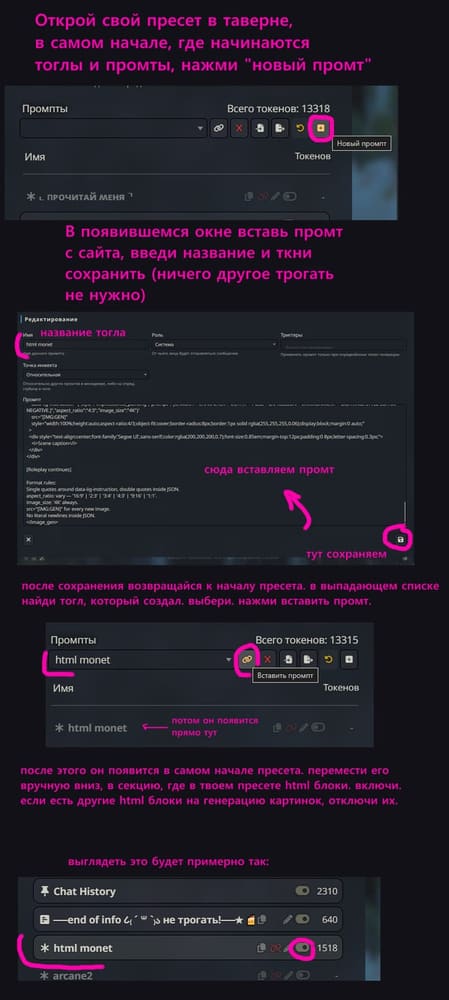
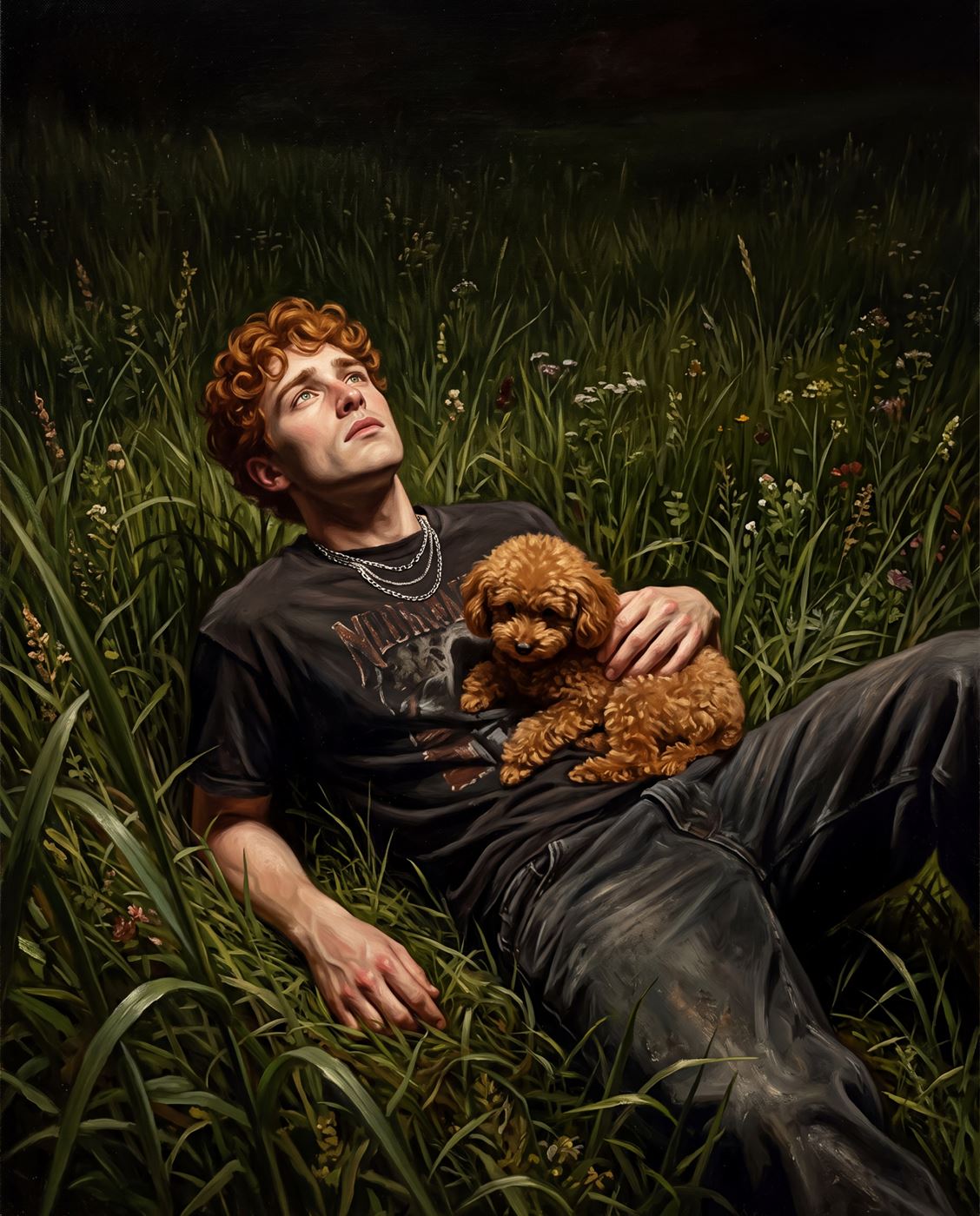
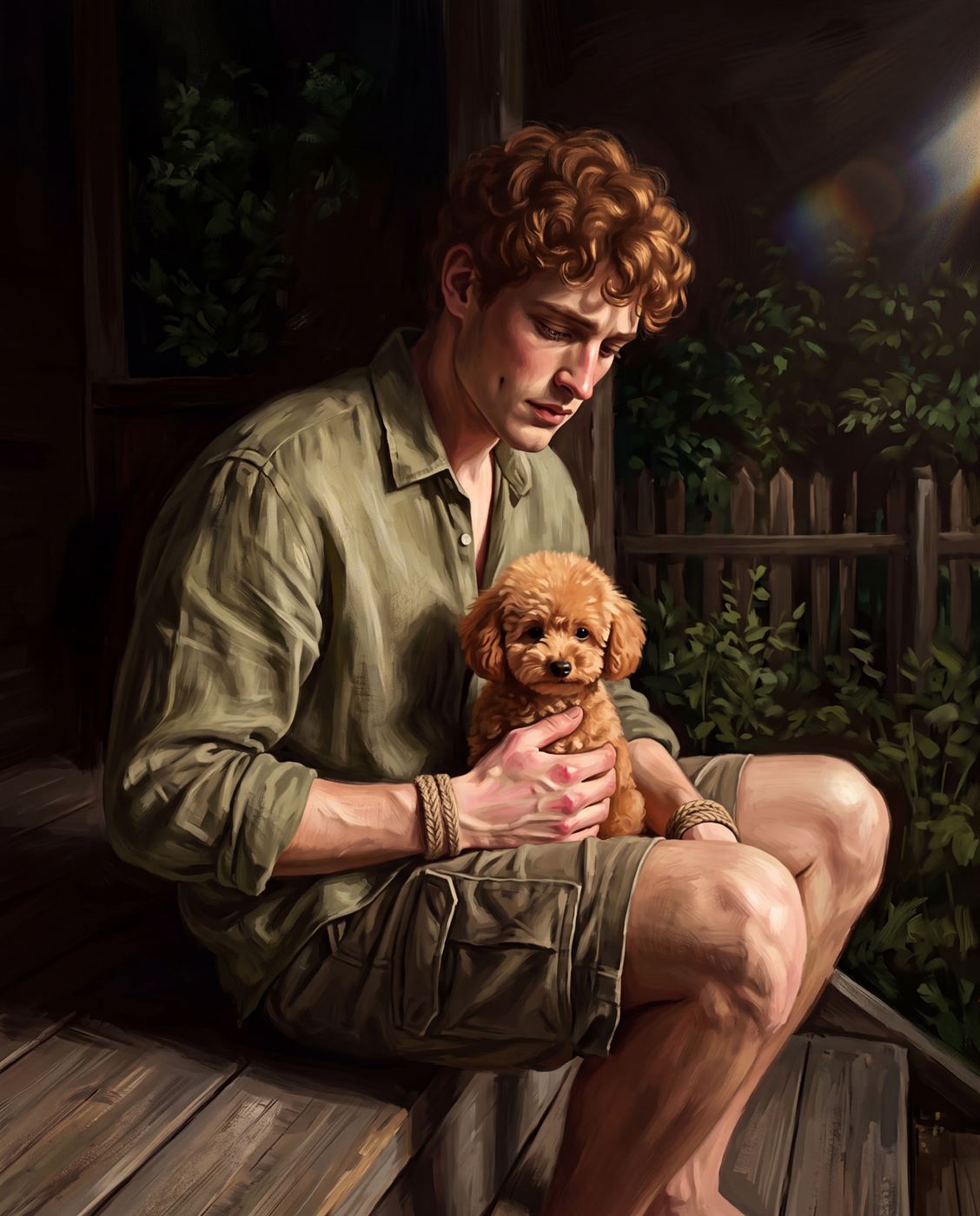
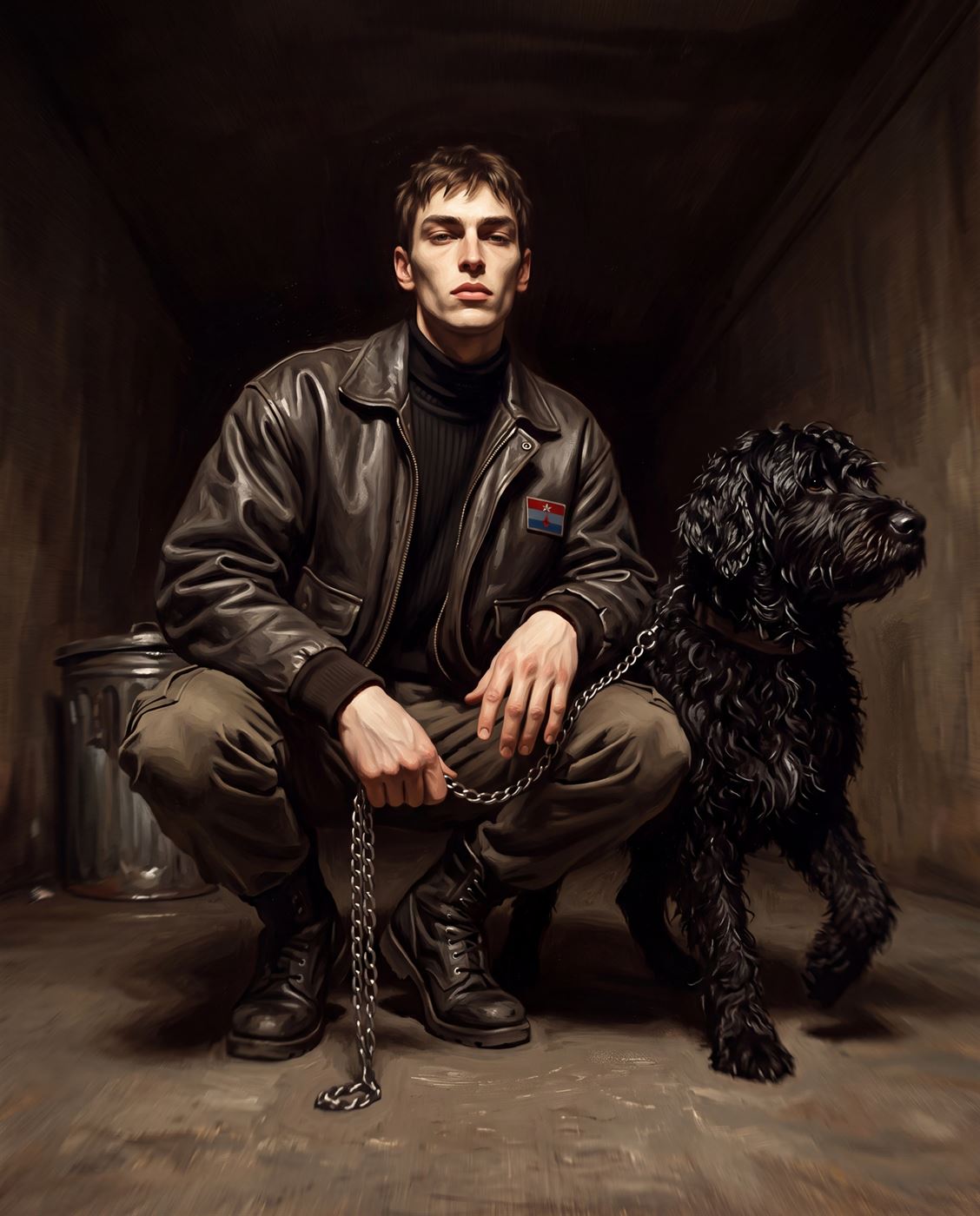
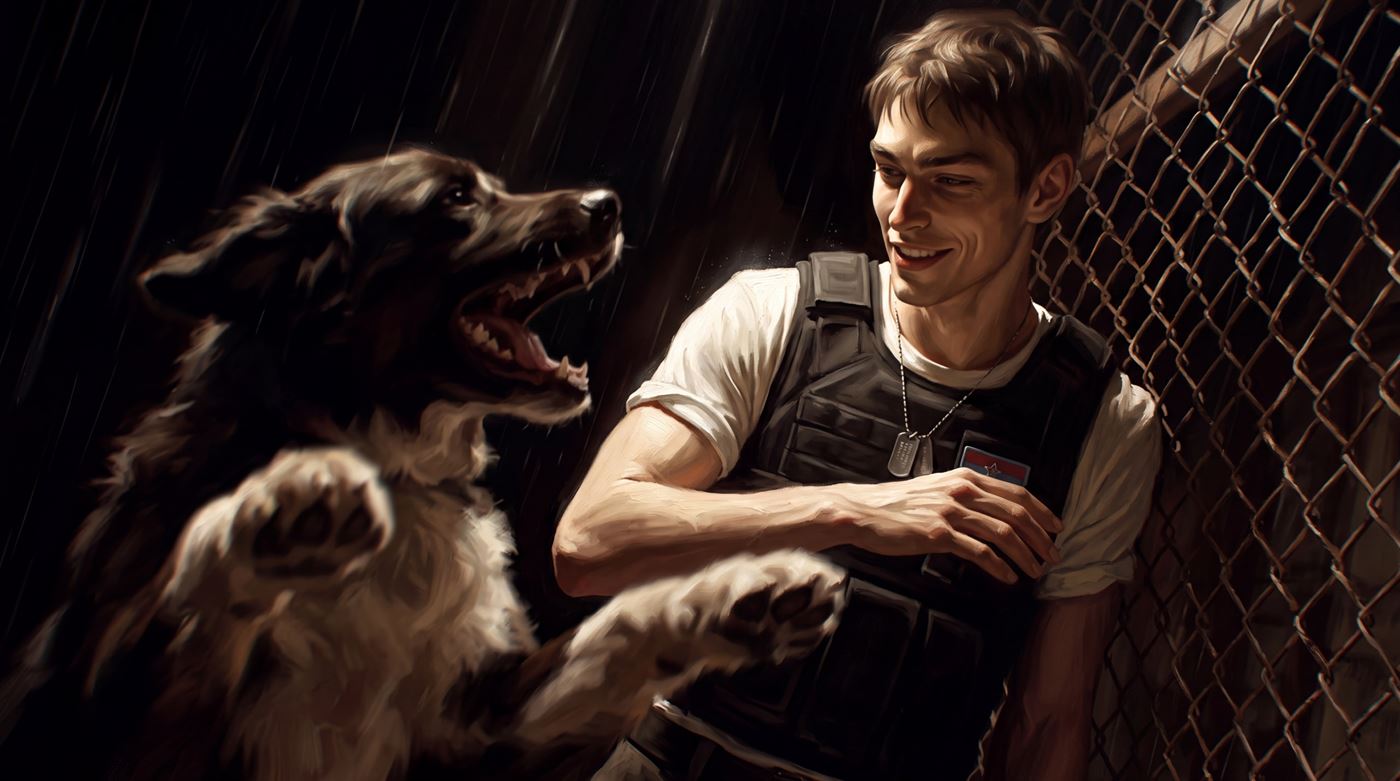
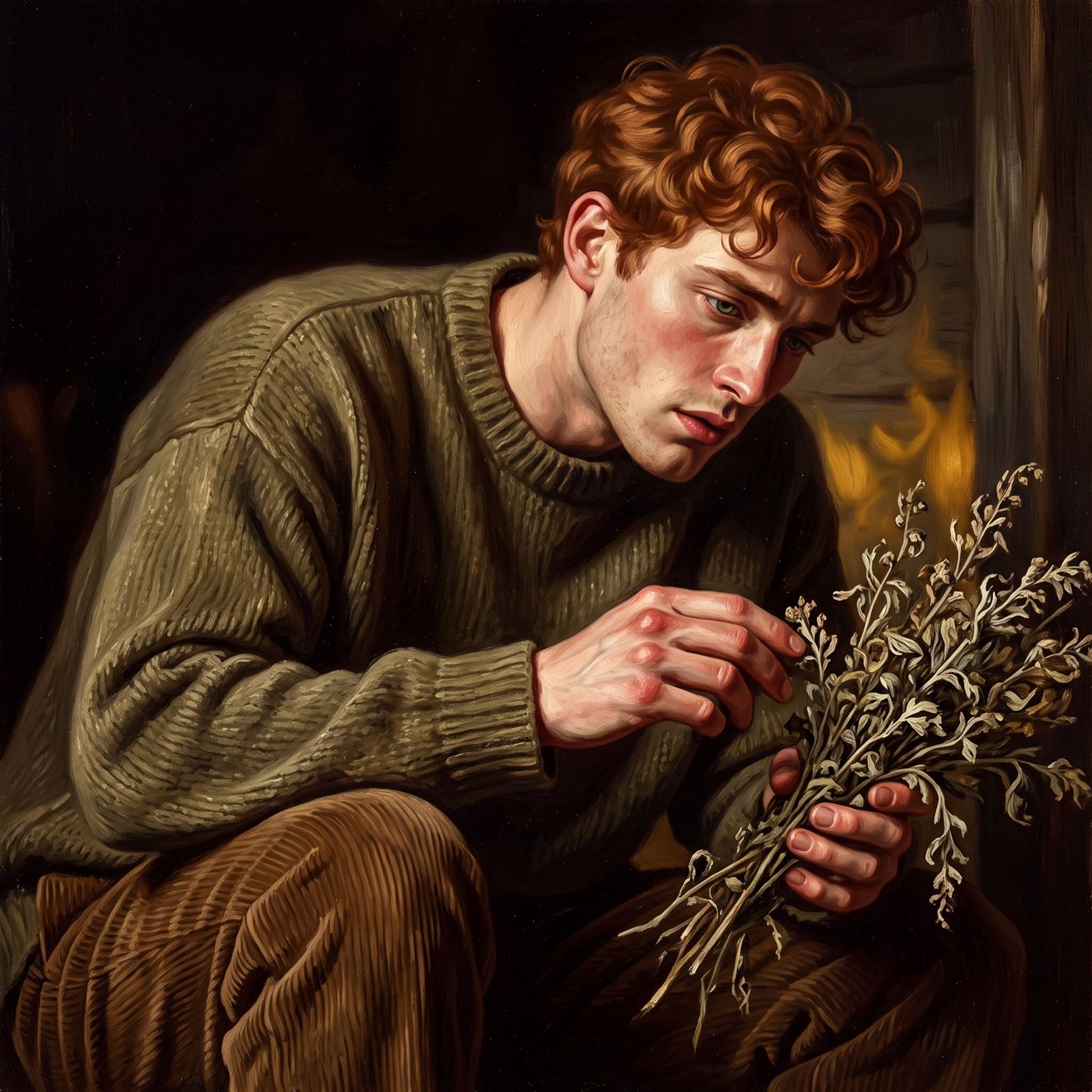
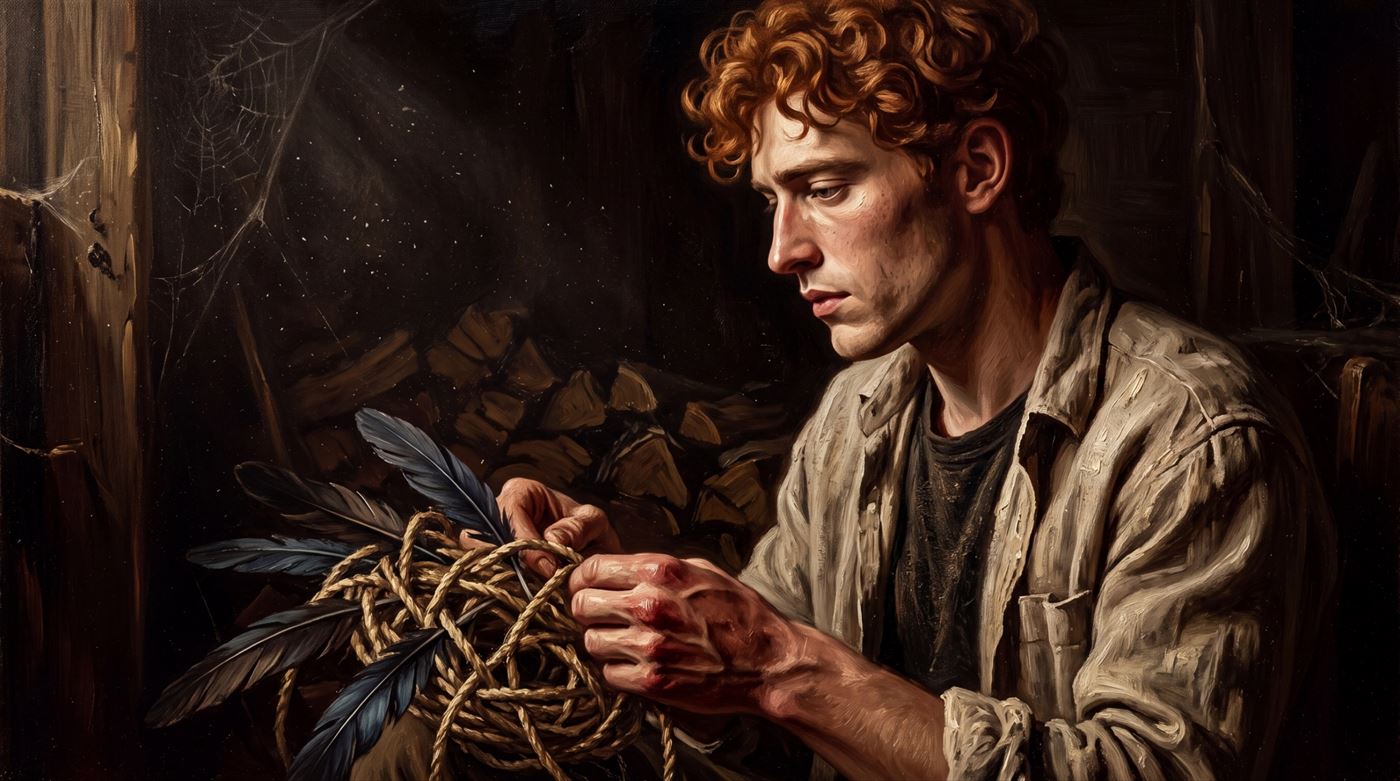
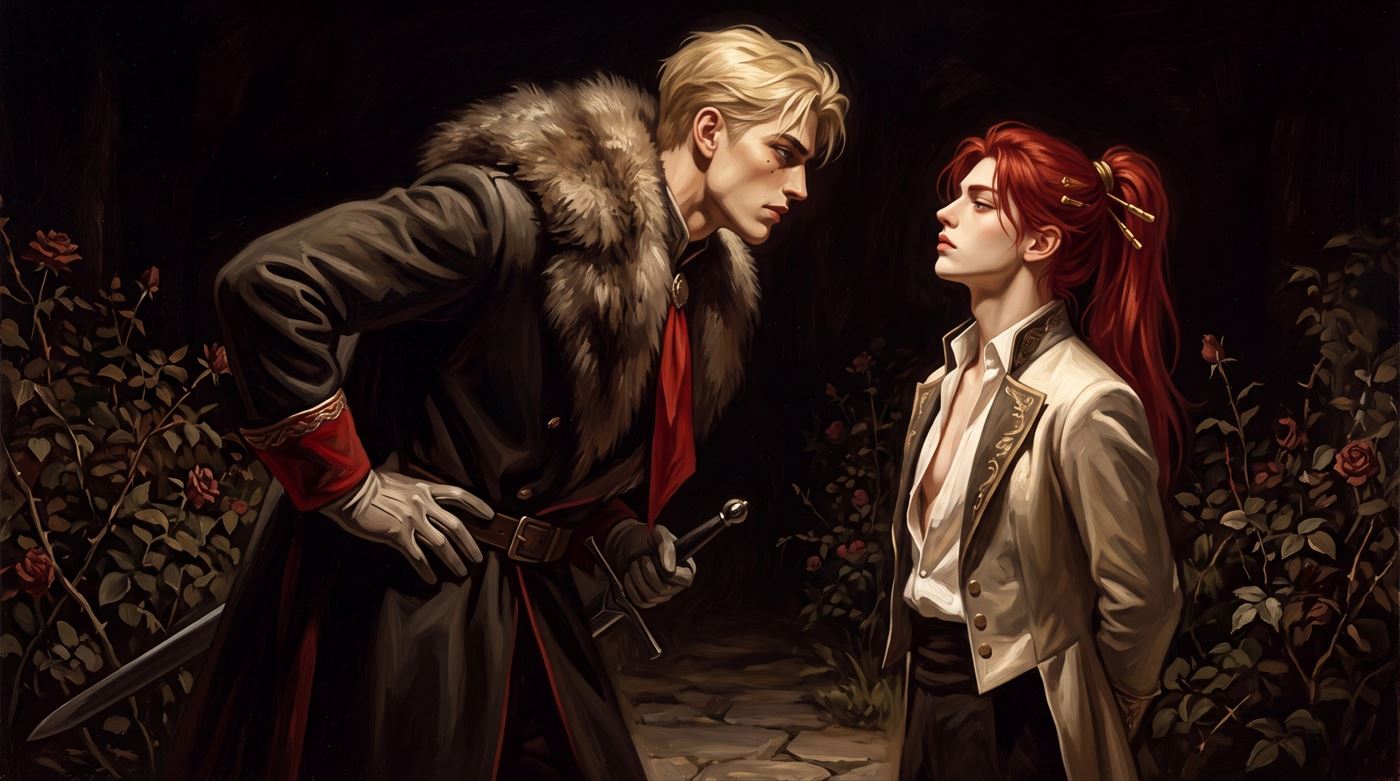
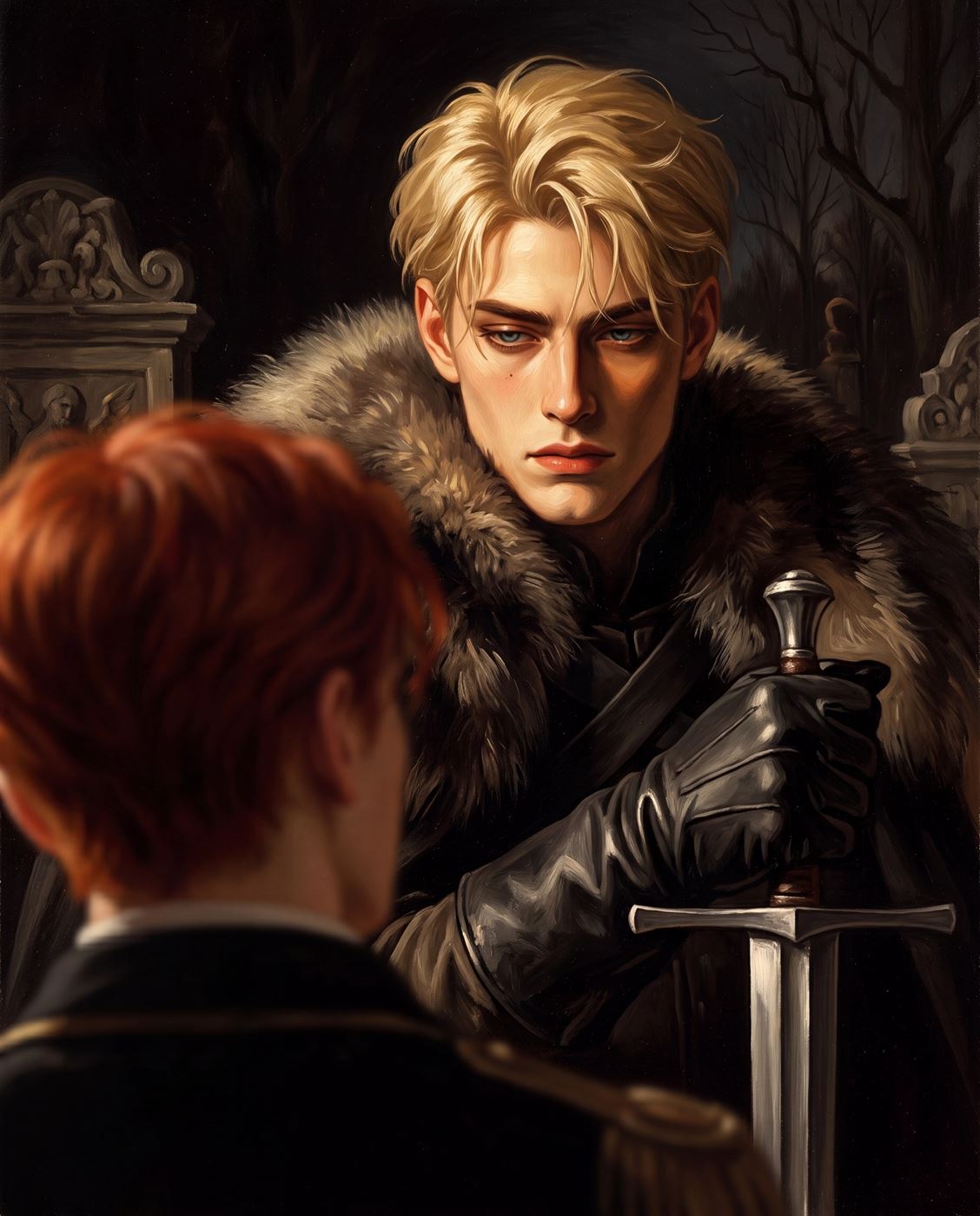
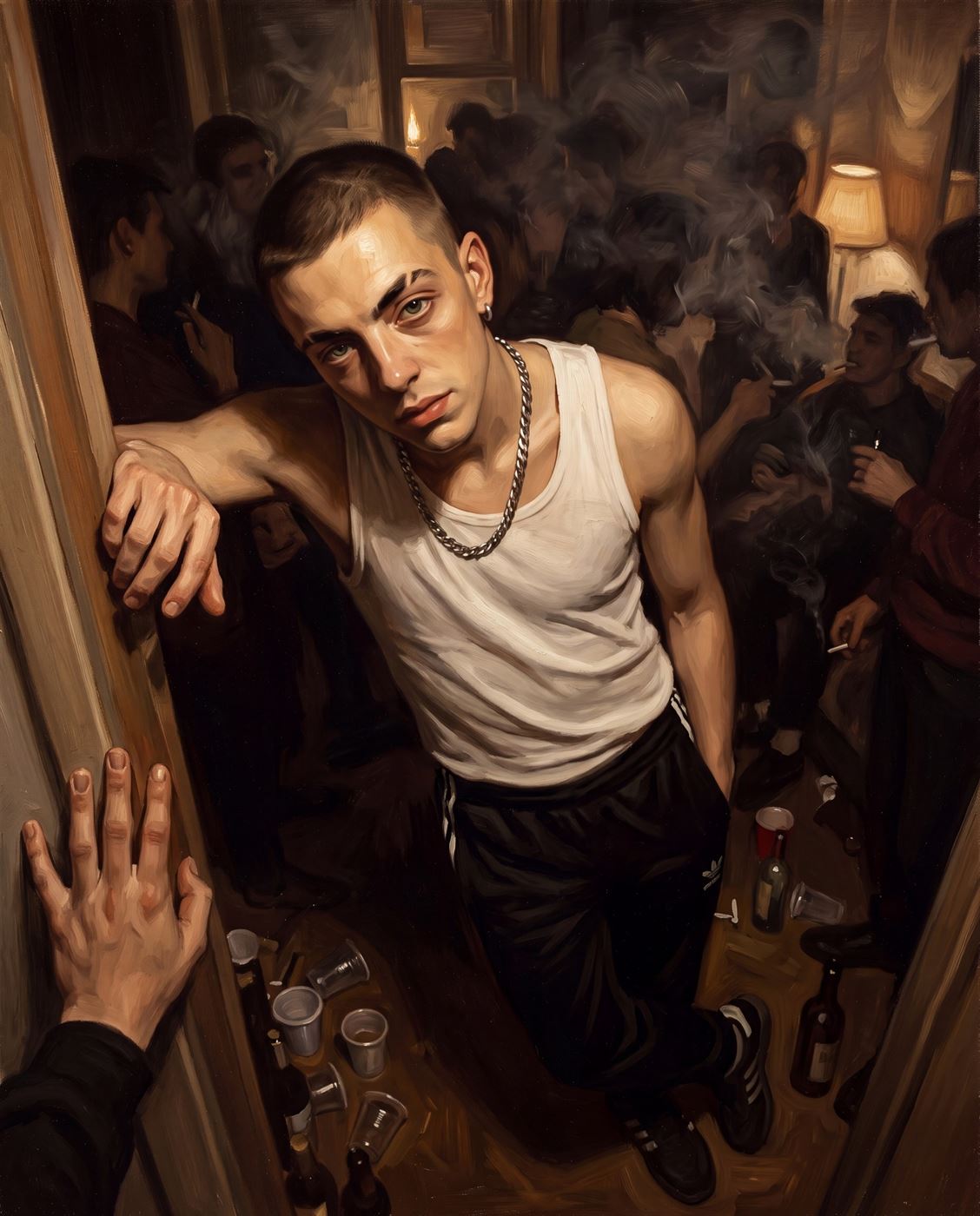
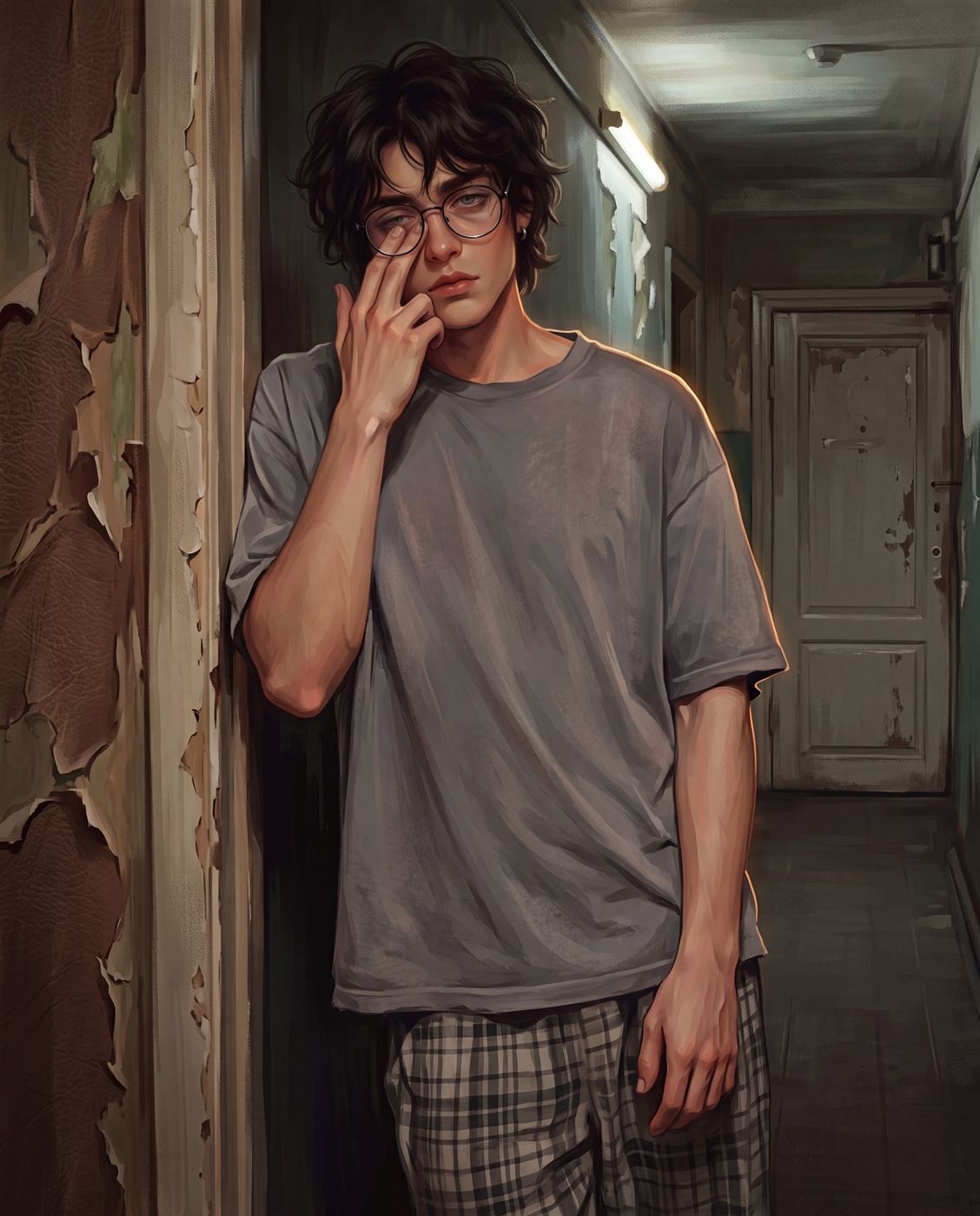
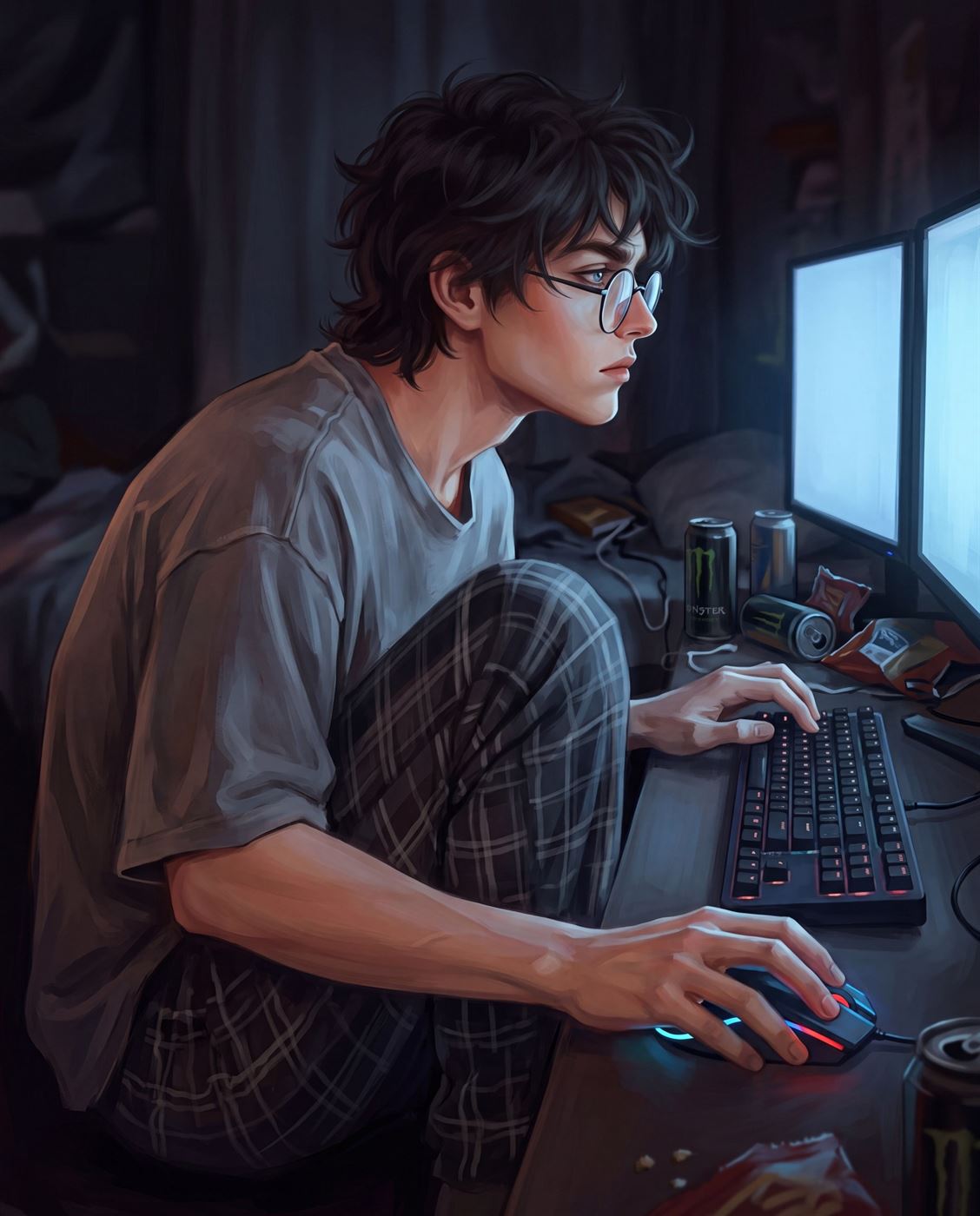
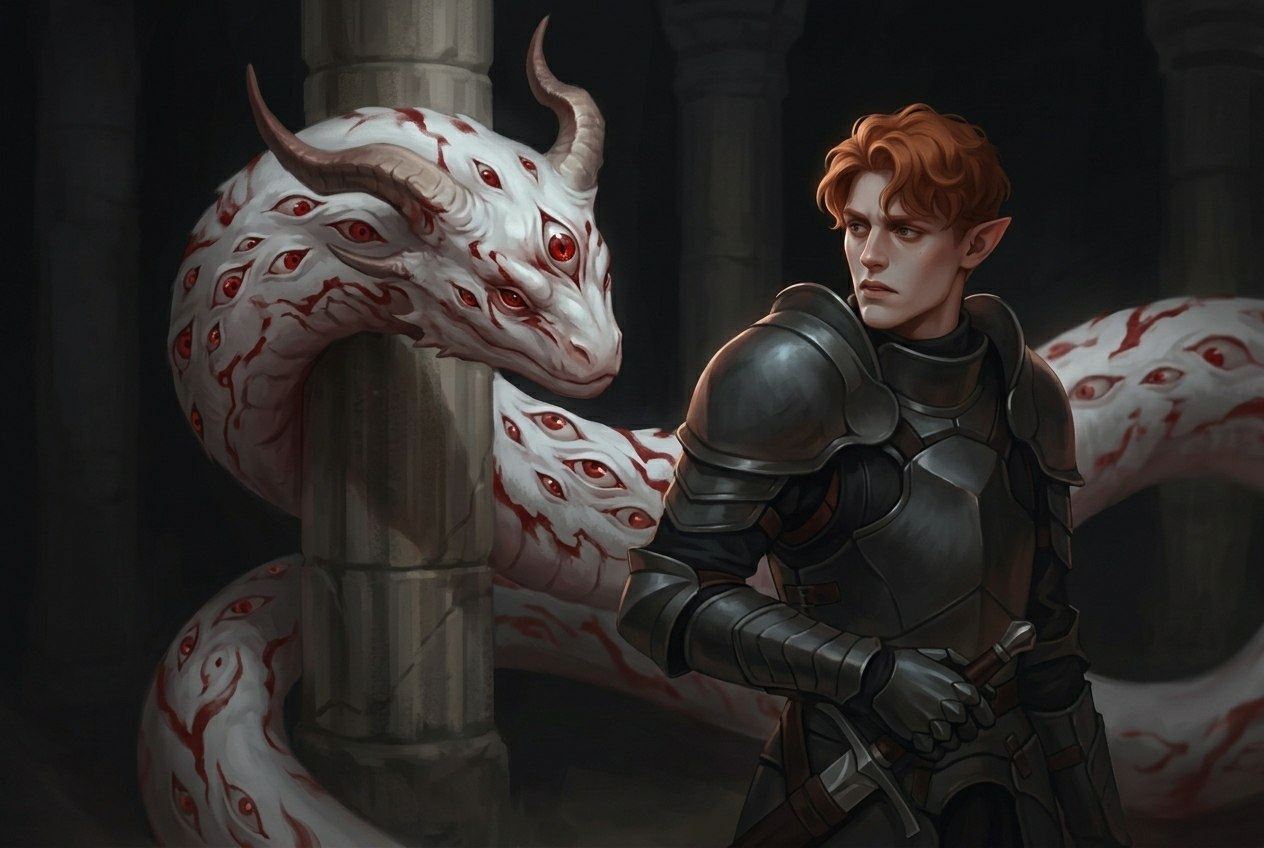
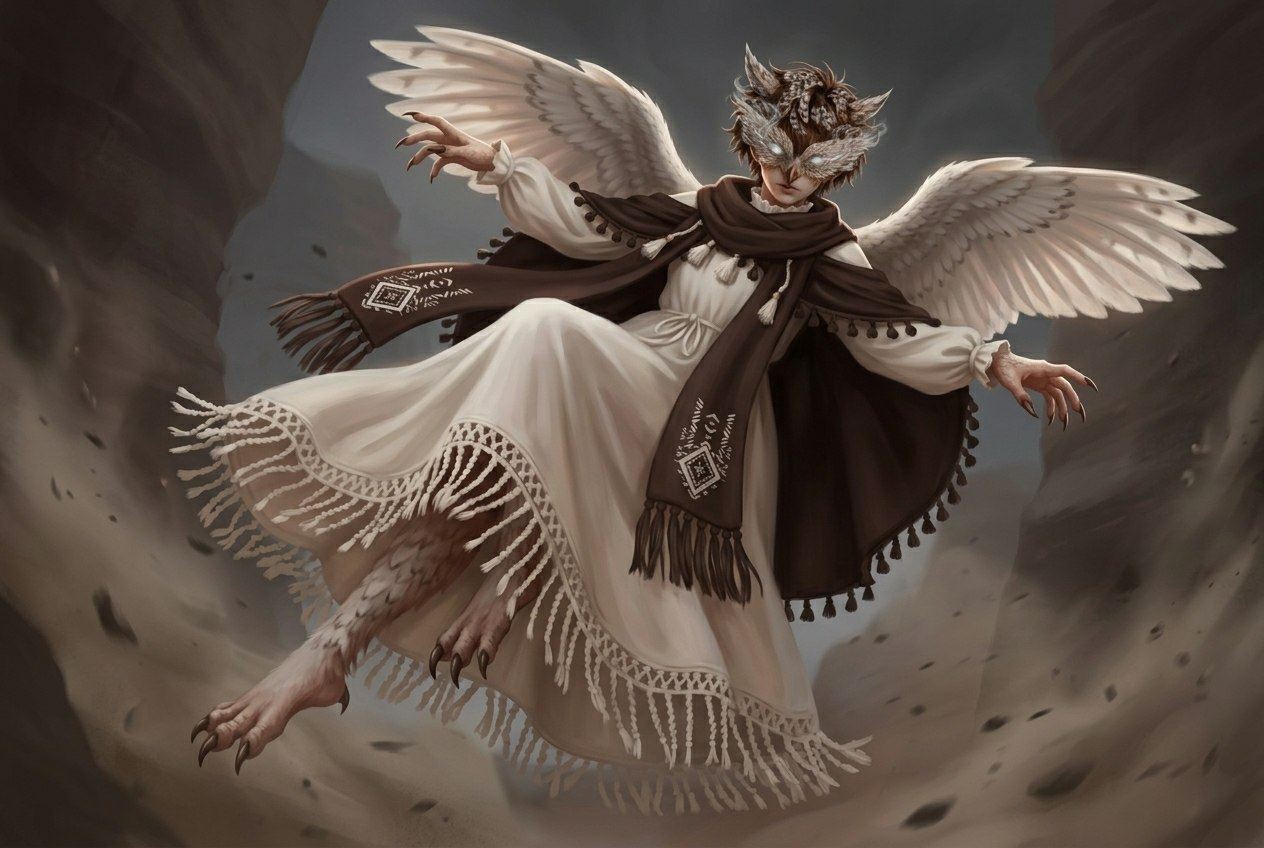
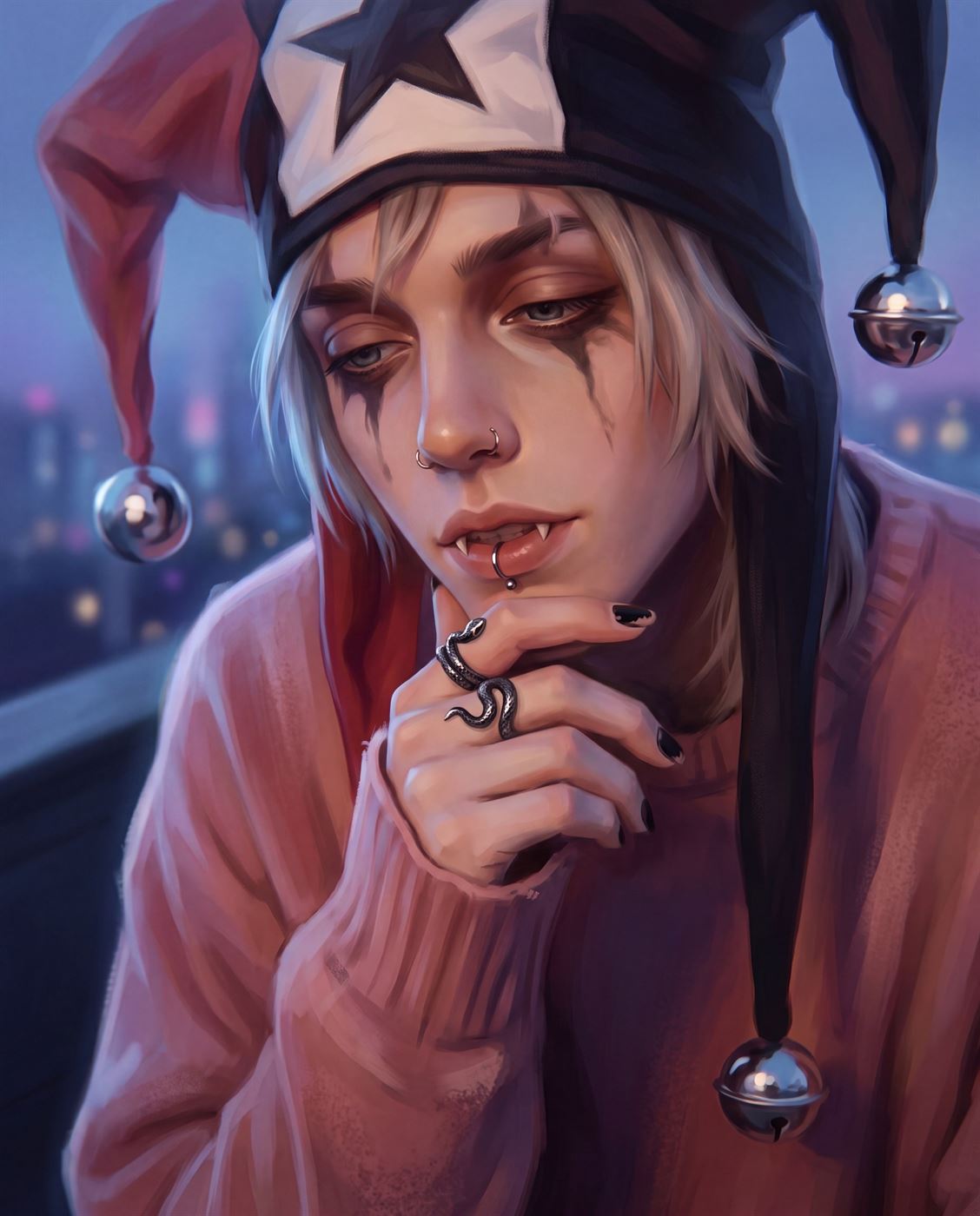
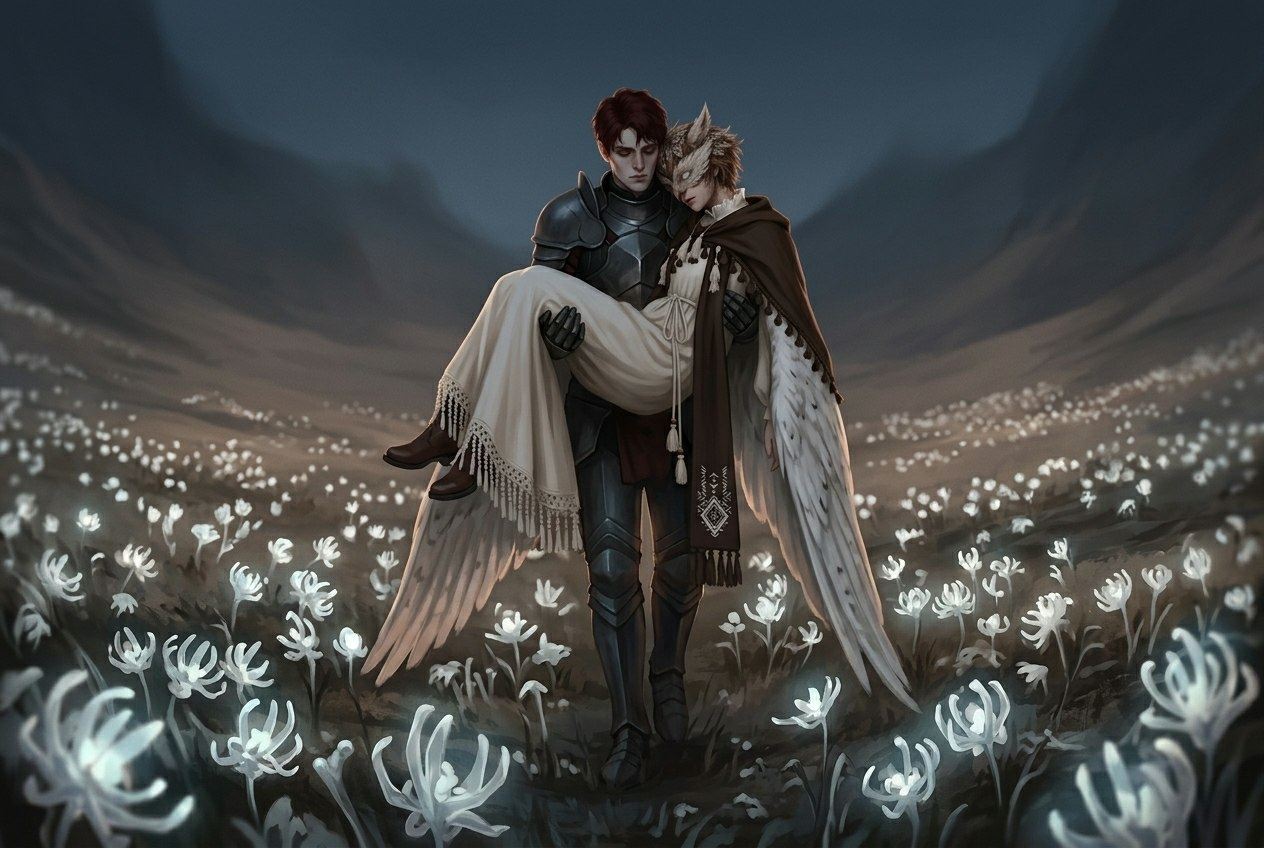
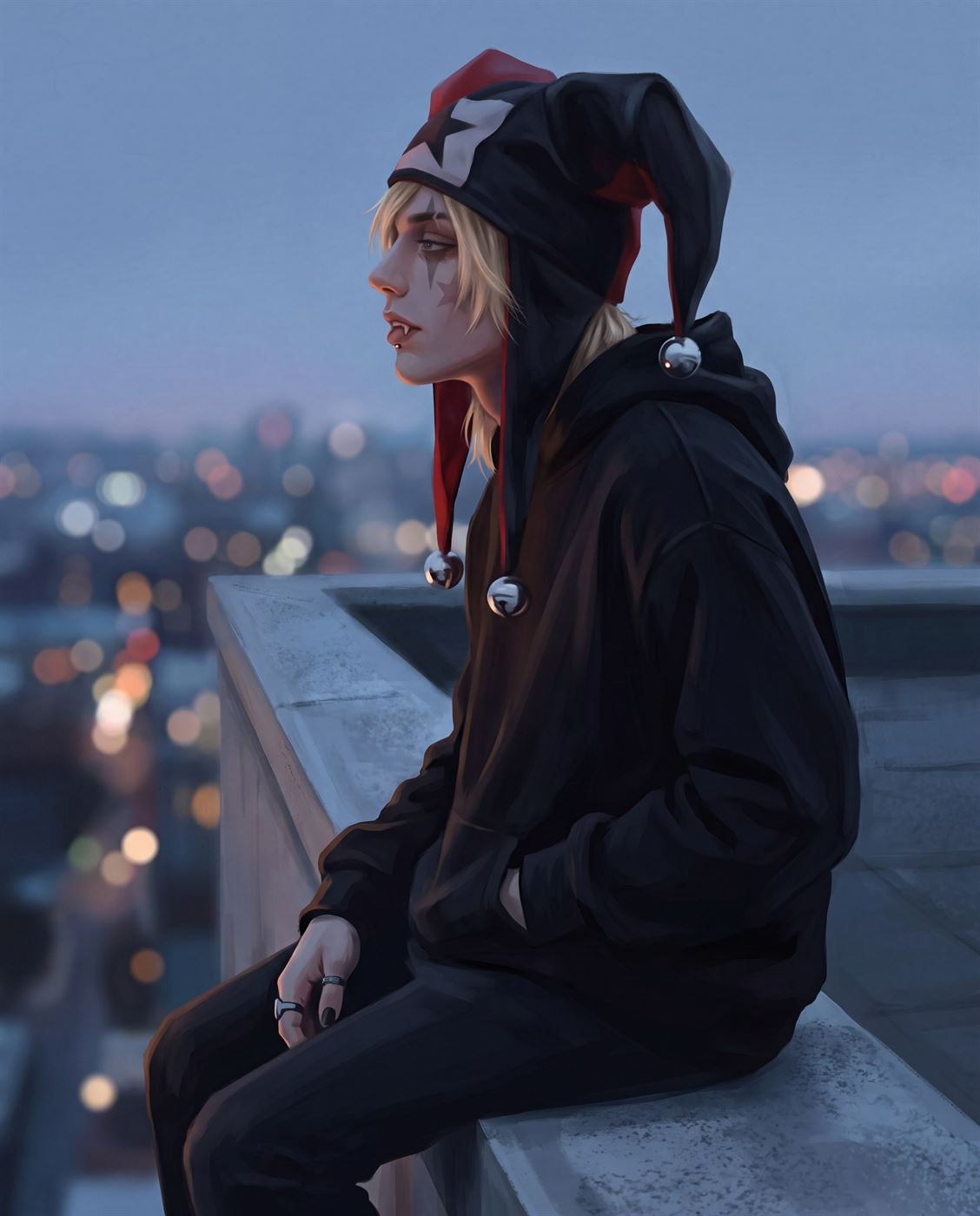
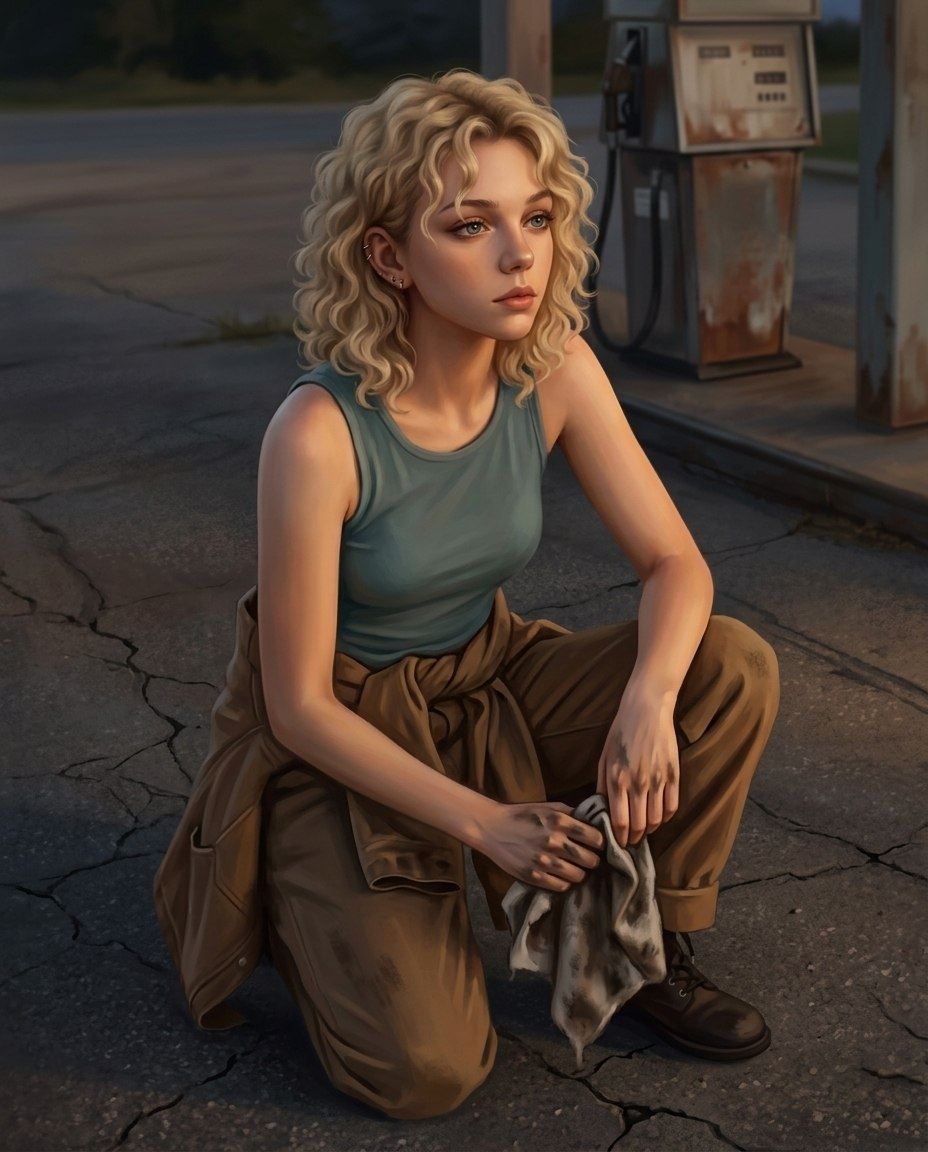
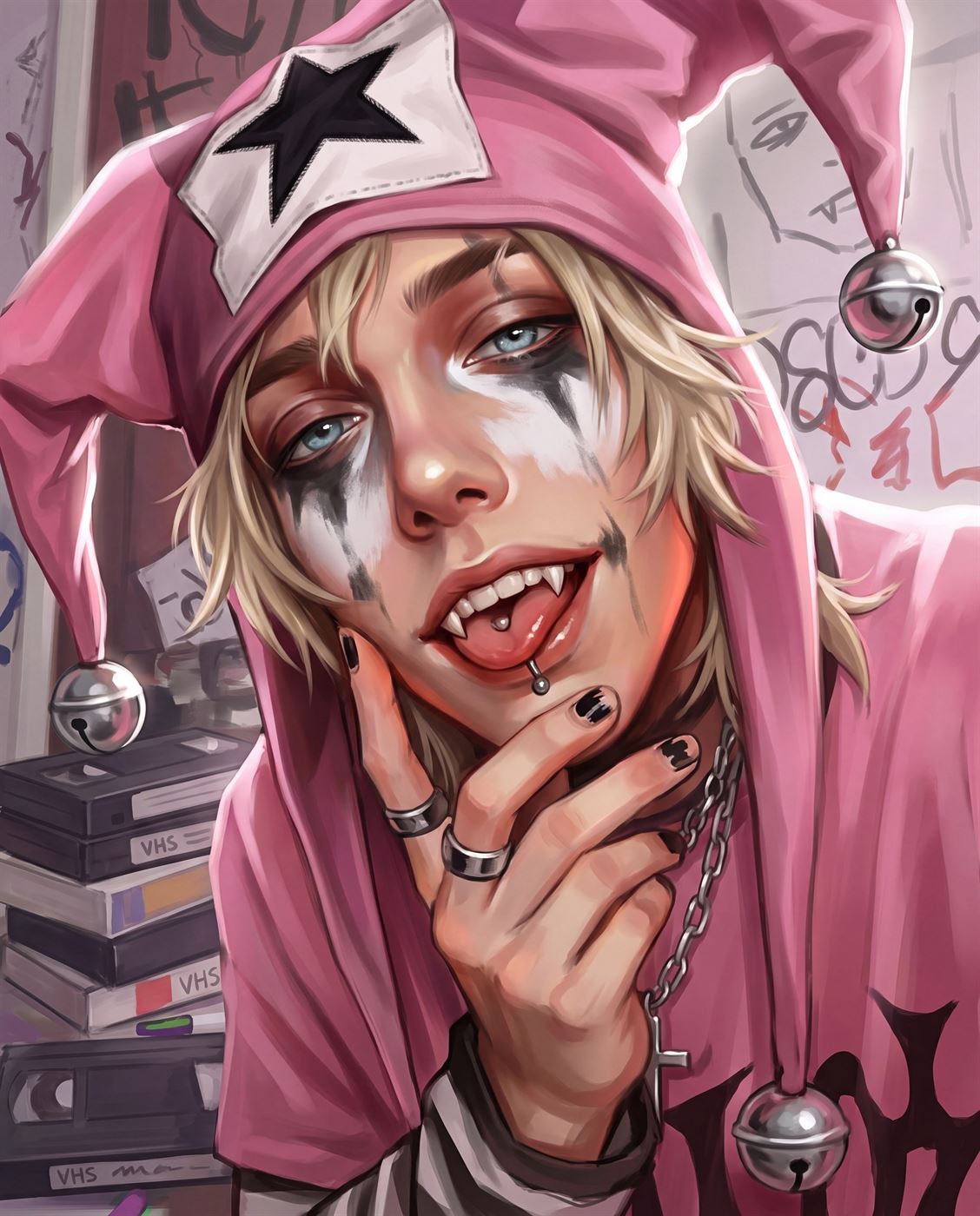
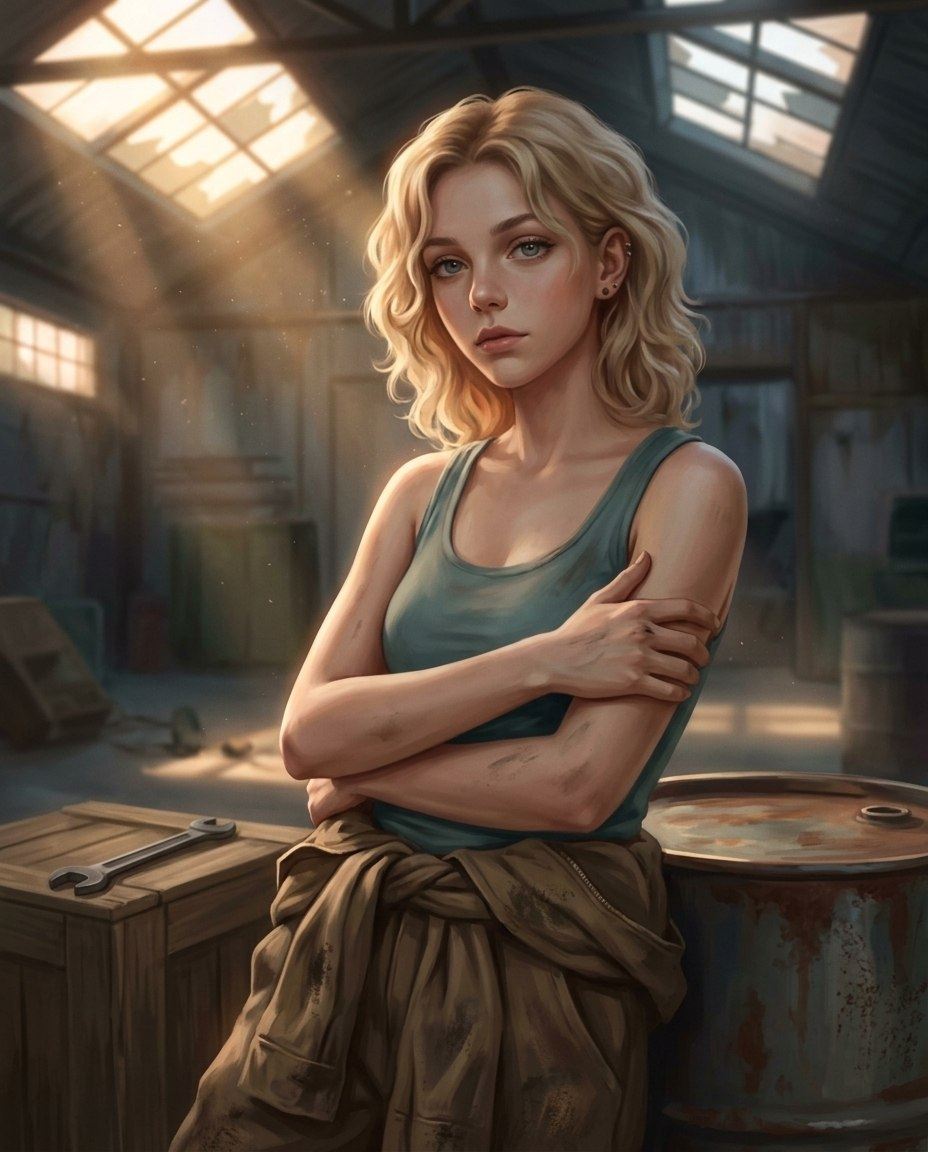
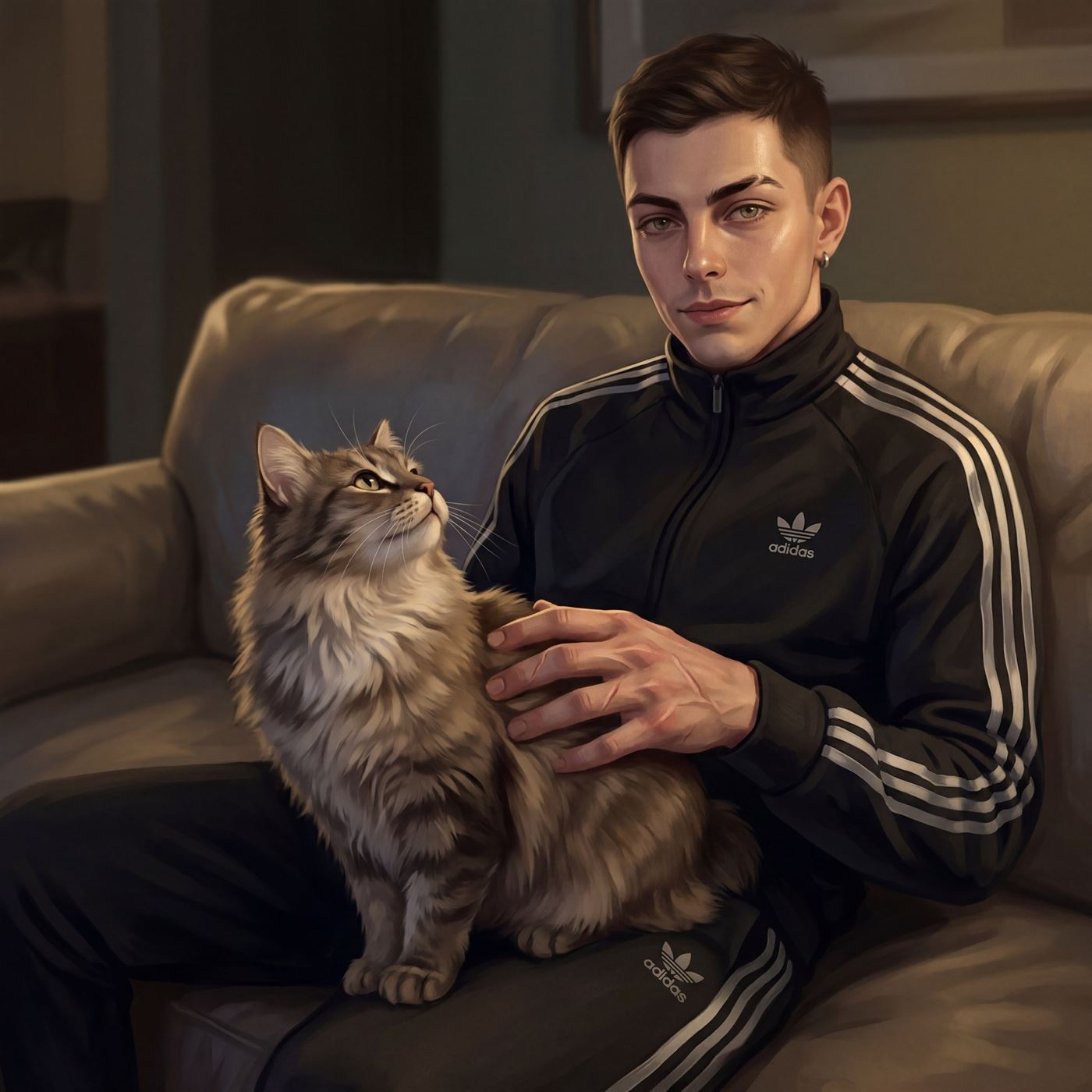
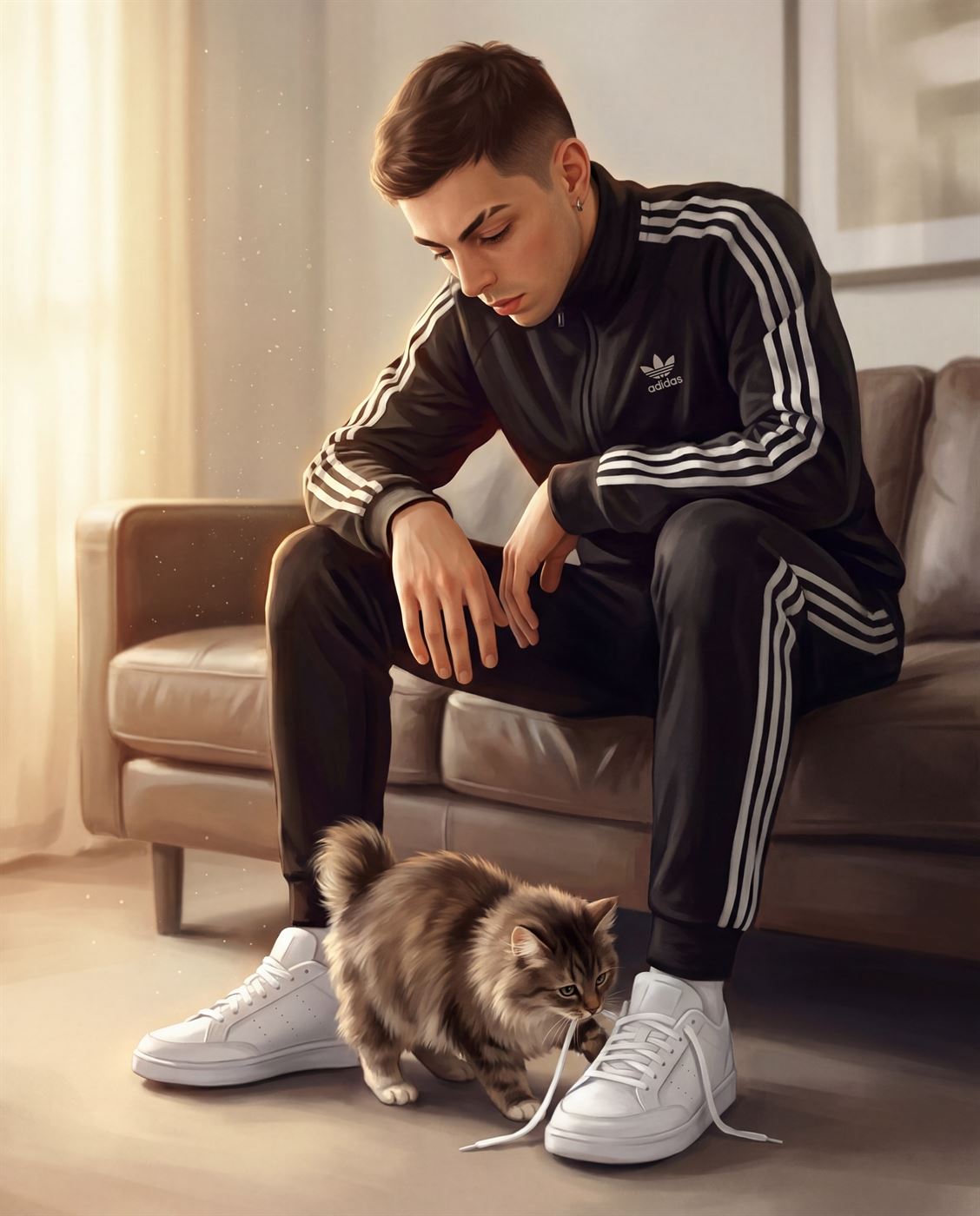
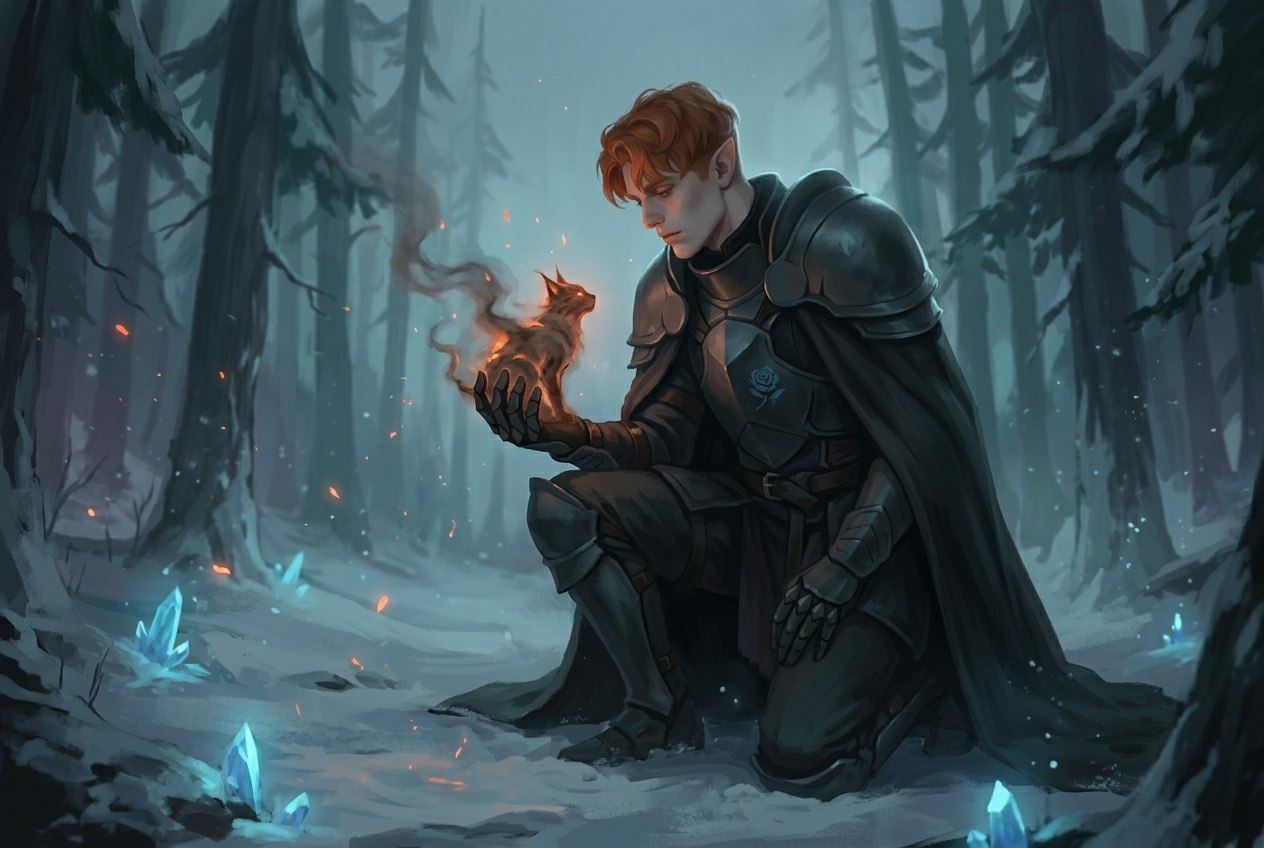
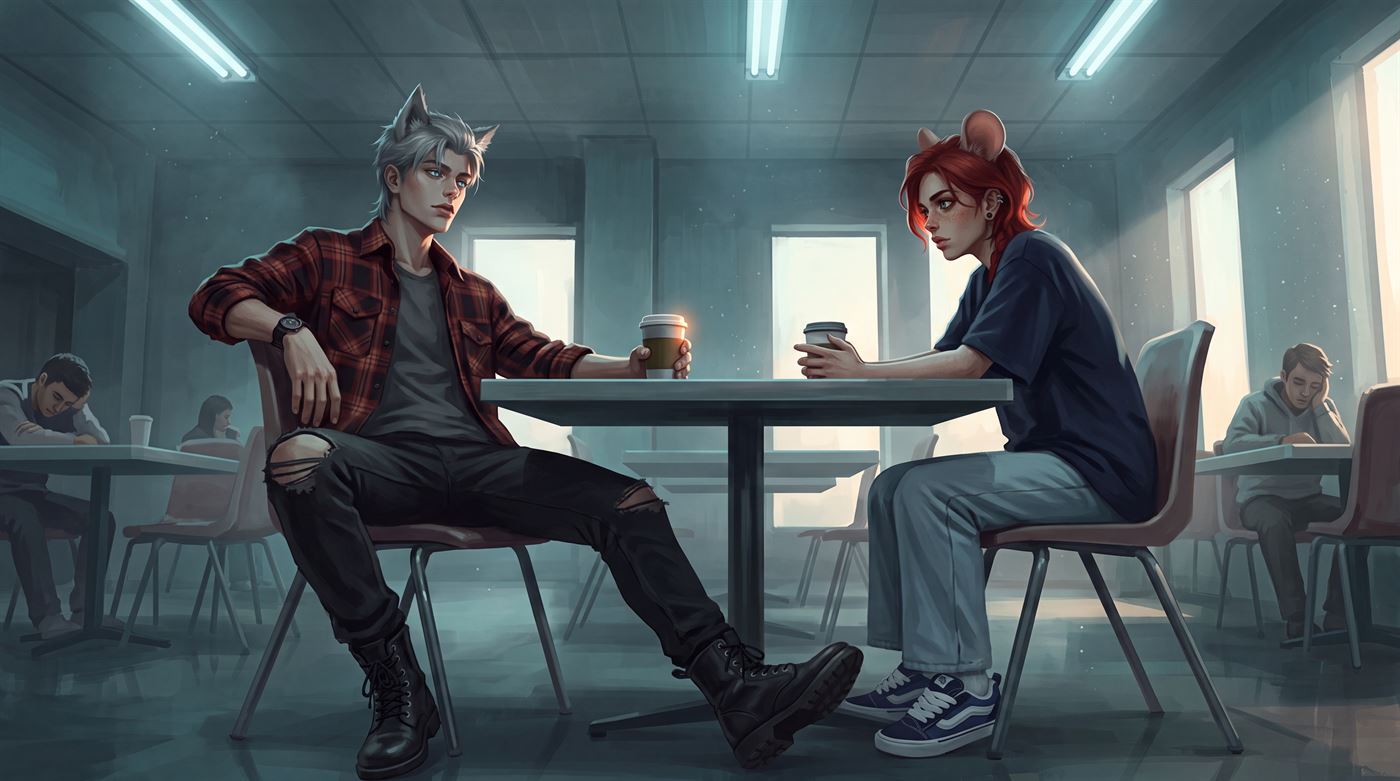
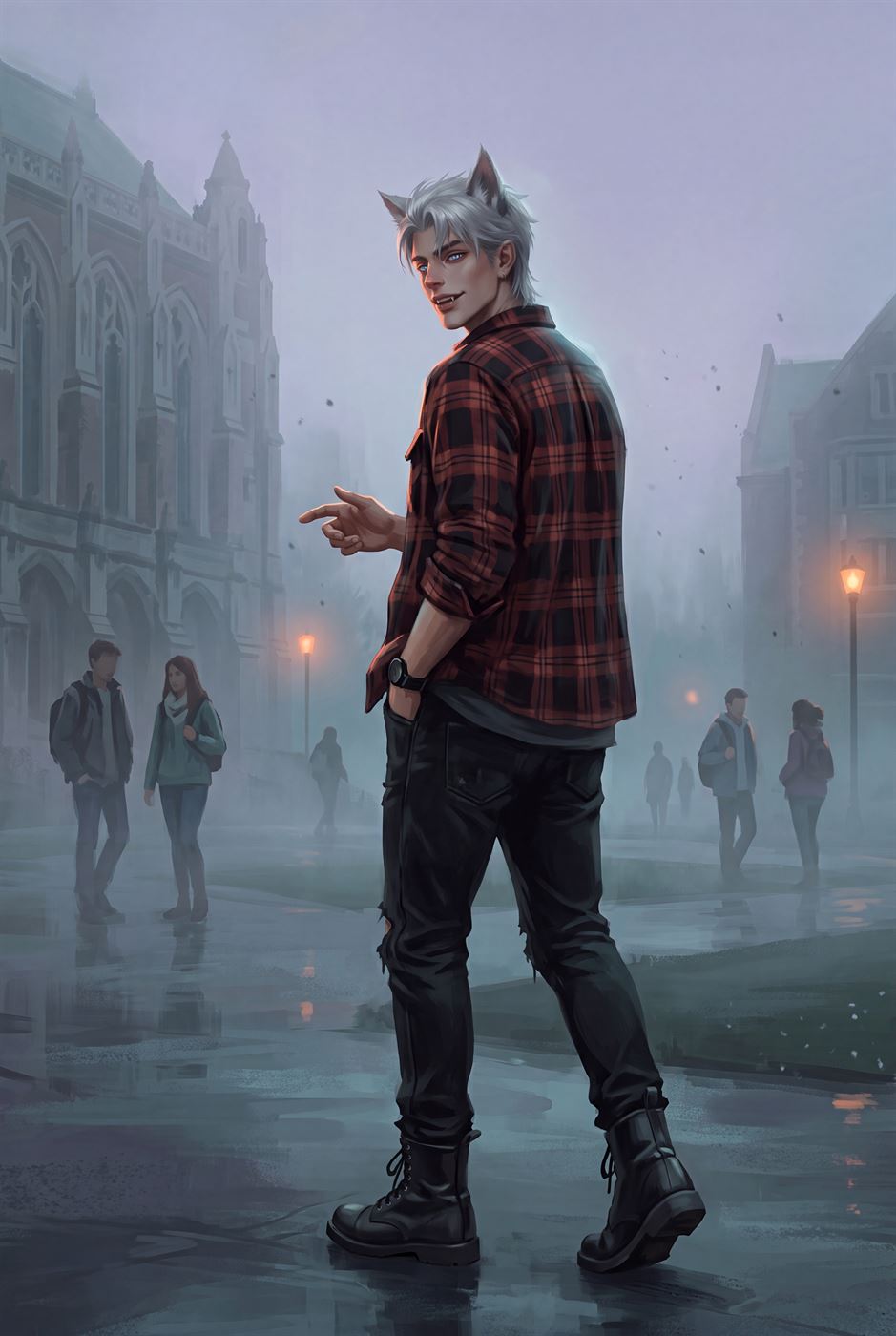
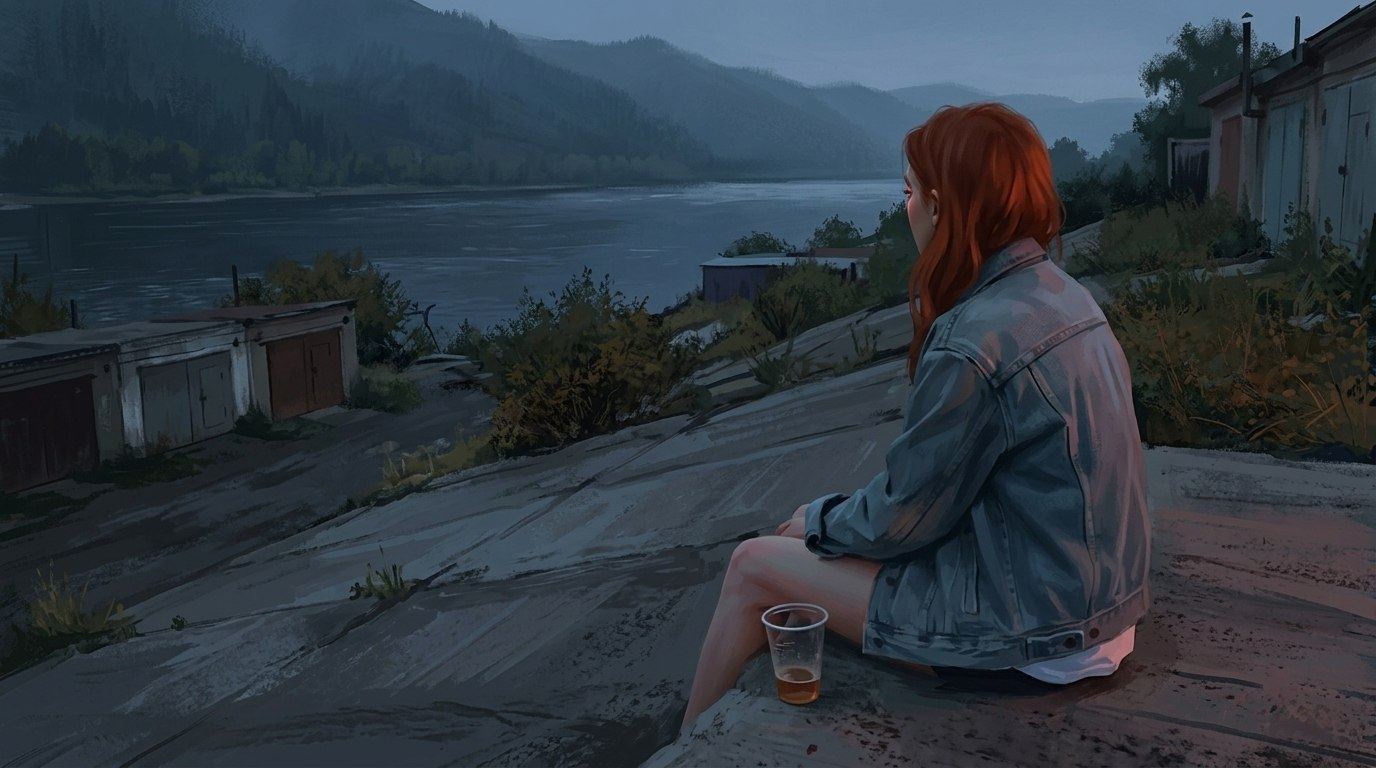
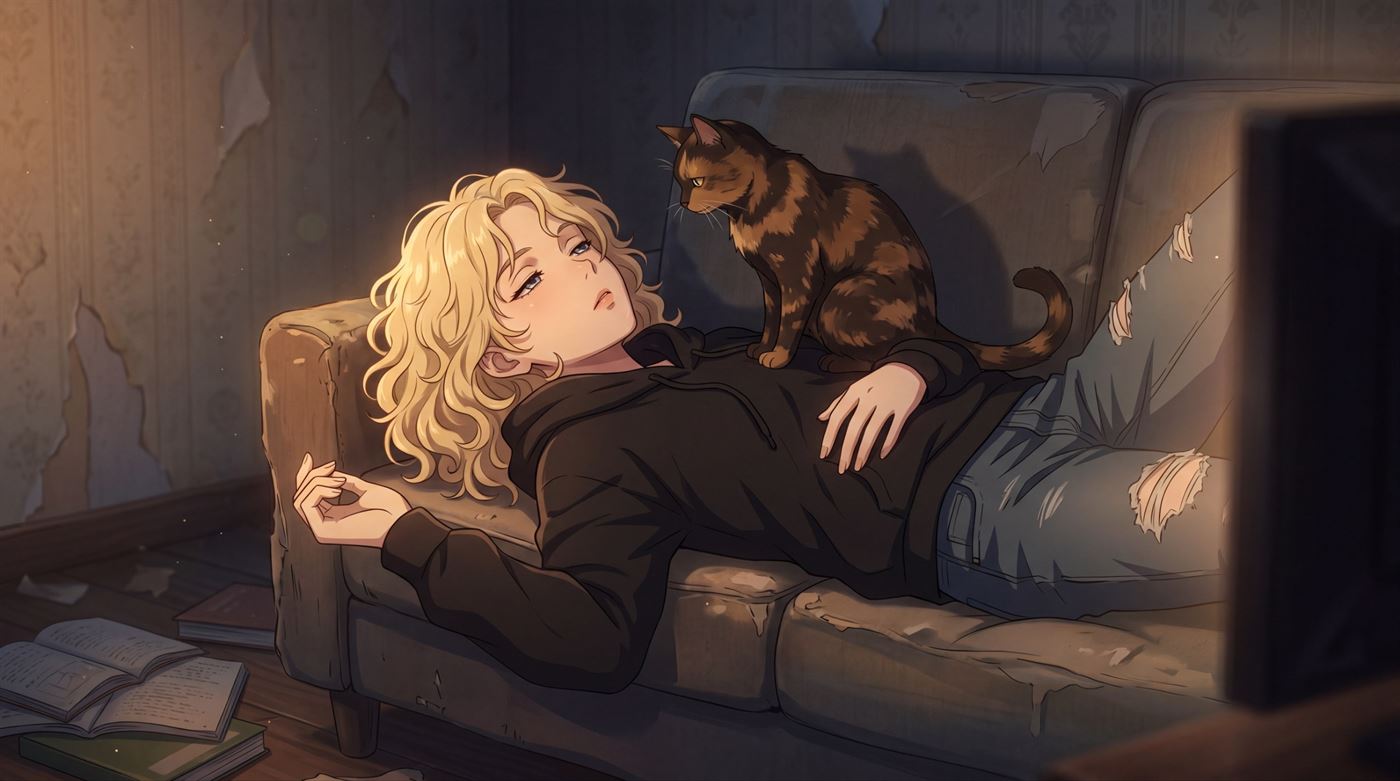
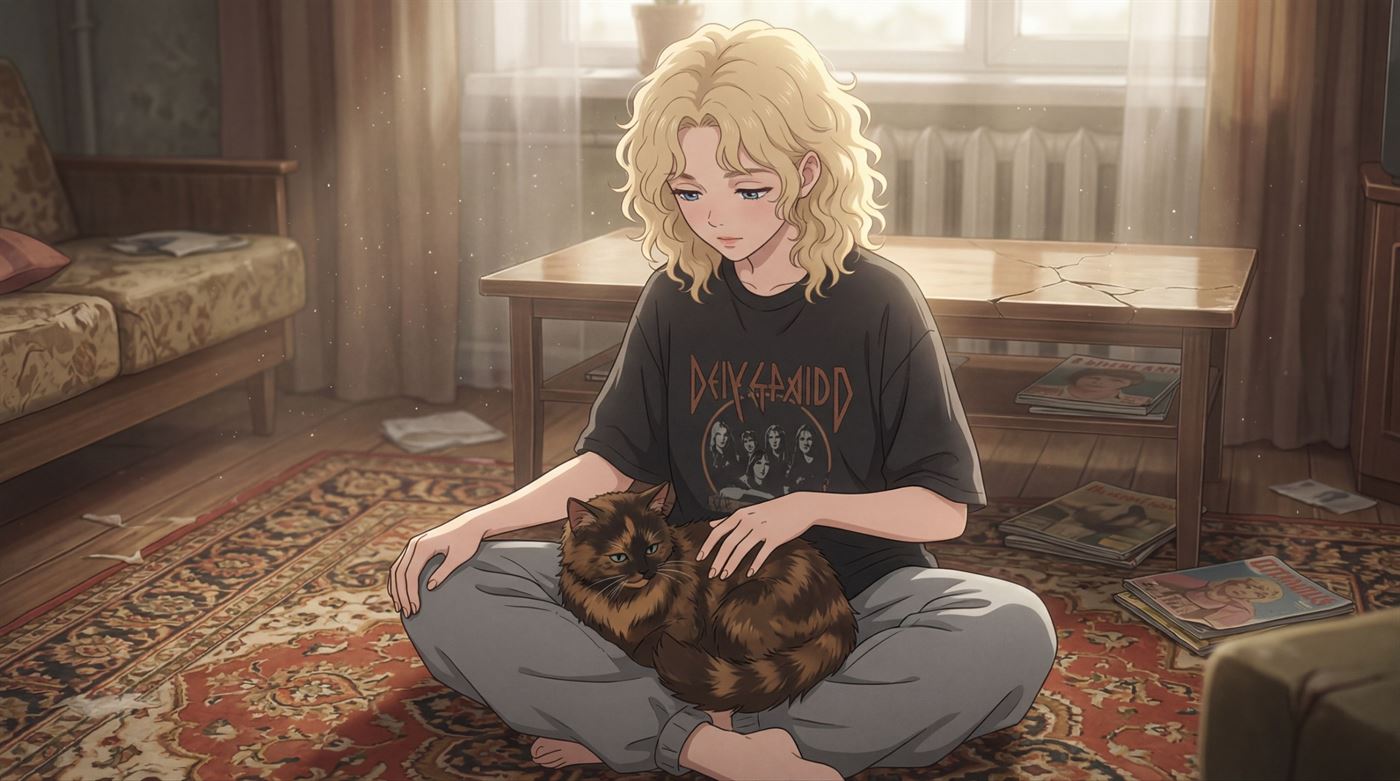
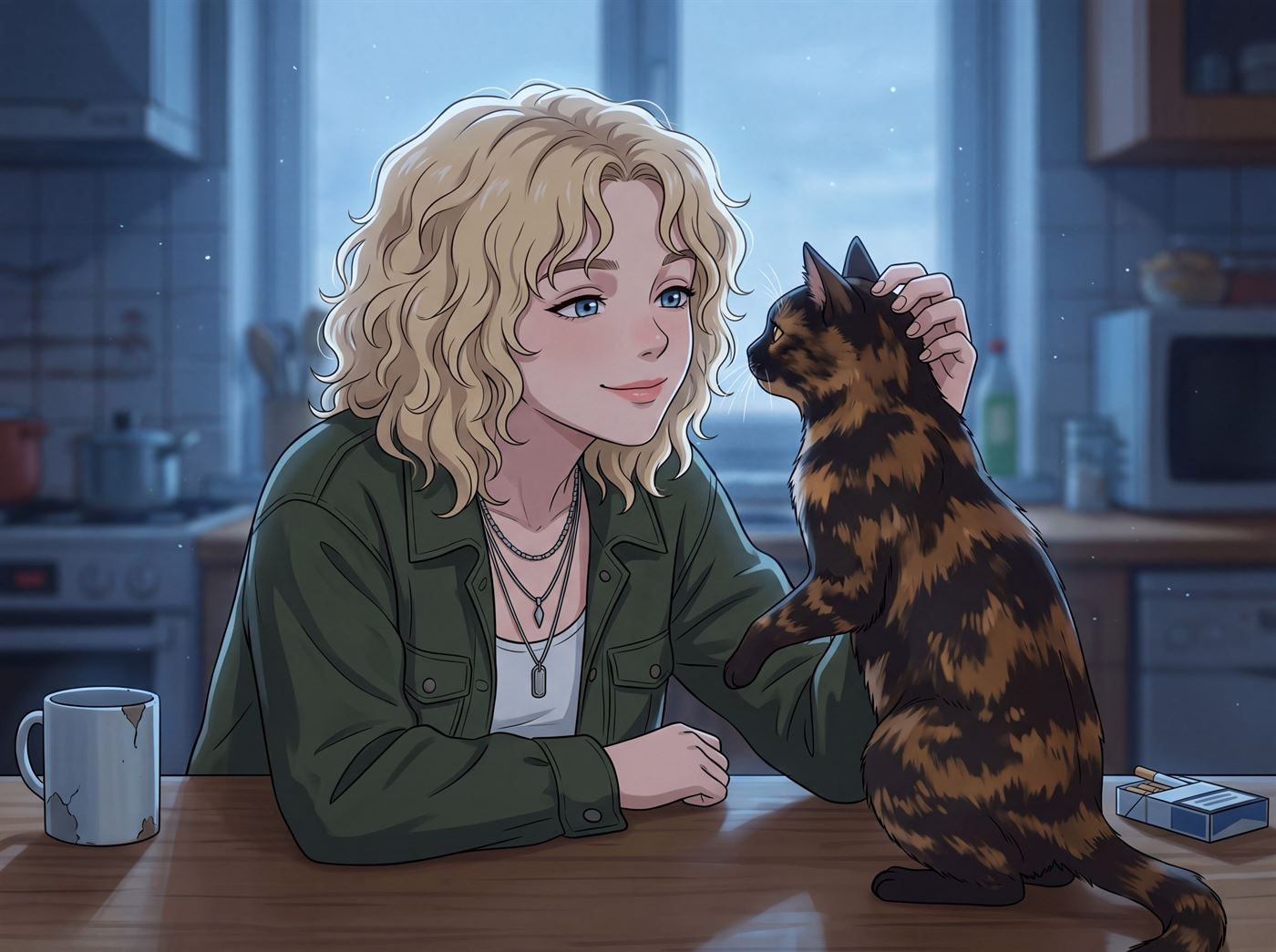
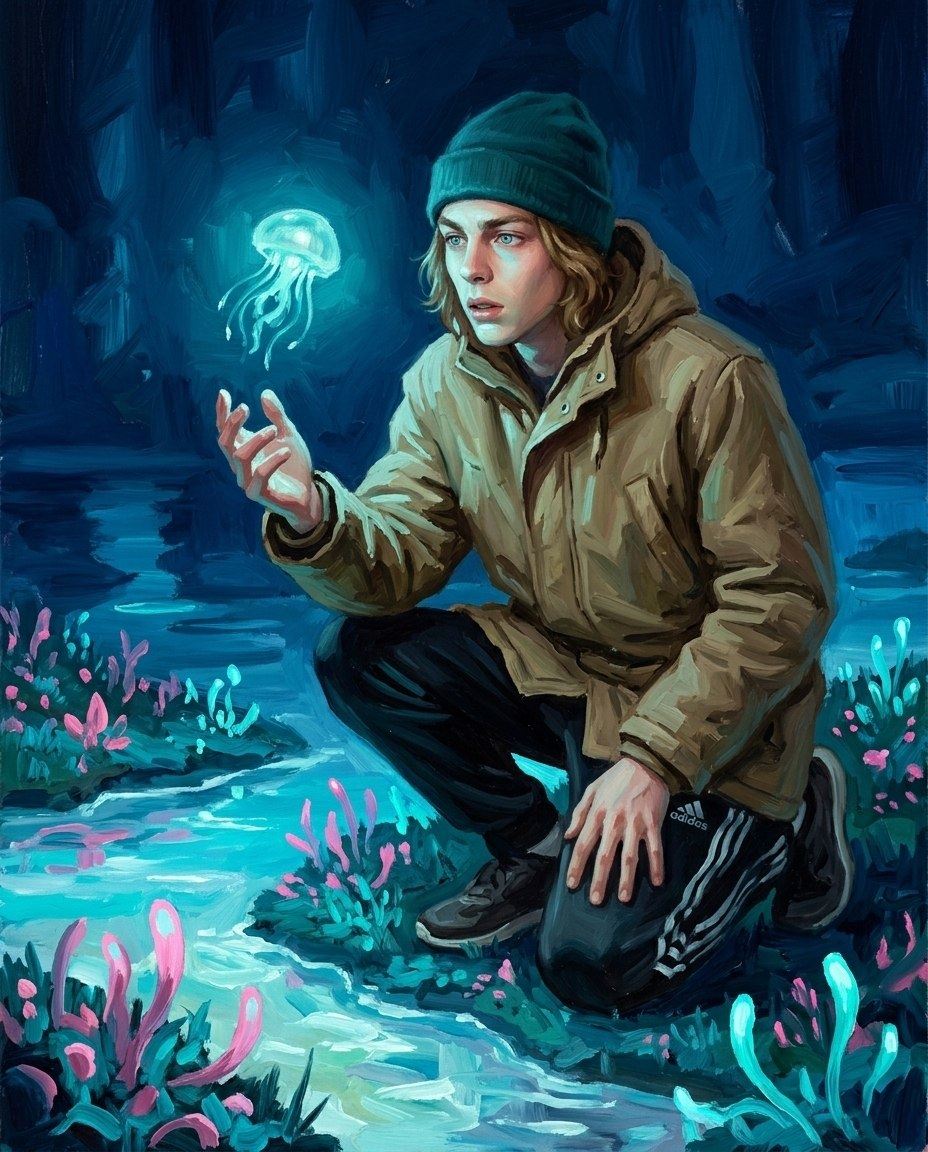
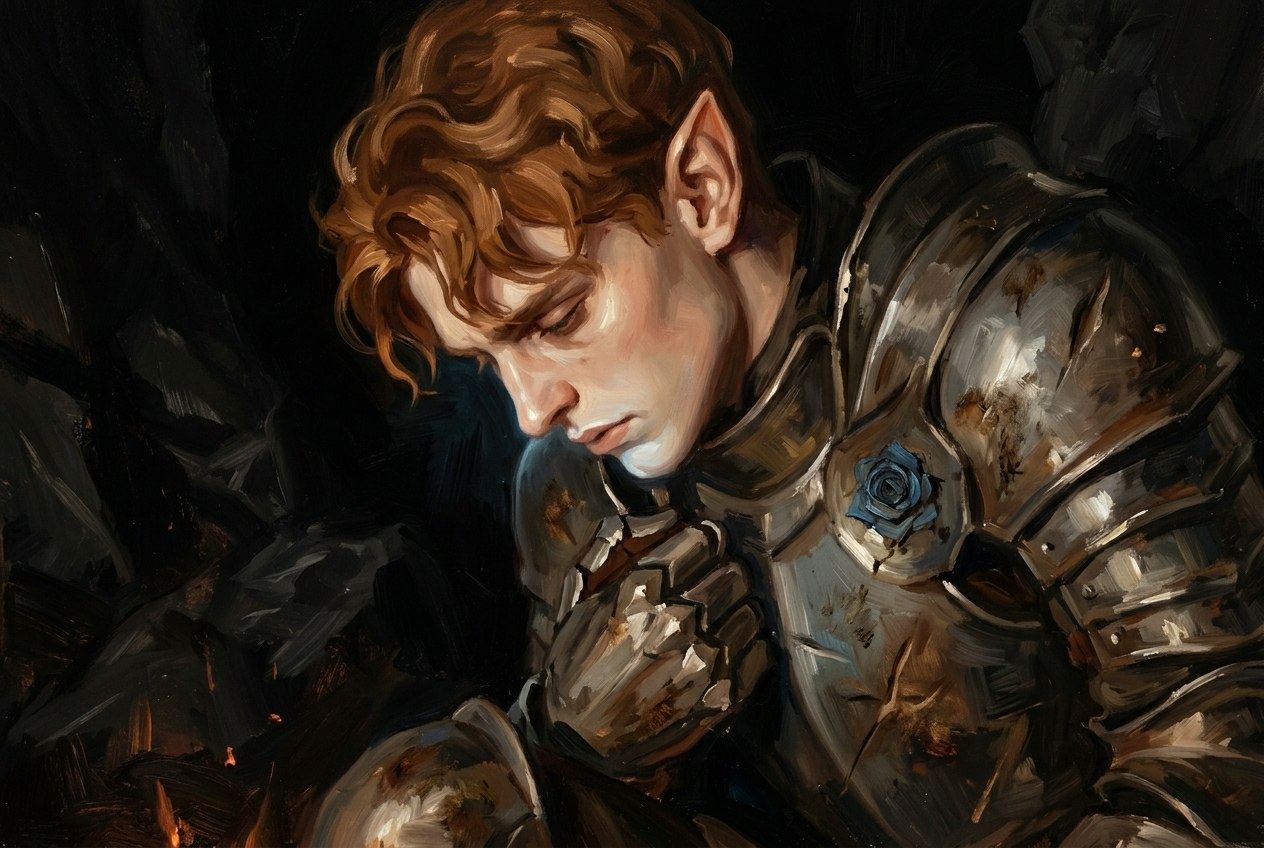
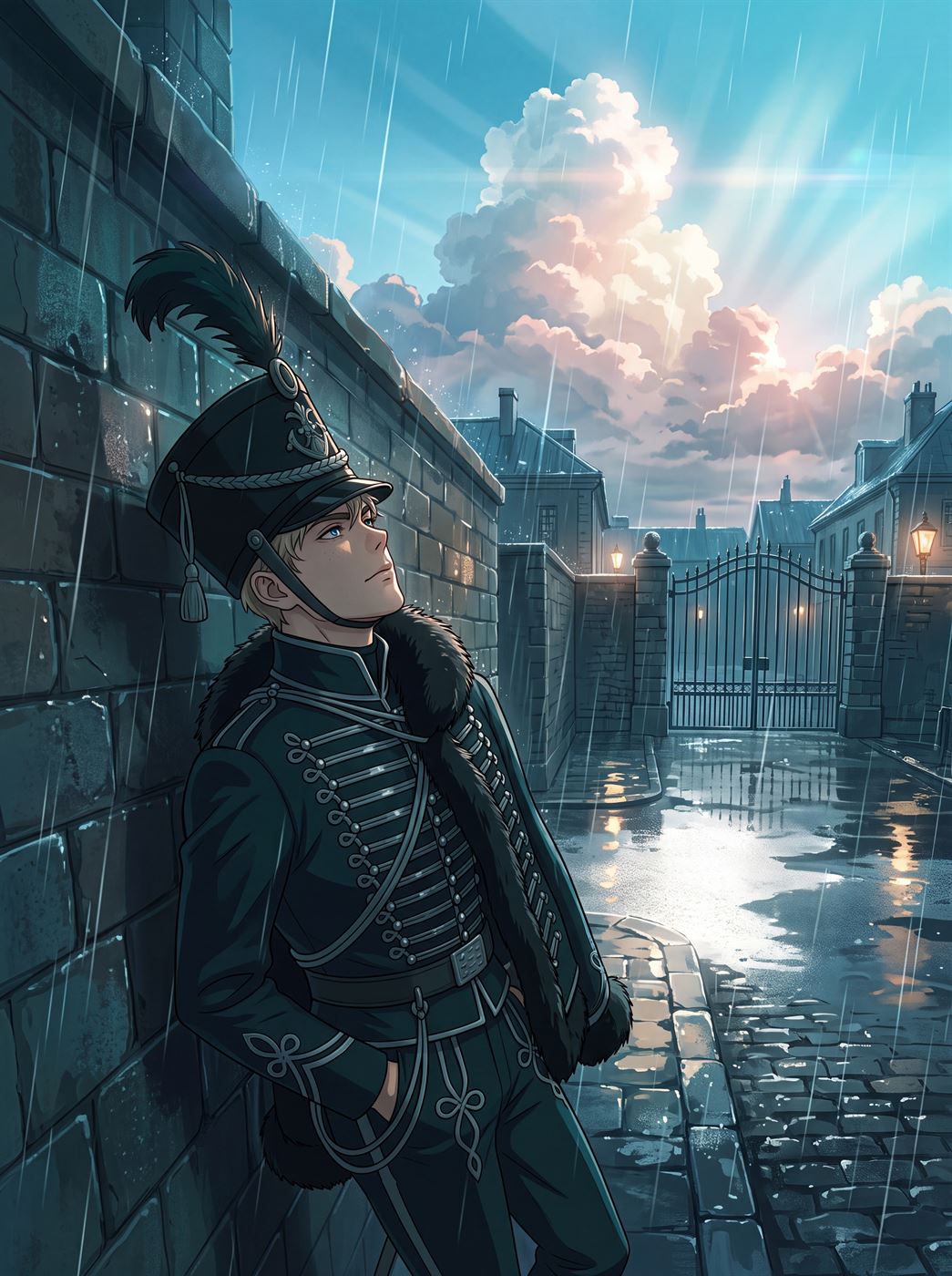
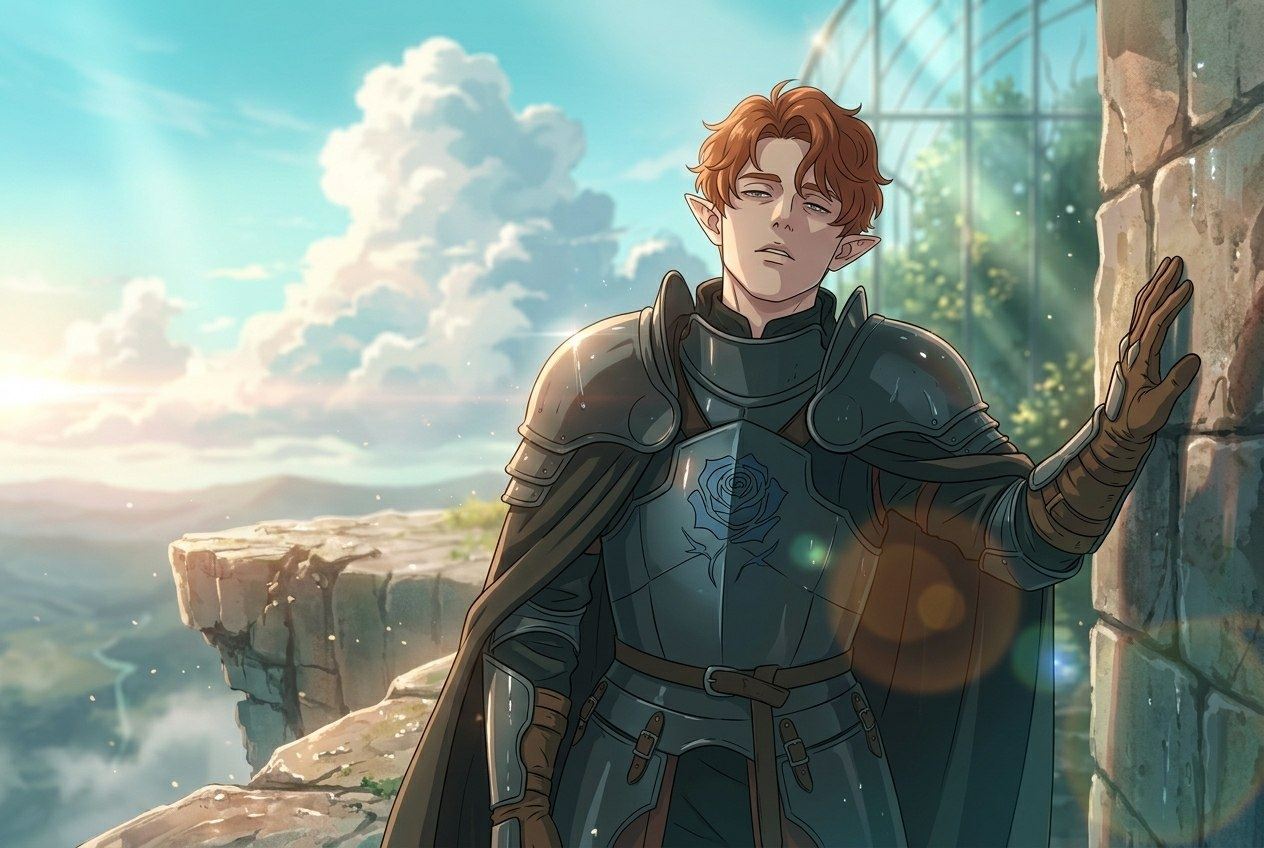
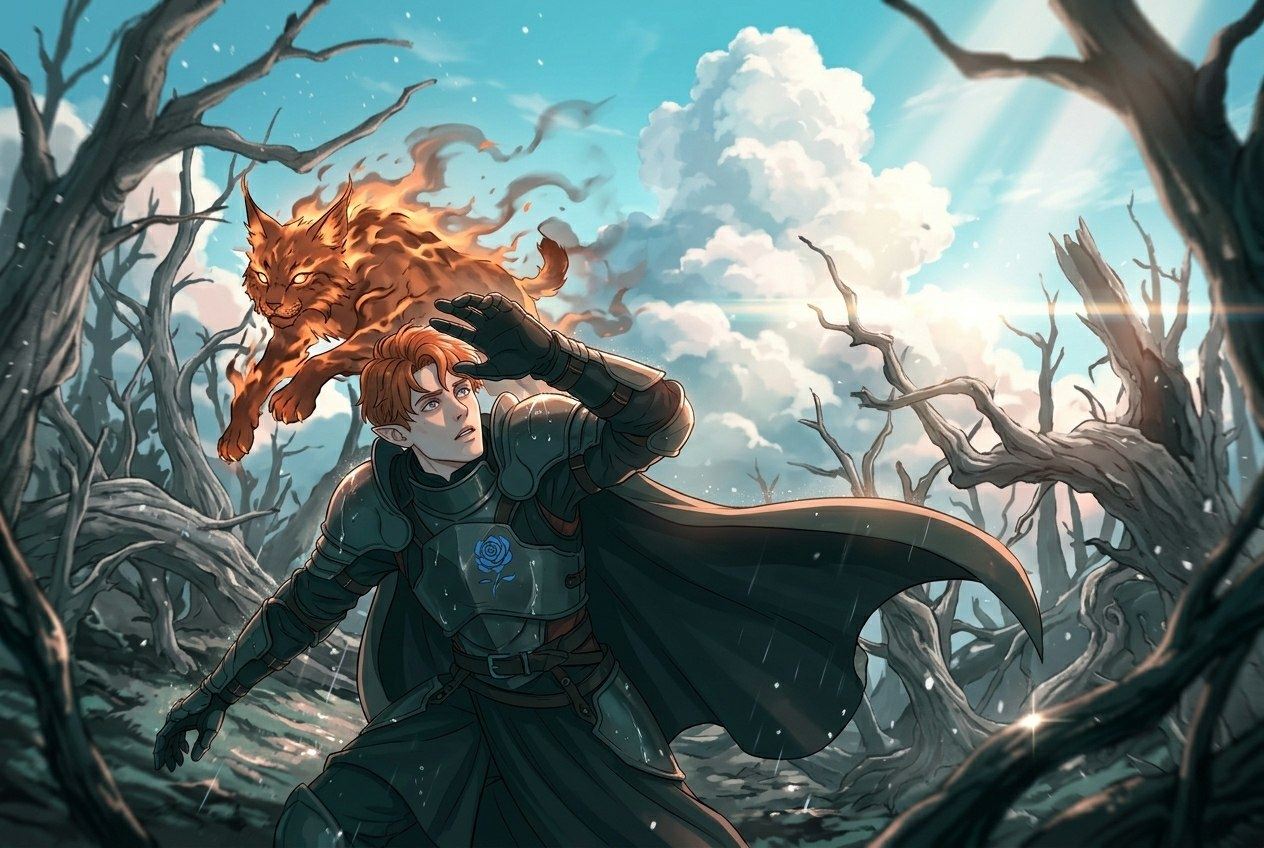
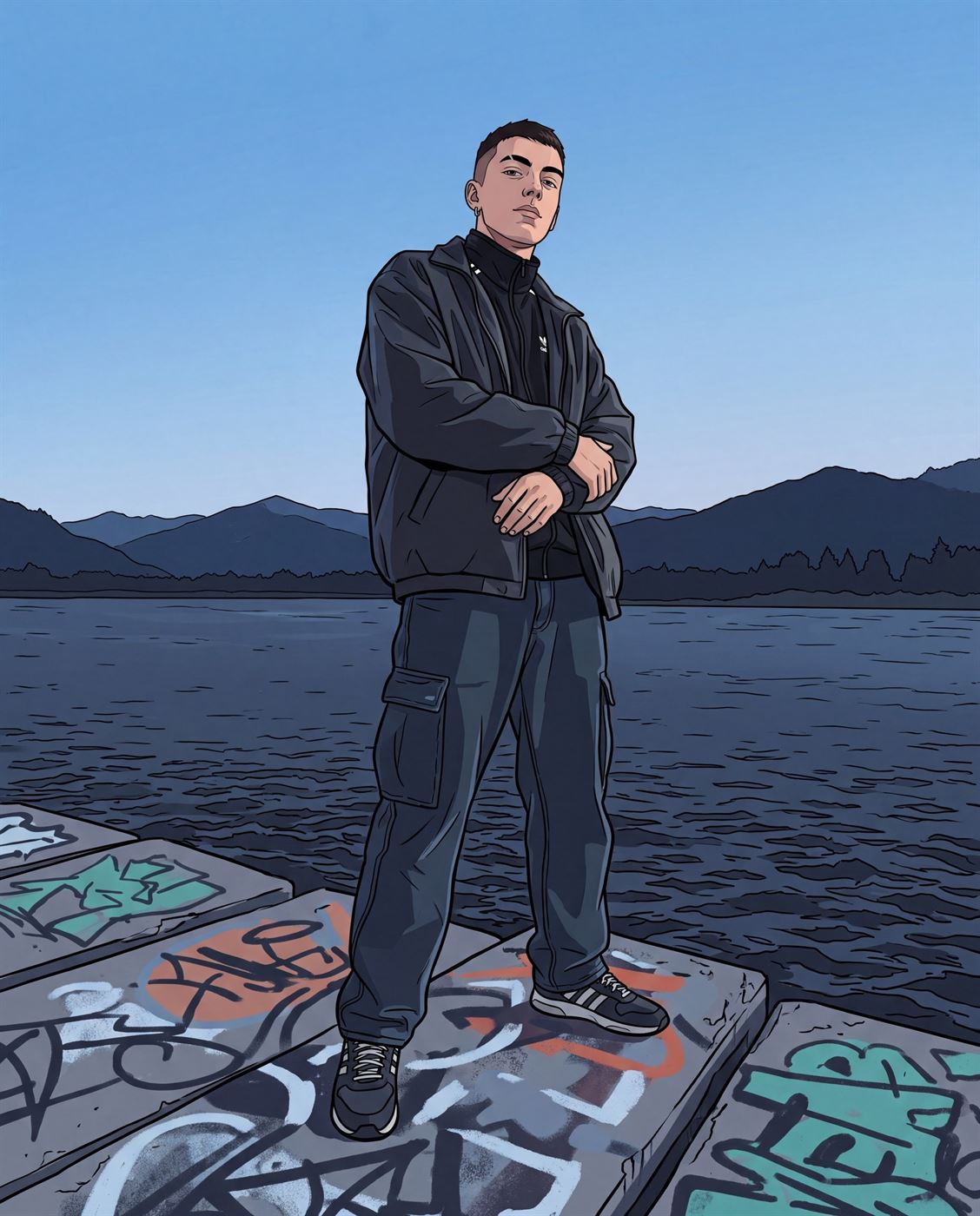
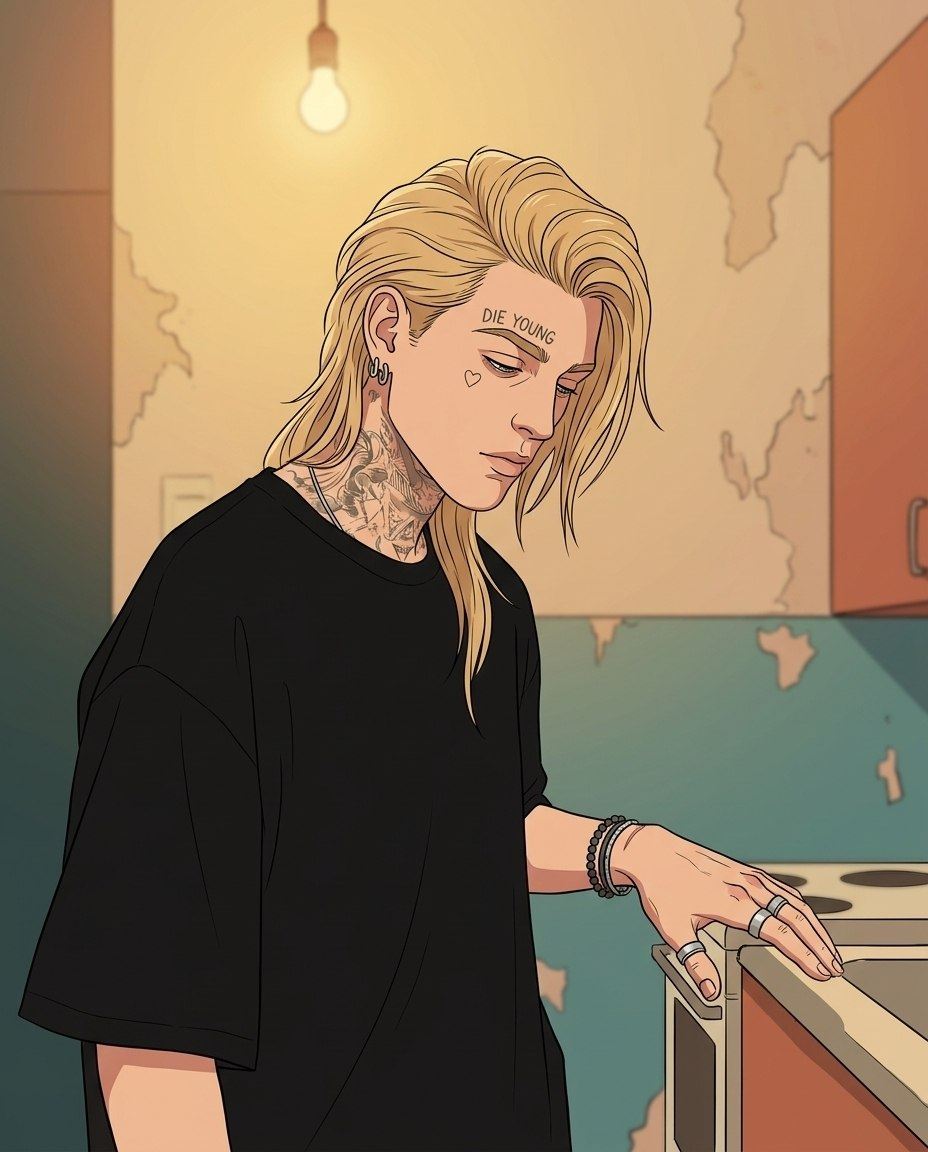
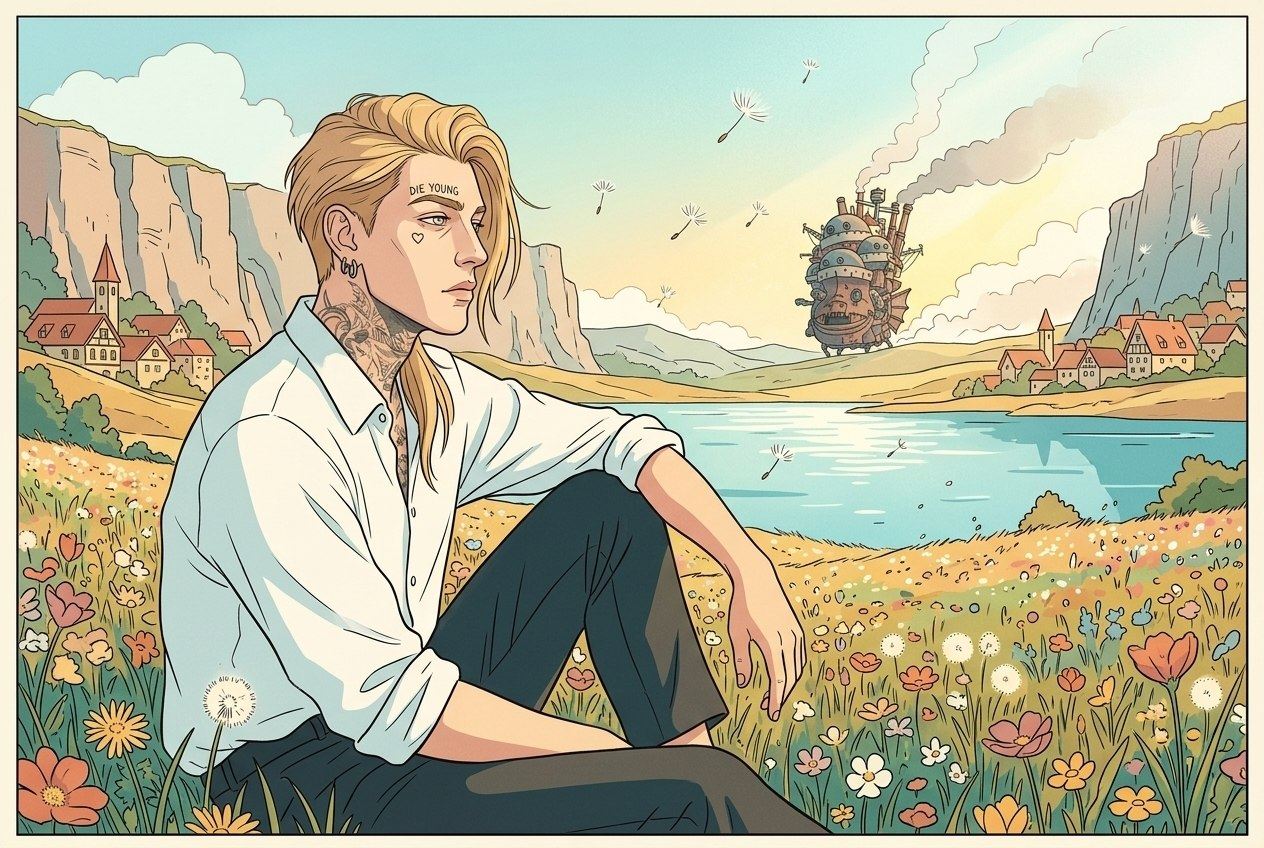
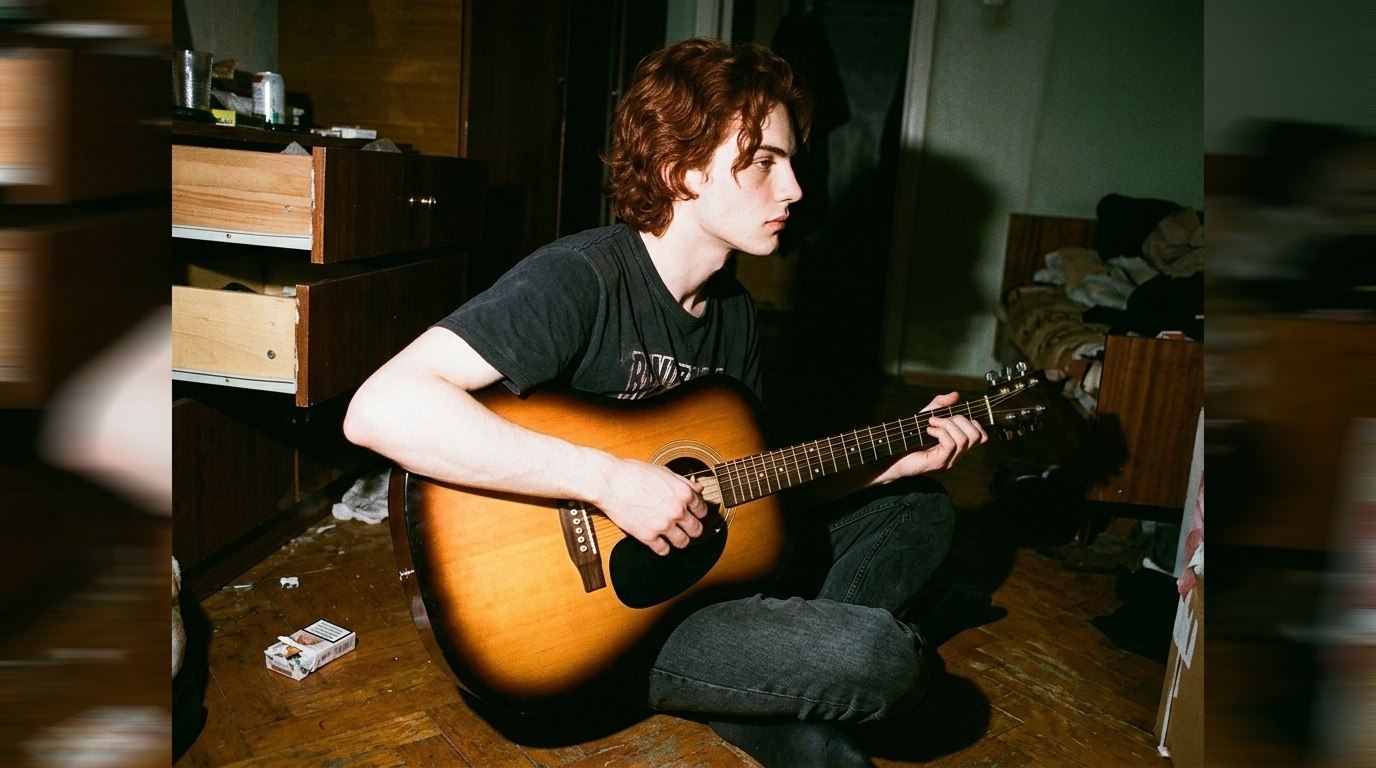
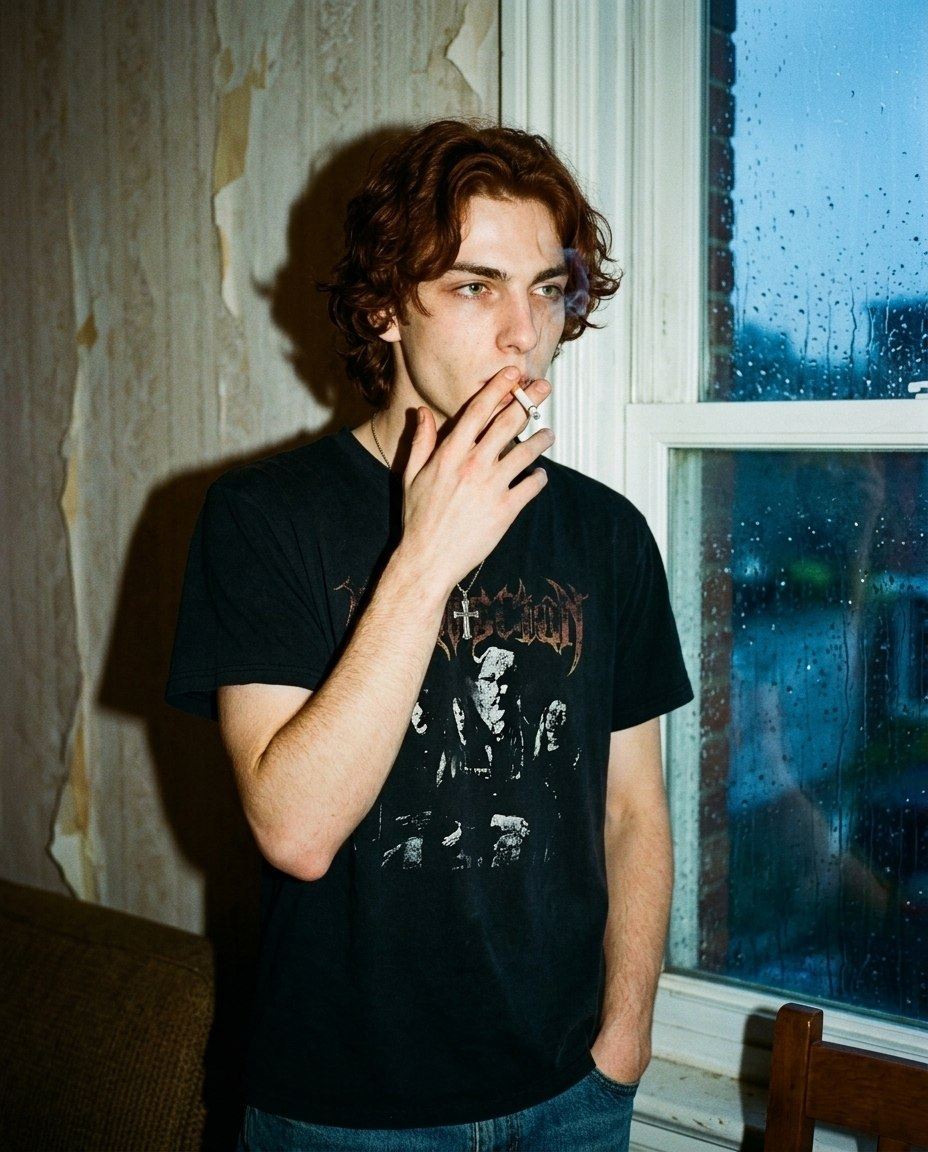
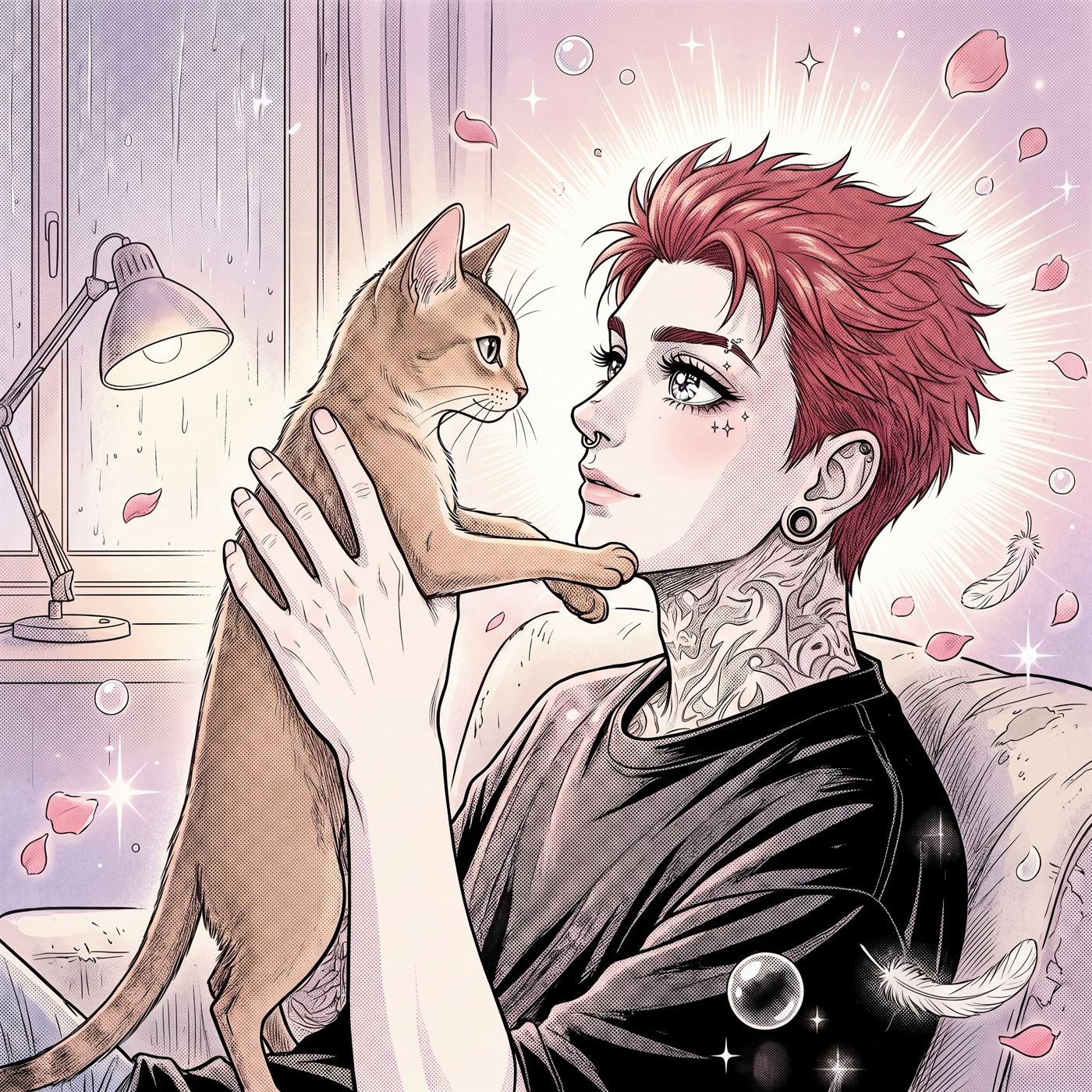
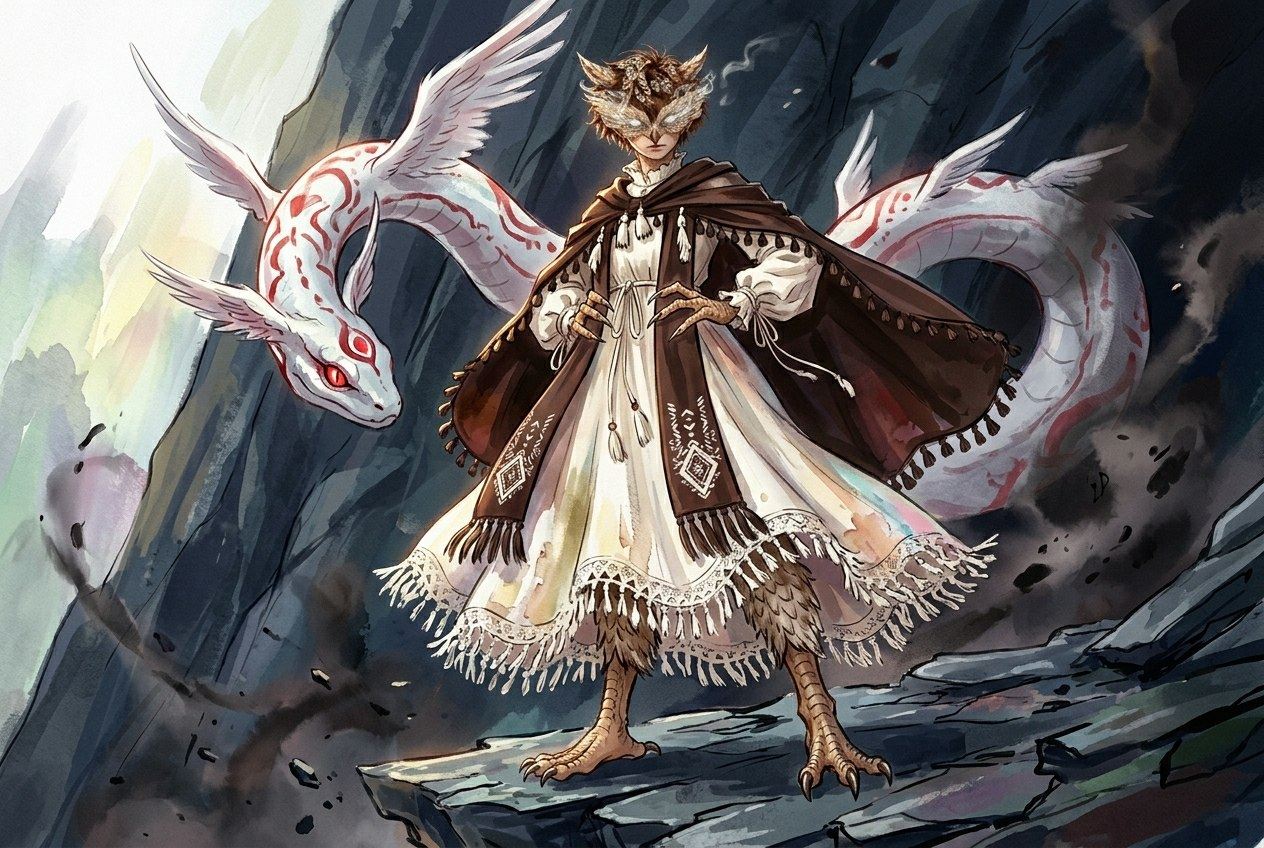
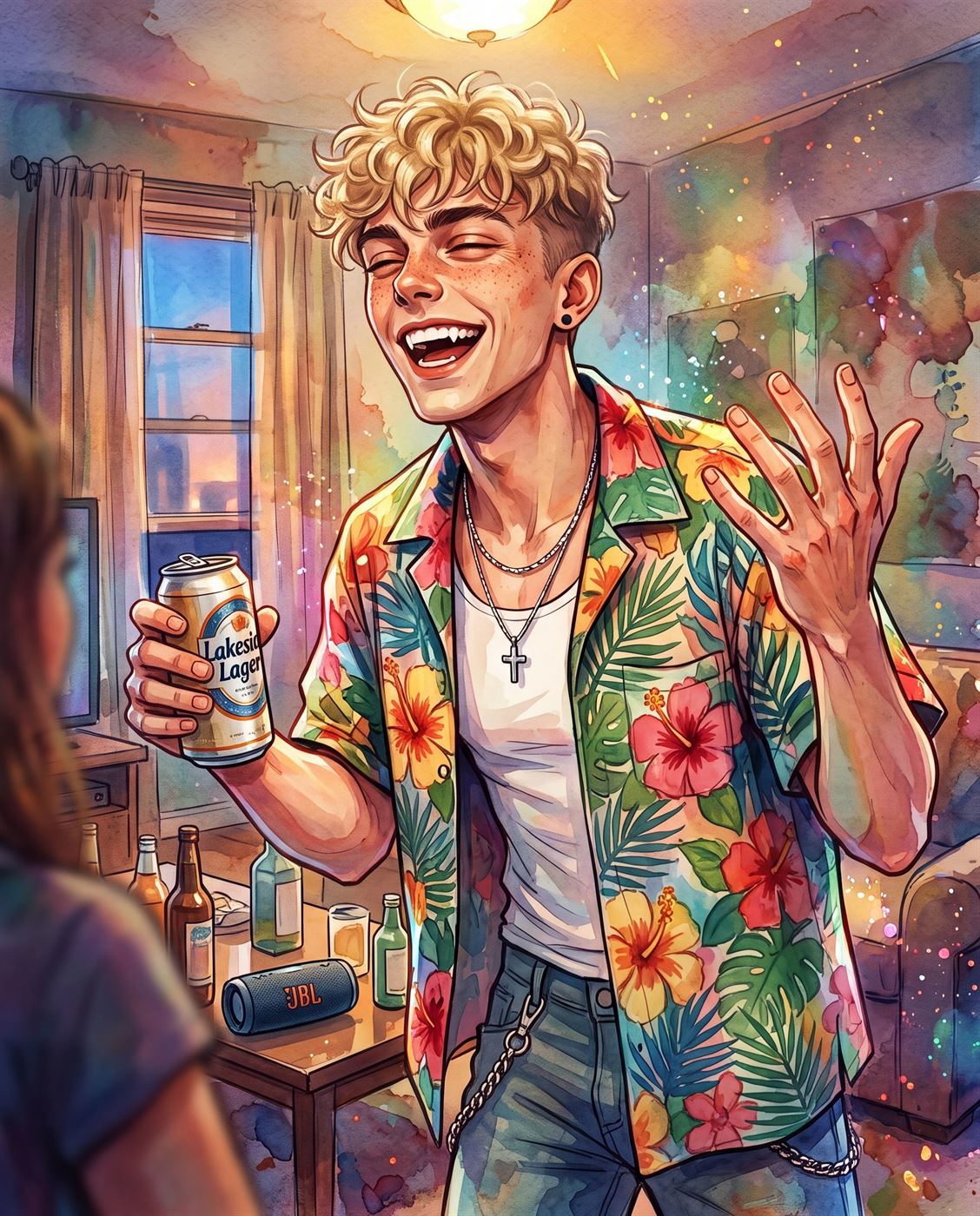
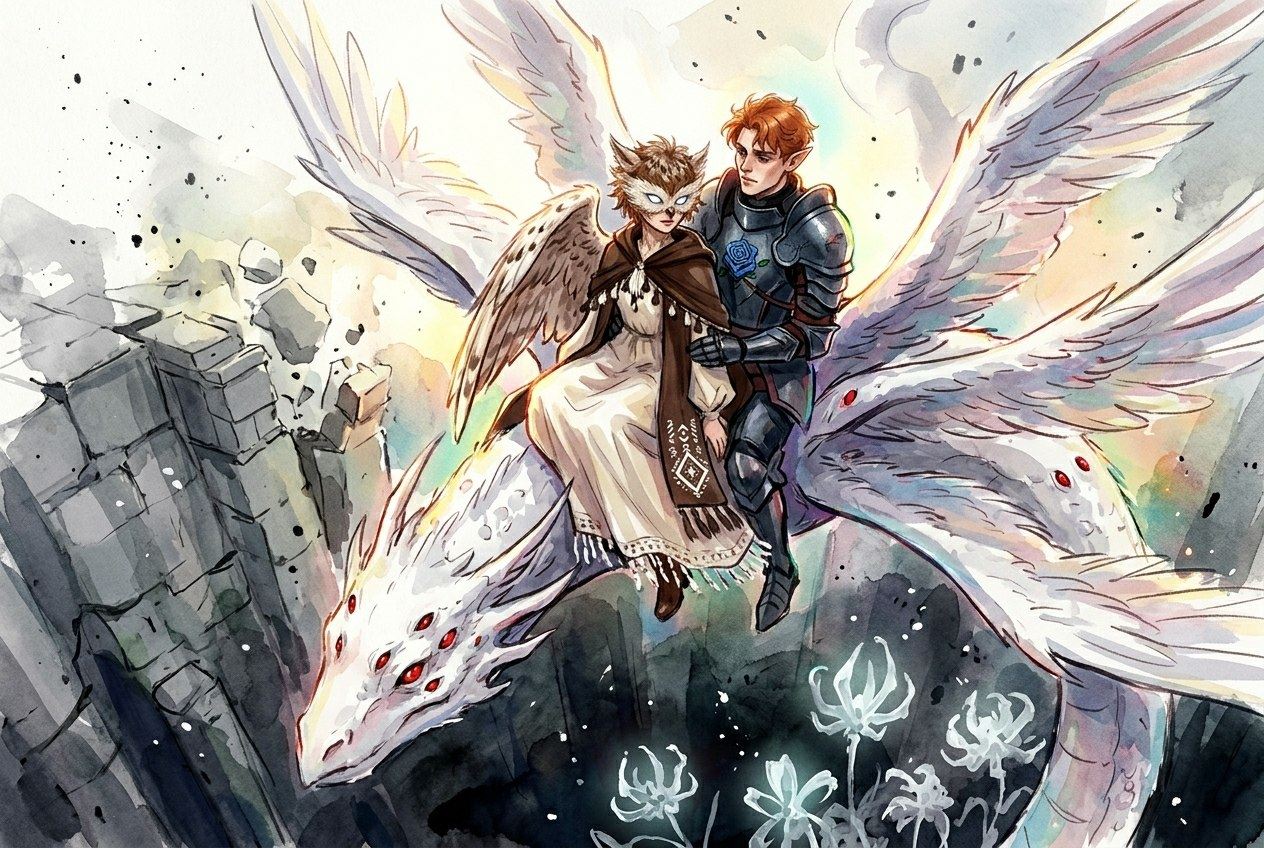
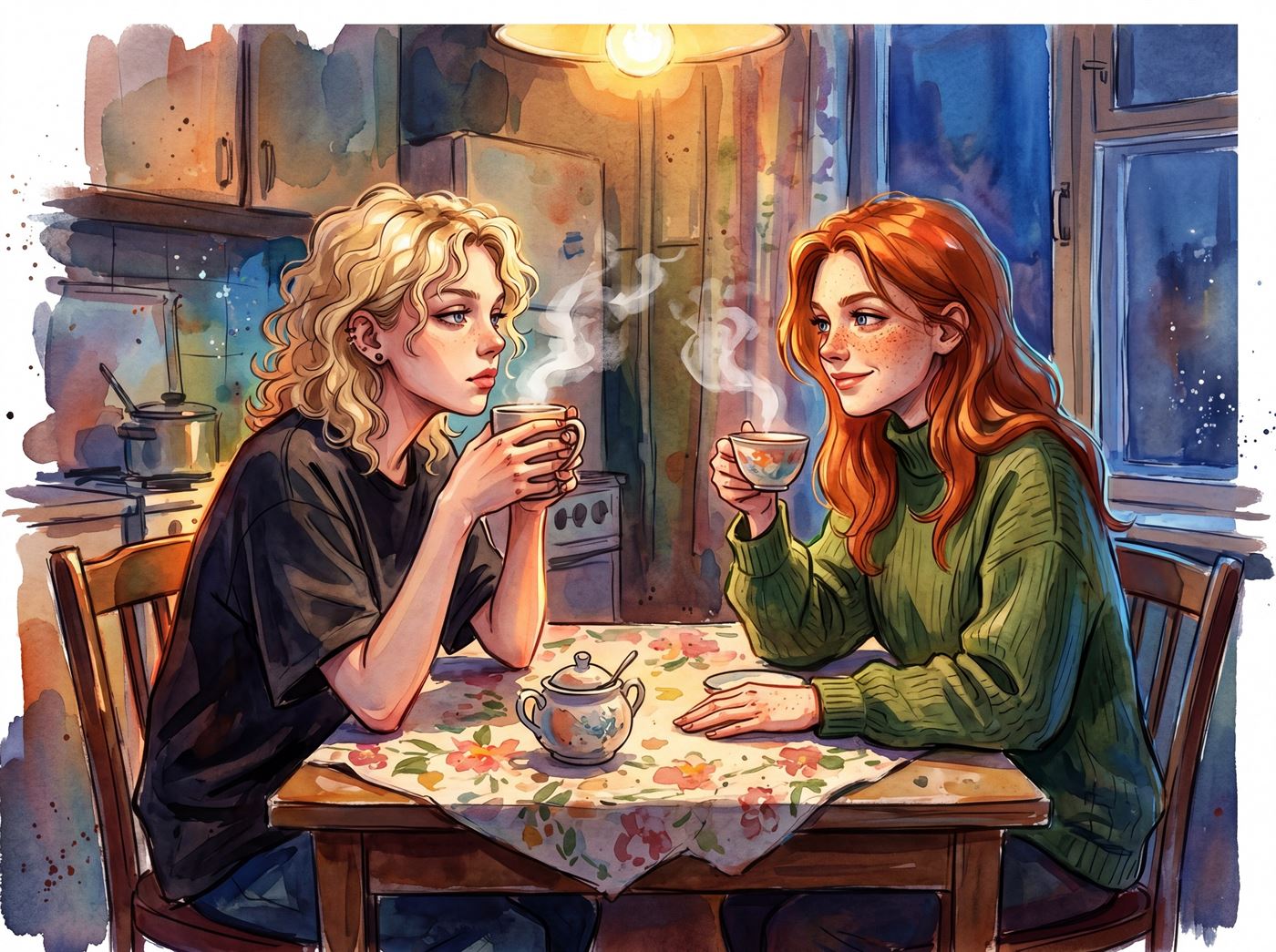
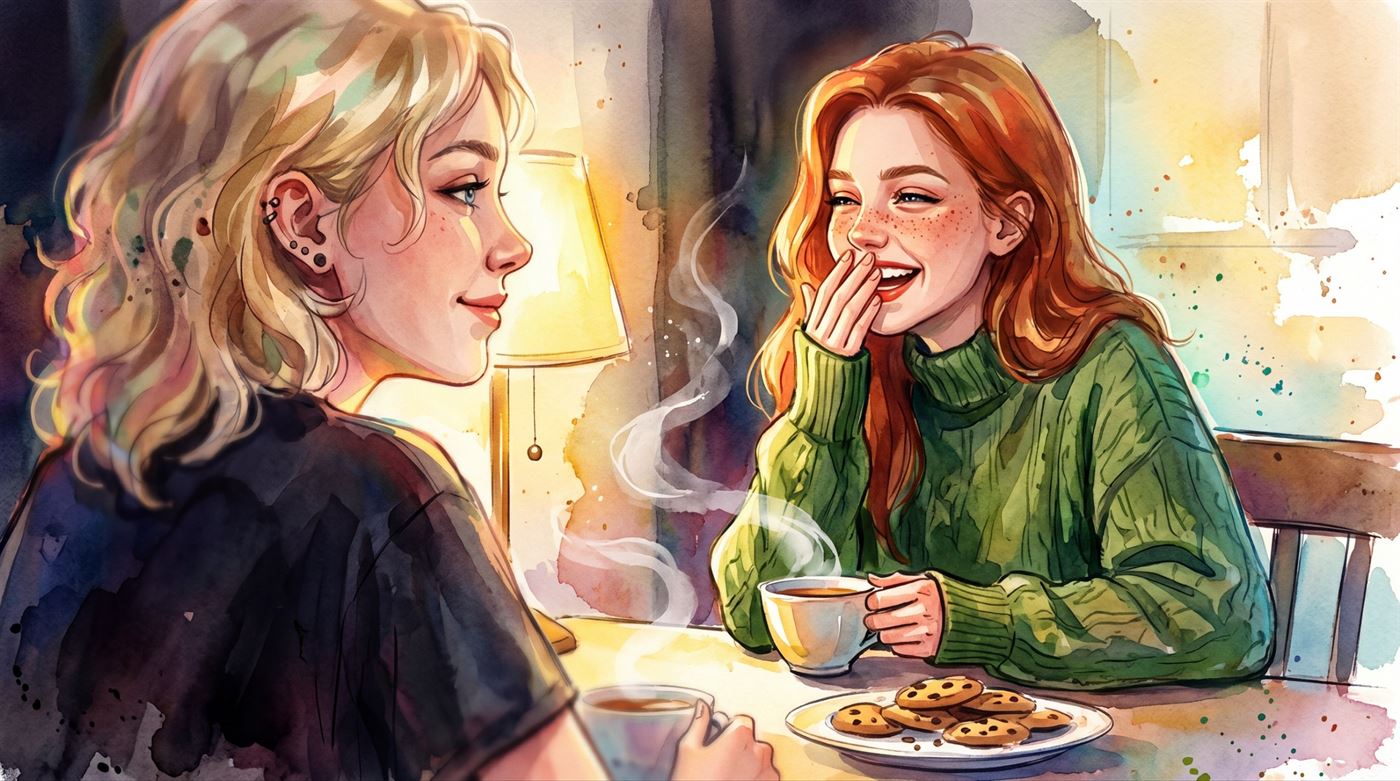
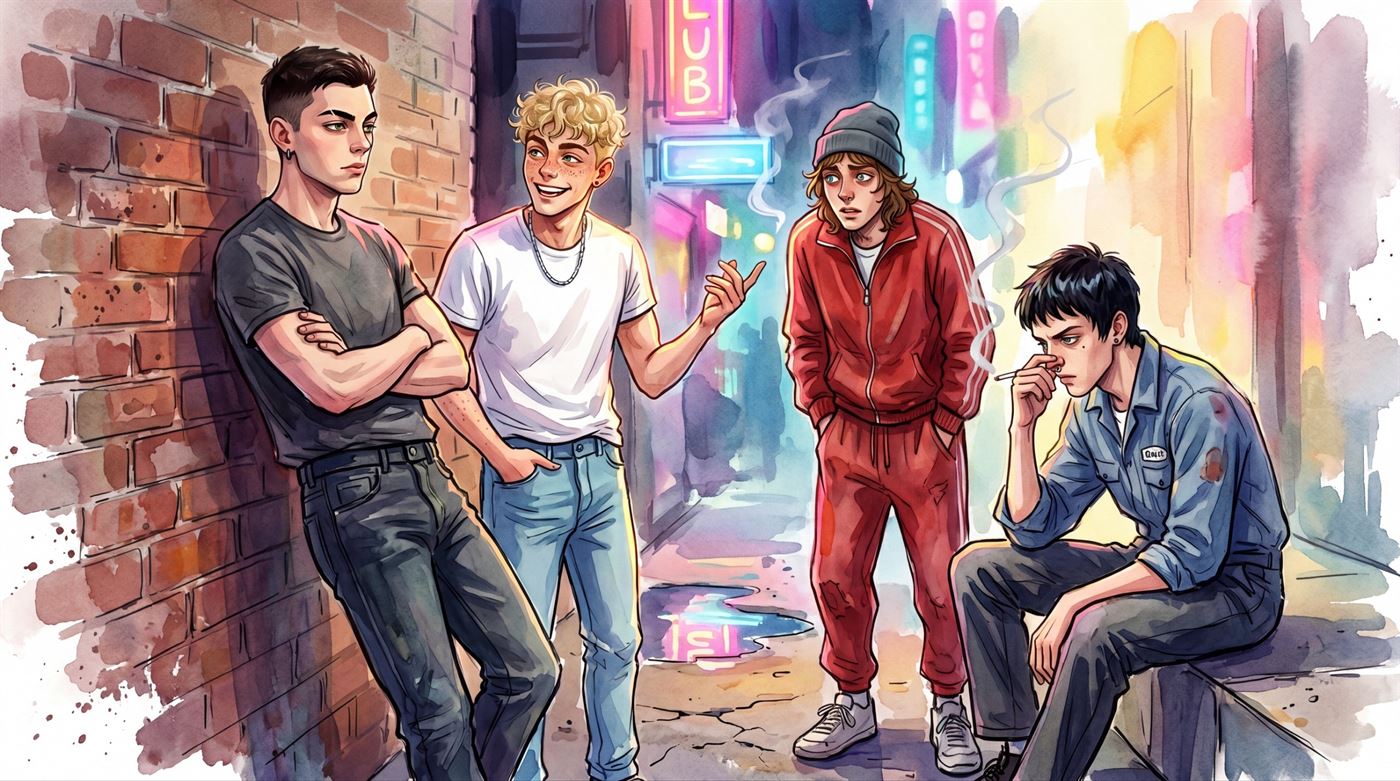
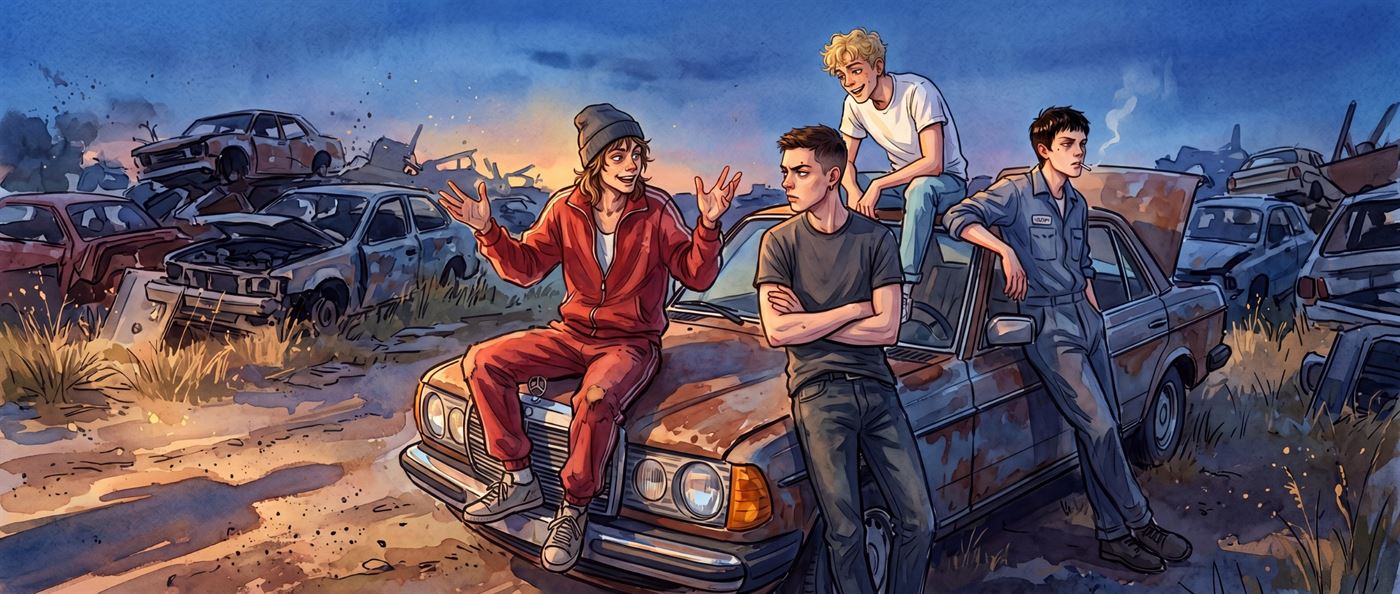
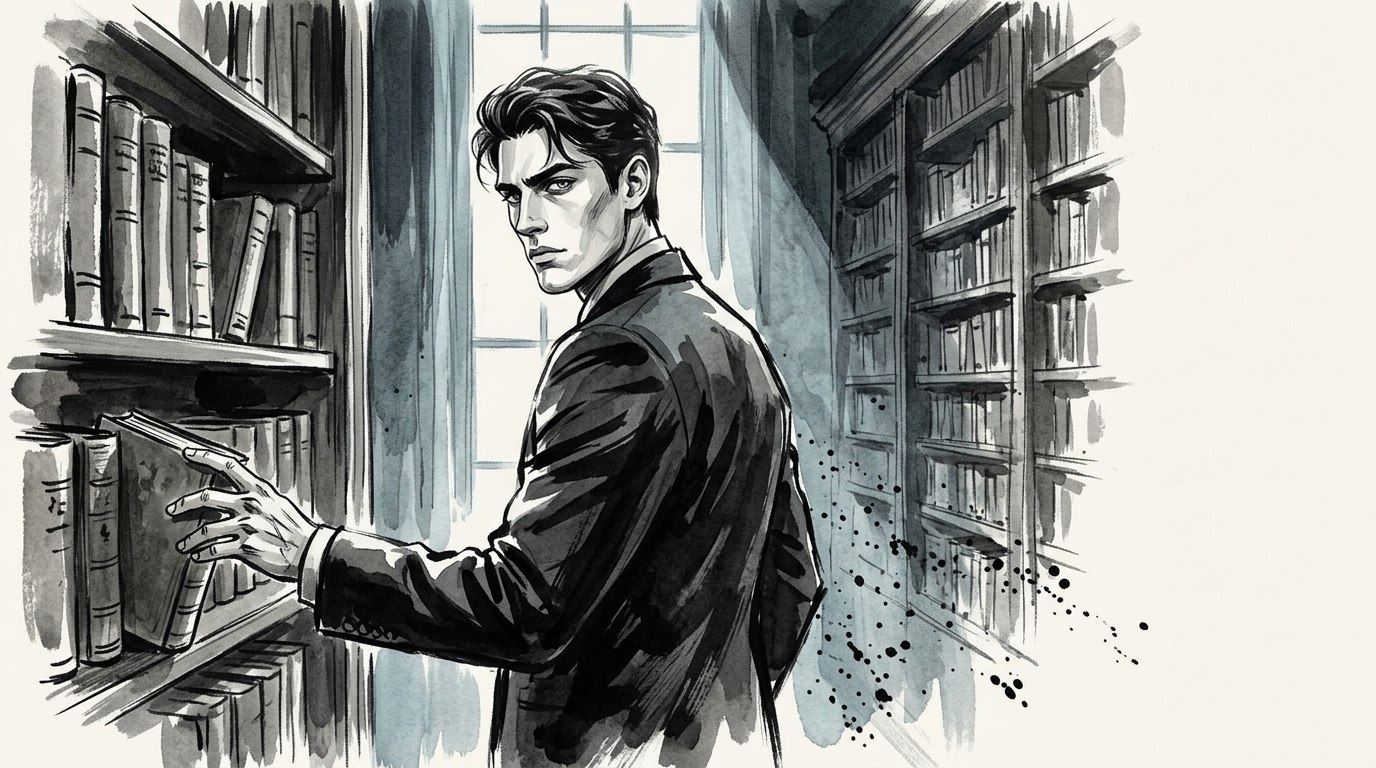
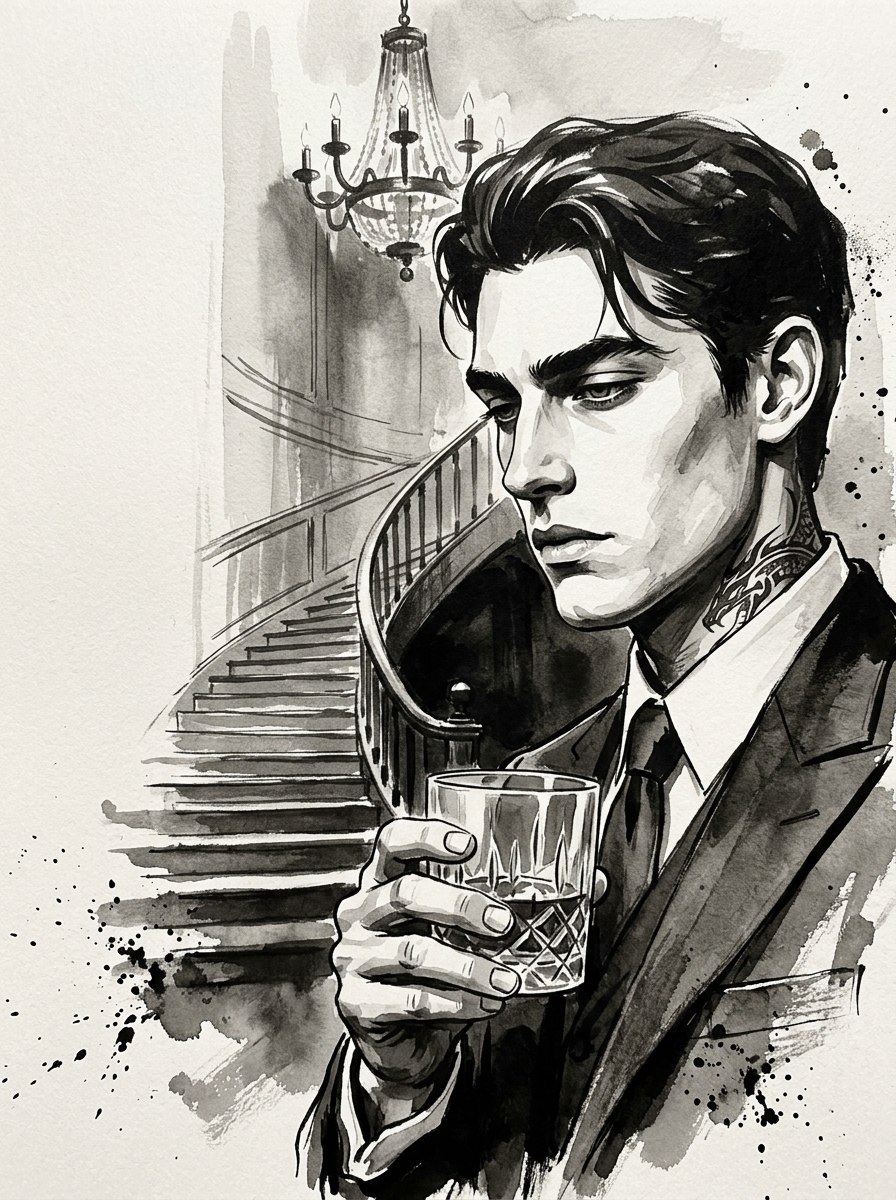
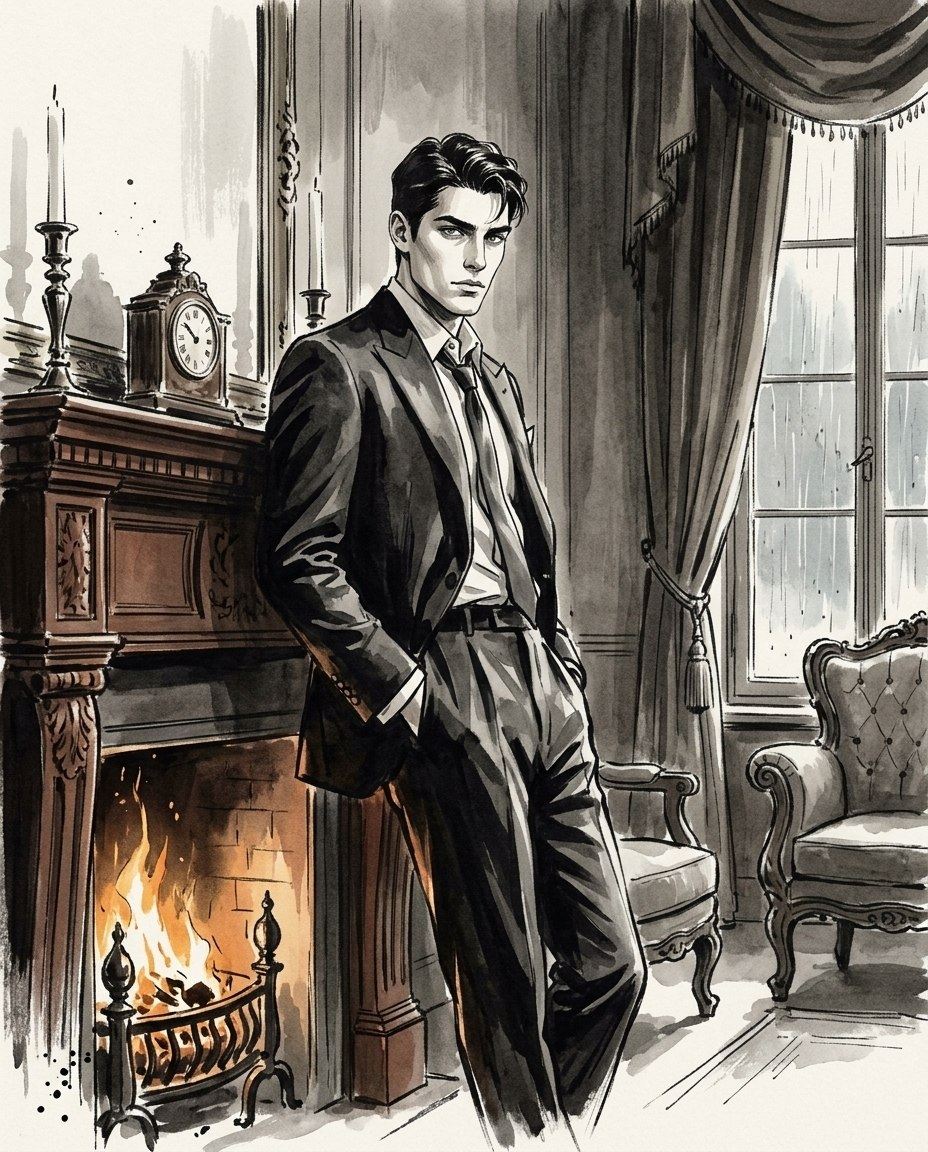
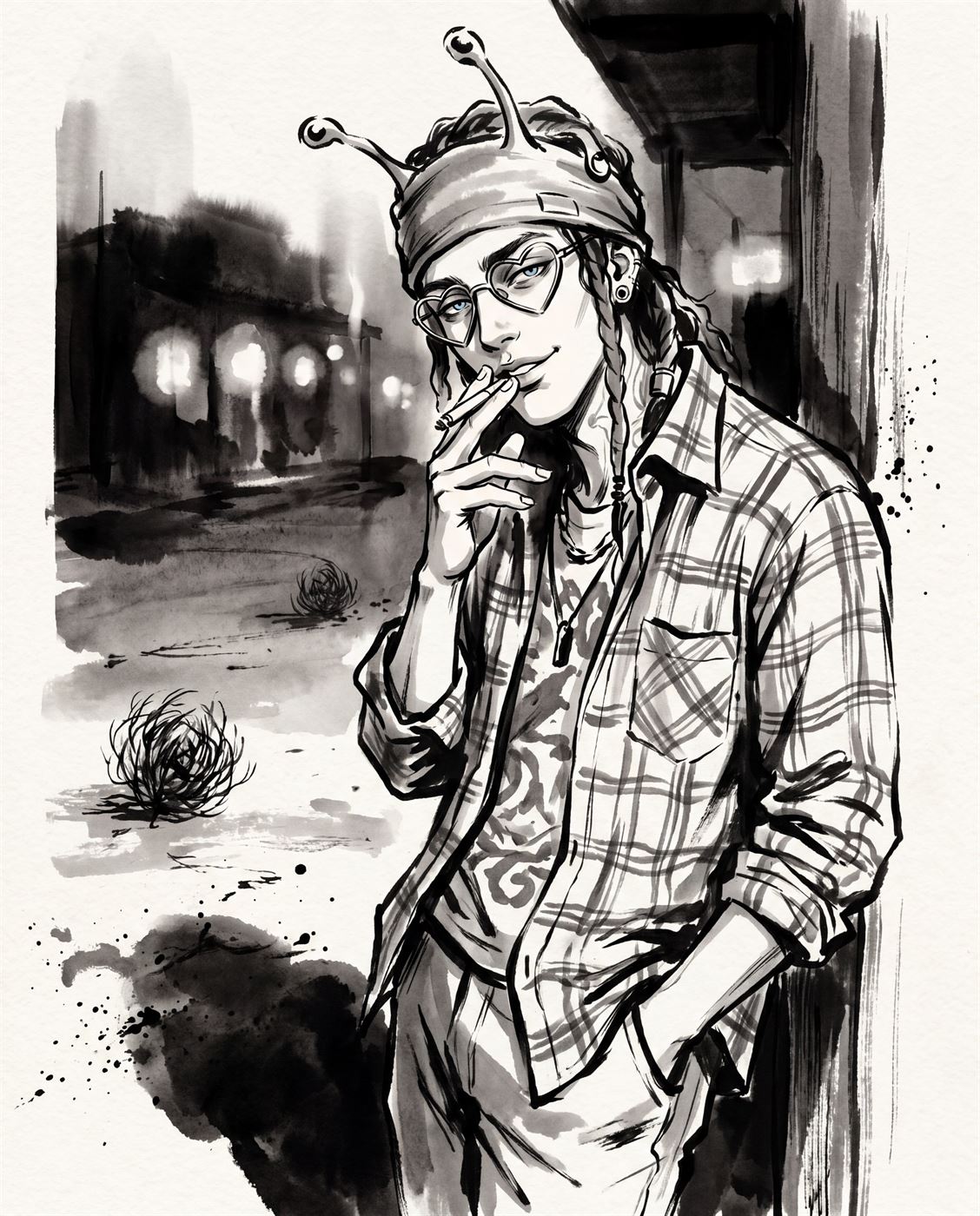
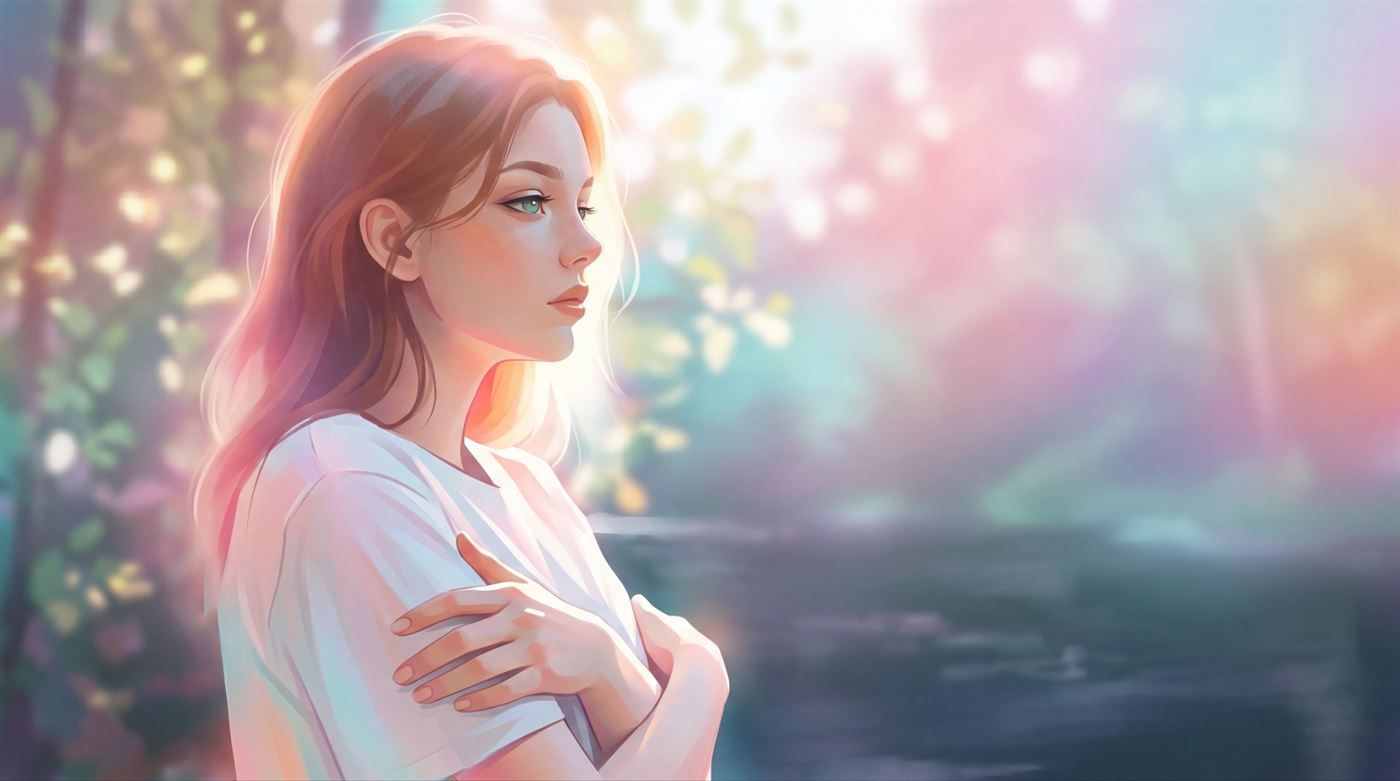
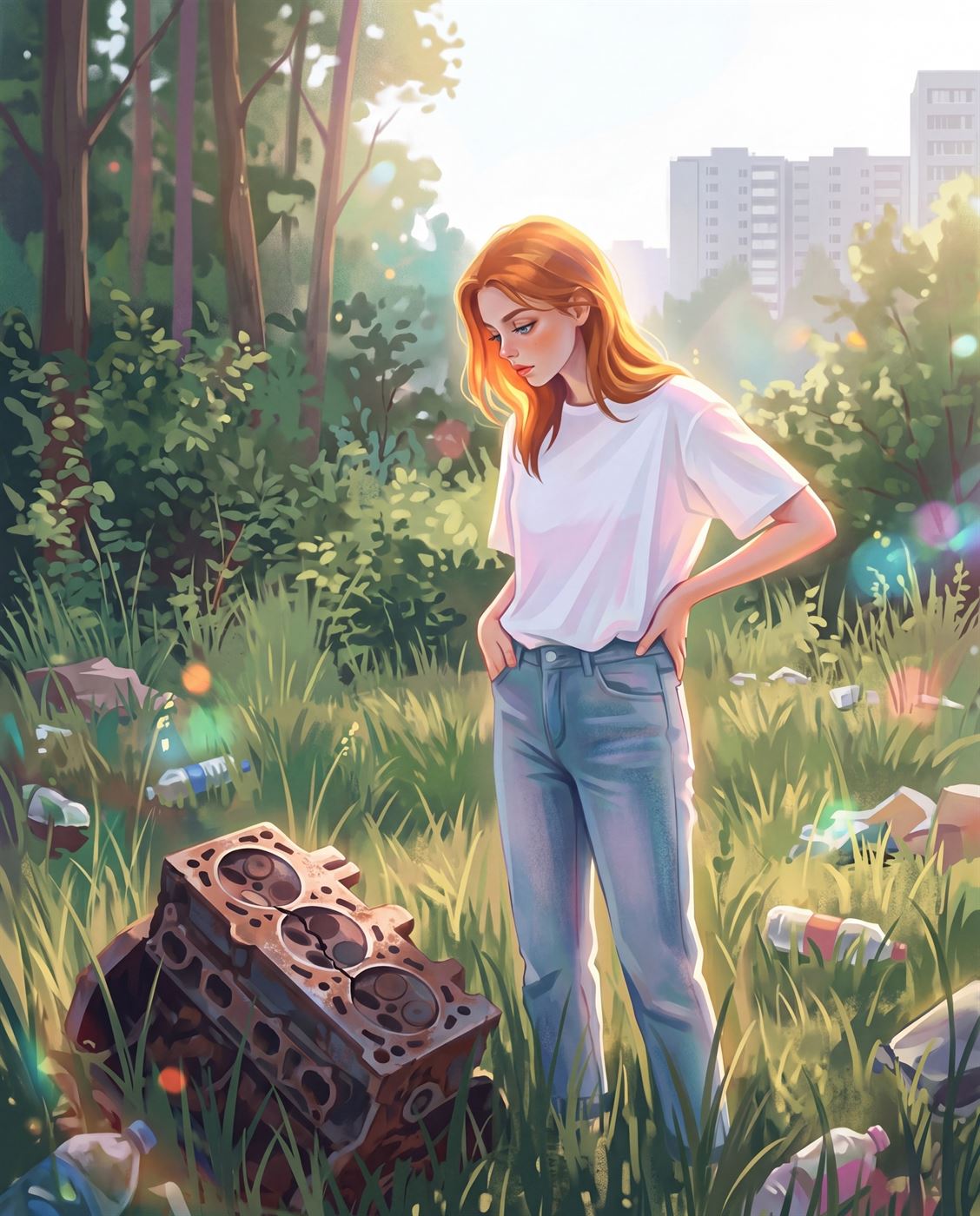
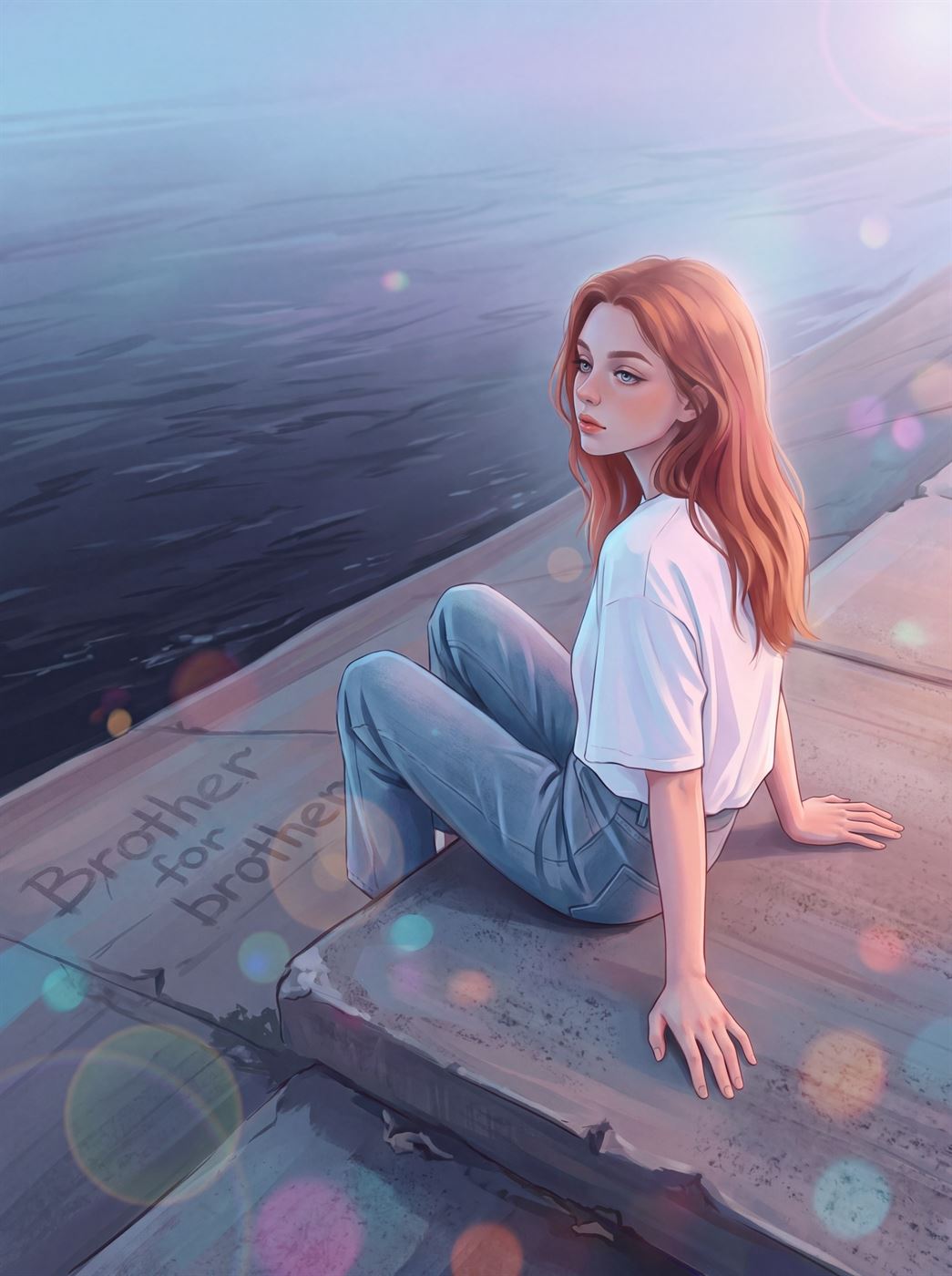
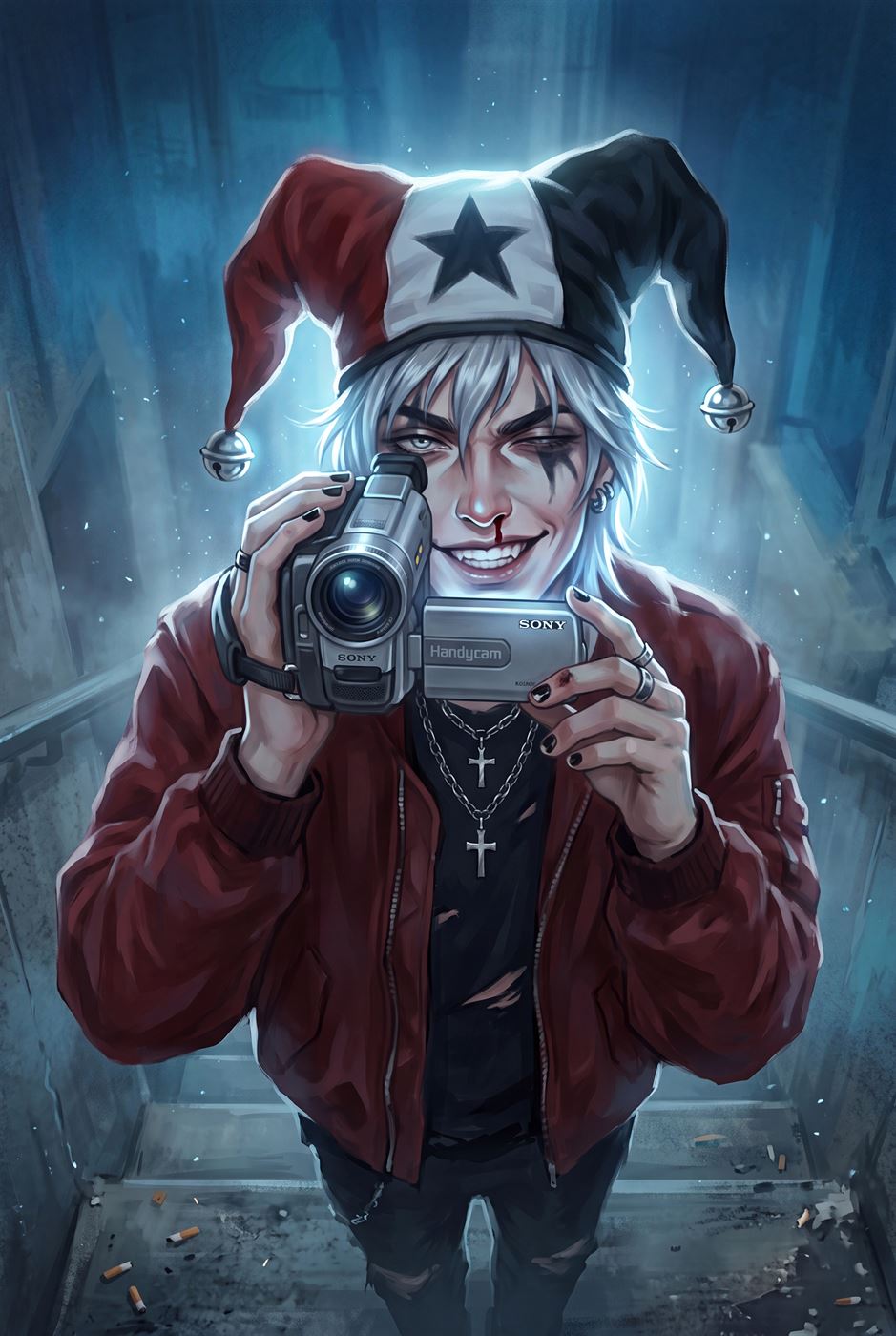
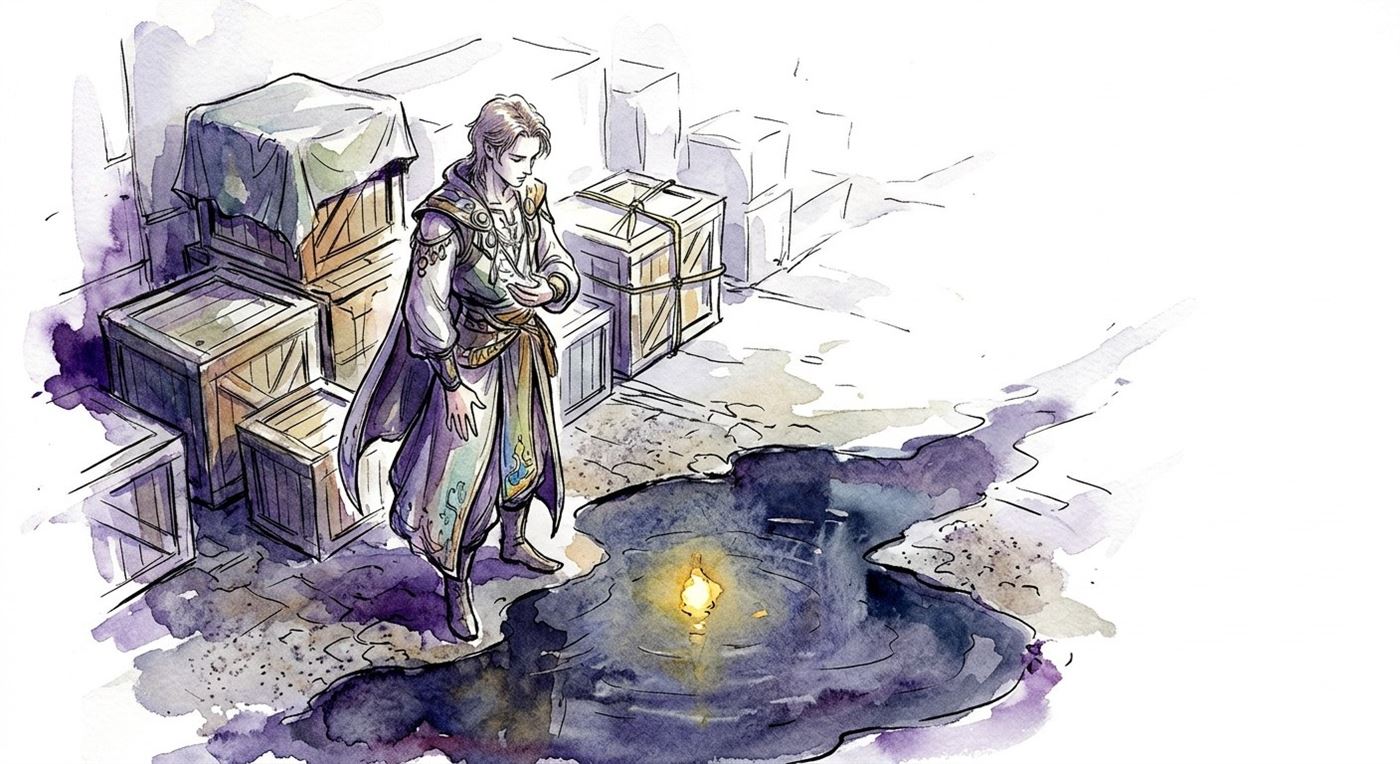
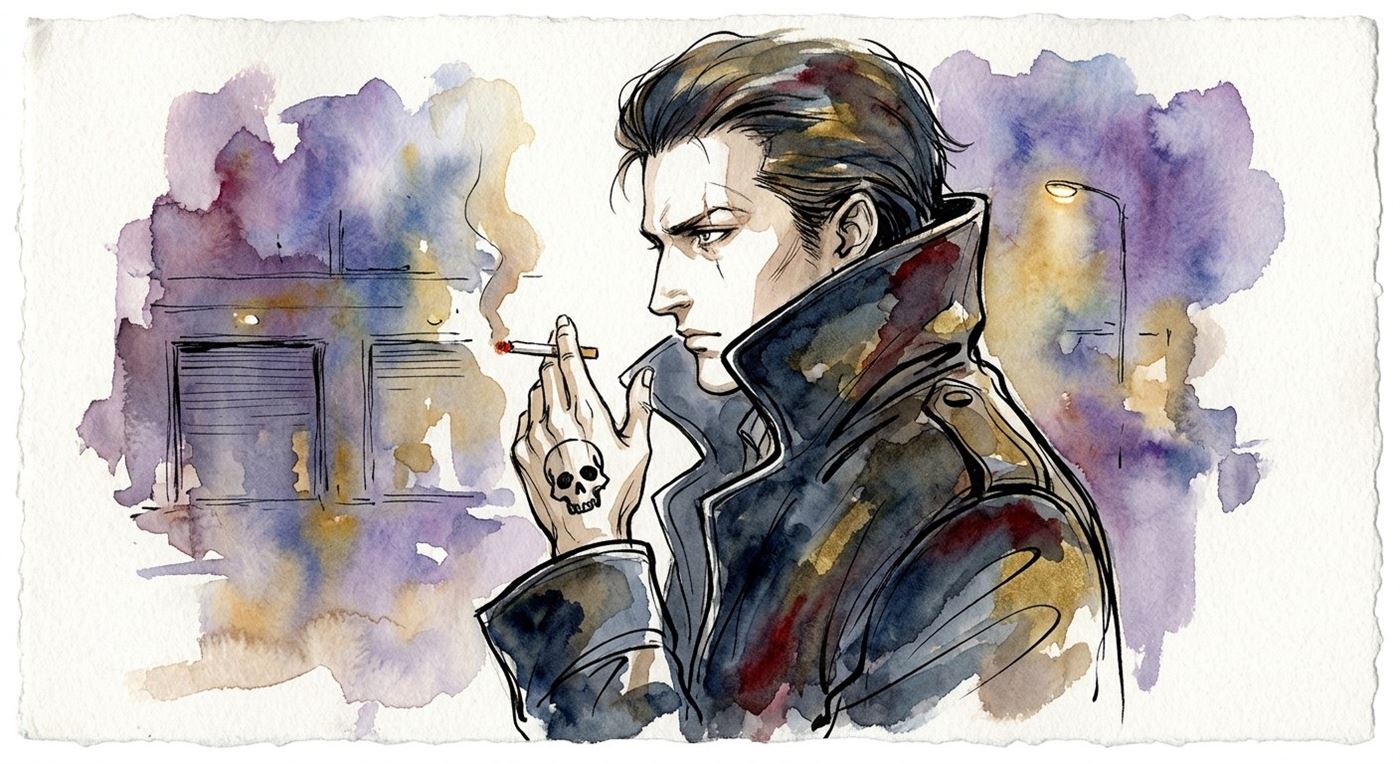
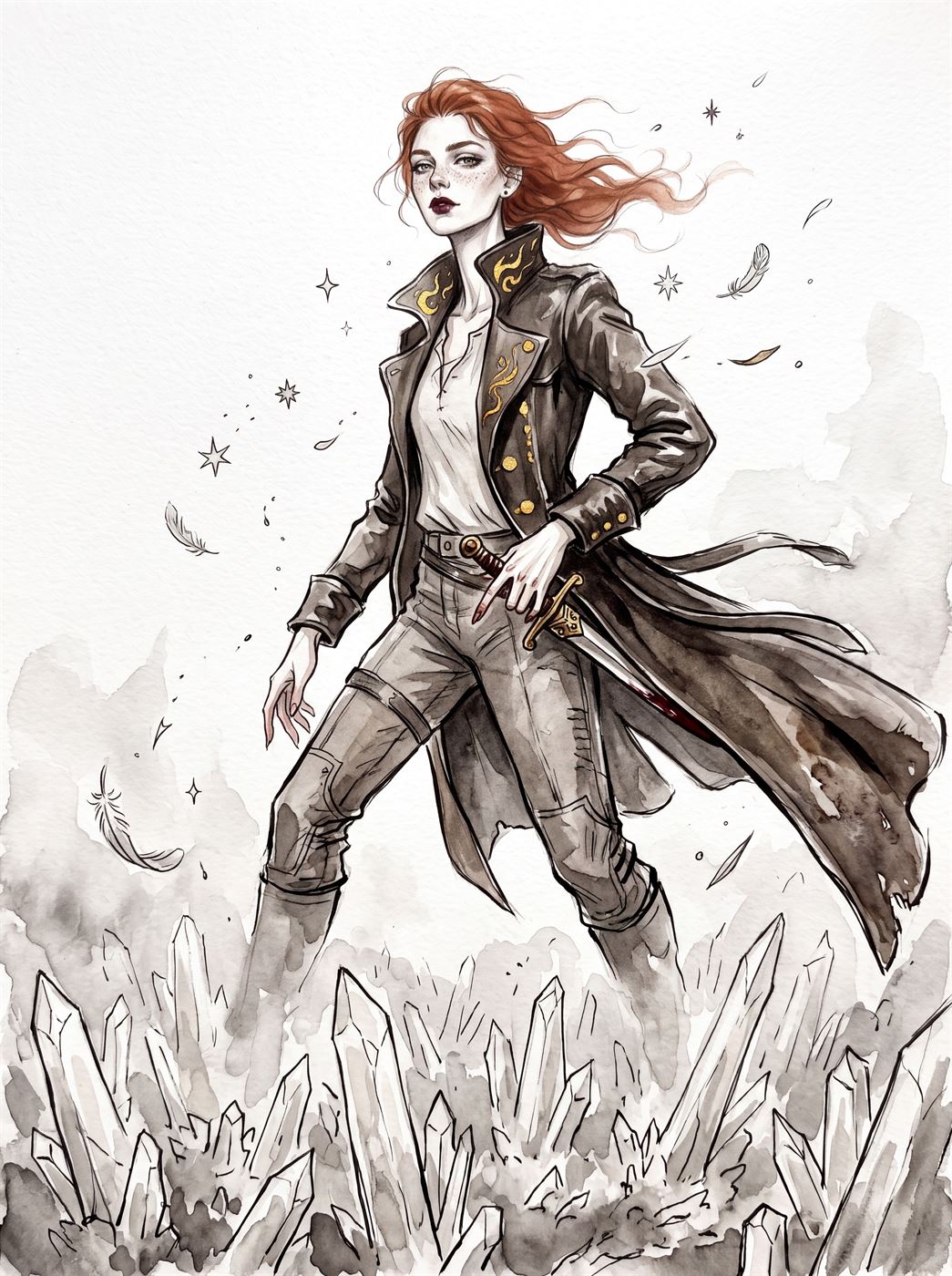
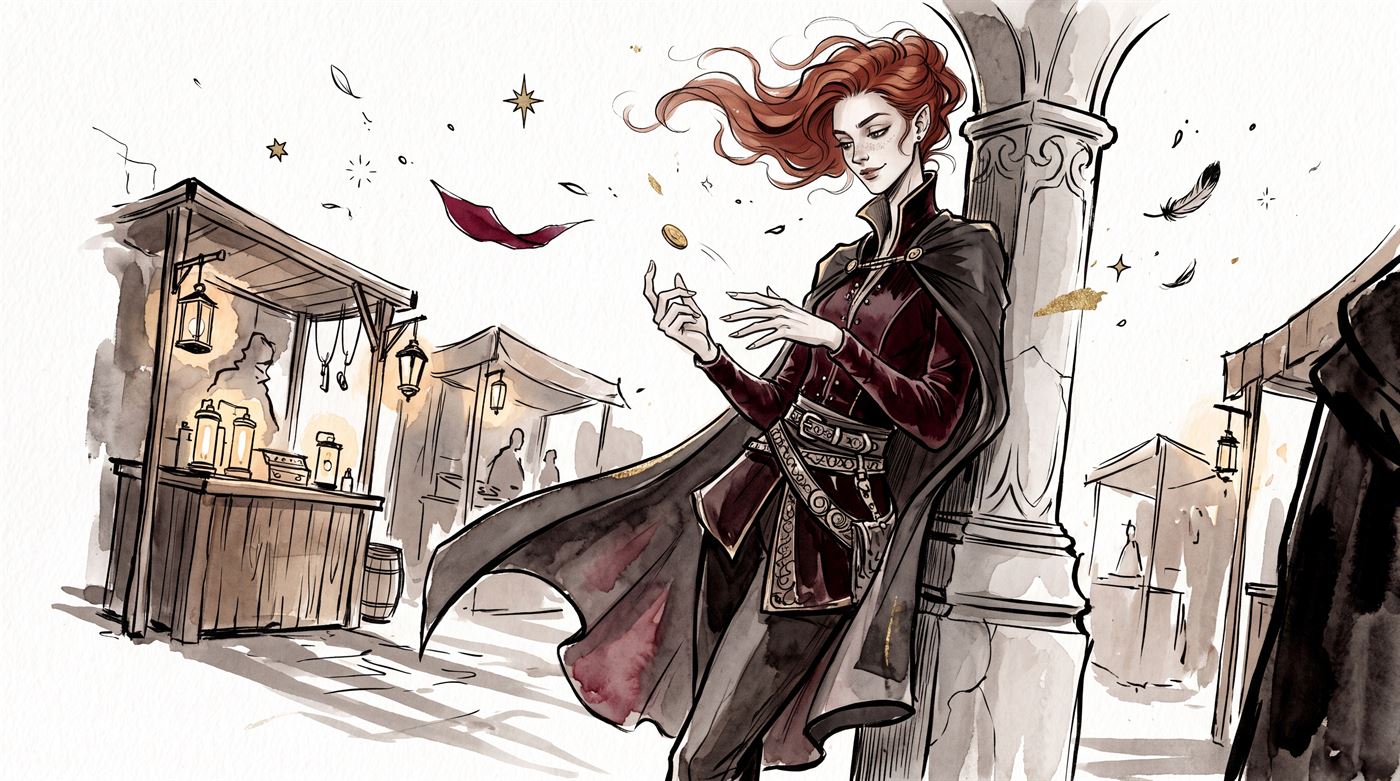
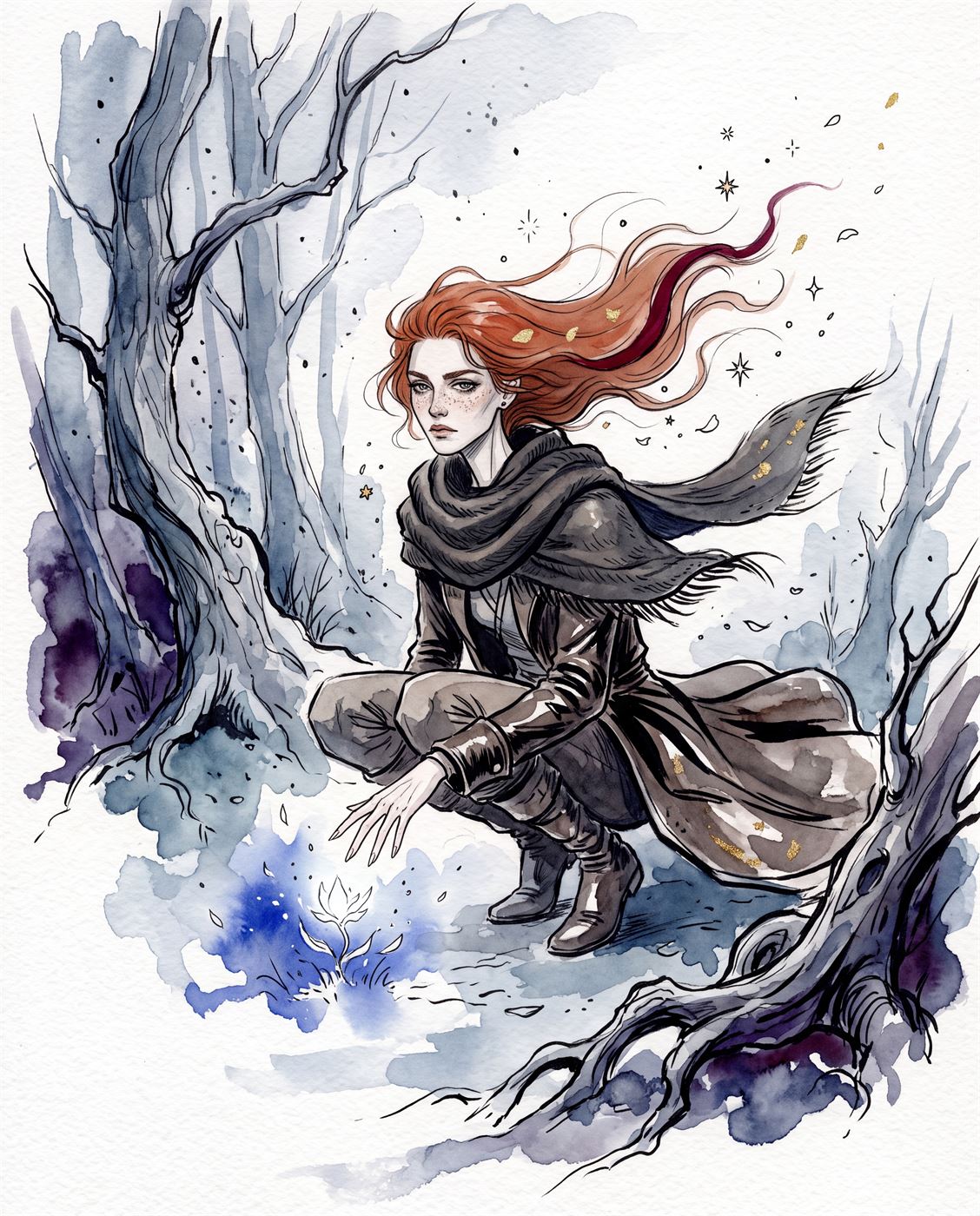
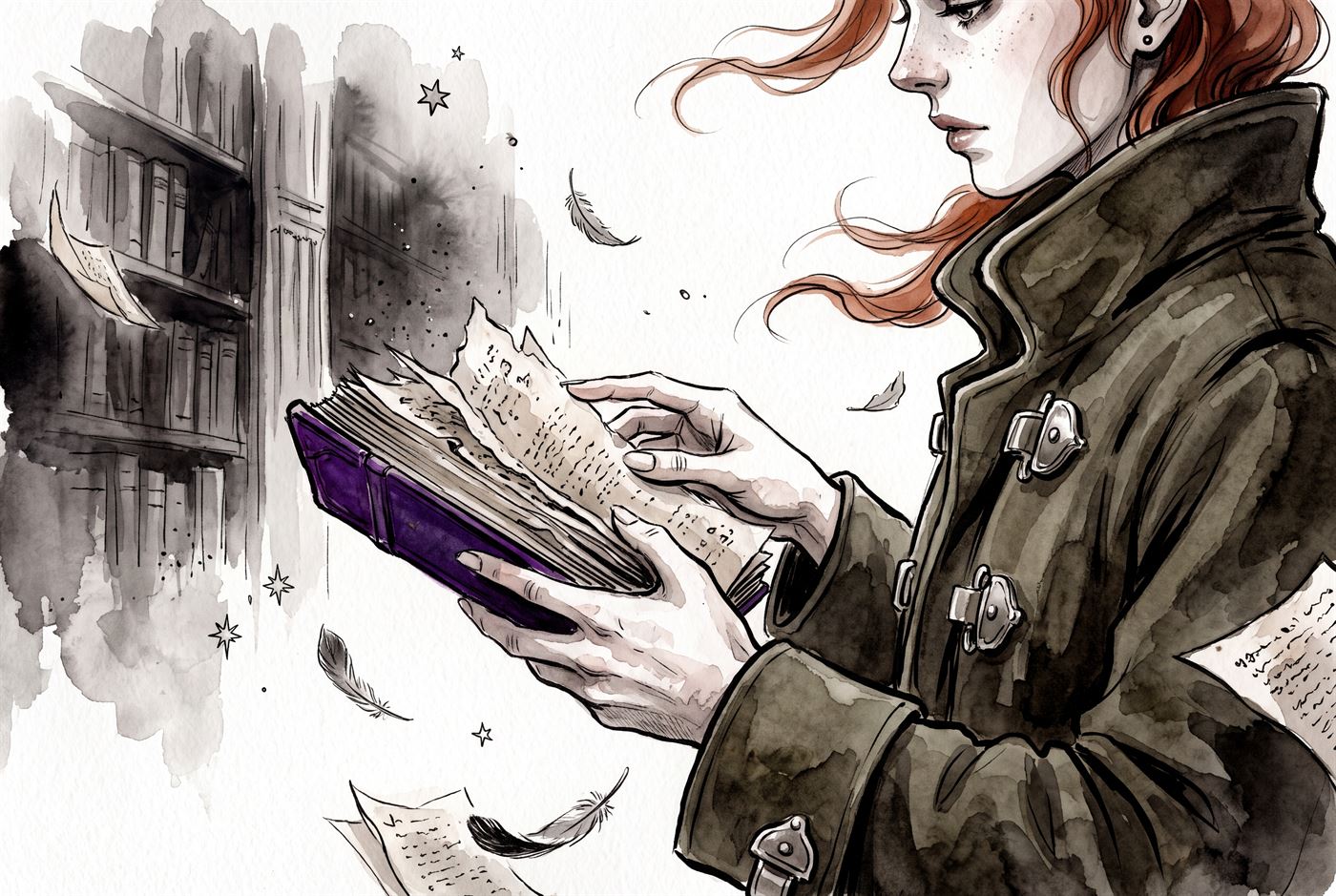
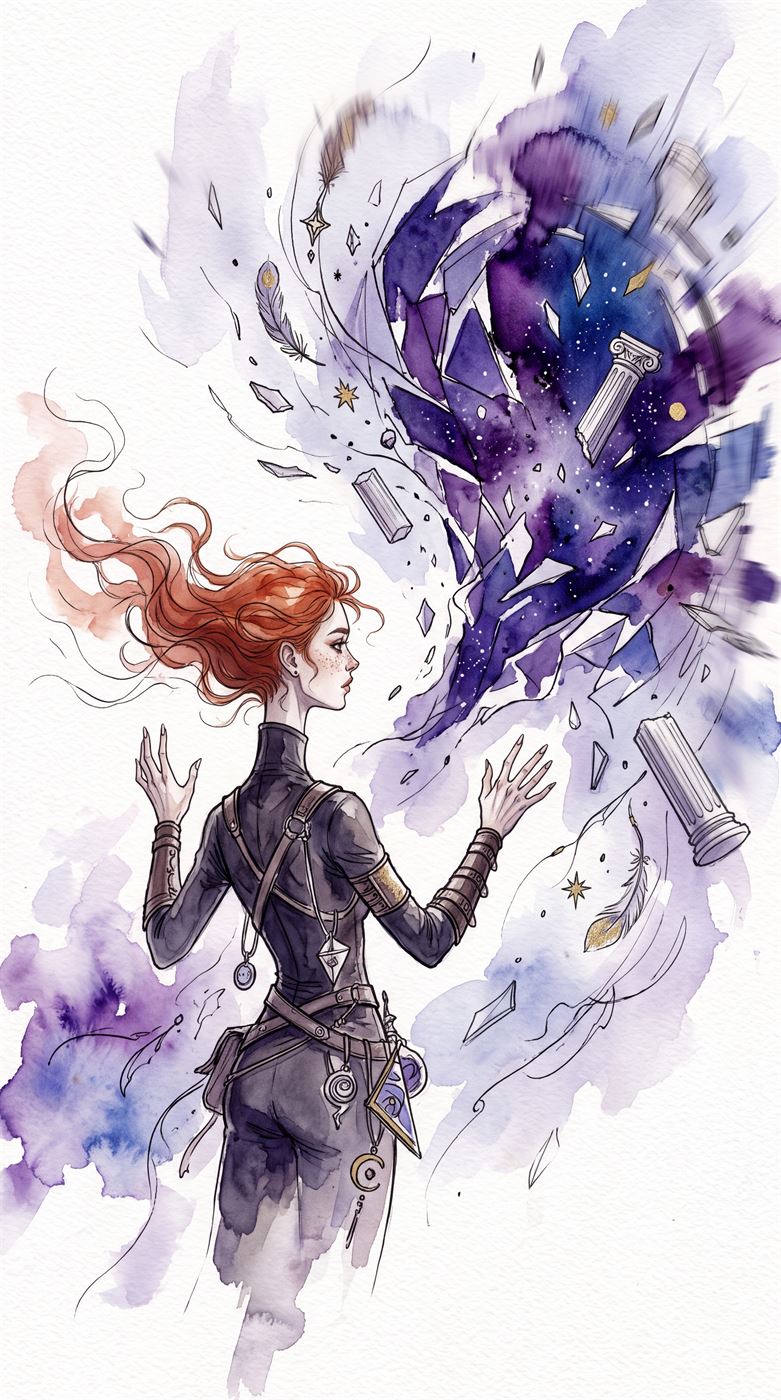

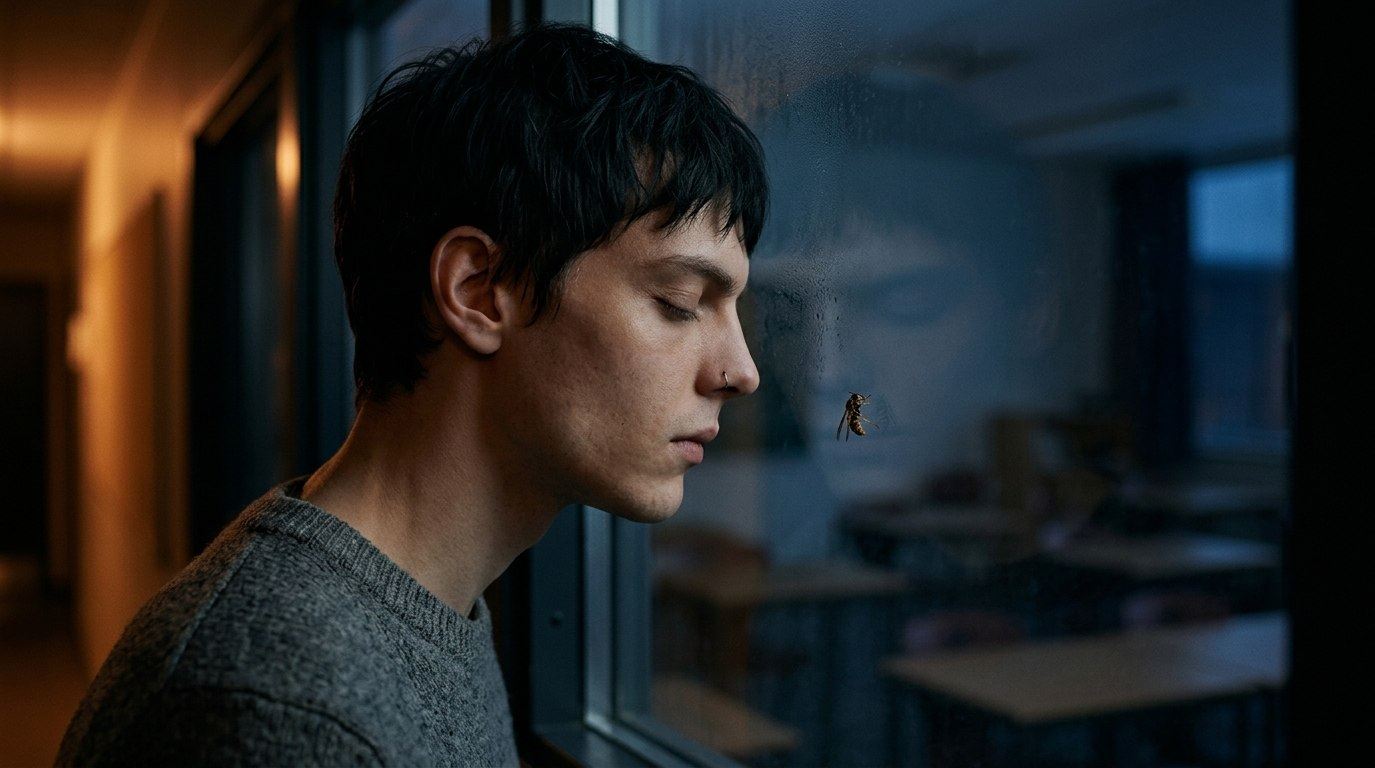
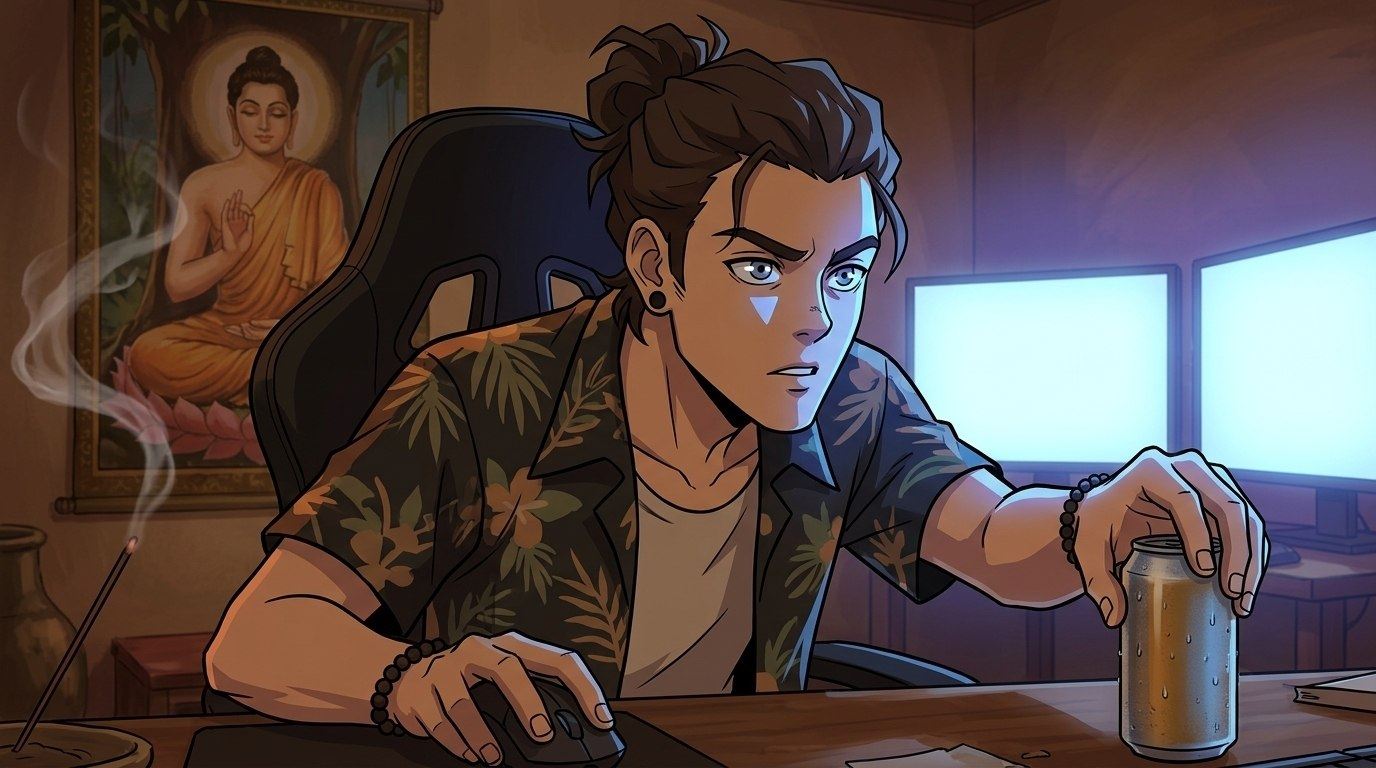
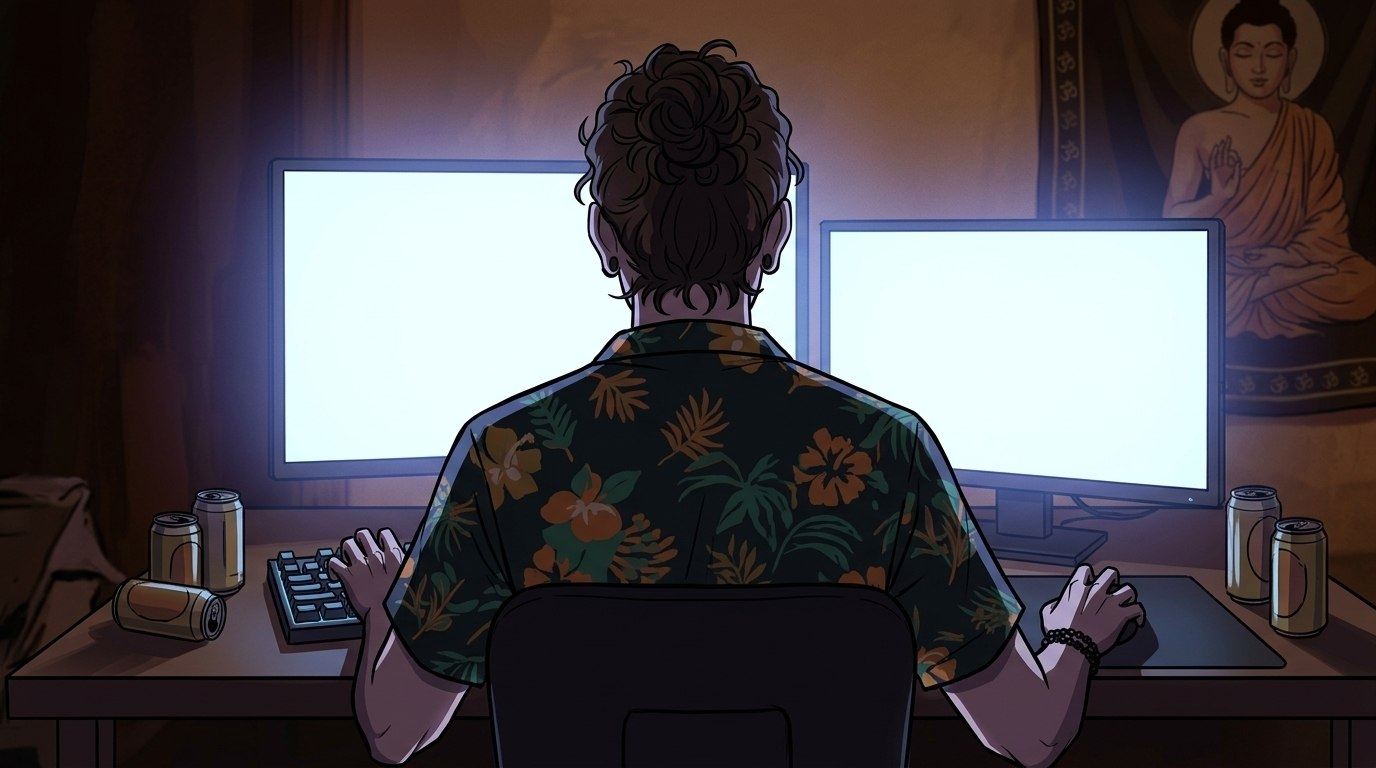
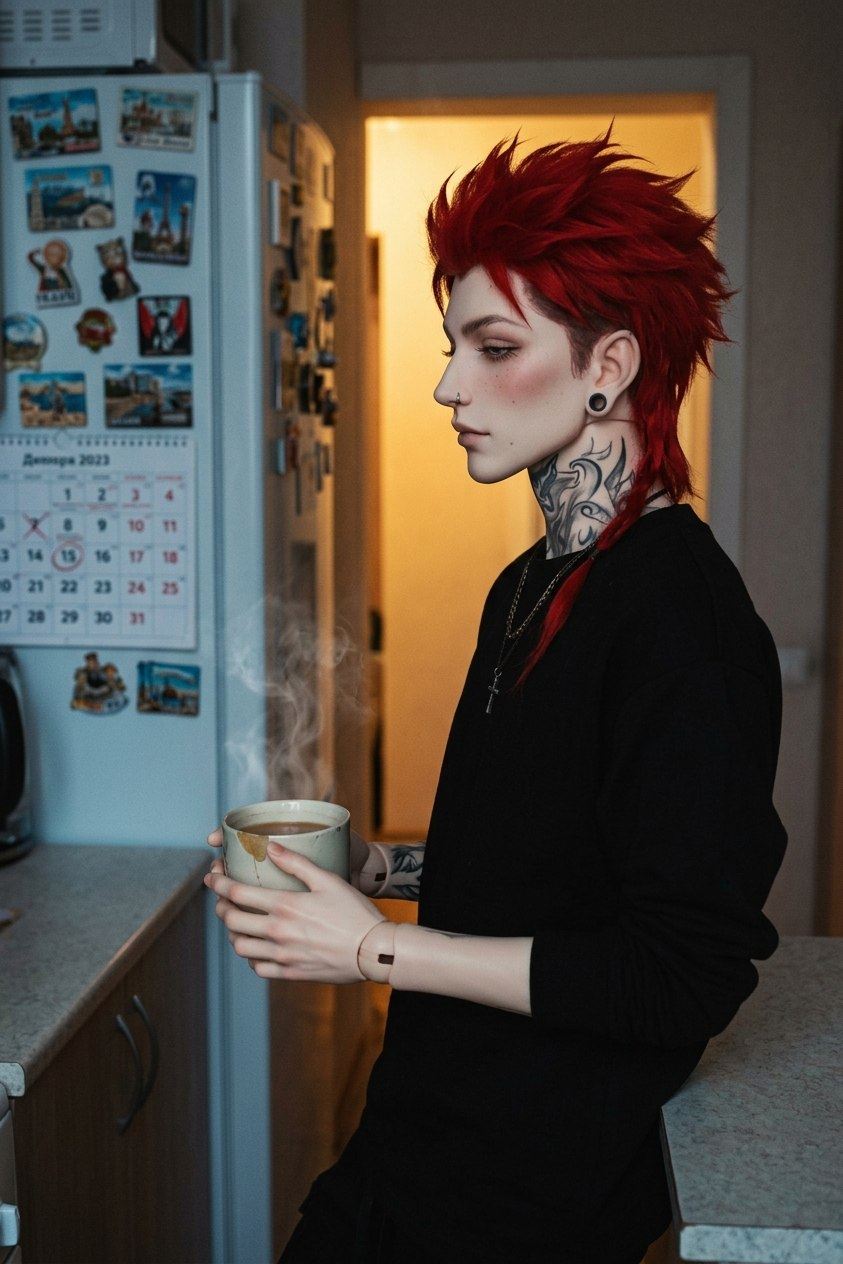
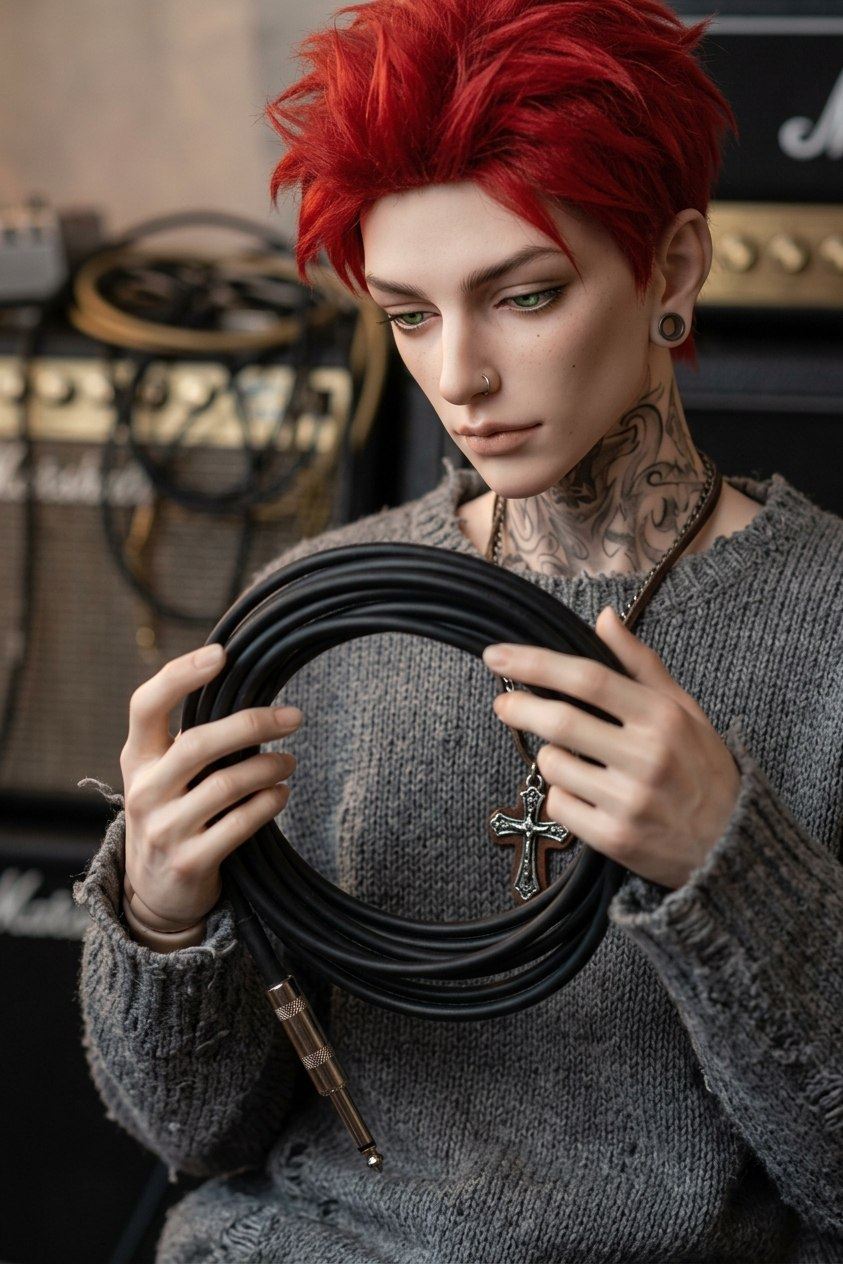
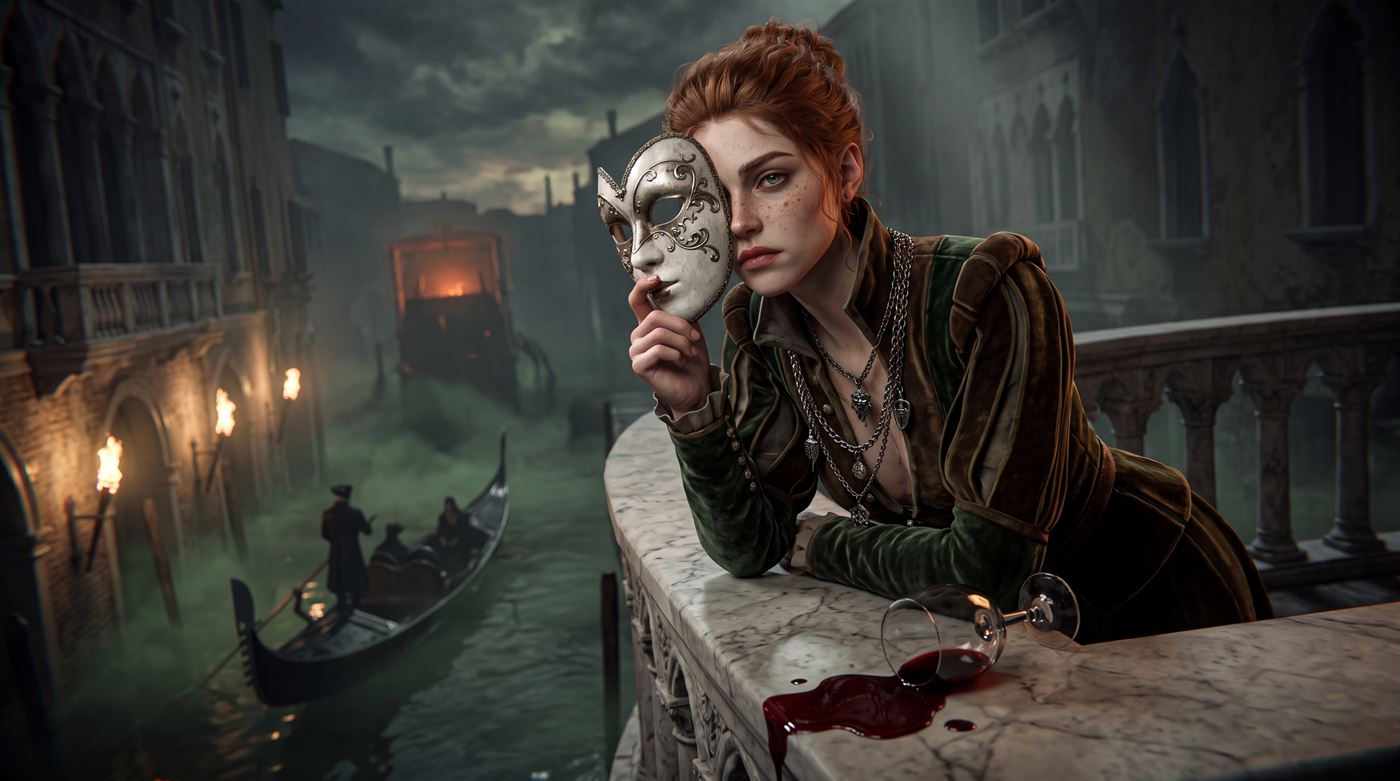
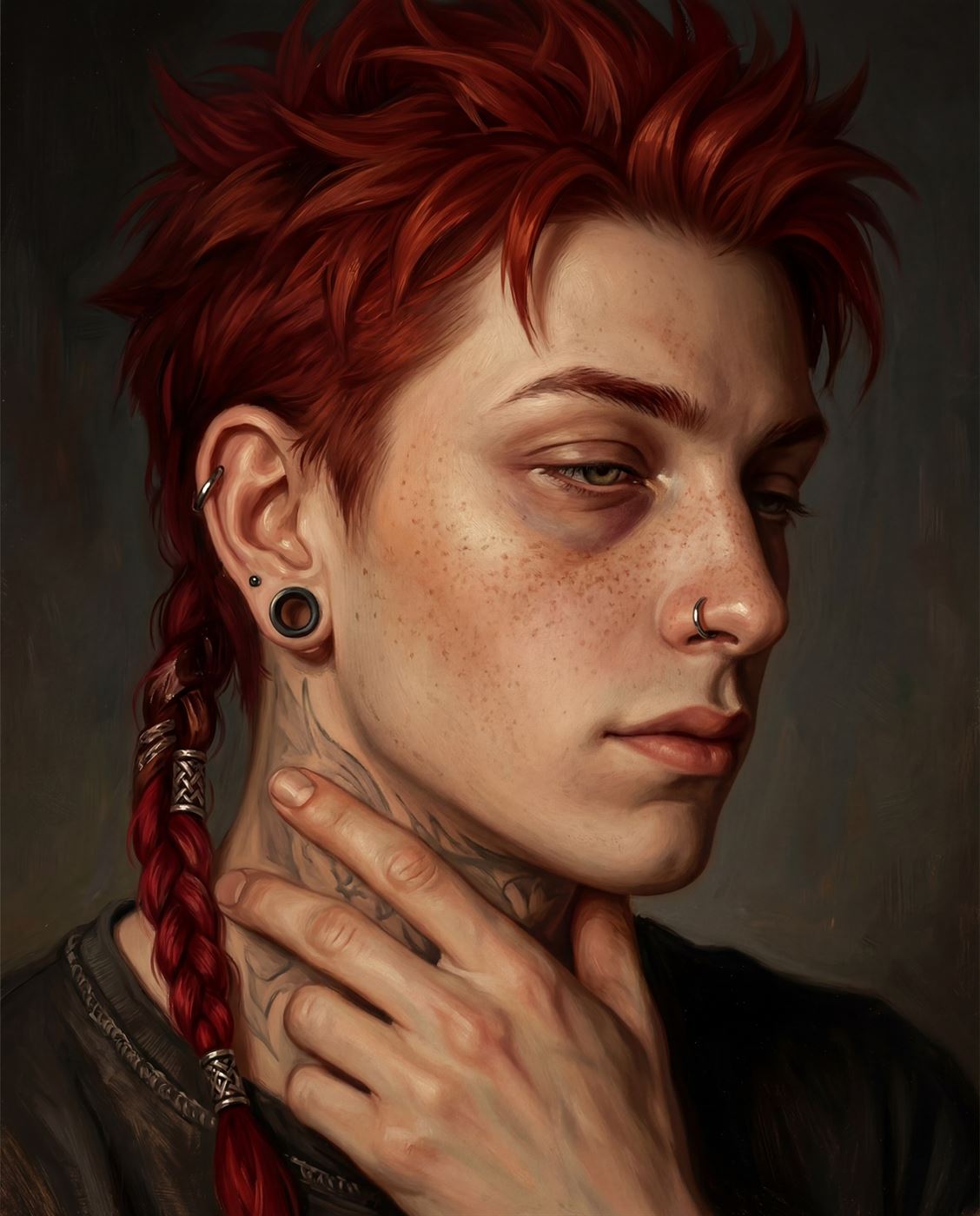
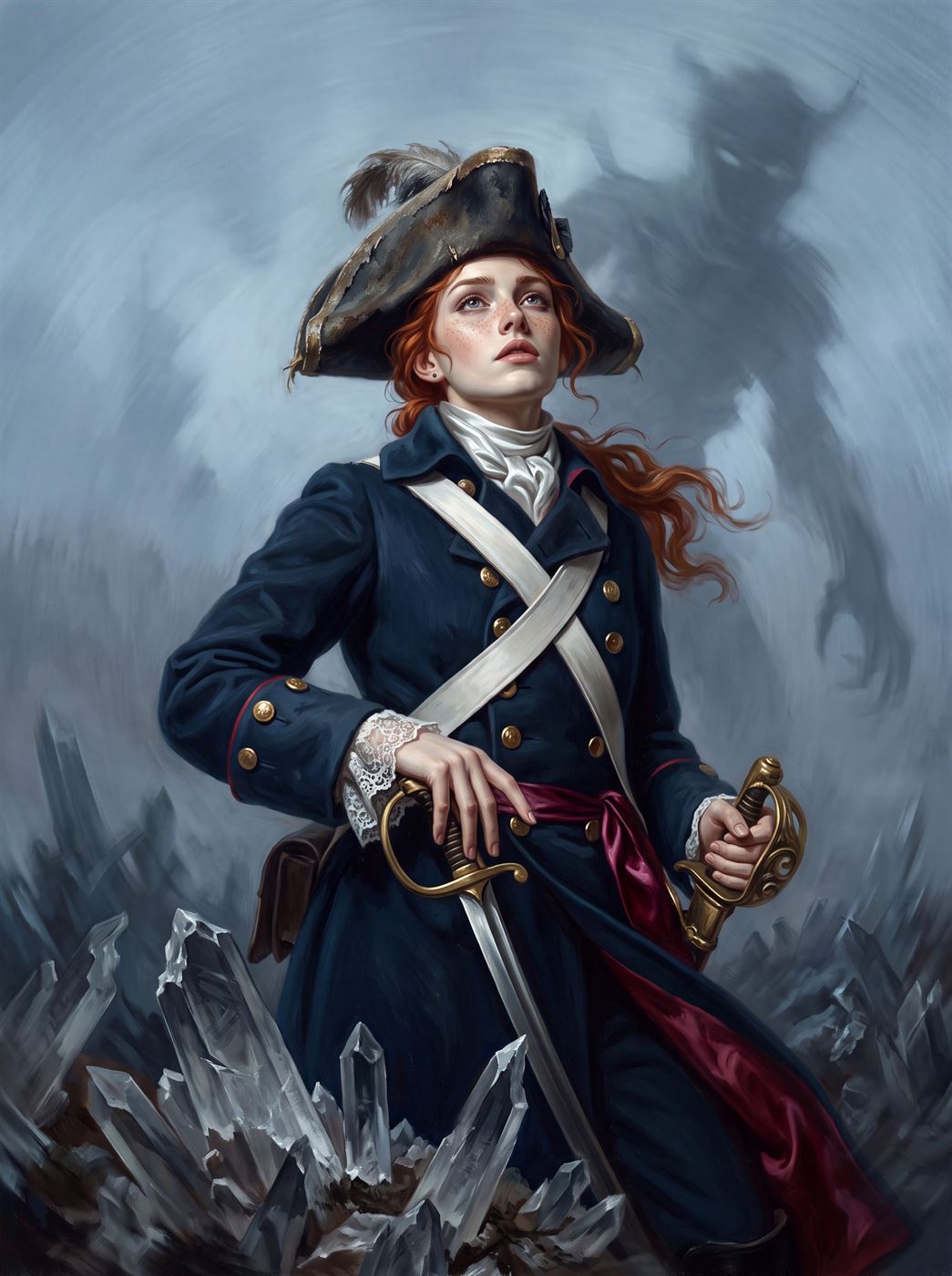
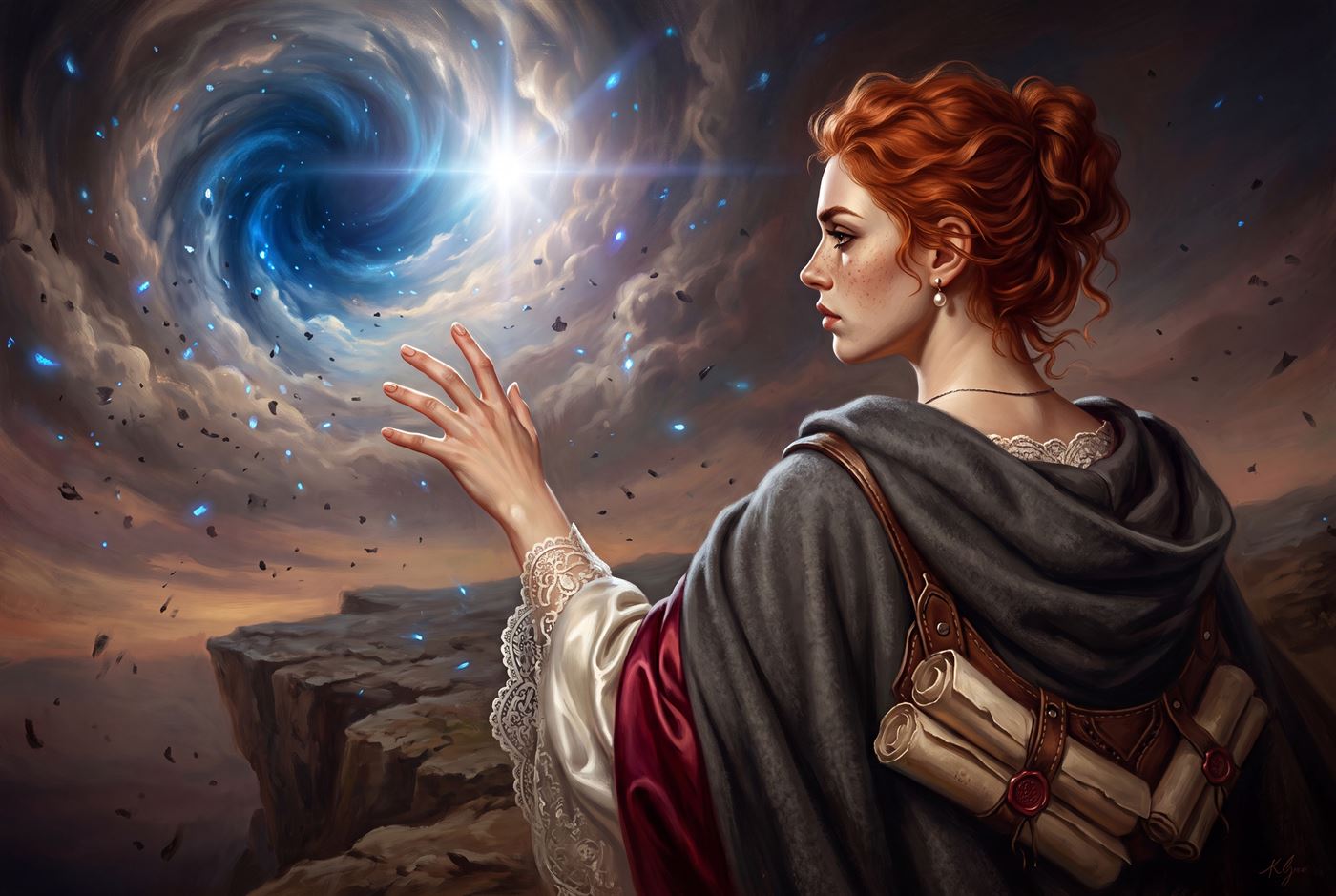
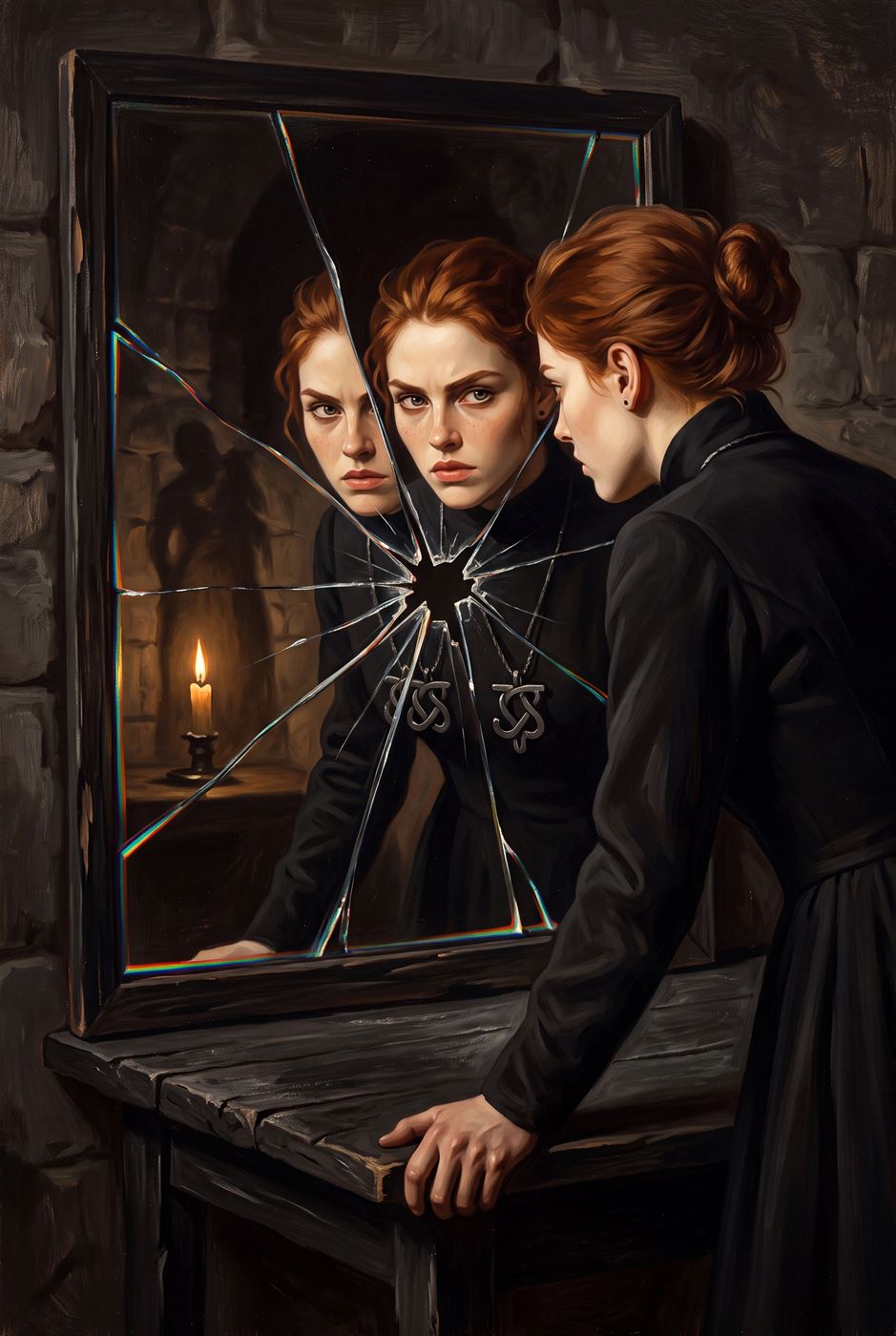
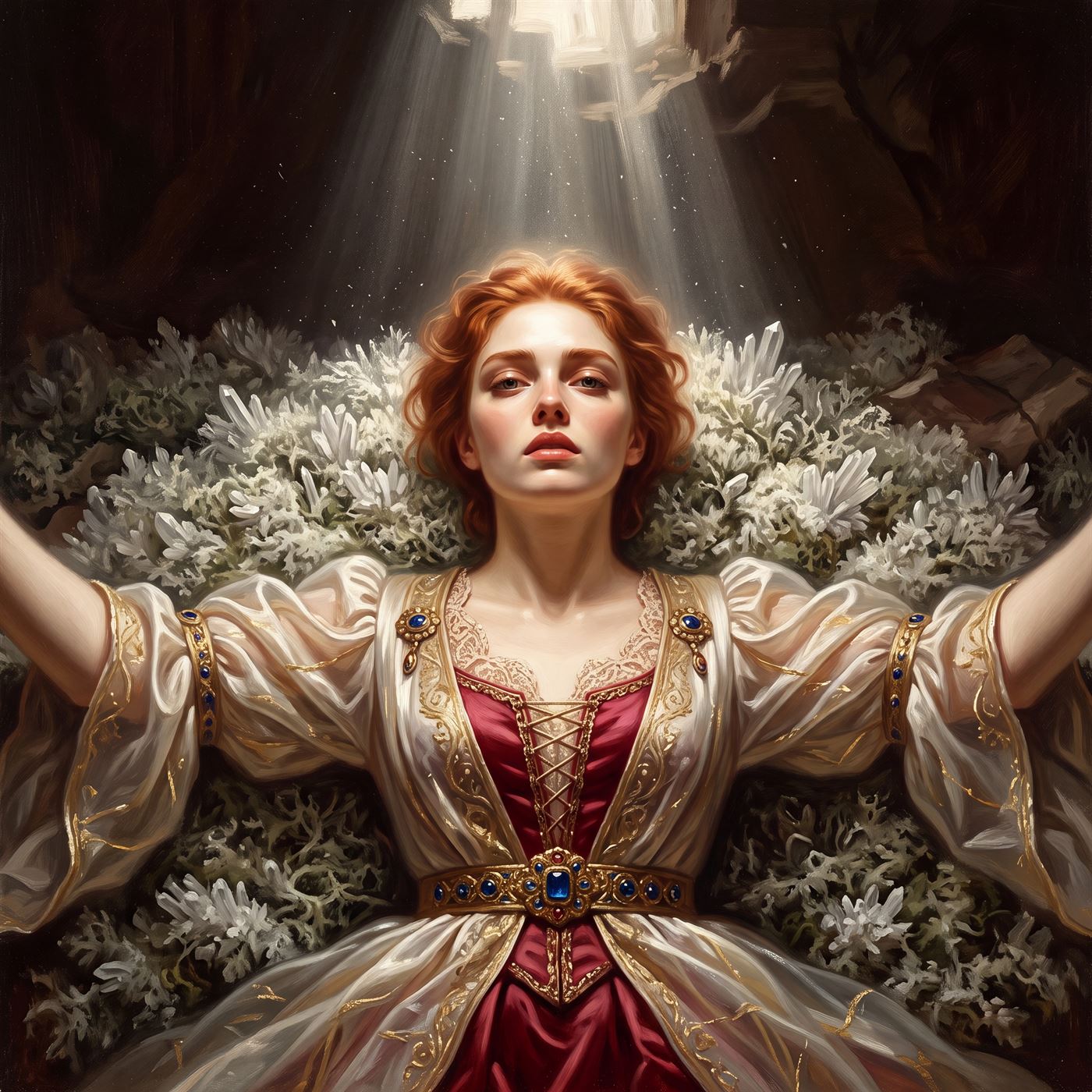
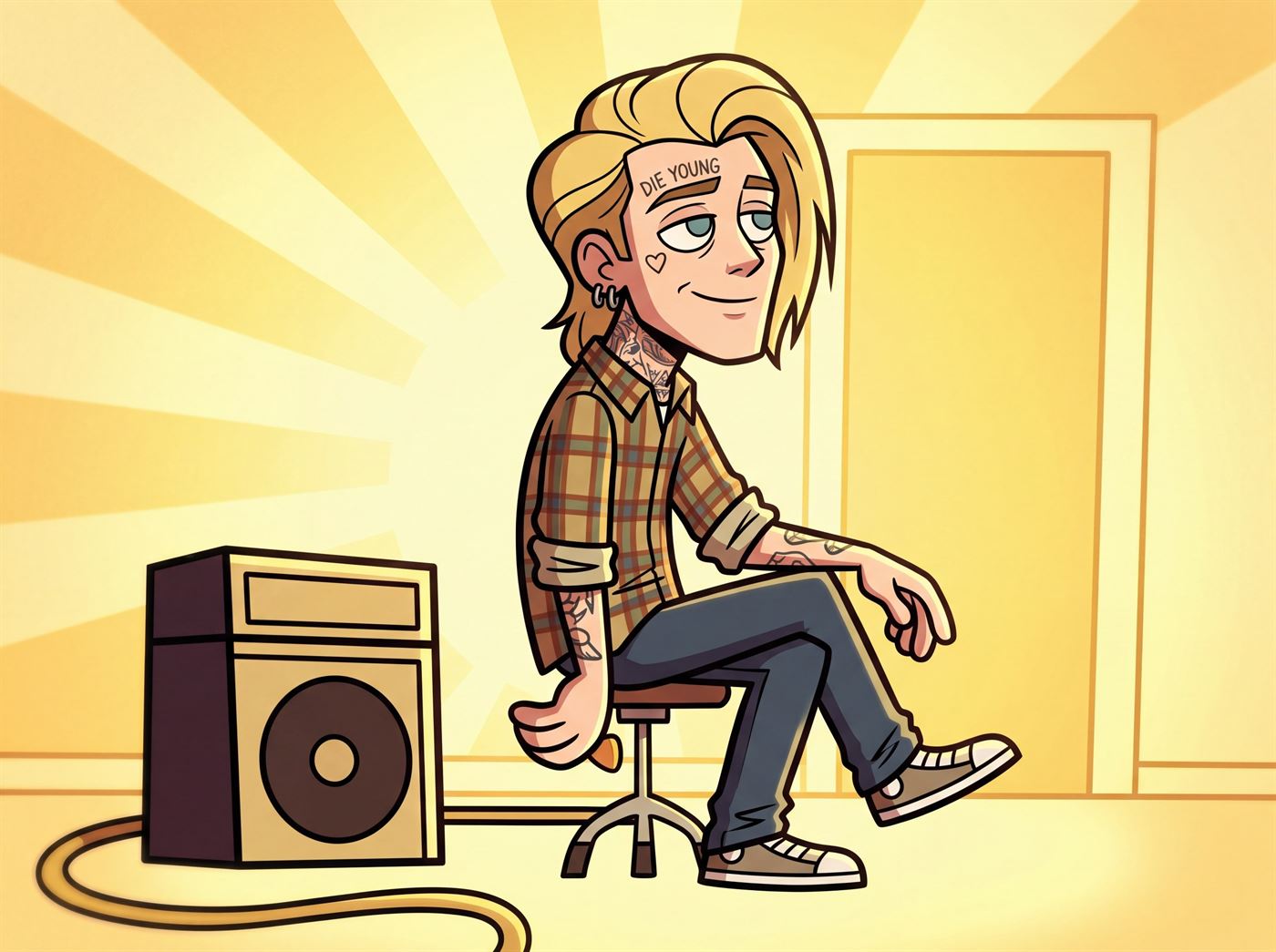
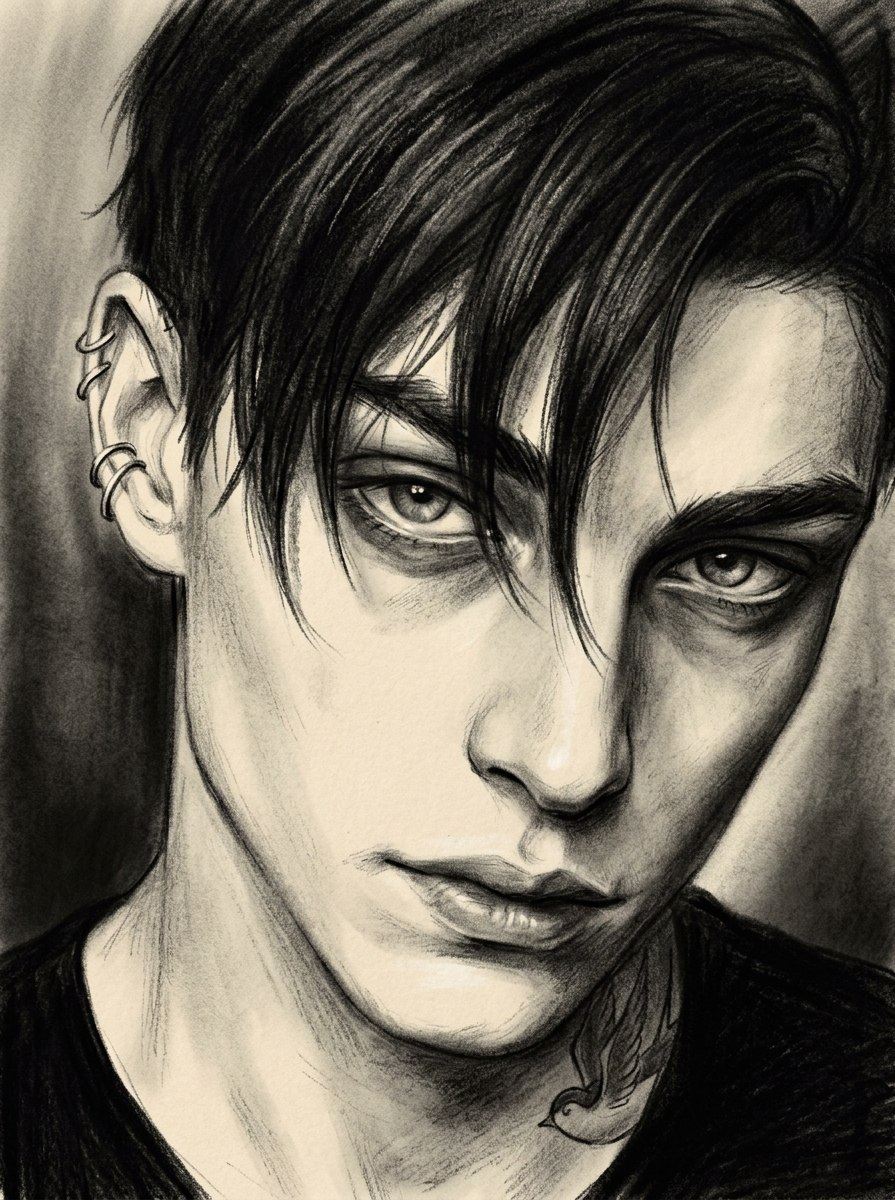
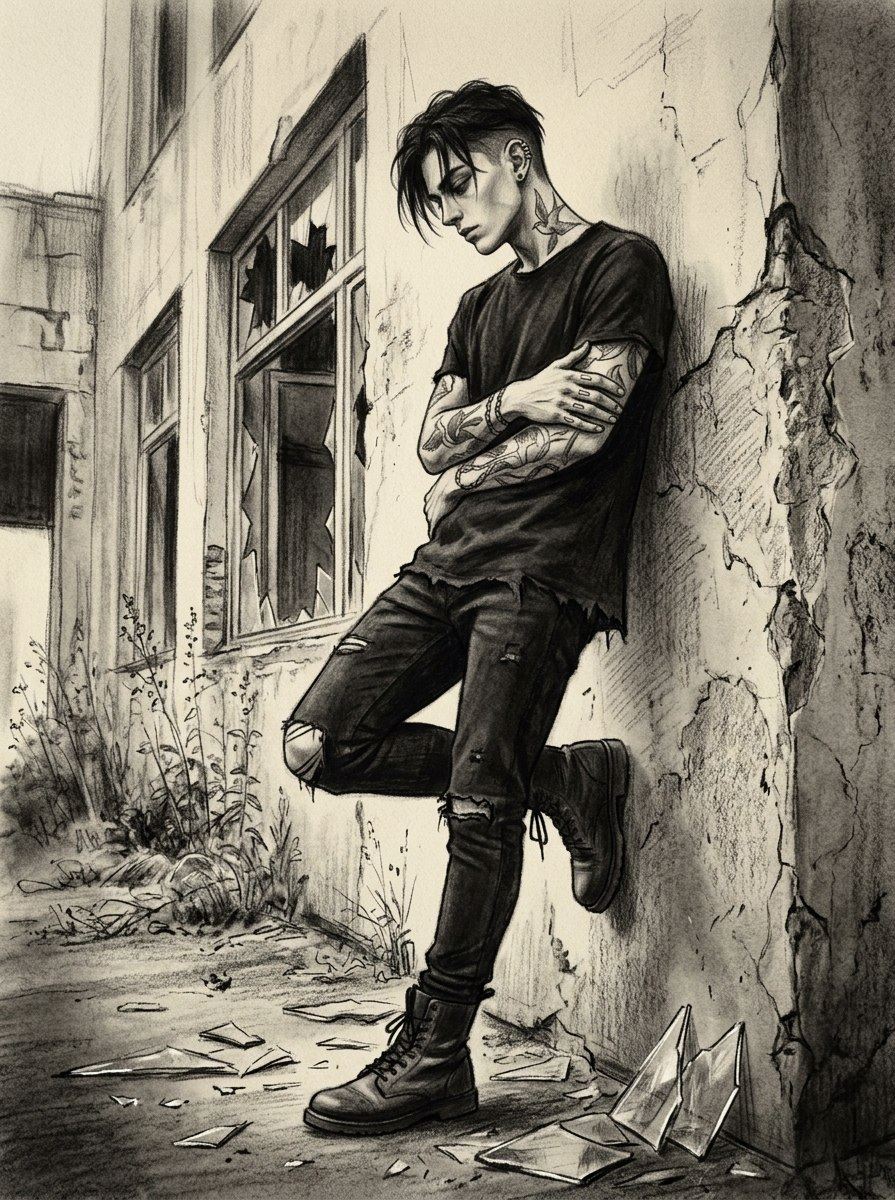
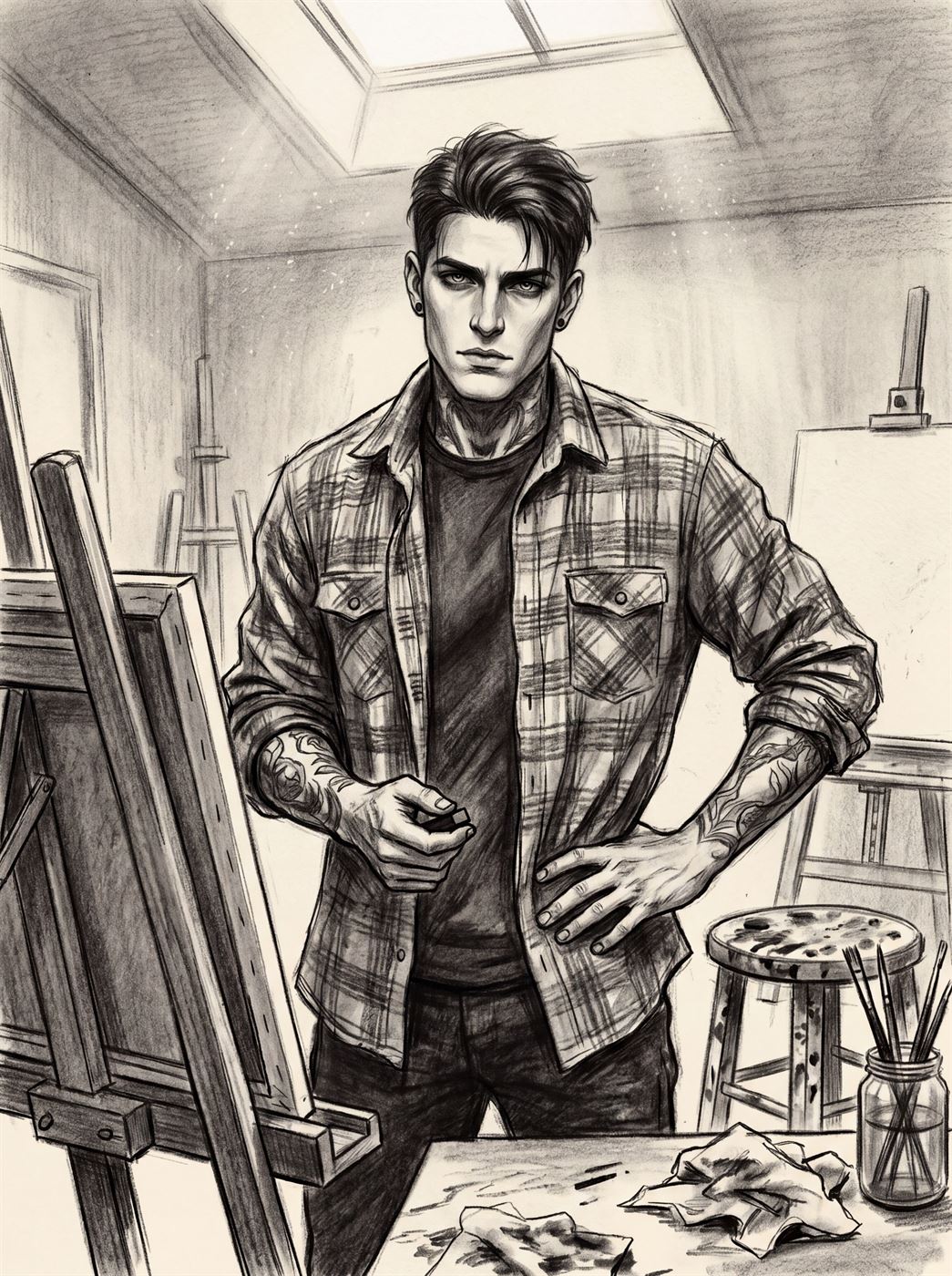
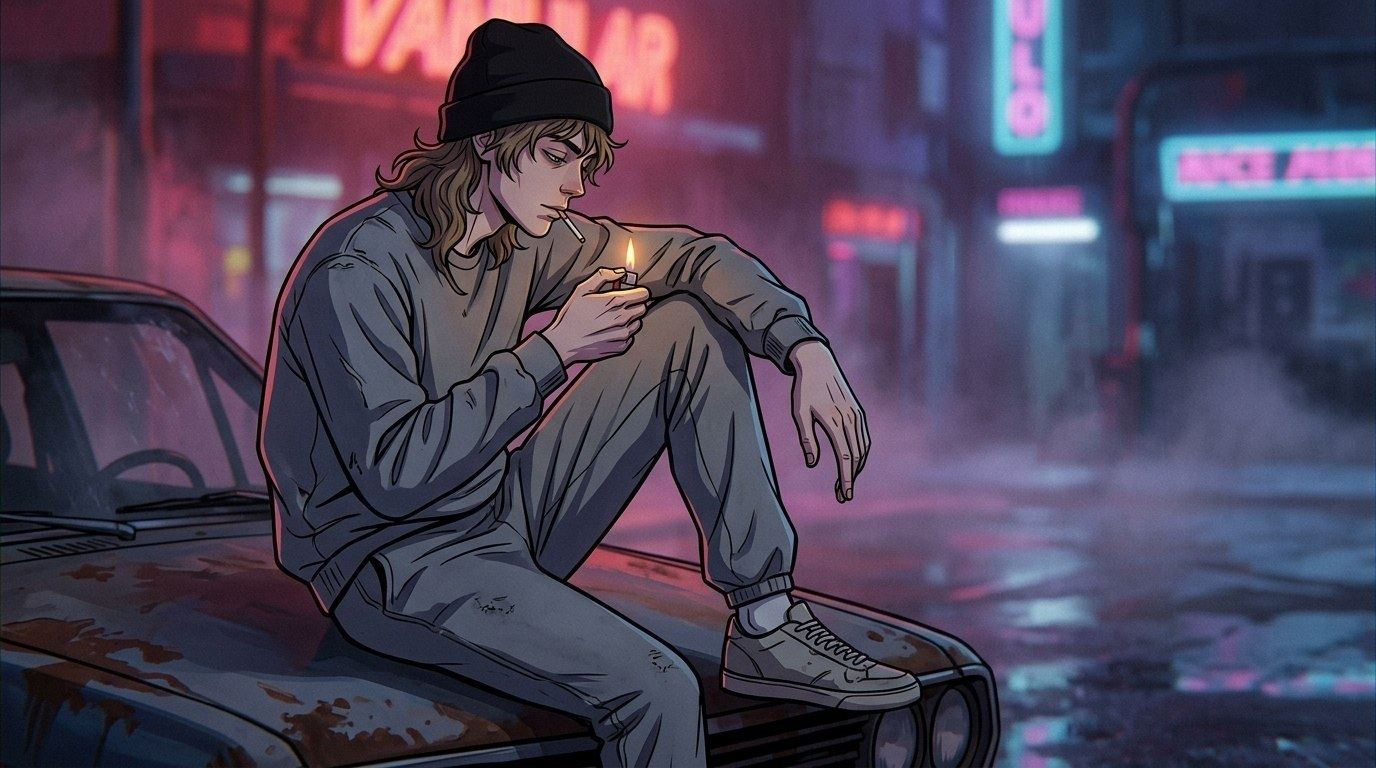
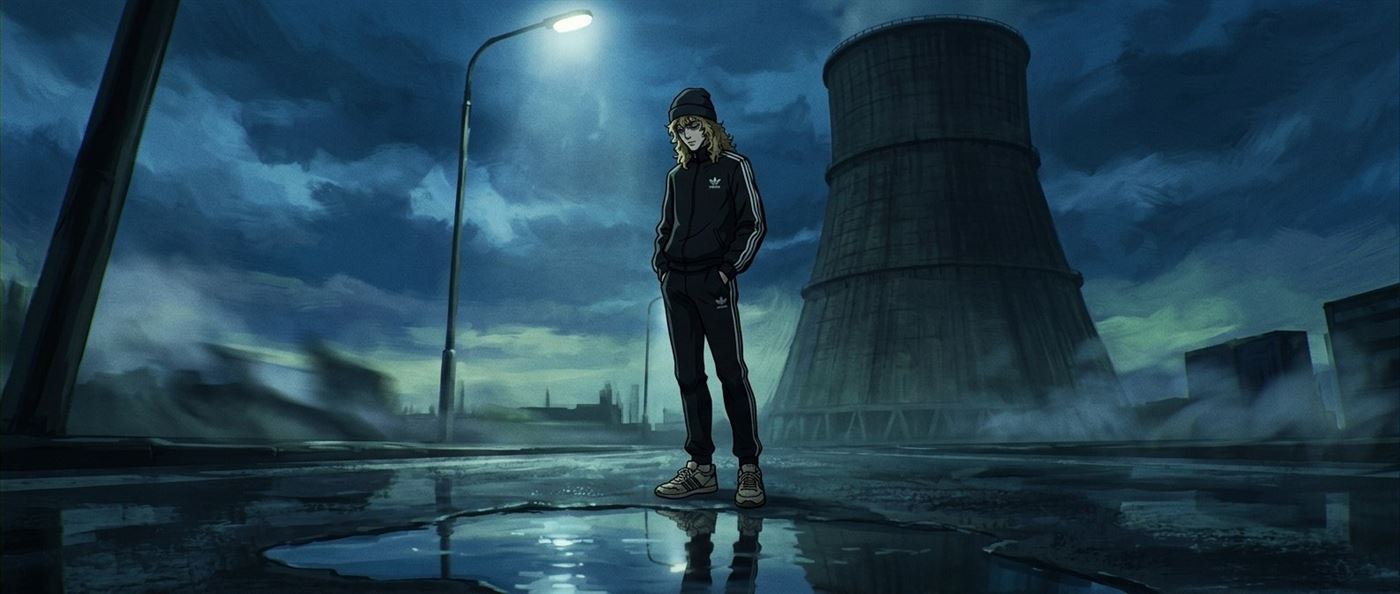
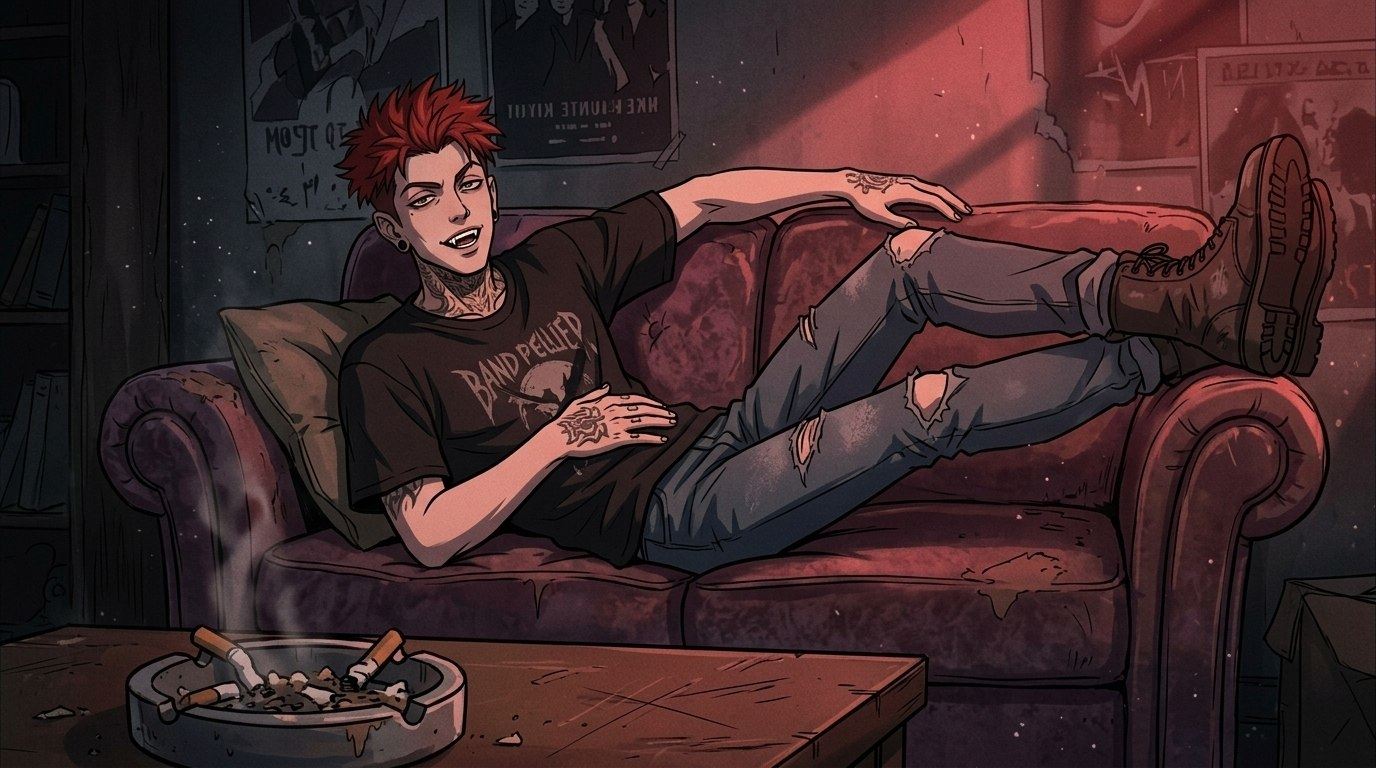
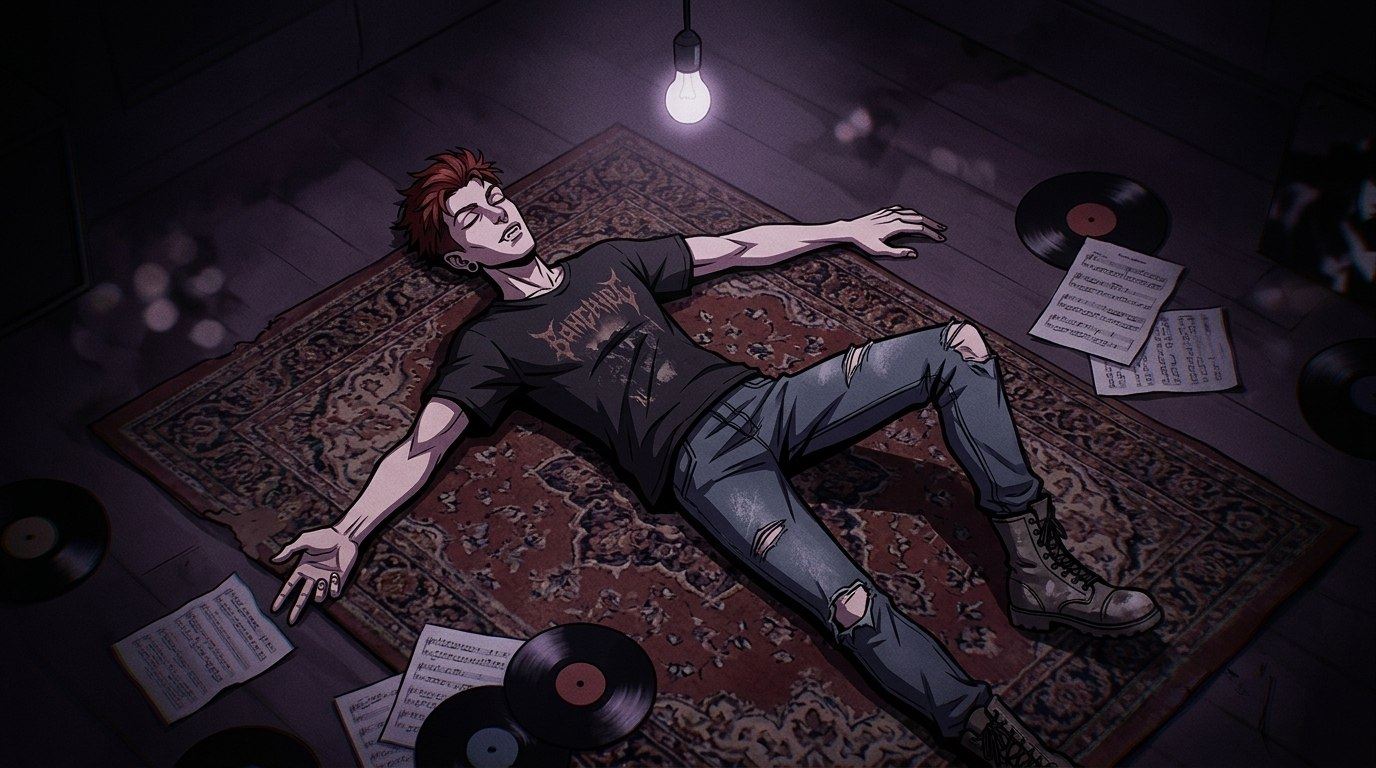
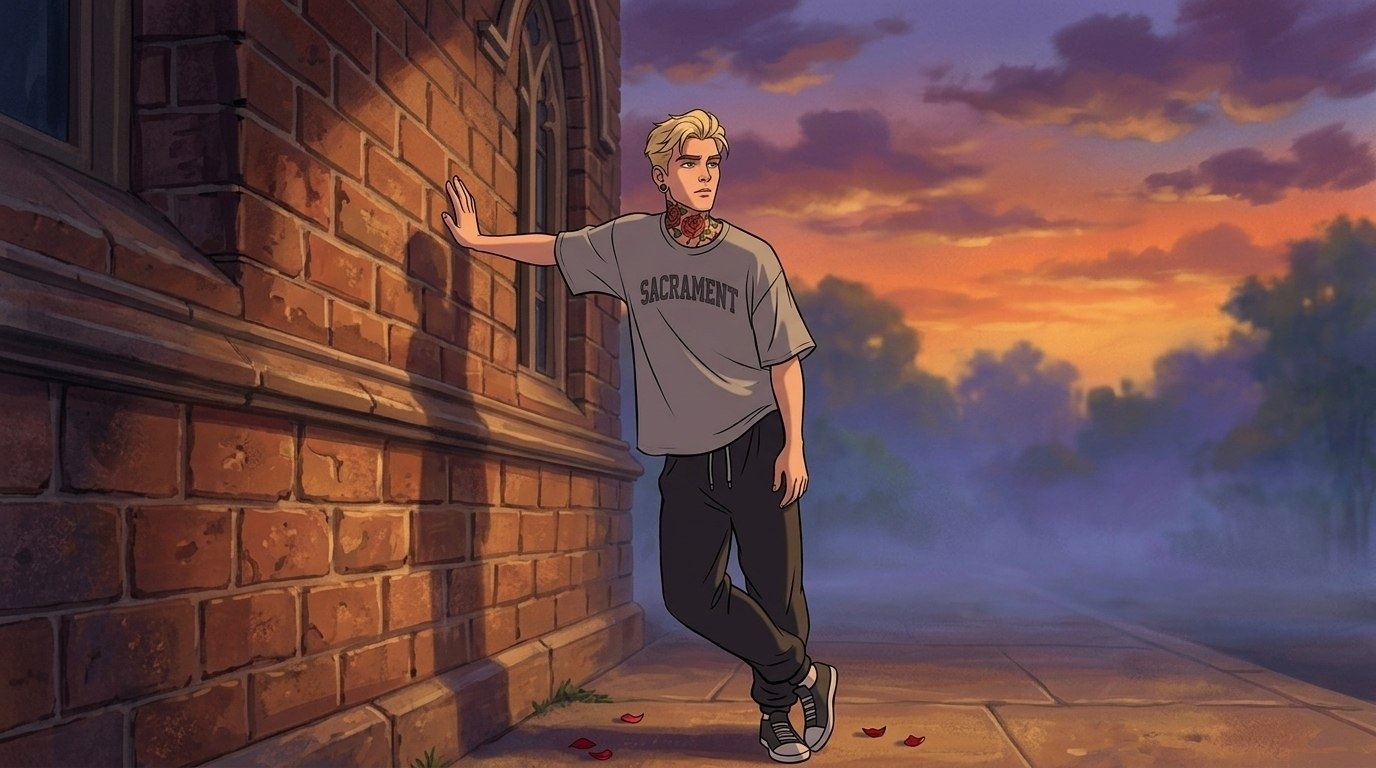
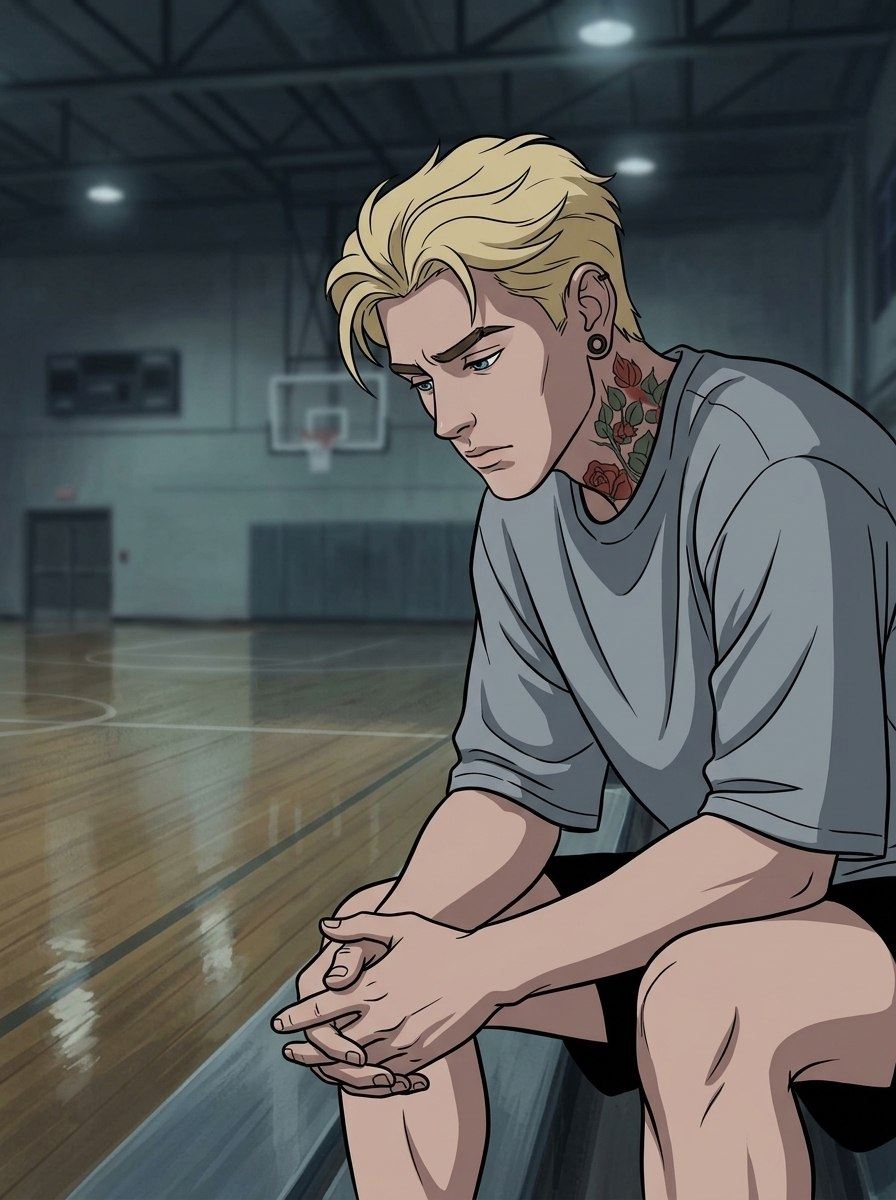
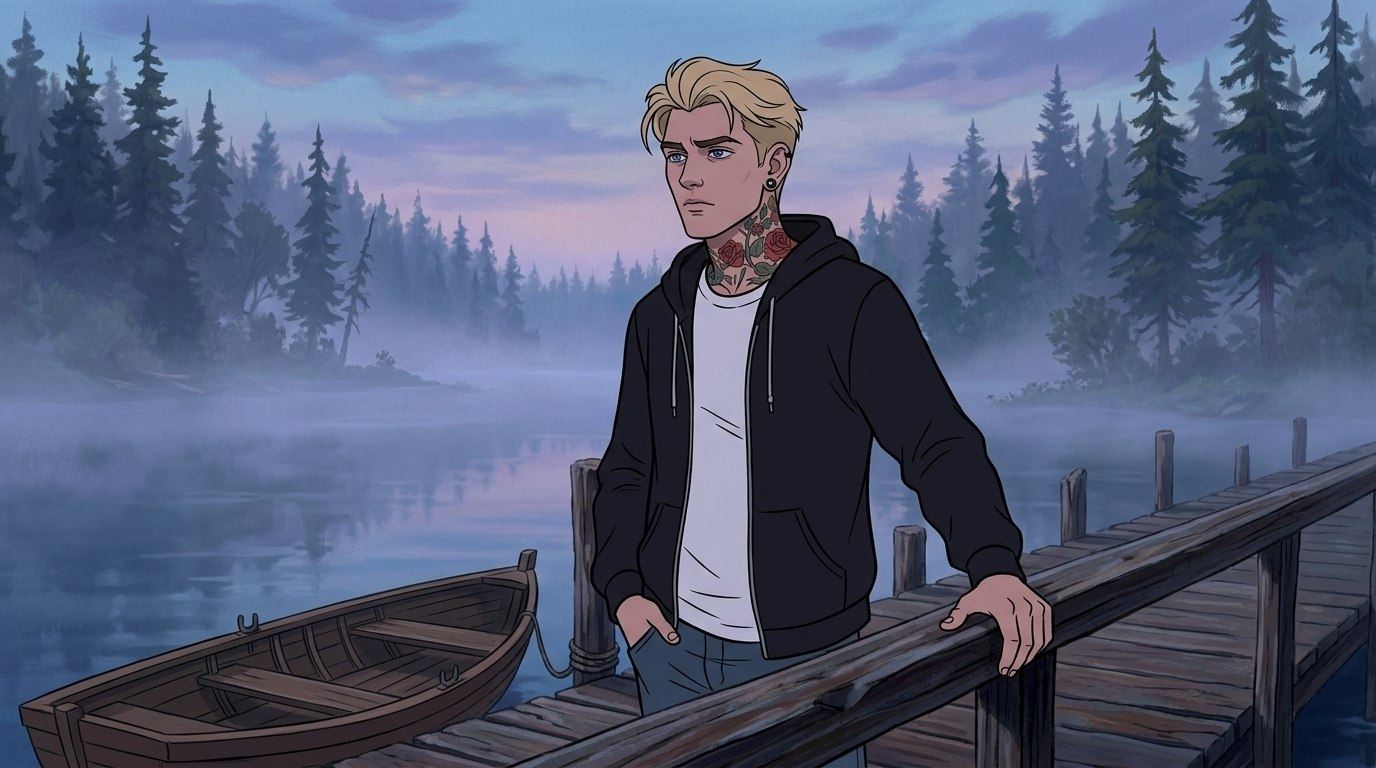
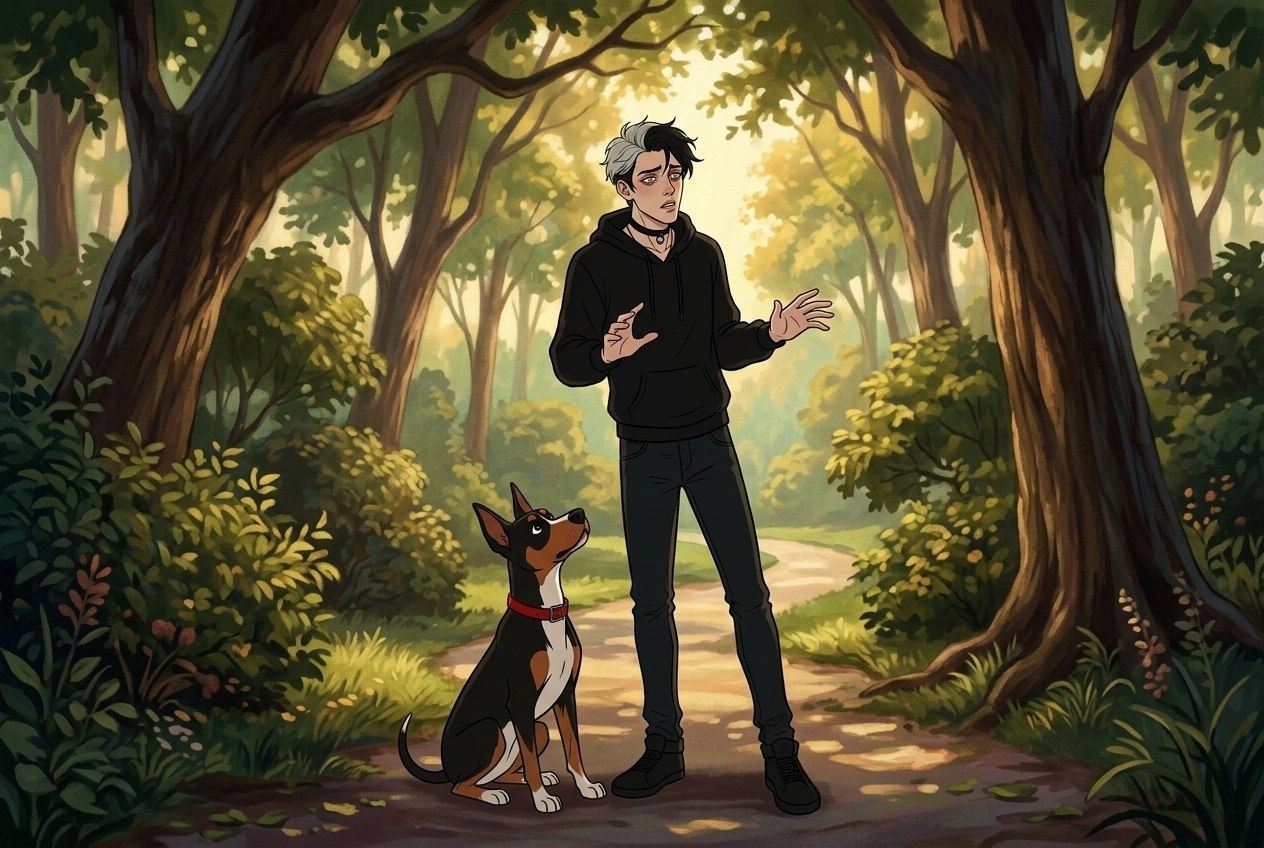

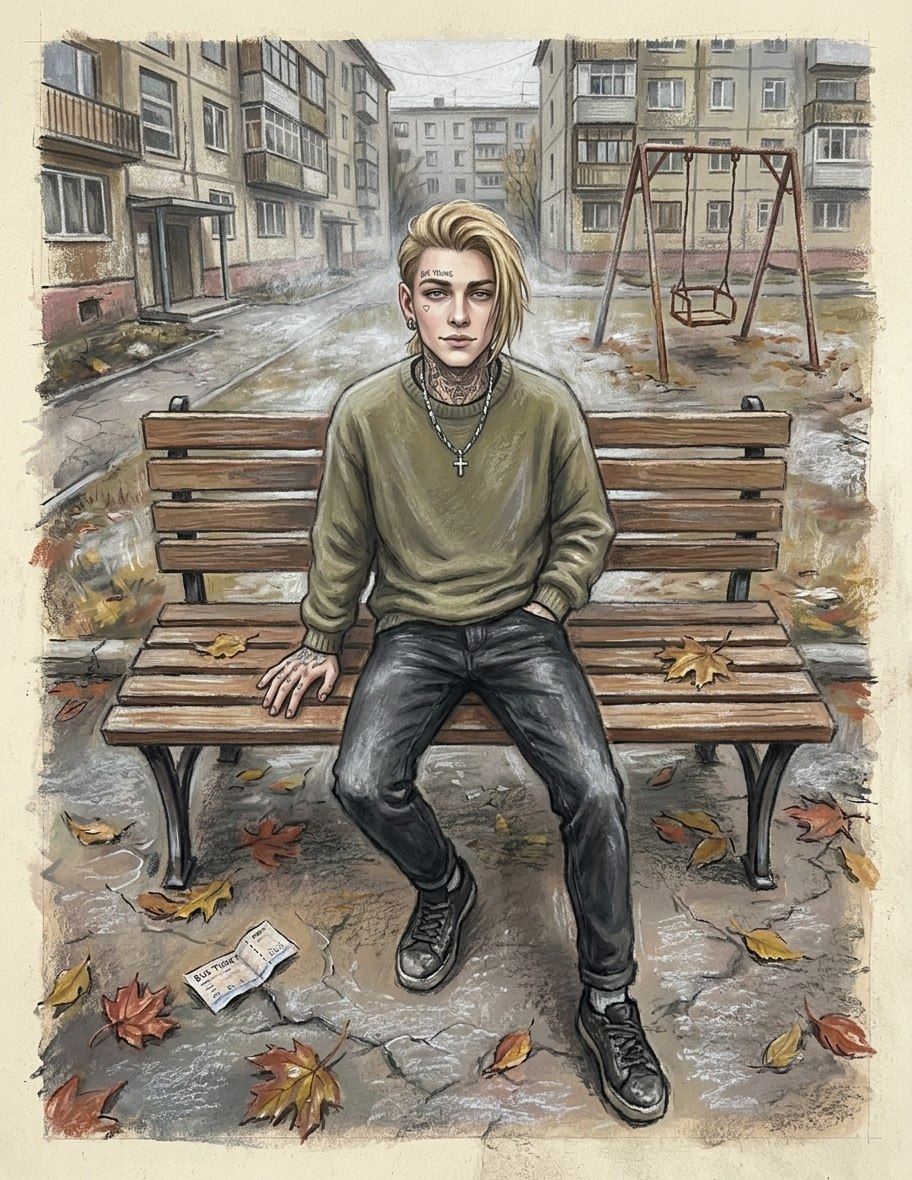
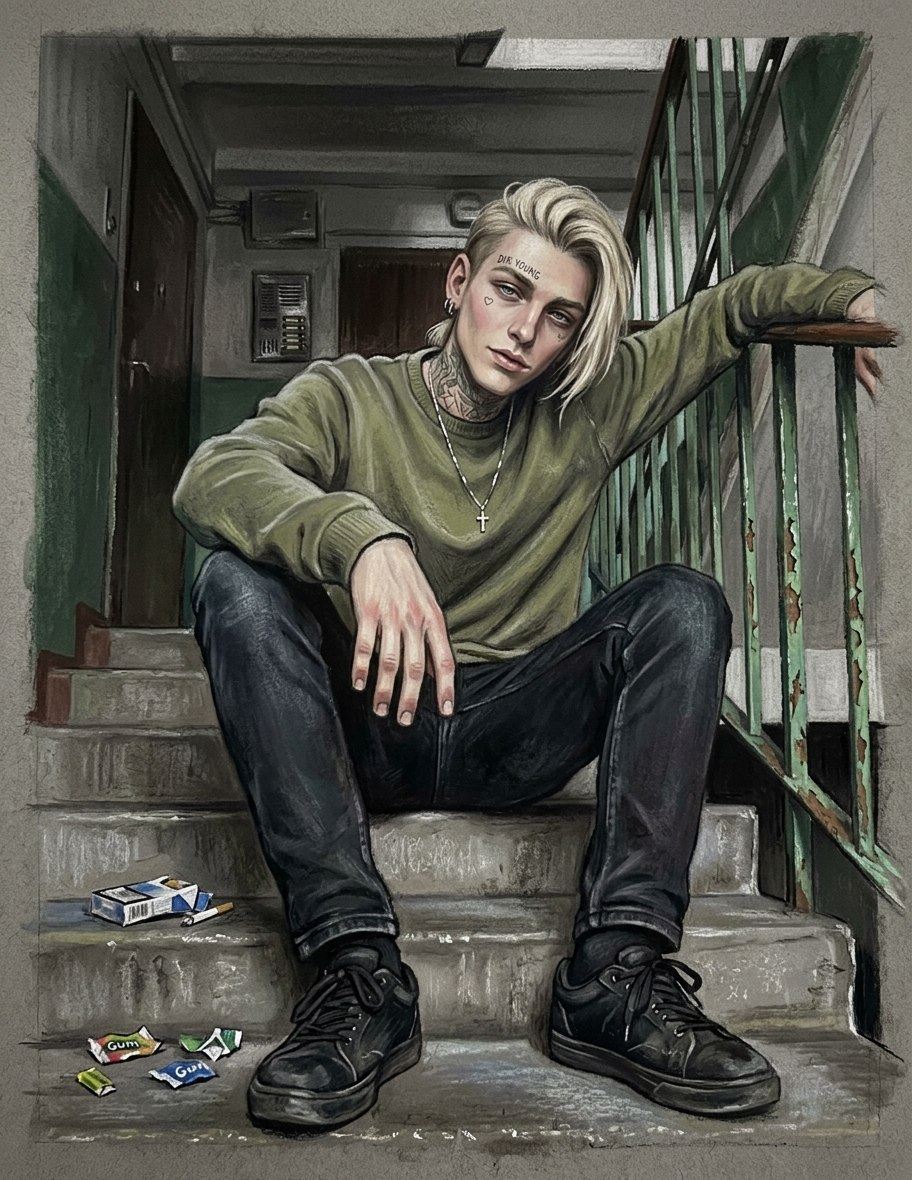
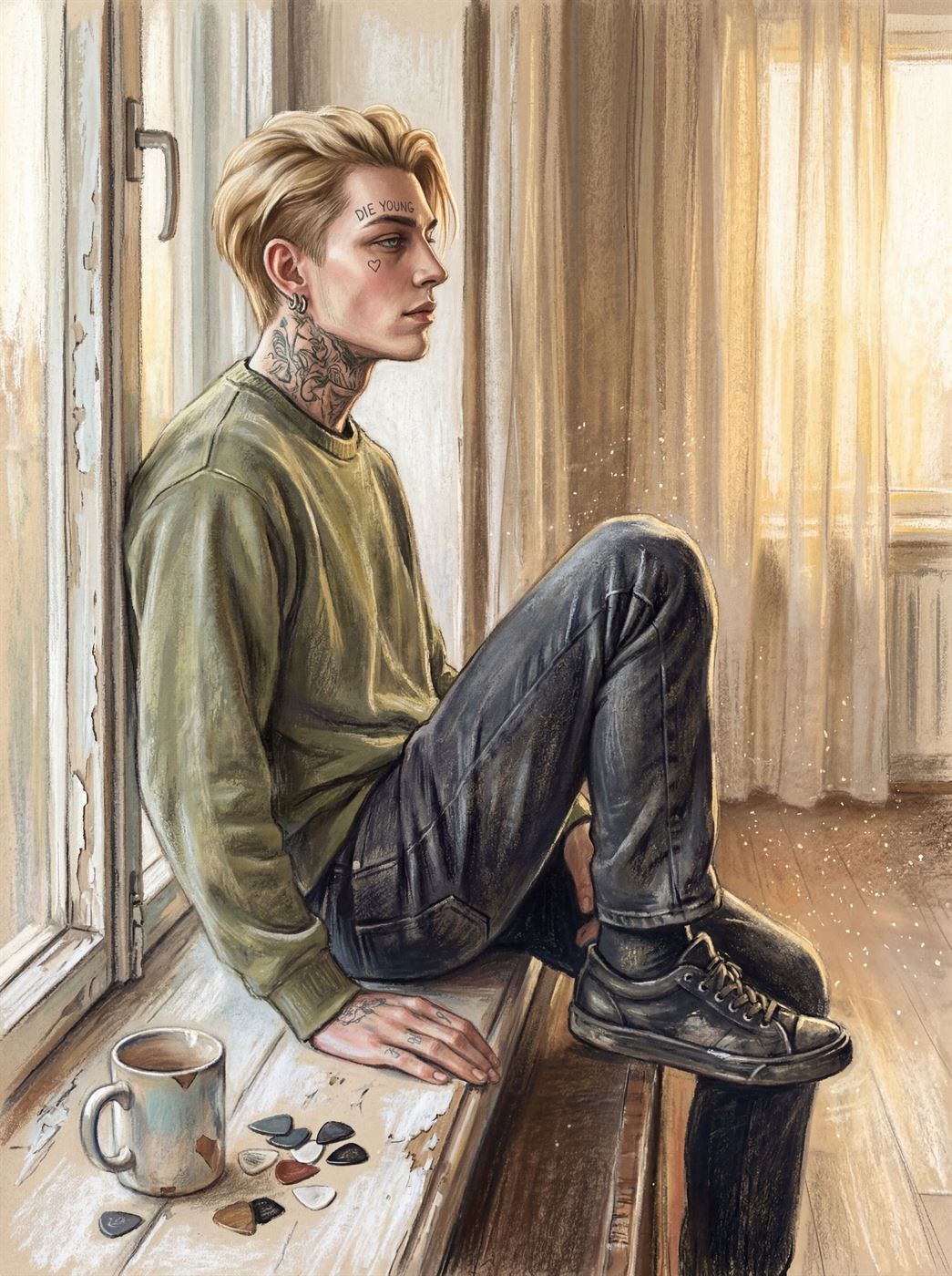
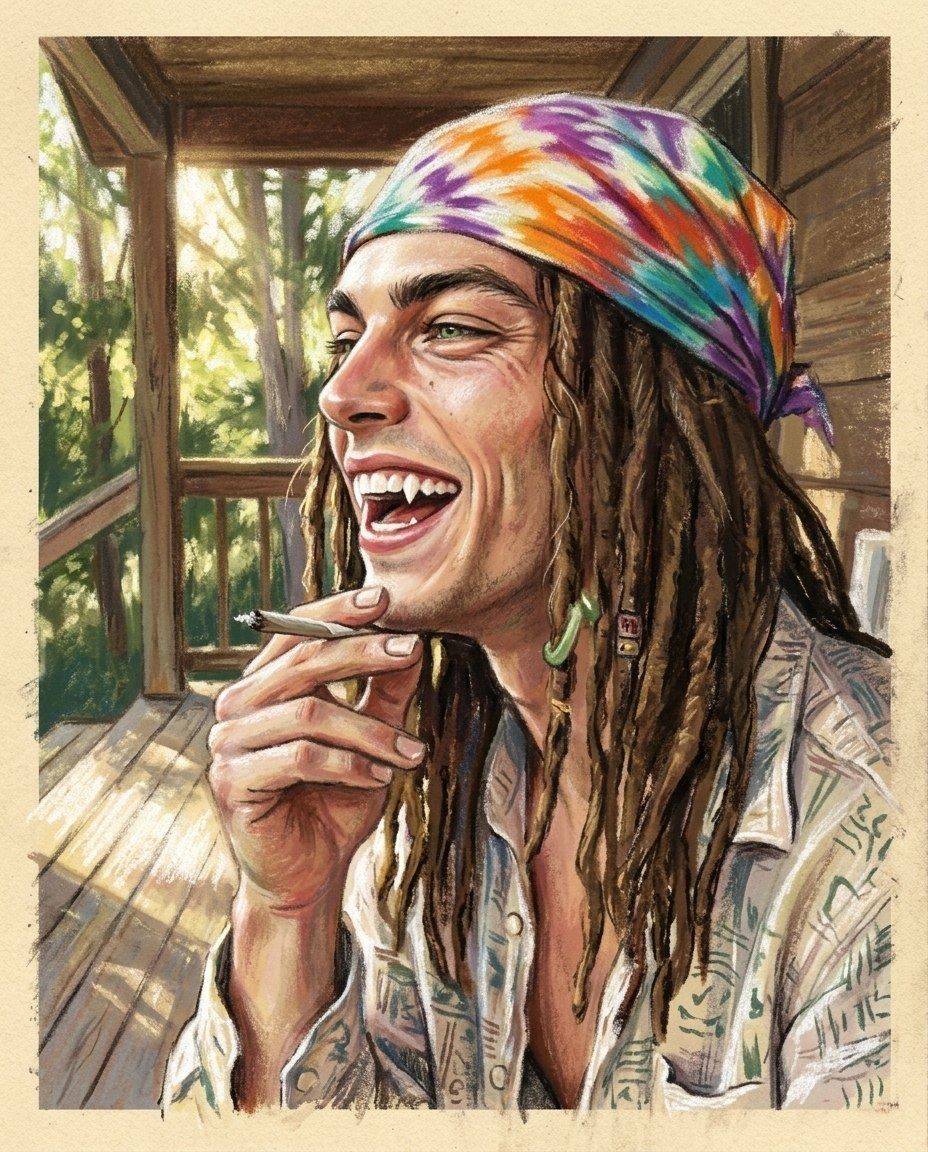
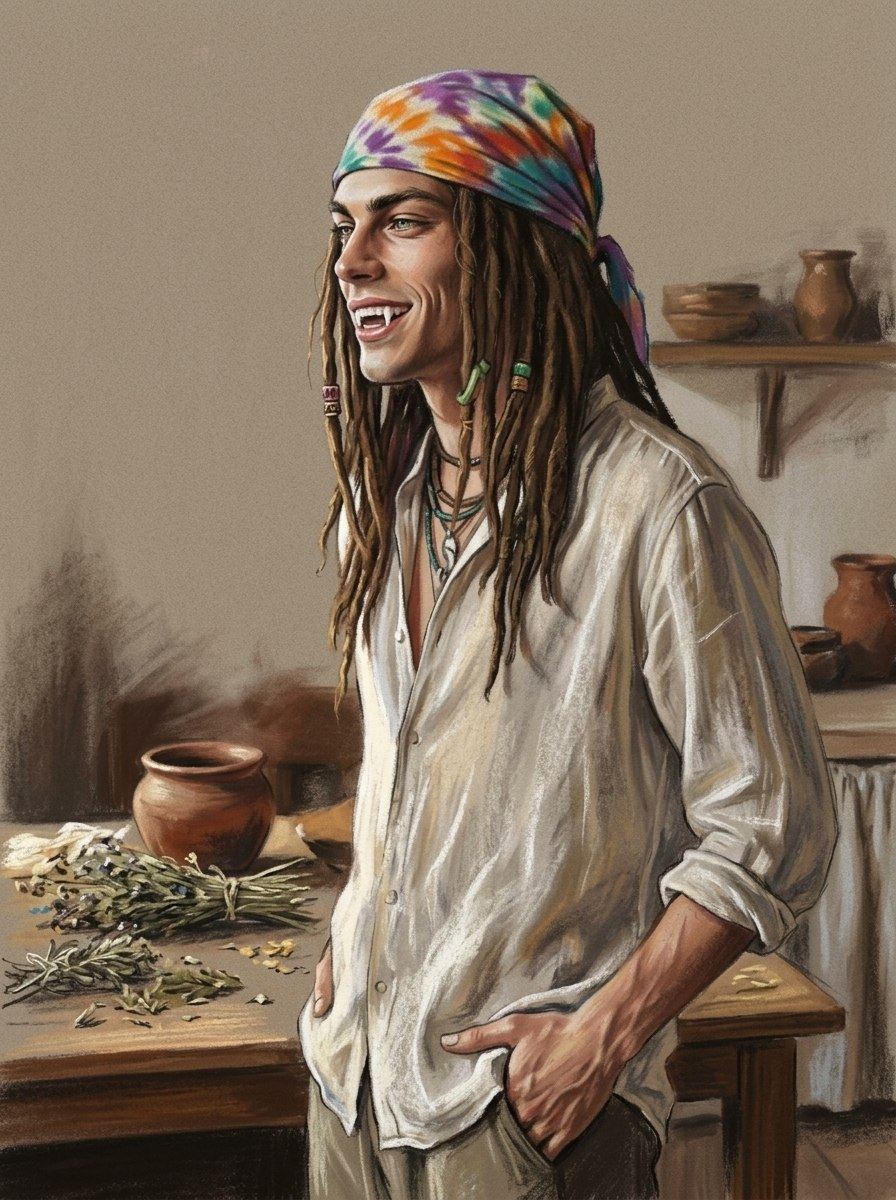
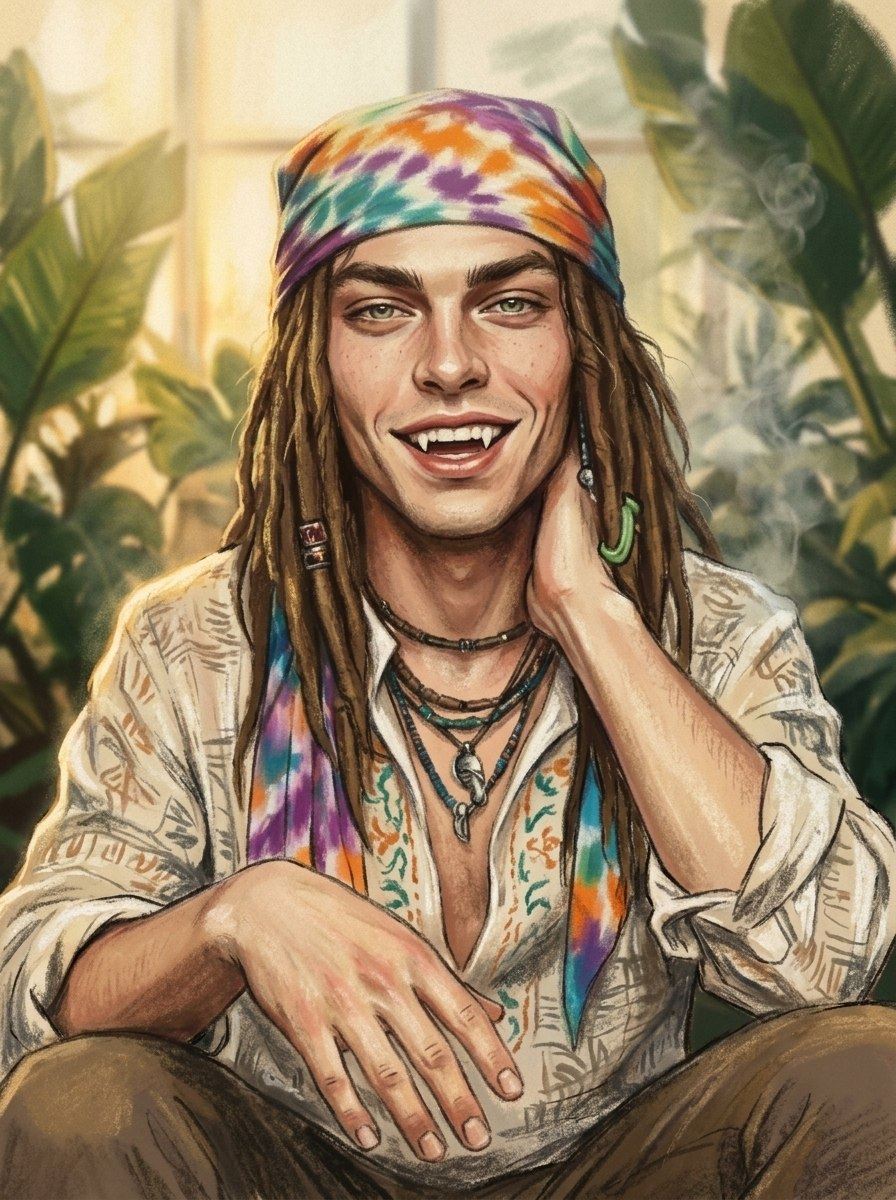
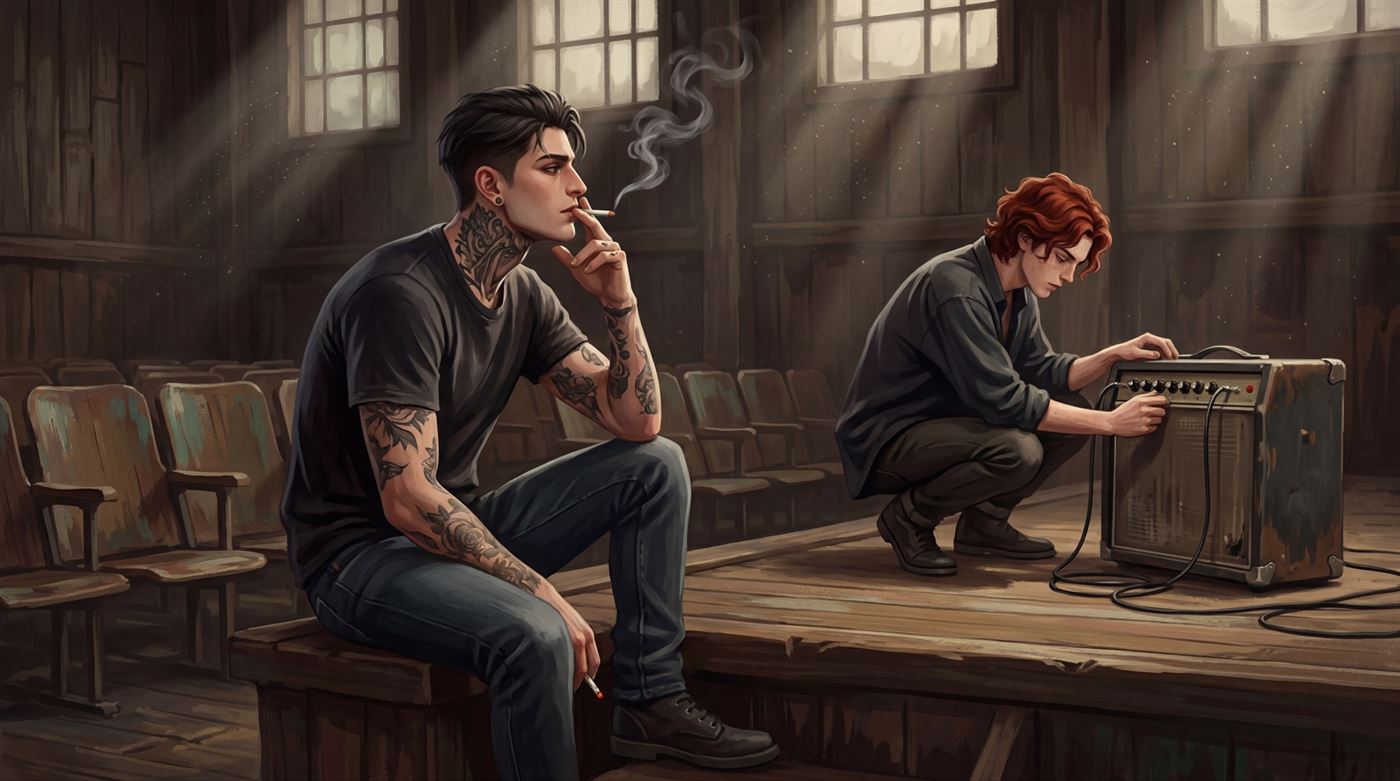
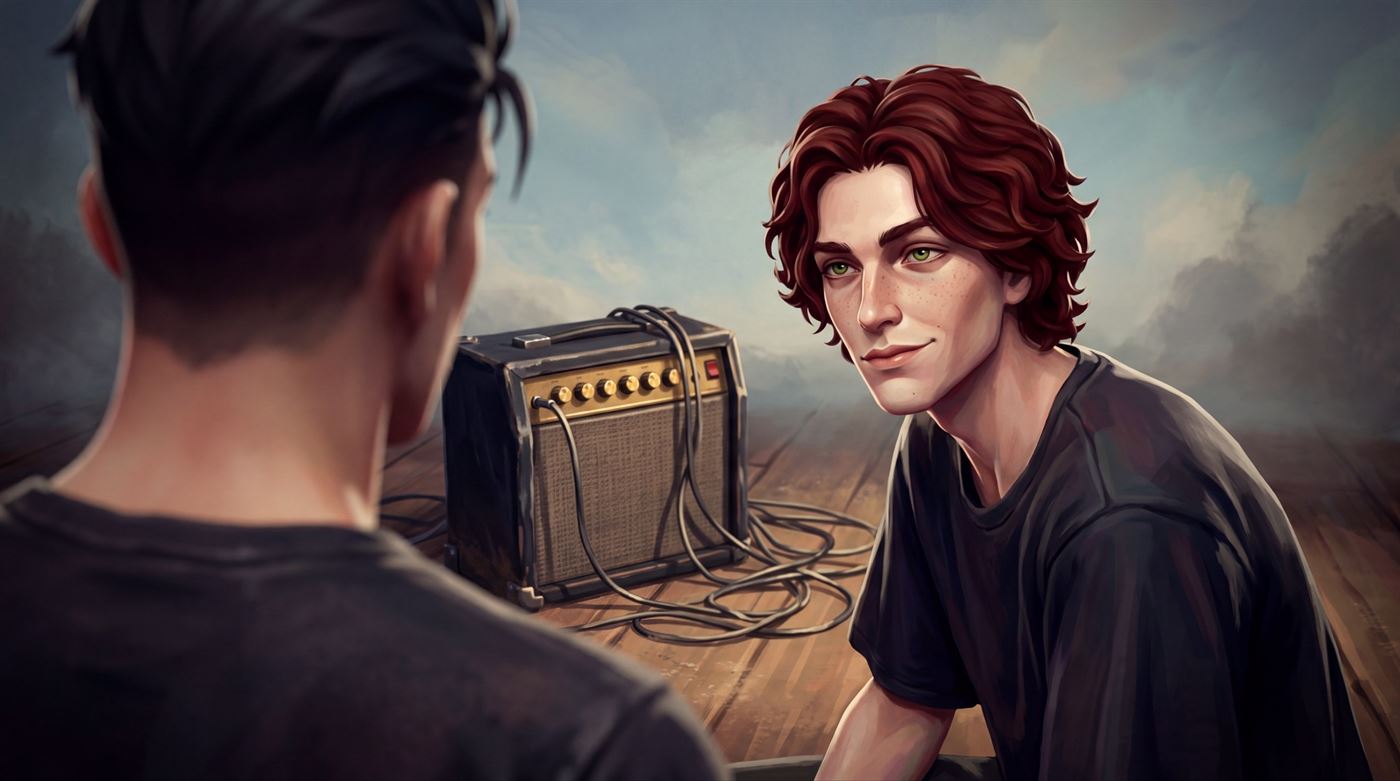
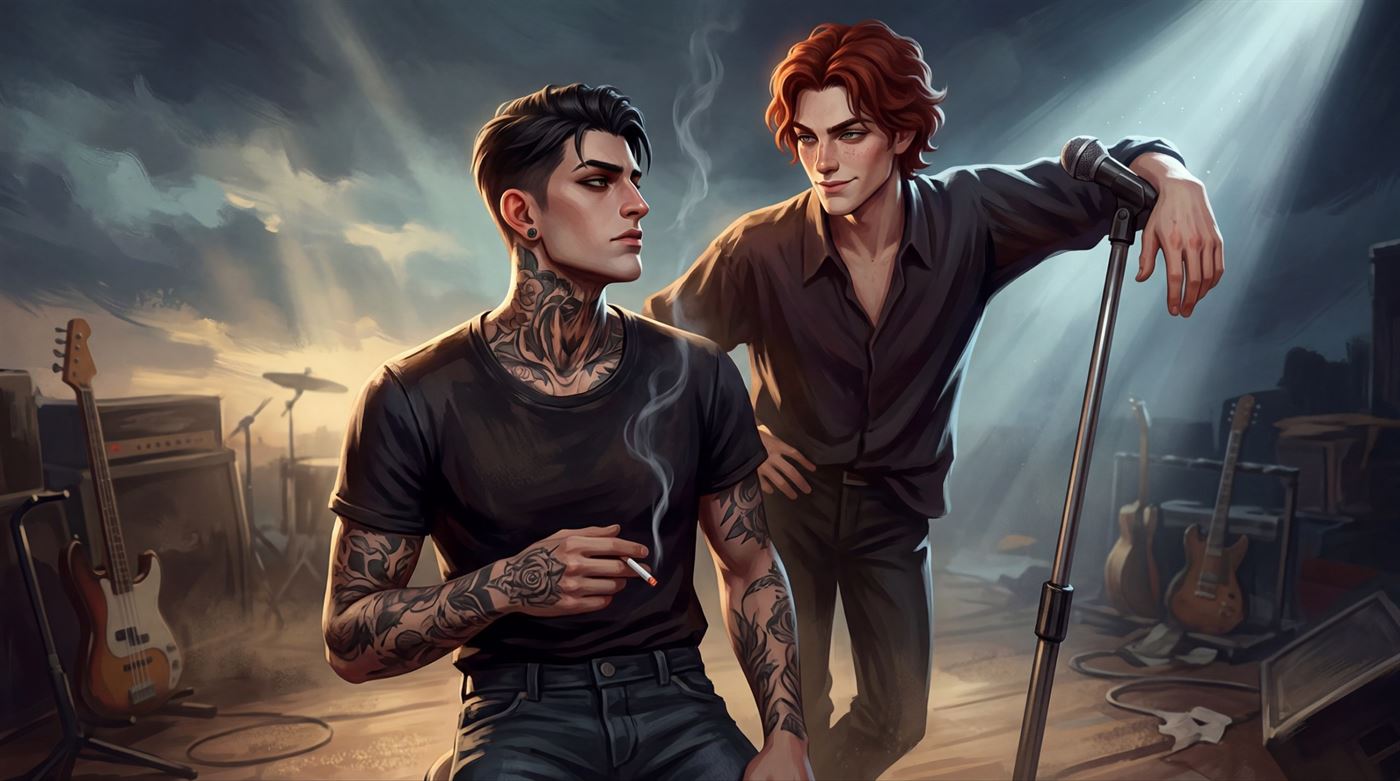
.jpg)
2.jpg)
3.jpg)
4.jpg)
5.jpg)
6.jpg)
7.jpg)
8.jpg)
9.jpg)
10.jpg)
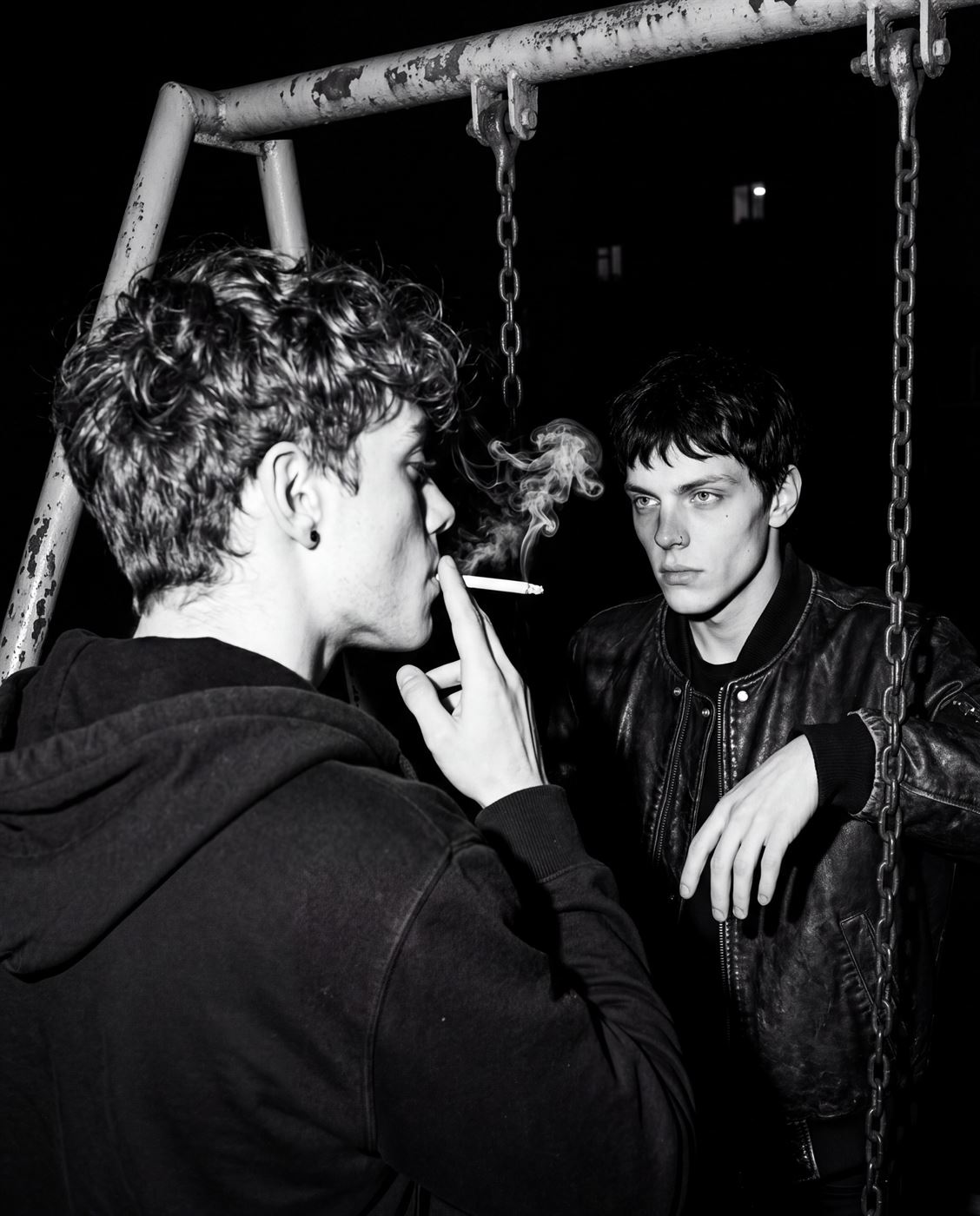
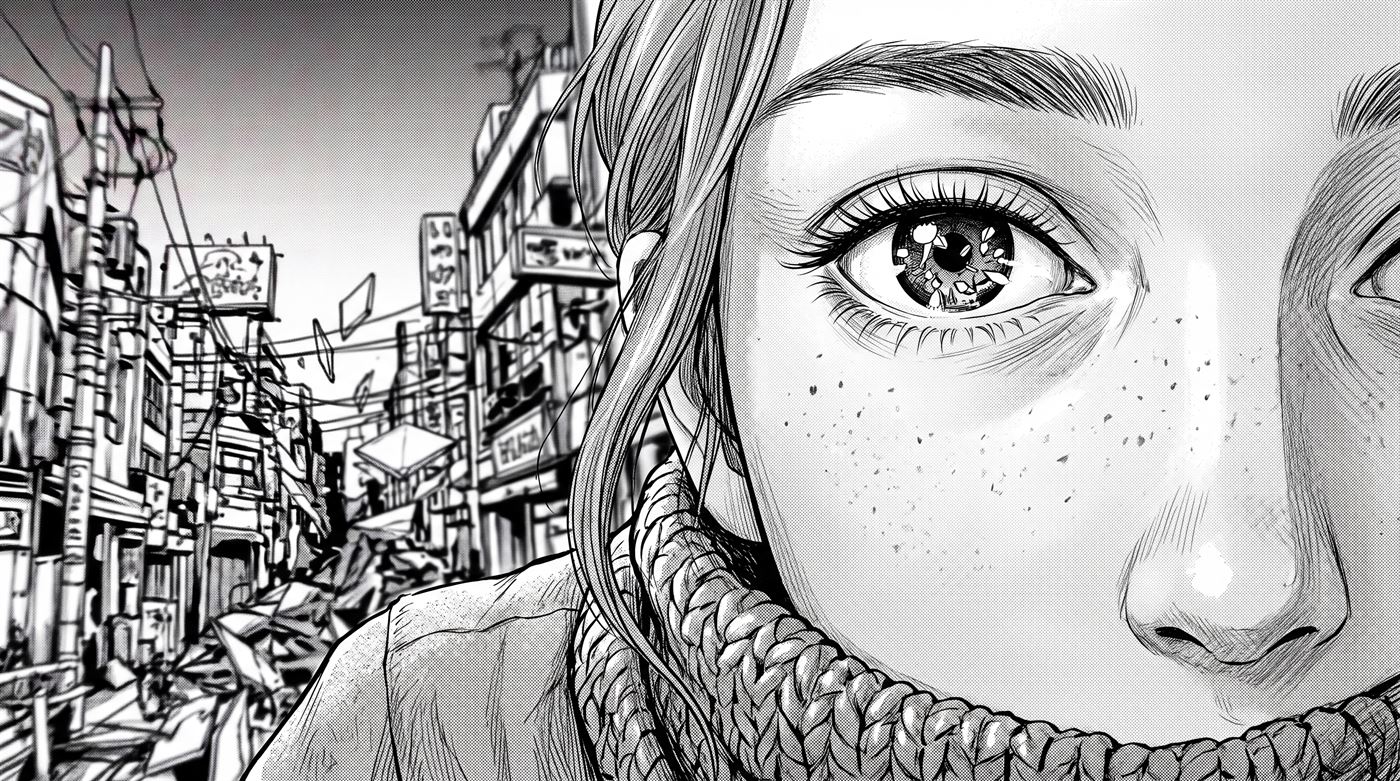
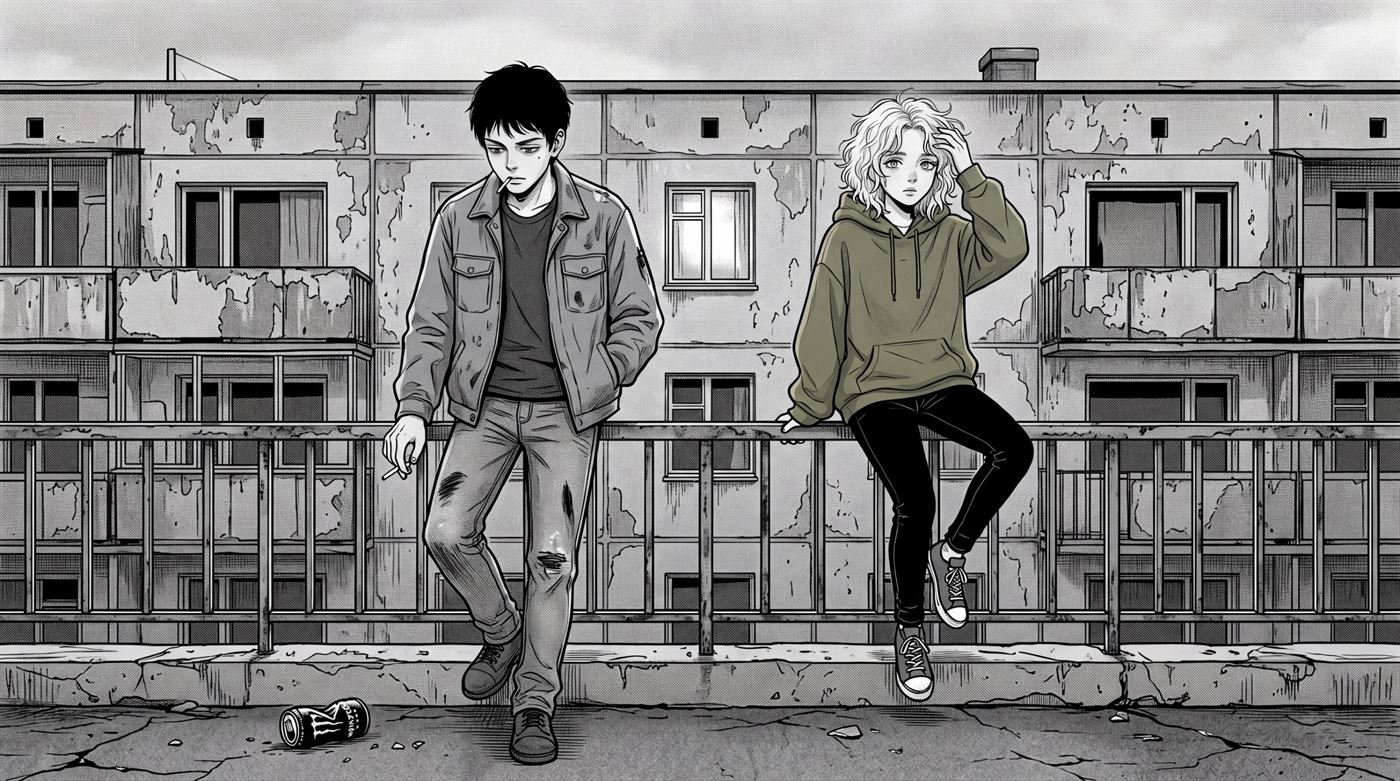
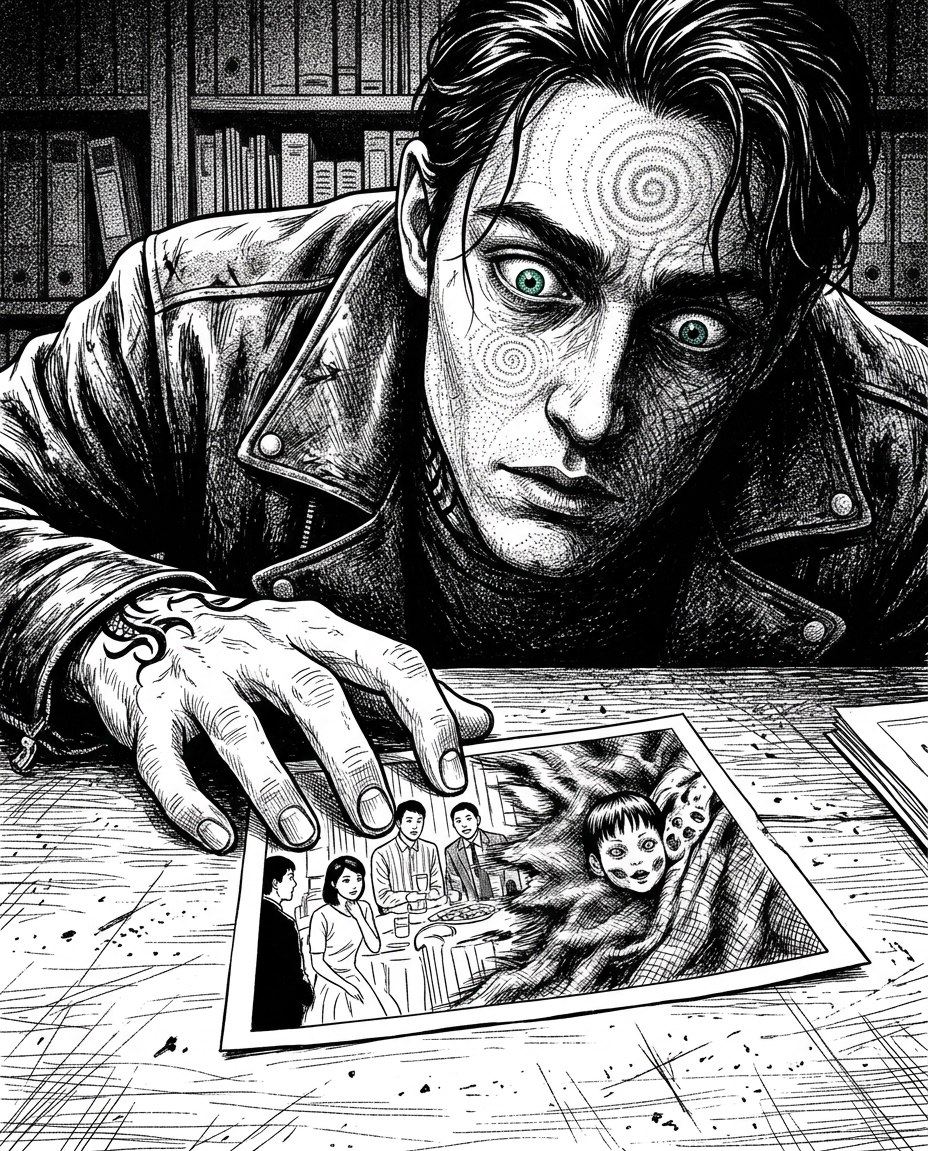
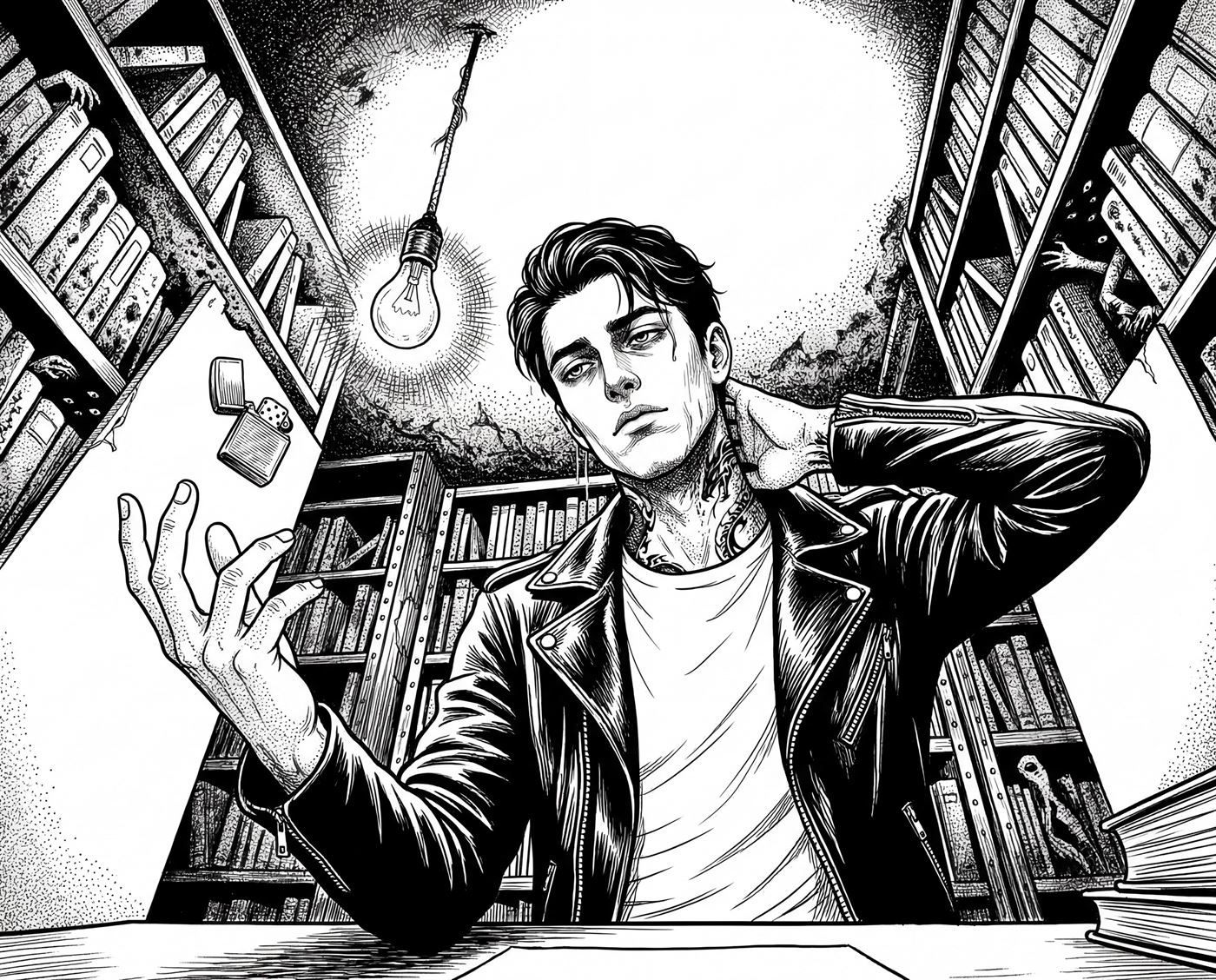
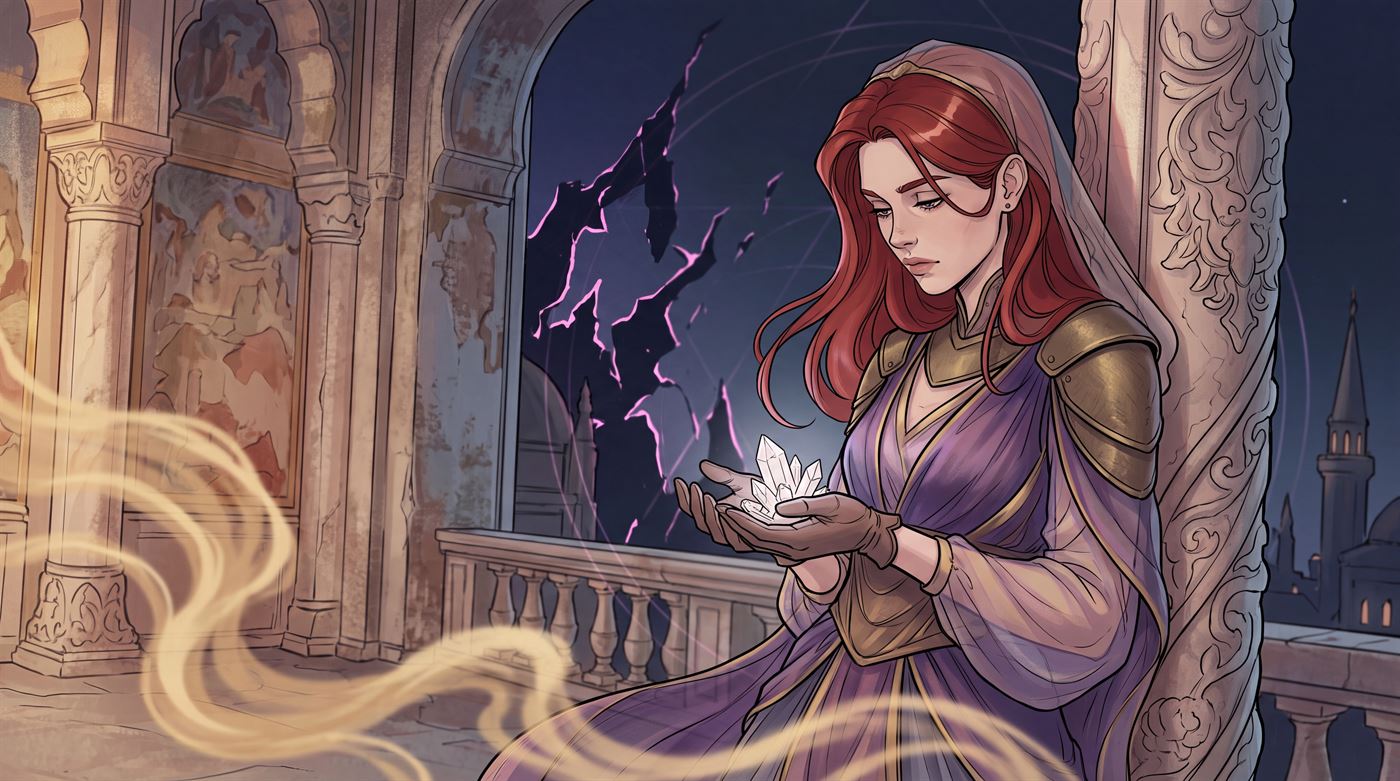
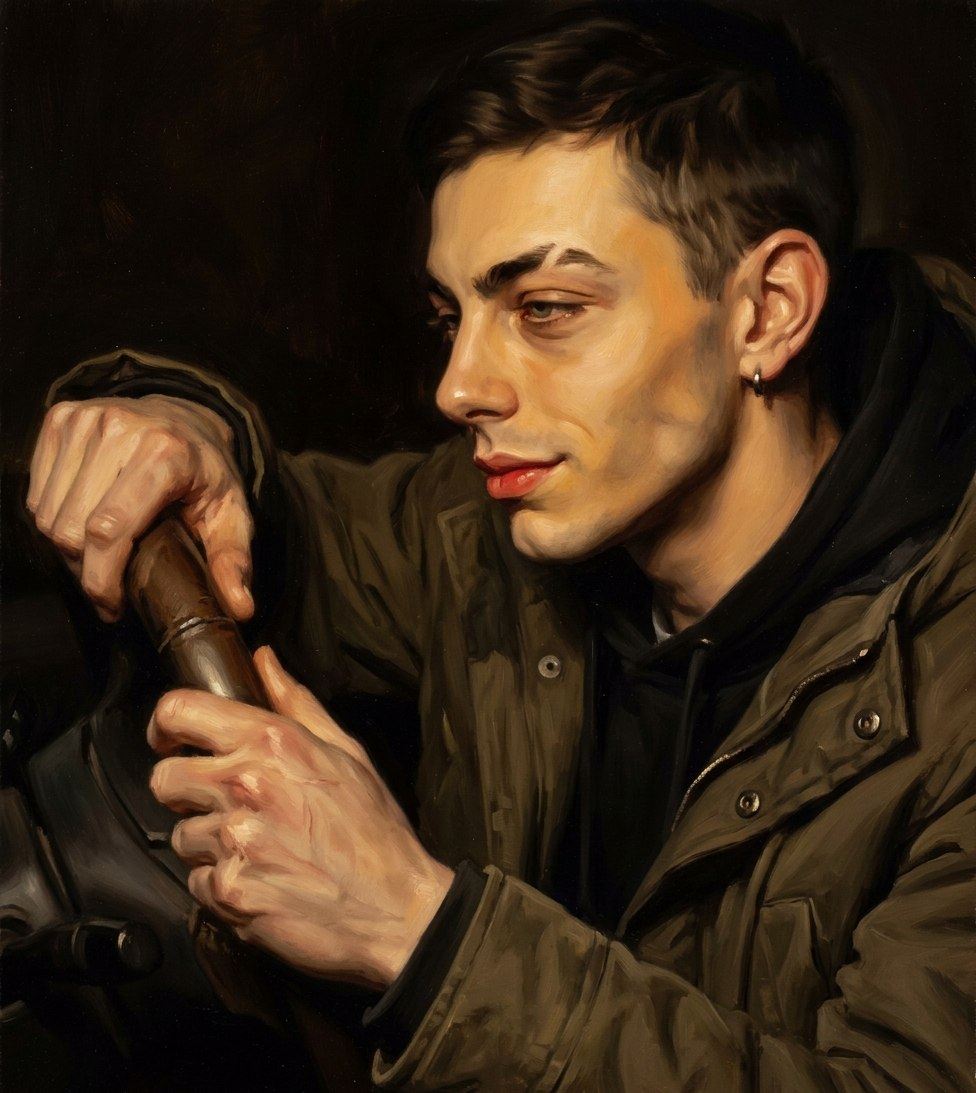
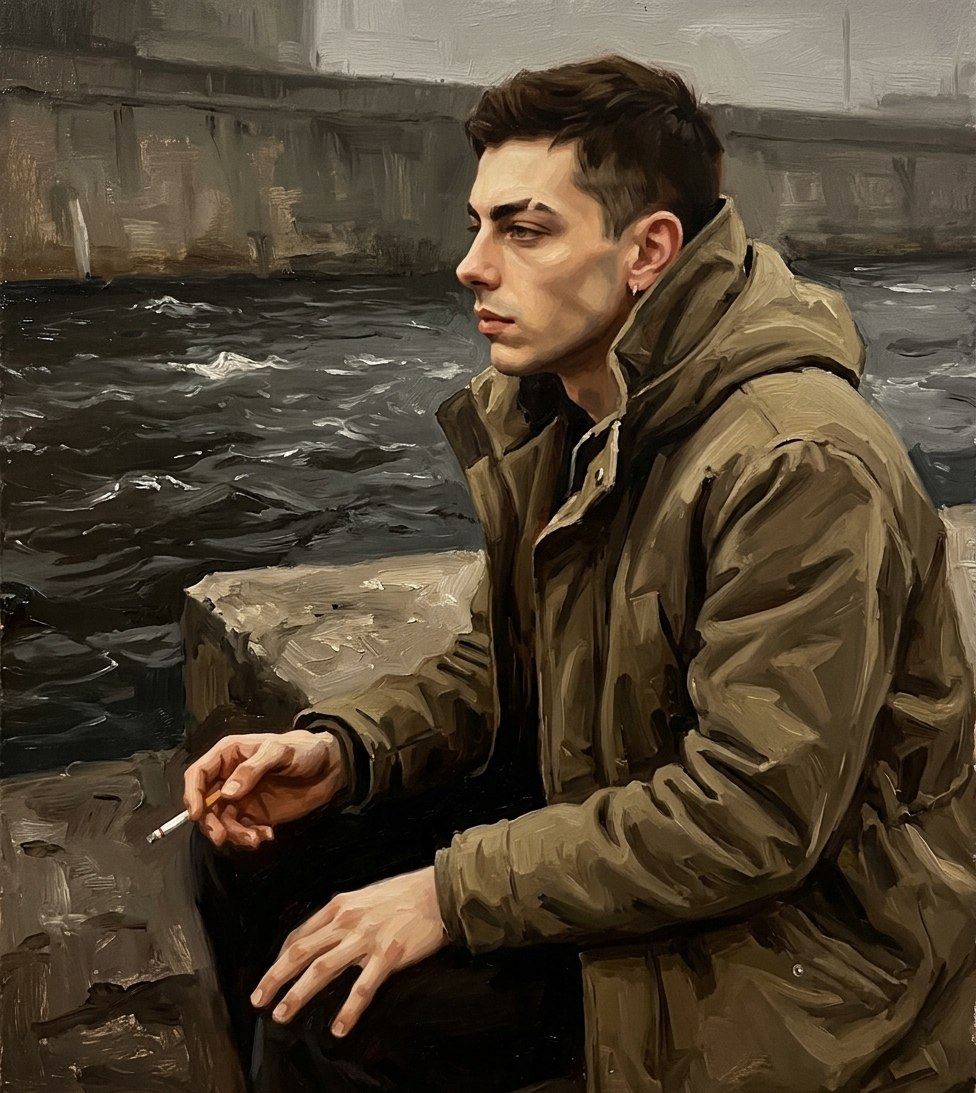
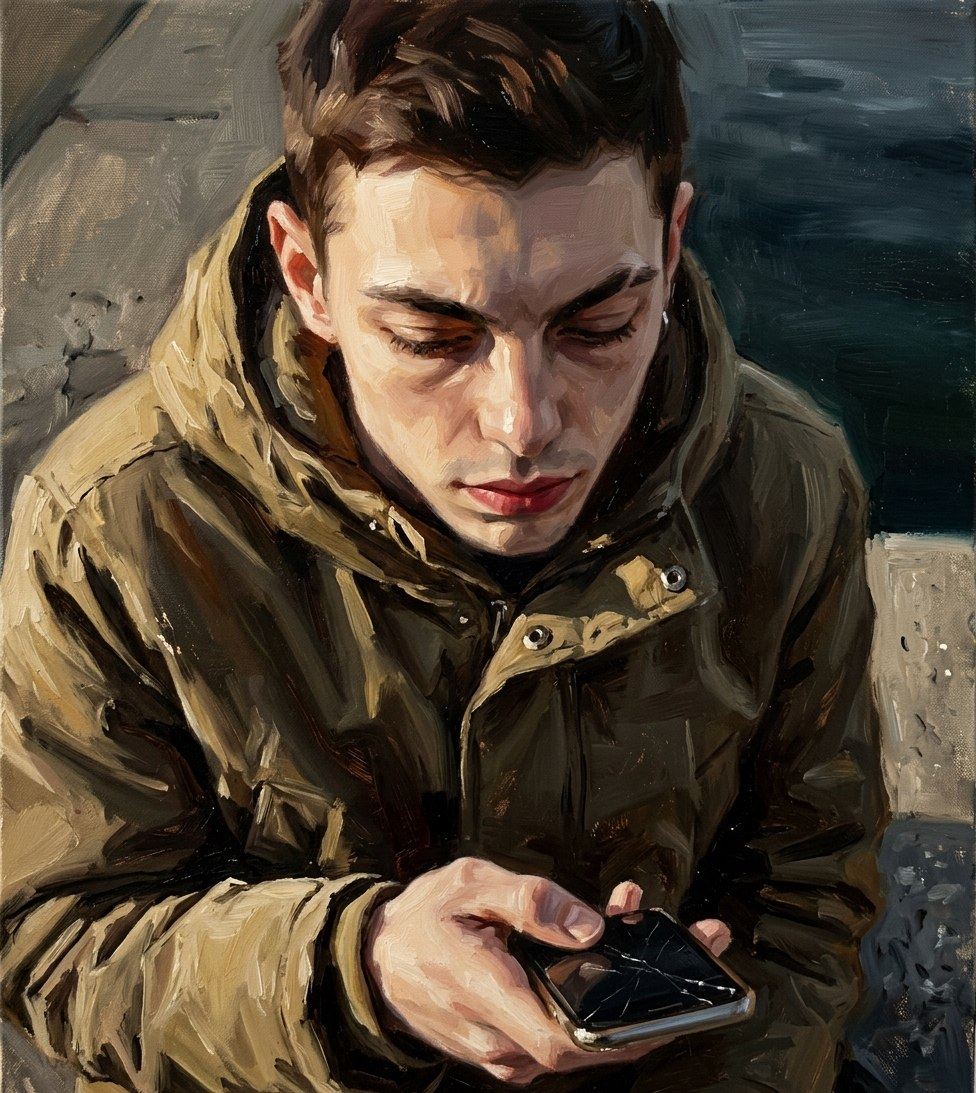
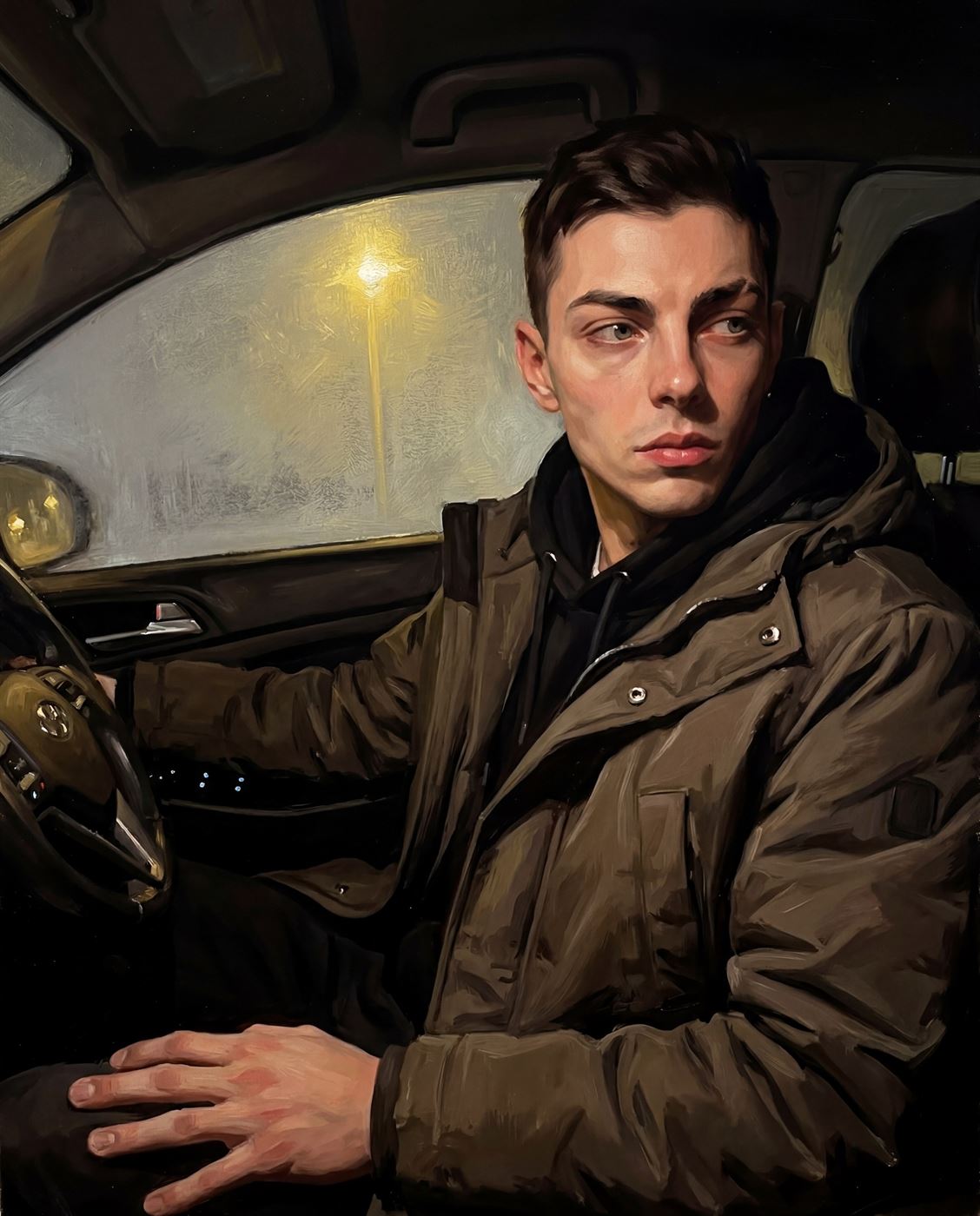
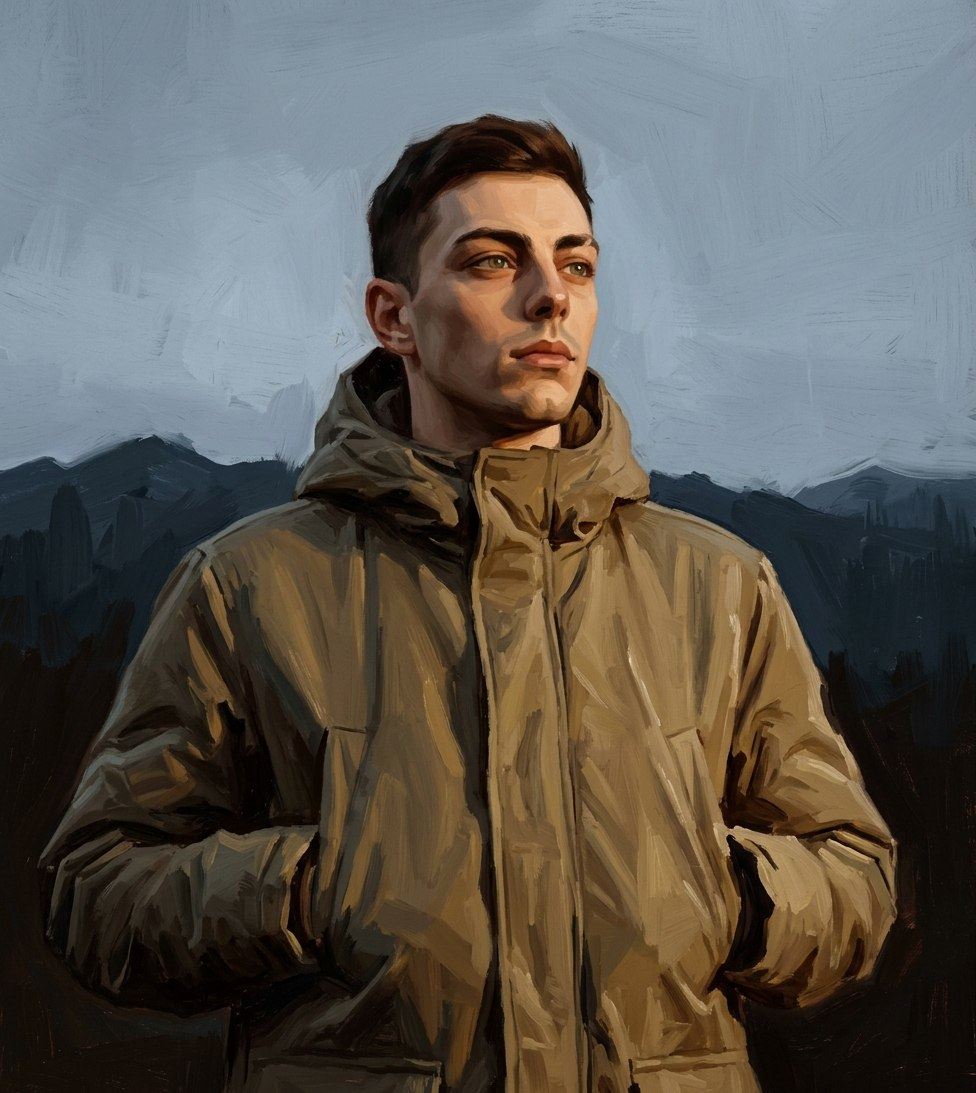
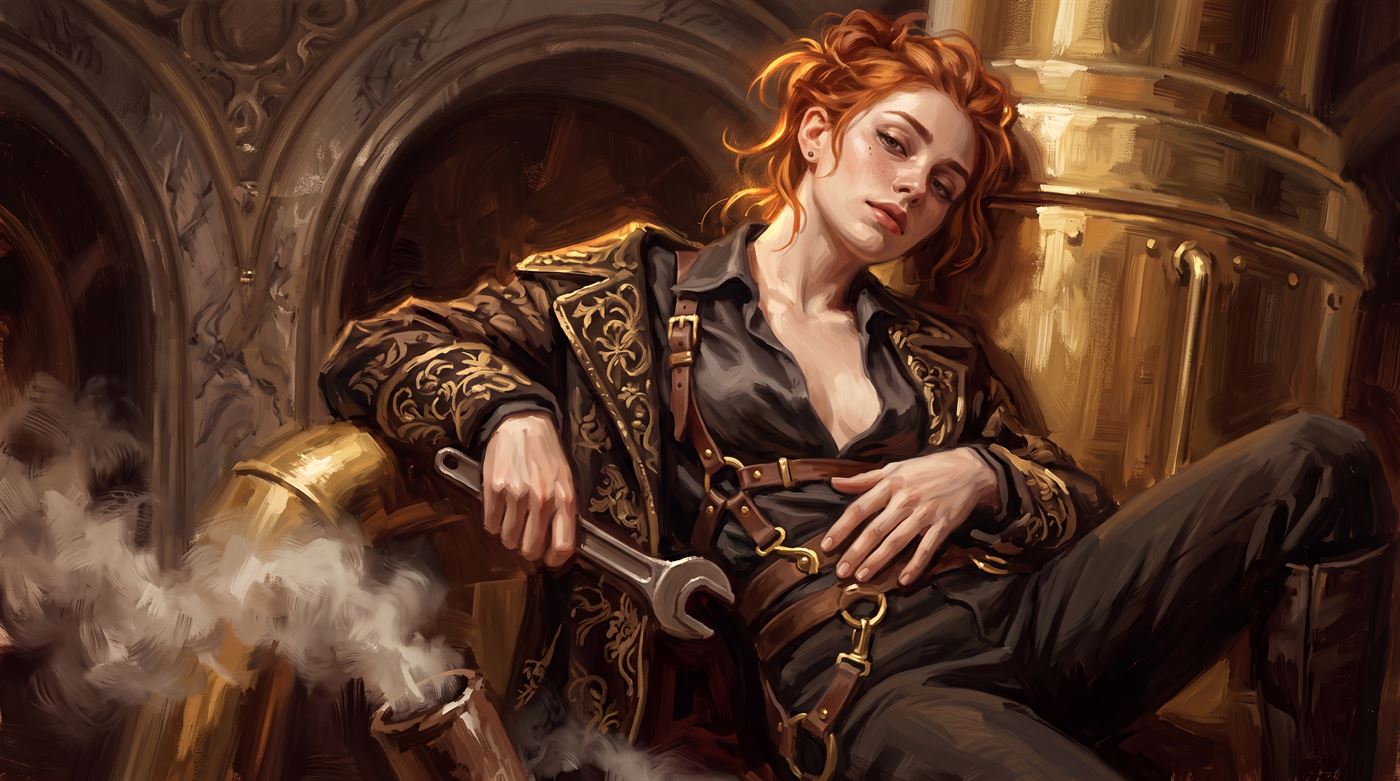
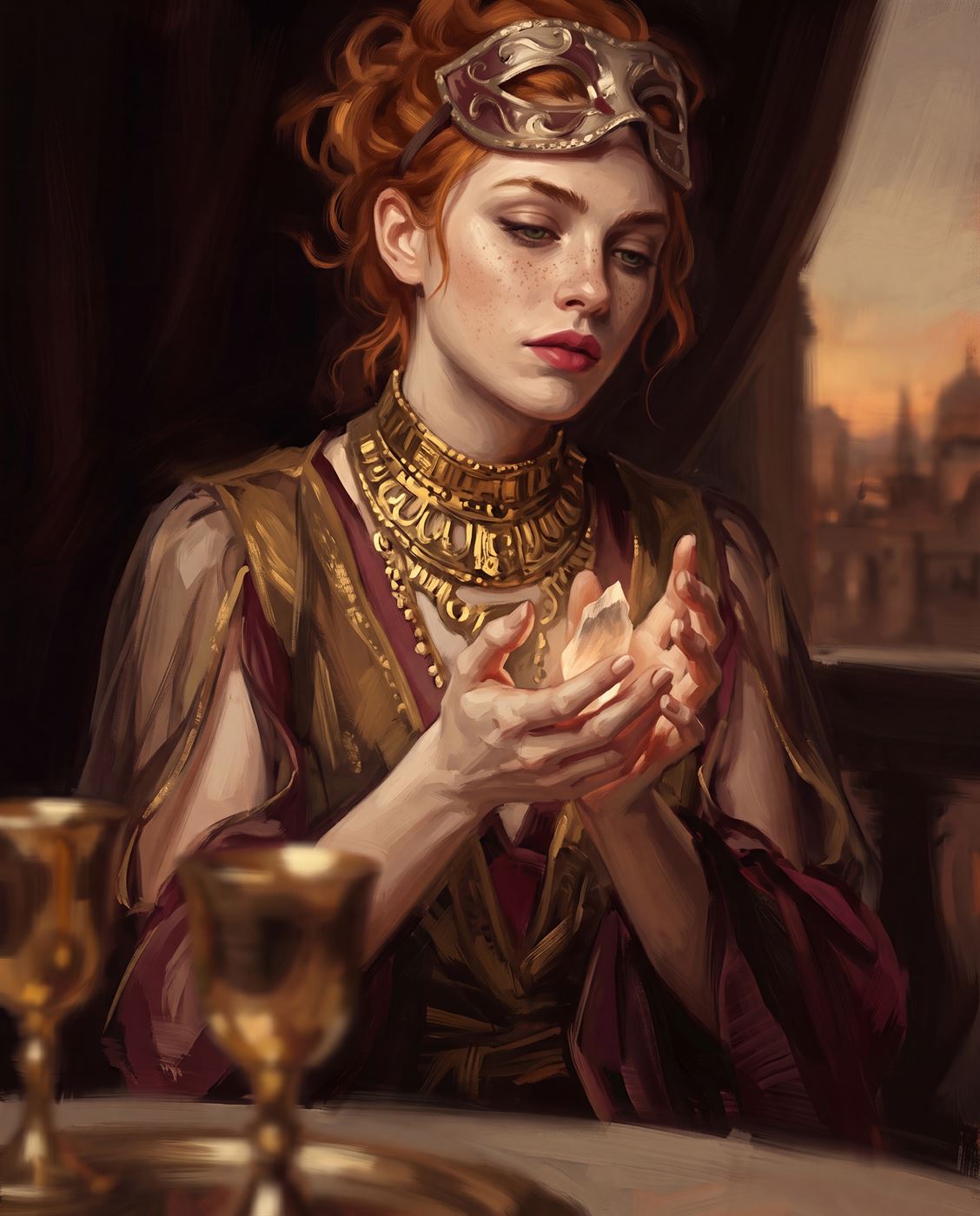
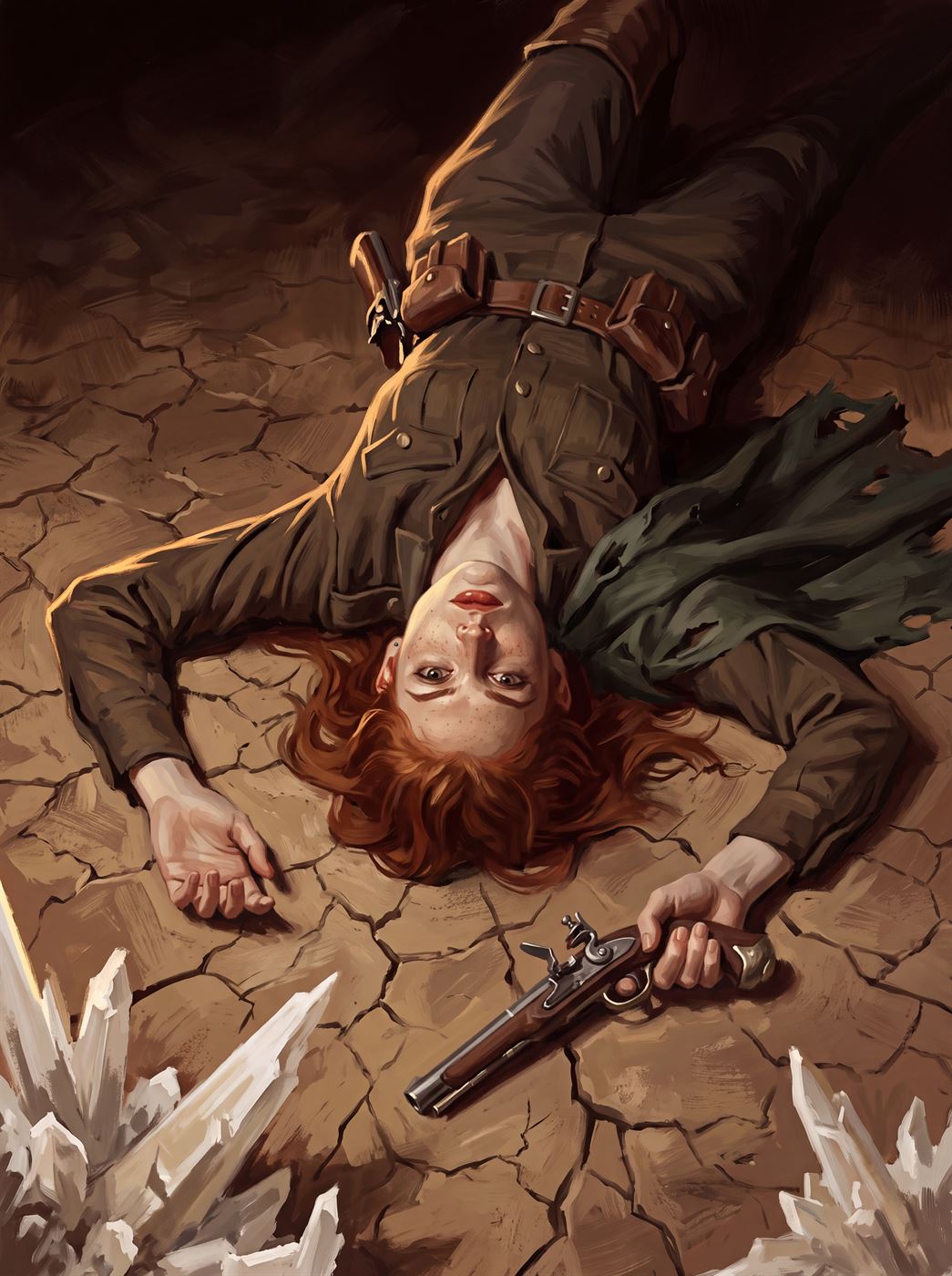
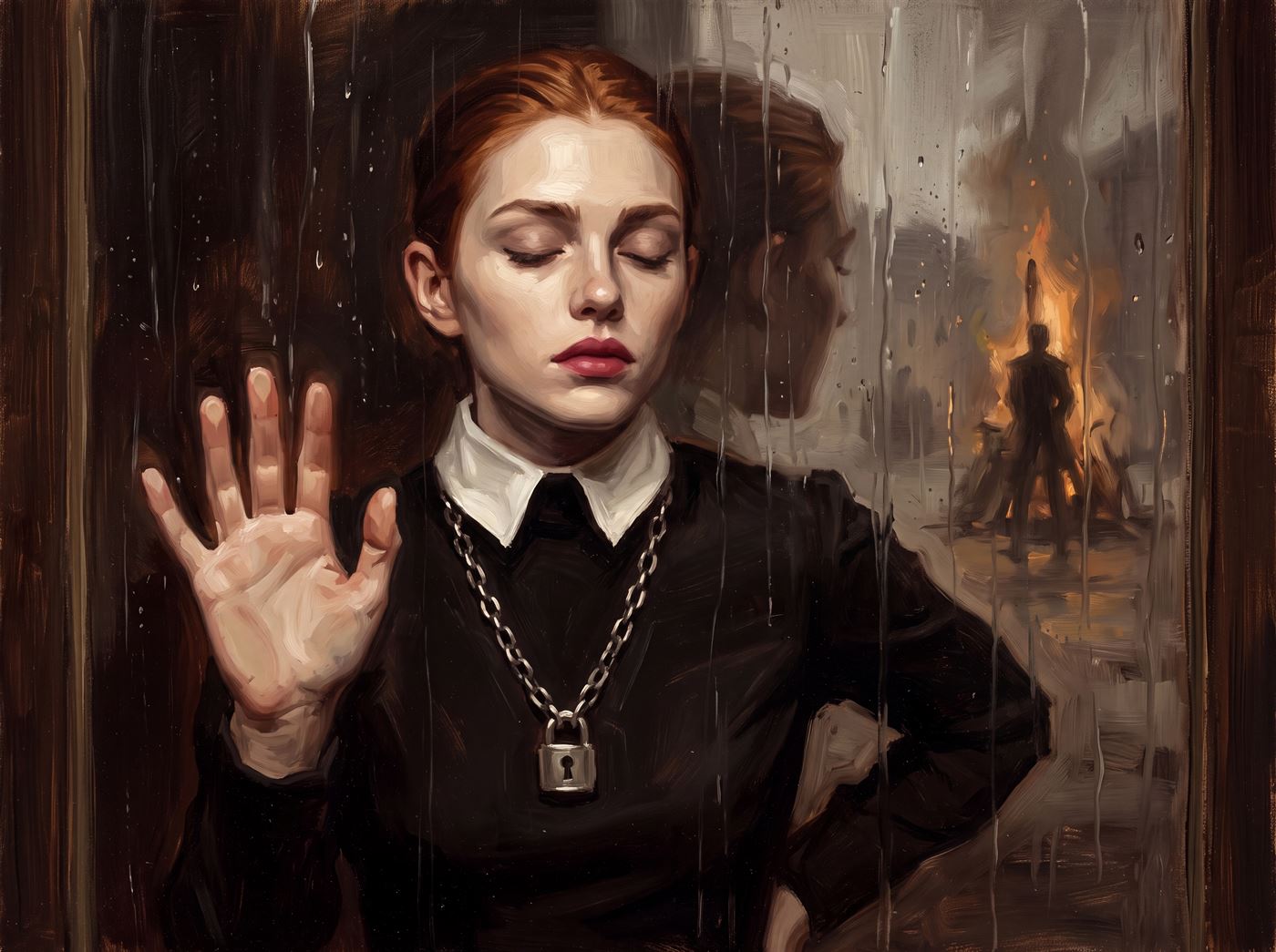
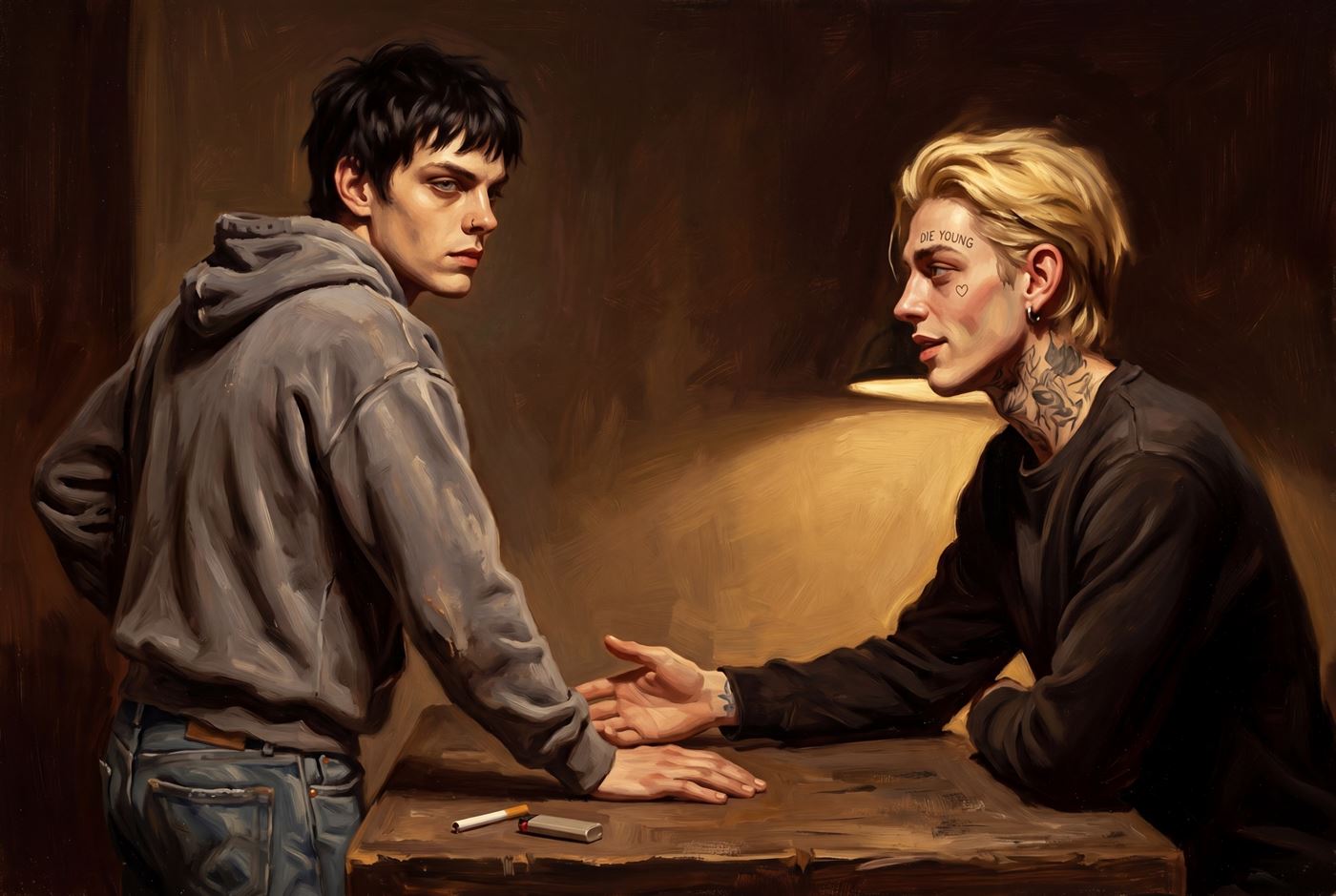
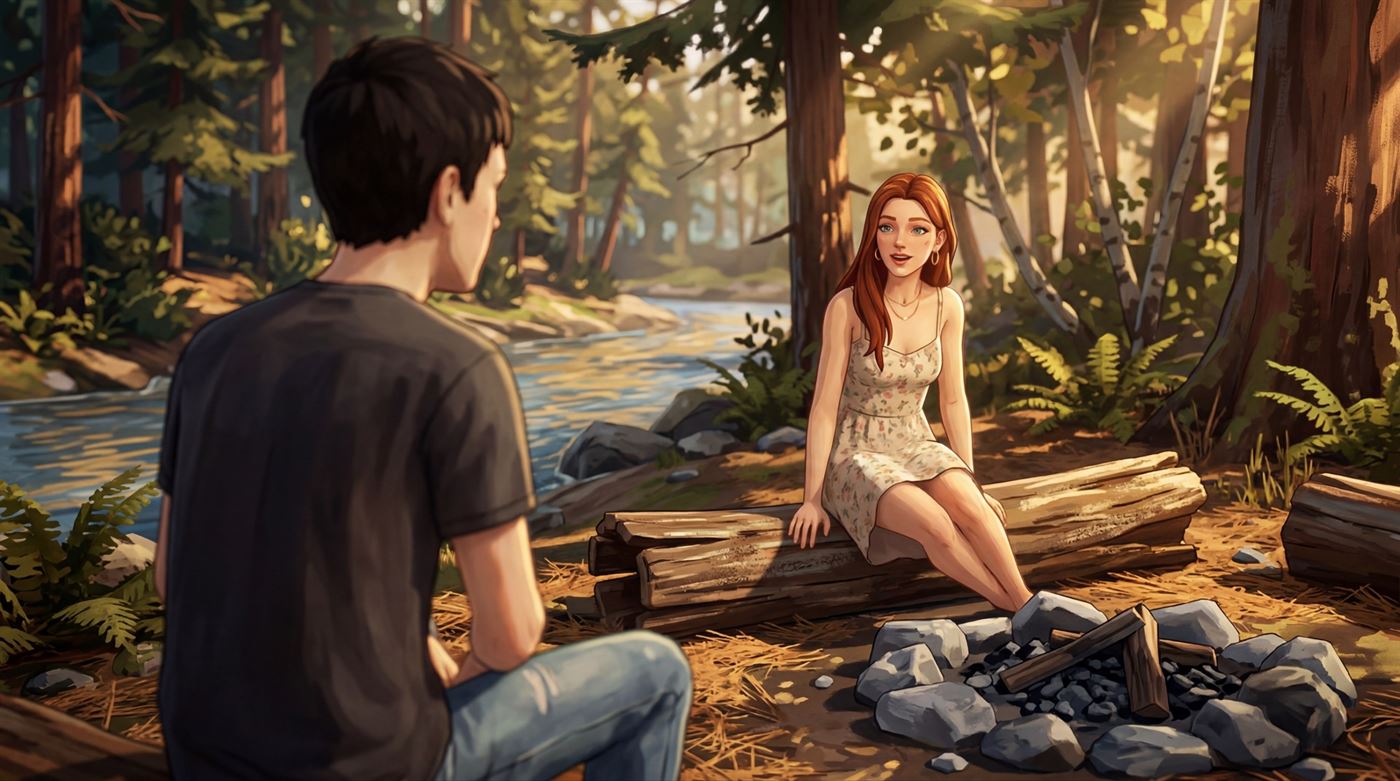
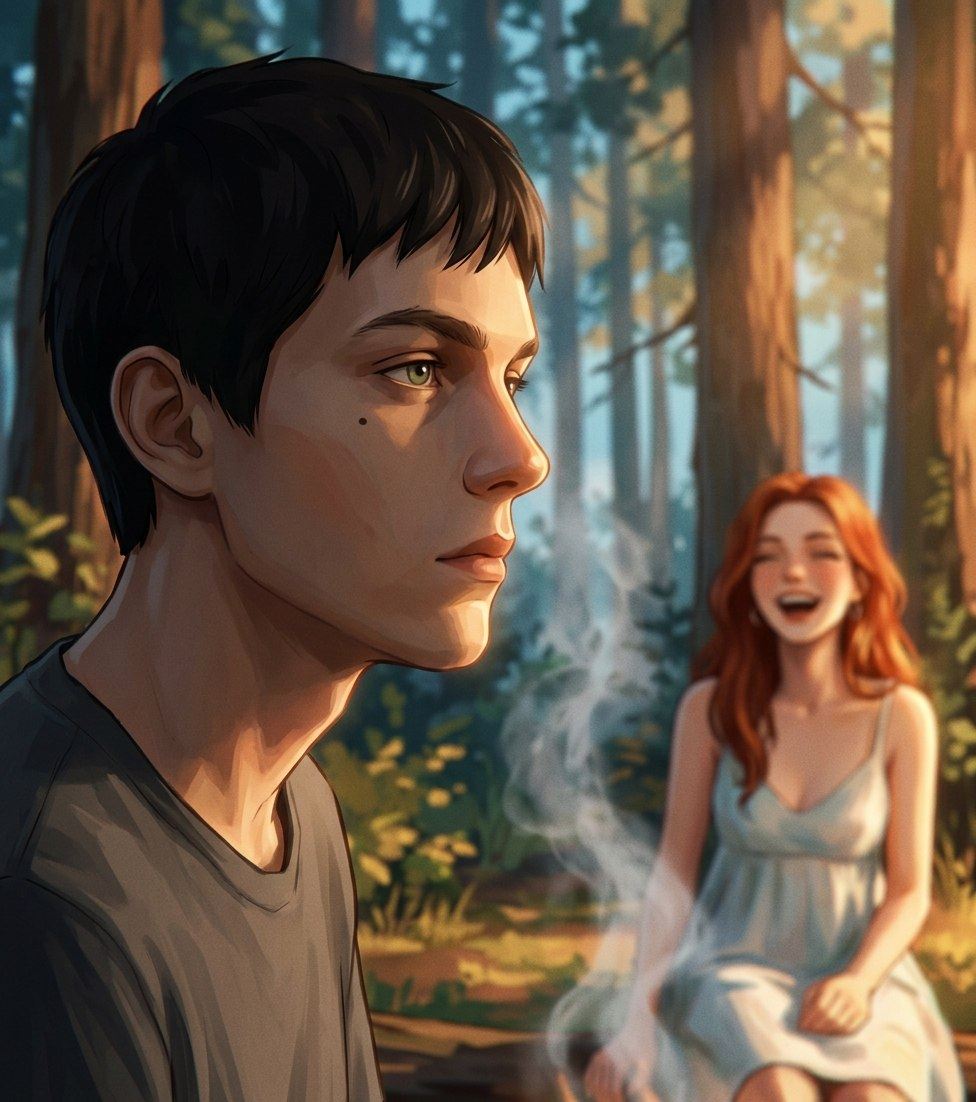
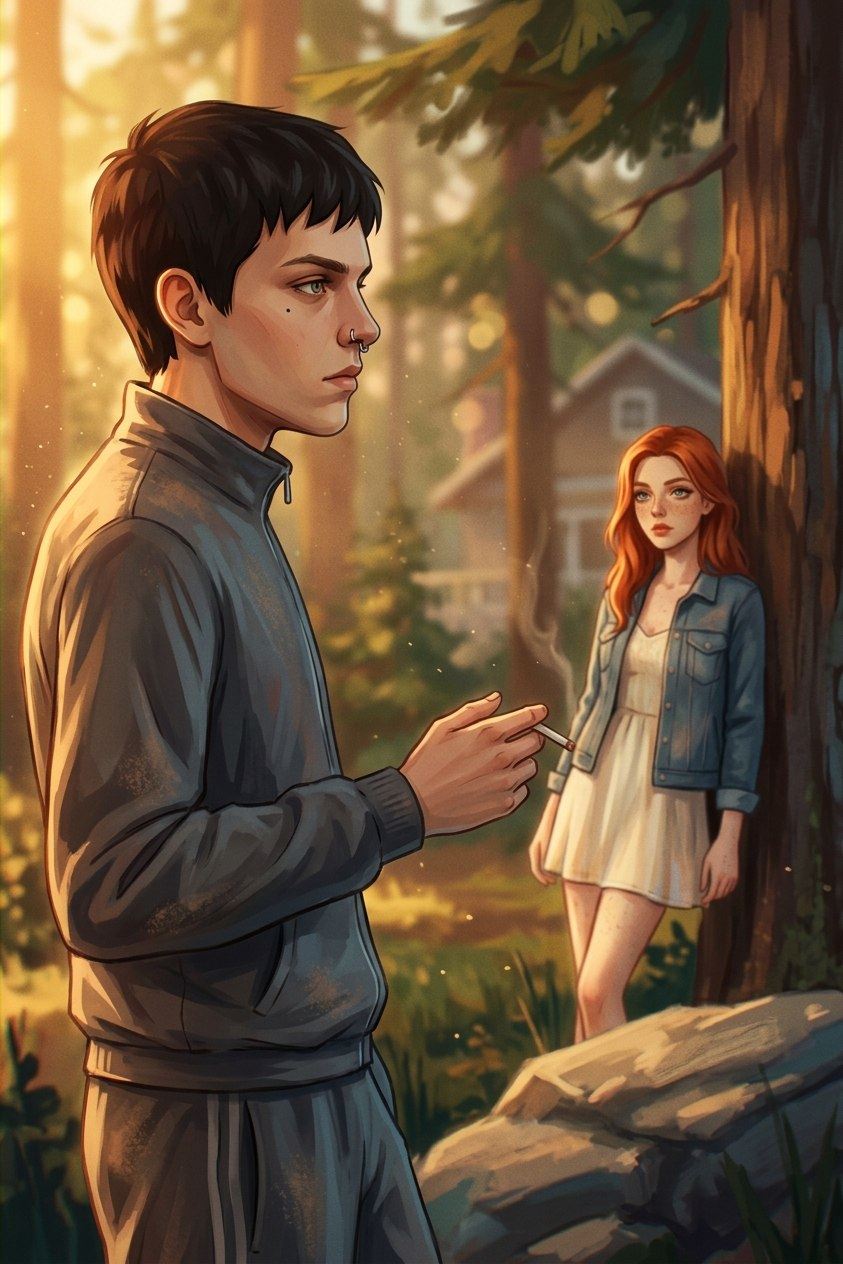
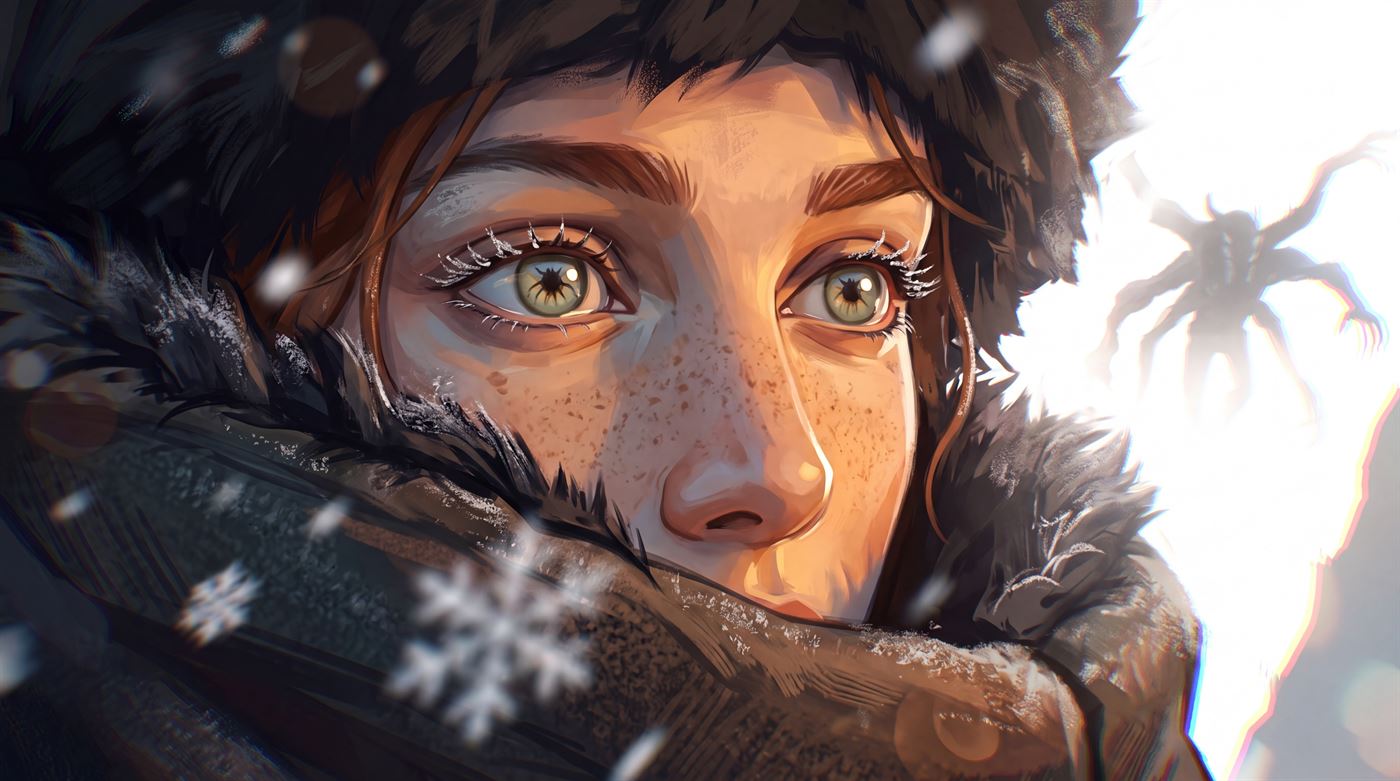
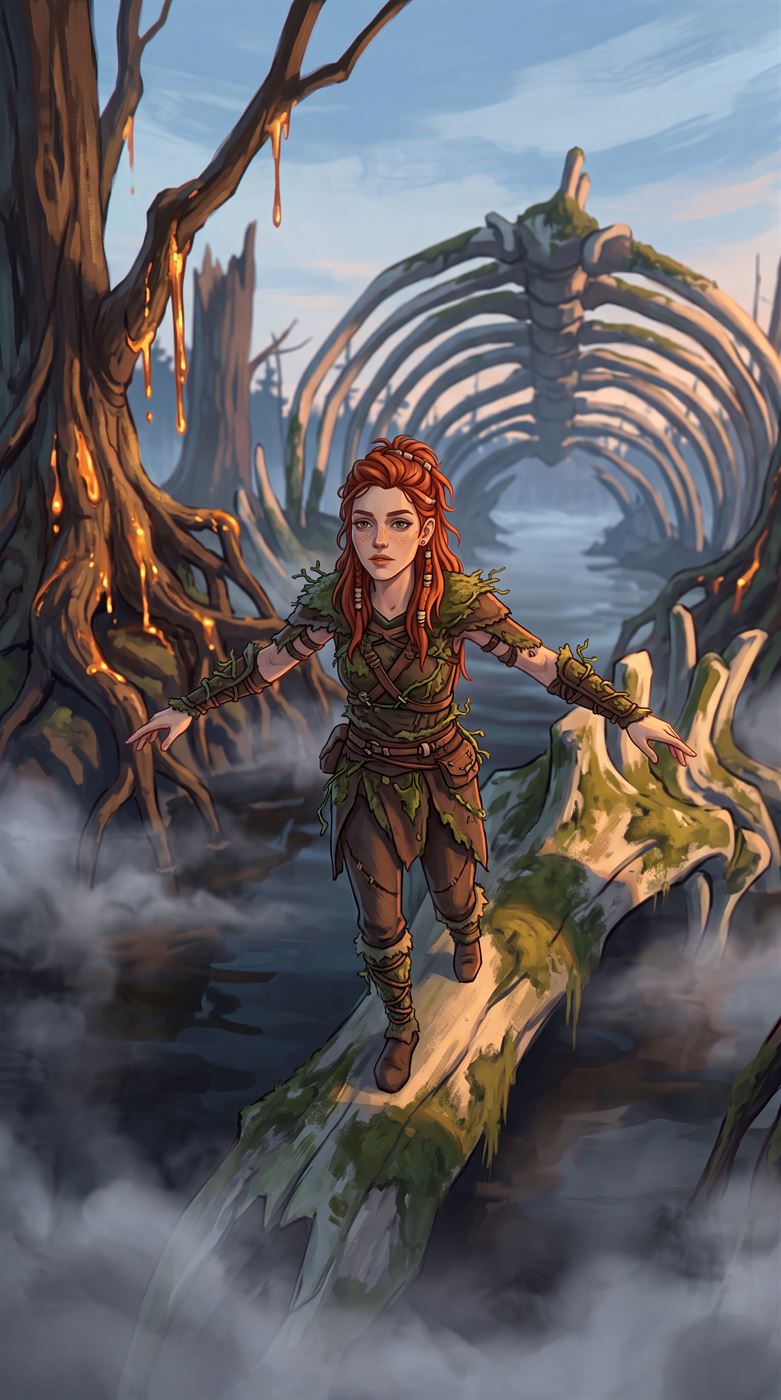
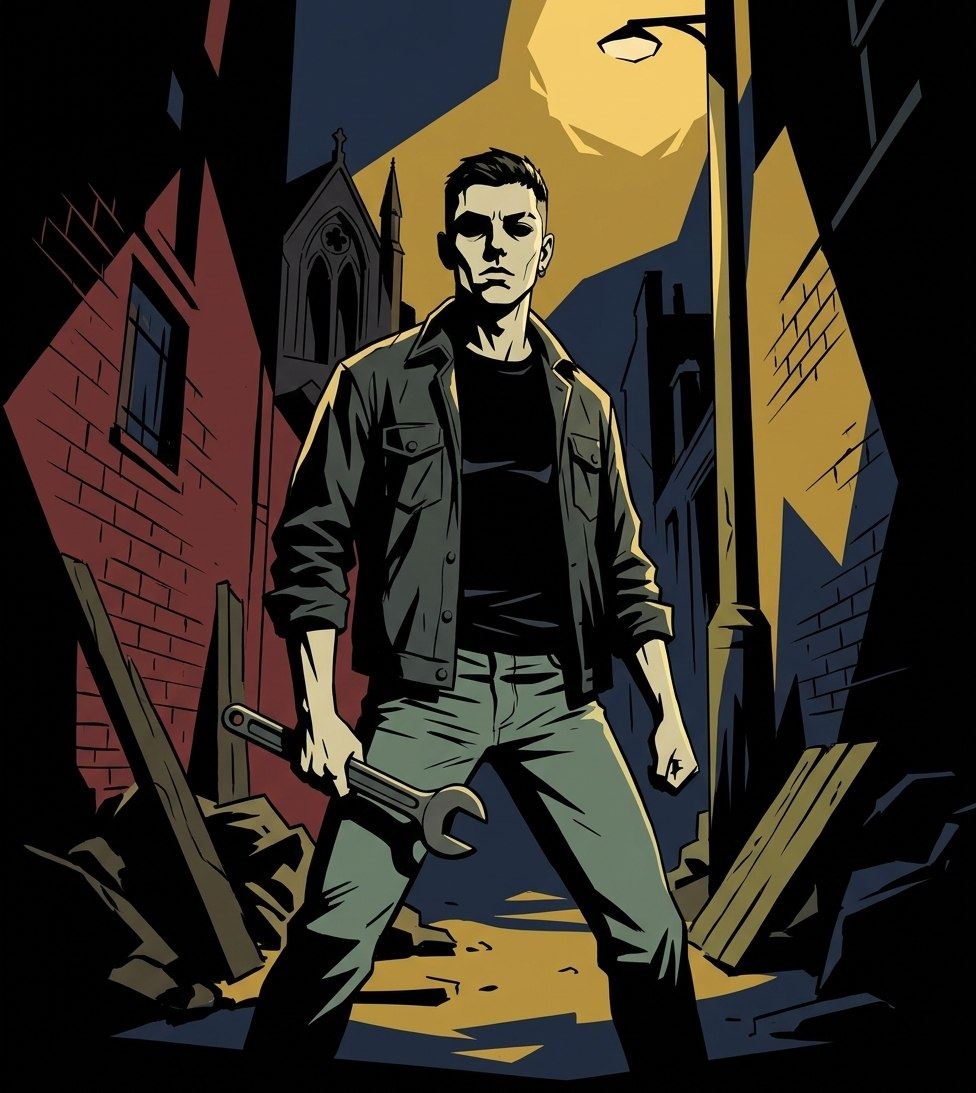
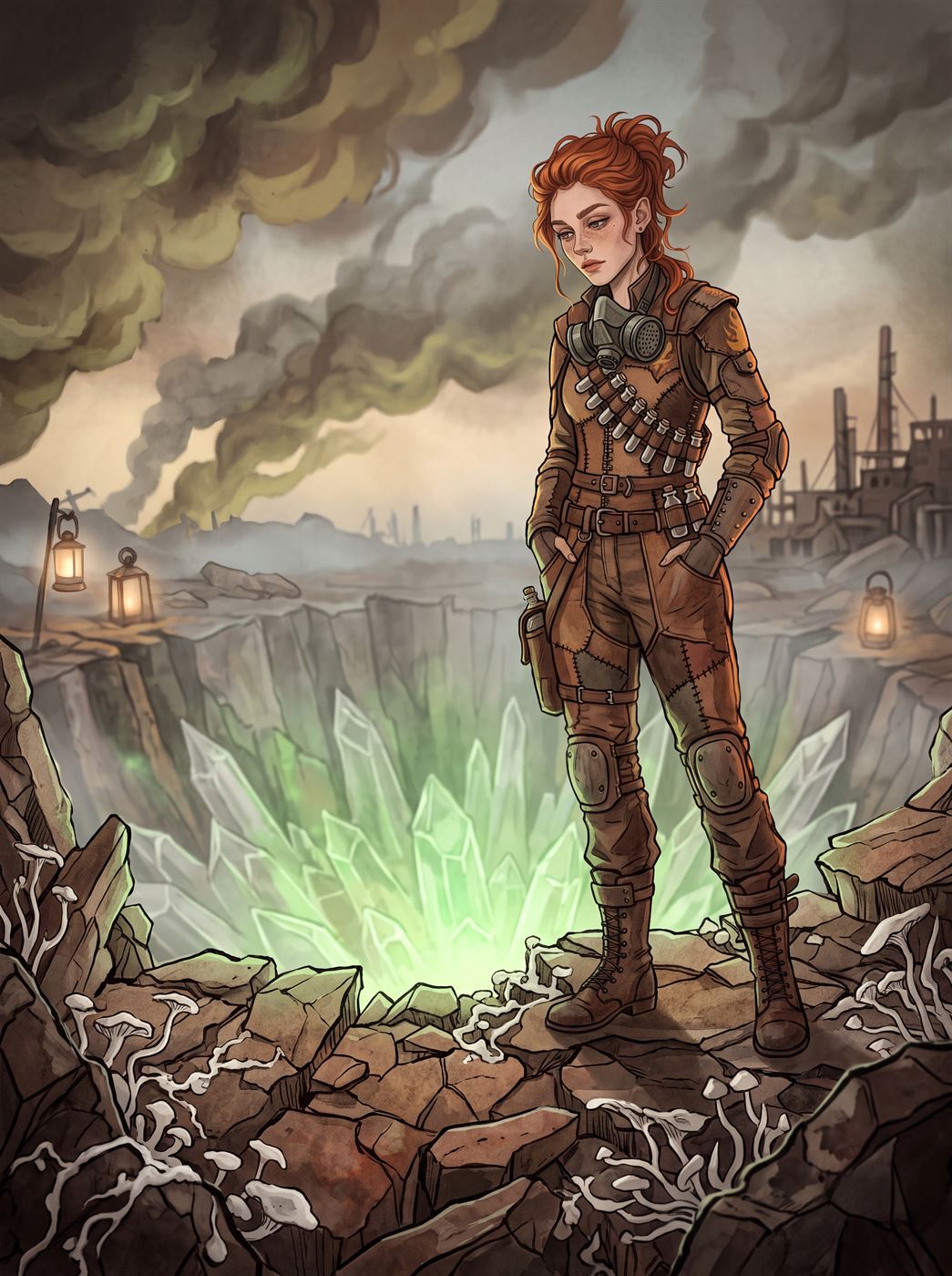
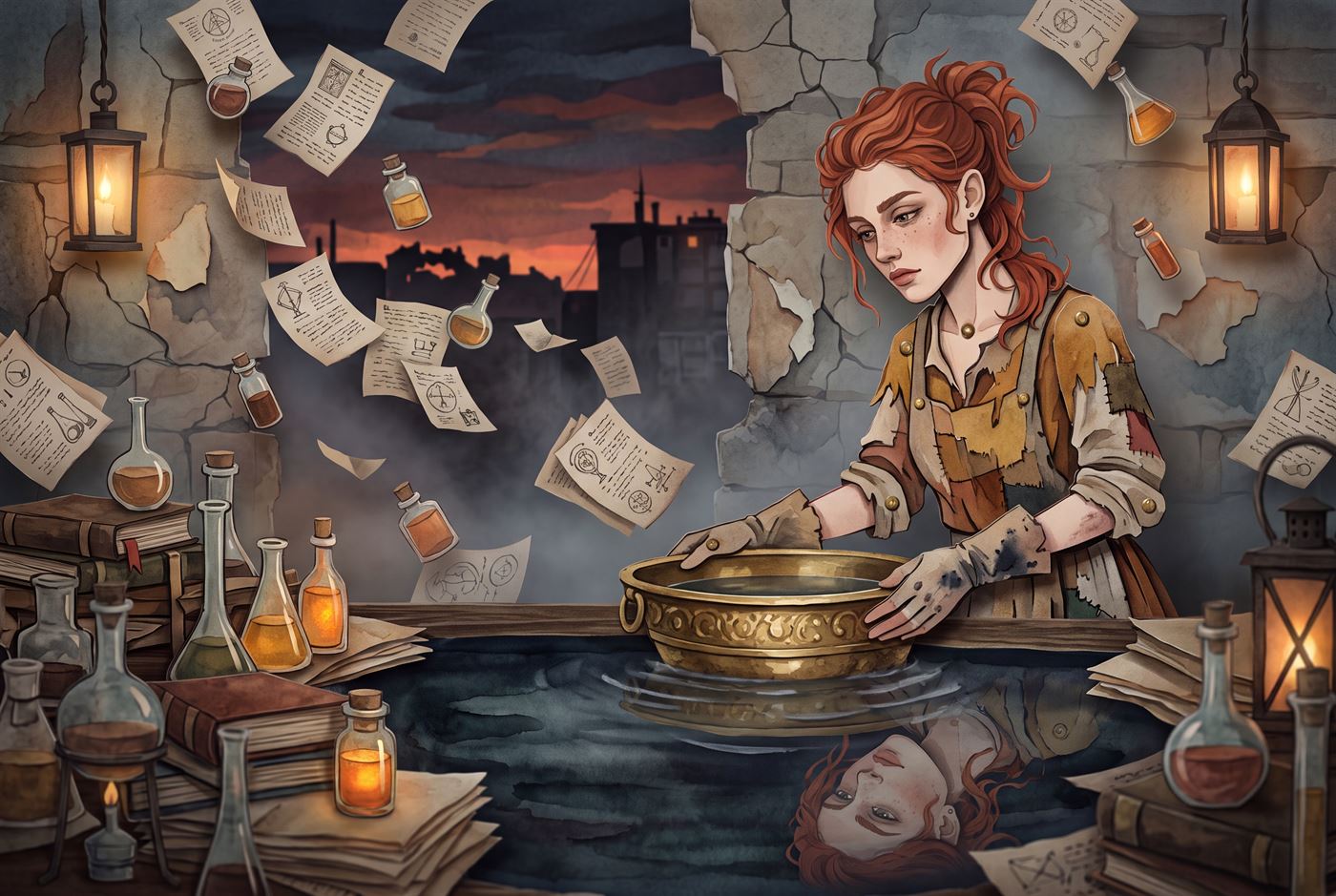
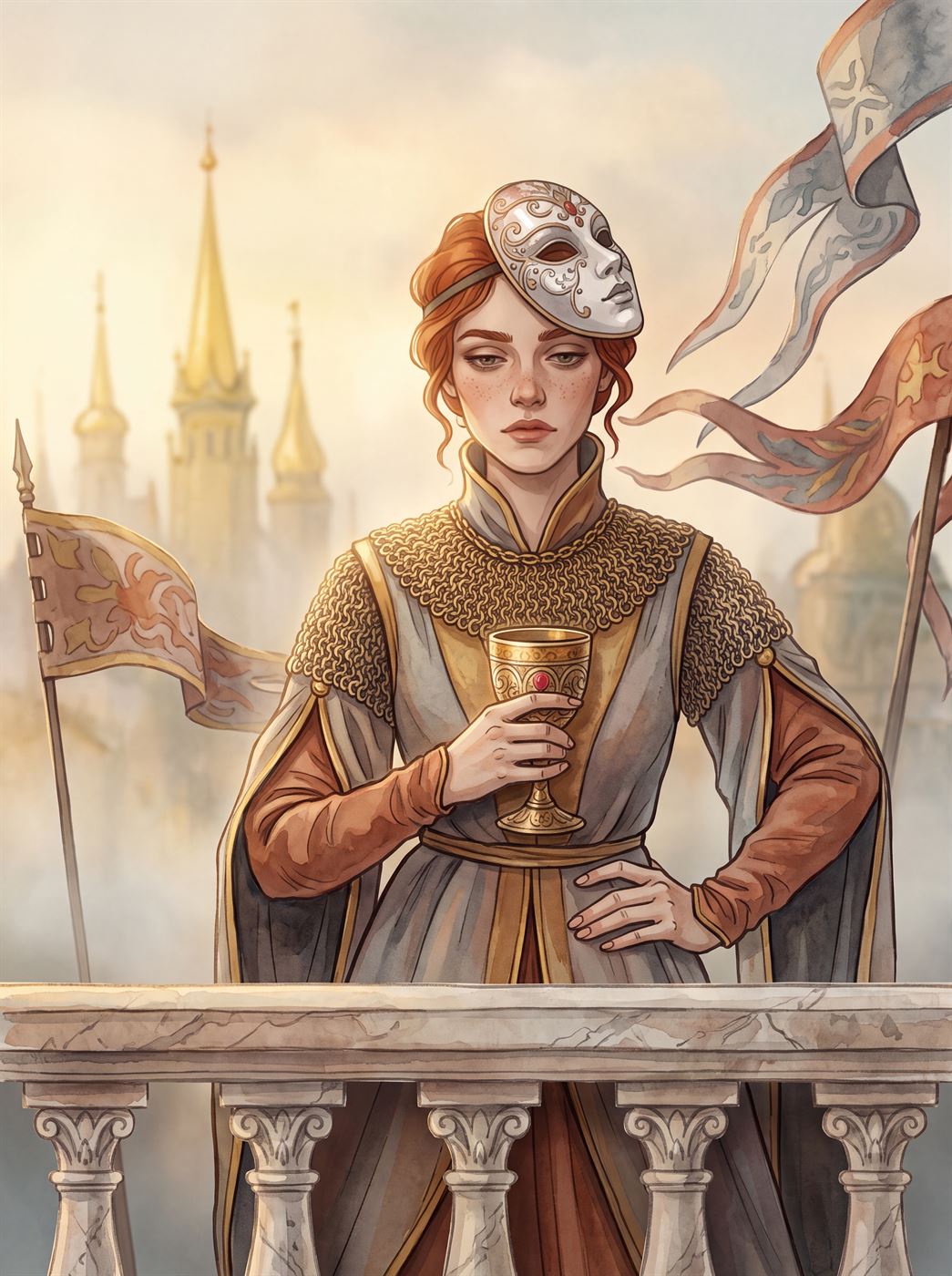
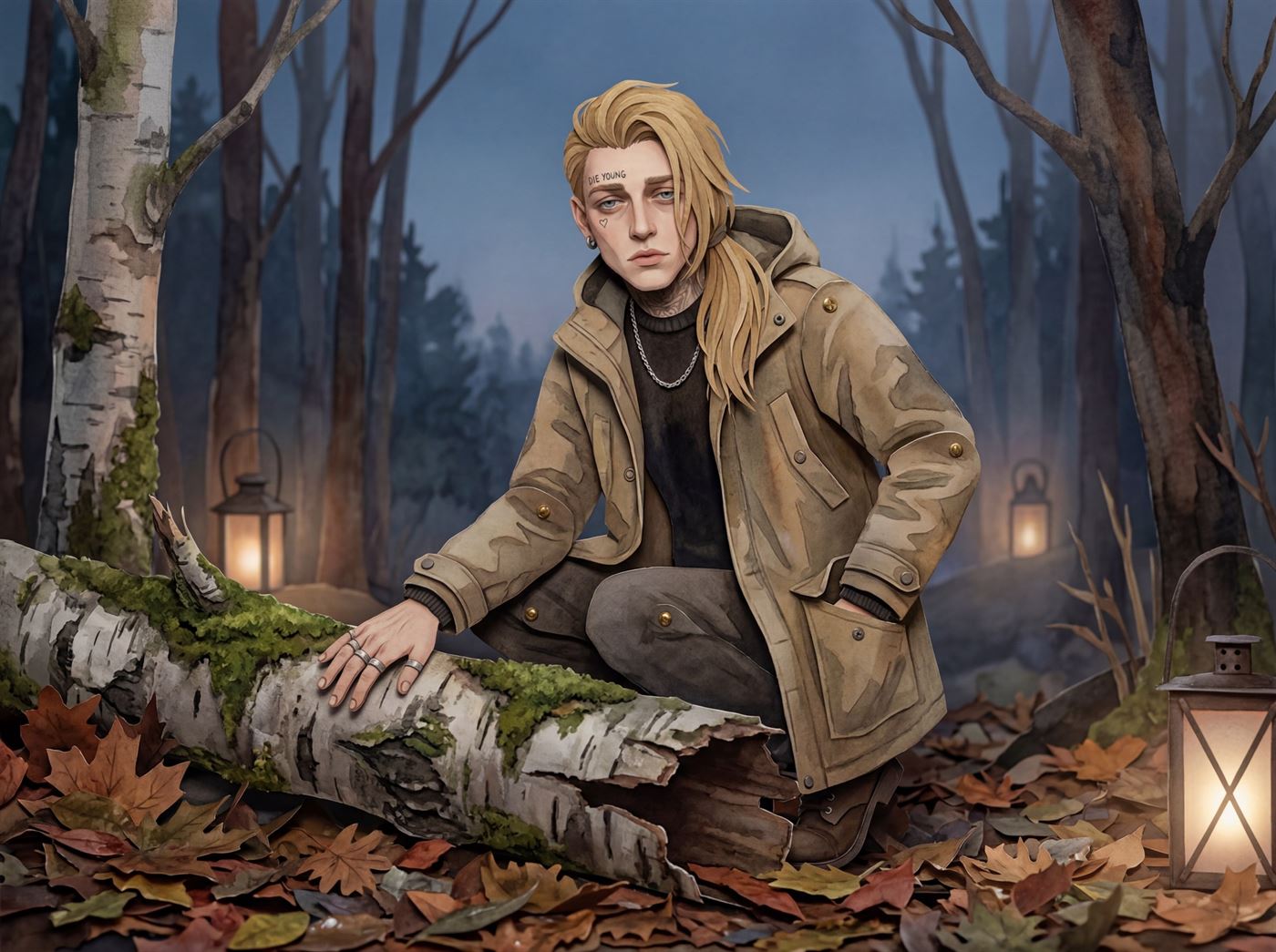
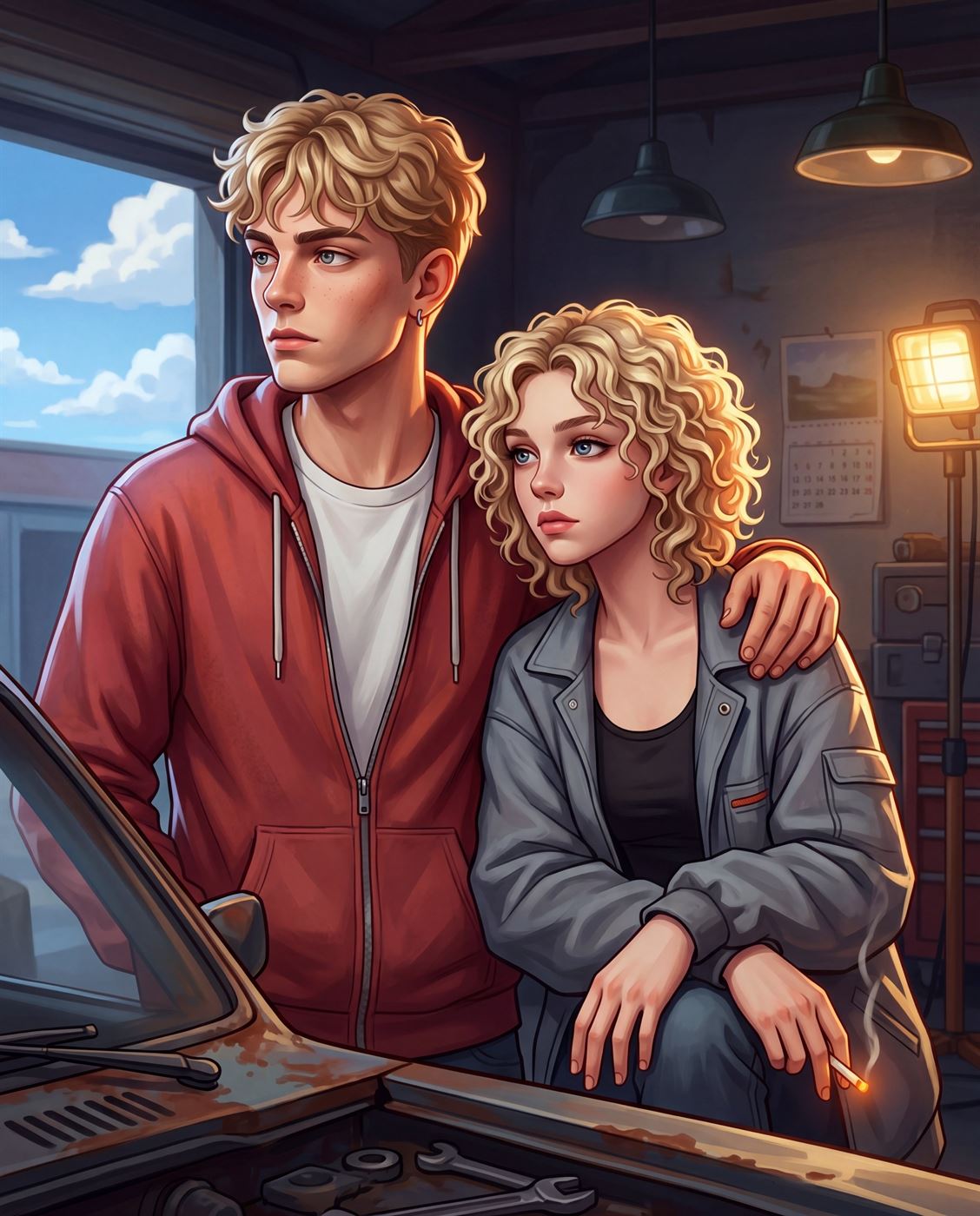
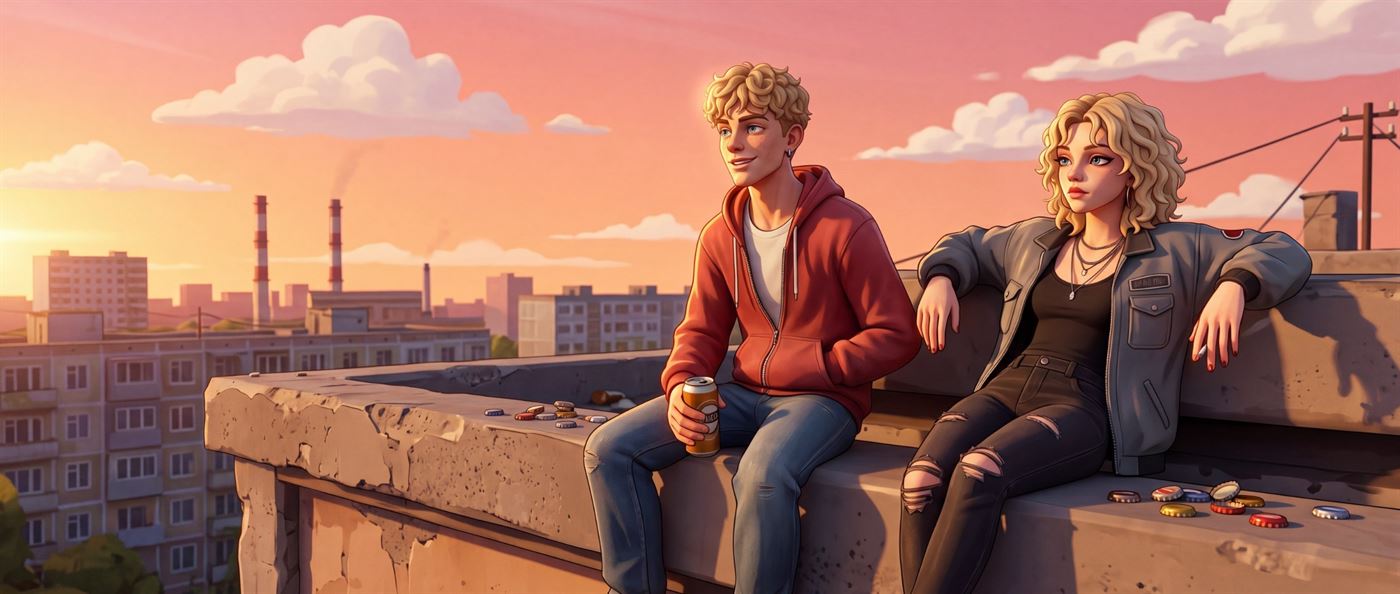
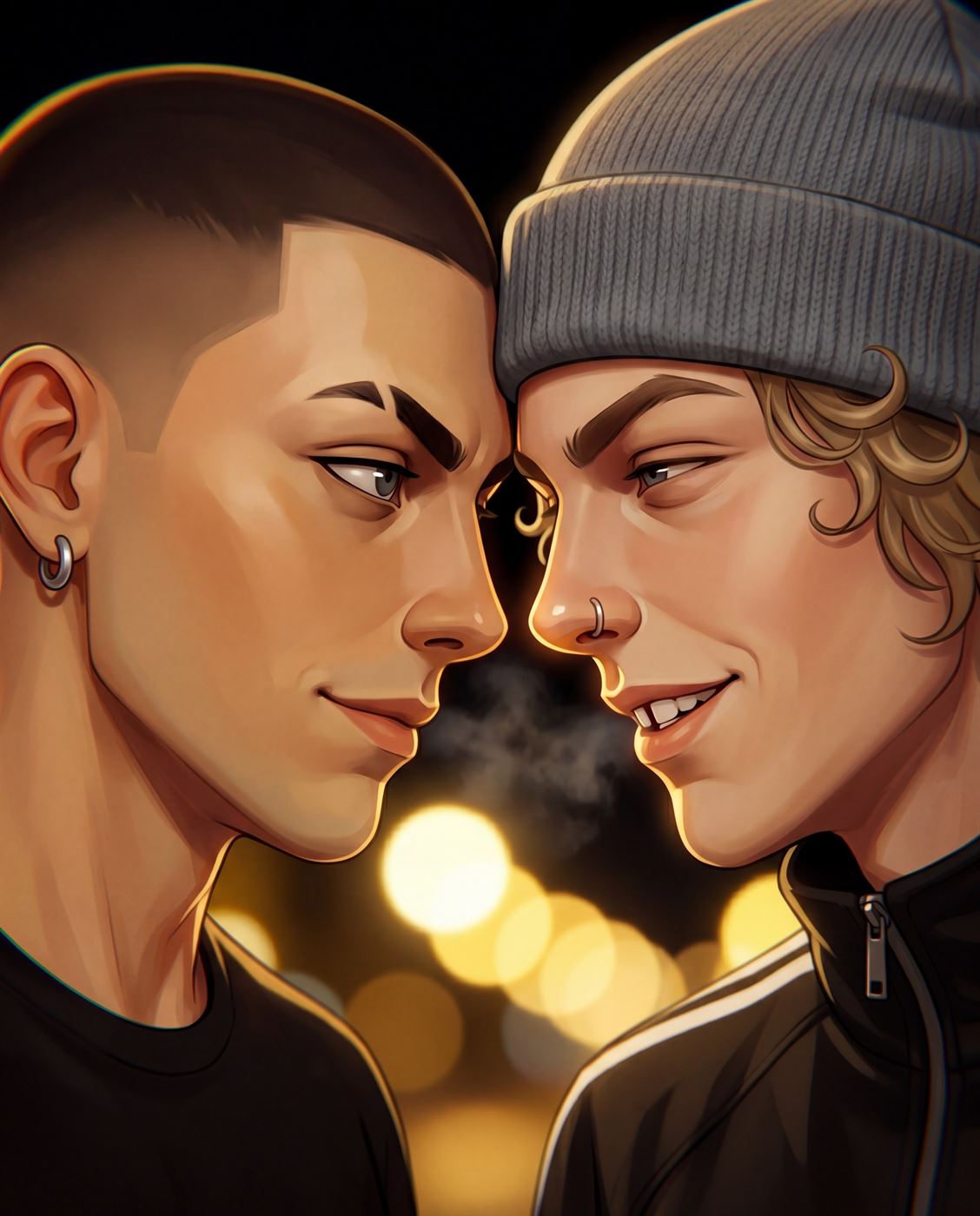
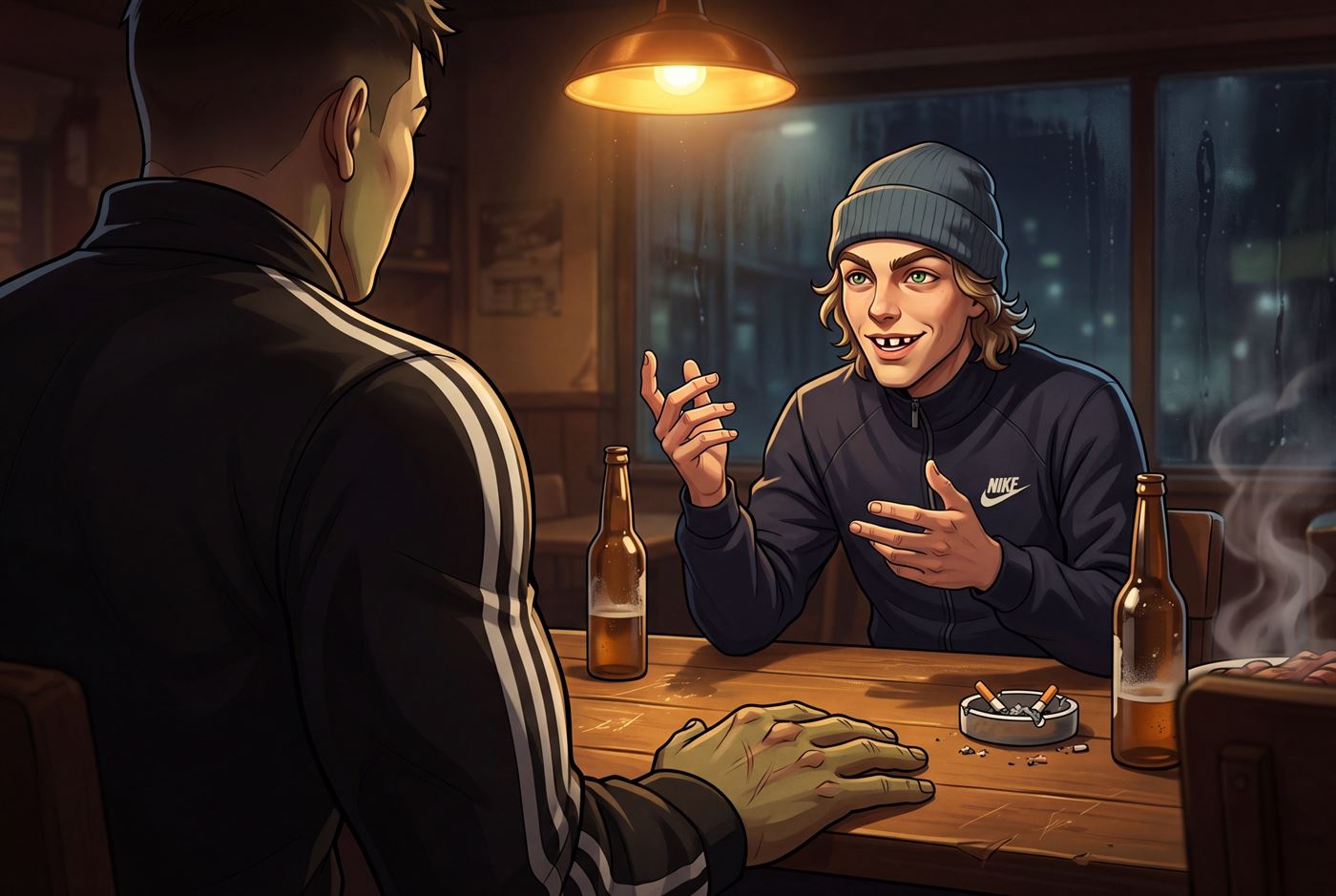
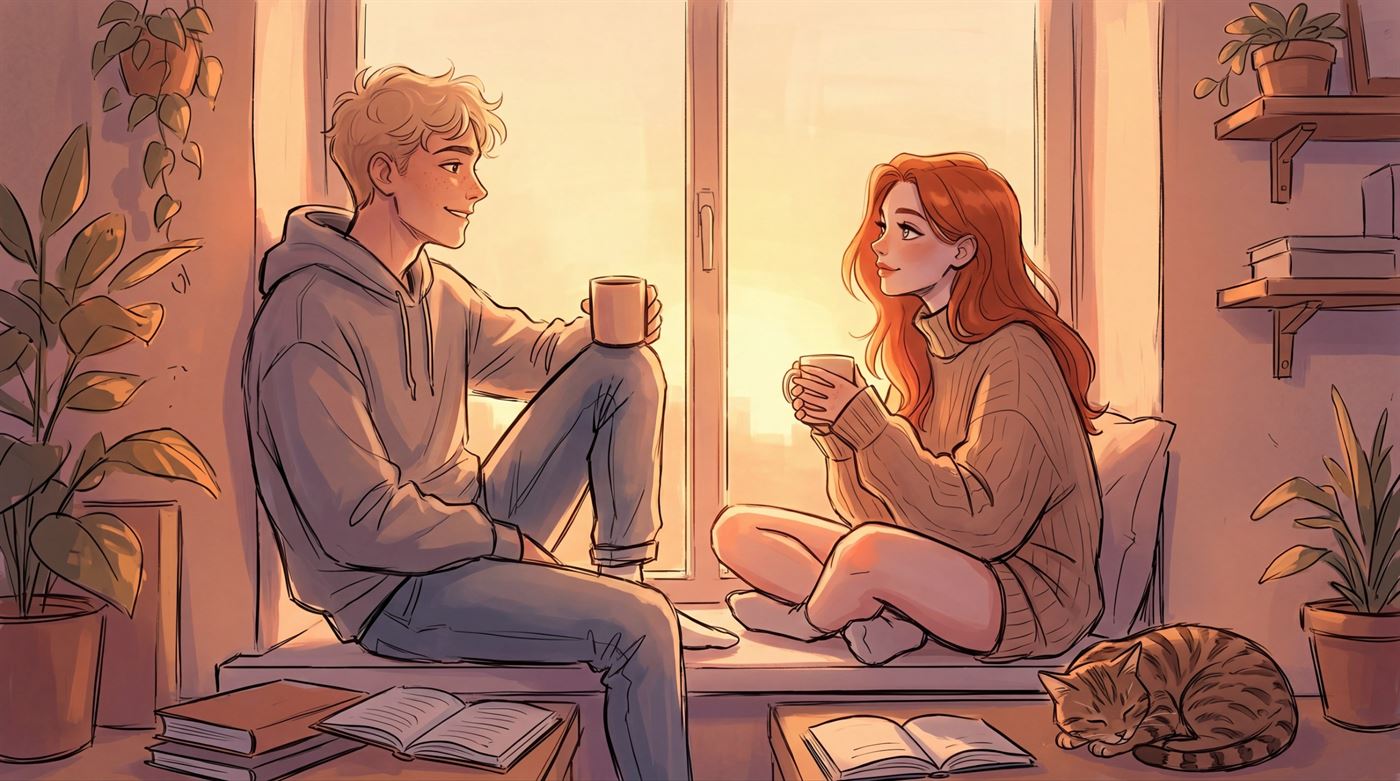
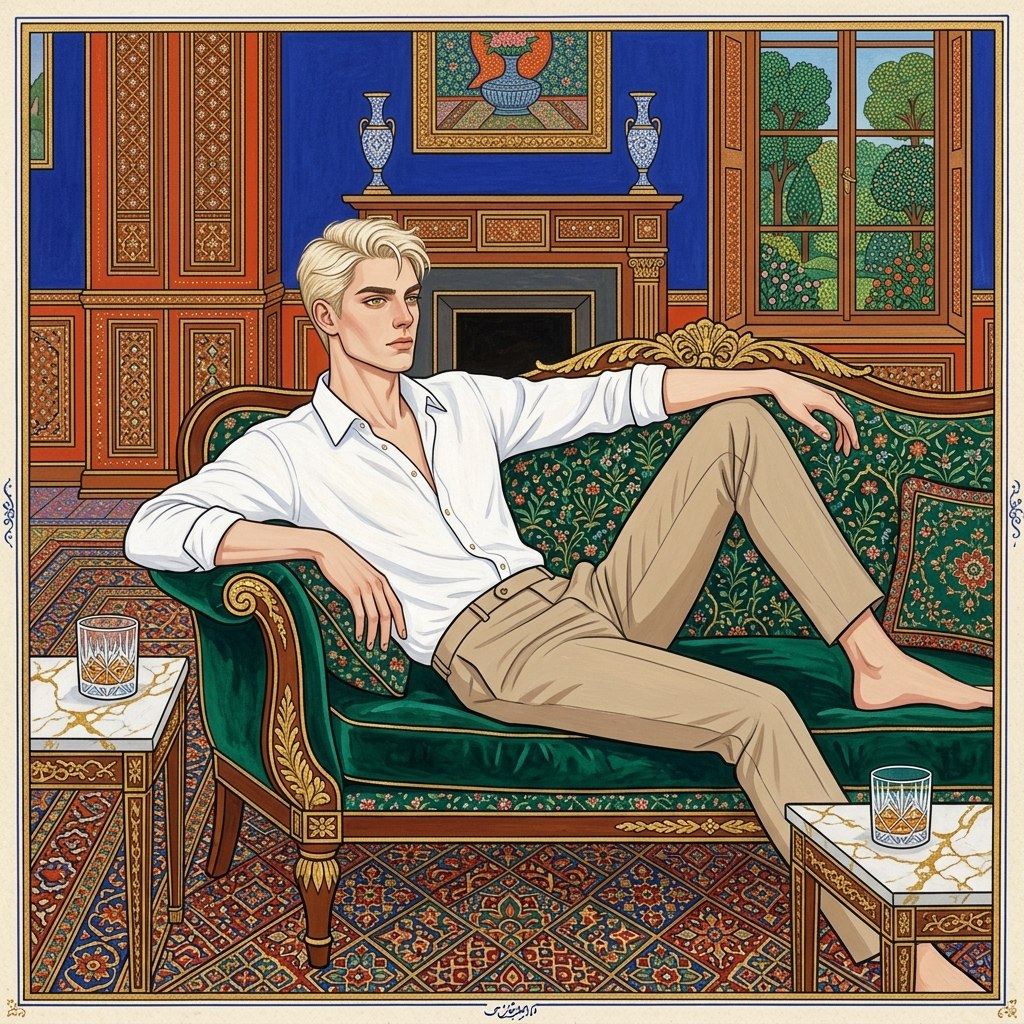
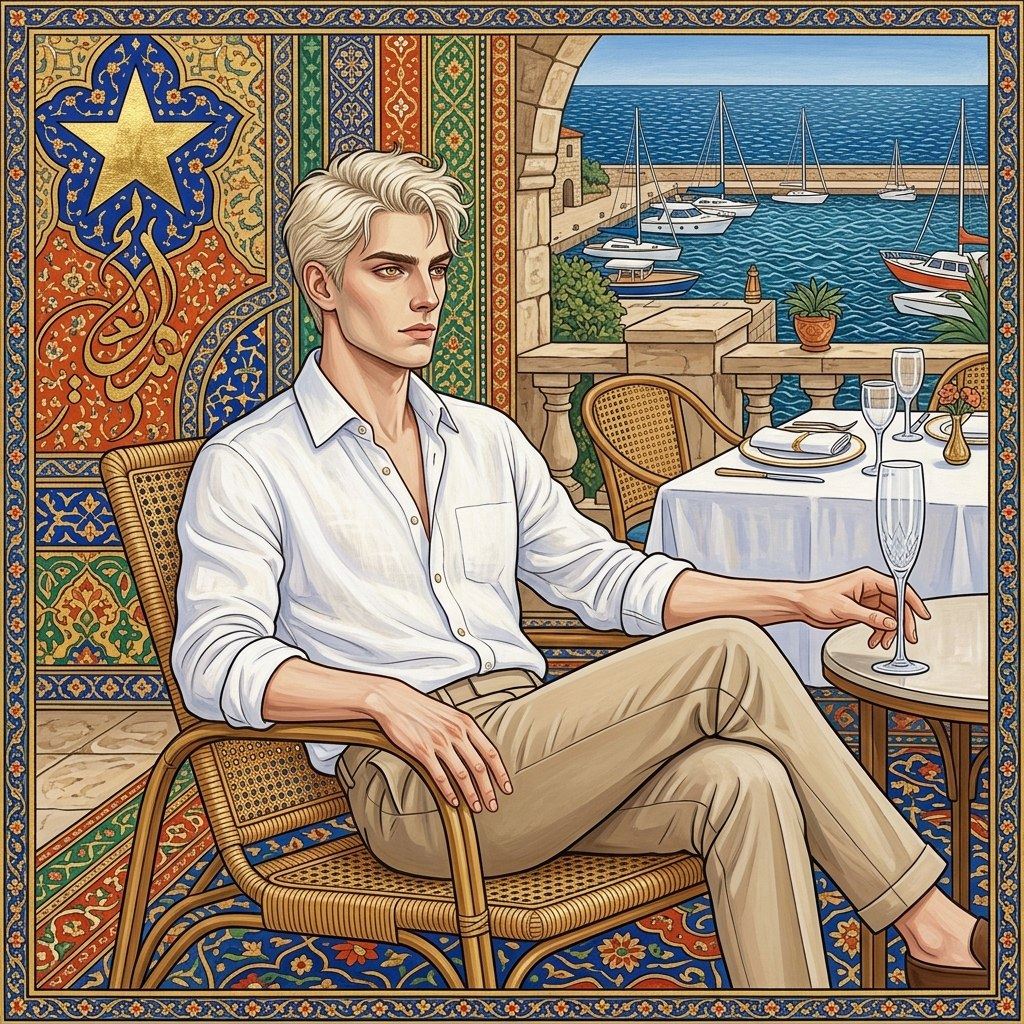
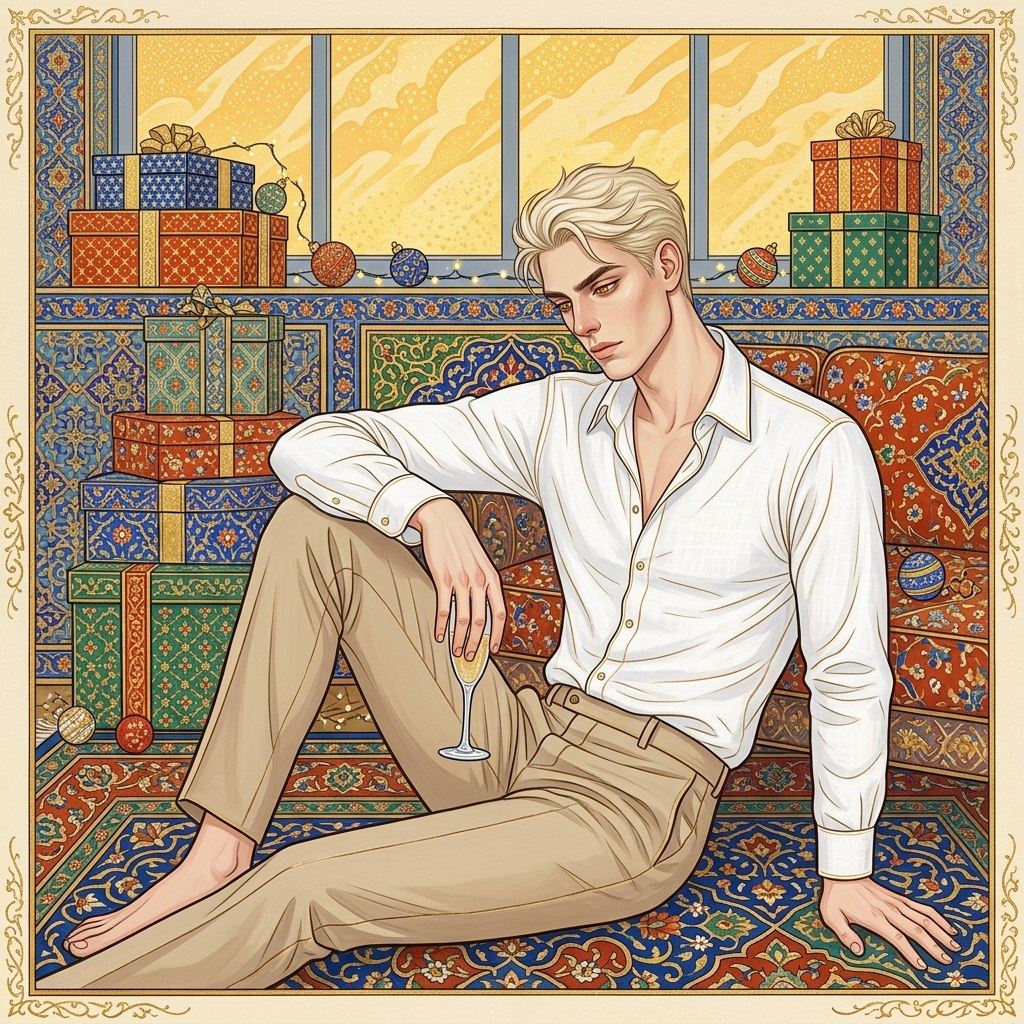
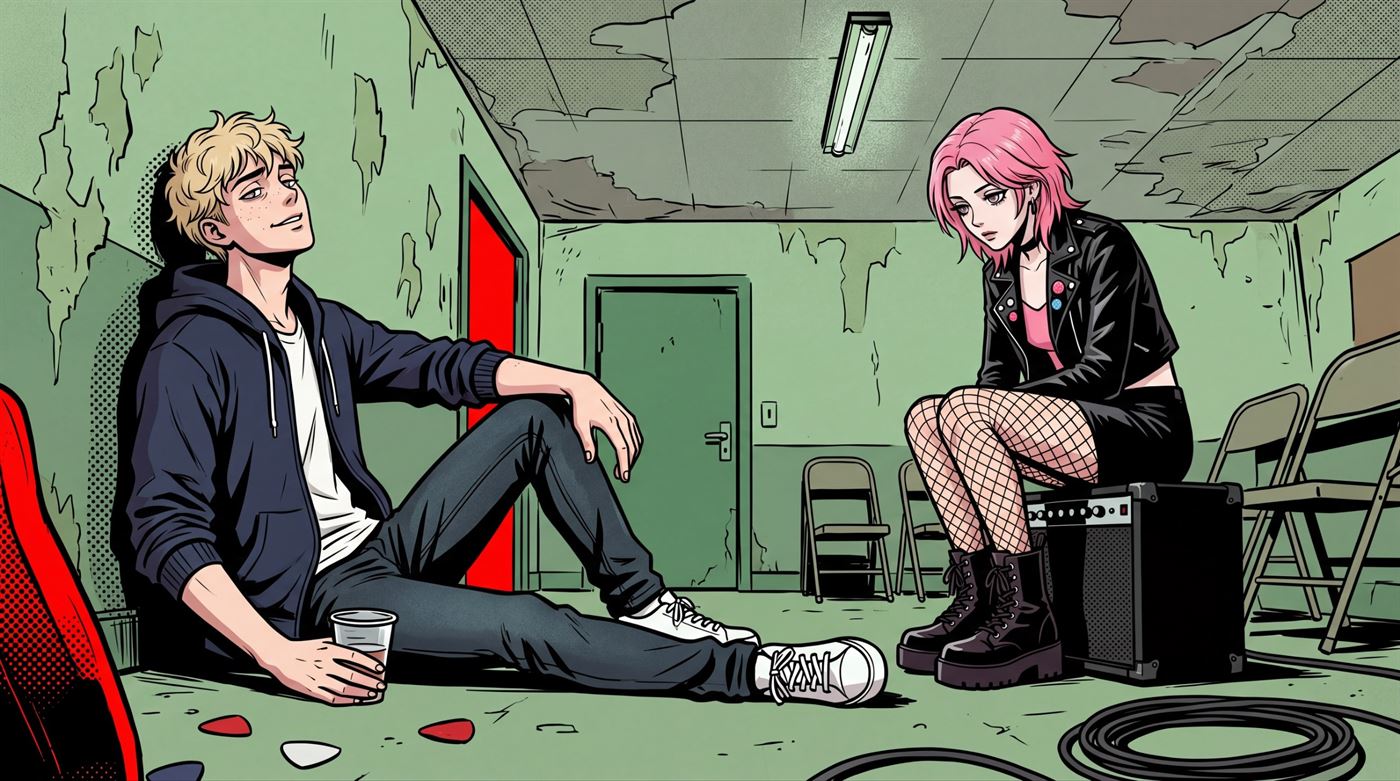
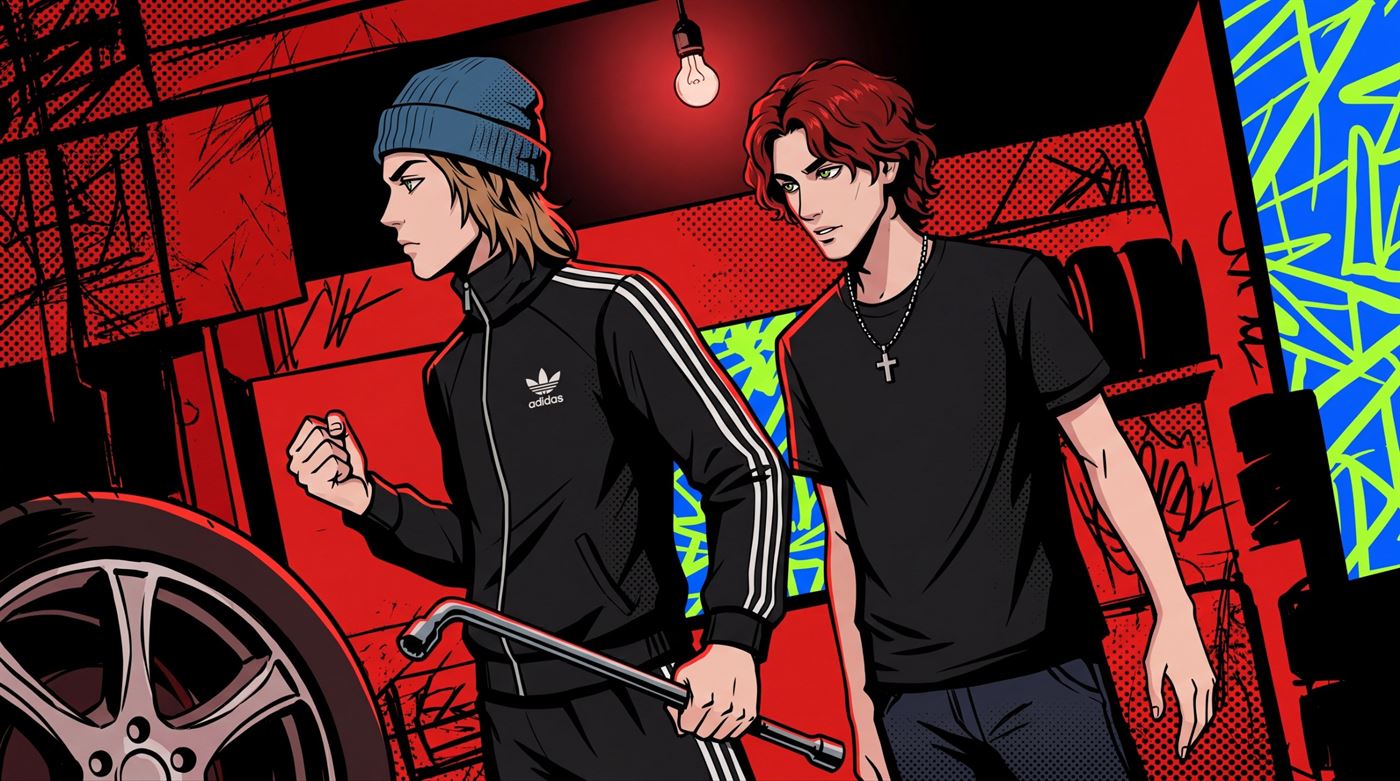
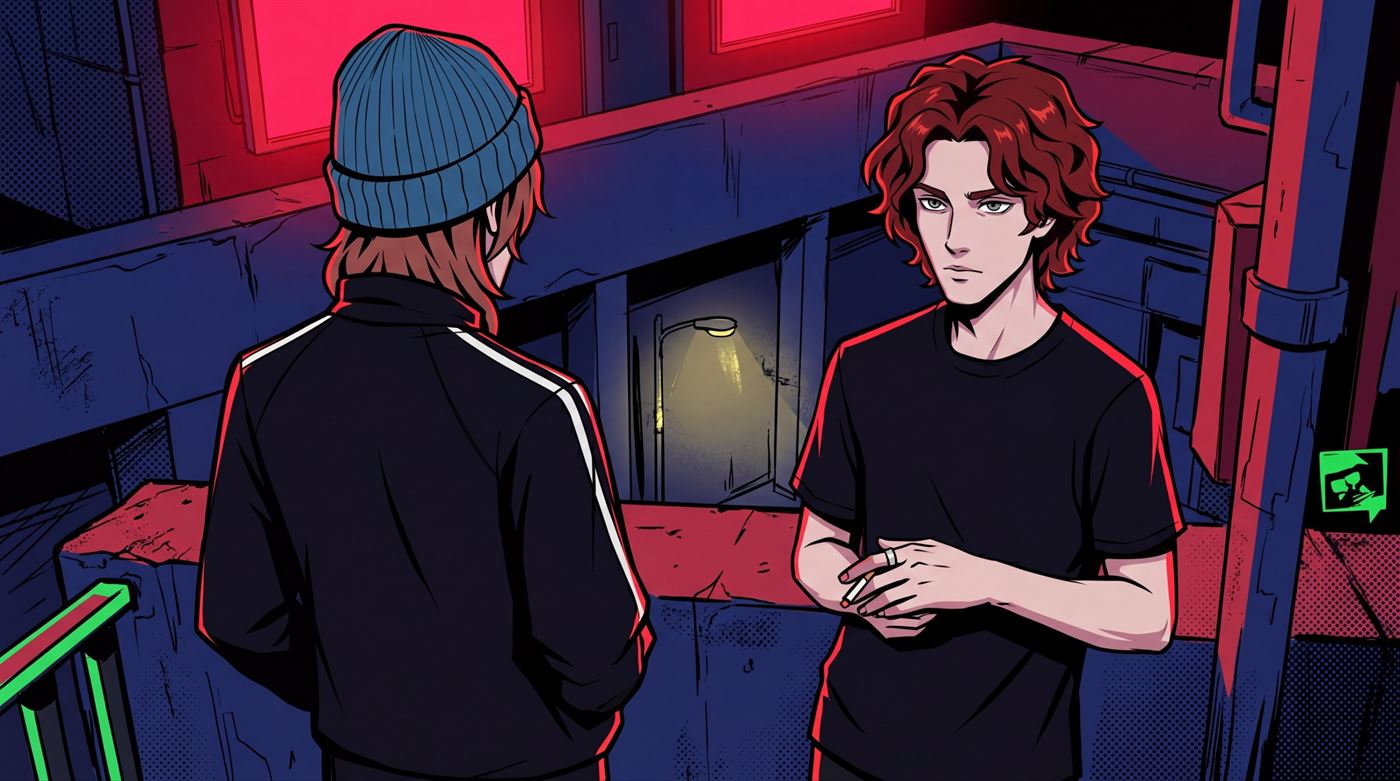
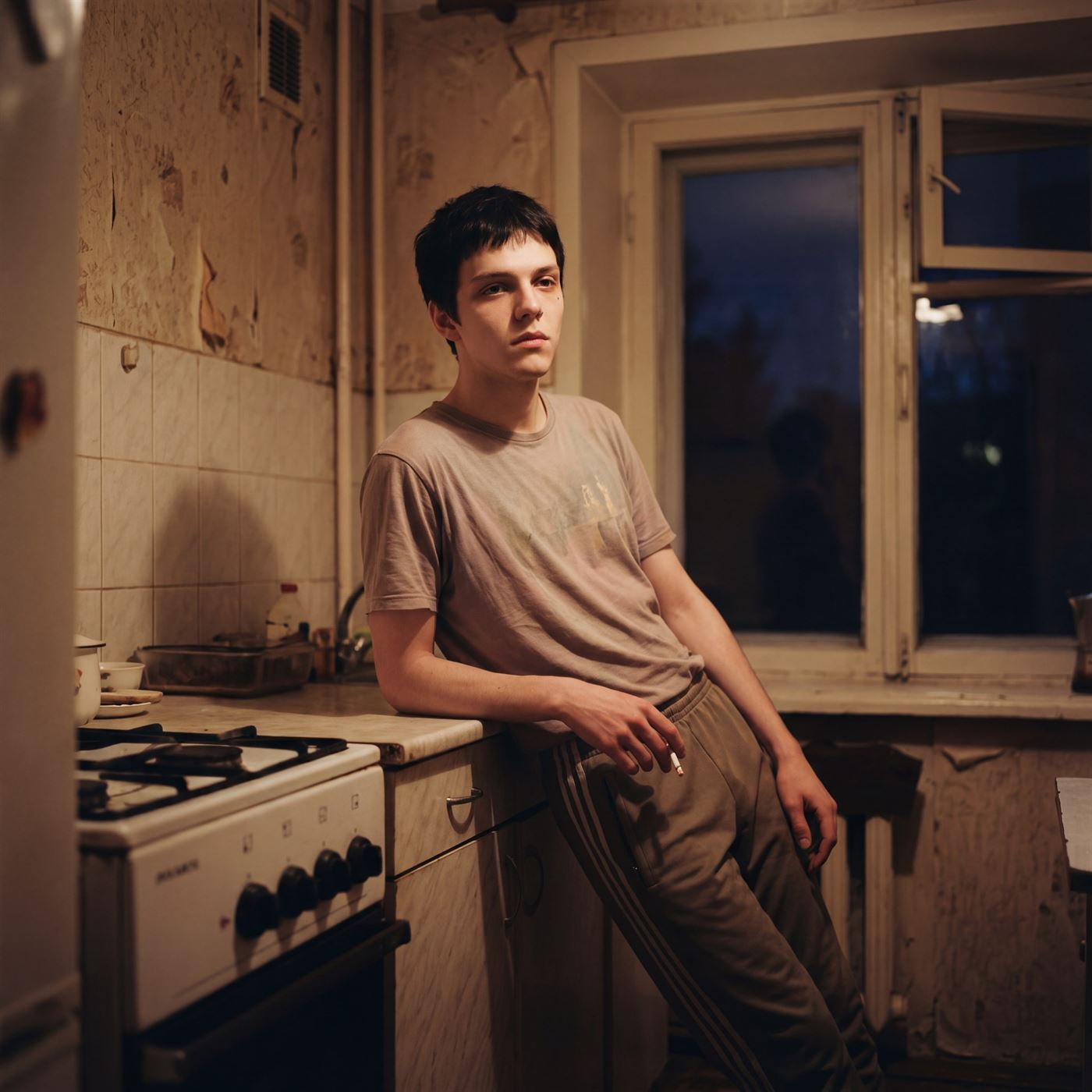
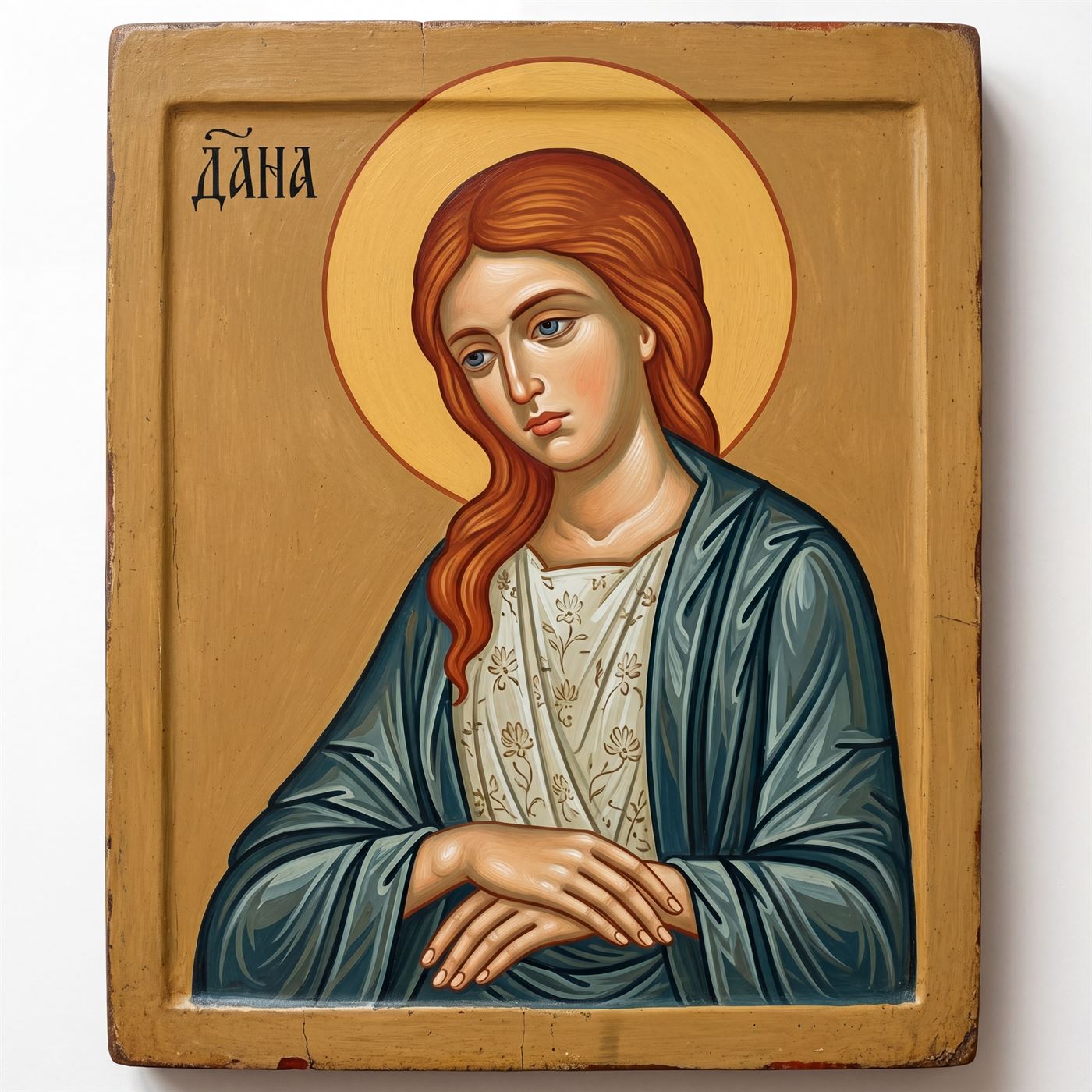
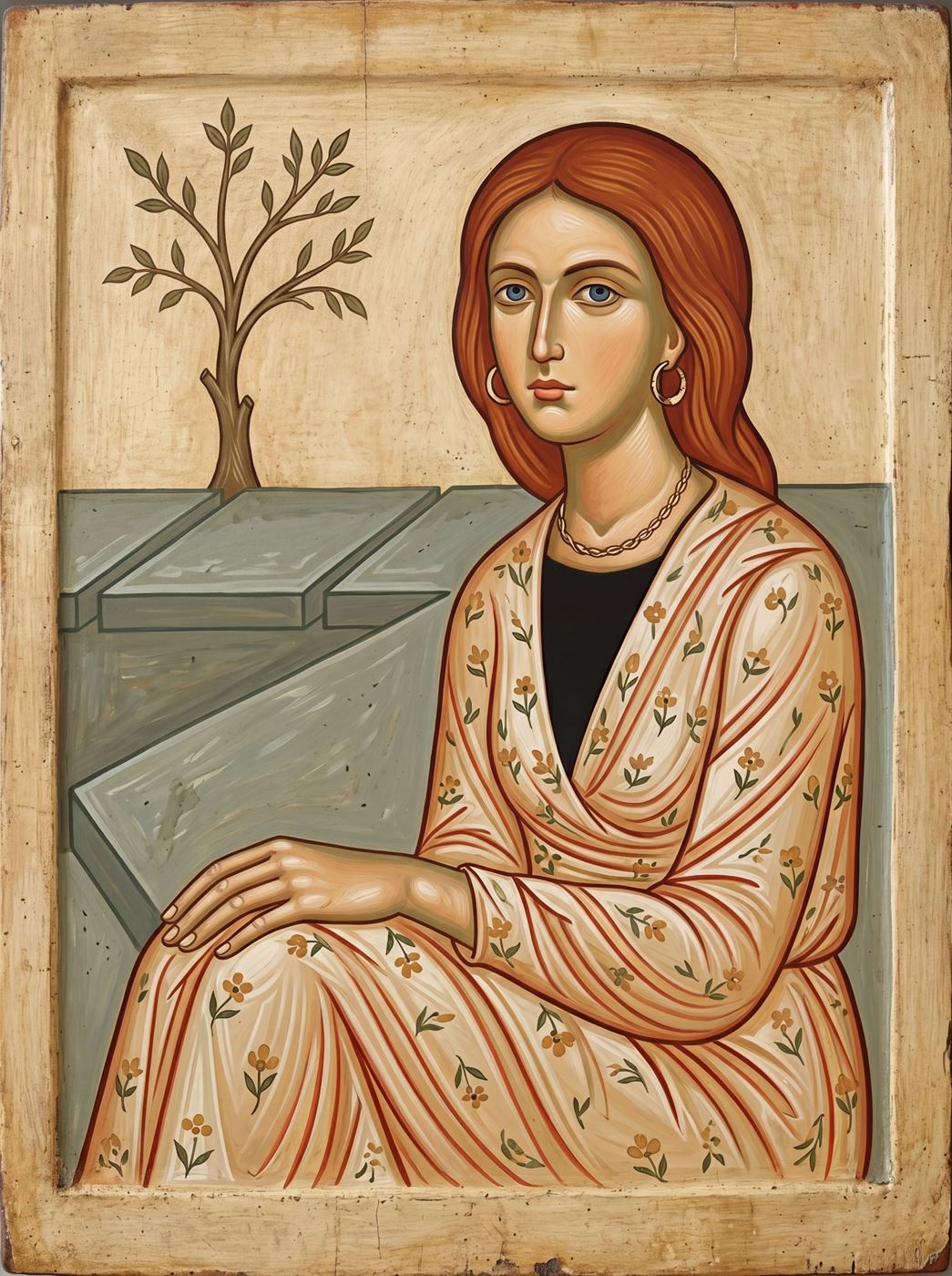
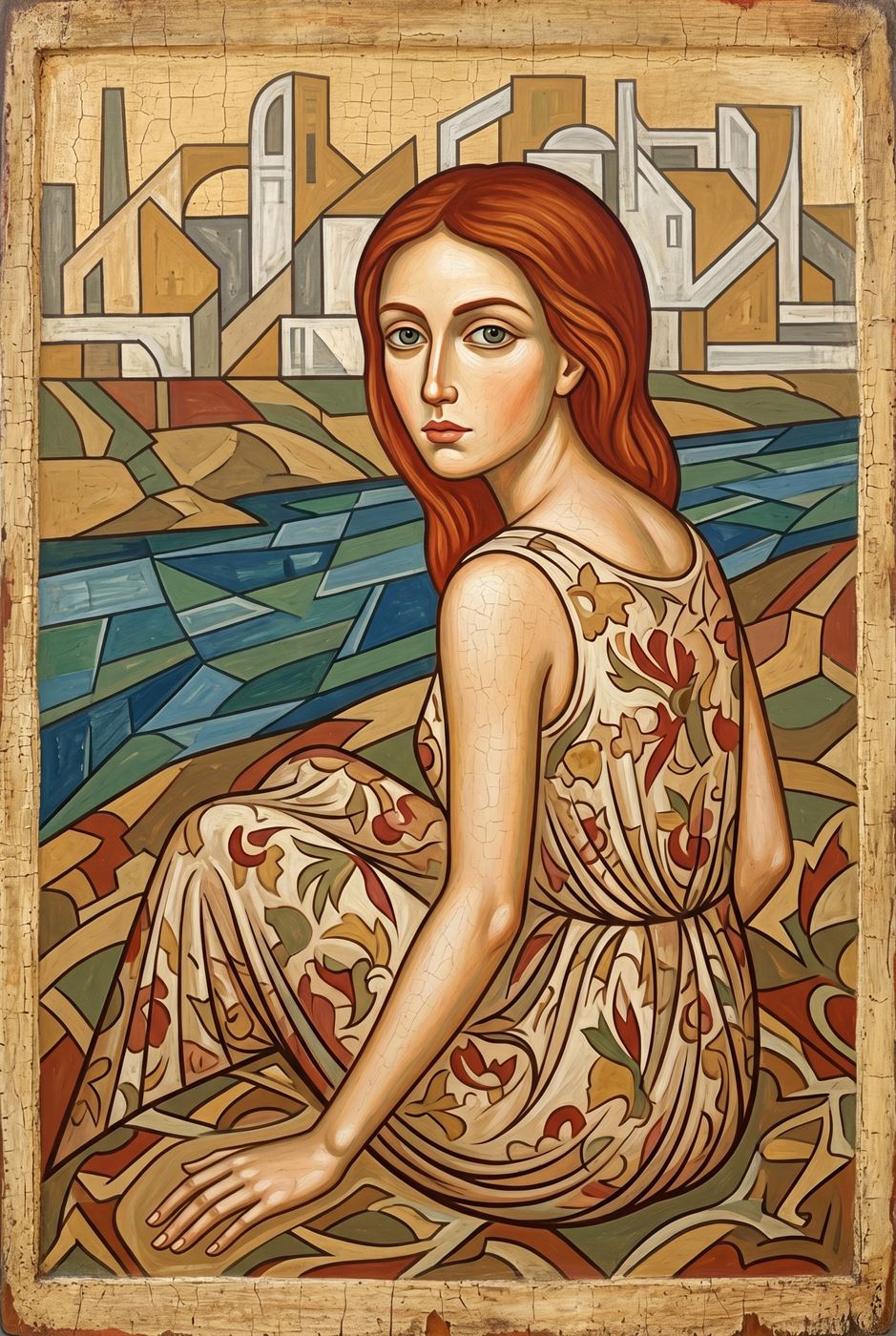
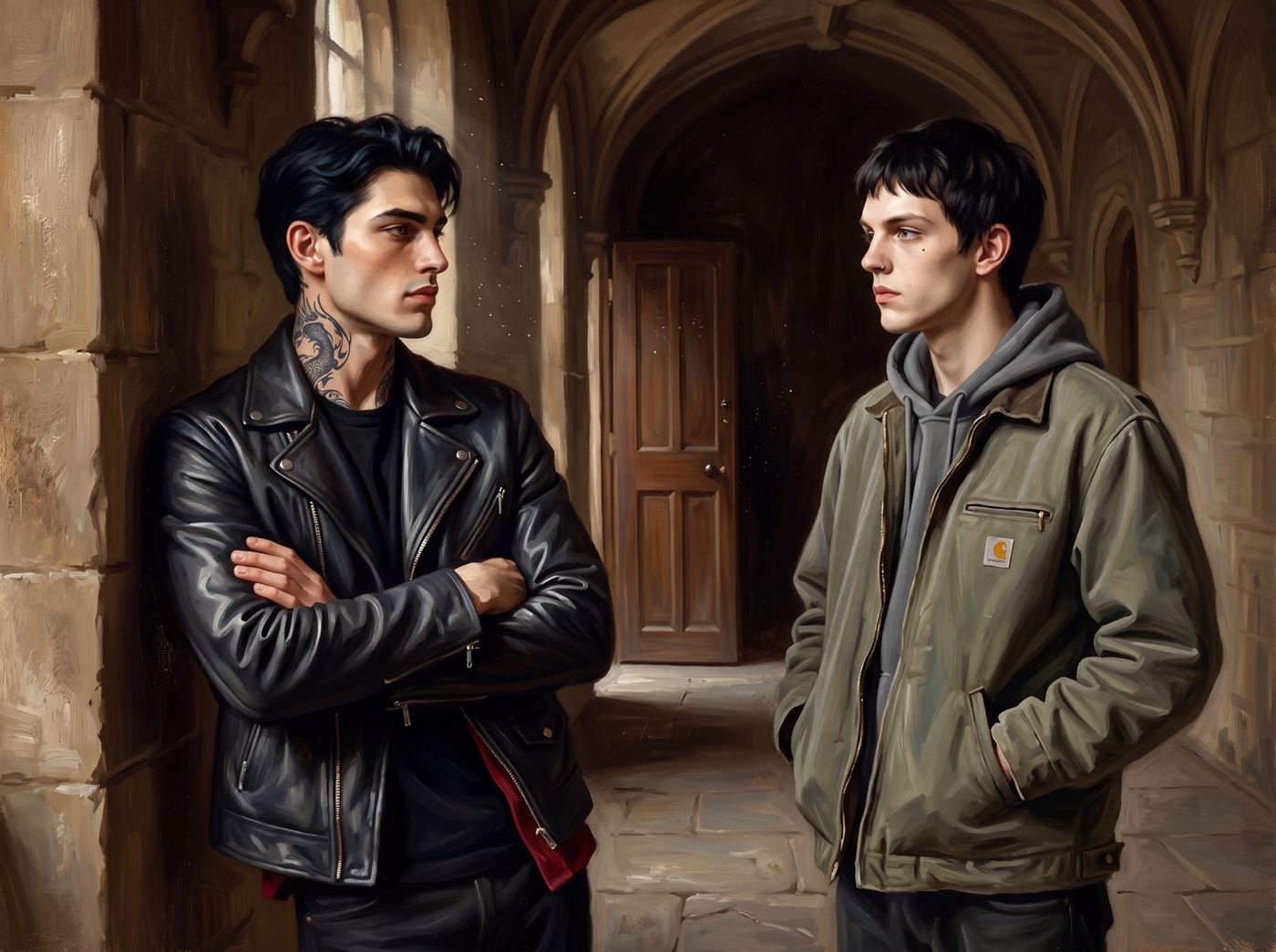
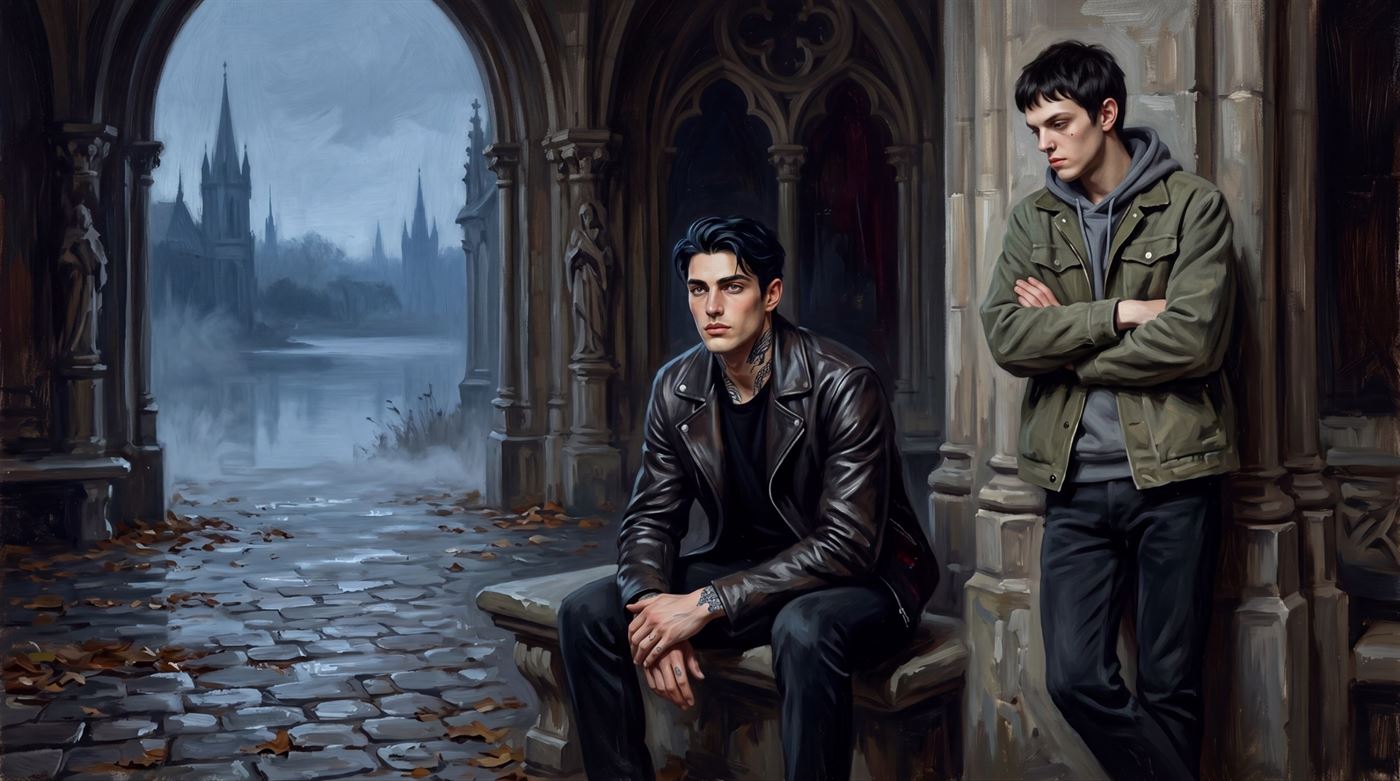
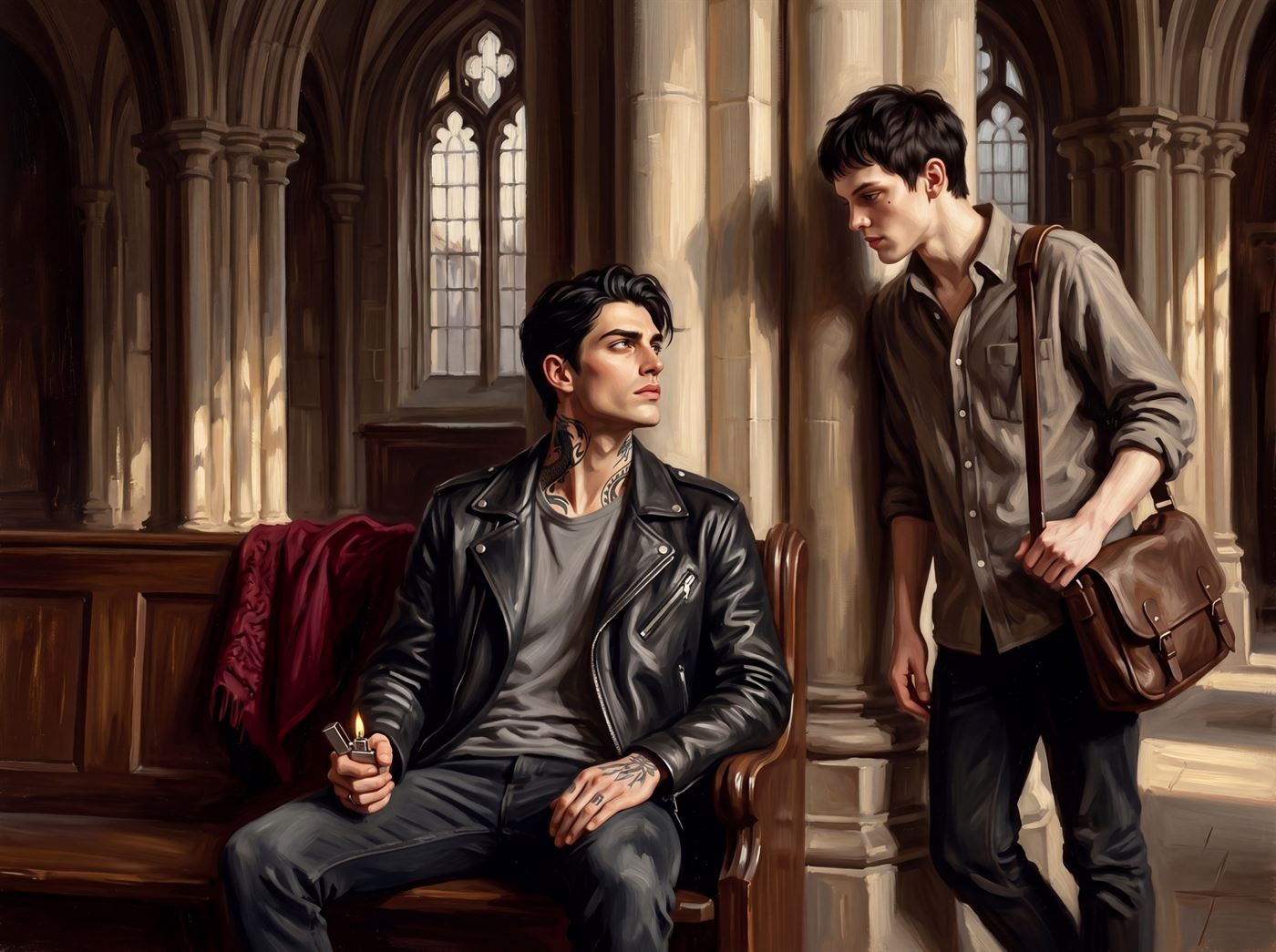
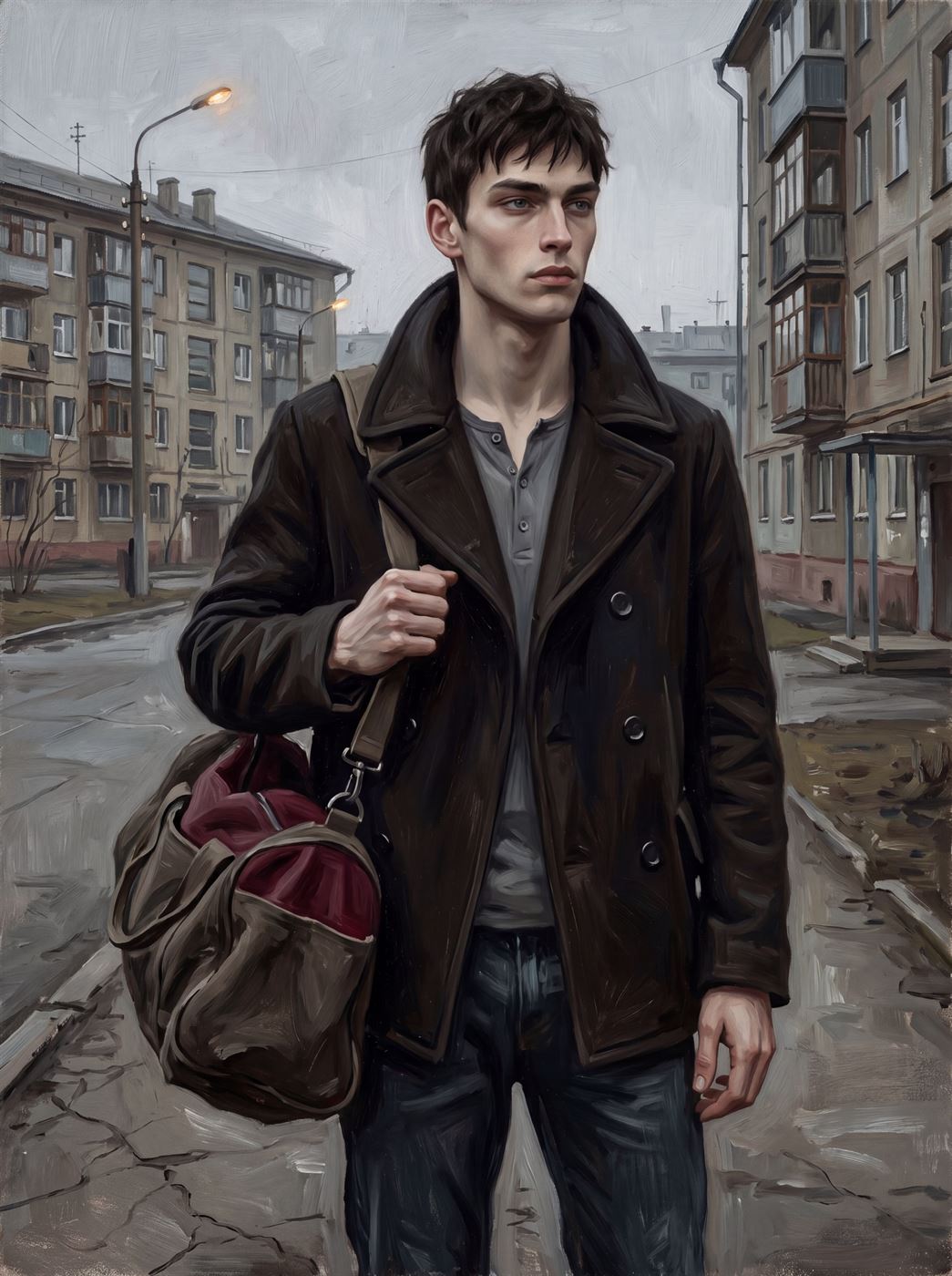
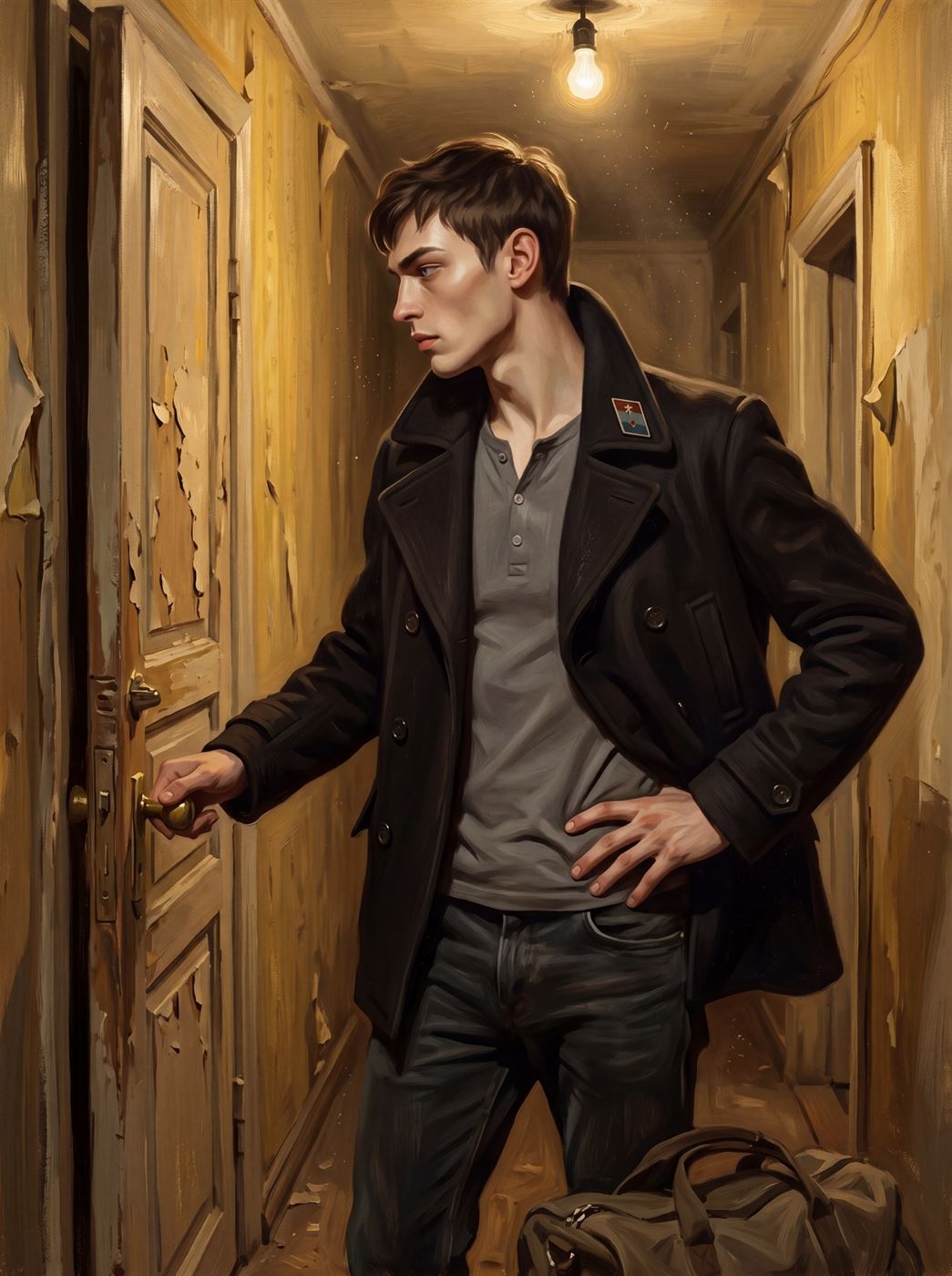
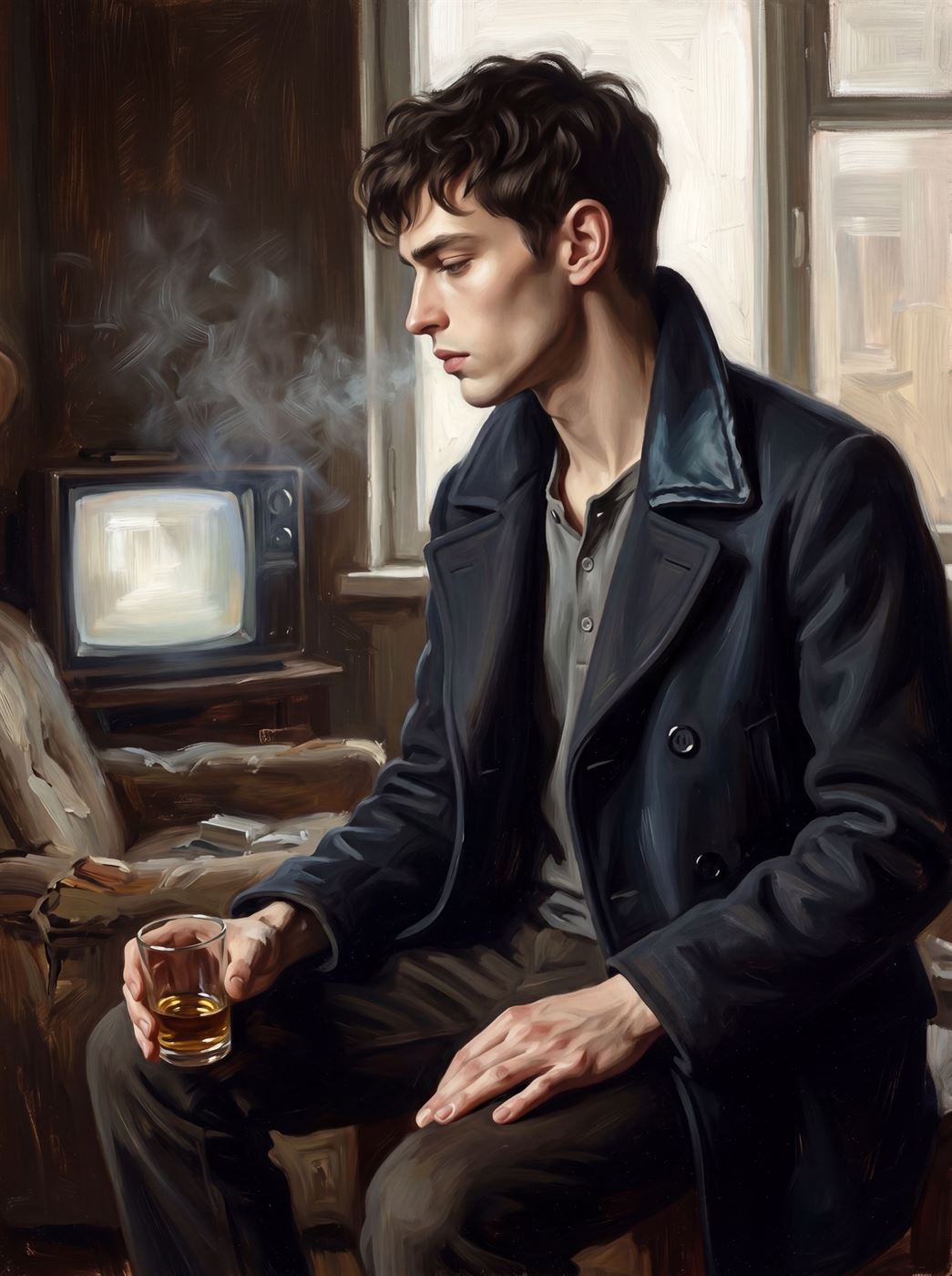
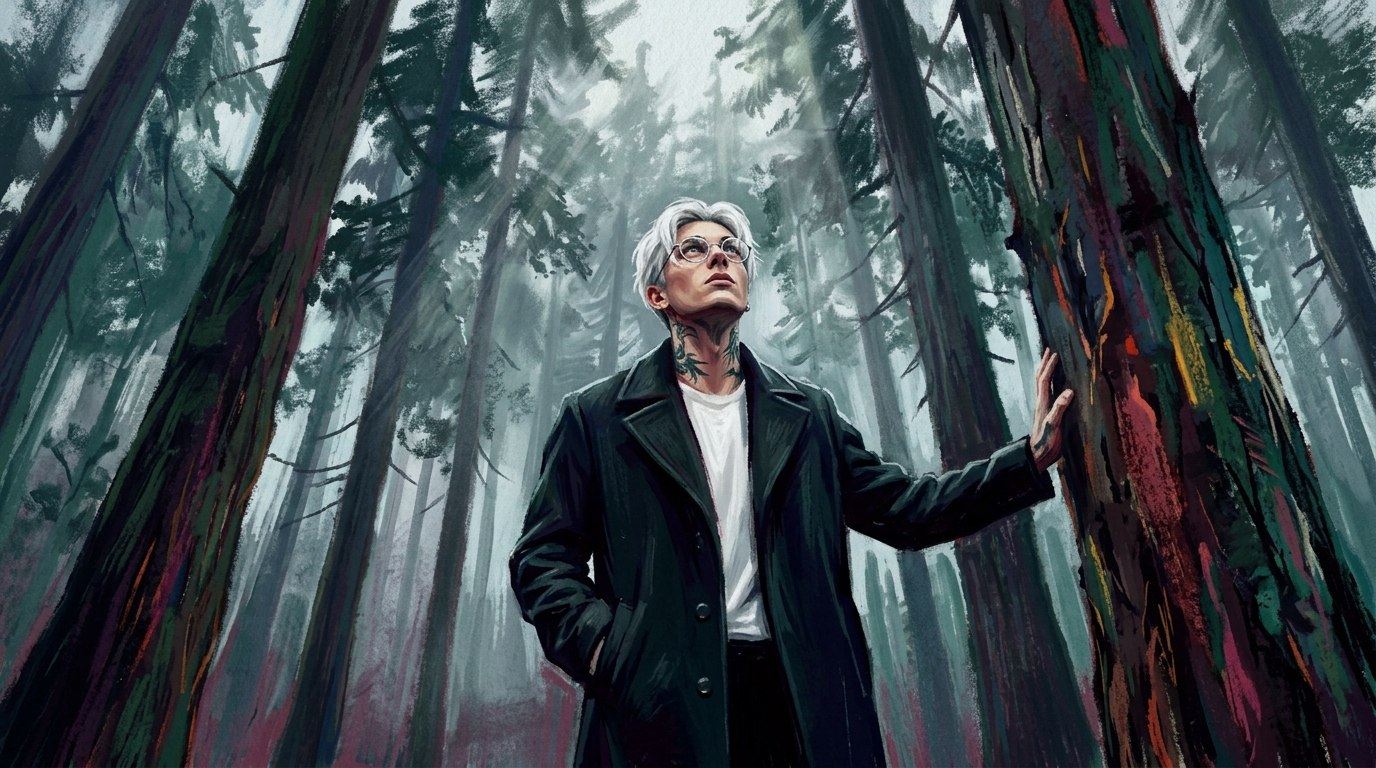
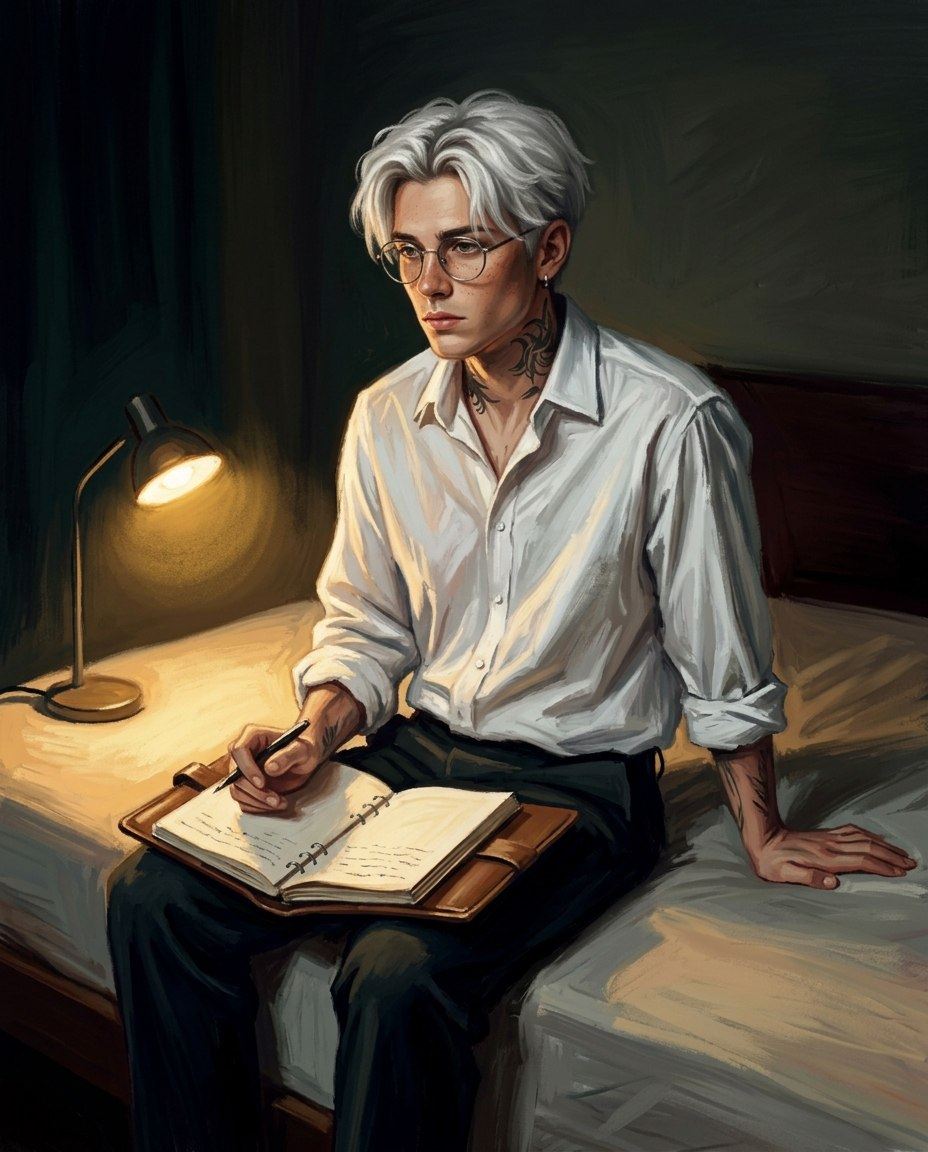
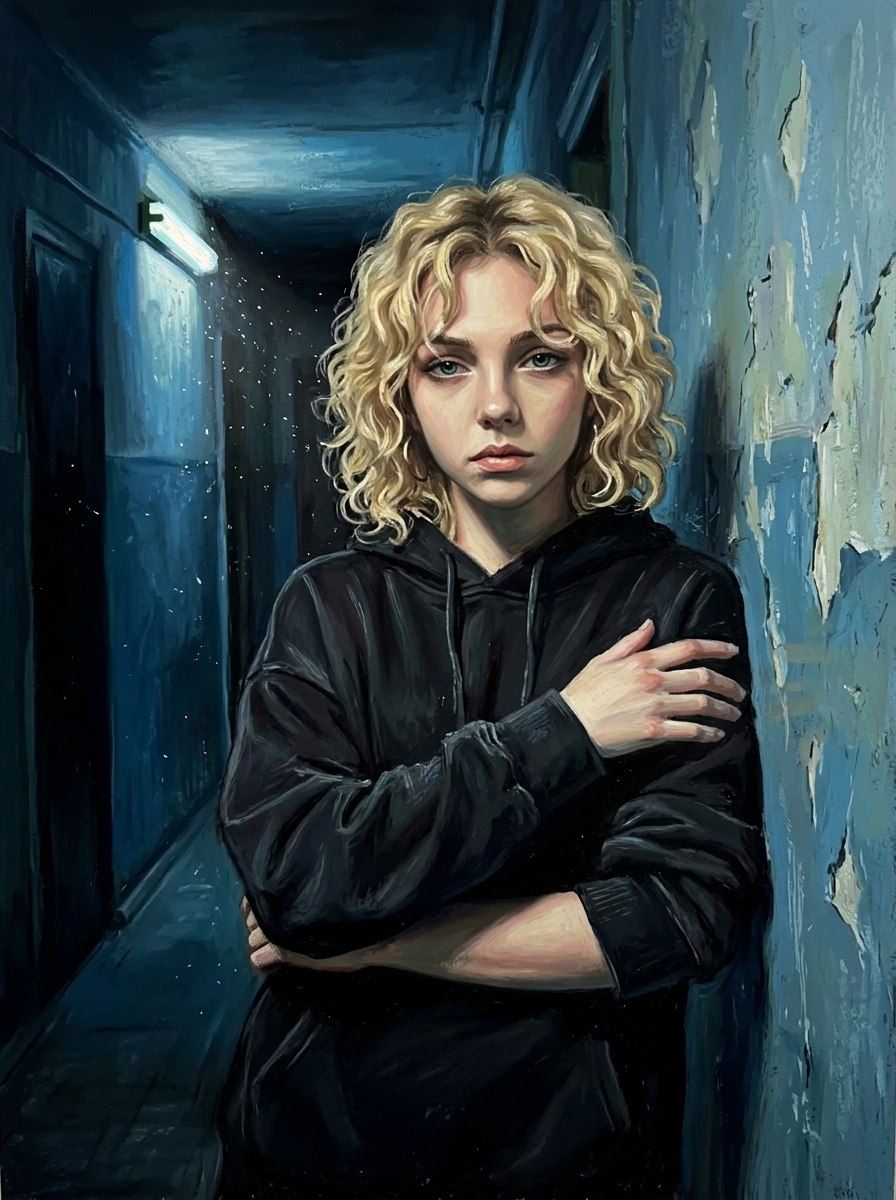
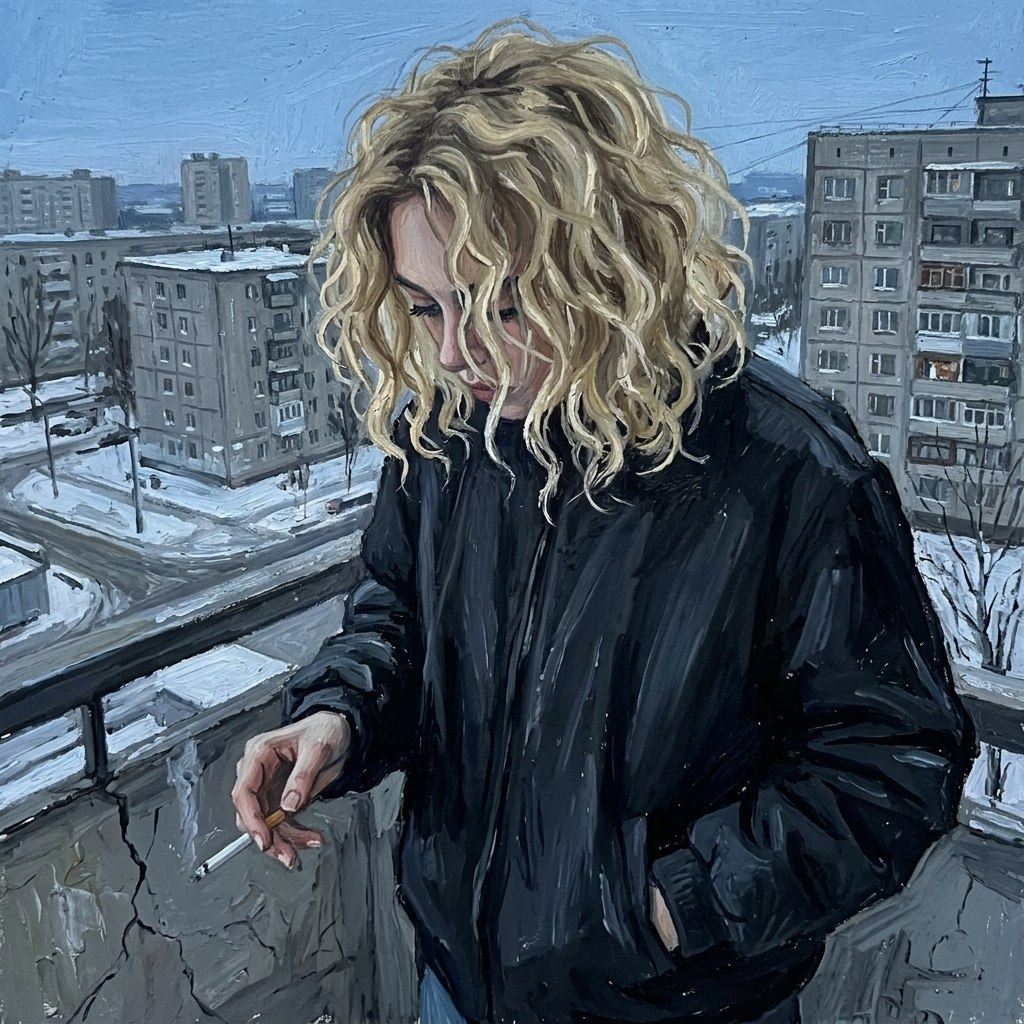
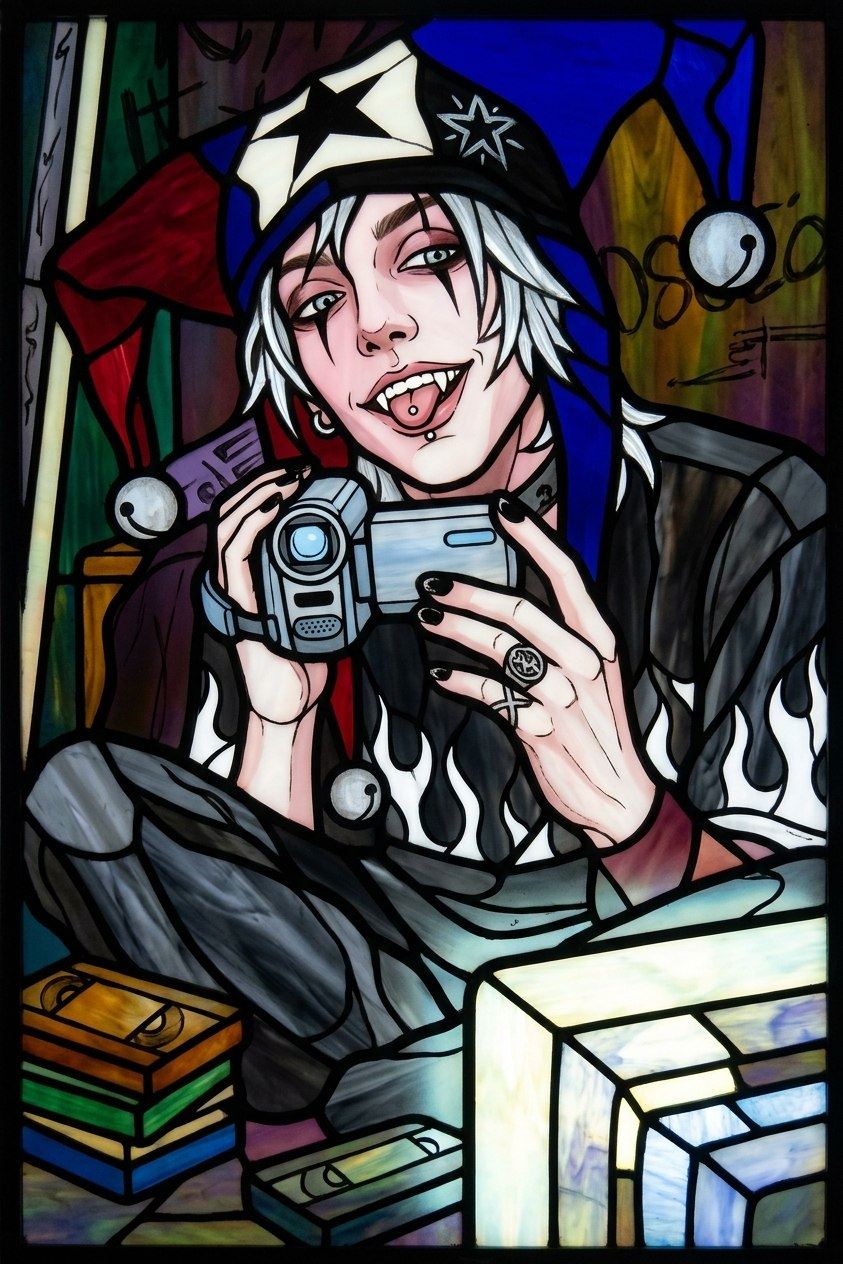
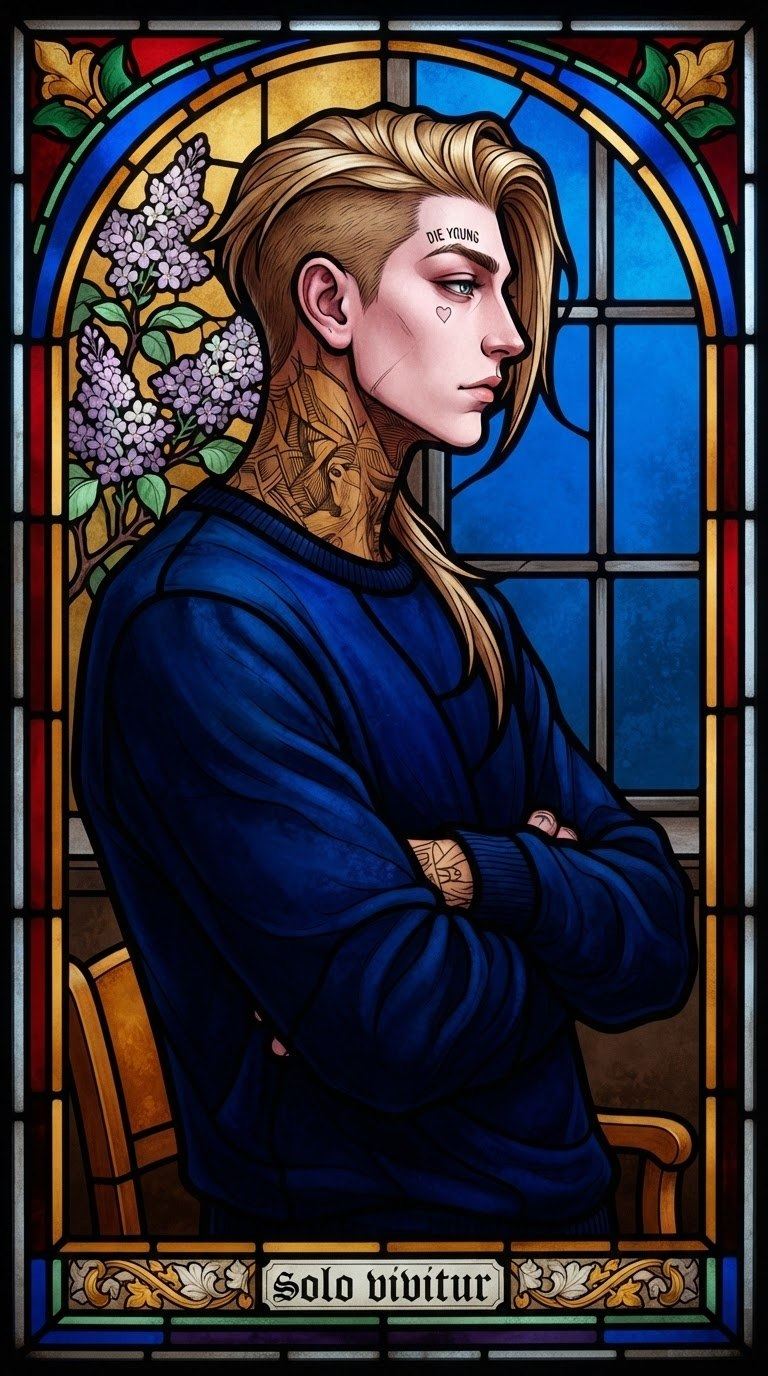
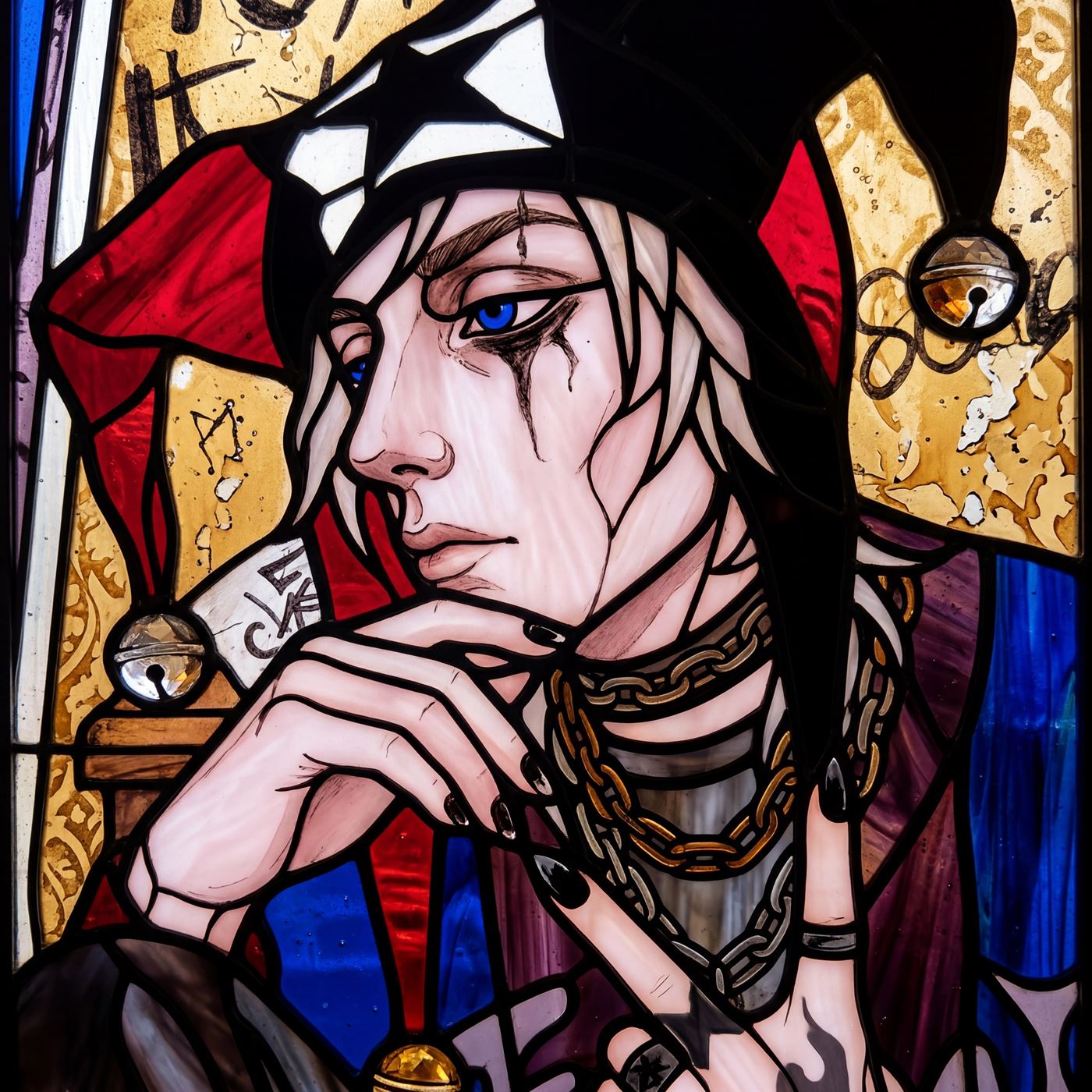
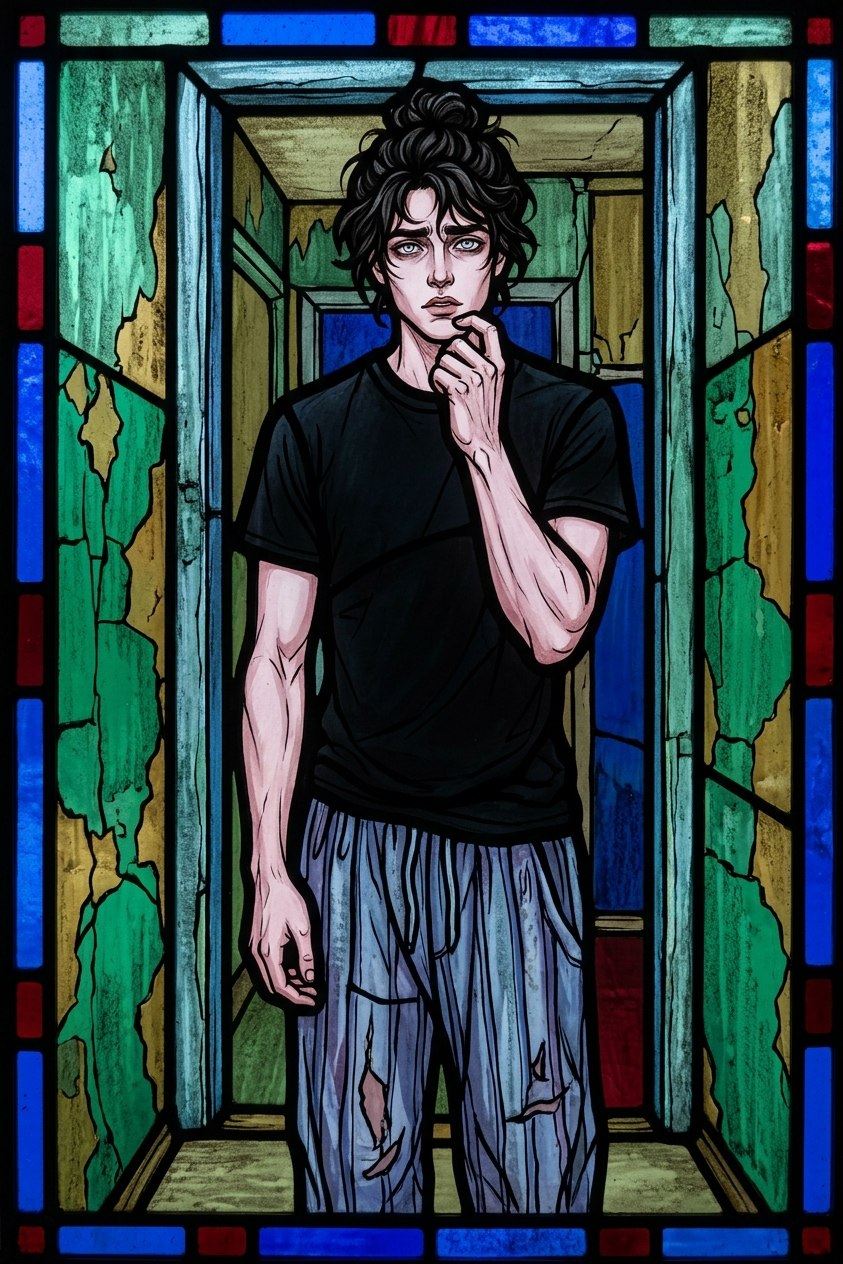
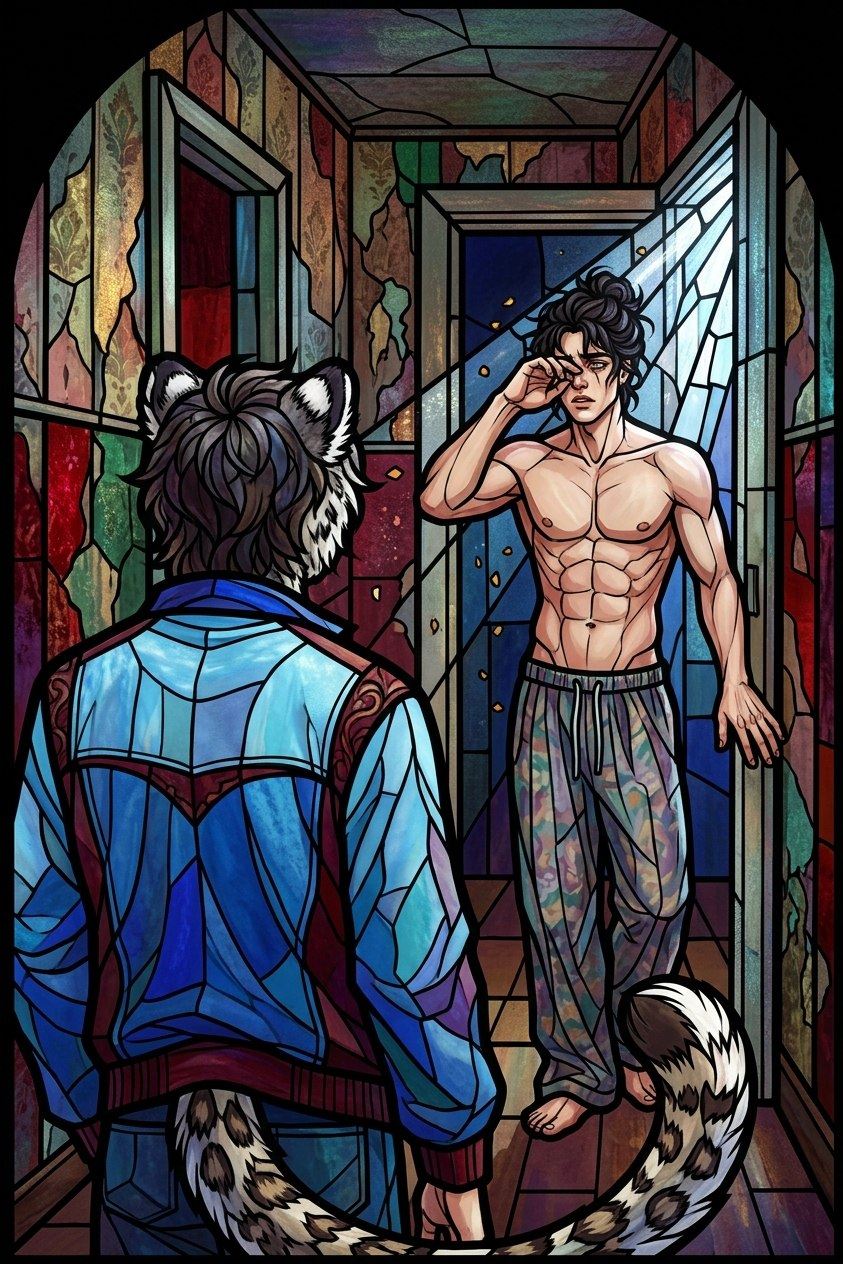
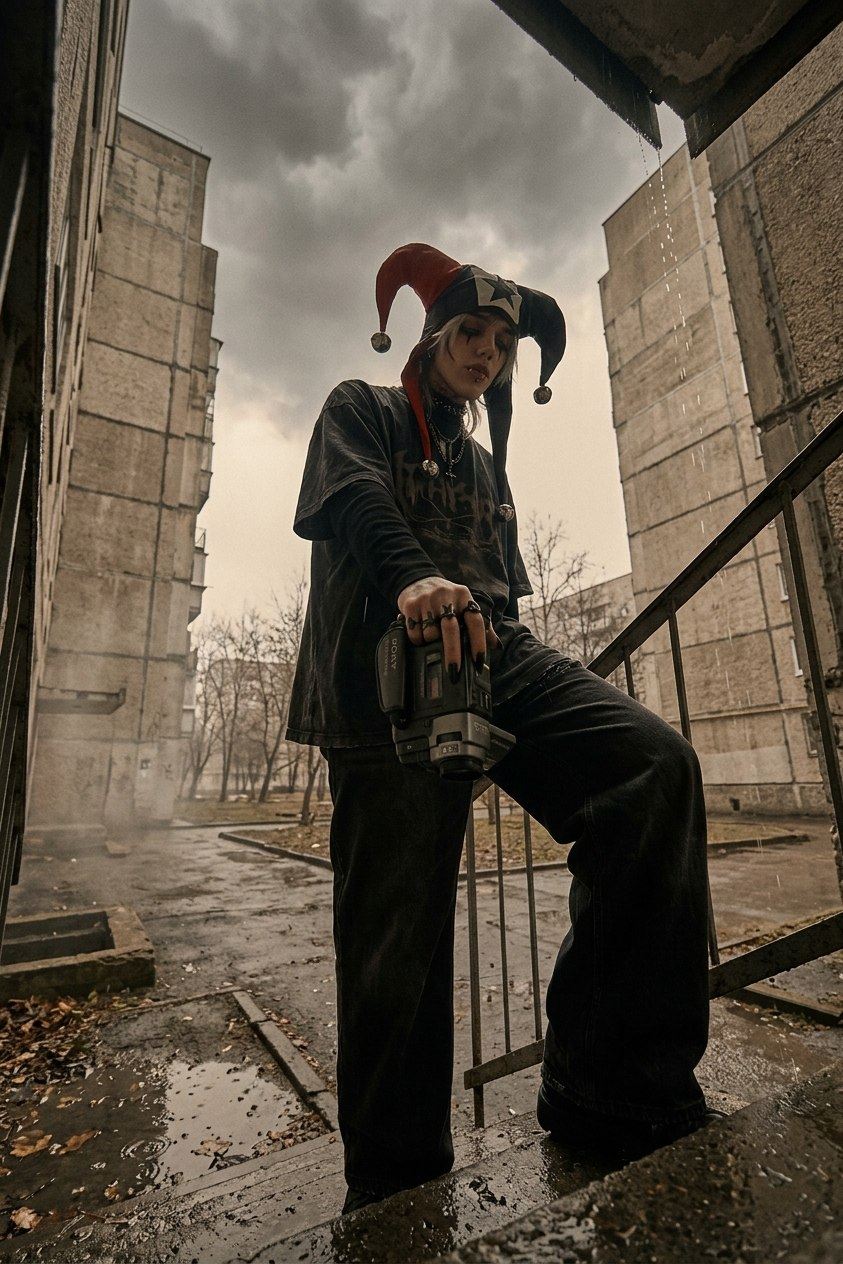
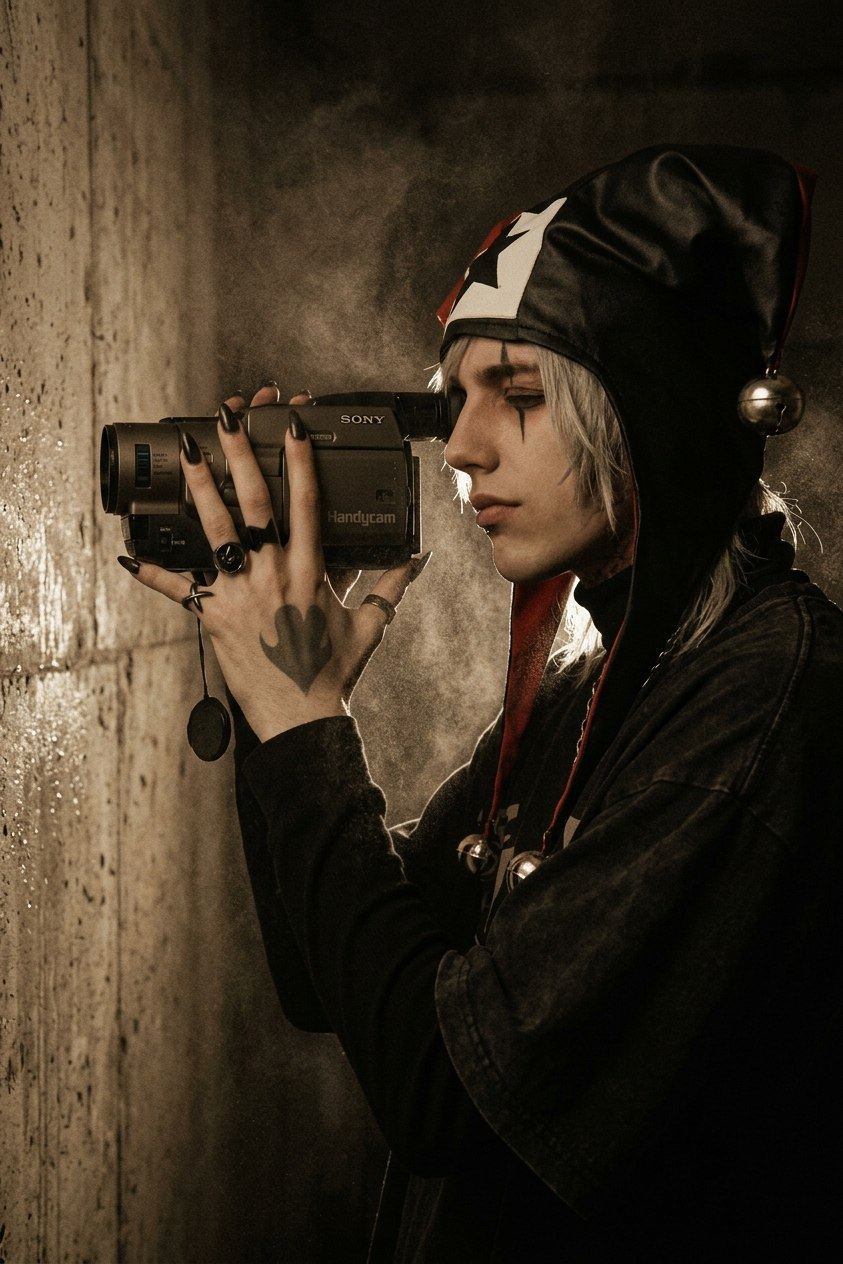
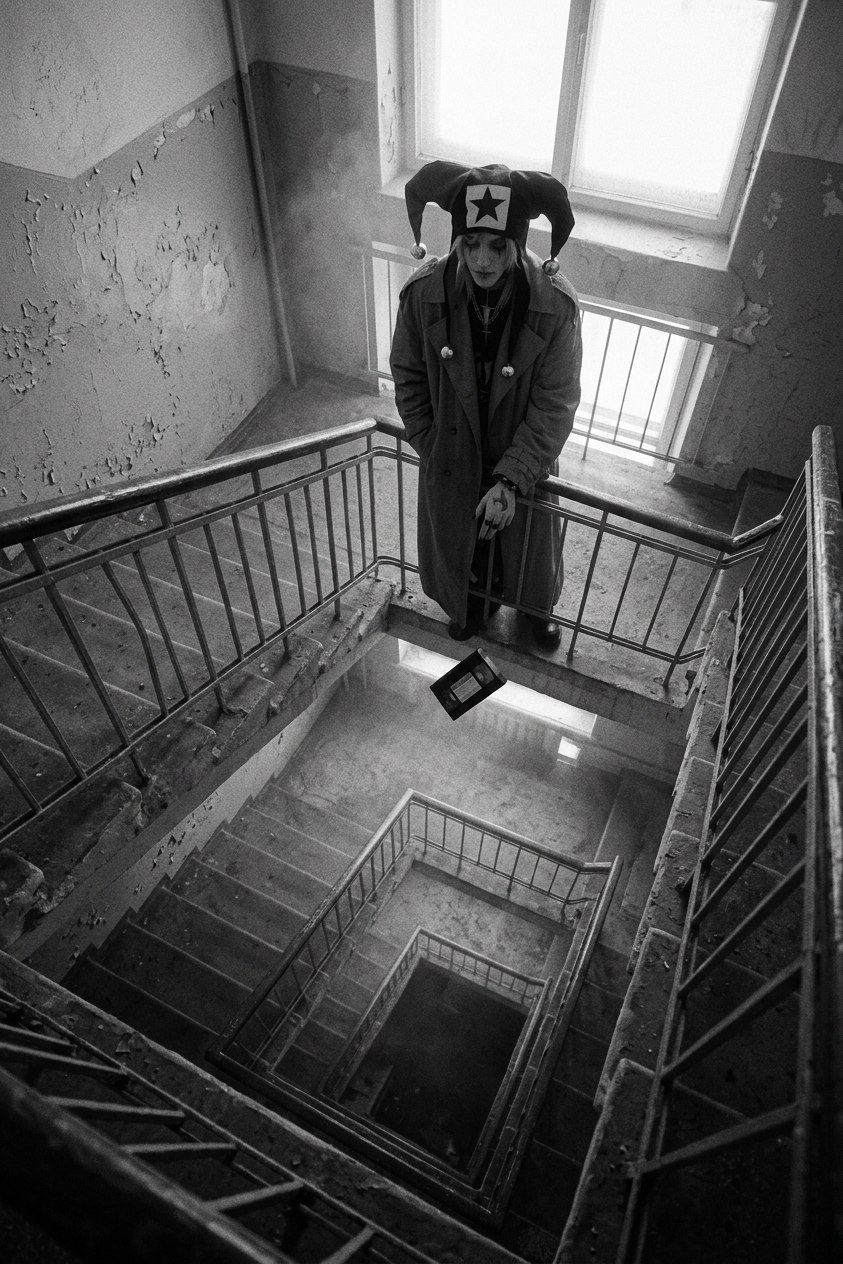
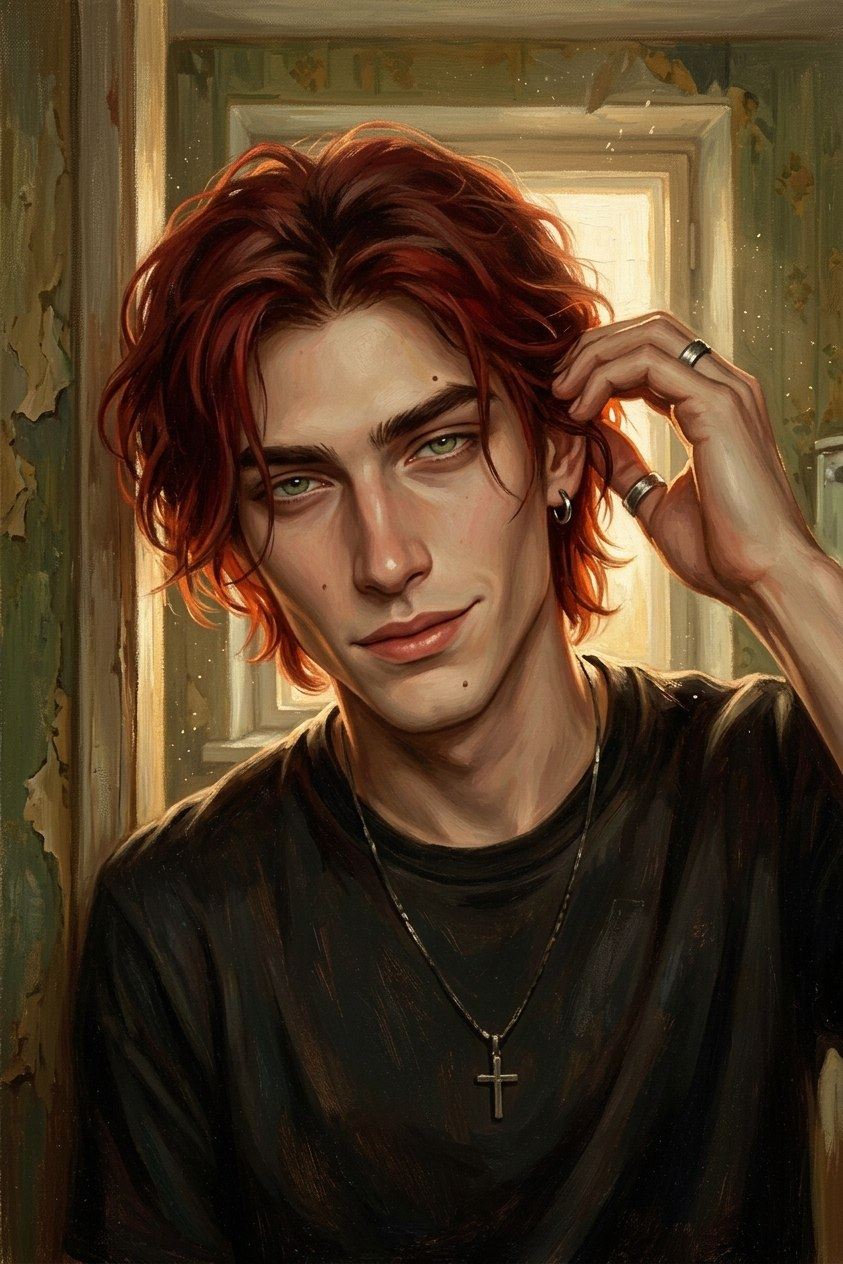
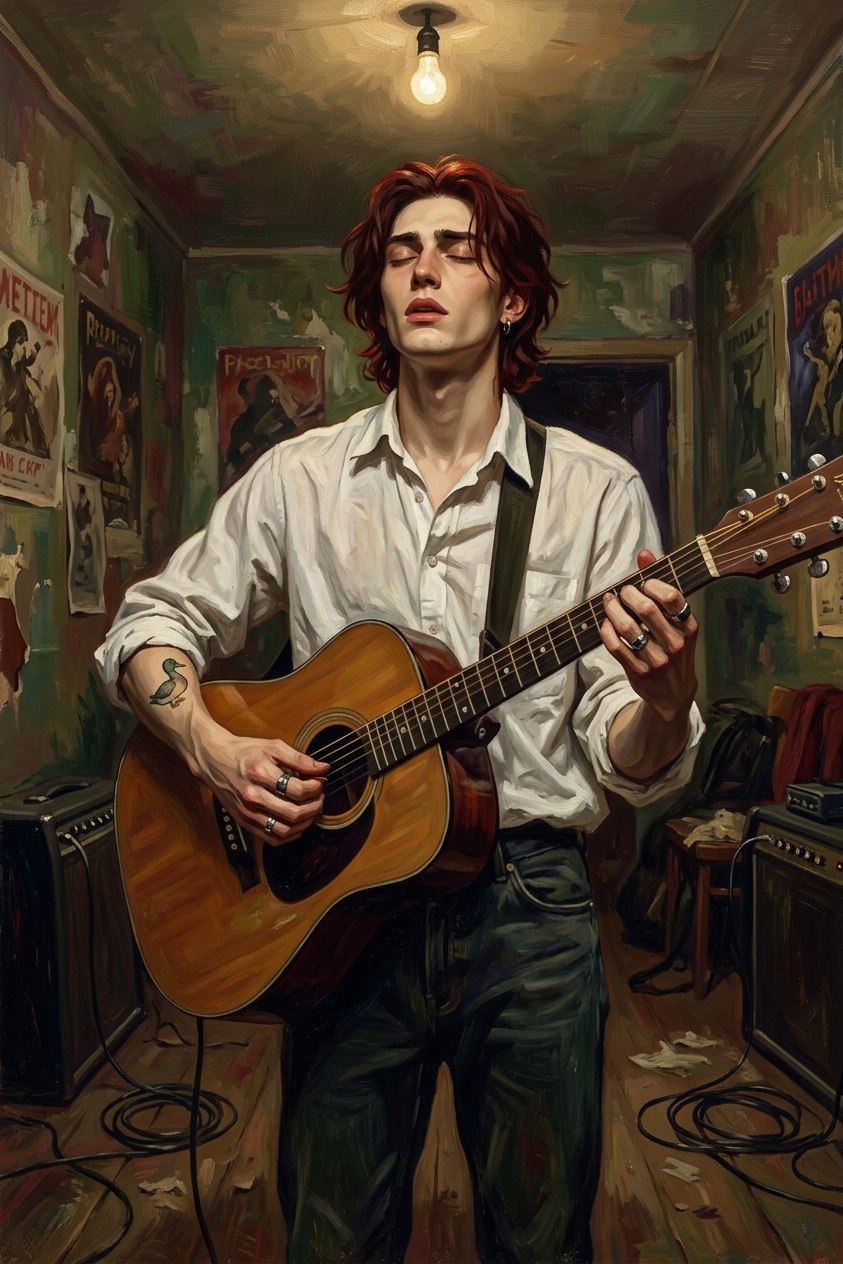
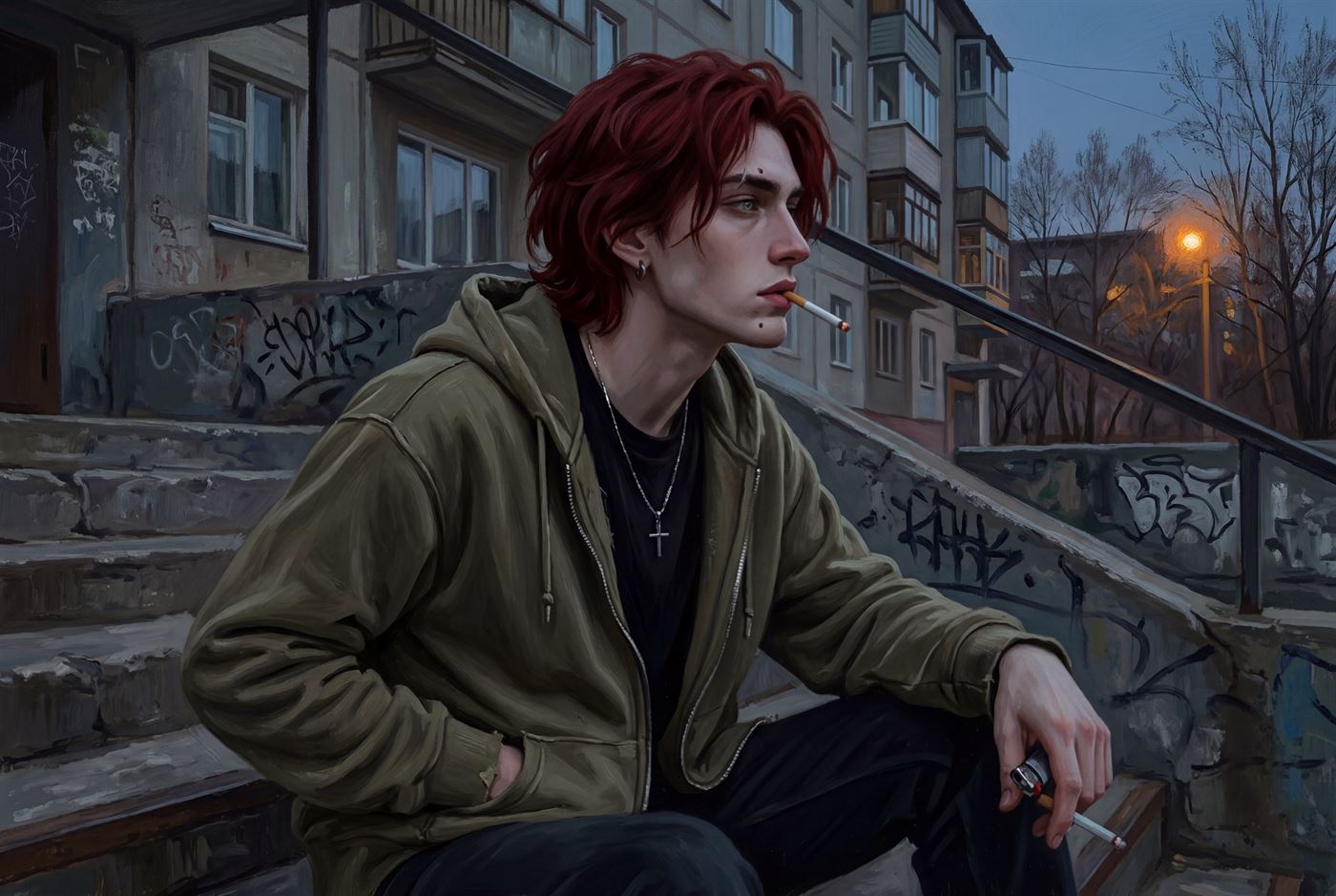
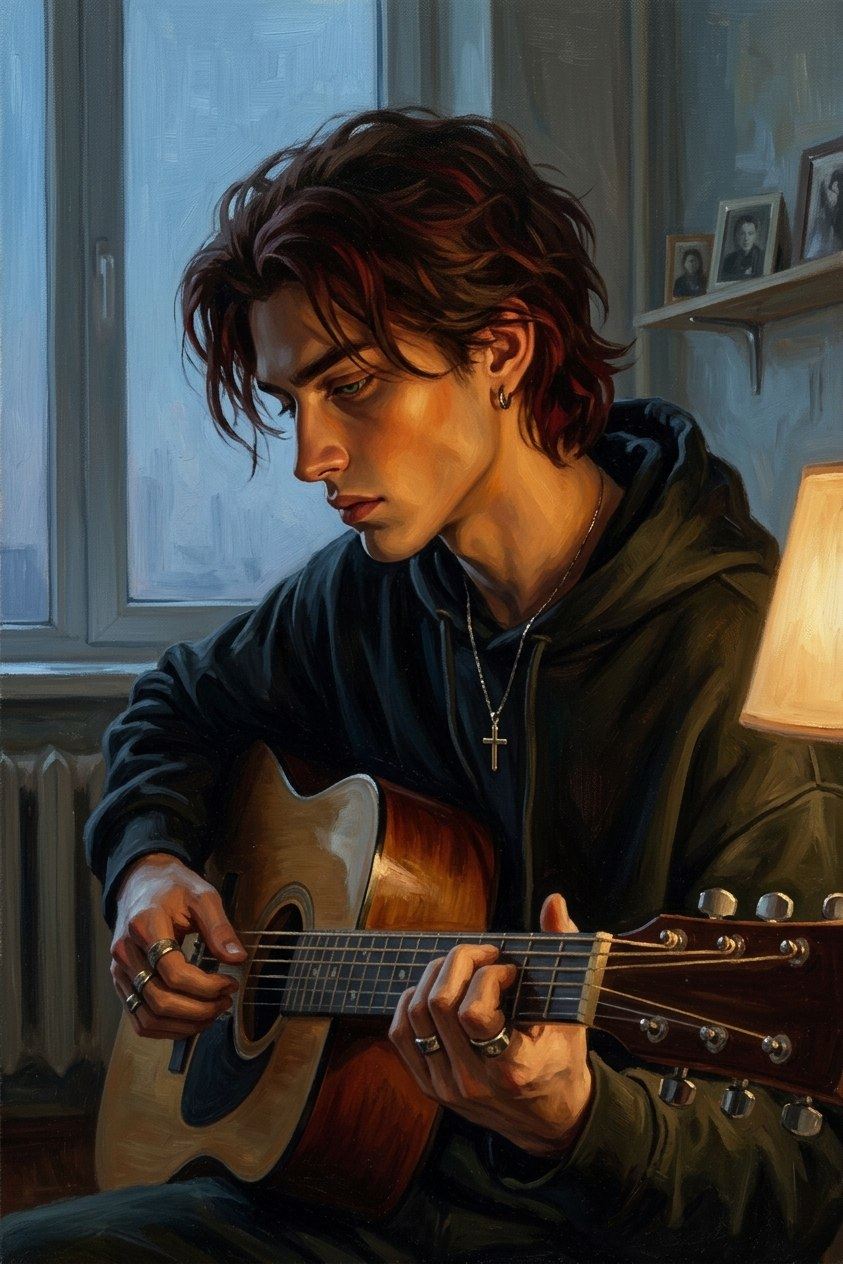
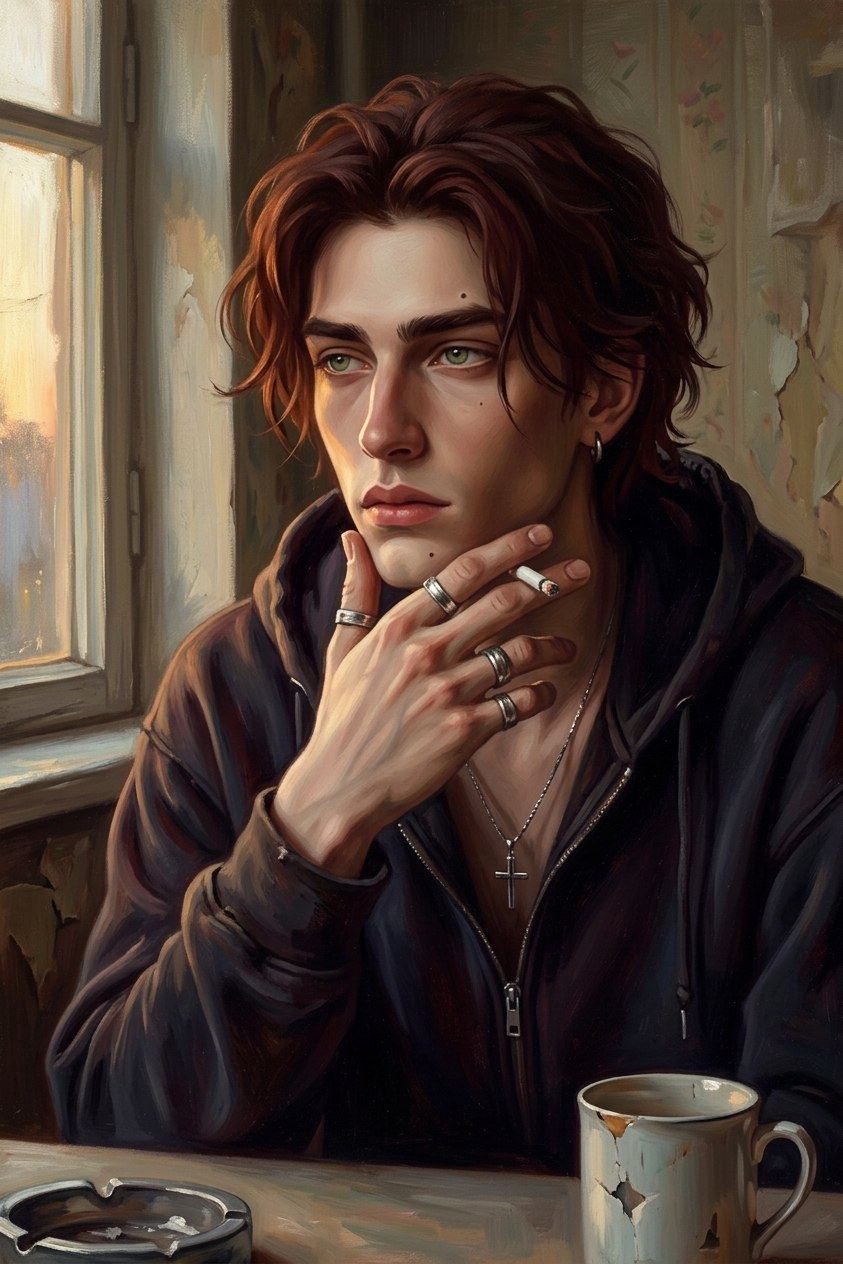
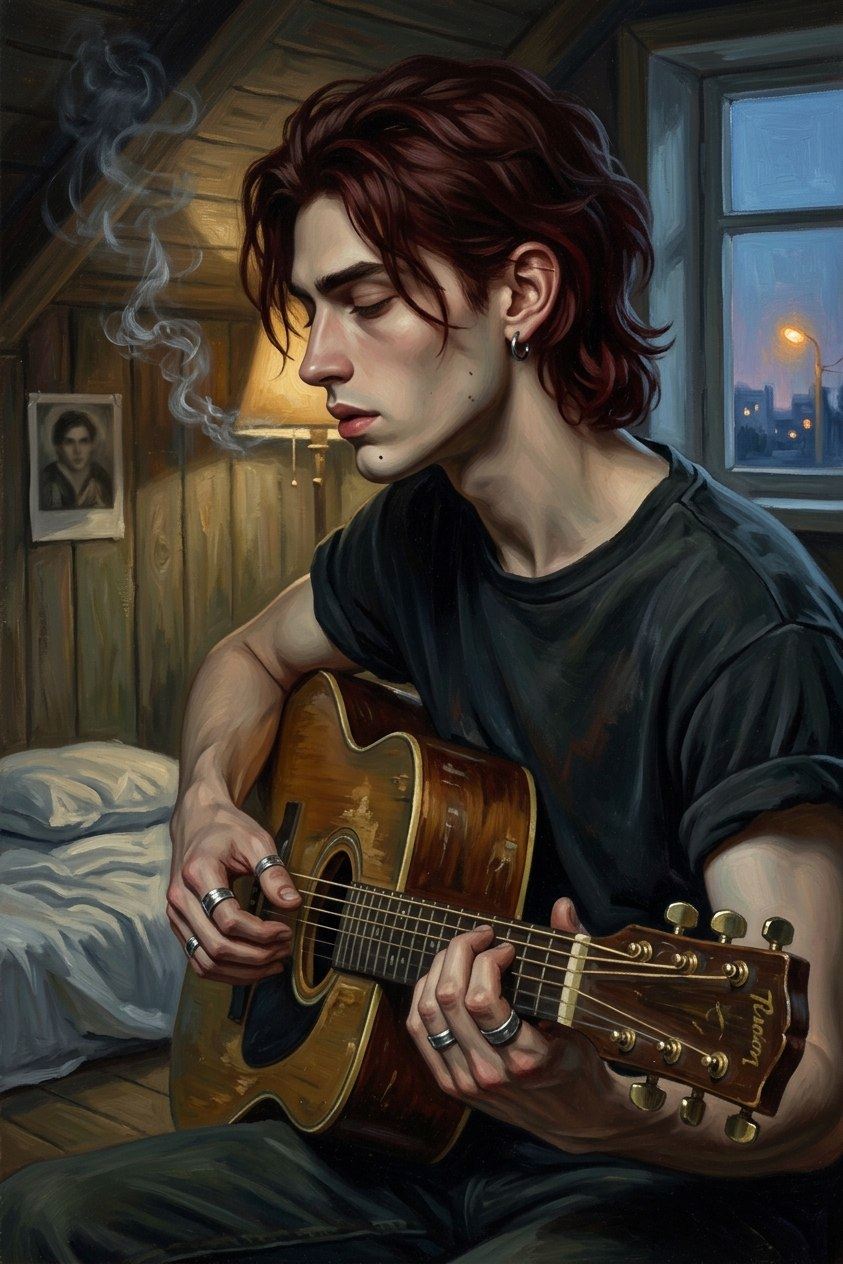
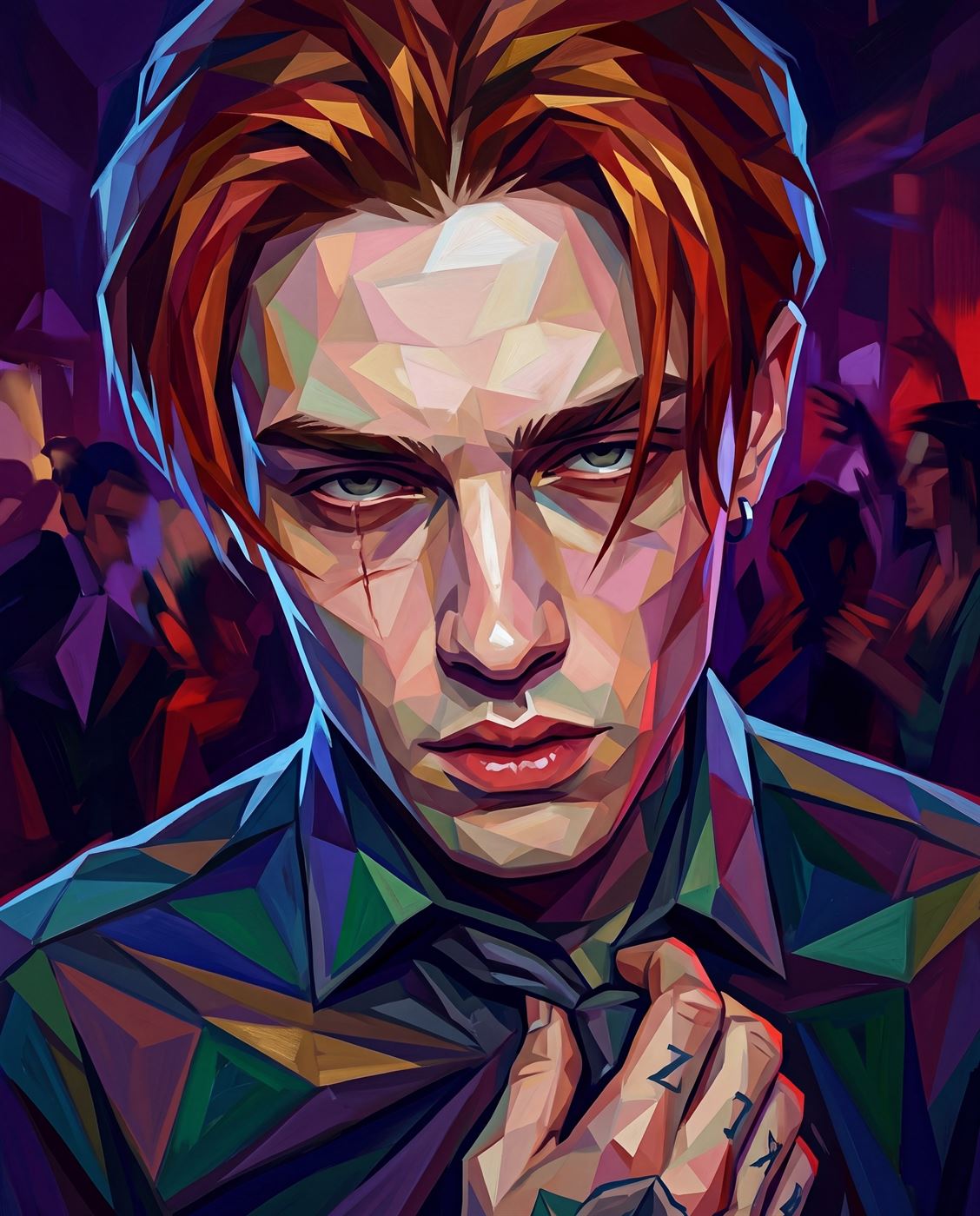
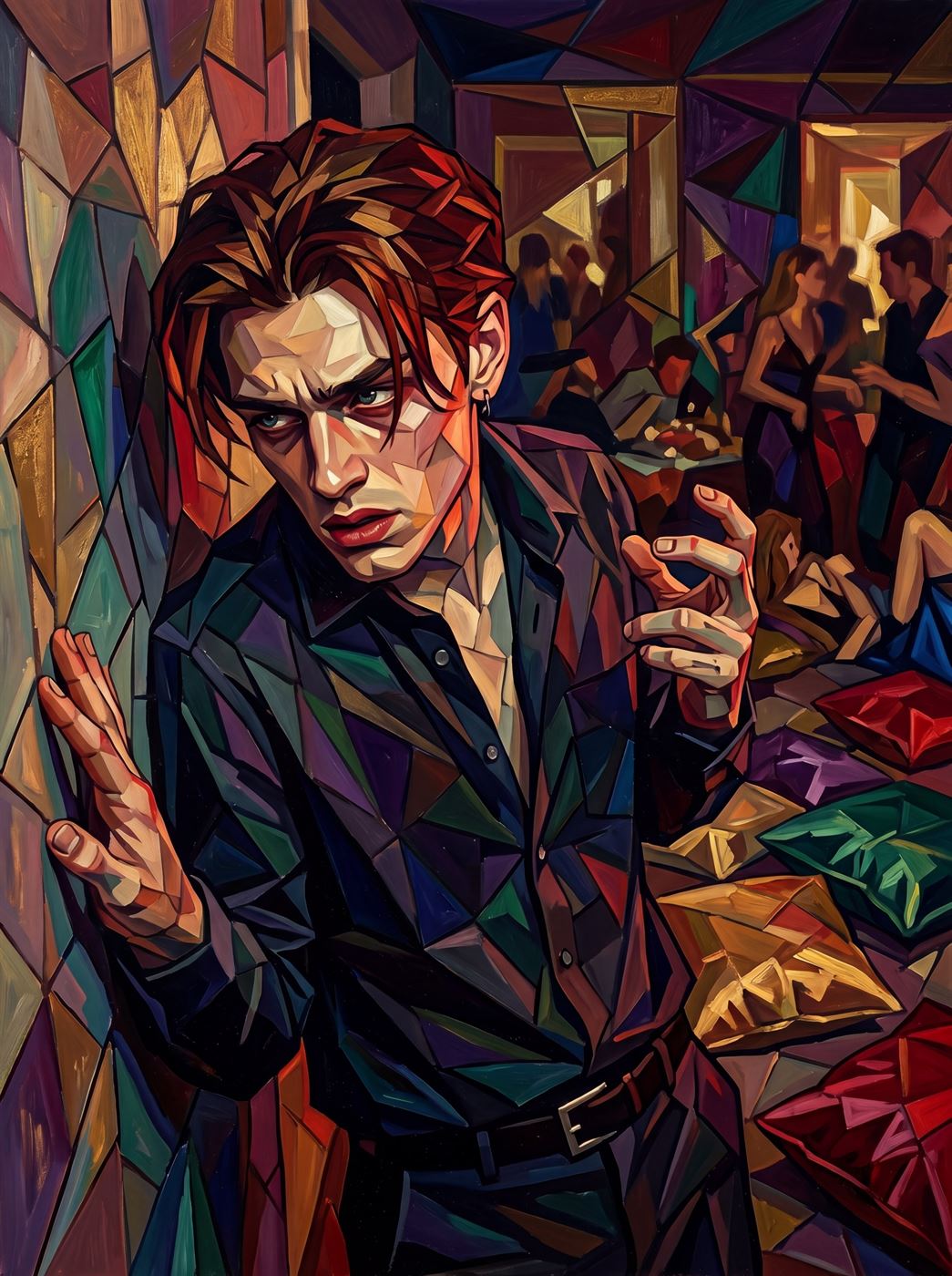
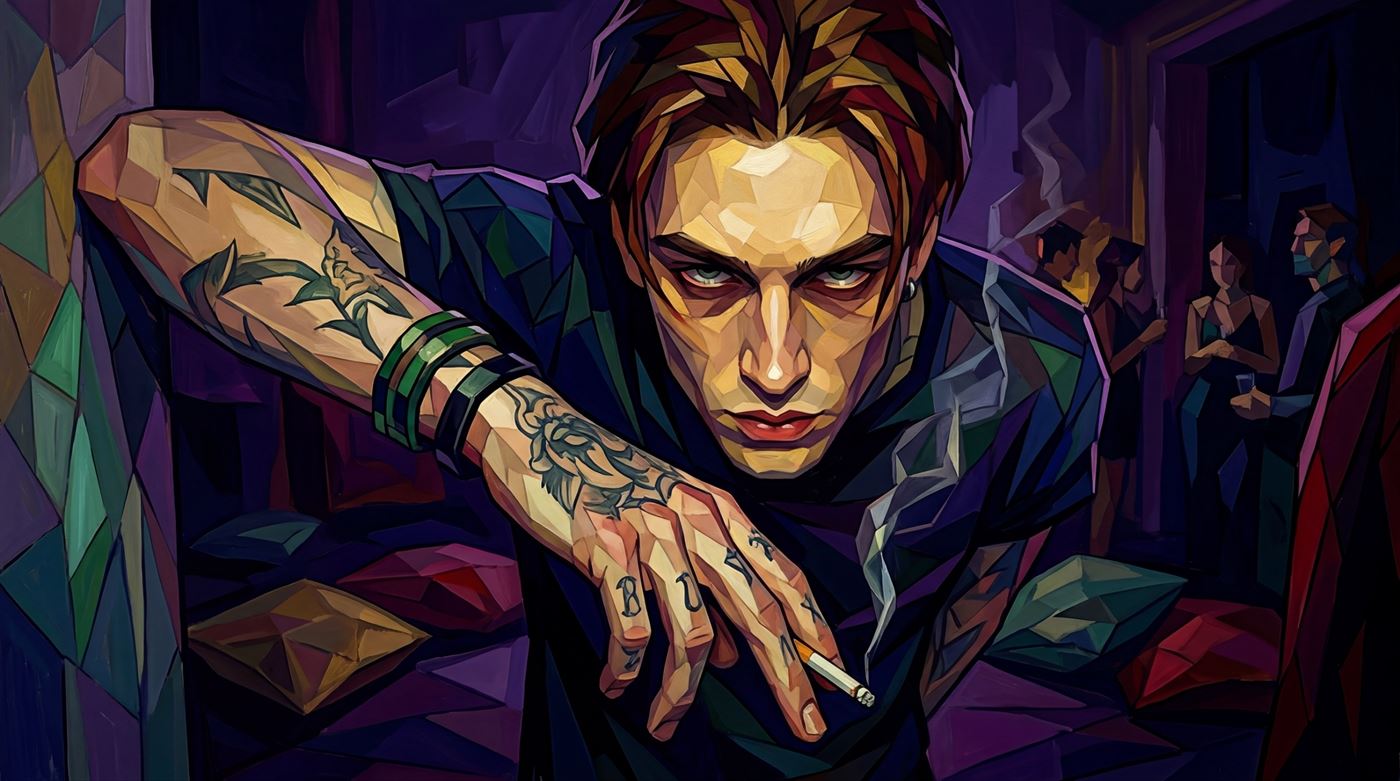
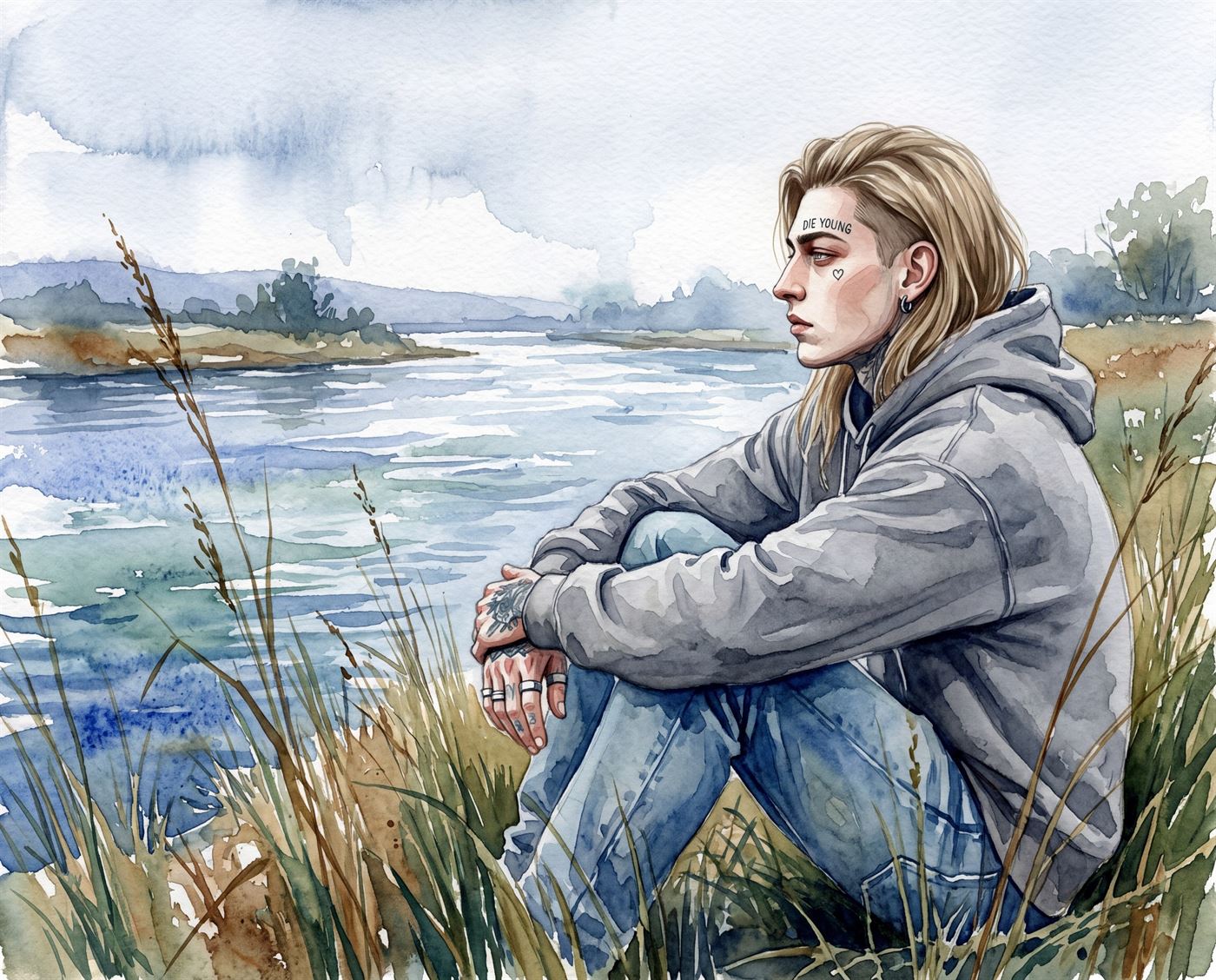
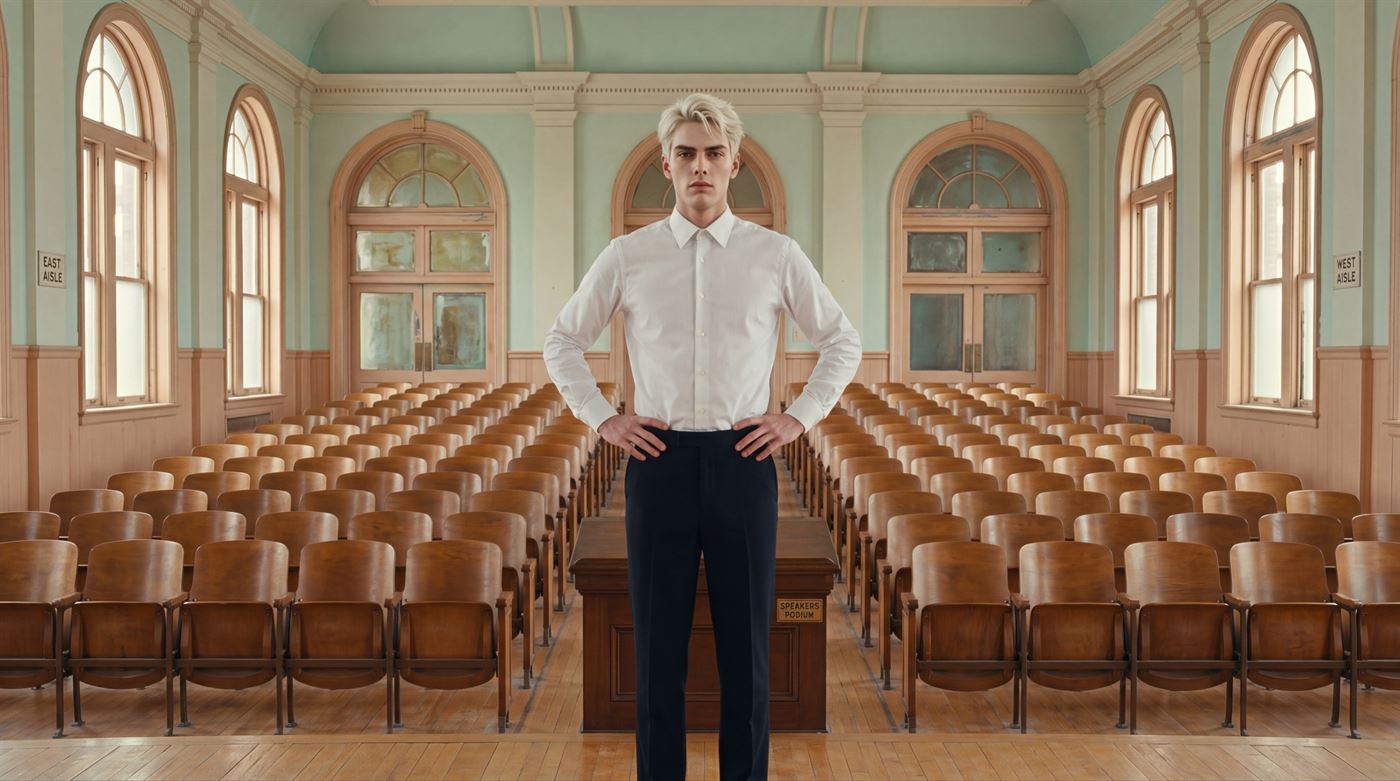
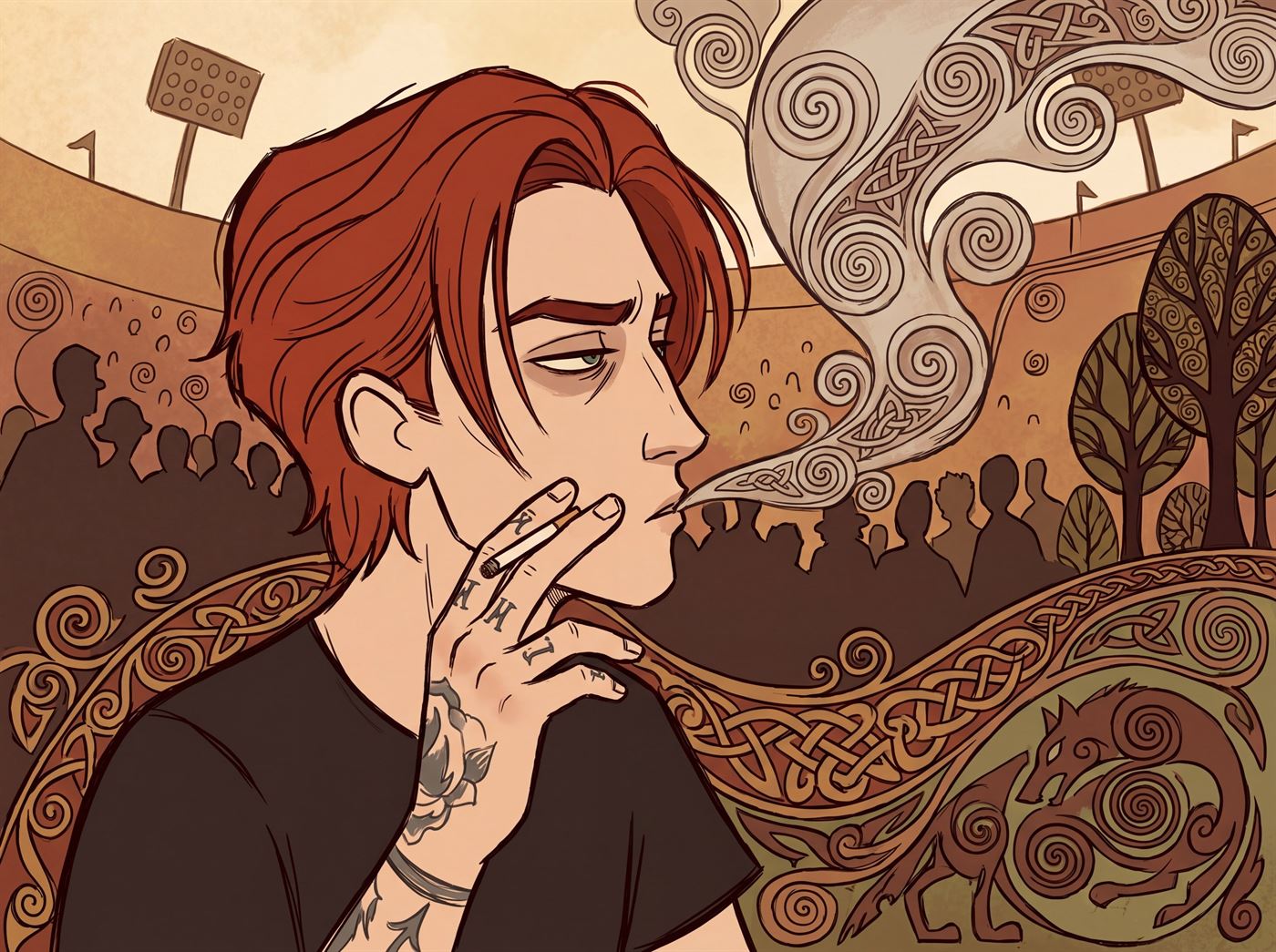
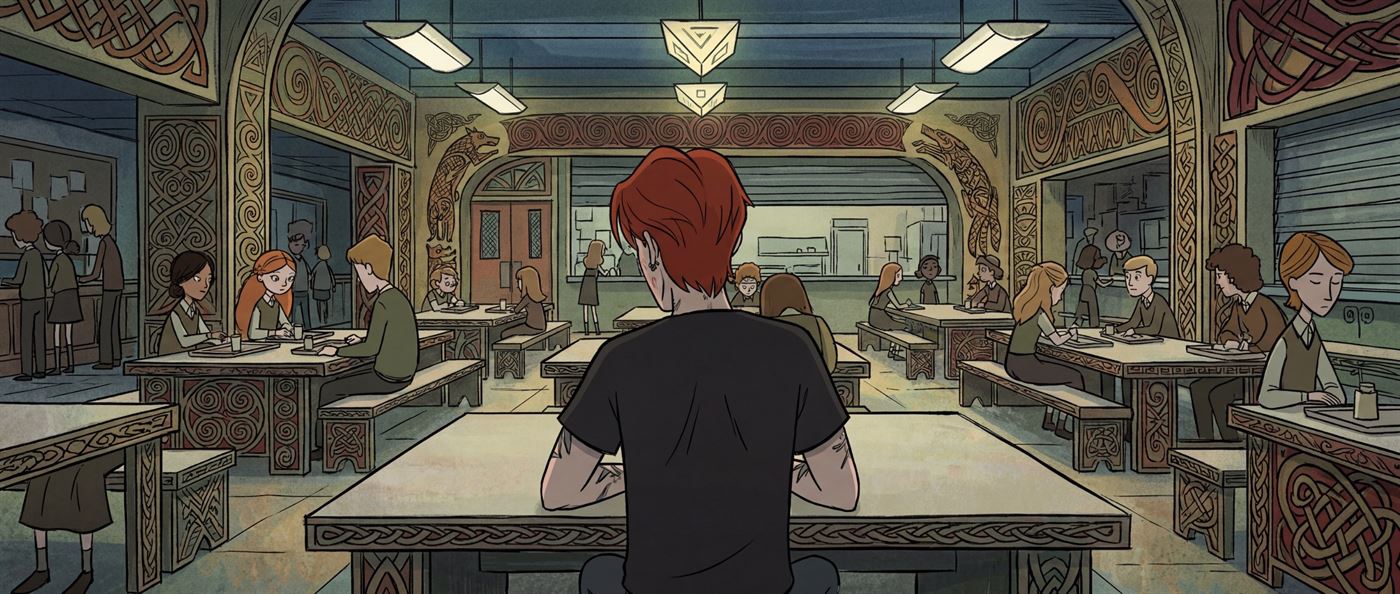
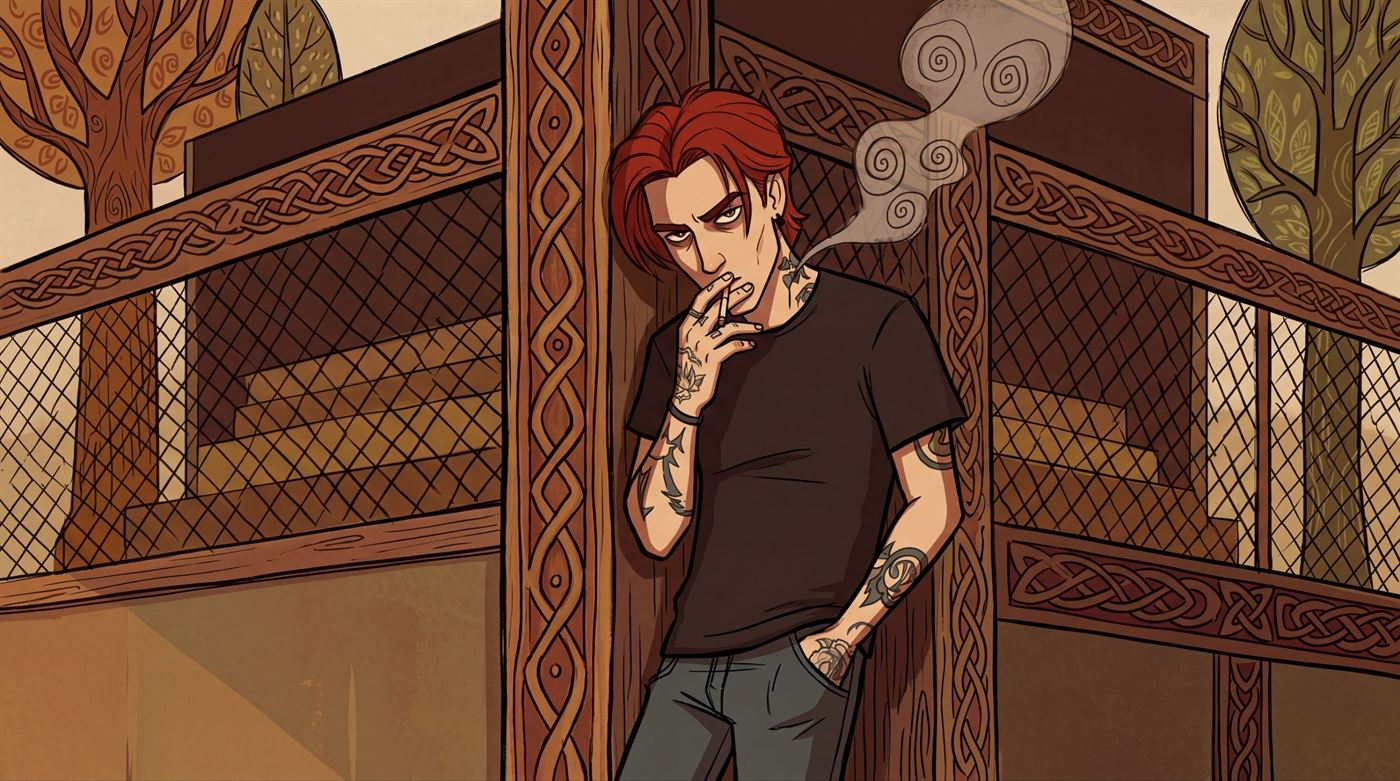
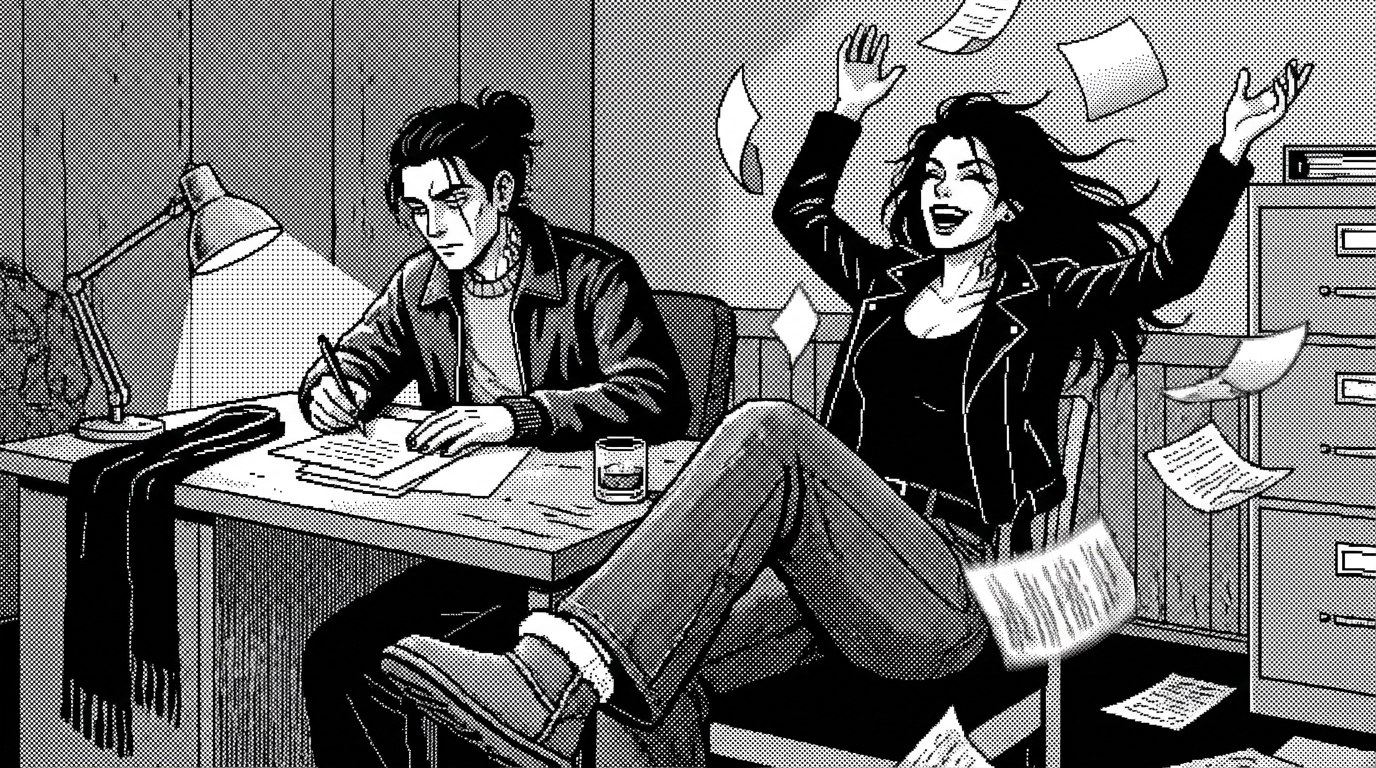
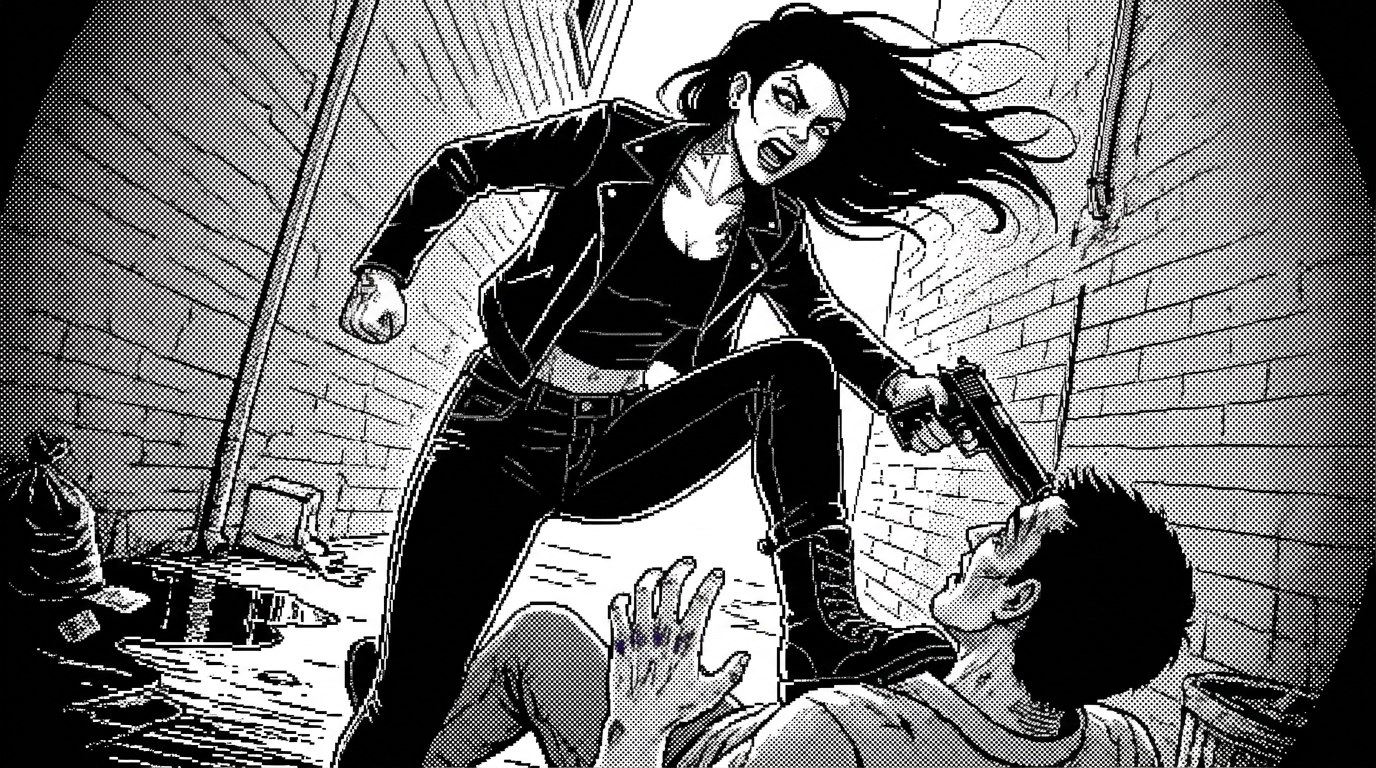
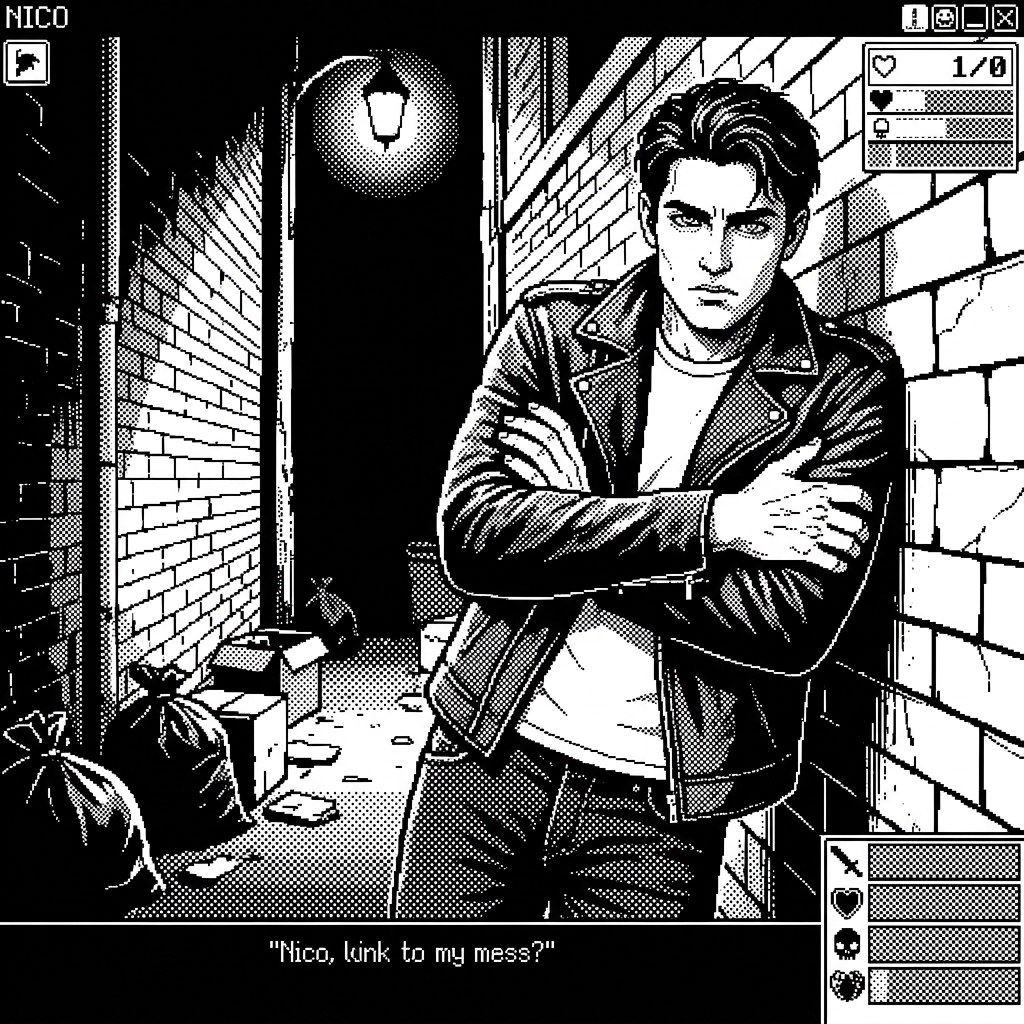
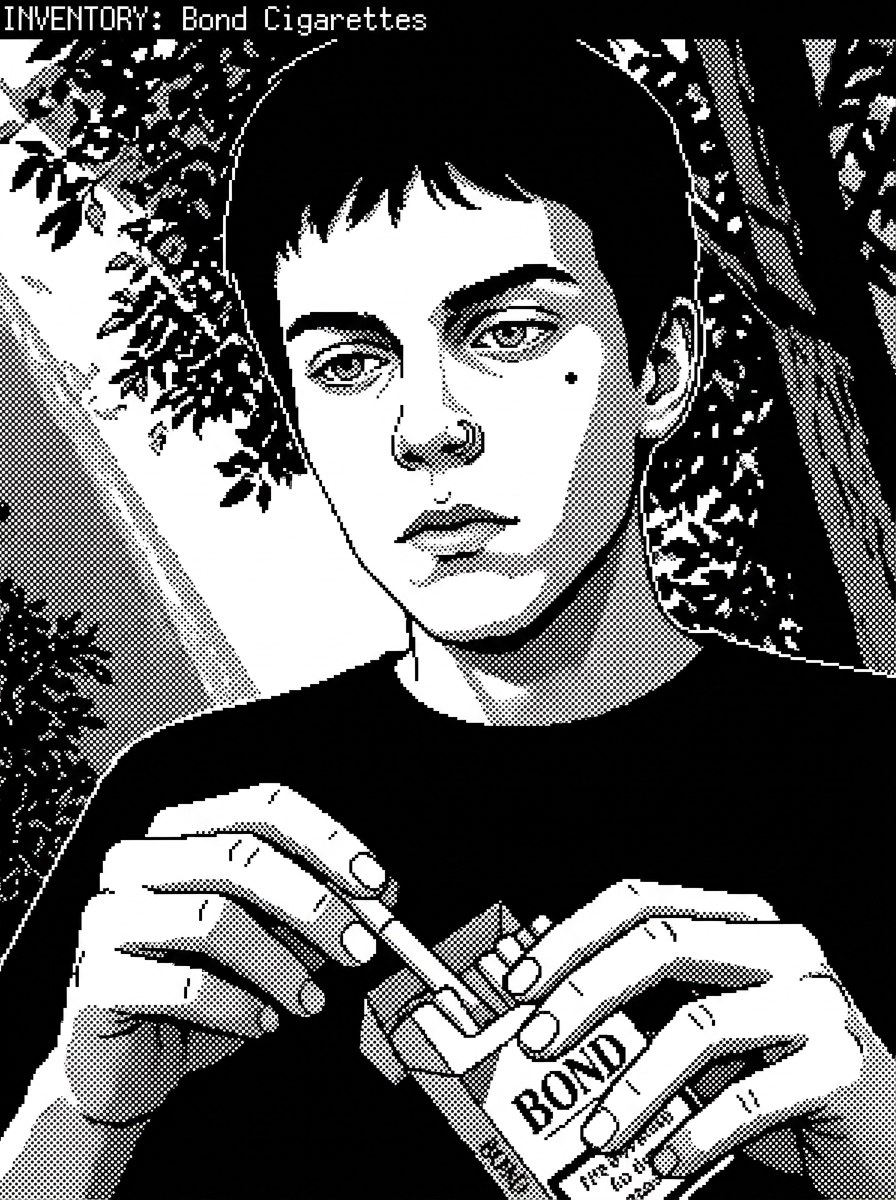
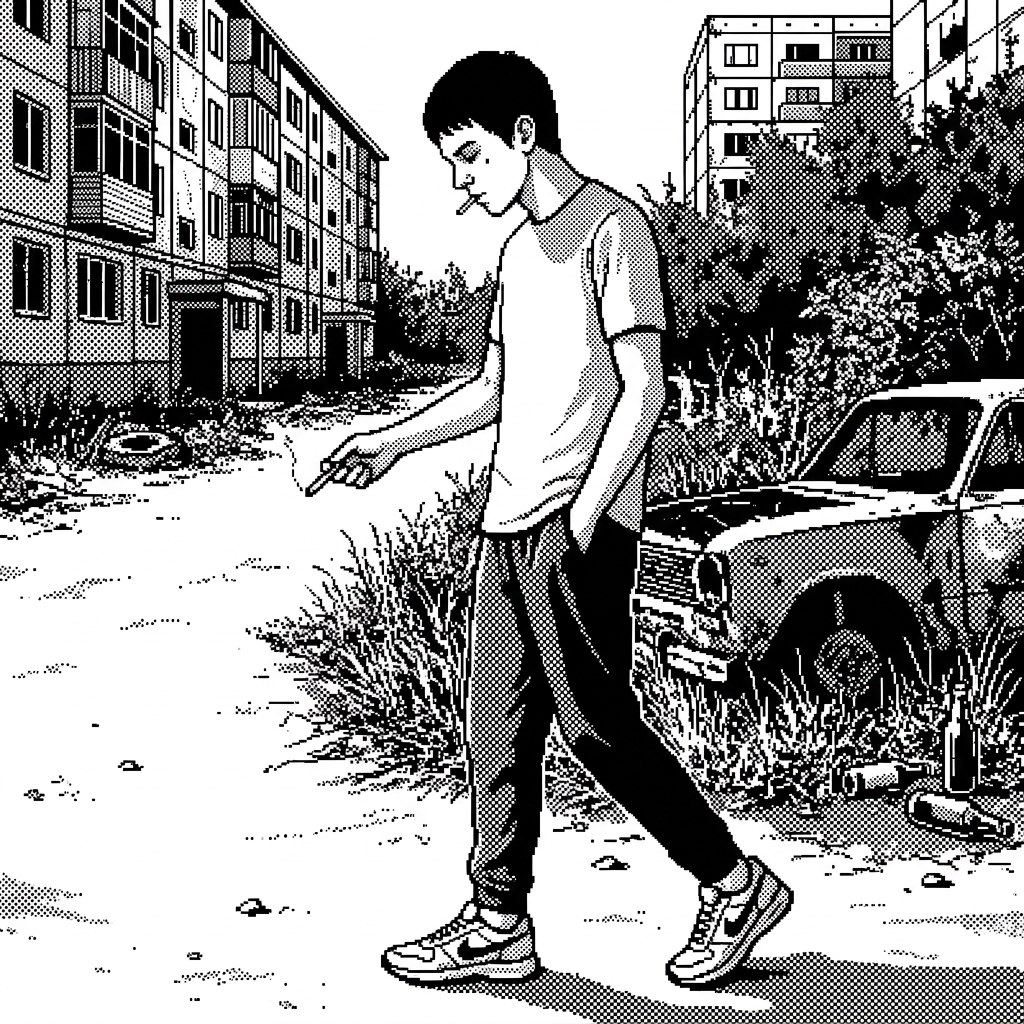
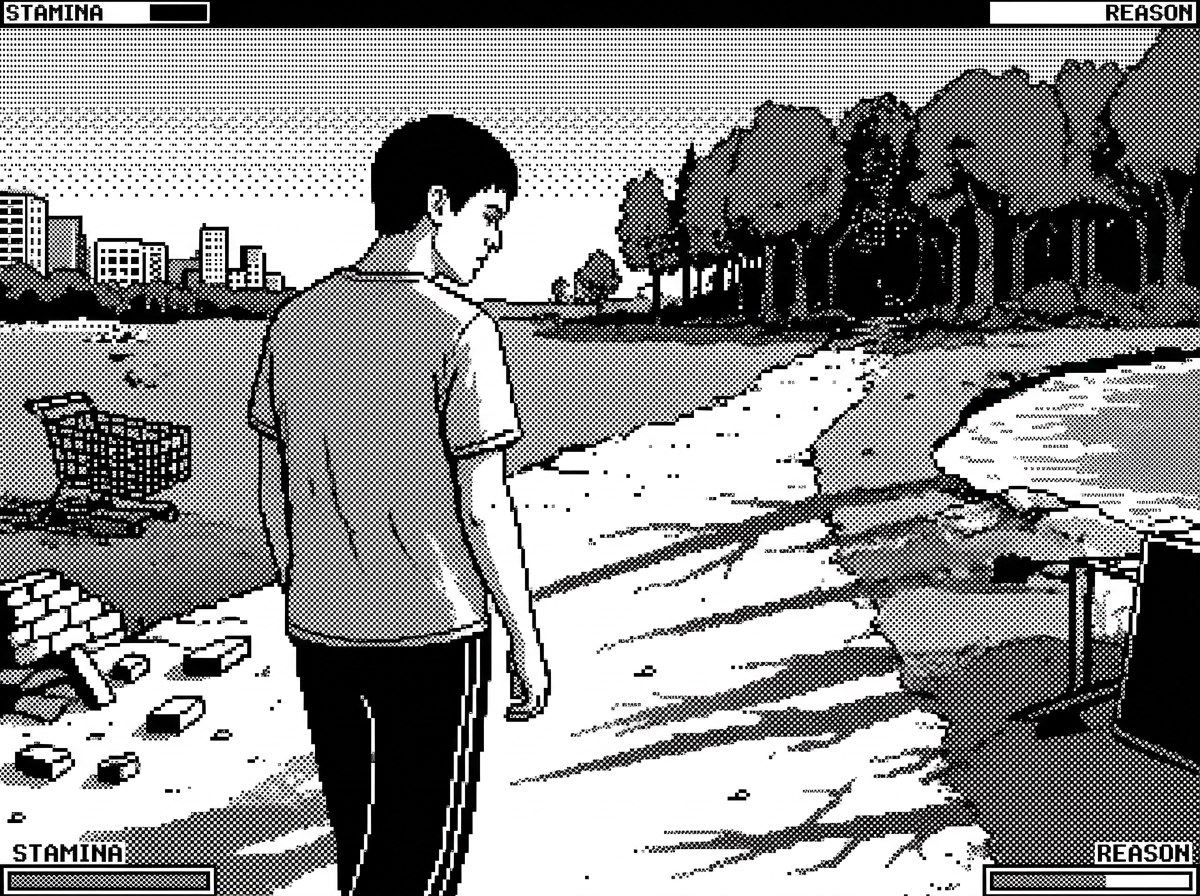
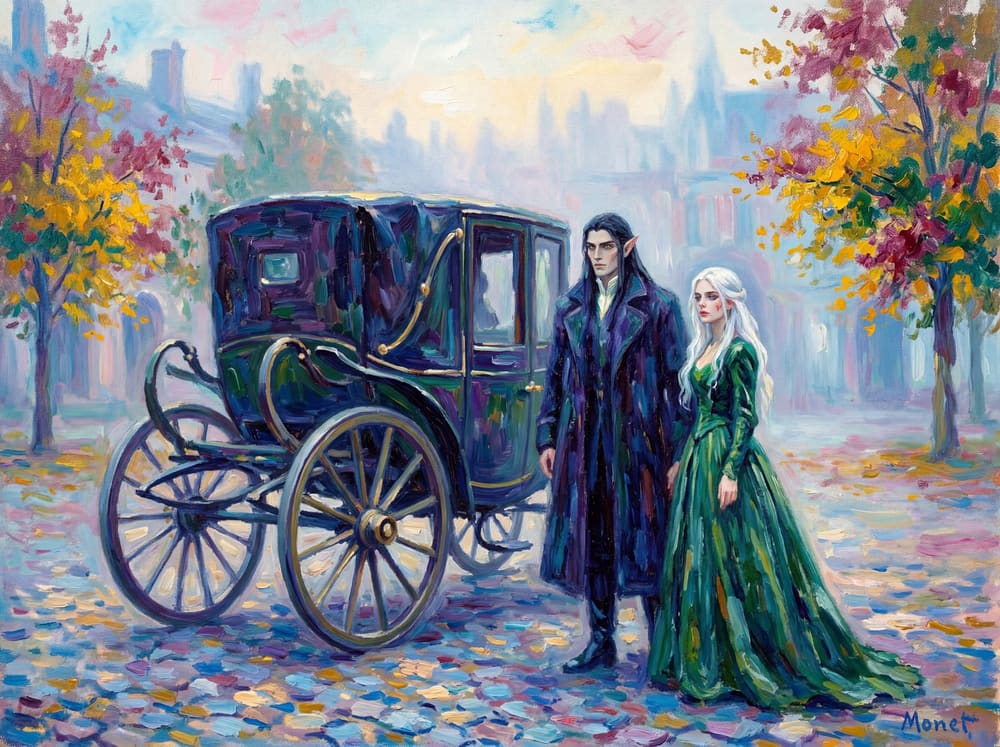
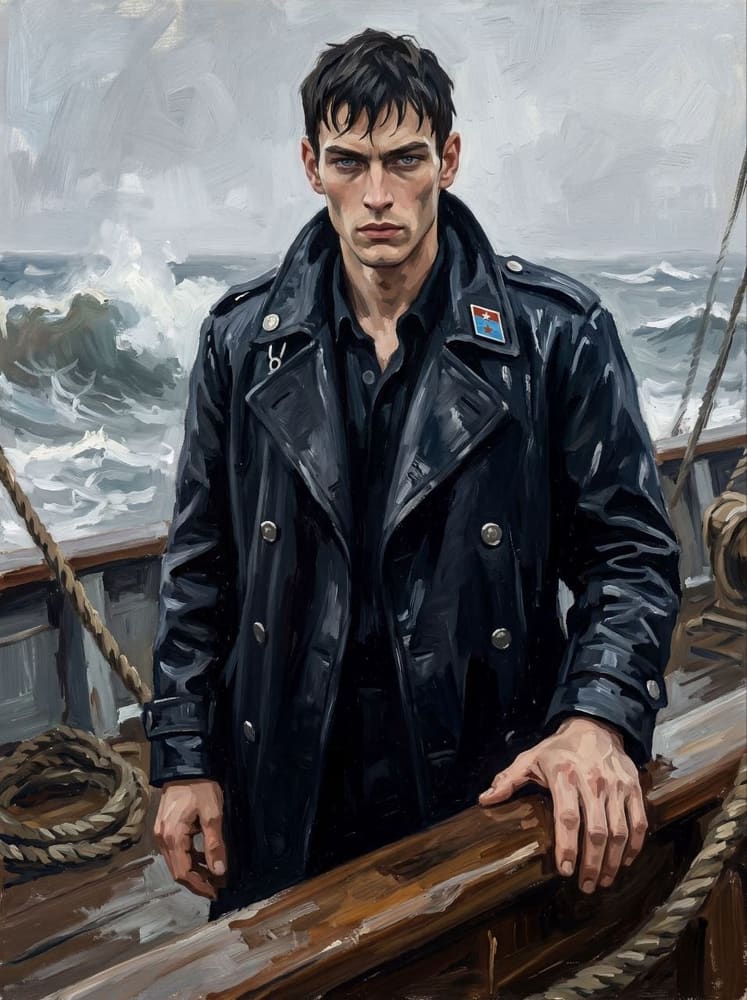
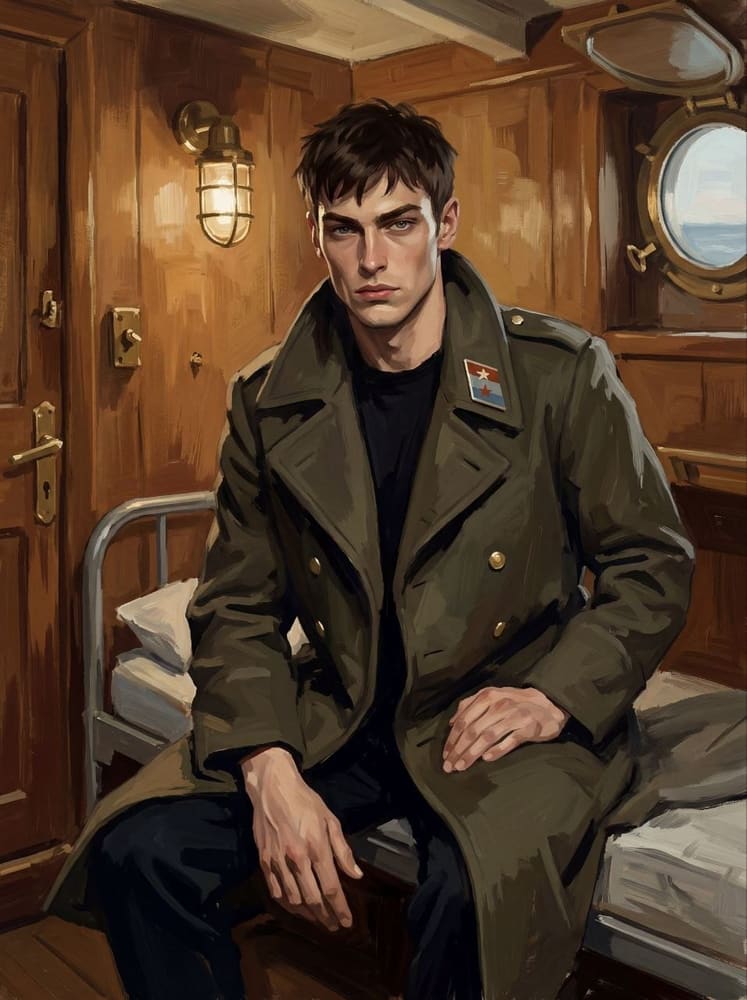
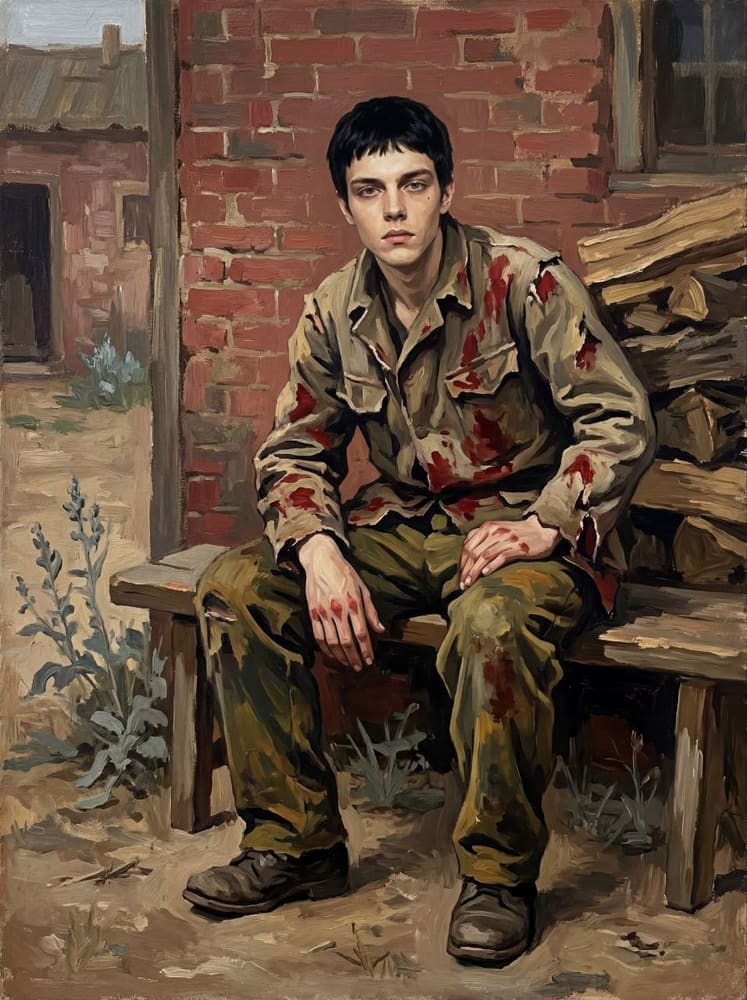
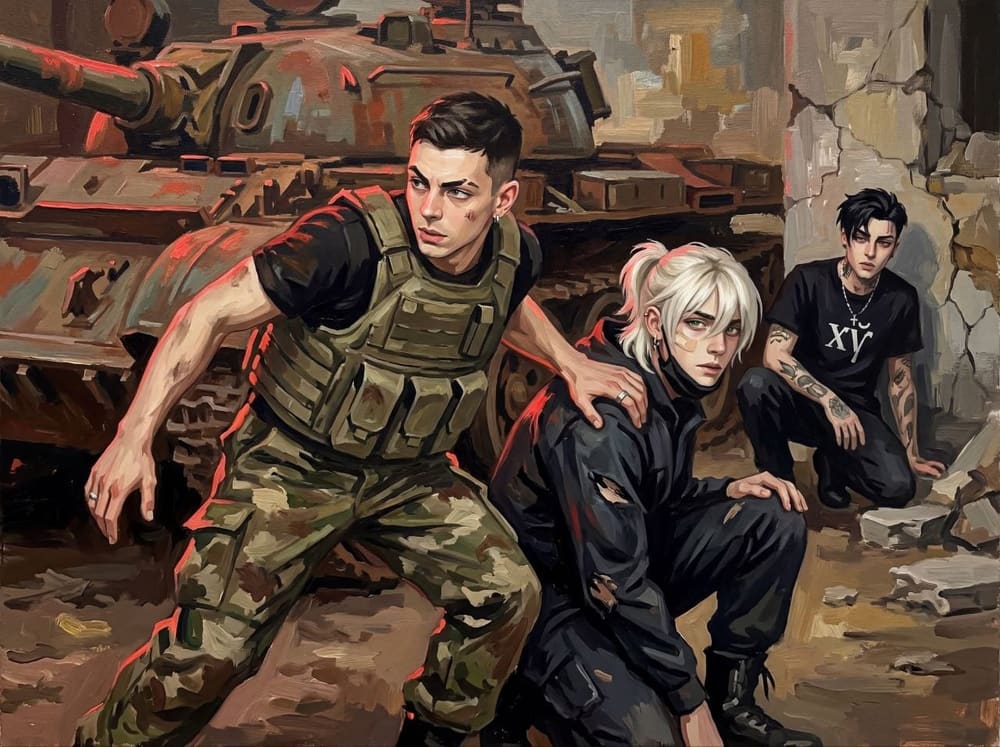
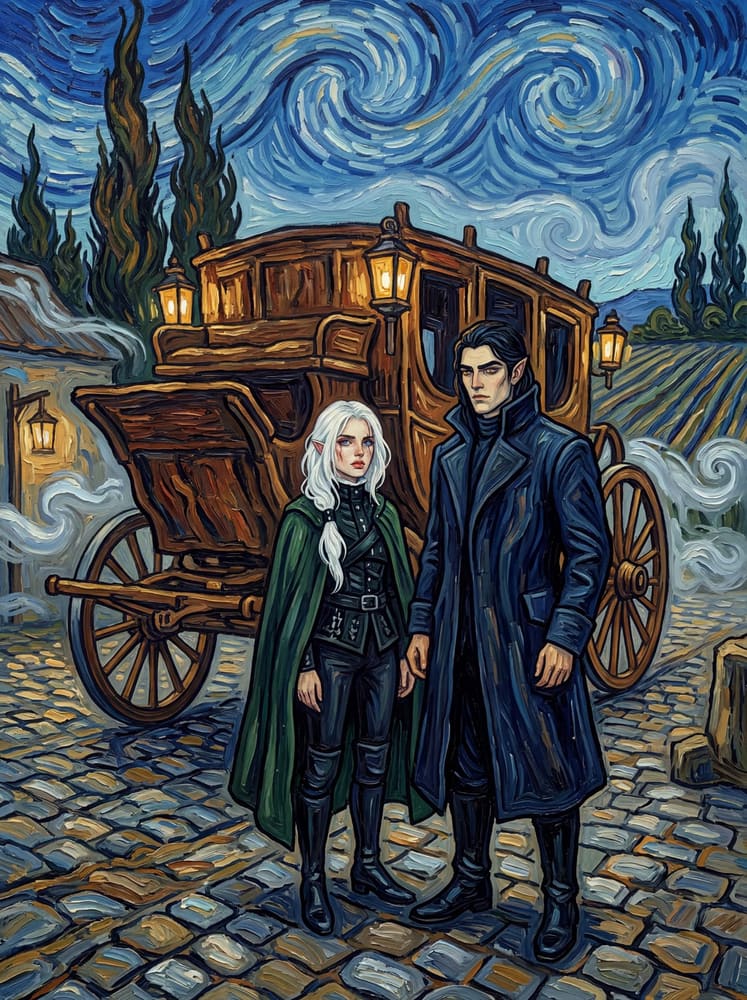
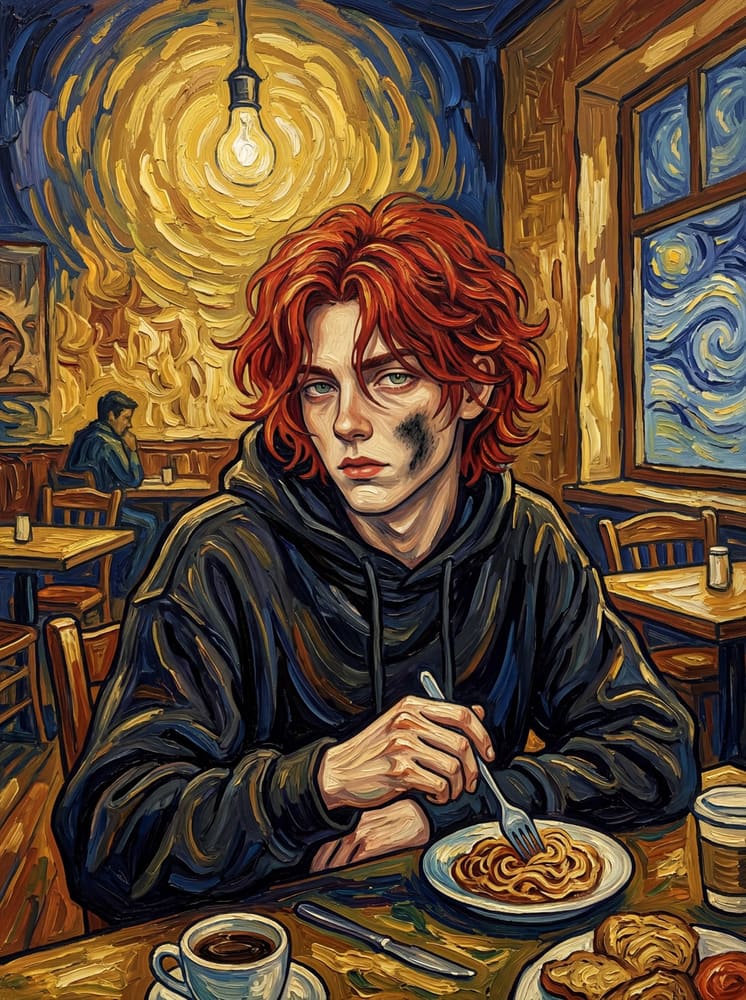
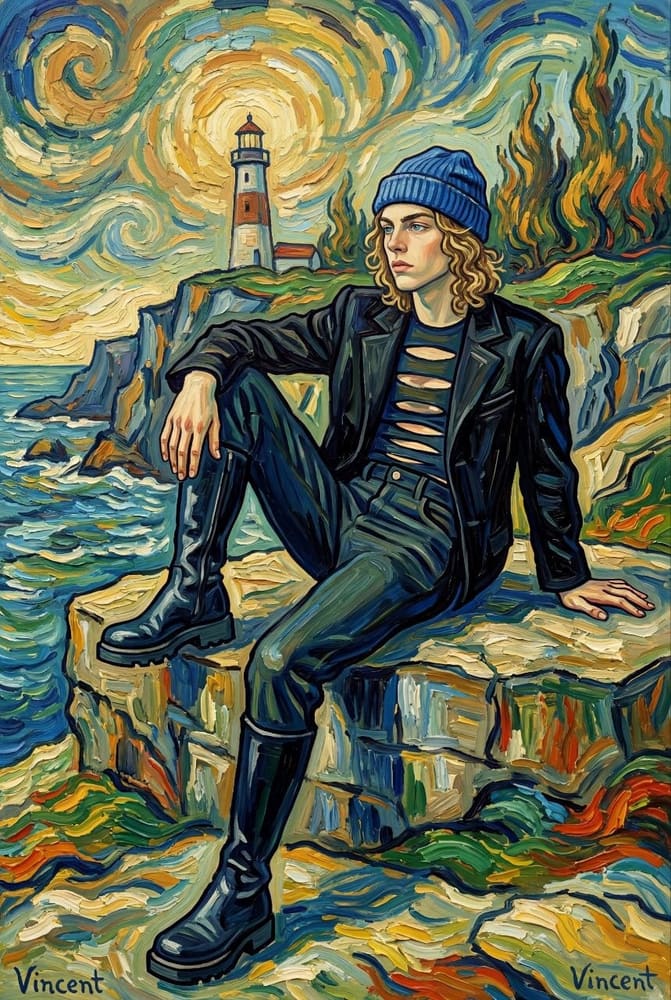
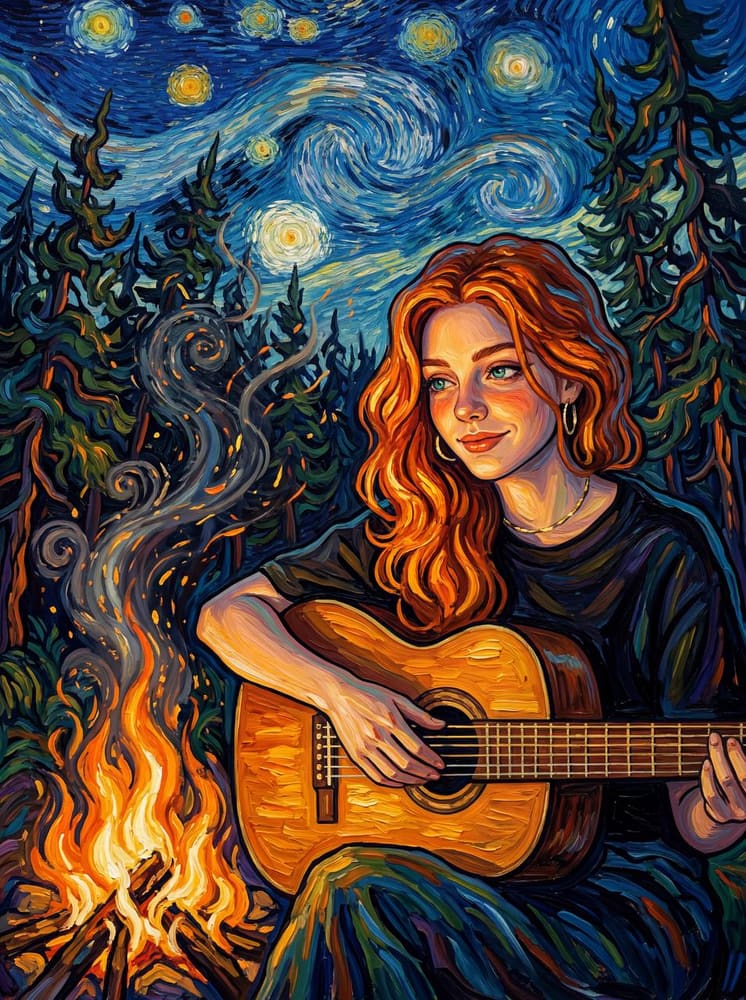
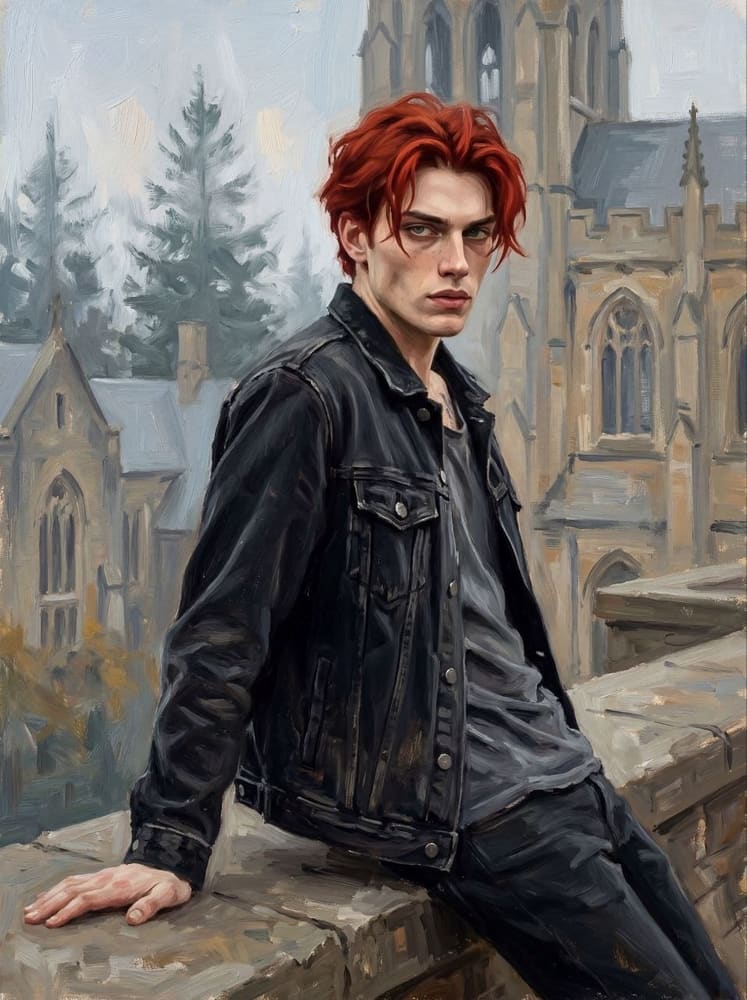
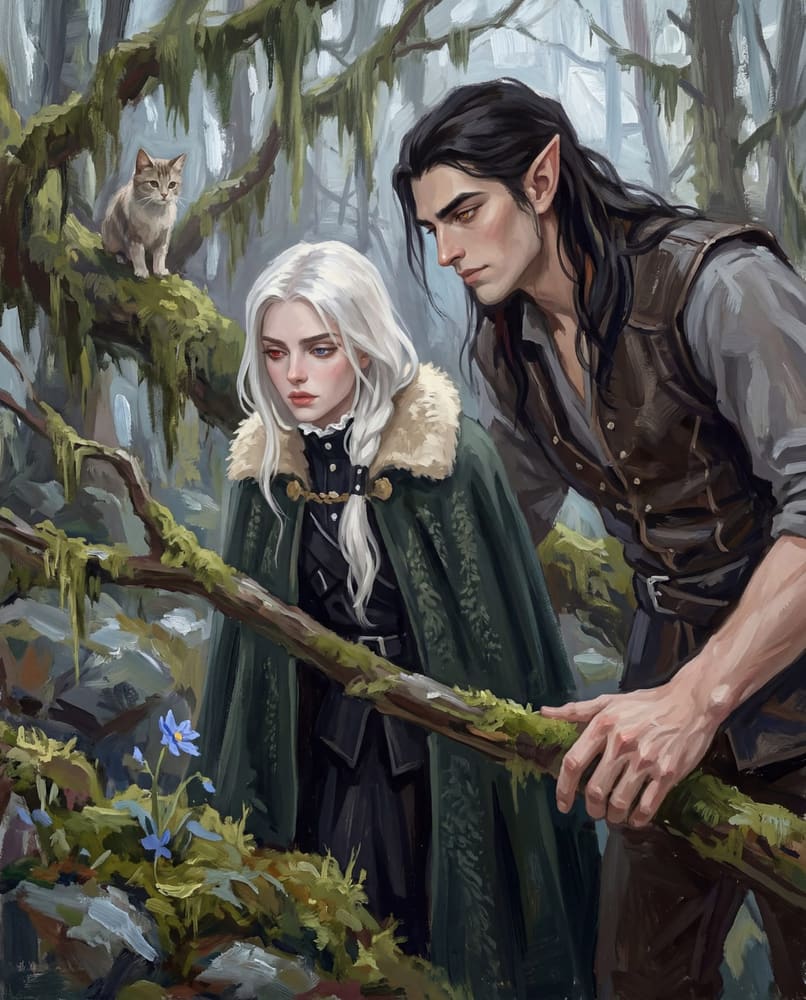
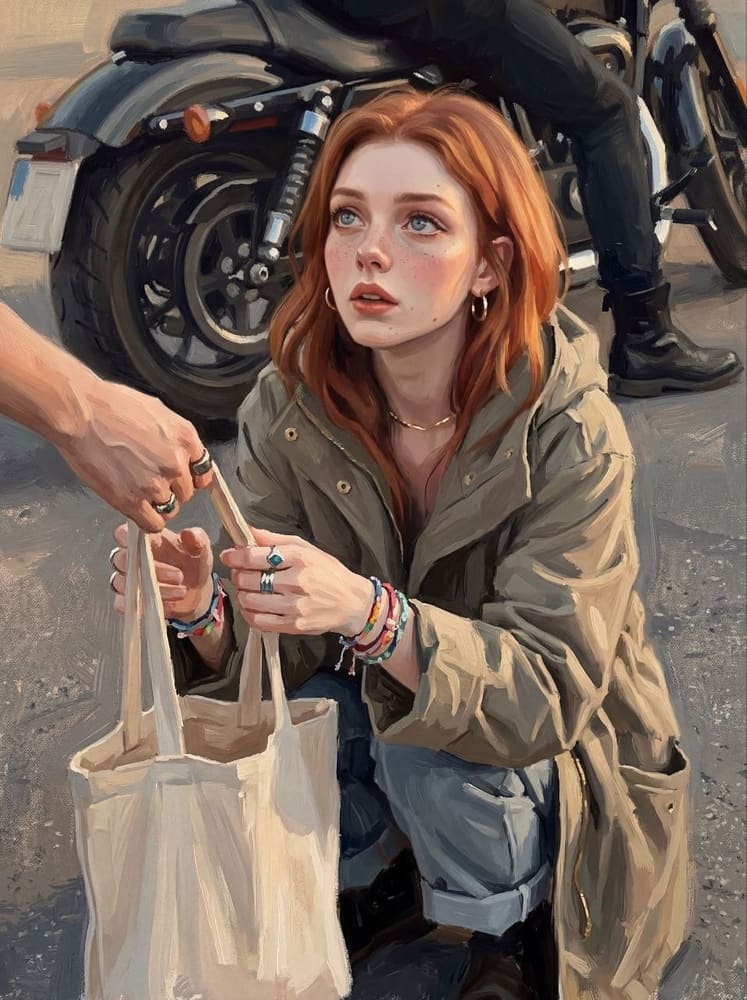
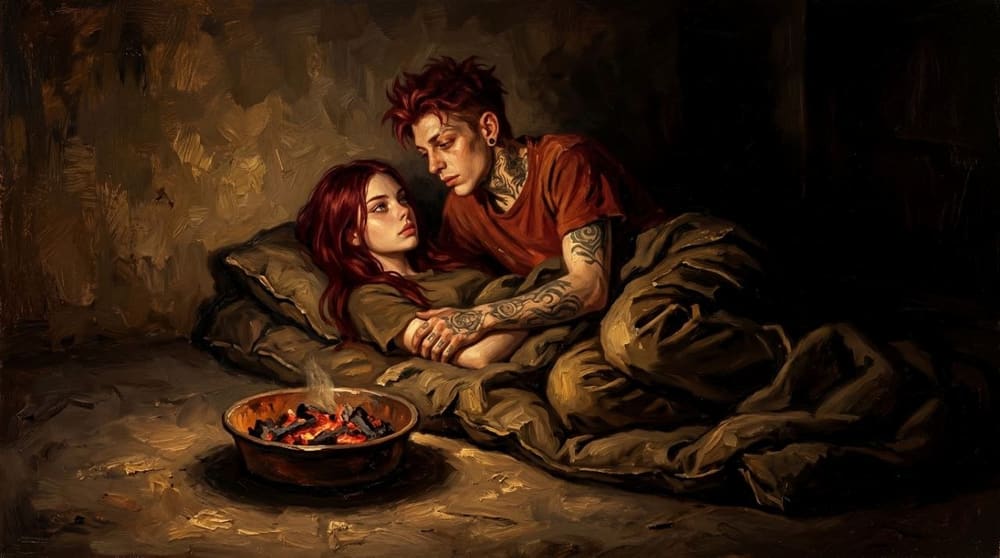
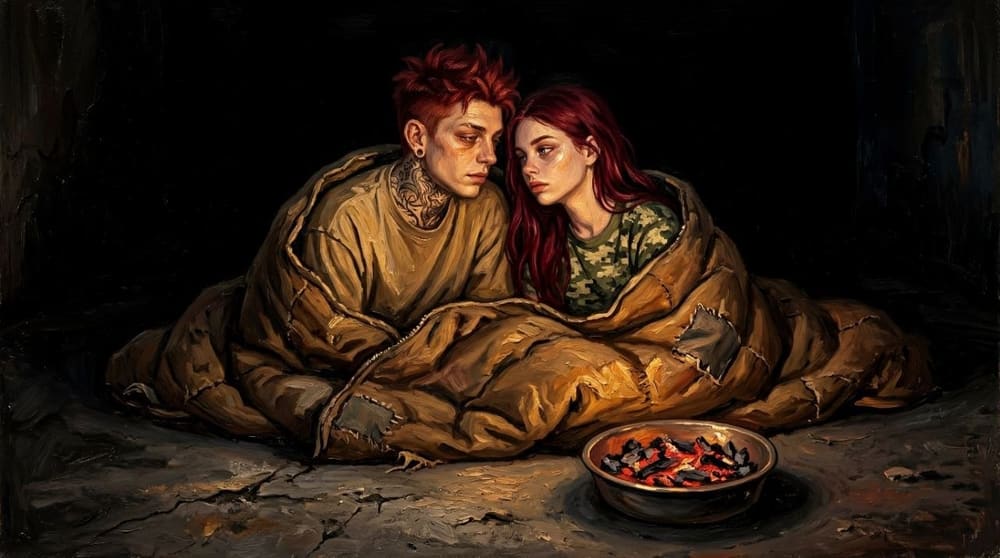
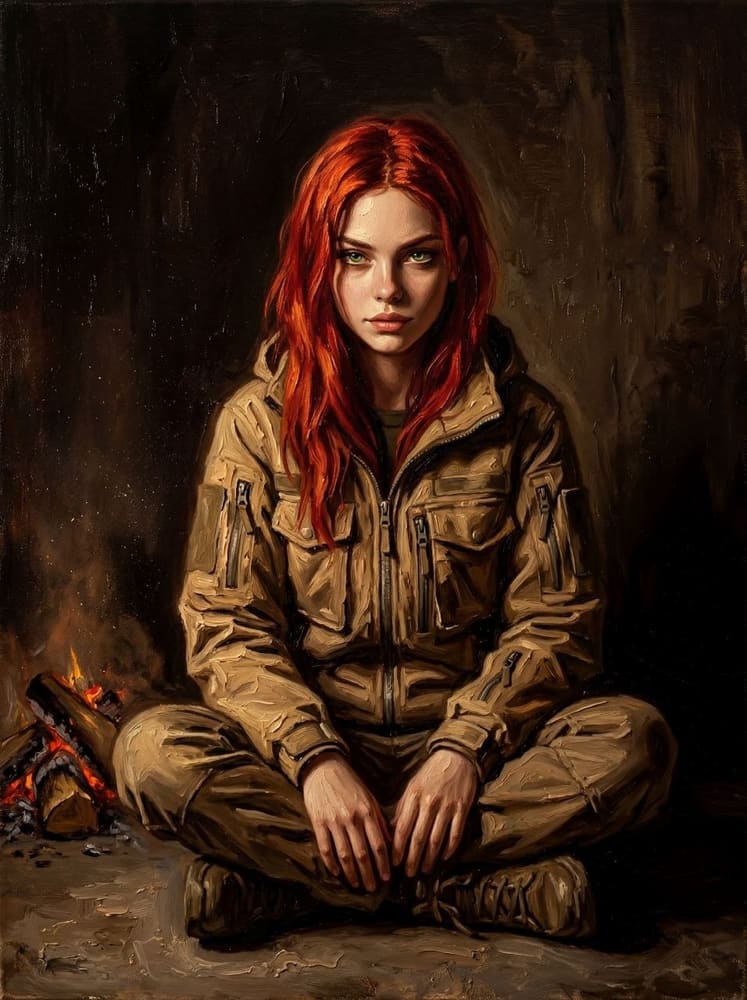
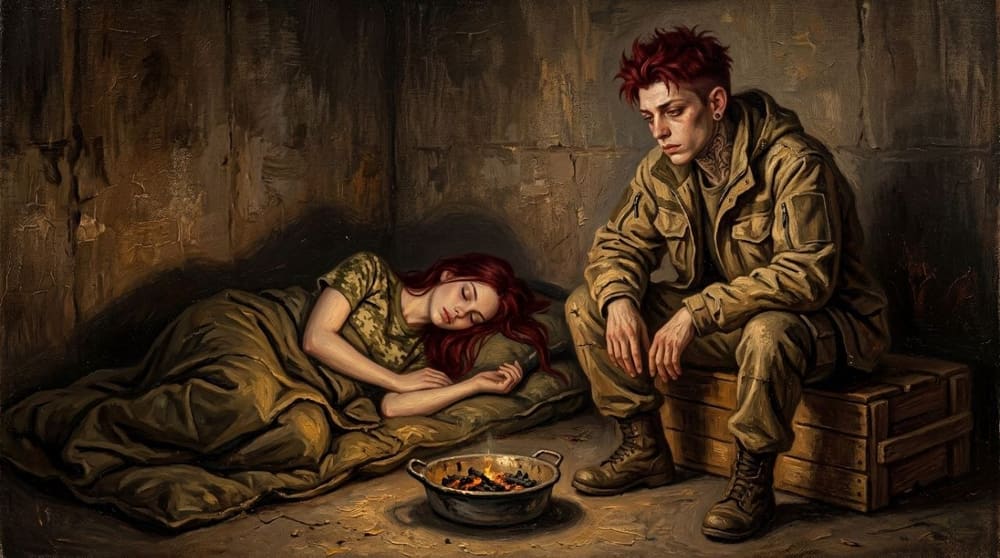
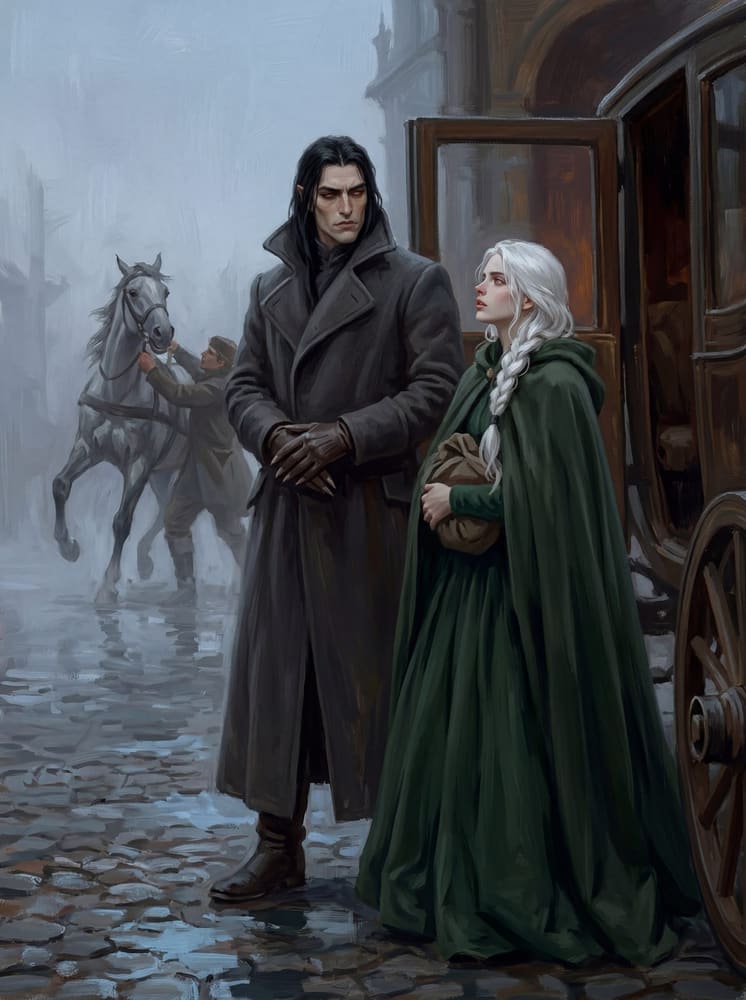
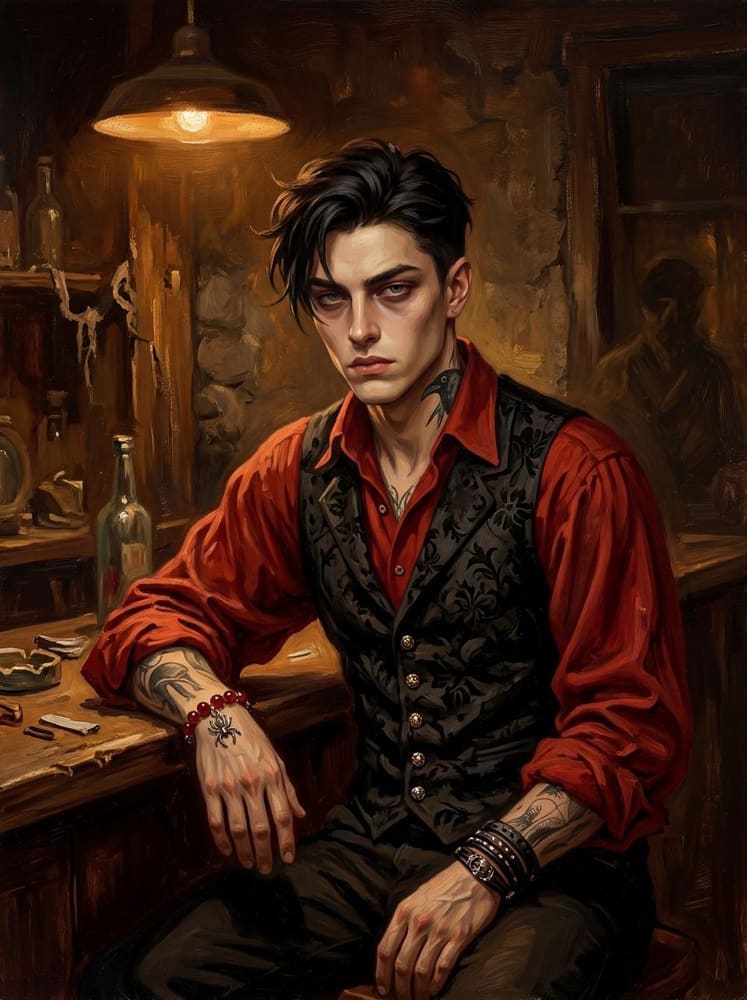
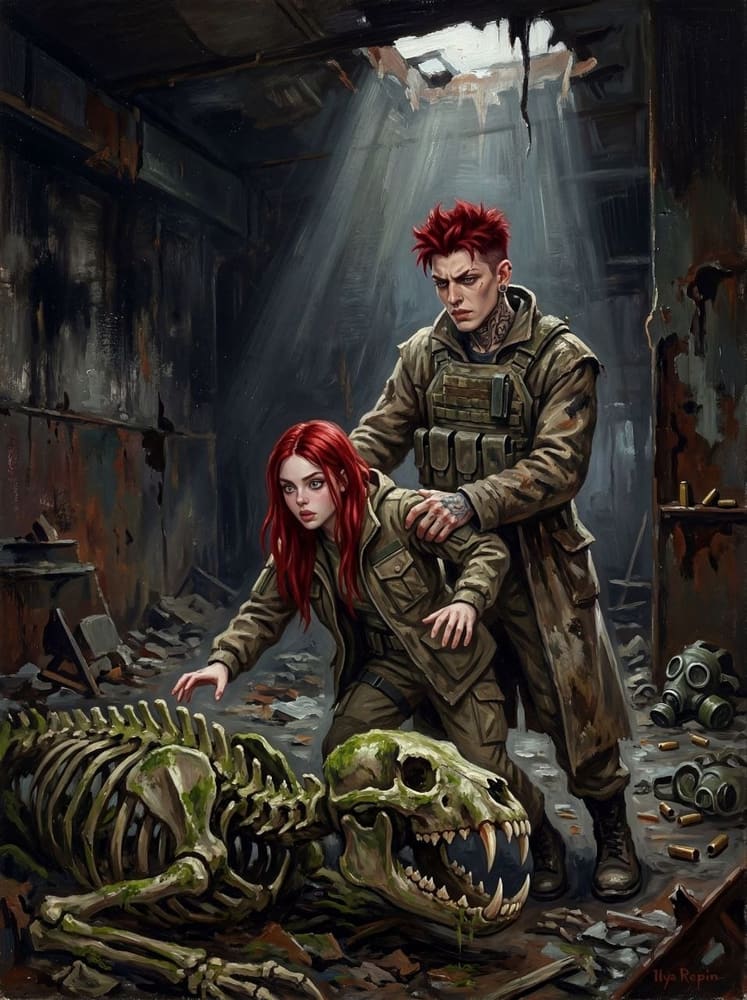
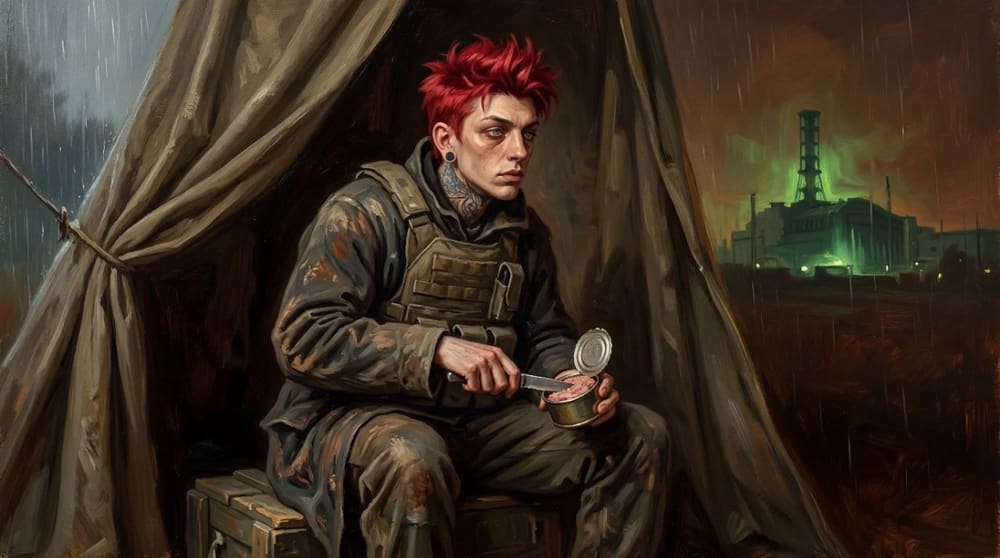
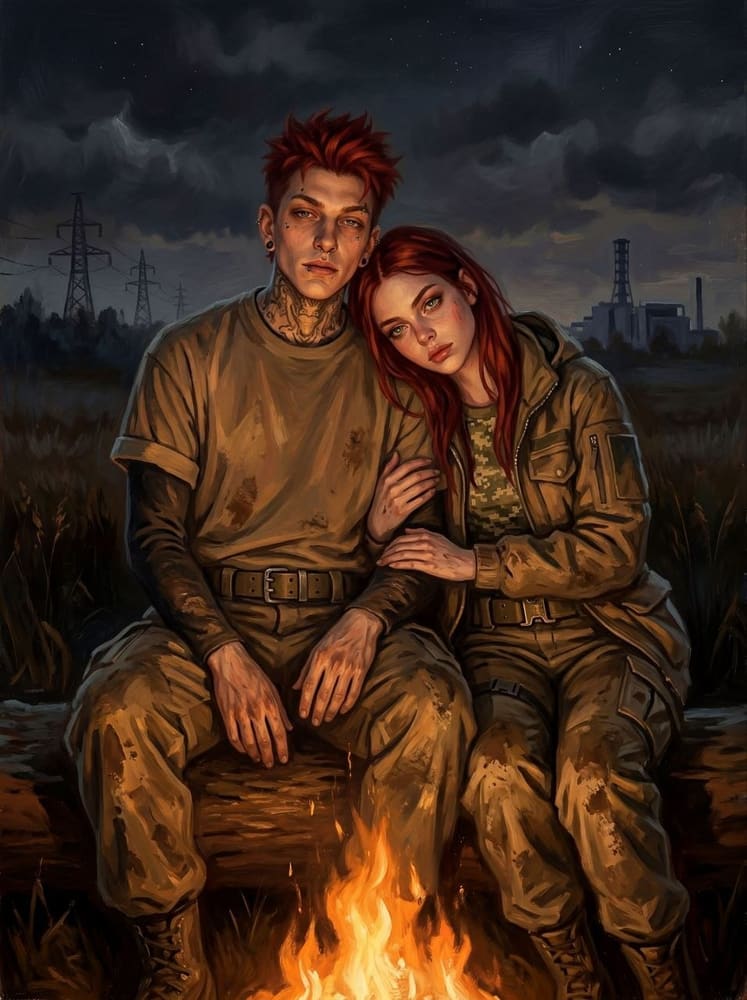
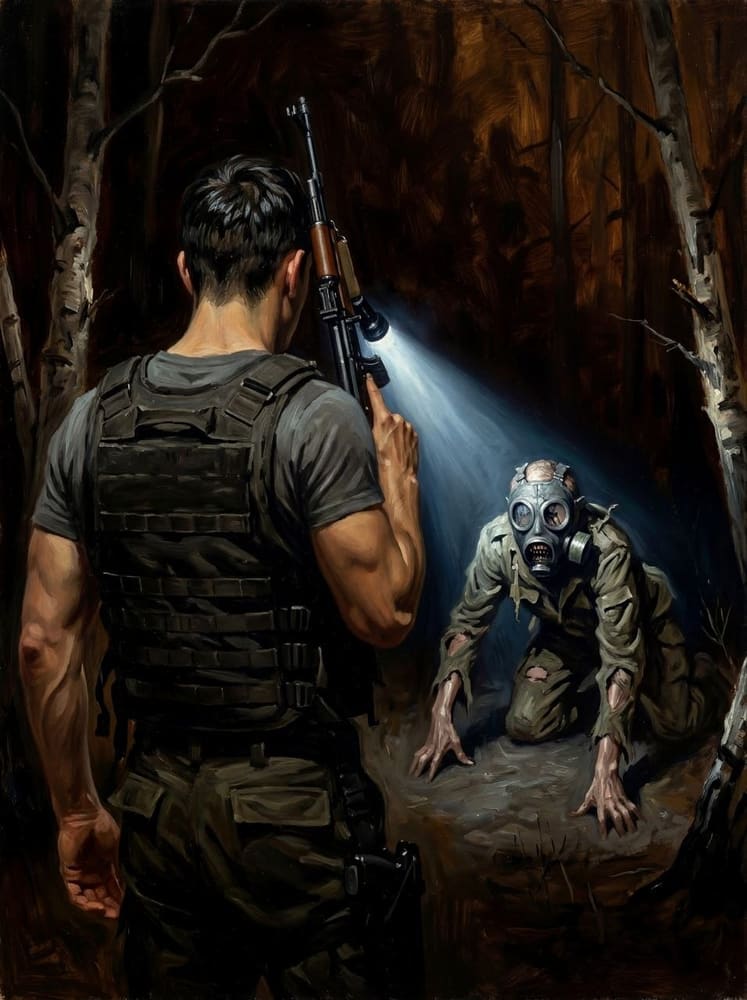
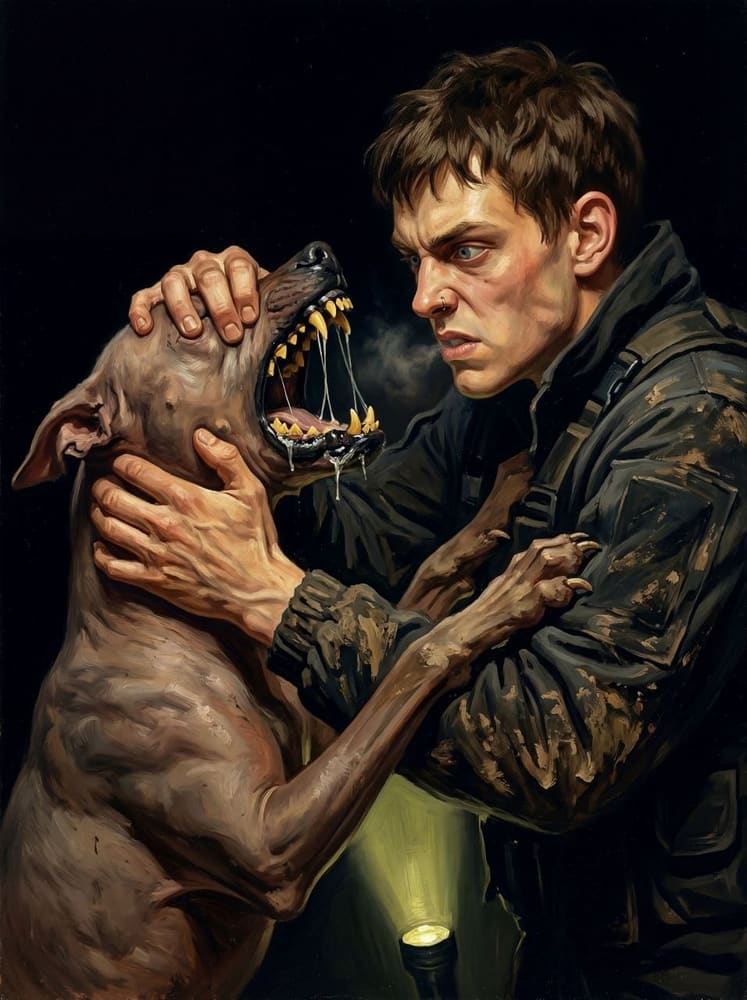
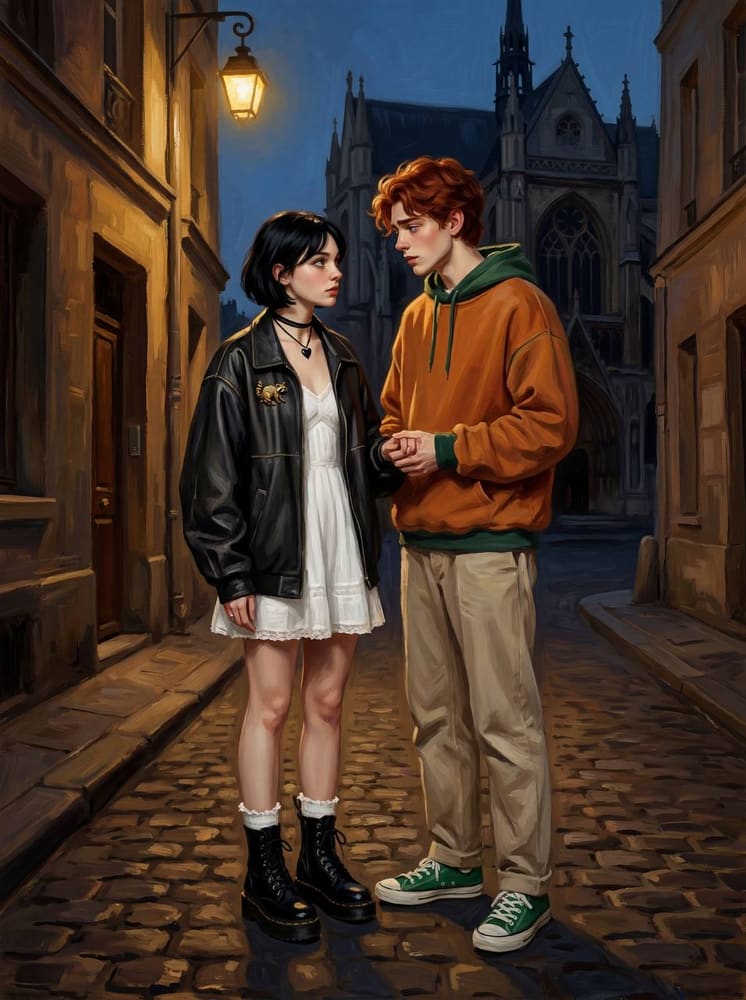
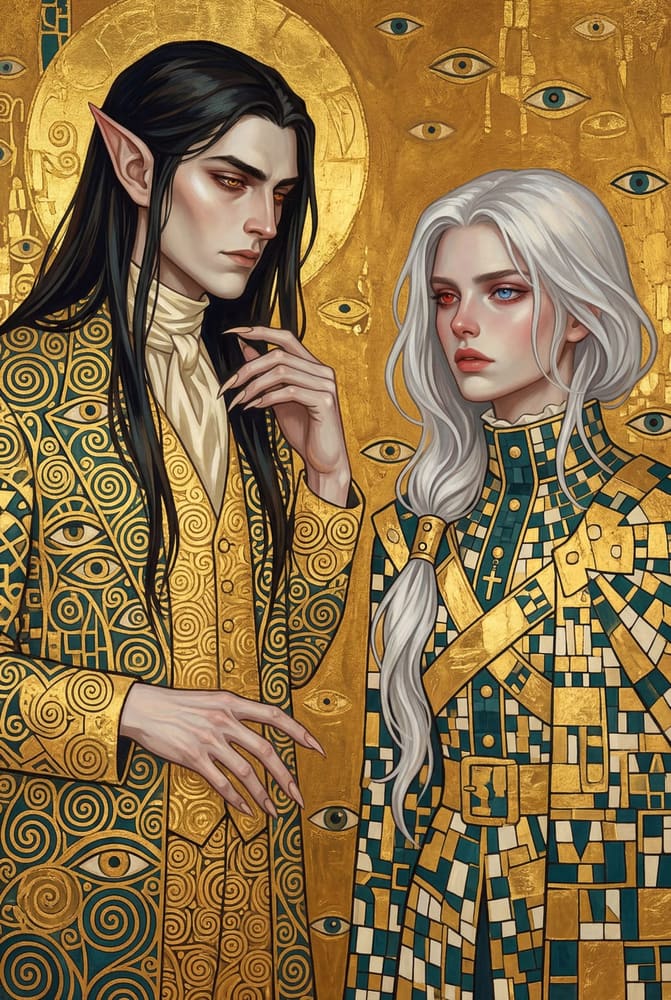
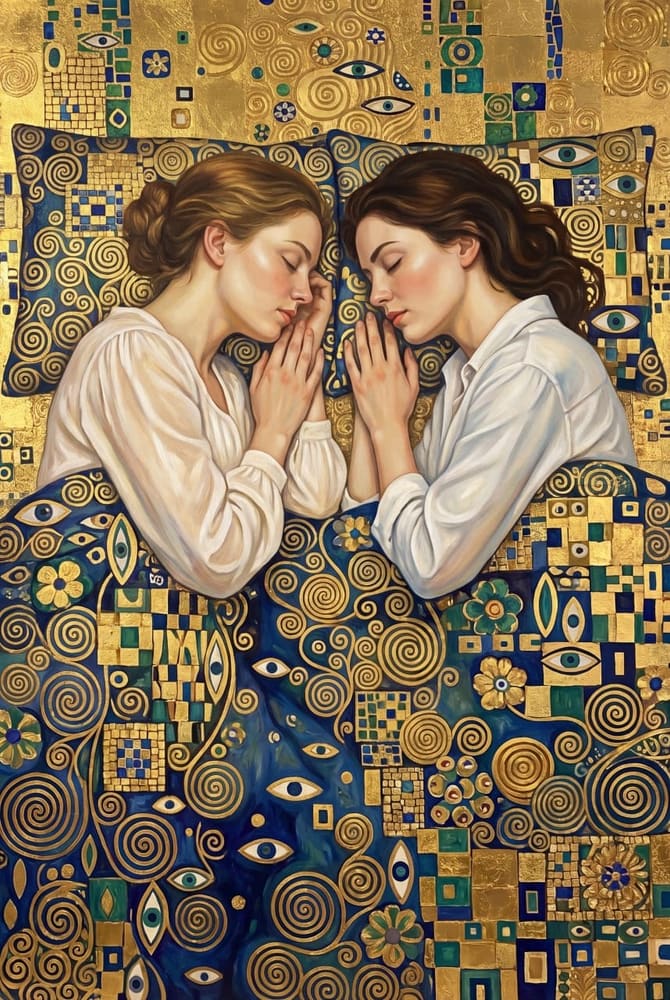
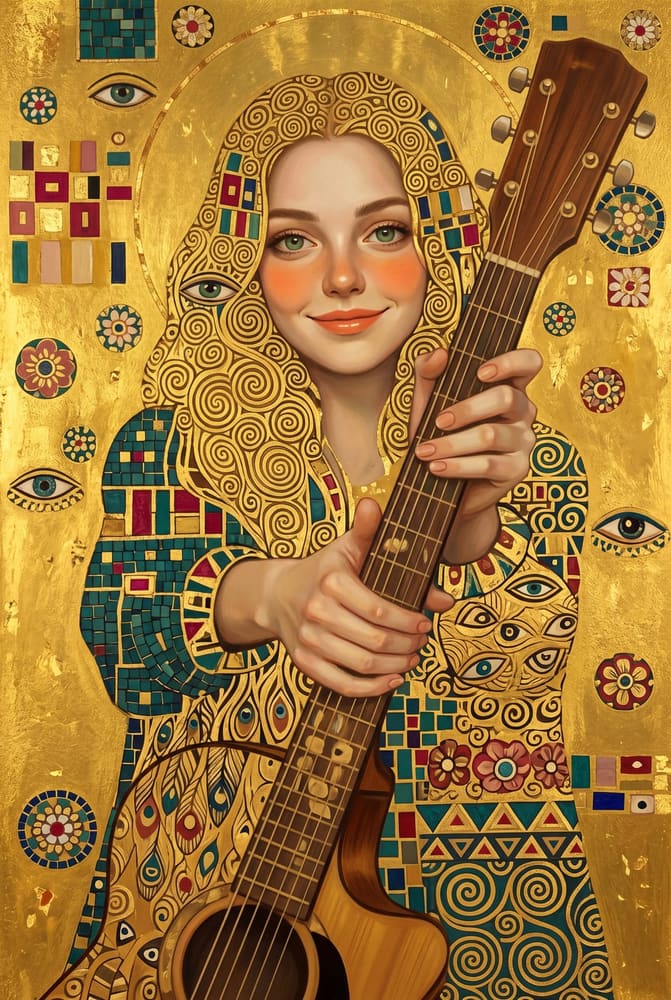
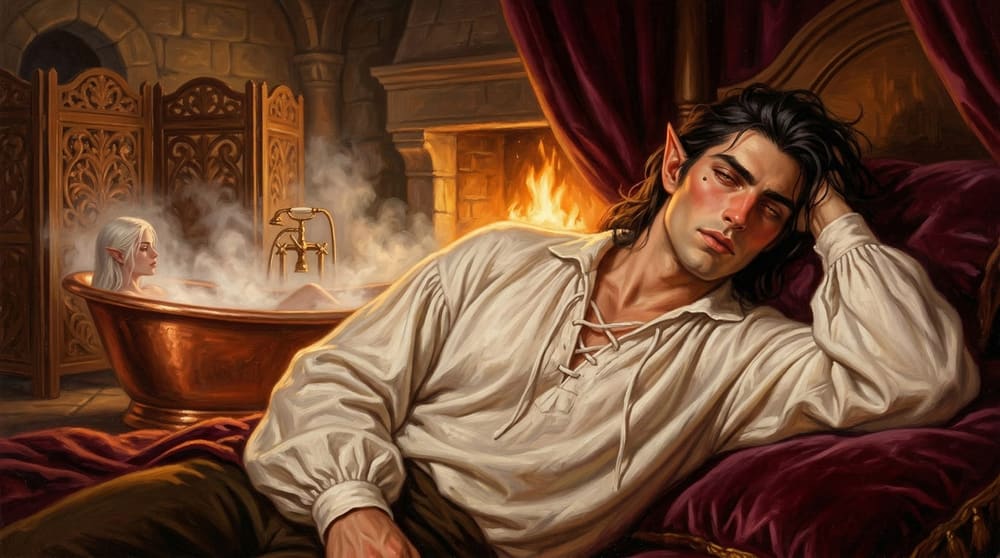
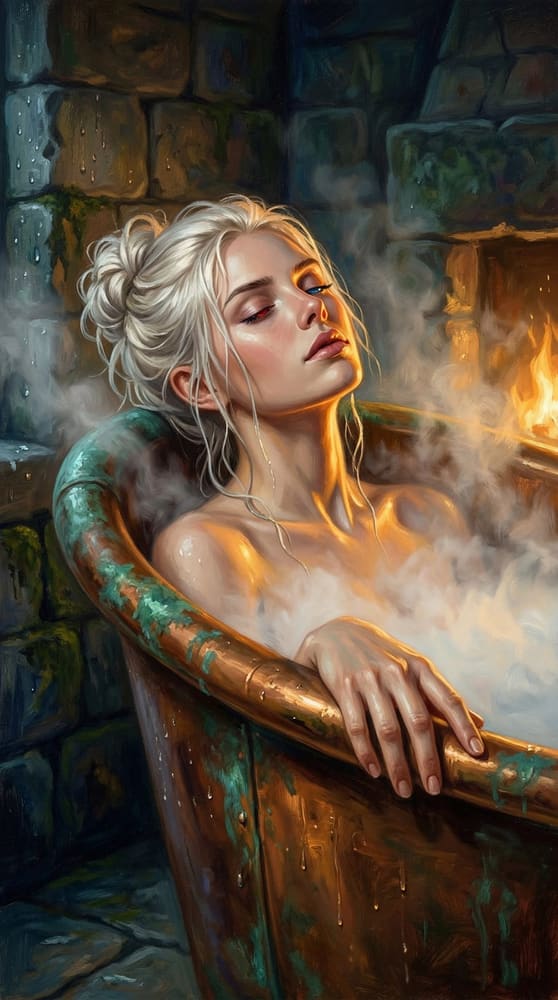
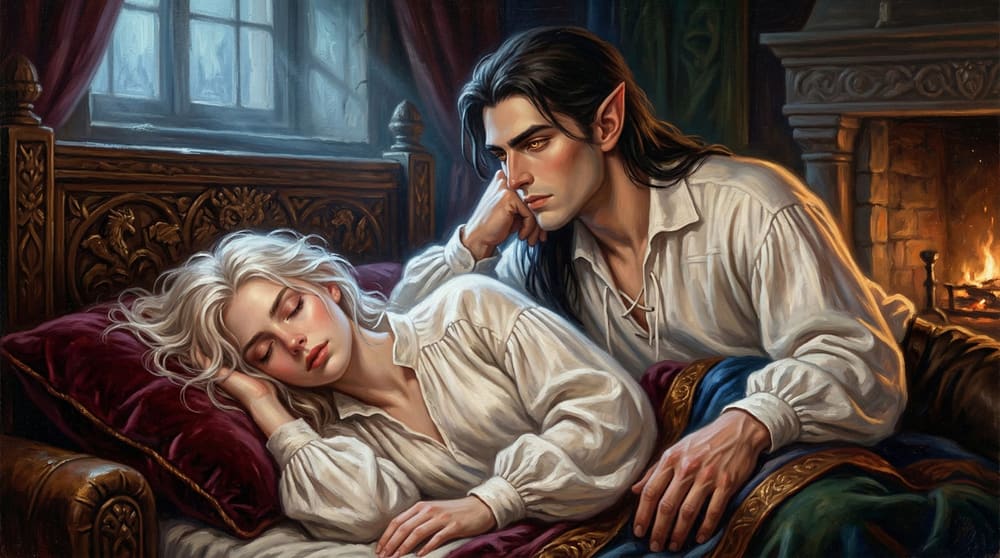
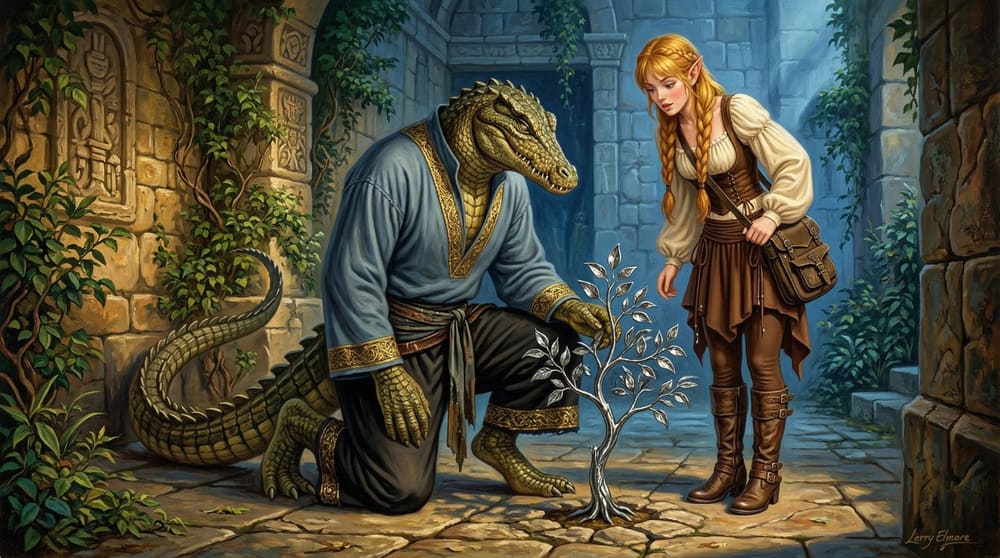
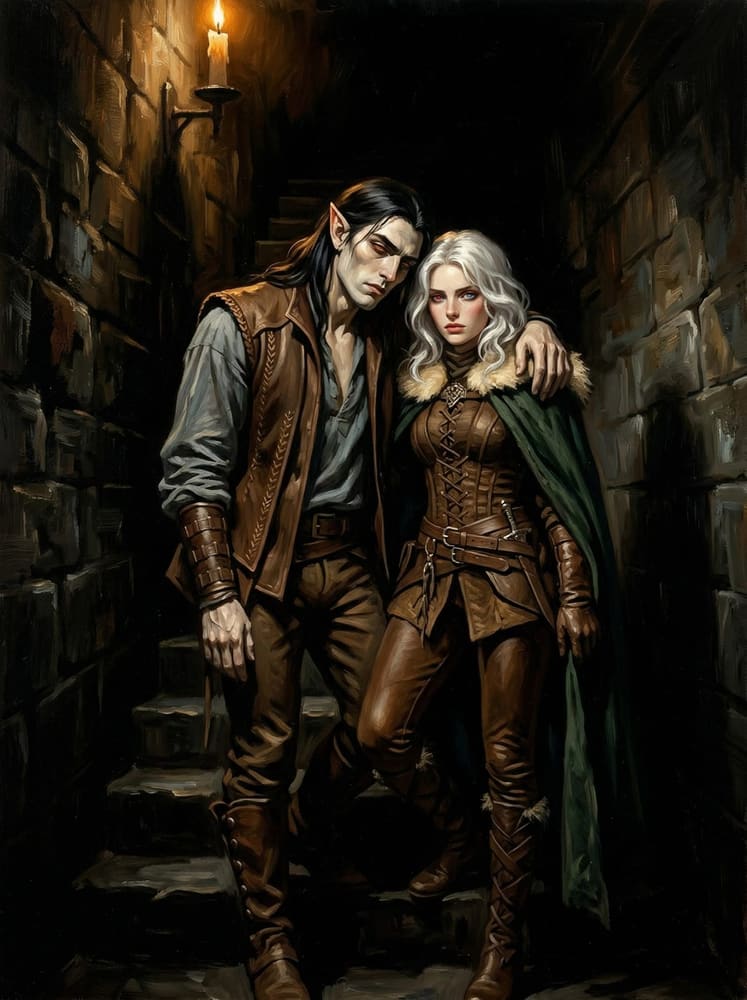
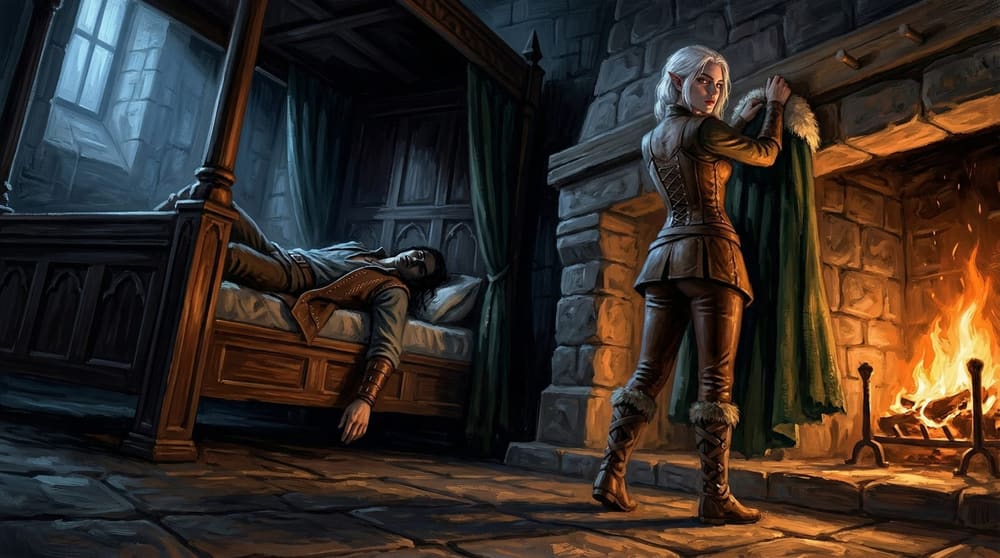
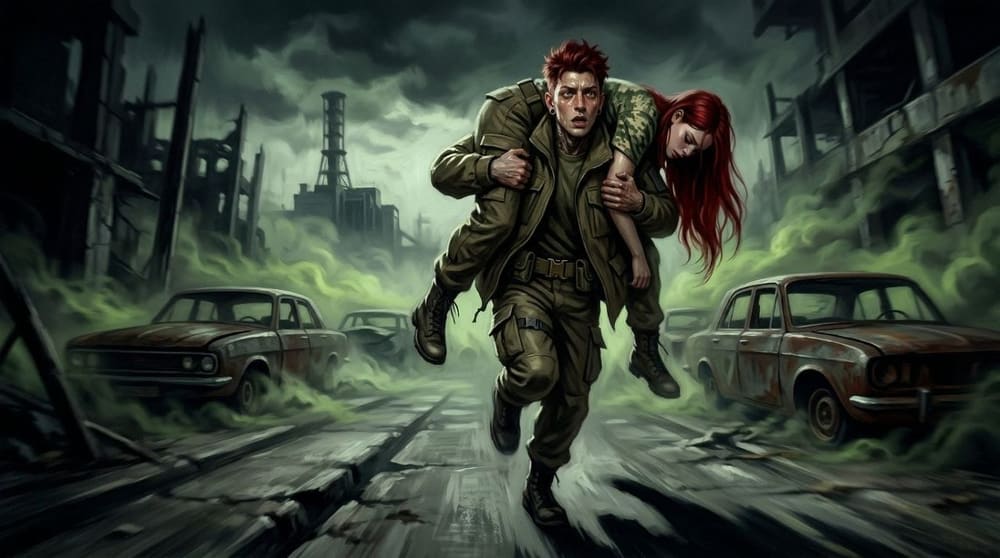
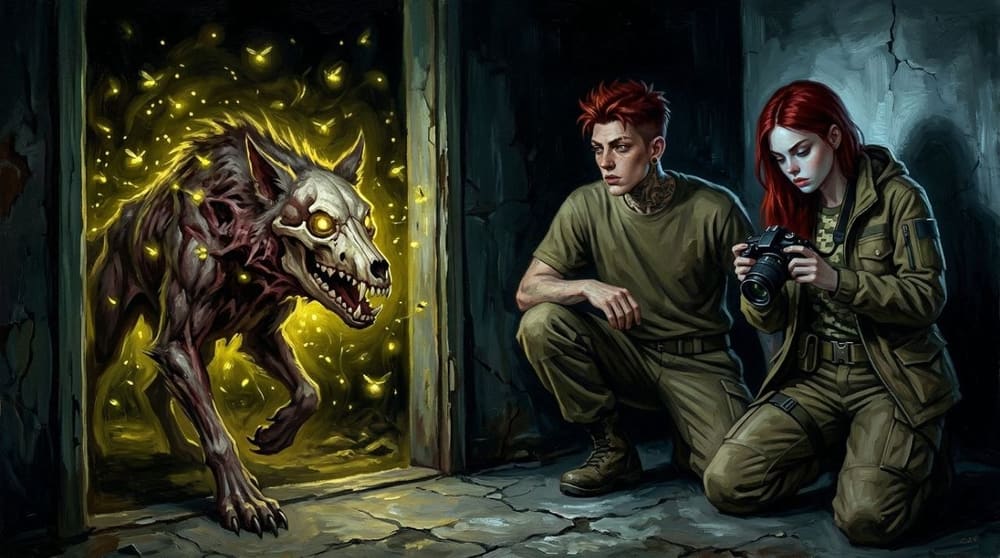
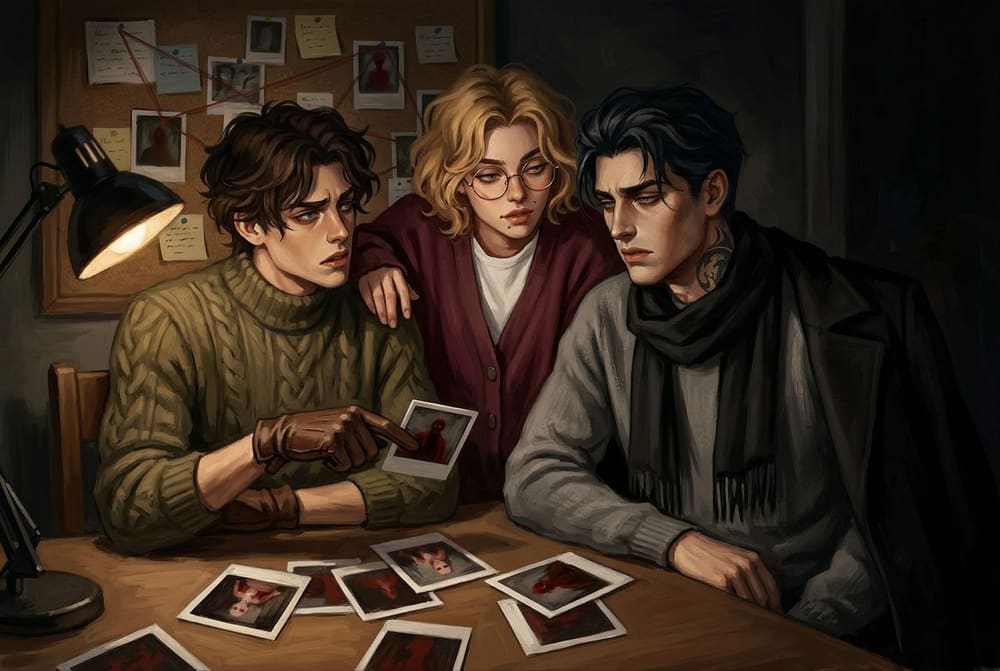
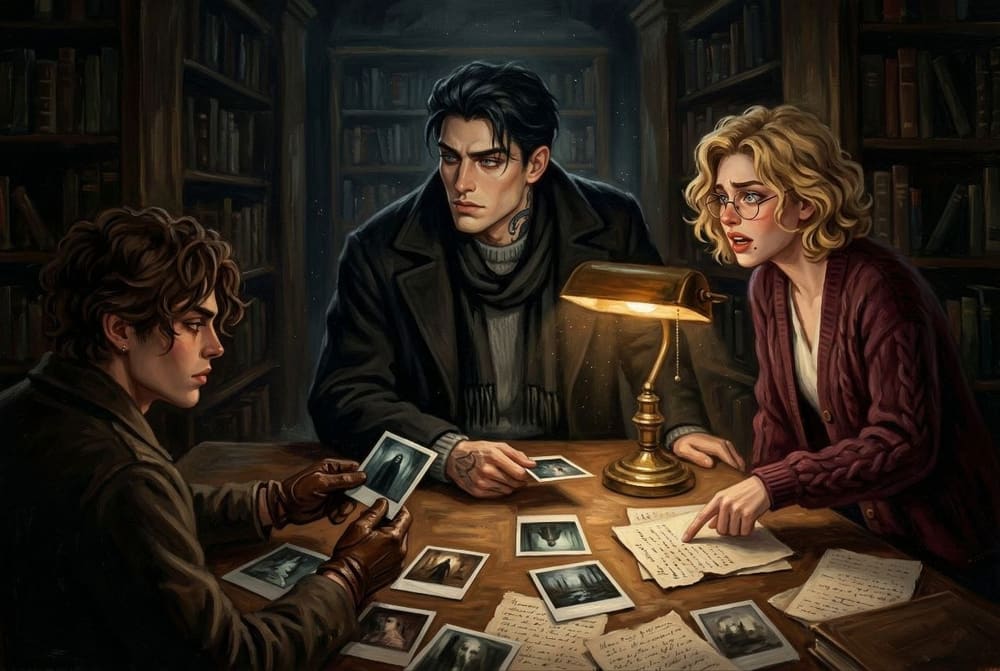
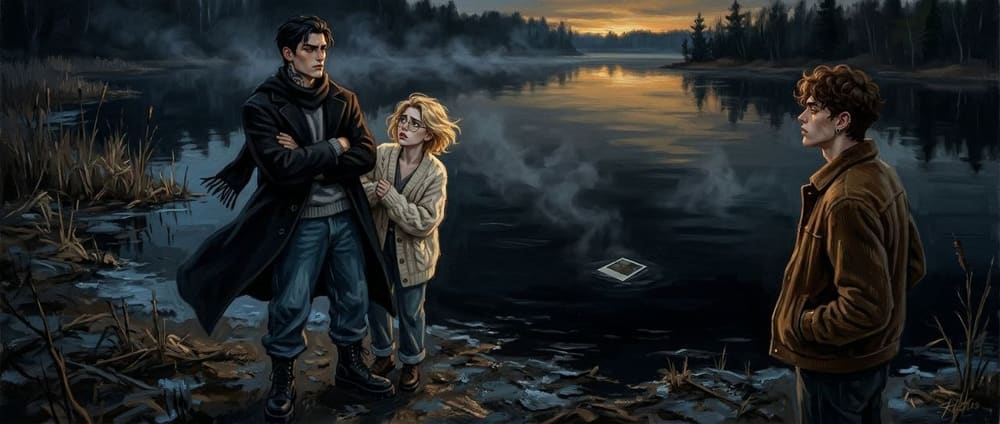
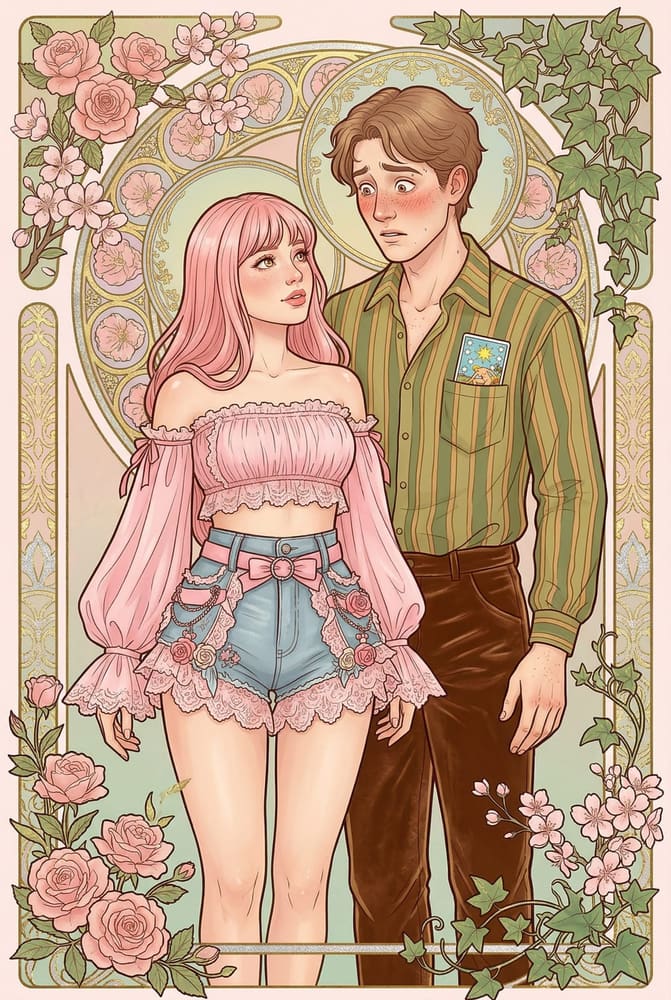
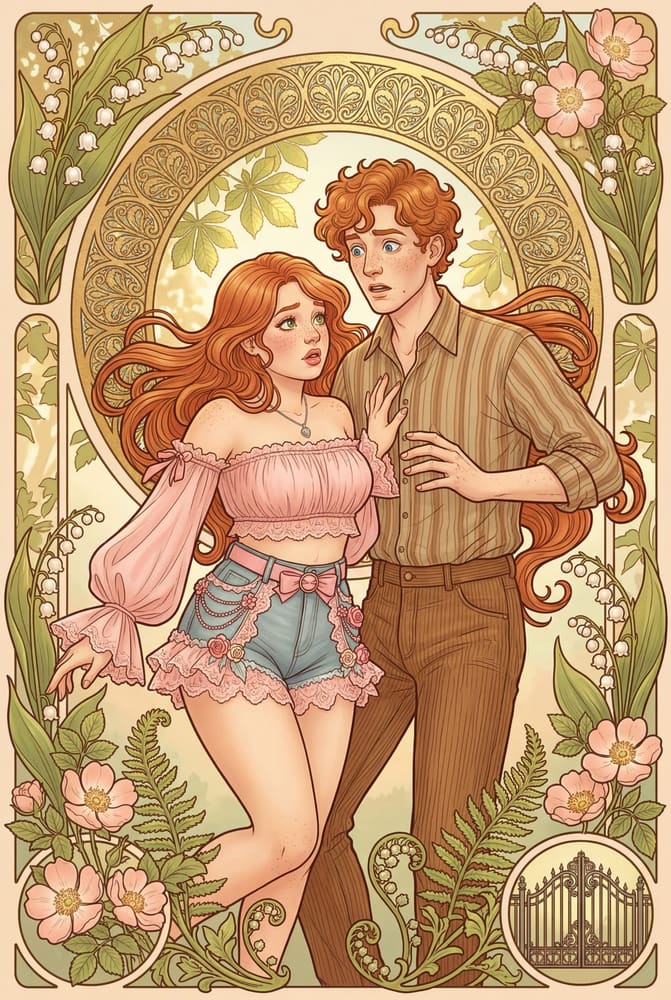
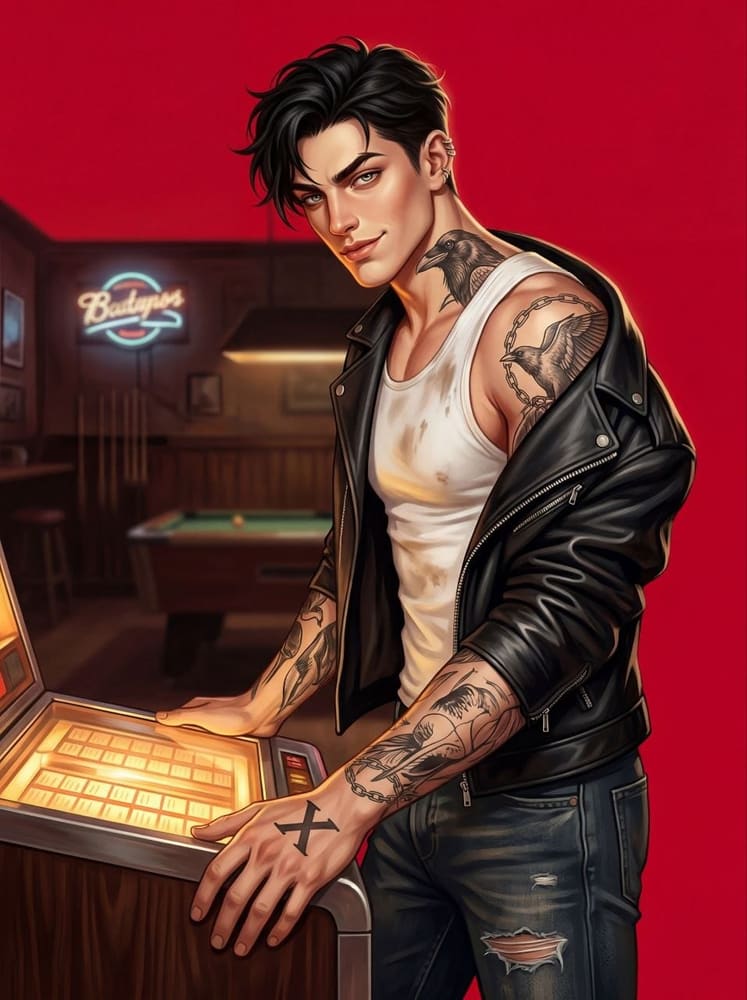
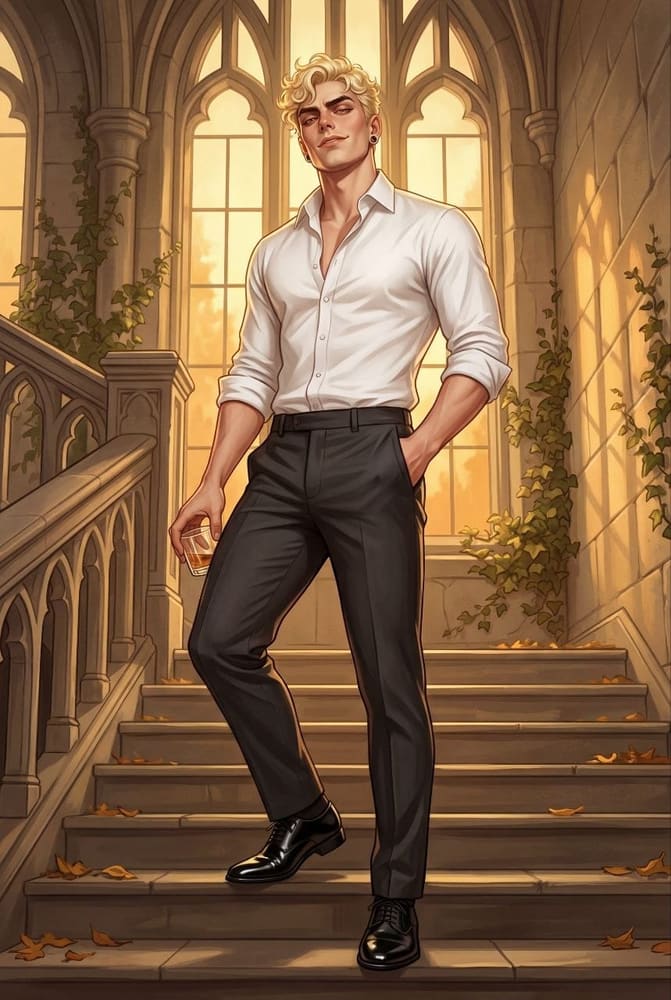
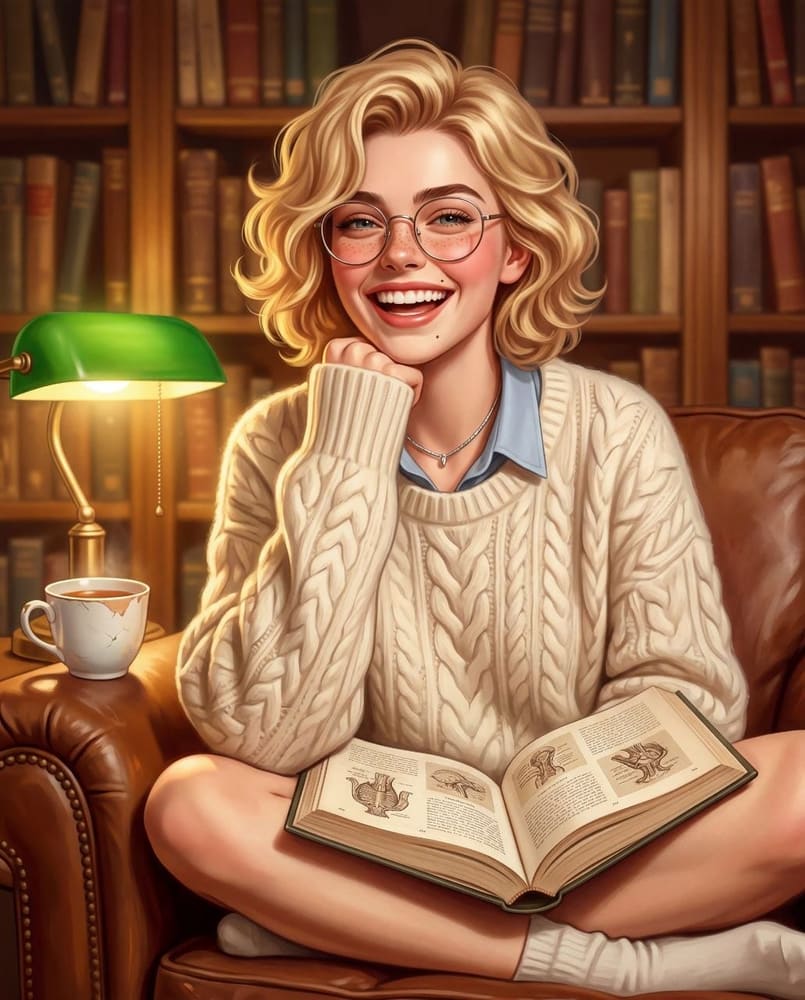
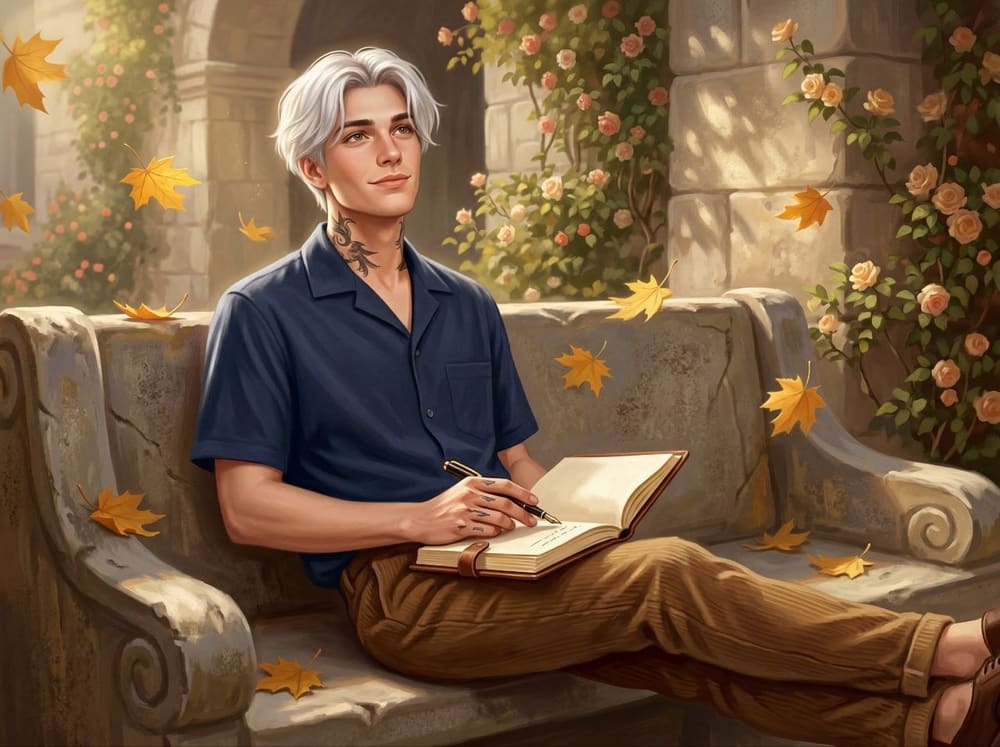
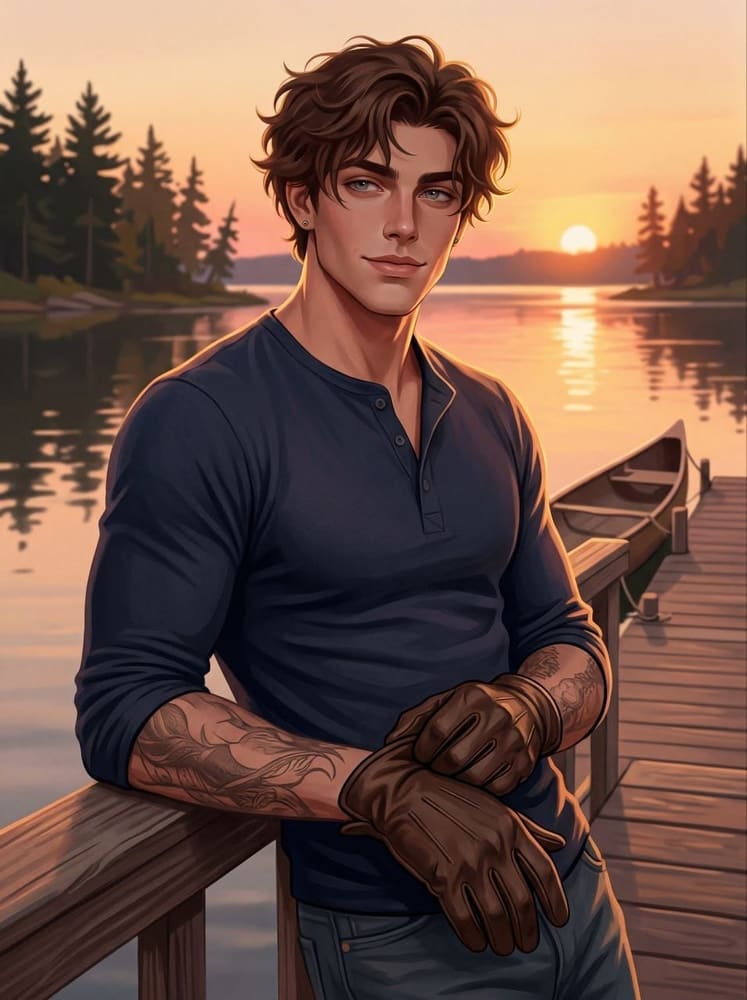
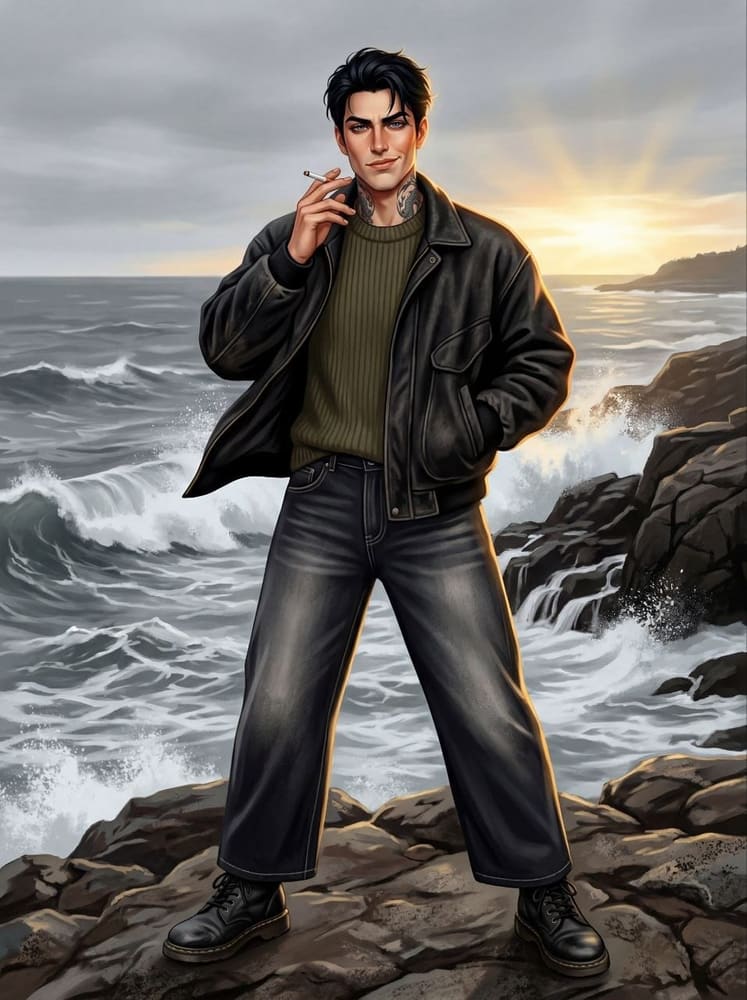
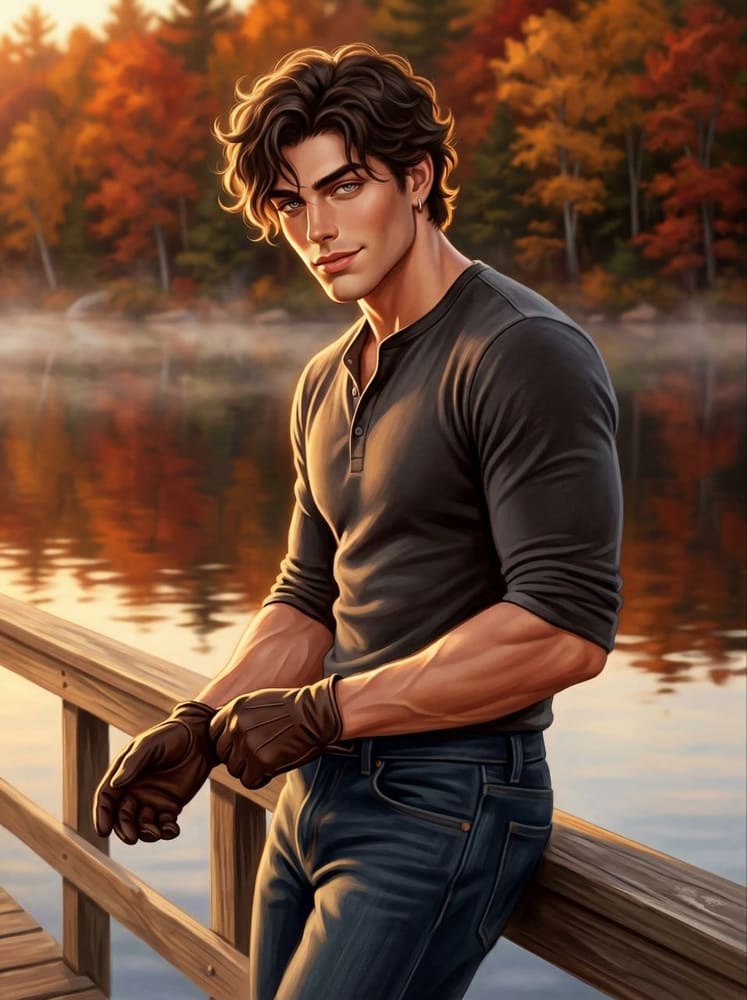
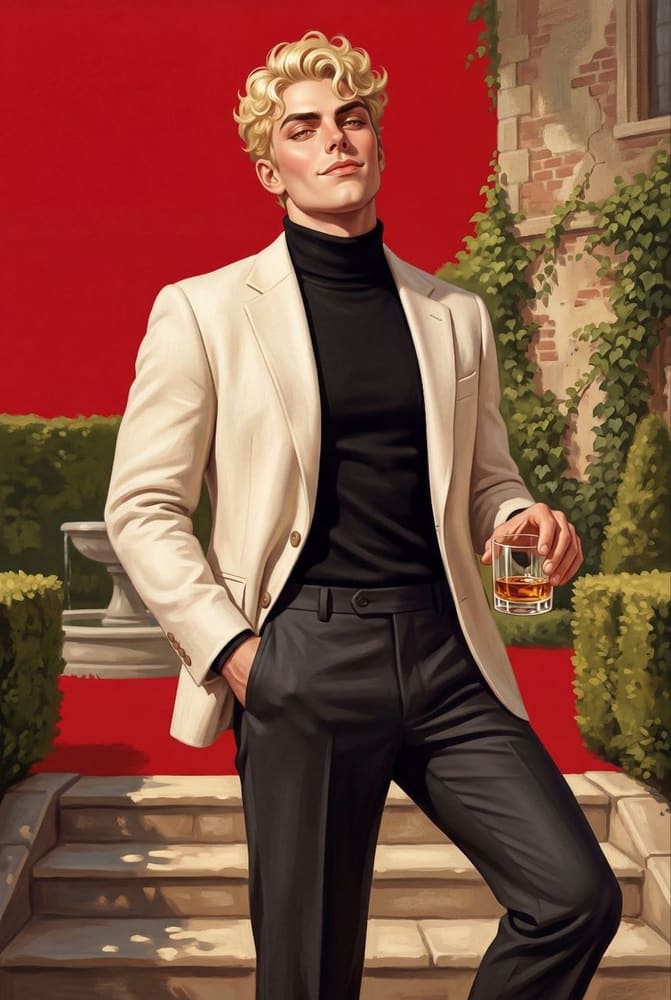
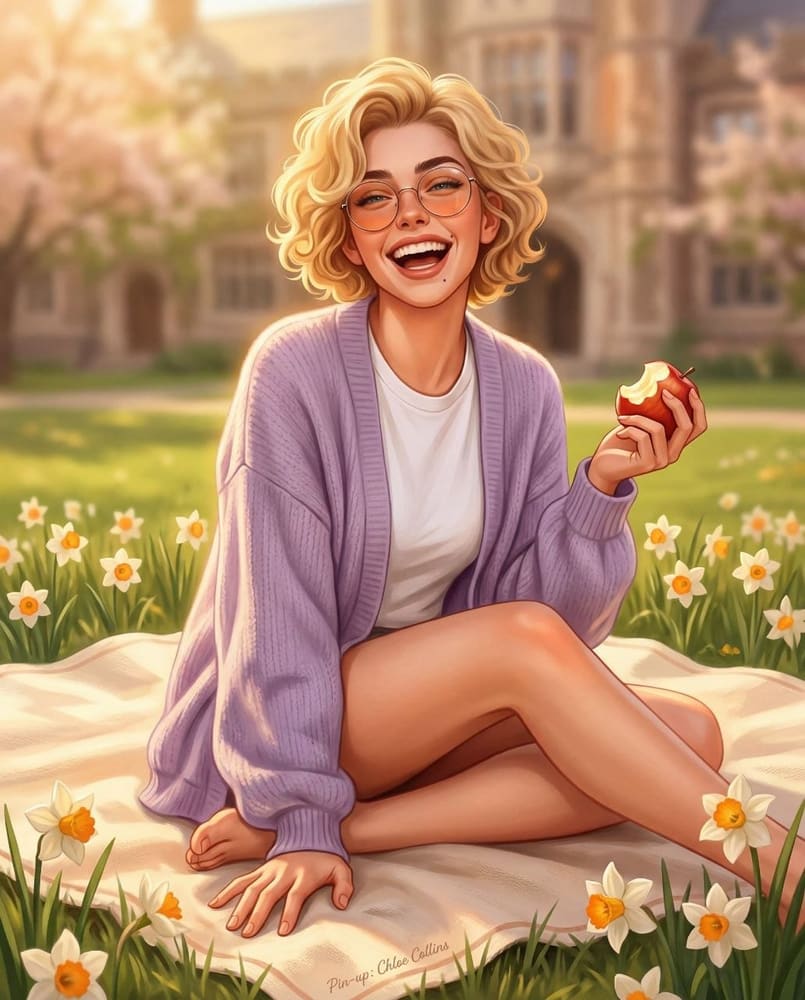
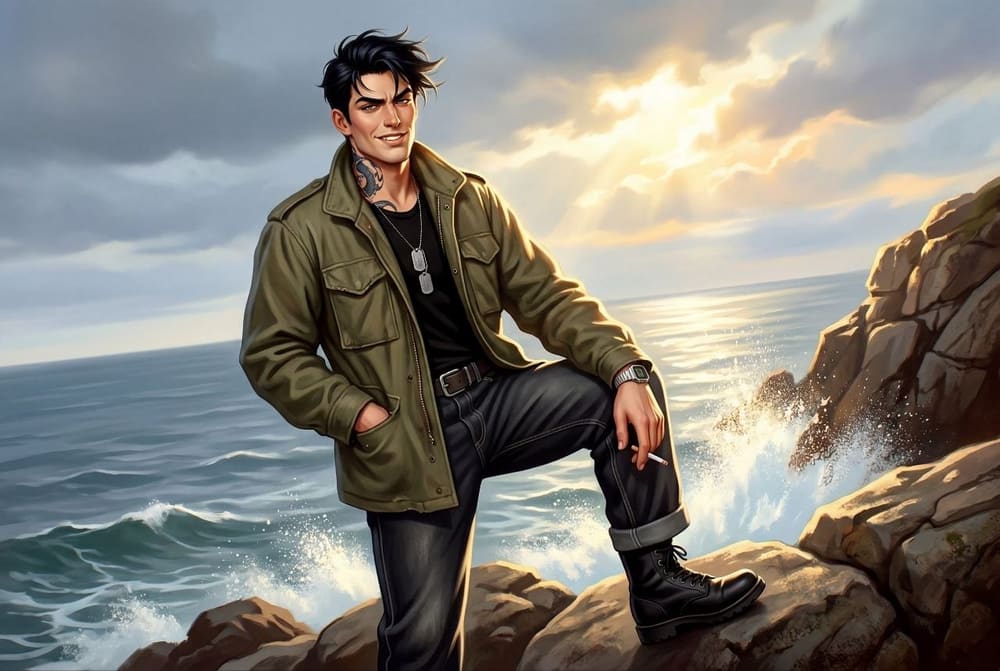
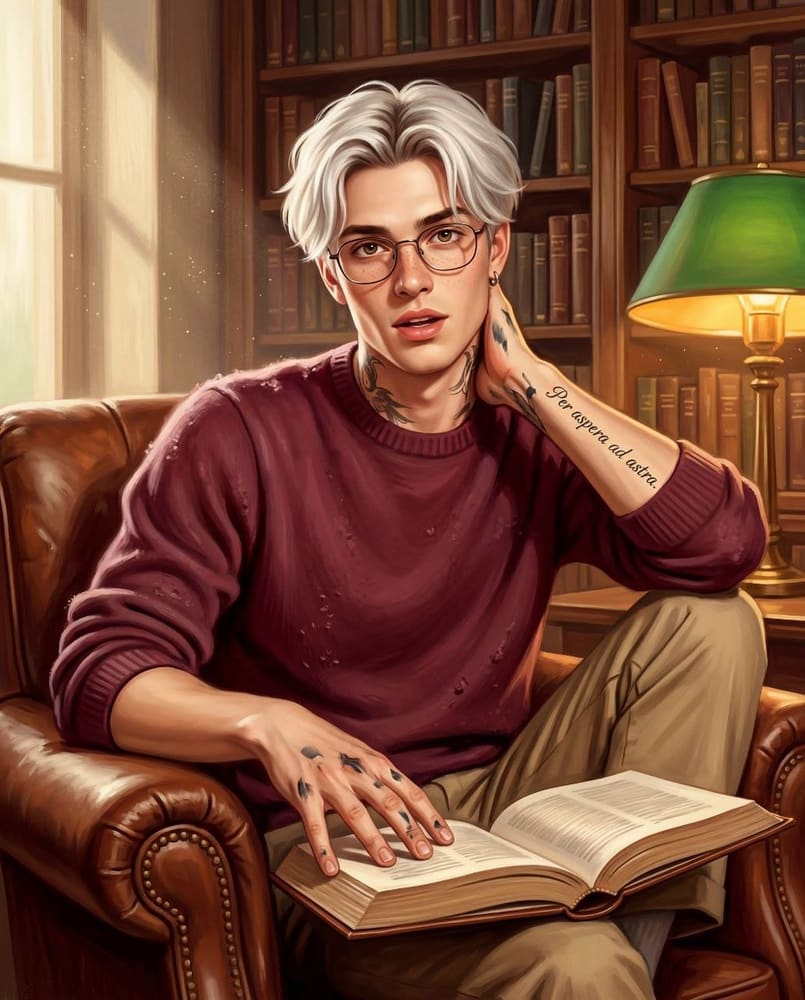
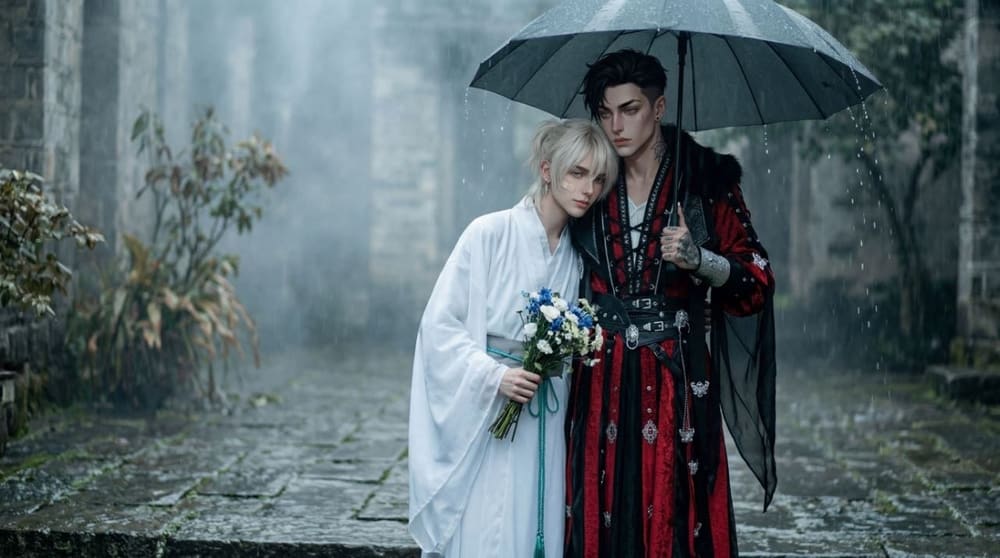
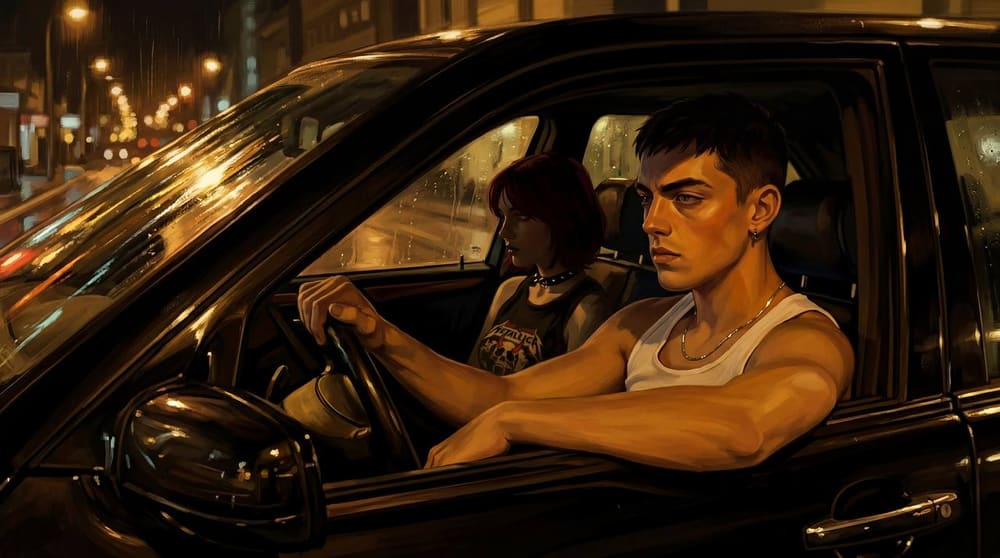
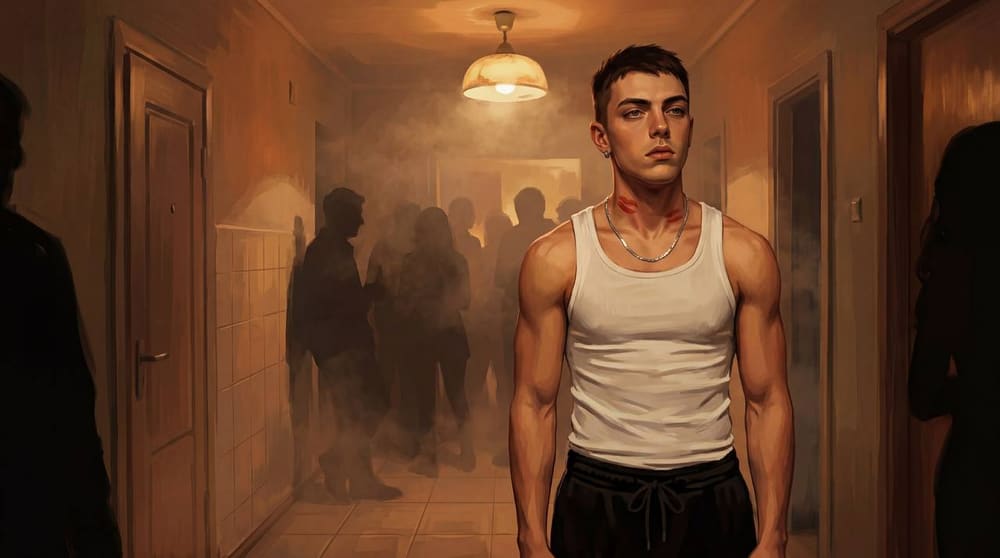
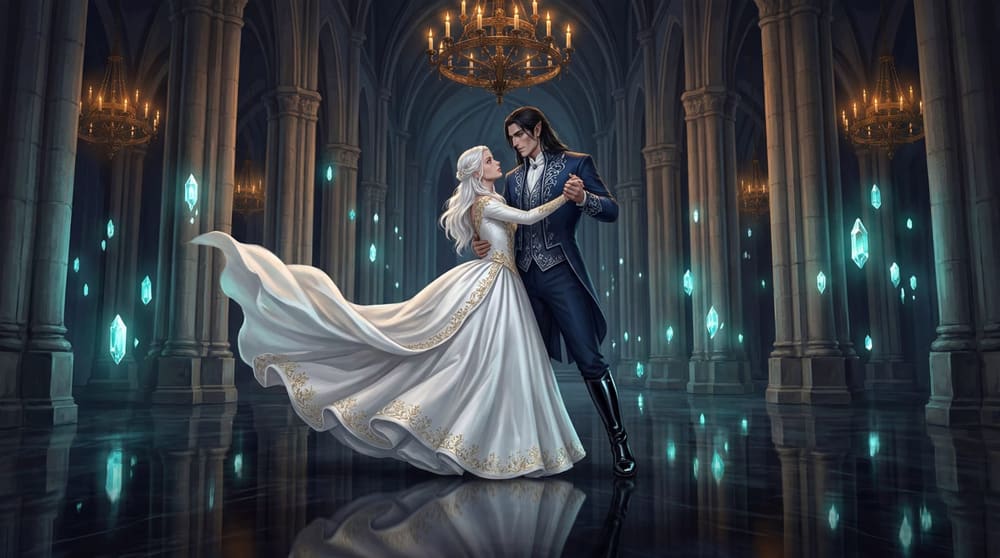
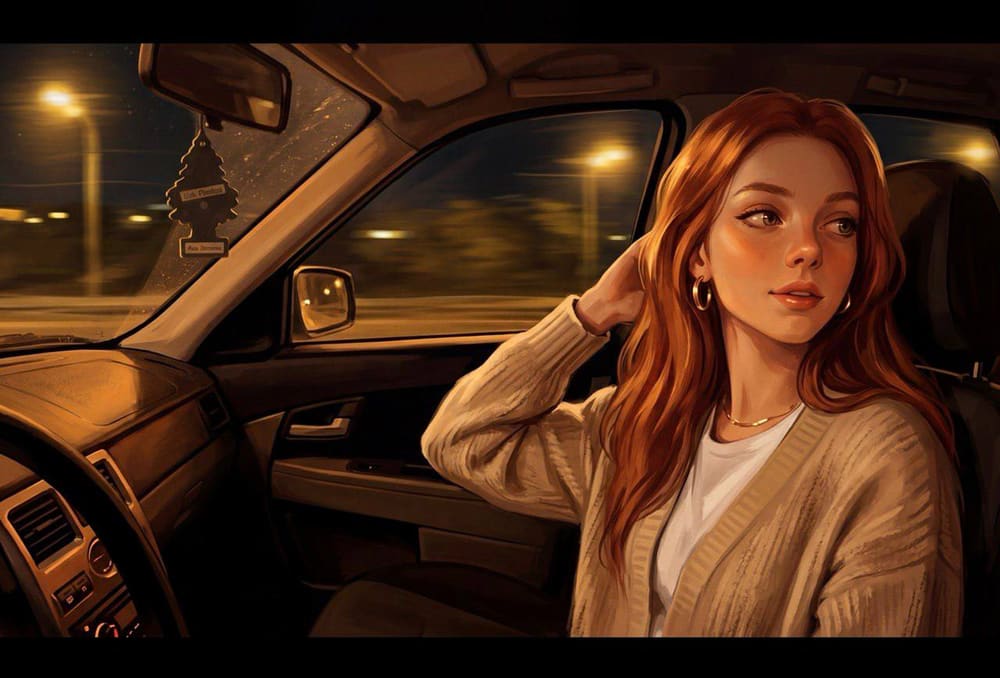
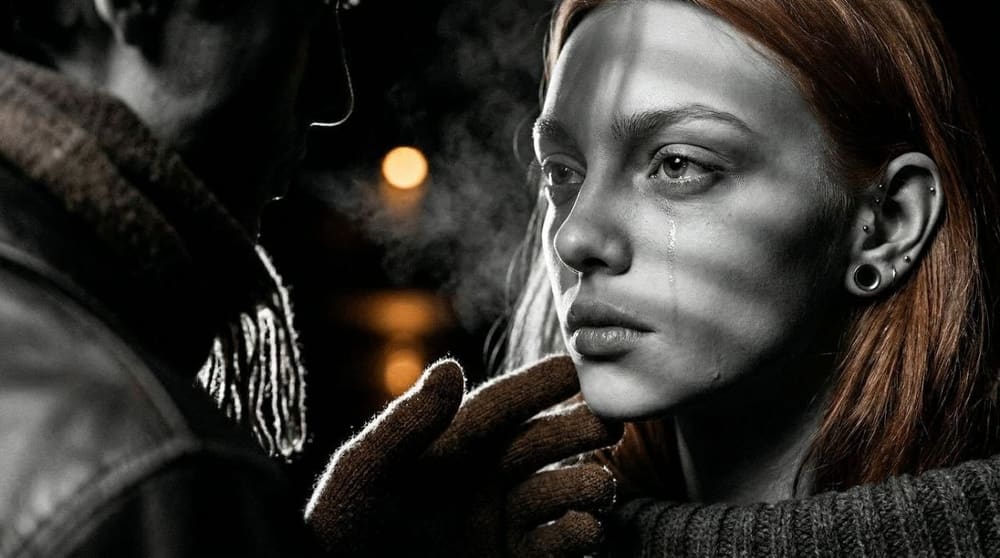
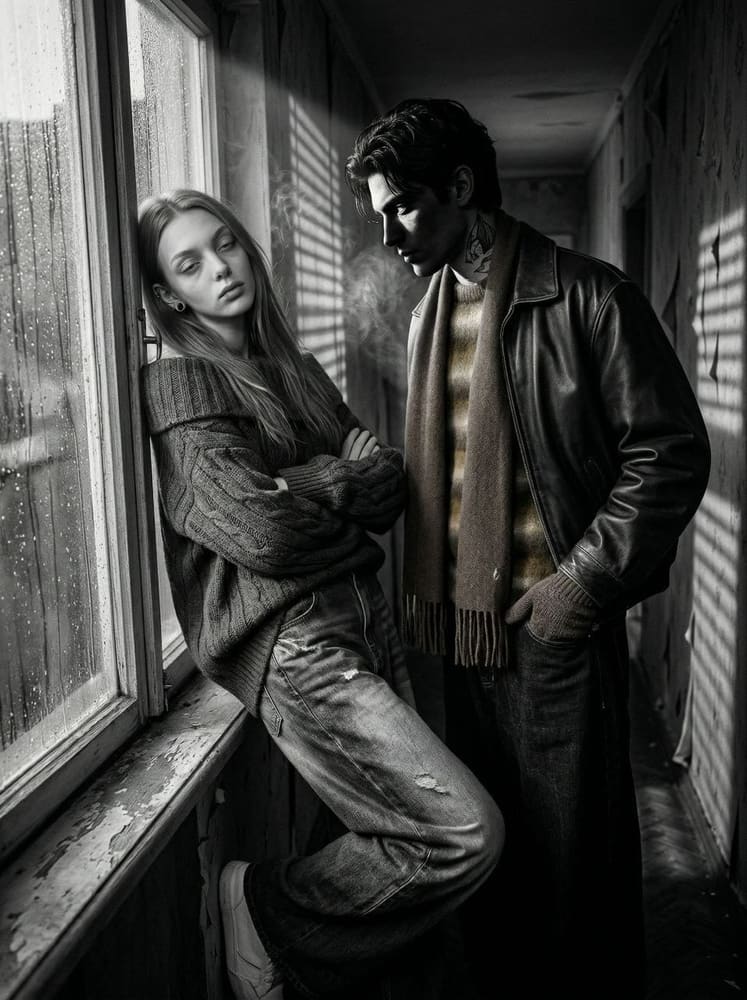
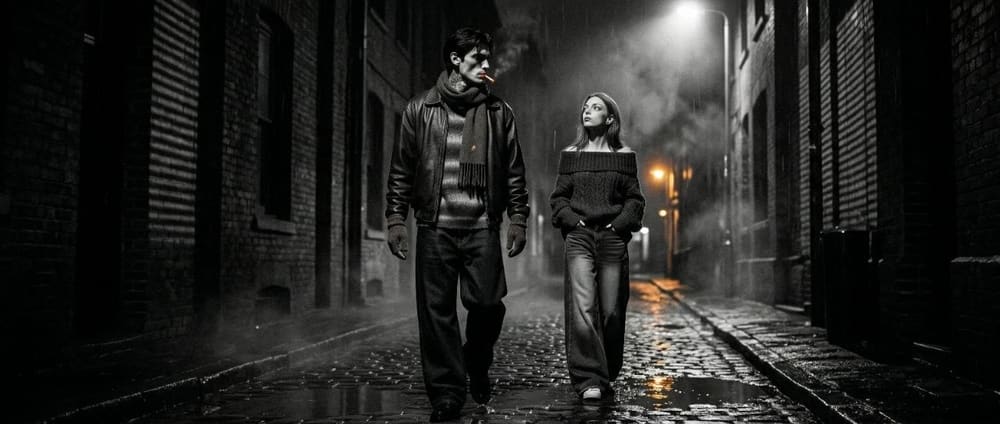
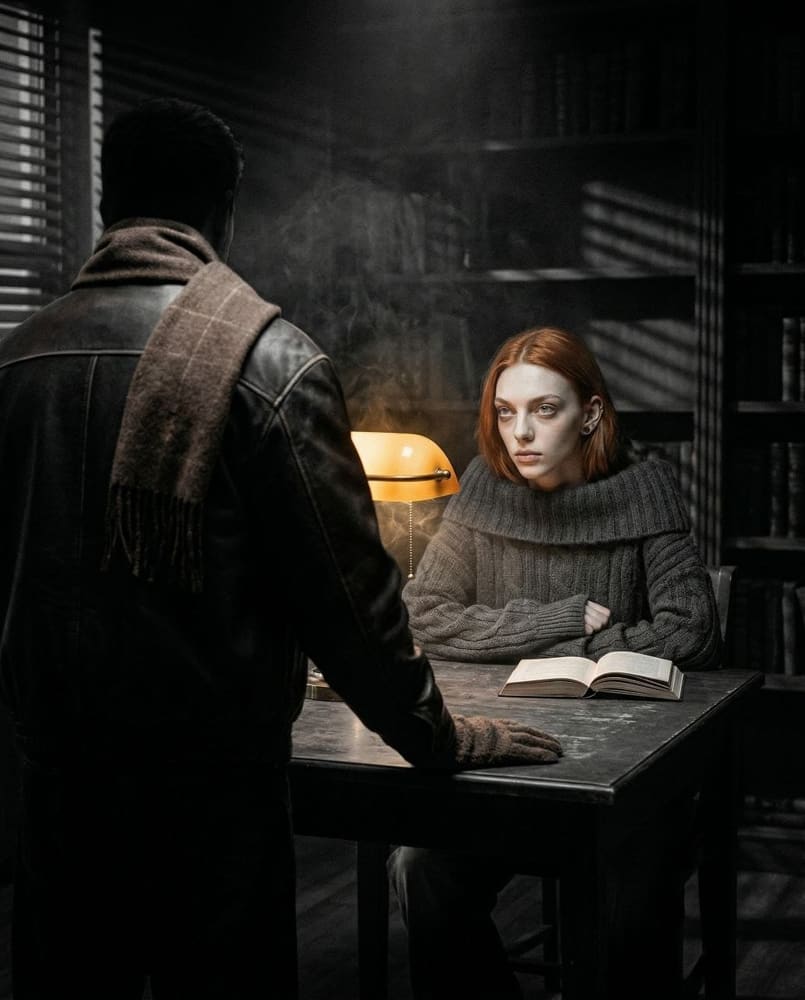
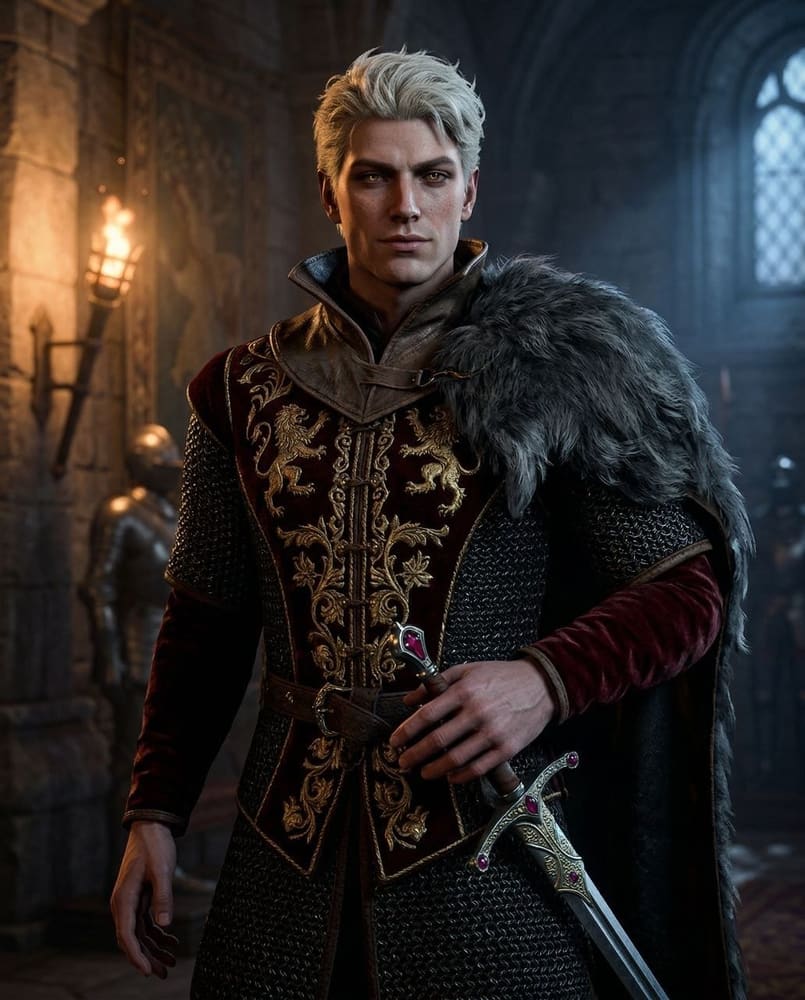
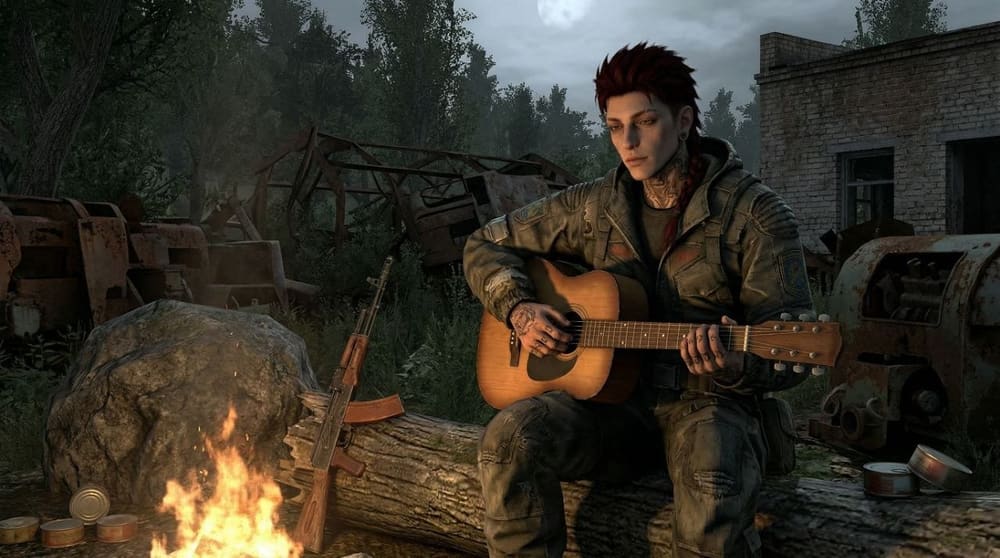
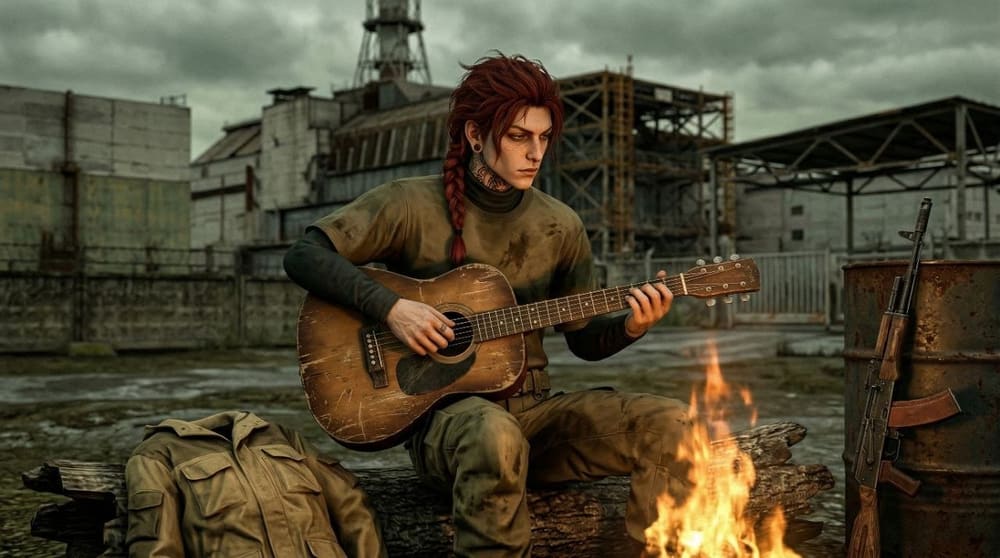
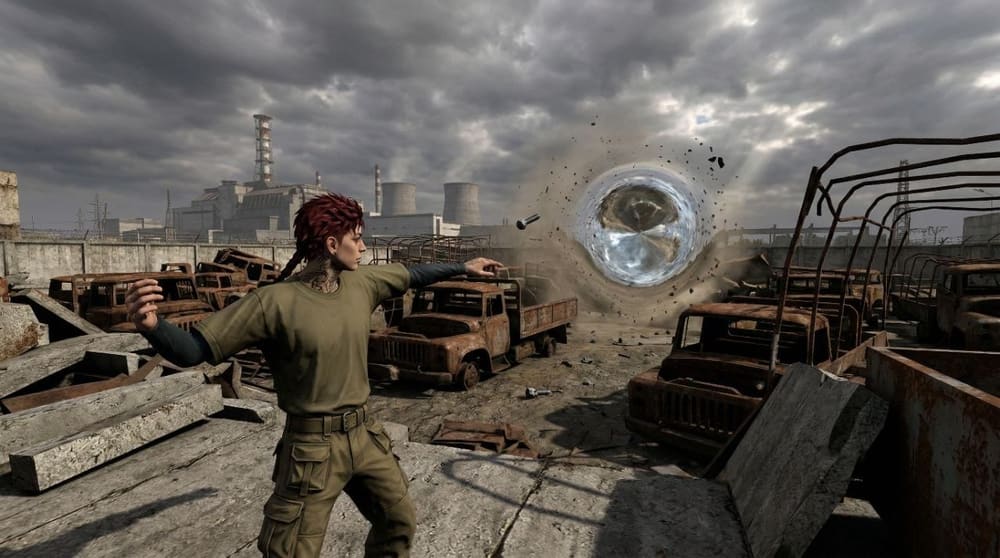
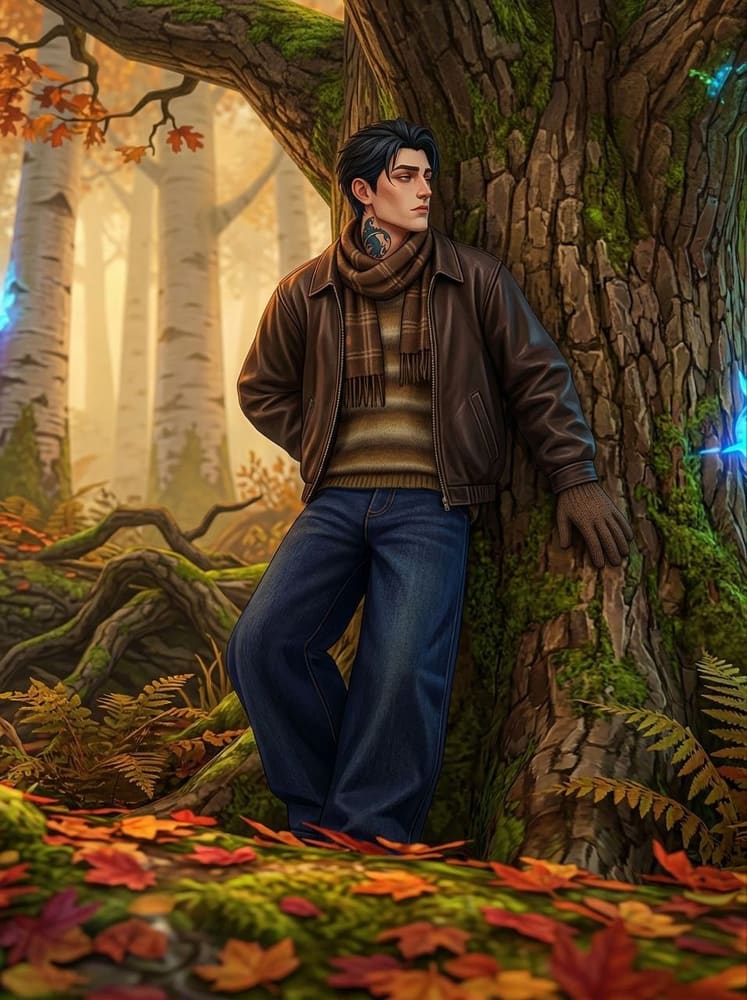
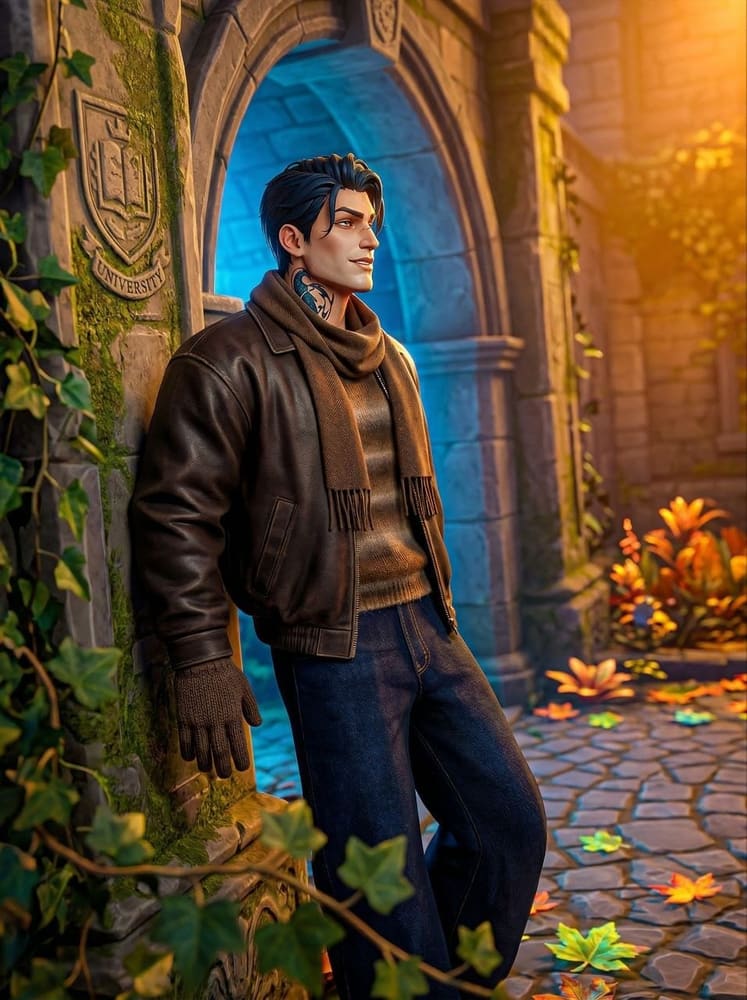
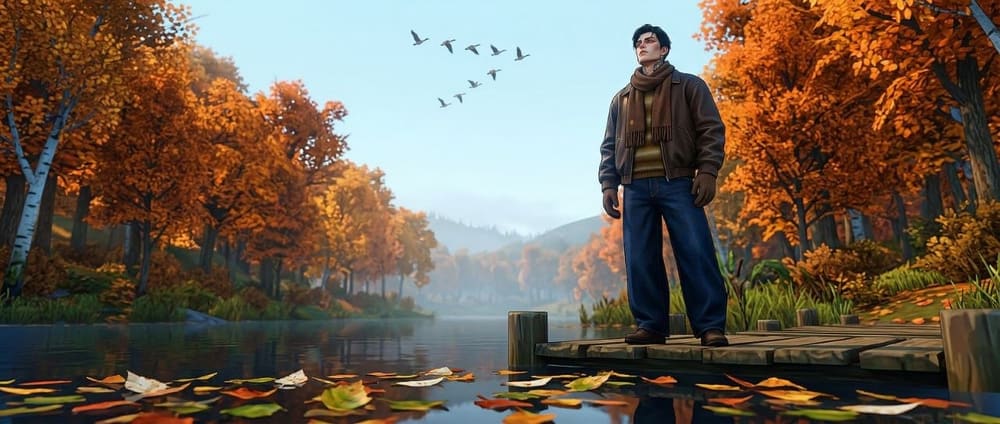
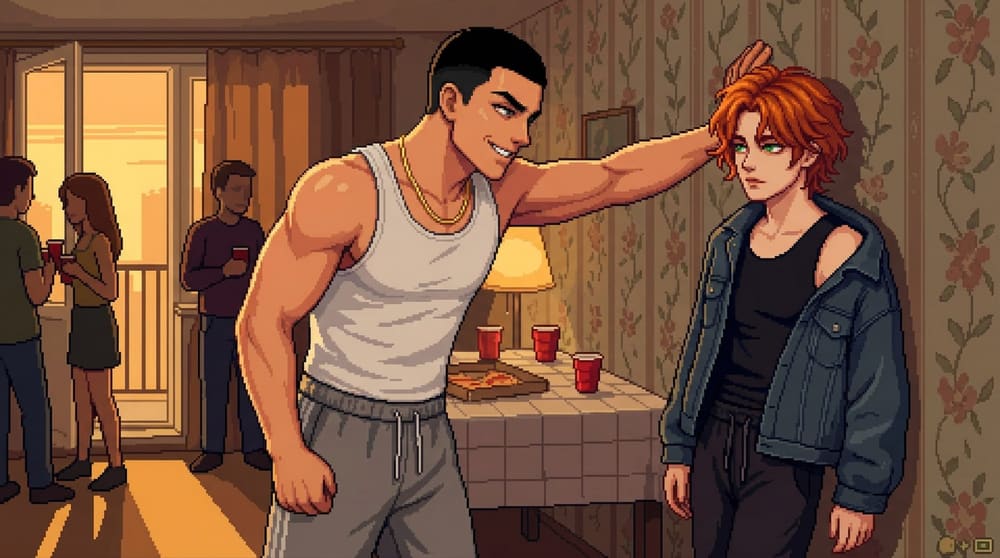
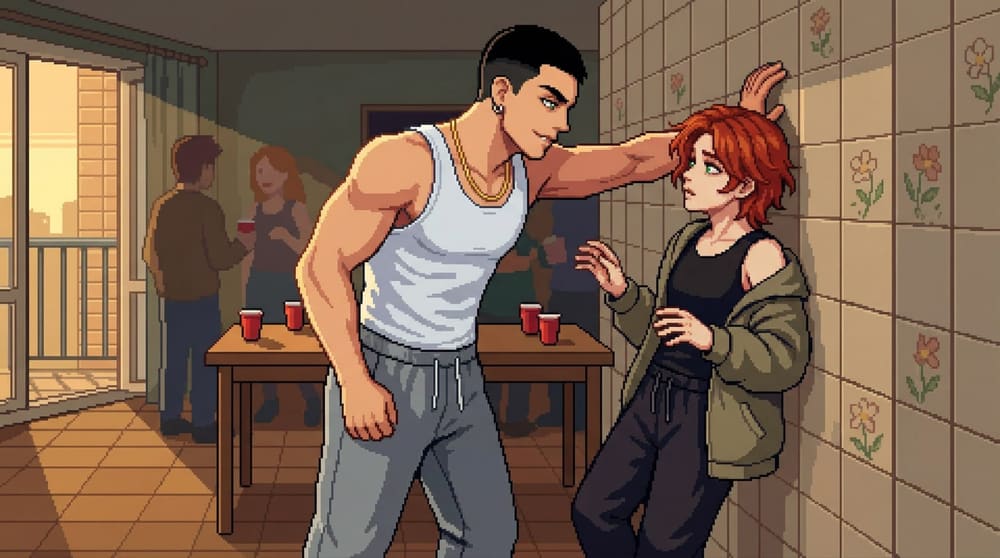
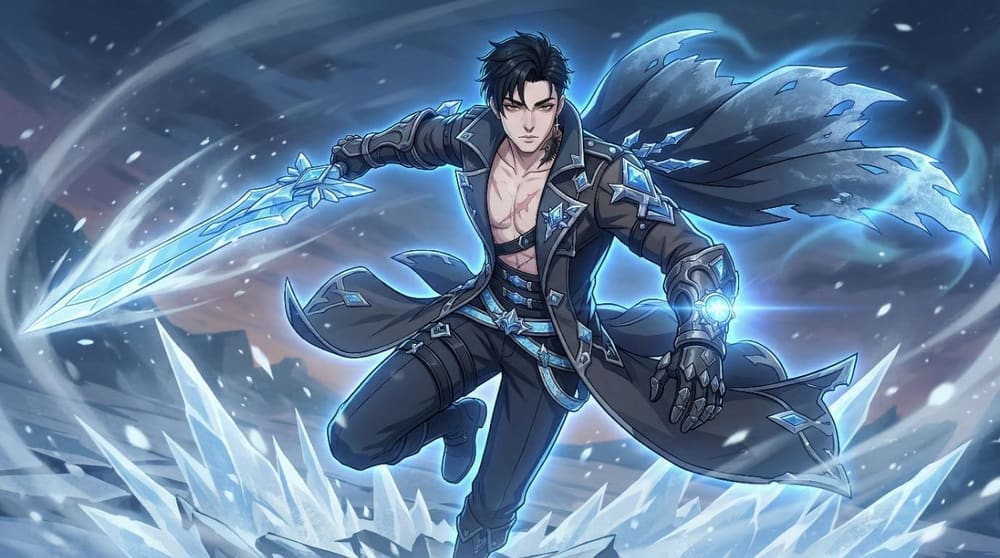
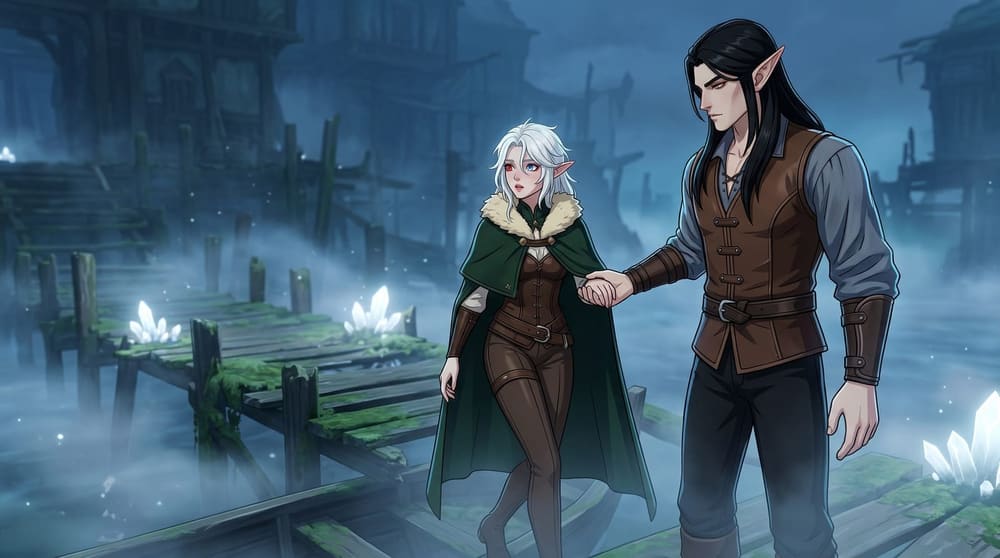
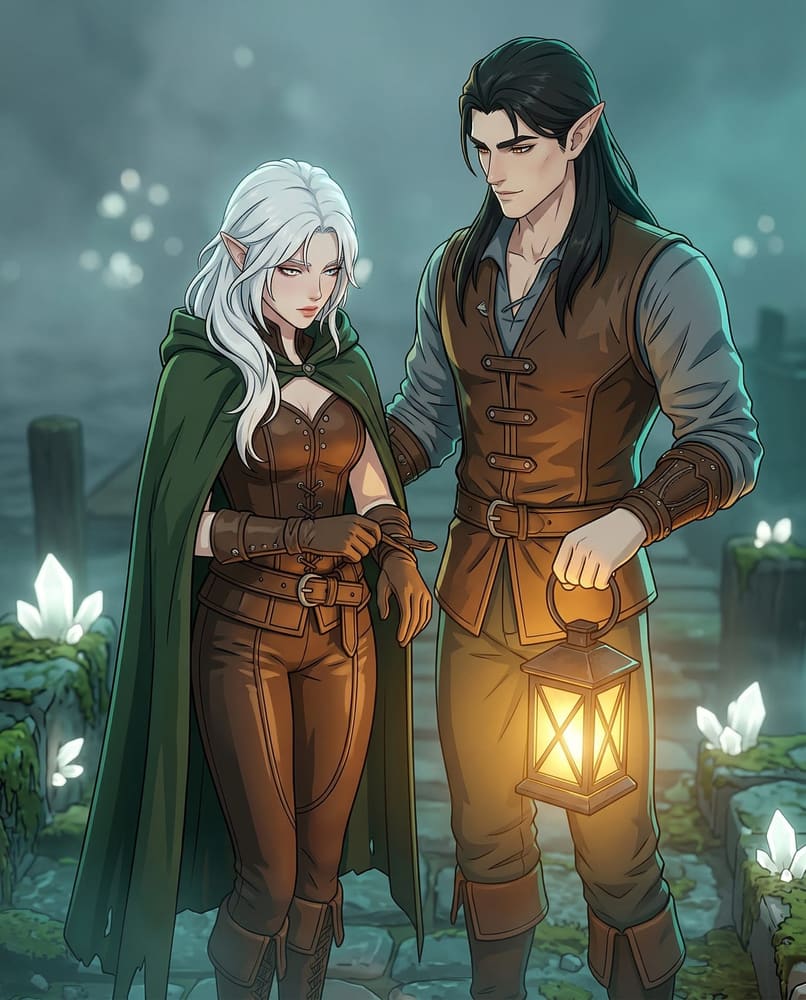
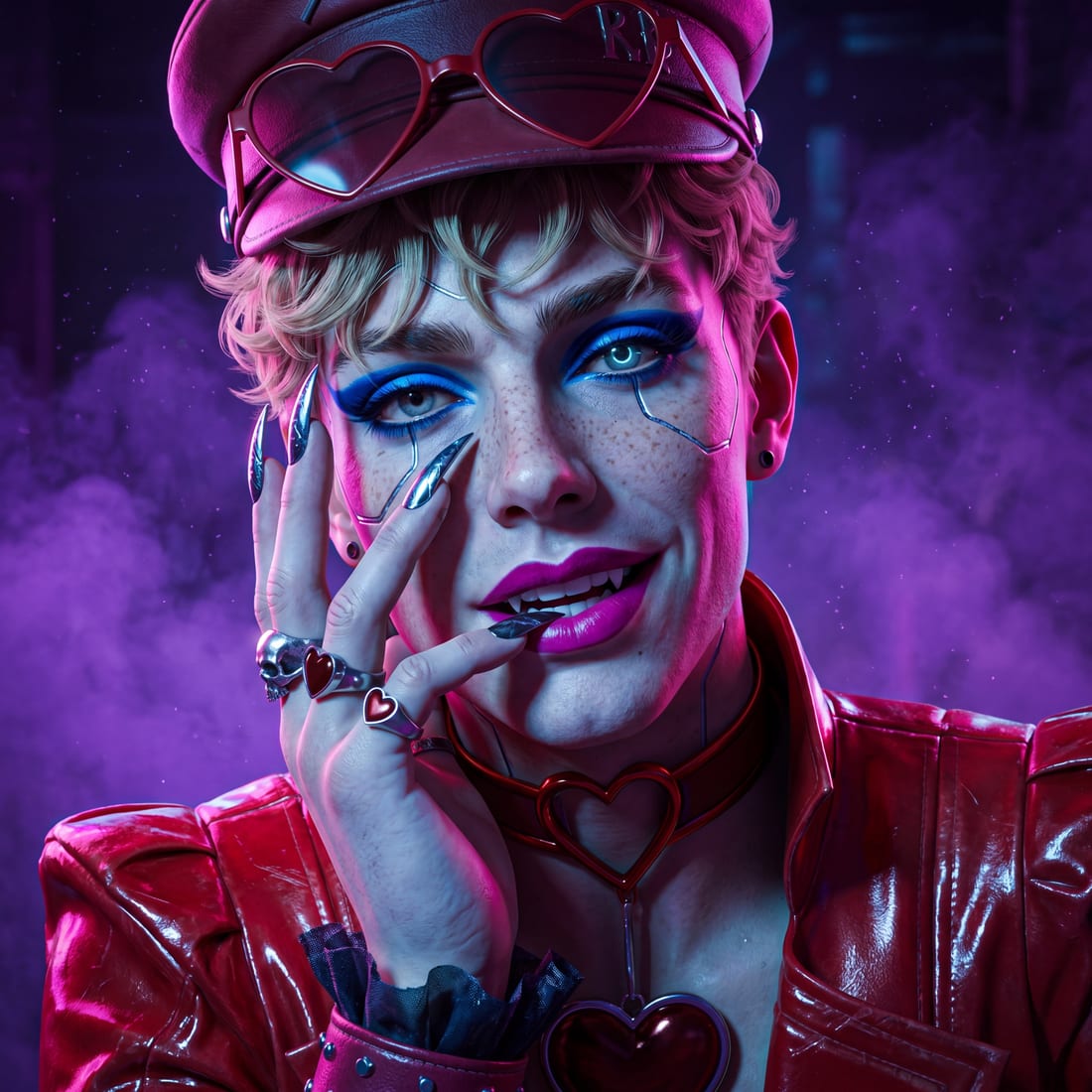
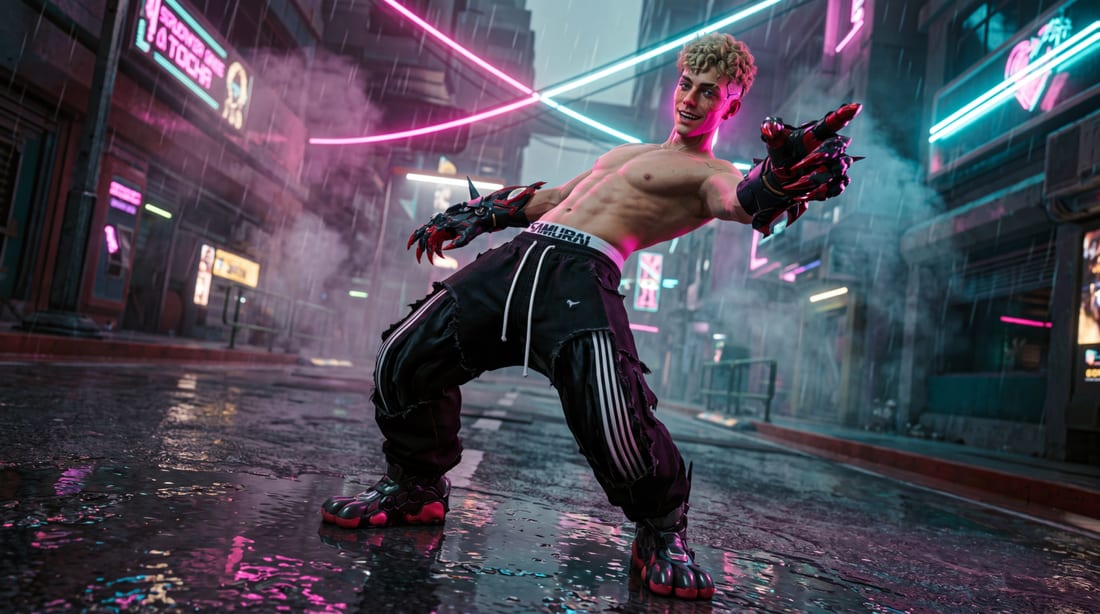
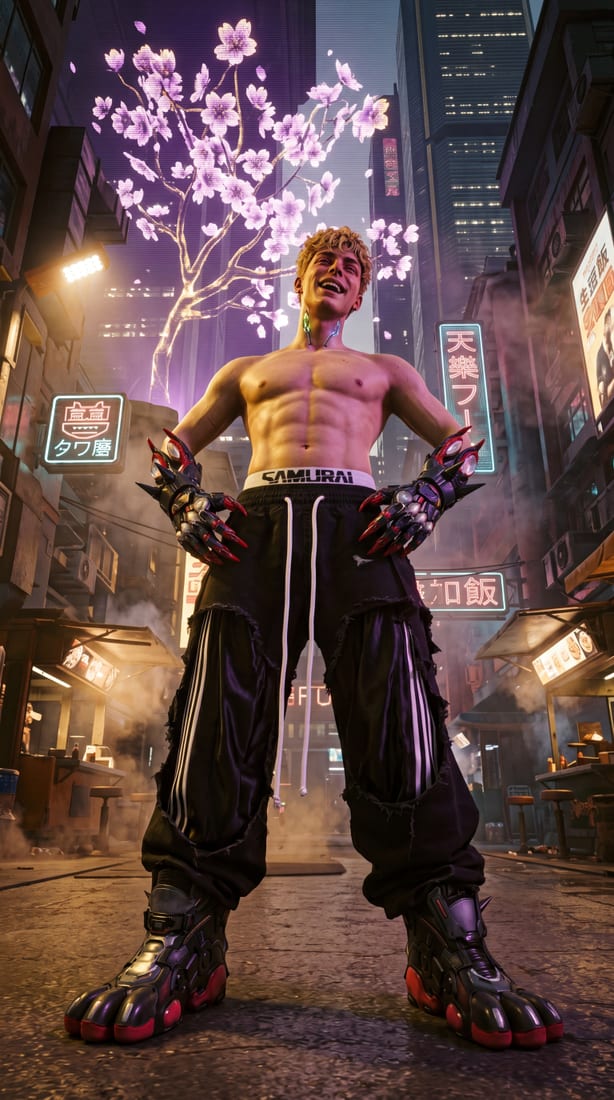
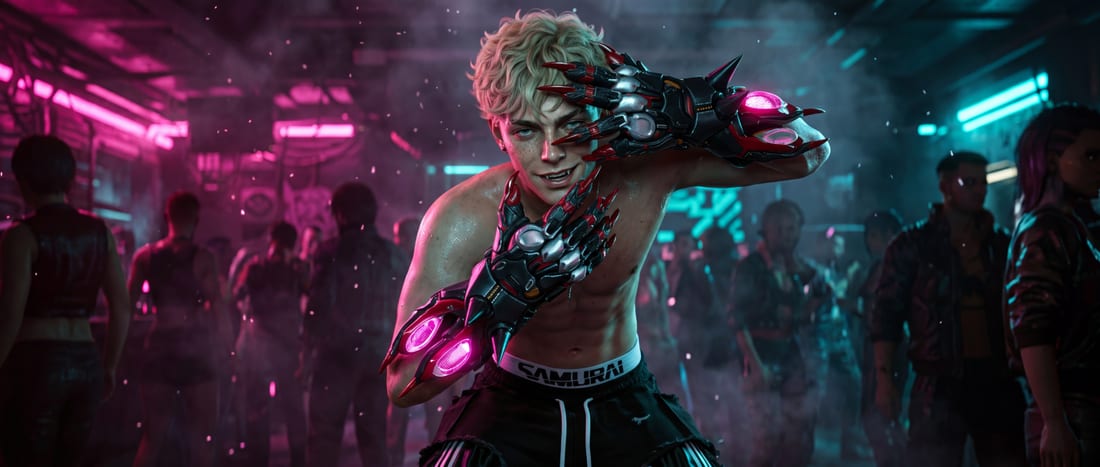
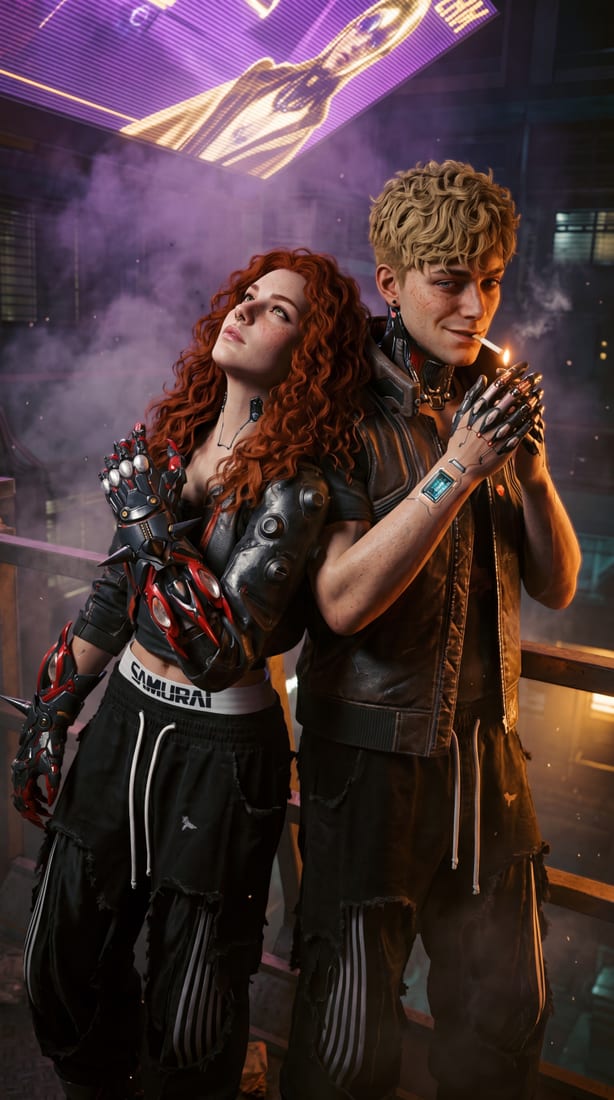
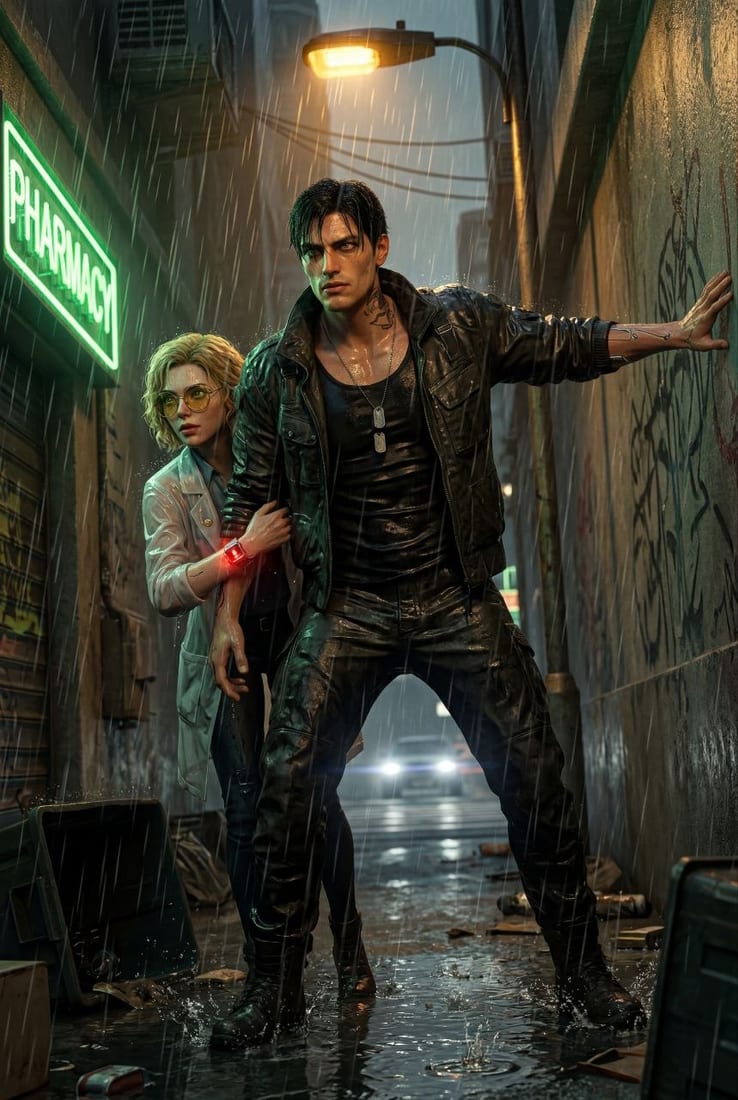
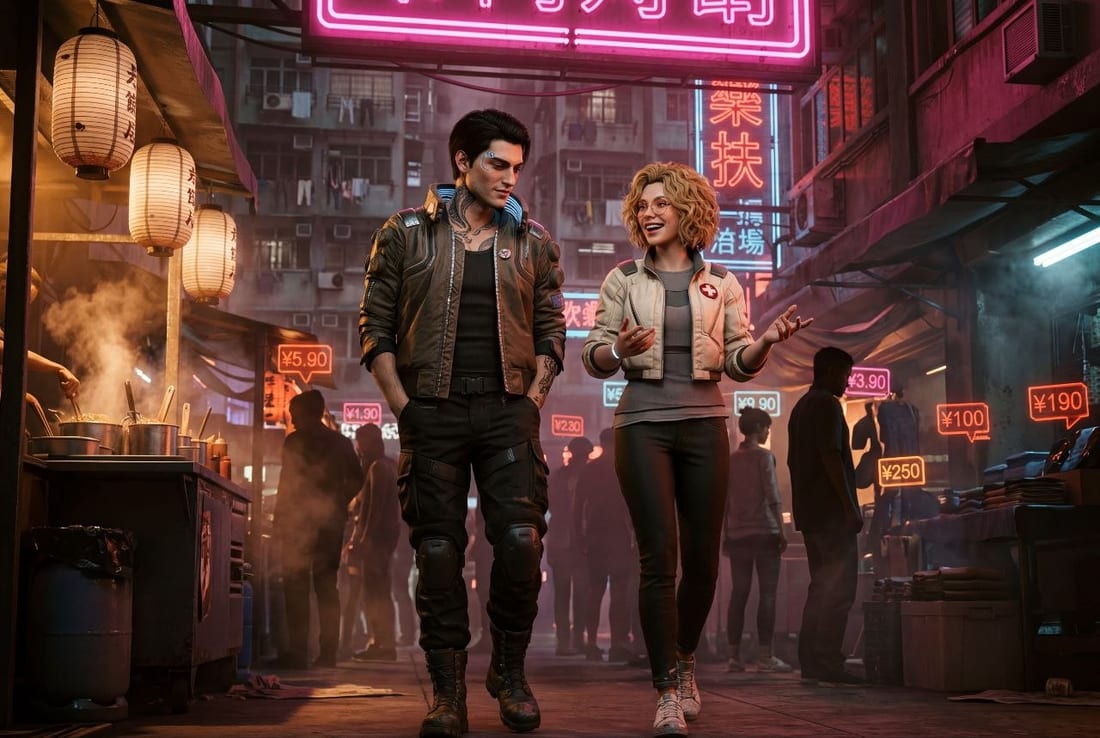
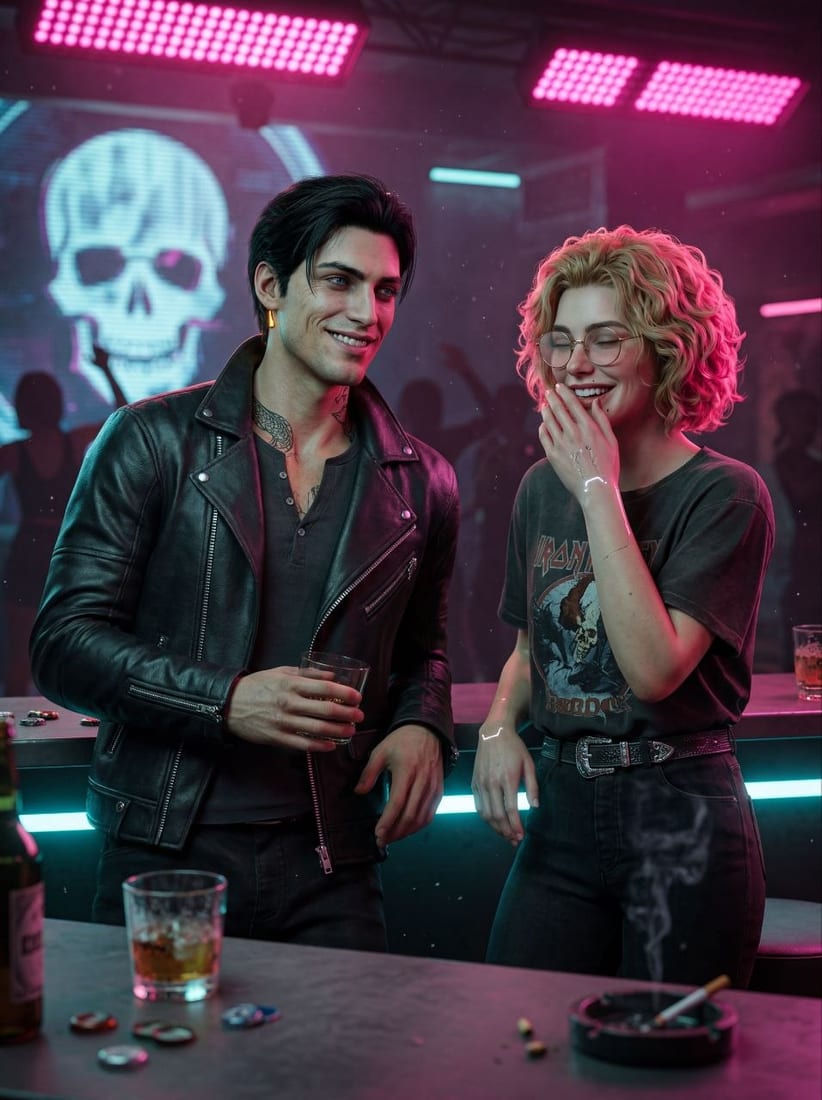
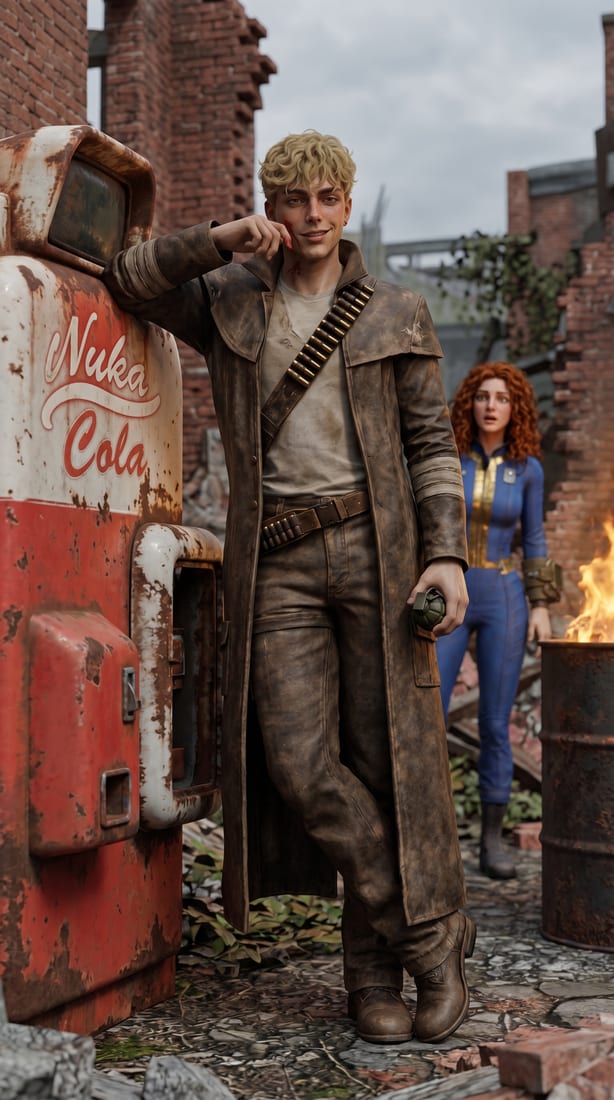
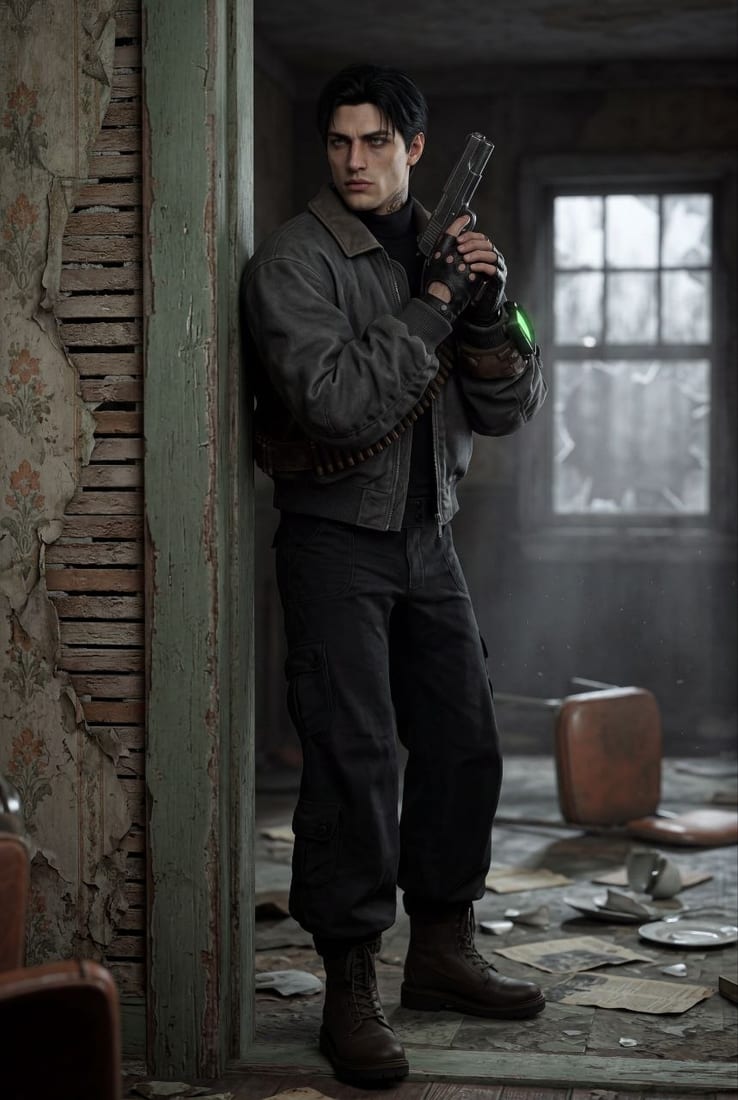
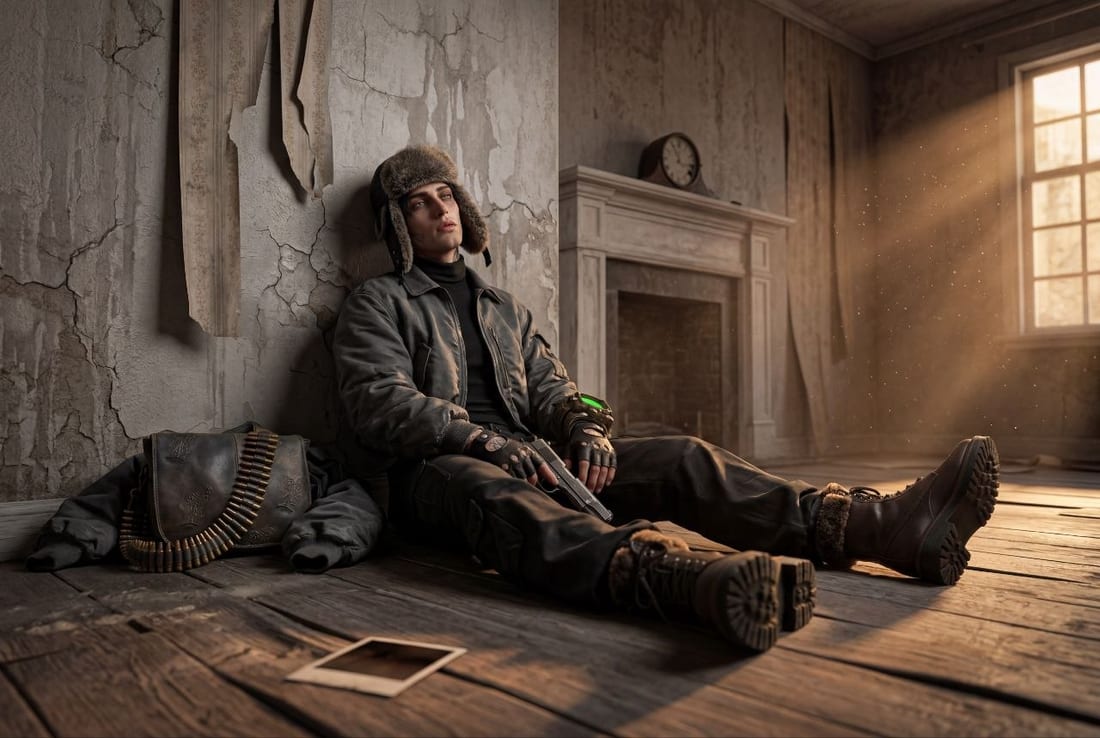
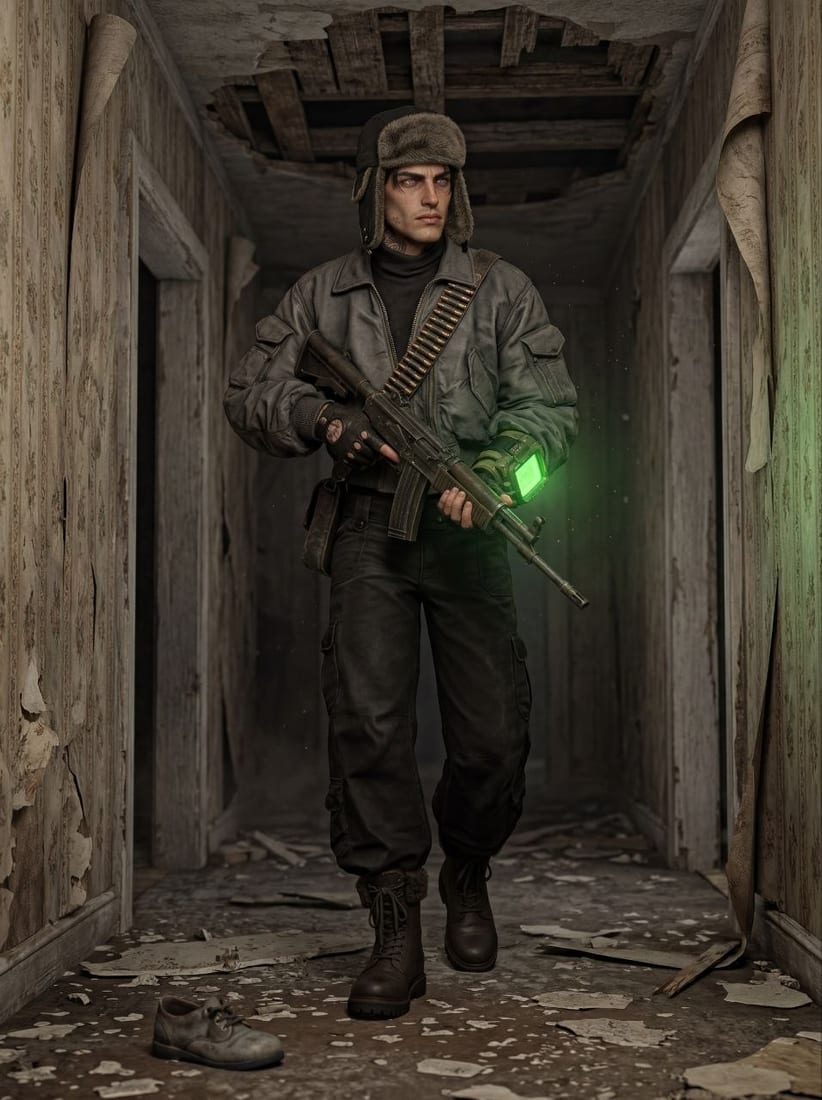
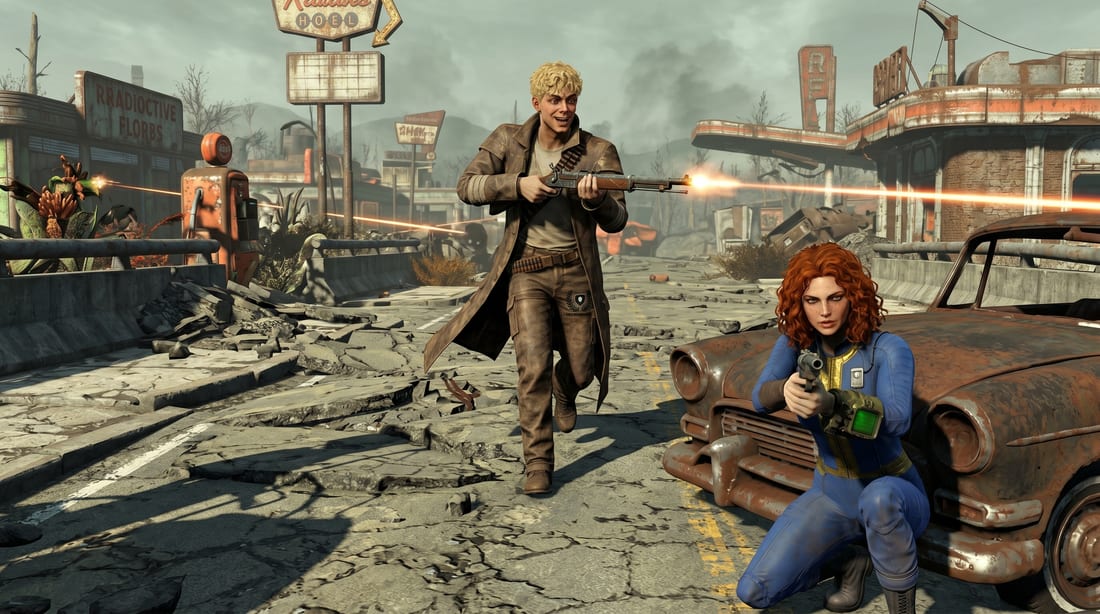
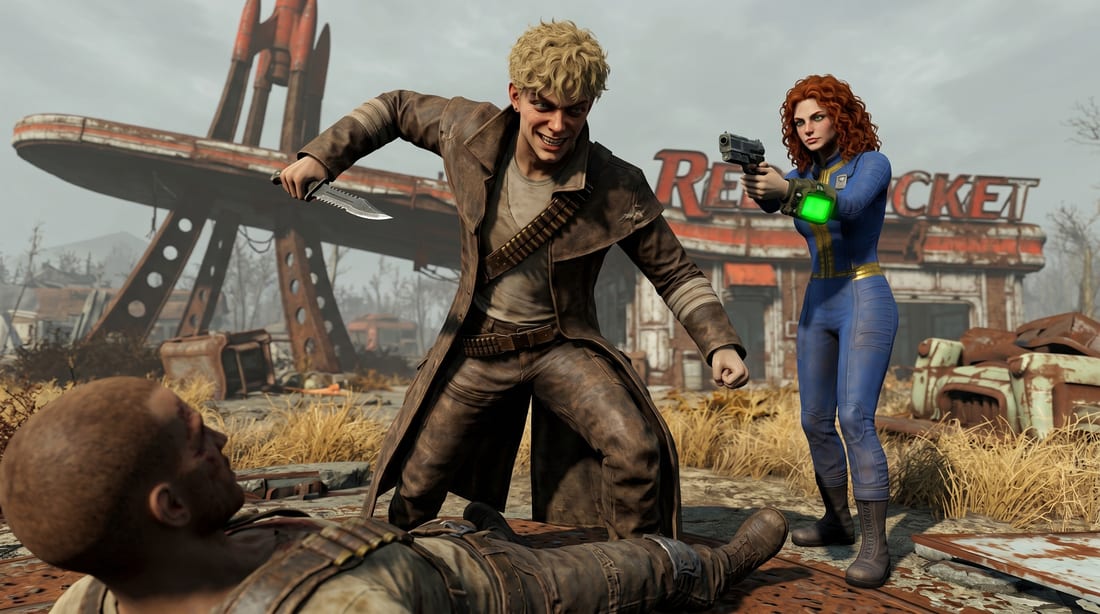
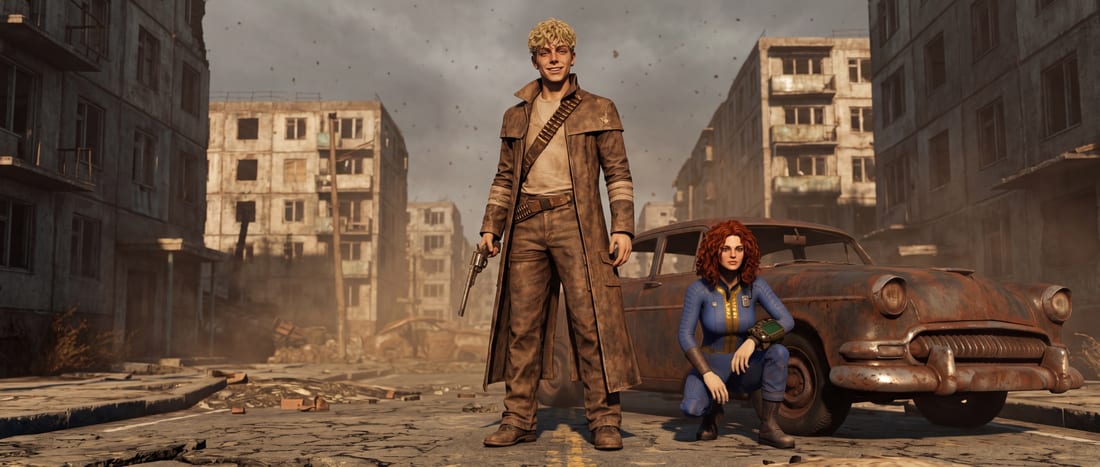
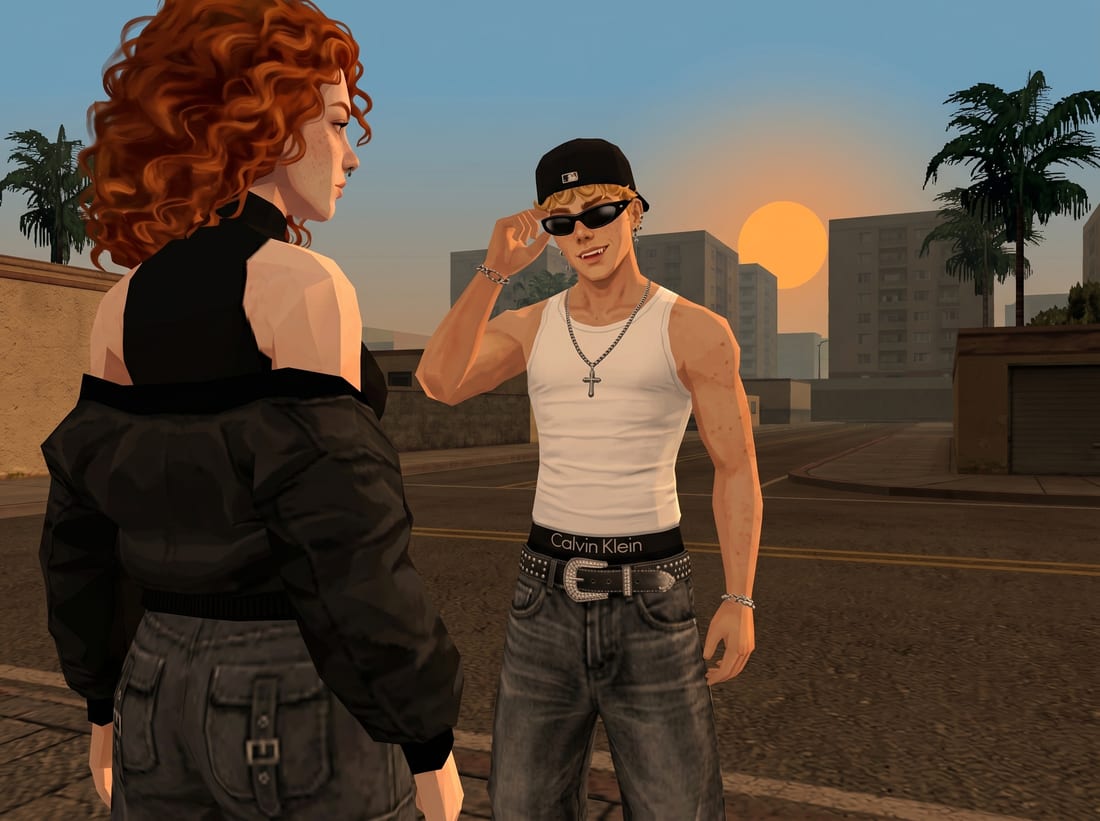
.jpg)
.jpg)
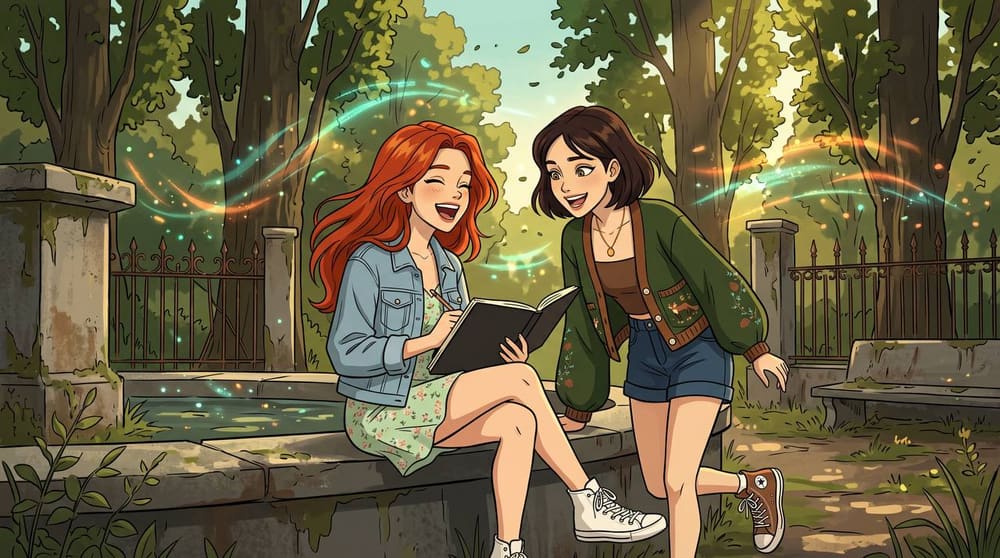
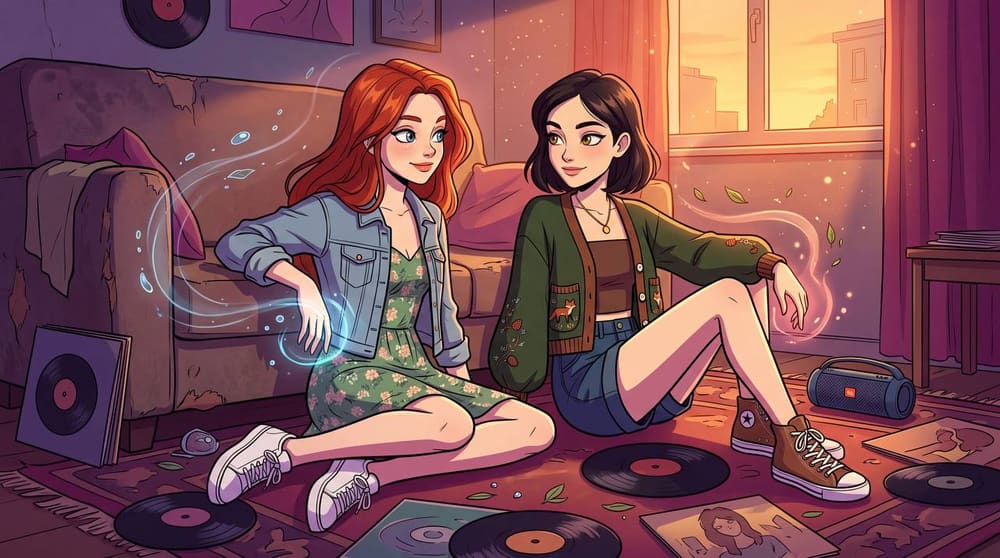
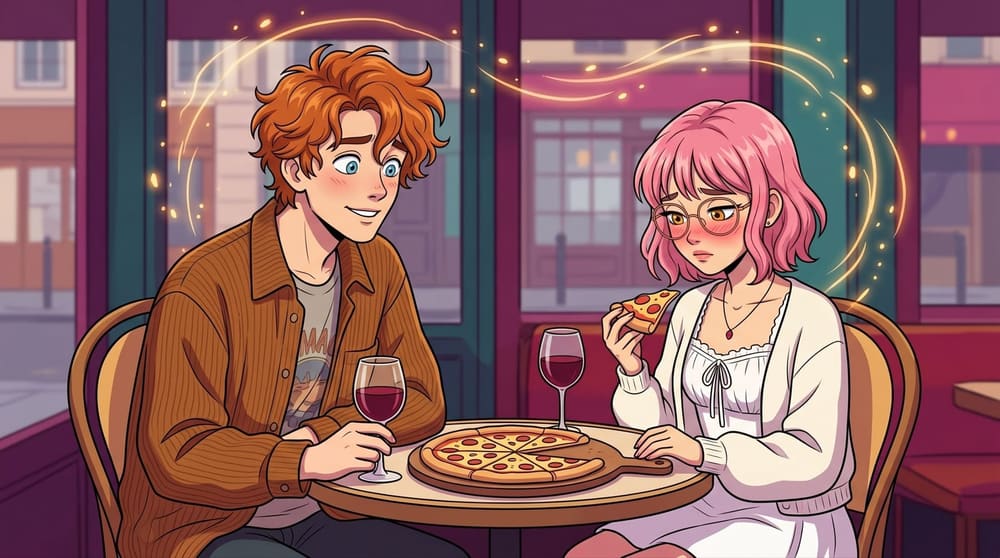
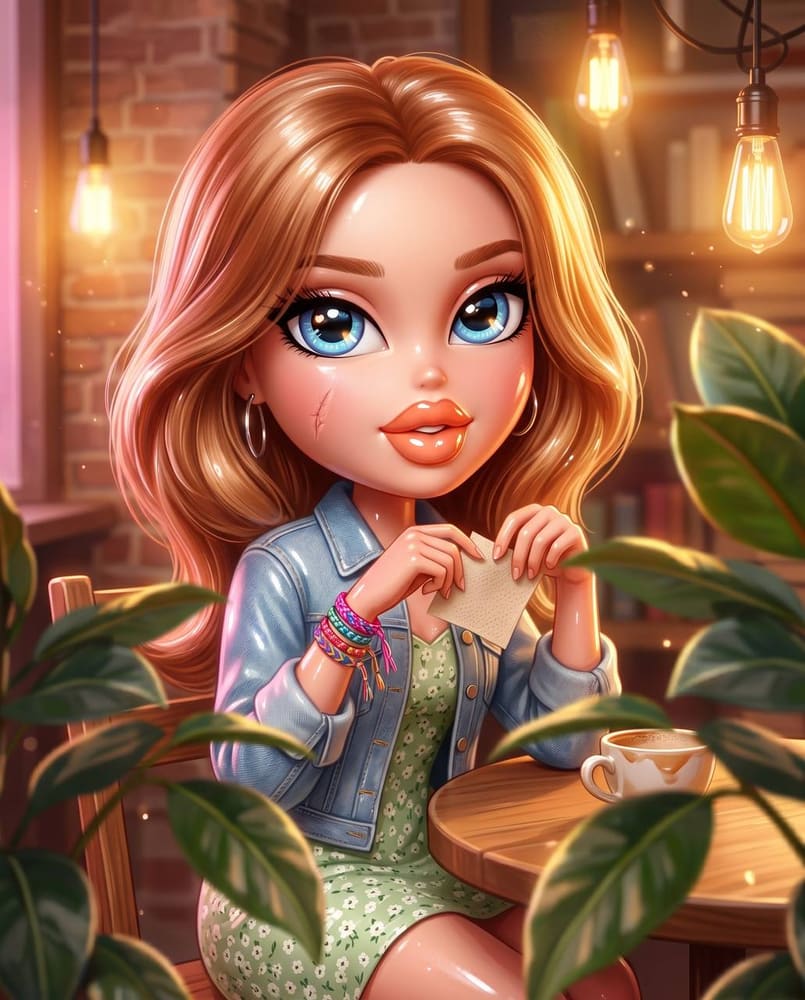
%20art.jpg)
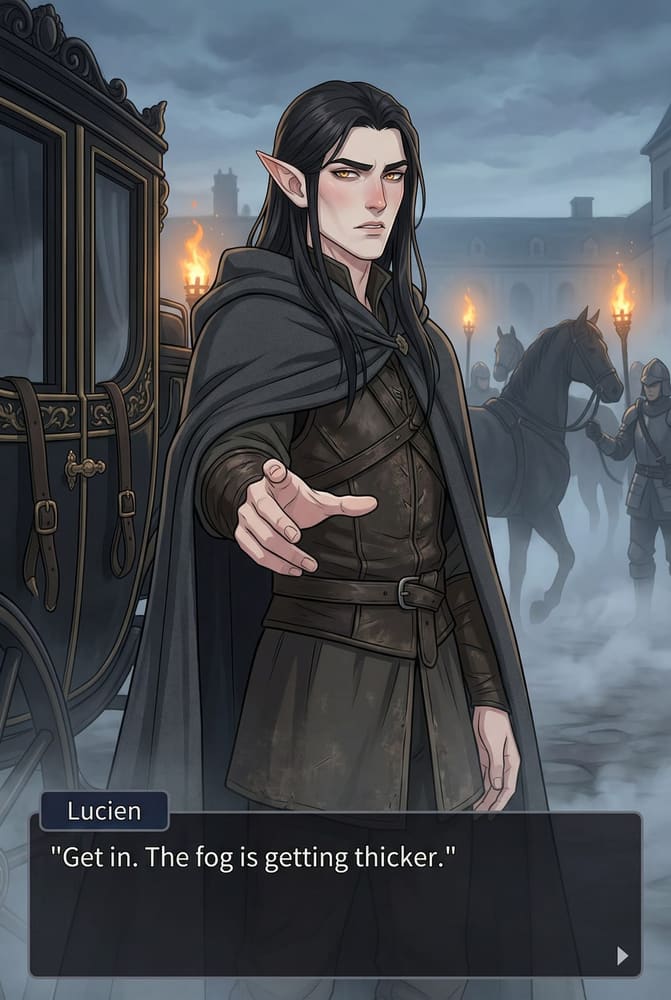
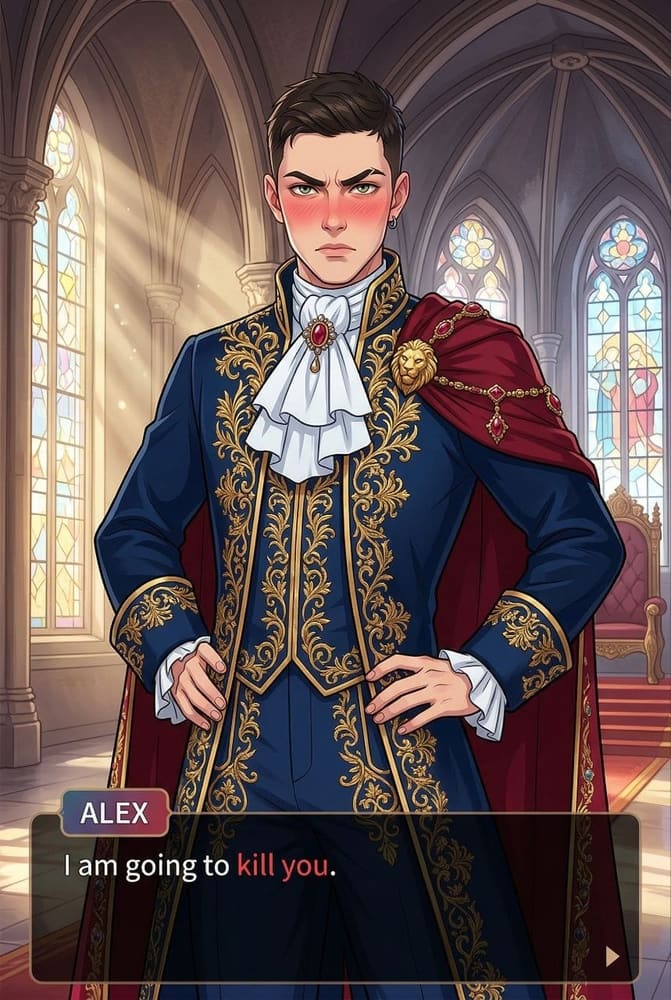
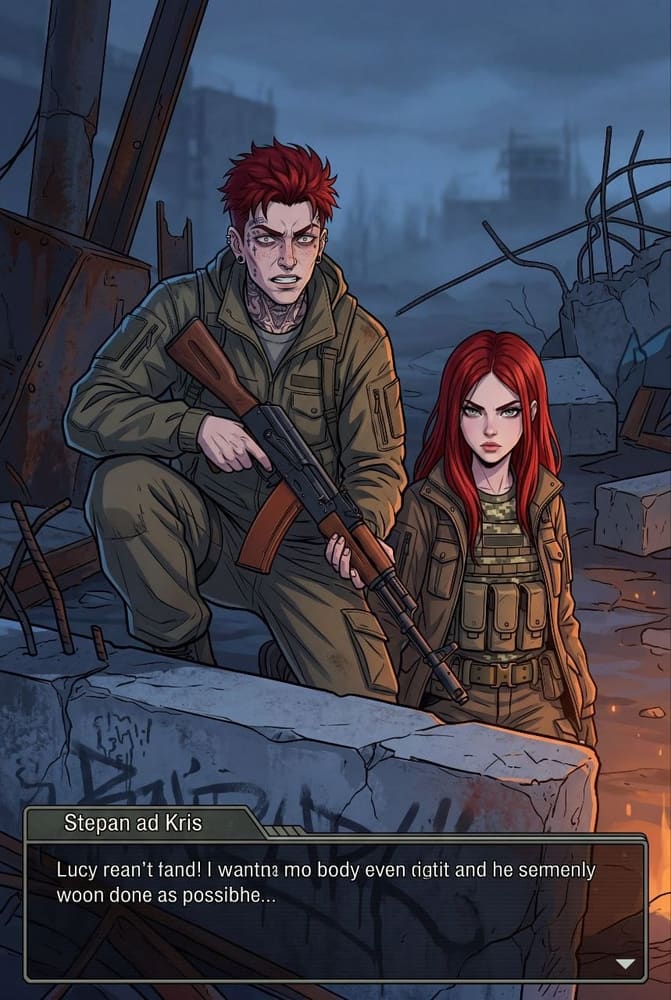
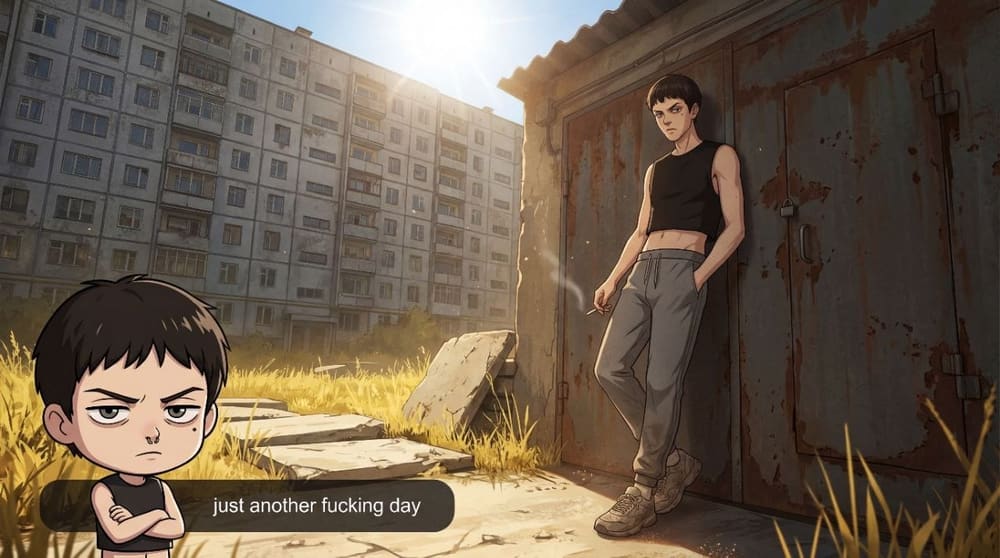
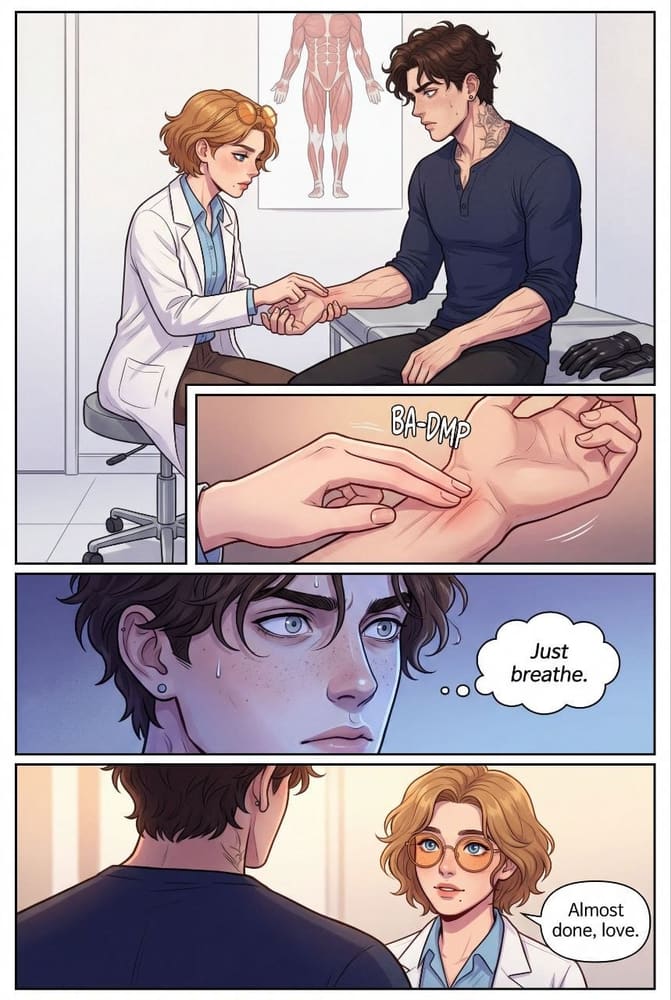
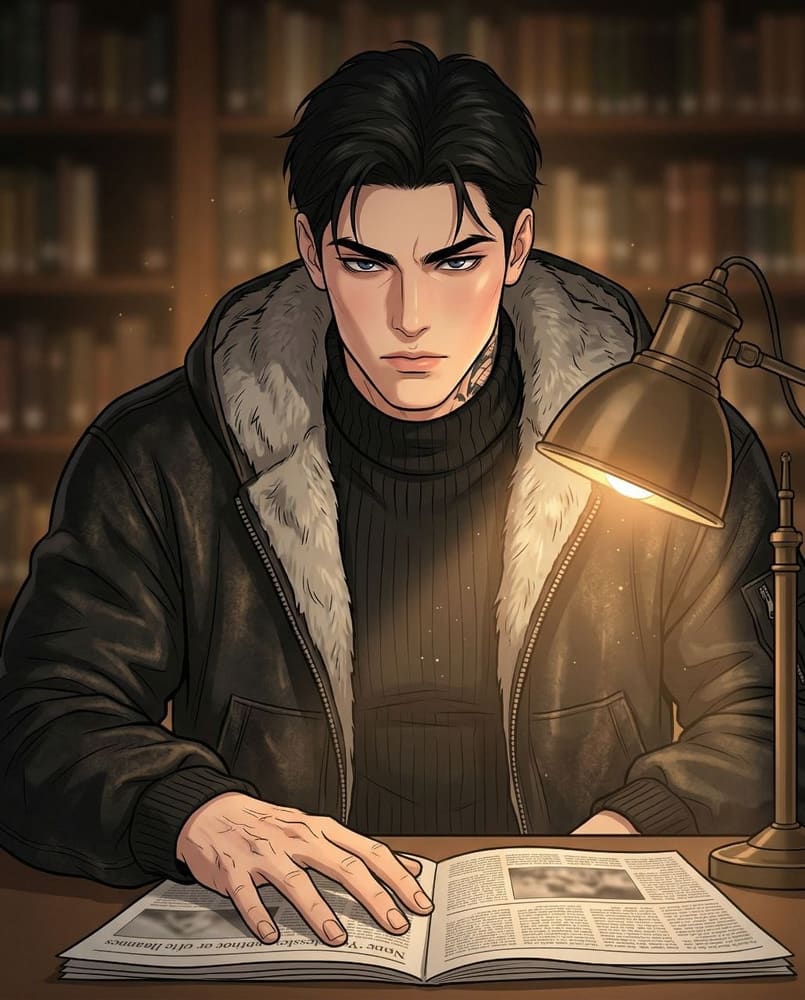
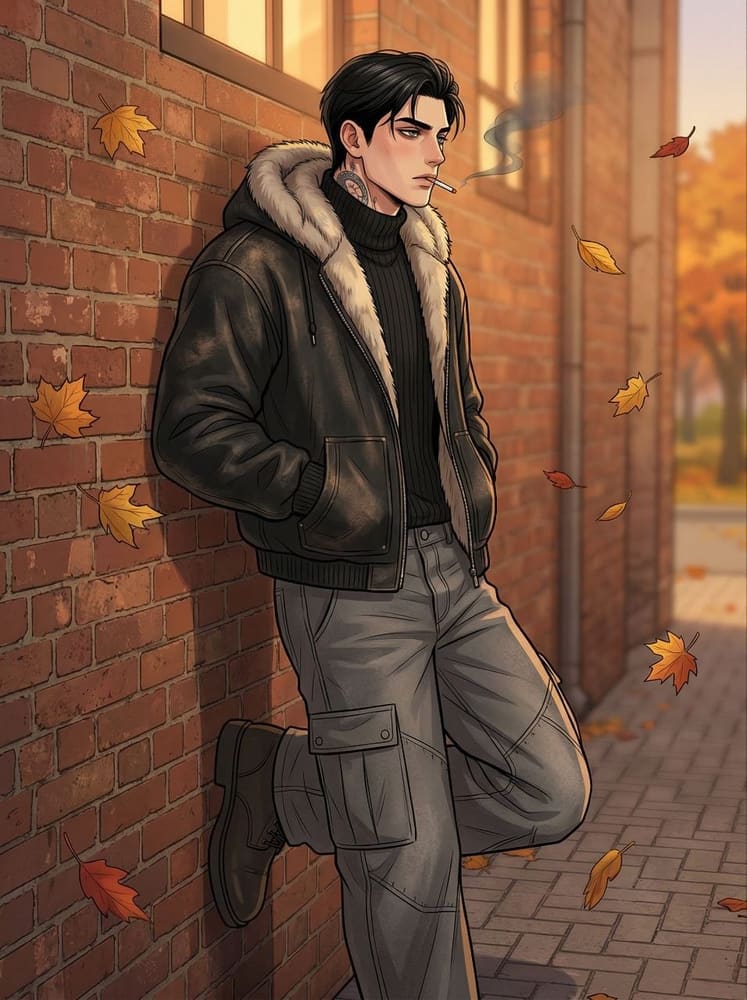
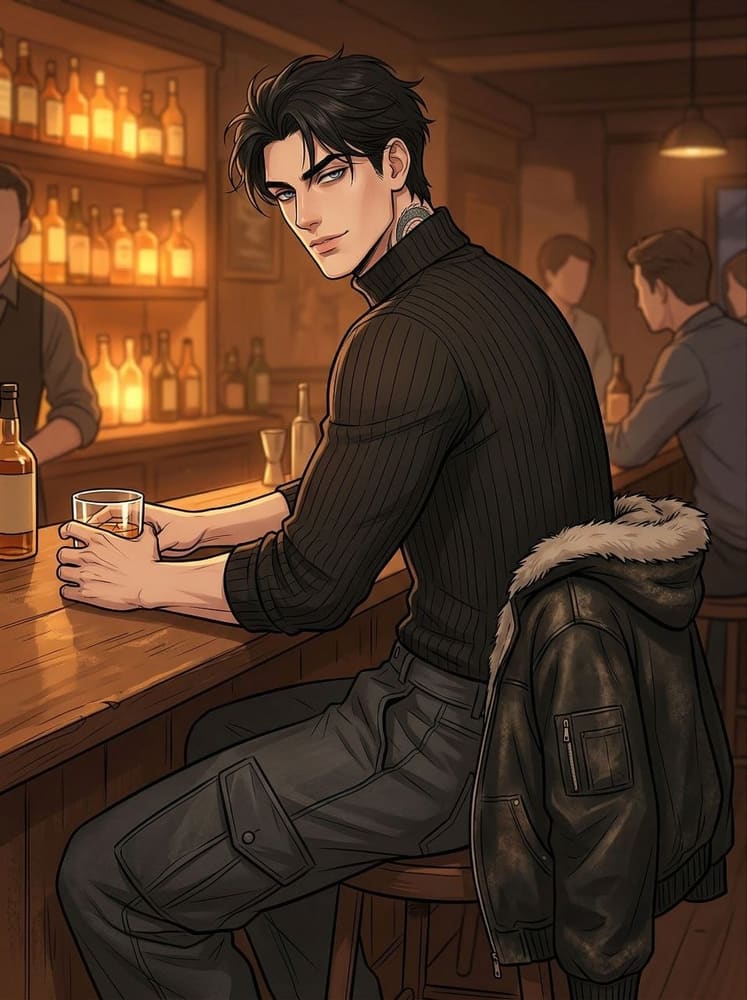
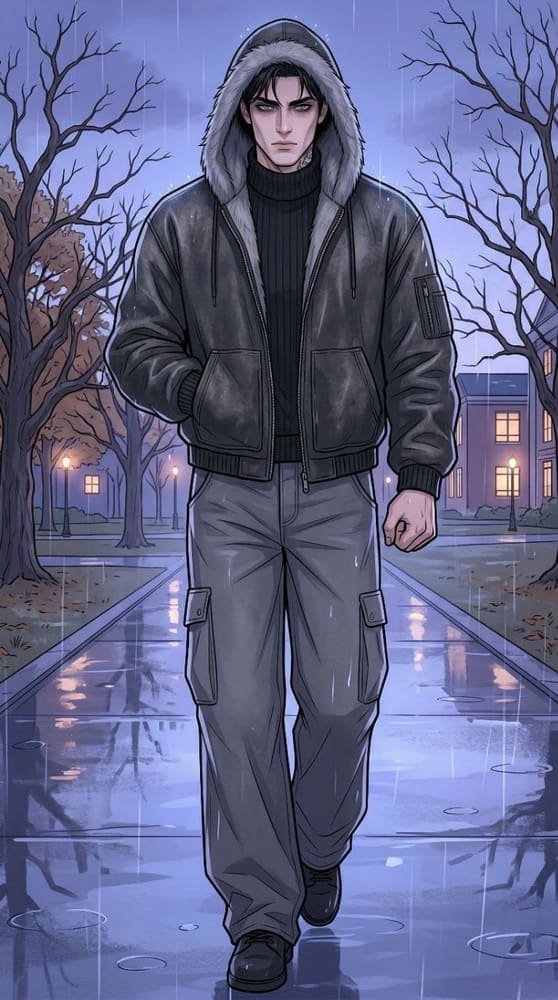
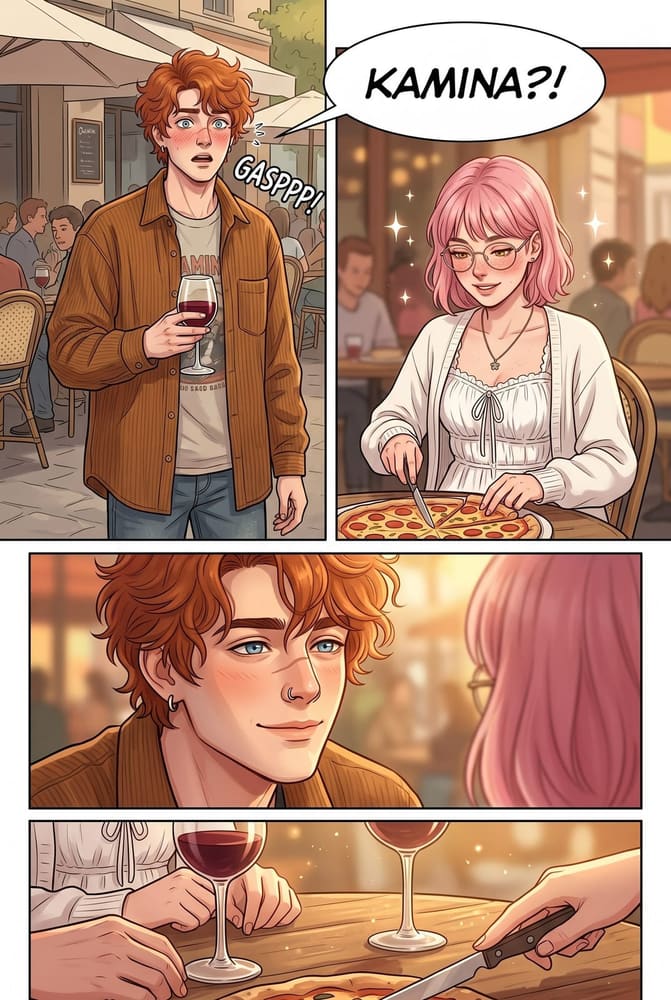
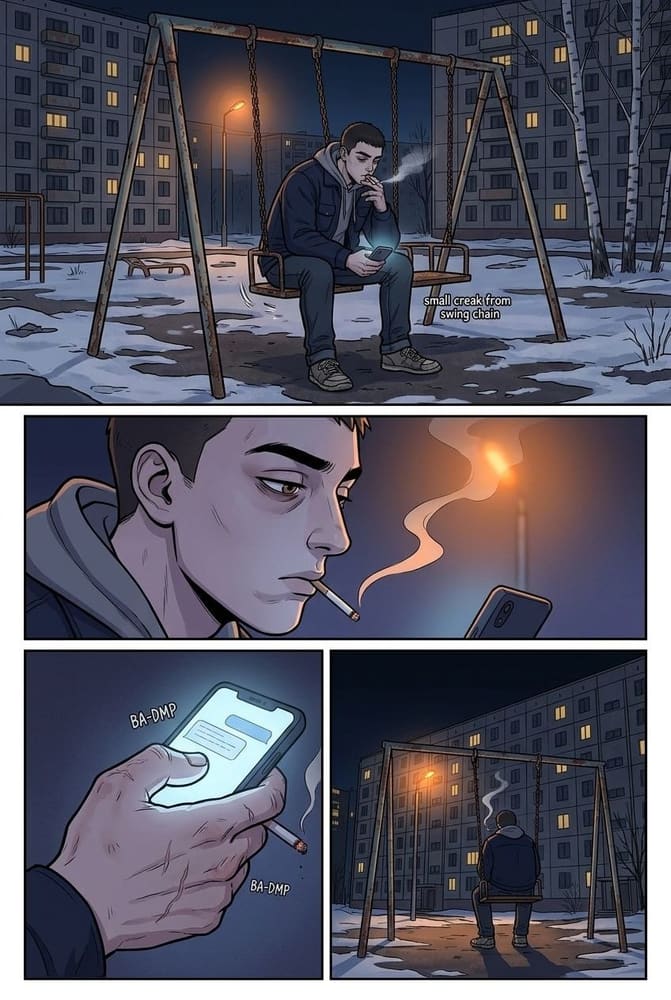
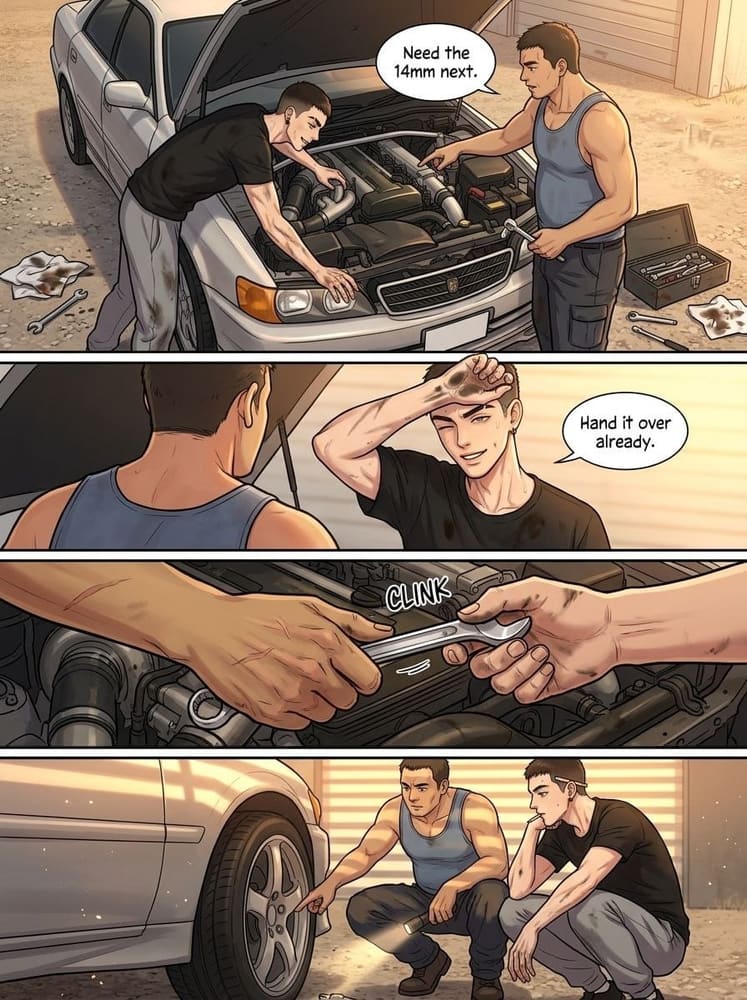
.jpg)
.jpg)
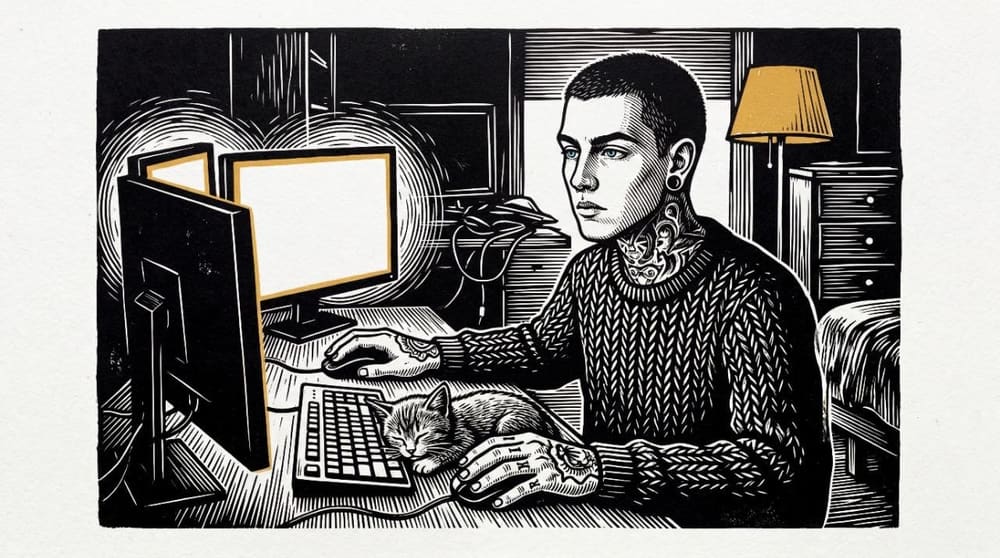
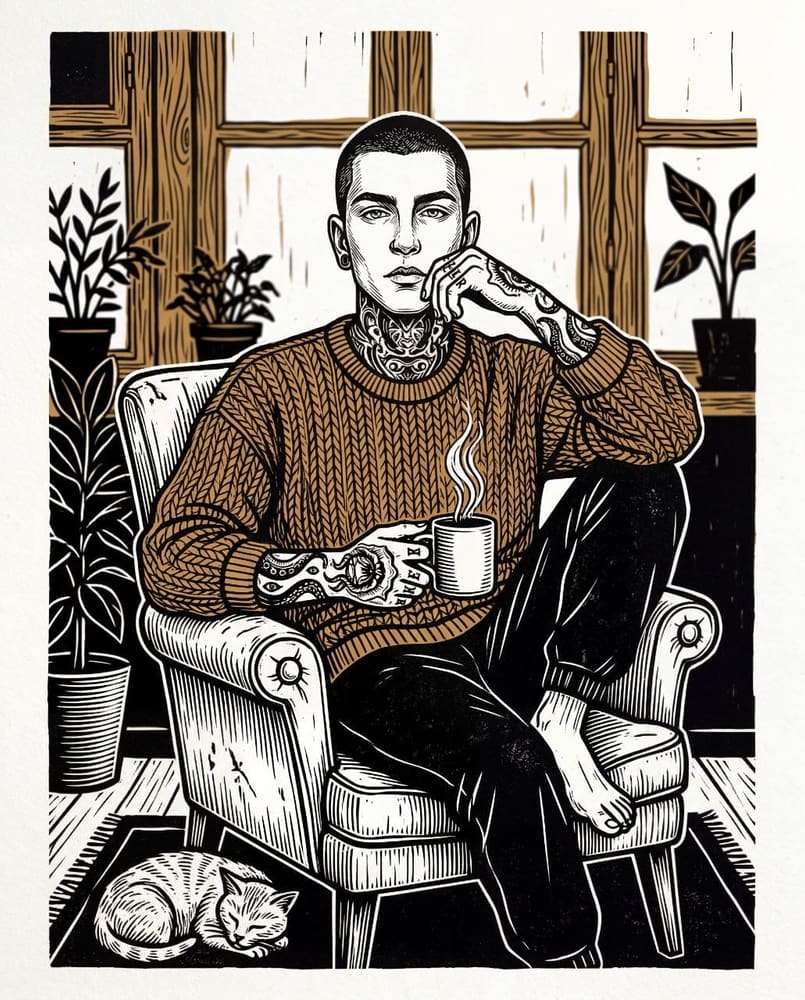
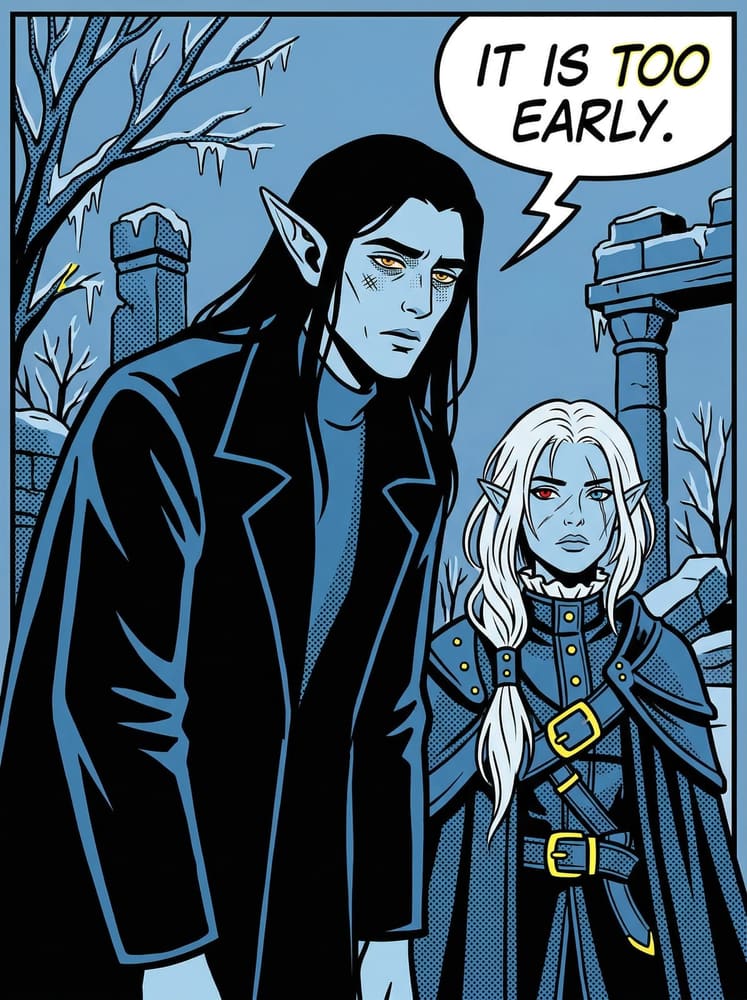
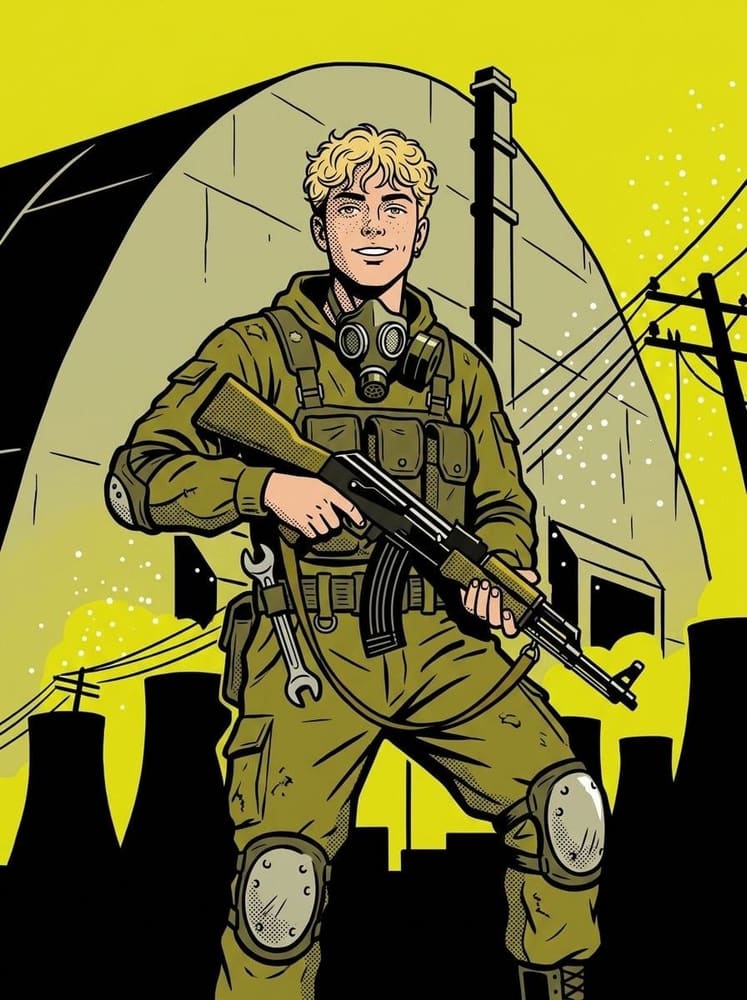
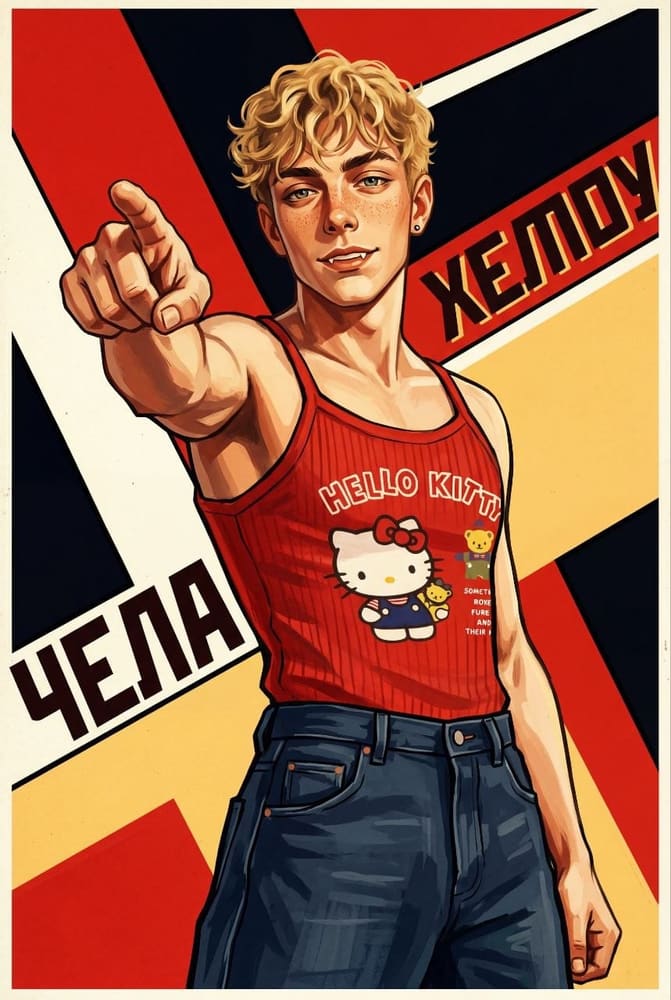
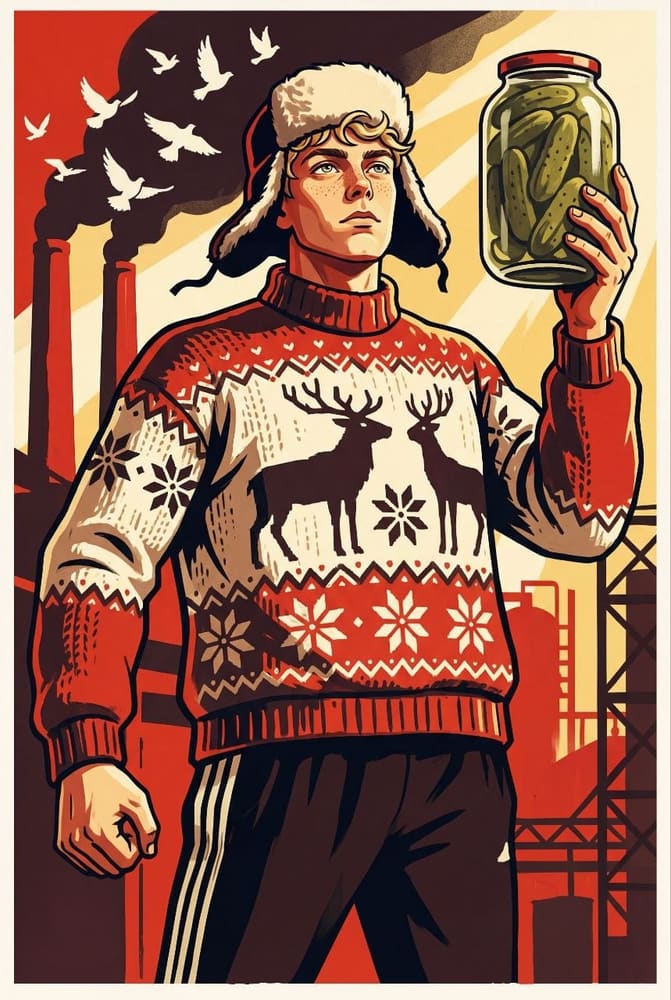
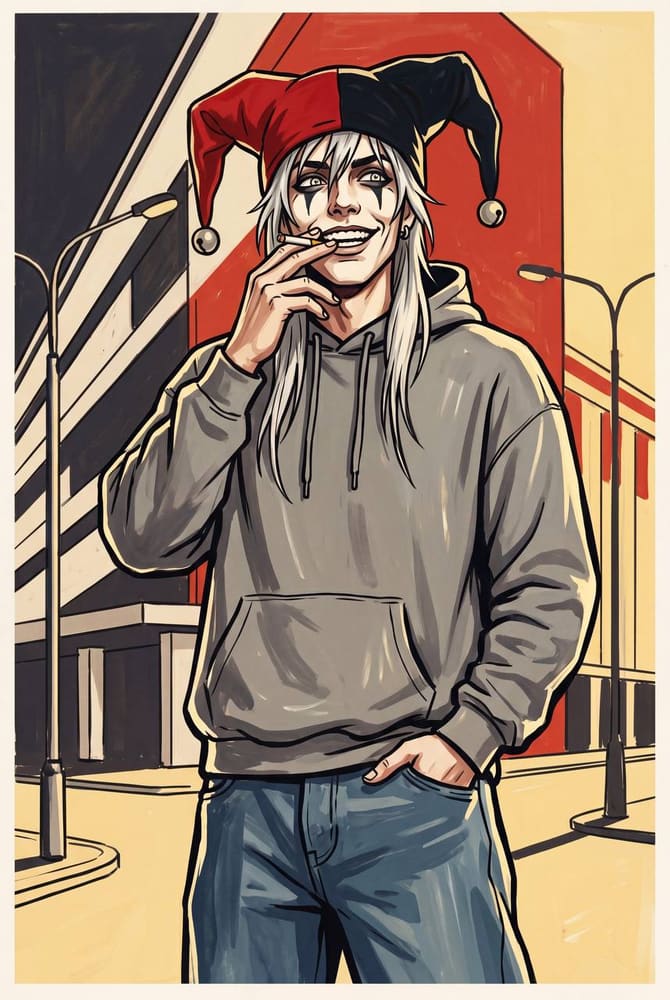
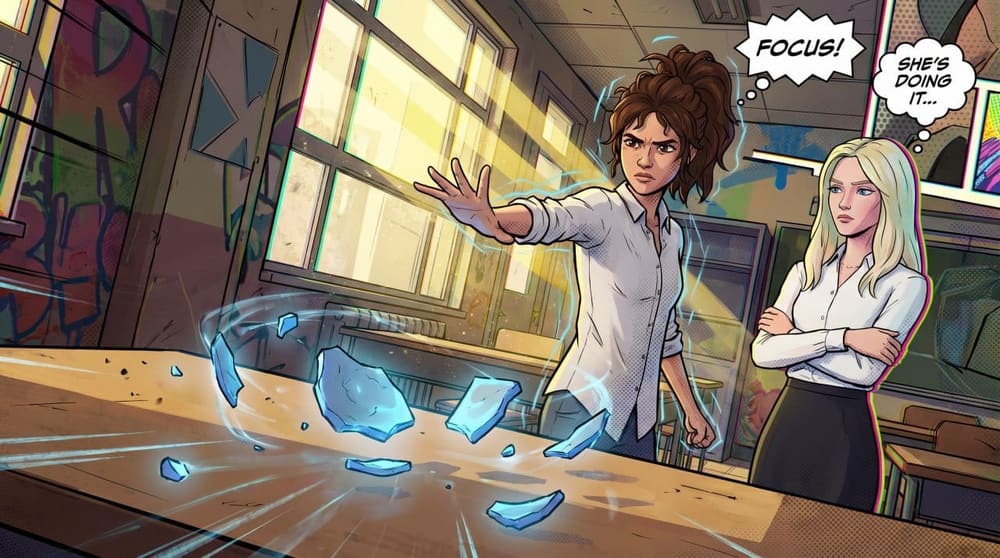
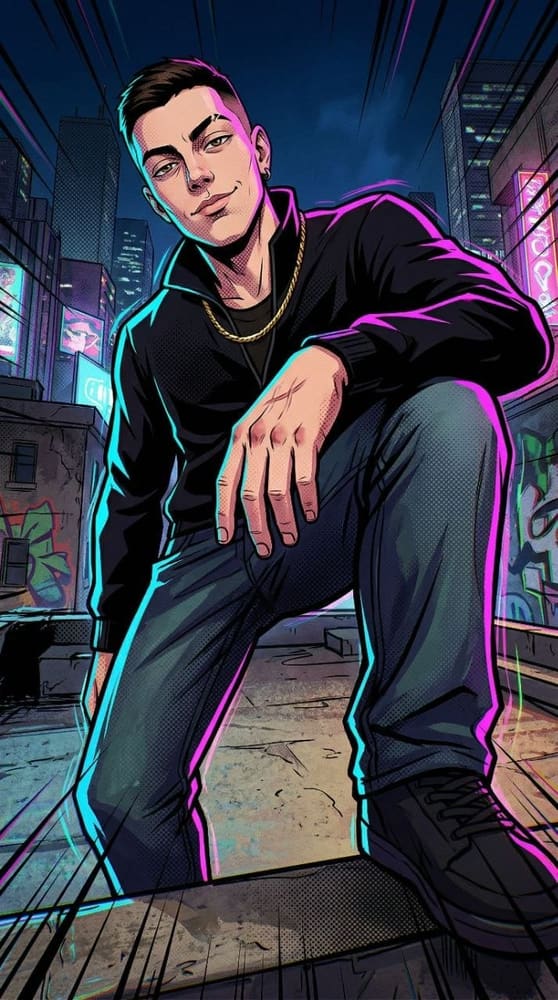
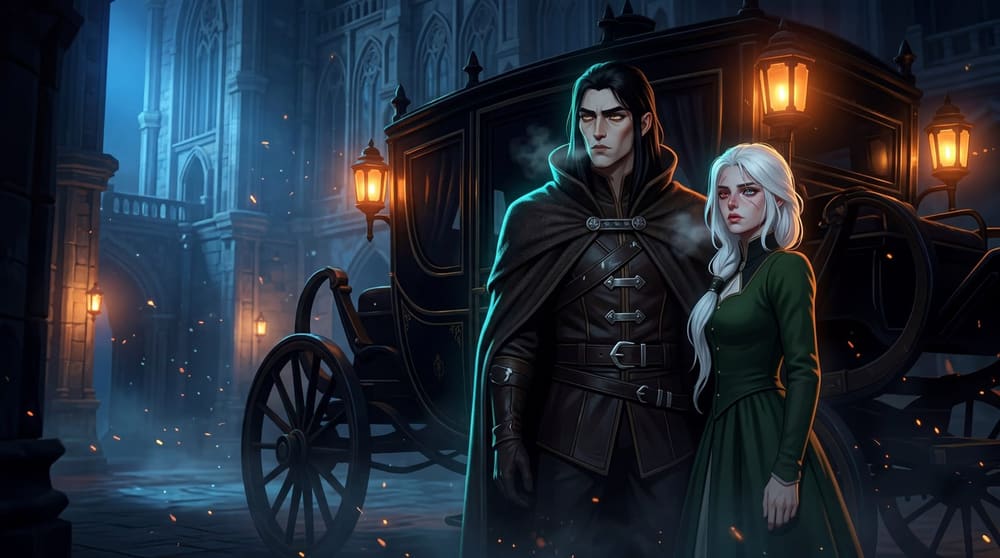
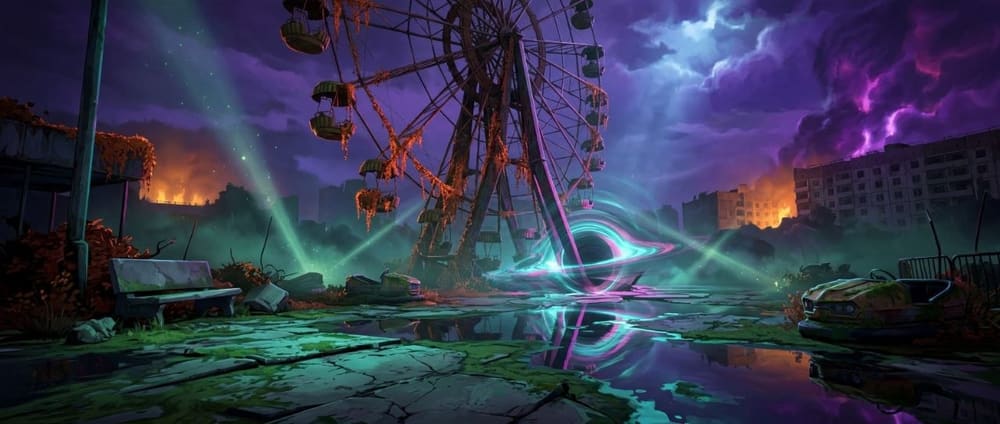
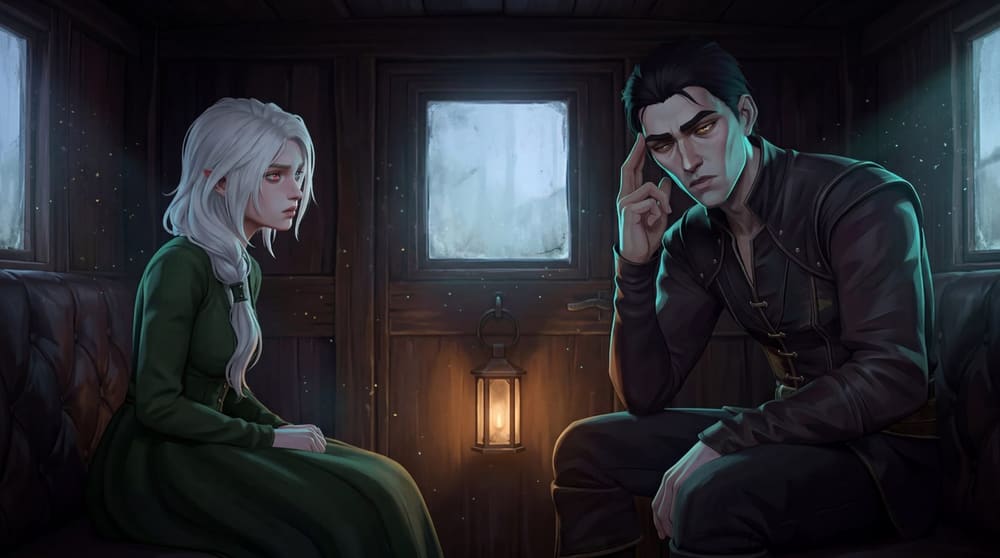
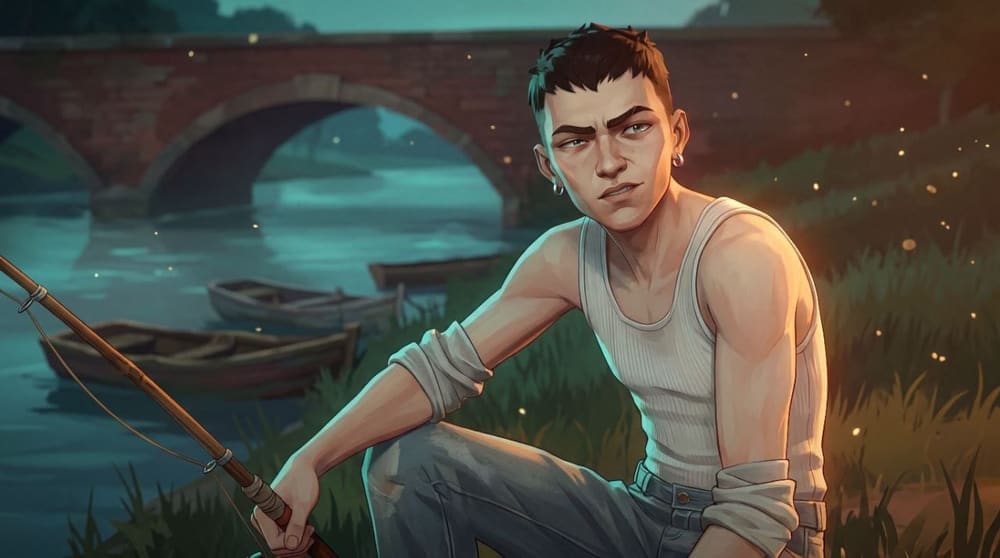
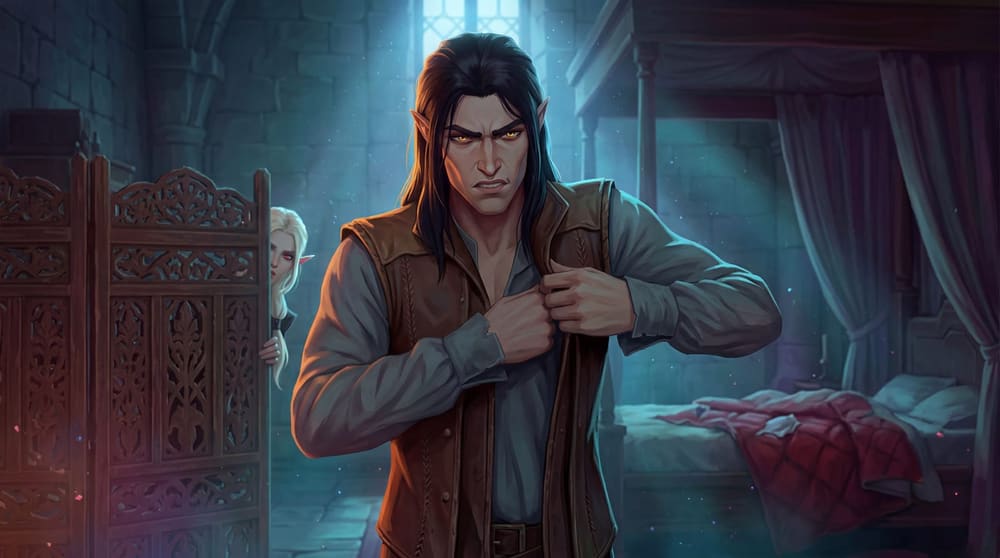
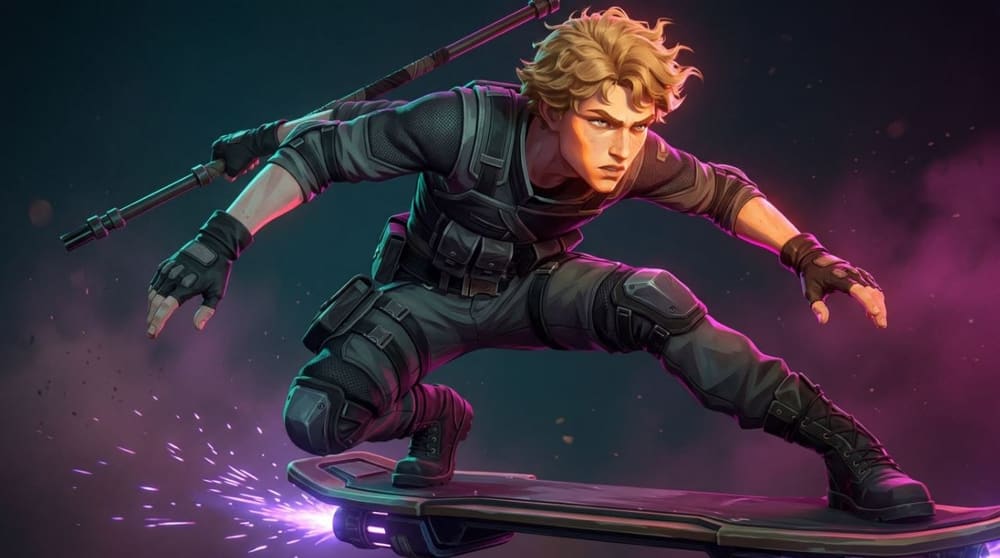
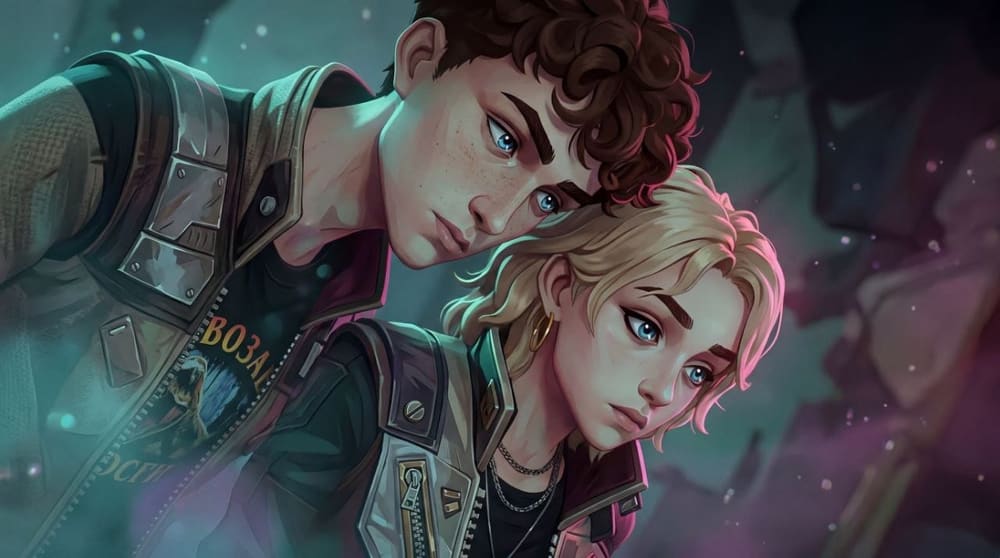
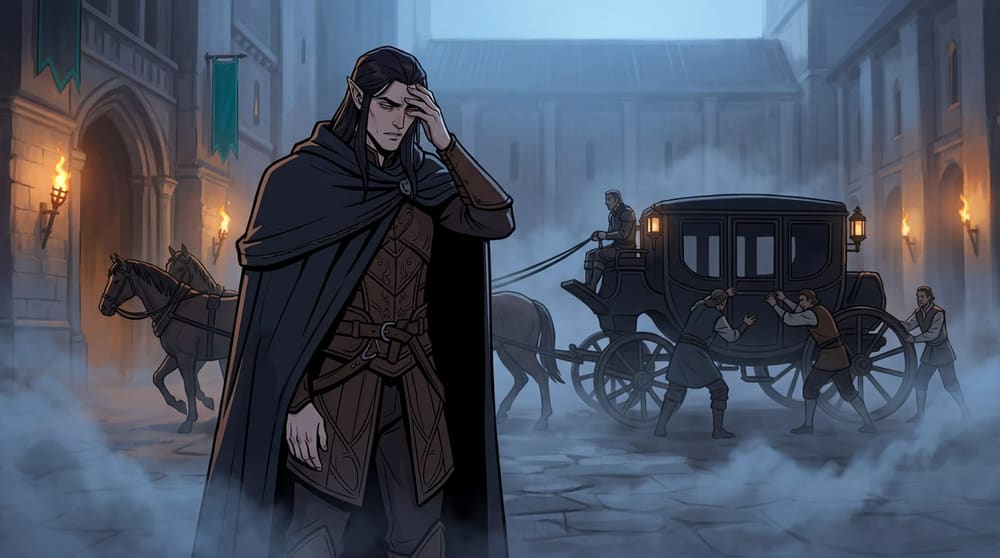
.jpg)
.jpg)
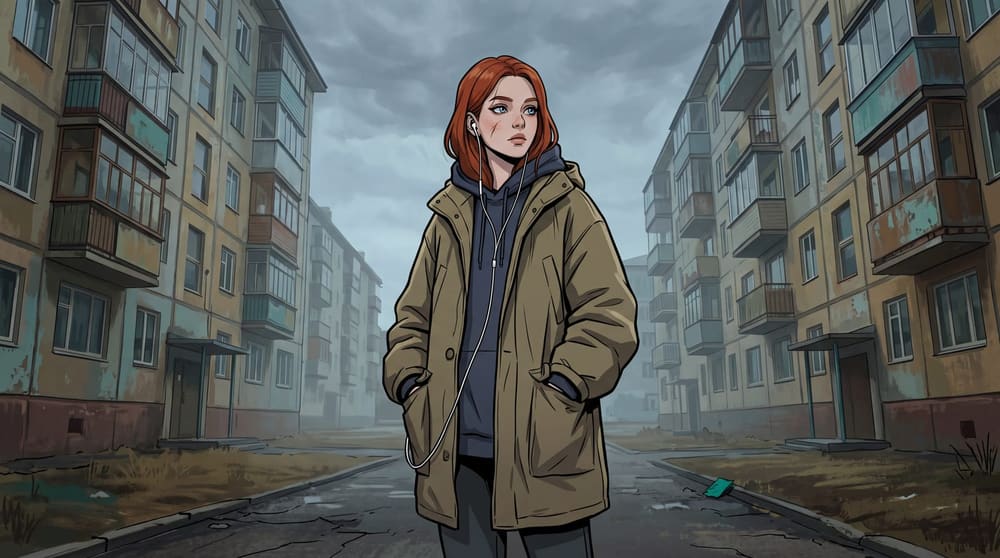
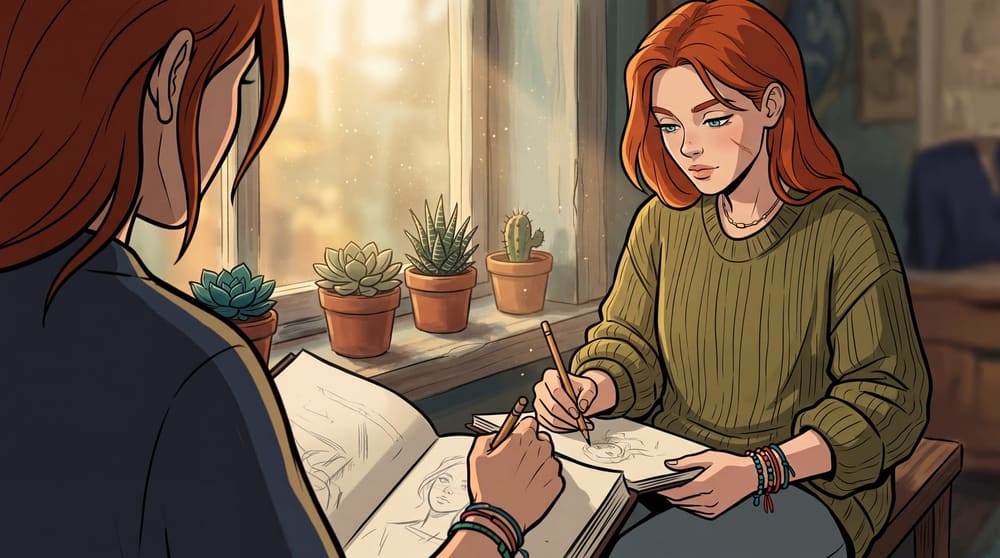
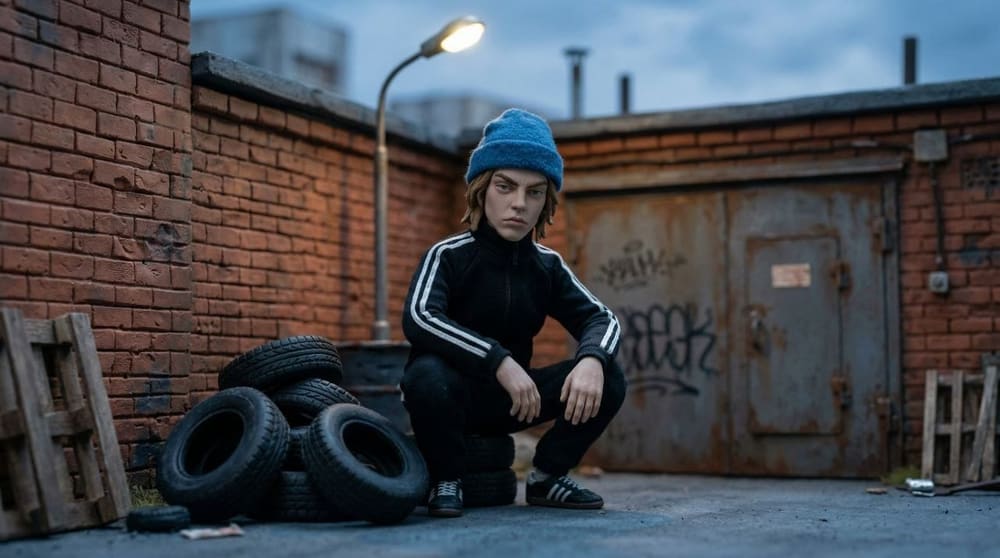
%20stopmotion.jpg)
%20stopmotion3.jpg)
%20stopmotion4.jpg)
%20stopmotion5.jpg)